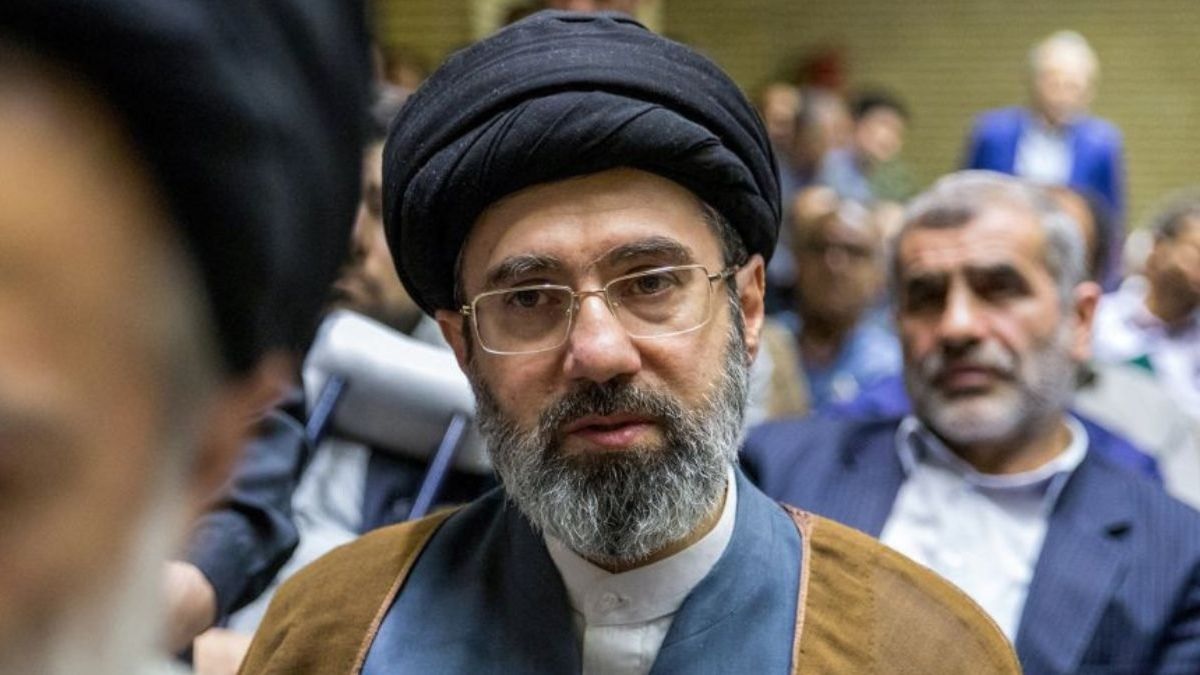
JERUSALEM / WASHINGTON — March 22, 2026 : Updated intelligence assessments from Israeli and United States officials indicate that Iran’s Supreme Leader, Mojtaba Khamenei, does not exercise full administrative or military control over the country, with effective authority assessed to be concentrated within the Islamic Revolutionary Guard Corps (IRGC).
The evaluations, supported by multiple intelligence sources, suggest that the IRGC is directing key strategic and operational decisions, while the formal leadership structure remains in place for continuity.
Shift in Internal Power Structure
According to officials familiar with the assessments, Mojtaba Khamenei’s authority is considered limited and does not match the level of control exercised by his predecessor, Ali Khamenei. Analysts assess that the IRGC has consolidated its influence during the ongoing conflict, effectively shaping Iran’s military posture and internal security decisions.
The rapid endorsement of Mojtaba Khamenei by IRGC-linked factions following his appointment on March 9, 2026, is viewed as an indication of this shift. Intelligence sources describe the current structure as one in which the military-security establishment plays a dominant role, while the clerical leadership provides institutional continuity.
Condition and Public Absence
Intelligence assessments indicate that Mojtaba Khamenei was injured during the initial phase of U.S. and Israeli airstrikes on February 28, 2026, which also resulted in the death of his predecessor. Reports suggest he sustained injuries to his legs during the operation, referred to in some accounts as Operation “Roaring Lion.”
While current evaluations confirm that he is alive, conscious, and capable of carrying out official duties, his physical condition has limited his public presence. Since assuming office, Mojtaba Khamenei has not made any public appearances.
Earlier unverified reports had suggested more severe injuries, including the possibility of a coma, but these have not been supported by current intelligence assessments. Officials in Washington and Jerusalem state that he remains operational, though likely recovering in a secure location.
Nowruz Statement and Communication Patterns
The absence of direct public engagement was highlighted during Nowruz on March 20, 2026. Intelligence agencies, including the Central Intelligence Agency (CIA) and Mossad, monitored the occasion expecting a video or audio address from the new Supreme Leader.
Instead, Iranian state media released a written statement attributed to Mojtaba Khamenei, which was read aloud on television and accompanied by still images of unverified timing.
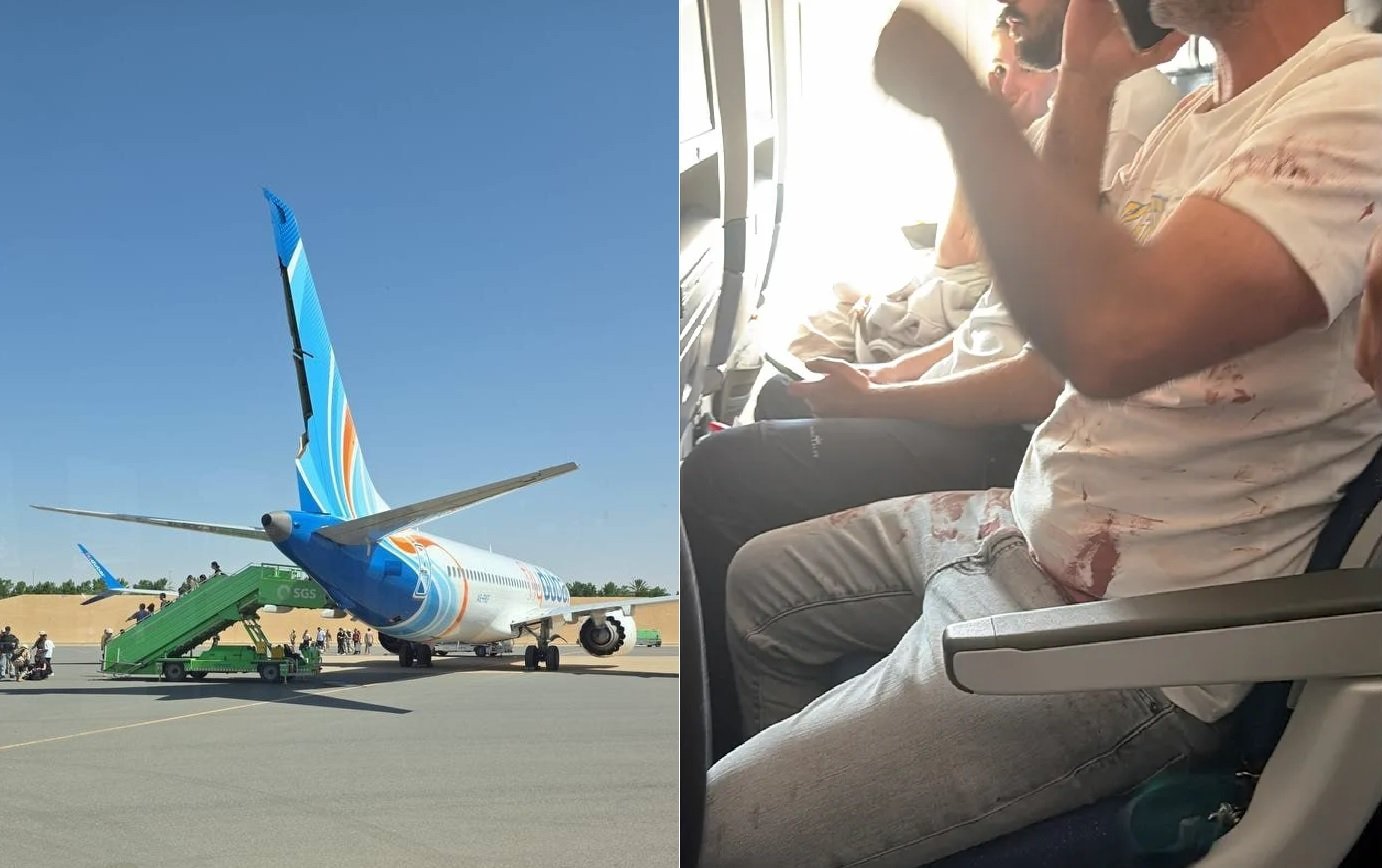
In the message, he described the coming year as one of a “resistance economy under national unity and national security,” praised public resilience, and asserted that U.S. and Israeli operations had been countered. The statement also denied Iranian involvement in recent incidents in Turkey and Oman, attributing them to what was described as false-flag actions by adversaries.
Command and Control Uncertainty
The reliance on written communication and the continued absence of visual confirmation have contributed to uncertainty among foreign intelligence agencies regarding the exact command structure in Tehran.
Officials involved in the assessments state that, at present, the IRGC is likely directing Iran’s military operations, including missile deployments and internal security measures. One source familiar with the intelligence evaluations indicated that “the Revolutionary Guards control him more than he controls them,” reflecting the current balance of authority.
Background and Succession Context
Mojtaba Khamenei, the second son of Ali Khamenei, had long been regarded as a potential successor due to his influence within conservative clerical networks and his established ties with IRGC leadership. His appointment followed the escalation of hostilities on February 28, when U.S. and Israeli strikes targeted Iranian leadership and military infrastructure.
Iranian state media confirmed his appointment on March 9, 2026, with support from hardline factions. Since then, all official communications attributed to him have been delivered in written form through state channels.
Strategic Implications
Officials in Jerusalem and Washington assess that the current power arrangement in Tehran remains fluid. While Mojtaba Khamenei holds the formal position of Supreme Leader, operational authority over military and security matters appears to rest primarily with the IRGC.
The assessments do not rule out changes in internal dynamics as the conflict evolves, but current evaluations indicate that decision-making within Iran is being shaped predominantly by the military-security apparatus rather than the traditional clerical leadership structure.
——— End of Article ———