World
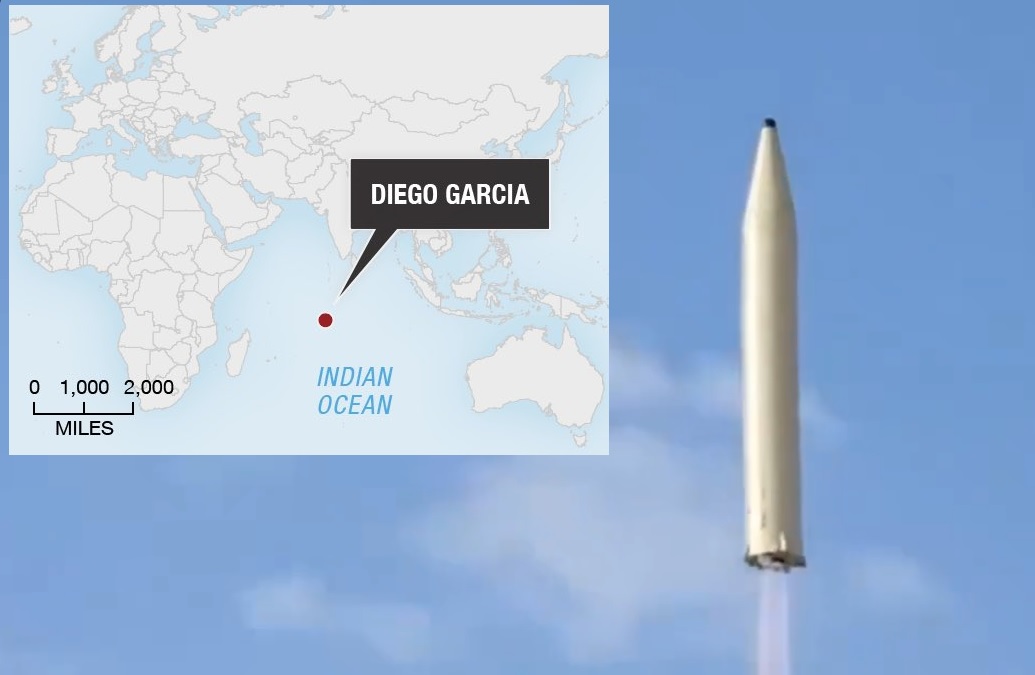
LONDON / WASHINGTON / TEHRAN, — March 21, 2026 : Iran launched two intermediate-range ballistic missiles (IRBMs) toward Diego Garcia, a joint United States–United Kingdom military installation in the central Indian Ocean, in an operation conducted between March 20 and 21, according to U.S. officials and multiple reports. Neither missile struck the target. The launch marks the first recorded attempt by Iran to target a location at this distance, approximately 3,800 to 4,000 kilometers from Iranian territory, and represents one of the longest-range missile operations publicly demonstrated by Tehran. Incident Overview Defense officials stated that both missiles were fired from Iranian territory toward the strategic atoll, which serves as a key logistics and operations hub for U.S. and allied forces. According to U.S. officials cited by The Wall Street Journal, one missile failed during flight and broke apart before reaching its intended target. The second missile was engaged by a Standard Missile-3 (SM-3) interceptor launched from a U.S. Navy warship deployed in the region. Officials have not confirmed whether the interception directly caused the missile’s failure to reach the base. Iran’s semi-official Mehr News Agency confirmed the launch, describing it as a demonstration that the range of Iran’s missile capabilities exceeds previous external assessments. Target Significance Diego Garcia, part of the Chagos Archipelago, is a critical forward operating base used by U.S. forces for long-range bomber deployments, naval operations, and logistical support across the Middle East, Africa, and the Indo-Pacific region. The base also supports surveillance and strategic mobility missions. The attempted strike follows recent authorization by U.K. Prime Minister Keir Starmer permitting U.S. forces to conduct operations from British bases, including Diego Garcia, in the context of ongoing military actions involving Iran. Iranian Foreign Minister Abbas Araghchi stated that the launch was conducted in self-defense and warned that the use of U.K. bases for operations against Iran could place British interests at risk. Missile System and Technical Assessment U.S. officials and defense analysts assess that the missiles used in the launch were likely from the Khorramshahr-4 class, also known as Kheibar, operated by the Islamic Revolutionary Guard Corps Aerospace Force. The Khorramshahr-4 is a liquid-fueled ballistic missile approximately 13 meters in length, typically listed with a range of around 2,000 kilometers when carrying a 1,500 to 1,800 kilogram warhead. Analysts note that extended ranges can be achieved with reduced payload weight. The missile is equipped with a maneuverable re-entry vehicle and is capable of delivering cluster munitions. Similar cluster warheads have been used in missile strikes on Israeli urban areas during the ongoing conflict over the past three weeks, according to intelligence assessments. Range Implications The attempted strike demonstrates an operational reach of up to 4,000 kilometers, exceeding Iran’s long-standing public position that its ballistic missile program is limited to a maximum range of 2,000 kilometers. This extended range significantly alters geographic threat assessments. A strike radius of this scale from Iranian launch sites encompasses large parts of Europe, including major cities such as Paris and London, placing them within theoretical reach of similar missile systems. Strategic and Operational Context The launch occurred amid ongoing U.S. and Israeli military operations targeting Iranian infrastructure and missile capabilities. By targeting a remote but strategically significant base in the Indian Ocean, Iran appears to be attempting to demonstrate the ability to reach and potentially disrupt allied logistical and operational nodes beyond the immediate Middle Eastern theater. Although neither missile successfully impacted the base, the incident required the use of high-end missile defense assets, including the SM-3 interceptor, indicating the level of defensive resources necessary to counter such threats. Military analysts note that the event highlights the increasing importance of ballistic missile defense (BMD) systems and may prompt the United States, the United Kingdom, and European allies to reassess force posture and defensive deployments, including the potential expansion of layered missile defense coverage. Outcome and Current Assessment No damage or casualties were reported at Diego Garcia, and the failed strike did not alter the immediate military balance. However, the launch provides operational evidence that Iran possesses missile capabilities extending beyond previously declared limits. Iranian officials have stated that the country will continue to exercise what it describes as its right to self-defense. The development is expected to factor into ongoing assessments of regional and broader security dynamics involving Iran and Western allied forces.
Read More → Posted on 2026-03-21 13:47:40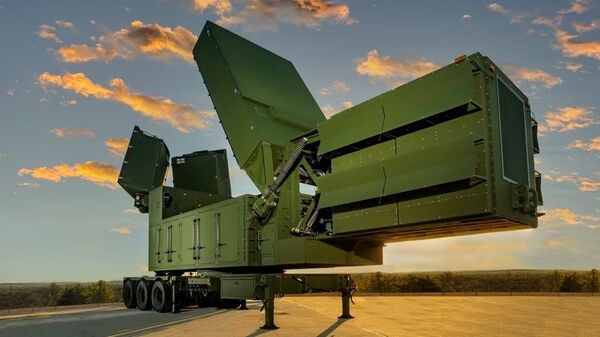
World
WASHINGTON, — March 21, 2026 : The United States government has approved a potential $8 billion Foreign Military Sale (FMS) to Kuwait for the procurement of advanced Lower Tier Air and Missile Defense Sensor (LTAMDS) radars, according to an official notification issued on March 19. The decision, authorized under emergency provisions, bypassed the standard Congressional review process and forms part of a broader $16.5 billion package of defense approvals for Middle Eastern partners. The proposed sale centers on enhancing Kuwait’s existing Patriot air and missile defense network by upgrading its sensing and tracking capabilities rather than introducing a separate system architecture. Kuwait LTAMDS Package and Components The Government of Kuwait has requested up to eight LTAMDS radars, along with five Large Tactical Power Systems and eight frequency converters. The package also includes an extensive set of supporting systems and services designed to ensure long-term operational integration and sustainment. Non-major defense equipment and support elements include Identification Friend or Foe (IFF) KIV-77 encryptors, AN/PYQ-10 simple key loaders, ancillary cryptographic devices, LTAMDS simulators, and Heavy Expanded Mobility Tactical Truck (HEMTT) M983A4 transporters equipped with high-temperature modification kits. Additional components cover battery maintenance center shelters, tool and test equipment sets, small repair parts trailers, and prime movers for shelters and trailers. The agreement further provides for training programs, technical assistance field teams, field service representatives, software development, spare parts, publications, and ongoing engineering, logistics, and program support from both U.S. government and contractor personnel. RTX Corporation, the defense company formerly known as Raytheon, has been identified as the principal contractor. Implementation of the program will require the deployment of 12 U.S. government personnel and 12 contractor representatives to Kuwait for a period of up to 20 years to support maintenance, training, and sustainment. Integration with Patriot and Technical Capabilities The LTAMDS system is designed to replace or complement legacy AN/MPQ-65 radars currently used within Kuwait’s Patriot batteries. Unlike earlier systems that operate with a sector-based coverage of approximately 120 degrees, LTAMDS employs active electronically scanned array (AESA) technology to deliver full 360-degree surveillance. This expanded coverage is intended to eliminate radar blind spots and improve the detection, classification, and tracking of a range of aerial threats, including ballistic missiles, cruise missiles, and one-way attack drones. By strengthening the sensing layer of the air defense network, the system is expected to improve target discrimination, engagement sequencing, and interceptor allocation, particularly in complex scenarios involving simultaneous or mixed attack profiles. The upgrade aligns with a broader operational approach in which advanced sensor performance plays a central role in layered air and missile defense architectures, enabling more efficient use of interceptor systems rather than relying solely on increased missile inventories. Emergency Approval and Legal Framework The sale was approved under an emergency determination issued by U.S. Secretary of State Marco Rubio, citing national security interests. This determination waived the Congressional review requirements typically mandated under Section 36(b) of the Arms Export Control Act. According to the State Department, the emergency provision was invoked to ensure the rapid transfer of capabilities in response to evolving regional security conditions, including recent threats to critical infrastructure in the Gulf. The department stated that the sale supports U.S. foreign policy objectives by strengthening the defense capabilities of Kuwait, which is designated as a major non-NATO ally. The improved systems are intended to enhance the protection of Kuwaiti territory and allied forces operating in the region, while contributing to a wider Integrated Air and Missile Defense (IAMD) framework. Officials also noted that Kuwait is expected to absorb the systems without difficulty and that the sale will not alter the fundamental military balance in the region. Part of Broader Regional Defense Approvals The Kuwait LTAMDS package is one component of a larger set of defense approvals totaling more than $16.5 billion for Middle Eastern partners. Alongside the Kuwait deal, the United Arab Emirates (UAE) has been approved for an estimated $8.46 billion in defense acquisitions. This includes long-range radar systems, munitions for F-16 aircraft, air-to-air missiles, and approximately $2.1 billion allocated for FS-LIDS counter-drone systems. Jordan has been authorized a smaller package valued at $70.5 million, focused on aircraft maintenance, repair, and munitions support for its existing fleets of F-16, C-130, and F-5 aircraft. Major U.S. defense contractors involved across these approvals include RTX Corporation, Northrop Grumman, and Lockheed Martin. Strategic Context The LTAMDS approval reflects a continuing shift in regional defense planning toward sensor-centric and integrated air and missile defense systems. By modernizing radar and detection capabilities within existing frameworks such as Patriot, partner nations are seeking to improve response efficiency against increasingly complex and diverse aerial threats. The U.S. government indicated that the Kuwait sale strengthens interoperability with U.S. forces and supports long-term security cooperation objectives in the Middle East.
Read More → Posted on 2026-03-21 13:33:07
World
WASHINGTON / MIAMI — March 20, 2026 : The United States has rejected a Russian proposal that sought to link Moscow’s intelligence cooperation with Iran to Washington’s ongoing intelligence support for Ukraine, according to officials familiar with the discussions. The offer was conveyed last week during a meeting in Miami between Russian envoy Kirill Dmitriev and U.S. representatives Steve Witkoff and Jared Kushner. Dmitriev, who serves as head of the Russian Direct Investment Fund and as a special envoy for the Kremlin, outlined a proposed arrangement under which Russia would halt intelligence-sharing with Iran if the United States agreed to stop providing intelligence to Ukrainian forces. Proposal Details and U.S. Response Under the terms presented by Moscow, Russia would cease sharing sensitive intelligence with Tehran, including information such as precise coordinates of U.S. military assets and installations in the Middle East. In exchange, Washington would be required to suspend intelligence-sharing with Ukraine, which Kyiv relies on for tracking Russian troop movements, anticipating missile strikes, and conducting targeting operations. U.S. officials rejected the proposal during the Miami meeting, maintaining their position that intelligence cooperation with Ukraine remains a critical component of support for Kyiv amid the ongoing war. In parallel discussions, Russia also proposed that Iranian enriched uranium stockpiles be transferred to Russian territory. That proposal was likewise declined by the United States, consistent with earlier reports that Washington had rejected similar ideas raised through other diplomatic channels. Expanding Russia–Iran Cooperation The proposal comes against the backdrop of expanding military and intelligence ties between Russia and Iran since the start of the Ukraine conflict. According to individuals briefed on U.S. intelligence assessments, Moscow has increased its level of cooperation with Tehran in recent years. This cooperation has reportedly included the transfer of satellite imagery and enhancements to drone technology, which have been used by Iran in its regional military activities. Some U.S. assessments indicate that such support has contributed to Iran’s ability to identify and target U.S. positions in the Middle East. Russia has denied these claims, with the Kremlin describing recent reporting on intelligence-sharing as inaccurate. Diplomatic Concerns in Europe The existence of the proposal has raised concerns among European officials, who view it as an attempt by Moscow to reshape the diplomatic landscape surrounding both the Ukraine war and Middle East tensions. Several European diplomats have characterized the proposal as an effort to create divisions between the United States and its European allies, particularly at a time when transatlantic coordination has faced strain. Concerns have also been expressed that back-channel meetings between U.S. and Russian representatives have not produced measurable progress toward a Ukraine peace settlement. According to statements from Moscow on Thursday, U.S.-mediated talks aimed at ending the conflict in Ukraine are currently on hold. U.S. Intelligence Support to Ukraine Despite a reduction in broader military and financial assistance under the Trump administration, intelligence-sharing remains one of the primary forms of U.S. support to Ukraine. This cooperation enables Ukrainian forces to respond to Russian military operations and maintain situational awareness on the battlefield. The United States briefly paused intelligence-sharing with Ukraine last year following a meeting between President Donald Trump and Ukrainian President Volodymyr Zelenskyy that ended without agreement. During that period, European allies adjusted their own intelligence contributions to compensate for the temporary gap. French President Emmanuel Macron stated earlier this year that France is now providing a significant portion of the intelligence support received by Ukraine, accounting for roughly two-thirds of the total. In addition to intelligence assistance, the United States continues to facilitate weapons deliveries to Ukraine through a NATO-coordinated framework, under which allied countries finance the procurement. However, supply constraints—particularly in air-defense munitions—have emerged due to overlapping demands linked to tensions involving the United States, Israel, and Iran. Broader Strategic Context The discussions in Miami are part of a wider set of engagements between U.S. and Russian officials that have taken place in multiple locations, including Moscow, Paris, and Florida. These talks have addressed a range of issues, including the Ukraine conflict and broader regional security concerns. President Trump has publicly acknowledged the parallel nature of intelligence relationships on both sides. In a recent interview, he suggested that Russia may be providing some level of support to Iran while also noting that the United States continues to assist Ukraine in a similar manner. Separately, the Trump administration has taken steps that have drawn criticism from European leaders, including easing sanctions on Russian oil exports in an effort to stabilize global energy markets. German Chancellor Friedrich Merz and other European officials have expressed opposition to the move. Tensions have also surfaced within NATO. On Friday, President Trump criticized alliance members for declining to deploy naval assets to help secure the Strait of Hormuz, highlighting ongoing disagreements over burden-sharing and regional commitments. Official Silence The White House declined to comment on the details of the Russian proposal. The Russian Embassy in Washington has not issued a response to requests for comment. The rejection of the proposal underscores the continued divergence between Washington and Moscow on both Ukraine and Iran-related issues, even as diplomatic contacts between the two sides remain active.
Read More → Posted on 2026-03-20 17:33:14
India
BENGALURU / RAMANAGAR — March 20, 2026 : The Defence Research and Development Organisation (DRDO) has released a Request for Information (RFI) through its Gas Turbine Research Establishment (GTRE) to establish the National Aero Engine Test Complex (NAETC). The proposed facility will be located in Raman Nagar, Karnataka, and is intended to provide India with comprehensive, independent ground-based testing infrastructure for aero engines and their critical sub-systems. The NAETC will comprise the following specialised test facilities: High Altitude Engine Test Facility – Simulates extreme high-altitude conditions (low pressure, low temperature, reduced oxygen) to evaluate engine starting, relight, performance, surge margin, and stability without requiring actual high-altitude flight tests. Fan and Compressor Test Facility – Dedicated to aerodynamic and mechanical performance assessment of fan and compressor stages, including efficiency, pressure ratio, surge/stall characteristics, and blade vibration. Combustor Test Facility – Enables detailed testing of combustion chambers for fuel-air mixing, flame stability, combustion efficiency, emissions, liner durability, and heat transfer under realistic operating conditions. Turbine Test Facility – Focuses on turbine stage performance, cooling effectiveness, aerodynamic efficiency, material behaviour under high thermal and centrifugal loads, and creep/fatigue evaluation. Afterburner Test Facility – Specifically designed for testing afterburner systems, measuring thrust augmentation, combustion stability, infrared signature, thermal management, and durability during reheat operation. The establishment of the NAETC marks a significant step toward self-reliance in aero-engine development and certification. At present, India depends on foreign test facilities—particularly in Russia, France, and the United States—for certain high-altitude, afterburner, and advanced sub-system trials. This reliance has contributed to delays in key indigenous programs. The facility will directly support ongoing and future propulsion initiatives, most notably the Kaveri engine programme. The dry variant (Kaveri Derivative Engine / KDE), producing approximately 49–51 kN of thrust, has already undergone extensive ground runs, high-altitude simulation tests in Russia, and limited flight evaluations. Parallel efforts are advancing an afterburning configuration, commonly referred to as Kaveri 2.0 or the afterburning Kaveri variant. In February 2026, Defence Minister Rajnath Singh witnessed a successful full afterburner ignition and operation test of the Kaveri derivative engine at GTRE Bengaluru. Following multiple design iterations, material improvements (including enhanced single-crystal turbine blades and advanced thermal barrier coatings), and integration of a new afterburner module developed with industry partners such as BrahMos Aerospace, the engine demonstrated thrust in the 80–83 kN range during afterburning mode. This positions the afterburning Kaveri 2.0 closer to the thrust class of contemporary fighter engines like the GE F404 (used in Tejas Mk1A) and opens the possibility of future integration into manned fighter platforms after additional qualification and flight testing. Only a limited number of countries possess fully integrated, state-of-the-art aero-engine test complexes that include all these capabilities in a single ecosystem: United States – Extensive infrastructure at the Arnold Engineering Development Complex (AEDC), with large high-altitude simulation cells and specialised component rigs. France – Advanced altitude and propulsion test facilities at CEPr (Centre d’Essais des Propulseurs). Russia – Long-established high-altitude simulation chambers and component test beds. China – Rapidly expanded high-altitude simulation platforms and large-scale test complexes in recent years. United Kingdom and Germany – Sophisticated test infrastructure operated by industry (e.g., Rolls-Royce) and research organisations. The NAETC will enable faster design validation, reduce the financial and logistical burden of overseas testing, shorten certification timelines, allow greater control over proprietary technologies, and strengthen national security in a strategically sensitive domain. It will benefit multiple programmes, including further maturation of the Kaveri family, development of next-generation high-thrust engines for the Advanced Medium Combat Aircraft (AMCA), and other military propulsion requirements. The RFI invites detailed responses from Indian companies, global original equipment manufacturers (OEMs), specialised test-facility integrators, joint ventures, and consortia with proven experience in building advanced aero-engine test infrastructure. Industry submissions, initially due in mid-June following the RFI release, will help refine technical specifications, cost estimates, and implementation models. Subsequent steps include stakeholder consultations and progression toward formal procurement, contingent on Defence Acquisition Council approval. This project forms part of India’s broader push for Atmanirbhar Bharat in defence aviation and aligns with parallel international cooperation efforts, including the National Aero Engine Mission, engagements with France, and joint studies with the United Kingdom, aimed at building sustained capability in aero-propulsion technologies.
Read More → Posted on 2026-03-20 17:26:20
World
TEHRAN / WASHINGTON — March 20, 2026 : The Islamic Revolutionary Guard Corps (IRGC) has claimed that its Majid (AD-08) short-range air defense system was responsible for striking a U.S. Air Force F-35A Lightning II during a combat mission over central Iran on March 19. The claim follows confirmation from U.S. Central Command (CENTCOM) that an F-35 sustained damage during operations and conducted an emergency landing at a U.S. airbase in the Middle East. The pilot was reported to be in stable condition, and the incident remains under investigation. U.S. officials have not formally confirmed the specific cause of the damage. Reported Engagement and Operational Context According to Iranian statements and supporting media releases, the engagement occurred at approximately 2:50 a.m. local time during ongoing military operations linked to the current regional conflict involving the United States, Israel, and Iran. Iranian sources state that the aircraft was targeted by a surface-to-air missile launched from the Majid system. Video footage released by Iranian outlets, recorded through forward-looking infrared (FLIR) systems, shows a missile intercept event. Analysis of the footage indicates that the aircraft was not destroyed and remained airborne after the impact, consistent with U.S. confirmation that the jet returned to base. If verified, the incident would represent the first recorded instance of a manned U.S. F-35 being successfully engaged by surface-to-air fire since the aircraft entered operational service in 2018. Majid (AD-08) Air Defense System The Majid system is produced by Iran’s Defense Industry Organization under the Armed Forces Logistics Department and was first publicly displayed on April 18, 2021. It is designed as a short-range, point-defense air defense system rather than a wide-area coverage platform. Key characteristics include: Engagement range: up to 8 kilometers (minimum approximately 700 meters) Altitude ceiling: up to 6 kilometers Detection range: up to 15 kilometers using electro-optical systems Coverage: 360-degree azimuth with elevation from 0 to 12 degrees Target tracking: capability to track up to four targets simultaneously Target speed: engagement of targets traveling up to Mach 2 The system uses passive electro-optical and thermal sensors combined with infrared-guided missiles, allowing it to operate without emitting radar signals. This reduces its detectability and prevents activation of standard radar warning receivers on targeted aircraft. The AD-08 missile associated with the system has a diameter of 156 mm, a length of 2,670 mm, and a weight of approximately 75 kilograms. It uses a passive imaging infrared seeker designed to track heat signatures. Footage from the engagement suggests that only a single missile was launched, which analysts assess may reflect either tactical choice or limited ready-to-fire inventory. Infrared Threats to Stealth Aircraft The reported engagement highlights the distinction between radar stealth and infrared detectability. While the F-35 is optimized to reduce radar cross-section, managing engine heat signatures remains a technical challenge. Infrared-guided systems such as the Majid do not rely on radar emissions, making them less susceptible to electronic jamming and harder to detect. This reduces warning time for pilots and increases vulnerability during low-altitude or close-range operations. Iranian infrared-based systems have previously demonstrated effectiveness against high-value unmanned aerial systems, including MQ-9 Reaper and Heron drones, in various operational theaters. Expansion of Short-Range Air Defense Capabilities Iran has continued to invest in short-range air defense modernization. Leaked documents from February 2026 indicate that the Iranian Ministry of Defence signed a $580 million agreement with Russia for the procurement of 9K333 Verba man-portable air defense systems (MANPADS). The reported acquisition includes: 500 launchers 2,500 9M336 missiles The Verba system has an engagement range of 500 meters to 6.5 kilometers and an altitude ceiling of 4.5 kilometers. It is equipped with a three-spectral seeker operating in ultraviolet, near-infrared, and mid-infrared bands, enhancing resistance to countermeasures such as flares and directional infrared jamming systems. The relatively short training requirements for Verba operators could allow rapid deployment if deliveries proceed during ongoing hostilities. Implications for F-35 Operations The incident also draws attention to ongoing limitations within the F-35 program, particularly related to Block 4 software upgrades. These upgrades are required to enable integration of advanced long-range, air-to-surface standoff weapons. Delays in Block 4 implementation have limited the aircraft’s ability to engage targets from extended distances, requiring operations closer to defended airspace. This increases exposure to short-range air defense systems such as the Majid and Verba. As a result, analysts assess that operational planning may require adjustments, including revised flight profiles, increased use of stand-off weapons where available, and enhanced countermeasures against infrared-guided threats. Strategic Outlook The reported strike occurs within the broader context of an ongoing regional conflict that began in late February 2026. While investigations continue, the event underscores the evolving threat environment posed by layered short-range air defense systems against advanced aircraft. The combination of passive detection, infrared guidance, and mobile deployment is likely to remain a key factor in shaping air operations in contested environments. Military operators of the F-35 across multiple countries are expected to review tactics, procedures, and survivability measures in response to the engagement.
Read More → Posted on 2026-03-20 17:03:33
World
DOHA, Qatar — March 20, 2026 : QatarEnergy has reported an estimated $20 billion annual revenue loss following Iranian missile strikes on its liquefied natural gas (LNG) infrastructure at Ras Laffan Industrial City, disabling approximately 17% of the country’s export capacity. The strikes, carried out on March 18 and early March 19, targeted critical production facilities at Ras Laffan, the world’s largest LNG processing hub. The damaged assets were part of infrastructure valued at approximately $26 billion, which had entered service only two years earlier. Saad Sherida Al-Kaabi, who also serves as Qatar’s Minister of State for Energy Affairs, confirmed that the outage would significantly disrupt global energy supplies and force the company to suspend portions of its international delivery commitments. Strike Details and Regional Context The attacks are linked to escalating regional tensions, with Iran reportedly targeting Qatari energy infrastructure following Israeli strikes on the South Pars gas field, a major offshore reserve jointly shared by Iran and Qatar. QatarEnergy confirmed that no casualties were reported and that emergency response teams successfully contained fires resulting from the strikes. However, the physical damage to production infrastructure has resulted in a complete shutdown of affected units, with no immediate timeline for restart. Al-Kaabi described the incident as unexpected, noting the timing during Ramadan and the involvement of a regional state. Infrastructure Damage and Production Losses The missile strikes primarily affected three major production components: LNG Train 4 (QatarEnergy 66%, ExxonMobil 34%) LNG Train 6 (QatarEnergy 70%, ExxonMobil 30%) One train at the Pearl Gas-to-Liquids (GTL) facility, operated by Shell Together, the two LNG trains account for 12.8 million tonnes per annum (MTPA), representing 17% of Qatar’s total LNG export capacity. Repair timelines are substantial: LNG trains: estimated 3 to 5 years for full restoration Pearl GTL facility: expected outage of at least one year The shutdown effectively removes the output of recently commissioned infrastructure, translating directly into the projected $20 billion annual revenue loss. Broader Impact on Energy Exports Beyond LNG, the disruption affects multiple associated energy products processed at Ras Laffan: Condensates: down by 18.6 million barrels (24% of exports) Helium: reduced by 14%, impacting global semiconductor and industrial supply chains Liquefied Petroleum Gas (LPG): decreased by 1.281 million tonnes (13%) Naphtha and sulfur: each reduced by approximately 6% QatarEnergy operates a total of 14 LNG trains, and Ras Laffan typically accounts for nearly 20% of global LNG supply, making the outage significant for international markets. Contractual Disruptions and Market Effects QatarEnergy has notified key buyers—including China, South Korea, Italy, and Belgium—of potential force majeure declarations on long-term LNG contracts for up to five years, reflecting the extended repair timeline. The supply disruption has already influenced global energy markets. Brent crude oil prices rose by more than 10%, briefly exceeding $119 per barrel, while LNG spot prices in Europe and Asia also showed upward movement. International Response Donald Trump stated that the United States had no prior involvement in Israeli actions targeting Iran’s energy infrastructure and emphasized that Qatar was not a party to those operations. He warned against further escalation and indicated that the U.S. could respond if additional attacks on Qatari energy assets occur. Global Supply Gap and Replacement Capacity The loss of 17% of Qatar’s LNG export capacity creates a substantial supply gap in global markets, particularly affecting Asia and Europe, where Qatar is a primary supplier. Potential alternative suppliers include: United States: The world’s largest LNG exporter, with flexible export capacity and spot market cargo availability. However, infrastructure utilization is already high, limiting immediate surge capacity. Australia: A major LNG exporter with stable long-term contracts, though limited spare capacity for short-term replacement. Russia: Holds significant LNG potential, but geopolitical constraints and sanctions restrict its ability to fully compensate for the shortfall. Algeria and Nigeria: Can provide incremental volumes, particularly to European markets, though production scalability is limited. In the near term, analysts expect partial substitution rather than full replacement, with increased reliance on spot LNG markets, pipeline gas, and fuel switching in power generation. Outlook The disruption at Ras Laffan represents one of the most significant impacts on global LNG supply in recent years. With repair timelines extending up to five years and limited immediate replacement capacity, the event is expected to contribute to sustained volatility in global energy markets. QatarEnergy has stated that full operational recovery will depend on both the security environment and the ability to safely initiate repair work. The company continues to assess the extent of damage and has not yet released detailed estimates for reconstruction costs.
Read More → Posted on 2026-03-20 16:35:24
World
WASHINGTON / TEHRAN — March 20, 2026 : A U.S. Air Force F-35A Lightning II conducted an emergency landing at a regional U.S. airbase in the Middle East after sustaining damage during a combat mission over Iran on March 19, according to confirmation from U.S. Central Command (CENTCOM). The incident occurred at approximately 2:50 a.m. local time during ongoing operations linked to the current regional conflict. The aircraft returned safely to base, and the pilot is reported to be in stable condition. CENTCOM spokesperson Capt. Tim Hawkins stated that the aircraft had been operating under mission parameters when the event occurred. “We are aware of reports that a U.S. F-35 aircraft conducted an emergency landing at a regional U.S. airbase after flying a combat mission over Iran. The aircraft landed safely, and the pilot is in stable condition. This incident is under investigation,” he said. U.S. officials have not disclosed the exact location of the airbase or the extent of damage sustained by the aircraft, which has an estimated unit cost of approximately $100 million. Iranian Claims and Released Footage Following the incident, the Islamic Revolutionary Guard Corps (IRGC) issued a statement claiming responsibility for the engagement. According to the IRGC, its air defense network targeted and “severely damaged” the F-35 during the mission. The IRGC Aerospace Force released forward-looking infrared (FLIR) video footage that it says shows a surface-to-air missile intercepting the aircraft. The footage includes a targeting reticle tracking an aerial object before an explosion is observed. However, analysis of the video indicates that the aircraft was not destroyed. When reviewed in slow motion, the footage appears to show the F-35 continuing flight after the blast, maintaining structural integrity and confirming that the pilot was able to exit the engagement area and return to base. Iranian officials described the event as a successful strike against a U.S. stealth aircraft and suggested a high probability of a crash, though this claim is not supported by available visual evidence or U.S. confirmation. Some technical assessments referenced in open-source analysis suggest the possible use of a short-range infrared-guided missile system, such as the Qaem-118, although this has not been independently confirmed. Technical Considerations Military analysts note that the engagement, if confirmed, may have involved passive infrared (IR)-guided surface-to-air missiles, which track the heat signature of an aircraft rather than relying on radar emissions. While the F-35 is designed with reduced radar cross-section to evade radar-based detection systems, infrared-guided threats operate differently. Passive systems do not emit detectable signals, which can limit warning time for pilots and complicate countermeasure deployment. Such methods have previously been observed in other conflict zones, including engagements involving Iranian-backed forces in Yemen. Operational Context The March 19 incident comes amid an ongoing conflict that began on February 28, 2026, involving the United States, Israel, and Iran. If confirmed as a missile strike, this would represent the first known instance of Iranian air defenses successfully hitting a manned U.S. aircraft during the current escalation. The F-35A involved is operated by the U.S. Air Force and has been in combat service since 2018. There have been no previously confirmed cases of the aircraft being struck by enemy fire prior to this event. Broader Equipment Losses The incident also occurs within a wider operational environment where U.S. forces have sustained multiple equipment losses over recent weeks. According to defense officials, approximately 20 U.S. Air Force aircraft have been damaged or destroyed since the start of the campaign. Reported losses include: At least 12 MQ-9 Reaper drones lost in combat or ground strikes Three F-15E Strike Eagles downed on March 2 in a friendly fire incident involving a Kuwaiti aircraft (all crew recovered) A KC-135 Stratotanker crash in western Iraq on March 12 resulting in the loss of six personnel, with another tanker damaged in the same event Ongoing Investigation U.S. authorities have not officially confirmed that the F-35 was hit by a missile, and the exact cause of the damage remains under investigation. Media reports citing unnamed officials suggest that hostile fire is a likely factor, but no formal attribution has been made. Despite the incident, U.S. defense leadership has indicated that operational objectives remain unchanged, and air operations in the region are continuing.
Read More → Posted on 2026-03-20 16:21:44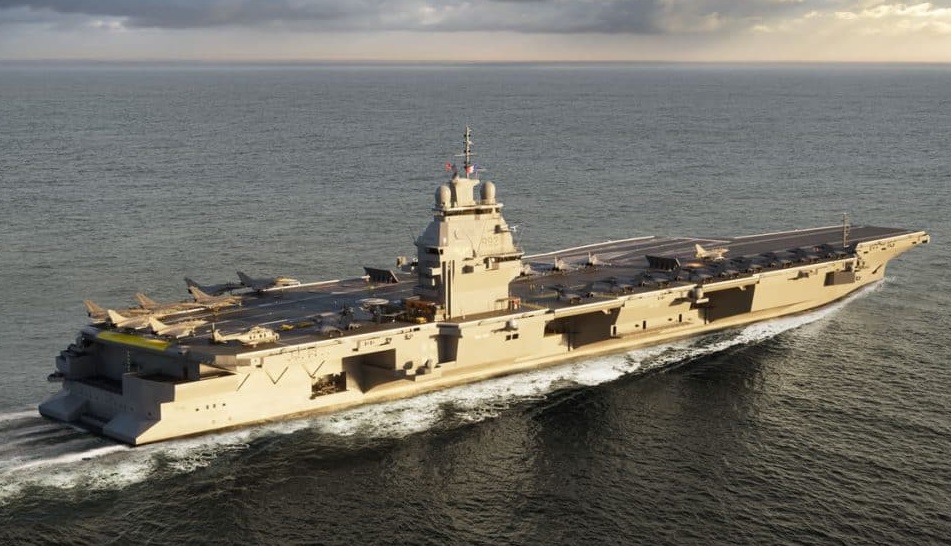
World
NANTES-INDRET, France — March 20, 2026 : Emmanuel Macron has officially announced that France’s next-generation nuclear-powered aircraft carrier, previously developed under the Porte-Avions de Nouvelle Génération (PANG) program, will be named “France Libre.” The announcement was made during a formal ceremony at a Naval Group facility near Nantes, where key components of the vessel, including its nuclear propulsion system, are being prepared. The naming decision links the future flagship of the Marine Nationale to the historical legacy of the Free France movement, led by Charles de Gaulle following the fall of France in June 1940. According to Macron, the name reflects national independence, strategic autonomy, and continuity with France’s historical doctrine of sovereign military capability. Program Authorization and Industrial Framework The naming follows the French government’s decision in December 2025 to move the program into its realization phase, concluding more than five years of design and development work. The effort is led by the MO Porte-Avions industrial joint venture between Naval Group and Chantiers de l’Atlantique, with TechnicAtome responsible for reactor development. The France Libre program represents a major national industrial undertaking with an estimated total cost of approximately €10 billion. It is expected to support up to 14,000 jobs across the French defense sector and involves a supply chain of around 800 companies, approximately 80 percent of which are small and medium-sized enterprises. More than 90 percent of procurement is sourced from domestic suppliers, reinforcing France’s strategic objective of maintaining an independent defense industrial base. Ship Design and Propulsion System The future carrier will be significantly larger than France’s current flagship, the Charles de Gaulle, which has been in service since 2001 with a displacement of approximately 42,000 tonnes. The France Libre will have a full-load displacement of around 80,000 tonnes, an overall length of 310 meters, and a beam of approximately 90 meters. The design incorporates a single integrated island superstructure and a fully electrified onboard architecture. Propulsion will be provided by two K-22 pressurized water reactors developed by TechnicAtome, each generating approximately 220 megawatts of thermal power. These reactors will supply energy to turbo-alternators and three electric propulsion motors driving three shaft lines, enabling speeds of up to 27 knots and providing effectively unlimited operational range. The ship’s total complement, including its embarked air wing, is expected to be approximately 2,000 personnel. Internal systems include two 40-tonne aircraft elevators positioned on the starboard side and munitions storage designed to sustain high-intensity operations for more than seven days without resupply. Flight Deck and Launch Systems A key technological feature of the France Libre is the adoption of the Electromagnetic Aircraft Launch System (EMALS) and Advanced Arresting Gear (AAG), supplied by General Atomics under a Foreign Military Sales agreement with the United States. The carrier will feature a 17,200 square meter angled flight deck, equipped with three EMALS catapult tracks and three AAG arresting wires. This configuration enables simultaneous launch and recovery operations, a capability not available on the Charles de Gaulle. The flight deck is designed to support a sortie generation rate of approximately 60 sorties per day during high-tempo operations. Air Wing Composition and Future Integration The France Libre is designed to operate an air wing of approximately 30 combat aircraft. Initial deployments will focus on the Dassault Rafale M in its F5 configuration, supported by three E-2D Advanced Hawkeye airborne early warning aircraft produced by Northrop Grumman. The air group will also include up to six NH90 Caïman helicopters, used for roles such as anti-submarine warfare, search and rescue, and logistical support. The platform is designed with future growth in mind. It will be capable of integrating unmanned combat aerial vehicles (UCAVs) and is expected to support the Next Generation Fighter (NGF) under the Future Combat Air System (FCAS) program by the mid-2040s. Defensive Systems and Survivability The carrier’s self-defense suite will include Sylver A43 vertical launch systems capable of deploying Aster 15 surface-to-air missiles, along with 40 mm RAPIDFire cannons, 20 mm remotely operated guns, and 12.7 mm machine guns for close-in protection against aerial and asymmetric threats. Construction Timeline and Service Entry The construction schedule outlines a phased development process: 2032: Hull assembly begins at Chantiers de l’Atlantique shipyard in Saint-Nazaire Mid-2035: Transfer to the naval base in Toulon for final outfitting and nuclear fueling 2036: Commencement of sea trials 2038: Planned commissioning into the Marine Nationale The entry into service of the France Libre is intended to coincide with the gradual withdrawal of the Charles de Gaulle from frontline operations. The vessel is expected to remain in service for approximately 45 years, forming the core of France’s naval aviation capability through the mid-21st century. Strategic Role The France Libre program is designed to ensure continuity of France’s carrier-based power projection capability while enhancing interoperability with allied naval forces. The integration of advanced launch systems, nuclear propulsion, and future air combat platforms positions the carrier as a central element of France’s long-term defense strategy. The program also reinforces France’s emphasis on strategic autonomy, combining domestic industrial capacity with selective international cooperation in key technologies such as EMALS.
Read More → Posted on 2026-03-20 16:01:52
World
MOSCOW — March 20, 2026 : The Izhevsk Electromechanical Plant Kupol has introduced a new integrated electronic warfare (EW) protection concept designed to enhance the survivability of its Tor short-range air defense systems against increasing drone threats. The development, reported by armored vehicle researcher Andrii Tarasenko based on technical materials released by the company, integrates drone detection and jamming capabilities directly onto the combat vehicle chassis. The system is intended to replace the current reliance on improvised countermeasures used by crews in operational environments. Operational Context: Rising Drone Threats to Air Defense Systems Russian ground-based air defense systems, including the Tor, Buk, and Pantsir families, have increasingly become targets for Ukrainian unmanned aerial systems. These include tactical reconnaissance drones, operational-level strike platforms, and First-Person View (FPV) kamikaze drones. Recent battlefield reports from early March 2026 indicate that Ukrainian forces destroyed two Buk-M1 systems and four Tor-M2 systems across multiple sectors within a short timeframe. The growing scale of drone deployment, particularly low-cost FPV systems, has contributed to higher attrition rates among air defense assets. This evolving threat environment has driven the need for integrated and automated protection systems, reducing dependence on manual detection tools and small arms engagement by vehicle crews. System Architecture and Integration Approach The Kupol EW concept combines signal detection sensors, electronic warfare modules, and both omnidirectional and directional jamming antennas into a unified onboard system. The signal detection units are mounted diagonally on the front and rear sections of the vehicle’s hull, providing wide-area coverage. These sensors are connected to a centralized control unit and power supply system, enabling coordinated detection and response. The system has been developed under several engineering constraints to ensure compatibility with the Tor platform’s primary combat functions: Radar clearance: EW components do not obstruct the operational field of view of tracking and guidance radars Form factor preservation: No increase in overall vehicle dimensions Electromagnetic compatibility: Jamming emissions do not interfere with onboard communications, telemetry, or missile system operations Dual-Mode Electronic Warfare Operation The integrated system operates in two distinct modes, each designed to counter different categories of drone threats. Omnidirectional Mode (Short Range): This mode is optimized for countering FPV drones and other close-range threats. It generates a hemispherical jamming field providing 360-degree coverage in azimuth and up to 90 degrees in elevation. The system can disrupt drone control links at distances of up to 500 meters. The jamming function can operate continuously or be automatically activated upon detection of incoming drone video transmission signals. Sector-Based Mode (Long Range): The second mode targets reconnaissance and higher-altitude drones at ranges of up to 5 kilometers. It uses a set of directional antennas mounted directly on the Tor system’s tracking radar. These antennas are synchronized with radar movement, allowing the jamming beam to align automatically with the tracked target. This configuration enables focused electronic suppression over extended distances. Technical Characteristics According to released specifications, the directional jamming module operates across a broad frequency range of 415 to 5860 MHz. It uses generators with vertical polarization and delivers a minimum power output of 2 kilowatts. This frequency coverage allows the system to target both control links and navigation channels used by a wide range of unmanned aerial systems, including commercially derived and military-grade platforms. Platform Background and Industrial Context Kupol, part of the Almaz-Antey, is the manufacturer of the Tor-M1 and Tor-M2 air defense systems. These platforms are designed for short-range engagement of aerial threats, providing point defense against aircraft, cruise missiles, and increasingly, unmanned systems. The introduction of integrated EW protection reflects an adaptation of these systems to the evolving operational environment, where drones have become a persistent and scalable threat. Operational Considerations and Limitations While integrated electronic warfare provides an additional layer of protection, analysts note that its long-term effectiveness may be constrained by ongoing developments in drone technology. Advancements such as frequency-hopping communication systems, autonomous navigation, and terminal guidance algorithms can reduce the effectiveness of traditional radio-frequency jamming. As a result, military observers assess that electronic warfare systems will likely need to be combined with additional defensive measures. These may include mobile fire groups for close-range protection and passive defensive enhancements, such as add-on armor for critical components. Outlook The Kupol system represents a shift toward integrated, automated counter-drone protection embedded within air defense platforms rather than relying on external or improvised solutions. The approach aligns with broader trends in modern conflict, where layered defense combining electronic, kinetic, and passive measures is increasingly required to counter the expanding use of unmanned systems on the battlefield.
Read More → Posted on 2026-03-20 15:48:08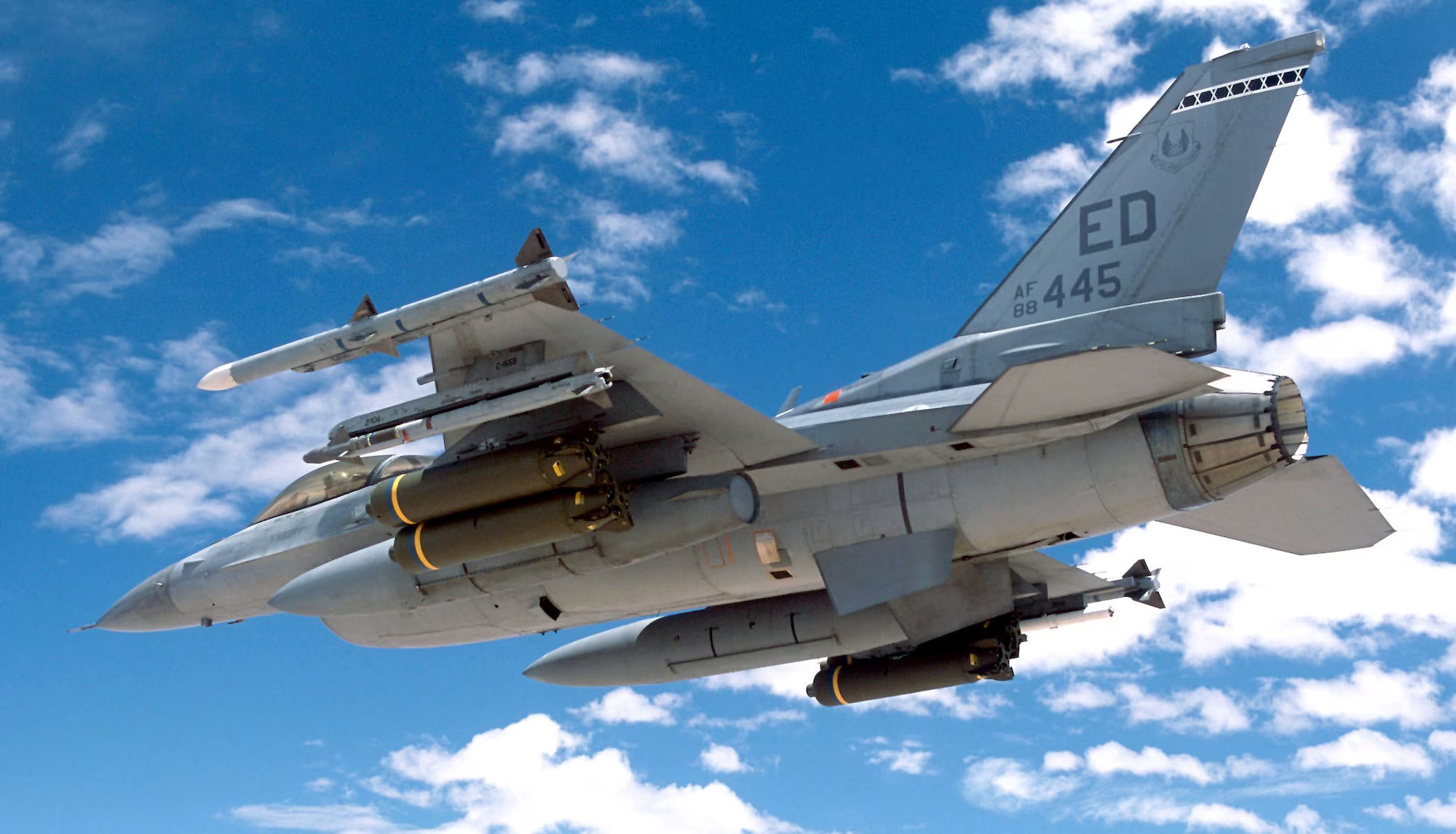
World
WASHINGTON, D.C. — March 20, 2026 : The United States Department of State has approved a series of Foreign Military Sales (FMS) to the United Arab Emirates, including a $644 million package focused on munitions and support systems for the UAE’s F-16E/F Desert Falcon fleet, alongside broader investments in air and missile defense capabilities. The approval, announced on March 19, was authorized under an emergency determination by Marco Rubio, allowing the sale to proceed without standard congressional review. The decision cites urgent national security requirements and is intended to strengthen the UAE’s defensive posture amid recent drone and missile attacks on regional energy infrastructure during ongoing tensions involving Iran. The overall authorization forms part of a wider $16.46 billion regional arms package, which also includes military sales to Kuwait and Jordan. F-16E/F Desert Falcon Munitions and Support Package The central component of the approved deal is a $644 million package designed to enhance the operational capability of the UAE’s F-16 fleet across both air-to-air and air-to-ground missions. The munitions package includes: 1,500 GBU-39/B Small Diameter Bombs (SDB) 1,200 GBU-31 Joint Direct Attack Munition (JDAM) guidance kits 900 KMU-556 kits for Mk.84 general-purpose bombs 300 KMU-557 kits for BLU-109 bunker-penetrating bombs DSU-42 and DSU-40 laser targeting sensors In addition, the package includes up to 400 AIM-120C-7 or AIM-120C-8 Advanced Medium-Range Air-to-Air Missiles (AMRAAMs). The AMRAAM component is part of a broader $1.22 billion sub-package within the total authorization. These systems provide precision-guided strike capability using GPS-aided inertial navigation, as well as enhanced air-to-air engagement capability using active radar homing with electronic counter-countermeasure features. The F-16E/F Desert Falcon aircraft, particularly the Block 60 variant, form the core of the UAE Air Force’s combat aviation fleet. Logistics, Communications, and Support Systems Beyond munitions, the United States will supply a range of supporting equipment and services to sustain operational readiness and integration. This includes: Link 16 secure communication systems Encryption devices Navigation equipment Mission planning software Spare parts and maintenance tools Training and logistical support These elements are intended to ensure interoperability with U.S. and allied forces while maintaining long-term sustainment of the UAE’s F-16 operations. Counter-Drone Systems and Layered Air Defense The broader authorization includes significant enhancements to the UAE’s ground-based air defense network, particularly for countering unmanned aerial threats. The UAE is approved to acquire 10 Fixed Site-Low, Slow, Small Unmanned Aircraft Integrated Defeat Systems (FS-LIDS), with a total estimated value of up to $2.1 billion. Each FS-LIDS unit integrates: Coyote Block 2 interceptors Electronic warfare systems Electro-optical and infrared sensors Ku-band radar systems These components are linked through the Forward Area Air Defense (FAAD) command and control system, enabling coordinated detection and engagement of low, slow, and small unmanned aerial systems. THAAD Missile Defense System Enhancements The package also allocates approximately $4.5 billion for upgrades to the UAE’s existing Terminal High Altitude Area Defense (THAAD) system. The enhancements include: One AN/TPY-2 long-range discrimination radar Tactical fire control stations Launcher control stations 12 Sentinel A4 radar and communication units These additions are designed to improve the UAE’s capability to detect, track, and intercept ballistic missile threats, while enhancing integration with existing THAAD batteries. Industrial Participation and Contractors The approved systems and services will be supplied primarily by major U.S. defense contractors, including RTX Corporation, Lockheed Martin, and Northrop Grumman. Regional Security Context The expedited approval follows recent attacks on Gulf energy infrastructure involving drones and missiles, as regional tensions continue. The package is intended to enhance the UAE’s ability to respond to both aerial and ballistic threats while improving coordination with U.S. and allied defense systems. The integration of advanced munitions, counter-drone systems, and missile defense upgrades reflects a broader effort to establish a layered air and missile defense architecture across partner nations in the region. Foreign Military Sales Framework All elements of the package are being processed through the Foreign Military Sales (FMS) program, under which the U.S. government facilitates defense exports to partner nations. While the emergency determination has accelerated approval, final implementation remains subject to contract negotiations, delivery schedules, and system integration processes. The March 19 authorization demonstrates the continued use of expedited mechanisms to deliver defense capabilities in response to evolving regional security requirements.
Read More → Posted on 2026-03-20 15:24:40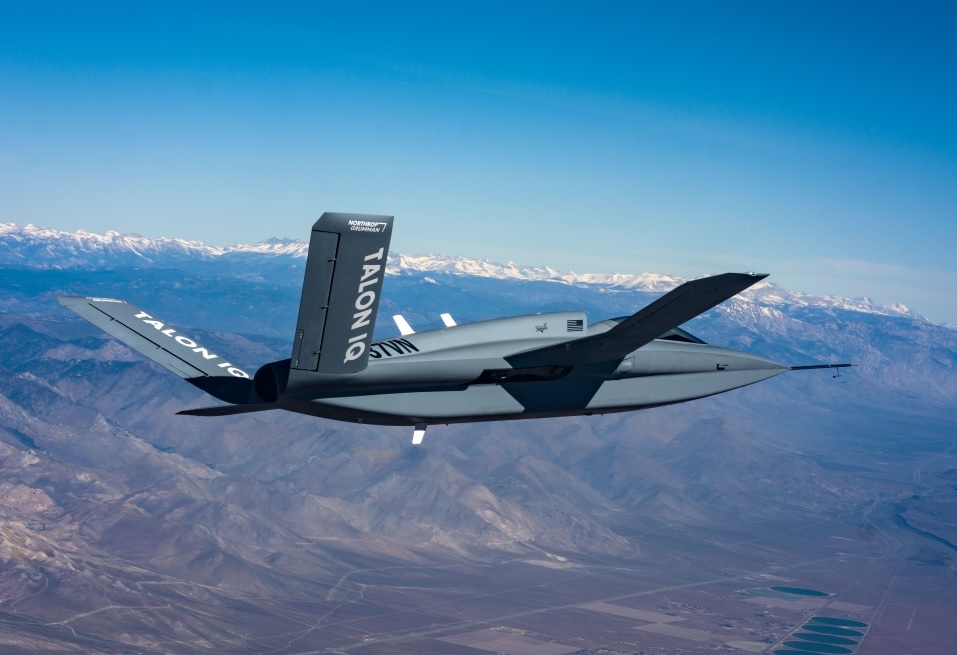
World
MOJAVE, California — March 20, 2026 : Northrop Grumman has successfully conducted a flight test integrating third-party mission autonomy software from Shield AI onto its Talon IQ unmanned aircraft, marking a key step in the development of open-architecture autonomous combat systems. The test flight, carried out on March 19 over Mojave, California, involved the deployment of Shield AI’s Hivemind autonomy software to execute combat air patrol and target engagement maneuvers. The demonstration represents the first instance of a third-party autonomy solution being integrated into Northrop Grumman’s open-architecture ecosystem. Flight Demonstration and Autonomy Handover During the sortie, Hivemind controlled mission-level behaviors, directing the aircraft through operational profiles before transferring control mid-flight to Northrop Grumman’s Prism autonomy system. The seamless in-flight transition between two independent autonomy stacks demonstrated real-time interoperability under operational conditions. This capability aligns with the U.S. Air Force’s Autonomy Government Reference Architecture (A-GRA), which defines standards for modular, interoperable autonomy systems. The architecture is intended to enable rapid integration of software from multiple vendors while avoiding long-term dependency on a single provider. A key technical outcome of the test was the speed of integration. According to Shield AI, the Hivemind system progressed from hardware-in-the-loop laboratory validation to live flight in a single day. This rapid transition highlights the potential for accelerated deployment cycles and reduced integration timelines under A-GRA-compliant frameworks. Open Architecture and Software Interoperability The Talon IQ platform is built around Northrop Grumman’s Prism mission autonomy software, which incorporates more than 500,000 autonomous flight hours of operational data. The system provides an open-access environment designed to allow third-party developers to integrate autonomy solutions onto a common hardware platform. This modular architecture enables software interchangeability, allowing mission systems to be updated independently of the airframe. The approach is intended to reduce costs, shorten development timelines, and provide flexibility in adopting new capabilities as they become available. Airframe Design and Performance Characteristics The Talon IQ is based on Scaled Composites’ Model 437 airframe, which is designed as a tactically relevant testbed for low-cost, attritable combat aircraft concepts. The aircraft measures 41 feet in length with a 41-foot wingspan and has a maximum takeoff weight of 10,000 pounds. It is powered by a single Pratt & Whitney PW535 turbofan engine, generating approximately 3,400 pounds of thrust. Projected performance characteristics include a range of approximately 3,000 nautical miles, an endurance of up to six hours, and a payload capacity of up to 2,000 pounds. These specifications position the platform within a size and capability range relevant to operational combat roles rather than purely experimental systems. Weapons Integration and Payload Capacity The Model 437-based Talon IQ incorporates an internal payload bay measuring approximately 145 by 36 by 16 inches. The bay is designed to accommodate up to two AIM-120 Advanced Medium-Range Air-to-Air Missiles (AMRAAM), along with alternative payloads such as electronic warfare systems or mission-specific equipment. The AIM-120 AMRAAM is an all-weather, beyond-visual-range missile that uses inertial guidance, midcourse updates, and an active radar seeker for terminal engagement. While the Talon IQ’s two-missile capacity does not match that of crewed fighter aircraft, it enables the platform to function in roles such as forward escort, distributed sensor node, or outer-layer engagement asset in coordinated air operations. No live weapons were released during the March 19 test flight. Mission Autonomy Capabilities The integration of Hivemind introduces mission-level autonomy to the Talon IQ platform. Unlike traditional autopilot systems, which manage flight stability and navigation, mission autonomy enables the aircraft to make decisions related to positioning, threat prioritization, and engagement execution. Shield AI describes Hivemind as a platform-agnostic, A-GRA-compliant autonomy stack capable of sensing, decision-making, and action without continuous human input. The system is designed to operate in communications-degraded or contested environments, including scenarios involving electronic warfare and GPS denial. Its functional scope includes rerouting around dynamic obstacles, coordinating with other unmanned or crewed systems, and adapting to changing mission conditions. The software is being developed for a range of mission sets, including integrated air defense penetration, SCUD hunting, zone reconnaissance, counter-air operations, beyond-visual-range strike, maritime domain awareness, and contested communications environments. Program Context and Strategic Relevance The Talon IQ platform is part of Northrop Grumman’s Project Talon portfolio, which includes the YFQ-48A Talon Blue variant. This system is designed as a modular, cost-effective autonomous wingman with reduced part count to support faster manufacturing and scalability. The development aligns with the U.S. Air Force’s Collaborative Combat Aircraft (CCA) program, which aims to field autonomous aircraft capable of operating alongside crewed fighters. The program emphasizes modularity, interoperability, and the separation of aircraft platforms from autonomy software providers. The March 19 flight did not involve a production contract but demonstrated key capabilities, including interchangeable AI pilot integration, real-time autonomy handover, and execution of combat-relevant flight profiles on a tactically sized aircraft. Advancing Manned-Unmanned Teaming Concepts The successful integration and flight test indicate progress toward operational deployment of autonomous aircraft capable of carrying internal weapons, performing coordinated combat air patrol missions, and integrating into broader networked force structures. By enabling multiple autonomy providers to operate on a common platform, the demonstrated architecture supports future concepts such as distributed missile capacity, forward sensor deployment, escort roles, and resilient manned-unmanned teaming formations. The test represents a step toward scalable, software-defined air combat systems, where mission capabilities can be updated rapidly without requiring redesign of the underlying aircraft platform.
Read More → Posted on 2026-03-20 15:19:47
World
DÜSSELDORF, Germany — March 20, 2026 : Rheinmetall AG is set to present a broad portfolio of autonomous and unmanned technologies at XPONENTIAL Europe 2026, taking place from March 24 to 26 at the Düsseldorf Exhibition Centre. The event, which is placing a stronger emphasis on defense and security applications for the first time, will feature Rheinmetall’s latest developments across land, air, and space domains, highlighting its expanding role in networked and digitally enabled military systems. The company, exhibiting at booth C25 in Hall 1, is introducing integrated solutions that combine artificial intelligence, autonomous platforms, and secure communication networks aimed at supporting modern armed forces and government users. Air Domain: Loitering Munition and Counter-UAS Capabilities A central element of Rheinmetall’s air systems portfolio is the FV-014 loitering munition, designed for brigade- and battalion-level deployment. The fixed-wing system has a launch weight of approximately 20 kilograms, including a payload of around 5 to 6 kilograms, and is capable of operating at ranges of up to 100 kilometers with a data link range of 60 kilometers. It offers an endurance of approximately 70 minutes. The FV-014 integrates reconnaissance, tracking, and strike capabilities within a single platform. It supports both individual and swarm-based operations, with automated navigation and target prioritization features. The system is equipped with a high-explosive dual-purpose (HEDP) warhead capable of penetrating more than 600 millimeters of rolled homogeneous armor. It is engineered to function in GNSS-denied environments, while maintaining human-in-the-loop control to support target verification and reduce unintended damage. Complementing this capability is the RV-005 counter-UAS interceptor drone, a hard-kill system developed to counter small unmanned aerial threats. The RV-005 neutralizes targets either through direct collision or via an onboard warhead. It uses artificial intelligence to maintain targeting accuracy in electronically contested environments, including under conditions of heavy radio jamming. The system is designed for integration into layered air defense architectures and is suited for applications such as protecting airports, critical infrastructure, and large public events. Space Domain: Synthetic Aperture Radar Satellite Constellation In the space domain, Rheinmetall is presenting its Synthetic Aperture Radar (SAR) satellite capabilities, developed through the Rheinmetall ICEYE Space Solutions joint venture. Rheinmetall holds a 60 percent stake in the venture, with Finnish partner ICEYE holding 40 percent. The SAR satellites use active radar signals to generate high-resolution imagery of the Earth’s surface independent of weather conditions, cloud cover, smoke, or lighting. This enables persistent surveillance and reconnaissance capability in all environmental conditions. The joint venture is establishing a sovereign German satellite constellation based in Neuss, in the Lower Rhine region. Production of the first satellites is scheduled to begin in 2026. The system is intended to provide secure, real-time intelligence, surveillance, and reconnaissance (ISR) data to military and government users, supporting operational awareness and decision-making. Land Domain: Robotics for Harsh and Unstructured Environments Rheinmetall’s ground systems portfolio includes the YARO Cobot, developed by its subsidiary YardStick Robotics GmbH. The collaborative robot is designed for deployment in demanding and unstructured environments where conventional automation systems are not effective. The YARO Cobot features a hard-coated aluminum frame resistant to corrosion from salt and fog. It is certified to IP67 and IP69 standards, ensuring full protection against dust and water ingress. The system operates within a temperature range of -20°C to 50°C and includes vibration damping capabilities rated up to 14.6 grms for stability in high-vibration environments. Equipped with AI-driven force control and adaptable sensor modules, the platform supports a range of applications including bomb disposal, chemical detection, underwater inspection, and offshore industrial maintenance. It is also ATEX-certified, enabling safe operation in explosive atmospheres. Teleoperation and Remote Mobility Systems Rheinmetall subsidiary MIRA GmbH is presenting teleoperation technologies designed for real-time remote control of vehicles. The system includes driver consoles and centralized control centers that enable operators to control vehicles using high-resolution video feeds transmitted over 5G communication networks. These solutions allow full remote operation of vehicle functions while simultaneously aggregating operational data for monitoring and coordination. The architecture supports scalable deployment in complex environments, including public road networks. MIRA is also participating in the RemODtrAIn research project in cooperation with Siemens Mobility. The project focuses on developing secure teleoperation and AI-based obstacle detection systems for Germany’s ICE 4 passenger train fleet, indicating a dual-use approach that extends beyond military applications into civilian transport. Integrated Approach to Digitalized Defense Systems Rheinmetall’s presentation at XPONENTIAL Europe 2026 reflects its broader strategy to position itself as a systems provider in the digital transformation of defense. The company’s portfolio emphasizes the integration of autonomous platforms, artificial intelligence, and secure networked operations across multiple domains. By combining unmanned aerial systems, satellite-based reconnaissance, robotic ground platforms, and teleoperated mobility solutions, Rheinmetall is focusing on enhancing operational effectiveness, situational awareness, and information superiority for modern military forces and security agencies.
Read More → Posted on 2026-03-20 15:10:54
U.S. Pentagon Requests $200 Billion+ Emergency Funding for Iran Operations and Weapons Replenishment
World
WASHINGTON — March 19, 2026 : The U.S. Department of Defense has formally requested that the White House approve a supplemental funding package exceeding $200 billion to support ongoing military operations against Iran, as officials assess growing strain on critical weapons stockpiles following weeks of sustained combat activity. According to officials familiar with internal deliberations, the proposal is intended to fund both the continuation of current operations and a large-scale replenishment and expansion of advanced munitions inventories that have been significantly reduced during the campaign. The request follows approximately three weeks of coordinated U.S. and Israeli strikes conducted under Operation Epic Fury, which began on February 28. Operational Costs and Expended Munitions The scale of the proposed funding reflects the intensity and cost of the ongoing military campaign. U.S. and allied forces have conducted thousands of strikes on Iranian military infrastructure and associated targets across multiple theaters. Independent estimates indicate that U.S. military operations cost approximately $11.3 billion during the first week alone. Subsequent assessments suggest total expenditures reached roughly $16.5 billion by the twelfth day of operations, including the cost of munitions, logistics, and support activities. A significant portion of these costs is attributed to the use of high-value precision weapons. Among them are Tomahawk Land Attack Missiles, each with an estimated unit cost of approximately $3.5 million. The sustained use of such systems has accelerated the depletion of existing inventories. Defense officials have also referenced more than 7,000 U.S. strike actions conducted since the start of the campaign, further underscoring the rate at which munitions stockpiles have been consumed. Industrial Base and Production Expansion A central component of the Pentagon’s proposal involves expanding domestic defense manufacturing capacity to address current shortages and support long-term operational readiness. Deputy Defense Secretary Steven Feinberg is reportedly overseeing internal efforts to coordinate with defense contractors and accelerate production lines for precision-guided munitions and other critical systems. Funding would be directed toward increasing output, reducing replenishment timelines, and strengthening supply chain resilience within the U.S. defense industrial base. Officials indicate that rebuilding stockpiles is a priority not only for ongoing operations but also for maintaining readiness across other global commitments. During a press briefing on Thursday, Defense Secretary Pete Hegseth did not confirm the specific $200 billion figure but acknowledged that funding requirements are being actively reviewed in coordination with Congress. He stated that the department’s objective is to ensure that military operations remain adequately resourced. Internal Deliberations and White House Review The funding request has been submitted to the White House for review, where officials are evaluating multiple budget scenarios developed by the Defense Department in recent weeks. These options were prepared as battlefield requirements evolved and as assessments of munitions usage and future needs were updated. However, the size of the proposed package has generated internal debate. Several administration officials have expressed concern regarding the feasibility of securing congressional approval for a request of this magnitude, particularly given existing fiscal pressures and the already expanded defense budget. The White House Office of Management and Budget (OMB) is reported to have raised questions about the overall scale of the proposal and its implications for federal spending. No final decision has been announced on the amount that will be formally submitted to Congress, and no timeline has been provided for the next steps in the process. Congressional Outlook and Political Considerations If approved by the White House, the supplemental funding request would face a complex legislative path. In the Senate, passage would require a 60-vote majority, necessitating bipartisan support. Early indications suggest potential resistance from multiple political factions. Some Democratic lawmakers have voiced opposition to continued funding for a prolonged conflict, while certain Republican fiscal conservatives are expected to scrutinize the scale of the expenditure despite general support for military operations. The size of the proposed package would exceed recent U.S. military funding allocations related to other conflicts, including combined support levels associated with Ukraine and Gaza. Broader Context and International Reaction The funding discussions come amid broader U.S. government actions aimed at managing the economic and logistical effects of the conflict. Recent measures have included a temporary 60-day waiver of the Jones Act and releases from the Strategic Petroleum Reserve to stabilize energy markets. Internationally, the reported funding figure has drawn attention from Iranian officials. Foreign Minister Abbas Araghchi publicly criticized the scale of the proposed expenditure, describing it as part of a broader financial burden associated with the conflict. Next Steps The administration continues to deliberate over the final structure and size of the supplemental request. Any formal submission to Congress is expected to initiate a significant legislative debate over funding priorities, military readiness, and the long-term trajectory of U.S. operations in the region. No official breakdown of the proposed $200 billion allocation has been released, and further details are expected only after the White House completes its review.
Read More → Posted on 2026-03-19 16:20:26
World
WASHINGTON, D.C. — March 19, 2026 : The administration of U.S. President Donald J. Trump has authorized a temporary 60-day waiver of the Jones Act, allowing foreign-flagged vessels to transport critical commodities between domestic ports in an effort to stabilize energy markets and address supply chain disruptions linked to the ongoing conflict with Iran. The decision, announced by the White House on March 18, temporarily suspends key provisions of the Merchant Marine Act of 1920, which normally requires that goods shipped between U.S. ports be carried on vessels that are American-built, owned, flagged, and crewed. The waiver applies specifically to essential commodities, including crude oil, refined petroleum products, natural gas, fertilizer, and coal. Policy Move Tied to Energy Market Disruptions The measure comes amid rising global energy prices following the launch of U.S.-Israeli military operations against Iran under the campaign known as Operation Epic Fury, which began on February 28, 2026. The conflict has significantly disrupted energy flows in the Middle East, particularly through the Strait of Hormuz, a key maritime corridor responsible for roughly 20% of global oil shipments. As a result, domestic fuel prices in the United States have increased sharply. Data from the American Automobile Association (AAA) shows that the national average gasoline price has risen to approximately $3.84 per gallon, up from about $2.98 at the onset of the conflict, representing an increase of more than 27%. White House Press Secretary Karoline Leavitt said the waiver is intended to mitigate short-term disruptions in energy markets and improve the movement of critical supplies. She stated that the decision would allow vital resources to be transported more efficiently between U.S. ports while broader military and economic objectives continue. Scope and Implementation of the Waiver Under the waiver, foreign-flagged vessels can immediately begin transporting covered commodities between domestic ports, increasing the available shipping capacity beyond the limited U.S.-flagged fleet. The policy is designed to ease logistical constraints, particularly for shipments originating from energy production hubs along the Gulf Coast to high-demand regions on the East and West Coasts. Officials indicated that the waiver was approved under national defense provisions, citing the need to ensure uninterrupted supply to refineries, military installations, and agricultural operations. Fertilizer shipments were explicitly included to address seasonal demand during the spring planting period, while natural gas and coal transport are expected to support power generation and industrial activity. The move is also intended to accelerate distribution of crude oil released from the Strategic Petroleum Reserve (SPR). The administration has authorized the drawdown of approximately 172 million barrels, which would typically take around 120 days to distribute under standard domestic shipping constraints. Expanded vessel availability is expected to shorten delivery timelines. Background on the Jones Act The Jones Act, enacted in 1920 in the aftermath of World War I, was designed to maintain a strong domestic maritime industry and ensure national security readiness. By limiting domestic shipping to U.S.-built and operated vessels, the law supports American shipbuilding and maritime employment. However, the requirements also restrict the number of vessels available for domestic transport, particularly for specialized cargo such as liquefied natural gas and petroleum products. Temporary waivers have historically been issued during emergencies, including natural disasters and major supply disruptions, when additional shipping capacity is required. Complementary Measures and Market Impact The Jones Act waiver is part of a broader set of policy actions aimed at stabilizing energy markets. In addition to SPR releases, the U.S. Treasury Department has eased certain restrictions on Venezuela’s state-owned oil company, PDVSA, to allow additional crude oil to enter global supply chains. Administration officials stated that while the waiver is expected to improve logistical efficiency and reduce transportation bottlenecks, its direct impact on retail fuel prices is likely to be limited. Analysts estimate that gasoline prices may decline by only a few cents per gallon, with global crude prices remaining the primary driver of costs. Industry Response and Outlook The decision has drawn criticism from domestic maritime industry groups. The American Maritime Partnership, which represents U.S. vessel owners and maritime labor unions, expressed concern that the waiver could temporarily displace American workers and benefit foreign shipping operators. Industry representatives also argued that domestic shipping constraints are not the main factor behind rising fuel prices, suggesting that the policy’s economic impact may be modest. Despite these concerns, analysts note that the waiver provides short-term flexibility in a constrained logistics environment. By expanding the pool of available vessels, the administration aims to ensure consistent distribution of energy and industrial commodities while geopolitical tensions continue to affect global supply routes. The waiver is set to remain in effect for 60 days, with no formal announcement regarding a potential extension. Officials indicated that future decisions will depend on market conditions and developments in the Middle East.
Read More → Posted on 2026-03-19 16:12:01
World
RIYADH — March 19, 2026 : Gulf Arab states have issued a coordinated warning that they may take military action in response to continued Iranian attacks on regional territory, while stopping short of any formal commitment to join ongoing United States and Israeli operations against Iran. The warning was delivered following a high-level consultative meeting of foreign ministers from around a dozen Arab and Islamic countries in Riyadh, convened amid a sharp escalation in cross-border missile and drone activity targeting energy infrastructure and urban areas across the Gulf. Saudi Arabia’s Foreign Minister, Prince Faisal bin Farhan Al Saud, stated that while regional governments continue to prioritize de-escalation, their tolerance for continued strikes is limited. He emphasized that Gulf states retain the right to respond militarily if attacks persist. “We reserve the right to take military actions if deemed necessary,” Prince Faisal said. “The patience that is being exhibited is not unlimited.” Escalating Attacks on Energy Infrastructure The latest tensions follow a series of Iranian missile and drone strikes targeting key energy facilities in Saudi Arabia, Qatar, and the United Arab Emirates. Among the most significant incidents were attacks on Qatar’s Ras Laffan industrial complex—the world’s largest liquefied natural gas production site—and the UAE’s Habshan gas facility. Saudi air defenses intercepted at least four ballistic missiles aimed at Riyadh, along with additional projectiles targeting the kingdom’s eastern region. In the Saudi capital, residents reported hearing explosions and receiving emergency mobile alerts warning of incoming threats, marking one of the most direct impacts on civilian areas in recent years. Qatar condemned the strikes on its territory and announced the expulsion of Iranian diplomatic personnel, while the UAE confirmed the interception of multiple missiles and drones and temporarily suspended operations at affected energy sites. Regional Scope and Security Concerns Saudi officials and regional counterparts described the attacks as part of a broader campaign affecting multiple countries. According to Prince Faisal, the scope extends beyond the Gulf to include states such as Bahrain, Kuwait, Oman, Jordan, Iraq, Lebanon, and Türkiye. “I do not understand how they claim to defend Islamic causes while attacking Islamic countries,” he said, questioning Tehran’s stated rationale for its actions. Defense assessments across the region indicate that the strikes have involved a mix of ballistic missiles, drones, and, in some cases, suspected proxy group involvement. Analysts note that the geographic spread of incidents poses risks to critical global infrastructure, including maritime routes, aviation corridors, and energy export networks centered around the Persian Gulf. No Commitment to Join U.S.–Israel Military Operations Despite the increasingly firm tone, Gulf governments have not formally aligned themselves with the ongoing U.S. and Israeli military campaign against Iran, which began approximately three weeks ago. Officials from multiple countries reiterated that their current posture remains focused on national and regional defense rather than participation in offensive operations. No joint statement issued from the Riyadh meeting indicated plans to join U.S.–Israeli strikes. Diplomatic sources confirmed that while intelligence coordination with Western allies has increased, Gulf states are continuing to pursue parallel political and diplomatic channels aimed at reducing escalation. Shift in Strategic Posture The latest statements mark a notable shift in regional signaling. In recent years, Gulf states—including Saudi Arabia—had moved toward de-escalation with Iran, culminating in the restoration of diplomatic relations in 2023. The current crisis has strained those efforts. Prince Faisal stated that trust between the parties has effectively collapsed and warned that Iran’s actions could carry political and moral consequences for Tehran. At the same time, he underscored that Gulf countries possess “very significant capacities and capabilities” that could be employed if required, though he reiterated that the immediate objective remains halting attacks through diplomatic, economic, and political means. Global Impact and Ongoing Developments The disruption to major energy facilities has already affected global markets, with oil prices rising in response to supply concerns and heightened geopolitical risk. The Riyadh meeting included representatives from Türkiye, Jordan, Syria, and other states concerned about spillover effects. Participants called for an immediate cessation of attacks on sovereign territory and infrastructure linked to civilian and economic activity. As of March 19, no additional Iranian strikes on Gulf targets have been reported following the meeting, though regional air defense systems remain on heightened alert. Officials across the Gulf continue to balance deterrence and restraint, signaling readiness to respond while avoiding deeper involvement in a broader regional conflict.
Read More → Posted on 2026-03-19 16:00:56
India
NEW DELHI — March 18, 2026 : India is evaluating potential participation in next-generation fighter aircraft development programs, with the Ministry of Defence (MoD) examining options to join either the Global Combat Air Programme (GCAP) or the Future Combat Air System (FCAS), according to a parliamentary report tabled in the Lok Sabha. The report, submitted to the Standing Committee on Defence, confirms that discussions remain at an exploratory stage. No formal commitment has been made, but the assessment reflects a strategic effort to align India’s long-term airpower capabilities with emerging global standards in sixth-generation combat aviation. Parliamentary Assessment and Strategic Context The Ministry of Defence informed lawmakers that participation in an international sixth-generation fighter consortium could complement India’s domestic aerospace programs while accelerating access to advanced technologies. The Indian Air Force (IAF) has emphasized the need for a timely decision, citing rapid progress in comparable programs globally, particularly developments in China’s next-generation fighter initiatives. The IAF’s position highlights concerns over maintaining operational and technological parity in the coming decades. Officials indicated that collaboration with an established consortium would enable India to integrate into a broader “system-of-systems” combat framework, which is expected to define future air warfare. Indigenous AMCA Remains Core Priority The MoD clarified that the Advanced Medium Combat Aircraft (AMCA) program will remain the central pillar of India’s fighter modernization plan. The AMCA, classified as a fifth-generation platform with elements of sixth-generation capability, is scheduled for rollout by the end of 2028. Its first flight is targeted for early 2029, with induction into the Indian Air Force expected in the mid-2030s. According to the parliamentary briefing, any international partnership would be structured to support—not replace—the AMCA program. The dual-track approach aims to preserve domestic design and manufacturing capabilities while enabling access to advanced technologies that would otherwise require extended development timelines. Technology Objectives and Capability Focus The report outlines that participation in either GCAP or FCAS would provide India with exposure to a range of emerging combat technologies. These include artificial intelligence-enabled combat clouds, manned-unmanned teaming (MUM-T), drone swarm integration, and directed energy systems. Such technologies form the foundation of sixth-generation air combat concepts, which extend beyond traditional fighter aircraft to include networked, multi-domain operations involving autonomous systems and real-time data integration. Global Combat Air Programme (GCAP) The Global Combat Air Programme is a trilateral initiative involving the United Kingdom, Italy, and Japan. The program aims to field a sixth-generation fighter aircraft by 2035. Development is expected to formally begin in 2025, with a demonstrator aircraft scheduled to fly in 2027. Entry into service is planned from 2035 onward. The program operates through the Edgewing joint venture, which includes BAE Systems (UK), Leonardo (Italy), and Mitsubishi Heavy Industries (Japan). Financial commitments from partner nations include: Japan has allocated approximately ¥700 billion (around $4.4 billion) for research and development between 2023 and 2027. Italy has approved €8.77 billion for initial phases, with projected expenditure rising to €18.6 billion through 2035–2037. The United Kingdom has committed £2 billion since 2021 and outlined a broader investment exceeding £12 billion over the next decade. Program officials have reaffirmed the 2035 deployment target. While minor administrative delays have occurred—primarily related to contract approvals and the UK’s Defence Investment Plan—industry assessments indicate that these issues are not expected to significantly affect the overall timeline. Future Combat Air System (FCAS) The Future Combat Air System is a European program led by France, Germany, and Spain, with Belgium participating in an observer or transitional role. The FCAS is designed as a comprehensive system centered on a Next-Generation Fighter (NGF), supported by remote carrier drones and a digital combat cloud. The program targets entry into service around 2040. A technology demonstrator is expected to fly between 2027 and 2029. The total development cost is estimated to exceed €100 billion, with Germany anticipated to contribute approximately one-third of the funding. The program is currently in Phase 1B, supported by a €3.2 billion budget focused on demonstrator development and technology maturation. However, the FCAS program is facing industrial challenges. Ongoing disagreements between Dassault Aviation (France) and Airbus (Germany and Spain) over workshare distribution and leadership of the NGF component have delayed progression to Phase 2, now expected in 2026. Public statements from industry leadership have highlighted the risk of structural divergence within the program, including proposals for alternative development pathways. Despite these issues, India has engaged in bilateral discussions with France as recently as February 2026, indicating continued interest in FCAS technologies, particularly in sensor fusion and combat cloud architecture. Policy Approach and Outlook The parliamentary report outlines a balanced acquisition strategy that combines indigenous development with selective international collaboration. By continuing to prioritize the AMCA program, India aims to maintain sovereign design and production capabilities. At the same time, potential participation in GCAP or FCAS would provide early access to advanced operational concepts and technologies expected to define air combat beyond 2035. Officials noted that discussions with both consortia remain preliminary. Any future decision will depend on program stability, industrial arrangements, cost-sharing structures, and alignment with India’s long-term defence objectives. The evaluation reflects a broader shift in India’s defence planning toward integrating domestic capability development with participation in global high-technology ecosystems, particularly in areas where timelines and complexity present significant challenges for standalone development.
Read More → Posted on 2026-03-18 17:22:03
World
WASHINGTON / SAN DIEGO — March 18, 2026 : U.S.-based defense technology company Shield AI has completed the first engine fire test of its X-BAT autonomous fighter aircraft, successfully igniting the GE Aerospace F110 turbofan engine integrated into the platform. The test represents a key transition from design and ground validation into active propulsion testing for the vertical takeoff and landing (VTOL) uncrewed system. The milestone follows a November 2025 agreement between Shield AI and GE Aerospace to adapt the F110 engine—widely used in legacy fighter aircraft—for an autonomous, runway-independent combat aircraft. Engine Integration and VTOL Architecture The X-BAT is powered by the F110-GE-129 variant, a high-thrust afterburning turbofan that generates approximately 29,000 pounds of thrust. The engine has accumulated more than 11 million flight hours and remains in continuous production, forming the propulsion backbone of aircraft such as the F-15 Eagle and F-16 Fighting Falcon. To enable VTOL capability, the engine is paired with GE’s Axisymmetric Vectoring Exhaust Nozzle (AVEN). This thrust-vectoring system allows the aircraft to redirect exhaust flow for vertical lift during takeoff and landing. During conventional forward flight, the nozzle transitions to optimize thrust direction for maneuverability and high-speed performance. By selecting an existing, production-line engine instead of developing a new propulsion system, the program aims to reduce development timelines, technical risk, and overall lifecycle costs. Platform Design and Performance Unveiled in late 2025, the X-BAT is designed as a next-generation Collaborative Combat Aircraft (CCA) with multi-role capabilities across air combat and strike missions. The platform measures approximately 26 feet in length with a 39-foot wingspan. It is designed to operate at altitudes up to 50,000 feet and offers an unrefueled range exceeding 2,000 nautical miles while carrying a full mission payload. The aircraft incorporates internal weapons bays for air-to-air and air-to-surface munitions, along with external hardpoints for larger payloads. Its onboard sensor suite supports both active and passive modes for air-to-air, air-to-ground, and maritime targeting, enabling intelligence, surveillance, and reconnaissance (ISR) as well as strike operations. Shield AI states that the aircraft’s expeditionary footprint allows three X-BAT units to occupy the deck space of a single legacy fighter, supporting higher sortie density in constrained environments. Autonomous Operations and Software Integration A defining feature of the X-BAT is its reliance on Shield AI’s Hivemind autonomy software. The system enables the aircraft to operate without a human pilot or remote control link, using onboard decision-making powered by reinforcement learning and adaptive tactical algorithms. Hivemind is designed to function in contested environments where GPS signals and communications links may be degraded or denied. The system allows individual aircraft to execute missions independently or coordinate as part of a multi-aircraft formation under a single mission commander. This capability aligns with emerging operational concepts where autonomous systems operate alongside crewed platforms as “loyal wingmen,” extending sensor reach and increasing operational flexibility. Development Timeline and Testing Progress Development of the X-BAT began roughly 18 months prior to its public unveiling in 2025. Since then, the program has completed multiple pre-flight validation phases, including wind tunnel testing, pole testing, and now engine testing. The structural pathfinder airframe is currently in fabrication. According to company statements, the next major milestone is the first vertical flight test, scheduled for 2026. Initial operational capability is targeted for 2028, with full-rate production projected to begin in 2029, subject to testing outcomes and potential customer adoption. Operational Role and Strategic Context The X-BAT is designed to support Agile Combat Employment (ACE) concepts, emphasizing distributed operations from austere or non-traditional launch sites. Its VTOL capability allows deployment from short, unprepared surfaces, naval vessels, or remote locations without reliance on established airbases. This approach is intended to reduce vulnerability to fixed-site targeting while increasing operational flexibility and survivability. The combination of long range, autonomous operation, and scalable deployment is positioned as a method to generate additional combat capacity at lower cost compared to traditional fifth-generation fighter aircraft. Shield AI has stated that the platform is intended to support both independent missions and integrated operations with crewed aircraft, contributing to a broader shift toward autonomous systems in modern air combat. Program Outlook With the successful completion of its first engine fire, the X-BAT program has entered a new phase of development focused on flight validation. Upcoming testing will center on vertical takeoff and landing performance, transition flight stability, and integration of mission systems. The company maintains that the platform is designed to enable rapid deployment, including road-to-air transitions within minutes, and to support operations in environments where traditional aviation infrastructure is unavailable or compromised. Further updates are expected as the program progresses toward its first flight and subsequent operational testing phases.
Read More → Posted on 2026-03-18 17:00:20
World
KYIV — March 18, 2026 : Ukrainian defense technology company ROBONEERS has introduced a new remotely controlled combat module, designated the SHABLYA K-2, designed to provide close-range fire support for infantry units operating in complex battlefield environments. The system represents the latest development in the company’s SHABLYA series of remote weapon stations and is currently undergoing the codification process required for formal induction into Ukraine’s Defense Forces. System Design and Role The SHABLYA K-2 is engineered as a compact, remotely operated combat module optimized for integration on unmanned ground vehicles (UGVs) and stationary defensive positions. Its primary role is to enhance infantry capabilities during close-quarters engagements by delivering consistent and controlled suppressive fire. The module introduces a twin-weapon configuration built around two 5.45 mm Kalashnikov AK-74 assault rifles. This dual-gun arrangement is intended to increase fire density at short distances, improving the system’s effectiveness in target suppression scenarios. Available imagery indicates that each rifle is fed using standard 30-round magazines, ensuring compatibility with widely available ammunition supplies. Fire Control and Operational Flexibility The SHABLYA K-2 incorporates a remote control architecture that allows operators to adjust firing modes based on tactical requirements. The system supports three selectable configurations: Independent firing from the left rifle Independent firing from the right rifle Simultaneous firing from both rifles This flexibility enables operators to manage ammunition consumption while maintaining the desired level of firepower during engagements. Optics and Targeting Systems To support target acquisition and situational awareness, the module is equipped with a three-channel optical suite. The system includes: A wide-angle daytime camera, which provides general battlefield awareness and terrain observation.A narrow-angle daytime camera, designed for precise aiming and engagement of targets.A thermal imaging device, enabling operations during nighttime or in low-visibility conditions such as smoke, fog, or adverse weather. This combination allows continuous operation across varying environmental conditions and improves the operator’s ability to identify and track targets in real time. Power Architecture and Platform Integration ROBONEERS designed the SHABLYA K-2 with a flexible power and integration framework to support deployment across multiple platforms. The module can operate using power supplied directly from a host ground robotic system or from an external battery source within a voltage range of 20 to 60 volts. In addition to its primary power input, the system includes a built-in backup power source to maintain operational continuity in case of disruptions. The module is also compatible with unified digital networks used by ground platforms, allowing stable communication with control units and enabling real-time transmission of operational data. Development Lineage and Compatibility The SHABLYA K-2 is a new modification within the broader SHABLYA family of remotely controlled turrets developed by ROBONEERS. Earlier variants in the series have been configured to support heavier weapon systems, including machine guns and automatic grenade launchers. Recent updates to the SHABLYA platform have expanded compatibility with domestically produced Ukrainian weapon systems, including the AGL-53 automatic grenade launcher and the MG-50 QCB machine gun. The K-2 variant reflects a shift toward lighter, more compact configurations tailored for close-range infantry support and robotic deployment. Industrial Cooperation and Partnerships The introduction of the SHABLYA K-2 follows a series of international cooperation agreements aimed at expanding ROBONEERS’ technological and industrial capabilities. In late February 2026, the company signed a memorandum of cooperation with Latvian underwater technology manufacturer SUBmerge Baltic and defense-focused firm Baltic Forces. The agreement outlines collaboration in integrating ROBONEERS’ engineering solutions with specialized underwater and maritime systems. The partnership is focused on joint research and development initiatives and potential future projects in the maritime domain. No transfer of technology is included under the terms of the memorandum. In parallel, ROBONEERS also signed a separate cooperation agreement with Latvian company NATRIX, which develops unmanned ground vehicles used in logistics and reconnaissance roles. Broader Capabilities ROBONEERS continues to develop a range of robotic and combat support systems, including unmanned ground platforms designed for reconnaissance, assault operations, logistics support, and casualty evacuation. The SHABLYA K-2 expands the company’s portfolio by addressing the requirement for lightweight, remotely operated fire support systems suited for close-combat environments. As the system progresses through codification, it is expected to be evaluated for operational deployment within Ukraine’s Defense Forces, where remotely controlled combat modules and robotic systems are increasingly integrated into frontline operations.
Read More → Posted on 2026-03-18 16:47:59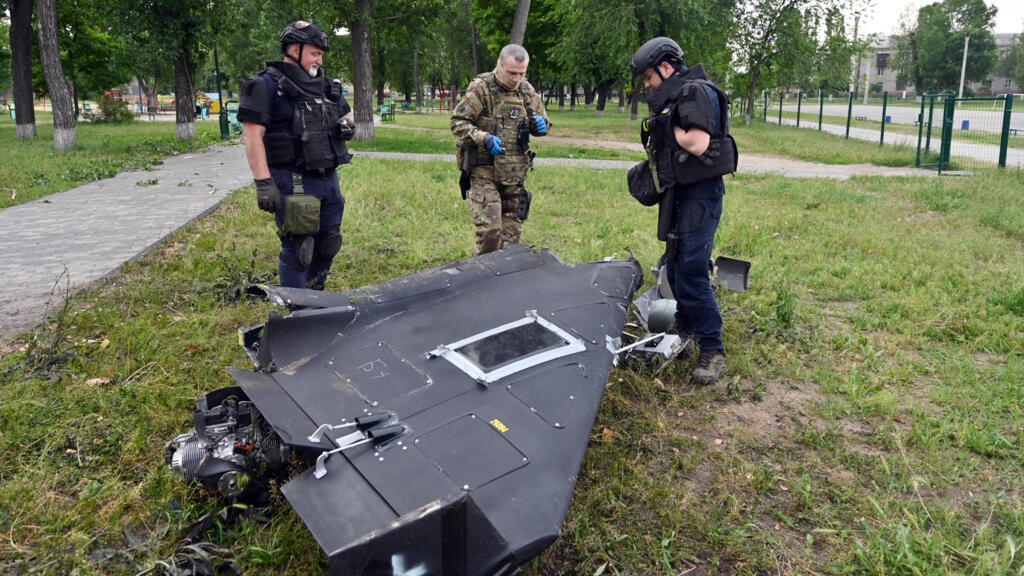
World
KYIV / LONDON — March 18, 2026 : Ukraine has deployed more than 200 military counter-drone specialists to the Middle East to assist partner nations in defending against Iranian-designed Shahed-type loitering munitions. The deployment, confirmed by Volodymyr Zelenskyy during an address to the British Parliament on March 17, forms part of a broader international effort to strengthen regional air defense against low-cost unmanned aerial threats. According to Ukrainian and European reporting, a total of 201 specialists are already deployed, with an additional 34 personnel on standby for rapid deployment if required. Deployment Scope and Timeline Ukrainian counter-drone teams are currently operating in multiple Gulf states. Active deployments include the United Arab Emirates, Qatar, and Saudi Arabia, while additional units are en route to Kuwait. Ukrainian personnel have also reportedly supported defensive measures linked to U.S. military installations in Jordan as part of the initial rollout phase. The deployment was formalized following a rapid sequence of diplomatic and military coordination. On March 2, the United Kingdom signaled plans to involve joint British and Ukrainian expertise in supporting Middle Eastern partners. After consultations with the United States, European allies, and countries neighboring Iran, Zelenskyy publicly confirmed the initiative on March 8. The first teams departed the following day. The Ukrainian government stated that formal operational agreements have been concluded with multiple partner nations. The initiative follows defense assistance requests from at least 11 countries, including the United States. Strategic Context and International Coordination The deployment reflects growing concern among Middle Eastern states over the increasing use of Iranian-designed one-way attack drones across regional conflicts. Shahed-type UAVs have been widely employed due to their relatively low cost, long range, and ability to evade traditional air defenses. Speaking before British lawmakers, Zelenskyy emphasized that the mission is intended to prevent the expansion of drone-based attacks in the region. The address was attended by Mark Rutte, underscoring the broader NATO-linked coordination surrounding the effort. Ukrainian officials described the deployment as part of a wider framework of defense cooperation, including a previously proposed “drone deal” with the United States. The initiative is designed to combine operational support, training, and long-term defense-industrial collaboration. Ukrainian Operational Experience and Tactics Ukrainian forces have accumulated extensive combat experience countering Shahed-type drones during the ongoing war with Russia. Variants such as the Shahed-136—also produced in Russia under the designation Geran-2—have been used extensively against Ukrainian infrastructure. These systems typically feature a range of up to 2,500 kilometers, cruising speeds around 185 km/h, and warheads of approximately 50 kilograms. More recent variants incorporate radio-beacon navigation antennas to improve performance in electronically contested environments. In response, Ukrainian units have developed layered counter-drone tactics. These include the use of radar-linked detection systems, electronic warfare measures, and increasingly, interceptor drones designed specifically to destroy incoming UAVs at low cost. Combat units such as the Ukrainian drone group Wild Hornets have documented engagements against advanced Shahed variants, contributing to the refinement of interception techniques now being exported to partner countries. Nature of Assistance and Training While full operational details remain undisclosed, defense analysts indicate that Ukrainian support in the Middle East is likely structured across three main areas. First, mobile air defense teams equipped with interceptor drones are expected to be deployed to protect critical infrastructure and military installations. Second, Ukrainian personnel are providing training programs for local forces, focusing on detection, tracking, and neutralization of low-altitude UAV threats. Third, assistance is being offered in establishing integrated command-and-control systems to coordinate responses to mass drone attacks. Initial reports suggest Ukrainian teams have already participated in defensive operations, including intercepting incoming drones targeting infrastructure in the United Arab Emirates. Defense Economics and Equipment Procurement A key factor driving the cooperation is the cost imbalance between traditional air defense systems and low-cost drones. Interceptor missiles used by systems such as the Patriot can cost several million dollars per launch, while Shahed-type drones are estimated at approximately $50,000 per unit. Ukraine has addressed this challenge by developing high-speed interceptor drones costing between $800 and $3,000. These systems are capable of engaging hostile UAVs at significantly lower cost while maintaining high interception effectiveness. Several Middle Eastern countries—including Saudi Arabia, the UAE, Qatar, and Kuwait—are currently in discussions with Ukrainian manufacturers to procure such systems. Ukraine’s defense industry has scaled production capacity to approximately 2,000 interceptor drones per day and has indicated it can supply up to 1,000 units daily to partner nations if agreements are finalized. Among the systems under consideration are interceptor models developed by Ukrainian groups such as Wild Hornets, as well as platforms reportedly associated with developers like General Cherry and Skyfall. Expanding Defense Cooperation The deployment marks one of the first large-scale international applications of Ukraine’s battlefield-developed counter-drone capabilities. Ukrainian Unmanned Systems Forces and specialized military units are providing the deployed personnel. Officials in Kyiv indicated that further deployments and additional agreements with partner countries are under preparation. The initiative is expected to expand as regional demand grows for cost-effective solutions to counter unmanned aerial threats. The program reflects a broader shift toward distributed, low-cost air defense systems, with Ukraine positioning itself as a key provider of operational expertise and technology in countering modern drone warfare.
Read More → Posted on 2026-03-18 16:28:05
World
HAIFA, Israel — March 18, 2026 : Elbit Systems has secured contracts from the Israeli Ministry of Defense (IMOD) for the development and supply of airborne high-power laser (HPL) systems designed for integration on combat aircraft and helicopters, marking a significant step in the company’s expansion into directed-energy technologies. The contracts, obtained during 2025 and publicly disclosed on March 17, 2026 by President and CEO Bezhalel Machlis, were announced alongside the release of Elbit’s full-year financial results, which showed record annual revenue of $7.94 billion, representing a 16.3 percent increase compared to 2024. Airborne High-Power Laser Development Elbit Systems is serving as the prime contractor for airborne HPL programs that include podded laser systems for fighter jets such as the F-16 Fighting Falcon and F-15 Eagle, as well as a separate high-power laser configuration for helicopters. Conceptual renderings released by the company show a centerline-mounted pod configuration on the F-15 platform. The systems are designed to intercept a wide range of aerial threats, including drone swarms, rockets, and ballistic missiles. According to company officials, the airborne configuration enables simultaneous engagement of multiple targets while reducing reliance on traditional kinetic interceptors. Operating at altitude provides several operational advantages compared to ground-based systems. These include reduced interference from weather conditions such as clouds, dust, and atmospheric turbulence, as well as extended detection and engagement ranges. The elevated operating environment also allows interception of threats at greater distances from national borders and populated areas. Machlis stated that the system remains in advanced stages of development and is expected to reach operational maturity in the future. He noted that the technology could also support additional applications beyond defensive interception. Elbit has prior experience in directed-energy systems as a supplier to Rafael Advanced Defense Systems for the ground-based Iron Beam program. Earlier testing milestones included successful airborne laser interception demonstrations conducted in 2021 using a modified civilian aircraft platform. Financial Performance and Market Expansion Elbit Systems reported full-year 2025 revenue of $7.9386 billion, up from $6.8279 billion in 2024. The company’s order backlog increased by $5.5 billion to reach a record $28.1 billion, providing long-term revenue visibility. Approximately 72 percent of this backlog originates from international customers. Quarterly revenue exceeded $2 billion for the first time in the company’s history, reaching $2.15 billion in Q4 2025. Profitability metrics included GAAP net income of $534 million and non-GAAP net income of $598 million. GAAP earnings per share were reported at $11.39, with non-GAAP EPS at $12.75. Regional revenue distribution showed Israel accounting for 32.1 percent of total sales, followed by Europe at 27 percent and North America at 20.9 percent. European sales surpassed $2 billion for the first time, with the company identifying the region—particularly Germany—as a primary growth driver. To support expanding demand, Elbit invested more than $500 million in research and development, including programs focused on artificial intelligence integration across its platforms. The company is also increasing capital expenditures to expand production capacity. Operational Environment and Supply Chain Adjustments Elbit’s recent growth has been influenced by heightened defense demand linked to regional conflicts, including Israel’s ongoing military operations such as Operation Roaring Lion and broader tensions involving Iran and Hezbollah. The company reported increased operational pressures associated with these conditions. These include supply chain disruptions caused by attacks on commercial shipping in the Red Sea, particularly by Houthi forces, which have led to higher transportation costs and shipment delays. Workforce availability has also been affected by the mobilization of reservists for the Israel Defense Forces (IDF). In addition, Elbit cited external challenges such as restrictions from certain countries, as well as protests and security incidents affecting some of its global facilities. To address these issues, the company is restructuring its supply chain and increasing vertical integration with support from the Israeli government. Machlis stated that capacity expansion and reduced dependency on external suppliers are central to the company’s long-term strategy. Outlook for Directed Energy Systems The airborne HPL programs are expected to position the Israeli Air Force as a potential first operator of airborne laser-based interception systems. Elbit Systems anticipates that directed-energy solutions will contribute to a new revenue stream as development progresses and systems reach operational deployment. With over 20,000 employees operating across multiple regions, Elbit continues to expand its global footprint while focusing on advanced technologies to address evolving aerial threat environments.
Read More → Posted on 2026-03-18 16:13:15Search
Top Trending in 24 Hours
-
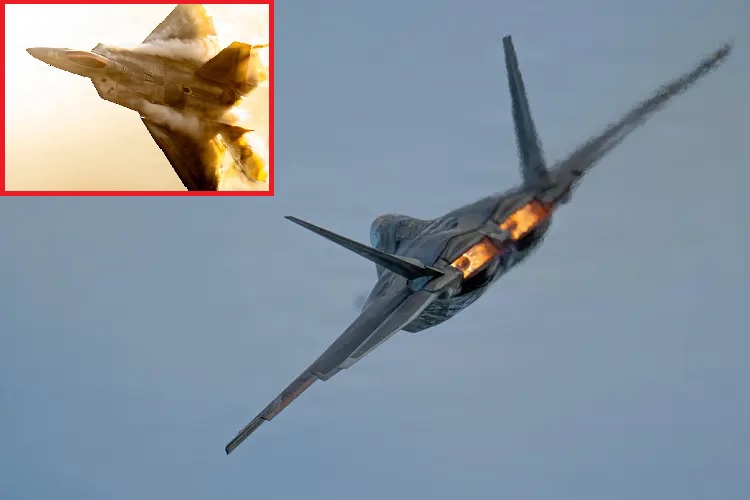 Qarbon Aerospace Returns to F-22 Program with New U.S. Air Force Sustainment Contract
-
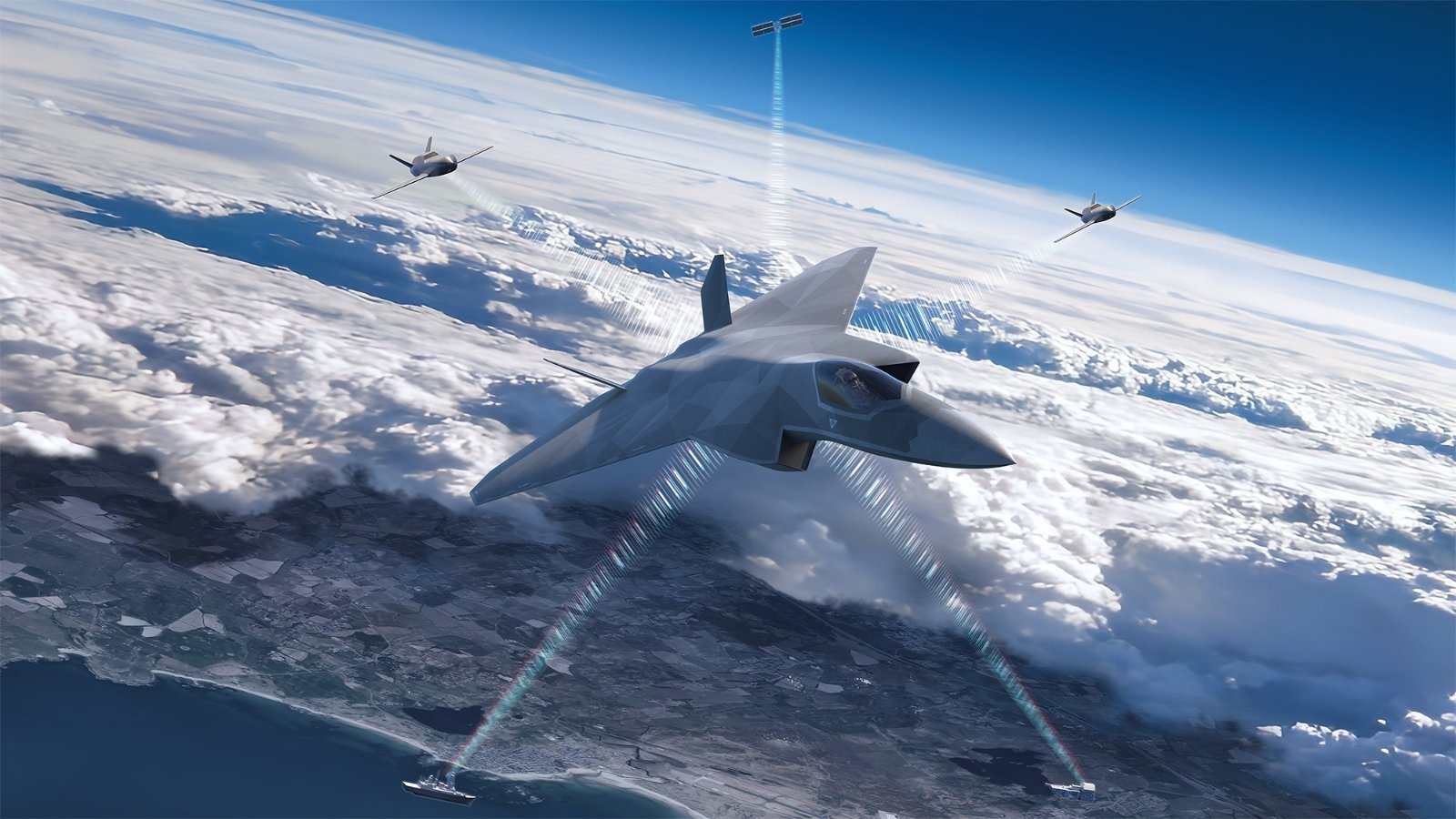 UK Awards BAE Systems £708 Million Contract Extension to Advance GCAP Sixth-Generation Combat Air Technologies
-
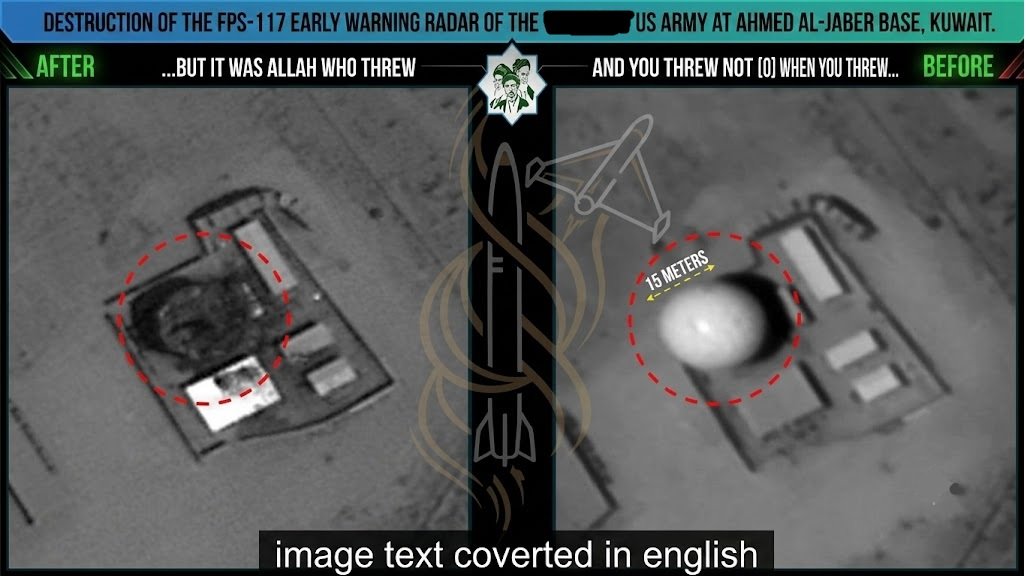 IRGC Claims Destruction of Second AN/FPS-117 Radar in Latest Strike on Kuwait's Ahmed Al-Jaber Air Base
-
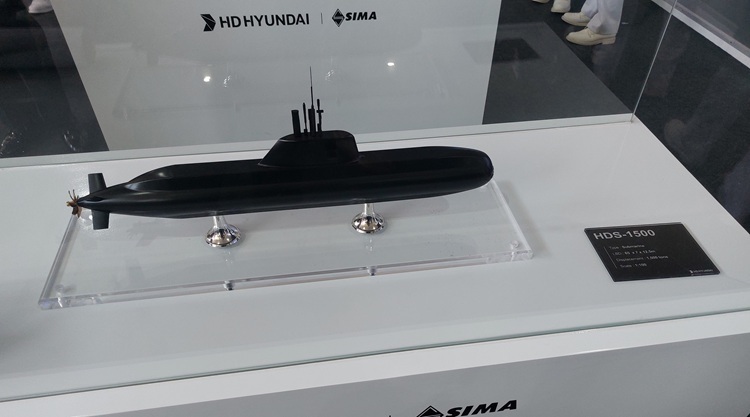 HD Hyundai and Peru's SIMA Complete Basic Design of HDS-MGP Next-Generation Submarine
-
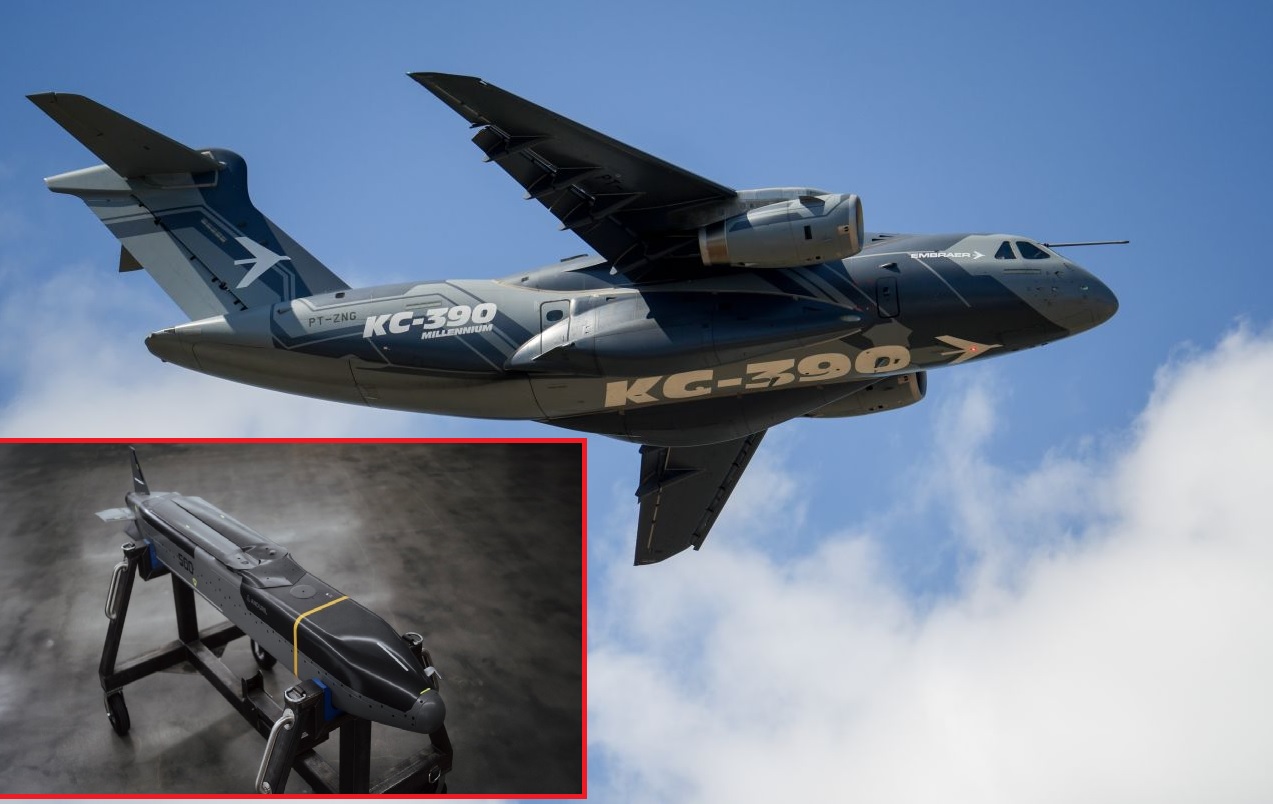 Embraer and Anduril Partner to Integrate Barracuda-500M Cruise Missile with C-390 Millennium
-
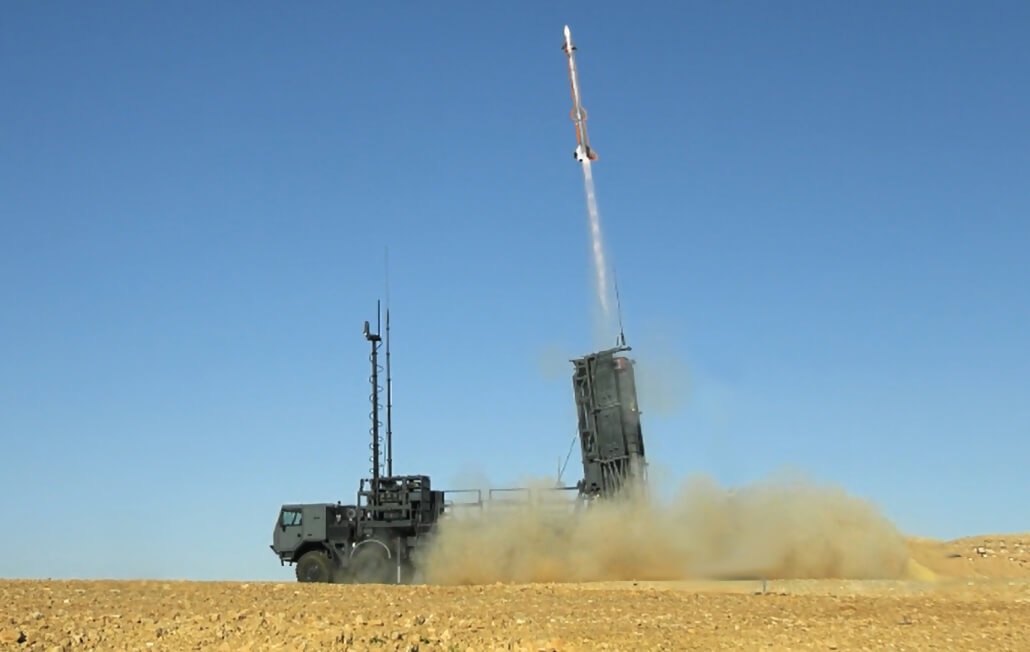 Greece Set to Approve €3 Billion Israeli Air Defense Deal for 'Achilles’ Shield' Network
-
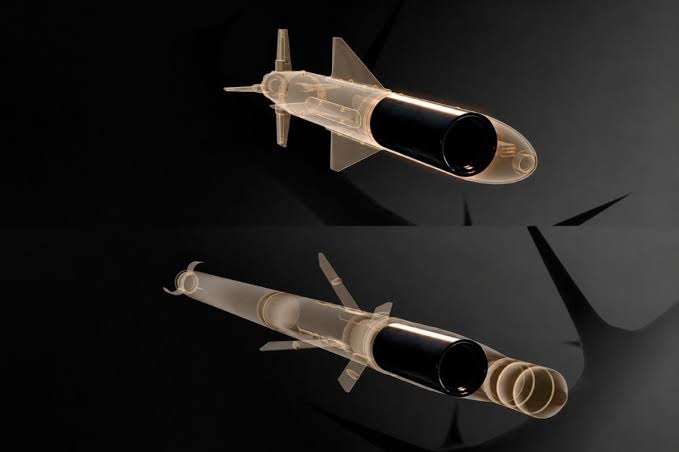 BAE Systems Unveils BlackThorn Modular Warhead Family for Autonomous Weapons and Counter-Drone Systems
-
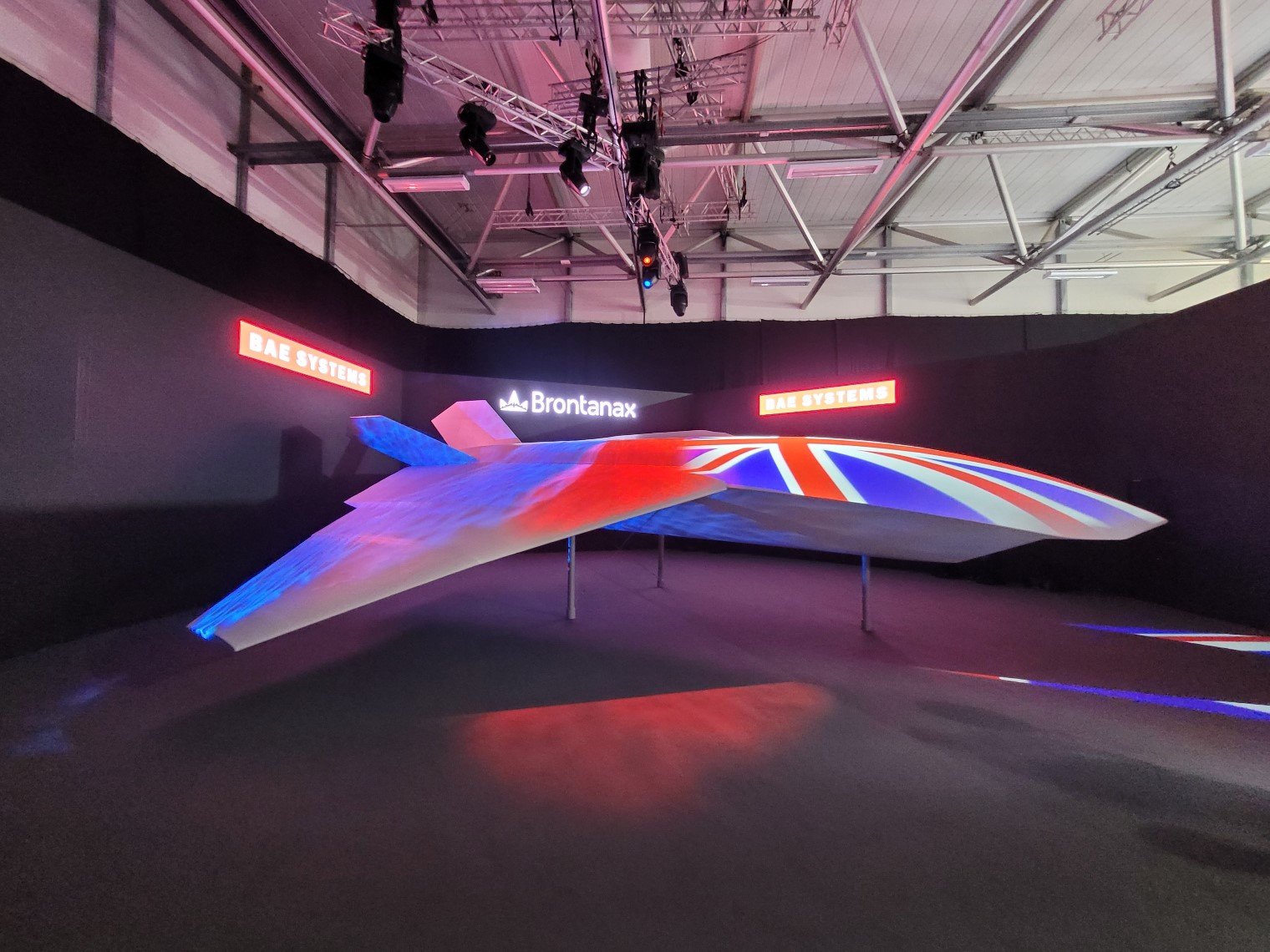 BAE Systems Unveils 'Brontanax', the UK's First Autonomous Combat Aircraft at Farnborough
Top Trending in 4 Days
-
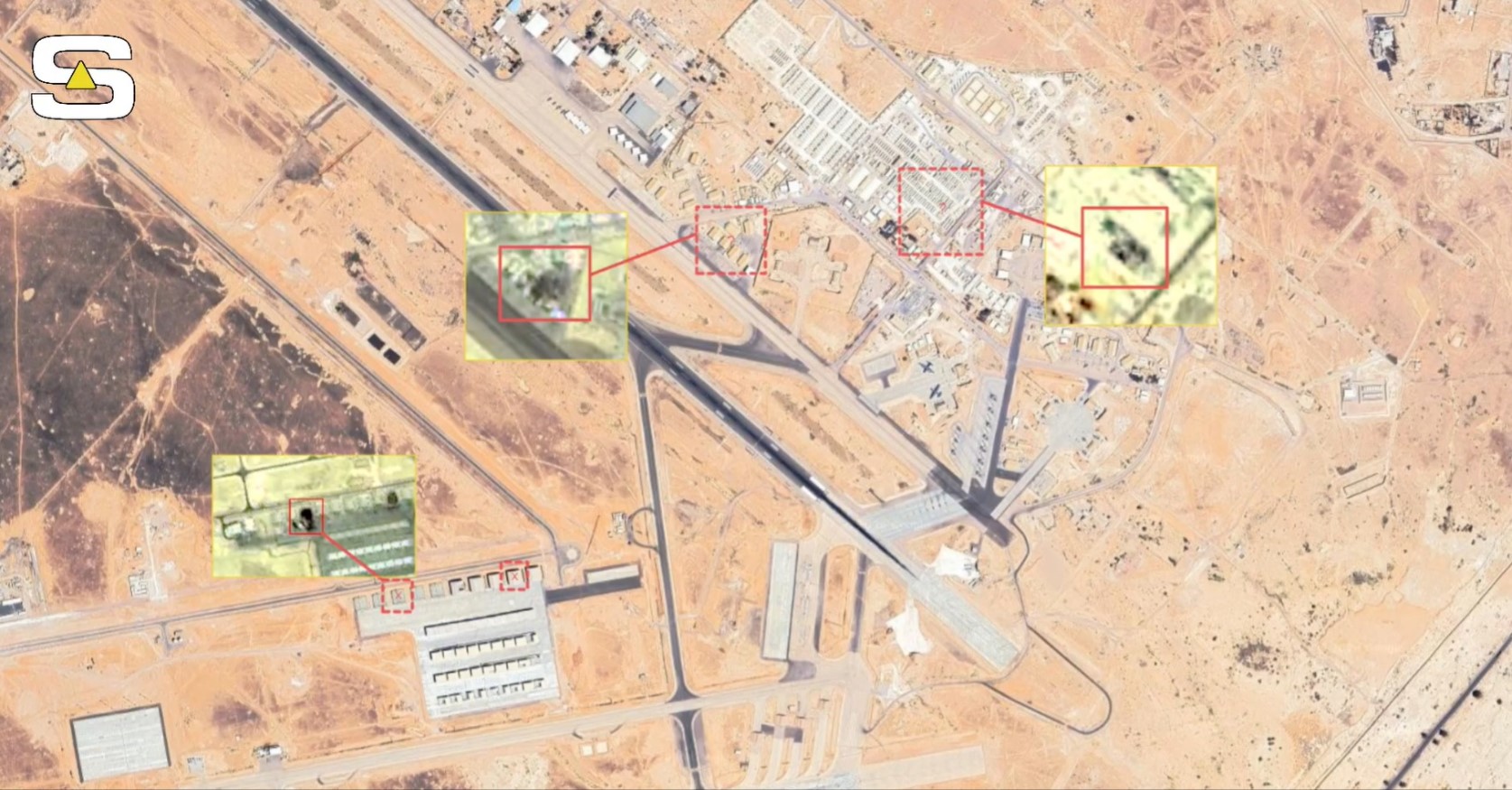 New Satellite Imagery Reveals Extensive Damage at Jordan's Muwaffaq al-Salti Air Base After Iranian Missile Strike
-
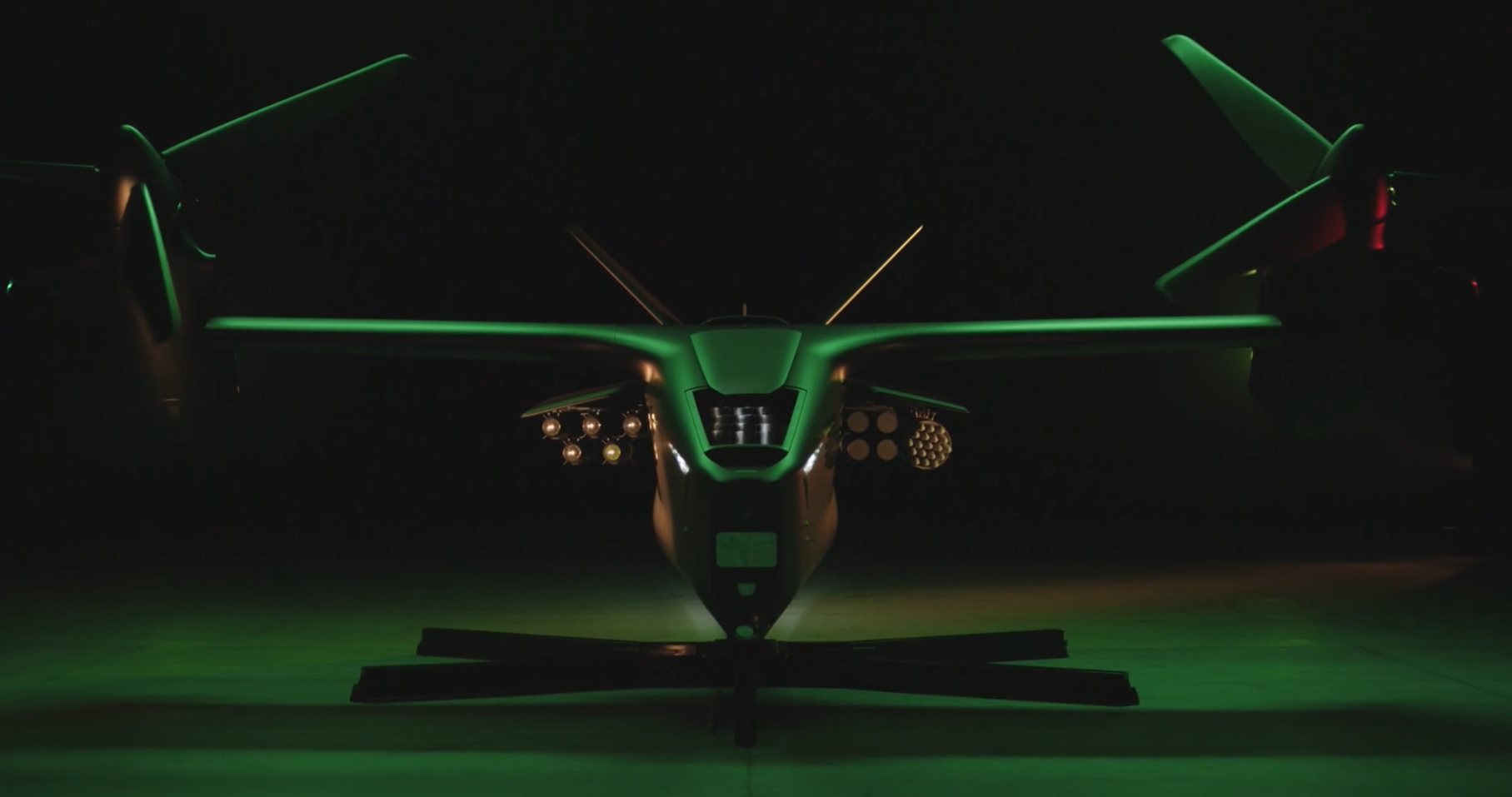 Anduril Unveils Thunder Autonomous Attack Rotorcraft Built with Archer Aviation to Support Apache Helicopters
-
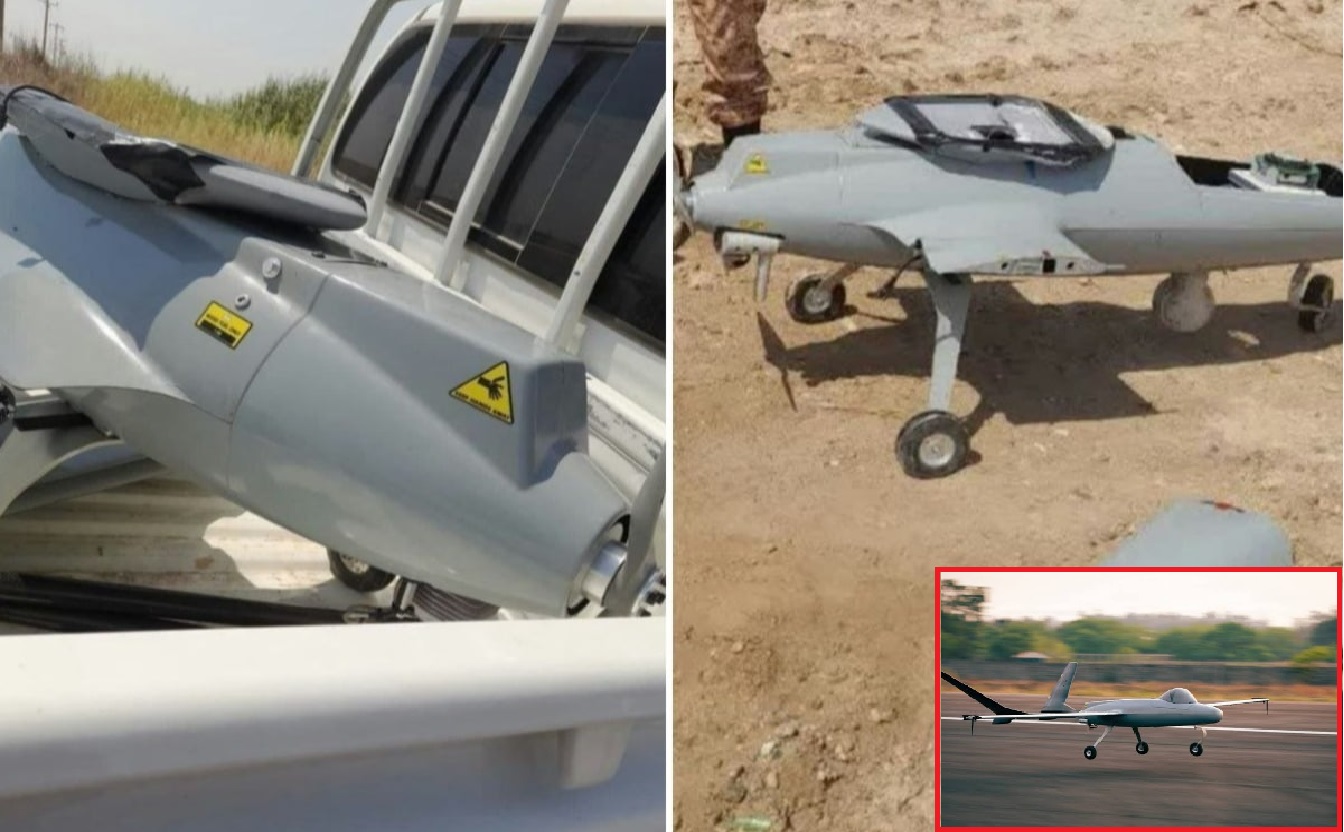 Iran Claims It Shot Down U.S.-Operated Polish-Built Tiguar-M Drone, Releases Images
-
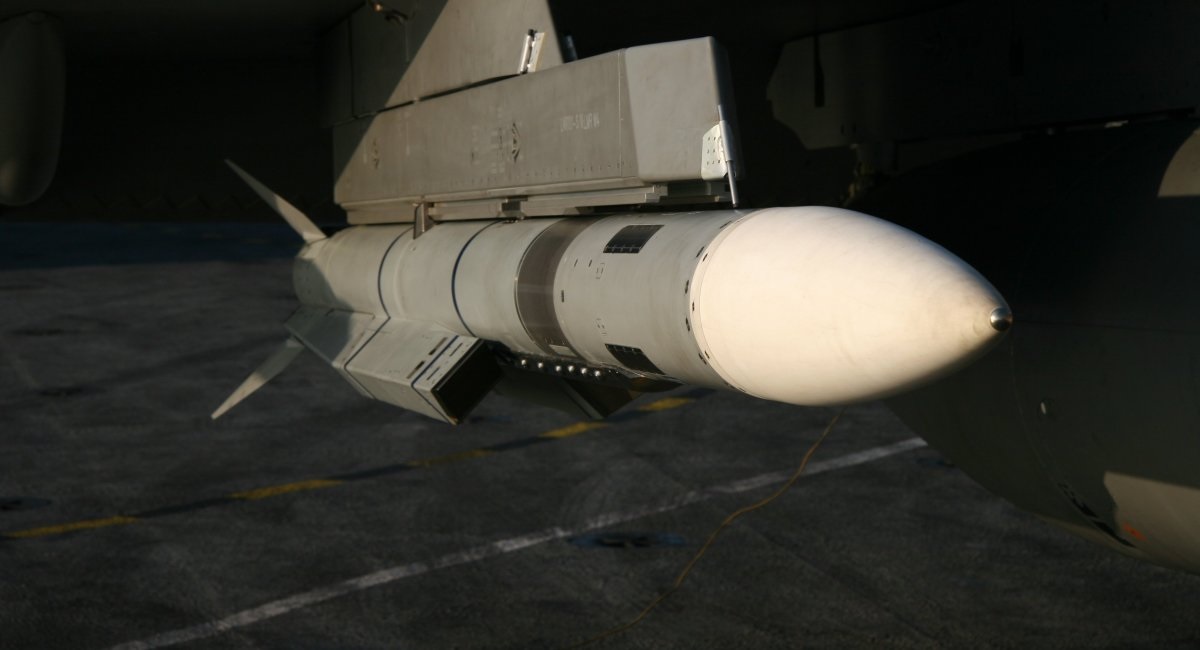 UK Cancels Meteor Missile Mid-Life Upgrade, Prioritizes Next-Generation FASE Air-to-Air Missile Programme
-
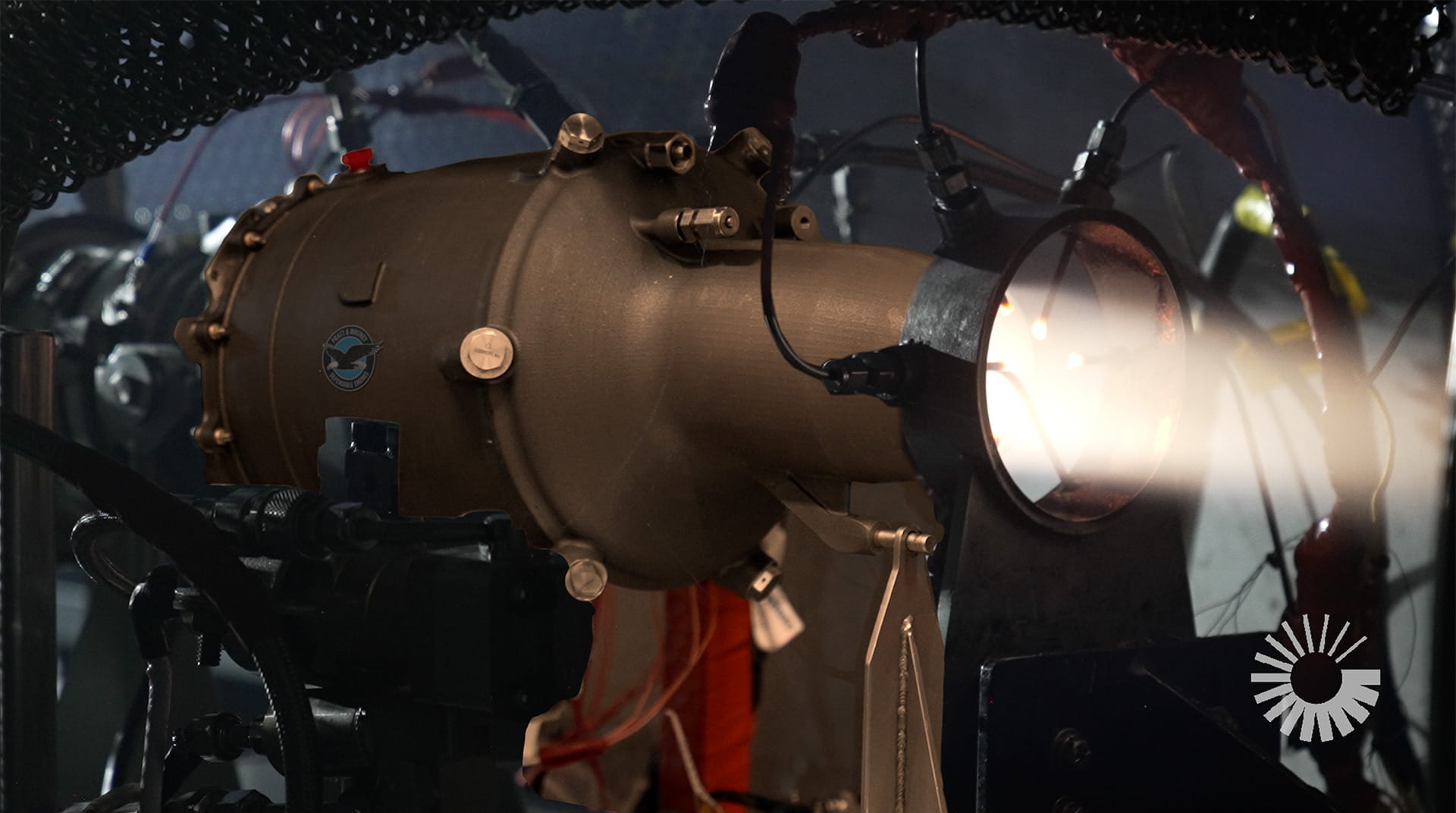 Pratt & Whitney Completes Testing of 3D-Printed TJ150 Engine for Military Applications
-
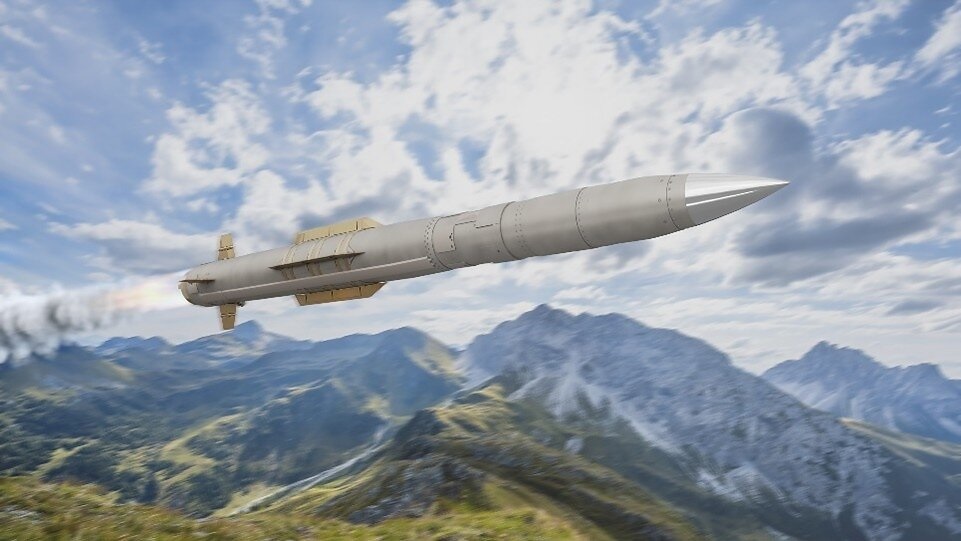 Lockheed Martin Unveils Lower-Cost PAC-3 ACE Interceptor for Patriot Air Defense System
-
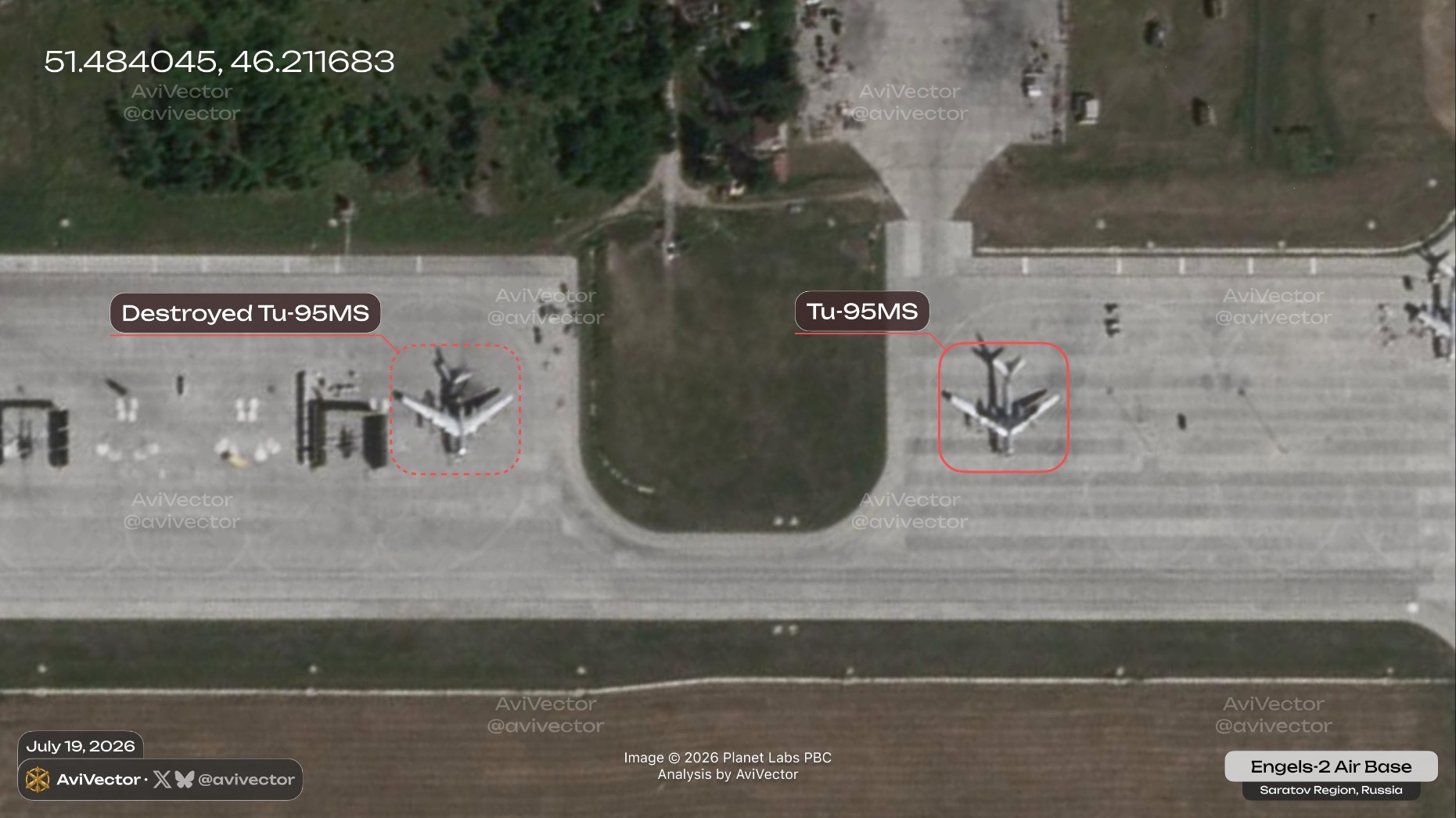 Satellite Images Confirm Russian Tu-95MS Bomber Destroyed After Ukrainian Drone Strike on Engels-2 Air Base
-
 BHEL Successfully Develops India’s First Indigenous 1200 kV, 333 MVA Per-Phase UHVAC Transformer
