KYIV, — March 21, 2026 : Ukrainian military instructors deployed to the Middle East have reported extensive use of high-cost interceptor systems by U.S. and allied forces during operations against Iranian missiles and drones, according to reporting by The Times. The observations were made by Ukrainian specialists assisting Gulf countries in air defense operations.
A total of 201 Ukrainian personnel were deployed to Kuwait, Qatar, the United Arab Emirates, and Saudi Arabia at the request of U.S. Central Command (CENTCOM). The teams were tasked with supporting local forces in countering Iranian ballistic missiles, cruise missiles, and one-way attack drones, including Shahed-type systems. Some Ukrainian advisers are also assisting in the protection of U.S. military bases in Jordan.
Observed Interception Practices
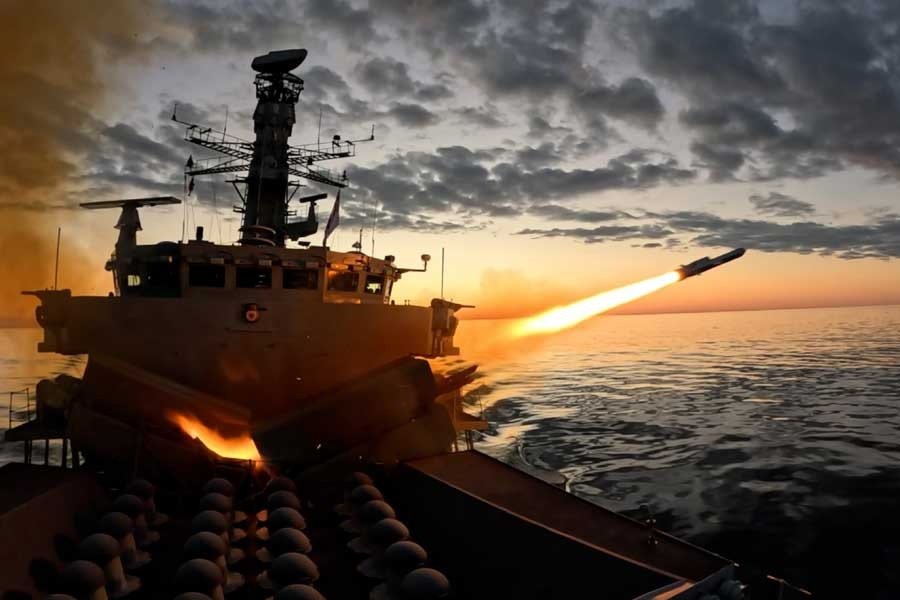
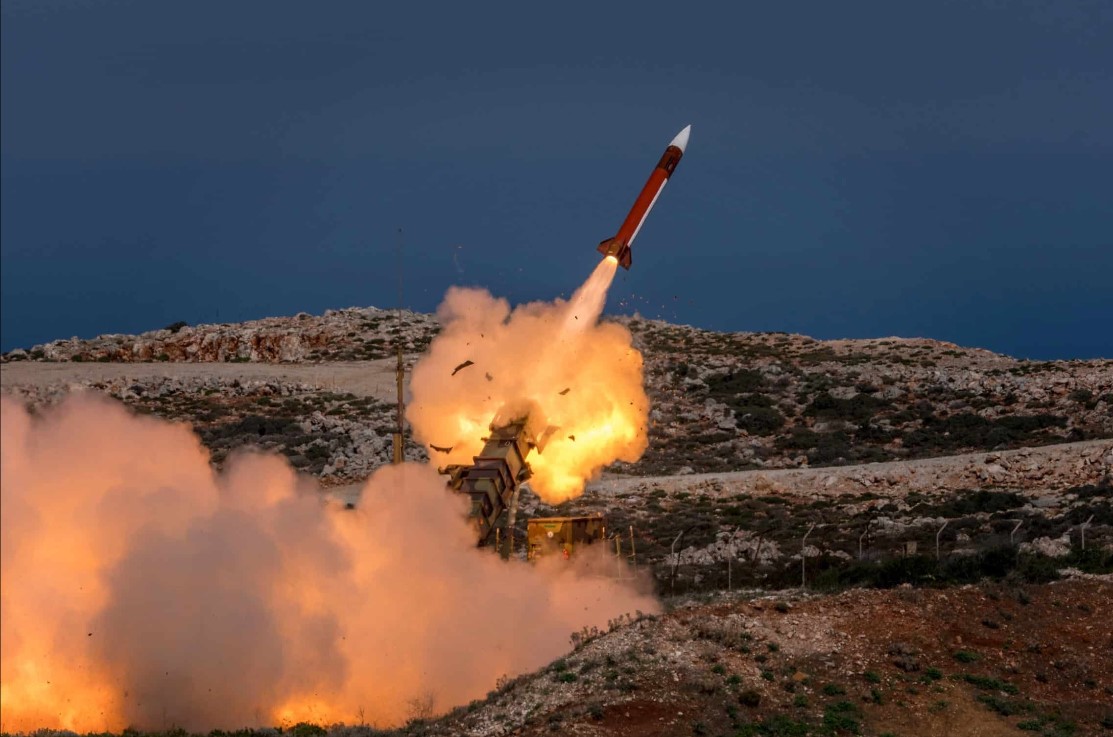
Ukrainian instructors reported that allied forces in the Gulf launched up to eight Patriot interceptor missiles against a single target in some engagements. Each Patriot missile is estimated to cost more than $3 million, resulting in high expenditure per interception.
One Ukrainian officer stated that the volume of interceptors used per target was significantly higher than typical Ukrainian practice. Another officer described instances where interceptors were used in a manner that appeared excessive, including the reported use of Standard Missile-6 (SM-6) systems—costing approximately $6 million per unit—to intercept Shahed drones, which are estimated to cost around $70,000.
By comparison, Ukrainian air defense units typically employ one or two interceptor missiles against more complex targets such as ballistic missiles, relying on calculated engagement methods developed during sustained operations.
Munition Usage and Resource Implications
Ukrainian President Volodymyr Zelensky stated that the United States and its allies launched more than 800 Patriot missiles within the first four days of the recent Iran-related conflict. This figure exceeds the total number of Patriot interceptors delivered to Ukraine over the past three years.
The scale of interceptor usage highlights differences in resource allocation and engagement doctrine between Ukrainian forces and allied operations in the Gulf region. Ukrainian officials noted that operational data and engagement methodologies developed during the conflict in Ukraine had been shared with partners, but were not fully implemented in observed cases.
Radar Deployment and Vulnerability Observations
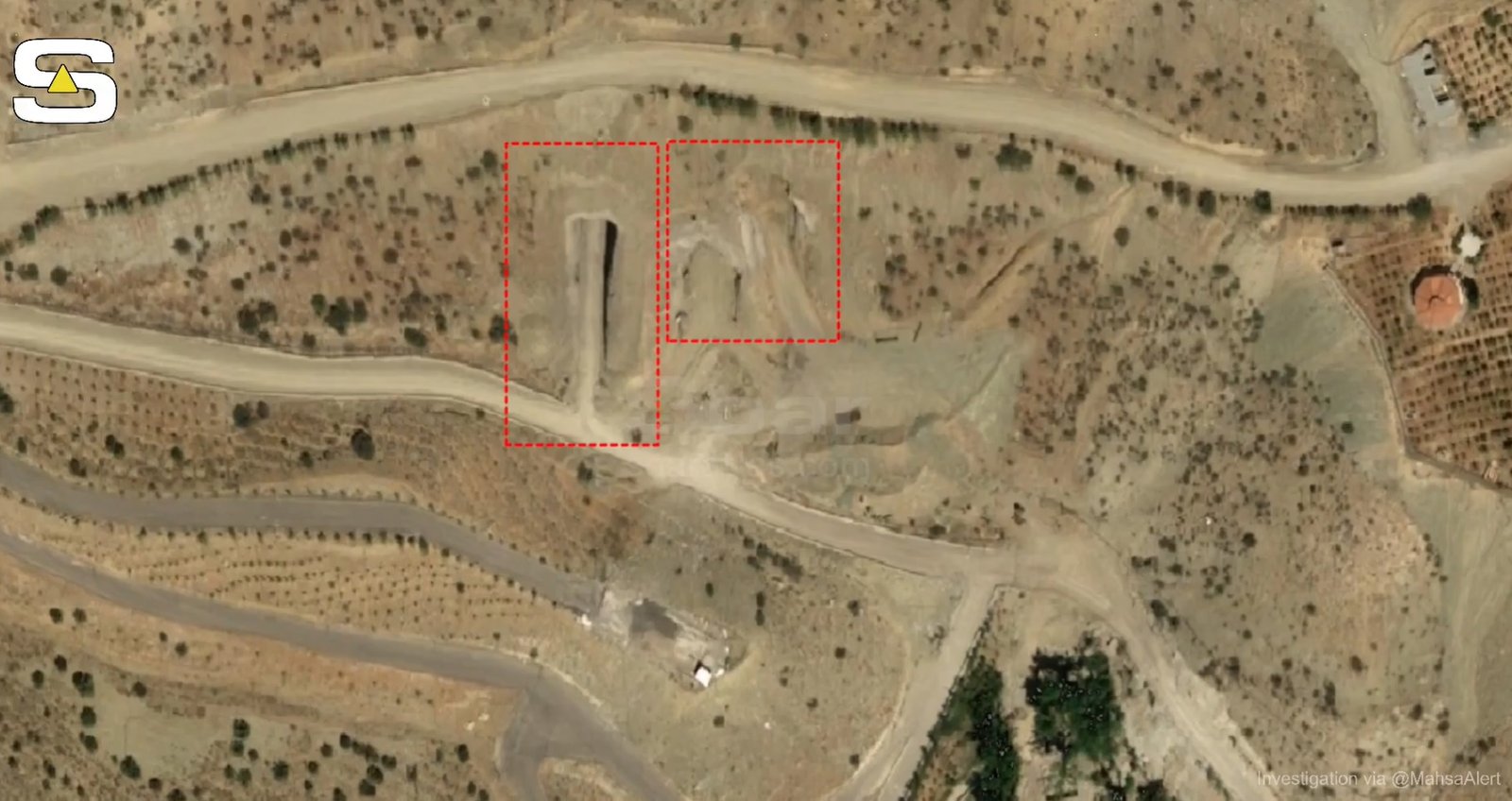
Ukrainian personnel also reported differences in radar deployment practices. In one observed case, air defense radar systems remained in fixed positions for extended periods, including up to two months, and were visible in open-source satellite imagery.
Subsequently, three Shahed drones struck an AN/FPS-132 early-warning radar, valued at approximately $1 billion, along with at least one Terminal High Altitude Area Defense (THAAD) radar, estimated at around $300 million.
Ukrainian forces typically employ mobile radar tactics, frequently relocating systems to reduce vulnerability to detection and targeting. Additionally, Ukrainian operators often maintain manual control during engagements rather than relying on automated modes.
Operational Approach and Tactical Differences
Ukrainian officials emphasized that their air defense approach integrates Soviet-era systems, NATO-supplied equipment, electronic warfare, and low-cost interceptor drones into a layered structure designed to optimize resource use.
Colonel Kyrylo Peretyatko of Ukraine’s tactical air defense group stated that Ukraine’s experience in countering a wide range of aerial threats represents a scale of operations not previously encountered. Ukrainian forces have developed engagement strategies aimed at maximizing interception efficiency while minimizing expenditure.
Regional Context and Additional Incidents
The deployment of Ukrainian instructors follows requests from multiple countries seeking practical experience in countering drone and missile threats. Ukrainian officials have indicated that this cooperation could lead to further agreements involving financial support, technology transfer, and the potential supply of additional Patriot systems.
Separate reporting indicated that the United Arab Emirates expended approximately $1 billion per day on air defense operations during the initial 48 hours of the conflict.
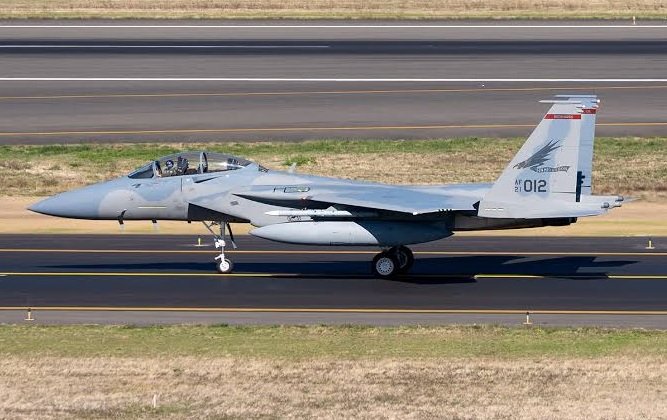
In another incident reported on March 1, Kuwaiti air defenses reportedly shot down three U.S. F-15E fighter jets during operations against drone threats. Ukrainian officers attributed the घटना to procedural issues during engagement.
Assessment
Ukrainian officials assess that the observations highlight differing approaches to air defense operations, particularly in interceptor usage, system mobility, and engagement control methods. The experience gained by Ukrainian forces during ongoing conflict has informed a more resource-constrained operational model, which they continue to share with partner nations.
The deployment of Ukrainian specialists to the Middle East reflects increasing international demand for operational knowledge in countering complex aerial threats, including the combined use of missiles and unmanned systems.
——— End of Article ———