World
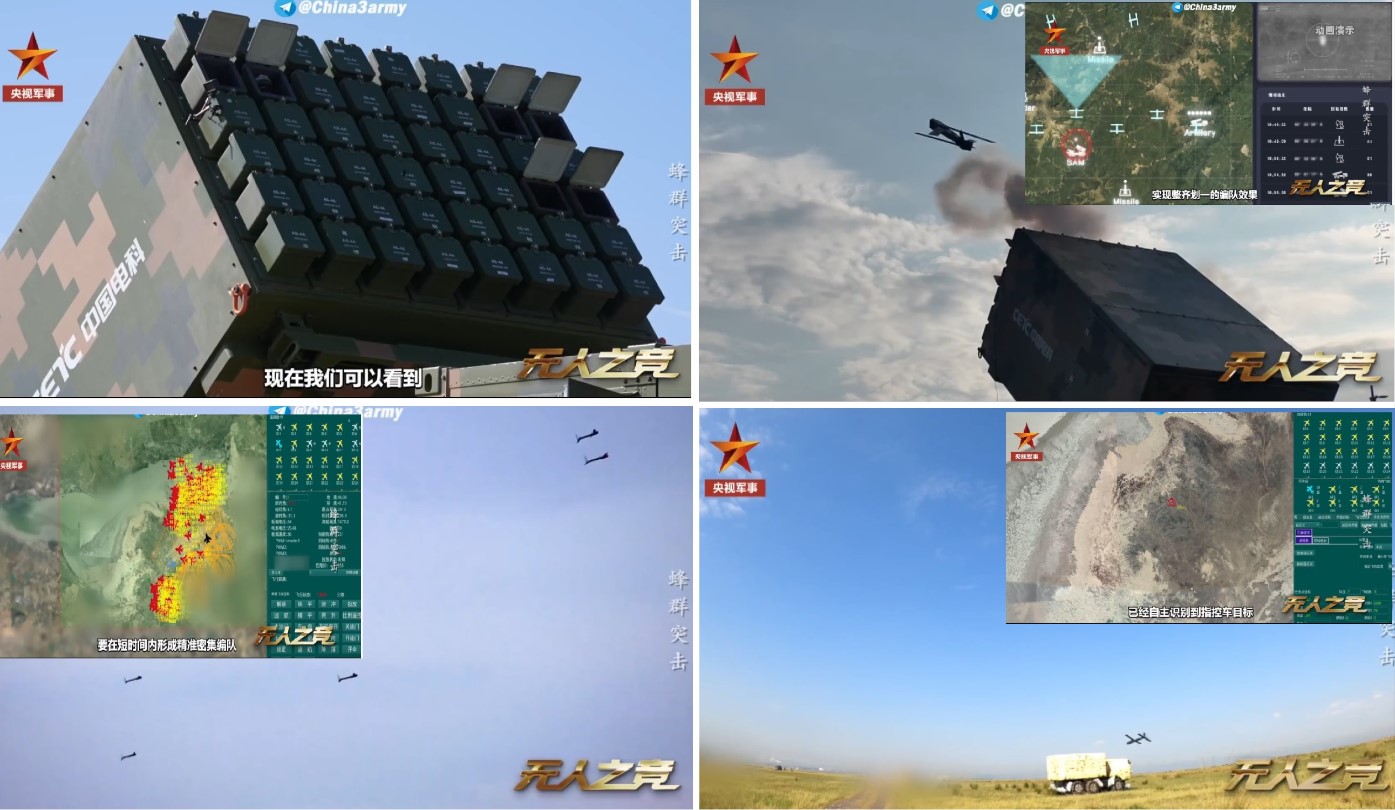
BEIJING, — March 25, 2026 : Chinese state media has released the first full-process demonstration of the domestically developed “Atlas” drone swarm operations system, providing a detailed view of how coordinated unmanned formations are being integrated into a single, software-driven combat architecture. The demonstration, aired on March 25 through outlets including CCTV’s military channel and the Global Times, presented a complete operational sequence linking target identification, launcher activation, drone deployment, and precision strike execution. The system—described in some reports as a “steel swarm”—highlights China’s focus on algorithm-enabled warfare, where centralized software systems manage large numbers of autonomous platforms with minimal human intervention. Integrated System Architecture The Atlas system is structured as a modular, scalable complex designed for coordinated swarm deployment. Footage from the demonstration indicates links to the China Electronics Technology Group Corporation (CETC), whose branding appeared on the launch platform. The system consists of three primary components. The Swarm-2 ground combat vehicle serves as the launch platform, equipped with a detachable launcher capable of carrying and deploying up to 48 fixed-wing drones, identified in reports as ATLUSS-A140 barrage munitions. This vehicle was first publicly displayed at Airshow China 2024 in Zhuhai. A centralized command vehicle forms the operational core of the system, enabling a single operator to supervise and manage up to 96 drones simultaneously. Rather than controlling individual units, the operator assigns mission parameters, while onboard algorithms handle execution, including navigation, coordination, and engagement decisions. Supporting these elements is a transport and loading vehicle, which carries additional combat-ready launchers and enables rapid reloading and redeployment of the system in field conditions. Demonstration of the Operational Sequence The March 2026 test focused on presenting a complete “kill chain” within a unified system. In the demonstration scenario, three visually similar targets were placed within the strike area, requiring the swarm to autonomously identify and engage the designated objective. The sequence began with launcher activation and drone deployment. UAVs were launched at fixed three-second intervals to ensure safe separation and stable flight paths. Following deployment, the swarm conducted autonomous reconnaissance using onboard electro-optical sensors, distinguishing the intended command vehicle from decoys without direct human input. Once the target was identified, the drones established a mid-air target lock and executed a coordinated precision strike. Throughout the process, the swarm maintained real-time communication, sharing data and adjusting formation spacing to account for environmental factors such as airflow disturbances. The system also demonstrated resilience, with algorithms enabling surviving drones to reorganize and continue the mission if some units were lost. This approach reflects a compressed operational cycle, shifting from the traditional “detected → reported → coordinated → struck” sequence to a streamlined “detected → algorithm → struck” model. Autonomous Coordination and Control Chinese reports describe the swarm-control system as providing each drone with a “smart brain,” enabling distributed decision-making within a centrally guided framework. The drones are capable of real-time data exchange, cooperative targeting, and collision avoidance, allowing nearly 100 high-speed units to operate in dense formations. The Atlas system reduces the human role to mission-level supervision. The operator defines objectives and constraints, while algorithms manage task allocation, route planning, target discrimination, and engagement. This structure is intended to address the limitations of human operators in managing large numbers of simultaneous platforms. Payload Flexibility and Layered Deployment The ATLUSS-A140 drones are designed as multi-role platforms capable of carrying a range of payloads, including electro-optical reconnaissance systems, electronic warfare modules, communications relay equipment, and kinetic strike munitions. This flexibility allows the Atlas system to adapt to different mission profiles. The demonstration highlighted a layered deployment concept. In a typical configuration, reconnaissance drones are launched first to gather intelligence and establish situational awareness. These may be followed by electronic warfare units tasked with suppressing or disrupting enemy radar and communication systems. Strike drones are then deployed to engage identified targets. The order, composition, and timing of these deployments can be adjusted dynamically depending on operational requirements, enabling the system to perform reconnaissance, suppression, or direct attack missions using the same platform. Saturation and Penetration Capabilities Analysts cited in Chinese media emphasize the system’s potential for saturation attacks against air defense networks. By deploying large numbers of drones in coordinated waves from multiple directions, the Atlas system is designed to exceed the tracking and interception capacity of conventional air defense systems. In addition to saturation tactics, the drones’ ability to loiter over target areas provides persistent surveillance and engagement flexibility. Unlike ballistic or cruise missiles, which follow fixed trajectories, the swarm can adapt to changing conditions, track mobile targets, and delay engagement until optimal conditions are achieved. The drones are also designed for low-altitude, low-speed flight with relatively small radar cross-sections, which may reduce detectability and enable operations deeper within contested environments. Role of Artificial Intelligence and System Development Chinese military analysts, including commentary cited by Global Times, attribute the system’s capabilities to advances in artificial intelligence and large-model algorithms. These technologies enable autonomous target recognition, distributed task execution, and adaptive behavior in complex and dynamic environments. The Atlas system is presented as a flexible combat architecture rather than a single-purpose weapon, integrating multiple drone types and roles within a unified command framework. The emphasis on software-driven coordination reflects broader trends in unmanned systems development observed in recent Chinese demonstrations, including larger-scale swarm control tests earlier in 2026. The March 25 demonstration focused on validating the integrated operational process rather than introducing new hardware components. The system remains under development and testing, and no official timeline for operational deployment has been disclosed.
Read More → Posted on 2026-03-25 13:51:34
World
ISFAHAN, — March 24, 2026 : On March 23, 2026 night coordinated airstrikes by U.S. and Israeli forces have caused extensive damage to a cluster of Iranian defense-industrial and research facilities in Isfahan, targeting critical nodes involved in the country’s electro-optical systems and precision-guided munitions development. The strikes focused on the Isfahan Optics Industries complex, Optics Sairan, and the Malek Ashtar University of Technology—three interconnected entities forming part of Iran’s Ministry of Defense and Armed Forces Logistics supply and research network. Initial assessments indicate significant structural and operational damage across these sites, which collectively support the development, production, and integration of optical and electro-optical components used in missiles, drones, and surveillance systems. Targeted Defense Infrastructure The Isfahan Optics Industries facility, located near Kaveh Boulevard, is a major production center operated under Iran Electronics Industries (IEI), the state-owned defense electronics organization. The plant manufactures a wide range of advanced optical and electro-optic systems for military applications, including precision guidance components and surveillance equipment. Simultaneously, strikes hit Optics Sairan, an affiliated division within IEI that specializes in optical elements and electronic subsystems used in ballistic missile guidance and radar technologies. Both facilities are part of a broader industrial ecosystem responsible for producing components essential to Iran’s missile and unmanned systems programs. In addition, Malek Ashtar University of Technology, a defense-linked academic and research institution operating under the Ministry of Defense, was also targeted. The university has long been associated with Iran’s missile development efforts and is subject to international sanctions due to its connections with the Islamic Revolutionary Guard Corps (IRGC). It functions under the Defense Technology and Science Research Center and contributes to research in missile systems, satellite technologies, metallurgy, and engineering disciplines relevant to military applications. Capabilities and Production Output Isfahan Optics Industries is responsible for designing and manufacturing a broad portfolio of optical systems and components. These include complex lenses, prisms, multilayer optical coatings, interference filters, collimators, and reticles. The facility also produces binoculars, long-range observation systems, periscopes for armored vehicles, and optical sights for firearms. Its electro-optical product line includes the Oghab series aerial imaging cameras for manned and unmanned aircraft, Fater series thermal imaging systems, Sadad series long-range surveillance cameras, and the Sadad 103 monitoring system. Additional systems include the Fadak 8 laser rangefinder, EOVP-4 aerial camera, electro-optical monitoring platforms, digital display systems for naval and aviation use, and air defense simulators. These systems are used across multiple branches of Iran’s armed forces, supporting reconnaissance, targeting, navigation, and fire-control functions. The facility’s output plays a central role in enabling precision engagement capabilities for ballistic missiles, cruise missiles, and unmanned aerial vehicles. Optics Sairan complements this production by focusing on specialized optical components and electronic devices that support missile guidance systems, including electro-optical seekers and radar-related subsystems. Role of Malek Ashtar University Malek Ashtar University provides the research and development foundation for many of these technologies. It operates training and research programs linked to missile development, including collaboration with the Aerospace Industries Organization. The institution supports advancements in guidance systems, materials science, propulsion-related technologies, and satellite applications. Its integration within the defense research structure allows it to bridge theoretical research and practical manufacturing, contributing directly to the development cycle of advanced military systems. Strategic and Operational Impact Defense analysts assess that the coordinated targeting of both production facilities and a central research institution reflects an effort to disrupt the full lifecycle of Iran’s precision weapons development—from initial research and design to manufacturing and deployment. The immediate impact is expected to be a disruption in the supply of electro-optical components critical for missile guidance systems. Many Iranian ballistic missiles, including variants of the Fateh series and newer systems such as the Qasem Basir, rely on electro-optical terminal seekers for precision targeting, particularly in environments where electronic warfare may degrade traditional guidance methods. Damage to Isfahan Optics Industries and Optics Sairan is likely to constrain the production of these seekers, as well as thermal imaging systems, laser rangefinders, and aerial reconnaissance cameras used across drones, missiles, and air defense platforms. This creates a bottleneck in manufacturing and reduces the ability to maintain and replenish operational stockpiles. The strikes are also expected to affect the production of surveillance and targeting systems used on unmanned aerial vehicles, armored vehicles, naval platforms, and helicopters, thereby impacting reconnaissance and strike capabilities. At the research level, damage to Malek Ashtar University is likely to slow the development of next-generation guidance technologies and related systems. This could delay ongoing projects linked to missile accuracy improvements, sensor integration, and advanced materials. Broader Defense Industrial Implications Iran Electronics Industries, through its network of subsidiaries, forms a core component of Iran’s defense supply chain for electronic and optical subsystems. The targeted facilities in Isfahan represent key nodes within this network, supplying critical technologies across multiple weapon platforms. The disruption of these facilities is expected to have cascading effects on Iran’s defense industrial base, particularly in areas requiring high-precision optical and electro-optical systems. It also limits the capacity to support external supply channels, including the provision of advanced systems to regional partners and allied groups. Overall, the strikes have introduced constraints on Iran’s ability to sustain and expand its precision-guided munitions capabilities and advanced sensor systems, with implications for both domestic military readiness and regional operational activities.
Read More → Posted on 2026-03-24 18:07:45
World
HUNTSVILLE, Alabama — March 24, 2026 : A U.S. defense industry team comprising Epirus, General Dynamics Land Systems (GDLS), and Kodiak AI has unveiled a new autonomous counter-unmanned aerial system (C-UAS) platform, the Leonidas Autonomous Ground Vehicle (AGV), at the Association of the U.S. Army (AUSA) Global Force Symposium & Exhibition. The system integrates a high-power microwave (HPM) weapon with an AI-enabled autonomous driving platform on a commercial truck chassis, creating a mobile, crewless solution designed for point defense, expeditionary missions, and homeland security applications. A full-scale prototype is being displayed at Booth 801 during the event. Platform Design and System Integration The Leonidas AGV is built on a commercial-grade Ford F-600 truck chassis and was developed as a rapid prototype through internal investment by the three companies. General Dynamics Land Systems acted as the lead system integrator, combining Epirus’ directed energy system with Kodiak AI’s autonomous driving technology. The integration process was completed in under four months, demonstrating a proof-of-concept approach using commercially derived technologies adapted for defense applications. At the core of the vehicle is Epirus’ Leonidas high-power microwave system, a software-defined, solid-state directed energy platform based on gallium nitride (GaN) semiconductors. The system uses directional phased-array antennas to emit electromagnetic energy capable of disrupting or disabling electronic components in unmanned aerial systems. Unlike kinetic air defense systems, the HPM approach does not rely on interceptors. It provides what developers describe as “unlimited magazine depth,” frequency-agile waveforms, and modular amplifier units that can be replaced in under eight minutes. The system has demonstrated effectiveness against a range of threats, including individual drones, swarm attacks, and fiber-optic guided first-person view (FPV) drones in live testing. Autonomous Mobility and Navigation The vehicle’s mobility is enabled by Kodiak AI’s “Kodiak Driver,” an autonomous driving system originally developed for commercial trucking. The platform incorporates modular SensorPods equipped with LiDAR, radar, and camera systems, providing full 360-degree situational awareness. The system includes redundant safety architecture across compute, power, steering, and braking systems. It supports operation across highways, off-road terrain, and mixed environments, enabling deployment in both structured and unstructured operational areas. The Leonidas AGV can operate fully autonomously or be remotely teleoperated. This allows operators to reposition the system dynamically, establish defensive perimeters, and maintain coverage without placing personnel in direct exposure to threats. Operational Roles and Use Cases The platform is designed to provide a mobile layer of counter-UAS defense across a range of mission sets. These include protection of military installations, forward operating bases, and expeditionary deployments, as well as homeland security roles such as securing airports, ports, energy infrastructure, rail networks, and major public events. Its autonomous capability enables rapid deployment to pre-planned intercept locations or continuous maneuvering along defensive perimeters. The system is intended to support scalable coverage while reducing reliance on personnel and minimizing logistical demands associated with traditional interceptor-based systems. Industry officials indicated that the Leonidas AGV could align with requirements from U.S. Army air defense programs and organizations such as Joint Interagency Task Force (JIATF) 401. Directed Energy Effects and Operational Advantages The high-power microwave system creates a close-range defensive layer by targeting the electronics of incoming threats rather than physically destroying them. This approach allows simultaneous engagement of multiple drones over a wide area while limiting collateral effects, making it suitable for operations in populated or infrastructure-dense environments. The system’s ability to counter saturation attacks addresses a growing challenge in modern conflicts, where low-cost drones are deployed in large numbers. By avoiding the use of expensive interceptors, the platform is positioned as a cost-effective alternative for sustained operations. Industry Statements Andy Lowery, Chief Executive Officer of Epirus, stated that the system is designed to address evolving aerial threats by combining directed energy with autonomous mobility, enabling rapid maneuver and engagement of drone swarms without increasing personnel requirements. Keith Barclay, Vice President and General Manager for U.S. Operations at General Dynamics Land Systems, said the program reflects efforts to accelerate integration of advanced technologies into operational platforms using commercially derived solutions. Don Burnette, Founder and Chief Executive Officer of Kodiak AI, noted that autonomous mobility enables new deployment concepts for defensive systems, allowing continuous protection of critical assets while reducing risk to personnel. Development Background and Future Plans The unveiling follows recent operational testing of Epirus’ standalone high-power microwave systems. Earlier versions were deployed in the Indo-Pacific during the U.S. Army’s Balikatan exercise, and a second-generation system completed testing with the Army in February 2026. The companies plan to continue development of the Leonidas AGV, including further operational demonstrations and evaluations for potential military and government customers throughout the year.
Read More → Posted on 2026-03-24 17:59:09
World
HUNTSVILLE, Ala., — March 24, 2026 : Oshkosh Defense is presenting a range of integrated mobility, autonomy, and artillery solutions at the Association of the U.S. Army (AUSA) Global Force Symposium, being held from March 24 to 26 at the Von Braun Convention Center. The company’s exhibit focuses on production-ready platforms designed to accelerate deployment timelines, reduce program risk, and support the U.S. Army’s evolving operational requirements. The systems, displayed at booth 411, highlight Oshkosh Defense’s approach to combining mobility platforms with mission systems through modular architectures and scalable manufacturing. Drawing on capabilities from its parent company, Oshkosh Corporation, the firm is emphasizing engineering depth, electrification investments, and long-term sustainment strategies for military fleets. Autonomous L-MAV Platform A central component of the exhibit is the Light Multi-Mission Autonomous Vehicle (L-MAV), a modular and payload-agnostic platform derived from the U.S. Marine Corps’ ROGUE-Fires program. The L-MAV is designed as an autonomous ground carrier capable of supporting dispersed and high-risk operations without exposing personnel. The platform supports multiple mission profiles, including counter-unmanned aerial systems (C-UAS), electronic warfare, network extension, and autonomous resupply. It can transport ammunition, fuel, and essential supplies to forward positions while also serving as a mobile node for communications in environments lacking fixed infrastructure. The L-MAV features an open-architecture design that allows rapid integration of mission-specific payloads without requiring modifications to the base vehicle. Its adaptable powertrain supports hybrid-electric configurations, enabling silent drive and silent watch capabilities, improved fuel efficiency, and increased exportable power for onboard systems. At the symposium, the platform is being showcased with the AeroVironment Switchblade 600 loitering munition and Titan counter-UAS technology, demonstrating its ability to integrate strike and air defense capabilities within a single autonomous system. SIGMA Next-Generation Mobile Tactical Cannon Oshkosh Defense is also presenting the SIGMA Next-Generation Mobile Tactical Cannon, developed in partnership with Elbit Systems of America. The system is built on the Oshkosh Mobile Artillery Platform (MAP), a production-ready base already fielded by international customers. The SIGMA system is a 155mm/52-caliber wheeled self-propelled howitzer equipped with a fully automated 40-round magazine and autoloader. It is designed for rapid and precise fire missions, supporting “shoot-and-scoot” operations that can be completed in less than 60 seconds to reduce vulnerability to counter-battery fire. Mounted on a 10x10 wheeled platform, the system provides high off-road mobility and can carry heavy payloads while remaining compatible with brigade combat team maneuver requirements. It offers 360-degree firing capability and is positioned as the only American-made wheeled howitzer with a fully domestic supply chain. The SIGMA platform aligns with the U.S. Army’s Mobile Tactical Cannon objectives and is intended to provide a low-risk solution due to its production-ready status and scalable U.S.-based manufacturing and integration. Manufacturing and Integration Focus Oshkosh Defense stated that a key challenge in current military modernization efforts is transitioning from development to scaled production efficiently. The company is positioning its platforms as ready-to-field systems that can be rapidly integrated into existing force structures. “Modernization demands more than new systems. It requires production-ready mobility foundations that integrate quickly and scale responsibly,” said Pat Williams, Chief Programs Officer at Oshkosh Defense. “Our commercial manufacturing strength, and experience as a preferred integrator, allow us to deliver advanced capability quickly while maintaining the performance and reliability Soldiers deserve.” The company highlighted that its broader industrial base supports rapid integration, scalable production, and lifecycle sustainment. Its investments in autonomous technologies and hybrid-electric systems are intended to enhance operational flexibility across multi-domain environments. Operational Relevance Oshkosh Defense indicated that its integrated mobility solutions are designed to address the Army’s requirement for adaptable, rapidly deployable systems capable of operating across distributed and contested environments. By combining autonomous capability, modular mission systems, and proven mobility platforms, the company aims to bridge the gap between technological development and field deployment. The exhibit reflects a broader industry focus on delivering systems that can be quickly scaled and adapted to evolving mission needs while maintaining compatibility with existing operational frameworks.
Read More → Posted on 2026-03-24 17:47:49
World
MOSCOW — March 24, 2026 : The Russian Navy has outlined a long-term restructuring plan to transition its multipurpose nuclear-powered attack submarine fleet to a standardized composition built entirely around the Project 885 and 885M Yasen and Yasen-M classes over the next ten years, according to statements by Commander-in-Chief Admiral Alexander Moiseyev. In remarks published in an interview with the Krasnaya Zvezda newspaper and reiterated in recent public appearances, Moiseyev said the Yasen/Yasen-M program will replace all third-generation submarines currently in service, including the Project 971 (Akula), Project 945 (Sierra), and Project 949 (Oscar II) classes. The transition reflects a shift away from maintaining multiple Soviet-era designs toward a unified, modern platform for general-purpose undersea operations. Fleet Transition and Decommissioning Plan The restructuring will gradually phase out older submarines commissioned primarily between the late 1980s and mid-1990s. Among these, the Project 949 Oscar II class—originally designed to counter U.S. carrier strike groups—has become increasingly costly to maintain. Russia currently operates five Oscar II submarines, each with a submerged displacement of approximately 19,400 tons and armed with 24 P-700 Granit anti-ship cruise missiles. While these vessels were built for high-volume anti-ship strike roles, their size, maintenance requirements, and evolving threat environment have reduced their relative effectiveness compared to newer platforms. Similar considerations apply to the Akula and Sierra classes, which represent third-generation nuclear attack submarine designs. Yasen-Class Design and Industrial Base The Yasen and Yasen-M submarines are developed by the Malakhit Design Bureau in St. Petersburg and constructed at the Sevmash shipyard, part of the United Shipbuilding Corporation. The design incorporates a “one-and-a-half-hull” architecture intended to balance structural resilience with reduced acoustic signature. With a submerged displacement of approximately 13,800 tons, the Yasen-class submarines are smaller than the Oscar II but integrate more advanced systems across propulsion, stealth, and onboard electronics. Improvements include modern hydroacoustic suites, navigation systems, and communications infrastructure, enabling extended and covert deployments across multiple operational theaters. The Yasen-M variant introduces further refinements, including a reduced overall length of approximately 130 meters compared to 139.2 meters for the baseline Yasen design, a crew complement of around 64 personnel, and additional noise-reduction measures. Armament and Operational Capabilities Admiral Moiseyev stated that the Yasen-class submarines are equipped with the full range of the Russian Navy’s modern missile systems and underwater weapons. Each submarine is fitted with 32 vertical launch system (VLS) cells for cruise missiles, along with 10 torpedo tubes. The missile suite includes: Kalibr cruise missiles for land-attack, anti-ship, and anti-submarine missions Oniks supersonic anti-ship cruise missiles Zircon (3M22) hypersonic cruise missiles Integration of the Zircon system into operational submarines began in 2025. The submarine Perm is reported to be the first unit purpose-built to deploy Zircon as a primary armament. These capabilities allow the Yasen-class to conduct precision strikes against both naval and land-based targets while maintaining stand-off distance. Russian officials emphasize that the submarines are capable of long-duration, covert operations in any ocean region and are designed to engage a wide spectrum of targets, including carrier strike groups and strategic infrastructure. Current Fleet Status and Production Timeline The Russian Navy currently operates one baseline Yasen-class submarine, Severodvinsk, alongside five Yasen-M variants, including recently commissioned units such as Arkhangelsk. These submarines are deployed with both the Northern Fleet and the Pacific Fleet and are actively conducting assigned missions. Fleet expansion is ongoing. The seventh submarine, Ulyanovsk, is scheduled to enter service in 2026. Another unit, Perm, is expected to complete trials in the same timeframe before joining the Pacific Fleet. In total, five additional submarines are planned beyond those already in service or under construction, which would bring the total Yasen/Yasen-M fleet to 12 vessels. On July 24, 2025, President Vladimir Putin directed the continuation of serial production of the class, citing operational feedback gathered since the 2010s and identifying the Yasen program as the foundation of Russia’s future multipurpose submarine forces. Strategic Context and International Assessment The modernization of Russia’s submarine fleet comes amid broader assessments that, while segments of its surface fleet face readiness and maintenance challenges, its undersea capabilities are advancing at a faster pace. Western defense officials have taken note of the development. In December 2025, the United Kingdom’s First Sea Lord, Admiral Gwyn Jenkins, stated that the expansion and capability of the Yasen-class submarines could affect the balance of naval power in the Atlantic Ocean, particularly if current trends continue. Analysts have highlighted the combination of stealth, long-range precision strike capability, and hypersonic weapon integration as key factors shaping these assessments. Long-Term Outlook The planned transition to an all-Yasen-class attack submarine fleet represents a consolidation of Russia’s undersea warfare capabilities around a single, modern platform. By replacing legacy third-generation submarines with standardized fourth-generation designs, the Russian Navy aims to streamline maintenance, improve operational efficiency, and enhance overall combat capability. The program’s progress over the next decade, particularly in meeting construction timelines and integrating advanced weapon systems, will determine the scale and effectiveness of this transformation.
Read More → Posted on 2026-03-24 17:33:52
World
GRAND PRAIRIE, Texas — March 24, 2026 : Lockheed Martin has completed the first integrated live-fire and vertical-launch test of a HELLFIRE missile from its newly developed GRIZZLY containerized launcher, marking a key step in the development of a rapidly deployable, low-observable precision strike system. The demonstration validated the system’s ability to load, target and vertically launch a missile directly from a standard 10-foot Tricon shipping container. According to the company, the test met all launch requirements and confirmed real-time trajectory performance, establishing baseline operational capability for the platform. System Design and Development Approach The GRIZZLY launcher has been developed using a combination of commercial off-the-shelf (COTS) materials and existing, field-proven weapon architectures. Central to the system is the integration of the M299 launcher, a widely deployed multi-platform launcher used across U.S. military rotary-wing aircraft, including the AH-64 Apache. The M299 system supports both HELLFIRE and Joint Air-to-Ground Missile (JAGM) families and is capable of firing multiple missile variants in any sequence. It is designed to operate across a wide range of environmental conditions and is already fielded across U.S. Army, Navy and Air Force platforms, as well as with allied forces. By leveraging this existing launcher architecture along with COTS components, Lockheed Martin completed the transition from concept to live-fire testing within six months. This accelerated development cycle reflects a design approach focused on reducing acquisition timelines, lowering production costs and minimizing logistical requirements compared to fully bespoke systems. Test Outcomes and Technical Validation The March 24 test campaign demonstrated several key system functions, including containerized loading, vertical launch execution and missile guidance performance. The launcher successfully executed a precision strike using a HELLFIRE missile, with telemetry confirming that trajectory parameters aligned with expected performance thresholds. The use of a containerized configuration did not affect launch integrity or missile performance, indicating compatibility between the enclosed launch architecture and the missile system. Data collected during the tests will be used to support further refinement and incremental capability enhancements. Operational Characteristics and Deployment Model The GRIZZLY system is designed as a containerized, expeditionary launcher that can be deployed using standard logistics infrastructure. Its compatibility with 10-foot Tricon containers enables transportation via commercial trucks, cargo aircraft and naval platforms without the need for specialized handling equipment. The containerized design also reduces the system’s visual signature, allowing it to blend into conventional logistics environments such as ports, storage facilities and forward operating bases. This low-observable profile enables flexible placement in both permissive and contested environments. The launcher is command-and-control (C2) and sensor agnostic, allowing integration with existing U.S. military targeting networks, including air-search radars and external sensor systems. This architecture eliminates the need for dedicated or proprietary sensor suites and supports interoperability across multiple services and operational domains. Role Within U.S. Military Operations The GRIZZLY launcher is intended to complement existing artillery, point-defense and missile-launch systems by providing a distributed precision fires capability. Its mobility and modularity allow forces to position launch units across a wide geographic area, supporting both offensive and defensive operations. The system’s distributed deployment model enables the establishment of localized strike and air defense coverage without reliance on fixed launch infrastructure. This approach enhances operational flexibility and supports expeditionary missions, particularly in scenarios involving dispersed or rapidly evolving threats. The ability to deploy multiple containerized launchers across different locations also contributes to a layered defense architecture while complicating adversary targeting and planning. Cost, Logistics and Sustainment Considerations Use of commercial off-the-shelf components and existing launcher technology reduces both acquisition and lifecycle costs. The reliance on proven systems such as the M299 simplifies maintenance and sustainment requirements while ensuring compatibility with current HELLFIRE and JAGM missile inventories. The reduced logistics footprint allows for easier transport, storage and deployment, making the system suitable for rapid-response scenarios. Additionally, the absence of complex infrastructure requirements supports deployment in austere or forward environments. Future Development and Program Outlook Lockheed Martin stated that data gathered from the live-fire test will support rapid insertion of product improvements as development continues. The company is working in coordination with the U.S. government to further refine the system and align it with evolving operational requirements. The GRIZZLY launcher is positioned as part of Lockheed Martin’s broader precision fires portfolio, extending the operational application of the M299 launcher system into ground-based, containerized configurations. Further testing and evaluation are expected to focus on system scalability, integration with joint command networks and expanded mission profiles, as the platform moves toward potential operational deployment.
Read More → Posted on 2026-03-24 17:08:48
Space & Technology
WASHINGTON, — March 24, 2026 : NASA has formally advanced plans for its first nuclear-powered interplanetary spacecraft, Space Reactor-1 (SR-1) Freedom, with a launch target set for no earlier than December 2028. The mission is designed to demonstrate nuclear-electric propulsion in deep space and deploy a new class of aerial robotic assets on Mars, marking a significant step in long-duration exploration capabilities. The program is being executed in partnership with the U.S. Department of Energy (DOE), which is supporting reactor design, safety systems, and nuclear integration. Mission Architecture and Spacecraft Design SR-1 Freedom will be the first spacecraft to employ a nuclear fission reactor as its primary onboard power source for interplanetary propulsion. The reactor is designed to generate approximately 25 kilowatts of continuous electrical power, which will be used to operate high-efficiency ion thrusters. Unlike conventional chemical propulsion, which relies on combustion, the spacecraft will use electrically powered ion propulsion. These thrusters accelerate charged particles to produce steady, low-thrust propulsion over extended durations, enabling more efficient mass transport across deep space. The spacecraft bus is derived from NASA’s Power and Propulsion Element (PPE), originally developed for the Lunar Gateway program. While PPE was designed for solar-electric propulsion, SR-1 Freedom replaces the solar array system with a compact nuclear reactor while retaining core electric propulsion architecture, including power distribution systems, thruster integration, and long-duration operational capability. The mission will launch aboard a conventional chemical rocket from Earth. The nuclear system will remain inactive during launch and early ascent, with activation planned only after the spacecraft reaches a safe distance in space. First Use of Integrated Nuclear-Electric Propulsion Beyond Earth Orbit The SR-1 Freedom mission represents the first operational use of nuclear-electric propulsion for travel beyond Earth orbit. The system combines three key elements for the first time in a single deep-space platform: A compact space-rated nuclear fission reactor Continuous electric power generation at multi-kilowatt scale Long-duration ion propulsion for interplanetary transit This integrated architecture is expected to provide higher efficiency compared to both chemical propulsion and traditional solar-electric systems. It also reduces dependence on large solar arrays, which lose effectiveness at greater distances from the Sun, particularly in missions extending beyond Mars and toward the outer solar system. “Skyfall” Payload and Aerial Exploration Assets Upon arrival at Mars, SR-1 Freedom will deploy a specialized payload known as Skyfall. This payload introduces a new deployment concept and a new class of aerial exploration systems. Skyfall consists of three next-generation autonomous helicopters based on the Ingenuity technology demonstrator, which operated on Mars from 2021 to 2024. These rotorcraft represent an evolution in Martian aerial systems with improved endurance, sensing, and autonomy. For the first time, aerial assets will be deployed mid-air during atmospheric descent rather than being delivered via a traditional lander platform. This approach removes the requirement for complex entry, descent, and landing systems associated with large surface payloads. Once deployed, the three helicopters will operate independently and conduct coordinated exploration missions. Their planned functions include: High-resolution surface imaging Subsurface radar scanning to detect water and ice Terrain mapping for future landing site identification Environmental and atmospheric observations The use of multiple aerial vehicles also introduces redundancy and distributed coverage, expanding the operational footprint compared to single-vehicle missions. Data Collection and Technology Demonstration Objectives A central objective of SR-1 Freedom is to collect comprehensive engineering and scientific data on nuclear-electric propulsion in an operational environment. Key data areas include: Reactor performance and stability over long durations Power conversion efficiency and electrical distribution Thermal management of a space-based fission system Ion propulsion performance under continuous operation System integration between nuclear power and propulsion modules The mission will also gather planetary science data through the Skyfall helicopters, particularly in identifying subsurface resources such as water ice, which is critical for future human missions. New Capabilities and First-Time Systems SR-1 Freedom incorporates several systems and operational concepts being used for the first time in a Mars mission: First deployment of a nuclear fission reactor for primary propulsion power in deep space First integration of nuclear power with ion propulsion for interplanetary travel First reuse and modification of the Lunar Gateway PPE as a nuclear-powered spacecraft bus First mid-air deployment of multiple aerial vehicles in the Martian atmosphere First use of a distributed helicopter fleet for coordinated planetary exploration These elements collectively represent a shift toward modular, power-rich spacecraft capable of supporting sustained operations far from Earth. Strategic Role in Future Exploration NASA and the DOE have stated that SR-1 Freedom is intended to establish the technical and regulatory foundation for future nuclear-powered missions. The data and operational experience gained are expected to support multiple long-term objectives. For lunar exploration, similar fission systems are being considered to provide continuous surface power for sustained human presence. In Mars exploration, nuclear-electric propulsion could enable transport of heavier cargo, habitats, and eventually crewed missions with improved efficiency. For missions to the outer solar system, where solar power becomes increasingly limited, nuclear systems offer a scalable solution for both propulsion and onboard energy needs. Development Status and Timeline The SR-1 Freedom project has entered active development, with NASA coordinating with commercial aerospace partners for spacecraft integration, propulsion systems, and aerial vehicle development. The DOE continues to lead reactor design and safety validation. All systems are expected to undergo extensive ground testing, including reactor safety validation, propulsion endurance testing, and integrated system verification before launch. The mission is currently targeting a launch window no earlier than December 2028.
Read More → Posted on 2026-03-24 16:59:46
India
NEW DELHI — March 24, 2026 : According to theprint , India and Japan are nearing the finalisation of co-production and co-development arrangements for the UNICORN mast system, in what is set to become the first major joint defence manufacturing project between the two countries under their technology transfer framework. The development was outlined by Japanese Ambassador to India Ono Keiichi during remarks at the International Conference on India-Japan Cooperation in the Indo-Pacific, organised by the India Foundation in New Delhi. The envoy stated that bilateral security cooperation, particularly in the maritime domain, has matured significantly, and both countries are now focusing on enhancing interoperability across land, sea, air, and emerging technological domains. Advancing a Flagship Defence Technology Project The UNICORN (Unified Complex Radio Antenna), also known as NORA-50, represents one of the most advanced integrated naval antenna systems currently in operational use. Developed by a Japanese industrial consortium led by NEC Corporation, alongside Sampa Kogyo K.K. and The Yokohama Rubber Co., Ltd., the system has been deployed on the Japan Maritime Self-Defense Force’s Mogami-class multirole frigates. The system consolidates a wide range of communication and sensing functions—including radar-waveband omnidirectional detection, communication-waveband direction finding, Wi-Fi-band connectivity, Link 16 data links, UHF/VHF transmission and reception, Tactical Air Navigation (TACAN), and Identification Friend or Foe (IFF) response—into a single enclosed radome structure mounted on a unified mast. This design replaces the conventional arrangement of multiple exposed antennas, resulting in measurable operational advantages. Performance Gains in Stealth and Detection The UNICORN mast’s enclosed architecture significantly reduces a vessel’s radar cross-section (RCS) by eliminating external antenna clutter and enclosing systems within a fibre-reinforced plastic radome designed for low observability. This reduction in electronic signature enhances survivability by making naval platforms more difficult to detect and track. In addition, the internal configuration optimises antenna placement, reducing electromagnetic interference between systems. This improves bandwidth efficiency and enables secure, high-speed communications across multiple frequency ranges. It also enhances the maximum detection range for incoming radio-frequency signals, strengthening early warning capabilities against threats such as incoming missiles and unmanned systems. The system incorporates features such as integrated lightning protection and weather-resistant construction, improving durability in maritime environments. Its modular design allows for entire mast units to be replaced as a single component, simplifying maintenance cycles and enabling damaged units to be serviced onshore without prolonged vessel downtime. Integration into India’s Naval Capability Under the planned agreement, Bharat Electronics Limited (BEL) will co-develop and co-produce the UNICORN mast in collaboration with Japanese partners. The system is expected to be integrated into Indian Navy platforms, replacing legacy solutions such as the Advanced Composite Communication System (ACCS). The introduction of the UNICORN system is expected to provide Indian naval vessels with improved stealth characteristics, enhanced maritime domain awareness, and more robust communication capabilities. These upgrades are particularly relevant for operations in the Indo-Pacific, where electronic warfare and detection avoidance are increasingly critical. Evolution of India-Japan Defence Ties The UNICORN project builds on a defence relationship that has evolved steadily since the signing of the Agreement on Transfer of Defence Equipment and Technology (2015). Ambassador Ono noted that bilateral ties have expanded across four key pillars encompassing diplomatic, security, economic, and technological cooperation. A Memorandum of Cooperation (MoC) for the UNICORN mast was signed in November 2024, making India the second Asian country after the Philippines to enter into such an arrangement with Japan. Discussions on technology transfer were further advanced during talks between External Affairs Minister S. Jaishankar and Japan’s then Foreign Minister Toshimitsu Motegi during a visit to New Delhi in January. Economic Security and Industrial Cooperation Beyond defence manufacturing, both countries are also increasing engagement in economic security. Ambassador Ono highlighted ongoing efforts to build resilience against supply chain disruptions and economic coercion. The first business-to-business (B2B) dialogue on economic security between Indian and Japanese stakeholders is scheduled to take place later this week. Japan, under Prime Minister Sanae Takaichi, is accelerating its defence modernisation agenda. Tokyo is on track to raise defence spending to two percent of GDP by FY2026. The government is also expediting the revision of three key national security documents, aiming to complete the process one year ahead of schedule. Regional Security Context The deepening India-Japan partnership is unfolding against a backdrop of evolving security challenges in the Indo-Pacific. Ambassador Ono reiterated Japan’s concerns regarding regional stability, including the presence of a nuclear-armed North Korea and increasing strategic competition with China. Japan has maintained its position against unilateral attempts to alter the regional status quo by force. Recent tensions between Tokyo and Beijing have intensified following remarks by Prime Minister Takaichi indicating that Japan’s Self-Defense Forces (SDF) could be mobilised in the event of a contingency involving Taiwan. Although Japan, like India and many other countries, does not formally recognise Taiwan as an independent state, the comments prompted a series of responses from China. These included the deployment of naval assets, restrictions on rare earth exports, curbs on Chinese tourist travel, and the recall of two giant pandas previously loaned to Japan. Expanding Strategic Alignment Japan also reaffirmed its commitment to multilateral frameworks such as the Quad, viewing them as mechanisms to promote a free, open, and rules-based Indo-Pacific. Ambassador Ono stated that India and Japan are aligning both militarily and economically to address shared challenges, while strengthening interoperability and industrial cooperation. The finalisation of the UNICORN mast co-production agreement is expected to mark a significant step in this broader trajectory, linking advanced defence technology collaboration with long-term strategic alignment between the two countries.
Read More → Posted on 2026-03-24 16:48:30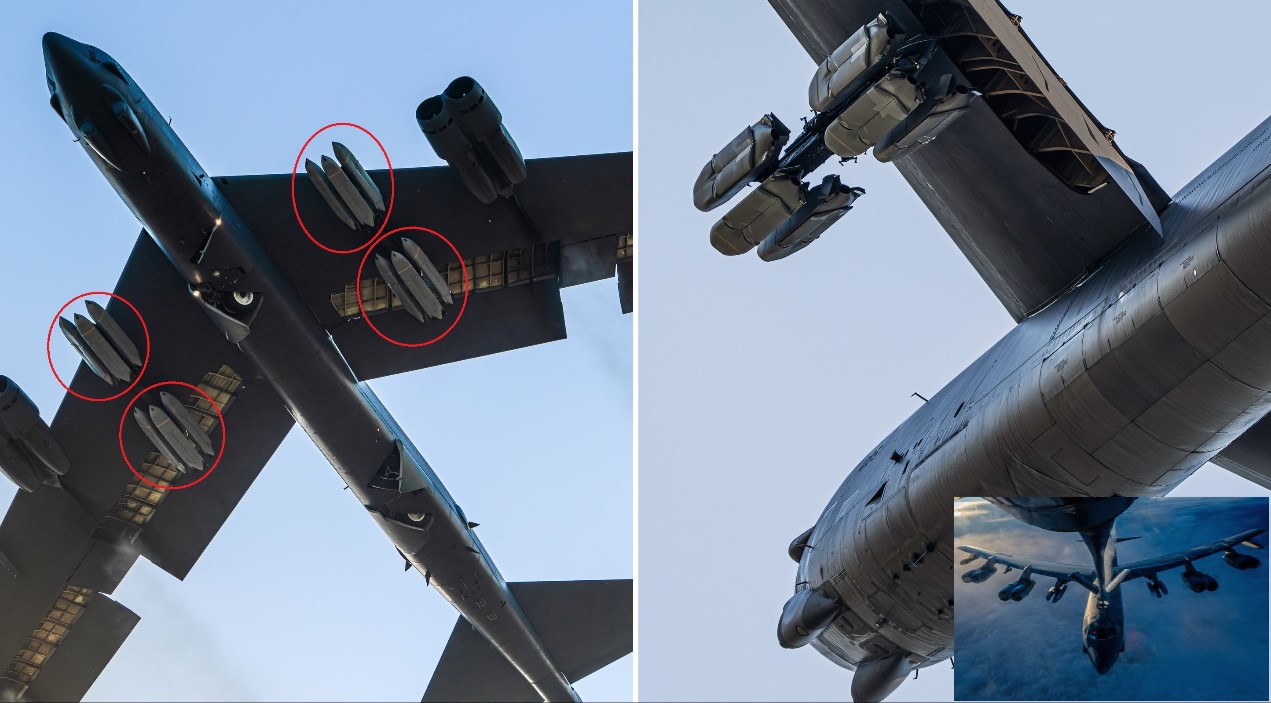
World
WASHINGTON / TAMPA, — March 24, 2026 : Newly released imagery from U.S. Central Command (CENTCOM) indicates that the U.S. Air Force continues to deploy fully armed long-range strike packages in its ongoing campaign against Iran, despite earlier official statements highlighting constraints in precision-guided munition stockpiles. The photographs, captured on March 20, show a B-52H Stratofortress conducting aerial refueling while carrying a significant load of AGM-158 Joint Air-to-Surface Standoff Missiles (JASSM). The mission took place on Day 20 of Operation Epic Fury, which began on February 28, 2026, targeting Iranian command and control infrastructure, air defense systems, missile launch facilities, and naval assets. Operational Loadout and Platform Capabilities The released images clearly depict 12 JASSM missiles mounted on the bomber’s external underwing pylons, with six missiles attached to each wing. The B-52H platform is also equipped to carry an additional eight JASSMs internally using a rotary launcher system. In a maximum load configuration, a single B-52H can therefore carry up to 20 JASSM cruise missiles. Based on widely cited unit cost estimates, such a load represents approximately $30 million in munitions for a single sortie. The aircraft involved in the March 20 mission was operating as part of Bomber Task Force deployments from RAF Fairford in the United Kingdom, which has served as a forward operating location for long-range strike missions during the campaign. Context: Reported Shift in Munitions Usage Earlier assessments by the Center for Strategic and International Studies (CSIS) indicated that U.S. forces reached what was described as a “point of munitions transition” by Day 4 of Operation Epic Fury. According to that analysis, the pace of operations required a shift away from extensive use of high-cost, long-range standoff weapons toward more readily available, shorter-range munitions. This shift was later echoed in public remarks by U.S. Secretary of Defense Pete Hegseth, who stated that by Day 14 of the operation, only 1 percent of munitions being employed were classified as standoff systems. Open-source intelligence estimates suggest that more than half of the U.S. inventory of certain precision-guided munitions, including JASSM, has been expended during the initial weeks of the campaign. These estimates have contributed to broader discussions about industrial capacity and the availability of advanced weapons for potential future contingencies. Discrepancy in Stockpile Attribution In explaining the reported strain on munitions inventories, Secretary Hegseth previously attributed reduced stockpiles to prior military assistance to Ukraine. However, defense export records and foreign military sales data confirm that AGM-158 JASSM missiles have not been transferred to Ukraine. While discussions regarding a potential transfer of JASSM to support Ukrainian F-16 operations took place during 2024 and 2025, no deliveries were approved or executed. As a result, current U.S. JASSM stockpile levels are not directly linked to military aid to Ukraine. Continued Use of Standoff Strike Capability The March 20 imagery demonstrates that, despite the reported transition toward other munition types, U.S. forces continue to authorize and execute missions involving high-end standoff weapons when required. The AGM-158 JASSM is designed for long-range precision strikes against high-value, well-defended targets and is capable of penetrating advanced integrated air defense systems. Its continued deployment indicates that U.S. forces retain operational flexibility in selecting munitions based on target requirements. The B-52H remains a central platform in Operation Epic Fury, with multiple aircraft previously observed departing RAF Fairford carrying similar JASSM configurations during earlier phases of the campaign. CENTCOM has continued to release imagery and video documenting these operations, including taxiing and takeoff sequences, as part of its public communications. Ongoing Operations As of March 24, 2026, Operation Epic Fury has entered its fourth week. U.S. forces continue to conduct strikes against designated Iranian targets while managing munitions usage through a combination of standoff and shorter-range systems, depending on operational requirements. The latest imagery provides a visual data point indicating that, while stockpile pressures have been acknowledged, the capability to deploy fully loaded long-range strike packages remains in use within the current operational framework.
Read More → Posted on 2026-03-24 15:52:43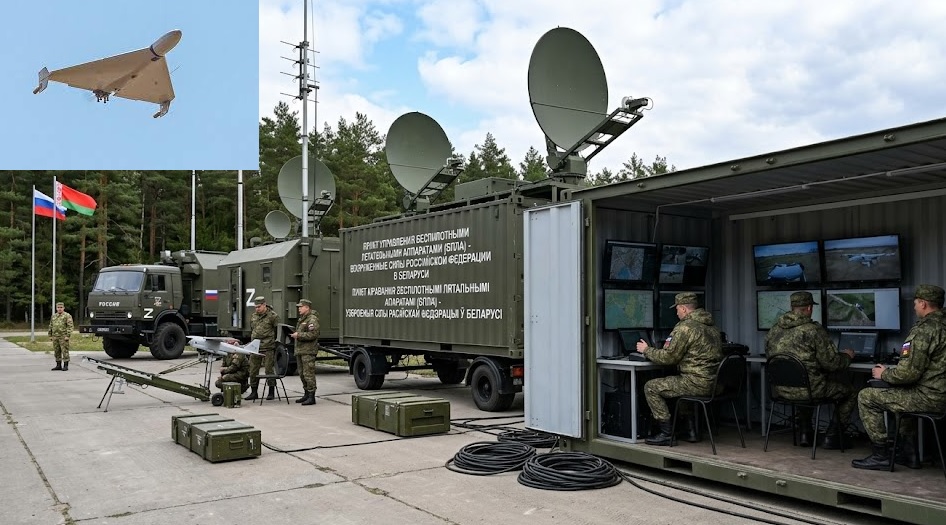
World
KYIV, — March 24, 2026 : Russia is expanding its operational infrastructure for long-range unmanned aerial vehicles (UAVs) by establishing additional ground control stations in occupied areas of Ukraine and within Belarus, according to Ukrainian officials and intelligence findings released this week. Ukrainian President Volodymyr Zelensky disclosed the development following a briefing from Lieutenant General Oleh Ivashchenko, head of Ukraine’s Main Directorate of Intelligence (HUR). Ivashchenko, who assumed the role on January 2, 2026, reported that at least four Russian drone control stations have been identified on Belarusian territory. Zelensky stated that Ukraine would respond to the development and confirmed that intelligence findings have been directed for dissemination among international partners and media outlets. Ukrainian authorities indicated that further technical details will be shared through official intelligence channels. Expansion of Drone Command Infrastructure According to the HUR assessment, the newly identified installations are part of a broader Russian effort to extend command-and-control capabilities for long-range strike drones, including Shahed-type systems—referred to in Russian service as Geranium-2. These systems rely on ground-based infrastructure for navigation, communication relay, and route planning. The establishment of control nodes in Belarus extends operational reach toward Ukraine’s northern and western regions, allowing Russian operators to maintain stable communications with UAVs over extended distances. Use of Belarusian Civilian Networks Evidence of Belarus being used as a platform for drone operations first emerged in late January 2026. Additional technical insight became available following a cyber operation conducted in February 2026 by the international intelligence group InformNapalm in cooperation with the Ukrainian cyber analytics center Fenix. The operation, which lasted more than six months, provided access to accounts belonging to dozens of Russian military personnel. Ukrainian analysts were able to observe drone control interfaces and monitoring systems used by operators. Intercepted data and internal communications indicate that, since at least mid-2025, Russian forces have integrated Belarusian civilian telecommunications infrastructure into UAV operations. Specifically, drones were equipped with modems and SIM cards configured to operate on Belarusian mobile roaming networks. This approach enabled the use of local cellular towers to maintain continuous data links during flight. The system allowed operators to map precise flight routes and sustain signal integrity across distances extending tens of kilometers into Ukrainian territory, particularly along the northern and western borders. Airspace Probing and NATO Concerns The intelligence data also indicates that these capabilities were tested beyond Ukrainian airspace. Ukrainian analysts reported that a series of drone incursions into Poland on the night of September 9–10, 2025—estimated at between 19 and 23 UAVs—were deliberate. Information shared with NATO partners concluded that the incident was intended to evaluate both a new routing method and the performance of Belarusian cellular infrastructure in supporting cross-border UAV operations. The findings suggest that the test was designed to assess the feasibility of future strikes targeting logistics routes and military supply corridors in Ukraine and neighboring NATO member states. Intelligence Sharing with Iran In parallel with developments in Eastern Europe, Ukrainian officials reported continued intelligence cooperation between Russia and Iran. Zelensky stated that Ukrainian intelligence possesses what he described as irrefutable evidence that Moscow is transferring sensitive intelligence data to Tehran. According to Ukrainian sources, the exchange involves information derived from Russia’s electronic warfare (EW) and signals intelligence (SIGINT) capabilities, as well as data collected through partnerships in the Middle East. Diplomatic Context Ukrainian officials also indicated that Russia recently attempted to leverage its intelligence-sharing relationship with Iran in discussions with the United States. Moscow reportedly proposed halting intelligence transfers to Iran in exchange for Washington ending intelligence support to Ukraine. The United States rejected the proposal, according to officials familiar with the discussions. Operational Implications The deployment of additional drone control stations in Belarus and occupied Ukrainian territory reflects an ongoing effort by Russia to enhance the reliability and range of its UAV operations. The use of civilian telecommunications infrastructure provides a method to extend communication coverage without relying solely on military systems. Ukrainian authorities assess that these developments will continue to influence operational dynamics along Ukraine’s northern and western regions, while also raising broader security concerns among neighboring countries and NATO partners.
Read More → Posted on 2026-03-24 15:38:27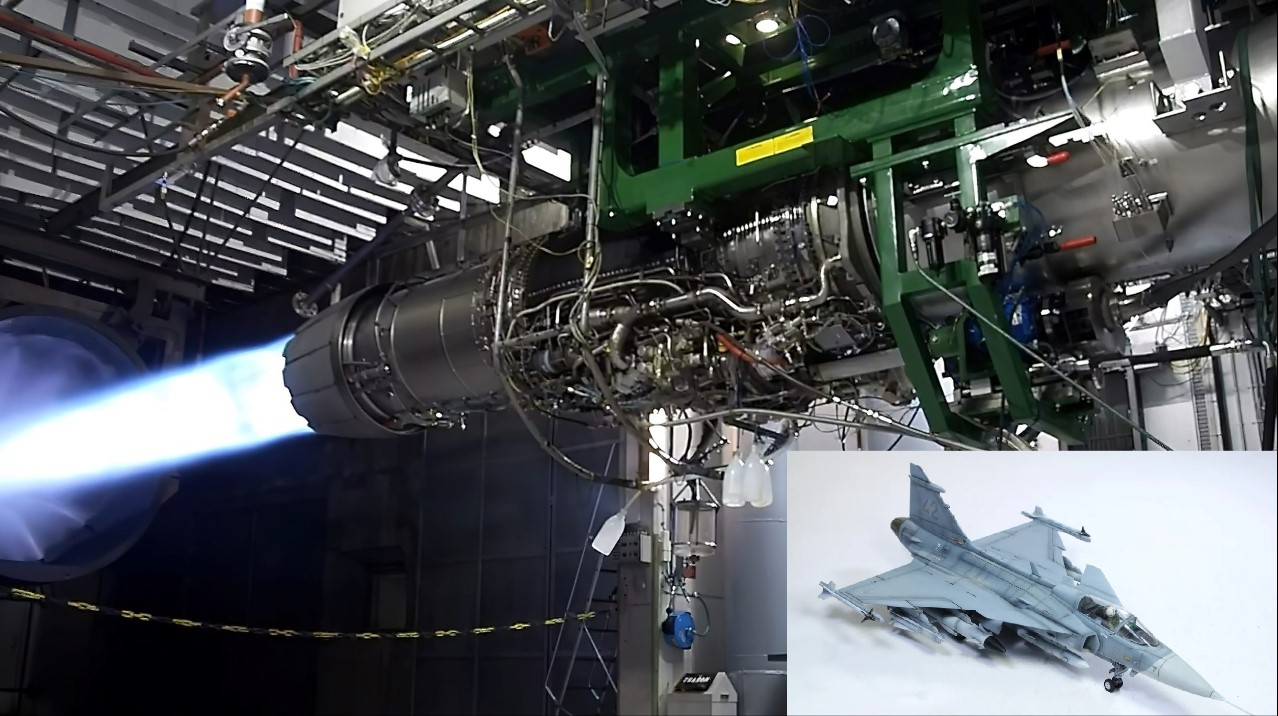
World
TROLLHÄTTAN, Sweden — March 24, 2026 : GKN Aerospace has delivered the first upgraded RM12 engine to the Swedish Armed Forces, marking the initial fielding milestone under the RM12 Enhanced Performance (RM12EP) programme aimed at modernizing propulsion systems for the Saab JAS 39 Gripen C/D fleet. The delivery follows a contract awarded by Sweden’s Defence Materiel Administration (FMV) valued at approximately £32 million (SEK 400 million), covering performance upgrades across the existing inventory of RM12 engines powering Gripen C/D aircraft. Programme Scope and Technical Upgrades The RM12EP programme, launched in 2019, is designed to extend the operational lifespan and improve key performance parameters of the RM12 engine, which is derived from the General Electric F404 adapted for single-engine fighter use. The upgrade package incorporates both hardware and software modifications. On the hardware side, the engines receive enhanced turbine components engineered to withstand higher thermal and operational loads while improving efficiency. Complementing this, updated engine control software has been integrated to optimize fuel flow and combustion performance. According to GKN Aerospace, these combined changes result in increased thrust output, longer intervals between maintenance cycles, and reduced life-cycle costs. The improvements are intended to sustain the operational effectiveness and cost efficiency of the Gripen C/D fleet as it continues in service. Industrial Execution and Manufacturing All upgrade activities under the RM12EP programme are being conducted at GKN Aerospace’s facility in Trollhättan, Sweden. The company serves as the type certificate holder and original equipment manufacturer (OEM) for the RM12 engine, with full responsibility for development, manufacturing, system support, and maintenance. GKN Aerospace also supports the RM16 engine used in the Gripen E/F variants, reinforcing its role across Sweden’s fighter propulsion ecosystem. The production of the first upgraded engine involved coordinated efforts across engineering, manufacturing, quality assurance, procurement, and logistics teams within the company. The programme is being executed in collaboration with key industry partners, including GE Aerospace and Saab, as well as FMV. A separate contract valued at approximately £2 million (SEK 23.6 million), awarded in 2023, supported the final development phase of the programme. This phase included ground-based testing at the Trollhättan facility and flight testing conducted in coordination with Saab and FMV. Fleet Sustainment and Operational Context The RM12EP initiative forms part of Sweden’s broader strategy to sustain the Gripen C/D fleet alongside the gradual introduction of the Gripen E/F. The C/D aircraft currently in service have accumulated between 11 and 23 years of operational use, depending on the platform. The RM12 engine itself has logged more than 300,000 flight hours across the Gripen fleet without any engine-related accidents or serious incidents, according to programme data. By enhancing performance and extending service intervals, the RM12EP upgrades are expected to support continued air defense readiness while managing long-term sustainment costs. Statements and Future Deliveries Stefan Oscarsson, Vice President of Governmental Solutions at GKN Aerospace, said the first upgraded engine delivery represents a step forward in improving the performance and endurance of the Gripen system. He noted the company’s longstanding partnership with the Swedish Air Force, which dates back nearly a century, and its continued role in supporting operational capability and future readiness. Additional upgraded RM12 engines are scheduled for delivery to the Swedish Armed Forces on a rolling basis in line with the programme timeline. GKN Aerospace will retain responsibility for ongoing operation and maintenance support of the upgraded engines as part of its lifecycle management role for the RM12 platform.
Read More → Posted on 2026-03-24 15:26:52
World
WASHINGTON, — March 24, 2026 : The United States has ordered a temporary five-day suspension of military strikes targeting Iranian energy infrastructure, as the administration balances ongoing diplomatic engagement with Tehran and immediate operational requirements across U.S. forces in the Middle East. The directive, authorized by President Donald Trump, applies specifically to Iranian oil, gas, and power facilities, while other military operations against Iranian targets continue. According to U.S. officials, the decision follows two days of direct and indirect discussions with Iranian representatives. In a public statement, Trump described the talks as “productive” and indicated they would continue throughout the week. The pause also comes after earlier warnings from Washington that Iran could face strikes on its power infrastructure if it failed to reopen the Strait of Hormuz to international shipping. Israeli authorities confirmed alignment with the U.S. position. Prime Minister Benjamin Netanyahu stated that Israel would continue its military campaign against Iran but would avoid energy-related targets during the five-day window. Israeli operations will instead focus on missile systems, nuclear-related facilities, and command-and-control infrastructure. The adjustment follows prior U.S. requests aimed at preventing further disruption to global energy markets. Energy Market Stability and Immediate Impact The suspension has already had measurable economic effects. Global crude oil prices declined by approximately 13% following the announcement, reflecting reduced risk to critical supply routes and infrastructure. Prior to the pause, Israeli strikes on Iranian energy assets, including the South Pars gas field, had contributed to heightened volatility and prompted retaliatory Iranian actions against energy facilities in Saudi Arabia, the United Arab Emirates, and Qatar. International energy agencies, including coordinated reserve releases, had already been working to stabilize markets amid concerns over potential disruptions in the Strait of Hormuz, a key global oil transit corridor. Operational Drivers Behind the Pause While diplomatic considerations were central to the decision, defense officials and analysts indicate that operational requirements played a significant role in timing the pause. The U.S. military is currently managing high demand on air and missile defense systems across the region. Interceptor inventories, particularly Patriot PAC-3 and Terminal High Altitude Area Defense (THAAD) systems, have been heavily utilized in countering Iranian missile and drone attacks. The five-day period is being used to transport, distribute, and reload interceptor stocks into operational theaters. Recent deployments include the transfer of Patriot systems from Europe and up to 48 THAAD interceptors from South Korea. These assets are intended to reinforce a layered air defense network protecting U.S. forces and allied infrastructure across the Arabian Peninsula. Officials emphasize that replenishing interceptor “magazines” is a necessary step before any potential resumption of strikes on Iranian energy facilities, which could trigger large-scale retaliatory attacks. Naval Readiness and Carrier Constraints The U.S. Navy is also addressing strain on its forward-deployed carrier strike groups. Two primary carriers supporting operations in the region—the USS Gerald R. Ford and USS Abraham Lincoln—are both experiencing operational pressures. The USS Gerald R. Ford recently sustained a non-combat fire on March 12 while operating in the Red Sea. The incident originated in its laundry area and required more than 30 hours to contain. Two sailors were injured, and over 600 crew members were displaced from their berthing spaces. Although the carrier’s nuclear propulsion and core flight systems remain operational, the vessel has diverted to Souda Bay, Crete, for repairs and is not expected to immediately resume Middle East operations. The USS Abraham Lincoln, also deployed in the region, has been operating beyond standard deployment timelines. Reports indicate ongoing maintenance demands and crew fatigue affecting sustained operational readiness. To maintain regional presence, the Pentagon is accelerating redeployment of additional naval aviation assets. This includes shifting forces from the Pacific theater, with particular focus on Japan-based units. The America-class amphibious assault ship USS Tripoli is among the platforms identified to help fill operational gaps and sustain air support capabilities. Regional Defense Posture and Risk Management The pause allows U.S. Central Command (CENTCOM) to strengthen defensive coverage across key areas, including energy infrastructure and commercial hubs in Gulf states. Iranian responses to earlier strikes have included ballistic missile and drone attacks targeting both military installations and energy facilities. Defense planners assess that any renewed targeting of Iranian oil and gas assets could lead to saturation attacks aimed at overwhelming regional air defenses. Ensuring sufficient interceptor availability and integrated defense coordination is therefore considered essential before escalation. At the same time, U.S. officials stress that the suspension is limited in scope and duration. Military operations against Iranian military and strategic targets continue, and no final decision has been announced regarding actions after the five-day period. Broader Strategic Context The temporary halt occurs amid an ongoing cycle of escalation between U.S.-Israeli forces and Iran. Recent weeks have seen strikes on Iranian military and nuclear-related infrastructure, followed by Iranian ballistic missile attacks, including strikes on Israeli territory and a U.S.-British facility at Diego Garcia. Iran has also issued warnings regarding further escalation if its energy sector is targeted again, raising concerns about broader regional conflict and global energy security. U.S. officials describe the current pause as a calibrated measure designed to support diplomatic efforts, stabilize energy markets, and address immediate military logistics without signaling a reduction in overall operational intent. No timeline has been provided for the outcome of ongoing discussions or the next phase of military planning following the suspension period.
Read More → Posted on 2026-03-24 15:19:25
World
SAN DIEGO / WASHINGTON — March 20, 2026 : The United States has advanced the deployment of the USS Boxer Amphibious Ready Group (ARG) and the embarked 11th Marine Expeditionary Unit (MEU) to the Middle East, departing Naval Base San Diego approximately three weeks ahead of schedule. The accelerated movement is intended to reinforce U.S. rapid-response and amphibious strike capabilities as maritime security conditions deteriorate in the Strait of Hormuz under the operational framework of Operation Epic Fury. The deployment follows the effective closure of the Strait of Hormuz to commercial shipping, a critical global energy chokepoint that normally facilitates the daily transit of approximately 20 million barrels of oil and nearly 20 percent of global liquefied natural gas (LNG) trade. U.S. defense officials assess that maintaining access to the waterway is essential to global energy stability and regional security. Amphibious Ready Group Composition and Capabilities The Boxer ARG consists of three amphibious warfare ships designed to project U.S. Marine Corps combat power ashore without reliance on fixed port infrastructure. The USS Boxer (LHD-4), a Wasp-class amphibious assault ship, serves as the flagship and forward command node. Displacing more than 40,500 tons and measuring over 250 meters in length, the vessel functions as a light aircraft carrier. Its aviation component includes F-35B Lightning II short take-off and vertical landing fighters, MV-22B Osprey tiltrotor aircraft, and AH-1Z Viper attack helicopters. The ship also features a well deck for launching landing craft directly into the water, enabling simultaneous air and surface assault operations. The USS Portland (LPD-27), a San Antonio-class amphibious transport dock, provides advanced command, control, communications, computers, intelligence, surveillance, and reconnaissance (C4ISR) capabilities. These systems support coordination of distributed landing forces and complex littoral operations. The USS Comstock (LSD-45), a Whidbey Island-class dock landing ship, specializes in deploying Landing Craft Air Cushion (LCAC) hovercraft and mechanized units. It provides the logistical backbone necessary for transporting heavy equipment and sustaining operations ashore. Together, the three ships carry approximately 4,000 personnel, including around 2,500 Marines assigned to the 11th MEU. The unit is structured as a self-contained Marine Air-Ground Task Force (MAGTF), composed of a command element, Battalion Landing Team 3/5, a composite aviation squadron, and a logistics combat element. This configuration enables a wide range of missions, from non-combatant evacuation operations to high-intensity amphibious assaults. Strategic Context and Operational Objectives While specific operational directives for the 11th MEU have not been publicly disclosed, the composition and readiness of the deployed force indicate preparation for both deterrence and potential combat operations. The deployment aligns with ongoing discussions within the U.S. administration regarding measures to pressure Iran to reopen the Strait of Hormuz. One option under consideration, according to U.S. defense officials and regional analysts, involves a potential blockade or military operation targeting Kharg Island. Located approximately 30 kilometers off Iran’s northwestern Gulf coast, the island handles roughly 90 percent of Iran’s crude oil exports. Any operation in this area would place U.S. forces within range of Iranian coastal defense systems, including anti-ship cruise missiles and short-range ballistic missiles. Expansion of U.S. Regional Force Posture The Boxer ARG deployment follows the earlier movement of the USS Tripoli Amphibious Ready Group, which carries elements of the 31st Marine Expeditionary Unit and is currently transiting toward the region. The combined presence of these two amphibious formations will increase the number of forward-deployed U.S. personnel in the Middle East to nearly 50,000. This concentration of amphibious forces brings the total number of U.S. amphibious ships in the region to six, adding roughly 8,000 service members across both ARGs. The deployment reflects a broader adjustment in U.S. military posture aimed at maintaining operational flexibility and supporting regional allies dependent on secure maritime trade routes. Intelligence, Surveillance, and Reconnaissance Operations In parallel with naval deployments, the U.S. Navy has increased the operational tempo of its intelligence, surveillance, and reconnaissance (ISR) assets. The MQ-4C Triton unmanned aerial vehicle is conducting persistent surveillance missions over the northern Persian Gulf. Operating at altitudes above 50,000 feet with endurance exceeding 24 hours, the Triton employs a multi-function active sensor radar capable of wide-area maritime surveillance. The platform can monitor shipping activity, detect surface contacts, and identify asymmetric threats such as uncrewed surface vessels (USVs) across thousands of square kilometers. Tactical Considerations in the Persian Gulf The deployment of two Amphibious Ready Groups enhances the U.S. military’s ability to conduct distributed amphibious operations in a contested maritime environment. The integration of sea-based aviation, vertical lift capabilities, and surface assault craft allows forces to bypass heavily defended shorelines and project combat power at multiple landing zones simultaneously. However, operations in the confined waters of the Persian Gulf and the Strait of Hormuz impose significant constraints. Amphibious ships operating close to shore remain vulnerable to saturation attacks involving fast-attack craft, uncrewed surface vessels, and loitering munitions. As a result, the deployed forces require layered air and missile defense coverage to maintain survivability. Operational Framing Official U.S. Navy statements have described the initial movement of the Boxer ARG as routine deployment activity in the Indo-Pacific. However, Pentagon officials have confirmed that the force was redirected toward the Middle East in response to evolving security conditions. The forward positioning of Marine Expeditionary Units provides the United States with a scalable and rapidly deployable force capable of responding to a range of contingencies in one of the world’s most strategically significant maritime regions.
Read More → Posted on 2026-03-24 14:40:09
India
NEW DELHI — March 24, 2026 : The Indian Army is progressing with a programme to convert its fleet of legacy T-72 main battle tanks into remotely operated and autonomous armoured combat platforms, aiming to extend their operational service life by 15 to 20 years beyond the planned retirement timeline beginning around 2030. The initiative targets a fleet of approximately 2,400 Soviet-origin T-72 tanks, which have formed the backbone of the Army’s armoured corps since their induction in 1979, including units licence-produced domestically. These tanks have been deployed across varied operational environments, including plains, desert sectors, and high-altitude regions such as Ladakh, as well as in overseas missions like the Indian Peacekeeping Force deployment in Sri Lanka. Programme Objective and Strategic Rationale The conversion effort is designed as a cost-effective alternative to immediate large-scale procurement of new main battle tanks, while supporting the Army’s transition toward network-centric and technology-driven warfare. By repurposing existing platforms into unmanned systems, the Army intends to maintain force levels and operational capability during the transition to future platforms such as the Future Ready Combat Vehicle (FRCV), expected to begin induction from 2030 onward. Under the plan, the upgraded T-72 platforms will be capable of operating as optionally manned or fully unmanned systems. The conversion focuses on preserving the tanks’ existing mechanical reliability while integrating advanced digital and autonomous capabilities. Operational Role and MUM-T Integration The programme is aligned with the Army’s Manned-Unmanned Teaming (MUM-T) doctrine, which integrates crewed and uncrewed systems to improve battlefield effectiveness. Within this framework, the converted T-72 units are intended to operate alongside manned platforms such as the T-90, functioning as force multipliers. Operational roles identified for the unmanned T-72 platforms include minefield entry and breaching, forward assault operations, reconnaissance patrols, and decoy missions. These roles are specifically suited for high-risk environments where reducing crew exposure is a priority. The platforms are expected to operate ahead of manned formations, absorbing initial engagement, identifying enemy positions, and enabling safer maneuvering for crewed units. The MUM-T concept, including the use of such “loyal wingman” ground systems, was validated during field exercises conducted in 2025. Development Framework and ADITI Scheme The project has moved from conceptual planning into the development phase following the release of a requirements document by Defence Minister Rajnath Singh on March 19, 2026. The programme is being executed under the fourth edition of the Acing Development of Innovative Technologies with iDEX (ADITI) scheme, part of the Ministry of Defence’s Innovations for Defence Excellence (iDEX) initiative aimed at promoting domestic defence industry participation. The Ministry has opened the programme to private defence companies and technology firms, initiating a competitive process for industry collaboration. Technical Requirements and Prototype Development According to the Army’s requirements, selected industry partners will be tasked with developing an autonomous conversion kit that enables the T-72 to operate in both optionally manned and fully unmanned modes. A key requirement is the integration of an IP-based digital interface, allowing seamless connectivity with higher-level command and control networks while retaining the platform’s core mechanical systems. The scope of development includes multiple advanced technology domains such as robotics, sensor fusion, automation, guidance, navigation, and control systems. These technologies are intended to provide situational awareness, remote operation capability, and varying degrees of autonomy. As part of the initial phase, industry participants are required to deliver two fully functional prototypes of the autonomous kit. These prototypes will undergo validation and field testing before any decision is made on large-scale retrofitting across the T-72 fleet. Current Status and Parallel Upgrades As of the release of the requirements document, no contracts have been awarded and no prototypes have been produced. The selection of industry partners and subsequent development process will proceed under the ADITI framework. In parallel with the unmanned conversion programme, the Army continues to implement upgrades to portions of the existing T-72 fleet. These include the recent installation of indigenously developed Thermal Imaging Fire Control Systems on 96 tanks, aimed at improving targeting and night-fighting capability. These upgrades are separate from the autonomous conversion effort. Role in Future Force Structure The T-72 conversion programme is positioned as an interim capability enhancement as the Army prepares for the gradual induction of next-generation armoured platforms. By extending the utility of existing assets and integrating them into a MUM-T operational architecture, the Army aims to maintain operational readiness while adapting to evolving battlefield requirements. The initiative reflects a broader shift toward incorporating unmanned systems into conventional armoured operations, with an emphasis on reducing risk to personnel and enhancing operational flexibility through technology integration.
Read More → Posted on 2026-03-24 14:19:43
World
RIYADH / ABU DHABI — March 24, 2026 : Saudi Arabia and the United Arab Emirates (UAE) are taking coordinated political, military, and economic steps that indicate a possible shift toward direct involvement in ongoing operations against Iran, following sustained missile and drone attacks on critical infrastructure across the Gulf region. The two states, which initially avoided participation when hostilities began in late February, are reassessing their positions amid continued strikes on energy facilities, ports, and urban centers. Regional officials and defense analysts indicate that the scale and persistence of the attacks have altered threat assessments, with both governments now weighing more active roles to protect economic and security interests. Saudi Arabia Expands U.S. Military Access Saudi Arabia has approved expanded access for United States forces to operate from its territory, marking a notable change in policy. The agreement includes the use of King Fahd Air Base in Taif, located in western Saudi Arabia near Jeddah. The base offers logistical advantages, including proximity to Red Sea maritime routes and a location farther inland than previously utilized facilities such as Prince Sultan Air Base, reducing exposure to Iranian drone operations originating along the Gulf coastline. U.S. and Western officials familiar with the arrangement state that the site provides a more secure hub for staging and support operations. Prior to the conflict, Riyadh had declined to permit the use of its airspace or bases for strikes on Iran, citing concerns over escalation. The shift follows repeated Iranian missile and drone attacks targeting Saudi infrastructure, including sites in Riyadh and the Red Sea port of Yanbu. Saudi Crown Prince Mohammed bin Salman has held multiple discussions with U.S. President Donald Trump in recent weeks, according to officials briefed on the exchanges. Sources indicate that the Saudi leadership is focused on restoring deterrence and is nearing a decision on whether to formally join offensive operations. Saudi Foreign Minister Prince Faisal bin Farhan has publicly stated that the Kingdom’s tolerance for continued attacks is limited. UAE Moves Against Iranian Networks and Assets In parallel, the UAE has implemented measures targeting Iranian-linked institutions and financial networks within its jurisdiction. Authorities in Dubai have shut down entities including the Iranian Hospital and the Iranian Club, citing violations of national laws and alleged misuse connected to the Islamic Revolutionary Guard Corps (IRGC). Officials have also indicated that the UAE is preparing to freeze billions of dollars in Iranian assets. The move is intended to restrict Tehran’s access to foreign currency and limit its ability to sustain military and logistical operations through international financial channels. During a recent call with U.S. Secretary of State Marco Rubio, UAE Foreign Minister Sheikh Abdullah bin Zayed stated that the country is preparing for a prolonged period of regional instability, with planning timelines extending up to nine months. Continued Strikes Across Gulf Infrastructure The policy shifts in Riyadh and Abu Dhabi follow repeated Iranian strikes across multiple Gulf states since the start of hostilities on February 28. Saudi Arabia has reported attacks on energy infrastructure and urban areas, while the UAE states it has intercepted more than 2,000 projectiles during the same period. Beyond Saudi and Emirati territory, energy facilities in Qatar, including the Ras Laffan industrial complex, and sites in Kuwait have also been affected. The widening geographic scope of the attacks has increased concerns over regional energy security and supply continuity. Maritime Risks and Naval Mine Deployment The conflict has also expanded into maritime domains critical to global energy flows. Iran’s Defense Council warned on March 23 that any attack on its coastal territory or islands would lead to the mining of access routes across the Persian Gulf and the Strait of Hormuz. According to U.S. assessments, Iran has already deployed approximately a dozen naval mines in the Strait of Hormuz. Two primary types have been identified: Moored mines, including the Maham-3, are anchored to the seabed and equipped with magnetic and acoustic sensors capable of detecting passing vessels without direct contact. These systems are considered effective in the shallow waters of the Gulf, where average depths of around 35 meters and environmental conditions complicate detection. Drifting mines, such as the Maham-7, are designed to move with currents and can be deployed from ships or aircraft. These systems are more difficult to track and pose risks across a wider geographic area, including shipping lanes near Kuwait, Saudi Arabia, Qatar, and the UAE. The U.S. military has reported the destruction of 16 Iranian vessels believed to be involved in mine-laying operations. Despite these actions, the presence of mines has led shipping companies and insurers to reassess transit through the Strait of Hormuz, a route that handles roughly 20 percent of global oil supply. Mine clearance operations, if required at scale, would involve specialized vessels and could take months, with potential implications for global energy markets and pricing. Diplomatic Channels Remain Open Despite the military and economic measures being implemented, officials in both Saudi Arabia and the UAE have not formally announced entry into offensive operations. Diplomatic engagement with Iran continues, with both sides maintaining communication channels focused on de-escalation and regional stability. The developments come as U.S. and Israeli military operations against Iran enter their fourth week. While Gulf states have adjusted their positions in response to direct threats, their final decisions regarding participation in combat operations remain pending.
Read More → Posted on 2026-03-24 13:51:22
World
WASHINGTON, — March 24, 2026 : U.S. intelligence assessments indicate that Iran has deployed a limited number of advanced underwater naval mines in the Strait of Hormuz, according to American officials who spoke to CBS News. The mines, identified as Iranian-manufactured Maham-3 and Maham-7 models, are assessed to pose a potential risk to commercial and military shipping in one of the world’s most strategically important maritime corridors. U.S. officials said at least a dozen mines have been placed in the waterway, although one official indicated the total number could be slightly lower. The devices are believed to be distributed across sections of the strait, which connects the Persian Gulf to the Gulf of Oman and handles roughly 20 percent of global oil and liquefied natural gas shipments under normal conditions. The reported deployment comes amid ongoing regional tensions and follows direct demands from the Trump administration for Iran to ensure the continued flow of maritime commerce through the strait. Technical Characteristics of Maham-Series Naval Mines Defense intelligence assessments and unexploded ordnance databases describe the Maham series as among Iran’s more advanced naval mining systems. Unlike traditional contact mines, both the Maham-3 and Maham-7 rely on influence-based triggering mechanisms, allowing detonation without physical contact with a vessel. The Maham-3 is a moored deep-water mine designed for deployment at depths of up to 100 meters. Anchored to the seabed, it rises along a cable to position itself below the keel of passing ships. The system uses one magnetic sensor and two passive acoustic sensors to detect vessel signatures. It analyzes target movement to determine the optimal detonation point and is capable of engaging ships within approximately 10 feet (3 meters). The mine weighs about 383 kilograms and carries an explosive charge of roughly 120 kilograms. It measures approximately 0.8 meters in diameter and 1.324 meters in height. The Maham-3 includes an electronic timer to regulate activation periods and can be configured through coded inputs, allowing operators to control arming sequences and operational parameters. Its primary triggering mechanism is based on low-frequency acoustic signatures. The Maham-7, first publicly displayed in 2015, is a bottom-placed mine that can also function as a limpet-type device. It is designed to rest on the seabed or attach to targets and is optimized for use in shallow and intermediate waters. The system operates at depths ranging from 3 to 25 meters against surface vessels and 25 to 100 meters against submarines. The Maham-7 is equipped with a combination of three acoustic sensors, including subsonic detection capability, and a three-axis magnetic sensor. It is intended to engage medium-tonnage ships, landing craft, and smaller submarines. The mine has a height of approximately 440 millimeters, a maximum diameter of 980 millimeters, and a total weight of about 220 kilograms (±15 kg). It carries an explosive payload of approximately 150 kilograms (±10 kg), typically using TORPEX or TNT. Its casing is constructed from glass-reinforced plastic (GRP) composite material and shaped to reduce sonar visibility by scattering incoming acoustic waves. Safety features include a transport lock, hydrostatic activation switch, and separation of the primer from the booster until deployment is complete. The system has an arming delay of 20 to 25 minutes, adjustable activation windows ranging from immediate use up to 127 days, and an operational life of up to one year, with programmable engagement settings for between 1 and 99 targets. The mine’s storage life is estimated at up to 20 years. The Maham-7 can be deployed from small surface vessels, as well as by aircraft or helicopters using parachute delivery systems. Strategic Context and Military Developments The Strait of Hormuz remains a critical chokepoint for global energy flows, and the presence of naval mines introduces additional operational risks for commercial shipping and naval forces operating in the region. U.S. Central Command (CENTCOM) has undertaken operations targeting Iran’s mine-laying capabilities. Gen. Dan Caine stated that U.S. forces have neutralized more than 120 vessels and 44 dedicated minelayers in recent operations. In addition, CENTCOM has conducted over 90 precision strikes against Iranian naval ammunition depots and mine storage infrastructure, including facilities located on Kharg Island. Historical assessments from the U.S. Defense Intelligence Agency estimate that Iran maintains a stockpile of between 2,000 and 6,000 naval mines of various types. Other estimates place the inventory at approximately 5,000 to 6,000 units, including moored, bottom, and limpet configurations. These systems can be deployed using a range of platforms, including small civilian-disguised craft and high-speed boats, enabling rapid emplacement in contested waters. Iranian Response Iranian officials have publicly rejected the U.S. intelligence assessments. Ebrahim Zolfaqari, spokesperson for Iran’s Khatam al-Anbiya Central Headquarters, stated that Iranian forces maintain operational control over the Persian Gulf and the Gulf of Oman. He added that, in Iran’s view, existing capabilities provide sufficient maritime dominance, making the deployment of naval mines unnecessary. Maritime Security Implications The reported presence of influence-triggered naval mines adds complexity to maritime security operations in the Strait of Hormuz. Such systems are designed to complicate detection and clearance efforts, particularly due to their sensor-based activation and reduced acoustic signatures. Shipping activity in the region has already been affected by broader regional tensions. The introduction of advanced naval mines, even in limited numbers, increases the requirement for sustained mine countermeasure operations and naval patrols to ensure safe passage through the waterway.
Read More → Posted on 2026-03-24 13:32:04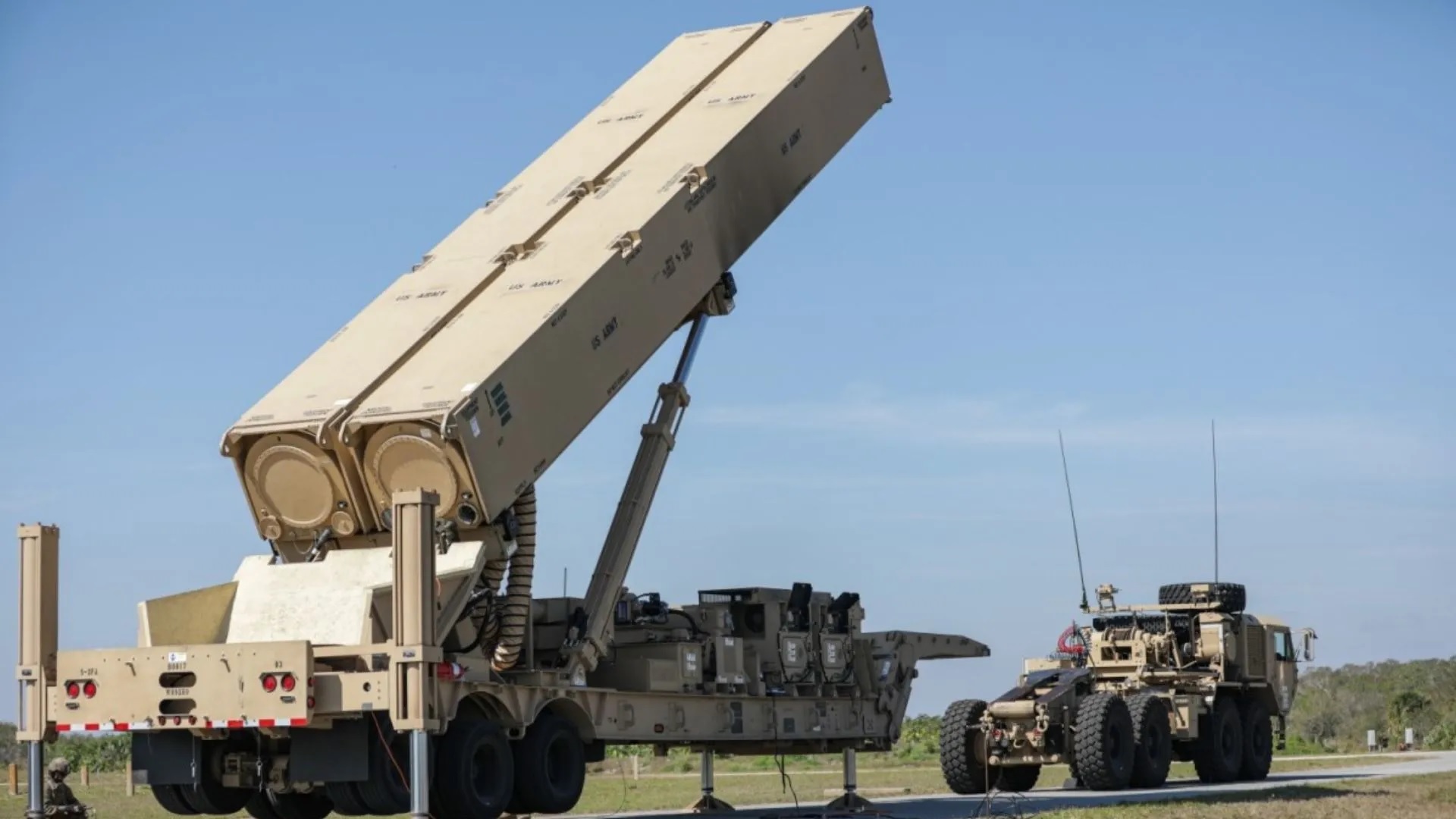
World
JOINT BASE LEWIS-MCCHORD, Washington — March 23, 2026 : The U.S. Army has completed preparation of its first operational battery equipped with the Long-Range Hypersonic Weapon (LRHW), known as “Dark Eagle,” marking a key step in the service’s effort to field land-based hypersonic strike capabilities aligned with Indo-Pacific operational priorities. The announcement, made on March 18, confirms that Bravo Battery, 1st Battalion, 17th Field Artillery Regiment, assigned to the 3rd Multi-Domain Task Force (MDTF), has completed initial setup, system integration, and unit-level training at Joint Base Lewis-McChord in Washington State. The unit is expected to receive its full complement of live missiles in the coming weeks, after which it will transition to full operational readiness. The battery was officially activated in December 2025 and has been involved in training and familiarization with LRHW equipment since 2021 as part of the Army’s phased fielding process. Recent activities included safety validation, integration testing, and readiness certification required prior to live missile allocation. System Design and Capabilities The Dark Eagle system is a mobile, ground-launched hypersonic missile designed to engage high-value and time-sensitive targets at extended ranges. It incorporates a two-stage architecture developed jointly by the U.S. Army and the U.S. Navy. The first stage consists of a large solid-fuel booster that accelerates the weapon into the upper atmosphere. Following booster separation, the Common Hypersonic Glide Body (C-HGB)—developed with industry partner Dynetics—continues unpowered flight toward the target. The glide vehicle travels at sustained hypersonic speeds exceeding Mach 5, with some flight profiles estimated to reach up to Mach 17. Unlike traditional ballistic missiles that follow predictable trajectories, the C-HGB operates along a flatter, maneuverable path in the upper atmosphere. Its ability to alter course during the terminal phase is intended to reduce detectability and complicate interception by existing missile defense systems. The system carries a conventional kinetic-energy payload rather than a high-explosive or nuclear warhead. Target destruction is achieved through the force generated by the projectile’s mass and velocity upon impact. The LRHW is reported to have an operational range exceeding 3,500 kilometers (approximately 2,175 miles). Battery Configuration and Components A standard Dark Eagle battery consists of four transporter-erector-launchers (TELs), each mounted on modified trailers and capable of carrying two missile canisters, providing a total of eight ready-to-launch rounds per battery. The configuration also includes a Battery Operations Center (BOC) responsible for fire control, targeting, and coordination, along with supporting vehicles and communications systems. The program is led by Lockheed Martin as the prime contractor and system integrator. Dynetics has played a central role in the development of the Common Hypersonic Glide Body. Since 2018, the LRHW program has received more than $12 billion in funding and has undergone multiple iterations due to testing delays and technical integration challenges. Integration into Multi-Domain Operations The deployment of the first operational battery supports U.S. Indo-Pacific Command requirements and reflects the Army’s broader transition toward multi-domain operations. The 3rd MDTF, which operates the system, is structured to integrate long-range precision fires with cyber, space, electronic warfare, and intelligence capabilities. In July 2025, elements of the 3rd MDTF deployed the Dark Eagle system outside the United States for the first time during Exercise Talisman Sabre in Australia’s Northern Territory. The deployment demonstrated the system’s transportability, setup timelines, and command integration in a forward environment. No live missile launches were conducted during the exercise. The Army has indicated that additional LRHW batteries will be fielded across other MDTFs. A second battery is scheduled for delivery in the fourth quarter of fiscal year 2026 under a rapid fielding initiative that incorporates incremental system modifications. Program Status and Outlook According to Lt. Gen. Frank Lozano, the Army’s Program Executive Officer for Missiles and Space, the service is within weeks of completing the full equipping of the first battery. Remaining steps include final missile delivery and validation of operational capability under live conditions. The Dark Eagle system is part of a broader U.S. effort to develop and deploy hypersonic weapons capable of operating in contested environments characterized by advanced anti-access and area-denial systems. The Army continues to address technical and production issues identified during earlier testing phases while advancing toward wider operational deployment.
Read More → Posted on 2026-03-24 13:07:23
World
WASHINGTON, — March 23, 2026 : The U.S. Army has revised its approach to high-energy directed weapons, deciding not to transition its most powerful laser system—the 300-kilowatt Indirect Fire Protection Capability-High Energy Laser (IFPC-HEL), known as “Valkyrie”—into a formal program of record, according to a Congressional Research Service (CRS) report published on March 9, 2026. The decision reflects a broader shift in Pentagon strategy toward joint-service laser development programs, with the Army now planning to use its remaining IFPC-HEL prototype as a research and development asset rather than an operational system. Program Background and Contract Changes The IFPC-HEL was designed as a truck-mounted directed energy system intended to defend against a range of aerial threats, including cruise missiles, unmanned aerial systems, rockets, artillery, and mortars. It represented the most advanced iteration in a series of Army laser demonstrators, following earlier platforms such as the 10 kW High Energy Laser Mobile Test Truck (HELMTT) and the 100 kW High Energy Laser Tactical Vehicle Demonstrator (HEL-TVD). In July 2023, the Army awarded Lockheed Martin an Other Transaction Authority (OTA) agreement valued at up to $220.8 million to produce four IFPC-HEL prototypes. This contract built on earlier work under the Department of Defense’s High Energy Laser Scaling Initiative (HELSI), which delivered a 300 kW-class demonstrator in September 2022. As recently as January 2026, Army plans called for transitioning the system into a program of record during fiscal year 2025, contingent on successful testing. However, the CRS report indicates that the contract scope has since been reduced from four systems to a single prototype. The remaining unit is undergoing final laboratory testing at a Lockheed Martin facility in Morristown, New Jersey. Subject to successful results, the system is scheduled for developmental field testing at Dugway Proving Ground, Utah, in summer 2026. Delivery to the Army is expected between September and October 2026. Following delivery, the prototype will not be fielded to operational units. Instead, it will be formally divested as a deployment candidate and repurposed to support future laser weapon development. Transition to Joint Laser Warfighting System The Army intends to integrate knowledge gained from the IFPC-HEL into the Joint Laser Warfighting System (JLWS), a collaborative program with the U.S. Navy outlined in the Army’s fiscal year 2026 budget request. The JLWS is being developed in support of the Department of Defense’s “Golden Dome for America” concept—a proposed layered defense architecture combining kinetic interceptors and directed energy systems to counter ballistic, hypersonic, and cruise missile threats across domestic and expeditionary environments. Budget documents describe the JLWS as the next stage in counter-cruise missile laser capability, reflecting a move toward interoperable, cross-service solutions rather than standalone Army systems. The CRS report also notes that both the IFPC-HEL and the related IFPC High Power Microwave (HPM) variant, developed with Epirus, will not proceed to fielding and will instead contribute to joint program development. Operational Drivers and Threat Environment The requirement for improved counter-cruise missile defenses has been shaped by recent conflicts and intelligence assessments. Russian strikes on infrastructure in Ukraine and the use of Iranian-supplied munitions in the Middle East have underscored the growing accessibility and operational use of advanced missile systems. A 2025 assessment by the U.S. Defense Intelligence Agency identified cruise missiles launched from Russian aircraft and Chinese naval platforms as a key vulnerability in the United States’ existing missile defense architecture, particularly in homeland defense scenarios. Technical Challenges of High-Energy Laser Intercepts High-energy laser systems face inherent physical and engineering challenges when engaging cruise missiles. Unlike slower, less durable drones, cruise missiles travel at high speeds and are constructed with hardened materials designed to withstand aerodynamic heating and stress. Current IFPC-HEL technology relies on continuous wave lasers, which require sustained energy delivery focused on a precise point for several seconds to achieve a destructive effect. Maintaining beam quality and stability over long distances is complicated by atmospheric distortion, weather conditions, and tracking limitations. These constraints reduce engagement reliability, particularly in operational environments outside controlled test conditions. To address these limitations, research efforts are exploring pulsed laser technologies. These systems emit energy in ultra-short, high-intensity bursts, producing higher peak power and potentially reducing the dwell time required to damage or disable hardened targets. However, such technologies remain under development and are not yet operationally mature. Related Program Adjustments and Parallel Efforts The Army’s decision on IFPC-HEL aligns with a similar shift in its lower-power directed energy programs. The service recently discontinued plans to field the 50 kW Directed Energy Maneuver-Short Range Air Defense (DE M-SHORAD) system mounted on Stryker vehicles as a program of record. A separate CRS report dated March 10, 2026, indicated that operational assessments conducted in the Middle East in 2024 revealed performance gaps between controlled testing and real-world conditions. Challenges included maintaining optical alignment, managing heat dissipation, and protecting sensitive components from dust and vibration during mobile operations. In response, the Army has initiated work on a new Enduring High Energy Laser (E-HEL) program to address these limitations at the tactical level. Meanwhile, other branches and defense programs continue to pursue higher-power directed energy capabilities. The U.S. Navy is advancing the 300 kW High Energy Laser Counter-Anti-Ship Cruise Missile (HELCAP) program, along with a 400 kW-class effort under the Office of Naval Research’s SONGBOW project. Under the HELSI framework, contractor nLight is developing a megawatt-class laser system intended to counter ballistic and hypersonic threats. Defense industry updates indicate that a demonstration of this system is expected later in 2026. Strategic Implications The Army’s restructuring of the IFPC-HEL program indicates a transition from service-specific laser deployments toward integrated, multi-domain directed energy systems. While the 300 kW Valkyrie prototype will not enter operational service, it is expected to contribute technical data critical to future joint capabilities. The CRS assessment suggests that directed energy weapons at both the 50 kW and 300 kW levels require further technological maturation before they can meet operational reliability requirements across diverse combat environments.
Read More → Posted on 2026-03-23 18:31:44
World
KYIV / MUNICH — March 23, 2026 : Germany has agreed to finance the procurement of 15,000 STRILA interceptor drones for the National Guard of Ukraine under a new defense agreement aimed at strengthening Ukraine’s counter-drone capabilities. The program will be implemented through cooperation between German technology firm Quantum Systems and Ukrainian unmanned systems developer WIY Drones. The contract was formally signed in Kyiv in the presence of Maximilian Rasch, alongside representatives of the National Guard and Quantum Systems. The multi-million-euro package includes not only drone deliveries but also operator training, logistical support, maintenance frameworks, and provisions for continued joint development of unmanned systems. Industrial Collaboration and Production Expansion The agreement follows a direct investment by Quantum Systems into WIY Drones, the original developer of the STRILA interceptor platform. The funding is intended to scale up domestic production capacity in Ukraine, enabling rapid manufacturing and deployment to meet operational demand. Prior to the agreement, WIY Drones had reached a production rate of approximately 100 units per day under existing government contracts. The new partnership is expected to significantly increase output through industrial scaling, localized manufacturing, and integration with German production expertise. Officials involved in the program indicated that while initial production is dedicated to Ukrainian defense requirements, potential surplus capacity could support future exports to international partners. Sven Kruk, Co-CEO of Quantum Systems, stated that the partnership is focused on industrializing combat-proven Ukrainian drone technology and integrating it into large-scale manufacturing processes. System Role and Operational Context The STRILA interceptor—named after the Ukrainian word for “arrow”—is designed specifically to counter fast-moving aerial threats, including loitering munitions such as Iranian-designed Shahed drones, as well as high-speed reconnaissance UAVs. The system is intended to provide a cost-effective alternative to conventional surface-to-air missile systems, which are significantly more expensive to deploy against low-cost aerial threats. With an estimated unit cost of approximately $2,300, STRILA offers a kinetic interception capability that can be deployed at scale. Technical Specifications and Capabilities The STRILA is a rocket-type interceptor drone optimized for speed, maneuverability, and autonomous engagement. Speed and Engagement Envelope:The drone exceeds operational speeds of 350 km/h, with reported test speeds approaching 400 km/h. It has a tactical interception radius of over 10 kilometers, with manufacturer-listed figures around 14 kilometers, and a maximum flight range of up to 28 kilometers. Altitude and Endurance:STRILA can operate at altitudes of up to 4 kilometers, with some data indicating capability up to 5,000 meters. Flight duration is estimated at 15–20 minutes, depending on payload and mission profile. Payload and Warhead:The interceptor carries a modular warhead with a maximum weight of up to 800 grams, while some configurations indicate a 500-gram payload depending on mission requirements. Avionics and Targeting Systems:The platform is equipped with day and thermal imaging cameras for round-the-clock operation. Target detection ranges reach approximately 1,000 meters during daylight and 600 meters at night. A rotating optical module enables full-angle visibility and tracking. Advanced variants incorporate the “SineLink” communication module, allowing GPS-independent operation and providing resistance to electronic warfare interference. The system also supports in-flight channel switching to maintain communication in contested environments. Guidance and Control:The STRILA uses AI-assisted autonomous targeting, with manual control available during the final phase of interception, ensuring a balance between automation and operator oversight. Reusability:If an interception mission is aborted or the target is neutralized by other systems, the drone can return to its launch position, preserving hardware and improving operational efficiency. Training, Support, and Future Development In addition to hardware delivery, the German-funded program includes comprehensive operator training, along with long-term logistical and maintenance support structures. The agreement also includes continued joint research and development between Quantum Systems and WIY Drones, focused on next-generation UAV technologies. Quantum Systems, which has maintained operations in Ukraine since 2022, has previously supported Ukrainian defense efforts through reconnaissance platforms and localized production initiatives. The latest investment represents an expansion into interceptor drone manufacturing at industrial scale. Strategic Implications The procurement reflects a broader effort to integrate Ukrainian battlefield-developed technologies with Western industrial capabilities. By combining local innovation with external financing and manufacturing expertise, the program aims to accelerate deployment timelines and strengthen Ukraine’s layered air defense architecture. German officials described the agreement as part of ongoing efforts to counter persistent aerial threats, particularly mass-produced loitering munitions. The STRILA program is expected to supplement existing air defense systems by providing a scalable, lower-cost interception layer tailored specifically for drone warfare environments.
Read More → Posted on 2026-03-23 18:13:53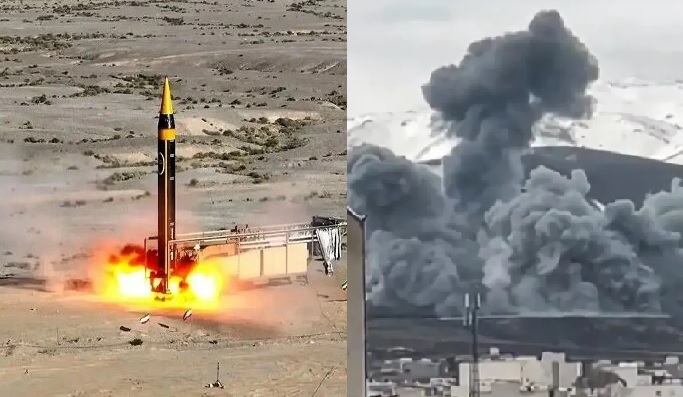
World
TEL AVIV — March 23, 2026 : The Israel Defense Forces (IDF) stated that it has destroyed or disabled approximately 330 of Iran’s estimated 470 ballistic missile launchers since the start of the current conflict, according to updated operational assessments. Israeli military officials said that more than half of the affected launchers were destroyed through direct aerial strikes carried out by the Israeli Air Force (IAF). The remaining launchers were rendered inoperable after strikes targeted the entrances of underground storage facilities and tunnel networks, sealing access points and preventing the deployment of missile systems stored within. The campaign against launcher infrastructure has coincided with a reduction in the scale of missile fire directed at Israel. According to IDF data, Iranian missile launches have declined from approximately 90 per day during the initial phase of the conflict to around 10 per day in recent days. Operations have focused not only on mobile launchers but also on supporting infrastructure, including underground facilities, missile production sites, air defense systems, and command and control centers. Strikes have been reported across multiple regions of Iran, including areas near Kermanshah, Isfahan, Tehran, Hormozgan, and Fars provinces. Satellite imagery and open-source assessments indicate damage to tunnel entrances at several underground missile bases, with some locations showing signs of ongoing repair efforts. Israeli officials assess that restricting access to these facilities has limited the operational availability of missile launch systems. The IDF stated that the Israeli Air Force continues to conduct operations to locate and neutralize the remaining approximately 150 launchers. These efforts are intended to further reduce Iran’s capacity to sustain missile attacks. Despite the reported degradation of launcher capabilities, Iranian forces continue to carry out intermittent missile launches. Israeli air defense systems remain active to intercept incoming threats, with some missiles causing damage or injuries while others are intercepted or land in open areas. The strikes on missile launchers form part of a broader Israeli campaign targeting Iranian military infrastructure, including facilities associated with the Islamic Revolutionary Guard Corps (IRGC). Recent operations have involved multiple waves of airstrikes against command centers, intelligence sites, and manufacturing facilities linked to missile and electronic systems. Israeli authorities stated that operations will continue as part of ongoing efforts to reduce the threat posed by Iran’s ballistic missile capabilities, with further assessments expected as the situation develops.
Read More → Posted on 2026-03-23 18:08:41Search
Top Trending in 24 Hours
-
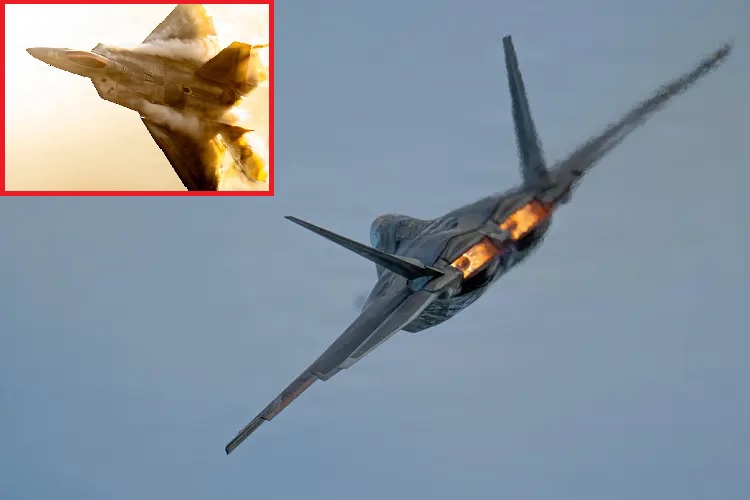 Qarbon Aerospace Returns to F-22 Program with New U.S. Air Force Sustainment Contract
-
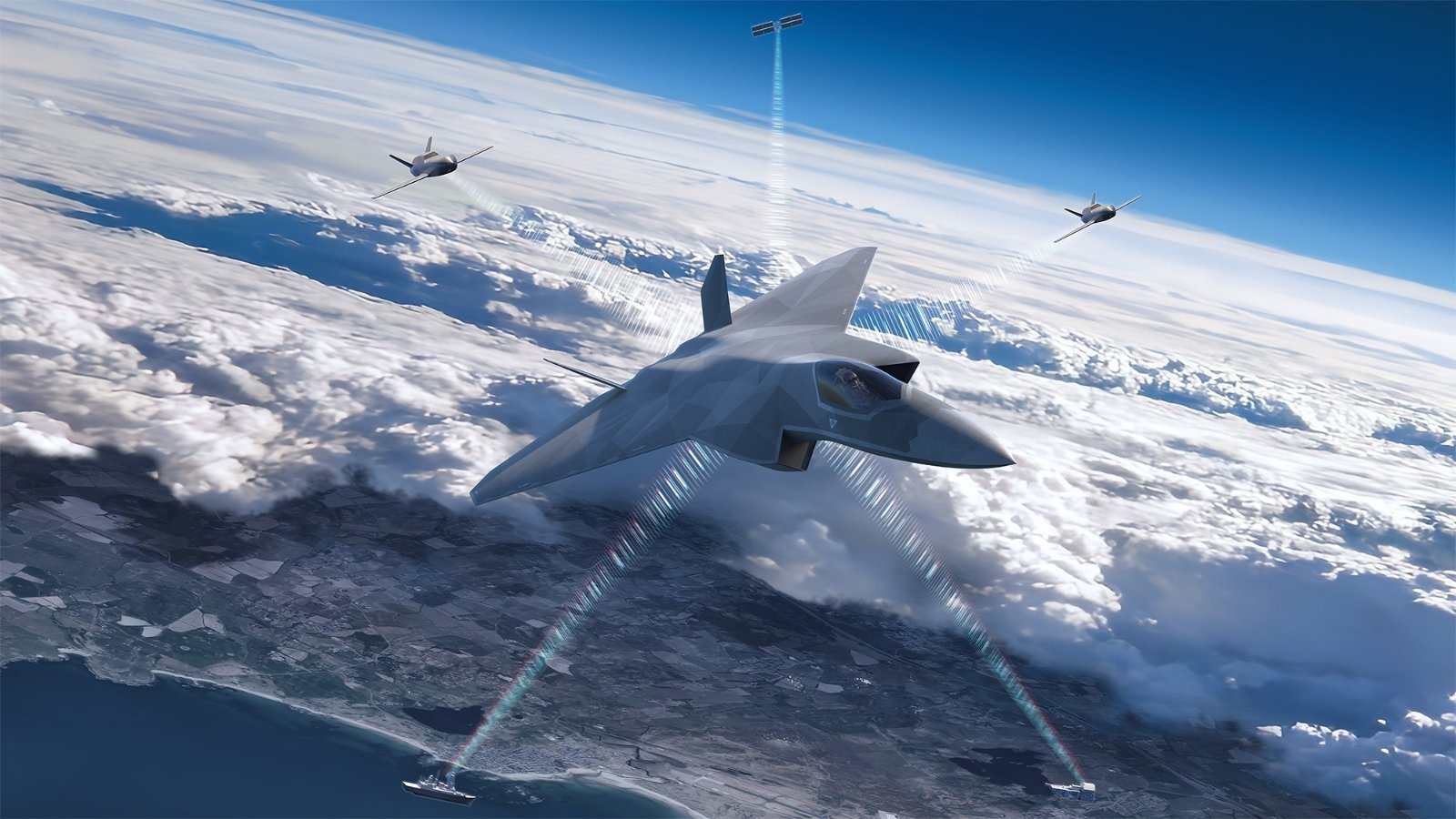 UK Awards BAE Systems £708 Million Contract Extension to Advance GCAP Sixth-Generation Combat Air Technologies
-
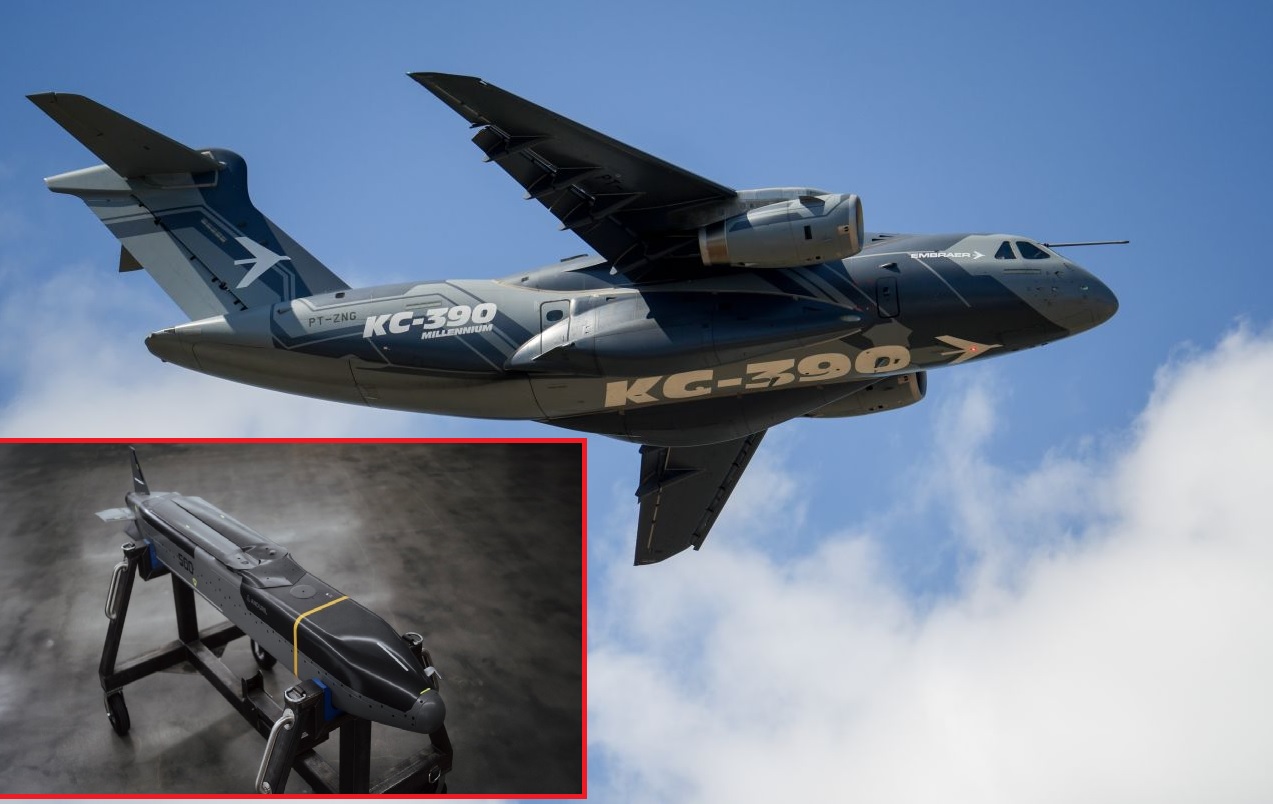 Embraer and Anduril Partner to Integrate Barracuda-500M Cruise Missile with C-390 Millennium
-
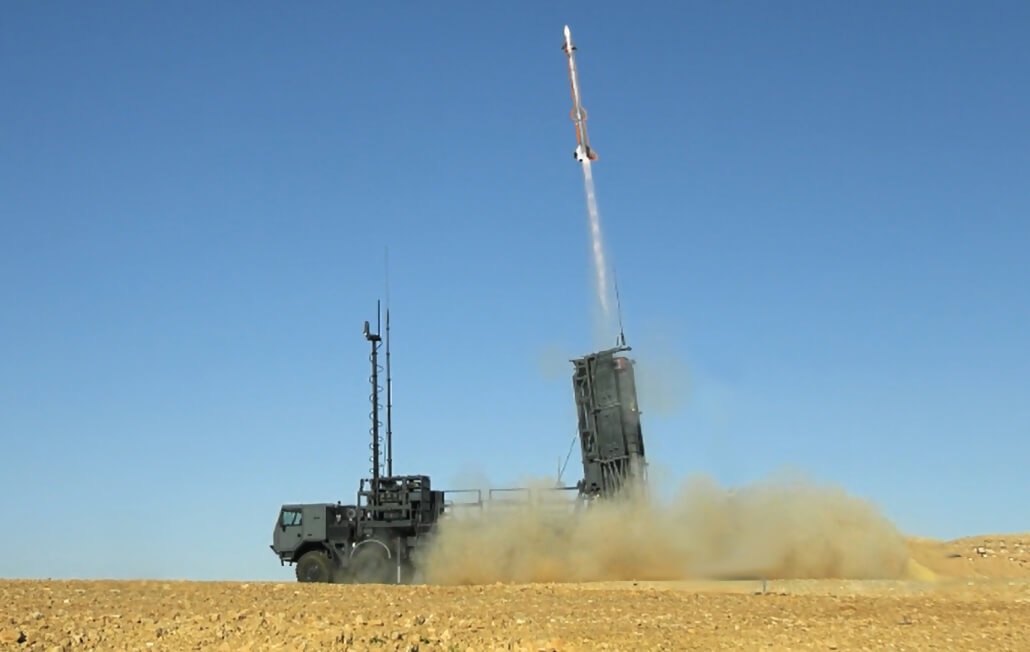 Greece Set to Approve €3 Billion Israeli Air Defense Deal for 'Achilles’ Shield' Network
-
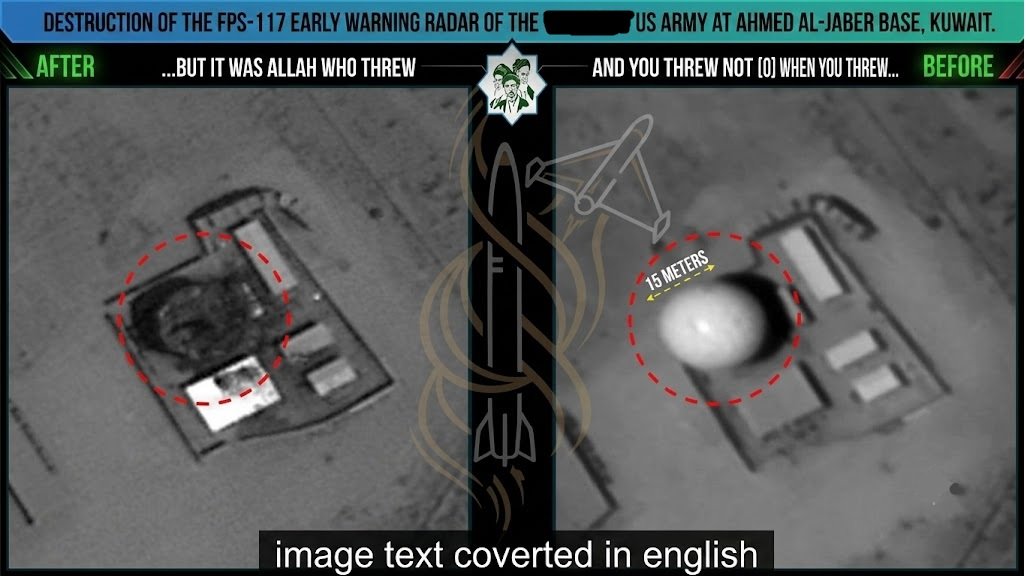 IRGC Claims Destruction of Second AN/FPS-117 Radar in Latest Strike on Kuwait's Ahmed Al-Jaber Air Base
-
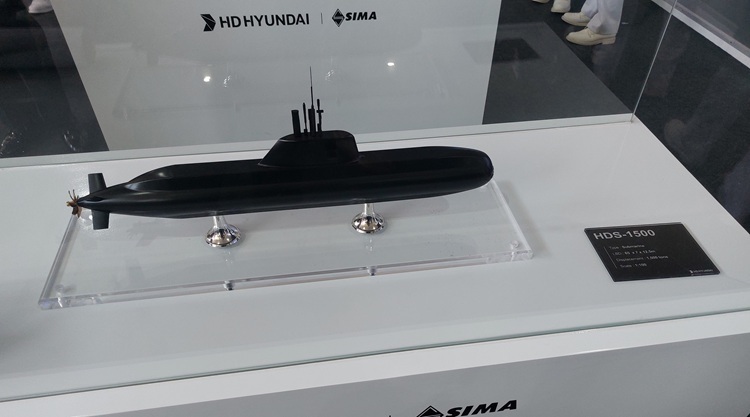 HD Hyundai and Peru's SIMA Complete Basic Design of HDS-MGP Next-Generation Submarine
-
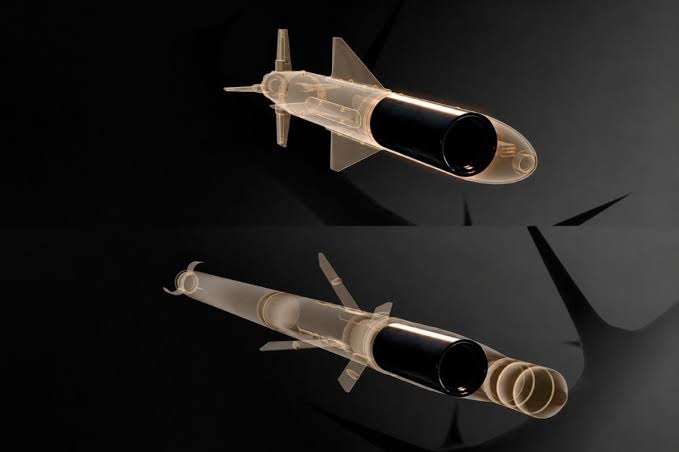 BAE Systems Unveils BlackThorn Modular Warhead Family for Autonomous Weapons and Counter-Drone Systems
-
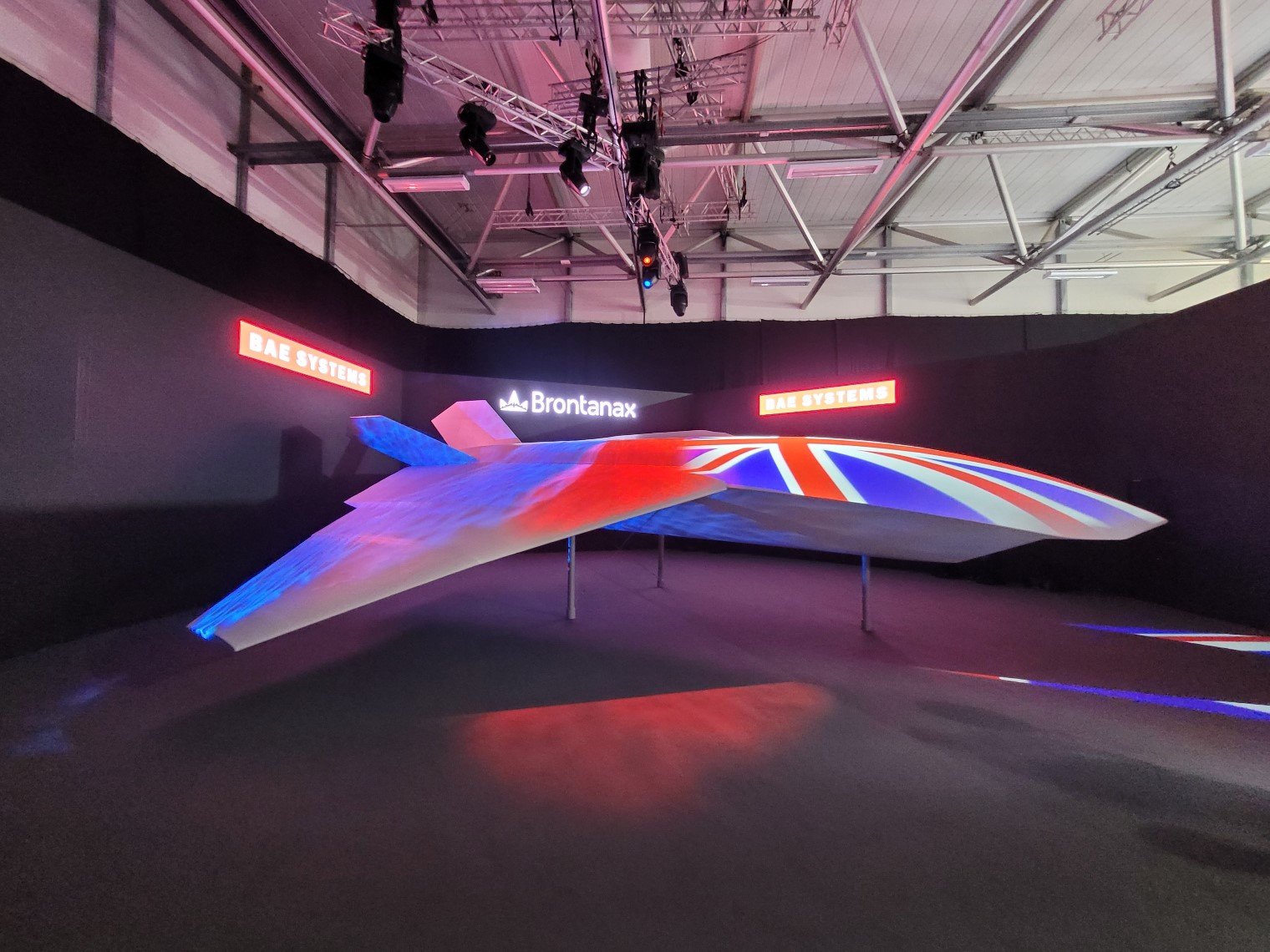 BAE Systems Unveils 'Brontanax', the UK's First Autonomous Combat Aircraft at Farnborough
Top Trending in 4 Days
-
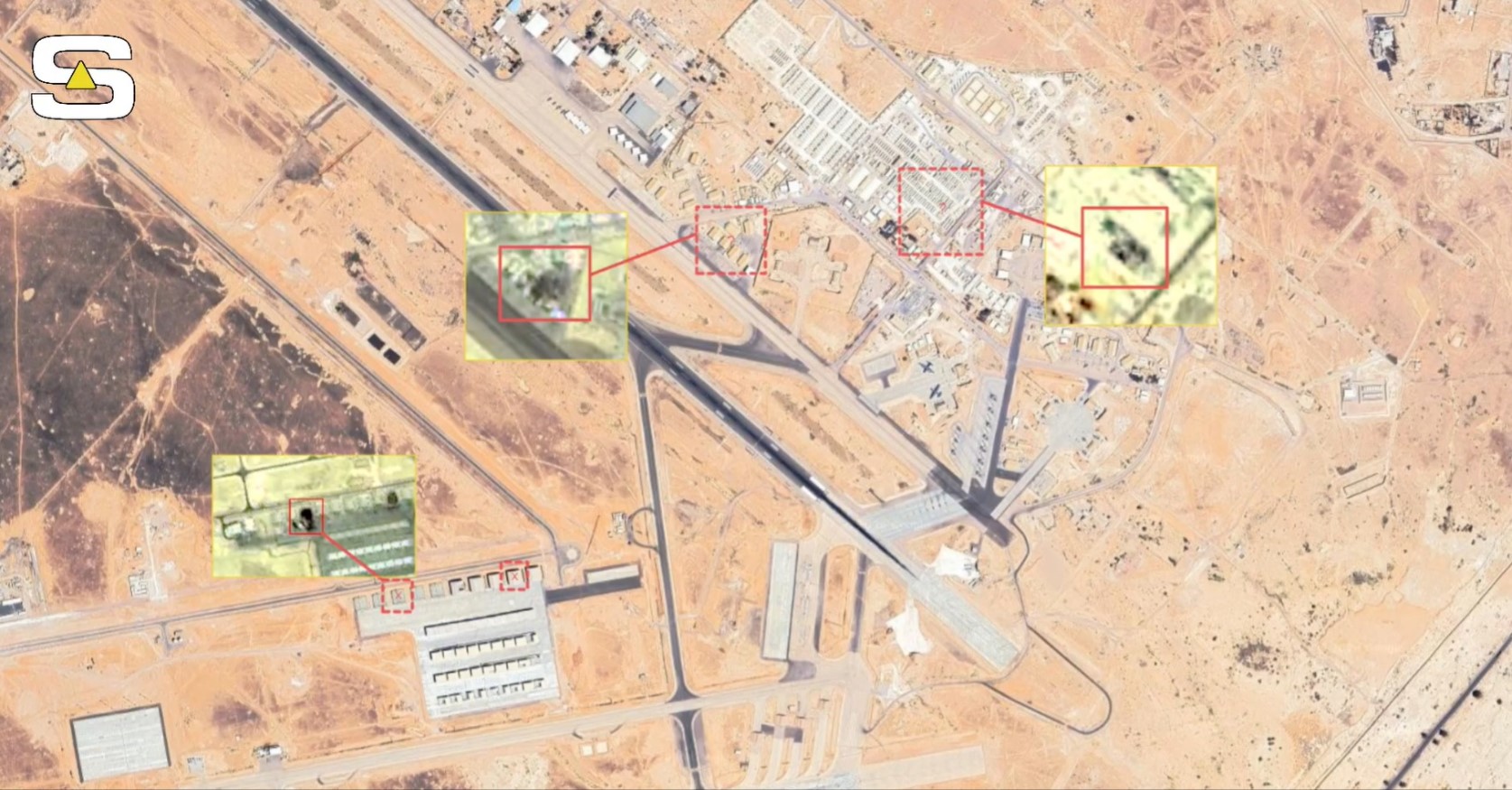 New Satellite Imagery Reveals Extensive Damage at Jordan's Muwaffaq al-Salti Air Base After Iranian Missile Strike
-
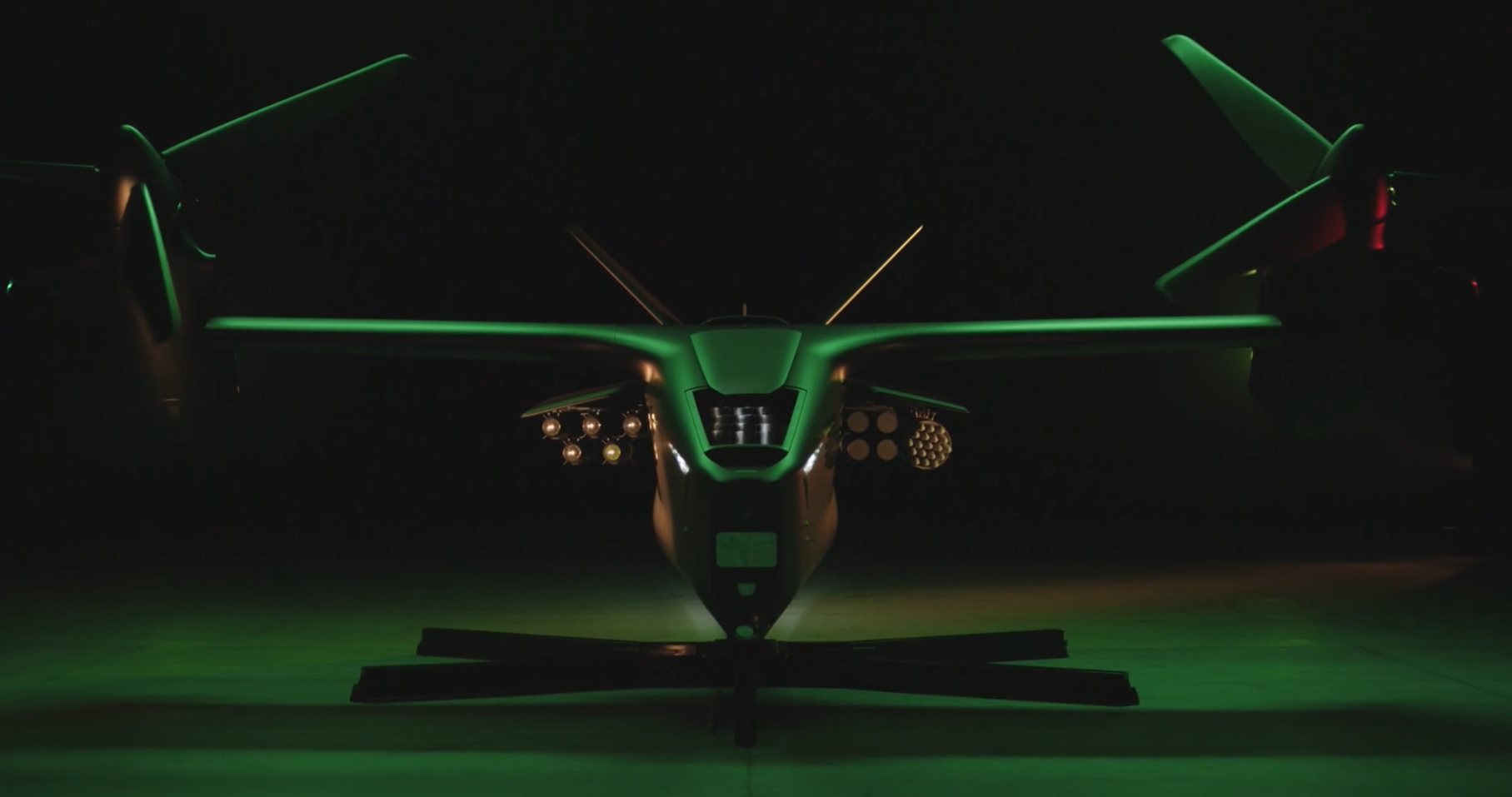 Anduril Unveils Thunder Autonomous Attack Rotorcraft Built with Archer Aviation to Support Apache Helicopters
-
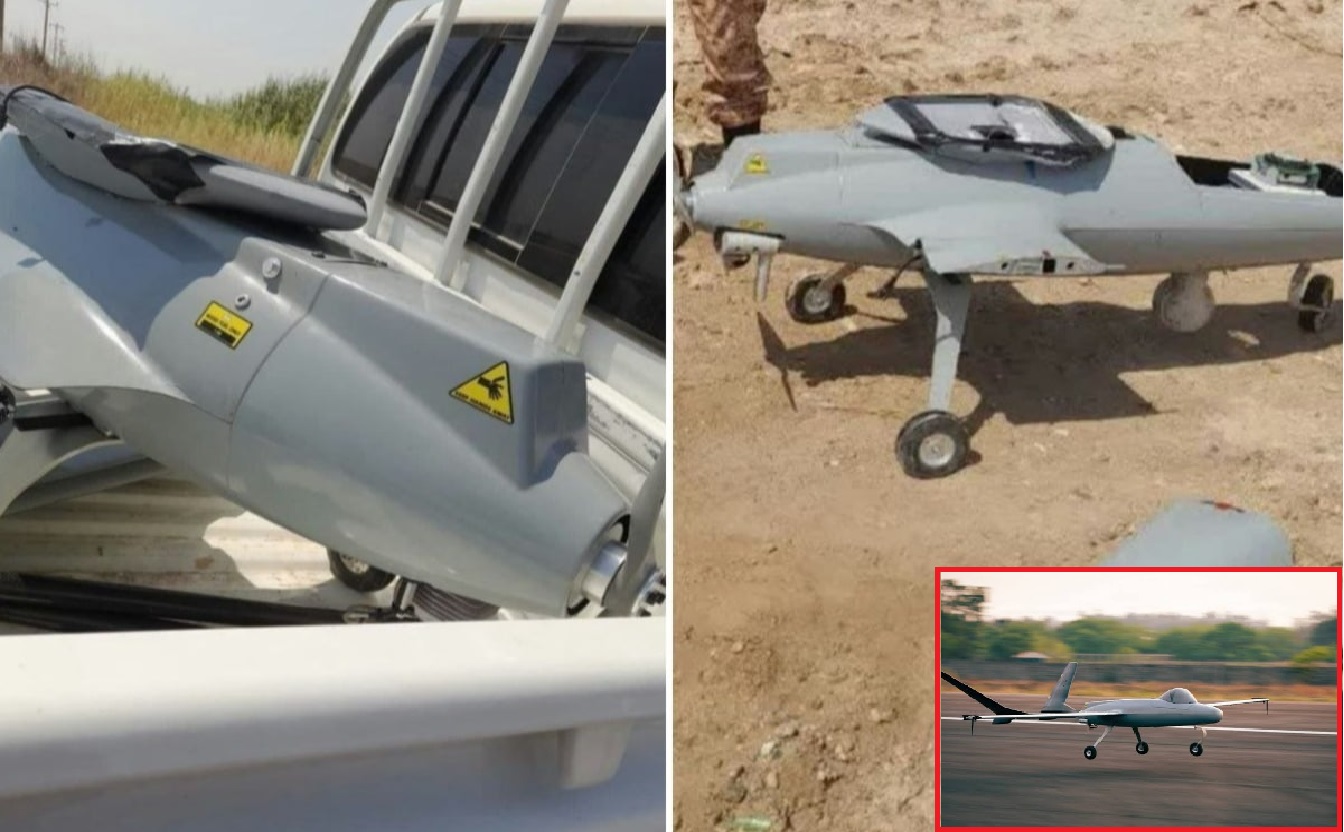 Iran Claims It Shot Down U.S.-Operated Polish-Built Tiguar-M Drone, Releases Images
-
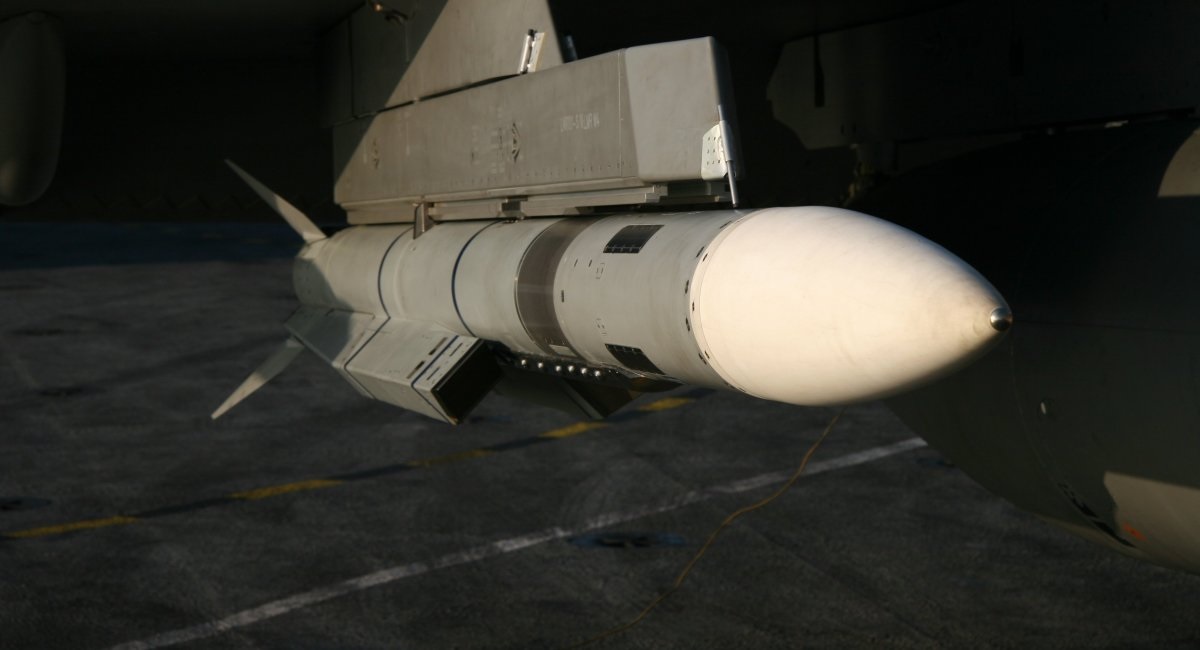 UK Cancels Meteor Missile Mid-Life Upgrade, Prioritizes Next-Generation FASE Air-to-Air Missile Programme
-
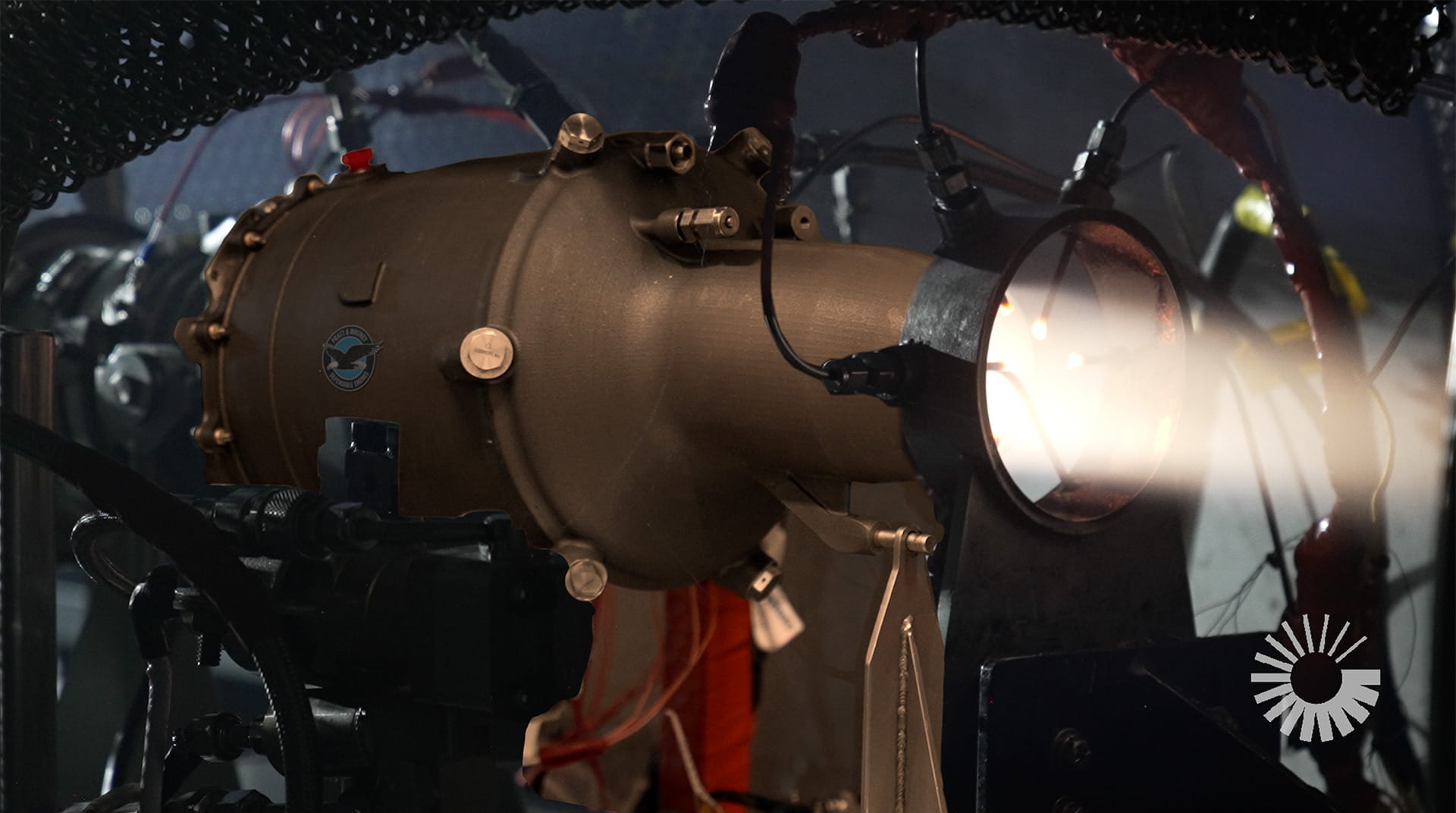 Pratt & Whitney Completes Testing of 3D-Printed TJ150 Engine for Military Applications
-
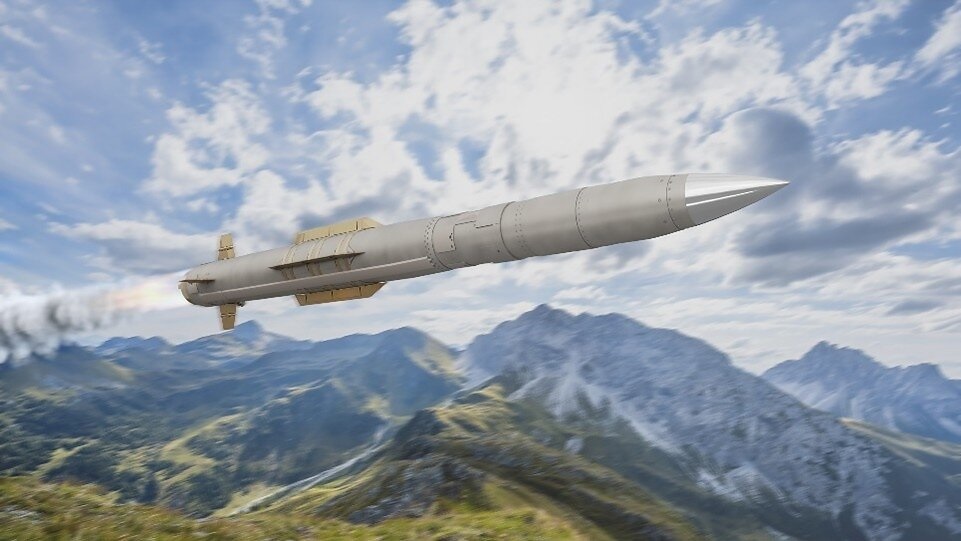 Lockheed Martin Unveils Lower-Cost PAC-3 ACE Interceptor for Patriot Air Defense System
-
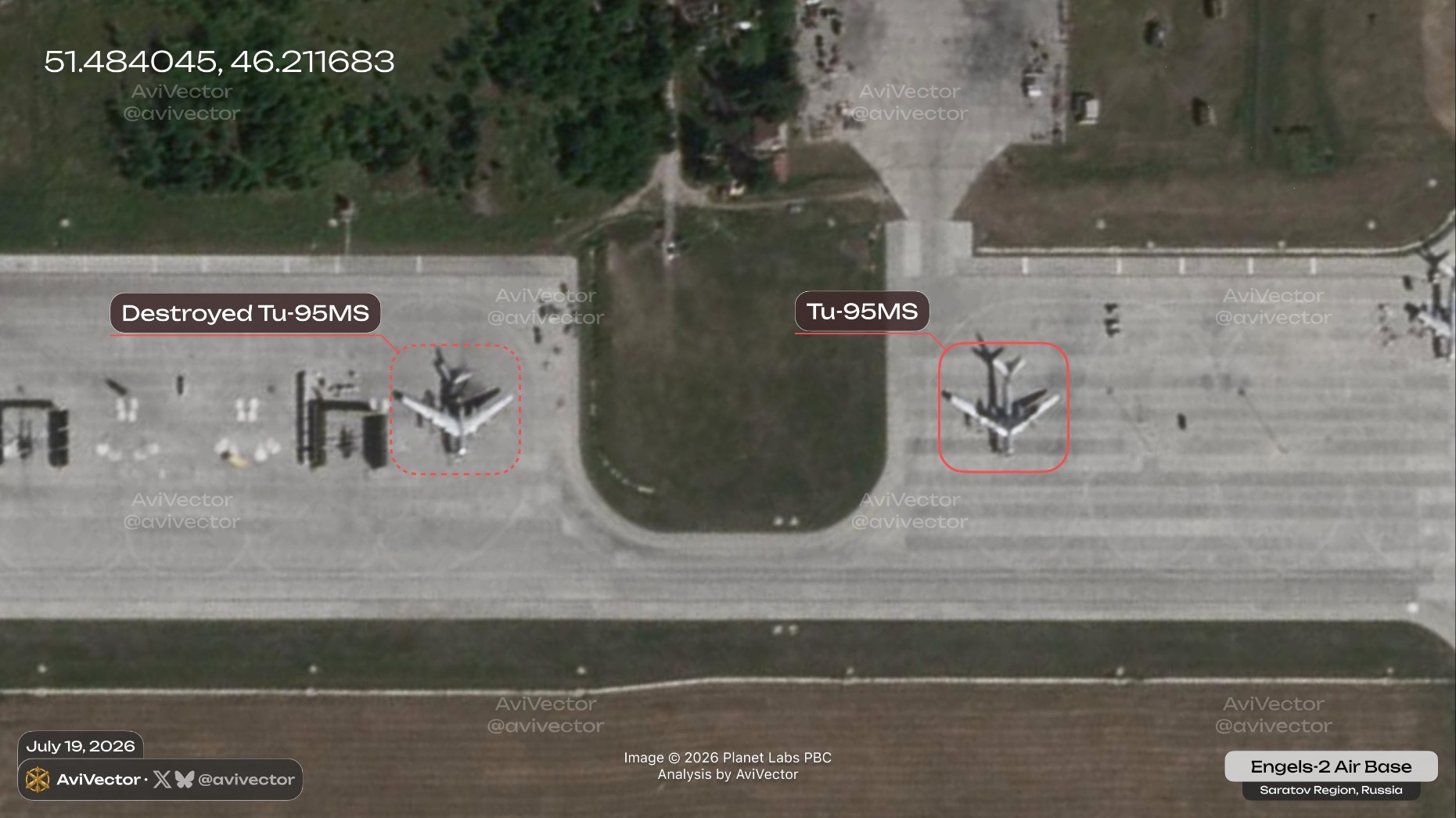 Satellite Images Confirm Russian Tu-95MS Bomber Destroyed After Ukrainian Drone Strike on Engels-2 Air Base
-
 BHEL Successfully Develops India’s First Indigenous 1200 kV, 333 MVA Per-Phase UHVAC Transformer
