WASHINGTON, — March 21, 2026 : The United States Department of Defense is advancing the LGM-35A Sentinel intercontinental ballistic missile (ICBM) programme, a large-scale modernization effort to replace the aging LGM-30G Minuteman III system with a new digital architecture. The programme is currently estimated to cost between $130 billion and $141 billion, following revisions triggered by cost growth and a statutory Nunn-McCurdy review.
The Sentinel system will replace approximately 400 deployed Minuteman III missiles, which have been in service since the 1970s, and will form the future land-based component of the U.S. nuclear triad.
Programme Scope and Infrastructure
The modernization effort includes the production of more than 600 missiles to support deployment, testing, and sustainment requirements. It also involves the construction of 24 new launch control centers, modernization of hundreds of facilities, and upgrades across nearly 40,000 square miles in Colorado, Montana, Nebraska, North Dakota, and Wyoming.
As part of the transition, the programme includes the installation of approximately 5,000 miles of fiber-optic cable to connect launch facilities and command infrastructure. The system is designed with a projected service life extending into the 2070s.
System Design and Performance
The Sentinel missile incorporates a modular architecture, allowing components to be upgraded or replaced without full system redesign. It uses composite materials for propellant storage and includes updated guidance and control systems.
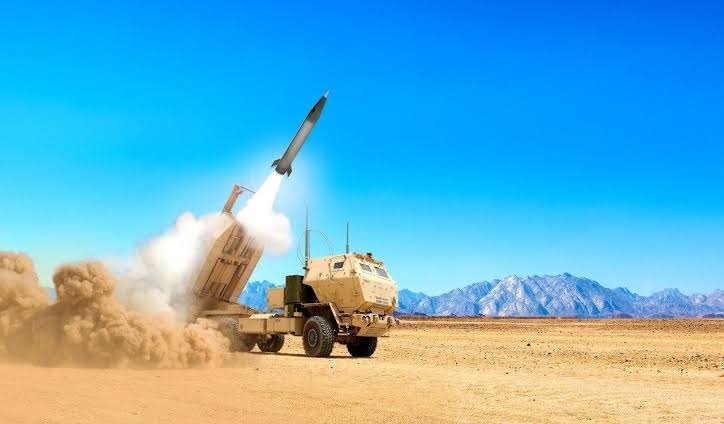
Performance characteristics are expected to remain comparable to the Minuteman III, including a range exceeding 6,000 miles and speeds of approximately 15,000 miles per hour. The system is configured to carry the W87-1 warhead, with a baseline single-warhead configuration and potential for multiple warheads.
Digital systems integrated into the platform support flight control, maintenance tracking, and operational management, enabling improved system sustainment and lifecycle management.
Transition from Analog to Digital Systems
The Minuteman III system operates using analog, air-gapped infrastructure, including hard-wired connections and legacy computing systems. This architecture has historically limited exposure to cyber threats due to the absence of network connectivity.
The Sentinel programme introduces a digital, software-driven architecture, incorporating networked systems to manage missile operations, maintenance, and communications. The system is designed to function within a closed network environment with layered cybersecurity protections.
Cybersecurity Considerations
The transition to digital systems has prompted analysis of potential cybersecurity implications. Experts note that networked and software-intensive systems introduce additional complexity and potential vulnerabilities compared to analog configurations.
Areas of concern include software vulnerabilities, network intrusion risks, and challenges associated with securing large-scale codebases. The broader modernization of nuclear command, control, and communications (NC3) systems includes exploration of advanced data processing and decision-support technologies, which may incorporate elements of automation and artificial intelligence.
Analysts have identified potential risks such as unauthorized access to networked systems, data manipulation, and exploitation of previously unknown software vulnerabilities. Oversight bodies, including the Government Accountability Office (GAO), have noted that software development for Sentinel represents a high-risk element due to its scale and complexity.
Mitigation Measures
U.S. Air Force officials have stated that the Sentinel system will retain human oversight over launch decisions, with missile operations conducted by trained personnel. The architecture incorporates defense-in-depth cybersecurity measures, including boundary protections and internal safeguards designed to ensure operation in contested environments.
The system is designed as a closed network, similar in principle to existing infrastructure, but with additional security layers to address the introduction of digital components.
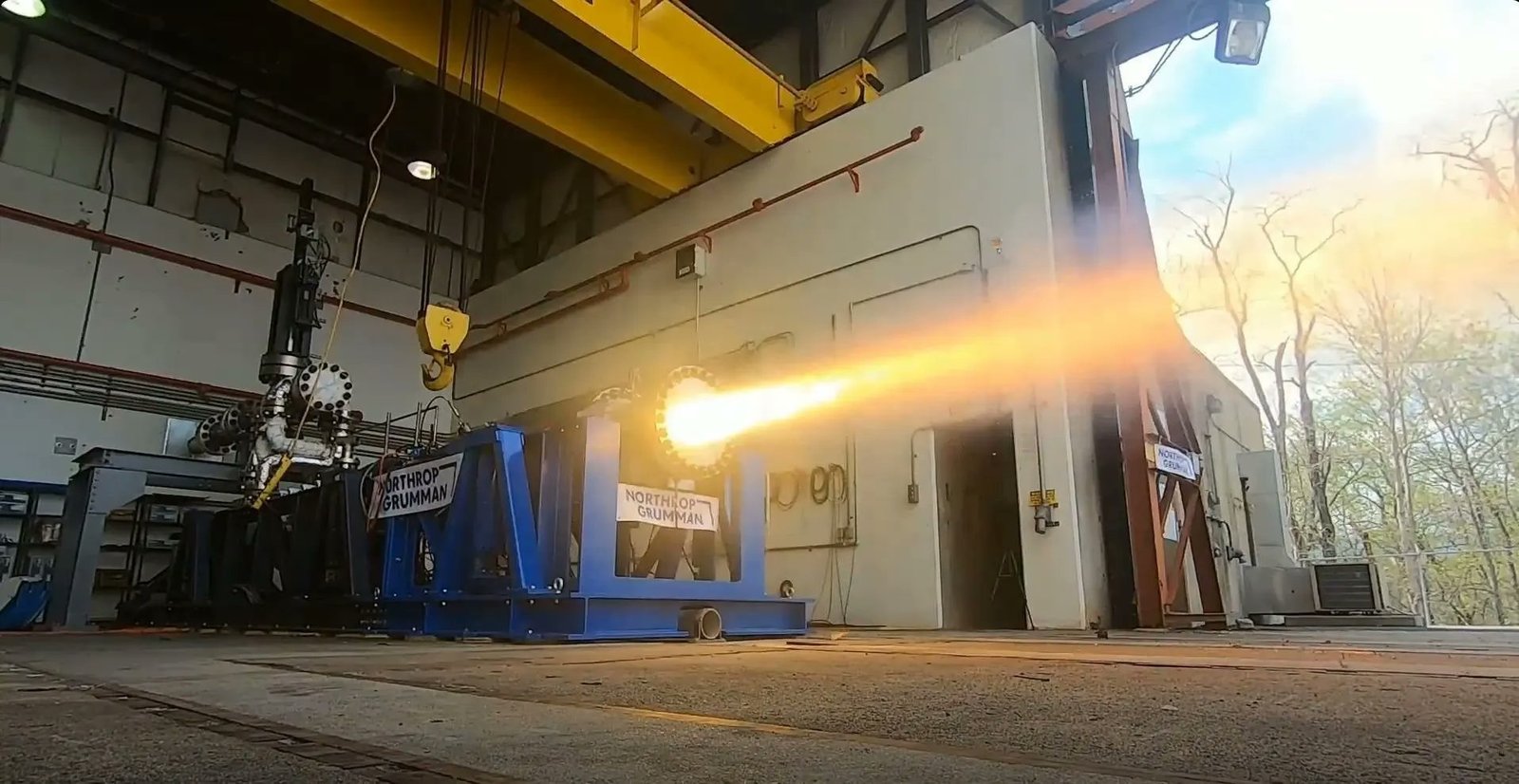
Northrop Grumman, the programme’s prime contractor, has stated that cybersecurity is integrated into the system design from the outset, with protections intended to address both cyber and physical threats.
Programme Timeline and Transition
The first flight test of the Sentinel missile is scheduled for March 2028, with initial operational capability planned for the early 2030s. During this transition, the U.S. Air Force will continue sustaining the Minuteman III fleet, with potential service life extensions into the 2040s or beyond to ensure continuity of deterrence.
The programme was initially estimated at $78 billion in 2020, with subsequent cost increases leading to revised estimates of approximately $140 billion.
Strategic Context
The Sentinel programme is part of a broader modernization effort across the U.S. nuclear forces, including upgrades to all three legs of the triad and the supporting NC3 infrastructure. The Congressional Budget Office (CBO) has estimated total U.S. nuclear modernization costs at approximately $946 billion between 2025 and 2034.
The transition from analog to digital systems reflects efforts to modernize aging infrastructure while maintaining operational effectiveness. At the same time, it introduces new considerations related to system complexity and cybersecurity, which are being addressed through programme design and ongoing development processes.
——— End of Article ———