
World
SAN DIEGO / WASHINGTON — March 20, 2026 : The United States has advanced the deployment of the USS Boxer Amphibious Ready Group (ARG) and the embarked 11th Marine Expeditionary Unit (MEU) to the Middle East, departing Naval Base San Diego approximately three weeks ahead of schedule. The accelerated movement is intended to reinforce U.S. rapid-response and amphibious strike capabilities as maritime security conditions deteriorate in the Strait of Hormuz under the operational framework of Operation Epic Fury. The deployment follows the effective closure of the Strait of Hormuz to commercial shipping, a critical global energy chokepoint that normally facilitates the daily transit of approximately 20 million barrels of oil and nearly 20 percent of global liquefied natural gas (LNG) trade. U.S. defense officials assess that maintaining access to the waterway is essential to global energy stability and regional security. Amphibious Ready Group Composition and Capabilities The Boxer ARG consists of three amphibious warfare ships designed to project U.S. Marine Corps combat power ashore without reliance on fixed port infrastructure. The USS Boxer (LHD-4), a Wasp-class amphibious assault ship, serves as the flagship and forward command node. Displacing more than 40,500 tons and measuring over 250 meters in length, the vessel functions as a light aircraft carrier. Its aviation component includes F-35B Lightning II short take-off and vertical landing fighters, MV-22B Osprey tiltrotor aircraft, and AH-1Z Viper attack helicopters. The ship also features a well deck for launching landing craft directly into the water, enabling simultaneous air and surface assault operations. The USS Portland (LPD-27), a San Antonio-class amphibious transport dock, provides advanced command, control, communications, computers, intelligence, surveillance, and reconnaissance (C4ISR) capabilities. These systems support coordination of distributed landing forces and complex littoral operations. The USS Comstock (LSD-45), a Whidbey Island-class dock landing ship, specializes in deploying Landing Craft Air Cushion (LCAC) hovercraft and mechanized units. It provides the logistical backbone necessary for transporting heavy equipment and sustaining operations ashore. Together, the three ships carry approximately 4,000 personnel, including around 2,500 Marines assigned to the 11th MEU. The unit is structured as a self-contained Marine Air-Ground Task Force (MAGTF), composed of a command element, Battalion Landing Team 3/5, a composite aviation squadron, and a logistics combat element. This configuration enables a wide range of missions, from non-combatant evacuation operations to high-intensity amphibious assaults. Strategic Context and Operational Objectives While specific operational directives for the 11th MEU have not been publicly disclosed, the composition and readiness of the deployed force indicate preparation for both deterrence and potential combat operations. The deployment aligns with ongoing discussions within the U.S. administration regarding measures to pressure Iran to reopen the Strait of Hormuz. One option under consideration, according to U.S. defense officials and regional analysts, involves a potential blockade or military operation targeting Kharg Island. Located approximately 30 kilometers off Iran’s northwestern Gulf coast, the island handles roughly 90 percent of Iran’s crude oil exports. Any operation in this area would place U.S. forces within range of Iranian coastal defense systems, including anti-ship cruise missiles and short-range ballistic missiles. Expansion of U.S. Regional Force Posture The Boxer ARG deployment follows the earlier movement of the USS Tripoli Amphibious Ready Group, which carries elements of the 31st Marine Expeditionary Unit and is currently transiting toward the region. The combined presence of these two amphibious formations will increase the number of forward-deployed U.S. personnel in the Middle East to nearly 50,000. This concentration of amphibious forces brings the total number of U.S. amphibious ships in the region to six, adding roughly 8,000 service members across both ARGs. The deployment reflects a broader adjustment in U.S. military posture aimed at maintaining operational flexibility and supporting regional allies dependent on secure maritime trade routes. Intelligence, Surveillance, and Reconnaissance Operations In parallel with naval deployments, the U.S. Navy has increased the operational tempo of its intelligence, surveillance, and reconnaissance (ISR) assets. The MQ-4C Triton unmanned aerial vehicle is conducting persistent surveillance missions over the northern Persian Gulf. Operating at altitudes above 50,000 feet with endurance exceeding 24 hours, the Triton employs a multi-function active sensor radar capable of wide-area maritime surveillance. The platform can monitor shipping activity, detect surface contacts, and identify asymmetric threats such as uncrewed surface vessels (USVs) across thousands of square kilometers. Tactical Considerations in the Persian Gulf The deployment of two Amphibious Ready Groups enhances the U.S. military’s ability to conduct distributed amphibious operations in a contested maritime environment. The integration of sea-based aviation, vertical lift capabilities, and surface assault craft allows forces to bypass heavily defended shorelines and project combat power at multiple landing zones simultaneously. However, operations in the confined waters of the Persian Gulf and the Strait of Hormuz impose significant constraints. Amphibious ships operating close to shore remain vulnerable to saturation attacks involving fast-attack craft, uncrewed surface vessels, and loitering munitions. As a result, the deployed forces require layered air and missile defense coverage to maintain survivability. Operational Framing Official U.S. Navy statements have described the initial movement of the Boxer ARG as routine deployment activity in the Indo-Pacific. However, Pentagon officials have confirmed that the force was redirected toward the Middle East in response to evolving security conditions. The forward positioning of Marine Expeditionary Units provides the United States with a scalable and rapidly deployable force capable of responding to a range of contingencies in one of the world’s most strategically significant maritime regions.
Read More → Posted on 2026-03-24 14:40:09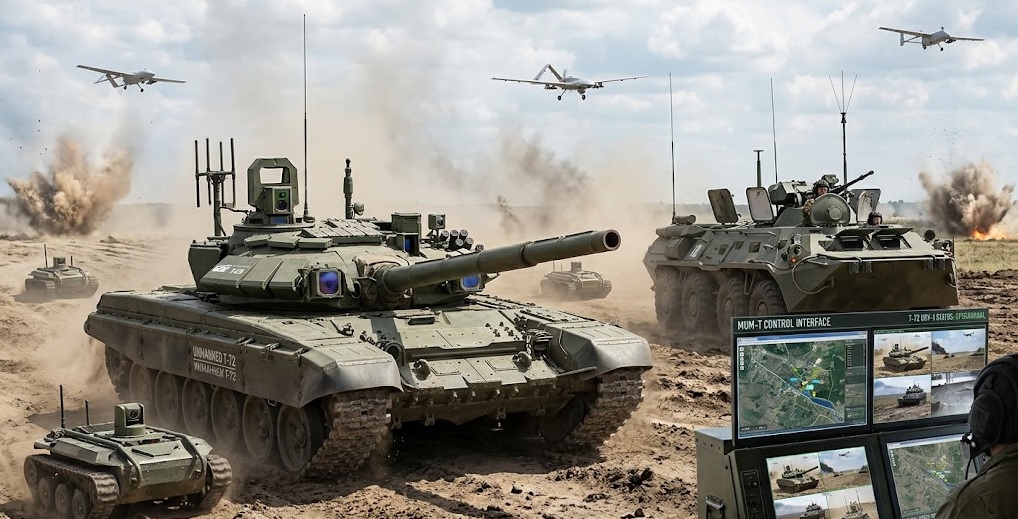
India
NEW DELHI — March 24, 2026 : The Indian Army is progressing with a programme to convert its fleet of legacy T-72 main battle tanks into remotely operated and autonomous armoured combat platforms, aiming to extend their operational service life by 15 to 20 years beyond the planned retirement timeline beginning around 2030. The initiative targets a fleet of approximately 2,400 Soviet-origin T-72 tanks, which have formed the backbone of the Army’s armoured corps since their induction in 1979, including units licence-produced domestically. These tanks have been deployed across varied operational environments, including plains, desert sectors, and high-altitude regions such as Ladakh, as well as in overseas missions like the Indian Peacekeeping Force deployment in Sri Lanka. Programme Objective and Strategic Rationale The conversion effort is designed as a cost-effective alternative to immediate large-scale procurement of new main battle tanks, while supporting the Army’s transition toward network-centric and technology-driven warfare. By repurposing existing platforms into unmanned systems, the Army intends to maintain force levels and operational capability during the transition to future platforms such as the Future Ready Combat Vehicle (FRCV), expected to begin induction from 2030 onward. Under the plan, the upgraded T-72 platforms will be capable of operating as optionally manned or fully unmanned systems. The conversion focuses on preserving the tanks’ existing mechanical reliability while integrating advanced digital and autonomous capabilities. Operational Role and MUM-T Integration The programme is aligned with the Army’s Manned-Unmanned Teaming (MUM-T) doctrine, which integrates crewed and uncrewed systems to improve battlefield effectiveness. Within this framework, the converted T-72 units are intended to operate alongside manned platforms such as the T-90, functioning as force multipliers. Operational roles identified for the unmanned T-72 platforms include minefield entry and breaching, forward assault operations, reconnaissance patrols, and decoy missions. These roles are specifically suited for high-risk environments where reducing crew exposure is a priority. The platforms are expected to operate ahead of manned formations, absorbing initial engagement, identifying enemy positions, and enabling safer maneuvering for crewed units. The MUM-T concept, including the use of such “loyal wingman” ground systems, was validated during field exercises conducted in 2025. Development Framework and ADITI Scheme The project has moved from conceptual planning into the development phase following the release of a requirements document by Defence Minister Rajnath Singh on March 19, 2026. The programme is being executed under the fourth edition of the Acing Development of Innovative Technologies with iDEX (ADITI) scheme, part of the Ministry of Defence’s Innovations for Defence Excellence (iDEX) initiative aimed at promoting domestic defence industry participation. The Ministry has opened the programme to private defence companies and technology firms, initiating a competitive process for industry collaboration. Technical Requirements and Prototype Development According to the Army’s requirements, selected industry partners will be tasked with developing an autonomous conversion kit that enables the T-72 to operate in both optionally manned and fully unmanned modes. A key requirement is the integration of an IP-based digital interface, allowing seamless connectivity with higher-level command and control networks while retaining the platform’s core mechanical systems. The scope of development includes multiple advanced technology domains such as robotics, sensor fusion, automation, guidance, navigation, and control systems. These technologies are intended to provide situational awareness, remote operation capability, and varying degrees of autonomy. As part of the initial phase, industry participants are required to deliver two fully functional prototypes of the autonomous kit. These prototypes will undergo validation and field testing before any decision is made on large-scale retrofitting across the T-72 fleet. Current Status and Parallel Upgrades As of the release of the requirements document, no contracts have been awarded and no prototypes have been produced. The selection of industry partners and subsequent development process will proceed under the ADITI framework. In parallel with the unmanned conversion programme, the Army continues to implement upgrades to portions of the existing T-72 fleet. These include the recent installation of indigenously developed Thermal Imaging Fire Control Systems on 96 tanks, aimed at improving targeting and night-fighting capability. These upgrades are separate from the autonomous conversion effort. Role in Future Force Structure The T-72 conversion programme is positioned as an interim capability enhancement as the Army prepares for the gradual induction of next-generation armoured platforms. By extending the utility of existing assets and integrating them into a MUM-T operational architecture, the Army aims to maintain operational readiness while adapting to evolving battlefield requirements. The initiative reflects a broader shift toward incorporating unmanned systems into conventional armoured operations, with an emphasis on reducing risk to personnel and enhancing operational flexibility through technology integration.
Read More → Posted on 2026-03-24 14:19:43
World
RIYADH / ABU DHABI — March 24, 2026 : Saudi Arabia and the United Arab Emirates (UAE) are taking coordinated political, military, and economic steps that indicate a possible shift toward direct involvement in ongoing operations against Iran, following sustained missile and drone attacks on critical infrastructure across the Gulf region. The two states, which initially avoided participation when hostilities began in late February, are reassessing their positions amid continued strikes on energy facilities, ports, and urban centers. Regional officials and defense analysts indicate that the scale and persistence of the attacks have altered threat assessments, with both governments now weighing more active roles to protect economic and security interests. Saudi Arabia Expands U.S. Military Access Saudi Arabia has approved expanded access for United States forces to operate from its territory, marking a notable change in policy. The agreement includes the use of King Fahd Air Base in Taif, located in western Saudi Arabia near Jeddah. The base offers logistical advantages, including proximity to Red Sea maritime routes and a location farther inland than previously utilized facilities such as Prince Sultan Air Base, reducing exposure to Iranian drone operations originating along the Gulf coastline. U.S. and Western officials familiar with the arrangement state that the site provides a more secure hub for staging and support operations. Prior to the conflict, Riyadh had declined to permit the use of its airspace or bases for strikes on Iran, citing concerns over escalation. The shift follows repeated Iranian missile and drone attacks targeting Saudi infrastructure, including sites in Riyadh and the Red Sea port of Yanbu. Saudi Crown Prince Mohammed bin Salman has held multiple discussions with U.S. President Donald Trump in recent weeks, according to officials briefed on the exchanges. Sources indicate that the Saudi leadership is focused on restoring deterrence and is nearing a decision on whether to formally join offensive operations. Saudi Foreign Minister Prince Faisal bin Farhan has publicly stated that the Kingdom’s tolerance for continued attacks is limited. UAE Moves Against Iranian Networks and Assets In parallel, the UAE has implemented measures targeting Iranian-linked institutions and financial networks within its jurisdiction. Authorities in Dubai have shut down entities including the Iranian Hospital and the Iranian Club, citing violations of national laws and alleged misuse connected to the Islamic Revolutionary Guard Corps (IRGC). Officials have also indicated that the UAE is preparing to freeze billions of dollars in Iranian assets. The move is intended to restrict Tehran’s access to foreign currency and limit its ability to sustain military and logistical operations through international financial channels. During a recent call with U.S. Secretary of State Marco Rubio, UAE Foreign Minister Sheikh Abdullah bin Zayed stated that the country is preparing for a prolonged period of regional instability, with planning timelines extending up to nine months. Continued Strikes Across Gulf Infrastructure The policy shifts in Riyadh and Abu Dhabi follow repeated Iranian strikes across multiple Gulf states since the start of hostilities on February 28. Saudi Arabia has reported attacks on energy infrastructure and urban areas, while the UAE states it has intercepted more than 2,000 projectiles during the same period. Beyond Saudi and Emirati territory, energy facilities in Qatar, including the Ras Laffan industrial complex, and sites in Kuwait have also been affected. The widening geographic scope of the attacks has increased concerns over regional energy security and supply continuity. Maritime Risks and Naval Mine Deployment The conflict has also expanded into maritime domains critical to global energy flows. Iran’s Defense Council warned on March 23 that any attack on its coastal territory or islands would lead to the mining of access routes across the Persian Gulf and the Strait of Hormuz. According to U.S. assessments, Iran has already deployed approximately a dozen naval mines in the Strait of Hormuz. Two primary types have been identified: Moored mines, including the Maham-3, are anchored to the seabed and equipped with magnetic and acoustic sensors capable of detecting passing vessels without direct contact. These systems are considered effective in the shallow waters of the Gulf, where average depths of around 35 meters and environmental conditions complicate detection. Drifting mines, such as the Maham-7, are designed to move with currents and can be deployed from ships or aircraft. These systems are more difficult to track and pose risks across a wider geographic area, including shipping lanes near Kuwait, Saudi Arabia, Qatar, and the UAE. The U.S. military has reported the destruction of 16 Iranian vessels believed to be involved in mine-laying operations. Despite these actions, the presence of mines has led shipping companies and insurers to reassess transit through the Strait of Hormuz, a route that handles roughly 20 percent of global oil supply. Mine clearance operations, if required at scale, would involve specialized vessels and could take months, with potential implications for global energy markets and pricing. Diplomatic Channels Remain Open Despite the military and economic measures being implemented, officials in both Saudi Arabia and the UAE have not formally announced entry into offensive operations. Diplomatic engagement with Iran continues, with both sides maintaining communication channels focused on de-escalation and regional stability. The developments come as U.S. and Israeli military operations against Iran enter their fourth week. While Gulf states have adjusted their positions in response to direct threats, their final decisions regarding participation in combat operations remain pending.
Read More → Posted on 2026-03-24 13:51:22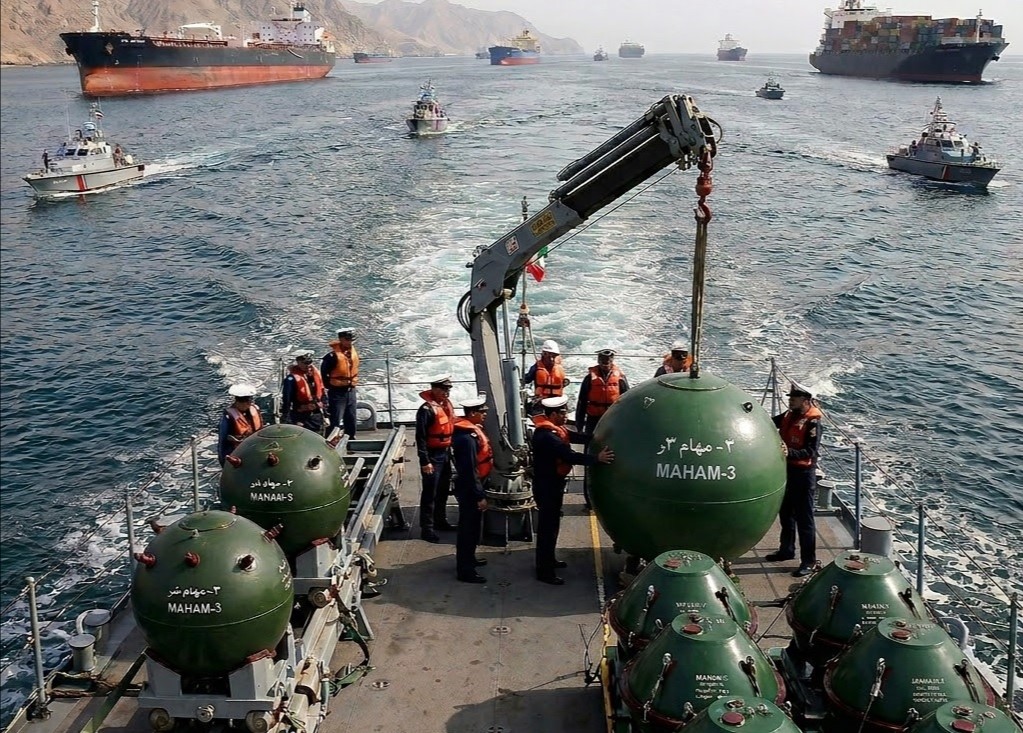
World
WASHINGTON, — March 24, 2026 : U.S. intelligence assessments indicate that Iran has deployed a limited number of advanced underwater naval mines in the Strait of Hormuz, according to American officials who spoke to CBS News. The mines, identified as Iranian-manufactured Maham-3 and Maham-7 models, are assessed to pose a potential risk to commercial and military shipping in one of the world’s most strategically important maritime corridors. U.S. officials said at least a dozen mines have been placed in the waterway, although one official indicated the total number could be slightly lower. The devices are believed to be distributed across sections of the strait, which connects the Persian Gulf to the Gulf of Oman and handles roughly 20 percent of global oil and liquefied natural gas shipments under normal conditions. The reported deployment comes amid ongoing regional tensions and follows direct demands from the Trump administration for Iran to ensure the continued flow of maritime commerce through the strait. Technical Characteristics of Maham-Series Naval Mines Defense intelligence assessments and unexploded ordnance databases describe the Maham series as among Iran’s more advanced naval mining systems. Unlike traditional contact mines, both the Maham-3 and Maham-7 rely on influence-based triggering mechanisms, allowing detonation without physical contact with a vessel. The Maham-3 is a moored deep-water mine designed for deployment at depths of up to 100 meters. Anchored to the seabed, it rises along a cable to position itself below the keel of passing ships. The system uses one magnetic sensor and two passive acoustic sensors to detect vessel signatures. It analyzes target movement to determine the optimal detonation point and is capable of engaging ships within approximately 10 feet (3 meters). The mine weighs about 383 kilograms and carries an explosive charge of roughly 120 kilograms. It measures approximately 0.8 meters in diameter and 1.324 meters in height. The Maham-3 includes an electronic timer to regulate activation periods and can be configured through coded inputs, allowing operators to control arming sequences and operational parameters. Its primary triggering mechanism is based on low-frequency acoustic signatures. The Maham-7, first publicly displayed in 2015, is a bottom-placed mine that can also function as a limpet-type device. It is designed to rest on the seabed or attach to targets and is optimized for use in shallow and intermediate waters. The system operates at depths ranging from 3 to 25 meters against surface vessels and 25 to 100 meters against submarines. The Maham-7 is equipped with a combination of three acoustic sensors, including subsonic detection capability, and a three-axis magnetic sensor. It is intended to engage medium-tonnage ships, landing craft, and smaller submarines. The mine has a height of approximately 440 millimeters, a maximum diameter of 980 millimeters, and a total weight of about 220 kilograms (±15 kg). It carries an explosive payload of approximately 150 kilograms (±10 kg), typically using TORPEX or TNT. Its casing is constructed from glass-reinforced plastic (GRP) composite material and shaped to reduce sonar visibility by scattering incoming acoustic waves. Safety features include a transport lock, hydrostatic activation switch, and separation of the primer from the booster until deployment is complete. The system has an arming delay of 20 to 25 minutes, adjustable activation windows ranging from immediate use up to 127 days, and an operational life of up to one year, with programmable engagement settings for between 1 and 99 targets. The mine’s storage life is estimated at up to 20 years. The Maham-7 can be deployed from small surface vessels, as well as by aircraft or helicopters using parachute delivery systems. Strategic Context and Military Developments The Strait of Hormuz remains a critical chokepoint for global energy flows, and the presence of naval mines introduces additional operational risks for commercial shipping and naval forces operating in the region. U.S. Central Command (CENTCOM) has undertaken operations targeting Iran’s mine-laying capabilities. Gen. Dan Caine stated that U.S. forces have neutralized more than 120 vessels and 44 dedicated minelayers in recent operations. In addition, CENTCOM has conducted over 90 precision strikes against Iranian naval ammunition depots and mine storage infrastructure, including facilities located on Kharg Island. Historical assessments from the U.S. Defense Intelligence Agency estimate that Iran maintains a stockpile of between 2,000 and 6,000 naval mines of various types. Other estimates place the inventory at approximately 5,000 to 6,000 units, including moored, bottom, and limpet configurations. These systems can be deployed using a range of platforms, including small civilian-disguised craft and high-speed boats, enabling rapid emplacement in contested waters. Iranian Response Iranian officials have publicly rejected the U.S. intelligence assessments. Ebrahim Zolfaqari, spokesperson for Iran’s Khatam al-Anbiya Central Headquarters, stated that Iranian forces maintain operational control over the Persian Gulf and the Gulf of Oman. He added that, in Iran’s view, existing capabilities provide sufficient maritime dominance, making the deployment of naval mines unnecessary. Maritime Security Implications The reported presence of influence-triggered naval mines adds complexity to maritime security operations in the Strait of Hormuz. Such systems are designed to complicate detection and clearance efforts, particularly due to their sensor-based activation and reduced acoustic signatures. Shipping activity in the region has already been affected by broader regional tensions. The introduction of advanced naval mines, even in limited numbers, increases the requirement for sustained mine countermeasure operations and naval patrols to ensure safe passage through the waterway.
Read More → Posted on 2026-03-24 13:32:04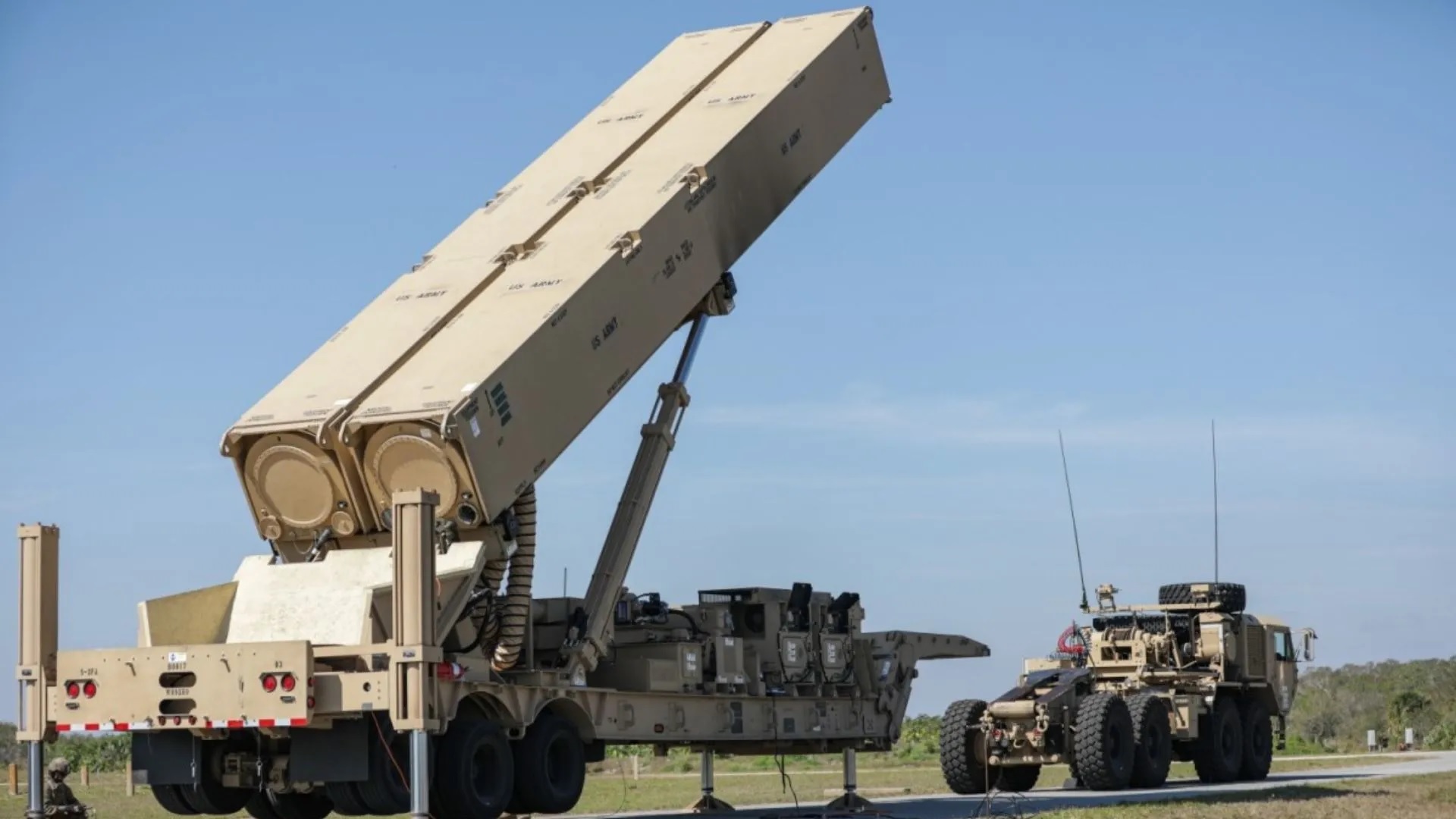
World
JOINT BASE LEWIS-MCCHORD, Washington — March 23, 2026 : The U.S. Army has completed preparation of its first operational battery equipped with the Long-Range Hypersonic Weapon (LRHW), known as “Dark Eagle,” marking a key step in the service’s effort to field land-based hypersonic strike capabilities aligned with Indo-Pacific operational priorities. The announcement, made on March 18, confirms that Bravo Battery, 1st Battalion, 17th Field Artillery Regiment, assigned to the 3rd Multi-Domain Task Force (MDTF), has completed initial setup, system integration, and unit-level training at Joint Base Lewis-McChord in Washington State. The unit is expected to receive its full complement of live missiles in the coming weeks, after which it will transition to full operational readiness. The battery was officially activated in December 2025 and has been involved in training and familiarization with LRHW equipment since 2021 as part of the Army’s phased fielding process. Recent activities included safety validation, integration testing, and readiness certification required prior to live missile allocation. System Design and Capabilities The Dark Eagle system is a mobile, ground-launched hypersonic missile designed to engage high-value and time-sensitive targets at extended ranges. It incorporates a two-stage architecture developed jointly by the U.S. Army and the U.S. Navy. The first stage consists of a large solid-fuel booster that accelerates the weapon into the upper atmosphere. Following booster separation, the Common Hypersonic Glide Body (C-HGB)—developed with industry partner Dynetics—continues unpowered flight toward the target. The glide vehicle travels at sustained hypersonic speeds exceeding Mach 5, with some flight profiles estimated to reach up to Mach 17. Unlike traditional ballistic missiles that follow predictable trajectories, the C-HGB operates along a flatter, maneuverable path in the upper atmosphere. Its ability to alter course during the terminal phase is intended to reduce detectability and complicate interception by existing missile defense systems. The system carries a conventional kinetic-energy payload rather than a high-explosive or nuclear warhead. Target destruction is achieved through the force generated by the projectile’s mass and velocity upon impact. The LRHW is reported to have an operational range exceeding 3,500 kilometers (approximately 2,175 miles). Battery Configuration and Components A standard Dark Eagle battery consists of four transporter-erector-launchers (TELs), each mounted on modified trailers and capable of carrying two missile canisters, providing a total of eight ready-to-launch rounds per battery. The configuration also includes a Battery Operations Center (BOC) responsible for fire control, targeting, and coordination, along with supporting vehicles and communications systems. The program is led by Lockheed Martin as the prime contractor and system integrator. Dynetics has played a central role in the development of the Common Hypersonic Glide Body. Since 2018, the LRHW program has received more than $12 billion in funding and has undergone multiple iterations due to testing delays and technical integration challenges. Integration into Multi-Domain Operations The deployment of the first operational battery supports U.S. Indo-Pacific Command requirements and reflects the Army’s broader transition toward multi-domain operations. The 3rd MDTF, which operates the system, is structured to integrate long-range precision fires with cyber, space, electronic warfare, and intelligence capabilities. In July 2025, elements of the 3rd MDTF deployed the Dark Eagle system outside the United States for the first time during Exercise Talisman Sabre in Australia’s Northern Territory. The deployment demonstrated the system’s transportability, setup timelines, and command integration in a forward environment. No live missile launches were conducted during the exercise. The Army has indicated that additional LRHW batteries will be fielded across other MDTFs. A second battery is scheduled for delivery in the fourth quarter of fiscal year 2026 under a rapid fielding initiative that incorporates incremental system modifications. Program Status and Outlook According to Lt. Gen. Frank Lozano, the Army’s Program Executive Officer for Missiles and Space, the service is within weeks of completing the full equipping of the first battery. Remaining steps include final missile delivery and validation of operational capability under live conditions. The Dark Eagle system is part of a broader U.S. effort to develop and deploy hypersonic weapons capable of operating in contested environments characterized by advanced anti-access and area-denial systems. The Army continues to address technical and production issues identified during earlier testing phases while advancing toward wider operational deployment.
Read More → Posted on 2026-03-24 13:07:23
World
WASHINGTON, — March 23, 2026 : The U.S. Army has revised its approach to high-energy directed weapons, deciding not to transition its most powerful laser system—the 300-kilowatt Indirect Fire Protection Capability-High Energy Laser (IFPC-HEL), known as “Valkyrie”—into a formal program of record, according to a Congressional Research Service (CRS) report published on March 9, 2026. The decision reflects a broader shift in Pentagon strategy toward joint-service laser development programs, with the Army now planning to use its remaining IFPC-HEL prototype as a research and development asset rather than an operational system. Program Background and Contract Changes The IFPC-HEL was designed as a truck-mounted directed energy system intended to defend against a range of aerial threats, including cruise missiles, unmanned aerial systems, rockets, artillery, and mortars. It represented the most advanced iteration in a series of Army laser demonstrators, following earlier platforms such as the 10 kW High Energy Laser Mobile Test Truck (HELMTT) and the 100 kW High Energy Laser Tactical Vehicle Demonstrator (HEL-TVD). In July 2023, the Army awarded Lockheed Martin an Other Transaction Authority (OTA) agreement valued at up to $220.8 million to produce four IFPC-HEL prototypes. This contract built on earlier work under the Department of Defense’s High Energy Laser Scaling Initiative (HELSI), which delivered a 300 kW-class demonstrator in September 2022. As recently as January 2026, Army plans called for transitioning the system into a program of record during fiscal year 2025, contingent on successful testing. However, the CRS report indicates that the contract scope has since been reduced from four systems to a single prototype. The remaining unit is undergoing final laboratory testing at a Lockheed Martin facility in Morristown, New Jersey. Subject to successful results, the system is scheduled for developmental field testing at Dugway Proving Ground, Utah, in summer 2026. Delivery to the Army is expected between September and October 2026. Following delivery, the prototype will not be fielded to operational units. Instead, it will be formally divested as a deployment candidate and repurposed to support future laser weapon development. Transition to Joint Laser Warfighting System The Army intends to integrate knowledge gained from the IFPC-HEL into the Joint Laser Warfighting System (JLWS), a collaborative program with the U.S. Navy outlined in the Army’s fiscal year 2026 budget request. The JLWS is being developed in support of the Department of Defense’s “Golden Dome for America” concept—a proposed layered defense architecture combining kinetic interceptors and directed energy systems to counter ballistic, hypersonic, and cruise missile threats across domestic and expeditionary environments. Budget documents describe the JLWS as the next stage in counter-cruise missile laser capability, reflecting a move toward interoperable, cross-service solutions rather than standalone Army systems. The CRS report also notes that both the IFPC-HEL and the related IFPC High Power Microwave (HPM) variant, developed with Epirus, will not proceed to fielding and will instead contribute to joint program development. Operational Drivers and Threat Environment The requirement for improved counter-cruise missile defenses has been shaped by recent conflicts and intelligence assessments. Russian strikes on infrastructure in Ukraine and the use of Iranian-supplied munitions in the Middle East have underscored the growing accessibility and operational use of advanced missile systems. A 2025 assessment by the U.S. Defense Intelligence Agency identified cruise missiles launched from Russian aircraft and Chinese naval platforms as a key vulnerability in the United States’ existing missile defense architecture, particularly in homeland defense scenarios. Technical Challenges of High-Energy Laser Intercepts High-energy laser systems face inherent physical and engineering challenges when engaging cruise missiles. Unlike slower, less durable drones, cruise missiles travel at high speeds and are constructed with hardened materials designed to withstand aerodynamic heating and stress. Current IFPC-HEL technology relies on continuous wave lasers, which require sustained energy delivery focused on a precise point for several seconds to achieve a destructive effect. Maintaining beam quality and stability over long distances is complicated by atmospheric distortion, weather conditions, and tracking limitations. These constraints reduce engagement reliability, particularly in operational environments outside controlled test conditions. To address these limitations, research efforts are exploring pulsed laser technologies. These systems emit energy in ultra-short, high-intensity bursts, producing higher peak power and potentially reducing the dwell time required to damage or disable hardened targets. However, such technologies remain under development and are not yet operationally mature. Related Program Adjustments and Parallel Efforts The Army’s decision on IFPC-HEL aligns with a similar shift in its lower-power directed energy programs. The service recently discontinued plans to field the 50 kW Directed Energy Maneuver-Short Range Air Defense (DE M-SHORAD) system mounted on Stryker vehicles as a program of record. A separate CRS report dated March 10, 2026, indicated that operational assessments conducted in the Middle East in 2024 revealed performance gaps between controlled testing and real-world conditions. Challenges included maintaining optical alignment, managing heat dissipation, and protecting sensitive components from dust and vibration during mobile operations. In response, the Army has initiated work on a new Enduring High Energy Laser (E-HEL) program to address these limitations at the tactical level. Meanwhile, other branches and defense programs continue to pursue higher-power directed energy capabilities. The U.S. Navy is advancing the 300 kW High Energy Laser Counter-Anti-Ship Cruise Missile (HELCAP) program, along with a 400 kW-class effort under the Office of Naval Research’s SONGBOW project. Under the HELSI framework, contractor nLight is developing a megawatt-class laser system intended to counter ballistic and hypersonic threats. Defense industry updates indicate that a demonstration of this system is expected later in 2026. Strategic Implications The Army’s restructuring of the IFPC-HEL program indicates a transition from service-specific laser deployments toward integrated, multi-domain directed energy systems. While the 300 kW Valkyrie prototype will not enter operational service, it is expected to contribute technical data critical to future joint capabilities. The CRS assessment suggests that directed energy weapons at both the 50 kW and 300 kW levels require further technological maturation before they can meet operational reliability requirements across diverse combat environments.
Read More → Posted on 2026-03-23 18:31:44
World
KYIV / MUNICH — March 23, 2026 : Germany has agreed to finance the procurement of 15,000 STRILA interceptor drones for the National Guard of Ukraine under a new defense agreement aimed at strengthening Ukraine’s counter-drone capabilities. The program will be implemented through cooperation between German technology firm Quantum Systems and Ukrainian unmanned systems developer WIY Drones. The contract was formally signed in Kyiv in the presence of Maximilian Rasch, alongside representatives of the National Guard and Quantum Systems. The multi-million-euro package includes not only drone deliveries but also operator training, logistical support, maintenance frameworks, and provisions for continued joint development of unmanned systems. Industrial Collaboration and Production Expansion The agreement follows a direct investment by Quantum Systems into WIY Drones, the original developer of the STRILA interceptor platform. The funding is intended to scale up domestic production capacity in Ukraine, enabling rapid manufacturing and deployment to meet operational demand. Prior to the agreement, WIY Drones had reached a production rate of approximately 100 units per day under existing government contracts. The new partnership is expected to significantly increase output through industrial scaling, localized manufacturing, and integration with German production expertise. Officials involved in the program indicated that while initial production is dedicated to Ukrainian defense requirements, potential surplus capacity could support future exports to international partners. Sven Kruk, Co-CEO of Quantum Systems, stated that the partnership is focused on industrializing combat-proven Ukrainian drone technology and integrating it into large-scale manufacturing processes. System Role and Operational Context The STRILA interceptor—named after the Ukrainian word for “arrow”—is designed specifically to counter fast-moving aerial threats, including loitering munitions such as Iranian-designed Shahed drones, as well as high-speed reconnaissance UAVs. The system is intended to provide a cost-effective alternative to conventional surface-to-air missile systems, which are significantly more expensive to deploy against low-cost aerial threats. With an estimated unit cost of approximately $2,300, STRILA offers a kinetic interception capability that can be deployed at scale. Technical Specifications and Capabilities The STRILA is a rocket-type interceptor drone optimized for speed, maneuverability, and autonomous engagement. Speed and Engagement Envelope:The drone exceeds operational speeds of 350 km/h, with reported test speeds approaching 400 km/h. It has a tactical interception radius of over 10 kilometers, with manufacturer-listed figures around 14 kilometers, and a maximum flight range of up to 28 kilometers. Altitude and Endurance:STRILA can operate at altitudes of up to 4 kilometers, with some data indicating capability up to 5,000 meters. Flight duration is estimated at 15–20 minutes, depending on payload and mission profile. Payload and Warhead:The interceptor carries a modular warhead with a maximum weight of up to 800 grams, while some configurations indicate a 500-gram payload depending on mission requirements. Avionics and Targeting Systems:The platform is equipped with day and thermal imaging cameras for round-the-clock operation. Target detection ranges reach approximately 1,000 meters during daylight and 600 meters at night. A rotating optical module enables full-angle visibility and tracking. Advanced variants incorporate the “SineLink” communication module, allowing GPS-independent operation and providing resistance to electronic warfare interference. The system also supports in-flight channel switching to maintain communication in contested environments. Guidance and Control:The STRILA uses AI-assisted autonomous targeting, with manual control available during the final phase of interception, ensuring a balance between automation and operator oversight. Reusability:If an interception mission is aborted or the target is neutralized by other systems, the drone can return to its launch position, preserving hardware and improving operational efficiency. Training, Support, and Future Development In addition to hardware delivery, the German-funded program includes comprehensive operator training, along with long-term logistical and maintenance support structures. The agreement also includes continued joint research and development between Quantum Systems and WIY Drones, focused on next-generation UAV technologies. Quantum Systems, which has maintained operations in Ukraine since 2022, has previously supported Ukrainian defense efforts through reconnaissance platforms and localized production initiatives. The latest investment represents an expansion into interceptor drone manufacturing at industrial scale. Strategic Implications The procurement reflects a broader effort to integrate Ukrainian battlefield-developed technologies with Western industrial capabilities. By combining local innovation with external financing and manufacturing expertise, the program aims to accelerate deployment timelines and strengthen Ukraine’s layered air defense architecture. German officials described the agreement as part of ongoing efforts to counter persistent aerial threats, particularly mass-produced loitering munitions. The STRILA program is expected to supplement existing air defense systems by providing a scalable, lower-cost interception layer tailored specifically for drone warfare environments.
Read More → Posted on 2026-03-23 18:13:53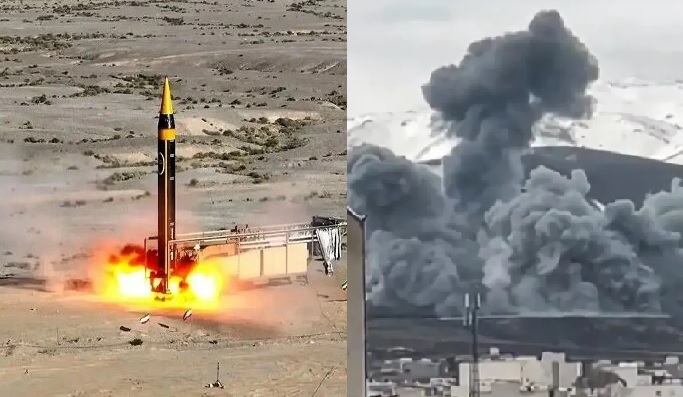
World
TEL AVIV — March 23, 2026 : The Israel Defense Forces (IDF) stated that it has destroyed or disabled approximately 330 of Iran’s estimated 470 ballistic missile launchers since the start of the current conflict, according to updated operational assessments. Israeli military officials said that more than half of the affected launchers were destroyed through direct aerial strikes carried out by the Israeli Air Force (IAF). The remaining launchers were rendered inoperable after strikes targeted the entrances of underground storage facilities and tunnel networks, sealing access points and preventing the deployment of missile systems stored within. The campaign against launcher infrastructure has coincided with a reduction in the scale of missile fire directed at Israel. According to IDF data, Iranian missile launches have declined from approximately 90 per day during the initial phase of the conflict to around 10 per day in recent days. Operations have focused not only on mobile launchers but also on supporting infrastructure, including underground facilities, missile production sites, air defense systems, and command and control centers. Strikes have been reported across multiple regions of Iran, including areas near Kermanshah, Isfahan, Tehran, Hormozgan, and Fars provinces. Satellite imagery and open-source assessments indicate damage to tunnel entrances at several underground missile bases, with some locations showing signs of ongoing repair efforts. Israeli officials assess that restricting access to these facilities has limited the operational availability of missile launch systems. The IDF stated that the Israeli Air Force continues to conduct operations to locate and neutralize the remaining approximately 150 launchers. These efforts are intended to further reduce Iran’s capacity to sustain missile attacks. Despite the reported degradation of launcher capabilities, Iranian forces continue to carry out intermittent missile launches. Israeli air defense systems remain active to intercept incoming threats, with some missiles causing damage or injuries while others are intercepted or land in open areas. The strikes on missile launchers form part of a broader Israeli campaign targeting Iranian military infrastructure, including facilities associated with the Islamic Revolutionary Guard Corps (IRGC). Recent operations have involved multiple waves of airstrikes against command centers, intelligence sites, and manufacturing facilities linked to missile and electronic systems. Israeli authorities stated that operations will continue as part of ongoing efforts to reduce the threat posed by Iran’s ballistic missile capabilities, with further assessments expected as the situation develops.
Read More → Posted on 2026-03-23 18:08:41
World
ROME — March 23, 2026 : Italian aerospace and defense company Leonardo will begin manned-unmanned teaming (MUM-T) flight demonstrations in 2026, integrating its M-346F light combat aircraft with Baykar’s KIZILELMA unmanned combat aerial vehicle (UCAV) as part of efforts to develop collaborative combat capabilities for future air combat systems. The announcement was made by Leonardo Chief Executive Officer Roberto Cingolani during a press conference outlining the company’s 2026–2030 industrial plan. The demonstrations represent a structured step toward operational integration of crewed and uncrewed platforms. Test Framework and Timeline The demonstration will involve a single M-346F aircraft acting as the controlling platform, paired with two KIZILELMA unmanned fighters operating as coordinated wingmen. The testing programme is structured in two phases. An initial flight test is scheduled between April and May 2026 and will be conducted without public disclosure. A second demonstration later in 2026 will be formally announced and is expected to be open to broader observation. Cingolani described the initiative as an initial operational scenario to validate command-and-control concepts between crewed aircraft and autonomous systems. Platform Configuration and Capabilities The M-346F, based on the Block 20 configuration of Leonardo’s M-346 family, is configured to function as an airborne command platform for MUM-T operations. It incorporates a large area cockpit display, active electronically scanned array (AESA) radar, Link 16 datalink, and electronic countermeasure systems, along with the ability to carry air-to-air and air-to-surface weapons across seven external hardpoints. These features allow the aircraft to manage mission coordination, data exchange, and targeting while maintaining pilot situational awareness and reducing workload. The KIZILELMA UCAV, developed by Turkish company Baykar, is a jet-powered unmanned combat aircraft designed with low radar cross-section characteristics, high-speed performance, and the capability to conduct air-to-air and strike missions. The platform has previously demonstrated formation flight operations and beyond-visual-range engagement capabilities. Industrial Collaboration and Integration The integration of the platforms is expected to be carried out through LBA Systems, a 50:50 joint venture between Leonardo and Baykar established in June 2025. The entity is responsible for the design, development, production, and support of unmanned aerial systems within a European industrial framework. Under this arrangement, Baykar contributes the unmanned platforms, while Leonardo provides mission systems, sensors, payload integration, and certification expertise aligned with European standards. Production activities for KIZILELMA are planned at Leonardo’s Grottaglie facility in southern Italy, with additional manufacturing support across other Italian sites. Role in the Global Combat Air Programme The primary objective of the MUM-T demonstrations is to support development within the Global Combat Air Programme (GCAP), a trilateral initiative involving Italy, the United Kingdom, and Japan to develop a sixth-generation fighter aircraft. The tests are intended to validate collaborative combat aircraft (CCA) concepts, where a manned aircraft operates alongside multiple autonomous platforms performing roles such as surveillance, electronic warfare, and strike missions. Approximately one year earlier, Cingolani outlined several options for such demonstrations, including the use of unmanned variants of the M-345 and M-346 platforms. The selection of KIZILELMA reflects its stealth-oriented design and fighter-like performance, which are considered suitable for integration with next-generation combat aircraft. Broader Operational Context The development of MUM-T capabilities is part of a wider transition across the defense sector toward integrated human-machine teaming and distributed air combat architectures. Similar efforts have been demonstrated by other programs, including a recent test by Turkish Aerospace Industries (TUSAŞ) involving the HÜRJET advanced jet trainer and the ANKA-III stealth UCAV, where autonomous formation flight and cooperative operations were successfully conducted. Programme Outlook The planned demonstrations in 2026 will provide operational data on command-and-control integration, autonomy, and mission coordination between crewed and uncrewed systems. These outcomes are expected to inform both the GCAP programme and potential future export-oriented solutions for allied air forces. The Leonardo–Baykar partnership, formalized through earlier agreements in 2025, is positioned to support the development of certified unmanned systems for European and international markets, with the M-346F and KIZILELMA pairing serving as an initial demonstration of collaborative combat capability.
Read More → Posted on 2026-03-23 17:51:40
World
MOSCOW — March 23, 2026 : Russia and Vietnam have signed an intergovernmental agreement establishing the legal framework for the construction of Vietnam’s first nuclear power plant, marking a significant step in Hanoi’s revived nuclear energy programme. The agreement was signed in Moscow during an official visit by Vietnamese Prime Minister Pham Minh Chinh, in the presence of Russian Prime Minister Mikhail Mishustin. The document was formally signed by Alexey Likhachev, Director General of Russia’s state nuclear corporation Rosatom, and Tran Van Son, Minister and Head of the Office of the Government of Vietnam. The agreement defines the key conditions, structure, and areas of cooperation for the implementation of the project, which will be developed as the Ninh Thuan 1 Nuclear Power Plant in central Vietnam. Project Scope and Technical Configuration The Ninh Thuan 1 project will consist of two nuclear power units based on Russian-designed VVER-1200 reactors, with a combined installed capacity of 2,400 megawatts (2.4 gigawatts). The plant’s design will be based on the Leningrad Nuclear Power Plant-2 in Russia, which serves as the reference model for the project. The VVER-1200 is a Generation III+ pressurized water reactor, designed with enhanced safety systems and extended operational life. The adoption of this design reflects Vietnam’s intention to deploy established reactor technology with proven operational performance. The agreement also provides a framework for broader cooperation in nuclear science, applied research, and high-technology sectors, alongside the core construction programme. Background and Programme Revival Vietnam initially approved its nuclear power development programme in 2009, with plans to construct two plants in Ninh Thuan province: Ninh Thuan 1, assigned to Russia Ninh Thuan 2, assigned to Japan The two facilities were intended to deliver a combined capacity of approximately 4 gigawatts. However, the programme was suspended in 2016, with the government citing budget constraints and safety concerns following the Fukushima Daiichi nuclear accident in 2011. In late 2024, Vietnam formally revived its nuclear energy programme through a National Assembly resolution and updated national power development plans. The decision was driven by long-term energy security requirements, rapid industrial growth, and commitments to achieve net-zero emissions by 2050. Following the revival, Vietnam re-engaged both Russia and Japan regarding the original projects. While Russia agreed to proceed with Ninh Thuan 1, Japan declined participation in Ninh Thuan 2, citing the tight construction timelines set by the Vietnamese government. Vietnam is targeting the commissioning of its first nuclear units between 2030 and 2035, with an overall objective of bringing initial capacity online by 2030–2031, depending on project execution. Energy Context and Strategic Drivers The nuclear agreement comes amid increasing energy demand in Vietnam, driven by industrial expansion and rising electricity consumption. The country has also faced power supply challenges, including disruptions linked to extreme weather events and constraints in existing generation capacity. In addition, global fuel supply disruptions, partly linked to ongoing conflicts in the Middle East, have affected Vietnam’s energy costs. Recent data indicates that 95-octane petrol prices have increased by approximately 50 percent, while diesel prices have risen by around 70 percent, placing additional pressure on the country’s manufacturing sector. To address these challenges, Vietnam is pursuing a diversified energy strategy, combining nuclear power development with expanded cooperation in oil, gas, and liquefied natural gas (LNG). During the Moscow visit, Vietnam also signed bilateral agreements on oil and gas exploration and production, and Russian LNG producer Novatek confirmed a preliminary supply agreement with a Vietnamese partner following extended negotiations. Existing Cooperation and Institutional Framework Russia and Vietnam maintain longstanding cooperation in nuclear technology. This includes the operation of the Dalat research reactor, which uses Russian-supplied fuel, and ongoing discussions on establishing a Center for Nuclear Science and Technology in Vietnam. The current agreement builds on earlier engagements, including a memorandum of understanding signed in January 2025 between Rosatom and Vietnam Electricity (EVN), which laid the groundwork for renewed project development. Implementation Outlook The newly signed intergovernmental agreement formalizes the transition from planning to implementation, with Rosatom designated as the primary technology provider for Vietnam’s first commercial nuclear power facility. Further steps will include detailed engineering design, regulatory approvals, financing arrangements, and construction planning. The project is expected to play a central role in Vietnam’s future energy mix, contributing to base-load power generation, reduced reliance on fossil fuels, and long-term energy stability.
Read More → Posted on 2026-03-23 17:33:18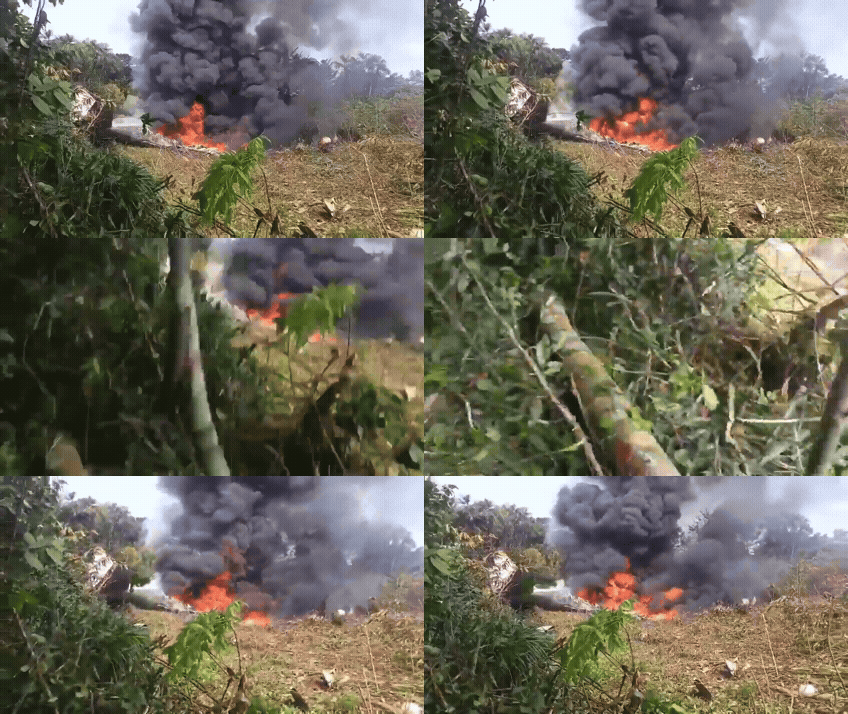
World
BOGOTÁ — March 23, 2026 : A Colombian Air Force Lockheed C-130H Hercules military transport aircraft crashed shortly after takeoff near Puerto Leguízamo in the southwestern department of Putumayo on Monday, while carrying approximately 100 to 110 military personnel, according to official statements and initial field reports. The aircraft, identified as FAC 1016, was conducting a routine troop transport mission in a remote Amazonian region near the borders of Ecuador and Peru, where air mobility remains the primary means of deploying forces due to limited road infrastructure. According to preliminary information, the aircraft departed from Puerto Leguízamo Airport (La Tagua airstrip) and went down minutes after takeoff. The crash occurred in a rural area a few kilometers from the urban settlement, with reports indicating the wreckage was located in or near the Tagua zone. The flight was transporting personnel of the Colombian National Army, including troops from Batallón de Selva No. 49, as part of a troop rotation and operational deployment. Estimates indicate the aircraft was carrying at least two to three platoons of soldiers. Video footage from the scene showed a post-crash fire and scattered wreckage, which was later brought under control by responding units and local residents. Rescue operations were initiated immediately, involving military units, local authorities, and civilians who assisted in reaching the crash site under difficult terrain conditions. Initial reports indicate that approximately 15 to 20 personnel were rescued alive and transported for medical treatment. Survivors and injured personnel are being evacuated to medical facilities, including hospitals in Florencia, Caquetá, while some received initial care at local health posts. Authorities have not released a confirmed casualty figure or a complete passenger manifest, and the total number of fatalities and injuries remains undetermined. Colombian Defense Minister Pedro Arnulfo Sánchez Suárez confirmed the incident, describing it as a tragic accident involving an Air Force aircraft transporting members of the Public Force. He stated that military units were deployed immediately to the crash site and that all protocols for victim assistance, medical evacuation, and family support have been activated. He added that the exact number of victims and the cause of the crash have not yet been determined and urged the public to avoid speculation while official assessments continue. President Gustavo Petro and other government officials acknowledged the incident and expressed condolences, while emphasizing the need for verified information as rescue and recovery operations proceed. The Putumayo region is characterized by dense Amazonian terrain, limited infrastructure, and ongoing military operations, making air transport essential for troop movement and logistics. Flights in the region frequently involve operations from remote airstrips under variable environmental conditions, including high humidity and temperature factors that can affect aircraft performance. A formal investigation has been initiated and will be led by the Colombian Air Force Inspector General. The inquiry is expected to examine aircraft performance during takeoff, including engine output from the T56-A-15 turboprop engines, as well as environmental factors such as density altitude and weather conditions. Investigators will also review fuel systems, load distribution, maintenance records, and operational procedures to determine the sequence of events leading to the crash. Recovery operations remain ongoing as authorities continue to secure the crash site, account for personnel, and support survivors. Further updates are expected from the Ministry of Defense and the Air Force as additional information becomes available.
Read More → Posted on 2026-03-23 17:26:36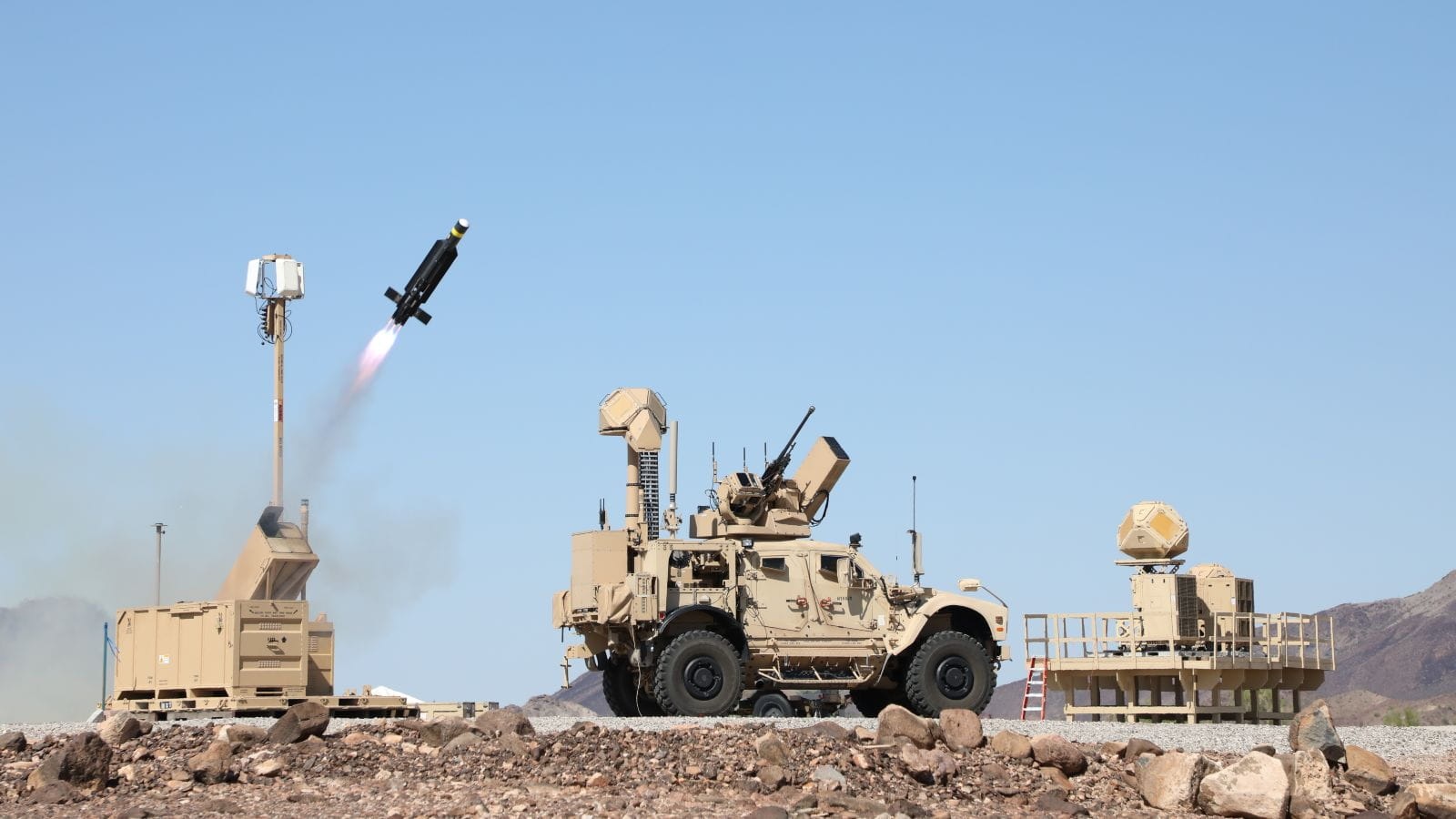
World
WASHINGTON — March 23, 2026 : The United States has approved a $2.10 billion Foreign Military Sale (FMS) to the United Arab Emirates (UAE) for the acquisition of the Fixed Site–Low, Slow, Small Unmanned Aircraft Integrated Defeat System (FS-LIDS) and associated equipment, following an emergency determination that bypassed the standard Congressional review process. The approval, issued by the U.S. Department of State, authorizes the rapid transfer of counter-unmanned aerial system capabilities intended to strengthen the UAE’s ability to defend critical infrastructure against evolving aerial threats. Emergency Waiver and Approval Framework U.S. Secretary of State Marco Rubio determined that an emergency exists requiring the immediate sale of defense articles and services in the national security interests of the United States. This decision invokes an emergency waiver under Section 36(b) of the Arms Export Control Act, allowing the administration to bypass the customary Congressional notification and review period. The expedited approval comes amid the ongoing U.S.–Israel–Iran conflict, where Iran has conducted sustained waves of missile and drone attacks across the region. Gulf countries, including the UAE, have faced repeated strikes involving low-cost one-way attack drones such as the Shahed series, targeting energy infrastructure, military bases, and urban areas. These attacks have highlighted a growing imbalance between low-cost drones and high-cost interceptor systems, with defense forces often relying on expensive missile interceptors and fighter aircraft to neutralize relatively inexpensive aerial threats. The FS-LIDS package forms part of a wider $16.5 billion emergency arms initiative aimed at replenishing and strengthening air defense systems among U.S. partners in the region, including the UAE, Kuwait, and Jordan. In addition, the sustained pace of drone attacks has contributed to pressure on interceptor missile inventories, prompting several countries to explore alternative solutions. Regional partners have increasingly turned to low-cost counter-drone technologies, including interceptor drones developed and tested in Ukraine, to counter Iranian kamikaze UAVs more efficiently. According to the State Department, the sale supports U.S. foreign policy objectives by enhancing the defense capabilities of a partner considered central to regional stability and economic security. System Configuration and Capabilities The UAE has requested ten complete FS-LIDS System of Systems, a fixed-site counter-drone architecture designed to detect, track, identify, and defeat low-altitude, low-speed, and small unmanned aerial threats that are difficult to intercept using conventional air defense systems. The FS-LIDS integrates multiple subsystems into a layered defense framework, combining radar, electro-optical sensors, command-and-control networks, and kinetic interceptors. Key components of the approved package include: 240 Coyote Block 2 All-Up-Rounds: Rail-launched interceptor systems equipped with active radar homing seekers and optimized fragmentation warheads designed to neutralize small UAVs. The interceptor operates at subsonic speeds with an approximate range of 15 kilometers. Ku-Band Multi-Function Radio Frequency System (KuMRFS) Radars: Providing detection, tracking, and fire-control functions for small aerial targets. Coyote Launcher Systems: Configured in four-pack launch units for rapid deployment and engagement. Forward Area Air Defense Command and Control (FAAD C2) Systems: Enabling integrated battlespace management, sensor fusion, and engagement coordination. Electro-Optical/Infrared (EO/IR) Sensors: Supporting target identification and tracking under day and night conditions. AN/PYQ-10 Simple Key Loaders: Used for secure cryptographic key management and communications integration. Support, Integration, and Logistics In addition to primary system components, the agreement includes a comprehensive support package covering: Integration and test equipment Spare and repair parts Communications systems Software delivery and lifecycle support Facilities and construction assistance Technical documentation and publications Personnel training and training equipment U.S. Government and contractor engineering, technical, and logistics support services Maintenance services, studies, and surveys The State Department indicated that the UAE is expected to integrate the systems into its existing defense architecture without difficulty, supported by U.S. technical assistance and training programs. Operational Role and Threat Environment The FS-LIDS system is specifically designed to counter low, slow, and small unmanned aerial threats, which have become increasingly prevalent in recent regional conflicts. Such threats often operate at low altitudes and present small radar cross-sections, enabling them to evade traditional air defense systems optimized for larger, faster targets. By combining radar detection with electro-optical tracking and kinetic interceptors, FS-LIDS provides a layered defense capability for fixed installations, including energy infrastructure, logistics hubs, and military bases. The deployment of such systems reflects a broader shift toward cost-effective and specialized counter-UAV architectures, as militaries adapt to the increasing use of mass-produced, low-cost drone systems in modern warfare. Industrial Participants The principal contractors involved in the program are U.S.-based defense firms: RTX Corporation (formerly Raytheon Technologies), headquartered in Tewksbury, Massachusetts Northrop Grumman, based in Huntsville, Alabama SRC Corporation, headquartered in Syracuse, New York These companies will be responsible for system production, integration, and support services under the FMS framework. Programme Implementation The approval was formally notified on March 19, 2026. Implementation will include phased delivery of systems, along with training, integration, and sustainment support provided by U.S. government agencies and contractors. The transaction reflects ongoing U.S. efforts to expand counter-UAV capabilities among allied nations facing persistent aerial threats, while reinforcing interoperability and defense cooperation across the region.
Read More → Posted on 2026-03-23 16:57:55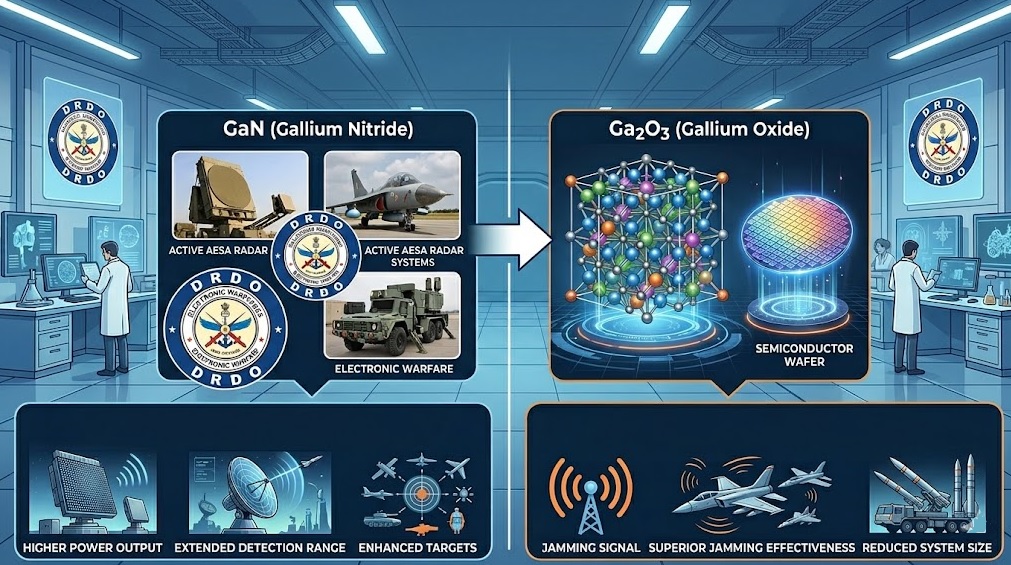
India
NEW DELHI — March 23, 2026 : India’s Defence Research and Development Organisation (DRDO) has initiated development of Gallium Oxide (Ga₂O₃) semiconductor technology for next-generation radar and electronic warfare (EW) systems, following the successful indigenisation and operational integration of Gallium Nitride (GaN) devices across multiple defense platforms. The programme is being led by the Solid State Physics Laboratory (SSPL) in Delhi and represents a transition toward ultra-wide bandgap (UWBG) semiconductor materials aimed at supporting future high-power, high-frequency defense electronics. Gallium Oxide Technology and Core Properties Gallium Oxide (Ga₂O₃) is classified as a fourth-generation ultra-wide bandgap semiconductor with a bandgap of approximately 4.8–4.9 electron volts (eV), compared with 3.4 eV for GaN and 1.1 eV for silicon. The material exhibits a critical breakdown electric field of around 8 megavolts per centimetre (MV/cm), more than double that of GaN at 3.3 MV/cm. These properties enable devices based on Ga₂O₃ to operate at higher voltages, deliver greater power density, and support more compact high-frequency radio-frequency (RF) systems. In practical terms, Ga₂O₃ is intended to enable the development of high-efficiency power amplifiers for Active Electronically Scanned Array (AESA) radars, allowing increased transmission power from smaller antenna modules and improved signal resolution. Applications in Radar and Electronic Warfare Ga₂O₃-based devices are expected to support next-generation AESA radar systems with enhanced detection capabilities, particularly against low-observable (stealth) targets. Defense estimates indicate that such systems could potentially detect and track stealth aircraft at ranges between 360 and 600 kilometers, depending on system configuration and integration. In electronic warfare applications, the material’s high power-handling capability supports wideband jamming, signal intelligence, and electronic countermeasure operations, enabling more effective disruption of adversary radar and communication systems. The technology is also applicable to space-based systems, including missile warning sensors and radiation-hardened electronics, due to its inherent resistance to high-radiation environments. Development Work and Institutional Roles The SSPL is currently focused on establishing indigenous epitaxial growth processes for Ga₂O₃ materials. These processes form the foundation for high-performance electronic and optoelectronic devices, including solar-blind ultraviolet photodetectors capable of detecting missile launches, rocket plumes, and aircraft exhaust signatures without interference from sunlight. Following material development and optimization, prototype Ga₂O₃ monolithic microwave integrated circuits (MMICs) are planned to be transferred to the Gallium Arsenide Enabling Technology Centre (GAETEC) in Hyderabad for fabrication of RF and microwave components. DRDO has also initiated collaborative programmes with academic institutions, including the Indian Institute of Technology (IIT) Ropar, focusing on process optimisation and development of thermally stable Ga₂O₃-based devices. Comparison with GaN-Based Systems GaN technology currently underpins several modern Indian radar systems, including the Uttam AESA radar, offering improved efficiency and performance over earlier gallium arsenide (GaAs)-based systems. Key comparative parameters between GaN and Ga₂O₃ include: Bandgap: GaN (3.4 eV) vs Ga₂O₃ (4.8–4.9 eV) Breakdown Field: GaN (3.3 MV/cm) vs Ga₂O₃ (~8 MV/cm) Electron Mobility: GaN (>1,500 cm²/V·s) vs Ga₂O₃ (~150–300 cm²/V·s) Thermal Conductivity: GaN (>200 W/m·K) vs Ga₂O₃ (10–27 W/m·K) While Ga₂O₃ offers superior voltage handling and power density, it has significantly lower thermal conductivity, which presents a primary engineering challenge. To address this, DRDO is evaluating advanced thermal management approaches, including integration with silicon carbide (SiC) or diamond substrates, as well as specialized packaging and cooling techniques. Manufacturing and Material Advantages Unlike GaN, which relies heavily on complex epitaxial growth processes, Ga₂O₃ can be produced using melt-growth techniques such as Czochralski and edge-defined film-fed growth (EFG) methods. These processes allow for the production of larger wafers at potentially lower cost, supporting scalability for future applications. This manufacturing advantage is expected to play a role in long-term adoption, particularly if thermal challenges are resolved. Global Development Landscape Ga₂O₃ technology remains in the research and prototyping phase globally, with no country having fielded operational radar or EW systems based on the material as of March 2026. Japan leads in material synthesis and commercialisation of α-Ga₂O₃ devices, with companies such as FLOSFIA and Novel Crystal Technology advancing large-wafer production. United States programmes, supported by the Department of Defense, DARPA, and the Air Force Research Laboratory, focus on high-voltage electronics, RF systems, and radiation-hardened devices, with companies such as Kyma Technologies involved in supply chain development. China is pursuing Ga₂O₃ for military applications, with research institutions reporting progress in crystal growth and integration aimed at compact radar systems. South Korea and Germany are developing Ga₂O₃ primarily for power electronics, with indirect applications in defense sectors. Programme Status and Outlook DRDO’s Ga₂O₃ initiative is currently in the advanced laboratory research and prototyping stage, with ongoing work focused on material purity, epitaxial growth, device architecture, and thermal management solutions. No timelines have been disclosed for transition to operational systems. The programme represents a long-term effort to develop indigenous ultra-wide bandgap semiconductor capabilities, building on existing GaN infrastructure. The transition to Ga₂O₃ is intended to position India among a limited group of countries capable of developing next-generation high-power semiconductor technologies for future radar and electronic warfare systems.
Read More → Posted on 2026-03-23 16:41:31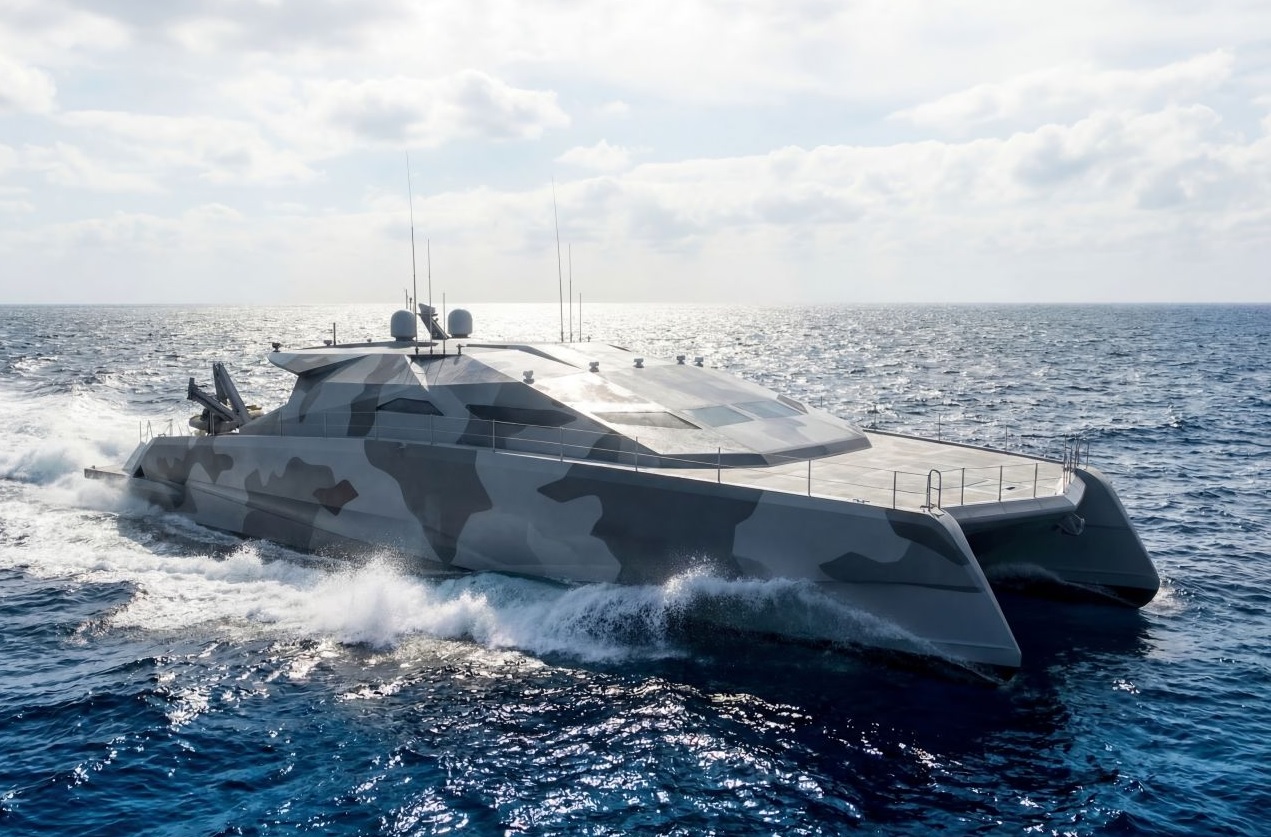
World
RIGA — March 23, 2026 : Latvian ship design and construction firm Latitude Construction, operating under the Latitude Yachts brand, has established a new defense-focused subsidiary, Latitude Naval Technologies, at the Port of Riga. The new entity will focus on the development and production of modern offshore platforms designed for maritime security and defense operations. The announcement was made in coordination with the Freeport of Riga Authority, which confirmed the establishment of the subsidiary on March 18, 2026, as part of broader efforts to expand the port’s role as a hub for advanced maritime and defense-related manufacturing. Formation of Latitude Naval Technologies The newly formed Latitude Naval Technologies is positioned as a dedicated unit for defense-oriented shipbuilding, leveraging the parent company’s more than 20 years of experience in vessel design and construction. The subsidiary will operate from facilities at the Port of Riga, where Latitude Construction currently maintains a 3,000-square-meter workshop along with additional premises totaling approximately 10,000 square meters. The company plans to expand infrastructure specifically for composite shipbuilding to support current and future defense programs. The initiative introduces a new segment within Latvia’s shipbuilding sector, combining established commercial expertise with the development of specialized platforms for security applications. LNT-27 Tactical Catamaran As part of the launch, the company unveiled its first defense platform, the LNT-27 tactical catamaran. The vessel is designed as a fast, stable, and efficient maritime platform intended for a range of operational roles. According to the company, the LNT-27 is configured for maritime security operations, coastal and offshore patrol missions, and specialized defense tasks requiring high maneuverability and operational stability. The catamaran design is expected to enhance speed and balance, particularly in challenging sea conditions. The platform is intended to support rapid deployment scenarios and sustained patrol activities, aligning with the operational requirements of maritime security forces. Manufacturing Approach and Technical Capabilities Latitude Naval Technologies will emphasize the use of advanced composite materials in vessel construction. While Latitude Construction has historically worked with steel and aluminum, the new subsidiary will expand the use of lightweight composite structures to improve performance and efficiency. The company’s manufacturing capabilities include the production of large-scale composite structures and the use of robotic precision milling technologies. These systems enable the creation of complex geometries and high-precision components required for modern naval platforms. Through established partnerships across Europe and the United States, the company integrates advanced engineering solutions and production methods into its shipbuilding processes. These partnerships support technology transfer and the implementation of modern manufacturing techniques within Latvia. Workforce and Industrial Development The establishment of Latitude Naval Technologies is expected to contribute to Latvia’s industrial and economic development by creating high value-added jobs and expanding local engineering expertise. The company has initiated recruitment efforts targeting naval architects, engineers, technicians, and other technical specialists. The focus is on building a workforce capable of supporting next-generation marine technology development and sustaining long-term production capabilities. By utilizing local personnel and resources, the project aims to strengthen national competencies in shipbuilding and advanced manufacturing. Strategic Context The development of the new subsidiary aligns with broader regional trends toward enhancing maritime security capabilities and expanding domestic defense industries. The Port of Riga has been positioning itself as a center for innovation in maritime and defense manufacturing, with Latitude Naval Technologies representing an additional component of this industrial cluster. The initiative is also intended to support the long-term maritime security needs of Latvia and its partners by providing locally developed platforms suited to modern operational requirements. Outlook for Further Development While the LNT-27 tactical catamaran represents the first platform under the new subsidiary, the company has indicated that additional projects and vessel designs may follow as operations expand. No specific timelines for production scaling or additional platform announcements have been disclosed. Further updates are expected as Latitude Naval Technologies advances its development and manufacturing activities within the Port of Riga.
Read More → Posted on 2026-03-23 16:13:53
India
NEW DELHI — March 23, 2026 : The Indian Air Force (IAF) has issued a Request for Information (RFI) for the procurement of a next-generation Micro Unmanned Aerial Vehicle (UAV) system intended for high-altitude surveillance and reconnaissance operations by its Garud Special Forces unit. The requirement outlines a compact, man-portable UAV system designed to support special operations in extreme terrain, particularly at altitudes exceeding 16,000 feet. The initiative forms part of the IAF’s broader effort to enhance situational awareness, targeting capability, and operational flexibility in mountainous frontier regions. System Configuration and Portability Requirements According to the RFI, the complete Micro UAV system must be fully man-portable and optimized for rapid deployment in field conditions. The total system weight is specified at approximately 12 kg (±20 percent), with an overall load not exceeding 25 kg (±20 percent). The entire system must be packed into two all-weather tactical backpacks. Each system is required to include two aerial vehicles, rechargeable spare battery packs, one man-pack ground control system, two remote video terminals with control functionality, two electro-optical/infrared (EO/IR) stabilized gimbal payloads, one power supply and universal charging system, two RF data link sets, two carry backpacks, and a field repair kit. The UAV must support vertical take-off and landing (VTOL) from confined or unprepared terrain, enabling deployment in areas where conventional launch and recovery options are not available. Assembly and disassembly time is limited to 15 minutes, with system boot-up required within 20 seconds. A default climb profile to 30 meters is specified to ensure obstacle clearance during launch. High-Altitude Performance and Environmental Standards The UAV system is required to operate at launch altitudes up to 16,400 feet above mean sea level and achieve at least 1,700 feet above ground level during flight. Performance specifications include a mission radius of not less than 15 kilometers under line-of-sight conditions and a minimum flight endurance of 60 minutes. The system must maintain stable operation in wind speeds up to 30 km/h during vertical take-off and landing and up to 50 km/h during flight. Environmental resilience requirements include compliance with IP56 standards for dust and drizzle resistance. The UAV must operate within a temperature range of minus 20°C to plus 50°C and be capable of storage between minus 30°C and plus 55°C, with relative humidity tolerance up to 90 percent at 30°C. Acoustic signature is limited to below 40 dB(A) at 300 meters above ground level. The system must meet military standards including MIL-STD-461 and MIL-STD-810 for electromagnetic compatibility, environmental durability, and operational stress. Sensor Payload and Detection Capabilities The UAV is required to carry a compact, stabilized EO/IR gimbal payload for day and night operations. The day camera must provide full HD resolution (minimum 1920 × 1080), with continuous optical zoom of at least 30x, a wide field of view of at least 28 degrees, and a narrow field of view not exceeding 2 degrees. The system must be capable of identifying human targets at distances up to 1,000 meters during daylight and 800 meters at night. Vehicle targets must be identifiable at up to 1,500 meters during daylight and 1,200 meters at night. The infrared sensor must offer a minimum resolution of 640 × 480 pixels, with at least 4x optical zoom to support night-time surveillance. Onboard Processing and Software Integration The RFI specifies onboard GPU-based processing capabilities to enable real-time video analytics, including automated target tracking, moving target indication, and autonomous engagement modes. The system must support simultaneous streaming of EO and IR feeds and provide onboard video recording capacity of up to eight hours. Software integration requirements include compatibility with defense geospatial systems, including WGS-84 datum and Indian Military Grid Reference formats. The UAV must feature modular architecture, built-in test equipment, and software upgradability in accordance with Government of India IT policies. Communication and Electronic Warfare Resilience The UAV system must incorporate secure, encrypted, military-grade RF data links capable of operating in GPS-denied and electronically contested environments. The communication system must be resistant to jamming and support seamless control transfer between ground control stations and remote video terminals. Ground control systems and terminals must be ruggedized and capable of sustained field operations, with sufficient battery endurance to support extended missions. Lifecycle, Training, and Support Requirements The UAV platform must have an operational life of at least seven years or 500 landings, whichever occurs earlier, with a system shelf life of 10 years. Ground control systems, payloads, and communication equipment are also required to meet a minimum operational life of seven years. Battery systems must support at least two years of service or 1,000 recharge cycles. The procurement includes a training requirement for 30 operator personnel and 30 maintenance personnel, to be conducted in two batches over two weeks each. Training must include sufficient flight instruction to qualify personnel to train others. Procurement Framework and Timeline The RFI is issued under the Defence Acquisition Procedure 2020, with procurement categorized under “Buy (Indian)” and requiring a minimum of 60 percent indigenous content. Responses are invited from original equipment manufacturers and authorized representatives, with submissions due by April 20, 2026, to the Directorate of Operations (Offensive)/Garud at Air Headquarters. The RFI does not constitute a financial commitment, and the Ministry of Defence retains the right to amend or withdraw the requirement. Shortlisted vendors will be invited for subsequent stages, including request for proposal issuance and “No Cost No Commitment” field trials in high-altitude and extreme-weather conditions. Operational Context The requirement reflects the Indian Air Force’s ongoing effort to expand unmanned capabilities tailored to special operations forces operating in high-altitude regions such as the Line of Actual Control (LAC) and Line of Control (LoC). By deploying compact, intelligent UAV systems, the IAF aims to enhance reconnaissance reach, improve targeting precision, and reduce operational risk for personnel operating in challenging terrain.
Read More → Posted on 2026-03-23 15:51:30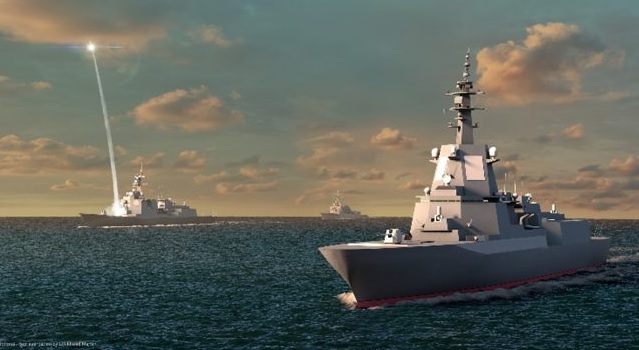
World
MOORESTOWN, N.J. — March 23, 2026 : Lockheed Martin, in coordination with the U.S. Department of Defense, the Missile Defense Agency (MDA), and Japan’s Ministry of Defense (JMOD), has completed the first live target tracking exercise using the AN/SPY-7(V)1 radar as part of Japan’s Aegis System Equipped Vessel (ASEV) program. The exercise was conducted under the Japan Flight Test Experiment Aegis Weapon System (JFTX)-01 framework on March 17 and 19, 2026, off the east coast of the United States. It involved two separate live ballistic target launches and represents a key validation step for Japan’s next-generation sea-based missile defense capability. Live Target Tracking and System Validation During the trials, the SPY-7 radar, integrated with the Aegis Weapon System in an operational configuration, demonstrated full-spectrum functionality across the engagement sequence. The system successfully performed long-range search and detection of incoming targets, maintained continuous tracking, and accurately classified ballistic threats. It also demonstrated discrimination capability, distinguishing real targets from background clutter or potential decoys, before completing the sequence with simulated engagement events. These results confirm the operational maturity of the integrated SPY-7 Aegis System and validate its readiness for deployment in a maritime ballistic missile defense role. The radar unit used during the exercise will be delivered to Japan and installed on the first ASEV platform, meaning the tested hardware will transition directly from evaluation to operational deployment. SPY-7 Radar and Aegis Integration The AN/SPY-7(V)1 is an S-band active electronically scanned array (AESA) radar developed by Lockheed Martin. It is derived from the Missile Defense Agency’s Long Range Discrimination Radar and is designed to address complex and evolving ballistic missile threats. The system enables simultaneous tracking and engagement of multiple targets and is fully integrated with the Aegis combat system. Its software-defined architecture allows for updates and adaptability as threat environments evolve. Japan’s Ministry of Defense has now completed initial detection and tracking trials under the ASEV program, including both simulated and live missile scenarios. The results confirm the radar’s ability to support a 360-degree, sea-based ballistic missile defense capability. Industrial Delivery and Integration Process Lockheed Martin delivered the first ASEV shipset of four SPY-7 radar antennas to Japan in June 2025, followed by a second shipset delivered on March 12, 2026. Each shipset undergoes full system integration and testing at the company’s Production and Test Center in Moorestown prior to shipment. This integration approach is intended to reduce technical risk and support adherence to the planned delivery schedule. The system tested during JFTX-01 will now proceed through final data analysis before being packaged for transfer to Japan. ASEV Platform and Capabilities Japan plans to field two ASEV ships as part of its maritime missile defense architecture. The vessels are expected to measure approximately 190 meters in length with a displacement of around 12,000 tons, making them larger than the existing Maya-class destroyers. Each ship is expected to be equipped with 128 Mk. 41 Vertical Launch System (VLS) cells, capable of deploying interceptors such as the SM-3 Block IIIA and SM-6. This configuration is intended to provide layered defense against ballistic and advanced aerial threats. The ASEV program was developed following the cancellation of Japan’s land-based Aegis Ashore system and represents a shift toward mobile, sea-based missile defense. Operational and Strategic Context The test campaign was led by the Missile Defense Agency in coordination with the Japan Maritime Self-Defense Force. It provides Japan with operational data on both the current Aegis baseline and the new SPY-7 configuration under realistic conditions. According to Lockheed Martin, the successful exercise demonstrates the system’s readiness to detect, track, and engage threats while supporting rapid integration timelines in cooperation with U.S. and Japanese defense institutions. The program forms part of Japan’s broader effort to strengthen its missile defense posture in response to evolving regional threats. In addition to Japan, the SPY-7 radar is also being developed for other international programs, including Canada’s River-class destroyers and Spain’s F-110 frigates. Program Timeline Japan’s Ministry of Defense plans to commission the two ASEV ships in fiscal years 2027 and 2028. Following delivery of the radar systems, the vessels will undergo additional land-based integration and at-sea testing before entering operational service. No additional test schedules or detailed performance metrics beyond confirmed detection, tracking, and discrimination capabilities have been released.
Read More → Posted on 2026-03-23 15:40:10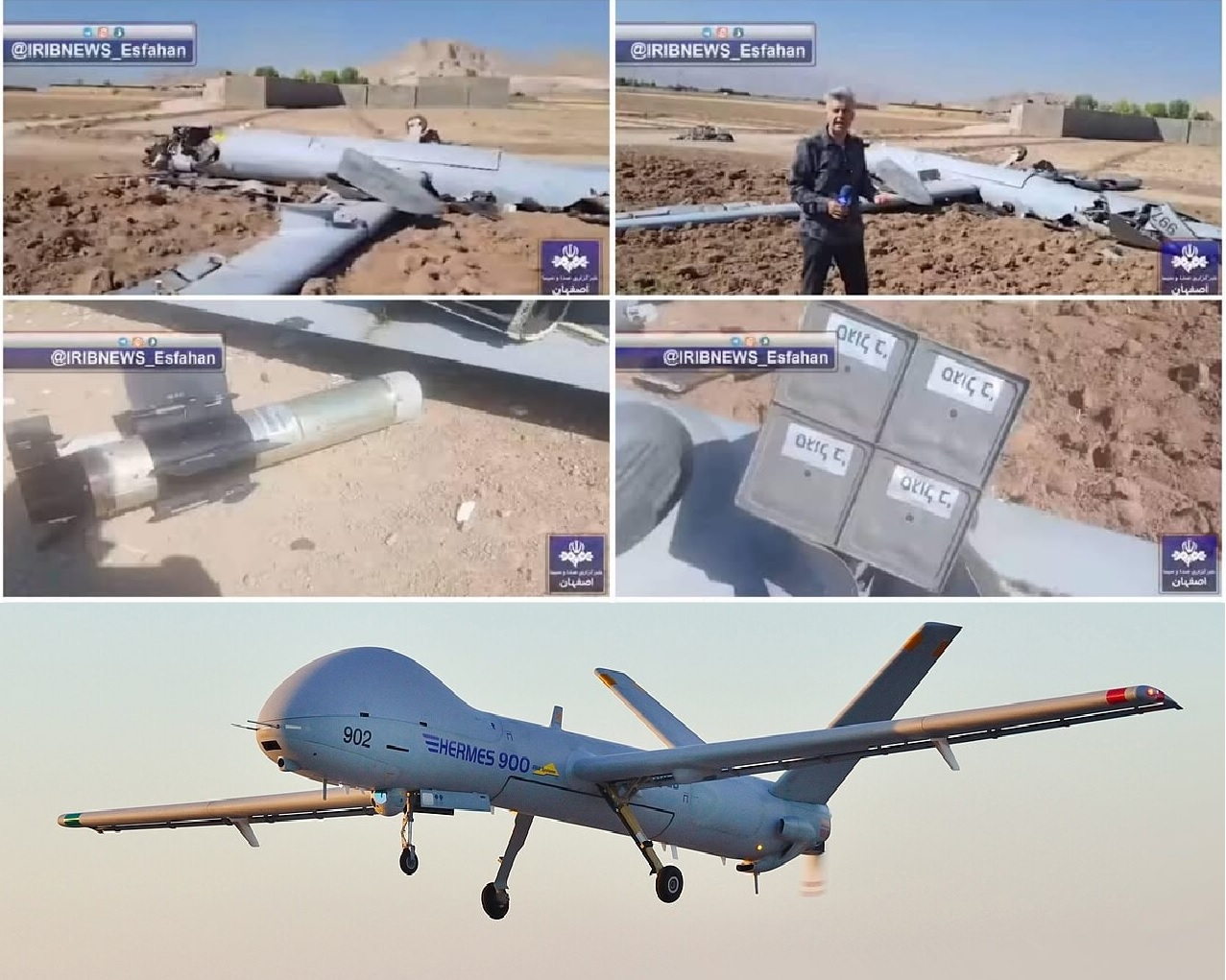
World
JERUSALEM / WASHINGTON — March 23, 2026 : The Israel Defense Forces (IDF) have halted the deployment of Hermes-900 “Kochav” armed drones over Iranian territory for the past 24 hours following sustained losses, while the United States Air Force continues MQ-9A Reaper operations despite its own attrition, according to operational data and defense assessments. The decision reflects differing operational approaches shaped by fleet size, survivability, and mission requirements in contested airspace. IDF Scales Back Hermes-900 Operations Operational sources indicate that more than 80 percent of the Israeli Air Force’s Hermes-900 fleet has been lost during missions over Iran. As a result, the IDF has suspended flights of the platform in Iranian airspace in an effort to preserve remaining assets. The Hermes-900, manufactured by Elbit Systems and designated “Kochav” in Israeli service, is a medium-altitude long-endurance unmanned aerial vehicle used for intelligence, surveillance, target acquisition, and strike missions. It entered operational service in 2014 and has been deployed in multiple previous campaigns. With a wingspan of approximately 15 meters, a maximum takeoff weight of around 970 kilograms, and a payload capacity of up to 300 kilograms, the platform has been employed for deep-penetration missions targeting Iranian missile launchers, air defense systems, and unmanned aerial vehicle infrastructure. During the initial phase of operations, the IDF used the Hermes-900 in large numbers to locate and engage mobile surface-to-surface missile units and other time-sensitive targets across western and central Iran. However, current assessments indicate that the drones are no longer being deployed at scale. Losses and Interceptions Over Iran Open-source intelligence and regional reporting confirm multiple Hermes-900 losses since the start of operations in late February 2026. Confirmed incidents include the downing of at least one aircraft on March 3, reportedly recovered largely intact in Iran. Additional losses have been reported over Isfahan Province, Lorestan, and Qom. Iranian state media has released footage of downed drones, and at least one system is believed to have been captured with onboard sensors, weapons payloads, and data link components intact for technical analysis. Defense analysts attribute the high attrition rate to Iran’s layered air defense network. Systems reportedly involved include long-range platforms such as the Bavar-373, along with shorter-range and loitering surface-to-air systems, including the 358 interceptor. These systems have been used to engage unmanned aircraft operating at medium altitudes over contested areas. U.S. MQ-9A Reaper Operations Continue In contrast, the United States Air Force continues to operate MQ-9A Reaper drones over southern and central Iran despite confirmed losses. Between 12 and 13 Reapers have been lost during the same period, either shot down by air defenses or destroyed on the ground during Iranian counterstrikes. The MQ-9A Reaper, produced by General Atomics, is a long-endurance unmanned platform used for surveillance and precision strike missions. With an endurance of up to 30 hours, it supports persistent intelligence collection and rapid targeting. The U.S. Air Force maintains a fleet of more than 100 MQ-9A aircraft, allowing continued operations despite attrition. At an estimated unit cost of $30 million to $32 million, the losses represent more than $360 million in equipment. U.S. Central Command is currently maintaining multiple simultaneous MQ-9 operational orbits over Iranian territory, supporting ongoing missions targeting missile systems, air defense assets, and other military infrastructure. Operational Roles and Tactical Employment Both the Hermes-900 and MQ-9A have been deployed for similar operational roles, particularly in targeting mobile missile systems. Iranian launchers are frequently relocated or concealed in hardened or underground facilities, requiring long-endurance platforms capable of continuous surveillance. Once targets are identified, MQ-9A platforms have been used to conduct immediate strikes using air-to-surface munitions, including Hellfire missiles and 250-pound Small Diameter Bombs (SDB). The use of unmanned systems in these missions reflects a broader operational approach aimed at reducing risk to crewed aircraft and pilots. Drones are deployed in areas covered by active air defense systems, absorbing operational risk while maintaining surveillance and strike capabilities. Diverging Operational Approaches The IDF’s decision to suspend Hermes-900 operations reflects the limited size of its fleet and the need to preserve remaining assets. With a significant portion of its inventory already lost, continued deployment at previous levels would risk further depletion. By contrast, the larger U.S. MQ-9 fleet allows for sustained operations despite losses. The ability to absorb attrition enables continued presence over contested areas and supports ongoing mission requirements. Ongoing Developments Neither the IDF nor the U.S. Air Force has announced changes to overall operational objectives. The IDF has not provided a timeline for the potential resumption of Hermes-900 operations over Iran, while U.S. forces continue MQ-9 deployments without reduction in sortie rates. Operations involving unmanned aerial systems remain ongoing, with both countries adjusting their use of these platforms in response to losses, threat conditions, and operational priorities.
Read More → Posted on 2026-03-23 15:27:28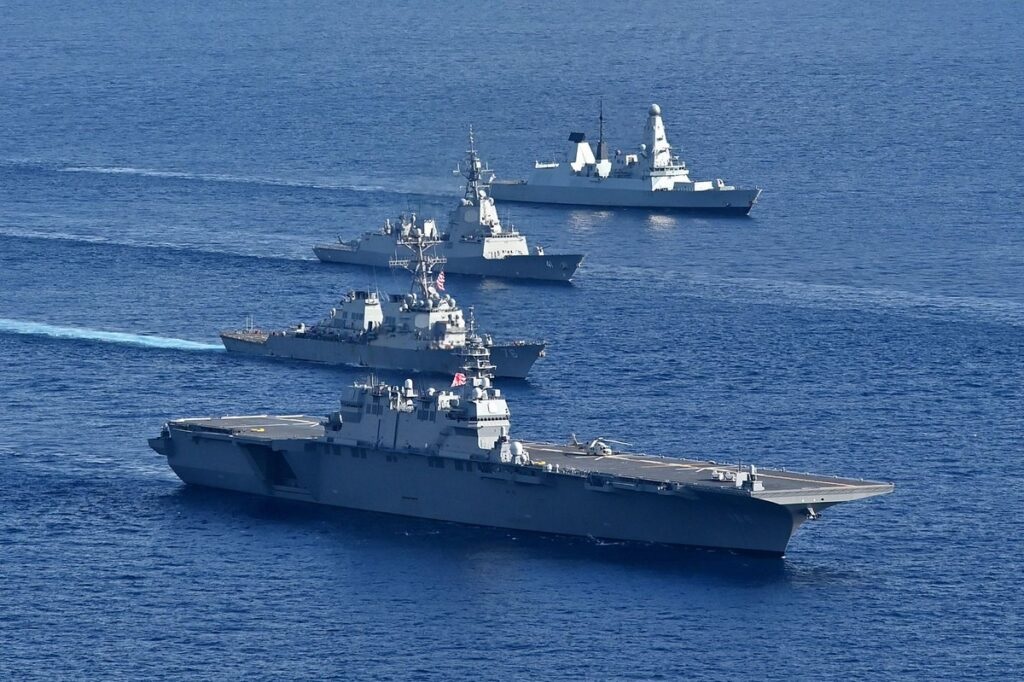
World
TOKYO — March 23, 2026 : The Japan Maritime Self-Defense Force (JMSDF) has implemented its most extensive organizational restructuring since its establishment in 1954, formally disbanding the long-standing Fleet Escort Force and Mine Warfare Force and replacing them with a unified Fleet Surface Force. The reform also includes the creation of a new Information Warfare/Operations Command, reflecting a broader shift toward integrated, multi-domain operations. The changes, which took effect on March 23, consolidate surface combatants and mine countermeasure units under a single command structure while introducing a centralized framework for intelligence, cyber, and communications functions. Transition to the Fleet Surface Force The Fleet Escort Force, established in 1961, served as the primary operational component of Japan’s surface fleet for more than six decades. Its disbandment, alongside the Mine Warfare Force, marks the end of a long-standing organizational model. Under the previous structure, the JMSDF operated four Escort Flotillas, each composed of one helicopter destroyer (DDH), two Aegis-equipped destroyers (DDG), and five general-purpose destroyers (DD). The new framework reorganizes these into three Surface Warfare Groups while maintaining approximately the same number of ships and personnel. Surface Warfare Group 1 is headquartered in Yokosuka and operates with the helicopter carrier JS Izumo (DDH 183) as its flagship. Surface Warfare Group 2 is based in Kure with JS Kaga (DDH 184) as its flagship. Surface Warfare Group 3 is headquartered in Maizuru with JS Hyuga (DDH 181) serving as flagship. Under the revised structure, the Fleet Surface Force functions primarily as a “force provider,” responsible for training, maintenance, and readiness. Operational commanders act as “force users,” drawing from these groups to support mission-specific requirements. JMSDF Chief of Staff Adm. Akira Saito stated that the reform represents a redesign rather than a reduction in capability, noting that “the only number decreasing is the number of groups,” while fleet size and personnel levels remain largely unchanged. Organizational Adjustments and Operational Considerations The consolidation from four flotillas to three surface warfare groups has prompted analysis from defense observers and retired officers. Some have raised concerns that a reduced number of maneuver units could affect redundancy and sustainability during prolonged operations or simultaneous contingencies. Adm. Saito addressed these concerns by emphasizing that operational resilience should be measured through “force density” rather than the number of command units, adding that the fundamental framework for operational command remains intact. The restructuring also simplifies command relationships by integrating escort and mine warfare elements into a single organizational entity, while maintaining established operational roles. Amphibious and Mine Warfare Integration As part of the broader restructuring, the JMSDF has established a new Amphibious and Mine Warfare Group headquartered in Sasebo, Nagasaki Prefecture, on Kyushu Island. This group combines mine countermeasure vessels, transport ships, and amphibious capabilities under one command. It operates with the Hyuga-class helicopter destroyer JS Ise (DDH 182) as its flagship. The unit is designed to operate in coordination with the Japan Ground Self-Defense Force’s Amphibious Rapid Deployment Brigade, also based in Sasebo. The integration reflects a strategic focus on the defense of Japan’s southwestern Nansei Islands, where rapid deployment, mine clearance, and amphibious operations may be required in potential contingency scenarios. Establishment of Information Warfare/Operations Command In parallel with the fleet restructuring, the JMSDF has launched the Information Warfare/Operations Command, consolidating intelligence, cyber, communications, and oceanographic functions into a single operational hub. The command is intended to support Command, Control, Communications, Computers, Intelligence, Surveillance, and Reconnaissance (C4ISR) activities and enhance coordination across operational domains. While it does not directly command ships or aircraft, it provides centralized support for decision-making and operational planning. According to Adm. Saito, the establishment of this command addresses several institutional requirements, including the need to resolve organizational fragmentation, improve cross-domain integration, and create a senior information command structure aligned with those of allied navies, particularly the United States Navy. Strategic Context and Implications The restructuring reflects a shift in how the JMSDF organizes and employs its naval capabilities, with greater emphasis on flexibility, integration, and multi-domain coordination. By consolidating surface and mine warfare elements and establishing a dedicated information command, the JMSDF aims to enhance readiness without increasing overall fleet size. Ministry of Defense materials indicate that the new structure is designed to enable more efficient allocation of resources and improved responsiveness to evolving security conditions in the Indo-Pacific region. The effectiveness of the new framework will be assessed over time through operational performance, particularly in scenarios involving complex or simultaneous contingencies.
Read More → Posted on 2026-03-23 15:10:21
World
TOKYO — March 23, 2026 : Japan is considering the possibility of deploying its Maritime Self-Defense Force (MSDF) for minesweeping operations in the Strait of Hormuz, contingent on a complete ceasefire in the ongoing conflict involving the United States, Israel, and Iran, according to statements by Foreign Minister Toshimitsu Motegi. Speaking during a Fuji TV program on March 22, Motegi outlined that any such deployment remains conditional and hypothetical. “If there were to be a complete ceasefire, hypothetically speaking, then things like minesweeping could come up,” he said, adding that the presence of naval mines obstructing maritime traffic would be a key factor in any decision. He emphasized that Japan is not considering military deployment during active hostilities. Conditional Role Linked to Ceasefire Scenario Japanese officials clarified that any involvement by the MSDF would be limited strictly to post-conflict conditions. The government has not outlined any timeline, operational plan, or specific assets for deployment, and the proposal remains under consideration rather than an active policy decision. Motegi stated that minesweeping would only be considered if navigation in the Strait of Hormuz is obstructed following a ceasefire. The approach reflects Japan’s legal and political constraints on overseas military operations, particularly in active conflict zones. Strategic Importance of the Strait of Hormuz The Strait of Hormuz remains a critical maritime chokepoint, handling nearly 20 percent of global oil shipments. Japan, which imports more than 90 percent of its crude oil from the Middle East, is particularly dependent on uninterrupted access through the waterway. Approximately 45 Japan-linked vessels are currently affected by restrictions and disruptions in the strait, highlighting the economic and logistical implications for Tokyo. Ensuring safe and open navigation remains a central concern for Japanese policymakers. Engagement with Iran and Navigation Issues Iran has indicated a willingness to allow vessels linked to Japan to transit the strait. The issue was discussed during a recent phone call between Iranian Foreign Minister Abbas Araghchi and Motegi. Despite this, Japanese officials have stated that Tokyo is not pursuing unilateral arrangements with Iran to secure passage for its ships. Instead, Japan’s position focuses on maintaining freedom of navigation for all international shipping, rather than negotiating country-specific exemptions. Motegi confirmed that discussions with Iran have begun, but reiterated that Japan’s policy remains aligned with broader international maritime principles. U.S. Pressure and Allied Coordination The potential role of Japan comes amid continued calls from the United States for allied contributions to securing maritime routes in the Gulf region. U.S. President Donald Trump recently met with Japanese Prime Minister Sanae Takaichi and indicated that Japan was “stepping up.” However, Motegi clarified that no formal request for minesweeping deployment was made during these discussions. A U.S. envoy separately suggested that Japan had committed naval assets, but Japanese authorities have emphasized that any such involvement would be strictly limited to post-ceasefire conditions. Minesweeping Capabilities and Operational Context Japan possesses advanced minesweeping capabilities, which are considered among the most capable globally. These capabilities are viewed as potentially significant given the limited number of dedicated U.S. Navy minesweeping vessels. The U.S. Navy currently operates four minesweeping ships, all stationed in Japan, following the retirement of approximately half of its fleet in 2025. This has increased reliance on allied capabilities for mine countermeasure operations in key maritime regions. The current conflict has included Iranian threats to deploy naval mines in the Strait of Hormuz, as well as U.S. operations targeting suspected mine-laying vessels. These developments have raised concerns about the long-term safety of maritime navigation in the area. International Coordination Efforts Several European countries, along with Japan and Canada, have issued a joint statement supporting the potential formation of a coalition to ensure the reopening and security of the strait. However, no specific operational commitments or timelines have been announced. The concept of a coordinated post-conflict minesweeping effort remains under discussion among allied nations, with Japan’s potential participation tied to developments on the ground. Safety of Nationals and Domestic Considerations Motegi also addressed the situation of Japanese nationals in the region. He confirmed that one Japanese citizen has been released from Iranian custody, while efforts continue to secure the release of another individual. The Japanese government has stated that it will take responsibility for the safety of its nationals and vessels but has no plans to seek special arrangements for passage through the strait. Domestic public opinion remains a significant factor in policy considerations. Recent polls indicate that a majority of the Japanese public—ranging from 52 to 67 percent—oppose the deployment of military assets to the Middle East.
Read More → Posted on 2026-03-23 15:01:16
World
JERUSALEM — March 23, 2026 : Iran has reduced the scale of its military strikes against Saudi Arabia and Qatar while continuing operations against other Gulf states, according to sources cited by The Jerusalem Post, as regional assessments indicate that Tehran is seeking to avoid escalation into a broader conflict involving ground forces. The reported adjustment follows weeks of Iranian missile and drone operations targeting energy infrastructure and military facilities across the Gulf. While strikes on Saudi Arabia and Qatar have been limited, operations against Kuwait, Bahrain, and the United Arab Emirates (UAE) are continuing without change. Shift in Targeting Priorities Two sources familiar with the matter stated that Iran’s decision is linked to concerns that continued attacks on Saudi Arabia could provoke a direct and potentially large-scale military response from Riyadh. Saudi officials have indicated that sustained strikes could trigger retaliation, a step the kingdom has not yet taken. The limitation applies specifically to Saudi Arabia and Qatar. Iranian strikes on Kuwait, Bahrain, and the UAE are expected to “continue as usual,” maintaining pressure on other regional targets. Recent Iranian operations have included attacks on refineries in Saudi Arabia, the Ras Laffan industrial gas facility in Qatar, and key refining infrastructure in Kuwait, including Mina Al Ahmadi and Abdullah Port. In Bahrain and the UAE, strikes have targeted facilities linked to military operations and allied presence. Broader Regional Operations Continue Iranian strikes have also been directed at U.S.-linked military installations and infrastructure in the region, including bases in Kuwait and the UAE, as well as facilities in Bahrain. In response, Gulf states have activated air defence systems, managed fires at affected facilities, and taken diplomatic measures, including the expulsion of Iranian officials in some instances. Regional energy infrastructure has been affected, although key export routes remain operational. Saudi Arabia has continued oil shipments through its East-West pipeline, while Kuwait and other states have restored operations at impacted refineries. Diplomatic Coordination and Gulf Response Foreign ministers from Saudi Arabia, the UAE, Qatar, Kuwait, Bahrain, and other regional states convened in Riyadh to coordinate responses. The meeting reaffirmed the principle of sovereignty and emphasized that continued violations could lead to consequences. Officials referenced the right to self-defense under Article 51 of the United Nations Charter. Saudi Foreign Minister Prince Faisal bin Farhan stated that the kingdom has not ruled out military action if attacks continue. Influence of the Saudi–Pakistan Defence Agreement Analysts assess that Iran’s recalibration is influenced by the Saudi–Pakistan Strategic Mutual Defence Agreement, signed on September 17, 2025. The agreement includes provisions under which an attack on one party may be treated as an attack on both, introducing the possibility of coordinated military action. According to regional observers, Tehran is acting to avoid triggering the agreement’s mutual defense clauses. A sustained Iranian campaign against Saudi territory could create conditions for activation of the pact. Analysts further note that such attacks could provide the United States and Israel with an opportunity to leverage this agreement against Iran in a broader conflict scenario. Pakistani officials have raised the issue in diplomatic engagements with Iran. Foreign Minister Ishaq Dar confirmed discussions with Iranian Foreign Minister Abbas Araghchi, who sought assurances that Saudi territory would not be used as a platform for operations against Iran. Pakistan has also engaged in diplomatic outreach, with Prime Minister Shehbaz Sharif, Foreign Minister Ishaq Dar, and Army Chief General Asim Munir visiting Riyadh and emphasizing restraint to prevent escalation. Defense analyst Ayesha Siddiqa noted that Pakistan’s current role is focused on communication and de-escalation, reflecting the broader interest of regional actors in avoiding a widening conflict. Ground Conflict Considerations Military assessments indicate that Iran’s concerns extend beyond immediate air and missile exchanges to the potential for a broader conflict that could include ground operations. Analysts highlight that the activation of the Saudi–Pakistan defense framework could introduce a new axis of pressure along Iran’s eastern border. In such a scenario, external support from partners including the United States and allied countries could provide financial, logistical, and intelligence backing to participating forces. While the extent and likelihood of such involvement remain uncertain, the possibility is considered in regional strategic calculations. Iran’s defense posture relies in part on dispersed missile forces, underground storage and launch facilities, and hardened infrastructure. While these systems are designed to withstand aerial attacks, analysts note that ground operations targeting logistical nodes, launch sites, and command infrastructure would present a different operational challenge. At the same time, experts emphasize that any large-scale ground campaign against Iran would face significant constraints, including geography, terrain, and the scale of Iranian military capabilities. Strategic Implications for Iran The prospect of a multi-front conflict—combining continued air and missile exchanges with potential ground pressure—represents a complex risk environment for Tehran. By limiting attacks on Saudi Arabia and Qatar, Iran appears to be seeking to reduce the likelihood of triggering broader alliance mechanisms while maintaining its operational posture elsewhere in the Gulf. Analysts indicate that this approach allows Iran to sustain regional pressure while attempting to manage escalation risks linked to larger coalition responses. Ongoing Developments The reported adjustment has not been officially confirmed by Iranian authorities, and the information remains based on sources familiar with the situation. The regional security environment remains fluid, with continued military activity, diplomatic engagement, and coordination among Gulf states. Air defence systems remain active across the region, and military readiness levels are elevated. Further developments will depend on the trajectory of Iranian operations, responses from Gulf states, and the role of external actors as the situation continues to evolve.
Read More → Posted on 2026-03-23 14:52:55Search
Top Trending in 24 Hours
-
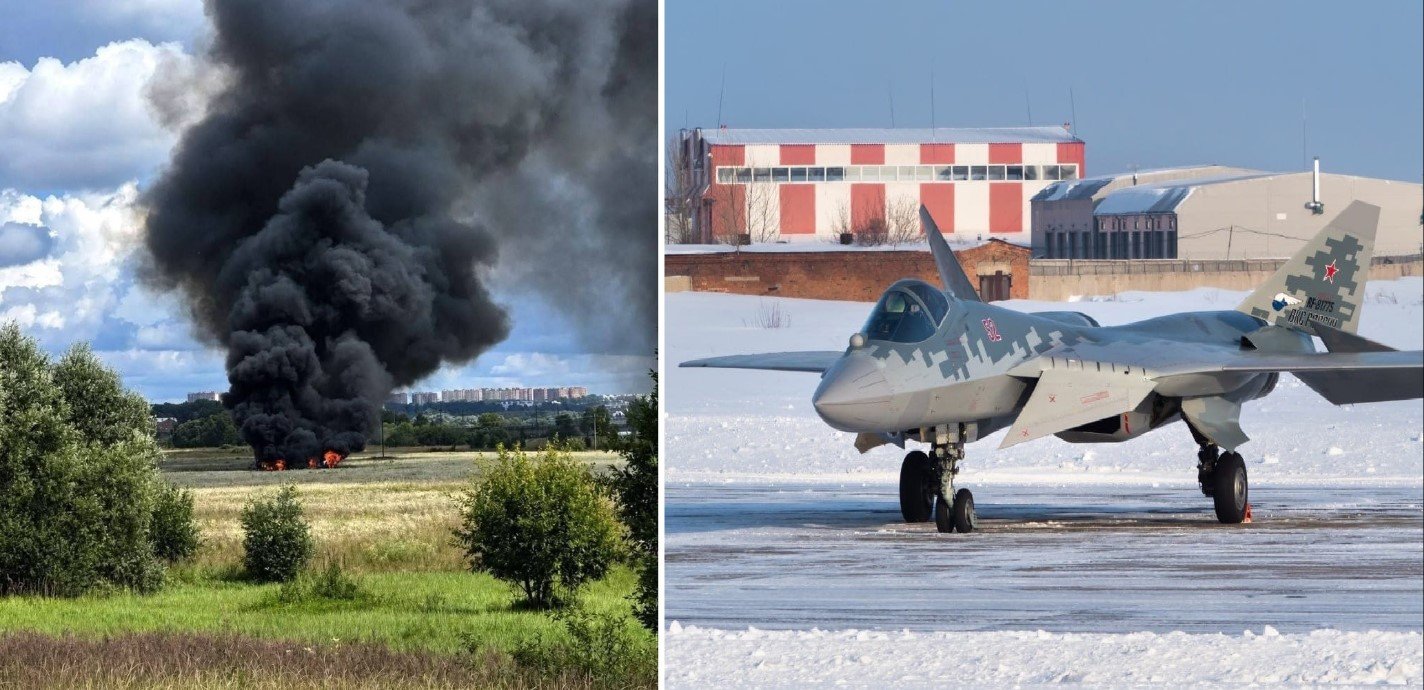 Russian Su-57 Stealth Fighter Crashes During Training Flight Near Moscow, Pilot Ejects Safely
-
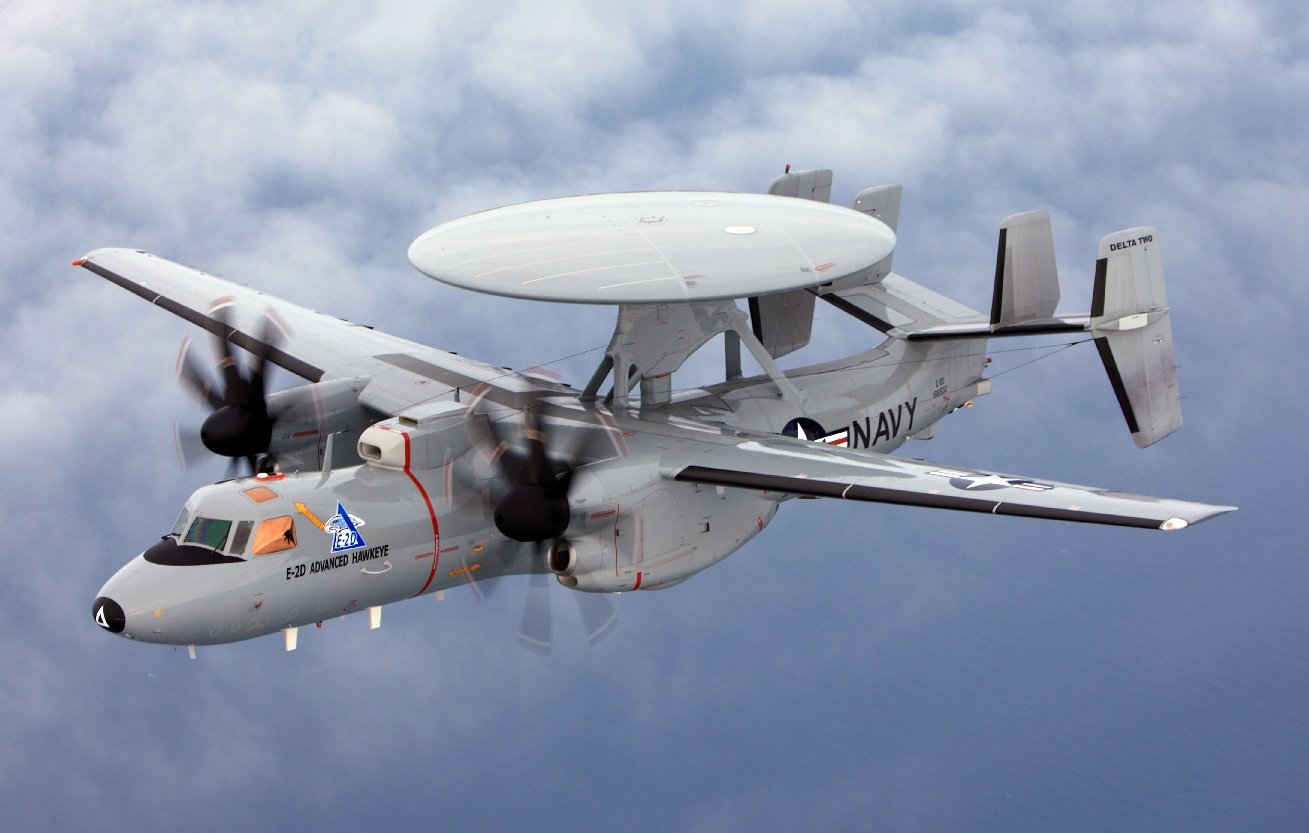 U.S. Navy Awards Northrop Grumman $1.2 Billion Deal for Three New E-2D Advanced Hawkeyes
-
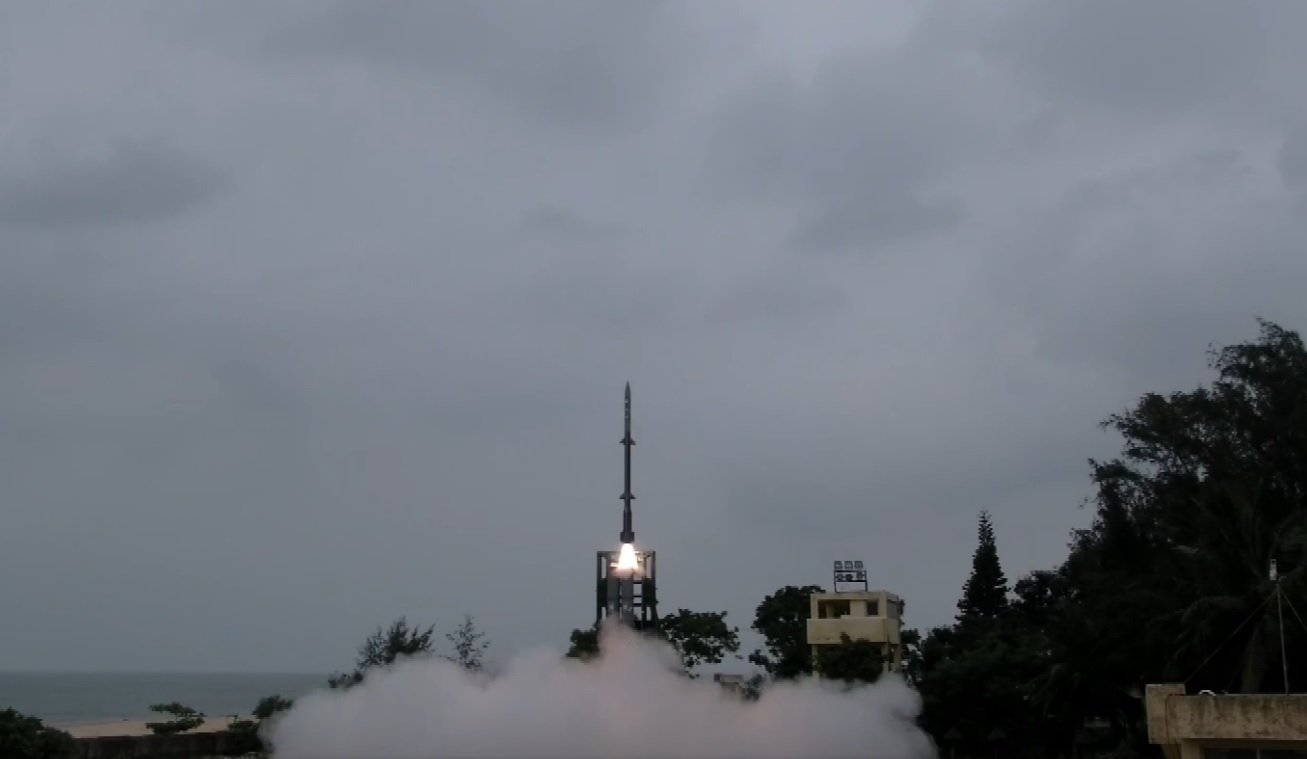 DRDO Successfully Conducts Maiden Flight Test of 150-km-Range Kusha M1 Air Defence Missile
-
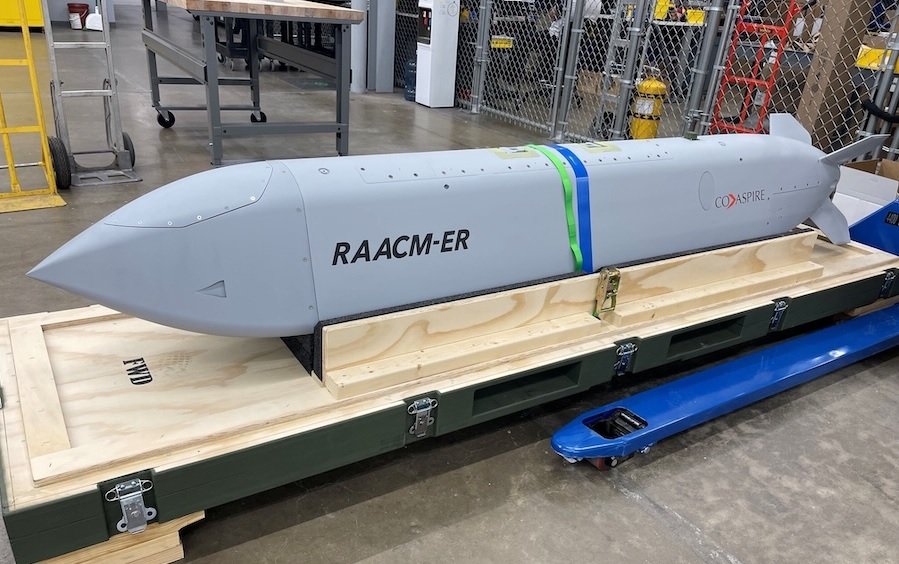 U.S. Navy Selects CoAspire to Build Ground-Launched CHAOS Cruise Missile Under $70 Million Program
-
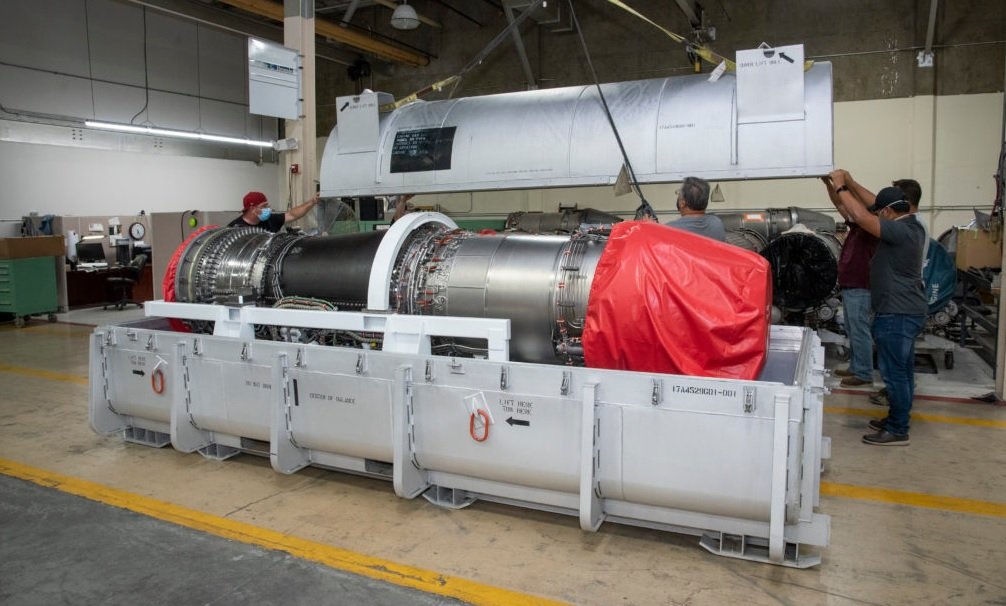 GE Aerospace and Magellan Aerospace Corporation Sign Strategic MoU for F414 Engine Sustainment in Canada
-
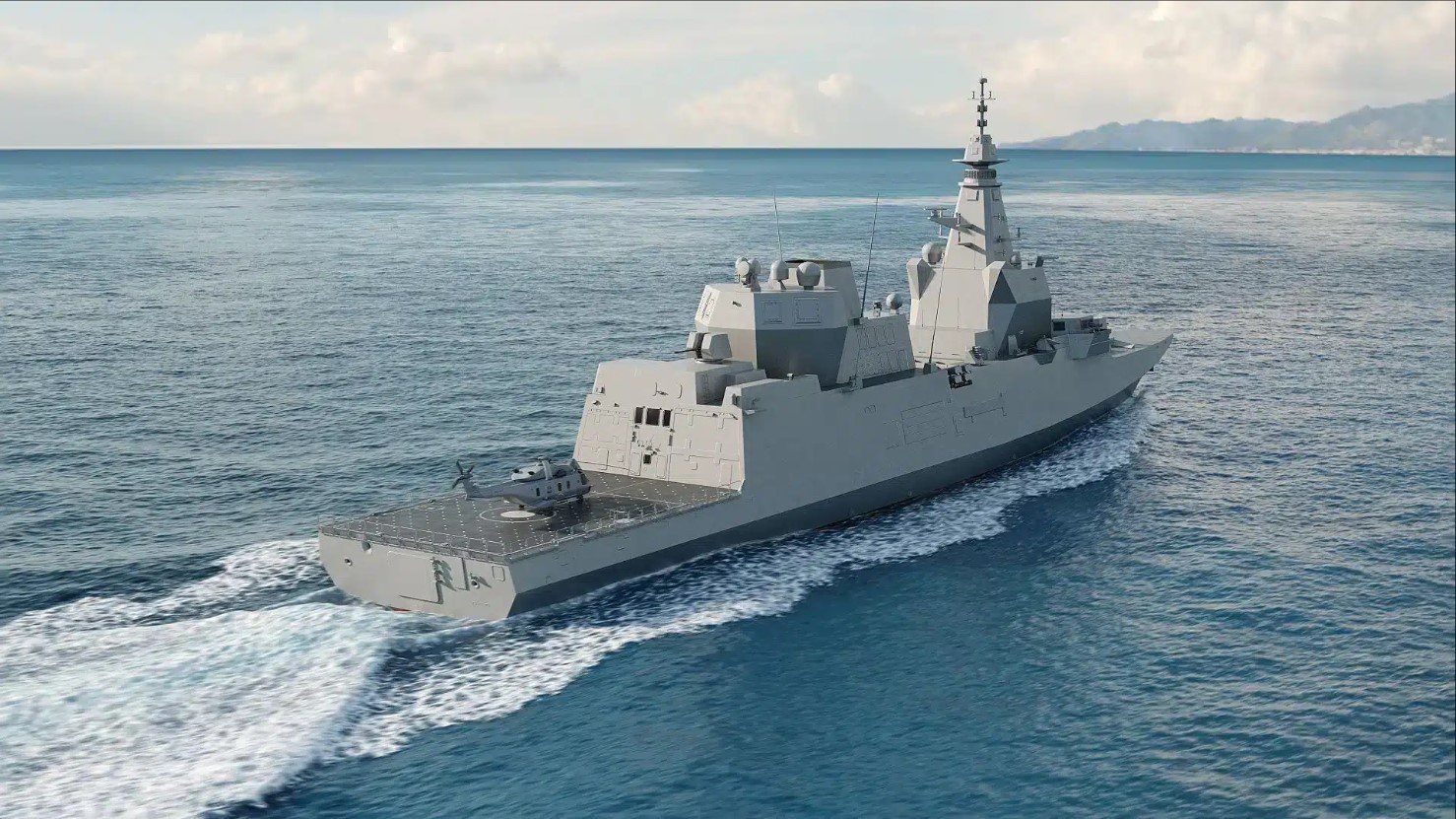 Portugal Orders Three FREMM EVO Frigates from Italy in €3.9 Billion Naval Deal
-
 Destinus Unveils Vorexon Interceptor Concept to Defend Critical Sites from Artillery Threats
-
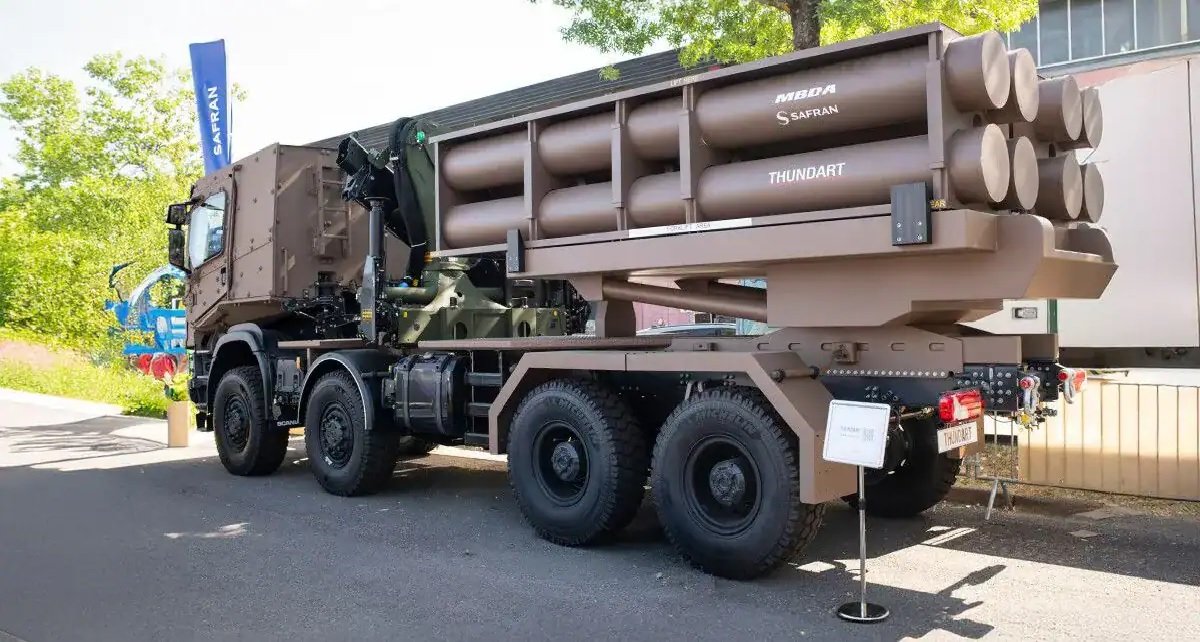 France's THUNDART Long-Range Rocket System May Undergo Prototype Combat Testing in Ukraine
Top Trending in 4 Days
-
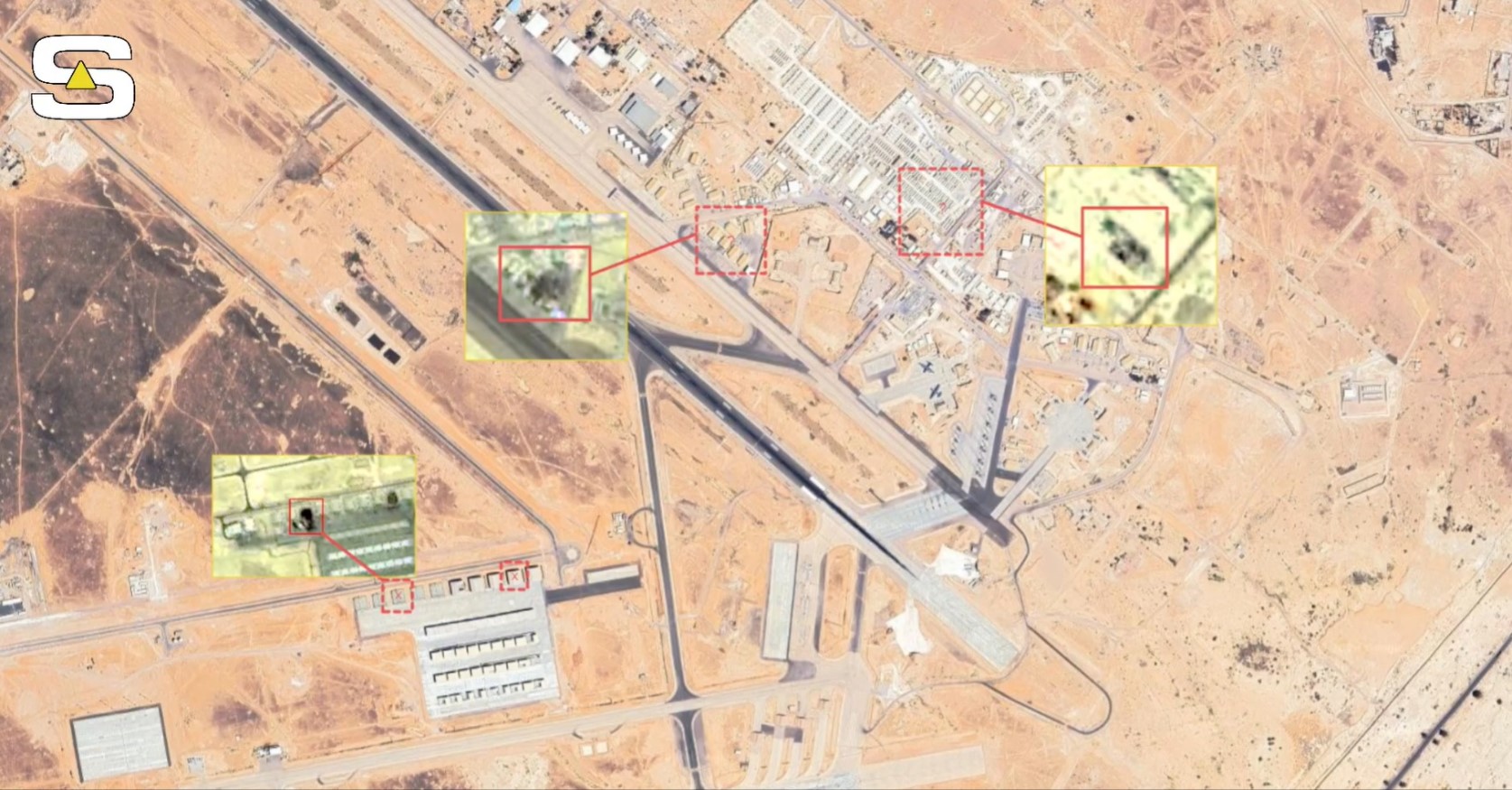 New Satellite Imagery Reveals Extensive Damage at Jordan's Muwaffaq al-Salti Air Base After Iranian Missile Strike
-
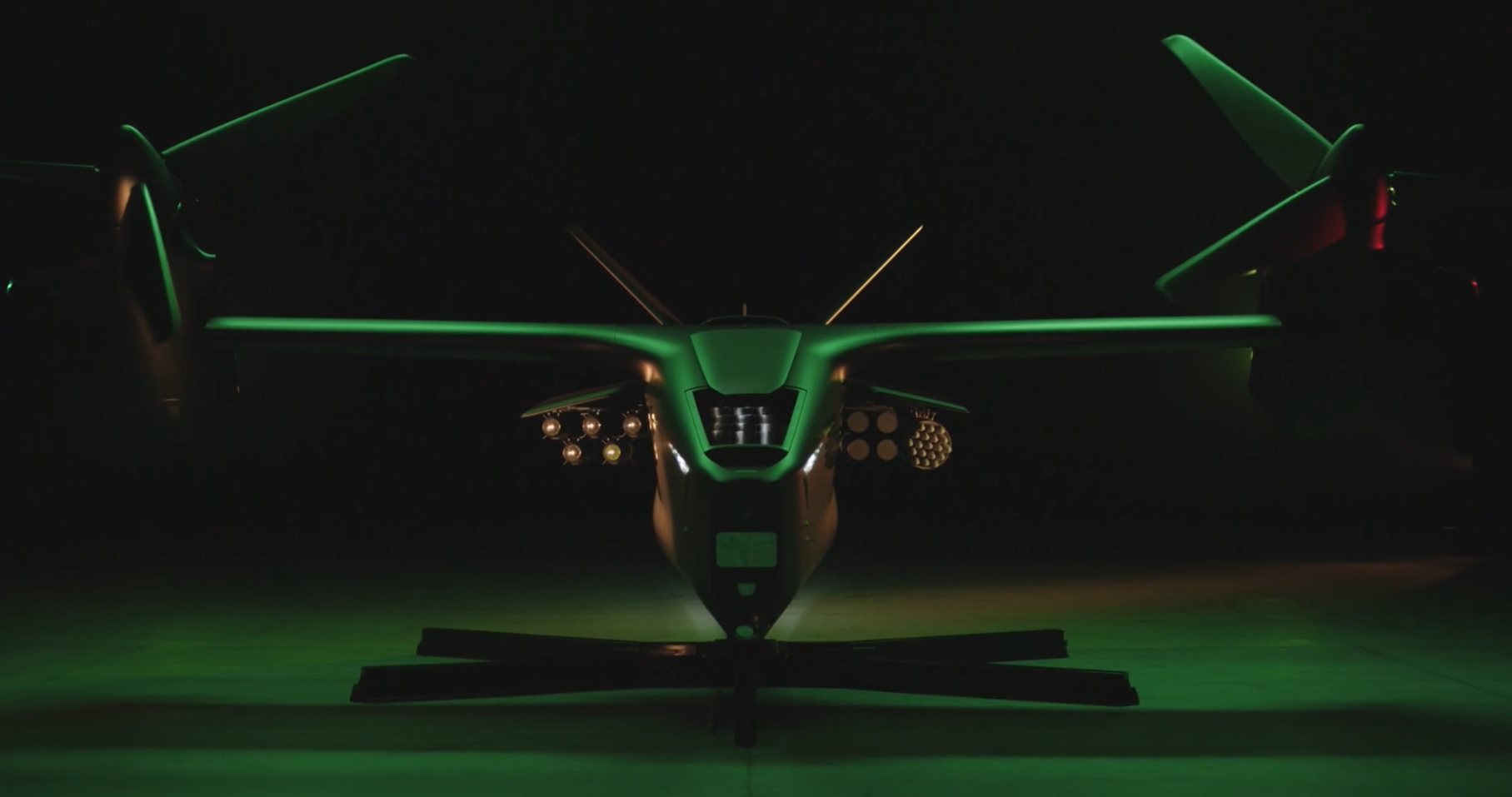 Anduril Unveils Thunder Autonomous Attack Rotorcraft Built with Archer Aviation to Support Apache Helicopters
-
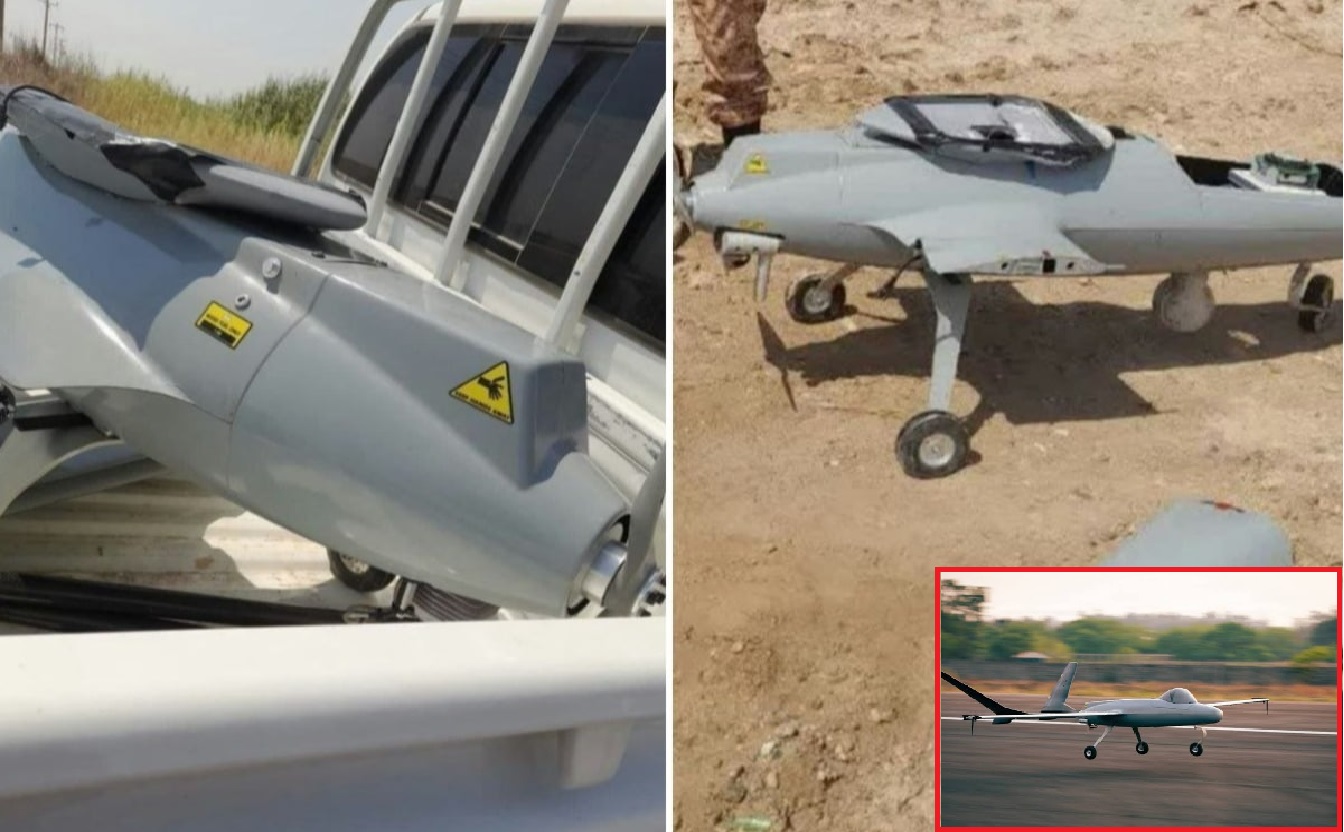 Iran Claims It Shot Down U.S.-Operated Polish-Built Tiguar-M Drone, Releases Images
-
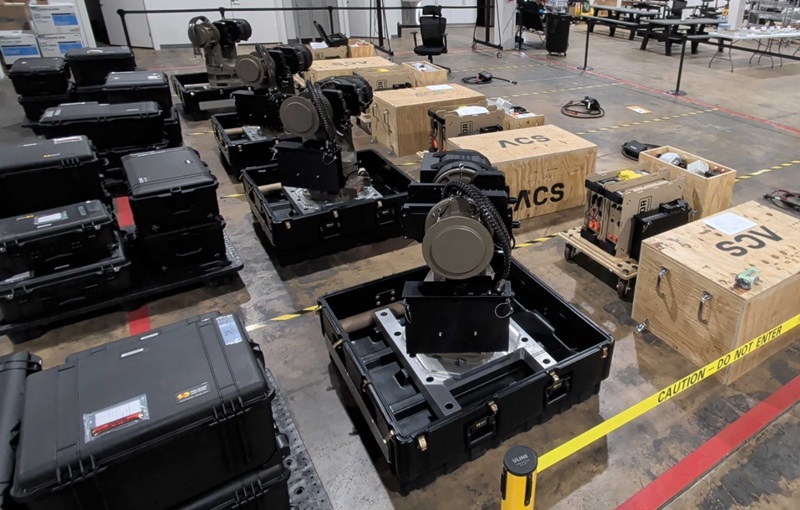 U.S. Marine Corps Selects AI-Powered Bullfrog Weapon Station for L-MADIS Counter-Drone Platform
-
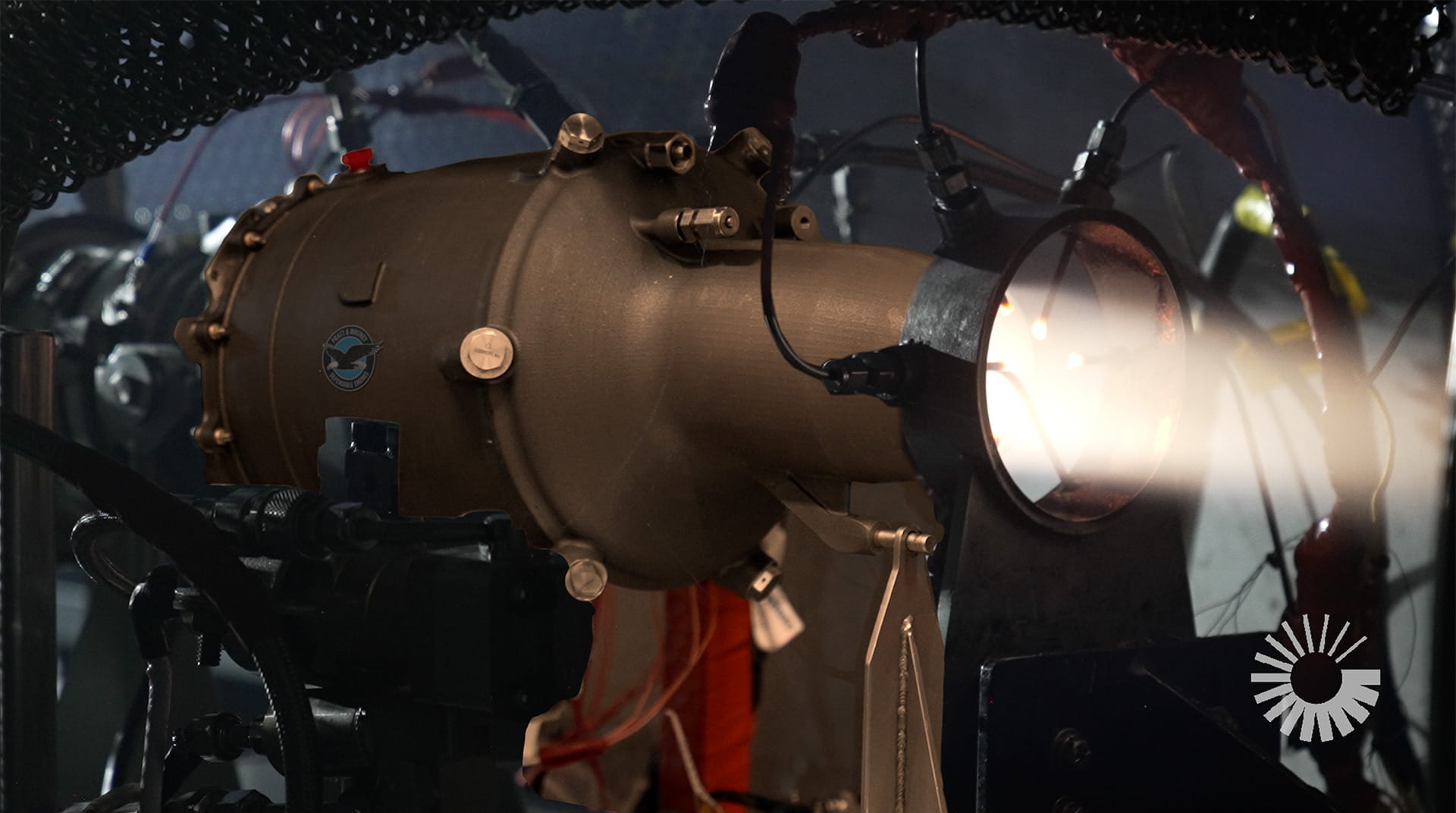 Pratt & Whitney Completes Testing of 3D-Printed TJ150 Engine for Military Applications
-
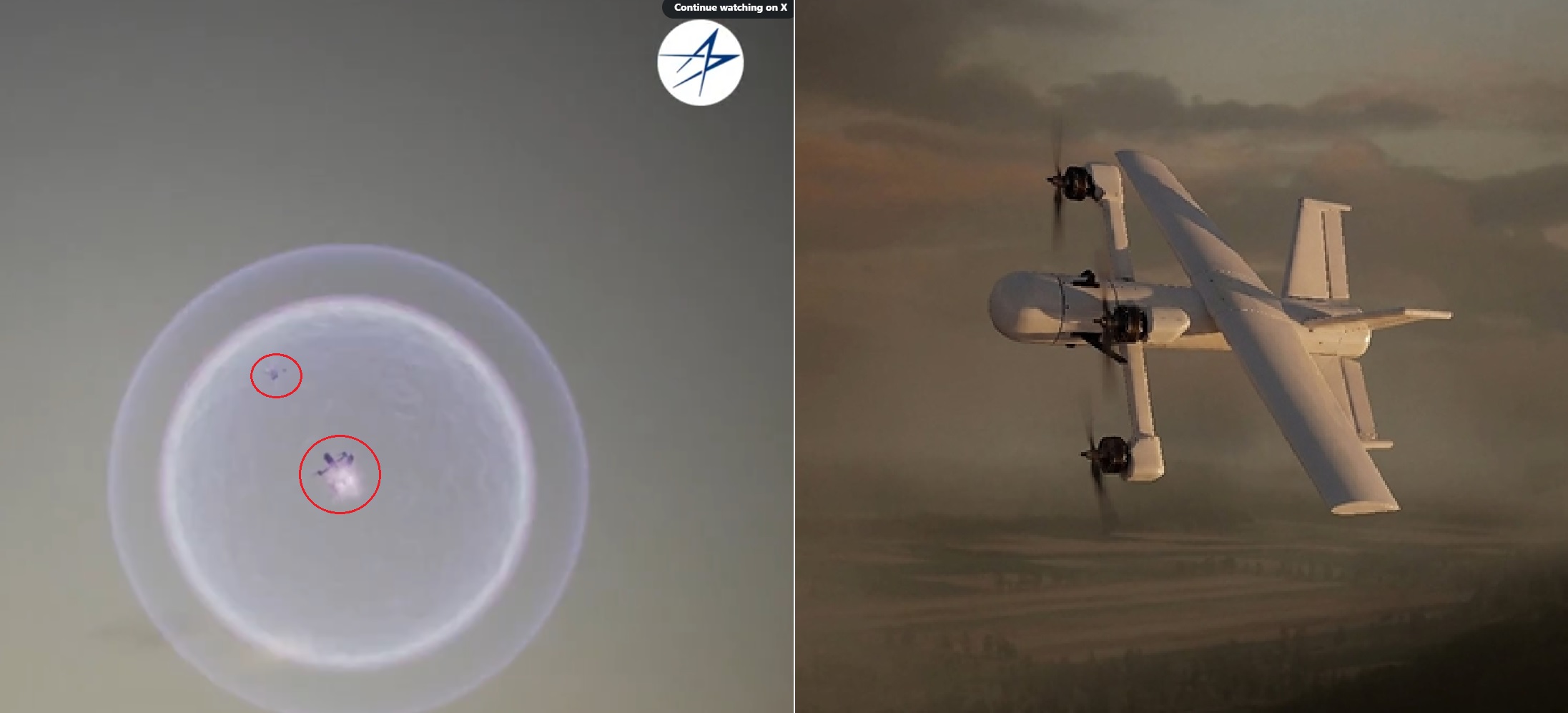 Lockheed Martin Unveils MORFIUS X-Rotor High-Power Microwave System That Can Neutralize 50+ Drones in One Flight
-
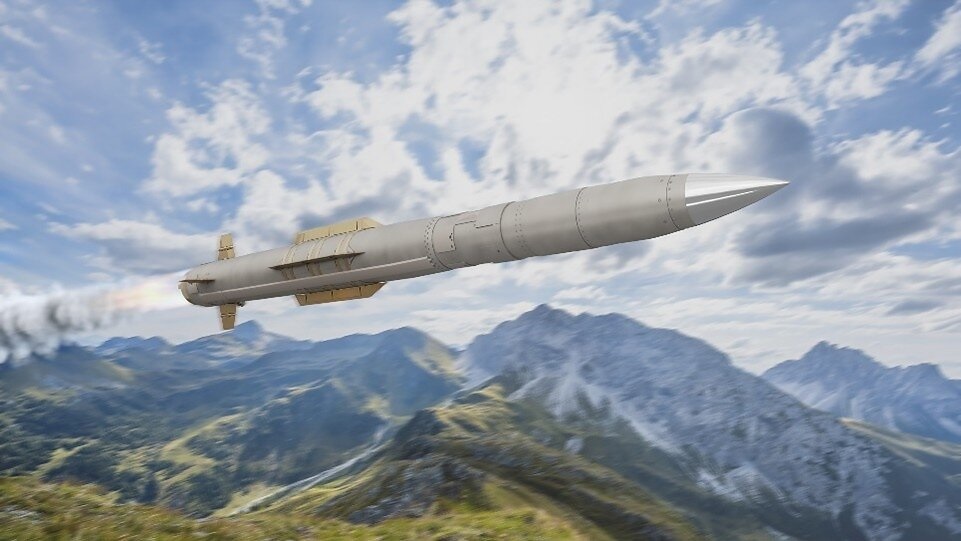 Lockheed Martin Unveils Lower-Cost PAC-3 ACE Interceptor for Patriot Air Defense System
-
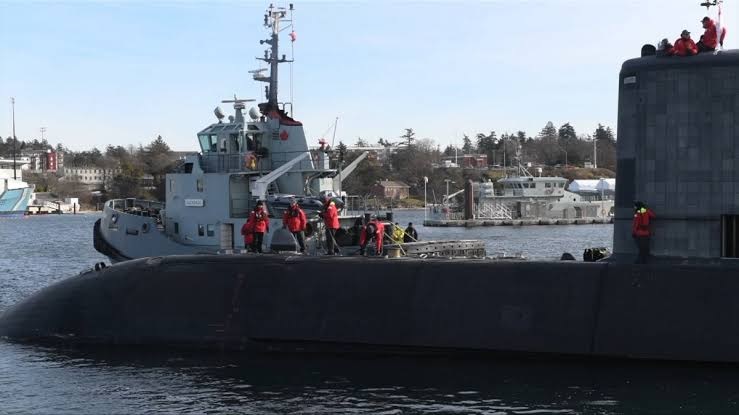 Canada Awards Babcock $1.1 Billion Six-Year Contract Extension to Support Victoria-Class Submarine Fleet
