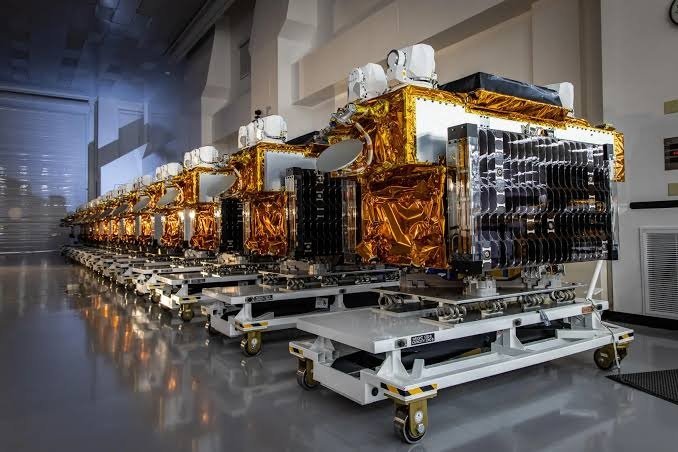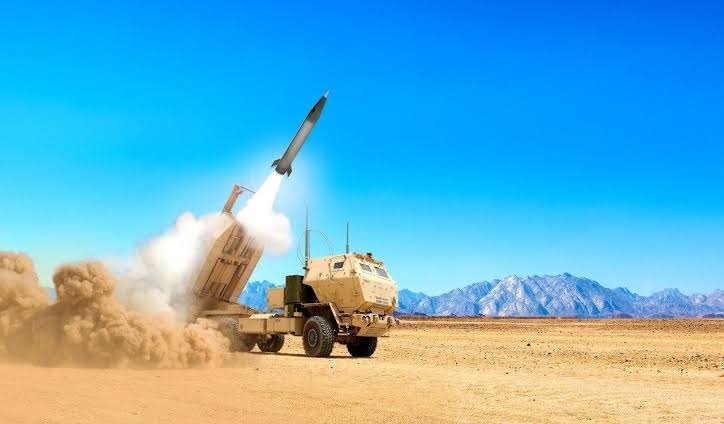
BERN — March 22, 2026 : The Swiss Federal Council has suspended the authorisation of new war materiel exports to the United States, citing legal obligations under Switzerland’s neutrality policy following the escalation of the international armed conflict involving Iran.
The decision, formalised on March 20, comes after Swiss authorities determined that the United States is directly involved in the conflict, which intensified on February 28, 2026. Under the provisions of the Swiss War Materiel Act, arms exports to countries engaged in active international armed conflicts cannot be newly authorised for the duration of hostilities.
In an official statement, the Federal Council confirmed that no new export licences for war materiel to the United States have been granted since the February escalation, adding that such exports “cannot currently be authorised” while the conflict continues.
Legal Basis and Policy Framework
The suspension is grounded in Article 22a of the War Materiel Act, which outlines exclusion criteria for arms exports. The provision prohibits Switzerland from approving new licences to states directly participating in international armed conflicts.
Swiss authorities clarified that the measure is a routine application of long-standing neutrality principles rather than a political sanction. Switzerland’s neutrality framework requires equal and consistent restrictions on all parties engaged in a conflict.
The policy has previously been applied to other countries in the region. The government reiterated that no definitive export licences for war materiel have been granted to Israel or Iran for several years, reflecting an already highly restrictive posture.
Status of Existing Export Agreements
While new approvals are suspended, existing export licences to the United States remain valid. The Federal Council stated that current authorised exports have been assessed and determined not to be directly relevant to the ongoing conflict with Iran.
However, these licences are subject to continuous review. Swiss authorities retain the legal authority to suspend or revoke previously granted approvals if the operational context changes.
Evelyne Schmid, a professor of international law at the University of Lausanne, noted that Swiss law provides flexibility in such situations. She stated that authorities can revisit earlier decisions and, if necessary, suspend or revoke existing licences depending on developments.
Oversight Mechanism and Expanded Controls
To ensure compliance with neutrality obligations, the Federal Council has established an interdepartmental expert group. The body includes representatives from the Federal Department of Economic Affairs, Education and Research (EAER), the Federal Department of Foreign Affairs (FDFA), and the Federal Department of Defence, Civil Protection and Sport (DDPS).
The group is tasked with continuously assessing exports to the United States and monitoring whether any authorised goods could become relevant to the conflict.
The review process extends beyond conventional weapons. It also covers dual-use goods—items with both civilian and military applications—as well as controlled military-related products such as training aircraft, simulators, and other equipment regulated under the Goods Control Act. Exports affected by existing sanctions on Iran are also included in the oversight framework.
Airspace Decisions Reflect Neutrality Policy
In parallel with export restrictions, Switzerland has applied its neutrality policy to military transit requests. Swiss authorities recently rejected two requests from the United States for airspace use linked to Iran-related operations, while approving three others that were assessed as compliant with neutrality requirements.
These decisions reflect a case-by-case evaluation approach, ensuring that Swiss territory and infrastructure are not used in ways that would conflict with neutrality obligations.
Economic Context and Industrial Impact
The United States was the second-largest market for Swiss war materiel exports in 2025, after Germany. Swiss exports to the US totalled approximately 94.2 million Swiss francs (around 120 million US dollars).
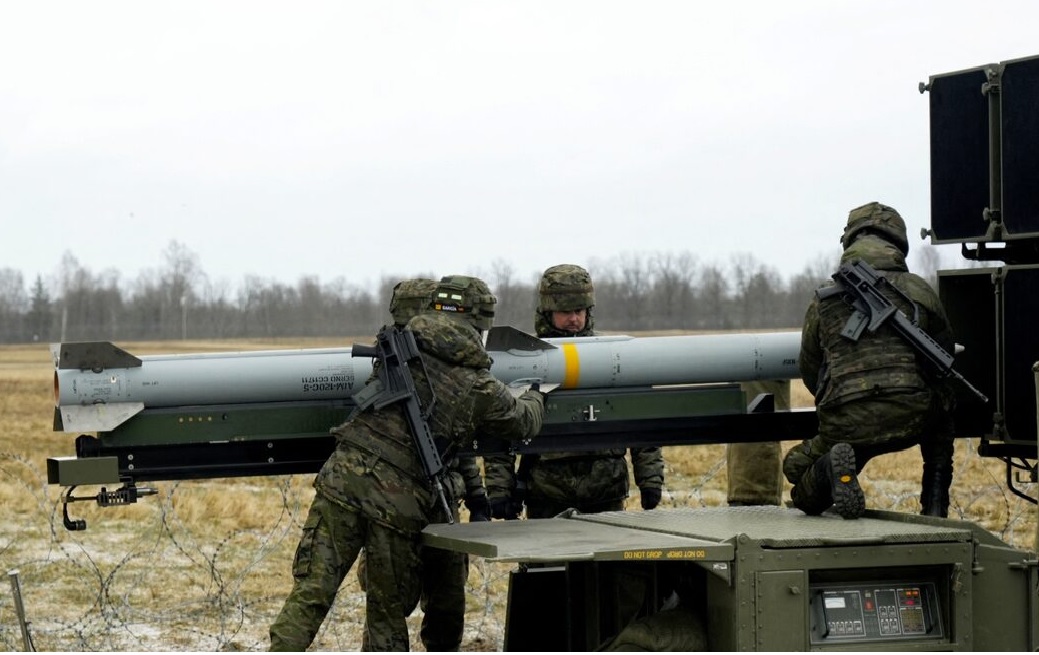
The suspension of new licences is expected to affect segments of Switzerland’s defence manufacturing sector, including companies linked to the SIG Sauer group, which supplies small arms and related components to US military and law enforcement agencies.
Industry association Swissmem criticised the timing of the decision, describing it as a premature application of neutrality that could have economic implications for Swiss manufacturers.
Political and Diplomatic Reactions
Swiss Defence Minister Martin Pfister defended the measure, stating that it aligns with established Swiss foreign policy principles. He indicated that the United States is familiar with Switzerland’s neutrality framework and said the government does not expect negative reactions from Washington.
Domestic political responses have been mixed. The Social Democratic Party of Switzerland argued that the restrictions do not go far enough, calling for stricter limitations on military-related exports. In contrast, the Swiss People's Party stated that the government had limited flexibility given the legal constraints imposed by the War Materiel Act.
Duration and Future Review
The Federal Council emphasised that the suspension of new export authorisations will remain in effect only for the duration of the conflict involving Iran. The interdepartmental expert group will continue to monitor developments and reassess policies as necessary.
Swiss authorities reiterated that the neutrality-based framework is applied uniformly and may be adjusted if conditions change, including the potential review of existing licences should their relevance to the conflict increase.
——— End of Article ———