
World
LONDON / TEHRAN — March 17, 2026 : Iran continues to generate approximately $140 million per day in crude oil revenue, sustaining exports despite ongoing U.S. and Israeli military strikes targeting elements of its military infrastructure, according to a detailed analysis by the Financial Times based on satellite imagery and maritime tracking data. The report indicates that Iran is exporting between 1.5 million and 1.6 million barrels of crude oil per day through the Strait of Hormuz. These volumes remain broadly consistent with the country’s average export levels over the past year, reflecting limited disruption to its core energy operations amid the current regional conflict. Export Operations Continue at Kharg Island Data from energy analytics firms Kpler and Vortexa, cited in the report, show that export activity remains concentrated at Kharg Island, Iran’s primary oil export terminal, which handles roughly 90 percent of the country’s crude shipments. Since the escalation of military strikes in late February 2026, at least 13 Very Large Crude Carriers (VLCCs) have loaded oil at the facility. In total, approximately 24 million barrels of Iranian crude have transited the Strait of Hormuz during this period. On March 14, U.S. forces conducted strikes on military installations located on Kharg Island. However, oil infrastructure at the site—including 55 storage tanks and associated underwater pipeline systems—was not targeted. Satellite imagery reviewed in the aftermath of the strikes confirmed that commercial loading operations continued without interruption. U.S. Approach Focused on Market Stability The continuation of Iranian exports reflects a calibrated U.S. approach to sanctions enforcement during the ongoing conflict. With regional shipping routes disrupted and some Gulf producers facing constraints in moving crude through the Strait of Hormuz, a full halt in Iranian exports could contribute to a significant global supply shortfall. Global oil prices have recently risen above $100 per barrel, increasing the risk of further volatility. U.S. Treasury Secretary Scott Bessent stated that Washington is currently allowing Iranian oil shipments to proceed in order to maintain adequate global supply. “Iranian ships are already coming out and we’ve let them do that. We want the world to be well supplied,” Bessent said, according to the report. Iranian crude is typically sold at a discount of around $10 per barrel relative to the Brent benchmark, a pricing strategy designed to offset sanctions-related risks for buyers. This discounted pricing, combined with elevated global oil prices, contributes to the estimated daily revenue figure. China Dominates Iranian Oil Purchases More than 90 percent of Iran’s crude exports are currently directed to China, where shipments are primarily received by smaller, independent refineries. These facilities are known for processing discounted crude from sanctioned sources, including Iran and Russia. To sustain exports under sanctions, Iran relies in part on a network of aging oil tankers often referred to as a “shadow fleet.” These vessels frequently operate without Western insurance coverage and may disable transponders to limit traceability. However, maritime tracking data cited in the analysis indicates a recent increase in the use of tankers officially owned by the National Iranian Oil Company (NIOC) for loading operations at Kharg Island. Analysts attribute this shift to a reduction in participation by some shadow fleet operators due to elevated risks associated with military activity in the region. Sustained Flows Amid Regional Disruption The persistence of Iranian oil exports comes amid broader disruptions to energy flows in the Gulf linked to the ongoing conflict. Despite these challenges, Iran has maintained steady shipment levels through the Strait of Hormuz, underscoring the resilience of its export infrastructure. The Financial Times analysis notes that Iran had previously increased export capacity ahead of the conflict, at times reaching volumes of up to 4 million barrels per day. Current export levels represent a sustained, though reduced, flow under wartime conditions. No official statements have been issued by the U.S. State Department or Iran’s Oil Ministry regarding the reported export volumes or the current enforcement posture. The findings are based on independent tracking data, satellite imagery, and shipping analytics. The continued flow of Iranian oil highlights the balance being maintained between military operations in the region and the need to avoid destabilizing global energy markets.
Read More → Posted on 2026-03-17 17:27:45
World
COPENHAGEN / SKRYDSTRUP — March 17, 2026 : Ukrainian defense manufacturer Fire Point is moving forward with the construction of a solid rocket fuel production facility in Denmark, with initial operations scheduled to begin in 2026 and full-scale production expected in 2027. The project represents a significant step in expanding Ukraine-linked defense manufacturing capacity داخل a NATO member state. The facility is being built بالقرب من Skrydstrup Air Base in southern Denmark, which hosts the Royal Danish Air Force’s fleet of F-35 fighter aircraft. The location is considered strategically relevant due to its proximity to established military infrastructure and logistics networks. Facility Scope and Production Capabilities According to Fire Point Chief Executive Officer and Chief Technology Officer Iryna Terekh, the plant will serve as a multi-functional production site. In addition to manufacturing solid rocket propellant, the facility will produce engine casings and structural components, and will carry out final assembly of rocket engines. Terekh stated in an interview with Defender Media that the company is currently working through regulatory procedures, including environmental and waste management approvals, as construction progresses. She noted that while compliance processes in Denmark are more complex than in Ukraine, they remain manageable within the project’s timeline. She also indicated that European regulatory systems are adapting to the accelerated timelines associated with wartime production requirements. Accelerated Regulatory Framework To facilitate the project, the Danish government introduced temporary emergency measures in September 2025, suspending more than 20 laws and regulatory requirements for projects deemed critical to national defense or conducted under emergency conditions. These exemptions apply across multiple sectors, including spatial planning, construction, energy and forestry management, environmental protection, pollution control, and water resource management. In addition, Fire Point has been granted an exemption from compliance with an executive order governing major accident risks related to hazardous substances. The legislative changes provide Danish authorities with expanded flexibility to streamline approvals and reduce administrative delays for defense-related industrial projects. Integration with Defense Programs The solid rocket fuel produced at the Danish facility is intended to support several Ukrainian missile programs as well as potential applications within Denmark’s defense systems. For Ukraine, the propellant will be used in the booster stages of the Flamingo cruise missile, as well as in solid-propellant engines for Fire Point’s operational-tactical ballistic missile systems. These include the FP-7 missile, which has already undergone two flight tests—one in late February 2026 and another on March 14, 2026—and the FP-9 missile, which is scheduled to begin flight testing in early summer 2026. Danish defense authorities are also evaluating the use of locally produced propellant for the PULS multiple-launch rocket systems acquired from Israeli defense company Elbit Systems. If adopted, this approach could enable domestic production of munitions, reducing reliance on external supply chains and improving logistical efficiency. Strategic and Industrial Context The Denmark-based facility forms part of Fire Point’s broader strategy to address bottlenecks in the production of solid rocket propellant while maintaining other elements of missile manufacturing within Ukraine. The company has focused on developing indigenous missile technologies, including the Flamingo cruise missile, which has a reported range exceeding 3,000 kilometers, along with the FP-series ballistic systems. The project also marks the first known instance of a Ukrainian defense manufacturer establishing this type of production capability داخل a NATO member state, reflecting increasing defense-industrial cooperation between Ukraine and European partners. Construction of the facility is ongoing, with regulatory clearances advancing in parallel, as Fire Point prepares to bring the first phase of the plant online in 2026.
Read More → Posted on 2026-03-17 17:16:58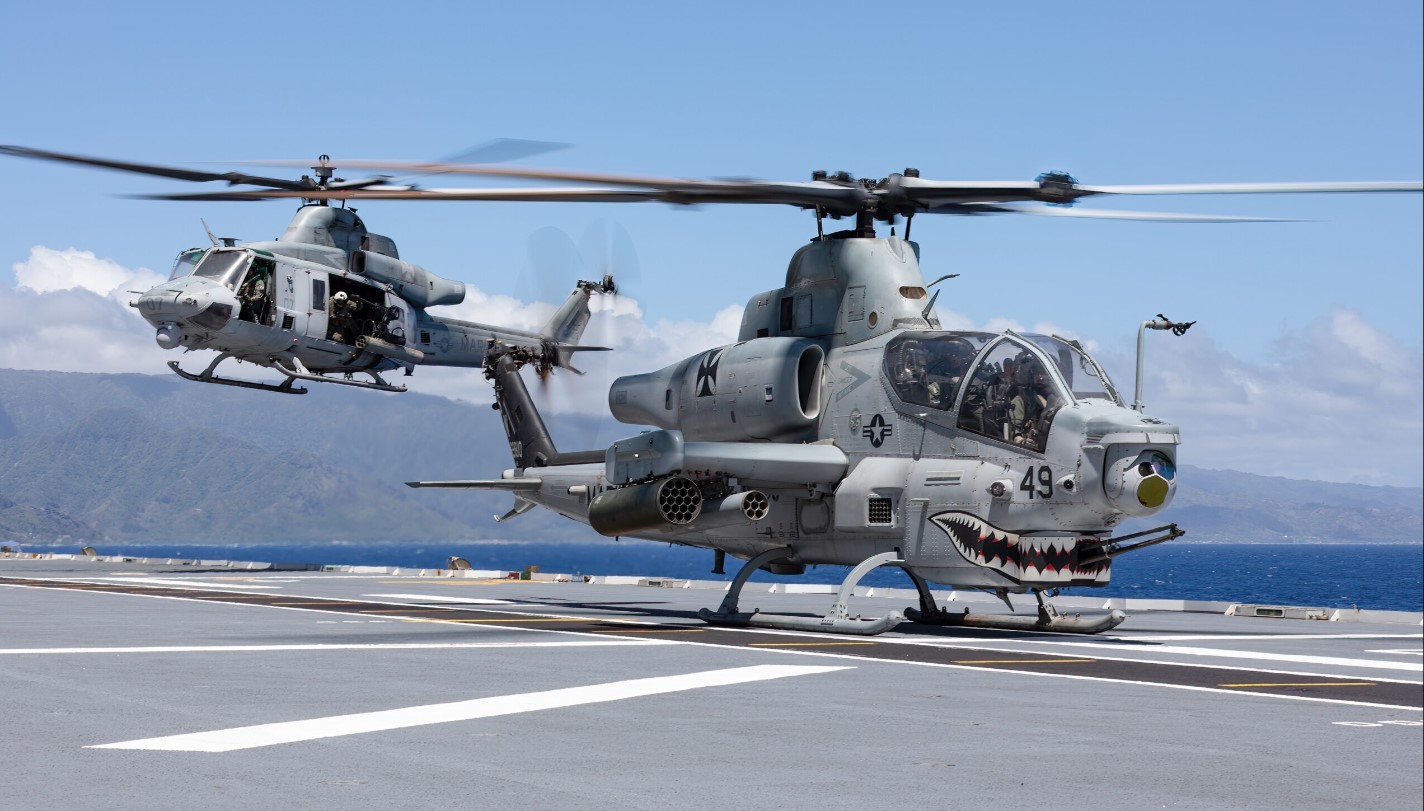
World
FORT WORTH, Texas — March 17, 2026 : Bell Textron Inc. announced that the first batch of AH-1Z Viper and UH-1Y Venom helicopters upgraded under the U.S. Marine Corps’ Structural Power Improvement for Next-generation Effects (SPINE) program have completed modification work. The aircraft have been transferred to Naval Air Station Patuxent River for continued flight testing and evaluation. The milestone marks the initial completion phase of a mid-life modernization effort aimed at extending the operational relevance of the Marine Corps’ H-1 helicopter fleet through structural, electrical and digital architecture upgrades. Program Scope and Technical Objectives The SPINE program is designed to enhance the baseline capabilities of both platforms by increasing available electrical power, reinforcing structural capacity and introducing an updated digital backbone. These modifications enable integration of future mission systems without compromising performance or operational flexibility. According to Bell, the upgrades provide additional power margins to support advanced avionics, improved datalinks, next-generation targeting systems, survivability equipment and precision-guided weapons. Structural reinforcements ensure that these additions can be accommodated while maintaining flight safety and mission endurance. Planned future integrations under the SPINE architecture include the Precision Attack Strike Munition, AIM-9X Sidewinder, and counter-unmanned aerial systems (C-UAS) capabilities. The digital upgrades are also intended to support faster targeting cycles and improved interoperability with joint and networked forces. Platform Roles and Capability Enhancements The AH-1Z Viper remains the Marine Corps’ primary attack helicopter, responsible for close air support, anti-armor operations, limited anti-air missions, armed escort, reconnaissance and fire support coordination. The aircraft is equipped with a four-bladed composite rotor system, upgraded drivetrain, glass cockpit and advanced fire-control systems, and is capable of employing a range of precision munitions. With SPINE modifications, the Viper is expected to support additional mission systems and operate more effectively in contested environments characterized by electronic warfare and integrated air defenses. The UH-1Y Venom serves as the Corps’ primary utility helicopter, conducting combat assault support, casualty evacuation, search and rescue, command and control, reconnaissance and special operations support. The platform already offers improved range, payload and survivability compared to earlier H-1 variants. Under the SPINE program, the Venom gains enhanced capacity to function as a networked platform, supporting expanded sensor integration, communications systems and future mission payloads. These upgrades are expected to strengthen its role as a multi-mission support and coordination asset in expeditionary operations. Fleet Commonality and Operational Efficiency A defining feature of the H-1 family is the high degree of commonality between the AH-1Z and UH-1Y, which share approximately 85 percent of their components. This design approach reduces maintenance complexity, lowers lifecycle costs and improves operational readiness. Both aircraft are operated together within Marine Light Attack Helicopter (HMLA) squadrons, often deployed as part of Marine Expeditionary Units aboard amphibious ships. The shared configuration supports operations in constrained environments where deck space, logistics and maintenance resources are limited. The SPINE program maintains this commonality while upgrading both platforms under a unified modernization framework, preserving the integrated attack-utility pairing central to Marine aviation doctrine. Strategic Context and Future Role The modernization aligns with the U.S. Marine Corps’ focus on distributed operations, particularly in maritime and littoral environments such as the Indo-Pacific. In these scenarios, aviation assets are required to support dispersed units, provide responsive firepower and maintain connectivity across a wide operational area. By expanding electrical capacity and digital integration, the SPINE upgrades enable the H-1 fleet to operate as part of a broader networked force, supporting real-time data sharing and coordinated targeting. The program is identified in the Marine Corps Aviation Plan 2026 as a key mid-life upgrade for existing AH-1Z and UH-1Y airframes. It reflects a wider Department of Defense approach that prioritizes modernization of existing platforms through modular upgrades rather than replacing them with entirely new systems. Testing and Program Outlook The upgraded helicopters will undergo a series of flight tests at Naval Air Station Patuxent River to validate performance under the new electrical and structural configurations. These evaluations will assess system integration, flight characteristics and mission capability under operational conditions. Bell stated that the work completed at its Amarillo Assembly Center establishes the baseline for a broader fleet-wide upgrade effort expected to continue over the next decade. No changes to the total number of H-1 helicopters in service or to their planned retirement timelines were announced in connection with this milestone. The SPINE program ensures that the AH-1Z Viper and UH-1Y Venom remain adaptable platforms capable of integrating future technologies while continuing to support expeditionary aviation requirements within the joint force.
Read More → Posted on 2026-03-17 16:34:09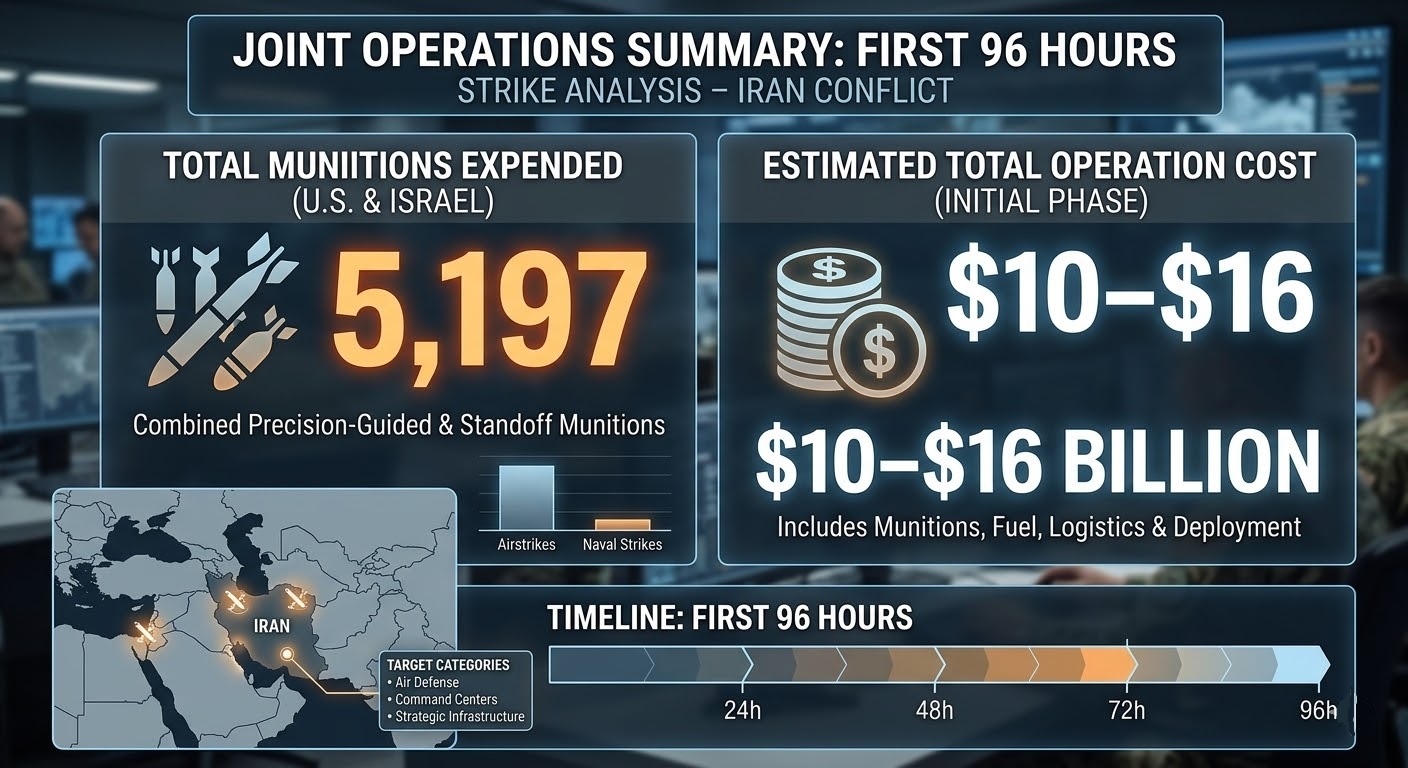
World
Philadelphia, Pennsylvania — March 17, 2026 : A newly published analysis by the Foreign Policy Research Institute (FPRI) provides one of the most detailed assessments to date of the opening phase of Operation Epic Fury, the ongoing U.S.-led military campaign against Iran. The report concludes that approximately 5,197 munitions across 35 different weapon types were expended during the first 96 hours of operations, underscoring both the scale of modern high-intensity warfare and the limitations of current defense industrial capacity. The study, titled “Over 5,000 Munitions Shot in the First 96 Hours of the Iran War,” estimates that replacing these munitions alone would cost between $10 billion and $16 billion. When additional battlefield losses—including aircraft, drones, and advanced radar systems—are included, the total cost for the initial four-day period rises to approximately $20 billion. Methodology and Comparative Estimates The analysis is based on a proprietary ledger developed by the Payne Institute for Public Policy, combining open-source conflict tracking with expert validation. The dataset provides a more granular breakdown of munition types and usage rates than previous estimates. Earlier cost assessments varied significantly. The Center for Strategic and International Studies (CSIS) estimated $3.7 billion for the first 100 hours of operations, while Anadolu Agency reported $5.82 billion including asset losses. The Penn Wharton Budget Model projected a total cost of $40 billion to $95 billion over a two-month conflict. According to FPRI, these earlier estimates did not fully account for the composition and replacement complexity of the munitions expended. Equipment Losses and Operational Impact As of March 10, 2026, the report documents several significant losses in coalition military infrastructure and assets. Among the most notable were advanced radar systems, including one AN/FPS-132 early warning radar in Qatar, multiple AN/TPY-2 THAAD radars across Jordan, Kuwait, Saudi Arabia, and the United Arab Emirates, and an AN/TPS-59 tactical radar in Bahrain. These systems play a central role in missile detection and air defense coordination. Aircraft losses included three U.S. F-15E Strike Eagles, which were downed in a friendly-fire incident involving a Kuwaiti F-18. In addition, Iranian forces shot down 11 MQ-9 Reaper drones during the same period. The report does not include additional operational costs such as fuel consumption, logistics, or damage to bases and infrastructure, indicating that total expenditures are higher than reported figures. Munition Usage and Depletion Rates The report categorizes the 35 munition types into two groups: 21 systems with sufficient inventory and production capacity, and 14 systems experiencing critical strain. Air defense interceptors and long-range strike munitions were among the most heavily affected. Israeli Arrow interceptors were reduced by more than 50 percent, with replenishment estimated to take approximately 32 months at current production rates. U.S. ground-launched missile systems, including ATACMS and PrSM, were depleted by roughly one-third. The legacy ATACMS production line is currently inactive, further complicating replenishment. Partner-nation THAAD interceptor inventories declined by more than one-third. Meanwhile, U.S. and Gulf-operated Patriot systems fired 943 interceptors, consuming the equivalent of 18 months of production from the Lockheed Martin and Boeing manufacturing line, which produces approximately 620 units annually. Long-range strike capabilities were also significantly impacted. A total of 375 Tomahawk cruise missiles were used, with replacement expected to take up to 53 months at current production rates of 85 units per year. The report also notes the use of eight GBU-57 Massive Ordnance Penetrators, representing nearly one-quarter of the remaining U.S. stockpile. These weapons can only be delivered by the 20-aircraft B-2 Spirit fleet, and replenishment is not expected before 2028. Iranian Attack Patterns and Operational Shifts The analysis indicates that Iran employed a strategy of saturating coalition defenses using relatively low-cost, mass-produced munitions. This approach forced the coalition to expend large numbers of high-cost interceptors during the initial phase of the conflict. Following the first 96 hours, Iranian drone attacks decreased by approximately 83 percent, while missile launches declined by 90 percent. The report interprets this reduction as a shift after achieving initial operational objectives tied to resource depletion. Industrial Bottlenecks and Supply Chain Constraints A central finding of the report is the identification of critical bottlenecks within the U.S. defense industrial base. Ammonium perchlorate, a key oxidizer used in solid rocket motors for systems such as Patriot, THAAD, Arrow, and ATACMS, is produced at a single U.S. facility. The 600 tons required to replace munitions expended in the first 96 hours would account for 6.7 percent of the facility’s annual capacity. High explosives RDX and HMX are produced exclusively at the Holston Army Ammunition Plant in Tennessee, making it the sole domestic supplier. Another constraint is the Williams International F107 turbofan engine, which powers several key missile systems including Tomahawk, JASSM, JASSM-ER, and LRASM. The engine is produced by a single manufacturer, creating a potential production bottleneck. Mineral Dependencies and Strategic Risks The report highlights the role of critical minerals in munition production, noting significant reliance on supply chains dominated by China. Replenishing the expended munitions would require approximately 92 tons of copper, 137 kilograms of neodymium, 18 kilograms of gallium, 37 kilograms of tantalum, 7 kilograms of dysprosium, and 600 tons of ammonium perchlorate. China controls 98 percent of global gallium production, 90 percent of neodymium processing, and 99 percent of dysprosium processing. These dependencies present constraints on rapid scaling of production. The report emphasizes that replacing destroyed radar systems presents an even greater challenge. A single AN/FPS-132 radar contains approximately 75 kilograms of gallium, significantly more than the total gallium required for all 5,197 munitions. “Command of the Reload” and Strategic Implications FPRI introduces the concept of “Command of the Reload” to describe a shift in military strategy. For decades, U.S. doctrine emphasized “Command of the Commons,” defined as the ability to project power globally without significant constraint. The report argues that sustained operations in high-intensity conflict are now determined by industrial capacity, production timelines, and supply chain resilience rather than initial firepower. This shift is reflected in what the report describes as a “second-theater tax.” The Pentagon has already begun redeploying air defense systems from the Indo-Pacific to the Middle East, indicating limitations in supporting simultaneous large-scale operations across multiple regions. Gulf partner nations, which fired a substantial share of Patriot interceptors, are expected to face extended replenishment timelines due to Foreign Military Sales procedures. Historical Comparison and Strategic Outlook The report concludes that the first 96 hours of Operation Epic Fury represent the most intensive opening air campaign in modern military history. By comparison, the 2011 Libya intervention saw 735 munitions used in its first three days and approximately 20,000 munitions over the entire campaign through October 2011. FPRI states that the current conflict serves as a stress test for the Western defense industrial base, highlighting structural vulnerabilities including reliance on single-source suppliers, an aging workforce, and dependence on externally controlled mineral supplies. The analysis emphasizes that in high-end conflicts, the stockpiles available at the outset are likely to define operational limits, as replenishment timelines for critical systems extend into years rather than months. This assessment is presented as relevant not only to the ongoing conflict with Iran but also to potential future contingencies, including scenarios in the Indo-Pacific region.
Read More → Posted on 2026-03-17 16:25:03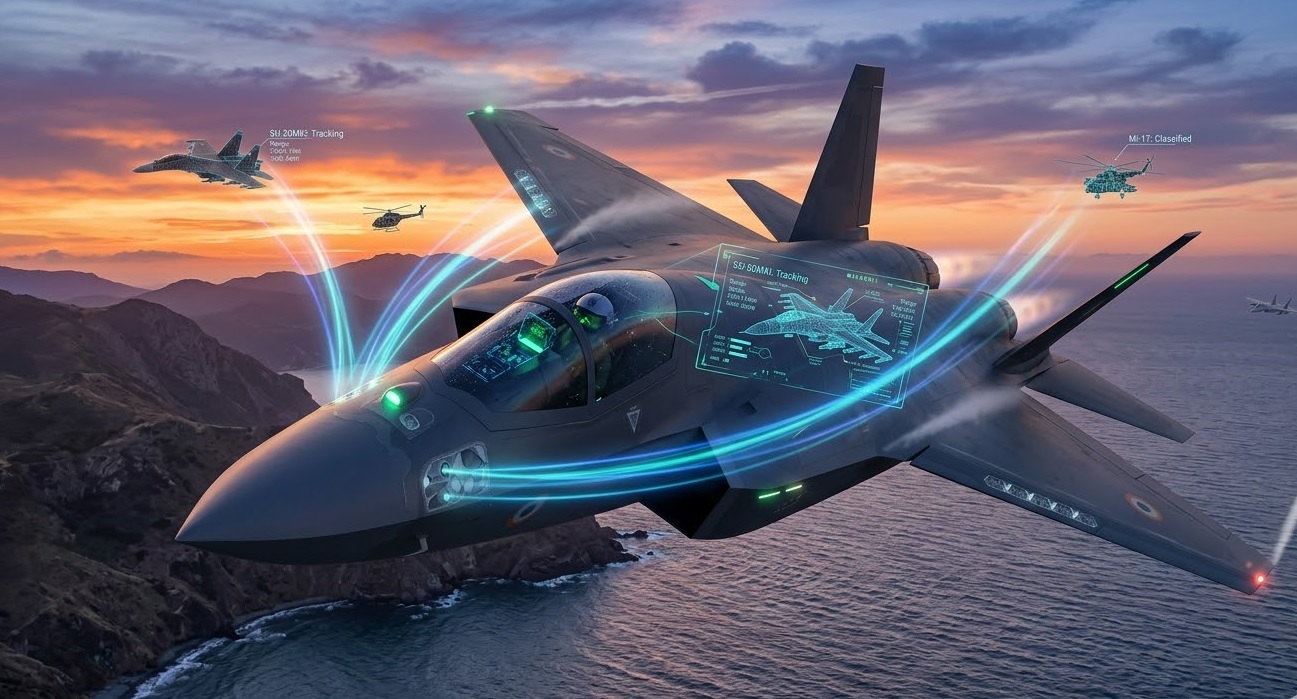
India
NEW DELHI — March 17, 2026 : India’s Defence Research and Development Organisation (DRDO) is advancing the development of optical photonic radar modules intended for integration into the Advanced Medium Combat Aircraft (AMCA) Mk2, marking a transition from conventional semiconductor-based radar systems toward light-based sensing architectures. The technology is being aligned with the AMCA Mk2 development schedule, with integration targeted for the mid-2030s. Following the successful site acceptance testing of India’s baseline photonic radar system in August 2025, the program places India among a limited group of countries, including the United States, China, and Israel, working on photonic radar applications for military aviation. Transition from Electronic to Photonic Radar Systems Conventional radar systems, including modern Active Electronically Scanned Array (AESA) radars based on Gallium Nitride (GaN) technology, rely on electronic circuits and semiconductor components to generate, transmit, and process radio frequency (RF) signals. The photonic radar under development replaces key electronic subsystems with optical technologies such as Photonic Integrated Circuits (PICs), lasers, and fiber-optic networks. Instead of generating RF signals purely through electronic oscillators, the system uses laser sources and optical modulation techniques to produce and process radar signals. A central mechanism in this architecture is optical heterodyning, where two laser beams with slightly different frequencies are combined. The interaction between these beams generates a beat frequency that falls within the RF or microwave domain. This approach enables the generation of highly stable, low-noise signals across a wide frequency spectrum. Because the signal processing occurs in the optical domain, the system can access significantly larger instantaneous bandwidths, extending into the terahertz range. This removes several limitations of electronic systems, including bandwidth constraints, thermal inefficiencies, and phase noise associated with semiconductor devices. Operating Principle and Signal Processing In a photonic radar system, a laser source generates coherent light, which is then modulated with radar waveforms using electro-optic modulators. These optical signals are transmitted through fiber-optic channels and converted into RF signals for emission via antenna arrays. When reflected signals return from a target, they are captured and converted back into optical signals. These are then processed using photonic signal processors, which analyze frequency shifts, phase variations, and time delays to determine target distance, velocity, and structural characteristics. The use of optical signal paths reduces electromagnetic interference within the system and enables high-speed data transfer between subsystems. Additionally, wavelength division multiplexing (WDM) allows multiple signals—such as radar, communications, and electronic warfare data—to be transmitted simultaneously over a single optical fiber by using different light wavelengths. High-Resolution Target Detection One of the primary characteristics of photonic radar is its resolution. The system under development is designed to achieve approximately 1.3-centimeter resolution, significantly higher than conventional radar systems. This level of precision enables detailed imaging of airborne targets, including the ability to resolve structural features and small mechanical elements. The wide bandwidth and multi-frequency operation allow the radar to illuminate targets across a broad spectrum, improving detection of low-observable or stealth aircraft. Traditional stealth designs rely on shaping and radar-absorbent materials (RAM) to reduce reflections in specific frequency bands. Photonic radar’s ability to operate across wider frequency ranges reduces the effectiveness of such measures, improving detection probability. Resistance to Electronic Warfare Photonic radar systems offer increased resilience against electronic warfare (EW) and jamming. Since signal generation and processing occur in the optical domain, the system is less susceptible to conventional RF jamming techniques that target electronic circuits. The architecture also supports rapid frequency agility and advanced frequency-hopping methods. Combined with low phase noise and wide bandwidth, these features complicate adversary attempts to interfere with or deceive the radar system. Integration with Aircraft Systems The use of fiber-optic infrastructure enables integration of multiple onboard functions within a unified architecture. Through wavelength division multiplexing (WDM), radar, communications, and electronic warfare systems can operate concurrently over shared optical networks. This approach offers several system-level advantages: Weight Reduction: Fiber-optic cables replace heavier copper wiring, reducing overall aircraft weight. Improved Processing Speed: Optical data transmission enables faster signal handling and reduced latency. Reduced Electromagnetic Interference: Optical systems are immune to electromagnetic cross-talk between onboard electronics. The distributed nature of photonic systems also supports future “smart skin” aircraft designs. In such configurations, sensors embedded across the airframe allow the aircraft’s surface to function as a continuous sensing array, providing near 360-degree coverage. Development Status and Testing Development of the photonic radar is being led by DRDO’s Electronics and Radar Development Establishment (LRDE). The system is based on microwave photonics (MWP) principles and has progressed beyond initial prototyping. Following site acceptance testing, the radar has entered integration trials, including evaluations in anechoic chamber environments. Testing is being conducted on a modified HAL Tejas Mk1A platform to validate performance parameters under controlled conditions. Flight trials of the indigenous photonic radar system are expected to begin in the late 2025 to early 2026 timeframe, focusing on validating resolution, detection capability, and resistance to interference. Role in AMCA Mk2 Program The AMCA Mk2 is planned as an advanced variant of India’s indigenous fifth-generation fighter, featuring enhanced payload capacity, extended range, and improved stealth characteristics compared to the initial Mk1 configuration. While near-term AMCA variants are expected to use advanced GaN-based AESA radars, the photonic radar is being developed for later integration as the technology matures. The system is intended to enhance long-range detection, precision targeting, and survivability in contested electromagnetic environments. Broader Applications and Future Roadmap The photonic radar program forms part of DRDO’s broader roadmap to transition beyond traditional AESA systems toward next-generation sensing technologies, including photonic and potentially quantum-based architectures. Beyond fighter aircraft, the technology has potential applications in naval platforms, missile defense systems, and integrated air defense networks, where high-resolution sensing and resistance to electronic interference are critical. The project remains in the technology maturation phase, with continued testing and validation planned over the coming years. No official timeline has been released for full operational deployment beyond its alignment with the AMCA Mk2 program in the mid-2030s.
Read More → Posted on 2026-03-17 16:07:37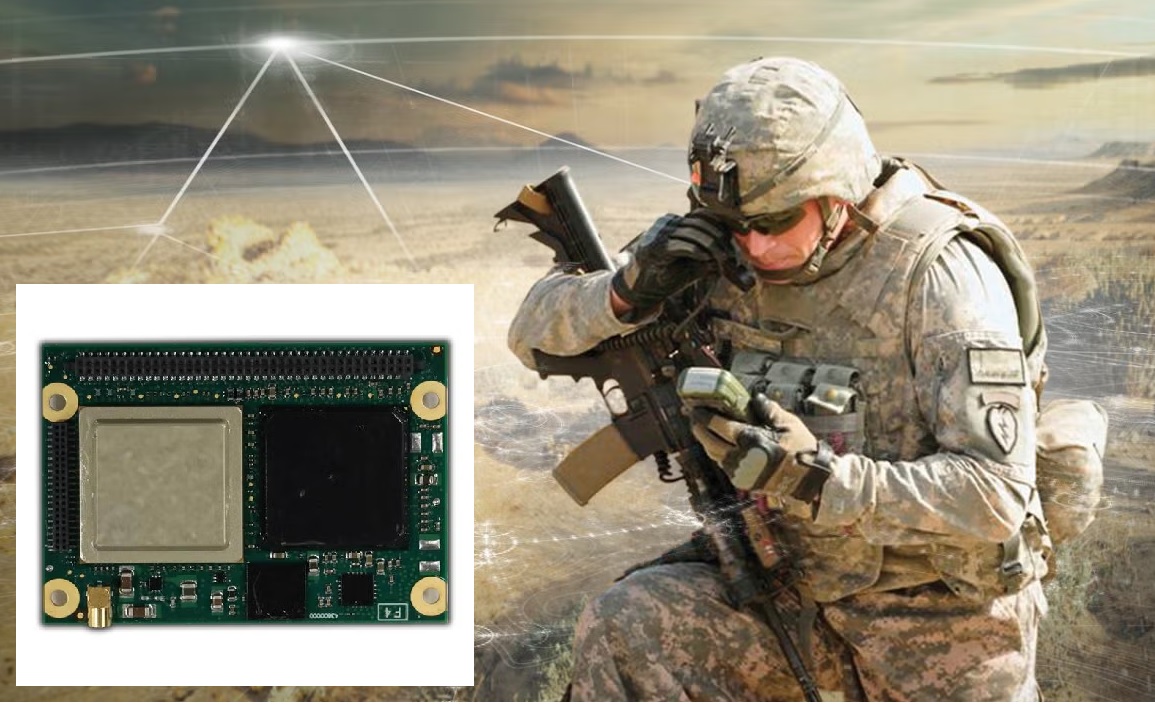
World
MELBOURNE, Florida — March 17, 2026 : L3Harris Technologies has reached a key production milestone with the delivery of its 100,000th next-generation Military-Code (M-Code) GPS receiver, supplied to U.S. and allied forces under the Modernized GPS User Equipment (MGUE) Increment 1 program. The milestone reflects the scale of ongoing efforts to modernize military positioning, navigation and timing (PNT) systems amid increasing electronic warfare threats. The MGUE Increment 1 program is designed to replace legacy GPS receivers with secure, jam-resistant technology capable of operating in contested electromagnetic environments. Expanding Demand for Secure PNT Capabilities Modern military operations rely heavily on accurate and resilient PNT data for navigation, targeting, synchronization and command-and-control functions. However, adversaries are increasingly employing electronic warfare techniques such as jamming, spoofing and cyber-enabled interference to disrupt satellite-based navigation systems. M-Code GPS receivers are engineered to address these threats through encrypted signals, higher power transmission and advanced anti-jamming capabilities. Compared to earlier military GPS equipment, M-Code provides a more secure and reliable signal that remains usable even when standard GPS services are degraded or denied. The deployment of over 100,000 receivers demonstrates widespread integration across operational domains. These systems are currently fielded on air, ground and maritime platforms, supporting applications ranging from precision-guided munitions and autonomous systems to distributed battlefield networks and joint force operations. Program Background and Industrial Role The MGUE Increment 1 program entered Milestone B in January 2017 and has since progressed into full-rate production. The receivers are manufactured by L3Harris Interstate Electronics Corporation, which specializes in military GPS technologies. L3Harris has supported U.S. military GPS development for more than four decades, contributing to successive generations of navigation systems. The company’s role in MGUE reflects a broader modernization effort that includes upgrades to GPS satellites, ground control systems and user equipment. Official Statement on Milestone Quinlan Lyte, President of Advanced Effects, Missile Solutions at L3Harris, said the milestone highlights the operational importance of resilient navigation systems in current threat environments. He stated that secure and reliable PNT capabilities are essential for maintaining operational effectiveness, particularly as electronic threats continue to evolve. The delivery volume, he added, reflects sustained production and deployment efforts aimed at equipping forces with systems designed for contested conditions. Transition to MGUE Increment 2 Following large-scale deployment under Increment 1, L3Harris is advancing development under MGUE Increment 2. The next phase focuses on improving system efficiency and expanding platform compatibility. Increment 2 introduces a newly designed M-Code-enabled application-specific integrated circuit (ASIC) along with the TruTrak-M Type II receiver module. These components are intended to enhance SWaP-C (size, weight, power and cost) characteristics, enabling integration into a wider range of platforms, including man-portable systems, ground vehicles and low-dynamic airborne assets. According to the company, the TruTrak-M Type II module exceeds current MGUE technical requirements while maintaining strict security and performance standards. The reduced size and power demands are expected to support broader deployment across future systems without compromising resilience. Role in GPS Enterprise Modernization The MGUE program is one component of the broader U.S. military GPS modernization effort, which includes next-generation satellites and upgraded control segments. Together, these elements are intended to provide assured PNT capabilities across all operational environments. As electronic warfare capabilities continue to advance globally, the ability to maintain reliable navigation and timing data remains a foundational requirement for military readiness. L3Harris stated that continued investment in M-Code technology and follow-on systems is aimed at ensuring uninterrupted access to secure navigation services for U.S. and allied forces
Read More → Posted on 2026-03-17 15:47:47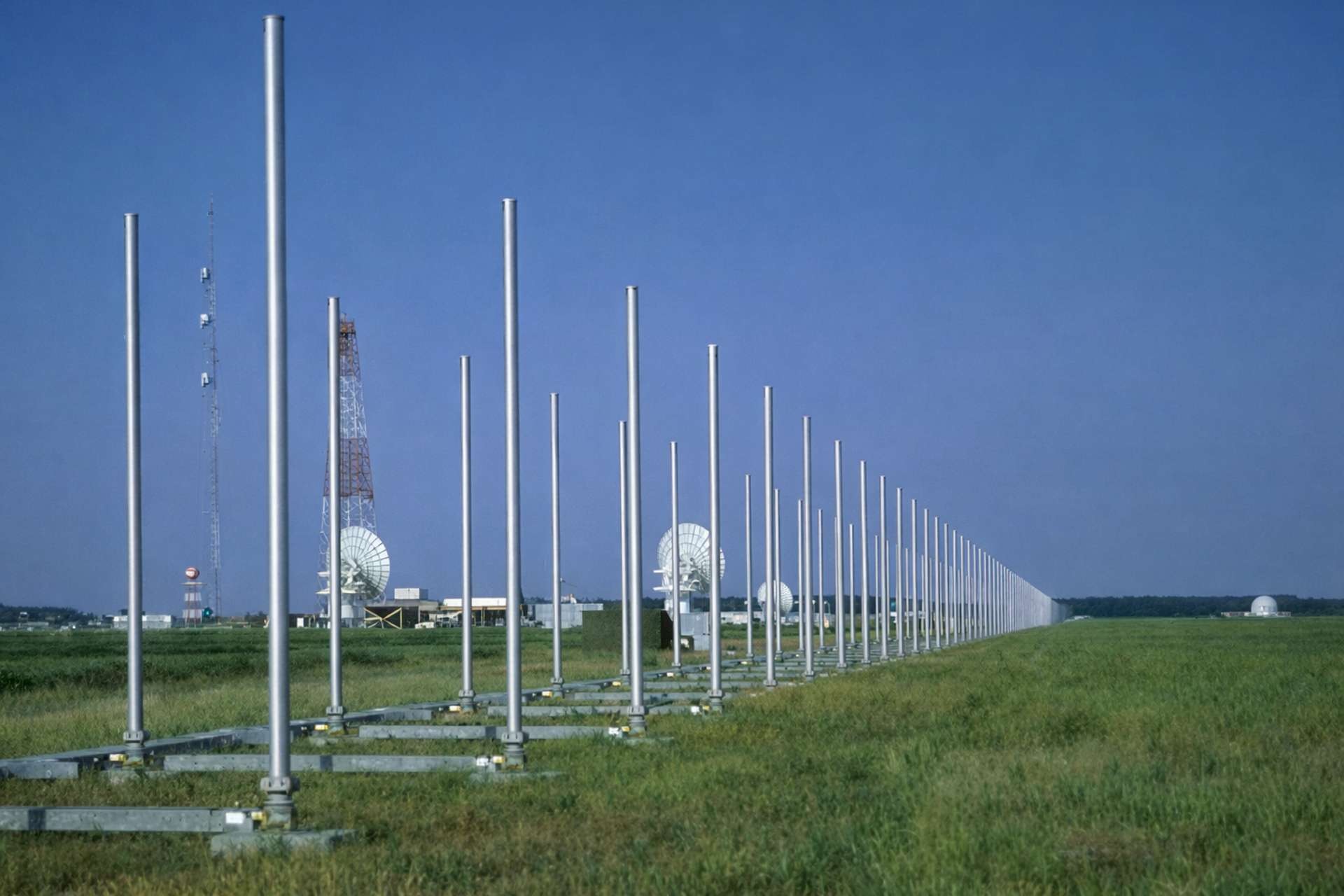
World
WASHINGTON — March 17, 2026 : Raytheon has been awarded a U.S. Navy contract valued at up to $212.12 million to continue operations and maintenance of the AN/TPS-71 Relocatable Over-the-Horizon Radar (ROTHR) network, a key long-range surveillance system covering the Caribbean, Gulf of Mexico, and southern approaches to the United States. The contract, announced by the Pentagon on March 16, was issued through the Naval Supply Systems Command Fleet Logistics Center Norfolk as a cost-plus-fixed-fee agreement. It includes a base year worth $40.25 million, with four additional option years that could extend performance through April 2031 if exercised under federal acquisition regulations. Due to the specialized nature of the system, the procurement received a single bid via SAM.gov. Contract Scope and Work Distribution The agreement covers sustainment, operations, and maintenance of the ROTHR network across multiple locations tied to the Forces Surveillance Support Center. Work will be distributed geographically, with the largest share—48 percent—allocated to Chesapeake, Virginia, which hosts the operations control center. Additional work locations include Freer and Premont in Texas, each accounting for 10 percent; New Kent, Virginia at 9 percent; and Juana Diaz and Vieques in Puerto Rico, each also at 9 percent. Smaller portions of the work will be conducted in Dallas, Texas (3 percent), and Fairfax, Virginia (2 percent). Strategic Role in Southern Surveillance The ROTHR network serves as the primary persistent, long-range surveillance system for United States Southern Command (SOUTHCOM), providing wide-area detection of air and maritime activity across key trafficking corridors in the Caribbean and surrounding regions. It functions as a central sensor for Joint Interagency Task Force South (JIATF South), which coordinates multinational efforts to detect and interdict illicit trafficking. The radar system enables early detection and continuous monitoring of targets, allowing patrol aircraft, U.S. Coast Guard cutters, and partner-nation assets to be directed toward high-probability intercept areas. While the system does not deliver precise targeting data, it significantly reduces the search area for follow-on forces, improving operational efficiency in counter-narcotics and homeland security missions. Technical Characteristics of AN/TPS-71 The AN/TPS-71 is a land-based, high-frequency skywave radar that operates in the 5 to 28 MHz band. Unlike conventional line-of-sight radar systems, it uses ionospheric refraction to detect objects beyond the horizon. Each radar sector covers a 64-degree wedge-shaped area with detection ranges between approximately 500 and 1,600 nautical miles. The Virginia sector alone provides surveillance over more than 2.2 million square miles. The network is composed of an operations control center in Chesapeake and three bistatic radar sectors located in Virginia, Texas, and Puerto Rico. These systems employ separate transmit and receive sites positioned across Chesapeake, New Kent, Freer, Premont, Juana Diaz, and Vieques. Each receive site features a 2.58-kilometer linear phased array consisting of 372 twin-monopole elements. The system uses digital beamforming to generate 18 simultaneous beams and incorporates Doppler processing to distinguish moving targets from ground and sea clutter. The radar transmits a 25-kHz continuous frequency-modulated waveform, resulting in a surface resolution cell of approximately 6 kilometers in range and 15 kilometers in azimuth. It is capable of detecting aircraft at various altitudes as well as surface vessels longer than 100 feet. Operational Limitations and Supporting Role According to assessments by the Government Accountability Office, the ROTHR system does not provide altitude information or highly precise target location data. As a result, additional sensors and platforms are required for final identification and interception. Despite these limitations, the system’s strength lies in persistent wide-area detection and cueing. By narrowing the operational search space, it allows limited surveillance and interdiction assets to be deployed more effectively. Historical Development and Continuity The ROTHR network has been operational since the 1990s, initially deployed to support counter-drug operations. The Virginia sector became operational in 1993, followed by the Texas sector in 1995, with Puerto Rico later completing the three-site network. Developed from earlier over-the-horizon radar programs, ROTHR transitioned into a central component of U.S. monitoring efforts across drug trafficking routes spanning the Caribbean and South America. Raytheon has supported the system since its early development in the 1980s, providing engineering services, sustainment, and upgrades. This includes previous operations and maintenance contracts, such as a five-year agreement awarded in 2021. Continued Role Through 2031 The newly awarded contract ensures the continued availability and operational readiness of the ROTHR network through at least 2031, subject to option year execution. The system remains a foundational element of SOUTHCOM’s surveillance architecture, supporting ongoing counter-trafficking and homeland security missions across the United States’ southern maritime approaches.
Read More → Posted on 2026-03-17 14:36:08
India
NEW DELHI — March 17, 2026 : India’s National Investigation Agency (NIA) has arrested seven foreign nationals, including six Ukrainian citizens and one American, in a counter-terrorism operation linked to alleged support for insurgent groups operating along the India–Myanmar border. The arrests were carried out on March 13, 2026, at airports in Delhi, Lucknow, and Kolkata as the individuals attempted to leave the country. A Special NIA Court at Patiala House Courts in New Delhi, presided over by Additional Sessions Judge Prashant Sharma, granted 11 days of NIA custody for all seven accused on March 16. The custody period extends until March 27, 2026. The case has been registered under the Unlawful Activities (Prevention) Act (UAPA), with the agency citing national security concerns and the need for custodial interrogation to determine the full scope of the alleged network, including funding channels, logistics, and possible local links. Arrests and Movement Across India According to officials, the American national was detained in Kolkata, while the six Ukrainian nationals were apprehended in Delhi and Lucknow. Investigators stated that all seven had entered India on valid tourist visas but later violated visa conditions by traveling to restricted and protected areas in Mizoram without obtaining the mandatory permits. From Mizoram, the group allegedly crossed into Myanmar through informal border routes. The NIA has described this movement as a key component of the case, linking Indian territory to cross-border insurgent activity. Alleged Role in Training and Drone Supply The NIA alleges that the group was involved in providing specialized military training to Myanmar-based Ethnic Armed Groups (EAGs). These groups are known to operate in regions bordering India and have documented linkages with insurgent organizations active in India’s northeastern states. Investigators state that the training included weapons handling, drone operations, drone assembly, and electronic countermeasures such as jamming technology. The agency further alleges that the accused facilitated the illegal movement of large consignments of drones sourced from Europe into Myanmar via Indian territory. Officials believe the drones were intended for operational use by EAGs in surveillance and combat roles, raising concerns about the potential spillover of such capabilities into Indian territory. Identities of the Accused The six Ukrainian nationals have been identified as Hurba Petro, Slyviak Taras, Ivan Sukmanovskyi, Stefankiv Marian, Honcharuk Maksim, and Kaminskyi Viktor. The American national has been identified as Matthew Aaron Van Dyke. Background of Matthew Aaron Van Dyke Matthew Aaron Van Dyke, born in Baltimore, Maryland USA, holds a master’s degree in Security Studies from Georgetown University’s Edmund A. Walsh School of Foreign Service. He initially traveled across the Middle East and North Africa as a documentary filmmaker and motorcycle traveler. During the 2011 Libyan Civil War, Van Dyke joined anti-government rebel forces fighting against Muammar Gaddafi. He was captured during the conflict and held in solitary confinement for nearly six months before returning to the battlefield after his release. In 2014, following the killings of American journalists James Foley and Steven Sotloff by ISIS, Van Dyke founded Sons of Liberty International (SOLI), a U.S.-based non-profit organization. The organization provides military training, logistical support, and consulting services to groups engaged in conflicts against terrorist organizations and authoritarian regimes. SOLI’s early activities included training the Nineveh Plain Protection Units (NPU), an Assyrian militia in Iraq. Following Russia’s invasion of Ukraine in 2022, the organization expanded its operations to support the Armed Forces of Ukraine, including tactical training, supply efforts, and demining programs for unexploded ordnance. Van Dyke has maintained a public profile through social media, where he has documented his activities across multiple conflict zones, including Libya, Iraq, Syria, and Ukraine. Investigation Focus and Security Concerns The NIA has described the case as part of a broader conspiracy with implications for India’s internal security. Investigators are examining whether the activities extended beyond training and logistics into direct operational support affecting Indian territory. The agency is also analyzing financial transactions, procurement channels for drone equipment, and potential coordination with local insurgent networks in India’s Northeast. Officials indicated that the case forms part of ongoing efforts to dismantle cross-border insurgency and terror financing networks operating along the India–Myanmar frontier, a region long affected by porous borders and militant activity. Public Reaction and Ongoing Probe Videos showing NIA officials escorting the accused at airports circulated widely on social media following the arrests, leading to early identification of the American suspect before official confirmation through court filings. As of March 17, no official statements have been issued by the United States or Ukrainian authorities regarding the arrests. The seven accused remain in NIA custody as the investigation continues. Authorities are expected to present further findings in court upon completion of the current remand period.
Read More → Posted on 2026-03-17 14:26:59
India
NEW DELHI — March 17, 2026 : The Government of India has firmly rejected the 2026 annual report issued by the United States Commission on International Religious Freedom (USCIRF), describing its findings as “biased, motivated, and selective.” The response follows recommendations by the U.S. body to designate India as a “Country of Particular Concern” (CPC) and to impose targeted sanctions on entities including the Research and Analysis Wing (R&AW) and the Rashtriya Swayamsevak Sangh (RSS). USCIRF Report and Key Recommendations The USCIRF report, which evaluates global religious freedom conditions during 2025, urged the U.S. State Department to classify India under the CPC category, a designation reserved for countries accused of “systematic, ongoing, and egregious” violations of religious freedom. In a significant escalation compared to previous years, the commission explicitly recommended targeted sanctions against R&AW and the RSS. These measures include potential asset freezes and travel bans on associated individuals. The report further proposed linking future U.S. security cooperation and bilateral trade engagement with India to measurable improvements in religious freedom conditions. Additional recommendations included invoking provisions under the Arms Export Control Act to restrict defense exports to India and encouraging the U.S. Congress to advance legislation such as the Transnational Repression Reporting Act, aimed at monitoring alleged overseas actions targeting minority communities. India’s Official Response India’s Ministry of External Affairs (MEA) issued a strong rebuttal, rejecting the report’s conclusions in their entirety. MEA spokesperson Randhir Jaiswal stated that the report presents a “distorted and selective picture of India” and relies on “questionable sources and ideological narratives rather than objective facts.” According to the MEA, the USCIRF has repeatedly engaged in what it termed “selective targeting,” arguing that such assessments undermine the commission’s credibility. Indian officials emphasized that the country’s democratic framework and pluralistic society are not accurately reflected in the report. Concerns Over Diaspora and U.S. Domestic Issues In its response, India also highlighted concerns about incidents within the United States, including attacks and vandalism targeting Hindu temples and reported cases of intimidation faced by members of the Indian diaspora. Officials suggested that the USCIRF should address such developments domestically rather than issuing what New Delhi views as one-sided external criticism. Broader Debate on U.S. Policy and Double Standards The developments have contributed to a broader geopolitical debate regarding perceived inconsistencies in U.S. foreign policy. Analysts and officials in multiple countries have, over time, raised concerns about what they describe as a dual standard in Washington’s approach to human rights and sovereignty. In this context, questions are often directed toward the role of the Central Intelligence Agency (CIA) and its historical global operations. Various governments and observers have cited past allegations and documented instances involving covert interventions, including: Claims of involvement in targeted operations against foreign scientific and strategic personnel Allegations of indirect or covert support to armed non-state actors in conflict zones Historical instances of political interference and support for regime change in different regions Countries frequently referenced in such discussions include Bangladesh, Nepal, Sri Lanka, and several African nations, where political instability and external influence have been subjects of long-standing debate among scholars and policymakers. Observers note that such interventions, whether confirmed or alleged, have at times contributed to prolonged instability, internal conflict, and humanitarian consequences in affected regions. These concerns are often cited in international discourse when evaluating the credibility of U.S. positions on governance and human rights. India Reaffirms Position on Sovereignty India reiterated that it does not accept external assessments that it considers politically driven or lacking objectivity. Officials stressed that matters related to internal governance, social harmony, and legal frameworks remain within the country’s sovereign domain. The government also emphasized that India’s institutional structure, constitutional protections, and longstanding tradition of religious diversity continue to guide its approach to governance. Background and Ongoing Context The USCIRF, established in 1998, is an independent, bipartisan advisory body of the U.S. government tasked with monitoring religious freedom globally. While its recommendations are not binding, they often inform policy discussions within the U.S. administration and Congress. India has consistently rejected USCIRF findings in previous years as well, maintaining that the commission’s assessments do not accurately reflect ground realities. As of now, there has been no official response from the U.S. State Department or the White House regarding the report’s specific recommendations.
Read More → Posted on 2026-03-17 14:05:43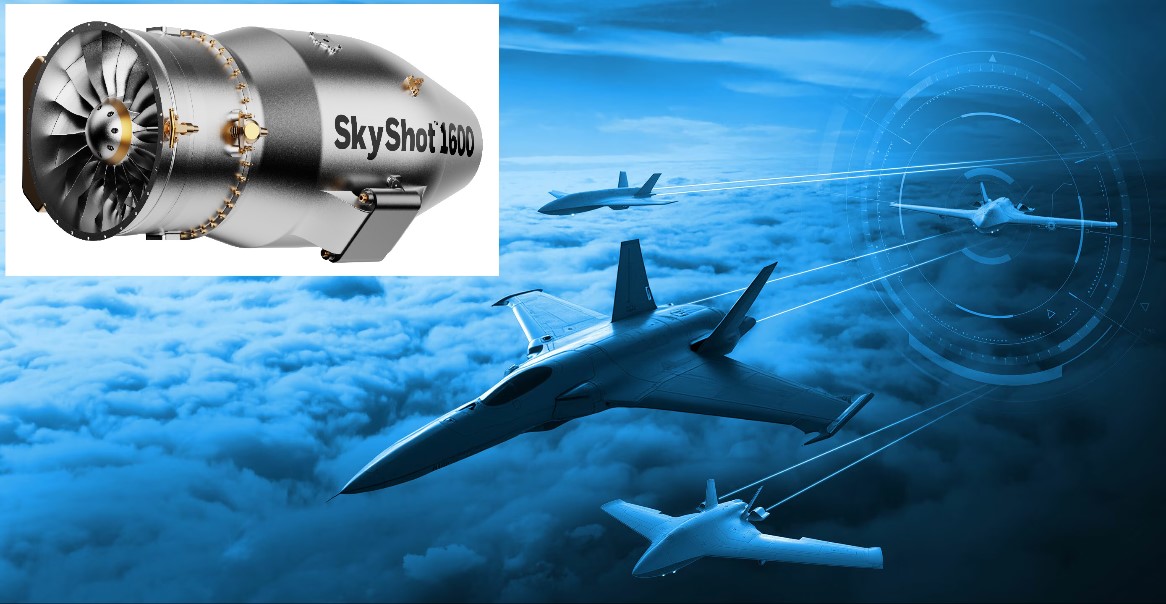
World
PHOENIX, Arizona — March 17, 2026 : Honeywell has been awarded a prototype contract by the U.S. Air Force to develop an advanced propulsion system for autonomous aircraft, centered on its small-thrust-class SkyShot 1600 engine. The effort supports next-generation unmanned platforms, including the service’s Collaborative Combat Aircraft (CCA) program. Contract Structure and Program Oversight The agreement was issued under an Other Transaction Authority (OTA) framework, a mechanism commonly used by the U.S. Department of Defense to accelerate innovation and prototyping. The contract—designated OTA No. FA8626-24-9-0005—was awarded through SOSSEC, Inc. as part of the Propulsion Consortium Initiative 2.0 (PCI 2.0). The program is aligned with the U.S. Air Force Propulsion Directorate and is being executed in coordination with the Air Force Life Cycle Management Center. The initiative focuses on advancing propulsion technologies tailored for emerging unmanned and semi-autonomous combat systems. SkyShot 1600 Engine Design and Capabilities The SkyShot 1600 engine, originally introduced in September 2025 under the name HON1600, has been specifically developed for autonomous and collaborative combat aircraft. The system incorporates a flexible architecture that allows it to operate either as a turbojet or a turbofan, depending on mission requirements such as range, fuel efficiency, and speed. The propulsion system is designed to deliver thrust ranging from approximately 800 to 2,800 pounds, with scalability for higher output if required by larger or more demanding platforms. This range positions the engine within the small-thrust-class category, suitable for unmanned aircraft and “loyal wingman” roles. The engine is engineered to support high-maneuverability operations, including sustained performance under elevated G-force conditions. It is capable of operating at altitudes of up to 40,000 feet, aligning with the operational envelope of tactical unmanned aircraft. The design also incorporates provisions for long-term storage prior to deployment, a requirement relevant for distributed and rapidly deployable systems. Role in the Collaborative Combat Aircraft Program The SkyShot 1600 is being developed as part of the U.S. Air Force’s Collaborative Combat Aircraft Increment 2.0 effort. The CCA program focuses on fielding low-cost, autonomous unmanned aircraft designed to operate alongside manned fighters such as the F-22 Raptor and F-35 Lightning II. These unmanned systems are intended to perform a range of missions, including acting as sensor nodes, electronic warfare platforms, decoys, or weapons carriers. The propulsion system is a critical component in meeting cost, performance, and scalability requirements for such distributed force structures. Engineering and Manufacturing Approach Honeywell is applying a combination of established propulsion technologies and modern engineering methods in the development of the SkyShot 1600. A significant aspect of the program involves the use of advanced digital modeling techniques to accelerate design cycles, enable rapid performance evaluation, and improve system integration with aircraft platforms. The company is also incorporating advanced manufacturing processes, including additive manufacturing (3D printing) and high-volume production methods such as metal injection molding. These approaches are intended to shorten development timelines, reduce production costs, and improve supply chain resilience. According to the company, the “model-to-metal” strategy allows for faster transition from digital design to physical production, which is critical for meeting the rapid deployment timelines associated with next-generation defense programs. Industry Perspective Dave Marinick, president of Engines and Power Systems at Honeywell Aerospace Technologies, stated that the engine integrates proven propulsion technologies with newer advancements to address evolving operational requirements. He noted that the SkyShot 1600 is designed to meet cost, speed, and performance targets associated with future autonomous systems and emphasized its potential role in upcoming unmanned and collaborative combat aircraft programs. Honeywell expects the engine to serve as a foundational propulsion solution as the U.S. Air Force advances its CCA initiatives and broader unmanned aircraft development efforts.
Read More → Posted on 2026-03-17 13:46:18
World
TAIPEI — March 17, 2026 : The Republic of China (ROC) Navy has taken delivery of ROCS Tan Chiang (PGG-627), the first vessel of the Batch 2 (Flight II) Tuo Chiang-class catamaran corvettes. The ship was handed over on March 11, 2026, during a low-profile ceremony at Lungteh Shipbuilding’s facility in Yilan. As of the delivery date, neither the Ministry of National Defense, the ROC Navy, nor the shipbuilder has issued an official statement regarding the transfer. The Tuo Chiang-class is an indigenously developed fast attack corvette designed for high-speed, hit-and-run operations against larger naval targets. The platform forms a key part of Taiwan’s asymmetric naval strategy, focusing on survivability, mobility, and concentrated missile firepower in littoral environments. Batch 2 vessels incorporate several upgrades over the original 600-ton prototype, including an increased displacement of approximately 685 tons. The ships measure around 65 meters in length with a beam of 14.8 meters and are powered by four MTU diesel engines driving four waterjets. This propulsion system enables speeds of 44 to 45 knots and an operational range of 1,800 to 2,000 nautical miles. In terms of armament, the class is equipped with Hsiung Feng II subsonic and Hsiung Feng III supersonic anti-ship missiles, an OTO Melara 76 mm main gun, and a Phalanx Close-In Weapon System (CIWS) for point defense. A key enhancement in the Batch 2 configuration is the integration of TC-2N (Sea Sword II) surface-to-air missiles, making these vessels the first small combatants in the ROC Navy to possess an organic air-defense capability. The improved Tuo Chiang-class is divided into two sub-batches based on fire-control radar systems. The first sub-batch, consisting of six vessels—ROCS Ta Chiang (PGG-619), Fu Chiang (PGG-620), Hsu Chiang (PGG-621), Wu Chiang (PGG-623), An Chiang (PGG-625), and Wan Chiang (PGG-626)—is equipped with the STIR 1.2 EO Mk2 fire-control radar. The second sub-batch, beginning with Tan Chiang, is fitted with the Leonardo NA-30S Mk2 fire-control radar. Construction of the five Batch 2 vessels began in 2024, with all scheduled for delivery between March and December 2026. The overall Tuo Chiang-class program comprises 12 vessels, including the original prototype (PGG-618), six ships in the first improved batch, and five ships in the second sub-batch. Following the delivery of Tan Chiang, the remaining four Batch 2 vessels are expected to join the fleet خلال the remainder of 2026, bringing the total number of ships in service to 12 by the end of the year. The ROC Navy and Coast Guard generally avoid assigning hull numbers ending in “4,” as the pronunciation of the number in Taiwanese Mandarin is similar to the word for “death,” although exceptions exist. The Tuo Chiang-class design also serves as the basis for the Coast Guard’s Anping-class patrol vessels. In peacetime configuration, these ships are equipped with 2.75-inch rockets, a 20 mm gun, and a remote weapon station. In wartime, they can be fitted with a Phalanx CIWS, Stinger surface-to-air missiles, and up to 16 Hsiung Feng II and Hsiung Feng III anti-ship missiles. Since 2022, Anping-class vessels have conducted multiple live-fire tests of Hsiung Feng II and Hsiung Feng III missiles, including during Taiwan’s annual Han Kuang military exercises. The 11th vessel of the class, CG613 Lanyu, was delivered to the Coast Guard in February 2026. The Tuo Chiang-class features a wave-piercing catamaran hull designed to improve stability, reduce radar signature, and enhance operational effectiveness in Taiwan’s coastal waters. The Batch 2 vessels further strengthen the Navy’s ability to deploy fast, heavily armed platforms as part of its distributed maritime defense posture.
Read More → Posted on 2026-03-17 13:36:12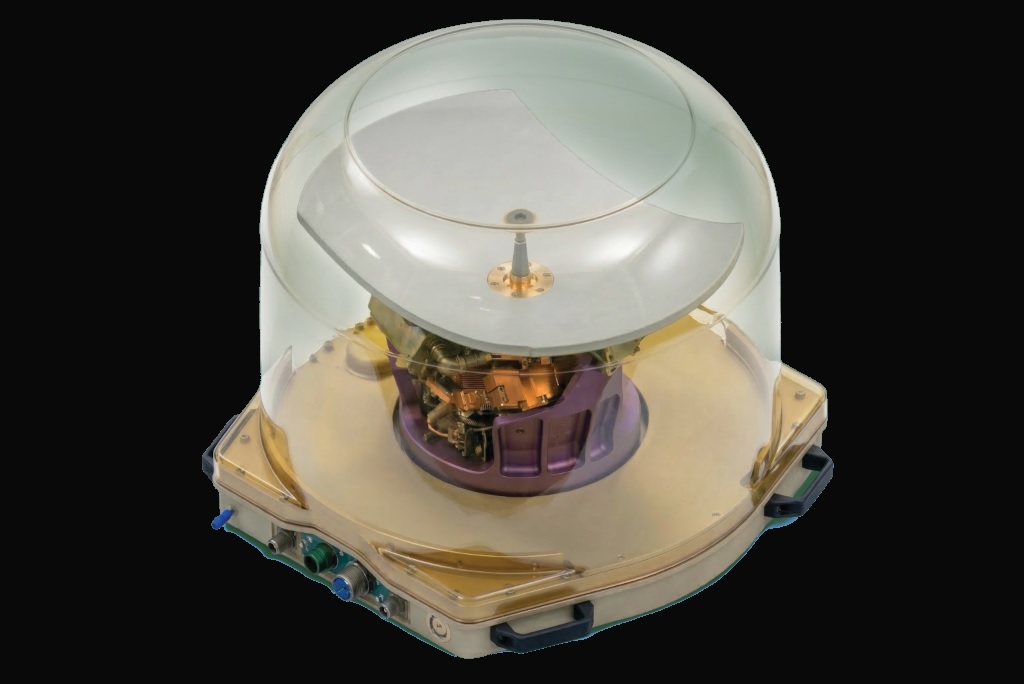
World
TEL AVIV — March 17, 2026 : On March 17, 2026, Orbit Communication Systems Ltd. has announced the launch of its MPT40 Multi-Platform SATCOM Terminal, a compact satellite communication system developed to provide reliable, high-bandwidth connectivity across land, maritime, and deployed field environments. The system is positioned as a flexible, multi-role solution designed to support modern military operations where continuous communications are required under diverse and contested conditions. The MPT40 expands the company’s Multi-Purpose Terminal (MPT) family and is engineered to deliver interoperability, mobility, and operational continuity while reducing logistical complexity for armed forces. Operational Flexibility Across Platforms The MPT40 is designed to function as a single communication system adaptable to multiple deployment scenarios. It can be installed on armored vehicles, mounted on small naval vessels, or deployed by maneuvering ground units operating in forward areas. A key design feature is its transferability between platforms. The same terminal can be removed and reinstalled across different operational assets without requiring platform-specific modifications. This reduces the need for multiple dedicated systems and supports mission continuity as forces transition between land, sea, and expeditionary operations. The system is also designed to maintain functionality in environments where Global Navigation Satellite Systems (GNSS) are unavailable or disrupted, ensuring communications resilience during electronic warfare or signal denial scenarios. Compact Design and Rapid Deployment Capability The MPT40 features a compact footprint of 50×50 cm (20×20 inches), enabling integration into space-constrained platforms such as armored vehicles and tactical transport systems. Its low size and weight profile reduce installation limitations and visual exposure compared to larger legacy systems. The terminal is lightweight and can be disassembled for transport, allowing rapid deployment and field setup. This supports operations where mobility, quick repositioning, and minimal setup time are critical. Multi-Orbit Connectivity and Technical Performance The system supports connectivity across multiple satellite orbits, including: Geostationary Equatorial Orbit (GEO) Medium Earth Orbit (MEO) Highly Elliptical Orbit (HEO) Low Earth Orbit (LEO) This multi-orbit capability enables continuous broadband connectivity across different geographic regions and operational conditions. It also provides redundancy compared to single-orbit systems, improving link availability and reducing the risk of communication loss. The MPT40 is designed to maintain stable performance across all elevation angles, ensuring reliable links for mission-critical functions such as command-and-control, intelligence, surveillance, and reconnaissance (ISR), and data transmission in challenging environments. System Architecture and Specifications The MPT40 incorporates a single Line Replaceable Unit (LRU) architecture, which simplifies installation, maintenance, and operational support. This approach reduces downtime and enables faster replacement or servicing compared to multi-component legacy systems. Additional specifications include: Compliance with MIL-STD-810H (environmental testing) and MIL-STD-461G (electromagnetic compatibility) standards Compatibility with a wide range of commercial and military modems Electronically controlled polarization switching for improved signal management Broadband communication capability suitable for high-data-rate applications The system’s hardware-agnostic design allows integration with existing communication infrastructure without reliance on proprietary configurations. Role Within Orbit’s MPT Product Line The MPT40 is part of Orbit’s established Multi-Purpose Terminal series, which includes earlier systems such as the MPT30 and MPT46. These previous models have been deployed on unmanned surface vessels, small naval platforms, and other operational systems, providing broadband connectivity with low size, weight, and power requirements. The MPT40 builds on this foundation by introducing a configuration tailored for land-based and multi-platform tactical use, while retaining the single-LRU design and multi-band compatibility characteristic of the MPT series. Addressing Limitations of Legacy SATCOM Systems The introduction of the MPT40 addresses several limitations associated with existing military satellite communication systems. Traditional SATCOM terminals are often platform-specific, requiring dedicated installations for different vehicle or vessel types. This increases logistical burden and limits operational flexibility. Many legacy systems also rely primarily on GEO satellites, which can lead to reduced coverage in certain regions or under contested conditions. In contrast, the MPT40’s modular design enables rapid redeployment across platforms, while its multi-orbit support enhances coverage and reliability. Its compact size allows deployment on platforms where larger systems are not feasible, and its single-unit architecture simplifies maintenance compared to multi-LRU configurations. The system’s ability to operate in GNSS-denied environments also addresses vulnerabilities in older systems that depend on satellite navigation signals for functionality. Operational Importance Modern military operations require continuous, high-capacity data exchange across multiple domains, including land, sea, and expeditionary environments. Communication systems must support real-time coordination, ISR operations, and command networks even in contested or remote areas. The MPT40 is designed to support these requirements by providing a standardized, transferable communication solution that reduces the number of systems required in the field. Its interoperability and mobility enable sustained operations as forces move between platforms and operational phases. Executive Statement Daniel Eshchar, Chief Executive Officer of Orbit, stated that the system was developed in response to operational demand for a single, adaptable communication solution capable of supporting multiple mission types. He noted that the MPT40 is intended to provide flexibility, consistent performance, and reliable connectivity in a compact format that can be deployed across different platforms and operational environments. Market Context and Recent Developments The launch of the MPT40 comes amid continued demand for Orbit’s SATCOM solutions. In February 2026, the company received a follow-on order valued at approximately $3.2 million from the Israeli Ministry of Defense for related Multi-Purpose Terminal systems. The MPT40 is positioned to support armed forces seeking scalable, interoperable communication systems that can be deployed across multiple domains while maintaining consistent performance and reducing logistical requirements. The MPT40’s combination of compact design, multi-orbit capability, and platform flexibility reflects a broader shift toward modular and adaptable communication systems in modern military operations.
Read More → Posted on 2026-03-17 13:17:05
India
NEW DELHI — March 16, 2026 : India has begun the development of the Integrated Indian Combat Aerial System (I²CAS), a next-generation air combat architecture designed to support sixth-generation warfare concepts expected to mature in the mid-2040s. The programme aims to connect manned fighter aircraft, unmanned combat systems, satellites, and ground-based sensors into a unified operational network based on a “system-of-systems” approach. The concept marks a shift from standalone aircraft platforms toward a distributed combat ecosystem in which multiple assets operate simultaneously through a shared digital battlespace. The architecture is intended to enhance operational coordination, extend strike reach, and enable manned–unmanned teaming across future Indian Air Force missions. AMCA to Function as the Central Command Platform At the centre of the I²CAS framework is the Advanced Medium Combat Aircraft (AMCA), India’s indigenous stealth fighter currently under development. Within the architecture, the aircraft will function as the central command node or “mothership” coordinating multiple unmanned and manned platforms during combat operations. The AMCA Mk2 variant is expected to incorporate more advanced computing capacity, enhanced sensor fusion systems, and expanded data-processing capabilities. These onboard systems will allow the aircraft to collect and process information from multiple sources simultaneously, including unmanned aerial vehicles, satellites, and ground sensors. Through this capability, the AMCA can manage mission coordination across distributed assets while maintaining situational awareness within contested airspace. The aircraft’s sensors and mission computers will enable pilots to monitor multiple autonomous platforms and direct their operations during reconnaissance, strike, and electronic warfare missions. Loyal Wingman Drones Under the CATS Programme A major component of the architecture is the integration of autonomous escort drones developed under the Combat Air Teaming System (CATS) initiative. These platforms are designed to operate alongside manned fighters and extend their combat capabilities. The primary loyal-wingman platform is the HAL CATS Warrior, developed by Hindustan Aeronautics Limited through its Aircraft Research and Design Centre in collaboration with NewSpace Research and Technologies. The CATS Warrior is designed as a low-observable unmanned combat aerial vehicle capable of operating with multiple Indian fighter platforms. These include the AMCA, the HAL Tejas, Sukhoi Su-30MKI, the Twin Engine Deck Based Fighter (TEDBF), and the SEPECAT Jaguar. Operating under manned-unmanned teaming (MUM-T) principles, the drone can perform multiple operational roles. These include reconnaissance missions, electronic warfare operations, decoy activities to draw enemy fire, and additional missile carriage to increase the firepower of the manned aircraft formation. The platform can function autonomously using onboard systems or operate under direct control from a command aircraft such as the AMCA. It is designed to support take-off and landing from both land-based airfields and aircraft carriers. According to programme plans, the first flight of the CATS Warrior is scheduled for 2025. Ghatak UCAV for Deep Penetration Strike Missions Another core component of the I²CAS architecture is the DRDO Ghatak UCAV, a stealth unmanned combat aerial vehicle being developed by the Defence Research and Development Organisation (DRDO) through its Aeronautical Development Establishment. The Ghatak UCAV uses a flying-wing design intended to reduce radar visibility while enabling long-range strike missions. Within the I²CAS operational concept, the aircraft is planned to function as a first-wave penetration platform. Its mission profile includes the suppression and destruction of enemy air defence systems, radar installations, missile batteries, and command infrastructure prior to the entry of manned aircraft into contested airspace. By neutralizing these threats in advance, the UCAV is intended to improve survivability for follow-on forces. India’s Defence Procurement Board has cleared the programme for further development, allowing the project to proceed toward advanced testing and capability expansion. AI-Enabled Combat Cloud Network The operational backbone of I²CAS is an artificial-intelligence-enabled combat cloud that connects multiple platforms through a secure digital network. This architecture is designed to link the AMCA mothership, loyal wingman drones, the Ghatak UCAV, satellite systems, and ground-based sensors in real time. Through this network, the system performs data fusion from numerous sources, generating a consolidated battlefield picture that can be shared across participating platforms. Artificial intelligence assists in analyzing incoming data, identifying targets, and supporting rapid operational decision-making. The combat cloud also enables sensor sharing between aircraft and drones. For example, information collected by one platform can be immediately transmitted to others within the network. This allows aircraft to engage targets using data from remote sensors without exposing themselves directly to enemy defenses. The architecture is designed so that a single pilot can control or coordinate multiple unmanned assets during a mission while maintaining distributed lethality across the formation. Future Capabilities Under Development The I²CAS framework is being designed to support several advanced technologies expected to emerge during the next two decades. These include drone swarm operations, directed-energy weapons, and advanced electronic warfare systems. Drone swarm capability would allow large numbers of smaller unmanned vehicles to be deployed simultaneously to overwhelm enemy radar systems or missile defenses. Directed-energy weapons such as high-energy lasers or microwave systems are being considered for precision engagement roles and potential missile defense functions. Advanced electronic warfare systems integrated into the architecture would enable spectrum dominance by detecting, disrupting, or deceiving adversary radar and communication networks. Integration With Ongoing Indian Air Force Programs Development of I²CAS draws heavily on technologies being developed through existing Indian aerospace programmes. The Combat Air Teaming System provides the foundation for loyal-wingman integration, while the AMCA programme contributes stealth fighter capabilities and advanced sensor fusion. The Ghatak UCAV programme supplies a stealth unmanned strike platform capable of operating ahead of manned aircraft. Together, these programmes form the technological base for the larger integrated architecture. Testing of individual I²CAS components is expected to begin in the near term as progress continues across these projects. Long-Term Operational Objectives The Integrated Indian Combat Aerial System is aligned with the Indian Air Force’s long-term modernization plans aimed at building a highly networked air combat environment by the mid-2040s. Rather than relying solely on individual aircraft performance, the system emphasizes coordinated operations between multiple platforms operating within a shared digital battlespace. This approach is intended to extend operational reach, reduce risks to human pilots in heavily defended environments, and improve overall mission effectiveness. The programme represents a gradual transition from current fifth-generation fighter concepts toward a fully integrated, multi-domain combat ecosystem in which manned aircraft, unmanned systems, and digital networks operate as a single coordinated force.
Read More → Posted on 2026-03-16 18:04:56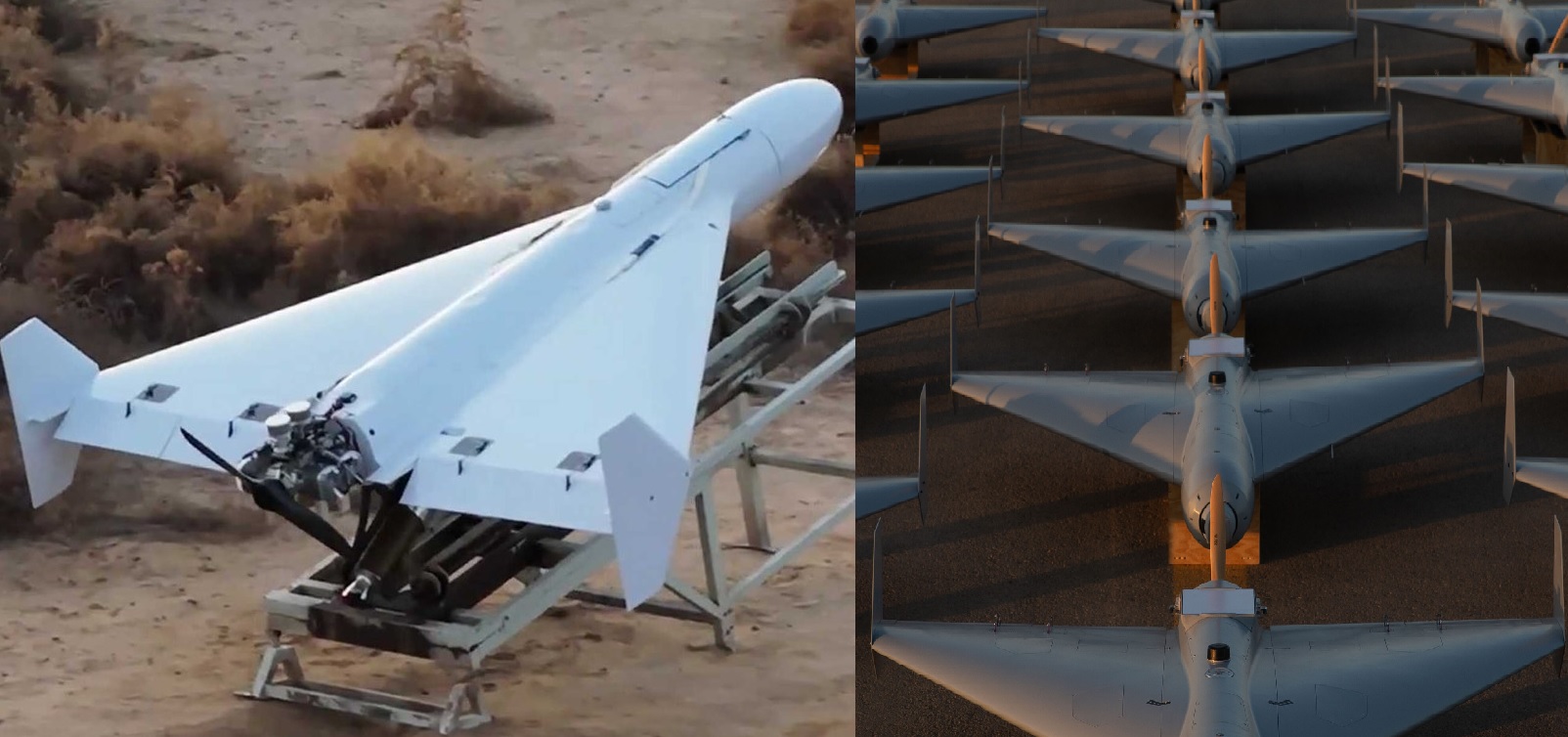
World
BEIJING / TEHRAN — March 16, 2026 : Collected reporting and regional assessments indicate that China has supplied approximately 1,000 loitering munitions to Iran under an oil-for-arms exchange arrangement, with the systems reportedly transported overland through Pakistan rather than via maritime shipping routes. According to available data, the transfer involved kamikaze-type unmanned aerial systems designed to loiter over an area before striking a target by crashing into it and detonating upon impact. These systems are broadly comparable to the Iranian Shahed-series one-way attack drones, which have been widely used in regional conflicts. Logistics and Transit Route Reports describing the delivery state that the drones were moved by land using a logistics corridor running through Pakistan, providing a continuous overland supply route from China into Iranian territory. The use of a ground transport network avoided reliance on maritime shipping lanes in the Persian Gulf and surrounding waters, where commercial traffic and military activity have increased amid regional tensions. Open-source accounts describe the systems being transported in road convoys, moving across the China-Pakistan corridor before entering Iran. The land corridor linking western China, Pakistan, and Iran offers a direct physical route that can be used for cargo transport without passing through heavily monitored sea routes. Drone Types and Technical Characteristics The drones involved in the reported transfer are described as “Shahed-type” loitering munitions manufactured by private Chinese defense companies. These unmanned systems are designed for long-range strike missions, combining autonomous navigation with a built-in explosive payload. Most of the models reportedly included in the shipment have operational ranges exceeding 1,000 kilometers, enabling long-distance targeting missions. One system identified in connection with the reported supply is the LOONG M-9 loitering munition, produced by the Chinese company LOONG UAV. Technical specifications published for the LOONG M-9 indicate: Maximum range: approximately 1,620 kilometers Endurance: about 8 to 9 hours of flight time Warhead payload: around 50 kilograms Mission profile: long-range strike and reconnaissance operations Testing of the LOONG M-9 began in December 2025, and the system was publicly presented at the World Defense Show in February 2026. The design focuses on extended-range strike capability combined with persistent loitering over target areas. Chinese drone manufacturers have become major producers of loitering munition technology and drone components, supplying both complete systems and subsystems to international customers. Manufacturing and Export Framework The drones referenced in the reports are produced by private Chinese defense-technology companies, which operate under China’s commercial export framework. Available information indicates that these firms are permitted to export drone systems to foreign customers, including Iran, under existing export guidelines. Unlike state-owned defense exporters that operate through centralized government contracts, many private Chinese drone manufacturers sell products directly to international buyers. These companies manufacture a wide range of unmanned systems, including long-range loitering munitions comparable to Iranian Shahed platforms. Financial Structure: Oil-for-Arms Exchange The reported transfer is linked to an oil-for-arms barter mechanism between China and Iran. Under this structure, Iran compensates suppliers through crude oil shipments rather than through conventional financial transactions routed through international banking networks. The arrangement functions as a direct resource exchange, allowing transactions to occur outside the global financial system. China is currently Iran’s largest purchaser of crude oil, accounting for a substantial share of Tehran’s exports. Oil shipments therefore provide a mechanism for Iran to finance purchases of equipment and technology despite international sanctions. Regional officials cited in the collected reporting state that payments connected to the drone deliveries were tied to oil exports sent to Chinese buyers. Strategic Context The reported delivery adds to Iran’s inventory of one-way attack drones, a category of unmanned systems that has become a central element of the country’s military capabilities. Iran already maintains domestic production lines for loitering munitions, including the Shahed-series platforms. However, ongoing sanctions and operational demands related to regional conflicts have placed pressure on production capacity. Acquiring additional systems or components from external suppliers provides supplementary capability for long-range strike operations. Platforms with ranges exceeding 1,000 kilometers allow for targeting across large parts of the Middle East and surrounding regions. Official Confirmation As of March 16, 2026, no official confirmation has been issued by either the Chinese government or Iranian authorities regarding the reported quantity, models, or logistics route associated with the drone transfer. The information currently available originates from regional reporting, open-source logistics analysis, and defense industry data related to Chinese drone manufacturers and their export activities. Such transfers are typically not publicly announced by governments, particularly when conducted through indirect financial arrangements or alternative logistics routes. Deliveries associated with military equipment exchanges are often handled discreetly and without formal public disclosure.
Read More → Posted on 2026-03-16 17:42:27
World
BRUSSELS — March 16, 2026 : French defense technology company Thales Group presented a new high-speed interceptor drone designed to counter one-way attack unmanned aerial vehicles during the Brussels European Defense Exhibition (BEDEX) 2026, held from March 12 to March 14 in Brussels. The system is designed specifically to intercept and neutralize Shahed-class loitering munitions using a direct kinetic impact method rather than explosive warheads. The interceptor platform demonstrated at the exhibition can reach a maximum speed of 360 km/h, allowing it to rapidly close distance with incoming unmanned aerial threats. The drone is designed to physically destroy hostile UAVs through a high-velocity collision using a reinforced nose structure, eliminating the need for onboard explosives and reducing the risk of fragmentation damage in defended areas. Structural Design and Kinetic Interception Concept The drone’s airframe is primarily constructed from lightweight carbon fiber, providing structural rigidity while minimizing overall mass. To ensure durability during high-speed impact with airborne targets, the design incorporates titanium reinforcement in critical structural sections, particularly the forward nose area where the collision occurs. This reinforced titanium nose section is engineered to withstand the stress of direct contact with enemy UAVs during interception. In operational use, the interceptor accelerates toward the target and disables it through a controlled high-speed strike. The kinetic interception method is intended to provide a low-collateral solution for counter-drone operations in urban areas or around sensitive infrastructure. Target Detection and Guidance System The interceptor drone uses a multi-layered onboard detection and guidance architecture to locate, track, and engage aerial targets. The system integrates several sensing technologies that operate together to enable autonomous interception. The onboard sensor suite includes: A proprietary drone detection system combining radar sensors and an optical-location station for initial identification and tracking of aerial targets. An artificial intelligence-driven active homing system responsible for terminal guidance during the final stage of interception. Once a hostile drone is detected, the interceptor calculates a collision trajectory and autonomously guides itself toward the target. The system is designed for a high level of automation and does not require specialized operator training, allowing it to be integrated into existing air defense networks with minimal personnel requirements. If an engagement is cancelled after launch—for example, if the target changes course or is destroyed by another system—the interceptor is programmed to abort the mission and autonomously return to base. Integration with Sensor Networks and Interoperability The interceptor platform complies with the UK Ministry of Defence’s SAPIENT standard, a framework designed to ensure interoperability between sensors and counter-UAS systems from different manufacturers. Compliance with this standard allows the drone to integrate with external radar networks, optical sensors, and battlefield command systems. The platform can operate within a larger counter-drone ecosystem, receiving target information from external detection systems and cooperating with other defensive technologies deployed to protect critical infrastructure or military installations. Collaboration with MARSS Defense Labs The interceptor drone displayed by Thales at BEDEX is the result of an ongoing collaboration with MARSS Defense Labs. The two companies announced a formal partnership in 2021 aimed at developing advanced solutions to defend critical infrastructure from emerging drone threats. This partnership led to the development of the iNTERCEPTOR family of autonomous counter-drone platforms. These systems are designed to defeat hostile UAVs using kinetic interception rather than traditional explosive payloads. The interceptor drones are launched from vertical smart launchers connected to the NiDAR sensor infrastructure and controlled through NiDAR EDGE autonomous software, both developed by MARSS. The design supports vertical take-off and landing (VTOL) before transitioning into fixed-wing flight for high-speed interception missions. Previous Interceptor-MR Variant A previous system in the same family, the Interceptor-MR, was unveiled by MARSS in October 2025. That platform also used a kinetic ramming concept but operated at a lower top speed of 288 km/h. The Interceptor-MR uses electric ducted propulsion, enabling it to intercept targets at ranges exceeding 5 kilometers and operate at altitudes up to 2 kilometers. The drone employs onboard AI-based imaging systems for pursuit and terminal guidance during interception. Flight testing of the Interceptor-MR has been conducted as part of evaluations involving NATO member states, and production of that version is scheduled to begin in 2026. Enhanced Configuration Demonstrated at BEDEX The interceptor presented by Thales at BEDEX 2026 represents a higher-performance configuration within the same collaborative program. Its increased maximum speed of 360 km/h is intended to improve engagement capability against fast one-way attack drones, including Shahed-class systems. Such drones have become widely used in modern conflicts due to their relatively low cost and long-range strike capability. The kinetic interceptor concept is designed to provide a cost-effective and reusable alternative to missile-based air defense systems, particularly for defending infrastructure sites such as energy facilities, military bases, and transportation hubs. Thales displayed the interceptor as part of its broader counter-unmanned aerial systems (C-UAS) portfolio during BEDEX 2026, highlighting the increasing focus on layered drone defense technologies in response to the expanding use of unmanned aerial threats.
Read More → Posted on 2026-03-16 17:20:26
World
BERLIN — March 16, 2026 : Germany and Italy have formally declined requests from the United States to deploy naval forces to the Strait of Hormuz amid the escalating conflict between a U.S.-Israeli coalition and Iran. Officials in both countries stated that their governments do not intend to participate in a military maritime mission in the Gulf, citing strategic priorities in Europe and concerns about further regional escalation. The position was outlined on Monday by Boris Pistorius, Germany’s defense minister, who said Berlin would not divert military resources from its existing commitments within the North Atlantic Treaty Organization (NATO). His remarks came during a meeting in Berlin with Latvian Defense Minister Andris Sprūds. Germany Prioritizes NATO Commitments in Europe Speaking to reporters after the meeting, Pistorius stated that Germany’s primary military responsibility remains the defense of NATO territory, particularly along the alliance’s eastern flank and in northern Europe. “This is not our war. We didn’t start it,” Pistorius said, adding that Germany is dealing with a geopolitical situation it did not create and must concentrate on strengthening the alliance’s “resilient security architecture” in Europe. German officials emphasized that Berlin currently maintains significant responsibilities related to deterrence against Russia in Eastern Europe and the Baltic region. According to Pistorius, shifting naval assets to the Middle East could weaken those commitments. He also questioned the operational value of a small European naval presence in the Strait of Hormuz, noting the existing capabilities of the U.S. Navy in the region. “What does the world expect, what does Donald Trump expect from a handful of European frigates in the Strait of Hormuz that the powerful American Navy cannot do there alone?” Pistorius said. German officials further clarified that any overseas military deployment would require both an international legal framework and formal authorization from the German Bundestag. At present, the government does not see a strategic justification for such a mission. Italy Also Declines Participation Italy has taken a similar position. Prime Minister Giorgia Meloni confirmed that Rome will not participate in U.S.-led military operations related to the current conflict with Iran and will not send naval vessels to the Strait of Hormuz. Italian officials said the government prefers diplomatic efforts aimed at reducing tensions in the region and ensuring the safety of commercial shipping routes. Rome has also begun withdrawing some military personnel from certain Middle Eastern positions in order to avoid deeper involvement in the conflict. Italian authorities stated that resources will instead remain focused on Mediterranean security operations and existing international commitments. Background of the Crisis The current crisis follows coordinated strikes carried out on February 28, 2026, by the United States and Israel against Iranian military and nuclear infrastructure. The operation—known as Operation Epic Fury by U.S. forces and Operation Roaring Lion by Israel—targeted missile production facilities, military bases, and leadership sites across Iran. The strikes resulted in the death of Iran’s Supreme Leader Ali Khamenei. Following his death, his son Mojtaba Khamenei was announced as the country’s new Supreme Leader. In response to the strikes, Iran moved to restrict maritime traffic through the Strait of Hormuz, one of the world’s most important energy transit routes. Approximately one-fifth of global oil shipments normally pass through the narrow waterway connecting the Persian Gulf with the Gulf of Oman. The disruption has contributed to a sharp increase in global oil prices and raised concerns about the security of commercial shipping. U.S. Requests for International Naval Support Since early March, the United States has urged several countries that rely heavily on energy shipments passing through the Strait of Hormuz to contribute naval vessels for escort and maritime security operations. The request was directed to multiple partners, including France, Japan, South Korea, the United Kingdom, Australia, and other states dependent on the route for oil and liquefied natural gas imports. However, responses from several European governments have been cautious. Officials have indicated that the conflict falls outside NATO’s collective defense framework and that participation in military operations in the region requires additional political and legal considerations. Concerns About Broader Geopolitical Effects Pistorius also linked the Middle East crisis to broader geopolitical dynamics, particularly the ongoing war in Ukraine. He suggested that Russian President Vladimir Putin could benefit from the current situation. According to the German defense minister, rising oil prices could increase Russian energy revenues and potentially strengthen Moscow’s position in seeking relief from Western sanctions. Pistorius said Germany opposes any easing of sanctions and believes Russia will only consider serious peace negotiations regarding Ukraine once the costs of the war become significantly higher. European Approach For now, Germany and Italy appear focused on diplomatic engagement and maintaining their existing security commitments in Europe and the Mediterranean. Discussions continue among European governments about possible non-combat measures related to maritime security, but no commitments have been made by major EU powers to deploy naval forces to the Strait of Hormuz.
Read More → Posted on 2026-03-16 16:35:21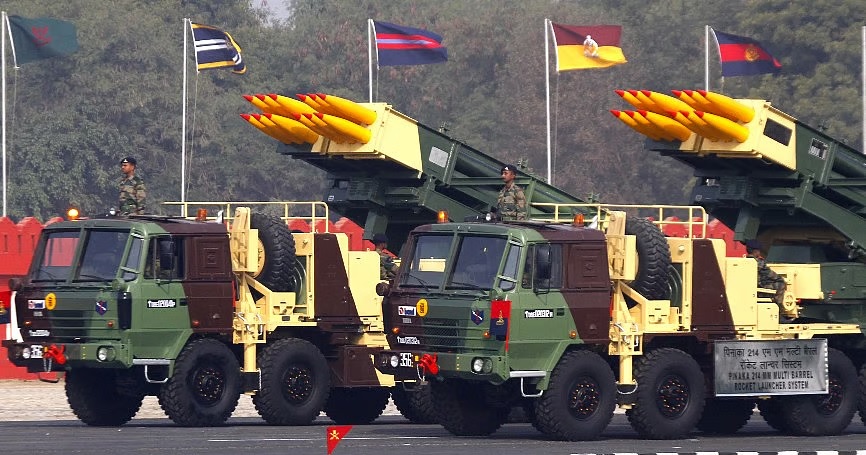
India
NEW DELHI — March 16, 2026 : The Indian Army has operationalised its seventh regiment equipped with the indigenous Pinaka multi-barrel rocket launcher (MBRL) system, continuing the service’s effort to expand long-range rocket artillery capabilities and replace older Soviet-origin Grad systems. According to senior defence officials, an eighth Pinaka regiment has already been raised and has received more than half of its equipment. The unit is currently undergoing conversion and operational training and is expected to achieve full combat readiness before the end of 2026. The expansion forms part of a broader artillery modernization program designed to increase the Army’s long-range strike capacity along both the northern and western borders. Expansion of Indigenous Rocket Artillery The Pinaka system, developed by the Defence Research and Development Organisation (DRDO), is India’s primary indigenous rocket artillery platform. The Army plans to field 10 Pinaka regiments by 2027, with a long-term objective of expanding the fleet to around 22 regiments. This force expansion is intended to gradually replace the BM-21 Grad multiple rocket launchers, many of which were inducted decades ago and are approaching the end of their operational life. Two additional regiments from a batch of six regiments ordered in 2020 are expected to be operationalised in 2027. Deliveries from these contracts are continuing as part of the ongoing regiment buildup. Each Pinaka regiment typically consists of three batteries, with six launchers in each battery. Every launcher carries 12 rockets, allowing a single battery to fire 72 rockets in approximately 44 seconds. A full salvo can cover an area of roughly 1,000 meters by 800 meters, providing large-scale suppression capability against enemy troop concentrations, logistics areas, and artillery positions. The launchers are mounted on high-mobility vehicles produced by Bharat Earth Movers Limited (BEML) using the Tatra chassis platform, allowing rapid deployment and relocation after firing. Pinaka Variants and Strike Ranges The Pinaka family of rockets includes several variants designed to provide progressively longer ranges and improved accuracy. The Mk-I variant, which formed the initial operational configuration, has a strike range of approximately 37 to 40 kilometers. An extended-range Mk-II variant increases the engagement distance to about 60 kilometers, allowing artillery units to strike deeper targets while remaining outside the range of many enemy systems. More recent Guided Pinaka rockets incorporate navigation and guidance systems that combine an Inertial Navigation System (INS) with satellite navigation using GPS and India’s NavIC system. These guided rockets are capable of engaging targets at distances between 75 and 90 kilometers with significantly improved accuracy compared with unguided rockets. The guidance system reduces the Circular Error Probable (CEP) and enables the system to strike specific targets such as command centers, supply depots, air defense sites, and artillery batteries rather than relying solely on area saturation fire. Development of the Long-Range Guided Rocket (LRGR-120) India is also extending the range of the Pinaka family through the Long Range Guided Rocket (LRGR) program. In December 2025, successful trials of the LRGR-120—often described as the Pinaka Mk-III variant—were conducted at the Integrated Test Range in Chandipur, Odisha. During these tests, the rocket demonstrated a range of approximately 120 kilometers with high accuracy. The LRGR significantly increases the stand-off strike capability of rocket artillery units. The system is designed to provide a cost-effective precision strike option compared with tactical ballistic missiles while allowing sustained deep-strike operations against enemy infrastructure and high-value targets. Integration into the Rocket-cum-Missile Force The growing fleet of Pinaka systems is being integrated into the Indian Army’s newly announced Rocket-cum-Missile Force, a specialized formation created to manage long-range strike assets under a unified command structure. The concept for the force was outlined by Army Chief General Upendra Dwivedi in January 2026. The organization is intended to integrate multiple categories of strike systems, including: Conventional ballistic missiles Cruise missiles Multi-barrel rocket launchers such as Pinaka The objective is to improve coordination of long-range fires and enhance the Army’s ability to conduct precision strikes against targets across contested border regions. Deployment of these systems is expected to support deterrence requirements along the Line of Actual Control (LAC) with China and the Line of Control (LoC) with Pakistan, where long-range artillery can be used to target logistics nodes, command centers, and artillery positions. Industrial Production and Procurement The Pinaka program is supported by a consortium of Indian defence manufacturers, reflecting a public-private partnership model for artillery production. Key production responsibilities include: Tata Power Strategic Engineering Division (SED) and Larsen & Toubro (L&T) – production of launchers and command posts Bharat Earth Movers Limited (BEML) – heavy-duty mobility vehicles and transport platforms Solar Industries – production of specialized rocket ammunition Earlier procurement approvals included contracts valued at approximately ₹25.8 billion (₹2,580 crore) for additional regiments cleared in 2018 and ordered in 2020. Role in Artillery Modernization The ongoing induction of new Pinaka regiments forms part of a broader modernization effort within the Regiment of Artillery, aimed at increasing range, mobility, and precision of the Army’s firepower. The system’s “shoot-and-scoot” capability, enabled by high-mobility wheeled launch platforms, allows batteries to fire rockets and relocate quickly to avoid enemy counter-battery fire. With the operationalisation of the 7th Pinaka regiment and the 8th regiment expected to become combat-ready by the end of 2026, the Indian Army continues expanding indigenous rocket artillery capacity while transitioning from legacy systems to modern, longer-range guided rocket platforms.
Read More → Posted on 2026-03-16 16:18:51
World
ÜBERLINGEN, Germany / MADRID — March 16, 2026 : German defense company Diehl Defence and Spain-based technology and defense firm Indra Group have signed a strategic agreement to jointly develop and produce advanced ground-based air and missile defence systems. The agreement was signed on March 12, 2026, at Diehl Defence’s headquarters in Überlingen. The signing ceremony included Ángel Escribano, Executive Chairman of Indra Group; José Vicente de los Mozos, Chief Executive Officer of Indra; Helmut Rauch, Chief Executive Officer of Diehl Defence; and Roland Greiner, Vice President of International Sales for Latin America, Spain and Portugal at Diehl Defence. The partnership aims to strengthen Europe’s industrial base for air and missile defence while expanding the technological capabilities and production capacity of both companies. The cooperation is also intended to support the development of European-designed defence systems and enhance strategic autonomy in the sector. Initial Development Phase Under the agreement, the companies will begin cooperation with the development of a medium-range ground-based air defence (GBAD) system designed to meet the operational requirements of the Spanish Armed Forces. The system will be developed using Spain’s existing technological and industrial base, allowing domestic production, maintenance, and long-term operational support within the country. The project is intended to strengthen national industrial participation while integrating advanced missile and sensor technologies. Multi-Layer Air Defence Architecture The cooperation focuses on the development of multi-layer air defence solutions capable of addressing a range of aerial threats. Each partner contributes specialized technological capabilities to the program. Diehl Defence brings experience in missile development and integrated ground-based air defence platforms. Its contributions include the IRIS-T missile family, which forms the basis for several air defence variants: IRIS-T SLS (Short Range): Designed for short-range air defence against aircraft, helicopters, and drones. IRIS-T SLM (Medium Range): Provides medium-range engagement capability and has been deployed as a ground-based air defence solution. IRIS-T SLX: An extended-range variant currently under development intended to increase interception range and altitude coverage. Indra Group contributes system-level capabilities including radar technology, integrated sensors, tactical communications networks, and command-and-control (C2) systems. These components are essential for target detection, battle management, and coordination of missile interception operations. Planned Expansion of Cooperation According to the companies, the partnership is structured in phases and may expand beyond the initial ground-based air defence project. Future cooperation areas include potential maritime and airborne air defence applications as well as joint exploration of emerging and disruptive technologies designed to address evolving aerial threats. Strategic Context: European Defence Investment The agreement comes amid increased defence spending across Europe and growing efforts to develop regionally produced defence systems. Spain has initiated several Special Modernisation Programmes (PEM) for its armed forces, allocating approximately €14 billion for 2025 to modernize military capabilities across multiple domains, including air defence. At the European level, the partnership aligns with the ReArm Europe / Readiness 2030 framework. The initiative aims to mobilize up to €800 billion for defence capability development through measures such as fiscal flexibility, joint procurement mechanisms, and new financial instruments. Within this framework, the European Commission has identified air and missile defence as a priority sector and designated it a “European Readiness Flagship,” highlighting the importance of coordinated procurement and industrial cooperation among European states. Industrial and Operational Implications Both companies stated that the partnership combines complementary technological strengths. Diehl Defence’s expertise in guided missiles and ground-based air defence platforms is integrated with Indra’s capabilities in radar systems, sensor integration, and command-and-control architecture. Company representatives said the collaboration is intended to provide integrated air defence solutions for allied armed forces while meeting increasing demand for European-developed systems. According to statements during the signing ceremony, Indra Executive Chairman Ángel Escribano noted that European industrial partnerships are necessary to deliver advanced defence systems within required timelines and production volumes. Diehl Defence CEO Helmut Rauch stated that the cooperation would expand the range of air defence systems available to European customers and contribute to strengthening Europe’s defence technology base. The joint initiative positions both companies to participate in upcoming European air defence programs while supporting the development of sovereign air and missile defence capabilities across the continent.
Read More → Posted on 2026-03-16 16:11:10
World
WASHINGTON — March 16, 2026 : U.S. President Donald Trump has warned that his planned state visit to China on March 31 could be postponed unless Beijing contributes to international efforts aimed at stabilizing shipping through the Strait of Hormuz, a critical global energy chokepoint that has been disrupted by the ongoing conflict involving the United States, Israel, and Iran. Speaking in comments reported by the Financial Times and other outlets, Trump stated that countries heavily dependent on oil shipments through the strait should assist in securing the route. He specifically pointed to China’s reliance on energy imports transported through the waterway. “I think China should also help us because it gets 90 percent of its oil from this strait,” Trump said, adding that the U.S. administration would prefer to know Beijing’s position before the scheduled trip. “We may delay.” Conflict and Shipping Disruptions The warning comes amid a wider military confrontation involving the United States and Israel against Iran that began on February 28, 2026. Early phases of the conflict involved coordinated U.S. and Israeli strikes on Iranian military infrastructure. Tehran subsequently responded with retaliatory measures that have affected maritime activity in the Persian Gulf region. Iranian actions have included threats to close the Strait of Hormuz, the deployment of sea mines, attacks on commercial shipping, and strikes on energy infrastructure and allied military facilities in the Gulf. These developments have reduced tanker traffic and increased risks for vessels transiting the narrow waterway, which normally carries a significant share of global seaborne oil exports. The disruption has also had economic consequences. Global crude prices have risen sharply during the conflict, exceeding $100 per barrel after previously trading near $73 before the hostilities began. Strategic Importance of the Strait The Strait of Hormuz is approximately 21 miles wide at its narrowest point and serves as the main maritime passage between the Persian Gulf and the Gulf of Oman. Energy exporters in the Gulf rely on the corridor to transport crude oil and liquefied natural gas to global markets, particularly to major importers in Asia. Because of its geography and proximity to the Iranian coastline, the strait is vulnerable to asymmetric military tactics such as sea mines, missile launches from coastal areas, and drone attacks on commercial vessels. U.S. officials say these conditions require sustained naval patrols, escort missions, and mine-clearing operations to maintain safe navigation. American forces have begun preparing for expanded maritime security operations, but officials acknowledge that maintaining long-term access to the waterway could place strain on U.S. naval resources during the broader regional conflict. Calls for a Multinational Coalition The Trump administration has sought broader international participation in efforts to secure the waterway. According to U.S. officials, Washington has contacted several countries that depend heavily on Middle Eastern energy supplies, requesting naval contributions to a maritime security coalition. Among the countries approached are Japan, France, the United Kingdom, Australia, and South Korea. Responses from many of these governments have been cautious. Officials in Japan and Australia have indicated that they currently have no plans to deploy warships to the region. The United Kingdom has stated that any potential involvement would not occur under a NATO framework. Australian authorities have said they have not received a formal request to contribute vessels. European governments have similarly expressed reservations, citing operational risks and domestic political considerations. The reluctance reflects concerns about escalation with Iran as well as the complexity of operating naval forces in an environment characterized by mines, drones, and missile threats. Trump’s Burden-Sharing Argument Trump has repeatedly emphasized that countries benefiting most from the Strait of Hormuz should take a larger role in protecting it. The president has argued that the United States has less direct reliance on the waterway because of its domestic energy production. According to the administration’s position, major Asian economies—including China, Japan, and South Korea—receive large portions of their imported oil through the strait. Trump has therefore framed the issue as a burden-sharing matter, asserting that those economies should contribute resources to ensure the route remains open. The demand directed at China reflects this logic. While Washington views Beijing as a strategic competitor, Trump has indicated that energy security considerations should encourage Chinese participation in maintaining maritime stability in the Gulf. China’s Position and Diplomatic Considerations China’s stance on the crisis remains complex. Beijing maintains significant economic ties with Iran while also relying heavily on oil imports transported through the Strait of Hormuz. Reports have suggested that Chinese officials have explored diplomatic channels with Tehran to ensure the safe passage of Chinese-flagged tankers. Such arrangements, if implemented, could allow China to secure its energy shipments without joining a U.S.-led naval coalition. At the same time, the United States and China are preparing for a planned summit in Beijing that was expected to address trade relations and economic cooperation following a temporary truce reached in late 2025. Implications for the Planned Summit Trump’s suggestion that the March 31 visit could be postponed introduces uncertainty into preparations for the summit. The trip would mark the first presidential visit by Trump to China during his current administration and was expected to include discussions with Chinese President Xi Jinping on trade policy, tariffs, and broader economic coordination. White House officials have indicated that the scheduling of the visit may depend partly on developments in the Strait of Hormuz and the broader conflict in the Middle East. They also note that logistical and security considerations related to the ongoing military operations could affect travel plans. No alternative dates for the visit have been announced. Broader Energy and Security Impact The ongoing crisis highlights the strategic importance of the Strait of Hormuz to global energy markets. Disruptions in the waterway affect oil supplies destined for Asia, Europe, and other regions, making the security of the passage a major concern for importing economies. U.S. officials argue that maintaining open shipping lanes will likely require sustained international coordination, including naval escorts for commercial tankers and mine-clearance operations. Iran’s geographic position along the northern side of the strait gives it the ability to influence maritime traffic, complicating efforts to guarantee uninterrupted oil flows. Trump’s remarks linking the security of the strait to his planned visit to China illustrate how the ongoing Iran conflict is intersecting with global diplomacy, energy markets, and relations between major powers. As the March 31 summit approaches, Washington’s expectations regarding international participation in securing the waterway remain a central issue in the evolving crisis.
Read More → Posted on 2026-03-16 15:38:21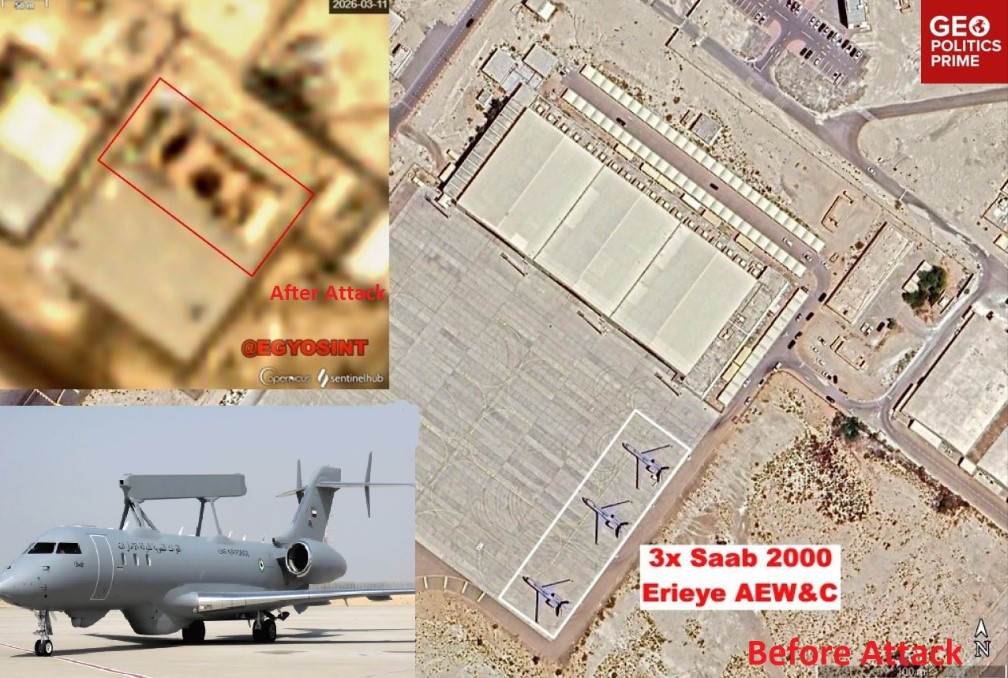
World
Abu Dhabi — March 16, 2026 : The United Arab Emirates has lost one of its Saab GlobalEye airborne early warning and control (AEW&C) aircraft following Iranian drone and missile attacks targeting Al Dhafra Air Base earlier in March 2026. Satellite imagery released in mid-March indicates that the aircraft was destroyed after several reinforced aircraft shelters at the base were struck during the attacks. Open-source satellite analysis shows heavy structural damage and burn marks on multiple hangars previously used to house GlobalEye aircraft and other large platforms. Defense observers report that the aircraft was likely destroyed by a Shahed-series loitering munition, a system estimated to cost approximately $20,000. The GlobalEye aircraft itself is valued at roughly $460 million to $500 million per unit, though total system costs including mission equipment, support, and integration can approach or exceed $1 billion. The strikes formed part of a broader wave of Iranian attacks targeting sites in the United Arab Emirates during the escalation in early March. Recorded attacks occurred on March 10 and March 13, when drones, cruise missiles, and ballistic missiles were launched toward several locations. Al Dhafra Air Base, located south of Abu Dhabi, was among the primary targets. The facility hosts assets from the UAE Air Force and Air Defence and is also used by United States and French forces operating in the Gulf region. Satellite imagery released on March 15 and March 16 shows that at least three large hangars designed for high-value aircraft sustained visible damage. These shelters had previously been associated with the storage and maintenance of the UAE’s GlobalEye aircraft. Additional platforms reportedly present in the affected area included C-235 transport aircraft, MQ-9 Reaper unmanned aerial vehicles, and MQ-4C Triton high-altitude surveillance drones. The UAE Ministry of Defence confirmed that air defence systems intercepted a large number of incoming missiles and drones during the attacks. However, officials have not issued a formal statement specifying aircraft losses or confirming the destruction of a GlobalEye platform. Defense reporting and open-source imagery analysis nonetheless indicate that at least one aircraft from the fleet was destroyed during the strike. UAE GlobalEye Fleet Prior to the incident, the UAE operated a fleet of five GlobalEye aircraft. The type represents the most advanced airborne early warning and surveillance platform currently deployed in the Middle East. These aircraft form a central component of the UAE’s integrated air defence and surveillance architecture. The GlobalEye system is based on the Bombardier Global 6000 long-range business jet and integrates Saab’s Erieye ER extended-range radar. The platform combines multiple sensor systems capable of detecting and tracking air, surface, and ground targets while operating at high altitude. The aircraft provides long-range surveillance coverage exceeding 550 kilometers for certain aerial targets and can remain airborne for more than 11 hours depending on mission configuration. GlobalEye aircraft also serve as airborne command and control nodes. The platform supports coordination of fighter aircraft, naval assets, and ground-based air defence systems through its integrated communication and battle management systems. Acquisition History The UAE was the launch customer for the GlobalEye program. The procurement was carried out through several contracts with Saab over nearly a decade. The initial agreement was signed during the Dubai Air Show in November 2015 for two aircraft with a value of approximately $1.27 billion. The contract included the aircraft, mission systems, training, and associated support services. In February 2017, the UAE exercised an option to acquire a third aircraft under the original agreement. A further expansion of the fleet was approved in December 2020 when the UAE signed a follow-on contract valued at approximately $1.018 billion for two additional GlobalEye aircraft. Deliveries occurred in several stages over the following years. The first aircraft was delivered in April 2020, followed by the second in September 2020. The third aircraft was delivered in 2021. The fourth and fifth aircraft were delivered in 2024, completing the UAE’s five-aircraft fleet less than ten years after the initial contract. In January 2024, Saab and the UAE signed a three-year in-service support agreement valued at approximately $190 million. The contract covers maintenance services, logistics support, training, and operational sustainment for the fleet through 2026. Impact and Operational Considerations The destruction of one aircraft reduces the UAE GlobalEye fleet from five aircraft to four remaining operational platforms. No official information has been released regarding the operational impact on UAE airborne surveillance coverage or command capabilities. Military analysts note that AEW&C platforms such as GlobalEye play a critical role in managing modern air operations. These aircraft extend radar coverage far beyond ground-based sensors and allow commanders to coordinate fighter aircraft, missile defense systems, and maritime forces across large areas. At present, neither the UAE government nor Saab has announced any plans to replace the destroyed aircraft or to expand the fleet further. The remaining aircraft continue to operate under the existing support and maintenance contract signed in 2024. Broader Context The strike on Al Dhafra Air Base highlights the growing role of low-cost unmanned systems in modern conflicts. Iranian strike waves during the escalation included ballistic missiles, cruise missiles, and multiple types of unmanned aerial vehicles, including loitering munitions. Although UAE air defenses intercepted the majority of incoming threats during the March attacks, several weapons reached infrastructure at Al Dhafra. The resulting damage to aircraft shelters demonstrates the vulnerability of high-value air assets when targeted by relatively inexpensive drone systems. As of March 16, 2026, UAE authorities have not released additional details regarding damage assessments, repair efforts at the base, or potential procurement decisions related to the GlobalEye fleet.
Read More → Posted on 2026-03-16 15:01:44Search
Top Trending in 24 Hours
-
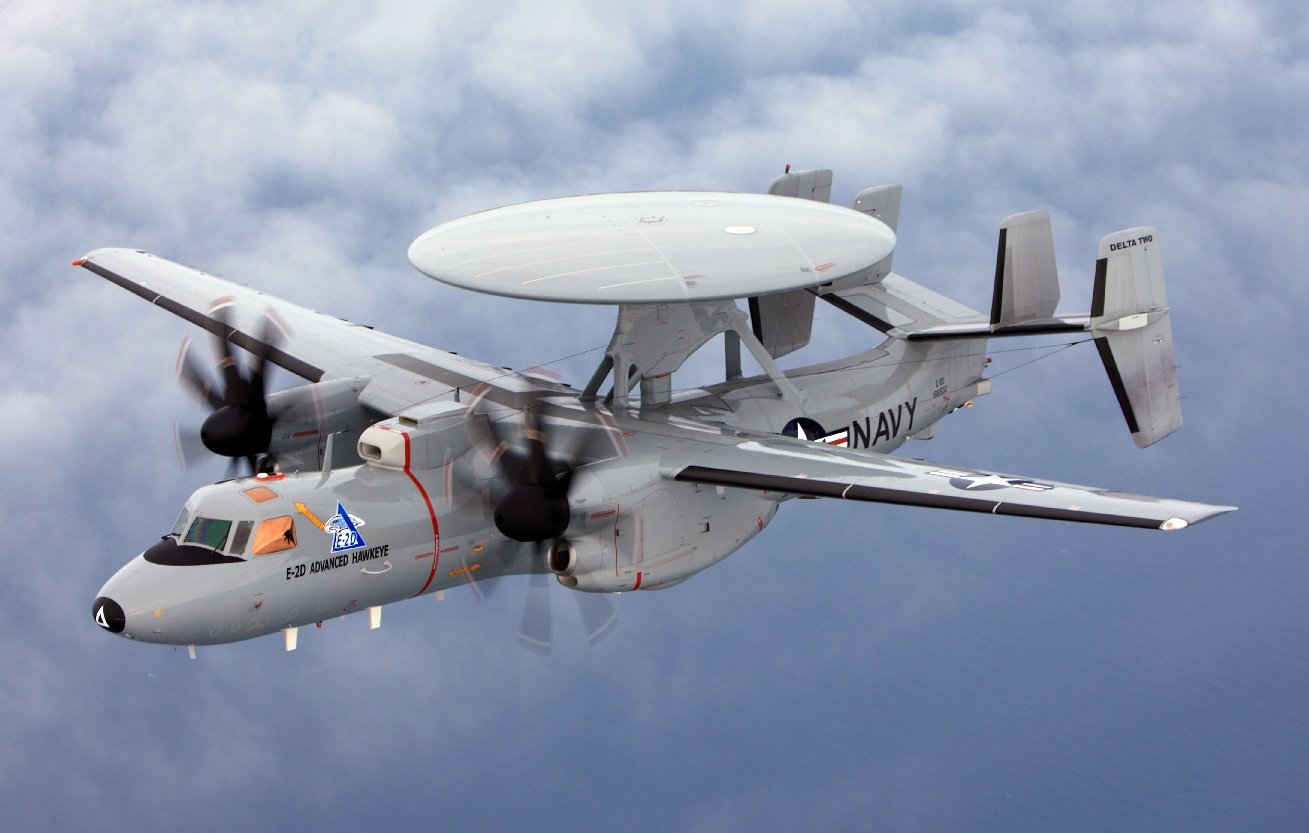 U.S. Navy Awards Northrop Grumman $1.2 Billion Deal for Three New E-2D Advanced Hawkeyes
-
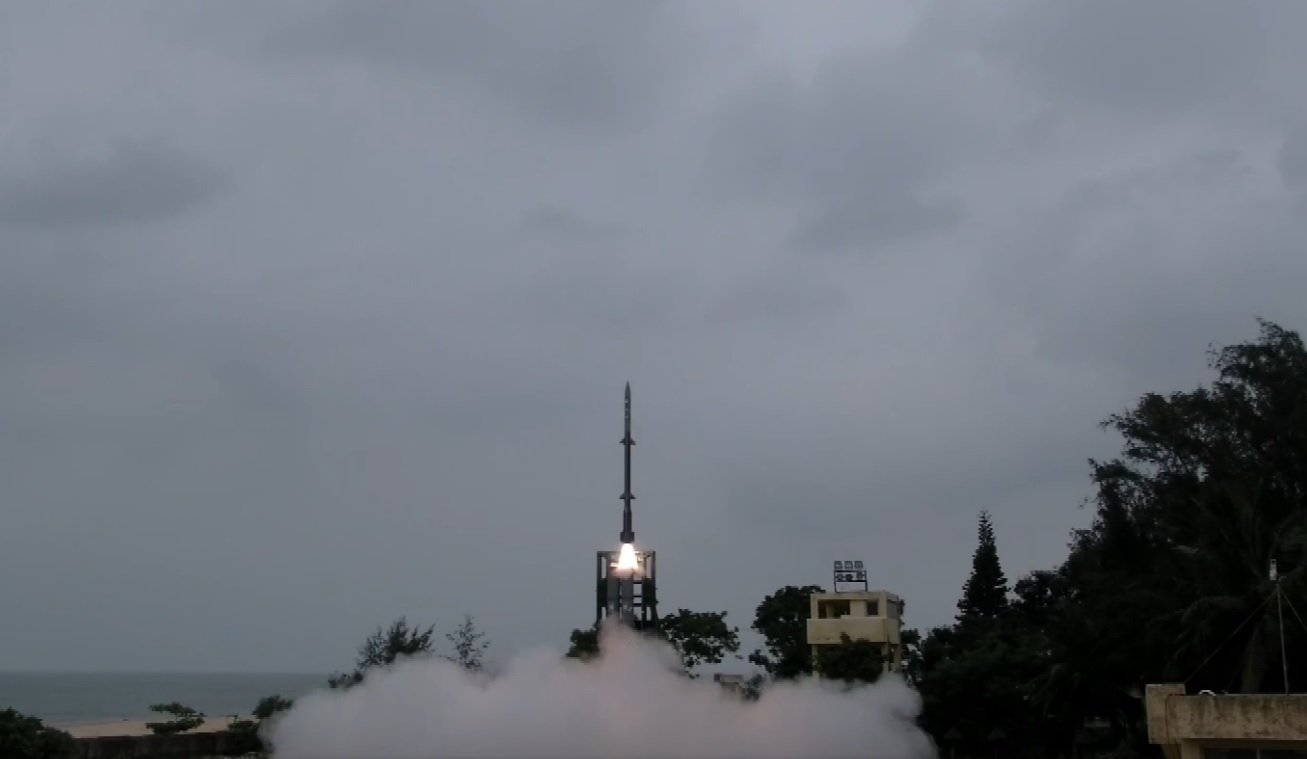 DRDO Successfully Conducts Maiden Flight Test of 150-km-Range Kusha M1 Air Defence Missile
-
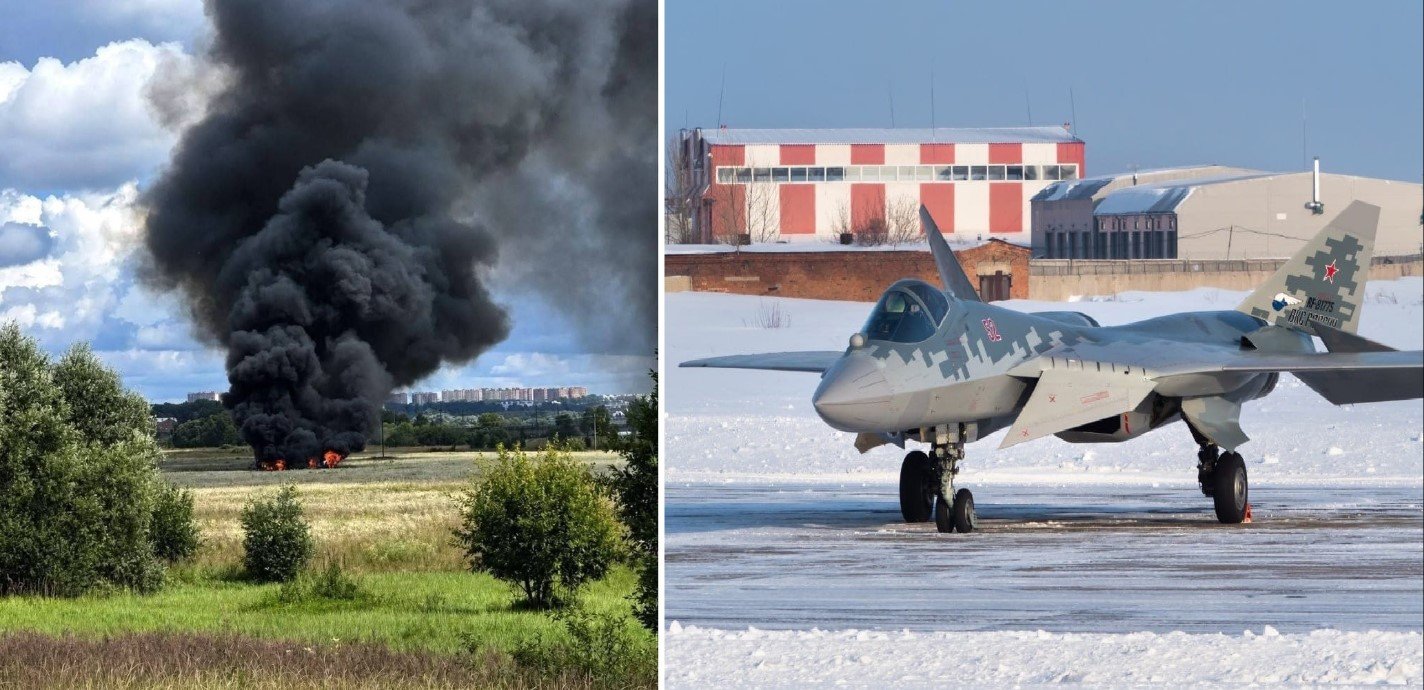 Russian Su-57 Stealth Fighter Crashes During Training Flight Near Moscow, Pilot Ejects Safely
-
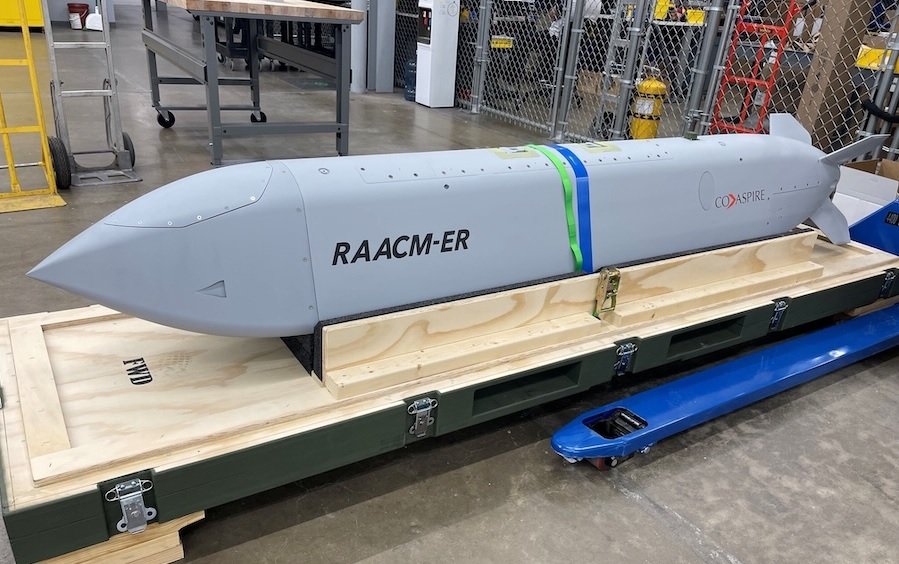 U.S. Navy Selects CoAspire to Build Ground-Launched CHAOS Cruise Missile Under $70 Million Program
-
 Destinus Unveils Vorexon Interceptor Concept to Defend Critical Sites from Artillery Threats
-
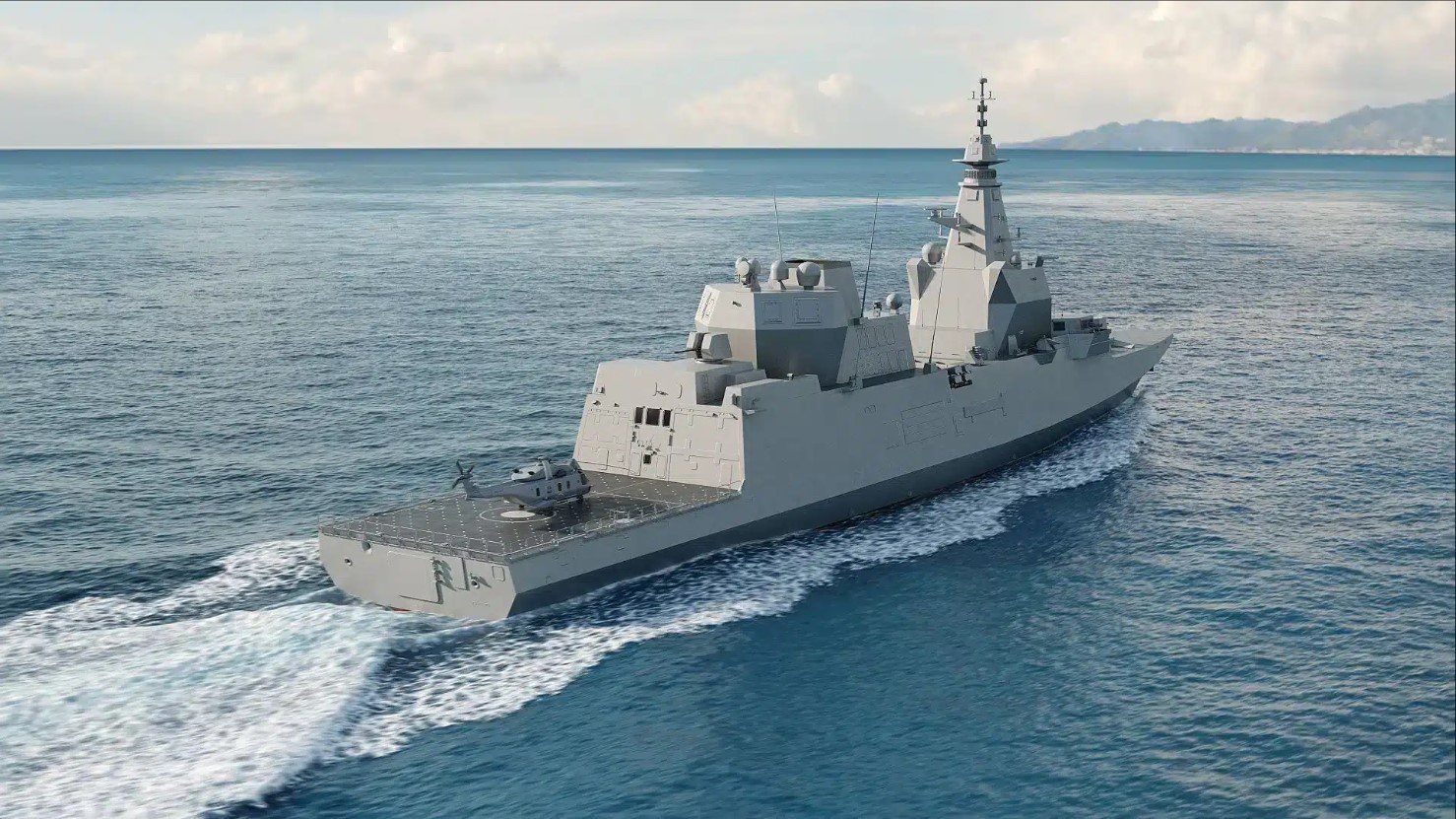 Portugal Orders Three FREMM EVO Frigates from Italy in €3.9 Billion Naval Deal
-
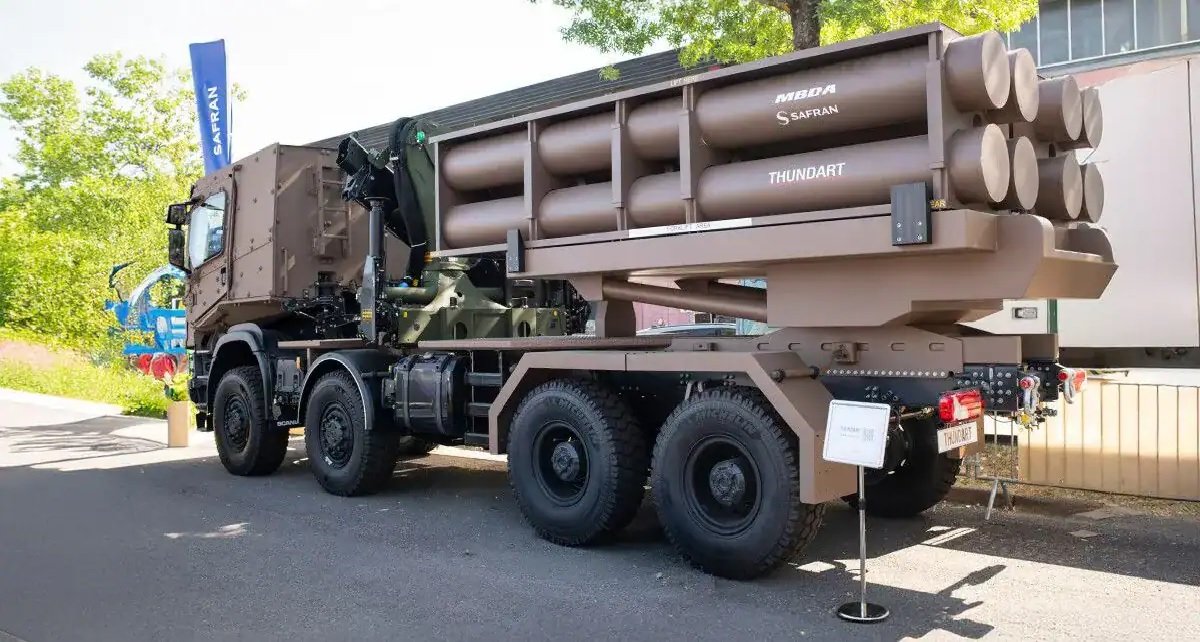 France's THUNDART Long-Range Rocket System May Undergo Prototype Combat Testing in Ukraine
-
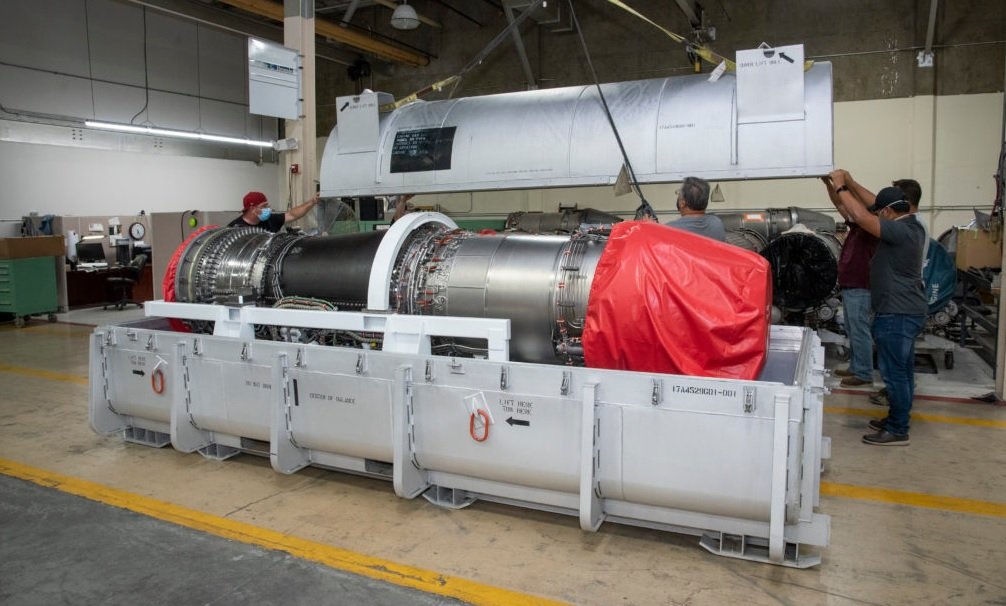 GE Aerospace and Magellan Aerospace Corporation Sign Strategic MoU for F414 Engine Sustainment in Canada
Top Trending in 4 Days
-
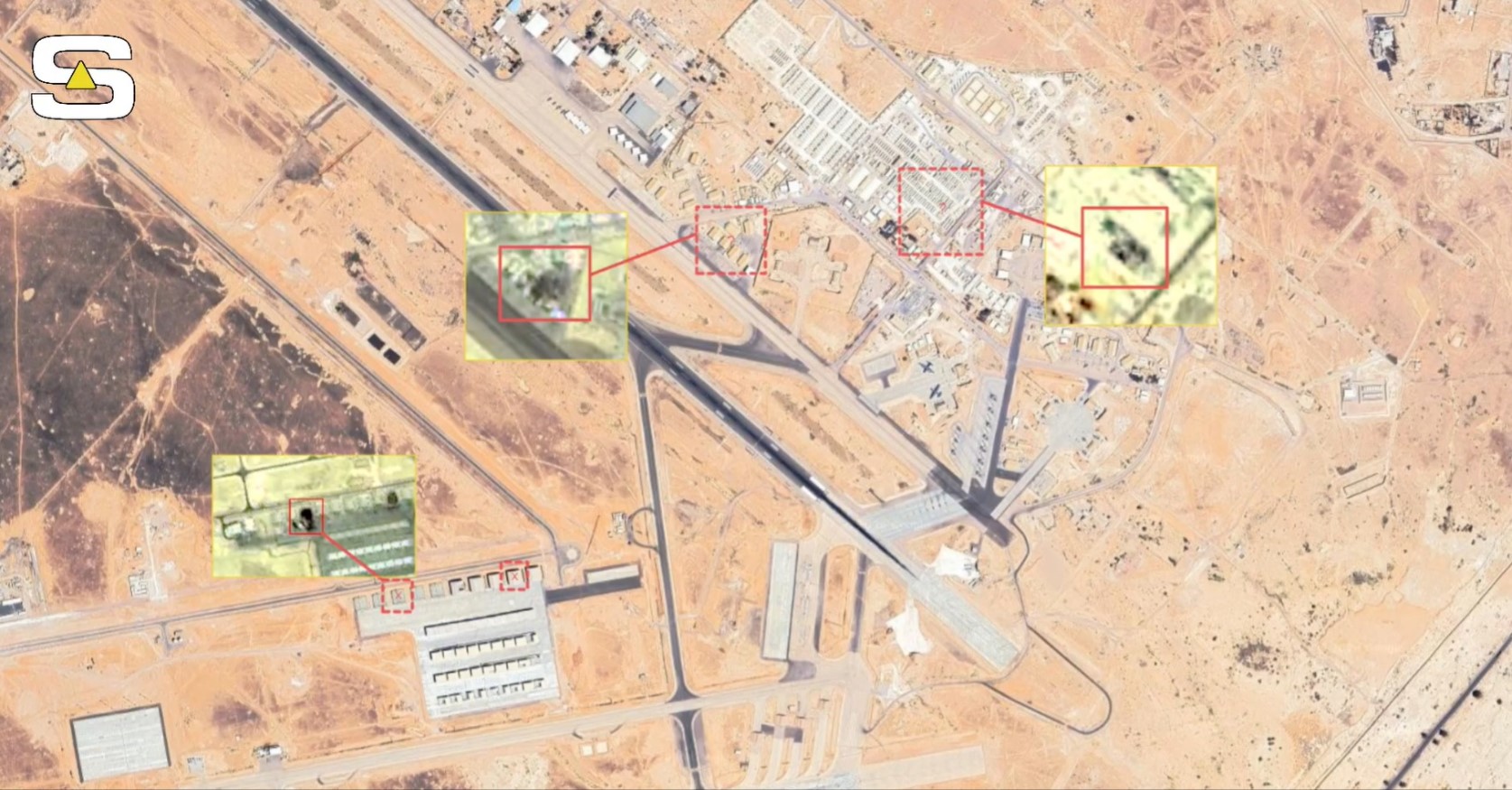 New Satellite Imagery Reveals Extensive Damage at Jordan's Muwaffaq al-Salti Air Base After Iranian Missile Strike
-
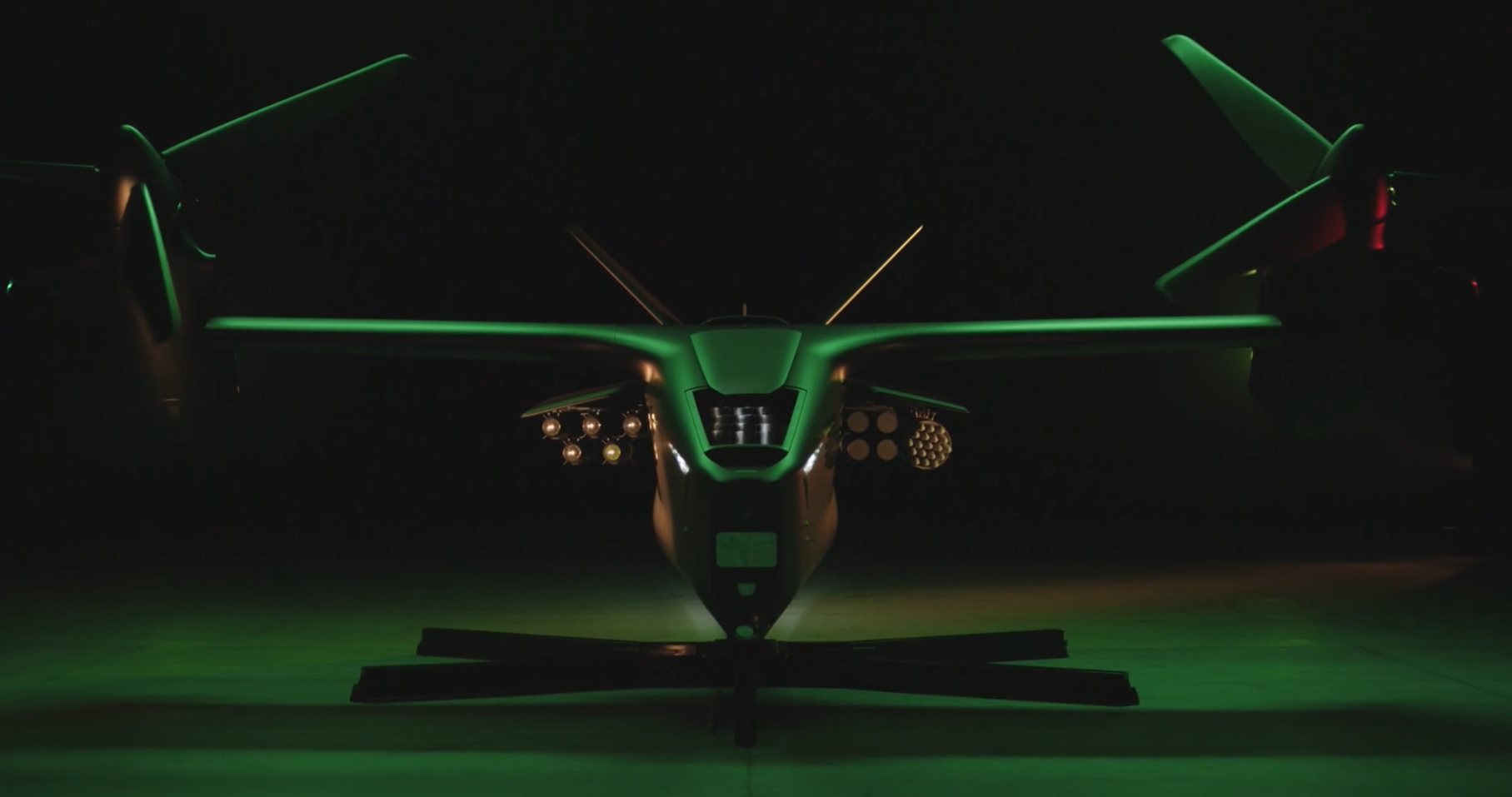 Anduril Unveils Thunder Autonomous Attack Rotorcraft Built with Archer Aviation to Support Apache Helicopters
-
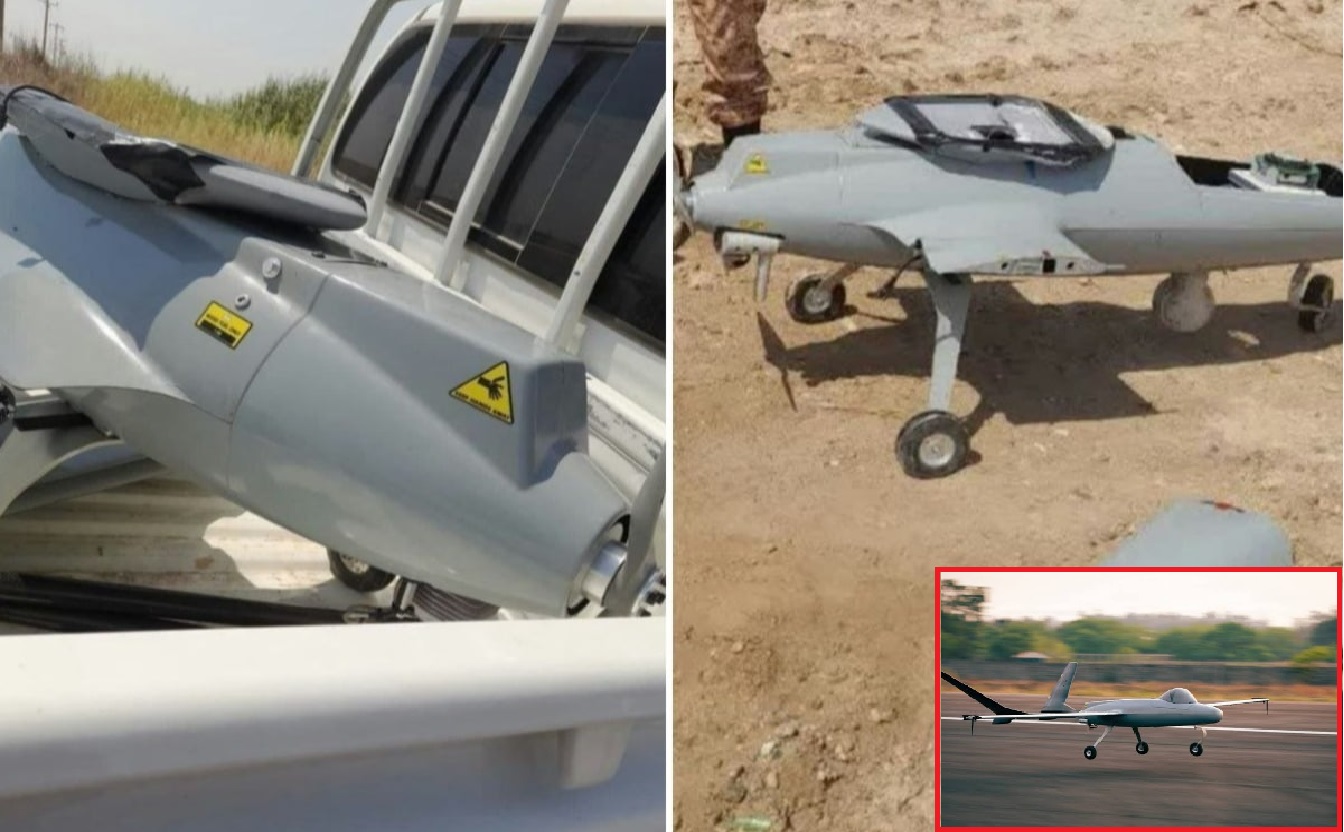 Iran Claims It Shot Down U.S.-Operated Polish-Built Tiguar-M Drone, Releases Images
-
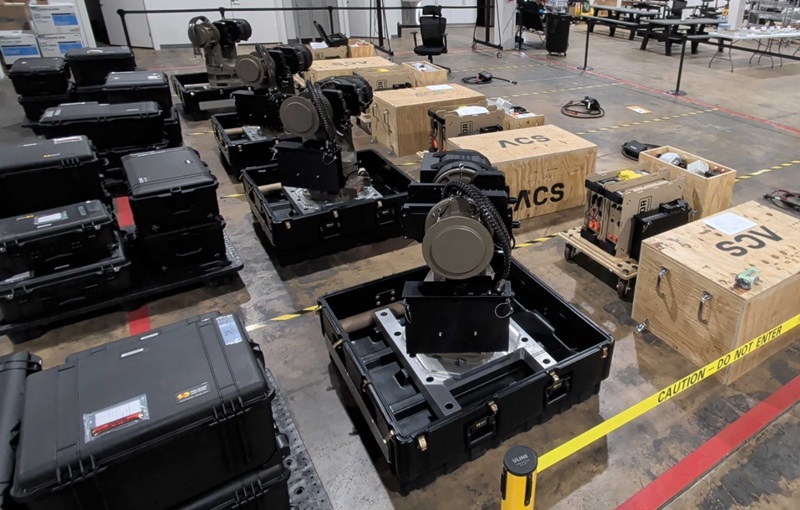 U.S. Marine Corps Selects AI-Powered Bullfrog Weapon Station for L-MADIS Counter-Drone Platform
-
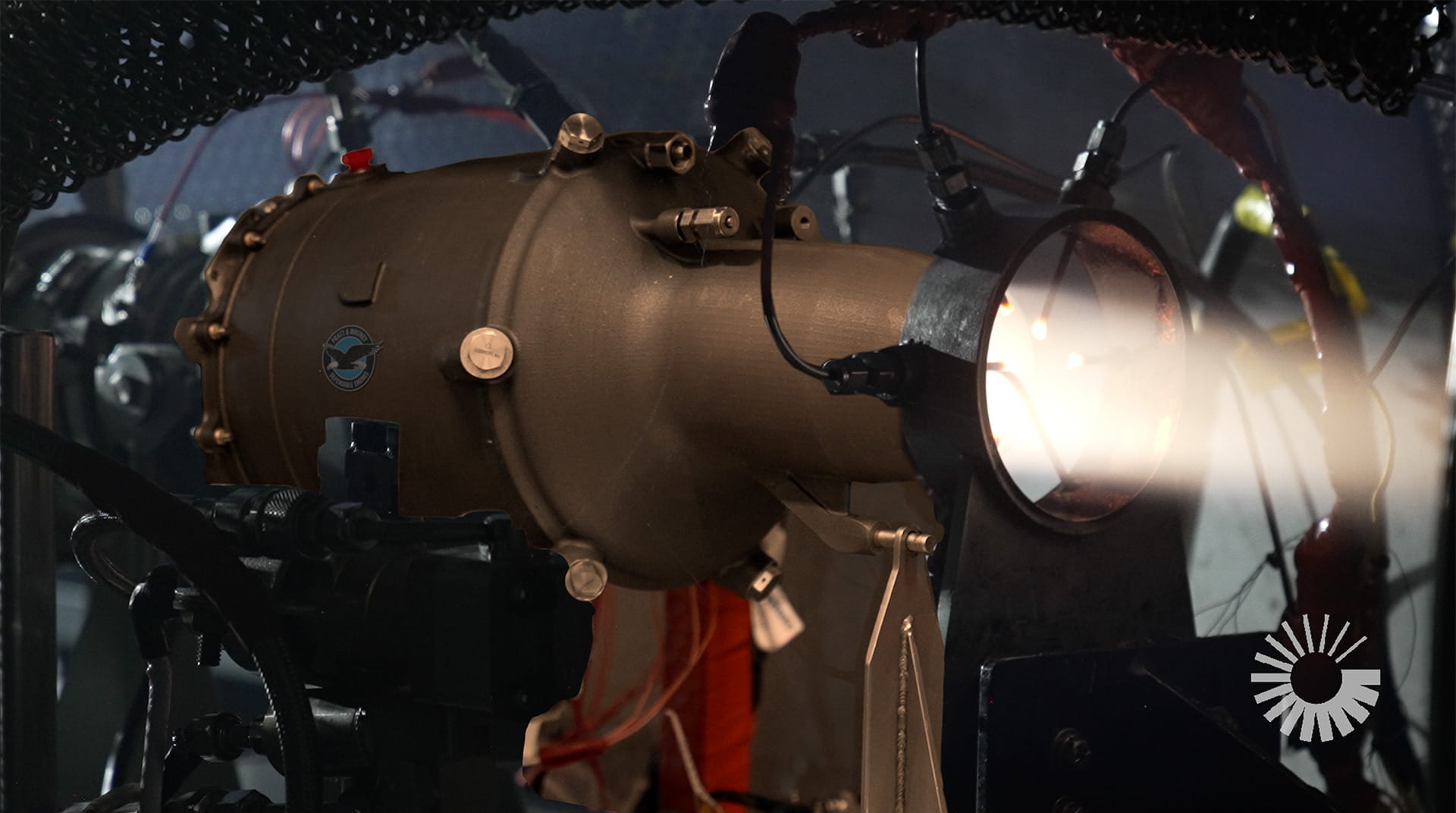 Pratt & Whitney Completes Testing of 3D-Printed TJ150 Engine for Military Applications
-
 Lockheed Martin Unveils MORFIUS X-Rotor High-Power Microwave System That Can Neutralize 50+ Drones in One Flight
-
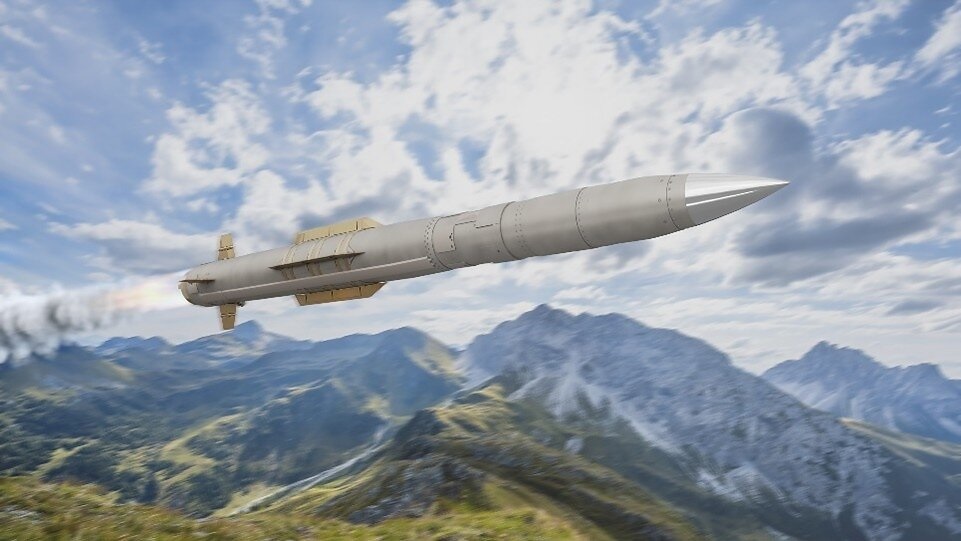 Lockheed Martin Unveils Lower-Cost PAC-3 ACE Interceptor for Patriot Air Defense System
-
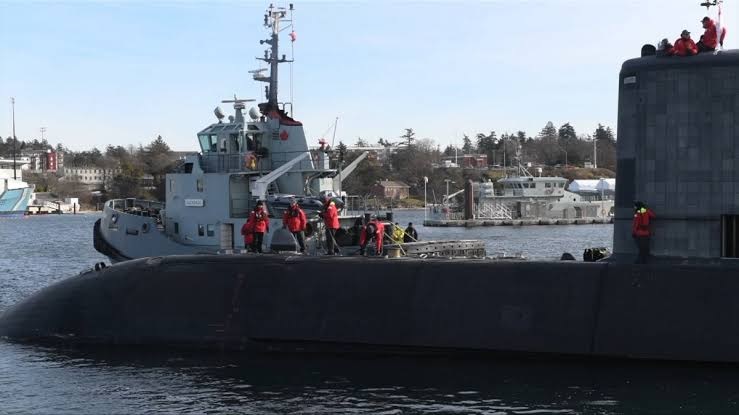 Canada Awards Babcock $1.1 Billion Six-Year Contract Extension to Support Victoria-Class Submarine Fleet
