World
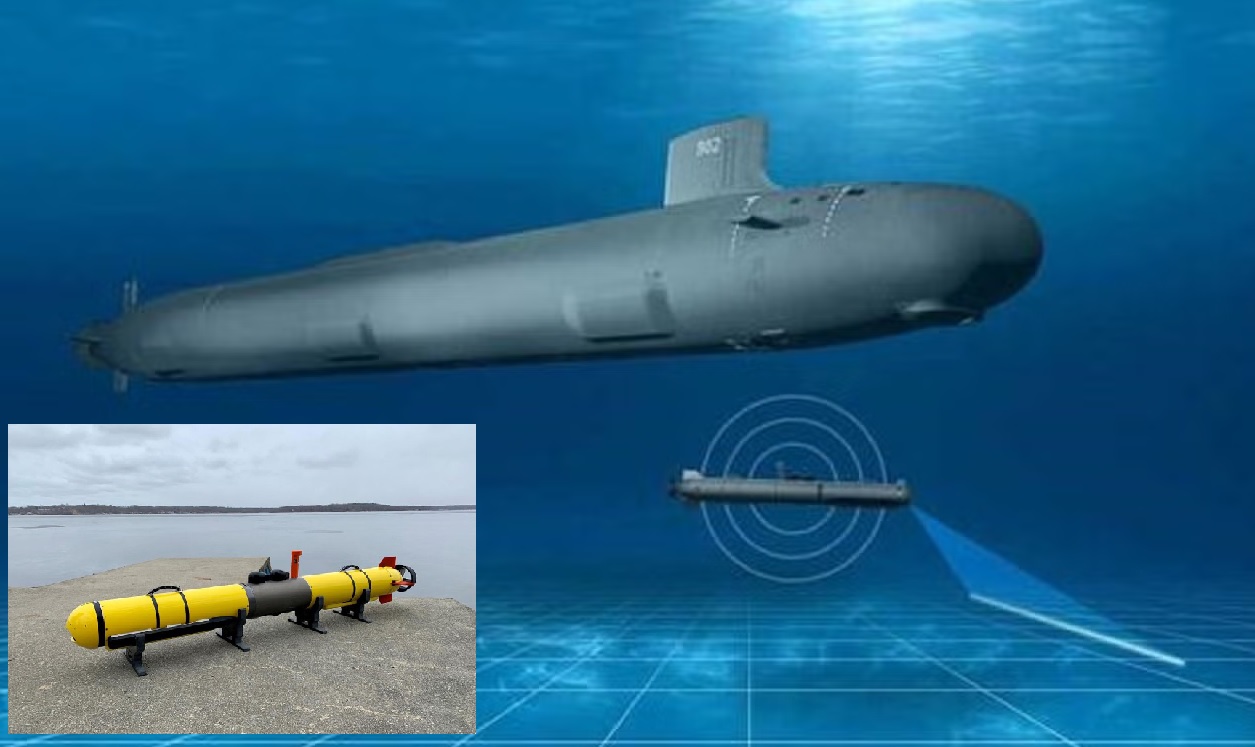
WASHINGTON / MELBOURNE, Fla., — March 26, 2026 : L3Harris Technologies has secured an Other Transaction Authority (OTA) contract from the Defense Innovation Unit to deliver its Torpedo Tube Launch and Recovery (TTLR) system to the United States Navy, enabling submarines to deploy and retrieve autonomous underwater vehicles (AUVs) through standard torpedo tubes while submerged. The contract marks the transition of the TTLR system from testing and demonstration into operational integration aboard front-line submarine platforms. The modular system has been designed to operate with the L3Harris-developed Iver4 900 AUV and does not require structural modification to existing submarine hulls. System Design and Technical Characteristics The TTLR system allows submarines to launch and recover AUVs directly through standard torpedo tubes, eliminating the need to surface or use externally mounted deployment systems such as dry deck shelters. This capability preserves submarine stealth while enabling persistent underwater operations. The Iver4 900 AUV measures approximately 2.5 meters in length and weighs under 230 pounds. It is built with a titanium and carbon-fiber pressure housing rated for depths of up to 300 meters. The platform supports multiple mission payloads and is configured for intelligence, surveillance and reconnaissance (ISR), mine detection, object identification, and seabed mapping. A key technical feature of the TTLR package is the integration of a U.S. Navy-approved lithium-ion battery system for submarine and aviation use. This represents the first such approval for an AUV operating from submarines. The lithium-ion configuration extends operational endurance to more than 80 nautical miles, compared with over 40 nautical miles using standard nickel-metal hydride (NiMH) battery systems. The system also incorporates hot-swap battery capability, allowing submarines to recover the AUV, replace its battery, download mission data, and redeploy it without interrupting operations. This enables extended or near-continuous mission cycles. Operational Capability and Testing L3Harris stated that it has achieved fully autonomous launch and recovery of an AUV from a moving submarine, supported by a homing and docking system developed and validated through testing with the U.S. Navy. Additional demonstrations have been conducted with the United Kingdom’s Royal Navy under Project Scylla. The TTLR system has been validated for a range of missions, including ISR, mine countermeasures, route surveys, and seabed warfare operations. Once deployed, the AUV can conduct forward-area reconnaissance and return to the submarine for data transfer and redeployment, maintaining a closed operational loop without exposing the host platform. Strategic and Operational Context The TTLR system aligns with current U.S. naval operational requirements, particularly in contested maritime environments. During ongoing operations in the Middle East, including activities linked to maritime security in the Strait of Hormuz, naval forces have prioritized the detection of underwater threats such as mines and seabed hazards. The ability to deploy AUVs from submerged submarines allows commanders to conduct reconnaissance and mine detection without committing surface ships, aircraft, or divers to high-risk areas. This is particularly relevant in maritime chokepoints where commercial shipping traffic and strategic energy flows are concentrated. Force Structure and Cost Efficiency The modular TTLR system is designed to integrate into existing submarine platforms using standard torpedo tubes, enabling rapid deployment across the current fleet. This approach expands operational capability without requiring new submarine construction or major retrofits. By enabling submarines to function as launch platforms for autonomous systems, the technology supports the U.S. Navy’s manned-unmanned teaming concept and increases mission flexibility. It also addresses capacity constraints within the submarine force by enhancing the effectiveness of existing assets. Interoperability and Allied Integration L3Harris noted that the TTLR system is interoperable across multiple U.S. submarine classes and compatible with allied naval platforms. The system supports broader collaboration objectives under the AUKUS Pillar 2 framework, which focuses on advanced capability development and technology sharing among partner nations. The company stated that the system is ready for operational deployment and meets current combatant commander requirements for persistent undersea operations while maintaining platform stealth. Industry and Program Significance The DIU contract represents a shift from experimental capability to fielded system within the U.S. Navy’s undersea warfare architecture. By combining autonomous systems with existing submarine infrastructure, the TTLR program reflects a broader trend toward distributed and unmanned maritime operations. The integration of certified lithium-ion battery technology, autonomous recovery capability, and modular deployment architecture positions the TTLR system as a scalable solution for extending submarine mission reach and endurance in contested environments.
Read More → Posted on 2026-03-26 14:43:56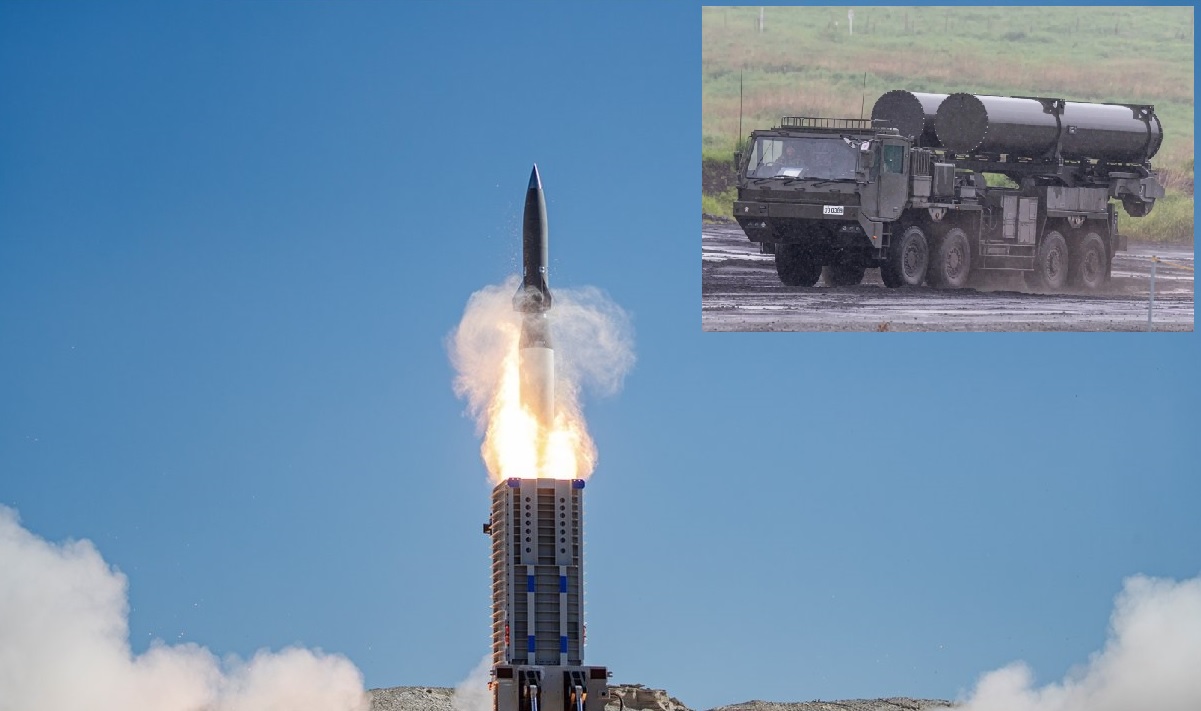
World
WASHINGTON, D.C. — March 26, 2026 : The United States Department of State has approved a potential Foreign Military Sale (FMS) to Japan valued at approximately $340 million, aimed at supporting the testing and development of Japan’s upgraded Hyper Velocity Gliding Projectile (HVGP) program. The approval, formally notified on March 25, 2026, covers a comprehensive range of technical, logistical, and administrative support services rather than the transfer of major defense equipment. Program Scope and Support Package According to the notification, the Government of Japan requested extensive support to enable testing and evaluation of its next-generation hypersonic glide capability. The package includes test preparation, execution, and post-test analysis, along with full access to U.S. test ranges and associated infrastructure. Key elements of the approved package include range support services such as surveillance and safety protocols, including flight termination system reviews. It also provides test utility support covering essential services like water, gas, and electricity, as well as environmental and site approvals required for conducting missile tests. The agreement further includes transportation of test equipment and procurement of specialized measuring instruments necessary for tracking and analyzing high-speed flight data. Administrative and logistical provisions cover radio frequency assignments, test plan development, office facilities, and general program support services. Coordination meetings between U.S. and Japanese officials will be conducted in both countries as part of ongoing program management. All equipment and services under this package will be provided by the U.S. Government. Focus on Testing Infrastructure The support package is specifically designed to address the challenges associated with testing advanced hypersonic systems. Such systems require large, controlled, and instrumented ranges capable of safely handling long-distance, high-speed flight profiles. Japan’s domestic constraints in terms of available landmass and isolated testing corridors have necessitated reliance on U.S. facilities. The inclusion of range safety mechanisms, particularly flight termination systems, ensures that test vehicles can be neutralized if they deviate from planned trajectories. This approval marks the second FMS notification related to Japan’s HVGP program. A previous approval in March 2025, valued at $200 million, focused on initial test preparation, transportation support, and coordination activities. The current package expands support to cover more advanced testing requirements for upgraded variants. Overview of the HVGP System The Hyper Velocity Gliding Projectile is a ground-launched hypersonic glide vehicle being developed under Japan’s Acquisition, Technology and Logistics Agency (ATLA), with Mitsubishi Heavy Industries as a principal industrial partner. The system uses a solid-fuel rocket booster to carry a glide vehicle to high altitude. After separation, the vehicle travels toward its target at supersonic to hypersonic speeds, exceeding Mach 5, while following a maneuverable and less predictable trajectory compared to traditional ballistic missiles. The HVGP is designed to be deployed from mobile ground-based launch platforms mounted on heavy trucks, allowing for rapid relocation and flexible operational use. Testing has also included deployment via sea and air transport to evaluate mobility and survivability. Deployment Timeline and Variants Japan plans to field the initial HVGP Block 1 variant with the Japan Ground Self-Defense Force by the end of March 2026. The system is expected to have a range of approximately 500 to 900 kilometers and is scheduled for deployment at locations including Camp Fuji in Shizuoka Prefecture. Future variants, designated Block 2A and Block 2B, are currently under development and are expected to extend the system’s range to between 2,000 and 3,000 kilometers. These upgraded versions are targeted for deployment in the early 2030s and will incorporate enhanced performance characteristics. Strategic Role and Operational Objectives The HVGP forms part of Japan’s broader effort to develop “standoff capabilities”, enabling it to engage potential threats from distances beyond the reach of adversary weapon systems. The primary operational focus is the defense of Japan’s remote southwestern islands, including areas such as the Senkaku Islands. The system is intended to provide the capability to target hostile naval vessels or landing forces before they can establish a presence on these islands. It complements other systems in Japan’s defense architecture, including upgraded surface-to-ship missile platforms such as the Type 12. Policy Context and Regional Security Implications The U.S. State Department stated that the proposed sale supports U.S. foreign policy and national security objectives by strengthening the defense capabilities of a key regional ally. Japan is described as a central contributor to political stability and economic progress in the Indo-Pacific region. The department assessed that Japan will be able to effectively integrate the provided services into its defense programs without difficulty. The package does not include major defense equipment and falls within standard procedures under the Arms Export Control Act, including congressional notification requirements. The approval reflects ongoing U.S.-Japan defense cooperation, particularly in the development of advanced missile technologies and the enhancement of regional deterrence capabilities.
Read More → Posted on 2026-03-26 14:34:18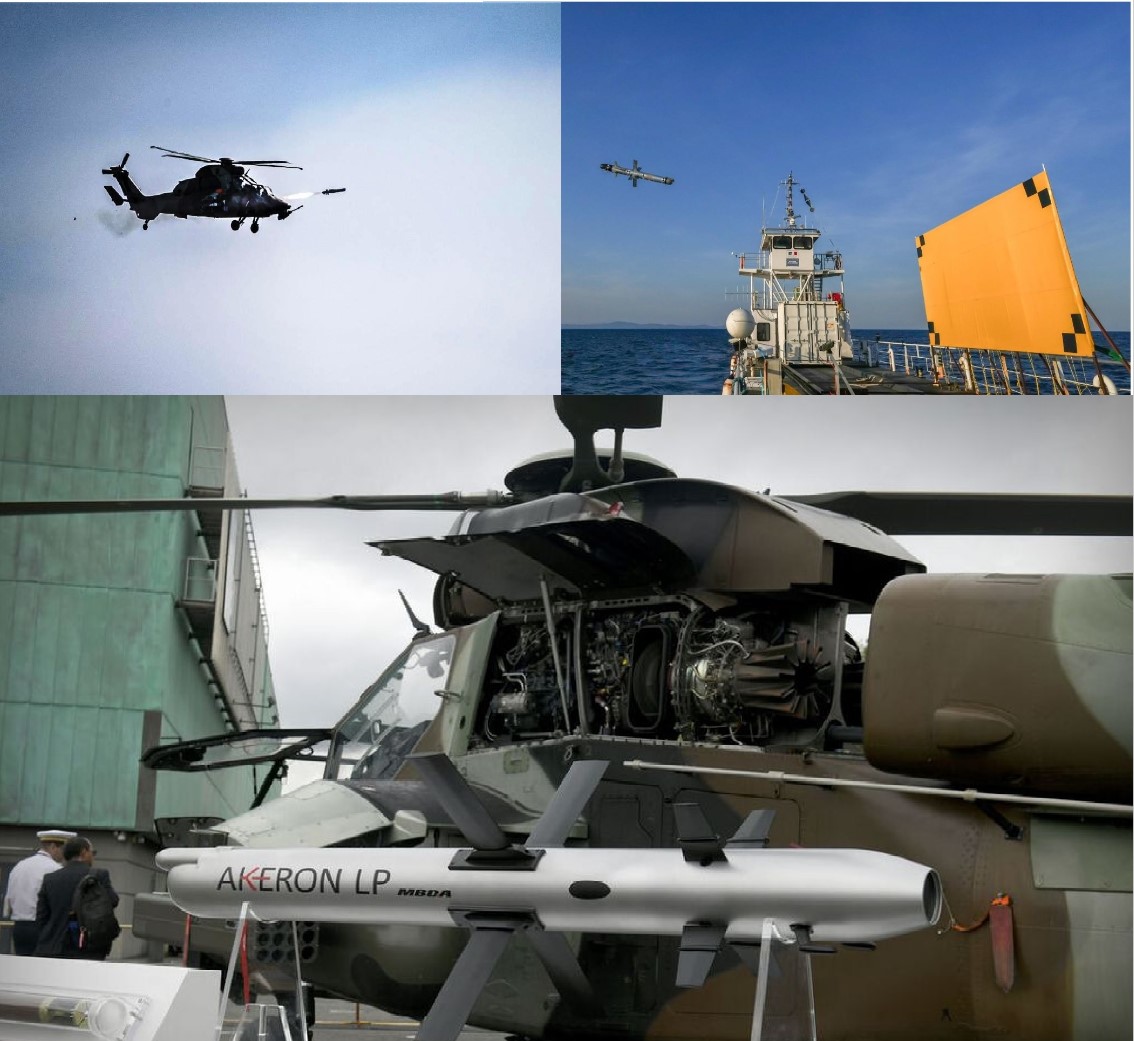
World
PARIS, — March 26, 2026 : France has successfully conducted a new firing test of the Akeron LP missile at the Île du Levant test site, operated by DGA Essais de Missiles, as part of the ongoing Missile Air-Sol Tactique Futur (MAST-F) programme aimed at strengthening future air-to-ground strike capabilities. The test, carried out on March 24, 2026, forms a key step in validating the performance and operational architecture of the next-generation missile system being developed for the French armed forces. Test Execution and System Validation The firing involved a prototype Akeron LP missile equipped with onboard measurement instruments designed to collect detailed performance data throughout the flight. The missile was launched from a ground-based installation against a sea-borne target, allowing engineers to evaluate multiple critical functional chains under controlled conditions. During the trial, two major capabilities were successfully demonstrated. The missile’s laser-guided targeting system validated its ability to accurately engage a maritime surface target. At the same time, the two-way radio frequency datalink between the missile and its launcher was tested, confirming a stable and high-speed communication link. Both systems were actively used throughout the flight, enabling real-time interaction and confirming man-in-the-loop operational capability under representative conditions. The collected telemetry is expected to support further refinement of the system. Programme Management and Industrial Cooperation The Organisation for Joint Armament Co-operation (OCCAR), which manages the MAST-F programme on behalf of France, described the test as a significant technical milestone. The development effort brings together multiple stakeholders, including the French Directorate General of Armaments (DGA) and European missile manufacturer MBDA. The programme is led by France, with OCCAR coordinating acquisition and development activities. The collaboration reflects a broader European approach to advanced missile system development. Technical Characteristics of Akeron LP The Akeron LP is a fifth-generation, long-range, multi-role guided missile developed by MBDA. It is designed to operate in complex battlefield environments with a high degree of precision and flexibility. The missile weighs approximately 35 kilograms—remaining under 40 kg—and measures around 1.7 to 1.8 metres in length within its tactical canister, with a diameter of 150 mm. It is equipped with a multi-effect, multipurpose warhead featuring selectable modes for different target types. Its operational range exceeds 8 kilometres and can extend up to 20 kilometres when launched from aerial platforms. Akeron LP incorporates a multi-mode guidance system that combines high-resolution infrared imaging, daylight television imaging, and semi-active laser designation. The system supports both lock-on before launch (LOBL) and lock-on after launch (LOAL) modes. In addition, the missile features a two-way datalink enabling in-flight target updates, mission re-targeting, or mission abort. Its targeting architecture integrates artificial intelligence-based image processing to enhance target recognition and engagement accuracy. The system also supports third-party target designation, enabling networked operations across platforms. Role Within the MAST-F Programme The MAST-F programme is intended to deliver a networked, high-precision strike system capable of operating in contested and complex operational environments. The programme focuses on improving targeting accuracy, connectivity, and operational flexibility to support modern battlefield requirements. Akeron LP is designed to replace the American-made AGM-114R Hellfire II missile currently in service. The new system is expected to provide improved performance against a wide range of targets, including main battle tanks, fortified infrastructure, and dispersed combat groups, while minimizing collateral damage. Platform Integration and Operational Advantages The missile will initially be integrated into the French Army’s Tiger attack helicopter as part of its mid-life upgrade under the Tiger Mark III programme. One of the operational advantages of Akeron LP is its reduced weight compared to legacy systems. At approximately 35 kilograms per missile, it is around 20 percent lighter than comparable systems. When a Tiger helicopter carries a full load of eight missiles, this results in a total weight reduction of about 100 kilograms. The saved weight can be used to carry additional fuel, thereby extending the aircraft’s operational range and endurance. Future Deployment and Adaptability The first delivery of the MAST-F system is scheduled for 2028. Beyond the Tiger helicopter, the Akeron LP is designed for integration across multiple platforms, including light helicopters, medium-altitude long-endurance unmanned aerial vehicles such as the Eurodrone, and ground-based systems. The missile system will also be incorporated into training environments within the French armed forces to support operational readiness and personnel preparation. Programme Progression The latest firing builds on earlier milestones in the MAST-F programme. Previous tests included a ground-based firing conducted in February 2025 and a separation firing from a Tiger test-bed helicopter in March 2025. With successive trials confirming core system functions, the programme continues to progress toward full operational capability, with further testing and integration phases expected ahead of the planned 2028 delivery timeline.
Read More → Posted on 2026-03-26 14:19:29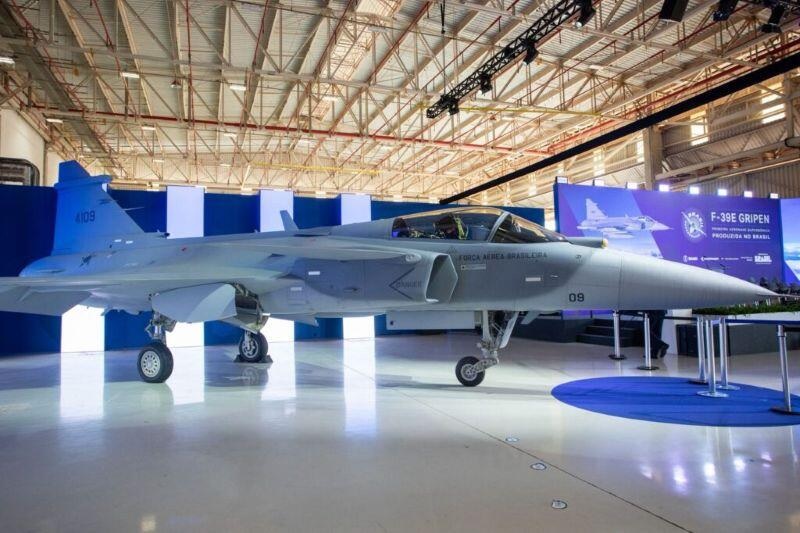
World
GAVIÃO PEIXOTO, Brazil — March 26, 2026 : Brazil has formally presented the first Gripen E multirole fighter jet assembled domestically, marking a significant milestone in the country’s long-running F-39E program and its broader effort to establish an indigenous defense-industrial capability. The aircraft was unveiled on March 25 at Embraer’s industrial facility in Gavião Peixoto, São Paulo state, in a joint presentation involving Embraer, Swedish defense company Saab, and the Brazilian Air Force (Força Aérea Brasileira, FAB). The rollout reflects a transition from initial foreign-built deliveries to local assembly, supported by a technology transfer agreement signed in 2014 between Brazil and Saab. The program is part of a $4 billion contract covering 36 aircraft, including 28 single-seat Gripen E fighters and eight two-seat Gripen F variants. Leadership Presence and Program Context The ceremony was attended by Brazilian President Luiz Inácio Lula da Silva, Sweden’s Ambassador to Brazil Karin Wallensten, Defense Minister José Múcio Monteiro Filho, Brazilian Air Force Commander Lt. Brig. Marcelo Kanitz Damasceno, Saab President and CEO Micael Johansson, Embraer President and CEO Francisco Gomes Neto, and Embraer Defense & Security CEO Bosco da Costa Junior. Saab noted that this is the first time since its establishment in 1937 that a fighter aircraft has been manufactured outside Sweden. Brazilian officials stated that the program contributes to the country’s ability to produce and sustain advanced combat aircraft domestically. Aircraft Specifications and Systems The Gripen E, designated F-39E in Brazilian service, is a single-engine multirole combat aircraft designed for air defense, reconnaissance, and strike missions. It has a maximum take-off weight of 16,500 kilograms and is powered by a GE F414 engine generating approximately 98 kilonewtons of thrust. The aircraft can reach speeds of up to Mach 2 (approximately 2,470 km/h). The platform includes ten hardpoints for carrying weapons and mission equipment and supports air-to-air refueling, extending operational range and endurance. Saab states that the aircraft’s combat turnaround time ranges from 15 to 25 minutes, enabling rapid redeployment. The Gripen E integrates an Active Electronically Scanned Array (AESA) radar, an Infrared Search and Track (IRST) system, and advanced electronic warfare and communications systems. These systems are designed to support sensor fusion, situational awareness, and networked operations in contested environments. Production Structure and Industrial Participation Final assembly of the aircraft is conducted at Embraer’s Gavião Peixoto facility. Aerostructures are produced at Saab’s plant in São Bernardo do Campo, also in São Paulo state, reflecting a combined Brazilian and international supply chain. Prior to this rollout, 11 Gripen aircraft had been delivered from Sweden starting in 2020. Under the current contract, a total of 15 aircraft will be assembled in Brazil, including the newly unveiled unit and 14 additional fighters that will follow the same production model after functional checks and flight testing. The program includes provisions for technology transfer, enabling Brazilian industry to participate in assembly, systems integration, and long-term maintenance. Operational Deployment and Airspace Coverage The Gripen E has already entered operational service within the Brazilian Air Force. On March 6, 2026, Saab confirmed that the aircraft began Quick Reaction Alert (QRA) missions from Anápolis Air Base, where it is assigned to the First Air Defense Group (1º GDA). From Anápolis, the aircraft is positioned to respond rapidly to aerial threats and support the monitoring and protection of Brazil’s airspace. This includes coverage of major urban centers, critical infrastructure, offshore economic zones, and the Amazon region. Saab stated that the aircraft can reach the Central Plateau within minutes, supporting defense requirements around the federal capital and surrounding areas. The newly presented aircraft is expected to join operational units following completion of testing and evaluation. Strategic and Regional Implications Brazil’s domestic assembly of the Gripen E places it among a limited number of countries capable of manufacturing advanced supersonic combat aircraft. The program strengthens national control over defense production and reduces reliance on external supply chains. Brazil is currently the only country in Latin America assembling a modern fighter aircraft of this class. Saab has indicated that the Brazilian production line could serve as a potential export hub for the Gripen platform in the region, depending on future agreements. The F-39E is expected to serve as a central component of Brazil’s air defense and deterrence posture, supporting sovereignty enforcement and long-range operational requirements across the country’s extensive territory.
Read More → Posted on 2026-03-26 14:11:23
World
WASHINGTON, — March 25, 2026 : The U.S. Department of Defense has finalized a series of framework agreements with major defense contractors—BAE Systems, Lockheed Martin, and Honeywell Aerospace—to expand production of critical munitions and defense systems, as part of a broader effort to transition the U.S. military industrial base toward a wartime footing. The agreements come amid sustained operational demands linked to ongoing U.S. and Israeli military actions against Iran over the past three weeks, alongside continued requirements stemming from the war in Ukraine and military operations in Gaza. U.S. weapons stockpiles have been reduced by billions of dollars since 2022 due to these overlapping commitments, prompting the Pentagon to accelerate replenishment and increase production capacity. Framework Agreements and Industrial Expansion Under the new arrangements, Honeywell Aerospace will implement a multi-year production surge supported by a $500 million internal investment. The company will expand output of key components used across U.S. military platforms, including resilient navigation systems, missile steering actuators, and electronic warfare systems. These components are integral to a wide range of precision-guided munitions and defense systems currently in service. Lockheed Martin has entered into a separate framework agreement focused on accelerating production timelines for the Precision Strike Missile (PrSM), a next-generation deep-strike weapon designed to replace legacy Army Tactical Missile Systems. The PrSM is already being fielded and is reported to be seeing its first operational use in the ongoing conflict involving Iran. In parallel, BAE Systems and Lockheed Martin have formalized a seven-year agreement to significantly expand production of interceptors for the Terminal High Altitude Area Defense (THAAD) system. The agreement aims to quadruple output of critical infrared seeker components used in THAAD interceptors. To support this increase, BAE Systems will expand manufacturing operations at its facilities in Nashua, New Hampshire, and Endicott, New York, where the highly specialized seekers are produced. Government and Industry Statements Michael Duffey, U.S. Under Secretary of Defense for Acquisition and Sustainment, stated that the framework agreements are intended to provide a “clear, stable, long-term demand signal” to industry. According to Duffey, this approach is designed to enable contractors to invest in infrastructure expansion, workforce growth, and supply chain resilience. Industry leaders indicated readiness to scale production in response to government demand. Honeywell Aerospace CEO Jim Currier said the company is prepared to meet urgent requirements tied to stockpile replenishment. Lockheed Martin CEO Jim Taiclet stated that the company is working closely with the Department of Defense and the U.S. Army to increase production capacity and reduce delivery timelines. Policy Direction and Executive Oversight The expansion follows direct engagement between the White House and defense industry leadership. Earlier in March, President Donald Trump met with executives from seven major defense firms, including Lockheed Martin, RTX, BAE Systems, Boeing, Honeywell Aerospace, L3Harris Technologies, and Northrop Grumman. The discussions focused on production rates, delivery schedules, and industrial capacity. The administration has also introduced policy measures to reinforce production priorities. In January, President Trump signed an executive order titled “Prioritizing the Warfighter in Defense Contracting,” directing federal agencies to identify contractors that fail to meet delivery timelines while continuing shareholder distributions such as dividends and stock buybacks. The policy emphasizes aligning contractor performance with operational requirements. Operational Context and Force Posture The production increase is linked to ongoing and anticipated military requirements. In addition to munitions consumption in Ukraine and Gaza, the United States has expended additional weapons in operations related to Iran. These include artillery systems, ammunition, and anti-tank weapons, contributing to the drawdown of existing stockpiles. Separately, the Pentagon is preparing to deploy additional ground forces to the Gulf region. Reports indicate that between 3,000 and 4,000 troops from the U.S. Army’s 82nd Airborne Division may be deployed to provide expanded options for rapid-response and ground operations. The division is structured for quick deployment and specializes in parachute assault missions. Strategic Objective The framework agreements are structured to provide long-term demand visibility to contractors, enabling sustained increases in manufacturing output. While specific financial details for BAE Systems and Lockheed Martin were not disclosed, the agreements collectively aim to raise annual production rates for key systems, particularly THAAD interceptors and PrSM missiles. The Pentagon’s approach reflects a broader effort to reinforce the U.S. defense industrial base under conditions of sustained operational demand, with a focus on increasing throughput, reducing production timelines, and ensuring the availability of advanced munitions for current and future missions.
Read More → Posted on 2026-03-25 18:25:04
India
NEW DELHI — March 25, 2026 : Indian state-owned aerospace and defence manufacturer Bharat Dynamics Limited (BDL) has announced the establishment of two new manufacturing facilities at Ibrahimpatnam (Telangana) and Jhansi (Uttar Pradesh), as part of a broader capacity expansion plan aligned with the growing operational requirements of the Indian armed forces and the government’s self-reliance initiatives. The two facilities are expected to be inaugurated shortly, with full-scale manufacturing operations scheduled to commence in the financial year 2026–27 (FY27). The expansion is supported by BDL’s current order book of approximately ₹26,000 crore, along with anticipated additional orders worth ₹15,000 crore expected during FY27. Expansion to Support Production Scale-Up The new units are being developed to augment BDL’s existing manufacturing network, which includes facilities in Hyderabad, Bhanur, Ibrahimpatnam (Telangana), and Visakhapatnam (Andhra Pradesh). The expansion is intended to increase throughput across multiple missile and munitions programs while reducing dependence on external supply chains, particularly in propulsion and energetics. Ibrahimpatnam Facility: Assembly and Advanced Testing The Ibrahimpatnam unit, located near Hyderabad, is being configured as an integrated assembly and testing hub for advanced weapon systems. The facility will house eight dedicated assembly lines designed to support both current and next-generation weapon systems. These lines are expected to enable scalable production in response to future procurement requirements. In addition to assembly infrastructure, the site will incorporate specialized in-house testing capabilities, including a rocket motor testing facility and a warhead penetration testing facility. These are intended to validate performance parameters, ensure reliability, and improve production yield prior to deployment. The facility is also positioned to support increased manufacturing of surface-to-air missile systems, including new-generation variants. Jhansi Facility: Propellants, Energetics, and Rocket Production The Jhansi facility, located within the Uttar Pradesh Defence Corridor, will focus on propulsion systems, chemical energetics, and bulk munitions production. A primary function of the unit will be the manufacturing of missile and rocket propellants to meet BDL’s growing internal demand. This is expected to reduce reliance on external suppliers and strengthen supply chain integration. The facility will also undertake bulk production of Grad rockets, which are standard artillery munitions used by the Indian armed forces. In addition, the Jhansi unit will house a dedicated research and development (R&D) component focused on the development of advanced energetics. It will also support the production of propulsion systems for anti-tank guided missiles and future missile programs. Increased Output of Key Weapon Systems The operationalisation of the Ibrahimpatnam and Jhansi facilities is expected to significantly increase production volumes across BDL’s existing portfolio of missile systems and underwater weapons. A key focus area is the Akash Weapon System, an indigenously developed, mobile, all-weather surface-to-air missile system capable of engaging aerial targets such as fighter aircraft, cruise missiles, and unmanned aerial vehicles (UAVs). The system has a range of up to 30 km and can engage targets at altitudes of up to 18 km. It incorporates Electronic Counter-Counter Measures (ECCM) and is currently deployed by both the Indian Army and the Indian Air Force. BDL has already increased monthly production of Akash missiles from 50 to 100 units to meet existing orders. Major contracts, including a ₹8,161 crore order signed in 2023 for two regiments of the Indian Army, have driven the requirement for further scaling up production. The new assembly lines at Ibrahimpatnam are expected to support this increased demand. Broader Missile and Weapons Portfolio In addition to the Akash system, the expanded manufacturing capacity will support a wide range of BDL-produced weapon systems across multiple domains. These include surface-to-air missile systems such as the Medium Range Surface-to-Air Missile (MRSAM), Quick Reaction Surface-to-Air Missile (QRSAM), and Vertically Launched Short-Range Surface-to-Air Missile (VLSRSAM). The company also manufactures the Astra beyond-visual-range (BVR) air-to-air missile for the Indian Air Force. Its anti-tank guided missile (ATGM) portfolio includes systems such as MILAN 2T, Konkurs, Invar, and Helina (Dhruvastra), designed for heavy armor engagement. BDL’s air-to-surface capabilities include the Smart Anti-Airfield Weapon (SAAW), while its underwater systems include the Advanced Lightweight Torpedo (TAL) and the Heavyweight Torpedo (Varunastra), both used by the Indian Navy for anti-submarine warfare. Additional systems in production include Multi-Influential Ground Mines (MIGM), Counter Measures Dispensing Systems, and Grad rockets. Alignment with Defence Industrial Policy The establishment of the Jhansi facility within the Uttar Pradesh Defence Corridor aligns with ongoing government efforts to develop regional defence manufacturing hubs. The initiative is aimed at strengthening domestic industrial capacity, promoting indigenous design and production, and reducing import dependency in critical defence technologies. The integration of propellant manufacturing, advanced energetics research, and in-house testing infrastructure across the two new facilities represents a step toward greater vertical integration within BDL’s production ecosystem. With the addition of these facilities, Bharat Dynamics Limited (BDL) is expected to enhance its ability to meet current and future requirements of the Indian armed forces while supporting long-term objectives under the ‘Make in India’ framework.
Read More → Posted on 2026-03-25 18:18:49
World
KYIV / VYBORG, —March 25, 2026 : Ukrainian Defense Forces conducted a long-range drone strike on the Vyborg Shipyard in Russia’s Leningrad region during the night of March 24–25, damaging the Project 23550 Arctic patrol icebreaker Purga, a vessel under construction for the Border Service of Russia’s Federal Security Service (FSB). The General Staff of the Armed Forces of Ukraine confirmed the operation, stating that the target was a dual-role ice-class patrol ship designed to function both as a military platform and a civilian icebreaker. The strike highlights the expanding operational reach of Ukrainian unmanned systems, as Vyborg is located close to St. Petersburg, nearly 1,000 kilometers from Ukraine’s northern border. Damage Assessment and Incident Details Post-strike imagery and footage circulating on social media indicate that the Purga sustained visible structural damage and developed a significant list to its port side while moored at the shipyard. Reports suggest a possible hull breach. As the vessel tilted, it reportedly collided with nearby infrastructure, including the superstructure of an adjacent Project 22011 oceanographic research vessel Vice-Admiral Burilichev, which was berthed nearby. Local accounts also indicated a fire at the shipyard, with a dry cargo vessel on the premises reportedly catching fire. In addition, Russian officials confirmed damage to a residential building in Vyborg, though no casualties were reported. At the time of the strike, the Purga was in the final stages of construction at the Vyborg Shipbuilding Plant. The vessel’s keel was laid in July 2020, and it was launched on October 7, 2022. It was scheduled for transfer to Admiralty Shipyards in St. Petersburg for final outfitting prior to delivery to the FSB, with an original completion timeline of 2024 that had already experienced delays. Vessel Design, Capabilities, and Program Context The Project 23550 class—also referred to as the Ivan Papanin-class and, in its FSB configuration, associated with the “Yermak” derivative design—is a series of multi-role Arctic patrol ships intended to strengthen Russia’s presence along the Northern Sea Route. The Purga is one of two ships of this type being built at the Vyborg Shipyard for the FSB Border Guard, alongside the Dzerzhinsky. Overall, four Project 23550 vessels have been ordered for FSB service, expanding on a design originally developed for the Russian Navy. Key specifications and capabilities of the class include a full-load displacement of approximately 8,500 tonnes and a length of about 114 meters. The ships are rated to RS Arc7 ice-class standards, allowing operations in Arctic conditions and the ability to break through ice up to 1.7 meters thick. The vessels are equipped with a 76.2 mm AK-176MA naval gun, two AK-306M close-in weapon systems, heavy machine guns, and man-portable air defense systems (MANPADS). They are also designed to support containerized Kalibr-K cruise missile systems. Aviation facilities include a helipad and hangar for Ka-27 helicopters, along with the capability to deploy unmanned aerial vehicles (UAVs) and Raptor-class high-speed patrol boats. Russia currently faces a limited inventory of modern ice-class patrol ships, making the Project 23550 program a component of its Arctic maritime strategy. Damage to the Purga is expected to further affect delivery timelines. Wider Drone Campaign in Leningrad Region The strike on the Vyborg Shipyard formed part of a broader Ukrainian drone campaign targeting multiple sites in the Leningrad region during the same night. Ukrainian forces also struck the Novatek-operated gas processing and transshipment complex at the Ust-Luga port on the Baltic Sea. The facility, a key hub for Russian energy exports, sustained a fire that damaged storage tanks and oil-loading infrastructure used for petroleum shipments. Russian authorities reported intercepting a large number of drones during the attacks. Leningrad Region Governor Aleksandr Drozdenko stated that 56 drones were intercepted locally. Russia’s Ministry of Defense said that a total of 389 Ukrainian drones were shot down across 13 regions, including the Leningrad region, Moscow, and Crimea. Industrial and Strategic Implications The Vyborg Shipyard, part of Russia’s United Shipbuilding Corporation, specializes in the construction of ice-class vessels and offshore platforms. The targeting of a nearly completed Arctic patrol ship underscores a continued Ukrainian focus on high-value military-industrial assets. The operation aligns with Kyiv’s broader strategy of striking defense infrastructure and energy facilities deep within Russian territory to disrupt logistical, industrial, and financial support systems associated with Russia’s military operations.
Read More → Posted on 2026-03-25 18:02:39
World
TEHRAN / WASHINGTON — March 25, 2026 : Iran’s military said on Wednesday that it launched coastal anti-ship cruise missiles toward the United States aircraft carrier USS Abraham Lincoln, while U.S. officials stated that no damage occurred and that all threats were intercepted. The developments coincided with China’s state-owned shipping company COSCO resuming cargo operations to Gulf destinations following coordination with Tehran. Claims of Missile Launch Toward U.S. Carrier According to statements from Iranian state media and the Iranian Army’s Public Relations Office, naval forces fired multiple Qadir (Gader) coastal anti-ship cruise missiles at the USS Abraham Lincoln carrier strike group. Iranian officials said the missiles were launched from coastal positions and targeted the carrier while it was operating in waters near the Gulf of Oman. Iranian reports indicated that the carrier group was positioned approximately 250 to 340 kilometers off Iran’s coast, near Chabahar, at the time of the launch. The Qadir missile, a domestically developed system designed for anti-ship warfare, is reported to have an operational range of around 300 kilometers. Iranian authorities stated that the missile activity prompted the carrier to alter its position and withdraw from what they described as a designated danger zone extending from the Gulf of Oman into parts of the Arabian Sea. Footage released by Iranian outlets, including Press TV and IRNA, showed what were described as cruise missile launches from coastal batteries. Rear Admiral Shahram Irani, commander of the Iranian Navy, confirmed that the operation was conducted under direct military oversight and said he personally ordered the launch from the Navy’s operational command post. He stated that Iranian forces maintain continuous monitoring of the USS Abraham Lincoln and its accompanying vessels. U.S. Response and Interception Claims U.S. Central Command (CENTCOM) disputed Iran’s account, stating that the missiles did not come close to the carrier strike group and that no damage was sustained. According to U.S. military sources, a large-scale missile barrage was detected and tracked. American officials said the carrier group relied on layered air and missile defense systems, including the Aegis Combat System aboard escorting Arleigh Burke-class destroyers, to intercept incoming threats. U.S. sources maintained that all projectiles were successfully intercepted over the sea before reaching the carrier. CENTCOM added that the USS Abraham Lincoln continues to operate in the region and is conducting normal flight operations. Naval Posture and Regional Control Claims Iranian military leadership framed the reported developments as part of a broader assertion of control over regional waters. Rear Admiral Irani stated that Iran maintains what he described as firm operational control over the Strait of Hormuz and adjacent maritime areas. He said U.S. naval movements are under 24-hour surveillance and warned that any carrier entering the operational range of Iran’s coastal missile systems would be subject to immediate targeting. Iranian officials also linked the situation to the earlier departure of the USS Gerald R. Ford from the region. The Ford withdrew following a fire in a laundry compartment on March 12 and is currently docked in Crete, Greece, for repairs and maintenance. COSCO Resumes Shipping Operations In a parallel commercial development, China’s state-owned shipping company COSCO announced the immediate resumption of booking services for cargo shipments to Gulf countries. The restored routes include the United Arab Emirates, Saudi Arabia, Bahrain, Qatar, Kuwait, and Iraq. The company had previously suspended operations due to escalating regional tensions. The resumption, according to regional reports, follows coordination with Iranian authorities regarding maritime safety and transit conditions. Strait of Hormuz Transit Conditions Iran’s permanent mission to the United Nations stated that vessels from what it described as “non-hostile” countries may transit the Strait of Hormuz, provided they comply with Iranian safety and security protocols and coordinate with designated authorities. Iranian officials indicated that shipping linked to countries such as China, Russia, and India would be allowed to pass under these conditions. At the same time, Tehran has maintained that maritime access is restricted for vessels associated with adversarial states. The Strait of Hormuz remains a critical global energy corridor, accounting for approximately 25 percent of seaborne oil trade and about 20 percent of global liquefied natural gas shipments. Ongoing Tensions and Lack of Independent Verification No independent verification has confirmed any impact or damage resulting from the reported missile launches. The differing accounts from Iranian and U.S. sources reflect ongoing tensions in the region, where naval operations and maritime security conditions remain closely monitored. The situation continues to evolve amid heightened military activity and shifting commercial shipping patterns in and around the Persian Gulf and the Strait of Hormuz.
Read More → Posted on 2026-03-25 17:55:49
World
SOUDA BAY, Greece — March 25, 2026 : On March 23 2026 U.S. Navy announced that USS Gerald R. Ford (CVN 78), the U.S. Navy’s newest aircraft carrier and flagship of its class, has arrived at Naval Support Activity Souda Bay for maintenance, repair, and resupply following a non-combat-related fire earlier this month. The vessel docked at the NATO Marathi Pier Complex on the island of Crete after operating for months in the Red Sea. The U.S. Navy stated that the carrier remains “fully mission capable” and that the Gerald R. Ford Carrier Strike Group continues its overseas deployment. The port call is intended to support damage assessment and sustain operations after an extended period at sea. Fire Incident and Damage Assessment The maintenance stop follows a fire that broke out on March 12, 2026, in the ship’s aft main laundry room while the carrier was underway in the northern Red Sea. The incident was unrelated to combat operations. Damage control teams responded immediately, and the fire was contained the same day after several hours of firefighting efforts. The blaze caused damage to adjacent compartments, including berthing areas used by crew members. Approximately 200 sailors were treated for smoke inhalation. Two sailors sustained non-life-threatening injuries, including lacerations, and were treated onboard before returning to duty. One sailor required medical evacuation for further evaluation. The fire and resulting smoke damage affected more than 100 sleeping racks, displacing an estimated 600 sailors from their assigned berthing spaces. During the immediate response, some personnel were required to sleep in temporary arrangements, including floors and tables. To address the shortage, approximately 1,000 replacement mattresses were sourced from the future USS John F. Kennedy (CVN 79), currently under construction in Virginia. Extended Deployment and Operational Tempo The incident occurred as the carrier approaches one of the longest deployments for a U.S. Navy aircraft carrier in recent years. The USS Gerald R. Ford departed Naval Station Norfolk on June 24, 2025, initially for operations in the U.S. European Command area. Over the course of the deployment, the carrier operated in the Caribbean and European regions before being reassigned to the Middle East. Most recently, the strike group has supported operations in the Red Sea as part of Operation Epic Fury. By mid-March 2026, the carrier had been at sea for approximately 266 days. The deployment is expected to extend to around 11 months, with a possible return in May 2026. Standard U.S. Navy carrier deployments typically last seven to eight months. If extended further, the deployment could approach the 294-day post-Vietnam benchmark set by the USS Abraham Lincoln (CVN 72) in 2020. Strike Group Activity and Movements Prior to arriving in Souda Bay, elements of the carrier strike group, including destroyers such as USS Bainbridge, USS Mahan, and USS Winston S. Churchill, transited north through the Suez Canal alongside the Ford. The carrier had also conducted a previous logistics stop at Souda Bay in February 2026 for replenishment of food, fuel, and ammunition. Before the current port call, the USS Gerald R. Ford operated in the region alongside the USS Abraham Lincoln, providing a dual-carrier presence to support ongoing operations. Ongoing Maintenance and Habitability Challenges The fire has added to existing maintenance and habitability concerns reported during the deployment. The carrier has experienced recurring issues with its Vacuum Collection, Holding and Transfer (V-CHT) sewage system, which supports a crew of more than 4,500 personnel. The system has been prone to widespread clogging, requiring repeated maintenance interventions. Repairs have included specialized chemical treatments, with each application costing approximately $400,000. Since 2023, the ship has recorded multiple maintenance requests related to the system. Naval officials and defense analysts have noted that extended deployments can place sustained pressure on both equipment and crew conditions, requiring periodic maintenance stops such as the current visit to Souda Bay. Strategic and Operational Context According to statements from U.S. Naval Forces Central Command and the U.S. Fifth Fleet, the March 12 fire did not impact the carrier’s nuclear propulsion systems or its flight operations capability. The Navy emphasized that the port visit is part of routine sustainment under extended operational conditions. “The port call allows for the ship to undergo efficient assessment, repairs, and resupply,” officials stated, adding that the strike group remains active in ongoing missions. The USS Gerald R. Ford is expected to remain pierside at Souda Bay for more than a week while repairs and maintenance activities are carried out. No detailed timeline has been released for completion of repairs or redeployment, but the carrier strike group is expected to continue operations following the maintenance period. The arrival at Souda Bay reflects the logistical and operational requirements of sustaining a high-tempo deployment while maintaining readiness of frontline naval assets.
Read More → Posted on 2026-03-25 17:34:39
World
GRAFENWOEHR, Germany — March 25, 2026 : The U.S. Army has validated the AH-64E Apache attack helicopter as a viable counter-drone platform in the European theater following a series of anti-unmanned aerial system (C-UAS) exercises conducted by the 2-159th Attack Battalion, 12th Combat Aviation Brigade, at the Grafenwoehr Training Area. The drills, designated Operation Skyfall and conducted on March 18, 2026, involved Apache crews simulating the detection, tracking, and engagement of small unmanned aerial systems (sUAS) in a contested airspace environment. The exercise forms part of the broader Eastern Flank Deterrence Initiative (EFDI), aimed at strengthening NATO’s defensive posture in Europe amid evolving aerial threats. Validation of Apache in Air-to-Air Counter-Drone Role Operation Skyfall marks the first confirmed instance of the AH-64E being formally validated by the U.S. Army as an air-to-air counter-drone platform in Europe. The exercise demonstrated the helicopter’s ability to integrate onboard radars, sensors, and targeting systems to counter large volumes of low-cost unmanned systems. During the drills, Apache crews employed existing weapon systems for aerial engagements, reflecting a doctrinal shift from the platform’s traditional roles of anti-armor warfare and close air support toward air-to-air engagements against drones. The AH-64E’s operational characteristics—including sustained loiter capability, speeds exceeding 180 mph, and lower sustainment costs compared to fixed-wing fighter aircraft—were identified as key advantages in the counter-UAS mission set. Two primary armaments were utilized during the exercise: The 30 mm M230 chain gun, providing a responsive and cost-effective kinetic solution for engaging drones at close range.Hydra 70 rockets equipped with Advanced Precision Kill Weapon System (APKWS) guidance kits, enabling precision interception of maneuvering aerial targets. Alignment with Ongoing Combat Operations The validation in Germany aligns with operational trends observed in the Middle East. In early March 2026, AH-64E Apache helicopters operated by the United Arab Emirates used their 30 mm M230 chain gun to intercept and destroy multiple Iranian Shahed-type one-way attack drones over the Persian Gulf. Israeli Apache units have also been employed in similar roles against Hezbollah-operated unmanned systems. These developments indicate a growing reliance on rotary-wing platforms for counter-drone missions in active operational environments. Doctrinal Adaptation and Air Defense Integration The exercise highlighted how rotary-wing aviation can address gaps in integrated air defense networks, particularly against low-altitude and low-cost drone threats. Apache crews participating in Operation Skyfall developed new tactics, techniques, and procedures (TTPs) to support this mission, reflecting a rapid doctrinal adaptation within U.S. Army aviation. Analysts note that such adaptations are necessary as traditional air defense systems face challenges in countering large numbers of inexpensive, small drones. Vulnerability of Attack Helicopters to Drone Threats The increased focus on counter-drone capabilities comes amid broader concerns regarding the survivability of attack helicopters in modern conflict environments. In mid-March 2026, a Russian Ka-52 “Alligator” attack helicopter was destroyed in Ukraine’s Pokrovsk region by a fiber-optic first-person-view (FPV) drone operated by personnel from the 59th Separate Assault Brigade. The drone, reportedly costing approximately $500, destroyed an aircraft valued at around $16 million, resulting in the deaths of both crew members. Such incidents have contributed to reassessments of attack helicopter viability. In July 2025, South Korea’s Ministry of Defense canceled a planned acquisition of 36 additional AH-64E Apaches under its AH-X program, citing vulnerabilities observed in Ukraine as well as rising procurement costs. The decision redirected investment toward unmanned systems and drone capabilities. Continued U.S. Army Apache Operations in Europe Despite these concerns, the U.S. Army continues to maintain a high operational tempo for Apache units across Europe. In February 2026, the 12th Combat Aviation Brigade conducted aviation maneuver and sustainment training in Germany focused on high-tempo air mobility operations. The training included the use of CH-47F Chinook helicopters for sling-load transport of heavy equipment in scenarios where road infrastructure was degraded or unavailable. The Chinook platform demonstrated the ability to transport 155 mm artillery systems, engineering bridging components, and elements of long-range air defense systems. Apache helicopters supported these operations by providing armed reconnaissance and escort. The exercises also included joint training with Dutch forces at the Aviation Maneuver Training Exercise Center in Celle, Germany. Earlier, in September 2025, Apache units from the U.S. Army’s 1st Armored Division conducted deep-strike live-fire exercises in Lithuania near the Belarusian border. These operations involved coordinated strike missions against simulated enemy positions and coincided with Belarus’ modernization of its attack helicopter fleet through the acquisition of Russian Mi-35 platforms. Reliability and Fleet Concerns The AH-64 platform has also faced scrutiny regarding reliability. In early 2024, the U.S. Army recorded four Apache crashes within a 44-day period, including two incidents within three days in March. Investigations raised concerns related to electrical power generation systems and operational strain on the fleet. Strategic Implications Operation Skyfall represents part of ongoing efforts by the 12th Combat Aviation Brigade to expand counter-unmanned aerial system capabilities within the European theater. The validation of the Apache in a counter-drone role provides a potential framework for allied forces, particularly as countries such as Poland prepare to expand their Apache fleets. The exercise underscores the U.S. Army’s approach of adapting existing platforms to address emerging threats, while continuing to evaluate the balance between manned and unmanned systems in future force structure planning.
Read More → Posted on 2026-03-25 17:20:22
World
DUBAI / TEHRAN — March 25, 2026 : Iran has issued one of its most direct warnings to Gulf states in recent years, signaling that it could attempt to seize parts of the coastlines of the United Arab Emirates (UAE) and Bahrain if the United States expands its ground troop presence in or around Iranian territory. The statement, delivered through Iran’s state broadcaster IRIB and echoed by national security analyst Morteza Simiari, comes as regional tensions continue to escalate following weeks of sustained military exchanges. Speaking during a televised segment, Simiari said Iran’s armed forces are prepared to act if Washington “makes any mistake,” adding that entering the coasts of the UAE and Bahrain is “on the agenda.” He stated that such an operation could significantly reshape the regional balance of power. The remarks follow an ongoing conflict that began on February 28, 2026, when United States and Israeli forces conducted coordinated strikes on Iranian military infrastructure. Since then, Iran has responded with a sustained campaign of ballistic missile launches, cruise missile strikes, and drone attacks targeting Israel and Gulf states hosting U.S. forces, including the UAE, Bahrain, Qatar, Kuwait, and Saudi Arabia. U.S. Reinforcements and Expanding Military Footprint In response to the escalating situation, the Pentagon has deployed additional forces to the region. These include elements of the U.S. Army’s 82nd Airborne Division, Marine expeditionary units, and additional naval and air assets. Reports indicate that further troop deployments remain under consideration, signaling a potential shift toward a more sustained U.S. operational posture in the Middle East. Iranian officials and state media have framed these deployments as a direct provocation. Earlier in March, Iran’s Islamic Revolutionary Guard Corps (IRGC) issued warnings targeting critical infrastructure in the UAE, including major port facilities at Jebel Ali, Khalifa, and Fujairah. Iranian sources claimed these locations were being used to support operations against Iran’s Kharg Island, and state media called for their evacuation. Geographic and Operational Constraints Any attempt by Iran to carry out a ground or amphibious operation against the UAE or Bahrain would require crossing the Persian Gulf, including navigation through or near the Strait of Hormuz—one of the most strategically sensitive maritime chokepoints in the world. The distances involved range from approximately 100 to 200 kilometers depending on staging points along Iran’s southern coast. Such movements would expose Iranian naval and amphibious units to continuous surveillance by U.S. and allied forces. The U.S. Fifth Fleet, headquartered in Bahrain, maintains a persistent presence in the Gulf, supported by multinational naval coalitions and integrated surveillance systems, including satellite and airborne reconnaissance. Unlike missile launches from concealed or hardened positions, amphibious operations would require large-scale, coordinated surface movements involving troop transports, escort vessels, and logistical support ships. These assets would be highly visible and vulnerable during transit across open waters. Gulf States’ Defensive Capabilities The UAE and Bahrain maintain modern, Western-supported military forces specifically structured for coastal defense and maritime security. The UAE Navy, with approximately 3,000 personnel and a fleet of 79 vessels, includes 11 corvettes, 42 patrol boats, and amphibious and mine warfare platforms. Key assets include Baynunah-class and Gowind-class corvettes equipped with advanced radar systems, anti-ship missiles such as the Exocet, and integrated air defense capabilities. Bahrain’s naval force, though smaller with around 700 personnel and 35 vessels, includes two Oliver Hazard Perry-class frigates, corvettes, and patrol craft. Bahrain also hosts the headquarters of the U.S. Fifth Fleet, significantly enhancing its maritime security posture. On land, both countries maintain integrated coastal defense networks combining ground forces, anti-armor systems, artillery, and layered air defense systems. These include U.S.-supplied Patriot and THAAD missile defense systems designed to intercept ballistic and aerial threats. Since the start of the current conflict, the UAE has reportedly intercepted 338 ballistic missiles, 15 cruise missiles, and approximately 1,740 drones. Bahrain has reported intercepting 143 missiles and 242 drones, indicating sustained operational pressure on their air defense systems. Iran’s Military Posture and Constraints Iran possesses a large standing force, with approximately 650,000 active personnel and an additional 250,000 paramilitary members. However, its operational approach in the current conflict has relied heavily on asymmetric tactics—primarily missile and drone strikes followed by rapid dispersal to hardened or subterranean positions. This approach reduces exposure to retaliatory airstrikes but does not translate directly to conventional amphibious warfare. A cross-Gulf invasion would require sustained logistics, including fuel, ammunition, food, medical support, and reinforcement capabilities across a maritime corridor vulnerable to interdiction. Recent U.S. and Israeli strikes have targeted Iranian naval assets, reportedly sinking multiple frigates, corvettes, and patrol vessels in late February and early March. Additionally, strikes on air defense systems, radar installations, and command infrastructure have degraded Iran’s ability to project power in contested airspace. Air Superiority and Exposure Risks A critical factor in any potential Iranian operation is the current balance of air power. The United States and Israel maintain effective control over higher-altitude airspace, supported by advanced fighter aircraft, surveillance platforms, and precision strike capabilities. In this environment, Iranian naval movements and troop transports would likely operate without sufficient air cover. The absence of sustained air support would increase vulnerability to airstrikes, particularly during transit and landing phases of an amphibious operation. Military analysts note that amphibious assaults require not only initial landing success but also the ability to maintain continuous resupply and reinforcement. Without secure air and sea control, these supply lines would remain exposed to disruption, potentially isolating deployed forces. Assessment of Operational Viability Defense assessments indicate that a large-scale Iranian attempt to seize coastal territory in the UAE or Bahrain would face substantial operational challenges. These include geographic exposure, limited naval survivability in contested waters, degraded air defense coverage, and the difficulty of sustaining logistics across open sea lanes under continuous threat. While Iran retains significant missile and drone capabilities and a large ground force, transitioning to a conventional amphibious operation would represent a major shift in doctrine and risk profile. As of March 25, 2026, there have been no confirmed movements of Iranian ground or amphibious forces toward Gulf coastlines. U.S. and allied forces continue to maintain heightened readiness, while Gulf states remain on alert and continue coordinated defensive operations. The situation remains fluid, with military deployments, deterrence signaling, and ongoing exchanges continuing to shape the strategic environment across the region.
Read More → Posted on 2026-03-25 17:02:14
World
WASHINGTON — March 25, 2026 : The United States and Israel are reportedly evaluating contingency plans for a limited ground component in Iran, centered on the potential deployment of approximately 12,000 elite troops, as the broader conflict that began with joint strikes on February 28, 2026 continues to evolve. According to multiple emerging assessments, the prospective operation would rely heavily on regional partnerships, proxy forces, and external financial backing rather than a large-scale unilateral invasion. Officials and analysts indicate that key Gulf Cooperation Council (GCC) states—including Saudi Arabia, the United Arab Emirates, Qatar, and Kuwait—are expected to provide financial and logistical support for any expanded military effort. These countries already host U.S. military facilities and have been directly affected by retaliatory Iranian missile and drone strikes during the current conflict. Operational Context and Force Posture Recent U.S. military deployments to the region include additional Marines, naval assets, and elements of the Army’s 82nd Airborne Division. These forces are positioned to support a range of operational scenarios, including maritime security missions around the Strait of Hormuz and strategic infrastructure such as Iran’s Kharg Island. While these deployments enhance readiness, no final decision has been publicly confirmed regarding a ground entry into Iranian territory. The reported 12,000 troops under consideration are described as a vanguard force, likely composed of special operations and rapid-response units. Their role, according to analysts, would not be to conduct a full-scale invasion but to support coordinated, multi-front operations involving regional allies and non-state actors. Scale of the Iranian Military Challenge Military assessments continue to highlight the structural challenges of any ground campaign in Iran. The country maintains approximately 650,000 active-duty personnel, supported by around 250,000 paramilitary forces, including units of the Islamic Revolutionary Guard Corps (IRGC) and the Basij militia. When auxiliary forces and aligned regional groups are included, Iran’s potential mobilization capacity could approach 2 million personnel. Geography further complicates operational planning. Iran’s mountainous terrain, particularly along its western borders, favors defensive warfare and irregular tactics. Analysts widely assess that a conventional ground invasion would face significant logistical constraints, extended supply lines, and high attrition risks. Coalition-Based Strategy and Proxy Integration To address these constraints, U.S. planning is reportedly focused on a coalition-heavy model that distributes operational responsibilities across multiple actors. This approach reflects prior U.S. military doctrine in the region, where local forces and allied states are integrated into broader campaign structures. A central element of this strategy involves engagement with Iranian Kurdish groups operating near the Iran-Iraq border, particularly in the Zagros mountain region. Organizations such as the Kurdistan Freedom Party (PAK) and the Democratic Party of Iranian Kurdistan (PDKI) have reportedly held discussions with U.S. officials regarding potential cross-border operations. These groups are expected to function as light infantry forces conducting asymmetric operations in northwestern Iran. Their objectives would include tying down Iranian units, disrupting internal security networks, and potentially enabling localized uprisings. Reports indicate that Kurdish factions have requested material support, including weapons and logistical assistance, as part of these discussions. Consideration of Additional Regional Participation Analysts also note ongoing assessments regarding the possible involvement of Pakistan in a broader coalition framework. The concept would involve opening an eastern front along the Iran-Pakistan border, thereby forcing Iran to distribute its military resources across multiple theaters. However, such a scenario remains complex due to Pakistan’s internal political considerations, regional security dynamics, and the sensitivity of direct involvement in a conflict with Iran. No formal commitment has been announced, and the possibility remains under evaluation rather than confirmed planning. Financial and Defense Support Measures In parallel with operational planning, the United States has approved arms sales exceeding $16 billion to the UAE and Kuwait in recent days. These measures are intended to strengthen regional defense capabilities amid ongoing hostilities and to support allied readiness. Gulf states are expected to play a critical role not only in financing but also in sustaining logistics for any extended operation, including support for proxy forces and allied contingents. Ongoing Air Campaign and Strategic Objectives The reported contingency planning takes place within the broader framework of the 2026 U.S.-Israel campaign in Iran. The campaign has included strikes on military infrastructure, nuclear-related facilities, and command-and-control nodes. Iran has responded with ballistic missile and drone attacks targeting Israel and multiple locations across the Gulf region. Analysts emphasize that any ground component would likely be limited in scope and integrated into a wider operational design focused on degrading Iran’s military capabilities and internal security apparatus rather than pursuing territorial occupation. Strategic Outlook Military planners continue to assess force requirements, coalition structures, and operational feasibility. Deliveries of additional U.S. units to the region are ongoing, indicating sustained preparation for multiple contingencies. While the prospect of a ground operation remains under consideration, current assessments suggest that any such move would depend on coalition participation, proxy force effectiveness, and evolving conditions on the ground. No definitive decision has been publicly confirmed.
Read More → Posted on 2026-03-25 16:39:39
World
KYIV / DÜSSELDORF — March 2026 : Ukrainian defense-technology startup OSIRIS AI has introduced its new high-speed interceptor drone, the OSIRIS UEB-1, during the Xponential Europe 2026 international forum in Düsseldorf, Germany. The platform represents a dedicated counter-UAV solution designed to address the increasing demand for cost-effective interception of aerial threats in modern conflict environments. The UEB-1 is positioned as a tactical interceptor rather than a conventional First-Person View (FPV) drone. It is engineered for rapid acceleration and stable control under sustained high-thrust loads, enabling it to physically intercept hostile unmanned aerial vehicles (UAVs) and other airborne targets. Platform Design and Technical Characteristics The OSIRIS UEB-1 is built as a compact and lightweight system optimized for speed and agility, particularly during the terminal phase of interception. The drone is capable of reaching a maximum speed of up to 315 kilometers per hour (196 mph), placing it among the faster interceptor-class UAVs currently under development. The airframe measures 370 × 370 × 550 millimeters and weighs slightly over 3 kilograms. It is designed to carry a modular payload, including a warhead of up to 0.5 kilograms, allowing flexibility depending on mission requirements. Power is supplied by a 10,000 mAh battery, supporting an operational endurance of more than 10 minutes. The system can operate at a range of up to 18 kilometers under line-of-sight conditions, with performance influenced by terrain and environmental factors. AI-Based Guidance and Control Architecture A key feature of the UEB-1 is its integration of artificial intelligence for predictive target tracking. The onboard software calculates the projected flight path of a target drone and autonomously adjusts the interceptor’s trajectory to enable a direct strike with reduced operator input. The drone operates within OSIRIS AI’s proprietary DroneOS ecosystem, a modular software architecture that allows integration of hardware platforms, AI tracking modules, and cloud-based services into a unified operational network. This approach enables adaptability across different mission profiles and facilitates rapid updates to system capabilities. For terminal guidance, the UEB-1 employs an analog video transmission system operating at 5.8 GHz. While digital links typically offer higher image quality, OSIRIS AI selected analog transmission to ensure a continuous video feed with minimal latency, which is critical during high-speed interception. The platform is equipped with a standard daytime camera and offers an optional low-light configuration for operations in reduced visibility conditions. Company representatives stated that field testing conducted in eastern Ukraine demonstrated stable video transmission even in environments affected by electronic interference. Operational Roles and Deployment Concepts The UEB-1 is designed for multiple operational scenarios, including counter-UAV missions, interception of high-speed aerial targets, tactical strike operations, perimeter security, and rapid deployment in frontline conditions. The platform has already undergone testing in combat environments, according to the company. OSIRIS AI positions the system as a response to the cost imbalance in air defense, where expensive missile systems are often used to counter relatively low-cost drones. By deploying interceptor UAVs, the company aims to provide a more sustainable and scalable approach to frequent aerial threat engagement. Production, Investment, and Industrial Structure OSIRIS AI operates a distributed infrastructure model. Production is split between facilities in Ukraine and Poland, while the company’s primary research and development (R&D) center is located in Kraków, Poland. This structure allows the firm to combine European engineering resources with operational feedback from Ukrainian defense applications. The company secured funding from a United States-based investor in late 2025 to expand production and technological development. Following this investment, OSIRIS AI initiated integration partnerships with two Ukrainian drone manufacturers to further develop its unmanned systems ecosystem. In addition to the UEB-1 platform, OSIRIS AI continues to advance its broader portfolio of hardware and software solutions, including previous cooperation agreements such as its partnership with DefDrones focused on next-generation unmanned systems. Demonstration and Future Development The presentation at Xponential Europe 2026 included demonstrations of the UEB-1’s capabilities and highlighted OSIRIS AI’s approach to autonomous interception systems. The company indicated that development will continue within its integrated ecosystem, with further enhancements expected in AI-driven targeting, modular payload configurations, and networked drone operations. The UEB-1’s unveiling reflects ongoing efforts within Ukraine’s defense technology sector to develop indigenous solutions tailored to evolving battlefield requirements, particularly in the domain of countering unmanned aerial threats.
Read More → Posted on 2026-03-25 15:52:37
World
MADRID — March 24, 2026 : Spain has moved forward with a major modernization of its land-based artillery capabilities after Hanwha Aerospace and Indra Group signed a binding agreement to jointly develop and produce a new family of tracked self-propelled artillery systems for the Spanish Armed Forces. The program, valued at approximately €4.5–€4.55 billion, forms part of Spain’s Special Modernisation Programme aimed at strengthening long-range indirect fire capabilities and ensuring domestic industrial control over critical defense systems. The agreement was formalized at Indra’s headquarters in Madrid and establishes a comprehensive industrial and technological partnership. The program is centered on the K9 155mm/52-caliber self-propelled howitzer platform, a widely used artillery system across NATO and allied countries. Spain will adapt the platform into a national variant while retaining its core firepower and operational performance. Fleet Composition and Program Structure The modernization effort includes the acquisition and production of a large fleet of tracked support and combat vehicles. According to program details, the total fleet will comprise approximately 280 to 330 vehicles depending on final configuration adjustments. The core structure includes 128 tracked self-propelled artillery systems based on the K9 platform and between 120 to 128 ammunition resupply vehicles. The program also incorporates 11 to 59 command-and-control vehicles and 21 recovery vehicles designed to support battlefield operations and sustainment. This fleet structure is intended to provide a fully integrated artillery ecosystem, combining firepower, logistics, command capability, and recovery support within a unified platform family. Industrial Roles and Technology Integration Under the terms of the agreement, Spain will lead the overall platform design and production process. Indra will hold design authority over the vehicle hulls and will manufacture them domestically, ensuring national control over key structural components. The company will also be responsible for integrating a wide range of Spanish-developed systems into the platform. These include mission control software, a 360-degree situational awareness system, battlefield management systems (BMS), advanced communications suites, and command post systems equipped with nuclear, biological, and chemical (NBC) protection. Additional features will include automatic fire and explosion extinguishing systems (AFES), contributing to enhanced survivability. Hanwha Aerospace will act as the exclusive supplier of the core K9 platform and provide essential structural, mechanical, and firepower components. This includes the gun system, chassis elements, and associated subsystems derived from its proven K9 Thunder design. Industrial Investment and Economic Impact To support production and integration requirements, Indra has committed an investment of €130 million to expand its industrial capacity. This includes upgrades to its existing facility in Gijón and the construction of a new integration plant to handle assembly and system integration work. The expansion is expected to generate approximately 500 direct jobs and an additional 1,000 indirect jobs across the Spanish defense industrial base. The program is positioned as a key driver for strengthening domestic manufacturing capability and sustaining long-term defense sector employment. Strategic Objectives and Sovereignty Spanish defense officials have emphasized that the primary objective of the program is to achieve technological sovereignty and operational autonomy. By securing design authority, domestic manufacturing, and lifecycle support capabilities, Spain aims to reduce dependence on external suppliers for critical land combat systems. The agreement includes provisions for technology transfer, enabling Indra to develop and sustain its own tracked vehicle family while maintaining compatibility with NATO standards. This approach allows Spain to independently manage upgrades, maintenance, and future system evolution. Operational Capabilities and Platform Features The K9-based system is designed to deliver high rates of indirect fire at extended ranges with improved accuracy. The platform incorporates a high degree of automation, reducing crew requirements while increasing operational efficiency. Advanced targeting, digital fire control, and integrated battlefield networking will allow for faster response times and coordinated fire missions. The system is already in service with multiple NATO members, including Norway, Poland, Finland, Estonia, and Romania, as well as Australia, providing a proven operational foundation for Spain’s adaptation. Export Potential and International Cooperation Beyond domestic requirements, the partnership carries broader commercial implications. Establishing a production and integration hub in Spain is expected to facilitate access to export markets, particularly in Latin America. The collaboration is designed to position both companies competitively in future international artillery procurement programs. The agreement also enables bidirectional technological exchange. Spanish-developed systems integrated by Indra may be incorporated into future Hanwha platforms, while Spain benefits from the maturity and reliability of the K9 system. Ongoing Development of Future Variants In parallel with the Spanish program, Hanwha Aerospace continues development of next-generation artillery systems. The K9A2 variant is focused on increased automation, including a fully automated ammunition handling system aimed at improving sustained rates of fire and reducing crew size. Development of the K9A2 is targeted for completion by 2027. The company is also advancing the K9A3, an extended-range system designed to exceed 80 kilometers in range. The K9A3 may incorporate options for reduced crew operation or fully unmanned configurations, reflecting broader trends in artillery modernization. Leadership Statements Indra Chairman Ángel Escribano stated that the partnership enables Spain to achieve full sovereignty and autonomy across the lifecycle of a new generation of land platforms. Hanwha Aerospace President and CEO Jaeil Son highlighted that the collaboration combines the reliability of the K9 system with Spain’s industrial and technological capabilities to deliver a solution tailored to national requirements. Frank Torres, Chief Procurement Officer of Indra Group and Managing Director of Indra Land Vehicles, noted that the agreement supports the development of a scalable vehicle family with commercial potential while strengthening Spain’s industrial base.
Read More → Posted on 2026-03-25 15:38:50
World
TEHRAN, — March 25, 2026 : Iran has formally rejected a United States proposal aimed at ending the ongoing conflict, stating that any ceasefire will occur strictly on Tehran’s terms and timeline, according to a senior official speaking to state-affiliated Press TV. The rejection follows the delivery of a reported 15-point US ceasefire framework to Iran through Pakistani intermediaries as part of broader mediation efforts involving regional actors, including Egypt and Gulf Arab states. Despite these efforts, Iranian officials have emphasized that no direct negotiations have taken place with Washington. Foreign Ministry spokesman Esmaeil Baghaei stated earlier this week that there had been no contact between the two sides during the past 24 days of hostilities, while Iran’s Khatam al-Anbiya Central Headquarters dismissed reports of talks as unfounded. According to diplomatic reports cited by international media outlets, the US proposal included demands for Iran to dismantle key nuclear facilities, halt uranium enrichment, transfer its stockpile of highly enriched uranium to the International Atomic Energy Agency (IAEA), suspend its ballistic missile program, and end support for regional allied groups. The proposal also called for ensuring free navigation through the Strait of Hormuz. In return, Washington reportedly offered the lifting of nuclear-related sanctions and support for Iran’s civilian nuclear program. Iranian officials described the proposal as excessive and unacceptable, asserting that the United States cannot dictate the terms of ending the conflict. Tehran instead outlined five conditions it says must be met before hostilities can cease. These conditions include a full halt to aggression and targeted assassinations, concrete guarantees that similar conflicts will not be imposed on Iran in the future, and defined war reparations. Tehran also called for a comprehensive end to the conflict across all fronts, including those involving allied groups in the region, and demanded international recognition and guarantees of its sovereignty over the Strait of Hormuz. The Strait of Hormuz remains a central issue in the conflict. The strategic waterway is a key global energy corridor through which approximately one-fifth of the world’s oil supply passes. Iran has imposed restrictions on maritime traffic in the area since the conflict began in late February 2026, following US and Israeli strikes on Iranian nuclear and missile facilities. The disruption has raised concerns over global energy supplies. The US administration under President Donald Trump has urged Iran to reopen the strait and warned of potential further military action if disruptions continue. However, Iranian officials have maintained their position, linking any resolution of the issue to broader conditions related to sovereignty and security guarantees. Tehran has reiterated that military operations and its current regional posture will continue until its stated conditions are met. The demand for war reparations and recognition of control over the Strait of Hormuz is expected to present significant diplomatic challenges, as US and allied officials have previously indicated such terms would not be acceptable. While mediation efforts remain ongoing, no formal agreement has been reached, and the situation continues to evolve amid active military operations and competing diplomatic positions.
Read More → Posted on 2026-03-25 15:23:02
World
ROSYTH, Scotland — March 25, 2026 : The Royal Navy’s Type 31 frigate programme has reached another significant construction milestone with the successful float-off of HMS Active, the second vessel in the Inspiration Class, at Babcock International’s Rosyth shipyard. The operation, conducted on March 21, marks the first time the 5,700-tonne warship has entered the water and transitions it into the next phase of build, outfitting, and testing. The float-off was carried out with support from engineers representing Defence Equipment & Support (DE&S) and the Royal Navy, using a controlled and low-risk method tailored for large naval platforms. HMS Active was transported from its build position using a self-propelled modular transporter before being aligned over the semi-submersible barge Malin Augustea. The barge was then submerged, allowing the vessel to float free. This operation represents a procedural advancement for the Rosyth facility. Unlike the float-off of the lead ship HMS Venturer, which required towing into the Firth of Forth, HMS Active was floated off directly within the shipyard’s non-tidal basin. Prior dredging operations ensured sufficient depth for the manoeuvre, eliminating the need for open-water transfer and reducing both time and cost. Following the float-off, HMS Active has been positioned alongside the basin wall and is expected to move into dry dock—recently vacated by HMS Venturer—for continued outfitting. The next stages will include systems integration, harbour trials, commissioning, and eventual sea trials before entry into operational service. Design, Capabilities, and Technical Characteristics HMS Active is based on the Arrowhead 140 design, derived from the Danish Iver Huitfeldt-class hull. The vessel measures 138.7 metres in length, with a beam of 19.8 metres and a full-load displacement of approximately 5,700 tonnes. Propulsion is provided by a combined diesel and diesel (CODAD) configuration using four Rolls-Royce/MTU 20V 8000 M71 engines, enabling speeds exceeding 28 knots and a range of around 7,500 nautical miles. The frigate is designed to operate with a core crew of approximately 105–110 personnel, with accommodation capacity for up to 160, including mission specialists. Its mission profile includes interception operations, intelligence gathering, defence engagement, maritime security, and humanitarian assistance. In terms of armament, the Type 31 frigates are equipped with a Bofors 57mm Mk3 main gun and two Bofors 40mm Mk4 secondary guns, supported by the Sea Ceptor air-defence missile system. The design also incorporates a large flight deck and modular mission bays capable of deploying boats, unmanned systems, and containerised payloads. Future upgrades or later vessels in the class are expected to integrate a 32-cell Mk 41 vertical launch system. Programme Structure and Fleet Integration The Type 31 programme, awarded to Babcock International in November 2019, encompasses the construction of five Inspiration Class general-purpose frigates at Rosyth. The planned vessels include HMS Venturer, HMS Active, HMS Formidable, HMS Bulldog, and HMS Campbeltown. These ships are intended to replace the Royal Navy’s aging Type 23 general-purpose frigates and will serve as flexible, globally deployable platforms within the surface fleet. All five vessels are scheduled to enter service by the early 2030s. HMS Venturer, the lead ship, completed its float-off in 2025 and is currently undergoing outfitting. The float-off of HMS Active follows a series of recent milestones at Rosyth. In late February 2026, the vessel was formally rolled out from the purpose-built Venturer Building Assembly Hall during an evening ceremony. On the same day, steel cutting commenced for HMS Bulldog, the fourth ship in the class, marking continued production momentum. Official Statements Steve Ranyard, Type 31 Team Leader at DE&S, stated that the float-off represents “another landmark moment” for the programme and reflects the coordinated effort across the Rosyth workforce and wider UK supply chain in delivering a versatile frigate capability. Commodore Stephen Roberts, the Royal Navy’s Type 31 Programme Senior Responsible Owner, said HMS Active will contribute to national security and NATO operations, emphasizing the importance of maintaining modern naval platforms in an evolving security environment. Industrial Impact and Economic Contribution Beyond its operational role, the Type 31 programme contributes significantly to the UK’s defence industrial base. It currently supports approximately 2,500 skilled jobs, including 1,250 positions at the Rosyth shipyard and a further 1,250 across the national supply chain. The programme aligns with broader government objectives to stimulate economic growth through defence investment, while maintaining sovereign shipbuilding capabilities and supporting long-term workforce development within the maritime sector. With HMS Active now afloat and progressing through the next stages of construction, the Type 31 programme continues to advance toward delivering a new generation of general-purpose frigates for the Royal Navy.
Read More → Posted on 2026-03-25 15:01:03
World
SACHEON, South Korea — March 25, 2026 : South Korea has formally initiated mass production of the KF-21 Boramae fighter jet, marking a transition from development to full-scale manufacturing for its first domestically developed advanced combat aircraft. The rollout of the first production unit took place at the headquarters of Korea Aerospace Industries (KAI) in Sacheon, signaling the program’s entry into the operational phase after more than a decade of development. The KF-21 program, launched in 2015 under the Korea Fighter eXperimental (KF-X) initiative, has progressed from initial design to serial production in approximately ten years and six months. Development involved six prototypes that collectively completed over 1,600 flight tests across a 42-month campaign, concluding in January 2026, two months ahead of schedule without reported incidents. System development is scheduled for completion in the first half of 2026, with initial operational capability expected shortly thereafter. Domestic Production and Strategic Objectives South Korean President Lee Jae-myung, speaking at the rollout ceremony, stated that mass production of the KF-21 represents a key milestone in strengthening national defense autonomy and advancing the country’s defense industrial base. The government has positioned the program as part of a broader objective to elevate South Korea into the top tier of global defense exporters. The KF-21 Boramae is designed as a 4.5-generation multirole fighter incorporating low-observable design features. It is intended to replace aging fleets of F-4 Phantom II and F-5 Tiger II currently operated by the Republic of Korea Air Force. South Korea plans to procure a total of 120 aircraft by 2032, with the first batch of 40 Block I units scheduled for delivery beginning in the second half of 2026. Technical Characteristics and Performance The KF-21 is a twin-engine supersonic fighter powered by two General Electric F414-GE-400K engines. It has a maximum speed of approximately Mach 1.81, a combat radius of around 1,000 kilometers, and a maximum payload capacity of 7.7 tonnes. The aircraft measures 16.9 meters in length with an 11.2-meter wingspan and a maximum takeoff weight of 25,600 kilograms. The platform integrates several domestically developed systems, including an active electronically scanned array (AESA) radar, infrared search and track (IRST), and an electronic warfare suite. It is designed for network-centric operations and supports both air-to-air and air-to-ground missions in its initial Block I configuration. Future Block II variants are planned to incorporate enhanced stealth features and internal weapons carriage. Unit costs are estimated at approximately $83 million for Block I aircraft and $112 million for Block II configurations, positioning the KF-21 within the mid-tier fighter segment. South Korean officials have indicated that the aircraft is intended to serve as a cost-effective alternative to the F-35 Lightning II, particularly for countries with restricted access to fifth-generation platforms. Transition Toward Defense Self-Reliance The KF-21 program reflects South Korea’s long-term effort to reduce reliance on foreign military equipment, particularly U.S.-supplied systems that have formed the backbone of its air power for decades. By developing and producing a domestically controlled fighter platform, Seoul aims to secure greater operational independence while expanding its defense export portfolio. The rollout also establishes full-rate production capability at KAI’s Sacheon facility, enabling sustained manufacturing and delivery schedules aligned with military requirements. Export Prospects and Indonesian Agreement South Korea is concurrently advancing export efforts for the KF-21, with Indonesia expected to become the launch international customer. Indonesia has been a co-development partner in the program since its inception in 2015. A preliminary agreement is expected to be finalized during the state visit of Indonesian President Prabowo Subianto to South Korea from March 31 to April 2, 2026. The deal is expected to cover an initial batch of 16 aircraft, equivalent to one operational squadron for the Indonesian Air Force (TNI-AU). A binding contract is anticipated in the first half of 2026 following final price negotiations. Positioning in the Global Fighter Market Beyond Southeast Asia, South Korea is positioning the KF-21 for potential sales in the Middle East, where several countries are seeking to modernize aging fleets of fourth-generation aircraft such as the F-15 and F-16. Access to advanced fifth-generation fighters like the F-35 remains limited due to export controls and geopolitical considerations, creating an opportunity for alternative platforms. South Korean officials have indicated that the KF-21’s combination of performance, cost structure, and potential for technology transfer and local assembly could appeal to countries seeking to diversify procurement sources and reduce reliance on traditional suppliers. Program Outlook With mass production now underway, the KF-21 program enters a phase focused on operational deployment and export realization. Deliveries to the Republic of Korea Air Force are scheduled to begin later in 2026, while international agreements are expected to define the aircraft’s position in the global defense market over the coming years.
Read More → Posted on 2026-03-25 14:43:33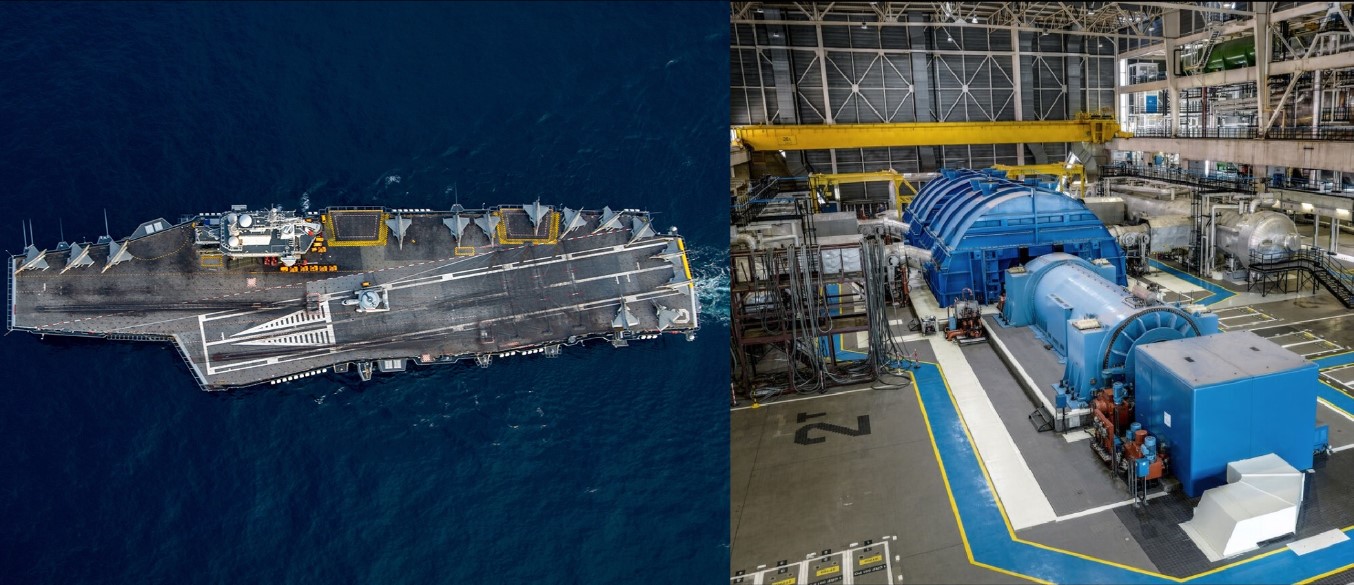
World
PARIS — March 25, 2026 : Arabelle Solutions, a subsidiary of the EDF Group, has been selected by Naval Group to design and manufacture the propulsion turbines for France’s next-generation nuclear-powered aircraft carrier, France Libre. The vessel will replace the current flagship Charles de Gaulle and is scheduled to enter service with the French Navy in 2038. The contract forms a central component of the Porte-Avions de Nouvelle Génération (PANG) programme and secures a fully domestic industrial supply chain for the carrier’s high-power nuclear propulsion system, reinforcing France’s long-standing policy of strategic autonomy in defence manufacturing. Industrial Scope and Contract Details Under the agreement, Arabelle Solutions will deliver critical elements of the ship’s propulsion architecture. The scope includes the design, manufacturing, and delivery of four steam turbines along with their associated speed control systems, as well as four high-speed moisture separator reheaters (MSRs). These systems are essential for converting nuclear-generated steam into mechanical energy to drive the carrier’s propulsion shafts. All equipment is scheduled for delivery by 2030, aligning with the broader programme timeline that targets sea trials beginning in 2036. Manufacturing activities will be carried out at the company’s established industrial facilities in Belfort and La Courneuve. The selection of Arabelle Solutions consolidates French industrial capabilities in nuclear propulsion. The turbine technology, historically associated with Alstom and later General Electric’s steam power division, returned to French ownership following EDF’s acquisition of Arabelle assets in 2024. The company currently supports steam turbine and generator systems used in approximately one-third of the world’s nuclear power plants. Catherine Cornand, Chief Executive Officer of Arabelle Solutions, stated that the programme reflects continuity in the company’s role in supporting the French Navy, following its earlier contribution to the propulsion system of Charles de Gaulle. Programme Structure and Industrial Participation The France Libre programme is managed by MO Porte-Avions, a joint venture between Naval Group and Chantiers de l’Atlantique. The project also involves TechnicAtome, which is responsible for the design and integration of the nuclear reactors. The programme is expected to involve approximately 800 suppliers and support up to 14,000 jobs across France. More than 90 percent of procurement is planned to be sourced domestically, further strengthening national industrial capacity in naval and nuclear engineering sectors. The total estimated cost of the aircraft carrier is approximately €10 billion. Design and Technical Specifications The France Libre represents a significant increase in size and capability compared to its predecessor. The carrier will measure approximately 310 metres in length, with a beam of 90 metres, and will displace around 80,000 tonnes at full load—nearly double the displacement of the 42,000-ton Charles de Gaulle. Propulsion will be provided by two TechnicAtome K22 pressurised water reactors, each generating approximately 220 megawatts of thermal power. The reactors will support three shaft lines, enabling a maximum speed of approximately 27 knots while providing extended endurance and operational range. The ship is designed for a service life of 40 to 50 years and will incorporate modern digital systems for ship management, combat operations, and maintenance. Aviation Systems and Air Wing The flight deck, covering approximately 17,200 square metres, will be equipped with three Electromagnetic Aircraft Launch Systems (EMALS) and three Advanced Arresting Gear (AAG) systems. These technologies are being procured from the United States through a Foreign Military Sales (FMS) arrangement and will enable the launch and recovery of a broader range of aircraft, including heavier and future platforms. The carrier is designed to operate an air wing of approximately 30 combat aircraft. Initial operations will feature the Dassault Rafale M in its F5 configuration, with a planned transition to the Next Generation Fighter (NGF) being developed under the Future Combat Air System (FCAS) programme. In addition to fighter aircraft, the air wing will include up to three Northrop Grumman E-2D Advanced Hawkeye airborne early warning aircraft, up to six NH90 Caïman helicopters, and provisions for unmanned aerial vehicles, including future unmanned combat aerial systems. The ship will also incorporate two side elevators with a lifting capacity of 40 tonnes each and munitions storage designed to sustain high-intensity operations for more than seven days. Daily sortie generation is projected to reach approximately 60 sorties under high-tempo operational conditions. The total complement, including the air wing, is expected to be around 2,000 personnel. Construction Timeline Construction of the hull is scheduled to begin at the Chantiers de l’Atlantique shipyard in Saint-Nazaire between 2031 and 2032. Following initial assembly, the vessel will be transferred to the naval base in Toulon around 2035 for final outfitting and nuclear fuel loading. Sea trials are planned for 2036, leading to formal commissioning into service in 2038. Strategic Context The naming of the carrier as France Libre, announced by President Emmanuel Macron on March 18, 2026, departs from the traditional French practice of naming aircraft carriers after historical figures and instead references the Free France movement of the Second World War. The programme ensures continuity in France’s capability to operate a nuclear-powered aircraft carrier, maintaining its position as the only European country with such a capability. It also supports the long-term operational readiness of the French Navy’s carrier strike group and aligns with broader national initiatives in nuclear energy and defence, including the ongoing development of EPR2 nuclear reactors. The selection of Arabelle Solutions ensures that critical propulsion technologies remain under national control while sustaining expertise in naval nuclear propulsion for future generations of French naval platforms.
Read More → Posted on 2026-03-25 14:36:01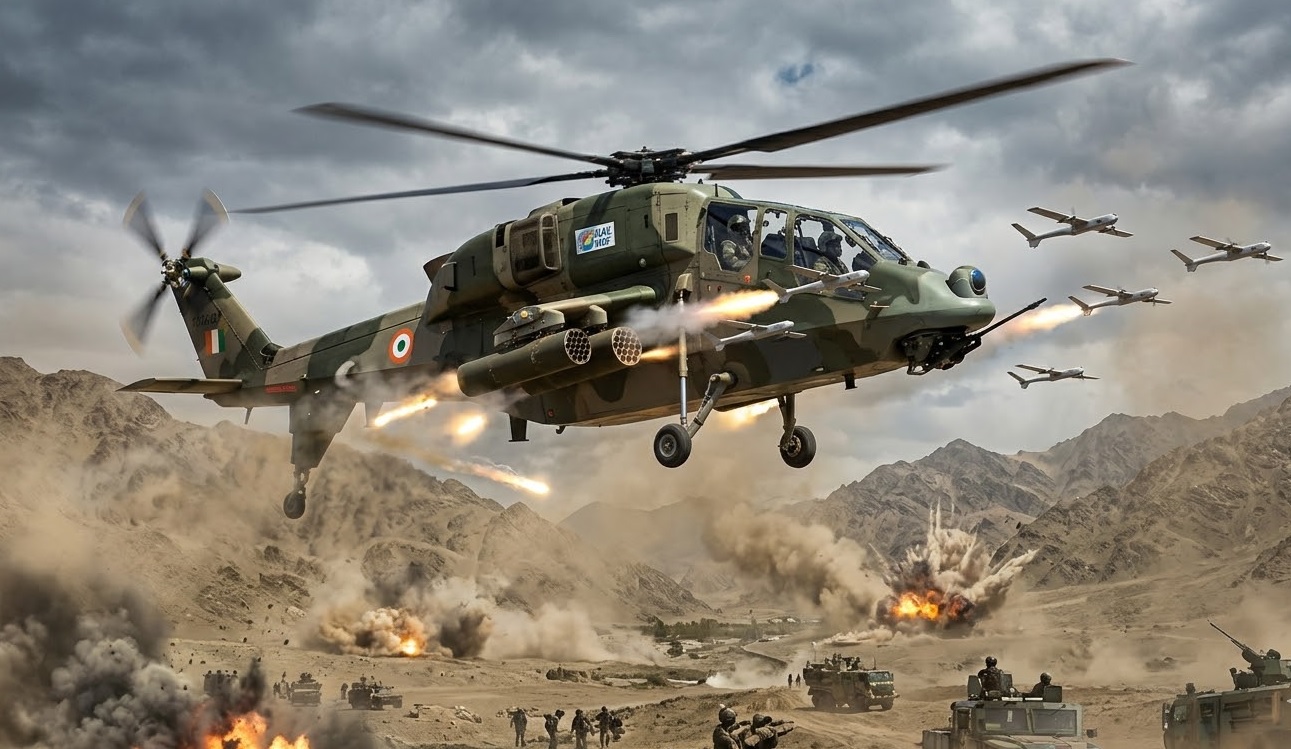
India
NEW DELHI — March 25, 2026 : According to report, the Indian Air Force (IAF) has initiated ‘Vayu Baan’ (Air Arrow), an indigenous program to develop a helicopter-launched unmanned aerial vehicle (UAV) system capable of performing both surveillance and precision strike missions. The project is being led by the IAF’s Directorate of Aerospace Design (DAD), with a formal Request for Proposal (RFP) issued through the Regional Aerospace Innovation Division–Gandhinagar (RAID-GN), inviting bids exclusively from domestic industry. The Vayu Baan initiative marks a structured move toward integrating Air-Launched Effects (ALE) into India’s rotary-wing operations. The system is designed to be deployed directly from helicopters in flight, enabling stand-off engagement and reconnaissance without exposing aircrew to high-risk air defence environments. System Design and Deployment Concept Vayu Baan is engineered as a compact, autonomous drone that can be released from a helicopter’s hatch or door while airborne. After deployment, the UAV is designed to fall to a safe separation distance before automatically deploying its wings and initiating powered flight. Once stabilized, it transitions into a guided mission profile controlled either from the launching helicopter or from ground-based control stations. The system supports dual operational roles. It can function as an intelligence, surveillance, and reconnaissance (ISR) platform using onboard electro-optical and infrared (EO/IR) sensors, or as a loitering munition capable of executing a precision strike using an integrated warhead. The architecture allows for multiple drones to be deployed sequentially from a single helicopter, enabling limited swarm-like operations during missions. Operational Capabilities and Technical Parameters According to RFP specifications and associated defence sources, the UAV must meet defined performance criteria. The system requires a minimum control range of 10 kilometres from the launch platform. In autonomous mode, it must achieve a range exceeding 50 kilometres with approximately 30 minutes of endurance, or up to 80 kilometres with a reduced endurance of 15 minutes. The altitude envelope for operations is specified between 150 feet and 8,000 feet, allowing flexibility across low-level and moderate-altitude missions. Payload capacity is defined between 500 grams and 1,000 grams, with interchangeable mounting options to accommodate mission-specific equipment. Payload configurations include an EO/IR sensor suite for surveillance and target acquisition, a minimum 500-gram high-explosive warhead for strike missions, and provisions for integration with standard 57 mm and 80 mm launch tubes, although the rockets themselves are not part of the current procurement scope. The UAV is required to incorporate advanced navigation and mission systems, including the ability to operate in GNSS-denied environments where GPS signals may be degraded or jammed. Additional features include AI-enabled target identification, real-time video telemetry, autonomous waypoint navigation, and configurable strike profiles. Procurement Scope and Timeline The initial procurement outlined in the RFP includes 10 UAV units, supported by two airborne control stations for onboard helicopter operation and two ground control stations for remote mission management. The package also includes associated payloads, spares, and integration components. The IAF has placed the Vayu Baan program on an accelerated development schedule. The complete cycle—covering design, development, payload integration, helicopter drop trials, and high-altitude testing—is expected to be completed within 12 months from the date of contract signing. Full delivery and system integration are also required within this timeframe. Operational Role and Strategic Utility The primary operational objective of Vayu Baan is to extend the engagement envelope of rotary-wing platforms while reducing vulnerability to threats such as man-portable air-defence systems (MANPADS). By enabling stand-off deployment, helicopters can conduct surveillance and strike missions beyond visual range without entering heavily defended zones. The system also enhances mission flexibility by allowing both airborne and ground-based control, supporting dynamic tasking during operations. Its autonomous navigation and targeting capabilities further reduce operator workload while maintaining precision engagement capability. International Context With the launch of Vayu Baan, India enters a limited group of countries actively developing air-launched unmanned systems for operational use. Globally, such systems remain in early deployment or advanced demonstration phases. In the United States, the Defense Advanced Research Projects Agency (DARPA) has demonstrated mid-air launch and recovery of unmanned systems under the Gremlins program using C-130 transport aircraft. Parallel efforts under the U.S. Army’s Air-Launched Effects framework are focused on integrating similar capabilities onto platforms such as the UH-60 Black Hawk and AH-64 Apache helicopters. China has also demonstrated air-deployed drone swarm concepts, including launches from platforms such as the Xi’an H-6 bomber, although these systems are not widely reported to be in operational service. The Vayu Baan program reflects India’s focus on developing indigenous, networked aerial capabilities that integrate manned and unmanned systems for future operational requirements.
Read More → Posted on 2026-03-25 14:25:53
World
SEGOVIA, Spain — March 24, 2026 : Aerospace firms Shield AI and Destinus have completed a two-month autonomy integration campaign on the Destinus Hornet unmanned aerial system (UAS), successfully validating the deployment of Shield AI’s Hivemind software on the interceptor platform during live flight tests conducted in Segovia. The campaign focused on integrating Hivemind—a modular, platform-agnostic autonomy software—with the Hornet’s flight control and mission systems. According to both companies, the effort was completed within a compressed timeline while maintaining operational continuity, demonstrating the feasibility of rapidly fielding advanced autonomy on existing aerial platforms. Flight Testing Validates Real-Time Autonomous Adaptation During the flight trials, the Hornet platform demonstrated real-time autonomous decision-making capabilities enabled by Hivemind. A key test objective involved dynamically adjusting flight paths to avoid geofenced areas that were actively modified while the aircraft was airborne. The system executed these changes independently, without requiring manual reprogramming or intervention from ground control. This capability highlights the software’s ability to adapt to evolving operational constraints during missions, a requirement in complex and contested environments. Company officials stated that the tests confirmed that autonomy can be integrated without interrupting mission execution, supporting the need for flexible and responsive systems in modern operational scenarios. “Operational requirements are evolving quickly, and autonomy must be integrated at the same pace,” said Christian Gutierrez, Vice President of Hivemind Solutions at Shield AI. “Our collaboration with Destinus shows that Hivemind can be deployed rapidly on new platforms to support emerging operational needs.” Hornet Platform Used as Baseline for Integration The Destinus Hornet served as the baseline platform for the initial phase of integration, allowing both companies to reduce technical risk before expanding the autonomy stack to additional systems. Developed by Netherlands-headquartered Destinus, the Hornet is a multi-role, electrically powered autonomous interceptor designed primarily for counter-unmanned aerial system (C-UAS) and strike missions. Operational specifications of the Hornet Block 2 variant include a range exceeding 70 kilometers and a payload capacity of up to 3 kilograms. The system is designed with foldable wings and is launched via a booster from a sealed canister, enabling deployment from mobile ground vehicles, fixed installations, or naval platforms. The platform is engineered to intercept loitering munitions, intelligence, surveillance, and reconnaissance (ISR) drones, as well as helicopters. In addition to its primary interceptor role, the Hornet can be configured for reconnaissance, data relay, and security operations through modular payloads. Destinus offers the system in multiple configurations, including variants designated Hunter, Stalker, and Plotter. The platform is intended to function as a kinetic element within a layered air defense architecture designed to protect critical infrastructure and high-value assets. Hivemind Software Enables Autonomous and Coordinated Operations Shield AI’s Hivemind autonomy software is designed to operate across different platforms without requiring extensive customization. Unlike traditional autopilot systems that rely on pre-programmed waypoints, Hivemind uses artificial intelligence to perceive its environment, process data, and make decisions during flight. The system supports coordinated operations among multiple uncrewed platforms, enabling what the companies describe as a “reconnaissance-to-strike loop.” It operates within defined command frameworks, maintaining human oversight while enhancing decision-making speed and system responsiveness. “Speed of fielding matters in today’s threat environment,” said Tim Moser, Chief Technology Officer at Destinus. “The modular architecture of Hivemind allowed straightforward integration with our flight control and mission systems. Because Destinus platforms share a common technical architecture, the capabilities validated during this campaign can be extended across additional systems in our portfolio.” Strategic Partnership and Future Development Phases The Segovia trials mark the first phase of a broader strategic partnership between Shield AI and Destinus, originally announced on November 19, 2025. The collaboration aims to integrate Hivemind across multiple Destinus platforms, including the Ruta and Hornet UAS, alongside Shield AI’s V-BAT system. The partnership combines U.S.-developed autonomy software with European manufacturing capabilities, with the stated objective of strengthening defense resilience across Europe and supporting allied operational requirements, including those related to Ukraine. Future phases of testing will expand the autonomy envelope across additional platforms and mission sets. Planned developments include advanced real-time mission planning, terrain-aware flight profiles for low-altitude operations, and coordinated multi-platform behaviors to enable distributed fleet operations. The companies indicated that the shared architecture across Destinus systems will allow capabilities validated during the Hornet campaign to be scaled across its broader portfolio without significant redesign. Industry Context Destinus operates as a European defense and aerospace manufacturer focused on autonomous strike and air defense systems, emphasizing vertical integration and industrial-scale production. Shield AI, founded in 2015, develops artificial intelligence-based systems for defense applications, including its Hivemind software suite and unmanned platforms such as V-BAT and X-BAT. The successful integration campaign reflects ongoing efforts within the defense sector to accelerate the deployment of autonomy-enabled systems capable of operating in dynamic and contested environments while maintaining structured human oversight.
Read More → Posted on 2026-03-25 14:08:02Search
Top Trending in 24 Hours
-
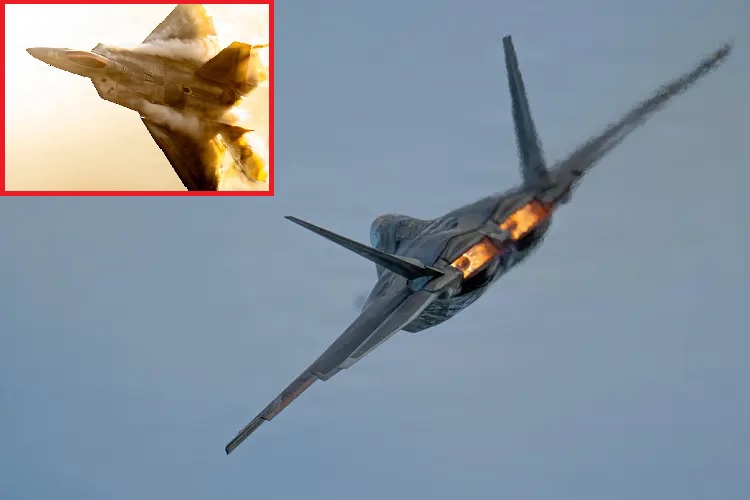 Qarbon Aerospace Returns to F-22 Program with New U.S. Air Force Sustainment Contract
-
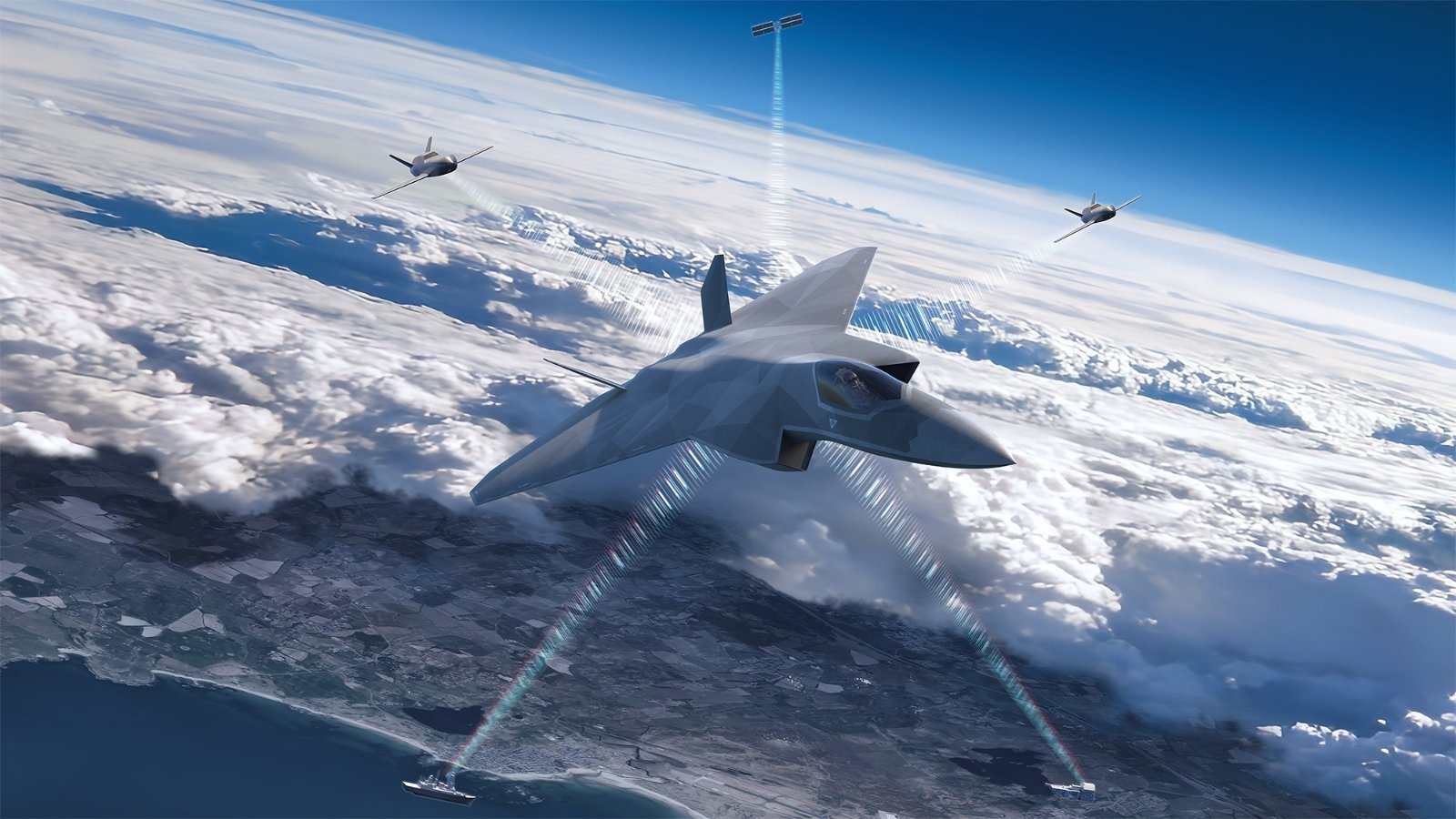 UK Awards BAE Systems £708 Million Contract Extension to Advance GCAP Sixth-Generation Combat Air Technologies
-
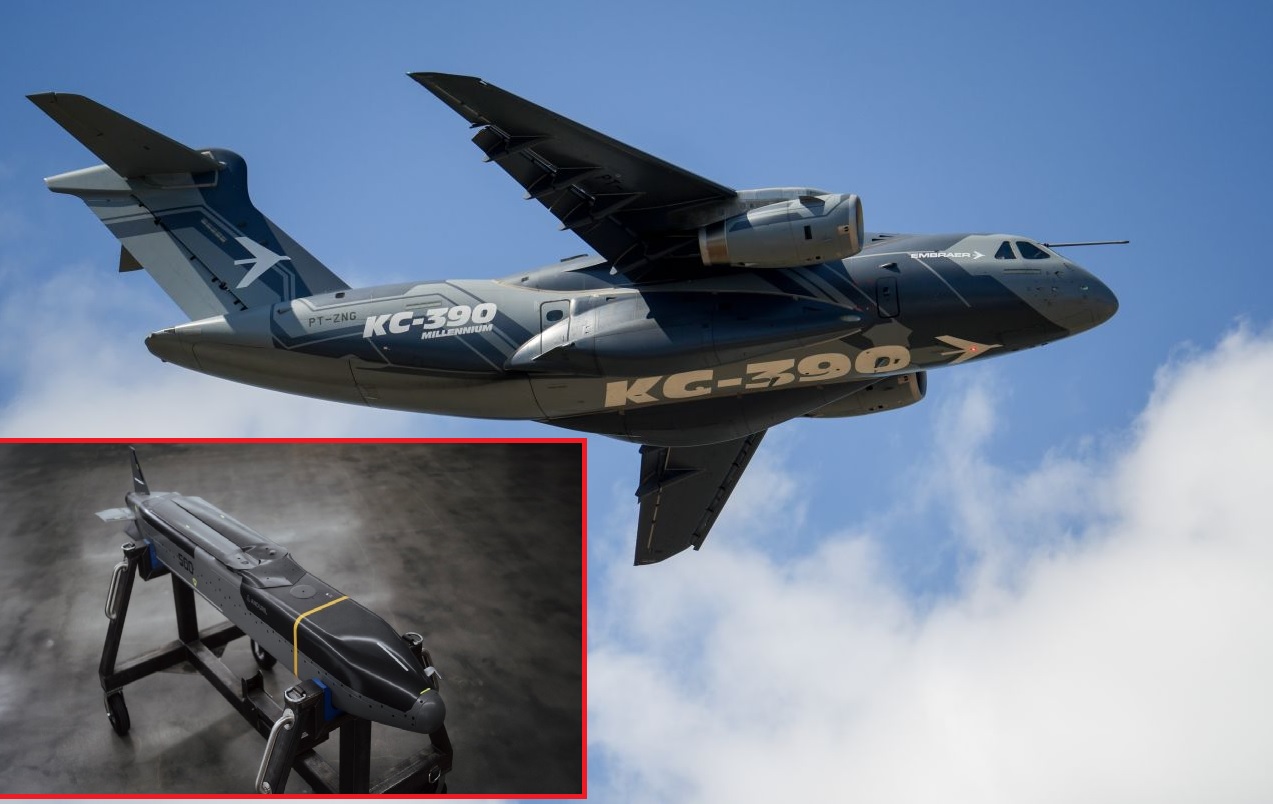 Embraer and Anduril Partner to Integrate Barracuda-500M Cruise Missile with C-390 Millennium
-
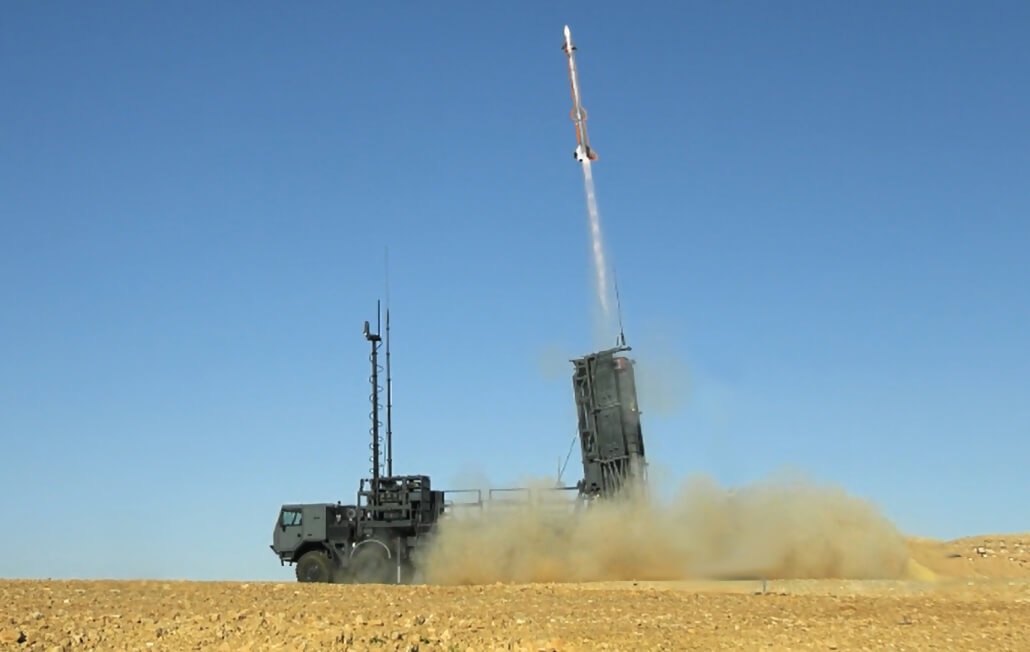 Greece Set to Approve €3 Billion Israeli Air Defense Deal for 'Achilles’ Shield' Network
-
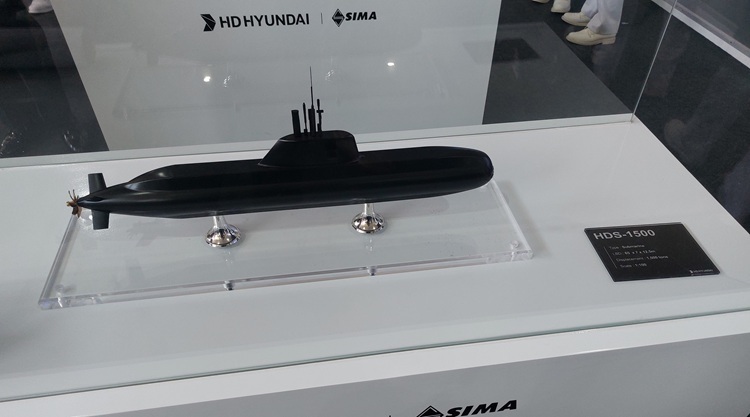 HD Hyundai and Peru's SIMA Complete Basic Design of HDS-MGP Next-Generation Submarine
-
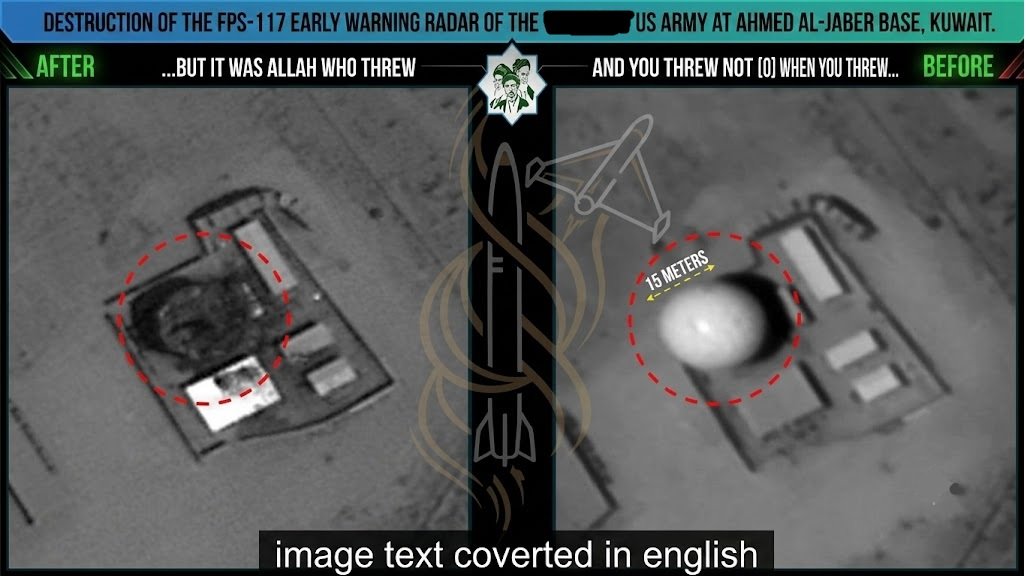 IRGC Claims Destruction of Second AN/FPS-117 Radar in Latest Strike on Kuwait's Ahmed Al-Jaber Air Base
-
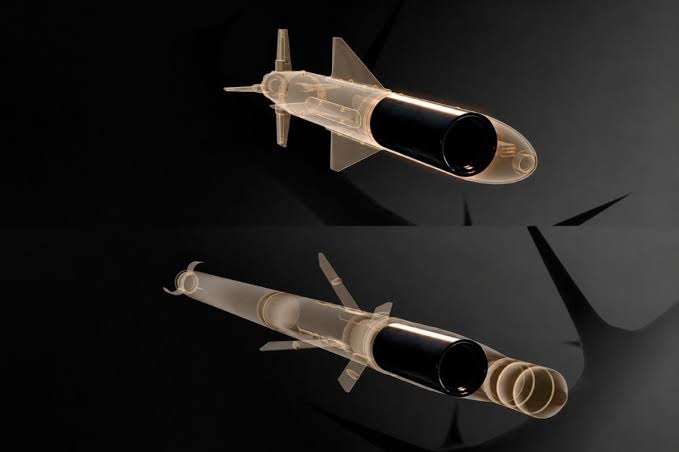 BAE Systems Unveils BlackThorn Modular Warhead Family for Autonomous Weapons and Counter-Drone Systems
-
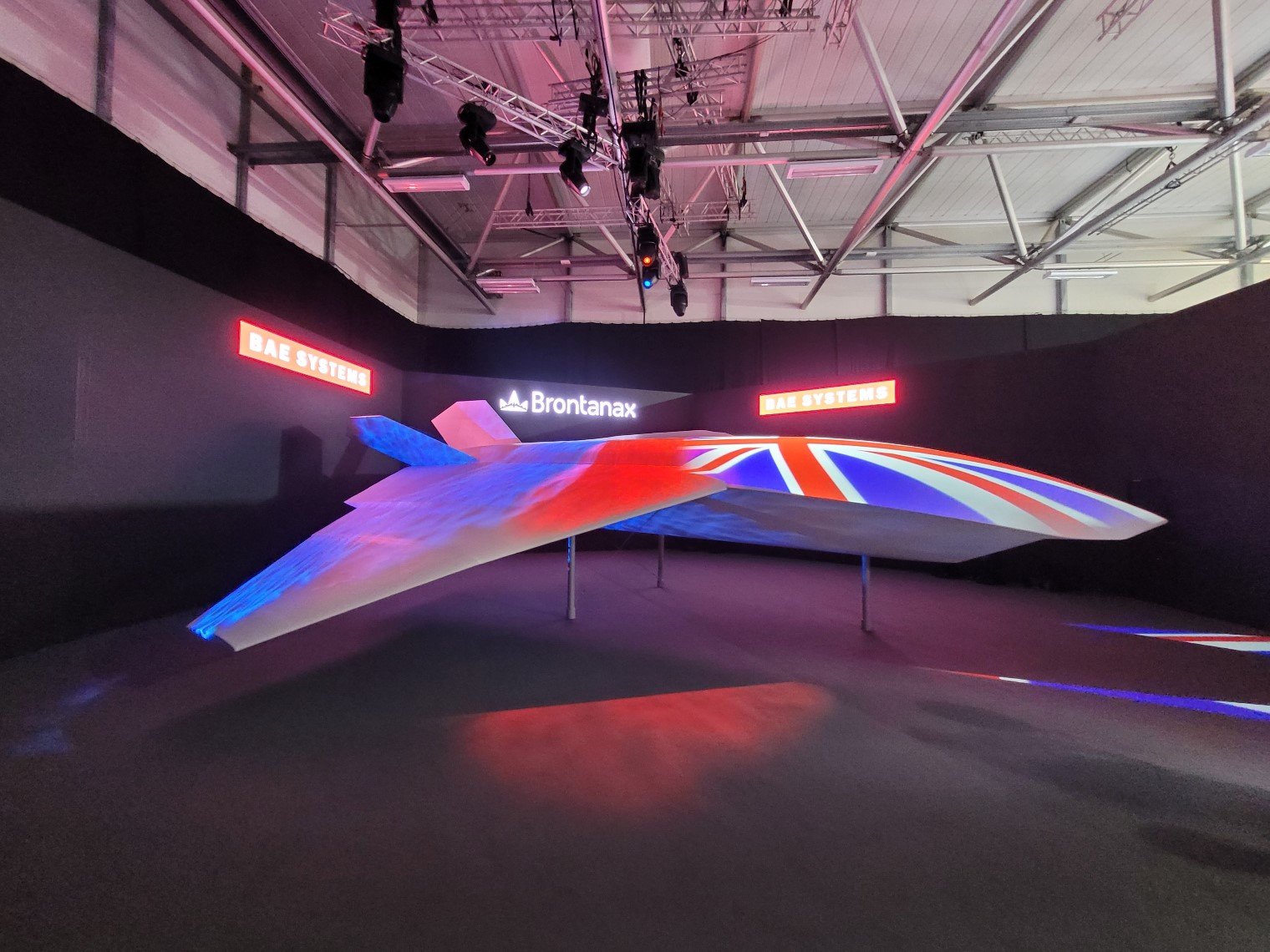 BAE Systems Unveils 'Brontanax', the UK's First Autonomous Combat Aircraft at Farnborough
Top Trending in 4 Days
-
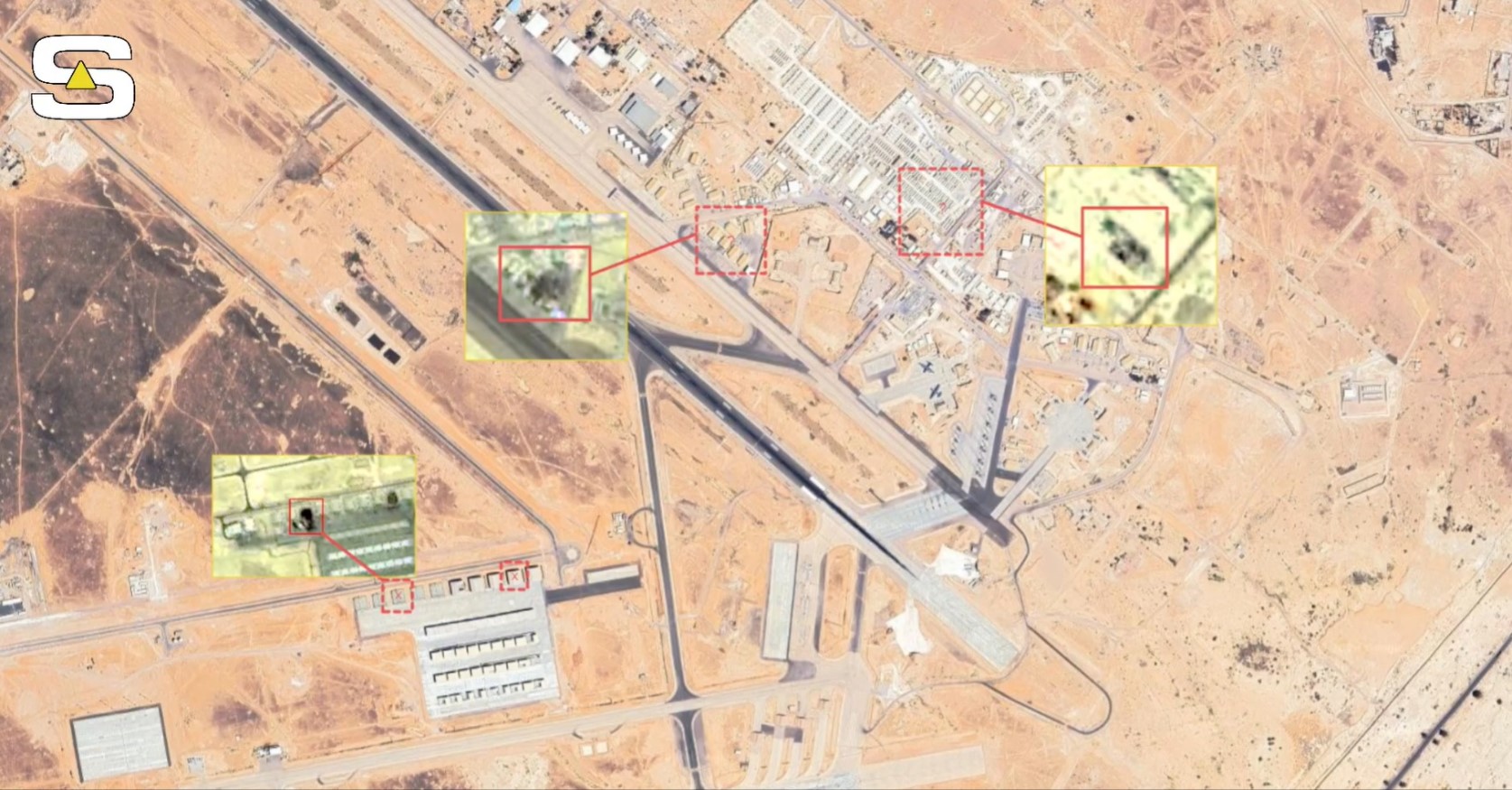 New Satellite Imagery Reveals Extensive Damage at Jordan's Muwaffaq al-Salti Air Base After Iranian Missile Strike
-
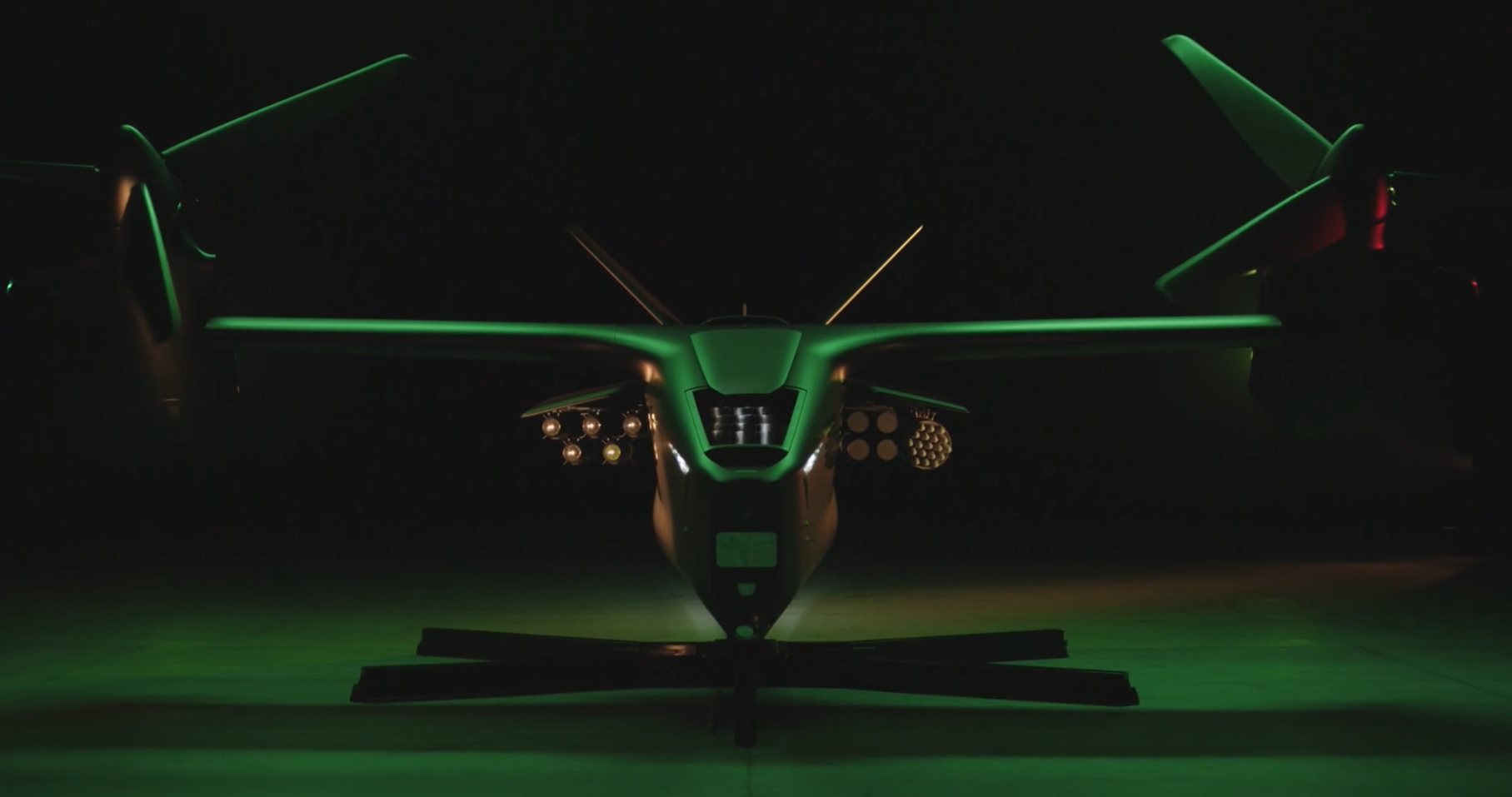 Anduril Unveils Thunder Autonomous Attack Rotorcraft Built with Archer Aviation to Support Apache Helicopters
-
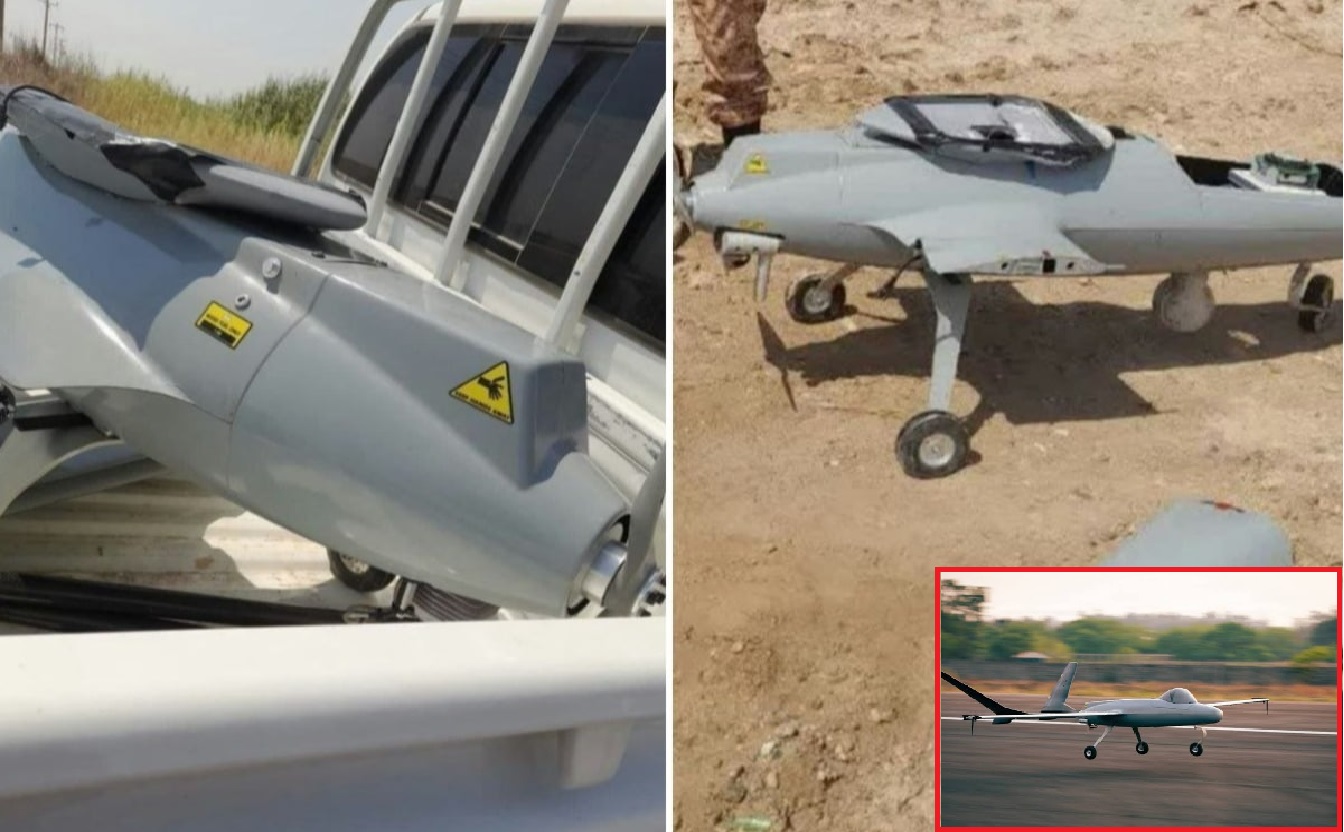 Iran Claims It Shot Down U.S.-Operated Polish-Built Tiguar-M Drone, Releases Images
-
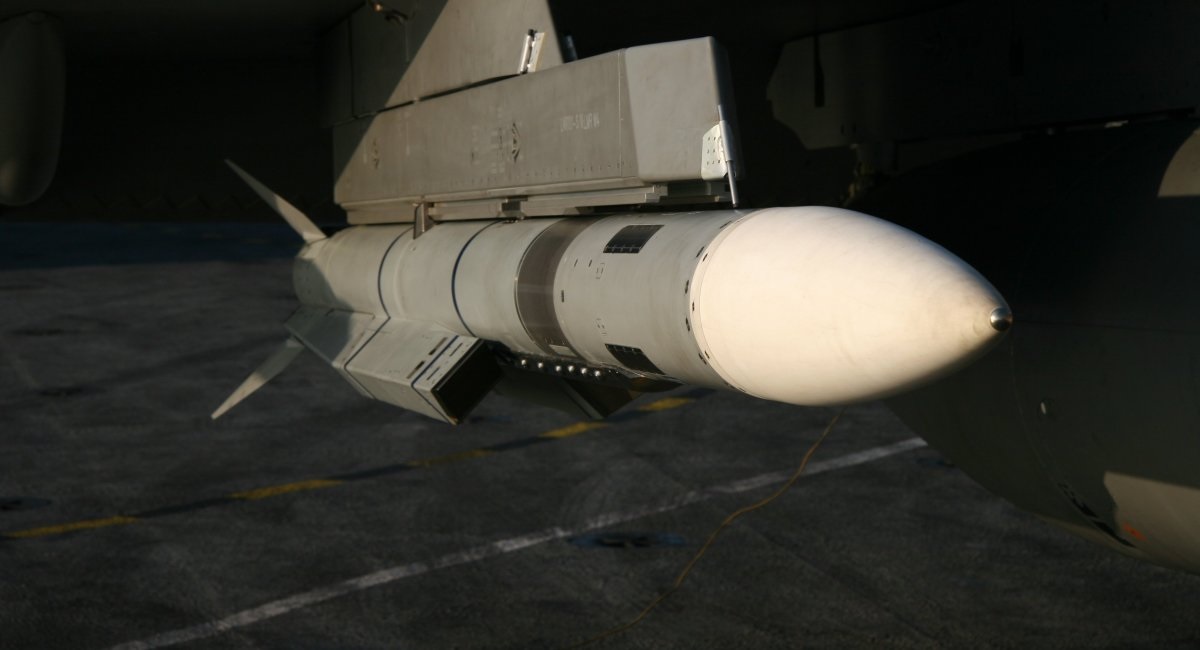 UK Cancels Meteor Missile Mid-Life Upgrade, Prioritizes Next-Generation FASE Air-to-Air Missile Programme
-
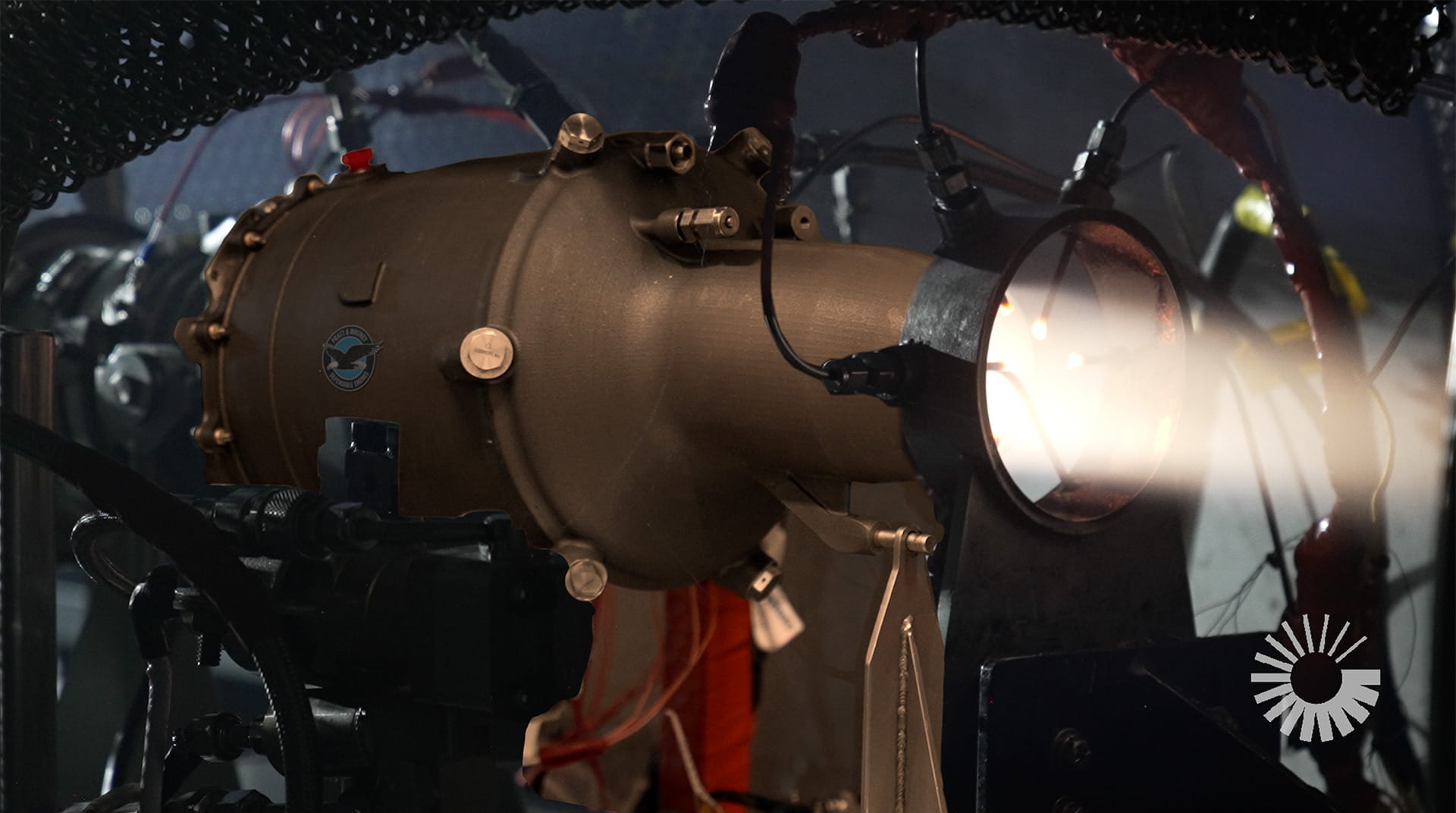 Pratt & Whitney Completes Testing of 3D-Printed TJ150 Engine for Military Applications
-
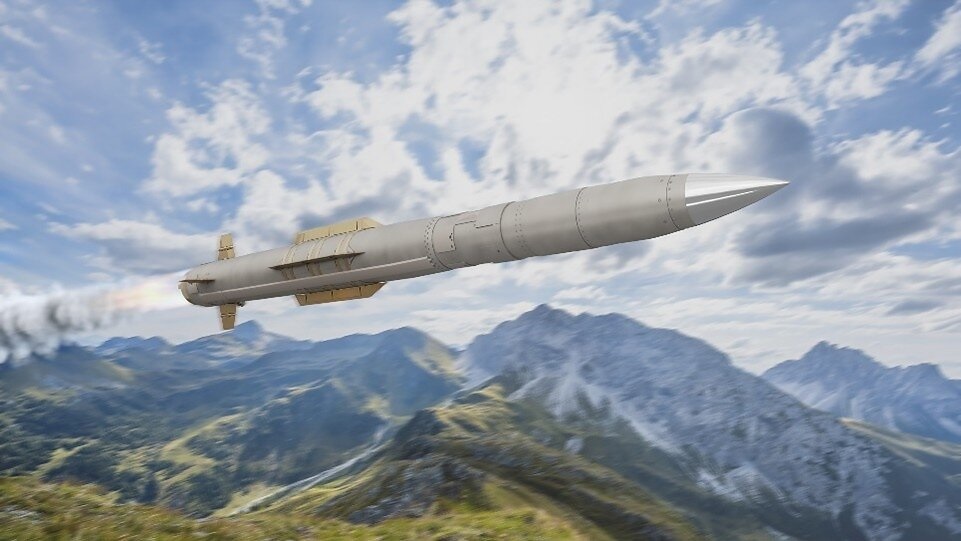 Lockheed Martin Unveils Lower-Cost PAC-3 ACE Interceptor for Patriot Air Defense System
-
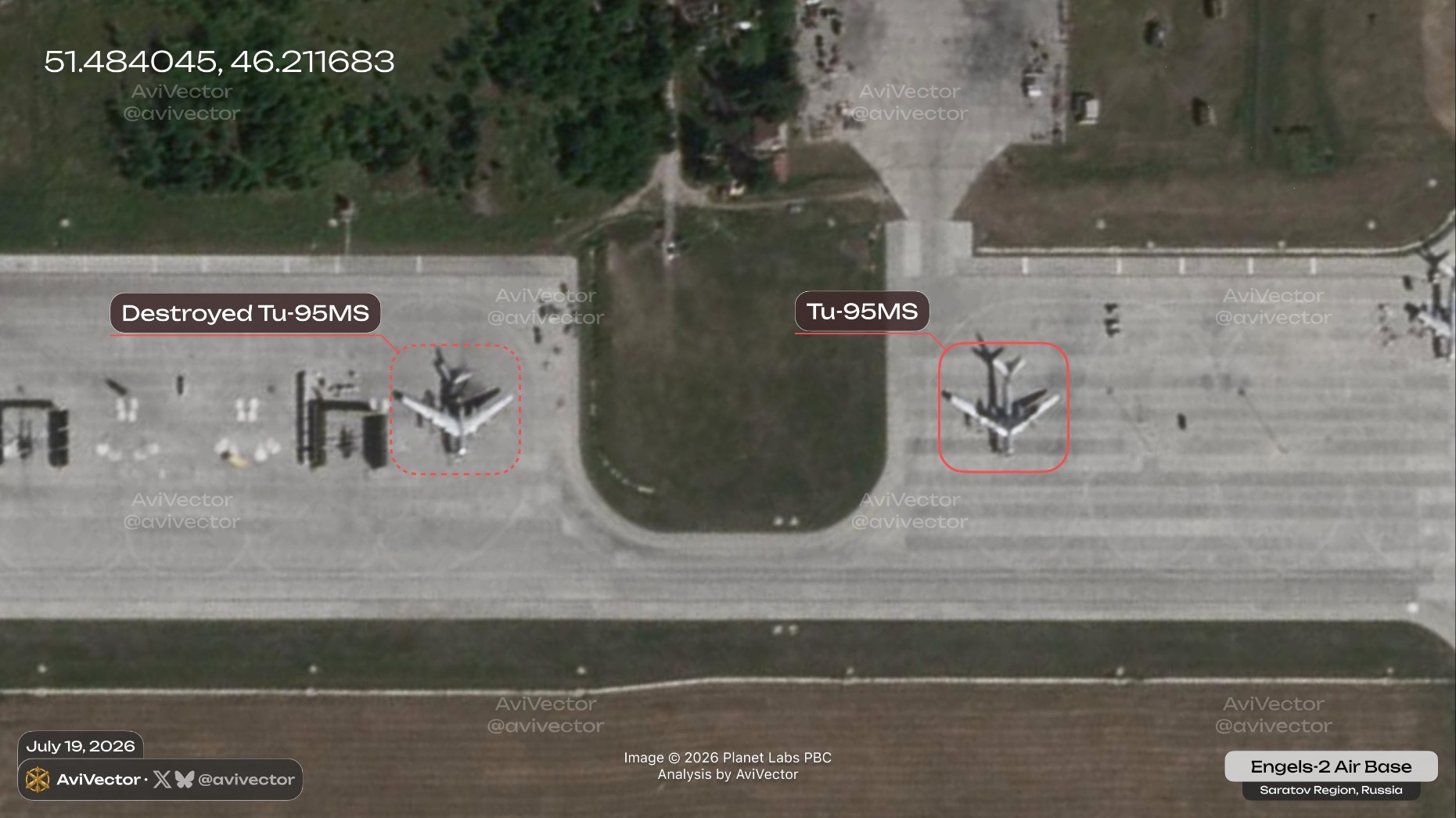 Satellite Images Confirm Russian Tu-95MS Bomber Destroyed After Ukrainian Drone Strike on Engels-2 Air Base
-
 BHEL Successfully Develops India’s First Indigenous 1200 kV, 333 MVA Per-Phase UHVAC Transformer
