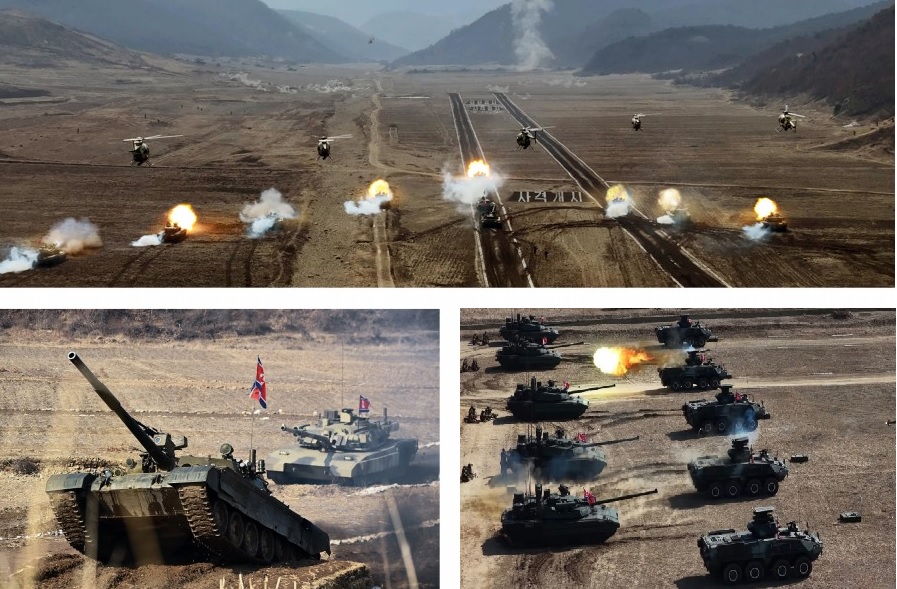
PYONGYANG, — March 21, 2026 : The Korean People’s Army (KPA) conducted large-scale tactical exercises on March 19 at Training Base No. 60 under the Capital City Defence Corps, demonstrating developments in network-centric warfare and combined arms operations, according to state media and military assessments.
The drills focused on coordinated offensive actions by tank and infantry subunits, aimed at simulating the breaching and occupation of anti-armor defense lines, which are widely established across the Korean Peninsula.
Combined Arms Operations and Reconnaissance-Strike Integration
The exercises highlighted a multi-layered operational approach integrating reconnaissance, firepower, and maneuver elements.
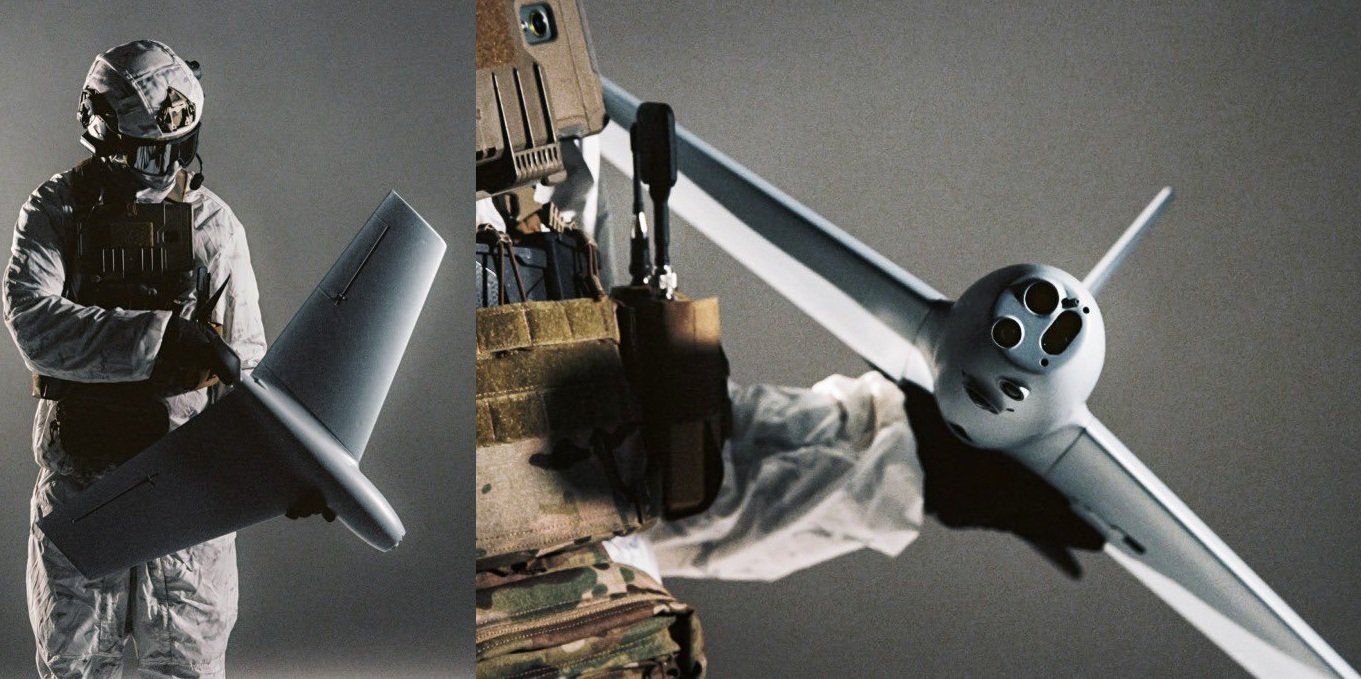
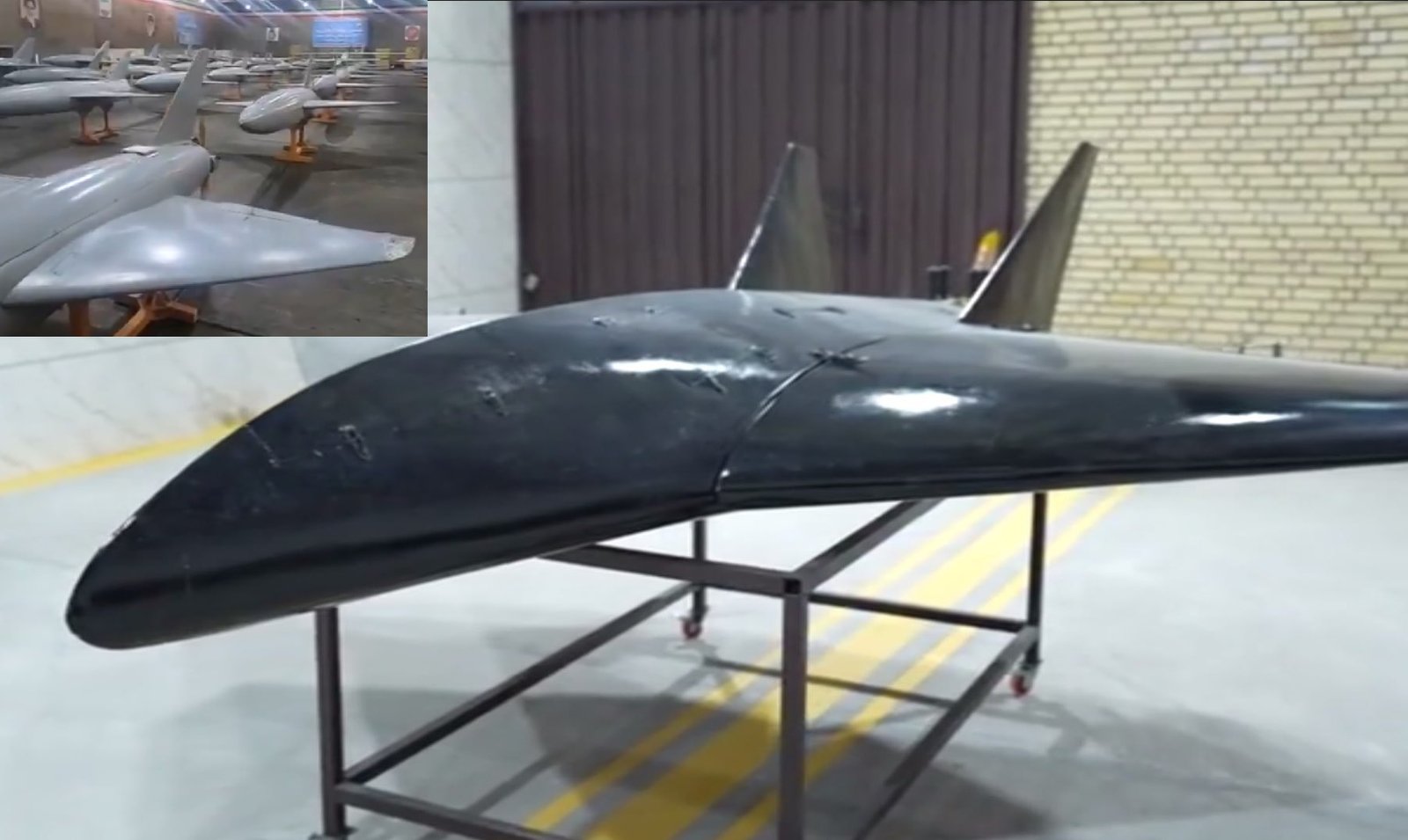
Drone operations played a central role, with various types of attack drones and loitering munitions targeting simulated enemy command posts and anti-armor firing positions using real-time reconnaissance data. This reflected the development of a reconnaissance-strike complex within KPA doctrine.
Armored car subunits conducted salvo launches of anti-tank guided missiles, providing tactical fire support for advancing units. Rear strike elements were deployed to ambush and neutralize simulated enemy drones and helicopters, contributing to localized airspace control during the operation.
Following initial suppression, armored personnel carriers (APCs) transported infantry units forward, enabling them to exploit breaches and secure defensive positions alongside advancing tank formations.
State media reported that all participating subunits operated with real-time information sharing, indicating increased emphasis on coordinated command-and-control systems in complex combat scenarios.
Debut of Chonma-20 Main Battle Tank
A central feature of the exercise was the operational debut of the Chonma-20 main battle tank, which participated in a demonstration charge by a tank company.
According to the Korean Central News Agency (KCNA), the drills confirmed both crew readiness for combat conditions and effective coordination between subunits across different tactical missions.
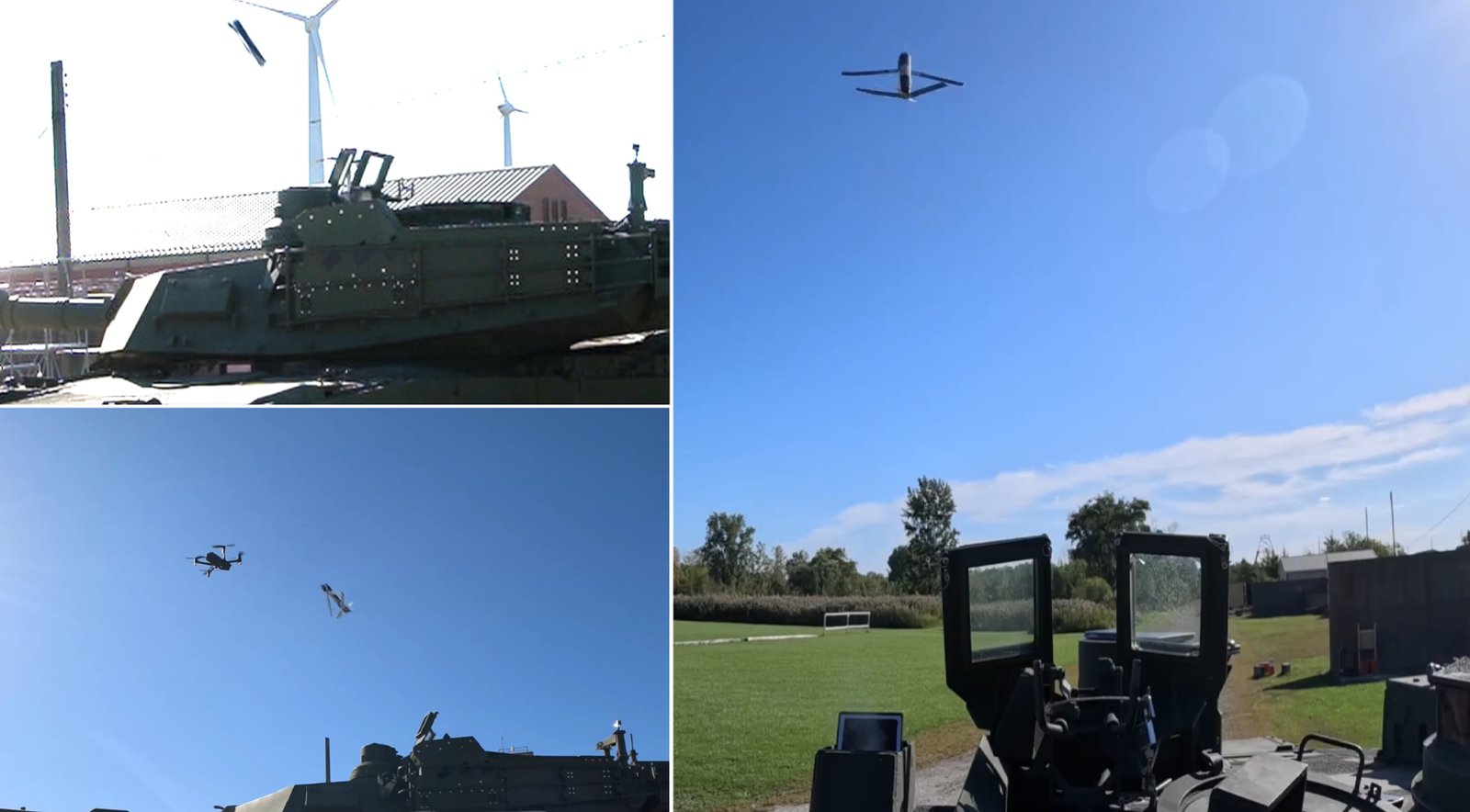
The Chonma-20 represents an evolution beyond earlier KPA tank designs, incorporating enhanced fire control systems, improved mobility, and upgraded armor protection. The platform also features a hard-kill active protection system (APS).
During the exercise, the APS reportedly intercepted all incoming simulated anti-tank missiles and drones from multiple directions, demonstrating the system’s intended capability to operate in high-threat environments.
The tank, first unveiled during a military parade in October 2025, is expected to form part of broader efforts to modernize North Korea’s armored forces.
Leadership Oversight and Strategic Context
The exercises were observed by North Korean leader Kim Jong Un, who emphasized the importance of conducting practical training under simulated combat conditions. He stated that recent training has focused on improving coordination and effectiveness of tactical units in complex operational environments.
Senior military officials in attendance included Defence Minister No Kwang Chol and Chief of the General Staff Ri Yong Gil, indicating the importance attached to the drills. Kim’s daughter, Kim Ju Ae, was also present during parts of the observation.
The exercises coincided with the conclusion of the “Freedom Shield” joint military drills conducted by the United States and South Korea, which North Korea has consistently criticized.
Doctrinal Developments and External Influences
Military assessments indicate that the exercises reflect a shift toward network-enabled combined arms operations, integrating drones, armored units, and real-time data sharing into unified tactical frameworks.
Observers note that elements of the doctrine appear to incorporate lessons from recent conflicts, including reported KPA personnel deployments in support roles in Russia’s Kursk region, where exposure to modern battlefield conditions has influenced tactical development.
These lessons include the expanded role of unmanned systems, the importance of integrated fire and maneuver, and the need for active protection systems against precision-guided munitions.
Operational Assessment
The March 19 drills demonstrate continued efforts by the KPA to modernize its conventional ground forces, with particular emphasis on coordination between combat elements, integration of unmanned systems, and survivability in contested environments.
State media indicated that the Chonma-20 and associated systems are expected to be deployed more widely in the future, supporting ongoing modernization of North Korea’s armored and combined arms capabilities.
The exercises underscore a broader trend toward adapting traditional ground force structures to incorporate networked operations and emerging technologies, while maintaining focus on large-scale conventional maneuver warfare.
——— End of Article ———