WASHINGTON — March 22, 2026 : The United States has outlined a set of six conditions for Iran as part of a proposed ceasefire and broader peace agreement framework, according to information reported by Axios and supported by officials familiar with the discussions.
The proposal has been communicated indirectly through diplomatic intermediaries, including Egypt, Qatar, and the United Kingdom, due to the absence of direct contact between Washington and Tehran in recent days.
Indirect Negotiations and Initial Positions
Officials involved in the discussions indicated that Egypt and Qatar have conveyed messages suggesting that Iran is open to negotiations, though under specific conditions. Tehran’s reported position includes an immediate ceasefire, guarantees against the resumption of hostilities, and financial compensation for damages sustained during the conflict.
U.S. officials assess that recent military operations have affected Iran’s capabilities and created conditions for potential diplomatic engagement. The current exchanges are described as preliminary, with no formal negotiations underway.
Six U.S. Conditions for Agreement
According to the reported framework, the United States has made any ceasefire and long-term settlement contingent on Iran agreeing to six key commitments:
-
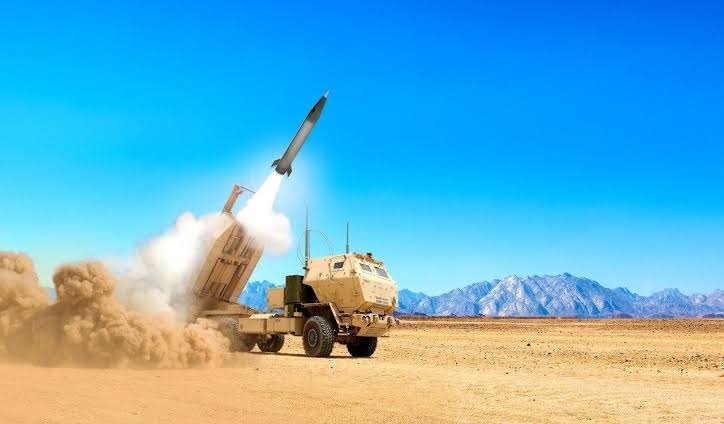
A five-year halt to Iran’s missile program
-
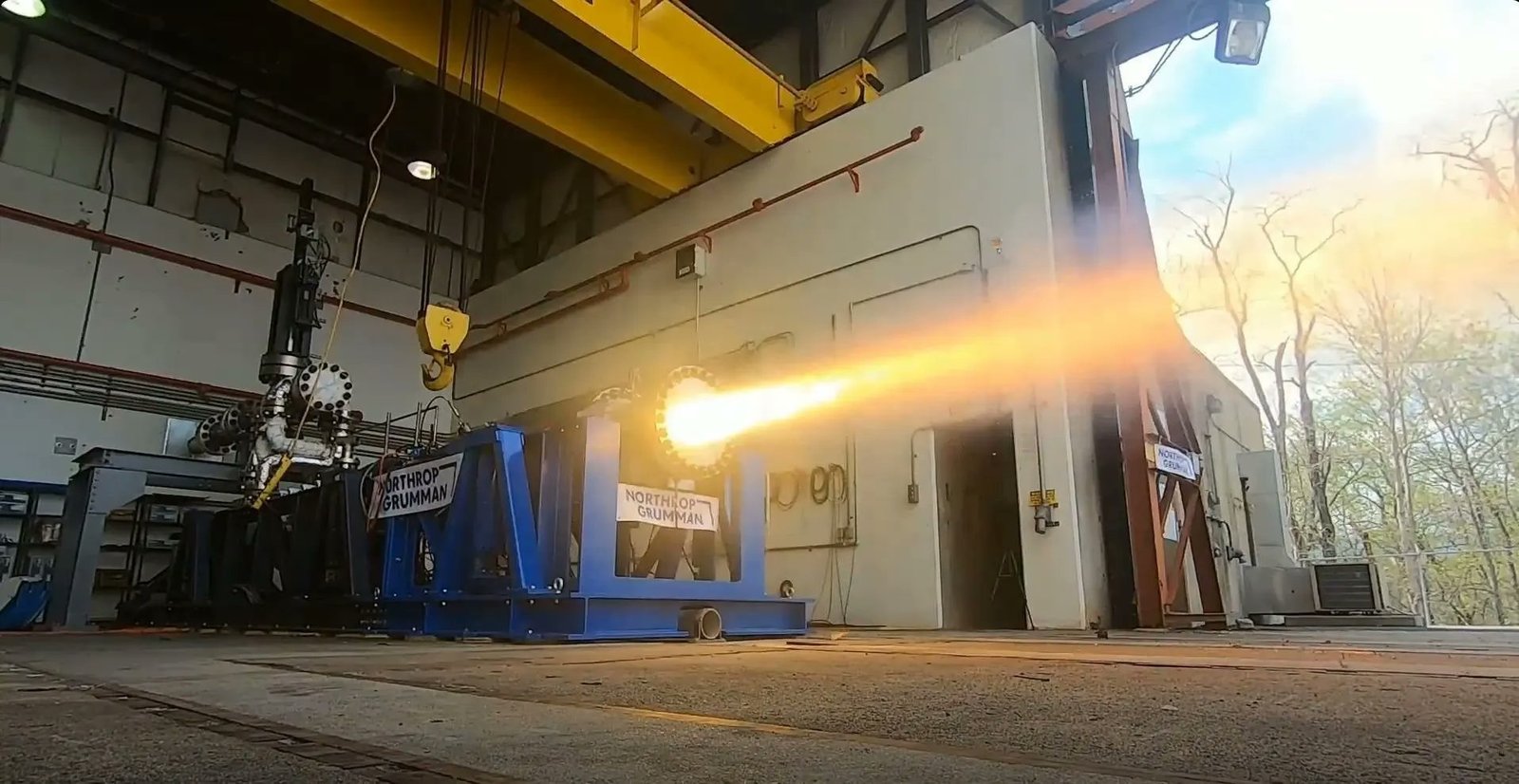
Complete cessation of uranium enrichment, with enrichment levels reduced to zero
-
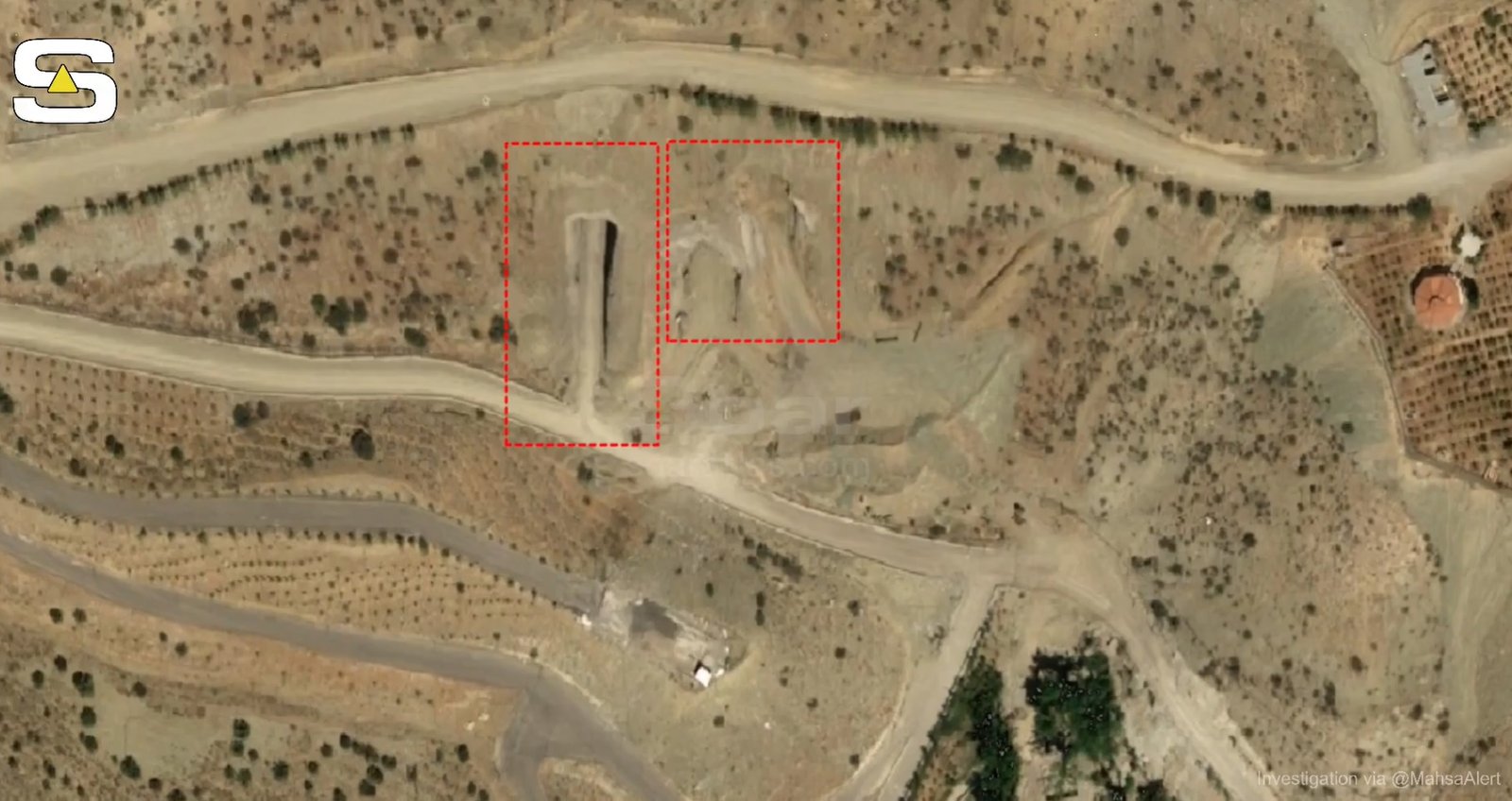
Decommissioning of nuclear facilities at Natanz, Isfahan, and Fordow
-
Implementation of strict external monitoring and verification over centrifuges and nuclear infrastructure
-
Participation in regional arms control agreements, including a cap limiting Iran’s missile inventory to no more than 1,000 units
-
Termination of financial and material support to regional groups, including Hezbollah, the Houthis, and Hamas
These conditions collectively target Iran’s nuclear programme, ballistic missile capabilities, and regional influence networks.
Nuclear and Military Context
The nuclear facilities at Natanz, Isfahan, and Fordow referenced in the proposal were previously targeted during U.S. and Israeli strikes earlier in the conflict. The decommissioning requirement applies specifically to these sites, with an emphasis on preventing their future use for nuclear-related activities.
The requirement for external supervision would extend to all centrifuge production and usage, as well as associated infrastructure, to ensure compliance with non-proliferation objectives.
On missile capabilities, the proposed cap of 1,000 units would represent a significant reduction from pre-conflict estimates, which placed Iran’s ballistic missile inventory at over 3,000 units. Officials note that recent military actions have already impacted production and storage capacity.
Broader Diplomatic Framework
Beyond the six primary conditions, U.S. officials have indicated that any comprehensive agreement would need to address additional strategic issues. These include ensuring the reopening and continued operation of the Strait of Hormuz, resolving the status of Iran’s existing stockpiles of highly enriched uranium, and establishing a long-term framework governing Iran’s nuclear and missile programmes.
The proposals are part of internal planning within the current U.S. administration to define parameters for a potential diplomatic settlement following several weeks of conflict.
Officials involved in the process include U.S. Special Envoy Steve Witkoff and senior adviser Jared Kushner, who are engaged in shaping the negotiation framework.
Mediation Channels and Diplomatic Dynamics
Qatar is viewed by U.S. officials as a key intermediary for future negotiations, based on its role in prior diplomatic engagements. Egypt has also played a central role in relaying messages between the parties.
Oman, which has previously facilitated nuclear discussions, is not currently considered a primary channel due to existing trust concerns between stakeholders.
At this stage, no official response from Iranian authorities to the six-point proposal has been publicly reported.
Outlook
The proposed conditions reflect the U.S. position that a sustainable ceasefire requires verifiable constraints on Iran’s nuclear activities, missile development, and regional partnerships.
While indirect communication channels remain active, the progression toward formal negotiations will depend on Iran’s response to the outlined terms and the broader strategic environment in the region.
——— End of Article ———