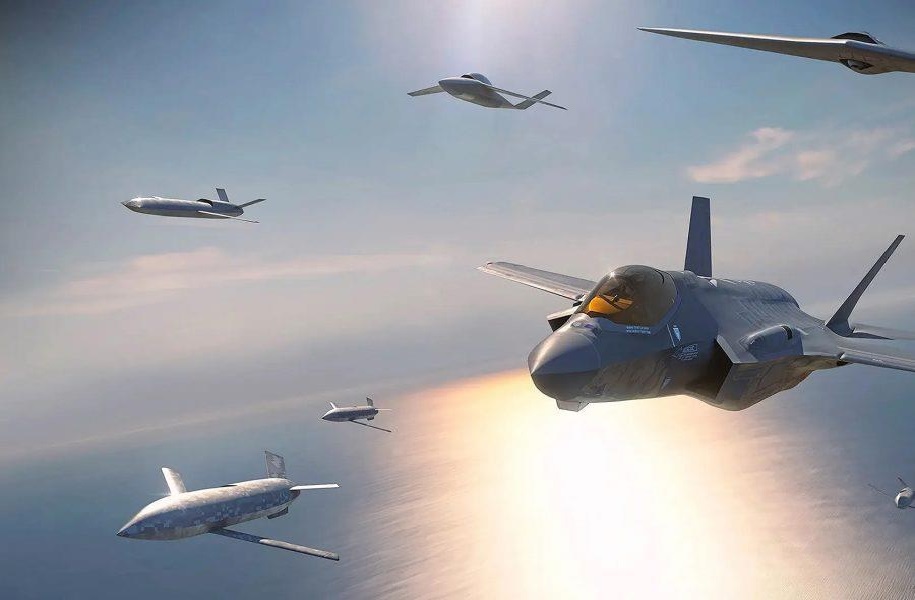
THE HAGUE, — March 21, 2026 : The Dutch Ministry of Defence has confirmed its intention to sign a Letter of Acceptance (LoA) to participate in the United States-led Collaborative Combat Aircraft (CCA) programme, advancing its role in the development of autonomous unmanned aerial systems designed to operate alongside crewed fighter aircraft.
State Secretary for Defence Derk Boswijk informed the Dutch parliament on March 19 that the agreement will be finalized ahead of an April 8 deadline, following a Letter of Intent (LoI) signed in Washington in October 2025.
Programme Participation and Scope
The signing of the LoA will provide the Netherlands with access to technical data, operational concepts, experimentation environments, and development expertise related to collaborative unmanned systems. Participation will involve the Ministry of Defence as well as national research institutions, including the Netherlands Organisation for Applied Scientific Research (TNO) and the Royal Netherlands Aerospace Centre (NLR).
The programme operates as a knowledge and innovation initiative under the U.S. Air Force, focusing on the development of autonomous systems that can function as force multipliers for modern fighter aircraft. These systems are designed to operate in coordination with manned platforms, extending operational reach and enhancing mission flexibility.
The financial contribution required for participation is estimated to fall within the range of €50 million to €100 million, which will be funded through the Netherlands’ existing materiel investment budget. The agreement remains subject to standard international material cooperation and contracting procedures.
Technology Focus and Operational Integration
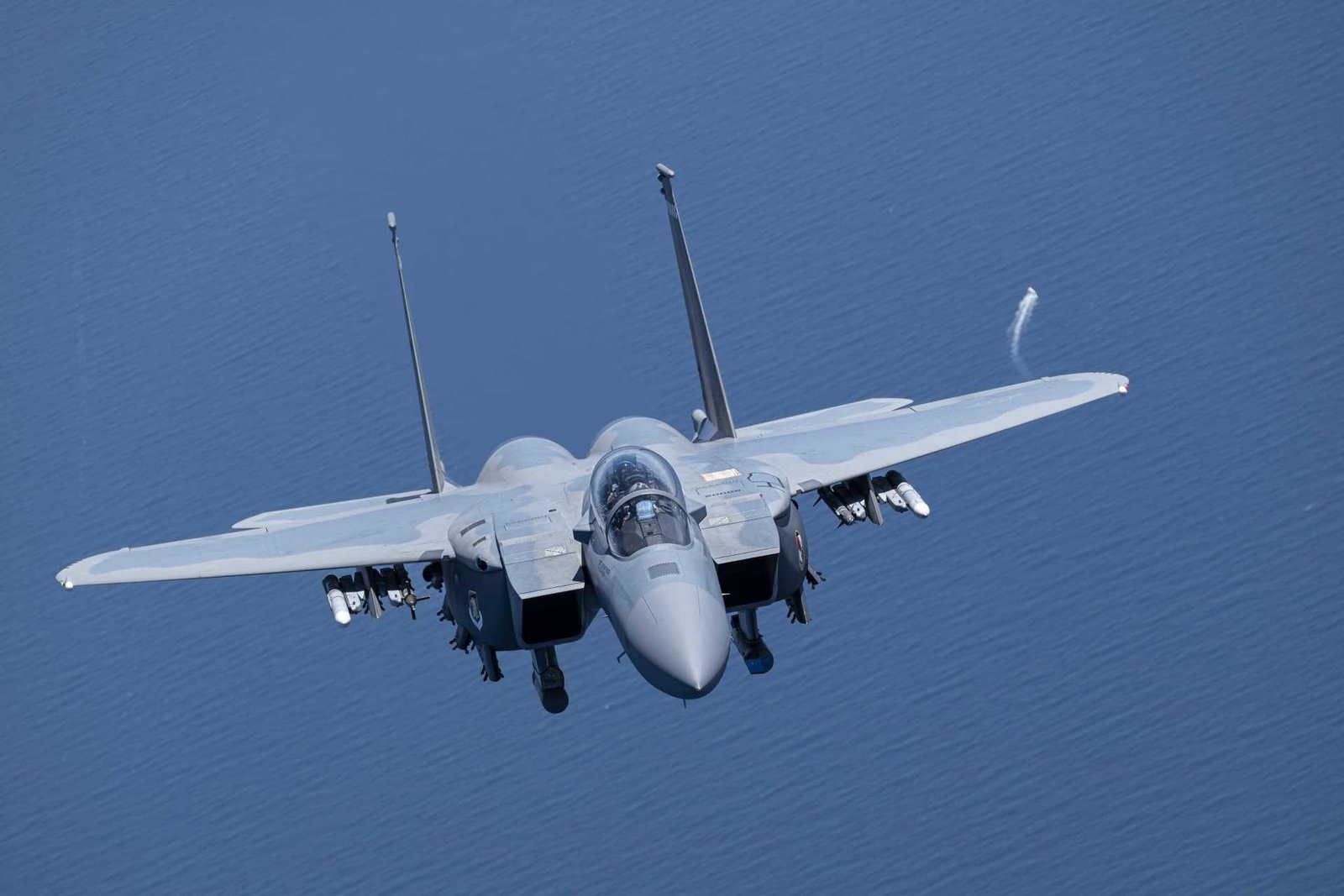
The CCA programme centers on the development of “loyal wingman” unmanned aircraft capable of operating alongside fifth-generation fighters such as the F-35 Lightning II, which forms the backbone of the Royal Netherlands Air Force.
These unmanned platforms are intended to extend sensor coverage, carry additional payloads including weapons, and conduct higher-risk missions in contested environments. They are also designed to be faster to produce and more cost-effective than traditional crewed aircraft.
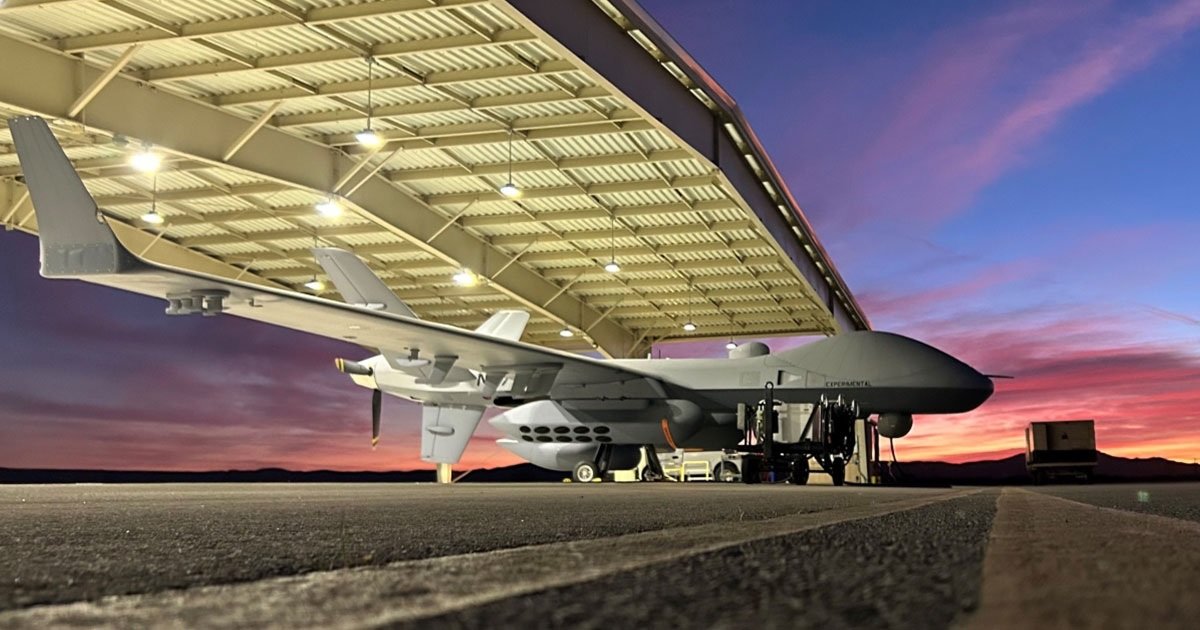
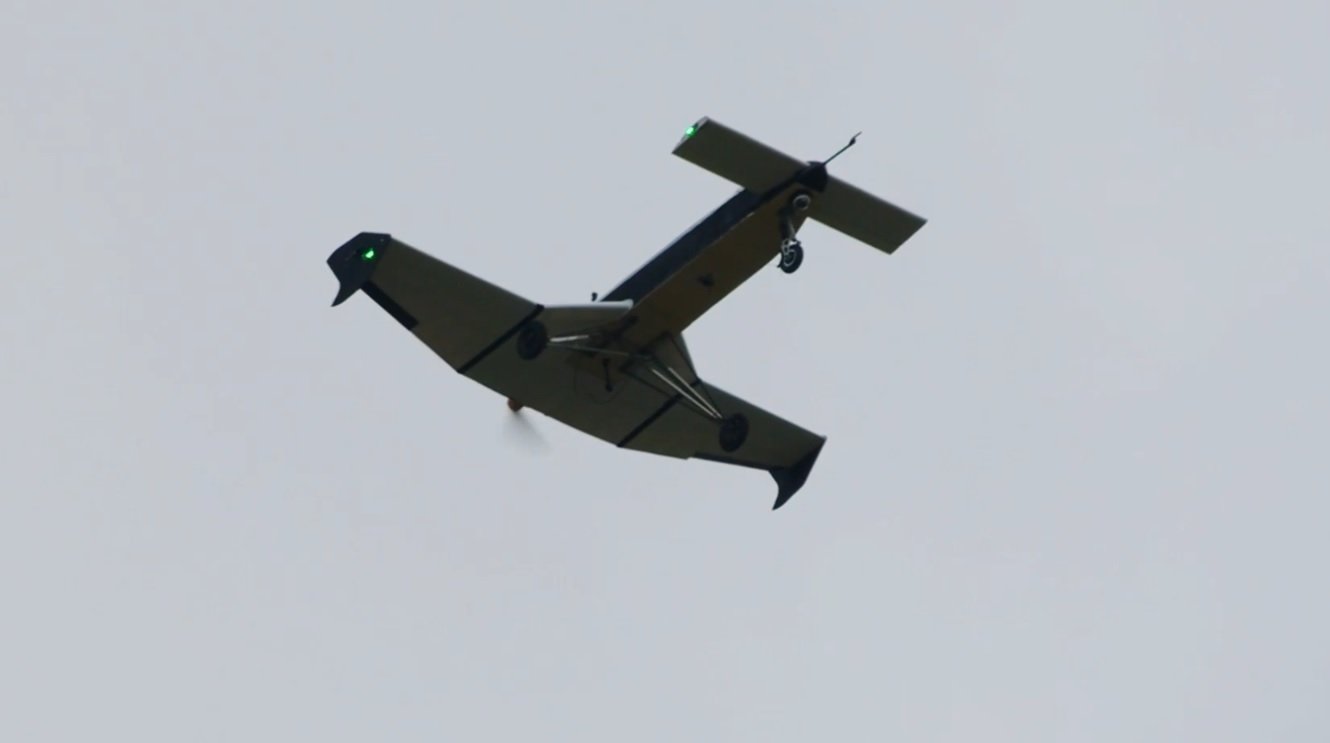
Two prototype systems are currently under development within the programme: the YFQ-42A “Dark Merlin” by General Atomics Aeronautical Systems and the YFQ-44A developed by Anduril.
Participation will enable the Netherlands to accelerate domestic expertise in areas such as autonomy, swarm coordination, and systems architecture, supporting future integration of unmanned systems with existing and next-generation platforms.
Strategic Positioning and Policy Considerations
In his communication to parliament, Boswijk stated that early participation would allow the Netherlands to build knowledge and operational experience in autonomous systems, positioning it to make informed decisions on future procurement.
He emphasized that signing the LoA does not constitute a commitment to acquire any specific platform. Decisions regarding potential procurement will be made at a later stage, and there is no binding obligation to purchase systems developed in the United States.
The Ministry also indicated that the Netherlands will continue to monitor developments in both U.S. and European programmes and does not exclude future cooperation with other international partners.
European Context and Industrial Alignment
The decision to join the CCA programme comes as major European defence initiatives, including the Future Combat Air System (FCAS) and the Global Combat Air Programme (GCAP), remain in earlier phases of development and are primarily focused on next-generation manned fighter aircraft expected in the 2030s.
As a result, these programmes do not currently provide the same level of immediate access to collaborative unmanned combat aircraft development.
The Dutch participation aligns with broader national initiatives under its Defence Strategy for Industry and Innovation and is linked to ongoing projects such as the MOBIUS programme, which focuses on knowledge development in autonomous systems.
In parallel, the Netherlands has established cooperation with General Atomics for the co-development of smaller multi-role intelligence, surveillance, and reconnaissance (ISR) drones, with plans for local manufacturing by Dutch company VDL Defentec.
Programme Significance
Officials stated that early involvement in the CCA programme positions the Netherlands as one of the most advanced European participants in manned-unmanned teaming concepts, supporting the long-term integration of autonomous systems into military aviation.
The initiative is expected to enhance operational effectiveness by enabling closer coordination between crewed and uncrewed platforms while contributing to the development of scalable autonomy solutions for future air combat systems.
——— End of Article ———