ANKARA, — March 21, 2026 : Türkiye has successfully conducted a live-warhead test of its SOM-J stand-off cruise missile, striking a designated target under operational conditions and confirming a direct hit. The test marks a key step in advancing the missile toward deployment as a combat-ready precision strike system for the Turkish Armed Forces.
The successful firing was announced by Minister of Industry and Technology Mehmet Fatih Kacır, who stated that the test demonstrated the system’s capability to engage heavily defended land and naval targets at extended range.
Programme Development and Industrial Context
The SOM-J missile has been developed by TÜBİTAK SAGE (Defense Industries Research and Development Institute) and is manufactured by Roketsan. The programme forms part of Türkiye’s broader effort to establish a domestically controlled defense-industrial base, reducing reliance on foreign suppliers.
Originally designed for internal carriage on the F-35 Joint Strike Fighter, the missile has since been adapted for integration with Türkiye’s existing and future platforms following its departure from the F-35 programme. The system is intended to serve as a primary stand-off strike weapon across a range of air platforms.
System Design and Capabilities
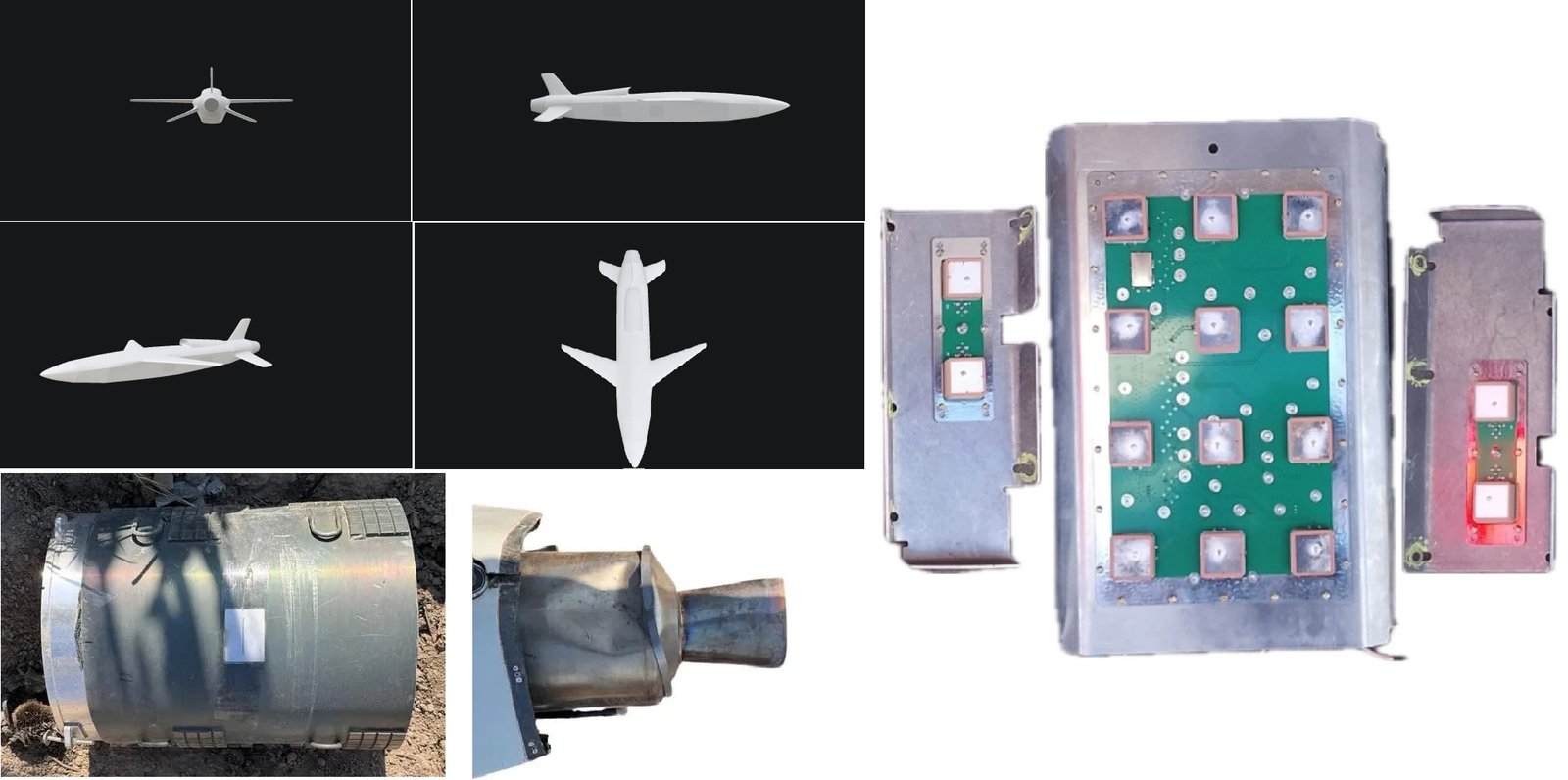
The SOM-J is a compact, low-signature air-to-surface missile designed for operations in contested environments. It measures approximately 3.9 meters in length, weighs around 540 kilograms, and has an operational range of approximately 275 kilometers (150 nautical miles).
The missile is powered by the domestically developed Kale Arge KTJ-3200 turbojet engine, replacing earlier reliance on foreign propulsion systems. This transition supports full indigenous control over critical components.
The system carries a 140-kilogram warhead, with configurations including high-explosive blast-fragmentation and semi-armour-piercing options, allowing engagement of both hardened land targets and naval assets.
Guidance and Navigation System
The SOM-J incorporates a multi-mode guidance architecture designed to improve survivability and accuracy in complex environments. The navigation system includes:
- Inertial Navigation System (INS)
- Anti-jam Global Positioning System (GPS)
- Terrain Relative Navigation (TRN)
- Image-Based Navigation (IBN)
During the terminal phase, the missile uses an Imaging Infrared (IIR) seeker combined with Automatic Target Acquisition (ATA) to achieve precise targeting.
A two-way data link enables in-flight updates, retargeting, selectable impact parameters, and resistance to electronic countermeasures. These features support network-enabled operations and allow engagement of time-sensitive or emerging targets.
Operational Role and Employment
The SOM-J is designed for low-altitude penetration and high maneuverability, enabling it to operate within modern air-defense environments while allowing launch platforms to remain outside high-risk zones.
The missile supports both internal carriage for low-observable aircraft and external carriage on conventional platforms. It is compatible with F-16 fighter aircraft and is being integrated into next-generation systems, including the KAAN fighter aircraft, as well as unmanned platforms such as the Bayraktar KIZILELMA and TAI Anka-3.
This integration supports manned-unmanned teaming concepts and enhances the ability to conduct stand-off strikes against high-value targets, including naval units, coastal defense systems, and command infrastructure.
Test Significance and Operational Readiness
The use of a live warhead in the test provides validation of the missile’s performance under realistic operational conditions. The confirmed direct hit indicates progress toward a configuration aligned with real-world combat employment.
The system is designed to enable precision engagement at extended range while maintaining platform survivability and reducing exposure to enemy air defenses.
Strategic Context
The SOM-J programme contributes to Türkiye’s objective of building an integrated indigenous strike ecosystem, combining domestically developed platforms and munitions. By pairing the missile with national aircraft programmes, Türkiye aims to maintain operational independence, flexibility in mission planning, and control over future upgrades.
Officials stated that the programme supports long-term efforts to enhance precision strike capabilities while ensuring compatibility with evolving air combat requirements.
——— End of Article ———