
World
GROTON : The United States Navy has completed a formal demonstration of its AN/BYG-1 submarine combat control system for United Kingdom naval personnel and defense industry representatives, reinforcing technical integration under the AUKUS trilateral security partnership involving the United States, the United Kingdom, and Australia. The demonstration took place at Naval Submarine Base New London and focused on the planned incorporation of the AN/BYG-1 system into the future SSN-AUKUS class nuclear-powered attack submarines. These submarines are being designed by the United Kingdom and are scheduled to be built and operated by both the Royal Navy and the Royal Australian Navy. Demonstration Details U.S. Navy sailors assigned to the Los Angeles-class fast-attack submarine USS Hartford conducted the demonstration using a shore-based Submarine Multi-Mission Team Trainer. The simulator allowed visiting UK personnel to observe and assess the AN/BYG-1 combat control system in a controlled training environment that mirrors operational submarine conditions. The visiting delegation included representatives from the Royal Navy, UK government officials, and members of the British defense industry. The event provided a detailed overview of system architecture, operational workflows, training pipelines, and software commonality with existing allied submarine platforms. Role of the AN/BYG-1 System The AN/BYG-1 submarine combat control system integrates sonar processing, tactical decision-making tools, weapon control, and command interfaces into a single architecture. The system is already operational across the U.S. Navy and Royal Australian Navy submarine fleets and has been developed through a long-standing joint program between the two countries. U.S. Navy officials stated that integrating AN/BYG-1 into the baseline design of the SSN-AUKUS submarines is intended to ensure interoperability across all three partner navies. Common combat systems are expected to reduce development risk, streamline crew training, and simplify long-term sustainment and modernization. UK Perspective and Collaboration Cmdr. Rob Richards of the Royal Navy described the demonstration as a key step in the United Kingdom’s future submarine development. He said the event provided practical insight into U.S. submarine warfighting operations and offered the UK a clearer understanding of how the AN/BYG-1 system could be incorporated into its next-generation fleet. Richards noted that the demonstration reflected measurable progress in combat system collaboration among the AUKUS partner nations. Training and Interoperability Benefits Lt. Scott Buckman of the U.S. Navy’s Modernization Training Team highlighted the operational advantages of a shared combat control system. He explained that personnel trained on AN/BYG-1 can transfer skills across different submarines with minimal retraining. According to Buckman, the adoption of closely aligned system variants by three allied navies could eventually support cross-national crewing, expanded exchange programs, and shared training opportunities. These measures are intended to improve operational familiarity and collective effectiveness during combined or coalition missions. Strategic Context Under AUKUS The demonstration falls under Pillar I of the AUKUS agreement, which focuses on delivering a nuclear-powered submarine capability to Australia while strengthening undersea warfare cooperation among the three partners. The U.S. Navy stated that Australia’s future operation of nuclear-powered attack submarines is designed to support allied deterrence and stability objectives, particularly in the Western Pacific region. Oversight of the effort is being conducted by the AUKUS Integration and Acquisition program office within the U.S. Department of the Navy. The office is responsible for coordinating design alignment, technology integration, workforce development, and sustainment planning across national boundaries. U.S. officials emphasized that the program is being implemented with a focus on long-term interoperability, secure infrastructure development, and strict adherence to nuclear stewardship and nonproliferation standards. The AN/BYG-1 demonstration is one of several planned steps aimed at aligning operational systems as the SSN-AUKUS program advances toward construction and eventual deployment.
Read More → Posted on 2026-02-05 12:29:16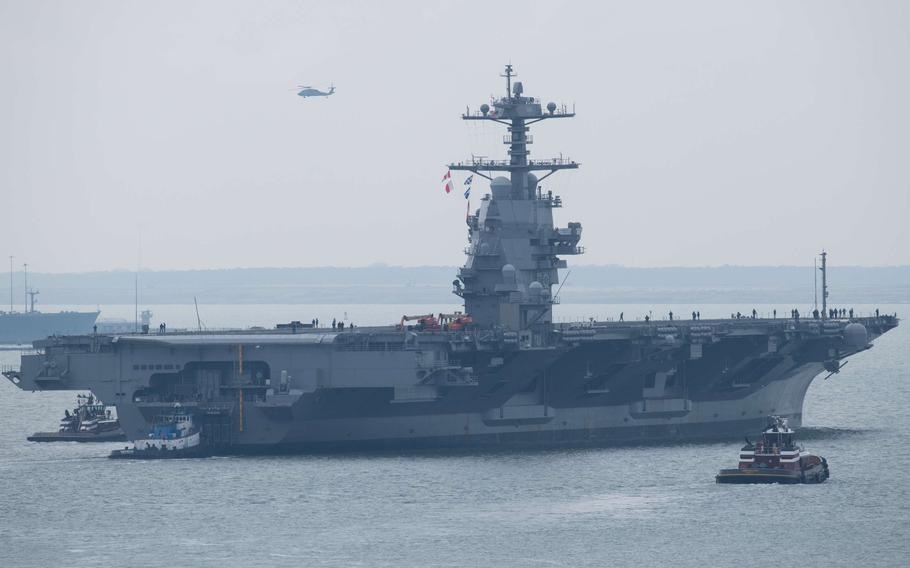
World
Newport News, Virginia : American shipbuilder Huntington Ingalls Industries announced on February 5, 2026, that the nuclear-powered aircraft carrier USS John F. Kennedy (CVN 79) has successfully completed its first builder’s sea trials and returned to Newport News, marking a major milestone in the construction of the U.S. Navy’s second Gerald R. Ford-class aircraft carrier. The sea trials were conducted by Newport News Shipbuilding, the only shipyard in the United States capable of building and refueling nuclear-powered aircraft carriers. During the initial period at sea, shipyard personnel and Navy representatives evaluated the carrier’s core systems under operational conditions. These assessments included propulsion performance, steering and navigation, electrical power generation and distribution, and overall ship control, all of which are essential prerequisites before the vessel can advance toward formal delivery. Sea Trials and Program Progress Builder’s sea trials are a standard but critical phase in the aircraft carrier construction process. Unlike later acceptance trials led by the Navy, these early trials allow the shipbuilder to verify system performance, identify deficiencies, and make technical adjustments before the ship enters the Navy’s final testing phase. According to the shipyard, the completion of these trials confirms that major mechanical and electrical systems are operating as designed. Following its return to Newport News, USS John F. Kennedy will undergo further inspections, system refinements, and outfitting work. The ship is then expected to proceed to Navy acceptance trials, during which the United States Navy will independently evaluate the carrier’s readiness for delivery and commissioning. Strategic Context and Production Tempo The progress of CVN 79 comes as U.S. defense leaders place increased emphasis on the pace of aircraft carrier construction. The U.S. Secretary of Defense has recently called for accelerating production of Ford-class carriers, citing the rapid growth and modernization of China’s aircraft carrier force. China has commissioned multiple carriers in recent years and continues work on more advanced designs, prompting concerns in Washington about the long-term naval balance, particularly in the Indo-Pacific region. Within this strategic environment, maintaining a steady flow of new large-deck carriers is viewed as central to sustaining U.S. power projection and carrier-based air operations. USS John F. Kennedy is the second ship intended to incorporate lessons learned from the lead ship, with the goal of improving reliability and stabilizing costs across the class. The Ford-Class Carrier Program USS John F. Kennedy is part of the Gerald R. Ford-class program, which forms the backbone of the Navy’s long-term aircraft carrier recapitalization plan. The class is designed to replace Nimitz-class carriers on a one-for-one basis, ensuring the Navy maintains a force of at least eleven nuclear-powered aircraft carriers. The Navy has planned a total of ten Ford-class ships, designated CVN 78 through CVN 87. Construction contracts are awarded incrementally to Newport News Shipbuilding, reflecting a multi-decade investment measured in hundreds of billions of dollars. The first six ships, from CVN 78 USS Gerald R. Ford through CVN 83 USS Enterprise, have already been authorized and are under construction or under contract. Design and Technical Characteristics While similar in size to the Nimitz class at roughly 100,000 tons displacement, the Ford class represents the most significant technological redesign of a U.S. aircraft carrier since the 1970s. The ships are powered by a new generation of nuclear reactors that generate substantially more electrical power than their predecessors, supporting modern combat systems and allowing growth capacity for future technologies. A key feature of the class is the Electromagnetic Aircraft Launch System (EMALS), which replaces traditional steam catapults. The system allows more precise control over aircraft launches, reduces stress on airframes, and supports a wider range of aircraft, including lighter and unmanned platforms. The carriers are also equipped with Advanced Arresting Gear, designed to improve aircraft recovery performance and reliability. Automation and digital control systems play a central role in the Ford-class design. Compared with Nimitz-class carriers, Ford-class ships are intended to operate with a smaller crew through automated weapons handling, advanced machinery controls, and improved maintenance access. These changes are aimed at reducing manpower requirements and lowering total lifecycle costs over an expected service life of more than 50 years. The redesigned flight deck is also intended to increase sortie generation rates during sustained operations. Operational Outlook The operational baseline for the class has been established by USS Gerald R. Ford (CVN 78), which has already conducted deployments and real-world operations as part of U.S. carrier strike groups. Experience from the lead ship has informed design and construction updates on CVN 79, intended to improve system maturity and ease integration of combat systems. Once commissioned, USS John F. Kennedy is expected to operate a modern carrier air wing centered on the F-35C Lightning II, supported by airborne early warning, electronic warfare aircraft, and future unmanned systems. With builder’s sea trials complete, the carrier’s progression toward delivery represents another step in the Navy’s effort to sustain carrier-based naval aviation and meet long-term strategic requirements.
Read More → Posted on 2026-02-05 12:14:53
World
Washington : President Donald Trump on Monday signed the Consolidated Appropriations Act of 2026 into law, enacting what the administration has repeatedly described as the “America First Bill.” The legislation brings an end to most forms of traditional U.S. foreign civilian assistance, formally shutters the U.S. Agency for International Development (USAID), and redirects tens of billions of dollars toward domestic priorities, border enforcement, and selected security commitments. The bill passed the House of Representatives by a narrow 217–214 vote and cleared the Senate shortly thereafter, ending a brief partial government shutdown. Its enactment represents the most significant restructuring of U.S. discretionary spending in decades and a decisive shift in how Washington defines its role in international development and aid. Closure of USAID and Scope of Aid Terminations At the core of the legislation is the statutory termination of USAID, which since 1961 has overseen the bulk of U.S. civilian foreign aid, humanitarian relief, and development assistance. The law dissolves the agency’s operational authority, transfers a limited number of security-related functions to the State Department and Department of Defense, and eliminates the majority of USAID-managed grant programs. The act explicitly ends taxpayer funding for global diversity, equity, and inclusion (DEI) initiatives, climate mitigation and adaptation projects in developing countries, gender-focused social programs, and governance and civil society assistance not tied to direct U.S. strategic objectives. Administration officials said these programs were classified as non-essential or misaligned with domestic priorities. In fiscal terms, the legislation cuts approximately $10 billion in foreign assistance in the current fiscal year alone. This reduction builds on earlier budget actions, with humanitarian and development funding in FY2026 falling by roughly 37 percent compared with recent annual averages. Base foreign aid spending, which previously stood near $60 billion annually, is significantly reduced under the new framework. Redistribution Toward Domestic Priorities Savings generated by the elimination of foreign aid programs are reallocated across several domestic and security-focused areas. The Department of Defense receives funding to implement a 3.8 percent pay raise for all service members, with an additional 10 percent increase for junior enlisted personnel. The administration said the increases are intended to offset inflation and improve retention. The Department of Homeland Security is allocated new, dedicated funding for deportation logistics, including expanded use of chartered and military-assisted removal flights. These funds are earmarked for transportation, detention coordination, and interagency operations tied to immigration enforcement. The bill also establishes a federal crime reduction fund for Washington, D.C., placing resources under enhanced federal oversight to support law enforcement staffing, infrastructure, and targeted anti-crime initiatives in the capital. In place of traditional development aid, the legislation creates the America First Opportunity Fund, a $2.9 billion program restricted to expenditures that directly advance U.S. economic or national security interests. Eligible uses include securing critical mineral supply chains, strategic infrastructure investments, and limited assistance to selected partners where clear benefits to U.S. industries or defense planning can be demonstrated. Effects on Ukraine, Israel, and Multilateral Commitments The act sharply differentiates between categories of foreign assistance, particularly with respect to ongoing conflicts and long-standing security partnerships. For Ukraine, the bill scales back U.S. involvement by limiting assistance largely to military support. Economic stabilization and civilian reconstruction aid are curtailed. Annual assistance for Ukraine is set at $400 million, a substantial reduction from the multi-billion-dollar aid packages approved in 2024 and 2025. U.S. support for Israel remains largely intact. The legislation preserves the existing Memorandum of Understanding (MOU), continuing $3.3 billion annually in Foreign Military Financing (FMF) and allocating an additional $500 million for missile defense systems, including Iron Dome and David’s Sling. Lawmakers backing the bill said Israel’s funding falls under core defense cooperation rather than discretionary foreign aid. The law also terminates U.S. contributions to several United Nations bodies and programs. Funding is ended for UNESCO and select initiatives under the UN Relief and Works Agency (UNRWA), with the administration citing concerns over oversight, effectiveness, and alignment with U.S. policy objectives. Fiscal Impact and Budgetary Outlook According to White House and congressional budget documents, the Consolidated Appropriations Act of 2026 delivers approximately $20 billion in immediate savings during the current fiscal year through the elimination of foreign assistance programs identified as inefficient or non-essential by the Department of Government Efficiency. Over a ten-year horizon, the administration projects that the spending restraints established by the bill will contribute to trillions of dollars in cumulative deficit reduction, though long-term estimates depend on future appropriations and economic conditions. At the same time, the act increases overall defense spending to $1.01 trillion for FY2026. Funds are directed toward modernization of the nuclear triad, expansion of missile defense initiatives, including the proposed “Golden Dome” system, and broader force readiness investments. Structural Shift in U.S. Spending Policy By formally ending USAID operations, reducing civilian foreign aid, and reorienting federal spending toward domestic enforcement and defense priorities, the America First Bill establishes a new baseline for U.S. fiscal and foreign policy. Supporters describe the law as a recalibration of taxpayer obligations, while critics argue it diminishes U.S. influence abroad. With the Consolidated Appropriations Act of 2026 now in force, federal agencies are expected to begin implementing program closures and fund reallocations immediately, marking a definitive change in how the United States deploys its financial resources at home and overseas.
Read More → Posted on 2026-02-04 17:30:17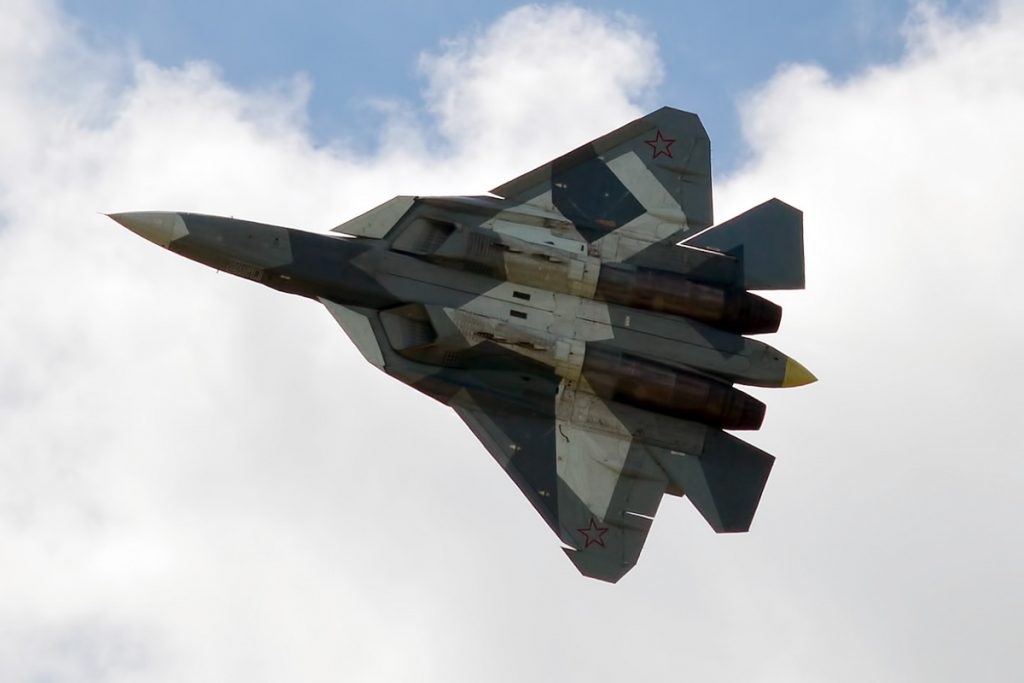
World
Washington / Algiers : The United States has formally warned Algeria that it could face economic sanctions over its decision to purchase Russian-made Su-57E fifth-generation fighter jets, escalating tensions between Washington and Algiers over defense cooperation with Moscow. U.S. officials say the deal raises concerns under American sanctions law and reflects a broader effort by Washington to limit the spread of advanced Russian military technology across Africa and the Middle East. The warning was delivered on February 3, 2026, by Robert Palladino, head of the Bureau of Near Eastern Affairs at the U.S. State Department, during a hearing before the Senate Foreign Relations Committee. Palladino said reports confirming Algeria’s acquisition of the Su-57E are viewed as “problematic” by the U.S. administration and could trigger measures under U.S. law. U.S. Position and Legal Basis Palladino told lawmakers that the United States is prepared to use the Countering America’s Adversaries Through Sanctions Act (CAATSA), which mandates sanctions on countries that engage in what Washington defines as “significant transactions” with the Russian defense or intelligence sectors. He noted that while the United States continues to work with Algeria on areas of shared interest, the fighter jet deal represents a clear point of disagreement. “We are working closely with the Algerian government on issues where we find common ground,” Palladino said during the hearing. “But we certainly disagree on many issues, and the arms deal is an example of what the United States considers problematic.” He added that Washington is using diplomatic channels, often in private, to protect U.S. interests and discourage actions it deems unacceptable. The remarks follow a pattern established in earlier cases, including U.S. action against Turkey over its purchase of the S-400 air defense system and pressure on Egypt that led Cairo to halt its planned acquisition of Su-35 fighter jets. Algeria’s Su-57E Purchase Algeria confirmed in 2025 that it had placed an order with Russia for the Su-57E, the export version of Russia’s fifth-generation stealth fighter. Defense-focused outlets, including Defense Arabic and Global Defense Corp, have reported that deliveries are planned for late 2025 or early 2026. According to those reports, Algerian pilots have been undergoing training in Russia to operate the aircraft. The agreement makes Algeria the first foreign customer for the Su-57E. In 2024, Alexander Mikheev, head of Rosoboronexport, Russia’s state arms export agency, said the aircraft had secured its first international buyer and that deliveries would begin in 2025. Role in Algeria’s Air Force Modernization The Su-57E is expected to play a key role in Algeria’s air force modernization program. The aircraft is intended to replace the MiG-25 interceptors that were officially withdrawn from Algerian service in 2022. Over time, the new fighters could also supplement or partially replace the fleet of 72 Su-30MKA multirole aircraft contracted between 2006 and 2020, which currently form the core of the Algerian Air Force. Regional and Diplomatic Context U.S. officials view the Algerian acquisition as part of a broader concern over advanced Russian military systems entering the Africa and Middle East region. Washington has repeatedly argued that such deals undermine defense cooperation with Western partners and strengthen Russia’s defense sector. The issue highlights the ongoing tension between U.S. sanctions policy and the defense procurement decisions of countries that maintain long-standing military ties with Russia, including Algeria, which has historically relied on Russian and Soviet equipment for its armed forces.
Read More → Posted on 2026-02-04 17:16:25
World
Washington / Caracas : The United States has completed the transfer of the full $500 million generated from the initial U.S.-authorized sale of Venezuelan oil, returning the final $200 million tranche to Venezuela this week, according to a U.S. official familiar with the matter. The transfer concludes the first major financial transaction under a new energy and financial framework established between Washington and Caracas following the January 3 U.S. military operation that resulted in the capture of Venezuelan President Nicolás Maduro. The official, speaking on condition of anonymity, confirmed that Venezuela has now officially received all $500 million from the first oil sale. An earlier $300 million was released in late January, with the remaining $200 million transferred this week, completing the disbursement. Purpose of the Transfer U.S. officials said the primary reason for returning the funds was to prevent the collapse of the Venezuelan state and ensure continuity of basic government functions during a volatile transition period. While the revenue was generated from Venezuelan oil, it was managed under U.S. oversight to ensure its use for public benefit purposes. During recent testimony before Congress, U.S. Secretary of State Marco Rubio said the arrangement was intended as a short-term stabilization measure, not a long-term economic solution. Rubio told lawmakers that allowing Venezuela to access revenue from its own oil was necessary to pay public sector salaries, including teachers, firefighters, and police officers, and to keep core government services operating. He said failing to do so risked systemic collapse, which could have led to economic disintegration, mass migration, and regional instability. Oversight and Use of Funds U.S. officials emphasized that the funds were not released without conditions. According to the official, the $500 million is to be disbursed “for the benefit of the Venezuelan people” and remains subject to U.S. discretion over how and when it is spent. Under the arrangement, Venezuelan authorities must submit detailed spending plans, with disbursements tied to specific public, governmental, or diplomatic obligations. The stated objective is to ensure the funds support essential services and administrative functions. Temporary Holding in Qatar Before being transferred, the oil revenues were held in a temporary account in Qatar. U.S. officials described the account as a short-term mechanism designed to ensure Venezuela had access to operational funds while the post-Maduro administrative framework was being organized. The official said the arrangement also protected the money from legal claims, international creditors, and competing claims during the transition period. Long-Term Financial Framework U.S. officials said the Qatar-based arrangement is not permanent. The long-term plan is to move proceeds from future Venezuelan oil sales into a dedicated fund located in the United States. Under this framework, expenditures would be authorized only for approved obligations or expenses of the Venezuelan government and its agencies, in line with agreed procedures. U.S. authorities would retain approval authority to ensure spending aligns with stabilization and reconstruction priorities. Rubio has indicated that additional oil sales could generate several billion dollars in the coming months if production and exports continue under the new framework. Context of the Deal The oil sale followed a deal reached last month between Washington and Caracas, shortly after the January 3 military operation. It marked the first U.S.-authorized Venezuelan oil sale in years and reflected a shift from broad sanctions enforcement toward a managed, conditional engagement aimed at maintaining state functionality. U.S. officials have described the arrangement as transitional and limited, stressing that it does not represent full normalization of relations, but rather a temporary stabilization effort during a period of political and economic uncertainty. With the full $500 million now transferred, attention is focused on how the funds will be used and whether the U.S.-managed framework for future oil revenues will be formally established in the United States as planned.
Read More → Posted on 2026-02-04 16:56:22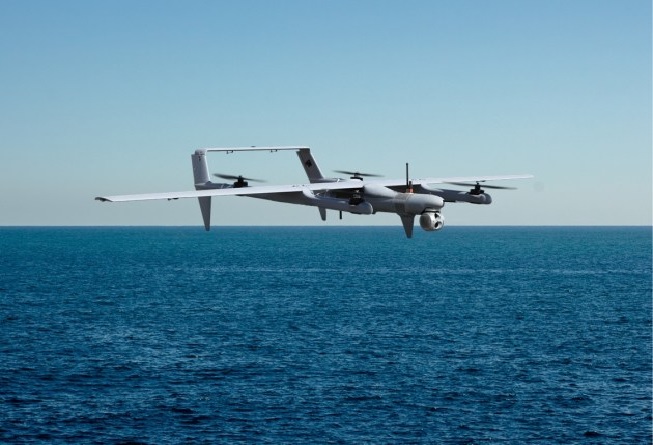
World
MARIGNANE, France : The French Navy is set to introduce a new vertical take-off and landing (VTOL) variant of the Aliaca unmanned aerial system following a formal amendment to an existing procurement contract between the French Directorate General of Armament (DGA) and Airbus Helicopters. The update, announced on February 3, 2026, expands the scope of the SMDM (Systèmes de Mini Drones aériens embarqués) programme and brings the total number of Aliaca systems ordered for the French Navy to 34 units since 2022. The contract modification reflects the navy’s requirement for greater deployment flexibility across a broader range of surface vessels, particularly those without dedicated launch and recovery equipment for fixed-wing unmanned aircraft. Introduction of Hybrid VTOL Configuration The most notable change in the new Aliaca version is the adoption of a hybrid propulsion architecture combining vertical lift and conventional fixed-wing flight. The VTOL-configured Aliaca is fitted with four dedicated electric propellers used exclusively for vertical take-off and landing. This allows the system to operate directly from ship decks and confined land sites without catapult launchers, arresting nets, or recovery cables. After take-off, the aircraft transitions to a fixed-wing propulsion mode that enables sustained cruise flight. This approach is intended to preserve endurance and range characteristics while significantly reducing the logistical footprint associated with shipborne drone operations. Technical Characteristics and Performance The Aliaca VTOL retains the compact dimensions of the existing system while accommodating the additional lift hardware. The aircraft has a wingspan of 3.5 metres and an overall length of 2.1 metres. Its maximum take-off weight (MTOW) is 25 kilograms. In operational terms, the drone offers an endurance of up to two hours and an operational range of 50 kilometres. The payload suite includes a gyro-stabilised electro-optical and infrared (EO/IR) sensor for day-and-night surveillance, along with an Automatic Identification System (AIS) receiver that enables long-range detection and identification of maritime traffic. Current Service Use and Expanded Deployment The SMDM system was formally qualified by the DGA in 2022 and has since become an established component of French naval surveillance operations. Within the navy, the Aliaca is frequently described as a long-range visual observation tool supporting surface combatants and patrol vessels. At present, the system is deployed aboard high-sea patrol vessels (PHM), overseas patrol vessels (POM), and surveillance frigates. The introduction of the VTOL variant is expected to extend deployment to additional ship classes where deck space and support equipment are limited. Operational use has expanded beyond standard maritime surveillance. Since the summer of 2023, Aliaca systems have been used in search-and-rescue (SAR) missions in the English Channel. Other missions have included counter-drug operations, monitoring of illegal fishing activity, and detection of marine pollution. The DGA has also indicated that, over the longer term, the Aliaca is intended to support land-based operations as part of France’s national coastal surveillance network. Qualification Schedule and Delivery Timeline The VTOL version is scheduled to enter a dedicated qualification phase under DGA supervision in early 2026. This process will include both land-based and shipborne trials to validate performance, reliability, and safety under operational conditions. Initial deliveries of the VTOL-configured Aliaca systems are planned to begin in May 2026 following completion of the qualification campaign. According to Airbus Helicopters, the development of the VTOL version was completed in less than one year, building directly on the operational experience gained with the fixed-wing variant already in service. Christophe Canguilhem, Aliaca programme director at Airbus Helicopters, stated that the amended contract reflects the maturity of the platform and its ability to evolve in response to naval operational requirements. Continued Use of Existing Fleet The introduction of the VTOL variant will not immediately replace the current fixed-wing Aliaca systems. The French Navy plans to retain the existing fleet in operational service for at least the next seven years, operating both configurations in parallel as mission requirements dictate. This dual-configuration approach is intended to provide continuity of capability while allowing the navy to progressively integrate the new VTOL system across its surface fleet.
Read More → Posted on 2026-02-04 16:23:22
World
Riyadh / Washington / Tehran : Saudi Arabia has privately communicated a clear policy of conditional neutrality as tensions between the United States and Iran continue to rise, according to multiple regional and Gulf officials familiar with the discussions. Saudi Arabia has indicated it will not retaliate against Iran if any Iranian military action is strictly limited to United States military assets located on Saudi territory and does not extend to Saudi sovereign infrastructure, population centers, or energy facilities. Officials say the position reflects a calculated effort by Riyadh to avoid being drawn into a direct confrontation while preserving its security partnership with Washington. Saudi authorities expect that, in the event of an escalation, Iran would confine any strikes to U.S. bases in Saudi Arabia and elsewhere in the Gulf, with Gulf states refraining from participation as long as their own assets are not targeted. The messaging has reportedly been conveyed to Tehran through diplomatic backchannels involving Oman and Qatar. Gulf states have warned that their neutrality is conditional: limited strikes on U.S. military facilities may be tolerated to prevent a wider regional war, but significant damage to Gulf cities, energy infrastructure, or civilian areas would trigger a collective response, potentially involving the Gulf Cooperation Council (GCC). A Defined Red Line According to regional reports, Saudi Crown Prince Mohammed bin Salman has informed Iranian President Masoud Pezeshkian that Saudi Arabia will not permit its airspace or territory to be used for offensive U.S. operations against Iran. At the same time, Riyadh has made clear that it will not accept attacks on Saudi-owned infrastructure, including oil facilities, ports, desalination plants, or urban areas. The approach is shaped in part by the memory of the September 2019 Abqaiq–Khurais drone and missile attacks, which temporarily cut Saudi oil production by roughly half. Officials describe the current doctrine as one aimed at ensuring that any confrontation remains narrowly focused on U.S. military assets rather than spilling over into the Gulf’s economic and energy systems. Saudi policymakers are also seeking to protect long-term domestic priorities, including large-scale economic diversification projects under Vision 2030, which they view as particularly vulnerable to regional instability. Military Posture and Regional Pressure The Saudi position has emerged as the United States increases its military presence in the region. The arrival of the USS Abraham Lincoln carrier strike group in the Arabian Sea, along with its guided-missile destroyer escorts, has been accompanied by heightened naval and air activity. On February 3, a U.S. F-35 fighter shot down an Iranian drone during what U.S. officials described as a defensive encounter, further raising tensions. President Donald Trump has characterized the naval deployment as a means of pressuring Iran back into negotiations over its nuclear and missile programs. U.S. officials say the buildup is intended to deter escalation while creating leverage for renewed talks ahead of the expiration of the New START arms control framework. Iran’s leadership has responded cautiously. Supreme Leader Ali Khamenei has warned that any direct U.S. strike would lead to a broader regional conflict, a statement widely interpreted as a test of whether Gulf states would maintain neutrality under pressure. Gulf States’ Positions Across the Gulf, governments are attempting to balance their security relationships with the United States against their desire to avoid becoming targets. Saudi Arabia hosts an estimated 2,500 U.S. troops and has publicly denied allowing its airspace to be used for offensive strikes. The United Arab Emirates, with roughly 5,000 U.S. personnel, has issued warnings to Iran against regional escalation while maintaining a neutral stance. Qatar, which hosts around 10,000 U.S. troops and the forward headquarters of U.S. Central Command, has taken on a mediating role between Washington and Tehran. Oman, with a smaller U.S. presence, continues to serve as the primary backchannel for direct U.S.–Iran communication. Despite the emphasis on neutrality, Saudi Arabia remains deeply integrated into U.S.-led defensive arrangements. Saudi air defense systems, including Patriot and THAAD batteries, are fully coordinated with U.S. Central Command, underscoring that Riyadh’s restraint applies to offensive operations rather than defensive cooperation. Strategic Implications Security analysts say the Saudi “red line” serves multiple strategic purposes. By signaling that it will not function as a launchpad for U.S. attacks, Riyadh is attempting to reduce Iran’s incentive to strike Saudi economic assets. At the same time, limiting the operational use of Gulf bases increases Washington’s reliance on carrier-based aviation and long-range strike capabilities, raising the cost and complexity of any potential military action. The approach also reflects a broader regional effort to compartmentalize U.S.–Iran tensions, allowing Gulf states to remain formally aligned with Washington while minimizing their exposure to retaliation. Diplomatic Track Shifts to Oman As of February 4, diplomatic efforts aimed at de-escalation have reportedly shifted from Istanbul to Oman at Iran’s request. Iranian officials have indicated a preference for bilateral talks with the United States focused narrowly on nuclear issues, excluding missile development and regional proxy activities that Saudi Arabia and the UAE have argued should be addressed in any comprehensive agreement. For now, Gulf officials describe the situation as stable but fragile. Saudi Arabia’s conditional neutrality, they say, is intended to hold as long as all parties respect clearly communicated limits—limits that Riyadh has made clear are not open-ended.
Read More → Posted on 2026-02-04 16:18:53
World
New Delhi / Washington : The United States and India have reached a significant trade understanding that reduces tariffs on Indian exports to the US to 18%, ending months of uncertainty triggered by punitive duties that had climbed to 50%. The announcement was made jointly by US President Donald Trump and Indian Prime Minister Narendra Modi, marking a reset in bilateral trade relations between the two largest democracies. The decision restores competitiveness for a wide range of Indian exports and brings immediate relief to sectors that had been strained by reciprocal tariffs and additional penalties imposed over India’s energy purchases from Russia. While the formal trade agreement is yet to be signed and technical details are still being finalised, officials on both sides indicated that the new tariff rate will take effect immediately. Background to the Tariff Rollback The breakthrough follows a prolonged stalemate after the Trump administration imposed a 25% reciprocal tariff on Indian goods, followed by an additional 25% levy linked to India’s continued import of Russian crude oil. These measures pushed the effective tariff burden to 50%, sharply eroding the price competitiveness of Indian exports in the US market. Pressure for a resolution intensified after India concluded a comprehensive Free Trade Agreement (FTA) with the European Union in late January. Analysts view that agreement as a key catalyst that prompted Washington to accelerate negotiations with New Delhi to prevent a relative erosion of US commercial influence in India. India’s Comparative Position After the Deal With tariffs reduced to 18%, India now enjoys a more favourable position compared to several competing manufacturing hubs in Asia. Goods from Malaysia and Thailand face tariffs of around 19%, while exports from Vietnam and Bangladesh are subject to 20%. Chinese exports to the US continue to attract significantly higher duties of about 34%. Commerce and Industry Minister Piyush Goyal told Parliament that the agreement gives India a “very good” comparative advantage, particularly for labour-intensive industries. Trade specialists from EY and Deloitte noted that the shift moves India from being a tariff-hit exporter to a negotiated partner with a defined stake in the US market, reinforcing its position as a “China-plus-one” supply-chain alternative. Energy Commitments and the Russian Oil Question A central element of the US announcement relates to energy. In a post on Truth Social, President Trump said that India had agreed to stop buying Russian oil and instead increase purchases from the United States, with Venezuelan crude also cited as a possible alternative. Moscow has stated that it has not received any official communication from New Delhi confirming a policy shift. However, shipping and customs data show that India’s dependence on Russian crude had already been easing before the announcement. According to Kpler, Russia’s share of India’s crude imports fell to 33.7% between April and November 2025, down from 37.9% a year earlier. In volume terms, imports declined from about 1.8 million barrels per day in November 2025 to 1.16 million barrels per day in January 2026. Over the same period, the US share rose to 8.1% from 4.6%. Energy analysts caution that Russian supplies are unlikely to fall sharply in the immediate term, as existing contracts and refinery configurations limit rapid substitution. An SBI Research report estimates that India could save close to $3 billion annually if part of its Russian oil intake is replaced with Venezuelan heavy crude, provided discounts of $10–$12 per barrel are maintained to offset higher freight and insurance costs. Venezuelan heavy crude is currently priced at around $51 per barrel. Impact on Key Export Sectors The revised tariff regime covers nearly 60% of India’s exports to the US and is expected to stabilise margins across several industries. Gems and jewellery exports, which had fallen by about 44% during the high-tariff phase, are expected to recover as the effective duty burden eases. Textiles and garments stand to gain from India’s lower tariff relative to Bangladesh and Sri Lanka, while pharmaceuticals—where the US accounts for 30–40% of sector revenues—are expected to see improved predictability in pricing and volumes. Economists estimate that the rollback could add around 30 basis points to India’s headline GDP growth, broadly offsetting the drag created by the earlier tariff regime. Goldman Sachs has projected an annualised GDP boost of about 0.2 percentage point, while Barclays estimates an impact closer to 30 basis points. Market and Currency Reaction Financial markets responded positively to the announcement. The Sensex recorded its fifth-largest single-day gain on record, adding approximately ₹12 lakh crore to investor wealth. Foreign institutional investors were net buyers, with inflows of ₹5,236 crore during the session. The Indian rupee strengthened sharply, appreciating by 124 paise to 90.27 against the US dollar. This marked its strongest single-day gain in seven years and the best performance since late 2018. Agriculture and Dairy Remain Protected Despite President Trump’s reference to a “Buy American” commitment involving up to $500 billion in purchases and investments, Indian officials reiterated that sensitive sectors remain safeguarded. Minister Goyal confirmed that agriculture and dairy were excluded from tariff liberalisation, a position also acknowledged by US Trade Representative Jamieson Greer. Agriculture and allied activities support the livelihoods of more than 700 million people in India and are considered non-negotiable due to food security and rural income considerations. India maintains agricultural tariffs ranging from zero to 150%, while the US also applies high duties on select products, including tariffs of up to 350% on tobacco. Why the Deal Came Together Now Negotiations continued throughout the period of elevated tariffs, with sustained engagement between senior ministers and officials on both sides. The arrival of US Ambassador Sergio Gor and the momentum created by India’s agreement with the EU are seen as key factors that helped close the remaining gaps. Next Steps A joint statement outlining the detailed provisions of the agreement is expected in the coming days. Analysts have welcomed the announcement but emphasise the importance of reviewing the final text to assess sector-specific implications and safeguard mechanisms. For now, the tariff reduction marks a clear easing of trade tensions and restores a degree of predictability to India–US commercial relations, setting the stage for a broader recalibration of economic ties between the two countries.
Read More → Posted on 2026-02-04 16:09:07
World
JERUSALEM : Israel has formally requested “operational freedom” from the United States to conduct independent military strikes against Iranian targets, according to senior Israeli defense officials. The request is aimed at securing a U.S. green light, including assurances of non-interference and potential defensive support, should Israel proceed with unilateral action against Iran’s ballistic missile and nuclear-related infrastructure. Israeli officials say the request reflects mounting concern that Iran is actively rebuilding capabilities damaged during the direct Israel-Iran exchanges of 2024 and 2025. While Iran’s nuclear program remains a core issue, Israeli intelligence assessments now place increasing emphasis on Tehran’s missile reconstitution efforts, which are viewed as an immediate and expanding threat to Israel and the wider region. The discussions come as the administration of Donald Trump continues to pursue a dual-track strategy combining military pressure with diplomatic engagement. Publicly, Washington has signaled a preference for negotiations over direct escalation, a position that contrasts with Israel’s growing impatience and sense of urgency. Intelligence Assessment Points to Strategic Opening According to Israeli security officials, the request for operational latitude is underpinned by a new intelligence assessment concluding that the Islamic Republic is currently in one of its weakest positions in decades. The assessment cites a convergence of internal unrest, economic collapse, and military degradation that has left the Iranian leadership under significant strain. Protests that intensified nationwide in January 2026 have spread from Tehran’s Grand Bazaar to nearly all major provinces. Human rights organizations estimate that more than 3,400 protesters have been killed and roughly 40,000 detained, as Iranian security forces struggle to contain dissent. Israeli analysts argue that the scale and persistence of the unrest have disrupted command cohesion and diverted regime resources inward. Economic indicators further reinforce this picture. Inflation is estimated to be approaching 60 percent, while the Iranian rial continues to lose value, eroding purchasing power and public confidence. Israeli officials say these conditions have weakened the regime’s traditional mechanisms of control and reduced its tolerance for prolonged external confrontation. From a military perspective, Israel assesses that its June 2025 strikes destroyed between 35 and 45 percent of Iran’s ballistic missile stockpile, along with significant elements of its air defense network. While Iran has begun recovery efforts, Israeli planners believe those systems have not yet been fully restored. Missile Program Moves to the Forefront Israeli officials stress that the strategic focus has shifted. In their view, Iran’s missile capabilities now represent a more immediate danger than its nuclear timeline alone. Intelligence briefings shared with U.S. counterparts reportedly detail Iranian attempts to rebuild surface-to-surface missile launchers, production facilities, and associated command systems. Israeli strategists argue that acting before Iran completes these efforts could significantly limit Tehran’s ability to project power or deter future operations. They contend that delay would allow Iran to harden facilities, disperse assets, and restore defensive layers, raising the cost and complexity of any future strike. Washington and Jerusalem Diverge The Israeli request has highlighted a growing policy divergence between Jerusalem and Washington. The United States has reinforced its regional posture, including the deployment of the USS Abraham Lincoln Carrier Strike Group to the Persian Gulf, which U.S. officials describe as a deterrent measure designed to protect U.S. forces and international shipping. President Trump has repeatedly stated that he believes Tehran remains interested in a negotiated outcome, pointing to mediation efforts involving Turkey, Egypt, and Qatar. He has characterized these efforts as part of a broader attempt to achieve a comprehensive arrangement addressing Iran’s nuclear and missile activities. Israel remains unconvinced. The office of Prime Minister Benjamin Netanyahu has described recent diplomatic initiatives as insufficient, arguing that Iran is unlikely to comply with any agreement that requires the full dismantling of its missile program. Israeli officials emphasize preemption as a strategic necessity, while U.S. officials continue to prioritize leveraged negotiation. Potential Targets and Regional Risks If the United States were to grant the requested assurances, Israeli defense officials say potential operations would likely focus on several categories of targets. These include missile reconstitution sites, where Iran is attempting to restore launchers and production capacity; hardened nuclear facilities, including underground complexes such as Pickaxe Mountain and Taleghan-2; and command-and-control centers linked to the Islamic Revolutionary Guard Corps, including the Thar-Allah Headquarters in Tehran. Iranian officials have warned that any such strikes would provoke a regional response, threatening U.S. bases and commercial shipping in the Gulf. Israeli defense officials acknowledge the risks but argue that inaction during a period of pronounced Iranian vulnerability could allow Tehran to recover and re-establish deterrence. For now, Washington has not publicly indicated whether it will grant Israel the operational assurances it seeks. The outcome of these discussions is expected to shape the next phase of U.S.-Israel coordination on Iran, at a moment when diplomatic efforts, military preparations, and internal instability inside Iran are unfolding simultaneously.
Read More → Posted on 2026-02-04 14:47:20
World
WASHINGTON : The United States Congress on Tuesday approved a fiscal 2026 defense spending measure totaling $838.7 billion, clearing a major legislative hurdle after weeks of negotiations and procedural delays. The bill passed the House of Representatives by a 217–214 vote on February 3, following a 71–29 approval in the Senate on January 30. The legislation now moves to Donald Trump for final signature. The defense package provides $8.4 billion more than the Department of Defense’s original budget request and was advanced as part of a broader “minibus” appropriations agreement that also funds five additional federal agencies. Passage of the measure positions lawmakers to formally end a brief partial government shutdown that began on January 31. Legislative Path and Shutdown Context This bill represents the first full-year defense appropriation since fiscal 2024, following a period marked by repeated short-term funding measures. Lawmakers had initially approved an earlier version of the bill on January 23, but final passage stalled due to unresolved disputes over funding for the Department of Homeland Security (DHS). To break the impasse, the Senate amended the package to include a two-week continuing resolution for DHS, a change that required a second House vote. Because the House did not reconvene to consider the revised bill until early February, several federal agencies entered a four-day partial shutdown. The lapse was substantially shorter than the 43-day shutdown last fall, during which approximately 334,000 civilian Pentagon employees were furloughed. Overall Defense Funding Structure Under the approved legislation, total defense spending for fiscal 2026 is set at $838.7 billion. Of that amount, $294.4 billion is allocated for military readiness and sustainment, covering operations, maintenance, and training across the armed services. Another $193.3 billion is designated for service member pay and benefits, including basic pay, housing allowances, health care, and retirement obligations. Air Force and Aviation Programs The bill directs significant funding toward Air Force and joint aviation modernization. It provides continued support for the F-35 Joint Strike Fighter, the B-21 Raider long-range bomber, and development of the F-47 sixth-generation fighter program. Specific aviation allocations include $440 million for F-35 and F135 engine spare parts, intended to address readiness and maintenance backlogs. The legislation also sets aside $474 million for two additional Compass Call electronic attack aircraft, expanding the Air Force’s airborne electronic warfare capacity. For tactical airlift, the Air National Guard receives $976 million to procure six C-130J transport aircraft, supporting domestic response missions and overseas deployments. Nuclear Deterrence and Strategic Forces The fiscal 2026 bill provides full funding for the Sentinel intercontinental ballistic missile (ICBM) program, which is designed to replace the aging Minuteman III system. Lawmakers characterized the funding as necessary to maintain the land-based leg of the U.S. nuclear deterrent and to keep the program on schedule. Naval Shipbuilding and Maritime Capabilities Naval procurement remains a central element of the legislation. The bill allocates $1.9 billion for the Virginia-class submarine program, supporting continued production of attack submarines for the U.S. Navy. It also includes funding for a third DDG-51 Arleigh Burke–class destroyer in fiscal 2026, expanding surface fleet capacity beyond earlier projections. Space Force and Missile Defense Investments The United States Space Force receives expanded funding under the bill, reflecting congressional and administration priorities in space and missile defense. The legislation funds 11 National Security Space Launch missions, supporting the deployment of military and intelligence satellites. It also directs $4 billion toward the development of missile warning and tracking satellites and sensors, aimed at improving detection of ballistic and hypersonic threats. A major addition to the budget is $13.4 billion for the administration’s “Golden Dome” initiative, which focuses on integrating space-based and terrestrial missile defense systems. This funding was not part of the Pentagon’s base budget request and is intended to complement $25 billion in reconciliation funding approved by Congress last year. International Security Cooperation The bill includes targeted funding for overseas security partnerships. It provides $1 billion for the Taiwan Security Cooperation Initiative, supporting training, equipment, and capacity-building efforts. An additional $200 million is allocated to the Baltic Security Initiative, aimed at strengthening defense capabilities and deterrence in Estonia, Latvia, and Lithuania.
Read More → Posted on 2026-02-04 14:16:31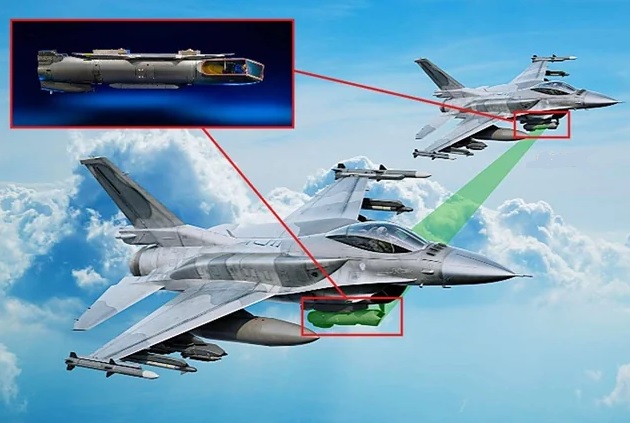
World
Washington : Lockheed Martin has completed the first successful multi-aircraft flight demonstration of its Sniper Networked Targeting Pod (NTP), validating real-time targeting data exchange between two F-16 Fighting Falcon fighter jets and a ground station. The test represents a significant step in enabling digitally connected air operations using existing combat aircraft. According to the company, the demonstration showed that trusted targeting data can now be shared in seconds rather than minutes, supporting simultaneous intelligence, surveillance, reconnaissance and strike activities. The flight test confirms that the Sniper system has transitioned from a standalone precision sensor to an active networking and data-distribution node within the battlespace. Transition from Standalone Sensor to Network Node The Sniper NTP is an upgraded variant of the Sniper Advanced Targeting Pod, retaining the same external form factor while integrating extensive internal hardware and software enhancements. These upgrades are enabled through a Hybrid Base Station architecture, allowing advanced communications and processing functions without structural modification to the host aircraft. During the January 30 flight, the system demonstrated secure, bidirectional data sharing between two airborne F-16s and a ground element, including imagery, target tracks and weapon-quality coordinates transmitted in real time. Networking and Data Processing Capabilities A core enhancement of the Sniper NTP is the addition of secure mobile ad hoc network (MANET) radios and encrypted datalinks. These allow participating aircraft to form a decentralized mesh network, automatically re-routing data if a communications path is degraded or disrupted. The pod also incorporates increased onboard processing power, enabling edge computing functions. This allows sensor data processing and filtering to occur directly on the aircraft, reducing dependence on external relay systems and shortening decision timelines during operations. Sensor Performance and Targeting Functions The Sniper NTP retains the full sensor suite of the Sniper family, including high-definition mid-wave infrared (FLIR) sensors, a stabilized electro-optical TV camera, and a dual-mode laser designator and rangefinder. These sensors provide long-range detection and identification and generate precision coordinates suitable for GPS-guided and laser-guided munitions. By combining these sensors with real-time networking, the system enables cooperative targeting, allowing one aircraft to maintain persistent surveillance while another aircraft conducts the weapon release based on shared data. Impact on Kill Chain Timing The demonstration focused on reducing latency across the kill chain, from target detection to engagement. Traditionally sequential processes can now occur in parallel, with airborne crews and ground controllers accessing a single, synchronized tactical picture. This shared situational awareness supports faster coordination, improved target validation, and reduced risk of misidentification, particularly in complex or congested airspace. Modernization of Existing Fighter Fleets The Sniper NTP is designed as a fleet modernization solution for fourth-generation aircraft, particularly the F-16, without requiring extensive avionics redesigns or new aircraft procurement. Its plug-and-play architecture allows operators to add networked combat capability through an external pod already familiar to maintenance and aircrew personnel. With more than 1,650 Sniper pods currently in global service, the networked upgrade provides a scalable pathway for air forces to maintain digital interoperability with evolving operational standards. Integration with Fifth-Generation Platforms The system is intended to operate alongside fifth-generation aircraft, including the F-35 Lightning II. In integrated operations, an F-35 can use its advanced sensors to detect and classify targets, then transmit precise targeting data through the Sniper NTP to an F-16, which can execute the strike using stand-off weapons. This approach combines advanced sensing with the larger weapons payloads of existing fighter fleets, extending operational effectiveness without new airframe development.
Read More → Posted on 2026-02-04 14:08:54
World
Washington / Tehran / Muscat : On 4 February 2026, Iran has formally requested changes to both the venue and agenda of high-level negotiations with the United States scheduled for Friday, February 6, introducing fresh uncertainty into a diplomatic effort aimed at reducing regional tensions, according to reporting by Reuters and The Wall Street Journal. Diplomatic sources say Tehran has asked that the talks be moved from Istanbul to Muscat and that discussions be limited strictly to nuclear-related issues. The requests are now under consideration by U.S. officials, with no final decision publicly confirmed as of Wednesday. Push to Shift Talks from Istanbul to Oman Iranian officials have conveyed through diplomatic channels that they prefer Muscat, Oman, as the location for the talks rather than Istanbul, Turkey. Tehran argues that Oman has historically served as a neutral and discreet venue for sensitive U.S.–Iran contacts, including the back-channel negotiations that preceded the 2015 Joint Comprehensive Plan of Action (JCPOA). Iranian diplomats have described the proposed Oman setting as an extension of prior technical-level discussions, rather than a new political summit. According to regional officials cited by Reuters, Tehran believes this framework would better suit its objectives and reduce the visibility associated with a larger international meeting. U.S. officials were initially reluctant to change the venue, but Axios reported that the Trump administration may be prepared to accept the shift in order to preserve the opportunity for talks. The White House has not officially announced whether the location has been finalized. Dispute Over the Scope of Negotiations Alongside the venue issue, Iran has sought to sharply restrict the agenda of the discussions. Tehran has stated that negotiations should focus exclusively on nuclear matters, including uranium enrichment levels, monitoring mechanisms, and sanctions relief linked to the nuclear program. Iran has communicated that its ballistic missile program and its regional activities are not open for negotiation, describing these areas as non-negotiable. Iranian officials have also expressed opposition to discussing regional security issues in the same forum as nuclear talks. The U.S. position differs significantly. Washington has indicated that it favors a broader framework that would address not only nuclear concerns but also Iran’s missile capabilities and its involvement in regional conflicts. The American delegation was prepared to pursue what officials have described as a comprehensive agreement. Iran has also requested that the talks be conducted on a strictly bilateral basis. Under the original Istanbul plan, Turkey, Qatar, Egypt, and Saudi Arabia were expected to attend as observers or participants in certain sessions. Tehran is now asking that these regional actors be excluded from the negotiating room. Threats to Withdraw if Conditions Are Not Met According to The Wall Street Journal, senior Iranian officials have privately warned that Iran could withdraw from the talks altogether if its demands regarding the venue and agenda are rejected. Diplomats familiar with the discussions say these warnings are intended to increase pressure on Washington as the deadline approaches. Analysts cited in the report assess that Tehran is attempting to test the Trump administration’s willingness to compromise. By signaling a readiness to cancel talks involving senior U.S. figures, Iran appears to be seeking leverage to secure a narrower agenda and preferred logistics. These diplomatic maneuvers are taking place against a backdrop of heightened military activity in the region. President Donald Trump recently stated on social media that serious consequences would follow if negotiations fail, a message Iranian officials have interpreted as negotiating under military pressure. Negotiators and Ongoing Preparations Despite the disagreements, preparations for the Friday session have continued. The United States is expected to be represented by Steve Witkoff and Jared Kushner. Iran’s delegation is led by Foreign Minister Abbas Araghchi. Diplomatic sources say that logistical planning remains provisional, pending a final decision on the location and format of the meeting. Military Incident Adds to Tensions The diplomatic uncertainty coincides with recent military developments in the region. On February 3, a U.S. F-35 fighter jet intercepted and shot down an Iranian Shahed-139 drone that approached the USS Abraham Lincoln while it was operating in the Arabian Sea. White House Press Secretary Karoline Leavitt confirmed the incident, describing it as serious but stating that it had not led to an immediate cancellation of the planned talks. She said the negotiations remain “scheduled for now” and emphasized that the United States is engaging diplomatically while maintaining its military posture. Uncertain Outlook Ahead of Friday Deadline As of Wednesday afternoon, governments and analysts are closely monitoring developments. If Washington agrees to relocate the talks to Oman, it would mark a concession to Iranian preferences on procedure. However, unresolved disagreements over the scope of the negotiations continue to pose a risk to the meeting. Diplomatic sources caution that a failure to bridge these gaps before Friday could result in a last-minute collapse of the talks, potentially prolonging diplomatic deadlock and maintaining elevated military tensions in the Gulf region.
Read More → Posted on 2026-02-04 10:51:59
World
PARIS : France’s long-standing policy of maintaining Strategic Autonomy in Military Aviation has come under renewed examination after the French government approved the sale of LMB Aerospace, a Key Supplier to the Rafale Fighter Jet, to the U.S.-Based Loar Group. The transaction, finalized in December 2025 for €367 million (US$433 million), transfers ownership of a Sensitive Defense Supplier to an American firm and has triggered extensive Political Debate over the future Export Independence of French military platforms. The approval was granted by the Ministry of the Economy despite reservations reportedly raised by the Directorate General of Armaments (DGA) and strong opposition from multiple political parties in the French National Assembly. LMB Aerospace And Its Role In French Defense Programs Founded more than 60 years ago and headquartered in Malemort-sur-Corrèze, LMB Aerospace is a specialized manufacturer of High-Performance Fans and Brushless Electric Motors used in demanding Military and Aerospace applications. Although classified as a Small and Medium Enterprise (SME), the company occupies a Central Position within France’s Defense Supply Chain. LMB supplies Cooling Fans for the Dassault Rafale fighter aircraft. Its products are also integrated into systems produced by Naval Group, including Nuclear-Powered Ballistic Missile Submarines (SSBNs) and the aircraft carrier Charles de Gaulle. In addition, LMB equipment is used on Airbus Tiger attack helicopters, the Leclerc main battle tank, and the VBCI armored vehicle. The company also supplies components for U.S.-Manufactured Platforms such as the F-15, F-16, and F/A-18 fighter jets, as well as Apache and Black Hawk helicopters, reflecting its integration into both European and American Defense Supply Chains. Acquisition By Loar Group The acquiring firm, Loar Group, is headquartered in New York State and operates as a subcontractor within the U.S. Aerospace and Defense Sector. Loar produces Mechanical and Electromechanical Components for civil and military aviation and supplies major contractors including Boeing, Lockheed Martin, Northrop Grumman, and Kratos Aerospace. Loar announced the completion of its acquisition of LMB Fans & Motors in December 2025, following regulatory review under France’s Foreign Investment Control Framework. ITAR Considerations And Export Implications France has traditionally promoted the Rafale Fighter as being free from U.S. Export Control Constraints, a characteristic often referred to as “ITAR-Free” Status. This refers to independence from the International Traffic in Arms Regulations (ITAR), which govern defense items listed on the United States Munitions List (USML) and require U.S. Government Approval for export or re-export. French officials and defense manufacturers have highlighted this autonomy as a Key Differentiator when marketing the Rafale internationally, particularly to countries seeking to avoid Political Conditions or Third-Party Approval Risks associated with U.S.-Origin Defense Equipment. Opponents of the LMB transaction argue that American Ownership could, over time, place LMB’s technologies under U.S. Jurisdiction. If future versions of LMB’s fans or motors were classified as U.S.-Controlled Items, they could become subject to ITAR, potentially affecting Rafale Exports and Future Upgrades. Parliamentary Opposition And Political Response The sale prompted Rare Cross-Party Opposition in the French National Assembly. Lawmakers from both Left- and Right-Wing Parties criticized the transfer of ownership as incompatible with France’s stated commitment to Defense Sovereignty. Marine Le Pen, leader of the National Rally, stated that the deal risked placing French Defense Exports under External Influence. Jordan Bardella described the transaction as the sale of a Strategic National Asset. From the left, Socialist Senator Hélène Conway-Mouret questioned the consistency of government policy on Sovereignty and European Industrial Autonomy. The French Communist Party warned that U.S. Ownership would expose LMB to American Extraterritorial Legislation, including ITAR Provisions. Government Conditions And Safeguards The French government has defended its decision by citing Safeguards attached to the approval. Economy Minister Roland Lescure stated that the state will retain a Golden Share in LMB Aerospace, granting Veto Power over Strategic Decisions affecting National Security. Additional conditions include the Mandatory Maintenance of Production Facilities in Corrèze and the obligation to Fulfill All Contracts with French Military Customers without time limits. According to the government, these measures are intended to ensure Continuity of Supply for Sensitive Defense Programs and preserve Critical Industrial Capabilities within France. International Relevance The transaction has implications beyond France. Several Rafale Operators and Prospective Buyers have cited freedom from U.S. Export Controls as a factor in their Procurement Decisions. Any change in the Regulatory Status of key components could affect perceptions of the aircraft’s Export Independence in markets where Strategic Autonomy is a priority. The sale of LMB Aerospace to an American Firm therefore represents a significant development within the French Defense Industrial Landscape, raising questions about the balance between Foreign Investment, Industrial Control, and long-standing Policy Objectives related to Military Export Autonomy.
Read More → Posted on 2026-02-04 10:47:58
Space & Technology
THIRUVANANTHAPURAM — National Security Advisor Ajit Doval carried out a closely held, high-level review of India’s space launch programme in January 2026 following two successive failures of the Polar Satellite Launch Vehicle (PSLV), according to officials familiar with the matter. The exercise, conducted between January 22 and 23, focused on determining whether the back-to-back mishaps stemmed solely from technical causes or whether procedural and security lapses required closer examination. The review was initiated on the directions of Prime Minister Narendra Modi, amid growing concern within the government over the reliability of a launch vehicle that has long been regarded as the backbone of India’s satellite deployment and commercial launch services. Low-profile visit and restricted engagement Officials said the National Security Advisor travelled from New Delhi to Thiruvananthapuram on a scheduled commercial IndiGo flight, without advance notice or official protocol. He was accompanied by a small personal security detail, with no visible convoy or ceremonial arrangements. Soon after arrival, he proceeded directly to the Vikram Sarabhai Space Centre (VSSC) at Thumba, the primary design and development centre for India’s launch vehicles under the Indian Space Research Organisation (ISRO). During his two-day stay, Doval held a series of closed-door meetings with VSSC Director A. Rajarajan and senior engineers from propulsion, quality assurance, materials, and mission integration divisions of ISRO. The discussions examined detailed telemetry, manufacturing records, inspection data, and internal audit reports related to recent PSLV missions. Failures under scrutiny The review centred on two missions that failed less than eight months apart. PSLV-C61, launched on May 18, 2025, was lost after a sudden drop in combustion chamber pressure during the burn of the third stage (PS3). A subsequent mission, PSLV-C62, launched on January 12, 2026, experienced abnormal roll-rate behaviour and loss of vehicle control, again during the PS3 phase of flight. ISRO’s internal Failure Analysis Committee (FAC), chaired by former ISRO chairman K. Sivan, had earlier attributed the two failures to separate technical causes linked to pressure loss and side-venting phenomena in the solid motor. However, officials said the recurrence of anomalies in the same stage prompted a broader review that extended beyond engineering explanations. Focus on the PS3 stage The PS3 is a solid rocket motor, a configuration that offers high reliability but allows little scope for corrective action once ignition occurs. Unlike liquid stages, solid motors cannot be throttled or shut down, making them sensitive to defects in propellant casting, grain geometry, insulation, and nozzle components. Even minor deviations introduced during manufacturing, storage, or handling can have disproportionate effects during flight. As part of the assessment, officials examined production batches, vendor supply chains, quality-control checkpoints, and recent changes in personnel and supervisory roles within ISRO’s launch vehicle programme. Particular attention was paid to whether recent organisational reshuffles or accelerated schedules had any bearing on inspection rigor or documentation practices. Security and oversight dimensions While no conclusive evidence of sabotage has been identified, the involvement of the National Security Advisor underscored the strategic importance of the PSLV programme. The vehicle is routinely used to place Earth observation, navigation augmentation, and strategic surveillance satellites into orbit, in addition to supporting international commercial customers. Officials said the review also evaluated access controls at manufacturing and integration facilities, data handling procedures, and cyber and physical security protocols associated with launch vehicle development. The objective, they noted, was to ensure that all plausible factors—technical, procedural, and security-related—were examined before the vehicle returns to flight. Government position and future steps Union Minister of State for Space Jitendra Singh has stated publicly that preliminary findings do not indicate sabotage and that the causes of the two failures appear to be different. He has also confirmed that a third-party technical review is underway to validate corrective measures and certify the PSLV for a return to service, with the next launch tentatively planned for mid-2026. Following the conclusion of his meetings on January 23, Doval travelled onward to Kanyakumari before returning to New Delhi. He is expected to submit a detailed report to the Prime Minister’s Office (PMO) outlining his findings and recommendations. Restoring confidence in the PSLV remains a priority for the government and ISRO, given the vehicle’s central role in India’s space infrastructure, national security applications, and its standing in the global launch market.
Read More → Posted on 2026-02-04 10:32:26
World
TOKYO : Japan has confirmed the world’s first successful extraction of rare earth–bearing sediment from the deep ocean floor, marking a major technological milestone that could reshape global supply chains for critical minerals used in advanced manufacturing, clean energy, and defense industries. The Japanese government said on February 2, 2026, that a state-led research mission retrieved mineral-rich mud from a depth of approximately 6,000 meters beneath the Pacific Ocean, the deepest level at which such materials have ever been recovered. The test was carried out near Minami-Torishima, a remote coral island located about 1,900 kilometers southeast of Tokyo, within Japan’s Exclusive Economic Zone (EEZ). Officials estimate that seabed deposits in the surrounding area contain more than 16 million tonnes of rare earth oxides, a volume that could supply Japan’s domestic demand for several centuries if commercial extraction proves viable. First-of-its-Kind Deep-Sea Operation The operation was conducted using the Chikyu, a scientific drilling vessel operated by the Japan Agency for Marine-Earth Science and Technology (JAMSTEC). Originally designed for earthquake and mantle research, the vessel was adapted for deep-sea mineral recovery under conditions that exceed those of conventional offshore drilling. Engineers deployed nearly six kilometers of reinforced pipe to the seabed using a riser drilling system, a technology typically associated with deep-water oil and gas exploration. At the seafloor, a remotely operated mining unit agitated the sediment, creating a slurry of mud and seawater. High-pressure pumps then transported the mixture vertically through the pipe system to the surface. According to project engineers, all equipment was engineered to withstand pressures of roughly 600 atmospheres, a technical barrier that has historically limited seabed mining experiments to far shallower depths. Mineral Content and Industrial Relevance Initial analysis indicates that the retrieved sediment contains elevated concentrations of rare earth elements (REEs) essential to modern industrial applications. These include neodymium and dysprosium, which are used in permanent magnets for electric vehicle (EV) motors and wind turbine generators, as well as yttrium, terbium, and gadolinium, which play roles in electronics, lasers, superconductors, and defense systems. Government researchers estimate that each tonne of seabed mud contains approximately two kilograms of extractable rare earth metals. Unlike many terrestrial rare earth ores, the deep-sea sediment is believed to be largely free of radioactive byproducts, potentially simplifying downstream processing and waste management. Economic Security and Strategic Motivation The project is closely tied to Japan’s economic security strategy, which prioritizes stable access to materials deemed critical for national industry and defense. Japan currently depends on China for an estimated 60 to 70 percent of its rare earth imports, a reliance that has been viewed as a strategic vulnerability. The deep-sea extraction test follows renewed trade frictions in early January 2026, when Beijing tightened export controls on several dual-use materials supplied to Japan amid broader regional security disputes. Japanese officials say the latest restrictions accelerated efforts to develop alternative supply sources that are insulated from geopolitical pressure. Investment and Development Timeline Since 2018, the Japanese government has invested approximately ¥40 billion (about $260 million) in research and development related to deep-sea rare earth mining. The February 2026 retrieval marks the completion of the program’s proof-of-concept phase. Throughout the remainder of 2026, the recovered samples will be transported to the Port of Shimizu for detailed chemical and metallurgical analysis to determine mineral density, purity levels, and extraction efficiency. A scaled demonstration phase is scheduled for February 2027, with a target of lifting up to 350 tonnes of sediment per day under sustained operating conditions. A comprehensive assessment of commercial feasibility, including cost structures, environmental safeguards, and supply chain logistics, is expected to be completed by March 2028. Environmental and Logistical Considerations Despite the technical success, the project faces unresolved environmental and logistical challenges. Marine scientists have cautioned that large-scale disturbance of the seabed could generate sediment plumes that may affect deep-sea ecosystems that remain poorly understood. Environmental groups have called for further impact studies before commercial operations proceed. Logistical complexity is another factor. Minami-Torishima lies far from Japan’s main industrial centers, requiring long-distance maritime transport. To address this, authorities plan to construct a dehydration facility on the island capable of reducing the volume of extracted mud by roughly 80 percent before shipment to refineries on the main islands. Japanese officials emphasized that no decision on commercial mining has yet been made and that future steps will depend on environmental reviews, economic assessments, and international regulatory developments. However, the government described the successful deep-sea extraction as an important advance toward securing long-term access to strategically important minerals.
Read More → Posted on 2026-02-04 10:26:18
World
BAGHDAD/WASHINGTON : The United States has formally warned Iraq’s political leadership that it is prepared to restrict Baghdad’s access to oil-export revenues if the Shiite Coordination Framework proceeds with nominating Nouri al-Maliki for a new term as prime minister, according to officials familiar with the discussions. The message, conveyed through financial and diplomatic channels rather than public statements, underscores Washington’s leverage over Iraq’s economy and marks a significant escalation in bilateral tensions at a sensitive stage of government formation talks. Financial Pressure Delivered Through Central Bank Channel The warning was delivered last week during a meeting in Turkey between senior U.S. officials and Ali Muhsin al-Alaq, the governor of the Central Bank of Iraq. According to multiple sources briefed on the meeting, U.S. representatives indicated that Washington could block or delay U.S. dollar transfers from the Federal Reserve Bank of New York to Iraq’s central bank. Since 2003, proceeds from Iraq’s oil exports have been deposited into an account held at the New York Fed. These revenues finance roughly 90 percent of the Iraqi state budget, including public sector salaries, subsidies, and essential imports. Iraqi financial officials privately acknowledge that any sustained interruption to dollar transfers would place immediate pressure on the Iraqi dinar, reduce foreign currency liquidity, and threaten the government’s ability to meet payroll obligations. U.S. officials have not publicly detailed the legal or technical mechanisms that could be used to impose such restrictions, but Iraqi policymakers interpret the warning as a reminder of Washington’s decisive role in safeguarding — or withholding — access to Iraq’s oil income. White House Signals and Public Messaging The private financial warning follows a series of public statements by Donald Trump, who has used social media to criticize the prospect of al-Maliki’s return to office. On January 27, Trump stated that the United States would “no longer help Iraq” if al-Maliki were reappointed, arguing that his previous tenure as prime minister from 2006 to 2014 was marked by economic decline and political instability. Senior U.S. officials frame the stance as part of a broader effort to limit Iranian influence in Baghdad. Marco Rubio is reported to have reiterated these concerns in a phone call with caretaker Prime Minister Mohammed Shia al-Sudani, warning that Washington would not accept the formation of a government aligned with Tehran. Al-Maliki’s Position Inside the Coordination Framework Al-Maliki, who leads the State of Law Coalition, has rejected U.S. pressure and insisted that the selection of Iraq’s prime minister is a sovereign internal matter. In a televised interview on February 3, he confirmed that within the Coordination Framework — the largest bloc in parliament — ten factions support his candidacy, while two remain opposed. He stated that he would withdraw only if the Framework collectively requested it, and said external pressure would not influence his decision. Al-Maliki also questioned the basis of President Trump’s remarks, suggesting they were informed by inaccurate political assessments. During the same interview, he criticized what he described as regional interference, including by Turkey and Qatar, and called for decisions to be made strictly through constitutional processes. Regional Context and Iranian Response Iran has openly signaled its support for al-Maliki’s nomination. According to regional officials, Ali Khamenei sent a message congratulating al-Maliki following his nomination within the Coordination Framework, urging Iraqi political forces to resist external pressure. Tehran views the outcome of Iraq’s government formation as strategically significant, particularly amid heightened U.S.–Iran tensions. At the same time, Iraqi officials have explored ways to reduce long-term dependence on the U.S. dollar. Recent discussions with the European Union have focused on trade expansion and investment mechanisms aimed at diversifying economic partnerships. Financial experts note, however, that as long as Iraq’s oil sales are denominated in dollars and routed through U.S.-overseen accounts, Washington retains effective leverage over Iraq’s fiscal stability. Parliamentary Deadlock and Immediate Outlook Iraq’s political process remains stalled. Parliament has yet to secure the two-thirds quorum required to elect a president, a prerequisite for formally tasking a prime minister-designate with forming a government. The impasse has prolonged caretaker governance and delayed budgetary and policy decisions. If the Coordination Framework maintains its backing for al-Maliki and proceeds toward formal nomination, Iraqi officials warn that the country could face significant financial strain should U.S. restrictions be implemented. For now, negotiations continue behind closed doors, with Iraqi leaders weighing domestic political calculations against the economic consequences of a confrontation with Washington.
Read More → Posted on 2026-02-04 09:26:37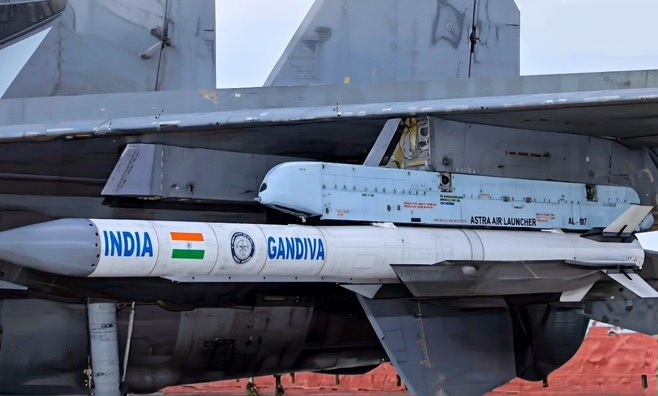
India
CHANDIPUR, ODISHA : India has entered a new phase in the development of its long-range air-to-air missile capability, with the Defence Research and Development Organisation (DRDO) commencing integration and captive flight trials of the Astra Mk-III (Gandiva) on the Indian Air Force (IAF) Su-30MKI fighter aircraft. The trials are being conducted from the Integrated Test Range (ITR), Chandipur, marking the first physical integration of a Solid Fuel Ducted Ramjet (SFDR)–powered Beyond Visual Range Air-to-Air Missile (BVRAAM) with an operational fighter platform. This phase follows the SFDR propulsion flight demonstration on February 3, 2026, which validated sustained supersonic combustion and thrust control in flight conditions. Integration and Captive Flight Trial Phase Captive flight trials involve mounting an inert, non-explosive missile on one of the Su-30MKI’s external hardpoints. The missile is dimensionally, structurally and aerodynamically identical to the operational weapon but remains electrically and electronically isolated from the aircraft’s avionics, radar and weapon control systems. The objective of this phase is to validate structural compatibility, ensure aerodynamic loads remain within design limits, and assess the vibrational environment experienced by the missile during representative flight conditions. Test sorties include straight-and-level flight, high-g manoeuvres, altitude transitions, and speed variations across the aircraft’s operational envelope. Engineers are also analysing the impact of missile carriage on aircraft handling, drag, and fuel consumption. Data collected during these flights will be used to refine mounting hardware, pylon interfaces, and structural margins before progressing to separation trials and live firing tests. Only after successful completion of captive trials will the missile proceed to electronic integration with the aircraft’s mission computer and radar, followed by separation trials to evaluate safe missile release. Missile Design and Technical Characteristics The Astra Mk-III Gandiva represents a major advancement over earlier Astra variants through the adoption of an air-breathing propulsion system in place of a conventional solid rocket motor. The missile is powered by a Solid Fuel Ducted Ramjet (SFDR) that uses atmospheric oxygen to sustain combustion during flight. This configuration enables continuous thrust over a longer portion of the trajectory, allowing the missile to retain high energy and manoeuvrability at extended ranges. Programme data indicate an engagement range exceeding 350 kilometres, speeds between Mach 3 and Mach 4.5, and engagement altitudes of up to approximately 20 kilometres. The missile is designed to engage fighter aircraft as well as high-value targets such as airborne early warning platforms and aerial refuelling aircraft. Operational Implications of SFDR Technology The primary operational advantage of SFDR propulsion is the significant expansion of the missile’s no-escape zone (NEZ). Unlike conventional missiles that lose energy in the terminal phase, continuous thrust allows the Gandiva to sustain high speed deeper into the engagement envelope, improving interception probability against evasive targets. This capability is particularly relevant in environments where adversary aircraft employ advanced electronic countermeasures and long-range air-to-air weapons. The Gandiva is expected to provide the IAF with a counter to contemporary regional BVRAAM systems, including China’s PL-15 and PL-17 . Programme Background and Future Roadmap Development of the SFDR-based missile programme began in 2013, followed by extensive ground testing, booster trials, and subsystem validation. These efforts culminated in the recent propulsion flight demonstration. With the start of captive trials on the Su-30MKI, the programme has transitioned to full weapon integration. Subsequent phases will include electronic integration, separation trials, and guided flight tests. The Astra Mk-III is planned for integration across multiple IAF platforms, including the Su-30MKI, Tejas Mk-1A, Tejas Mk-2, and the Advanced Medium Combat Aircraft (AMCA). Once operationally cleared, the missile will form a key element of India’s long-range air combat capability.
Read More → Posted on 2026-02-04 09:20:13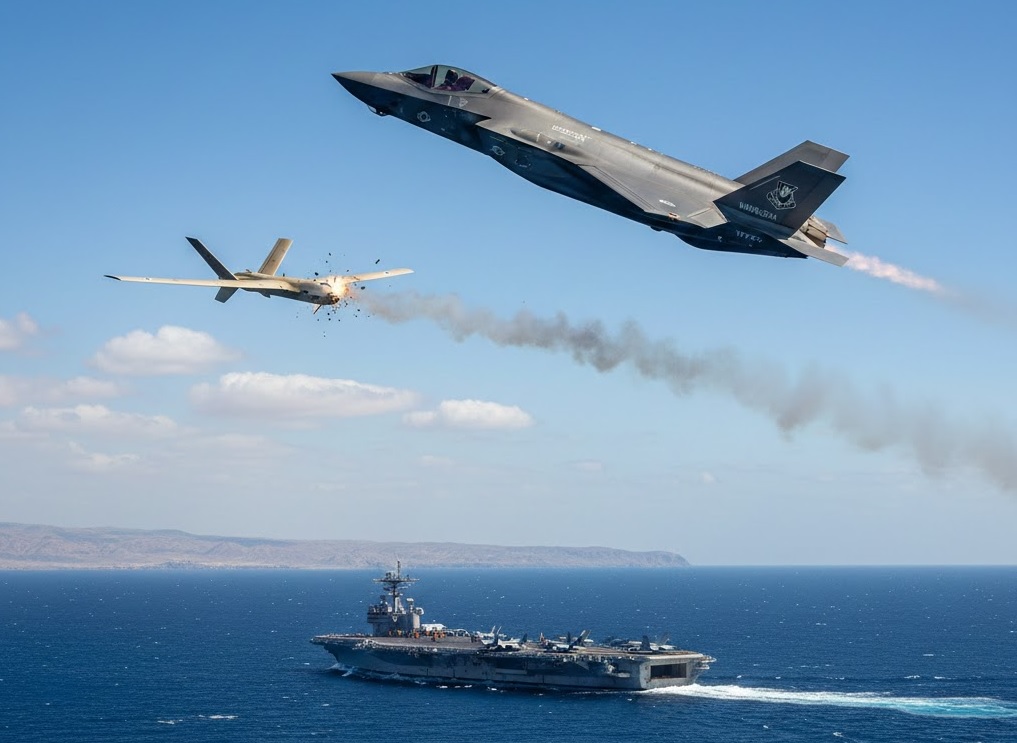
World
WASHINGTON / ARABIAN SEA : According to Reuters , U.S. military forces destroyed an Iranian unmanned aerial vehicle on February 3 after it approached a U.S. Navy aircraft carrier in what officials described as an unsafe and unprofessional manner, marking a rare direct kinetic encounter between U.S. and Iranian forces at sea. According to U.S. Central Command (CENTCOM), an Iranian Shahed-139 drone was shot down while the aircraft carrier USS Abraham Lincoln was transiting the Arabian Sea in international waters. Incident and Military Response CENTCOM said the drone repeatedly closed in on the carrier strike group despite multiple attempts to reduce tensions. Captain Tim Hawkins, a CENTCOM spokesperson, stated that U.S. forces issued radio warnings and employed standard de-escalatory measures, but the drone continued its approach toward the carrier. A carrier-based F-35C Lightning II was launched and engaged the aircraft. The drone was destroyed in what CENTCOM described as an act of self-defense, undertaken to ensure the safety of the carrier and the thousands of sailors aboard. No U.S. personnel were injured, and no American equipment was damaged during the engagement. Location and Operational Context At the time of the incident, the USS Abraham Lincoln and its escorting vessels were operating in the Arabian Sea, well outside Iran’s territorial waters. U.S. officials emphasized that the carrier strike group was conducting routine operations consistent with international law. The Abraham Lincoln is the central element of a U.S. Navy carrier strike group deployed to the region to support maritime security and freedom of navigation. The strike group includes multiple guided-missile destroyers tasked with air defense, anti-submarine warfare, and surface operations. U.S. officials reiterated that the carrier remains fully mission-capable and continues its deployment. The Drone Involved The aircraft involved was identified by U.S. officials as a Shahed-139, a medium-altitude, long-endurance (MALE) unmanned aerial vehicle operated by Iran. Unlike one-way attack drones, the Shahed-139 is a reusable platform designed for reconnaissance and potential strike missions. It is equipped with electro-optical and infrared sensors that allow for persistent surveillance and real-time data transmission. Military analysts note that the use of a higher-value reconnaissance drone suggests an effort to closely observe U.S. naval movements and assess response procedures, rather than a routine patrol by a lower-cost system. Iranian Response Iranian state-affiliated media outlets acknowledged the loss of contact with a drone operating over international waters. They characterized the mission as a surveillance flight and said the aircraft had completed its task before communications were interrupted. Iranian authorities did not immediately comment on whether the drone was armed or clarify its intended proximity to the U.S. carrier. Wider Regional Activity The shootdown occurred amid a broader period of friction in regional waterways. U.S. officials said the drone encounter followed other recent interactions involving Iranian forces and commercial shipping near the Strait of Hormuz, a critical maritime corridor for global energy supplies. The U.S. Navy has increased patrols and escorts in the area in response to these developments. Despite the incident, U.S. officials stressed that the United States remains committed to preventing escalation while maintaining the right to defend its forces. CENTCOM said it would continue to operate wherever international law allows and would respond appropriately to actions that threaten U.S. personnel or assets. The February 3 encounter represents the first confirmed shootdown involving U.S. and Iranian forces since mid-2025, underscoring the persistent volatility of the maritime security environment in and around the Arabian Sea.
Read More → Posted on 2026-02-04 09:04:24
India
NEW DELHI : In a landmark development for India’s aerospace sector, the Ministry of Defence has shortlisted three private sector–led consortiums to develop the nation’s first indigenous fifth-generation stealth fighter, the Advanced Medium Combat Aircraft (AMCA). Following a rigorous technical evaluation of seven initial bids, state-owned aerospace major Hindustan Aeronautics Limited (HAL) has been excluded from the race, indicating a clear policy move toward greater private-sector participation in high-end defence manufacturing. The final winner of the contract is expected to be announced within the next three months. The Three Contenders The Aeronautical Development Agency (ADA) has selected the following entities to advance to the commercial proposal stage: Tata Advanced Systems Limited (TASL): The Tata Group arm has qualified to bid independently, leveraging its extensive existing aerospace supply chain and infrastructure. Larsen & Toubro (L&T) Consortium: Engineering heavyweight L&T is leading a consortium that includes state-run electronics major Bharat Electronics Limited (BEL) and private aerospace firm Dynamatic Technologies Limited (DTL). Bharat Forge Consortium: The Kalyani Group flagship, Bharat Forge, heads an alliance with defence PSU BEML Limited and private avionics specialist Data Patterns (India) Limited. HAL’s Historic Exclusion The disqualification of HAL, long the dominant manufacturer of Indian military aircraft, represents a notable shift in defence policy. According to officials, the exclusion is linked to criteria set out in the Expression of Interest (EoI) aimed at broadening India’s industrial base. One clause assessed bidders’ order-book load, ensuring the selected partner could allocate adequate capacity to the AMCA programme. HAL’s large backlog, including Tejas LCA production and associated engine programmes, reportedly affected its order-to-turnover ratio under these rules. The policy objective is to build a parallel private aerospace ecosystem, reducing dependence on a single public-sector entity for critical combat platforms. Project Scope and Timeline The AMCA programme is India’s most advanced combat aircraft development effort to date. The initial contract, valued at approximately ₹15,000 crore, covers the design, development, testing, and manufacture of five prototypes. Next steps: The shortlisted bidders will receive a formal Request for Proposal (RFP). The final Development-cum-Production Partner (DcPP) will be selected on the basis of commercial competitiveness (L1). Rollout target: 2028–2029 for the first prototype.Induction: Around 2035, with an initial requirement of 120 aircraft for the Indian Air Force. Next-Generation Capabilities The AMCA is planned as a twin-engine, stealth multirole fighter designed for deep-strike and air-superiority missions. Key features include an internal weapons bay for low radar cross-section, supercruise capability, and advanced AI-enabled sensor fusion. Officials expect that selecting a private development partner will help streamline project execution and accelerate technology integration, addressing delays seen in earlier indigenous defence programmes.
Read More → Posted on 2026-02-04 05:35:41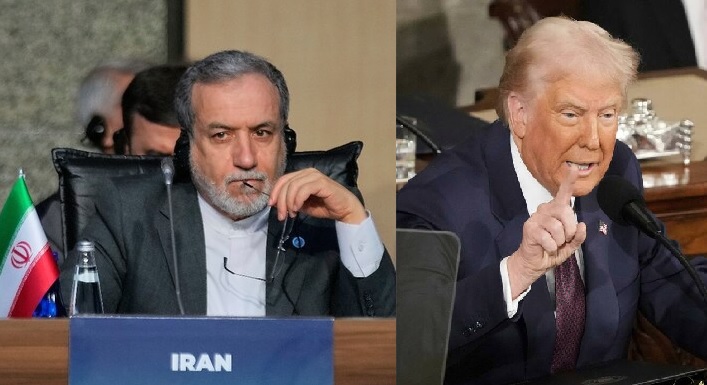
World
TEHRAN / WASHINGTON : Iran has formally announced the start of a new round of nuclear negotiations with the United States, outlining a tightly defined diplomatic framework that limits discussions strictly to its nuclear program while maintaining an elevated level of military preparedness. The announcement, issued early Tuesday, signals a cautious reopening of dialogue after months of heightened tensions between Tehran and Washington. According to Iran’s Foreign Ministry, the talks are expected to take place in Istanbul and will focus exclusively on nuclear transparency, enrichment limits, and verification mechanisms. Iranian officials stressed that other longstanding areas of dispute, including the country’s ballistic missile program and its regional military posture, will not be part of the negotiations. Tehran described these elements as core components of its national defense strategy and therefore outside the scope of diplomatic bargaining. Defined Scope of Negotiations Iran characterized its approach as a “dual-track” strategy that combines diplomatic engagement with deterrence. While agreeing to return to negotiations, senior officials emphasized that Iran’s armed forces have been placed on a higher state of readiness in anticipation of potential escalation if talks fail. Officials reiterated that Iran is prepared to discuss confidence-building measures related to its nuclear activities but will not accept conditions that extend beyond that file. The Foreign Ministry said the objective of the talks is to clarify Iran’s nuclear activities and seek relief from pressure measures, while preserving what it called the country’s legitimate defense capabilities. U.S. Response and Military Posture The limited scope of Iran’s proposal has drawn a firm response from Washington. Speaking at the Pentagon, U.S. Secretary of War Pete Hegseth said the United States would closely assess whether Tehran is negotiating in good faith. He warned that Washington retains a full range of options should the talks be used to delay substantive commitments. Hegseth said the administration’s position remains that Iran must not acquire the capability to develop nuclear weapons. He referenced Operation Midnight Hammer, a U.S. military campaign conducted in June 2025, as evidence of Washington’s willingness to act if diplomacy fails. The secretary added that while military action is not the preferred outcome, preparedness is central to U.S. defense policy. The Pentagon has confirmed the continued deployment of significant U.S. naval and air assets to the region, including a carrier strike group led by the USS Abraham Lincoln, as negotiations approach. U.S. officials describe the deployments as a deterrent measure rather than a signal of imminent action. Operation Midnight Hammer The renewed talks take place against the backdrop of Operation Midnight Hammer, a large-scale U.S. air operation that targeted Iran’s nuclear infrastructure last year. The campaign involved B-2 Spirit bombers and massive ordnance penetrators, aimed at hardened facilities, including the underground enrichment sites at Fordow and Natanz. U.S. defense assessments at the time indicated that the strikes significantly degraded Iran’s nuclear program, setting it back by up to two years. Subsequent intelligence reporting has suggested that Iran has undertaken efforts to restore and reinforce damaged facilities, including construction work at greater depths underground. Diplomatic Challenges Ahead Diplomatic sources familiar with the negotiations say the distance between the two sides remains substantial. The United States is seeking a broader agreement that addresses enrichment levels, monitoring, and delivery systems, while Iran has made clear it will not discuss missiles or regional security issues. Regional analysts note that confining the talks to the nuclear issue may simplify technical discussions but could also limit the durability of any agreement reached. They argue that unresolved security concerns have historically undermined previous accords. U.S. envoy Steve Witkoff is expected to represent Washington in the Istanbul discussions, meeting with Iranian counterparts under close international scrutiny. Both sides have indicated that the talks are exploratory, with no guarantee of a comprehensive agreement. As preparations continue, officials in Tehran and Washington alike have signaled that the coming negotiations will test whether diplomacy can stabilize the standoff or whether the failure of talks will lead to renewed confrontation.
Read More → Posted on 2026-02-03 18:11:21Search
Top Trending in 24 Hours
-
 U.S. Navy Awards Northrop Grumman $1.2 Billion Deal for Three New E-2D Advanced Hawkeyes
-
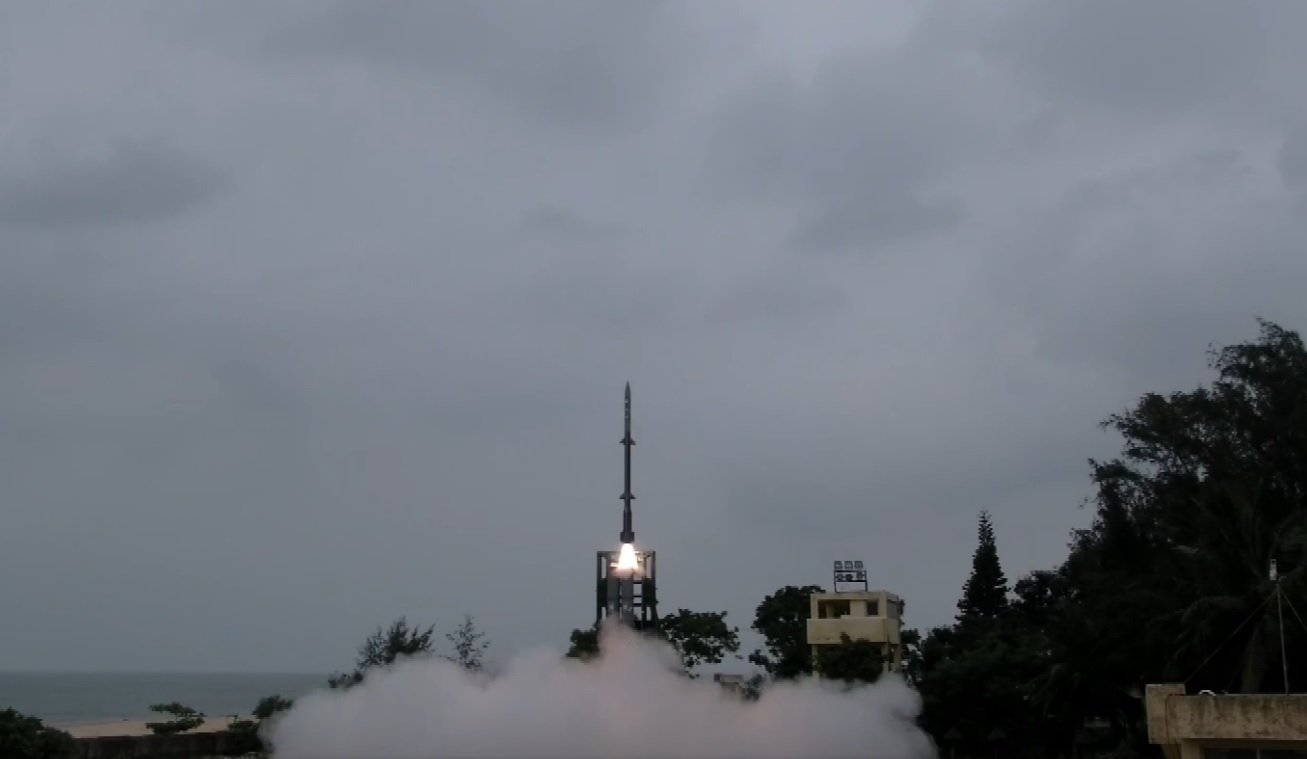 DRDO Successfully Conducts Maiden Flight Test of 150-km-Range Kusha M1 Air Defence Missile
-
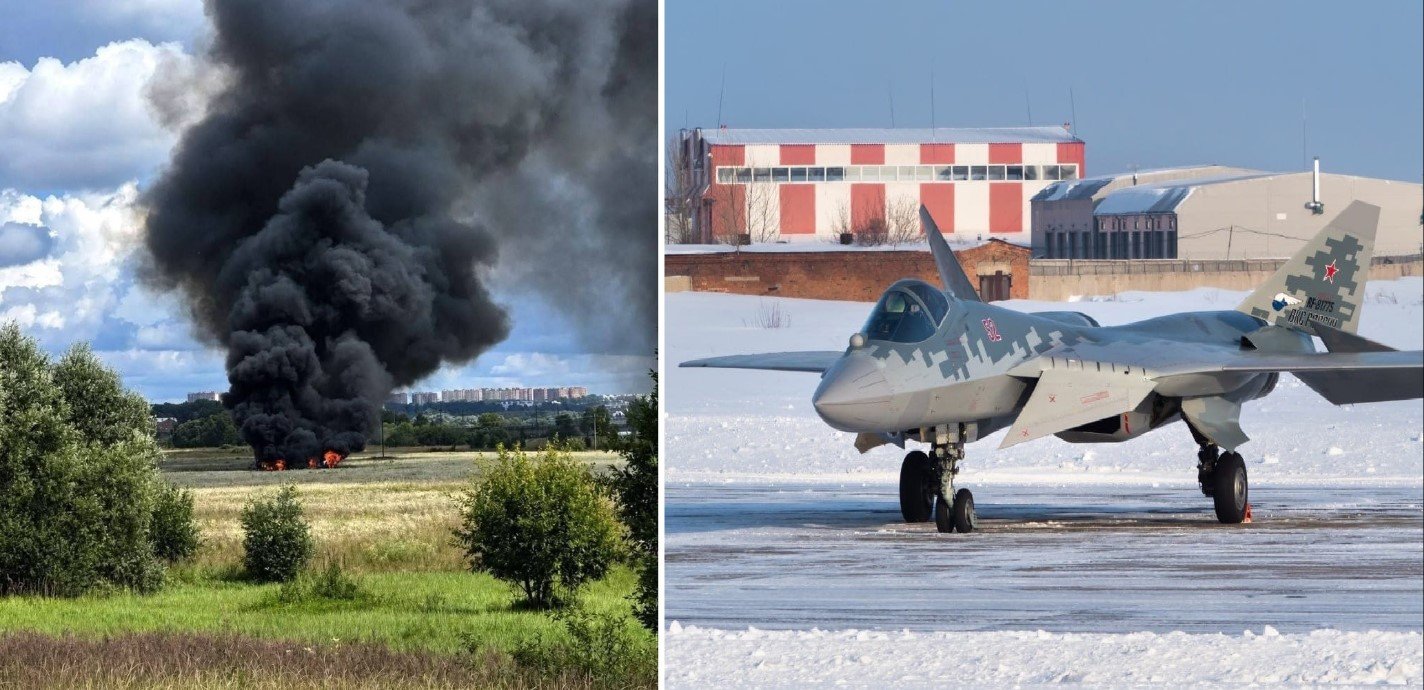 Russian Su-57 Stealth Fighter Crashes During Training Flight Near Moscow, Pilot Ejects Safely
-
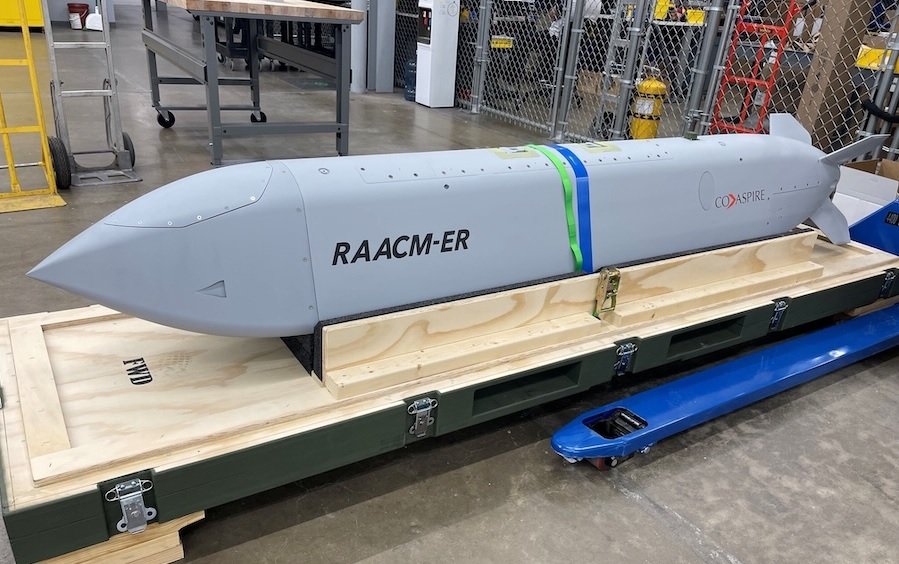 U.S. Navy Selects CoAspire to Build Ground-Launched CHAOS Cruise Missile Under $70 Million Program
-
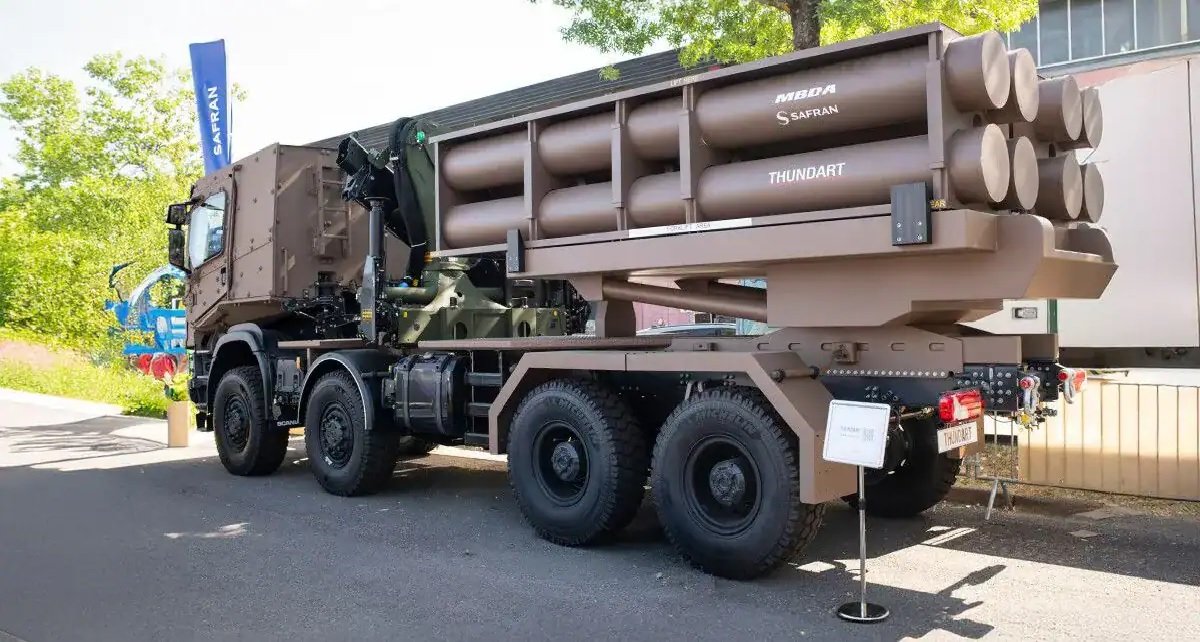 France's THUNDART Long-Range Rocket System May Undergo Prototype Combat Testing in Ukraine
-
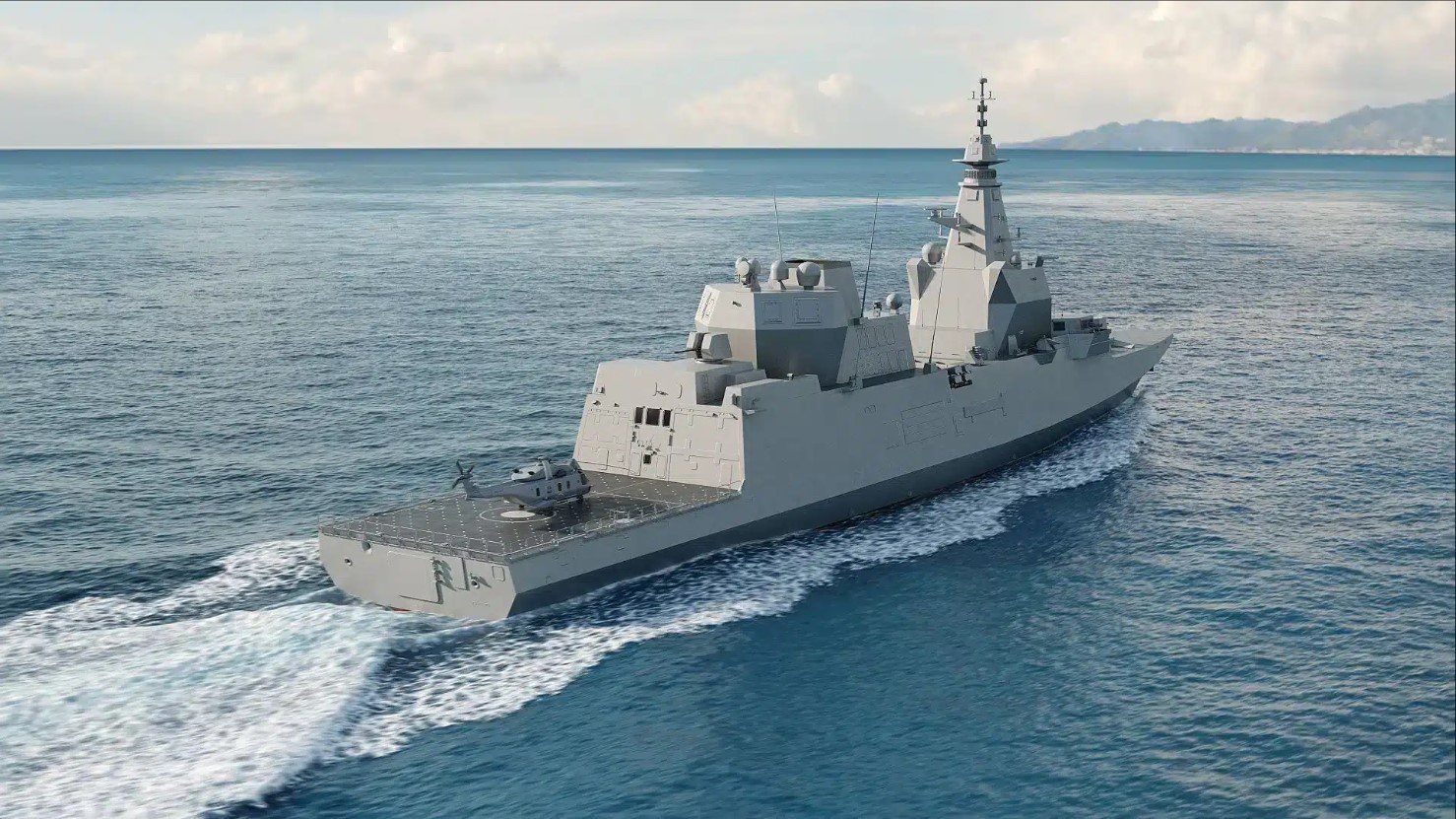 Portugal Orders Three FREMM EVO Frigates from Italy in €3.9 Billion Naval Deal
-
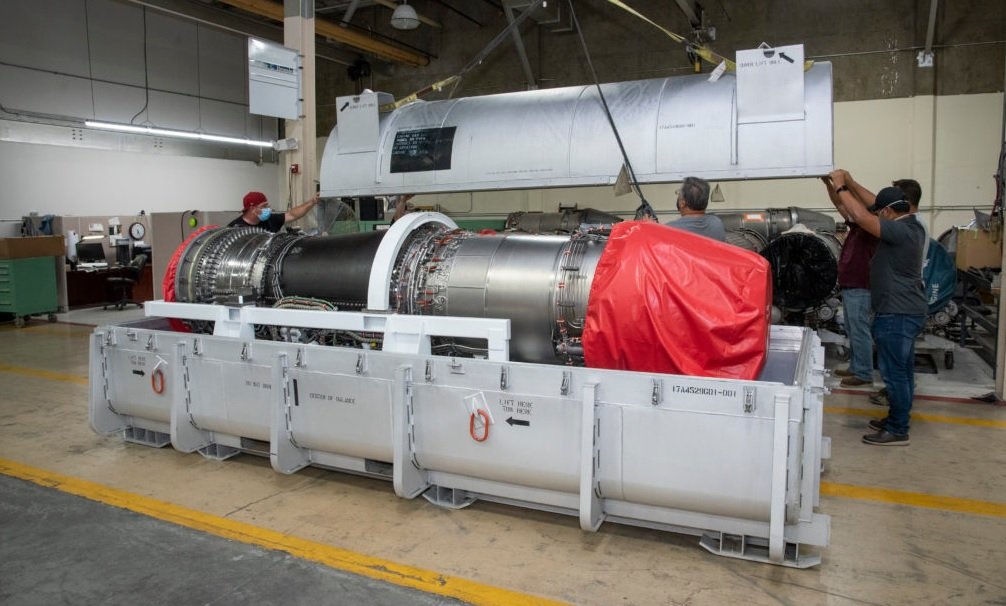 GE Aerospace and Magellan Aerospace Corporation Sign Strategic MoU for F414 Engine Sustainment in Canada
-
 Destinus Unveils Vorexon Interceptor Concept to Defend Critical Sites from Artillery Threats
Top Trending in 4 Days
-
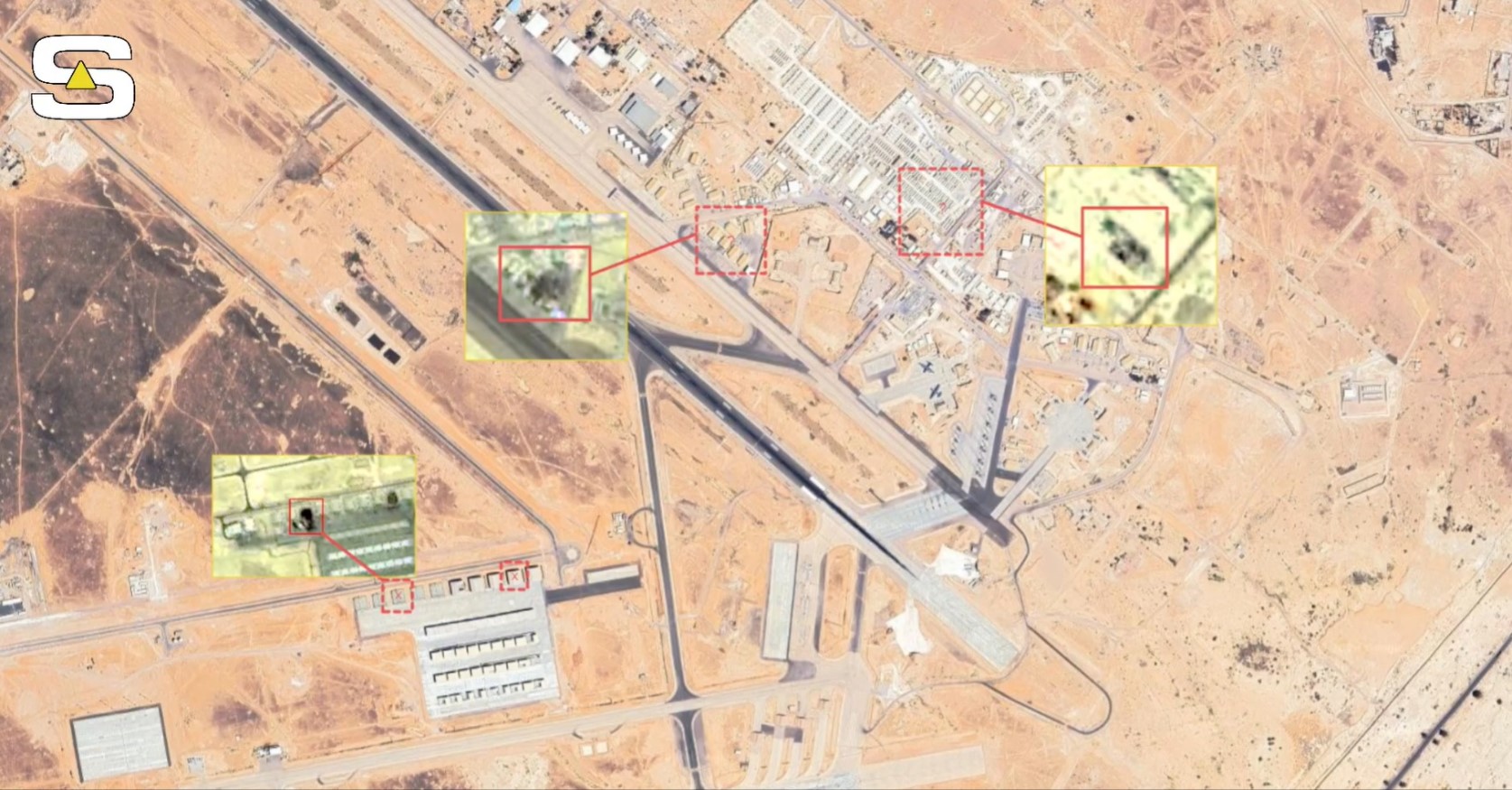 New Satellite Imagery Reveals Extensive Damage at Jordan's Muwaffaq al-Salti Air Base After Iranian Missile Strike
-
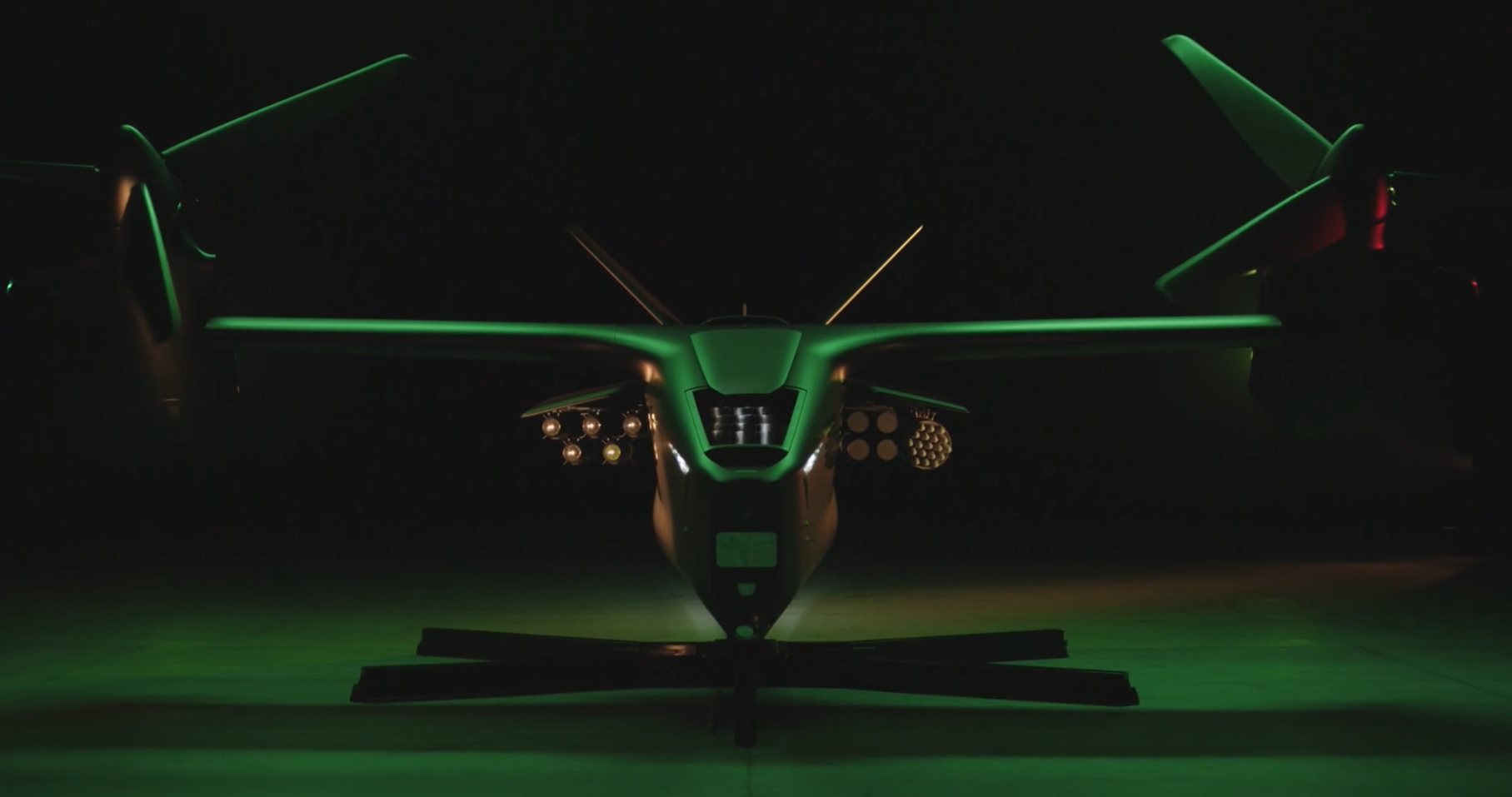 Anduril Unveils Thunder Autonomous Attack Rotorcraft Built with Archer Aviation to Support Apache Helicopters
-
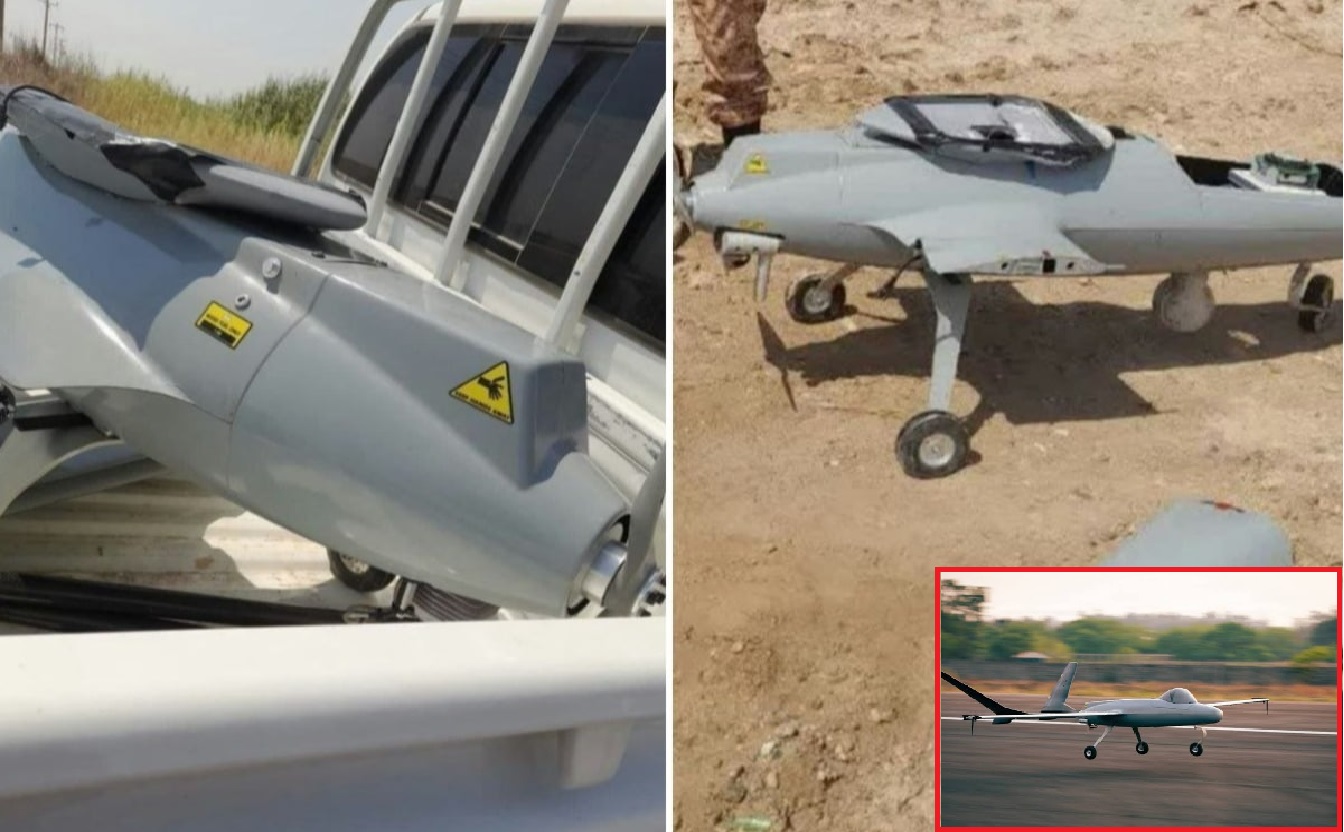 Iran Claims It Shot Down U.S.-Operated Polish-Built Tiguar-M Drone, Releases Images
-
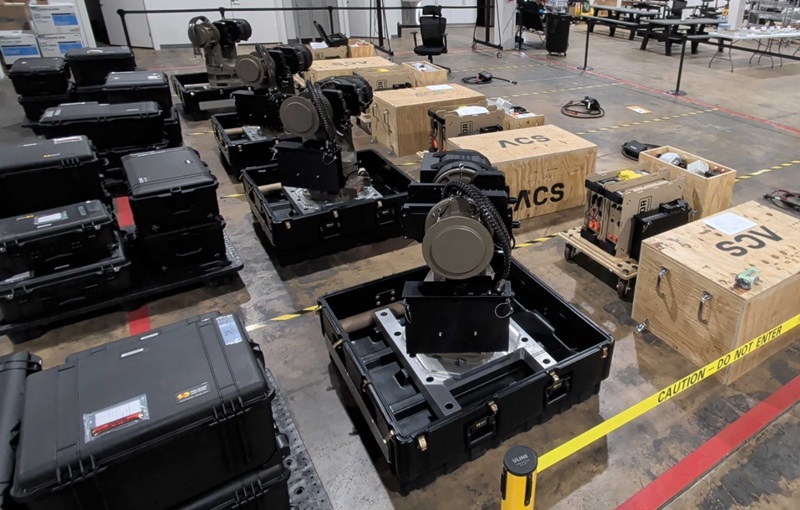 U.S. Marine Corps Selects AI-Powered Bullfrog Weapon Station for L-MADIS Counter-Drone Platform
-
 Pratt & Whitney Completes Testing of 3D-Printed TJ150 Engine for Military Applications
-
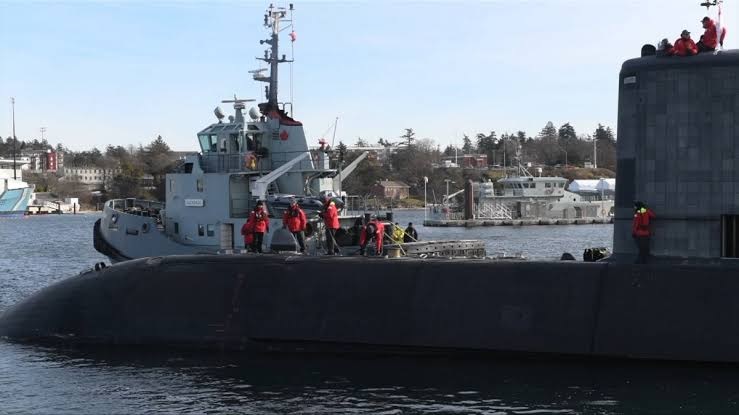 Canada Awards Babcock $1.1 Billion Six-Year Contract Extension to Support Victoria-Class Submarine Fleet
-
 Lockheed Martin Unveils MORFIUS X-Rotor High-Power Microwave System That Can Neutralize 50+ Drones in One Flight
-
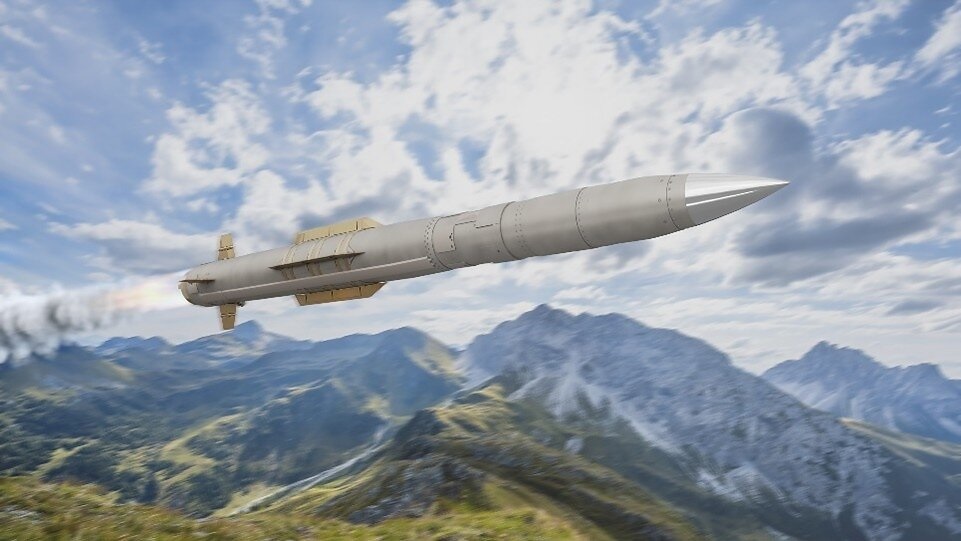 Lockheed Martin Unveils Lower-Cost PAC-3 ACE Interceptor for Patriot Air Defense System
