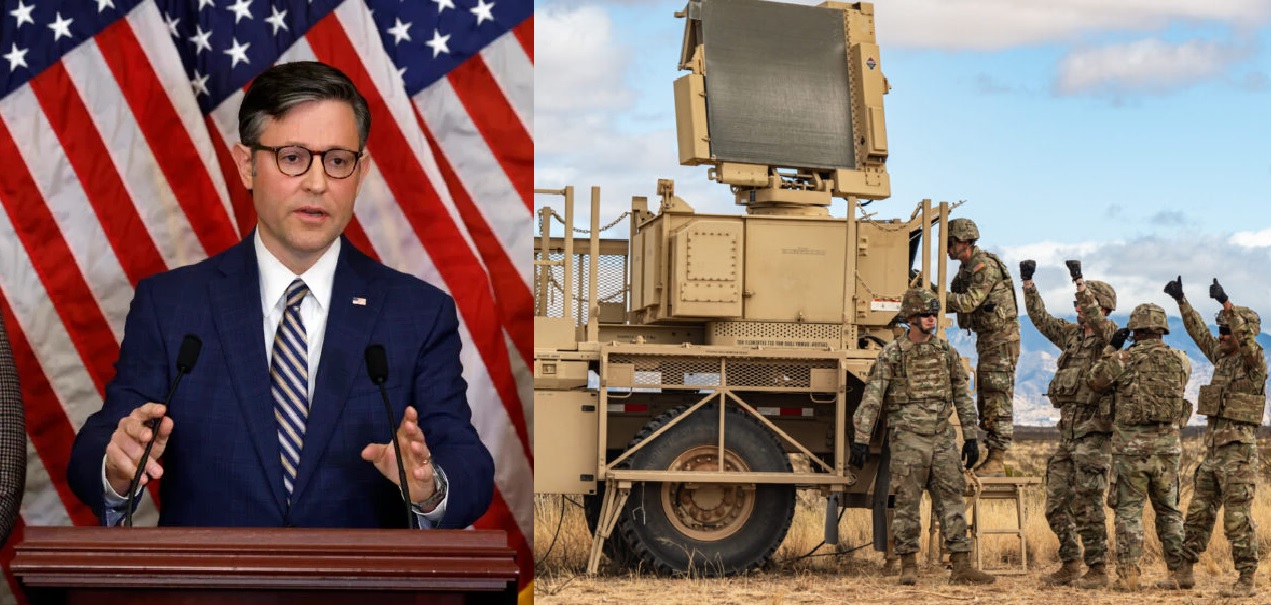
WASHINGTON : The United States Congress on Tuesday approved a fiscal 2026 defense spending measure totaling $838.7 billion, clearing a major legislative hurdle after weeks of negotiations and procedural delays. The bill passed the House of Representatives by a 217–214 vote on February 3, following a 71–29 approval in the Senate on January 30. The legislation now moves to Donald Trump for final signature.
The defense package provides $8.4 billion more than the Department of Defense’s original budget request and was advanced as part of a broader “minibus” appropriations agreement that also funds five additional federal agencies. Passage of the measure positions lawmakers to formally end a brief partial government shutdown that began on January 31.
Legislative Path and Shutdown Context
This bill represents the first full-year defense appropriation since fiscal 2024, following a period marked by repeated short-term funding measures. Lawmakers had initially approved an earlier version of the bill on January 23, but final passage stalled due to unresolved disputes over funding for the Department of Homeland Security (DHS).
To break the impasse, the Senate amended the package to include a two-week continuing resolution for DHS, a change that required a second House vote. Because the House did not reconvene to consider the revised bill until early February, several federal agencies entered a four-day partial shutdown.
The lapse was substantially shorter than the 43-day shutdown last fall, during which approximately 334,000 civilian Pentagon employees were furloughed.
Overall Defense Funding Structure
Under the approved legislation, total defense spending for fiscal 2026 is set at $838.7 billion. Of that amount, $294.4 billion is allocated for military readiness and sustainment, covering operations, maintenance, and training across the armed services. Another $193.3 billion is designated for service member pay and benefits, including basic pay, housing allowances, health care, and retirement obligations.
Air Force and Aviation Programs
The bill directs significant funding toward Air Force and joint aviation modernization. It provides continued support for the F-35 Joint Strike Fighter, the B-21 Raider long-range bomber, and development of the F-47 sixth-generation fighter program.
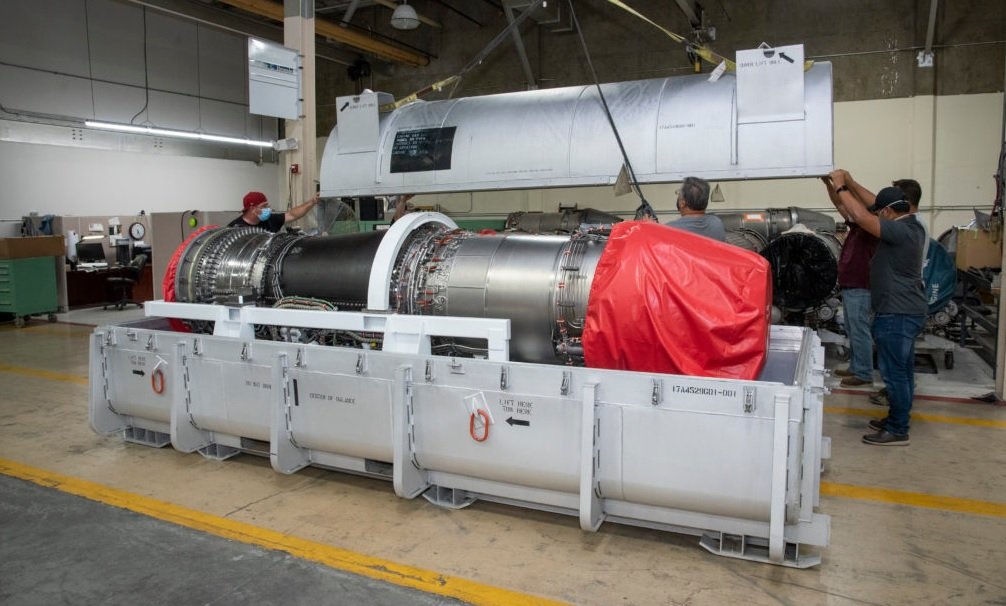
Specific aviation allocations include $440 million for F-35 and F135 engine spare parts, intended to address readiness and maintenance backlogs. The legislation also sets aside $474 million for two additional Compass Call electronic attack aircraft, expanding the Air Force’s airborne electronic warfare capacity.
For tactical airlift, the Air National Guard receives $976 million to procure six C-130J transport aircraft, supporting domestic response missions and overseas deployments.
Nuclear Deterrence and Strategic Forces
The fiscal 2026 bill provides full funding for the Sentinel intercontinental ballistic missile (ICBM) program, which is designed to replace the aging Minuteman III system. Lawmakers characterized the funding as necessary to maintain the land-based leg of the U.S. nuclear deterrent and to keep the program on schedule.
Naval Shipbuilding and Maritime Capabilities
Naval procurement remains a central element of the legislation. The bill allocates $1.9 billion for the Virginia-class submarine program, supporting continued production of attack submarines for the U.S. Navy. It also includes funding for a third DDG-51 Arleigh Burke–class destroyer in fiscal 2026, expanding surface fleet capacity beyond earlier projections.
Space Force and Missile Defense Investments
The United States Space Force receives expanded funding under the bill, reflecting congressional and administration priorities in space and missile defense.
The legislation funds 11 National Security Space Launch missions, supporting the deployment of military and intelligence satellites. It also directs $4 billion toward the development of missile warning and tracking satellites and sensors, aimed at improving detection of ballistic and hypersonic threats.
A major addition to the budget is $13.4 billion for the administration’s “Golden Dome” initiative, which focuses on integrating space-based and terrestrial missile defense systems. This funding was not part of the Pentagon’s base budget request and is intended to complement $25 billion in reconciliation funding approved by Congress last year.
International Security Cooperation
The bill includes targeted funding for overseas security partnerships. It provides $1 billion for the Taiwan Security Cooperation Initiative, supporting training, equipment, and capacity-building efforts. An additional $200 million is allocated to the Baltic Security Initiative, aimed at strengthening defense capabilities and deterrence in Estonia, Latvia, and Lithuania.
——— End of Article ———