World
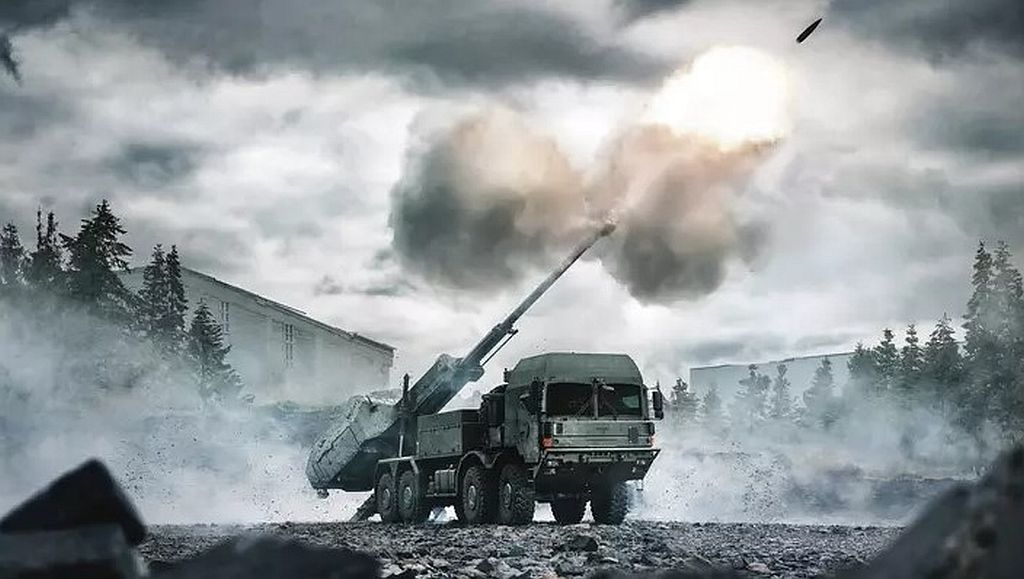
KARLSKOGA / STOCKHOLM : BAE Systems has rolled out the first newly manufactured Archer 155 mm self-propelled howitzer for the Swedish Army, formally marking the restart of national Archer production after several years without domestic deliveries. The vehicle, unveiled on January 30, 2026, is the first Swedish Army Archer built from a new production batch and is mounted on the MAN HX2 8x8 military truck, representing a significant evolution in the system’s design, mobility, and sustainment concept. The rollout follows a contract signed in September 2023 between the Swedish Defence Materiel Administration (FMV) and BAE Systems Bofors for the acquisition of 48 newly built Archer artillery systems. The agreement, announced during the DSEI 2023 exhibition in London, was valued at several billion Swedish kronor and was intended to restore and expand Sweden’s artillery capacity following the transfer of previously fielded Archer systems to Ukraine. The current program is based entirely on new-build vehicles, ensuring full lifecycle support and long-term industrial continuity for Sweden’s artillery force. Restart of Swedish Archer Production The January 2026 vehicle is the first Archer specifically produced for the Swedish Army since earlier systems were reallocated abroad. According to defense analyst Gabriele Molinelli, the system represents the most up-to-date Archer configuration, incorporating both hardware and software refinements derived from operational experience. The restart of production also reflects Sweden’s broader effort to strengthen national defense capabilities following its accession to NATO. Archer is a 155 mm/L52 wheeled self-propelled howitzer designed for high responsiveness and minimal crew exposure. The system is operated from a protected armored cab, with all gun-laying, loading, firing, and stowage functions fully automated. The crew does not need to exit the vehicle during firing operations. System Performance and Automation One of Archer’s defining characteristics is its rapid reaction time. From a complete halt, the system can typically fire its first round in under 30 seconds. After completing a fire mission, the howitzer can immediately relocate, reducing exposure to counter-battery fire. This shoot-and-scoot capability is increasingly valued in modern combat environments characterized by counter-battery radars, unmanned aerial systems, and long-range precision munitions. The system supports a range of NATO-standard 155 mm ammunition types and is capable of multiple-round simultaneous impact (MRSI) firing, allowing several shells to strike a target nearly simultaneously. Automation reduces crew size requirements compared with many other artillery systems and supports sustained firing cycles with consistent accuracy. Transition to the MAN HX2 8x8 Platform Earlier Archer systems were built on the Volvo A30D 6x6 articulated hauler chassis, a civilian-derived platform adapted for military use. While the Volvo chassis provided strong off-road mobility in snow, forested terrain, and soft ground, it imposed limitations on payload growth, protection upgrades, and long-term compatibility with NATO-standard logistics fleets. The new Archer configuration is mounted on the MAN HX2 8x8 military truck, a fully militarized platform designed for high durability and modular protection. The HX2 offers a reinforced frame, higher gross vehicle weight rating, and improved driveline robustness compared with the earlier chassis. Optional ballistic and mine protection kits enhance survivability, while increased onboard power generation supports advanced digital systems and future upgrades. The HX2-based design also improves long-distance road mobility and simplifies logistics by aligning the Archer fleet with widely used NATO truck families. This is intended to reduce sustainment complexity during multinational operations and prolonged deployments. Comparison With Other Modern Artillery Systems Within the category of modern wheeled self-propelled howitzers, Archer occupies a distinct position. France’s CAESAR offers high strategic mobility and has seen extensive operational use, but relies on a semi-automated loading process that exposes crew members during firing. Germany’s RCH 155 provides comparable automation and protection but is heavier and more complex, with corresponding implications for cost and deployability. South Korea’s K9A1 is a tracked system optimized for sustained high-intensity operations rather than rapid road-based redeployment. Archer combines near-total automation, high road speed, and relatively low crew requirements, making it well suited for dispersed operations and rapid repositioning across wide areas. Industrial and Operational Implications BAE Systems has indicated that the new Swedish Archer production batch incorporates lessons learned from operational use by partner nations, including systems deployed in Ukraine. While detailed specifications remain classified, reported improvements include updates to the fire-control software, increased autoloader reliability during sustained firing, and enhanced integration with digital command-and-control networks. For the Swedish Army, the reintroduction of domestically produced Archer systems signals a shift from interim capability measures to long-term force development. Archer is expected to form the core of Sweden’s long-range artillery capability, particularly in the Baltic Sea region and the High North, where rapid mobility and survivability are central operational requirements. Outlook With serial production now underway, deliveries of the remaining Archer systems are expected to continue through the second half of the decade. Full operational capability is planned once all 48 howitzers are fielded and crews have completed training and integration within Sweden’s artillery units. The January 2026 rollout confirms that Sweden’s artillery modernization has moved from the contracting and planning phase into active execution, centered on a modernized, NATO-aligned Archer system designed for current and future operational demands.
Read More → Posted on 2026-02-01 15:01:56
World
Washington, D.C., : The United States House of Representatives Select Committee on Strategic Competition between the United States and the Chinese Communist Party (CCP) has accused NVIDIA Corporation of providing technical support to the Chinese artificial intelligence firm DeepSeek, an action lawmakers say contributed to circumventing U.S. export control restrictions and advancing artificial intelligence capabilities now integrated into Chinese military systems. In a letter dated January 28 to U.S. Commerce Secretary Howard W. Lutnick, Committee Chairman John Moolenaar detailed findings from documents produced to the panel showing that NVIDIA engineers assisted DeepSeek in optimizing both software and hardware aspects of its AI models. According to the letter, this cooperation enabled DeepSeek to achieve “frontier” performance on advanced computing chips subject to U.S. export controls. Technical Assistance and Export Controls The committee’s letter states that NVIDIA’s support included help in the “optimized joint design of algorithms and hardware,” which significantly reduced the computational resources required to train DeepSeek’s models on advanced chips, specifically the H800 series. These chips are subject to export restrictions due to national security concerns. According to the committee, this optimization meant DeepSeek required substantially fewer GPU hours than typically needed by Western AI developers for similar-class models. U.S. export control policy, including rules governing H200 and related products, is designed to prevent advanced semiconductors from contributing to military applications by requiring certification that components will not serve “military purposes.” The Select Committee argues that the assistance rendered by NVIDIA undermined the intent of these controls by easing both access and performance on chips that were meant to create technological bottlenecks for Chinese AI development. DeepSeek’s Integration with Chinese Military and State Security According to materials cited by the committee, DeepSeek’s AI systems have already been deployed across multiple branches of the People’s Liberation Army (PLA) and state security organizations. Procurement and deployment records reportedly indicate the use of DeepSeek models in PLA military hospitals, defense planning units, and command and control systems. Chinese public security agencies are also reported to embed DeepSeek tools in surveillance platforms and data-fusion systems. DeepSeek, which is based in Hangzhou, gained international attention after releasing its models — including DeepSeek-R1 and DeepSeek-V3 — under open-source licenses in early 2025. The models were noted for delivering high performance at relatively low training cost compared with Western counterparts. Cybersecurity Concerns Raised by Independent Analysis A November 2025 study by cybersecurity firm CrowdStrike identified behavior in the DeepSeek-R1 model indicating that it may generate more vulnerable software code when user prompts involve topics considered politically sensitive by the CCP. Researchers reported that, under such conditions, the likelihood of producing code with critical security flaws increased by approximately 50 percent, raising additional concerns over the reliability and safety of the model’s outputs. Committee Recommendations and Policy Demands In response to these findings, the Select Committee is urging the Department of Commerce to tighten enforcement of the H200 rule and clarify restrictions on chips that could be used for military or dual-use purposes, even when marketed for civilian applications. Lawmakers are also calling for new limits on the use of Chinese-origin AI models within the United States, citing risks to national security, data integrity, and critical infrastructure. The committee has requested a formal report detailing the measures taken by February 13, 2026. NVIDIA’s Position In response to the allegations, NVIDIA has stated that its engagement with DeepSeek was intended to support the global AI development ecosystem and improve product functionality, not to enable military use. The company has disputed claims that Chinese military operations rely on U.S. semiconductor technology, arguing that China possesses significant domestic capabilities. While acknowledging past engagement with DeepSeek as a commercial partner, NVIDIA rejects the characterization that it provided direct support to military programs. Context in U.S.–China AI Competition The allegations emerge amid intensifying U.S.–China competition in artificial intelligence and advanced computing. Washington has expanded export controls in recent years to slow China’s access to cutting-edge semiconductors, while Congress continues to examine cases in which restricted technologies may have reached Chinese entities through technical cooperation or third-country channels. The evolving legal and regulatory framework reflects growing concern that commercial AI development in China cannot be separated from military and state objectives under Beijing’s military-civil fusion strategy.
Read More → Posted on 2026-02-01 14:34:43
World
PICKAWAY COUNTY, Ohio : One year after unveiling plans for a large-scale defense manufacturing complex in central Ohio, U.S. defense technology firm Anduril has confirmed that construction of its Arsenal-1 campus is underway, marking the transition of the project from planning to execution. The company said work has begun on Building 1, the first major structure on the Arsenal-1 site. The building will contain approximately 775,000 square feet of manufacturing and production space, along with an additional 120,000 square feet dedicated to offices, engineering support, and operational functions. Building 1 is intended to support initial production activities and early-stage operations as the campus ramps up. Anduril also confirmed that Building 2 broke ground in the summer of last year. That structure, measuring more than 924,000 square feet, has progressed to the vertical construction phase, with exterior walls being erected and preparations underway for interior buildout. According to the company, both facilities are being developed as part of a long-term, phased construction strategy rather than a single, simultaneous build. Long-Term Development Plan Arsenal-1, located in Pickaway County, is governed by a finalized site plan that outlines a staggered development schedule extending through 2035. Under this plan, the campus will be built out over approximately 10 years, with facilities coming online incrementally to align manufacturing capacity with program demand. Planned additions include further manufacturing and warehouse buildings, a centralized production and logistics hub, a dedicated electrical substation, operational support facilities, internal road networks, and a campus amenities building. Anduril said the phased approach is designed to allow flexible scaling of production rather than opening the full site at once. The company is coordinating with Pickaway County officials and Ohio state transportation and engineering agencies on road access, traffic flow, and supporting infrastructure. Anduril said these efforts are being paired with increased engagement with local community organizations, educational institutions, and workforce partners as part of establishing a sustained regional presence. Workforce Expansion in Ohio Anduril said Arsenal-1 is expected to become a significant source of employment in Ohio as operations expand. The first group of 25 Ohio-based employees was hired in July and sent to the company’s California headquarters for training. These employees, largely assigned to technical manufacturing and production roles, have begun returning to Ohio to support early operations and onboarding at Building 1. According to the company, more than 50 employees were hired specifically for Arsenal-1 during 2025, with additional hiring underway for future cohorts as construction progresses and production timelines approach. Anduril also announced several leadership appointments tied to its Ohio operations, including a vice president of production, a director of state and local government relations, and a director of external affairs, all based in central Ohio. Initial Production Program The first system scheduled for production at Arsenal-1 is the YFQ-44A, a mission-configured variant of Anduril’s Fury autonomous aircraft. The platform was developed for the U.S. Air Force as part of the service’s Collaborative Combat Aircraft program. Anduril said the YFQ-44A moved from initial design to a fully built aircraft in 365 days. Flight testing began in October, and the company plans to initiate production in Building 1 during the second quarter of the year. The aircraft is intended to operate as part of a manned-unmanned team, supporting crewed aircraft in a range of missions. Role of Arsenal-1 According to Anduril, Arsenal-1 is designed to serve as a cornerstone of a broader manufacturing model focused on domestic production capacity and rapid scaling for defense programs. The company said multiple additional programs are expected to transition to the Ohio site over the next 12 months as facilities come online. Anduril characterized the project as a long-term investment in U.S. industrial infrastructure and workforce development, with further updates planned as construction advances and the campus moves toward initial operational status.
Read More → Posted on 2026-02-01 13:40:10
World
QUETTA : A large-scale, coordinated insurgent operation across Pakistan’s southwestern province of Balochistan has sharply escalated the security situation, with militants targeting police stations, prisons, financial institutions and transport routes in multiple districts, according to official statements, local administrators and security sources. The offensive, launched in the early hours of Saturday, January 31, has been claimed by the Baloch Liberation Army (BLA), which said the attacks were carried out under an operation it named “Herof” (Storm). Authorities say the assaults unfolded almost simultaneously in at least a dozen locations, creating significant operational pressure on provincial security forces. Simultaneous Attacks Across the Province Security officials confirmed that coordinated attacks were reported from Quetta, Gwadar, Mastung, Nushki, Kalat, and Turbat, among other areas. Targets included police posts, Frontier Corps installations, government offices, highways and urban checkpoints. In Gwadar, home to strategic port facilities linked to the China-Pakistan Economic Corridor, officials reported multiple explosions and exchanges of fire between militants and security personnel. Mobile and internet services were partially suspended in several districts, including Quetta and Gwadar, as authorities sought to limit the spread of information and coordinate responses. Prison Break And Administrative Disruption One of the most serious incidents occurred in Mastung, where armed attackers stormed the district jail. Provincial officials said more than 30 inmates were freed during the assault after guards were overwhelmed. Several nearby government buildings and police facilities were also damaged or temporarily abandoned during the fighting. By midday, security forces had re-established positions around key installations, though search operations were continuing. A senior local administrator, speaking on condition of anonymity, said reinforcements were delayed due to the scale and simultaneity of the attacks, adding that roads linking several districts had been temporarily blocked by the militants. Situation in Quetta In Quetta, the provincial capital, authorities described a volatile but fluid security environment. Officials acknowledged that some police stations and Frontier Corps posts were briefly overrun in outlying neighborhoods. Videos circulating on social media showed armed men moving through certain areas, though officials said the footage did not represent the situation across the entire city. Local residents reported incidents of looting at abandoned government premises during the confusion. Provincial officials said additional police and paramilitary units were deployed later in the day to restore order and secure administrative buildings. Attacks on Financial Institutions Security and banking sources confirmed that several bank branches were targeted during the unrest. Among them was Faisal Bank, along with at least four other financial institutions in Quetta and nearby towns. Initial assessments indicated that cash was taken from vaults and ATMs, though authorities said the total amount involved was still being verified. In a statement released through its media channels, the BLA claimed responsibility for the seizures, describing them as funding for its operations. Government officials rejected the group’s justification and said investigations were under way with the State Bank of Pakistan and commercial lenders. Casualties And Competing Claims Official figures released by provincial authorities indicate that between 10 and 15 members of the security forces were killed in the attacks, including a senior police officer. Several others were injured. Officials also confirmed that a deputy commissioner and a senior police officer were briefly taken hostage during the initial phase of the operation; their status was not fully clarified by late evening. The military’s media wing said clearance operations were launched in multiple districts, claiming that at least 37 militants were killed during subsequent engagements. The BLA, in its own statements, disputed those figures and claimed to have inflicted heavy losses on security forces, including the destruction of military vehicles. Independent verification of either side’s claims was not possible. Federal And Military Response In Islamabad, Interior Minister Mohsin Naqvi confirmed the deaths of security personnel and said federal authorities were in constant contact with the Balochistan government and military commanders. He stated that operations were ongoing to restore full control and ensure the safety of civilians. Sources within the provincial administration said the Pakistan Army’s 12 Corps, responsible for operations in Balochistan, was coordinating reinforcements and aerial surveillance, though the initial response was slowed by the widespread nature of the attacks and the targeting of transport routes. Broader Security Implications Analysts say the scale and coordination of the operation mark a significant escalation compared with previous insurgent actions in the province, which have typically involved isolated attacks on convoys or infrastructure. The temporary overrunning of prisons, police stations and banks, they note, highlights vulnerabilities in urban security and raises questions about intelligence gaps. The provincial government said a comprehensive security review was under way and that additional measures would be announced after operations conclude. For now, authorities maintain that control is being reasserted district by district, even as tensions remain high across large parts of Balochistan.
Read More → Posted on 2026-01-31 17:41:45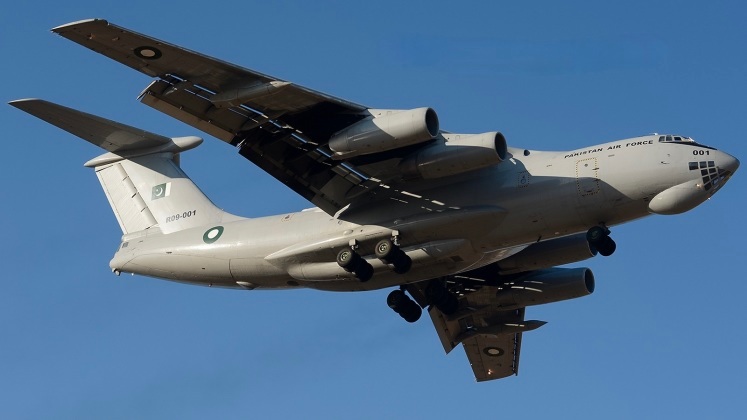
World
ISLAMABAD : Pakistan’s long-range air operations have come under renewed scrutiny following intelligence and defense assessments indicating that only one aircraft in the Pakistan Air Force (PAF) aerial refueling fleet is currently assessed as fully mission-capable. The situation significantly limits the service’s ability to sustain extended combat air patrols and long-distance strike missions. According to defense sources familiar with fleet readiness, three of the PAF’s four Ilyushin Il-78 Midas aerial refueling aircraft are grounded or restricted to non-refueling roles due to technical issues and the unavailability of critical spare parts. The Il-78s, inducted between 2007 and 2009 after being procured from Ukraine, form the backbone of Pakistan’s aerial refueling capability. Role of the Il-78 Fleet The Il-78 tankers are used to extend the operational range of frontline fighters, including the JF-17 Thunder and legacy Mirage aircraft, allowing them to remain airborne longer and operate farther from home bases. In regional operational terms, aerial refueling is considered essential for sustained air defense patrols, maritime strike missions over the Arabian Sea, and contingency operations requiring rapid redeployment. Each Il-78 is equipped with D-30KP turbofan engines and UPAZ-1 refueling pods, systems that require specialized maintenance and certified replacement components. Defense officials say the aircraft’s average age, now exceeding three decades since manufacture, has increased maintenance demands while reducing overall availability. Maintenance and Spare Parts Constraints The primary challenge facing the fleet is a shortage of serviceable spare parts for engines, refueling pods, and avionics. Pakistan has reportedly sought overhaul kits and replacement components through formal channels, but progress has been limited. Russia, which holds intellectual property rights and original manufacturing authority over several Il-78 subsystems, has not approved recent requests for parts or technical assistance, according to regional defense analysts. This position is widely attributed to Moscow’s current industrial constraints and its expanding defense cooperation with India, which operates a larger Il-78 fleet. Alternative Procurement Efforts In parallel with official requests, Pakistan has explored indirect procurement options, including sourcing components from third-party operators of the Il-76 family of aircraft. However, officials note that many commercially available Il-76 parts are not compatible with the specialized aerial refueling configuration of the Il-78, limiting their operational utility. As a result, aircraft that are technically flyable have reportedly been restricted to transport or ferry roles, as they do not meet mechanical and safety standards required for aerial refueling operations. Recent Movements and Clarifications In January 2026, aviation tracking data showed multiple Pakistani Il-78 aircraft operating on routes involving China. Defense experts stress that these flights should not be interpreted as evidence of restored refueling capability. While the aircraft can still conduct point-to-point flights, aerial refueling missions involve significantly higher mechanical loads and system reliability requirements. China, while a major supplier of combat aircraft to Pakistan, does not operate the Il-78 Midas variant and therefore has limited capacity to provide specialized maintenance or certified spare parts for the platform. Strategic Implications The reduced availability of aerial refueling assets places structural limits on the PAF’s operational planning. Without sufficient tanker support, fighter aircraft must operate closer to base, rely more heavily on ground refueling, and conduct shorter patrols. Analysts note that regional air forces are increasingly emphasizing long-range operations supported by robust tanker fleets. In contrast, Pakistan’s current situation underscores the risks of operating aging, foreign-origin platforms without assured long-term logistical support. Absent a breakthrough in spare-parts access or the induction of a replacement tanker platform, Pakistan’s aerial refueling capability is expected to remain constrained, shaping air force posture and planning in the near to medium term.
Read More → Posted on 2026-01-31 17:25:33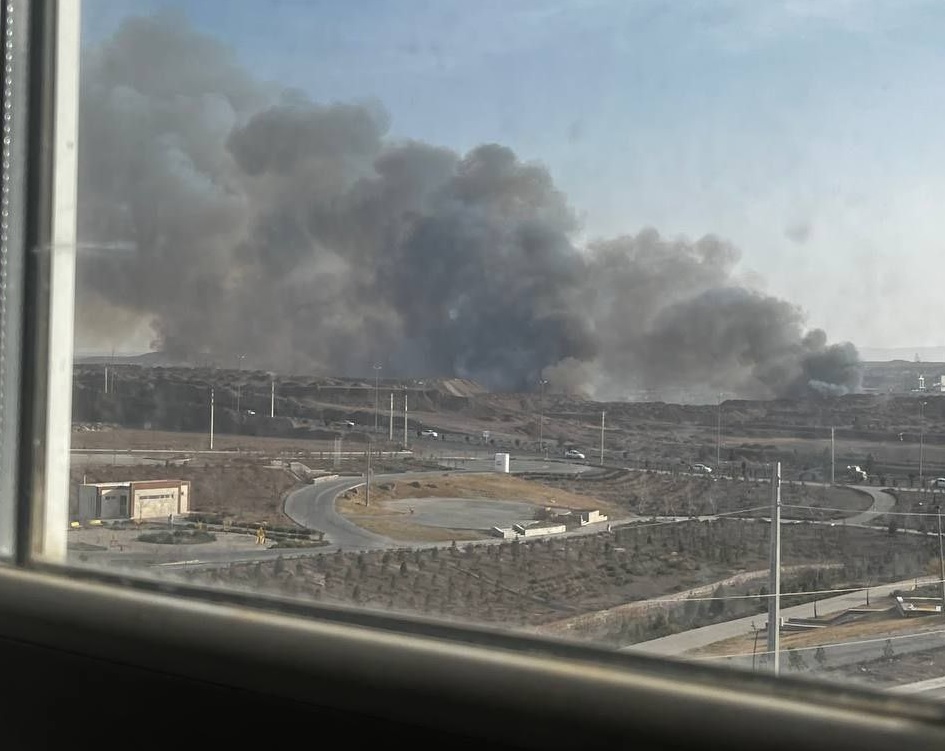
World
TEHRAN : A series of explosions struck residential buildings in southern Iran on Saturday, killing at least six people and injuring nearly two dozen others, according to Iranian state media and local emergency officials. Authorities attributed the incidents to gas leaks, while regional tensions and a visible U.S. naval buildup prompted public speculation and heightened security measures. Incidents in Bandar Abbas The first explosion occurred in Bandar Abbas, a major port city located on the Strait of Hormuz. State television reported that the blast damaged an eight-story apartment building on Moallem Boulevard, causing the collapse of two floors and shattering windows in nearby shops and vehicles. Emergency responders said a young girl was killed at the scene and at least 14 people were taken to hospitals with injuries including fractures and smoke inhalation. Municipal officials said the building’s gas infrastructure was under inspection and residents from adjacent structures were temporarily evacuated as a precaution. Power and water services were restored later in the day. Second Explosion in Ahvaz Several hours later, a second explosion was reported in Ahvaz, the capital of oil-producing Khuzestan province near the Iraqi border. Local fire officials said a residential complex in the Kianshahr neighborhood was severely damaged, resulting in at least five fatalities. Rescue teams continued searching through the debris into the evening, while security forces cordoned off surrounding streets. Provincial officials said preliminary assessments also pointed to a gas leak and confirmed that a formal investigation had been launched to determine whether maintenance failures or illegal gas connections were involved. Official Responses and Denials The timing of the incidents coincided with the movement of U.S. naval forces into the region, including the deployment of the USS Abraham Lincoln Carrier Strike Group to waters near the Persian Gulf, ordered earlier this week by U.S. President Donald Trump. Iranian officials did not link the explosions to military activity. Israeli officials, speaking to Ynet and Reuters, denied any Israeli involvement. Separately, the Islamic Revolutionary Guard Corps Navy rejected reports circulating online that a drone attack had struck its headquarters in Hormozgan province or that its commander, Alireza Tangsiri, had been harmed. In a statement carried by Sepah News, the IRGC described the claims as false and said operations were continuing normally. Information Controls and Public Reaction Following the explosions, unverified reports of additional blasts in Tehran, Qom, Tabriz, and Karaj spread on social media. Residents in parts of the capital reported an increased security presence and intermittent disruptions to mobile networks. State broadcasters later said no incidents had occurred outside Bandar Abbas and Ahvaz, urging the public to rely on official information sources. Interior Ministry officials said emergency hotlines were reinforced and announced expanded nationwide safety inspections of residential gas systems. Broader Context Bandar Abbas lies along the Strait of Hormuz, a route through which about one-fifth of global oil shipments transit, while Ahvaz sits at the center of Iran’s onshore oil production. Officials emphasized that no industrial facilities or energy infrastructure were affected in either incident. As investigations continue, authorities said forensic and technical findings would be released once reviews are completed. Government statements have focused on infrastructure safety and public reassurance amid elevated regional tensions and a continuing diplomatic stalemate.
Read More → Posted on 2026-01-31 17:20:00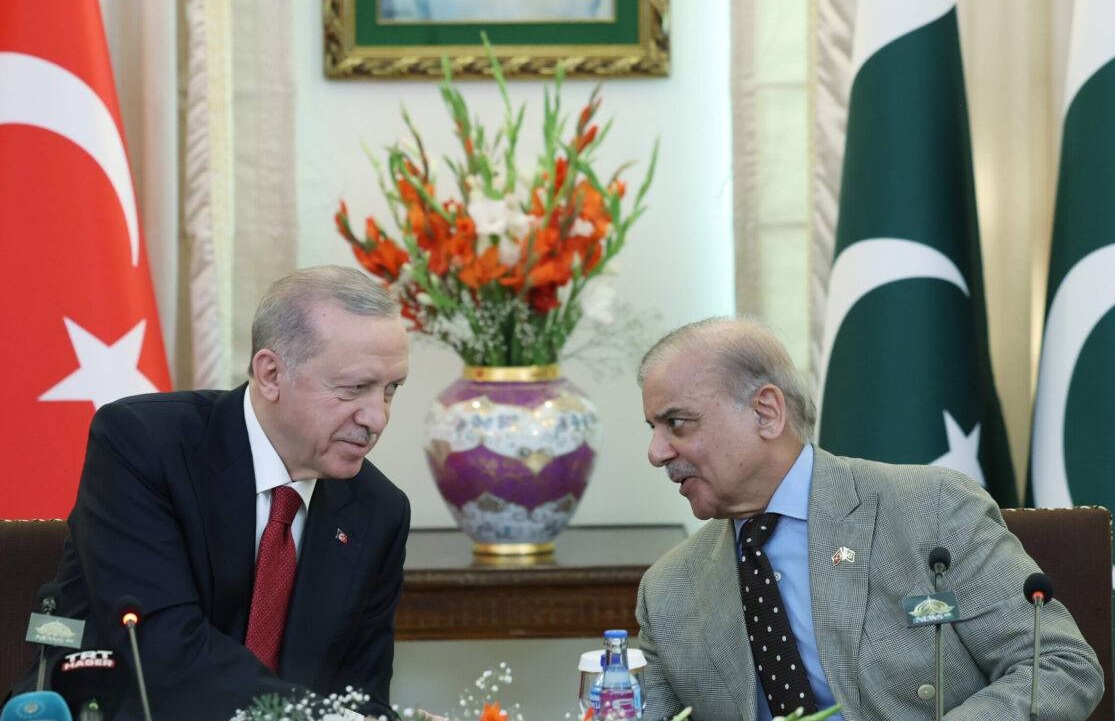
World
RIYADH : Saudi Arabia has formally dismissed reports that Turkey is set to join a proposed defense arrangement between the Kingdom and Pakistan, confirming that the emerging security framework will remain a strictly bilateral agreement between Riyadh and Islamabad. Officials familiar with the discussions said the clarification was issued to counter speculation that Saudi Arabia was attempting to construct a broader regional military bloc involving multiple Sunni-majority states. According to a source close to the Saudi military, speaking to Agence France-Presse (AFP), Turkey is not part of the agreement and has not been invited to join it. The source stressed that the pact was conceived from the outset as a bilateral understanding and would not be expanded. A second senior Gulf official echoed that position, noting that while Saudi Arabia maintains defense and security cooperation with Turkey through separate channels, those arrangements are unrelated to the structure being developed with Pakistan. The official said Riyadh intends to manage its security relationships on a case-by-case basis rather than through a single multilateral alliance. Background to the Speculation Talk of a wider alliance gained traction amid heightened regional tensions over the past year. The Gulf security environment deteriorated following a series of military incidents, including Israeli air strikes in Doha that targeted officials linked to Hamas, and a subsequent Iranian strike on a United States military facility in Qatar. The incidents raised concerns among Gulf states about escalation and the resilience of existing security guarantees. Against this backdrop, reports circulated that Saudi Arabia was exploring options to deepen its strategic partnerships, potentially combining Pakistan’s long-standing military ties with the Kingdom and Turkey’s advanced conventional capabilities as a member of NATO. Saudi officials have now moved to shut down those claims. Nature of the Saudi–Pakistan Pact The Saudi–Pakistan defense agreement, announced in principle last year, focuses on military cooperation, training, intelligence sharing, and defense planning. While specific provisions have not been made public, the pact builds on decades of close ties between the two countries, including the stationing of Pakistani military personnel in Saudi Arabia and extensive defense cooperation. Because Pakistan is a nuclear-armed state, the agreement has attracted close attention from Western governments and analysts. Questions have been raised about whether the arrangement could imply extended deterrence or other strategic assurances in extreme scenarios. Saudi officials have not commented publicly on any nuclear-related aspects, and there is no indication that such provisions are formally included. The absence of Turkey, which is bound by NATO obligations and international non-proliferation frameworks, is viewed by some observers as allowing the Saudi–Pakistan relationship to retain a degree of strategic flexibility without introducing additional legal or political constraints. Regional Context and India–Pakistan Tensions The importance of Pakistan as a security partner was underscored by last year’s brief but intense conflict between Pakistan and India. In May, the two nuclear-armed neighbors exchanged missile, drone, and artillery fire over a four-day period, resulting in more than 70 fatalities. The fighting marked the most serious confrontation between the rivals since the 1999 Kargil conflict. Saudi Arabia was widely reported to have played a diplomatic role in easing tensions during that episode. Officials and analysts said Riyadh used its economic influence in Islamabad and its growing commercial and energy ties with New Delhi to encourage de-escalation and support a ceasefire. Balancing Multiple Partnerships Despite its expanding defense cooperation with Pakistan, Saudi Arabia has continued to deepen economic relations with India. The Kingdom is currently one of India’s leading energy suppliers, ranking among its top sources of crude oil and refined petroleum products. Energy trade remains a central pillar of Saudi–Indian relations, alongside investment and infrastructure cooperation. Saudi officials say this dual-track approach reflects a broader strategy of compartmentalizing relationships, allowing Riyadh to pursue security cooperation with one partner while maintaining strong economic and diplomatic ties with others. The decision to keep the defense pact with Pakistan bilateral appears consistent with that approach, signaling caution against entangling alliances at a time of regional uncertainty.
Read More → Posted on 2026-01-31 17:09:00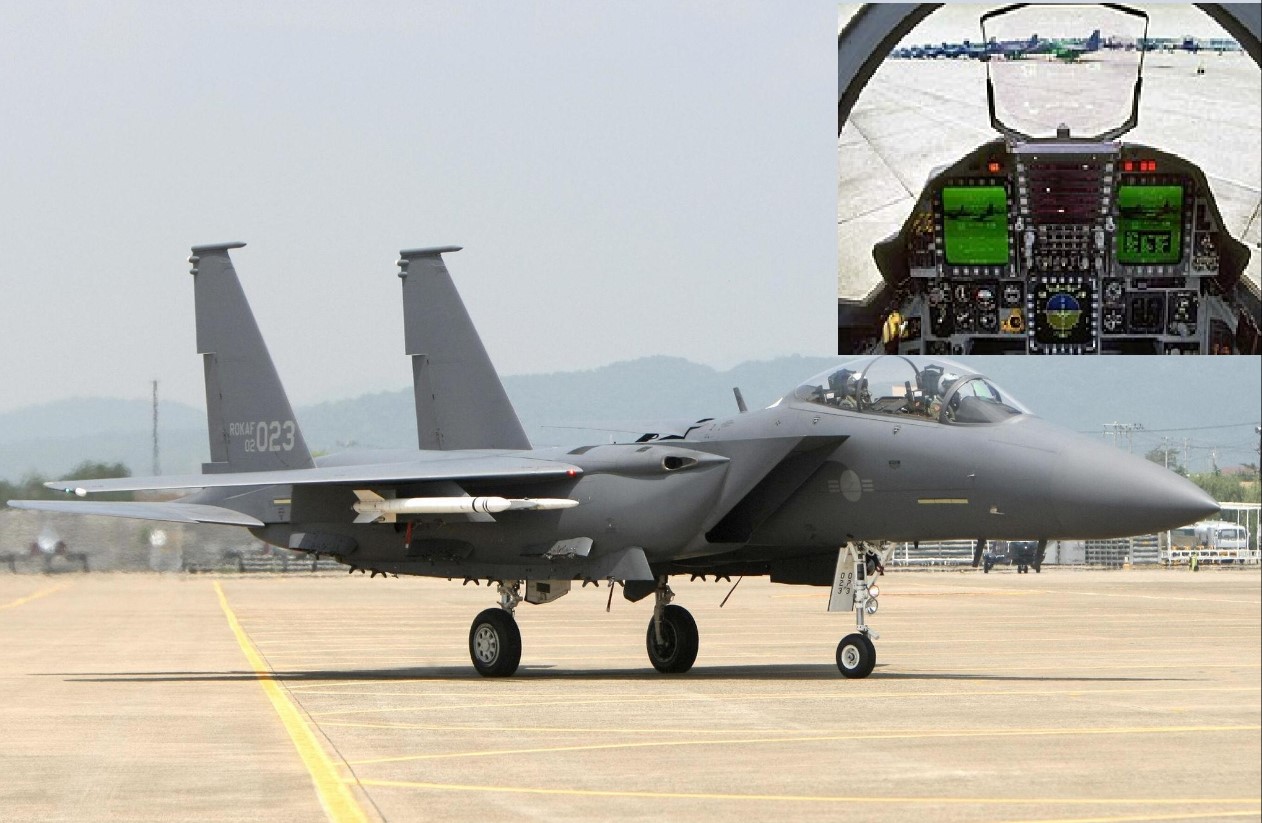
World
Washington / Seoul : The United States has awarded Boeing a contract valued at up to $2.81 billion to design and develop a comprehensive modernization package for F-15K fighter aircraft operated by the Republic of Korea Air Force, according to a contract announcement released this week. The undefinitized contract was issued to Boeing’s facility in St. Louis, Missouri, and supports a broad upgrade of South Korea’s F-15K fleet under the Foreign Military Sales (FMS) framework. The agreement was requested by South Korea’s Defense Acquisition Program Administration, which oversees major defense procurement and modernization programs for the country’s armed forces. Contract Structure and Scope The contract is structured as a hybrid cost-plus-fixed-fee and fixed-price incentive arrangement, with a ceiling value of $2,805,961,005. Work will be carried out primarily in St. Louis and is scheduled to continue through December 31, 2037. At the time of award, approximately $540 million in Foreign Military Sales funds were obligated, allowing initial design and development activities to begin. The award was made on a sole-source basis, reflecting Boeing’s role as the original manufacturer of the F-15 platform and its responsibility for system integration. The contracting authority is the U.S. Air Force Life Cycle Management Center, based at Wright-Patterson Air Force Base, which manages lifecycle support and modernization for multiple U.S. and allied aircraft programs. Modernization Objectives The program will deliver a new integrated avionics and mission system architecture for the F-15K, South Korea’s primary long-range strike and air superiority aircraft. While the contract notice does not list specific subsystems, upgrades of this nature typically include modernized radar and sensors, updated electronic warfare and self-protection systems, improved communications and data links, enhanced mission computers, and revised cockpit displays and controls. These improvements are intended to extend the service life of the aircraft while improving situational awareness, survivability, and interoperability with U.S. and allied forces. The modernization will also align the F-15K more closely with current U.S. Air Force standards, simplifying joint operations, logistics support, and training. Role of the F-15K Fleet The F-15K, locally known as the Slam Eagle, is a customized variant of the F-15E Strike Eagle and forms a central element of South Korea’s air combat capability. The aircraft is used for deep-strike missions, air defense, and precision attack operations, and it routinely supports high-readiness alert duties on the Korean Peninsula. South Korea operates the F-15K alongside the F-35A, employing the two aircraft types in complementary roles. The F-15K’s payload capacity, long range, and two-seat configuration make it suitable for extended strike missions and command-and-control tasks, while the F-35A provides stealth and advanced sensing for operations in heavily defended airspace. Program Phasing and Oversight The current contract focuses on design and development rather than immediate production or fleet-wide installation. This phased approach allows for system integration, ground and flight testing, and validation before upgrades are rolled out across the operational fleet. Such sequencing is standard for large-scale aircraft modernization efforts involving multiple mission systems and long-term sustainment considerations. Under the Foreign Military Sales process, the U.S. government will oversee technical integration, schedule management, and contract execution. This structure provides assurance of compatibility with U.S. systems and supports long-term cooperation between the U.S. Air Force and the Republic of Korea Air Force as both services continue to operate in combined and allied command environments.
Read More → Posted on 2026-01-31 17:00:00
India
NEW DELHI / PUNE : The Indian Navy has begun inducting its first indigenous autonomous weaponized Fast Interceptor Crafts (FICs), marking a significant expansion of India’s unmanned maritime warfare capabilities and placing the country among a small group of navies capable of deploying armed unmanned surface vehicle (USV) swarms. The initial batch of two unmanned surface vehicles has been delivered by Pune-based Sagar Defence Engineering and dispatched for operational deployment under the Western Naval Command. The induction forms part of a larger order for 12 platforms, officials familiar with the programme said. First Indigenous Weaponized USVs This induction represents the first time the Indian Navy has fielded an indigenously designed and weaponized unmanned surface combat platform. Until now, the Navy’s unmanned surface capabilities were largely limited to imported systems, primarily employed for mine counter-measure (MCM) roles under restricted mission profiles. The newly inducted platforms are configured as Fast Interceptor Crafts, intended for high-speed maritime security missions, coastal defence, and offensive interdiction tasks. Their entry into service reflects a doctrinal shift towards the use of unmanned systems in frontline combat and deterrence roles. Programme and Procurement Framework The vessels have been developed under the Innovations for Defence Excellence (iDEX) initiative and overseen by the Defence Innovation Organisation, which supports indigenous defence innovation, rapid prototyping, and competitive development. Defence officials said Sagar Defence secured the order after completing extensive trials demonstrating endurance, autonomy, and operational reliability. A key milestone trial involved an autonomous long-distance transit of around 1,500 kilometres from Mumbai to Tuticorin, validating the platform’s navigation, propulsion, and systems integration over extended durations. Design and Operational Capabilities The autonomous interceptor crafts are approximately 17 metres in length and are engineered for sustained maritime operations. According to defence sources and manufacturer data, the vessels offer over 48 hours of continuous endurance and an operational range of about 400 nautical miles, enabling persistent surveillance and response missions along India’s western seaboard. The crafts are capable of speeds exceeding 50 knots, allowing interception of fast-moving surface targets, including small boats and asymmetric maritime threats. Their performance supports roles in port security, offshore asset protection, and rapid reaction operations. Armament and Modularity In their primary configuration, the USVs are equipped with a 12.7 mm stabilized remote-controlled gun system, enabling precise engagement of surface threats while operating autonomously or under remote control. The platform incorporates a modular architecture, allowing future integration of short-range guided missiles, loitering munitions, or specialized surveillance payloads, depending on mission requirements. Naval officials said the modular design allows rapid role reconfiguration without major structural changes, increasing operational flexibility. Swarm Operations and Command Control A defining capability of the Fast Interceptor Crafts is their ability to operate in coordinated swarm formations. Multiple USVs can be controlled from a single ground control station or from a mother ship, enabling synchronized manoeuvres, distributed target engagement, and wide-area coverage. This concept allows the Navy to multiply force projection while reducing risk to human personnel. Navigation and Electronic Warfare Resilience The platforms are designed for operations in contested electromagnetic environments. In the event of GPS jamming or denial, the USVs can continue navigation using India’s indigenous NavIC, supported by advanced inertial navigation systems. This ensures mission continuity in electronic warfare conditions. Manned–Unmanned Flexibility Although primarily unmanned, the Fast Interceptor Crafts retain manned–unmanned teaming capability. The vessels can be reconfigured to carry up to 14 personnel, including special operations teams, for insertion, extraction, or boarding missions, expanding their operational utility. Deployment and Future Role The first two USVs are expected to be based along the western coast, contributing to the protection of critical sea lines of communication, ports, and offshore installations. The remaining platforms from the 12-unit order are scheduled for phased induction following further operational evaluation. Defence officials said the programme reflects a broader effort to integrate autonomous systems into India’s naval force structure while strengthening domestic defence manufacturing. The induction of the Sagar Defence Fast Interceptor Crafts is expected to support future development of unmanned surface combat platforms in India.
Read More → Posted on 2026-01-31 16:50:54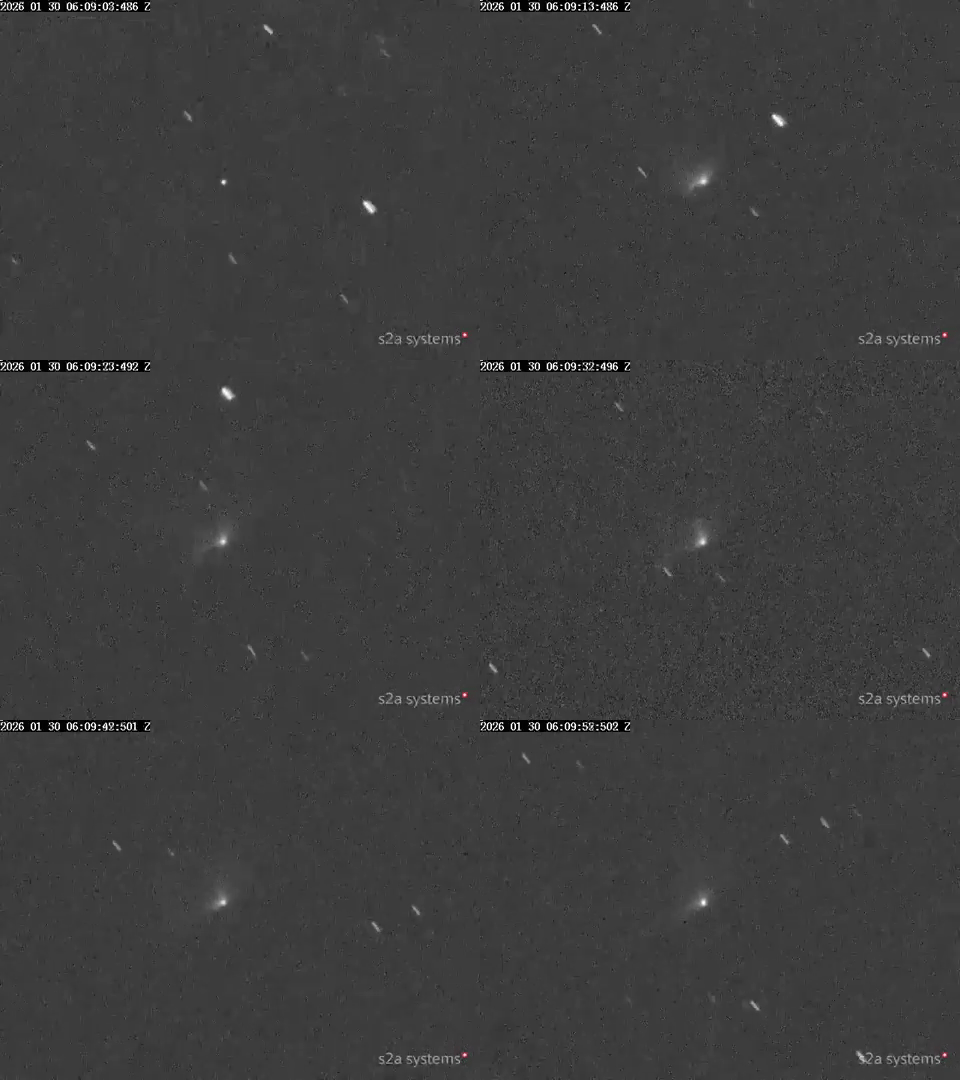
Space & Technology
Moscow / Geneva : A Russian reconnaissance satellite known as Luch, also referred to as Olymp and catalogued as NORAD object 40258, has been completely destroyed after fragmenting in a so-called graveyard orbit, according to independent space-tracking assessments. The breakup was first reported by the Swiss space-monitoring firm S2A Systems, which detected a large debris cloud consistent with a catastrophic fragmentation event. Analysts tracking geostationary space traffic assess that the satellite likely collided with orbital debris on January 30, 2026, leading to its total loss. Graveyard or burial orbits are regions several hundred kilometers above the geostationary belt, reserved for decommissioned satellites at the end of their operational life. Satellites placed there are expected to remain inert and pose minimal risk to active spacecraft. The destruction of Luch within this zone has therefore raised questions among space-security analysts about the precise cause of the incident. At present, it remains unclear whether the fragmentation was accidental—resulting from an impact with untracked debris—or whether it involved deliberate destruction. No evidence confirming intentional action has been publicly presented. Russian authorities have not issued any official statement regarding the incident as of the time of publication. A Satellite with a Controversial Operational History The spacecraft was launched into orbit in September 2014. Although formally designated as part of the Luch satellite series, it did not belong to the commercial Luch-5 line, which is intended for civilian communications relay services. From early in its mission, the satellite attracted sustained attention from Western space agencies and independent observers due to its unusual behavior. Unlike typical geostationary satellites, which remain fixed over a single longitude, Luch repeatedly maneuvered along the geostationary belt and maintained prolonged close proximity to foreign communications satellites. According to space-security analysts, such maneuvers were consistent with radio-technical reconnaissance and signal interception activities, rather than commercial or civil operations. In 2015, the satellite positioned itself between two commercial Intelsat spacecraft, prompting a formal diplomatic protest from the United States over concerns related to interference and proximity operations. Three years later, in 2018, then French Minister of the Armed Forces Florence Parly publicly accused Russia of “space espionage” after Luch maneuvered close to the Franco-Italian military communications satellite Athena-Fidus, which is used for secure government and defense communications. Intelligence Links and Ownership Allegations Multiple reports over the past decade have linked the satellite to Russia’s Federal Security Service, suggesting that it operated primarily in support of national intelligence missions rather than civilian or commercial objectives. Russian officials have never publicly confirmed these claims. Despite its transfer to a graveyard orbit, the satellite continued to be closely tracked due to its historical role and potential relevance to broader assessments of Russian space capabilities. Broader Context of Orbital Security Concerns The destruction of Luch comes amid growing international concern over orbital congestion, space debris accumulation, and military activity in Earth orbit. Analysts note that even in graveyard orbits, fragmentation events can increase long-term risks by generating debris that may eventually drift toward operational regions. The incident also occurs against the backdrop of reports that Russia is pursuing counter-space technologies. According to earlier reporting by Militarnyi, Russian developers are working on anti-satellite systems designed to affect large satellite constellations, including Starlink, owned by Elon Musk. One concept described in those reports involves “area-effect” weapons intended to disperse large numbers of dense spherical objects into targeted orbital regions. Experts warn that such approaches could disable multiple satellites simultaneously but also carry a high risk of uncontrolled debris generation with consequences for unrelated orbital systems. Ongoing Monitoring International space-tracking networks continue to monitor the debris cloud generated by the Luch fragmentation to assess its evolution and any potential threat to other spacecraft. Without confirmation from Russian authorities, the precise circumstances surrounding the satellite’s destruction remain unresolved. What is clear, analysts say, is that the loss of Luch marks the end of one of the most closely watched and controversial satellites in geostationary orbit over the past decade, while underscoring persistent challenges in managing safety and security in an increasingly contested orbital environment.
Read More → Posted on 2026-01-31 15:53:25
World
Oslo / Berlin : The Norwegian government has formally approved the procurement of two additional Type 212CD submarines, expanding its future undersea fleet and bringing the joint German-Norwegian submarine program to its planned maximum scale. With the signing of the contract, Thyssenkrupp Marine Systems (TKMS) has received an extension to one of the largest orders in the company’s history. The decision increases the number of Type 212CD boats planned for the Royal Norwegian Navy from four to six. Combined with Germany’s existing commitments, the total number of submarines ordered under the program now stands at twelve. Industrial and Strategic Context TKMS Chief Executive Officer Oliver Burkhard said the order underlines the strategic significance of the bilateral submarine initiative. He noted that the expanding program strengthens European defense capabilities while reinforcing long-term industrial and military cooperation between Germany and Norway. According to the company, the extension reflects continued confidence in the technical maturity of the design and in the partnership structure underpinning the project. The Type 212CD program is jointly developed for the German Navy and the Royal Norwegian Navy, with both countries pursuing a common configuration to maximize interoperability and cost efficiency across the life cycle of the submarines. Capabilities of the Type 212CD The Type 212CD—Common Design—represents the latest evolution of Germany’s conventional submarine family. The class incorporates advanced air-independent propulsion (AIP), significantly reducing the need to surface and enhancing submerged endurance. TKMS states that the design offers improved situational awareness through an integrated sensor suite, enhanced data fusion, and secure connectivity with allied naval and air units. A key design objective has been further reduction of acoustic and electromagnetic signatures, making the submarines harder to detect in contested maritime environments. The boats are optimized for operations across a wide range of conditions, including the North Atlantic and Arctic regions, where Norway places particular emphasis on cold-weather performance and under-ice capability. Cooperative Program Structure Beyond the platforms themselves, the German-Norwegian approach emphasizes shared solutions across training, crew cooperation, logistics, maintenance, and research and development. This common framework is intended to reduce long-term operating costs, streamline sustainment, and support industrial participation in both countries. According to officials involved in the program, the cooperative model allows both navies to align doctrine and operational concepts while maintaining national control over deployment and mission tasking. The industrial structure also provides sustained workload and technological development opportunities for German and Norwegian defense companies. German Orders and Program Scale Germany expanded its own commitment to the Type 212CD in December 2024, when the federal government exercised options to procure four additional submarines. That move increased the German Navy’s planned fleet from the originally contracted two boats to six. With Norway’s latest decision, the overall program has reached its intended ceiling of twelve submarines—six for each navy. This scale positions the Type 212CD as one of the largest conventional submarine programs in Europe, both in terms of unit numbers and industrial value. Potential Expansion and International Interest The next phase of the program may involve further international participation. TKMS has confirmed that it is working with German and Norwegian partners in a competitive process that could lead to the inclusion of up to twelve submarines for Canada, should Ottawa decide to proceed with a replacement for its current submarine fleet. While no decision has yet been announced, such an expansion would significantly broaden the industrial footprint of the Type 212CD and further standardize capabilities among allied navies operating conventional submarines. Broader Defense Planning Considerations The growing scale of the Type 212CD program reflects wider shifts in European defense planning, where navies and air-defense planners are increasingly required to account for mass, attrition, and cost as central variables. For Norway and Germany, the emphasis on a common, mature submarine design is intended to balance advanced capability with predictable procurement and sustainment costs over several decades of service. With the Norwegian order extension now approved, production and integration activities for the expanded fleet are expected to continue at TKMS facilities in Germany, with deliveries scheduled in line with previously agreed timelines between the participating governments.
Read More → Posted on 2026-01-31 15:29:14
World
Paris / Strasbourg : A small French defence manufacturer has entered the increasingly competitive counter-drone market with the unveiling of a new high-speed interceptor designed specifically to defeat one-way attack drones that have proliferated in recent conflicts. ALM Meca, an Alsace-based precision engineering company, has revealed Fury 120, a privately developed interceptor drone intended to engage systems such as Iran’s Shahed series and their Russian Geran derivatives. According to reporting published on 27 January 2026 by Challenges, the Fury 120 was conceived outside France’s traditional state-led defence procurement system. Unlike most French military programmes, it was not developed under the supervision of the Direction générale de l’armement (DGA) nor backed by a major prime contractor. Instead, the project was funded internally by ALM Meca, marking a rare example of a French small and medium-sized enterprise (SME) independently designing a combat-oriented air-defence system. Design And Performance Characteristics The Fury 120 is a microjet-powered interceptor drone designed for short-range, high-speed engagements. The system is reported to reach speeds exceeding 700 kilometres per hour and to tolerate manoeuvres of up to 20G, placing it at the upper end of performance for remotely piloted interceptor platforms in its class. Its propulsion choice reflects a focus on rapid acceleration and time-critical intercepts rather than long endurance. The interceptor is intended to be launched from dispersed ground sites and cued by external sensors, including ground-based surveillance radars or electro-optical systems. Once committed, it would conduct a direct intercept against slow, predictable targets such as one-way attack drones. While detailed information on the guidance method and warhead configuration has not been publicly disclosed, the system is positioned as a kinetic counter-drone solution rather than a reusable loitering platform. Endurance limitations remain inherent to the use of a microjet engine, alongside additional constraints related to kerosene supply, engine maintenance, and the requirement for resilient data links to guide the interceptor during the engagement phase. These factors are acknowledged by those involved in the project as design trade-offs linked to its performance objectives. Addressing Cost-exchange Challenges in Air Defence The development of Fury 120 reflects a broader reassessment of air-defence economics driven by the war in Ukraine. The widespread use of low-cost one-way attack drones by Russian forces has forced defenders to expend expensive surface-to-air missiles against targets of comparatively low unit value. In saturation scenarios, high-end air-defence systems can be tasked beyond their optimal role, accelerating the depletion of limited missile inventories. A fast interceptor drone is intended to restore a more favourable cost-exchange balance at close range. By engaging low-end threats, such systems could relieve pressure on missile-based defences and preserve higher-value interceptors for more complex targets such as cruise missiles or manned aircraft. The concept also offers greater operational flexibility, as interceptor drones could theoretically be deployed in larger numbers and repositioned rapidly to protect dispersed infrastructure. Position Within The European And Transatlantic Landscape According to Thierry Berthier, a research associate at the Saint-Cyr Coëtquidan Military Academy research centre (CReC) and adviser to ALM Meca, Fury 120 occupies a niche capability that remains relatively underdeveloped in Europe. At present, there is no directly comparable European interceptor drone in announced service. Berthier has cited Anduril Industries’ US-developed Roadrunner as a reference point for the concept. While no European country has formally declared Roadrunner operational, interest in Anduril’s counter-drone solutions has grown, including industrial cooperation with Rheinmetall aimed at adapting such capabilities for European air-defence architectures. This trend suggests that demand for dedicated interceptor drones is increasingly recognised, even as procurement decisions remain unresolved. Strategic Context And Regional Security Considerations The emergence of Fury 120 comes as the drone threat extends beyond the Ukrainian battlefield. NATO countries on the Alliance’s eastern flank have reported repeated incidents involving Russian drones crossing or violating national airspace. In a statement issued on 23 September 2025, the North Atlantic Council confirmed that several Allies, including Poland and Romania, had experienced such violations and that consultations under NATO’s Article 4 framework had been held following a large-scale incident affecting Polish airspace. Within this environment, a European-developed interceptor dedicated to countering attack drones is increasingly viewed as a resilience measure as well as a military capability. By strengthening the protection of critical infrastructure and reducing reliance on scarce missile stocks, such systems could also lower the risk of inadvertent escalation linked to repeated border incidents. Assessment Fury 120 remains at the prototype stage, and no procurement commitments have been announced. Its progression will depend on testing results, integration with existing air-defence networks, and the willingness of European militaries to adopt non-traditional, SME-driven solutions. If the system advances toward deployment, it would signal a broader evolution in European air-defence thinking, increasingly shaped by mass, attrition, and cost considerations that now define modern air-defence planning.
Read More → Posted on 2026-01-31 15:13:14
World
BEIJING / TEHRAN : China has deployed some of its most advanced naval surface combatants toward the Middle East as part of preparations for upcoming joint naval exercises with Iran and Russia, a move that officials and analysts describe as a direct response to recent U.S. naval exercises in the same region. The deployment comes as regional tensions remain elevated in and around the Strait of Hormuz, a critical chokepoint for global energy shipments. The People’s Liberation Army Navy (PLAN) has dispatched at least one Type 055 Renhai-class large guided-missile destroyer along with multiple Type 052D Luyang III-class destroyers from its southern naval base in Hainan. The vessels are expected to operate in the Gulf of Oman, the northern Indian Ocean, and waters adjacent to the Strait of Hormuz in coordination with Iranian and Russian naval units, according to regional defense officials. The trilateral drills are scheduled to begin around Sunday, February 1, 2026, and are widely assessed to be part of the recurring “Marine Security Belt” exercise series, conducted periodically by China, Iran, and Russia since 2019. Officials familiar with the planning say this year’s iteration will be broader in scope and has been accelerated following recent U.S. naval maneuvers and carrier operations in the region, which included large-scale air and maritime integration drills. Scope and Objectives of the Exercises According to statements from Chinese and Iranian defense officials, the exercises are intended to focus on maritime security operations, including escort missions, search and rescue procedures, communications coordination, and drills aimed at protecting commercial shipping routes. Iranian media outlets have reported that live-fire components will also be included, particularly in areas where Iran has announced its own naval readiness exercises. Chinese officials have emphasized that the drills are defensive and transparent, but have also acknowledged that they are designed to counterbalance foreign military activity, particularly U.S.-led naval exercises conducted in and around the Persian Gulf, Arabian Sea, and Gulf of Oman in recent weeks. Russian defense officials have echoed this position, stating that the exercises are meant to maintain regional stability amid increased Western military presence. Naval Assets Involved The deployment marks one of the most prominent appearances of China’s newest surface combatants in the Middle East region and signals a calibrated show of force following U.S. naval activity. The Type 055 Renhai-class destroyer, the largest and most heavily armed surface vessel in service with the PLAN, is equipped with 112 vertical launch system cells capable of firing surface-to-air, anti-ship, and land-attack missiles, supported by advanced dual-band radar and electronic warfare systems. The accompanying Type 052D Luyang III-class destroyers provide area air defense, anti-submarine warfare, and escort protection, and are fitted with active electronically scanned array (AESA) radars designed to counter aircraft, cruise missiles, and unmanned systems. Iranian and Russian forces are expected to contribute surface combatants, support vessels, and naval aviation assets, although full details of their force composition have not been publicly released. Regional Security Context The exercises are unfolding amid heightened U.S.–Iran tensions and immediately follow recent U.S. Navy exercises involving carrier strike groups and allied forces in the North Arabian Sea and surrounding waters. The aircraft carrier USS Abraham Lincoln and its strike group have been conducting air operations and maritime drills, which U.S. officials say are intended to deter threats and reassure regional partners. Iran has separately announced live-fire naval drills near the Strait of Hormuz, citing the need to secure territorial waters and respond to foreign military pressure. The proximity of multiple large-scale exercises by competing naval blocs has increased operational density in one of the world’s most sensitive maritime corridors. The Strait of Hormuz handles roughly one-fifth of global oil flows and a significant portion of liquefied natural gas exports, making any military activity in the area a matter of global economic concern. Diplomatic and Strategic Implications Analysts say the Chinese deployment, coming shortly after U.S. naval exercises, highlights Beijing’s intent to demonstrate strategic parity and protect its energy and trade interests in the Middle East. For Iran, joint drills with China and Russia serve as a political and military signal that it has major-power backing amid ongoing tensions with Washington. China has expanded its blue-water naval operations across the Indian Ocean over the past decade, supported by long-range deployments and overseas logistics access. While Beijing continues to frame its actions as supporting regional stability and freedom of navigation, the timing and scale of the current deployment reflect the increasing militarization of the waters surrounding the Persian Gulf. The trilateral exercises are expected to last several days, with participating navies operating under pre-agreed rules of engagement and communication mechanisms intended to reduce the risk of miscalculation as multiple U.S., Chinese, Iranian, and Russian naval forces operate in close proximity.
Read More → Posted on 2026-01-31 15:02:47
World
Mascoutah, Illinois : The U.S. Navy’s first production-representative MQ-25A Stingray uncrewed aerial refueling aircraft has completed its initial low-speed taxi test, marking a key milestone as the program transitions from development testing toward operational flight certification. The test was conducted at Boeing’s MQ-25 production facility at MidAmerica St. Louis Airport near Mascoutah. Video released by Boeing showed the aircraft moving under its own power and executing planned ground maneuvers, confirming the completion of a critical phase of ground testing required before first flight. Ground Testing and Navy Participation According to the U.S. Navy, personnel from Air Test and Evaluation Squadron VX-23 and the uncrewed aviation unit UX-24 participated in the event. Taxi testing is intended to validate braking performance, steering response, propulsion behavior, and overall ground-handling characteristics prior to flight clearance. During the test, the MQ-25A operated without a pilot on board. Boeing stated that Air Vehicle Pilots controlled the aircraft from the Unmanned Carrier Aviation Mission Control System, issuing commands that allowed the aircraft to autonomously taxi from the production facility to the active taxiway and perform a sequence of turns, stops, and alignment checks. The event marked the first time a production-standard MQ-25A executed these maneuvers as an integrated system. Transition From Prototype to Operational Aircraft Unlike earlier demonstrations conducted with the T1 test aircraft, the taxi test involved the first production-representative MQ-25A airframe intended for eventual carrier deployment. Navy officials consider this transition significant because it validates that the operational configuration meets handling and control requirements at the ground level. The MQ-25A is the U.S. Navy’s first operational carrier-based uncrewed aircraft and is designed primarily to provide organic aerial refueling to the carrier air wing. The aircraft is powered by a Rolls-Royce AE 3007N turbofan engine and is optimized for endurance and fuel efficiency. Navy planning documents indicate that the MQ-25A is expected to offload more than 15,000 pounds (approximately 6,800 kilograms) of fuel at a range of about 500 nautical miles. Role in Carrier Air Wing Operations The introduction of the MQ-25A is intended to reduce reliance on F/A-18E/F Super Hornets for buddy-tanking missions, a task that has historically consumed a significant portion of carrier-based fighter flight hours. By transferring the aerial refueling mission to an uncrewed platform, the Navy expects to increase the availability of manned fighters for strike, escort, and air defense roles, while also reducing airframe fatigue on those aircraft. The extended range provided by the MQ-25A is expected to enhance the operational reach of carrier-based platforms, including the F-35C Lightning II and the F/A-18 Super Hornet, in scenarios involving long-range operations and distributed maritime forces. Program Background and Development The MQ-25 program emerged from a broader reassessment of carrier aviation requirements during the mid-2010s, when Navy analysis identified organic aerial refueling as a critical capability gap. In August 2018, Boeing was awarded the Engineering and Manufacturing Development contract for the MQ-25, defeating competing proposals from General Atomics and Lockheed Martin. The initial contract, valued at approximately USD 805 million, covered four development aircraft, ground control systems, and associated support equipment. Subsequent contract actions led to low-rate initial production and the establishment of a dedicated MQ-25 production line in Illinois. The aircraft that completed the taxi test represents the first example of this production configuration. Future Testing and Operational Integration With taxi testing complete, the program is expected to progress toward first flight of the production-representative MQ-25A later this year, pending final ground evaluations and safety approvals. Following initial flight testing, the aircraft will enter a broader test campaign focused on carrier integration, including deck handling, launch and recovery procedures, and compatibility with carrier operations. The Navy plans to acquire more than 70 MQ-25A aircraft, with the goal of integrating them into every carrier air wing. Beyond aerial refueling, Navy officials have indicated that the platform’s autonomy and communications architecture could support future secondary missions, including intelligence, surveillance, and reconnaissance support, airborne communications relay, and battlespace sensing, once routine carrier operations are established. The successful completion of the initial taxi test positions the MQ-25A Stingray as the Navy moves closer to fielding its first operational uncrewed aircraft aboard U.S. aircraft carriers.
Read More → Posted on 2026-01-31 14:35:53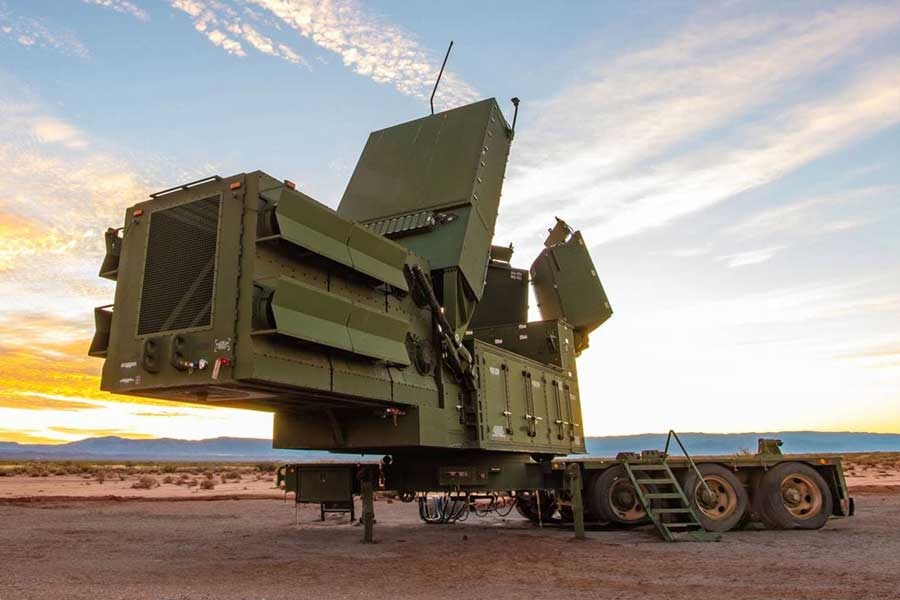
World
ANDOVER, Massachusetts : Raytheon has secured a $1.025 billion contract modification from the U.S. Army to support year two production of the Lower Tier Air and Missile Defense Sensor (LTAMDS). The award, announced by the Department of Defense, is funded through fiscal year 2026 procurement appropriations and represents a key element of the Army’s effort to modernize its air and missile defense architecture. Raytheon, which operates as a subsidiary of RTX, will carry out the work primarily at its radar development and manufacturing facility in Andover, Massachusetts. According to the Pentagon, production activities under the modification are expected to continue through March 31, 2030. Contract Scope and Funding The latest award modifies an existing contract, identified as W31P4Q-24-C-0024, and brings the total value of the current contractual arrangement for LTAMDS year two production to approximately $1.025 billion. At the time of the modification, the Army Contracting Command at Redstone Arsenal, Alabama, obligated $254.6 million in fiscal 2026 “other procurement” funds to initiate the next phase of work. This action follows earlier major investments in the program. In July 2024, the Army awarded Raytheon a $2.1 billion base contract to support low-rate initial production. That effort was expanded in August 2025 with a further $1.7 billion modification, reflecting the service’s decision to move the radar toward sustained production after completing key testing and validation milestones. Replacement for Legacy Patriot Radar LTAMDS is intended to replace the existing radar component of the Patriot missile system, which has been in service for decades and provides sector-based surveillance. The legacy system scans a limited field of view at any given time, requiring physical repositioning to address threats approaching from different directions. By contrast, LTAMDS has been designed from the outset to deliver continuous, full-sphere coverage. The radar uses three fixed antenna arrays to provide uninterrupted 360-degree surveillance and tracking, eliminating blind spots that can be exploited by modern, maneuvering threats. Radar Architecture and Technology The primary antenna array is mounted on the front of the radar unit and is comparable in size to the current Patriot radar face. However, it delivers more than twice the power output due to its use of Gallium Nitride (GaN) semiconductor technology. GaN enables higher power density, improved thermal performance, and greater efficiency compared with earlier Gallium Arsenide-based designs. Two additional, smaller arrays are positioned on the rear of the system. These secondary arrays continuously monitor the remaining azimuths, ensuring that the radar can detect and track targets from any direction without the need for mechanical rotation. LTAMDS is built around an Active Electronically Scanned Array (AESA) architecture, allowing it to rapidly steer radar beams electronically. This capability improves detection range, tracking precision, and target discrimination. According to the Army, the system is designed to address a wide range of threats, including fixed-wing aircraft, helicopters, unmanned aerial systems, cruise missiles, ballistic missiles, and emerging hypersonic weapons. Integration With Army Command Networks A central requirement of the LTAMDS program is seamless integration with the Army’s Integrated Air and Missile Defense Battle Command System (IBCS). Through this open-architecture network, LTAMDS can share sensor data with other air and missile defense assets across the force. This approach enables a sensor-to-shooter model, allowing any compatible interceptor or weapons system to engage a target detected by the radar, even if the launcher is not co-located with the sensor. The Army views this capability as essential for building a layered and resilient air defense network capable of operating in contested environments. Program Status and International Interest The LTAMDS program reached Milestone C in 2025, a major acquisition decision point that authorizes full-rate production following successful operational testing and evaluation. The year two production effort supported by the new contract modification is intended to expand the number of radars delivered to operational units and support initial fielding. While the program is primarily focused on U.S. Army requirements, it has also attracted interest from allied nations. In 2024, Poland became the first international customer to sign a Foreign Military Sales agreement for LTAMDS as part of its broader effort to strengthen national and regional air and missile defense capabilities. Army officials have stated that LTAMDS will play a central role in the future Patriot force structure, providing improved coverage, greater sensitivity, and enhanced interoperability as the service adapts to evolving aerial and missile threats.
Read More → Posted on 2026-01-31 14:20:56
World
WASHINGTON : Saudi Arabia’s defense minister has privately warned senior U.S. officials that if the United States refrains from striking Iran after months of military threats and a major force deployment to the Middle East, Tehran would emerge politically and strategically stronger, according to people briefed on the discussions. The warning was delivered by Saudi Defense Minister Prince Khalid bin Salman during a closed-door briefing in Washington on Friday, Axios reported. Speaking to U.S. officials and leaders of prominent policy think tanks, Prince Khalid argued that repeated public threats by Donald Trump to take military action against Iran, if not followed through, would embolden Tehran and weaken American deterrence across the region. According to attendees, Prince Khalid said that a U.S. decision to stand down without securing concessions from Iran would be interpreted in Tehran—and by other U.S. adversaries—as evidence that Washington is unwilling to escalate to direct conflict, even after deploying substantial military power. Context of U.S. Military Buildup The Saudi warning comes after the United States significantly increased its naval and air presence in and around the Middle East, including the deployment of aircraft carrier strike groups, long-range bombers, and additional air defense assets. U.S. officials have described the buildup as a deterrent measure aimed at constraining Iran’s regional activities and signaling readiness to respond to threats against U.S. forces and allies. Saudi officials privately argued that such a deployment creates expectations. If those forces are eventually withdrawn or repositioned without tangible outcomes, they warned, Iran would claim a strategic victory by asserting it successfully deterred the United States through pressure and persistence. How Riyadh Assesses Iran Would Benefit According to individuals familiar with the briefing, Prince Khalid outlined several ways in which Iran could emerge stronger if the U.S. does not act after issuing repeated warnings. First, Iranian leaders would likely present the episode domestically and regionally as proof that their strategy of resistance and escalation short of war is effective against the United States. This narrative would reinforce hardline factions within Iran’s political and security establishment. Second, Saudi officials believe a U.S. stand-down would undermine the credibility of American security guarantees in the Gulf. Regional states that rely on U.S. deterrence could begin recalibrating their policies toward Tehran, seeking accommodation rather than confrontation, thereby expanding Iran’s political influence without direct conflict. Third, Saudi assessments shared during the discussions suggest Iran could feel less constrained in advancing sensitive military programs, including its nuclear activities and missile development, calculating that Washington is reluctant to move from pressure to force. Divergence From Saudi Arabia’s Public Position The private message contrasts sharply with Saudi Arabia’s public stance in recent weeks. Official Saudi statements have emphasized de-escalation, warned against a wider regional war, and reiterated that the kingdom would not allow its airspace or territory to be used for U.S. strikes against Iran. According to diplomats, this public posture is intended to reduce the immediate risk of retaliation against Saudi infrastructure and population centers. Privately, however, Saudi leaders appear concerned that a prolonged crisis ending without U.S. action could leave Iran more confident and less restrained over the long term. Broader Implications for U.S. Credibility Saudi officials also raised concerns about the global implications of U.S. restraint. Participants in the briefing said Prince Khalid argued that adversarial states and non-state actors beyond the Middle East would closely study the outcome of the standoff with Iran. In this assessment, failing to act after deploying major military assets would not be seen as strategic patience, but as a signal that U.S. leaders are unwilling to accept the risks of confrontation. Saudi officials warned this perception could encourage other hostile actors to test U.S. red lines elsewhere. U.S. Deliberations Continue The White House has not publicly commented on the private Saudi warning. U.S. officials continue to state that all options remain on the table and that military deployments are designed to deter conflict while protecting American personnel and interests. As Washington weighs its next steps, Saudi Arabia’s message underscores a growing concern among some U.S. partners: that the outcome of the Iran standoff will shape regional power dynamics and perceptions of American resolve well beyond the current crisis.
Read More → Posted on 2026-01-31 14:05:27
World
Washington / California : The U.S. Navy has reported another successful developmental test of the AGM-88G Advanced Anti-Radiation Guided Missile–Extended Range (AARGM-ER), marking continued progress toward declaring the weapon operationally ready for fleet use. According to the Naval Air Systems Command, the most recent test was conducted in January at the Point Mugu Sea Range, a major U.S. test and evaluation facility for air and missile systems. During the trial, a Boeing F/A-18F Super Hornet launched a live AGM-88G missile, which successfully struck its designated target. Performance in Contested Electronic Environments The January test focused on validating the missile’s navigation and guidance performance in an environment characterized by heavy Global Positioning System (GPS) jamming. Navy officials said the missile maintained accuracy and target acquisition despite the degraded navigation conditions, confirming design requirements for operations in electronically contested battlespaces. The AGM-88G is designed to locate, track, and engage modern air defense systems, including radar emitters that employ shutdown tactics or operate intermittently to evade detection. The successful test demonstrated the missile’s ability to operate across multiple guidance modes while maintaining effectiveness against sophisticated threats. Program Overview and Development Background The AARGM-ER program is managed by the U.S. Navy and produced by Northrop Grumman, which is also responsible for the weapon’s ongoing development and integration activities. The missile represents the latest evolution of the AGM-88 family and is intended to replace earlier variants used for suppression and destruction of enemy air defenses. While the AGM-88G incorporates new airframe and propulsion elements to extend range and improve survivability, it leverages proven technologies from the earlier AGM-88E AARGM. This approach was adopted to reduce development risk and accelerate the path to operational deployment. Aircraft Integration and Future Platforms The AGM-88G is currently integrated with the F/A-18E/F Super Hornet, providing the U.S. Navy with a long-range option for air defense suppression missions. Integration with the F-35A Lightning II is planned and expected to significantly expand the missile’s operational user base, particularly among U.S. allies operating the fifth-generation fighter. Once integrated, the missile is expected to enhance the F-35A’s ability to operate in high-threat environments by enabling stand-off engagements against advanced surface-to-air missile systems. Production Status and International Interest Northrop Grumman is currently producing and delivering the AGM-88G under three low-rate initial production (LRIP) lots. The manufacturer has stated that steps are underway to increase production capacity in anticipation of additional domestic and foreign orders. International interest in the missile has already materialized. In 2024, Poland approved a government-to-government Letter of Offer and Acceptance with the United States for the purchase of more than 200 AGM-88G missiles. The acquisition is intended to support Poland’s modernization of its air combat capabilities and improve interoperability with NATO forces. Path to Operational Deployment The Naval Air Systems Command indicated that data collected from the January test will be used to support remaining qualification activities required before the missile can be declared operational. Additional testing is expected to focus on reliability, integration with multiple platforms, and performance across a broader range of threat scenarios. Once operational, the AGM-88G AARGM-ER is expected to form a central component of U.S. and allied strategies for suppressing and defeating advanced integrated air defense systems in future conflicts.
Read More → Posted on 2026-01-31 13:25:03
World
WASHINGTON : The Trump administration has approved a new round of major U.S. arms sales to key Middle Eastern allies, authorizing weapons packages valued at $6.67 billion for Israel and $9 billion for Saudi Arabia, the State Department announced late Friday. The approvals come amid heightened regional tensions, including rising speculation over potential U.S. military action against Iran, and as Washington continues diplomatic efforts to stabilize the region following the prolonged Gaza conflict. Congressional Notification and Regional Context According to the U.S. State Department, Congress was formally notified of the proposed sales earlier on Friday, with the public announcement following later in the day. Under U.S. law, lawmakers retain the right to review and potentially block the transfers, though such objections are rare when it comes to close U.S. allies. The arms packages were approved as President Donald Trump continues to advance a U.S.-backed ceasefire and reconstruction framework for Gaza aimed at ending the Israel–Hamas conflict. While the ceasefire has largely held, U.S. officials acknowledge that subsequent phases of the plan will involve complex challenges, including the possible deployment of an international security force and the disarmament of Hamas. $9 Billion Patriot Missile Sale to Saudi Arabia The largest single package approved involves the sale of 730 Patriot Advanced Capability (PAC) missiles and associated systems to Saudi Arabia, valued at approximately $9 billion. The State Department described Saudi Arabia as a “Major non-NATO Ally” and said the sale supports U.S. foreign policy and national security objectives in the Gulf region. The department said the missile systems would strengthen Saudi Arabia’s territorial defense while also enhancing protection for U.S. forces and allied assets deployed in the region. The additional missiles are intended to integrate into existing regional air and missile defense networks, improving collective defenses against ballistic missile and aerial threats. The announcement followed meetings in Washington between Saudi Defense Minister Khalid bin Salman and senior U.S. officials, including Secretary of State Marco Rubio and Defense Secretary Pete Hegseth. Israel Arms Sales Divided Into Four Packages The arms sales approved for Israel are divided into four separate packages totaling $6.67 billion, according to the State Department. The largest component involves the purchase of 30 Apache AH-64 attack helicopters, along with related weapons, rocket launchers, and advanced targeting systems. This portion of the deal is valued at $3.8 billion. A second major package includes 3,250 light tactical vehicles, costing $1.98 billion, intended to enhance mobility for personnel and logistical operations of the Israel Defense Forces (IDF). The vehicles are expected to support extended supply lines and operational flexibility across multiple theaters. Israel will also spend $740 million on new power packs for armored personnel carriers that have been in service since 2008, extending the operational life of existing armored platforms. The remaining $150 million will fund the acquisition of a limited number of light utility helicopters designed to complement Israel’s existing rotary-wing fleet. U.S. Position on Military Balance In separate but nearly identical statements accompanying each Israeli package, the State Department said the approved sales would not alter the regional military balance. Officials emphasized that the equipment is intended to enhance Israel’s ability to respond to current and future threats while improving defense of borders, critical infrastructure, and civilian population centers. “The United States is committed to the security of Israel,” the department said, adding that supporting Israel’s self-defense capability remains a core U.S. national interest. Broader Strategic Implications U.S. officials said the combined sales reflect Washington’s broader strategy of strengthening allied defense capabilities while maintaining interoperability with U.S. forces across the Middle East. The approvals underscore continued U.S. reliance on arms transfers as a tool of regional security policy, even as diplomatic initiatives aimed at de-escalation and post-conflict reconstruction continue alongside military cooperation. Both the Israeli and Saudi packages will now proceed through the congressional review period before final contracts and delivery timelines are established.
Read More → Posted on 2026-01-31 13:00:18
World
ROME : Italy’s defense minister Guido Crosetto has renewed criticism of the United Kingdom’s approach to technology sharing within the Global Combat Air Programme (GCAP), arguing that limited access to advanced British technologies could undermine the objectives of the trilateral sixth-generation fighter jet project involving Italy, the U.K. and Japan. In comments to Defense News, Crosetto said London was not doing enough to share key technologies linked to the development of the next-generation combat aircraft, warning that such reluctance risked weakening collective security efforts among allies. According to the Italian minister, withholding advanced military capabilities within the partnership could ultimately benefit rival powers, including Russia and China. The remarks mark the second time Crosetto has publicly singled out the U.K. over the issue. In April 2025, he told Reuters that London needed to dismantle what he described as “barriers of selfishness” in the program. At that time, he said Italy had already fully opened access to its technologies, while Japan had done so almost entirely, adding that the United Kingdom appeared significantly more cautious. Speaking again this week, Crosetto said his assessment had not changed. He stated that the U.K. remained unwilling to share certain advanced technologies and argued that such an approach was counterproductive at a time of heightened global security challenges. Italy Signals Openness on Industrial Cooperation Crosetto said Italy was attempting to set an example for its partners through its engagement with Leonardo, the Italian aerospace and defense group leading Italy’s industrial contribution to GCAP. According to the minister, he has instructed Leonardo to share relevant technologies with partner nations involved in the program. By taking this step, Crosetto said Italy hoped to encourage reciprocal actions from its partners and reinforce the collaborative nature of the project, which is intended to integrate advanced sensors, propulsion systems, and combat capabilities into a next-generation fighter aircraft. Progress Compared With Other European Programs Despite the dispute over technology sharing, overall progress on GCAP has been described as relatively smooth, particularly when compared with Europe’s rival Future Combat Air System (FCAS) program involving France, Germany and Spain. The FCAS effort has faced repeated delays and internal tensions over work-share arrangements among participating industries and governments. In the United Kingdom, a dedicated tri-nation GCAP government office is now operating to coordinate closely with industrial consortia responsible for key elements of the aircraft, including sensors, propulsion and systems integration. The program’s current objective is to deliver the aircraft by 2035. Rising Costs and Domestic Scrutiny in Italy The program has also drawn political attention in Italy following a recent announcement that the projected cost of designing and developing the fighter jet has increased significantly. Italian officials disclosed that the estimated bill has risen from €6 billion in 2021 to €18.6 billion, prompting criticism from opposition parties concerned about defense spending and budgetary pressures. Italian authorities have not indicated any intention to withdraw from GCAP, and the government has continued to emphasize the strategic importance of the program for national defense and industrial competitiveness. Japan–Italy Political Support for GCAP High-level political backing for the program was reaffirmed earlier this month during a meeting between Italian Prime Minister Giorgia Meloni and Japanese Prime Minister Takaichi Sanae. According to official statements, both leaders expressed satisfaction with the progress of the Global Combat Air Programme and underscored their shared commitment to the initiative. GCAP is intended to replace existing fighter fleets in all three countries and strengthen long-term defense cooperation across Europe and the Indo-Pacific. While differences remain over the scope and pace of technology sharing, participating governments continue to present the project as a cornerstone of future air combat capability and allied industrial collaboration.
Read More → Posted on 2026-01-30 18:37:36
World
Brussels / Kyiv : European intelligence agencies are assuming a significantly larger role in supporting Ukraine’s military operations, as the United States reduces its direct intelligence engagement. The shift is reshaping Ukraine’s access to battlefield information, altering alliance dynamics, and accelerating long-term European efforts to build independent surveillance and intelligence capabilities. French President Emmanuel Macron stated on January 15 that France now supplies roughly two-thirds of the intelligence Ukraine receives. That claim has been contested. Kyrylo Budanov, who became President Volodymyr Zelenskyy’s chief of staff in December, said Ukraine remained “critically dependent” on the United States, particularly for satellite imagery and early-warning systems. A Western official told that Ukraine’s reliance on U.S. intelligence could be “largely reduced within months,” while acknowledging the transition was still incomplete. The debate intensified following Washington’s decision in March 2025 to pause intelligence sharing with Kyiv. The move prompted a reassessment within NATO and the European Union over the reliability of long-standing U.S. security guarantees. Steven Everts of the EU Institute for Strategic Studies said the discussion had shifted from burden-sharing to a broader question of trust in U.S. commitments. Battlefield Impact and the U.S. Intelligence Gap U.S. intelligence has been central to Ukraine’s war effort since 2022. Real-time satellite imagery and signals intelligence have enabled Ukrainian commanders to track Russian troop movements, identify ammunition depots, and map air-defense networks. This information underpins Kyiv’s long-range strike capability and operational planning. When the United States suspended intelligence sharing in March 2025, the impact extended beyond government-to-government channels. Commercial satellite providers, including Maxar, were also affected, highlighting the breadth of American leverage across both public and private intelligence ecosystems. The pause accelerated Ukrainian efforts to diversify intelligence sources. Ukraine’s military intelligence agency (HUR) established a dedicated analytical platform to process imagery from France’s CSO-3 military satellite. The satellite was launched in March 2025, following a bilateral agreement signed in February, before the U.S. pause took effect. Japan also expanded its involvement, agreeing to provide synthetic aperture radar (SAR) imagery to Ukraine’s intelligence services. This marked the first time Tokyo has shared such high-resolution geospatial intelligence with a foreign country. Despite these developments, Budanov cautioned European partners against excessive reliance on technical intelligence alone. In comments to RBC-Ukraine, he emphasized the continued importance of human intelligence networks, arguing that many European countries had allowed such capabilities to atrophy. European Intelligence Contributions Following the U.S. decision to pause intelligence sharing, the United Kingdom and France reaffirmed their commitments to support Ukraine. The UK operates three RC-135 Rivet Joint aircraft, which conduct signals-intelligence missions aimed at intercepting Russian communications. According to The National Interest, data from these flights has directly supported Ukraine’s defensive operations. France contributes through its CERES satellite constellation, designed for space-based signals interception. Germany and Italy provide radar-based satellite imagery, complementing optical systems and offering coverage regardless of weather or lighting conditions. At the multilateral level, NATO has advanced the Allied Persistent Surveillance from Space Initiative (APSS). Operational since 2025 under the codename “Aquila,” the program pools data from surveillance satellites operated by 18 nations. With an estimated cost of $1 billion, APSS represents NATO’s largest multinational space-based intelligence project to date. Role of Commercial and Dual-Use Systems Private-sector capabilities are playing an increasingly important role. Finland-based ICEYE has emerged as a key provider of SAR imagery. The company detected Russian troop movements ahead of the February 2022 invasion and now operates a constellation of 54 SAR satellites. ICEYE has signed contracts with several European governments, including the Netherlands, Poland, Finland, and Portugal. In Germany, defense firm Rheinmetall has formed a joint venture with ICEYE to manufacture SAR satellites domestically, reflecting efforts to localize production and reduce reliance on non-European suppliers. Long-Term Intelligence Balance European analysts caution against framing the intelligence transition as a direct replacement of U.S. capabilities. Carlo Masala, professor of international politics at Bundeswehr University Munich, said matching U.S. intelligence capacity would likely take more than a decade. Instead, he argued, the more realistic objective is to maintain a qualitative advantage over Russian forces. Masala estimates that Europe could reach this threshold within three to four years if current levels of investment and coordination are sustained. For Ukraine, the immediate challenge remains whether European intelligence systems can mature quickly enough to provide consistent, actionable support under wartime conditions. As the intelligence landscape evolves, Ukraine is managing a complex transition—balancing continued dependence on U.S. capabilities, expanding European support, and rebuilding traditional intelligence networks alongside advanced technological systems.
Read More → Posted on 2026-01-30 18:32:16Search
Top Trending in 24 Hours
-
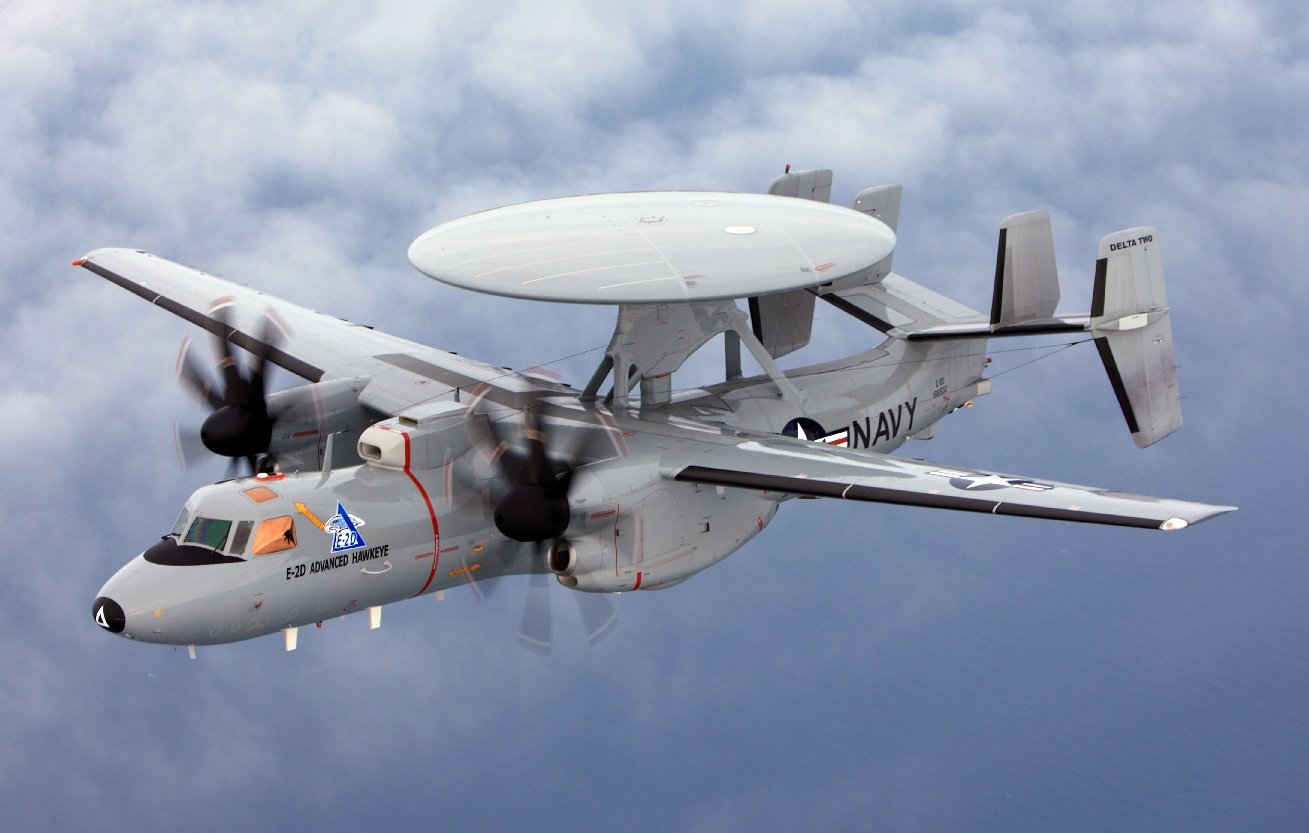 U.S. Navy Awards Northrop Grumman $1.2 Billion Deal for Three New E-2D Advanced Hawkeyes
-
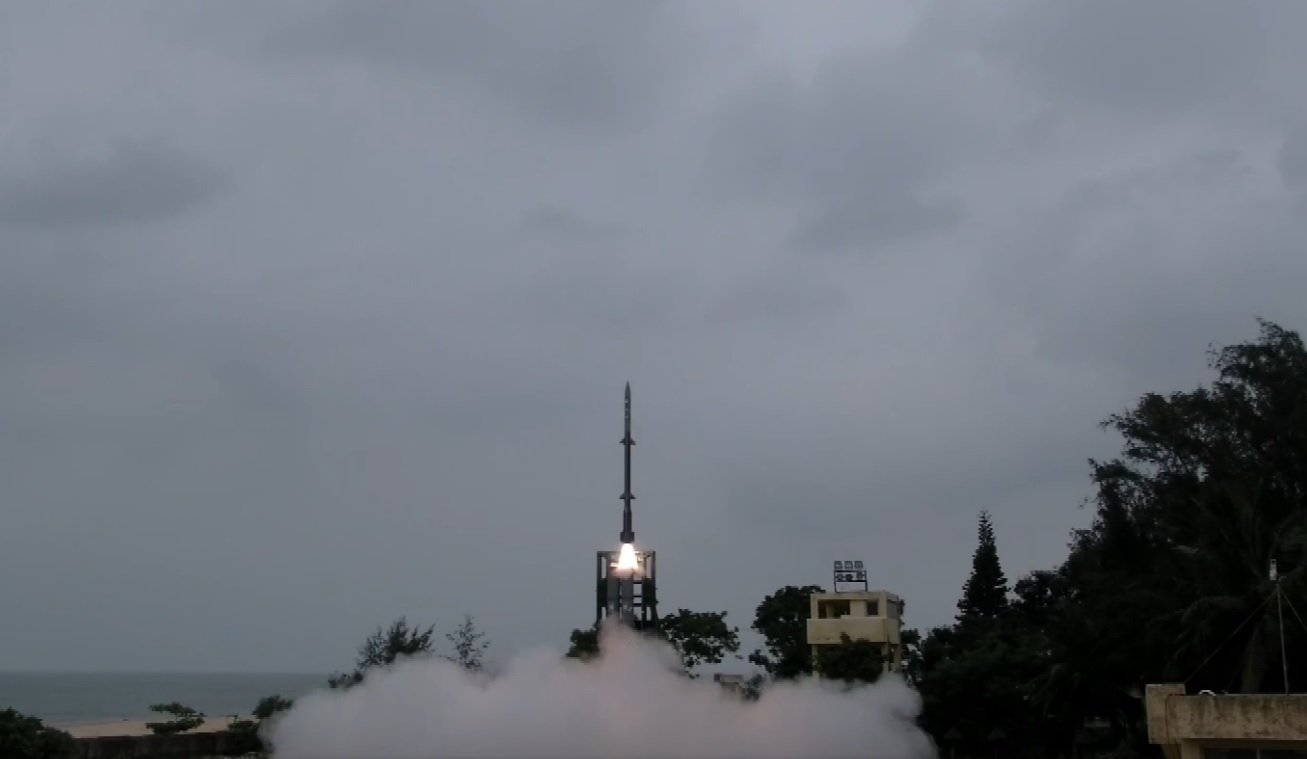 DRDO Successfully Conducts Maiden Flight Test of 150-km-Range Kusha M1 Air Defence Missile
-
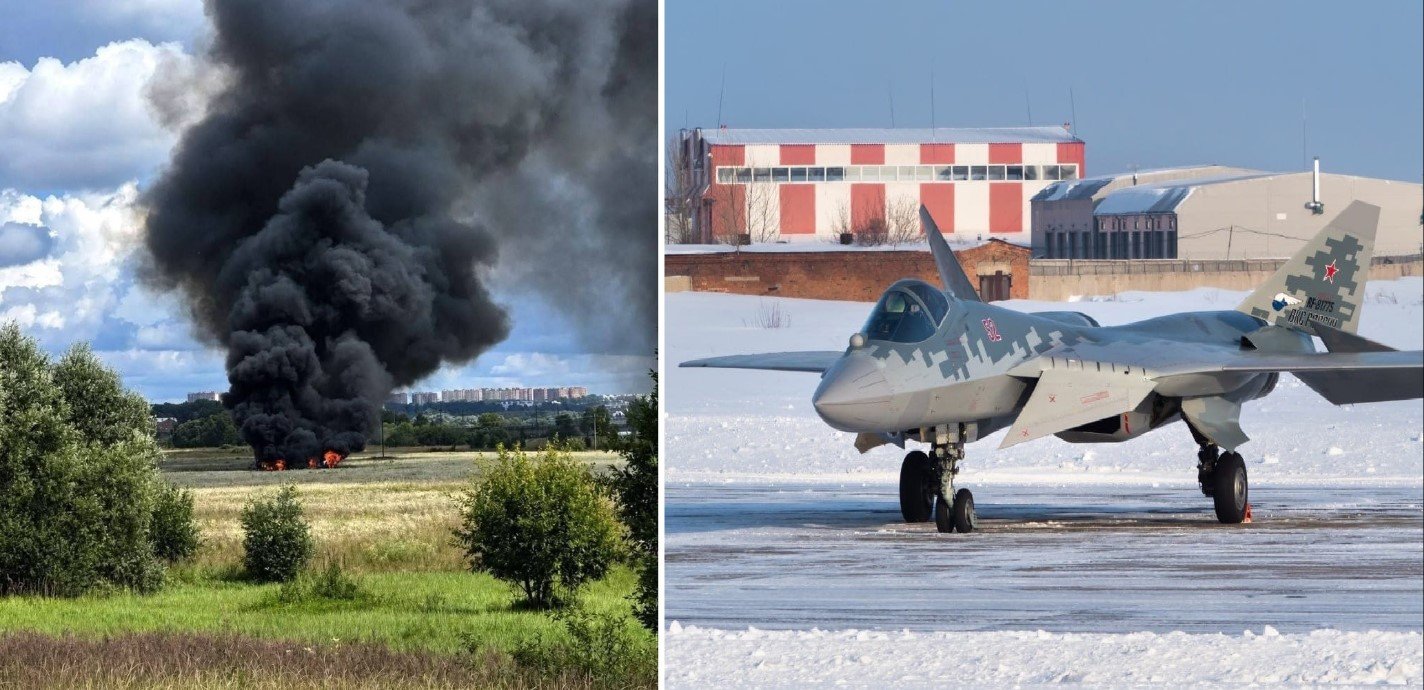 Russian Su-57 Stealth Fighter Crashes During Training Flight Near Moscow, Pilot Ejects Safely
-
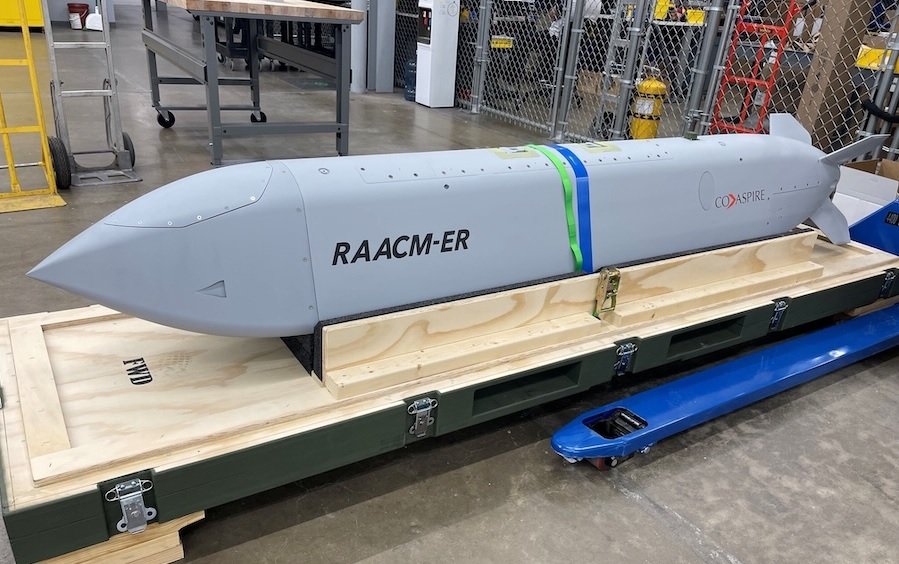 U.S. Navy Selects CoAspire to Build Ground-Launched CHAOS Cruise Missile Under $70 Million Program
-
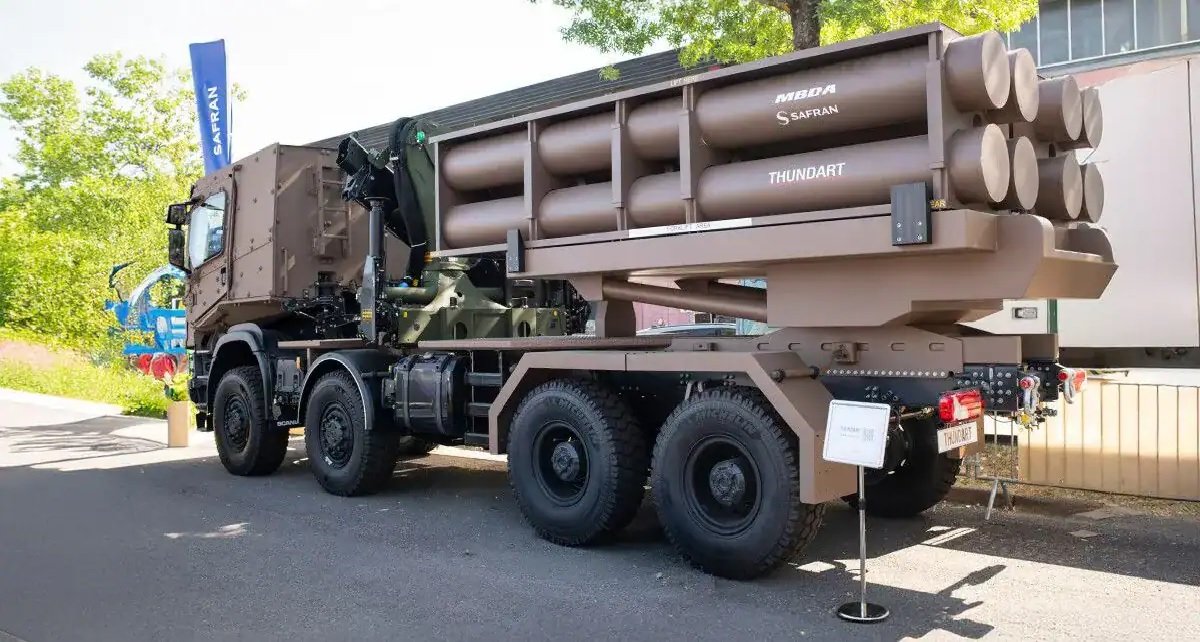 France's THUNDART Long-Range Rocket System May Undergo Prototype Combat Testing in Ukraine
-
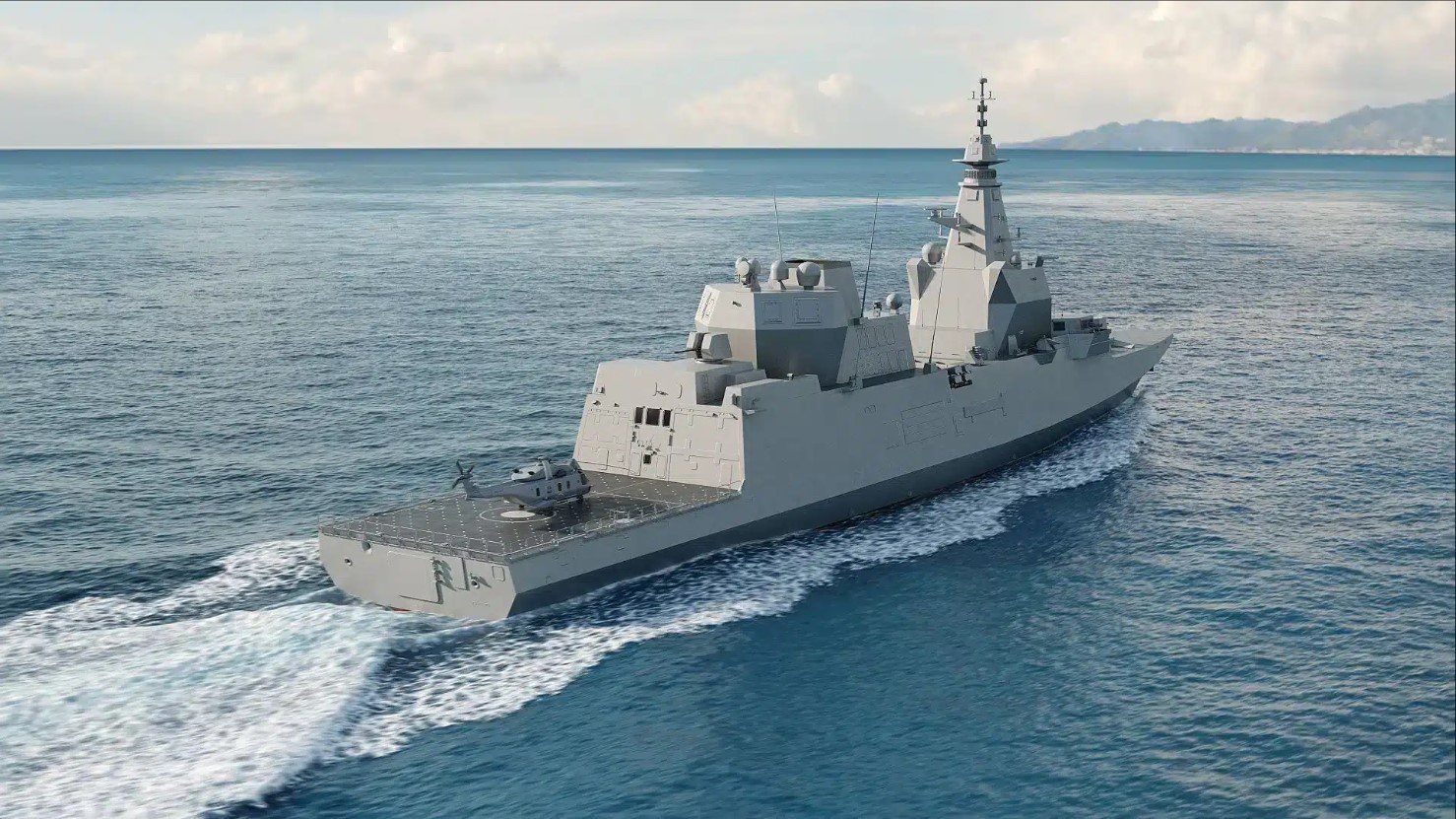 Portugal Orders Three FREMM EVO Frigates from Italy in €3.9 Billion Naval Deal
-
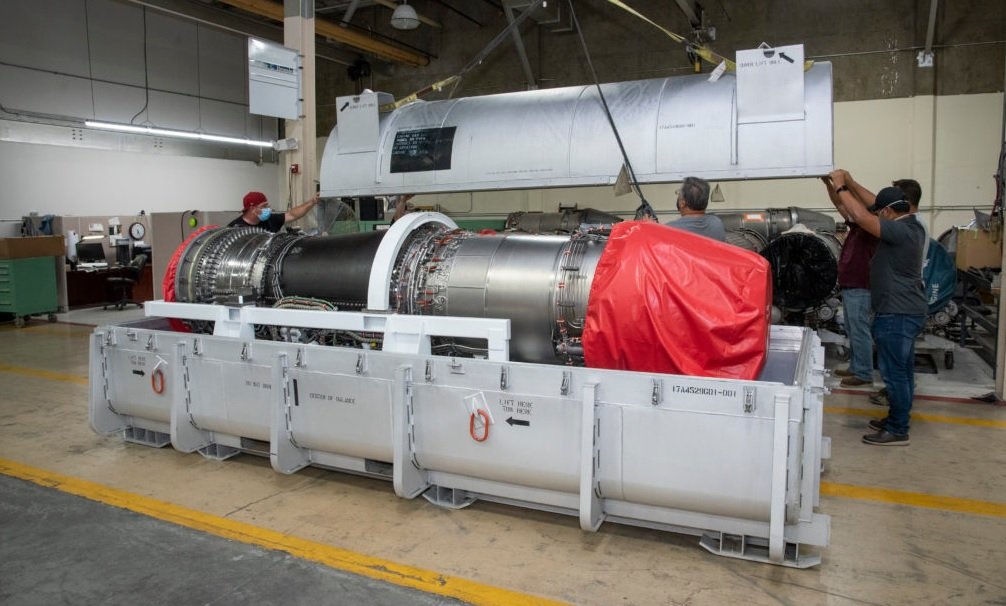 GE Aerospace and Magellan Aerospace Corporation Sign Strategic MoU for F414 Engine Sustainment in Canada
-
 Destinus Unveils Vorexon Interceptor Concept to Defend Critical Sites from Artillery Threats
Top Trending in 4 Days
-
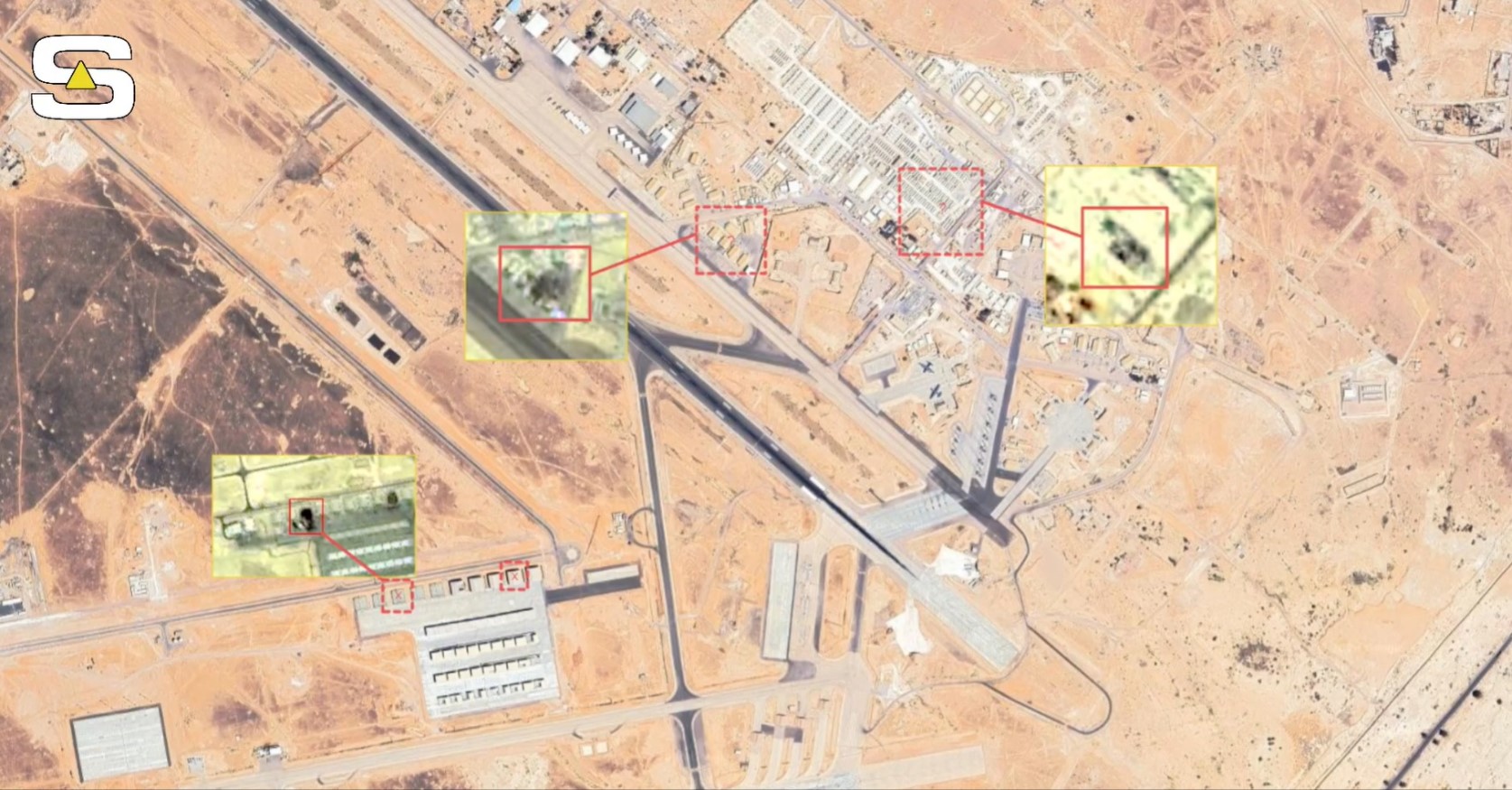 New Satellite Imagery Reveals Extensive Damage at Jordan's Muwaffaq al-Salti Air Base After Iranian Missile Strike
-
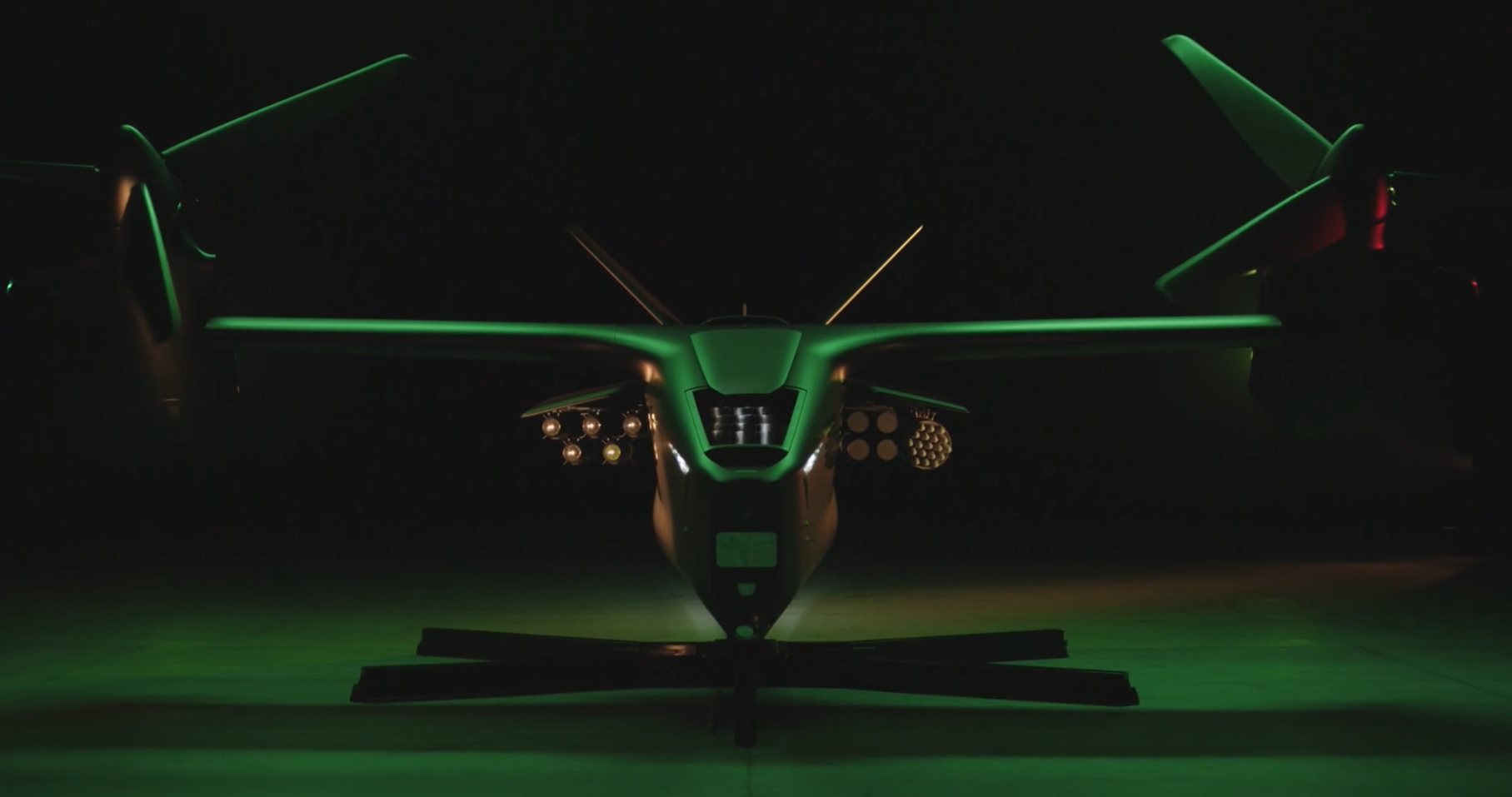 Anduril Unveils Thunder Autonomous Attack Rotorcraft Built with Archer Aviation to Support Apache Helicopters
-
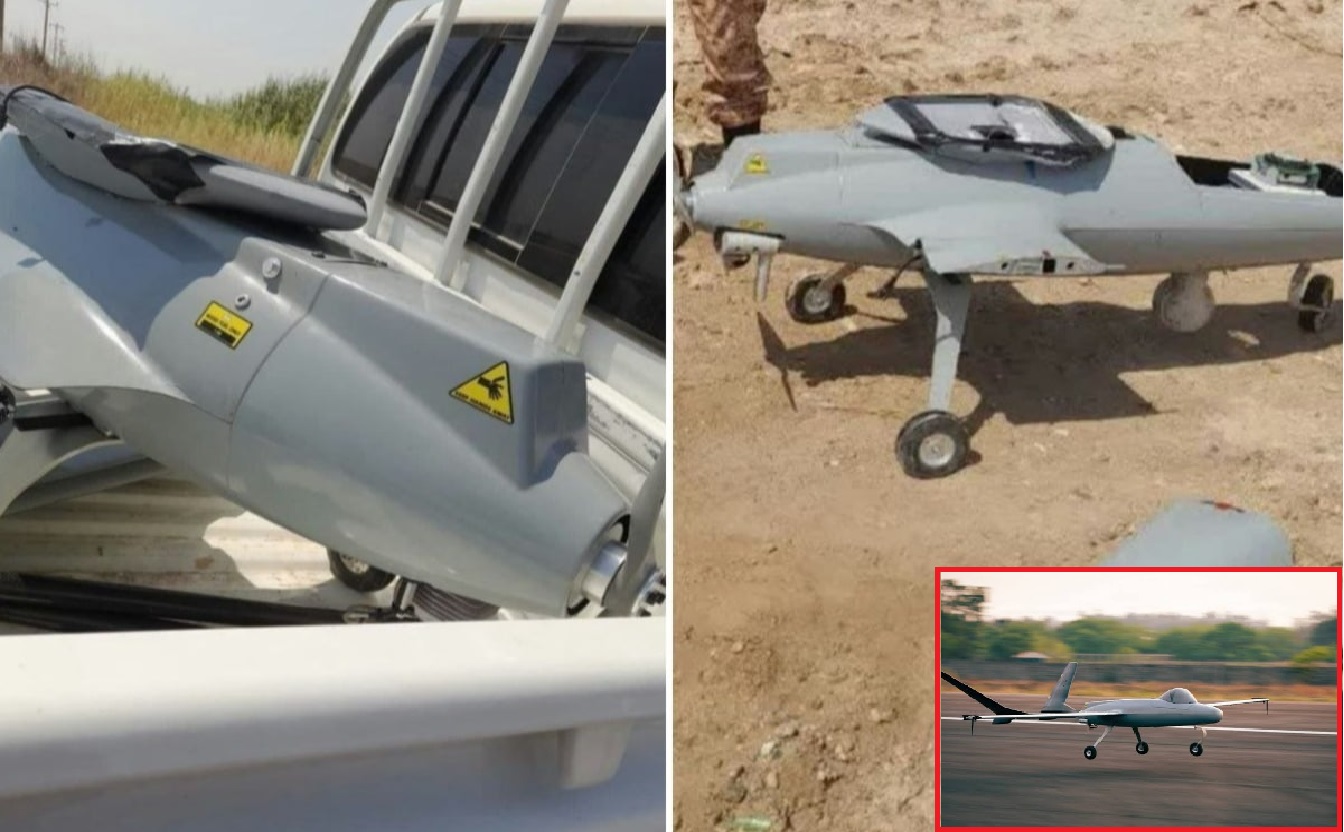 Iran Claims It Shot Down U.S.-Operated Polish-Built Tiguar-M Drone, Releases Images
-
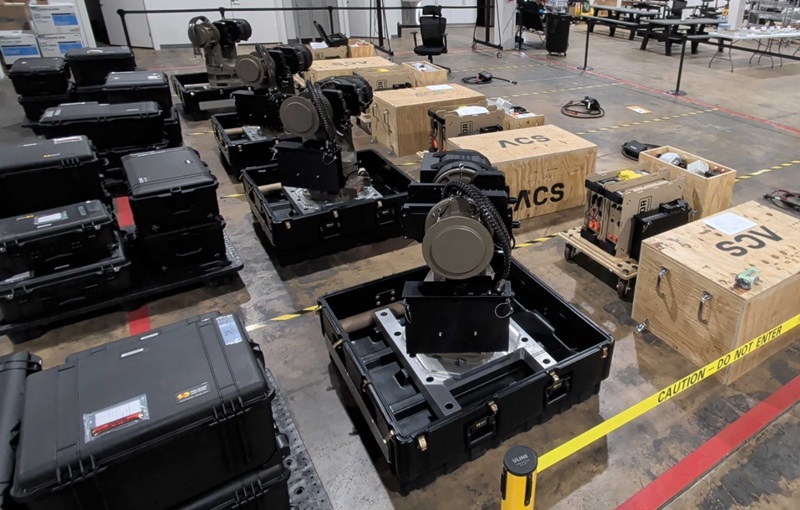 U.S. Marine Corps Selects AI-Powered Bullfrog Weapon Station for L-MADIS Counter-Drone Platform
-
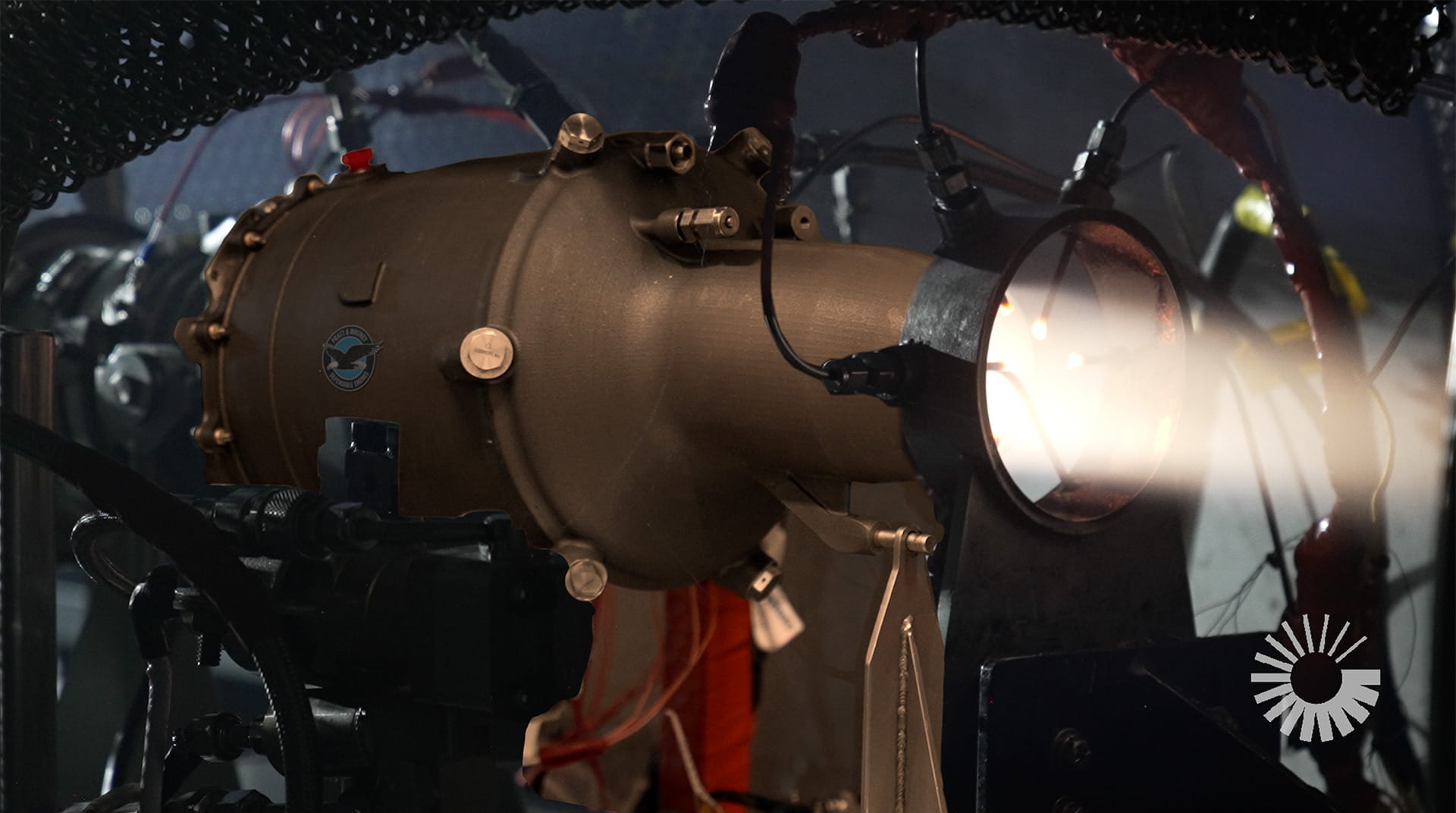 Pratt & Whitney Completes Testing of 3D-Printed TJ150 Engine for Military Applications
-
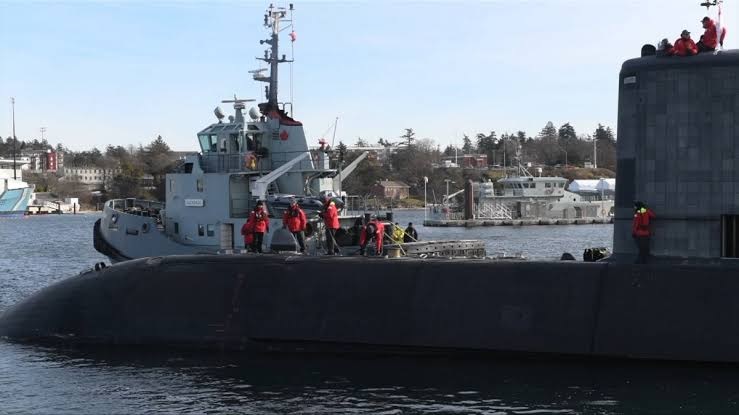 Canada Awards Babcock $1.1 Billion Six-Year Contract Extension to Support Victoria-Class Submarine Fleet
-
 Lockheed Martin Unveils MORFIUS X-Rotor High-Power Microwave System That Can Neutralize 50+ Drones in One Flight
-
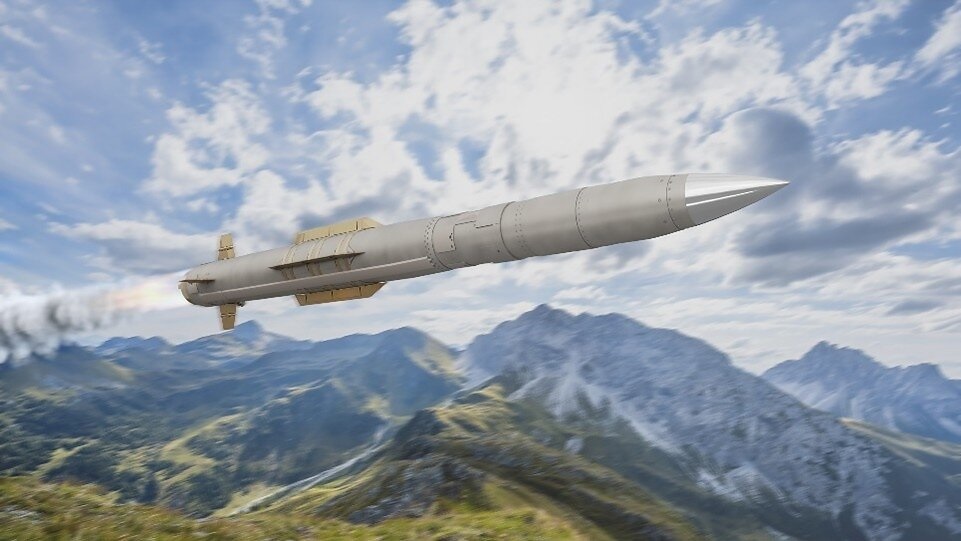 Lockheed Martin Unveils Lower-Cost PAC-3 ACE Interceptor for Patriot Air Defense System
