World
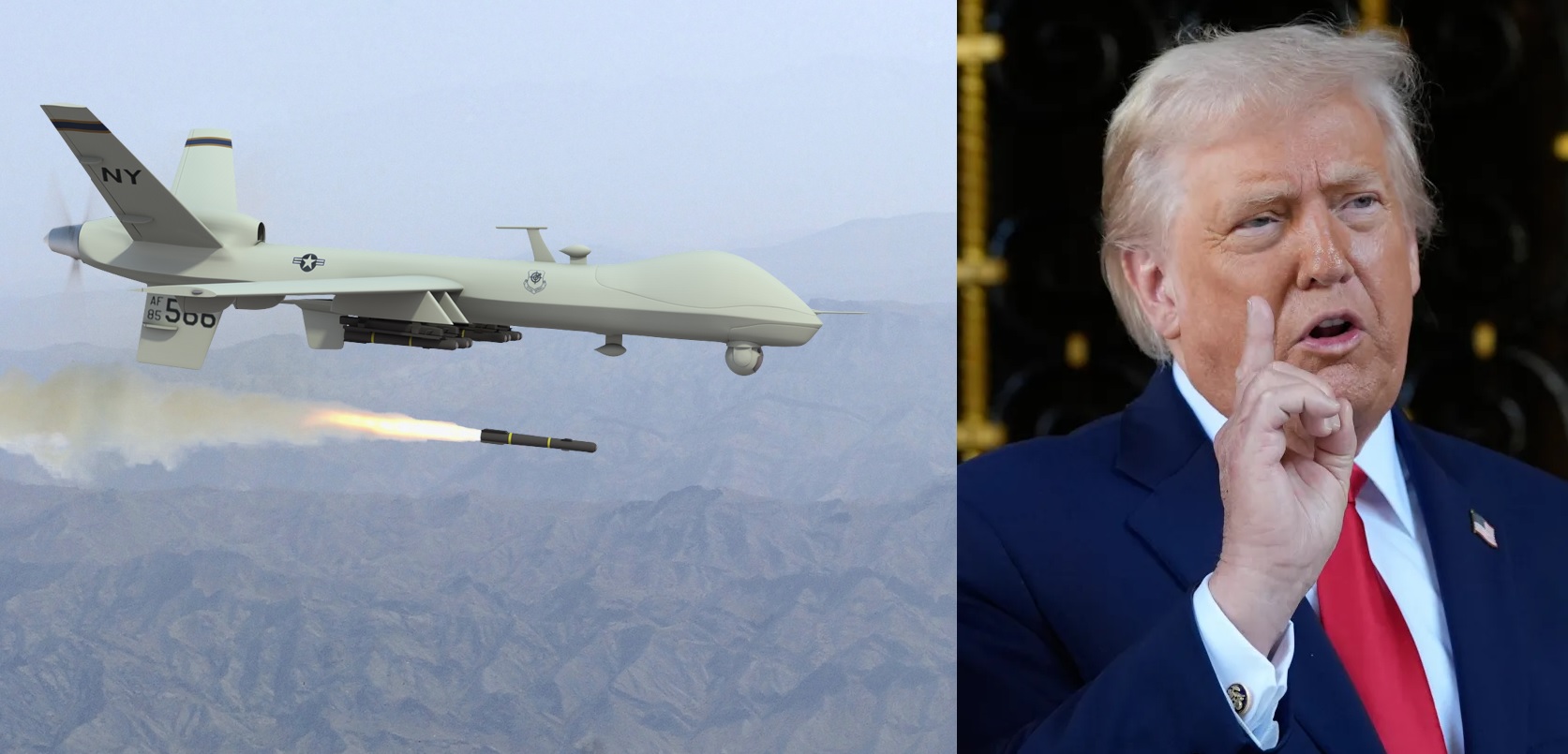
Washington / Caracas: The United States has quietly carried out what appears to be its first known drone strike inside Venezuela, targeting a coastal port facility believed to be linked to drug-trafficking networks, according to multiple sources familiar with the matter. The operation, attributed to the Central Intelligence Agency, marks a significant escalation in Washington’s counter-narcotics posture in the Caribbean region and introduces new diplomatic and legal questions in an already strained U.S.–Venezuela relationship. Sources cited by CNN said the drone strike took place earlier this month against a remote dock facility on Venezuela’s coastline, believed by U.S. authorities to be used as a logistics node for maritime drug shipments. The facility was reportedly associated with the Tren de Aragua, a transnational criminal organization that U.S. officials have increasingly linked to narcotics trafficking and organized crime across the Americas. Conflicting Accounts on Military Involvement Two individuals familiar with the operation told CNN that U.S. Special Operations Forces provided intelligence support, underscoring continued American involvement in counter-drug activities near Venezuelan territory. However, that claim was publicly denied by Col. Allie Weiskopf, a spokesperson for U.S. Special Operations Command, who stated that Special Operations did not support the mission, “to include intel support.” The denial highlights the opaque nature of the operation, with no formal acknowledgment from the Pentagon or the CIA, and no release of imagery, strike footage, or after-action details. Trump Statement Triggers Scrutiny Public attention intensified after Donald Trump made a brief but striking claim on December 29, 2025, saying the United States had “hit” and destroyed a dock or coastal loading area in Venezuela, describing a “major explosion.” The president did not disclose the location, the platform used, the type of munition, or whether the strike was conducted by the U.S. military or another government agency. That statement, coupled with subsequent media reporting, has been interpreted as tacit confirmation of a U.S. lethal action on Venezuelan soil, something Washington has previously avoided even amid years of sanctions, covert pressure, and maritime drug interdictions. Target, Tactics, and Likely Weapons According to CNN’s reporting, the dock was unoccupied at the time of the strike, resulting in no casualties. U.S. officials believed the site was used to store narcotics, refuel boats, and transfer drug consignments onto small vessels for onward shipment through Caribbean trafficking routes. Military analysts note that such remote boat-loading docks present compact, high-value aimpoints, including pier decking, fuel storage, and small craft, making them suitable for precision engagement. A medium-altitude, long-endurance armed drone is considered a plausible platform, given its ability to conduct extended surveillance and strike when a site is clear of civilians. A precision missile, such as a Hellfire-class weapon, would align with the reported level of destruction, with the described “major explosion” potentially caused by secondary fires or fuel ignition rather than the warhead alone. However, U.S. officials have not confirmed the platform or munition used, and all assessments remain informed inference, not verified fact. Legal and Diplomatic Implications The strike represents a sharper and more unilateral turn in U.S. counter-narcotics enforcement. Conducting a covert drone strike inside Venezuela, a country with which the United States has no formal security cooperation, raises questions under international law, particularly regarding sovereignty and the use of force outside active armed conflict zones. Caracas has not issued a detailed public response, but any confirmed U.S. attack could further inflame tensions with Venezuela, whose government has long accused Washington of covert aggression and regime-change operations. A Broader Shift in U.S. Counter-Narcotics Strategy The operation suggests a potential expansion of U.S. drone use beyond traditional theaters such as the Middle East and Africa, into the Western Hemisphere. While the United States has routinely conducted maritime interdictions, surveillance flights, and partner-nation operations in the Caribbean, direct kinetic action inside Venezuela would represent a notable policy shift. For now, the strike remains unacknowledged in official channels, but its implications are significant: a signal that Washington may be prepared to act unilaterally and covertly against perceived drug-trafficking infrastructure, even inside politically hostile states. As more details emerge, the incident is likely to face intense scrutiny from lawmakers, legal experts, and regional governments—testing the boundaries of U.S. counter-narcotics authority in the Americas.
Read More → Posted on 2025-12-30 15:47:10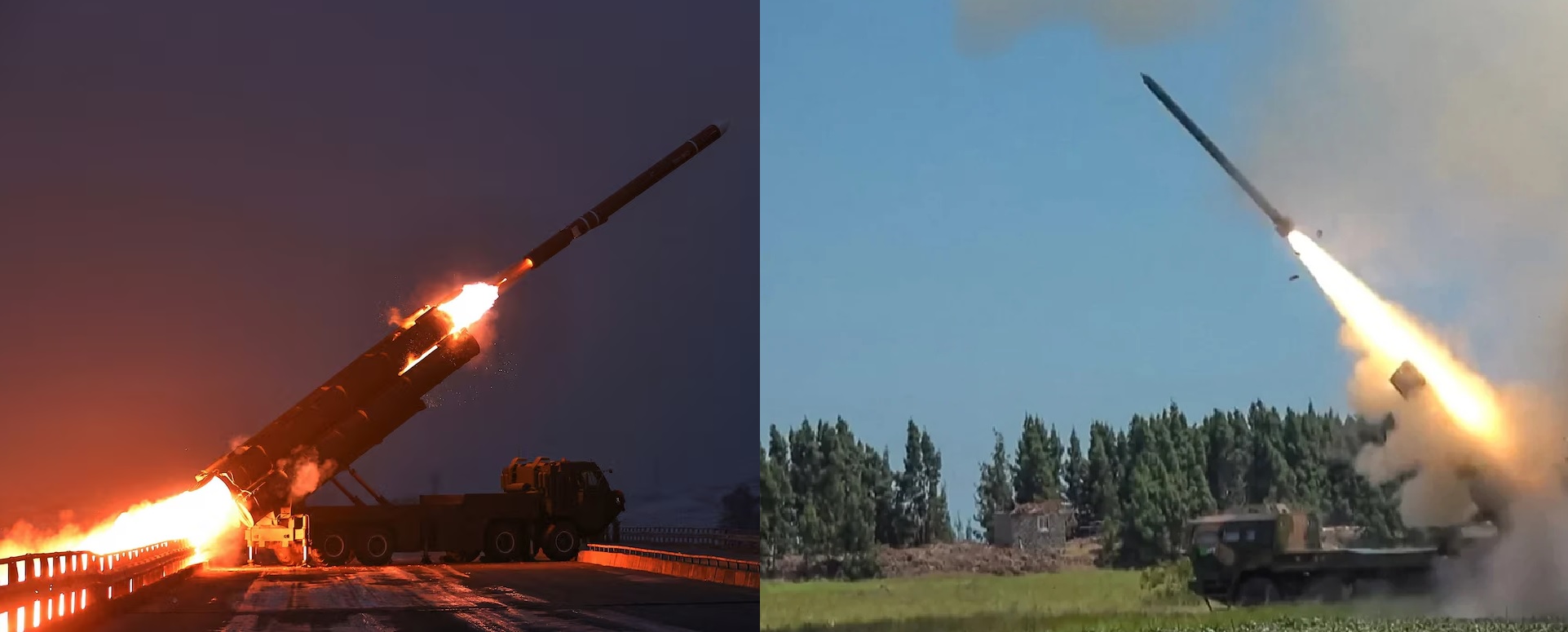
World
Beijing / Taipei : China’s People’s Liberation Army (PLA) has conducted long-range live-fire rocket launches from its southeastern coast, firing multiple salvos from PCL-191 modular multiple launch rocket systems (MLRS) deployed in Fujian province as part of large-scale military exercises dubbed “Justice Mission 2025.” The rockets were launched toward designated maritime zones north of Taiwan, with impacts reported in open ocean waters, sharply escalating already high cross-strait tensions. Video footage released by Chinese state media showed PLA Rocket Force units firing a reported 16 long-range rockets from truck-mounted PCL-191 launchers positioned along the coastline facing Taiwan. Defence analysts note that the PCL-191 (also known as PHL-191) is a modern, modular rocket artillery system capable of firing guided and unguided munitions with ranges sufficient to strike targets across the Taiwan Strait. Chinese military sources also indicated that a CH-4 (Rainbow-4) unmanned aerial vehicle (UAV) was used for reconnaissance, targeting, and battle damage assessment, highlighting the PLA’s growing emphasis on network-centric and joint warfare operations integrating rockets, drones, naval forces, and combat aircraft. Beijing Issues ‘Stern Warning’ In an official statement, the PLA Eastern Theatre Command described the drills as a “stern warning” against “Taiwan independence separatist forces” and external interference, an apparent reference to recent U.S. arms sales to Taiwan. Chinese officials said the exercises were designed to test precision strike capability, joint firepower coordination, and area-denial operations under realistic combat conditions. Military observers say the inclusion of long-range rocket artillery—rather than only ballistic missiles or air power—signals a deliberate attempt by Beijing to demonstrate scalable coercive options that can apply pressure without immediately crossing the threshold into full-scale conflict. Taiwan Condemns ‘Military Intimidation’ Taiwan’s Ministry of National Defense strongly condemned the launches, calling them “blatant military intimidation” that undermines regional peace and stability. Taipei confirmed that no rockets struck Taiwanese territory, but said its armed forces were placed on heightened alert and closely tracked the launches using joint intelligence, surveillance, and reconnaissance (ISR) systems. In response, Taiwan publicly underscored the readiness of its own long-range strike capabilities, including U.S.-supplied HIMARS (High Mobility Artillery Rocket System) units. Taiwanese officials noted that these systems are capable of reaching coastal areas of Fujian, reinforcing what Taipei described as a credible deterrence posture. Wider Regional Impact The Justice Mission 2025 drills are among the largest and most complex military exercises conducted by China around Taiwan to date, involving naval vessels, combat aircraft, missile forces, and amphibious units operating across multiple zones. Analysts warn that the scale, frequency, and live-fire nature of such exercises significantly increase the risk of miscalculation or accidental escalation in one of the world’s most sensitive geopolitical flashpoints. As the drills continue, regional and international observers are closely watching for signs of further escalation or de-escalation, with many viewing the rocket launches as a clear message from Beijing that military pressure on Taiwan is becoming more explicit, more integrated, and more routine.
Read More → Posted on 2025-12-30 15:22:48
World
A sharp and unusual public rupture has erupted between Saudi Arabia and the United Arab Emirates (UAE) after a Saudi-led coalition airstrike hit Yemen’s southern port city of Mukalla on Tuesday, December 30, 2025, targeting what Riyadh said was an unauthorised weapons and armored-vehicle shipment linked to UAE-backed southern separatists. According to Reuters and AP, Saudi Arabia framed the incident as a direct national security issue, warning that its security is a “red line” and accusing Abu Dhabi—implicitly and then more directly—of actions that could destabilise the anti-Houthi coalition from within. The strike followed reports of two Emirati ships arriving and unloading cargo that Saudi officials said was destined for the Southern Transitional Council (STC), a powerful separatist movement backed by the UAE. The UAE denied the core allegation, saying it had sent vehicles for its own forces and urged restraint. The “24-Hour” Ultimatum—and a Wider Clampdown The most dramatic escalation came with a 24-hour demand for UAE forces to withdraw from Yemen, issued amid the crisis by the Saudi side and echoed through Yemen’s Saudi-aligned political leadership. Reuters reported that Yemen’s presidential council head, Rashad al-Alimi, cancelled a defence pact with the UAE and accused Abu Dhabi of fuelling internal conflict by empowering the STC. The fallout quickly expanded beyond rhetoric. Reuters reported a 72-hour no-fly zone and a widening ground and sea blockade across Yemeni entry points, underscoring how rapidly the dispute has shifted from political friction to operational pressure. Separate reporting also described emergency measures around Mukalla following the strikes. Why Mukalla Matters: Yemen’s Fractured Anti-Houthi Front Mukalla sits in Yemen’s south, where the war is not just a fight between the Iran-aligned Houthis and the internationally recognised government, but a multi-layered contest among rival anti-Houthi factions. The UAE’s long backing of the STC has repeatedly clashed with Saudi preferences for a unified, Saudi-aligned Yemeni government structure. This week’s escalation is being read by diplomats and analysts as a moment when those contradictions have broken into the open—potentially handing the Houthis a strategic advantage if the anti-Houthi coalition fractures further. If Riyadh and Abu Dhabi Clash, Where Does Pakistan Stand? The Saudi–UAE crisis lands uncomfortably in Islamabad because Pakistan is deeply tied to both capitals, but in different ways—security with Saudi Arabia and financial stabilisation with the UAE, alongside broader Gulf links. Pakistan’s defence relationship with Riyadh has been reinforced recently by a reported Strategic Mutual Defense Agreement (SMDA) signed on September 17, 2025, formalising long-standing military cooperation and signalling that Saudi Arabia views Pakistan as a core security partner. At the same time, the UAE remains a crucial economic backer at moments of acute pressure. Pakistan’s central bank confirmed the UAE rolled over $2 billion in deposits—two $1 billion placements—for another year in January 2025, providing immediate breathing room for Pakistan’s reserves and debt calendar. Islamabad has also pursued wider Emirati economic engagement. Reuters previously reported Pakistan’s prime minister’s office said the UAE had committed $10 billion in investments (with sector details not fully specified at the time), highlighting how Pakistan sees Abu Dhabi not only as a lender but as a potential long-term investor. The Likely Pakistani Playbook: Quiet Diplomacy, No Public “Pick a Side” Given the stakes, Pakistan is unlikely to publicly choose one partner over the other—at least in the near term. Instead, Islamabad’s most realistic strategy is to lean on three familiar tools. First, silence and caution: Pakistan typically avoids amplifying intra-Gulf disputes in public statements, particularly when both sides are essential for external financing and migrant-worker remittances. Second, back-channel reassurance: Pakistan can privately reassure Riyadh that existing defence cooperation remains intact—especially under the post-2025 framework—while simultaneously signalling to Abu Dhabi that Pakistan’s economic partnership and investment facilitation remain separate from Gulf political rivalries. Third, multilateral cover: If the Saudi–UAE rift widens, Pakistan may prefer to position itself behind broader calls for de-escalation—through the UN or regional diplomacy—rather than bilateral alignment that could jeopardise either defence cooperation with Saudi Arabia or vital financial rollovers from the UAE. What Happens Next: A Test of Gulf Cohesion—and Pakistan’s Crisis Diplomacy The immediate question is whether the 24-hour withdrawal demand becomes a stepping stone to negotiation—or a trigger for escalation at sea and in the air around southern Yemen’s ports. The broader question is whether this dispute remains contained to Yemen, or spills into other theatres where Riyadh and Abu Dhabi have diverging interests. For Pakistan, the risk is not only diplomatic embarrassment but material: any prolonged Saudi–UAE confrontation could complicate the very debt rollovers, reserve support, and investment flows that Pakistan relies on to stay afloat—while simultaneously testing the durability of its deepening security alignment with Riyadh.
Read More → Posted on 2025-12-30 14:15:05
World
MOSCOW / KYIV : Russia has accused Ukraine of attempting a large-scale UAV strike on one of President Vladimir Putin’s state residences in northwestern Russia, alleging that 91 long-range drones were launched toward the site and that all were destroyed by Russian air defenses. Ukraine has flatly rejected the allegation, saying Moscow has offered no evidence and warning the claim could be used as a pretext for new Russian attacks, including on Kyiv. What Russia Says Happened Russian Foreign Minister Sergei Lavrov said the alleged incident took place in the early hours of December 29, with drones aimed at a presidential residence in Russia’s Novgorod region—often described in media reports as linked to Putin’s Valdai area retreat. Lavrov called the episode an act of “state terrorism” and said it would force Moscow to reassess its negotiating posture, while still claiming Russia would not abandon the ongoing diplomatic track. Russian state media accounts and secondary reports citing the Russian Defense Ministry provided a more detailed breakdown of interceptions, saying 49 drones were downed over Bryansk, while 18 were intercepted over Novgorod up to 7:00 a.m. Moscow time, followed by another 23 between 7:00 a.m. and 9:00 a.m. Some Ukrainian and independent reporting also flagged inconsistencies in Russia’s public tallies, noting that separate official statements referenced different totals for drones intercepted that night, even as Lavrov publicly cited 91. Ukraine’s Response: “Fabrication” and a Warning of Escalation Ukrainian President Volodymyr Zelenskyy dismissed Russia’s accusation as false, describing it as another round of Russian disinformation intended to undermine diplomacy and justify further strikes. Ukrainian officials and several outlets emphasized that Moscow has not released verifiable evidence—such as imagery, wreckage documentation tied to the alleged flight paths, or independent corroboration—supporting the claim that Putin’s residence was the intended target. Separate reporting noted that residents in the Valdai area reported no visible signs consistent with the dramatic account described by Russian officials, adding to questions around the incident’s verifiability. Lavrov: Retaliation “Targets and Timing” Decided Lavrov’s most consequential statement was his assertion that Russia has already determined the “targets” and “timing” of a retaliatory strike in response to the alleged attack. While he did not name specific locations, the warning landed amid heightened concern in Ukraine about potential renewed strikes on government and command sites in Kyiv and other major cities. Diplomacy in the Background, Uncertainty in the Foreground The claims and counterclaims have surfaced as international efforts to explore a negotiated end to the war remain active, with Russia signaling it could harden its stance while Ukraine argues Moscow is attempting to derail talks through escalation messaging. Reuters reported that it remained unclear whether Putin was at the residence at the time, and independent confirmation of the alleged targeting has not been established publicly. Why This Matters Now If Russia proceeds with a major retaliatory strike, it would further intensify a war already marked by expanding long-range drone operations and reciprocal attacks deep behind front lines. Analysts quoted by Australia’s ABC said the episode—at least as described by Moscow—“made no sense,” underscoring the uncertainty surrounding what occurred and why it was announced in such stark terms. For now, the episode stands as a high-stakes information battle: Moscow framing an alleged 91-drone operation as terrorism against the head of state, and Kyiv calling it a manufactured narrative designed to justify the next wave of strikes
Read More → Posted on 2025-12-30 13:57:55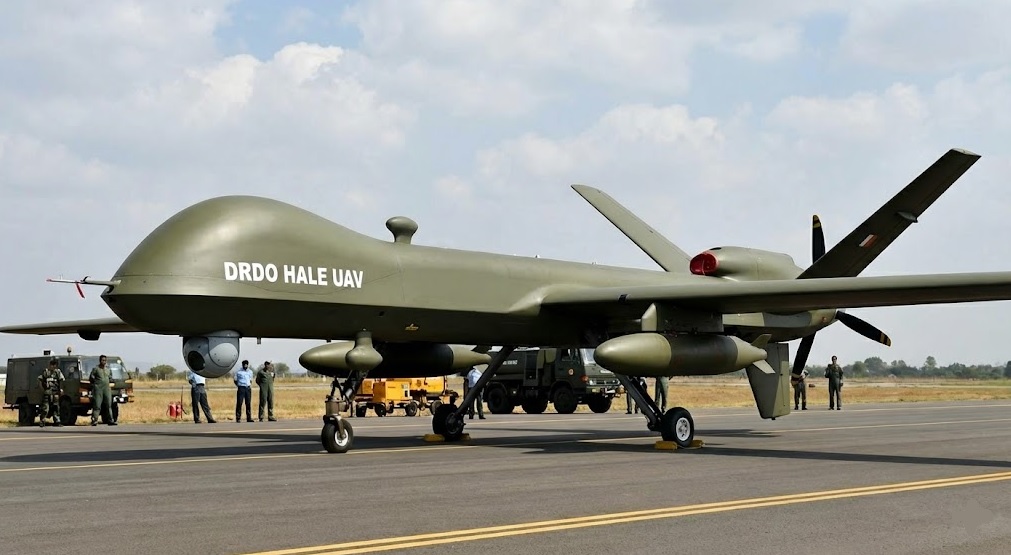
India
New Delhi: India has taken a significant step towards building a sovereign, high-end unmanned aerial capability with the Aeronautical Development Establishment (ADE) under the Defence Research and Development Organisation (DRDO) issuing an Expression of Interest (EoI) to identify an Indian Development-cum-Production Partner (DcPP) for its High Altitude Long Endurance – Remotely Piloted Aircraft System (HALE-RPAS) programme. The EoI formally invites Indian vendors and consortia to participate in the development and subsequent production of what is envisaged as a 6-ton class unmanned aerial vehicle, marking one of the most ambitious indigenous UAV programmes ever undertaken by India. The tender, identified as ADE/MMD/EOI-03/HALE-RPAS/25-26, was issued on December 24, 2025, with a bid submission deadline of January 28, 2026. A pre-bid meeting is scheduled for January 9, 2026, and the opening of bids is planned for January 29, 2026, at ADE, New Thippasandra Post, Bengaluru – 560075. The HALE-RPAS is designed as a long-endurance ISTAR platform—Intelligence, Surveillance, Target Acquisition and Reconnaissance—with an integrated strike capability, enabling both persistent monitoring and precision engagement roles. The programme specifies a maximum all-up weight of approximately 6 tonnes, placing the aircraft in the strategic HALE category. According to the technical outline released with the EoI, the UAV will feature a single turboprop engine mounted in a pusher configuration, a layout chosen to maximise aerodynamic efficiency, reduce sensor interference, and enhance endurance. The aircraft will have an approximate wingspan of 25 metres, optimised for high-aspect-ratio lift required for extended high-altitude operations. The airframe is planned to be predominantly composite, enabling reduced structural weight, improved fatigue life, and enhanced mission adaptability. The platform will incorporate advanced avionics, autonomous flight management systems, secure line-of-sight and beyond-line-of-sight data links, and full integration with a modern ground control system designed for sustained, multi-mission operations. Operationally, the HALE-RPAS is being designed for missions at around 40,000 feet altitude, enabling wide-area surveillance, persistent target tracking, and improved survivability. The payload architecture is expected to support electro-optical and infrared sensors, synthetic aperture radar, maritime surveillance radar, electronic intelligence suites, and air-to-ground precision weapons, giving the platform a true multi-role ISTAR-plus-strike capability. The programme roadmap clearly defines the Design and Development (D&D) phase, under which five flying aircraft and two complete ground systems will be developed. This phase will include ground testing, flight trials, sensor and weapon integration, and mission system validation. Airworthiness and quality assurance will be conducted under the oversight of Centre for Military Airworthiness and Certification (CEMILAC) and Directorate General of Aeronautical Quality Assurance (DGAQA), ensuring the HALE-RPAS meets Indian military aviation standards across structure, propulsion, avionics, and weapon systems. Upon successful completion of development, testing, and certification, the programme explicitly envisages procurement through the Development-cum-Production Partner (DcPP) route, allowing the selected Indian industry partner to transition the platform into series production, lifecycle support, and future upgrades. The issuance of the EoI comes at a time when India is simultaneously inducting imported HALE systems for immediate operational needs, while pushing indigenous development to ensure long-term strategic autonomy. In this context, the ADE-led HALE-RPAS programme is intended to establish domestic capability in large UAV design, high-altitude aerodynamics, turboprop propulsion integration, autonomous mission systems, and certification of complex unmanned aircraft. For Indian industry, the project represents a once-in-a-generation opportunity to participate in the complete lifecycle of a strategic-class unmanned aircraft, from development and flight testing to production and sustainment. For the armed forces, the HALE-RPAS promises a persistent, high-altitude surveillance and strike platform capable of operating across land and maritime domains, significantly strengthening India’s situational awareness and deterrence posture. With the EoI now issued and timelines clearly defined, the HALE-RPAS programme has moved from concept into a structured industrial phase, setting the foundation for India’s first indigenous 6-ton, 40,000-ft-class HALE unmanned combat-capable aerial system.
Read More → Posted on 2025-12-30 13:44:09
India
New Delhi : India has issued a Notice to Airmen (NOTAM) reserving a designated block of airspace for an upcoming Indian Air Force (IAF) exercise near the southern sector of the India–Pakistan border, according to aviation notifications circulated to civil air operators. The NOTAM will be in effect from 20 January to 21 January 2026, with the restricted airspace active from 14:30 UTC on 20 January until 18:00 UTC on 21 January. The notified zone covers parts of Gujarat and extends westward over the Arabian Sea, an area that lies close to established international and domestic civilian air traffic routes. The reserved airspace is located opposite Pakistan and includes regions south of Ahmedabad and near Rajkot, highlighting the strategic sensitivity of the exercise area. Aviation authorities are expected to reroute civilian flights during the NOTAM window to maintain safety while military flying operations are underway. No official details have been released regarding the scale or specific objectives of the exercise. However, airspace reservations of this size are typically associated with planned Indian Air Force training activities, which may involve fighter aircraft, support platforms, and coordinated air operations in both inland and coastal sectors. Such NOTAMs are a routine aviation safety measure and form part of standard international practice whenever military exercises are conducted in shared airspace. They are issued well in advance to ensure coordination with civil aviation authorities and airlines and do not, by themselves, indicate any escalation. The NOTAM is scheduled to expire on 21 January 2026, after which the reserved airspace will be reopened for normal civilian air traffic operations.
Read More → Posted on 2025-12-30 13:23:20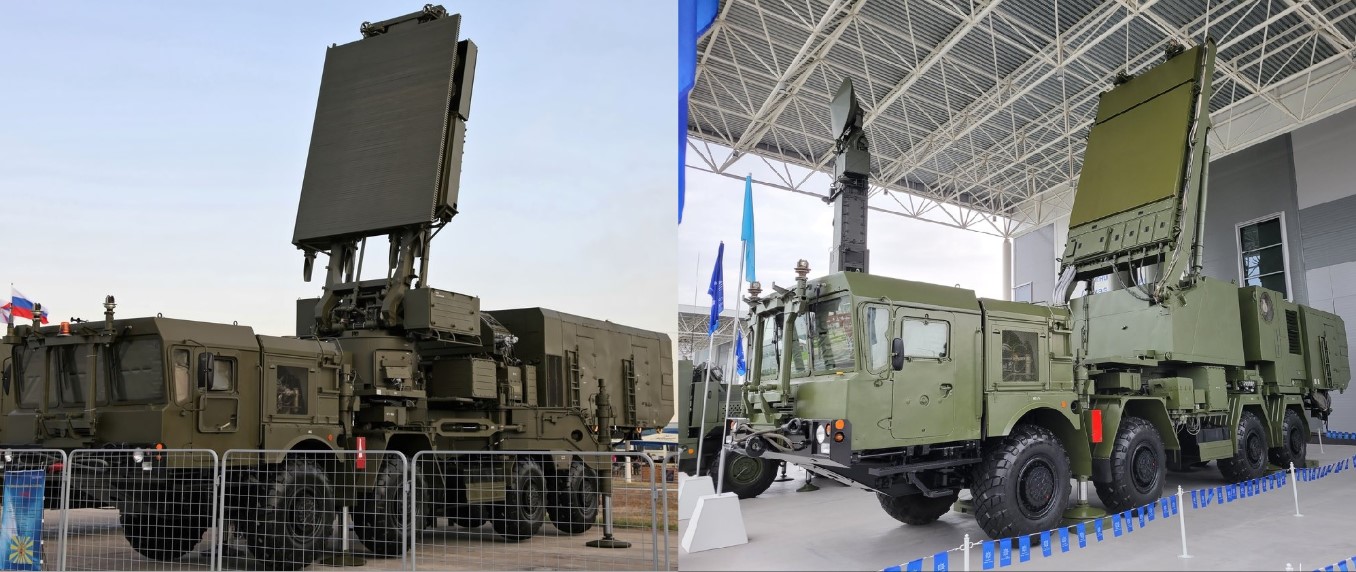
World
Moscow : Russia has taken a major step in strengthening its Integrated Air Defence (IAD) network with the development and integration of two advanced AESA (Active Electronically Scanned Array) radars for its frontline S-350 and S-400 surface-to-air missile (SAM) systems. The new radars significantly enhance detection range, survivability, electronic-warfare resistance, and hypersonic tracking, reflecting a broader push to modernise Russian air defence architecture. 96L6-TsP AESA Radar Strengthens S-350 Vityaz The first system, the 96L6-TsP AESA radar, has been developed specifically for the S-350 Vityaz medium-range air defence missile system. This radar represents a next-generation evolution of the 96L6 family, transitioning from traditional PESA designs to a fully active phased-array configuration. According to available technical details, the 96L6-TsP consists of two independent AESA panels—one dedicated to transmission and the other to reception—combined with three 96L6-VP passive modules. The radar makes extensive use of modern Russian gallium-arsenide (GaAs) microwave electronics, improving sensitivity, reliability, and resistance to jamming. A key operational advantage lies in the 96L6-VP passive modules, which allow the S-350 system to remain on covert combat alert even when the central radar post and the 50N6A multifunction engagement radar are switched off. This capability is designed to reduce electromagnetic signature and enhance survivability against anti-radiation missiles. Mounted on special folding towers extending to heights of 15–20 metres, the passive modules enable the detection and precise localisation of low-observable cruise missiles and active airborne radars. This includes threats such as SCALP-EG, Taurus, and Storm Shadow stand-off missiles, which rely on terrain-hugging flight profiles and reduced radar cross-sections. Yenisei AESA Radar Integrated with S-400 The second and more powerful development is the Yenisei AESA radar, initially designed for the S-500 Prometey strategic air and missile defence system. Russia has now begun integrating this radar with the S-400 Triumf, dramatically expanding the system’s surveillance and tracking envelope. The Yenisei is based on a multi-element, jam-resistant AESA architecture, optimised for long-range detection and engagement support against ballistic, hypersonic, and aerodynamic targets. The radar is reportedly capable of tracking targets at altitudes up to 120 kilometres and at speeds of 4,800 m/s (17,280 km/h), with future growth potential to 7,000 m/s (25,200 km/h). In terms of detection performance, the figures mark a substantial leap: Low-observable targets with an RCS of 0.05 m² can be detected at distances of up to 200 km Extremely stealthy objects with an RCS of around 0.01 m² are detectable at up to 150 km, nearly twice the range of standard S-400 radars Conventional aircraft and helicopters with an RCS of about 5 m² can be detected at ranges of 550–600 km These capabilities significantly improve the S-400’s effectiveness against stealth aircraft, stand-off weapons, and hypersonic glide vehicles. Electronics and Materials Breakthroughs The enhanced performance of the Yenisei AESA radar is attributed to Russian advances in high-power, low-noise microwave transistors built on LTCC (Low Temperature Co-Fired Ceramic) substrates. These heat-resistant ceramics allow for higher power density, improved thermal management, and greater long-term reliability. Technologically, the Yenisei represents a direct evolutionary step from earlier Russian radar systems such as the RLM-S and 96L6 PESA radars, combining their proven design philosophies with modern AESA processing, digital beam-forming, and electronic-counter-countermeasures (ECCM). Strategic Impact The introduction of the 96L6-TsP and Yenisei radars significantly strengthens Russia’s layered air defence concept. The S-350, enhanced with passive detection and AESA surveillance, gains greater survivability and effectiveness against low-flying cruise missiles, while the S-400, upgraded with Yenisei, approaches capabilities previously associated only with the S-500. Defence analysts note that these upgrades could complicate enemy air operations, particularly those relying on stealth, electronic warfare, and hypersonic speed. At the same time, recent conflicts have shown that advanced radars remain high-value targets, making their real-world survivability and operational resilience a critical factor to watch. As deployment progresses, the performance of these new Russian AESA radars will be closely monitored, as they have the potential to reshape the air defence balance in regions where S-350 and S-400 systems are deployed.
Read More → Posted on 2025-12-30 13:11:25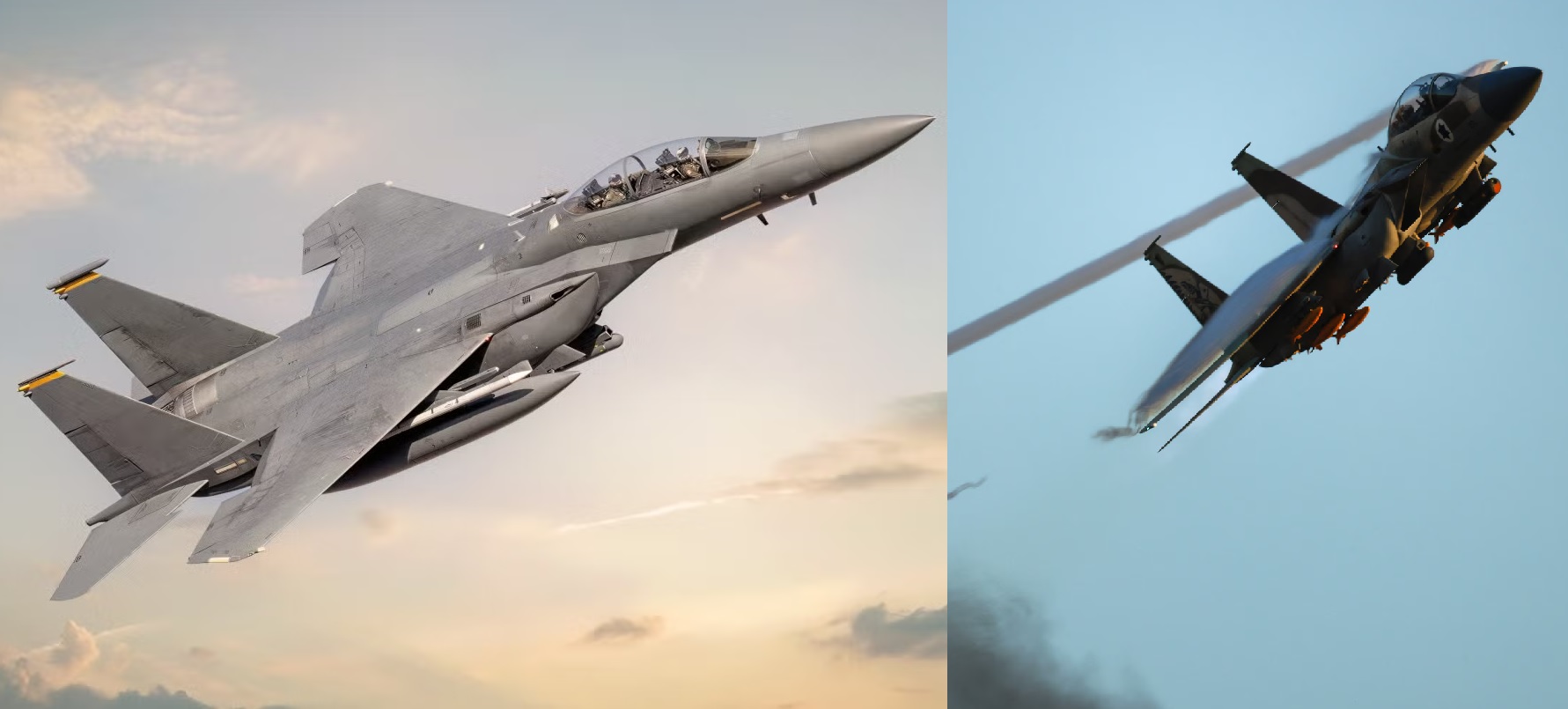
World
The United States has formally approved Israel’s acquisition of the F-15IA (Israel Advanced) fighter jet, a highly customised variant of the latest F-15EX, in what officials describe as the most significant modernisation of Israel’s F-15 fleet since its induction more than four decades ago. The approval culminated in an $8.6 billion contract awarded by the Pentagon to Boeing on December 29, 2025, covering the design, integration, testing, production, and delivery of 25 F-15IA aircraft, with an option for 25 additional jets. The agreement is structured as a Foreign Military Sale (FMS) to Israel and follows high-level political engagement between US President Donald Trump and Israeli Prime Minister Benjamin Netanyahu during their meeting at Mar-a-Lago in Florida. According to the Pentagon, all work under the contract will be carried out in St. Louis, Missouri, with the programme scheduled to run until December 31, 2035. A Proven Fighter, Reinvented for the Next Decade The F-15 has been a cornerstone of the Israel Air Force (IAF) since 1976, when Israel began inducting the F-15 Baz. The aircraft etched its place in aviation history in 1979, scoring its first confirmed air-to-air kill and going on to build an unmatched combat record. Globally, the F-15 family is credited with over 100 air-to-air kills with zero combat losses, a distinction unmatched by any other fighter aircraft. Israeli pilots are believed to account for at least half of these victories, achieved across multiple conflicts in the Middle East. Despite the introduction of stealth fighters such as the F-35I Adir, Israeli planners have continued to rely on the F-15 for missions demanding long range, heavy payloads, and sustained combat presence—roles that newer stealth platforms cannot always fulfil as efficiently. What Makes the F-15IA Different The F-15IA is a tailored evolution of the F-15EX, integrating state-of-the-art US systems with advanced Israeli avionics, electronic warfare suites, and weapon integrations. Compared to the older F-15I Ra’am, which entered IAF service in 1998, the new IA variant represents a generational leap. The aircraft features a fully digital glass cockpit, dominated by a 10×19-inch touchscreen multifunction display, modern standby instruments, and HOTAS controls. Both crew members are equipped with JHMCS II helmet-mounted cueing systems, enabling 360-degree target acquisition in air-to-air and air-to-ground combat. At the heart of the upgrade is the AN/APG-82(V)1 AESA radar, replacing the mechanically scanned APG-70 of the Ra’am. The AESA radar offers longer detection ranges, higher resolution, improved resistance to jamming, and seamless integration with electronic warfare systems—dramatically enhancing performance in contested environments. Survivability is further strengthened by the Eagle Passive/Active Warning Survivability System (EPAWSS), providing advanced threat detection, digital jamming, and countermeasures against modern air-defence networks. Payload, Range, and the ‘Bomb Truck’ Advantage One of the F-15’s enduring strengths—now amplified in the IA variant—is its ability to carry exceptionally large and diverse weapon loads over long distances. The F-15IA is designed to support outsized munitions, including heavy bunker-busters, long-range standoff weapons, air-launched ballistic missiles, and potentially future hypersonic weapons, without sacrificing manoeuvrability. The aircraft remains compatible with key US munitions such as AIM-120 AMRAAM, AIM-9X Sidewinder, JDAMs, and the M61A1 Vulcan cannon, while also integrating Israeli-developed precision weapons and electronic-attack systems. This flexibility has earned the F-15 its enduring nickname within the IAF: the “Bomb Truck.” Combat Legacy: From Osirak to Iran Israeli F-15s have been involved in nearly every major IAF operation since the late 1970s. In 1981, they provided escort during Operation Opera, the long-range strike that destroyed Iraq’s Osirak nuclear reactor near Baghdad. During the 1982 Lebanon War, F-15 Baz fighters achieved overwhelming air superiority, downing dozens of Syrian aircraft—including MiG-21s, MiG-23s, and MiG-25s—without a single air-to-air loss. The type’s legend was further cemented in 1983, when an Israeli F-15 famously landed safely despite losing an entire wing in a mid-air collision during training. More recently, F-15I Ra’am jets have played a central role in operations over Gaza, Syria, and Lebanon, flying thousands of sorties after October 2023 and delivering heavy precision payloads in coordination with F-35I and F-16I fighters. The platform was also used during Operation Rising Lion in June 2025, when Israeli aircraft struck Iranian nuclear facilities, air-defence sites, and command centres—missions that underscored the continued relevance of the F-15 in long-range, high-risk operations. Strategic Impact With the induction of the F-15IA, Israel is effectively future-proofing a platform that has already defined its air dominance for nearly half a century. The new jets will operate alongside fifth-generation fighters, acting as heavy strike platforms, airborne command-and-control nodes, and long-range interceptors, particularly against emerging threats such as ballistic missiles, cruise missiles, and drones. As regional tensions persist and adversaries invest in layered air defences, the arrival of the F-15IA is set to reinforce Israel’s qualitative military edge—ensuring that a legendary fighter remains at the forefront of Middle Eastern air power well into the 2030s and beyond.
Read More → Posted on 2025-12-30 12:56:11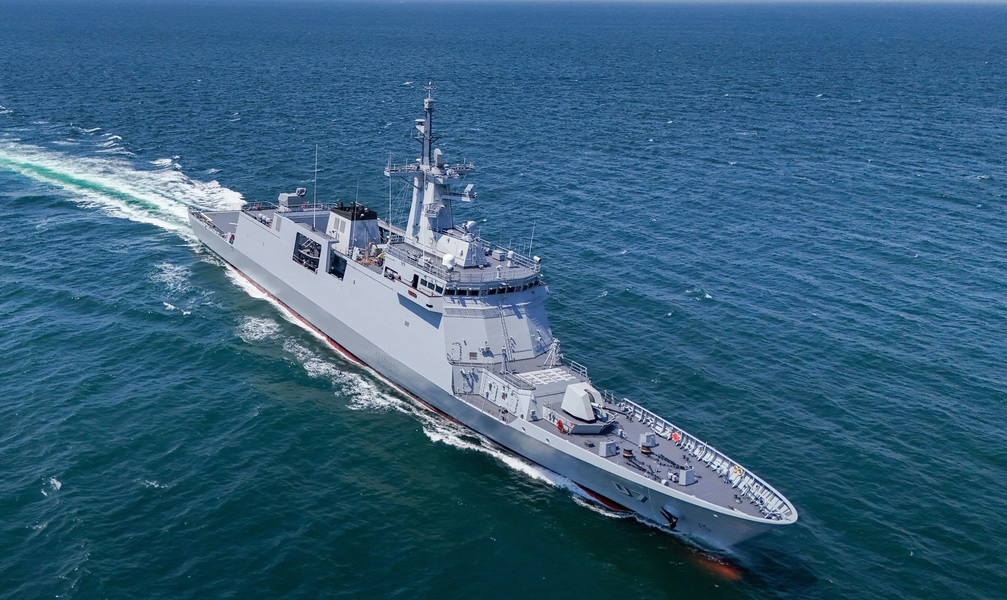
World
Manila, December 29, 2025 — HD Hyundai Heavy Industries has secured a major naval shipbuilding contract with the Philippine Department of National Defense, reaffirming South Korea’s growing role as a key defense partner of the Philippines. Under the agreement, HHI will design and construct two 3,200-ton guided-missile frigates for the Philippine Navy, with deliveries scheduled for completion by 2029. The contract, part of the Philippine Navy Frigate Second Acquisition Program, was formally signed on December 26, 2025, in Manila, according to an official HHI press release. The two new surface combatants will serve as a central pillar of the Navy’s Horizon 3 modernization phase, which aims to significantly enhance the country’s maritime defense and deterrence capabilities by the end of the decade. Strengthening a Long-Standing Naval Partnership The latest deal builds on nearly a decade of sustained cooperation between HHI and the Philippine defense establishment. Since 2016, the South Korean shipbuilder has delivered two modern frigates and two 3,200-ton class corvettes to the Philippine Navy, all of which are now in active service. These vessels have markedly improved the Navy’s ability to conduct maritime patrols, surface warfare, and joint operations across the country’s vast archipelagic waters. In parallel, HHI is currently constructing six offshore patrol vessels (OPVs) for the Philippine Navy, underscoring the breadth of its involvement in Manila’s naval recapitalization program. Once all contracted ships are delivered, HHI will have supplied the Philippine Navy with a dozen major surface platforms, making it one of the Navy’s most important foreign industrial partners. Frigates Aligned with Horizon 3 Objectives Defense officials say the two new frigates are designed to complement existing frontline warships while introducing improved combat systems, sensors, and survivability features. With a displacement of around 3,200 tons, the ships are expected to provide a balanced mix of endurance, firepower, and multi-mission flexibility, enabling operations ranging from territorial defense and exclusive economic zone patrols to humanitarian assistance and disaster response. The acquisition aligns with Horizon 3’s broader objective of transitioning the Armed Forces of the Philippines from an internal security focus toward a more credible external defense posture, particularly in the maritime domain. Institutional Framework for Direct Procurement The frigate program also reflects the enduring impact of the 2009 Implementation Agreement for the Procurement of Specific Defense Products between Korea and the Philippines, which established a legal and institutional basis for direct government-to-government and industry-to-government defense procurement. This framework has streamlined negotiations and facilitated repeated acquisitions from Korean defense firms. Building on Proven Performance The Philippine Navy’s confidence in HHI is rooted in operational experience. The two Jose Rizal-class frigates, ordered under the first frigate acquisition project in 2016 and delivered in 2020 and 2021, have since emerged as key assets in Philippine maritime operations. Their performance has played a decisive role in shaping follow-on procurement decisions. With the signing of the second frigate contract, HHI further consolidates its position as a cornerstone of Philippine naval modernization. As regional maritime security challenges continue to evolve, the new frigates are expected to play a critical role in safeguarding national interests and strengthening the Navy’s ability to operate effectively in contested and high-tempo environments.
Read More → Posted on 2025-12-29 16:53:49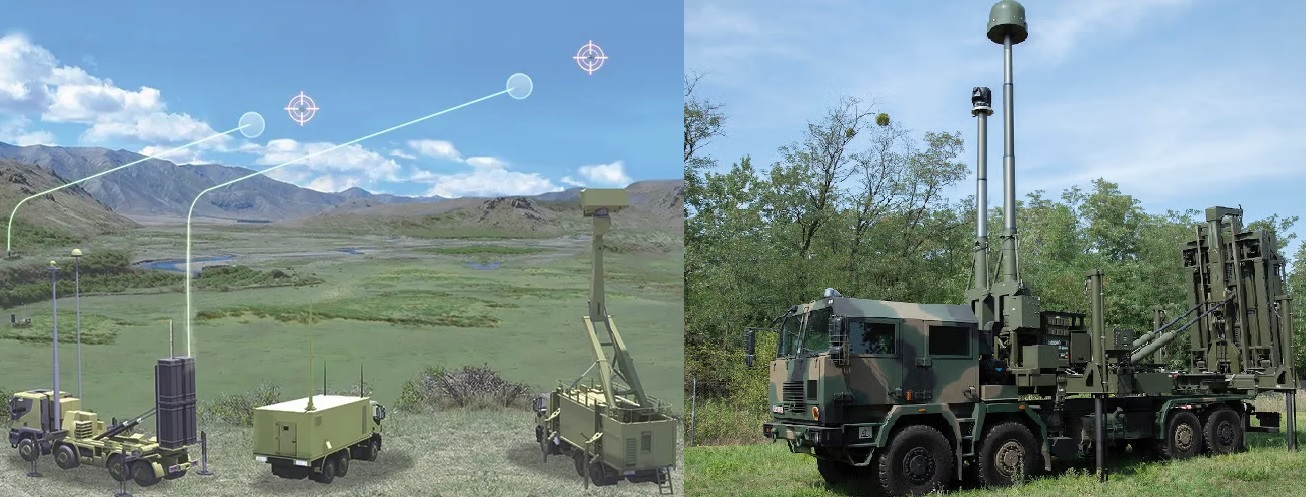
World
Brasília — Brazil is moving to close a long-standing gap in its national air-defense architecture as the Brazilian Army advances plans to induct a medium-range ground-based air defense system, marking a decisive shift away from near-total reliance on fighter aircraft for territorial air security. According to defense planning details under discussion, the Army intends to acquire MBDA’s EMADS (Enhanced Modular Air Defense Solutions), a vertical-launch missile system designed to intercept aircraft, cruise missiles, drones, and other aerial threats at medium ranges. The system is expected to provide coverage in the 25–40 km class, depending on the missile variant selected, placing Brazil among a small group of regional powers fielding a modern layered air-defense capability. From Fighter Intercepts to Persistent Ground Shield Until now, Brazil’s air defense has depended heavily on the Brazilian Air Force’s fighter fleet to respond to airspace violations or unidentified aerial activity. While effective, fighter scrambles are expensive, manpower-intensive, and not optimized for emerging threats such as low-cost drones or low-flying cruise missiles. Army planners view EMADS as a structural solution. A permanently deployed missile system can remain on alert 24/7, react within seconds, and defend fixed military and strategic sites without consuming flight hours or fuel. Defense officials describe the shift as both operationally transformative and economically rational, particularly as unmanned and stand-off threats proliferate globally. EMADS and the CAMM Missile Family EMADS is built around MBDA’s Common Anti-air Modular Missile (CAMM) family, including the extended-range CAMM-ER variant. The system uses a soft vertical-launch method, allowing missiles to be ejected before ignition, reducing launch signature and enabling 360-degree engagement without turning the launcher. The missile’s active radar seeker, combined with a two-way datalink, allows mid-course updates from external sensors and the ability to engage multiple targets simultaneously. In practical terms, this gives the Brazilian Army a credible defense against fast-moving aircraft, terrain-hugging cruise missiles, and coordinated drone attacks. Planned Deployments Across Strategic Regions Current planning foresees EMADS batteries being deployed to protect key Army bases and command hubs. Initial locations include Jundiaí (São Paulo state), Brasília (Federal District), and Brazil’s northern region, where distances are vast and reaction times are critical. Each deployment is expected to include multiple launchers and a substantial missile stockpile, creating localized defensive bubbles around priority assets. Together, these sites would form the backbone of Brazil’s first true medium-range ground-based air defense network. Interoperability With the Navy’s Tamandaré-Class Frigates A central factor favoring EMADS is Brazil’s existing relationship with MBDA at sea. The Brazilian Navy already operates the Sea Ceptor air-defense system, which uses the same CAMM missile family, aboard its Tamandaré-class frigates. This commonality promises significant advantages: shared training pipelines, simplified logistics, and the potential for joint air-defense coordination between land and naval forces. Defense analysts note that such cross-service missile standardization is rare in Latin America and reflects a more integrated approach to national defense planning. Cost, Timeline, and Strategic Impact While final figures will depend on contract scope, infrastructure, and missile quantities, the overall program is expected to run into several billion reais, making it one of the Brazilian Army’s most significant air-defense investments to date. The acquisition process is progressing with the aim of contract finalization around 2026, followed by phased deliveries and operational integration. Once fielded, EMADS would represent a qualitative leap for Brazil’s ground forces, adding a modern medium-range layer beneath fighter aircraft and above short-range systems. In strategic terms, it signals Brazil’s recognition that future air threats will not always arrive at high altitude or with clear warning—and that defending national territory now requires persistent, networked missile defenses alongside traditional airpower. If implemented as planned, the EMADS program will redefine how Brazil protects its skies, moving the Army firmly into the country’s front line of air defense for the first time in its history.
Read More → Posted on 2025-12-29 16:49:40
World
WASHINGTON / TEL AVIV — Israeli Prime Minister Benjamin Netanyahu is expected to press the United States for political and strategic approval to carry out fresh military strikes on Iran, arguing that Tehran is rapidly rebuilding its ballistic missile capabilities in the aftermath of recent hostilities. The issue is set to dominate his upcoming engagement with U.S. President Donald Trump, according to officials familiar with the discussions. At the center of Netanyahu’s case is a dossier of intelligence assessments that Israel believes demonstrate renewed Iranian activity at missile production and storage sites. Israeli officials contend that Iran has moved quickly to restore damaged infrastructure and accelerate output, with a particular focus on medium- and long-range ballistic missiles capable of reaching Israeli territory. The prime minister is expected to argue that delaying action would allow Iran to reconstitute a deterrent that was partially degraded earlier this year. The Israeli push comes against the backdrop of the June 2025 Israel–Iran confrontation, a short but intense conflict that saw unprecedented direct exchanges between the two adversaries. During that episode, Iran launched large salvos of missiles and drones toward Israel, while Israel—backed by U.S. defensive and intelligence support—struck targets linked to Iran’s military and strategic programs. While Israel claims significant damage was inflicted, defense officials privately acknowledge that missile-defense interceptor stocks were heavily drawn down, underscoring the high cost of sustained escalation. Netanyahu’s request for a U.S. “green light” is not expected to be a formal authorization, but rather a signal of political backing and strategic alignment. Israeli officials say such assurance would include continued access to U.S. intelligence, diplomatic cover in international forums, and accelerated resupply of air- and missile-defense systems should Iran retaliate. Without that understanding, Israel is believed to be weighing whether unilateral action would risk a broader regional crisis. For President Trump, the decision carries significant implications. While his administration has maintained a hard line on Iran’s regional ambitions, it has also emphasized avoiding another prolonged Middle Eastern war. Advisers are said to be divided between those who view pre-emptive pressure as necessary to deter Iran and others who warn that renewed strikes could trigger retaliation across multiple fronts, including against U.S. forces and allies in the region. Iran, for its part, has dismissed Israeli claims as justification for aggression. Officials in Iran insist their missile program is defensive and non-negotiable, framing it as a core pillar of national security. Tehran has repeatedly warned that any new attack on its territory would be met with a “decisive and proportional response”, raising fears of rapid escalation. The Netanyahu–Trump talks will also unfold amid broader regional strains, including the unresolved fallout from the Gaza conflict and fragile diplomatic efforts to stabilize the wider Middle East. Analysts note that any renewed confrontation with Iran would likely reverberate far beyond Israel and Iran, affecting energy markets, shipping routes, and regional security arrangements. As the meeting approaches, diplomats say the key question is not whether Israel believes Iran is rebuilding—Jerusalem is convinced it is—but whether Washington will conclude that the risk of inaction now outweighs the danger of escalation later. The answer could shape the next phase of the Israel–Iran shadow war, and potentially determine whether it once again breaks into open conflict.
Read More → Posted on 2025-12-29 16:40:21
World
WASHINGTON, D.C., December 29, 2025 — In a major boost to fighter survivability against modern air-defence threats, the U.S. Navy has formally awarded Leonardo UK a sole-source contract to supply its BriteCloud Active Expendable Decoy (AED) system, designated by the U.S. military as AN/ALQ-260(V), for integration on the F-35 Lightning II family of stealth fighters. The award concludes more than one year of negotiations between Naval Air Systems Command (NAVAIR) and industry, reflecting ongoing efforts to enhance F-35 defensive capabilities. The official contract notice, released on December 23, 2025, confirms that Leonardo UK will deliver an undisclosed quantity of BriteCloud Active Expendable Decoys, along with initial spare impulse cartridges, test equipment, and other support assets required to sustain fleet operations. The agreement is structured as a base year with one optional follow-on year. While the total contract value and exact delivery numbers were not disclosed, internal Navy planning documents previously projected that overall requirements could reach up to 6,000 decoys, supporting sustained F-35C carrier air wing operations and expeditionary F-35B deployments. Officials within NAVAIR justified the sole-source award by highlighting more than 14 years of collaborative research, development, integration, and testing between Leonardo UK and the UK Ministry of Defence. According to acquisition officials, selecting an alternative supplier would have jeopardised the programme and delayed operational fielding by up to eight years, an outcome deemed unacceptable amid the rapid proliferation and sophistication of RF-guided missile threats. The AN/ALQ-260(V) BriteCloud adds a critical outer layer to the F-35 self-protection architecture, specifically designed to counter radio-frequency (RF) guided missiles and advanced fire-control radars that increasingly challenge even low-observable aircraft. Although the Joint Strike Fighter already fields the advanced BAE Systems AN/ASQ-239 electronic warfare suite, including limited towed decoy capability, its stealth-centric defensive concept has historically lacked a robust expendable active decoy. BriteCloud fills this gap, extending aircraft survivability once stealth advantages begin to erode in highly contested environments. Technically, the decoy operates as a self-contained, battery-powered Radio Frequency Countermeasure (RFCM) employing Digital Radio Frequency Memory (DRFM) technology. Once deployed, it captures, modifies, and retransmits hostile radar signals, creating a convincing false target that draws missile seekers away from the host aircraft. The system can be launched from standard chaff and flare dispensers, including the widely used AN/ALE-47, enabling rapid integration without major aircraft modification. Originally developed in the United Kingdom, BriteCloud has been under development for more than a decade and is widely recognised as the world’s first DRFM-based expendable active decoy for fast-jet survivability. The system has undergone extensive trials with allied air forces, including the U.S. Air National Guard, which previously recommended the BriteCloud 218 variant following comparative testing on F-16 fighter aircraft. Members of the BriteCloud family have also been evaluated or integrated on platforms such as the Eurofighter Typhoon, Tornado, and MQ-9 unmanned aerial vehicles. Under its U.S. designation, the compact BriteCloud 218—measuring approximately 2 × 1 × 8 inches—forms the basis of the AN/ALQ-260(V) approved for F-35 service, optimised for square-format dispensers while providing effective RF deception against both surface-to-air and air-to-air missile seekers. Defence analysts assess that integrating BriteCloud onto the F-35 fleet represents a significant advance in tactical survivability, particularly in scenarios where integrated air-defence systems pose lethal risks to penetrating strike aircraft. By fielding an active expendable decoy capability, the U.S. Navy expects to improve mission success rates, pilot safety, and operational resilience during carrier-based and expeditionary operations. While delivery schedules and initial operational capability timelines remain undisclosed, industry sources suggest that early fielding could begin within one year of contract award, with procurement volumes scaling to meet fleet-wide requirements through the late 2020s. As threat systems continue to evolve, the Navy’s move toward layered electronic warfare and countermeasure solutions underscores a broader shift in maintaining the combat relevance of fifth-generation fighters in future high-intensity conflicts.
Read More → Posted on 2025-12-29 16:32:49
India
Chandipur (Odisha), December 29: India achieved a significant milestone in its artillery modernisation programme with the successful maiden flight test of the 120-kilometre Pinaka Long Range Guided Rocket (LRGR-120) on Monday. The test was conducted at the Integrated Test Range (ITR) in Chandipur town of Balasore district, Odisha, marking a decisive step forward in enhancing the Indian Army’s long-range precision strike capability. The LRGR-120 was flight-tested to its maximum range of 120 km, during which it executed all planned in-flight manoeuvres and hit the designated target with high accuracy, officials said. All range tracking instruments deployed along the trajectory successfully monitored the rocket throughout the flight, validating the performance of its guidance, navigation and control systems. Extended Range Without Launcher Modification A key highlight of the test is that the new 120-km guided rockets can be fired from existing Pinaka launchers, which are currently configured for rockets with ranges of around 40 km and over 75 km. This allows the Indian Army to significantly extend its strike reach without altering current launcher infrastructure, enabling faster induction and cost-effective upgrades across Pinaka regiments. The Pinaka LRGR-120 is designed to provide long-range, high-precision firepower against high-value targets, strengthening India’s conventional deterrence and battlefield dominance. The system is seen as a critical addition to India’s artillery arsenal under the Aatmanirbhar Bharat initiative. Indigenous Development Effort The Pinaka Multiple Launch Rocket System (MLRS) is an indigenously developed artillery system of the Defence Research and Development Organisation (DRDO), known for its rapid deployment and high-volume fire capability. The LRGR-120 rocket has been designed by the Armament Research and Development Establishment (ARDE) in association with the High Energy Materials Research Laboratory (HEMRL), with support from the Defence Research and Development Laboratory (DRDL) and the Research Centre Imarat (RCI). The flight trial was coordinated by ITR along with the Proof and Experimental Establishment (PXE). The rocket was launched from an in-service Pinaka launcher, demonstrating the system’s versatility and its ability to fire multiple variants of different ranges from the same platform. Army Reinforces Pinaka Regiments The Indian Army is simultaneously working to strengthen its existing Pinaka regiments, including the procurement of area-denial munitions to enhance operational flexibility. The induction of long-range guided rockets is expected to significantly improve precision strike, counter-battery operations and deep-fire capability in future conflicts. Defence Minister Hails Achievement Defence Minister Rajnath Singh congratulated DRDO and all stakeholders involved in the programme, stating that the successful development of long-range guided rockets would substantially enhance the combat capabilities of the Armed Forces. He described the achievement as a “game-changer” for India’s artillery modernisation. The trial was witnessed by Dr Samir V Kamat, Secretary, Department of Defence R&D and Chairman, DRDO, who commended the teams for meeting all mission objectives. Export Potential and Global Interest Pinaka has also emerged as a successful defence export platform. The system has already been inducted by Armenia, while several European countries, including France, have shown interest in acquiring the rocket artillery system. The successful test of the 120-km guided variant is expected to further boost its international prospects. Rs 79,000 Crore Defence Procurements Approved The LRGR-120 test coincided with a major policy decision in New Delhi. Earlier on Monday, the Defence Acquisition Council (DAC), chaired by Rajnath Singh, approved Acceptance of Necessity for defence procurements worth about ₹79,000 crore for the Army, Navy and Air Force. For the Army, approvals included Long Range Guided Rocket Ammunition for the Pinaka system, Loiter Munition Systems, Low Level Light Weight Radars and the upgraded Integrated Drone Detection and Interdiction System Mk-II. The Navy and Air Force also received clearances for a range of platforms and systems aimed at enhancing surveillance, precision strike and operational readiness. With the successful maiden test of the Pinaka LRGR-120, India has reinforced its push towards indigenous, long-range and precision-guided artillery systems, signalling a new phase in the modernisation of its conventional firepower.
Read More → Posted on 2025-12-29 15:36:08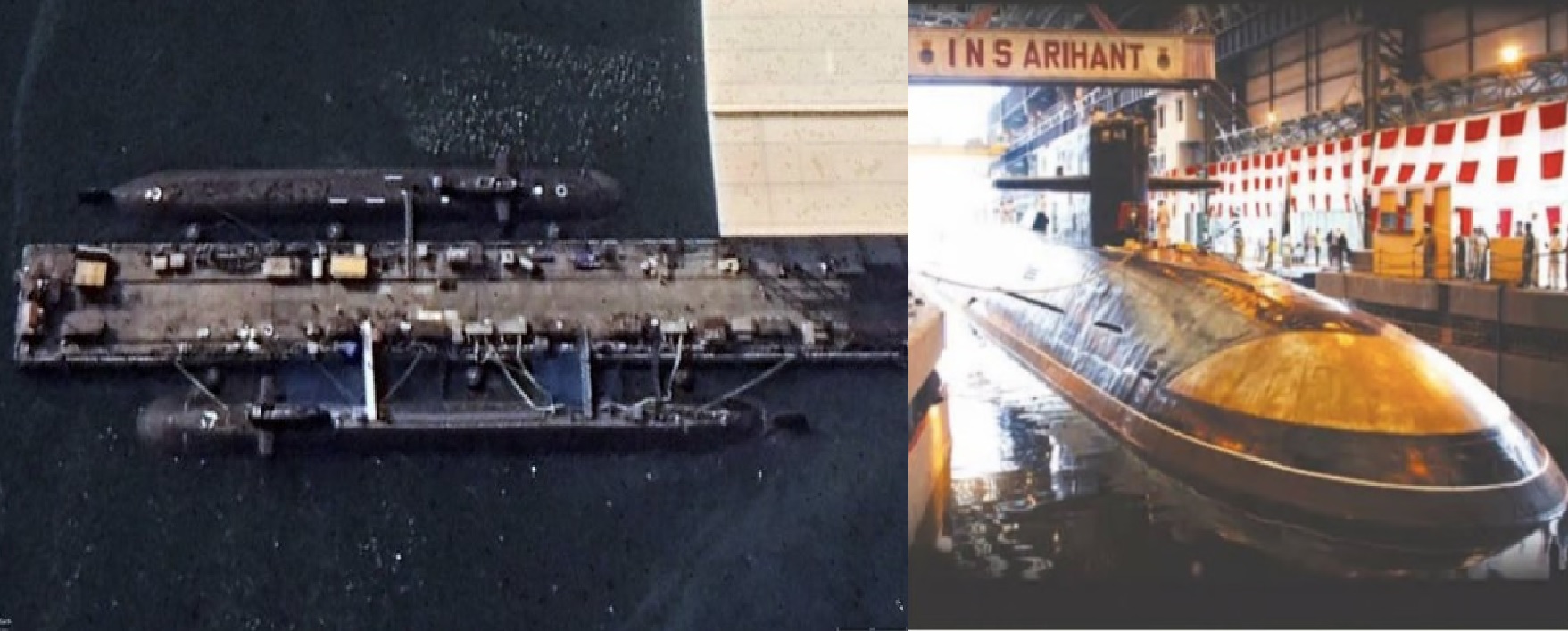
India
Visakhapatnam: India has moved closer to completing the first phase of its sea-based nuclear deterrent with the commencement of sea trials of its fourth ballistic missile submarine (SSBN), S4*. The 7,000-tonne nuclear-powered submarine sailed out from the Shipbuilding Centre (SBC) in Visakhapatnam sometime last week, marking a major milestone for the country’s indigenous strategic submarine programme. The S4* is the final submarine in the Arihant-class SSBN series and is designed to carry eight nuclear-capable K-4 submarine-launched ballistic missiles (SLBMs), each with a range exceeding 3,500 kilometres. Officials familiar with the programme indicate that the submarine will undergo nearly a year of harbour and sea trials, following which it is expected to be ready for induction into the Indian Navy by early 2027. Highest Indigenous Content in the Arihant Class A key distinction of the S4* is its indigenous content of over 80 per cent, the highest achieved among the four Arihant-class submarines constructed so far. This reflects the growing maturity of India’s strategic industrial base under the Advanced Technology Vessel (ATV) Project, encompassing domestic capabilities in nuclear propulsion, hull fabrication, combat management systems, sensors and missile integration. With the S4* entering trials, India now has four SSBNs at sea, comprising two submarines already in service and two undergoing trials. The third unit, INS Aridhaman, has completed its sea trials and is scheduled for commissioning in late 2026. Four Decades in the Making The current milestone marks the culmination of a strategic programme initiated in 1984, when India set up the Advanced Technology Vessel Project to develop an indigenous nuclear-powered ballistic missile submarine capability. The effort gathered momentum after India’s nuclear weapons tests and was aimed at creating a credible and survivable second-strike deterrent. The hull of the first submarine of the class, INS Arihant, was laid down in 1998, the same year India conducted the Pokhran-II nuclear tests. Arihant was launched in 2009, commissioned in 2016, and completed its first deterrent patrol in 2018, formally operationalising India’s sea-based leg of the nuclear triad. The second submarine, INS Arighaat, was commissioned on August 29, 2024, adding operational depth and redundancy to the SSBN fleet. Larger Design, Greater Firepower While INS Arihant and INS Arighaat are identical in size—over 110 metres in length with a displacement of more than 6,000 tonnes—and can carry 16 K-15 SLBMs or four K-4 SLBMs, the later boats represent a clear design evolution. Both INS Aridhaman and the S4* feature a stretched hull, incorporating a 10-metre plug that enables them to carry four additional K-4 missiles, raising their total to eight SLBMs. This enhancement significantly improves strike range, payload flexibility and deterrence credibility. The official name of the S4* has not yet been announced. However, following established naming conventions, it is expected to carry a name prefixed with “Ari”, derived from Sanskrit and meaning enemy. Bridge to the Next-Generation S5 Submarines The S4* was sanctioned over a decade ago as an interim solution between the Arihant-class submarines and the larger S5 SSBN programme. Construction of the first two S5 submarines has already begun under the ATV framework. With a projected displacement of 13,500 tonnes, the S5 SSBNs will be almost twice the size of the Arihant class and are expected to carry a larger missile load, improved stealth features and more powerful reactors. The first S5 submarine is expected to enter service in the early 2030s, with four S5 SSBNs planned for induction by the late 2030s. Strategic Significance Though conducted away from public view, the sea trials of the S4* represent a defining moment for India’s strategic forces. Once inducted, the submarine will complete India’s first operational quartet of SSBNs, ensuring continuous at-sea deterrence and reinforcing the survivability of the nation’s nuclear arsenal. As India advances toward a more capable next-generation SSBN fleet, the S4* stands as both the culmination of the Arihant-class programme and a critical stepping stone toward a more resilient and enduring nuclear deterrent posture.
Read More → Posted on 2025-12-29 15:24:46
World
Taipei, Taiwan — Tensions across the Taiwan Strait escalated sharply after Taiwan reported one of the largest single-day surges in Chinese military activity in recent months, detecting 89 Chinese military aircraft and 28 naval and coast guard vessels operating around the island within a 24-hour monitoring period. Taiwan’s Ministry of National Defense (MND) said the activity was recorded on Monday, with air and sea movements taking place across multiple operational sectors surrounding the island. According to the MND, the aircraft mix included fighter jets, bombers, electronic warfare platforms, and other support aircraft, several of which crossed the median line of the Taiwan Strait and entered Taiwan’s Air Defense Identification Zone (ADIZ). Defence officials stated that the accompanying naval presence comprised People’s Liberation Army Navy (PLAN) surface combatants, auxiliary vessels, and Chinese Coast Guard ships, conducting what appeared to be coordinated maneuvers designed to integrate air and maritime pressure simultaneously. Justice Mission 2025: Encirclement-Style Pressure Taipei assessed the activity as part of a wider Chinese military campaign labeled “Justice Mission 2025,” a large-scale exercise framework that Taiwanese authorities say is intended to simulate encirclement operations and apply sustained strategic pressure on the island. The drills are viewed as a continuation of Beijing’s expanding pattern of military signaling aimed at normalizing high-intensity operations near Taiwan. A particularly concerning element of the latest activity was the detection of a Chinese amphibious assault ship formation operating in the Western Pacific, east of Taiwan. Defence analysts note that such formations are typically associated with joint landing operations, logistics support, and power projection, significantly raising the operational stakes during periods of tension. Taiwan Responds with Full Readiness In response, the MND confirmed that Taiwan’s armed forces were placed on “high alert”, with air, naval, and ground units deployed to track, shadow, and counter the Chinese movements. The military also initiated rapid response exercises, aimed at testing command-and-control readiness and ensuring forces could react swiftly to any sudden escalation. “Appropriate air and naval assets were dispatched, and the situation was handled in accordance with standard operating procedures,” the ministry said, emphasizing that combat readiness was maintained throughout the monitoring period. Taiwanese officials described the operation as part of Beijing’s sustained pressure campaign, which has intensified amid worsening cross-strait relations and growing regional concern over the possibility of miscalculation. Regional and Strategic Implications China, which claims Taiwan as part of its territory, has not issued a detailed public explanation for the specific movements, though past statements from China have framed such operations as routine exercises and warnings against what Beijing calls “separatist activities” and foreign interference. The scale of the latest deployment — 89 aircraft and 28 vessels in a single 24-hour window — underscores a significant increase in operational tempo. Military observers note that repeated crossings of the median line, once an informal buffer, signal a deliberate effort to reshape the status quo in the Taiwan Strait. As Justice Mission 2025 continues, Taiwanese authorities have warned that they will closely monitor further developments and adjust force posture as required. While no immediate confrontation was reported, the sheer volume and coordination of Chinese forces have heightened concerns in Taipei — and across the region — that the margin for error in the Taiwan Strait is growing increasingly thin.
Read More → Posted on 2025-12-29 15:00:30
World
Ankara / Damascus: Turkey has reportedly deployed its KORAL ground-based electronic warfare (EW) system inside Syria, marking a significant expansion of Ankara’s electronic combat footprint in the region. The mobile system is designed to detect, intercept, analyze, classify and actively suppress hostile radar emissions at ranges of up to 200 kilometres, giving Turkish forces a powerful tool to degrade enemy situational awareness and air-defence networks. Developed indigenously by ASELSAN, KORAL is considered one of the most advanced EW assets in the Turkish Armed Forces’ inventory. Its reported deployment underscores Turkey’s continued emphasis on electromagnetic dominance as a core element of modern warfare, particularly in contested airspaces such as northern Syria. A Mobile System Built for Electronic Battlefield Control KORAL is a land-based, truck-mounted electronic attack and electronic support system, typically deployed in paired configurations. One vehicle focuses on Electronic Support (ES)—searching for and passively detecting radar signals—while the other conducts Electronic Attack (EA), emitting tailored jamming signals to blind, deceive or suppress enemy radars. Operating across a broad frequency spectrum, KORAL can track multiple emitters simultaneously, building a real-time electronic order of battle. Once radar types are identified—ranging from early-warning radars to fire-control radars used by surface-to-air missile systems—the system can apply selective or barrage jamming, depending on the threat profile. Strategic Impact in the Syrian Theatre The reported Syrian deployment places KORAL within effective range of key air-defence nodes, surveillance radars and command-and-control elements across large parts of the battlespace. With a maximum operational reach of 200 km, the system can influence airspace well beyond immediate frontlines, potentially affecting both manned and unmanned aerial operations. Military analysts note that electronic warfare systems like KORAL are often used not only to protect friendly aircraft and drones, but also to shape the battlespace before kinetic operations, reducing the effectiveness of adversary air defences without firing a single missile. Combat-Proven and Operationally Integrated KORAL entered service with the Turkish Armed Forces in the late 2010s and has been credited with operational success during earlier cross-border operations. It is frequently integrated with Turkey’s expanding fleet of unmanned aerial vehicles (UAVs), allowing drones to operate in electronically degraded environments created by EW coverage. The system’s high mobility allows rapid relocation, complicating enemy targeting efforts, while its modular architecture supports software-defined upgrades to counter evolving radar technologies. Signal of Turkey’s Growing EW Capabilities The deployment highlights Turkey’s broader push toward self-reliance in high-end defence technologies, particularly in electronic warfare, sensors and network-centric operations. As conflicts increasingly hinge on control of the electromagnetic spectrum, assets like KORAL are becoming as strategically important as aircraft or missile systems. While Ankara has not officially detailed the scope or duration of the deployment, the presence of KORAL in Syria signals a clear intent: to maintain electronic superiority and deny adversaries effective use of radar-based surveillance and air-defence systems across a wide operational radius.
Read More → Posted on 2025-12-29 14:36:58
World
New Delhi, December 29, 2025: In a major push to strengthen India’s military preparedness, the Defence Acquisition Council (DAC) has granted Acceptance of Necessity (AoN) for defence procurement proposals worth approximately ₹79,000 crore, covering critical capability upgrades for the Indian Army, Indian Navy, and Indian Air Force. The approvals were accorded during a high-level DAC meeting chaired by Defence Minister Rajnath Singh, marking one of the most significant single-day clearances in recent years. The decisions underscore the government’s continued focus on enhancing operational readiness, precision strike capability, air defence, maritime surveillance, and advanced training infrastructure across the three Services. Strategic Signal from the Government Announcing the approvals, Rajnath Singh said the Ministry of Defence, under the leadership of Prime Minister Narendra Modi, is working tirelessly to strengthen India’s defence preparedness. In a post on X, the Defence Minister stated that the decisions taken by the DAC would “help in enhancing operational capabilities of the Armed Forces,” reflecting a clear intent to accelerate modernisation amid evolving regional and technological challenges. Army Set for Firepower and Counter-Drone Leap For the Indian Army, the DAC granted AoN for the procurement of Loiter Munition Systems, Low Level Light Weight Radars (LLLWR), Long Range Guided Rocket Ammunition for the Pinaka Multiple Launch Rocket System, and the Integrated Drone Detection & Interdiction System (IDD&IS) Mk-II. The Loiter Munition System will enable precision strikes against tactical targets, significantly improving battlefield responsiveness and reducing collateral damage. The LLLWR will strengthen air defence at lower altitudes by detecting and tracking small, low-flying unmanned aerial systems, a growing threat in modern warfare. The Pinaka Long Range Guided Rockets will extend both range and accuracy, allowing artillery units to engage high-value targets deeper inside adversary territory. Meanwhile, the IDD&IS Mk-II, with enhanced detection and neutralisation range, will provide layered protection to vital assets in both Tactical Battle Areas and hinterland locations. Navy Focuses on Maritime Mobility and Surveillance For the Indian Navy, AoN was accorded for Bollard Pull (BP) Tugs, High Frequency Software Defined Radio (HF SDR) Manpack systems, and the leasing of High Altitude Long Endurance (HALE) Remotely Piloted Aircraft Systems. The induction of BP Tugs will significantly improve harbour operations by assisting naval ships and submarines during berthing, unberthing, and manoeuvring in confined waters. The HF SDR Manpack will enhance secure, long-range communications during critical boarding and landing operations. The decision to lease HALE UAVs is expected to provide continuous Intelligence, Surveillance and Reconnaissance (ISR) and strengthen Maritime Domain Awareness across the Indian Ocean Region, a key strategic priority for India. Air Force Gets Boost in Air Combat and Training For the Indian Air Force, the DAC approved AoN for the Astra Mk-II Beyond Visual Range Air-to-Air Missiles, Automatic Take-off and Landing Recording System, Full Mission Simulator, and SPICE-1000 Long Range Precision Guidance Kits. The Automatic Take-off and Landing Recording System will address gaps in aerospace safety by enabling high-definition, all-weather recording of critical flight phases. The Astra Mk-II, with its enhanced range, will significantly increase the ability of IAF fighter aircraft to neutralise hostile targets from long standoff distances. The Full Mission Simulator for the Light Combat Aircraft Tejas will expand advanced pilot training in a cost-effective and risk-free environment, while the SPICE-1000 kits will enhance long-range precision strike capability against fortified and high-value targets. A Broad Modernisation Push Together, the approvals reflect a comprehensive modernisation drive that spans precision weapons, counter-drone systems, ISR platforms, secure communications, and advanced training infrastructure. With AoN now in place, the proposals will move into the next stages of procurement, opening the door for faster inductions and, where applicable, greater participation of Indian industry under the government’s self-reliance initiatives. The ₹79,000 crore clearance sends a strong strategic message: India is accelerating capability development across land, sea, and air to ensure its Armed Forces remain prepared for current and future security challenges.
Read More → Posted on 2025-12-29 14:29:00
World
Gdansk, Poland: Scientists at Gdańsk University of Technology have revealed a breakthrough anti-drone system that promises to neutralize hostile unmanned aerial vehicles (UAVs) without firing a single shot. The technology, known as STRATUS, functions as an “invisible shield”, disabling drones through precisely controlled electromagnetic energy rather than physical interception. Developed in response to the rapid proliferation of small, low-cost drones on modern battlefields and around sensitive civilian sites, STRATUS is designed to counter UAV threats while avoiding the collateral damage associated with missiles, machine guns, or explosive countermeasures. How STRATUS Works At the core of STRATUS is a high-energy electromagnetic pulse (EMP) generator that emits short, intense bursts of electromagnetic radiation. These pulses disrupt or permanently damage the electronic components of hostile drones, including navigation systems, flight controllers, and onboard communications. Unlike conventional EMP concepts that can be indiscriminate and hazardous, STRATUS incorporates an advanced electromagnetic effector that allows operators to precisely regulate pulse strength and duration. According to the research team, this ensures that voltage levels remain safe for personnel and nearby friendly systems, while still being sufficient to incapacitate targeted UAVs. The result is a scalable, non-kinetic defense system capable of disabling drones mid-flight without debris falling over wide areas — a key advantage in urban or high-traffic environments. Protecting Critical Infrastructure Researchers say STRATUS has been specifically envisioned to protect critical infrastructure that is increasingly vulnerable to drone incursions. These include airports, power plants, fuel depots, government buildings, military bases, and large public venues. Because the system relies on electromagnetic disruption rather than physical destruction, it can be deployed in peacetime settings where traditional air-defense weapons would pose unacceptable risks to civilians and property. Laboratory Success, Field Deployment Ahead While STRATUS is not yet operational in real-world environments, the development team has confirmed that the system has completed successful laboratory tests under controlled conditions. These trials validated the system’s ability to neutralize UAV electronics at varying power levels while maintaining operator safety. Further testing is expected to focus on operational range, resistance to hardened electronics, and integration with existing air-defense and surveillance networks before any field deployment decisions are made. Part of Poland’s €2-Billion Border Defense Push The emergence of STRATUS coincides with a major national investment in counter-drone capabilities. Poland is currently rolling out a €2-billion ($2.3-billion) program to strengthen security along its eastern borders, where drone threats have become a persistent concern. Deputy Defense Minister Cezary Tomczyk has stated that the broader border fortification effort is scheduled for completion within 24 months and will complement legacy systems that have been in service for more than a decade. “Some of this is for use only in extreme or war conditions,” Tomczyk said in comments to The Guardian, noting that kinetic systems such as multi-barrel machine guns are difficult to employ in peacetime because of the danger posed by falling projectiles. Funding and Strategic Significance The STRATUS project has received more than €5 million ($5.8 million) in funding from Poland’s National Centre for Research and Development, underscoring Warsaw’s emphasis on indigenous, high-technology defense solutions. Defense analysts note that if STRATUS progresses from laboratory success to operational deployment, it could place Poland among a small group of nations fielding practical, non-kinetic anti-drone shields — systems increasingly viewed as essential in an era where UAVs are cheap, abundant, and tactically disruptive. A Glimpse of Future Air Defense As drones continue to reshape both modern warfare and homeland security, STRATUS represents a shift toward cleaner, more precise countermeasures. Rather than destroying threats with force, the system aims to quietly switch them off — an approach that could redefine how nations defend their skies in both war and peace.
Read More → Posted on 2025-12-29 13:48:52
Space & Technology
Tehran: Iran on Sunday successfully placed three domestically built observation satellites into orbit using a Russian Soyuz rocket, marking another milestone in the country’s expanding space programme amid ongoing Western sanctions. State television reported that the satellites — Zafar-2, Paya, and Kowsar-1.5 — were launched from the Vostochny Cosmodrome, one of Russia’s newest and most strategically important spaceports. The mission represents one of Iran’s most advanced multi-satellite deployments so far. Satellite Capabilities According to the official IRNA news agency, all three satellites were designed and developed within Iran, with a strong role played by the country’s private aerospace sector. The spacecraft are intended exclusively for Earth observation and civilian applications, Iranian officials said. Among them, Paya is described as Iran’s most technologically advanced imaging satellite to date. It incorporates artificial intelligence–based image processing, allowing enhanced resolution and faster data analysis. IRNA said the satellite will be used for water resource management, environmental and climate monitoring, land-use mapping, and disaster assessment. Zafar-2 and Kowsar-1.5 are also observation satellites, designed to expand Iran’s ability to collect geospatial data for agriculture, urban planning and infrastructure monitoring, contributing to what officials describe as greater data self-reliance. Why a Russian Launch Iranian media, citing the Fars News Agency, said the Soyuz launch vehicle was selected because of its reputation as one of the world’s most reliable orbital rockets, particularly for missions involving sensitive and high-value payloads. The use of Russian launch services reflects Tehran’s growing reliance on international partnerships to ensure consistent access to space. The launch further strengthens technical cooperation between Iran and Russia, which has expanded in recent years across defence, energy and aerospace sectors. A Growing Space Programme The mission brings the number of Iranian satellite launches to 10 in the past two years, highlighting an accelerated pace in the country’s space activities. Iran conducted another launch from the same Russian spaceport in July, signalling a sustained operational relationship with Russian launch facilities. International Concerns Western governments have long expressed concern that satellite launch systems share technologies with ballistic missile platforms, which could theoretically be adapted to carry nuclear payloads. These concerns are frequently linked to Iran’s controversial nuclear programme. Iran has rejected those accusations, insisting that its aerospace activities are peaceful, civilian in nature, and compliant with United Nations Security Council resolutions. Tehran continues to deny seeking nuclear weapons, maintaining that its satellite programme is focused on scientific research, environmental monitoring and economic development. Strategic Signal With the successful deployment of Zafar-2, Paya and Kowsar-1.5, Iran has demonstrated that international sanctions have not halted its progress in space technology. The emphasis on AI-enabled satellites, private-sector involvement and reliable foreign launch partnerships points to a more mature and strategically significant phase of Iran’s space ambitions.
Read More → Posted on 2025-12-29 13:39:47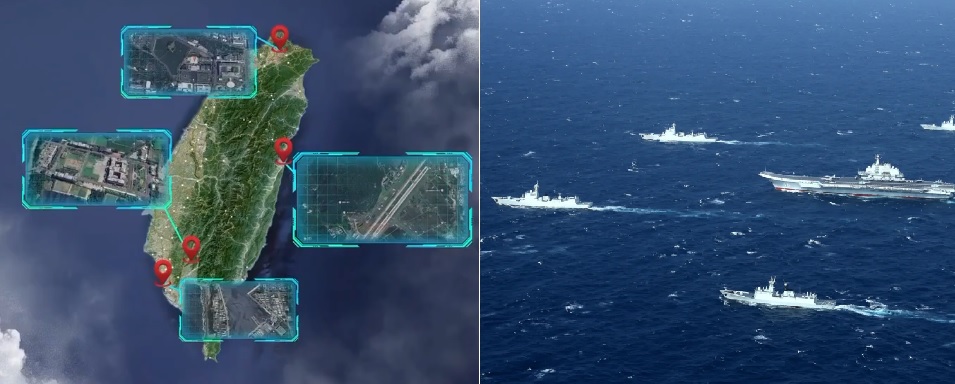
World
Beijing / Washington / Taipei, December 29 — China has launched its most expansive military maneuver around Taiwan in years at a moment many analysts describe as a rare alignment of global conditions favoring Beijing. With a record number of U.S. Navy ships deployed to the Caribbean and Venezuela region, Chinese military planners appear to be testing whether Washington’s divided naval focus creates an opportunity to intensify pressure in the Taiwan Strait. From December 29, the PLA Eastern Theater Command began dispatching Army, Navy, Air Force and Rocket Force units for a large-scale joint exercise codenamed “Justice Mission 2025.” The drills span the Taiwan Strait and maritime and airspace zones north, southwest, southeast and east of Taiwan, forming what regional security experts describe as an all-direction operational ring around the island. Chinese state media said the exercise includes live-fire elements and high-intensity joint operations, with forces moving into position starting tomorrow. Analysts note that the geographic spread and force mix go beyond routine signaling, resembling a practical rehearsal for blockade, access denial and rapid escalation control. Strategic Messaging Beyond Maneuvers On Monday, China reinforced the signal by releasing an official video of the exercise titled “Clearly Visible.” The footage features satellite imagery of Taiwan’s military installations, highlighting air bases, ports and other key facilities. Analysts say the video is intended to underscore PLA intelligence, surveillance and reconnaissance reach, while sending a psychological message that critical targets are mapped, tracked and vulnerable in any future contingency. “The imagery is as important as the missiles,” said a regional security expert. “It tells Taipei and its partners that China’s situational awareness is comprehensive and persistent.” U.S. Naval Distraction and Strategic Calculations The timing has drawn particular attention in defense circles. According to open-source naval tracking and Pentagon disclosures, the United States has surged an unusually high number of naval assets toward the Caribbean, linked to security concerns surrounding Venezuela. While U.S. officials maintain that Indo-Pacific deterrence remains intact, Chinese military commentators argue that global naval dispersion inevitably affects response timelines. “China does not need total U.S. absence,” wrote one Chinese defense analyst in a state-affiliated journal. “It only needs enough uncertainty to complicate intervention planning.” In this view, the Venezuela deployment represents not weakness but strategic distraction, lowering the immediate risk of a rapid U.S. naval concentration near Taiwan. ‘Justice Mission 2025’ and All-Domain Signaling The structure of Justice Mission 2025 reinforces that assessment. PLA naval formations are practicing coordinated surface and subsurface operations, while air force units are conducting multi-axis sorties to contest airspace. The inclusion of the Rocket Force signals the ability to hold targets at risk across the theater, a critical element in deterring external involvement. Chinese officials have framed the drills as a stern warning against “Taiwan independence” forces and foreign interference, calling them a legitimate and necessary action to safeguard sovereignty and national unity. The language mirrors Beijing’s long-standing position but is delivered alongside an unprecedented level of operational activity. Taipei and International Response In Taipei, defense authorities have activated heightened surveillance measures, confirming sustained PLA activity on multiple approaches to the island. Taiwanese officials say the pattern of maneuvers is designed to normalize PLA presence and erode traditional buffers east of Taiwan, long viewed as a strategic fallback area. Internationally, reactions have been cautious. U.S. and allied officials have reiterated calls for restraint, while emphasizing freedom of navigation in the Taiwan Strait. Some Western analysts argue that U.S. naval movements to the Caribbean do not significantly diminish American capabilities in East Asia. Others counter that perception itself can drive escalation, particularly if Beijing believes current conditions reduce the political and military costs of action. A Calculated Escalation As Justice Mission 2025 continues, experts see it as part of a broader Chinese strategy to probe limits without crossing into open conflict. The convergence of U.S. naval commitments elsewhere and China’s expanding joint-force capabilities, they say, has created what Beijing may regard as a “perfect moment” to advance pressure on Taiwan. Whether this episode marks a temporary surge or a lasting shift in the regional security environment will depend on how long the PLA sustains its operations — and how decisively Washington and its partners signal their readiness to respond.
Read More → Posted on 2025-12-29 13:24:32Search
Top Trending in 24 Hours
-
 Iranian Media Leaks 14-Point U.S.-Iran Peace Framework Amid Ongoing Negotiations
-
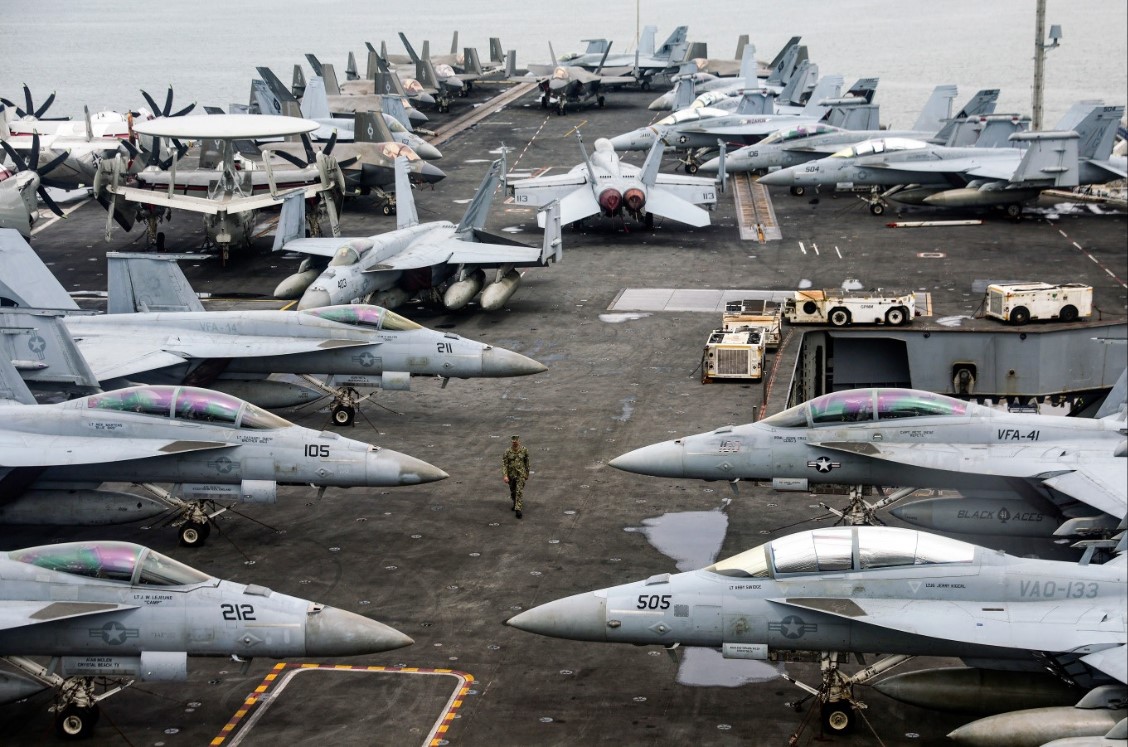 US Plans Significant Reduction of Fighter Jets and Warships for NATO Operations in Europe
-
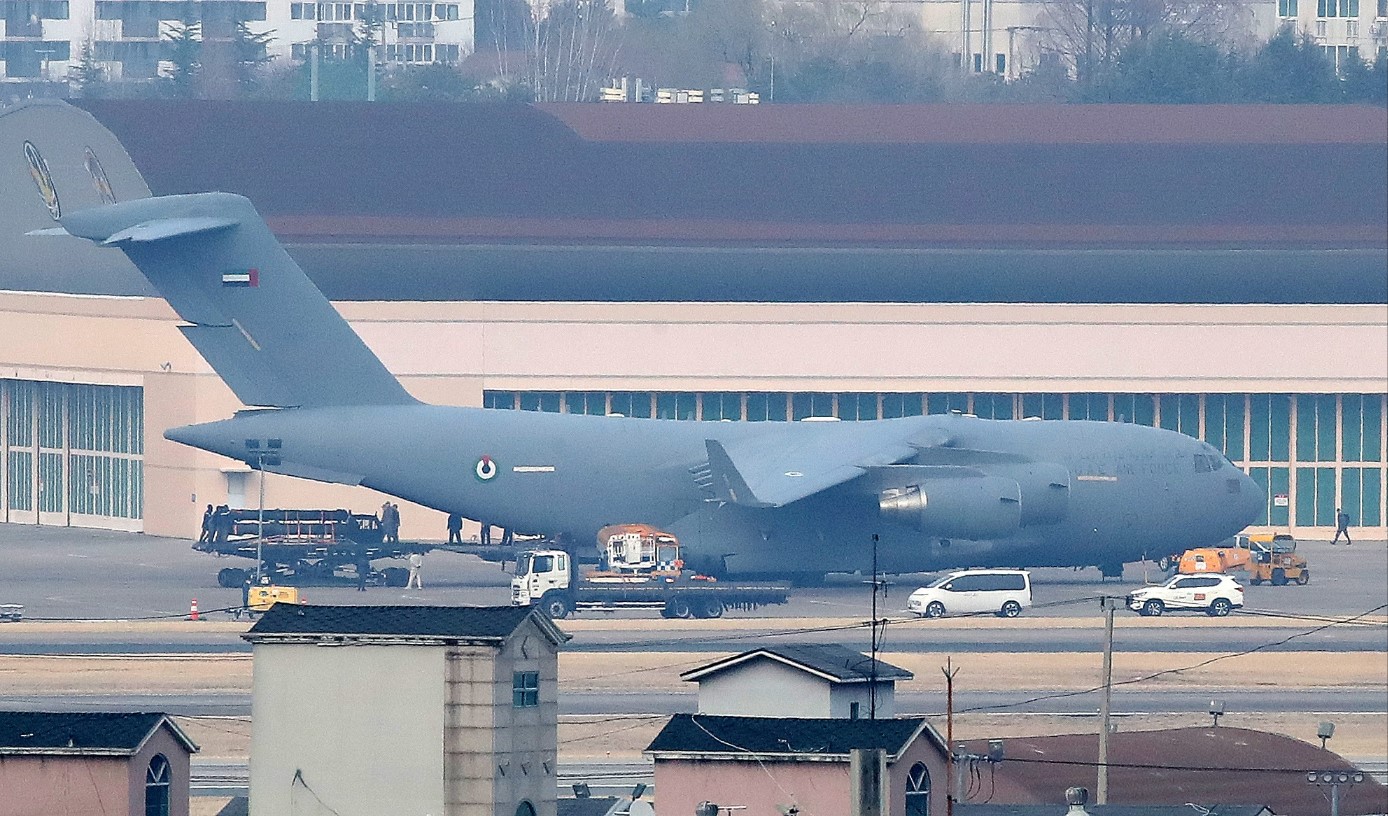 UAE Urgently Airlifts Cheongung-II Missile Defense Battery From South Korea Using Eight C-17 Aircraft
-
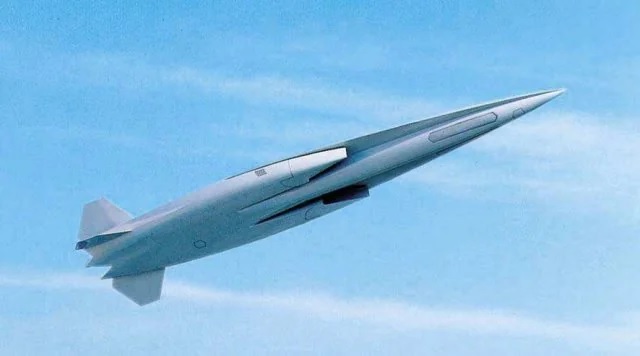 France Awards MBDA Contract to Develop ASN4G Hypersonic Nuclear Missile to Replace ASMPA-R
-
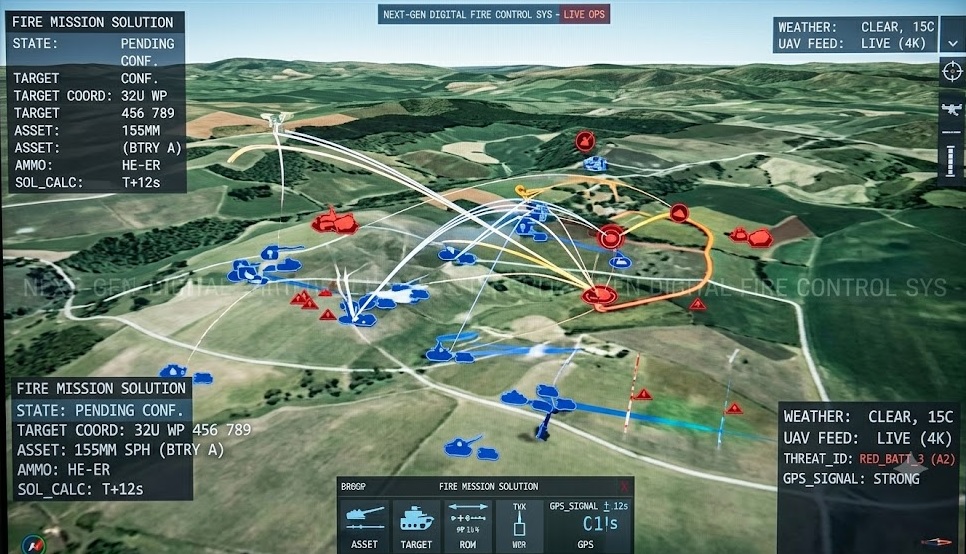 BAE Systems Unveils Next-Generation Digital Indirect Fire Control System at Eurosatory 2026
-
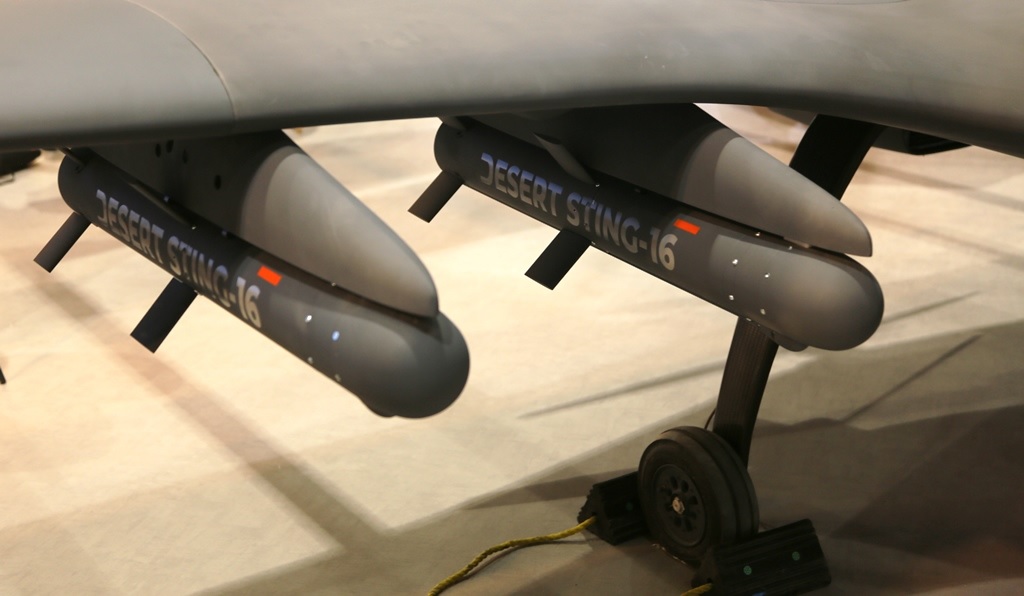 EDGE Integrates Desert Sting 16 Precision-Guided Munition with Bayraktar TB2 UAV
-
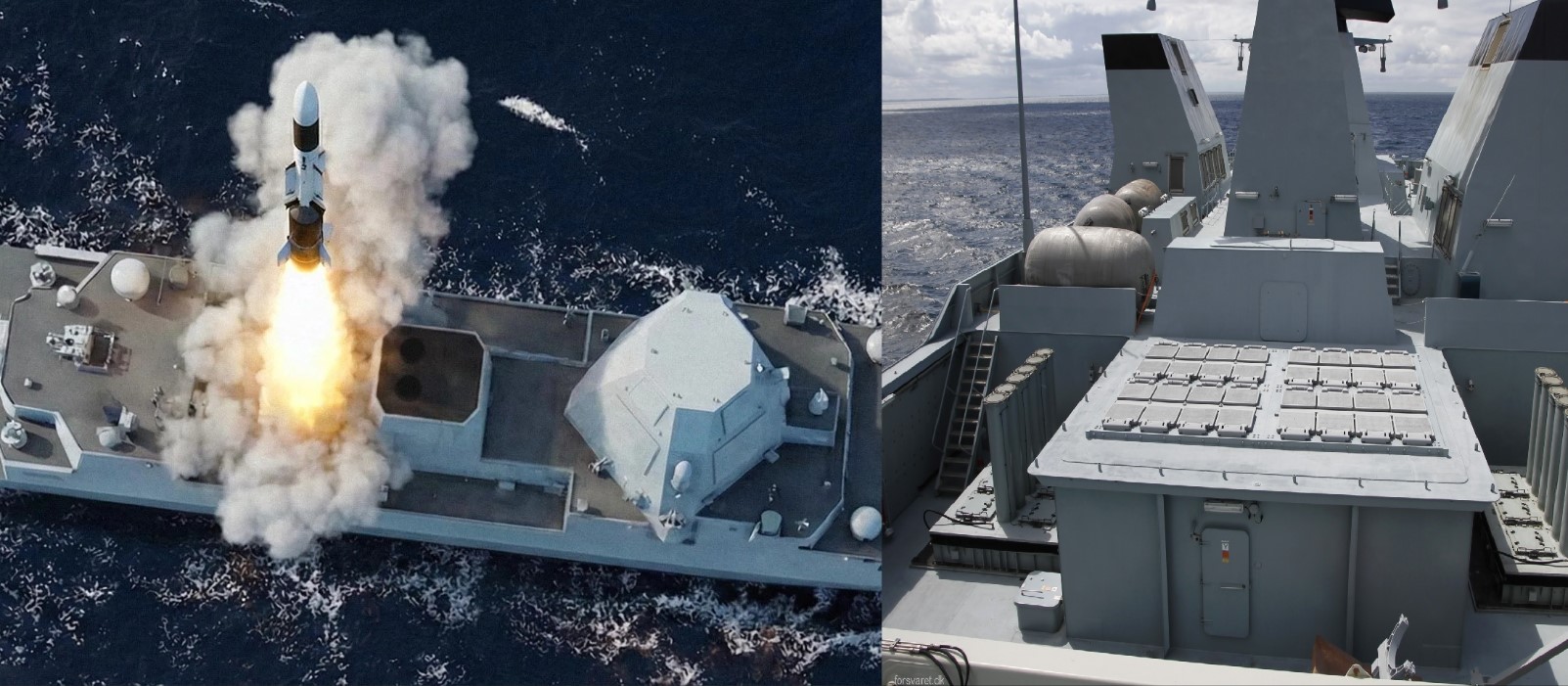 Engineering Challenges Behind the US Navy's Decision to Drop MK41 VLS from Flight I FF(X) Frigates
-
 Russia Unveils AI-Powered Counter-Drone System for Maritime and Coastal Defense at Fleet 2026
Top Trending in 4 Days
-
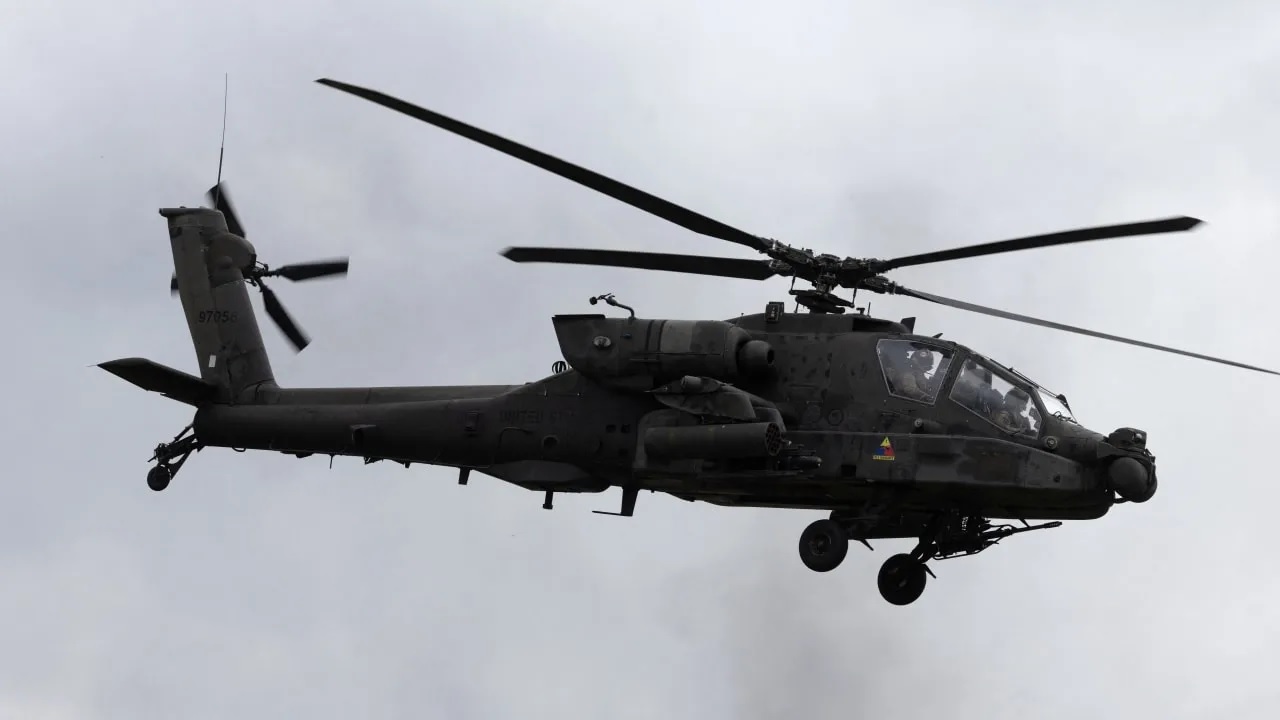 US Army Apache Helicopter Crashes Near Strait of Hormuz; Crew Rescued Safely
-
 Boeing Introduces New MQ-28 Ghost Bat Upgrades with Increased Range, Payload and Weapons Capacity at ILA Berlin 2026
-
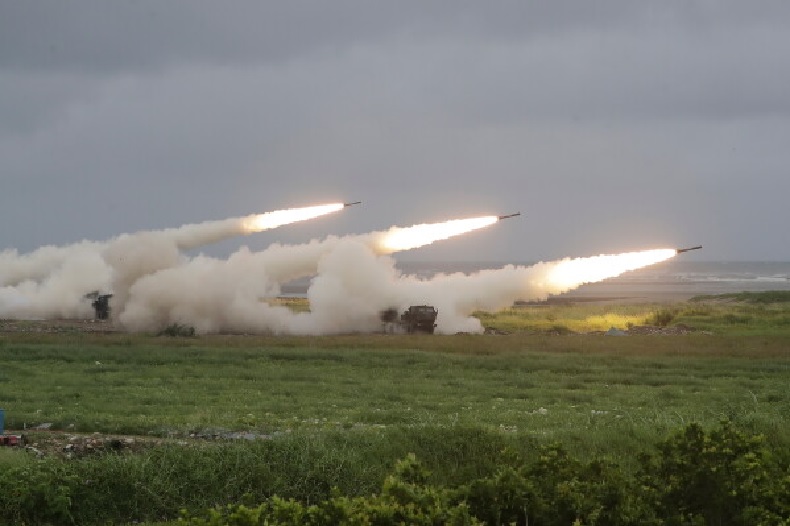 Taiwan Conducts First Live-Fire of HIMARS Rockets From West Coast During Invasion Defense Drill
-
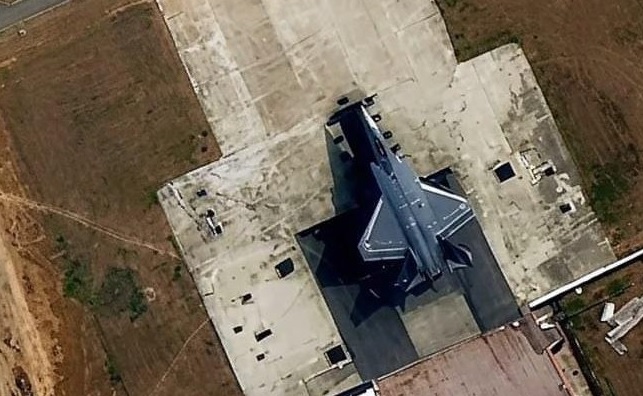 AMCA Airframe Spotted at DRDO’s ORANGE Facility for Radar Cross-Section Testing
-
 U.S. Army Successfully Demonstrates Quantum Sensor That Can Precisely Locate Radio Signals in 3D
-
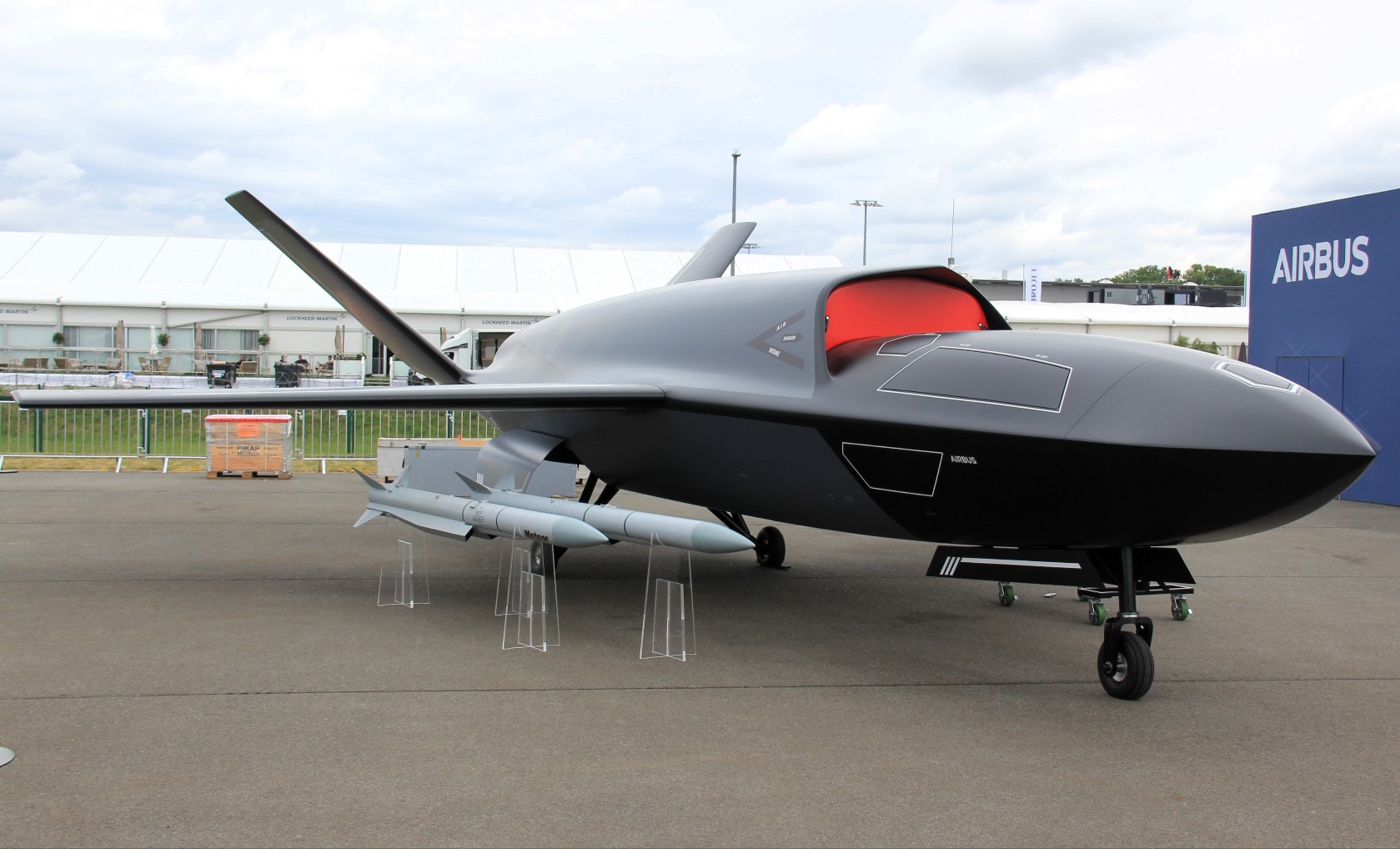 Airbus Unveils U760 Ravenstorm Loyal Wingman Drone at ILA Berlin 2026
-
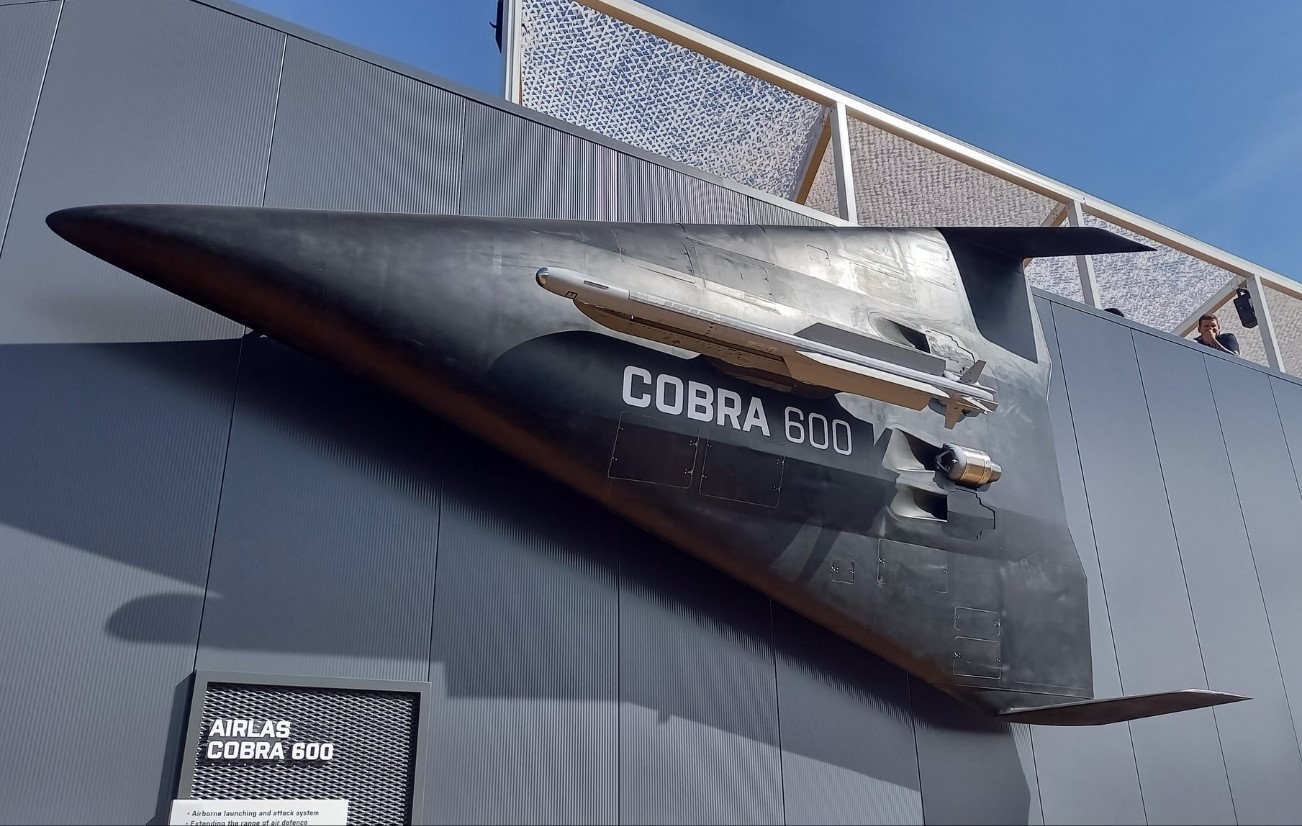 Diehl Defence Unveils IRIS-T Armed Cobra 600 Air Defense Drone at ILA Berlin 2026
-
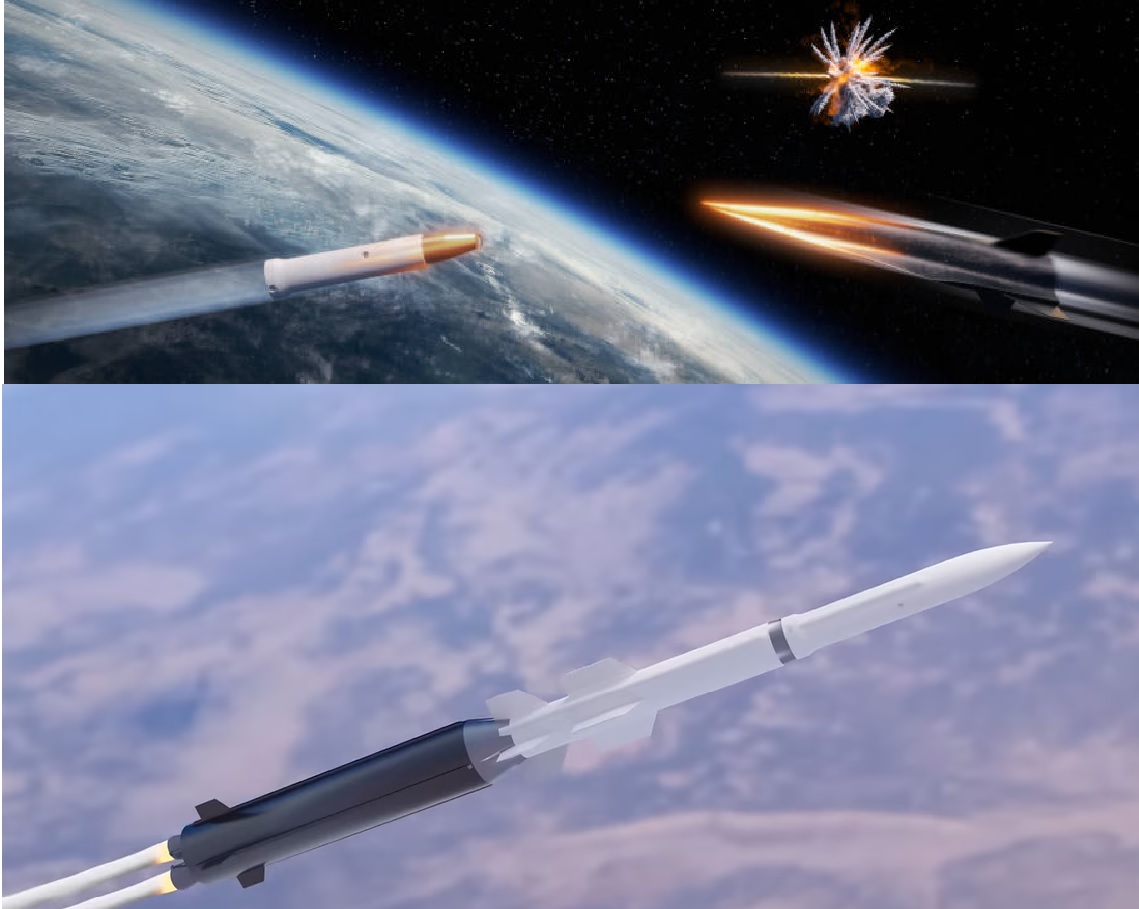 MBDA Develops AQUILA Interceptor to Counter Hypersonic and Maneuvering Missile Threats
