
World
ISLAMABAD : Pakistan’s Defence Minister Khawaja Muhammad Asif told the National Assembly on Monday that security forces deployed in Balochistan are facing a serious operational disadvantage, stating that insurgent groups in the province possess weapons and battlefield equipment superior to those currently available to many units of the Pakistan Army. The remarks came as fighting continued across large parts of Balochistan following a coordinated insurgent operation launched by the Baloch Liberation Army (BLA), which the group refers to as “Operation Herof.” The offensive has been underway for more than 72 hours and has affected over a dozen towns and cities across the province. Admission of Equipment and Capability Gap Addressing lawmakers, Asif said insurgents are now operating with advanced assault rifles, thermal imaging devices and laser sighting systems, enabling them to conduct effective operations during both day and night. He stated that individual rifles used by militants cost approximately 2 million Pakistani rupees each, while thermal and laser optics range between $4,000 and $5,000 per unit. According to the minister, the total value of an individual insurgent’s combat equipment is estimated at nearly $20,000. Asif told parliament that many Pakistani soldiers deployed in Balochistan do not possess comparable night-fighting or targeting equipment. He said this imbalance has reduced the effectiveness of security operations, particularly after dark, and has limited the army’s ability to counter mobile insurgent units. The defence minister further said the state is struggling to contain the situation, citing the vast geographic size of Balochistan and the dispersion of forces across remote areas. He described troops as operationally constrained by terrain, distance and logistics, adding that the scale of the province makes sustained area control difficult. Details of “Operation Herof” The BLA launched its operation on January 31 with coordinated attacks in Quetta, Gwadar, Mastung, Nushki and Turbat, according to security and local administrative sources. The offensive involved assaults on police stations, temporary seizure of road networks and attacks on government installations. In Quetta, local sources reported that security personnel withdrew from several forward checkpoints and regrouped in cantonment areas. Insurgents were reported to have moved through multiple neighborhoods without immediate resistance, although authorities said strategic positions were secured. In Mastung, militants overran the district jail, resulting in the release of more than 30 inmates. Local officials said security forces did not regain control of the facility for several hours following the incident. Multiple sources also reported that reinforcements from the Quetta-based XII Corps were not deployed to some affected districts for nearly three days. This has raised questions about command responsiveness and coordination during the initial phase of the insurgent operation. The military has not publicly commented on these reports. Night Operations and Tactical Advantage Security analysts based in Islamabad said insurgents have gained a tactical advantage due to widespread use of thermal optics, allowing them to detect and engage targets at night. Analysts said Pakistani troops operating without comparable equipment face significant visibility limitations after sunset, reducing their ability to patrol or conduct counter-ambush operations. According to analysts, insurgent units have used these capabilities to control movement along highways and approach security positions with limited detection. Conflicting Casualty Claims Casualty figures from the ongoing clashes remain disputed. The Pakistani military has stated that 177 militants have been killed since the start of the operation, while reporting 17 fatalities among its own personnel. No visual or independent verification has been released to support these figures. The BLA, in contrast, claims it has killed more than 180 Pakistani security personnel and captured 18 alive. The group has also released videos it says show the seizure of military camps and equipment. Broader Implications Opposition lawmakers and analysts said the focus on the cost of insurgent weapons highlights deeper structural issues. They noted that the presence of high-value equipment suggests sustained funding sources and logistical networks that have operated without disruption from Pakistan’s intelligence agencies, including the ISI. Analysts said the situation reflects not only a military challenge but also political and economic weaknesses, arguing that insurgent groups have been able to outspend government forces at the individual fighter level. Current Situation As of Tuesday morning, security operations were continuing in multiple districts, but authorities had not announced a comprehensive counter-offensive or timeline for restoring full state control. Road traffic remained restricted in several areas, and residents in affected districts reported continued uncertainty over security conditions. The federal government has indicated that further briefings will be provided to parliament as assessments from the field are compiled.
Read More → Posted on 2026-02-03 18:05:45
World
Strait of Hormuz : Tensions in the Persian Gulf rose early Tuesday after Iranian naval craft approached and attempted to halt a U.S.-flagged oil tanker transiting near the Strait of Hormuz, according to maritime security advisories and regional officials familiar with the incident. The tanker, identified as the M/T Stena Imperative, ultimately completed its passage after taking evasive measures and receiving an escort from U.S. naval forces. The vessel, which is Danish-owned but registered under the U.S. flag, had departed ports in the United Arab Emirates and was sailing toward Bahrain, home to the headquarters of the U.S. Fifth Fleet. The encounter occurred during daylight hours as the tanker moved through internationally recognized shipping lanes north of Oman’s coastline. According to a situation report circulated by the British maritime security firm Vanguard Tech, six fast attack craft affiliated with the Islamic Revolutionary Guard Corps Navy (IRGCN) approached the tanker at close range. The vessels were described as lightly armored, high-speed boats typically used for coastal patrols and interdiction missions. Bridge-to-bridge radio communications were initiated, during which the tanker’s crew was instructed to reduce speed, stop its engines, and prepare for boarding. Maritime sources said the tanker’s master declined to comply with the instructions and instead maintained course while increasing speed within safe navigational limits. The Iranian craft maneuvered around the vessel for several minutes but did not discharge weapons or make physical contact. The approach ended after the tanker widened the distance between itself and the boats. Shortly afterward, the Stena Imperative made contact with U.S. naval authorities operating in the area. A U.S. Navy surface combatant joined the vessel and provided an armed escort through the remainder of the transit to Bahrain. The tanker arrived without reported damage, and no injuries were recorded among its crew. The incident occurred against a backdrop of heightened military activity and political signaling in the region. In recent days, Iranian officials have publicly warned that continued U.S. military deployments near Iran’s maritime approaches could prompt retaliatory measures. Regional security officials said commercial shipping has been placed on heightened alert as a precaution, though traffic through the Strait of Hormuz has continued without interruption. Analysts note that the waterway remains one of the world’s most critical energy chokepoints, with roughly one-fifth of globally traded oil passing through it each day. Vessels flying the U.S. flag are entitled to U.S. protection under international maritime practice, regardless of the nationality of their owners or operators, a factor that often carries strategic significance during periods of tension. U.S. defense officials declined to comment on specific operational details but confirmed that maritime advisories had been issued to merchant vessels in the area. The notices advise ships to maintain situational awareness, keep safe distances from military craft when possible, and promptly report unusual approaches to naval authorities. Iranian state media did not immediately acknowledge the encounter. There were no reports of disruptions to oil exports or commercial shipping schedules following the incident, and regional ports continued normal operations as of Tuesday evening.
Read More → Posted on 2026-02-03 17:45:55
World
London : The United Kingdom’s Ministry of Defence has awarded a £40 million ($54.6 million) contract to Ultra Maritime for the supply of advanced sonobuoys to support the Royal Navy’s anti-submarine warfare (ASW) operations. The agreement will provide a sustained supply of expendable acoustic sensors for the Royal Navy Merlin helicopter fleet at a time of increased undersea activity around British waters. According to defence officials, the contract reflects the need to maintain a reliable and resilient maritime surveillance capability amid what the Ministry of Defence has described as a more complex and contested undersea environment. Sub-surface monitoring is considered a core element of the UK’s national security posture, particularly in relation to the protection of strategic assets and sea lines of communication. Role of Sonobuoys in Royal Navy Operations Sonobuoys are single-use acoustic sensors deployed from aircraft into the ocean. Once released, they activate on contact with the water and deploy hydrophones beneath the surface to detect, track and classify submarines and other underwater contacts. Data collected by the sensors is transmitted in real time back to the deploying aircraft, allowing aircrews to build an acoustic picture of the maritime environment. Under the new contract, the sonobuoys will be used primarily by the Royal Navy’s Merlin Mk2 Maritime Patrol Helicopters. These aircraft form the backbone of the UK’s airborne anti-submarine warfare capability and are routinely tasked with detecting and monitoring underwater threats in support of wider naval operations. Merlin Mk2 Fleet and Basing The Merlin Mk2 helicopters are operated by 814 and 824 Naval Air Squadrons and are based at RNAS Culdrose in Cornwall. From this base, the Merlin force supports a range of missions, including the protection of the UK’s continuous at-sea nuclear deterrent, the escort of aircraft carrier strike groups, and deployments aboard frigates and Royal Fleet Auxiliary vessels. In addition to shipborne operations, Merlin helicopters also deploy forward to locations such as Prestwick in Scotland to support maritime patrol, quick-reaction tasking, and North Atlantic surveillance. Integration with Weapons and Sensors The Merlin Mk2 is equipped with a comprehensive ASW sensor suite, including radar, electro-optical systems, and acoustic processing equipment. Sonobuoys are a central component of this sensor network, enabling crews to localise and track underwater contacts detected during patrols. If required, the aircraft can be armed with Sting Ray lightweight torpedoes, providing the capability to engage hostile submarines following detection and classification. Defence officials note that the effectiveness of this capability depends on the availability and performance of modern sonobuoys, making a sustained supply operationally essential. Domestic Manufacturing and Industrial Impact The contract includes the design, development and manufacture of the sonobuoys, with a significant proportion of production taking place in the United Kingdom. Ultra Maritime will undertake manufacturing at its expanded London facility, supporting skilled engineering and manufacturing roles and contributing to the UK’s sovereign defence industrial base. Captain Colin Maude, Merlin Delivery Team Leader at Defence Equipment & Support, said the investment would ensure a secure supply of UK-manufactured sensors while enhancing the operational effectiveness of the Merlin fleet. He added that the sonobuoys would improve the Royal Navy’s ability to monitor and safeguard UK waters and maritime approaches. Future Development and Uncrewed Systems In parallel with the current programme, Ultra Maritime is working with the Ministry of Defence on the development of smaller, lightweight sonobuoys intended for use with uncrewed air systems (UAS). These miniaturised sensors are designed to be deployed by drones, potentially extending the reach, coverage, and persistence of future anti-submarine surveillance operations while reducing risk to crewed aircraft. Defence officials view the integration of uncrewed systems as part of a broader effort to adapt ASW capabilities to emerging technologies and evolving operational requirements. Strategic Context The award of the sonobuoy contract forms part of the UK’s wider effort to maintain effective control of the sub-surface domain. Anti-submarine warfare remains a central task for the Royal Navy, underpinning the security of strategic deterrence forces, carrier strike operations, and maritime trade routes. By securing a long-term supply of modern sonobuoys and investing in domestic production and future technologies, the Ministry of Defence aims to ensure that the Royal Navy’s airborne anti-submarine forces remain equipped to meet current and anticipated challenges in the undersea environment.
Read More → Posted on 2026-02-03 17:36:00
World
TAIPEI : Taiwan has formally initiated mass-production preparations for its most advanced indigenous anti-ballistic missile system, known as Strong Bow, as part of a broader effort to strengthen the island’s air and missile defenses against expanding Chinese missile capabilities. Procurement and budgetary documents released by the Ministry of National Defense (MND) confirm plans to acquire two complete Strong Bow system sets and 128 interceptor missiles. Strong Bow is the operational designation for Sky Bow IV (Tien Kung IV), the latest variant in Taiwan’s long-running Sky Bow missile family. The program is a core element of President Lai Ching-te’s proposed “T-Dome” integrated air and missile defense architecture. Transition to Mass Production Strong Bow was developed by the state-owned National Chung-Shan Institute of Science and Technology (NCSIST) and has completed required operational evaluation testing, allowing the system to transition from development into production preparation. According to defense officials familiar with the procurement, the total program value—including interceptor missiles, vertical launcher vehicles, radar systems, command-and-control elements, training equipment, and logistical support—is estimated at approximately NT$36.6 billion (about US$1.13 billion). Funding has been allocated through a combination of special defense budgets and long-term force modernization appropriations. Domestic industry participants have been instructed to prepare for scaled manufacturing. Supply-chain sources say component orders are expected to begin within the year, with production capacity expansion planned through 2027 to support full-rate manufacturing and follow-on missile replenishment. Missile and Intercept Capabilities Strong Bow represents a significant capability increase over the currently deployed Sky Bow III interceptor. While Sky Bow III is assessed to intercept targets at altitudes of approximately 35 to 45 kilometers, Strong Bow extends the engagement envelope to roughly 70 kilometers. This expanded altitude allows the system to intercept short- and medium-range ballistic missiles during the terminal phase of flight, as well as high-altitude cruise missiles. Defense planners view this capability as closing an important gap between lower-tier air defense systems and higher-tier interceptors such as the U.S.-supplied Patriot PAC-3 already in Taiwanese service. The interceptor employs an active radar seeker and improved guidance algorithms designed to enhance accuracy against maneuvering targets and to operate effectively in dense electronic-warfare environments. Chiang Kong AESA Radar Integration A key component of the Strong Bow system is the Chiang Kong active electronically scanned array (AESA) fire-control radar, developed domestically by NCSIST. The Chiang Kong radar is designed to provide long-range detection, tracking, and engagement support specifically for high-speed ballistic and cruise missile targets. Defense sources say the radar offers improved target discrimination, faster refresh rates, and greater resistance to jamming compared with earlier Sky Bow-series radars. Its AESA architecture allows the system to track multiple targets simultaneously while guiding several interceptors in flight, a capability considered critical in scenarios involving large-scale missile salvos. The Chiang Kong radar is also designed to integrate with Taiwan’s broader air defense sensor network, enabling data sharing with other radar systems and command centers to improve situational awareness and engagement coordination across multiple defense layers. Role in the T-Dome Architecture The Strong Bow system is intended to serve as the medium-tier interceptor within President Lai’s T-Dome concept, which was outlined publicly during his National Day address in late 2025. The framework envisions an island-wide, layered defense network integrating indigenous systems with selected foreign platforms through shared sensors, command-and-control infrastructure, and data links. Military planners describe the T-Dome as a response to the growing size and diversity of missile forces fielded by the People’s Liberation Army, emphasizing redundancy and layered interception rather than reliance on a single defensive system. As part of longer-term planning, NCSIST has also initiated research and preliminary testing on a follow-on interceptor often referred to informally as Strong Bow II or Sky Bow V. The next-generation system is expected to target interception altitudes approaching 100 kilometers, though it remains in the research and development phase and has not yet entered formal procurement. Testing and Deployment Outlook The move toward production follows reports of a recent successful test launch of the Strong Bow interceptor. Video footage broadcast by local media showed the missile being launched from a vertical canister, a configuration intended to reduce reaction time and allow flexible deployment across multiple sites. The MND has stated that mass production and deployment of Strong Bow are intended to offset the numerical advantage of China’s missile forces by increasing interception coverage and resilience. While specific deployment timelines have not been publicly disclosed, defense officials indicate that initial operational units could begin receiving the system once early production batches are completed. Taiwanese defense authorities emphasize that the Strong Bow program forms part of a long-term modernization effort focused on indigenous development, stable funding, and integration into a comprehensive, layered national air and missile defense structure.
Read More → Posted on 2026-02-03 17:27:38
World
WASHINGTON / DUBAI — The United States has repositioned the aircraft carrier USS Abraham Lincoln and its strike group farther from Iran’s coastline, moving the formation to the Gulf of Aden in a shift that increases the distance between U.S. naval forces and Iranian territory while maintaining operational reach across the region. According to regional maritime monitoring data and defense officials familiar with the movement, the carrier group has relocated to waters east of Socotra Island near southern Yemen. The new position places the strike group approximately 1,400 kilometers from Iran’s southeastern port of Chabahar, compared with an earlier operating distance of about 700 kilometers earlier in the week. The repositioning comes as U.S. and Iranian officials prepare for direct diplomatic talks scheduled to begin in Turkey. U.S. officials described the movement as a routine operational adjustment that also reduces the risk of miscalculation during a sensitive diplomatic period. Despite the increased standoff distance, defense analysts note that the carrier remains within the assessed range of Iran’s long-range anti-ship missile systems, some of which are believed to have maximum ranges approaching 2,000 kilometers. The relocation nonetheless places the carrier outside the densest coverage of Iran’s coastal missile and drone networks operating from the Gulf of Oman. The USS Abraham Lincoln Carrier Strike Group includes several Arleigh Burke–class guided-missile destroyers equipped with the Aegis combat system and Tomahawk land-attack cruise missiles. Open-source reporting and U.S. naval practice suggest at least one attack submarine is operating in support of the group, providing additional surveillance and strike capability. Aircraft assigned to the carrier’s air wing include F-35C Lightning II stealth fighters and F/A-18 Super Hornet multirole aircraft. U.S. Navy officials say these assets retain the ability to conduct missions across the region with the support of aerial refueling and allied basing. The naval adjustment follows heightened regional tensions in recent days, including naval drills conducted by Iran’s Islamic Revolutionary Guard Corps in and around the Strait of Hormuz. Those exercises included missile launches and fast-attack craft operations near key international shipping lanes. U.S. Middle East envoy Steve Witkoff is expected to meet Iranian Foreign Minister Abbas Araghchi during the upcoming talks. U.S. officials say the carrier’s repositioning is intended to support diplomatic efforts while preserving U.S. military readiness in the region. Pentagon officials emphasized that the United States continues to monitor regional developments closely and retains the ability to adjust force posture as conditions evolve.
Read More → Posted on 2026-02-03 17:13:52
World
Paris : The French Armament General Directorate (DGA) has formally confirmed the award of the Syfrall Heavy–Light Crossing System framework contract to a French industrial consortium composed of CNIM Systèmes Industriels, CEFA, and Soframe. The confirmation follows a contract notification issued on December 30, 2025, and activates a long-term framework agreement with a maximum value of €697.25 million excluding tax, covering a duration of 120 months. The Syfrall Program, formally designated Système de Franchissement Lourd-Léger, is part of the 2024–2030 French Military Programming Law and is structured to address long-standing limitations in the French Army’s wet-gap crossing capabilities. The framework nature of the contract allows the French Ministry of the Armed Forces to place orders progressively over the life of the agreement and also enables acquisitions on behalf of partner nations, including through European cooperative mechanisms such as the SAFE (Security for Action For Europe) initiative. Context Of Existing Crossing Capabilities The French Army currently relies on a limited number of heavy and medium wet-gap crossing systems that entered service over several decades. Among these, the Engin de Franchissement de l’Avant (EFA) remains an important asset. The EFA provides amphibious ferry capability and can form temporary bridges when multiple vehicles are coupled together. Its design allows vehicles to embark directly onto floating sections without extensive bank preparation, enabling rapid transitions between land and water. However, the EFA fleet is limited in size and was originally developed to support earlier generations of armored vehicles with lower weight and dimensional requirements. As a result, EFAs are typically concentrated within specific engineer units rather than distributed across all brigades, which constrains flexibility and limits the number of simultaneous crossing points that can be established during large-scale maneuver operations. The primary floating bridge system currently in service is the Pont Flottant Motorisé (PFM). Modernized in recent years to the PFM F2 standard, this system uses powered floating modules that can be assembled into ferries or continuous bridges. Depending on configuration and environmental conditions, the PFM supports loads of approximately MLC 90T or MLC 100W. Upgrades introduced more powerful propulsion, remote control functions, and integrated ramps, reducing manpower requirements and deployment time. Despite these improvements, the limited number of PFM modules restricts overall crossing length, and the increasing mass of modern armored vehicles has further highlighted capacity constraints. Operational analyses and European exercises have repeatedly shown that existing assets are insufficient to support high-intensity operations across river-dense terrain, particularly when multiple crossing axes are required simultaneously at brigade and divisional levels. Objectives And Scope Of The Syfrall Program The Syfrall Program is intended to progressively complement and ultimately succeed the EFA and PFM systems by extending supported load classes, increasing modularity, and expanding total crossing capacity. The system is designed to provide both discontinuous crossings using ferries, referred to in French doctrine as portières, and continuous crossings through the assembly of floating bridge sections. Syfrall relies on modular floating elements and loading ramps transported by dedicated trucks and semi-trailers. These components can be combined according to obstacle width, hydrological conditions, and the weight of vehicles to be supported. The system is specified to support Military Load Classification (MLC) thresholds up to MLC 85C and MLC 100R, enabling the crossing of all current French Army wheeled and tracked vehicles, including the Leclerc XLR main battle tank, Scorpion-program vehicles, and allied heavy platforms operating under NATO standards. This load capacity reflects the evolution of French armored forces and aligns crossing capabilities with NATO planning and interoperability requirements. By standardizing heavy crossing assets into a single modular family, the French Army aims to reduce reliance on multiple specialized systems and improve overall availability at the tactical level. Planned Deliveries And Operational Impact The initial target defined by the French Army is the acquisition of eight Syfrall systems, representing approximately 300 linear meters of total crossing capability. Deliveries are planned before the end of 2030. These eight systems are defined as providing a first operational crossing capability for a combined-arms tactical group equipped with Scorpion vehicles and Leclerc tanks, establishing a reference level for brigade-level maneuver operations. When combined, Syfrall systems are also intended to contribute to divisional-level logistical crossings, supporting sustained operations over extended distances. The framework structure of the contract allows for additional systems to be ordered later, depending on operational requirements, budget availability, and potential multinational participation. Industrial Organization And National Production From an industrial perspective, responsibilities within the consortium are clearly divided. CNIM Systèmes Industriels and CEFA are responsible for the development and manufacture of floating bridge components, including pontoons, ramps, and associated mechanical systems. Soframe provides the tractor trucks and semi-trailers required for the transport, deployment, and recovery of the crossing equipment. The consortium is tasked with the full scope of development and production, covering engineering activities, manufacturing, and preparation for operational service within French Army engineer units. The partnership, publicly formalized in 2024, is presented as a fully national industrial arrangement, with all major components produced in France. This integration of floating bridge elements with the road mobility chain is considered essential, as operational crossing capability depends directly on transport availability, deployment speed, and long-term sustainment. Addressing Long-Standing Capability Gaps By awarding the Syfrall framework contract, the French Ministry of the Armed Forces seeks to address structural constraints that have affected wet-gap crossing capacity for both maneuver and logistics. The program reflects lessons identified through operational experience and military exercises, where limited crossing density and insufficient load margins constrained the tempo of armored operations. Syfrall is therefore positioned as a core enabling capability for future French Army brigade and divisional maneuver, restoring autonomous heavy crossing capacity while offering a scalable framework for long-term expansion and potential European cooperation.
Read More → Posted on 2026-02-03 16:56:35
World
Beijing : China’s military leadership has been thrown into deep turmoil following a far-reaching corruption investigation that U.S. intelligence assessments say was triggered by serious flaws discovered inside the country’s strategic missile forces, including allegations that some nuclear-capable missiles were improperly prepared and that key launch infrastructure suffered from major construction defects. The investigation, which has led to the detention and removal of several senior officers, represents the most extensive shake-up of the People’s Liberation Army (PLA) in more than a decade and has directly affected the uppermost levels of China’s military command structure. At the center of the case is Zhang Youxia, formerly Vice Chairman of the Central Military Commission (CMC) and the highest-ranking uniformed officer in China. Zhang, long regarded as a close associate of President Xi Jinping, was reportedly detained in mid-January and is under investigation for corruption and other serious violations. Intelligence Findings And Equipment Concerns According to reports cited by U.S. intelligence officials in 2024, systemic corruption inside the PLA Rocket Force — the branch responsible for China’s nuclear and conventional missile arsenal — resulted in severe maintenance and readiness problems. Among the most notable claims was that certain liquid-fuel intercontinental ballistic missiles (ICBMs) were found to contain water rather than propellant, a condition that would render them inoperable. U.S. officials also assessed that large missile silo complexes in western China, including in Xinjiang, suffered from faulty construction. In some cases, silo lids were reportedly too heavy or mechanically flawed to open as designed, potentially preventing missile launches in an emergency. These assessments were first made public in reporting by Bloomberg, which said the findings contributed directly to Beijing’s internal military purge. While Chinese authorities have not publicly confirmed the specific technical allegations, analysts say the scale of the subsequent disciplinary campaign indicates that leadership in Beijing treated the intelligence seriously. Scope of the Military Purge Chinese state media has confirmed that Zhang Youxia is under investigation for “serious violations of discipline and law,” a phrase commonly used to describe corruption cases involving senior officials. People familiar with internal briefings say the inquiry goes beyond financial misconduct and includes allegations of accepting bribes, selling promotions, and interfering with procurement processes. The investigation has widened to include General Liu Zhenli, chief of the Joint Staff Department, as well as more than a dozen senior officers linked to the Rocket Force and the Equipment Development Department. The removal of Rocket Force leadership in 2023 and 2024 marked the first time an entire strategic branch had its top command replaced in modern PLA history. The South China Morning Post, citing a commentary in PLA Daily, reported that the military leadership had ordered a sweeping effort to eliminate corruption that undermines combat readiness, with particular focus on misuse of defense funds and compromised weapons programs. Debate Over Missile Fueling Claims Some analysts and publications have questioned the technical interpretation of the intelligence findings. Asia Times reported in early 2024 that China does not normally keep liquid-fuel missiles filled while in storage, noting that long-term fueling can cause corrosion and other damage. From that perspective, the presence of water inside missiles would be unusual unless it resulted from deliberate sabotage or testing procedures, rather than routine neglect. The Centre for Strategic and International Studies (CSIS) noted in a January 2025 analysis that even if some missiles were compromised at the time of inspection, there is no evidence that the condition would persist long-term. The report argued that the scale of the crackdown itself demonstrated Xi Jinping’s intent to strengthen, rather than abandon, China’s nuclear forces. Strategic And Political Implications The revelations have raised questions among foreign intelligence agencies about China’s near-term military readiness, particularly as Beijing continues large-scale exercises near Taiwan and takes a more assertive posture toward Japan over regional security issues. Former and current U.S. intelligence officials have long assessed that 2027 could be a key benchmark year for potential Chinese military action against Taiwan, making operational reliability a central concern for China’s leadership. Analysts say the current purge suggests that Xi Jinping is prioritizing internal discipline, equipment integrity, and command accountability as part of broader military preparations. Jonathan Czin, a senior fellow at the Brookings Institution, told The Telegraph that the campaign reflects a focus on operational standards rather than a distraction from them. Former Central Intelligence Agency (CIA) analysts quoted by the newspaper similarly said the removals point to an effort to address readiness gaps exposed by internal reviews. Official Response From Beijing China’s Ministry of Defense has not directly addressed the allegations regarding missile fueling or silo defects. In official statements, however, it has emphasized the need to eradicate corruption that weakens combat effectiveness and has pledged continued inspections across all branches of the armed forces. Zhang Youxia’s fall represents the most significant removal of a senior military figure since Xi Jinping began consolidating control over the PLA in 2012. Observers say the outcome of the investigation will likely shape future reforms in procurement, personnel management, and strategic weapons oversight, as China continues efforts to modernize its military amid growing regional and global tensions.
Read More → Posted on 2026-02-03 16:20:42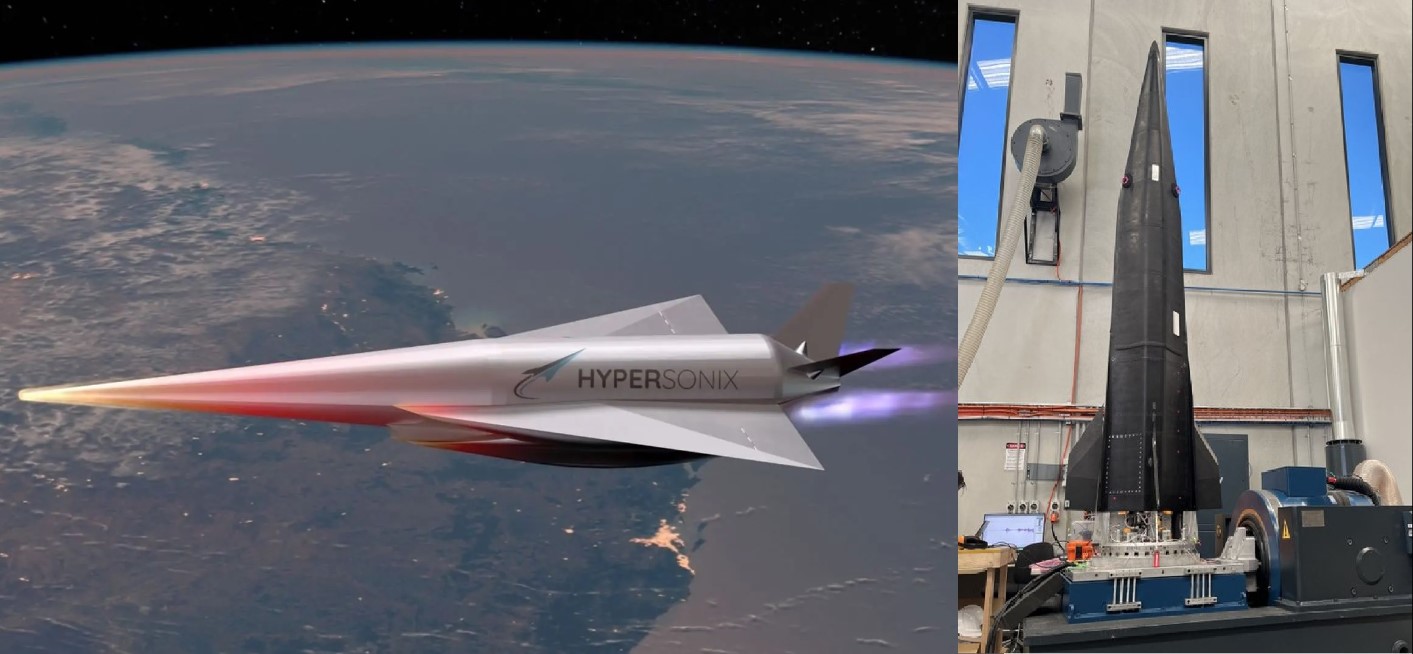
World
SYDNEY : Australian aerospace firm Hypersonix Launch Systems has cleared a major technical milestone on the path to the first flight of its hydrogen-fueled scramjet demonstrator, announcing that its DART-AE vehicle has successfully completed full-scale vibration testing. The company confirmed the results on Wednesday, January 28, 2026, formally authorizing the vehicle for shipment to the United States ahead of a planned suborbital launch later in the first quarter of the year. The demonstrator, known as DART-AE—short for Demonstrator for Accelerated Reusable Technology with Additive Engineering—is scheduled to fly aboard a Rocket Lab HASTE (Hypersonic Accelerator Suborbital Test Electron) rocket. The launch will take place from the Wallops Flight Facility in Virginia, where final integration activities are expected to begin shortly after the vehicle arrives from Australia. Structural Qualification and Additive Manufacturing Vibration testing, commonly referred to within the aerospace sector as the “shake and bake” qualification process, is designed to replicate the intense acoustic loads and mechanical stresses experienced during launch. According to Hypersonix, the DART-AE airframe and onboard systems were subjected to launch-level vibration profiles representative of the Rocket Lab HASTE ascent environment. The tests carried particular significance because DART-AE is among the first hypersonic vehicles to be produced almost entirely through high-temperature additive manufacturing. The vehicle’s primary structure is fabricated from Inconel, a nickel-based superalloy selected for its strength and thermal stability at hypersonic temperatures. Successful completion of the tests confirms that the 3D-printed airframe, internal avionics, fuel systems, and propulsion interfaces can withstand high-G loads prior to separation from the launch vehicle. Hypersonix stated that no structural anomalies or avionics faults were detected during or after the test campaign, allowing the program to advance directly into flight preparations without redesign or requalification. Launch and Flight Sequence The upcoming mission will be conducted under the U.S. Defense Innovation Unit’s HyCAT (Hypersonic and High-Cadence Airborne Testing) program, which aims to accelerate the development and demonstration of hypersonic technologies through rapid, lower-cost flight testing. Under the current mission profile, the HASTE booster will loft the DART-AE to an altitude of approximately 30 kilometers, accelerating it to around Mach 5 before release. Following separation, the vehicle will ignite its SPARTAN scramjet engine, transitioning from a boost phase to autonomous powered hypersonic flight. Unlike conventional rocket engines, the SPARTAN scramjet does not carry an onboard oxidizer. Instead, it ingests atmospheric oxygen at high speed, compressing the airflow through its inlet to sustain supersonic combustion of hydrogen fuel. This approach reduces vehicle mass and enables efficient operation within the hypersonic flight regime. During the test, DART-AE is programmed to accelerate to speeds approaching Mach 7, or roughly 8,600 kilometers per hour. The objective is to demonstrate stable, sustained, non-ballistic hypersonic flight while collecting data on propulsion performance, thermal loads, structural behavior, and vehicle control. Transportation and Integration in the United States With vibration qualification complete, Hypersonix is preparing the demonstrator for trans-Pacific transport to Rocket Lab’s U.S. integration facilities at Wallops. Once on site, the vehicle will undergo final checkouts, interface verification with the HASTE launch vehicle, and range safety approvals before entering the launch window. Rocket Lab’s HASTE platform is a suborbital variant of its Electron rocket, modified to support hypersonic test payloads requiring precise deployment conditions. The system has been positioned as a rapid-response option for government and commercial hypersonic testing, offering repeatable access to relevant speed and altitude regimes. Hydrogen Scramjets and Emissions Profile The DART-AE flight also serves as a technology demonstration for hydrogen-based hypersonic propulsion. When operating in scramjet mode, the SPARTAN engine’s primary by-product is water vapor, rather than carbon-based exhaust. Hypersonix has emphasized that while the broader launch system still relies on conventional rocket propulsion, the scramjet phase represents a lower-emission approach to sustained hypersonic flight within the atmosphere. If the Q1 2026 mission proceeds as planned, it will represent one of the most advanced demonstrations to date of a reusable, additively manufactured, hydrogen-fueled scramjet operating at hypersonic speeds. Data from the flight is expected to inform future DART variants and potential applications across defense testing, space access concepts, and high-speed atmospheric research.
Read More → Posted on 2026-02-03 16:02:28
World
TEHRAN / WASHINGTON : According to Reuters, Senior figures within Iran’s political and security establishment have warned that a new U.S. military strike could severely undermine the government’s ability to maintain control, potentially reigniting large-scale domestic unrest following last month’s deadly suppression of protests, according to multiple sources familiar with internal discussions. The warnings were conveyed during recent high-level meetings attended by Iran’s Supreme Leader, Ayatollah Ali Khamenei, Reuters reported, citing six current and former Iranian officials. Participants in the meetings said the country remains highly unstable after January demonstrations that were met with heavy force by security services, resulting in significant casualties. Internal Assessments of Public Sentiment Officials briefed on the discussions said the leadership is increasingly concerned that longstanding methods of deterrence, particularly reliance on fear and coercion, may no longer be sufficient to prevent renewed protests. Four current officials described the January crackdown as the most severe since the early years following the 1979 Islamic Revolution, and said public anger has not subsided. According to these officials, assessments presented to the Supreme Leader indicated that a segment of the population is now more willing to confront security forces than during previous periods of unrest. The briefings contrasted the current situation with earlier foreign military actions, including Israeli and U.S. strikes in mid-2025 on Iranian-linked targets, which did not prompt significant street demonstrations at the time. Officials argued that conditions have since changed, with economic pressures, inflation, unemployment, and political grievances compounding public dissatisfaction. As a result, they warned that a limited U.S. military strike would be unlikely to generate national unity and could instead act as a catalyst for broader opposition activity. Risk of Combined External and Internal Pressure Several officials described a scenario in which foreign military action and domestic protests reinforce one another. In such an environment, they warned, security forces could be stretched across multiple fronts, increasing the risk of instability within the governing system. One official familiar with the discussions said there is concern that sustained external pressure is being calibrated to intensify internal divisions and encourage continuous protests. Another noted fears that any perception of weakening state authority could embolden both organized opposition groups and spontaneous public demonstrations. Statements From Opposition Figures Concerns within the establishment have been echoed by opposition figures, including Mirhossein Mousavi, a former prime minister who has been under house arrest since 2011. In a statement published on the reform-oriented Kalameh website, Mousavi criticized the government’s response to the January protests and said the use of force had deepened public resentment. His remarks underscored a broader narrative among reformist and opposition voices that the protests reflect structural issues rather than isolated unrest, and that continued repression could intensify demands for political change. U.S. Military Posture The internal Iranian warnings come amid heightened tensions between Tehran and Washington. U.S. President Donald Trump has publicly stated that military options remain under consideration as part of broader efforts to deter Iran and respond to regional threats. According to officials briefed on U.S. planning, potential options include targeted strikes against Iranian security and command infrastructure. The U.S. military has also increased its regional presence, including the deployment of an aircraft carrier and accompanying naval assets, expanding its capacity for rapid operations if ordered. U.S. and Israeli officials have previously assessed that air power alone is unlikely to bring about fundamental political change in Iran. However, Iranian officials now appear increasingly concerned that military pressure combined with unresolved domestic grievances could produce unpredictable outcomes. Domestic Conditions Despite the current absence of large-scale demonstrations, analysts describe the situation inside Iran as tense. Economic challenges, including currency depreciation and rising living costs, continue to affect daily life, while political restrictions limit avenues for dissent. Officials interviewed by Reuters said there is an expectation that any future protests would be met with even harsher measures than those used in January, raising the risk of higher casualties. At the same time, some citizens interviewed indicated that the threat of further repression may no longer deter participation in demonstrations, particularly among families affected by recent violence. For now, both Iranian authorities and foreign governments are closely monitoring developments, with internal assessments suggesting that the interaction between external military pressure and domestic unrest remains one of the most significant risks facing the Islamic Republic in the months ahead.
Read More → Posted on 2026-02-03 15:50:33
World
Rome : Italian defence group Leonardo has unveiled the Hystrix family of land-based air defence and counter-unmanned aerial systems, marking the adaptation of its naval gun technologies for terrestrial air defence roles. The new family consists of two configurations, the Hystrix 40 ADS and the Hystrix 76 ADS, both designed to counter drones, loitering munitions, and low-altitude aerial threats under a centralized command-and-control framework. The Hystrix systems are fully integrated into Leonardo’s Michelangelo Dome defensive architecture, a modular and scalable air defence framework that links sensors, command elements, and effectors into a unified C5 structure. Within this architecture, gun-based systems form part of a layered defence approach, addressing threats in defined engagement zones before they reach protected assets. Hystrix Concept and System Architecture The Hystrix designation, derived from the Latin word for hedgehog, identifies a family of land artillery systems that reuse naval gun designs in static or relocatable land configurations. Leonardo has positioned Hystrix as a gun-based solution that complements missile-based air defence systems, offering sustained fire, rapid reaction, and cost-efficient engagement of aerial threats. Within the Michelangelo Dome structure, the 76 mm systems form the longer-range gun layer, while the 40 mm systems provide a mid-range engagement layer. Both calibres operate under the same command-and-control logic, allowing coordinated engagements based on threat density, priority, and mission requirements. Hystrix 40 ADS: Mid-Layer Counter-UAS System The Hystrix 40 ADS is the mid-layer gun system within the Hystrix family. It is derived from the Marlin 40 naval mount, a system whose lineage traces back to 40 mm gun developments by Oto Melara in the 1950s. More than 850 Marlin 40 mounts are currently in service with around 30 navies worldwide. For land use, the Hystrix 40 ADS adopts the Independent Line Of Sight (ILOS) configuration, integrating its own electro-optical sensor suite. This enables autonomous detection, tracking, ballistic calculation, engagement, and engagement termination, while remaining compatible with higher-level command-and-control inputs. A Hystrix 40 ADS prototype is scheduled to be completed before the end of 2026 to support full integration with Michelangelo Dome command-and-control elements. The system provides 360-degree traverse with an elevation range from –20 degrees to +85 degrees. It features training speeds of 120 degrees per second and elevation speeds of 75 degrees per second, both supported by accelerations of 200 degrees per second squared. In its land configuration, the Hystrix 40 ADS has a dry mass of approximately 2,100 kg, around 100 kg lighter than the naval mount. It carries 72 ready-to-fire rounds, with total ammunition mass of about 180 kg. The gun fires exclusively at its maximum rate of 300 rounds per minute, with full reloading completed in under five minutes. The sensor suite includes a 6.5 km laser rangefinder, a thermal camera with detection, recognition, and identification ranges of 15 km, 6.8 km, and 3.5 km, and a daylight camera with ranges of 20 km, 9 km, and 4.5 km. The final configuration is expected to integrate the Janus D fully digital sensor, optimized for counter-UAS operations. The Hystrix 40 ADS can be mounted on flatbed trucks or semitrailers, using hydraulic jacks for autonomous unloading and emplacement. It is compatible with IDV Astra 8×8 vehicles used with SAMP/T and SAMP/T NG systems. Ammunition options include high-explosive incendiary tracer, high-explosive pre-fragmented proximity-fuse rounds, and multifunction programmable ammunition supporting airburst, point-detonating, and combined modes. Leonardo is cooperating with MBDA Italy to evaluate integration of the Fulgur VSHORAD missile, extending the engagement envelope beyond gun-only range. Leonardo has previously exported trailer-mounted Marlin 40 ILOS turrets to an unnamed Far East country, with local industry conducting final assembly, and a further army requirement is under discussion. Hystrix 76 ADS: Long-Range Gun Layer The Hystrix 76 ADS represents the long-range gun layer within the Michelangelo Dome architecture. It is based on the 76/62 naval gun system in the SovraPonte configuration, avoiding below-deck intrusion and enabling land installation. Development is self-financed by Leonardo. Designed for fixed or relocatable deployment, the system has a dry mass of approximately 7,000 kg. With 72 rounds loaded, ammunition adds around 900 kg, limiting suitability for mobile vehicle-mounted roles. The displayed configuration uses a two-axle flatbed trailer with four hydraulic outriggers. A forward container module houses fire-control electronics, communications equipment, and an onboard generator. The current container is a 10-foot standard format, with efforts ongoing to reduce size and weight. The Hystrix 76 ADS offers 360-degree traverse, an elevation range from –5 to +85 degrees, and dual-feed magazines holding 36 rounds each. The system is remotely operated via a two-way data link, transmitting fire missions and returning system status data, including remaining ammunition. A prototype is planned before the end of 2026, with initial trials in the same timeframe. Hystrix 76 ADS Light Variant The Hystrix 76 ADS Light is under development for 8×8 wheeled or tracked platforms. It has a dry mass below 4,000 kg, operates at a reduced rate of fire of 100 rounds per minute, and carries slightly over 40 rounds with approximately 500 kg of ammunition. The design reuses components from 76/62 Compact, 76/62 SP, 76/62 SR Super Rapido DF/MF, and the Hitfact MkII land turret. Trials of the standard Hystrix 76 ADS are planned before year’s end, with the Light variant prototype to follow later. Ammunition and Counter-UAS Performance Supported ammunition includes HE-PF-IM6-OES (3AP fuse), HE-MOMA1 (4AP fuse), Vulcano 76 BER, and the DART guided munition. Additional Vulcano variants with infrared and semi-active laser seekers are in advanced development. Use of DART requires the Davide guidance kit, while Davide Plus will add tracking capability and stand-alone operation. Leonardo confirmed existing 76 mm ammunition has demonstrated effectiveness against small drones. At the La Spezia Navy range, a 4AP proximity fuse detonated within 2–3 metres of a Class 1 drone. Leonardo identified detection and tracking as key limiting factors and cited its C-band Tactical Multi Mission Radar as a supporting sensor. The blast and fragmentation effects of a single 76 mm round were assessed as sufficient to engage multiple drones in a swarm. Integrated Role Within Michelangelo Dome Within Michelangelo Dome, Hystrix contributes to a layered defence concept, including a Dead Zone where point-defence effectors engage threats before reaching protected sites. By adapting naval gun systems for land-based static or relocatable roles, Leonardo aims to reduce development timelines while expanding counter-air and counter-UAS coverage, reinforcing its integrated sensors-to-shooters air defence approach.
Read More → Posted on 2026-02-03 15:09:56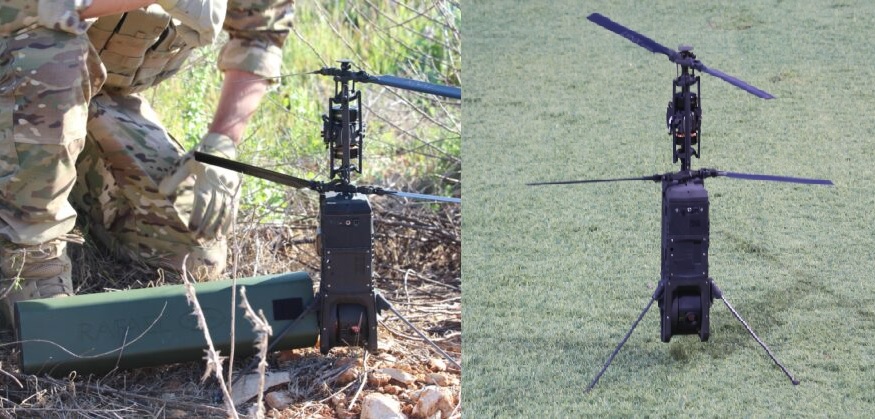
World
HANOI / TEL AVIV : Vietnam has taken a significant step toward modernizing its infantry capabilities and expanding its domestic defense manufacturing base after reportedly concluding a major agreement with Israel’s Rafael Advanced Defense Systems for the acquisition and licensed production of the Maoz loitering munition system, internationally marketed as the Spike Firefly. According to information first reported by Intelligence Online, the agreement is valued at approximately USD 250 million and includes provisions for full local manufacturing in Vietnam. The deal reflects a broader shift in Hanoi’s procurement policy, prioritizing technology transfer and sovereign production over conventional off-the-shelf imports. Local Manufacturing and Industrial Framework At the core of the agreement is the establishment of a dedicated production line within Vietnam, operated by a designated domestic defense enterprise under license from Rafael. The arrangement reportedly includes the transfer of manufacturing documentation, system integration procedures, quality control processes, and maintenance know-how required to sustain long-term domestic production. Vietnamese sources indicate that the objective is not limited to final assembly but extends to progressively increasing local content, including airframe components, launch canisters, and selected electronic subsystems. This approach aligns with the Ministry of National Defense’s long-standing policy of strengthening the national defense-industrial base and reducing dependence on single external suppliers. System Overview The system acquired by Vietnam is known within the Israel Defense Forces as Maoz, while Rafael markets it globally as the Spike Firefly or L-Spike 1x. It is a man-portable loitering munition designed for use at the small-unit level, bridging the gap between reconnaissance drones and direct-fire precision weapons. The Firefly employs a coaxial rotor configuration, enabling vertical takeoff and landing as well as stable hovering. This design allows the system to operate effectively in confined environments such as urban terrain, forests, and complex topography where line-of-sight weapons are limited. The munition is launched from a compact canister and controlled via a handheld operator console. Real-time electro-optical imagery is transmitted back to the operator throughout the mission, allowing continuous situational awareness and positive target identification. Operational Characteristics Technical data associated with the Vietnam program indicates an operational range of up to approximately five kilometers, depending on terrain, altitude, and mission profile. Endurance is sufficient to allow extended loitering over a target area before engagement. A defining feature of the system is its man-in-the-loop control architecture. The operator retains full authority over target engagement and can abort an attack seconds before impact, redirecting the munition back into a loitering pattern if conditions change or if non-combatants are detected. The warhead is optimized for use against personnel and lightly protected targets, consistent with close-combat infantry operations. Combat Employment Background The Maoz system has been used operationally by Israeli ground forces, including during recent combat operations in Gaza. Israeli infantry units employed the loitering munition for close-range reconnaissance, room-to-room threat detection, and precision engagement of fortified positions in dense urban environments, reducing exposure of troops to direct fire. Rafael states that the broader Spike family of guided weapons is in service with more than 40 armed forces worldwide. Within this portfolio, the Firefly occupies a specialized role as a single-use reconnaissance-strike asset intended for squad- and platoon-level employment rather than long-range anti-armor missions. Strategic Implications For Vietnam, the agreement provides access to a modern precision capability tailored to contemporary land warfare while simultaneously advancing domestic manufacturing capacity. The focus on licensed production and technology transfer reflects Hanoi’s efforts to diversify defense partnerships and enhance self-reliance amid evolving regional security dynamics. The deal also underscores the expanding defense relationship between Vietnam and Israel, which in recent years has included cooperation in areas such as air defense, sensors, avionics, and small arms. While neither government has released detailed timelines for production start or initial operational deployment, the program is expected to contribute to the gradual modernization of Vietnam’s infantry formations over the coming years. If implemented as outlined, the Maoz/Spike Firefly program would represent one of Vietnam’s most advanced examples of localized production of a modern precision-guided munition, combining foreign technology with domestic industrial participation.
Read More → Posted on 2026-02-03 14:45:41
World
TAPA, Estonia : U.S. Army cavalry units assigned to the U.S. Army’s 1st Cavalry Division conducted mounted maneuver operations at Estonia’s Tapa Training Area on January 31, 2026, as part of NATO’s annual Winter Camp exercise, according to official military statements. The activity took place at the Tapa Training Area, one of the Baltic region’s primary multinational training facilities. Soldiers from the 6th Squadron, 9th Cavalry Regiment participated in vehicle-based tactical maneuvers designed to support Winter Camp, a recurring NATO exercise focused on interoperability and operational readiness in cold-weather environments. The January 31 operation was conducted under winter conditions typical of northern Europe, including snow-covered ground, sub-freezing temperatures, and limited daylight. These conditions were used to replicate the environmental challenges NATO forces would face during real-world operations in the region. Role as Opposing Forces For this iteration of Winter Camp, the U.S. cavalry squadron was assigned the role of opposing force (OPFOR). In this capacity, the unit acted as a simulated adversary for allied formations from France and the United Kingdom also participating in the exercise. According to the U.S. Army, the OPFOR mission required the cavalry unit to conduct mounted reconnaissance-style movements, rapid repositioning, and tactical engagements intended to test allied responses. French and British forces were tasked with detecting, tracking, and responding to these maneuvers while maintaining coordination across national command structures. Interoperability and Command Coordination A central objective of Winter Camp is improving interoperability among NATO members. During the exercise, allied units practiced integrated command and control procedures, shared communications systems, and synchronized maneuver planning. The interaction between U.S., French, and British forces was structured to ensure compatibility at the tactical level, particularly in fast-moving, vehicle-centric operations. Military officials noted that the exercise placed emphasis on standardized NATO procedures, including reporting formats, engagement protocols, and battlefield coordination, all conducted under the constraints imposed by cold-weather operations. Cold-Weather Operations Focus Winter Camp is specifically designed to enhance NATO’s ability to operate in severe winter climates. The mounted maneuvers conducted at Tapa included movement over frozen and uneven terrain, vehicle recovery drills, and sustainment planning under cold conditions. The U.S. Army stated that these activities were intended to confirm that personnel, vehicles, and support systems remain effective during winter operations in the Baltic region. Particular attention was given to vehicle mobility, maintenance requirements, and crew endurance in low temperatures. U.S. Command Structure in Europe U.S. participation in the exercise was conducted under the authority of V Corps, which maintains a forward headquarters in Europe. V Corps is responsible for providing command and control for U.S. Army forces operating across the continent and supporting NATO missions. Officials indicated that the involvement of V Corps in Winter Camp reflects ongoing U.S. efforts to maintain readiness and support allied forces through regular multinational training events. Estonia’s Role in NATO Training Estonia continues to serve as a key location for NATO training and readiness activities. The Tapa Training Area, located roughly 80 kilometers east of the capital, Tallinn, regularly hosts rotational forces from multiple NATO member states. The facility is used to train multinational battle groups and is positioned to support exercises focused on collective defense and rapid reinforcement. Its frequent use underscores Estonia’s role in facilitating allied training near NATO’s eastern border. Military officials stated that exercises such as Winter Camp are intended to ensure that NATO forces can integrate effectively, operate under challenging environmental conditions, and maintain consistent readiness across all seasons.
Read More → Posted on 2026-02-03 14:36:53
World
TOULON : The French Navy has initiated a formal evaluation program to integrate advanced electro-optical and infrared (EO/IR) surveillance systems aboard its Mistral-class Landing Helicopter Docks (LHDs), aiming to strengthen detection, identification, and self-defense capabilities of its amphibious fleet. The trials are underway at the Toulon naval base and involve parallel testing of two different sensor systems installed on separate ships of the class. Visual confirmation from the port and statements from naval authorities indicate that the lead ship Mistral (L9013) has been equipped with the CAT EYE H20 optronic system developed by French manufacturer Lerity, while Dixmude (L9015) is operating a TrakkaCam system supplied by TRAKKA Systems. The side-by-side evaluation is intended to support a future selection of a standardized solution for broader naval use. Program Scope and Objectives The French Navy describes the installations as part of an experimental program designed to assess EO/IR sensor performance in maritime conditions. The evaluation focuses on surface and low-altitude air surveillance, long-range visual identification, and continuous operation in day, night, and reduced-visibility environments. In addition to the Mistral-class LHDs, the data collected during the trials is expected to inform a possible future upgrade of Floréal-class surveillance frigates. These vessels are routinely deployed for overseas presence missions, maritime security patrols, and exclusive economic zone (EEZ) monitoring, where passive electro-optical detection is considered increasingly important. A significant element of the program is the adaptation of systems originally designed for fixed or land-based use to shipboard operations. In the case of the CAT EYE H20, the French Navy is supporting Lerity in modifying a sensor already in widespread service at coastal surveillance posts (sémaphores). This represents the first shipborne deployment of the CAT EYE system and requires enhanced stabilization, maritime environmental protection, and integration with naval command systems to account for vessel motion and sea conditions. CAT EYE H20 on Mistral The CAT EYE H20 is a new-generation optronic surveillance system unveiled publicly at Euronaval 2024 and later presented at MADEX 2025 in South Korea. The system is designed to provide persistent long-range observation in both daylight and low-light conditions. From an elevated shipboard position, the CAT EYE H20 is assessed to offer effective surveillance ranges of up to approximately 40 kilometers during daytime and around 20 kilometers at night, depending on atmospheric conditions. The sensor suite integrates visible-spectrum cameras and thermal imagers, supported by synchronized active illumination to ensure continuous 24-hour coverage. A key feature under evaluation is range-gating technology, which improves performance in maritime environments affected by fog, rain, haze, or sea spray. By limiting backscatter from active illumination, the system enhances target contrast and clarity in degraded visibility. The system architecture is designed to support embedded artificial intelligence functions, including automated detection, tracking, and classification of multiple contacts simultaneously. These functions are intended to reduce operator workload and improve reaction times during complex surveillance tasks. TrakkaCam System on Dixmude The EO/IR system installed aboard Dixmude is assessed by analysts to be the TrakkaCam TC-375M, TRAKKA Systems’ naval-specific variant, although the French Navy has not formally confirmed the model designation. The system integrates multispectral sensors, including high-definition visible and infrared cameras, within a single line-replaceable unit (LRU). The TrakkaCam is designed for sustained operation in harsh maritime environments and has been environmentally tested for resistance to saltwater corrosion, vibration, shock, and electromagnetic interference. These characteristics are critical for reliable performance on large surface combatants and amphibious vessels. The system is optimized for a broad mission set, including search and rescue operations, counter-piracy patrols, exclusive economic zone surveillance, and interdiction of illicit trafficking. Such missions align closely with the operational roles routinely assigned to Mistral-class LHDs during overseas deployments. Operational Context and Fleet Developments The introduction of advanced EO/IR sensors reflects changing operational requirements for large naval platforms. Amphibious ships increasingly operate in environments where small, low-signature surface contacts and low-altitude aerial systems present detection challenges for conventional radar, particularly in cluttered littoral waters. EO/IR systems provide a passive means of surveillance, allowing ships to detect and identify contacts without emitting electromagnetic signals. This capability supports operations conducted under emissions control (EMCON) conditions and reduces the risk of early detection by adversaries equipped with electronic surveillance systems. High-resolution optical and thermal imagery also enables long-range visual identification, supporting command decisions in congested maritime areas where civilian and military traffic may be intermingled. The current trials build on earlier French Navy initiatives to strengthen fleet-wide electro-optical capabilities. Previous operational requirements led to the installation of Safran Paseo XLR systems on FREMM frigates and Horizon-class air-defense destroyers, reflecting lessons learned from recent maritime security operations. By extending similar evaluation efforts to amphibious assault ships, the French Navy is applying the same sensor enhancement approach to its projection and support vessels, alongside frontline combatants.
Read More → Posted on 2026-02-03 14:17:31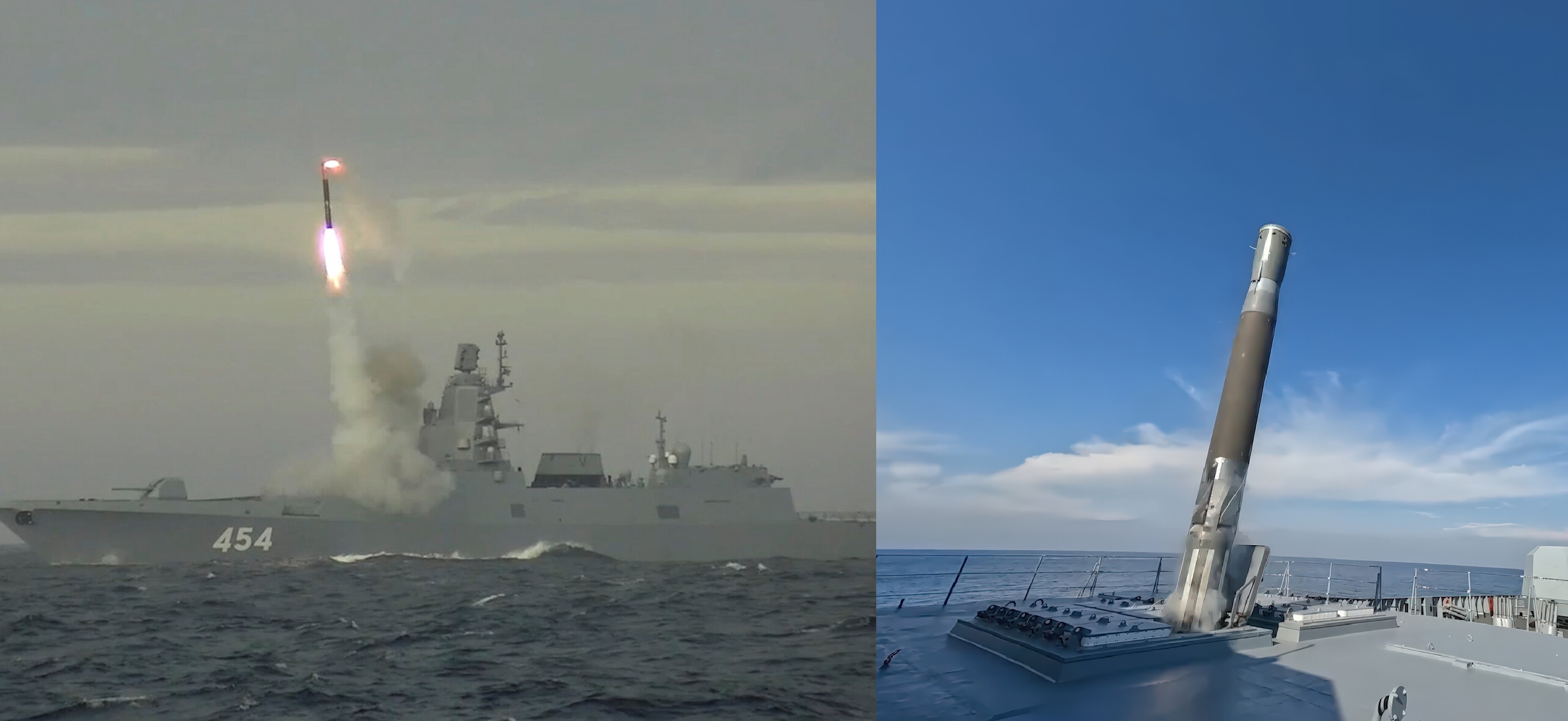
World
KYIV : Russian forces carried out one of the largest and most technologically complex aerial attacks of the year against Ukraine overnight, launching a coordinated strike involving hypersonic missiles, ballistic missiles, cruise missiles, and hundreds of unmanned aerial vehicles. The assault, which continued for more than 12 hours, focused primarily on energy and heating infrastructure in major Ukrainian cities amid extreme winter conditions. Ukraine’s Air Force confirmed that the attack marked one of the first large-scale uses of Russia’s advanced 3M22 Zircon hypersonic missiles against ground targets in a single operation, reflecting a continued expansion of the weapons mix used in strikes on civilian infrastructure. Scope and Composition of the Attack According to the Air Force Command of the Armed Forces of Ukraine, radio-technical surveillance units detected a total of 521 aerial attack assets launched from multiple directions. Launch areas included the Caspian Sea, Russia’s Bryansk and Kursk regions, and temporarily occupied Crimea. The attack package consisted of hypersonic, ballistic, and cruise missiles combined with mass drone launches. Ukrainian officials reported the use of Zircon and Onyx-class hypersonic anti-ship missiles launched from Crimea, Iskander-M ballistic missiles, S-300 missiles used in a ground-attack role, Kh-22 and Kh-32 supersonic cruise missiles fired from Tu-22M3 strategic bombers, and long-range Kh-101 and Iskander-K cruise missiles. The missile strikes were supported by a large wave of attack drones, primarily Shahed-131 and Shahed-136 types, along with Gerbera and Italmas unmanned systems. Military analysts in Kyiv assessed that the combination of ballistic trajectories, high-speed hypersonic weapons, and drone swarms was intended to saturate Ukrainian air defenses and increase the likelihood of strikes reaching critical infrastructure targets. Air Defense Operations Despite the scale and complexity of the assault, Ukrainian air defense forces reported a high interception rate. Preliminary figures released by the Air Force indicate that approximately 450 aerial targets were either destroyed or suppressed during the attack. Intercepted targets included dozens of missiles—among them all detected Zircon hypersonic missiles and a significant portion of ballistic and cruise missiles—as well as more than four hundred unmanned aerial vehicles. Ukrainian officials attributed the performance of air defenses to layered systems combining domestically operated assets with Western-supplied platforms, including Patriot missile batteries. President Volodymyr Zelensky said the attack relied heavily on ballistic missiles and drones, noting that it coincided with the coldest days of winter and was directed at civilian life-support systems rather than military installations. Energy and Heating Infrastructure Damage Ukrainian authorities stated that the primary targets were combined heat and power plants (CHPs) and thermal power plants (TPPs) supplying district heating to large urban areas. Minister of Energy Denys Shmyhal said facilities in Kyiv, Kharkiv, and Dnipro were struck while operating in winter mode, solely to provide heat and electricity to residential districts. Temperatures across parts of the country fell to as low as minus 25 degrees Celsius, increasing the risk of system failures and damage to water and heating networks. In Kyiv, Mayor Vitali Klitschko reported damage to key energy hubs that left approximately 1,170 high-rise residential buildings without central heating. Emergency utility crews began controlled drainage of heating systems in affected districts to prevent pipes from freezing and bursting, while mobile heating points were prepared for residents. Impact on Residential Areas and Civilian Casualties The strikes caused localized damage in several urban districts. In Kyiv, falling debris and direct impacts sparked fires in high-rise apartment buildings in the Darnytskyi and Shevchenkivskyi districts. A kindergarten in the Dniprovskyi district sustained fire damage, though officials said no children were present at the time. Across the country, authorities reported between nine and twelve civilians injured as a result of missile impacts, drone strikes, and falling debris. No fatalities were immediately confirmed, though assessments were ongoing as emergency services continued to clear rubble and inspect damaged structures. Military and Strategic Context Ukrainian defense officials noted that the use of the Zircon hypersonic cruise missile, originally developed for naval warfare, against land targets highlights a further adaptation of Russian strike tactics. While the missile’s speed poses challenges for air defense systems, Ukrainian forces have increasingly demonstrated the ability to track and intercept such weapons using modern radar integration and advanced interceptors, including the U.S.-supplied Patriot missile system. The timing of the attack drew particular attention in Kyiv, as it occurred on the eve of planned diplomatic engagements involving Ukraine and international partners. Ukrainian officials accused Moscow of using large-scale strikes on civilian infrastructure as leverage, rather than signaling readiness for de-escalation. As of Tuesday afternoon, power engineers and emergency services remained engaged in restoration efforts, while the Ukrainian military continued to assess the full operational and material impact of the overnight assault.
Read More → Posted on 2026-02-03 13:59:05
World
TUCSON, Arizona : Raytheon, an RTX business, has completed a key ballistic test of its candidate interceptor for the U.S. Army’s Next Generation Short Range Interceptor (NGSRI) program, marking another step in the Army’s effort to replace the aging FIM-92 Stinger missile and modernize short-range air defense capabilities. The company confirmed that the test validated the interceptor’s ability to detect and track unmanned aerial system (UAS) targets and to launch successfully from a man-portable configuration. The trial was conducted using Raytheon’s internal funding, with the objective of reducing technical risk, maturing the design, and collecting performance data ahead of upcoming Army-funded flight demonstrations. Program Background and Army Requirement The NGSRI program is the U.S. Army’s primary initiative to develop a next-generation man-portable air defense interceptor capable of countering a broad range of aerial threats. These include small and low-cost drones, larger unmanned systems, helicopters, fixed-wing aircraft, and cruise missiles operating in increasingly complex environments. The Army intends NGSRI to replace the FIM-92 Stinger, which entered service in the early 1980s and has undergone multiple upgrades but faces growing limitations against modern threats. Operational experience in recent conflicts has highlighted the need for greater range, improved speed, enhanced seekers, and better performance against low-signature and maneuvering targets. Ballistic Test Objectives and Results According to Raytheon, the ballistic test focused on validating core interceptor functions rather than a full end-to-end engagement. Key objectives included confirming launch performance from a shoulder-fired system, verifying initial flight stability, and demonstrating target tracking against representative drone threats. Data gathered during the test will be used to refine guidance, propulsion, and system integration elements before the start of government-sponsored flight testing. Raytheon stated that early company-funded trials are intended to accelerate the program timeline by identifying issues prior to formal Army evaluations. Tom Laliberty, president of Land and Air Defense Systems at Raytheon, said the company’s approach is designed to align closely with Army requirements while maintaining affordability and scalability. He noted that repeated testing and data collection are central to meeting schedule milestones. Propulsion Development and Industry Collaboration A major technical feature of Raytheon’s NGSRI candidate is its advanced propulsion system. In 2025, Raytheon collaborated with Northrop Grumman on the development and testing of advanced solid rocket motors using “Highly Loaded Grain” propellant technology. This approach increases the proportion of energetic material within the motor, enabling longer burn times and higher total impulse compared to conventional solid rocket motors of similar size. Raytheon has stated that this allows the interceptor to achieve higher speeds and extended engagement ranges, addressing a key limitation of legacy man-portable air defense systems. The propulsion tests conducted to date were intended to validate manufacturing repeatability, structural integrity, and performance consistency under operationally relevant conditions. System Architecture and Integration Raytheon has emphasized a modular system architecture for its NGSRI design. The interceptor and associated components are intended to be adaptable across multiple launch platforms, supporting both dismounted infantry use and integration with vehicle-mounted air defense systems. The company has indicated that its design can be integrated with the Army’s Maneuver Short-Range Air Defense (M-SHORAD) system, including the M-SHORAD configuration mounted on the Stryker platform. Modularity is also intended to simplify future upgrades to seekers, guidance electronics, and counter-countermeasure capabilities as threats evolve. Manufacturing and Production Considerations Raytheon stated that it is leveraging automated manufacturing processes developed across its missile production lines to support the NGSRI effort. These processes are designed to improve quality control, reduce unit costs, and enable rapid production scaling if the Army moves forward with procurement. The company argues that this manufacturing approach is particularly important for short-range air defense systems, which may be required in large quantities due to the proliferation of low-cost aerial threats. Program Outlook The U.S. Army is expected to continue competitive evaluations of NGSRI candidates through a series of government-funded flight tests and system demonstrations. Raytheon stated that data from the latest ballistic test supports continued progress toward meeting Army performance requirements and schedule objectives. The service aims to field an initial operational capability for NGSRI later in the decade, providing maneuver forces with a modernized, man-portable air defense capability designed for current and emerging threat environments.
Read More → Posted on 2026-02-03 13:47:17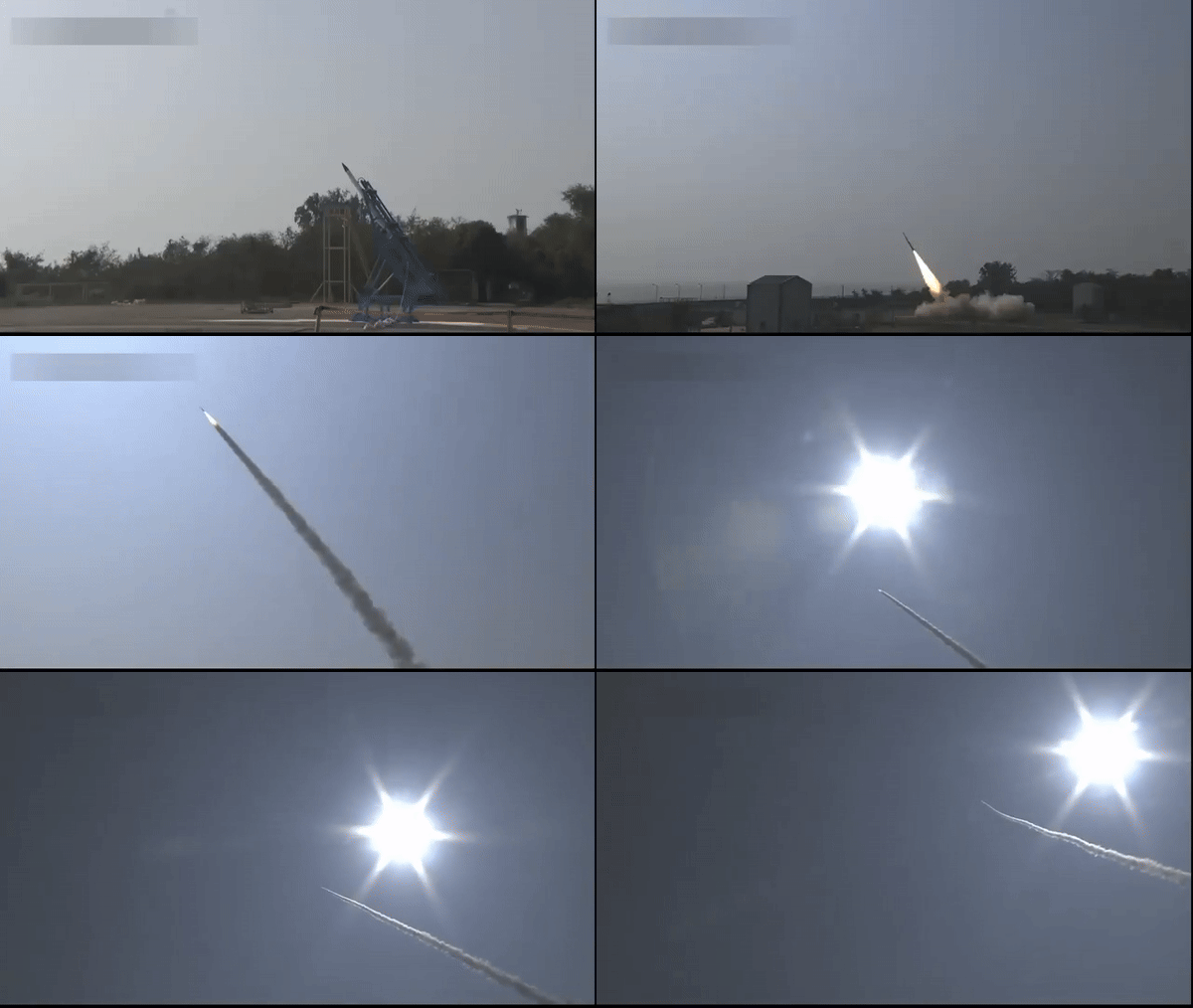
India
Chandipur, Odisha : India recorded a major advancement in indigenous missile propulsion capabilities on Tuesday with the successful flight demonstration of Solid Fuel Ducted Ramjet (SFDR) technology. The test was conducted by the Defence Research and Development Organisation (DRDO) at approximately 10:45 a.m. from the Integrated Test Range (ITR), located off the Odisha coast. According to official data released by DRDO, the demonstration met all planned mission objectives and validated critical subsystems required for the development of long-range air-to-air missiles. With this achievement, India joins a limited group of countries possessing operationally relevant SFDR technology, a key enabler for next-generation Beyond Visual Range Air-to-Air Missiles (BVRAAMs), including the Astra Mk-III programme. Flight Test Profile and System Performance The SFDR system was subjected to a carefully sequenced flight profile designed to replicate air-launch conditions. The missile was initially accelerated by a ground-based solid booster to the required supersonic speed. After achieving the designated Mach number, the nozzle-less booster separated, allowing the SFDR motor to ignite and sustain propulsion during the cruise phase. DRDO confirmed that all major subsystems performed as designed. These included the nozzle-less booster, the solid fuel ducted ramjet motor, and the fuel flow controller, which regulates the combustion process by precisely metering fuel into the ramjet combustor. The ability to maintain stable combustion at high supersonic speeds was a central objective of the test and was successfully demonstrated. Instrumentation and Data Validation System performance was verified through comprehensive flight data captured by a network of tracking instruments deployed along the Bay of Bengal coastline. Telemetry stations, radar systems, and electro-optical sensors monitored the missile throughout its flight, providing real-time data on speed, trajectory, combustion stability, and subsystem behaviour. Officials stated that the collected data closely matched pre-flight predictions derived from extensive computational modelling and ground testing. The results confirmed sustained thrust generation by the SFDR engine and stable aerodynamic performance across the planned flight envelope. Scientific and Institutional Oversight Senior scientists from multiple DRDO laboratories were present at the launch site and monitored the test in real time. These included teams from the Defence Research and Development Laboratory (DRDL), High Energy Materials Research Laboratory (HEMRL), Research Centre Imarat (RCI), and the Integrated Test Range (ITR). Each laboratory contributed to different aspects of the system, ranging from propulsion and energetic materials to guidance integration and flight testing. Relevance to Astra Mk-III Programme The successful SFDR demonstration is directly linked to the development of the Astra Mk-III, also referred to as Gandiva, a future long-range air-to-air missile intended for deployment on Indian Air Force fighter platforms. Unlike conventional solid rocket motors, SFDR propulsion systems use atmospheric oxygen for combustion, eliminating the need to carry an onboard oxidiser. This approach reduces overall propellant mass and allows the missile to sustain thrust over a longer duration. As a result, the missile can maintain high supersonic speeds deeper into its engagement range, improving end-game energy and increasing the effective no-escape zone against manoeuvring aerial targets. Strategic and Programmatic Significance Defence analysts note that mastery of SFDR technology is essential for achieving extended engagement ranges without compromising missile agility or payload. The successful test indicates that India has reached a level of technological maturity sufficient for integrating SFDR propulsion into operational missile configurations. The demonstration also supports broader goals of self-reliance in critical defence technologies, reducing dependence on foreign propulsion systems for advanced missile programmes. Official Statements Following the test, Defence Minister Rajnath Singh congratulated DRDO and associated industry and scientific teams, acknowledging the achievement as an important step in strengthening indigenous defence capabilities. Secretary, Department of Defence R&D and Chairman DRDO, Samir V. Kamat, also commended the teams involved, stating that the successful validation of the fuel flow controller and sustained ramjet operation confirmed the effectiveness of extensive simulations and ground trials conducted during the development phase. Programme Status DRDO officials indicated that this test marks the culmination of a series of developmental trials for the SFDR booster system. With the propulsion technology now demonstrated under flight conditions, the programme is expected to progress towards integration with the complete Astra Mk-III missile system and subsequent evaluation trials. The February 3 demonstration represents a critical step in India’s ongoing efforts to field long-range, high-performance air-to-air missiles using fully indigenous technologies.
Read More → Posted on 2026-02-03 13:35:53
India
New Delhi : India’s Defence Research and Development Organisation (DRDO) is preparing to conduct the third developmental flight trial of the Long-Range Anti-Ship Missile (LR-AShM), a hypersonic glide vehicle (HGV) designed to provide long-range precision strike capability against maritime targets. The upcoming test follows the system’s first public appearance during the Republic Day parade on January 26, 2026, where the missile was formally unveiled. According to officials familiar with the program, the third trial will focus on validating advanced terminal-phase maneuvers and assessing the performance of the missile’s indigenously developed X-band synthetic-aperture radar (SAR) seeker at sustained hypersonic speeds. These evaluations are intended to confirm the seeker’s ability to discriminate and track moving naval targets in complex electromagnetic environments. System Design and Performance The LR-AShM is a two-stage hypersonic glide vehicle powered by a solid-fuel booster that accelerates the weapon to hypersonic velocity before releasing the maneuvering glide body. The missile is designed to reach peak speeds of around Mach 10, with an average glide speed near Mach 5. Current configurations are intended to achieve operational ranges in excess of 1,500 kilometers, with extended-range variants planned to reach up to 3,500 kilometers. Mid-course guidance is provided through an inertial navigation system (INS) supported by multiple global navigation satellite systems (GNSS), while terminal guidance relies on an active radio-frequency seeker optimized for hypersonic flight. The missile follows a quasi-ballistic trajectory with atmospheric glide phases, allowing it to maneuver laterally and vertically to reduce predictability. Launch Platforms and Deployment Path Initial deployment phases are focused on land- and sea-based launch options. The land-launched version is configured for mobile 12×12 transporter-erector-launchers (TELs), enhancing survivability and operational flexibility. A naval variant compatible with vertical launch systems (VLS) is also under development to support surface combatants. An air-launched variant is planned for a later phase, once the surface-launched versions complete developmental and user trials. This version is expected to be integrated with the Su-30MKI fleet, enabling long-range stand-off hypersonic strike capability from aerial platforms. Land-Attack Variant Under Development In parallel with the anti-ship configuration, DRDO has confirmed work on a land-attack variant of the LR-AShM. This version is intended to engage high-value fixed targets deep inside hostile territory and is currently at an earlier stage of development. Once matured, it is expected to be aligned with the proposed Integrated Rocket Force (IRF), contributing to a conventional hypersonic deterrence role. Program Outlook Officials indicate that successful completion of the third developmental trial would mark a key milestone for the LR-AShM program, clearing the way for additional validation flights and user-oriented trials. The system is expected to move toward limited series production following satisfactory performance across these stages, subject to further operational assessments.
Read More → Posted on 2026-02-02 17:52:35
World
WASHINGTON : The United States government has formally launched Project Vault, a $12 billion federal initiative aimed at building a strategic national stockpile of critical minerals, marking one of the most significant interventions yet to secure supply chains essential to advanced manufacturing, energy transition technologies, and national defense. Announced by the White House, the program is designed to reduce long-standing U.S. dependence on Chinese-controlled supply chains for materials that underpin semiconductors, electric vehicles, aerospace systems, and modern weapons platforms. Officials described the effort as a structural shift in how Washington manages economic security risks tied to raw materials. Program Structure and Financing Project Vault is organized as a public-private partnership anchored by federal financing and corporate participation. The core of the funding comes from a $10 billion loan facility provided by the US Export-Import Bank, reflecting a broader policy shift toward using government financial institutions to support domestic supply resilience rather than solely export promotion. An additional $1.67 billion has been committed by private-sector partners, bringing total initial funding to approximately $12 billion. Federal officials said the blended financing model is intended to spread risk while accelerating procurement timelines in global markets that are increasingly volatile. The funds will be used to purchase, process, and store a range of minerals officially designated as “critical” by the U.S. government. These include rare earth elements used in precision guidance systems and electronics, lithium and cobalt required for battery production, and nickel used in high-strength alloys and energy storage technologies. Scope of Materials and Industrial Uses According to officials briefed on the initiative, Project Vault will focus on minerals with both high strategic value and concentrated global supply chains. Rare earth elements, while mined in several countries, are overwhelmingly processed in China, creating vulnerabilities for downstream industries. Lithium, cobalt, and nickel are similarly exposed to geopolitical risk due to supply concentration and limited refining capacity outside a small group of countries. These materials are essential inputs for semiconductor fabrication, electric vehicle battery cells, aircraft engines, satellite systems, and a wide range of defense technologies. Defense planners have repeatedly warned that supply disruptions could delay weapons production or increase costs during periods of crisis. Corporate Participation More than a dozen major U.S. corporations have signed on as participants in Project Vault, signaling broad industry support for a government-led approach to mineral security. Among the companies involved is General Motors, which is seeking long-term access to battery materials as it expands electric vehicle production. Boeing has joined the initiative to stabilize supplies of specialized alloys used in both commercial aircraft and military platforms. Google is participating to protect supply chains for consumer electronics hardware and large-scale data center infrastructure. Officials said the corporate partners will not only benefit from access to stockpiled materials but will also provide demand forecasts and technical expertise to help prioritize procurement decisions. Strategic Objectives The primary goal of Project Vault is to reduce exposure to foreign supply disruptions, particularly those linked to China’s dominant role in mineral processing. U.S. policymakers have grown increasingly concerned about the potential use of export controls or informal trade restrictions as geopolitical leverage. By establishing a centrally managed stockpile, the government aims to provide a buffer against sudden supply shocks, including trade disputes, regional conflicts, or market manipulation. The program is also intended to support the development of domestic and allied-country processing capacity by offering a guaranteed buyer for refined materials. Defense officials emphasized that the initiative is closely aligned with military readiness planning, ensuring that production of sensitive systems is not constrained by external political or economic pressure. Implementation and Oversight Under the Project Vault framework, the federal government will act as the principal purchaser and custodian of the stockpile, coordinating closely with private-sector partners to determine which materials are most urgently needed and in what quantities. Procurement decisions will be guided by industrial demand, defense requirements, and risk assessments conducted across multiple agencies. The involvement of the US Export-Import Bank highlights an expanded role for federal financial institutions in strategic competition, particularly in commodity markets traditionally dominated by state-backed actors abroad. Industry analysts cautioned that while the $12 billion commitment represents a substantial investment, the effectiveness of the program will depend on how quickly new mining, refining, and processing capacity can be developed in the United States and allied countries. Bringing such facilities online typically requires years of permitting, construction, and workforce development. The White House said Project Vault is part of a broader effort to strengthen U.S. economic competitiveness and technological leadership over the next decade. Officials indicated that additional policy measures, including regulatory reforms and international partnerships, are being considered to complement the stockpiling effort. Details regarding storage locations, governance mechanisms, and the full list of participating companies are expected to be released in the coming weeks as implementation moves forward.
Read More → Posted on 2026-02-02 17:45:54
India
NEW DELHI : India has moved the Advanced Medium Combat Aircraft (AMCA) programme into its next phase after the Ministry of Defence shortlisted three industrial consortiums for further participation in the country’s fifth-generation stealth fighter project. The development was confirmed by Rajesh Kumar Singh, Secretary, Department of Defence, who said the shortlist followed a detailed pre-qualification process that began with seven competing aerospace and defence consortiums. The three selected bidders will receive the formal Request for Proposal (RFP) within the next two to three months. The AMCA programme received approval from the Cabinet Committee on Security (CCS) in March 2024, with an allocation of about ₹15,000 crore for prototype development. The project is being implemented through a Special Purpose Vehicle (SPV) model that brings together the Ministry of Defence, the Defence Research and Development Organisation (DRDO) and its Aeronautical Development Agency (ADA), along with an Indian production partner from the public or private sector. Officials indicated that the original pool of bidders included established domestic aerospace manufacturers such as Hindustan Aeronautics Limited (HAL), Larsen & Toubro (L&T), Tata Advanced Systems, and Adani Defence. The government has not yet disclosed the identities of the three shortlisted consortiums. Once the RFP is issued, the selected development partner will be responsible for building five AMCA Mark-1 prototypes. The first prototype rollout is currently planned for the 2028–2029 timeframe. The aircraft is designed as a 25-tonne, twin-engine stealth platform with internal weapons bays, advanced avionics, sensor fusion, and reduced radar cross-section features. The Mark-1 variant will be powered by the GE F414 engine, while a higher-thrust indigenous engine is planned for the Mark-2 version, which remains under development discussions. According to defence officials, the transition to the industrial development phase marks a key milestone for the programme. The Indian Air Force (IAF) plans to induct the AMCA in the mid-2030s as part of its long-term force modernisation roadmap, alongside existing fourth- and fifth-generation combat aircraft.
Read More → Posted on 2026-02-02 17:40:02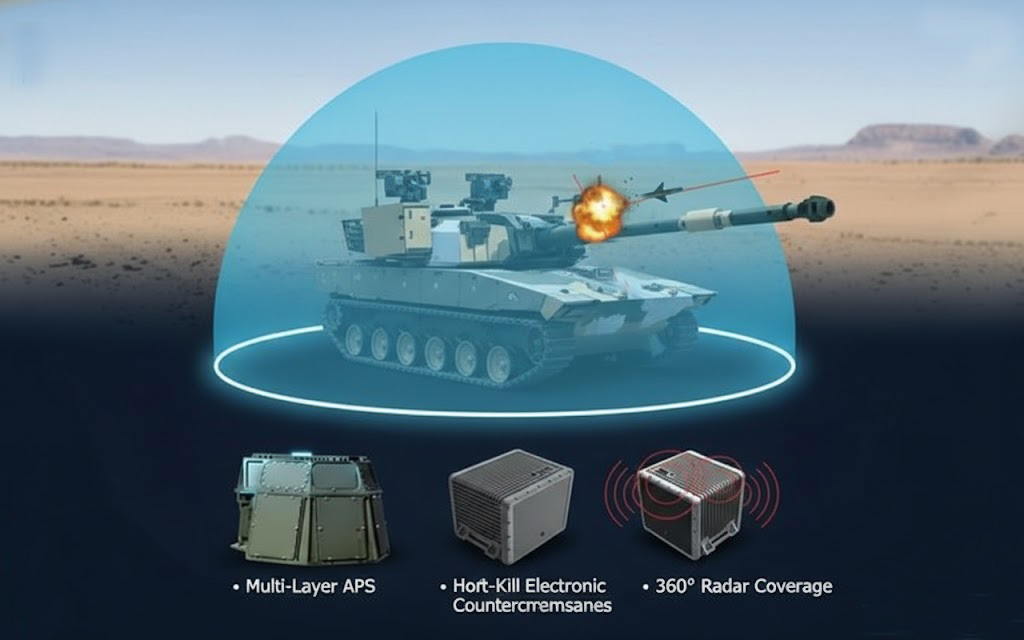
India
NEW DELHI : India’s forthcoming light tank Zorawar is set to incorporate a multi-layered Active Protection System (APS) as part of a broader effort to enhance survivability in high-altitude combat environments. The approach reflects a doctrinal shift away from passive armour toward active interception and electronic counter-measures against contemporary threats such as anti-tank guided missiles (ATGMs), loitering munitions, and armed drones. Officials familiar with the programme say the APS architecture is being pursued in two phases, combining an off-the-shelf combat-proven solution for early induction with an indigenous system under development for later production lots. Initial Induction with Trophy APS The first batch of 59 Zorawar tanks planned for induction into the Indian Army will be equipped with the Trophy Active Protection System. Trophy is a hard-kill APS developed by Rafael Advanced Defense Systems and has been operationally deployed on multiple armoured platforms. The system employs a radar-based detection suite that continuously scans the vehicle’s surroundings to identify incoming threats. Once a hostile projectile is classified, Trophy launches a kinetic countermeasure to intercept and neutralise the threat at a safe stand-off distance. The configuration provides near-spherical coverage, including protection against top-attack munitions, a vulnerability highlighted in recent armoured warfare. By integrating Trophy from the outset, the Army aims to ensure that the first operational Zorawar units enter service with established protection against RPGs, ATGMs, and selected loitering munitions, without waiting for indigenous solutions to mature. Indigenous APS Development for Follow-On Batches In parallel, India is developing a domestic APS intended for subsequent Zorawar production runs. The programme is being led by the Defence Research and Development Organisation and involves several specialised laboratories. The Laser Science and Technology Centre is responsible for sensor development and laser-based counter-measures, while the Terminal Ballistics Research Laboratory focuses on interception physics and warhead effectiveness. Platform integration, including interfaces with the fire-control system and onboard electronics, is being handled by the Combat Vehicles Research and Development Establishment. Officials indicate that the indigenous APS will be a hybrid system, combining soft-kill and hard-kill elements. Soft-kill measures are designed to disrupt or deceive missile guidance through electronic warfare, while hard-kill components physically intercept incoming threats. This dual-layer approach is intended to counter drone swarms and loitering-munition attacks, assessed as increasingly relevant in mountainous terrain. Design Role and Operational Context Zorawar is a 25-tonne-class light tank designed specifically for high-altitude operations in regions such as Ladakh and the eastern Himalayan sector. The platform addresses the mobility and deployment limitations faced by heavier main battle tanks (MBTs) in steep, oxygen-depleted environments. The tank emphasises a high power-to-weight ratio, a reduced logistical footprint, and the ability to operate across narrow roads, bridges, and soft ground. It is also amphibious, enabling limited water-crossing operations without extensive engineering support. Armament and Systems Integration Zorawar is armed with a 105 mm rifled main gun, capable of firing gun-launched ATGMs for extended engagement ranges. The platform supports integration with unmanned systems, including tethered drones for over-the-horizon surveillance, and incorporates digital fire-control systems and decision-support tools to assist crew members in target acquisition and engagement. Trials and Induction Timeline User evaluation trials for Zorawar are expected to begin in 2026, following the completion of development and initial system integration. The trials will assess mobility, firepower, protection, and endurance under high-altitude conditions. If the trials proceed as planned, limited induction of the Trophy-equipped batch is expected to follow, with later production lots incorporating the indigenous APS once development and validation are complete. The phased induction strategy is intended to balance near-term operational readiness with long-term self-reliance in critical protection technologies. With the integration of active protection systems, the Zorawar programme aims to ensure that a lighter armoured platform maintains survivability standards comparable to heavier tanks while remaining optimised for India’s mountainous theatres of operation.
Read More → Posted on 2026-02-02 17:23:25Search
Top Trending in 24 Hours
-
 U.S. Navy Awards Northrop Grumman $1.2 Billion Deal for Three New E-2D Advanced Hawkeyes
-
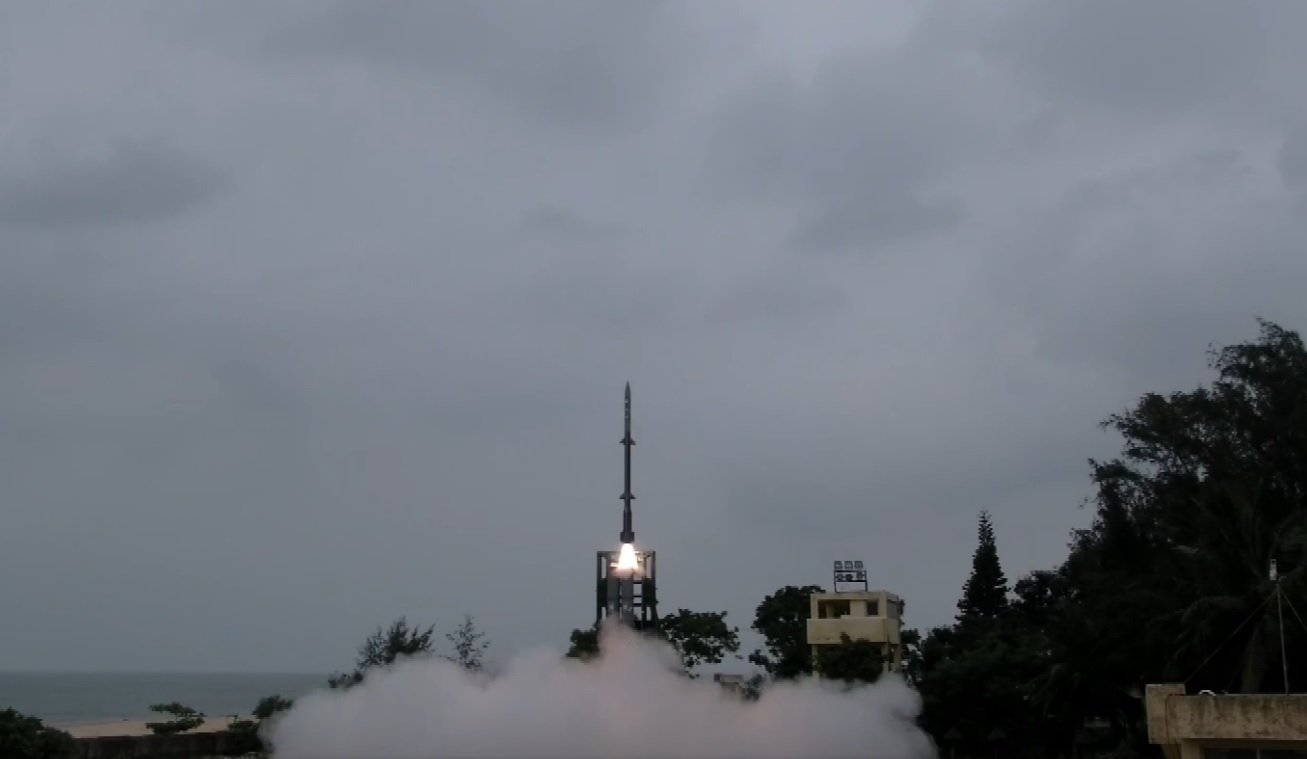 DRDO Successfully Conducts Maiden Flight Test of 150-km-Range Kusha M1 Air Defence Missile
-
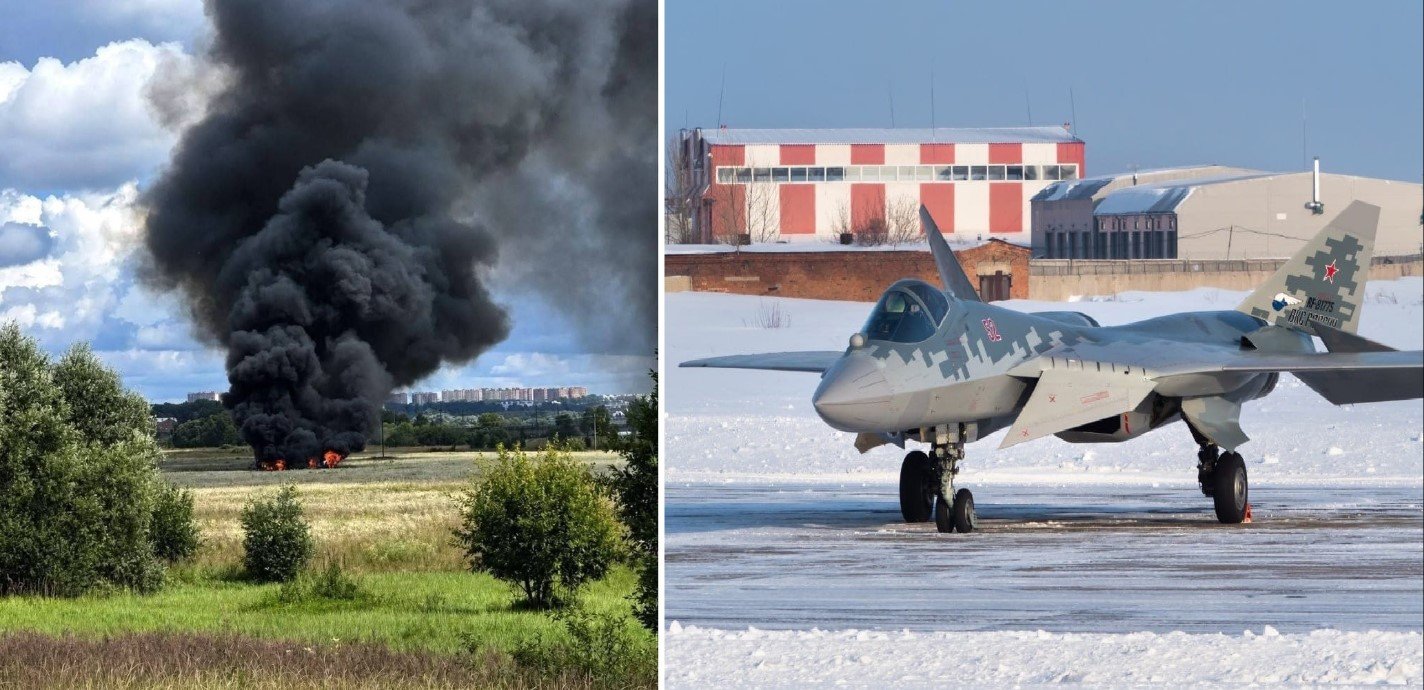 Russian Su-57 Stealth Fighter Crashes During Training Flight Near Moscow, Pilot Ejects Safely
-
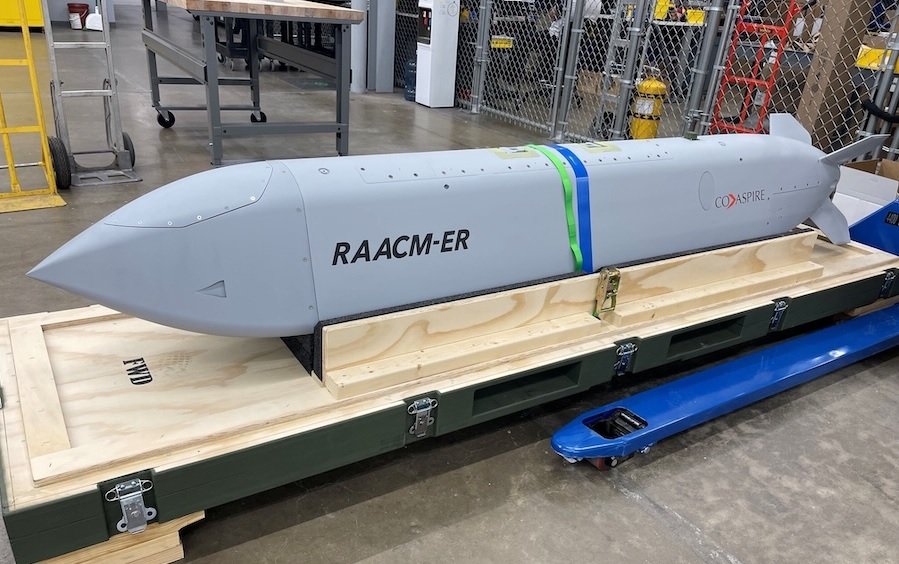 U.S. Navy Selects CoAspire to Build Ground-Launched CHAOS Cruise Missile Under $70 Million Program
-
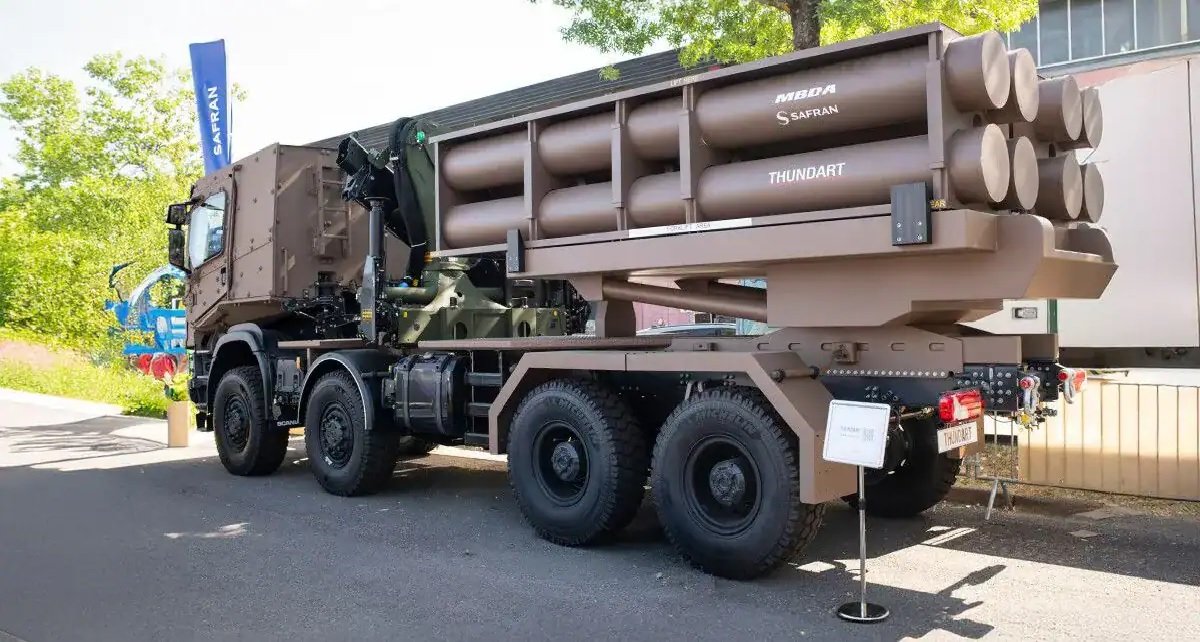 France's THUNDART Long-Range Rocket System May Undergo Prototype Combat Testing in Ukraine
-
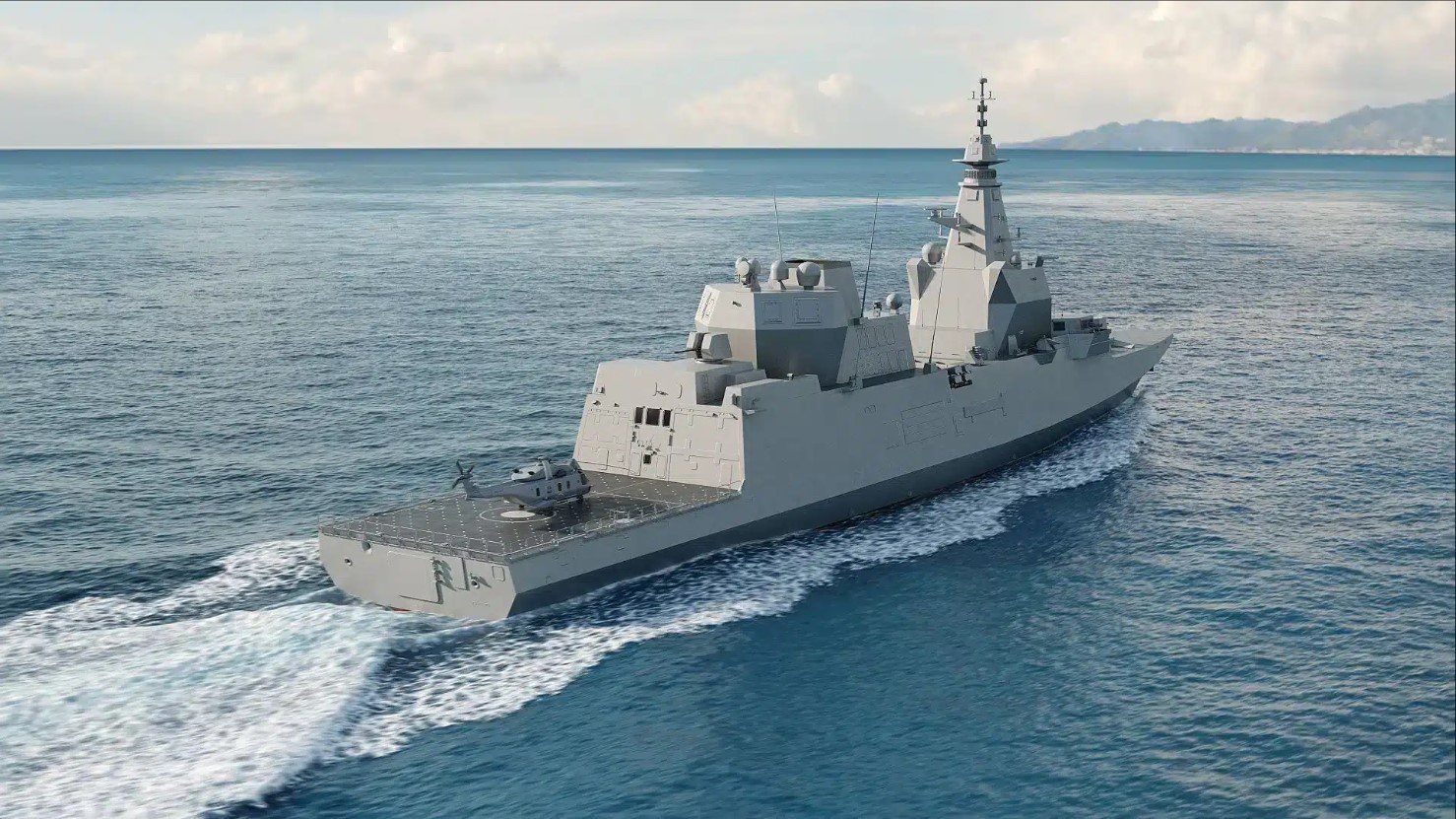 Portugal Orders Three FREMM EVO Frigates from Italy in €3.9 Billion Naval Deal
-
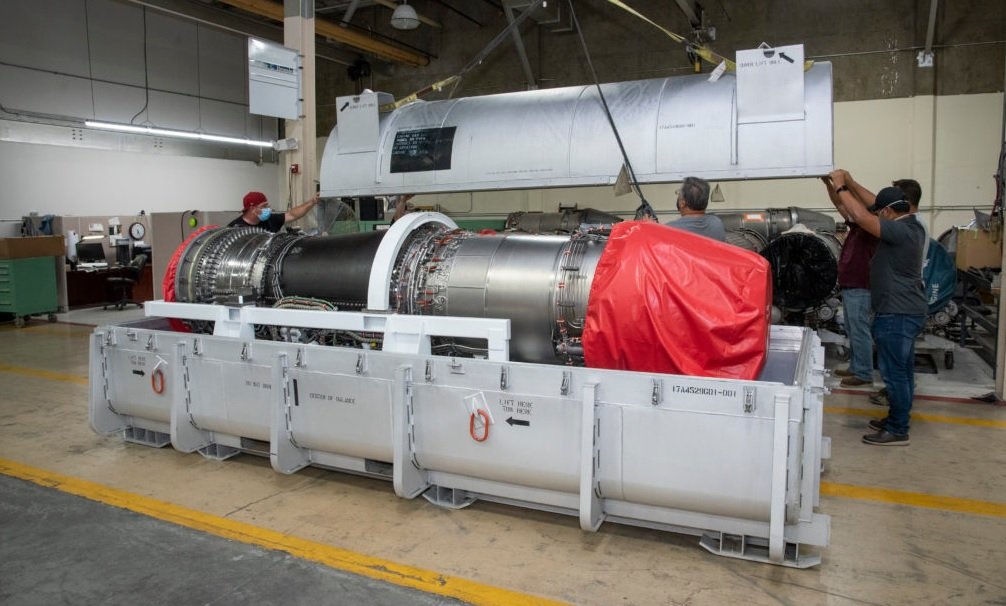 GE Aerospace and Magellan Aerospace Corporation Sign Strategic MoU for F414 Engine Sustainment in Canada
-
 Destinus Unveils Vorexon Interceptor Concept to Defend Critical Sites from Artillery Threats
Top Trending in 4 Days
-
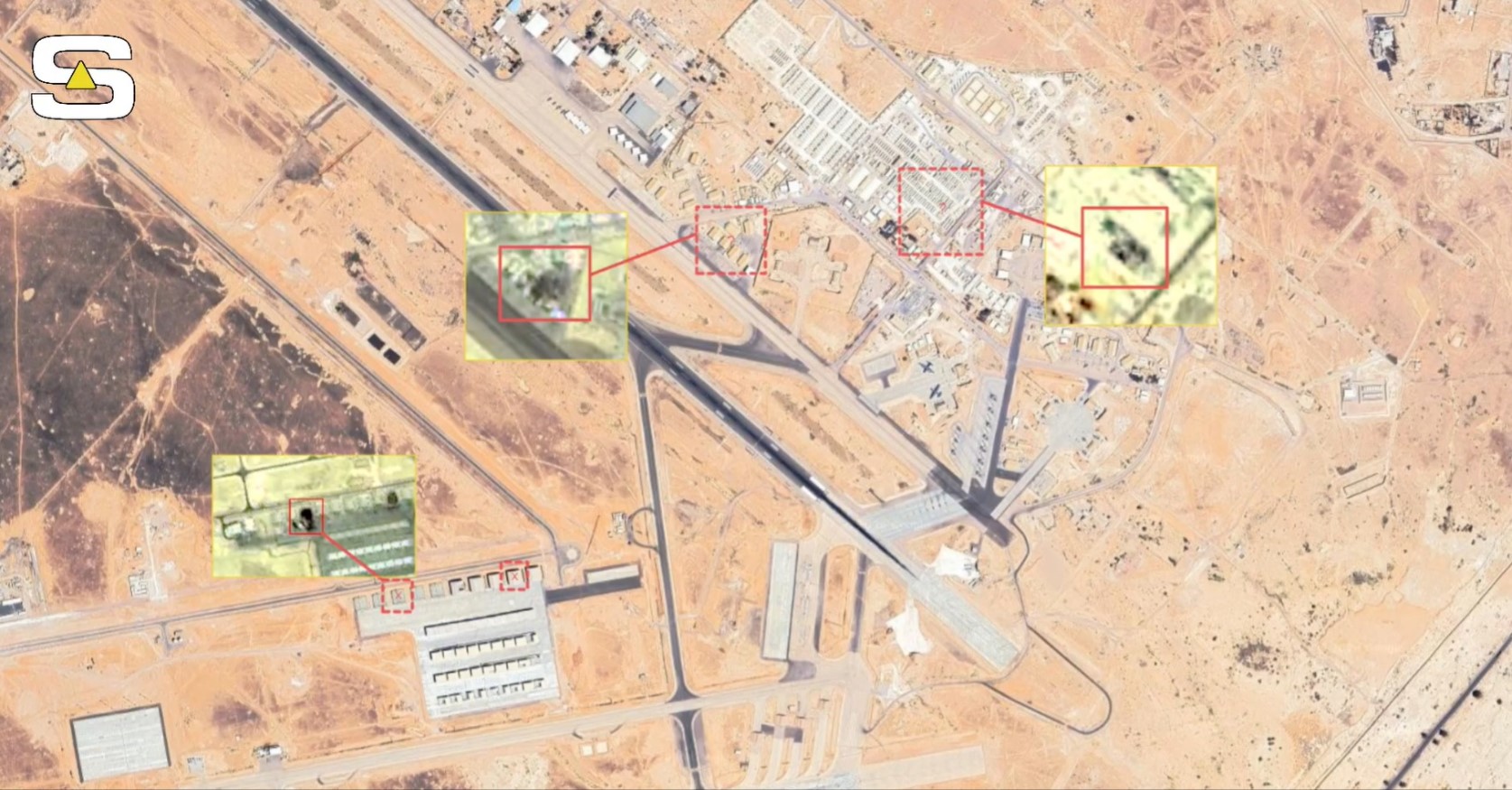 New Satellite Imagery Reveals Extensive Damage at Jordan's Muwaffaq al-Salti Air Base After Iranian Missile Strike
-
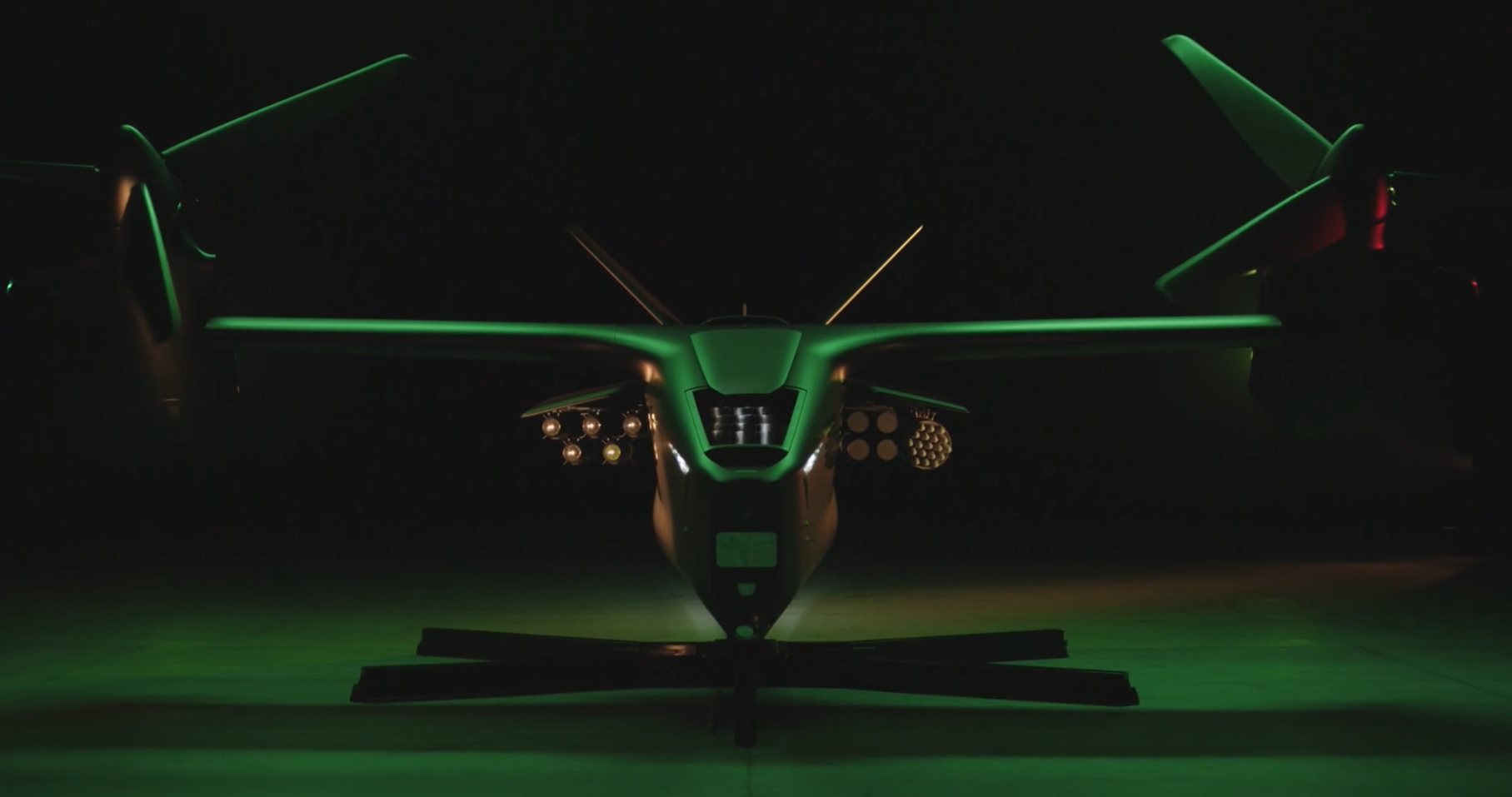 Anduril Unveils Thunder Autonomous Attack Rotorcraft Built with Archer Aviation to Support Apache Helicopters
-
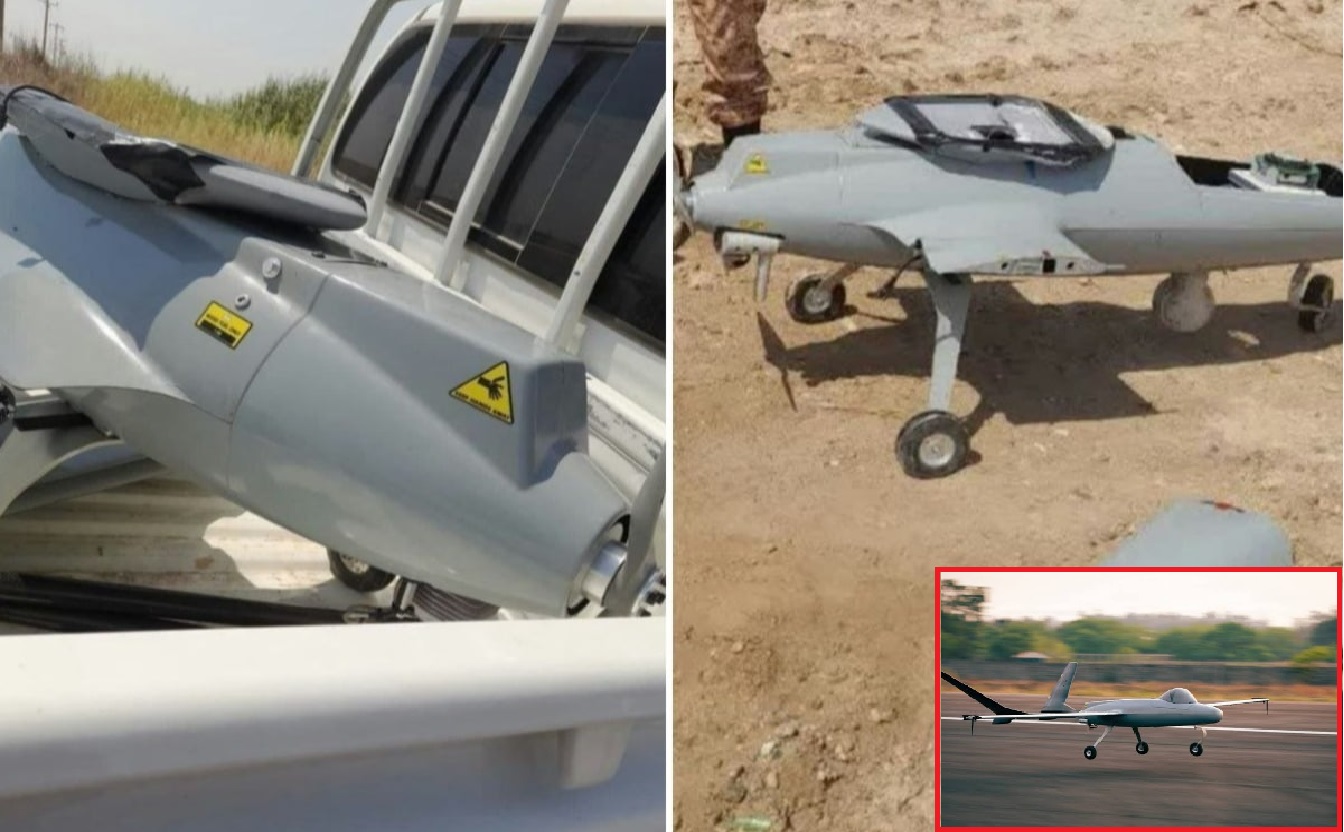 Iran Claims It Shot Down U.S.-Operated Polish-Built Tiguar-M Drone, Releases Images
-
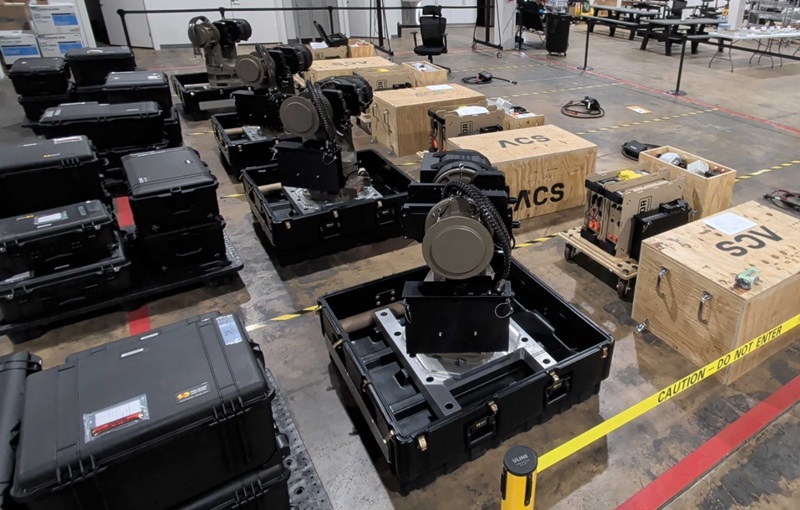 U.S. Marine Corps Selects AI-Powered Bullfrog Weapon Station for L-MADIS Counter-Drone Platform
-
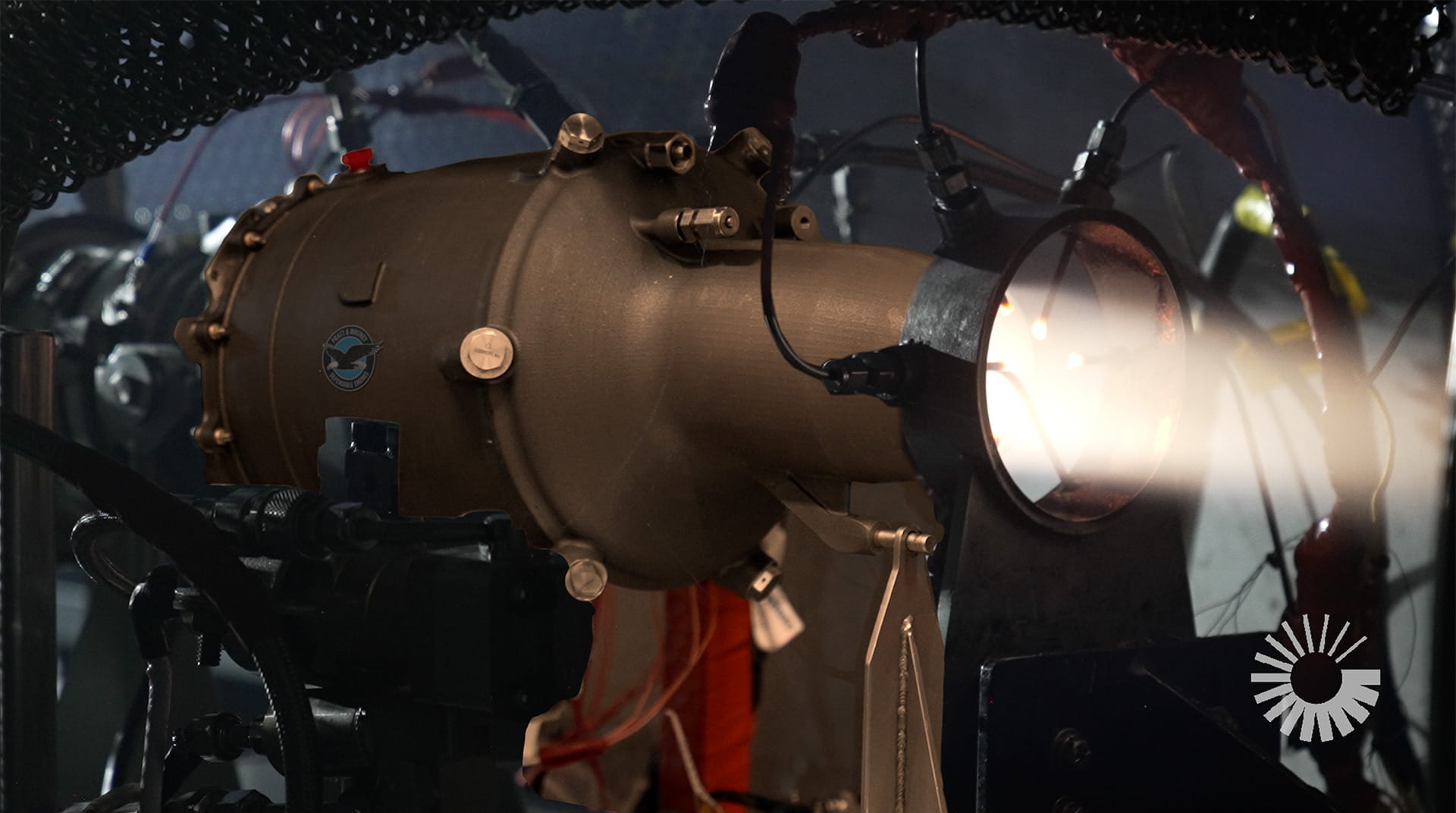 Pratt & Whitney Completes Testing of 3D-Printed TJ150 Engine for Military Applications
-
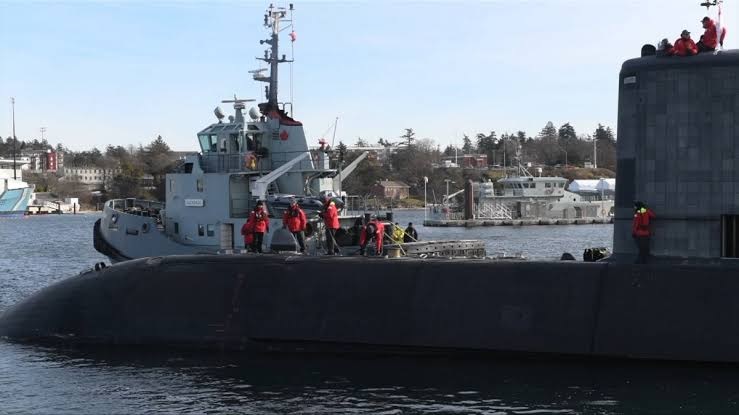 Canada Awards Babcock $1.1 Billion Six-Year Contract Extension to Support Victoria-Class Submarine Fleet
-
 Lockheed Martin Unveils MORFIUS X-Rotor High-Power Microwave System That Can Neutralize 50+ Drones in One Flight
-
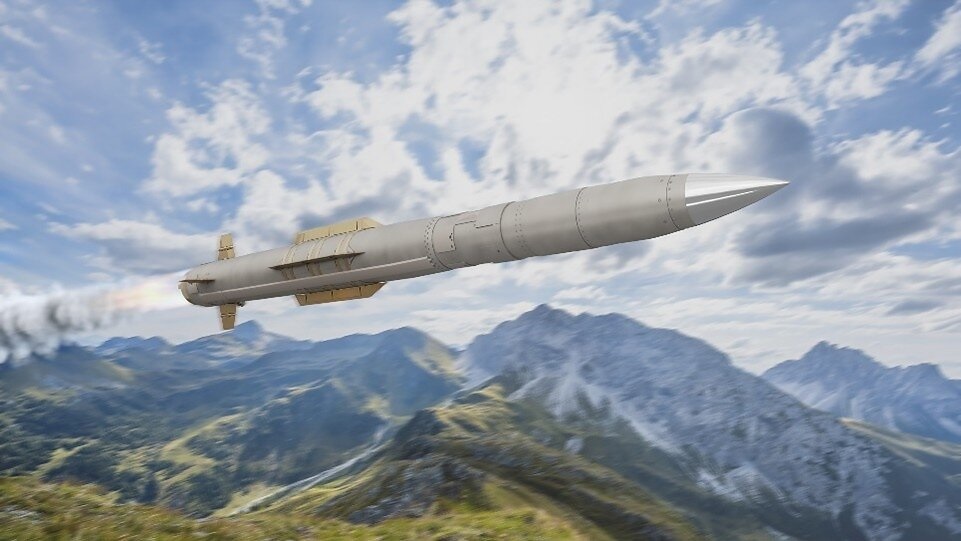 Lockheed Martin Unveils Lower-Cost PAC-3 ACE Interceptor for Patriot Air Defense System
