
World
TAIPEI : Taiwan has begun receiving the first major components of its U.S.-supplied land-based Harpoon Coastal Defense Systems (HCDS), marking the initial physical delivery phase of one of the island’s largest recent missile procurement programs. Local media reports and publicly circulated photographs confirm the arrival of mobile missile launcher trucks, radar vehicles, and command-and-control equipment, transported in secured military convoys to designated facilities. The deliveries mark the transition from preparatory training and documentation to the arrival of fielded hardware under a long-planned acquisition intended to strengthen Taiwan’s coastal strike and maritime denial capabilities. Procurement Background and Contract Structure Taiwan is acquiring 100 land-based Harpoon Coastal Defense Systems and 400 RGM-84L-4 Harpoon Block II missiles through the U.S. Foreign Military Sales (FMS) framework. The package is valued at approximately US$2.37 billion and was approved as part of Taiwan’s broader defense modernization program. The Harpoon systems are produced by Boeing, while the mobile launcher vehicles are based on the Heavy Expanded Mobility Tactical Truck (HEMTT) platform manufactured by Oshkosh Defense. The FMS package includes equipment, training, technical support, spare parts, and long-term sustainment. Phased Delivery Timeline The delivery plan follows a multi-year, phased structure designed to align personnel training and system integration with the introduction of operational equipment. The initial phase (2024–2025) focused on non-combat elements, including training simulators, technical manuals, logistics planning tools, and the deployment of U.S. instructors and technical advisers. The current phase (late 2025–2026) involves deliveries of mobile launchers, radar systems, fire-control units, and command-and-control vehicles. Taiwanese defense officials expect 32 complete HCDS units to be in country by the end of 2026. The final phase (by 2028) will complete delivery of the remaining 68 systems and introduce live RGM-84L-4 missiles, bringing the total to 100 operational systems and 400 missiles. The sequencing ensures trained crews and integrated command networks are in place before live munitions are fielded. System Design and Technical Characteristics The Harpoon Coastal Defense System uses road-mobile launchers mounted on HEMTT vehicles, allowing rapid relocation across varied terrain and flexible deployment from multiple firing positions. The RGM-84L-4 Harpoon Block II missile is optimized for littoral and near-shore operations. It combines GPS-aided inertial navigation with active radar homing, enabling engagement of targets in congested sea lanes and complex coastal environments. Manufacturer specifications list a range exceeding 124 kilometers, while some independent assessments suggest performance may reach approximately 148 kilometers under certain conditions. The missile is designed to strike moving surface vessels and fixed maritime targets, including ships in port and coastal installations. Operational Command and Integration The systems will be operated by Taiwan’s Naval Coastal Defense Command, commonly known as the Hai Feng Group. Defense planning documents indicate the unit is expected to be reorganized into a formal Littoral Combatant Command by January 2026. Once fielded, the Harpoon batteries will operate under a dispersed, road-mobile concept, deploying from concealed, hardened, or temporary positions to reduce vulnerability and improve survivability. The U.S.-supplied systems will operate alongside Taiwan’s Hsiung Feng II and Hsiung Feng III missile batteries, forming a layered coastal defense network designed to monitor maritime approaches and provide overlapping engagement coverage against surface threats. Broader Defense Context The arrival of Harpoon system components follows years of procurement planning and aligns with Taiwan’s emphasis on mobile, survivable, and asymmetric defense capabilities. The program prioritizes road-mobile missile forces, integrated sensors, and distributed command structures. Further deliveries are scheduled to continue through the remainder of the decade as the program advances toward full operational capability.
Read More → Posted on 2026-02-07 17:03:09
World
Brussels : European Union imports of Russian liquefied natural gas (LNG) rose to a historic high in January 2026, even as the bloc has formally adopted a legally binding framework to fully end Russian gas imports by 2027. The surge reflects a short-term increase in deliveries ahead of phased restrictions that will progressively limit and ultimately prohibit Russian LNG and pipeline gas. According to data compiled by the Bruegel analytical center, the EU imported 2.276 billion cubic meters (bcm) of Russian LNG in January. This marked an 11 percent year-on-year increase from 2.05 bcm in January 2025 and was also slightly higher than December 2025, making it the highest monthly intake on record. Imports Rise Ahead of Regulatory Deadlines The increase follows the EU Council’s final approval of Regulation (EU) 2026/261, which establishes a phased prohibition on Russian natural gas. Market participants indicate that European buyers are continuing to lift contracted volumes to replenish storage and meet contractual obligations before restrictions take effect. Under the regulation, key deadlines include: April 25, 2026 — Ban on Russian LNG under short-term contracts January 1, 2027 — Full ban on all Russian LNG, including long-term contracts September 30, 2027 — Completion of the phase-out of Russian pipeline gas Analysts note that the January increase aligns with pre-sanctions purchasing patterns, where imports temporarily rise ahead of regulatory cutoffs. Arctic LNG Dominates Supply The majority of Russian LNG delivered to the EU in January originated from the Yamal LNG project in the Arctic. Approximately 93 percent of Yamal LNG exports during the month were directed to EU ports, reinforcing the bloc’s role as the project’s primary market during the transition period. France, Belgium, and Spain remained the leading importers. France’s Montoir-de-Bretagne terminal and Belgium’s Zeebrugge terminal recorded notable year-on-year increases, while Spain continued to receive Russian cargoes at several regasification facilities. Impact of Transshipment Restrictions A separate EU ban on the transshipment of Russian LNG through EU ports, introduced in March 2025, was designed to prevent re-exports to third countries. However, industry data suggests the measure has altered logistics rather than reduced volumes. Terminals such as Zeebrugge have increasingly retained LNG within the EU market, contributing to elevated reported imports. Russia’s Position in the EU Gas Market Despite diversification efforts since 2022, Russia remains the EU’s second-largest LNG supplier, after the United States. Russian gas—combining LNG and residual pipeline flows—accounts for approximately 13 to 15 percent of the EU’s total gas consumption, down from more than 40 percent prior to the Ukraine war. This shift has been driven by higher U.S. LNG imports, expanded non-Russian pipeline supply, and lower gas demand linked to efficiency measures and renewable energy deployment. Enforcement Measures Under REPowerEU The EU’s REPowerEU framework includes strict enforcement provisions to ensure compliance with the 2027 exit from Russian gas. Companies violating the ban face financial penalties of at least €40 million or 3.5 percent of global annual turnover, whichever is higher. From February 2026, member states must implement mandatory verification of gas origin for all imports. In addition, all EU countries are required to submit national diversification plans by March 1, 2026, outlining how remaining Russian volumes will be replaced through alternative suppliers, infrastructure upgrades, or demand reduction. EU LNG Import Profile in January In January 2026, total EU LNG imports reached 12.20 bcm, up 1.3 percent month on month. The United States remained the largest supplier with 8.00 bcm, reflecting an 18 percent monthly increase. Russian LNG ranked second at 2.276 bcm, followed by Africa (0.772 bcm) and the Middle East (0.571 bcm), both broadly stable. While Russian LNG flows are expected to decline as regulatory deadlines approach, January’s data highlights the EU’s continued reliance on transitional supplies as it moves toward a complete ban by the end of 2027.
Read More → Posted on 2026-02-07 15:41:14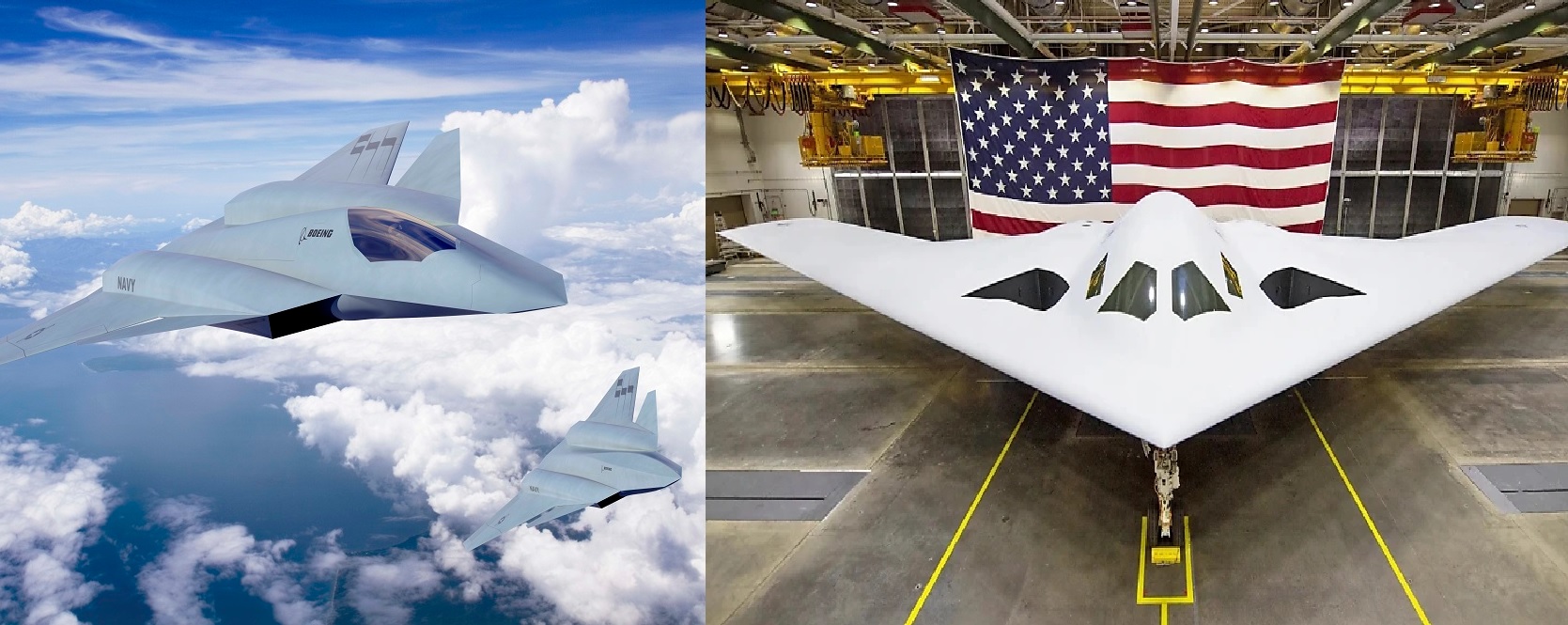
World
Arlington, Virginia : A new strategic assessment released by the Mitchell Institute for Aerospace Studies raises concerns that the U.S. Air Force’s current acquisition plans for its next-generation stealth aircraft do not provide the scale required for a prolonged, high-intensity conflict with China. The report argues that planned force levels for the B-21 Raider bomber and the future F-47 fighter fall short of what would be needed to sustain combat operations in the Indo-Pacific, particularly in a scenario involving the defense of Taiwan. The study, titled Strategic Attack: Maintaining the Air Force’s Capacity to Deny Enemy Sanctuaries, was authored by defense analyst Heather Penney and retired U.S. Air Force Colonel Mark Gunzinger. It concludes that current procurement targets would enable limited, episodic strike operations rather than the sustained campaign required against a peer military power. Emphasis on Denying Operational Sanctuaries At the center of the assessment is the concept of “operational sanctuaries,” defined as rear-area locations within mainland China protected by layered air defenses and geographic distance from U.S. and allied bases. According to the report, these sanctuaries allow the People’s Liberation Army to conduct repeated missile and air attacks while remaining largely undisrupted. The authors state that success in a peer-level conflict would depend on the U.S. Air Force’s ability to penetrate protected areas and hold at risk Chinese airbases, command-and-control nodes, missile forces, and logistics infrastructure. This requirement demands an “inside-out” operational approach, centered on stealth aircraft capable of operating for extended periods inside contested airspace. Gap Between Planned and Required Force Size The report identifies a clear gap between current Air Force plans and the force size required to conduct sustained operations while absorbing combat attrition. The Air Force has stated a requirement for at least 100 B-21 Raider bombers, while the assessment recommends a minimum of 200 aircraft. For the Next Generation Air Dominance (NGAD) program, designated as the F-47, the Air Force’s planning figure of about 185 fighters is compared with a recommended force of approximately 300 aircraft. The authors note that existing targets may support limited strike missions, but not a long-duration campaign involving thousands of targets. Aircraft inventories must also account for nuclear deterrence requirements, homeland air defense, and losses from advanced Chinese air and missile defenses. Limits of Stand-Off Strike Concepts The assessment evaluates the increasing reliance on stand-off weapons, including long-range cruise and hypersonic missiles launched from outside defended airspace. While acknowledging their role, the report concludes that such systems cannot replace penetrating aircraft at scale. Analysts cite the high cost per missile, often several million dollars each, as a constraint when large numbers of targets must be engaged. They also highlight the vulnerability of long-range kill chains, which depend on complex networks that can be disrupted by electronic warfare or cyber operations. By contrast, the report emphasizes that stealth bombers such as the B-21 Raider can deliver large payloads of precision weapons per sortie and maintain a persistent operational presence, enabling repeated and adaptive strikes. Near-Term Measures and Program Timelines Acknowledging that expanding the stealth fleet would take many years, the report recommends near-term measures to preserve existing capacity. These include retaining all 19 B-2 Spirit bombers currently in service until sufficient B-21s are operational. The authors also recommend accelerating procurement of the F-35 Lightning II to strengthen near-term penetrating strike and counter-air capability while the F-47 and B-21 programs continue to mature. Cost Considerations and Strategic Risk The report estimates that doubling procurement of the B-21 and F-47 fleets would require more than $100 billion in additional spending. While significant, the authors argue that the cost must be weighed against the strategic risk of entering a peer conflict without adequate capacity. They conclude that without a larger penetrating force, the United States would struggle to close the thousands of kill chains needed to suppress enemy air defenses, disrupt command structures, and sustain operations in a conflict with China, particularly in a Taiwan contingency.
Read More → Posted on 2026-02-07 15:19:09
World
XI’AN, China : Researchers at the Northwest Institute of Nuclear Technology (NINT) have announced the development of the TPG1000Cs, a high-power microwave (HPM) weapon capable of generating a world-first 20-gigawatt (GW) pulse. The system, led by scientist Wang Gang, represents a significant leap in directed-energy technology due to its extreme power output and compact physical footprint. While traditional HPM systems are often bulky and limited to bursts of only a few seconds, the TPG1000Cs is reportedly capable of delivering continuous power for up to one full minute. Technical Specifications and Portability The TPG1000Cs is engineered for high mobility, addressing a long-standing challenge in electromagnetic weaponry: miniaturization. According to the research published in the journal High Power Laser and Particle Beams, the device features the following parameters: Dimensions: 4 meters in length. Weight: Approximately 5 tonnes. Power Output: 20 Gigawatts (GW). Endurance: Stable operation for 60 seconds. Durability: Tested for over 200,000 pulses with consistent performance. This compact design allows the weapon to be mounted on standard military platforms, including trucks, warships, and aircraft. Researchers have even indicated the possibility of deploying the system on satellites to target other orbital assets directly. Strategic Implications: The "Starlink Killer" The weapon has gained international attention as a potential "Starlink killer." Military analysts note that while 1 GW is often sufficient to disrupt or permanently damage the sensitive electronics of low-Earth orbit (LEO) satellites, the 20 GW capability of the TPG1000Cs provides a massive margin for overcoming shielding or targeting multiple assets simultaneously. Unlike kinetic anti-satellite (ASAT) missiles, which create dangerous debris clouds that can threaten all spacecraft, microwave weapons offer a "soft kill." They disable internal circuitry through electromagnetic interference without physically shattering the satellite, theoretically providing China with strategic deniability in space-based conflicts. Targeting and Accuracy: Claims vs. Reality A critical question remains regarding how a ground-based system can accurately maintain a 20 GW beam on a satellite moving at approximately 27,000 km/h. Ground-to-Space Coordination: To track moving targets, such systems typically rely on a sophisticated array of high-speed phased-array radars and real-time orbital calculations to adjust the microwave beam's focal point. Recent reports suggest China is experimenting with optical fibers to synchronize multiple microwave vehicles with picosecond precision to converge beams on a single target. Atmospheric Interference: High-power beams often face "blooming" or scattering. The NINT team claims to have mitigated these issues using a specialized liquid insulating material known as Midel 7131, which allows for a more compact Tesla transformer and higher energy storage density. Despite these claims, the accuracy of the TPG1000Cs against active, maneuvering targets remains largely on-paper or laboratory-tested. While the power generation technology is a proven breakthrough, the real-world tracking precision required to disable a specific satellite from the ground has not been publicly demonstrated.
Read More → Posted on 2026-02-07 14:39:15
World
KOBLENZ, Germany : ThyssenKrupp Marine Systems (TKMS) and the Federal Office of Bundeswehr Equipment, Information Technology and In-Service Support (BAAINBw) have signed a preliminary agreement establishing the formal starting point for the MEKO A-200 DEU frigate program. The agreement, confirmed on February 3, 2026, creates the contractual and financial framework required to initiate preparatory industrial activities at German shipyards while negotiations continue toward a full construction contract. The preliminary arrangement is intended to bridge the period between political approval and the conclusion of a final build contract. It authorizes immediate technical and industrial measures needed to preserve delivery timelines and maintain continuity across the naval supply chain. Interim Contract and Financial Scope Under the terms of the agreement, an initial budget of €50 million has been allocated to cover procurement, engineering, and early production-related activities through the end of March 2026. This funding enables TKMS to begin securing long-lead components, initiate detailed engineering work, and start initial steel cutting activities. The framework is structured to be scalable, allowing for staged extensions should additional preparatory work be required before the final construction decision is reached. This approach is designed to reduce schedule risk once the full production contract is approved. TKMS confirmed that preparatory measures will begin immediately in February 2026. According to the company, early action is focused on stabilizing the supplier base and ensuring production readiness across participating shipyards. Delivery Planning and Program Timeline The preliminary agreement sets a target delivery date for the first MEKO A-200 DEU frigate by the end of 2029. This schedule remains conditional on the timely approval of a follow-on construction contract, which is expected to be reviewed by the German Ministry of Defence and the Bundestag in the coming months. A final decision on the official construction contract and the total number of ships to be built is anticipated by April 2026. Until that point, the current framework ensures that industrial momentum is maintained without committing to full-scale serial production. Strategic Background and Fleet Planning The MEKO A-200 DEU program has taken on increased relevance within German naval planning as an alternative option alongside the F-126 (Niedersachsen-class) frigate program. The F-126, a large multi-purpose combatant with a displacement of approximately 10,000 tons, has encountered development delays related to design maturity and data integration. By comparison, the MEKO A-200 DEU represents a smaller and more established design, with a displacement of roughly 3,950 tons and a length of approximately 121 meters. Cost estimates place the MEKO A-200 DEU at around €1 billion per ship, compared with estimated unit costs of €1.5–2 billion for the F-126 class. The German Budget Committee has previously earmarked approximately €7.8 billion for alternative naval procurement options. Within this framework, planning assumptions indicate that at least three MEKO A-200 DEU frigates could be procured, with the potential for up to eight hulls depending on the resolution of the F-126 program’s schedule and scope. Technical Characteristics of the MEKO A-200 DEU The MEKO A-200 DEU is a national variant of the MEKO A-200 platform, a design already in operational service with several navies, including those of Egypt, Algeria, and South Africa. The “DEU” configuration is tailored to German Navy requirements and will integrate national and European systems. The design incorporates the X-Form hull concept, intended to reduce radar cross-section through angled surfaces and signature-optimized geometry. Infrared signature management is addressed through cooled exhaust gases discharged at or below the waterline. Propulsion is based on the CODAG-WARP system (Combined Diesel and Gas – Waterjet and Refined Propellers), providing high maneuverability, reduced acoustic signature, and operational flexibility across a wide speed range. While detailed specifications of the combat management system remain classified, the German configuration is expected to emphasize anti-submarine warfare (ASW) capabilities and full-spectrum operations across air, surface, subsurface, and electronic domains. Next Phases With the preliminary agreement now in force, TKMS and BAAINBw will continue parallel technical preparation and political review processes. The coming weeks will focus on advancing engineering maturity, securing key components, and maintaining readiness for a transition to full construction. The final procurement decision, including the number of ships to be ordered and the long-term production schedule, is expected following parliamentary review in spring 2026.
Read More → Posted on 2026-02-07 14:25:15
World
Beijing : China has formally rejected international calls to join negotiations on a new multilateral nuclear arms control agreement following the expiration of the New START treaty between the United States and Russia. The pact, which lapsed on February 5, ended the last legally binding framework limiting the size and deployment of the world’s two largest nuclear arsenals. The position was outlined by Chinese Foreign Ministry spokesperson Lin Jian during a regular press briefing in Beijing. Lin said China would not take part in nuclear disarmament negotiations “at this stage,” reiterating Beijing’s view that responsibility for further reductions rests primarily with countries that maintain the largest nuclear stockpiles. The statement followed renewed public suggestions from Washington that any future arms control framework should include China, reflecting changes in the global strategic environment and China’s expanding nuclear capabilities. Expiration of the New START Treaty New START, signed in 2010 and extended once in 2021, imposed limits on deployed strategic nuclear warheads and delivery systems held by the United States and Russia. Its expiration means that, for the first time in more than 50 years, there are no legally binding numerical caps or verification mechanisms governing the strategic nuclear forces of the two largest nuclear powers. China expressed regret over the lapse of the treaty but emphasized that it was not a party to the agreement and therefore bore no responsibility for its expiration. Beijing urged Washington to respond positively to Russian proposals for voluntary restraint measures to help preserve global strategic stability. Nuclear Arsenal Size and Scale Disparity Chinese officials cite the significant imbalance in nuclear stockpile size as the central reason for declining participation in multilateral negotiations. Estimates by the Stockholm International Peace Research Institute (SIPRI) indicate that China possesses approximately 600 nuclear warheads as of 2026. By comparison, Russia is estimated to maintain around 5,500 total warheads, while the United States has roughly 5,100. Both countries are believed to have close to 1,700 deployed strategic warheads each. Chinese officials argue that placing China under the same negotiating framework as the United States and Russia would institutionalize a permanent disparity. Lin Jian stated that nations with the largest arsenals have a “special and primary responsibility” to lead nuclear disarmament efforts, adding that China’s forces remain on a “completely different scale.” China’s Nuclear Policy and Strategic Rationale China maintains a declared “no first use” policy and describes its nuclear posture as one of minimum deterrence, intended solely to ensure national security. Officials argue that China’s arsenal is kept at the lowest level deemed necessary and that formal limits could restrict its ability to respond to evolving security conditions. Chinese analysts and officials also point to concerns over transparency requirements embedded in most arms control treaties. Provisions such as intrusive inspections and detailed data exchanges are viewed as potentially compromising the survivability of China’s smaller and more mobile nuclear force. In addition, Beijing has expressed concern that participation in arms reduction talks before achieving what it considers a secure and credible second-strike capability could weaken deterrence, particularly in the context of advanced missile defense systems and emerging military technologies. International Response and Security Implications The expiration of New START has prompted warnings from international bodies. United Nations Secretary-General António Guterres described the end of the treaty as a serious setback for global security, noting that the absence of binding limits increases the risk of miscalculation and arms competition. China has reiterated its support for the long-term goal of nuclear disarmament while maintaining that reductions should be led by states with the largest arsenals. Beijing has called for continued dialogue between Washington and Moscow and for measures that reduce strategic risks and maintain stability in the absence of formal treaty constraints. Current Nuclear Force Estimates As of 2026, Russia and the United States continue to dominate global nuclear inventories, each maintaining thousands of warheads across land-based missiles, submarines, and strategic bombers. China’s warheads are believed to be largely kept at lower alert levels, with most stored separately from delivery systems during peacetime. With no active arms control agreement in force between the United States and Russia and China declining to join negotiations under current conditions, the global nuclear environment remains without legally binding limits among the three major nuclear powers.
Read More → Posted on 2026-02-07 14:16:02
World
KYIV, Ukraine : The United States has set June as the target for Ukraine and Russia to reach a formal peace agreement, according to statements released Saturday by Ukrainian President Volodymyr Zelenskyy. The proposed timeline reflects an intensified diplomatic effort by Washington to bring the nearly four-year war to a negotiated conclusion before the start of summer. Zelenskyy said the U.S. administration has also proposed a new round of trilateral negotiations involving the United States, Ukraine, and Russia to be held in Miami within the next week. Ukrainian officials have confirmed Kyiv’s participation in the talks. Outcome of Abu Dhabi Discussions The announcement follows two days of U.S.-mediated negotiations in Abu Dhabi, which ended without agreement on major political or territorial issues. Negotiators described the discussions as constructive, but acknowledged that no comprehensive framework was finalized. The most tangible result was a humanitarian agreement on a prisoner exchange. U.S. special envoy Steve Witkoff confirmed that 314 individuals were exchanged, with each side releasing 157 detainees. Russia stated that three civilians from the Kursk region were included among those returned. Core Disputes Remain Unresolved Substantive differences continue to block progress. Russia has reiterated its demand that Ukraine withdraw fully from the Donbas region, a position Kyiv has rejected. Zelenskyy has maintained that any settlement must include security guarantees designed to prevent renewed hostilities. Economic proposals were also discussed. Russian negotiators reportedly presented a long-term economic plan valued at approximately $12 trillion, described by Ukrainian officials as the “Dmitriev package.” U.S. mediators additionally raised the idea of designating Donbas as a free economic zone, an approach Kyiv has treated cautiously. On energy and infrastructure, Washington proposed a reciprocal halt to attacks on power facilities. Ukrainian officials indicated readiness to comply, while noting that a previous limited pause collapsed after several days. Talks also failed to reach agreement on oversight or control arrangements for the Russian-occupied Zaporizhzhia nuclear power plant. Military Developments During Talks Diplomatic efforts have continued amid intensified military activity. On Saturday, Russian forces launched a large-scale aerial assault involving more than 400 drones and 40 missiles, primarily targeting Ukraine’s energy infrastructure. According to state energy operator Ukrenergo, strikes damaged facilities across eight regions, forcing nuclear power plants in government-controlled areas to reduce output. The resulting power shortfall led to expanded rolling outages nationwide. Focus of Upcoming Miami Meeting Ukrainian officials said the proposed Miami talks are expected to concentrate on technical issues, including ceasefire monitoring mechanisms and economic arrangements. Zelenskyy indicated that decisions on sovereignty and final territorial status would likely require direct engagement between national leaders. U.S. officials have signaled that additional diplomatic pressure may follow if the June timeline is not met, underscoring Washington’s intent to maintain momentum toward a negotiated settlement.
Read More → Posted on 2026-02-07 14:03:21
World
WASHINGTON : The United States has approved a potential $185 million Foreign Military Sale (FMS) to Ukraine focused exclusively on sustainment, spare parts, and logistics support for U.S.-supplied ground combat systems currently in service with Ukrainian forces. According to notifications released on February 6, 2026, the U.S. State Department authorized the sale, and the Defense Security Cooperation Agency (DSCA) transmitted the required certification to Congress. The case, designated DSCA 25-105, covers Class IX spare parts and associated services intended to maintain the operational readiness of armored vehicles, artillery, and rocket systems that have seen sustained use during ongoing combat operations. Sustainment-Centered Assistance Unlike earlier security assistance packages that emphasized the transfer of complete weapons platforms, the newly approved sale is centered on maintenance and lifecycle support. Class IX material refers to repair parts and components required to keep existing equipment operational, including assemblies, subassemblies, kits, and items consumed during routine and battle-damage maintenance. U.S. officials described the package as a logistics-focused measure designed to address the cumulative effects of high operational tempo on Western-supplied systems. Continuous fielding under combat conditions has accelerated wear on engines, drivetrains, fire control components, sensors, electronics, and suspension systems, making predictable access to certified spare parts a key factor in sustained combat effectiveness. Supported Combat Systems The spare parts and sustainment support included in the proposed sale are intended for several major U.S.-origin platforms currently operated by Ukrainian forces. These include the M1A1/A2 Abrams, the M2 Bradley, the M142 HIMARS, and the M777 155mm howitzer. In addition to physical components, the package also covers related logistics elements, including technical documentation, software support, and program management services. U.S. officials stated that these measures are aimed at enabling faster repair cycles and improving the availability of mission-capable vehicles and artillery systems at the unit level. Strategic Rationale In its formal notification, the Defense Security Cooperation Agency stated that the proposed sale supports U.S. foreign policy and national security objectives by strengthening the defense capabilities of Ukraine, which Washington describes as a key partner in European security. The agency emphasized that the transaction is designed to sustain existing equipment rather than expand Ukraine’s force structure. By relying on established Foreign Military Sales channels, the arrangement is also intended to standardize procurement, reduce long-term maintenance costs, and ensure compatibility with U.S. technical standards. Officials noted that the sale will not change the basic military balance in the region and will have no adverse effect on U.S. defense readiness. Scale of the Sustainment Requirement The scale of the sustainment effort reflects the volume of U.S.-provided ground equipment already in Ukrainian service. Department of Defense inventories list 31 Abrams tanks, more than 300 Bradley infantry fighting vehicles, over 400 Stryker armored personnel carriers, and more than 900 M113 armored personnel carriers delivered under previous assistance packages. These fleets are supported by substantial quantities of associated ammunition, including 25mm rounds and 120mm tank ammunition. On the artillery and fires side, U.S. disclosures indicate the transfer of more than 40 HIMARS launchers and over 200 155mm howitzers, forming a core component of Ukraine’s long-range precision strike and counterbattery capability. Each system depends on distinct supply chains, specialized tools, and non-interchangeable components that differ from Soviet-era inventories. Operational Implications U.S. officials and defense analysts note that the combat value of platforms such as the Abrams and Bradley depends as much on maintenance and parts availability as on inherent firepower. The Abrams’ effectiveness is tied to the reliability of its turbine powerplant, automotive systems, turret drive, and fire control components, all of which require regular inspection and replacement under sustained use. Similarly, the Bradley’s combination of protected mobility and turreted weapons relies on consistent upkeep of autocannon mechanisms, missile launch systems, optics, sensors, tracks, and suspension components. Ensuring the availability of certified replacement parts allows Ukrainian units to reduce downtime, keep vehicles forward with maneuver formations, and avoid cannibalization practices that can degrade fleet readiness over time. Implementation and Oversight The U.S. government confirmed that implementation of the sale will not require the deployment of additional U.S. military or contractor personnel to Ukraine. Principal contractors will be selected from approved vendors as detailed requirements are finalized. As with all Foreign Military Sales, the final contract value may change depending on Ukrainian requirements and available budget authority. The congressional notification represents a statutory step in the approval process, after which the sale may proceed unless blocked by legislative action. U.S. officials indicated that the sustainment-focused package reflects a continued emphasis on long-term logistical support as the central requirement for maintaining the effectiveness of U.S.-origin combat systems already deployed on the battlefield.
Read More → Posted on 2026-02-07 13:55:16
World
Munich : KNDS Deutschland and TYTAN Technologies have signed a Memorandum of Understanding (MoU) to expand their strategic cooperation in the development and fielding of counter-unmanned aircraft system (C-UAS) solutions for European armed forces. The agreement was finalized in Munich and is aimed at strengthening the protection of military land platforms and deployed personnel against the growing operational use of unmanned aerial systems. The signing ceremony took place in the presence of Katherina Reiche, Germany’s Federal Minister for Economic Affairs and Energy. Under the expanded partnership, the two companies will focus on integrating autonomous “drone-on-drone” interception technologies into KNDS’s existing and future portfolio of armored and combat vehicles. Integration Experience as the Basis for Expansion The new agreement builds on prior technical cooperation between the two firms. In 2025, TYTAN’s Interceptor-S kinetic effector was successfully integrated into the mission compartment of the BOXER RCT30, a configuration that enables the rapid launch of interceptor drones from a modular canister system installed within the vehicle. This integrated solution was demonstrated during the Experimentalserie Land trials conducted by the Bundeswehr at Munster and Bergen in autumn 2025. The demonstrations validated the concept of deploying autonomous interceptor drones directly from mobile land platforms, allowing crews to respond to aerial threats without relying on external air-defense assets. Operational Focus and Industrial Objectives According to both companies, the expanded cooperation is designed to address operational requirements identified in recent high-intensity conflicts, where small and medium unmanned aerial systems have been employed extensively for reconnaissance, targeting, and attack roles. The partnership outlines several areas of focus. These include the protection of KNDS land systems and their crews through the integration of TYTAN’s autonomous interception technology, as well as the joint development of a standardized European mobile UAS launch solution. Such standardization is intended to support interoperability among NATO and European Union member states operating multinational forces. In addition to vehicle-mounted applications, the cooperation also covers the further development of C-UAS solutions for static base defense and mobile frontline air-defense roles, allowing the same core technology to be adapted to different operational environments. Statements from Industry Leadership Balázs Nagy, Chief Executive Officer and co-founder of TYTAN Technologies, stated that the partnership brings together complementary industrial capabilities and operational experience. He noted that both companies have experience delivering systems that have been validated under operational conditions and that the cooperation is intended to establish a common benchmark for future C-UAS solutions in Europe. Mathias Nöhl, Executive Vice President for Digitalization at KNDS, emphasized the importance of industrial agility in responding to rapidly evolving threats. He said that cooperation with technology-focused companies such as TYTAN supports the faster integration of new capabilities into existing land systems, with the objective of improving protection for deployed soldiers. Political and Security Context Minister Reiche highlighted the relevance of counter-UAS technologies in the current security environment, referring to lessons derived from ongoing conflicts in Eastern Europe. She described drones as dual-use systems that are relevant both for the protection of critical infrastructure and for defending against hostile aerial threats. Reiche also emphasized that effective capability development increasingly depends on rapid testing and field-based innovation. Technical Characteristics of the Interceptor-S The Interceptor-S system is designed as a kinetic effector intended to neutralize Class II unmanned aerial threats. According to TYTAN, the interceptor is capable of speeds exceeding 250 kilometers per hour and can engage targets at distances of up to five kilometers. The system is positioned as a cost-effective complement to traditional missile-based air-defense solutions, particularly against low-cost drones that would otherwise impose a disproportionate financial burden if countered with larger interceptors. With the signing of the MoU, KNDS Deutschland and TYTAN Technologies intend to move from demonstration and integration activities toward broader deployment concepts, aligning industrial development with emerging European defense requirements while maintaining compatibility with allied force structures.
Read More → Posted on 2026-02-07 13:38:02
World
AL KHARJ, Saudi Arabia : The United States Air Force has expanded its operational activity at Prince Sultan Air Base over the past two weeks, according to recent satellite imagery and corroborating local observations that show a noticeable increase in aircraft movements and ground activity at the installation south of Riyadh. The overall number of aircraft currently present does not represent a historic high for the base. However, analysts note that the frequent changes in aircraft positioning and turnover on the aprons point to a rise in logistical throughput and readiness levels, indicating sustained operational use rather than a static deployment. Recent imagery shows a pronounced concentration of tactical airlift assets. At least nine C-130 transport aircraft are visible on the main parking aprons, with two additional aircraft identified in separate areas of the base. This level of transport presence suggests an elevated movement of personnel, equipment, and supplies into and out of the installation, consistent with a higher operational tempo. In parallel with the transport surge, the Air Force has positioned three E-11A Battlefield Airborne Communications Node (BACN) aircraft at the base, two of which were clearly visible in the most recent satellite passes. The E-11A platform is designed to function as an airborne communications relay, enabling real-time voice and data connectivity between aircraft, ground forces, and command elements that might otherwise be unable to communicate directly due to terrain or distance. The deployment of multiple BACN aircraft is typically associated with preparations for coordinated, multi-domain operations requiring reliable command and control across wide areas. By contrast, the base’s aerial refueling component appears unchanged. Imagery continues to show only three tanker aircraft on site, assessed to be KC-135 or KC-46 platforms. Defense observers assess that this number is adequate for limited defensive air patrols or specific support missions but would not, on its own, sustain a large or prolonged air campaign without support from additional regional facilities, including Al Udeid Air Base. The composition of the base’s fighter force remains difficult to determine. Prince Sultan Air Base is equipped with extensive hardened infrastructure, including several dozen reinforced aircraft shelters designed to protect combat aircraft from attack. At least 25 such shelters are visible in the eastern sector of the installation alone. While fighter aircraft are widely assessed to be housed within these structures, their exact number and type cannot be confirmed through open-source imagery. Historically, the shelters have accommodated U.S. strike and air-superiority aircraft, including F-15E and F-22 variants that have periodically rotated through the base as part of regional force posture adjustments. Taken together, the sustained flow of transport aircraft, the presence of high-value communications platforms, and the continued use of hardened facilities indicate that Prince Sultan Air Base is operating at an elevated tempo. The activity reflects ongoing adjustments in U.S. force posture in the Middle East, with an emphasis on mobility, connectivity, and the ability to support coordinated operations across the U.S. Central Command area of responsibility.
Read More → Posted on 2026-02-07 05:44:16
World
TAIPEI : Taiwan is preparing a major forward deployment of U.S.-supplied missile systems to its outlying islands, a move that would extend the island’s strike reach toward the Chinese mainland while further integrating its forces with U.S. intelligence, planning, and command networks, according to multiple sources in Taipei. Officials and local media report that the Republic of China Army plans to deploy M142 High Mobility Artillery Rocket Systems (HIMARS) armed with Army Tactical Missile System (ATACMS) ballistic missiles to the islands of Penghu and Dongyin. Dongyin, the northernmost island of the Matsu archipelago, lies approximately 16 kilometers from the coast of China’s Fujian province, making it one of the closest Taiwan-controlled territories to the mainland. Forward Island Missile Deployments Dongyin’s geographic position places large portions of Fujian province within the strike envelope of ATACMS missiles. The forward basing of ballistic missile systems on the island would represent an unprecedented escalation in Taiwan’s deployment of long-range strike assets on its outlying territories, which have historically been configured primarily for local defense. According to military officials cited by local media, the deployment is intended to strengthen the effectiveness of Taiwan’s “kill chain,” referring to the integrated process of target detection, identification, tracking, and engagement. The reported plans follow the Ministry of National Defence’s decision to increase total HIMARS procurement to 111 launchers, a figure analysts say reflects requirements for dispersal across multiple locations, including frontline islands. The first batch of 11 HIMARS launchers was delivered to Taiwan in November 2024, with the first operational unit formed in early July 2025. In December 2025, the United States approved an additional $11.1 billion arms sale that included the transfer of 420 more ATACMS missiles, significantly expanding Taiwan’s long-range strike inventory. Joint Firepower Coordination and U.S. Role The missile deployment plans coincide with the establishment of a Joint Firepower Coordination Centre in Taipei in late January. Defense analysts say the facility is designed to integrate Taiwan’s missile forces with U.S. intelligence, targeting, and operational planning systems. U.S. personnel are reportedly stationed at the center on a permanent basis to assist with coordination and oversight. The facility links Taiwan’s missile units to the U.S. Joint Digital Firepower System, enabling shared intelligence feeds and joint targeting workflows. Analysts note that this structure allows U.S. forces to participate in target selection and attack planning alongside Taiwanese units. Taiwan, formally known as the Republic of China, remains in an unresolved civil war with the People’s Republic of China based in Beijing, with both sides claiming to be the sole legitimate government of China. Taipei continues to rely heavily on political backing and military supplies from Washington as cross-strait tensions intensify. Air Power Modernization Alongside its expanding missile forces, Taiwan is undertaking a major modernization of its air combat capabilities. Under a deal approved by Washington in 2019, Taiwan is set to receive 66 new F-16C/D Block 70 fighter jets, also designated F-16V. Delivery is expected to be completed by the end of 2026. The multibillion-dollar acquisition is intended to strengthen Taiwan’s air defense and air superiority capabilities amid rising regional military pressure. The F-16V features advanced radar, avionics, electronic warfare systems, and improved weapons integration, allowing closer interoperability with U.S. and allied air forces. Comparisons With Ukraine Conflict Defense analysts have drawn comparisons between Taiwan’s evolving force posture and the model employed in Ukraine, where U.S.-supplied ATACMS missiles are operated by local forces with extensive U.S. intelligence and targeting support. In that conflict, ATACMS strikes have been credited with destroying air defense radars, missile launchers, and high-value aircraft, as well as targeting energy-related infrastructure. Analysts caution, however, that the Taiwan Strait presents a substantially different operational environment. Taiwan’s forward islands are small, fixed locations within close range of mainland forces, limiting opportunities for dispersal and concealment. Mainland Defenses and Countermeasures The People’s Liberation Army has developed a dense, multi-layered air and missile defense network specifically designed to counter ballistic missile threats. In September 2025, China confirmed that the HQ-29 long-range anti-ballistic missile system had entered service. Analysts describe the system as capable of intercepting intercontinental-range ballistic missiles, placing it in a category otherwise occupied only by Russia’s S-500 and A-235 systems. The HQ-19 provides a secondary high-tier interception layer comparable to the U.S. THAAD system, while the HQ-9 forms a lower tier equivalent to long-range systems such as the Patriot and S-400. Operational assessments indicate that ATACMS missiles have demonstrated vulnerability to interception by capable air defense systems. Analysts note that the geographic concentration of China’s defenses and the PLA’s precision-strike capabilities could allow mainland forces to target launchers on islands such as Dongyin early in a conflict. Strategic Implications The reported deployments underscore a broader shift in Taiwan’s defense strategy toward deeper integration with U.S. command and intelligence systems, increased reliance on long-range precision strike assets, and expanded air power modernization. While supporters argue that these measures enhance deterrence, analysts note that they also increase the military significance and exposure of Taiwan’s forward islands. As missile and air force modernization efforts continue, the balance between deterrence, survivability, and escalation risk in the Taiwan Strait remains a central consideration for policymakers in Taipei, Beijing, and Washington.
Read More → Posted on 2026-02-07 05:31:00
World
KYIV : Poland has announced its 48th military assistance package for Ukraine, valued at approximately 200 million zlotys (about $56 million), and confirmed its readiness to transfer its remaining MiG-29 fighter jets under a potential exchange involving Ukrainian-made drones. The announcement was made during a visit to Kyiv by Polish Prime Minister Donald Tusk, who held talks with Ukrainian President Volodymyr Zelenskyy on military support, air defense, and defense industrial cooperation. Polish officials said the newly announced assistance is the 48th tranche of military aid provided since Russia’s full-scale invasion of Ukraine. The package, valued at around 200 million zlotys, is in the final stages of preparation and will be delivered promptly. According to Tusk, the aid will primarily consist of armored vehicles intended to support Ukrainian mechanized units. He added that Poland’s 47th military aid package, which mainly included 155mm artillery ammunition, has already been fully delivered. Tusk also confirmed that Poland is prepared to transfer its remaining Soviet-era MiG-29 fighter jets to Ukraine, provided the move is part of a reciprocal arrangement. Poland has been gradually retiring the MiG-29 fleet as it transitions to Western aircraft, including F-16s and future F-35 fighters, and several of the jets have already been transferred to Ukraine earlier in the war. The potential aircraft transfer is linked to discussions on acquiring Ukrainian drone technology, reflecting Ukraine’s extensive experience in unmanned aerial systems developed during the conflict. Tusk said Poland is seeking to strengthen its counter-drone and airspace defense capabilities through closer cooperation with Kyiv. President Zelenskyy said Ukraine is open to exchanging drone capabilities but emphasized that air defense systems and missiles remain Kyiv’s higher priority than additional aircraft. Both leaders said decisions on the MiG-29 transfer would be guided by Ukraine’s operational needs. During the visit, Poland and Ukraine also signed a letter of intent aimed at expanding defense industrial cooperation, including joint production of ammunition and military equipment. Tusk’s trip to Kyiv took place amid continued Russian missile and drone attacks on Ukrainian cities. Polish officials reiterated that supporting Ukraine remains directly linked to the security of NATO’s eastern flank and Poland’s own national security.
Read More → Posted on 2026-02-06 17:42:40
World
BEIJING : China has formally reiterated its support for Iran’s right to pursue a nuclear program for peaceful purposes, positioning itself firmly against the use of military force or expanded sanctions as tensions between Tehran and Western powers continue to intensify. The stance, articulated during senior-level diplomatic talks in Beijing, underscores China’s growing role as a central diplomatic backer of Iran at a moment of heightened geopolitical strain. The position was conveyed on Thursday during a meeting between Chinese Assistant Foreign Minister Liu Bin and Iran’s Deputy Foreign Minister for Legal and International Affairs Kazem Gharibabadi, according to an official statement released by the Chinese Foreign Ministry. Beijing’s Position on the Nuclear File During the talks, Liu Bin stated that China supports Iran’s “legitimate right” to the peaceful use of nuclear energy. He emphasized that Beijing favors resolving the dispute through political and diplomatic channels and opposes pressure-based approaches, including the threat or use of force and the expansion of unilateral or multilateral sanctions. Chinese officials framed their position as consistent with long-standing support for dialogue, the preservation of international agreements, and the avoidance of military escalation. Beijing has repeatedly argued that coercive measures undermine negotiations and increase instability in the Middle East. China’s stance also signals resistance to any future attempts to advance punitive measures through the United Nations Security Council, where Beijing holds permanent member status and veto power. Iranian Response and Diplomatic Alignment According to Iranian accounts of the meeting, Gharibabadi reiterated Tehran’s official position that Iran does not seek to develop nuclear weapons. He stressed that Iran’s nuclear activities are intended for civilian purposes and described China’s approach as balanced and constructive. Iranian officials indicated that Tehran intends to maintain close coordination with Beijing on nuclear-related discussions as well as broader regional and international issues. For Iran, China’s backing provides a significant counterweight to diplomatic and economic pressure from the United States and its allies, particularly as sanctions continue to limit Iran’s access to global markets. Implications for U.S. and Western Strategy China’s reaffirmation comes amid renewed warnings from Washington that military options remain on the table should diplomatic efforts fail. The United States Department of Defense has in recent months reiterated U.S. commitments to preventing Iran from acquiring a nuclear weapon, while also supporting continued negotiations. Beijing’s explicit opposition to force and sanctions complicates this strategy. Analysts note that China’s continued purchases of Iranian oil and its resistance to additional sanctions reduce the overall economic pressure on Tehran. This dynamic potentially weakens the leverage that Western governments seek to exert through coordinated restrictions. Strategic Effects on Regional Stability China’s position alters the diplomatic landscape surrounding Iran’s nuclear program in several ways. By providing consistent diplomatic support, Beijing reduces Iran’s isolation and increases its confidence in resisting Western demands. At the same time, the divergence between China and the United States deepens existing geopolitical divisions. The growing alignment between Beijing and Tehran adds another layer of complexity to an already fragile regional environment, particularly in the Persian Gulf, where military forces from multiple global powers operate in close proximity. While China presents its approach as aimed at stability and de-escalation, Western officials remain concerned that reduced pressure could slow progress toward limits on Iran’s nuclear activities.
Read More → Posted on 2026-02-06 17:28:26
World
PRAGUE : The Czech industrial and technology holding Czechoslovak Group (CSG) has secured its largest export order to date for the Patriot armored vehicle platform through its land systems subsidiary Excalibur Army, following the conclusion of a series of contracts in Southeast Asia with an undisclosed customer. According to a company statement, the agreements cover the delivery of more than 100 Patriot armored vehicles in multiple configurations, with a total contract value exceeding USD 300 million. Deliveries are scheduled to take place over a three-year period, making the program one of the most significant recent Czech defense exports to the Asian region. Contract Scope and Vehicle Configurations The order comprises a broad range of Patriot platform variants designed to support the full spectrum of modern land force operations. These include armored personnel carriers (APC) for troop transport, wheeled infantry fighting vehicles (IFV) for direct combat roles, mortar carrier vehicles providing mobile indirect fire support, command vehicles intended for battlefield management and coordination, and armored medical evacuation (AMB) variants configured for casualty transport under protected conditions. The combination of variants within a single procurement reflects the modular design philosophy of the Patriot platform, which allows multiple mission roles to be fulfilled using a common chassis and shared logistical infrastructure. Industrial and Strategic Context Commenting on the contracts, Vladimír Stulančák, Chief Executive Officer of Excalibur Army, said the agreement confirms the company’s established position in Southeast Asia and the confidence of regional partners in Czech land systems. He noted that Excalibur Army focuses on the development and production of modern land platforms within the CSG portfolio, frequently utilizing chassis produced by Czech manufacturer Tatra. The Southeast Asian contracts build on previous deliveries to the region, which have included military bridging systems and rocket launcher platforms. Technical Characteristics of the Patriot Platform The Patriot armored vehicle family is built on the heavy-duty off-road chassis produced by Tatra, a design known for its central backbone tube construction combined with independent swinging half-axles. This configuration is intended to protect drivetrain components from torsional stress while maintaining high levels of mobility and stability across difficult terrain. According to Excalibur Army, the chassis architecture also contributes to improved crew comfort and sustained operational performance during extended deployments. The adaptability of the platform enables integration of different weapon systems, mission equipment, and protection levels based on customer requirements. Significance for Exports and Production The Southeast Asian order represents the largest single export program for the Patriot armored vehicle since its introduction. For Excalibur Army, the contracts mark a further step in the company’s transition from refurbishment and modernization of legacy equipment toward the development and export of newly produced, indigenous armored systems. CSG stated that production and delivery activities will be carried out in line with the agreed three-year schedule, with the program expected to contribute significantly to the group’s land systems portfolio and long-term export strategy, while maintaining existing commitments to other international customers.
Read More → Posted on 2026-02-06 16:26:49
World
DAYTON, Ohio : The Department of War has awarded defense technology firm BlueHalo a contract valued at up to $19.95 million to develop advanced frameworks for human biological modeling, according to an official contract announcement released this week. The effort is focused on creating next-generation modeling systems that integrate large-scale biological data with artificial intelligence and machine learning to support military health, readiness, and performance assessment. The contract establishes a multi-year research and development program aimed at building flexible, modular architectures capable of representing complex human biological systems in operational military environments. The work is designed to combine data integration, structured databasing, and AI-driven analytics into unified modeling frameworks that can evolve as new biological information becomes available. Contract Structure and Funding Work under the agreement will be performed in Dayton, Ohio, with an expected completion date of February 3, 2029. The contract includes multiple options that, if exercised, could extend the performance period through February 3, 2031. Initial funding for fiscal year 2025 totals $1.15 million and was obligated at the time of the award. The contracting activity is Wright-Patterson Air Force Base, which serves as a central hub for U.S. military research related to aerospace medicine, human performance, and advanced sensing technologies. According to the contracting notice, the award was made on a sole-source basis without open competition, citing a justification for limiting the procurement to a single vendor. Focus on Biological Modeling Frameworks The Department of War stated that the program’s primary objective is to develop modeling frameworks that move beyond traditional analytical approaches. Instead of static assessments, the new systems are intended to support dynamic biological modeling capable of predicting health outcomes and informing response measures for military personnel. The modeling architectures are expected to integrate multiple streams of biological data, enabling more accurate representation of how physiological systems respond to environmental stressors, operational demands, and potential exposures encountered during military operations. Technical Capabilities and Research Areas BlueHalo’s work under the contract builds on its existing research portfolio in advanced biological and biomedical technologies. The company’s efforts include microbiome and biomarker analysis, with an emphasis on genomic data used to assess physiological states and biological responses. The program also incorporates organ-on-a-chip technologies, which simulate human organ functions in controlled environments to study responses to various stimuli. These platforms are used to model biological processes at a granular level and support predictive assessments. In addition, the contract covers the development of biochemical sensing technologies designed for deployment in operational settings. These systems are intended to monitor cognitive, physiological, and performance indicators in real time, as well as detect environmental exposures that could affect a service member’s effectiveness or health. Integration and Operational Relevance By combining biochemistry, biomedical engineering, genomics, and aerospace physiology, the program aims to produce integrated biological models that can be continuously updated as new data is collected. The Department of War indicated that linking fundamental scientific research to deployable sensing and monitoring systems is a central component of the effort. Improved biological modeling capabilities are expected to influence how the military evaluates readiness, manages health risks, and responds to environmental and physiological challenges faced by personnel in the field. Officials noted that the frameworks developed under this contract are intended to support informed decision-making rather than replace existing medical or operational processes. The work will be overseen through Wright-Patterson Air Force Base, reinforcing the installation’s role in advancing military research related to human performance and health protection.
Read More → Posted on 2026-02-06 16:09:13
India
CHANDIPUR (ODISHA) : India on Friday successfully carried out a training launch of the Intermediate Range Ballistic Missile (IRBM) Agni-3 from the Integrated Test Range (ITR) at Chandipur, off the coast of Odisha. The test, conducted on February 6, 2026, was carried out under the aegis of the Strategic Forces Command (SFC), which is responsible for the management and administration of the country's strategic nuclear assets. According to defense officials, the launch successfully validated all operational and technical parameters. Routine User Trial Sources indicated that the test was a "routine user training launch" aimed at validating the operational readiness of the system. The missile was reportedly selected randomly from the production lot for the trial, a standard procedure to ensure the reliability of the country's nuclear deterrence backbone. The flight path was monitored in real-time by a network of radars, telemetry stations, and electro-optical systems positioned along the eastern coast. Two naval ships stationed down-range in the Bay of Bengal also tracked the missile's terminal phase to ensure it impacted the pre-designated target area with high accuracy. Strategic Capabilities The Agni-3 is a cornerstone of India’s nuclear arsenal. It is a two-stage, solid-propellant missile capable of carrying a warhead payload of approximately 1.5 tons. With a strike range of over 3,000 kilometers, the Agni-3 provides India with the capability to engage targets deep within neighboring regions. The missile, measuring 17 meters in length and 2 meters in diameter, has already been inducted into the armed forces. The successful test reinforces the credibility of India's deterrence capabilities and demonstrates the high state of readiness of the Strategic Forces Command.
Read More → Posted on 2026-02-06 15:54:45
World
MOSCOW : Russia has formally presented a new 30-Millimeter Programmable “Smart” Shrapnel Shell intended to improve the effectiveness of existing gun systems against Small Unmanned Aerial Vehicles (UAVs) and Loitering Munitions, as the Russian defense industry continues to adapt to the expanding role of drones on the modern battlefield. The announcement was made on Thursday, February 5, by Rostec, which confirmed that the ammunition will make its First International Appearance at the World Defense Show 2026, opening next week in Riyadh, Saudi Arabia. The shell is designed for use with Existing 30mm Cannons already in widespread service, allowing armed forces to enhance Counter-Drone Capabilities without replacing current weapons. Design And Purpose The new round has been developed specifically to address the limitations of Conventional 30mm High-Explosive and Armor-Piercing Ammunition when engaging Small, Fast, And Maneuverable Aerial Targets. Such targets typically require a Direct Hit, which is difficult to achieve against compact UAVs operating at varying Speeds And Altitudes. According to Rostec, the new ammunition employs a Programmable Airburst Principle. Instead of detonating on impact, the shell explodes at a Calculated Point In Space near the target, dispersing a Controlled Cloud Of High-Velocity Fragments. This approach increases the Probability Of Damage Or Destruction by saturating the surrounding airspace rather than relying on precise impact. Bekhan Ozdoyev, Industrial Director of Rostec’s Armaments, Ammunition And Special Chemicals Cluster, said the system is intended to raise Interception Efficiency against small UAVs and loitering munitions by combining Fragmentation Effects with Automated Fire-Control Integration. Optical Programming And Fire-Control Integration A central technical feature of the new shell is its Automated Programming Method. The Detonation Time is not set manually by the crew. Instead, the vehicle’s Fire-Control System calculates the Optimal Burst Point based on Target Speed, Trajectory, And Range. As the round leaves the barrel, this information is transmitted to the shell through an Optical Or Laser-Based Interface. Rostec states that this process occurs in Real Time, allowing the weapon to react within Fractions Of A Second, which is critical when engaging Small Drones or Multiple Targets in quick succession. This method reduces Crew Workload and enables consistent use of Airburst Mode during High-Tempo Engagements, including scenarios involving Drone Swarms. Compatibility With Existing Platforms The new ammunition is fully compatible with the widely used 2A42 Automatic Cannon and related variants such as the 2A72, which are mounted on a broad range of Russian Ground And Air Platforms. Rostec emphasized that integration does not require major structural changes, but rather Fire-Control Software Updates and Limited Sensor Enhancements. Certified platforms include Attack Helicopters such as the Mi-28NM “Night Hunter” and the Ka-52M “Alligator,” Infantry Fighting Vehicles including the BMP-2, and the BMPT “Terminator” Tank Support Combat Vehicle. The round is also approved for use on newer systems, including the BTR-22 Armored Personnel Carrier, which will be displayed in Riyadh equipped with the “Ballista” Remote-Controlled Weapon Station. International Presentation In Riyadh The shell will be displayed as part of a Unified Russian Defense Exhibition organized by Rosoboronexport at the World Defense Show, running from February 8 To 12. Rostec officials said the presentation is aimed at Foreign Military Customers seeking Cost-Effective Counter-UAV Solutions that can be integrated into Existing Fleets. The debut coincides with a broader export campaign highlighting Russian systems designed for Asymmetric and High-Density Threat Environments. Alongside the 30mm airburst ammunition, Rostec plans to present the “Sarma” 300mm High-Mobility Multiple Launch Rocket System (MLRS) and the RUS-PE Containerized Loitering Munition System. Operational Context The introduction of Programmable Airburst Capability for standard 30mm Cannons places Russian systems closer to comparable Western Technologies, including programmable ammunition fielded by U.S. And European Forces. Military analysts note that such capabilities are increasingly regarded as essential due to the widespread use of Low-Cost UAVs for Reconnaissance, Strike Missions, And Saturation Attacks. By focusing on Ammunition And Fire-Control Upgrades rather than entirely new weapons, Rostec is positioning the system as a Practical Enhancement for forces seeking to counter Small Aerial Threats while retaining Existing Platforms And Logistics Chains.
Read More → Posted on 2026-02-06 15:42:35
World
MOSCOW : Russia’s state-owned aerospace holding Russian Helicopters has formally presented the Mi-34M1 light multirole helicopter, a domestically developed platform intended to replace foreign-built helicopters in the light class. The aircraft was unveiled at the National Aviation Infrastructure Show (NAIS) in Moscow and is positioned as the first mass-produced helicopter in its category manufactured entirely with Russian components. Program Background and Industrial Context The Mi-34M1 is being developed as part of a broader effort by Russia’s aviation industry to eliminate dependence on imported aircraft and components, particularly in the light helicopter segment. For many years, this market in Russia was largely served by foreign manufacturers, including Robinson and Airbus Helicopters, which supplied aircraft for pilot training, private transport, and light commercial operations. According to Russian Helicopters, the Mi-34M1 is designed as a direct domestic alternative to those foreign models. Project officials stated during the NAIS presentation that the helicopter has moved beyond the prototype stage and is intended for serial production, with initial manufacturing planned to begin as early as next year. Airframe and General Characteristics The Mi-34M1 is classified as a light multirole helicopter with a maximum takeoff weight of 1,600 kilograms. The aircraft is configured to carry one pilot and up to three passengers, making it suitable for short-range passenger transport, training missions, and utility tasks. The cabin layout emphasizes practicality, with seating arranged to allow flexible use depending on mission requirements. In addition to passenger transport, the cabin can be adapted for light cargo operations, surveillance roles, or instructional use in flight training organizations. Powerplant and Domestic Engine Integration A key feature of the Mi-34M1 program is its propulsion system. The helicopter is powered by the VK-650V turboshaft engine, developed by United Engine Corporation. The engine has recently completed certification and is intended specifically for light helicopters in the 1.5- to 4-ton weight class. Before the introduction of the VK-650V, Russia did not have a fully domestic engine available for helicopters of this size, relying instead on foreign-built powerplants. The integration of the VK-650V allows the Mi-34M1 to be produced and maintained without reliance on Western suppliers, an important consideration under current export restrictions and sanctions. Avionics and Operational Capabilities The Mi-34M1 is equipped with a modern digital flight navigation and avionics suite designed to meet current operational and safety standards. The cockpit layout supports both experienced pilots and training environments, with systems intended to simplify flight operations while maintaining reliability. The airframe is designed to support a wide range of operating conditions and flight profiles. Russian Helicopters has indicated that the helicopter’s handling characteristics and structural durability make it suitable for pilot training, including repeated takeoffs, landings, and maneuver practice, as well as routine commercial operations. Intended Roles and Users Russian Helicopters states that the Mi-34M1 is aimed at a broad customer base. Potential operators include flight training schools, regional and private transport companies, aerial monitoring services, and state agencies requiring a light, domestically supported helicopter. By offering a locally produced aircraft with domestic logistics and maintenance support, the manufacturer expects the Mi-34M1 to appeal to operators currently flying older foreign-built helicopters that may face challenges with spare parts availability and long-term serviceability. Production Plans and Outlook With its public presentation at NAIS, the Mi-34M1 has entered the final phase before serial production. Russian Helicopters has indicated that manufacturing is scheduled to begin next year, subject to final production readiness and customer orders. Once production starts, the Mi-34M1 is expected to become a central element of Russia’s light helicopter fleet, supporting civil aviation needs while contributing to the country’s stated objective of technological self-sufficiency in aerospace manufacturing.
Read More → Posted on 2026-02-06 15:09:54
World
Dubai : Commercial satellite imagery dated across several months shows that Iran moved quickly to rebuild ballistic missile production facilities damaged in airstrikes in June last year, while making only limited and largely structural repairs at major nuclear sites. Analysts say the reconstruction timeline indicates that missile production has been treated as a higher short-term priority than restoring nuclear operations. The imagery, reviewed by defense and nonproliferation specialists, documents a clear sequence of damage and reconstruction at missile facilities, particularly near Shahroud, and a much slower pace of recovery at nuclear enrichment locations such as Natanz and Isfahan. Missile Facility Damage and Reconstruction Timeline Satellite images dated June 4 show the missile facility near Shahroud intact prior to the strikes, with multiple large production halls and support buildings visible. Imagery captured on June 29, following the attacks, shows extensive destruction across the site. Several buildings were either flattened or severely damaged, with outlines of destroyed structures visible across the complex. Subsequent imagery dated November 11 shows that the site had undergone rapid reconstruction. New buildings appear in the same locations as the destroyed structures, with freshly installed roofs and cleared production areas. Analysts say the size and layout of the rebuilt structures are consistent with facilities used for solid-fuel propellant mixing, casting, and rocket motor assembly. The speed of this reconstruction—completed within roughly four months—suggests that restoring missile production capacity was treated as an urgent requirement. Experts assessing the images note that the Shahroud facility is closely associated with the Islamic Revolutionary Guard Corps (IRGC) ballistic missile program, including systems that rely on solid-fuel propulsion. Nuclear Sites Show Limited and Dated Repairs In contrast, satellite imagery of Iran’s main nuclear facilities shows far less progress over the same period. At Natanz, images taken after the strikes show damage to buildings associated with centrifuge assembly and support operations. More recent imagery shows that some structures have been covered with new roofing, but analysts report no visible signs of restored operations. There is no external evidence of reinstalled power infrastructure, ventilation systems, or other components required for active uranium enrichment. At Isfahan, imagery similarly shows limited repair work. While some buildings appear structurally covered, there are no visible indicators of renewed processing activity. Analysts note that the work observed at both sites appears focused on stabilizing damaged buildings rather than returning them to operational use. Experts emphasize that repairing nuclear facilities involves replacing highly sensitive equipment, internal systems, and controlled environments that cannot be restored quickly. The absence of visible operational indicators suggests that both Natanz and Isfahan remain largely inoperative. Assessment of Iran’s Reconstruction Priorities Analysts say the difference in reconstruction timelines reflects a deliberate prioritization by Iranian decision-makers. Ballistic missiles provide an immediately usable conventional deterrent and can be produced and deployed more quickly than a rebuilt nuclear enrichment capability. Restoring missile facilities such as Shahroud within months allows Iran to reconstitute a key element of its conventional military posture. By comparison, rebuilding nuclear infrastructure to pre-strike capacity would likely require years of work, specialized components, and sustained technical effort. Iran has not released official details on the status of repairs at either its missile or nuclear facilities. However, the dated satellite imagery provides independent evidence that, following the June strikes, missile production infrastructure was rapidly reconstructed, while nuclear sites at Natanz and Isfahan have seen only limited, largely structural repairs.
Read More → Posted on 2026-02-06 14:28:43
World
Muscat, Oman : Iran and the United States held indirect, high-stakes talks in the Omani capital on Friday focused on Tehran’s nuclear program, marking the first formal engagement between the two sides since the June conflict between Israel and Iran. The discussions, mediated by Oman, underscored both governments’ stated interest in diplomacy while revealing persistent disagreements over scope and substance that complicate the path toward a broader agreement. The talks were hosted in Muscat and began later than scheduled, with Iranian media reporting a delay of roughly one hour from the original 10 a.m. local start. The initial session lasted about 90 minutes, after which a convoy believed to be carrying American officials departed the venue on the outskirts of the city. An Iranian delegation was seen arriving and leaving earlier. A second round convened later in the afternoon. Oman’s Foreign Ministry confirmed that it facilitated the exchanges, saying consultations were aimed at creating conditions to resume diplomatic and technical negotiations. Omani Foreign Minister Badr al-Busaidi met separately with Iranian Foreign Minister Abbas Araghchi and with the US delegation led by special envoy Steve Witkoff, alongside White House adviser Jared Kushner. Iranian media also reported a bilateral meeting between Araghchi and Busaidi ahead of the talks. In public remarks before the negotiations, Araghchi said Iran was entering discussions “in good faith” while emphasizing adherence to past commitments and mutual respect as prerequisites for any durable agreement. Agenda Dispute and Post-War Context The Muscat talks took place against the backdrop of unresolved differences over the agenda. Washington has said it wants negotiations to address not only Iran’s nuclear activities but also its ballistic missile program, regional support for armed groups, and human rights issues. US Secretary of State Marco Rubio reiterated those priorities earlier this week. Tehran has maintained that the discussions in Muscat should be limited strictly to nuclear matters and has ruled out negotiations over what it calls its defense capabilities. This was the first encounter between the two sides since the 12-day Israel-Iran war in June, during which the United States struck Iranian nuclear targets near the end of the fighting. Israel targeted Iran’s nuclear infrastructure, missile production facilities, and senior military leadership during the conflict. Tehran has since said that uranium enrichment activities have been halted, a claim that remains subject to international scrutiny. US Pressure and Regional Military Posture The talks unfolded amid heightened regional tensions and a visible US military presence. The aircraft carrier USS Abraham Lincoln and other American warships are deployed in the region, alongside additional fighter aircraft. US officials say the buildup is intended to deter escalation and protect American interests, though Tehran views it as pressure accompanying diplomacy. White House Press Secretary Karoline Leavitt said President Donald Trump was seeking to determine whether an agreement could be reached, while cautioning that options beyond diplomacy remained available. Trump has repeatedly warned of consequences should talks fail, language Iranian leaders interpret as a threat of military action. Iran’s leadership has voiced concern that Washington could act militarily, particularly following Iran’s recent crackdown on mass protests. Rights organizations say they have verified thousands of deaths during the unrest, with estimates suggesting the toll could be higher. Missiles, Enrichment, and Red Lines Negotiators faced a central challenge in reconciling Iran’s refusal to discuss its missile program with US demands for broader constraints. During the June war, Iran launched hundreds of ballistic missiles toward Israeli cities, killing 32 people and injuring thousands. Hours before the Muscat talks, Iranian state television reported the deployment of the advanced long-range ballistic missile Khorramshahr 4 at an underground facility operated by the Revolutionary Guards. At the same time, Iranian officials told Reuters last week that Tehran could show flexibility on uranium enrichment, including transferring up to 400 kilograms of highly enriched uranium and accepting a zero-enrichment arrangement under a multinational consortium. Iran insists, however, that its right to enrich uranium cannot be relinquished. Iran continues to deny seeking nuclear weapons, though it has enriched uranium to levels with no civilian application, restricted international inspections, and expanded its missile capabilities. Prior to the June conflict, Israeli officials said Iran had taken steps toward weaponization. Regional Calculations and Outlook Iran’s regional position has been weakened over the past year by Israeli strikes on groups aligned with Tehran—collectively known as the Axis of Resistance—including Hamas in Gaza, Hezbollah in Lebanon, the Houthis in Yemen, and militias in Iraq. The removal of Syrian leader Bashar al-Assad in late 2024 further reduced Tehran’s regional reach. Gulf Arab states have warned that a military strike on Iran could trigger a wider conflict, potentially disrupting shipping through the Strait of Hormuz. Recent incidents include US forces downing an Iranian drone near the Abraham Lincoln and an attempted Iranian interdiction of a US-flagged vessel. Analysts remain cautious about the prospects for a near-term breakthrough. Edmund Fitton-Brown of the Foundation for Defense of Democracies said the gap between the sides’ positions makes significant concessions unlikely in the immediate talks, increasing the risk that diplomacy may fail to avert future confrontation. As discussions in Muscat concluded for the day, officials on both sides indicated that further engagement would depend on whether the core disputes—particularly over missiles and enrichment—can be narrowed without triggering renewed escalation.
Read More → Posted on 2026-02-06 14:16:52Search
Top Trending in 24 Hours
-
 U.S. Navy Awards Northrop Grumman $1.2 Billion Deal for Three New E-2D Advanced Hawkeyes
-
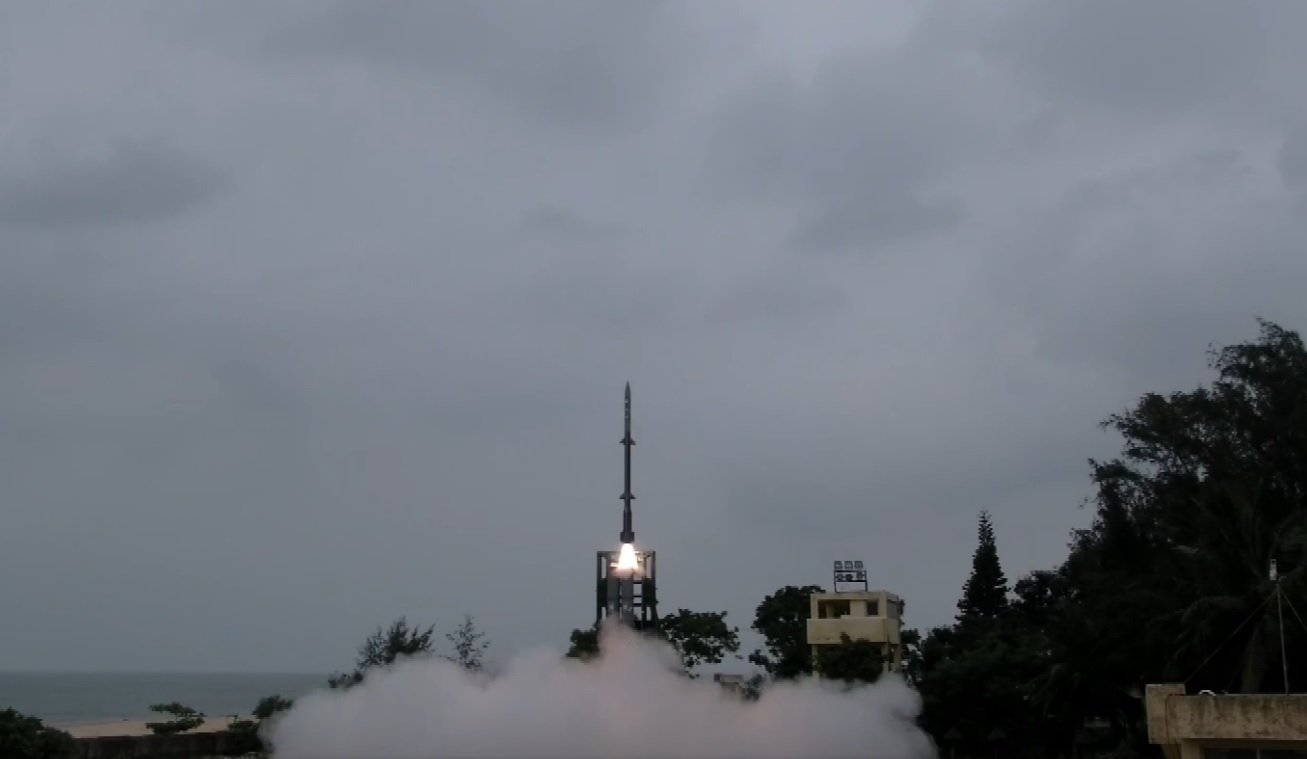 DRDO Successfully Conducts Maiden Flight Test of 150-km-Range Kusha M1 Air Defence Missile
-
 Russian Su-57 Stealth Fighter Crashes During Training Flight Near Moscow, Pilot Ejects Safely
-
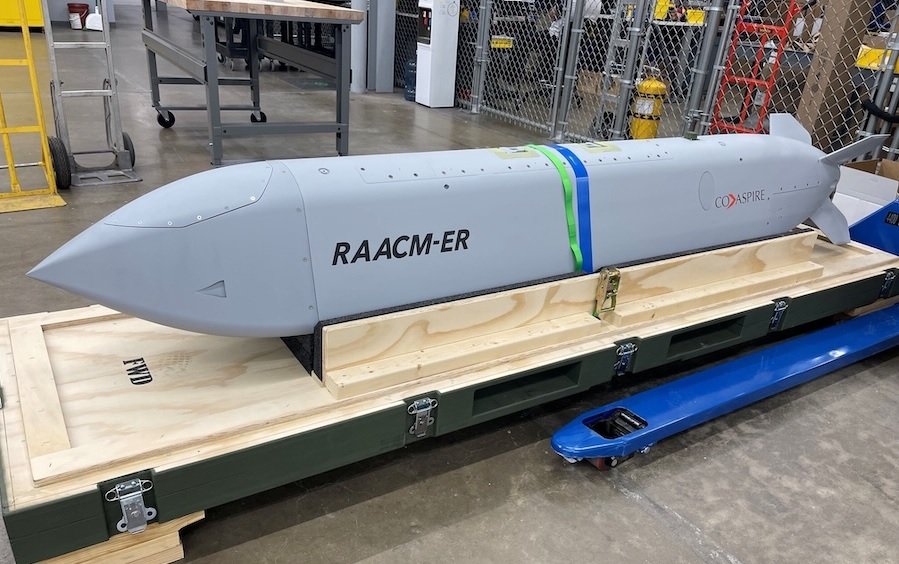 U.S. Navy Selects CoAspire to Build Ground-Launched CHAOS Cruise Missile Under $70 Million Program
-
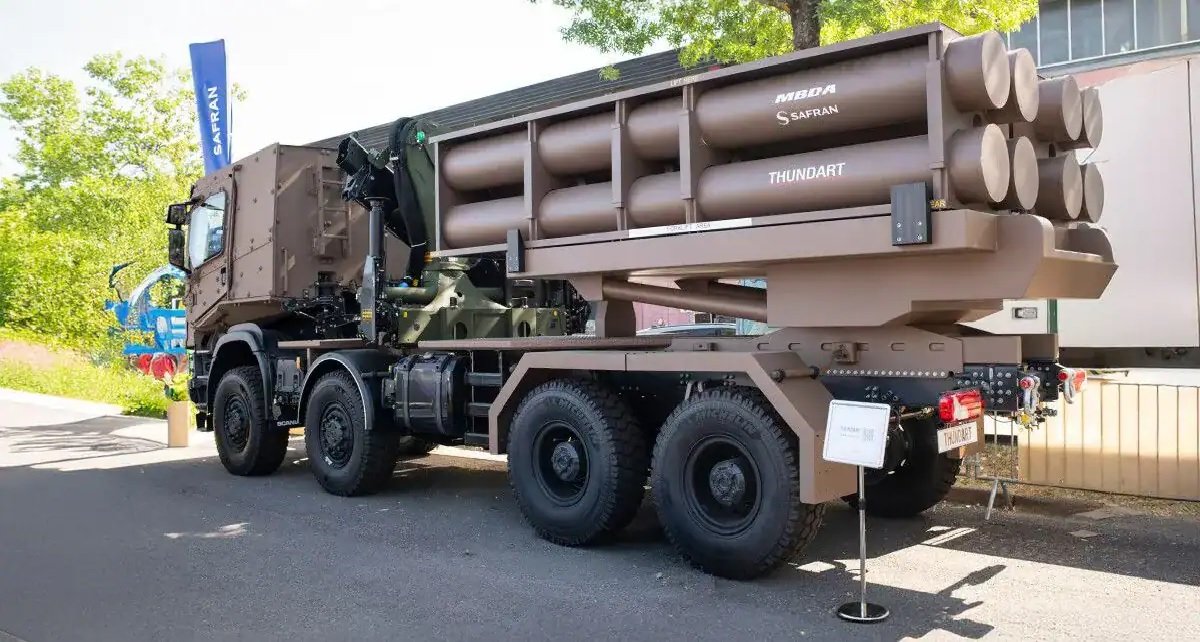 France's THUNDART Long-Range Rocket System May Undergo Prototype Combat Testing in Ukraine
-
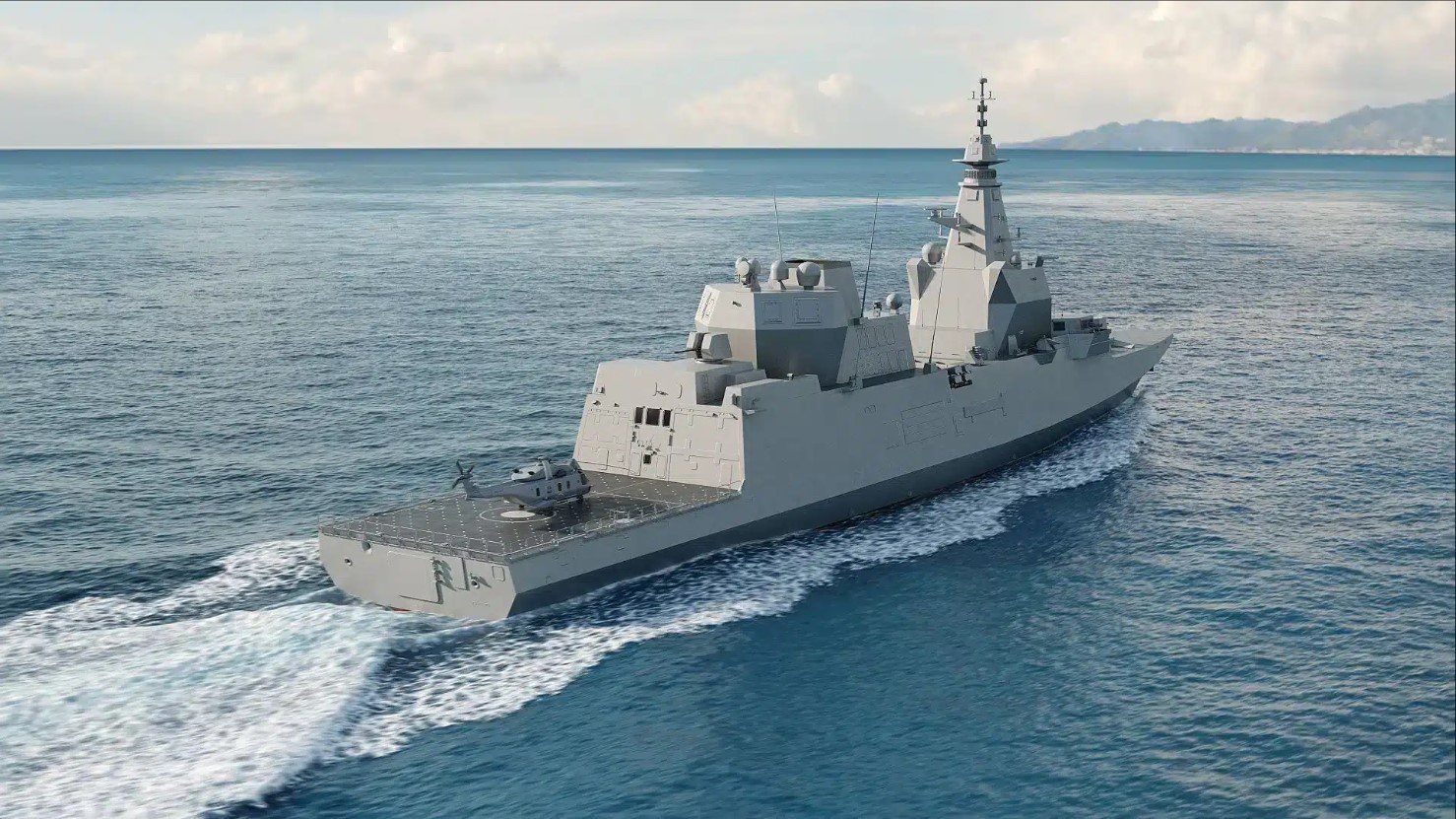 Portugal Orders Three FREMM EVO Frigates from Italy in €3.9 Billion Naval Deal
-
 GE Aerospace and Magellan Aerospace Corporation Sign Strategic MoU for F414 Engine Sustainment in Canada
-
 Destinus Unveils Vorexon Interceptor Concept to Defend Critical Sites from Artillery Threats
Top Trending in 4 Days
-
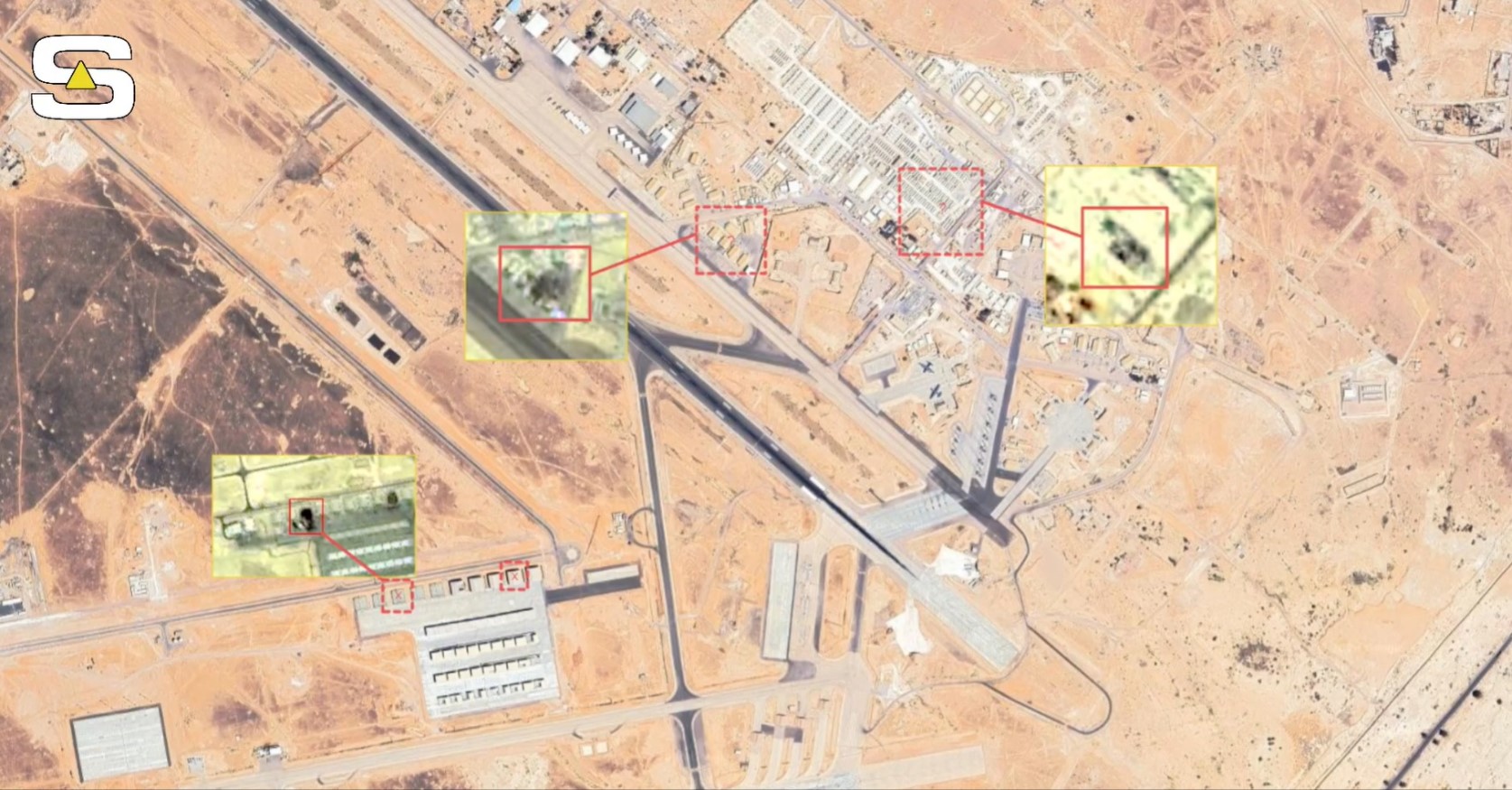 New Satellite Imagery Reveals Extensive Damage at Jordan's Muwaffaq al-Salti Air Base After Iranian Missile Strike
-
 Anduril Unveils Thunder Autonomous Attack Rotorcraft Built with Archer Aviation to Support Apache Helicopters
-
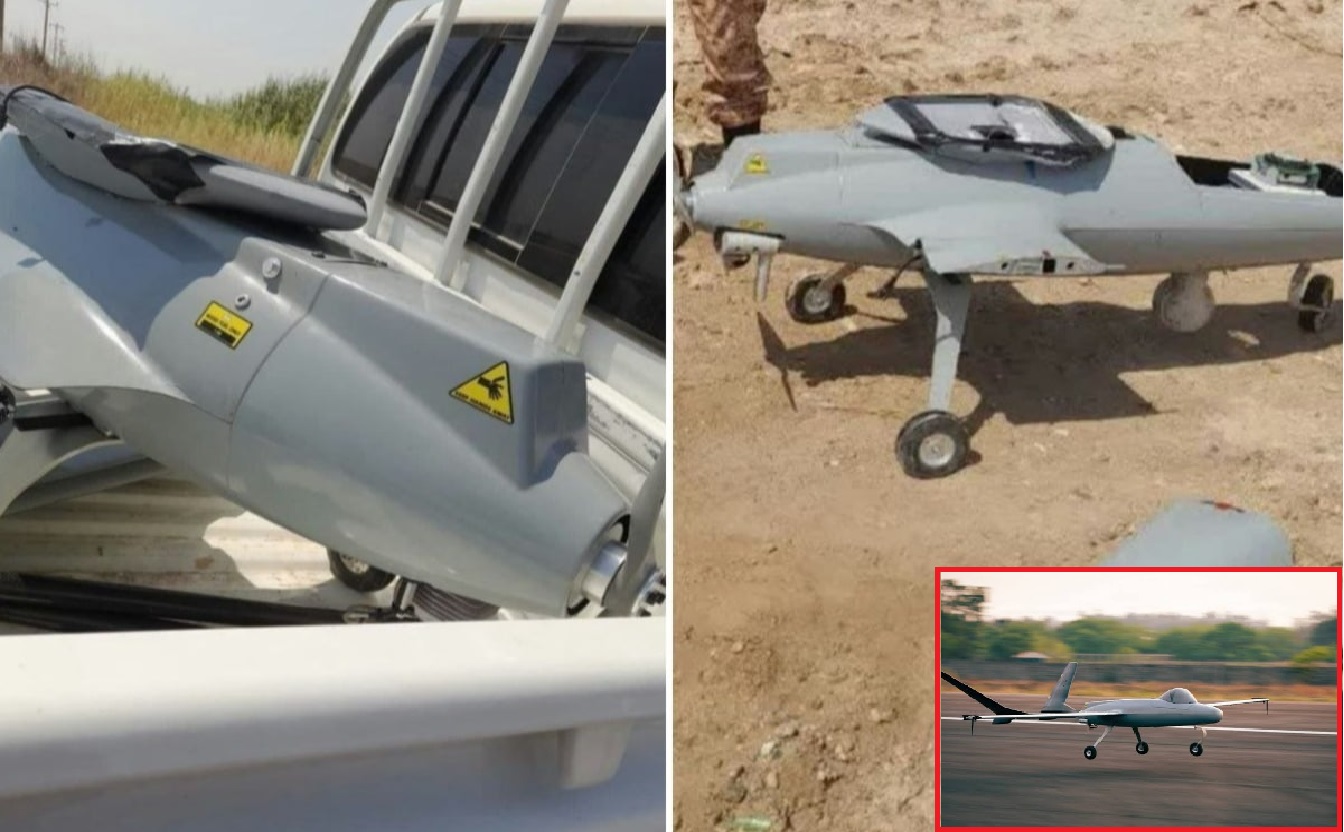 Iran Claims It Shot Down U.S.-Operated Polish-Built Tiguar-M Drone, Releases Images
-
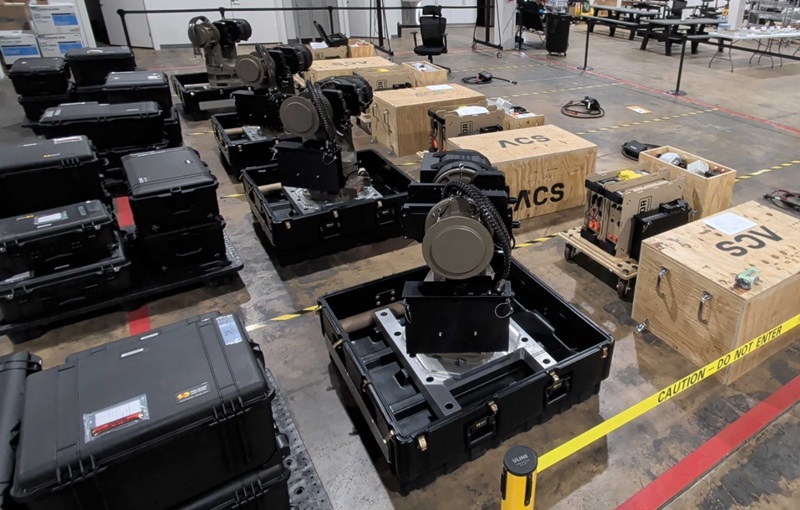 U.S. Marine Corps Selects AI-Powered Bullfrog Weapon Station for L-MADIS Counter-Drone Platform
-
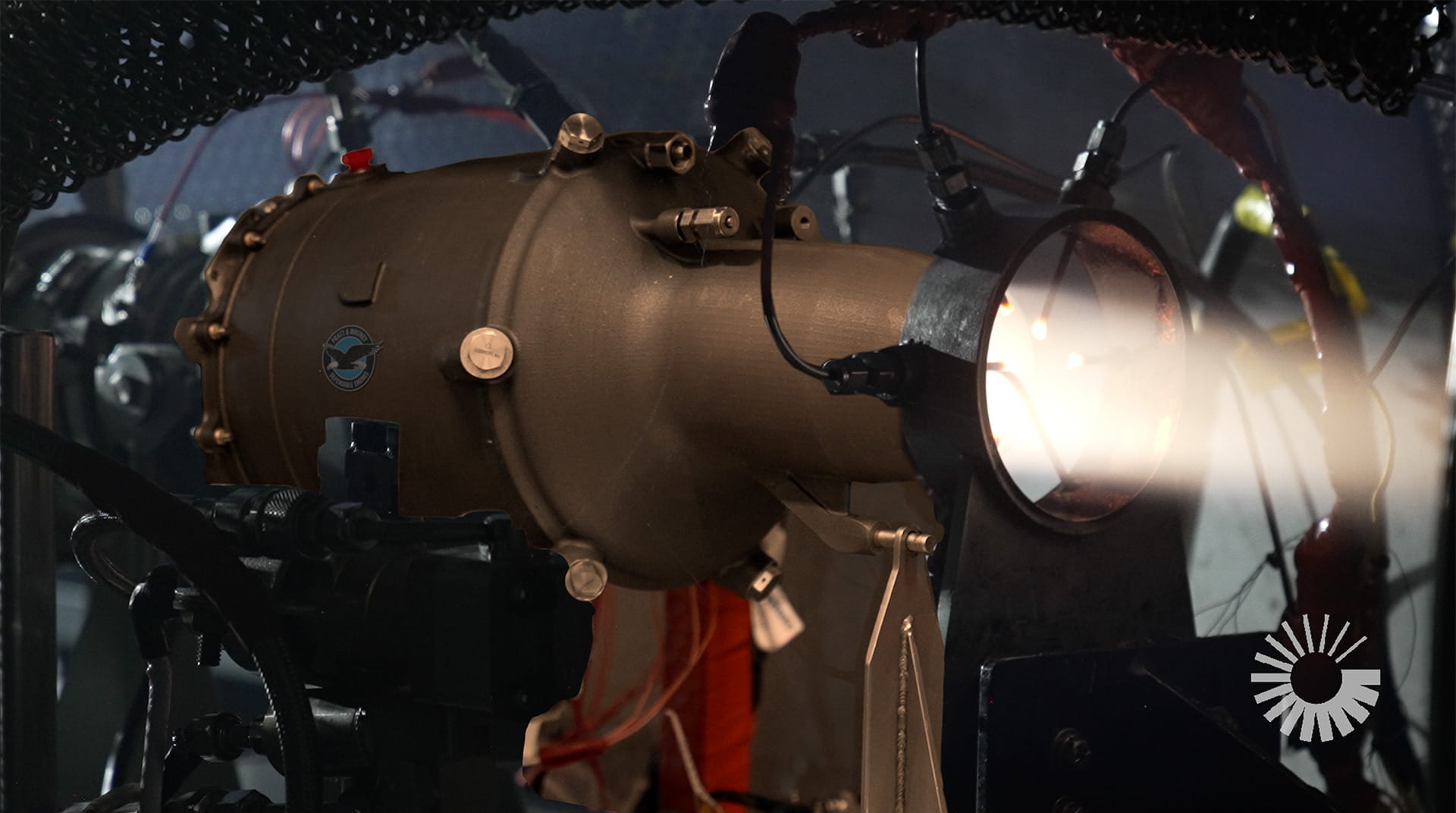 Pratt & Whitney Completes Testing of 3D-Printed TJ150 Engine for Military Applications
-
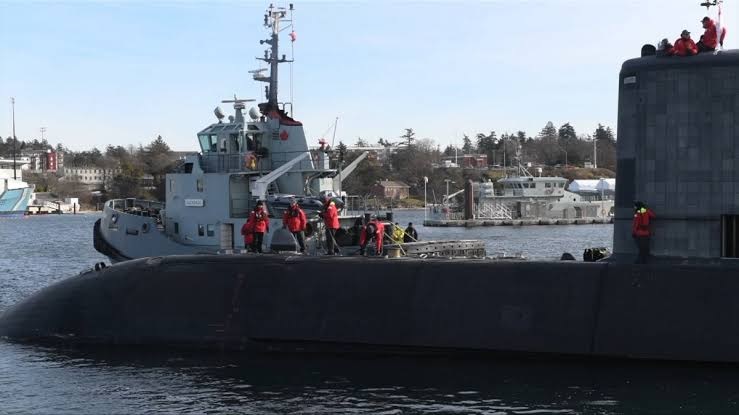 Canada Awards Babcock $1.1 Billion Six-Year Contract Extension to Support Victoria-Class Submarine Fleet
-
 Lockheed Martin Unveils MORFIUS X-Rotor High-Power Microwave System That Can Neutralize 50+ Drones in One Flight
-
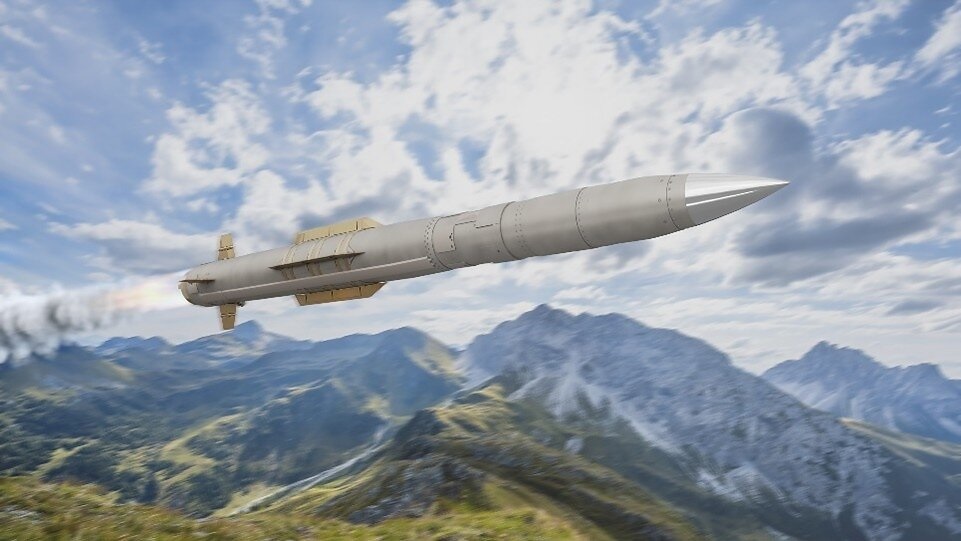 Lockheed Martin Unveils Lower-Cost PAC-3 ACE Interceptor for Patriot Air Defense System
