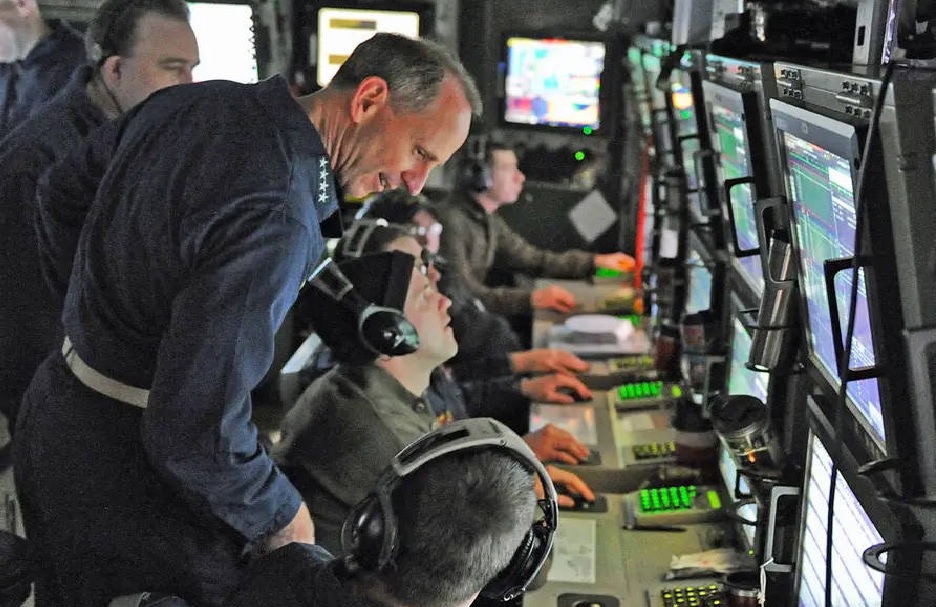
GROTON : The United States Navy has completed a formal demonstration of its AN/BYG-1 submarine combat control system for United Kingdom naval personnel and defense industry representatives, reinforcing technical integration under the AUKUS trilateral security partnership involving the United States, the United Kingdom, and Australia.
The demonstration took place at Naval Submarine Base New London and focused on the planned incorporation of the AN/BYG-1 system into the future SSN-AUKUS class nuclear-powered attack submarines. These submarines are being designed by the United Kingdom and are scheduled to be built and operated by both the Royal Navy and the Royal Australian Navy.
Demonstration Details
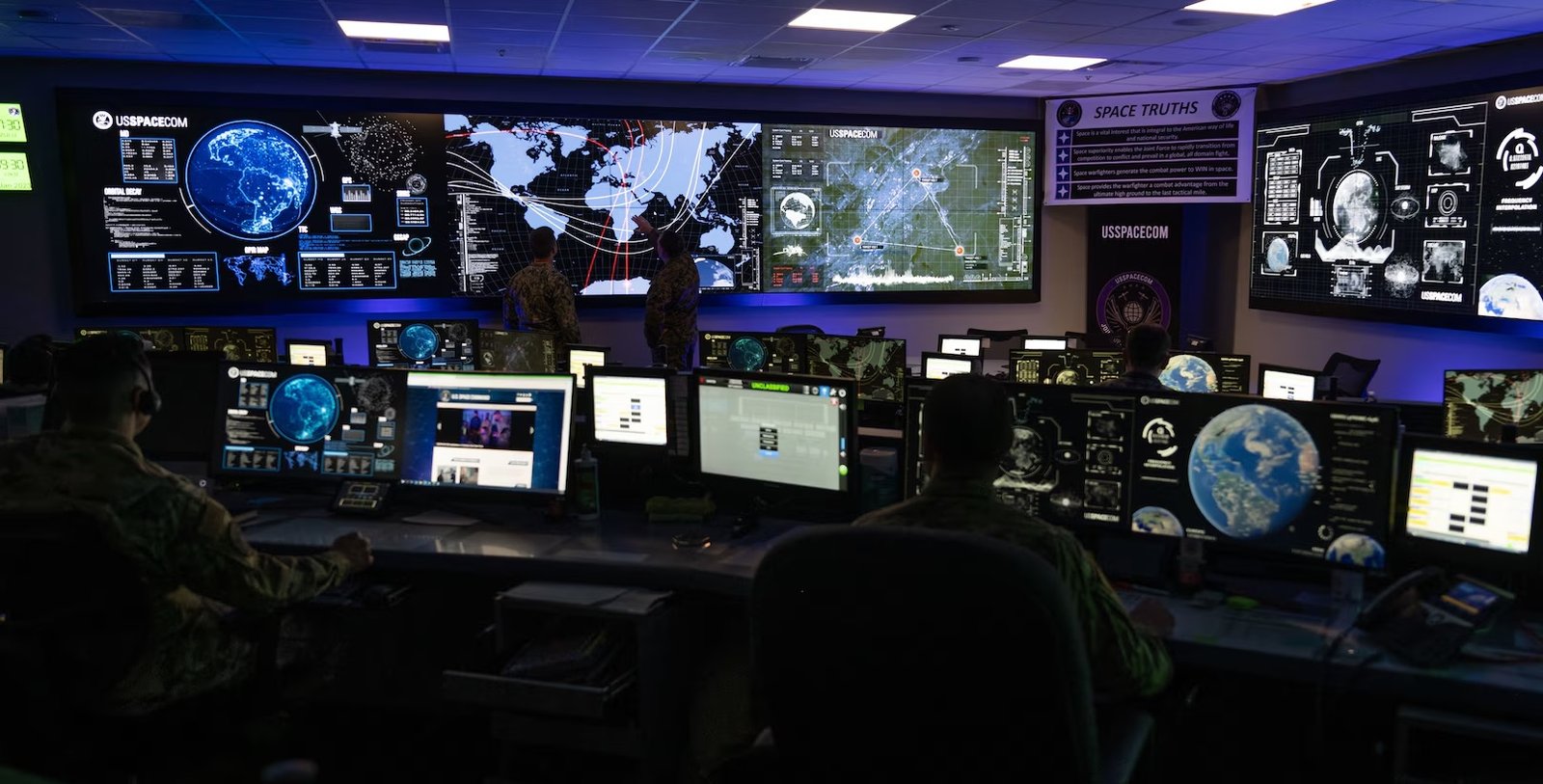
U.S. Navy sailors assigned to the Los Angeles-class fast-attack submarine USS Hartford conducted the demonstration using a shore-based Submarine Multi-Mission Team Trainer. The simulator allowed visiting UK personnel to observe and assess the AN/BYG-1 combat control system in a controlled training environment that mirrors operational submarine conditions.
The visiting delegation included representatives from the Royal Navy, UK government officials, and members of the British defense industry. The event provided a detailed overview of system architecture, operational workflows, training pipelines, and software commonality with existing allied submarine platforms.
Role of the AN/BYG-1 System
The AN/BYG-1 submarine combat control system integrates sonar processing, tactical decision-making tools, weapon control, and command interfaces into a single architecture. The system is already operational across the U.S. Navy and Royal Australian Navy submarine fleets and has been developed through a long-standing joint program between the two countries.
U.S. Navy officials stated that integrating AN/BYG-1 into the baseline design of the SSN-AUKUS submarines is intended to ensure interoperability across all three partner navies. Common combat systems are expected to reduce development risk, streamline crew training, and simplify long-term sustainment and modernization.
UK Perspective and Collaboration
Cmdr. Rob Richards of the Royal Navy described the demonstration as a key step in the United Kingdom’s future submarine development.
He said the event provided practical insight into U.S. submarine warfighting operations and offered the UK a clearer understanding of how the AN/BYG-1 system could be incorporated into its next-generation fleet. Richards noted that the demonstration reflected measurable progress in combat system collaboration among the AUKUS partner nations.
Training and Interoperability Benefits
Lt. Scott Buckman of the U.S. Navy’s Modernization Training Team highlighted the operational advantages of a shared combat control system. He explained that personnel trained on AN/BYG-1 can transfer skills across different submarines with minimal retraining.
According to Buckman, the adoption of closely aligned system variants by three allied navies could eventually support cross-national crewing, expanded exchange programs, and shared training opportunities. These measures are intended to improve operational familiarity and collective effectiveness during combined or coalition missions.
Strategic Context Under AUKUS
The demonstration falls under Pillar I of the AUKUS agreement, which focuses on delivering a nuclear-powered submarine capability to Australia while strengthening undersea warfare cooperation among the three partners. The U.S. Navy stated that Australia’s future operation of nuclear-powered attack submarines is designed to support allied deterrence and stability objectives, particularly in the Western Pacific region.
Oversight of the effort is being conducted by the AUKUS Integration and Acquisition program office within the U.S. Department of the Navy. The office is responsible for coordinating design alignment, technology integration, workforce development, and sustainment planning across national boundaries.
U.S. officials emphasized that the program is being implemented with a focus on long-term interoperability, secure infrastructure development, and strict adherence to nuclear stewardship and nonproliferation standards. The AN/BYG-1 demonstration is one of several planned steps aimed at aligning operational systems as the SSN-AUKUS program advances toward construction and eventual deployment.
——— End of Article ———