
World
Washington / Groton : General Dynamics is moving forward with the development of MEDUSA, an expendable unmanned underwater vehicle (UUV) designed to provide U.S. Navy submarines with a long-range offensive mine warfare capability. The system, formally known as the Mining Expendable Delivery Unmanned Submarine Asset, is intended to be deployed directly from submarines and to support future distributed and autonomous naval operations. The company confirmed earlier this month that a MEDUSA prototype has successfully completed a series of test trials off the coast of Massachusetts. According to a General Dynamics press release, the testing focused on validating core performance parameters, including propulsion, navigation, deployment safety, and autonomous behaviors required for underwater mining missions. The firm did not release detailed performance metrics or imagery from the trials. Program Background and Navy Requirements General Dynamics was awarded a contract in 2024 to design and produce MEDUSA prototypes after the U.S. Navy issued a requirement for a system capable of conducting long-range offensive mining operations. The Navy’s interest reflects a renewed emphasis on naval mine warfare as part of undersea and seabed operations, particularly in contested maritime environments. Contract documentation associated with the program indicates that the selected contractor is expected to deliver four MEDUSA prototypes to the Navy. The system is designed as expendable, meaning it is not intended to be recovered after completing its mission, a feature that allows for simplified design and reduced operational risk to crewed platforms. According to the company, MEDUSA can be safely deployed from a submarine and is being engineered to meet Navy standards for launch compatibility, underwater endurance, and autonomous mission execution. General Dynamics has also stated that the platform has been designed with growth potential, allowing it to host additional payloads or mission systems beyond its initial mining role. Strategic Context and Operational Role The Navy’s interest in offensive mining capabilities comes as the People’s Liberation Army Navy (PLAN) continues to expand in size and capability, particularly in the Indo-Pacific region. The PLAN currently fields a larger number of surface combatants than the U.S. Navy, prompting U.S. planners to place increased emphasis on asymmetric and undersea capabilities. Offensive mining is viewed as a means of shaping the maritime battlespace by restricting adversary movement, protecting chokepoints, and complicating naval operations in the early stages of a conflict. These considerations are especially relevant in scenarios involving Taiwan and surrounding sea lanes, where undersea systems could play a significant role. The MEDUSA effort builds on earlier Navy initiatives aimed at deploying autonomous platforms for mining missions. More than a decade ago, a joint emergent operational need led to the development of an underwater mining concept that later informed programs such as Orca, the extra-large unmanned underwater vehicle designed by Boeing. Related Mine Warfare Systems Alongside MEDUSA, General Dynamics has continued work on other undersea weapons, including the Hammerhead mine. Hammerhead is a moored, encapsulated torpedo mine designed primarily for use against submarines. The system encapsulates a torpedo within a seabed- or mooring-based housing, enabling it to engage targets detected within a defined area. The company highlighted Hammerhead during recent discussions of its undersea portfolio, although no new program details were disclosed at the Surface Navy Association’s 38th annual symposium. General Dynamics did not provide specific comments on MEDUSA during the event. Integration with Submarine Operations The U.S. Navy has taken several steps in recent years to expand the use of unmanned underwater vehicles from its submarine fleet. In 2025, American nuclear-powered attack submarines deployed and recovered unmanned underwater vehicles from their launch tubes for the first time. The initial deployment was conducted from USS Delaware (SSN 791), marking a milestone in the integration of autonomous systems with crewed submarines. Navy officials described the deployment as the beginning of a broader effort to incorporate robotic and autonomous capabilities across the submarine force worldwide. These efforts are intended to support missions ranging from intelligence collection and surveillance to mine warfare and undersea payload delivery. Future Developments Submarines are expected to remain a central element of U.S. naval planning in a potential conflict with China. In parallel with unmanned systems such as MEDUSA, the Navy is preparing to introduce new weapons delivery technologies. According to fiscal year 2026 budget documentation, the service plans to field the Revolver Multi-Payload program aboard nuclear-powered attack submarines. The system is designed to allow submarines to salvo at least a dozen torpedoes in rapid succession, with future development expected to support the launch of unmanned assets. Within this broader modernization effort, MEDUSA represents a focused attempt to restore and modernize offensive mining capabilities using autonomous, submarine-launched platforms. While technical details remain limited, recent testing suggests the program is progressing toward its initial prototype delivery milestones.
Read More → Posted on 2026-02-02 16:55:55
World
KYIV : Intelligence assessments from multiple monitoring and security sources indicate that Russia has carried out a notable redeployment of its strategic aviation fleet, a move widely interpreted as preparation for a renewed large-scale aerial operation against Ukraine. Strategic Bomber Movements Confirmed According to tracking data reviewed by Ukrainian and Western intelligence services, the Russian Aerospace Forces have transferred several Tu-95MS “Bear” long-range strategic bombers from Ukrainka Air Base in Russia’s Amur region to two western facilities: Olenya Air Base and Engels-2 Air Base. Both bases are long-established hubs for Russia’s strategic bomber operations and have been used repeatedly during previous missile campaigns against Ukraine. The Tu-95MS aircraft are capable of launching Kh-101 and Kh-555 air-launched cruise missiles, allowing strikes to be conducted without entering Ukrainian airspace. The forward redeployment significantly shortens flight routes to launch corridors over the Caspian Sea and northern Russia, increasing operational flexibility and sortie rates. Shift From Dispersal to Strike Posture Ukrainka Air Base, located deep in Russia’s Far East, has been used in recent months as a dispersal location to reduce vulnerability to Ukrainian long-range drone attacks. Analysts note that the return of bombers to western bases suggests a transition from a defensive dispersal posture back to active strike readiness. Intelligence officials assess that the relocation aligns with earlier warnings of a coordinated air operation expected in early February, potentially involving simultaneous launches of cruise missiles and unmanned aerial vehicles. Reconnaissance and Weapons Stockpiling The bomber movements follow a period of intensified Russian aerial reconnaissance activity. Surveillance flights and electronic intelligence operations were recorded over Kyiv and multiple western regions of Ukraine in the days preceding the redeployment, according to defense sources. At the same time, logistical monitoring indicates an accumulation of cruise missiles and Shahed-type one-way attack drones at forward storage sites. The combination of long-range bombers, ground-launched missiles, and drones points to a layered attack concept designed to stretch Ukrainian air defense systems through successive waves rather than a single concentrated strike. Diplomatic Context and Timing The military preparations are taking place ahead of planned diplomatic discussions in Abu Dhabi, where energy-related confidence-building measures, including a possible pause in attacks on infrastructure, have been under discussion. Officials familiar with the intelligence picture caution that the current operational activity suggests no observable reduction in Russian strike planning despite those talks. Weather and Infrastructure Vulnerability Ukraine is currently experiencing sustained sub-zero temperatures across much of the country. Energy specialists warn that any successful strikes on electricity generation, transmission, or district heating facilities during this period could have outsized consequences, including prolonged outages and damage to systems that are difficult to repair in freezing conditions. Ukrainian Defensive Measures Ukrainian authorities have placed air defense units on heightened alert following confirmation of the bomber redeployments. Radar coverage, missile defense batteries, and mobile fire groups have been reinforced around major cities and critical infrastructure sites, according to military officials. While no official confirmation of an imminent strike has been issued, defense analysts emphasize that the combination of strategic aviation movements, reconnaissance activity, and weapons stockpiling represents one of the clearest indicators in recent weeks of preparations for a renewed long-range aerial campaign.
Read More → Posted on 2026-02-02 16:11:06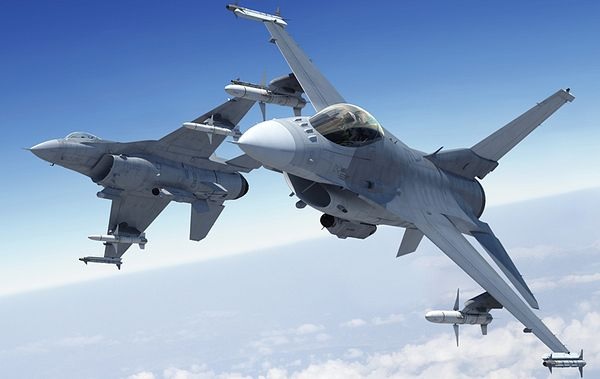
World
LIMA : Peru is moving toward a major overhaul of its air combat capabilities as the government finalizes plans to acquire 24 F-16V Block 70 fighter aircraft from the United States, according to defense and government sources familiar with the process. The program, valued at an estimated $7 billion, would represent the largest defense procurement in the country’s modern history and the most extensive modernization of the Peruvian Air Force in roughly four decades. The agreement is expected to be formally signed after Peru’s general elections in April 2026, a timing intended to ensure political continuity and budgetary approval across administrations. Once concluded, the deal would replace aging combat aircraft that have been in service since the Cold War era and significantly alter the balance of air power along South America’s Pacific coast. Procurement Background and Decision Process Peru’s fighter replacement program has been under evaluation for several years, driven by the declining availability and rising maintenance costs of its current fleet, which includes Russian-built MiG-29s and French Mirage 2000s. These aircraft have faced increasing operational limitations due to spare-parts constraints, avionics obsolescence, and airframe fatigue. During much of the tender process, Sweden’s Saab Gripen E/F was widely viewed as the leading contender. The Swedish proposal emphasized lower acquisition and lifecycle costs, flexible basing requirements, and technology transfer arrangements designed to support local maintenance and training. However, officials involved in the evaluation say the Peruvian government ultimately prioritized long-term sustainment, financing, and external security partnerships. These considerations led Lima to select the U.S.-built F-16V Block 70 despite its higher upfront cost. Strategic and Political Context The decision aligns closely with Peru’s deepening defense relationship with the United States following Washington’s designation of Peru as a Major Non-NATO Ally on January 14, 2026. The status provides access to a range of defense cooperation mechanisms, including eligibility for Foreign Military Financing, priority consideration for excess defense articles, and expanded participation in joint training and operational activities. Peruvian officials view these mechanisms as essential to managing the financial and logistical demands of a large-scale fighter acquisition. U.S. financing tools are expected to spread payments over an extended period, reducing near-term pressure on the national budget while ensuring long-term supply chain support. Aircraft Configuration and Capabilities The F-16V Block 70/72 is the latest production variant of the F-16 platform and incorporates significant upgrades over earlier models. Key features expected in Peru’s configuration include: AN/APG-83 AESA radar, offering improved detection range, target tracking, and resistance to electronic interference. Advanced mission computers and cockpit systems, compatible with precision-guided munitions and secure data-link networks. Extended airframe life, rated at approximately 12,000 flight hours. Interoperability with U.S. and regional forces, particularly in multinational exercises and counter-narcotics operations. The aircraft are expected to be delivered as new-build units, not refurbished airframes. Regional Implications The acquisition would bring Peru’s air combat capabilities closer to those of neighboring Chile, which operates a substantial fleet of F-16s within the Chilean Air Force. Defense analysts note that the move does not significantly alter regional force balances but restores capability parity and enhances interoperability among U.S.-aligned air forces in the region. Brazil, which operates the Gripen E through a separate program, remains on a different technological and logistical path, reflecting varied national defense strategies across South America. Impact on Competing Bidders For Saab, the outcome represents a setback in its efforts to expand Gripen sales beyond Brazil in South America. The company’s proposal focused on cost efficiency, industrial cooperation, and reduced dependence on U.S. export controls. While these factors were considered, they were outweighed by the broader security, financing, and logistics framework offered by Washington. Timeline and Implementation Pending post-election approval, contract signing is anticipated in mid-2026. Production slots and training schedules would follow, with initial pilot and ground-crew instruction likely conducted in the United States. Delivery of the first aircraft is projected for 2029, with full operational capability expected several years later. Once the F-16Vs enter service, Peru plans to progressively retire its remaining MiG-29 and Mirage 2000 aircraft, consolidating its fighter force around a single modern platform supported by long-term logistics and training agreements. If completed as planned, the program will mark a structural shift in Peru’s defense posture, anchoring the country more firmly within U.S.-led security frameworks while providing the Peruvian Air Force with a standardized, modern combat fleet for the coming decades.
Read More → Posted on 2026-02-02 15:46:45
Space & Technology
WASHINGTON : NASA has selected two U.S. commercial aerospace companies to carry out detailed studies on how existing privately developed vehicles could be adapted to support sustained hypersonic flight research, marking a further step in the agency’s effort to move critical technologies from laboratories into operational flight environments. The agency announced that it has awarded contracts to Stratolaunch and SpaceWorks Enterprises under its Hypersonic Technology Project, which is managed within NASA’s Advanced Air Vehicles Program. The work is intended to address a long-standing challenge in hypersonics: the limited availability of affordable, reusable flight platforms capable of reaching speeds above Mach 5. NASA officials said the studies are designed to close the gap between ground-based testing, such as wind tunnels and computational modeling, and full-scale experimental flight programs that are costly and infrequent. Hypersonic flight is generally defined as travel at speeds of Mach 5 or greater, equivalent to roughly 3,800 miles per hour at altitude. Focus On Air-Breathing Hypersonic Systems Historically, hypersonic speeds have been achieved primarily by rockets and missile systems, which carry both fuel and oxidizer onboard. While effective for short-duration missions, those systems are not well suited to reusable aircraft concepts. NASA’s current research emphasis is on air-breathing hypersonic propulsion, including advanced ramjet and scramjet configurations that draw oxygen from the atmosphere rather than relying on onboard oxidizers. According to NASA, air-breathing designs could enable longer flight durations, lower vehicle mass, and repeated operations from conventional runways. These characteristics are seen as essential for future scientific, defense-related, and potential commercial applications. “With these awards, NASA will collaborate with the commercial hypersonics industry to identify new ways to evaluate technologies through flight tests while addressing the challenges of reusable, routine, air-breathing hypersonic flight,” said Dr. Nateri Madavan, director of NASA’s Advanced Air Vehicles Program. Details Of The Awarded Studies The contracts, awarded in August, fund six-month feasibility studies rather than immediate flight testing. Each company is tasked with examining how its existing vehicle designs could be modified to host NASA research payloads, sensors, and experimental hardware, as well as how those platforms could be integrated into NASA’s broader test and evaluation framework. Stratolaunch received approximately $1.2 million to study the potential use of its Talon-A vehicle as a hypersonic testbed. Talon-A is a reusable, autonomous vehicle designed to be air-launched from the company’s Roc carrier aircraft, currently the world’s largest airplane by wingspan. After release at high altitude, Talon-A is intended to accelerate to hypersonic speeds, conduct its test mission, and then glide back for a conventional runway landing. NASA officials have highlighted the vehicle’s reusability and runway recovery as key advantages for frequent data collection. SpaceWorks Enterprises was awarded roughly $500,000 to evaluate modifications to its X-60 platform. The X-60 was originally developed as an aerial target and experimental vehicle capable of carrying instrumentation for high-speed flight research. Under the NASA study, SpaceWorks will assess how the platform could be adapted to support repeated hypersonic test flights and generate high-rate aerodynamic, thermal, and structural data. Data Collection And Research Objectives NASA said the studies will examine a wide range of technical and operational factors, including achievable flight envelopes, payload capacity, thermal protection requirements, flight safety considerations, and overall cost per mission. The agency is particularly interested in gathering data that can be difficult or impossible to obtain in wind tunnels, such as real-world boundary layer behavior, high-temperature material performance, and integrated propulsion–airframe interactions at hypersonic speeds. The information collected during these studies will be used to inform future decisions on flight test campaigns and infrastructure investments. NASA emphasized that the work does not commit the agency to a specific vehicle or vendor but is intended to expand the range of viable options for hypersonic experimentation. Role Within NASA’s Long-Term Strategy The results are also expected to support planning for NASA’s proposed Making Advancements in Commercial Hypersonics (MACH) initiative. The MACH concept envisions a structured framework for routine hypersonic flight testing using commercial platforms, standardized payload interfaces, and predictable scheduling. By relying on commercially developed vehicles, NASA aims to reduce the need to design and build unique experimental aircraft, often referred to as X-planes, for each new research effort. NASA officials said such an approach could significantly lower costs and increase testing frequency, enabling faster technology maturation. It would also align with broader federal policy goals that encourage public-private partnerships in advanced aerospace development. While commercial hypersonic passenger travel remains a long-term prospect, NASA noted that the immediate focus of the program is research and technology validation. Applications include improved thermal protection systems, more efficient propulsion concepts, advanced guidance and control, and materials capable of withstanding repeated exposure to extreme temperatures and stresses. The agency said it will review the findings from both studies later this year before determining next steps, which could include follow-on contracts or flight demonstration opportunities.
Read More → Posted on 2026-02-02 15:39:48
World
SYRACUSE, N.Y. : The U.S. Army has taken a significant step in its Air And Missile Defense Modernization Program with the delivery of the first Next-Generation Sentinel A4 Radar from Low-Rate Initial Production (LRIP) Lot 2, according to an announcement by Lockheed Martin. The delivery coincides with the completion of Phase I Of Initial Operational Test And Evaluation (IOT&E), advancing the program toward broader operational use and a future Full-Rate Production decision. Program Milestone And Production Status The Sentinel A4, formally designated AN/MPQ-64A4, is intended to replace the legacy Sentinel A3 Radar currently in service with the U.S. Army. The newly delivered unit is the first of 19 Radars procured under the LRIP Lot 2 Contract. These systems are being produced to support continued Operational Testing, Training, and Early Fielding as the Army transitions its Short-Range Air Defense Sensor Fleet. Completion of IOT&E Phase I indicates that the radar has met initial Performance and Integration Benchmarks required to proceed with further testing. Additional phases of Operational Evaluation are planned to validate Reliability, Suitability, and Effectiveness under a broader range of operational conditions. Technical Characteristics Of The Sentinel A4 The Sentinel A4 represents a comprehensive redesign of the Sentinel Radar Family. Unlike the mechanically scanned architecture of earlier variants, the A4 employs an Active Electronically Scanned Array (AESA) using Gallium Nitride (GaN) Technology. This design supports Faster Beam Steering, Improved Target Discrimination, and Higher Power Efficiency. According to program data released by Lockheed Martin, the Sentinel A4 provides approximately a 175 Percent Increase In Detection Range and a 225 Percent Improvement In Sensitivity compared with the Sentinel A3. These enhancements allow earlier detection and continuous tracking of a wide range of Aerial Threats, including Unmanned Aircraft Systems, Cruise Missiles, and both Rotary- And Fixed-Wing Aircraft. The radar is also designed to operate in Dense Electromagnetic Environments and under Electronic Attack. The system provides Full 360-Degree Coverage and is capable of Simultaneous Air Surveillance And Counter-Fire Missions. In addition to air targets, the radar can detect and track Rockets, Artillery, and Mortars, calculate Points Of Origin, and support Counter-Battery and Force Protection Operations. Integration And Networked Operations During IOT&E Phase I, the Sentinel A4 was integrated with the Forward Area Air Defense Command And Control (FAAD C2) System. This integration is central to the Army’s approach to Networked Air And Missile Defense, enabling the radar to share Real-Time Sensor Data across multiple Command-And-Control Nodes and Weapon Systems. The Open-Architecture Design of the Sentinel A4 allows it to interface with Existing And Future Army Networks. This supports a Sensor-To-Shooter Construct in which Detection, Tracking, and Engagement Functions are distributed across a Connected Force rather than tied to a single platform. Role In Future Air And Missile Defense The Sentinel A4 is planned as a key sensor supporting the Army’s Indirect Fire Protection Capability (IFPC). In this role, it is intended to provide Persistent Surveillance and Targeting Data for the defense of Maneuver Forces and Fixed Sites, including Command Posts, Logistics Hubs, and Critical Infrastructure. By combining Air Surveillance and Counter-Fire Functions in a single system, the radar is expected to reduce the number of sensors required in a defended area while improving overall Situational Awareness. Its enhanced performance is aligned with the Army’s requirements to address the growing availability of Low-Cost Drones, Cruise Missiles, and Precision Indirect-Fire Systems. Next Steps And Fielding Outlook Lockheed Martin stated that deliveries of the remaining 18 LRIP Lot 2 Radars will continue in line with the Army’s Testing And Fielding Schedule. These systems will be used to support additional Operational Tests, refine Employment Concepts, and train Air Defense Units. Data gathered during the remaining IOT&E Phases will inform the Army’s decision on Full-Rate Production. If approved, full-rate production would lead to the gradual replacement of the Sentinel A3 Inventory with the Sentinel A4 across Army air defense units, completing a major element of the service’s Short-Range Air Defense Modernization Effort.
Read More → Posted on 2026-02-02 15:26:56
India
NEW DELHI : India’s long-running effort to achieve self-reliance in high-thrust military jet engines has entered a more clearly defined phase, with the head of the Defence Research and Development Organisation (DRDO) outlining a tentative but detailed timeline for the powerplant intended for the Advanced Medium Combat Aircraft (AMCA) Mark-2. Speaking to news agency ANI, Samir V. Kamat said that the indigenous engine programme could reach the integration stage by 2035–2036, provided it receives formal approval from the Cabinet Committee on Security (CCS) during the current year. According to Dr. Kamat, the projected timeline reflects both the complexity of modern jet engine development and lessons learned from earlier programmes. He stated that if the CCS clears the proposal this year, development trials of the engine would begin well before the mid-2030s, with formal acceptance trials planned to start around 2035. Integration with the aircraft platform would follow once those trials are completed. The engine under discussion is a 110 kilonewton-class high-thrust turbofan designed to power the AMCA Mark-2, the more advanced variant of India’s fifth-generation fighter aircraft programme. The AMCA programme itself is being pursued in phased form to manage technological risk and avoid delays to induction into service. The first phase, AMCA Mark-1, will rely on imported powerplants. These aircraft are planned to be powered by the GE F414-INS6 engine, produced by General Electric. The F414 engine, generating approximately 98 kN of thrust, is already in service on several modern fighter platforms worldwide. Its selection is intended to allow flight testing and induction of the AMCA to proceed without waiting for the indigenous engine to mature. Current timelines place the rollout of the first AMCA prototype in the 2028–2029 period. The AMCA Mark-2, however, is designed around the higher-thrust indigenous engine. The additional power is considered essential for meeting the aircraft’s full performance requirements, including sustained supersonic flight without afterburner, commonly referred to as supercruise. Achieving this capability also depends on advances in high-temperature materials, cooling technologies, and digital engine control systems. Development of the new engine is being planned as a co-development programme, rather than a purely domestic effort. DRDO’s Gas Turbine Research Establishment (GTRE) has been in negotiations with Safran for a joint development arrangement. Discussions have focused on shared design responsibilities, manufacturing processes, and testing infrastructure, while ensuring that India retains intellectual property rights over the final engine. Officials familiar with the talks say the proposed agreement differs from earlier arrangements in that it aims for full transfer of technology (ToT). This would allow Indian agencies and industry partners to manufacture, modify, and potentially export the engine in the future, subject to government approvals. Such control is viewed as critical for the long-term sustainment of the AMCA fleet and for future derivative aircraft programmes. The emphasis on collaboration reflects experience from the Kaveri engine programme, initiated in the 1980s, which achieved partial technical success but did not meet the thrust and reliability requirements for frontline fighter aircraft. DRDO leadership has acknowledged that while Kaveri helped build a domestic knowledge base, modern engine development has advanced significantly in areas such as single-crystal turbine blades, high-temperature superalloys, and thermal barrier coatings. The urgency behind securing CCS approval is closely tied to programme sequencing. While AMCA Mark-1 received government sanction in March 2024, delays in starting the Mark-2 engine programme could widen the capability gap between the two variants, complicating production planning and force-structure decisions for the Indian Air Force. If the engine programme proceeds as outlined, India would eventually join a small group of nations with the capability to design, test, and manufacture high-performance military jet engines across the full lifecycle. For policymakers, the project is viewed not only as a requirement for the AMCA but also as a foundational capability for future combat aircraft, unmanned platforms, and advanced aerospace systems. At present, the proposed timeline remains contingent on formal approval and sustained funding. DRDO officials have indicated that once sanctioned, the programme will progress along parallel tracks of design, materials development, component testing, and full-engine trials, with increasing participation from Indian industry partners as the project advances.
Read More → Posted on 2026-02-02 14:58:02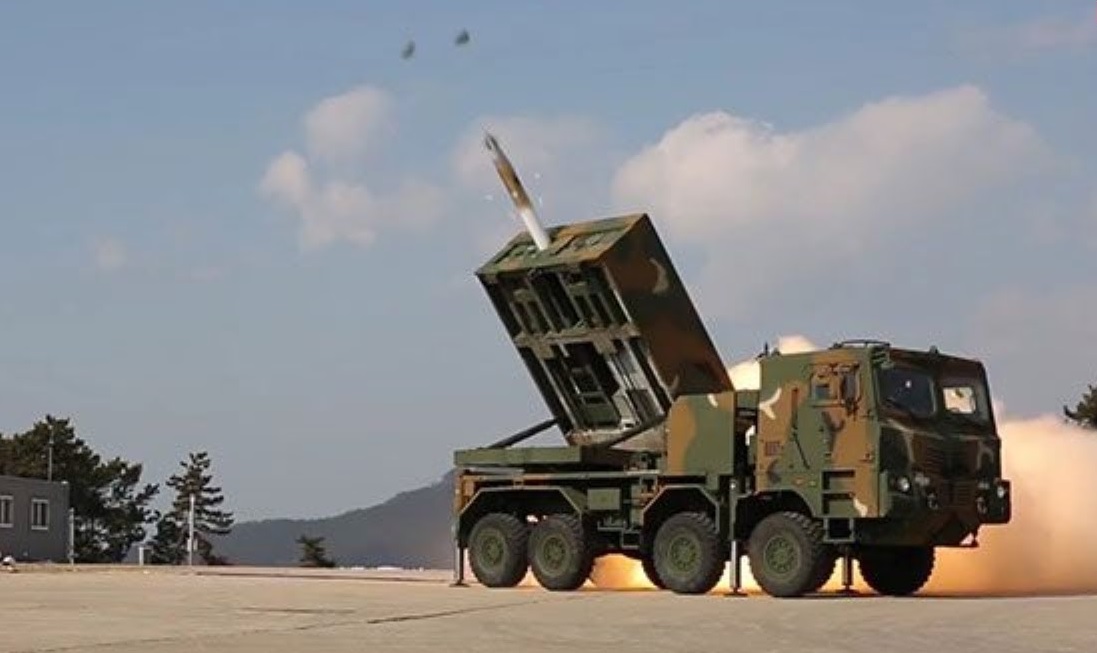
World
OSLO / SEOUL : South Korea’s Hanwha Aerospace has confirmed the signing of a major defense procurement contract with the Norwegian Defence Material Agency to supply the Chunmoo Multiple Rocket Launcher System to the Norwegian Armed Forces. The company announced on February 2, 2026, that the agreement is valued at approximately $922 million and forms part of Norway’s broader long-range fires acquisition program, which carries an overall budget of about $2 billion. Under the contract, Hanwha Aerospace will deliver 16 Chunmoo launch vehicles, a package of precision-guided rocket and missile munitions, and a comprehensive Integrated Logistics Support (ILS) package covering sustainment, training, spare parts, and technical assistance. The contract was formally signed on January 30, 2026, in Oslo. The signing ceremony was attended by senior defense and government officials from both countries. The agreement was signed by Jae-il Son, President and Chief Executive Officer of Hanwha Aerospace, and Gro Jære, Director General of the Norwegian Defence Material Agency. Long-Term Cooperation as a Selection Factor Norway’s selection of the Chunmoo system follows nearly a decade of operational and industrial cooperation between Hanwha Aerospace and the Norwegian Army. In 2017, Norway placed an order with Hanwha for 52 K9 VIDAR self-propelled howitzers and 14 K10 ammunition resupply vehicles. All systems were delivered on schedule and have since been integrated into Norwegian service. Norwegian defense officials have repeatedly referenced the performance, availability rates, and sustainment arrangements of the K9 fleet as key technical benchmarks during the Chunmoo evaluation process. The existing logistics infrastructure and operational familiarity with Hanwha systems were cited as factors reducing integration risk for the new rocket artillery capability. Configuration for Arctic Operations For Norwegian requirements, the Chunmoo launcher has been configured for Arctic and sub-Arctic operating conditions, including sustained operations in low temperatures, snow-covered terrain, and limited daylight environments. According to Hanwha Aerospace, system adaptations include cold-weather vehicle subsystems, environmental hardening, and operational testing aligned with Norwegian climatic standards. The launcher is also designed to integrate with Norway’s existing command, control, communications, and fire-control architecture, enabling interoperability with current joint and allied systems. This includes compatibility with NATO operational procedures and data exchange standards. System Capabilities and Role The Chunmoo is a modular multiple rocket launcher system capable of firing different classes of guided and unguided munitions from a single platform. Its modular pod design allows rapid reconfiguration to support a range of mission profiles, including long-range precision strikes against fixed and time-sensitive targets. Norwegian defense planning documents have emphasized the need for mobile, survivable long-range fires to support deterrence, territorial defense, and allied reinforcement operations in Northern Europe. The Chunmoo system is intended to complement existing artillery and missile capabilities while enhancing range, accuracy, and responsiveness. Expanding International User Base With Norway joining the program, the Chunmoo operational user base now includes South Korea, Poland, Estonia, and several customers in the Middle East. Hanwha Aerospace has stated that the growing number of operators is expected to facilitate common logistics approaches, shared training concepts, and improved interoperability, particularly among NATO member states and partners. Industrial Cooperation and Local Participation Hanwha Aerospace confirmed that the program includes plans to expand industrial cooperation with Norwegian companies. Expected areas of collaboration include local industrial participation, potential joint development initiatives, and testing and evaluation activities conducted in Norway as the system is introduced into operational service. In a company statement, Son said Norway’s selection of the Chunmoo reflects the confidence established through previous cooperation on the K9 program and emphasized Hanwha Aerospace’s intention to support Norway’s long-term defense needs through sustained partnership and technical support. Regional Context The agreement comes amid accelerated defense investment across the Nordic region, where governments are prioritizing long-range fires, air and missile defense, and ground maneuver capabilities in response to evolving regional security requirements. Norway’s Chunmoo acquisition represents a significant step in modernizing land-based strike capabilities while strengthening interoperability with allied forces operating in Northern Europe.
Read More → Posted on 2026-02-02 14:40:46
World
Tehran / Brussels : Iran has formally designated the armed forces of European Union member states as “terrorist organizations,” escalating tensions with Europe after the EU classified Iran’s Islamic Revolutionary Guard Corps (IRGC) as a terrorist group. The move was reported by Reuters and follows a landmark decision by the European Union aimed at increasing pressure on Iran’s security establishment. On Thursday, January 29, the European Union announced that it had placed the Islamic Revolutionary Guard Corps (IRGC) on its terrorist list, aligning the group with organizations such as al-Qaeda, the Islamic State, and Hamas. The designation represents one of the most far-reaching steps taken by the EU against Iran’s leadership since the founding of the Islamic Republic in 1979. EU Sanctions and Rationale Alongside the designation, the EU imposed new sanctions on 15 Iranian officials and six organizations accused of involvement in suppressing nationwide protests and committing human rights violations. The measures include asset freezes and travel bans within EU member states. EU officials said the decision followed evidence linking the IRGC to what they described as the most violent crackdown on public demonstrations in Iran since 1979. European diplomats stated that the sanctions framework is intended to target individuals and institutions directly involved in repression, rather than the Iranian population at large. Tehran’s Response and Legal Measures Iranian officials reacted sharply. Speaking in parliament, Speaker Mohammad Bagher Ghalibaf said the EU’s move had prompted reciprocal legal action under Iranian law. He cited Article 7 of legislation designed to counter foreign terrorist designations of the IRGC, stating that the armed forces of European countries would now be treated as terrorist groups by Iran. Ghalibaf accused European governments of acting against their own interests and of aligning themselves with U.S. policy toward Iran. He also said that Iran’s parliamentary commission on national security would consider the expulsion of military attachés from EU countries and would coordinate future steps with the Ministry of Foreign Affairs. Following his remarks, lawmakers in the chamber chanted slogans condemning the United States and Europe, underscoring domestic political support for a confrontational response. IRGC Statement and Diplomatic Impact On Sunday, the IRGC issued an official statement warning that the EU’s decision would complicate “the path toward constructive engagement and cooperation” and reinforce what it described as confrontational approaches. The statement did not outline specific retaliatory actions but emphasized that the designation would have long-term consequences for relations between Iran and European states. Diplomatic contacts between Tehran and several European capitals have already been limited in recent years due to disputes over Iran’s nuclear program, regional activities, and its human rights record. Analysts say the latest exchange of designations further reduces the scope for diplomatic engagement. Role and Structure of the IRGC Established in 1979 after the Islamic Revolution, the IRGC is an elite military and political force tasked with safeguarding Iran’s Islamic system and revolutionary ideology. It operates independently of the regular armed forces and reports directly to Iran’s Supreme Leader, giving it broad authority across security, political, and economic spheres. The organization is structured into Ground Forces, Aerospace Forces, and Naval Forces, and includes the Basij, a mass paramilitary organization used for internal security and mobilization. A key external arm is the Quds Force, responsible for operations beyond Iran’s borders and for supporting allied groups across the Middle East. Regional and Economic Influence The IRGC plays a central role in Iran’s regional policy, providing support to allied actors including Hezbollah in Lebanon, Shiite militias in Iraq, forces aligned with Bashar al-Assad in Syria, and the Houthis in Yemen. These activities have been cited by Western governments as contributing to regional instability and proxy conflicts. Beyond its military functions, the IRGC wields significant economic influence. Companies linked to the organization operate across sectors such as energy, construction, transportation, telecommunications, and defense, giving it substantial leverage within Iran’s economy. The mutual designations mark a new phase in relations between Iran and the European Union, with both sides hardening their positions. While EU officials frame their actions as a response to human rights concerns and security risks, Iranian leaders describe the measures as politically motivated and hostile. The developments leave limited room for de-escalation in the near term as diplomatic and military channels between Tehran and European capitals face increasing strain.
Read More → Posted on 2026-02-02 14:28:14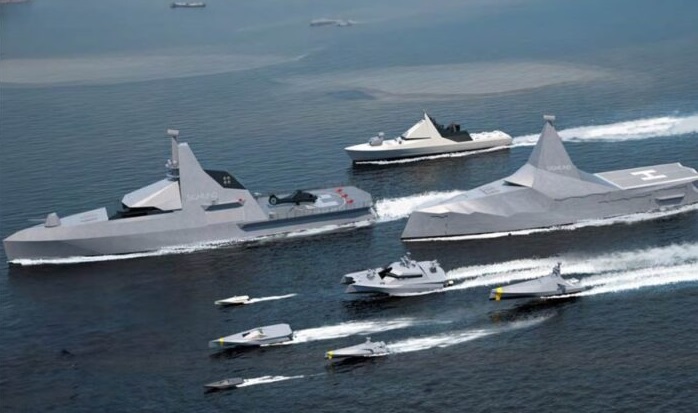
World
ATHENS : Greek and British defense companies have jointly presented a proposal for the domestic construction of a new family of unmanned surface vessels (USVs) intended for service with the Hellenic Navy and the Hellenic Coast Guard, according to information released by SAS Technology. The presentation was delivered by SAS Technology, also known as Spirit Aeronautical Systems S.A. and part of the Spirit World Group, in cooperation with Sigmund Naval & Marine Ltd and Concept Marine Group. The briefing was addressed to the Hellenic Navy General Staff and the Hellenic Coast Guard under the Ministry of Maritime Affairs and Insular Policy. An international European and United States–based Class-A manufacturer of weapons, electro-optical and communications systems is also participating in the program. Proposal for Domestic Construction According to the companies, the proposal centers on the construction in Greece of next-generation USVs that are already in operational use with European end users. The vessels are described as being adapted to the specific operational requirements of Greek waters, including the Aegean Sea and the wider Eastern Mediterranean. The program foresees domestic manufacturing, technology transfer, and the establishment of dedicated production infrastructure in Greece. SAS Technology stated that the initiative includes plans for a composite materials facility for air and maritime platforms and a dedicated shipyard capable of producing large unmanned vessels exceeding 10 meters in length. Regional and Operational Context The companies presented the initiative as a response to evolving security developments in the Eastern Mediterranean. Particular reference was made to parallel unmanned surface vessel programs in neighboring countries, including Turkey, which publicly displayed fully armed attack unmanned surface vessels of up to 75 feet during IDEF 2025. The proposal follows recent modernization steps by Greece, including the induction of the frigate HS Kimon. The USVs are positioned as complementary systems intended to expand surveillance coverage, persistence, and operational reach, while reducing reliance on crewed platforms for selected mission sets. Platform Characteristics The proposed USV family includes platforms constructed from advanced composite materials, ranging from approximately 7 meters to more than 30 meters in length. Vessels exceeding 20 meters are designed with the capacity to transport between six and ten personnel when configured for such missions. The platforms are intended to operate in sea states corresponding to Douglas Scale 5 and 6. Primary emphasis is placed on the 60-foot, 75-foot and 87-foot classes. Depending on configuration, maximum speeds are stated to range from approximately 30 knots to more than 70 knots. Each vessel is designed around a modular architecture. Standard and optional payloads include electro-optical and infrared sensors, radar systems for surveillance and reconnaissance, secure communications, satellite connectivity, and integrated command-and-control systems. These systems allow for fully autonomous, semi-autonomous, or remote operation. The modular design also allows for the integration of weapon systems where operational requirements permit. Intended Missions and Areas of Operation The companies outlined several operational roles aligned with current Greek maritime security requirements. In the Aegean Sea, the USVs are intended to support continuous maritime surveillance, rapid response to asymmetric threats, and persistent monitoring of island approaches. For operations south of Crete and in the Libyan Sea, the platforms are designed to provide extended-range presence and wide-area surveillance at significant distances from main operating bases. In addition to defense missions, the vessels are described as suitable for maritime security, search and rescue operations, and counter-illegal activity tasks, in accordance with established rules of engagement. Industrial Roles and Technology Integration Under the proposed division of responsibilities, Sigmund Naval & Marine would provide core vessel design, drawing on experience in naval architecture, high-performance craft, mega-yachts, and racing vessels. Concept Marine Group would contribute construction guidance and expertise in high-specification composite vessel manufacturing, with an emphasis on hydrodynamic efficiency, stability, and low-signature characteristics. Weapons, sensor, and communications systems would be supplied by the participating EU/US Class-A manufacturer, with configurations tailored to the requirements of the Hellenic Navy and Hellenic Coast Guard. SAS Technology would integrate its proprietary automation, navigation, control, communications, and swarm-management technologies, transferring experience from unmanned aerial systems to the maritime domain. Additional systems referenced include SEASting, Sea Rescue, SARISA-based weaponized configurations, and ISR-oriented mission packages adapted for Greek operational environments. Operational and shipbuilding support is planned through cooperation with Spirit World Shipping and Spirit Management Services, providing experience from commercial and open-sea maritime operations. Statements from the Companies SAS Technology Chief Executive Michalis Spiridakos said the program is intended to complement recent naval acquisitions by providing autonomous surface platforms built domestically and adapted to Greek requirements.Sigmund Naval & Marine Chief Executive Peter Symonds stated that the collaboration aims to support the development of sovereign unmanned surface vessels aligned with Greece’s maritime security needs.Concept Marine Group Chief Executive Kevin Viles said the partnership combines design, systems integration, and manufacturing expertise, with a focus on establishing local industrial capability in Greece. The proposal is currently at the presentation stage, with no contract awards announced. Further evaluation by the Hellenic Navy and Hellenic Coast Guard is expected to determine potential next steps.
Read More → Posted on 2026-02-02 14:23:05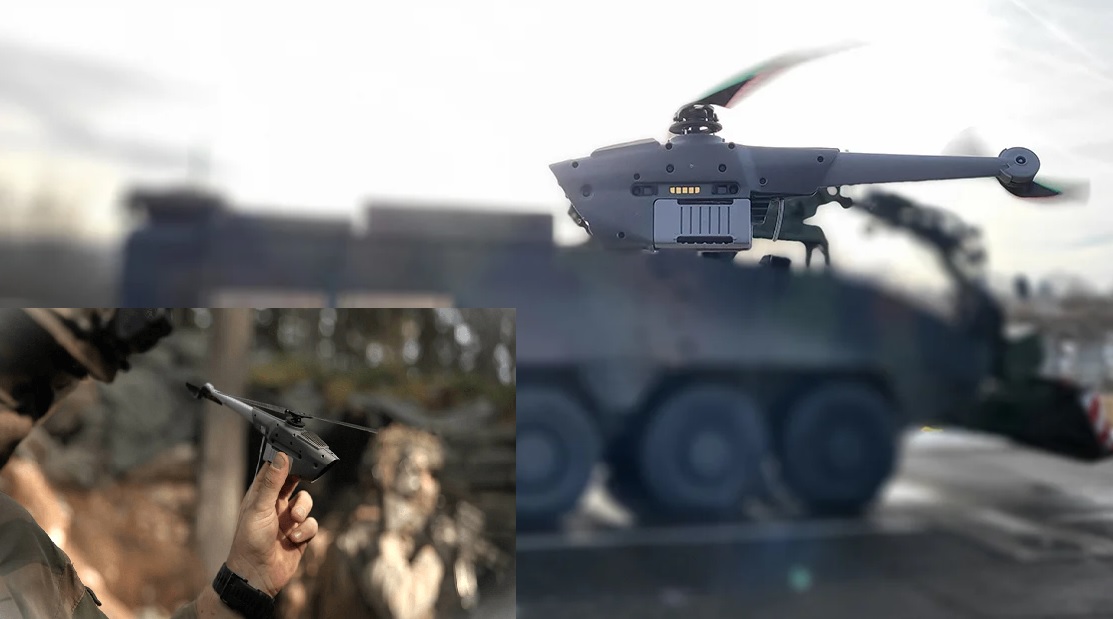
World
Bern / Zurich : Teledyne FLIR Defense has secured a $17.5 million contract from armasuisse to supply Black Hornet 4 Personal Reconnaissance Systems to the Swiss Armed Forces, marking the first operational vehicle integration of the latest Black Hornet variant. The contract supports Switzerland’s Piranha 8x8 armored engineering vehicle program, where the nano-drone will serve as an airborne, dismountable intelligence, surveillance, and reconnaissance (ISR) sensor. The platform is intended to enhance situational awareness for vehicle crews and dismounted troops during engineering, reconnaissance, and protection tasks. Vehicle Integration and Digital Connectivity Under the agreement, Black Hornet 4 systems are being integrated directly into the Piranha vehicle’s digital architecture, allowing live video feeds, target data, geographic coordinates, and situational awareness information to be distributed across onboard crew displays. The integration is carried out using harmonized military standards through the vehicle’s Integrated Combat Solution provided by Kongsberg Defence & Aerospace. The configuration enables operators to connect the Black Hornet control tablet to the vehicle system for both mobile and dismounted operations. Crews can hand-launch the drone from the vehicle while maintaining real-time data sharing with other onboard systems. The drone can also receive waypoints generated by the vehicle, produce target points for the remote weapon station, and remain fully detachable, allowing troops to dismount and reattach to the vehicle network during flight without interrupting operations. Operational Capabilities of Black Hornet 4 Weighing approximately 70 grams, the Black Hornet 4 is designed for close-range, covert reconnaissance. It provides both day and night imaging through a 12-megapixel electro-optical camera and an integrated thermal imager. The system offers an endurance of more than 30 minutes and an operational range exceeding three kilometers. The nano-UAS is engineered to operate in contested and congested environments, supporting missions that require low visual and acoustic signatures. Its small size and portability allow individual soldiers to carry and deploy the system while maintaining continuous connectivity with vehicle and command networks. Program Timeline and Deliveries Vehicle-integrated Black Hornet 4 systems were initially delivered to Switzerland in 2025, with remaining deliveries scheduled for 2026. The integration represents the first time the Black Hornet 4 has been fielded as part of an armored vehicle program, expanding its use beyond dismounted infantry operations. Broader Market Context According to Teledyne FLIR Defense, the Swiss program demonstrates growing demand for integrated unmanned aerial systems on armored platforms, particularly compact “drone-in-a-box” solutions designed specifically for vehicle use. Alongside Black Hornet, the company has developed vehicle-oriented systems such as Black Recon and SkyCarrier to address similar operational requirements. Teledyne FLIR Defense has delivered more than 35,000 Black Hornet drones to military and security forces in over 45 countries. The Black Hornet system is designed and manufactured in Norway, reflecting a long-standing European industrial base for the platform. With the Swiss Armed Forces adopting the Black Hornet 4 as part of the Piranha 8x8 program, the nano-drone is set to play a defined role in vehicle-centric reconnaissance and situational awareness operations within a fully networked combat environment.
Read More → Posted on 2026-02-02 14:10:01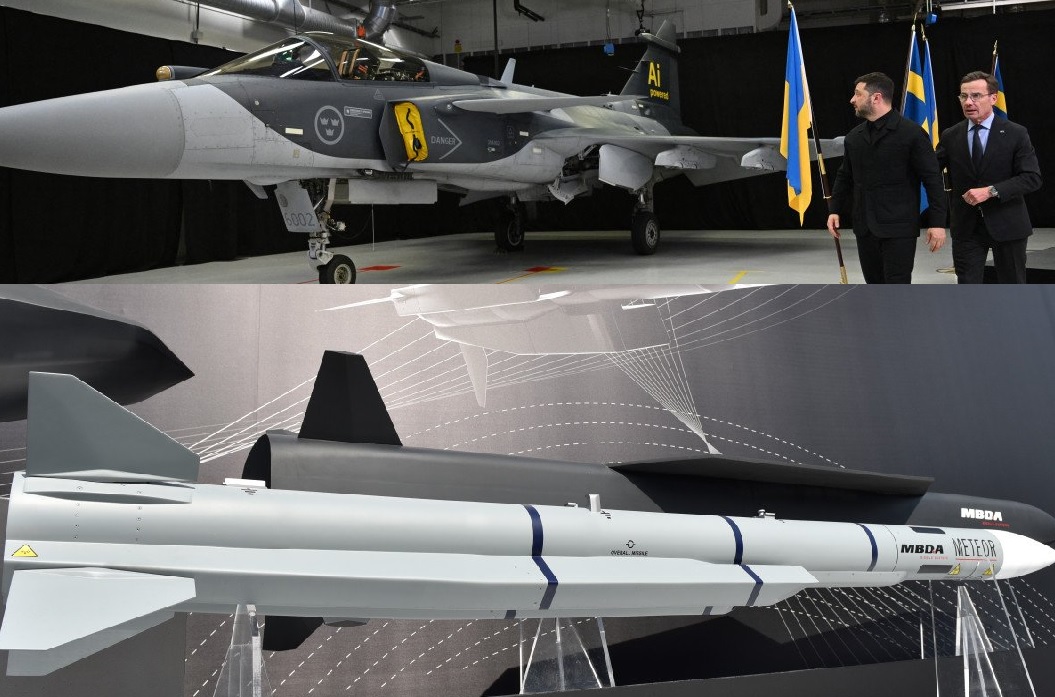
World
KYIV : Ukraine and Sweden have entered advanced discussions on one of Stockholm’s most substantial security assistance packages to date, combining immediate battlefield requirements with longer-term air combat decisions that could reshape Ukraine’s ability to contest Russian air operations. Ukraine’s Ministry of Defense confirmed on February 1, 2026, that Mykhailo Fedorov met in Kyiv with Pål Jonson to finalize the framework of a wide-ranging military support package. Ukrainian officials described the talks as both a political signal of long-term commitment and a step toward deeper defense-industrial cooperation between the two countries. Integrated Focus On Air Defense And Electronic Warfare According to official Ukrainian statements, the discussions centered on Saab-produced air defense systems and radar technologies, expanded electronic warfare support, and multiple categories of unmanned aerial systems. These elements are intended to strengthen Ukraine’s detection, tracking, and engagement cycle at a time when Russian forces continue to rely heavily on air-delivered stand-off weapons. Saab radars and air defense components would enhance early warning and targeting capacity, while electronic warfare assets are designed to disrupt Russian strike chains, including guidance links and navigation systems. Drone support, ranging from reconnaissance to strike platforms, is expected to complement these systems by extending surveillance reach and applying pressure on Russian rear areas. Ukrainian officials indicated that the package reflects a shift toward a more integrated air defense and air denial concept, rather than isolated system deliveries. The approach aligns with Ukraine’s current operational needs, where layered defenses and networked sensors are increasingly critical against glide bombs and missile attacks. Aviation Track Opens Discussion On Gripen And Meteor Beyond near-term defensive systems, the talks opened a parallel aviation dialogue covering the possible transfer of Saab’s JAS 39 Gripen fighters and the Meteor beyond-visual-range air-to-air missile. Ukrainian officials emphasized that this aviation track represents a qualitative discussion rather than a finalized decision, but acknowledged its strategic importance. The Gripen discussion is significant because the aircraft is designed for operations from dispersed and austere bases, a factor that aligns with Ukraine’s need to reduce vulnerability to missile strikes on major airfields. Gripen’s compatibility with NATO-standard weapons and sensors also makes it a candidate for deeper integration with Western-supplied systems already in Ukrainian service. However, Ukrainian officials privately noted that the Meteor missile is the most consequential element under consideration, as it directly targets the operational patterns of Russian tactical aviation. Meteor’s Technical And Operational Characteristics Meteor is a European-developed beyond-visual-range air-to-air missile produced by MBDA through a multinational program involving the United Kingdom, Germany, Italy, France, Sweden, and Spain. It is designed to maintain high lethality at extended ranges and against maneuvering targets. A defining feature of Meteor is its solid-fuel variable-flow ducted rocket propulsion, often described as a ramjet-type engine. Unlike conventional missiles that rely on a short boost phase, Meteor sustains thrust throughout much of its flight, allowing it to retain high speed deep into the engagement. Open-source technical data commonly attributes Meteor with speeds exceeding Mach 4 and a maximum range of 200 kilometers or more, depending on launch conditions. Its “no-escape zone”, the distance within which a target aircraft cannot reliably evade, is frequently cited at 60 kilometers or beyond. Meteor employs inertial navigation during the mid-course phase, supported by a two-way datalink that allows in-flight updates. In the terminal phase, an active radar seeker enables autonomous homing. This guidance architecture allows the missile to engage targets that maneuver, turn away, or attempt to evade using terrain or electronic countermeasures. It also supports networked tactics, where targeting data can be provided by the launching aircraft or, in some concepts, by third-party sensors such as ground-based radars or airborne early warning platforms. Physically, Meteor measures approximately 3.7 meters in length, with a diameter of 178 millimeters and a launch weight of around 190 kilograms. It carries a blast-fragmentation warhead and uses both impact and radio-frequency proximity fuzes to ensure effectiveness against fast-moving aircraft. The missile is already operational on the Eurofighter Typhoon, Dassault Rafale, and Gripen, and is undergoing integration on the F-35 and South Korea’s KF-21. Relevance To Ukraine’s Current Air War For Ukraine, Meteor addresses a specific operational challenge. Russian aircraft such as the Su-34 and Su-35 increasingly employ stand-off tactics, launching guided glide bombs from distances intended to remain outside Ukrainian surface-to-air missile engagement zones. This approach has reduced Russian aircraft losses while enabling sustained pressure on Ukrainian defensive positions and infrastructure. A Ukrainian fighter force equipped with Meteor, particularly if paired with Gripen, would introduce a longer-range interception threat. Russian strike aircraft would face a higher risk of engagement earlier in their mission profile, potentially before releasing stand-off munitions. Meteor’s retained energy at long range limits the effectiveness of traditional evasive maneuvers, increasing uncertainty for Russian planners. Ukrainian defense officials cautioned that such a capability would not by itself deliver air superiority. Constraints would remain in pilot training timelines, sortie generation rates, basing survivability, and operations under heavy electronic warfare. Nevertheless, they assessed that even a limited Meteor inventory could enable selective air denial, support ambush-style engagements, and force Russia to allocate additional escorts, jamming assets, or decoys, increasing the cost and complexity of each sortie. Broader Implications For European Security Cooperation The Swedish package under discussion reflects a broader evolution in European military assistance to Ukraine, moving beyond replenishment toward deliberate capability shaping. For Sweden, it would underscore an emerging role as a high-value defense partner combining industrial capacity, advanced technology, and long-term planning. For Ukraine, it would deepen integration with European defense industries and concepts of networked air defense. Ukrainian officials framed the talks as part of a longer-term effort to adapt to a protracted conflict environment, where air and missile threats remain central. While no final decisions were announced, both sides signaled that the dialogue would continue, with further technical and political consultations expected in the coming months.
Read More → Posted on 2026-02-02 13:54:59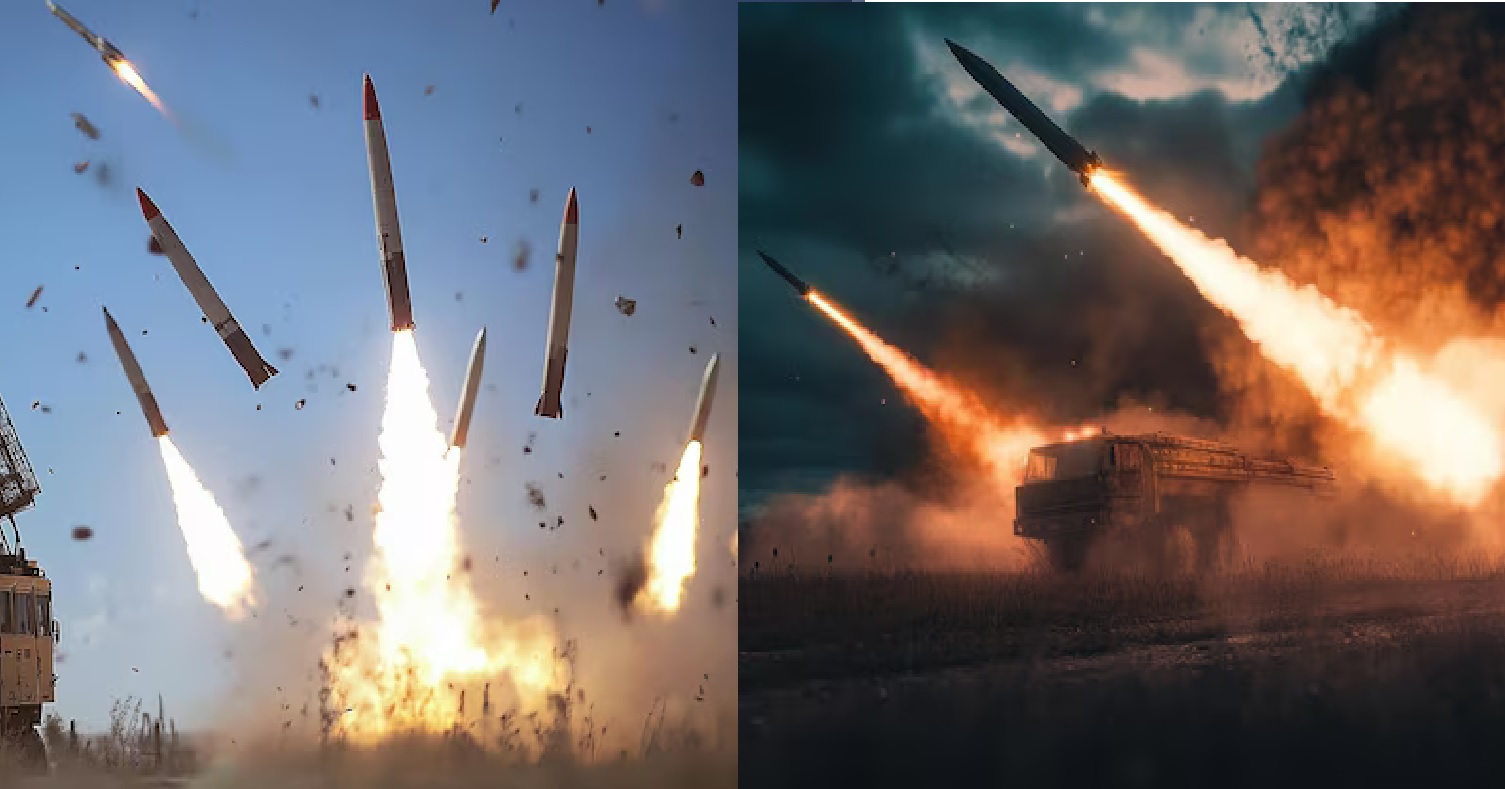
World
WASHINGTON / DUBAI : The United States has delayed preparations for a large-scale military offensive against Iran, shifting its immediate focus toward reinforcing air and missile defense systems across the Middle East amid concerns that existing defenses are inadequate to withstand a potential Iranian ballistic missile response. According to reporting by The Wall Street Journal, senior defense officials have concluded that while U.S. forces are capable of executing limited, targeted strikes at short notice, the region is not yet sufficiently protected to support a broader campaign that could provoke a large-scale retaliation from Tehran. The assessment has prompted the Pentagon to recommend postponing any “decisive” military action until additional defensive assets are fully deployed and integrated. Pentagon Assessment and Strategic Delay Officials briefed on the internal review said the Pentagon identified a significant mismatch between political expectations for a decisive operation and the military’s current ability to protect U.S. forces, regional partners, and critical infrastructure. Defense planners believe that a major attack on Iran would likely trigger a high-volume missile response, potentially involving hundreds of ballistic and cruise missiles launched simultaneously toward U.S. bases, Israel, and allied Gulf states. While the administration under President Donald Trump has sought military options capable of imposing substantial costs on Iran’s strategic capabilities, military leaders have advised that such an operation carries elevated risks without a more robust defensive posture in place. As a result, large-scale offensive planning has been paused, though contingency plans remain active. Accelerated Air and Missile Defense Deployments To address these vulnerabilities, the United States is accelerating the deployment of additional missile defense systems throughout the region. This includes the repositioning and reinforcement of Patriot missile system batteries and THAAD units at key locations across the Persian Gulf and neighboring areas. These systems are designed to operate as a layered defense network, with Patriots focusing on lower-altitude and terminal-phase intercepts, while THAAD provides coverage against higher-altitude ballistic missile threats. Defense officials say the expanded network is intended to reduce the likelihood that a saturation attack could overwhelm interceptors, a scenario viewed as a primary risk in any confrontation with Iran. Limited Military Options Remain Available Despite the delay in broader operations, U.S. officials stressed that limited military actions remain an option. Assets already stationed in the region—including strike aircraft, naval platforms, and intelligence capabilities—are assessed as sufficient to conduct narrow, punitive strikes against specific Iranian military or paramilitary targets if directed by civilian leadership. However, such actions would be designed to avoid triggering a wider conflict. Defense planners have emphasized that the threshold between limited strikes and a sustained campaign is significant, both in terms of required resources and the anticipated Iranian response. Naval Movements and Force Protection Measures As part of broader force-protection adjustments, U.S. naval activity in the region has also shifted. Satellite imagery from the European Space Agency’s Sentinel-2 constellation shows the aircraft carrier USS Abraham Lincoln departing the Sea of Oman and moving southeast toward the Indian Ocean. Military analysts say the repositioning places the carrier outside the effective range of many Iranian coastal anti-ship missile systems while preserving its ability to conduct long-range air operations if required. The move is consistent with efforts to reduce exposure of high-value assets during a period of heightened tension, without signaling an immediate withdrawal from the region. Regional Implications and Ongoing Planning The delay underscores the complexity of the U.S. security posture in the Middle East, where tens of thousands of American personnel are stationed across Iraq, Syria, and Gulf states. Officials have repeatedly cited the need to protect these forces, as well as allied populations and infrastructure, as a central factor in operational decision-making. For now, U.S. military posture is expected to remain focused on deterrence and defense, with offensive planning proceeding in parallel but contingent on the successful expansion of regional missile defenses. Defense officials indicated that only once commanders are confident that an Iranian counterattack could be effectively managed would consideration be given to a broader military campaign. Until then, Washington’s approach is likely to emphasize preparedness, alliance coordination, and defensive reinforcement rather than immediate escalation.
Read More → Posted on 2026-02-01 18:10:25
Space & Technology
CAPE CANAVERAL, Fla. : NASA has confirmed Sunday, February 8, 2026, as the target launch date for Artemis II, the first crewed mission to travel beyond low-Earth orbit since 1972. The flight will send four astronauts around the Moon aboard the Orion spacecraft, marking a return to human operations in deep lunar space after more than five decades. The launch will take place from Launch Complex 39B at the Kennedy Space Center. The date was finalized after mission managers adjusted the schedule to account for unusually cold weather affecting central Florida. An earlier February 6 target was ruled out due to safety concerns linked to freezing temperatures and strong winds during ground testing activities. End of a Five-Decade Gap in Deep-Space Human Flight Artemis II will be the first mission since Apollo 17 to carry humans beyond low-Earth orbit. Since the end of the Apollo program, U.S. human spaceflight has been limited to Earth-orbiting missions aboard the space shuttle and the International Space Station. Unlike future Artemis missions, Artemis II will not attempt a lunar landing. Instead, it is structured as a 10-day crewed test flight designed to validate spacecraft systems, mission operations, and astronaut performance in the deep-space environment. During the mission, the Orion spacecraft will travel roughly 6,400 miles (10,300 kilometers) beyond the far side of the Moon, exceeding the distance record set during Apollo 13. Crew and International Participation The Artemis II crew consists of four astronauts who have been training together for more than two years. Commander Reid Wiseman, a former U.S. Navy aviator and ex-chief of NASA’s Astronaut Office, will lead the mission. Pilot Victor Glover, who previously served aboard the ISS, will become the first person of color to travel to lunar distance. Mission Specialist Christina Koch, a veteran of long-duration spaceflight, will be the first woman to fly to the Moon. Mission Specialist Jeremy Hansen represents the Canadian Space Agency, making him the first non-American astronaut to venture beyond Earth orbit. The inclusion of a Canadian astronaut reflects Artemis’s international framework, which involves multiple partner space agencies contributing hardware, logistics, and future lunar infrastructure. Launch Vehicle and Spacecraft Configuration Artemis II will fly atop NASA’s Space Launch System (SLS), a 322-foot-tall heavy-lift rocket designed specifically for deep-space missions. The Block 1 configuration used for Artemis II generates more thrust at liftoff than any rocket currently in operation. Atop the SLS sits the Orion spacecraft, consisting of a crew module built by Lockheed Martin and a European-provided service module that supplies propulsion, power, oxygen, water, and thermal control. Before launch approval, NASA must complete a full wet dress rehearsal, during which the SLS rocket is loaded with approximately 700,000 gallons of liquid hydrogen and liquid oxygen. This test validates fueling procedures, countdown timelines, and ground-to-vehicle communications. The rehearsal was delayed due to freezing weather and is now scheduled for early February. Mission Operations and Flight Profile After liftoff from Pad 39B, the SLS rocket will place Orion into a temporary Earth orbit. Mission controllers will conduct system checks and perform engine burns to gradually raise the spacecraft’s altitude. Orion will then execute a translunar injection burn, sending it on a trajectory toward the Moon. The mission follows a hybrid free-return trajectory. Orion will loop around the Moon, using lunar gravity to redirect the spacecraft back toward Earth without major propulsion burns. During the flyby, the crew will test navigation procedures, optical tracking, deep-space communications, and spacecraft autonomy. Throughout the flight, Orion’s life-support system will operate continuously, providing data on air circulation, carbon dioxide removal, temperature control, and water recycling. Radiation sensors will measure crew exposure outside Earth’s magnetic field. The mission will also evaluate crew workload, habitability, and emergency procedures. Upon return, Orion will reenter Earth’s atmosphere at speeds approaching 25,000 miles per hour. The spacecraft’s heat shield, the largest ever built for human spaceflight, will undergo its first crewed high-energy reentry before parachute deployment and splashdown in the Pacific Ocean, where recovery teams will retrieve the capsule and crew. Role Within the Artemis Program Artemis II serves as the operational bridge between the uncrewed Artemis I mission flown in 2022 and Artemis III, which is planned to land astronauts near the Moon’s south pole. Data gathered from Artemis II will directly inform landing procedures, crew timelines, and surface mission design. NASA officials state that lessons learned from Artemis II will influence spacecraft upgrades, mission rules, and crew training ahead of future lunar landings and plans for a sustained human presence on the Moon. Pending mission performance and funding timelines, Artemis III remains targeted for the latter part of the decade. As preparations continue at the Kennedy Space Center, Artemis II represents a full-scale operational test of NASA’s next-generation deep-space transportation system, integrating launch vehicle performance, spacecraft capability, crew operations, and international coordination into a single mission.
Read More → Posted on 2026-02-01 17:50:14
World
WASHINGTON : The U.S. State Department has formally concluded that the Palestinian Authority continued to finance payments to individuals convicted of terrorism and to families of deceased attackers throughout 2025, channeling more than $200 million through a rebranded welfare structure that U.S. officials say does not comply with American law. The determination is contained in a nonpublic notification to Congress transmitted in late January 2026. According to officials briefed on the document, the assessment states that the Ramallah-based leadership preserved the substance of its long-standing prisoner and “martyr” payment system, despite public claims that it had been abolished and replaced with a neutral social assistance program. Findings of the State Department Review The notification concludes that the Palestinian Authority took administrative steps in early 2025 to transfer responsibility for the payments from the long-criticized “Martyrs Fund” to a newly created entity, the Palestinian National Foundation for Economic Empowerment (PNEEI). U.S. officials determined that this restructuring did not sever the link between financial benefits and acts of political violence. According to the State Department review, eligibility for assistance under PNEEI remained primarily tied to security-related status, including imprisonment by Israel for security offenses or death during an attack, rather than household income, employment status, or other standard welfare indicators. Payment levels showed no meaningful reduction, and in many cases mirrored the previous stipend structure. The department further assessed that beneficiaries experienced no interruption in payments during the transition from the older mechanism to the new foundation, indicating that the change was administrative rather than substantive. Financial Scope of the Program The findings outline the financial scale of the payments during a period of acute fiscal strain for the Palestinian Authority. In 2024, the PA allocated an estimated $144 million to stipends for imprisoned militants and families of deceased attackers. In 2025, that amount increased to at least $214 million, according to the State Department’s assessment. U.S. officials noted that these expenditures accounted for a significant share of discretionary spending, even as the PA faced salary delays for civil servants and security personnel, alongside growing arrears to private-sector suppliers. Political and Diplomatic Implications The determination comes amid intensive policy discussions in Washington over post-war governance and reconstruction arrangements for Gaza. U.S. officials involved in those deliberations have indicated that the continued operation of the payment system, even under a new institutional name, presents a major obstacle to assigning the Palestinian Authority any role involving international reconstruction funding or security responsibilities. Compliance with the Taylor Force Act remains a statutory requirement for U.S. economic engagement. Officials familiar with the congressional notification said the State Department did not certify compliance, thereby maintaining existing restrictions on U.S. assistance. Israeli officials have issued parallel assessments. In public remarks in late 2025, Gideon Sa’ar said Israeli intelligence concluded that the PA was continuing to finance convicted attackers, while presenting the payments as pensions or security-related salaries. Background to the Dispute The payment system dates back several decades and has been a persistent point of friction between the Palestinian Authority and international donors. Under the original framework, monthly stipends were provided to Palestinians imprisoned for security offenses and to families of those killed during attacks. Payments were scaled to the length of prison sentences, a structure critics say rewarded more severe acts of violence. In 2018, the U.S. Congress passed the Taylor Force Act, named after an American citizen killed in a 2016 stabbing attack in Tel Aviv. The law requires the U.S. Secretary of State to certify that the Palestinian Authority has terminated all such payments and repealed the legal provisions authorizing them before most U.S. economic aid can resume. In early 2025, PA President Mahmoud Abbas issued a decree announcing the abolition of the prisoner stipend system and its replacement with a needs-based welfare model. Palestinian officials said the move was intended to align the PA with international norms and restore foreign assistance. The State Department’s latest findings conclude, however, that the underlying policy remained unchanged. According to the notification, U.S. officials assess that the PA leadership views the payments as a domestic political necessity, choosing to preserve them despite fiscal pressure and diplomatic consequences. As of early 2026, U.S. officials say no further determination has been made regarding changes to the program, and U.S. legal restrictions remain in force.
Read More → Posted on 2026-02-01 17:36:38
World
KRASNODAR REGION, Russia : Satellite imagery collected in recent months shows a substantial expansion of military infrastructure at the Primorsko-Akhtarsk airfield, indicating a marked increase in Russia’s capacity to store, prepare, and launch unmanned aerial vehicles (UAVs) used in long-range strike operations. A comparative review of high-resolution satellite images dated October 18, 2025, and January 29, 2026, reveals that the facility has undergone rapid modernization in less than four months. Analysts assess that the changes have effectively tripled the airfield’s ability to handle “Shahed”-type loitering munitions, which have been widely used in regional strike missions. Infrastructure Expansion Data published by the monitoring group Strategic Aviation of the Russian Federation indicate that the airfield’s logistical layout has been significantly reconfigured. In October 2025, the base relied on a limited number of standard storage garages. At that time, 24 small garages were present, each designed to accommodate no more than two drones. This configuration constrained the number of UAVs that could be assembled, armed, and readied simultaneously. By late January 2026, satellite imagery shows a more complex and higher-capacity layout. The current configuration includes 16 original standard garages retaining their two-drone capacity, alongside 17 expanded garages that have been structurally modified to hold up to five drones each. In addition, 10 large new garages are visible under active construction, suggesting that further increases in storage and preparation capacity are planned. Taken together, the completed and partially completed structures represent a major increase in covered storage space, allowing for more efficient protection, maintenance, and staging of UAVs. Increased Launch Potential Based on the revised infrastructure, intelligence analysts estimate that the airfield can now support the preparation of more than 100 UAVs for a single coordinated launch wave. This estimate is considered conservative, as it does not include drones that may be stored inside larger, pre-existing aircraft hangars elsewhere on the base, which are not fully visible in publicly available imagery. The expansion aligns with observed trends in the growing scale of UAV strike packages, which increasingly rely on large numbers of drones launched in close succession. Operational Activity Indicators Despite the increased availability of covered storage, several UAVs were observed positioned in open areas of the airfield rather than inside garages or hangars. Analysts interpret this as an indicator of a high operational tempo, with drones likely staged for near-term deployment rather than long-term storage. Such open-air positioning is typically associated with final checks, fueling, or rapid transfer to launch points, suggesting sustained activity at the base. Launch Infrastructure Remains Unchanged While storage and preparation facilities have expanded, the terminal launch infrastructure appears largely unchanged. Satellite imagery confirms the continued presence of eight fixed launch positions at the associated firing range, the same number identified in October 2025. This suggests that the primary focus of the modernization effort has been on increasing throughput and readiness rather than altering launch mechanisms. Strategic Role of the Airfield Primorsko-Akhtarsk airfield has previously been identified by analysts as a key hub for UAV operations conducted over and beyond the Sea of Azov. The scale and speed of the recent upgrades indicate an intent to sustain a higher frequency of UAV missions and to maintain the ability to generate large strike packages on short notice. Overall, the observed developments point to a systematic effort to enhance logistical efficiency and operational endurance at one of Russia’s principal UAV deployment sites, with further expansion likely as construction continues.
Read More → Posted on 2026-02-01 17:25:36
World
WASHINGTON : The U.S. Navy’s Columbia-Class Ballistic Missile Submarine Program is facing mounting Schedule and Cost Pressures that are reshaping the timeline for replacing the nation’s aging Undersea Nuclear Deterrent. Navy officials now project that the lead submarine, USS District of Columbia, will be delivered in 2029, roughly 17 Months later than the Statutory Delivery Date of October 2027. The revised schedule also shifts the submarine’s first Operational Strategic Deterrent Patrol to approximately 2031. That adjustment comes as the Navy prepares to begin retiring its existing Ohio-Class SSBN Fleet starting in 2027–2028, narrowing the buffer that was built into the transition plan to maintain Continuous At-Sea Deterrence. Central Role In The Nuclear Force The Columbia Program is designed to replace all 14 Ohio-Class Ballistic Missile Submarines with a new fleet of 12 Boats. Each Columbia-Class Submarine will carry 16 Trident II D5 Ballistic Missiles and, collectively, the class is expected to deploy roughly 70 Percent of the United States’ Operationally Deployed Nuclear Warheads. For that reason, Navy leadership has repeatedly described the program as its Highest Acquisition Priority. The replacement strategy was structured around a tightly sequenced “One-Out, One-In” approach. As each Ohio-Class Submarine reaches the end of its service life, a Columbia-Class Boat was expected to enter service, preserving the Navy’s requirement to have a minimum number of Ballistic Missile Submarines available for Patrol and Surge Operations. The delay to the first Columbia hull disrupts that alignment and places increased reliance on extending the Service Lives of several Ohio-class submarines beyond their original Design Expectations. Industrial Constraints And Workforce Pressures Construction of the Columbia Class is shared between General Dynamics Electric Boat in Connecticut and HII Newport News Shipbuilding in Virginia. Both shipyards are also responsible for producing Virginia-Class Attack Submarines, creating sustained pressure on Facilities, Labor, and Suppliers. Navy assessments and oversight reviews have identified Workforce Shortages as a persistent challenge. The construction of Ballistic Missile Submarines requires experienced Welders, Pipefitters, Electricians, and Engineers with specialized training and Security Clearances. While hiring and training pipelines have expanded in recent years, the pace of workforce growth has not fully offset Retirements and Attrition, particularly among Highly Skilled Trades. Supply Chain Performance has also been uneven. Components unique to ballistic missile submarines, including Missile Tube Structures, Propulsion Equipment, and certain Electrical Systems, have experienced Delivery Delays and Quality Issues. Many suppliers operate with limited Surge Capacity, a condition that traces back to decades of reduced submarine production following the Cold War. Interaction With The Virginia-Class Program The Columbia Schedule has also been affected by its interaction with the Virginia-Class Attack Submarine Program, which continues to face its own Production Challenges. Although the Navy has attempted to prioritize Columbia Work within the shipyards, both programs draw from the same Industrial Base. Materials, Tooling, and Skilled Labor are often interchangeable between the two lines, making it difficult to isolate delays entirely. Navy officials have stated that steps are being taken to stabilize Production Rates, including targeted investments in Supplier Capacity and revised Construction Sequencing. Even so, oversight bodies have noted that progress remains Uneven and vulnerable to further Disruption. Cost Profile And Long-Term Commitments Financially, the Columbia Program has continued to expand in scale. Current Navy estimates place the Total Construction Cost for the 12-submarine fleet at more than $130 Billion, making it the Most Expensive Shipbuilding Effort undertaken by the United States. When Research And Development, Operations, Maintenance, and eventual Decommissioning over an expected 42-Year Service Life are included, total Lifecycle Costs approach $350 Billion. The Government Accountability Office has repeatedly cautioned that earlier Cost and Schedule Projections relied on optimistic assumptions about Workforce Growth, Supplier Performance, and Construction Learning Curves. GAO reports have emphasized that First-Of-Class Submarines historically encounter Technical and Integration Issues during Testing and Early Operations, factors that can drive additional delays if not carefully managed. Managing The Transition Period To bridge the gap created by the revised Columbia Timeline, the Navy plans to extend the Operational Lives of several Ohio-Class Submarines. These extensions involve additional Maintenance Periods and System Upgrades intended to preserve Safety and Reliability. While Navy officials say the Ohio Class remains capable, each extension increases Maintenance Demands and places additional strain on Aging Hulls And Systems. The revised schedule does not yet reflect additional delays beyond the Lead Boat, but defense planners acknowledge that any further slippage during Construction, Testing, or Certification could compress the Transition Window further. As a result, the Columbia Program is now operating with Minimal Schedule Margin. For the Navy, the challenge is to stabilize Production, strengthen the Industrial Base, and execute Testing And Certification without further delay, while simultaneously sustaining the existing Ohio-Class Fleet. The outcome of that effort will shape the Undersea Leg of the U.S. Nuclear Deterrent for decades to come.
Read More → Posted on 2026-02-01 17:14:09
World
KYIV : The Ukrainian aerospace firm First Parsec has secured a production contract to begin manufacturing its SHOOM-20 pulsejet engine, marking another step in Ukraine’s efforts to expand domestically produced long-range unmanned aerial capabilities. The agreement, announced through the company’s official communications, covers the manufacture of an initial batch of SHOOM-20 engines intended for flight trials and technical validation. The engine is designed for low-cost, fixed-wing unmanned aerial vehicles (UAVs) and is aimed at extending operational range while maintaining simplified production and domestic supply chains. Engine Performance And Testing Results The SHOOM-20 is a pulsejet propulsion system in the 20-kilogram thrust class. According to First Parsec, the engine has completed bench tests demonstrating 17 minutes of continuous operation. For pulsejet technology, which operates under high vibration and thermal stress, this duration is considered a key benchmark for confirming structural stability and sustained combustion. Company engineers say the achieved endurance allows planners to project an operational range of approximately 800 kilometers when the engine is integrated into a fixed-wing drone with an appropriate fuel system. While the current test results do not yet reflect the engine’s final target performance, First Parsec has stated that ongoing development is focused on achieving stable operation for up to two hours. Such endurance would further increase mission flexibility for long-range UAV platforms. The SHOOM-20 was first publicly demonstrated in early December during an engine test intended to verify design improvements and validate thermal and mechanical behavior under sustained load. Production Capacity And Cost Structure First Parsec reports an existing production capacity of up to 400 engines per month. The company says this figure can be increased to approximately 1,000 units monthly if required, through production optimization and expanded manufacturing shifts. The current unit cost of the SHOOM-20 is about $750. According to the company, large-volume orders would allow the price to be reduced to around $500 per engine, reflecting the simplicity of the pulsejet design and economies of scale. Intended Platforms And Future Variants At present, the SHOOM-20 is the company’s sole production model. It is intended for use on two fixed-wing UAV platforms under development by First Parsec: KROOK-1, a long-range strike drone designed to carry a payload over extended distances, and SUETA-1, a decoy and target drone intended to engage and saturate air-defense systems. In parallel, the company plans to expand its propulsion lineup. Two additional pulsejet models, designated SHOOM-7 and SHOOM-40, are expected to enter testing in the coming months, covering lower- and higher-thrust requirements for different UAV classes. Pulsejet Technology And Design Approach Pulsejet engines are among the simplest forms of jet propulsion. They operate through repeated, rapid cycles in which air enters a combustion chamber, mixes with fuel, and ignites, producing thrust impulses dozens or hundreds of times per second. After each combustion pulse, pressure drops, fresh air enters the chamber, and the process repeats. This operating principle produces a distinctive pulsating sound. The main advantages of pulsejet engines are their mechanical simplicity and low manufacturing cost. They do not require compressors or turbines, reducing the need for precision machining and specialized materials. As a result, pulsejets are easier to mass-produce and are generally more tolerant of debris, contamination, or partial damage than more complex jet engines. Broader Context And Funding The SHOOM-20 program has received partial support through grants from the Ukrainian state defense innovation cluster Brave1, which coordinates development projects across government, industry, and military partners. Reporting on the engine’s progress and testing milestones has also been carried by Militarnyi. With the production contract now in place, First Parsec’s SHOOM-20 is positioned as a domestically produced propulsion option for long-range UAVs, emphasizing affordability, scalability, and local manufacturing as Ukraine continues to develop its unmanned aviation capabilities.
Read More → Posted on 2026-02-01 16:59:25
World
Jerusalem : Israel’s security cabinet is approaching a critical decision on how to respond to Iran’s advancing military capabilities, amid growing concern in Jerusalem that U.S. strategy may diverge from Israeli threat assessments. According to reporting by Walla, senior Israeli officials are weighing whether to proceed with a preemptive military strike independently or delay action in anticipation of coordination with the United States, despite uncertainty over Washington’s direction. The debate is unfolding alongside an expanded U.S. military presence in the region, including the deployment of the USS Abraham Lincoln Carrier Strike Group. U.S. officials have described the buildup as a deterrent measure, but Israeli intelligence assessments suggest concern that the posture could also serve as leverage for renewed diplomatic engagement with Tehran rather than a pathway toward military action. Differing Assessments of the Iranian Threat Israeli security officials assess Iran as a multi-layered threat encompassing nuclear development, ballistic missile production, and regional military reach. While U.S. discussions have largely centered on Iran’s nuclear program, Israeli planners argue that Tehran’s missile forces represent an equally significant risk. According to intelligence assessments cited in the Walla report, Iran has moved quickly to restore missile production capacity damaged during the June 2025 conflict, commonly referred to by regional analysts as the “12-Day War.” Although that fighting reportedly disrupted key launch systems and manufacturing equipment, Israeli officials believe Iran’s underlying industrial infrastructure remains largely intact. From Israel’s perspective, an agreement that limits nuclear enrichment without addressing missile production would leave Tehran free to expand conventional strike capabilities under reduced economic pressure. Concerns Over a Limited Diplomatic Framework Israeli officials are particularly focused on the possibility that U.S. President Donald Trump could pursue a limited agreement with Iran that extends nuclear breakout timelines while leaving missile programs untouched. Israeli defense officials argue that such an outcome would not meaningfully reduce the threat to Israel. Security assessments circulating within Israel indicate that Iran is prioritizing the development of solid-fuel medium-range ballistic missiles (MRBMs) designed to improve survivability and maneuverability. These systems are assessed as intended to challenge interception by missile defense platforms such as Israel’s Arrow-3. Israeli officials maintain that any diplomatic arrangement failing to dismantle this infrastructure would allow Iran to rebuild military strength while constraining Israel’s future operational options. Military Courses of Action Under Review Israeli defense planning is currently centered on two primary options. The first involves a unilateral Israeli strike carried out before Iranian air defenses and missile production facilities are fully restored. Proponents argue that acting independently would allow Israel to define target priorities, including missile manufacturing sites and hardened nuclear facilities such as Fordow. Military planners acknowledge, however, that unilateral action carries limitations. Israel does not possess the largest U.S. bunker-penetrating munitions required to guarantee destruction of deeply buried facilities, and independent action risks a significant diplomatic rift with Washington. The second option involves delaying action to enable close coordination with the United States and CENTCOM. Israeli officials assess that a joint operation would provide substantially greater strike capability, including long-range bombers and heavy ordnance. At the same time, this approach would place the operational timeline under U.S. political control, increasing the risk that diplomatic engagement could supersede military plans. Missile Recovery and Underground Infrastructure Israeli intelligence assessments indicate that Iran has continued dispersing missile assets into hardened underground facilities, often described as “missile cities.” These sites are believed to be resistant to standard airstrikes and capable of sustaining missile operations during prolonged conflict. Analysts note that Iran’s post-2025 recovery strategy emphasizes redundancy, concealment, and rapid reconstitution of launch capabilities. Israeli officials argue that this approach reduces the effectiveness of delayed or limited military action and increases the long-term threat posed by Iran’s conventional forces. Political Calculations in Jerusalem and Washington The debate within Israel’s security establishment is closely tied to assessments of U.S. intentions. Prime Minister Benjamin Netanyahu and senior cabinet members are evaluating whether Washington’s military deployments reflect preparation for confrontation or are primarily designed to strengthen negotiating leverage. Israeli officials indicate that if the United States ultimately prioritizes a diplomatic outcome that does not address missile capabilities, Israel could face growing pressure to refrain from unilateral action while Iran continues to rebuild and modernize its military forces.
Read More → Posted on 2026-02-01 15:54:07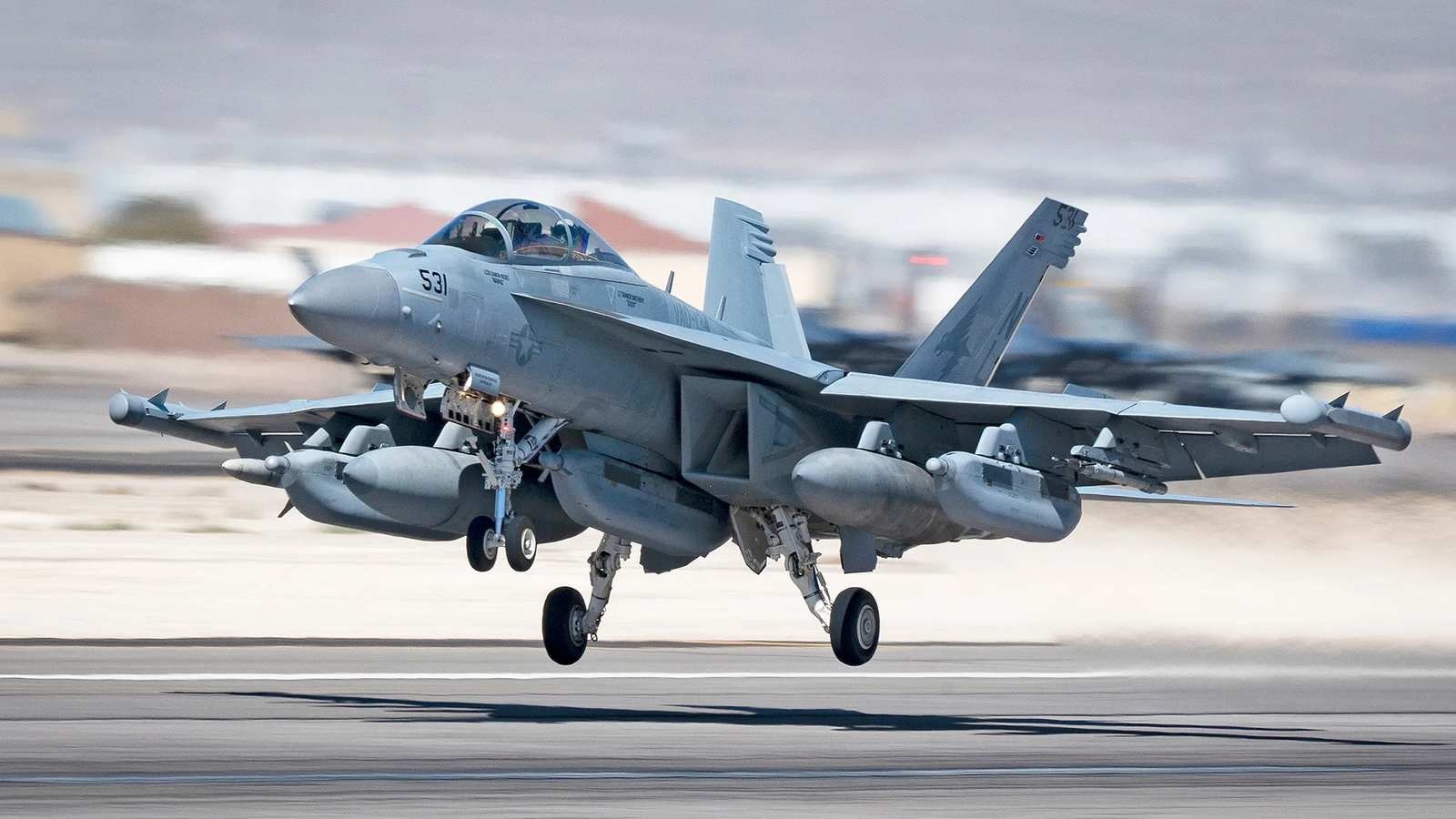
World
AMMAN : The United States has deployed advanced electronic warfare aircraft to Jordan, underscoring a heightened level of military preparedness in the Middle East as regional tensions continue to shape U.S. force posture. According to multiple defense sources and open-source observations, two U.S. Navy EA-18G Growler aircraft have recently arrived at Muwaffaq Salti Air Base, a key facility used by U.S. and coalition forces. The aircraft were observed carrying two different generations of electronic attack systems, indicating a deliberate and capability-focused deployment. One Growler is equipped with the AN/ALQ-99 tactical jamming pod, a long-serving electronic warfare system designed to disrupt enemy radar, communications, and air-defense networks. The second aircraft is fitted with the AN/ALQ-249 Next Generation Jammer, a newer system intended to counter modern, digitally networked air defenses. Dual-System Deployment Signals Operational Readiness The simultaneous presence of both ALQ-99 and ALQ-249 systems is notable. The ALQ-99 remains effective across a wide range of frequencies and is optimized for broad-spectrum jamming of legacy radar and missile guidance systems. In contrast, the ALQ-249 employs Active Electronically Scanned Array (AESA) technology, allowing for more precise, higher-power jamming, faster threat identification, and the ability to engage multiple emitters at extended ranges. Defense analysts note that deploying both systems together enables comprehensive coverage of the electromagnetic spectrum. This configuration is typically associated with preparations for operations against complex integrated air defense systems, where both older and newer radar technologies may be present. Role in Suppression of Air Defenses The EA-18G Growler is central to U.S. doctrine for the suppression of enemy air defenses. In potential strike scenarios, Growlers operate alongside fighter and strike aircraft to degrade radar coverage, disrupt command-and-control links, and reduce the effectiveness of surface-to-air missile systems. Officials familiar with regional basing arrangements say the Jordan-based Growlers would be positioned to support operations involving U.S. Air Force F-15E Strike Eagle aircraft already stationed at Muwaffaq Salti Air Base, as well as stealth platforms such as the F-35 Lightning II operating from other regional locations. Unmanned aerial systems would likely provide additional intelligence, surveillance, and targeting support. Jordan’s Expanding Strategic Role Jordan has increasingly become a central hub for U.S. air operations in the Levant. Its geographic position provides operational reach into Iraq and Syria while remaining outside the Persian Gulf, and Amman has maintained close security cooperation with Washington for decades. The current deployment reflects broader U.S. efforts to ensure flexibility and readiness across multiple potential contingencies. With some Gulf partners cautious about hosting offensive operations, Jordan’s established infrastructure and existing U.S. presence make it a critical node for planning and support activities. Broader Regional Context The arrival of advanced electronic warfare assets in Jordan comes amid continued U.S. military movements across the region, including naval and air deployments intended to reinforce deterrence and protect U.S. personnel and partners. U.S. officials have not publicly linked the Growler deployment to any specific operational plan, and no announcement has been made regarding imminent military action. However, defense planners emphasize that electronic warfare capabilities are typically positioned in advance of, rather than during, major operations. The presence of both legacy and next-generation jamming systems in Jordan indicates a focus on readiness and the ability to respond rapidly should conditions require. The U.S. Department of Defense and Jordanian authorities have not issued formal statements detailing the scope or duration of the deployment.
Read More → Posted on 2026-02-01 15:43:49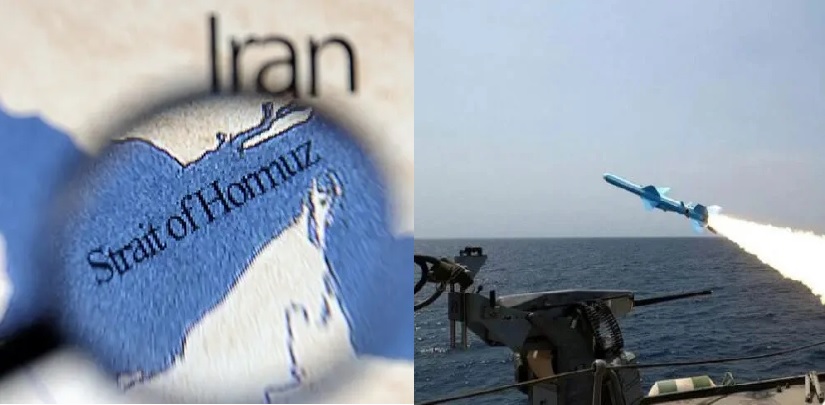
World
TEHRAN : Iranian officials on Thursday moved to clarify conflicting media reports about naval activity near the Strait of Hormuz and the Gulf of Oman, stating that the naval forces of Iran’s Islamic Revolutionary Guard Corps (IRGC) have no current plan to conduct live-fire exercises in the Strait of Hormuz, despite earlier reports suggesting otherwise. The clarification followed reports by Iran’s state-run Press TV and the semi-official Tasnim News Agency, which said the IRGC Navy was preparing to carry out naval drills, including live-fire activity, in the strategically sensitive waterway. An Iranian official, speaking to regional media, said those reports were inaccurate and resulted from a misunderstanding over the location and timing of separate naval exercises. Conflicting Accounts Over Exercise Locations The confusion deepened after Al-Mayadeen quoted a source within the IRGC as rejecting reports that Tehran was planning joint naval drills with Russia and China in the Gulf of Oman. That denial appeared to contradict other official Iranian statements regarding multinational exercises in nearby waters. Iranian military officials later clarified that the eighth joint “Marine Security Belt” naval exercise is planned for the Northern Indian Ocean, not the Strait of Hormuz or the Gulf of Oman. The exercise is expected to involve Iran’s regular Army Navy, the IRGC Navy, and naval units from China and Russia. Subsequent reporting indicated that the drills, originally expected earlier in the month, have been delayed and are now scheduled for the end of February. Iranian officials said the postponement was linked to coordination issues rather than heightened tensions or operational concerns. Strait Of Hormuz Drills Called Off Amid Navigation Concerns According to officials familiar with the matter, Iran decided not to proceed with previously discussed live-fire drills in the Strait of Hormuz to avoid misinterpretation and unintended escalation in a congested maritime environment. The strait is one of the world’s most critical energy chokepoints, handling a significant share of global oil and gas shipments. The United States Central Command (CENTCOM) said it had urged the IRGC to ensure that any naval activity announced for the area be conducted in a safe and professional manner, stressing the importance of protecting freedom of navigation. CENTCOM described the Strait of Hormuz as an international sea passage used daily by roughly 100 merchant vessels, and warned that unsafe or unprofessional actions near U.S. forces, regional partners, or commercial shipping could raise the risk of collision or unintended escalation. At the same time, CENTCOM said it recognizes Iran’s right to operate in international airspace and waters, provided such activity adheres to accepted maritime norms. Regional Military Context The clarification comes amid increased multinational naval activity across the wider region. According to earlier reports, China has deployed two destroyers to the Northern Indian Ocean area in connection with scheduled exercises, consistent with patterns seen in previous iterations of the Marine Security Belt drills. Iranian officials emphasized that the multinational exercise is intended to focus on maritime security, counter-piracy operations, and coordination among participating navies, rather than signaling confrontation in the Strait of Hormuz. Media Reports Blamed For Confusion Iranian sources said the initial reports about live-fire drills in the strait were incorrectly attributed and did not reflect finalized operational decisions. Officials stressed that no live-fire activity is currently planned for the Strait of Hormuz, and that separate exercises should not be conflated. The episode highlights the sensitivity of military signaling in the region, where overlapping announcements, delayed exercises, and inaccurate reporting can quickly create confusion in heavily trafficked international waters.
Read More → Posted on 2026-02-01 15:35:24Search
Top Trending in 24 Hours
-
 U.S. Navy Awards Northrop Grumman $1.2 Billion Deal for Three New E-2D Advanced Hawkeyes
-
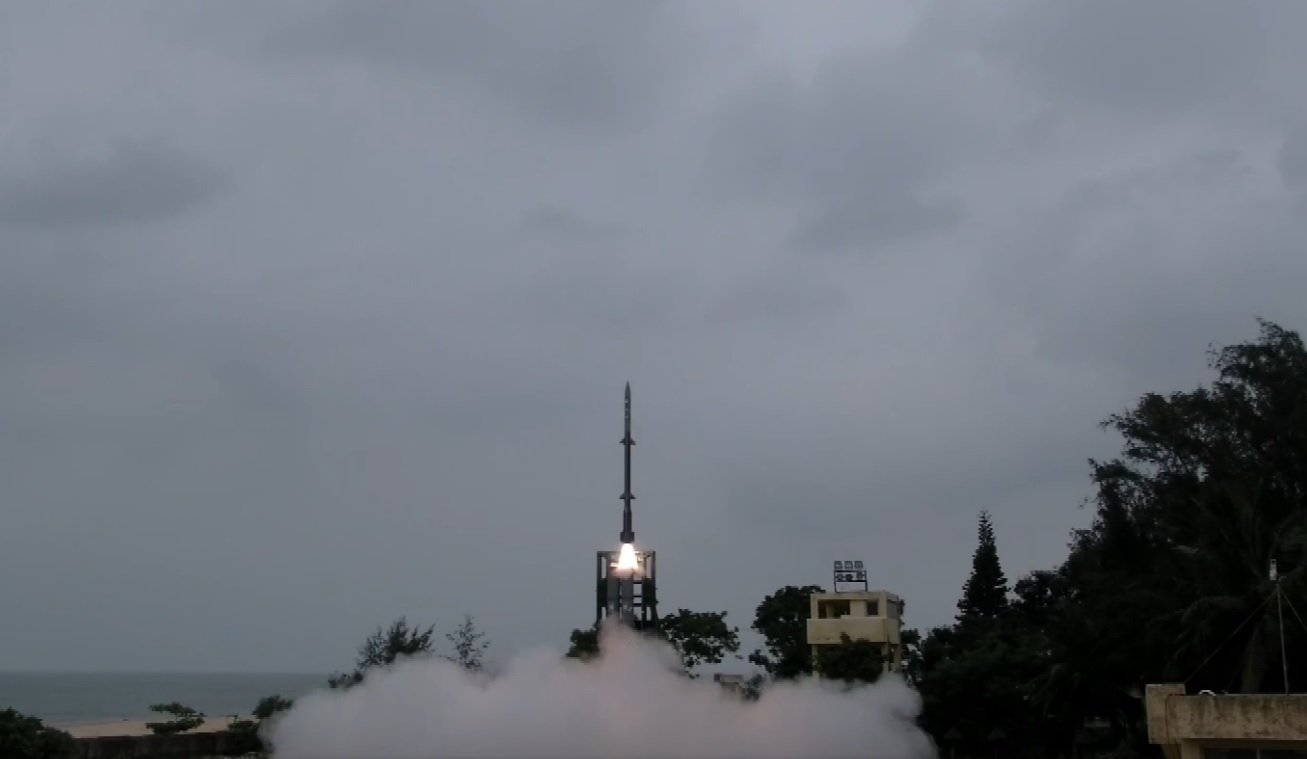 DRDO Successfully Conducts Maiden Flight Test of 150-km-Range Kusha M1 Air Defence Missile
-
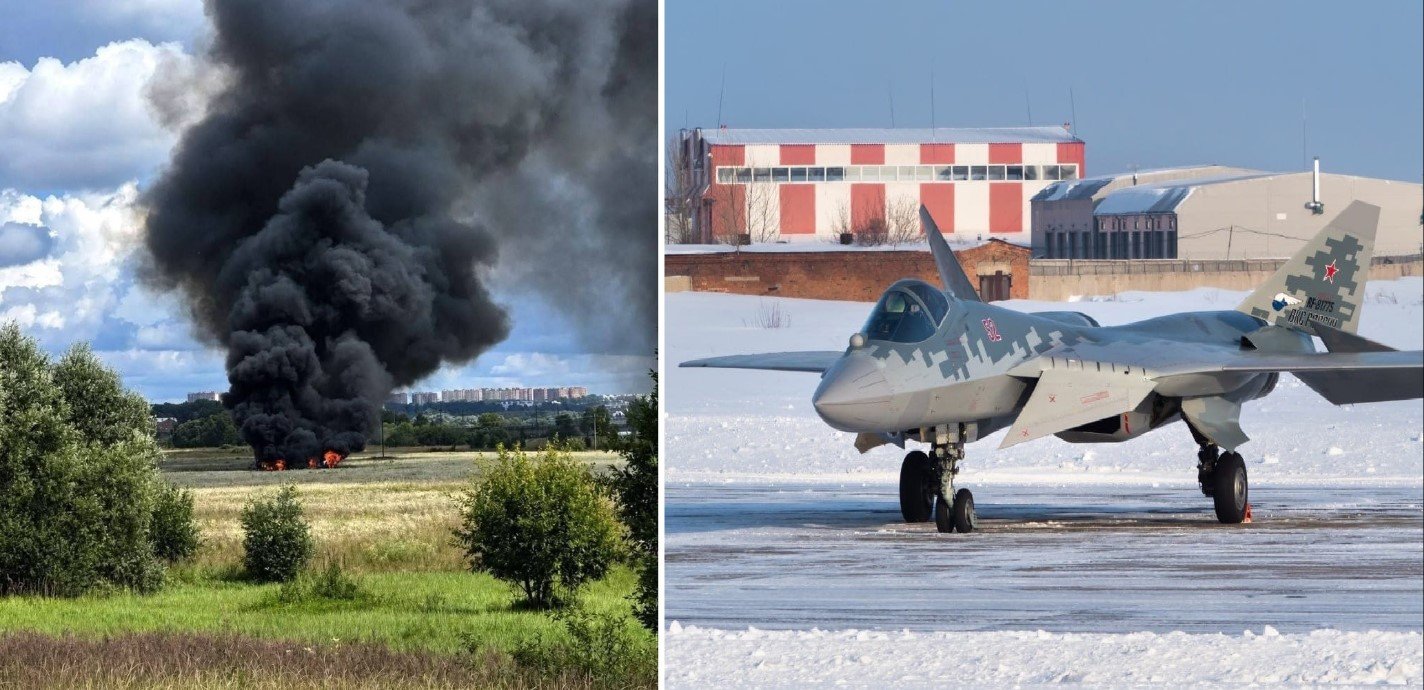 Russian Su-57 Stealth Fighter Crashes During Training Flight Near Moscow, Pilot Ejects Safely
-
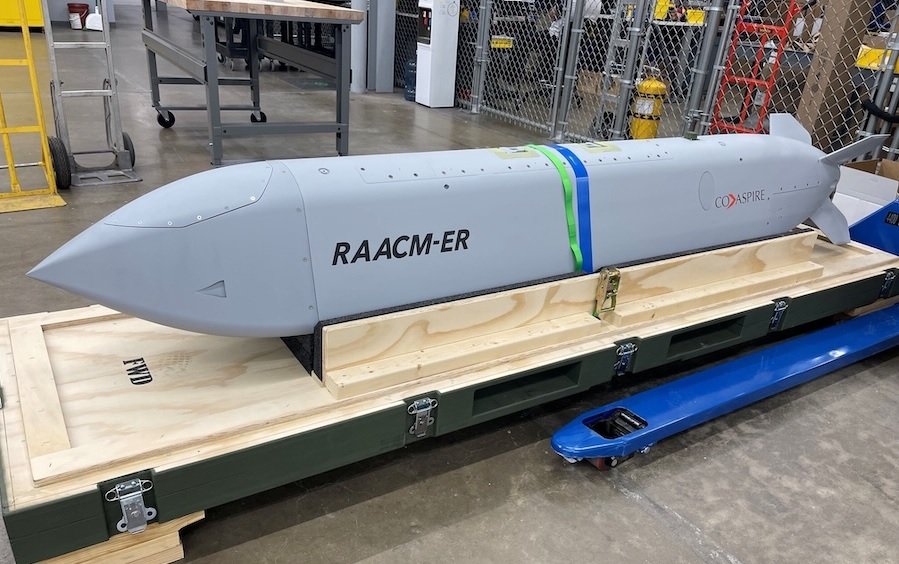 U.S. Navy Selects CoAspire to Build Ground-Launched CHAOS Cruise Missile Under $70 Million Program
-
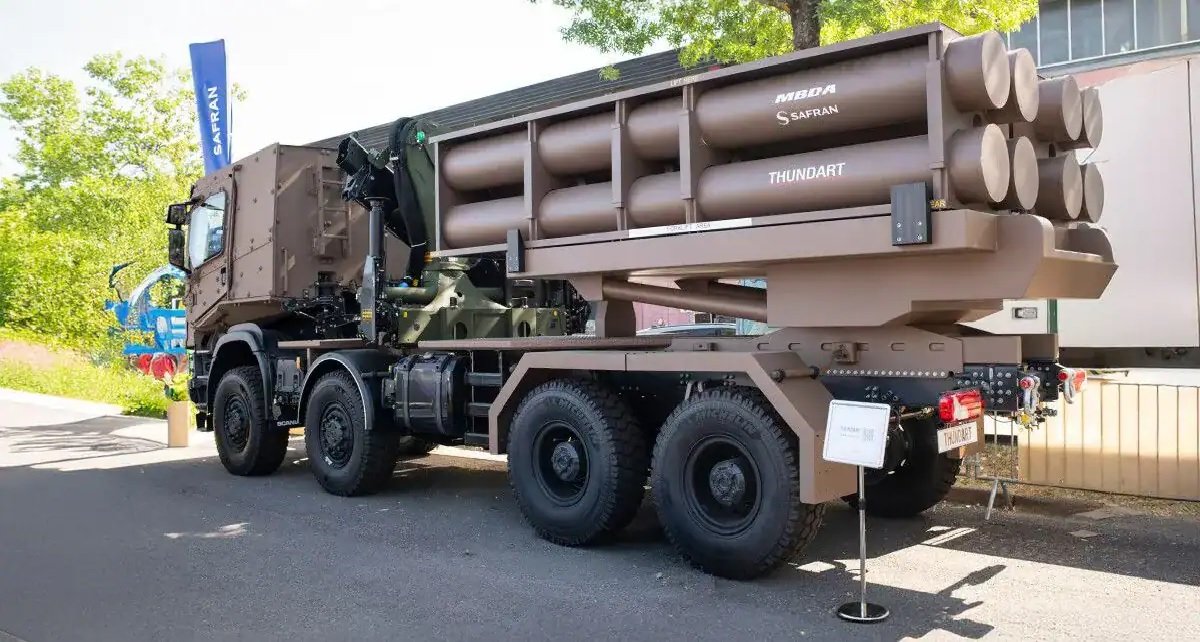 France's THUNDART Long-Range Rocket System May Undergo Prototype Combat Testing in Ukraine
-
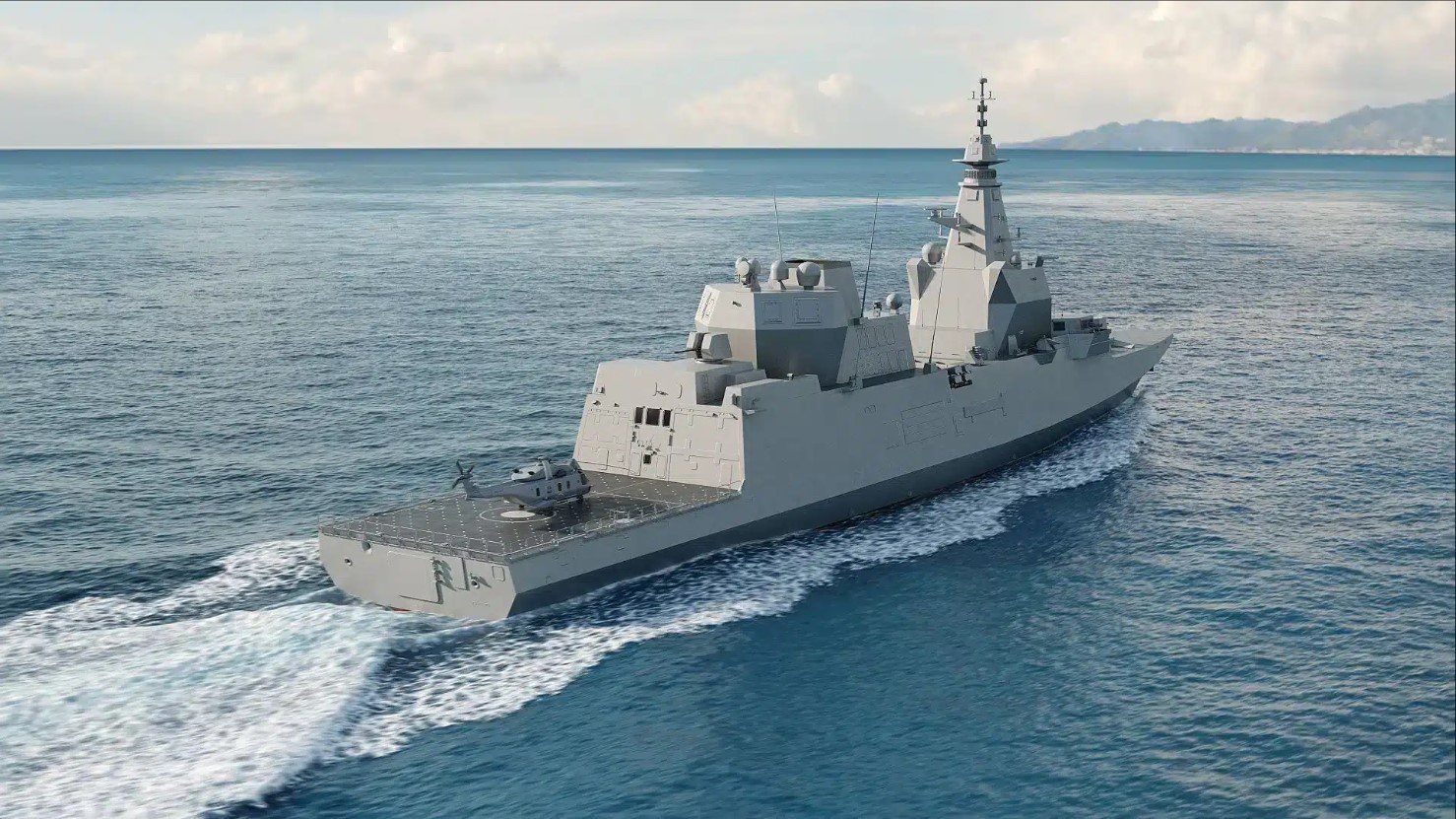 Portugal Orders Three FREMM EVO Frigates from Italy in €3.9 Billion Naval Deal
-
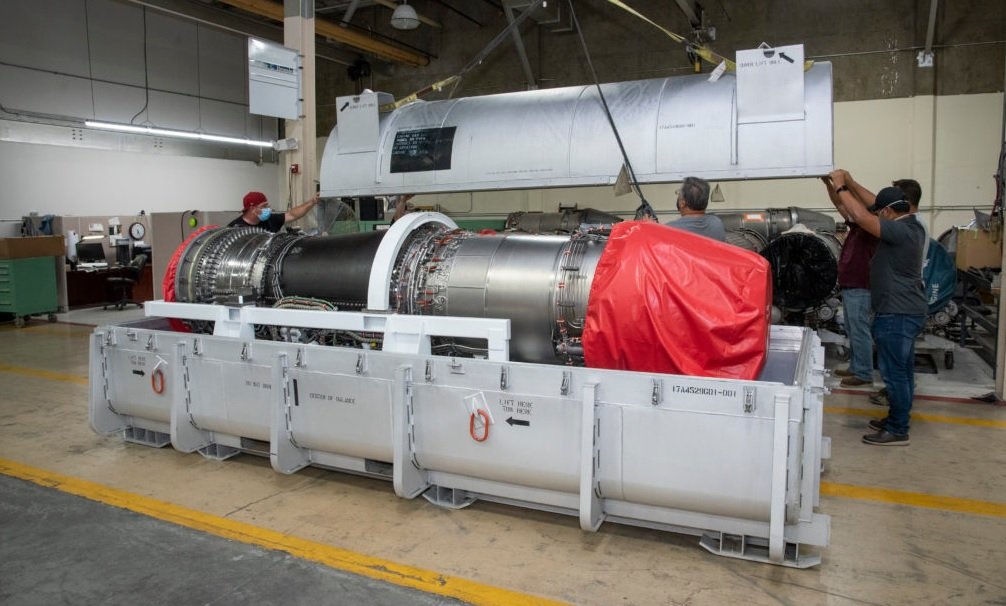 GE Aerospace and Magellan Aerospace Corporation Sign Strategic MoU for F414 Engine Sustainment in Canada
-
 Destinus Unveils Vorexon Interceptor Concept to Defend Critical Sites from Artillery Threats
Top Trending in 4 Days
-
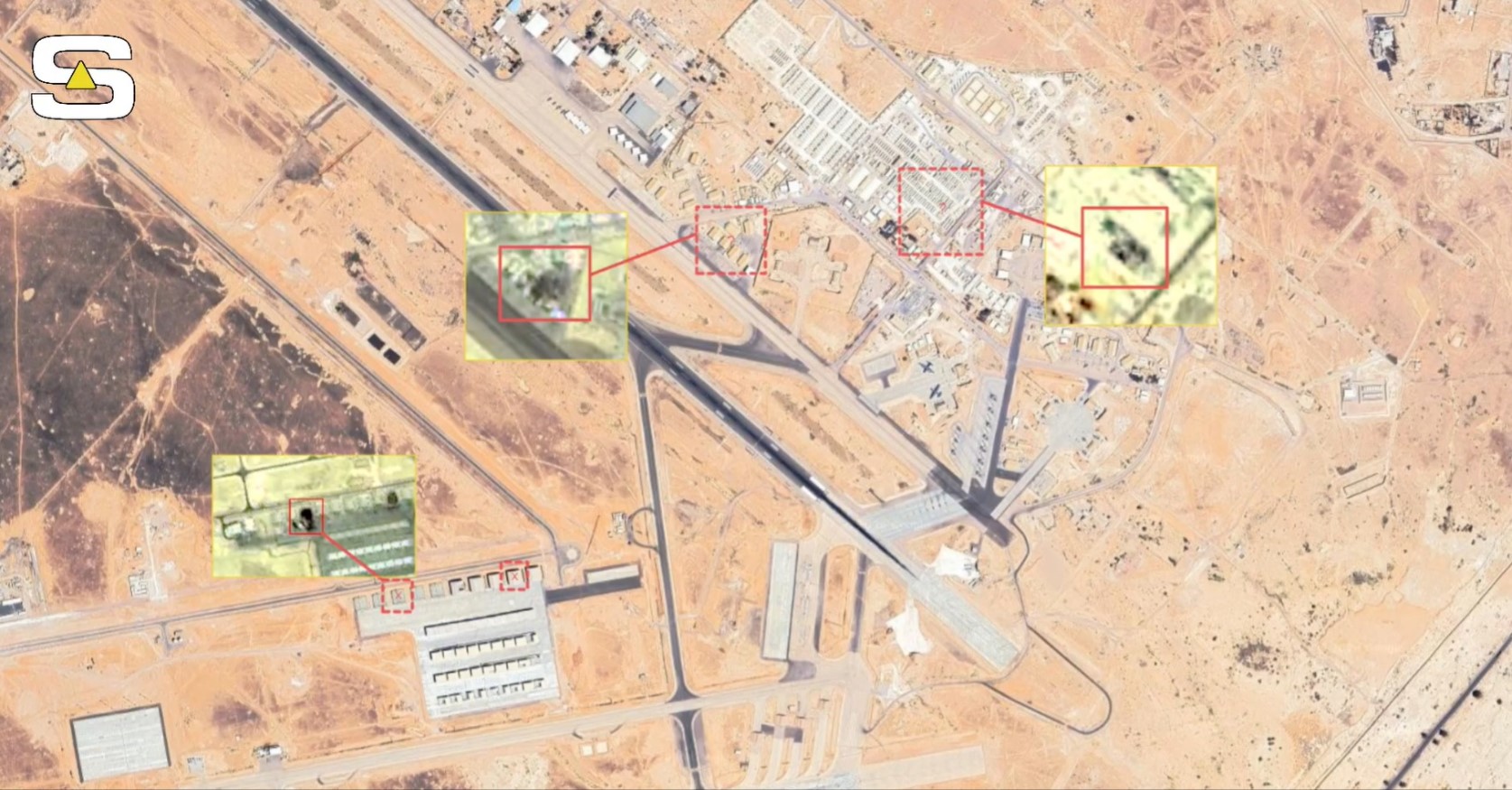 New Satellite Imagery Reveals Extensive Damage at Jordan's Muwaffaq al-Salti Air Base After Iranian Missile Strike
-
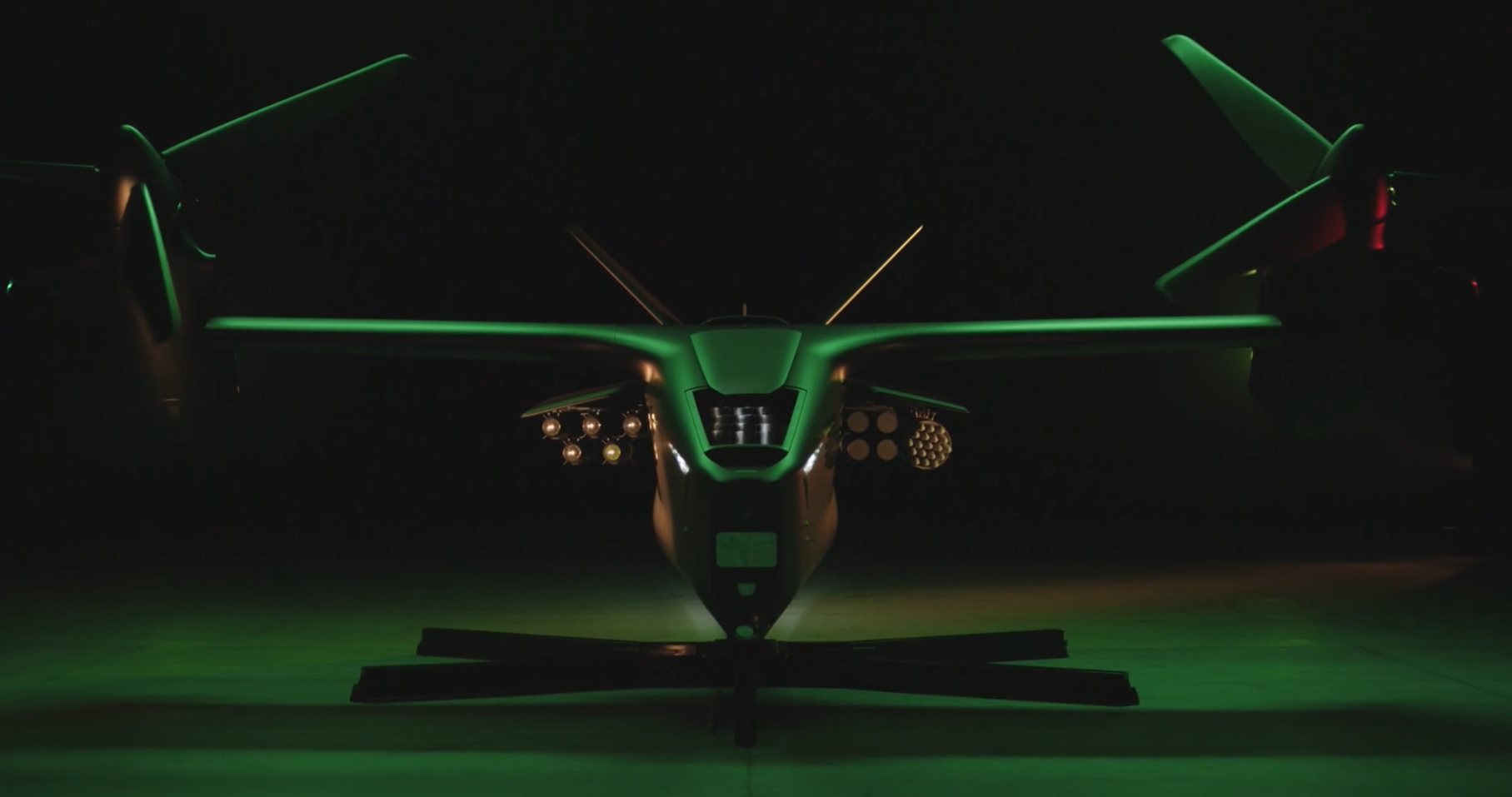 Anduril Unveils Thunder Autonomous Attack Rotorcraft Built with Archer Aviation to Support Apache Helicopters
-
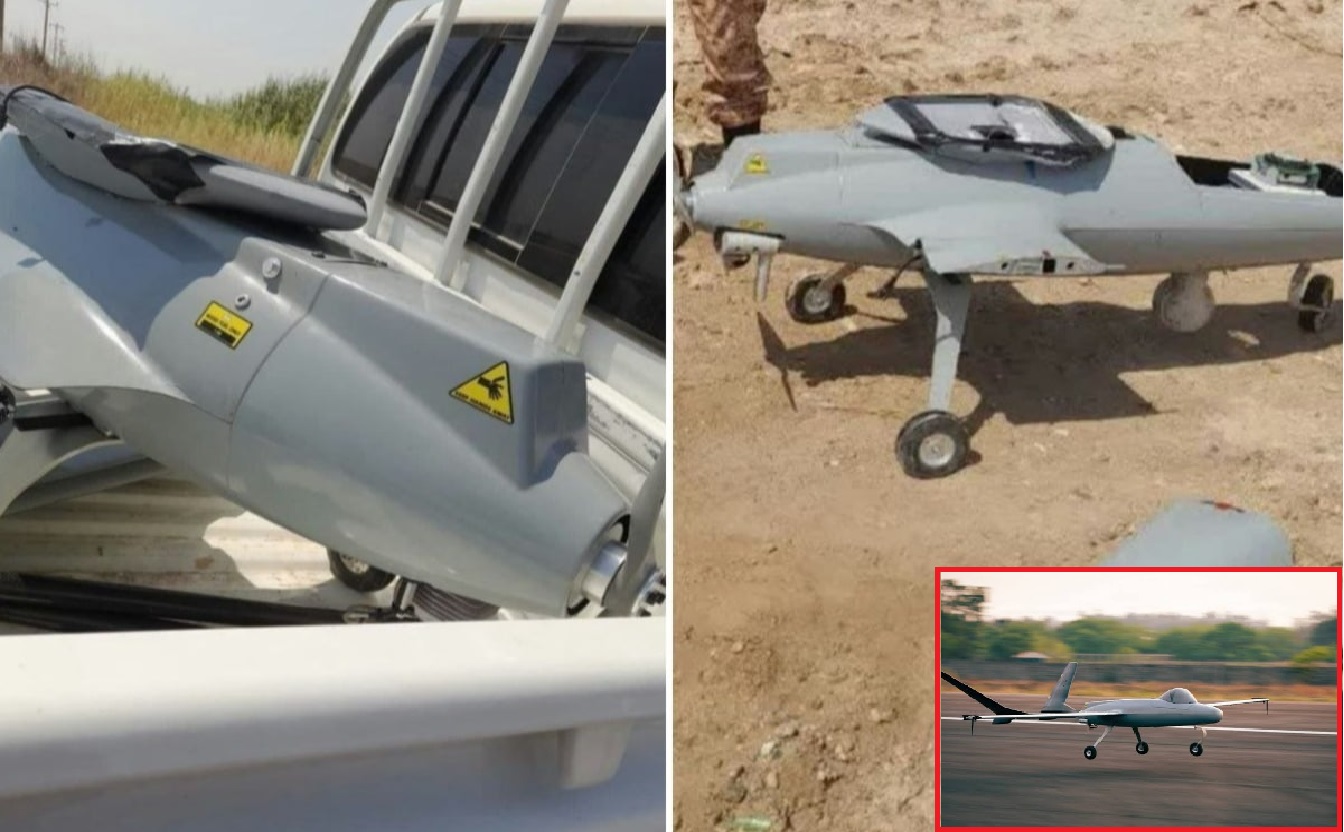 Iran Claims It Shot Down U.S.-Operated Polish-Built Tiguar-M Drone, Releases Images
-
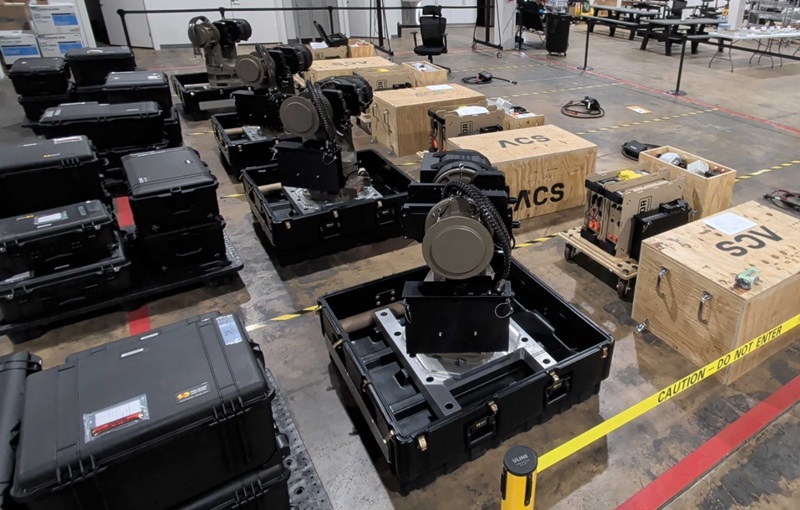 U.S. Marine Corps Selects AI-Powered Bullfrog Weapon Station for L-MADIS Counter-Drone Platform
-
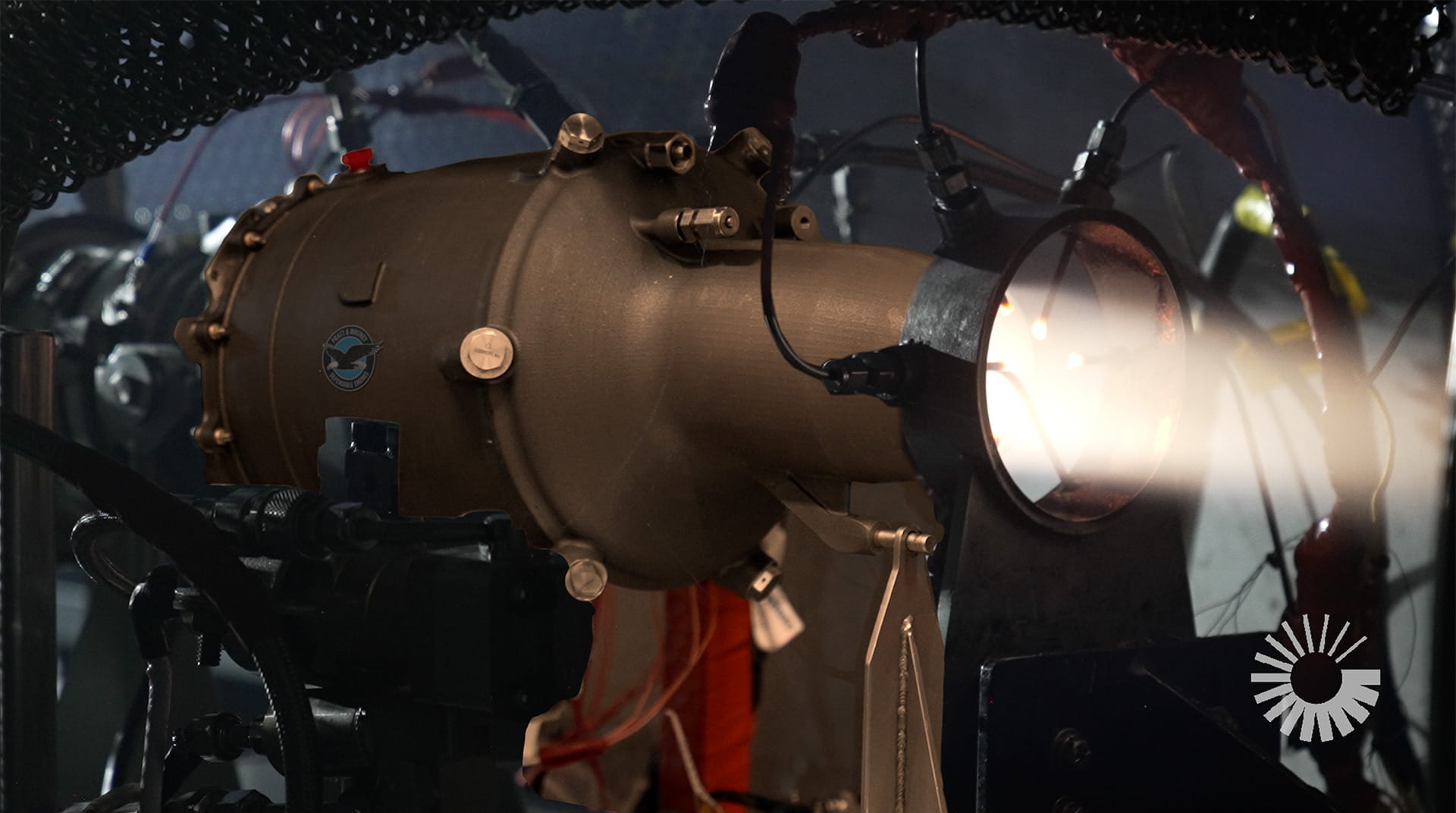 Pratt & Whitney Completes Testing of 3D-Printed TJ150 Engine for Military Applications
-
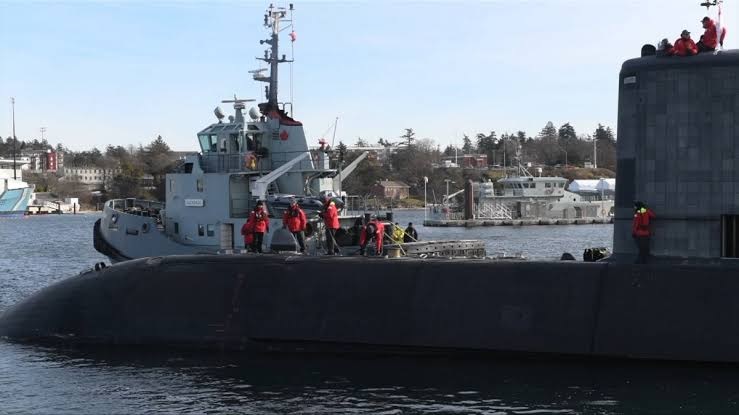 Canada Awards Babcock $1.1 Billion Six-Year Contract Extension to Support Victoria-Class Submarine Fleet
-
 Lockheed Martin Unveils MORFIUS X-Rotor High-Power Microwave System That Can Neutralize 50+ Drones in One Flight
-
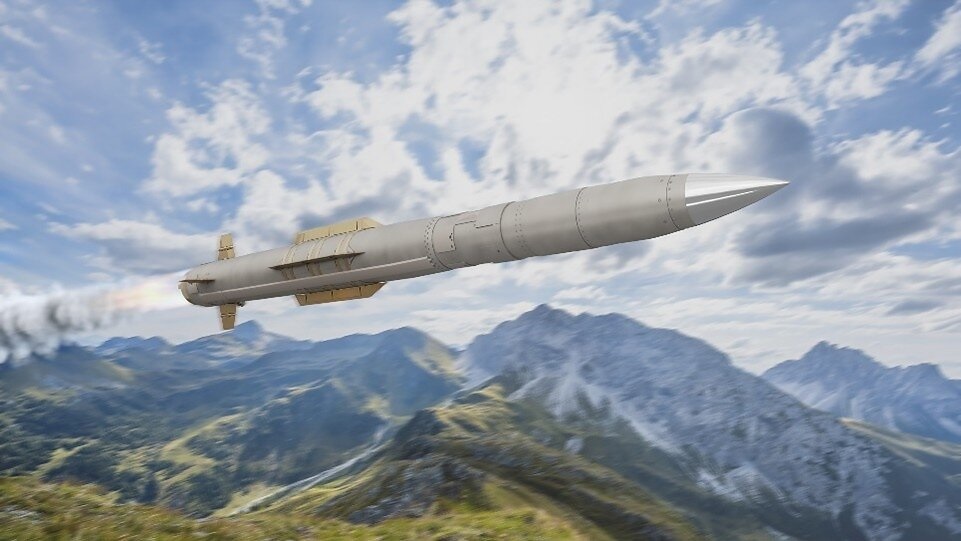 Lockheed Martin Unveils Lower-Cost PAC-3 ACE Interceptor for Patriot Air Defense System
