
World
TEHRAN — February 23, 2026 : Iran has received up to six Russian-made Mi-28NE “Night Hunter” attack helicopters since January 2026 as part of a broader €500 million defense agreement signed with Moscow in December 2025, according to a February 22 assessment by the Financial Times citing leaked Russian documents. The deliveries represent Iran’s first major foreign acquisition for its dedicated attack helicopter fleet in several decades. Helicopter Deliveries and Transfer Flights The Financial Times reported that the helicopters were transported to Iran through repeated heavy-lift sorties conducted by Russian Ilyushin Il-76 cargo aircraft between late December 2025 and early January 2026. Flight tracking data identified multiple Il-76TD and Il-76MD movements from Mineralnye Vody in Russia’s North Caucasus to Karaj, west of Tehran, with at least three flights recorded over an eight-day period in late February. Additional flights on the same route were observed in late December 2025 and January 2026. Imagery and video footage captured in February 2026, including photographs from Mehrabad International Airport, show at least one Mi-28NE operating over Tehran in Iranian Army Aviation service. The aircraft are painted in digital desert camouflage and appear in operational configuration. No formal public confirmation has been issued by Iranian authorities regarding the deliveries. Mi-28NE Configuration and Capabilities The Mi-28NE is the export variant of Russia’s Mi-28N “Night Hunter,” manufactured by Rostec subsidiary Russian Helicopters and marketed internationally through Rosoboronexport. The aircraft is designed for day-and-night, all-weather anti-armor and close air support missions. Key technical characteristics include: Mast-mounted N025ME radar Advanced electro-optical targeting systems Helmet-mounted sighting system Laser rangefinder Directional infrared countermeasures (DIRCM) suite Dual Klimov TV3-117 turboshaft engines rated at approximately 2,200 horsepower each The helicopter has a maximum take-off weight of approximately 11.7 to 12.1 tonnes, a top speed between 280 and 320 km/h, and a ferry range of around 1,000 kilometers. Armament includes a 30 mm automatic cannon, guided air-to-ground missiles, and unguided rocket systems. The cockpit and fuel systems are armored, and the aircraft incorporates redundant flight controls to improve survivability. Each unit is estimated to cost between $18 million and $20 million. Integration into Iran’s Existing Fleet Prior to the Mi-28NE acquisition, Iran’s attack helicopter capability relied primarily on legacy U.S.-supplied platforms delivered before the 1979 revolution. The fleet has consisted of approximately 40 to 50 Bell AH-1J International Cobra helicopters supplied between 1975 and 1978. Many of these aircraft have been upgraded domestically by the Iran Helicopter Support and Renewal Company (Panha) under the Toufan and Panha 2091 programs. These upgrades incorporate reverse-engineered components, digitized cockpits, indigenous avionics, electro-optical systems, anti-tank guided missiles, and rocket pods. Iran also operates a limited number of Shahed 285 light attack helicopters derived from the Bell 206 platform. Operational readiness of the older AH-1J and Toufan fleet has been affected by long-term spare parts shortages and combat attrition. Several airframes were reportedly destroyed during regional hostilities with Israel in 2025. The Mi-28NE introduces heavier armor protection, improved night-fighting capability, modern targeting systems, and greater payload capacity compared to the existing Cobra-based platforms. The helicopters are operated by Iranian Army Aviation, which maintains an overall rotary-wing inventory of approximately 300 helicopters across attack and transport roles. Analysts assess that the aircraft could also support operations alongside elements of the Islamic Revolutionary Guard Corps Aerospace Force. €500 Million Defense Agreement The helicopter transfers coincide with a €495 million (commonly rounded to €500 million) arms agreement concluded in Moscow in December 2025 between Russia’s state arms export agency Rosoboronexport and Ruhollah Katebi, a Moscow-based representative of Iran’s Ministry of Defense and Armed Forces Logistics (MODAFL). The primary focus of the December 2025 contract is the supply of 9K333 “Verba” man-portable air defense systems (MANPADS). The agreement covers 500 Verba launchers and 2,500 9M336 surface-to-air missiles, along with associated night-vision equipment and support systems. The Verba system is an infrared-guided, shoulder-fired air defense weapon designed to engage low-flying aircraft, cruise missiles, and unmanned aerial vehicles. Official contract schedules indicate deliveries will occur in three tranches between 2027 and 2029, although the Financial Times reported that a limited number of systems may have already been transferred. The agreement is intended in part to rebuild segments of Iran’s air defense network that were degraded during the June 2025 conflict with Israel. That conflict lasted approximately 12 days and reportedly involved temporary U.S. military intervention. Broader Procurement Context Iranian Deputy Defense Minister Brigadier General Mehdi Farahi confirmed in November 2023 that Tehran planned to acquire the Mi-28 attack helicopter, along with the Sukhoi Su-35 fighter aircraft and the Yak-130 advanced trainer. The Mi-28NE deliveries represent the first post-Soviet combat aircraft supplied by Russia to Iran. Additional Mi-28NE deliveries are expected as implementation of the broader procurement agreement continues. The developments occur amid ongoing U.S.–Iran nuclear negotiations and elevated regional security tensions.
Read More → Posted on 2026-02-23 17:25:06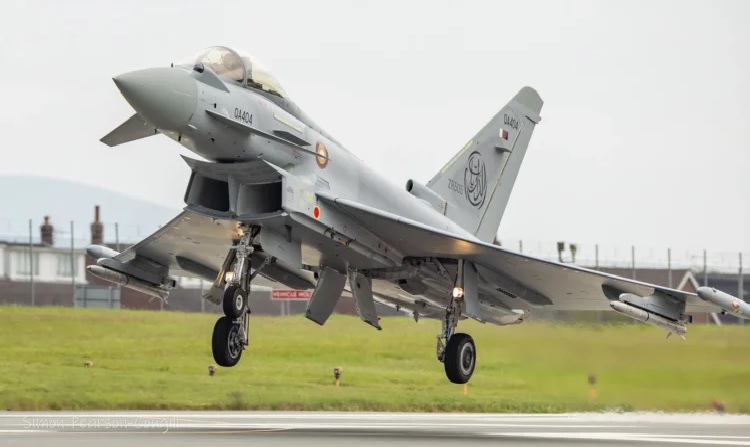
World
ANKARA, February 23, 2026 : Türkiye is moving forward with a structured, multi-stage procurement plan to acquire between 44 and 56 Eurofighter Typhoon fighter aircraft as part of a broader effort to modernise the Turkish Air Force and maintain operational continuity ahead of the introduction of its domestically developed fifth-generation KAAN fighter. The acquisition framework combines new-production aircraft from the United Kingdom with second-hand platforms sourced primarily from Qatar and potentially Oman. The plan is designed to deliver immediate capability through used aircraft while establishing long-term force structure through newly built jets. Intergovernmental Agreement with the United Kingdom Under an intergovernmental agreement signed with the United Kingdom in October 2025, Türkiye will acquire 20 newly manufactured Eurofighter Typhoon aircraft. The contract is valued at approximately £8 billion (around $10.7 billion) and includes aircraft production, pilot and ground crew training, spare parts, weapons packages, and systems integration support. Deliveries of the new-production aircraft are scheduled to begin around 2030. These jets will form the core of Türkiye’s long-term Eurofighter fleet and are expected to be fully integrated into Turkish command-and-control and weapons systems upon induction. The acquisition process advanced after Germany granted export clearance in July 2025. Approval followed coordinated support from the United Kingdom, Italy, and Spain, the partner nations in the Eurofighter consortium. Second-Hand Fleet to Provide Interim Capability In parallel with the new-production order, Türkiye has secured 24 second-hand Eurofighter Typhoon aircraft to accelerate operational readiness. According to recent reporting by Turkish daily Milliyet and defence outlet TurDef, Qatar will transfer its entire fleet of 24 Eurofighter Typhoon Tranche 3A aircraft to Türkiye. Earlier discussions had indicated a possible transfer of 12 aircraft, but updated information confirms the full fleet handover framework. The Qatari aircraft are equipped with active electronically scanned array (AESA) radar and are capable of deploying the Meteor beyond-visual-range air-to-air missile. These platforms are expected to allow the Turkish Air Force to establish its first two operational Eurofighter squadrons. Oman remains part of the broader acquisition structure, with 12 second-hand aircraft expected to be included if negotiations are finalised. These Omani jets are planned to undergo modernisation work in the United Kingdom before transfer, with deliveries projected to begin from 2028. The minimum confirmed fleet size under current arrangements stands at 44 aircraft—20 new-production units and 24 second-hand jets from Qatar. If the additional tranche of 12 aircraft linked to Oman is concluded, the total inventory would rise to 56 aircraft. Training and Integration Preparations Preparatory steps for integration are underway. Turkish Air Force personnel are scheduled to undergo pilot and maintenance training in the United Kingdom. A Turkish Air Force delegation is set to visit RAF Coningsby to initiate detailed coordination for the first phase of training and transition. The phased structure is intended to enable early operational capability through the second-hand fleet while providing time for infrastructure adaptation, maintenance ecosystem development, and doctrinal integration before the arrival of the new-production aircraft at the end of the decade. Bridging Capability Ahead of KAAN The Eurofighter acquisition is positioned as an interim and complementary measure pending the full operational deployment of Türkiye’s indigenous KAAN fighter programme. The second-hand aircraft are expected to enter service within the next few years, supporting force readiness and pilot proficiency during the transition period. Türkiye’s current combat aviation inventory relies heavily on F-16 variants. The introduction of the Eurofighter platform is expected to expand air combat capability, support advanced weapons integration, and diversify the air force’s fighter portfolio during the period leading up to KAAN’s operational maturity. While the overall framework is progressing, defence reporting indicates that final confirmations regarding the precise allocation of aircraft between Qatar and Oman remain subject to ongoing negotiations. Current Turkish defence sources identify Qatar as the primary second-hand supplier within the confirmed 24-aircraft transfer. The multi-stage procurement structure reflects an effort to combine immediate operational reinforcement with long-term fleet modernisation while maintaining alignment with existing and future Turkish air combat systems.
Read More → Posted on 2026-02-23 17:09:57
World
GOTHENBURG, February 23, 2026 : The Royal Swedish Navy (RSwN) is advancing plans to procure four Luleå-class air defence frigates in what officials describe as a structural shift from a primarily coastal defence force to a navy capable of sustained blue water operations alongside NATO allies. The programme will restore frigate capability to Sweden’s surface fleet for the first time since the early 1980s. Chief of the Navy Rear Admiral Johan Norlén detailed the initiative during the Navy Tech 2026 conference held in Gothenburg on February 3. He said the introduction of air defence frigates represents a new capability set for both the navy and the Swedish Armed Forces, strengthening area air defence and anti-submarine warfare (ASW) capacity in Sweden’s immediate region and in alliance operations beyond the Baltic Sea. Transition From Coastal Defence to Regional Maritime Control For decades, Sweden’s naval doctrine focused on denying an adversary freedom of action in the confined and congested waters of the Baltic Sea. The fleet structure emphasized smaller surface combatants, including the Visby-class corvettes, optimized for stealth, electronic warfare, emission control, deception, dispersion and rapid reaction in archipelagic and narrow sea environments. Rear Admiral Norlén explained that the objective was not to dominate sea space but to restrict its use, thereby creating time for ground forces to mobilize. Survivability and agility were prioritized over mass and visibility, shaping investments in stealth design and electronic warfare capabilities. Following Sweden’s accession to NATO after Russia’s full-scale invasion of Ukraine, the Ministry of Defence reassessed maritime requirements. The earlier Ytstridsfartyg 2030 (YSF 2030) programme, which envisioned larger corvettes, was cancelled in favour of acquiring frigate-sized vessels capable of contributing to alliance operations both within and outside the Baltic region. Rear Admiral Norlén stated that the new ships will expand Sweden’s operational profile by adding area air defence and enhanced ASW capability, including the use of embarked helicopters. Procurement Approach and Evaluation Process The Swedish Defence Materiel Administration (FMV) shifted its acquisition strategy in May 2025 from a domestic design effort with Saab to an international market survey. Rear Admiral Fredrik Lindén, Director of FMV’s Naval Systems Division, said the decision was driven by the need for rapid delivery and reduced technical risk. The objective is to have the first two frigates delivered by the end of 2030. FMV assessed proposals based on delivery schedule, capability and price. Its evaluation was submitted to the Swedish Armed Forces and the Ministry of Defence at the end of January 2026. A government decision on the selected design is expected in the near term. The four vessels will be named HMS Luleå, HMS Norrköping, HMS Trelleborg and HMS Halmstad. Entry into service is scheduled from 2030 onward. Standardised Weapons and Systems Architecture Regardless of the selected hull design, the RSwN has mandated high levels of commonality with existing and planned Swedish systems to ensure streamlined logistics, training and integration. The primary area air defence capability will be provided by the MBDA Aster 30 missile family, with both Block 1 and Block 1NT variants under evaluation. For inner-layer air defence, the ships will carry the MBDA Common Anti-air Modular Missile (CAMM), ensuring compatibility with the Sea Ceptor system being installed on the Visby-class corvettes. The frigates will be equipped with the Saab RBS 15 anti-ship missile and the Saab Torpedo 47 lightweight torpedo for ASW missions. A BAE Systems 57 mm Mk 3 medium-calibre naval gun will serve as the main gun system. All three competing designs incorporate vertical launch systems for Aster 30 and CAMM missiles, aviation facilities capable of operating one NH90 and one MH-60R helicopter, and a combined ASW sensor suite consisting of hull-mounted and variable-depth sonars. Competing Designs Three European shipbuilders have submitted proposals for the Luleå-class programme. Babcock of the United Kingdom has offered the Arrowhead 120 design, developed in partnership with Saab. The vessel measures 124 metres in length with a displacement of approximately 4,650 tonnes. The steel hull would be constructed at Rosyth, while Saab Kockums would produce a lightweight composite superstructure. The combat management system is based on Saab’s 9LV system, supported by Sea Giraffe 4A S-band and Sea Giraffe 1X X-band radars integrated into a single mast structure. Naval Group of France has proposed a variant of its Frégate de Défense et d’Intervention (FDI), based on the Amiral Ronarc’h-class currently entering service with the French and Hellenic navies. The design features the SETIS combat management system and the Thales SeaFire S-band radar, with established integration of the Aster 30 missile. Naval Group has indicated a 36-month construction timeline from its active production line in Lorient. Navantia of Spain has submitted the ALFA 4000, a 120-metre extended version of the ALFA 3000 corvette previously delivered to Saudi Arabia. The company has proposed an initial operational capability in 2030 and delivery of all four ships, including trained crews, by the end of 2031. The design offers either the Saab 9LV or Navantia SCOMBA combat management system and includes Saab Sea Giraffe 4A and 1X radars within an integrated mast configuration. Visby-Class Mid-Life Upgrade In parallel with the frigate acquisition, the RSwN is implementing a staged Mid-Life Upgrade (MLU) of its five Visby-class corvettes under a contract awarded to Saab in 2025. The first upgrade campaign, beginning in summer 2026, will retrofit the MBDA Sea Ceptor system using the CAMM effector and integrate the latest generation of the RBS 15 anti-ship missile. The second campaign, planned for the early 2030s, will address further ASW and electronic warfare enhancements, with the goal of increasing system commonality with the future Luleå-class frigates. Expanded Operational Role The Luleå-class programme is intended to provide Sweden with an area air defence capability and enhanced maritime control capacity that aligns with NATO operational requirements. By combining long-range Aster 30 missiles, layered air defence through CAMM, integrated helicopter operations and advanced ASW sensors, the new frigates are expected to extend Sweden’s operational reach beyond its traditional focus on confined coastal waters. According to Rear Admiral Norlén, the programme completes Sweden’s coastal and littoral capabilities while introducing a blue water component capable of supporting alliance missions across a broader operational spectrum.
Read More → Posted on 2026-02-23 16:59:34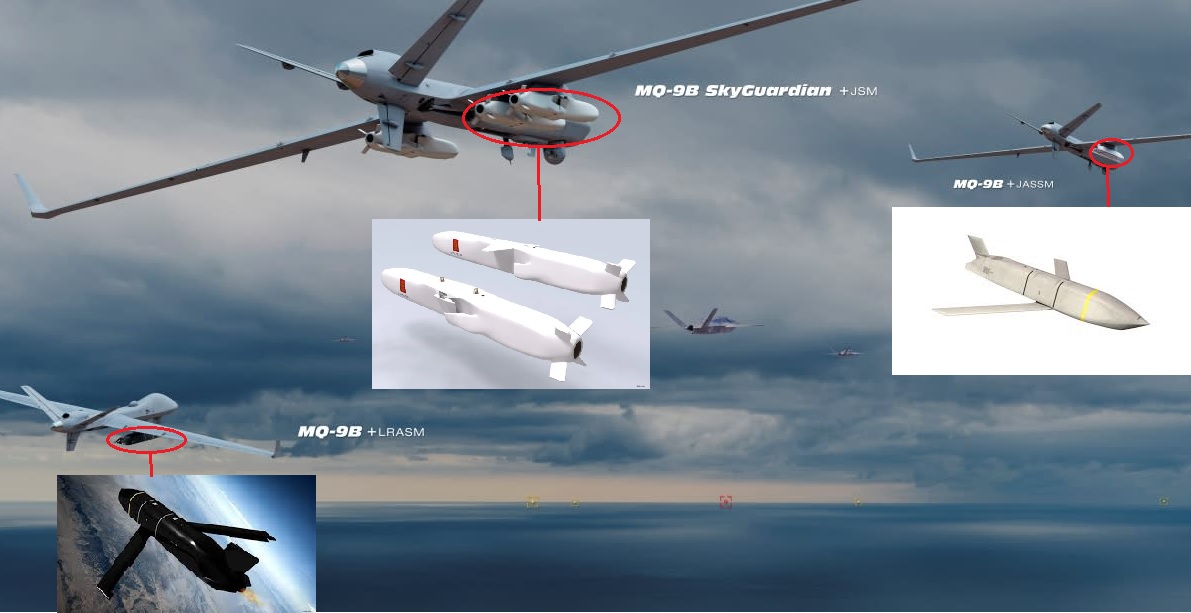
World
SAN DIEGO, February 23, 2026 : General Atomics Aeronautical Systems, Inc. (GA-ASI) announced that it is advancing the integration of long-range standoff weapons onto its MQ-9B SkyGuardian and SeaGuardian remotely piloted aircraft (RPA), expanding the platform’s mission set to include deep-strike and naval-strike roles. The development is intended to address operational requirements in contested theaters, including the Western and Southern Pacific. The company confirmed that engineering work is underway to adapt the MQ-9B’s payload architecture, aerodynamic stability, stores management system, flight control margins, range performance, and mission system architecture to support extended-range precision munitions. Performance analyses conducted by GA-ASI indicate that the aircraft can carry heavier standoff weapons over operationally relevant distances while maintaining mission effectiveness. David Alexander, president of GA-ASI, said the effort is aimed at expanding mission capability within the existing airframe’s payload limits. He noted that the MQ-9B’s available payload capacity enables integration of additional long-range strike options. Airframe and System Modifications The MQ-9B SkyGuardian and SeaGuardian are the latest variants of the Predator unmanned aircraft family and are certified for routine operations in non-segregated civil airspace. The aircraft incorporates a Detect and Avoid system, satellite communications for beyond-line-of-sight control, and modular payload bays designed for flexible sensor and weapons integration. To support heavier and longer-range standoff munitions, GA-ASI engineers are adjusting the aircraft’s external stores configuration and conducting stability and flight performance assessments. Modifications focus on ensuring compatibility with larger cruise missiles traditionally deployed from crewed bombers and strike fighters. The baseline technical specifications of the MQ-9B platform include: Wingspan: 79 feet (24 meters) External Payload Capacity: 4,750 pounds (2,155 kilograms) across nine hardpoints (eight wing stations and one centerline) Endurance: More than 40 hours under optimal mission profiles Maximum Altitude: Certified for operations up to 40,000 feet, with capability for higher operational ceilings Cruise Speed: Approximately 167 knots true airspeed Powerplant: Honeywell TPE331-10 turboprop engine Current Payloads: Electro-optical/infrared sensors, multi-mode maritime and ground surveillance radars, and precision-guided munitions The SeaGuardian variant includes maritime-specific mission systems such as surface-search radar, Automatic Identification System (AIS), and sonobuoy dispensing capability to support anti-submarine warfare missions. The SkyGuardian variant is configured primarily for land-based, multi-domain operations. Standoff Weapons Under Consideration GA-ASI confirmed that three extended-range precision weapons are under evaluation for integration. The AGM-158 Joint Air-to-Surface Standoff Missile (JASSM), developed by Lockheed Martin, is being examined as a land-attack option. The missile features a low-observable design and a penetrator warhead intended for fixed and relocatable high-value targets. Its several-hundred-kilometer range enables launch platforms to operate outside dense integrated air defense systems. The AGM-158C Long-Range Anti-Ship Missile (LRASM), a maritime derivative of JASSM, is designed for operations in contested electromagnetic environments. The missile incorporates autonomous target detection and classification systems and flies at low altitude in sea-skimming profiles to reduce exposure to shipboard defenses. The Joint Strike Missile (JSM), developed by Kongsberg in partnership with Raytheon, is optimized for both anti-ship and land-attack missions, particularly in littoral environments. It includes an imaging infrared seeker, terrain-masking flight capability, and a two-way datalink enabling in-flight retargeting. The JSM is already integrated into allied fast-jet fleets, which may simplify multinational interoperability and logistics. GA-ASI stated that flight trials involving at least one of these weapon systems aboard an MQ-9B aircraft are planned for later in 2026. The company is refining technical integration parameters and potential operational concepts ahead of testing. Operational Concept Under the proposed concept of operations, MQ-9B aircraft would launch from secure bases and transit to holding areas outside an adversary’s weapons engagement zone. From these loiter positions, the aircraft could conduct continuous intelligence, surveillance, and reconnaissance (ISR) missions while remaining available to launch standoff munitions if authorized. The integration effectively allows the MQ-9B to function as a persistent launch platform capable of coordinating with crewed aircraft, surface combatants, and submarines. By decoupling the launch platform from the point of impact, the approach increases the number of available launch cells in a given theater without committing crewed assets to high-threat airspace. Military planners view the development as having cross-service utility. For naval forces, it introduces an additional maritime strike layer between surface combatants and coastal defense systems. For air forces, it supplements limited bomber and fighter inventories with additional standoff launch capacity. For expeditionary land and marine units, the platform can provide overhead ISR coverage combined with strike-ready overwatch. Strategic and Program Context The integration of long-range cruise missiles onto a medium-altitude, long-endurance unmanned platform addresses operational challenges associated with Anti-Access/Area-Denial (A2/AD) environments. By equipping a persistent ISR aircraft with extended-range munitions, operators can hold targets at risk from outside high-threat zones. The MQ-9B series has been selected or fielded by multiple international operators. The United Kingdom operates the platform as the Protector RG Mk1, while Japan, Australia, and other countries have selected or acquired the system. The aircraft has participated in major exercises including Northern Edge, Integrated Battle Problem, RIMPAC, and Group Sail. GA-ASI indicated that earlier internal feasibility studies laid the groundwork for the current hardware-level integration effort. The company is continuing to expand the MQ-9B’s open-architecture design to enable integration of sovereign payloads and additional mission kits for international customers. The latest development builds on the MQ-9B’s established intelligence, surveillance, reconnaissance, and shorter-range precision strike missions, extending its operational envelope into deep-strike and maritime strike roles while retaining its long-endurance characteristics.
Read More → Posted on 2026-02-23 16:46:48
World
MEXICO CITY, February 23, 2026 : Transnational criminal organizations operating in Mexico are generating more than $40 billion annually from a diversified portfolio of illicit activities, according to multiple estimates and international reporting. The figure exceeds the projected 2025 gross domestic product (GDP) of several countries, including Honduras ($40.8 billion), Georgia ($40.2 billion), and Moldova ($21 billion), underscoring the economic scale at which these organizations operate. The financial strength of the cartels has enabled them to develop advanced logistical systems, acquire military-grade weaponry, and construct fortified infrastructure comparable in some respects to that of national armed forces. Their operations now combine narcotics trafficking, cross-border smuggling, territorial control, and complex financial networks that span multiple countries. Revenue Generation and Diversification Drug trafficking remains the primary revenue source. The United Nations Office on Drugs and Crime World Drug Report 2025 estimates that Mexican cartels generate approximately $12.1 billion annually from cocaine, heroin, methamphetamine, and fentanyl trafficking alone, surpassing the earnings of Colombian criminal groups. Fentanyl production has become a central pillar of cartel income. Precursor chemicals sourced mainly from China are processed in clandestine laboratories located in states including Sinaloa and Michoacán. Synthetic opioids are manufactured in powder form or pressed into counterfeit prescription pills and trafficked to the United States, where wholesale and retail distribution yields high profit margins. The Sinaloa Cartel and the Jalisco New Generation Cartel (CJNG) dominate large segments of this synthetic drug market. Cartels have expanded into additional revenue streams to mitigate shifts in global drug demand, particularly the decline in heroin markets following the rise of fentanyl. These supplementary activities include: Extortion (“cuotas”) imposed on businesses, agricultural producers, and industrial operators. In Michoacán, where avocado exports exceed $2.5 billion annually, producers reportedly pay hundreds of millions of dollars collectively in extortion fees and losses from theft. Fuel theft (“huachicol”) from pipelines and facilities operated by Petróleos Mexicanos (PEMEX). Organized siphoning operations generate hundreds of millions to billions of dollars annually for groups such as CJNG. Mexico incurs substantial fiscal losses from tax evasion and black-market fuel distribution. Human smuggling across the U.S. border, with earlier government claims estimating revenues of up to $14 billion annually. Illegal mining and logging, kidnapping, prostitution networks, and structured money laundering operations. Financial flows are facilitated through trade-based schemes and intermediaries, including brokers operating through Chinese-linked networks. These diversified income sources provide cartels with liquidity and operational resilience, allowing sustained investment in personnel, logistics, and equipment. Military-Grade Capabilities and Infrastructure Cartels have developed significant operational capabilities to protect supply chains and maintain territorial control. Privately constructed semi-submersible vessels, commonly referred to as narco-submarines, are used to transport multi-ton cocaine shipments from South America. Built primarily from fiberglass and designed to operate low in the water, these vessels are intended to reduce radar detection during maritime transit. Unmanned aerial vehicles (UAVs) are widely deployed for surveillance, reconnaissance, and drug transport across borders. In several regions, drones have been modified to deliver improvised explosive devices (IEDs) against rival groups and, in some cases, security forces. Underground infrastructure includes reinforced bunkers and extensive tunnel systems used for drug storage, weapons stockpiling, manufacturing of fentanyl and methamphetamine, and cross-border smuggling. Some tunnels are equipped with ventilation systems, lighting, and rail tracks to facilitate movement of goods and personnel. Cartel arsenals include .50-caliber rifles capable of disabling vehicles, high-capacity semi-automatic firearms, belt-fed machine guns, grenade launchers, rocket-propelled grenade systems, and improvised explosive devices. Armored vehicles, often referred to as “narco-tanks,” have been documented in several confrontations. Dedicated units responsible for drone operations and tactical deployment further indicate organizational specialization. Sources of Weaponry The majority of cartel firearms are sourced through cross-border smuggling from the United States. Straw purchasers legally acquire weapons from licensed dealers, often in cash transactions, before trafficking them into Mexico. Firearms tracing by the U.S. Bureau of Alcohol, Tobacco, Firearms and Explosives (ATF) indicates that a significant proportion of recovered weapons originate in the U.S. civilian market. Additional sources include: Military surplus and international black markets, where heavy weaponry from past conflicts in Central America and other regions remains accessible. Diversion from Mexican security forces, including theft from police and army armories. Desertion of military personnel, with some individuals absconding with government-issued automatic firearms. Corruption within institutions, enabling the illegal sale or transfer of police and military equipment. Ammunition, including .50-caliber rounds produced at U.S. government facilities, has also entered cartel supply chains through retail diversion. Organizational Structure and Historical Evolution Mexican cartels consolidated power during the 1980s and 1990s by controlling cocaine trafficking routes from Colombia into the United States. Subsequent fragmentation following high-profile arrests of leaders from the Guadalajara and Sinaloa organizations contributed to the emergence of newer groups, including CJNG and various splinter factions. Many cartels operate through decentralized, franchise-style structures in which local cells maintain operational autonomy while adhering to directives from central leadership. Territorial control across multiple states enables taxation of local economies and enforcement of extortion systems. Corruption remains a critical component of cartel sustainability. Payments to municipal, state, and federal officials have reportedly secured intelligence, protection, and operational impunity in certain areas. Government Response and Structural Constraints The Mexican government continues to face structural challenges in dismantling cartel networks. Corruption within police forces, judicial institutions, and political offices has limited the effectiveness of enforcement efforts. High impunity rates and bureaucratic constraints further complicate sustained prosecution. Security operations involving the National Guard and the armed forces remain ongoing. In February 2026, authorities arrested the mayor of Tequila, Jalisco, on allegations of cartel links, reflecting efforts under President Claudia Sheinbaum’s administration to target official complicity. Federal deployments have intensified in high-conflict regions, though fragmentation of criminal groups has in some cases contributed to localized increases in violence. Cartels’ financial capacity allows rapid acquisition of new technologies and equipment, often outpacing procurement cycles faced by government agencies. The continued demand for narcotics in the United States, combined with established trafficking routes and diversified income streams, sustains cartel operations despite domestic and bilateral enforcement measures. U.S. agencies, including the Drug Enforcement Administration (DEA), have designated the Sinaloa Cartel and CJNG as foreign terrorist organizations and are coordinating efforts to disrupt leadership structures and financial networks. However, the scale of cartel revenues, diversified criminal portfolios, and sustained access to weaponry and logistics continue to present a complex internal security challenge for Mexico.
Read More → Posted on 2026-02-23 16:26:07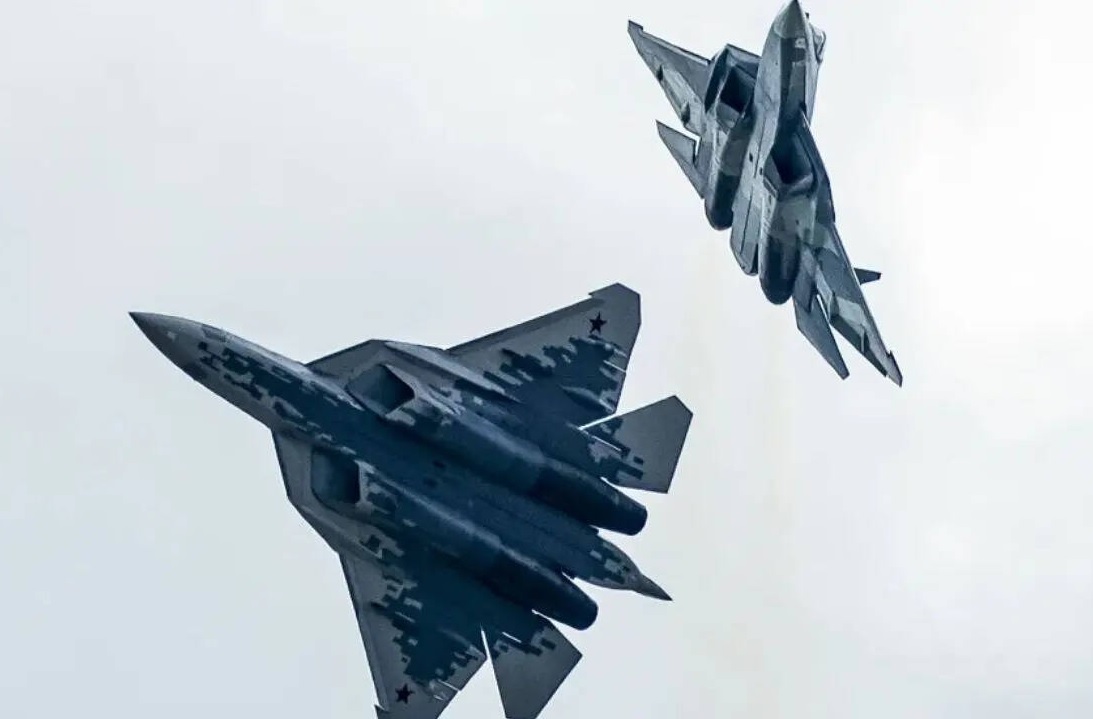
India
NEW DELHI, February 23, 2026 : India is preparing to formalise the procurement of a fifth-generation stealth fighter aircraft, with Russia’s Sukhoi Su-57 identified as the primary option to meet the Indian Air Force (IAF) interim operational requirements. The move follows the recent clearance of an expanded Dassault Rafale acquisition from France and is intended to bridge the capability gap until the indigenous Advanced Medium Combat Aircraft (AMCA) enters service in the mid-2030s. The Ministry of Defence (MoD) and the IAF have held discussions on the immediate requirement for a fifth-generation platform amid evolving regional security dynamics. China currently operates the Chengdu J-20 and Shenyang J-35 fifth-generation fighters and has offered the J-35 to Pakistan. Beijing announced the offer as its first major measure of support to Islamabad following the India–Pakistan conflict in May 2025. Interim Capability Before AMCA Induction The Su-57 is being evaluated as a stopgap arrangement pending the induction of the AMCA, India’s indigenous fifth-generation fighter programme led by the Aeronautical Development Agency (ADA) and Hindustan Aeronautics Limited (HAL). The AMCA programme targets prototype rollout between late 2026 and 2028, first flight between 2028 and 2029, and service induction around 2034–2035. Defence sources indicated that no formal negotiations with Russia have commenced. Discussions are expected to begin only after IAF technical teams complete a detailed operational and technical evaluation of the Russian offer. The Su-57 conducted a flying demonstration at Aero India 2025 in Bengaluru in February 2025, following which Russia extended a formal offer for the aircraft. Production and Industrial Participation A Russian delegation recently visited the Hindustan Aeronautics Limited facility in Nashik to assess existing infrastructure. The Nashik plant currently manufactures the Sukhoi Su-30MKI under licence production. Officials indicated that the production line could be adapted for licensed manufacturing of the Su-57 with significant Indian industry participation, including co-production and technology transfer arrangements. Russia has reportedly offered full source code access and customisation options for an Indian variant of the Su-57. Such an arrangement would enable integration of Indian-origin systems and weapons and ensure supply chain security. Maintenance commonality with the Su-30MKI fleet is considered a key operational advantage. The IAF’s Su-30MKI aircraft have already integrated the BrahMos supersonic cruise missile, a configuration employed during Operation Sindoor. The ability to integrate indigenous weapons is viewed as an important requirement in the evaluation process. US F-35 Not Under Consideration The United States’ Lockheed Martin F-35 Lightning II is not under consideration. Defence sources cited concerns over potential operational restrictions, including limitations on integrating Indian weapons such as BrahMos, requirements for US monitoring of sorties, and the possible presence of US engineers at Indian airbases for maintenance oversight. Officials referenced the existing arrangement between the United States and Pakistan regarding the General Dynamics F-16 Fighting Falcon, under which sortie monitoring and maintenance protocols involve US oversight. Such constraints are viewed as incompatible with India’s operational autonomy requirements. In February 2025, during a joint press conference in Washington DC with Prime Minister Narendra Modi, then US President Donald Trump stated that the United States was prepared to expand defence sales to India and was paving the way to eventually provide F-35 stealth fighters. However, current assessments indicate that the platform is not being pursued. Historical Background: FGFA Programme India and Russia previously collaborated on a fifth-generation fighter initiative under the Fifth Generation Fighter Aircraft (FGFA) programme. In 2007, the two countries signed an agreement for joint development, with an initial financial commitment of $6 billion. India withdrew from the project in 2018, citing concerns related to cost, work-share distribution, and capability parameters. Fifth-Generation Fighter Characteristics A fifth-generation fighter aircraft is characterised by low-observable stealth technology, advanced onboard sensors, sensor fusion, high levels of software integration, and internal weapons bays designed to reduce radar signature. These features provide decision superiority and cannot be retrofitted into earlier-generation platforms. The generational classification of fighter aircraft is broadly defined as follows: First-generation subsonic jets (mid-1940s to mid-1950s); Second-generation (mid-1950s to early 1960s); Third-generation (early 1960s to 1970); Fourth-generation (1970 to late 1980s); Four-and-a-half generation (subsequent advanced upgrades); Fifth-generation, which began with the induction of the Lockheed Martin F-22 Raptor in 2005. The Su-57 is a twin-engine, single-seat multirole fighter equipped with supercruise capability, advanced avionics, and internal weapons bays. Russia’s proposal includes provisions for technology transfer and industrial cooperation at the Nashik facility. The proposed procurement forms part of the Indian Air Force’s broader modernisation plan aimed at maintaining operational balance in the region while the AMCA programme progresses toward indigenous fifth-generation capability.
Read More → Posted on 2026-02-23 16:01:05
World
MEXICO CITY, February 23, 2026 : Mexican authorities have confirmed the death of Nemesio Rubén Oseguera Cervantes, widely known as “El Mencho,” leader of the Jalisco New Generation Cartel (CJNG), following a federal military operation in the western state of Jalisco on Sunday, February 22. The 59-year-old cartel leader was critically wounded during an armed confrontation and died while being airlifted to Mexico City for emergency medical treatment. His death has triggered coordinated retaliatory violence across multiple regions of the country, prompting shelter-in-place advisories from Mexican authorities and foreign embassies. Military Operation in Tapalpa The operation was conducted in the mountainous municipality of Tapalpa, approximately two hours southwest of Guadalajara, an area long identified by federal authorities as a CJNG stronghold. The raid was carried out by special forces of the Mexican Army, supported by Air Force aircraft and units of the National Guard’s Immediate Reaction Force. According to Mexico’s Secretariat of National Defense (SEDENA), the mission was based on intelligence developed by the National Intelligence Center and the Attorney General’s Office (FGR), with complementary surveillance and targeting data provided by United States intelligence agencies. U.S. officials confirmed that no American personnel participated in ground operations. Authorities located the compound after tracking a close associate of one of Oseguera Cervantes’ romantic partners, who departed the property on February 21, confirming his presence at the site. Upon advancing on the compound, federal forces encountered armed resistance from cartel gunmen. A firefight ensued. Six alleged CJNG members were killed during the confrontation, and two were arrested. Security personnel seized armored vehicles, tactical equipment, heavy-caliber firearms, and rocket launchers from the location. Oseguera Cervantes sustained severe injuries during the exchange. Three members of the Mexican armed forces were also injured and transported to medical facilities for treatment. Airlift to Mexico City and Forensic Processing Following the confrontation, Oseguera Cervantes and two other seriously wounded suspects were evacuated by military aircraft to Mexico City. The defense ministry confirmed that he died from his injuries during the transfer. Upon arrival in the capital, a heavily guarded convoy of the National Guard escorted a forensic ambulance carrying his remains from the airport to the Specialized Prosecutor’s Office for Organized Crime (SEIDO, formerly FEMDO). Special forces established a strict security perimeter around the facility while officials conducted formal identification and legal procedures. Defense Secretary officials publicly confirmed the transfer and processing of the body under heightened security protocols. Coordinated Retaliatory Violence Across Multiple States In the hours following confirmation of the operation, suspected CJNG members launched coordinated retaliatory actions across more than 20 Mexican states. Authorities reported over 250 road blockades nationwide. The most severe incidents were concentrated in Jalisco, Guanajuato, Michoacán, Colima, Nayarit, Guerrero, Nuevo León, and Tamaulipas. In Guadalajara, Puerto Vallarta, and Tonalá, armed individuals hijacked cargo trucks, passenger buses, and private vehicles, setting them on fire to block highways and major intersections. In Puerto Vallarta, gunmen commandeered a fuel tanker, positioned it across a roadway, and set it ablaze. A pharmacy in Tonalá and multiple commercial establishments, including convenience stores and gas stations, were also set on fire. Authorities reported extensive property damage but limited confirmed civilian casualties during the initial wave of incidents. Confrontations between armed groups and security forces were reported in several municipalities, with gunfire disrupting daily activity and halting road traffic in multiple corridors. Disruptions to Transport, Education, and Public Life The unrest caused immediate disruptions to infrastructure and civilian life in western Mexico. At Guadalajara International Airport and Puerto Vallarta International Airport, heightened security measures and road access blockades led to significant delays. Multiple international and domestic carriers, including Aeroméxico, Air Canada, and Lufthansa, suspended or canceled flights to and from affected areas. Public transportation systems in Jalisco, including city bus routes and urban rail lines, were temporarily suspended due to security risks. Schools and universities across several impacted states canceled classes, while local businesses and multinational retailers closed operations as authorities urged residents to remain indoors. Local football matches and public events were postponed as state governments prioritized stabilization efforts. Federal and International Response President Claudia Sheinbaum addressed the nation, confirming full coordination between federal and state authorities. She stated that the federal Security Cabinet is actively monitoring developments and has deployed joint operations involving the Army, National Guard, and municipal police to dismantle blockades and restore order. SEDENA officials described the operation as a significant blow to organized crime structures but acknowledged the immediate risk of retaliatory violence. The White House confirmed that U.S. intelligence agencies provided complementary support to Mexican authorities in locating Oseguera Cervantes. U.S. officials emphasized that their involvement was limited to intelligence-sharing and did not include operational deployment. The U.S. Embassy in Mexico issued security alerts advising American citizens in Jalisco, Michoacán, Guanajuato, Guerrero, Nuevo León, and Tamaulipas to shelter in place, avoid highway travel, and follow instructions from local law enforcement. Canada and several other nations issued similar advisories. Security Implications and Future Outlook Security analysts indicate that the death of Oseguera Cervantes may create an internal power vacuum within CJNG leadership structures, potentially increasing the risk of factional disputes or localized escalations in violence. Oseguera Cervantes, a former police officer, co-founded CJNG and oversaw its expansion into one of Mexico’s most powerful transnational criminal organizations, with operations spanning drug trafficking, extortion, and armed confrontation with security forces. The U.S. Drug Enforcement Administration (DEA) had previously offered a reward for information leading to his capture. The cartel is known for recruiting former military and special forces personnel into its enforcement ranks, contributing to its operational capabilities. With Guadalajara scheduled to host matches during the 2026 FIFA World Cup, federal authorities and international partners are reviewing security planning frameworks to address potential risks in the region. As of Monday evening, federal forces continued coordinated operations to clear roadways, secure municipalities, and stabilize affected areas. Authorities have urged the public to remain cautious while normalcy is gradually restored.
Read More → Posted on 2026-02-23 15:29:00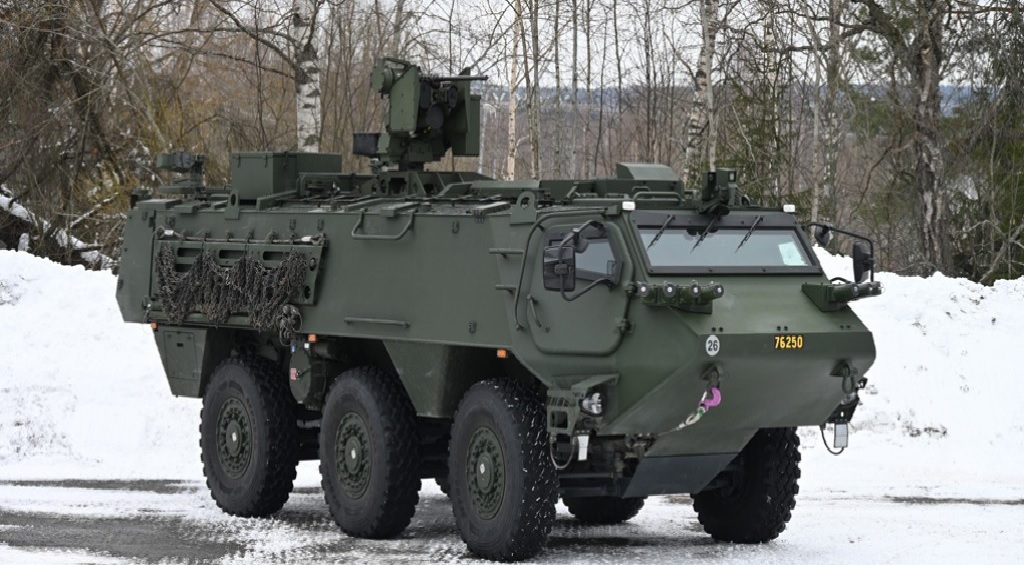
World
ZEITHAIN, Germany — February 23, 2026 : The German Armed Forces (Bundeswehr) have received the first five pre-series Patria 6x6 armored vehicles at the Zeithain material depot, formally initiating a €2 billion procurement program aimed at replacing the long-serving TPz Fuchs fleet. The handover was conducted by Patria Deutschland and overseen by the Federal Office of Bundeswehr Equipment, Information Technology and In-Service Support (BAAINBw). The delivery marks the operational start of Germany’s participation in the multinational Common Armoured Vehicle System (CAVS) framework. The five vehicles are pre-production platforms configured as Swedish-style Armored Personnel Carriers (APCs) and are designated within Germany as the Transportpanzer Neuer Generation. These units will not immediately enter frontline service but are assigned for operator training, maintenance familiarization, doctrine development, and technical verification ahead of serial production. Program Scope and Procurement Structure Germany joined the CAVS program through a Technical Arrangement in 2023, following preliminary steps in 2022. The CAVS framework is led by the Finnish Defence Forces and includes Finland, Latvia, Sweden, Germany, Denmark, the United Kingdom, and Norway. The program remains open to additional European countries subject to mutual agreement. In December 2025, Germany and Patria finalized two procurement contracts valued at over €2 billion, covering up to 876 Patria 6x6 vehicles across four approved variants. Within this total, an initial funded order of 296 vehicles is valued at approximately €959 million. The contracts include firm orders exceeding €1 billion, with additional options structured within the overall ceiling. The German order represents the largest single contract in Patria’s history. Across all participating nations, Patria has received orders, including options, for nearly 2,000 Patria 6x6 vehicles and has delivered more than 300 platforms to date. Operational Variants and Roles The 876 vehicles are planned in four primary configurations: Engineer group transport Armored reconnaissance group transport Heavy mortar carrier Fire control vehicle Some variants will integrate the Patria NEMO 120 mm turreted mortar system. The NEMO system provides protected, traversable indirect fire capability with direct-fire modes, Multiple Rounds Simultaneous Impact (MRSI) functionality, and a firing rate of up to 10 rounds per minute. Other variants will be equipped with the Kongsberg PROTECTOR RS4 remote weapon station. The RS4 can mount a 12.7 mm heavy machine gun or a 40 mm automatic grenade launcher. Kongsberg has confirmed orders for RS4 systems for more than 300 CAVS vehicles. The vehicles are intended to support engineering troops, armored reconnaissance units, and combat support elements, providing protected mobility and modular fire support in high-intensity land warfare scenarios aligned with NATO requirements. Industrial Strategy and Technology Transfer Initial production for Germany is being carried out at facilities in Finland and Latvia. However, the industrial framework includes phased technology transfer to German partners under an industrial teaming agreement signed in early 2024. German companies participating in the program include FFG, JWT, and KNDS Deutschland. Serial production will progressively shift to Germany beginning in 2027, primarily at the KNDS Deutschland facility in Freisen, where production capacity is being expanded. The first fully domestically produced vehicles are scheduled for delivery in 2027. The localized production model is designed to establish full-cycle maintenance, repair, and overhaul capability within Germany, ensuring long-term security of supply and support for potential future Bundeswehr requirements. Technical Specifications The Patria 6x6 is a 6x6 wheeled armored vehicle designed to provide a balance between mobility, protection, and cost efficiency. Key specifications include: Gross Vehicle Weight: approximately 24 tonnes Payload Capacity: approximately 8.5 tonnes Length: 7.5 meters Width: 2.9 meters Height: 2.5 meters Engine: Scania DC09 diesel engine rated at 294 kW (400 hp) Maximum Road Speed: over 100 km/h Amphibious Capability: water speed approximately 8 km/h Protection Level: STANAG 4569 Level 2 (ballistic and mine), upgradeable to Level 4 depending on configuration Crew Capacity: typically 3 crew members plus up to 10 troops in APC configuration The platform is designed for modular integration of mission kits and compatibility with Bundeswehr logistics systems. It provides amphibious mobility as a standard design feature. Replacement of TPz Fuchs and Force Structure Integration The Patria 6x6 will replace the TPz Fuchs armored personnel carrier, which has been in service since the early 1980s. The modernization effort seeks to address limitations in protection growth, payload capacity, and standardization associated with the legacy fleet. The new vehicle bridges the capability gap between the lighter, older Fuchs platform and heavier systems such as the Boxer 8x8, which can reach up to 45 tonnes and offer higher survivability but at increased procurement and lifecycle costs. During the selection process, the Patria 6x6 was chosen over competitors including Rheinmetall’s Fuchs Evolution upgrade and GDELS’ Pandur Evolution. Evaluation criteria emphasized modularity, amphibious capability, scalability, payload capacity, and alignment with multinational production under the CAVS framework. NATO Alignment and Operational Context The CAVS program emphasizes interoperability among member states, integration of mission modules, scalable protection aligned with threat environments, and distributed industrial participation. Vehicles under the program are already operational in Ukraine through Latvian deployments, demonstrating performance in environments characterized by artillery and drone threats. Germany’s adoption of the platform supports the Bundeswehr’s objective of achieving full combat readiness by 2029. Standardizing the Patria 6x6 across engineering, reconnaissance, mortar, and fire-control units is intended to streamline training, reduce logistical complexity, and enhance deployability within NATO’s collective defense structure. With the first five pre-series vehicles now delivered and serial production scheduled to expand through domestic manufacturing from 2027, the program transitions into its implementation phase as Germany restructures its protected mobility fleet under the CAVS framework.
Read More → Posted on 2026-02-23 15:17:33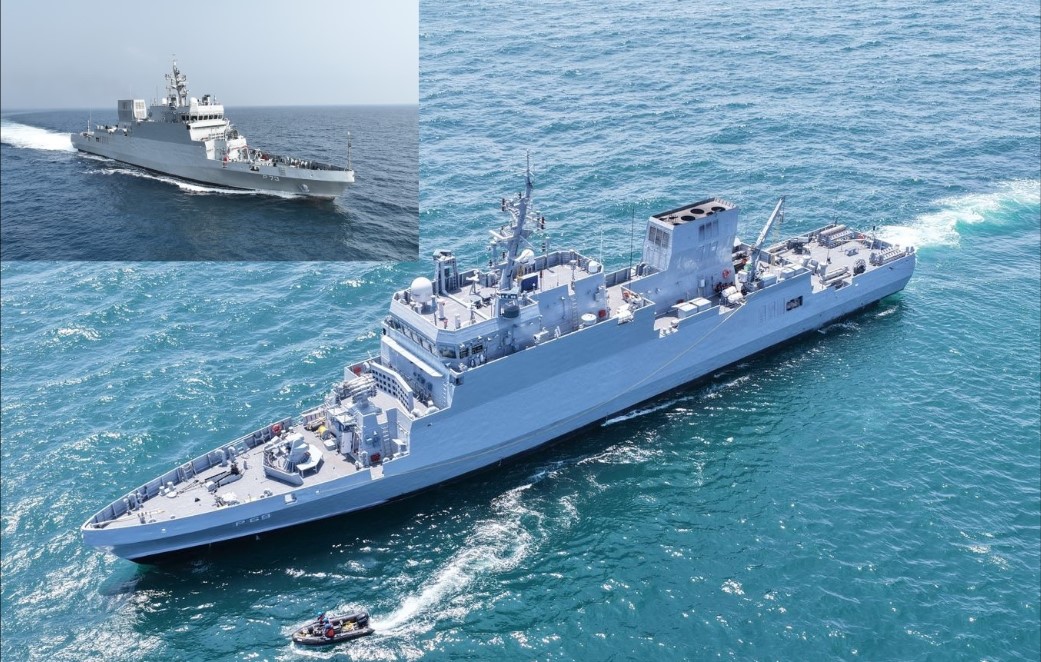
India
CHENNAI, — February 23, 2026 : The Indian Navy will commission INS Anjadip on February 27, 2026, at Chennai Port, marking the induction of the third Anti-Submarine Warfare Shallow Water Craft (ASW-SWC) under the Arnala-class program. Admiral Dinesh K. Tripathi, Chief of the Naval Staff, will preside over the commissioning ceremony. INS Anjadip is the third vessel in the Arnala subclass being constructed by Garden Reach Shipbuilders & Engineers (GRSE) under a Public-Private Partnership (PPP) model in collaboration with Larsen & Toubro (L&T) Shipyard, Kattupalli. The keel for the vessel was laid in June 2022, it was launched in June 2023, and it was delivered to the Indian Navy on December 22, 2025. Project Background The ASW-SWC program involves the construction of 16 vessels in total — eight under the Arnala subclass by GRSE and eight under the Mahe subclass by Cochin Shipyard Limited (CSL). The ships are being inducted to replace the aging Abhay-class corvettes that have been in service since 1989. INS Anjadip follows INS Arnala, commissioned in June 2025, and INS Androth, commissioned in October 2025. Upon commissioning, the vessel is expected to join the Eastern Naval Command to strengthen anti-submarine operations along India’s eastern seaboard, including the coasts of Tamil Nadu and Puducherry. Design and Construction Constructed in accordance with the classification rules of the Indian Register of Shipping (IRS), INS Anjadip incorporates approximately 88 percent indigenous content. Major systems and equipment are sourced from Indian defense manufacturers, including Bharat Electronics and Mahindra Defence, in line with the government’s Aatmanirbhar Bharat initiative aimed at increasing domestic defense production. The vessel incorporates stealth features designed to reduce radar cross-section, along with measures to lower acoustic and infrared signatures to enhance survivability in contested environments. INS Anjadip is named after Anjadip Island off the coast of Karwar, Karnataka. The vessel carries forward the legacy of the earlier INS Anjadip, a Petya-class corvette that served the Navy until its decommissioning in 2003. Operational Role The primary mission of the Arnala-class ASW Shallow Water Craft is the detection, tracking, and neutralization of submarines in coastal and shallow waters. With a draught of 2.7 meters, the vessel is designed to operate effectively in restricted littoral zones where larger, deep-draught warships face limitations. In addition to anti-submarine warfare, INS Anjadip is configured for: Coastal surveillance Low-Intensity Maritime Operations (LIMO) Subsurface mine-laying Search and Rescue (SAR) missions Interdiction of unmanned underwater vehicles and midget submarines Coordinated ASW operations with maritime aircraft The vessel is capable of sustained sub-surface surveillance in coastal waters up to 200 nautical miles from shore. Technical Specifications INS Anjadip belongs to the Arnala-class Anti-Submarine Warfare Shallow Water Craft category and displaces approximately 900 tonnes (standard), with gross tonnage reaching up to 1,490 tonnes. The ship measures 77.6 meters in length, has a beam of 10.5 meters, and a draught of 2.7 meters. It is powered by three marine diesel engines connected to three waterjets through reversible reduction gears, making it the largest Indian naval warship class propelled by waterjet systems. The propulsion configuration provides enhanced maneuverability and agility in shallow-water operations. The vessel has a maximum speed of 25 knots and a cruising speed of 14 knots. Its operational range is approximately 1,800 nautical miles at cruising speed, with an endurance of up to 10 days. The ship accommodates a complement of 57 personnel, including seven officers and 50 sailors. Sensors and Combat Systems INS Anjadip is equipped with an indigenous combat management and sensor suite. Its underwater detection capability includes a DRDO-developed ‘Abhay’ Hull-Mounted Sonar and a Low-Frequency Variable Depth Sonar (LFVDS). The vessel also carries towed array sonar systems for extended sub-surface surveillance. The anti-submarine weapons package includes: RBU-6000 anti-submarine rocket launchers Two triple-tube torpedo launchers configured for Advanced Light-Weight Torpedoes Automated mine-laying rails For surface and close-range defense, the vessel is fitted with: A 76 mm Super Rapid Gun Mount (SRGM) A 30 mm Naval Surface Gun Two 12.7 mm stabilized remote-controlled guns Two AK-630M Close-In Weapon Systems (CIWS) Two 12.7 mm DShK machine guns The ship also features a helicopter deck capable of operating a Chetak or Dhruv helicopter for maritime reconnaissance and coordinated anti-submarine operations. Strategic Significance The commissioning of INS Anjadip strengthens the Indian Navy’s coastal and littoral anti-submarine warfare capabilities in the Indian Ocean Region. The ASW-SWC program reflects continued emphasis on indigenous warship design, modular construction, and domestic supply chains, with all vessels under the program expected to be inducted by the end of 2026. With its shallow draught, waterjet propulsion, and integrated indigenous combat systems, INS Anjadip enhances India’s layered maritime defense framework, particularly in near-shore and shallow-water operational environments.
Read More → Posted on 2026-02-23 14:59:48
World
REDSTONE ARSENAL, Alabama — February 23, 2026 : The U.S. Army’s Portfolio Acquisition Executive (PAE) Fires office has announced an Industry Day for the Precision Strike Missile (PrSM) Increment 4 rapid prototyping program, initiating a competitive development effort that will culminate in a missile fly-off in the fourth quarter of fiscal year 2028. The announcement was issued through a Special Notice published on SAM.gov on February 20, 2026. The notice outlines the Army’s plan to evaluate industry-developed prototype solutions for an extended-range precision strike capability exceeding 1,000 kilometers. The program is structured to assess flight-demonstrated performance under operationally representative conditions, including contested electromagnetic environments. Industry Day and Solicitation Timeline The Industry Day is scheduled for March 23–24, 2026, at Redstone Arsenal, Alabama. The event will provide classified briefings at the Secret level on technical, structural, and operational requirements for Increment 4. Due to the sensitivity of the material, personal electronic devices will be prohibited inside briefing areas. Registration responses are due by March 13, 2026. Following the Industry Day, the Army expects to release a formal Request for Solutions (RFS) in April 2026. The Special Notice clarifies that the Industry Day is informational and does not constitute a formal solicitation or contract award. The selection process will follow a two-step competitive approach. The first phase will require submission of high-level technical concepts. Selected participants will then submit comprehensive prototype proposals. Developers of successful prototypes may receive follow-on production awards without additional competition, consistent with statutory authorities governing prototype programs. Development Phases and Fly-Off Evaluation The Increment 4 program is organized into four phases: Phase I will focus on architectural research and concept refinement, funded through fiscal year 2026 research and development accounts. Phase II will involve operational prototype demonstrations during the competitive fly-off in late FY 2028. Participants must flight-demonstrate a closed-loop lethal extended-range capability, validating targeting accuracy, seeker performance, and system viability. Phase III will cover system qualification testing. Phase IV may result in production awards for successful performers. The FY 2028 fly-off will serve as the central evaluation event, requiring full flight demonstrations rather than paper-based technical assessments. Range Expansion and Propulsion PrSM Increment 4 is designed to more than double the range of Increment 1, which currently exceeds 500 kilometers and is in full-rate production. The Increment 4 requirement establishes an operational reach beyond 1,000 kilometers. To achieve this extended range without altering external missile dimensions, the design incorporates advanced propulsion technologies, including consideration of dual-mode ramjet systems. The missile must retain compatibility with existing launcher pod missile containers, maintaining two rounds per Launcher Pod Missile Container (LPMC). The first flight test for Increment 4 is planned for 2026. Testing may include long-range demonstrations in Australia to validate extended-distance performance. Targeting Requirements and Seeker Technology Increment 4 is intended to engage stationary, relocated, and moving targets across both maritime and land domains. The system must operate effectively in anti-access/area denial environments where GPS signals may be jammed, degraded, or denied. The missile will incorporate a multi-mode seeker combining radio frequency and imaging infrared technologies. The requirement specifies independent targeting capability without reliance on standard Global Positioning System (GPS) guidance. A terminal seeker is included for moving target prosecution, and the design emphasizes greater velocity and responsiveness compared to earlier increments. The Army has mandated adoption of a Modular Open Systems Approach (MOSA) for Increment 4. The architecture must provide open interface standards with government purpose rights for interface data to enable rapid technology upgrades and prevent vendor lock-in. Launcher Compatibility Increment 4 must remain compatible with current Army launch platforms, including: M142 HIMARS M270 Multiple Launch Rocket System Autonomous Multi-Domain Launcher Despite extended range and advanced propulsion, the missile must not require changes to launcher dimensions or pod configurations. Relationship to Earlier Increments The Precision Strike Missile program serves as the successor to the Army Tactical Missile System, replacing the legacy deep-strike capability with a modular, longer-range system. Increment 1 features a range of 499+ kilometers with a unitary warhead and is currently in full-rate production. The Army plans to procure 3,986 Increment 1 missiles. Increment 2, also referred to as the Land-Based Anti-Ship Missile, extends range up to 1,000 kilometers and incorporates a multi-mode seeker for moving maritime and relocatable land targets. Procurement of Increment 2 begins in fiscal year 2026, with initial operational capability targeted for fiscal year 2030. The Army Acquisition Objective for Increment 2 is 1,589 missiles. Increment 3 is focused on increased lethality enhancements, while Increment 4 extends range beyond 1,000 kilometers and integrates advanced propulsion and terminal guidance technologies. Budget and Procurement Details In the fiscal year 2026 budget request, the Army allocated $363.662 million for procurement of 45 PrSM missiles, including 35 Increment 1 and 10 Increment 2 units, along with associated launcher pod missile containers. This represents a reduction from the fiscal year 2025 allocation of $457.509 million due to lower procurement quantities. The unit cost for Increment 2 is approximately $5.353 million, covering recurring and non-recurring production costs, system engineering, support equipment, and related expenses. Production capacity for Increment 1 and Increment 2 shares a maximum throughput of 400 missiles annually. Lockheed Martin, based in Dallas, Texas, serves as the manufacturer for earlier increments. Additional funding includes $54.005 million for HIMARS modifications to support PrSM integration. These upgrades address system obsolescence, enhance fire control compatibility with current and future munitions, and include procurement of retrofit kits, GPS jamming protection, and adapter groups. Operational Context The PrSM Increment 4 initiative supports the Army’s objective to field extended-range land-based precision fires capable of influencing maritime operations and holding distant targets at risk without forward deployment of naval or air assets. The capability is aligned with Joint All-Domain Operations requirements and is intended to operate in regions characterized by advanced air defenses and contested electromagnetic environments. The rapid prototyping structure, competitive fly-off evaluation, and MOSA-based architecture are designed to accelerate capability delivery while maintaining open-system flexibility for future upgrades.
Read More → Posted on 2026-02-23 14:46:06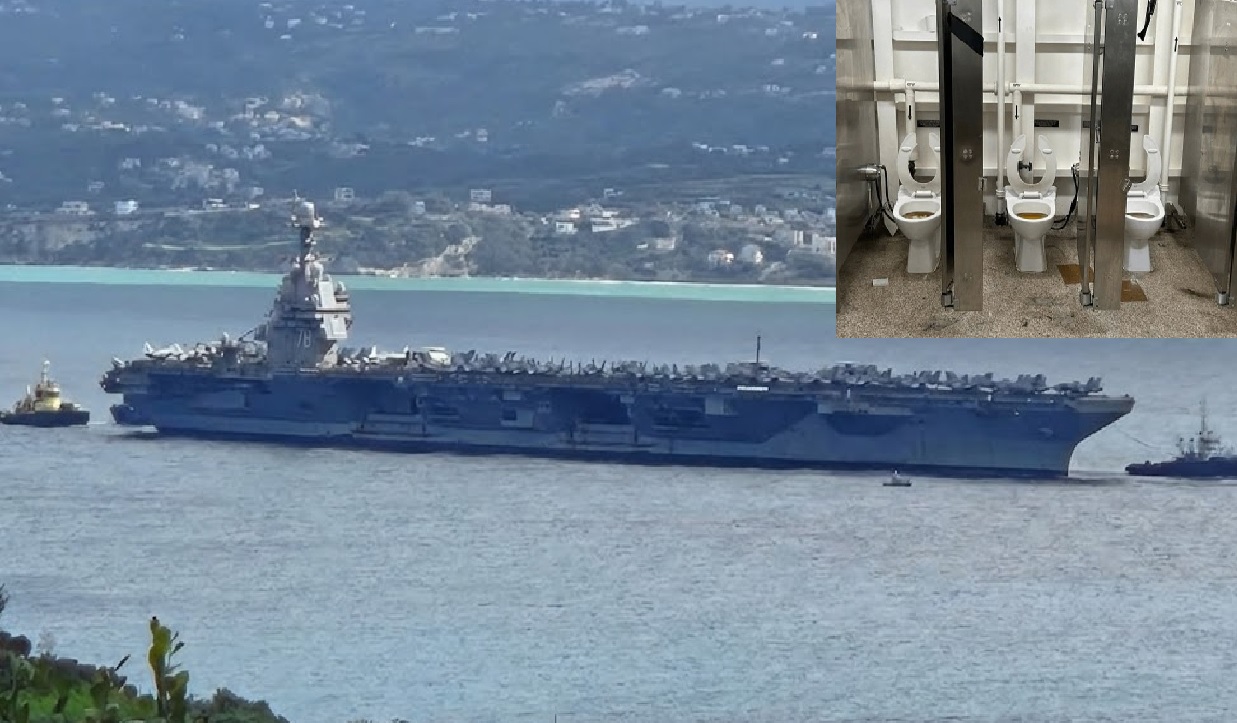
World
SOUDA BAY, Greece — February 23, 2026: The U.S. Navy aircraft carrier USS Gerald R. Ford (CVN-78) arrived at U.S. Naval Support Activity Souda Bay on the island of Crete on February 23 as part of its redeployment to the Middle East under U.S. Central Command. The carrier’s port call comes as the vessel continues to manage persistent malfunctions in its onboard sewage system, affecting daily life for its crew of approximately 4,600 sailors. The Ford, the lead ship of its class and the Navy’s most advanced nuclear-powered aircraft carrier, is currently more than eight months into deployment. The ship was redirected from operations in the Caribbean under U.S. Southern Command and is now transiting toward the eastern Mediterranean and onward to the Middle East amid U.S. operational planning related to Iran. Scope of Sewage System Failures Investigations published by NPR and The Wall Street Journal detailed recurring breakdowns in the carrier’s Vacuum Collection, Holding and Transfer (VCHT) sewage system. The system, adapted from commercial cruise ship designs and intended to conserve water, relies on narrow piping and vacuum pressure to move waste. The ship is equipped with approximately 650 toilets, referred to in naval terminology as “heads,” divided across 10 independent zones. According to internal communications cited in the reports, a single valve failure can disable vacuum suction across an entire zone, rendering all associated facilities inoperable. Internal Navy emails obtained by NPR showed that 205 separate toilet breakdowns were logged over a four-day period. Hull Technicians assigned to maintenance have reportedly worked shifts of up to 19 hours to address clogs, leaks, and valve failures. Sailors have reported waiting up to 45 minutes to access functioning facilities when outages occur. Since 2023, the Ford has required 42 external service calls related to the sewage system. Of those, 32 occurred during 2025 deployments, including multiple calls after the ship departed Norfolk on June 24, 2025. Reports indicate that repairs for individual clogs typically take between 30 minutes and two hours, depending on severity. The recurring issues stem from both system design and operational use. Naval engineering assessments have identified the pipes as undersized, a concern previously highlighted in a 2020 review by the Government Accountability Office. The narrow pipes are vulnerable to calcium buildup from standard use and are highly susceptible to blockages caused by unauthorized materials being flushed, including brown paper towels, t-shirts, mop heads, and cleaning supplies. Maintenance Requirements and Repair Locations The VCHT system cannot undergo a full overhaul while the ship is at sea. Specialized maintenance procedures, including heavy chemical “acid flushes” used to remove calcium buildup, require port-based equipment and safety protocols. Each acid flush operation costs approximately $400,000. The current stop at Souda Bay provides an opportunity for immediate maintenance and limited system restoration. The U.S. Naval Support Activity at Souda Bay, located within the NATO Marathi Pier Complex operated by the Hellenic Navy, offers deep-water berthing capable of accommodating aircraft carriers, refueling services, ammunition handling, supply operations, minor maintenance, and ship repair facilities. The base includes workshops, a fuel depot, and an ammunition depot, and has previously hosted U.S. carriers for repair work. Permanent design upgrades to the VCHT system would require the carrier to enter drydock at a major U.S. shipyard, such as Norfolk Naval Shipyard. Navy officials have stated that upgrades are planned for future maintenance availabilities. Transit and Operational Movements The Ford transited the Strait of Gibraltar on February 20, 2026, entering the Mediterranean Sea after concluding operations in the Caribbean. The carrier covered approximately 2,700 kilometers from Gibraltar to Crete in 72 hours at an average speed of 21 knots. The ship was accompanied through the strait by the guided-missile destroyer USS Mahan (DDG-72). Additional escorts, including USS Winston S. Churchill (DDG-81) and USS Bainbridge (DDG-96), remain part of the Carrier Strike Group. While in the Caribbean, the Ford operated under U.S. Southern Command in support of Operation Absolute Resolve. Following its Mediterranean transit, the carrier is approximately one day from the Suez Canal and six days from the Arabian Sea. Upon arrival in the region, it is expected to join the USS Abraham Lincoln Carrier Strike Group, restoring a dual-carrier presence under U.S. Central Command. Logistics and Air Wing Composition During the Souda Bay port call, the carrier is scheduled for refueling, ammunition loading, and resupply. Multiple C-17 Globemaster III aircraft have landed at the nearby Chania airbase to support logistics operations. Embarked aboard the Ford is Carrier Air Wing 8, which includes four F/A-18 multirole fighter squadrons, one EA-18G Growler electronic warfare squadron, and four E-2D Hawkeye airborne early warning aircraft from VAW-124, known as the “Bear Aces.” Additional U.S. assets operating in the broader region include P-8 Poseidon maritime patrol aircraft, RC-135 Rivet Joint signals intelligence aircraft, and F-35A fighters from the 158th Fighter Wing of the Vermont Air National Guard. Deployment Duration and Operational Status The Ford has been deployed for 241 days, marking its second extension and placing it on track to exceed typical post-Vietnam War deployment lengths if operations continue beyond mid-April 2026. U.S. Navy Fleet Forces Command has stated that while the sewage system failures have affected habitability conditions aboard the ship, they have not impacted combat readiness, flight operations, or mission execution capabilities. The Navy has characterized the plumbing issues as technical challenges related to system design and usage patterns, separate from operational performance. The carrier remains underway toward the Middle East following completion of logistics and maintenance activities at Souda Bay.
Read More → Posted on 2026-02-23 14:31:31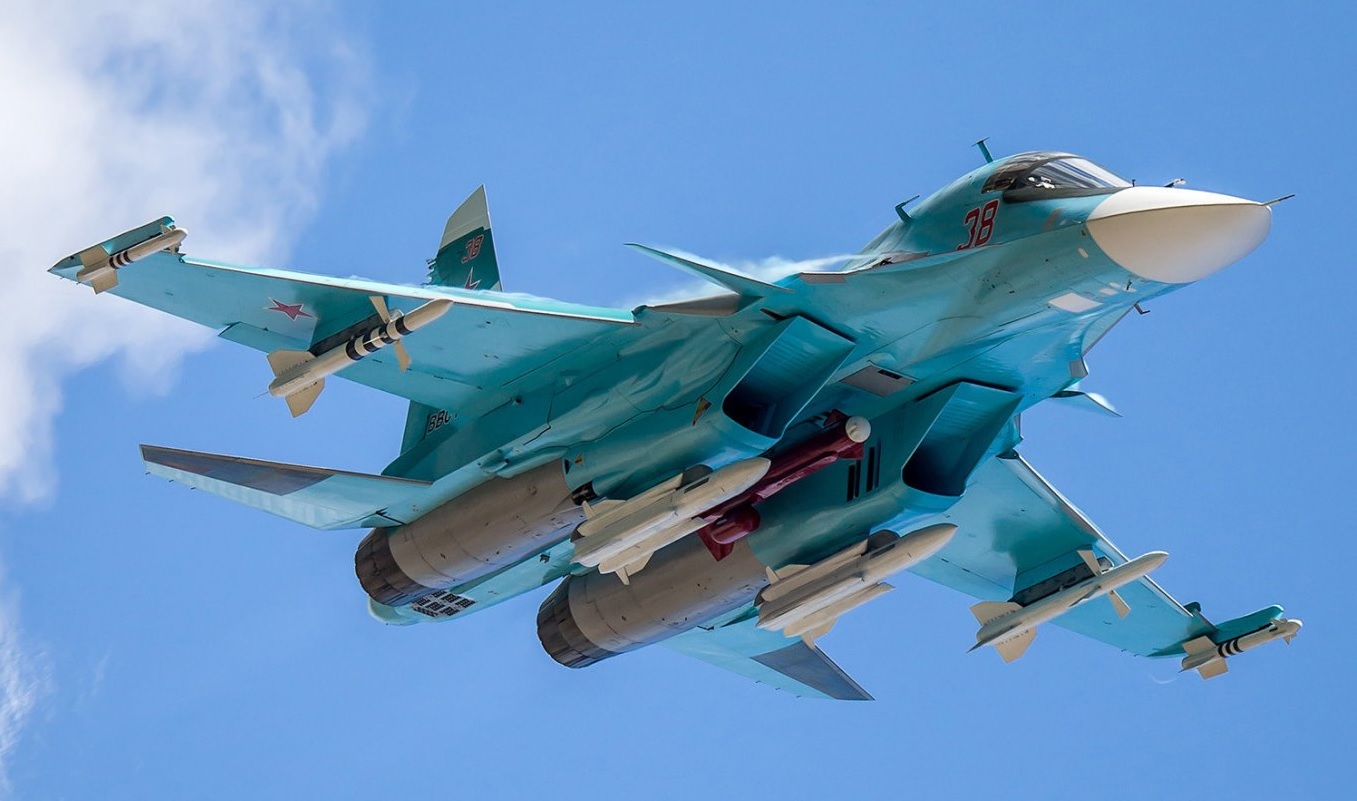
World
MOSCOW, February 23, 2026 : Russia has positioned the Su-34 strike fighter as the first tactical combat aircraft capable of intercontinental-range transit without aerial refueling, citing its ability to fly distances equivalent to the route between Moscow and Washington, D.C., under a maximum-fuel ferry configuration. A report published on February 22, 2026, by Military Watch Magazine stated that when equipped with three 3,000-liter PTB-3000 external drop tanks, the Su-34’s ferry range approaches 8,000 kilometers. This range estimate reflects optimized cruise conditions at altitude, minimal payload, and the aerodynamic penalties associated with carrying external fuel tanks. The straight-line distance between Moscow and Washington, D.C., ranges from approximately 7,500 to 7,821 kilometers depending on the specific departure and arrival coordinates, such as central Moscow to downtown Washington. Based on this measurement, analysts assess that the Su-34 has sufficient fuel capacity to complete such a transit without tanker support when configured exclusively for ferry operations. Ferry Range Versus Combat Radius Defense aviation sources differentiate between ferry range and combat radius. Ferry range refers to a transit configuration with limited or no weapons load, optimized fuel management, and cruise flight conditions. Combat radius reflects operational deployment with weapons, maneuvering, and mission-specific profiles. According to manufacturer data and defense references, the Su-34’s standard ferry range on internal fuel alone is estimated between 4,000 and 4,500 kilometers under minimal load conditions. Some broader assessments place the internal-fuel ferry range closer to 4,800 to 5,000 kilometers, approaching the 5,500-kilometer benchmark often used to define intercontinental range. The aircraft’s combat radius varies between 1,100 and 1,700 kilometers depending on mission profile, weapons load, and flight regime, including low-level penetration or high-low-high strike profiles. With external fuel tanks during operational missions, the action radius is cited at approximately 1,700 kilometers. The Su-34 is fitted with a retractable aerial refueling probe, allowing range extension through tanker support. However, the current intercontinental characterization specifically refers to unrefueled ferry capability. Design and Technical Characteristics The Su-34 is a twin-engine, twin-seat, all-weather supersonic strike fighter derived from the Su-27 airframe but extensively redesigned for ground-attack operations and long-endurance missions. The aircraft features a widened forward fuselage with a side-by-side armored cockpit protected by titanium plating. It is equipped with K-36 ejection seats and provisions to support extended-duration sorties. Powered by two Saturn AL-31FM1 turbofan engines, the Su-34 has a maximum speed of approximately Mach 1.8 at altitude and a service ceiling of up to 15,000 meters. The aircraft is capable of sustaining maneuvers up to +9 g. Official documentation notes that the aircraft’s noise level is approximately half that of earlier-generation strike platforms. The Su-34 can carry between 8,000 and 8,500 kilograms of ordnance across 12 external hardpoints. Its weapons inventory includes guided bombs, cruise missiles, anti-ship missiles, air-to-air missiles, and standoff munitions. The aircraft supports day-and-night, all-weather operations and is equipped with terrain-following radar and an integrated electronic warfare suite. Its passive electronically scanned array radar provides a reported detection range of 200 to 250 kilometers against large surface targets. The aircraft is configured to engage ground, surface, and airborne threats, including air defense systems and command-and-control infrastructure. Operational Employment Since 2022, the Su-34 has been employed extensively in Russia’s military operations in Ukraine. The aircraft has conducted long-range strike missions, reconnaissance sorties, and standoff attacks using UMPK and UMPB guided glide bomb kits. These glide bombs are launched from distances reported between 37 and 56 miles behind front lines and are capable of reaching targets at ranges exceeding 60 to 70 kilometers. This standoff capability allows the aircraft to operate at increased distance from contested air defense zones, in some cases launching munitions from within Russian-controlled airspace. The platform has been used against ground positions, surface targets, and air defense systems protecting infrastructure and command facilities. However, the aircraft has also sustained losses during the conflict. On January 28, 2026, Ukraine reported the downing of a Russian Su-34 over the Black Sea, a claim confirmed by the Ukrainian General Staff. Additional losses were reported in February 2026 and on earlier occasions, underscoring operational risks when flying near contested airspace. Production and Fleet Status Production of the Su-34 continues at the Novosibirsk Aircraft Plant under the United Aircraft Corporation. Rostec announced on November 6, 2025, the delivery of a new batch of Su-34 aircraft to the Russian Ministry of Defense under the state defense order. Additional deliveries were reported in September, October, and December 2025. Including prototypes and pre-production aircraft, total output has reached at least 153 units. Ongoing production incorporates combat-experience-based refinements aimed at enhancing survivability, electronic protection, and mission versatility across strike, reconnaissance, and electronic warfare roles. Comparative Positioning In comparison with older strike aircraft such as the Su-24M, the Su-34 offers greater payload capacity, extended range, improved sensor systems, and enhanced electronic protection measures. Its configuration positions it between a heavy fighter and a medium bomber, supporting deep-strike missions, extended loiter operations, and multi-role tasking. While the approximately 8,000-kilometer figure applies strictly to ferry operations with external fuel tanks and minimal payload, defense assessments indicate that this capability places the Su-34 among the longest-ranged tactical combat aircraft currently in operational service. Russian sources emphasize that this unrefueled transit endurance differentiates the aircraft within the fighter-bomber category, although sustained intercontinental combat operations would require aerial refueling and mission-specific load configurations.
Read More → Posted on 2026-02-23 14:07:23
World
KRAKOW, POLAND — February 23, 2026 : Europe’s five largest defence spenders—the United Kingdom, France, Germany, Italy, and Poland—have formally launched a joint initiative to develop and produce low-cost air defence systems and autonomous platforms, marking a coordinated effort to address the growing threat posed by inexpensive drones and missile systems. The programme, titled Low-Cost Effectors & Autonomous Platforms (LEAP), was announced during a meeting of defence ministers from the European Group of Five (E5) in Krakow on February 20, 2026. The initiative is designed to accelerate the development, procurement and mass production of affordable surface-to-air weapons and autonomous aerial systems capable of countering uncrewed aerial systems (UAS) and other emerging threats. Accelerated Procurement and Development Model The LEAP framework departs from traditional, multi-year defence procurement cycles by prioritising speed, adaptability and artificial intelligence integration. Defence ministries from the five participating nations will invite proposals from established defence manufacturers as well as small and medium-sized technology enterprises. The immediate focus of the programme is the development of a lightweight, cost-effective surface-to-air weapon system capable of neutralising drones and incoming missiles. According to the UK Ministry of Defence, the first functional project under the LEAP initiative is expected to be delivered and enter production by 2027, within approximately 12 months of the current agreements. German Defence Minister Boris Pistorius stated that the objective is to “rapidly and cheaply develop innovative systems, in particular for defence against drones, and then just as rapidly produce them in large numbers,” underscoring the emphasis on scalable production. Financial Commitments and Cost Strategy While a consolidated programme budget has not been publicly disclosed, participating nations have confirmed substantial financial commitments. UK Minister for Defence Readiness and Industry Luke Pollard said that each country is contributing “multi-million-pound, multi-million-euro” funding to initiate the programme. The economic rationale behind LEAP centres on correcting the cost imbalance in modern aerial warfare. European militaries have increasingly relied on high-value interceptor missiles and advanced fighter aircraft to respond to low-cost drones. Officials acknowledged that deploying multimillion-euro systems against threats that may cost only a few thousand euros to manufacture is not sustainable over the long term. The programme therefore seeks to ensure that the cost of defensive interceptors and counter-drone systems more closely aligns with the relatively low cost of incoming threats. Proposed solutions include affordable kinetic interceptors and electronic effectors designed for detection, disruption and destruction of hostile drones. Lessons from Ukraine’s Battlefield Experience The structure and priorities of LEAP draw heavily on operational lessons from Ukraine, which has significantly expanded its domestic drone and autonomous weapons production since Russia’s full-scale invasion in February 2022. Over the past four years, Ukraine’s extensive use of unmanned systems and AI-enabled payloads has reshaped air defence strategies and battlefield planning across Europe. Polish Defence Minister Władysław Kosiniak-Kamysz highlighted that the proliferation of drones along front lines and in rear areas has required a recalibration of air defence systems. He noted that unmanned systems and AI integration have fundamentally altered military operations, influencing the design and procurement priorities under LEAP. The initiative also addresses incidents within NATO territory. In September 2025, NATO-allied forces in Poland were required to scramble high-cost fighter aircraft in response to rogue drones that were inexpensive to produce. Officials cited such cases as evidence of the need for layered, affordable counter-drone capabilities. Broader NATO and European Security Context The launch of LEAP forms part of a broader effort to strengthen NATO’s air defence posture and reinforce European strategic autonomy. Defence ministers discussed the need for a “more European NATO,” emphasising fair burden-sharing and enhanced regional capabilities amid questions about Washington’s long-term security commitments to the continent. In parallel with LEAP, European nations are advancing plans for a coordinated “Drone Wall” along borders with Russia and Ukraine. The concept involves an integrated network of sensors and interceptors to detect, track and neutralise airspace violations across the eastern flank. Defence spending commitments were also a key element of the discussions. The United Kingdom has pledged to raise defence expenditure to 2.6 percent of GDP by 2027. Poland, which hosted the E5 meeting, recorded defence spending of 4.48 percent of GDP last year, the highest within NATO relative to national output. Broader discussions within the alliance have included targets to increase defence spending toward five percent of GDP in the coming years. Industrial Coordination and Production Capacity Beyond operational requirements, LEAP aims to address fragmentation within Europe’s defence industrial base. The programme promotes joint procurement mechanisms and shared production lines to expand manufacturing capacity and ensure rapid scalability during periods of heightened demand. By coordinating research, financing, artificial intelligence integration and production across five major defence economies, the E5 group seeks to create interoperable, cost-effective systems capable of protecting European and NATO airspace. The first contracts under the LEAP programme are expected in 2027, with the initial systems intended to provide scalable, affordable protection against drones and missile threats. The initiative represents a coordinated shift in European defence planning toward high-volume, lower-cost air defence solutions tailored to contemporary security challenges.
Read More → Posted on 2026-02-23 13:44:57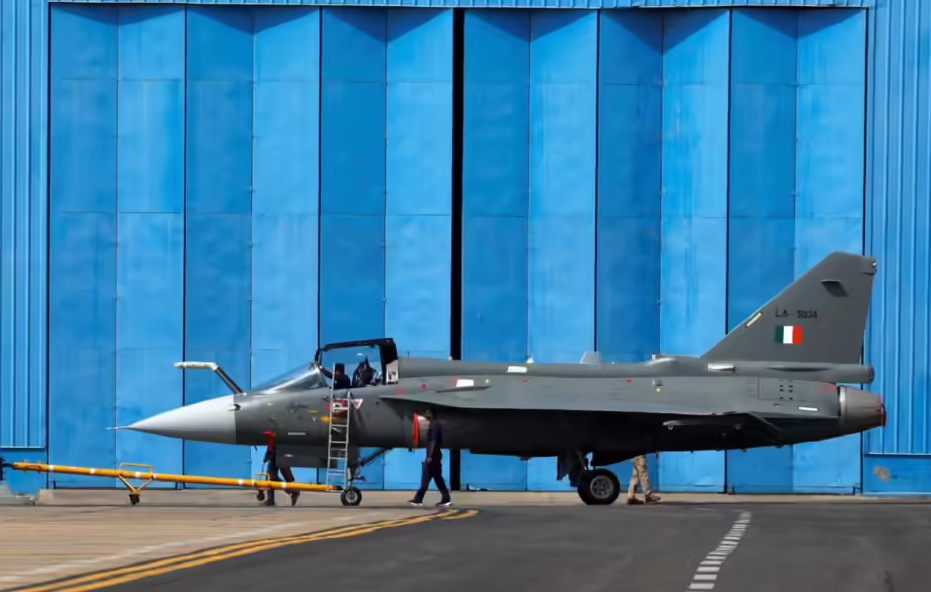
India
NEW DELHI — Hindustan Aeronautics Limited (HAL) has formally dismissed media reports claiming that an Indian Air Force (IAF) Tejas Light Combat Aircraft (LCA) was involved in a crash earlier this month, clarifying that the episode was limited to a minor technical incident on the ground and did not involve any airborne accident. In a statement issued on the social media platform X on Monday, the state-run aerospace manufacturer addressed reports that had circulated citing authoritative sources. Those initial reports claimed that on February 7, an IAF Tejas jet sustained significant structural damage after overshooting the runway at a frontline airbase, reportedly due to a suspected brake failure following a training sortie. It was further reported that the pilot ejected safely. Responding to these claims, HAL stated: “HAL acknowledges the recent media reports on the LCA Tejas incident and wishes to provide factual clarification. There has been no reported crash of the LCA Tejas. The event in question was a minor technical incident on ground.” The company emphasized that the aircraft did not suffer a crash and reiterated the platform’s safety record. “LCA Tejas maintains one of the world’s best safety records among contemporary fighter aircraft. As a standard operating procedure, the issue is being analysed in depth and HAL is working closely with the Indian Air Force (IAF) for a speedy resolution,” the statement added. Following the February 7 incident, the IAF reportedly grounded its fleet of approximately 30 single-seat Tejas aircraft to conduct a comprehensive technical audit and safety inspection. The precautionary review is understood to be part of established operational protocols whenever a technical issue is reported, even if categorized as minor. The February event comes after two previous accidents involving the Tejas platform. In March 2024, a Tejas aircraft crashed near Jaisalmer. A subsequent incident occurred in November 2025, when a Tejas jet crashed during an aerial demonstration at the Dubai Airshow. Both incidents were treated as separate events under their respective investigative processes. The latest technical review is taking place amid ongoing delays in the delivery of the upgraded Tejas Mk-1A variant to the IAF. In February 2021, the Ministry of Defence signed a ₹48,000 crore contract with HAL for the procurement of 83 Tejas Mk-1A fighter aircraft. Deliveries under this contract have faced delays, largely attributed to GE Aerospace missing multiple deadlines for the supply of the aero engines that power the aircraft. In addition to the 83-aircraft order, the Defence Ministry finalized another agreement in September last year worth ₹62,370 crore for the procurement of 97 more Tejas Mk-1A aircraft for the IAF, further expanding the planned fleet strength. The Tejas Light Combat Aircraft is a single-engine, multi-role fighter designed by the Aeronautical Development Agency and manufactured by HAL. The aircraft is configured to operate in high-threat environments and is capable of undertaking air defence, maritime reconnaissance, and strike missions.
Read More → Posted on 2026-02-23 13:32:00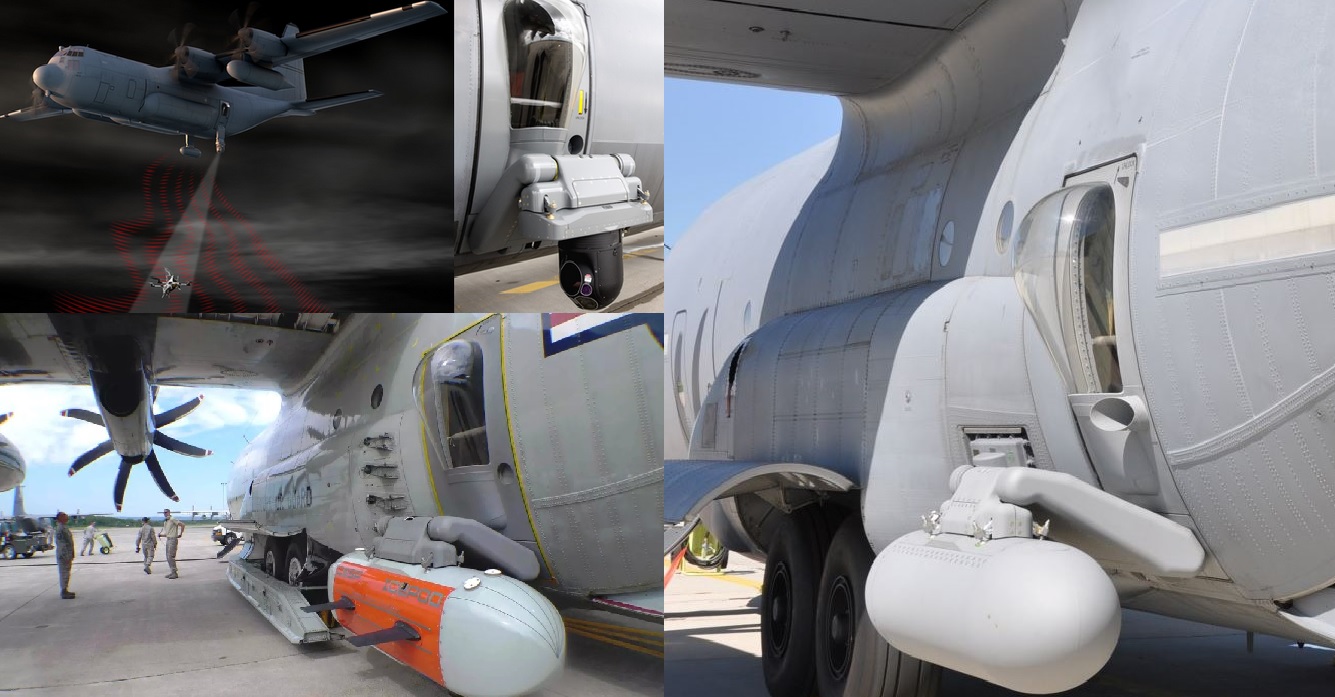
World
BROOKSVILLE, Florida — February 22, 2026 : Airdyne Aerospace has detailed the operational capabilities of its AS-7 Strut robotic arm hardpoint system, developed to enable rapid integration of special-mission payloads on C-130 Hercules aircraft without permanent structural modification. The AS-7 Strut is a core component of the company’s modular SABIR platform and is designed to mechanically articulate sensors beneath the aircraft using the existing paratroop door positions. The configuration allows operators to deploy payloads below and alongside the fuselage, providing an unrestricted field of view for surveillance, electronic warfare, communications, and other tactical missions. Company Background and Development Airdyne Aerospace, headquartered at Hernando County Airport in Brooksville, Florida, was established less than a decade ago in response to demand for specialized engineering services supporting roll-on C-130 special mission systems. The privately owned firm focuses on aircraft special mission systems engineering, manufacturing, and research. In addition to its Florida headquarters, the company maintains research and development activities in Calgary, Alberta, Canada. Since its founding, Airdyne has expanded its portfolio to include support for other fixed-wing and rotary-wing aircraft, as well as backend mission operational support systems. The SABIR platform, which includes the AS-7 Strut, scanner doors, multi-mission pods, crashworthy seating, and avionics racks, is designed to be positioned outboard of the cargo rail system. This placement ensures that cargo movement, airdrop operations, and paratroop activities remain unaffected. Aircraft equipped with the system can remain pressurized during operations. Rapid Installation and Payload Integration The AS-7 Strut is engineered for quick installation and reconfiguration. Initial installation requires standard hand tools and takes only a few hours to add two additional hardpoints to a C-130 airframe. Once the structural hardware is installed, integrating new sensors or payloads can be completed in minutes. Each strut hardpoint incorporates standard 14-inch lug spacing, allowing compatibility with a wide range of pods, sensors, and payloads. Airdyne provides specialized adaptors to expand integration options further. To streamline ground handling, operators can roll a pod or sensor directly to the strut. The system is capable of autonomously lifting the payload into position, eliminating the need for external heavy lifting equipment. The design supports modular reconfiguration between aircraft or mission profiles without permanent changes to the airframe, enabling both temporary and permanent installations. The AS-7 Strut is electrically operated and includes independent manual retraction systems. Deployment or retraction can be completed in approximately one minute. The system is compatible with all C-130 models. Structural Design and Load Capacity Structural support is provided by a Low-Profile Floor Brace and Adaptive Mounting System, which together allow the dual hardpoint configuration to support up to 1,100 kilograms of assorted special-mission payloads and sensors across two struts. The system operates without interfering with the aircraft’s internal cargo area. The configuration is designed to preserve the C-130’s primary airlift role while adding special-mission capabilities through bolt-on modifications. Power, Data and Direct Connectivity For power and data integration, cables are routed directly from the external sensor through the strut and into the adjacent AS-T4 Workstation and AS-20S AV-Rack. This direct connectivity bypasses traditional internal aircraft wiring, allowing streamlined system integration and operation. Advanced Positioning and Sensor Geometry In flight, the AS-7 Strut is controlled through an Operator Control Unit that commands dual-redundant brushless DC motors. The system allows precise raising and lowering of the strut to achieve the required sensor geometry. When deployed, the strut positions payloads away from the aircraft structure, enabling sensors to descend significantly beneath the fuselage or extend horizontally toward the belly of the aircraft. This configuration provides an unobstructed field of view for a range of mission applications. The system supports tactical angles suitable for directing electronic warfare arrays, countering ascending unmanned aerial systems, enabling communications, deploying mission effects, and conducting environmental sensing. Operational Coverage Capabilities The AS-7 Strut enables multiple operational coverage configurations: Full Half Hemispheric Electro-Optical/Infrared (EOIR) Coverage, providing 180-degree sensor coverage for surveillance and monitoring missions. Full Hemispheric Radio Frequency (RF) Coverage, extending detection range for communication and threat detection tasks. Directional Special Applications, allowing targeted coverage zones tailored to specific mission requirements. The platform supports a variety of payloads, including electro-optical/infrared turrets, synthetic aperture radar systems, electronic warfare equipment, communications arrays, and small unmanned aerial vehicle launchers. Operational Users and Partnerships Airdyne Aerospace has supplied SABIR systems, including AS-7 Strut configurations, to operators such as the Royal Danish Air Force for maritime search and rescue missions and the Philippine Air Force for maritime surveillance and intelligence, surveillance, and reconnaissance roles. The company has partnered with HENSOLDT to offer integrated mission suites combining sensor technologies with the SABIR platform. Airdyne has also supported integrations involving systems such as the Northrop Grumman LITENING targeting pod on HC-130J aircraft. Continued C-130 Mission Flexibility The AS-7 Strut is intended to extend the operational flexibility of the C-130 platform by enabling rapid, modular integration of special-mission equipment while maintaining cargo, airdrop, and paratroop functionality. The system’s bolt-on design allows operators to adapt aircraft for multi-role missions without permanent structural changes, preserving long-term fleet utility.
Read More → Posted on 2026-02-22 18:18:30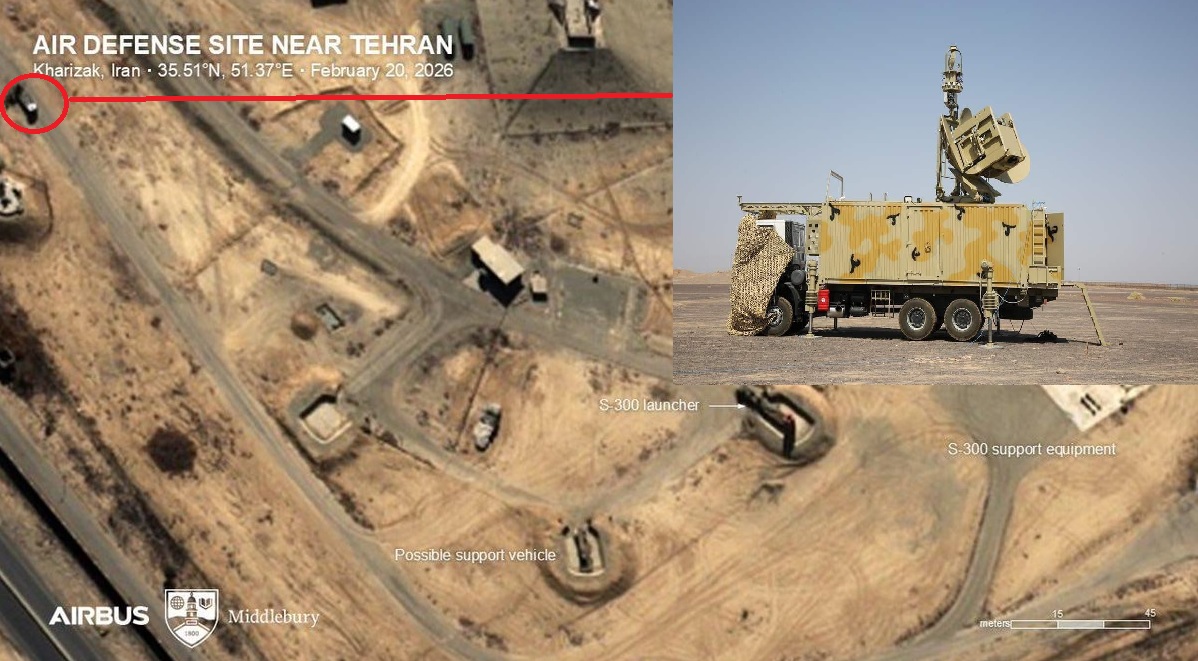
World
TEHRAN, Feb. 22, 2026 : Iran has deployed its domestically developed Cobra V8 electronic warfare system around key strategic sites, integrating the platform into layered air defense positions near the capital and along the Persian Gulf coast, according to satellite imagery and official statements released in late February. Recent commercial satellite images dated Feb. 20, 2026, show Cobra V8 units positioned alongside long-range surface-to-air missile batteries, including the indigenous Bavar-373 and the Russian-supplied S-300, on the outskirts of Tehran. Additional deployments have been identified in the Bandar Abbas region near the Strait of Hormuz. The positioning follows renewed diplomatic exchanges between Tehran and Washington concerning Iran’s nuclear program. System Development and Configuration The Cobra V8 was developed by Iran Electronics Industries (IEI) under the Ministry of Defence and Armed Forces Logistics and was publicly unveiled in September 2023. The system is mounted on heavy military trucks and consists of a rear container housing its electronic attack suite. The antenna configuration includes two circular dish-type arrays mounted on either side of two large horizontal plates, with the circular antennas facing inward. Defense analysts have noted its structural similarity to Russia’s 1RL257E Krasukha-4, assessing that the Cobra V8 is likely derived from or influenced by that platform through technical cooperation and localized production. Iran has expanded domestic electronic warfare development over the past decade, supported by reported bilateral military-technical exchanges with Russia, including operational lessons observed in Syria. Technical Characteristics According to Iranian defense sources and open-source assessments, the Cobra V8 is a broadband electronic attack and surveillance system designed to intercept, analyze and jam radar and communications signals from airborne, ground-based and space-based emitters. The system operates primarily within the 8 GHz to 18 GHz frequency range, enabling it to target X-band and Ku-band radars commonly used by modern combat aircraft, maritime patrol platforms and satellite communications systems. These bands are widely employed in fire-control radars, synthetic aperture radar systems, and airborne early warning platforms. Iranian officials state that the Cobra V8 can project jamming energy at operational ranges between 250 and 300 kilometers, depending on the altitude of the target and terrain conditions. The system is designed to increase the electromagnetic noise floor within its coverage zone, degrading adversary sensor performance, corrupting data links and reducing situational awareness. In addition to airborne radar disruption, Iranian sources report that the Cobra V8 is capable of interfering with low Earth orbit (LEO) satellite communications and downlinks. Monitoring groups have previously reported localized disruptions of commercial satellite internet services within Iran, though technical attribution remains based on open-source analysis. Iranian military officials also state that the system incorporates signal analysis software capable of identifying distinct electronic signatures, or “fingerprints,” of radar emitters. According to these claims, the platform can differentiate between individual aircraft of the same model, including stealth aircraft such as the F-35 Lightning II, by analyzing minute variations in radar wave emissions. Independent verification of this capability has not been publicly released. Operational Employment Iran has previously fielded the Cobra V8 in active operational environments. In 2023, a unit was deployed near Bandar Abbas along the Persian Gulf. Iranian officials reported that during this deployment, the system interfered with the sensors of a U.S. Navy Boeing P-8 Poseidon maritime patrol aircraft conducting surveillance operations. According to those reports, the aircraft altered its flight profile following electronic interference. The U.S. Navy has not publicly confirmed the specific technical details of that incident. The Cobra V8 has also been tested during large-scale military exercises, including the “Shield of Velayat’s Guardians” electronic warfare drill conducted in 2023. The exercise involved coordinated use of fixed, mobile, ground-based and airborne electronic warfare systems against simulated threats such as drones, helicopters and fighter aircraft. During these drills, the Cobra V8 operated alongside modified Bell-205 helicopters equipped with electronic warfare suites. Integration into Layered Air Defense Defense analysts assess that the Cobra V8 is intended to operate in conjunction with Iran’s kinetic air defense systems rather than as a standalone platform. By pairing electronic attack capabilities with missile systems such as the Bavar-373 and S-300, Iran is establishing overlapping defensive layers around critical infrastructure. Within this architecture, the electronic warfare system is tasked with disrupting airborne early warning aircraft, reconnaissance platforms and data links that support strike operations. It may also degrade the guidance of anti-radiation missiles aimed at surface-to-air missile batteries, thereby increasing the survivability of missile launchers and associated radar units. The combined deployment of electronic and missile defenses near Tehran and along maritime approaches indicates a structured effort to strengthen electromagnetic and airspace control in areas considered strategically sensitive. Broader Strategic Context Iran’s expansion of electronic warfare capabilities reflects sustained investment in domestic defense electronics manufacturing. Institutions such as Iran Electronics Industries have expanded production of radar systems, communications equipment and electronic countermeasure platforms as part of a broader military modernization program. Analysts note that electronic warfare has become a central component of contemporary military doctrine globally, with increasing emphasis on control of the electromagnetic spectrum. Iran’s deployment of the Cobra V8 demonstrates its intent to reinforce air defense networks through non-kinetic measures, supplementing long-range missile systems and enhancing coverage against airborne and space-based surveillance assets. The Cobra V8 is now assessed to be one of the most advanced electronic warfare platforms currently fielded by Iran, operating as part of a multi-layered defense structure designed to protect national airspace and maritime approaches.
Read More → Posted on 2026-02-22 18:12:30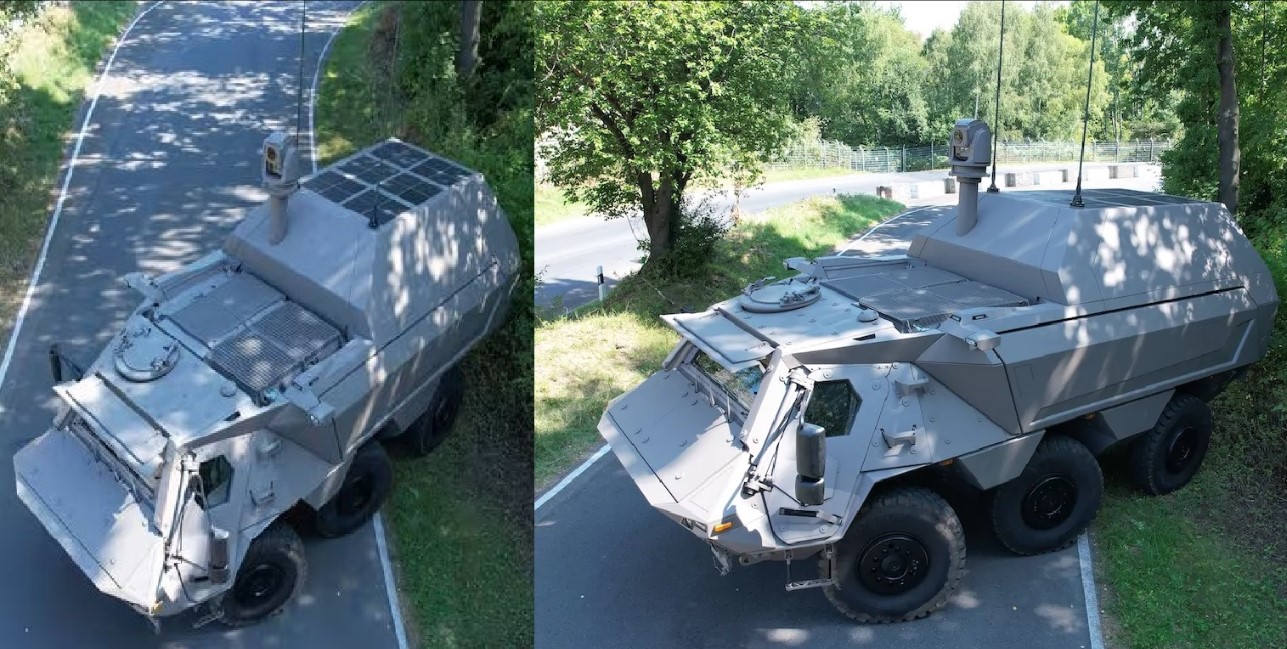
World
NUREMBERG, Germany — February 22, 2026 : Rheinmetall will present a broad range of defense and security systems at Enforce Tac 2026, scheduled from February 23 to 25 at the Nuremberg Exhibition Centre. The company will display products from its Vehicle Systems, Weapons and Ammunition, and Digital Systems divisions, with the Fuchs JAGM missile system making its first trade fair appearance in Germany. Rheinmetall’s main exhibit will be located at stand 426 in hall 10, while the Fuchs JAGM will be presented separately at stand 310 in hall 11 within the designated Armed Forces Area. Fuchs JAGM Introduced to German Trade Fair Audience The Fuchs JAGM is described by Rheinmetall as a next-generation armored missile tank destroyer developed in partnership with Lockheed Martin. The system is based on the upgraded 6x6 Fuchs Evolution wheeled armored personnel carrier platform, a combat-proven vehicle family used in multiple operational environments. According to the company, the vehicle is the world’s first to integrate a vertical launch system carrying 24 AGM-179 Joint Air-to-Ground Missiles (JAGM) or alternatively AGM-114L Hellfire Longbow missiles, both produced by Lockheed Martin. The vertical configuration enables rapid sequential engagements without reloading. The missile system is paired with a mast-mounted electro-optical sensor package designed to detect and designate targets at ranges of up to 16 kilometers. Rheinmetall states that the vehicle can engage up to 24 main battle tanks or low-flying aerial threats in rapid succession without requiring reload operations. The AGM-179 JAGM and AGM-114L Hellfire Longbow missiles are equipped with tandem shaped-charge fragmentation warheads. They use dual-mode guidance combining semi-active laser (SAL) and millimeter-wave (MMW) radar seekers, enabling operation in varied weather conditions and against multiple target types. The Fuchs JAGM was initially unveiled at the Defence and Security Equipment International (DSEI) exhibition in London in September 2025. Enforce Tac 2026 marks its first presentation at a trade fair in Germany. Networking Concept Based on Gladius 2.0 In addition to the missile system, Rheinmetall will introduce a networking concept designed to interconnect forces, sensors, and effectors, particularly in rear areas and homeland security environments. The architecture is based on the Gladius 2.0 soldier system. The concept is intended to address hybrid warfare scenarios in which threats may target critical infrastructure or bypass traditional front lines. Rheinmetall states that the system supports coordinated responses by linking operational units with real-time data sharing and sensor integration. New Infantry Protection Systems Rheinmetall Soldier Electronics will expand its personal protection portfolio with the introduction of a new modular military body armor system. The armor is designed to provide protection against firearms, explosive fragments, and stabbing weapons. Its modular configuration allows users to adapt protection levels based on operational requirements. A newly developed combat helmet will also be presented. Rheinmetall states that the helmet offers the same established ballistic protection level as existing models while significantly reducing weight to lower neck strain during extended use. Infantry and Mobility Platforms Among the additional systems on display is the Caracal air assault vehicle, developed in cooperation with Mercedes-Benz. The platform is designed to meet the mobility and rapid deployment requirements of airborne and special operations forces. Rheinmetall will also present the Squad Support Weapon SSW40, described as the world’s first automatic, magazine-fed, shoulder-fired 40 mm grenade launcher. The SSW40 is designed to mirror the size, weight, and handling characteristics of a standard assault rifle. Obscurants, Signalling, and Fire Control Systems The company’s auxiliary systems portfolio at Enforce Tac 2026 will include the ROSY (Rapid Obscurant System), designed to provide immediate visual screening for vehicles. Rheinmetall will also display exclusive pyrotechnic devices developed with an emphasis on operational safety. The Paramir signalling rocket will be presented as a compact, hand-fired signaling solution. Available in multiple colors, infrared, and NBC warning variants, the rocket reaches an altitude of approximately 100 meters and provides around 15 seconds of illumination. Laser and fire control systems will form another component of the exhibition. Rheinmetall will display modular laser and laser light modules such as the VarioRay and VTAL, along with advanced ballistic fire control systems. Ammunition and Broader Security Portfolio Elements of Rheinmetall’s medium-caliber and artillery ammunition portfolio will be exhibited. The company states that it continues to supply a range of ammunition solutions to international armed forces. Rheinmetall’s broader public security portfolio will also be featured, including ballistic protection equipment, specialized police weapons, protected emergency vehicles, and day and night reconnaissance optronics, as well as drone detection and defense systems. Event Overview Enforce Tac 2026 focuses on innovation, operational exchange, and networked security solutions. The event is regarded as Germany’s leading trade fair for internal and external security. Organizers expect approximately 1,300 exhibitors and more than 20,000 trade visitors. The exhibition operates under the patronage of Federal Chancellor Friedrich Merz and emphasizes integrated approaches to defense and homeland security, including countermeasures against hybrid threats. Rheinmetall states that its participation reflects its long-standing role as a partner to armed forces and security authorities in Germany and internationally, with a portfolio spanning armored vehicles, weapons systems, soldier systems, digital networking solutions, and security technologies.
Read More → Posted on 2026-02-22 18:07:01
World
BERLIN / KHARTOUM — February 22, 2026: Reports emerging from Sudan indicate that German-designed small arms and related spare parts have reached Islamist-aligned elements operating within the Sudanese Armed Forces (SAF) through third countries, including Turkey and Saudi Arabia, despite long-standing European Union restrictions on arms transfers to Sudan. According to information circulating among Sudanese sources and defense analysts, units under the command of General Abdel Fattah al-Burhan have been observed using Heckler & Koch G3 and G36 rifles as well as MP5 submachine guns. The presence of these systems in Sudan raises compliance questions in light of the European Union arms embargo imposed in 1994 and subsequent restrictive measures linked to the country’s internal conflicts. Transfer Routes Through Licensed Production Defense tracking assessments suggest that the weapons were not exported directly from Germany to Sudan. Instead, the transfers are believed to have occurred through third countries holding production licenses for German-designed systems. Turkey, through its state-owned defense manufacturer MKEK, and Saudi Arabia, via its Military Industries Corporation, have long-standing arrangements allowing domestic manufacture of certain Heckler & Koch platforms. Reports indicate that equipment originating from these production lines was subsequently transferred onward to Sudan. Once inside the country, the weapons were distributed to SAF formations that include factions aligned with the Muslim Brotherhood and other Islamist networks integrated into the military structure. German authorities maintain that Berlin enforces strict post-export controls and compliance mechanisms governing licensed production abroad. Critics, however, argue that enforcement becomes more complex when transfers occur between third countries under sovereign export decisions. Political Response in Berlin Germany has positioned itself internationally as an advocate of human rights standards and responsible arms export controls. In the current case, however, Berlin has not publicly announced punitive diplomatic measures against Ankara or Riyadh related to the alleged onward transfers. The issue has generated criticism from segments of the Sudanese diaspora and civil society observers, who contend that insufficient political attention has been given to the reported diversion of German-designed weapons. Diaspora representatives argue that the role of Islamist-aligned factions within the SAF has not been adequately addressed in public debate in Germany. Human rights organizations have highlighted potential legal and reputational risks when licensed weapon systems are diverted into active conflict environments. Under European regulatory frameworks, export licensing authorities are expected to assess the risk of re-export or diversion to embargoed destinations. Background: The Sudan Conflict Sudan’s current civil war, which began in April 2023, followed escalating tensions between the Sudanese Armed Forces (SAF) and the Rapid Support Forces (RSF). The conflict originated from disagreements over integrating the RSF into a unified national military structure during a fragile political transition. The SAF, led by General Abdel Fattah al-Burhan, controls key areas including Port Sudan and maintains alliances with several armed movements. The RSF, led by Mohamed Hamdan Dagalo (Hemedti), operates in other parts of the country and has received backing from external actors. The United Nations Security Council imposed an arms embargo on Darfur in 2005 under Resolution 1591. Separately, the European Union has maintained a broader arms embargo on Sudan since 1994, initially linked to the civil war in southern Sudan and later reaffirmed in response to continued instability. In January 2024, the EU adopted restrictive measures against six entities accused of undermining Sudan’s stability, including companies associated with weapons manufacturing for the SAF and procurement networks for the RSF. These sanctions were extended in September 2025. Islamist Networks Within the SAF Islamist elements within the SAF are linked to networks that developed during the rule of former President Omar al-Bashir and the broader Muslim Brotherhood movement. Several groups have been cited in connection with the SAF’s wartime coalition structure. The Justice and Equality Movement (JEM), historically active in Darfur and dominated by the Kobe sub-group of the Zaghawa, is reported to be aligned with the SAF in the current conflict. The Sudanese Islamic Movement (SIM), described by observers as a hardline Islamist organization opposed to Sudan’s democratic transition, is also active within the pro-SAF camp. The Al-Baraa Bin Malik Brigade (BBMB), an Islamist militia formation, has reportedly contributed up to 20,000 fighters to the SAF. According to U.S. Treasury sanctions announced in September 2025, Gebreil Ibrahim Mohamed Fediel and the BBMB were sanctioned for their roles in the conflict and alleged ties to Iran’s Islamic Revolutionary Guard Corps (IRGC). External Military Support Since late 2023 and early 2024, the SAF has expanded its operational capabilities with externally supplied systems. Turkey and Iran have provided combat drones, while Egypt has supplied arms shipments and aerial support. Iran has reportedly delivered Mohajer-6 drones, enhancing the SAF’s reconnaissance and strike capacity. Turkey has aligned politically and militarily with the SAF and has been accused by observers of facilitating weapons flows in contravention of international sanctions frameworks. The Turkish defense company Baykar has been cited in reports alleging covert transfers of drones and associated systems to Sudan. Saudi Arabia has adopted a comparatively flexible stance toward Muslim Brotherhood-linked actors relative to the United Arab Emirates (UAE). Riyadh has cooperated with Turkey and Qatar on regional matters, while Qatar is reported to provide financial backing to the SAF and certain Darfuri armed groups. In contrast, the UAE supports the RSF, supplying arms in violation of the UN embargo according to investigative findings. The UAE views the SAF as aligned with Muslim Brotherhood networks. Investigations have also traced European-origin weapons, including systems manufactured in Bulgaria, to Sudan via the UAE. Sudan’s ambassador to the EU has called for restrictions on arms sales to the UAE, citing diversion risks to RSF units. Diplomatic Efforts and Sanctions In September 2025, the United States, Saudi Arabia, the UAE, and Egypt — referred to as the “Quad” — proposed a roadmap calling for a humanitarian truce, a ceasefire, and a transition to civilian governance in Sudan. The initiative urged all external actors to halt military support to the warring parties and noted concerns about violent extremist groups linked to the Muslim Brotherhood. As fighting continues, the reported arrival of German-designed weapons through third-country channels underscores the complexity of enforcing long-standing embargo regimes, particularly where licensed production and regional alliances intersect. The developments add to ongoing international scrutiny of arms flows into Sudan and the broader Horn of Africa region.
Read More → Posted on 2026-02-22 17:43:36
World
WASHINGTON, February 22, 2026 : The Trump administration has missed the statutory deadline for submitting its federal budget proposal to Congress after President Donald Trump approved plans to increase annual defense spending by approximately $500 billion, bringing the proposed fiscal year 2027 military budget to nearly $1.5 trillion. The proposal represents a roughly 50 percent increase over the $901 billion defense allocation approved by Congress for fiscal year 2026. President Trump first announced the $1.5 trillion target on January 7, 2026, in a post on Truth Social, stating that the expanded budget was necessary to build what he described as a “Dream Military” during what he called “troubled and dangerous times.” He said the additional spending would be financed through revenues generated by tariffs imposed on various countries. Missed Deadline and Internal Deliberations Under federal law, the administration was required to submit its budget request to Congress by February 3. As of February 21, the proposal had not been formally delivered, marking a delay of more than two weeks. Administration and defense officials indicated that the delay stems from ongoing discussions within the White House and the Pentagon over how to distribute the additional $500 billion effectively. The scale of the increase has presented logistical and planning challenges, particularly as officials seek to allocate the funds without exacerbating long-standing concerns about financial oversight within the Department of Defense. White House budget officials reportedly raised objections to aspects of the Defense Secretary’s preliminary spending framework. Defense Secretary Pete Hegseth has emphasized a strategic focus on “lethality” and readiness rather than detailed budgetary breakdowns, directing a shift toward combat capability and force modernization. The Pentagon has never passed a comprehensive agency-wide audit, and budget analysts have cautioned that a rapid expansion of funding could heighten the risk of inefficiencies if not structured carefully. In fiscal year 2025, the department identified nearly $30 billion in efficiencies and reductions, including contract caps and grant savings through the Department of Government Efficiency, which officials say could help offset or reallocate resources toward higher-priority programs. Structure of Recent Defense Budgets The fiscal year 2026 defense budget, signed by President Trump, totals $1.01 trillion. That figure includes $848.3 billion in discretionary funding and $113.3 billion in mandatory spending approved through congressional reconciliation. The 2026 package reflected a 13 percent increase from fiscal year 2025 levels and followed a February 20, 2025 directive from Secretary Hegseth to refocus the department on lethality and operational readiness. If enacted, the proposed fiscal year 2027 allocation of nearly $1.5 trillion would represent the largest single-year increase in defense spending since the Korean War. The proposed total would exceed the military budgets of any other nation and surpass the combined defense expenditures of China, Russia, and Iran. The administration is considering pursuing approximately $600 billion of the proposed increase through the congressional reconciliation process. Fiscal Impact and Debt Projections Budget analysts have raised concerns about the long-term fiscal implications of the proposed increase. The Committee for a Responsible Federal Budget estimates that maintaining a $1.5 trillion annual defense budget could raise defense outlays by approximately $5 trillion through 2035. When interest costs are included, the total addition to the national debt could reach $5.8 trillion. The analysis references an alternative scenario suggested by President Trump in which a $1 trillion defense budget would be pursued if tariff revenues fall short. That figure contrasts with the $175 billion appropriated under the One Big Beautiful Bill Act. The Congressional Budget Office projects the federal budget deficit for fiscal year 2026 at $1.9 trillion, increasing to $3.1 trillion by 2036. Over the 2027–2036 period, deficits are expected to average 7.3 percent of gross domestic product. While the administration has argued that increased tariff revenue and higher corporate tax receipts tied to employment growth could offset some of the costs, independent fiscal groups have questioned whether projected revenues would fully cover the proposed spending expansion. Contractor Oversight and Executive Action In parallel with the proposed spending increase, President Trump signed an executive order titled “Prioritizing the Warfighter in Defense Contracting.” The order directs the Department of Defense to strengthen oversight of defense contractors and to ensure funds are directed toward manufacturing capacity, weapons production, and maintenance of existing systems. The administration has warned that companies engaging in stock buybacks or prioritizing executive dividends over production investment could face penalties, including potential limits on future federal contracts. RTX, formerly known as Raytheon, was publicly referenced in discussions surrounding contractor accountability measures. Market and Public Response Following the announcement of the proposed increase, defense sector stocks rose amid expectations of expanded procurement and production contracts. At the same time, policy analysts and public commentators have debated the broader budgetary priorities, drawing comparisons to federal spending on healthcare, food assistance, and foreign aid. U.S. security assistance to Israel for fiscal year 2026 includes $4 billion in support. As of February 22, the White House had not provided further details regarding the final allocation framework or a revised timeline for submitting the budget proposal to Congress. Lawmakers will be required to review and authorize the request before any funding changes can take effect.
Read More → Posted on 2026-02-22 17:18:44
World
LONDON / TEHRAN : Iran has concluded a €500 million arms agreement with Russia for the procurement of 500 9K333 Verba man-portable air defense launchers and 2,500 associated 9M336 missiles, according to details first reported by the Financial Times, citing leaked Russian documents and sources familiar with the matter. The contract was signed in Moscow in December and outlines deliveries scheduled between 2027 and 2029, with indications that a limited number of systems may already have been transferred. The agreement, valued at approximately €495 million under the contract documentation, was negotiated between the Moscow representative of Iran’s Ministry of Defense and Armed Forces Logistics (MODAFL) and Rosoboronexport, Russia’s state arms export agency. Neither the Russian Defense Ministry nor Iranian officials have publicly commented on the reported terms of the deal. Procurement Background and Strategic Context Iran formally requested the Verba systems in July 2025, days after the end of a 12-day conflict with Israel during which Iranian fixed air-defense networks and radar installations sustained significant damage from precision airstrikes. The acquisition reflects a shift toward decentralized and mobile air-defense configurations designed to reduce vulnerability to strikes targeting fixed radar and missile batteries. The Verba systems are intended to supplement and partially rebuild Iran’s damaged air-defense network by deploying highly mobile, infantry-operated units capable of protecting critical infrastructure and sensitive sites. The reported contract includes the supply of specialized night-vision equipment, allowing operators to conduct engagements in low-light and nighttime conditions. Technical Overview of the 9K333 Verba System The 9K333 Verba, designated by NATO as SA-25, is one of Russia’s most modern man-portable air-defense systems (MANPADS). It is designed for use by small mobile teams and is optimized to engage low-flying aircraft, helicopters, unmanned aerial vehicles, cruise missiles, and precision-guided munitions. The system employs the 9M336 missile, which weighs more than 10 kilograms. The complete system, including the 9P521 launch unit, weighs approximately 17.25 kilograms. The missile has a diameter of 72 millimeters and a length of 1.64 meters. The 9M336 missile is equipped with a high-explosive fragmentation warhead weighing approximately 1.5 kilograms, although some sources indicate a 2.5-kilogram configuration. It uses a magnetic proximity fuse with a secondary grazing impact fuse. Propulsion is provided by a solid-fuel rocket motor. Operational parameters include an engagement range of 500 meters to 6.5 kilometers and a maximum flight ceiling of 4.5 kilometers. The missile can reach speeds of up to 500 meters per second, equivalent to approximately Mach 1.5. Reaction time is reported between five and ten seconds, with some configurations indicating an average of eight seconds. The guidance system features a three-channel multispectral optical seeker operating in ultraviolet, near-infrared, and mid-infrared bands. This configuration improves target discrimination and resistance to thermal countermeasures. The system is capable of engaging targets traveling at speeds of up to 400 meters per second approaching and 320 meters per second receding. It is designed to operate in daytime and nighttime conditions and across varied weather environments. The broader Verba complex includes the 9V861 mobile checkpoint, 1L229V ground-based interrogator, 1L122 compact radar detector, 9S935 automation kit, 9S933 portable fire-control unit, 9S933-1 mounting kit, 9S931 planning module, 9S932-1 intelligence and control module, and associated maintenance equipment. The 1PN97M Mowgli-2M thermal imaging sight can be attached to enhance night targeting capability. Delivery Structure and Implementation The contract specifies a three-tranche delivery structure spanning from 2027 through 2029. Individuals familiar with the arrangement indicated that a limited number of systems may have been delivered ahead of the formal schedule, though this has not been officially confirmed. The transaction underscores ongoing military-technical cooperation between Tehran and Moscow, which has expanded in scope in recent years. Broader Iran–Russia Defense Cooperation On January 17, 2025, Russia and Iran signed a comprehensive 20-year strategic partnership treaty covering defense, counter-terrorism, energy, finance, and cultural cooperation. The agreement contains 47 articles addressing various areas of bilateral collaboration. Military cooperation between the two countries dates back to the late 1980s. In 1989, following the death of Ayatollah Ruhollah Khomeini, Moscow and Tehran negotiated a major arms agreement. Between 1990 and 1993, Russia transferred nearly $1.9 billion worth of equipment, including combat aircraft, tanks, and submarines. In 1995, Russia agreed with the United States not to conclude new weapons agreements with Iran and to complete existing deliveries by 1999. In 2000, Russia informed Washington it would no longer adhere to that understanding. Between 2002 and 2005, arms transfer agreements totaled approximately $1.7 billion. In 2007, Russia agreed to sell Iran the S-300 air-defense system, although deliveries were delayed until 2016. Russian arms transfers to Iran declined from $35 million in 2010 to $4 million in 2015. Since 2021, Iran has supplied Russia with ballistic missiles, drones, and surface-to-air missiles reportedly valued at $2.7 billion. These transfers include hundreds of Fath-360 short-range ballistic missiles, nearly 500 additional short-range ballistic missiles, approximately 200 surface-to-air missiles, millions of rounds of ammunition, and artillery shells. A 2023 agreement covering drones and related technology was valued at $1.75 billion. In total, Russia has reportedly spent more than $4 billion on Iranian weapons since 2021. In 2018, Russia transferred nearly $2.5 billion in cash to Iran in multiple shipments ranging from $57 million to $115 million per consignment, intended to support Tehran amid U.S. sanctions. Iran has also expressed interest in additional Russian systems, including Su-35 fighter aircraft, helicopters, and the S-400 air-defense system. In 2023, Iran received its first Mi-28NE attack helicopter from Russia. Strategic Implications The Verba acquisition reflects Iran’s effort to rebuild and diversify its air-defense architecture following damage sustained during the 2025 conflict. By integrating mobile, infantry-operated systems alongside existing layered defenses, Tehran appears to be prioritizing distributed protection of critical infrastructure and strategic facilities. Deliveries scheduled through 2029 are expected to incrementally expand Iran’s short-range air-defense coverage, particularly against low-altitude aerial threats, including unmanned systems and cruise missiles.
Read More → Posted on 2026-02-22 17:06:16Search
Top Trending in 24 Hours
-
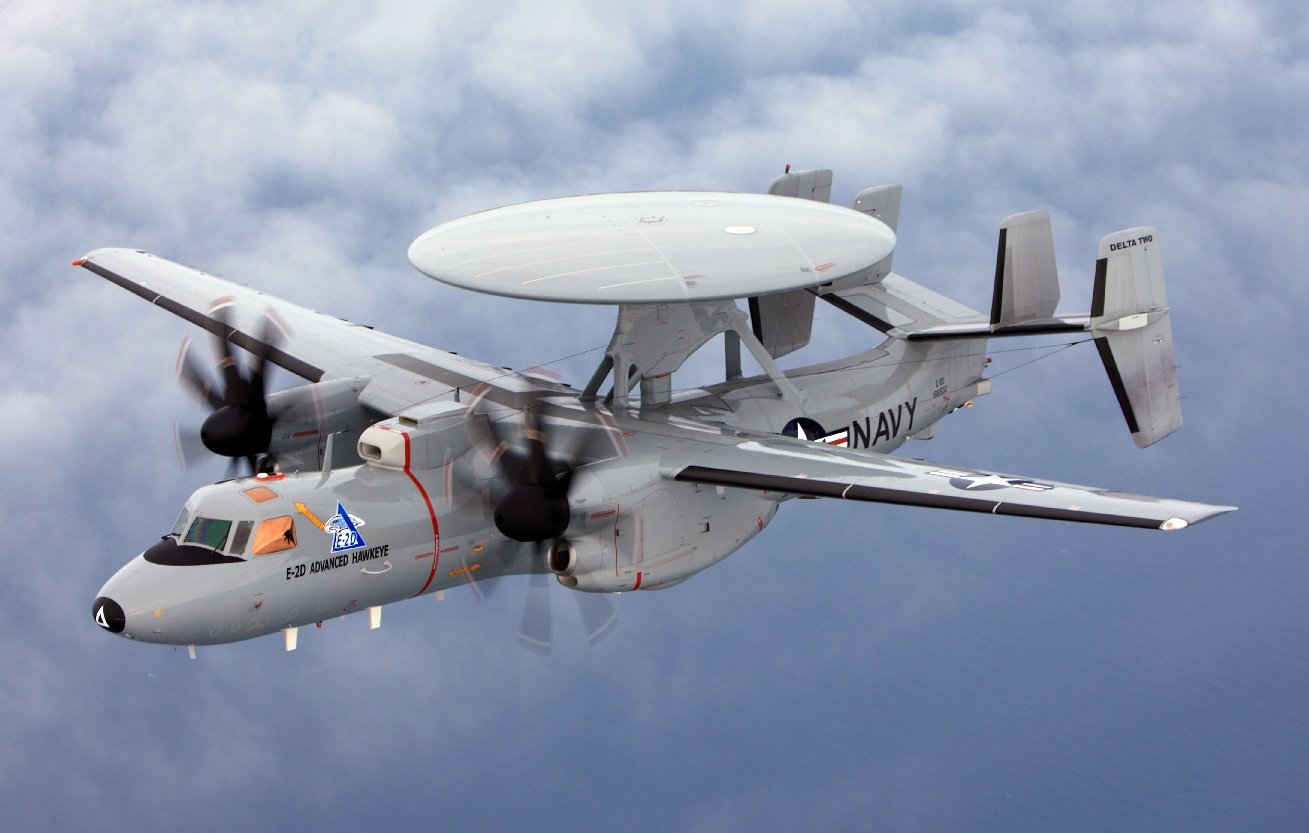 U.S. Navy Awards Northrop Grumman $1.2 Billion Deal for Three New E-2D Advanced Hawkeyes
-
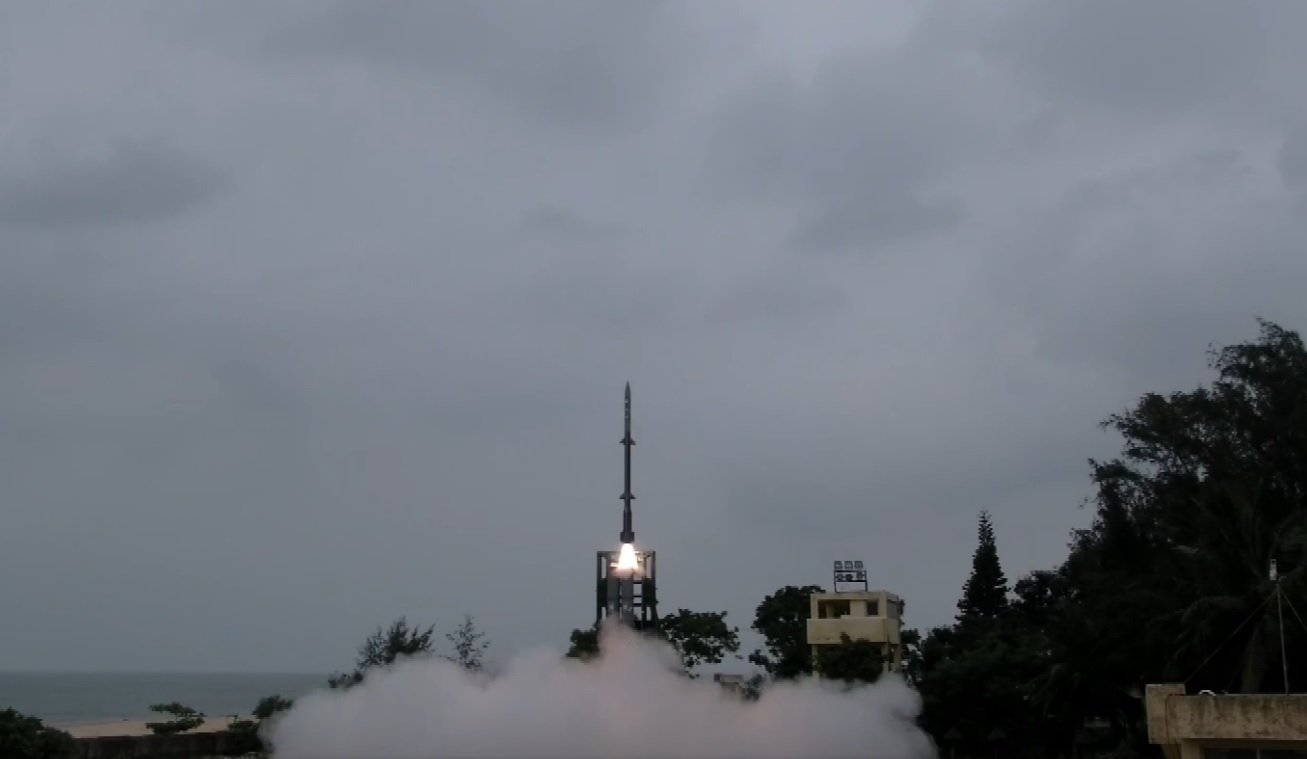 DRDO Successfully Conducts Maiden Flight Test of 150-km-Range Kusha M1 Air Defence Missile
-
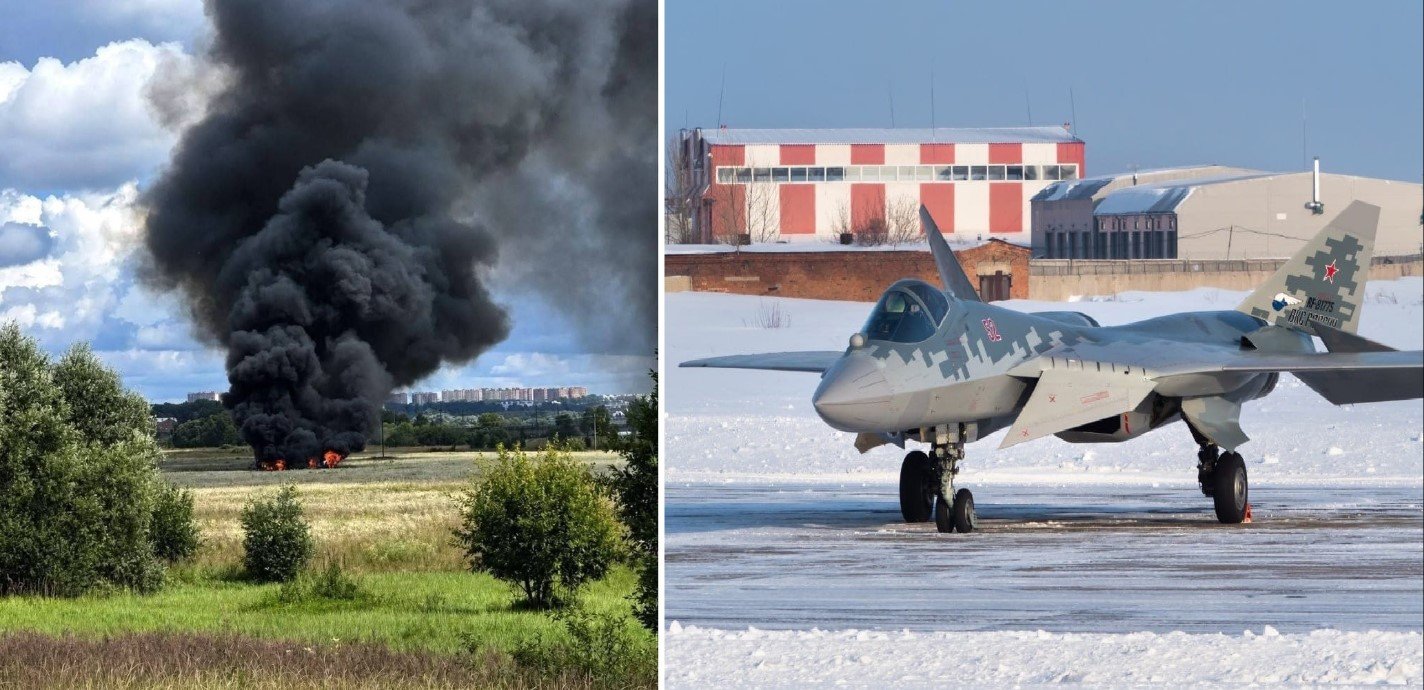 Russian Su-57 Stealth Fighter Crashes During Training Flight Near Moscow, Pilot Ejects Safely
-
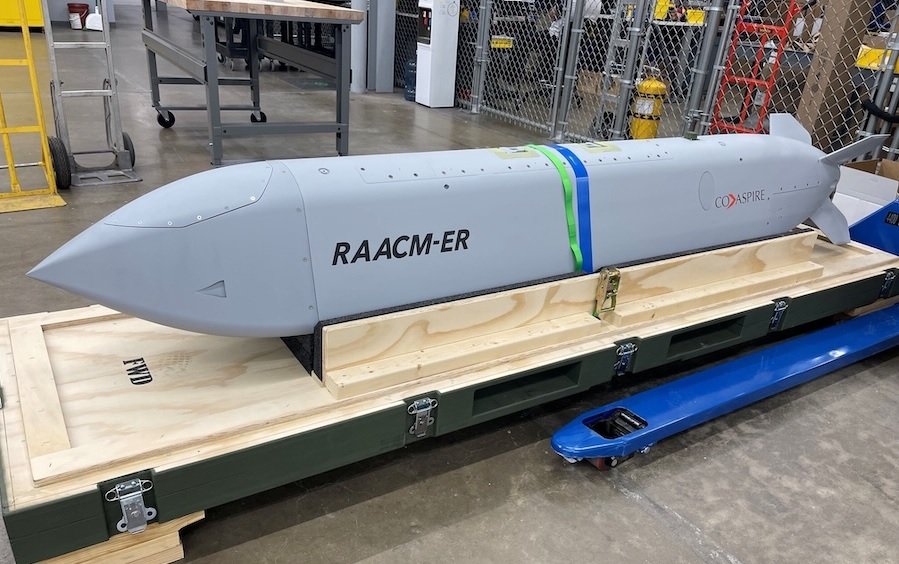 U.S. Navy Selects CoAspire to Build Ground-Launched CHAOS Cruise Missile Under $70 Million Program
-
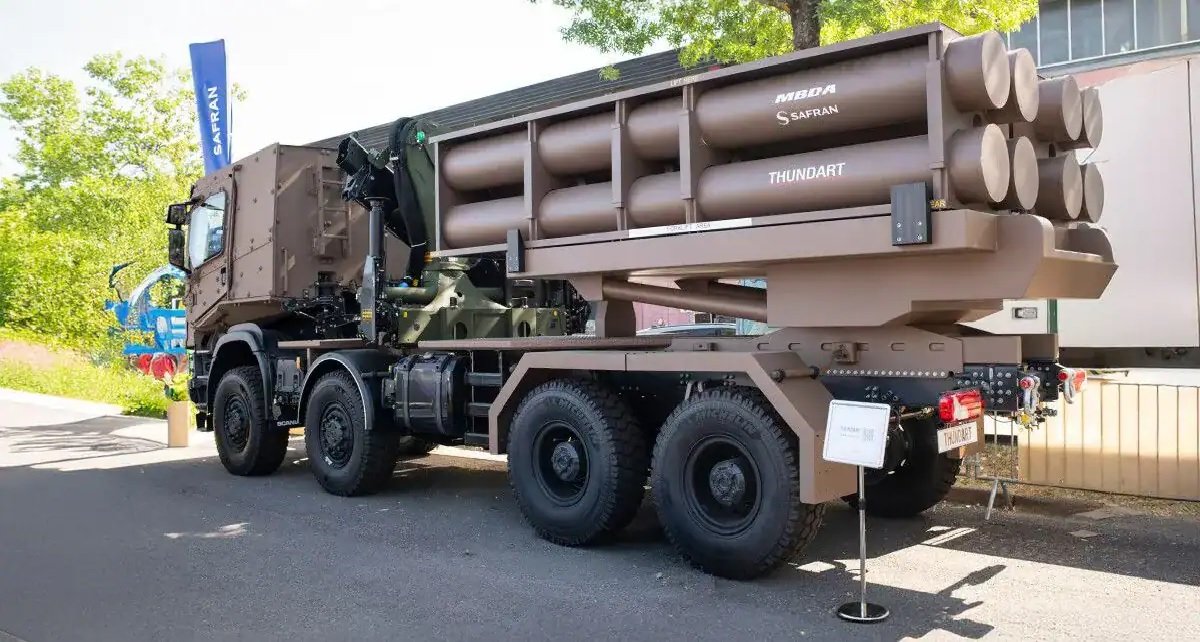 France's THUNDART Long-Range Rocket System May Undergo Prototype Combat Testing in Ukraine
-
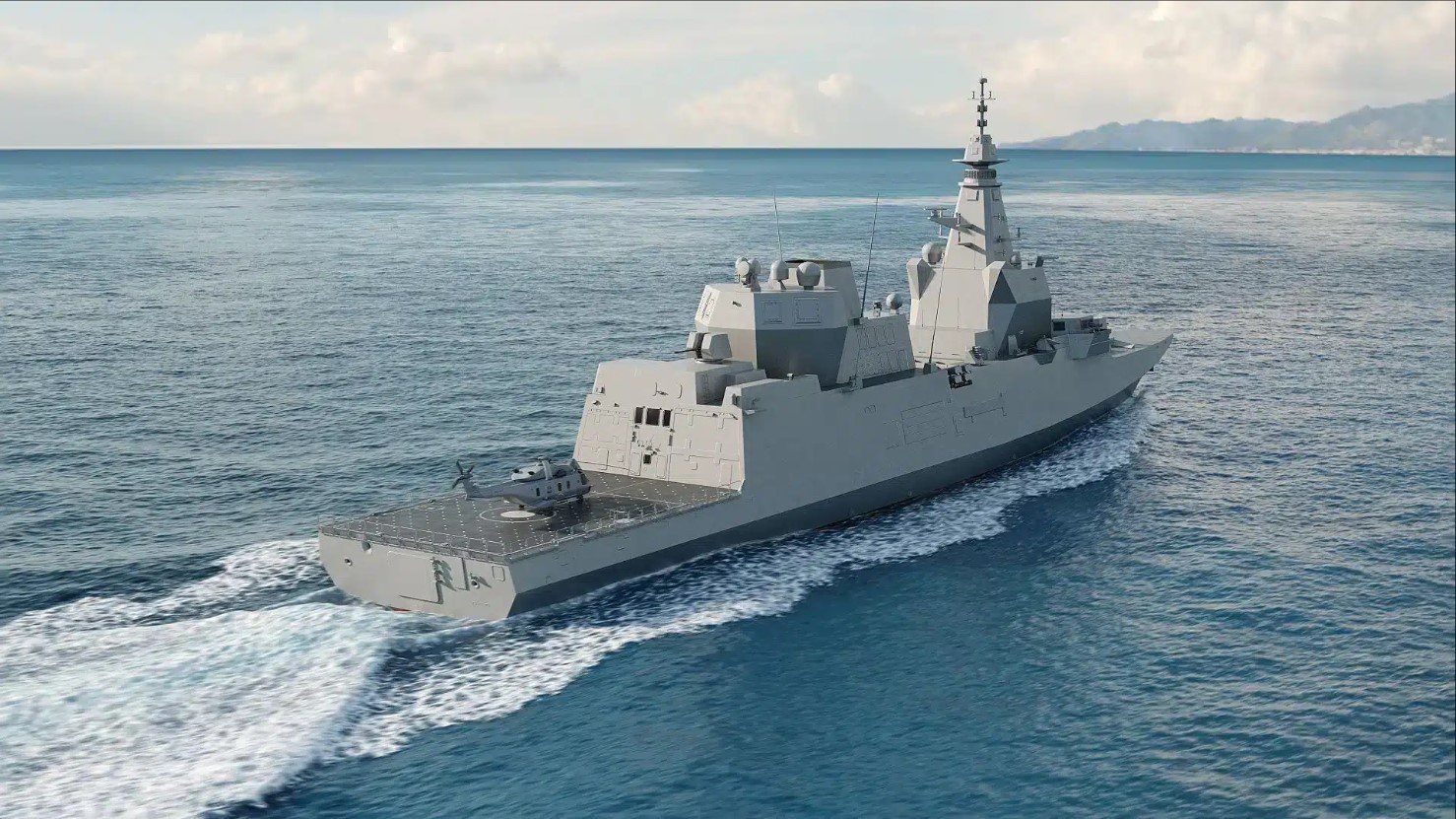 Portugal Orders Three FREMM EVO Frigates from Italy in €3.9 Billion Naval Deal
-
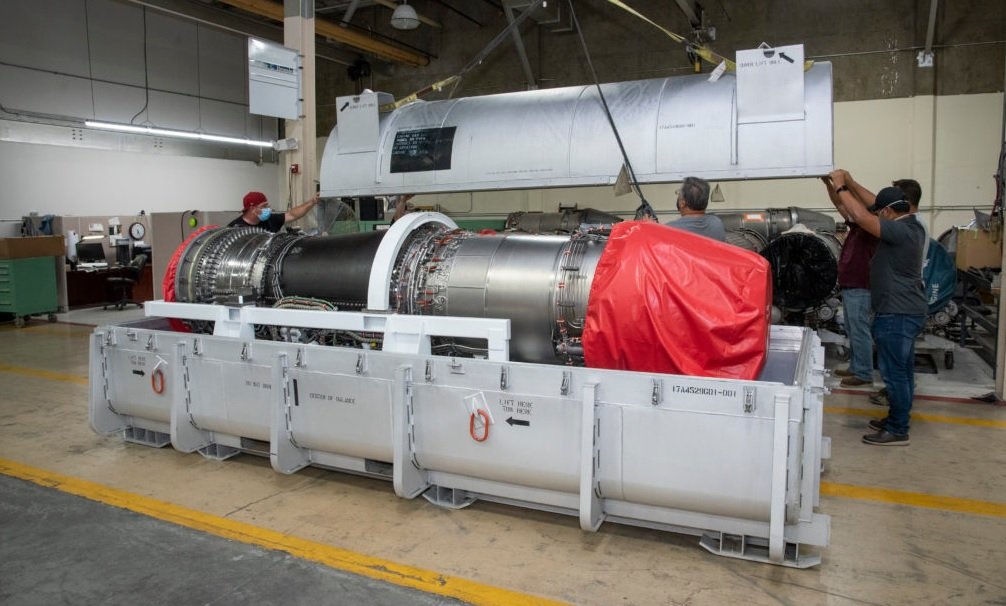 GE Aerospace and Magellan Aerospace Corporation Sign Strategic MoU for F414 Engine Sustainment in Canada
-
 Destinus Unveils Vorexon Interceptor Concept to Defend Critical Sites from Artillery Threats
Top Trending in 4 Days
-
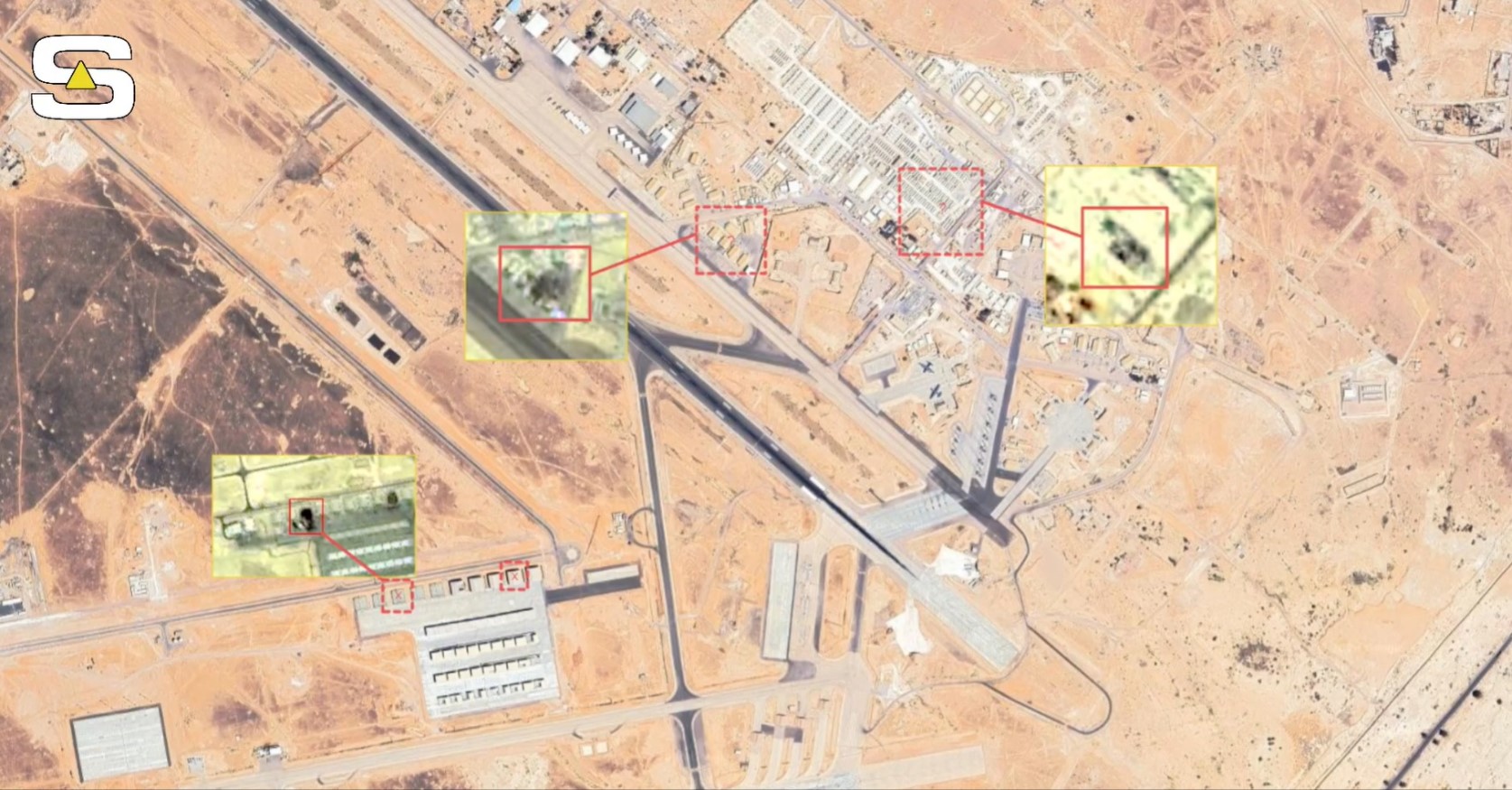 New Satellite Imagery Reveals Extensive Damage at Jordan's Muwaffaq al-Salti Air Base After Iranian Missile Strike
-
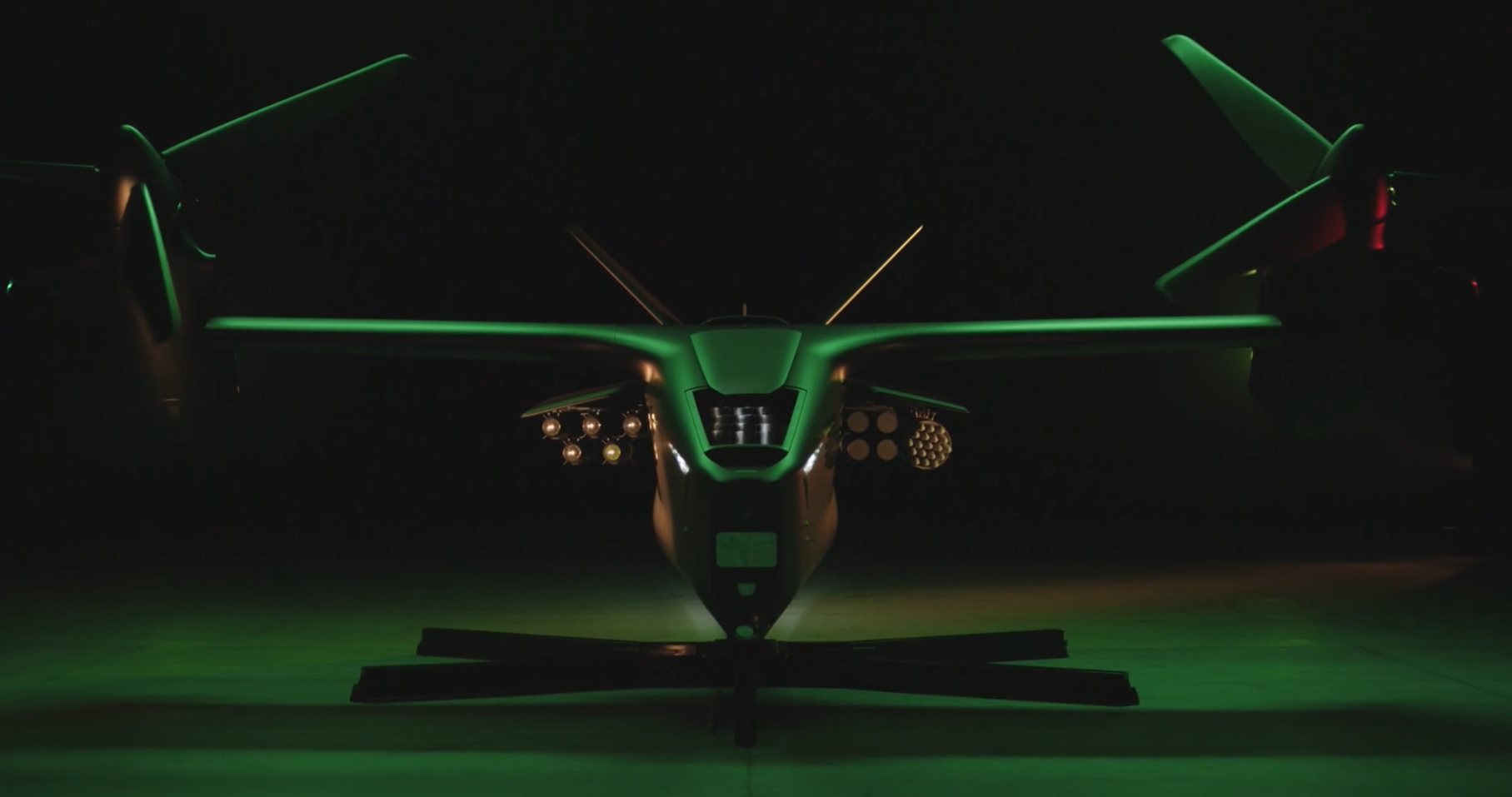 Anduril Unveils Thunder Autonomous Attack Rotorcraft Built with Archer Aviation to Support Apache Helicopters
-
 Iran Claims It Shot Down U.S.-Operated Polish-Built Tiguar-M Drone, Releases Images
-
 U.S. Marine Corps Selects AI-Powered Bullfrog Weapon Station for L-MADIS Counter-Drone Platform
-
 Pratt & Whitney Completes Testing of 3D-Printed TJ150 Engine for Military Applications
-
 Lockheed Martin Unveils MORFIUS X-Rotor High-Power Microwave System That Can Neutralize 50+ Drones in One Flight
-
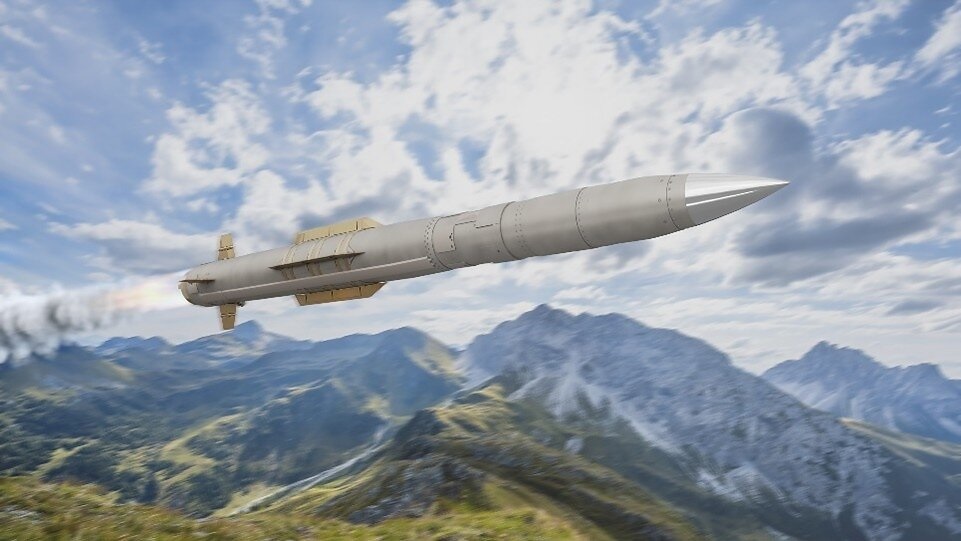 Lockheed Martin Unveils Lower-Cost PAC-3 ACE Interceptor for Patriot Air Defense System
-
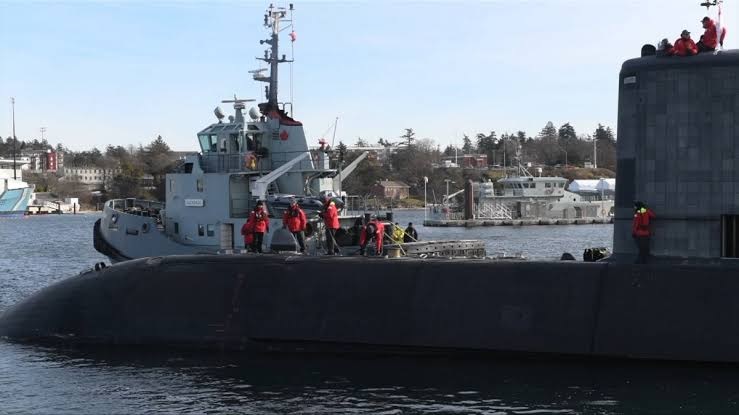 Canada Awards Babcock $1.1 Billion Six-Year Contract Extension to Support Victoria-Class Submarine Fleet
