KRAKOW, POLAND — February 23, 2026 : Europe’s five largest defence spenders—the United Kingdom, France, Germany, Italy, and Poland—have formally launched a joint initiative to develop and produce low-cost air defence systems and autonomous platforms, marking a coordinated effort to address the growing threat posed by inexpensive drones and missile systems.
The programme, titled Low-Cost Effectors & Autonomous Platforms (LEAP), was announced during a meeting of defence ministers from the European Group of Five (E5) in Krakow on February 20, 2026. The initiative is designed to accelerate the development, procurement and mass production of affordable surface-to-air weapons and autonomous aerial systems capable of countering uncrewed aerial systems (UAS) and other emerging threats.
Accelerated Procurement and Development Model
The LEAP framework departs from traditional, multi-year defence procurement cycles by prioritising speed, adaptability and artificial intelligence integration. Defence ministries from the five participating nations will invite proposals from established defence manufacturers as well as small and medium-sized technology enterprises.
The immediate focus of the programme is the development of a lightweight, cost-effective surface-to-air weapon system capable of neutralising drones and incoming missiles. According to the UK Ministry of Defence, the first functional project under the LEAP initiative is expected to be delivered and enter production by 2027, within approximately 12 months of the current agreements.
German Defence Minister Boris Pistorius stated that the objective is to “rapidly and cheaply develop innovative systems, in particular for defence against drones, and then just as rapidly produce them in large numbers,” underscoring the emphasis on scalable production.
Financial Commitments and Cost Strategy
While a consolidated programme budget has not been publicly disclosed, participating nations have confirmed substantial financial commitments. UK Minister for Defence Readiness and Industry Luke Pollard said that each country is contributing “multi-million-pound, multi-million-euro” funding to initiate the programme.
The economic rationale behind LEAP centres on correcting the cost imbalance in modern aerial warfare. European militaries have increasingly relied on high-value interceptor missiles and advanced fighter aircraft to respond to low-cost drones. Officials acknowledged that deploying multimillion-euro systems against threats that may cost only a few thousand euros to manufacture is not sustainable over the long term.
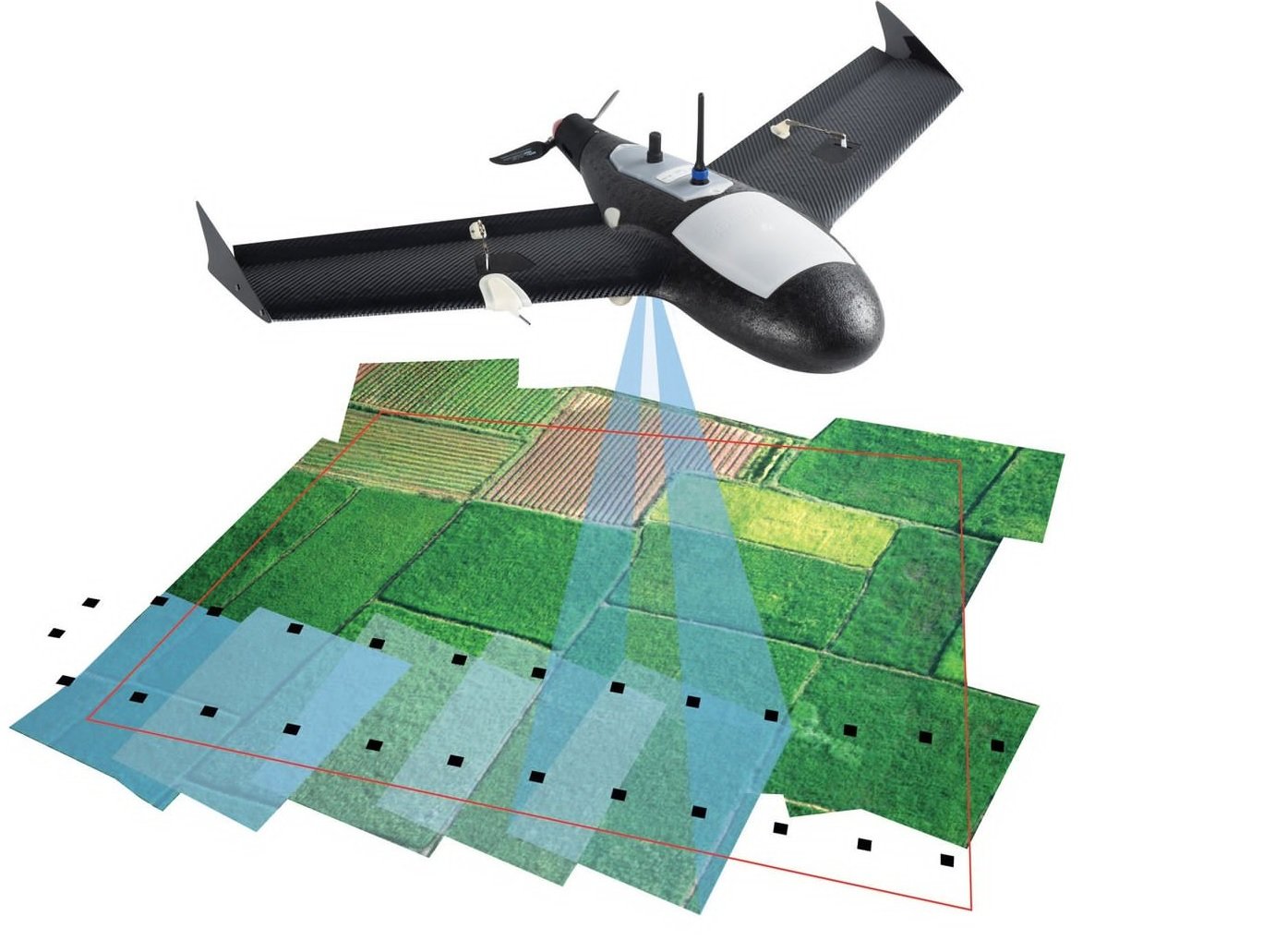
The programme therefore seeks to ensure that the cost of defensive interceptors and counter-drone systems more closely aligns with the relatively low cost of incoming threats. Proposed solutions include affordable kinetic interceptors and electronic effectors designed for detection, disruption and destruction of hostile drones.
Lessons from Ukraine’s Battlefield Experience
The structure and priorities of LEAP draw heavily on operational lessons from Ukraine, which has significantly expanded its domestic drone and autonomous weapons production since Russia’s full-scale invasion in February 2022. Over the past four years, Ukraine’s extensive use of unmanned systems and AI-enabled payloads has reshaped air defence strategies and battlefield planning across Europe.
Polish Defence Minister Władysław Kosiniak-Kamysz highlighted that the proliferation of drones along front lines and in rear areas has required a recalibration of air defence systems. He noted that unmanned systems and AI integration have fundamentally altered military operations, influencing the design and procurement priorities under LEAP.
The initiative also addresses incidents within NATO territory. In September 2025, NATO-allied forces in Poland were required to scramble high-cost fighter aircraft in response to rogue drones that were inexpensive to produce. Officials cited such cases as evidence of the need for layered, affordable counter-drone capabilities.
Broader NATO and European Security Context
The launch of LEAP forms part of a broader effort to strengthen NATO’s air defence posture and reinforce European strategic autonomy. Defence ministers discussed the need for a “more European NATO,” emphasising fair burden-sharing and enhanced regional capabilities amid questions about Washington’s long-term security commitments to the continent.
In parallel with LEAP, European nations are advancing plans for a coordinated “Drone Wall” along borders with Russia and Ukraine. The concept involves an integrated network of sensors and interceptors to detect, track and neutralise airspace violations across the eastern flank.
Defence spending commitments were also a key element of the discussions. The United Kingdom has pledged to raise defence expenditure to 2.6 percent of GDP by 2027. Poland, which hosted the E5 meeting, recorded defence spending of 4.48 percent of GDP last year, the highest within NATO relative to national output. Broader discussions within the alliance have included targets to increase defence spending toward five percent of GDP in the coming years.
Industrial Coordination and Production Capacity
Beyond operational requirements, LEAP aims to address fragmentation within Europe’s defence industrial base. The programme promotes joint procurement mechanisms and shared production lines to expand manufacturing capacity and ensure rapid scalability during periods of heightened demand.
By coordinating research, financing, artificial intelligence integration and production across five major defence economies, the E5 group seeks to create interoperable, cost-effective systems capable of protecting European and NATO airspace.
The first contracts under the LEAP programme are expected in 2027, with the initial systems intended to provide scalable, affordable protection against drones and missile threats. The initiative represents a coordinated shift in European defence planning toward high-volume, lower-cost air defence solutions tailored to contemporary security challenges.
——— End of Article ———