World
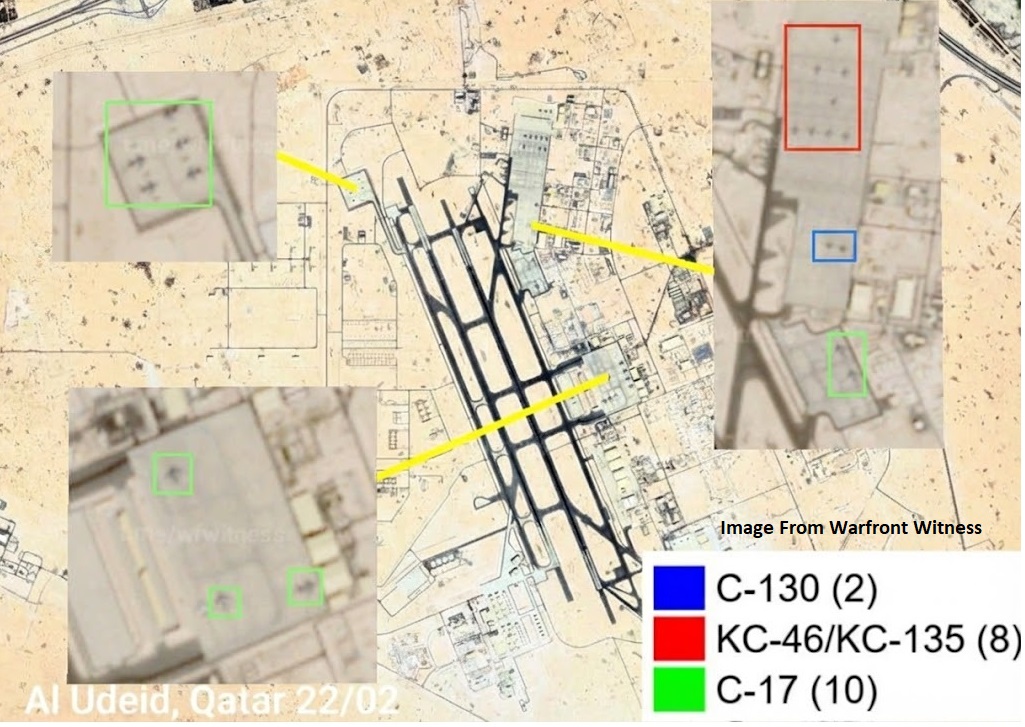
DOHA, Qatar — February 22, 2026 : Recent satellite imagery indicates a shift in the composition of United States military aircraft stationed at Al Udeid Air Base in Qatar, a primary hub for US operations in the Middle East and the forward headquarters of US Central Command. As of February 21–22, imagery shows two C-130 transport aircraft, eight aerial refueling tankers—primarily KC-135 models—and ten C-17 Globemaster III strategic airlifters at the base. A Qatari-operated C-17 is also present but is not included in the US aircraft count. While the total number of aircraft remains broadly consistent with recent observations, the distribution between refueling and cargo aircraft has changed. On February 17, the ratio of tankers to C-17 aircraft stood at 11 to 8. The latest imagery shows eight tankers and ten C-17 aircraft. The reduction in tanker aircraft corresponds with a reported decrease in refueling sorties from Al Udeid to Iraq. At the same time, the higher number of C-17 aircraft suggests increased material or personnel transport activity. C-17 airlifters typically spend only a few hours at regional bases to unload cargo and refuel, which can result in fewer aircraft being visible in satellite imagery at any given time. Deployment Trends Earlier in February Satellite data from earlier in February provides additional context. Imagery from February 1 showed one RC-135 reconnaissance aircraft, three C-130 aircraft, 18 KC-135 tankers, and seven C-17 aircraft. On January 17, imagery indicated 14 tankers and two C-17 aircraft at the base. By February 9, reports noted 15 KC-135 tankers stationed at Al Udeid. On February 11, at least 16 KC-135 tankers and one RC-135 reconnaissance aircraft were observed. Imagery dated February 19 showed a reduction in refueling aircraft and the relocation of electronic reconnaissance and special transport aircraft. By February 21, the number of KC-135 tankers had declined to eight. These changes coincide with broader US Air Force activity across the US Central Command area of responsibility. Since mid-January, more than 265 C-17 and C-5 flights have been conducted into the region, including at least 120 C-17 missions. Additional aerial refueling aircraft—up to 100 in total— have been deployed, with some positioned in Europe or en route to regional bases. Flight tracking data has recorded movements of E-3 airborne early warning aircraft, C-17 transports, KC-135 tankers, and HC-130 aircraft toward Al Udeid and other regional installations. Air Defense Enhancements at Al Udeid Satellite imagery also indicates the deployment of additional air defense systems at Al Udeid. Between mid-January and early February, multiple MIM-104 Patriot surface-to-air missile components were installed. On January 26, imagery showed approximately seven launchers, along with a command post, radar unit, and generator. These systems were mounted on mobile truck launchers. The deployments occurred amid heightened tensions with Iran. Open-source satellite analysis, including imagery attributed to Chinese commercial satellites, has highlighted the presence of Patriot and THAAD air defense systems in Qatar and Jordan. Relocation of Personnel and Aircraft Reports indicate that hundreds of US personnel have been withdrawn from Al Udeid and from facilities in Bahrain. Satellite imagery reflects a reduction in certain aircraft types at Al Udeid, particularly refueling tankers. At the same time, an increase in tanker aircraft has been observed at Prince Sultan Air Base in Saudi Arabia. As of February 20, a combined total of 29 refueling aircraft were stationed at Prince Sultan Air Base and Al Udeid. The redistribution suggests adjustments in basing arrangements rather than an overall decrease in aerial refueling capacity in the region. Flight origin data for air defense and support aircraft since mid-January includes Robert Gray Army Airfield (45 flights), Biggs Army Airfield (20), Kadena Air Base (6), Anniston (2), and Pope Army Airfield (2). Destination bases include Muwaffaq Salti Air Base in Jordan (31), Prince Sultan (15), Ali Al Salem in Kuwait (8), Al Udeid (4), and Isa in Bahrain (3). Broader US Military Posture in the Region The developments at Al Udeid form part of a wider US military presence in the Middle East since mid-January. Airlift operations include more than 80 C-17 flights, three C-5M flights, and multiple C-130 missions transporting troops and equipment. Up to 20 aerial refueling aircraft (KC-135 and KC-46) have been deployed, alongside HC-130J search-and-rescue aircraft, E-11A battlefield communications aircraft, and RC-135 reconnaissance platforms. Fighter aircraft movements include 12 F-22 Raptors, 36 F-16 aircraft, and 30 F-35A fighters. Six EA-18G Growler electronic warfare aircraft and five E-11A aircraft are operating from bases in Jordan and Saudi Arabia. Naval deployments include the USS Abraham Lincoln carrier strike group in the Arabian Sea and the USS Gerald R. Ford moving toward the Mediterranean. Five Arleigh Burke-class destroyers are positioned across the Mediterranean, Gulf of Oman, Persian Gulf, and Red Sea. The nuclear-powered submarine USS Georgia is operating in the Mediterranean. These deployments are occurring amid ongoing tensions with Iran, including public statements from Iranian officials regarding readiness to respond to potential threats. US officials have not issued public comments on the specific aircraft composition changes at Al Udeid Air Base.
Read More → Posted on 2026-02-22 16:54:41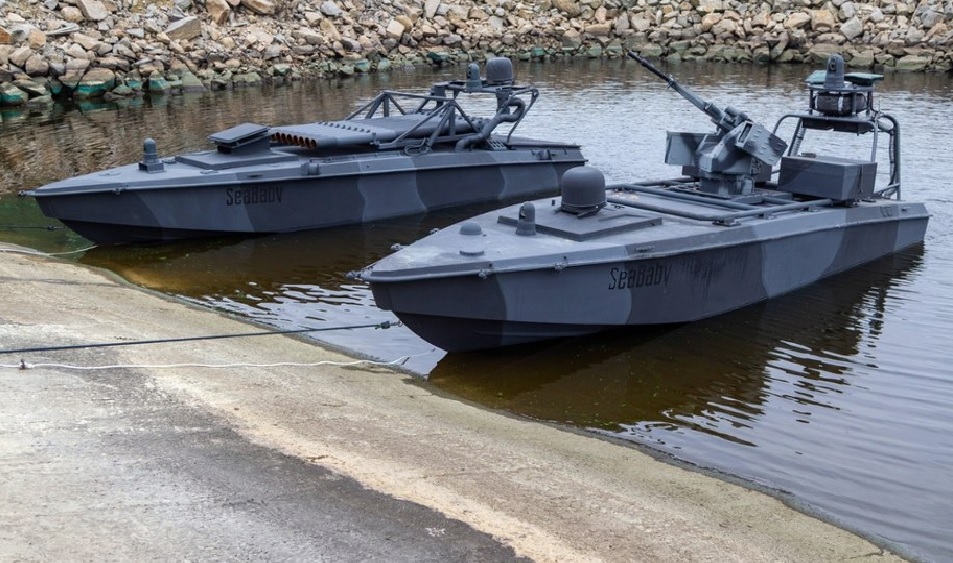
World
KYIV / TOKYO : Ukrainian President Volodymyr Zelenskyy has formally expressed Ukraine’s readiness to share its battle-tested naval drone technology with Japan as part of an expanded framework for bilateral defense cooperation, according to remarks made in a recent interview with Japan’s Kyodo News. The proposal includes joint production, technology transfer, and operational knowledge-sharing in key areas of modern warfare. It is positioned as a reciprocal arrangement under which Ukraine would provide expertise developed during its ongoing war with Russia, while seeking cooperation from Japan in advanced air defense manufacturing, including systems capable of countering ballistic missile threats. Naval Drone Technology at the Core of Proposal Central to Zelenskyy’s offer is Ukraine’s experience in deploying unmanned surface vehicles (USVs), commonly referred to as sea drones, for coastal defense and maritime strike operations. Despite lacking a conventional blue-water navy, Ukraine has developed and operationally deployed domestically produced naval drones, including the Magura V5 and the Sea Baby series. These systems have been used in attacks targeting Russia’s Black Sea Fleet, contributing to the relocation of several Russian naval assets away from occupied Crimean ports and reducing direct maritime pressure on Ukraine’s coastline. Zelenskyy stated that Ukraine is prepared to “open its technologies,” specifically citing naval drones designed for coastline protection. He noted that the absence of a traditional fleet did not prevent Ukraine from using asymmetric maritime tactics to challenge a larger naval force. The proposed cooperation with Japan includes potential joint production arrangements, licensed manufacturing, technical documentation exchange, and the sharing of combat experience derived from operational deployment in contested maritime environments. Broader Military and Security Cooperation In addition to naval drone systems, Zelenskyy outlined other areas where Ukraine is prepared to share expertise developed since the start of Russia’s full-scale invasion. These areas include cybersecurity and electronic warfare, where Ukraine has accumulated extensive experience defending against cyberattacks and electronic disruption targeting military and civilian systems. Ukraine also offered knowledge related to interceptor drones — automated and AI-assisted aerial systems designed to detect and neutralize reconnaissance and strike drones. Such systems have become a key component of layered air defense against loitering munitions and low-altitude threats. Another area of proposed cooperation involves crisis management and infrastructure resilience. Ukraine has implemented large-scale emergency response and grid-repair strategies to maintain energy generation and distribution during sustained missile and drone attacks. This includes rapid restoration techniques, decentralized power solutions, and hardened infrastructure planning. Strategic Context for Japan For Japan, the potential acquisition or co-development of cost-effective unmanned maritime systems could complement its existing naval capabilities. Japan faces ongoing maritime tensions in the East China Sea, including around the Senkaku Islands, and broader strategic competition in the Indo-Pacific. It also monitors missile and naval developments by China and North Korea. Defense analysts assess that unmanned surface vessels equipped for reconnaissance or strike missions could provide additional coastal defense and deterrence capabilities without exposing crewed vessels to direct risk. Such systems may also support area denial strategies in island chains and contested maritime zones. Japan’s Maritime Self-Defense Force has been expanding its focus on unmanned systems as part of its broader modernization strategy. Ukraine’s Interest in Air Defense Cooperation In return, Ukraine is seeking deeper cooperation with Japan’s defense manufacturing sector, particularly in air defense systems capable of intercepting ballistic missiles. Zelenskyy noted that Japan is among the countries that possess licensed production or domestic manufacturing capacity for advanced air defense interceptors, including Patriot surface-to-air missile systems produced under U.S. license. Ukraine continues to face regular ballistic and cruise missile attacks targeting urban centers and energy infrastructure. Strengthening interceptor production capacity and securing a stable supply chain for air defense munitions remains a priority for Kyiv. Japan has historically maintained strict arms export controls under its pacifist postwar framework. However, the Japanese government has eased certain restrictions in recent years to allow greater defense industrial cooperation with partners. In late 2025, Japan transferred domestically produced Patriot interceptors to the United States to help replenish U.S. stockpiles. Those U.S. stockpiles support broader allied security assistance efforts, including aid to Ukraine. Zelenskyy’s proposal envisions more direct industrial cooperation, potentially involving joint production, licensed assembly, or technical collaboration related to air defense components. Diplomatic Engagement Zelenskyy indicated his readiness to meet Japanese Prime Minister Sanae Takaichi to discuss the proposal in detail. He stated that such discussions could take place in Ukraine, in Japan, or on the sidelines of an upcoming multilateral summit. The proposed framework, if advanced, would represent an expansion of Ukraine–Japan defense ties beyond financial and humanitarian assistance into operational and industrial collaboration. Discussions are expected to focus on feasibility, legal frameworks governing technology transfer, and alignment with Japan’s defense export regulations. No formal agreement has yet been announced, but officials from both sides are expected to continue consultations regarding the scope and structure of potential cooperation.
Read More → Posted on 2026-02-22 16:05:30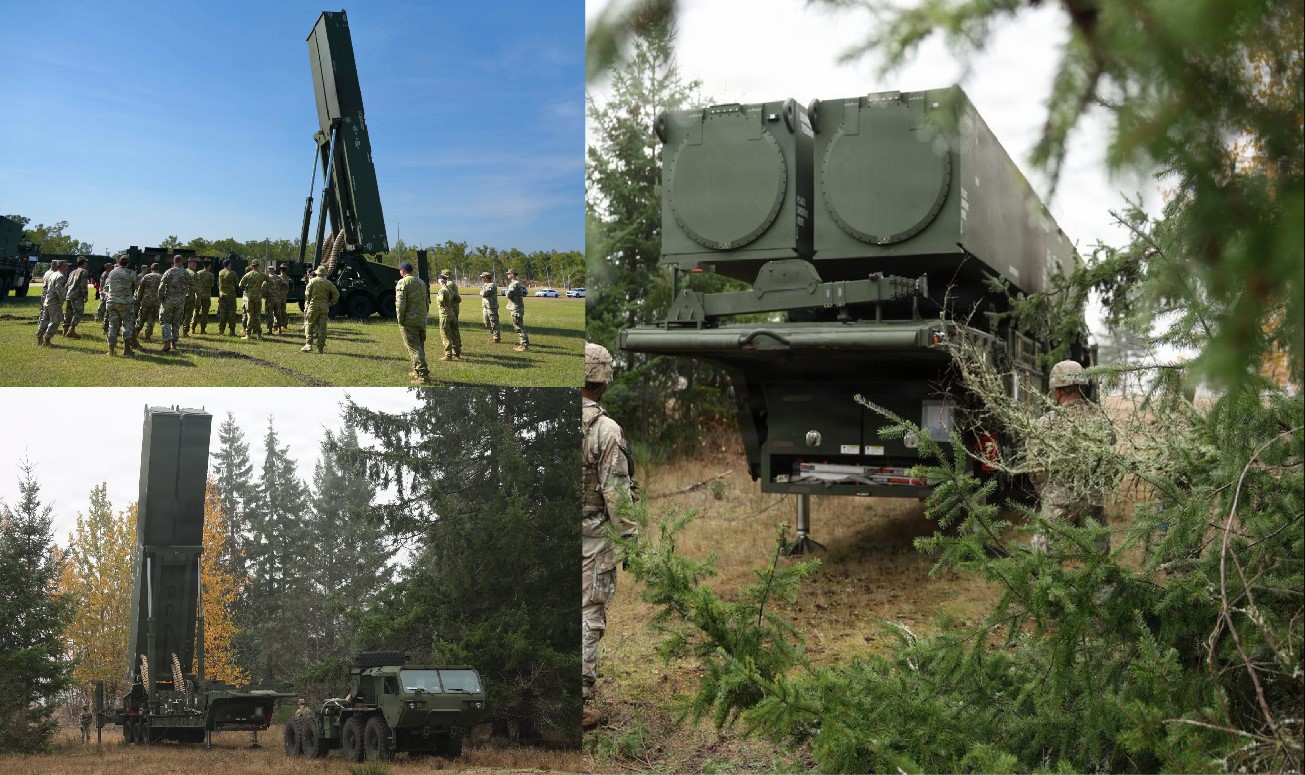
World
WASHINGTON : The United States Army briefly published and then removed official photographs of its Long Range Hypersonic Weapon (LRHW), commonly referred to as the “Dark Eagle,” without providing a public explanation. The images, which were posted through official channels, were subsequently deleted but circulated widely across defense-focused online platforms and social media. The incident has drawn attention within defense circles because the LRHW represents one of the Pentagon’s most advanced conventional long-range strike capabilities. Public release of imagery related to operational hypersonic systems is typically tightly managed, particularly as such programs transition from developmental testing to active fielding. Images Linked to Exercise Talisman Sabre 25 According to the original captions accompanying the photographs, credited to photographer Perla Alfaro, the images documented a capabilities briefing on the LRHW system held in the Northern Territory of Australia on July 9, 2025. The event occurred during Exercise Talisman Sabre 25, a major bilateral military exercise between the United States and Australia focused on combined high-end warfighting operations and allied interoperability. The photographs reportedly showed personnel from B Battery (Dark Eagle), 5th Battalion, 3d Field Artillery Regiment (Long Range Fires Battalion). The imagery appeared to include launcher components and system configurations associated with preparations for operational deployment. The presence of the LRHW during Talisman Sabre 25 indicated its integration into joint operational planning and multinational exercises. The exercise is designed to enhance coordination between U.S. and Australian forces across air, land, sea, cyber, and space domains. System Overview and Technical Specifications The Long Range Hypersonic Weapon, designated “Dark Eagle,” is a trailer-mounted, surface-to-surface hypersonic strike system developed to engage heavily defended, high-value, and time-sensitive targets at extended ranges. Unlike traditional ballistic missiles that follow a predictable parabolic trajectory, the LRHW employs a boost-glide mechanism. A solid-propellant rocket booster carries the system into the upper atmosphere. After separation, the booster releases the Common-Hypersonic Glide Body (C-HGB), which then travels unpowered toward its target at hypersonic speeds. The glide body maneuvers within the atmosphere, complicating detection, tracking, and interception by current air and missile defense systems. The primary contractors for the system are Lockheed Martin, responsible for the booster and overall missile assembly, and Dynetics, which develops the Common-Hypersonic Glide Body. The system is reported to achieve speeds exceeding Mach 5, equivalent to more than 3,800 miles per hour (approximately 6,100 kilometers per hour). Recent statements from Army modernization officials indicate that the operational range has been updated to approximately 3,500 kilometers (about 2,175 miles), an increase from earlier figures of approximately 2,775 kilometers. The weapon relies primarily on kinetic energy generated by hypersonic impact. It carries a relatively small warhead, described as under 30 pounds, designed to disable or destroy targets such as radar installations, air defense nodes, and command infrastructure through high-velocity impact and fragmentation effects. The estimated unit cost per missile is approximately $41 million. Battery Structure and Mobility The LRHW is structured as a mobile ground-based system designed to operate across dispersed environments and reposition quickly to enhance survivability. A standard LRHW battery consists of four Transporter Erector Launchers (TELs). Each TEL is mounted on a modified M870A4 trailer and towed by an M983 heavy expanded mobility tactical truck. Each launcher carries two All-Up Round plus Canister (AUR+C) missiles, for a total of eight missiles per battery. The battery also includes a Battery Operations Center (BOC) for command and control, along with a dedicated support vehicle for the operations center. The mobile configuration is intended to allow rapid deployment, relocation, and integration into multi-domain operations, supporting the Army’s broader modernization strategy. Program Costs and Procurement Plans The development and fielding of hypersonic systems require substantial financial investment due to the technological complexity involved in advanced propulsion, precision guidance, and materials engineered to withstand extreme aerodynamic heating. According to data from the U.S. Government Accountability Office (GAO), the cost of fielding the first operational Dark Eagle battery is estimated at approximately $2.7 billion. This figure includes both the missiles and associated ground support equipment. Following the equipping of the 1st Multi-Domain Task Force at Joint Base Lewis-McChord, the Department of Defense awarded Lockheed Martin a $756 million contract modification to provide ground support equipment for a second LRHW battery. That second battery is projected for fielding by 2026. The Army has outlined a long-term procurement objective of up to 300 hypersonic strike missiles. No Official Explanation for Deletion The U.S. Army has not issued a clarifying statement regarding whether the removal of the photographs was the result of an administrative error or a deliberate action tied to operational security considerations. The brief publication and subsequent deletion of the images occurred as the Army continues to advance the deployment of the Dark Eagle system as part of broader efforts to expand long-range precision strike capabilities within the U.S. military’s conventional deterrence framework.
Read More → Posted on 2026-02-22 15:50:43
World
JERUSALEM : Israeli Prime Minister Benjamin Netanyahu has outlined a proposal to establish a new multi-regional strategic framework linking countries across the Mediterranean basin, the Middle East, Africa, and Asia, with India positioned as a central partner. The initiative, described by Netanyahu as a “hexagon of alliances,” is intended to consolidate political, economic, and security coordination among like-minded states. The announcement was made ahead of a weekly cabinet meeting on Sunday, just days before Indian Prime Minister Narendra Modi is scheduled to arrive in Israel for a two-day state visit beginning Wednesday, February 25. Structure of the Proposed Alliance According to Netanyahu, the envisioned bloc would connect the Mediterranean region to the Indo-Pacific through coordinated partnerships. The structure, as outlined by the Israeli Prime Minister, includes six broad pillars. India would serve as the primary Asian anchor within the framework. Netanyahu referred to India as a “gigantic power” and emphasized its growing economic and strategic weight in global affairs. Greece and Cyprus form the Mediterranean component of the initiative. Both countries maintain established defense, energy, and diplomatic ties with Israel, and have been engaged in trilateral cooperation mechanisms for over a decade. The proposed structure would also incorporate unnamed Arab states. While specific countries were not identified, officials indicated that the likely participants would be states that have either normalized relations with Israel under the Abraham Accords or maintain quiet security coordination with Jerusalem. In addition, the framework would include undisclosed African and Asian nations that share similar security and economic objectives. Netanyahu stated that the intention is to bring together countries that “see reality, the challenges, and the goals in the same way.” Strategic Objectives Netanyahu said the initiative is designed to counter what he described as two distinct regional blocs. The first is the “radical Shiite axis,” led by Iran and including aligned armed groups operating in Lebanon, Syria, Iraq, and Yemen. Israel has conducted sustained military operations in recent years targeting Iranian-linked infrastructure and proxy capabilities across multiple theaters. The second is what Netanyahu referred to as an emerging “radical Sunni axis.” While he did not publicly name the states involved, regional defense analysts have noted concerns about shifting alignments among certain Sunni-majority countries that could constrain Israel’s strategic maneuverability, including in the Red Sea and eastern Mediterranean regions. By integrating advanced economies, energy partners, and strategically positioned states, Israeli officials indicate the objective is to establish a coordinated deterrence and economic architecture that limits the influence of both blocs. India–Israel Bilateral Engagement The timing of the announcement coincides with Prime Minister Narendra Modi’s upcoming visit to Israel. Netanyahu described Modi as a “personal friend” and highlighted the expansion of bilateral ties since diplomatic relations were upgraded in recent years. During the visit, Prime Minister Modi is expected to deliver a formal address to the Knesset. He will also visit the Yad Vashem Holocaust memorial alongside Netanyahu and participate in a joint innovation summit in Jerusalem. Officials from both governments have confirmed that multiple agreements are scheduled to be signed during the visit. These are expected to cover expanded cooperation in economic policy, technology development, security coordination, and high-tech industry partnerships. A particular focus will be placed on artificial intelligence (AI), quantum computing, and advanced defense systems. Both countries have prioritized technological self-reliance and sovereign digital infrastructure, and discussions are expected to include joint research, industrial collaboration, and startup ecosystem integration. Mediterranean Trilateral Foundation The inclusion of Greece and Cyprus builds upon an existing trilateral partnership between the three eastern Mediterranean countries. Over the past decade, Israel, Greece, and Cyprus have expanded cooperation in military exercises, intelligence sharing, and energy infrastructure planning. One of the major infrastructure initiatives under discussion in recent years has been the Great Sea Interconnector, an undersea electricity cable project intended to link the power grids of Israel, Cyprus, and Greece with mainland Europe. The project is viewed as part of broader regional energy integration efforts. Joint naval drills, air force exercises, and coordinated search-and-rescue operations have also become routine components of the trilateral partnership. Energy exploration and offshore gas infrastructure protection remain central to the cooperation agenda. By incorporating India and additional Arab, African, and Asian partners into this framework, Israeli officials suggest the aim is to extend a Mediterranean-based cooperation model into a wider trans-regional corridor connecting Europe, the Middle East, and the Indo-Pacific. Diplomatic Context The proposal comes at a time of continued regional realignment following the Abraham Accords and amid ongoing security tensions involving Iranian-backed networks across multiple fronts. Israeli officials have increasingly emphasized multi-layered partnerships that combine security coordination, technological collaboration, energy connectivity, and infrastructure development. The proposed “hexagon of alliances” appears to consolidate these strands into a single strategic concept. Further details regarding participating countries and formal institutional mechanisms have not yet been released. Israeli officials indicated that additional discussions will take place during Prime Minister Narendra Modi’s visit and in subsequent diplomatic engagements with Mediterranean, Arab, African, and Asian partners.
Read More → Posted on 2026-02-22 15:33:57
World
WARSAW : Poland is implementing one of the most extensive armored force modernization programs in Europe, with a stated objective of fielding approximately 1,100 main battle tanks by 2030. According to current defense planning data, this target would place Poland ahead of the combined active main battle tank inventories of Germany, France and the United Kingdom, significantly reinforcing NATO’s eastern flank posture. The expansion forms part of Warsaw’s broader force development strategy aimed at strengthening territorial defense, increasing conventional deterrence, and replacing legacy Soviet-era platforms with modern Western systems. Western European Tank Inventories in Context Recent force data shows that major Western European NATO members operate comparatively smaller armored fleets following post-Cold War reductions. Germany’s armed forces, the Bundeswehr, currently field approximately 295 Leopard 2 main battle tanks across 2A6 and 2A7 standards, with incremental modernization and limited expansion plans underway. France operates around 222 Leclerc main battle tanks. Most of these platforms are undergoing mid-life upgrades to the Leclerc XLR configuration, extending operational service life and enhancing digital integration. The United Kingdom maintains approximately 148 active Challenger 2 tanks. All 148 are being upgraded to the Challenger 3 standard, with remaining legacy hulls scheduled for retirement. Combined, Germany, France and the United Kingdom field approximately 665 active main battle tanks — substantially below Poland’s projected 2030 force level. Poland’s Current Tank Fleet Poland’s existing armored inventory consists of a mix of Western and legacy platforms. The Polish Land Forces operate approximately 250 German-made Leopard 2 tanks, including 2A4, 2A5 and modernized 2PL variants. The Leopard 2PL upgrade program enhances fire-control systems, armor protection and battlefield survivability. Poland also retains PT-91 Twardy tanks, domestically produced and heavily modernized derivatives of the Soviet-designed T-72. A number of older T-72 variants have been transferred to Ukraine, accelerating Warsaw’s transition toward newer platforms. M1 Abrams Procurement Program Poland has signed contracts with the United States for a total of 366 M1 Abrams tanks. This includes: 250 M1A2 SEPv3 tanks, the latest production configuration manufactured by General Dynamics. 116 refurbished M1A1 FEP “Situational Awareness” tanks previously operated by the U.S. Marine Corps. Deliveries are underway. The M1A1 FEP tanks are intended to rapidly replenish units affected by equipment transfers to Ukraine, while the M1A2 SEPv3 platforms will form the core of Poland’s long-term heavy armored capability. K2 Black Panther Acquisition and Domestic Production Poland has also entered into large-scale framework agreements with South Korea’s Hyundai Rotem for up to 1,000 K2 Black Panther tanks. The first executive contract covers 180 K2 tanks manufactured in South Korea. Many of these vehicles have already been delivered and are entering operational service. Subsequent phases provide for the licensed domestic production of up to 820 K2PL variants in Poland. The K2PL configuration will incorporate modifications tailored to Polish operational requirements, including enhanced armor, adapted communications systems and potential integration of domestic subsystems. The combination of Leopard 2 upgrades, Abrams acquisitions and the K2/K2PL program forms the basis of Poland’s objective to reach approximately 1,100 operational main battle tanks by 2030. Anti-Tank Guided Missile Capabilities In parallel with tank modernization, Poland is expanding its anti-tank guided missile (ATGM) inventory to support mechanized and territorial defense formations. Poland’s primary heavy anti-tank system is the Israeli-designed Spike-LR missile, produced domestically under license by Mesko. Current inventory estimates indicate that Poland possesses several thousand Spike-LR missiles, supported by hundreds of launch units deployed across mechanized brigades. To strengthen portable anti-armor capability, Poland has acquired significant quantities of the U.S.-made FGM-148 Javelin system. Procurement agreements signed with the United States cover approximately 180 Javelin launch units and more than 1,800 missiles. Deliveries have been ongoing to equip both regular forces and Territorial Defense units. Additionally, Poland has procured Spike-LR2 missiles in recent years, further expanding its modern anti-armor inventory. Future Polish infantry fighting vehicles, including the domestically developed Borsuk platform, are designed to integrate Spike missile systems as standard equipment. This integration enables mechanized units to maintain organic anti-tank firepower alongside heavy armored formations. Force Structure Outlook Toward 2030 By combining upgraded Leopard 2 tanks, 366 M1 Abrams tanks, and up to 1,000 K2/K2PL tanks under phased acquisition plans, Poland is restructuring its armored force into one of the largest and most modern tank fleets in Europe. The expansion of both heavy armor and anti-tank guided missile inventories reflects a comprehensive modernization approach, focused on conventional ground combat capability, interoperability with NATO systems, and sustained deterrence along the alliance’s eastern frontier. Current procurement schedules indicate that the majority of new tank deliveries and domestic production milestones are planned for completion before the end of the decade, aligning with Poland’s 2030 operational target.
Read More → Posted on 2026-02-22 15:18:10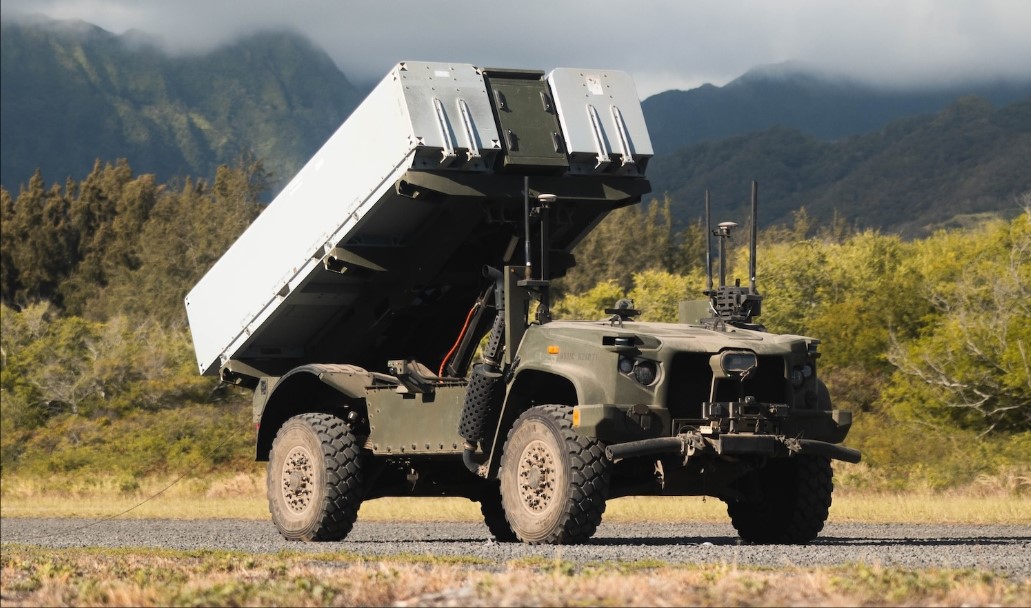
World
WASHINGTON, : The U.S. Department of Defense has awarded Oshkosh Defense a $16.9 million contract modification for the delivery of additional Remotely Operated Ground Unit for Expeditionary Fires (ROGUE-Fires) carriers, expanding the U.S. Marine Corps’ Navy Marine Expeditionary Ship Interdiction System (NMESIS) inventory. The award supports the Marine Corps’ transition toward distributed maritime strike operations under its Expeditionary Advanced Base Operations (EABO) framework. The modification, issued as a hybrid firm-fixed-price and cost-plus-fixed-fee delivery order, covers procurement of hardware as well as continued systems integration activities. The firm-fixed-price portion funds vehicle production, while the cost-plus-fixed-fee component supports engineering updates, software development, and integration of command-and-control interfaces into broader naval targeting networks. Integration Within Joint Kill Chain Architecture The NMESIS capability is designed to function as part of a larger joint kill chain architecture linking Marine Corps and Navy sensors and shooters. Through integration with space-based and airborne intelligence, surveillance, and reconnaissance (ISR) assets, NMESIS launchers can receive targeting data without requiring organic radar emissions at forward positions. This networked approach enables remote cueing of missile launches while limiting the exposure of deployed Marine personnel. The hybrid contracting structure allows continued refinement of system interfaces, digital communications security, and interoperability with joint force targeting systems. The integration effort ensures compatibility with naval command-and-control frameworks and evolving data-sharing architectures across the services. Platform Configuration: ROGUE-Fires Carrier The ROGUE-Fires carrier is built on the chassis of the U.S. Marine Corps Joint Light Tactical Vehicle (JLTV), adapted into an unmanned configuration. The crew compartment is removed entirely to accommodate missile launcher components and autonomous control systems. The platform retains the JLTV’s high-mobility independent suspension, off-road performance characteristics, and payload capacity. It employs drive-by-wire controls, secure communications links, and autonomous navigation systems. Operational modes include remote teleoperation and leader-follower functionality, enabling a single control element to manage multiple vehicles from a standoff location. By leveraging the mature JLTV architecture, the Marine Corps reduces developmental risk and sustains the tactical wheeled vehicle industrial base. The approach also accelerates fielding timelines by adapting an existing production platform rather than introducing a new vehicle design. Missile System: Naval Strike Missile Each NMESIS launcher carries two ready-to-fire Naval Strike Missiles (NSM). The missile is produced by Kongsberg Defence & Aerospace in partnership with Raytheon. The NSM is a sea-skimming cruise missile capable of engaging maritime targets at ranges exceeding 100 nautical miles (approximately 185 kilometers). It features an imaging infrared (IIR) seeker for terminal guidance and target discrimination. The missile operates passively during its approach phase, avoiding radio-frequency emissions that could trigger conventional electronic warning systems. Its low-altitude flight profile is designed to reduce radar detection and improve survivability in contested environments. Force Structure and Procurement Objectives Current Marine Corps procurement plans call for fielding a total of 261 NMESIS launchers by 2030. Once fully operational, these systems will be organized into 14 medium-range missile batteries. Three batteries are designated for assignment to Marine Littoral Regiments (MLRs) operating in the Pacific theater. The remaining 11 batteries will be based in the continental United States and aligned with rotational Marine Expeditionary Unit (MEU) deployments, enabling flexible force projection and global response options. The additional ROGUE-Fires carriers funded under the February 20 contract modification contribute to this broader force design objective, incrementally expanding the service’s distributed anti-ship strike inventory. Operational Role in Distributed Maritime Operations NMESIS supports the Marine Corps’ EABO concept by enabling dispersed, shore-based anti-ship capabilities. The unmanned nature of the ROGUE-Fires carrier allows rapid displacement after missile launch, reducing vulnerability to counter-battery fire and persistent ISR tracking. Deployed across austere coastal terrain, islands, and expeditionary forward bases, the system enables Marine units to establish temporary firing positions without maintaining a continuous physical presence at the launcher site. This approach increases survivability while maintaining strike capacity. Strategic Context The expansion of NMESIS aligns with U.S. sea denial objectives, particularly in the Indo-Pacific region. Land-based, mobile anti-ship systems provide a lower-cost complement to naval surface combatants while complicating adversary maritime planning. By dispersing missile launchers across multiple locations, the Marine Corps imposes additional surveillance and targeting burdens on potential adversaries. From an acquisition perspective, the February 2026 modification indicates continued transition of NMESIS from experimentation to sustained procurement. The contract supports both production continuity at Oshkosh Defense and incremental technical maturation of the system’s networked targeting capabilities, reinforcing its role within the Marine Corps’ long-term modernization strategy.
Read More → Posted on 2026-02-22 14:59:25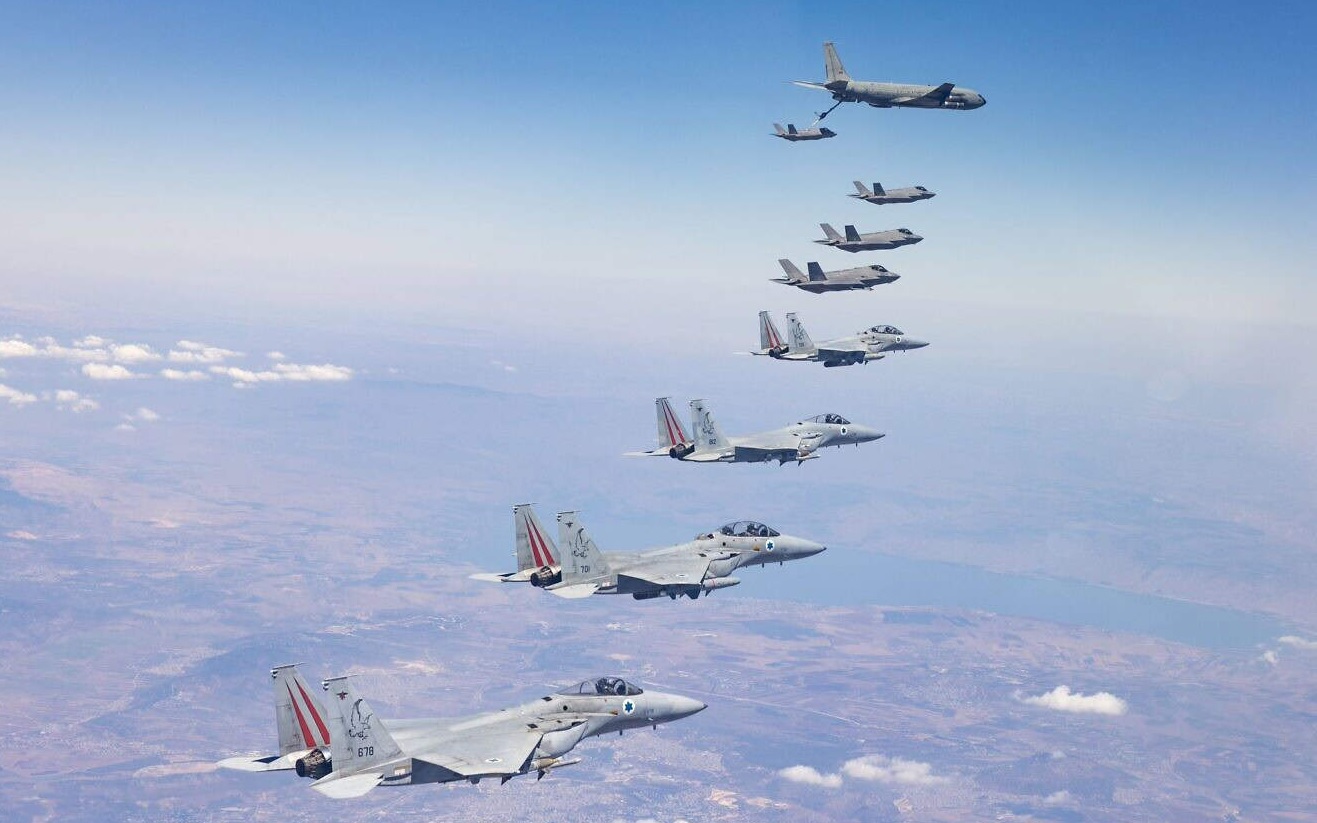
World
WASHINGTON : A former senior U.S. naval intelligence official has publicly stated that the United States is positioned to rapidly achieve air superiority over Iran and could dismantle much of Tehran’s conventional military infrastructure within a matter of hours if directed to do so. Retired U.S. Navy Captain James Fanell, who previously served as Director of Intelligence for the U.S. Pacific Fleet, made the assessment in recent interviews on conservative media outlets, including Real America’s Voice and Bannon’s WarRoom. According to multiple social media summaries of his remarks, Fanell described the relative military capabilities of the United States and Iran and outlined the potential pace and scope of American air operations in a direct conflict. Assessment of U.S. Capability and Timeline Fanell stated that American forces currently deployed in and around the Middle East possess the capability to establish complete control of the airspace over Iran shortly after the initiation of hostilities. He said that, if ordered by U.S. political leadership, the U.S. military could neutralize Iranian surface-to-air missile systems, radar installations, and other elements of Iran’s air defense network in a compressed timeframe. According to summaries of the remarks, Fanell asserted that this would allow the United States to achieve what military planners term “air supremacy” — complete dominance of the air domain — within a few hours of commencing operations. He further suggested that once airspace control is established, U.S. forces could conduct precision strikes against a range of Iranian military and command-and-control targets. Fanell also used language indicating that U.S. capabilities could, in his view, effectively destroy “100% of Iran’s military,” a phrase that reflects his perspective on the scale of potential U.S. operations rather than an official Department of Defense estimate. Comparisons with Recent Regional Conflicts Analysts have referenced the 12-day conflict between Israel and Iran in June 2025 as a precedent for rapid air operations against Iranian air defenses. During that conflict, the Israeli Air Force (IAF) conducted a coordinated campaign targeting advanced radar sites and Russian-supplied S-300PMU missile batteries, and multiple defense analysts noted that Israeli forces achieved localized air superiority in less than 48 hours. While the scale and resources of that campaign differed from what would be involved in a U.S. operation, the example has been cited in discussions of how quickly a technologically superior air force can affect the operational environment. Military observers note that the U.S. Air Force and U.S. Navy operate a larger fleet of stealth aircraft, dedicated electronic warfare platforms, and long-range precision munitions compared with the Israeli Air Force, a disparity Fanell referenced in his remarks. Pentagon Positioning and Strategic Context The remarks by Fanell coincide with ongoing statements from U.S. defense officials emphasizing deterrence and readiness. Senior Pentagon leaders have repeatedly underscored the U.S. military’s capacity to maintain operational advantages across multiple domains, including air power. In public addresses, officials have reaffirmed commitments to sustain technological superiority and operational readiness as part of broader defense strategy. For example, Secretary of War Pete Hegseth has restated that the U.S. armed forces remain equipped to confront regional threats decisively, with the capability to apply force as required under national directives. These statements frame the broader policy context within which assessments like Fanell’s are made. Operational Planning Considerations Defense planning documents and military doctrine underscore that achieving air superiority is typically a foundational objective in planning for conflict, as control of the air domain facilitates subsequent operations in other domains. Air supremacy — defined as the highest level of air control where an adversary cannot effectively contest — is distinguished from air superiority by the degree to which enemy forces are incapacitated. Such operations would involve rapid suppression and destruction of air defense systems, suppression of enemy air forces, and the establishment of freedom of action for friendly aircraft. While military planners consistently prepare for a range of scenarios, assessments of specific timelines or outcomes vary by threat environment, geography, and force posture.
Read More → Posted on 2026-02-22 14:44:30
World
MUSKEGON, Mich. : RENK America has secured more than $50 million in sustainment and spare parts contracts awarded between December 2025 and early 2026, reinforcing continued demand for its military drivetrain systems and lifecycle support services among U.S. and allied defense forces. The contracts, valued at approximately $52 million, cover three primary operational areas: allied fleet sustainment, AVDS engine spare parts, and transmission field service and international spares support. The awards are focused on maintaining operational readiness and extending the service life of ground combat vehicle fleets deployed in the United States and overseas. Contract Awards and Scope The largest portion of the funding, a $25 million award granted in December 2025, supports allied fleet sustainment efforts. The contract is aimed at accelerating maintenance and modernization activities for critical defense platforms operating abroad. The program is structured to ensure that allied vehicle fleets remain mission-capable in demanding operational environments while extending platform longevity through structured sustainment cycles. In early 2026, RENK America secured an $18 million contract for spare parts supporting the AVDS-1790 engine series. The AVDS (Air Vee Diesel Supercharged) 1790 engine is widely used in heavy armored platforms, including the M88 Recovery Vehicle and various main battle tanks. The award covers the supply of OEM-qualified components intended to maintain performance standards and support continued field operations. A separate $9 million combined award, also booked in early 2026, provides Hydro-Mechanical Powered Transmission (HMPT) Field Service Support along with international spare parts for multiple global customers. The HMPT system is a core drivetrain component in several key U.S. Army platforms, including the Bradley Fighting Vehicle, the Armored Multi-Purpose Vehicle (AMPV), and the Paladin self-propelled howitzer. The contract encompasses technical assistance, field service representation, and the supply of replacement parts to sustain operational availability. Production and Sustainment Operations RENK America stated that its Muskegon, Michigan facility is operating at full production and support capacity to meet delivery timelines associated with the new awards. The site serves as a central hub for drivetrain manufacturing, engineering, and depot-level maintenance activities. The company operates under a lifecycle sustainment model that integrates Original Equipment Manufacturer (OEM) engineering expertise, technical data management, and depot repair capabilities. This framework enables RENK America to provide certified spares, refurbishment services, and technical support aligned with original system specifications. Corey Johnson, Transmission Line General Manager at RENK America, said field service representatives play a direct role in sustaining fleet readiness. “Our field service representatives are highly regarded for the help, training and advice that they provide: often finding proactive local fixes that keep vehicle powerpacks running and fleet uptime high,” Johnson said. Field service teams provide on-site diagnostics, training, and technical guidance to maintain vehicle powerpack performance and reduce downtime across operational units. Support for Military “Right to Repair” Objectives The recent contract awards coincide with ongoing discussions within the U.S. defense sector regarding the military “Right to Repair” initiative. The initiative focuses on ensuring that servicemembers have access to technical data, tools, and components necessary to repair and maintain advanced equipment without excessive reliance on external contractors. Ian Pain, Chief Executive Officer of RENK America, said the company’s logistics network and technical data infrastructure align with these objectives. “The Right to Repair is a hot topic for the US Army and defense officials, keeping spares and know-how available and close to the point of need,” Pain said. “For over fifty years, our Muskegon site has provided technical data, OEM quality spares and depot support to our customers. Of course, we are always looking to see what more we can do to leverage our hot production and repair lines to provide even more support to the warfighter.” According to the company, its established supply network and depot-level repair lines are designed to decentralize sustainment capabilities, allowing technical data, certified components, and repair expertise to remain accessible near operational theaters. Continued Demand for Drivetrain Sustainment The combined awards reflect sustained demand for drivetrain systems and lifecycle maintenance support across heavy armored and mechanized fleets. By covering engines, transmissions, field service, and depot-level sustainment, the contracts collectively support ground combat vehicle readiness across multiple platforms and international operators. RENK America indicated that production, repair, and logistics activities related to the new contracts are underway, with the Muskegon facility serving as the central coordination point for manufacturing, technical support, and global distribution.
Read More → Posted on 2026-02-22 14:29:21
World
RIVA TRIGOSO, Italy : The Italian Navy has launched its next-generation Offshore Patrol Vessel (OPV) Ugolino Vivaldi (P 440) at Fincantieri’s integrated shipyard in Riva Trigoso, marking a key milestone under the PPX (Pattugliatore Polivalente d’Altura – eXtra) program. The vessel is the first of four units ordered to strengthen Italy’s maritime security, patrol, and environmental response capabilities. The construction program is managed by Orizzonte Sistemi Navali (OSN), a joint venture owned by Fincantieri (51 percent) and Leonardo (49 percent), under assignment from the Naval Armaments Directorate. The keel of Ugolino Vivaldi was laid in December 2024. With its launch, the ship introduces a new standard within Fincantieri’s FCX product family, reflecting updated design, automation, and multi-mission capabilities. Technical Characteristics and Platform Design The Ugolino Vivaldi has a full-load displacement of approximately 2,400 tons. The vessel measures 95 meters in overall length, with a maximum beam of 14.2 meters, a construction height of 8.4 meters, and a draft of 5.4 meters. It has been engineered to operate from a wide range of coastal and regional harbors, supporting flexible deployment across the Mediterranean and beyond. The hull incorporates a bulbous bow to improve hydrodynamic efficiency and fuel economy. The forward mooring deck is fully enclosed, enhancing safety and operational continuity in adverse weather conditions. To maintain stability in high sea states, the vessel is fitted with active stabilizer fins located amidships, enabling improved seakeeping performance during patrol and operational missions. Propulsion is based on a CODLAD (Combined Diesel-Electric and Diesel) configuration arranged on two shaft lines. This system allows efficient cruising under diesel-electric mode and higher-speed operation under diesel propulsion. The platform is capable of reaching speeds exceeding 24 knots. Armament and Combat Systems The primary armament consists of a Leonardo 76/62 mm Super Rapido naval gun in the Strales configuration, providing both surface and limited anti-air capabilities through guided ammunition integration. Secondary armament includes two 30 mm Lionfish remote-controlled weapon systems, enhancing close-range defensive capability. The vessel integrates combat management and platform control systems developed through cooperation between Fincantieri NexTech and Leonardo, ensuring interoperability with broader Italian Navy command and control networks. “Naval Cockpit” and Automation Integration A central technological feature of the new OPV is the installation of the “Naval Cockpit”, a concept initially developed for the Italian Navy’s larger Multi-Purpose Combat Ships (PPA). Adapted for the PPX program, the Naval Cockpit consolidates ship handling, propulsion control, platform management, and selected combat functions into a single integrated workstation. Located within the forward superstructure and complemented by extended bridge wings offering near 360-degree external visibility, the cockpit enables two operators — a pilot and a co-pilot — to manage navigation, engines, rudders, onboard systems, and specific operational functions. The high degree of automation significantly reduces crew requirements. The ship’s core operational complement is approximately 70 personnel, while total accommodation capacity reaches 93. The additional berthing allows for embarked aviation detachments, boarding teams, or special forces units, depending on mission requirements. Operational Roles and Environmental Response Capability The PPX program was initiated to meet the Italian Navy’s requirement for versatile patrol vessels capable of performing maritime security tasks alongside environmental protection missions. Primary operational roles include maritime patrol and surveillance, presence missions, merchant traffic control, protection of sea lines of communication, and safeguarding of Italy’s Exclusive Economic Zone (EEZ). In addition to security functions, the Ugolino Vivaldi is configured to respond to marine pollution incidents. The vessel is equipped with onboard anti-pollution systems designed to address toxic liquid spills and oil contamination. These systems include chemical dispersant rods positioned over the bow and oil-skimmer modules for containment and recovery operations. Dedicated personnel are trained to operate these systems during environmental response missions. Ceremony and Historical Dedication The launch ceremony at Riva Trigoso was attended by senior military and regional officials. Participants included Vice Admiral Fabio Gregori, Deputy Chief of Staff of the Italian Navy; Massimiliano Nannini, Chief of Staff of the Liguria Region; Francesco Solinas, Mayor of Sestri Levante; and Giovanni Sorrentino, Chief Executive Officer of Orizzonte Sistemi Navali. The ship’s godmother was Alessandra Marsigli Cavriani, granddaughter of Lieutenant Commander Alessandro Cavriani. The officer was posthumously awarded the Gold Medal of Military Valor after being lost at sea in September 1943 while scuttling the original destroyer Ugolino Vivaldi during World War II. With the launch of Ugolino Vivaldi (P 440), the Italian Navy advances the PPX program’s objective of fielding modern, highly automated patrol vessels capable of conducting multi-role missions, integrating maritime security, environmental protection, and operational flexibility within a reduced crew framework.
Read More → Posted on 2026-02-22 14:18:16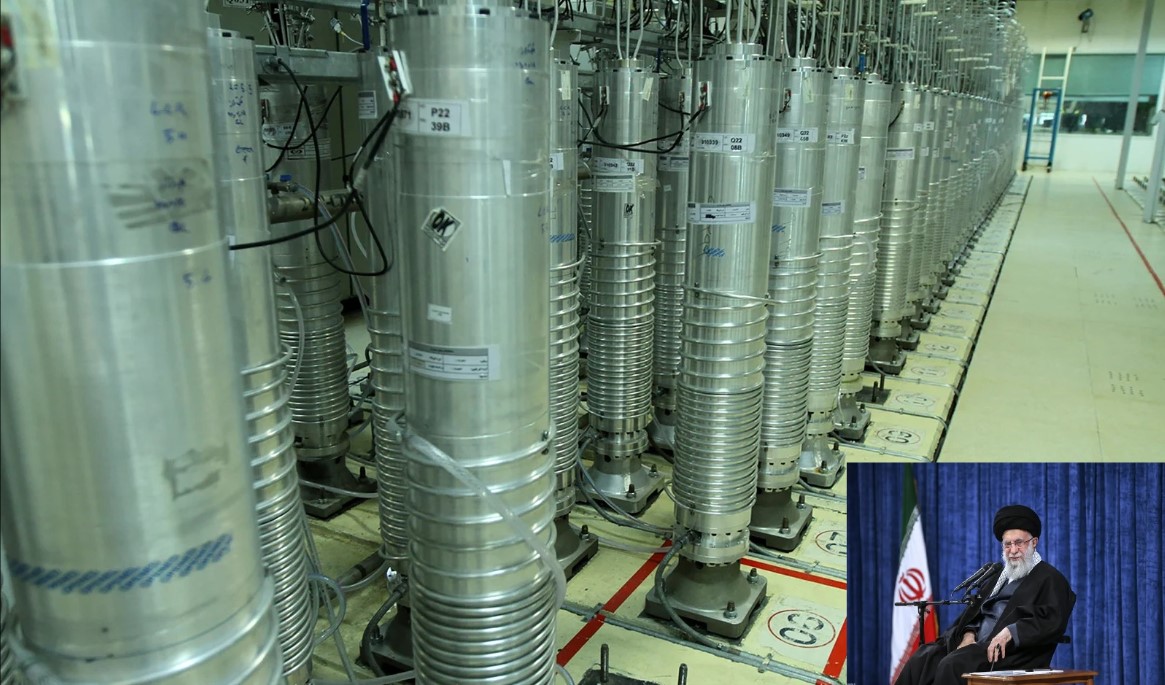
World
WASHINGTON : U.S. Special Envoy to the Middle East Stephen “Steve” Witkoff has issued a public warning that the Islamic Republic of Iran could be approximately seven days away from producing the highly enriched uranium needed for a nuclear explosive device, according to remarks made in a recent Fox News interview. Witkoff’s comments underscore growing concern in the Trump administration about Tehran’s nuclear programme and coincide with heightened diplomatic and military activity aimed at preventing a broader conflict in the Middle East. In the televised interview, Witkoff stressed that recent assessments of Iran’s nuclear enrichment capabilities show Tehran has accelerated production of uranium enriched to 60 percent fissile purity — far beyond levels typically required for civilian power generation and research reactors. He stated that, based on technical calculations, Iran could use its existing enriched stockpile to cross the 90 percent threshold often associated with weapon-usable uranium within a matter of days if it chose to do so. Breakout Time and Enrichment Levels Uranium enrichment is measured by the percentage of the fissile isotope U-235 present in the material. Natural uranium contains about 0.7 percent U-235, while most commercial nuclear power reactors utilise uranium enriched to around 3–5 percent for fuel. Research reactors may require uranium enriched up to 20 percent, but levels above this have no recognised civilian application. Weapons-grade uranium, suitable for an explosive core in a nuclear device, is typically enriched to 90 percent or more. The current Iranian enrichment level — around 60 percent — represents a point where the technical effort to progress to 90 percent is reduced, shortening what experts call the “breakout time” to weapon-usable material to just days. U.S. and allied intelligence assessments, including analyses following strikes on Iranian nuclear infrastructure in June 2025, indicate Tehran retains much of the technical expertise and remaining material capable of rapid enrichment, despite damage inflicted on facilities in previous operations. These operations, which targeted key nuclear sites, were intended to delay Iran’s pathway towards advanced enrichment but did not eliminate its programme. Diplomatic Efforts and U.S. Military Posture Witkoff’s statement comes as indirect talks between U.S. envoys and Iranian officials have continued in efforts to reach an agreement that would constrain Tehran’s nuclear activities. The U.S. has maintained firm red lines, including demands that uranium enrichment cease and that Iran relinquish its existing stockpile of higher-enriched material or dilute it to levels consistent with peaceful use only. Tehran has reiterated that its nuclear programme is for civilian purposes and has pushed back against demands to halt enrichment entirely. In parallel with diplomacy, the U.S. has built up naval and air forces in the Middle East. President Donald Trump — in statements echoed by his envoy — has expressed puzzlement at Tehran’s refusal to capitulate to U.S. demands under sustained military pressure, although administration officials have described negotiations as ongoing and potential compromise options being discussed. Regional and Internal Pressures Regional tensions remain high, with recent diplomatic exchanges, military exercises, and protests within Iran adding layers of pressure on Tehran’s leadership. While some progress has been reported in reaching basic principles for further negotiations, substantive issues including Iran’s enrichment levels and verification mechanisms remain unresolved. International agencies, including the International Atomic Energy Agency (IAEA), continue to monitor Iran’s nuclear activities closely. The agency has previously reported on Iran’s enrichment levels and the presence of significant quantities of enriched uranium, underscoring concerns about proliferation risks if negotiations fail to produce verifiable limitations on Tehran’s programme. As of now, U.S. officials emphasise the importance of a diplomatic outcome paired with robust monitoring while maintaining that they are prepared to consider further options if Iran crosses thresholds that could further shorten the timeline to a nuclear weapon.
Read More → Posted on 2026-02-22 14:12:19
World
VOTKINSK, Russia : Ukrainian forces conducted a long-range precision strike on the night of February 20 against the Votkinsk Machine Building Plant in Russia’s Udmurt Republic, targeting a facility central to the country’s ballistic missile production network. The attack was carried out using domestically produced FP-5 “Flamingo” cruise missiles and struck infrastructure associated with the manufacture of missile engines and structural components. Strike Details and Damage Assessment According to satellite imagery reviewed after the incident, one of the missiles directly hit Workshop No. 19 within the plant complex. The imagery indicates a 30-by-24-meter breach in the roof of the building, consistent with an internal explosion following impact. Structural damage visible in the imagery suggests that the workshop has likely been rendered inoperable. Workshop No. 19 plays a specialized role in the plant’s production chain. It is used to forge metal body components for missiles, including the 9M723 ballistic missiles deployed as part of Russia’s Iskander-M operational-tactical missile system. Defense analysts assessing the imagery state that the scale of the structural damage would significantly disrupt the workshop’s operations in the near term. The FP-5 “Flamingo” cruise missile used in the strike is a Ukrainian-developed long-range system produced by the defense firm Fire Point. The weapon has been publicly presented as part of Ukraine’s expanding domestic strike capabilities designed to reach military-industrial facilities deep inside Russian territory. Russian Confirmation and Casualties Regional authorities in the Udmurt Republic confirmed that a facility in the region had been attacked. Alexander Brechalov, head of the republic, acknowledged the strike without detailing the specific industrial site. Local health authorities reported that 11 people were injured as a result of the incident. Three individuals required hospitalization, and no fatalities were reported. Video footage and photographs shared by residents in Votkinsk showed black smoke rising from the direction of the plant and damage to nearby residential buildings, consistent with the impact and subsequent explosion. Strategic Role of the Votkinsk Plant The Votkinsk Machine Building Plant, located approximately 1,300 kilometers from the Ukrainian border, is considered one of the core enterprises within Russia’s defense-industrial complex. The facility manufactures solid-fuel engines and key structural components for multiple categories of ballistic missiles. In addition to producing components for the Iskander-M system, the plant manufactures parts for intercontinental ballistic missiles (ICBMs) such as the RS-24 Yars and Topol-M systems. It is also involved in production related to the Bulava submarine-launched ballistic missile and the recently developed Oreshnik intermediate-range ballistic missile. The plant’s infrastructure spans dozens of specialized workshops and assembly buildings, distributed across a large industrial area and organized under a decentralized production structure. Production Impact and Operational Implications Although Workshop No. 19 sustained significant structural damage, the broader impact on overall missile production remains uncertain. Military analysts note that the Votkinsk facility consists of multiple independent production nodes, and disruption of a single workshop may not immediately halt overall output. Experts indicate that fully disabling production at such a complex would require a sustained campaign involving multiple precision strikes targeting various manufacturing and assembly units across the site. The February 20 operation highlights Ukraine’s expanding ability to conduct deep-strike operations against strategic industrial facilities within Russian territory. The long-term consequences for Russia’s missile production capacity will depend on the speed of repairs, the redistribution of manufacturing tasks, and potential supply chain adjustments within the defense-industrial system.
Read More → Posted on 2026-02-22 13:51:15
India
NEW DELHI : The Indian Navy’s decision to procure 26 carrier-borne Rafale M fighter aircraft required a detailed technical assessment of compatibility with existing aircraft carrier infrastructure before the contract was finalized. The evaluation focused primarily on dimensional constraints associated with aircraft elevators aboard India’s Short Take-Off But Arrested Recovery (STOBAR) carriers, INS Vikrant and INS Vikramaditya. Unlike the Russian-origin MiG-29K currently operated by the Navy or the American F/A-18 Super Hornet evaluated during trials, the French-built Rafale M does not incorporate a folding-wing mechanism. This structural characteristic created a dimensional challenge, as the carriers’ elevators were originally optimized around aircraft with reduced folded wingspans. Dimensional Assessment and Carrier Constraints The compatibility issue centered on the relationship between the Rafale M’s physical dimensions and the elevator platform sizes on both carriers. The Rafale M has an overall length of 15.30 meters and a height of 5.30 meters. Its baseline wingspan measures 10.90 meters when fitted with wingtip missile launch rails. In comparison, INS Vikrant is equipped with two deck-edge elevators, each measuring 10 meters in width and 16.5 meters in length. INS Vikramaditya operates a center-deck elevator with an approximate width of 9.9 meters. Because the Rafale M’s standard wingspan of 10.90 meters exceeds the 10-meter width of INS Vikrant’s elevators—and is wider than the 9.9-meter platform on INS Vikramaditya—a direct, straight-on transfer between the flight deck and the hangar deck was not feasible without modification. The carriers were originally configured around the MiG-29K, which features folding wings that reduce its span to approximately 7.9 meters when stowed. The absence of a folding mechanism on the Rafale M therefore required a procedural or mechanical workaround rather than structural alterations to the ships. Shore-Based Validation at SBTF Goa To resolve the issue prior to procurement clearance, the Indian Navy, in coordination with Dassault Aviation, conducted detailed trials at the Shore Based Test Facility (SBTF) in Goa. These evaluations were designed to simulate carrier operating conditions and validate deck handling, launch, recovery, and movement procedures. During these trials, the Navy confirmed that the Rafale M could be accommodated within existing elevator dimensions through adjustments to its external configuration, eliminating the need for modifications to carrier steel structures. Primary Technical Solution: Wingtip Rail Removal Although the Rafale M’s wings are fixed and non-folding, its wingtip pylons—used to mount MICA air-to-air missiles—are detachable components. The dimensional adjustments were assessed as follows: Baseline configuration with wingtip rails installed: 10.90 meters wingspan With missiles removed but rails retained: 10.21 meters wingspan With wingtip missile launch rails physically detached: approximately 9.6 meters wingspan At 9.6 meters, the aircraft can clear a 10-meter-wide elevator with roughly 40 centimeters of total clearance, providing a workable safety margin for controlled movement. Under the validated procedure, aviation armorers would detach the wingtip launch rails prior to lowering the aircraft into the hangar deck. The rails would then be reattached on the flight deck before operational deployment. While this introduces an additional handling step within the sortie preparation cycle, naval planners assessed it as an operationally manageable adjustment. Importantly, the Navy determined that this approach avoided structural modification to either INS Vikrant or INS Vikramaditya, preserving ship integrity and preventing cost-intensive redesign. Operational Employment and Hangar Utilization Strategy To minimize the frequency of elevator transfers requiring rail removal, the Indian Navy is expected to implement a topside parking strategy for Rafale M operations at sea. Under this approach, the majority of deployed single-seat Rafale M aircraft will remain secured and parked on the flight deck during active carrier operations. Elevator use and hangar storage will be reserved primarily for: Aircraft undergoing deep maintenance Engine replacement or significant servicing Protection during severe weather conditions This operational model reduces repeated configuration changes and streamlines deck cycle management. Procurement Context The dimensional compatibility solution formed a critical part of the technical validation process preceding the Navy’s decision to proceed with procurement of 26 Rafale M aircraft. By confirming that the fighter could be safely integrated into existing STOBAR carriers without structural alteration, the Navy eliminated a key logistical constraint prior to finalizing the order. The outcome reflects a procedural adaptation rather than a redesign of naval infrastructure, ensuring compatibility within current carrier architecture while maintaining operational flexibility for future deployments.
Read More → Posted on 2026-02-21 19:13:44
World
WASHINGTON : The United States has deployed a 42-aircraft package focused on Suppression of Enemy Air Defenses (SEAD) to the Middle East, significantly increasing its electronic warfare and radar-destruction capabilities in the region. The force includes 18 U.S. Navy EA-18G Growlers and 24 U.S. Air Force F-16CJ “Wild Weasel” aircraft, platforms specifically designed to neutralize and dismantle integrated air defense systems. According to defense analysts, the composition of the deployment indicates preparation for a large-scale and coordinated SEAD campaign aimed at degrading Iranian air defense infrastructure in the early phase of any potential military confrontation. The concentration of electronic attack and anti-radiation missile platforms suggests an operational objective centered on securing air superiority by systematically disabling radar coverage and surface-to-air missile (SAM) networks. Composition and Operational Roles The deployed aircraft represent two complementary mission sets within SEAD doctrine. The 18 EA-18G Growlers, operated by the U.S. Navy, are dedicated electronic attack platforms derived from the F/A-18F Super Hornet. Equipped with ALQ-99 tactical jamming pods, the Growlers are designed to disrupt adversary radar systems, communications networks, and data links. By saturating radar frequencies with electronic interference, the aircraft reduce the ability of search and fire-control radars to detect, track, and guide missiles toward incoming aircraft. The 24 F-16CJ aircraft, known as “Wild Weasels,” are operated by the U.S. Air Force and specialize in the destruction of enemy radar emitters. These aircraft are fitted with the HARM Targeting System (HTS), which passively detects radio frequency emissions from hostile radar sites. Once a radar signal is identified and classified, pilots can launch AGM-88 High-Speed Anti-Radiation Missiles (HARM). These missiles home in on radar emissions and strike the source, physically destroying or disabling the transmitter. Together, the Growlers and F-16CJs are intended to operate in coordination. Electronic jamming complicates adversary radar performance, while anti-radiation missiles target active emitters. The combination is designed to suppress, degrade, and ultimately dismantle layered air defense networks. Structure of Iran’s Air Defense Network Iran maintains a multi-layered and integrated air defense architecture composed of foreign-supplied and domestically developed systems. Contrary to earlier speculation, Iran does not operate the Russian S-400 system. Instead, its long-range coverage relies heavily on the Chinese-supplied HQ-9B surface-to-air missile system, alongside the domestically developed Bavar-373 system. The HQ-9B is a long-range SAM platform advertised with engagement ranges exceeding 200 kilometers against certain aerial targets. It forms a central element of Iran’s high-altitude and extended-range air defense layer. Supporting systems include medium- and short-range platforms, as well as a network of surveillance and fire-control radars integrated through command-and-control nodes. The Bavar-373, developed by Iran’s defense industry, is presented by Tehran as comparable in capability to advanced long-range missile defense systems. It is designed to engage aircraft, cruise missiles, and other aerial threats at extended ranges and high altitudes. Performance Concerns Surrounding Chinese-Supplied Systems Recent combat incidents involving Chinese-origin air defense hardware have drawn scrutiny from defense observers. In May 2025, during “Operation Sindoor,” Pakistan’s air defense network—reportedly reliant on Chinese HQ-9 and HQ-16 systems—experienced significant degradation under Indian cruise missile strikes and air operations. Reports indicated electronic counter-countermeasure (ECCM) weaknesses and multiple system losses. In January 2026, during a U.S. military operation in Caracas, Venezuela’s air defense grid, which incorporated Chinese JY-27A surveillance radars and Russian missile launchers, was disrupted through electronic warfare. U.S. EA-18G Growlers reportedly jammed radar and communication systems, preventing coordinated defensive responses. Defense analysts caution that while these cases involved different operational contexts and integration environments, they have prompted renewed evaluation of how Chinese-supplied radar and missile systems perform under sustained electronic attack. Technical Challenges in Resisting SEAD Operations Military experts note that surviving a concentrated SEAD package involving 42 specialized aircraft presents significant challenges for any integrated air defense network. Radar systems most resilient to SEAD pressure typically rely on decentralized, multi-static Active Electronically Scanned Array (AESA) configurations. Such networks distribute transmitters and receivers across multiple sites, reducing the vulnerability of single radar nodes. Rapid frequency agility, advanced signal processing, and strong ECCM capabilities enhance survivability. In addition, integration with passive detection systems—such as long-range Infrared Search and Track (IRST) sensors—allows defenders to detect aircraft without emitting radar signals that could be targeted by anti-radiation missiles. Passive systems reduce exposure but may offer more limited targeting precision compared to active radar tracking. To date, publicly available combat data has not demonstrated that the HQ-9B systems deployed by Iran have operated within fully decentralized, multi-static AESA frameworks under sustained electronic attack conditions. System Survivability and Iranian Counter-Tactics Surviving a coordinated attack by 42 aircraft equipped for electronic and kinetic warfare is highly complex. The radar systems most capable of withstanding such a combination are decentralized, multi-static Active Electronically Scanned Array (AESA) networks paired with passive Infrared Search and Track (IRST) sensors. These passive sensors do not emit radio signals, making them immune to anti-radiation missiles and difficult to jam. Because the traditional radar architecture of the HQ-9B is vulnerable to a dedicated SEAD campaign, Iranian forces are expected to employ asymmetric tactics to protect their assets rather than relying on technological superiority: Emission Control (Blinking): Radar operators will likely use strict emission control, turning their sensors on for only brief seconds to gather airspace data before shutting down. This prevents the 24 F-16 Wild Weasel fighters from achieving a sustained missile lock. Mobility and Terrain Masking: Utilizing Iran's mountainous topography, mobile HQ-9B launchers can hide in deep valleys or tunnels, breaking the line-of-sight with airborne jammers and emerging only briefly to fire. Decoys: Iran is equipped with radar decoys that broadcast false frequencies mirroring real SAM sites. These are intended to absorb the kinetic strikes from U.S. missiles, preserving the actual command-and-control infrastructure. Strategic Implications The deployment of 18 EA-18G Growlers and 24 F-16CJ aircraft represents a substantial concentration of specialized SEAD assets. Such a force package indicates preparation for systematic suppression of radar and missile defenses rather than limited precision strikes. Any operational use of these assets would likely focus on disabling long-range and high-altitude air defense nodes in the early phase of conflict, followed by expanded operations involving strike fighters and bombers operating with reduced risk from surface-to-air threats. At present, the deployment underscores the central role of electronic warfare and anti-radiation capabilities in modern air campaigns, particularly against states that rely on layered missile defense networks built around long-range radar-guided systems.
Read More → Posted on 2026-02-21 18:36:48
India
NEW DELHI : Bharat Heavy Electricals Limited (BHEL) has received new project sanction orders from the Aeronautical Development Agency (ADA) for the development and supply of critical thermal management systems for India’s indigenous fighter aircraft programs, including the Light Combat Aircraft (LCA) Tejas Mk2) and the Advanced Medium Combat Aircraft (AMCA). The orders further expand BHEL’s engagement with ADA, the design agency for India’s combat aircraft programs operating under the Defence Research and Development Organisation (DRDO). The latest mandates assign BHEL responsibility for the design and development of key components essential to aircraft environmental and cooling systems. Project Scope and Technical Mandates Under the newly awarded contracts, BHEL will develop advanced Pump Modules for the Liquid Cooling System (LCS), which forms a central part of the aircraft’s Environmental Control System (ECS). These pump modules will be integrated into both the LCA Tejas Mk2 and the fifth-generation AMCA platforms. In addition to pump modules, BHEL has been commissioned to supply Compact Heat Exchangers and Fuel Coolers specifically for the AMCA program. These components are integral to maintaining thermal balance within high-performance fighter aircraft operating under varying flight conditions. The Liquid Cooling System plays a critical role in regulating the temperature of avionics and onboard electronic systems. The Environmental Control System manages cockpit pressurization, air conditioning, and overall environmental stability required for safe aircraft operation. Integration with Indigenous Fighter Programs The LCA Tejas Mk2 represents an advanced iteration of India’s indigenous light combat aircraft, incorporating upgraded avionics, improved payload capacity, and enhanced propulsion systems. The AMCA is India’s proposed fifth-generation stealth fighter platform, designed with advanced sensor integration, electronic warfare capabilities, and next-generation propulsion architecture. Thermal management systems are critical for both aircraft categories due to the high heat loads generated by powerful engines, AESA radars, mission computers, and electronic warfare suites. Efficient cooling systems ensure operational safety, system reliability, and sustained performance across mission profiles. Continuity of Aerospace Manufacturing Role The new orders build upon BHEL’s long-standing involvement in India’s aerospace and defense manufacturing ecosystem. The company’s Heavy Plates and Vessels Plant (HPVP) in Visakhapatnam has been supplying heat exchangers for the LCA Tejas program since 1996. Prior to the current contracts, BHEL had successfully designed, manufactured, and delivered various types of Compact Heat Exchangers for earlier variants of the aircraft, including the LCA Tejas Mk1, Mk1A, and baseline Mk2 configurations. These prior deliveries established BHEL’s technical capabilities in high-precision aerospace heat transfer systems, which now extend to the more advanced requirements of the AMCA program. Indigenous Development and Supply Chain Impact The development and domestic production of Pump Modules, Compact Heat Exchangers, and Fuel Coolers contribute to reducing reliance on imported aerospace subsystems. These components require precision engineering, advanced material expertise, and compliance with stringent aerospace standards. By executing these projects in collaboration with ADA, BHEL strengthens domestic design-to-production capabilities within India’s defense sector. The partnership aligns with broader efforts to expand indigenous manufacturing capacity across critical aerospace subsystems, including propulsion support, avionics cooling, and environmental control technologies. The latest project sanction orders mark a continuation of BHEL’s participation in advanced combat aircraft programs and reinforce its position as a supplier of specialized thermal management systems for India’s indigenous fighter platforms.
Read More → Posted on 2026-02-21 18:12:05
World
WASHINGTON : The Pentagon has briefed U.S. President Donald Trump on a comprehensive set of military contingency plans related to Iran, including options that extend to the highest levels of the Iranian leadership, according to a report by Axios. Senior White House officials told the outlet that the Department of Defense has prepared operational scenarios covering “all possible cases” amid the ongoing standoff over Iran’s nuclear program. Among the options discussed is a targeted strike plan involving Iran’s Supreme Leader, Ayatollah Ali Khamenei, his son Mojtaba Khamenei, and other senior clerical figures. The proposal was described as part of a broader campaign framework designed to be activated if diplomatic negotiations fail and tensions escalate into direct conflict. Leadership-Targeted Option Included in Briefing Axios reported that the leadership-focused option was presented several weeks ago as part of a wider military strategy. A senior presidential adviser confirmed to the publication that the administration has been provided with contingency plans ranging from limited strikes to more expansive operational scenarios. The option involving Ayatollah Ali Khamenei and Mojtaba Khamenei reflects a strategic assessment centered on Iran’s centralized power structure. Intelligence and policy analysts have long identified both figures as pivotal to the continuity of Iran’s political and military authority. U.S. officials emphasized that these plans remain contingency measures and would require presidential authorization if activated. Central Role of Iran’s Supreme Leader Ayatollah Ali Khamenei serves as Iran’s Supreme Leader, the highest-ranking authority within the country’s political and religious hierarchy. Unlike the elected president, the Supreme Leader holds ultimate control over national security, foreign policy, and the armed forces. He appoints the heads of the judiciary, state broadcasting organizations, and key military commands, and retains authority over major state institutions. Under Iran’s constitutional framework, the Supreme Leader also exerts substantial influence over legislation and elections. Through oversight bodies such as the Guardian Council, which reviews parliamentary legislation and approves electoral candidates, the office shapes the country’s political landscape. Mojtaba Khamenei’s Influence and Succession Considerations Mojtaba Khamenei, although holding no elected or publicly defined official position, is widely regarded by intelligence assessments as an influential figure within Iran’s internal power networks. He is believed to maintain strong relationships with elements of the Islamic Revolutionary Guard Corps (IRGC) and to possess significant influence within financial and clerical institutions. Analysts frequently identify Mojtaba Khamenei as a leading potential successor to his father. Targeting both individuals, according to assessments referenced in the Axios report, would theoretically eliminate the current leadership and disrupt a likely line of succession. Structure of Iran’s Power System Iran operates as an Islamic republic with a theocratic governance structure. At the apex is the Supreme Leader, who holds ultimate authority over the military, judiciary, intelligence services, and state broadcasting. The Guardian Council, composed of 12 members—six clerics appointed by the Supreme Leader and six jurists approved by parliament—reviews legislation for compatibility with Islamic law and the constitution. It also pre-screens candidates for presidential and parliamentary elections. Parallel to Iran’s conventional armed forces, the Islamic Revolutionary Guard Corps (IRGC) functions as a powerful military and security organization reporting directly to the Supreme Leader. The IRGC oversees internal security operations and manages significant economic and strategic assets. The Basij paramilitary force operates under IRGC supervision. The elected president and the Majlis (parliament) are responsible for day-to-day governance and economic administration but remain subordinate to the authority of the Supreme Leader and the Guardian Council. Analysts’ Assessment of Leadership Disruption Military and foreign policy analysts cited in broader discussions argue that the removal of Iran’s top leadership could create a significant power vacuum within the country’s political system. The Supreme Leader plays a central role in mediating between competing factions, including clerical hardliners, political elites, and IRGC commanders. Analysts suggest that the sudden absence of both the current Supreme Leader and a widely viewed successor could trigger internal competition among these factions. Such instability could disrupt the chain of command within security institutions, particularly if consensus leadership fails to emerge quickly. Some analysts further assess that internal divisions could reduce the operational coherence of the IRGC and Basij forces. In such circumstances, civilian opposition movements—particularly those previously mobilized in nationwide protests over economic and social issues—might face reduced centralized suppression. However, these assessments remain theoretical and depend on multiple variables, including institutional resilience, elite cohesion, and the response of Iran’s Assembly of Experts, which is constitutionally tasked with selecting a new Supreme Leader. Dual Track: Military Pressure and Diplomatic Engagement According to Axios, the leadership-targeted contingency plans form part of a broader two-pronged U.S. strategy combining military preparedness with continued diplomatic outreach. On the military side, U.S. forces have increased their operational posture in the Middle East. The deployment reportedly includes aircraft carrier strike groups and specialized fighter squadrons positioned to execute rapid strike missions if ordered. The buildup is intended to provide credible deterrence and rapid-response capability should negotiations collapse. On the diplomatic track, President Trump has reportedly left open the possibility of a negotiated agreement. U.S. officials indicated that the administration may consider an arrangement allowing Iran limited or symbolic uranium enrichment, provided Tehran offers verifiable and binding guarantees that eliminate any pathway to developing a nuclear weapon. Axios reported that Iran has been given a 10-to-15-day window to present a proposal acceptable to Washington. The timeline reflects the administration’s effort to maintain pressure while allowing space for a negotiated outcome. Current Status As of the Axios report, no final decision has been made regarding the activation of any military option. White House officials characterized the briefings as part of routine strategic planning during periods of heightened geopolitical tension. The administration continues to weigh diplomatic proposals alongside military contingency planning as negotiations over Iran’s nuclear activities proceed under intensified scrutiny.
Read More → Posted on 2026-02-21 18:02:40
World
MOGADISHU, Somalia : A strategic airlift aircraft operated by the Qatari Emiri Air Force has delivered an advanced Turkish air defense radar system to Somalia, marking a further step in expanding defense cooperation between Ankara, Doha, and Mogadishu. The Boeing C-17A Globemaster III transport aircraft landed at Aden Adde International Airport carrying the ASELSAN ALP-100G radar system supplied by the Turkish government. The radar deployment is intended to secure a planned Turkish satellite and missile launch facility near Warsheekh in Somalia’s Middle Shabelle region, located approximately 60 kilometers north of the capital. Local and defense sources confirmed that the system will form part of the protective air defense architecture for the site. Technical Specifications of the ALP-100G Radar The delivered system, the ALP-100G, is a modern Active Electronically Scanned Array (AESA) low-altitude early-warning radar developed by Turkish defense manufacturer Aselsan. It operates in the S-Band frequency spectrum and is designed to function as a primary search radar for ground-based air defense units while also serving as a gap-filler radar within longer-range integrated air defense networks. According to technical data, the ALP-100G offers a detection range exceeding 185 kilometers (115 miles). The radar provides three-dimensional (3D) tracking capability, enabling detection and monitoring of low-flying unmanned aerial vehicles (UAVs), fighter aircraft, hovering helicopters, and cruise missiles. The system can simultaneously track more than 1,000 targets and offers elevation coverage from –6 degrees to +70 degrees. Designed for high mobility, the radar is typically mounted on an 8x8 tactical wheeled vehicle platform and can be transported via heavy cargo aircraft for rapid deployment. Expanded Turkish Military Deployments in Somalia The radar delivery follows a series of military hardware transfers and personnel deployments from Turkey to Somalia under a growing bilateral defense framework. In late January, the Turkish Air Force deployed a detachment of upgraded F-16 fighter aircraft to Mogadishu. This marked the first deployment of Turkish manned combat aircraft on Somali territory. In mid-February, the Turkish Navy landing ship TCG Sancaktar transported M48 and M60 Patton main battle tanks to the Port of Mogadishu. The armored vehicles are intended to support the Somali National Army and provide security for Turkish military installations. Additionally, Turkish Airbus A400M Atlas cargo aircraft have conducted multiple logistical supply flights to Mogadishu, delivering personnel and supporting equipment from Turkey’s air, naval, and ground forces. Maritime Deployments and Offshore Energy Protection Alongside ground and air deployments, Turkey has reinforced its naval presence in Somali territorial waters. The Turkish Ministry of Defense confirmed the deployment of several naval assets, including the landing ship TCG Sancaktar, the frigate TCG Gökova, and the patrol vessel TCG Bafra. These vessels are operating off the Somali coast and in the Gulf of Aden, providing logistical support, securing newly constructed military facilities, and safeguarding offshore economic interests. The naval task force is also assigned to escort the Turkish deep-sea drilling vessel Çağrı Bey, which is scheduled to commence offshore oil and hydrocarbon exploration operations in Somali waters following the completion of seismic survey operations. Integrated Defense Cooperation The arrival of the ALP-100G radar system, combined with recent air, land, and maritime deployments, reflects structured and expanding defense cooperation between Turkey, Qatar, and Somalia. The integration of advanced radar systems, combat aircraft, armored units, logistical airlift operations, and naval assets indicates a coordinated security framework aimed at protecting strategic military infrastructure and supporting planned satellite, missile, and offshore energy projects in Somalia.
Read More → Posted on 2026-02-21 17:41:18
World
TEHRAN, : Commercial satellite imagery captured in February 2026 by Planet Labs and Airbus indicates that Iran has redeployed apparent S-300 surface-to-air missile launchers at multiple air defense facilities near Tehran and Isfahan. The development follows widespread assessments that much of Iran’s S-300 network was destroyed during Israeli airstrikes in 2024. The newly released imagery shows launcher units erected at previously documented air defense sites. Measurements derived from overhead analysis indicate launcher lengths of approximately 15 to 16 meters, consistent with the 5P85 series transporter erector launchers associated with the S-300PM family. Support and logistics vehicles are also visible at the locations, suggesting structured emplacement rather than temporary staging. However, analysts reviewing the imagery report that key radar components typically paired with S-300 batteries are not visible at their customary deployment positions. Redeployment Observed, Core Radars Absent Open-source imagery analysis indicates that while launcher vehicles are present, dedicated engagement and acquisition radars normally required for full operational capability are not observable at the sites near Tehran and Isfahan. The absent systems include: 30N6E1 Engagement Radar, responsible for continuous target illumination and terminal missile guidance. 64N6E Long-Range Acquisition Radar, used for wide-area airspace surveillance. 76N6 Low-Altitude Detector, designed to detect low-flying targets. LEMZ 96L6 “Cheese Board” Radar, a planar array early-warning radar featuring electronic beam steering in elevation and mechanical steering in azimuth. The 30N6E1 engagement radar is central to the S-300PM’s Track Via Missile (TVM) guidance architecture. Without this radar, the system cannot operate according to its designed fire-control method, limiting engagement range, tracking accuracy, and electronic counter-countermeasure resistance. Analysts assess that the visible launcher units could represent damaged systems being repositioned, incomplete batteries awaiting additional components, or potential decoy deployments. No independent confirmation has been provided by Iranian authorities regarding the operational status of the systems. Technical Configuration of the S-300PMU-2 Iran operates the S-300PMU-2, an export variant of the Russian S-300PM series, a third-generation long-range air defense system introduced around 1990. The system was designed to counter fixed-wing aircraft, cruise missiles, and certain ballistic missile threats under heavy electronic warfare conditions. A standard S-300PM battery operates within a defined mechanical and organizational structure: Fire Units: Up to four 83P6 fire units per battery. Launchers: Twelve 5P85S and 5P85D transporter erector launchers. Mobility: Semi-trailer mounted missile containers raised vertically for launch, typically towed by 6x6 KRAZ-260 trucks. Command Post: A 54K6E command vehicle coordinating up to six batteries within a battalion-level network. The system employs Fakel-produced 48N6 and 48N6E interceptor missiles with the following specifications: Length: Approximately 7.25 meters Weight: Approximately 1,804 kilograms Warhead: 143-kilogram high-explosive fragmentation Maximum Speed: Around 2,100 meters per second (approximately Mach 6) Launch Interval: As short as three seconds between missile firings Engagement Range: Typically 75 to 90 kilometers for aerodynamic targets, with extended configurations reaching up to 150 kilometers The S-300PM’s effectiveness relies on layered radar coverage and coordinated data links between acquisition, engagement, and command units. Integration With Indigenous Air Defense Systems At the Isfahan site, satellite imagery shows S-300 components positioned alongside domestically developed Iranian air defense systems, indicating possible efforts to integrate foreign and indigenous platforms within a shared operational framework. Visible systems include: Bavar-373, Iran’s long-range surface-to-air missile system equipped with the Sayyad-4 interceptor. Iranian sources describe it as capable of engaging targets at distances approaching 200 kilometers and altitudes up to 27 kilometers. It is supported by the Meraj-4 active electronically scanned array (AESA) radar. Khordad-15, a medium-range system paired with the Sayyad-3 missile, reported to have an engagement range of approximately 120 kilometers. If domestic radar assets such as the Meraj-4 are being used to compensate for missing Russian-origin sensors, analysts note that interoperability challenges may arise. Differences in data link protocols, radar-to-missile communication architecture, and command integration could limit system efficiency. Operational Assessment A fully equipped S-300PM battalion provides area defense through high interceptor velocity, rapid launch intervals, and multi-layered radar coverage. However, the system is dependent on ground-based radar emissions, making it susceptible to anti-radiation missiles and electronic warfare targeting. Based on the available imagery, defense analysts assess that the redeployed launchers do not currently demonstrate the complete radar configuration required for full operational capability. Compared to pre-2024 deployments, Iran’s long-range air defense posture appears reduced in integration and coverage density. The absence of dedicated fire-control radars narrows the defended footprint and limits engagement capability unless alternative radar integration is confirmed. As of February 2026, no official Iranian statement has clarified the operational status of the redeployed S-300 components.
Read More → Posted on 2026-02-21 17:10:58
India
CHENNAI, : Bengaluru-based aerospace manufacturer Aequs Group has signed a Memorandum of Understanding (MoU) with the Government of Tamil Nadu to establish India’s first fully vertically integrated aircraft engine manufacturing hub. The proposed investment of ₹4,000 crore will anchor a new Aerospace & Defence cluster at the SIPCOT Shoolagiri Industrial Park in Krishnagiri district and is expected to generate approximately 7,000 high-skilled jobs over the project lifecycle. The MoU was formalized in the presence of Tamil Nadu Chief Minister M.K. Stalin and Industries Minister T.R.B. Rajaa. The agreement outlines the development of an integrated industrial ecosystem consolidating multiple stages of aircraft engine and critical aerospace systems manufacturing within a single location. 250-Acre Integrated Aerospace & Defence Cluster The project will span 250 acres within the SIPCOT Shoolagiri Industrial Park. The facility is designed to integrate activities that are traditionally distributed across a fragmented supply chain. The objective is to enable end-to-end aerospace manufacturing operations under shared infrastructure. The cluster will focus on technologically intensive segments of aviation manufacturing, including aero-engine components and complete engine structures, complex gearbox assemblies, landing gear systems, ultra-precision machining, and advanced sub-assemblies. The integration will extend from raw material processing to precision manufacturing and localized testing capabilities. According to project details, the hub will be structured to comply with the certification and quality standards required by global aerospace Original Equipment Manufacturers (OEMs). The co-location model is intended to improve supply chain efficiency, reduce lead times, and strengthen traceability and quality control processes. Why a Vertically Integrated Aircraft Engine Hub Is Significant A vertically integrated aircraft engine manufacturing hub differs from conventional industrial models where production stages are dispersed across multiple suppliers and geographies. In the aerospace sector, engine manufacturing typically involves separate vendors for forgings, castings, precision machining, heat treatment, coating, assembly, and testing. By consolidating these functions within a single coordinated industrial ecosystem, the Shoolagiri hub will reduce dependency on geographically dispersed suppliers. This structure allows tighter quality control, improved process synchronization, and faster certification cycles, all of which are critical in aircraft engine manufacturing where tolerances are measured in microns and regulatory compliance standards are stringent. Vertical integration also enhances supply chain resilience, particularly in high-technology sectors where disruptions can affect global production schedules. With raw material processing, component manufacturing, assembly, and testing co-located, manufacturers can better manage production timelines and maintain traceability from material input to final certified component. In addition, aircraft engine manufacturing represents one of the most technologically advanced and capital-intensive segments of aerospace production. Establishing such an integrated hub domestically enables India to build deeper capabilities in advanced metallurgy, precision engineering, and aerospace-grade quality systems, areas that traditionally require long-term capability development and significant investment. Investment Structure and Phased Execution The total projected investment for the 250-acre Aerospace & Defence cluster is estimated at ₹4,000 crore. Aequs Limited will serve as the anchor investor, committing ₹1,900 crore directly over a 10-year period. Aequs Executive Chairman and CEO Aravind Melligeri stated that capital expenditure will be phased. In the initial three years, the company plans to invest between ₹200 crore and ₹300 crore to begin construction, establish core infrastructure, and initiate ecosystem development. Subsequent phases will scale manufacturing capabilities in line with production readiness and market requirements. Commercial production is targeted for the financial year 2028, with first outbound shipments of aero-engine and landing gear components expected during the same period. Focus on High-Value Aerospace Manufacturing Aircraft engine and landing gear manufacturing represent high-value segments within the global aerospace industry. These areas require advanced materials processing, high-precision engineering, specialized tooling, and rigorous quality assurance systems. The Shoolagiri facility will integrate machining, assembly, and testing functions under shared industrial infrastructure. By localizing these capabilities, the project supports India’s move toward higher participation in the global aerospace manufacturing value chain, reducing reliance on imported systems and components. The vertical integration model is intended to support global supply chains by providing consolidated manufacturing solutions, from raw material conversion to finished assemblies, within a single industrial campus. Employment and Skill Development The project is projected to create approximately 7,000 high-skilled jobs across engineering, precision manufacturing, quality assurance, testing, supply chain management, and allied technical services. The development of the cluster is also expected to stimulate indirect employment through supplier networks and ancillary industries. The concentration of advanced aerospace manufacturing in Krishnagiri is likely to require specialized workforce development initiatives, including training in high-precision machining, materials engineering, aerospace-grade quality systems, and certification processes. Regional Industrial Expansion The investment strengthens the industrial profile of the Hosur–Krishnagiri belt in Tamil Nadu. While Bengaluru has historically served as India’s primary aerospace manufacturing hub, the Krishnagiri region offers access to large contiguous land parcels and established industrial infrastructure through SIPCOT. The proximity to Bengaluru provides logistical and technical advantages, including access to existing aerospace suppliers, skilled labor pools, and research ecosystems. The development of the Shoolagiri cluster represents a geographic expansion of India’s aerospace manufacturing footprint. Alignment with National Manufacturing Objectives The establishment of a vertically integrated aircraft engine manufacturing hub aligns with broader national objectives to enhance domestic aerospace production capacity, improve supply chain resilience, and expand participation in global aviation manufacturing programs. Aircraft engine manufacturing requires high capital investment, advanced engineering capabilities, and compliance with stringent international certification standards. By consolidating these capabilities within India, the project supports long-term growth in high-technology manufacturing. Construction and phased development activities are expected to commence following project clearances and infrastructure preparation at the SIPCOT Shoolagiri Industrial Park, with production milestones aligned to the FY2028 target for commercial operations.
Read More → Posted on 2026-02-21 16:21:51
World
BUDAPEST / BRUSSELS : Hungary has formally announced that it will block a planned €90 billion ($106 billion) European Union financial assistance package intended to support Ukraine’s state budget and military expenditures for 2026 and 2027. The decision follows a dispute between Budapest and Kyiv over the suspension of Russian crude oil deliveries through the Druzhba pipeline, which transits Ukrainian territory before reaching Central Europe. Hungarian Foreign Minister Péter Szijjártó confirmed that Hungary will not ratify the EU loan package until crude oil transit to Hungary is fully restored. The veto introduces uncertainty over the disbursement of EU funds agreed upon by member states in December 2025. Disruption of the Druzhba Pipeline The dispute centers on the Druzhba pipeline, one of Europe’s principal oil supply routes, transporting Russian crude to several landlocked EU member states, including Hungary and Slovakia. Both countries currently operate under temporary exemptions from EU sanctions on Russian oil imports. Oil deliveries through the pipeline were halted on January 27, 2026. Ukrainian officials, including representatives of the Ministry of Foreign Affairs, stated that a Russian drone strike damaged critical pumping infrastructure near the western Ukrainian town of Brody. According to Kyiv, the physical damage has made oil transit technically impossible. Ukrainian authorities further indicated that repair operations pose safety risks due to continued Russian military activity in the area. Hungarian officials have disputed this explanation. The Hungarian government maintains that the pipeline infrastructure is technically capable of resuming operations and has accused Ukraine of deliberately delaying repair efforts. Budapest argues that the interruption is not solely attributable to technical constraints but is being prolonged for political reasons. Allegations of Political Motives Foreign Minister Szijjártó described Ukraine’s actions as political coercion, alleging that Kyiv is intentionally withholding oil supplies in coordination with European Union institutions and Hungary’s domestic political opposition. According to the Hungarian government, the suspension of oil transit could lead to supply disruptions and higher retail fuel prices in Hungary ahead of parliamentary elections scheduled for April 2026. Prime Minister Viktor Orbán stated that Ukraine’s actions are aimed at destabilizing his government and influencing Hungary’s domestic political environment. Kyiv has rejected these allegations and maintains that the disruption is the result of infrastructure damage caused by Russian military activity. Legal Argument and the EU–Ukraine Association Agreement Hungary has justified its veto by referencing provisions of the EU–Ukraine Association Agreement. Foreign Minister Szijjártó argued that Ukraine’s failure to ensure continued oil transit constitutes a breach of commitments under the agreement, which requires that actions by either party must not endanger the energy security of European Union member states. Budapest contends that as a contracting party affected by the disruption, it is entitled to withhold support for EU-level financial initiatives benefiting Ukraine until the issue is resolved. Retaliatory Economic Measures The pipeline dispute has led to additional economic measures. Hungary and Slovakia have suspended exports of refined diesel fuel to Ukraine in response to the halt in crude deliveries. Hungarian authorities have also indicated that they are considering suspending electricity exports, which account for approximately 10 percent of Ukraine’s electricity imports. These measures have increased pressure on bilateral economic relations as Ukraine continues to rely on cross-border energy trade during the ongoing conflict. Alternative Supply Route Proposal To mitigate supply shortages, Hungary requested that the EU facilitate the transport of Russian crude oil via the Adria pipeline, which runs through Croatia, as an alternative route. The Croatian government rejected the proposal, stating that it is willing to transport non-Russian crude oil to assist Hungary but will not facilitate the transit of Russian oil through its territory. Structure and Legal Status of the €90 Billion Loan The €90 billion loan package was politically agreed upon by EU leaders in December 2025 as part of a multi-year framework to sustain Ukraine’s government operations and defense expenditures in 2026 and 2027. Under the arrangement, Hungary, Slovakia, and the Czech Republic were granted exemptions from directly contributing to the financial burden. However, the legal structure requires unanimous approval by all 27 EU member states. Disbursement of the funds depends on an amendment to the European Union’s 2021–2027 Multiannual Financial Framework (MFF). Amendments to the EU’s long-term budget framework require unanimous consent, meaning Hungary’s refusal to ratify the amendment effectively blocks the entire package. European Commission Position The European Commission has confirmed that it does not intend to exert pressure on Ukraine to repair the pipeline infrastructure, citing the security conditions in an active conflict zone. At the same time, the Commission has urged all member states to honor the December 2025 political agreement regarding financial support for Ukraine. At present, the €90 billion EU assistance package remains stalled pending further negotiations between Hungary, Ukraine, and EU institutions.
Read More → Posted on 2026-02-21 16:09:01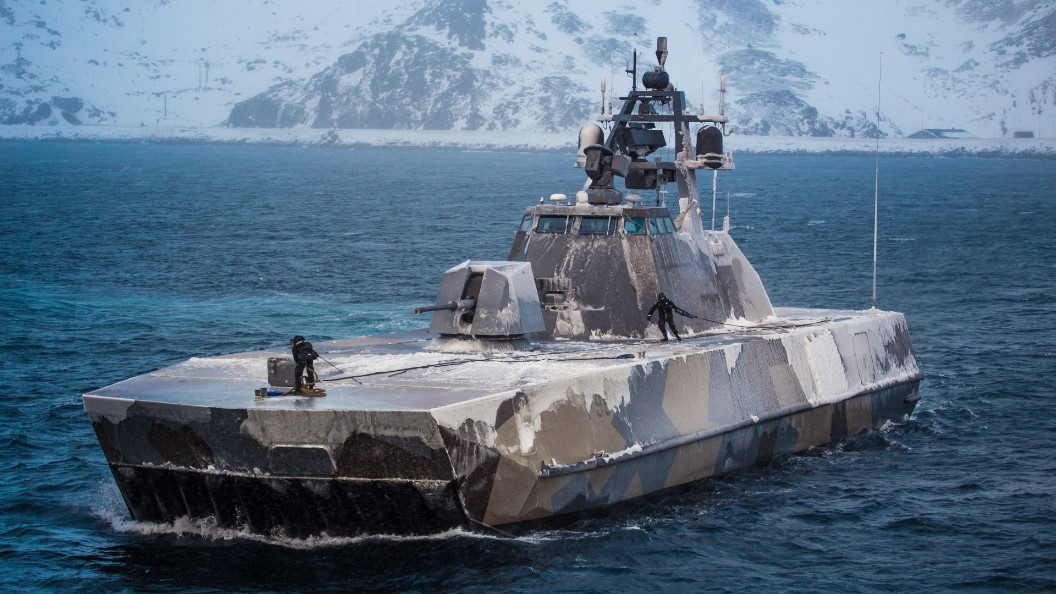
World
OSLO, : Kongsberg Defence & Aerospace has signed a contract valued at approximately NOK 410 million with the Norwegian Defence Material Agency (NDMA) to carry out a comprehensive combat system and sensor modernization program for the Royal Norwegian Navy’s Skjold-class corvettes. The agreement, finalized on February 20, 2026, is focused on strengthening technical availability and extending the operational lifespan of the high-speed vessels. The contract represents a continuation of the initial Skjold combat system upgrade project awarded to Kongsberg in 2022, forming part of a phased modernization approach for the class. Scope of Modernization The Skjold-class corvettes are among the fastest operational naval vessels globally and are designed primarily for high-speed littoral operations. Under the new contract, four of the Navy’s six vessels will undergo targeted technical upgrades aimed at improving detection, tracking, and engagement capabilities. The modernization program includes the installation of new electro-optical sensor systems intended to enhance situational awareness and target tracking performance. These sensors are expected to provide improved identification and monitoring of surface and aerial contacts in complex coastal environments. In addition, upgrades will be carried out to the vessels’ existing fire control radar systems. The enhancements are designed to maintain and improve the precision of the corvettes’ 76 mm naval guns, ensuring continued effectiveness against present and emerging threats. All new sensor and radar components will be integrated into the existing combat management systems supplied by Kongsberg. The integration process is intended to ensure compatibility with current onboard architecture while maintaining system reliability and operational continuity. According to the NDMA, the upgrades will significantly strengthen the fleet’s capability to detect, track, and engage modern threats, including smaller and fast-moving unmanned aerial systems. Alignment with Fleet Plan 2024 The Skjold-class upgrade forms part of Norway’s broader maritime capability development framework outlined in Fleet Plan 2024. The objective is to maintain the operational relevance and combat readiness of the corvettes until the introduction of next-generation standardized naval vessels and associated capabilities under the long-term fleet strategy. Kjetil Reiten Myhra, Executive Vice President of Defence Systems at Kongsberg Defence & Aerospace, stated that the company will continue its cooperation with the NDMA to support and strengthen the operational availability of the fleet. Stein Håvard Bergstad, Head of Maritime Capabilities at the NDMA, said the contract is an important contribution to ensuring that the Skjold-class remains combat-capable in the years ahead. He noted that the upgrade will enhance precision, detection capability, and endurance, and represents a key element of the overall modernization of the vessels. Implementation Timeline Work under the contract will begin immediately. Kongsberg and the NDMA plan to initiate installation of the first upgraded systems on the selected vessels later in 2026. The program will be executed in coordination with the Navy to minimize operational disruption and maintain fleet readiness during the upgrade period. The modernization effort is expected to ensure that the Skjold-class corvettes remain fully operational and aligned with Norway’s maritime defense requirements during the transition to future naval platforms.
Read More → Posted on 2026-02-21 15:55:28Search
Top Trending in 24 Hours
-
 U.S. Navy Awards Northrop Grumman $1.2 Billion Deal for Three New E-2D Advanced Hawkeyes
-
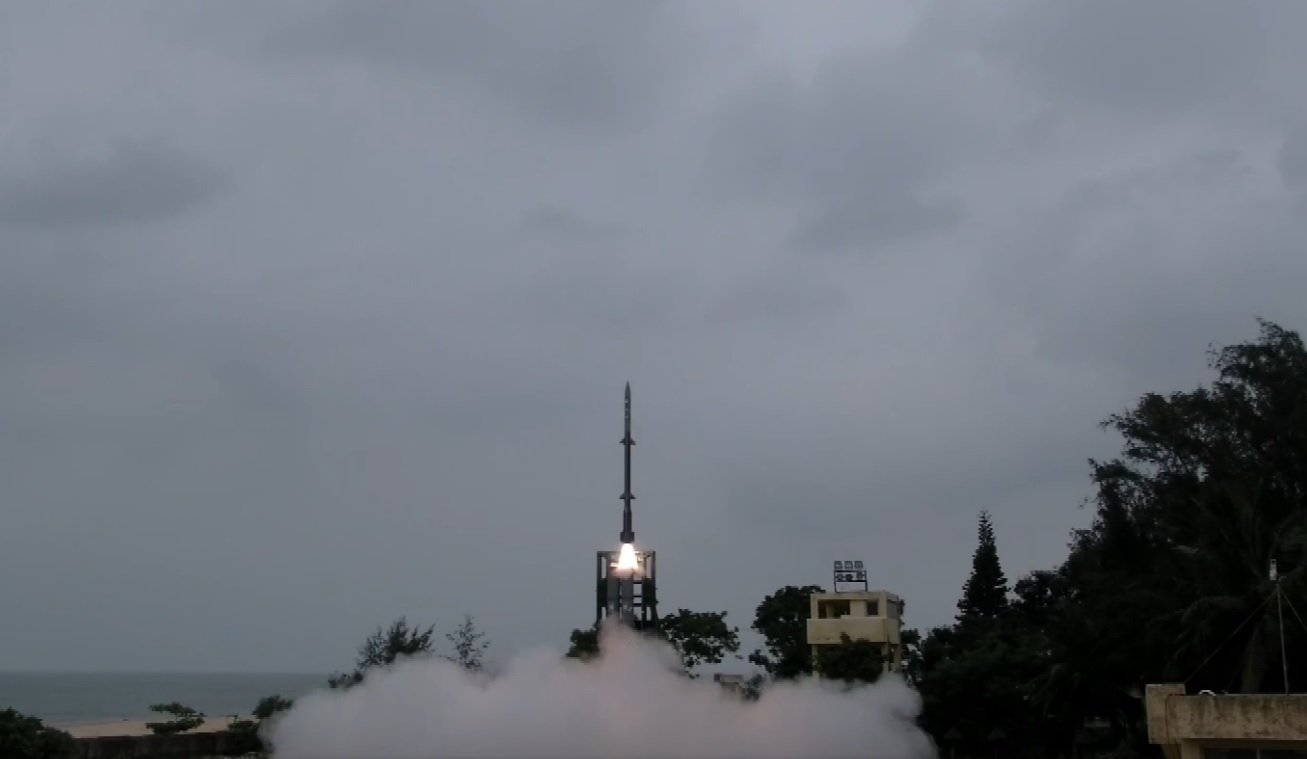 DRDO Successfully Conducts Maiden Flight Test of 150-km-Range Kusha M1 Air Defence Missile
-
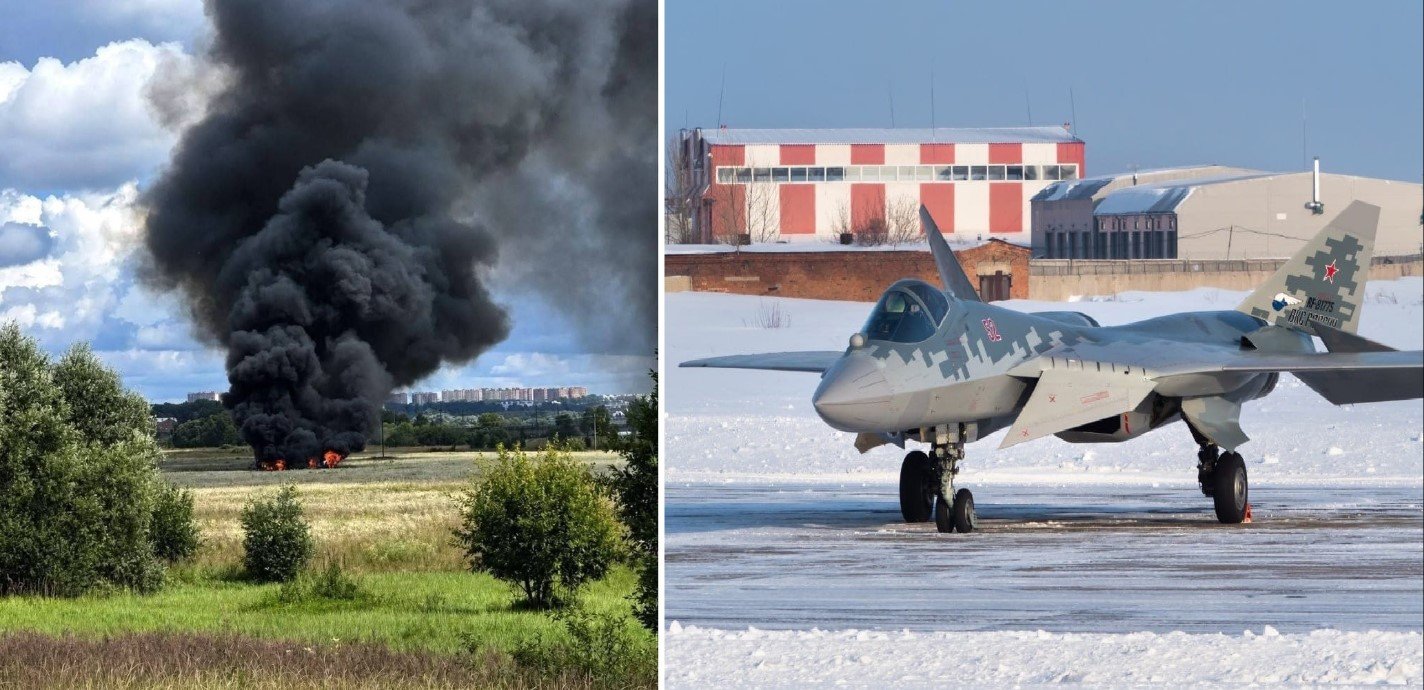 Russian Su-57 Stealth Fighter Crashes During Training Flight Near Moscow, Pilot Ejects Safely
-
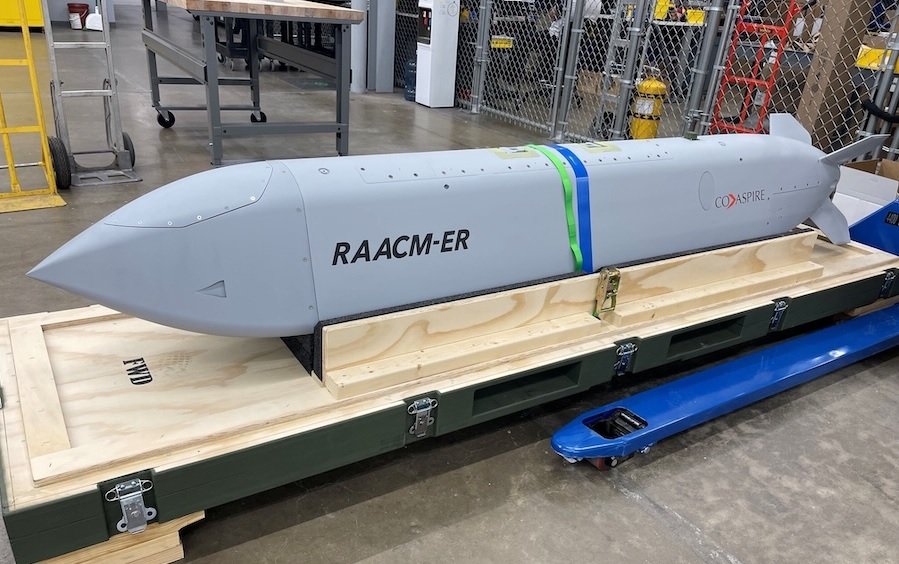 U.S. Navy Selects CoAspire to Build Ground-Launched CHAOS Cruise Missile Under $70 Million Program
-
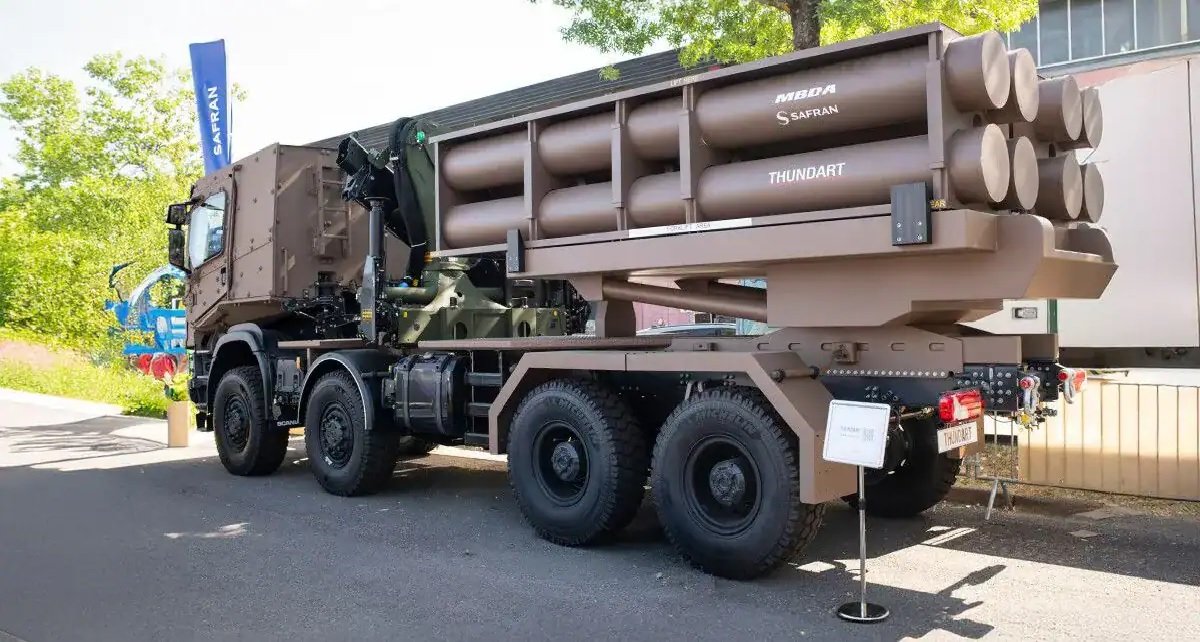 France's THUNDART Long-Range Rocket System May Undergo Prototype Combat Testing in Ukraine
-
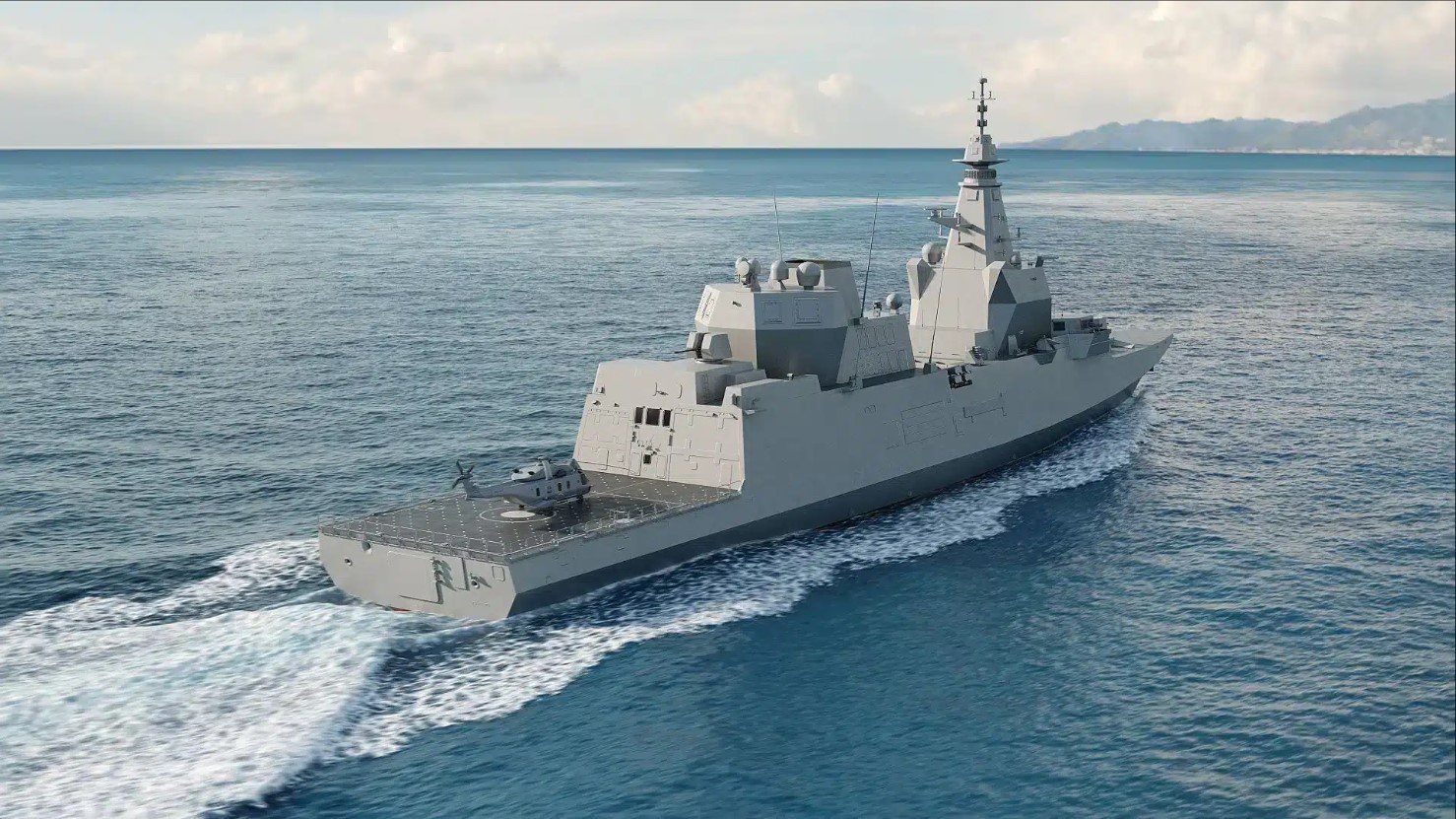 Portugal Orders Three FREMM EVO Frigates from Italy in €3.9 Billion Naval Deal
-
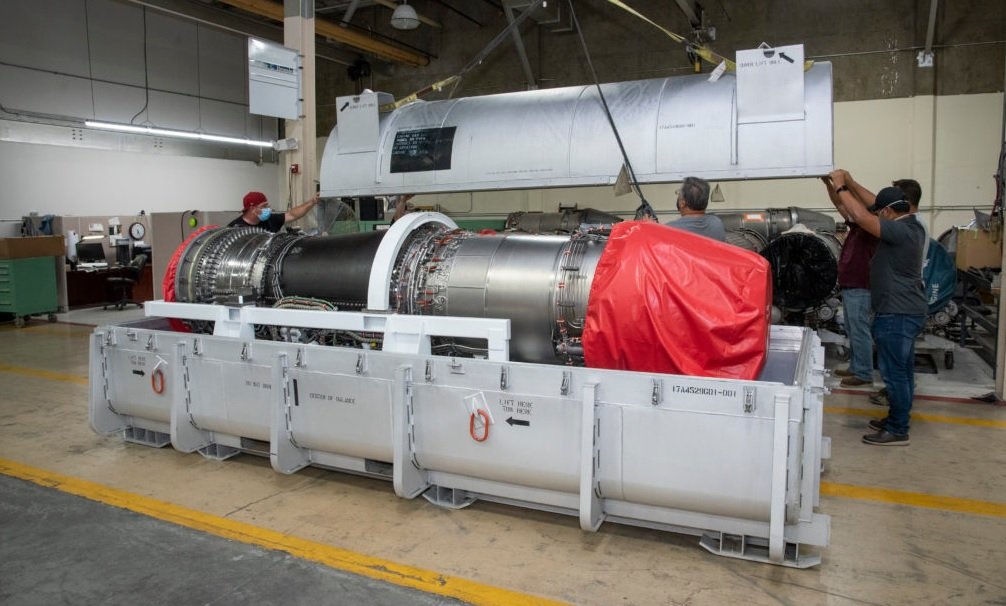 GE Aerospace and Magellan Aerospace Corporation Sign Strategic MoU for F414 Engine Sustainment in Canada
-
 Destinus Unveils Vorexon Interceptor Concept to Defend Critical Sites from Artillery Threats
Top Trending in 4 Days
-
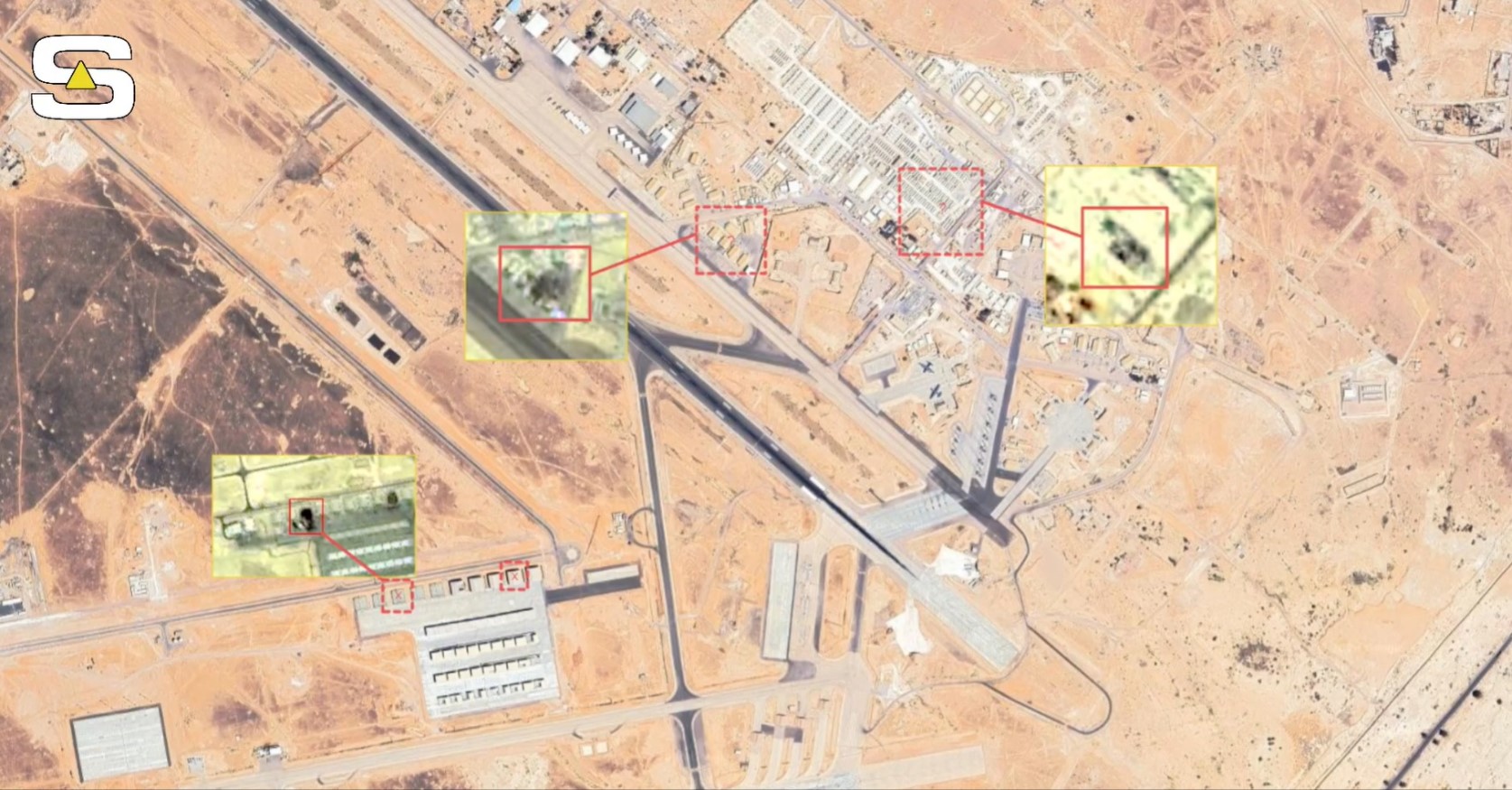 New Satellite Imagery Reveals Extensive Damage at Jordan's Muwaffaq al-Salti Air Base After Iranian Missile Strike
-
 Anduril Unveils Thunder Autonomous Attack Rotorcraft Built with Archer Aviation to Support Apache Helicopters
-
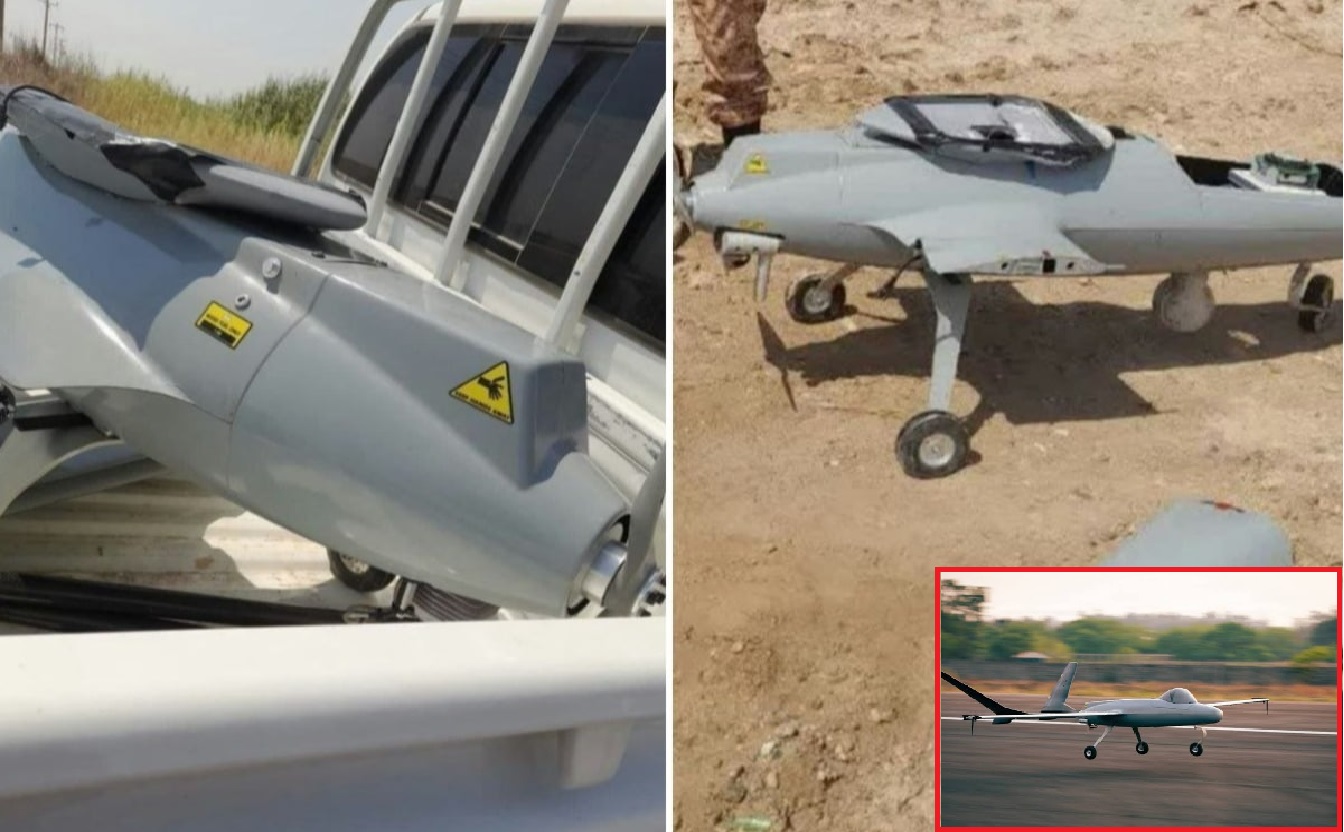 Iran Claims It Shot Down U.S.-Operated Polish-Built Tiguar-M Drone, Releases Images
-
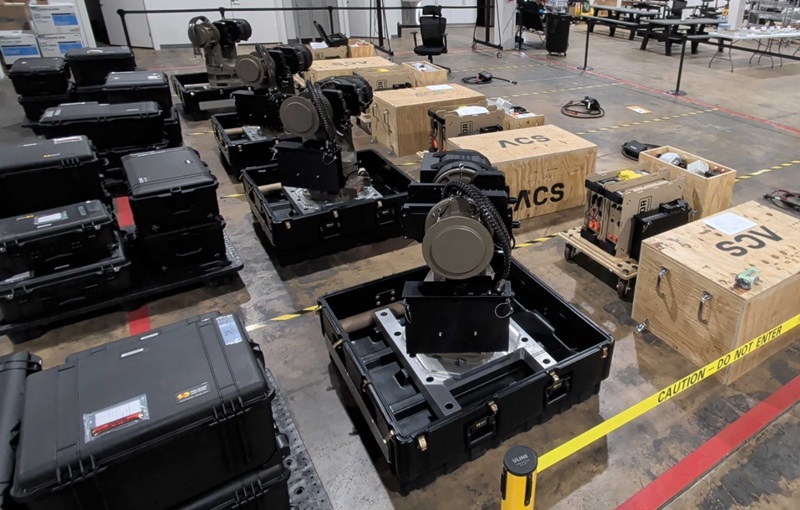 U.S. Marine Corps Selects AI-Powered Bullfrog Weapon Station for L-MADIS Counter-Drone Platform
-
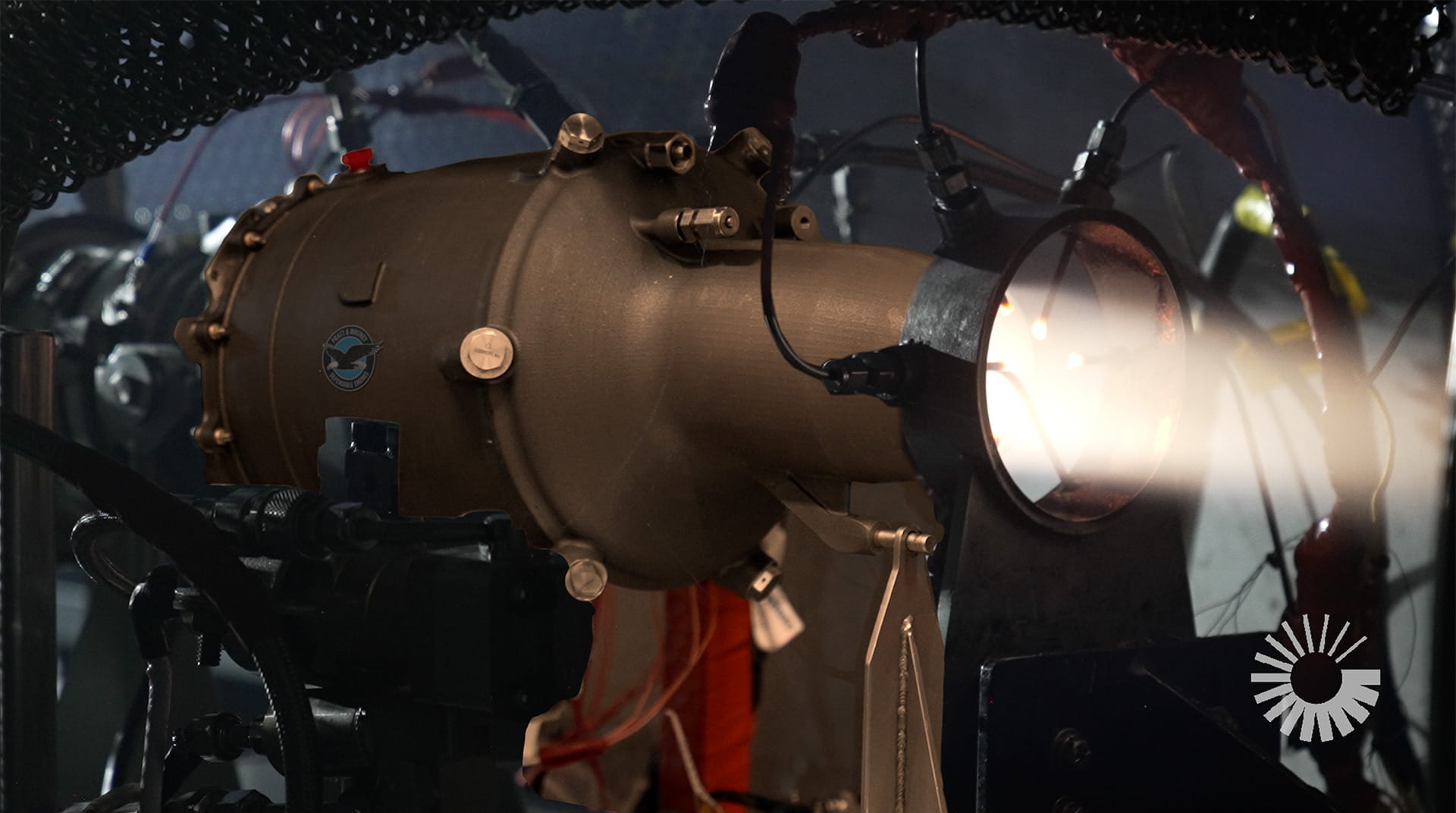 Pratt & Whitney Completes Testing of 3D-Printed TJ150 Engine for Military Applications
-
 Lockheed Martin Unveils MORFIUS X-Rotor High-Power Microwave System That Can Neutralize 50+ Drones in One Flight
-
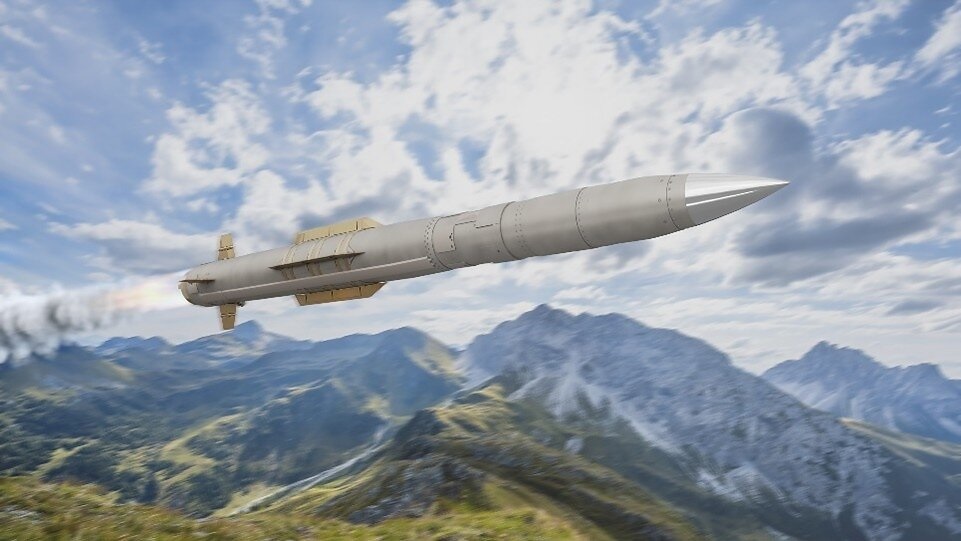 Lockheed Martin Unveils Lower-Cost PAC-3 ACE Interceptor for Patriot Air Defense System
-
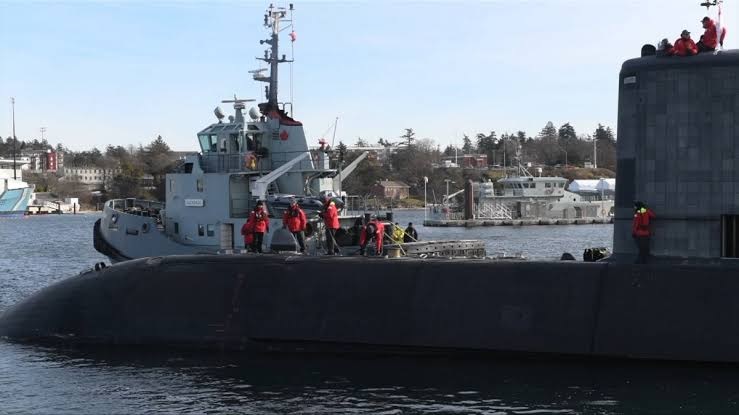 Canada Awards Babcock $1.1 Billion Six-Year Contract Extension to Support Victoria-Class Submarine Fleet
