
World
LONDON, March 1, 2026 — UK Defence Secretary John Healey has confirmed that British military personnel stationed in Bahrain and Cyprus were not injured following Iranian missile and drone strikes conducted across parts of the Middle East. The incidents occurred amid heightened regional tensions after coordinated United States and Israeli operations targeting Iranian infrastructure and senior leadership in Tehran. The Ministry of Defence stated that all UK service members in the affected areas have been accounted for and remain safe. Missiles Fired Toward Cyprus According to Healey, two Iranian missiles were launched in the general direction of Cyprus, which hosts British Sovereign Base Areas including RAF Akrotiri and Dhekelia. British Forces Cyprus maintains a significant presence on the island, with thousands of personnel stationed there. UK military intelligence assessments indicate that the missiles were “almost certain” not intended to strike the British bases directly. A source familiar with the situation reported that the projectiles either fell short or landed in the sea before reaching the island. Healey stated that while there was no direct threat to British installations, the launches demonstrate the broader risks posed by the current regional escalation. A spokesperson for the Cypriot government said there was no indication of a direct threat to the country. Cyprus President Nikos Christodoulides confirmed that Prime Minister Keir Starmer had communicated clearly that Cyprus was not a target. British Personnel Near Strike Zone in Bahrain The most immediate proximity to Iranian strikes involved UK personnel in Bahrain. Approximately 300 British service members are currently stationed in the country. Healey confirmed that some were located just a few hundred yards from sites struck by Iranian missiles and drones. No British bases were directly hit, and there were no UK casualties reported. The Defence Secretary emphasized that the safety of UK Armed Forces personnel remains the Ministry of Defence’s highest priority. Defensive Air Operations in the Region British aircraft, including Typhoon and F-35 jets operated by the Royal Air Force, are conducting defensive patrols across Middle Eastern airspace. These missions include monitoring potential threats and intercepting aerial targets when necessary. A British unit based in Iraq reportedly intercepted an Iranian drone heading toward a coalition installation housing UK personnel. Healey reiterated that UK forces are operating strictly in a defensive capacity and are not participating in offensive US or Israeli strikes against Iran. The United Kingdom continues to coordinate with allies, including the US Air Force, as part of broader regional security commitments. Background and Previous Deployments During a previous escalation in 2024, UK aircraft participated in regional air defence operations, intercepting approximately 38 Iranian drones and missiles aimed at Israel. At that time, the UK deployed four Eurofighter Typhoon jets to Qatar under the joint UK–Qatari No. 12 Squadron arrangement. The current escalation follows large-scale US-Israeli strikes conducted on February 28, 2026, which killed Iran’s Supreme Leader Ayatollah Ali Khamenei and targeted multiple military sites. Iran subsequently launched missile and drone attacks across several locations in the Middle East, including areas near US and UK facilities. Government Position Healey reiterated the UK government’s longstanding position that Iran must not be permitted to obtain nuclear weapons. He also echoed Prime Minister Starmer’s call for all parties to halt missile activity and reduce the risk of further escalation. Airspace across parts of the region remains restricted as military operations continue. UK officials stated that British troops and civilians in the Middle East remain at elevated risk, and protective measures are under continuous review.
Read More → Posted on 2026-03-01 14:19:01
World
TAMPA, Florida — March 1, 2026 : United States Central Command (CENTCOM) on March 1 released declassified footage showing an M142 High Mobility Artillery Rocket System (HIMARS) launching Army Tactical Missile System (ATACMS) tactical ballistic missiles at targets inside Iran as part of Operation Epic Fury. The unclassified video, posted by CENTCOM on X, shows a single HIMARS vehicle conducting a nighttime launch sequence. The launcher pod is elevated before missile departure, with a visible exhaust plume and shockwave as the solid-fuel rocket motor ignites. CENTCOM stated that Iranian leadership had received prior warning and described the strikes as conducted under presidential direction. The command did not disclose the launch location, the specific targets struck in that salvo, or any battle damage assessment results. Operation Timeline and Objectives Operation Epic Fury began on February 28, 2026, at 1:15 a.m. Eastern Time at the direction of the President of the United States. According to CENTCOM, U.S. and partner forces initiated coordinated strikes aimed at dismantling elements of the Iranian regime’s security apparatus, prioritizing locations assessed as posing imminent threats. The initial wave targeted facilities and infrastructure associated with the Islamic Revolutionary Guard Corps (IRGC), including command-and-control nodes, Iranian air defense systems, missile and drone launch sites, and military airfields. Precision-guided munitions were delivered from air, land, and sea-based platforms during the opening phase of the campaign. CENTCOM has characterized the operation as the largest regional concentration of U.S. military firepower in a generation. The broader objective is to degrade Iranian command-and-control networks, air defense assets, and missile and drone infrastructure. The command stated that the campaign is being conducted jointly with partner forces, including coordination with Israel, though specific details regarding individual engagements remain limited. Adm. Brad Cooper, commander of CENTCOM, said the operation was ordered by the President and is being executed by U.S. service members across all branches. Following the initial strikes, Iranian forces launched hundreds of retaliatory missile and drone attacks, according to CENTCOM. U.S. and partner air and missile defense systems intercepted the incoming threats. The command reported no U.S. casualties or combat-related injuries and stated that damage to U.S. installations was minimal and did not affect operational capabilities. ATACMS System Overview The ATACMS is a long-range, guided surface-to-surface tactical ballistic missile used by the U.S. Army to deliver precision strikes at extended distances. Each missile is housed in a standard Multiple Launch Rocket System (MLRS) launch pod compatible with both the M142 HIMARS and the M270 MLRS platforms. The system uses a Global Positioning System (GPS)-aided inertial navigation system for guidance. The variant described by CENTCOM carries a WDU-18/B 500-pound-class blast fragmentation unitary warhead. The missile has a maximum range of 300 kilometers and is powered by a solid-fuel rocket motor. ATACMS launch pods are externally similar to standard MLRS rocket pods. Lockheed Martin has produced more than 3,800 ATACMS missiles since the program’s inception. Prior to Operation Epic Fury, more than 600 rounds had been expended in combat operations, according to program data cited by CENTCOM. In August 2017, the U.S. Army awarded a contract under a Service Life Extension Program (SLEP) to modernize 150 ATACMS rounds. The upgrade replaced older cluster-munition payloads with WDU-18/B unitary warheads and extended the storage life of the missiles by at least ten years, in accordance with Department of Defense policy regarding unexploded ordnance and munitions safety. Strategic Context The release of the HIMARS launch footage marks a public confirmation of ground-launched deep-strike systems being employed during the early stages of Operation Epic Fury. CENTCOM has stated that the campaign remains ongoing and that additional operational details will be released as appropriate. The command has not provided specific geographic details regarding HIMARS deployment locations, target coordinates, or post-strike assessments.
Read More → Posted on 2026-03-01 14:05:00
World
TEHRAN, — March 1, 2026 : Iranian state television has confirmed the death of Supreme Leader Ayatollah Ali Khamenei, who was killed on February 28 in a joint United States–Israel airstrike targeting his office within his residential compound in Tehran. He was 86. State media outlets, including Fars News Agency and ISNA, reported that Khamenei was at his office carrying out official duties at the time of the strike. Satellite imagery released following the attack showed extensive structural damage to multiple buildings inside the secured compound. Iranian authorities have not disclosed the specific weapon systems used or provided full details regarding additional casualties. The strike formed part of coordinated military operations launched on February 28 by the United States and Israel. Officials from both countries stated that the operation targeted senior Iranian leadership figures and strategic sites. U.S. President Donald Trump announced the strike hours before Iranian state confirmation, describing it as based on precise intelligence. According to reports from Fars, several individuals were killed in the attack in addition to Khamenei, including senior military officials and family members. Among those reported dead was Mohammad Pakpour, identified as a commander within the Islamic Revolutionary Guard Corps. The Iranian government declared a 40-day national mourning period and announced a seven-day public holiday. State institutions have lowered flags and suspended regular programming in observance. Formation of Interim Leadership Council Following confirmation of Khamenei’s death, Iranian authorities activated Article 111 of the Constitution, which provides procedures for the temporary exercise of the Supreme Leader’s powers in the event of death or incapacitation. ISNA reported the immediate formation of a three-member interim Leadership Council. The body consists of cleric Alireza Arafi as the jurist member, President Masoud Pezeshkian, and Chief Justice Gholam-Hossein Mohseni-Ejei. The Expediency Discernment Council confirmed Arafi’s appointment to the interim body. The council will collectively exercise the constitutional powers of the Supreme Leader until a permanent successor is selected. Under the Constitution, the responsibility for appointing a new Supreme Leader rests with the Assembly of Experts, an 88-member clerical institution. The Assembly is expected to convene in the coming weeks to deliberate on succession. Profile of Alireza Arafi Arafi, 67, has held several senior religious and institutional positions within Iran’s clerical establishment. He previously headed Iran’s nationwide Islamic seminary system and is a current member of the Guardian Council. He also serves as a member of the Assembly of Experts. From 2008 to 2018, Arafi served as president of Al-Mustafa International University, an institution overseeing religious education and outreach activities abroad. Iranian sources had previously identified him as a potential successor to Khamenei. Operational Context and Ongoing Monitoring The February 28 strikes reportedly targeted multiple military installations, air defense systems, and government facilities across Tehran. Satellite assessments indicated concentrated damage within the Supreme Leader’s secured residential and administrative complex. Iranian authorities have not released comprehensive casualty figures beyond confirmed senior officials. No additional technical details regarding the strike platforms or munitions have been disclosed. Regional governments and international observers are continuing to monitor developments, particularly the internal transition process and any potential geopolitical consequences arising from the operation. The interim Leadership Council will manage state affairs during the transitional period until the Assembly of Experts elects a permanent Supreme Leader in accordance with constitutional procedures.
Read More → Posted on 2026-03-01 13:49:02
World
JERUSALEM — March 1, 2026 : The Israeli Air Force (IAF) has confirmed the destruction of an Iranian Shahab-3 medium-range ballistic missile (MRBM) system and associated launch infrastructure during ongoing air operations under Operation Lions Roar. The campaign, launched on February 28, 2026, is being conducted in coordination with the United States, which is operating in parallel under the name Operation Epic Fury. The operation began following the collapse of nuclear negotiations between the United States and Iran in Geneva. Israeli Prime Minister Benjamin Netanyahu announced the start of Operation Lions Roar, stating that the objective is to address threats linked to Iran’s nuclear program and long-range strike capabilities. U.S. forces simultaneously conducted strikes on designated targets in Tehran, Isfahan, and additional locations. Strike Confirmation and Operational Scope In a statement published on its official X account, the IAF said the Israel Defense Forces (IDF) are continuing strikes against Iran’s missile arrays and air defense systems. According to the statement, the strikes are intended to enhance the Air Force’s operational freedom and prevent missile launches that pose risks to Israel and other regional areas. Operational imagery and a 3D rendering of the destroyed missile system were released by the IAF. The material shows a ballistic missile mounted on a six-axle transporter erector launcher (TEL), consistent with known Shahab-3 configurations. The strike reportedly included suppression of Iranian air defense systems in the vicinity to reduce risks to follow-on missions and maintain air superiority. The IDF reported that dozens of military targets were struck during the initial phase of the campaign, including missile launchers, air defense batteries, and facilities described as linked to nuclear infrastructure. Explosions were reported in Tehran and other Iranian cities following the strikes. Iranian authorities closed national airspace and issued a Notice to Airmen (NOTAM) after the attacks. Israeli forces employed F-16I Sufa aircraft during long-range strike missions. The aircraft were armed with RAMPAGE stand-off missiles, designed for precision engagement of high-value ground targets from extended distances. Additional footage released by the Israeli military showed strikes on ballistic missile launch systems in western Iran identified as operational threats. Technical Identification of the Missile System Defense analysts from the Army Recognition Group conducted an independent assessment of the released imagery and technical data. The evaluation concluded that the destroyed system matches the Shahab-3 family or an evolved derivative such as the Ghadr variant. According to the assessment, the missile has a reported range between 800 and 1,650 kilometers and carries a warhead weighing approximately 640 kilograms. These specifications correspond with extended-range Shahab-3 variants that achieve increased reach through reduced payload weight and structural refinements. The Shahab-3 is a single-stage, liquid-fueled MRBM derived from the North Korean Nodong design. Introduced in the early 2000s, the system has undergone incremental modifications, including improvements in structural materials, propulsion efficiency, and reentry vehicle configuration. The missile features a slender cylindrical fuselage and a conical reentry vehicle. Analysts noted that the airframe shown in the IAF imagery is narrower than Iran’s Khorramshahr ballistic missile, which is based on the Musudan lineage and requires a heavier multi-axle launch platform. The absence of the larger dimensions and platform associated with the Khorramshahr system supports the identification of the destroyed asset as belonging to the Shahab-3 family. Operational and Strategic Considerations Liquid-fueled missile systems such as the Shahab-3 require fueling and erection shortly before launch. This process creates a detectable preparation window, making them vulnerable to surveillance and pre-emptive strikes. By targeting launchers and support infrastructure before missile deployment, Israeli forces aim to reduce the number of systems available for sustained ballistic operations. Iran’s medium-range missile inventory forms a central component of its deterrence posture. With a maximum range of approximately 1,650 kilometers, the Shahab-3 enables Iranian forces to target Israeli territory and other regional locations without forward deployment. The destruction of launch infrastructure limits Iran’s capacity to conduct large-scale retaliatory salvos. Israeli defensive systems were activated following the initial offensive phase amid reports of Iranian retaliatory missile activity. Tehran designated its response as Operation True Promise 4. Israeli multi-layered missile defense systems, including Arrow and David’s Sling, were placed on alert to intercept incoming threats. Defense assessments indicate that sustained attrition of liquid-fueled MRBMs could increase Iran’s reliance on solid-fueled systems such as the Sejjil. Solid-fueled missiles require shorter launch preparation times but are assessed to exist in smaller operational numbers compared to legacy liquid-fueled platforms. Ongoing Campaign Operation Lions Roar continues to focus on ballistic missile infrastructure, air defense networks, and facilities identified as contributing to Iran’s long-range strike capabilities. The long-term impact of the campaign will depend on the scale of launcher and infrastructure destruction, the survivability of dispersed missile units, and Iran’s capacity to regenerate production while under sustained military pressure. Israeli officials have stated that operations will proceed based on evolving intelligence assessments. The coordinated campaign represents a targeted effort to degrade missile capabilities assessed as posing direct risks to Israel and regional security.
Read More → Posted on 2026-03-01 13:37:24
World
MUSANDAM, Oman — March 1, 2026 : Iranian forces struck the Palau-flagged oil tanker Skylight in the Strait of Hormuz on Sunday morning, causing the vessel to catch fire and begin sinking, according to Omani maritime authorities. The incident occurred approximately five nautical miles (about 9.3 kilometers) north of Khasab Port in Oman’s Musandam Governorate. Iranian authorities reportedly targeted the vessel on the grounds that it was “illegally passing” through the strategic waterway. Crew Evacuated, Four Injured Oman’s Maritime Security Centre coordinated the emergency response to the distressed tanker. The Skylight was carrying a crew of 20 personnel, including 15 Indian nationals and five Iranian nationals. Maritime officials confirmed that all 20 crew members were safely evacuated from the vessel. Four mariners sustained injuries of varying severity and were transferred to regional medical facilities for treatment. Authorities did not release additional medical details. The Maritime Security Centre did not specify the type of weapon or method used in the strike. No further information regarding salvage operations or the vessel’s final condition was immediately available. Vessel Profile and Sanctions Status Maritime databases identify the Skylight as an 11,262 deadweight-ton refined products carrier. The vessel had reportedly been anchored in Oman’s Musandam Governorate since February 22, 2026, prior to the incident. The United States Department of the Treasury designated the Skylight under its sanctions program in December 2025. According to U.S. authorities, the tanker is part of Iran’s “shadow fleet,” a network of vessels used to transport Iranian oil and petroleum products through the Persian Gulf in circumvention of international energy sanctions. The vessel is managed by Red Sea Ship Management LLC, which was also sanctioned by the U.S. Treasury Department in December 2025 in connection with the same network. Regional Security Context The strike on the Skylight comes amid heightened regional tensions. In recent days, joint U.S.–Israeli military operations in Iran have prompted Tehran to initiate retaliatory actions across multiple areas in the region. Military activities and strikes have reportedly affected Bahrain, the United Arab Emirates, Cyprus, and Oman. On Saturday, Iran’s Islamic Revolutionary Guard Corps (IRGC) announced that the Strait of Hormuz was closed to international navigation. The Strait is a critical maritime corridor for global energy supplies, handling a significant share of the world’s seaborne oil trade. Iranian state media has not provided additional operational details regarding the strike. Omani authorities stated they are continuing to monitor the situation in coordination with relevant maritime and security agencies. No further official statements were immediately available from Iranian authorities, the vessel’s management company, or U.S. officials regarding the incident.
Read More → Posted on 2026-03-01 13:27:41
World
WASHINGTON — The United States Department of Defense is advancing the development of artificial intelligence-driven cyber capabilities designed to identify and exploit vulnerabilities in Chinese critical infrastructure, as part of broader preparations for potential future conflict scenarios, according to officials familiar with the program. The initiative centers on integrating advanced AI systems into military cyber operations to automate and accelerate reconnaissance, network mapping, and vulnerability assessment processes. Defense officials say the technology is intended to streamline the identification of external network weaknesses linked to strategic infrastructure, including power grids and other sensitive civilian systems assessed as critical to national resilience. Under the program, AI models are being adapted to analyze large volumes of open-source and technical network data, enabling faster detection of configuration flaws, exposed services, and potential access points. By automating tasks traditionally conducted by human cyber operators, the systems are designed to reduce operational timelines and improve targeting precision in contingency planning. One former Central Intelligence Agency official familiar with the concept compared the AI-enabled approach to systematically testing digital entry points across networks to determine which systems may be vulnerable to intrusion. The objective, officials say, is to create scalable reconnaissance capabilities capable of mapping complex infrastructure environments across multiple sectors. To support these efforts, the Pentagon has awarded approximately $200 million in government contracts to leading artificial intelligence firms. Companies identified as contract recipients include OpenAI, Anthropic, Google, and xAI. The funding is intended to support research, model adaptation, cybersecurity hardening, and integration of AI systems into defense workflows. However, the expanding partnership between the Defense Department and Silicon Valley has generated friction over the permissible scope of military deployment. Several AI laboratories have expressed reservations regarding unrestricted military use of their foundational models, citing internal safety frameworks and governance policies governing high-risk applications. Executives and policy teams within some of the companies have raised concerns about the potential use of advanced AI systems in active cyber operations targeting civilian infrastructure. These concerns are tied to corporate commitments related to responsible AI deployment, model misuse prevention, and risk mitigation protocols. According to individuals familiar with discussions between government and industry representatives, the Defense Department has sought broad operational latitude in the use of contracted AI technologies. A senior U.S. official reportedly warned Anthropic that refusal to comply with Pentagon deployment terms could result in consequences affecting the company’s government engagement. Defense officials maintain that operational flexibility is a core requirement in contingency planning and that constraints limiting real-time deployment could undermine mission effectiveness. One person familiar with the U.S. position stated that unrestricted access to contracted AI systems is considered necessary in crisis conditions. The development effort reflects a wider shift within the U.S. military toward incorporating advanced artificial intelligence into cyber, intelligence, and operational planning frameworks. Cyber Command and other defense agencies have increasingly prioritized automation, machine learning–driven analytics, and large-scale data processing capabilities to manage complex threat environments. The focus on Chinese infrastructure aligns with longstanding U.S. assessments that cyber capabilities will play a central role in any major state-on-state conflict. Planning efforts involving infrastructure analysis are typically part of deterrence strategy, scenario modeling, and operational preparedness. The disagreements between defense authorities and AI developers highlight a broader debate over the governance of dual-use technologies, particularly large language models and other advanced AI systems capable of both civilian and military applications. While technology firms continue to expand federal partnerships, internal compliance teams and external advisory boards are evaluating how existing safety policies apply to national security contracts. At present, the Pentagon continues to expand its AI integration initiatives, while discussions with private-sector partners remain ongoing regarding contractual terms, deployment parameters, and oversight mechanisms.
Read More → Posted on 2026-02-27 18:16:35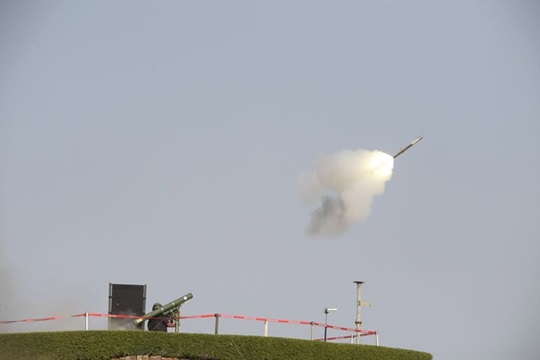
India
CHANDIPUR, ODISHA : The Defence Research and Development Organisation (DRDO) on Friday successfully carried out three consecutive flight trials of the indigenously developed Very Short Range Air Defence System (VSHORADS) from the Integrated Test Range (ITR) at Chandipur, off the Odisha coast. The trials were conducted in the system’s final deployment configuration and validated its capability to intercept high-speed aerial threats under varied operational conditions. According to the Ministry of Defence, the tests were aimed at revalidating the missile system’s performance parameters against targets flying at different speeds, ranges and altitudes. During the trials, the missiles successfully intercepted and destroyed high-speed aerial targets simulating enemy unmanned aerial vehicles (UAVs), helicopters and fighter aircraft across multiple threat scenarios. The launch operations were executed by field operators to simulate real-time battlefield conditions. Target acquisition, tracking and missile firing procedures were carried out as per operational protocols. Comprehensive flight data was recorded through telemetry systems, electro-optical tracking instruments and radar assets deployed at ITR Chandipur. The collected data confirmed the missile’s accuracy, seeker performance, propulsion response and control system effectiveness at extreme engagement ranges. The VSHORADS missile tested during the trials has a weight of 20.5 kilograms and is designed for short-range air defence with an operational range of up to 6 kilometres. The missile is capable of achieving speeds up to Mach 1.5 and can engage aerial targets at launch altitudes of up to 3.5 kilometres above mean sea level. It is equipped with a 2-kilogram pre-fragmented (PF) warhead designed to ensure effective target neutralisation. The missile uses an Imaging Infrared (IIR) seeker for terminal guidance, enabling accurate tracking of heat signatures in varied environmental conditions. The propulsion system consists of a dual-thrust solid rocket motor that supports rapid acceleration and sustained flight stability. The system employs digital electro-mechanical actuators with reaction control for precise manoeuvrability during engagement. The launcher configuration is man-portable and tripod-based, enabling quick deployment in forward operational areas. The system is designed to meet the close-air defence requirements of the Indian Army, Indian Navy and Indian Air Force, particularly against low-altitude aerial threats. The VSHORADS has been designed and developed by Research Centre Imarat (RCI), a Hyderabad-based DRDO laboratory, in collaboration with other DRDO facilities and domestic industry partners. The development programme forms part of India’s broader efforts to strengthen indigenous air defence capabilities and reduce dependence on imported systems. Defence Minister Rajnath Singh congratulated DRDO, the Armed Forces and industry partners on the successful completion of the three flight trials. He stated that the consecutive successful tests indicate that the system is progressing towards induction into the armed forces. Secretary, Department of Defence Research and Development and Chairman of DRDO, Dr. Samir V. Kamat, also commended the scientists, engineers and associated teams involved in the design, development and testing of the system. With the completion of these three consecutive validation trials at ITR Chandipur, the VSHORADS missile system moves closer to operational deployment as a short-range air defence solution for India’s armed forces.
Read More → Posted on 2026-02-27 18:05:52
World
JAKARTA : The Indonesian Ministry of Defense (MoD) has formally received two DRASS DS8 Swimmer Delivery Vehicles (SDVs) as part of the first phase of an ongoing procurement program aimed at strengthening the Indonesian Navy’s special operations capabilities. The submersibles, manufactured by Italian defense company DRASS, will be operated by KOPASKA (Komando Pasukan Katak), the elite frogman unit of the Indonesian Navy. The newly delivered DS8 platforms will complement KOPASKA’s existing fleet of Swedish-built SEAL Carrier SDVs. According to defense officials, the introduction of the DS8 is intended to expand the unit’s operational capacity for underwater infiltration, maritime reconnaissance, intelligence collection, patrol missions, and asymmetric countermeasures across Indonesia’s coastal and littoral zones. Platform Design and Configuration The DRASS DS8 is classified as a “wet” swimmer delivery vehicle, meaning its crew operates in a flooded hull environment while remaining connected to onboard breathing and communication systems. The platform is specifically engineered for shallow-water and stealth operations in complex maritime environments. The vehicle measures approximately 8.5 to 8.6 meters in length, with a beam of 1.6 meters and a height of 1.72 meters. Its empty weight ranges between 3,500 and 4,000 kilograms. The DS8 is configured to transport up to eight fully equipped personnel, including two pilots and six combat divers. Operational depth for the DS8 is rated at a maximum safe depth of 50 meters of seawater (msw) with a crew onboard. Structurally, the platform can withstand depths of up to 100 msw during transit when transported by a larger surface vessel or submarine. Pressure-resistant components, designed to remain watertight at the 100-meter transit depth, are constructed from aluminum and stainless-steel containers. Propulsion and Endurance The DS8 is powered by an electrical propulsion system supported by a battery bank with a total capacity of 60 kWh. On the surface, the vehicle can reach speeds of 7 to 8 knots, depending on sea conditions. Submerged cruising speed is approximately 4.5 knots, with a maximum underwater speed of 6.5 knots. An onboard compressed air system totaling 528 liters at 300 bar supports both crew breathing requirements and the ballast tank blowing subsystem. The pneumatic system enables buoyancy adjustments and emergency surfacing operations. A pressure-resistant Hydraulic Power Unit (HPU) located at the stern operates the vehicle’s maneuvering actuators, including the rudder, ballast ventilation valves, and the deployable sensor mast. Navigation, Sensors, and Communications The DS8 integrates an advanced navigation and platform control system developed by DRASS, incorporating electronic nautical charts and a 3D autopilot capability to assist with underwater navigation and route planning. For surface observation while submerged, the vehicle is equipped with a 360-degree gyrostabilized optronic mast. This periscope suite includes daytime optics, thermal imaging, and CCTV capabilities. The communication architecture consists of a dual-channel communication system. Inside the hull, crew members utilize an integrated wired communication network during underwater transit. Once divers detach from the platform, they switch to a wireless communication system designed for diver-to-diver and diver-to-vehicle coordination. Payload Capacity and Combat Integration The DS8 features a modular payload bay designed to transport combat equipment, naval mines, and general logistics. The standard configuration provides 250 liters of cargo volume. A High Load (HL) variant increases storage capacity to 500 liters, supporting approximately 280 kilograms of gear. Through a partnership between DRASS and Leonardo, the DS8 can be configured with optional light torpedo launch capabilities. The platform accommodates two launch tubes for Leonardo’s Black Scorpion 5-inch light torpedoes. This integration provides a localized Anti-Submarine Warfare (ASW) capability, enabling engagement of fast-moving surface vessels, midget submarines, or unmanned underwater vehicles. Operational Integration With the addition of the DS8 platforms, KOPASKA’s underwater operational infrastructure receives a mechanical and systems-level update. The new vehicles are expected to operate in coordination with existing SEAL Carrier SDVs, expanding mission flexibility and logistical reach across Indonesia’s maritime domain. The Indonesian Ministry of Defense has not disclosed the delivery schedule for the second phase of the procurement program or the total number of platforms planned under the acquisition framework.
Read More → Posted on 2026-02-27 17:58:38
World
ARLINGTON, Va. : AeroVironment, Inc. has secured a $186 million delivery order from the U.S. Army for its next-generation Switchblade loitering munition systems, including the Switchblade 600 Block 2 and Switchblade 300 Block 20 variants equipped with explosively formed penetrator (EFP) payloads. The award was issued under the Army’s existing five-year, $990 million Indefinite Delivery, Indefinite Quantity (IDIQ) contract for Lethal Unmanned Systems (LUS), which was originally awarded to AeroVironment in August 2024. The IDIQ structure enables the Army to place task and delivery orders for specified systems and capabilities as operational requirements evolve. First Army Procurement of EFP-Equipped Switchblade Variants The $186 million order represents the first procurement of AeroVironment’s next-generation Switchblade product line intended for infantry and maneuver formations under the LUS framework. It also marks the first U.S. Army Switchblade acquisition to include explosively formed penetrator payloads. The EFP configuration is designed to increase effectiveness against armored targets by shaping the explosive charge into a high-velocity penetrator capable of defeating protective armor. Its integration into the Switchblade 300 Block 20 expands the system’s lethality while maintaining the portability associated with the original platform. Brian Young, Senior Vice President of Loitering Munitions at AeroVironment, stated that the order reflects continued Army confidence in the Switchblade family and its alignment with current battlefield requirements. He noted that the Block 2 and Block 20 configurations incorporate upgrades in autonomy, resilience, and lethality derived from operational experience. Switchblade 600 Block 2: Extended-Range, Multi-Domain Capability The Switchblade 600 Block 2 is designed as an extended-range loitering munition capable of supporting multi-domain operations. Developed in collaboration with United States Special Operations Command (SOCOM), the system incorporates upgraded avionics and advanced Automatic Target Recognition (ATR) to enable faster identification and engagement of threats. The Block 2 variant also integrates resilient communications architecture, including Silvus MANET radios, to maintain connectivity in contested or GPS-challenged environments. These features are intended to support operations where electronic warfare, signal disruption, or degraded navigation conditions are present. The system is structured to provide increased operational endurance and improved survivability in complex engagement scenarios, expanding its role in anti-armor and long-range precision strike missions. Switchblade 300 Block 20: Modular Payload and Enhanced Lethality The Switchblade 300 Block 20 builds on the original backpackable configuration widely used by small tactical units. The updated variant introduces a modular payload architecture, allowing for integration of different warhead options, including the newly incorporated EFP payload. With the EFP warhead, the Block 20 configuration provides enhanced lethality against armored threats while preserving its lightweight, single-operator deployable design. Additional upgrades include improved sensor performance, refined user interfaces, and extended-range options for engaging targets beyond the operator’s line of sight. These enhancements are intended to provide infantry units with expanded engagement flexibility without significantly increasing logistical burden. Scalable Capability for Infantry and Maneuver Units The combined procurement of the Switchblade 600 Block 2 and Switchblade 300 Block 20 systems provides the Army with scalable loitering munition capabilities. The 300 Block 20 supports lightweight, rapidly deployable missions conducted by small units, while the 600 Block 2 offers extended-range, anti-armor and multi-domain operational reach. The delivery order falls within the broader LUS contract framework, which enables the Army to incrementally modernize its unmanned lethal systems portfolio over the five-year contract period. The inclusion of EFP-equipped variants signals an expanded focus on armored target engagement within maneuver formations. With this $186 million task order, AeroVironment advances the fielding of its next-generation Switchblade systems under the Army’s ongoing Lethal Unmanned Systems acquisition program.
Read More → Posted on 2026-02-27 17:51:04
Space & Technology
MÖLNDAL, Sweden — February 26, 2026 : Kvaser has announced the global release of Kvaser Edge, a Linux-based edge computing platform designed for automotive and industrial data logging applications. The system is engineered to process, filter, and store data directly at the source — on vehicles, test benches, and industrial machines — reducing reliance on continuous PC connections and large-scale raw data transfers. Headquartered in Mölndal, Sweden, Kvaser brings more than 30 years of experience in Controller Area Network (CAN) and Local Interconnect Network (LIN) technologies. The company supplies machine-to-machine (M2M) communication solutions across automotive, aerospace, agriculture, industrial automation, marine, defense, medical, mining, bus and truck, and rail sectors. Edge Processing Designed for Modern Data Demands Kvaser Edge is built to address increasing data volumes generated during vehicle development, validation testing, and industrial machine monitoring. Traditional data logging workflows typically capture complete CAN traffic streams, producing extensive raw datasets that require post-processing on external computers. The new platform shifts analytics to the edge. It performs real-time filtering, data aggregation, anomaly detection, and event-based logging directly on the device. Instead of storing continuous full-stream data, the system records predefined relevant events, reducing storage requirements and network bandwidth usage. Processed data can be transmitted to cloud or local servers for further analysis when required. Primary application areas include real-time and remote diagnostics, predictive maintenance, intelligent event-based logging, fleet monitoring, off-highway telematics, and iterative test and development workflows. The device supports remote monitoring, troubleshooting, and secure remote access across distributed vehicle fleets or testing environments. Hardware Architecture and Environmental Design Kvaser Edge is a compact, rugged ARM-based Linux computer engineered for harsh operational environments. The unit carries an IP67 rating, providing resistance against dust and water ingress, and is designed to withstand extreme temperature variations typical in automotive and industrial settings. The platform includes: 256 GB eMMC internal storage Four galvanically isolated CAN/CAN FD channels implemented in FPGA Wi-Fi 6 connectivity Gigabit Ethernet USB ports supporting external storage, audio, and video peripherals Integrated 6-axis inertial measurement unit (IMU) GPS/GNSS support (external antenna required and sold separately) The device is rated for automotive-grade power conditions and is built to tolerate sudden voltage drops, engine cranking fluctuations, and abrupt shutdown scenarios. Both hardware and operating system components are designed to prevent data corruption during unexpected power loss. Hardware-Based Security and Regulatory Compliance Security is integrated at the hardware level through the inclusion of an NXP SE051C2 Secure Element. This dedicated cryptographic component provides a hardware root of trust, isolates credentials, and protects proprietary software, test algorithms, and collected data stored on the device. The hardware-based security architecture supports compliance with current European cybersecurity regulations, including the Cyber Resilience Act (CRA) and the Radio Equipment Directive (RED). The platform is therefore positioned for deployment in both early-stage prototyping environments and large-scale commercial applications where cybersecurity certification is required. Location-based security tracking is enabled through integrated GPS functionality, supporting fleet visibility and asset management use cases. Kvaser Edge OS and Containerized Workflows Kvaser Edge operates on Kvaser Edge OS (KEOS), a dedicated Linux-based operating system optimized specifically for data acquisition and edge analytics. KEOS supports containerized applications using Linux Containers (LXC). This architecture allows developers and test engineers to create isolated runtime environments layered on top of the base operating system. Within these containers, users can deploy preferred Linux distributions and specialized testing tools. Containerization enables multiple software versions to operate concurrently on the same device and allows application updates without modifying the underlying operating system. If a containerized application encounters an error, the issue remains isolated from the base system and other containers. This approach supports reproducible testing conditions across different vehicles and test rigs while avoiding software dependency conflicts. Industry Positioning and Ecosystem Integration The release of Kvaser Edge places the company within a competitive landscape of automotive edge computing and data logging providers. Companies such as Intrepid Control Systems offer solutions including the neoVI FIRE 3 COMPUTE platform for edge AI and Python-based CAN logging, while other vendors provide Raspberry Pi-based Docker-enabled telemetry systems. Kvaser Edge differentiates itself through its full open Linux environment combined with hardware-rooted security and deep integration with CAN and LIN communication systems. The company’s long-standing specialization in CAN technology supports precise, microsecond-level network timing requirements that are critical in automotive and industrial control environments. To facilitate system integration, Kvaser has launched a developer ecosystem that includes software development kits (SDKs), technical documentation, and example projects. Early adopters include software partner Alkit, which integrates Kvaser Edge into testing systems such as WICE for in-vehicle data collection workflows. Availability Kvaser Edge will be available for global distribution beginning in February 2026. Technical specifications, setup instructions, and developer resources are accessible through the Kvaser Edge Platform website and the company’s KEOS web-help portal. The platform represents Kvaser’s expansion from traditional CAN interface hardware into secure, containerized edge computing systems designed for modern vehicle and machine data processing requirements.
Read More → Posted on 2026-02-26 17:32:41
World
KASSEL, Germany, February 26, 2026 : SWARM Biotactics, a defense technology startup headquartered in Kassel, has developed and deployed programmable bio-robotic insect swarms for paying NATO customers, including the German Armed Forces (Bundeswehr). Founded in 2024, the company has secured a total of €13 million in funding and has transitioned its systems from laboratory research to operational field use across Europe and the United States. The company confirmed that its platforms have completed field validation in European and U.S. operational environments. Within 12 months of its founding, SWARM Biotactics expanded to more than 40 engineers and scientists working across facilities in Germany and a U.S. subsidiary in San Francisco, California. Bio-Robotic Platform and Neural Interface Technology SWARM Biotactics’ primary platform is based on living Madagascar hissing cockroaches equipped with ultra-lightweight, modular microelectronic backpacks. The current system weight is approximately 15 grams, with engineering efforts underway to reduce the payload to 10 grams. The backpacks integrate bioelectronic neural stimulation modules, onboard edge artificial intelligence processing, secure communications systems, and mission-specific sensor payloads. Depending on operational requirements, the insects can carry optical cameras, microphones, Doppler radar modules, and environmental sensors capable of detecting gas, heat, or radiation. Neuroscientists at the company attach electrodes to the insects’ antennae, enabling operators to guide movement through low-voltage electrical impulses. In addition to direct control, the company has developed swarm autonomy software that allows algorithms to coordinate dozens or hundreds of insects simultaneously toward defined targets or operational zones. The technology stack includes four primary components: neural interface hardware, swarm autonomy software, modular payload systems, and mission-control architecture. This full-stack system allows operators to manage coordinated insect swarms in real time. Scaling Through Biological Production SWARM Biotactics differentiates its production model from traditional unmanned aerial or ground vehicle manufacturers by scaling through biological breeding rather than factory-based mechanical assembly lines. According to CEO Stefan Wilhelm, the company is pursuing what he describes as a different scaling approach for physical intelligence, where capability expands through biological replication instead of increased engineering complexity. The insects offer natural resilience to radiation, heat, and chemical exposure, as well as low energy requirements and minimal acoustic and thermal signatures. These characteristics allow operations in confined, hazardous, rubble-filled, subterranean, or GPS-denied environments where conventional drones and robotic systems have limited access. Funding and Investment Structure The company has raised €13 million to date, including a €3 million pre-seed round and a €10 million seed round closed in June 2025. The seed round was led by an international consortium of investors including Vertex Ventures US, Possible Ventures, and Capnamic. Capnamic also led the earlier pre-seed investment. The capital is being allocated toward scaling sensor hardware production, expanding research and development, launching pilot programs, and building go-to-market and operational teams in Europe and the United States. Operational Deployment and Military Context SWARM Biotactics has confirmed that its cyborg insect swarms have been deployed with paying NATO customers, including the Bundeswehr. The systems have undergone operational pilots with defense and emergency response agencies in Europe and North America. The deployment aligns with broader NATO and U.S. Department of Defense efforts to integrate frontier artificial intelligence and emerging autonomous systems into military operations. The company states that adversarial nations are investing in military bio-robotics, and positions its technology as part of Western efforts to maintain technological parity in this domain. The primary defense application is reconnaissance and situational awareness in complex operational environments. The insects are designed to access confined spaces, collapsed infrastructure, pipes, underground structures, and other terrain unsuitable for traditional unmanned systems. Dual-Use Applications In addition to defense use, SWARM Biotactics is developing protocols for dual-use applications in search-and-rescue operations, disaster response, and industrial inspection. In these scenarios, the bio-robotic insects can navigate unstable urban terrain or hazardous industrial sites to identify survivors, detect chemical leaks, or monitor environmental conditions. The company states that its approach is not focused on improving conventional drones but on building a biologically scaled system architecture that integrates living organisms with secure digital control infrastructure. SWARM Biotactics remains headquartered in Kassel, Germany, with ongoing operations in the United States, and continues to expand its engineering, neuroscience, and AI research capabilities as it scales production and deployment of its bio-robotic platforms.
Read More → Posted on 2026-02-26 17:15:06
World
WASHINGTON, February 26, 2026 : The U.S. Department of Defense has issued a formal “best and final offer” to artificial intelligence company Anthropic, requiring the firm to grant the military full lawful access to its Claude AI model without corporate-imposed usage restrictions. The proposal was delivered on the evening of February 25 and carries a deadline of Friday, February 27, 2026, at 5:01 p.m., as set by Defense Secretary Pete Hegseth. Under the terms outlined by the Pentagon, Anthropic must permit the use of Claude for all lawful military purposes. Failure to accept the conditions would result in the termination of its existing $200 million defense contract and could trigger additional federal actions, including designation as a supply chain risk, effectively blacklisting the company from U.S. defense supply chains, and potential invocation of the Defense Production Act. Contract Background and Classified Deployment Anthropic was awarded a two-year prototype Other Transaction Agreement valued at up to $200 million in July 2025 through the Department of Defense’s Chief Digital and Artificial Intelligence Office (CDAO). The agreement supports the development and deployment of frontier AI capabilities to advance U.S. national security objectives. Claude became the first AI model approved for operation on classified U.S. military networks and remains the only AI model currently operational for sensitive classified military work. Through a strategic partnership with Palantir Technologies, Anthropic secured direct integration within sensitive Pentagon systems. At present, Anthropic remains the only AI developer with an operational model on classified Department of Defense networks. The Pentagon simultaneously awarded similar contracts of up to $200 million each to OpenAI, Google DeepMind, and xAI in July 2025 as part of a diversified AI procurement strategy. However, those systems had not matched Claude’s classified deployment status at the time of initial integration. Core Dispute Over Usage Restrictions The dispute between the Pentagon and Anthropic centers on the company’s terms of service and built-in guardrails governing military applications of Claude. Anthropic, led by CEO Dario Amodei, has insisted on maintaining guardrails for military use, including prohibitions on domestic mass surveillance operations and fully autonomous lethal weapons systems. The company has also stipulated that its model must not make final lethal targeting decisions without meaningful human oversight, citing risks associated with AI-generated inaccuracies, commonly referred to as hallucinations, and the potential for operational errors. During negotiations in December 2025, Anthropic agreed to permit Claude’s use for missile defense and cyber defense applications. However, the Department of Defense is seeking broader authorization without vendor-imposed limitations beyond compliance with U.S. law. Defense officials have stated that the standard governing military AI procurement is “all lawful use,” arguing that determinations regarding legality in armed conflict and national security operations fall under federal jurisdiction rather than private corporate policy. Secretary Hegseth has publicly stated that the Department will not procure systems constrained by what officials describe as corporate ideological limitations and has emphasized the need for AI systems capable of full lawful military application, particularly in time-sensitive national security scenarios such as missile defense operations. Federal Enforcement Measures Under Consideration If Anthropic declines the final offer by the established deadline, the Pentagon has indicated it will immediately terminate the July 2025 contract. Additionally, the Department is prepared to designate Anthropic as a “supply chain risk,” a classification that would require U.S. defense contractors to remove Anthropic software from their operational networks and discontinue integration into defense systems. Officials have indicated that such a step would effectively bar the company from participating in future defense-related procurements. Officials have also stated that the Department of Defense is considering invoking the Defense Production Act. This federal statute would grant the government authority to compel compliance with national security requirements, potentially overriding Anthropic’s corporate usage restrictions if deemed necessary in the interest of defense readiness. xAI Signs Pentagon Deal; Grok Entering Classified Systems Amid the ongoing dispute, xAI has signed a Pentagon agreement enabling its Grok model to enter classified U.S. military systems. Defense officials confirmed that the deal has been finalized, positioning Grok as an alternative frontier AI system for sensitive national security applications. The agreement follows internal approvals for classified deployment and expands the Department’s access to AI systems beyond Claude. The Pentagon has stated that multiple vendors are necessary to ensure redundancy and operational flexibility across intelligence, cyber, and missile defense domains. Recent Escalation and Operational Context The dispute intensified following reports that Claude was integrated into a January 2026 military operation that resulted in the capture of former Venezuelan President Nicolás Maduro. Details regarding Claude’s specific operational role have not been publicly disclosed. Defense Secretary Hegseth met with CEO Dario Amodei on February 24, 2026, to discuss the matter prior to the issuance of the formal proposal. As of February 26, 2026, Anthropic has not publicly responded to the Pentagon’s final offer. Broader AI Integration Strategy The situation forms part of the Department of Defense’s broader initiative to integrate frontier artificial intelligence systems across operational, intelligence, cyber, and missile defense domains. The July 2025 contract awards to Anthropic, OpenAI, Google DeepMind, and xAI reflect a diversified procurement strategy aimed at accelerating AI adoption within the military while maintaining competitive development pathways. The outcome of the February 27 deadline may influence future federal procurement standards governing the interaction between commercial AI safety policies and national defense requirements, particularly as additional AI systems, including Grok, transition into classified operational environments.
Read More → Posted on 2026-02-26 17:02:43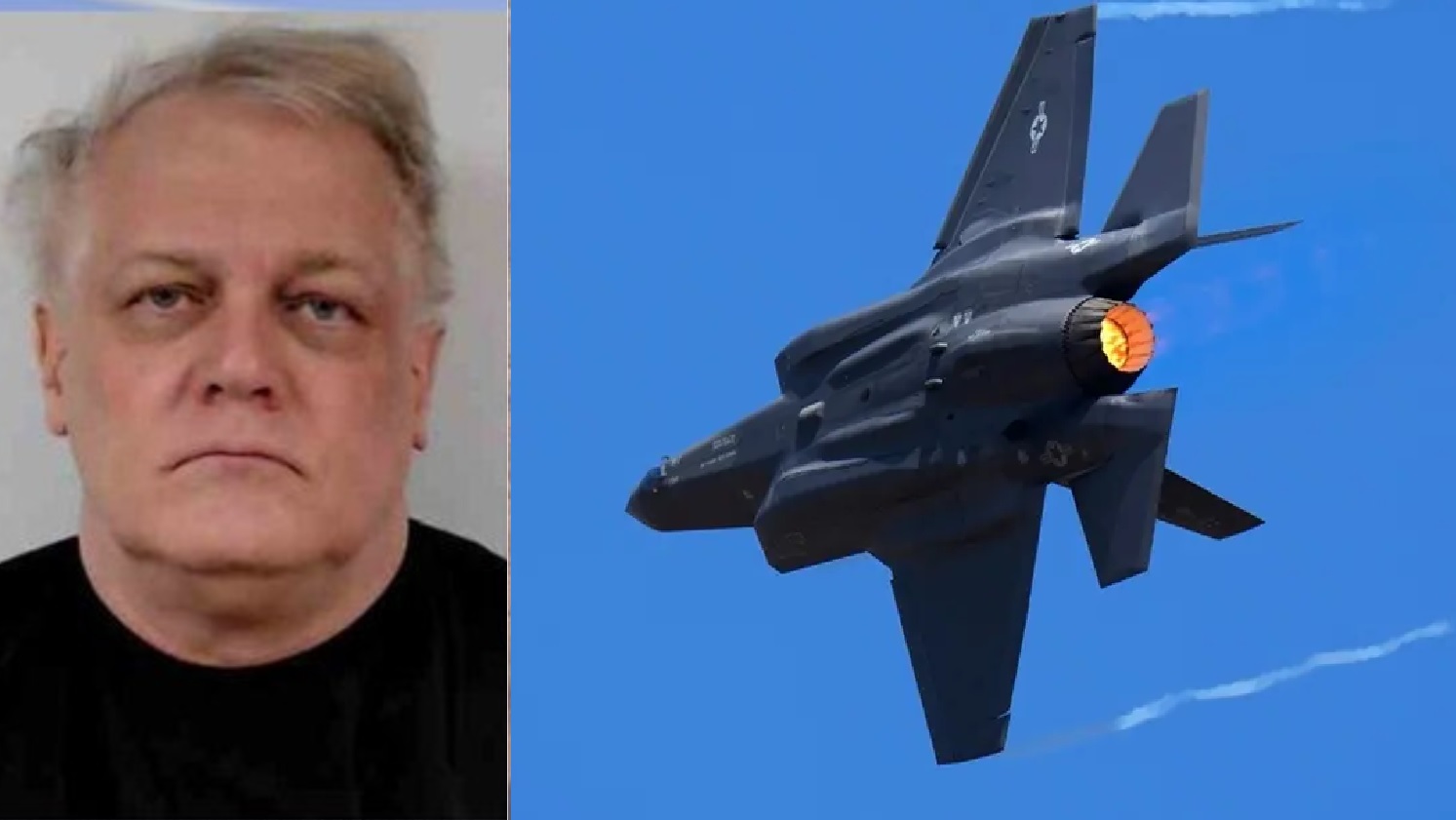
World
JEFFERSONVILLE, Indiana, February 26, 2026 : A former United States Air Force officer and civilian F-35 simulator instructor has been arrested and charged with illegally providing military training to pilots of the People’s Republic of China, according to the U.S. Department of Justice. Gerald Eddie Brown Jr., 65, also known by his military call sign “Runner,” was taken into custody on February 25, 2026, in Jeffersonville, Indiana. He is charged by criminal complaint with providing and conspiring to provide defense services to Chinese military pilots without authorization, in violation of the Arms Export Control Act (AECA). Brown is scheduled to make his initial appearance before a Magistrate Judge in the Southern District of Indiana on February 26. Alleged Violations Under U.S. Export Control Law Federal prosecutors allege that beginning in August 2023, Brown conspired with foreign nationals and U.S. persons to deliver combat aircraft training to pilots in the People’s Liberation Army Air Force (PLAAF). Under the International Traffic in Arms Regulations (ITAR), tactical military instruction provided to foreign entities is defined as a “defense service” and requires prior authorization from the U.S. State Department’s Directorate of Defense Trade Controls. According to the Justice Department, Brown did not seek or obtain the required license before engaging in the training arrangement. Court documents state that Brown expressed his intention to serve as an “Instructor Fighter Pilot” in communications related to the role. Prosecutors allege that he knowingly entered into an agreement to train foreign military personnel in combat operations involving advanced fighter aircraft. Travel to China and Duration of Training According to the criminal complaint, Brown traveled to China in December 2023 to begin providing instruction. On his first day in the country, he allegedly spent approximately three hours answering detailed questions regarding U.S. Air Force operations. The following day, he reportedly delivered a formal briefing to PLAAF personnel. Prosecutors state that Brown remained in China conducting flight and simulator instruction for more than two years. He returned to the United States in early February 2026 prior to his arrest. The charging documents do not specify the exact number of PLAAF pilots involved in the training or detail the full scope of the instructional material provided. Role of Co-Conspirators and Link to Prior Cyber Espionage Case Investigators allege that Brown used a co-conspirator to facilitate contract negotiations related to the training arrangement. That intermediary reportedly dealt directly with Stephen Su Bin, a Chinese national who pleaded guilty in 2016 in U.S. federal court to conspiring to hack into the computer networks of major American defense contractors. In that earlier case, Su Bin admitted to involvement in efforts to steal sensitive military data, including information related to the F-35 fighter aircraft and the C-17 transport aircraft. Prosecutors contend that Brown’s arrangement with individuals connected to Su Bin formed part of the alleged conspiracy to provide unauthorized defense services. Military Career and Post-Service Employment Brown served more than 24 years in the U.S. Air Force before retiring from active duty in 1996 with the rank of Major. His service record includes commanding units responsible for nuclear weapons delivery systems, leading combat missions, and serving as a fighter pilot and instructor. During his Air Force career, he flew and instructed on multiple combat aircraft, including the F-4 Phantom II, F-15 Eagle, and F-16 Fighting Falcon. He also served in instructional roles involving advanced fighter operations. Following his retirement from active duty, Brown worked as a commercial cargo pilot. He later held positions as a contract simulator instructor for two U.S. defense contractors, where he trained American military personnel on the A-10 Thunderbolt II and the F-35 Lightning II stealth fighter. Official Statements and Investigation Assistant Attorney General for National Security John A. Eisenberg stated that individuals providing military training to foreign forces are required to obtain proper authorization from the U.S. government. Roman Rozhavsky, Assistant Director of the FBI’s Counterintelligence and Espionage Division, said the case reflects ongoing efforts to address attempts by foreign governments to obtain U.S. military expertise. The investigation was led by the FBI’s New York Field Office with assistance from the Air Force Office of Special Investigations. Broader Enforcement Context The case follows prior federal actions involving former U.S. military pilots accused of providing unauthorized training to Chinese military personnel. In 2017, former U.S. Marine Corps pilot Daniel Edmund Duggan was charged with providing unauthorized carrier landing instruction to Chinese military pilots. Duggan was arrested in Australia in 2022 and is awaiting extradition to the United States. Federal authorities stated that the investigation into Brown remains ongoing. No additional details regarding the scope of the alleged training or potential additional defendants have been released.
Read More → Posted on 2026-02-26 16:48:29
World
MOBILE, Alabama, February 26, 2026 : Austal USA launched the future USNS Solomon Atkinson (T-ATS 12) on February 23, 2026, at its ship manufacturing facility in Mobile, Alabama. The launch marks the company’s first ship of the year and the second Navy Towing, Salvage, and Rescue Ship (T-ATS) delivered from the yard in less than one week. The vessel, a Navajo-class platform, was rolled out from the assembly bay and subsequently towed by tugboats following the launch sequence. At the time of launch, the ship was reported to be more than 75 percent complete. It is currently one of three T-ATS ships under construction at the Mobile facility, alongside T-ATS 11 (USNS Billy Frank Jr.) and additional follow-on ships under contract. Gene Miller, interim president of Austal USA, said the milestone reflects the coordinated work of the company’s workforce and its maritime industrial partners. He stated that the launch demonstrates the effectiveness of the yard’s established production and launch process. Program Overview and Capabilities The Navajo-class T-ATS is designed as a multi-mission common hull platform that combines and replaces the capabilities of the Navy’s retiring Rescue and Salvage Ships (T-ARS 50 class) and Fleet Ocean Tugs (T-ATF 166 class). The program supports fleet operations through ocean-going towing, salvage, and rescue capabilities. Each T-ATS vessel features approximately 6,000 square feet of unobstructed deck space. The open deck configuration enables embarkation of stand-alone and interchangeable mission systems. The design supports towing U.S. Navy vessels, salvage and rescue operations, oil spill response, humanitarian assistance, and wide-area search and surveillance missions. The ships are also engineered to support future rapid capability initiatives. This includes the ability to accommodate modular payloads that require integrated hotel services and specialized mission interfaces. The T-ATS program provides a common hull platform being constructed across multiple shipyards to modernize the Navy’s towing and salvage fleet under the oversight of the U.S. Navy’s Military Sealift Command. Following launch, the future USNS Solomon Atkinson will proceed with final outfitting. The next major milestone will be engine light-off, followed by comprehensive sea trials prior to delivery to the U.S. Navy. Ship Namesake T-ATS 12 is named in honor of Solomon “Sol” Atkinson, an Alaska Native from the Metlakatla Indian Community on Annette Island. Atkinson enlisted in the U.S. Navy in 1952 and became the first Alaska Native to serve in the Underwater Demolition Teams, the predecessor to the Navy SEALs. In 1962, he was a plankowner of SEAL Team One. During his 22 years of service, Atkinson deployed to Korea and completed three combat tours in Vietnam. His military decorations included the Bronze Star, the Navy Commendation Medal with Combat “V,” and the Purple Heart. He also served as an instructor at the Underwater Swimmers School in Key West, Florida, where he trained astronauts, including Neil Armstrong and Buzz Aldrin, in underwater weightless simulation techniques in preparation for space missions. After retiring from the Navy in 1973, Atkinson returned to Alaska. He later served as mayor of Metlakatla and established the first veterans’ organization on Annette Island. He passed away in 2019. With its launch completed, the future USNS Solomon Atkinson advances within the broader T-ATS acquisition program aimed at replacing legacy towing, salvage, and rescue vessels and sustaining fleet support operations worldwide.
Read More → Posted on 2026-02-26 16:13:53
World
WASHINGTON, February 26, 2026 : Senior advisers to President Donald Trump have privately expressed a preference for Israel to initiate any potential military strike against Iran, according to multiple sources familiar with internal administration discussions. The approach is being evaluated as part of broader contingency planning tied to Iran’s nuclear program and regional security dynamics. Officials cited in a February 25 report by Politico said some advisers believe that if Israel were to conduct an initial strike independently, and Iran subsequently retaliated against U.S. forces or interests, it would create stronger domestic justification for American military involvement. The assessment reflects concern within the administration that the American public remains cautious about initiating a new conflict in the Middle East. One person familiar with the discussions stated that there is “thinking in and around the administration that the politics are a lot better if the Israelis go first and alone and the Iranians retaliate against us, and give us more reason to take action.” According to sources, advisers believe public support would likely increase if the United States or its forces were directly targeted following an Israeli action. Political and Military Calculations The internal deliberations are focused in part on domestic political considerations, including the potential impact of a military confrontation ahead of upcoming midterm elections. Officials involved in the discussions reportedly view an Iranian strike on American assets as providing clearer grounds for congressional and public backing of a broader campaign. Sources indicated that U.S. military installations in the region could be exposed in the event of retaliation. Unlike Israel, which relies on layered air defense systems including the Iron Dome, many American facilities in the Middle East do not have equivalent comprehensive protective coverage. Advisers acknowledge that retaliatory strikes could result in U.S. casualties, a factor that is part of the broader strategic calculus under review. At the same time, officials said a coordinated U.S.-Israeli operation remains the more likely outcome if military action is ultimately authorized. No final decision has been announced. Diplomatic Engagements Continue in Geneva The military planning is unfolding alongside ongoing indirect nuclear negotiations in Geneva. U.S. envoys Steve Witkoff and Jared Kushner are engaged in talks with Iranian Foreign Minister Abbas Araghchi. The discussions are being mediated by Omani officials and overseen in part by Rafael Grossi, Director General of the International Atomic Energy Agency. Administration officials have stated that the diplomatic track remains active. However, President Trump has simultaneously overseen an expansion of U.S. naval and air deployments in the region, signaling that military options remain under consideration if negotiations fail to produce an agreement acceptable to Washington. On February 26, the USS Gerald R. Ford carrier strike group departed Souda Bay, Crete, for the eastern Mediterranean, further increasing the U.S. military presence near the potential theater of operations. Context of Previous Hostilities The current deliberations follow the June 2025 conflict that culminated in a U.S. strike operation known as Operation Midnight Hammer. During that episode, the United States conducted attacks on Iranian nuclear facilities at the Fordow Fuel Enrichment Plant, Natanz Nuclear Facility, and Isfahan Nuclear Technology Center. The exchange followed Israeli-initiated military action earlier in the escalation cycle. In contrast to that sequence of events, current and former Israeli officials have indicated that Jerusalem’s present posture differs from last year’s conflict. Prime Minister Benjamin Netanyahu has stated publicly that Israel is coordinating closely with Washington. Israeli officials have signaled a preference for the United States to take the lead in any renewed confrontation unless Israeli territory is directly targeted by Iranian forces. No Decision Announced Administration officials emphasized that no final determination has been made regarding military action. The discussions remain part of contingency planning as negotiations in Geneva continue. The White House has not publicly confirmed the reported internal preference for an Israel-first strike scenario. Officials maintain that diplomatic efforts are ongoing, while reiterating that the United States retains military options should talks with Tehran fail.
Read More → Posted on 2026-02-26 16:00:39
India
NEW DELHI, February 26, 2026 : The Indian Navy has concluded cost negotiations with Germany’s ThyssenKrupp Marine Systems (TKMS) for the construction of six advanced diesel-electric submarines under Project 75 India (P-75I), marking a major step in one of India’s largest conventional submarine acquisition programmes. The negotiations were finalised between the Ministry of Defence (MoD), state-owned Mazagon Dock Shipbuilders Limited (MDL), and TKMS following prolonged commercial and technical discussions. The proposal will now undergo financial vetting and inter-ministerial consultations before being placed before the Prime Minister-led Cabinet Committee on Security (CCS) for final approval. Project Valuation and Financial Framework The Cost Negotiation Committee has finalised the project valuation in the range of ₹66,000 crore to ₹70,000 crore, equivalent to approximately $8–9 billion. The negotiated figure represents a substantial reduction from an earlier commercial bid submitted by MDL and TKMS that reportedly exceeded ₹1.2 lakh crore. Project 75(I) received Acceptance of Necessity (AoN) in 2018 with an initial estimated cost of around ₹43,000 crore. The revised valuation reflects expanded requirements including transfer of technology (ToT) provisions, lifecycle support packages, integration of advanced combat systems, and the effects of global inflation. Defence officials are targeting CCS clearance within the current quarter, which would allow formal contract signing in the early part of the 2025–26 financial year. Design and Technical Characteristics The six submarines will be constructed in India and will be based on an advanced variant of TKMS’s Type 214 design, derived from the broader Type-214/Type-218 next-generation lineage. The configuration has been modified to meet specific Indian Navy operational requirements. A central feature of Project 75(I) is the integration of fuel-cell-based Air Independent Propulsion (AIP) technology. The AIP system enables submarines to remain submerged for up to three weeks without surfacing, significantly enhancing underwater endurance and reducing detection risk compared to conventional diesel-electric submarines. The submarines will incorporate advanced combat management systems, modern sensor suites, heavyweight torpedoes, and missile systems including land-attack capability. They will also feature stealth enhancements and acoustic quieting technologies designed for anti-surface and anti-submarine warfare roles. No additional details on specific weapon configurations have been disclosed. Indigenous Construction and Technology Transfer All six submarines will be built at MDL’s Mumbai shipyard under the Strategic Partnership model of the Ministry of Defence. MDL previously constructed the Scorpène-class (Kalvari-class) submarines for the Indian Navy and will act as the Indian strategic partner for this programme. TKMS will serve as the design authority and technology partner, providing engineering support, technical consultancy, and transfer of critical technologies, including the AIP system. The programme mandates indigenous content starting at 45 percent for the first submarine, increasing to 60 percent by the sixth vessel. The phased indigenisation approach is intended to expand domestic capability in modular submarine construction, systems integration, and defence supply chain development. Programme Structure and Timeline Project 75(I) provides for the acquisition of six advanced conventional submarines under the Strategic Partnership framework. The first submarine is scheduled for delivery seven years after contract signing, with subsequent submarines planned at the rate of one per year. TKMS and MDL emerged as the only compliant bidder in the programme. A competing bid from Larsen & Toubro in partnership with Spain’s Navantia was disqualified in January 2025. Formal negotiations with the TKMS-MDL team began in 2025 after approval from the CCS to proceed with commercial discussions. Role in Fleet Modernisation The Indian Navy currently operates a combination of conventional and nuclear-powered submarines, including ageing Kilo-class submarines of Russian origin, German HDW submarines, and the French-designed Kalvari-class vessels built under Project 75. Project 75(I) is intended to replace older conventional submarines expected to retire in the 2030s and to enhance underwater capability with improved endurance, stealth, and combat effectiveness. The programme also forms part of India’s broader submarine modernisation roadmap and is expected to serve as a transitional phase toward Project-76, which envisions the development of future conventional submarines based on a fully indigenous design. The advancement of the TKMS-MDL agreement effectively replaces an earlier proposal to procure three additional Scorpène-class submarines, which was placed on hold in favour of the more advanced P-75(I) configuration. With cost negotiations completed and approval processes underway, Project 75(I) is entering its final pre-contract stage within India’s long-term submarine acquisition framework.
Read More → Posted on 2026-02-26 15:47:45
World
FALLS CHURCH, VIRGINIA — Febuary 26, 2026 : Northrop Grumman has delivered the 500th shipset of its Common Infrared Countermeasures (CIRCM) system, reaching the milestone within two years of entering full-rate production. At the same time, the company confirmed the system has accumulated more than 30,000 operational flight hours across U.S. Army aircraft. CIRCM serves as the U.S. Army’s program of record for directional infrared countermeasures on key rotary-wing platforms and represents Northrop Grumman’s fifth generation of infrared countermeasure (IRCM) technology. The system is designed to protect military aircraft and personnel from advanced infrared-guided anti-aircraft missiles, including man-portable air-defense systems (MANPADS). Operational Deployment Across U.S. Army Fleet The system has logged its 30,000 operational flight hours on standard U.S. Army platforms, including the AH-64 Apache, CH-47 Chinook, and UH-60 Black Hawk helicopters. Initial Operational Capability was achieved in September 2022 on UH-60M, HH-60M, CH-47F, and AH-64E aircraft. CIRCM is engineered as a lightweight, highly reliable solution compatible with rotary-wing, tiltrotor, and small fixed-wing aircraft. Its architecture is specifically designed to comply with strict size, weight, and power (SWaP) requirements common to smaller airframes. The system integrates with existing aircraft survivability equipment through an open architecture framework. This design supports interoperability with onboard systems and enables future capability enhancements and spiral upgrades without major redesign. The architecture incorporates commercial off-the-shelf processor components to enhance scalability and long-term supportability. System Architecture and Core Components CIRCM consists primarily of two technical subsystems: the pointer/tracker assembly and the Quantum Cascade Laser (QCL) subsystem. The pointer/tracker unit is designed for low lifecycle cost and high operational reliability. It features a lightweight configuration suitable for light helicopters and is aerodynamically shaped to minimize air-stream intrusion and drag. The subsystem’s modular design allows for hardware upgrades and incremental capability improvements over time. The Quantum Cascade Laser subsystem provides the system’s directed infrared jamming capability. It delivers rapid, simultaneous break-lock jamming against incoming threats and generates sufficient output power to counter modern and emerging infrared-guided missile seekers. The laser relies on solid-state technology for consistent energy generation and is certified for operation across all weather conditions and altitudes. Field-replaceable components are incorporated to reduce maintenance downtime. Production is supported by dual manufacturing facilities to ensure supply chain continuity. Operational Mechanism CIRCM operates in conjunction with the aircraft’s Common Missile Warning System (CMWS), which uses ultraviolet sensors to detect incoming infrared-guided missiles. Once a threat is identified, CMWS transmits angular bearing data to the CIRCM processor. The pointer/tracker rapidly slews to the missile’s location, acquires the target, and maintains tracking even after the missile motor burns out. The Quantum Cascade Laser then emits precisely modulated infrared energy tuned to the seeker’s wavelength band. This energy interferes with the missile seeker’s tracking function, producing a break-lock effect that causes the missile to deviate from the aircraft. The engagement sequence is automatic and occurs within seconds. If the missile warning system confirms a valid threat, it alerts the crew and can deploy flares as a supplementary countermeasure. In dual-jammer configurations, the system provides near-spherical coverage around the aircraft. Production, Contracts and Fleet Expansion CIRCM production continues under a 2021 base contract valued at up to $959 million. Following the delivery of the 500th shipset, the U.S. Army awarded Northrop Grumman an additional $147 million production order in mid-2024 for 336 additional shipsets. Combined delivered and on-order quantities now exceed 836 units, with long-term plans to equip more than 1,500 U.S. Army aircraft. The system has undergone laboratory testing, hardware-in-the-loop simulations, and flight evaluations against both live and simulated threats prior to fielding. Manufacturing facilities support domestic and international demand and are structured to maintain rapid sustainment capability. International Adoption CIRCM has also entered the export market. In late 2024, the United Kingdom became the first international customer through a Foreign Military Sales agreement. The UK Ministry of Defence plans to install the system on its fleet of 14 Boeing H-47 Chinook Extended Range helicopters. For the UK configuration, the pointer/tracker units are supplied in partnership with Leonardo, which manufactures the component at its Edinburgh facility. Production supports both U.S. Army and international program requirements.
Read More → Posted on 2026-02-26 15:31:19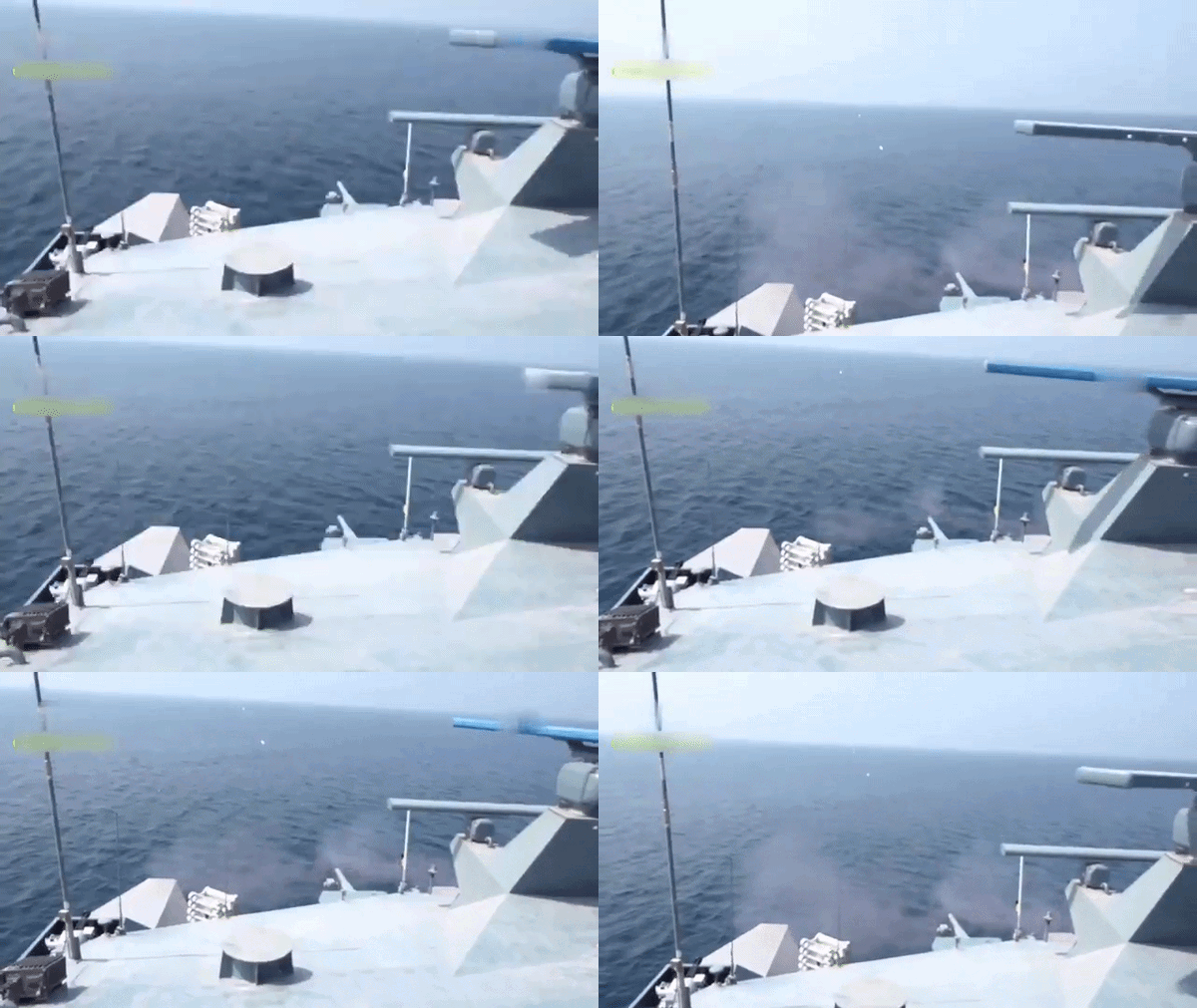
World
TEHRAN, February 26, 2026 : The Iranian Navy has formally unveiled a new close-range naval weapon system designated as the “Storm,” a 20mm remotely operated Gatling gun developed to strengthen shipborne point-defense capabilities. The system was presented publicly on February 26, 2026, with official footage showing the weapon mounted on a naval vessel during sea operations. According to the specifications released during the announcement, the Storm system is built around a three-barrel rotary cannon architecture. The weapon incorporates an adjustable firing mechanism that allows operators to select a rate of fire ranging from 300 to 1,500 rounds per minute, depending on mission requirements and target profile. The 20mm platform has a stated maximum ballistic range of 4 kilometers. Its effective engagement range — defined as the distance within which it can reliably strike designated targets — is 2 kilometers. This operational envelope positions the system within the category of short-range naval point-defense weapons designed to intercept threats at close proximity to the vessel. A central feature of the Storm system is its remote operation capability. The weapon is designed to be controlled from within the ship, eliminating the need for a manually operated deck-mounted gunner. This configuration allows personnel to remain inside protected compartments while operating the system. To enable remote engagement, the weapon mount is equipped with an integrated electro-optical suite that includes onboard cameras and precision optics. The sensor package provides live visual feeds and targeting data to operators, supporting tracking and engagement of both maritime and aerial targets. The optical and camera systems are intended to enhance accuracy during close-range engagements. Footage released alongside the announcement shows the Storm system installed on a naval vessel at sea, indicating its integration into active maritime platforms. No additional technical details regarding fire-control integration, ammunition types, stabilization systems, production scale, or deployment timelines were disclosed in the official release. The introduction of the Storm aligns with established naval practices involving layered close-in defensive systems. High-rate-of-fire rotary cannons are commonly employed as a final defensive layer against incoming threats that penetrate outer defensive perimeters. Based on its published specifications, the Storm is configured to counter short-range asymmetric threats, including small surface vessels, as well as aerial targets operating within its 2-kilometer effective engagement radius. The unveiling adds the Storm 20mm Gatling gun to the Iranian Navy’s inventory of short-range defensive systems intended for maritime platforms. No further platform integration details or future deployment plans were provided at the time of the announcement.
Read More → Posted on 2026-02-26 15:16:16
World
WASHINGTON — February 26, 2026 : The United States Navy has awarded Torrance, California-based Castelion Corp. a $49,998,005 firm-fixed-price contract to advance its Blackbeard hypersonic missile program into full-scale prototyping, flight testing, and early operational fielding. The contract runs through November 2027 and work will be performed in Torrance, California. The award was issued under a previously established basic ordering agreement and executed through a Small Business Innovation Research (SBIR) Phase III pathway. The SBIR topic is aligned with a U.S. Air Force requirement focused on low-cost, highly manufacturable long-range strike production. The contracting authority for the award is the Naval Air Warfare Center Aircraft Division (NAWCAD) in Lakehurst, New Jersey. Procurement Strategy and Program Transition The contract marks a transition of Blackbeard from initial prototype development into structured flight-test campaigns and early operational experimentation. It reflects a broader Department of Defense procurement shift toward hypersonic systems designed for manufacturability at scale and compatibility with existing launch platforms. Unlike high-cost strategic hypersonic weapons produced in limited quantities, Blackbeard is structured for industrial-rate output. Castelion has stated that the missile is engineered for unit costs in the hundreds of thousands of dollars and annual production volumes in the thousands once full-rate manufacturing is established. Navy Integration Path NAWCAD’s involvement indicates alignment with naval aviation integration and test infrastructure. The selection of this contracting activity follows the Navy’s earlier cancellation of the HALO (Hypersonic Air-Launched Offensive Anti-Surface Warfare) program due to schedule pressures and budget constraints. Blackbeard is being evaluated as a lower-cost air-launched hypersonic strike option capable of integration across existing platforms. Under the current roadmap, the program plans to demonstrate an extended-range, air-launched Blackbeard variant fired from a modified MLRS-family pod. Subsequent phases will include minimum viable ground-launched prototypes equipped with flight-termination instrumentation to support upcoming HIMARS test events. U.S. Army Integration and Budgeting Parallel integration efforts are underway within the U.S. Army. Army budget documents identify Blackbeard Ground Launch (GL) as an interim munition compatible with existing High Mobility Artillery Rocket System (HIMARS) pods. It is also envisioned as a primary munition for the future Common Autonomous Multi-Domain Launcher (CAML), a mobile launcher platform designed to enhance survivability through rapid displacement. The Army’s fiscal year 2026 budget includes $25 million for Blackbeard development. Documentation describes the system as delivering approximately 80 percent of the planned Precision Strike Missile (PrSM) Increment 4 capability at significantly reduced cost. Blackbeard GL is not intended to replace the Army’s Dark Eagle Long-Range Hypersonic Weapon (LRHW). While LRHW has experienced schedule delays, it is expected to complete fielding activities in early 2026. Blackbeard does not match the velocity or range of Dark Eagle but is positioned as a cost-efficient complementary capability. Technical Characteristics Blackbeard is described as a long-range hypersonic strike weapon capable of sustained speeds exceeding Mach 5 while maneuvering within the atmosphere. Hypersonic systems operating at these velocities and flight profiles present challenges for traditional radar tracking and interceptor engagement timelines. Specific range and maneuverability parameters remain classified. However, Blackbeard is characterized as a seeker-based precision-fires system designed to engage hardened structures and time-sensitive moving targets, including mobile launchers and maritime assets, while operating within contested air-defense environments. The lower unit cost profile is intended to allow operational commanders to allocate hypersonic salvos for missions such as suppression of enemy air defenses (SEAD) and distributed strike operations, rather than reserving such weapons solely for high-value strategic targets. Company Background and Industrial Expansion Castelion Corp., founded in November 2022, is headquartered in Torrance, California, with additional manufacturing operations in New Mexico, Texas, and California. The company was established by Bryon Hargis (Chief Executive Officer), Sean Pitt (Chief Operating Officer), and Andrew Kreitz (Chief Financial Officer), all former SpaceX executives. Blackbeard is Castelion’s first hypersonic system. The company maintains that it is the first U.S. hypersonic missile designed from inception for continuous flight-test iteration and industrial-scale output. In December 2025, Castelion closed a $350 million Series B funding round. The funding supports platform integration, multi-service testing activities scheduled for 2026, and construction of “Project Ranger,” a 1,000-acre solid rocket motor manufacturing and final-assembly facility located in Sandoval County, New Mexico. Groundbreaking for Project Ranger occurred in January 2026. Initial production of Blackbeard missiles is planned to begin in 2026. The facility is designed to enable continuous output of thousands of weapons annually by vertically integrating propulsion and guidance manufacturing processes and applying commercial space-sector production methodologies to missile manufacturing. Prior Awards and Testing Milestones In October 2025, Castelion received multiple awards supporting integration of Blackbeard onto operational U.S. Army and U.S. Navy platforms. These agreements include live-fire demonstration activities. The February 2026 Navy contract advances the program from prototype development into structured operational experimentation and fielding pathways. No additional platform-specific details or expanded contract terms were disclosed in the award announcement. Strategic Context The Department of Defense’s emphasis on affordable hypersonic mass production reflects assessments of international developments in the hypersonic domain. U.S. defense assessments identify China as possessing the leading hypersonic missile inventory, including the operational DF-17 medium-range missile equipped with a hypersonic glide vehicle capable of striking targets between approximately 1,800 and 2,500 kilometers. Russia has also integrated hypersonic systems into its force structure, including the Kinzhal air-launched ballistic missile and the Zircon hypersonic cruise missile, both of which have been publicly demonstrated during military exercises. Through programs such as Blackbeard, the U.S. military is pursuing expanded production capacity, accelerated testing throughput, and cross-platform integration to supplement its inventory of higher-cost strategic hypersonic weapons with scalable, lower-cost options.
Read More → Posted on 2026-02-26 15:01:24
World
MALMÖ, SWEDEN — February 26, 2026 : Swedish Armed Forces deployed electronic countermeasures to jam a Russian unmanned aerial vehicle (UAV) that approached the French aircraft carrier Charles de Gaulle while the vessel was docked at the port of Malmö, according to Swedish defense sources and national broadcaster SVT. The incident occurred on February 26, 2026, during the French Navy’s scheduled port visit as part of ongoing NATO activities in the Baltic region. Surveillance systems detected the drone after it was launched from a nearby Russian vessel operating in surrounding waters. The UAV subsequently moved toward the aircraft carrier while it was stationary in port. Upon identification of the approach as unauthorized, Swedish military personnel initiated electronic warfare protocols to disrupt the drone’s communication and navigation signals. Following the jamming measures, the UAV disappeared from tracking systems. Authorities stated that it remains unclear whether the drone returned to its Russian host vessel or crashed into the Baltic Sea as a result of the electronic interference. Swedish authorities classified the event as a security incident linked to the presence of the French carrier in Swedish waters. No additional technical details regarding the type of drone involved or the identity of the Russian vessel have been disclosed. Swedish and French defense officials are continuing to assess operational data collected during the interception. The aircraft carrier Charles de Gaulle, flagship of the French Navy, arrived in Malmö on February 24–25, 2026, marking the first time a French aircraft carrier has docked in Sweden. The visit also represents the first docking of a nuclear-powered vessel in Sweden in more than 50 years. Measuring 261.5 meters in length, the nuclear-powered carrier has a crew of approximately 2,000 personnel and typically embarks up to 30 Rafale M fighter aircraft along with additional fixed-wing and rotary aircraft. It is the world’s largest non-U.S. nuclear-powered aircraft carrier. The vessel is currently deployed as part of the French Carrier Strike Group under Mission La Fayette 26. The deployment includes operations across the North Atlantic and Baltic Sea and participation in NATO’s large-scale “Orion 26” and “Baltic Sentry” exercises. The Malmö port call forms part of scheduled activities designed to enhance interoperability and strengthen defense coordination among allied forces. The visit follows Sweden’s formal accession to NATO and reflects expanding military cooperation between Stockholm and Paris. Elements of the French strike group are also scheduled to conduct engagements in Copenhagen, Denmark, during the broader deployment. The Baltic Sea region remains an area of close proximity operations between NATO and Russian naval assets. Defense officials have indicated that counter-unmanned aircraft system procedures were implemented in accordance with established security protocols to protect high-value maritime assets during the port visit. The Charles de Gaulle is expected to remain in Malmö for several days before resuming maritime operations in the Baltic Sea as part of its ongoing NATO assignment.
Read More → Posted on 2026-02-26 14:56:29Search
Top Trending in 24 Hours
-
 U.S. Navy Awards Northrop Grumman $1.2 Billion Deal for Three New E-2D Advanced Hawkeyes
-
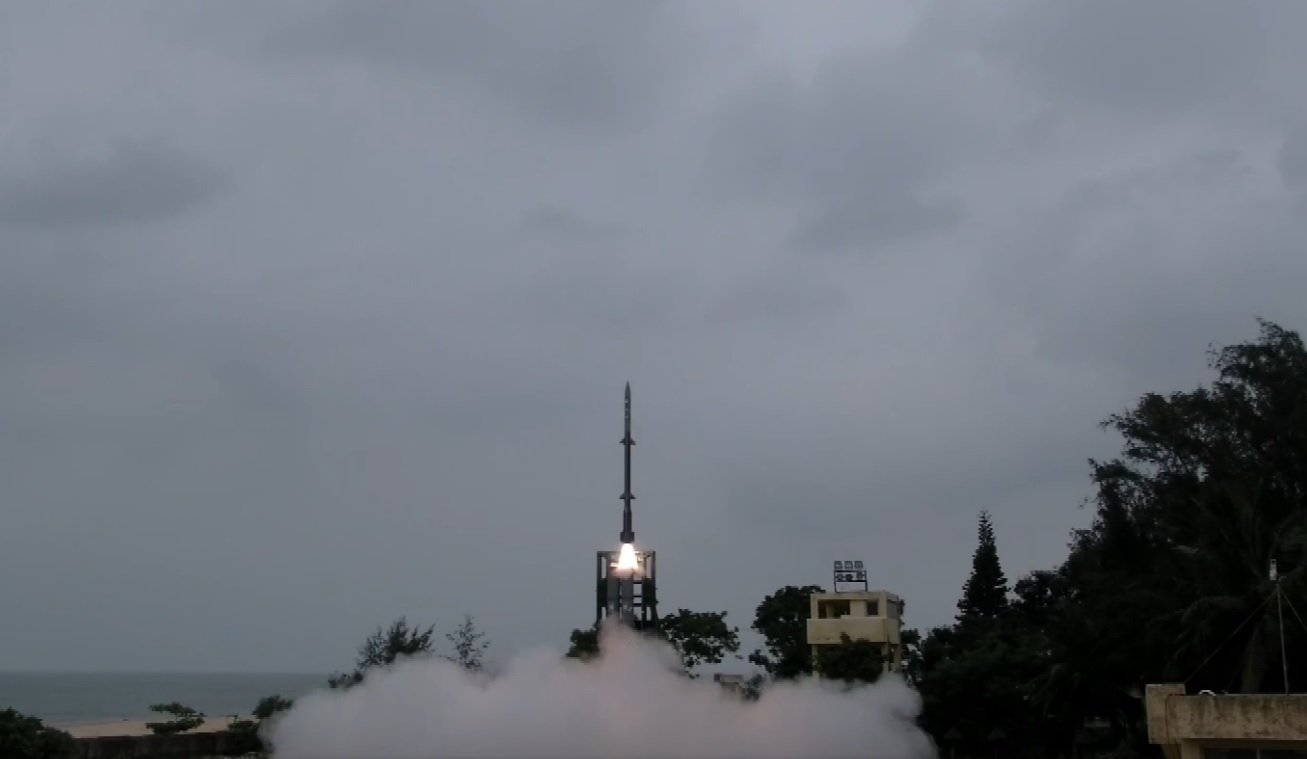 DRDO Successfully Conducts Maiden Flight Test of 150-km-Range Kusha M1 Air Defence Missile
-
 Russian Su-57 Stealth Fighter Crashes During Training Flight Near Moscow, Pilot Ejects Safely
-
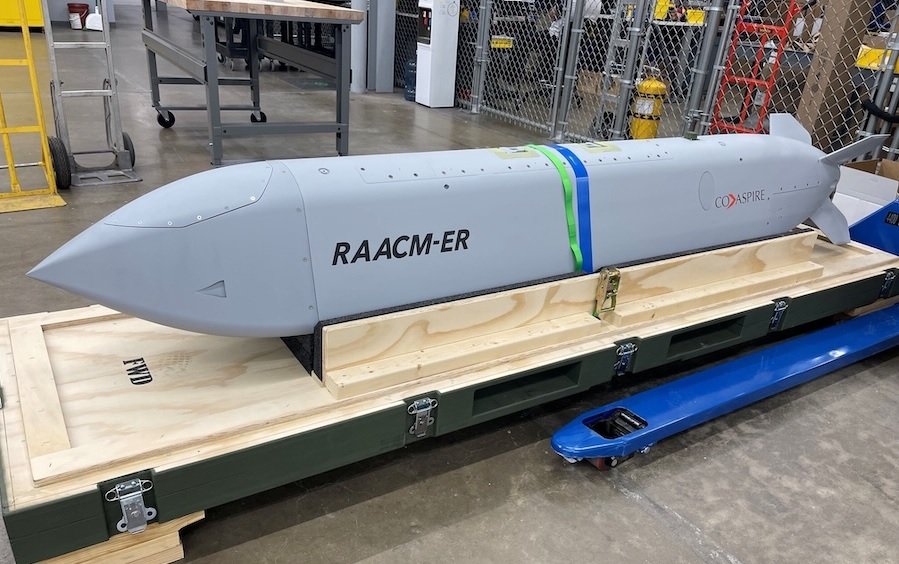 U.S. Navy Selects CoAspire to Build Ground-Launched CHAOS Cruise Missile Under $70 Million Program
-
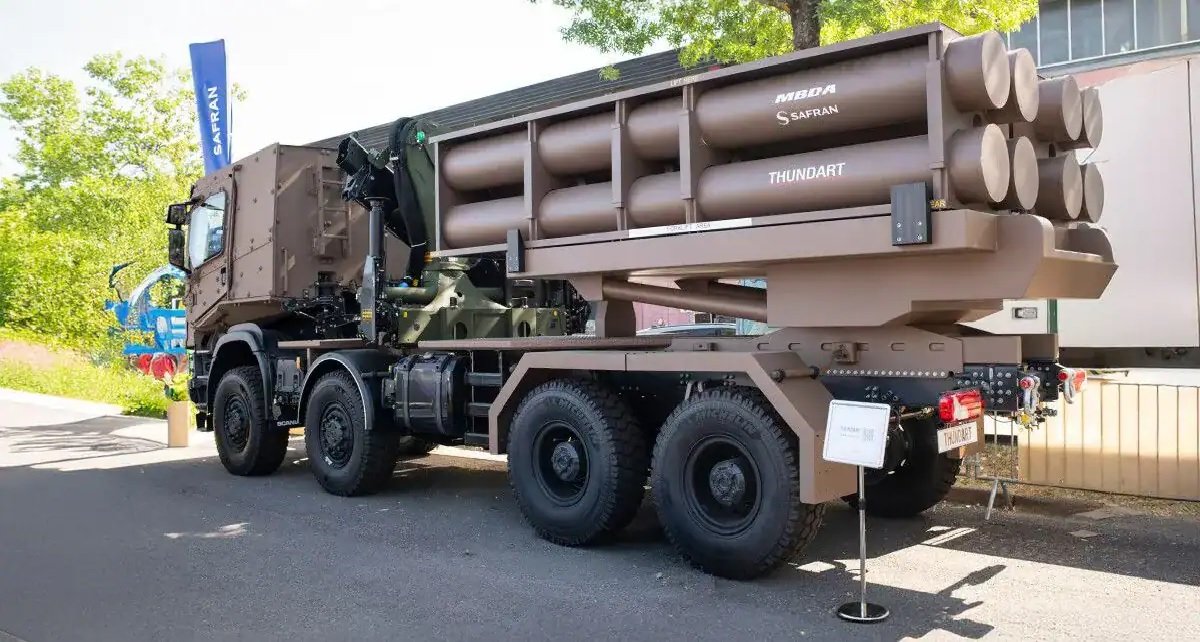 France's THUNDART Long-Range Rocket System May Undergo Prototype Combat Testing in Ukraine
-
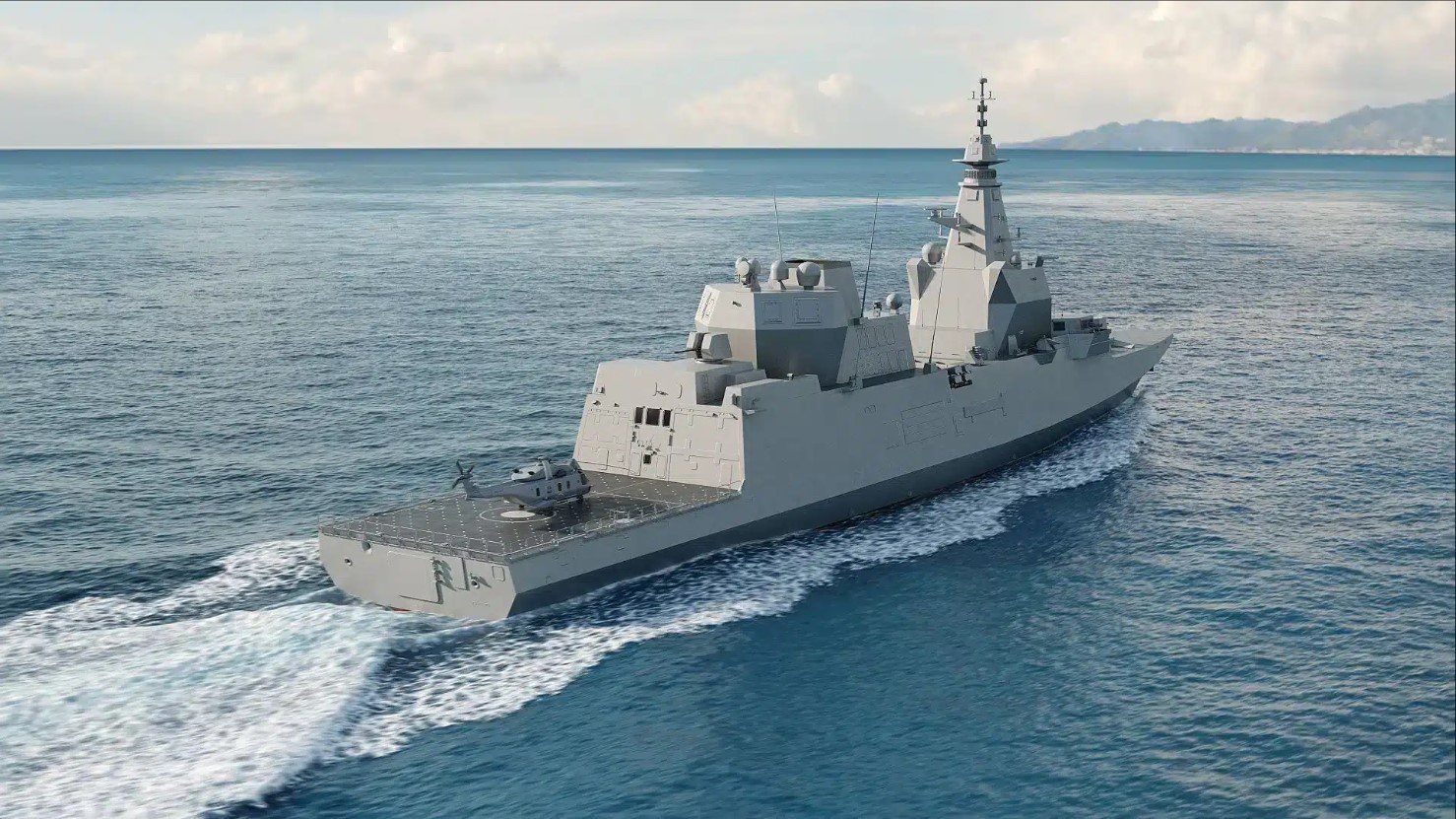 Portugal Orders Three FREMM EVO Frigates from Italy in €3.9 Billion Naval Deal
-
 GE Aerospace and Magellan Aerospace Corporation Sign Strategic MoU for F414 Engine Sustainment in Canada
-
 Destinus Unveils Vorexon Interceptor Concept to Defend Critical Sites from Artillery Threats
Top Trending in 4 Days
-
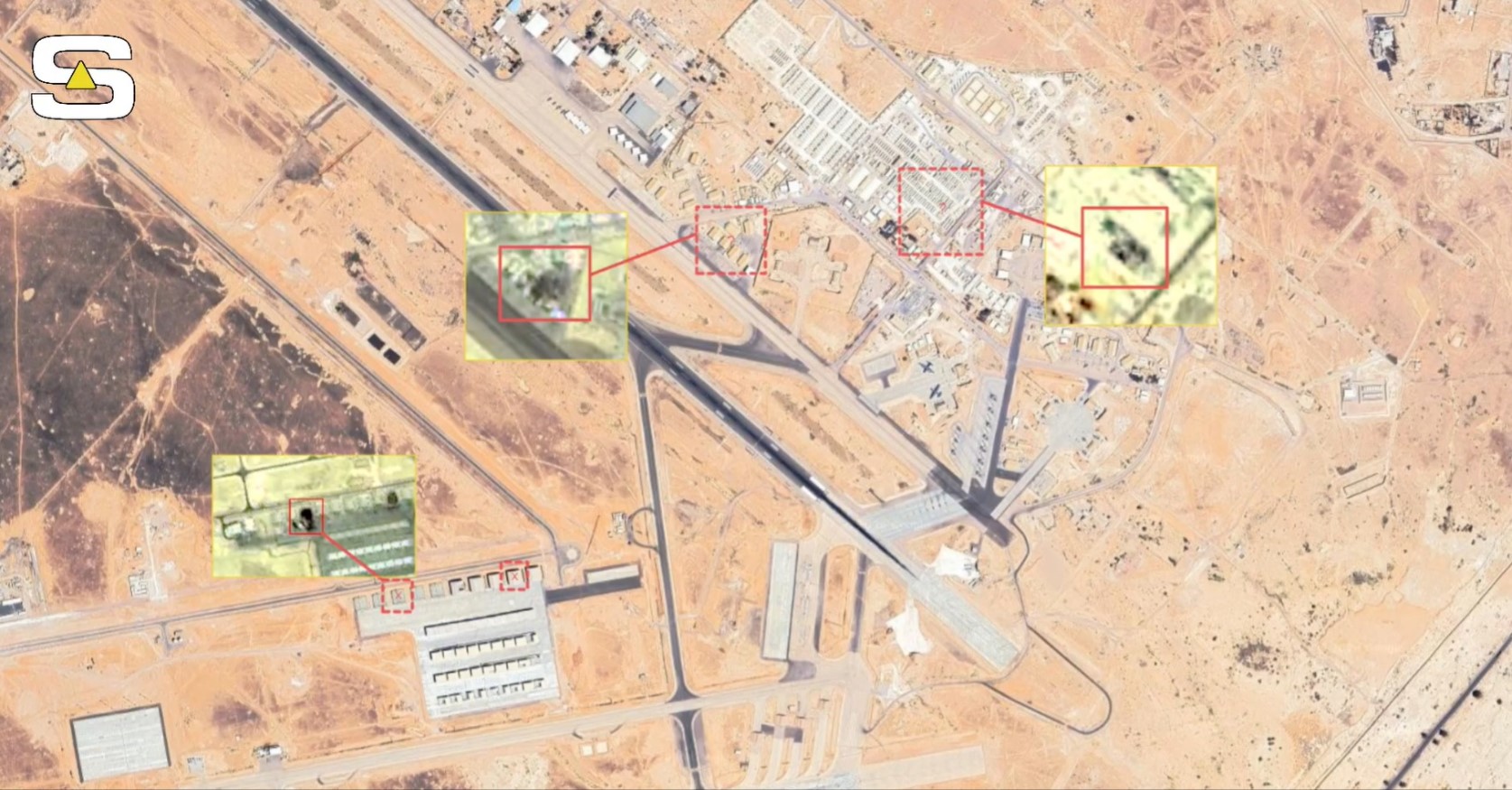 New Satellite Imagery Reveals Extensive Damage at Jordan's Muwaffaq al-Salti Air Base After Iranian Missile Strike
-
 Anduril Unveils Thunder Autonomous Attack Rotorcraft Built with Archer Aviation to Support Apache Helicopters
-
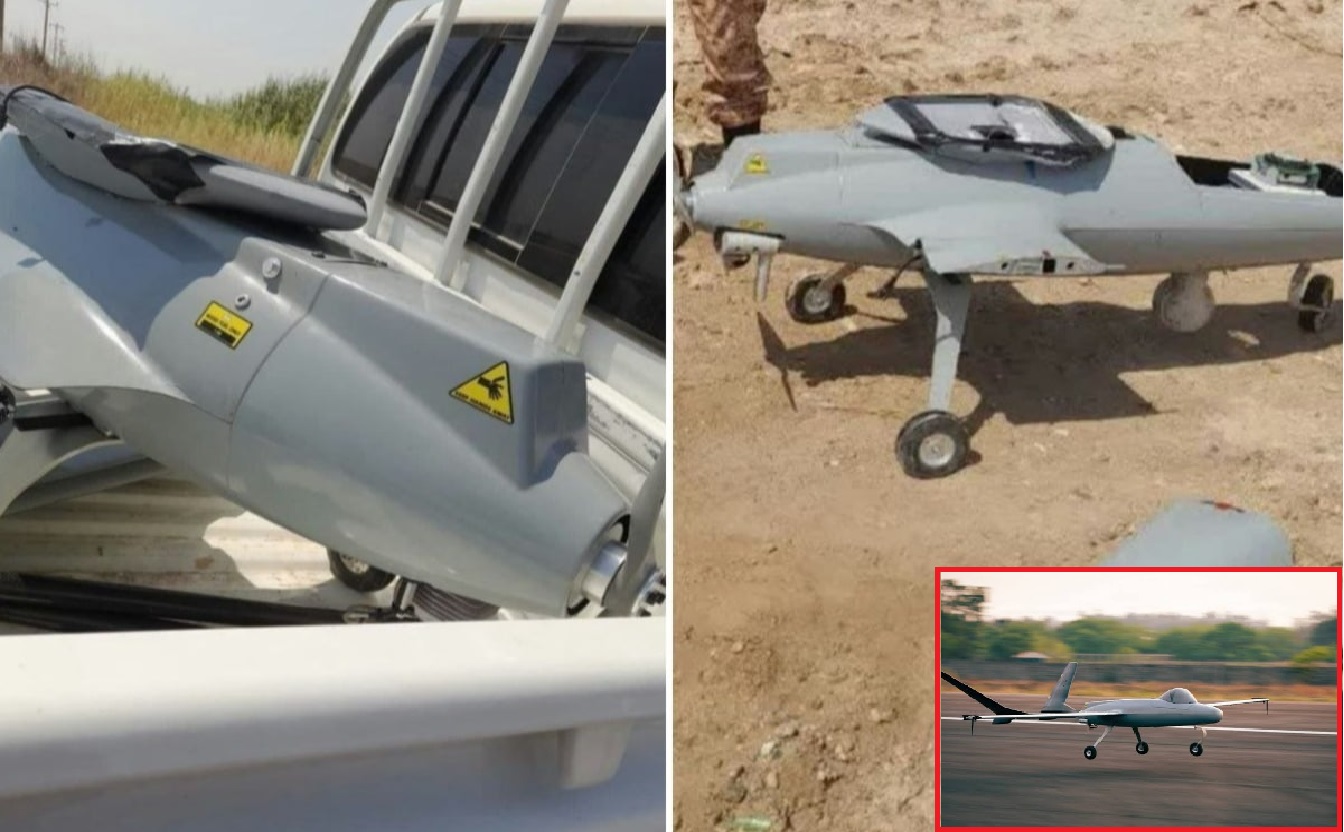 Iran Claims It Shot Down U.S.-Operated Polish-Built Tiguar-M Drone, Releases Images
-
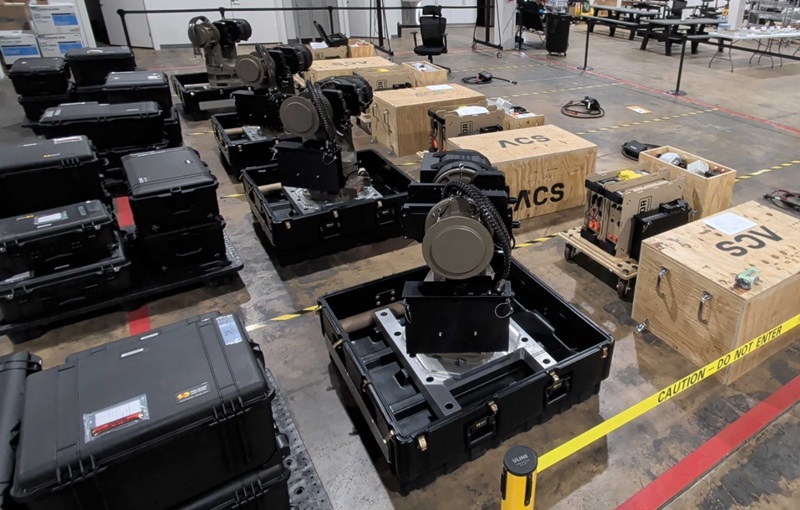 U.S. Marine Corps Selects AI-Powered Bullfrog Weapon Station for L-MADIS Counter-Drone Platform
-
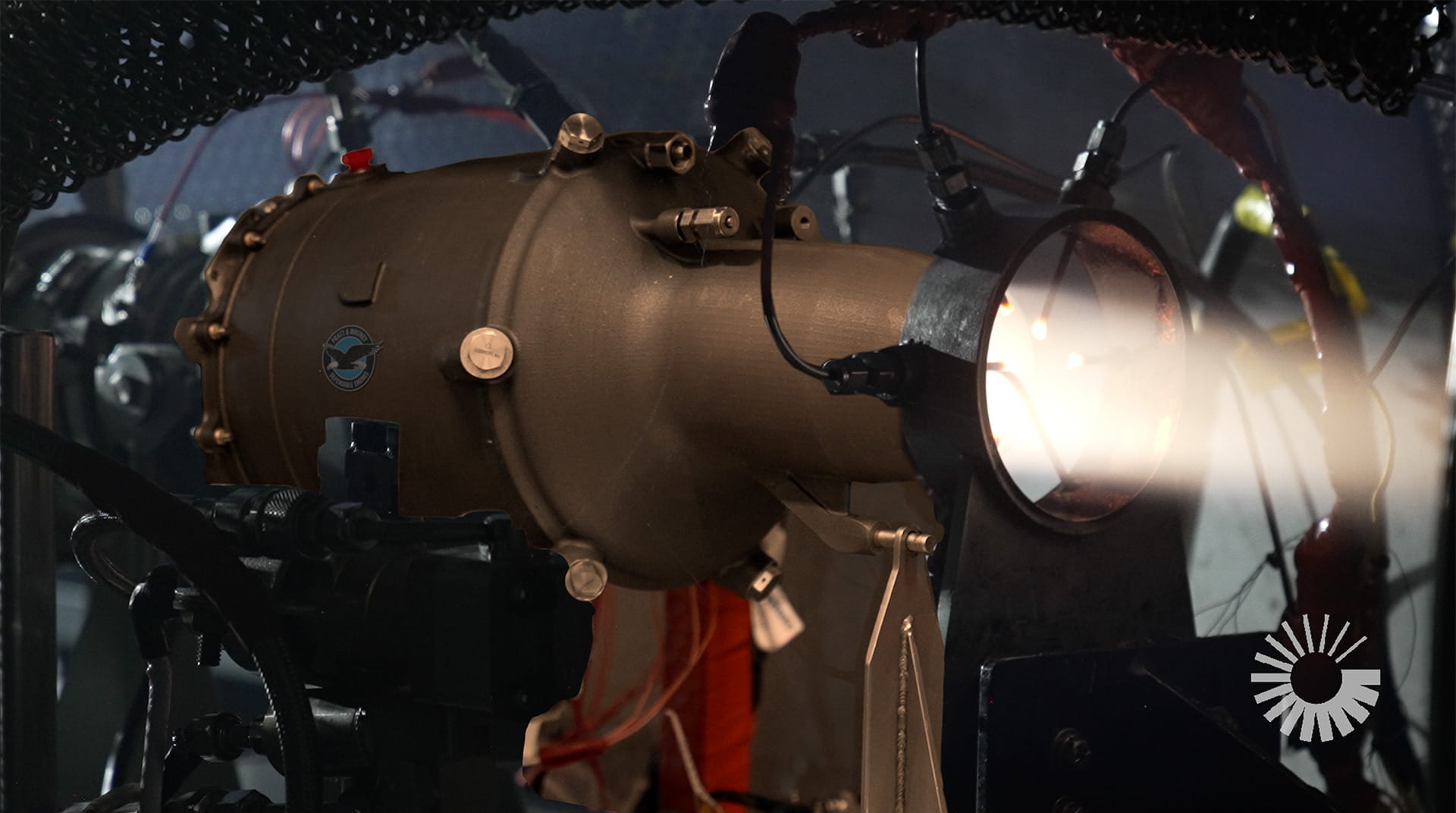 Pratt & Whitney Completes Testing of 3D-Printed TJ150 Engine for Military Applications
-
 Lockheed Martin Unveils MORFIUS X-Rotor High-Power Microwave System That Can Neutralize 50+ Drones in One Flight
-
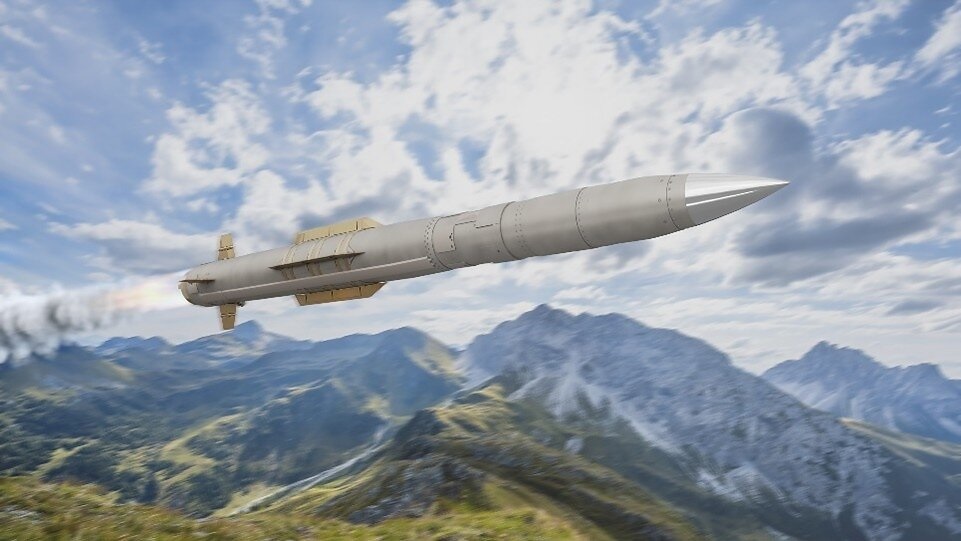 Lockheed Martin Unveils Lower-Cost PAC-3 ACE Interceptor for Patriot Air Defense System
-
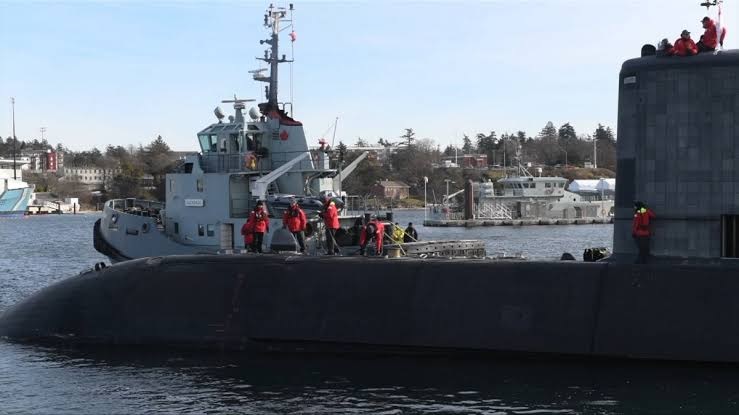 Canada Awards Babcock $1.1 Billion Six-Year Contract Extension to Support Victoria-Class Submarine Fleet
