World
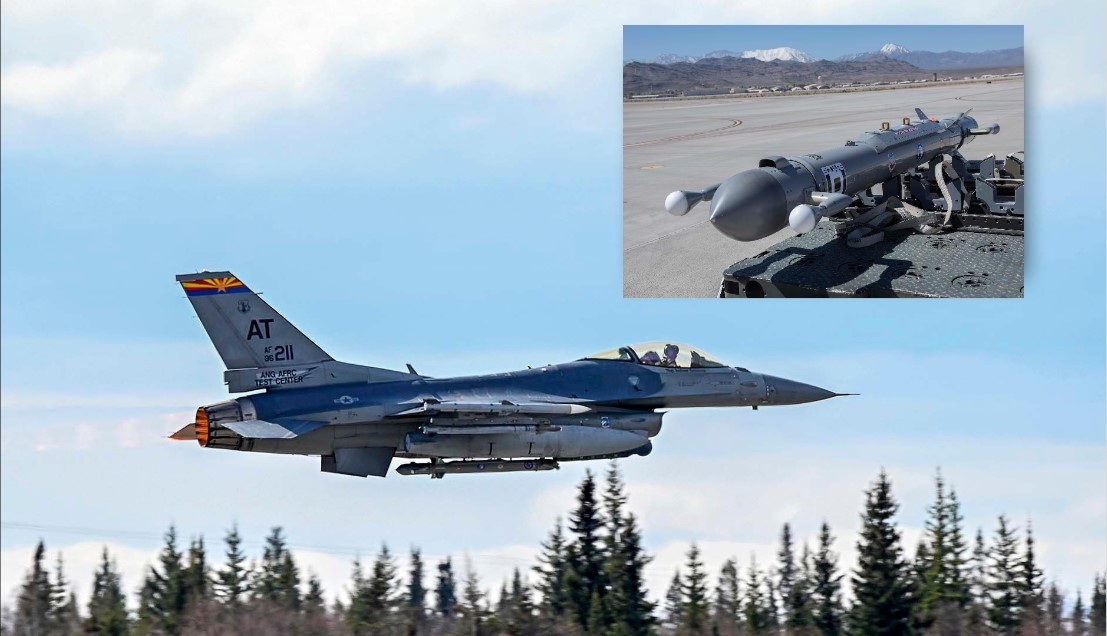
WASHINGTON : The United States Air Force has deployed approximately 36 F-16 fighter aircraft, including specialized F-16CJ “Wild Weasel” variants, to bases within the U.S. Central Command (CENTCOM) area of responsibility in the Middle East. The deployment includes aircraft from the South Carolina Air National Guard’s 169th Fighter Wing and features the integration of the AN/ALQ-167 “Angry Kitten” electronic warfare pod, a system designed to enhance survivability and effectiveness during Suppression of Enemy Air Defenses (SEAD) operations. The movement of these aircraft, confirmed through deployment tracking data and military reporting, reinforces the Air Force’s dedicated capability to operate in contested airspace environments where integrated air defense systems present layered threats. Dedicated SEAD Platform The F-16CJ variant differs from standard F-16 configurations due to its specialized mission set focused on neutralizing surface-to-air missile (SAM) systems and associated radar infrastructure. Central to this role is the AN/ASQ-213 HARM Targeting System (HTS), mounted on the aircraft’s engine intake. The HTS pod enables passive detection, identification, and geolocation of hostile radar emissions. By operating without activating the aircraft’s own radar, pilots can maintain a reduced emission profile while tracking adversary systems. Once radar sources are mapped, targeting data is transmitted to AGM-88 High-Speed Anti-Radiation Missiles (HARM), which home in on specific radar frequencies to destroy emitting sites. Although fifth-generation F-35 aircraft are also operating in the region, full integration of the AGM-88 missile on those platforms is pending future software updates. As a result, the fourth-generation F-16CJ remains the Air Force’s primary dedicated platform for radar suppression missions. Integration of AN/ALQ-167 “Angry Kitten” To enhance survivability against modern air defense networks, deployed F-16CJs are equipped with the AN/ALQ-167 “Angry Kitten” electronic warfare pod. Originally developed by the Georgia Tech Research Institute in the early 2010s, the system was initially fielded with U.S. Air Force aggressor squadrons to simulate advanced enemy jamming capabilities during training exercises. Following demonstrated performance in training environments, the Air Force adapted the pod for operational deployment. The system incorporates Digital Radio Frequency Memory (DRFM) technology, allowing it to detect, capture, and manipulate incoming radio frequency signals from enemy radars and missile seekers. The pod also integrates machine-learning algorithms designed to autonomously evaluate unfamiliar threats and select appropriate jamming techniques. Unlike earlier electronic warfare systems that relied primarily on pre-programmed mission data files, the AN/ALQ-167 can adjust jamming and signal spoofing responses in real time as adversary radar behaviors change. This cognitive electronic warfare capability is intended to improve survivability for fourth-generation aircraft operating in complex electromagnetic environments. Operational Context in the Middle East Defense analysts assess that the concentration of SEAD-capable aircraft and advanced electronic warfare systems aligns with the requirement to address Iran’s multi-layered ground-based air defense network. That network includes foreign-supplied long-range systems such as the Russian-made S-300PMU-2 and, according to intelligence reporting in 2025, newly acquired Chinese HQ-9B long-range surface-to-air missile systems. Domestically produced platforms including the Bavar-373 and Khordad-15 form part of Iran’s high-altitude defense architecture. In addition, mobile short-to-medium range systems—including the Russian-designed Tor series and the indigenous 3rd of Khordad system—provide lower-altitude coverage. The combination of fixed and mobile systems creates overlapping engagement zones designed to complicate air operations. In a potential contingency, F-16CJ aircraft would be tasked with identifying and suppressing early warning radars and fire-control systems to degrade the effectiveness of this integrated air defense network. The pairing of AGM-88 anti-radiation missiles with adaptive electronic jamming from the AN/ALQ-167 is intended to disrupt detection and targeting functions, thereby enabling follow-on air operations. The deployment underscores the continued reliance on specialized SEAD platforms within the Air Force inventory as part of broader operational planning in contested theaters.
Read More → Posted on 2026-02-21 15:37:51
Space & Technology
MOSCOW : Researchers at the Moscow Institute of Physics and Technology have developed a new class of visible-light-activated photocatalysts capable of purifying contaminated water using natural sunlight, achieving up to 90 percent purification within 150 minutes under laboratory conditions. The work was carried out by specialists at MIPT’s Centre for Photonics and Two-Dimensional Materials in collaboration with international research partners. The study focuses on overcoming long-standing efficiency limitations in conventional photocatalytic water treatment systems, which largely depend on ultraviolet radiation. Addressing Solar Spectrum Limitations Photocatalysis is widely used to remove organic contaminants from water, including industrial dyes, agricultural pesticides, pharmaceutical residues and oil traces. In conventional systems, semiconductor photocatalysts are activated primarily by ultraviolet (UV) light. However, UV radiation accounts for only about 5 percent of the total solar spectrum reaching the Earth’s surface. Visible light, by contrast, represents approximately 50 percent of solar radiation. The limited UV fraction significantly reduces the efficiency of traditional photocatalysts when operated under natural sunlight. The MIPT research team therefore concentrated on designing materials capable of absorbing and utilizing visible light more effectively, with the aim of improving scalability and reducing energy requirements in water treatment applications. Femtosecond Laser Ablation Synthesis To engineer photocatalysts with enhanced visible-light absorption, the researchers employed femtosecond laser ablation in liquids, a synthesis technique that uses ultra-short, high-energy laser pulses. The process involves directing femtosecond laser pulses onto the surface of a solid target material submerged in liquid. The intense pulses vaporize the material at the target surface, forming a plasma plume. As the vapor cools, it condenses into nanoparticles with modified electronic and structural properties. These nanoparticles are directly dispersed in the liquid, producing stable colloidal solutions without the need for additional chemical stabilizers. According to the research team, the method is environmentally compatible because it eliminates the requirement for chemical surfactants or reducing agents typically used in nanoparticle fabrication. The technique also enables precise control over defect formation and structural characteristics that influence photocatalytic behavior. Evaluation of Niobium-Based Materials The team examined two niobium-based compounds to determine their performance under visible-light irradiation: niobium pentoxide (Nb₂O₅) and lithium niobate (LiNbO₃). Laser processing affected the structural properties of the two materials differently. In the case of Nb₂O₅, exposure to femtosecond laser pulses caused the crystalline structure to collapse, resulting in a fully amorphous material. This structural change reduced photocatalytic efficiency because the amorphous state promotes rapid recombination of photo-generated charge carriers, limiting the formation of reactive species needed for pollutant degradation. By contrast, LiNbO₃ retained its crystalline framework after laser treatment but developed controlled point defects within its structure. These defects enhanced visible-light absorption and extended the lifetime of charge carriers generated during illumination. The prolonged charge carrier lifetime increased the formation of reactive oxygen species responsible for breaking down organic pollutants in water. Laboratory Performance Results Under visible-light exposure in laboratory tests, the lithium niobate-based nanocatalyst demonstrated significantly improved degradation rates for organic dyes. The degradation rate was measured to be 2.3 times higher than that of the amorphous niobium pentoxide nanoparticles. This sustained photocatalytic activity enabled the system to achieve 90 percent purification within 150 minutes. The extended charge carrier lifetime in LiNbO₃ nanoparticles supported continuous formation of reactive species, allowing for steady decomposition of organic contaminants throughout the testing period. Future Development Plans The researchers stated that further work will focus on optimizing femtosecond laser ablation parameters to improve material performance and reproducibility. Efforts are also underway to explore scaling strategies for integrating the visible-light photocatalysts into practical water treatment systems powered by natural sunlight. The team indicated that continued refinement of the synthesis process and material engineering could support the development of energy-efficient, solar-driven purification technologies suitable for large-scale deployment.
Read More → Posted on 2026-02-21 14:36:22
World
WASHINGTON, D.C., : The United States Supreme Court has ruled 6–3 that former President Donald Trump’s sweeping global tariffs were imposed without proper legal authority, striking down the administration’s use of emergency powers to enforce broad import taxes. In response to the decision, the White House announced a temporary 10 percent global import surcharge under a separate statute, replacing the invalidated tariff framework and reducing rates for several major trading partners. Supreme Court Limits Use of Emergency Powers In its majority opinion, the Court held that the International Emergency Economic Powers Act (IEEPA) of 1977 does not authorize the president to impose wide-ranging import tariffs without explicit approval from Congress. Chief Justice John Roberts, writing for the majority, stated that the U.S. Constitution grants Congress the authority to levy taxes and duties, and that IEEPA was designed to address specific national emergencies involving foreign threats, not to serve as a mechanism for comprehensive trade restructuring. The ruling invalidates the administration’s reciprocal “Liberation Day” tariffs, which had applied varying duty rates to countries based on trade balances and negotiations with the United States. Refund Process Estimated Between $100–$175 Billion As a result of the decision, the federal government is required to refund tariff revenues collected under the invalidated framework. Legal and economic assessments estimate that total refunds could exceed $100 billion and may reach as high as $175 billion. The reimbursement process will be overseen by the United States Court of International Trade in coordination with U.S. Customs and Border Protection. Importers who paid duties under the struck-down policy will be eligible to seek repayment through a structured claims and review process. Federal agencies are expected to issue procedural guidance outlining documentation requirements, timelines, and dispute resolution mechanisms. Trade analysts note that the refund operation will be one of the largest tariff reimbursement efforts in recent history, affecting manufacturers, retailers, agricultural importers, and logistics companies that absorbed higher costs under the prior system. Administration Introduces Temporary 10% Global Tariff Following the Court’s decision, President Trump publicly criticized the ruling and indicated that the administration would pursue alternative statutory authorities to maintain trade measures. The White House subsequently invoked Section 122 of the Trade Act of 1974, a provision that allows the president to impose temporary import restrictions to address fundamental international payment imbalances. Under this authority, a uniform 10 percent global import surcharge will take effect on February 24 and remain in place for up to 150 days unless extended with congressional approval. Section 122 permits temporary measures without prior congressional consent but requires legislative approval for continuation beyond the statutory time limit. Revised Tariff Rates for Key Trading Partners The transition from the reciprocal tariff system to the uniform 10 percent surcharge results in immediate reductions for several countries that had been subject to higher rates. Under the previous framework, tariff levels varied by country and were influenced by trade negotiations and bilateral trade positions. The revised rates are as follows: India: reduced from 18 percent to 10 percent Vietnam: reduced from 20 percent to 10 percent Japan: reduced from 15 percent to 10 percent The new structure establishes a standardized baseline tariff, replacing country-specific penalty rates that were enforced under the IEEPA authority. Economic and Trade Implications The invalidation of the earlier tariffs and the mandated refund process are expected to affect multiple sectors of the U.S. economy. Small and medium-sized enterprises (SMEs), which faced higher import costs across supply chains, are likely to benefit from reimbursements. Larger multinational firms may also see balance sheet adjustments once repayments are processed. The uniform 10 percent surcharge maintains a broad trade barrier, though at lower levels for many partners compared with the previous system. Industry groups are assessing how the temporary measure will influence pricing, supply contracts, and sourcing decisions over the coming months. Trade policy specialists indicate that while the immediate legal basis for the earlier tariffs has been removed, the administration retains other statutory tools. These may include Section 301 investigations under the Trade Act of 1974, which allow tariffs in response to unfair trade practices following formal review procedures. Congressional and Legal Outlook Because Section 122 measures are time-limited, Congress will play a determining role in whether the 10 percent surcharge continues beyond the 150-day period. Lawmakers may also revisit broader questions about executive authority in trade policy in light of the Court’s interpretation of constitutional taxation powers. The decision clarifies the limits of presidential authority under IEEPA and reinforces congressional oversight in matters involving import duties. Federal agencies are expected to begin implementing the refund framework and enforcing the revised tariff schedule in the coming days.
Read More → Posted on 2026-02-21 14:27:39
World
GDYNIA, Poland : Norway-based STADT Naval AS has signed a contract to deliver a fully integrated electric power and propulsion system for Poland’s next-generation submarine rescue vessel, ORP Ratownik, currently under construction at PGZ Stocznia Wojenna in Gdynia. The agreement formalizes the supply of an advanced diesel-electric propulsion architecture for the 96-meter vessel and strengthens ongoing maritime industrial cooperation between Poland and Norway. The ORP Ratownik program is a key modernization initiative for the Polish Navy. The vessel is being built to replace the aging rescue ships ORP Piast and ORP Lech, which have remained in service for more than 50 years. Following its keel-laying ceremony in early February 2026, the ship is scheduled for launch in 2027 and delivery to the Polish Navy in 2029. Vessel Design and Operational Profile With an overall length of 96 meters, a beam of 19 meters, and a displacement of approximately 6,500 tonnes, ORP Ratownik will be among the largest and most capable submarine rescue vessels operating in the Baltic Sea. The ship will accommodate a core crew of 100 personnel along with nine specialized staff assigned to rescue and diving operations. The vessel is designed for a maximum speed of 16 knots and will have an operational range of up to 6,000 nautical miles. It will be equipped with Dynamic Positioning (DP) capability to maintain precise station-keeping during rescue and subsea operations. Its primary mission set includes submarine rescue operations, including crew evacuation support and interoperability with allied systems such as the NATO Submarine Rescue System (NSRS). The vessel will also perform seabed warfare and defense tasks, including inspection and protection of Critical Underwater Infrastructure (CUI) in the Baltic region. In addition, it will conduct advanced diving operations, supported by integrated hyperbaric chamber complexes for deep saturation diving missions. The platform is intended to support both national and NATO-aligned missions, reflecting the increasing operational focus on the Baltic Sea region. Electric Power and Propulsion System Under the finalized contract, STADT Naval AS will supply an 8,000 kWe electric drive system based on its patented Lean Propulsion® technology. The propulsion architecture is designed to meet the operational requirements of dynamic positioning and low acoustic signature missions. The system configuration includes four diesel generator sets, each rated at 3 megawatts, supplying electrical power for propulsion and onboard systems. The generated power will drive five controllable pitch propellers, a retractable aft controllable pitch thruster, and bow thrusters. All propellers will be equipped with STADT AC induction motors, manufactured without the use of rare earth minerals, reducing supply chain dependency. The ship will also feature a 690-volt AC main switchboard, forming the core of its electrical distribution network. The propulsion architecture relies on a pure AC main power distribution system, rather than conventional DC-based solutions. According to the company, this configuration reduces electromagnetic interference (EMI) and enables low underwater radiated noise (URN) levels. The system has previously undergone verification by the Royal Norwegian Navy. Electric drive energy losses are specified at approximately 0.1%, contributing to reduced system complexity and improved operational reliability. Industrial and Strategic Context The ORP Ratownik project represents the 18th dynamically positioned vessel worldwide to be equipped with Lean Propulsion technology. It is also the fourth major naval ship project in Poland to incorporate a full diesel-electric power and propulsion system supplied by the Norwegian manufacturer. PGZ Stocznia Wojenna, the Polish shipyard responsible for construction, has positioned the program as part of a broader naval modernization effort aimed at strengthening domestic shipbuilding capabilities. Company leadership has emphasized the importance of low-noise electric propulsion for submarine rescue operations. For STADT Group, the agreement expands its presence in Poland and the Baltic region. The company has stated that the contract supports continued industrial activity and employment at its facilities in Gjerdsvika, Norway, while reinforcing long-term cooperation with Polish defense industry partners. The ORP Ratownik is expected to enter service in 2029, enhancing Poland’s capacity to conduct submarine rescue, underwater infrastructure protection, and specialized diving missions in the Baltic Sea and in support of allied operations.
Read More → Posted on 2026-02-21 14:13:06
Space & Technology
EL SEGUNDO, Calif., : Boeing has begun operations on a newly established electro-optical infrared (EO/IR) sensor production line at its satellite manufacturing facility in El Segundo, California. The 9,000-square-foot expansion is dedicated to producing advanced sensor payloads for U.S. Space Force missile warning satellites and other national security customers. The new line is designed primarily to support Millennium Space Systems, Boeing’s small satellite subsidiary, in executing its contract under the U.S. Space Force’s Resilient Missile Warning and Tracking program (MWT MEO) in medium-Earth orbit (MEO). Millennium Space Systems is responsible for delivering 12 satellites for the program’s first deployment phase, known as Epoch 1. Dedicated Support for MWT MEO Program The MWT MEO initiative focuses on deploying missile detection and tracking satellites in medium-Earth orbit to enhance the Space Force’s ability to detect and monitor missile threats from space. The 12 satellites being developed by Millennium will operate in MEO and are equipped with EO/IR sensors capable of identifying missile launches and tracking their trajectories. The satellites represent Epoch 1, part of a structure that deploys spacecraft in sequential batches referred to as epochs. The first launch under Epoch 1 was initially planned for 2026 but has been rescheduled to mid-2027 due to broader supply chain constraints affecting the industrial base. Tony Gingiss, Chief Executive Officer of Millennium Space Systems, stated that integrating Millennium’s spacecraft development capabilities with Boeing’s EO/IR payload expertise is intended to deliver the required mission performance for the MWT MEO program. He added that the company plans continued investment and expansion of its production footprint to support future mission requirements. Subsequent Program Phases and Industry Participation Following Epoch 1, the Space Force has awarded a contract to BAE Systems for 10 additional satellites under Epoch 2 of the MWT MEO program. In parallel, L3Harris Technologies is developing a prototype spacecraft to support ongoing architecture development and risk reduction. The MEO missile tracking satellites form part of a broader space-based missile defense architecture expected to integrate with the Department of Defense’s “Golden Dome” initiative. The Golden Dome framework is intended to connect new and legacy systems, including space-based sensors and ground-based command-and-control infrastructure, to establish a layered missile defense network. Production Expansion and Output Targets Boeing stated that the El Segundo expansion is not limited to the immediate requirements of the MWT MEO program. The facility is intended to enable scaling across the company’s defense and commercial satellite portfolio. The company has set a target of delivering 26 spacecraft in 2026, which would represent more than double its total satellite output from 2025. Sam Greaves, Boeing’s interim vice president for space mission systems, said the increase in production is supported by facility upgrades and workforce investments designed to maintain schedule performance while expanding output capacity. The new EO/IR production line is part of broader factory modernization efforts at the El Segundo site, where Boeing manufactures national security and commercial satellites. Alignment with Department of Defense Directives The expansion aligns with recent policy direction from the Department of Defense aimed at strengthening the defense industrial base. In November, the Pentagon issued a strategy to accelerate procurement timelines, expand defense production capacity, and increase accountability in program execution. Defense Secretary Pete Hegseth has publicly urged defense manufacturers to operate at what he described as a “wartime footing.” On February 18, Hegseth visited Boeing’s defense facility in St. Louis, Missouri, where the company produces platforms including the F-47, F-15EX fighter aircraft, the T-7 trainer, and munitions such as the Joint Direct Attack Munition (JDAM). During his visit, Hegseth emphasized the need for increased production capacity, including additional shifts and new manufacturing lines, to meet current and projected demand. Industrial Base Integration Boeing’s decision to establish a dedicated EO/IR production line reflects a vertically integrated approach to satellite manufacturing. By producing critical sensor payloads in-house at El Segundo, the company aims to reduce supply chain risk and support schedule requirements for national security missions. With the MWT MEO program structured in multiple epochs and additional contractors contributing spacecraft, the Space Force’s missile tracking architecture in medium-Earth orbit is expected to expand incrementally over the coming years. Boeing’s facility expansion positions the company to support both current contractual commitments and potential future awards within the evolving missile defense architecture.
Read More → Posted on 2026-02-21 14:00:57
India
NEW DELHI : Israel has offered India an advanced air-launched ballistic missile (ALBM) system, informally referred to in defense reporting as the “Golden Horizon,” for potential integration with the Indian Air Force’s Sukhoi Su-30MKI fleet. According to defense sources cited in strategic circles, the system has not been offered to any other country to date. If finalized, the proposal would mark one of the most sensitive missile-technology transfers between the two countries. The missile is intended to provide the Indian Air Force (IAF) with extended stand-off strike capability by enabling launch from outside the engagement envelopes of adversary Beyond Visual Range (BVR) fighter aircraft and layered Surface-to-Air Missile (SAM) systems. Integrated onto the Su-30MKI heavy air-superiority platform, the system would expand the aircraft’s role from air dominance and conventional strike to strategic, long-range precision attack missions. Technical Background and Design Lineage Available technical assessments indicate that the Golden Horizon ALBM is derived from Israel’s Silver Sparrow target missile program, developed to simulate long-range ballistic threats during missile defense testing. The baseline Silver Sparrow measures approximately 8 meters in length, weighs close to 3 tonnes, and is assessed to have a range of around 2,000 kilometers in its ground-launched configuration. In its adapted air-launched role, the missile’s operational range depends significantly on launch parameters such as aircraft altitude, velocity, and release profile. Standard operational estimates place the ALBM’s effective range between 800 and 1,000 kilometers. However, intelligence-based assessments suggest that under optimized high-altitude and high-speed launch conditions from the Su-30MKI, the range could extend between 1,500 and 2,000 kilometers. The missile follows a high-altitude ballistic trajectory after release, transitioning into a hypersonic terminal phase. This flight profile reduces engagement windows for interception systems and increases kinetic impact energy. The system is designed to strike hardened and high-value targets (HVTs), including fortified command centers, underground infrastructure, and critical strategic installations requiring deep penetration capability. Operational Integration with the Su-30MKI The Sukhoi Su-30MKI serves as the backbone of the IAF’s combat fleet and is capable of carrying heavy payloads over long distances. Integration of a 3-tonne-class missile would require structural, avionics, and fire-control modifications, along with flight certification and weapons separation trials. Given the aircraft’s high thrust-to-weight ratio and long combat radius, it is considered a suitable platform for carrying large stand-off munitions. If inducted, the Golden Horizon would significantly expand the strike envelope of the Su-30MKI beyond current air-to-ground capabilities. The combination of extended range and ballistic flight characteristics would allow engagement of defended targets without entering dense enemy air defense networks. Comparison with Other Israeli-Origin Systems in Indian Service The proposed ALBM would complement existing Israeli-origin stand-off and precision-strike systems associated with India’s armed forces. Air LORA, an air-launched version of the Long-Range Artillery quasi-ballistic missile, has an operational range of approximately 400 kilometers and is designed for precision strikes against defended targets such as airbases and radar installations. Rampage, a supersonic, GPS-guided air-to-ground missile, has an approximate range of 250 kilometers and is optimized for tactical high-value targets. It has already been integrated into Indian aircraft platforms. While both Air LORA and Rampage provide operational-level and tactical strike capabilities, the Golden Horizon is positioned as a strategic-level system offering substantially greater reach and deeper penetration capacity. Strategic and Industrial Considerations The offer of the Golden Horizon ALBM raises broader questions regarding India’s long-term missile development trajectory. While acquisition of the system would provide near-term enhancement of deep-strike capability, defense planners face the parallel issue of whether to pursue a fully indigenous air-launched ballistic missile program. Developing a domestic ALBM would involve extended research, testing, and certification timelines, including propulsion adaptation for air launch, guidance refinement, re-entry vehicle optimization, and integration with existing aircraft. Such a program would align with India’s broader emphasis on indigenous defense production but may not align with immediate operational requirements. Officials have not publicly confirmed contractual negotiations, cost details, technology-transfer provisions, or delivery timelines related to the Golden Horizon offer. If discussions progress, integration of the system into the Su-30MKI fleet would represent a significant addition to India’s long-range precision-strike architecture and further deepen strategic defense cooperation between India and Israel.
Read More → Posted on 2026-02-21 13:21:14
World
TOWNSVILLE, Australia : The U.S. Army Security Assistance Command has completed the delivery of the first two AH-64E Apache Guardian attack helicopters to the Australian Army, marking the formal start of capability transfer under Project Land 4503, Australia’s Armed Reconnaissance Helicopter replacement program. The aircraft were delivered under the Foreign Military Sales (FMS) framework as part of a bilateral defense procurement agreement between the United States and Australia. The transfer introduces the AH-64E Apache platform into Australian Army service for the first time and begins the phased replacement of the existing Tiger fleet. Project Land 4503: Procurement Overview Project Land 4503 provides for the acquisition of 29 AH-64E Apache Guardian helicopters manufactured by Boeing. The total program value is approximately AU$5.5 billion (US$3.5 billion). The Apache fleet will replace the Australian Army’s Eurocopter Tiger Armed Reconnaissance Helicopter, which has been in service since 2004. The remaining 27 aircraft are scheduled for delivery progressively through 2028, with full transition expected by the end of that year. All helicopters will be assigned to the 1st Aviation Regiment and will operate primarily from RAAF Base Townsville in Queensland. The Australian government is implementing aviation infrastructure upgrades at Townsville, including facilities for maintenance, training, and operational deployment to support the new platform. Delivery Execution and Operational Integration According to Savannah Bryant, country program manager for Australia at the Security Assistance Command, the initial transfer required coordination among U.S. Air Force aircrews, Boeing, the Aviation Field Maintenance Directorate, and Australian defense partners. Bryant stated that the aircraft progressed from unloading to assembly and initial flight within 24 hours of arrival. The transition from transport configuration to operational testing was completed without reported technical or logistical issues. The AH-64E platform provides upgraded reconnaissance systems, enhanced communications and networking capabilities, improved sensor integration, and expanded weapons options compared to legacy systems. The helicopter is configured to support land and amphibious operations, including coastal maneuver tasks and long-range strike missions. Its integration aligns with the Australian Army’s shift toward a force structure optimized for distributed and maritime-focused operations. To prepare for induction, Australian Army aircrew and maintenance personnel have completed specialized training programs in the United States and the United Kingdom. Training includes flight operations, weapons systems employment, sustainment procedures, and advanced maintenance diagnostics. Strategic and Bilateral Context The delivery follows commitments made during the Australian-U.S. Ministerial Consultations on December 8, where leaders reaffirmed defense cooperation priorities. Discussions included expanded joint capability development, deeper industrial base integration, and accelerated introduction of advanced military systems. Australian Deputy Prime Minister and Defence Minister Richard Marles acknowledged the arrival of the aircraft, stating that the Apache is the most advanced attack helicopter currently in operation and that the government welcomed the first two helicopters into service. From the U.S. perspective, the transfer reflects the Department of the Army’s emphasis on allied and partner interoperability. The Foreign Military Sales arrangement supports equipment standardization, training alignment, and logistical compatibility between U.S. and Australian forces. Operational Role and Regional Security Once fully operational, the 29-aircraft fleet will expand Australia’s capabilities in armed reconnaissance, offensive support, and precision strike missions. The Apache’s integrated targeting systems, data-sharing architecture, and networked battlefield connectivity are intended to improve mission coordination and operational tempo. The acquisition is structured to strengthen Australia’s homeland defense posture and contribute to deterrence within the Indo-Pacific region. In addition to expeditionary roles, the fleet will support border security and counterterrorism operations under the broader mandate of the Australian Defence Force. With the first two aircraft delivered and the remaining helicopters scheduled through 2028, Project Land 4503 has entered its implementation phase, transitioning Australia’s armed reconnaissance capability to the AH-64E standard under a structured, multi-year procurement and integration program.
Read More → Posted on 2026-02-21 13:11:56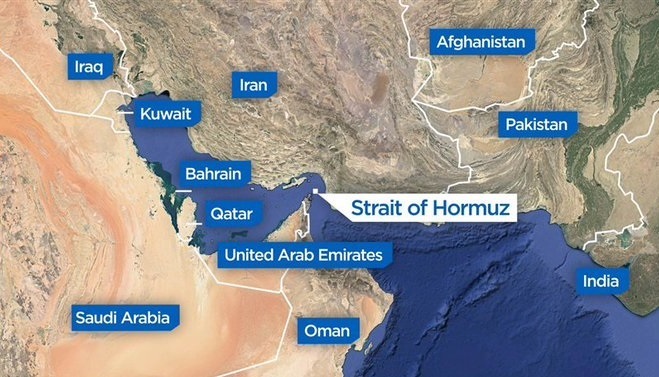
World
NEW DELHI : Rising tensions involving Iran have renewed concerns over the security of the Strait of Hormuz, a maritime corridor that handles a significant share of the world’s oil and natural gas trade. Economic assessments cited in recent reporting by Axios indicate that any disruption to shipping through the strait would have immediate and measurable effects on global energy markets, inflation, and economic growth. The Strait of Hormuz connects the Persian Gulf to the Arabian Sea and serves as a transit route for a substantial portion of internationally traded crude oil and liquefied natural gas (LNG). Even a short-term interruption in maritime traffic through this corridor would constrain supply at a scale difficult to offset through alternative routes. Oil Prices Could Move Above $90 in Baseline Scenario According to projections referenced by Axios, a baseline disruption scenario in which Iran restricts or disrupts transit through the strait could push global crude oil prices above $90 per barrel in the near term. Such a move would translate directly into higher fuel costs in major consuming economies. In the United States, analysts estimate that average retail gasoline prices could exceed $3 per gallon if crude stabilizes above the $90 mark. The price transmission mechanism would be rapid, as refiners and fuel distributors adjust to higher input costs. Severe Scenario Points to $130 Per Barrel In a more severe escalation involving direct attacks on Gulf oil infrastructure, crude oil prices could rise to approximately $130 per barrel, according to the same reporting. The impact would be amplified if production facilities, export terminals, or storage hubs in key Gulf producers were damaged. Market analysts note that alternative export routes, including pipelines that bypass the Strait of Hormuz, do not possess sufficient capacity to fully replace daily maritime flows handled by the chokepoint. As a result, a prolonged closure combined with infrastructure damage could tighten global oil supply beyond the initial disruption. Under such conditions, price volatility would likely increase, and emergency stockpile releases by major consuming nations could be required to stabilize markets. Supply Shock and Energy Transmission Effects The removal of millions of barrels per day from global supply would constitute a direct supply shock. Forecast ranges suggest crude prices could move between $100 and $130 per barrel depending on the duration and scale of disruption. Higher crude prices would feed into the broader economy through multiple channels. Transportation and freight costs would rise first, followed by increased input costs for manufacturing and industrial operations. Food production and agricultural supply chains, which are energy-intensive, would also experience cost pressures. Consumer goods prices would reflect higher logistics and production expenses, contributing to broader inflationary trends across developed and emerging markets. Risk of Stagflation Increases Economic analysts warn that sustained high energy prices combined with slowing economic activity would elevate the risk of stagflation. This condition is characterized by persistently high inflation occurring alongside weak or stagnant economic growth. Central banks could face policy constraints under such a scenario. Efforts to contain inflation through tighter monetary policy could further dampen growth, while accommodative policies risk entrenching inflationary pressures driven by energy costs. The scale of stagflation risk would depend on the duration of disruption, the responsiveness of global supply chains, and the use of strategic reserves. Impact on Corporate Earnings and GDP Higher energy and transportation costs would reduce corporate profit margins, particularly in energy-intensive sectors such as aviation, shipping, chemicals, and heavy manufacturing. Companies with limited pricing power would face margin compression, while those able to pass on costs could contribute to sustained inflation. Consumer spending could weaken as households allocate a larger share of income to fuel, electricity, and essential goods. Economic estimates indicate that global Gross Domestic Product (GDP) could decline by approximately 0.3% to 0.8% under sustained disruption conditions. In a prolonged or severe case, the contraction could exceed that range. A synchronized slowdown across major economies would increase the probability of recession risks rising simultaneously. LNG and Natural Gas Supply Exposure In addition to crude oil, the Strait of Hormuz is critical for global LNG trade. Between 20% and 22% of worldwide LNG exports transit through the strait. Major exporters reliant on this route include Qatar and the United Arab Emirates. A closure would immediately constrain LNG shipments to key importing regions in Europe and Asia. The resulting supply imbalance could lead to higher natural gas prices, affecting electricity generation and heating costs. Energy-importing countries with limited storage or diversified supply sources would be particularly exposed. A gas supply shock occurring alongside oil price increases would compound inflationary pressures and strain energy security strategies. Limited Substitution Capacity Although some Gulf producers maintain pipeline infrastructure that bypasses the strait, these systems are not capable of handling the full volume of oil and LNG typically shipped through Hormuz. Maritime transport remains the primary export mechanism for several major producers. As a result, even partial disruption would affect market expectations, potentially driving speculative price movements and increased volatility in futures markets. Broader Macroeconomic Implications The cumulative effect of elevated oil and gas prices would extend beyond immediate energy markets. Increased freight rates could alter trade flows, and higher insurance premiums for shipping in conflict zones would add to transportation costs. Financial markets could react through higher bond yields in energy-importing nations, currency depreciation in vulnerable economies, and shifts in capital toward commodity-exporting countries. The overall macroeconomic outcome would depend on the duration of disruption, the scale of military escalation, and coordinated responses from energy-producing and consuming nations. For now, analysts emphasize that the Strait of Hormuz remains operational. However, contingency planning by governments and energy firms reflects recognition that even temporary instability in this corridor would carry significant economic consequences across global markets.
Read More → Posted on 2026-02-20 11:38:51
India
New Delhi, : India’s Ministry of Defence has awarded a contract to a partnership between Kalyani Strategic Systems Limited (KSSL) and Canada-based MetOcean Telematics for the supply of advanced Anti-Submarine Warfare (ASW) surveillance capabilities. The award formalizes a strengthened strategic collaboration between the two companies focused on deploying autonomous undersea sensing and satellite-enabled monitoring systems for the Indian defence sector. The agreement centers on enhancing persistent undersea situational awareness through the integration of long-endurance autonomous maritime surveillance platforms. The systems are designed to support submarine detection, acoustic monitoring, and secure data transmission across wide operational areas. Autonomous Undersea Surveillance Integration Under the contract, MetOcean Telematics will provide proprietary undersea sensing systems and satellite-enabled telemetry technologies. Although the official contract documentation did not publicly specify individual system names, MetOcean’s flagship ASW technology — the NiKA platform — reflects the type of capability involved in the deployment. The autonomous platforms are equipped with custom hydrophone assemblies engineered to collect high-resolution acoustic data by cycling through different layers of the water column. This vertical profiling approach enables improved detection and localization of submarine activity by separating structural acoustic signatures from ambient marine noise. Operational characteristics of MetOcean’s autonomous systems include: Depth Rating: Capabilities to operate at depths of up to 1,000 meters. Acoustic Profiling: Real-time acoustic detection and localization of submarines, distinguishing structural signatures from ambient marine noise. Data Transmission: Surface-level relay of collected acoustic and positional data utilizing the mid-band Iridium Certus 100 satellite service for secure, pole-to-pole coverage. Endurance: Highly configurable operational lifespans that can exceed 12 months, serving as a long-term complement to traditional sonobuoys and fixed or towed arrays. The systems are designed to operate autonomously for extended periods, reducing reliance on frequent redeployment and enabling persistent monitoring across designated maritime zones. Domestic Integration and Support KSSL will manage in-country delivery, systems integration, and ongoing support for the deployment of these autonomous ASW systems. Leveraging its domestic defense manufacturing and engineering infrastructure, the company will ensure that operational, technical, and maintenance requirements are met within India. The collaboration also supports long-term knowledge transfer and indigenous capability growth within India’s defence manufacturing ecosystem. The integration work is expected to support sustained capability expansion within the ASW domain. Executive Statements Both companies indicated that this initial contract establishes the foundation for a broader, long-term ASW surveillance program within India. Tony Chedrawy, Chief Executive Officer of MetOcean Telematics, outlined the strategic scope of the agreement, stating that the award reflects strong confidence in the company’s scalable and operationally relevant autonomous ASW surveillance capability and highlights the strength of its partnership with KSSL. He added that the program represents the beginning of a long-term ASW initiative in India with potential for future growth and capability expansion. Neelesh Tungar, Chief Executive Officer of KSSL, stated that providing advanced products meeting all qualitative requirements remains integral to the company’s commitment to its customers. He noted that MetOcean’s product enhances KSSL’s marine systems capabilities and strengthens its undersea surveillance portfolio. Strategic Context and Industry Background The acquisition of autonomous ASW technology aligns with current national defence priorities to monitor subsurface activities more persistently across strategic maritime zones. The collaboration is positioned to support sustained undersea situational awareness and complements conventional shipborne sonar, air-deployed sonobuoys, and fixed seabed monitoring systems. The integration of satellite-enabled telemetry services ensures secure transmission of acoustic and positional data to relevant command structures, supporting timely operational analysis. Company Profiles Kalyani Strategic Systems Limited (KSSL), a wholly owned subsidiary of Bharat Forge Limited, operates as the flagship entity driving defence business initiatives for the Kalyani Group. The company specializes in developing advanced defence technology products, including artillery systems, armored and protected vehicles, small arms, ammunition, and dedicated marine and unmanned systems. MetOcean Telematics, headquartered in Dartmouth, Nova Scotia, Canada, develops advanced satellite communication systems and maritime surveillance technologies. The company specializes in ocean sensor development and end-to-end telemetry data delivery for defence, scientific, and environmental sectors. The newly awarded contract marks the operational commencement of the KSSL–MetOcean partnership under India’s Ministry of Defence ASW framework, with further program development anticipated under subsequent phases of deployment.
Read More → Posted on 2026-02-20 11:24:54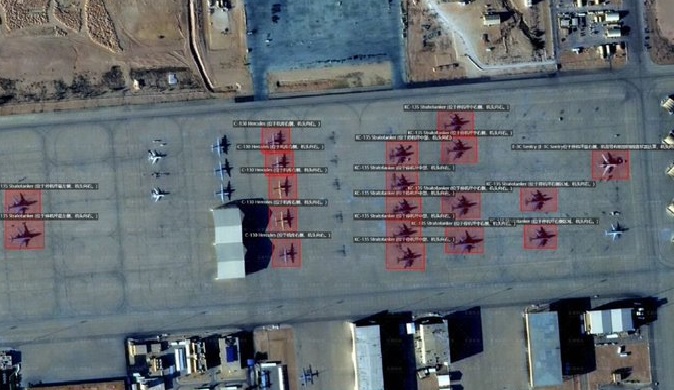
World
Riyadh / Washington : High-resolution satellite imagery has identified an expanded deployment of United States Air Force aircraft at Prince Sultan Air Base in Saudi Arabia, indicating a significant increase in logistical and airborne command capabilities amid continued tensions between Washington and Tehran. The imagery, reportedly obtained through Chinese commercial satellite monitoring networks, documents a concentrated grouping of refueling, surveillance, and transport aircraft positioned at the Saudi installation. Defense analysts reviewing the data state that the scale and composition of the aircraft reflect preparations consistent with sustained air operations rather than short-term deterrence patrols. Aircraft Deployment and Operational Profile According to the satellite data, the current deployment at Prince Sultan Air Base includes 13 Boeing KC-135 Stratotanker aerial refueling aircraft, one Boeing E-3G Sentry (AWACS) aircraft, and five Lockheed C-130 Hercules tactical transport aircraft. The KC-135 Stratotanker fleet forms the central element of the deployment. These aircraft are designed to provide mid-air refueling to fighters, bombers, reconnaissance platforms, and other support aircraft, enabling extended mission durations and expanding operational reach without requiring forward basing inside contested airspace. A tanker fleet of this size typically supports high sortie generation rates and sustained regional air operations. The presence of a Boeing E-3G Sentry enhances command-and-control capabilities. Equipped with a rotating radar dome, the aircraft provides long-range airspace surveillance, tracks multiple aerial targets, and coordinates multi-aircraft missions. Its integration alongside a large tanker fleet allows for coordinated operations over extended distances. The five Lockheed C-130 Hercules aircraft provide tactical airlift and logistical support functions. The C-130 platform is commonly used for personnel transport, resupply missions, and coordination of ground support activities. Its inclusion in the deployment suggests logistical reinforcement and sustainment planning in support of air operations. Analysts note that the combination of refueling, surveillance, and transport assets enables U.S. aircraft to operate deep into operational theaters without establishing permanent combat bases within those territories. However, the exposure of the deployment through commercial satellite imagery reduces operational discretion traditionally associated with forward military positioning. Strategic Context and Saudi Arabia’s Position Prince Sultan Air Base has served as a key hub for U.S. operations in the region since American forces returned to the facility in 2019 to enhance regional air defense and deterrence capabilities. The current imagery indicates an expansion beyond baseline defensive posture. Earlier this year, Saudi Arabia formally communicated to Iran that it would not permit its territory or airspace to be used for U.S. military strikes against Iranian targets. The message was aimed at reducing the risk of direct involvement in potential confrontation between Washington and Tehran. The scale of the newly observed deployment has led some regional observers to assess that Riyadh may have granted logistical or operational access to U.S. forces beyond previously stated limitations. Diplomatic assessments cited by regional sources indicate that Saudi officials have conveyed concerns to Washington regarding Iran’s regional activities and the potential impact of insufficient military deterrence. Saudi authorities have not publicly confirmed any policy shift regarding the use of their territory for offensive operations. No official statement has been issued addressing the specific aircraft identified in the satellite imagery. Regional Implications The disclosure of the deployment occurs ahead of the Islamic holy month of Ramadan, a period during which regional stability carries heightened political and social sensitivity. Any military operation launched from Saudi territory could have direct implications for Riyadh’s security posture. Iran has previously communicated a conditional deterrence position, stating that U.S. military installations and associated infrastructure located in Gulf states would be considered potential targets if those facilities are used in operations against Iranian territory. This policy framework places host nations in a complex strategic position in the event of escalation. The satellite findings add a new layer of transparency to military movements in the Gulf region. While such deployments are not uncommon during periods of heightened tension, the detailed identification of aircraft types and quantities provides insight into operational planning and capability scaling. At present, there has been no public indication of imminent military action. However, the concentration of refueling and airborne command assets at Prince Sultan Air Base reflects a posture consistent with readiness for sustained regional air operations, pending political authorization.
Read More → Posted on 2026-02-20 10:50:57
World
BRUSSELS/WASHINGTON : The United States Department of Defense has formally cautioned the European Union against introducing binding “Buy European” provisions in its forthcoming revision of EU defense procurement rules, stating that Washington would consider reciprocal trade measures if American firms are excluded from European military contracts. The warning was submitted as part of the U.S. government’s official contribution to a European Commission consultation on updating the EU’s 2009 defense procurement directive. The revision forms part of Brussels’ broader effort to strengthen the European defense industrial base and encourage greater intra-European sourcing of military equipment. U.S. Objections to Preferential Procurement In its submission, the Pentagon stated that it “strongly opposes” regulatory changes that would restrict U.S. defense companies from competing for contracts in EU member states. U.S. officials characterized a mandatory European preference clause as discriminatory and inconsistent with longstanding transatlantic defense cooperation. The Defense Department argued that such measures would amount to protectionist and exclusionary policies that could significantly reduce American industry participation in European defense markets. U.S. officials further noted that major European defense firms currently benefit from access to the U.S. defense market without facing equivalent blanket restrictions. The Pentagon emphasized that transatlantic defense trade has historically been underpinned by reciprocal market access arrangements and warned that altering that balance could affect broader industrial cooperation. Possible U.S. Trade Response Washington indicated that, should the EU proceed with a strict “Buy European” mandate, the United States could reassess existing defense trade arrangements. At present, 19 of the 27 EU member states maintain reciprocity agreements with the United States that grant exemptions from standard “Buy American” requirements for certain defense procurements. These waivers enable eligible European companies to compete for U.S. Department of Defense contracts under defined conditions. According to the U.S. submission, revoking or narrowing these waivers is one potential response under consideration. If implemented, European defense firms could face significantly tighter access to Pentagon contracts, potentially limiting participation to case-by-case approvals tied to NATO interoperability requirements. Such a move would affect European companies that currently supply components, systems, and services to U.S. defense programs. Transatlantic Procurement Imbalance The dispute arises amid longstanding U.S. calls for European allies to increase defense spending and assume greater responsibility for the continent’s conventional defense posture. European defense budgets have expanded in recent years, particularly following the war in Eastern Europe. Available data indicates that nearly two-thirds of weapons imported by EU member states are produced in the United States, reflecting Europe’s reliance on U.S. platforms, munitions, and advanced defense technologies. U.S. officials have maintained that increased European defense expenditure should remain open to competitive transatlantic sourcing, while European policymakers argue that continued dependence on external suppliers limits industrial resilience and supply security. EU Drive for Industrial Consolidation The European Commission’s planned update to the 2009 directive forms part of a broader policy effort to strengthen the European Defense Technological and Industrial Base. In response to evolving security conditions and supply chain vulnerabilities, EU institutions have advanced initiatives designed to encourage joint procurement, coordinated capability development, and greater use of European-made components. Policy options under discussion include minimum European content thresholds for certain jointly funded programs, expanded common procurement mechanisms, and financial incentives for member states that source equipment from within the EU. European policymakers state that such measures are intended to consolidate a fragmented defense industry, increase production capacity, secure supply chains, and reduce external dependence while maintaining interoperability with allied systems.
Read More → Posted on 2026-02-20 10:38:13
World
WASHINGTON : The Trump administration has advanced a proposed civil nuclear cooperation agreement with Saudi Arabia that excludes several long-standing U.S. non-proliferation conditions, according to a draft document transmitted to Congress. The agreement, negotiated under Section 123 of the U.S. Atomic Energy Act, would establish a multi-decade framework for American participation in the kingdom’s planned nuclear energy program. The draft 123 Agreement, which governs peaceful nuclear cooperation between the United States and foreign governments, outlines a broad commercial partnership intended to position U.S. companies as central participants in Saudi Arabia’s anticipated nuclear power expansion. The initiative aligns with the administration’s wider policy objective of expanding U.S. nuclear exports globally, with a stated target of securing 20 international nuclear business agreements. Removal of Enrichment and Reprocessing Restrictions Previous U.S. civil nuclear agreements with certain partner countries have incorporated what is informally referred to as the “Gold Standard.” Under this framework, partner states formally renounce the domestic enrichment of uranium and the reprocessing of spent nuclear fuel—two processes that can be used to produce fissile material suitable for nuclear weapons. The draft agreement with Saudi Arabia does not include these explicit prohibitions. Instead, it allows for the possibility of Saudi domestic activities in uranium enrichment, fuel fabrication, and reprocessing under a defined oversight structure. In addition, the proposed agreement does not require Saudi Arabia to adopt the International Atomic Energy Agency (IAEA) Additional Protocol. The Additional Protocol supplements a country’s standard safeguards agreement with the IAEA and grants the agency expanded authority to conduct short-notice inspections, including at undeclared sites, to verify that nuclear materials are not diverted for non-peaceful purposes. Alternative Oversight Structure Rather than mandating adherence to the Additional Protocol, the draft framework calls for Saudi Arabia to maintain a basic safeguards agreement with the IAEA. This standard safeguards arrangement enables the U.N. nuclear watchdog to monitor declared nuclear facilities and materials. The document also outlines the creation of a separate Bilateral Safeguards Agreement between the United States and Saudi Arabia. According to the materials sent to Congress, this bilateral mechanism would apply specifically to sensitive aspects of U.S.-origin nuclear technology and materials transferred under the agreement. The bilateral framework is intended to establish procedures for monitoring and verification in areas including uranium enrichment, fuel fabrication, and reprocessing, should such activities proceed within Saudi Arabia’s civil nuclear program. Context and Regional Considerations Saudi Arabia has publicly stated its intention to develop a civilian nuclear energy program as part of broader efforts to diversify its energy mix and expand domestic power generation capacity. Riyadh has also previously indicated that it seeks the right to enrich uranium domestically as part of a complete nuclear fuel cycle. Statements made in prior years by Saudi Crown Prince Mohammed bin Salman have drawn attention from policymakers. In interviews conducted in 2018 and 2023, he stated that if Iran were to acquire a nuclear weapon, Saudi Arabia would pursue similar capabilities for security reasons. Those comments have been cited by analysts and lawmakers during discussions of nuclear cooperation with the kingdom. Iran’s nuclear activities remain a central factor in regional security calculations. The United States and other international actors continue to monitor Tehran’s nuclear program under existing international frameworks. Congressional Review and Approval Process Under Section 123 of the Atomic Energy Act, any agreement for significant U.S. civilian nuclear cooperation must be formally submitted to Congress for review. Once transmitted, Congress is granted a 90-day continuous session period to examine the agreement. If Congress does not pass a joint resolution of disapproval within that review window, the agreement automatically enters into force at the conclusion of the period. Both the House of Representatives and the Senate must approve a resolution of disapproval to block the agreement. The administration is expected to submit the finalized version of the agreement in late February or early March. Lawmakers from both parties have previously expressed scrutiny regarding nuclear cooperation with Saudi Arabia, particularly in relation to enrichment rights and verification standards. The outcome of the congressional review will determine whether the proposed framework becomes the governing structure for U.S.–Saudi civil nuclear cooperation in the coming decades.
Read More → Posted on 2026-02-20 10:23:14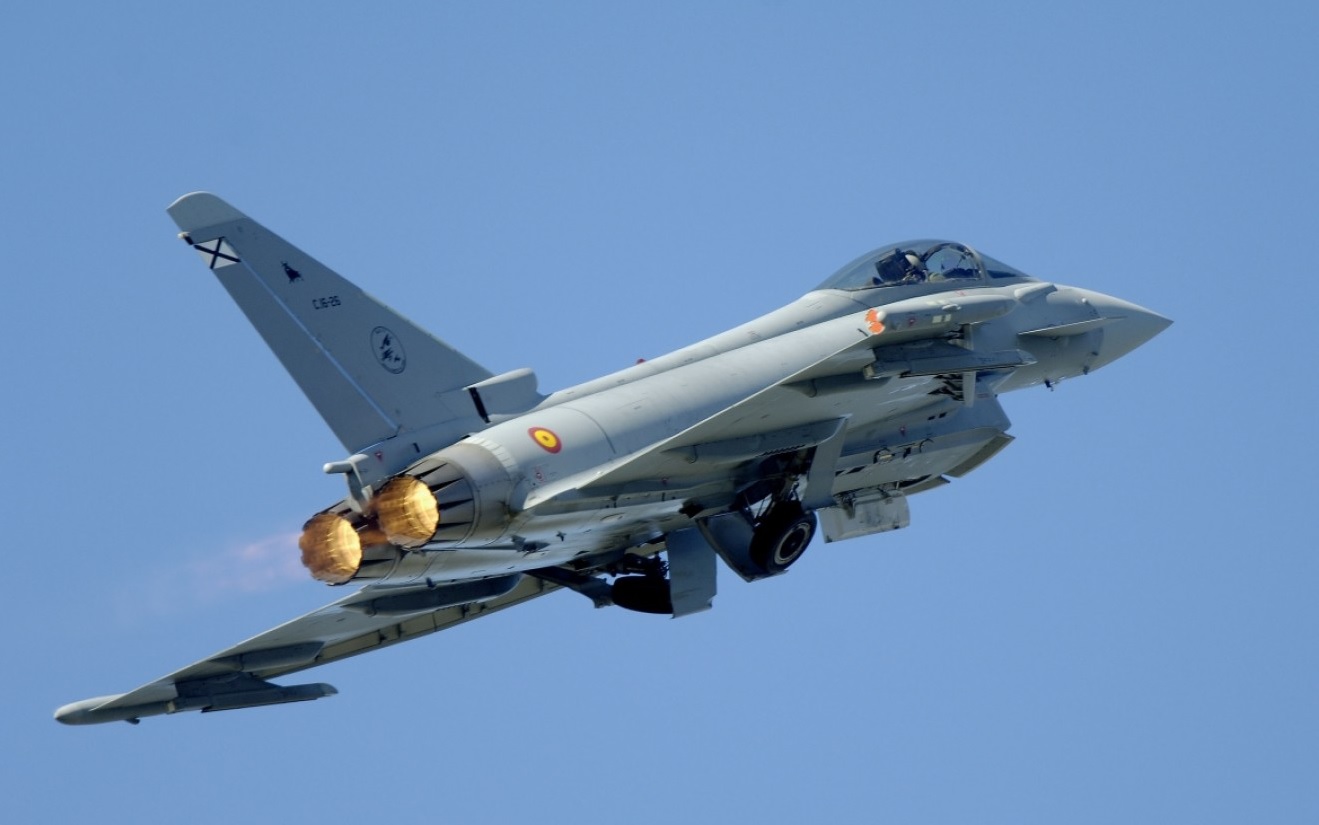
World
MIHAIL KOGĂLNICEANU AIR BASE, Romania : Three Eurofighter Typhoon fighter jets from the Spanish Air and Space Force have deployed to Mihail Kogălniceanu Air Base on Romania’s Black Sea coast, where they have joined German Air Force units already stationed at the base as part of NATO’s Air Policing and deterrence operations along the Alliance’s Eastern Flank. The Spanish contingent, supported by an Airbus A400M transport aircraft carrying personnel, equipment, and logistical supplies, will operate alongside German Eurofighters under NATO’s Enhanced Vigilance Activities (eVA) framework. The mission is coordinated by NATO Allied Air Command and is designed to sustain a flexible and combat-ready air presence in Eastern Europe. Strategic Framework Under Enhanced Vigilance Activities The deployment falls under the Eastern Sentry initiative within NATO’s Enhanced Vigilance Activities, a set of measures established to reinforce the Alliance’s deterrence and defense posture following changes in the regional security environment. The framework enables the rapid positioning of high-readiness air assets at forward operating bases across member states bordering NATO’s eastern boundary. By operating from Mihail Kogălniceanu Air Base, the Spanish and German detachments contribute to maintaining the integrity of Allied airspace over Romania and the wider Black Sea region. NATO’s concept emphasizes scalability and adaptability, allowing airpower assets to be adjusted according to operational requirements and security developments. Agile Combat Employment and Cross-Servicing Integration A central operational component of the joint deployment is the implementation of NATO’s Agile Combat Employment (ACE) concept. ACE focuses on dispersing and sustaining combat aircraft from multiple operating locations while maintaining operational readiness under dynamic conditions. Because both Spain and Germany operate the Eurofighter Typhoon platform, the mission enables cross-servicing between the two air forces. Maintenance crews, engineers, and pilots from both nations are able to support each other’s aircraft using shared technical standards and procedures. This arrangement increases flexibility, improves sortie generation capacity, and enhances resilience in forward-deployed environments. Joint maintenance and operational integration also facilitate the exchange of technical expertise and standardized mission planning practices, strengthening interoperability at both tactical and operational levels. Host Nation Support and Base Operations Mihail Kogălniceanu Air Base, operated by Romania’s 57th Air Base, serves as a key logistical and operational hub for Allied air missions in the region. The base supports the reception, staging, onward movement, and integration of multinational air assets. Romanian personnel are responsible for providing host nation support, including infrastructure access, ground services, and coordination for flight operations. The facility’s proximity to the Black Sea and NATO’s southeastern perimeter makes it a strategic location for sustained air policing and deterrence missions. Colonel Gabriel Goagă, Commander of the 57th Air Base Mihail Kogălniceanu, stated that the arrival of Spanish Eurofighters highlights the base’s role in enabling multinational cooperation and rapid integration of Allied forces. Command and Control Structure While deployed in Romania, the Spanish and German detachments will share Quick Reaction Alert (QRA) duties on behalf of NATO. Under QRA protocols, designated fighter aircraft remain on standby to respond to potential airspace violations or unidentified aircraft approaching Allied airspace. Operational control of QRA missions is exercised by NATO’s Combined Air Operations Centre (CAOC) in Torrejón, Spain. The CAOC is responsible for monitoring regional airspace, coordinating responses, and directing assigned aircraft when required. To support integrated operations, the Spanish and German contingents have established joint mission planning cells. These shared planning structures enhance situational awareness, streamline communication, and ensure coordinated execution of air policing tasks. Major Félix Diéguez, the Spanish Detachment Commander, stated that the deployment reflects Spain’s contribution to NATO’s collective defense obligations and demonstrates the ability to deploy rapidly and integrate with Allied forces under the ACE concept. Lieutenant Colonel Andreas Beckmann, the German Detachment Commander, noted that the joint operation underscores established interoperability between the two air forces and reinforces NATO’s presence along the Eastern Flank. Ongoing NATO Air Policing Role NATO’s Air Policing mission is a peacetime collective defense activity that ensures the security of Allied airspace. Under this framework, member states rotate fighter detachments to maintain continuous coverage across different regions of the Alliance. The concurrent operation of Spanish and German Eurofighter detachments at Mihail Kogălniceanu Air Base forms part of these broader Enhanced Vigilance Activities. By combining forward deployment, shared logistics, and integrated command structures, the mission supports NATO’s objective of maintaining a sustained, adaptable, and multinational air defense posture in Eastern Europe. Through coordinated operations under Allied Air Command, the Spanish and German forces continue to contribute to NATO’s deterrence and air policing responsibilities in the Black Sea region.
Read More → Posted on 2026-02-20 10:10:45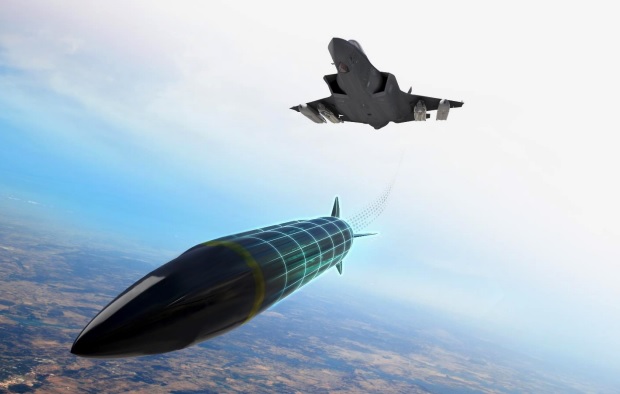
World
PATUXENT RIVER, Md. : The U.S. Naval Air Systems Command (NAVAIR) has issued a Request for Information (RFI) to identify industry sources capable of developing and producing a next-generation extended-range anti-radiation missile under the Advanced Emission Suppression Missile (AESM) – Enhanced Capabilities program. The effort is being managed by the Program Executive Office for Unmanned Aviation and Strike Weapons (PEO U&W). The solicitation outlines the Navy’s requirement for a weapon system that surpasses the standoff range of current anti-radiation missiles fielded by the U.S. Navy and U.S. Air Force. The new munition is intended to address evolving threat environments, particularly modern integrated air defense systems and advanced radar networks. Production Targets and Acquisition Timeline According to the RFI, NAVAIR projects a potential production demand of up to 300 All-Up-Rounds (AURs) annually. To support operational timelines, the command has established an accelerated acquisition schedule, requiring that the weapon system be fieldable within two years of program initiation. To meet this timeline, respondents must demonstrate that the foundational technologies supporting the proposed system are at a Technology Readiness Level (TRL) of 7 or higher. This indicates that system prototypes must already have been demonstrated in an operational environment. Platform Compatibility and Open Architecture Requirements The RFI places significant emphasis on integration with existing U.S. tactical aircraft. The missile must be fully compatible with the F/A-18 family of aircraft, including the F/A-18E/F Super Hornet and the EA-18G Growler, as well as the F-35 Lightning II. To ensure seamless integration across platforms, the weapon must employ a Weapons Open System Architecture (WOSA). Hardware and software components must comply with MIL-STD-1760 aircraft interface standards, which govern electrical, mechanical, and data interface requirements between aircraft and stores. Additionally, the system must incorporate Universal Armament Interface (UAI) connectivity, enabling compatibility with current and future aircraft without extensive airframe modifications. Navigation and Guidance in Contested Environments The RFI specifies detailed navigation and guidance requirements to enable operations in contested, denied, or degraded electromagnetic environments. The missile’s primary navigation suite must combine an Inertial Navigation System (INS) with M-Code GPS capability. The GPS component must incorporate integrated anti-jam features to maintain performance in electronically contested conditions. In addition, the missile must include an alternative navigation source to provide redundancy in the event of GPS disruption or denial. The RFI does not specify the exact nature of this alternative navigation method. Multi-Domain Engagement Capability In addition to traditional air-to-ground anti-radiation roles, the new missile must support multi-domain engagement capability. The system is required to engage both air-to-ground and air-to-air targets. To fulfill this requirement, the weapon must incorporate an advanced seeker with broad frequency coverage capable of detecting and targeting modern radar systems across multiple operational domains. This expands the missile’s mission set beyond conventional Suppression of Enemy Air Defenses (SEAD) and Destruction of Enemy Air Defenses (DEAD) profiles. Electronic Counter-Countermeasures and Threat Defeat The RFI outlines comprehensive survivability and countermeasure requirements. The missile must incorporate robust Electronic Counter-Countermeasures (ECCM) capabilities to maintain effectiveness against advanced defensive systems. Specifically, the weapon must be capable of recognizing and defeating: Active radar jamming Chaff and flares Anti-anti-radiation missile (anti-ARM) techniques, including emitter shutdown tactics and the use of decoys These requirements are intended to ensure a high probability of kill against sophisticated air defense systems employing evasive or deceptive countermeasures. Logistics, Reliability, and Sustainment NAVAIR’s RFI also establishes clear logistical and sustainment criteria. The missile must maintain high operational availability while minimizing maintenance requirements. A key reliability benchmark specifies that the munition must achieve a storage reliability rate of 0.9 or greater after 15 years in inventory. This requirement reflects long-term sustainment planning and lifecycle cost considerations. Security, Cyber Compliance, and Export Considerations Prospective vendors must comply with current Department of Defense security and cybersecurity regulations. This includes adherence to the Cybersecurity Maturation Model Certification (CMMC) framework. Contractors must also be capable of maintaining SECRET-level Facility and Personnel clearances. In addition to domestic requirements, NAVAIR is evaluating the system’s international market potential. Respondents must indicate whether an exportable configuration is currently available. If not, vendors are required to outline the engineering modifications and security measures necessary to develop a version suitable for Foreign Military Sales (FMS). Industry Engagement Phase As an RFI, the solicitation represents a market research effort and does not constitute a formal request for proposals. NAVAIR is seeking detailed industry feedback regarding technical maturity, production capacity, integration pathways, and export viability. The AESM – Enhanced Capabilities initiative reflects the Navy’s objective to field an extended-range, open-architecture, multi-role anti-radiation missile capable of operating in contested electromagnetic environments while remaining compatible with current and future U.S. tactical aircraft fleets.
Read More → Posted on 2026-02-20 09:40:43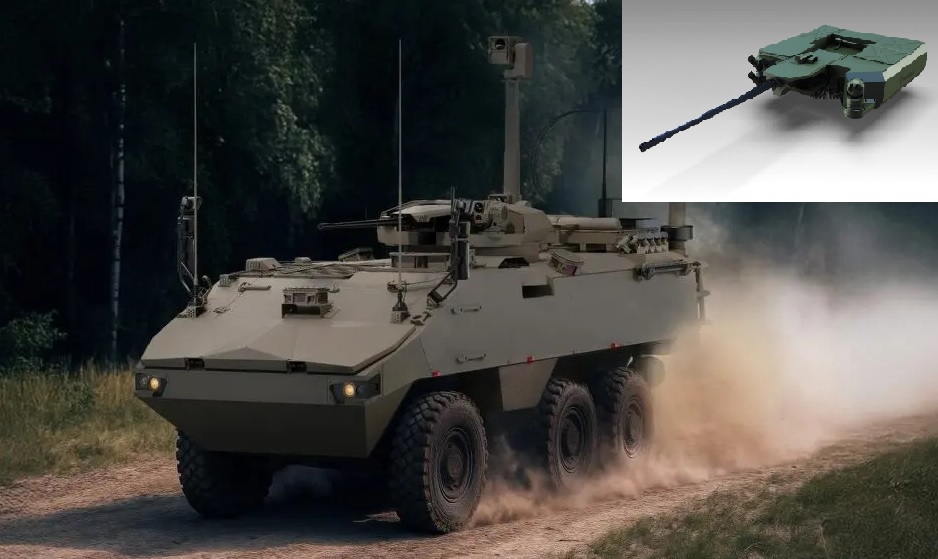
World
BREMEN, Germany : Rheinmetall has secured a comprehensive contract from General Dynamics European Land Systems (GDELS) to deliver key combat and training systems for the German Army’s next-generation Luchs 2 reconnaissance vehicles. The agreement, signed in Kaiserslautern in early February 2026, is valued in the mid-three-digit million-euro range and forms part of Germany’s broader €3 billion Luchs 2 procurement program covering 274 vehicles. Under the contract, Rheinmetall will supply modular unmanned turrets, primary armament systems, and advanced simulation and training equipment. Initial deliveries are aligned with the planned introduction of the Luchs 2 fleet beginning in 2029, with turret deliveries scheduled through 2031. Program Background and Platform Overview The Luchs 2 reconnaissance vehicle is intended to replace the Bundeswehr’s aging Fennek 4x4 reconnaissance fleet. The new vehicle is based on GDELS’ amphibious Piranha 6x6 wheeled platform and is designed to combine high operational mobility with reduced acoustic and thermal signatures. The overall procurement program, valued at approximately €3 billion, includes 274 vehicles and aims to modernize Germany’s intelligence, surveillance, and reconnaissance capabilities. The platform integrates advanced sensor suites supplied by Hensoldt, enhancing battlefield awareness and long-range detection capabilities. CT-025 Modular Unmanned Turret The largest portion of the newly awarded contract will be executed by Rheinmetall Electronics GmbH in Bremen, which will manufacture and deliver 274 units of the newly developed CT-025 modular unmanned turret. This represents the first major production order for the CT-025 system, which has been specifically adapted to meet Bundeswehr operational requirements. The CT-025 turret incorporates a fully digitalized fire control system with an inertial weapon stabilization unit, ballistic computer, and stabilized electro-optical vision system. These systems enable accurate engagement of ground and aerial targets, including unmanned aerial vehicles (UAVs), while the vehicle is in motion. The turret architecture is compliant with GVA/NGVA standards and integrates into Rheinmetall’s Battlesuite digital framework. This open-system design enables future software-based capability upgrades, including AI-supported target tracking and mission-specific enhancements, without requiring structural hardware modifications. Crew survivability has been addressed through a dedicated turret hatch with integrated ballistic protection, allowing the commander to maintain an open but protected position during vehicle operations. The turret also features an optimized height profile to ensure compatibility with other vehicle platforms and an adapted ammunition supply system designed to comply with strict vehicle weight limitations. Oerlikon KBA 25 mm Automatic Cannon The primary armament of the Luchs 2 will be the Oerlikon KBA 25 mm automatic cannon, manufactured by Rheinmetall Italia S.p.A. in Rome. Chambered in the NATO-standard 25 mm x 137 caliber, the cannon is a widely fielded system with more than 6,000 units produced worldwide. The weapon offers multiple firing modes, including single shot, rapid single fire (175 rounds per minute), and burst fire (600 rounds per minute — the highest in its category). A dual-belt feed mechanism allows operators to load two distinct ammunition types simultaneously and switch between them depending on operational requirements. With an effective engagement range of up to 2,500 meters, the cannon is capable of penetrating the armor of most modern armored personnel carriers. The system also integrates new 25 mm proximity-fuse ammunition technology designed to provide effective, multi-purpose countermeasures against drones. The cannon’s low recoil characteristics enable installation across various vehicle platforms, enabling cross-sectional synergies in training, maintenance, and logistics for the Bundeswehr. Simulation and Training Systems In addition to combat systems, Rheinmetall Electronics will supply integrated simulation and training solutions aligned with a strict “train as you fight” concept. GDELS has contracted Rheinmetall to develop and deliver six Combat Simulation Training Devices (AGFS) specifically designed for vehicle-based reconnaissance troops. The reference AGFS system is scheduled for delivery in mid-2028, with the remaining five units subsequently upgraded to the identical standard. The AGFS systems precisely replicate vehicle logic, sensor technology, and ballistics. They are network-capable and share a technological base with simulators currently under contract for the Puma infantry fighting vehicle, the heavy weapon carrier, and the Schakal wheeled infantry fighting vehicle. The Luchs 2 fleet will also fully integrate the laser-based AGDUS combat simulator. Already proven in the Puma and Lynx programs, AGDUS utilizes original display and control elements to facilitate realistic field training exercises, ranging from localized live-fire drills to large-scale operations in combat training centers. Industrial and Operational Significance The contract provides substantial production work for Rheinmetall’s Bremen facility and Rheinmetall Italia in Rome. According to Timo Haas, Head of Rheinmetall’s Digital Systems Division, the agreement reflects continued cooperation between Rheinmetall, GDELS, and the Bundeswehr within the framework of European defense programs. The Luchs 2 contract integrates combat systems, digital architecture, and training infrastructure into a unified modernization effort, supporting the phased replacement of the Bundeswehr’s Fennek reconnaissance vehicles and the scheduled fielding of the new fleet beginning in 2029.
Read More → Posted on 2026-02-20 09:26:27
World
MELBOURNE, Fla. : Northrop Grumman Corporation and Brazilian aerospace manufacturer Embraer have entered into a formal strategic partnership to develop an enhanced aerial refueling configuration of the KC-390 Millennium aircraft, centered on the integration of an advanced autonomous refueling boom. The agreement, structured under a joint memorandum of understanding, is aimed primarily at addressing potential requirements of the United States Air Force (USAF) and allied air forces. The collaboration focuses on evolving the KC-390 from its current hose-and-drogue configuration into a platform capable of supporting both probe-and-drogue and boom-receptacle receiver aircraft. At present, the aircraft is equipped with underwing Cobham hose-and-drogue pods, limiting compatibility largely to aircraft fitted with probe systems. The addition of a boom system would significantly expand interoperability with U.S. and NATO fleets, including boom-equipped fixed-wing aircraft such as the F-35A and other USAF platforms. Autonomous Boom Development The central technical objective of the joint investment is the design, integration, and demonstration of an autonomous aerial refueling boom. Northrop Grumman will contribute expertise in advanced systems integration, autonomy, and mission systems architecture, while Embraer will provide aircraft design and integration support based on the existing KC-390 airframe. According to the companies, the autonomous boom is intended to reduce operator workload and improve refueling precision, particularly in dynamic operational environments. A technology demonstration of the boom system is planned within the next few years, though no specific timeline for flight testing or certification has been disclosed. In addition to boom integration, planned upgrades include enhanced communications suites, adaptable mission systems architecture, improved situational awareness tools, and enhanced survivability options. These modifications are designed to align the aircraft with networked operational concepts and evolving air mobility requirements. Alignment with Agile Combat Employment (ACE) The proposed configuration is positioned to support the U.S. military’s Agile Combat Employment (ACE) doctrine. ACE emphasizes distributed operations, rapid deployment, and the ability to operate from austere or semi-prepared locations. The KC-390 features an eight-wheel landing gear system that distributes weight evenly, enabling operations from soft-soil or unpaved airstrips. The aircraft is capable of takeoff and landing on runways shorter than 1,000 feet, supporting decentralized basing concepts. Executives described the upgraded platform as a mid-sized, non-developmental tactical refueler capable of supplementing larger strategic tanker fleets. Executive Statements Tom Jones, corporate vice president and president of Northrop Grumman Aeronautics Systems, stated that the partnership reflects investment in advanced air mobility capabilities to address operational gaps. “Northrop Grumman, together with Embraer, is making strategic investments to address the gap in advanced air mobility solutions globally,” Jones said. “We’re listening to our customers, particularly in allied nations who seek greater operational autonomy and efficiency, and we’re exploring new technologies that will increase the versatility of the proven KC-390 platform and deliver that greater operational independence our customers need.” Bosco da Costa Junior, president and chief executive officer of Embraer Defense & Security, emphasized the operational maturity of the platform and the combined capabilities of both companies. “Together, we will leverage the strengths of two leaders in the defense industry, with a focus on developing a boom refueling system for the KC-390 Millennium so that we can bring the right capability to the U.S. Department of War and other allied nations,” da Costa said. “The KC-390 is an operationally proven and cost-effective platform that could quickly be added to the U.S. Air Force inventory.” Aircraft Capabilities and Technical Specifications The KC-390 Millennium is a medium-sized, twin-engine multi-mission jet transport aircraft powered by IAE V2500 turbofan engines. It can reach a maximum speed of approximately 470 knots (Mach 0.8). In its aerial refueling configuration, the aircraft can carry up to 35 metric tons of fuel, including 23 metric tons in wing-mounted pods and 12 metric tons in internal cargo-area tanks. The aircraft has a range of approximately 4,570 nautical miles. Beyond refueling, the KC-390 serves as a medium airlift platform, capable of transporting 26 metric tons of cargo or up to 80 passengers. According to Embraer, the aircraft can be reconfigured from cargo to aerial refueling in less than five hours, supporting multi-role operational flexibility. International Operators and Market Position The KC-390 is currently operated by or on order for Brazil, Portugal, Hungary, the Netherlands, Austria, the Czech Republic, Sweden, and South Korea. The aircraft is positioned as a cost-effective alternative to larger airlifters and tankers while retaining jet performance and multi-mission capability. The partnership marks a renewed effort by Embraer to expand the KC-390’s presence in the U.S. defense market. A previous agreement with L3Harris Technologies, signed in September 2022 to promote the aircraft for U.S. tactical mobility roles, was dissolved in 2024. By aligning with Northrop Grumman, Embraer seeks to strengthen its position in future U.S. and allied aerial refueling and tactical mobility procurement programs. The companies have not announced a formal USAF procurement program tied directly to the upgraded KC-390. However, the initiative is structured to position the aircraft as a candidate for emerging tactical tanker requirements and distributed air mobility operations.
Read More → Posted on 2026-02-20 09:15:20
Space & Technology
NEW DELHI : QNu Labs, a hybrid quantum cybersecurity solutions provider, is presenting a live demonstration of quantum-secured artificial intelligence (AI) infrastructure at the India AI Impact Summit 2026, being held from February 17 to 20. The company is participating alongside the Ministry of Electronics and Information Technology (MeitY), aligning its showcase with the Summit’s focus on responsible and scalable AI adoption under the IndiaAI Mission. The demonstration highlights how sovereign hybrid quantum security can function as a foundational layer to protect AI systems, data centres, and mission-critical digital infrastructure as India expands its AI capabilities across governance, finance, healthcare, defence, and critical infrastructure sectors. Quantum-Secured AI Architecture As AI systems become embedded in public and private sector operations, concerns over data interception and future quantum-enabled cyberattacks are increasing. QNu Labs is demonstrating infrastructure designed to address these risks through quantum-derived cryptographic mechanisms rather than relying solely on conventional mathematical encryption. The company’s solution enables real-time key generation, key distribution, advanced key provisioning, and centralized key management. By leveraging quantum-derived keys, the system strengthens encryption across AI workloads, model exchanges, and sensitive data transfers, supporting long-term resilience against emerging computational threats. A central feature of the showcase is a sovereign, indigenous hybrid quantum communication architecture integrating advanced Quantum Key Distribution (QKD) solutions across three nodes. One of these nodes demonstrates a free-space QKD system. The hybrid configuration is designed to overcome distance and deployment limitations typically associated with single-medium quantum networks, enabling scalable deployment across geographically distributed environments. The architecture also supports satellite-ready quantum-secured communication, facilitating secure AI data exchange across long distances. In addition, QNu Labs is showcasing its Quantum Safe Key Distribution Network (QKDN), designed to integrate quantum security into existing enterprise and government networks. According to the company, these solutions are already deployed across defence organisations, critical infrastructure networks, and enterprise environments, reflecting operational implementation beyond pilot stages. Secure Computation and Enterprise Integration The demonstration includes homomorphic encryption capabilities, allowing computation to be performed directly on encrypted data without decrypting underlying datasets. This capability supports privacy-preserving AI use cases, particularly where sensitive or regulated data must remain protected during processing. QNu Labs is also presenting real-time quantum-secured communication across enterprise applications, including voice, video, messaging, and secure data transmission. These applications are shown operating within live production networks to illustrate compatibility with existing enterprise infrastructure. An interactive segment at the Summit demonstrates how quantum-generated keys secure information in real time, providing practical examples of enterprise deployment scenarios. Executive Commentary Sunil Gupta, Co-founder and Chief Executive Officer of QNu Labs, stated that AI is increasingly forming the base of national digital infrastructure, making data and model integrity essential. He noted that quantum-secured networks are operational and scalable, and positioned as indigenous solutions designed to protect AI ecosystems against future quantum-capable cyber threats. Dilip Singh, Chief Technology Officer of QNu Labs, said that building sovereign quantum-secured AI infrastructure involves architectural integration beyond stronger encryption alone. He emphasized interoperability with enterprise networks, AI workloads, and distributed infrastructure, adding that the company’s systems are engineered for scalable deployment in operational environments rather than confined to laboratory settings. Industry Position and Technology Stack Founded in 2016 at IIT Madras Research Park, QNu Labs describes itself as a full-stack hybrid quantum cybersecurity company. It operates under the National Quantum Mission and provides patented hardware based on quantum physics and software based on advanced cryptographic mathematics. Its solutions comply with NIST, FIPS, and ETSI standards. The company operates across India, the United States, Australia, APAC, Europe, and the Middle East, serving defence, telecom, finance, government, and enterprise sectors. Its flagship platform, QShield™, is a SaaS-based quantum security framework combining Quantum Key Distribution (QKD), Quantum Random Number Generation (QRNG), and Post-Quantum Cryptography (PQC). The platform is designed to secure seven layers of digital infrastructure, ranging from hardware and network layers to cloud, platform, and endpoint environments. It is structured for integration into existing infrastructure with deployment and scalability considerations. Strategic and Operational Benefits The solutions demonstrated at the Summit offer multiple operational and strategic benefits: Strengthened encryption using quantum-derived keys to reduce vulnerability to quantum-enabled attacks. Real-time key lifecycle management for AI systems and distributed data centres. Secure AI model exchange and protected data flows across geographically dispersed networks. Homomorphic encryption to enable secure processing of encrypted data. Compatibility with enterprise-grade applications including voice, video, and messaging systems. Satellite-ready architecture supporting future long-distance quantum communication expansion. Indigenous development supporting sovereign digital infrastructure objectives under the IndiaAI Mission and National Quantum Mission. Through its participation at the India AI Impact Summit 2026, QNu Labs is presenting an integrated quantum-safe framework intended to support the secure scaling of AI infrastructure across sectors. The demonstration underscores the company’s focus on operational deployment models designed for government and enterprise adoption as India advances its AI-driven digital transformation.
Read More → Posted on 2026-02-20 09:05:34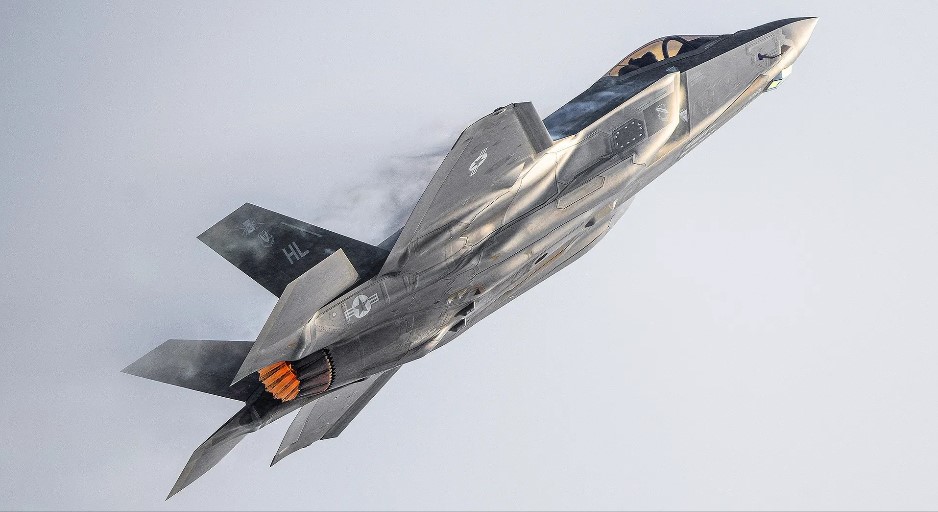
World
BERLIN : The German government is evaluating the possible procurement of more than 35 additional F-35 Lightning II fighter jets from U.S. defense contractor Lockheed Martin, a move that could significantly expand the Luftwaffe’s future combat aircraft inventory. If approved, the additional purchase would build on Germany’s 2022 order of 35 aircraft and potentially increase the total fleet to approximately 85 F-35 jets. Germany’s initial F-35 order was approved in 2022 as part of a broader modernization effort aimed at replacing the aging Tornado fleet. The first deliveries under that contract are scheduled to begin later this year. Government spokespersons have stated that no final political decision has been made regarding an expanded purchase, describing the matter as part of ongoing defense evaluations. Lockheed Martin has similarly indicated that its current focus remains on fulfilling the original 35-aircraft contract. The reassessment of Germany’s future fighter structure comes as the Franco-German Future Combat Air System (FCAS) program faces continued development challenges. Launched in 2017 as a €100 billion joint European initiative to deliver a sixth-generation combat aircraft and associated drone systems by 2040, FCAS has encountered sustained industrial disagreements. The core dispute involves workshare allocation, intellectual property rights, and platform specifications between Dassault Aviation and Airbus, which represents German and Spanish interests in the program. These issues have slowed progress on the manned fighter component and raised uncertainty over timelines. Defense analysts view the potential expansion of the F-35 fleet as a contingency measure designed to maintain operational continuity. Increasing the number of fifth-generation aircraft would ensure sustained air combat capability while Berlin evaluates its long-term role in any future sixth-generation platform. The potential procurement also carries industrial implications. Rheinmetall, through Rheinmetall Aviation Services, is establishing a manufacturing facility in Weeze, Germany, to produce F-35 center fuselage sections in cooperation with Northrop Grumman and Lockheed Martin. The facility is scheduled to begin production in July 2025 and is expected to create more than 400 skilled jobs. It will have the capacity to manufacture up to 36 fuselage sections annually, integrating German industry into the global F-35 supply chain. An expanded procurement could provide Berlin with leverage to negotiate additional industrial offsets. Greater participation in F-35 production and sustainment activities would enable German aerospace firms to expand manufacturing capabilities, acquire advanced production expertise, and secure long-term industrial engagement. Such measures are seen as a way to mitigate potential industrial impacts should the FCAS manned fighter component fail to progress as originally planned. While no formal decision has been announced, the evaluation reflects Germany’s effort to balance immediate operational requirements with long-term industrial and strategic considerations within Europe’s evolving defense framework.
Read More → Posted on 2026-02-19 18:22:36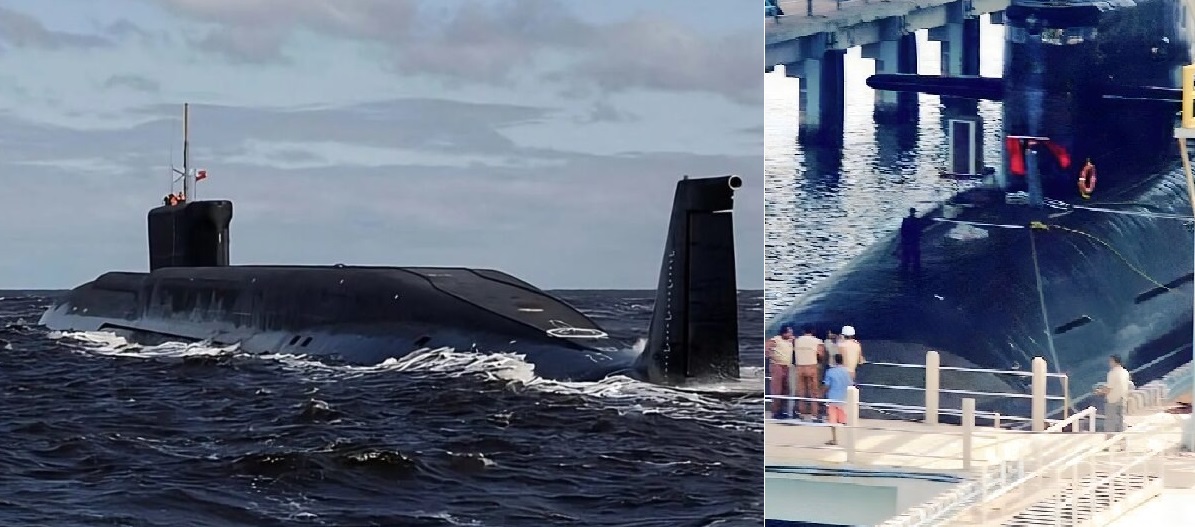
India
New Delhi : The Indian Navy is set to commission its third nuclear-powered ballistic missile submarine (SSBN), INS Aridhaman, between April and May this year, further expanding India’s indigenous sea-based strategic deterrent capability. INS Aridhaman, designated S4 during development, is the third submarine of the Arihant class under the Advanced Technology Vessel (ATV) programme. It follows the commissioning of INS Arihant (S2) in 2016 and INS Arighat (S3) in August 2024. The submarines are constructed at the Ship Building Centre, Visakhapatnam, as part of India’s long-running indigenous nuclear submarine development programme. Compared to its predecessors, INS Aridhaman incorporates structural modifications and increased dimensions. The submarine is longer and larger than INS Arihant and INS Arighat, reflecting design refinements made after the first two vessels. A key change is its expanded missile capacity. While the earlier Arihant-class boats are fitted with four vertical launch tubes, INS Aridhaman is equipped with eight missile silos, allowing it to carry a greater number of submarine-launched ballistic missiles (SLBMs) during deterrent patrols. The submarine is designed to deploy both the K-15 Sagarika SLBM, with an approximate range of 750 kilometres, and the K-4 ballistic missile, which has a tested range of about 3,500 kilometres. The increase in launch tubes enables a higher missile load-out or a mixed configuration, depending on operational requirements. With the induction of INS Aridhaman, the sea-based leg of India’s nuclear triad will gain additional operational depth. SSBNs are central to ensuring a survivable second-strike capability, a core element of India’s credible minimum deterrence doctrine. Their ability to remain submerged for extended durations enhances assured retaliatory capability. The commissioning of INS Aridhaman marks the continued progression of the ATV programme and strengthens India’s indigenous strategic submarine fleet, which will comprise three operational SSBNs in the Arihant class.
Read More → Posted on 2026-02-19 18:14:00
World
WASHINGTON : Senior U.S. national security and intelligence officials have advised President Donald Trump that a military strategy centered primarily on airpower is unlikely to guarantee regime change in Iran, even as the United States expands its military presence in the Middle East to levels not seen since the 2003 Iraq invasion. According to officials familiar with internal deliberations, the administration is reviewing options that include targeted strikes against senior Iranian political and military leadership, as well as key military infrastructure. The concept under consideration involves precision strikes designed to weaken command structures and intensify pressure on Iran’s governing establishment amid recent domestic unrest. Multiple current and former officials have raised concerns about the assumptions behind such a strategy. A former senior U.S. intelligence official who has served as an informal advisor to the administration said some internal discussions reflect expectations that precision strikes could trigger internal political collapse without the deployment of U.S. ground forces. Comparisons have reportedly been made within policy circles to the 2011 NATO-led intervention in Libya and to political developments in Venezuela. In those cases, air campaigns and sustained external pressure were seen by some policymakers as contributing factors to leadership destabilization. The former official cautioned that Iran’s political and security structure differs significantly and may not respond in a similar manner. Officials involved in the discussions have emphasized that no ground force component is currently part of the planning framework. They noted that if leadership-targeting strikes fail to produce internal collapse, the United States would have limited follow-on options short of escalation. Expanded U.S. Military Deployment The Pentagon has executed a significant reinforcement of U.S. air and naval assets in the region. The deployment includes the aircraft carrier USS Gerald R. Ford and the USS Abraham Lincoln carrier strike group operating near Iranian waters. Defense officials confirmed that the USS Gerald R. Ford’s initial deployment phase included operations in the Eastern Mediterranean, where it was positioned to support Israeli air defense requirements amid heightened regional tensions. The carrier’s presence in that theater provided integrated air and missile defense coordination, surveillance capabilities, and rapid-response strike capacity before shifting focus toward broader regional contingency planning. The reinforcement also includes advanced aviation platforms positioned at allied bases. These include F-22 Raptor and F-35 stealth fighter aircraft to enhance air superiority and precision-strike capacity. Long-range strategic bombers, including B-2 aircraft capable of targeting hardened and underground facilities, have been placed on standby for potential operations. Supporting assets have been deployed to sustain extended air operations. These include KC-135 aerial refueling tankers to enable long-duration sorties and E-3 Sentry Airborne Warning and Control System (AWACS) aircraft to provide airborne command, control, and surveillance. Military planners assess that the current force posture would enable a sustained air campaign lasting several weeks rather than a limited set of strikes. Officials describe the deployment as providing operational flexibility across multiple theaters within the region. Assessment of Airpower Constraints Despite the scale of the deployment, intelligence assessments reviewed by administration officials indicate that airpower alone may not be sufficient to remove Iran’s ruling establishment. Analysts note that Iran’s governance structure includes interconnected political, clerical, and security institutions designed to maintain continuity in the event of leadership losses. Security experts have pointed out that even if senior officials were removed, successor figures could assume authority unless a coordinated transition mechanism is established. Current planning discussions reportedly rely in part on the assumption that domestic opposition movements would capitalize on weakened central authority. Intelligence officials have warned that without a structured post-strike stabilization plan, internal fragmentation could follow. Such instability could affect regional security dynamics and potentially disrupt maritime traffic through the Strait of Hormuz, a critical route for global energy shipments. Diplomatic Engagement Continues Alongside military preparations, diplomatic channels between the United States and Iran remain active. U.S. and Iranian representatives recently held indirect talks in Geneva focused on Iran’s nuclear enrichment program. White House Press Secretary Karoline Leavitt stated that limited progress was made during the discussions but confirmed that significant differences remain on core issues. Administration officials have maintained that military options remain under consideration if negotiations do not produce an agreement. The administration’s current approach combines sustained military positioning with continued diplomatic engagement. However, officials involved in national security planning continue to assess that an air-focused campaign presents significant uncertainty regarding its ability to achieve a decisive political transition in Iran without additional measures.
Read More → Posted on 2026-02-19 18:08:03Search
Top Trending in 24 Hours
-
 U.S. Navy Awards Northrop Grumman $1.2 Billion Deal for Three New E-2D Advanced Hawkeyes
-
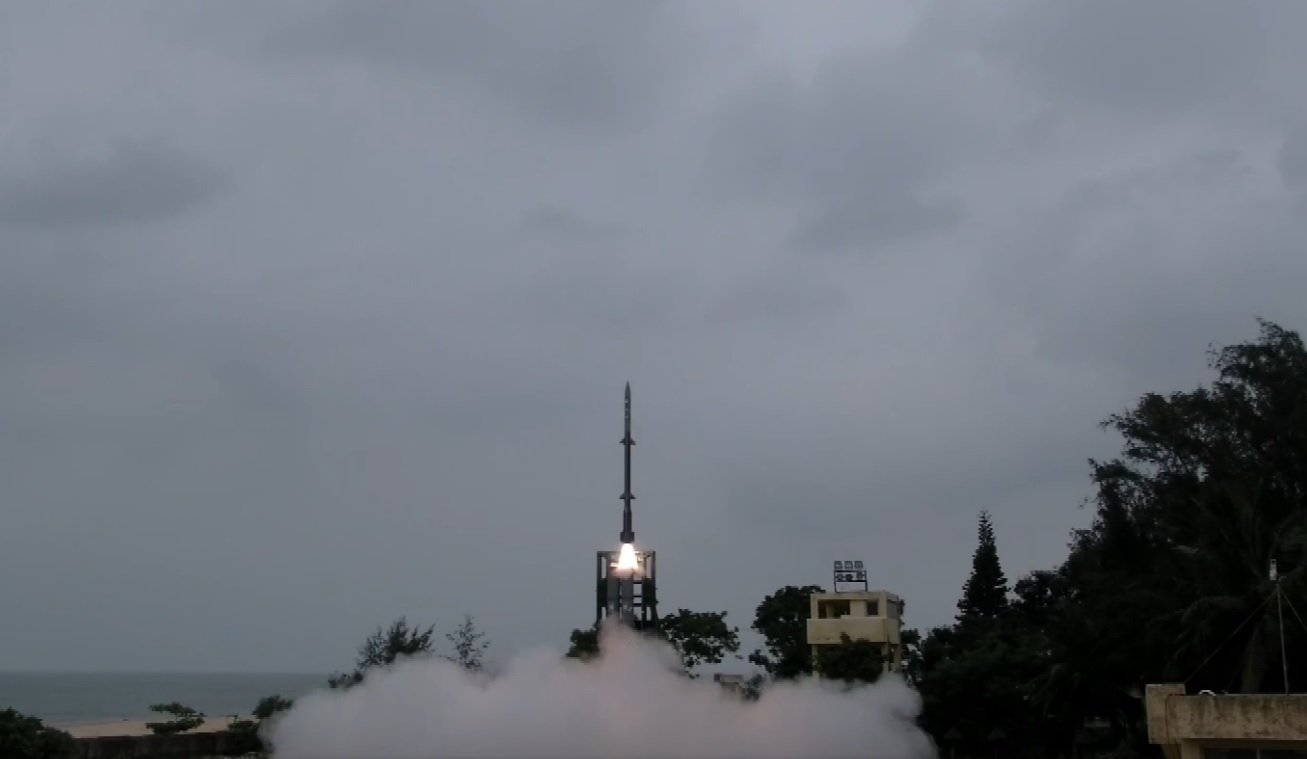 DRDO Successfully Conducts Maiden Flight Test of 150-km-Range Kusha M1 Air Defence Missile
-
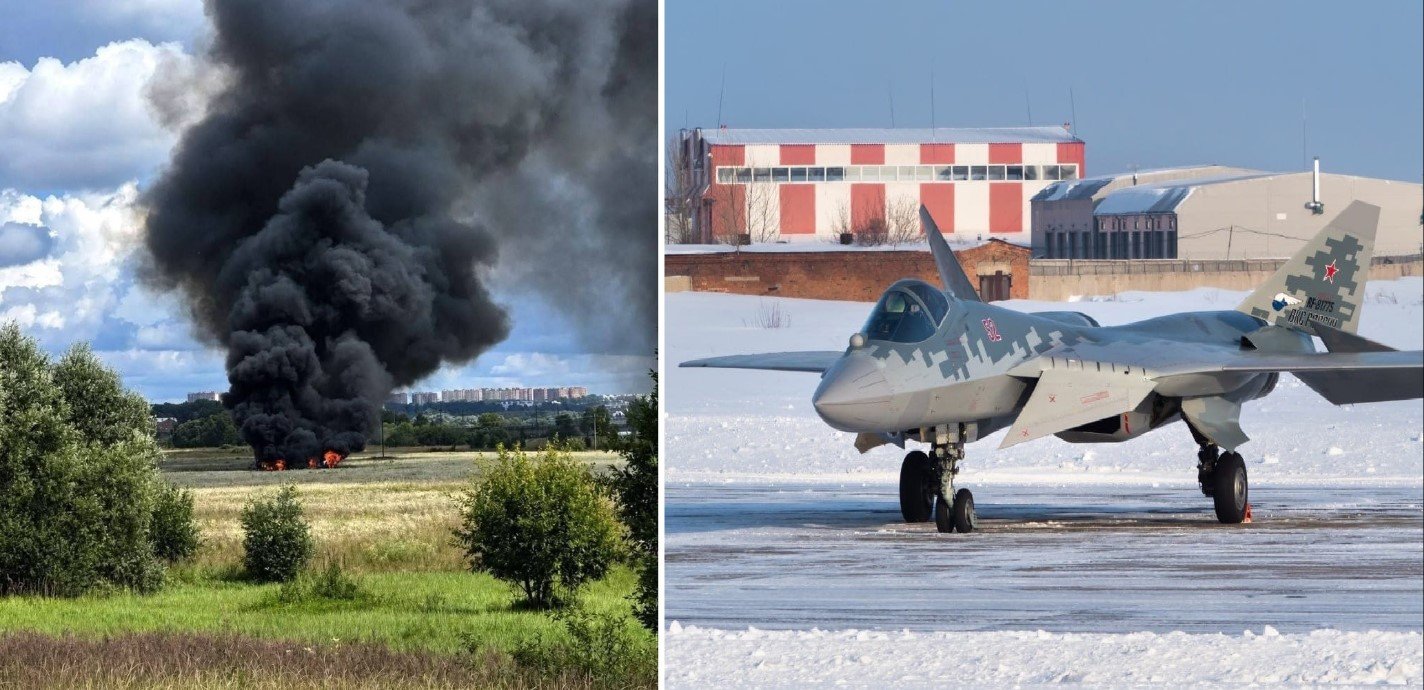 Russian Su-57 Stealth Fighter Crashes During Training Flight Near Moscow, Pilot Ejects Safely
-
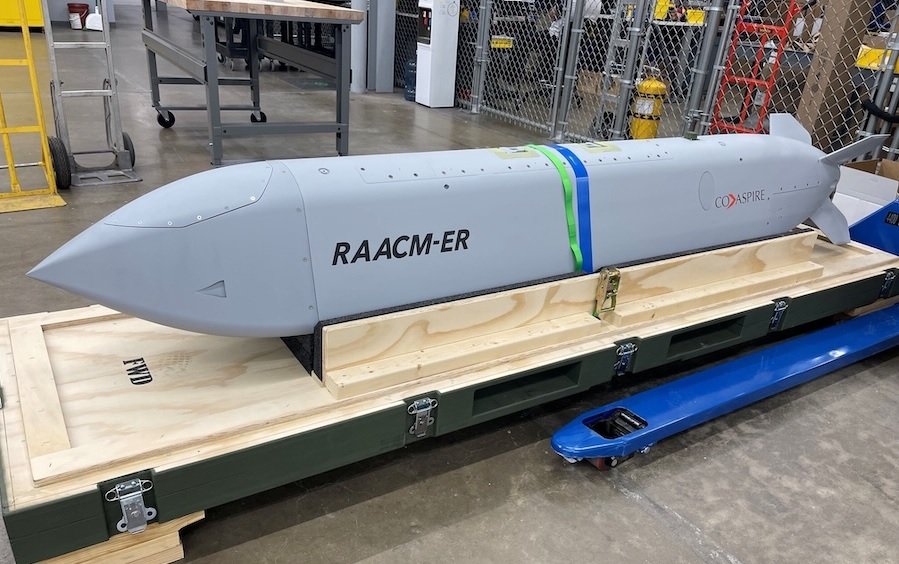 U.S. Navy Selects CoAspire to Build Ground-Launched CHAOS Cruise Missile Under $70 Million Program
-
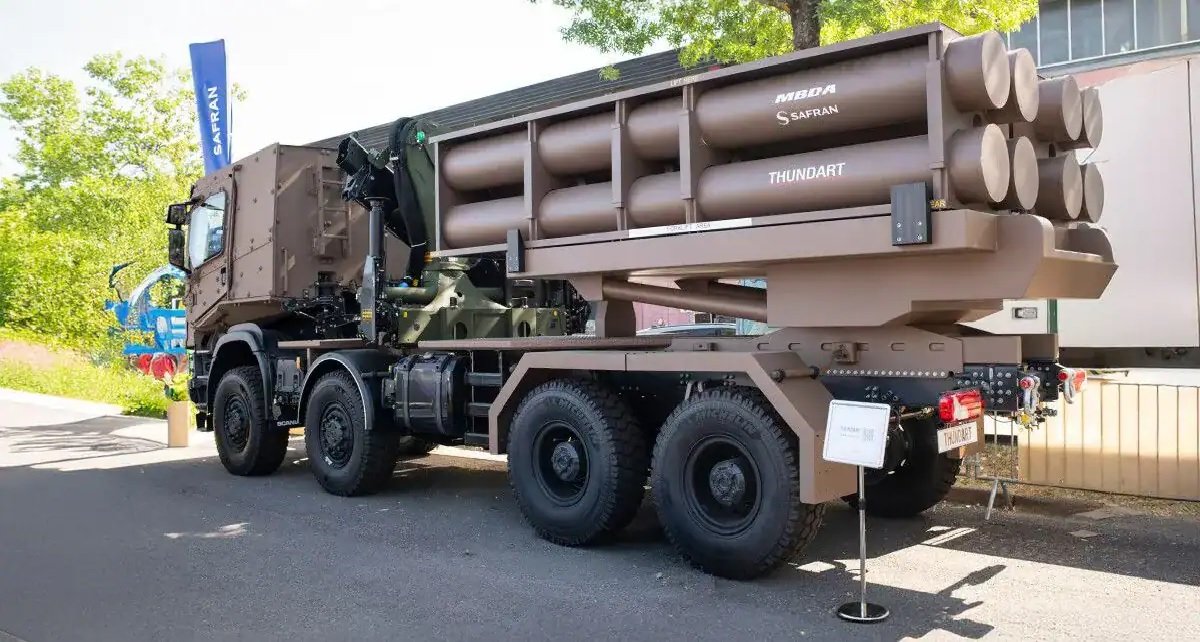 France's THUNDART Long-Range Rocket System May Undergo Prototype Combat Testing in Ukraine
-
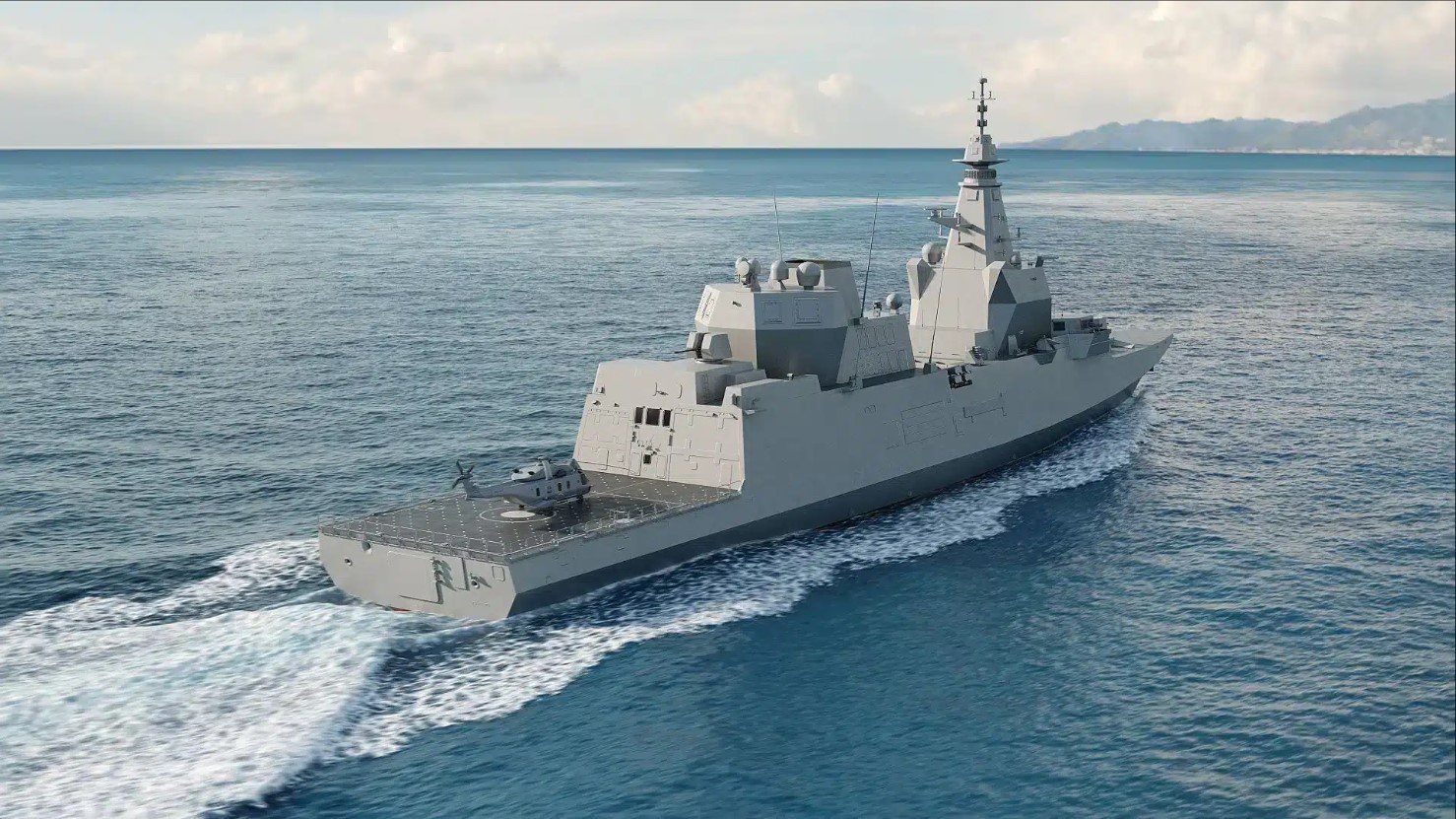 Portugal Orders Three FREMM EVO Frigates from Italy in €3.9 Billion Naval Deal
-
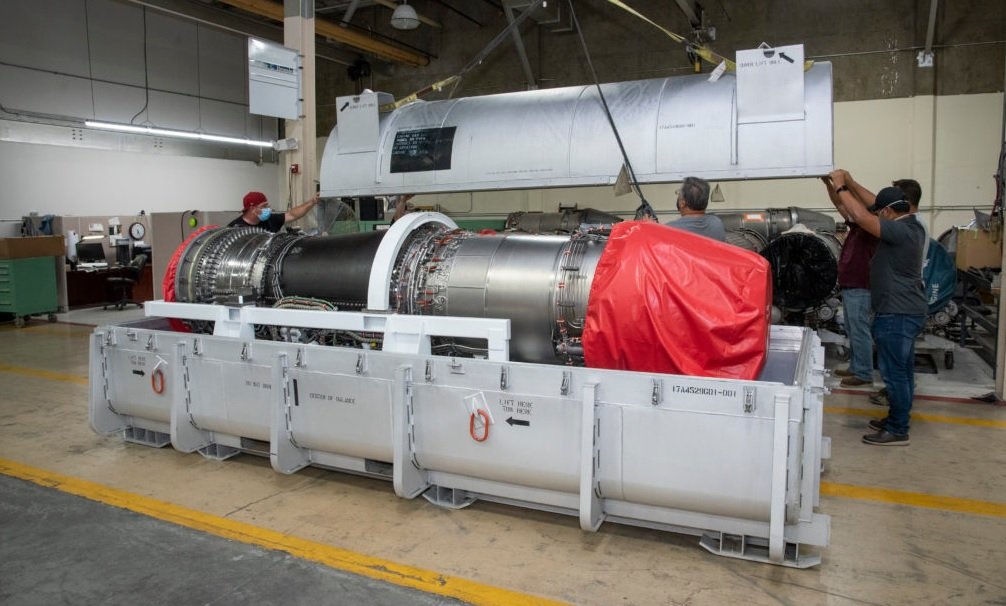 GE Aerospace and Magellan Aerospace Corporation Sign Strategic MoU for F414 Engine Sustainment in Canada
-
 Destinus Unveils Vorexon Interceptor Concept to Defend Critical Sites from Artillery Threats
Top Trending in 4 Days
-
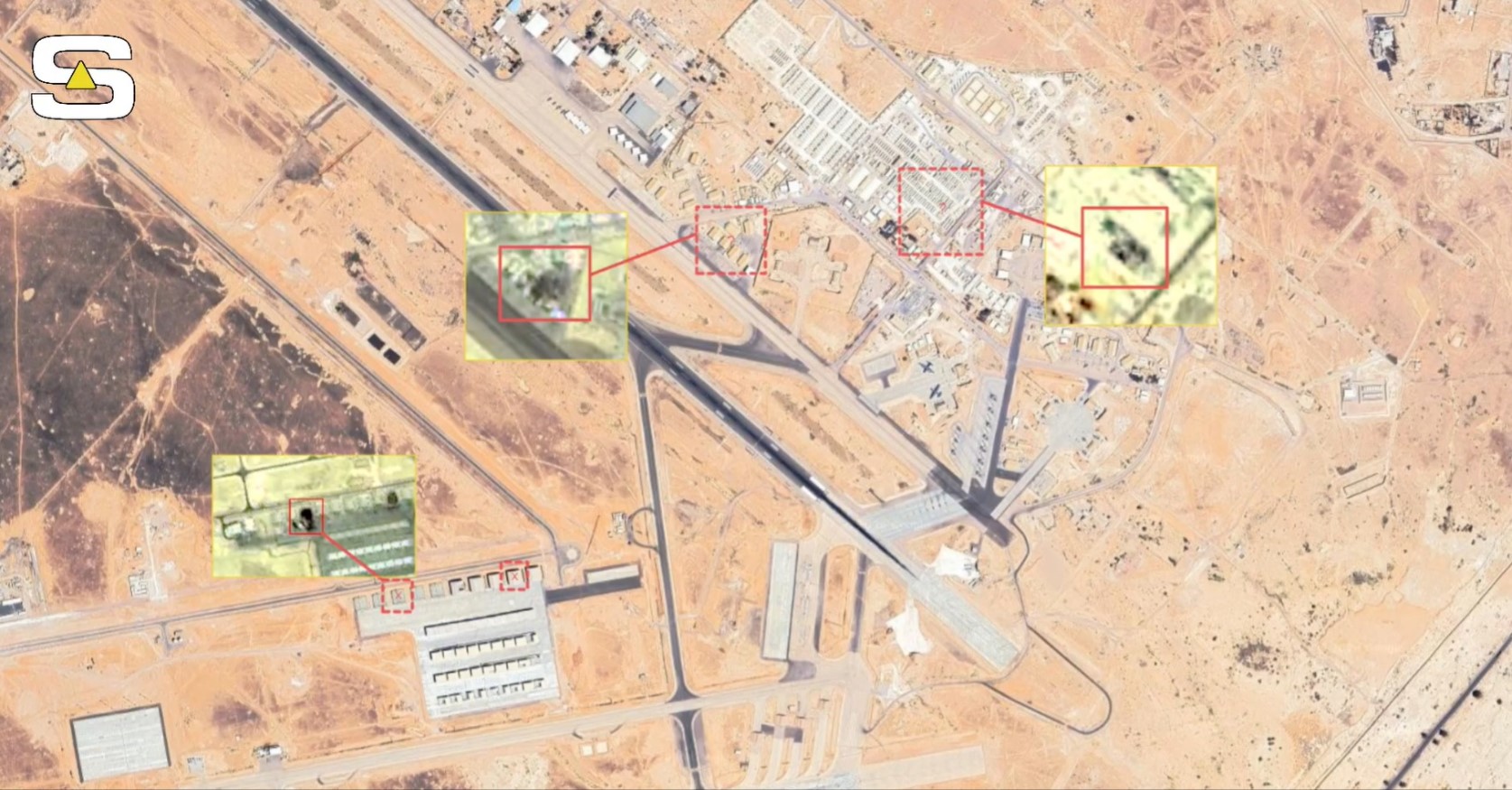 New Satellite Imagery Reveals Extensive Damage at Jordan's Muwaffaq al-Salti Air Base After Iranian Missile Strike
-
 Anduril Unveils Thunder Autonomous Attack Rotorcraft Built with Archer Aviation to Support Apache Helicopters
-
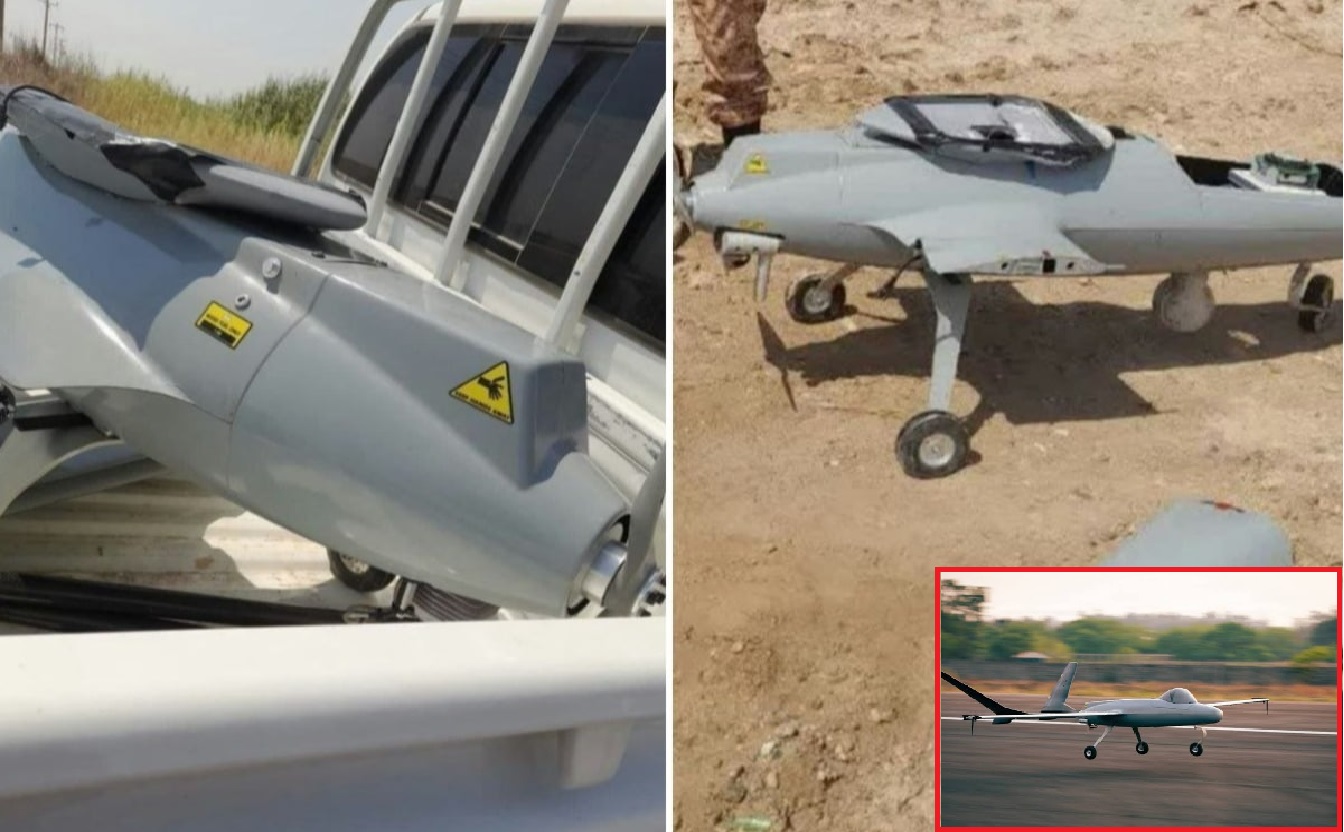 Iran Claims It Shot Down U.S.-Operated Polish-Built Tiguar-M Drone, Releases Images
-
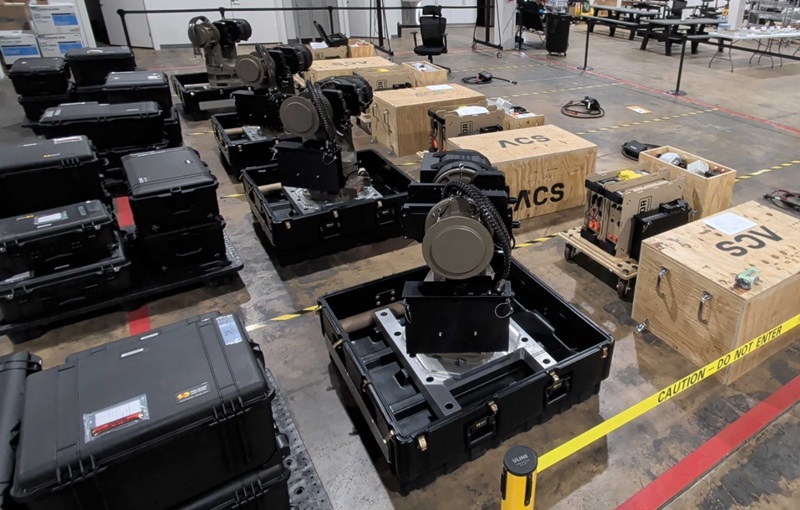 U.S. Marine Corps Selects AI-Powered Bullfrog Weapon Station for L-MADIS Counter-Drone Platform
-
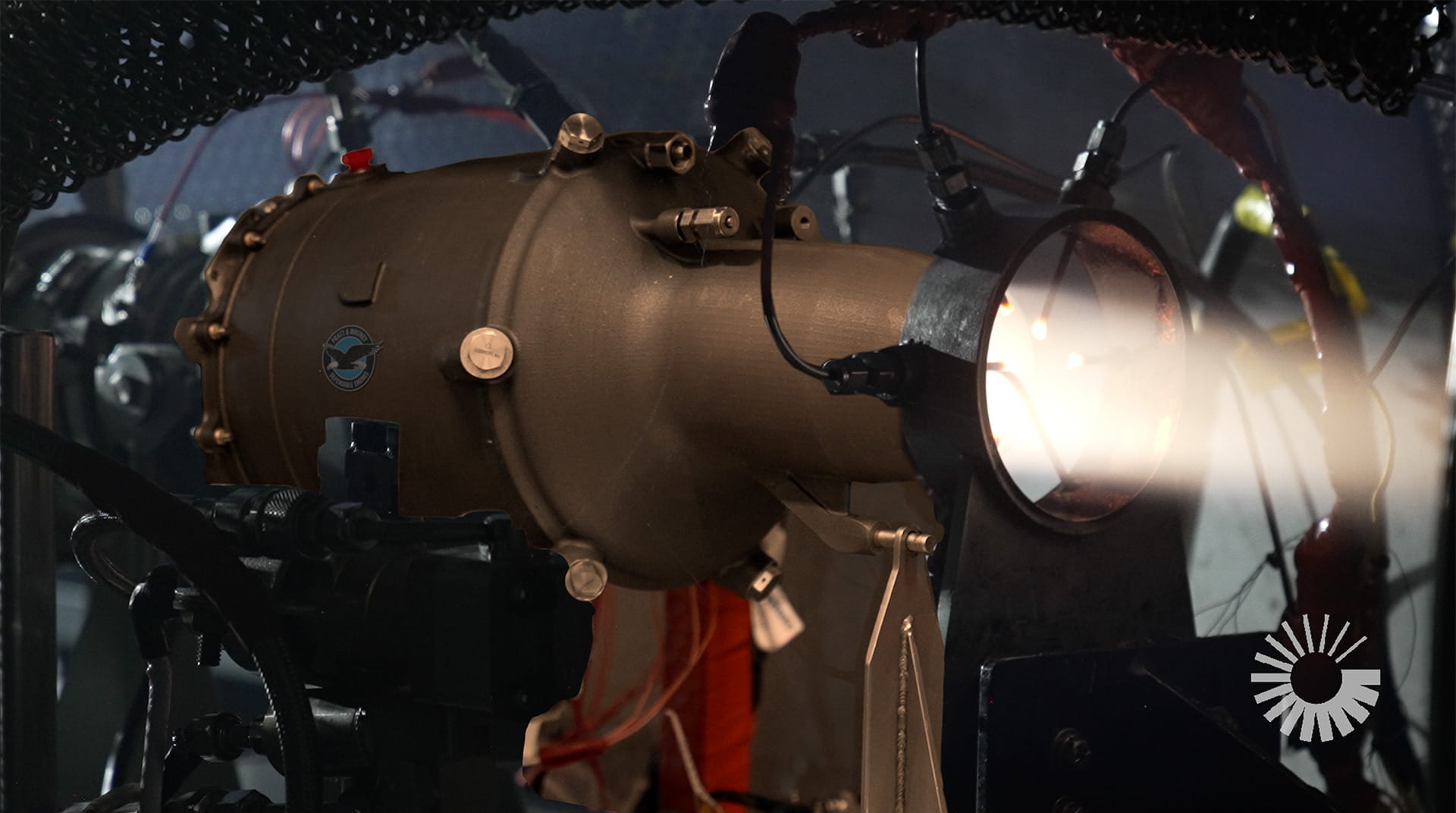 Pratt & Whitney Completes Testing of 3D-Printed TJ150 Engine for Military Applications
-
 Lockheed Martin Unveils MORFIUS X-Rotor High-Power Microwave System That Can Neutralize 50+ Drones in One Flight
-
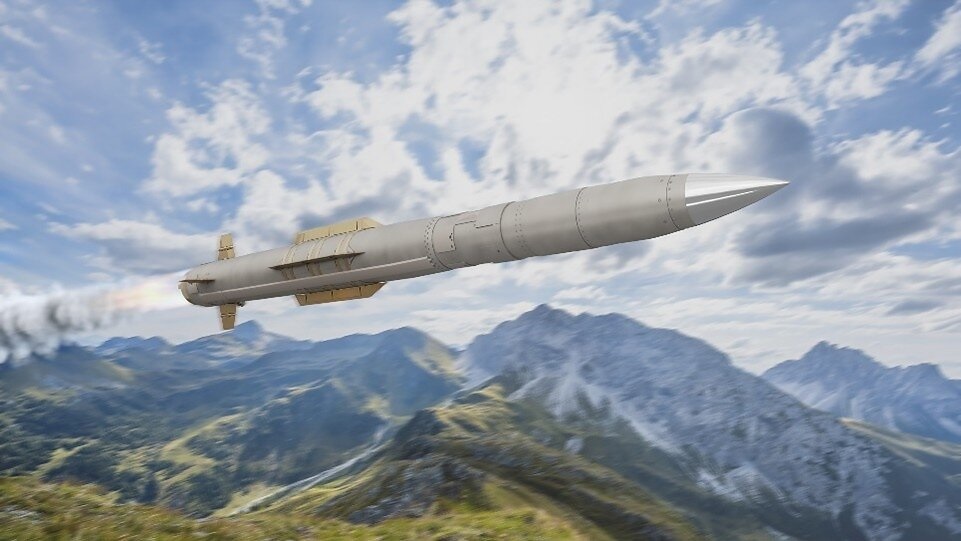 Lockheed Martin Unveils Lower-Cost PAC-3 ACE Interceptor for Patriot Air Defense System
-
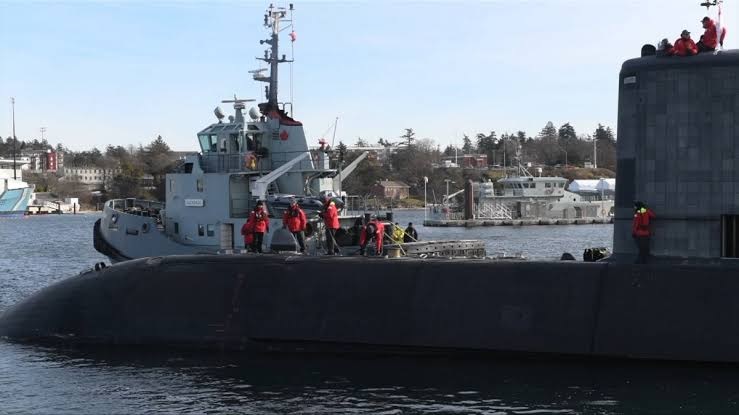 Canada Awards Babcock $1.1 Billion Six-Year Contract Extension to Support Victoria-Class Submarine Fleet
