JERUSALEM / WASHINGTON — March 23, 2026 : The Israel Defense Forces (IDF) have halted the deployment of Hermes-900 “Kochav” armed drones over Iranian territory for the past 24 hours following sustained losses, while the United States Air Force continues MQ-9A Reaper operations despite its own attrition, according to operational data and defense assessments.
The decision reflects differing operational approaches shaped by fleet size, survivability, and mission requirements in contested airspace.
IDF Scales Back Hermes-900 Operations
Operational sources indicate that more than 80 percent of the Israeli Air Force’s Hermes-900 fleet has been lost during missions over Iran. As a result, the IDF has suspended flights of the platform in Iranian airspace in an effort to preserve remaining assets.
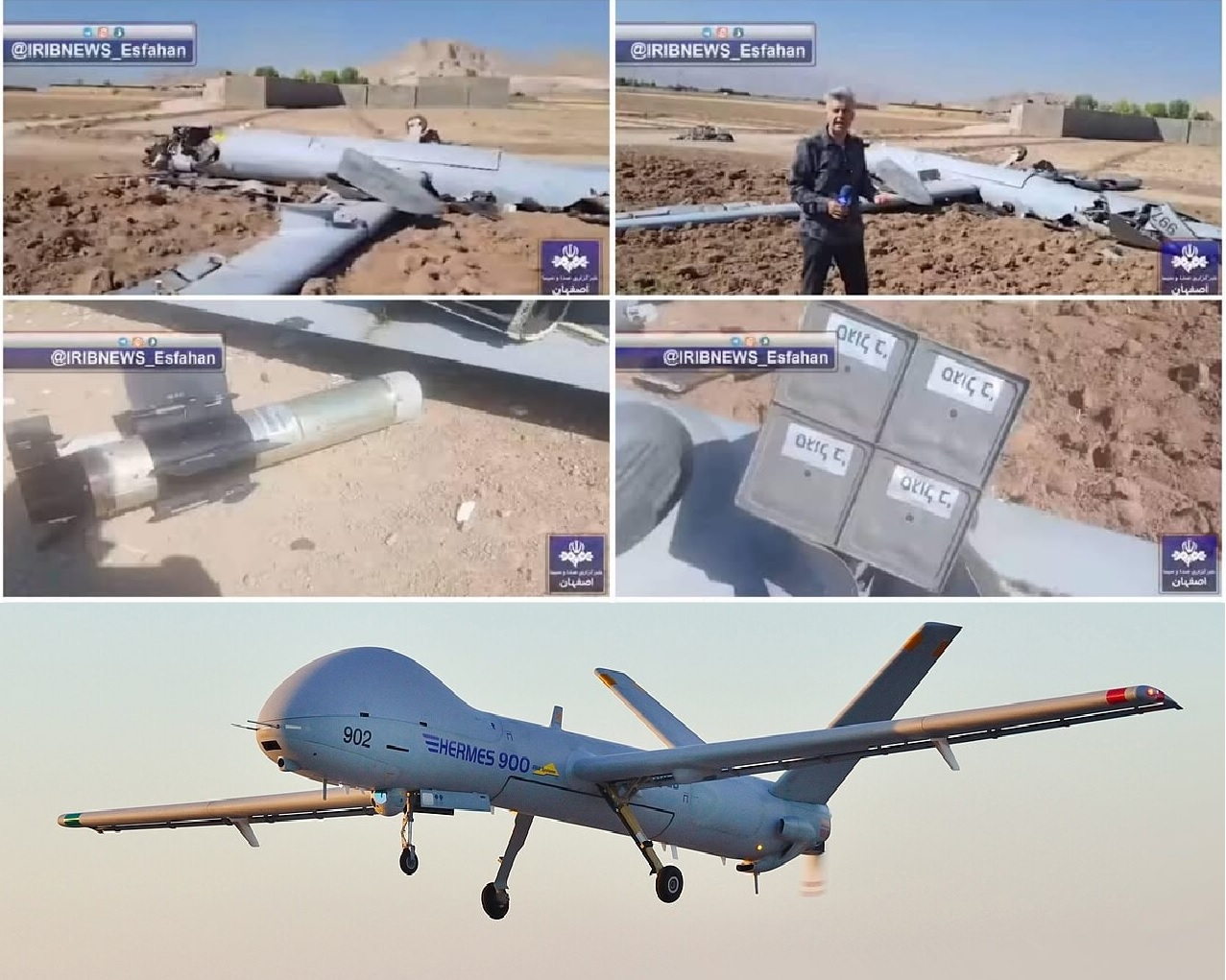
The Hermes-900, manufactured by Elbit Systems and designated “Kochav” in Israeli service, is a medium-altitude long-endurance unmanned aerial vehicle used for intelligence, surveillance, target acquisition, and strike missions. It entered operational service in 2014 and has been deployed in multiple previous campaigns.
With a wingspan of approximately 15 meters, a maximum takeoff weight of around 970 kilograms, and a payload capacity of up to 300 kilograms, the platform has been employed for deep-penetration missions targeting Iranian missile launchers, air defense systems, and unmanned aerial vehicle infrastructure.
During the initial phase of operations, the IDF used the Hermes-900 in large numbers to locate and engage mobile surface-to-surface missile units and other time-sensitive targets across western and central Iran. However, current assessments indicate that the drones are no longer being deployed at scale.
Losses and Interceptions Over Iran
Open-source intelligence and regional reporting confirm multiple Hermes-900 losses since the start of operations in late February 2026. Confirmed incidents include the downing of at least one aircraft on March 3, reportedly recovered largely intact in Iran.
Additional losses have been reported over Isfahan Province, Lorestan, and Qom. Iranian state media has released footage of downed drones, and at least one system is believed to have been captured with onboard sensors, weapons payloads, and data link components intact for technical analysis.
Defense analysts attribute the high attrition rate to Iran’s layered air defense network. Systems reportedly involved include long-range platforms such as the Bavar-373, along with shorter-range and loitering surface-to-air systems, including the 358 interceptor. These systems have been used to engage unmanned aircraft operating at medium altitudes over contested areas.
U.S. MQ-9A Reaper Operations Continue
In contrast, the United States Air Force continues to operate MQ-9A Reaper drones over southern and central Iran despite confirmed losses. Between 12 and 13 Reapers have been lost during the same period, either shot down by air defenses or destroyed on the ground during Iranian counterstrikes.
The MQ-9A Reaper, produced by General Atomics, is a long-endurance unmanned platform used for surveillance and precision strike missions. With an endurance of up to 30 hours, it supports persistent intelligence collection and rapid targeting.
The U.S. Air Force maintains a fleet of more than 100 MQ-9A aircraft, allowing continued operations despite attrition. At an estimated unit cost of $30 million to $32 million, the losses represent more than $360 million in equipment.
U.S. Central Command is currently maintaining multiple simultaneous MQ-9 operational orbits over Iranian territory, supporting ongoing missions targeting missile systems, air defense assets, and other military infrastructure.
Operational Roles and Tactical Employment
Both the Hermes-900 and MQ-9A have been deployed for similar operational roles, particularly in targeting mobile missile systems. Iranian launchers are frequently relocated or concealed in hardened or underground facilities, requiring long-endurance platforms capable of continuous surveillance.
Once targets are identified, MQ-9A platforms have been used to conduct immediate strikes using air-to-surface munitions, including Hellfire missiles and 250-pound Small Diameter Bombs (SDB).
The use of unmanned systems in these missions reflects a broader operational approach aimed at reducing risk to crewed aircraft and pilots. Drones are deployed in areas covered by active air defense systems, absorbing operational risk while maintaining surveillance and strike capabilities.
Diverging Operational Approaches
The IDF’s decision to suspend Hermes-900 operations reflects the limited size of its fleet and the need to preserve remaining assets. With a significant portion of its inventory already lost, continued deployment at previous levels would risk further depletion.
By contrast, the larger U.S. MQ-9 fleet allows for sustained operations despite losses. The ability to absorb attrition enables continued presence over contested areas and supports ongoing mission requirements.
Ongoing Developments
Neither the IDF nor the U.S. Air Force has announced changes to overall operational objectives. The IDF has not provided a timeline for the potential resumption of Hermes-900 operations over Iran, while U.S. forces continue MQ-9 deployments without reduction in sortie rates.
Operations involving unmanned aerial systems remain ongoing, with both countries adjusting their use of these platforms in response to losses, threat conditions, and operational priorities.
——— End of Article ———