World
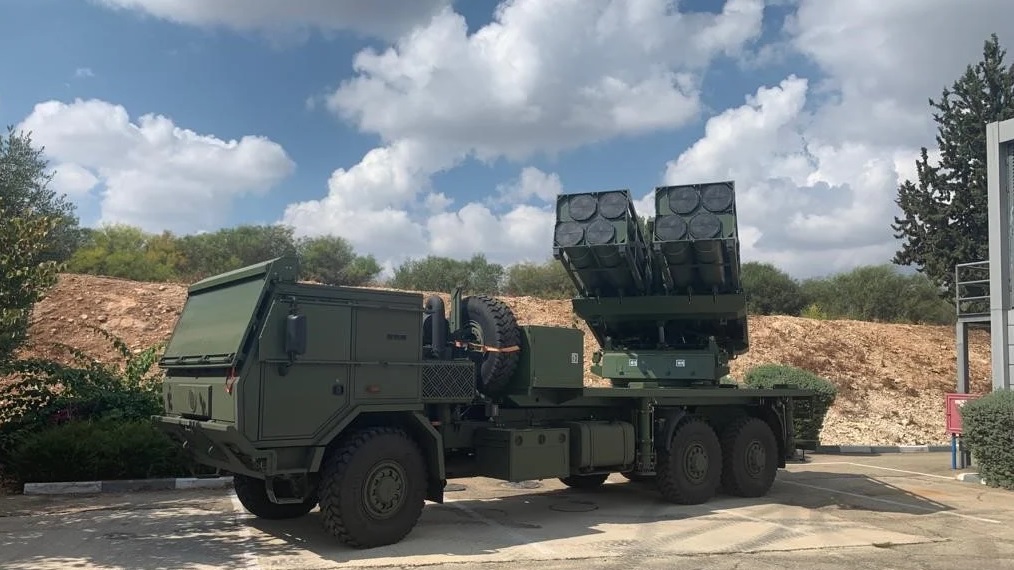
ATHENS / JERUSALEM, — April 6, 2026 : The Israeli Ministry of Defense and the Hellenic Ministry of National Defense have signed a government-to-government agreement for the procurement of the Precise and Universal Launching System (PULS) for the Greek Armed Forces. The contract, valued at approximately 2.3 billion Israeli shekels (around €650 million or $757.84 million), covers the supply of 36 rocket artillery systems manufactured by Elbit Systems. The agreement was formally signed in Athens on April 6, 2026, following the completion of commercial negotiations between the parties. The program will be implemented over a four-year period, with an additional ten-year support and maintenance phase to ensure operational continuity and lifecycle sustainment. System Configuration and Capabilities Under the terms of the agreement, the Hellenic Armed Forces will receive PULS launchers along with a comprehensive package of munitions and support systems. The system is designed as a modular multiple rocket launcher capable of firing both unguided and precision-guided munitions from a single platform without requiring repositioning. The munitions package includes training rockets for operational integration as well as a range of guided systems. Available munitions include Accular 122 mm rockets with a range of up to 35 kilometers, Accular 160 mm rockets with a range of up to 40 kilometers, EXTRA rockets with a range of up to 150 kilometers, and Predator Hawk rockets capable of reaching distances of up to 300 kilometers. The system supports multiple warhead types and incorporates guidance technologies such as GPS and inertial navigation. The PULS architecture is designed for integration on both wheeled and tracked platforms, allowing compatibility with existing vehicle fleets. This adaptability is intended to reduce maintenance requirements and simplify training processes for operators. Industrial Cooperation and Domestic Production A key component of the agreement is industrial cooperation between Israeli and Greek defense sectors. As part of the arrangement, selected components of the PULS system will be produced in Greece in accordance with national procurement policies. The partnership includes provisions for technology transfer and knowledge sharing, aimed at strengthening Greece’s domestic defense-industrial base. This framework is expected to support local manufacturing capabilities and align with broader national objectives related to defense self-sufficiency and industrial participation. Procurement Background and Strategic Context The acquisition forms part of the Hellenic Armed Forces’ ongoing artillery modernization program. Greek authorities have indicated that the systems are intended to enhance long-range precision strike capabilities, particularly in operational areas along the northeastern border with Turkey and across the Aegean island region. The procurement was approved in December 2025 by the Greek parliament and the Government Council for National Security (KYSEA), which authorized the required funding. Following this approval, negotiations between the Israeli Ministry of Defense, Elbit Systems, and Greek authorities were finalized, leading to the signing of the agreement. Elbit Systems will serve as the prime contractor for the program, while the Israeli Ministry of Defense is facilitating the export under a government-to-government framework. Program Scope and Operational Role The PULS system is designed to provide a flexible artillery solution capable of deploying a wide range of munitions from a single launcher. Its modular structure allows for rapid reconfiguration based on mission requirements, supporting both conventional and precision strike roles. The acquisition aligns with Greece’s broader defense procurement strategy, which emphasizes long-range strike capabilities, interoperability with allied systems, and integration with existing ground forces infrastructure. The agreement also reflects ongoing defense cooperation between Israel and Greece, which has included joint military exercises and additional equipment programs in recent years. No further financial or technical details beyond the overall contract value, number of systems, and general scope have been disclosed in official statements.
Read More → Posted on 2026-04-06 14:33:36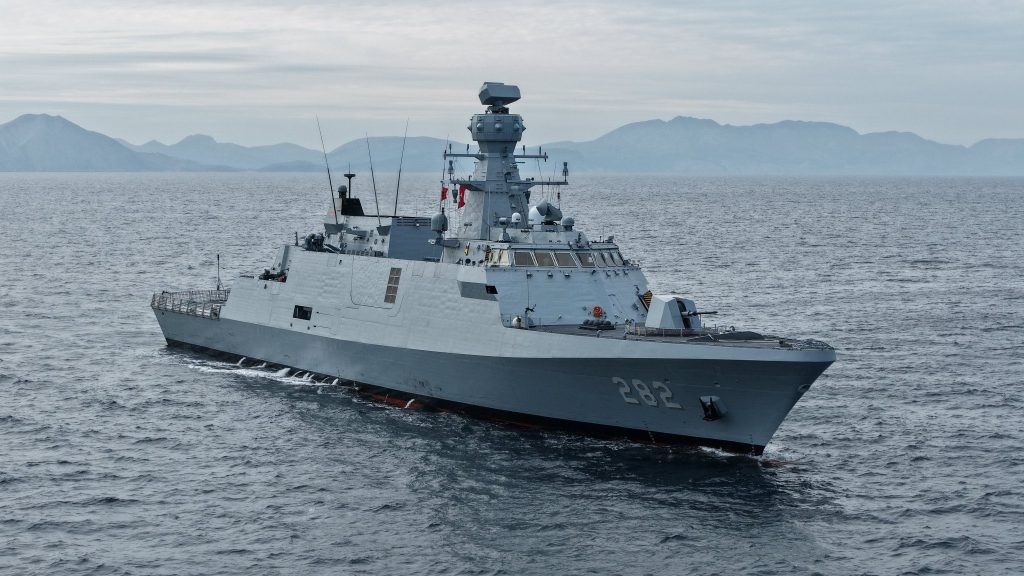
World
KARACHI, Pakistan — April 6, 2026 : The Pakistan Navy formally inducted its second Babur-class (PN MILGEM) corvette, PNS Khaibar (F-282), into active service during a commissioning ceremony held in Karachi on April 4, 2026. The induction represents a continuation of Pakistan’s naval modernization efforts and its ongoing defense-industrial cooperation with Türkiye. The ceremony was presided over by Chief of the Naval Staff Admiral Naveed Ashraf, who emphasized the importance of maintaining a technologically advanced and balanced naval force to safeguard Pakistan’s maritime interests and secure vital Sea Lines of Communication (SLOCs). He highlighted Pakistan’s strategic geographic position along key global energy and trade corridors as a central factor driving naval capability development. Prime Minister Shehbaz Sharif, in a statement issued on the same day, described the induction as a significant milestone for Pakistan’s maritime defense. He noted that platforms such as PNS Khaibar and the forthcoming Hangor-class submarines are expected to enhance operational flexibility, defense capability, and strategic reach. President Asif Ali Zardari also acknowledged the induction, stating that it reflects the Pakistan Navy’s growing professionalism and preparedness. PN MILGEM Program and Industrial Collaboration The Babur-class corvettes are part of the PN MILGEM program, initiated under a contract signed in July 2018 between Pakistan’s Ministry of Defense Production and Türkiye’s ASFAT A.Ş. (Military Factory and Shipyard Management Corporation). The agreement, valued at approximately $1.5 billion, was described by Turkish officials at the time as the largest single defense export in Türkiye’s history. The program formally commenced on March 11, 2019, with ASFAT serving as the primary contractor and Turkish defense firms supporting design and systems integration. The contract includes provisions for technology transfer, joint production, and the transfer of design and construction expertise to Pakistan. Under the program structure, two corvettes—including PNS Khaibar—are being constructed at the Istanbul Naval Shipyard, while the remaining two vessels, PNS Badr (F-281) and PNS Tariq (F-283), are under construction at Karachi Shipyard & Engineering Works (KS&EW). PNS Khaibar’s construction milestones included steel cutting on May 1, 2021, its launch on November 25, 2022, and the completion of sea trials and live-fire evaluations in Turkish waters. The vessel was formally delivered to Pakistan in December 2025 before arriving in Karachi ahead of its induction. Deliveries of the remaining domestically constructed ships are expected to continue through 2026 and early 2027, with initial timelines indicating deliveries at approximately six-month intervals starting from 2023. Design and Technical Specifications The Babur-class corvettes are based on Türkiye’s Ada-class design but incorporate modifications tailored to Pakistan Navy operational requirements. The vessels are multi-mission platforms capable of conducting anti-air, anti-surface, and anti-submarine warfare, along with reconnaissance and surveillance operations, and incorporate radar-reducing design features to lower detection signatures. The ships have a displacement of approximately 2,900–2,985 tonnes (full load), with a length ranging between 108.2 and 108.8 meters, a beam of 14.8 meters, and a draft between 4.05 and 4.1 meters. The propulsion system is based on a Combined Diesel and Gas (CODAG) configuration, consisting of one GE LM2500 gas turbine and two MTU diesel engines, generating approximately 31,600 kilowatts of total power. In terms of performance, the vessels can reach a maximum speed of 29 to 31 knots, have a range of 3,500 nautical miles, and an endurance of up to 15 days at sea. Each ship operates with a crew of 93 core personnel, with accommodation available for an additional 40 personnel. Armament and Combat Systems While certain elements remain undisclosed, available details indicate that the Babur-class corvettes are equipped with a comprehensive multi-domain weapons suite designed for modern naval warfare. The ships are fitted with a 16-cell Vertical Launching System (VLS) configured for MBDA Albatros NG (CAMM-ER) surface-to-air missiles, providing layered air defense capability. For offensive operations, the vessels carry Harbah dual-role cruise missiles capable of both anti-ship and land-attack missions, typically deployed in two triple-cell launchers. Additional armament includes a 76 mm OTO Melara naval gun, the Aselsan Gökdeniz 35 mm close-in weapon system (CIWS) for point defense, and two Aselsan STOP 25 mm remote weapon stations. For anti-submarine warfare, the ships are equipped with two triple 324 mm torpedo launchers. The corvettes are further supported by advanced sensor suites, including 3D air and surface search radars, electronic warfare systems, and sonar capabilities. An aft flight deck enables the operation of anti-submarine helicopters, enhancing their maritime patrol and warfare capabilities. Fleet Integration and Strategic Role The induction of PNS Khaibar follows the earlier commissioning of the lead ship, PNS Babur (F-280). Upon completion of all four vessels, the Pakistan Navy is expected to operate a standardized class of modern corvettes capable of forming integrated task groups. The Babur-class platforms are intended to enhance the navy’s capabilities across air defense, anti-surface warfare, and anti-submarine warfare, while also supporting long-range maritime security operations. The program also contributes to the development of domestic shipbuilding capacity through technology transfer and local construction at KS&EW. Admiral Naveed Ashraf concluded by extending best wishes to the crew of PNS Khaibar and reaffirming the Pakistan Navy’s commitment to defending national maritime interests and maintaining operational readiness.
Read More → Posted on 2026-04-06 14:23:11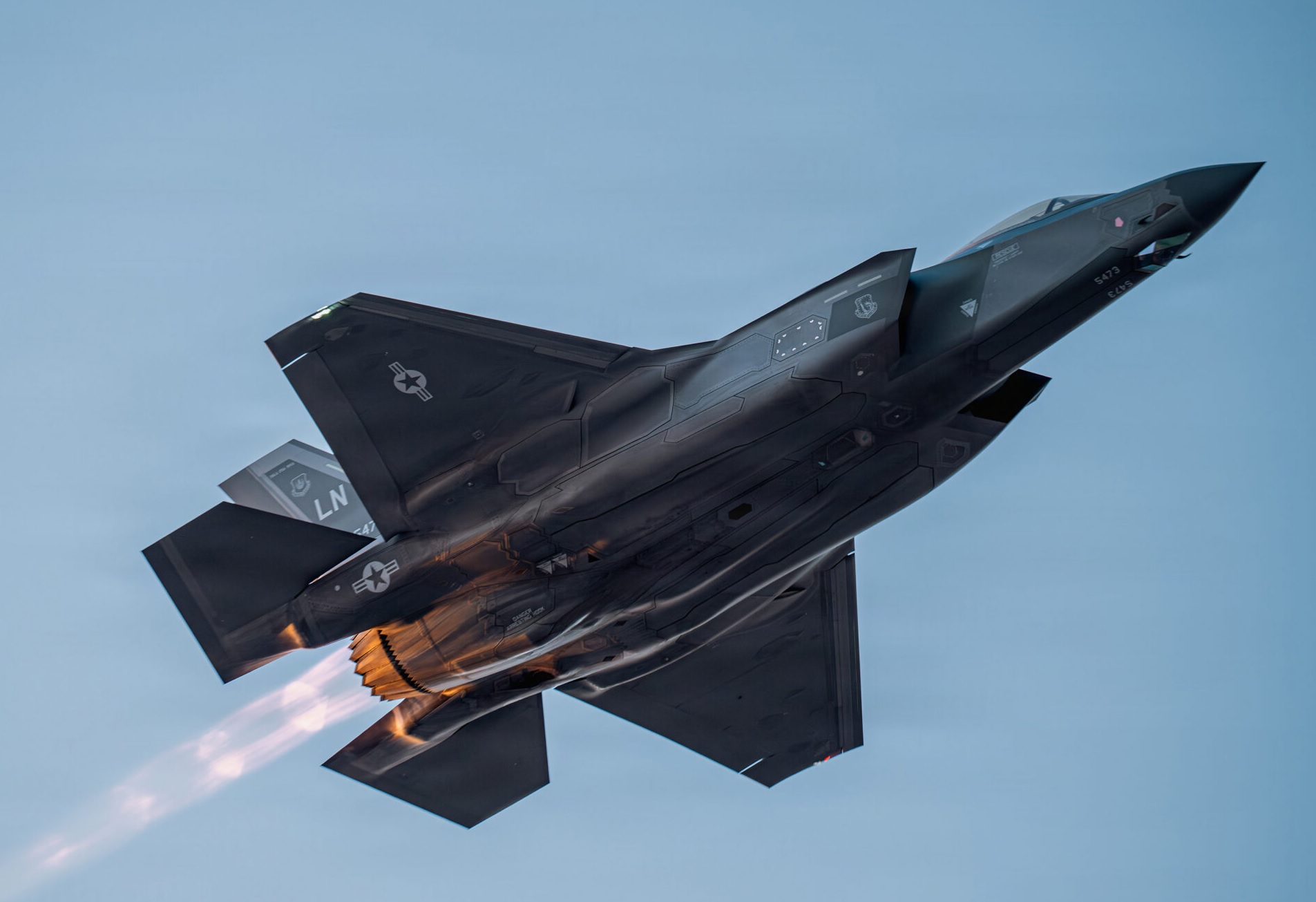
World
WASHINGTON, D.C., — April 6, 2026 : The U.S. Department of Defense has requested funding for 38 F-35A Lightning II fighters for the U.S. Air Force as part of its fiscal year 2027 (FY2027) budget submission, according to the Procurement Programs (P-1) document released in April 2026 by the Office of the Under Secretary of Defense (Comptroller). The request places the fifth-generation aircraft within a broader department-wide acquisition plan totaling 85 Joint Strike Fighters across the U.S. military. The FY2027 defense budget proposal, submitted to Congress on April 3, 2026, by the Office of Management and Budget, outlines a total national defense spending plan of $1.5 trillion. Within this framework, the Joint Strike Fighter procurement reflects a coordinated approach across the Air Force, Navy, and Marine Corps. Procurement Structure and Service Allocations The 85-aircraft total includes 38 F-35A conventional takeoff and landing variants for the Air Force, 37 F-35C carrier-based variants for the U.S. Navy, and 10 F-35B short takeoff and vertical landing aircraft for the U.S. Marine Corps. Of these, 32 aircraft are funded through the base discretionary budget, while 53 are proposed under reconciliation legislation. The FY2027 request represents an increase compared to the 47 F-35 aircraft requested in FY2026. Within the Air Force inventory specifically, the requested 38 F-35As mark a recovery from 24 aircraft funded in FY2026 and align more closely with the 40 aircraft requested in FY2025. The figures indicate a return to a steadier procurement rate following the temporary reduction in the previous fiscal cycle. The Air Force aircraft procurement account allocates a total of $30.6 billion for aviation programs in FY2027, with the F-35A forming a key component of that funding line. Platform Role and Operational Characteristics The F-35A serves as the conventional takeoff and landing variant of the Joint Strike Fighter program and is designed as a multirole combat aircraft capable of operating in high-threat environments. The platform supports up to 9g maneuverability and incorporates low observable (stealth) characteristics, sensor fusion, advanced situational awareness, and network-enabled data sharing. Operational roles assigned to the F-35A include air penetration missions, tactical counter-air operations, precision strike, and suppression of enemy air defenses (SEAD). Program documentation identifies the aircraft as a forward sensing and weapons platform capable of contributing to joint all-domain operations by linking assets across air, land, sea, space, and cyber domains. Through its onboard systems, the aircraft can collect, process, and distribute real-time battlefield data, enabling it to function both as a shooter and as a node within a wider combat network. Joint Architecture and Interoperability The procurement approach maintains a common fifth-generation combat architecture across U.S. military services. This structure supports standardized tactics, training frameworks, sustainment processes, and mission data development. It also enables interoperability with allied nations operating the F-35 in regions including Europe and the Indo-Pacific, where partner air forces rely on compatible systems for joint and coalition operations. The program continues to involve Lockheed Martin as the prime contractor, supported by a global supplier network contributing to production and sustainment. Modernization Funding and Block 4 Upgrades The FY2027 Air Force procurement tables include approximately $497.97 million allocated for F-35 modifications. This funding supports ongoing modernization of the aircraft as part of its evolution as a combat system rather than a fixed configuration platform. The allocation aligns with the Block 4 upgrade program, which is intended to integrate additional capabilities to address emerging and peer-level threats. The Government Accountability Office (GAO) has previously identified Block 4 as a long-term modernization pathway involving incremental capability enhancements across the fleet. Advance Procurement and Industrial Base Continuity The budget request also includes advance procurement funding within the Air Force F-35 program line. This mechanism allows the Department of Defense to secure long-lead production components and maintain continuity within the industrial base across fiscal cycles. Such funding supports supplier stability and production planning, ensuring that manufacturing timelines remain consistent despite annual budget variations. Budget Context and Program Outlook While the P-1 document specifies procurement quantities and associated funding lines, it does not provide a consolidated total cost for the 85 aircraft, consistent with standard budget documentation practices. Detailed cost breakdowns are typically included in accompanying justification materials and are expected to be examined during upcoming congressional budget hearings. The FY2027 request maintains the F-35 program as a central element of U.S. tactical airpower planning. By sustaining procurement across all three services and increasing the Air Force’s acquisition rate, the Department of Defense continues to prioritize fifth-generation aircraft for force recapitalization, operational readiness, and integration within joint and allied combat frameworks.
Read More → Posted on 2026-04-06 14:16:26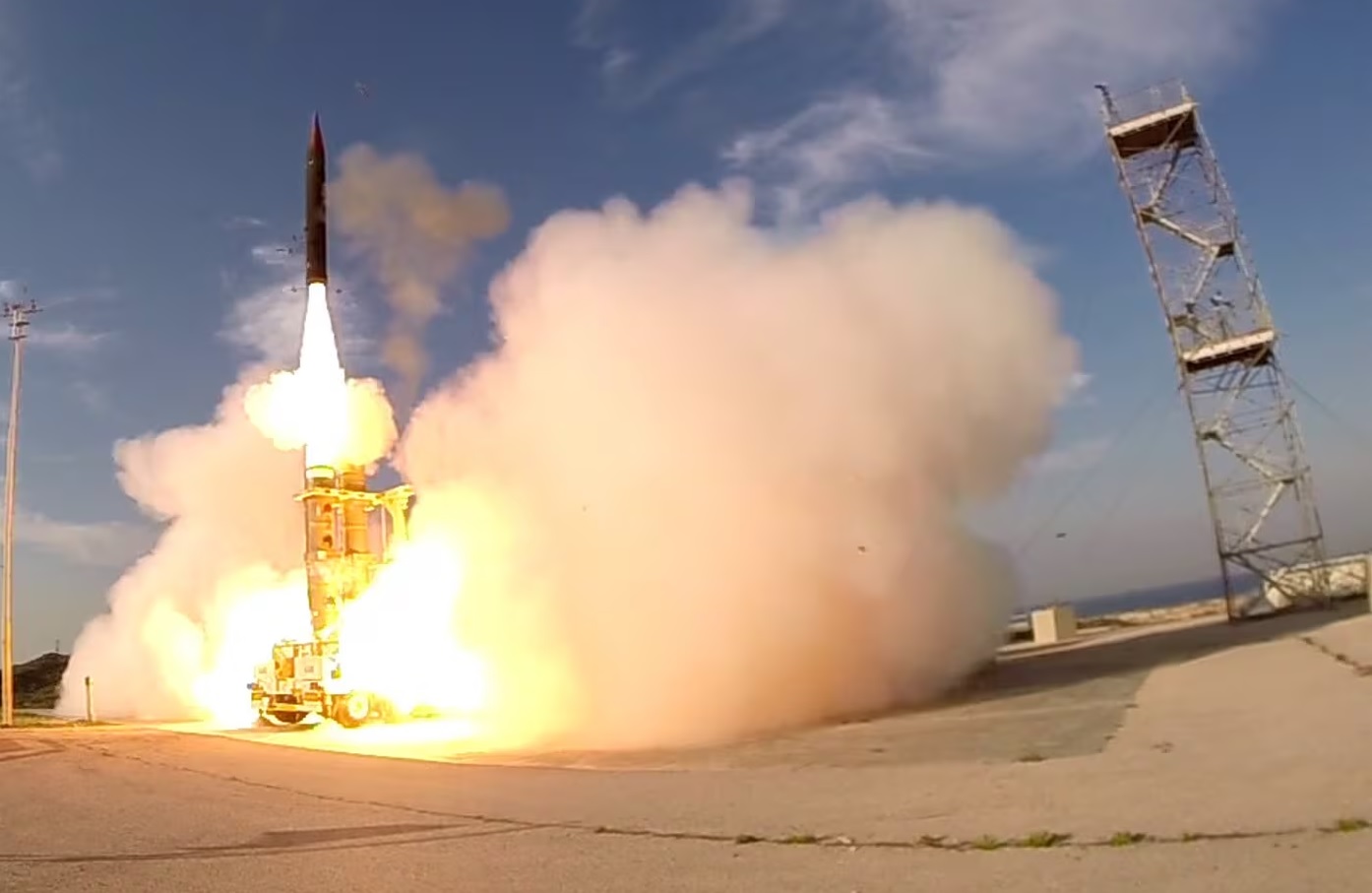
World
JERUSALEM, — April 6, 2026 : The Israel Ministry of Defense (IMOD) has approved a comprehensive plan to significantly accelerate the production of Arrow missile interceptors, aiming to expand manufacturing rates and increase available stockpiles for the country’s upper-tier air and missile defense system amid ongoing military operations. The decision was endorsed on Monday by the Ministerial Committee for Procurement, with a formal agreement between the ministry and Israel Aerospace Industries (IAI) expected to be signed shortly. The initiative was advanced by Defense Minister Israel Katz and Ministry Director General Amir Baram. Production Expansion and Program Oversight The accelerated production program is being coordinated by Moshe Patel, head of the Israel Missile Defense Organization (IMDO) within the Directorate of Defense Research and Development (DDR&D). The plan builds on a multibillion-shekel agreement signed in December 2025, which initially directed defense industries to expand output under government guidance. Officials indicated that production increases had already been underway prior to the latest approval, with the new decision formalizing and funding further scaling efforts. The IMOD, in coordination with its Budget Department and industry partners, has been operating on an emergency footing over the past year to increase production capacity across multiple defense systems. Role of the Arrow System The Arrow system—jointly developed by Israel and the U.S. Missile Defense Agency—serves as the uppermost layer of Israel’s multi-tiered air and missile defense architecture. It includes the Arrow 2 and Arrow 3 interceptors, designed to counter long-range ballistic missiles at upper-atmospheric and exo-atmospheric altitudes using hit-to-kill technology. A single Arrow 3 interceptor is estimated to cost between $2 million and $3 million and typically requires several months to manufacture. The system has been actively employed during the ongoing conflict, known as Operation Roaring Lion, intercepting a portion of more than 500 ballistic missiles launched toward Israel from Iran and Yemen, including engagements conducted outside the Earth’s atmosphere. Industrial Participation Production of Arrow interceptors is carried out by a consortium of Israeli defense firms, led by IAI as the prime contractor through its MLM division. Additional contributors include Elbit Systems and Rafael Advanced Defense Systems, along with other industry partners. The acceleration plan applies specifically to interceptors manufactured for the Israel Defense Forces (IDF) and is separate from export contracts, including those with Germany for the Arrow 3 system. Operational Context and Stockpile Status The announcement comes amid foreign reports suggesting that Israeli and allied interceptor stockpiles were being depleted or rationed due to the high tempo of missile interceptions. Defense Minister Katz stated that current inventory levels remain sufficient for national defense requirements. He noted that the acceleration effort has already resulted in a measurable increase in monthly production output, strengthening the upper layer of defense against ballistic threats from Iran and associated groups. According to Katz, the initiative is intended to ensure continued operational endurance and maintain freedom of action during ongoing military activities. Defense Ministry and DDR&D Assessments Director General Baram stated that the ministry’s early coordination with defense industries has contributed to the IDF’s sustained operational capacity during the current conflict. He added that the committee’s approval will fund measures already underway and support readiness in the coming months. Daniel Gold, head of the DDR&D, described the Arrow system as a central component of Israel’s defense array, citing its performance against ballistic missile threats from Iran and Yemen. He stated that accelerating production and procurement is necessary to preserve the IDF’s qualitative edge and reinforce protection for both civilian and military infrastructure. Gold also confirmed that the DDR&D has directed defense industries to expand capabilities and output across all strategic munitions—both defensive and offensive—based on lessons from the ongoing conflict. Industry Perspective Boaz Levy, president and CEO of IAI, highlighted the operational relevance of the Arrow 3 interceptor in addressing high-altitude threats. He stated that the system’s precision and reliability have become increasingly critical under current conditions and emphasized the company’s ongoing efforts to support national defense requirements through sustained production. Broader Defense Framework The Arrow family forms the upper layer of Israel’s integrated missile defense network, complementing systems such as Iron Dome for short-range threats and David’s Sling for medium-range missiles. The current production push is focused on strengthening the upper-tier capability to address long-range ballistic missile risks. No specific financial figures or exact production targets associated with the newly approved plan have been disclosed, consistent with the classified nature of elements of the defense budget. Officials emphasized that the initiative is designed to ensure continued readiness without altering current assessments of interceptor availability for immediate operational needs, while reinforcing long-term production capacity amid sustained military operations.
Read More → Posted on 2026-04-06 14:06:51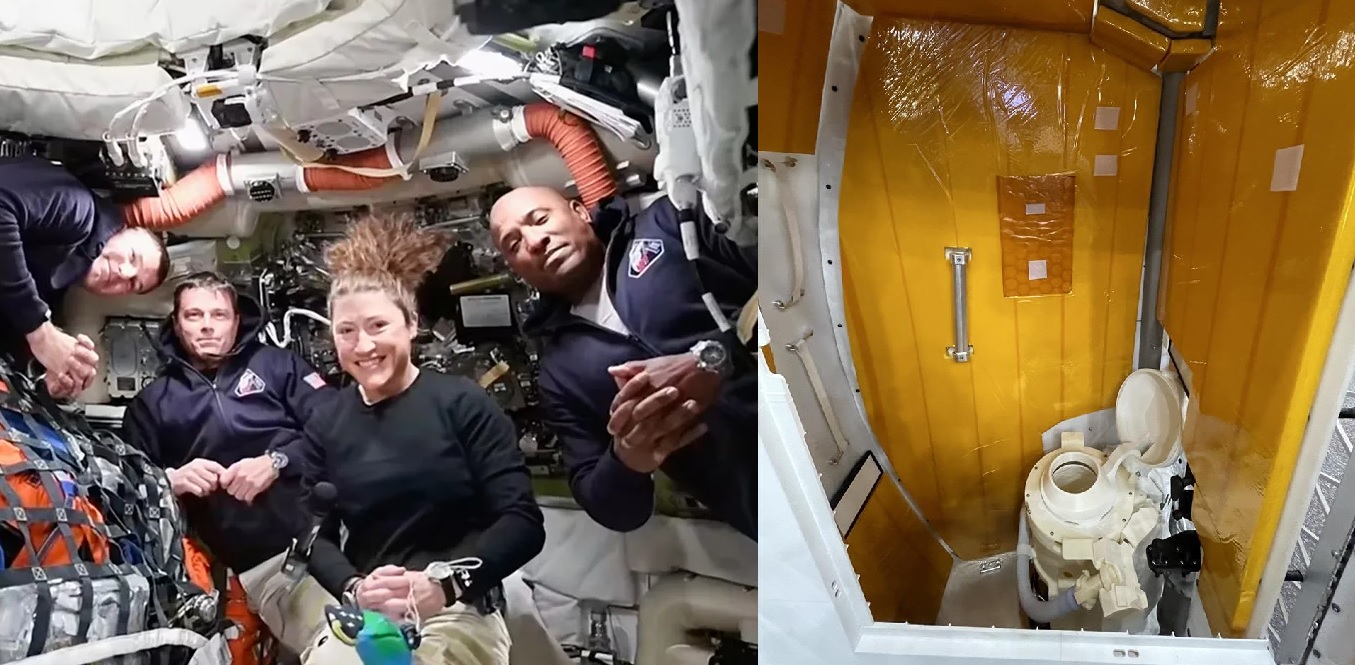
Space & Technology
HOUSTON, — April 5, 2026 : The four astronauts aboard NASA’s Artemis II mission have crossed the halfway point of their journey to the Moon, as the Orion spacecraft continues outbound toward a scheduled lunar flyby on Monday, April 6, 2026. The mission, which launched on April 1, 2026, from Kennedy Space Center in Florida, marks the first crewed flight beyond low Earth orbit since Apollo 17 in 1972, ending a gap of more than 53 years. The crew—Commander Reid Wiseman, Pilot Victor Glover, Mission Specialist Christina Koch, and Canadian Space Agency astronaut Jeremy Hansen—is conducting system checks and observations during the transit. The spacecraft is expected to travel more than 252,000 miles (approximately 406,000 kilometers) from Earth, surpassing the human spaceflight distance record set by Apollo 13 in 1970. Mid-Mission Operations and Flight Milestones As Orion approaches the Moon, the crew is preparing to execute a lunar fly-around trajectory rather than entering orbit. The spacecraft will pass approximately 4,000 miles (6,400 kilometers) beyond the lunar surface and capture imagery of the Moon’s far side before performing a return trajectory to Earth. Pilot Victor Glover reported during a transmission that Earth is now visibly distant, stating that “the Earth is quite small, and the Moon is definitely getting bigger.” The astronauts have also captured imagery of Earth during the outbound phase. The Artemis II crew includes several historic firsts: Christina Koch is the first woman assigned to a lunar mission, Victor Glover is the first Black astronaut on a lunar trajectory, and Jeremy Hansen is the first non-U.S. astronaut to participate in a Moon-bound mission. Waste Management System Malfunction During transit, engineers and crew have been addressing a recurring issue with Orion’s Universal Waste Management System. The spacecraft’s toilet, responsible for venting liquid waste and storing solid waste, has experienced intermittent malfunctions since shortly after launch. Mission controllers identified a suspected ice blockage in the wastewater vent line, which prevented proper venting of urine overboard. Artemis II Flight Director Judd Frieling confirmed that attempts to vent the wastewater tank overnight between April 4 and April 5 were unsuccessful due to the blockage. As a contingency, astronauts have been directed to use collapsible urine collection devices, similar to procedures employed earlier in the mission on flight day one. Engineers instructed the crew to reorient the spacecraft to expose the affected vent line to solar radiation. This maneuver partially resolved the issue, allowing approximately half of the accumulated liquid waste to be vented. The toilet system remains operational for solid waste but is not functioning at full capacity. NASA continues to monitor and troubleshoot the issue. Debbie Korth, Orion program deputy manager, stated that astronauts also reported an odor originating from the bathroom compartment, which is located in the floor of the capsule and enclosed by a door and curtain. She noted that waste management systems have historically posed engineering challenges, including during the Space Shuttle program. John Honeycutt, chair of the Artemis II mission management team, said the crew’s safety is not affected and emphasized that astronauts trained for such contingencies. He stated that the spacecraft remains in a stable condition, though efforts are ongoing to restore full toilet functionality. Additional Technical Issues In addition to the waste system problem, the crew previously resolved an early mission issue involving the toilet pump, which was attributed to insufficient water priming shortly after liftoff on April 1. That issue was corrected without further impact. NASA also confirmed that one of the crew’s onboard laptop computers has become non-operational. The astronauts are continuing mission activities using the remaining three functional laptops. International Participation and Mission Timeline The Canadian Space Agency (CSA) highlighted Jeremy Hansen’s participation as a milestone for international collaboration. CSA President Lisa Campbell, speaking from Quebec, stated that Hansen’s role reflects Canada’s contribution to human space exploration. Hansen has reported observing “extraordinary” views from Orion during the journey. The Artemis II mission is scheduled to conclude with a Pacific Ocean splashdown off the coast of San Diego on April 10, 2026, completing a flight duration of approximately 10 days. Program Objectives and Future Plans Artemis II serves as a crewed test flight of NASA’s Orion spacecraft and Space Launch System (SLS) rocket, validating systems required for future lunar missions. The mission does not include a landing but is designed to certify hardware and operational procedures. NASA’s Artemis program aims to conduct a crewed lunar landing near the Moon’s south pole by 2028, as part of a broader objective to establish a sustained human presence on the lunar surface. Aside from the ongoing waste management system issue, mission operations are proceeding as planned, with astronauts continuing scheduled activities and system evaluations during the outbound phase toward the Moon.
Read More → Posted on 2026-04-05 17:08:22
World
WASHINGTON, D.C., — April 5, 2026 : The United States military, supported by Israeli intelligence and operational coordination, successfully recovered the second crew member of a downed F-15E Strike Eagle in southwestern Iran following a high-risk combat search-and-rescue operation conducted between April 3 and April 5, 2026. The aircraft, assigned to the U.S. Air Force’s 494th Fighter Squadron, was shot down by Iranian air defenses on April 3 during ongoing U.S.-Israel military operations against Iranian targets that began on February 28, 2026. The two-person crew consisted of a pilot and a weapons systems officer (WSO). The pilot was recovered shortly after the incident in a daylight extraction, while the WSO, a colonel, remained behind enemy lines for approximately 36 to 48 hours. Evasion and Survival Following the shootdown, the WSO survived the initial incident but sustained injuries and evaded capture in mountainous terrain in southwestern Iran. According to operational accounts, the officer utilized survival training to avoid Iranian search units, including movement through rugged terrain and climbing a ridge estimated at approximately 7,000 feet in elevation. During this period, Iranian forces, including elements associated with the Islamic Revolutionary Guard Corps (IRGC), conducted active search operations in the area. Intelligence Verification and CIA Deception Operation U.S. officials initially approached the situation with caution amid concerns that distress signals could be part of a coordinated Iranian deception effort. The Central Intelligence Agency (CIA) undertook identity verification measures to confirm the stranded individual was the missing WSO. To support the recovery effort, the CIA executed a deception campaign inside Iran. Intelligence channels disseminated false information indicating that U.S. forces had already located the airman and were preparing to extract him via a maritime route. This information diverted Iranian search elements away from the actual search grid in the mountainous region. Simultaneously, CIA assets identified the WSO’s position, reportedly located within a mountain crevice. The verified coordinates were transmitted to the Pentagon and the White House, enabling mission planning to proceed. Israeli Intelligence Support and Operational Coordination Israeli support played a continuous role throughout the operation. According to an Israeli security official, Israel provided real-time intelligence to U.S. forces during both planning and execution phases. The Israel Defense Forces (IDF) also suspended planned strike operations in the relevant area to avoid interference with the rescue mission and to ensure clearer airspace for U.S. aircraft. Israeli assistance also included measures to counter local Iranian threats during the operation window. This coordination was maintained throughout the approximately 36 hours during which the WSO remained isolated. Rescue Operation and Military Timeline Following confirmation of the airman’s location, U.S. forces accelerated deployment. Operational reporting indicated that aircraft were mobilized within approximately 8 hours of location confirmation, and ground elements were inserted within roughly 12 hours. The extraction mission took place during the night of April 4–5 and involved U.S. special operations forces supported by a large air package. Assets included HH-60 rescue helicopters, MC-130 aircraft, F-35 fighter escorts, MQ-9 unmanned aerial systems, and A-10 Thunderbolt II aircraft providing close air support. During the operation, U.S. forces encountered resistance and ground fire from Iranian elements in the area. One A-10 aircraft sustained damage but was able to return safely with its pilot. The rescue teams successfully reached and extracted the WSO from the mountainous location. Equipment Losses and Withdrawal During the final phase of the extraction at a forward operating location, two U.S. C-130 transport aircraft became immobilized in mud. U.S. personnel destroyed both aircraft on the ground to prevent their capture. All participating U.S. forces were subsequently withdrawn from Iranian territory using alternate aircraft. Outcome and Official Confirmation On April 5, U.S. President Donald Trump confirmed the successful recovery of the second crew member. The WSO is reported to be in stable condition and receiving medical care, with expectations of recovery. U.S. officials described the mission as a complex personnel recovery operation conducted in contested airspace and terrain. The operation involved integrated use of special operations forces, air assets, intelligence coordination, and deception measures. The recovery of both crew members without U.S. fatalities occurred under high-risk conditions and reflected coordination between U.S. and Israeli defense and intelligence organizations during an ongoing conflict. No further official details were released regarding the specific intelligence shared by Israel or the full scope of operational coordination beyond the reported support period.
Read More → Posted on 2026-04-05 16:48:27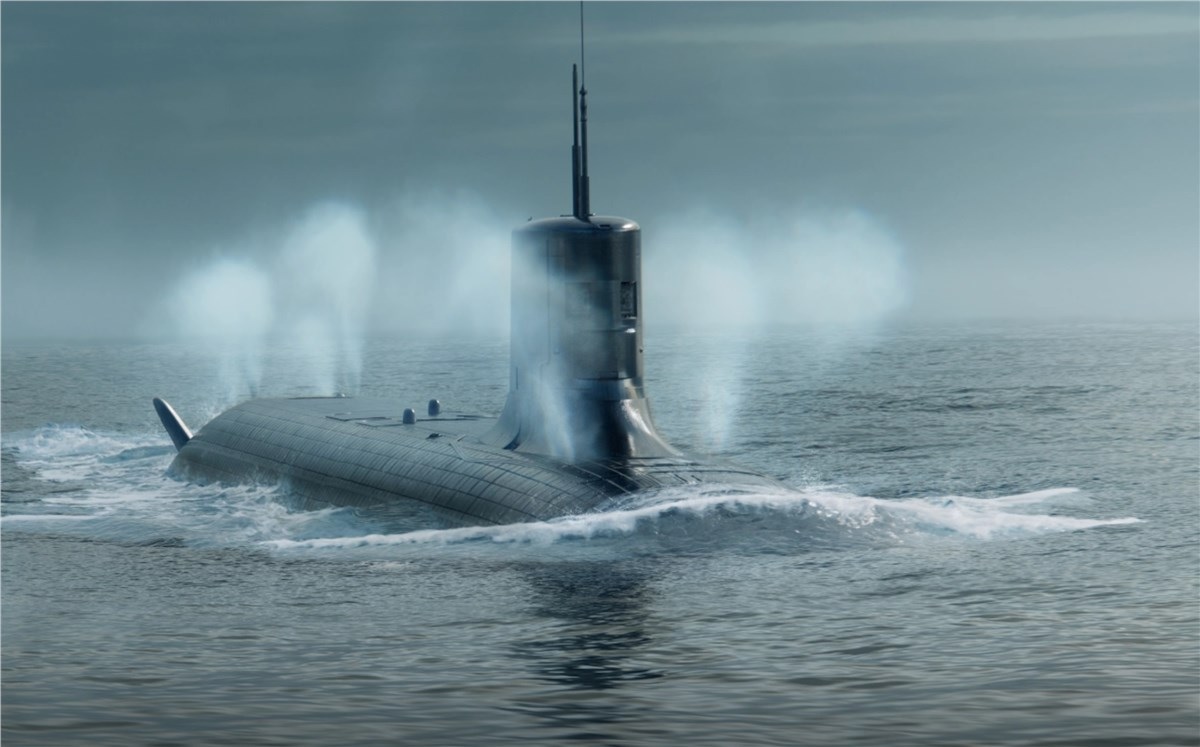
World
WASHINGTON, — April 5, 2026 : The United States has completed the recovery of the second crew member from a downed U.S. Air Force F-15E Strike Eagle in southwestern Iran, following a complex combat search-and-rescue (CSAR) operation conducted overnight between April 4 and April 5, according to official statements. The aircraft was shot down by Iranian air defense systems on April 3, 2026, during ongoing hostilities that began on February 28, 2026. The F-15E, a dual-seat multirole strike aircraft, was carrying a pilot and a weapons systems officer (WSO). The pilot was recovered shortly after the incident, while the WSO remained isolated in hostile territory for nearly two days. President Donald Trump confirmed the successful extraction early Sunday, stating that the second crew member, a colonel, had been located and recovered during a nighttime operation. All U.S. personnel involved in the mission have since exited Iranian territory. Operational Details and Forces Involved A senior U.S. military official described the mission as one of the most complex personnel recovery operations conducted in recent history. The operation involved a coordinated multi-domain force package, including U.S. Air Force CSAR units and special operations forces. Assets deployed included HH-60W Jolly Green II and HH-60G Pave Hawk rescue helicopters, including aircraft from units such as the 55th Rescue Squadron. These were supported by MC-130 special operations aircraft and HC-130J Combat King II tankers for aerial refueling and infiltration support. Fighter escort and suppression of enemy air defenses (SEAD) were provided by F-35 aircraft, while MQ-9 Reaper drones conducted intelligence, surveillance, and reconnaissance (ISR) operations. A-10C+ aircraft delivered close air support during the extraction phase. The recovery force reportedly included Air Force pararescue personnel (PJs), Combat Rescue Officers (CROs), and special operations elements, including elite U.S. Army Special Forces units. Evasion and Ground Situation Following ejection, the WSO employed Survival, Evasion, Resistance, and Escape (SERE) procedures. He moved away from the crash site and maintained intermittent communication using a survival radio and emergency beacon. During the evasion period, the crew member was sheltered by local villagers in the Kuh-e-Siah (Black Mountain) area in Koohdasht County, a mountainous region in southwestern Iran. Iranian state media broadcast financial rewards for information leading to his capture and urged local residents to assist in locating him. Iranian forces, including units of the Islamic Revolutionary Guard Corps (IRGC) and Basij militias, conducted ground search operations in the area. Engagements During Extraction As U.S. rescue forces moved into the extraction zone, clashes occurred with IRGC-affiliated Basij militants attempting to reach the isolated crew member. U.S. aircraft conducted suppressive strikes to secure the area. An A-10C+ aircraft fired guided rockets at advancing militant positions to prevent their approach toward the extraction site. Local reports cited by Iranian media indicated that casualties from IRGC Ground Forces, FARAJA units, and Basij elements were transported from the Black Mountain area to a hospital in Dehdasht following U.S. airstrikes. Reports also indicated that at least one U.S. rescue helicopter sustained small-arms fire during the mission, resulting in minor injuries to crew members, though the aircraft remained operational. Aircraft Loss and Recovery Complications According to multiple U.S. defense sources, the operation encountered significant logistical complications during its final phase inside Iranian territory. Initial reports indicated that two U.S. transport aircraft became inoperable at a remote location, requiring rapid contingency measures. Updated information from CENTCOM sources now confirms that these aircraft—identified as one HC-130J Combat King II and one MC-130J—were deliberately destroyed on the ground by U.S. forces to prevent their capture or exploitation. Additionally, two MH-6M helicopters belonging to the U.S. Army’s 160th Special Operations Aviation Regiment (SOAR) were also destroyed during the operation. Despite these setbacks, all crew members from the disabled aircraft and helicopters, along with U.S. Army Special Forces personnel, including elements of Delta Force, were successfully extracted. The evacuation was completed using three additional MC-130J aircraft that operated inside Iranian airspace under highly contested conditions. Operational Environment and Tactics The rescue mission was conducted in heavily contested airspace with active Iranian integrated air defense systems (IADS). U.S. aircraft operated using low-altitude, terrain-masking flight profiles to reduce radar exposure while maintaining coordination across multiple platforms. The F-15E Strike Eagle involved in the incident was conducting operations in a high-threat environment at the time it was engaged. Its loss represents the first confirmed U.S. combat aircraft shootdown by Iranian air defenses since the start of the current conflict. Outcome and Strategic Context U.S. officials stated that no American fatalities occurred during either recovery operation. All participating forces have been withdrawn from Iranian territory following mission completion. The recovery of both crew members—conducted in separate operations inside Iranian territory—aligns with established U.S. personnel recovery doctrine, which prioritizes the retrieval of isolated personnel to prevent capture and protect sensitive military information. The operation integrated air superiority assets, electronic warfare support, special operations forces, and real-time intelligence coordination across multiple domains, reflecting the scale of effort required to conduct CSAR missions in contested environments. Iranian authorities have presented differing accounts of the operation, claiming disruptions to U.S. activities and citing the loss of American aircraft as evidence of operational setbacks. U.S. officials have rejected claims of American casualties. The incident underscores the continued risks associated with air operations over defended territory and highlights the operational demands of personnel recovery missions against near-peer adversaries.
Read More → Posted on 2026-04-05 15:57:10
World
WASHINGTON, — April 5, 2026 : U.S. President Donald Trump stated on Sunday that the United States supplied firearms to anti-government protesters in Iran earlier this year, with the weapons routed through Kurdish militia groups that he said ultimately retained the arms. Speaking in a telephone interview with Fox News, Trump described the administration’s approach during the wave of protests that began in late December 2025 and continued into January 2026. The demonstrations, driven by economic grievances and broader opposition to the government, spread across multiple provinces, including significant activity in Kurdish-populated regions of northwestern Iran. According to Trump, the U.S. initiated a covert effort to arm demonstrators following a violent crackdown by Iranian authorities. “We sent guns to the protesters, a lot of them,” he said, adding that the delivery relied on Kurdish intermediaries. “We sent them to the Kurds, and I think the Kurds kept them.” Crackdown and Disputed Casualty Figures Iranian security forces, including the Islamic Revolutionary Guard Corps (IRGC) and the Basij militia, responded to the unrest with force, deploying snipers, conducting mass arrests, and enforcing restrictions on communications, including internet shutdowns that limited independent verification. Trump stated that the Iranian government “slaughtered” 45,000 civilians during the crackdown. However, casualty estimates vary widely. Iranian authorities have acknowledged more than 3,000 deaths. The Human Rights Activists News Agency (HRANA) has reported verified fatalities exceeding 6,000, with additional cases under review. Other activist and exile sources have cited figures ranging from approximately 7,000 to over 30,000. The differing estimates reflect the difficulty of confirming information amid restricted access and state controls. Reported Role of Kurdish Groups The reported transfer of weapons involved Kurdish factions operating along Iran’s western borders, including groups such as the Kurdistan Free Life Party (PJAK). U.S. and Israeli planners were reportedly seeking to apply pressure on the IRGC by encouraging unrest in border regions, particularly in the Zagros mountain areas, to compel Iranian forces to divert resources away from major urban centers where protests were concentrated. Analysts note that Kurdish populations in Iran, estimated between 7 million and 15 million people, have historically been involved in regional proxy dynamics. According to Trump’s account, however, the weapons did not reach protesters. Kurdish intermediaries may have retained the arms due to concerns over long-term U.S. support, operational risks, and the potential for retaliation. The IRGC has previously conducted artillery and drone strikes against Kurdish positions in neighboring Iraq, highlighting the risks faced by such groups in cross-border operations. Earlier Reports and U.S. Position Trump’s remarks are consistent with reporting from March 2026 indicating that U.S. officials and intelligence contacts had explored engagement with Kurdish factions as part of broader efforts to support opposition activity in Iran. At the time, the White House did not confirm approval of any plan for Kurdish forces to initiate an insurgency inside Iran. Reports suggested that small arms may have been provided to Iranian Kurdish groups based in Iraq, with the objective of stretching Iranian security forces or encouraging internal resistance. Kurdish organizations have generally denied involvement in cross-border armed operations during this period. No additional official U.S. confirmation has been issued regarding the scale, execution, or outcome of any such transfers beyond Trump’s April 5 statements. Strategic Context and Regional Developments The disclosure comes amid escalating tensions between the United States, Israel, and Iran. Over the weekend, Trump issued a 48-hour ultimatum to Tehran to reopen the Strait of Hormuz, a key global energy transit route that Iranian forces have restricted. He warned that failure to comply could result in strikes on Iranian infrastructure, including energy facilities and bridges. At the same time, U.S. military activity in the region has expanded. Over the weekend, U.S. forces conducted a recovery operation inside Iranian territory, successfully extracting a U.S. F-15E crew member whose aircraft had been downed in an earlier engagement. Potential Impact on Iran’s Internal Security The reported attempt to supply weapons to protesters represents an external effort to influence internal dynamics within Iran. If successfully delivered, such arms could have enabled limited armed resistance or prolonged unrest, potentially forcing the IRGC to reallocate resources toward internal security operations. However, with the weapons reportedly not reaching protesters, the immediate operational impact appears limited. The longer-term effects may include increased scrutiny of ethnic minority regions, particularly Kurdish areas, and expanded security measures by Iranian authorities. The events also highlight the challenges associated with coordinating covert support through proxy groups, as well as the broader implications for U.S.-Iran relations. For the IRGC, which maintains a central role in both domestic control and external military operations, the situation underscores ongoing concerns regarding external influence and internal stability. The full extent of any arms transfers and their outcomes remains unclear due to the covert nature of the reported activities and limited independent verification.
Read More → Posted on 2026-04-05 15:39:16
World
KYIV, — April 5, 2026 : Ukrainian defense firm Antabos has developed and tested a new automated artillery fire control system, designated KRIP-A, designed to digitally integrate reconnaissance, command, and firepower into a unified operational network. The system has been deployed on Ukraine’s domestically produced 155 mm 2S22 “Bohdana” self-propelled howitzer as well as the RM-70 multiple launch rocket system (MLRS), marking a significant step in the country’s artillery modernization program. The system was presented during a recent live demonstration attended by military correspondents from Ukrainian outlets, including Militarnyi and Ukrainska Pravda. Antabos representatives used the event to outline the system’s architecture and operational performance under battlefield conditions. Integrated Digital Fire Control Architecture KRIP-A functions as a network-centric fire control system that connects battlefield reconnaissance assets, command elements, and artillery units through real-time data exchange. It enables automated execution of fire missions by receiving target data from multiple sensors, including unmanned aerial vehicles (UAVs), and processing it through onboard software. The system calculates firing parameters automatically and transmits them directly to the artillery platform’s control panel. From there, targeting is conducted via the gun commander’s terminal in automatic mode. This process reduces reliance on manual input and minimizes the risk of human error during targeting procedures. According to Antabos, the system significantly reduces engagement timelines by shortening the interval between target detection and firing. It also enables continuous fire correction based on live battlefield data streams. Accuracy and Ammunition Efficiency Developers report measurable improvements in firing efficiency and accuracy. Field data indicates that the number of shells required to zero a target has been reduced by a factor of five compared to conventional methods. Additionally, total ammunition consumption required to successfully engage targets has been reduced to approximately 30 percent of previous manual benchmarks. These gains are attributed to the system’s integration of geoinformation technologies, inertial navigation systems with anti-jamming capabilities, and automated targeting supported by triple-redundant guidance mechanisms. The system is designed to maintain functionality in contested electronic warfare environments. KRIP-A’s integration with UAVs and forward reconnaissance systems enables rapid target acquisition, precise fire adjustment, and improved first-shot hit probability. The system supports secure communications and coordinated fire control operations under complex battlefield conditions. Platform Integration and Operational Mobility The incorporation of KRIP-A into the 2S22 Bohdana has elevated the system’s automation level to that of modern Western artillery platforms, including the French CAESAR self-propelled howitzer. The system supports rapid deployment, automated gun alignment, and quick withdrawal, which are critical for survivability against counter-battery threats. The RM-70 MLRS has also been equipped with the KRIP-A system, extending automated fire control capabilities beyond tube artillery to rocket artillery systems. Ukraine’s defense industry is currently maintaining a production rate of approximately 35 to 40 Bohdana systems per month, aligning with ongoing efforts to scale domestic artillery output while integrating advanced digital systems. NATO Compatibility and System Interoperability The KRIP-A system has been developed in accordance with C4ISR (Command, Control, Communications, Computers, Intelligence, Surveillance, and Reconnaissance) principles. Antabos confirmed that the system is compatible with NATO-standard artillery command and control frameworks. It can interface with systems used by allied countries, including the United States’ AFADS, Germany’s ADLER, France’s ATLAS, the United Kingdom’s BATES, Norway’s ODIN, Italy’s SIR, and Poland’s TOPAZ. The architecture is adaptable for integration with both legacy Soviet-era artillery systems and modern Western platforms, enabling broader interoperability across mixed equipment inventories. Development Background and Future Plans Initial reports regarding the development of an automated control system for the Bohdana platform emerged in late 2025, when the deputy chief of staff of the Missile Forces and Artillery Command of the Ukrainian Ground Forces disclosed ongoing work on automation and testing. The deployment of KRIP-A represents the transition of these efforts from development and testing into operational use. Antabos has indicated that future iterations of the system will expand automation capabilities further, including potential integration with ground-based robotic platforms. The objective of these developments is to reduce the number of personnel required for artillery operations while maintaining operational effectiveness. Operational Context Antabos representatives noted that despite the increasing prominence of unmanned systems on the battlefield, artillery remains a central component of modern warfare. They stated that challenges commonly associated with artillery systems—such as cost, complexity, accuracy, range, and logistics—are influenced by technological and organizational factors rather than inherent limitations of the weapon systems themselves. The introduction of the KRIP-A system reflects Ukraine’s ongoing efforts to enhance artillery effectiveness through domestic technological development, while aligning with NATO operational standards and improving battlefield integration across multiple platforms.
Read More → Posted on 2026-04-05 15:25:52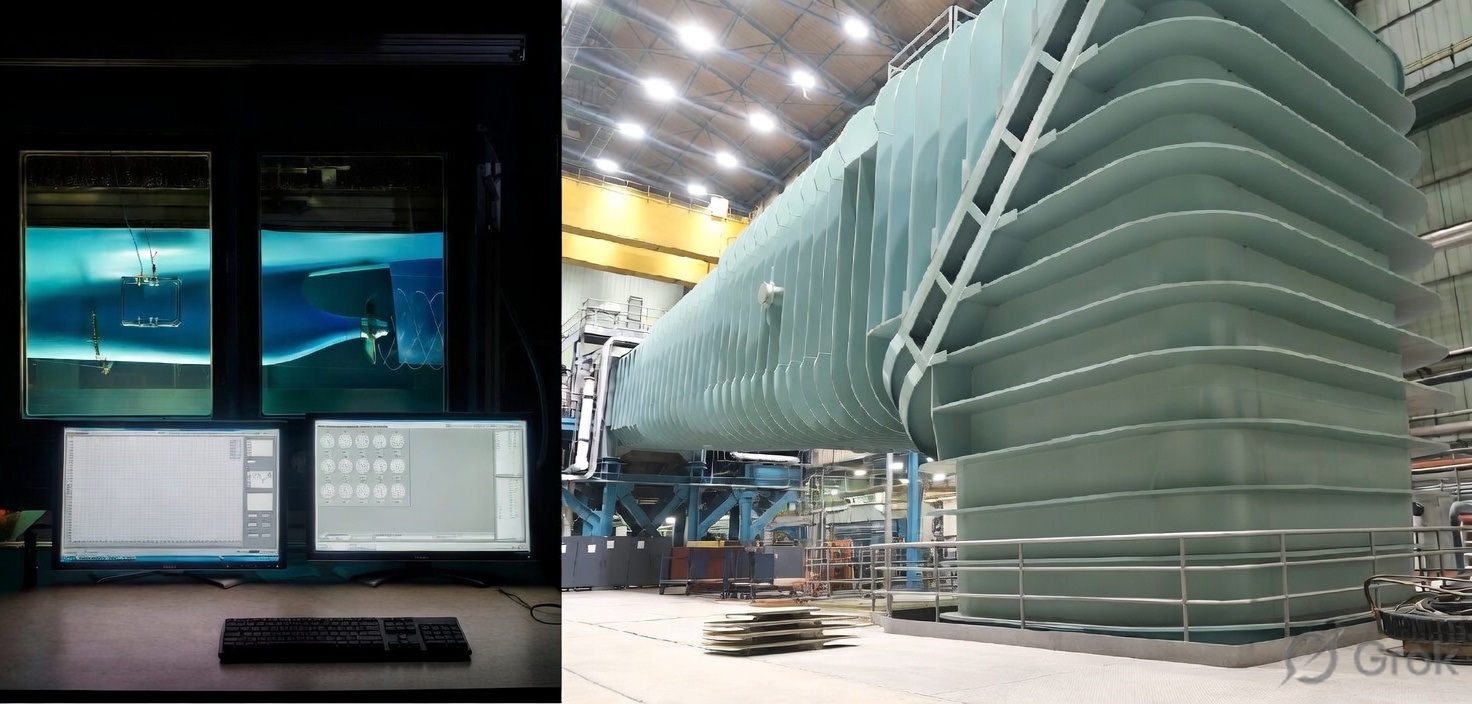
India
Visakhapatnam, — April 5, 2026 : Defence Minister Rajnath Singh on April 3, 2026, laid the foundation stone for a Large Cavitation Tunnel (LCT) facility at the Naval Science and Technological Laboratory (NSTL), a key laboratory of the Defence Research and Development Organisation (DRDO), in Visakhapatnam. The project is intended to expand India’s domestic capacity for advanced hydrodynamic testing of naval platforms and underwater systems. The Large Cavitation Tunnel is designed as a state-of-the-art facility capable of simulating complex hydrodynamic conditions encountered by submarines and surface ships. It features an integrated configuration that supports both closed-loop simulations for submarine studies and free surface simulations for surface vessels within a single setup. This combined capability is expected to enable comprehensive testing of propellers, torpedoes, and other critical underwater components. Once operational, the facility will allow detailed validation of hydrodynamic designs and propulsion systems for a wide range of naval platforms, including destroyers and aircraft carriers. It will support studies of cavitation effects—pressure-induced vapor bubble formation and collapse—which are critical in determining propulsion efficiency, structural durability, and acoustic performance of naval systems. Focus on Indigenous Capability and Data Security The development of the LCT addresses a longstanding gap in India’s defence testing infrastructure. Until now, advanced hydrodynamic testing for high-end naval systems has often been conducted at facilities in the United States, France, and Russia, or through limited domestic capabilities. This reliance raised concerns related to data security and restricted the ability to carry out full-scale validation of sensitive designs within the country. With the establishment of the LCT, India aims to reduce dependence on foreign testing infrastructure and enable end-to-end indigenous design, development, and validation of naval equipment, systems, and sub-systems. The project has been sanctioned by the Government of India and is being executed in turnkey mode with international technical collaboration. Impact on Naval Design and Underwater Warfare Systems The facility is expected to contribute to the development of quieter propulsion systems for submarines by enabling precise analysis of cavitation and fluid dynamics. Reduced acoustic signatures will improve stealth characteristics and enhance sonar performance. In addition, the LCT will support improvements in warship efficiency and durability and facilitate the development of next-generation torpedoes and underwater weapons. NSTL, which is responsible for research and development of torpedo systems, underwater mines, decoys, and autonomous underwater vehicles (AUVs), will integrate the new facility into its ongoing programs. During the visit, Defence Minister Singh was briefed by DRDO Chairman Dr. Samir V. Kamat on current and planned initiatives. He also visited the Seakeeping and Manoeuvring Basin and observed demonstrations of underwater systems, including torpedoes, naval mines, decoys, and a swarm of man-portable AUVs. The minister additionally reviewed spin-off technologies developed by the Naval Systems Materials cluster following Operation Sindoor and examined ongoing work in lithium-ion battery development for defence applications. Official Statements and Strategic Context Addressing scientists and personnel at NSTL during the foundation stone laying ceremony, Singh stated that the LCT is intended to function as an enabling system for future naval engineering efforts. He noted that the facility would strengthen work on propulsion systems, noise reduction, and stealth technologies, and serve as a foundational infrastructure for submarine and ship design. He also highlighted that, despite progress in developing defence systems domestically, India had previously depended on foreign facilities for critical testing. According to Singh, the commissioning of the LCT is expected to change this situation and contribute to strengthening India’s position in naval technology development through indigenous resources. The Defence Minister commended NSTL for its contributions to advancing underwater warfare capabilities and self-reliance in defence research, noting that its progress reflects ongoing efforts to prepare for future operational requirements. Ceremony and Related Developments The foundation stone laying ceremony was attended by senior defence leadership, including Chief of Defence Staff General Anil Chauhan, Chief of the Naval Staff Admiral Dinesh K. Tripathi, and Flag Officer Commanding-in-Chief of the Eastern Naval Command Vice Admiral Sanjay Bhalla. The event coincided with the commissioning of the stealth frigate INS Taragiri into the Indian Navy at the Naval Dockyard in Visakhapatnam on the same day, April 3, 2026. Both developments form part of broader initiatives to strengthen indigenous naval design, testing infrastructure, and shipbuilding capabilities. Project Status No official timeline for completion of the Large Cavitation Tunnel or details of the project cost have been disclosed. The facility is expected to support long-term development of India’s shipbuilding ecosystem and enhance domestic capabilities in naval research and engineering under the self-reliance initiative.
Read More → Posted on 2026-04-05 14:40:23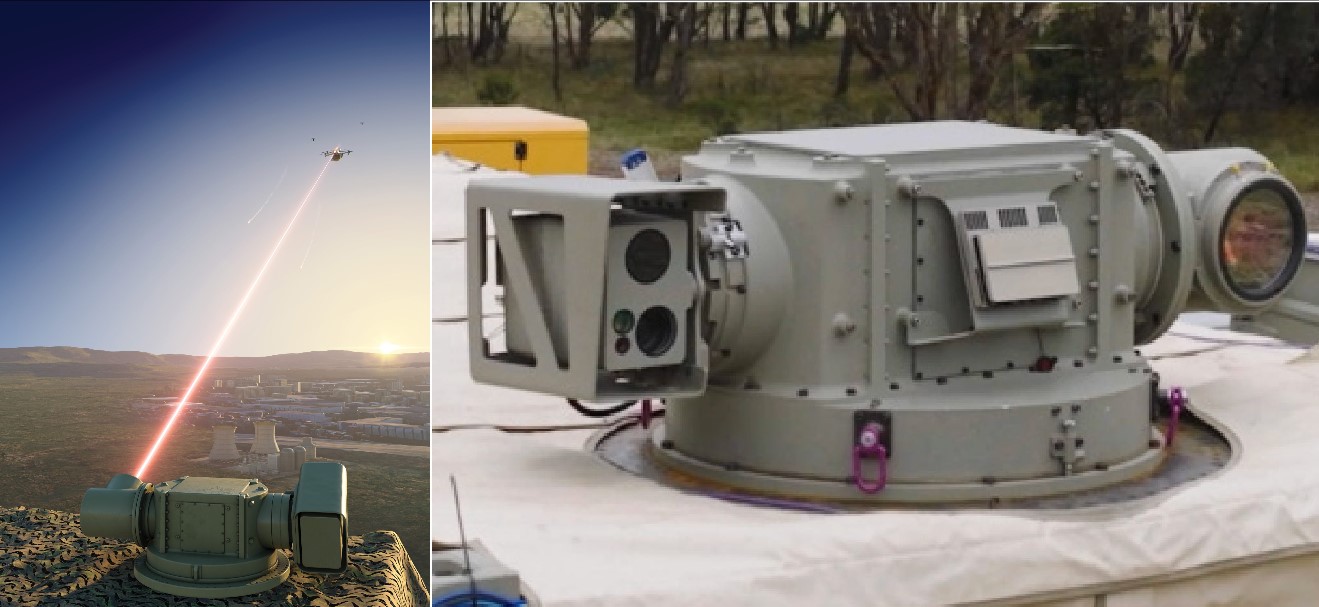
World
Sydney, — April 5, 2026 : Electro Optic Systems Holdings Limited (EOS) has secured two new defense contracts in the United States valued at a combined US$12 million (approximately A$17 million), while also providing an update on its ongoing negotiations for a conditional US$80 million high-energy laser agreement in South Korea. The developments were outlined in the company’s operational briefing and ASX release dated March 31, 2026. The contracts were awarded to EOS Defense Systems USA and are scheduled for delivery in 2026. They form part of the company’s continued involvement in remote weapon systems and counter-drone technologies within the U.S. defense market. U.S. Army Remote Weapon System Contract The first contract, valued at US$5 million, covers the development and delivery of Remote Weapon Systems (RWS) for the U.S. Army. The program is part of an ongoing development effort aimed at enhancing system capabilities to meet specific operational requirements. Manufacturing and development activities will be carried out at EOS’s facility in Huntsville, Alabama. According to the company, the systems delivered under this contract are expected to contribute to future production programs by informing design and performance benchmarks. Deliveries are scheduled to take place during 2026. Northrop Grumman Agnostic Gun Truck Program The second contract, valued at US$7 million, is a follow-on order for the production of Slinger Remote Weapon Systems to be integrated into Northrop Grumman’s Agnostic Gun Truck (NG AGT) platform. The Slinger system is primarily designed for counter-unmanned aerial system (C-UAS) applications. EOS indicated that this order builds on prior production collaboration with Northrop Grumman and reflects continued demand for counter-drone capabilities. Deliveries under this contract are also scheduled for 2026. Update on South Korea High-Energy Laser Agreement In addition to the U.S. contracts, EOS provided a detailed update on its conditional US$80 million agreement with Goldrone in the Republic of Korea for the manufacture and supply of a 100kW high-energy laser (HEL) weapon system, commonly associated with the Apollo program. Discussions between EOS and Goldrone continued through February and March 2026. The agreement remains subject to three primary conditions: Payment of an initial US$18 million deposit by Goldrone Procurement of a letter of credit covering the remaining contract value Inspection and formal approval of EOS’s Singapore manufacturing facility by the customer Recent discussions have introduced a potential change in manufacturing arrangements. Both parties are now considering producing the first laser unit in South Korea instead of EOS’s Singapore facility, as initially planned. Following these engagements, EOS and Goldrone have established a joint action plan aimed at converting the conditional agreement into a firm, unconditional contract. Based on current progress, EOS management stated that the contract could become unconditional during the second quarter of 2026. The company noted, however, that there is no certainty that all conditions will be met within this timeframe. Operational Context The latest contracts and negotiations reflect EOS’s ongoing activities across both kinetic and directed-energy defense segments. The U.S. contracts provide near-term production and revenue visibility through its Huntsville operations, while the South Korean laser program represents a larger-scale international opportunity with potential localized manufacturing components. EOS continues to operate across multiple defense domains, including vehicle-mounted remote weapon systems and high-energy laser technologies, with engagements spanning U.S. and international markets.
Read More → Posted on 2026-04-05 14:27:23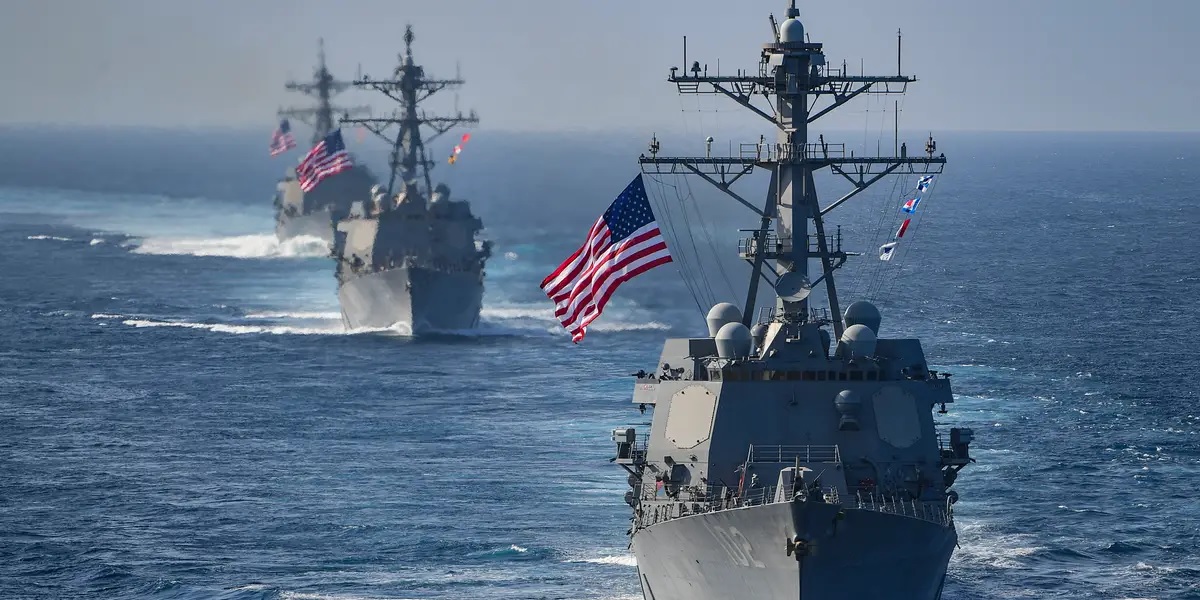
World
WASHINGTON, — April 5, 2026 : The United States administration has submitted its fiscal year 2027 budget request, proposing $65.8 billion in funding for naval shipbuilding within a broader $1.5 trillion national security budget presented by President Donald Trump. According to budget documents, the Department of Defense is seeking $60.2 billion for shipbuilding through the base budget, alongside an additional $5.6 billion allocated via reconciliation funding. When adjusted for inflation, the proposal represents the second-largest U.S. naval shipbuilding request since 1955. The only higher level of spending in real terms occurred in 1962 during the Navy’s “41 for Freedom” ballistic missile submarine program. Fleet Expansion and Procurement Plan The fiscal 2027 proposal outlines a significant increase in planned ship procurement. The Navy intends to acquire a total of 34 vessels, including 18 battle force ships and 16 non-battle force ships. This represents a substantial increase compared to the previous fiscal year’s request. Planned acquisitions include continued procurement of Virginia-class attack submarines and funding for the Columbia-class ballistic missile submarine program, which alone is allocated approximately $15.2 billion. The request also includes new guided-missile destroyers, amphibious warfare ships, and a range of logistics and support vessels. Additional platforms funded under the proposal include submarine tenders, fleet oilers, surveillance ships, and sealift vessels intended to strengthen operational reach and sustainment capabilities. Budget documents specify that funding also supports strategic sealift vessels, hospital ships, Consolidated Cargo Replenishment at Sea tankers, and a special mission ship. Golden Fleet Initiative and New Battleship Program The shipbuilding request is aligned with the administration’s broader “Golden Fleet” initiative, which focuses on expanding naval capacity and modernizing maritime capabilities. A central component of this initiative is the development of a new class of large surface combatants referred to as the Trump-class battleship, designated in Navy planning documents as BBG(X). This program replaces the previously planned DDG(X) next-generation destroyer effort. The lead vessel, expected to be named USS Defiant, is currently in the design phase, with construction projected to begin in the early 2030s. Officials indicate that the conventionally powered ships are expected to displace between 30,000 and 40,000 tons. Planned capabilities include integration of Conventional Prompt Strike hypersonic missiles, directed-energy laser systems, a 32-megajoule electromagnetic railgun, and the potential deployment of a nuclear-armed sea-launched cruise missile (SLCM-N). Frigate Program Restructuring The Navy has also revised its approach to the future frigate program. The Constellation-class frigate program has been canceled. In its place, the Navy will pursue a new frigate design under the FF(X) program, based on a variant of the U.S. Coast Guard’s Legend-class National Security Cutter. Secretary of the Navy John Phelan stated that the change is intended to streamline construction and reduce integration complexity that affected earlier programs. Industrial Base and Funding Strategy The fiscal 2027 proposal continues the administration’s use of reconciliation funding to support defense spending priorities, following a similar approach adopted in the fiscal 2026 budget. This mechanism enables funding to be distributed over multiple years. Defense leadership, including Secretary of Defense Pete Hegseth, has indicated that the scale of the shipbuilding request is intended to support expansion of the U.S. maritime industrial base. This includes increasing capacity at public shipyards and strengthening supply chains through a broader network of domestic suppliers. Legislative Outlook Lawmakers are expected to review and debate the $1.5 trillion national security budget, including the $65.8 billion shipbuilding request, in the coming weeks. Officials have stated that additional detailed budget documentation, including line-by-line allocations for individual ship programs, is expected to be released later in April 2026. The fiscal 2027 submission reflects a continued emphasis on naval expansion, fleet modernization, and logistics capability development in response to evolving strategic requirements.
Read More → Posted on 2026-04-05 14:12:30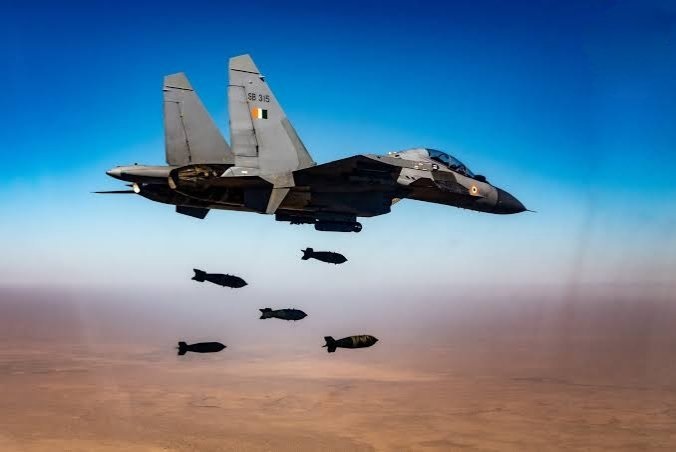
India
New Delhi, — April 5, 2026 : The Ministry of Defence (MoD) has initiated a program to indigenously design, develop, and procure 1,000-kg aerial bombs for the Indian Air Force (IAF), issuing a formal Expression of Interest (EoI) under the Defence Acquisition Procedure (DAP) 2020. According to official details, the EoI covers the development of heavy general-purpose bombs comparable to the Mk-84 class currently in service with the IAF. The ministry has outlined plans to procure an initial batch of approximately 600 such bombs following successful development and evaluation. Program Structure and Procurement Framework The project will be executed in two phases under established procurement categories. The first phase falls under the ‘Make-II’ category, which is industry-funded. Selected Indian entities will be responsible for designing and developing the bombs, including associated tail units and supporting equipment. A minimum of 50 percent indigenous content has been mandated during this stage. Development agencies will be required to produce six prototypes, including both live and inert variants. These prototypes will undergo Single-Stage Composite Trials (SSCT), along with comprehensive flight and drop testing from specified Indian Air Force aircraft at designated testing ranges. Data from these trials will be used to refine Preliminary Staff Qualitative Requirements (PSQRs) into formal Air Staff Qualitative Requirements (ASQRs). The second phase will proceed under the ‘Buy (Indian-IDDM)’ category—Indigenously Designed, Developed, and Manufactured. A commercial Request for Proposal (RFP) will be issued to qualifying agencies for the production and supply of the 600 bombs after successful completion of development and trials. The overall timeline from the issuance of the EoI to the signing of the final procurement contract is estimated at approximately 2.5 years. Technical Characteristics and Operational Role The proposed 1,000-kg (approximately 2,000-pound) aerial bomb is categorized as a high-calibre munition designed to deliver substantial blast effects, natural fragmentation, and significant peak over-pressure (PoP). Such munitions are typically employed against high-value and hardened targets, including underground bunkers, reinforced concrete structures, bridges, aircraft runways, and large ammunition storage facilities. The EoI specifies that the bombs and their associated systems must be compatible with both Russian-origin and Western-origin aircraft in the IAF inventory. This includes integration across platforms such as the Su-30 MKI, Rafale, and the indigenous Tejas, without requiring major modifications. Current Dependence and Strategic Rationale At present, the Indian Air Force procures Mk-84 class general-purpose bombs from foreign original equipment manufacturers (OEMs). The move toward indigenous production is aimed at reducing dependence on external suppliers and ensuring availability during extended operational scenarios. The requirement also reflects operational lessons observed in recent conflicts in the Middle East, where 2,000-pound class bombs have been widely used against fortified and deeply buried targets. The development of a domestic capability is intended to support long-range strike operations and improve logistical resilience. Industry Participation and Collaboration Participation in the EoI is open to eligible Indian entities, including private sector companies and micro, small, and medium enterprises (MSMEs). The MoD has permitted foreign collaboration through joint ventures or technology transfer arrangements, provided that the primary applicant complies with indigenous design and manufacturing requirements. The initiative forms part of ongoing efforts to strengthen domestic defence manufacturing capabilities and aligns with broader policy objectives focused on indigenisation under the DAP 2020 framework.
Read More → Posted on 2026-04-05 13:54:26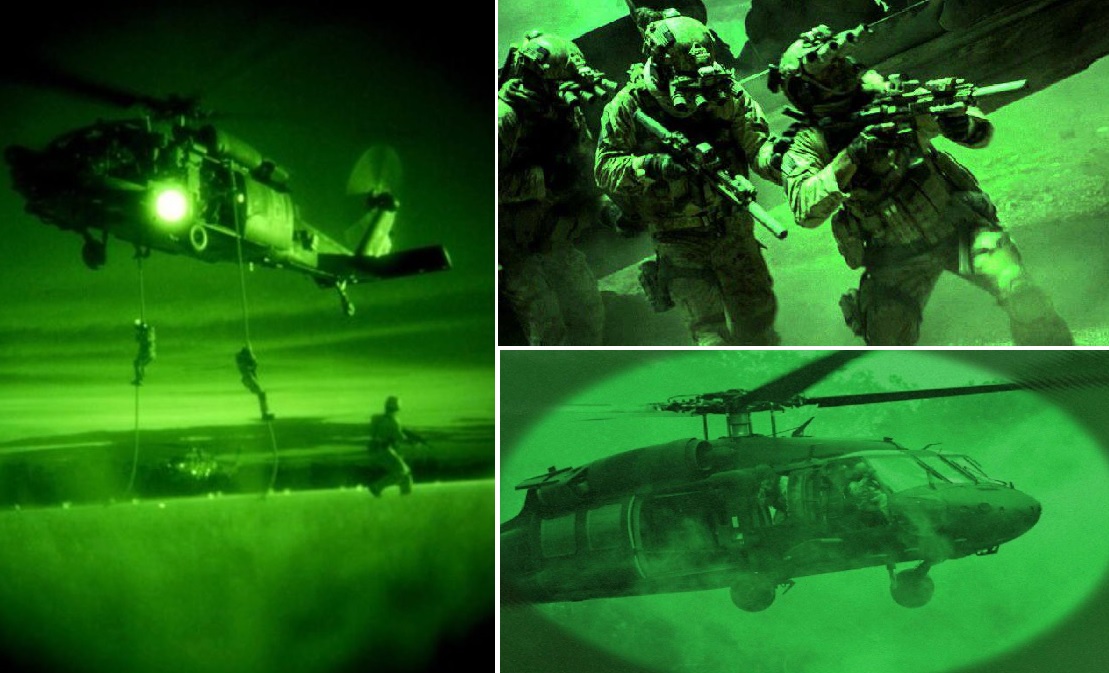
World
WASHINGTON, — April 5, 2026 : The United States has completed the recovery of the second crew member from a downed U.S. Air Force F-15E Strike Eagle in southwestern Iran, following a complex combat search-and-rescue (CSAR) operation conducted overnight between April 4 and April 5, according to official statements. The aircraft was shot down by Iranian air defense systems on April 3, 2026, during ongoing hostilities that began on February 28, 2026. The F-15E, a dual-seat multirole strike aircraft, was carrying a pilot and a weapons systems officer (WSO). The pilot was recovered shortly after the incident, while the WSO remained isolated in hostile territory for nearly two days. President Donald Trump confirmed the successful extraction early Sunday, stating that the second crew member, a colonel, had been located and recovered during a nighttime operation. All U.S. personnel involved in the mission have since exited Iranian territory. Operational Details and Forces Involved A senior U.S. military official described the mission as one of the most complex personnel recovery operations conducted in recent history. The operation involved a coordinated multi-domain force package, including U.S. Air Force CSAR units and special operations forces. Assets deployed included HH-60W Jolly Green II and HH-60G Pave Hawk rescue helicopters, including aircraft from units such as the 55th Rescue Squadron. These were supported by MC-130 special operations aircraft and HC-130J Combat King II tankers for aerial refueling and infiltration support. Fighter escort and suppression of enemy air defenses (SEAD) were provided by F-35 aircraft, while MQ-9 Reaper drones conducted intelligence, surveillance, and reconnaissance (ISR) operations. A-10C+ aircraft delivered close air support during the extraction phase. The recovery force reportedly included Air Force pararescue personnel (PJs), Combat Rescue Officers (CROs), and special operations elements, including elite U.S. Army Special Forces units. Evasion and Ground Situation Following ejection, the WSO employed Survival, Evasion, Resistance, and Escape (SERE) procedures. He moved away from the crash site and maintained intermittent communication using a survival radio and emergency beacon. During the evasion period, the crew member was sheltered by local villagers in the Kuh-e-Siah (Black Mountain) area in Koohdasht County, a mountainous region in southwestern Iran. Iranian state media broadcast financial rewards for information leading to his capture and urged local residents to assist in locating him. Iranian forces, including units of the Islamic Revolutionary Guard Corps (IRGC) and Basij militias, conducted ground search operations in the area. Engagements During Extraction As U.S. rescue forces moved into the extraction zone, clashes occurred with IRGC-affiliated Basij militants attempting to reach the isolated crew member. U.S. aircraft conducted suppressive strikes to secure the area. An A-10C+ aircraft fired guided rockets at advancing militant positions to prevent their approach toward the extraction site. Local reports cited by Iranian media indicated that casualties from IRGC Ground Forces, FARAJA units, and Basij elements were transported from the Black Mountain area to a hospital in Dehdasht following U.S. airstrikes. Reports also indicated that at least one U.S. rescue helicopter sustained small-arms fire during the mission, resulting in minor injuries to crew members, though the aircraft remained operational. Aircraft Loss and Recovery Complications According to multiple U.S. defense sources, the operation encountered significant logistical complications during its final phase inside Iranian territory. Initial reports indicated that two U.S. transport aircraft became inoperable at a remote location, requiring rapid contingency measures. Updated information from CENTCOM sources now confirms that these aircraft—identified as one HC-130J Combat King II and one MC-130J—were deliberately destroyed on the ground by U.S. forces to prevent their capture or exploitation. Additionally, two MH-6M helicopters belonging to the U.S. Army’s 160th Special Operations Aviation Regiment (SOAR) were confirmed to have been destroyed during the operation. However, some sources indicate that as many as four MH-6M ‘Little Bird’ helicopters may have been destroyed, suggesting a higher level of equipment loss than officially acknowledged. Despite these setbacks, all crew members from the disabled aircraft and helicopters, along with U.S. Army Special Forces personnel, including elements of Delta Force, were successfully extracted. The evacuation was completed using three additional MC-130J aircraft that operated inside Iranian airspace under highly contested conditions. Operational Environment and Tactics The rescue mission was conducted in heavily contested airspace with active Iranian integrated air defense systems (IADS). U.S. aircraft operated using low-altitude, terrain-masking flight profiles to reduce radar exposure while maintaining coordination across multiple platforms. The F-15E Strike Eagle involved in the incident was conducting operations in a high-threat environment at the time it was engaged. Its loss represents the first confirmed U.S. combat aircraft shootdown by Iranian air defenses since the start of the current conflict. Outcome and Strategic Context U.S. officials stated that no American fatalities occurred during either recovery operation. All participating forces have been withdrawn from Iranian territory following mission completion. The recovery of both crew members—conducted in separate operations inside Iranian territory—aligns with established U.S. personnel recovery doctrine, which prioritizes the retrieval of isolated personnel to prevent capture and protect sensitive military information. The operation integrated air superiority assets, electronic warfare support, special operations forces, and real-time intelligence coordination across multiple domains, reflecting the scale of effort required to conduct CSAR missions in contested environments. Iranian authorities have presented differing accounts of the operation, claiming disruptions to U.S. activities and citing the loss of American aircraft as evidence of operational setbacks. U.S. officials have rejected claims of American casualties. The incident underscores the continued risks associated with air operations over defended territory and highlights the operational demands of personnel recovery missions against near-peer adversaries.
Read More → Posted on 2026-04-05 13:42:54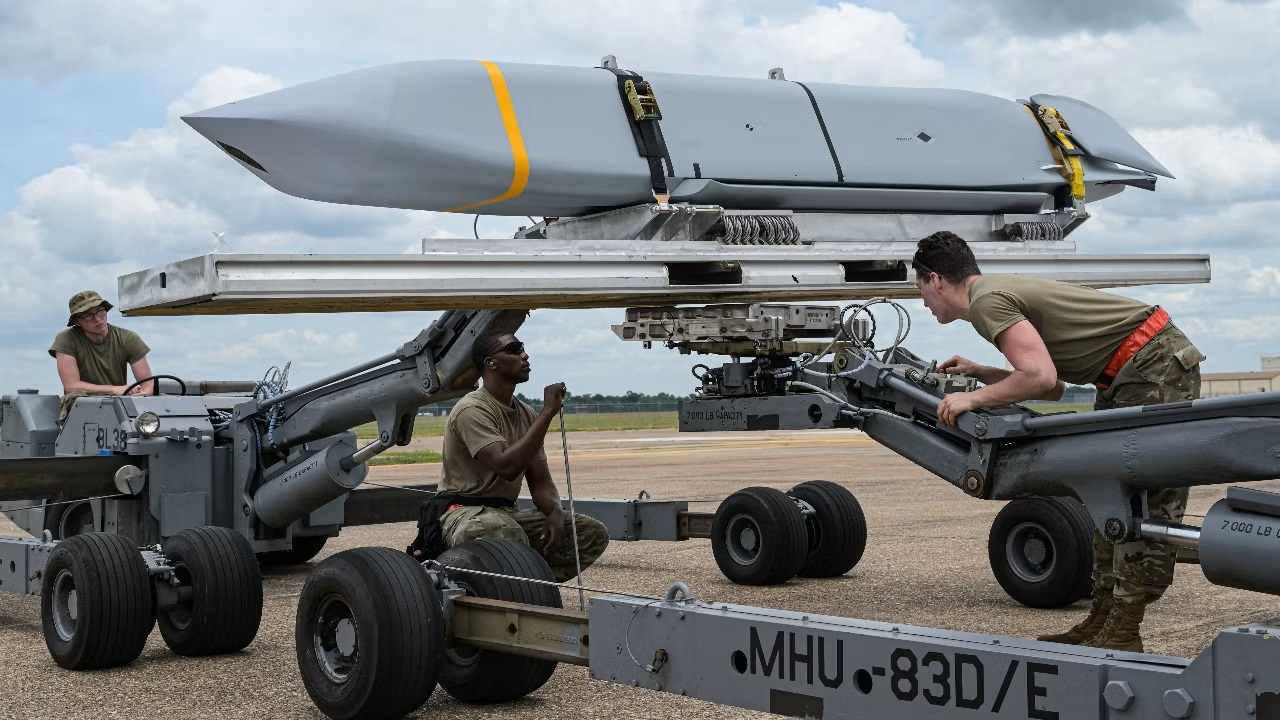
World
WASHINGTON, — April 4, 2026 : The United States has drawn down a substantial portion of its long-range stealth cruise missile inventory during the first month of military operations against Iran under Operation Epic Fury, according to defense officials, congressional briefings, and logistics data reviewed in early April. Prewar global inventories of the AGM-158B Joint Air-to-Surface Standoff Missile–Extended Range (JASSM-ER) stood at approximately 2,300 units. Since the start of the campaign on February 28, 2026, U.S. forces have expended more than 1,000 missiles in strikes targeting Iranian air defense systems, ballistic missile infrastructure, command centers, and other hardened military facilities. Current estimates indicate that roughly 425 JASSM-ER missiles remain available worldwide as of April 2026. High Expenditure Rates Exceed Projections The pace of missile usage in the opening phase of the conflict has exceeded prior Department of Defense planning assumptions. The JASSM-ER has been employed extensively due to its ability to conduct precision strikes from standoff distances exceeding 575 miles (approximately 925 kilometers), allowing U.S. aircraft to operate outside the engagement envelope of Iranian air defense systems. The missile carries a 1,000-pound penetrator warhead and incorporates low-observable design features, making it suitable for targeting fortified and heavily defended sites. It is integrated across multiple U.S. Air Force platforms, including the B-1B Lancer, B-52H Stratofortress, F-15E Strike Eagle, F-16 Fighting Falcon, and F-35 Lightning II. To sustain operational tempo during the first 30 days of the campaign, the Pentagon reallocated missile stocks originally assigned to other geographic combatant commands, including the Indo-Pacific and European theaters. Strategic Inventory Pressure Defense analysts and officials describe the remaining inventory level—approximately 425 missiles—as placing constraints on global operational flexibility. The JASSM-ER is a central component of U.S. long-range strike doctrine, particularly in scenarios involving contested airspace where non-stealth aircraft rely on standoff weapons for survivability. The drawdown has raised concerns within U.S. Indo-Pacific Command (INDOPACOM), where the missile is considered a key capability for deterrence and contingency planning against near-peer adversaries. Reduced availability limits immediate response capacity in the event of a concurrent or follow-on crisis. Production Capacity and Industrial Constraints Replenishment of expended missiles is expected to take multiple years under current industrial conditions. Manufacturer Lockheed Martin has been increasing production output, with annual production of JASSM-family missiles estimated at approximately 720 units, and plans to scale toward around 1,100 units per year. Earlier estimates from late 2025 placed production capacity at 500 to 600 units annually, indicating ongoing expansion efforts. However, several constraints continue to affect rapid replenishment: Component Lead Times: Critical elements such as turbofan engines supplied by Teledyne and stealth-integrated airframe components require extended manufacturing timelines. Shared Production Lines: The JASSM-ER is produced alongside the Long Range Anti-Ship Missile (LRASM), which uses the same industrial infrastructure and remains a priority for maritime operations in the Indo-Pacific. Industrial Base Limits: Even under surge production conditions, replacing more than 1,000 expended missiles within a short timeframe is not feasible. Current estimates suggest a recovery timeline of approximately three to five years to restore prewar inventory levels, depending on funding, supply chain performance, and production expansion. Increased Reliance on Alternative Munitions To offset reduced availability of JASSM-ER missiles, U.S. forces have increased the use of alternative long-range strike systems, particularly the Tomahawk Land Attack Missile (TLAM). Reports indicate that more than 850 Tomahawk missiles have also been launched during the early weeks of the Iran campaign. While the Tomahawk provides long-range precision strike capability, it lacks the same level of stealth characteristics as the JASSM-ER, which can affect survivability in highly contested air defense environments. Budgetary and Industrial Response The Pentagon has not publicly confirmed exact inventory figures, citing operational security considerations. However, recent budget submissions and supplemental appropriations include funding for “munitions facilitization,” aimed at expanding production infrastructure, including facilities in Alabama and Florida. Congress has approved additional funding measures to accelerate procurement of precision-guided munitions, including the JASSM-ER and related systems, as part of broader efforts to strengthen the U.S. defense industrial base. Broader Implications The current drawdown reflects longstanding assessments within defense policy circles that U.S. stockpiles of precision-guided munitions were structured for shorter-duration, high-intensity conflicts rather than sustained campaigns. The consumption rates observed during the first month of Operation Epic Fury highlight the scale of munitions demand in operations against layered and resilient air defense networks. U.S. Central Command continues strike operations using a mix of available munitions, including shorter-range precision weapons where operationally appropriate. No official changes to targeting strategy or operational tempo have been announced as of early April 2026. Further details regarding inventory levels, production scaling, and long-term replenishment plans are expected to be addressed in upcoming congressional hearings focused on defense industrial readiness and munitions supply.
Read More → Posted on 2026-04-04 18:21:03
World
LOS ANGELES, — April 4, 2026 : U.S.-based defense startup XDOWN has formally unveiled the STUD (Small Tactical Unmanned Drone), a compact, rapidly deployable unmanned aerial system (UAS) designed for integration into frontline infantry units. The system is positioned as an attritable, multi-role platform intended to provide organic air support at the squad level without reliance on larger, centralized unmanned assets. The announcement was made by XDOWN founder and chief executive Alexander Balan, alongside the release of prototype imagery and testing footage. The STUD builds on the company’s earlier PSK (P.S. Killer) concept introduced in early 2025, further refining the approach to portable, soldier-operated unmanned systems. Rapid Deployment and Infantry Integration A central feature of the STUD is its “throw-and-forget” launch mechanism, eliminating the need for dedicated launch equipment. According to the company, the system can transition from a stowed state to active flight in approximately two seconds. After being powered on, the drone is thrown into the air, where onboard rotors automatically engage to stabilize and initiate controlled flight. XDOWN states that the system has been engineered for high-density portability. A single operator can carry between 8 and 12 units within a standard tactical backpack using a quick-release interceptor configuration. This approach reflects a broader shift toward distributing unmanned capabilities directly to small units, reducing dependence on traditional ammunition loads and centralized drone operators. Technical Specifications and Performance The STUD features a reinforced carbon fiber structure with a compact, aerodynamic design approximately the size of an American football. Despite its reduced form factor, the system incorporates performance characteristics typically associated with larger tactical drones. Dimensions: 17.5 inches (length) × 3.1 inches (width) × 3.1 inches (depth) Weight: 5.2 pounds total (1.7 pounds empty; payload capacity up to 1.7 pounds) Top Speed: 165 knots (approximately 190 mph / 305 km/h) Operational Range: 40 miles (approximately 64 kilometers) Endurance: 17 minutes (standard configuration), extendable to 25 minutes Radar Signature: Ultra-low radar cross-section (RCS) The combination of speed, range, and reduced radar detectability is intended to support operations in contested environments where survivability and rapid response are critical. Multi-Mission Capability and Modular Payloads XDOWN has developed the STUD as a modular platform capable of supporting multiple mission profiles through interchangeable payload configurations. Company materials identify the following primary operational roles: Intelligence, Surveillance, and Reconnaissance (ISR): Equipped with thermal imaging systems and advanced sensors for real-time battlefield awareness Precision Strike: Configured as a loitering munition for engagement of armored vehicles and high-value targets (HVTs) Counter-Unmanned Aerial Systems (C-UAS): Designed to intercept and neutralize hostile drones using kinetic impact or serial ramming techniques Electronic Warfare (EW): Capable of disrupting communications and sensor networks Anti-Personnel and Anti-Armor Operations: Adaptable payloads for engaging infantry, unmanned ground vehicles (CUGV), and unmanned surface vessels (CUSV) The system’s dual-use architecture allows units to tailor payloads based on mission requirements without altering the core platform. Manufacturing Plans and Program Status XDOWN has outlined a production target of up to 6,000 units per month, indicating an emphasis on scalable manufacturing and cost reduction. The company describes the STUD as an attritable asset, meaning it is intended to be deployed in high-risk scenarios without the expectation of recovery, thereby reducing logistical constraints compared to reusable systems. The platform is reported to be compliant with the U.S. National Defense Authorization Act (NDAA), aligning it with procurement standards for U.S. and allied military forces. Prototype testing is ongoing, with the company indicating that additional details regarding payload configurations, pricing, and operational partnerships will be disclosed in the coming weeks. No information on unit cost or confirmed customers has been released at this stage. Operational Context The introduction of the STUD reflects a broader trend in modern military doctrine toward decentralizing unmanned capabilities and integrating them directly into small-unit operations. By combining rapid deployment, modular functionality, and scalable production, systems such as the STUD are intended to expand the tactical options available to infantry units operating in complex and contested environments.
Read More → Posted on 2026-04-04 18:03:13
World
KYIV, — April 4, 2026 : A Ukrainian drone operator has successfully intercepted and destroyed two Russian Shahed-type loitering munitions from a distance of 500 kilometers, marking the first documented instance of such an engagement conducted at that range and against two targets simultaneously. The operation was carried out on April 4 by an operator identified as Roman, callsign “Hulk,” who serves with Ukraine’s Bulava (“Mace”) unit. The engagement employed STING interceptor drones, which were remotely controlled using HORNET VISION Ctrl technology developed by the Ukrainian defence group Wild Hornets (Dyki Shershni). According to Wild Hornets, the mission represents a new benchmark in remote drone warfare, demonstrating that interception can be conducted far beyond previously established control distances. Earlier operational ranges for such systems were typically limited to approximately 20–30 kilometers. Extended-Range Control Capability The success of the operation was enabled by HORNET VISION Ctrl, a drone control system introduced in March 2026 following several months of frontline testing. The system forms part of the broader HORNET VISION ecosystem and allows operators to control interceptor drones from hundreds of kilometers away from the launch site. The technology provides high-definition video transmission with low latency, enabling operators to maintain situational awareness and precise control over long distances. It supports both digital and analog variants of the STING interceptor and integrates with proprietary ground control stations. With this system, individual crews are now able to monitor operational areas exceeding 100 kilometers, while the April 4 mission demonstrated that engagement can be conducted at distances up to 500 kilometers from the operator’s position. The separation between operator location and launch site is designed to improve personnel safety, allowing operators to conduct missions from protected rear areas while launch teams operate closer to the front line. STING Interceptor System The STING interceptor is a Ukrainian-designed drone developed specifically to counter Shahed-type loitering munitions, including the Shahed-131 and Shahed-136 variants. The system has been in operational use since 2025. Technical specifications provided by Wild Hornets indicate that the interceptor has a top speed exceeding 340 kilometers per hour and can operate at altitudes of up to 3,000 meters. It is designed for rapid deployment from flat surfaces and emphasizes maneuverability for engaging fast-moving aerial targets. The effectiveness rate of the STING system is reported to range between 60 percent and 90 percent, depending on operator experience and combat conditions. Wild Hornets stated that STING interceptors have collectively been responsible for more than 3,000 enemy unmanned aerial vehicle interceptions. Operational Context and Unit Performance The Bulava unit has been actively employing STING interceptors in counter-drone operations against Russian Shahed-type UAVs. Roman “Hulk” has previously been credited with a high number of interceptions, including a reported 20 Shahed drones downed in a single night during earlier mass attacks. The April 4 engagement is part of a broader increase in Ukraine’s air defense efficiency. Ukrainian sources reported that in March 2026, interception rates for incoming drones and missiles reached approximately 90 percent. Production of STING interceptors has expanded significantly, with output reported at over 10,000 units per month. The system is positioned as a cost-effective component of Ukraine’s layered air defense, with individual interceptor drones estimated to cost around $2,000, compared to $20,000 to $50,000 for Shahed-type munitions. Deployment and Future Expansion Wild Hornets confirmed that the HORNET VISION Ctrl system is entering wider serial deployment, with additional units expected to be delivered to frontline forces. The company continues to refine the STING platform, including improvements to video transmission systems and control links to support extended-range operations. The development reflects a shift toward distributed and remotely operated air defense systems, enabling broader coverage of frontline areas while reducing risk to personnel. No details were released regarding the precise location of the April 4 interception or the launch points of the Russian drones, citing operational security considerations. The operation was first disclosed by Wild Hornets on social media and subsequently reported by Ukrainian media outlets, including Ukrainska Pravda and Censor.NET.
Read More → Posted on 2026-04-04 17:42:20
World
TEHRAN, — April 4, 2026 : Iran’s Islamic Revolutionary Guard Corps (IRGC) announced that it will soon unveil new air defense systems intended for battlefield deployment against the United States and Israel, according to statements by an IRGC spokesman carried by the state-run Fars News Agency. The announcement comes one day after Iranian officials reported the downing of two U.S. military aircraft over southern Iran. According to the IRGC spokesman, the forthcoming systems are designed to strengthen Iran’s defensive posture amid ongoing military operations and heightened regional tensions. No technical specifications or deployment timelines were disclosed in the initial report. Aircraft Losses and Rescue Operations On April 3, 2026, Iranian air defense units reportedly shot down a U.S. Air Force F-15E Strike Eagle over southwestern Iran. The aircraft’s two crew members ejected prior to impact. U.S. forces conducted a combat search and rescue mission, successfully recovering one crew member. As of April 4, 2026, the second crew member remained unaccounted for, with search operations ongoing. During the same period, an A-10C Thunderbolt II operating in the region was also lost. The pilot ejected safely and was subsequently rescued. Two HH-60W Jolly Green II combat search and rescue helicopters deployed during the recovery operation sustained damage from ground fire. Despite the damage, both aircraft were able to return to base. Reported Use of Passive Detection Technology A report by ABC News indicated that Iranian forces may have used an advanced passive infrared detection system to engage the F-15E. Such systems rely on infrared sensors to detect heat signatures emitted by aircraft engines and airframes. Because they do not emit radar signals, they are not detectable by conventional radar warning receivers and are less susceptible to electronic jamming. This method of detection differs from traditional radar-based air defense systems that form the basis of many modern air superiority doctrines. The reported use of passive tracking technology could allow Iranian air defenses to operate with a reduced electronic signature in contested environments. Some reports have suggested that the system used may be linked to equipment supplied by Russia. In recent years, Russia has provided Iran with various air defense-related technologies, including radar systems and components integrated into the national air defense network. However, no official confirmation has been issued regarding the origin of the specific system involved in the April 3 engagement. Context of Ongoing Military Operations The incidents occurred during U.S. Central Command’s Operation Epic Fury, which began on February 28, 2026. The operation has included strikes targeting Iranian military infrastructure, such as air defense installations, missile facilities, and command and control centers. Iranian state media, including Fars News Agency, have reported multiple recent engagements involving IRGC air defense units. These include claims of intercepting unmanned aerial systems and aircraft using integrated elements of the country’s air defense network. The IRGC has previously reported operational successes against unmanned systems, including engagements involving MQ-9 Reaper drones, citing the ability of its systems to function in contested electromagnetic environments. U.S. Response and Information Gaps U.S. officials have acknowledged the loss of the F-15E Strike Eagle and confirmed that search efforts for the missing crew member are ongoing as of April 4, 2026. However, no official statements have verified the specific detection or engagement methods used by Iranian forces in the incident. The loss of the A-10C Thunderbolt II and the damage sustained by rescue helicopters have also not been detailed in official U.S. disclosures beyond confirmation of personnel recovery. Future Developments The IRGC’s announcement of new air defense systems follows a series of Iranian claims regarding ongoing enhancements to its integrated air defense network amid sustained U.S. and Israeli operations. While the Fars News Agency report did not provide further details on the capabilities or deployment schedule of the new systems, additional information is expected to be released through official Iranian channels in the coming days.
Read More → Posted on 2026-04-04 17:28:20
World
WARSAW, Poland — April 4, 2026 : On March 31, 2026, MBF Group S.A., a company listed on the NewConnect market of the Warsaw Stock Exchange, has signed a Memorandum of Understanding (MoU) with U.S.-based Advanced Digital Manufacturing LLC (ADM Works) to jointly develop a high-fidelity training simulator concept for the AH-64E Apache attack helicopter. The agreement formalizes cooperation between the two firms following a Mutual Non-Disclosure Agreement (NDA) concluded on March 3, 2026, during the Drone World Expo in Warsaw. The MoU establishes a structured framework for technical, operational, and commercial collaboration focused on creating a next-generation simulator that incorporates Mixed Reality (MR) technologies. These systems are intended to combine physical cockpit components with computer-generated environments, enabling pilots and maintenance personnel to interact with avionics, flight controls, and weapon systems in real time under simulated operational conditions. Programme Context and Operational Requirement The initiative is directly linked to Poland’s acquisition of 96 AH-64E Apache Guardian helicopters under the Kruk programme. The procurement, conducted through a U.S. Foreign Military Sales (FMS) agreement with Boeing and valued at approximately $4.7 billion, will make Poland the largest Apache operator outside the United States. Deliveries of the AH-64E fleet are scheduled to begin in 2028. As part of interim capability measures, Poland has leased eight AH-64D Apache helicopters to support initial pilot and maintainer training ahead of the arrival of the AH-64E platforms. The scale of the acquisition has created a requirement for expanded and scalable training infrastructure capable of supporting both operational readiness and long-term sustainment. The proposed simulator is intended to address these requirements by offering a cost-effective and accessible alternative to traditional full-motion simulators. The system is expected to support mission rehearsal, systems familiarization, and maintenance training across a wide range of operational scenarios. NATO Interoperability and Training Objectives In addition to national requirements, the project is designed to align with NATO standards for interoperability and joint training. The simulator concept is expected to support allied forces operating within the European theatre by providing standardized training environments compatible with NATO procedures and systems. The development of such a platform is positioned to contribute to enhanced readiness levels, particularly as multiple NATO member states expand their rotary-wing capabilities and integrate advanced attack helicopter platforms into their forces. Roles and Responsibilities Under the terms of the MoU, MBF Group S.A. will act as the project leader and business coordinator. The company is responsible for structuring the overall business model, including financial and commercial frameworks, and for managing institutional engagement with key stakeholders such as the Polish Armament Agency, the Ministry of National Defence, and selected NATO-aligned training institutions. MBF Group will also coordinate consortium activities with domestic partners, including Squadron ASE Group and the Polish Industrial Lobby (Polskie Lobby Przemysłowe). This approach is intended to increase the level of domestic industrial participation, often referred to as “Polonization,” within the project’s technology and production base. Robert Krassowski, a representative of the MBF Group S.A. Management Board, stated that the development of Apache-related training capabilities is aligned with both current operational needs and broader industrial objectives, including the integration of Polish entities into advanced NATO training system supply chains. ADM Works, headquartered in Santa Ana, California, will contribute its expertise in aerospace engineering, digital design, and advanced manufacturing. The company has previously participated in projects involving aircraft structures and autonomous systems, including collaborations with Sierra Nevada Corporation on the “Freedom Trainer” aircraft, as well as work related to autonomous cabin concepts for Uber Technologies and Safran. ADM Works also operates within regulatory environments governed by the International Traffic in Arms Regulations (ITAR), ensuring compliance with U.S. export control requirements and facilitating secure transatlantic technology cooperation. Technical Scope and Development Approach The simulator concept under development will focus on integrating Mixed Reality (MR) technologies with physical cockpit replicas and advanced software environments. This approach is intended to replicate complex combat and operational scenarios with a high degree of accuracy while maintaining flexibility in deployment and scalability. The system is expected to support a range of training functions, including flight procedures, weapons employment, mission planning, and maintenance operations. By leveraging MR technologies, the platform aims to reduce dependency on large-scale full-motion simulators while maintaining training effectiveness. Cooperation Framework and Timeline The MoU is non-binding and defines an 18-month exclusive cooperation period between MBF Group and ADM Works. During this time, both parties will conduct technical analyses, develop conceptual models, and evaluate potential implementation pathways. ADM Works has agreed not to pursue a similar project in Europe with another partner during this period without prior consultation with MBF Group. Any subsequent phases, including prototype development, system production, or deployment, will be subject to separate contractual agreements. These future steps may involve additional financing arrangements and expanded industrial participation. Integration with Broader Defence Projects MBF Group has indicated that the cooperation with ADM Works may also contribute to the development of its other defense and aerospace initiatives. These include the IRYDA Plus kinetic interceptor drone and the Mallard cargo unmanned aerial vehicle (UAV) system. The company views the partnership as part of a broader strategy to expand its presence in the defense technology sector and to strengthen transatlantic industrial links between European and U.S. partners. Outlook The project remains in the conceptual phase, with no disclosed timeline for prototype development or contract value. Further updates are expected as the technical and commercial aspects of the simulator concept are refined during the 18-month cooperation period. The agreement reflects ongoing efforts by Poland to build comprehensive training and operational support infrastructure in parallel with the introduction of new-generation military platforms, while also contributing to NATO-wide capability development.
Read More → Posted on 2026-04-04 16:39:40
World
FORT BELVOIR, Va., — April 4, 2026 : The U.S. Army has formally launched a competitive procurement process for the Infantry Squad Vehicle–Heavy (ISV-H), a new variant of its existing Infantry Squad Vehicle designed to support command, sensor, and combat support roles in dispersed operations. The solicitation, issued by Army Contracting Command–Detroit Arsenal under notice W912CH-26-S-C005, outlines a requirement for 606 vehicles. The ISV-H program represents a transition from the lighter troop transport-focused ISV toward a platform capable of supporting brigade and division-level missions. Unlike the standard ISV, which carries a nine-soldier squad, the ISV-H is configured for smaller formations and will function as a mobile node for power generation, communications, and mission systems integration. Program Scope and Operational Role According to procurement documents, the ISV-H will be employed primarily within division and brigade formations, including Mobile Brigade Combat Teams operating in distributed environments. The vehicle is intended to support a range of roles beyond personnel transport, including command and control, sensor deployment, electronic warfare, and counter-unmanned aerial systems (C-UAS). The Army is prioritizing the use of commercial-off-the-shelf (COTS) or non-developmental platforms to accelerate fielding timelines and reduce technical risk. The approach emphasizes minimal modification of existing vehicle designs while ensuring compatibility with military mission systems. Technical Requirements and Performance Criteria The ISV-H must meet a defined set of performance specifications balancing payload capacity, mobility, and deployability. The vehicle is required to carry a six-person crew with full equipment and support a total payload capacity of 1,814 kilograms (4,000 pounds). In addition, it must be capable of towing trailers weighing up to 2,948 kilograms (6,500 pounds). Mobility requirements include the ability to traverse steep gradients, operate across rugged off-road terrain, and ford water obstacles up to 30 inches (76 centimeters) deep. The platform must also meet strict transportability constraints, allowing deployment via C-5, C-17, and C-130 aircraft, as well as external sling-load operations using CH-47 Chinook helicopters. The interior configuration must be modular, enabling rapid reconfiguration of rear seating for casualty evacuation or transport of specialized mission equipment. Integrated Power Generation Capability A central requirement of the ISV-H is its role as a mobile power generation platform. The vehicle must provide up to 60 kilowatts of continuous exportable electrical power, including both 28-volt direct current (DC) and 120-volt alternating current (AC) outputs. This onboard power capability is intended to support a wide range of mission systems, including communications equipment, unmanned aerial and ground system control stations, counter-drone systems, radar sensors, electronic warfare suites, and potential directed-energy applications. The requirement reflects the Army’s increasing emphasis on integrating power-intensive technologies into mobile tactical formations. Acquisition Strategy and Evaluation Phases The ISV-H competition will follow a phased acquisition process designed to reduce development timelines and enable rapid transition to production. In Phase I, participating companies will submit conceptual proposals, conduct oral presentations, and provide detailed commercial submissions. The Army may select up to three vendors to proceed to the next stage. Phase II will involve the development of prototype vehicles, with up to three prototypes funded per selected vendor. These prototypes will undergo military testing and evaluation under operational conditions. Successful completion of testing may lead directly to low-rate initial production or full-rate production contracts. The Army has not specified a detailed timeline for selection or production decisions beyond the phased structure. Maintainability and Right to Repair Provisions The solicitation includes provisions emphasizing long-term maintainability and operational independence. Future contracts are expected to incorporate Right to Repair requirements, granting the Army access to technical manuals, schematics, proprietary software, diagnostic tools, and detailed spare parts data. This approach is intended to reduce reliance on original equipment manufacturers (OEMs) for maintenance and enable soldiers to conduct repairs in austere or contested environments, while also lowering lifecycle sustainment costs. Relationship to Existing ISV Program The ISV-H builds on the Infantry Squad Vehicle program initiated in 2020. The original ISV, produced by GM Defense and based on the Chevrolet Colorado ZR2 platform, was designed as a lightweight, high-mobility transport vehicle using approximately 90 percent commercial components. It carries a nine-soldier squad and supports rapid deployment via air transport and airdrop. As of early 2026, the Army has fielded hundreds of ISVs, with additional units awarded to GM Defense in March 2026 as part of ongoing procurement. The heavier ISV-H variant addresses capability gaps identified in operational use, particularly the need for a platform capable of supporting power-intensive systems and acting as a mobile command and support hub. Testing and Technology Demonstrations Prototype concepts aligned with ISV-H requirements have already been evaluated in field exercises. During the Ivy Sting IV exercise at Fort Carson, Colorado, in early 2026, soldiers from the 4th Infantry Division assessed vehicle mobility and onboard power capabilities in distributed operational scenarios. In parallel, the Army has explored enabling technologies through demonstrator platforms such as the Next Generation Tactical Vehicle (NGTV), a hybrid-electric system based on the Chevrolet Silverado 2500HD ZR2. The NGTV serves as a testbed for power generation and integration capabilities relevant to the ISV-H program. Broader Modernization Context The ISV-H competition aligns with the Army’s broader modernization efforts under the “Transformation in Contact” initiative, which focuses on enhancing agility, mobility, and operational endurance of forward-deployed units. The program reflects an evolving requirement for tactical vehicles that not only transport personnel but also sustain digital networks, sensor systems, and electronic warfare capabilities in contested environments. The solicitation remains open to qualified industry participants, with further details available through official Army procurement channels.
Read More → Posted on 2026-04-04 16:23:37Search
Top Trending in 24 Hours
-
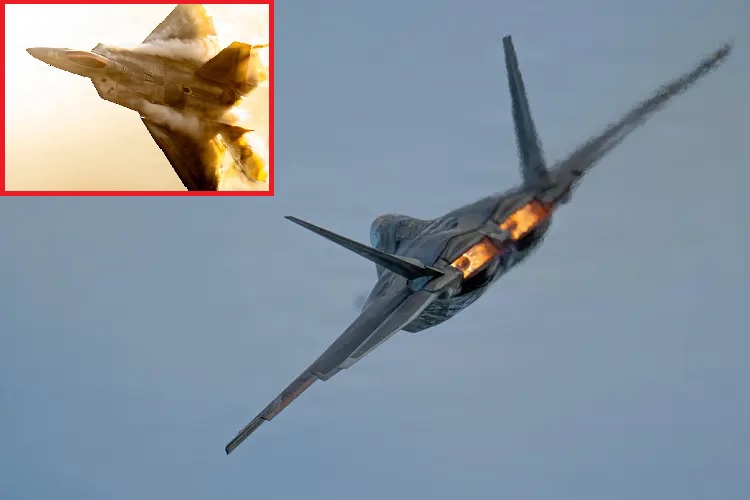 Qarbon Aerospace Returns to F-22 Program with New U.S. Air Force Sustainment Contract
-
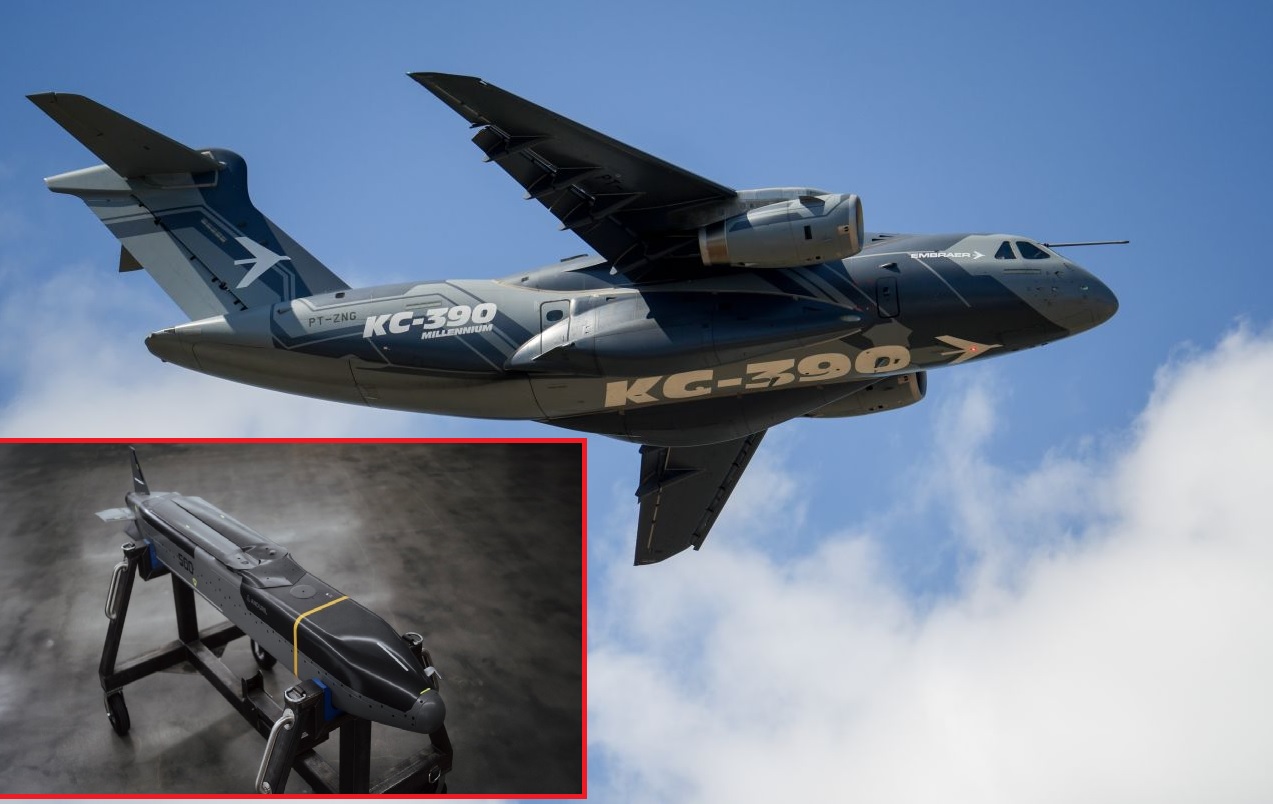 Embraer and Anduril Partner to Integrate Barracuda-500M Cruise Missile with C-390 Millennium
-
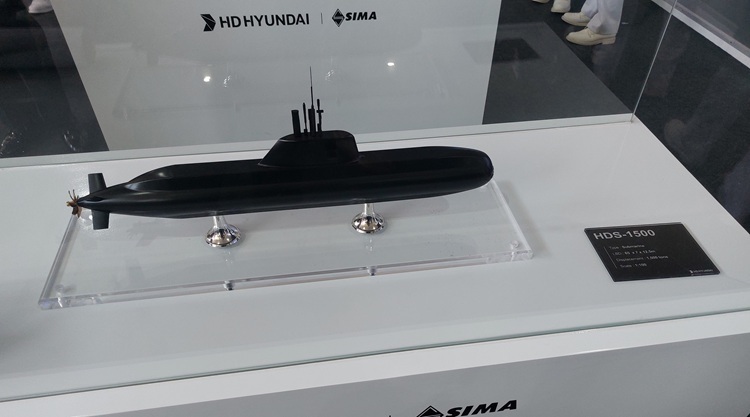 HD Hyundai and Peru's SIMA Complete Basic Design of HDS-MGP Next-Generation Submarine
-
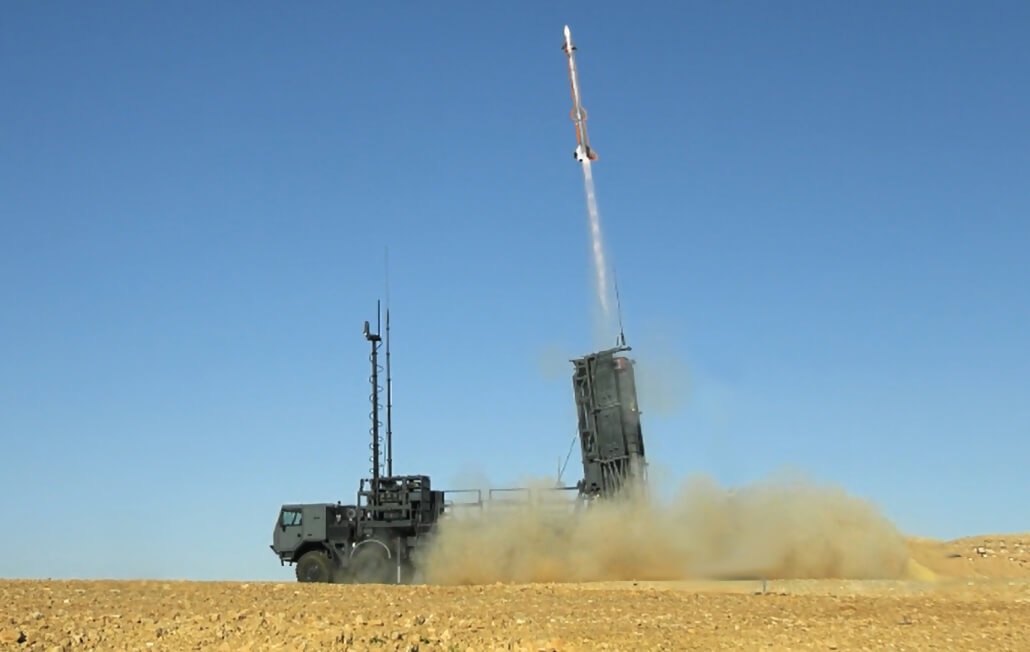 Greece Set to Approve €3 Billion Israeli Air Defense Deal for 'Achilles’ Shield' Network
-
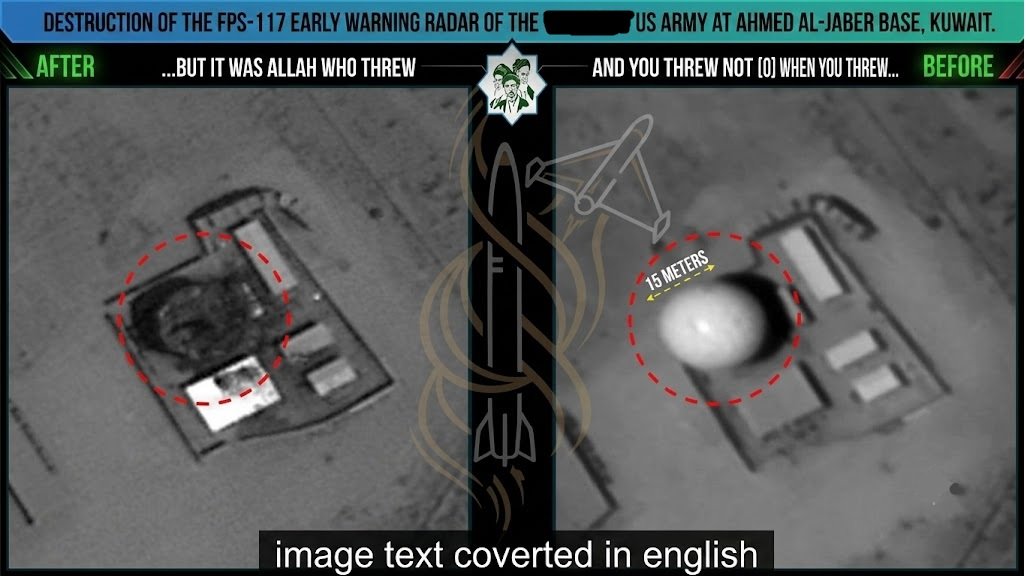 IRGC Claims Destruction of Second AN/FPS-117 Radar in Latest Strike on Kuwait's Ahmed Al-Jaber Air Base
-
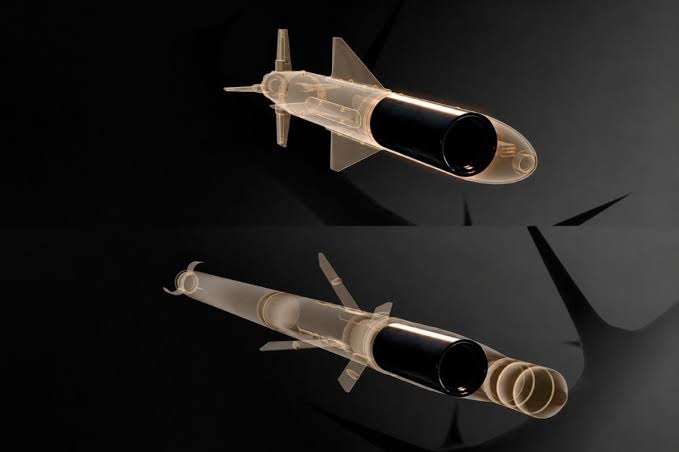 BAE Systems Unveils BlackThorn Modular Warhead Family for Autonomous Weapons and Counter-Drone Systems
-
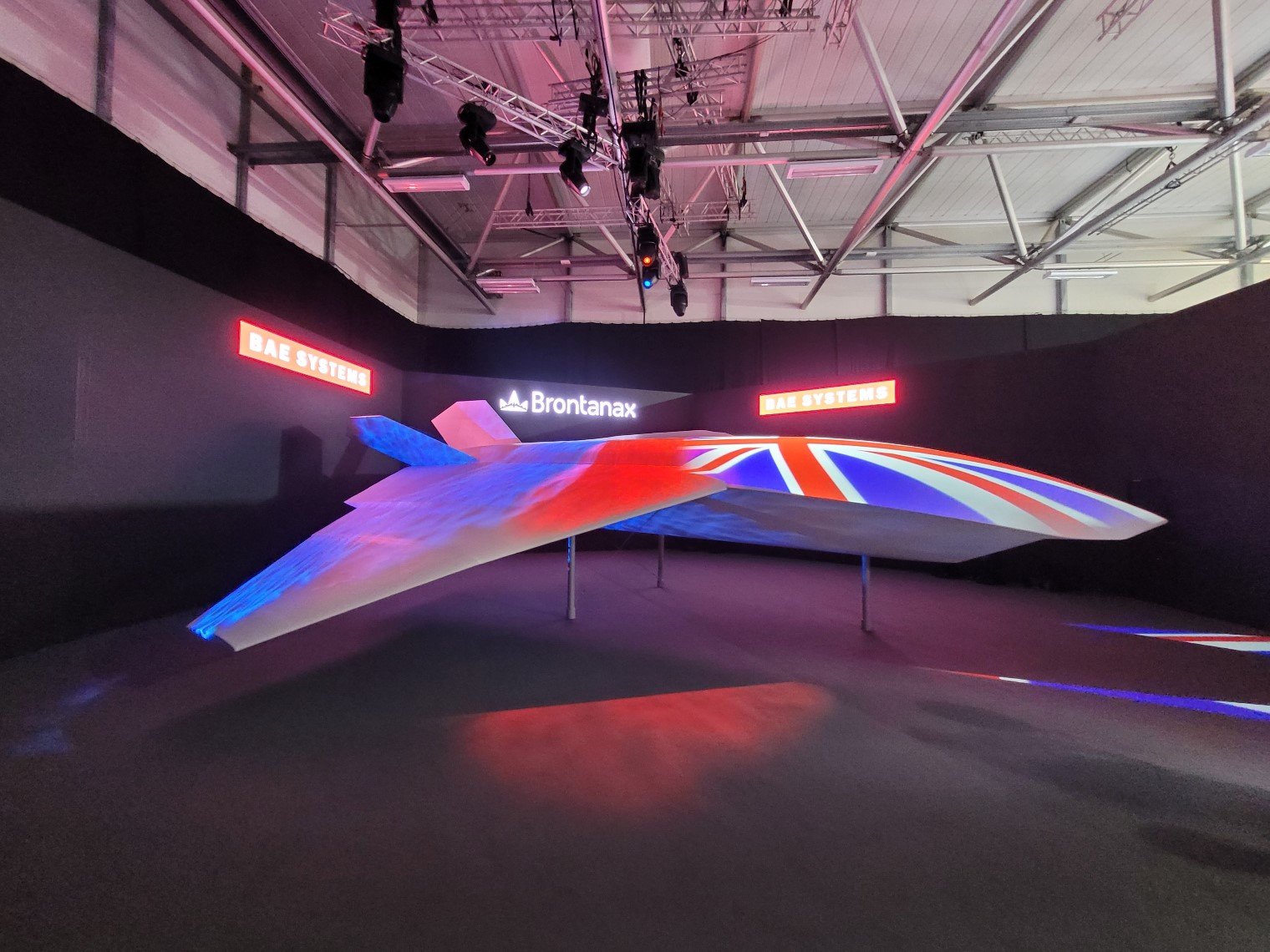 BAE Systems Unveils 'Brontanax', the UK's First Autonomous Combat Aircraft at Farnborough
Top Trending in 4 Days
-
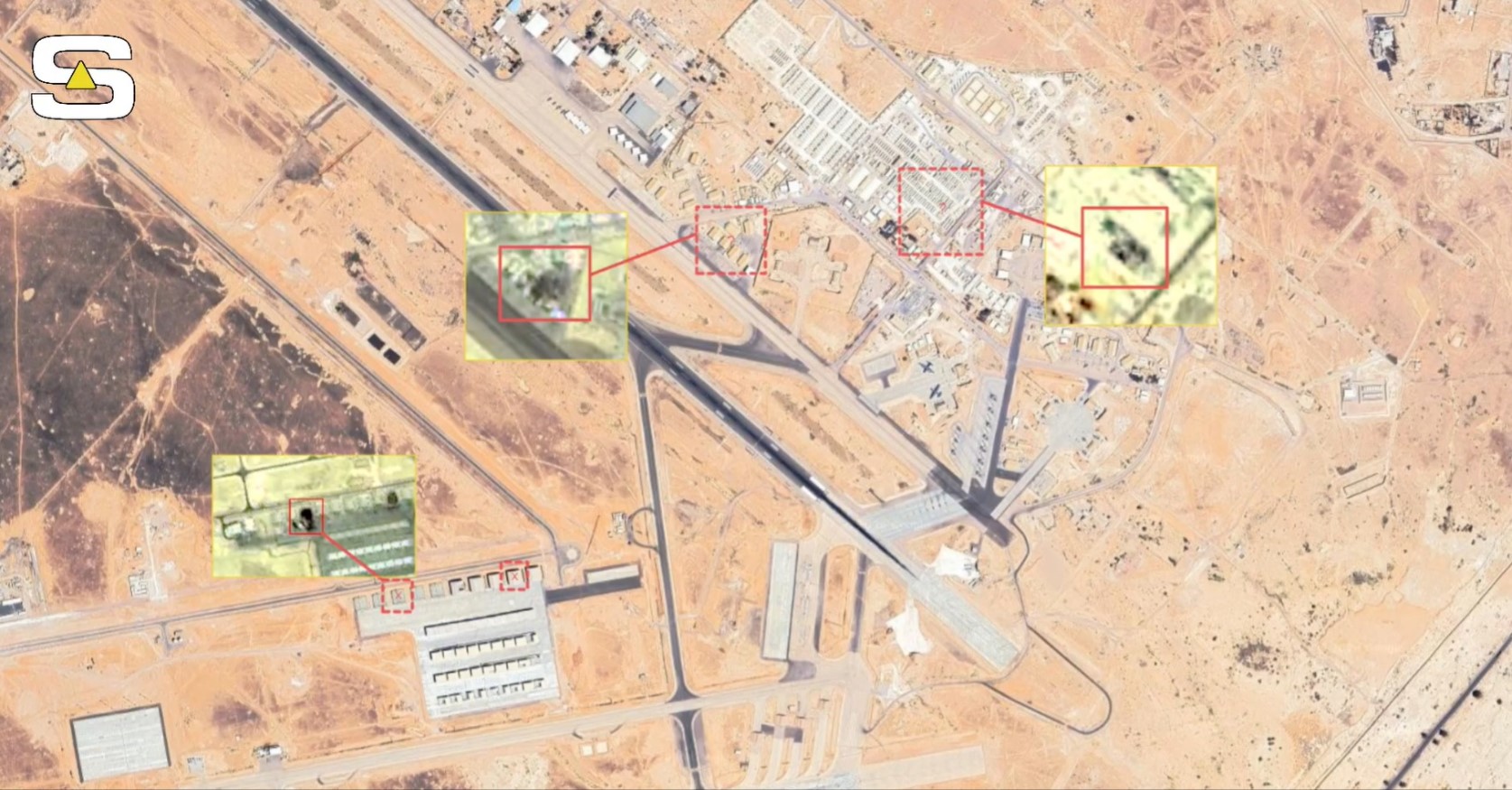 New Satellite Imagery Reveals Extensive Damage at Jordan's Muwaffaq al-Salti Air Base After Iranian Missile Strike
-
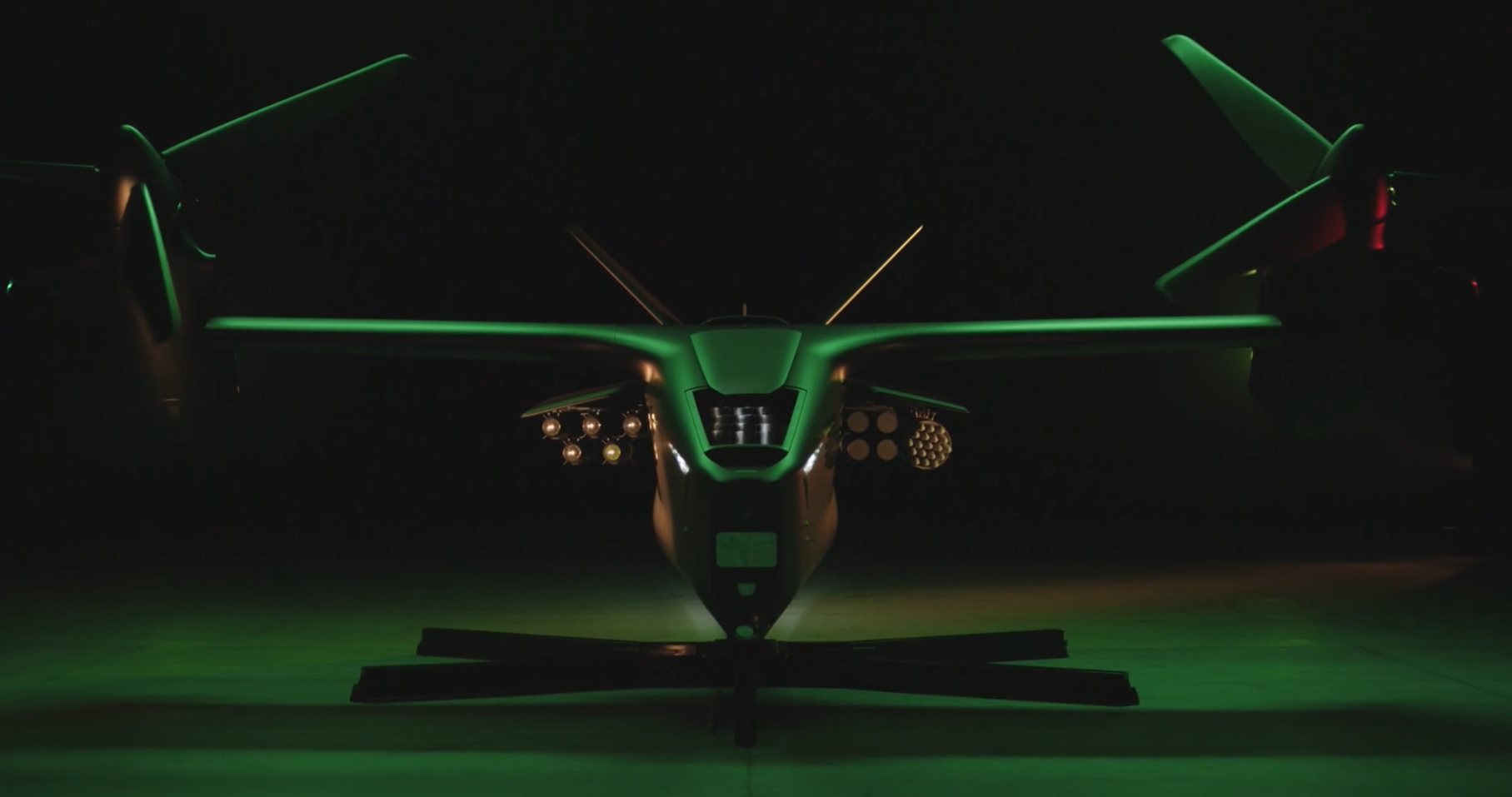 Anduril Unveils Thunder Autonomous Attack Rotorcraft Built with Archer Aviation to Support Apache Helicopters
-
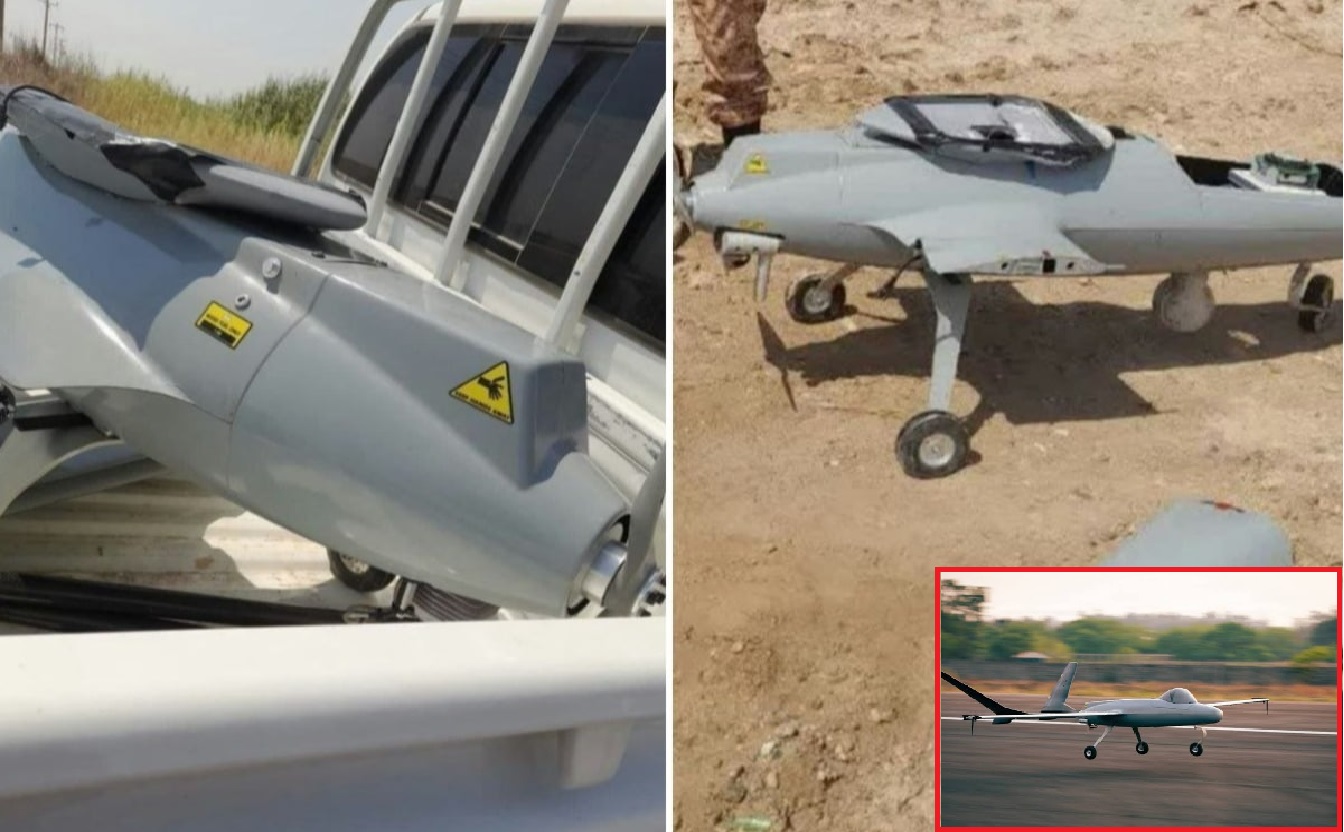 Iran Claims It Shot Down U.S.-Operated Polish-Built Tiguar-M Drone, Releases Images
-
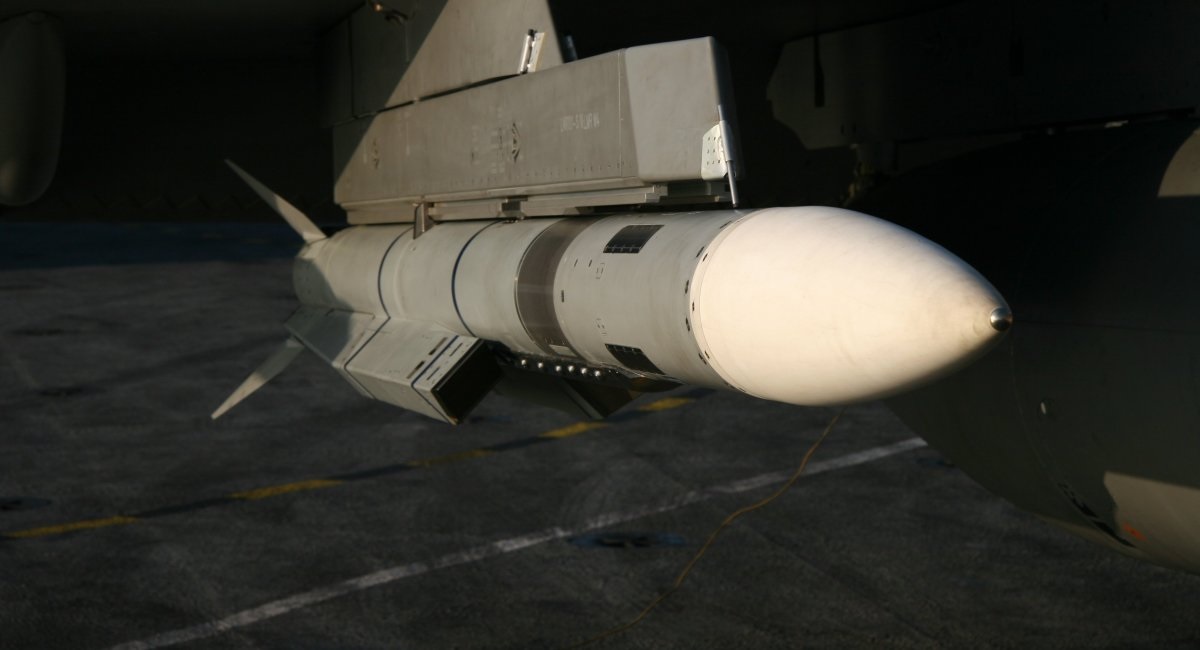 UK Cancels Meteor Missile Mid-Life Upgrade, Prioritizes Next-Generation FASE Air-to-Air Missile Programme
-
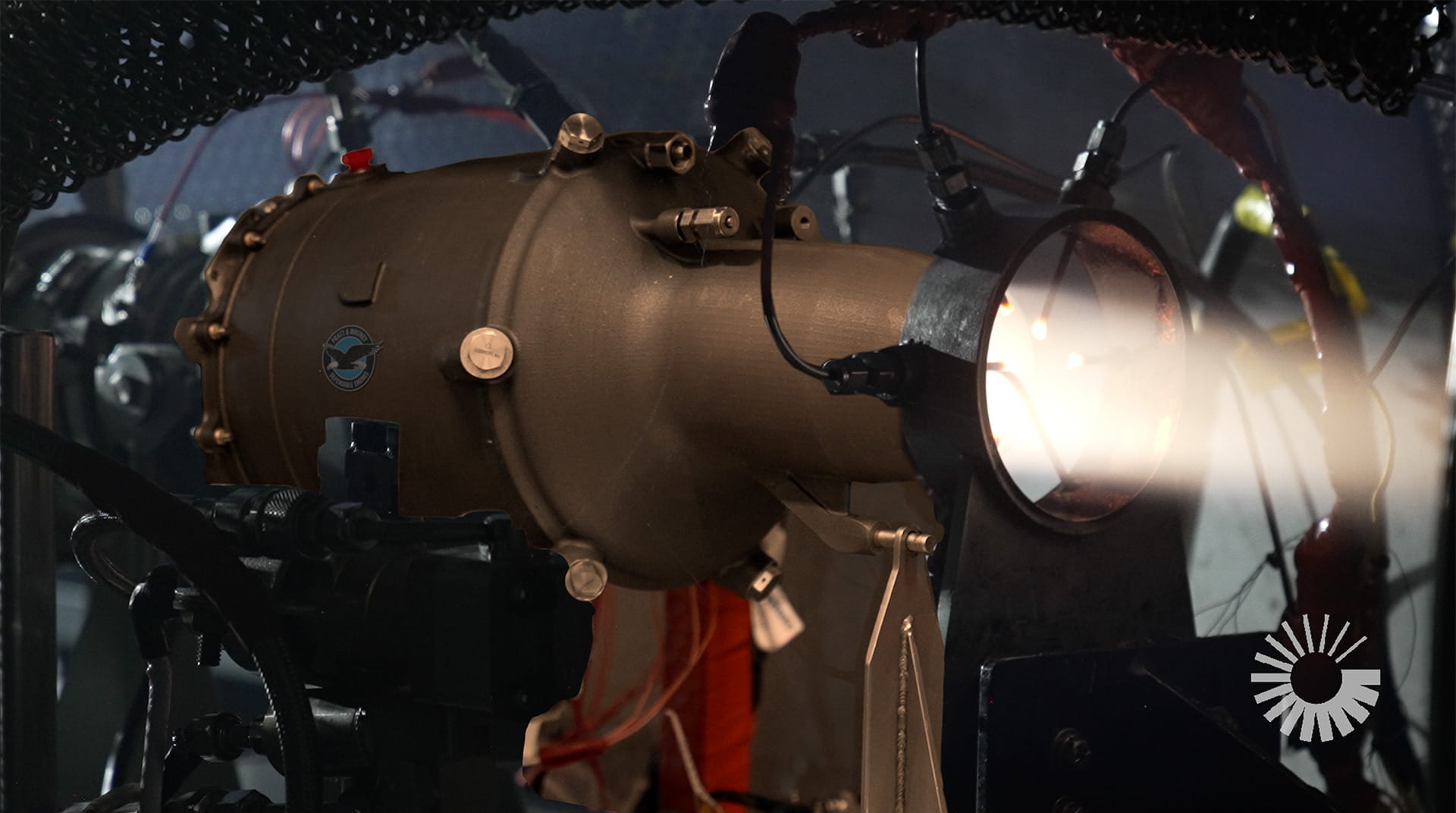 Pratt & Whitney Completes Testing of 3D-Printed TJ150 Engine for Military Applications
-
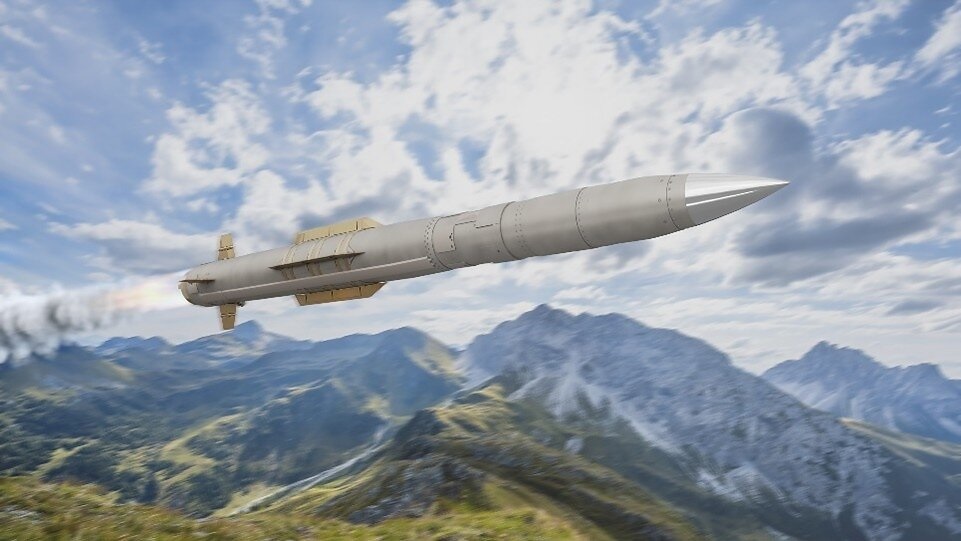 Lockheed Martin Unveils Lower-Cost PAC-3 ACE Interceptor for Patriot Air Defense System
-
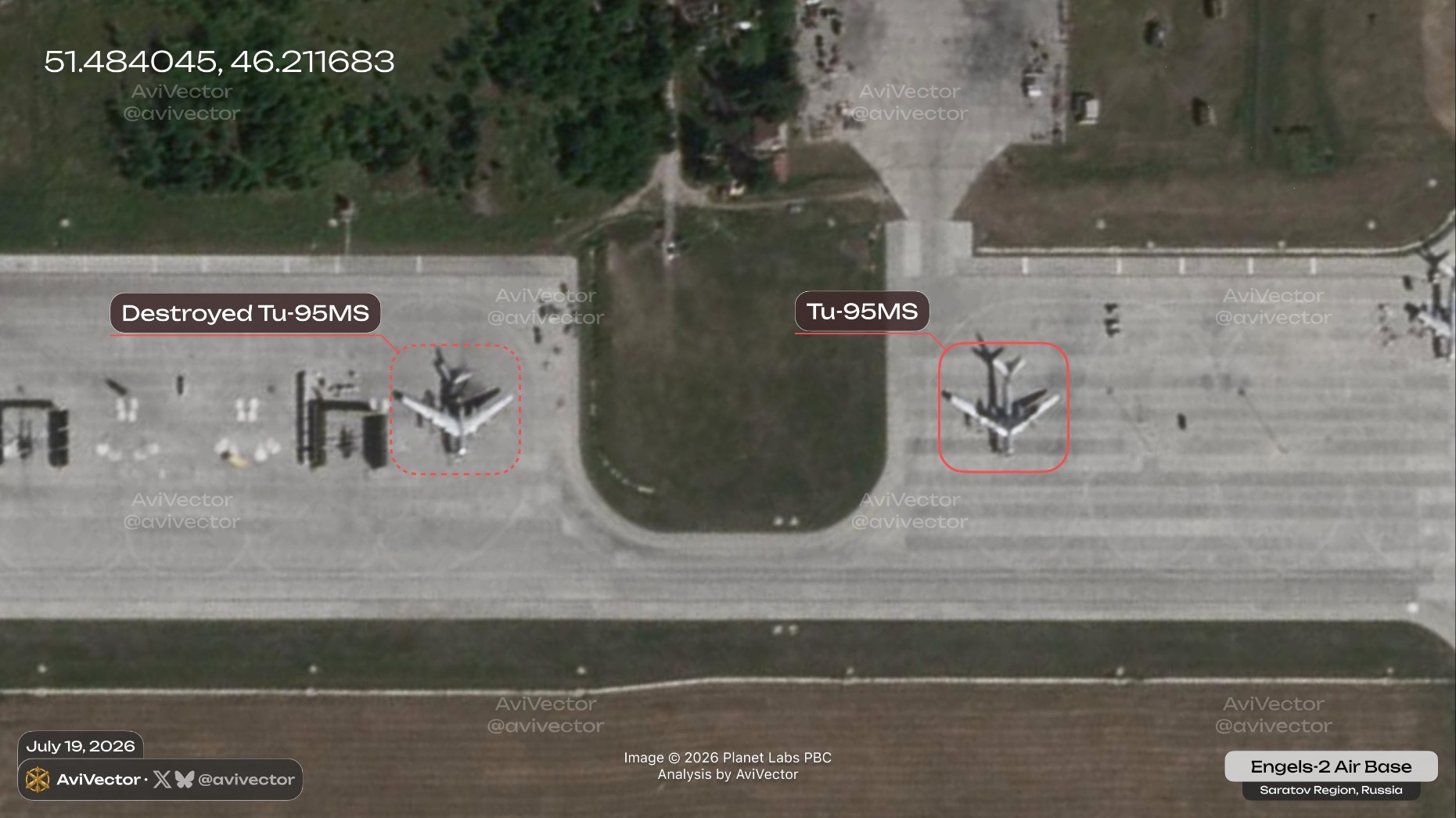 Satellite Images Confirm Russian Tu-95MS Bomber Destroyed After Ukrainian Drone Strike on Engels-2 Air Base
-
 BHEL Successfully Develops India’s First Indigenous 1200 kV, 333 MVA Per-Phase UHVAC Transformer
