World
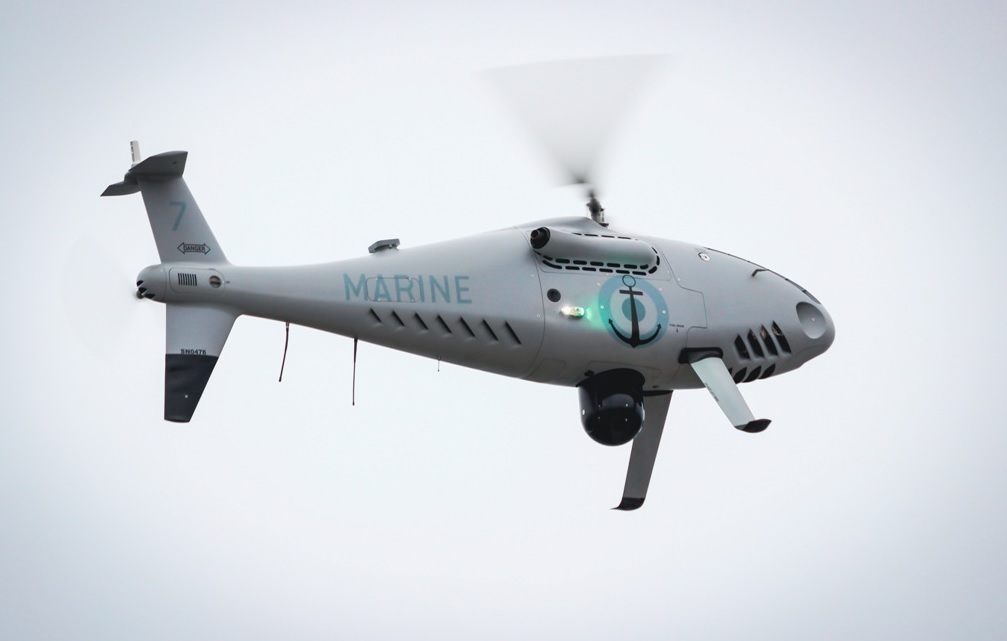
PARIS / VIENNA, — April 9, 2026 : The French Navy has placed a follow-on order for five additional Camcopter S-100 unmanned aerial systems, further expanding its shipborne intelligence, surveillance, and reconnaissance (ISR) capabilities under its broader unmanned aviation program. The procurement is being executed through the Direction Générale de l'Armement (DGA), with Naval Group acting as the prime contractor and Austrian manufacturer Schiebel as the system provider. The order brings the French Navy’s planned inventory to a total of eight operational S-100 systems once deliveries are completed. Each system consists of two vertical takeoff and landing (VTOL) unmanned aerial vehicles (UAVs), increasing the Navy’s deployable fleet to 16 UAVs in total. Deliveries are scheduled to begin in 2026 and will be carried out progressively. Integration with FREMM Frigates The newly ordered systems are intended for deployment aboard the French Navy’s Frégates Européennes Multi-Mission (FREMM) frigates. Integration will be handled through Naval Group’s Steeris MS mission management system, which enables both physical and functional integration of the UAVs into the ships’ combat architecture. The Steeris MS system allows direct control of the UAVs from the ships’ Combat Information Center while enabling real-time data fusion with onboard sensors. In addition, operations will be supported by the Steeris Command system, a containerized operational center designed for rapid deployment at sea or ashore. This integration ensures interoperability between the UAVs and existing naval systems, allowing seamless ISR data sharing across platforms. Platform Capabilities and Performance The Camcopter S-100 is specifically designed for maritime operations and does not require dedicated launch or recovery equipment, enabling deployment from a wide range of naval vessels. Its compact dimensions—3.11 meters in length, 1.12 meters in height, and a rotor diameter of 3.4 meters—support flexible integration across ship classes and mission profiles. The system is capable of operating in challenging environmental conditions, with an operating temperature range from -40°C to +55°C and wind limits of up to 25 knots for takeoff and landing. Performance specifications include: Maximum takeoff weight: 200 kg Typical payload capacity: 50 kg Endurance: over six hours with a 34 kg payload, extendable beyond 10 hours using an external fuel tank Dash speed: 100 knots Service ceiling: 5,500 meters Operational range: up to 200 kilometers beyond line-of-sight The UAV supports day and night operations and transmits real-time high-definition imagery and sensor data. Payload options include electro-optical/infrared (EO/IR) cameras, synthetic aperture radar, and other mission-specific systems. It also features autonomous takeoff, waypoint navigation, and landing, supported by redundant inertial navigation and GPS systems, along with data links capable of transmitting up to four simultaneous video feeds. Operational History and Deployment Timeline The French Navy has accumulated more than a decade of operational experience with the Camcopter S-100 platform. Initial at-sea operations began in 2012 aboard the Gowind-class offshore patrol vessel L’Adroit. In 2019, the system was deployed on the Mistral-class amphibious helicopter carrier Dixmude, marking the first operational integration of a rotary-wing unmanned aerial system into a European naval combat management system. This milestone followed a two-year testing phase and required ship modifications carried out by Naval Group to ensure interoperability. The capability was further expanded in 2020 with the acquisition of two additional systems (four UAVs). These were deployed aboard the Mistral-class vessels Mistral and Tonnerre to enhance ISR operations. Role within the SDAM Programme The latest order forms part of the French Navy’s Système de Drone Aérien de la Marine (SDAM) program, which aims to expand unmanned aviation capabilities across multiple ship classes. Within this framework, the Camcopter S-100F variant serves as a lightweight reconnaissance platform for FREMM frigates, complementing larger unmanned systems such as the VSR700, which are being procured separately for other vessel types. Industrial Support and Statements Schiebel supports the French Navy through its French subsidiary, Schiebel Aéronaval SAS, based in Toulon, which handles assembly and maintenance of the S-100 systems. Lubos Sramek, Director of Schiebel Aéronaval SAS, stated that the follow-on order reflects continued operational confidence in the platform. He noted that the French Navy was among the first European forces to integrate the system into shipborne operations and emphasized that the additional order demonstrates both the maturity of the system and its sustained performance in maritime environments. Sramek also confirmed the company’s ongoing commitment to supporting the French Navy’s aviation programs and highlighted the platform’s established track record across military, commercial, and humanitarian applications. Program Significance The expansion of the Camcopter S-100 fleet reflects the French Navy’s continued investment in unmanned ISR capabilities, particularly for shipborne operations that do not rely on prepared infrastructure. The platform’s ability to operate autonomously and integrate with combat systems provides additional situational awareness and operational flexibility for deployed naval forces. With deliveries set to begin in 2026, the additional systems will further enhance the Navy’s capacity to conduct persistent surveillance and reconnaissance missions across maritime environments.
Read More → Posted on 2026-04-09 13:44:57
World
KYIV, Ukraine — April 8, 2026 : Ukraine’s Defense Forces carried out more than 9,000 operational missions using ground robotic systems in March 2026, according to data released by the military’s DELTA battlefield management platform, reflecting continued expansion in the use of unmanned ground vehicles (UGVs) across the front line. The March figure marks a sustained increase in deployment. Ukrainian units conducted approximately 2,900 missions with ground robotic systems in November 2025, rising to more than 7,500 missions by January 2026. With the latest data, total missions completed by ground robotic platforms during the first quarter of 2026 are estimated at approximately 24,500, with some reports indicating the cumulative figure may reach around 32,500 when including earlier tracking methodologies. The number of military formations employing the systems has also increased significantly. In November 2025, 67 units were operating ground robotic platforms, compared with 167 units actively deploying them in March 2026. Expansion of Unmanned Logistics and Evacuation The Ministry of Defense has prioritized the integration of unmanned ground systems into frontline logistics, particularly in high-risk and exposed operational sectors. These platforms are designed to function without onboard personnel and are increasingly used to transport ammunition, deliver supplies to forward positions, and evacuate wounded personnel from areas under constant aerial surveillance and artillery threat. Ground robotic systems are operating in an environment where both Ukrainian and opposing forces rely heavily on aerial drones for reconnaissance and strike missions. This has reduced the survivability of traditional troop movements near the front. By shifting logistics and casualty evacuation tasks to unmanned platforms, Ukrainian forces aim to reduce personnel exposure while maintaining operational continuity under fire. Domestically produced systems, including the Rys MAX and the Bizon-L universal robotic platform, are among the platforms deployed for these roles. While some variants are capable of carrying surveillance or support payloads and may be configured for defensive or strike functions, the majority of reported missions focus on logistics and medical evacuation. DELTA Platform and Operational Tracking The DELTA battlefield management system, a cloud-based situational awareness platform developed with support from the Aerorozvidka technology group, has expanded its functionality to incorporate planning and tracking of robotic missions. Units are able to plan logistics and casualty evacuation operations directly within the system interface. Following mission completion, results are verified through the platform, which automatically generates operational reports. DELTA also assigns performance points based on predefined mission criteria, allowing for standardized evaluation of unit activity involving ground robotic systems. Based on these verified metrics, the Ministry of Defense identified the top-performing units for March 2026 in terms of accumulated points from robotic missions. The 3rd Separate Assault Brigade recorded more than 1,850 points, followed by the 1st Separate Medical Battalion with over 1,440 points. The unmanned systems unit of the 92nd Separate Assault Brigade exceeded 1,400 points, while the 95th Separate Air Assault Polissia Brigade recorded more than 1,350 points. The 3rd Operational Brigade named after Colonel Petro Bolbochan (“Spartan”) accumulated over 1,300 points. Integration with Procurement and Incentive Systems The scoring mechanism is linked to Ukraine’s broader defense technology framework through the “Army of Drones. Bonus” initiative, which has been expanded beyond aerial systems to include ground robotic missions, sniper operations, mobile fire groups, and army aviation activities. Under this system, units accumulate points based on verified operational outcomes. These points can be redeemed through the Brave1 Market, a centralized military technology marketplace that provides access to equipment such as aerial drones, additional ground robotic systems, electronic warfare (EW) tools, spare parts, and other supplies. The procurement process is integrated with the DOT-Chain digital supply network. By linking battlefield performance directly to equipment acquisition, the system is intended to streamline resupply and reinforce units demonstrating effective operational use of unmanned technologies. Continued Growth of Robotic Systems Ground robotic systems represent a growing component of Ukraine’s broader adoption of unmanned technologies. While aerial drones remain central to reconnaissance and strike operations, the increasing number of land-based robotic missions indicates a parallel expansion into logistics and support roles. Several dozen models of ground robotic systems are currently produced domestically and made available to units through the Brave1 Market, allowing formations to select platforms based on operational requirements. Production and deployment have scaled in recent years as part of Ukraine’s defense technology development efforts. The Ministry of Defense stated that the data was released on April 7, 2026, highlighting the continued integration of robotic systems into frontline operations as part of efforts to adapt to evolving battlefield conditions.
Read More → Posted on 2026-04-08 17:49:07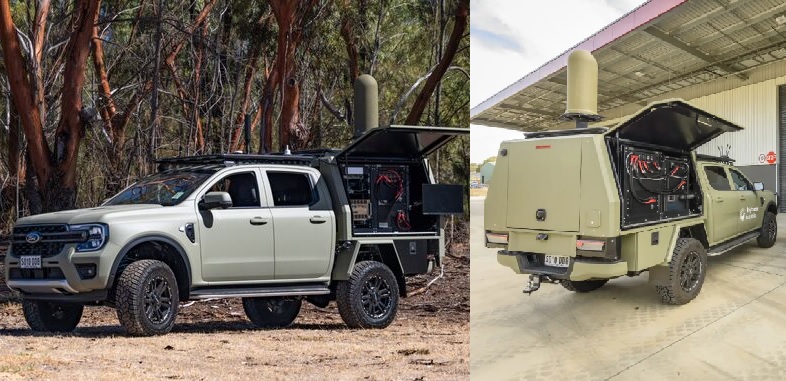
World
Adelaide, South Australia, — April 8, 2026 : Raytheon Australia has introduced its Electronic Warfare Tactical Engagement (EWTE) vehicle as part of a broader effort to strengthen the electromagnetic spectrum operations of the Australian Defence Force, marking a step forward in the country’s sovereign electronic warfare capabilities. The EWTE platform, first unveiled in March 2025, has been developed to address the evolving operational requirements of modern electromagnetic environments. Although externally similar to a conventional military vehicle, the system is internally configured as a specialized platform for advanced electromagnetic operations, combining both electronic support and electronic attack functions. The vehicle was engineered at Raytheon Australia’s Mawson Lakes facility in South Australia, in collaboration with REDARC Defence & Space. The partnership, initiated earlier in 2025, led to REDARC delivering the vehicle following a strategic collaboration focused on integrating power systems and operational modifications tailored for electronic warfare applications. The EWTE was formally handed over to Raytheon Australia in July 2025 after its initial unveiling. Platform Designed for EMSO Transition The EWTE vehicle forms part of a wider shift within the ADF from traditional electronic warfare (EW) concepts toward Electromagnetic Spectrum Operations (EMSO), a more integrated operational framework that combines electronic warfare, intelligence, and spectrum management. Thomas Millhouse, Customer Account Manager at Raytheon Australia, stated that the platform was developed through company-funded research and local investment. He described the EWTE as the “mobile centrepiece” of the company’s Electronic Warfare Demonstration Environment, which is intended to accelerate sovereign innovation, improve collaboration with industry partners, and support faster operational decision-making. Millhouse noted that EMSO enables forces to maneuver within and control the electromagnetic spectrum, incorporating both offensive and defensive elements. These include the ability to deny, degrade, and disrupt adversary use of the spectrum while ensuring the protection of friendly systems. Role in Testing, Integration, and Training Officials indicated that the EWTE vehicle is designed as a mobile testing and evaluation platform capable of operating in real-world environments. It supports interoperability testing, system integration, and performance assessment of emerging technologies, enabling rapid experimentation and validation of new electronic warfare concepts. The platform is also intended to enhance training for electronic warfare operators, providing practical exposure to spectrum operations and techniques used to counter electronic threats. Its mobility allows it to be deployed across different operational scenarios, supporting both development and field-level training activities. Continuity of Long-Term EW Development Raytheon Australia’s involvement in Australia’s electromagnetic operations dates back to 1999, according to Brian Balshaw, Multi Domain Effects Technical Director at the company. He referenced the Electronic Warfare Test Services Learjet 35 as an early platform that provided more than 25 years of advanced testing and training support to the ADF. Balshaw said that the company has since expanded its role across multiple domains, including delivering training systems for the Royal Australian Air Force and contributing electronic warfare capabilities to naval platforms. In 2020, Raytheon Australia delivered an integrated electronic warfare subsystem for the Royal Australian Navy’s Air Warfare Destroyers, representing the first fully integrated sovereign EW capability installed within Australia’s Aegis-equipped fleet. He added that the company later became a strategic partner for the Navy’s OCTAVES program, a key element in the modernization of maritime electronic warfare capabilities. Supporting Sovereign Capability and Future Readiness Amanda Selway, General Manager for Multi Domain Effects at Raytheon Australia, said the EWTE initiative is aligned with ensuring long-term operational readiness for the ADF. She stated that the platform reflects the beginning of a new phase in Australia’s approach to spectrum operations and positions the company as a long-term EMSO partner. Ohad Katz, Managing Director of Raytheon Australia, confirmed that the EWTE enhances the ADF’s ability to operate in contested electromagnetic environments through its integrated electronic support and electronic attack capabilities. The company stated that the platform contributes to a broader objective of delivering integrated electromagnetic capabilities across land, sea, and air domains. Developed entirely through Australian industry collaboration at the Mawson Lakes site, the EWTE vehicle is expected to serve as a primary asset supporting sovereign growth in testing, evaluation, and deployment of advanced electronic warfare systems. The introduction of the EWTE vehicle aligns with Australia’s strategic objective of achieving and maintaining electromagnetic spectrum superiority through domestically developed technologies.
Read More → Posted on 2026-04-08 17:42:13
World
Middile East, — April 8, 2026 : A two-week ceasefire framework brokered by Pakistan between the United States and Iran has entered into force amid significant ambiguity over its scope, particularly regarding Lebanon and the role of Hezbollah, while military activity continues across parts of the Middle East. The ceasefire initiative, facilitated through backchannel communications led by Pakistan’s Prime Minister Shehbaz Sharif and Chief of Army Staff Field Marshal Asim Munir, was designed as a two-phase arrangement. The first phase called for an immediate pause in hostilities linked to the reopening of the Strait of Hormuz, followed by a second phase involving broader negotiations on regional de-escalation. However, differences in interpretation have emerged among the parties. Pakistan described the ceasefire as applying across the region, including Lebanon. In contrast, the United States and Israel have stated that the agreement does not extend to operations targeting Hezbollah in Lebanon. Iranian officials have maintained that any ceasefire must include a halt to military actions involving Lebanon, reflecting Tehran’s support for Hezbollah. Diplomatic exchanges leading up to the agreement included Pakistan relaying a 15-point proposal from the United States and facilitating responses from Iran. Contacts reportedly involved U.S. Vice President JD Vance and Iranian Foreign Minister Abbas Araghchi. While Iranian officials acknowledged Pakistan’s role in conveying proposals, the final understanding has been characterized by differing expectations among participants. Continued Military Activity in the Gulf Despite the ceasefire announcement, Gulf states have reported ongoing military incidents over the past 24 hours. Kuwait documented 17 drone attacks. Saudi Arabia reported intercepting five ballistic missiles. The United Arab Emirates stated that it faced a combined attack involving 17 ballistic missiles and 35 drones launched from Iran. Air defense systems across the region were activated in response to incoming threats. These developments have raised questions regarding the immediate effectiveness of the ceasefire, particularly in areas beyond the direct U.S.-Iran engagement framework. IRGC Statements and Lebanon Tensions Following the ceasefire announcement, the Islamic Revolutionary Guard Corps (IRGC) issued a statement under what it termed Operation True Promise 4, accusing Israel of conducting strikes in Beirut shortly after the agreement was publicized. The IRGC described the reported actions as a “savage massacre” and warned of consequences if operations in Lebanon continued. Majid Moosavi, commander of the IRGC Aerospace Force, stated that any attack on Hezbollah would be considered an attack on Iran. He indicated that forces aligned with Iran were preparing a response to Israeli actions, underscoring Tehran’s position that Lebanon remains integral to the broader conflict framework. Regional Reactions and Concerns Saudi Arabia and the United Arab Emirates have expressed dissatisfaction with the structure and implementation of the ceasefire arrangement. Officials in Riyadh and Abu Dhabi have pointed to continued Iranian military activity targeting Gulf infrastructure, stating that the agreement has not mitigated immediate security threats in the region. Both countries have long viewed Iran’s regional posture as a primary security concern and have indicated that the current ceasefire framework does not adequately address these issues. Diplomatic Outlook and Next Steps The ceasefire took effect with the intention of creating space for further negotiations, with talks scheduled to take place in Islamabad in the coming days. Key unresolved issues include clarification of the ceasefire’s geographic scope, particularly regarding Lebanon, and mechanisms related to maritime security and transit through the Strait of Hormuz. Diplomatic sources have indicated that while no formal revisions have been made to the agreement, recent developments have prompted the need for additional clarification among participating parties. The outcome of upcoming discussions is expected to determine whether the ceasefire framework can be expanded or adjusted to address ongoing areas of conflict.
Read More → Posted on 2026-04-08 17:31:03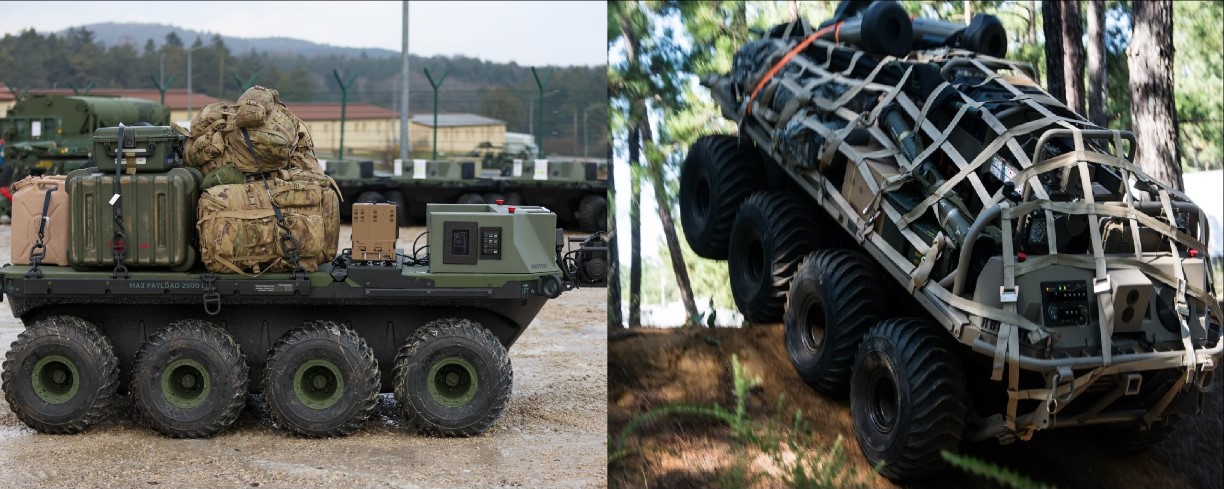
World
DETROIT ARSENAL, Mich., — April 8, 2026 : The 75th U.S. Army Reserve Innovation Command (USARIC) has completed a comprehensive, data-driven research effort to inform the requirements for the Small Multipurpose Equipment Transport (SMET) Increment 2 program. The study, conducted between May and October 2025, collected structured feedback from soldiers across the active-duty Army, Army National Guard, and Army Reserve, and is now being used to guide the next phase of the Army’s robotic ground vehicle development. The research initiative was led by USARIC acquisition officers Lt. Col. Vikram Mittal and Lt. Col. Wesley Brown. The findings have been formally delivered to the Program Executive Office Ground Combat Systems (PEO GCS), which is responsible for refining requirements and advancing the acquisition strategy for SMET Increment 2. The effort reflects a deliberate shift toward incorporating direct operational feedback into capability development, ensuring that future systems align with real-world usage and soldier needs. Structured Approach to Capturing Soldier Feedback According to the report, the primary objective of the study was to establish a broad and representative understanding of how soldiers employ the SMET platform and what improvements are required. “The aim of this study was to gather user feedback to inform the development of SMET Increment 2,” Mittal stated, emphasizing the need to capture a wide range of operational perspectives. To achieve this, USARIC contacted every unit fielded with SMET Increment 1 across all Army components. Participating units were divided into two categories based on operational experience. Units with limited exposure to the platform completed a structured survey derived from the SMET Capability Development Document, ensuring alignment with the system’s intended design and functions. The survey used a five-point Likert scale ranging from “Strongly Agree” to “Strongly Disagree,” enabling statistical analysis, and included open-ended questions for additional context. Units with extensive hands-on experience participated in virtual and in-person interviews. These sessions focused on detailed operational insights, including mission context, employment methods, system strengths, and limitations. The research team also gathered unit-level training materials and after-action reports. Notes from interviews and documentation reviews were consolidated into the survey dataset to support both quantitative and qualitative analysis. Key Operational Questions and Data Outcomes The study was guided by four central questions: which features of the current SMET system soldiers find most useful; how units are employing the platform in tactical environments; what improvements would increase user acceptance; and which additional capabilities would provide the greatest operational value in future missions. Data collection resulted in 80 individual responses, which were consolidated into 48 company-level datasets. The report notes that this sample size exceeds the threshold required for statistical significance. Importantly, the dataset is based on feedback from soldiers with direct operational experience, providing an empirical foundation for requirements development rather than relying solely on engineering assumptions. Role and Performance of SMET Increment 1 SMET Increment 1 is an eight-wheeled, autonomous robotic ground vehicle designed to reduce the physical burden on dismounted infantry. Soldiers routinely carry combat loads exceeding 100 pounds, including weapons, ammunition, communications equipment, water, and body armor. These loads can negatively affect mobility, increase the risk of musculoskeletal injuries, and limit endurance during extended operations. The SMET platform addresses these challenges by carrying up to 1,000 pounds of equipment and autonomously following dismounted units through complex terrain or operating via radio control. In addition to load carriage, the system functions as a mobile power source, enabling soldiers to charge batteries and sustain the growing number of electronic systems used in modern operations. The platform has been fielded across multiple unit types, including Infantry Brigade Combat Teams, Explosive Ordnance Disposal units, and Security Force Assistance Brigades, spanning active-duty, National Guard, and Reserve formations. Transition to SMET Increment 2 As part of the program’s next phase, the Army awarded Other Transaction Authority Engineering and Manufacturing Development contracts in September 2024 to American Rheinmetall Vehicles, LLC, and HDT Expeditionary Systems, Inc. Each company is producing eight prototypes for SMET Increment 2 under contracts with a combined value of $22 million. The recommendations generated by the USARIC study are being incorporated into the refinement of SMET Increment 2 requirements. These recommendations focus on improving system capability, reducing user burden, and enhancing operational effectiveness based on observed field use. Mittal summarized the outcome of the research in the report’s conclusion, stating that the process resulted in “data-driven recommendations focused on improving SMET capability, reducing user burden, and informing future requirements and acquisition planning.” Integration into Army Modernization Efforts The SMET Increment 2 initiative forms part of the Army’s broader modernization strategy to integrate autonomous and robotic systems into combat formations. By leveraging direct soldier feedback from SMET Increment 1 operations, the Army aims to ensure that future systems enhance operational capability while reducing the physical demands placed on personnel. With the completion of the study, PEO GCS will continue refining formal requirements for SMET Increment 2, using the collected data to guide system design, capability prioritization, and acquisition decisions. The effort represents a structured approach to aligning technology development with operational realities across the Army’s active-duty and reserve components.
Read More → Posted on 2026-04-08 17:17:20
World
Sulaymaniyah / Erbil / Tehran — April 8, 2026 : Iran’s Islamic Revolutionary Guard Corps (IRGC) prevented Iranian Kurdish opposition groups from opening a western front during the ongoing conflict involving Iran, the United States, and Israel, according to conflict data, field reporting, and statements from Kurdish commanders. The outcome followed a combination of sustained cross-border strikes in Iraq’s Kurdistan Region, intelligence-led targeting, and internal security measures across Iran’s Kurdish-majority provinces. Conflict Timeline and Kurdish Coalition Formation The current war began on February 28, 2026, when U.S. and Israeli forces carried out large-scale airstrikes against Iranian military infrastructure, nuclear facilities, and leadership-linked targets. Iran responded with missile and drone attacks across the region, including against U.S. and allied positions. Prior to the outbreak of hostilities, on February 22, 2026, five Iranian Kurdish opposition groups announced the formation of the Coalition of Political Forces of Iranian Kurdistan. The coalition included the Kurdistan Democratic Party of Iran (KDPI/PDKI), Komala of the Toilers of Kurdistan, Kurdistan Freedom Party (PAK), Organization of Iranian Kurdistan Struggle (Khabat), and Kurdistan Free Life Party (PJAK). These groups, which maintain bases in Iraq’s semi-autonomous Kurdistan Region, collectively field several thousand fighters and have conducted intermittent operations against Iranian forces in previous years. In the early phase of the conflict, coalition members assessed the possibility of launching cross-border operations into Iran. However, no such offensive materialized. Mixed Signals from the United States Public messaging from Washington contributed to uncertainty regarding the potential role of Kurdish forces. On March 5, 2026, U.S. President Donald Trump stated in an interview that a Kurdish ground offensive from Iraq into Iran would be “wonderful” and that he would be “all for it.” Three days later, on March 8, 2026, Trump reversed that position, stating that the United States was not looking to the Kurds going in and that the conflict was already sufficiently complex. Kurdish commanders reported that no operational planning, logistical coordination, or direct military support was provided by either the United States or Israel. According to field accounts, the absence of a defined strategy, combined with concerns over long-term political outcomes, contributed to the decision not to proceed. One Kurdish commander stated that without internal unrest inside Iran or external guarantees, a cross-border operation would involve excessive risk. IRGC Cross-Border Strike Campaign Data compiled by the Armed Conflict Location & Event Data Project (ACLED) indicates that between February 28 and March 31, 2026, Iran and allied forces launched at least 388 missiles and drones into Iraq’s Kurdistan Region. Nearly half of these strikes targeted sites associated with Iranian Kurdish opposition groups. The IRGC conducted repeated strikes on positions linked to KDPI, Komala, PAK, and other coalition factions in areas near Erbil, Sulaymaniyah, Koya, and surrounding مناطق. Several incidents also involved strikes near Iraqi Kurdish Peshmerga positions. These operations were described by Kurdish officials as precise and intelligence-driven. Exiled KDPI commander Karim Parwizi stated that Iranian forces demonstrated detailed knowledge of opposition locations, adding that informants were likely tracking movements across the region. Iraqi Kurdish Response and Border Withdrawal In response to the escalation and direct threats from Tehran, forces affiliated with the Kurdistan Regional Government (KRG) withdrew from positions near the Iran-Iraq border. The KRG reiterated that it did not intend to be drawn into the broader conflict and stated that its territory would not be used as a launch point for cross-border attacks. This withdrawal limited staging areas for Iranian Kurdish opposition groups and reduced the feasibility of coordinated ground operations. Domestic Security Measures Inside Iran Parallel to external military actions, the IRGC implemented a series of internal measures in Iran’s Kurdish-majority provinces aimed at preventing coordination between local populations and exiled opposition groups. Authorities distributed mass text messages warning residents against cooperating with individuals described as “mercenaries” linked to the United States and Israel. A subsequent wave of messages targeted individuals who had accessed foreign websites. Security forces deployed vehicles equipped with signal detection systems to identify unauthorized satellite internet usage. These operations were followed by targeted house raids conducted by IRGC units. State television broadcasts reinforced warnings against collaboration with external actors and opposition factions. Local reporting indicated an increased security presence, including deployments in civilian areas such as towns and transport routes, to monitor movement and deter unrest. Concurrent Air Campaign in Northwestern Iran During the same period, joint U.S.-Israeli strikes targeted Kurdish-dominated مناطق in northwestern Iran on at least 140 occasions, according to ACLED-based analysis. These strikes focused on IRGC facilities and border-related infrastructure but were not accompanied by coordinated ground operations involving Kurdish opposition groups. Kurdish commanders stated that the absence of synchronization between external air operations and internal or cross-border movements further reduced the viability of opening a new front. Operational Outcome and Ceasefire Status By early April, the combined impact of cross-border strikes, internal security enforcement, and lack of external coordination had prevented any Kurdish ground offensive from emerging. Coalition groups maintained their positions داخل العراق but did not advance across the border. A two-week ceasefire between Iran, the United States, and Israel came into effect around April 7–8, 2026. As of April 8, 2026, no cross-border movements by Iranian Kurdish opposition forces have been reported. The sequence of events indicates that Iranian efforts to combine external military pressure with domestic control measures were effective in limiting opposition activity during the most active phase of the conflict.
Read More → Posted on 2026-04-08 17:08:01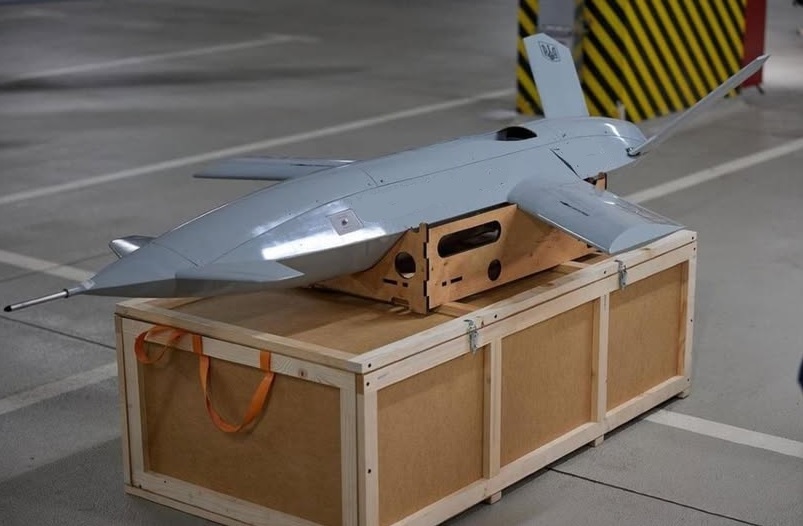
World
Prague / Kyiv, — April 8, 2026 : Ukraine’s defense industry is encountering a critical production constraint as a shortage of mini turbojet engines limits the output of long-range strike drones, a key component of its deep-strike strategy against targets inside Russian territory. Despite rapidly growing operational demand, current engine supply remains restricted to the low hundreds per month, far below the required scale of several thousand units. Supply Bottleneck Emerges as Primary Constraint Industry representatives, government officials, and arms experts across Europe confirm that the limited availability of compact jet engines has become the primary bottleneck in Ukraine’s missile-type drone programme. These engines power jet-driven unmanned aerial vehicles designed for long-range precision strikes and are increasingly viewed as a cost-effective alternative to conventional cruise missiles. A source within Ukraine’s defense sector, speaking on condition of anonymity, stated that the shortage of mini jet engines is “probably the main limiting factor” in current production levels, describing the situation as a significant challenge for the country’s broader missile programme. Maria Popova, Chief Operating Officer of the Ukrainian Defense Industry Council, also confirmed ongoing shortages not only of turbojet engines but also of the specialized materials required to manufacture them. She noted that supply constraints persist globally, with more acute limitations within Ukraine itself. Strategic Role of Jet-Powered Drones Ukraine’s shift toward jet-powered drones reflects both operational and economic considerations. These systems are capable of reaching speeds of up to 900 kilometers per hour, significantly faster than propeller-driven drones, which typically operate at around 185 kilometers per hour. The cost advantage is substantial. A single jet-powered long-range drone is estimated to cost between $50,000 and $200,000, whereas a cruise missile with comparable range capabilities exceeds $1 million. This disparity enables Ukraine to conduct sustained deep-strike operations at a fraction of the cost, making high-volume production a strategic priority. These drones are also part of Ukraine’s response to systems such as Russia’s Geran-5 drones, reinforcing the importance of scalable, lower-cost strike capabilities. Highly Specialized Engine Manufacturing Mini turbojet engines used in these drones are typically less than 30 centimeters in diameter and require advanced manufacturing techniques. They are constructed from lightweight, high-strength materials such as titanium alloys and frequently incorporate 3D-printed components to achieve the necessary balance between weight and thrust. In addition to long-range strike drones, these engines are also used in loitering munitions and missile interceptors, further increasing demand across multiple defense applications. However, the global industrial base for this class of engine remains extremely limited. Major aerospace companies have largely avoided the segment due to high development costs and relatively low margins, leaving production concentrated among a small number of specialized European manufacturers. Dependence on European Suppliers Ukraine currently relies on a narrow network of European suppliers for mini turbojet engines. Key manufacturers include PBS Group and ZofiTech in the Czech Republic, JetCat in Germany, and Destinus in the Netherlands. ZofiTech is producing approximately 200 engines per month, with nearly its entire output directed to Ukraine. Meanwhile, PBS Group has expanded its production capacity fivefold since 2023 and expects to achieve an eightfold increase by the end of 2026. Approximately 25 percent of PBS deliveries are currently allocated to Ukraine. Another defense company, CSG, has entered the segment following the acquisition of a Serbian manufacturer and aims to produce around 1,000 turbojet engines in 2026, with a significant portion intended for Ukrainian use. Despite these expansion efforts, supply continues to lag behind demand, with industry representatives noting that production scaling is constrained by material costs, manufacturing complexity, and long lead times. Domestic Development Efforts in Ukraine In response to external supply limitations, Ukrainian manufacturers have initiated multiple domestic engine development programmes aimed at reducing dependence on foreign suppliers. Among these is the Shepit engine, developed by SCOPA Industries for drone platforms with a range of approximately 200 kilometers. Another project, the AI-PBS-350, is being developed jointly by Ukraine’s Ivchenko-Progress and the Czech Republic’s PBS Group, though it is designed for larger systems, including cruise missiles rather than smaller drones. Additionally, Ukraine has introduced the Hrim-17, a low-cost pulsejet engine currently undergoing testing. While these initiatives represent progress toward self-sufficiency, most remain in development, testing, or early-stage production. Achieving large-scale, cost-efficient serial manufacturing continues to present structural challenges. Broader European Industrial Constraints The shortage of mini jet engines reflects wider limitations within Europe’s defense industrial base. Experts and officials describe the sector as a significant production bottleneck, emphasizing its importance for reducing reliance on external technologies, particularly from the United States. At the same time, Russia is reported to source comparable engines from China, highlighting a divergence in supply chain dependencies between the two sides. New entrants are attempting to address the gap. German drone manufacturer Quantum Systems, in partnership with Airbus, has begun developing jet-powered unmanned platforms. However, these efforts have not yet translated into immediate increases in available engine supply for Ukraine.
Read More → Posted on 2026-04-08 16:59:12
World
LONDON / MADRID, — April 8, 2026 : The United Kingdom has evacuated British military personnel from operational roles in Iraq and canceled planned deployments to the country, citing heightened risks from potential Iranian missile and drone attacks linked to the ongoing regional conflict. The move makes the UK the second European nation, after Spain, to scale back its military presence in Iraq following the start of U.S.-Israeli strikes on Iran on February 28, 2026. According to UK media reports, including the i Paper, the evacuation was carried out in recent days as tensions intensified across the Middle East. British forces had been deployed in Iraq as part of ongoing operations against the Islamic State under a NATO-led framework. Officials indicated that the withdrawal of personnel was intended to reduce exposure to emerging threats rather than signal a full termination of the UK’s presence in the country. No announcement has been made regarding a complete withdrawal of all British military assets from Iraq. The UK decision follows similar action taken by Spain in March 2026, when Spanish Defence Minister Margarita Robles confirmed the relocation of Spanish troops from Iraq to Turkey due to security concerns arising from the broader Gulf situation. Spain evacuated between 99 and 300 personnel, depending on differing official and media accounts, as part of adjustments within the NATO mission structure. Policy Position and Operational Adjustments Prime Minister Keir Starmer has consistently emphasized that the Iran conflict is “not our war,” underscoring the UK government’s intention to avoid deeper military involvement. In parliamentary statements and public remarks throughout March 2026, Starmer stressed adherence to international law and referenced lessons from the 2003 Iraq War in shaping current policy decisions. The UK initially declined a U.S. request to use British military facilities—including RAF Fairford in Gloucestershire and the Diego Garcia base in the Indian Ocean—for offensive operations against Iran. Officials described the refusal as a deliberate decision based on legal considerations. Subsequent approval was granted for limited defensive use of these bases, specifically to support the protection of regional allies. This calibrated approach has contributed to policy differences with U.S. President Donald Trump, who has sought broader allied participation in operations aimed at degrading Iranian military capabilities, reopening the Strait of Hormuz, and countering Iran-backed proxy groups. Trump publicly expressed dissatisfaction with the UK’s initial reluctance and criticized delays in support. Despite these differences, the UK has expanded defensive deployments across the region. As of late March 2026, approximately 1,000 British personnel have been stationed in roles focused on air and missile defense in Gulf countries including Saudi Arabia, Bahrain, and Kuwait. The UK has also extended Royal Air Force Typhoon operations in Qatar and maintained a military presence in Cyprus to support regional security efforts. Foreign Secretary Yvette Cooper has reiterated that UK involvement is limited to lawful self-defense and the protection of allies and British nationals, distinguishing current actions from past large-scale interventions. The UK has also contributed to intercepting Iranian drones targeting allied positions in locations including Iraq and Qatar. Conflict Escalation and Ceasefire Context The current crisis escalated after U.S. and Israeli strikes targeted Iranian leadership, missile infrastructure, and nuclear-related facilities beginning on February 28, 2026. Iran responded with missile and drone attacks across multiple locations in the Middle East, including U.S. bases and allied positions in Iraq and Gulf states. Iranian-backed groups in Iraq have also claimed responsibility for additional strikes on coalition targets. Amid rising hostilities, a two-week ceasefire came into effect around April 7–8, 2026, though sporadic incidents have continued to be reported. The ceasefire includes provisions linked to maritime security, with ongoing international discussions focused on maintaining access through the Strait of Hormuz and stabilizing regional energy flows. The UK government has prioritized protective measures for British nationals, estimated at over 300,000 individuals across Gulf countries, while avoiding commitments to offensive ground operations or regime-change strategies. Spain’s Measures and European Response Spain has taken a more restrictive stance in response to the conflict. In addition to withdrawing troops from Iraq in March 2026, the Spanish government denied U.S. requests to use joint military bases at Rota and Morón for offensive operations against Iran and restricted access to its airspace for U.S. aircraft involved in the campaign. Spanish Prime Minister Pedro Sánchez and Defence Minister Margarita Robles have stated that the U.S. strikes were not aligned with international legal frameworks. In response, President Donald Trump threatened potential trade measures against Spain, though such actions were constrained by Spain’s membership in the European Union. Shifts Within NATO and Broader Strategic Implications The differing approaches of the United Kingdom and Spain highlight broader divisions within NATO regarding the Iran conflict. While both countries remain part of alliance structures and continue to support defensive operations, their decisions reflect a cautious approach shaped by legal considerations and past military experiences. The UK has also adjusted its regional military posture beyond Iraq. Earlier in 2026, the Royal Navy withdrew HMS Middleton from Bahrain without deploying a replacement, marking the first time since 1980 that Britain does not maintain a continuous maritime presence in the Middle East. Although the UK later permitted limited defensive use of bases in Cyprus and Diego Garcia, the delay in approval contributed to tensions in transatlantic relations. President Donald Trump publicly criticized the UK government’s position, citing frustration over the pace and scope of support. As of April 8, 2026, the United States and Iran have agreed to a provisional ceasefire that includes commitments related to keeping the Strait of Hormuz open. Prime Minister Keir Starmer, currently engaged in diplomatic discussions with Gulf leaders, has welcomed the ceasefire as a necessary step toward stabilizing the region. Officials in London and Madrid have both characterized their military adjustments as temporary measures based on immediate threat assessments rather than long-term strategic withdrawals. No additional changes have been announced to the UK’s maritime or air operations beyond the defensive enhancements already implemented. The developments underscore evolving dynamics within the NATO alliance as member states balance collective security commitments with national policy considerations amid a rapidly shifting regional conflict.
Read More → Posted on 2026-04-08 16:10:14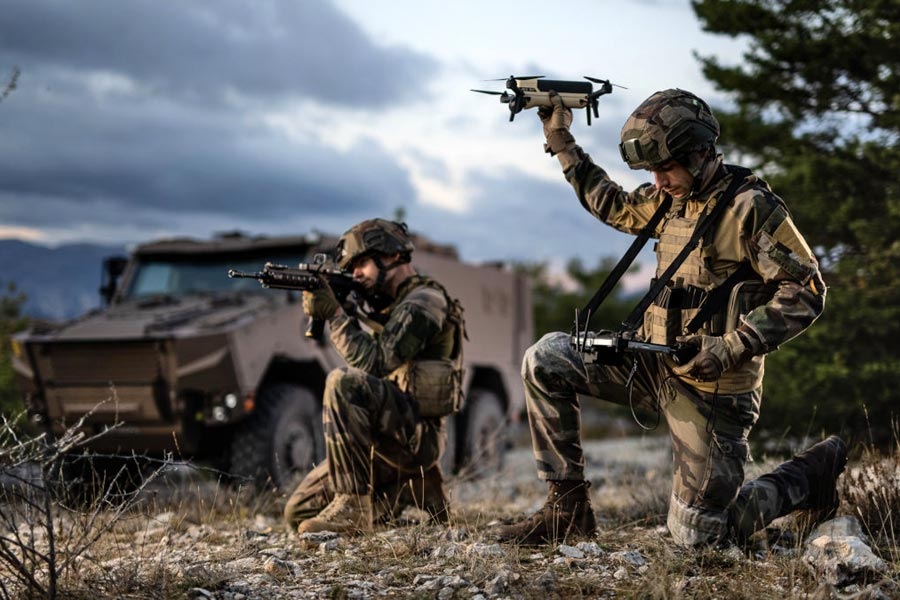
World
PARIS, France — April 8, 2026 : The French Army has formally declared its first dedicated Unmanned Aerial Vehicle (UAV) company fully operational, establishing a new organizational model designed to integrate reconnaissance and strike drone capabilities directly into ground combat formations. The unit, officially designated as the Escadron de Drones de Chasse (hunter-killer drone squadron), operates within the 1er Régiment d’Infanterie de Marine (1er RIMa) based in Angoulême. It represents the Army’s first permanent UAV-focused company and was formed through the restructuring of a former armored squadron previously equipped with AMX-10RC reconnaissance vehicles. This conversion reflects a broader shift in force structure, enabling the unit to function as a self-contained element capable of supporting brigade- and battalion-level operations. Integrated Reconnaissance-Strike Network The UAV company combines reconnaissance platforms, strike drones, and loitering munitions into a single operational framework. This integrated system enables continuous target detection, real-time data transmission, and immediate strike execution without reliance on external air or artillery assets. Its equipment includes fixed-wing intelligence, surveillance, and reconnaissance (ISR) UAVs for persistent observation, vertically launched first-person-view (FPV) drones configured for rapid engagement, and loitering munitions designed for precision strikes. The system prioritizes mobility, low visibility, and cost-controlled deployment, allowing the unit to operate within conventional maneuver formations while maintaining flexibility in contested environments. Validation Through NATO and National Exercises The operational readiness of the unit has been validated through multiple field exercises. It participated in NATO’s Exercise Hedgehog 25 in Estonia, where it operated against allied mechanized forces in a simulated combat environment. More recently, the unit served as an opposing force (FORAD) during training rotations at the Centre d’Entraînement au Combat (CENTAC) in Mailly-le-Camp. These exercises confirmed the effectiveness of coordinated UAV employment across reconnaissance, target designation, and synchronized strike roles, demonstrating the ability to compress the sensor-to-shooter cycle at the tactical level. Alignment with France’s Military Programming Law The establishment of the UAV company aligns with France’s 2024–2030 Military Programming Law (LPM), which allocates approximately €5 billion toward drone development, acquisition, and counter-UAS (C-UAS) systems. The program emphasizes both high-end platforms and scalable, lower-cost systems suitable for distributed operations. Among the systems integrated into the broader UAV ecosystem is the Safran Patroller, a medium-altitude long-endurance (MALE) UAV designed for extended ISR missions. In parallel, the Army is incorporating loitering munitions such as the MX-10 Damocles and MV-25 OSKAR, developed in cooperation with European defense firms including KNDS and Delair. These systems are engineered to operate in contested electromagnetic environments, including scenarios involving electronic warfare and GNSS denial. Ongoing development efforts also include research into autonomous drone swarming and artificial intelligence-enabled coordination, aimed at enhancing survivability and operational effectiveness against advanced air defense systems. Structural and Doctrinal Transformation The creation of a dedicated UAV company reflects a structural evolution in the French Army’s approach to combined-arms warfare. By embedding unmanned systems directly within land units, commanders gain immediate access to aerial reconnaissance and precision strike capabilities that were previously dependent on higher-level or external assets. This transformation extends beyond operational deployment. The Army is concurrently establishing dedicated logistics infrastructure, maintenance facilities, and specialized training programs to support sustained UAV operations. The goal is to institutionalize unmanned systems as a standard component of tactical-level combat formations. Expansion Plans and Future Development The 1er RIMa’s UAV squadron is intended to serve as a prototype for wider implementation. French Army leadership has confirmed plans to replicate the structure across five additional regiments within the 1st Division, with those units expected to achieve operational status by 2027. The prototype unit itself is scheduled to reach its final configuration by June 2026, following additional training cycles and operational refinement. Broader Implications The declaration of full operational readiness underscores the French Army’s ongoing adaptation to evolving battlefield conditions, particularly the increased role of unmanned systems observed in recent conflicts, including the war in Ukraine. By integrating real-time reconnaissance and strike capabilities at the unit level, the Army is standardizing the use of UAVs as a core element of land warfare rather than a supplementary capability. This development marks a measurable shift in operational doctrine, emphasizing decentralized decision-making, rapid targeting cycles, and the combined use of manned and unmanned systems within a unified combat framework.
Read More → Posted on 2026-04-08 15:53:36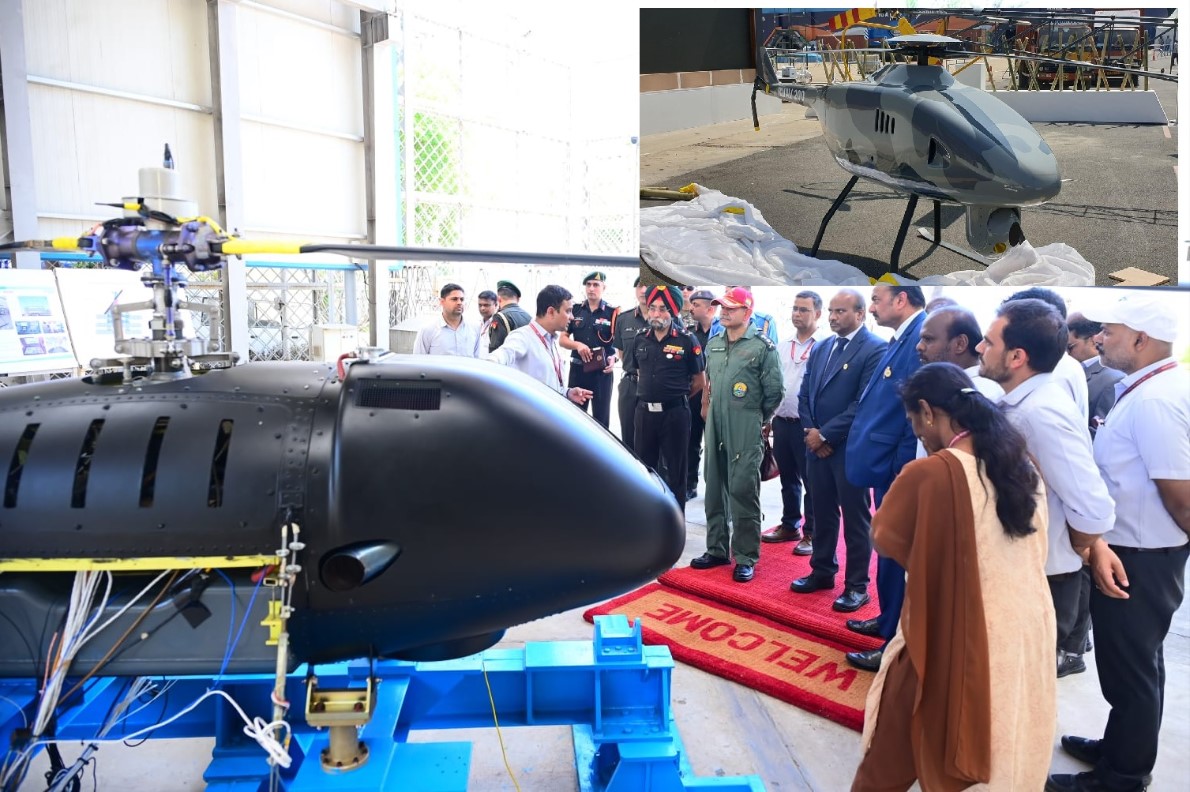
India
BENGALURU, — April 8, 2026 : General Upendra Dwivedi, Chief of the Army Staff, visited the rotary unmanned aerial vehicle (RUAV) hangar at Hindustan Aeronautics Limited (HAL) to review the development progress and operational potential of the RUAV-200 platform, an indigenous rotary-wing unmanned system designed for high-altitude missions. The visit focused on a detailed assessment of the full-scale RUAV-200 prototype, including its design configuration, onboard systems, and mission capabilities. Senior officials from HAL briefed the Army Chief on the programme’s current status, highlighting its role in meeting operational requirements for both the Indian Army and Indian Navy, particularly in challenging and inaccessible terrains. Development Background and Collaboration The RUAV-200 is being developed through a collaborative effort involving HAL, the Defence Research and Development Organisation (DRDO), specifically its Aeronautical Development Establishment (ADE), and the Indian Institute of Technology Kanpur. The programme was first publicly demonstrated as a full-scale model during Aero India 2019, and has since progressed with a focus on autonomy, mission systems integration, and high-altitude performance. Officials indicated that the platform is part of a broader national effort to expand indigenous unmanned aerial capabilities while reducing reliance on imported systems for critical defence roles. Design Configuration and Technical Specifications The RUAV-200 is a rotary-wing unmanned helicopter with an approximate length of 4.2 metres. The current prototype incorporates a two-blade rotor configuration and is powered by a locally developed petrol aero-engine producing approximately 34 kW. The platform is designed to operate across a wide environmental envelope, with an operating temperature range from -35°C to +55°C, enabling deployment in extreme conditions such as those found in high-altitude regions. According to programme specifications presented during the visit, the RUAV-200 has the following performance characteristics: All-up weight: 200 kg (250 kg at sea level) Payload capacity: 30 kg (80 kg at sea level) Endurance: 4.5 hours Service ceiling: 6,000 metres Maximum speed: 100 km/h Data link range: 100 km The system is equipped with an electro-optical and infrared payload, supporting day and night operations for intelligence, surveillance, and reconnaissance (ISR) missions. Autonomous Capabilities and Avionics A key aspect of the RUAV-200 highlighted during the review was its autonomous operational capability. The platform is integrated with a Full Authority Digital Engine Control (FADEC) system and uses an SLR-DC datalink to maintain communication with its ground control station. The UAV is designed for fully autonomous mission execution, including take-off, navigation through pre-programmed waypoints, landing, and return-to-home recovery. These features are intended to reduce operator workload while enabling sustained operations in contested or GPS-degraded environments. Operational Role and Logistics Applications In addition to ISR missions, the RUAV-200 is being developed to support logistics operations in high-altitude and remote areas. The platform is intended to function as a “mule drone”, capable of transporting essential supplies such as ammunition, medical equipment, and other critical materials to forward-deployed troops in regions such as Siachen and Ladakh. Its modular and crashworthy design is aimed at ensuring operational reliability, ease of transport, and rapid deployment under field conditions. Future Integration and Programme Outlook HAL officials outlined that the RUAV-200 programme aligns with ongoing procurement initiatives by India’s Ministry of Defence to acquire high-altitude and medium-altitude logistics UAVs with a minimum of 50 percent indigenous content. The development roadmap includes further enhancements in mission management systems and potential integration into network-centric warfare architectures. Future variants of the platform may also incorporate armed capabilities, including the ability to carry anti-tank and air-to-surface munitions. General Dwivedi’s visit marks a formal review stage as the RUAV-200 approaches subsequent testing phases. No specific timelines for flight testing completion or induction into service were disclosed following the visit.
Read More → Posted on 2026-04-08 15:37:07
World
WASHINGTON / TEHRAN / ISLAMABAD, — April 8, 2026 : The United States and Iran have agreed to a two-week ceasefire effective April 8, 2026, introducing a temporary framework that permits Iran and Oman to charge fees on commercial vessels transiting the Strait of Hormuz. The arrangement, reported by the Associated Press, is designed to restore maritime traffic through the strategic waterway while establishing a revenue mechanism for Iran’s post-conflict reconstruction. The agreement follows more than a month of hostilities that began on February 28, 2026, when Israel launched airstrikes targeting Iranian military sites, nuclear facilities, and urban areas. The United States joined the campaign shortly thereafter, focusing on Iran’s ballistic missile and nuclear infrastructure. Iran responded with missile strikes across the Gulf region. The conflict caused significant damage to Iranian infrastructure, including energy facilities, and led to a sharp disruption in maritime activity through the Strait of Hormuz. Ceasefire Framework and Maritime Provisions Under the terms of the ceasefire, Iran will suspend restrictions that had effectively limited passage through the Strait of Hormuz, a 34-kilometer-wide chokepoint connecting the Persian Gulf to the Gulf of Oman. The waterway is bordered by Iran to the north and Oman to the south and is a critical corridor for global energy supplies, handling a substantial share of international oil and liquefied natural gas shipments. In exchange for reopening the route and halting military operations, both Iran and Oman are authorized to levy transit fees on commercial vessels, including oil tankers and cargo ships. The ceasefire also includes provisions ensuring safe passage for vessels during the two-week period. Oman’s inclusion reflects its geographic position along the southern side of the strait. However, no detailed breakdown has been released regarding Oman’s fee structure, collection mechanisms, or potential revenue-sharing arrangements between the two countries. Revenue Structure and Economic Impact Iran has been charging transit fees of up to $2 million per vessel over the past month, even amid reduced shipping activity. Under the ceasefire framework, this pricing model is expected to continue as traffic normalizes. Prior to the conflict, vessel traffic through the strait averaged approximately 129 ships per day in late February. At the height of the disruption in March, traffic fell to as few as nine vessels per day, with more than 34,000 shipping routes diverted globally due to security concerns. At restored traffic levels, the $2 million per-ship fee is projected to generate approximately $8 billion in monthly revenue for Iran, equivalent to around $96 billion annually. Based on current estimates, this influx would increase Iran’s gross domestic product (GDP) from $475 billion to approximately $571 billion, representing a 20 percent rise. Iranian officials have stated that all revenue collected from these transit fees will be directed toward rebuilding infrastructure damaged during the recent strikes conducted by the United States and Israel. The funding is intended to support reconstruction of civilian, administrative, and energy-related facilities without reliance on external compensation. Diplomatic Process and Mediation The ceasefire was facilitated through diplomatic channels with Pakistan acting as a primary mediator. Further negotiations between the United States and Iran are scheduled to begin in Islamabad on Friday, April 10, 2026. The talks are expected to address longer-term arrangements for maritime security, economic measures, and a broader framework for de-escalation. The two-week ceasefire period is intended to stabilize the situation in the Strait of Hormuz, reduce pressure on global energy markets, and allow time for continued diplomatic engagement. Officials from both sides have indicated that the temporary agreement may serve as a foundation for a more comprehensive settlement. Operational and Strategic Context The Strait of Hormuz remains one of the most strategically significant maritime corridors in the world. The disruption during the conflict had immediate global effects, halting shipments, increasing insurance and transit risks, and forcing rerouting of commercial vessels. The introduction of a formalized transit fee system under the ceasefire represents a notable development in the management of the waterway during periods of conflict and recovery. While the current arrangement is limited to two weeks, its structure may influence future negotiations regarding maritime access, security guarantees, and economic compensation mechanisms in the region.
Read More → Posted on 2026-04-08 15:25:16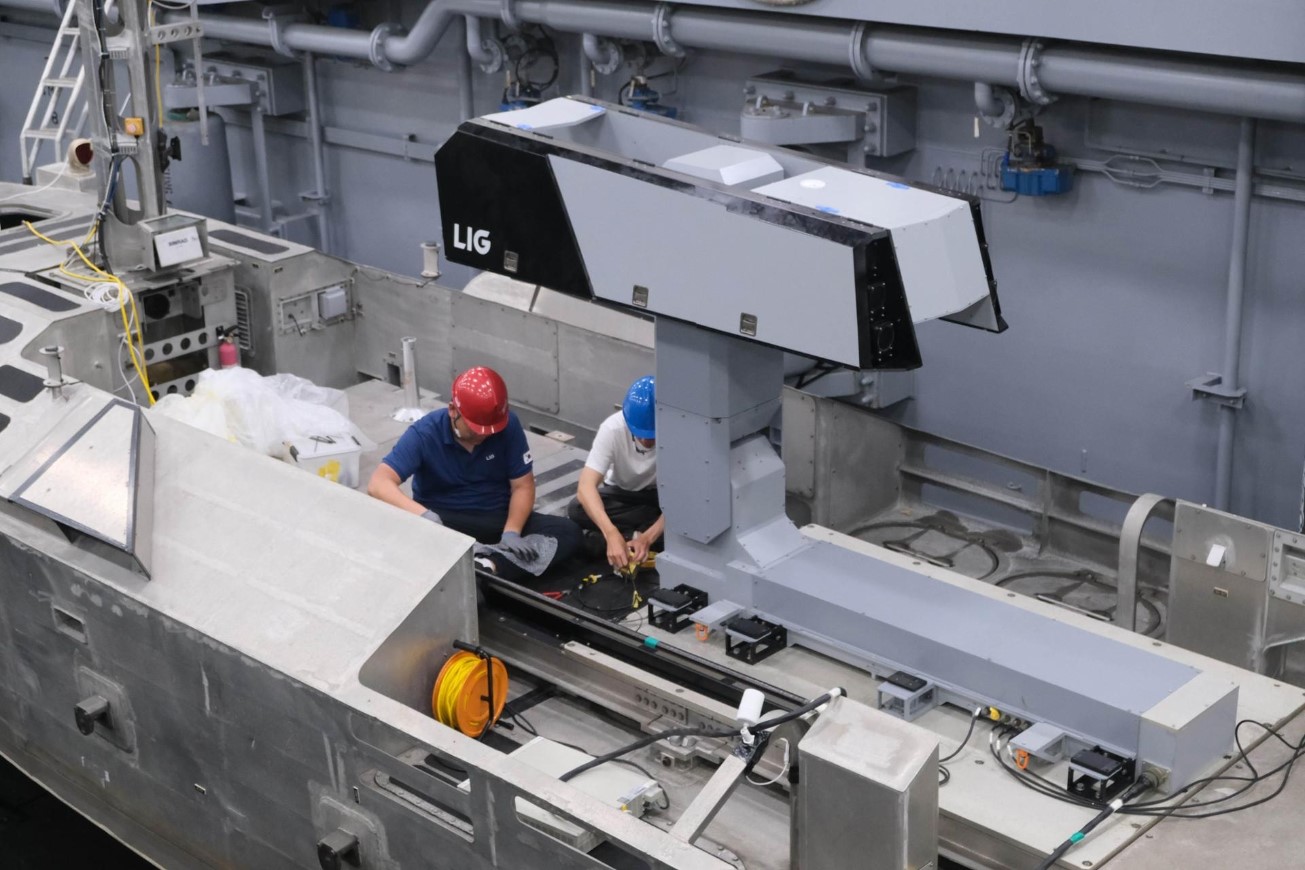
World
SEOUL / NATIONAL HARBOR, Md., — April 8, 2026 : South Korean defense manufacturer LIG Defense & Aerospace (LIG D&A), formerly known as LIG Nex1, has established a new United States subsidiary, LIG Defense U.S. Inc., as part of its strategy to expand engagement with the American defense industrial base. The announcement was made on April 8, 2026, ahead of the company’s first participation in the Sea-Air-Space Exposition, scheduled to take place in National Harbor, Maryland. The newly formed entity will function as LIG D&A’s primary interface with U.S. government agencies and defense industry partners. According to company officials, the subsidiary is intended to support partnership development, program alignment, and potential future investment in domestic manufacturing. Options for establishing U.S.-based production capabilities are currently under review, with a focus on improving supply chain resilience and expanding surge production capacity. Leadership and Organizational Structure Kim Yong-seob, also known as YS Kim and currently head of LIG D&A’s U.S. office, has been appointed Chief Executive Officer and President of LIG Defense U.S. Inc. In a statement, he said the establishment of the subsidiary reflects the company’s long-term intent to integrate with U.S. defense priorities and industrial requirements. “Standing up LIG Defense U.S. reflects our commitment to becoming a genuine partner to the American defense industrial base – present, invested, and aligned with U.S. operational priorities for the long term,” Kim stated. The company has also appointed Rich Brown, a retired U.S. Navy Vice Admiral, as senior advisor to support its U.S. expansion. Brown previously served as Commander of Naval Surface Forces and Naval Surface Force, U.S. Pacific Fleet, where he oversaw fleet readiness, training, and operational performance, as well as large-scale organizational reforms. Brown stated that the timing of the subsidiary’s establishment aligns with U.S. efforts to expand access to cost-effective and combat-proven capabilities, particularly those supported by domestic production investments. Sea-Air-Space 2026 Participation LIG D&A will make its debut appearance at Sea-Air-Space 2026 at booth #425. The company plans to exhibit scale models of its Poniard 2.75-inch (70 mm) low-cost guided rocket and the Poniard Naval Launcher System (NLS). The systems are positioned for potential use in distributed maritime operations, including integration on unmanned surface vessels and smaller naval platforms where cost, scalability, and operational flexibility are key considerations. Poniard Guided Rocket System The Poniard rocket, also known as K-LOGIR, was developed in cooperation with South Korea’s Agency for Defense Development. It is currently operated by the Republic of Korea Marine Corps as part of a mobile coastal defense system. The system uses an imaging infrared seeker and is designed to engage multiple fast-moving maritime targets. It features a “fire-and-forget” capability and an operational range of approximately 8 kilometers. With an estimated unit cost of around $31,000, the system is positioned as a lower-cost alternative for countering maritime swarm threats and protecting high-value assets. LIG D&A has been pursuing entry into the U.S. market with the Poniard system since 2018, focusing on alignment with U.S. Navy operational requirements. U.S. Navy Testing and Certification The company’s engagement with U.S. naval stakeholders includes participation in the Rim of the Pacific Exercise 2024 (RIMPAC 2024). During the exercise, six Poniard rockets were launched from a Textron Common Unmanned Surface Vehicle (CUSV) as part of the U.S. Department of Defense’s Foreign Comparative Testing Program. All targets were successfully engaged during the test, resulting in official U.S. certification for the system. According to the company, this marks the first—and to date the only—South Korean guided munition to receive this designation. Hyung Shik Paik, Executive Vice President of LIG D&A, stated that the company has conducted multiple testing events with U.S. Navy partners and views the establishment of a U.S.-based entity as a necessary step toward deeper cooperation. Corporate Transition and Background LIG D&A formally rebranded from LIG Nex1 on March 31, 2026, marking the company’s 50th anniversary since its founding in 1976 as Goldstar Precision. The name change reflects an expansion beyond its traditional defense portfolio into aerospace. The company’s activities include precision-guided munitions, surveillance and reconnaissance systems, command and control technologies, communications, avionics, and electronic warfare. Strategic Context The establishment of LIG Defense U.S. Inc. and the company’s participation in Sea-Air-Space 2026 align with broader U.S. Department of Defense and U.S. Navy efforts to expand industrial capacity and diversify supply sources for munitions and related systems. Through the new subsidiary, LIG D&A aims to support joint partnerships, technology exchange, and localized production, positioning itself for long-term participation in the U.S. defense market while aligning with evolving operational concepts such as distributed maritime operations and increased munitions capacity.
Read More → Posted on 2026-04-08 14:54:26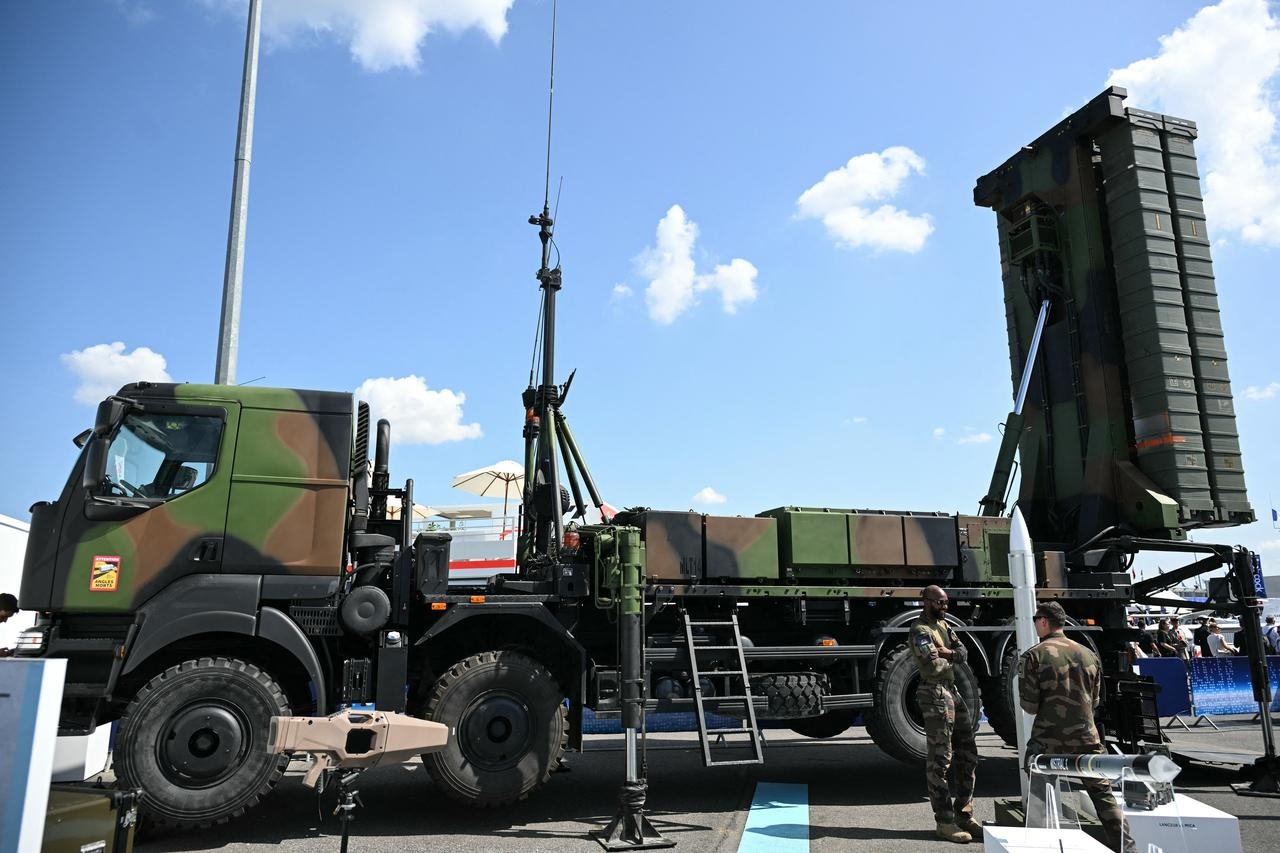
World
ANKARA, — April 8, 2026 : Türkiye is engaged in ongoing negotiations with Italy to acquire and co-produce the SAMP/T air and missile defense system, a European-developed platform designed to counter a wide range of aerial threats, including aircraft, unmanned aerial vehicles, cruise missiles, and certain ballistic missiles. The discussions involve the Eurosam consortium, a Franco-Italian joint venture comprising MBDA France, MBDA Italy, and Thales Group. Italian authorities are leading the current phase of negotiations, focusing on establishing a combined procurement and industrial cooperation framework with Ankara. The talks include both the baseline SAMP/T system and its upgraded SAMP/T NG (New Generation) variant. Program Background and Negotiation Context Türkiye has pursued the SAMP/T system for several years as part of its broader effort to develop a layered national air and missile defense architecture. In January 2018, an 18-month feasibility study agreement was signed between Eurosam and Turkish defense companies Aselsan and Roketsan to explore potential co-development and production arrangements. However, progress slowed in subsequent years due to political factors, including tensions between Türkiye and France over regional policy issues. Recent developments indicate renewed momentum in the negotiations, with Italy playing a central role in facilitating discussions. The urgency of the talks has been influenced by evolving regional security conditions, including reported interceptions by NATO forces of aerial threats near Turkish airspace. These developments have reinforced Ankara’s requirement for a long-range, high-altitude air defense capability that can operate independently while remaining interoperable with allied systems. System Overview and Capabilities The SAMP/T (Surface-to-Air Missile Platform/Terrain) is a mobile, truck-mounted system designed to provide 360-degree coverage as part of integrated air defense networks. It is currently operational with the French Air and Space Force and the Italian Army. The negotiations are centered on the SAMP/T NG variant, which is scheduled to enter service in 2026. Developed through Franco-Italian cooperation and managed by the Organisation for Joint Armament Co-operation (OCCAR), the NG version incorporates several technological upgrades over the baseline system. Key specifications of the SAMP/T NG include: Up to 48 Aster 30 missiles ready to fire per battery Detection range exceeding 350 kilometers using a multi-function radar Engagement range of more than 150 kilometers Capability to engage multiple targets simultaneously, including tactical ballistic missiles, cruise missiles, anti-radar missiles, UAVs, helicopters, and fixed-wing aircraft Deployment time of less than 30 minutes Crew requirement of approximately 20 personnel per battery The system employs a new multi-function Active Electronically Scanned Array (AESA) radar utilizing gallium nitride (GaN) technology, along with updated command-and-control software. Aster 30 Missile System The SAMP/T NG uses the Aster 30 family of interceptor missiles, including the advanced Block 1 NT variant. The missile features a two-stage solid-propellant motor and active seeker for terminal guidance. Technical characteristics of the Aster 30 missile include: Length: 4.9 meters Launch weight: approximately 450 kilograms Maximum speed: up to Mach 4.5 Operational altitude: up to 25 kilometers The Block 1 NT configuration provides enhanced capability against emerging threats, including advanced ballistic targets. NATO Interoperability and National Integration The SAMP/T NG system is fully interoperable with NATO and coalition air defense networks, a key consideration for Türkiye following complications associated with its previous acquisition of non-NATO-compatible systems. The platform is designed for rapid deployment in theater protection roles and has demonstrated extended-range and multi-threat engagement capabilities in recent test firings conducted in France and Italy. Within Türkiye’s national defense framework, the system is expected to complement ongoing indigenous programs, including the HISAR and SIPER air defense systems, as part of the country’s layered “Steel Dome” (Çelik Kubbe) initiative. This architecture aims to integrate short-, medium-, and long-range air defense assets under a unified command structure. Industrial Cooperation and Co-Production A central element of the negotiations is the inclusion of industrial cooperation and co-production arrangements. Turkish authorities are seeking participation in manufacturing components such as radar systems, fire-control elements, and missile subsystems. This aligns with existing capabilities developed by Aselsan and Roketsan, as well as recent investments in domestic missile production infrastructure. The discussions build on the earlier Eurosam–Türkiye framework and aim to establish a more concrete industrial partnership, potentially involving technology transfer and shared production responsibilities. Status of Negotiations As of April 8, 2026, neither the Turkish Ministry of National Defence nor Italian officials have disclosed specific details regarding the number of systems to be acquired, the timeline for contract finalization, or the exact scope of co-production activities. Negotiations remain ongoing, with both acquisition and industrial cooperation aspects under consideration.
Read More → Posted on 2026-04-08 14:42:44
World
GALAȚI, Romania — April 8, 2026 : Damen Shipyards Group has launched the NRP D. João II, a Multi-Purpose Vessel (MPV 10720), for the Portuguese Navy. The vessel entered the water at Damen Shipyards Galati in Romania on April 7, 2026 The launch ceremony was attended by senior naval officials and diplomats, including Vice Admiral Pires representing the Portuguese Navy, Rear Admiral Neculae of the Romanian Naval Forces, Paulo Alves Cunha, Ambassador of Portugal to Romania, and Willemijn van Haaften, Ambassador of the Kingdom of the Netherlands to Romania. Vessel Design and Technical Characteristics The NRP D. João II is based on a concept developed by the Portuguese Navy under former Chief of Staff Admiral Henrique Gouveia e Melo. It is designed as a multi-functional naval platform with a strong emphasis on unmanned, multi-domain operations and a high degree of system autonomy. The vessel is engineered for unrestricted deployment in tropical and moderate environments. The ship measures 107.6 meters in length, with a beam of 20 meters and a displacement of approximately 7,000 tonnes. It is powered by two Tier III-compliant diesel engines and azimuth thrusters, enabling a maximum speed of about 15 to 15.5 knots. Due to advanced automation, the vessel operates with a core crew of 48 personnel. It also provides accommodation for 42 scientists and can support up to 100 personnel during standard operations. In emergency scenarios, total capacity can be expanded to approximately 300 individuals. Unmanned Systems and Mission Flexibility The vessel’s design incorporates extensive capabilities for operating unmanned systems across air, surface, and subsurface domains. It features a 94-by-11-meter flight deck, a drone launch catapult, and hangar facilities for unmanned aerial vehicles (UAVs) and heavy helicopters. A stern ramp enables the deployment and recovery of unmanned surface vehicles (USVs) and unmanned underwater vehicles (UUVs). The ship is also equipped with the ROV Luso, a remotely operated underwater vehicle capable of reaching depths of up to 6,000 meters. For modular mission support, the vessel includes space for up to 18 standard 20-foot containers, which can be configured as laboratories, hyperbaric chambers, hospital units, or specialized operational modules. Additionally, the ship is equipped with a 30-tonne crane and can carry up to 18 light military utility vehicles or 10 speedboats. Funding and Industrial Collaboration Damen Shipyards signed the construction contract in 2024 following a competitive tender process. The total program cost is €132 million, of which €94.5 million is funded through the European Union’s Recovery and Resilience Facility (RRF) under the NextGenerationEU program, managed by Recover Portugal (PRR). The remaining €37.5 million is financed by the Portuguese state budget. The project involved collaboration with multiple industrial partners. Alewijnse was responsible for the vessel’s electrical systems, while Schottel supplied the propulsion equipment. The program also contributed to the development of Damen’s Multi-Purpose Support Ship (MPSS) range, covering vessels between 7,000 and 9,000 tonnes and combining military-grade systems with standardized commercial solutions to reduce costs and accelerate delivery timelines. Operational Role and Strategic Purpose According to its concept of operations, the NRP D. João II is designed to support a wide range of missions, including oceanographic research, environmental and meteorological monitoring, maritime surveillance, humanitarian assistance, and disaster relief. The vessel will also support national security tasks such as sovereignty patrols and the protection of critical maritime infrastructure, including undersea communication cables. Bram Langeveld, Chief Commercial Officer of Damen Shipyards, stated that the vessel’s relatively short development timeline and multi-role design make it suitable for both national and broader European maritime operations, particularly given Portugal’s extensive coastline. Naming and Future Service The vessel is named after King João II of Portugal, who reigned from 1481 to 1495 and played a central role in advancing the country’s maritime exploration during the Age of Discovery. Following completion of sea trials later in 2026, the NRP D. João II is expected to be delivered to the Portuguese Navy by the end of the year. Upon entering service, it will operate alongside other Damen-built vessels in the fleet, including the frigates NRP Bartolomeu Dias and NRP D. Francisco de Almeida.
Read More → Posted on 2026-04-08 14:34:00
World
LOS ANGELES, — April 8, 2026 : Hermeus, a defense aviation company developing high-Mach unmanned aircraft, announced on April 7, 2026, that it has closed a $350 million Series C financing round, bringing its post-money valuation to $1 billion.The funding is intended to support the company’s transition from prototype testing to the development and production of mission-ready platforms. The Series C round was led by Khosla Ventures and includes participation from existing investors Canaan Partners, Founders Fund, RTX Ventures, Bling Capital, and In-Q-Tel. New investors in the round include Cox Enterprises through its venture arm Socium Ventures, Destiny Tech100, Georgia Tech Foundation, 137 Ventures, and GSBackers. In addition to equity financing, the round also includes debt participation from Silicon Valley Bank, Pinegrove Venture Partners, Hercules Capital, and Trinity Capital. Funding Structure and Capital Deployment The $350 million financing package consists of $200 million in equity and $150 million in structured debt, increasing the company’s total capital raised to more than $500 million since its founding in 2018. According to the company, the funds will be used to accelerate development timelines, scale manufacturing capacity, and enable simultaneous production of multiple aircraft systems. Hermeus stated that the investment will support its shift toward operational platforms designed for national security missions, while also advancing development of high-speed unmanned aircraft systems capable of reaching supersonic and eventually hypersonic speeds. Quarterhorse Program Progress A key milestone in the company’s development roadmap was achieved on March 2, 2026, when Hermeus completed the first flight of its Quarterhorse Mk 2.1 test aircraft. The flight took place at Spaceport America in New Mexico, operating over White Sands Missile Range airspace, and was conducted remotely from a ground-based flight deck. The flight validated multiple aspects of the aircraft, including system performance, handling characteristics, and operational procedures. It also marked the second successful first flight conducted by the company in less than a year. The Quarterhorse Mk 2.1 is comparable in size to an F-16 fighter aircraft and incorporates a delta-wing configuration along with a variable inlet design. It is powered by a Pratt & Whitney F100-229 engine and represents a significant scale-up from its predecessor, being nearly three times larger and four times heavier than the Mk 1 variant. Company officials confirmed that the Quarterhorse program is now approaching supersonic flight capability. As part of its next phase, Hermeus plans to expand to a fleet of three aircraft of similar size to support continued testing, integration of mission-specific payloads, and further progress toward sustained high-Mach operations. Long-Term Development Goals Hermeus’ broader development roadmap includes achieving speeds of up to Mach 3 with its current platform evolution and progressing toward ramjet-powered propulsion systems. The company is also pursuing a longer-term objective of developing a hypersonic aircraft, referred to as Darkhorse, with a target speed of Mach 5. The company’s approach emphasizes a hardware-first development model aimed at reducing iteration cycles by building and testing physical systems in rapid succession. Operational Expansion To support increased production and development activities, Hermeus is expanding its operational footprint. The company is establishing a new headquarters in El Segundo, California, which will serve as a central hub for engineering and program management activities. At the same time, its existing facility in Atlanta, Georgia, will transition toward a primary focus on production activities. The company expects more than 200 employees to be based at the El Segundo site by mid-2027. Executive and Investor Commentary AJ Piplica, founder and chief executive officer of Hermeus, stated that the newly secured funding will enable parallel development and manufacturing efforts. “Speed is life for us,” Piplica said. “This new funding lets us build multiple aircraft at the same time and scale our manufacturing capabilities, adding more hardware richness and robustness to our program. That accelerates our path to ramjet-powered flight.” He added that the company’s development model is structured to reduce timelines through iterative hardware testing. “We are grateful for the support of our long-term partners who share our vision of building fast planes fast. Together, we’re bringing scalable, asymmetric capabilities to our national security customers,” Piplica said. Vinod Khosla, founder of Khosla Ventures, said the firm’s continued investment reflects confidence in Hermeus’ execution and trajectory. “We’ve been believers in Hermeus from the start, and we couldn’t be happier to lead this Series C,” Khosla said. “The team is on a clear trajectory to solve a critical capability gap for their customers by building, flying, and iterating at a pace that matches the modern battlefield.” Andrew Davis, managing partner at Socium Ventures, described the financing round as a significant milestone in the company’s development. “We’ve had a front-row seat to watch this team execute at the pace and precision this mission demands,” Davis said. “This Series C marks an important inflection point for the company. Cox Enterprises and our venture fund, Socium Ventures, are proud to support them as they accomplish significant milestones this year.” Strategic Outlook Hermeus stated that the funding will be used to deliver high-speed aviation capabilities aligned with emerging defense requirements, particularly for the U.S. Department of Defense. The company’s focus remains on rapid development and deployment of advanced unmanned systems designed for high-speed, long-range missions in contested environments. Founded in 2018, Hermeus continues to position itself within the defense sector as a developer of high-Mach and future hypersonic aircraft systems, with ongoing efforts centered on scaling production and advancing flight capabilities.
Read More → Posted on 2026-04-08 14:20:47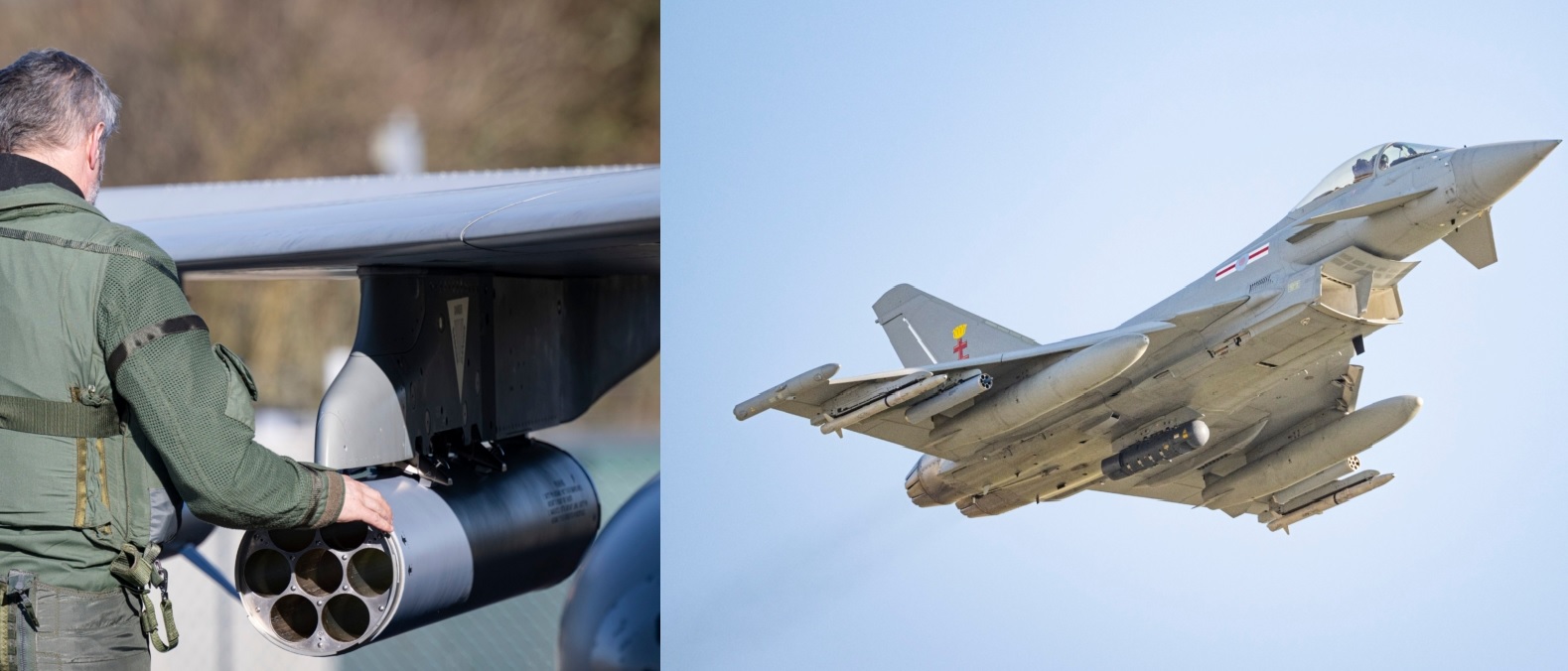
World
WARTON, Lancashire — April 8, 2026 : BAE Systems has successfully conducted a live-fire test of the AGR-20A Advanced Precision Kill Weapon System (APKWS) from a Eurofighter Typhoon, marking a step in integrating lower-cost precision weapons into the aircraft’s operational framework. The company confirmed the trial on April 8, following the test carried out in March 2026. The firing was executed from BAE Systems’ flight test development centre in Warton, Lancashire, using a Royal Air Force (RAF) Typhoon test and evaluation aircraft. During the trial, the APKWS rocket was launched against a ground-based target at a United Kingdom military testing range, achieving a direct hit. The activity was supported by the UK Ministry of Defence and forms part of ongoing efforts to expand the Typhoon’s role in counter-unmanned aircraft system (C-UAS) operations. BAE Systems stated that the trial demonstrated the ability to deploy the laser-guided rocket from the Typhoon platform without requiring structural modifications to the aircraft or its existing weapon infrastructure. System Description and Technical Characteristics The AGR-20A APKWS is a guidance kit developed by BAE Systems that converts unguided Hydra 70 (2.75-inch / 70 mm) rockets into precision-guided munitions. The system incorporates a distributed aperture semi-active laser seeker (DASALS) with folding guidance fins. The guidance unit is inserted between the rocket motor and the warhead, allowing compatibility with existing rocket components. The fixed-wing variant of the APKWS has an overall length of 73.8 inches (1.87 metres), a diameter of 2.75 inches (70 mm), and a total weight of approximately 32 pounds (15 kilograms). It features a wingspan of 9.55 inches (24.3 centimetres) when deployed. The rocket can reach speeds of up to 1,000 metres per second and has an operational range of 2 to 11 kilometres from fixed-wing aircraft, extending beyond 12 kilometres in some configurations. The system is equipped with a 10-pound high-explosive warhead, such as the M151 or Mk 152, and uses semi-active laser homing for guidance. It is designed to achieve a circular error probable of less than 0.5 metres. The rocket is typically carried in LAU-131 seven-round launch pods. Imagery from March 2026 showed a Typhoon aircraft at Warton equipped with two such pods, enabling the carriage of multiple rockets alongside other munitions. Integration Timeline and Operational Context BAE Systems first disclosed its evaluation of APKWS for the Eurofighter Typhoon during the Defence and Security Equipment International (DSEI) exhibition in London in September 2025. The March 2026 live-fire test occurred approximately seven months after that announcement, indicating a relatively rapid integration timeline. The company noted that the trial forms part of a broader set of capability enhancements planned for the Typhoon to improve its effectiveness in current and future combat air operations. Data collected during the test will be used to support further integration work on the platform. Tim Robinson, editor-in-chief of AEROSPACE, described the development pace as an “impressively fast integration for new Typhoon weapon.” Role in Counter-Unmanned Aircraft Operations The next phase of testing will focus on engagements against airborne targets. This stage is expected to assess the APKWS system’s suitability for counter-drone missions, particularly its ability to engage moving aerial threats. The integration of APKWS provides the Typhoon with a lower-cost alternative to existing high-end munitions such as Meteor long-range air-to-air missiles, Storm Shadow cruise missiles, and Brimstone precision strike weapons. The addition of APKWS is intended to address scenarios involving large numbers of small unmanned aerial systems, where the use of more expensive missiles may not be operationally or economically efficient. Recent conflicts in Ukraine and the Middle East have highlighted the increasing use of small drones and loitering munitions for reconnaissance, strike missions, and saturation attacks. These developments have driven demand for layered and cost-effective air defence solutions capable of sustained operations. A fighter aircraft equipped with precision-guided rockets such as APKWS could provide rapid-response capabilities for the protection of military bases, infrastructure, and forward-deployed forces against such threats. Platform Implications APKWS entered operational service in 2012 with the United States Marine Corps on helicopter platforms and has since been integrated across a range of aircraft, including the AH-1W, UH-1Y, MH-60, AV-8B Harrier, F-16, F-15, A-10 Thunderbolt II, and AH-64 Apache. The Eurofighter Typhoon is operated by multiple air forces across Europe and the Middle East. Successful completion of the upcoming airborne-target testing phase could expand the adoption of APKWS across these operators, depending on demonstrated performance in the counter-UAS role.
Read More → Posted on 2026-04-08 14:08:49
World
SAN FRANCISCO, — April 7, 2026 : Theseus, a San Francisco-based defense technology startup, has completed a long-duration flight test of its Micro Visual Positioning System (Micro VPS) in central Florida, demonstrating the performance of a passive navigation solution designed to operate without reliance on Global Positioning System (GPS) signals. The test flight, conducted in March 2026, lasted 5 hours and 22 minutes and covered approximately 564 kilometers. The Micro VPS unit was installed in a pod mounted beneath the wing of a fixed-wing aircraft. According to the company, the mission provides a publicly releasable dataset establishing a baseline for evaluating GPS-denied navigation performance in operational conditions. Flight Profile and System Performance The aircraft operated at altitudes ranging from 500 to 900 feet above ground level and followed a non-linear flight path. The sortie included multiple loops, altitude variations, and repeated course corrections to simulate a representative Group 2–3 unmanned aerial system mission profile. This category typically includes tactical drones used for reconnaissance, targeting, and autonomous operations. During the flight, the Micro VPS recorded a median horizontal position error of 51.95 meters. The navigation system remained continuously operational throughout the mission, completing the entire flight with zero mid-flight reinitializations. This indicates that the system maintained orientation and functionality without requiring resets under sustained maneuvering conditions. The test flight was conducted by Theseus Chief Executive Officer Ian Laffey, accompanied by Roger O’Neill of Overhead Intelligence. The company stated that this marked the first time the Micro VPS had been flown on this specific aircraft platform, serving as an initial operational demonstration outside controlled environments. System Architecture and Functionality The Micro Visual Positioning System is designed to provide navigation capabilities independent of external satellite signals. The system integrates visual-inertial odometry with terrain map matching to determine position. Onboard cameras capture real-time imagery of the terrain, while an inertial measurement unit (IMU) tracks motion. The system continuously compares live visual data with preloaded reference satellite imagery to calculate position internally. Because the process is entirely passive, the system emits no radio frequency signals. To ensure compatibility with existing flight systems, the Micro VPS outputs a simulated GPS signal, allowing it to interface directly with standard drone autopilots without requiring modifications to onboard flight computers. Hardware Characteristics and Integration Theseus has emphasized low size, weight, and power (SWaP) requirements as a key design objective. The Micro VPS software can operate on commercial off-the-shelf hardware, including a Raspberry Pi 5, and can be installed using a single command-line process. The hardware payload, including the sensor pod, weighs approximately 150 grams and is comparable in size to a smartphone. According to the company, integration onto standard drone platforms can be completed in less than 30 minutes, making it suitable for smaller aircraft with limited payload capacity. Development Background and Industry Engagement Theseus was founded in 2024 by Ian Laffey, Sacha Lévy, and Carl Schoeller. The company originated from a prototype developed during a 24-hour hackathon and later participated in the Y Combinator Summer 2024 cohort. It has received backing from investors including Y Combinator and Lux Capital. The company reported that initial prototypes were delivered to the U.S. Army Special Operations Command for testing in August 2024. It also stated that multiple drone manufacturers have issued letters of intent for integrating the Micro VPS into their platforms. Operational Context and Strategic Relevance The development of GPS-independent navigation systems has gained increased attention due to the prevalence of electronic warfare tactics such as jamming and spoofing in recent conflicts, including those in Ukraine, Iran, and Syria. These tactics can disrupt or deny access to satellite-based navigation systems, affecting the performance of unmanned and autonomous platforms. Theseus indicated that it has conducted longer-duration flights associated with ongoing operations in Ukraine; however, data from those missions has not been publicly released due to operational security considerations. By publishing the dataset from the central Florida test, the company has provided a verifiable performance reference for defense and aerospace stakeholders evaluating alternatives to traditional GPS-based navigation. Theseus stated that development of the Micro Visual Positioning System is ongoing, with a focus on supporting extended-duration missions in contested electromagnetic environments.
Read More → Posted on 2026-04-07 17:28:36
World
Berlin, — April 7, 2026 : The German Army has taken delivery of the first batch of GL 40 underbarrel grenade launchers manufactured by Austrian firearms producer Steyr Arms, marking the start of a wider procurement program aimed at replacing legacy grenade launcher systems in Bundeswehr service. The delivery follows a framework agreement signed approximately one year ago after Steyr Arms secured the contract through a competitive tender process. Under the agreement, the German Armed Forces are expected to receive up to 4,476 units, while a parallel amended framework arrangement finalized in late February 2026 enables additional procurement to support broader distribution across operational units. Initial shipments were dispatched from the company’s production facility in Kleinraming, Austria. The GL 40 is intended to replace the AG36 underbarrel grenade launcher, previously produced by Heckler & Koch and used primarily by German special forces units. The transition to the new system forms part of the Bundeswehr’s ongoing effort to standardize and modernize its small arms inventory. Integration Across Rifle Platforms The newly delivered grenade launchers are designed for integration with the Bundeswehr’s upcoming standard-issue assault rifle, the G95, including its G95K and G95A1 variants, which are based on the HK416 platform. In addition to forward compatibility, the GL 40 retains backward compatibility with the currently fielded G36 rifle, allowing continued use across existing units during the transition period. The system is modular and can also function independently as a standalone weapon. In this configuration, it is compatible with AR15-standard pistol grips and adjustable buttstocks, allowing operators to configure the weapon according to ergonomic requirements. The conversion between underbarrel-mounted and standalone configurations can be performed rapidly without the need for specialized tools. Technical Characteristics and Design The GL 40 is a single-shot grenade launcher chambered for 40×46 mm low-velocity ammunition, with compatibility for medium-velocity rounds. It features a 180 mm cold hammer-forged steel barrel designed to provide durability under sustained use. Unlike traditional front-loading systems, the launcher employs a side-swinging breech mechanism. This articulated design allows the barrel to open laterally, enabling the use of a wide range of ammunition types and lengths, including standard, extended, and less-lethal 40 mm grenades. In its underbarrel configuration, the launcher measures 264 mm in length, 100 mm in width, and 95 mm in height, with a total weight of 1.17 kg. The compact dimensions are intended to minimize additional load on the host rifle while maintaining operational effectiveness. All steel components are treated with Steyr Mannox surface coating, providing resistance against corrosion and mechanical wear in varied environmental conditions. The launcher is also equipped with STANAG 4694 Picatinny rails, allowing the attachment of optical sights and other aiming devices. Safety Features and Operating Mechanism The GL 40 incorporates a double-action trigger system combined with multiple safety mechanisms designed to meet military operational standards. These include a two-position ambidextrous manual safety lever and an internal drop protection system. An automatic trigger lock engages when the launcher is not mounted on a rifle, ensuring safe handling during transport, maintenance, or reconfiguration. The system’s breech-loading articulated action supports reliable operation and ease of use in field conditions. Procurement and Deployment Outlook The delivery of the initial batch marks the transition from procurement to operational deployment, with further deliveries scheduled in the coming months. The program is part of a broader Bundeswehr modernization effort focused on improving infantry capabilities through updated weapon systems. Steyr Arms will continue production and delivery under the existing contract while preparing for expanded orders under the amended agreement. The GL 40 is expected to be fielded across both conventional and specialized units, providing a standardized, modular grenade launcher capability within the German Armed Forces.
Read More → Posted on 2026-04-07 17:24:32
World
KYIV, — April 7, 2026 : Russian forces have begun large-scale deployment of the domestically developed Spirit-030 portable satellite communication terminals across front-line positions in Ukraine, following restrictions on access to SpaceX’s Starlink network for Russian troops. The rollout, confirmed by Ukrainian defense intelligence and military communications specialists, marks a transition toward self-reliant, low-profile battlefield connectivity systems. According to data cited by Ukrainian Defense Ministry advisor Serhiy “Flash” Beskrestnov, the Spirit-030 terminals are now being distributed in significant numbers to operational units. The systems were first identified in service with Russia’s 144th Motorised Rifle Brigade in June 2025, with mass deliveries to frontline formations beginning in early April 2026 after Starlink access was curtailed. Technical Configuration and System Design The Spirit-030 is a compact satellite communications terminal designed for mobile deployment under combat conditions. It replaces earlier Russian systems that relied on large 90–120 centimeter dish antennas with a significantly smaller 30-centimeter antenna, reducing visual and electronic detectability. The terminal weighs between 5 and 7 kilograms and can be deployed in less than 10 minutes. It operates primarily in the Ku-band, with some references indicating compatibility with C/Ku-band frequencies. The system connects to geostationary (GEO) satellites within the Russian communications constellation, including the Express and Yamal satellite networks, and is also reported to be compatible with certain Chinese satellite systems. The antenna system is described as a narrow-beam parabolic array requiring precise alignment in azimuth and elevation. Parallel technical assessments suggest the possible integration of phased-array transmit/receive elements, although this has not been independently confirmed. Performance and Communications Capability The Spirit-030 provides reception speeds of up to 50 megabits per second and transmission speeds of up to 10 megabits per second. Latency is estimated at approximately 600 milliseconds due to reliance on geostationary satellites, which is higher than low Earth orbit systems but within acceptable limits for tactical military use. The system supports encrypted data transfer, including transmission of target coordinates, operational planning files, and large text-based battlefield reports. It also enables secure voice communications and, in some configurations, video data transmission. Integration with Russia’s Strela encryption framework is reported, providing resistance to interception and electronic warfare measures. Unit cost is estimated between 200,000 and 300,000 rubles, positioning the terminal as a relatively low-cost and scalable solution for widespread deployment across multiple units. Operational Role and Tactical Implications The introduction of the Spirit-030 reflects a broader shift in Russian military communications strategy toward portable, resilient systems designed for contested electromagnetic environments. By reducing hardware size and increasing mobility, the system is intended to support dispersed operations, including trench warfare, artillery coordination, and rapid maneuver units. The approach prioritizes survivability and ease of deployment over maximum bandwidth, aligning with battlefield requirements where rapid setup and reduced detectability are critical. Ukrainian Countermeasures and Initial Engagement Despite its reduced signature, Ukrainian forces have already begun targeting the new terminals. On April 5, 2026, operators from the 414th Separate Brigade of Strike Unmanned Aerial Systems, known as “Magyar Birds,” identified and destroyed a Spirit-030 unit using a drone strike. Video footage of the engagement was released, and Ukrainian defense officials subsequently advised unmanned aerial vehicle operators to prioritize detection and neutralization of similar systems. Strategic Context The deployment of the Spirit-030 highlights Russia’s effort to replicate aspects of low Earth orbit (LEO) satellite connectivity using its existing geostationary infrastructure. While the system does not match the latency or bandwidth of Starlink, it provides an independent and domestically controlled alternative that is not subject to external restrictions or sanctions. The transition indicates an emphasis on communications autonomy and the ability to sustain secure command-and-control links under conditions where reliance on foreign commercial systems is no longer viable.
Read More → Posted on 2026-04-07 17:18:36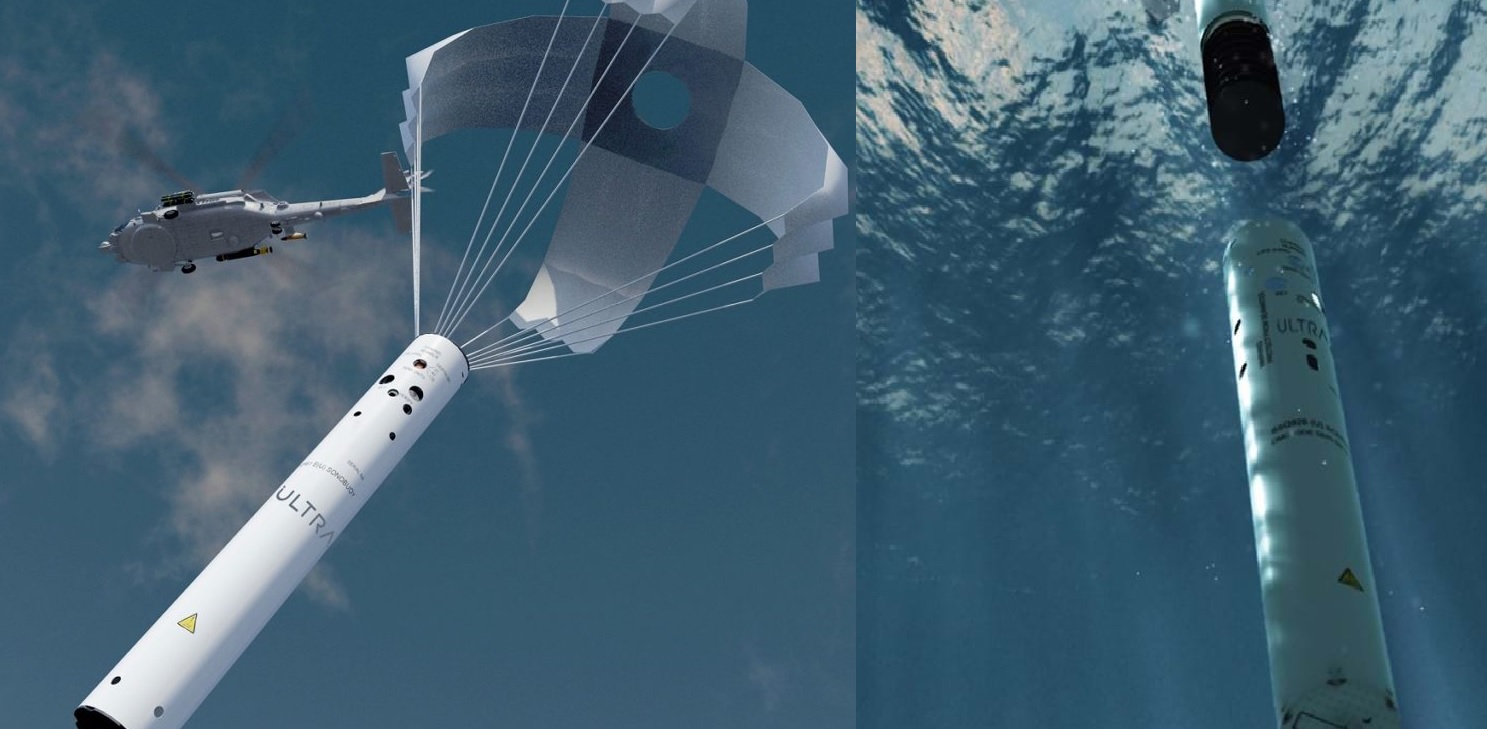
World
COLUMBIA CITY, Indiana — April 7, 2026 : Ultra Maritime has been awarded a sole-source, firm-fixed-price contract by the U.S. Navy for the Low Rate Initial Production (LRIP) of the AN/SSQ-125B sonobuoy, a next-generation acoustic sensor designed to strengthen anti-submarine warfare (ASW) operations. The award, announced on April 6, 2026, supports both immediate operational requirements and long-term force readiness objectives. Contract Scope and Operational Role The LRIP contract is structured to support a range of U.S. Navy activities, including annual training exercises, routine peacetime operations, and ongoing testing and evaluation programs. It also ensures the maintenance of sufficient inventory levels required to sustain major combat operations, in accordance with the Navy’s munitions requirements process. The AN/SSQ-125B will play a central role in maintaining operational readiness by providing deployable acoustic sensing capability across multiple mission scenarios. System Overview and Program Details The AN/SSQ-125B is the Multi-static Active Coherent (MAC) Source sonobuoy, a commandable coherent active search sensor with additional classified capabilities. It represents the latest iteration in the AN/SSQ-125 series, with U.S. Navy production plans transitioning exclusively to the B variant starting in fiscal year 2026 under a single-vendor framework. According to Navy budget documents, the estimated unit cost of the AN/SSQ-125B ranges between $11,000 and $15,000, based on vendor-provided projections. The AN/SSQ-125 series functions as the active source component within multistatic sonobuoy fields. These systems operate in coordination with receiver sonobuoys such as the AN/SSQ-101, enabling the detection, classification, and localization of submarines. Technical Capabilities and Performance Enhancements The AN/SSQ-125B has been developed to address the increasing complexity of the undersea battlespace, particularly the emergence of quieter and more technologically advanced submarines, as well as unmanned underwater vehicles. Key technical improvements include advanced signal processing capabilities that enable effective isolation of acoustic signatures in high-noise ocean environments. The system also delivers extended detection range and improved acoustic performance, expanding the coverage area and enhancing the ability to track low-signature threats. These enhancements contribute directly to improvements in the ASW kill chain by providing higher-fidelity acoustic data, reducing the time required for threat classification, and supporting more accurate operational decision-making. Carlo Zaffanella, President and CEO of Ultra Maritime, stated on April 6, 2026, that the system is designed to detect even the quietest submarines at greater distances, while improving clarity of acoustic data and accelerating response timelines for operators. Manufacturing, Infrastructure, and Scalability To support the transition to LRIP, Ultra Maritime has made strategic internal investments in advanced sonar technologies and manufacturing infrastructure. The company has established purpose-built facilities dedicated to the production of next-generation sonobuoys. These investments ensure immediate production readiness and provide scalability to meet increasing procurement demands from the U.S. Department of Defense. They also support long-term sustainment and lifecycle management of critical ASW systems. Ultra Maritime maintains established expertise in acoustic engineering and is currently the sole provider of all new U.S. specification sonobuoy variants. The company has previously contributed to the AN/SSQ-125 and AN/SSQ-125A series through joint ventures and predecessor organizations, including ERAPSCO. Earlier contracts associated with the AN/SSQ-125 family were awarded to entities such as Sparton De Leon Springs LLC for modified high-duty-cycle variants, with production activities conducted in locations including De Leon Springs, Florida, and Columbia City, Indiana. Program Context and Recent Developments The AN/SSQ-125B LRIP contract represents the first production award for the upgraded variant and aligns with ongoing procurement efforts managed by the Navy’s Air Anti-Submarine Warfare Systems Program Office (PMA-264). This award follows a separate contract issued in February 2026, under which Ultra Maritime was tasked with developing the Next-Generation Acoustic Device Countermeasure (ADC) MK6, a system intended to enhance protection of naval platforms against evolving underwater threats. Together, these developments reflect the U.S. Navy’s continued emphasis on advancing acoustic sensing technologies to address emerging challenges in undersea warfare. Ultra Maritime continues to support global naval ASW operations through its portfolio of sonobuoy systems and associated technologies.
Read More → Posted on 2026-04-07 17:10:47Search
Top Trending in 24 Hours
-
 Qarbon Aerospace Returns to F-22 Program with New U.S. Air Force Sustainment Contract
-
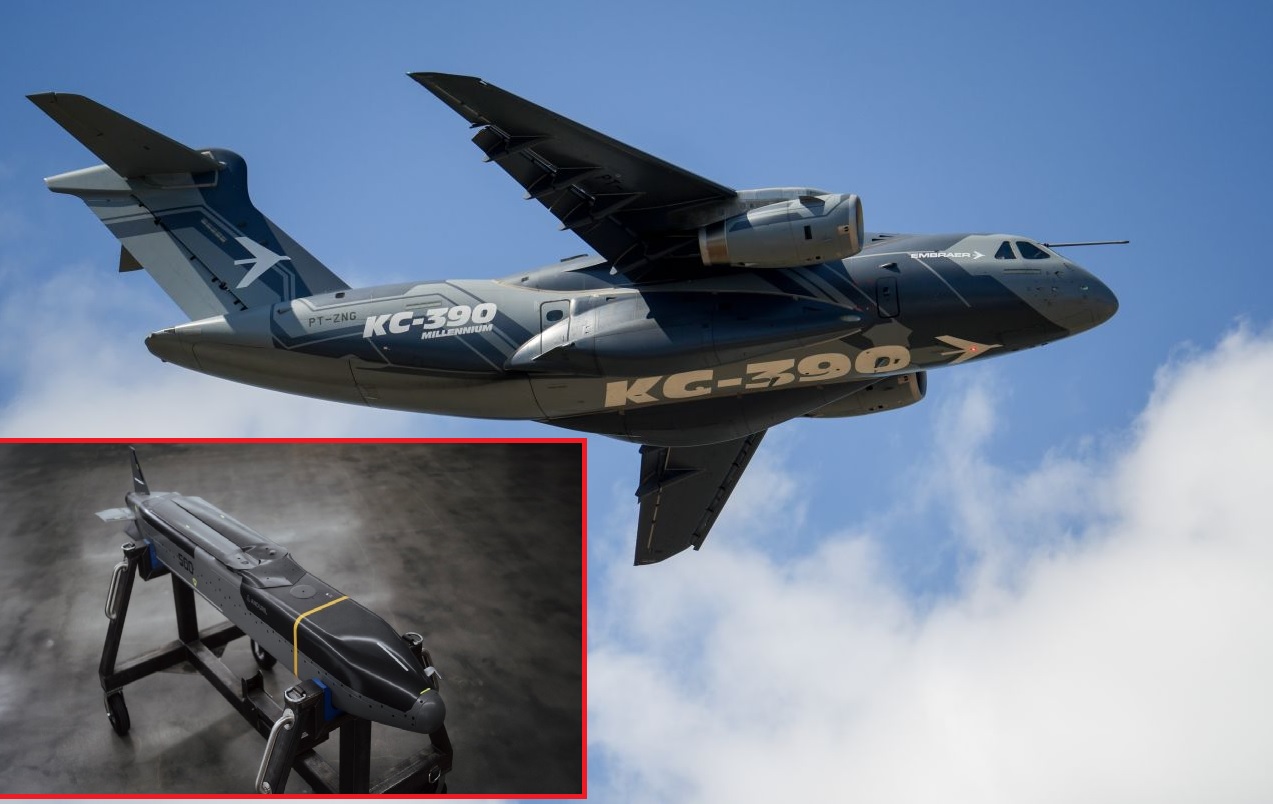 Embraer and Anduril Partner to Integrate Barracuda-500M Cruise Missile with C-390 Millennium
-
 HD Hyundai and Peru's SIMA Complete Basic Design of HDS-MGP Next-Generation Submarine
-
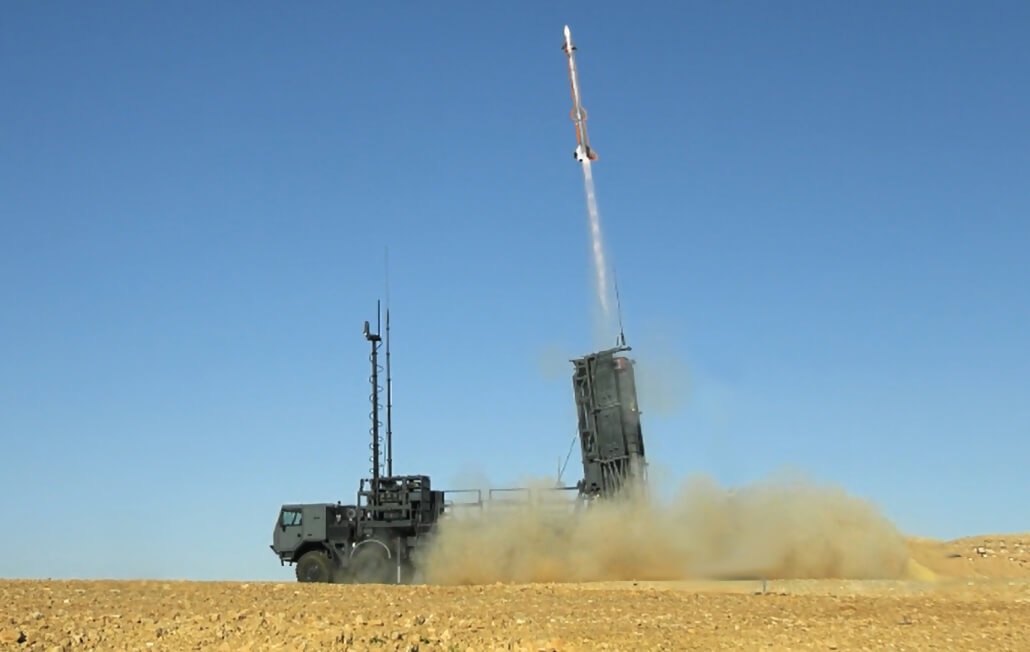 Greece Set to Approve €3 Billion Israeli Air Defense Deal for 'Achilles’ Shield' Network
-
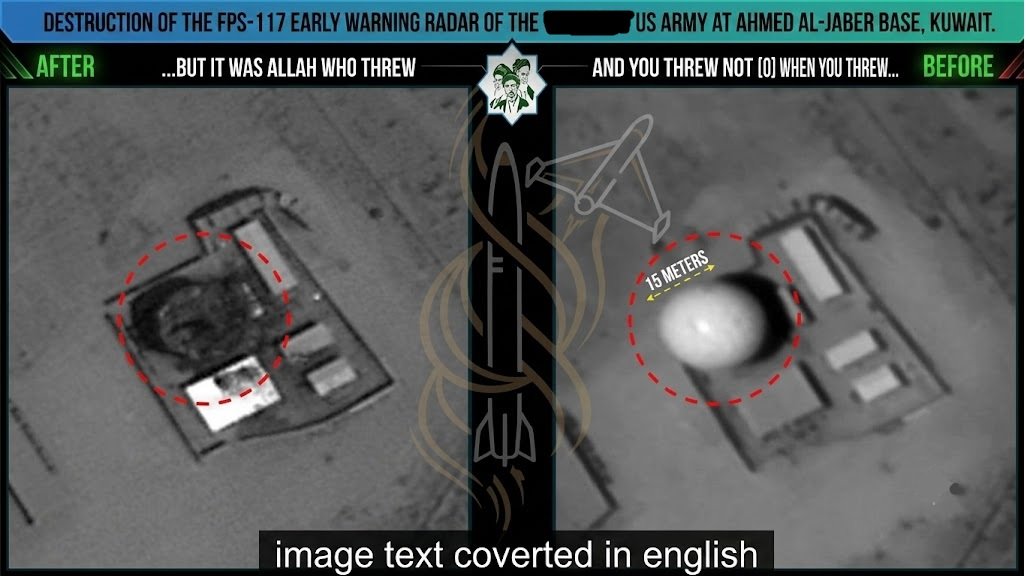 IRGC Claims Destruction of Second AN/FPS-117 Radar in Latest Strike on Kuwait's Ahmed Al-Jaber Air Base
-
 BAE Systems Unveils BlackThorn Modular Warhead Family for Autonomous Weapons and Counter-Drone Systems
Top Trending in 4 Days
-
 New Satellite Imagery Reveals Extensive Damage at Jordan's Muwaffaq al-Salti Air Base After Iranian Missile Strike
-
 Anduril Unveils Thunder Autonomous Attack Rotorcraft Built with Archer Aviation to Support Apache Helicopters
-
 Iran Claims It Shot Down U.S.-Operated Polish-Built Tiguar-M Drone, Releases Images
-
 UK Cancels Meteor Missile Mid-Life Upgrade, Prioritizes Next-Generation FASE Air-to-Air Missile Programme
-
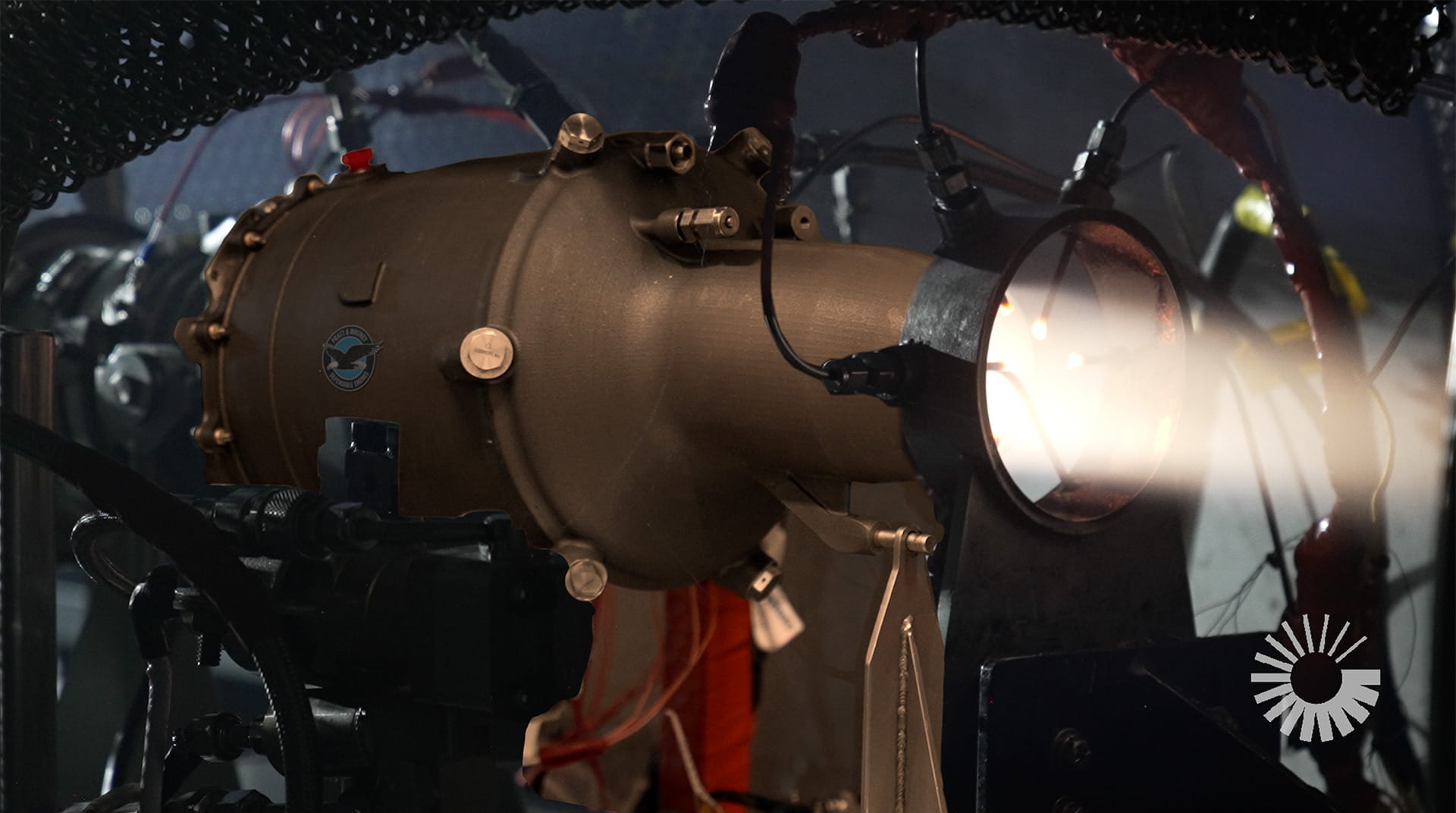 Pratt & Whitney Completes Testing of 3D-Printed TJ150 Engine for Military Applications
-
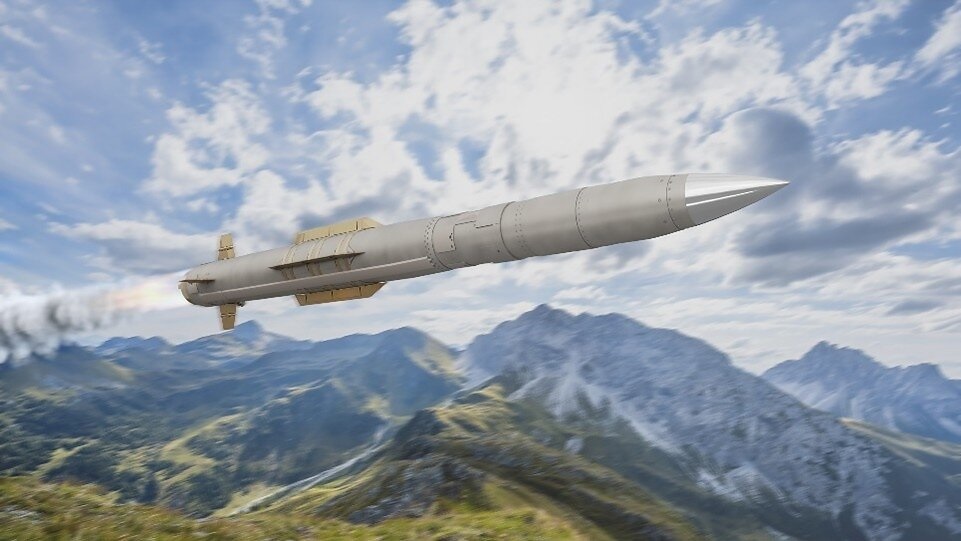 Lockheed Martin Unveils Lower-Cost PAC-3 ACE Interceptor for Patriot Air Defense System
-
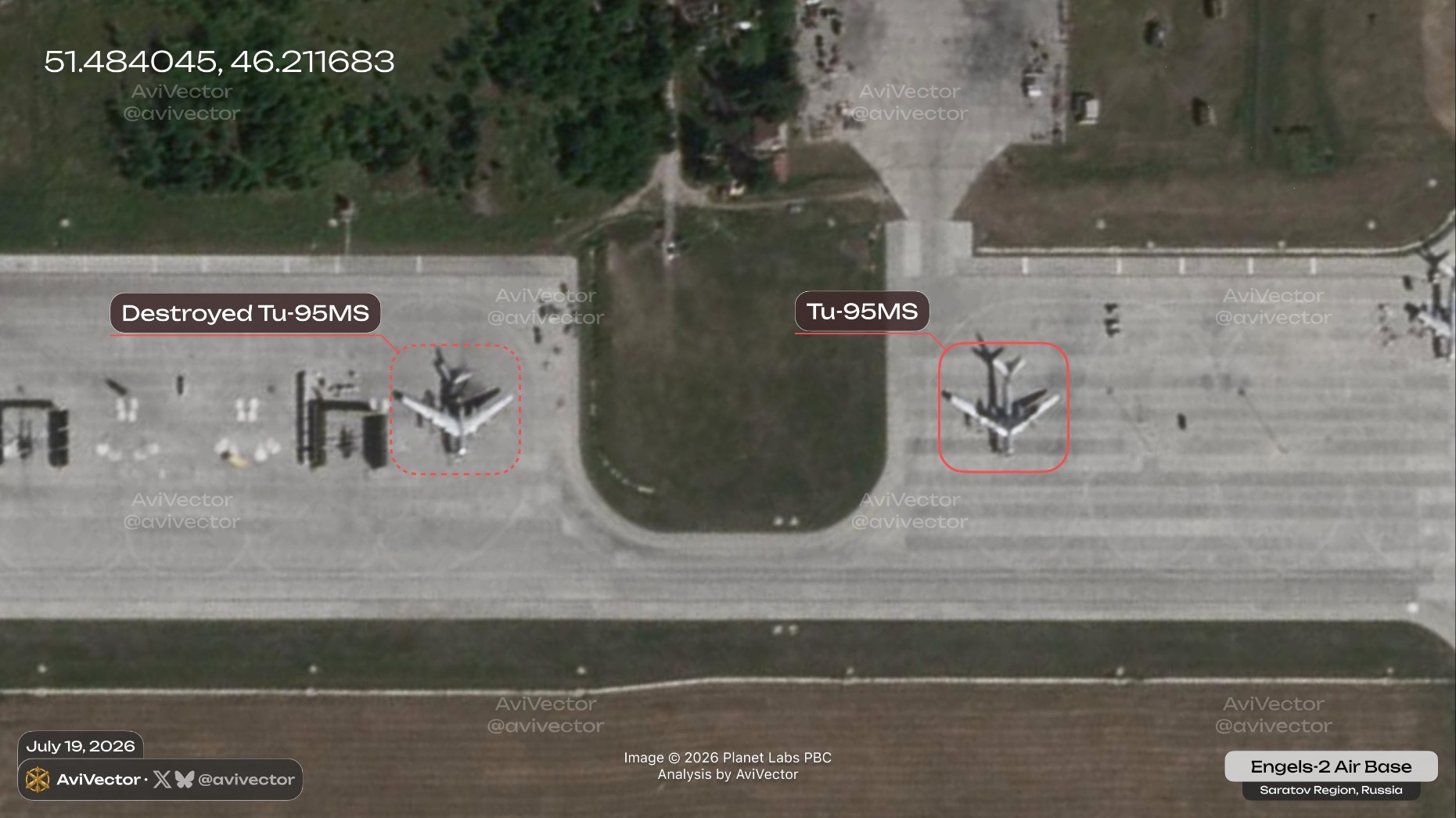 Satellite Images Confirm Russian Tu-95MS Bomber Destroyed After Ukrainian Drone Strike on Engels-2 Air Base
-
 BHEL Successfully Develops India’s First Indigenous 1200 kV, 333 MVA Per-Phase UHVAC Transformer
