World
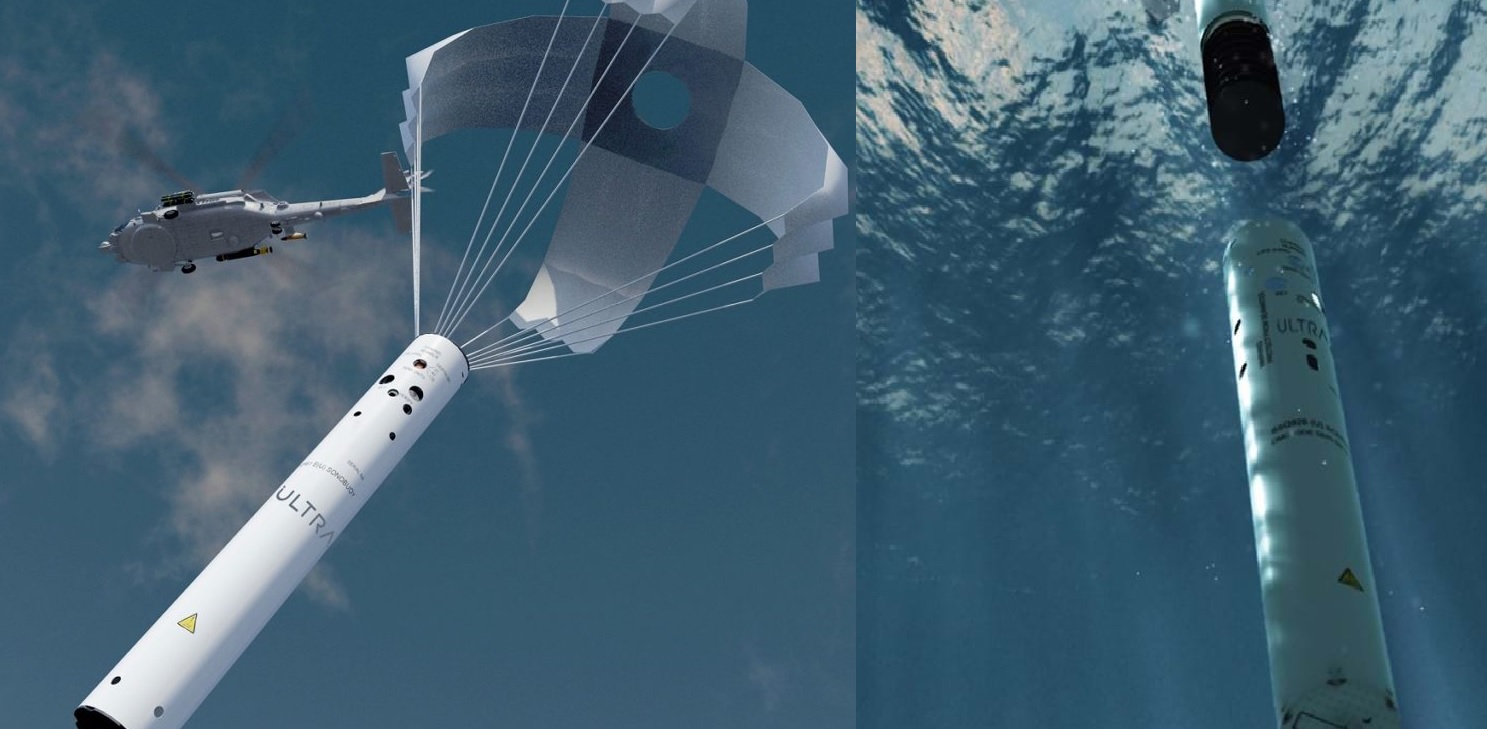
COLUMBIA CITY, Indiana — April 7, 2026 : Ultra Maritime has been awarded a sole-source, firm-fixed-price contract by the U.S. Navy for the Low Rate Initial Production (LRIP) of the AN/SSQ-125B sonobuoy, a next-generation acoustic sensor designed to strengthen anti-submarine warfare (ASW) operations. The award, announced on April 6, 2026, supports both immediate operational requirements and long-term force readiness objectives. Contract Scope and Operational Role The LRIP contract is structured to support a range of U.S. Navy activities, including annual training exercises, routine peacetime operations, and ongoing testing and evaluation programs. It also ensures the maintenance of sufficient inventory levels required to sustain major combat operations, in accordance with the Navy’s munitions requirements process. The AN/SSQ-125B will play a central role in maintaining operational readiness by providing deployable acoustic sensing capability across multiple mission scenarios. System Overview and Program Details The AN/SSQ-125B is the Multi-static Active Coherent (MAC) Source sonobuoy, a commandable coherent active search sensor with additional classified capabilities. It represents the latest iteration in the AN/SSQ-125 series, with U.S. Navy production plans transitioning exclusively to the B variant starting in fiscal year 2026 under a single-vendor framework. According to Navy budget documents, the estimated unit cost of the AN/SSQ-125B ranges between $11,000 and $15,000, based on vendor-provided projections. The AN/SSQ-125 series functions as the active source component within multistatic sonobuoy fields. These systems operate in coordination with receiver sonobuoys such as the AN/SSQ-101, enabling the detection, classification, and localization of submarines. Technical Capabilities and Performance Enhancements The AN/SSQ-125B has been developed to address the increasing complexity of the undersea battlespace, particularly the emergence of quieter and more technologically advanced submarines, as well as unmanned underwater vehicles. Key technical improvements include advanced signal processing capabilities that enable effective isolation of acoustic signatures in high-noise ocean environments. The system also delivers extended detection range and improved acoustic performance, expanding the coverage area and enhancing the ability to track low-signature threats. These enhancements contribute directly to improvements in the ASW kill chain by providing higher-fidelity acoustic data, reducing the time required for threat classification, and supporting more accurate operational decision-making. Carlo Zaffanella, President and CEO of Ultra Maritime, stated on April 6, 2026, that the system is designed to detect even the quietest submarines at greater distances, while improving clarity of acoustic data and accelerating response timelines for operators. Manufacturing, Infrastructure, and Scalability To support the transition to LRIP, Ultra Maritime has made strategic internal investments in advanced sonar technologies and manufacturing infrastructure. The company has established purpose-built facilities dedicated to the production of next-generation sonobuoys. These investments ensure immediate production readiness and provide scalability to meet increasing procurement demands from the U.S. Department of Defense. They also support long-term sustainment and lifecycle management of critical ASW systems. Ultra Maritime maintains established expertise in acoustic engineering and is currently the sole provider of all new U.S. specification sonobuoy variants. The company has previously contributed to the AN/SSQ-125 and AN/SSQ-125A series through joint ventures and predecessor organizations, including ERAPSCO. Earlier contracts associated with the AN/SSQ-125 family were awarded to entities such as Sparton De Leon Springs LLC for modified high-duty-cycle variants, with production activities conducted in locations including De Leon Springs, Florida, and Columbia City, Indiana. Program Context and Recent Developments The AN/SSQ-125B LRIP contract represents the first production award for the upgraded variant and aligns with ongoing procurement efforts managed by the Navy’s Air Anti-Submarine Warfare Systems Program Office (PMA-264). This award follows a separate contract issued in February 2026, under which Ultra Maritime was tasked with developing the Next-Generation Acoustic Device Countermeasure (ADC) MK6, a system intended to enhance protection of naval platforms against evolving underwater threats. Together, these developments reflect the U.S. Navy’s continued emphasis on advancing acoustic sensing technologies to address emerging challenges in undersea warfare. Ultra Maritime continues to support global naval ASW operations through its portfolio of sonobuoy systems and associated technologies.
Read More → Posted on 2026-04-07 17:10:47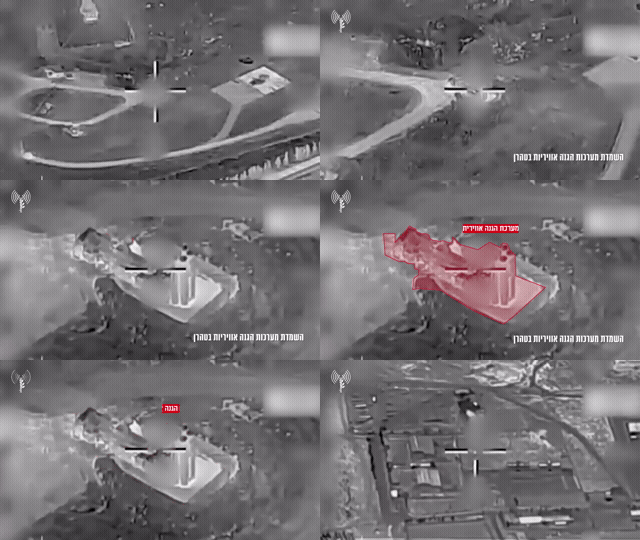
World
Jerusalem, — April 7, 2026 : The Israel Defense Forces (IDF) on Tuesday released new video footage documenting an airstrike on an Iranian S-300PMU long-range air defense system, as part of its ongoing campaign targeting Iranian military infrastructure. According to the IDF, the footage shows precision-guided munitions striking a fixed surface-to-air missile (SAM) battery. While the military did not disclose the exact location of the strike in its April 7 release, defense analysts assess that the targeted system was deployed within the broader air defense network protecting the airspace around Tehran. The S-300PMU system is a Russian-supplied long-range air defense platform and represents one of the most advanced components of Iran’s imported air defense inventory. Iran originally signed a procurement contract with the Russian Federation in 2007. Deliveries were delayed due to international sanctions but resumed after restrictions were lifted, with systems delivered by the mid-2010s and becoming operational around 2016. The system is designed to detect, track, and engage a range of aerial threats, including combat aircraft, cruise missiles, and certain ballistic missile targets. In the configuration operated by Iran, the S-300PMU is assessed to have an interception range of approximately 125 to 150 kilometers, depending on missile type and engagement parameters. A standard battery consists of a primary surveillance radar, an engagement radar, command and control vehicles, and multiple transporter erector launchers (TELs), operating as an integrated unit. The April 7 footage release forms part of a broader IDF effort to document operational activity against Iranian military assets. Israeli officials have indicated that degrading Iran’s surface-to-air missile network remains a central operational objective, particularly to enable sustained aerial operations in contested airspace. This latest strike follows earlier operations conducted in June 2025, during which Israeli forces carried out a combination of airstrikes and sabotage targeting Iran’s long-range air defense infrastructure. According to regional reporting and open-source intelligence assessments, those operations resulted in the destruction of a significant portion of Iran’s S-300 inventory, reducing the effectiveness of the country’s integrated air defense network. Analysts assess that the losses sustained in June 2025 limited Iran’s ability to employ its long-range air defense systems as a primary barrier against subsequent air incursions. The continued targeting of remaining systems further reduces coverage over key strategic areas. The S-300PMU constitutes the highest-tier imported air defense capability available to Iran. As these systems are degraded, Iran is expected to rely increasingly on domestically developed alternatives, including the Bavar-373 air defense system, which employs indigenous Sayyad-4 interceptor missiles. The reduction in available S-300 systems is assessed to increase the exposure of fixed strategic sites, including military installations, command centers, and missile production facilities, to future air operations. The IDF has also released additional materials in recent weeks documenting strikes on other elements of Iran’s military infrastructure, including mobile ballistic missile launchers in areas such as Tabriz, as well as other air defense and missile-related assets. The April 7 footage release coincides with continued Israeli operations following the June 2025 conflict, during which Israeli forces conducted initial strikes on radar installations and surface-to-air missile systems, enabling sustained aerial activity over parts of Iranian airspace.
Read More → Posted on 2026-04-07 17:02:15
India
New Delhi, — April 7, 2026 : The Indian Navy has issued a detailed problem statement titled “Rearming by Drone (REARM-D) at Sea” under the 14th edition of the Defence India Startup Challenge (DISC-14), outlining a requirement for a heavy-lift multi-rotor unmanned aerial vehicle (UAV) capable of reloading surface-to-air missiles (SAMs) into vertical launch system (VLS) cells while warships remain deployed at sea. The requirement reflects operational challenges observed during sustained maritime deployments, where warships face rapid depletion of onboard SAM inventories while countering low-cost drones and incoming missile threats. At present, replenishment of VLS cells is conducted in harbour using jetty-based crane infrastructure, necessitating the withdrawal of combat vessels from operational areas and resulting in reduced mission availability. Operational Requirement and Concept of Employment The REARM-D concept is designed to enable ship-to-ship transfer of missile canisters without requiring vessels to return to port. Under the proposed system, a multi-rotor UAV will transport SAM canisters from a logistics or supply ship to a receiving warship under controlled movement conditions at sea. During the transfer phase, the UAV will carry the missile canister using a gyro-stabilised platform to minimise oscillation caused by wind, ship motion, and relative movement between vessels. Upon reaching the receiving ship, the UAV will establish a hover position above the designated Vertical Launch Unit (VLU) module and align precisely with the target VLS cell. A winch-based deployment system integrated into the UAV, supported by real-time stabilisation mechanisms, will then lower the canister vertically into the launch cell. The process will be assisted by a portable and removable loading interface temporarily installed on the selected VLU cell to ensure accurate alignment and safe insertion. Technical Specifications and Performance Parameters The Indian Navy has defined stringent technical parameters for the proposed UAV system. The platform must demonstrate an operational endurance exceeding two hours and a payload capacity greater than 900 kilograms, placing it significantly above the capability range of most currently available multi-rotor UAVs in India. To meet endurance and stability requirements in maritime conditions, the UAV will be powered by an internal combustion engine rather than conventional electric propulsion systems. This configuration is intended to support extended flight duration, sustained hover capability, and reliable performance across varying wind directions, sea states, and ship speeds. The UAV must also maintain precise positional control during hover and payload deployment, ensuring accurate alignment with VLS cells under dynamic conditions at sea. Missile Compatibility and Limitations The REARM-D system is intended to support reloading of medium and short-range naval air defence missiles currently deployed on Indian Navy platforms. These include the Barak-8 Medium-Range Surface-to-Air Missile (MRSAM) and Long-Range Surface-to-Air Missile (LRSAM), as well as future systems such as the Vertical Launch Short Range Surface-to-Air Missile (VLSRSAM). The payload capacity threshold excludes heavier strike weapons from the scope of the system. Notably, the BrahMos supersonic cruise missile, with an approximate weight of 3,000 kilograms, cannot be handled by the proposed UAV-based rearming solution. Industrial and Technological Challenges The development of a multi-rotor UAV capable of lifting payloads in excess of 900 kilograms represents a significant technological step for the domestic defence industry. Most multi-rotor UAVs currently developed in India for defence applications have payload capacities below 100 kilograms. Achieving the required lift capability, endurance, and stability in maritime environments places the REARM-D system in a category comparable to large electric vertical take-off and landing (eVTOL) aircraft under development. In addition to propulsion and lift challenges, the system must integrate advanced stabilisation, precision navigation, and ship-relative positioning technologies. DISC-14 Framework and Related Naval Challenges The REARM-D problem statement is listed as Challenge 35 within DISC-14, which includes a total of 82 problem statements issued by the Indian Army, Indian Navy, Indian Air Force, and Indian Coast Guard. The initiative is being conducted under the Innovations for Defence Excellence (iDEX) framework, aimed at promoting indigenous development of advanced defence technologies through startup participation. In addition to REARM-D, the Indian Navy has included multiple unmanned and autonomous system requirements in DISC-14. These include vertical take-off and landing (VTOL) UAVs for anti-submarine warfare, submersible intelligence, surveillance, and reconnaissance (ISR) unmanned surface vessels, and long-range VTOL multi-role attack drones. Global Context and Comparable Developments The Indian Navy’s focus on at-sea rearming aligns with similar efforts underway in other naval forces. The United States Navy has conducted initial trials of at-sea VLS replenishment using the Transferrable Reload At-sea Method (TRAM), which enables missile transfer from replenishment ships using specialised handling systems. In 2026, General Dynamics presented a destroyer tender concept designed to support simultaneous reloading of up to four destroyers at sea. The French Navy has also initiated testing of procedures and technologies aimed at enabling at-sea reloading of vertical launch systems. Strategic Significance The REARM-D initiative represents an early publicly disclosed indication of the Indian Navy’s intent to develop at-sea rearming capability for vertical launch systems. Such a capability would allow sustained deployment of surface combatants by reducing dependence on port infrastructure and enabling continuous replenishment during operations. If successfully developed, the system is expected to enhance operational endurance and maintain air defence readiness of naval task groups operating in high-threat environments without interruption to mission timelines.
Read More → Posted on 2026-04-07 16:30:17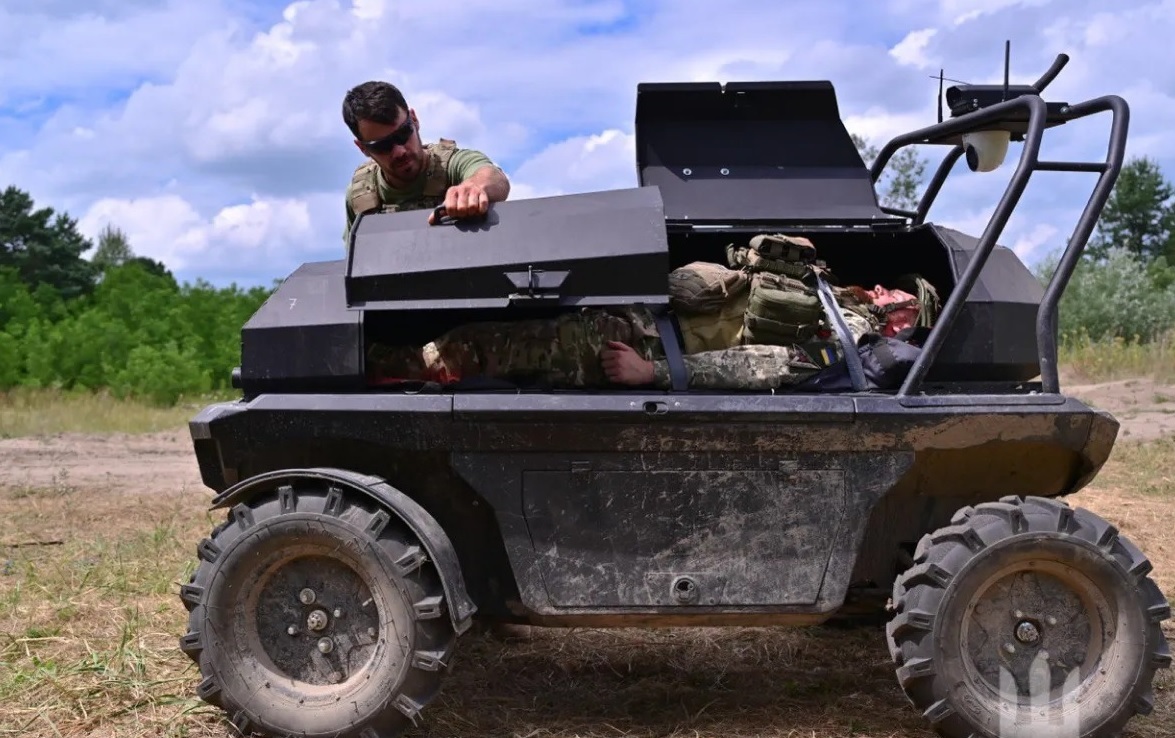
World
KYIV, — April 7, 2026 : Ukraine’s First Separate Medical Battalion conducted six successful casualty evacuation missions within a 24-hour period, using unmanned ground vehicles (UGVs) to extract wounded personnel from frontline positions under sustained threat from Russian first-person-view (FPV) drones, according to a statement reported by Ukrainian defense outlet Oboronka. The operations took place between April 6 and April 7, following evacuation requests that began arriving on April 5. Two of the wounded soldiers had remained at forward positions since April 5, while additional cases were reported on April 6. All six evacuation sorties were completed within a single day despite continued drone surveillance and attack risks along key routes. Robotic Systems Used for High-Risk Evacuation The battalion deployed two armored unmanned ground platforms identified as MAUL systems, designed specifically for casualty evacuation in contested environments. The vehicles are built on quadricycle chassis with full drive configurations and internal combustion engines, allowing them to operate across damaged roads, cratered terrain, and debris-strewn areas near the line of contact. Across the six missions, the two robotic systems covered a combined distance of approximately 300 kilometers (186 miles). Each sortie involved navigating from rear positions to frontline locations, retrieving wounded personnel, and returning to designated transfer points. Every mission was completed successfully. The MAUL platforms are equipped with armored steel capsules intended to protect casualties from shrapnel and drone-delivered explosives. The systems were operated by two parallel teams of remote operators, with each mission lasting between two and two-and-a-half hours. Casualties and Medical Transfer Chain The evacuated personnel sustained a range of injuries, including shrapnel wounds to limbs caused by FPV drone strikes. One soldier suffered a traumatic amputation of a foot due to a mine explosion and experienced significant blood loss prior to evacuation. After extraction, the wounded were transferred at designated handover points to conventional medical evacuation crews. These teams transported the patients to surgical units within the First Separate Medical Battalion for further treatment. Throughout the operations, the battalion maintained continuous remote monitoring of the wounded personnel’s condition. Coordination with adjacent military units was required to secure movement corridors and ensure timing aligned with tactical conditions on the ground. Operational Constraints and Planning According to the battalion, the missions required detailed route planning and constant communication between operators and frontline units. The unit described the operational cycle as involving “concentration, constant interaction with adjacent units, careful route planning, and constant remote monitoring,” while also noting the need to operate under persistent FPV drone threats. Russian FPV drones have increasingly targeted both static defensive positions and moving vehicles, including ambulances and armored transports. This has reduced the viability of traditional casualty evacuation methods near active combat zones. Ground robotic complexes (NRK systems) in Ukrainian terminology have been introduced to mitigate these risks. By removing onboard personnel, these systems allow evacuation operations to continue without exposing drivers and medics to direct attack. Technical and Electronic Warfare Challenges Despite their advantages, UGV operations face technical constraints. Control systems relying on analogue radio links remain vulnerable to electronic warfare (EW) jamming. Additionally, engine heat signatures can make the vehicles detectable by thermal imaging systems. To address these challenges, operators employ multi-node control networks to maintain signal continuity and conduct pre-mission reconnaissance to identify gaps in enemy surveillance coverage. Route selection is adjusted to minimize exposure to known drone flight paths and observation zones. Previous Robotic Evacuation Operations The First Separate Medical Battalion has previously conducted similar missions using robotic systems. In an earlier operation in the Kostiantynivka area, the unit worked with the Libertas Battalion over two days to evacuate a critically wounded soldier under repeated FPV drone attacks. That mission resulted in the loss of one robotic unit and the destruction of an armored vehicle but was ultimately completed. In another instance, the battalion used a UGV to evacuate a soldier suspected of suffering a stroke at a forward position, demonstrating the systems’ application beyond combat-related trauma. During a separate operation referred to as “Skittles,” the battalion evacuated two severely wounded soldiers in consecutive missions. In the second extraction, the robotic platform sustained a direct hit from a drone-dropped explosive, but the armored capsule prevented further injury to the casualty. Expanding Role of Unmanned Systems in Battlefield Medicine The use of UGVs reflects a broader shift in Ukrainian military medical practices as drone warfare alters conditions along the front line. Traditional evacuation timelines, including the “golden hour” standard for trauma care, have been increasingly difficult to maintain due to the risk posed by aerial threats. Unmanned systems are now being integrated not only for casualty evacuation but also for logistics support, including the delivery of ammunition, medical supplies, and equipment to forward units. Ukraine has continued to expand the deployment and production of ground robotic systems for these roles. Ukrainian President Volodymyr Zelensky has previously awarded state honors to members of the First Separate Medical Battalion, recognizing their use of robotic platforms in high-risk evacuation missions and supporting broader efforts to scale such technologies across the armed forces.
Read More → Posted on 2026-04-07 16:14:23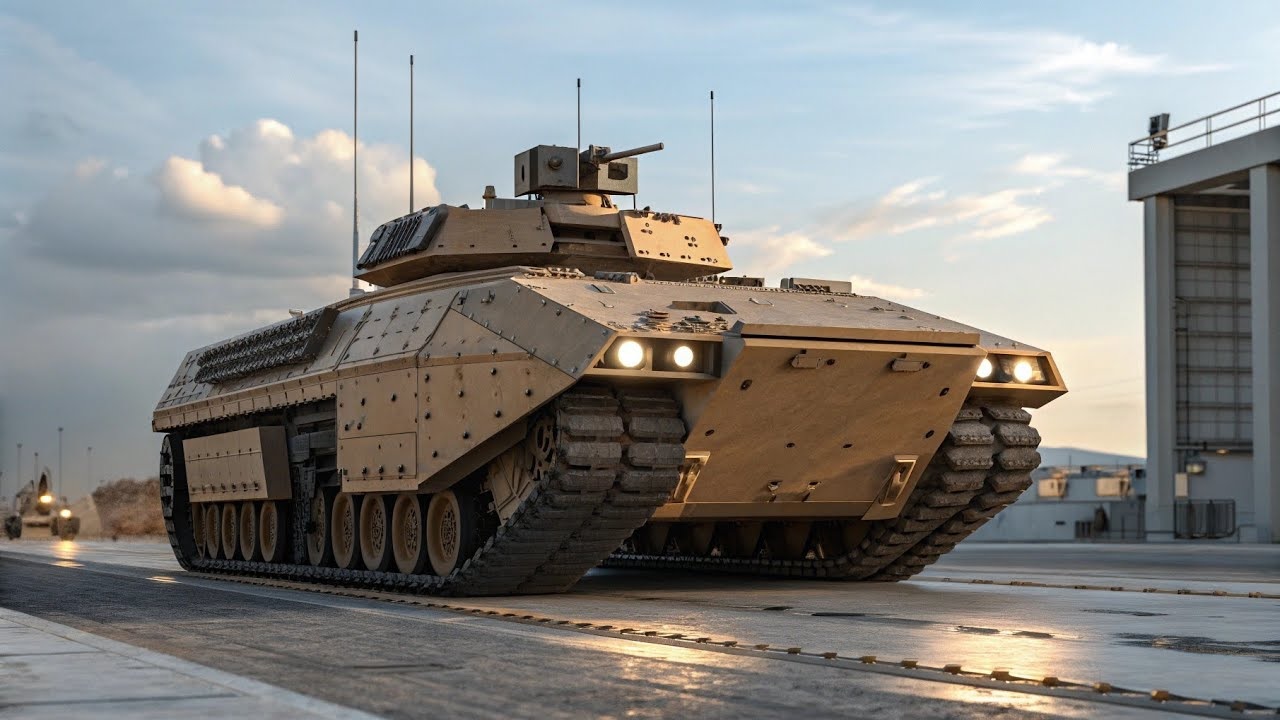
World
WASHINGTON, — April 7, 2026 : The U.S. Army has initiated the procurement phase of the XM30 Mechanized Infantry Combat Vehicle (MICV), requesting $547 million in its Fiscal Year 2027 budget to acquire an initial batch of 19 vehicles. The funding request, detailed in the Army’s FY2027 P-1 procurement documents released in April 2026, formally transitions the program from a research and development effort into a production-relevant acquisition program intended to replace the M2 Bradley Infantry Fighting Vehicle. Transition From Development to Procurement The FY2027 request follows the program’s Milestone B approval in June 2025, which authorized entry into engineering and manufacturing development. Until FY2026, the XM30 program was funded exclusively through Research, Development, Test, and Evaluation (RDT&E) accounts, receiving approximately $386.4 million that year without any procurement of vehicles. The introduction of a procurement line in FY2027 bridges the transition from digital design and prototype maturation to physical production and manufacturing readiness. The funding supports the acquisition of representative vehicles, continued testing, and industrial preparation ahead of a planned Milestone C decision in the first quarter of FY2028, which will determine entry into low-rate initial production. The XM30 procurement is part of a broader expansion in Army funding. The FY2027 budget request raises total Army procurement accounts to approximately $60.5 billion, compared to about $30.7 billion in FY2026 enacted and spend-plan resources. System Design and Combat Capabilities The XM30, previously known as the Optionally Manned Fighting Vehicle (OMFV), is designed for operations in high-intensity conflict environments against advanced adversaries. The vehicle introduces a new armament architecture centered on the XM913 50mm Bushmaster chain gun, produced by Northrop Grumman. The weapon system fires 50x228mm ammunition at a rate of 100 to 200 rounds per minute and incorporates dual-feed and first-round-select functionality. It supports programmable high-explosive air-bursting munitions and armor-piercing fin-stabilized discarding sabot rounds, expanding the range of target engagement compared to legacy infantry fighting vehicles. The vehicle is configured with a two-soldier crew and capacity for six dismounted infantry personnel. Competing designs include an uncrewed or remotely operated turret, anti-tank guided missiles, machine guns, third-generation forward-looking infrared sensors, advanced fire control systems, modular armor, and integrated active protection systems. Signature management features are also incorporated to reduce detectability. The XM30 employs a Modular Open Systems Approach (MOSA), enabling faster integration of software updates, survivability improvements, and mission systems. It also incorporates hybrid-electric propulsion elements to reduce onboard power strain and support future capabilities such as electronic warfare payloads, counter-drone systems, and advanced sensors. Operationally, the vehicle is designed to defeat dismounted infantry in cover, light and medium armored vehicles, missile teams, and drone-enabled threats while maintaining mobility compatible with Abrams-equipped armored brigade combat teams. Replacement of the M2 Bradley The XM30 program addresses limitations identified in the M2 Bradley platform, whose baseline design dates to the Cold War. The Bradley’s armament includes the 25mm M242 Bushmaster chain gun, TOW anti-tank missiles, and a 7.62mm coaxial machine gun. While the Bradley A4 variant improves mobility, power management, and onboard systems, Army assessments indicate diminishing returns from further upgrades. Constraints in electrical power generation, internal volume, protection integration, and turret lethality have driven the requirement for a new platform. The XM30’s larger 50mm ammunition system, digital engineering framework, and increased onboard power capacity are intended to provide greater standoff range and support future system integration. Industrial Base and Competitive Structure The Army continues to maintain competition within the XM30 program to reduce technical and production risk. In 2023, prototype contracts valued at approximately $1.6 billion were awarded to General Dynamics Land Systems and American Rheinmetall Vehicles. Each contractor is required to deliver prototype vehicles, ballistic hulls and turrets, armor test articles, and associated digital engineering data. These prototypes are scheduled for delivery and testing during 2026. A final downselect is expected near the Milestone C decision in early FY2028. The $547 million procurement request for 19 vehicles serves as an initial production signal to the defense industrial base. It supports suppliers involved in subsystems, armor manufacturing, weapons integration, and electronic systems, while requiring contractors to demonstrate manufacturing readiness before full-scale production commitments. Program Outlook The inclusion of the XM30 as a dedicated procurement line in FY2027 reflects its status as a central element of Army modernization efforts. The initial procurement quantity is limited but establishes the program within the acquisition system and supports continued testing and validation. With prototype deliveries scheduled for 2026 and a Milestone C decision planned for the first quarter of FY2028, the XM30 program is positioned to transition toward low-rate initial production as part of a broader effort to modernize the Army’s tracked combat vehicle fleet.
Read More → Posted on 2026-04-07 15:36:48
World
KYIV, Ukraine — April 7, 2026 : The Russian Navy’s Project 11356R frigate Admiral Essen sustained additional damage during a Ukrainian unmanned aerial vehicle (UAV) attack on the Black Sea port of Novorossiysk on April 6, 2026, according to open-source intelligence (OSINT) assessments. The incident marks the second confirmed strike on the vessel within just over a month, following an earlier attack on March 2, 2026. Identification Confirmed Through Imagery Analysis OSINT analysts from the CyberBoroshno group confirmed the identity of the damaged vessel after examining post-strike satellite imagery captured on April 7, 2026. The ship was conclusively identified as Admiral Essen based on its distinctive white radar antennas, a feature that differentiates it from other Project 11356R frigates, which are equipped with standard gray antenna systems. Additional verification was achieved by analyzing vessel positioning within Novorossiysk harbor. Analysts noted that the frigate Admiral Makarov remained in the same mooring location observed after earlier attacks, providing a consistent spatial reference. This allowed analysts to confirm that the vessel struck on April 6 was Admiral Essen. Damage Concentrated in Forward Section Military analysts assessing the satellite imagery reported that the April 6 strike impacted the bow section of the frigate, near the A-190 100 mm naval gun. This forward area contains anchor handling systems and auxiliary compartments. The impact zone is also located directly above the MGK-335M “Platina” hull-mounted sonar system. Although the sonar itself is positioned below the waterline, analysts assess that any structural shock or collateral damage in this section could significantly degrade the ship’s anti-submarine warfare capabilities. Repairs to such systems typically require dry-dock facilities. There is no indication that the vertical launch system (VLS) cells, which house Kalibr cruise missiles, were directly hit in the April 6 strike. However, cumulative structural and systems damage is expected to further reduce the vessel’s operational readiness and mobility. Context: March 2 Strike Caused Extensive System Damage The latest strike follows a previous UAV attack on the night of March 2, 2026, which caused significant damage to the frigate’s central superstructure. That earlier strike resulted in a fire that reportedly burned for approximately 18 hours. According to Ukrainian security sources and independent analysts, the March 2 incident triggered a secondary detonation involving onboard PK-10 passive decoy launchers. The explosion and prolonged fire led to the degradation or destruction of multiple critical onboard systems. Systems reported damaged or destroyed in the March attack include: The TK-25 electronic warfare suite MR-90 “Orekh” fire-control radars Fregat-M2M primary surveillance radar Following the March 2 strike, assessments indicated that the frigate’s ability to conduct long-range strike operations using Kalibr cruise missiles was significantly reduced. Vessel Background and Operational Role The Admiral Essen is one of three Project 11356R (Admiral Grigorovich-class) frigates in Russian service. The class was constructed at the Yantar Shipyard in Kaliningrad. The vessel was launched in 2014 and commissioned into the Russian Navy in June 2016 as part of the Black Sea Fleet. Designed for multi-role operations, the frigate is capable of anti-submarine warfare, surface combat, and long-range land-attack missions. It is equipped to carry up to eight Kalibr cruise missiles and features multiple sensor systems, including the Fregat-M2M air search radar and the 3Ts-25 Garpun-B surface search radar. Since the escalation of hostilities in 2022, Admiral Essen has been regularly employed in missile strike operations targeting Ukrainian infrastructure. Fleet Disposition and Port Activity At the time of the April 6 attack, Admiral Essen and Admiral Makarov were the only Project 11356R frigates present at Novorossiysk. The lead ship of the class, Admiral Grigorovich, was deployed in the Mediterranean Sea and not present in port. The April 6 strike was part of a broader Ukrainian Unmanned Systems Forces operation targeting Russian naval assets and infrastructure in Novorossiysk. Ukrainian officials reported strikes on a Project 11356R frigate and additional port-related targets during the operation. Russian authorities acknowledged drone activity over Novorossiysk on April 6 but did not provide specific details regarding damage to naval vessels. Strategic Context: Shift to Novorossiysk Novorossiysk, located in Russia’s Krasnodar Krai, has become the primary operational hub for the Russian Black Sea Fleet. Over the past two years, Russia relocated a significant portion of its high-value naval assets to the port due to repeated Ukrainian strikes on facilities in occupied Crimea. Despite this relocation, the April 6 and March 2 attacks indicate that Ukrainian forces retain the capability to target naval assets at extended range. As of April 7, 2026, no official Russian statement has confirmed the extent of damage sustained by Admiral Essen in either the March 2 or April 6 strikes.
Read More → Posted on 2026-04-07 15:23:01
India
Kalpakkam, Tamil Nadu, — April 7, 2026 : India’s indigenously developed 500 MWe Prototype Fast Breeder Reactor (PFBR) at Kalpakkam attained first criticality on April 6, 2026, at 20:26 IST, marking the initiation of a controlled, self-sustaining nuclear fission chain reaction. The milestone represents a key operational phase preceding calibrated power escalation and eventual commercial electricity generation, and formally advances India into Stage II of its three-stage nuclear power programme. The PFBR has been designed by the Indira Gandhi Centre for Atomic Research (IGCAR) and constructed by Bharatiya Nabhikiya Vidyut Nigam Limited (BHAVINI), a public sector enterprise under the Department of Atomic Energy (DAE). The reactor is located at the Madras Atomic Power Station site in Kalpakkam. Its commissioning follows regulatory clearance from the Atomic Energy Regulatory Board (AERB), which conducted detailed safety evaluations after the completion of initial core loading. Fuel loading for the reactor began in October 2025. The first criticality achieved on April 6, 2026, signifies that the reactor has entered a stable configuration where the nuclear chain reaction is self-sustaining under controlled conditions. The next operational steps will involve low-power physics experiments, followed by a gradual and closely monitored increase in power levels before synchronization with the electricity grid. Commercial operations are scheduled to commence by September 2026. Technical Configuration and Reactor Design The PFBR is a sodium-cooled fast breeder reactor that operates using a uranium-plutonium mixed oxide (MOX) fuel core. Surrounding the core is a blanket of fertile uranium-238. Unlike conventional thermal reactors, which rely on moderated neutrons, the PFBR uses fast, unmoderated neutrons to sustain fission and facilitate breeding. During reactor operation, neutron interactions convert uranium-238 in the blanket into fissile plutonium-239. This breeding process enables the reactor to generate more fissile material than it consumes, supporting a closed nuclear fuel cycle. The system is designed to reprocess spent fuel and reintroduce it into the reactor, improving fuel utilization efficiency and reducing dependence on imported uranium. A dedicated Fast Reactor Fuel Cycle Facility (FRFCF) is under construction at the Kalpakkam site to support reprocessing and refuelling operations associated with the PFBR and future fast breeder reactors. Role in India’s Three-Stage Nuclear Programme The PFBR forms the central component of Stage II of India’s long-term nuclear power strategy, originally conceptualized by Dr. Homi J. Bhabha. The programme is structured to optimize the use of limited domestic uranium resources while leveraging abundant thorium reserves. Stage I of the programme is based on pressurised heavy water reactors (PHWRs) fueled by natural uranium, which produce plutonium-239 as a byproduct. Stage II utilizes this plutonium in fast breeder reactors such as the PFBR to multiply fissile material inventories. Stage III is planned to deploy thorium-based systems, where thorium-232 will be transmuted into uranium-233 for sustained nuclear power generation. The PFBR is designed with provisions to incorporate thorium into its blanket in future configurations. This will enable the production of uranium-233, which is intended to fuel advanced systems such as the 300 MWe Advanced Heavy Water Reactor (AHWR), currently under development. Industrial Participation and Expansion Plans The construction and development of the PFBR involved participation from more than 200 Indian industries, including micro, small, and medium enterprises (MSMEs), contributing to the expansion of the domestic nuclear manufacturing ecosystem. India’s prior operational experience in fast reactor technology includes the 13.5 MWe Fast Breeder Test Reactor (FBTR), which has been in service at Kalpakkam since 1985. The PFBR builds on this experience at a commercial scale. Following the PFBR, plans are in place to construct six additional fast breeder reactors with capacities of 600 MWe each. Two of these units are planned at a site adjacent to the PFBR, while a separate location is to be identified for the remaining four reactors. Strategic and International Context Upon achieving full operational capability and grid connectivity, India is expected to become the second country after Russia to operate a commercial-scale fast breeder reactor. The development supports long-term energy security objectives by enabling efficient utilization of domestic nuclear resources within a closed fuel cycle framework. Prime Minister Narendra Modi acknowledged the milestone on April 6, 2026, stating that the reactor’s ability to produce more fuel than it consumes reflects advancements in domestic scientific and engineering capabilities. He noted that the PFBR represents a significant step toward enabling thorium utilization in the future stages of India’s nuclear programme. The attainment of first criticality at the PFBR marks the transition from construction and commissioning into operational testing, with subsequent phases focused on validation, scaling, and integration into the national power grid.
Read More → Posted on 2026-04-07 13:45:18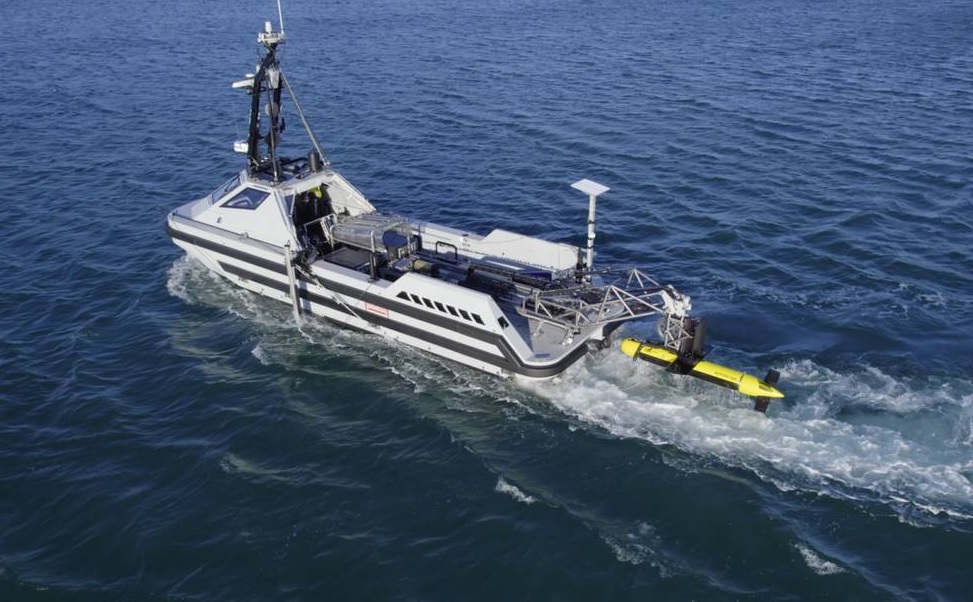
World
ISTANBUL, Türkiye — April 7, 2026 : Canada-based Kraken Robotics Inc. has announced the successful integration and live demonstration of its KATFISH towed synthetic aperture sonar (SAS) system alongside an autonomous launch and recovery system (LARS) deployed from SEFINE Shipyard’s RD-22 unmanned surface vessel (USV). The joint demonstration was conducted in coordination with SEFINE SISAM (Strategic Unmanned Systems Research Center) during the first quarter of 2026 off the coast of Istanbul. The demonstration was attended by representatives from multiple navies and government organizations and focused on operational scenarios involving the rapid detection and classification of mine-like objects, as well as the inspection of critical underwater infrastructure. Operational Performance and Capabilities During the trials, the KATFISH system produced synthetic aperture sonar imagery at a constant resolution of 3 centimeters by 3 centimeters, covering a survey range of up to 200 meters per side. The system operates at speeds between 4 and 10 knots, with survey altitudes ranging from 5 to 30 meters, and is rated for depths of up to 300 meters. In addition to high-resolution sonar imagery, the system also delivers bathymetric data at a resolution of 25 centimeters by 25 centimeters. All collected data was streamed in real time to an onshore command center, where operators utilized SEFINE SISAM’s mission planning software to detect and classify underwater contacts during the operation. Autonomous Deployment System A key component of the demonstration was the USV-compatible autonomous launch and recovery system (LARS). Designed specifically for smaller unmanned surface vessels, the LARS features an all-titanium construction that reduces overall weight while maintaining a low magnetic signature—an important factor in mine countermeasure (MCM) missions. The system enables the safe deployment and retrieval of the towed sonar without direct human intervention, allowing the host vessel to conduct operations in hazardous environments without onboard crew involvement. Industry Perspective Bernard Mills, Executive Vice President of Defence at Kraken Robotics, highlighted the operational relevance of the system in current maritime security conditions. He stated that the protection of maritime transit routes and underwater infrastructure has become increasingly important, and noted that autonomous mine countermeasure capabilities such as KATFISH allow naval forces to efficiently detect and classify mine-like threats. He added that the integration of Kraken’s sonar systems with SEFINE’s multi-role USVs enables faster deployment of advanced technologies while improving operational efficiency in complex maritime environments. Previous Demonstration and System Validation The Türkiye deployment follows an earlier integration conducted in November 2025, when Kraken Robotics partnered with TKMS ATLAS UK to demonstrate the same KATFISH and USV LARS configuration aboard an 11-meter ARCIMS USV operated by the UK Royal Navy. That demonstration took place off the coast of Portland, United Kingdom, for NATO representatives. The system was fully integrated in under two weeks and maintained operational performance in sea state 3 conditions. The trial also confirmed the system’s air-deployable capability as a 300-meter depth-rated autonomous towed survey package. Modular Design and Cross-Platform Integration According to Kraken Robotics, successive demonstrations on different unmanned surface vessel platforms validate the modular architecture and cross-platform compatibility of the KATFISH system and its associated launch and recovery equipment. The integration of high-resolution synthetic aperture sonar with autonomous USVs provides naval forces with scalable capabilities for seabed mapping, mine detection, and infrastructure inspection. The system is designed to deliver performance levels typically associated with larger crewed vessels while being deployable from smaller unmanned platforms.
Read More → Posted on 2026-04-07 13:34:35
World
WASHINGTON, — April 7, 2026 : The U.S. Department of Defense has awarded RTX Corporation a sole-source contract with a maximum value of $709 million for the 12th production lot of GBU-53/B StormBreaker precision-guided munitions. The contract covers the manufacture and delivery of all-up rounds, containers, spare components, and associated diagnostic and test equipment, with work to be carried out primarily at the company’s facility in Tucson, Arizona. Production under the agreement is scheduled to conclude by February 2030. At the time of contract award, the Department of Defense obligated an initial funding tranche of $338 million drawn from multiple fiscal procurement accounts. Of this amount, $171.5 million—representing more than half of the initial funding—is being financed by international partners through the Foreign Military Sales (FMS) program. Participating countries include Belgium, Canada, Finland, Germany, Italy, Norway, South Korea, and Switzerland. All eight partner nations are operators or customers of the F-35A Lightning II, aligning their procurement of StormBreaker munitions with existing fifth-generation fighter capabilities. In addition to these countries, RTX has previously delivered smaller quantities of the weapon to other international users, including Australia, alongside several thousand units already supplied to U.S. forces. Program Scope and Production Context The Lot 12 award follows earlier production contracts, including Lot 11, which was awarded in December 2024 with a value of approximately $282 million. The new contract reflects continued demand for precision-guided air-to-surface munitions capable of addressing evolving operational requirements, including engagements in contested and degraded environments. Defense officials indicated that the production effort supports both replenishment of U.S. inventories and fulfillment of allied requirements under FMS agreements. The contract structure includes not only the munitions themselves but also support equipment necessary for operational deployment, maintenance, and testing. Technical Characteristics and Performance The GBU-53/B StormBreaker, also designated as the Small Diameter Bomb Increment II (SDB II), is designed to engage both stationary and moving targets in a range of environmental conditions, including adverse weather and low-visibility scenarios. The weapon incorporates a tri-mode seeker system combining millimeter-wave radar, imaging infrared guidance, and semi-active laser homing, integrated with GPS-aided inertial navigation. This multi-mode guidance architecture enables the munition to operate effectively in GPS-denied or electronically contested environments, maintaining target tracking and engagement capability under conditions where traditional guidance systems may be degraded. The StormBreaker weighs approximately 93 kilograms (250 pounds) and carries a 48-kilogram multi-purpose warhead. Its compact form factor allows for increased carriage capacity on tactical aircraft. For example, an F-15E Strike Eagle can carry up to 28 StormBreaker munitions per sortie, increasing the number of targets that can be engaged during a single mission while minimizing collateral damage. The weapon provides a standoff engagement range of up to approximately 110 kilometers against stationary targets and about 72 kilometers against moving targets, depending on launch conditions and operational parameters. Operational Integration and Deployment Status The StormBreaker is currently operational on multiple U.S. combat aircraft platforms, including the F-15E Strike Eagle and the F/A-18E/F Super Hornet. The U.S. Navy approved the munition for operational use on the Super Hornet fleet in February 2026. Integration efforts are ongoing across the F-35 Lightning II variants, including the F-35A, F-35B, and F-35C, which are operated by both U.S. forces and international partners participating in the FMS program. The weapon is expected to serve as a standard air-to-surface munition across these platforms as integration progresses. According to defense officials, the continued production of the StormBreaker addresses a specific operational requirement for engaging mobile targets with precision at extended ranges. The program is also intended to support long-term inventory sustainment and ensure interoperability among allied air forces equipped with compatible aircraft systems. Industrial and Strategic Implications Work under the contract will be concentrated at RTX’s Tucson, Arizona facility, which serves as a primary production site for precision-guided munitions. The inclusion of international funding through FMS reflects sustained allied demand and ongoing alignment of procurement strategies among F-35 partner nations. Officials stated that the Lot 12 production effort is part of a broader initiative to expand precision-strike capabilities across U.S. and allied forces through the end of the decade, with an emphasis on multi-domain operational effectiveness and adaptability to complex threat environments.
Read More → Posted on 2026-04-07 13:12:14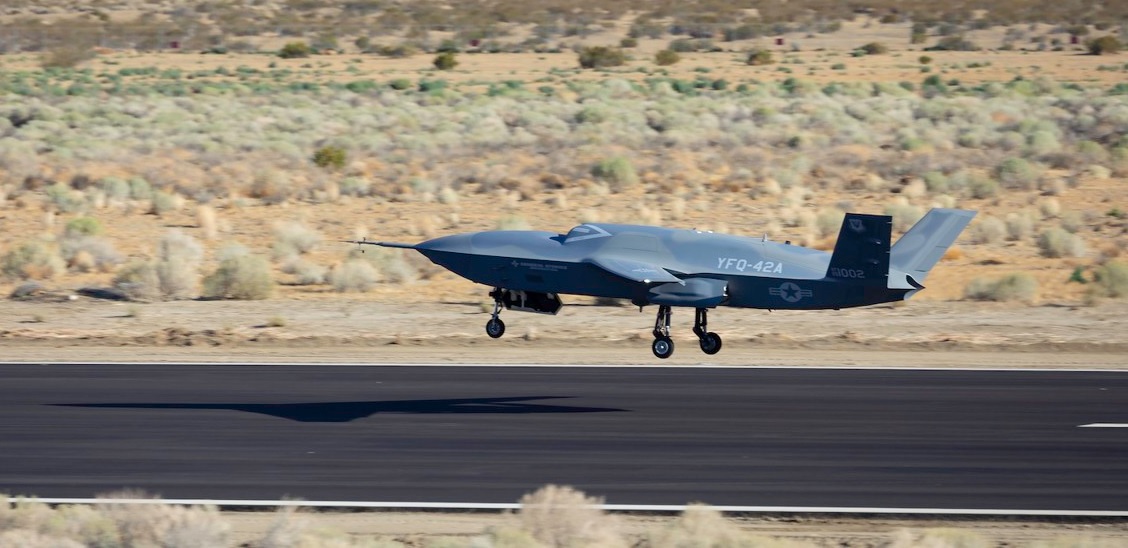
World
PALMDALE, Calif., — April 7, 2026 : General Atomics Aeronautical Systems, Inc. (GA-ASI) has temporarily halted flight testing of its YFQ-42A Collaborative Combat Aircraft following a mishap that occurred on April 6, 2026, shortly after takeoff from Gray Butte Field Airport in the California desert. The incident took place at approximately 1:00 p.m. Pacific Time at the company-owned test facility near Palmdale. The aircraft involved, a production-representative YFQ-42A platform known as “Dark Merlin,” went down under circumstances that remain under investigation. Company officials confirmed that no injuries or collateral damage were reported, and that onboard safety systems functioned as designed. GA-ASI stated that all flight test operations at its facilities have been paused as a precautionary measure while a formal investigation is conducted. The company is currently assessing the condition of the wreckage and reviewing telemetry and system performance data to determine the root cause of the incident. “At this early stage, it would be premature to speculate on the circumstances,” the company said in a statement. “As with any program, we follow a disciplined investigation process to understand exactly what occurred, and our focus right now is on gathering data and ensuring we learn from this event.” The YFQ-42A is being developed for the U.S. Air Force under the Collaborative Combat Aircraft (CCA) program. The platform is derived from GA-ASI’s XQ-67A Off-Board Sensing Station and is part of the company’s Gambit family of unmanned systems. It is designed as a semi-autonomous aircraft capable of operating alongside crewed fighters such as the F-35, supporting missions including suppression of enemy air defenses (SEAD) and controlled weapons employment. The aircraft involved in the mishap is one of several production-representative test platforms currently in the technical maturation and risk reduction phase of the program. These aircraft have been conducting regular test and evaluation flights, including demonstrations of semi-autonomous capabilities such as push-button takeoffs, landings, waypoint navigation, and integration of third-party mission autonomy software. GA-ASI was selected by the U.S. Air Force in April 2024 to develop and build these flight test articles. The YFQ-42A designation was formally assigned in March 2025, and the aircraft completed its first flight in August 2025. Since then, multiple test flights have been conducted from company-operated facilities, including Gray Butte Field Airport, which is specifically used for unmanned aircraft operations. “Safety is our top priority, for our people and the public. In this case, established procedures and safeguards worked as intended, and there were no injuries,” said C. Mark Brinkley, a spokesman for General Atomics. “We’re going to take a close look at what happened, gather all the data, and allow the investigation to guide us moving forward.” The YFQ-42A remains one of two finalists selected for Increment 1 of the Air Force’s CCA program, competing with Anduril’s YFQ-44A “Fury.” Both platforms are undergoing evaluation as part of broader efforts to develop affordable, attritable unmanned systems capable of enhancing air dominance. In addition to Air Force involvement, the U.S. Marine Corps selected the YFQ-42A platform in February 2026 for testing and evaluation under its MUX TACAIR program, further expanding its role across U.S. military services. The U.S. Air Force confirmed it is aware of the April 6 incident and will follow standard aircraft mishap protocols. The Department of Defense is also continuing to advance the CCA program, with plans to request nearly $1 billion in fiscal year 2027 funding to procure the first operational systems. A formal production decision is expected within the next six months. GA-ASI emphasized that the YFQ-42A program remains in the testing and evaluation phase, where such incidents are addressed through structured investigation and system refinement. The company noted that flight operations will resume once it is deemed appropriate based on the findings of the ongoing investigation.
Read More → Posted on 2026-04-07 12:48:04
World
SEOUL, — April 7, 2026 : South Korea has reached a working-level agreement with Indonesia to transfer the fifth prototype of the KF-21 Boramae fighter, formalizing a revised financial settlement and advancing negotiations for a separate 16-aircraft export contract. The arrangement, concluded in February 2026 and disclosed through documents submitted to the National Assembly’s National Defense Committee by the Defense Acquisition Program Administration (DAPA), aligns with Jakarta’s reduced participation in the joint development program scheduled for completion in June 2026. Financial Settlement and Program Adjustment Indonesia joined the KF-X/KF-21 program in 2015 as a 20 percent partner, committing approximately 1.6 trillion won in exchange for technology transfer, a prototype aircraft, and participation in an Indonesian IF-X development pathway. However, repeated delays in payments, attributed to domestic economic conditions, led both governments to renegotiate the framework. In June 2025, Seoul and Jakarta agreed to reduce Indonesia’s financial contribution to 600 billion won (approximately $398 million), accompanied by a proportional reduction in the scope of technology transfers. As of April 2026, Indonesia has paid 536 billion won, with the remaining 64 billion won scheduled for settlement by June 2026. South Korean authorities have stated that the timing of the prototype transfer, along with associated data delivery, will be finalized only after the outstanding balance is fully paid. The revised 600 billion won value package consists of three components: the KF-21 prototype No. 5 valued at 350 billion won, technology transfer and participation costs totaling 174.2 billion won—including labor expenses for Indonesian research personnel—and development data valued at 75.8 billion won. South Korea opted to proceed with the transfer of a prototype aircraft, rather than expand sensitive combat-system technology sharing, as part of a risk-managed approach following the financial restructuring. Role and Capabilities of Prototype No. 5 The aircraft designated for transfer is the fifth KF-21 prototype, a single-seat variant that conducted its maiden flight on May 16, 2023. Since then, it has been used extensively in flight testing, focusing on validation of core avionics and operational systems. Its primary test activities have included evaluation of the indigenous Active Electronically Scanned Array (AESA) radar and aerial refueling trials. The AESA radar functions as a multi-role fire-control sensor capable of detecting and tracking air, ground, and maritime targets while simultaneously guiding missiles. These capabilities underpin the KF-21’s role as a multi-domain platform suited for both air-defense and maritime-strike missions. Although not configured as a frontline operational aircraft, the prototype provides Indonesia with immediate utility as a training and evaluation platform. It enables pilot familiarization, maintenance training, doctrine development, systems assessment, and the early establishment of a domestic support and sustainment framework. Linkage to 16-Aircraft Export Negotiations The prototype transfer is directly connected to ongoing negotiations over Indonesia’s planned acquisition of 16 KF-21 Block 2 aircraft, which would equip a full Indonesian Air Force squadron. The prospective deal is structured as a separate commercial export, rather than an extension of the development partnership, effectively positioning Indonesia as the launch export customer for the aircraft. Financing options for the acquisition are currently under review by the Export-Import Bank of Korea. For South Korea, securing an initial foreign operator is expected to strengthen production economics, reduce long-term sustainment risks, and improve supply-chain stability as the program transitions into mass production. The KF-21 program completed more than 1,600 accident-free test sorties by January 2026 and has entered its production phase following the rollout of initial serial aircraft earlier this year. Operational Context for Indonesia Indonesia’s interest in the KF-21 is driven by ongoing efforts to modernize an aging and diverse combat aircraft inventory that includes F-16s, Su-27/30s, and Hawk 200 platforms. The country began inducting Dassault Rafale fighters in late January 2026 but continues to require additional aircraft capable of supporting air-defense and maritime security missions across its geographically dispersed archipelago. The KF-21 offers a twin-engine configuration with AESA radar, aerial-refueling capability, and a modern weapons suite. Its current air combat configuration integrates the MBDA Meteor beyond-visual-range missile and the IRIS-T (AIM-2000) short-range missile. The Meteor’s ramjet propulsion enables sustained energy at extended ranges, increasing engagement effectiveness against maneuvering targets, while the IRIS-T provides high agility for close-range combat with high off-boresight targeting capability. South Korea’s ongoing cooperation with European partners also indicates potential future integration of precision-guided munitions such as the SPEAR system, expanding the aircraft’s capability for long-range strikes against land and maritime targets. The platform’s characteristics support a range of operational roles relevant to Indonesia, including long-range quick-reaction alert missions, maritime air denial, escort operations, and distributed defensive counter-air missions over remote islands and sea lanes. Strategic and Bilateral Context The agreement comes amid broader expansion of bilateral cooperation. During a summit held on April 1, 2026, South Korean President Lee Jae-myung and Indonesian President Prabowo Subianto agreed to strengthen collaboration in energy, strategic industries, and defense. Both sides highlighted progress in the KF-21 program and acknowledged the ongoing discussions regarding the 16-aircraft acquisition. The current arrangement converts a previously strained partnership into a structured framework combining financial settlement, capability transfer, and export alignment. For South Korea, it reinforces the KF-21’s position as an export-oriented platform entering serial production. For Indonesia, it provides access to an advanced fighter system while maintaining a degree of industrial participation and preparing the foundation for future operational integration. Negotiations on the 16-aircraft deal are expected to continue in the coming months, with final terms likely contingent on financing arrangements and the completion of Indonesia’s remaining financial obligations under the development program.
Read More → Posted on 2026-04-07 12:24:24
World
SUSEONG-RI, South Korea,— April 6, 2026 : A recent U.S.–Republic of Korea joint military exercise has highlighted notable differences in armored vehicle design and capability, following a detailed crew-level assessment of the Republic of Korea Marine Corps’ K808 White Tiger wheeled armored personnel carrier. The observations were made during the Korean Marine Exchange Program (KMEP) 26.1, conducted in March 2026 at Suseong-Ri. A U.S. Marine, speaking on condition of anonymity, evaluated the K808 based on direct exposure while embarked as a passenger and tactical observer. All vehicle operations during the exercise were conducted by Republic of Korea (ROK) Marine crews. Drawing on prior operational experience with U.S. platforms such as the Stryker and the Light Armored Vehicle (LAV), the Marine described the K808 as representing a more modern generation of armored vehicle design across multiple operational categories. Interior Layout and Crew Systems The assessment found that the K808’s troop compartment offers a volume broadly comparable to that of the U.S. Stryker, an eight-wheeled armored fighting vehicle developed by General Dynamics Land Systems. However, the internal configuration reflects a newer design approach. The Marine highlighted that the K808 incorporates more advanced internal communication systems and modernized weapon mounting fixtures. These systems were observed to improve operational efficiency, enabling faster coordination and equipment handling under tactical conditions. Despite these improvements, the evaluation identified limitations in seating ergonomics. The current seat configuration was reported to cause discomfort for taller personnel carrying a full combat load, which may reduce endurance during extended missions. Mobility and Handling Performance Mobility was assessed as the strongest aspect of the K808 platform. The vehicle is produced by Hyundai Rotem and configured as an 8×8 amphibious armored personnel carrier powered by a 420-horsepower Hyundai D6HA 10-liter V6 turbocharged diesel engine, coupled with a seven-speed automatic transmission and all-wheel drive. During the exercise, the K808 demonstrated superior maneuverability and driving dynamics compared to U.S. equivalents, according to the Marine’s observations. The vehicle’s power output was noted to effectively compensate for its approximately 20-ton combat weight and enhanced armor protection, which is designed to withstand up to 14.5 mm armor-piercing rounds. However, a specific handling characteristic was identified during operations on uneven terrain. When executing turns on broken ground, the Marine reported a pronounced sensation that the vehicle might tip. This behavior was attributed to the interaction between the vehicle’s higher mass and its independent hydropneumatic suspension system, representing a consideration for crews operating in complex terrain. Comparison with U.S. LAV Platform The comparison between the K808 and the U.S. Marine Corps’ LAV-25 platform was identified as the most significant contrast in the assessment. The LAV-25, introduced in the 1980s and powered by a 275-horsepower engine, was described as substantially less modern in capability and overall performance. The Marine characterized the difference in capability, handling, and design philosophy as a clear generational gap. However, the Marine also emphasized that the assessment was limited by the scope of participation, as U.S. personnel did not operate the K808 directly during KMEP 26.1. The evaluation is therefore based on passenger experience and observation rather than full operational control. Platform Specifications and Capabilities The K808 White Tiger was developed by Hyundai Rotem as a domestic program for the Republic of Korea Army and Marine Corps, entering service between 2017 and 2018 following design work initiated in the early 2000s and qualification testing completed in 2016. The vehicle is produced with approximately 98 percent locally sourced components. The platform measures 7.2 meters in length, 2.7 meters in width, and 2.1 meters in height (excluding turret), and accommodates a crew of two plus nine to ten fully equipped infantry personnel. It has a maximum road speed of 100 kilometers per hour and an operational range of 700 to 800 kilometers. The K808 is fully amphibious, utilizing twin rear-mounted waterjets to achieve water speeds of up to 8 kilometers per hour. Mobility systems include an independent hydropneumatic suspension, central tire inflation system, and run-flat tires. The vehicle is capable of negotiating 60 percent gradients, 30 percent side slopes, 0.5-meter vertical obstacles, and 1.5-meter trenches. Armor protection consists of an all-welded steel hull providing frontal protection against 12.7 mm rounds and side protection against 7.62 mm rounds, with options for add-on armor modules and mine-resistant flooring. Standard armament configurations include a roof-mounted 12.7 mm machine gun or a 40 mm automatic grenade launcher, with compatibility for remote-controlled weapon stations and 30 mm cannon systems. The vehicle is also equipped with nuclear, biological, and chemical (NBC) overpressure protection. Production, Upgrades, and Export Activity As of 2025, more than 500 units of the K808 and K806 6×6 variant had been delivered to South Korean forces. A fleet-wide upgrade program valued at 47.6 billion Korean won is currently underway and scheduled to continue through 2029. Planned enhancements include integration of remote-controlled weapon systems, tactical multiband radios, 360-degree surveillance cameras, and digital battle management displays. The K808 has entered export markets. In 2024, Peru selected the platform, receiving an initial batch of 30 vehicles. Local assembly began in November 2025, followed by a framework agreement signed in December 2025 for additional units. Exercise Context and Operational Relevance The Korean Marine Exchange Program (KMEP) is a semi-annual bilateral training initiative designed to enhance interoperability between the Republic of Korea Marine Corps and the United States Marine Corps. KMEP 26.1 included participation from the 12th Littoral Combat Team of the 12th Marine Littoral Regiment (MLR), part of the 3rd Marine Division. The 12th MLR is a key element of the U.S. Marine Corps’ force restructuring, which focuses on distributed operations in contested maritime environments and island chains. Training during the exercise included familiarization with the K808 platform to support combined capabilities in coastal assault and island defense scenarios relevant to Korean Peninsula contingencies. No changes to the assessment provided by the U.S. Marine following KMEP 26.1 have been reported as of April 6, 2026.
Read More → Posted on 2026-04-06 17:47:37
Space & Technology
MOSCOW, — April 6, 2026 : Newly examined historical records and declassified technical data provide a detailed account of the Soviet Union’s nuclear thermal rocket (NTR) development program, a long-running Cold War engineering effort that spanned from 1955 through the late 1980s and produced one of the most advanced ground-tested nuclear propulsion systems of its time. The program, initiated in 1955 under the leadership of academician M.V. Keldysh at NII-1 of the Ministry of Aviation Industry, evolved into a structured development effort by 1965. Engine design work was led by the Chemical Automatics Design Bureau (KBKhA), also known as the Kosberg Design Bureau, in Voronezh, with contributions from the Kurchatov Institute and NPO Luch. The objective was to develop solid-core nuclear thermal propulsion systems using liquid hydrogen for high-efficiency spaceflight, particularly for deep-space missions and heavy payload transport. Testing Infrastructure and Program Scope To support the program, the Soviet Union established specialized test infrastructure at the Semipalatinsk Test Site in present-day Kazakhstan. This included the Baikal-1 testing complex, located approximately 65 kilometers south of Semipalatinsk-21. Between 1970 and 1988, approximately 30 simulated flight tests were conducted at the site without recorded failure, demonstrating sustained operational reliability under controlled conditions. Testing operations were conducted in deep vertical shafts, with one Major Testing Facility extending about 150 meters underground to safely manage nuclear reactor operations during engine firings. RD-0410 Engine Development and Configuration The primary achievement of the program was the RD-0410 nuclear thermal rocket engine (GRAU index: 11B91), which reached full ground-test operational status. Designed as a compact, high-efficiency propulsion unit, the engine prioritized specific impulse over high thrust output. The RD-0410 utilized a solid-core reactor with uranium-based carbide fuel elements. Materials included uranium/tungsten carbide (U/W-C), uranium-zirconium carbide ((U,Zr)C), and advanced ternary carbides and carbonitrides such as (U,Zr,Nb)C and (U,Zr,Ta)C. These fuel elements were manufactured in a twisted-ribbon geometry, approximately 100 millimeters in length and 2 millimeters in diameter, increasing surface area to enhance heat transfer efficiency. A zirconium hydride (ZrH) moderator was integrated into the reactor core to maintain low neutron energy and sustain a high fission cross-section. Thermal insulation separated the moderator and fuel sections, enabling a compact core structure. Liquid hydrogen propellant was routed first through the moderator to regulate neutron behavior before being directed over the heated fuel rods. To mitigate chemical interaction between hydrogen and carbide fuel at high temperatures, approximately 1 percent hexane was introduced into the propellant stream after it passed through the moderator. Performance and Test Milestones Ground testing of the RD-0410 was conducted primarily during the 1970s and 1980s. The first physical launch of the 11B91 prototype occurred on September 17, 1977, followed by an energy launch on March 27, 1978. Subsequent fire tests in 1978 successfully demonstrated reactor startup. By 1981, the engine achieved its full design operating duration of one hour, reaching temperatures of up to 3,100 Kelvin. The reactor produced thermal power levels between 62 and 63 megawatts during testing. Performance specifications included a vacuum thrust of 35.2 kilonewtons, a specific impulse of 910 seconds—equivalent to an exhaust velocity of approximately 8,920 meters per second—and a maximum burn time of 3,600 seconds. The engine had an unfueled mass of approximately 2,000 kilograms, with overall dimensions of 3.5 meters in length and 1.6 meters in diameter, resulting in a thrust-to-weight ratio of 1.8. The RD-0410 also incorporated bimodal capability, allowing it to generate approximately 200 kilowatts of electrical power in addition to propulsion. It remains the only Soviet nuclear thermal engine to achieve full operational ground-test status. RD-0411 and Mars Mission Concepts Building on the RD-0410, Soviet engineers developed conceptual designs for a larger engine designated RD-0411 (GRAU index: 11B92) in the early 1970s. This variant was intended to serve as a primary propulsion system for interplanetary missions, including crewed Mars expeditions. Available records indicate that the RD-0411 was designed to produce approximately 392 to 400 kilonewtons of vacuum thrust. It was incorporated into mission architectures such as the Kurchatov Institute’s “Mars 1994” proposal, which envisioned assembling a multi-stage spacecraft in low Earth orbit before departure for Mars. Despite its planned role, the RD-0411 remained at the design and study stage and did not proceed to ground testing. Additional proposed variants, including RD-0412 and RD-0413, as well as hybrid nuclear thermal-electric systems under designations such as 11B97, also did not advance beyond preliminary development. Program Termination and Legacy The Soviet nuclear thermal rocket program began to slow in the late 1980s amid economic constraints, the political restructuring of Perestroika, and broader shifts in national priorities following the 1986 Chernobyl accident. Development work on the RD-0410 and associated systems ceased between 1988 and 1989, coinciding with the dissolution of the Soviet Union. None of the engines developed under the program were ever flown in space. However, the RD-0410 completed all planned ground-test objectives and provided extensive data on high-temperature carbide fuels, compact reactor configurations, and advanced fuel geometries. Current Russian Nuclear Propulsion Direction In the decades since the program’s termination, the Russian Federation has not resumed development of solid-core nuclear thermal propulsion systems such as the RD-0410 or RD-0411. Instead, research has shifted toward nuclear electric propulsion (NEP) technologies. Current efforts are centered on the Transport and Energy Module (TEM), also known as the “Zeus” system, being developed by Roscosmos and the Keldysh Research Center. Unlike nuclear thermal engines, the TEM uses a megawatt-class nuclear reactor to generate electrical power, which is then used to operate ion or Hall-effect thrusters for efficient, long-duration space missions. Recent work has included ground testing of radiator systems and electric propulsion components, with the platform intended for future uncrewed orbital and deep-space transport applications. The Soviet-era RD-0410 and its related concepts remain part of the historical record of Cold War aerospace engineering, representing a fully tested but never deployed approach to nuclear-powered space propulsion.
Read More → Posted on 2026-04-06 17:32:17
India
NEW DELHI, — April 6, 2026 : The Defence Research and Development Organisation (DRDO) is preparing to initiate user-evaluation trials (UET) of the indigenous ‘Takshak’ electric heavyweight torpedo (EHWT) aboard the Indian Navy’s Kalvari-class submarines, with testing scheduled to commence in late 2026. The trials are intended to validate the system’s operational performance ahead of its planned induction into service. The Takshak torpedo has been developed by the Naval Science and Technological Laboratory (NSTL), a Visakhapatnam-based laboratory under DRDO. It is designed as a submarine-launched heavyweight torpedo capable of engaging both enemy submarines and surface vessels. The system is positioned as an advanced electric-propulsion derivative of the Varunastra torpedo, optimized for deployment from standard 533 mm submarine torpedo tubes. According to program details, the torpedo measures approximately 6.4 meters in length and weighs over 1,300 kilograms in its operational configuration. It is powered by an electric propulsion system using silver-oxide batteries, enabling low acoustic signature movement underwater. The estimated operational range is approximately 40 kilometers, with an operational depth capability of up to 400 meters. Testing Roadmap and Schedule The evaluation process will follow a phased testing structure aligned with the refit schedules of the Kalvari-class submarines. Initial harbour-based trials will include both dry and wet testing procedures conducted while the submarine remains docked. These trials are intended to verify safe launch characteristics and ensure that torpedo deployment does not affect the submarine’s hull integrity, onboard sensors, or internal systems. Following successful harbour validation, dynamic sea trials are scheduled for late 2026. During this phase, the torpedo will be deployed under operational conditions at varying depths and speeds. A key focus of this stage will be the validation of the fibre-optic wire guidance system, particularly its performance during high-speed underwater maneuvers. A live-fire test phase is planned for 2027. This stage will involve the launch of a fully armed torpedo against a decommissioned ship or designated underwater target to assess warhead effectiveness and overall system reliability. Guidance, Navigation, and Control Systems The Takshak is equipped with a Ring Laser Gyroscope (RLG)-based inertial navigation system (INS), supported by satellite-based inputs from GPS and India’s NavIC navigation system. For tactical guidance, the torpedo uses a fibre-optic wire link, allowing real-time data exchange between the submarine and the weapon. This fibre-optic guidance enables sonar operators onboard the submarine to transmit course corrections and targeting updates during the engagement. In the event that the wire link is severed, the torpedo is programmed to transition into an autonomous homing mode, allowing it to continue toward the target using onboard sensors. The system also incorporates advanced sonar capabilities and resistance to electronic countermeasures, improving target acquisition and engagement reliability in contested environments. Launch Mechanism and Submarine Integration The Takshak torpedo is deployed using a “swim-out” launch mechanism, which allows the weapon to exit the submarine’s torpedo tube under its own propulsion rather than being expelled using compressed air. This method reduces the acoustic signature associated with launch, supporting the stealth characteristics of the submarine. Integration of the torpedo with the Kalvari-class submarines is being carried out in coordination with ongoing submarine refit programs. During the refit of INS Kalvari, the lead vessel of the class, hardware required for the torpedo’s launch system is being installed along with other upgrades. To support system integration, the Ministry of Defence signed a contract valued at ₹877 crore (approximately $102.4 million) with France’s Naval Group on December 30, 2024. The agreement covers the integration of the Takshak torpedo with the Submarine Tactical Integrated Combat System (SUBTICS), which is deployed across the Kalvari-class fleet. The integration ensures compatibility between the torpedo and the submarine’s combat management system, enabling coordinated target tracking, fire control, and weapon deployment. The effort is being undertaken jointly by the Indian Navy, DRDO, and Naval Group. Platform and Production Details The Kalvari-class submarines, also known as Scorpene-class submarines, are being constructed in India by Mazagon Dock Shipbuilders Limited (MDL) under Project 75. These submarines form a key component of the Indian Navy’s conventional underwater fleet. The Takshak torpedo is intended to be manufactured by Bharat Dynamics Limited (BDL) following successful completion of trials and acceptance into service. As of late 2024, the torpedo had completed required redesign work, including modifications to its tail section, positioning it for the upcoming evaluation phase. Separate development activity related to an extended-range or deeper-strike variant of the EHWT has been reported, though it is not part of the current trial program for the Kalvari-class submarines. Strategic Context The development and planned induction of the Takshak torpedo form part of India’s broader efforts to enhance indigenous defence manufacturing under the “Aatmanirbhar Bharat” initiative. The system is expected to reduce dependence on imported heavyweight torpedoes while strengthening the operational capabilities of the Indian Navy’s submarine fleet.
Read More → Posted on 2026-04-06 17:14:08
World
JERUSALEM / TEHRAN, — April 6, 2026 : The Israeli Air Force conducted a series of airstrikes on Iran’s largest petrochemical complex in the Assaluyeh region on April 6, 2026, according to official Israeli statements and reports from Iranian media outlets. The operation targeted facilities within the South Pars petrochemical complex, a key center of Iran’s energy production and exports. Israeli authorities stated that the strikes were based on military intelligence indicating that the targeted site produced and exported chemical materials used by Iran’s armed forces, including entities linked to the country’s nuclear ministry and the Islamic Revolutionary Guard Corps (IRGC). According to these assessments, the complex was also involved in manufacturing materials used in explosives and propellants for ballistic missiles and other weapons systems. Israeli Defense Minister Israel Katz confirmed the operation, stating that the strike on Assaluyeh marks the second major petrochemical complex targeted by Israel in Iran. He said that the two facilities together account for more than 85 percent of Iran’s petrochemical exports and are now no longer operational following the attacks. Iranian media, including Fars News Agency and Mehr News Agency, reported multiple explosions in the South Pars Special Economic Energy Zone in Assaluyeh following the strikes. The reports indicated that the operation involved U.S. and Israeli fighter jets and that several key installations were hit, including the Jam and Damavand petrochemical plants. In addition to production facilities, the strikes also targeted critical utility infrastructure supporting the petrochemical complex. The Mobin and Damavand companies, which supply electricity, water, and oxygen to the Assaluyeh industrial zone, sustained damage. As a result, power to all petrochemical plants in the area has been shut down. Iranian reports indicated that operations across the complex will remain suspended until the damaged utility infrastructure is repaired and restored. Local reports confirmed that the Pars Petrochemical Company, also located in the Assaluyeh region, was not affected by the strikes. The Assaluyeh complex is located along Iran’s southwestern coast on the Persian Gulf and serves as a central hub for the country’s petrochemical production and export activities. It is situated near the South Pars gas field, the largest natural gas reserve in Iran and one of the largest in the world. The concentration of processing plants and export facilities in this region makes it a critical component of Iran’s industrial and energy sectors. The April 6 strikes form part of a broader series of U.S.-Israeli operations targeting Iranian military and economic infrastructure, which began in late February 2026. Israeli officials have stated that these operations are aimed at limiting Iran’s capacity to produce and finance military capabilities. No official figures regarding casualties or the full extent of physical damage were released in initial statements. Iranian authorities described the affected facilities as significant to the country’s energy production and industrial output and confirmed that technical assessments are ongoing.
Read More → Posted on 2026-04-06 16:56:38
India
NEW DELHI, — April 6, 2026 : India is set to carry out a two-day series of Global Navigation Satellite System (GNSS) jamming trials in the Bay of Bengal from April 11 to April 12, 2026, as part of ongoing efforts to strengthen its electronic warfare (EW) capabilities. The exercise will focus on evaluating ground-based systems designed to disrupt satellite navigation signals, including GPS and other GNSS networks, within designated maritime zones. According to official notifications, including a Notice to Airmen (NOTAM), the trials will be conducted under controlled conditions to ensure the safety of civil aviation and maritime traffic operating in the region during the specified period. Focus on Denial of Satellite-Based Navigation The primary objective of the trials is to assess the effectiveness of GNSS jamming in denying Positioning, Navigation, and Timing (PNT) services in operational scenarios. PNT data is a critical component of modern military operations, supporting navigation, targeting, synchronization, and coordination across platforms. The systems under evaluation are intended to degrade or deny access to satellite-based navigation for hostile assets, including precision-guided munitions (PGMs), unmanned aerial vehicles (UAVs), and other systems dependent on network-centric operations. By limiting access to reliable PNT data, the trials aim to test India’s ability to operate in an environment where satellite navigation is contested or unavailable. Operational Relevance in Maritime Domain The Bay of Bengal has been selected as the test location due to its relevance to India’s maritime security environment and its proximity to key operational areas within the Indian Ocean Region (IOR). Conducting trials in this setting allows for realistic assessment of system performance against simulated aerial and maritime targets. Defense agencies will monitor multiple parameters during the exercise, including signal disruption range, interference density, system stability, and overall effectiveness of the jamming equipment in a dynamic operational environment. Strategic and Deterrence Implications The trials form part of a broader effort to enhance India’s preparedness for operations in electronically contested battlespaces. By demonstrating the capability to disrupt satellite navigation systems, India aims to improve the survivability of its naval and coastal assets and strengthen its defensive posture in the IOR. The ability to deny or degrade GNSS signals is increasingly viewed as a key element of modern deterrence, particularly in scenarios involving high-precision weapons and autonomous systems. Alignment with Evolving Threat Environment The initiative aligns with global trends in electronic warfare, where interference with satellite navigation systems has become more frequent in conflict zones. Incidents of GPS jamming and spoofing have been reported in various regions over the past two years, including areas near India’s western and northeastern borders. In response, India has expanded its investments in EW technologies, including ground-based VHF–UHF communication jammers and integrated mobile systems such as the Samyukta platform. These systems are designed to disrupt enemy communications and command networks in addition to navigation signals. Role of Indigenous Systems and Industry The GNSS jammer systems being tested are part of India’s broader push to develop an indigenous electronic warfare ecosystem. Key organizations involved in this effort include the Defence Research and Development Organisation (DRDO), Bharat Electronics Limited (BEL), and private sector defense firms. The trials are expected to provide operational data that will support further development and refinement of domestically produced EW systems, reducing reliance on imported technologies. India’s use of its regional navigation satellite system, NavIC, also forms part of its strategy to ensure continuity of navigation services for its own forces in environments where global GNSS signals may be disrupted. Continuity of Electronic Warfare Development India has previously conducted electronic warfare exercises and continues to invest in counter-GNSS technologies. The April 11–12 trials represent a continuation of these efforts, with a focus on improving resilience, operational capability, and integration of EW systems across different domains. No specific technical details regarding the jammer systems or exact trial coordinates have been disclosed in the public domain. The exercise will remain under close observation by defense authorities throughout its duration.
Read More → Posted on 2026-04-06 16:07:26
World
MOSCOW, — April 6, 2026 : The Russian military has released the first video footage showing field trials of the Bagulnik-82 automated mortar module integrated onto the Kurier unmanned ground vehicle (UGV), marking a further step in the development of robotic fire-support systems. The trial footage, distributed through official channels associated with Russian ground robotics programs, depicts the tracked Kurier platform navigating a training range and engaging designated targets using 82 mm mortar rounds. The system is configured as an unmanned, remotely operated self-propelled mortar designed to deliver indirect fire while keeping personnel at a distance from the battlefield. Automated Mortar Module The Bagulnik-82 combat module consists of an 82 mm mortar mounted within a rotating turret. A key feature of the system is its integrated robotic loading mechanism, which enables fully automated ammunition handling. A mechanical arm retrieves mortar rounds and inserts them into the barrel without human intervention. According to data observed during the trials, the loading cycle takes approximately five seconds between shots, allowing the system to maintain sustained fire. The mortar configuration is understood to be derived from, or closely aligned with, existing Russian lightweight systems such as the 2B14 Podnos and 2B24. The module is also equipped with recoil mitigation components designed to stabilize the relatively lightweight unmanned platform during firing. These dampening systems reduce the impact of mortar discharge on the chassis, supporting accuracy and operational continuity during repeated firing sequences. Initial trial data indicates that the mortar system is capable of engaging targets at distances of up to approximately four kilometers using standard high-explosive ammunition. However, detailed specifications such as sustained rate of fire, onboard ammunition capacity, and full performance parameters in the robotic configuration have not been officially disclosed. Kurier Robotic Platform The Bagulnik-82 module is mounted on the Kurier UGV, a compact tracked robotic system developed between 2022 and 2023. The platform measures approximately 1.4 meters in length, 1.2 meters in width, and 0.58 meters in height, with a total weight of about 250 kilograms. The vehicle is powered by two electric motors rated at 6 kW each and can reach speeds of up to 35 km/h. Depending on mission configuration and payload, the Kurier has an operational endurance ranging from 12 to 72 hours. Control of the platform is conducted remotely via radio link at distances between 3 and 10 kilometers. In certain operational scenarios, the system can also be operated using a fibre-optic cable connection. The vehicle is equipped with onboard cameras that provide navigation and targeting data to remote operators. The modular design of the Kurier allows it to be adapted for multiple roles. In addition to the mortar configuration, previous variants have been fitted with AGS-17 and AGS-30 automatic grenade launchers, machine guns, and reactive flamethrowers. The platform has also been used for logistics support, reconnaissance missions, engineering tasks, and as a mobile drone control station. An air-defense variant equipped with a PKT machine gun has been demonstrated for countering low-flying aerial threats. Operational Context and Development Timeline The Kurier platform was first publicly displayed in early 2024 and underwent initial field testing in the Avdiivka area during the same year. Deliveries to Russian forces began in 2024, with approximately 50 units reported in service by October 2024. Production has continued since that time, with the system undergoing operational testing across multiple sectors. According to Russian military sources, the Bagulnik-82 mortar configuration has entered initial use within the zone of the special military operation, although no official confirmation has been provided by the Russian Ministry of Defence regarding deployment scale, production volumes, or timelines. Role of External Targeting Military analysts note that the effectiveness of unmanned indirect-fire systems such as the Bagulnik-82 is dependent on external targeting inputs. In current operational environments, such systems typically rely on unmanned aerial vehicles (UAVs) to identify targets, determine firing coordinates, and provide real-time correction for improved accuracy. The integration of an automated mortar onto the Kurier platform represents a shift in the evolution of Russian unmanned ground systems, expanding their role from direct-fire support to include indirect artillery capabilities. No additional official statements have been released regarding the full technical performance, procurement plans, or future deployment strategy of the Bagulnik-82 module. The system remains one of several modular weapon configurations under development for the Kurier robotic platform.
Read More → Posted on 2026-04-06 15:44:15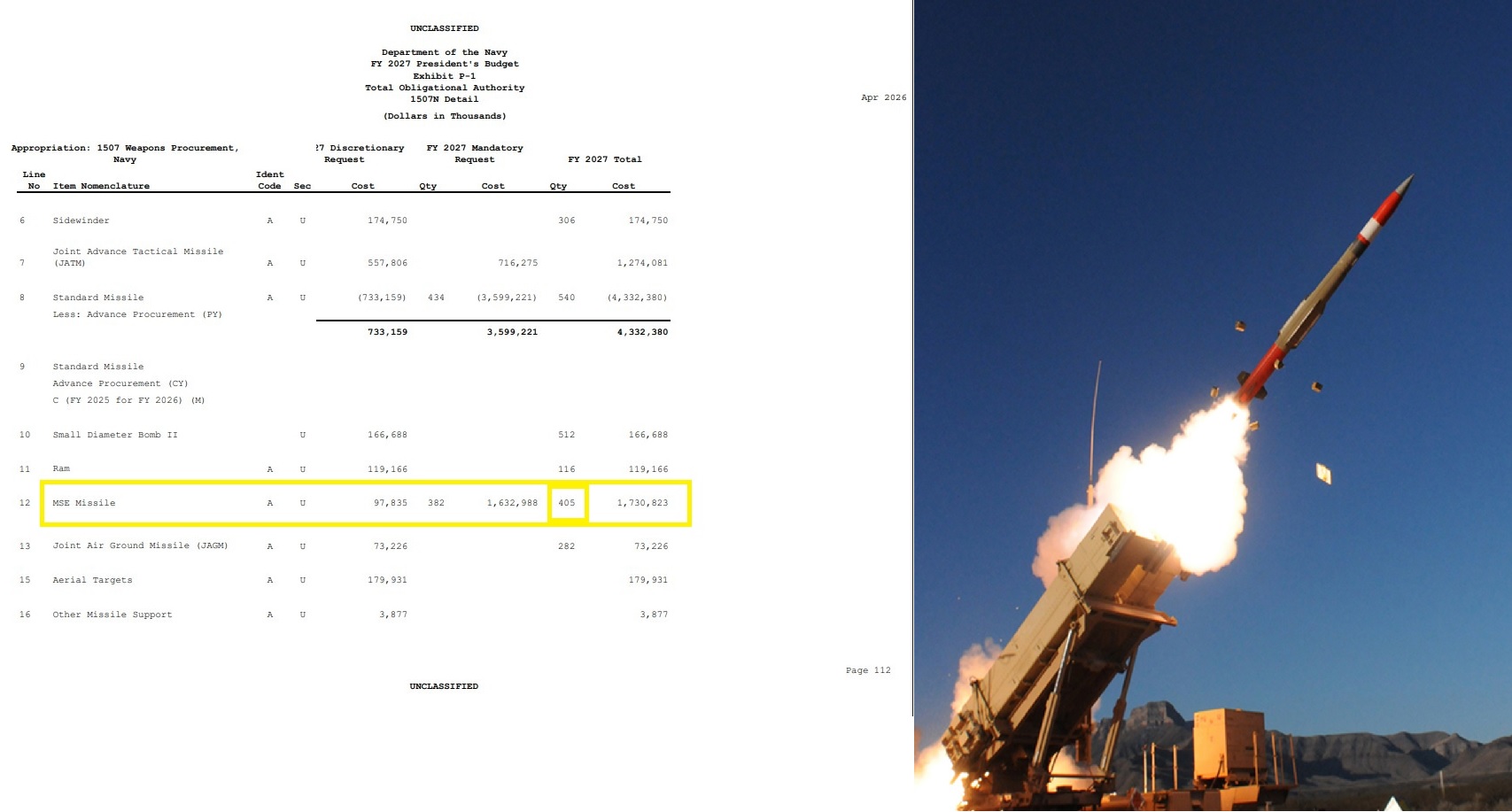
World
WASHINGTON, — April 6, 2026 The United States Navy has requested approximately $1.7 billion in its fiscal year 2027 budget proposal to procure 405 Patriot Advanced Capability-3 Missile Segment Enhancement (PAC-3 MSE) interceptors, marking a significant step toward integrating land-based missile defense technology into its surface fleet. The request, detailed in U.S. Department of Defense budget documents released in April 2026, was first identified by open-source intelligence account VirtualBayonet on X (formerly Twitter). The procurement is intended to support the adaptation of the PAC-3 MSE interceptor for use in the Mk 41 Vertical Launching System (VLS), which is deployed across U.S. Navy surface combatants, including Arleigh Burke-class guided-missile destroyers equipped with the Aegis combat system. Addressing a Capability and Cost Gap The Navy’s interest in the PAC-3 MSE reflects an effort to address a specific gap in its layered air and missile defense architecture, particularly in countering ballistic missile threats at a lower cost per interceptor. Current naval air defense systems rely on the RIM-162 Evolved SeaSparrow Missile (ESSM), which is designed primarily to intercept aircraft and cruise missiles at ranges of up to 50 kilometers, and the Standard Missile family, including the SM-2 and SM-6, which provide engagement ranges exceeding 150 kilometers. However, Standard Missiles typically cost more than $2 million to $3 million per unit. By comparison, the PAC-3 MSE is positioned within a lower cost bracket of approximately $1 million to $2 million per interceptor, while offering hit-to-kill kinetic interception capability against ballistic targets. The system uses a direct body-to-body impact approach rather than proximity-based fragmentation, increasing effectiveness against high-speed threats. In addition to cost considerations, production capacity is a key factor. Standard Missile production is currently estimated at around 125 units annually, with gradual expansion planned. In contrast, Lockheed Martin is scaling PAC-3 MSE production to between 650 and 750 units per year, providing a more readily available supply base for increasing interceptor inventories. Integration with Naval Systems The U.S. Navy does not operate Patriot air defense batteries, making integration a central component of the program. In the fiscal year 2026 budget, the Navy requested approximately $416 million to support engineering and integration efforts for adapting new interceptors to shipboard systems, including the Aegis combat system. Additionally, $65 million in FY2026 reconciliation funding was allocated specifically for integrating the PAC-3 MSE with Aegis systems on Arleigh Burke-class destroyers. Lockheed Martin has been developing the naval integration concept for several years. In January 2023, during the Surface Navy Association symposium, the company presented a full-scale mock-up of a PAC-3 MSE interceptor configured for insertion into a Mk 41 VLS cell. A key technical requirement has been enabling communication between the missile and shipboard sensors. The PAC-3 MSE datalink has been modified to operate on S-band frequencies, ensuring compatibility with the AN/SPY-1D radar, the primary sensor used in the Aegis combat system. The AN/SPY-1D is a passive phased-array radar capable of detecting aerial targets at ranges of up to 400 kilometers, although its full operational parameters remain classified. In the summer of 2023, Lockheed Martin confirmed successful integration of the PAC-3 MSE with the SPY-1D radar. This was followed by a live-fire test in May 2024, in which a PAC-3 MSE interceptor was successfully launched vertically from a Mk-70 containerized launcher, a modular variant of the Mk 41 VLS. The test employed a virtualized Aegis Weapon System and resulted in the successful interception of a cruise missile target. Technical Characteristics and Limitations The PAC-3 MSE is a hit-to-kill interceptor originally developed for the U.S. Army’s Patriot system. It incorporates a dual-pulse rocket motor to enhance maneuverability and engagement envelope, enabling high-probability intercepts against both aerodynamic and ballistic threats. When adapted for naval use, the missile would expand the range of interceptors available within the Mk 41 VLS without requiring structural modifications to the launcher itself. However, unlike smaller interceptors such as the ESSM, the PAC-3 MSE cannot currently be multi-packed within a single VLS cell, limiting the number of missiles that can be carried per ship. Future launcher developments, including the proposed 34-inch Growth Vertical Launch System (G-VLS), may enable multi-packing configurations, although no confirmed integration timeline has been provided. Future Integration and Operational Outlook While integration efforts have focused on compatibility with the legacy AN/SPY-1 radar, it remains unclear whether the PAC-3 MSE will be fully integrated with next-generation radar systems such as the AN/SPY-6 and AN/SPY-7 active electronically scanned array (AESA) radars. These systems are planned to replace the SPY-1 series on newer U.S. Navy surface combatants. The FY2027 procurement request forms part of broader Department of Defense efforts to expand PAC-3 MSE availability and diversify interceptor options across services. No additional details have been released regarding unit-level pricing breakdowns, delivery timelines, or expansion to other ship classes beyond Arleigh Burke-class destroyers.
Read More → Posted on 2026-04-06 15:27:04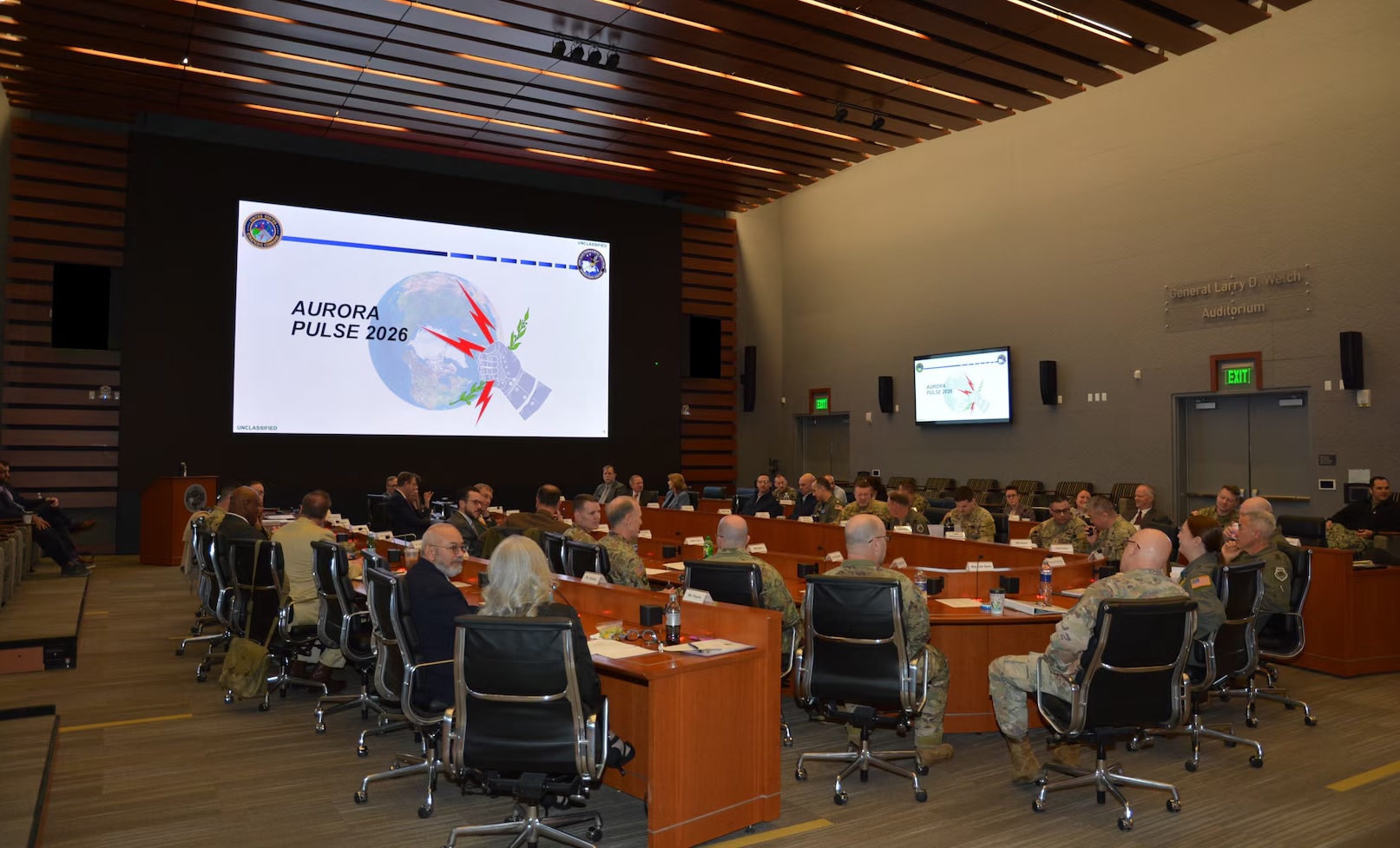
World
OFFUTT AIR FORCE BASE, Nebraska — April 6, 2026: The United States Strategic Command (USSTRATCOM) conducted its inaugural electromagnetic spectrum-focused tabletop exercise, titled Aurora Pulse, from March 24 to March 26, 2026, at the Gen. Curtis LeMay Command and Control Facility near Offutt Air Force Base. The exercise brought together military and government personnel to examine operational readiness in increasingly complex electromagnetic environments. The event was organized by USSTRATCOM’s Joint Electromagnetic Spectrum Operations Center (JEC) and included operations and planning officers from across the U.S. uniformed services, unified combatant commands, the Joint Staff, and multiple government agencies. The exercise was designed to evaluate how joint forces plan and operate within the electromagnetic spectrum during crisis and conflict scenarios. Focus on Contested and Congested Spectrum Conditions The Aurora Pulse exercise centered on challenges associated with electromagnetic spectrum operations (EMSO), particularly in environments where the spectrum is both contested by adversary forces and congested due to expanded civilian and commercial usage. Officials noted that the scenarios also incorporated austere operating conditions, adding complexity to decision-making and coordination efforts. Participants worked through two full days of simulated scenarios aimed at testing existing tactics, operational procedures, and response frameworks under degraded conditions. The exercise assessed how effectively forces could maintain operational capability when access to the electromagnetic spectrum is limited or disrupted. Leadership Emphasizes Integration in Military Planning Ahead of the exercise, U.S. Air Force Lt. Gen. Michael Lutton, deputy commander of USSTRATCOM, addressed participants and highlighted the importance of incorporating electromagnetic spectrum considerations into defense planning processes. He stated that adversaries actively operate within the electromagnetic domain and that maintaining operational freedom depends on achieving and sustaining electromagnetic spectrum superiority. Lutton also noted that the ability to function effectively in contested spectrum conditions is increasingly relevant to modern military operations. Objectives and Learning Outcomes U.S. Air Force Maj. Gen. AnnMarie Anthony, director of the Joint Electromagnetic Spectrum Operations Center, outlined the primary objectives of the exercise. She stated that one of the key goals was to improve understanding of how to approach EMSO-related challenges, including identifying the appropriate expertise and coordination mechanisms required during operations. Anthony noted that the electromagnetic environment is evolving rapidly, with increasing congestion and competition affecting both military and civilian users. She indicated that these conditions present operational challenges that require improved coordination, awareness, and planning. Role of USSTRATCOM and Future Implications Under the Department of Defense’s Unified Command Plan, USSTRATCOM is responsible for overseeing and advocating for joint electromagnetic spectrum operations across the U.S. military. Officials stated that exercises such as Aurora Pulse are intended to enhance coordination among participating organizations, identify procedural gaps, and improve overall readiness. The outcomes of the exercise are expected to support the refinement of Joint Electromagnetic Spectrum Operations Center practices and procedures, as well as contribute to future standardization efforts. These efforts aim to strengthen the integration of electromagnetic spectrum considerations into broader military planning and operational decision-making. No additional details regarding specific scenario outcomes or classified elements of the exercise were released.
Read More → Posted on 2026-04-06 15:06:29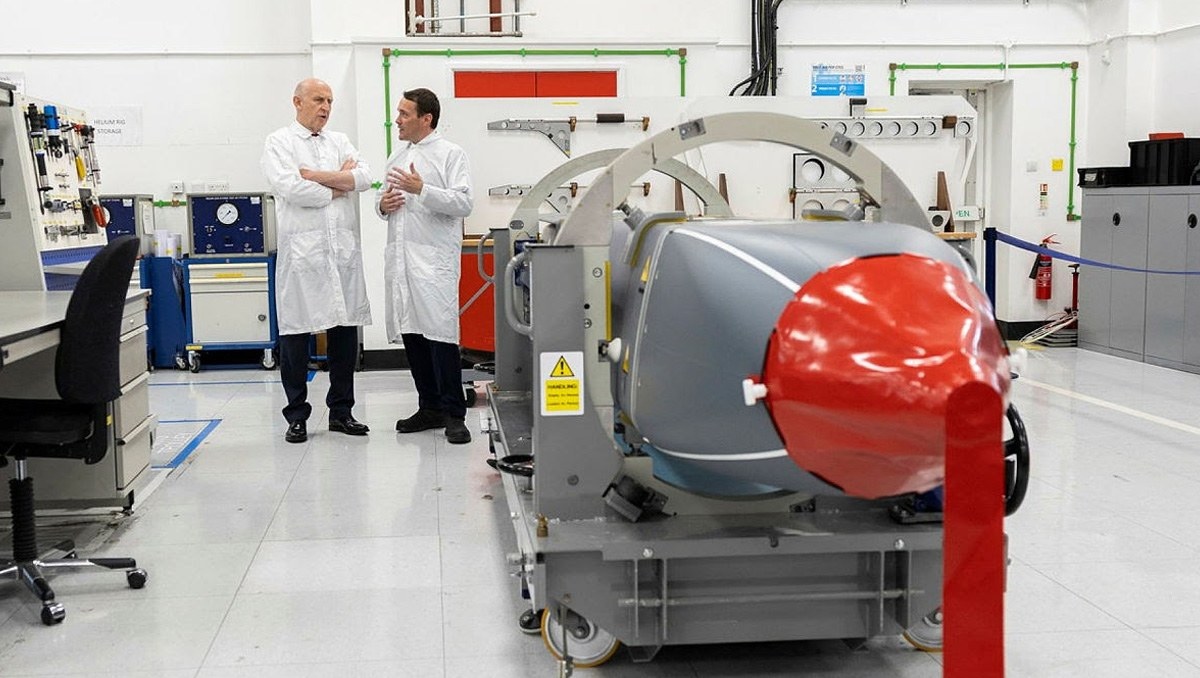
World
LONDON, — April 6, 2026 : The United Kingdom’s Ministry of Defence (MoD) has issued an updated early engagement notice detailing a structured grant programme aimed at expanding domestic production capacity for munitions, explosives, and energetics. The notice, published on April 2, 2026, replaces an earlier version released the same day and outlines the framework for funding up to six new manufacturing facilities across the country. The initiative is designed to establish a continuous, “always-on” domestic production pipeline to ensure a stable supply of ammunition for the British Army, while reducing reliance on foreign supply chains. It forms part of a broader effort to reinforce national defence industrial capacity in line with long-term strategic requirements. Funding Structure and Application Timeline The MoD has set out a phased competitive grant system to allocate funding for the construction of new facilities. The first application window is scheduled to open in the third quarter of 2026 (July–September), with additional rounds planned for the second and fourth quarters of 2027. Each application period will remain open for approximately three months, allowing companies sufficient time to prepare and submit detailed proposals. Financial support for individual projects is capped at £45 million (approximately $56 million), or up to 50 percent of the total project cost, whichever is lower. Final funding decisions will be based on assessments of value for money, economic feasibility, affordability, and the approval of a complete business case and operational model. Participation in the programme is open to all eligible companies, including small and medium-sized enterprises (SMEs). Applicants are not required to have prior experience with the MoD, nor must they have participated in the technical and economic feasibility studies conducted in late 2025. Site Selection and Production Scope The programme follows feasibility studies completed in November 2025, which identified at least 13 potential sites across the United Kingdom suitable for development. Final site selection will depend on the outcome of the competitive grant process and the quality of submitted proposals. The new facilities will focus on producing key components required for both small arms and heavy weapon systems. Planned outputs include gunpowder for small arms ammunition, high explosives, rocket propellants, and pyrotechnics, including advanced ignition systems. These capabilities address areas where large-scale domestic production has been limited or absent in the UK for nearly two decades. Construction of the first facilities is expected to begin in 2026, following the completion of the grant award process and approval of full business cases. Strategic Context and Investment Framework The grant scheme operates within the broader framework of the Strategic Defence Review (SDR), published in June 2025, which prioritizes warfighting readiness and the strengthening of industrial support structures. The SDR includes a £1.5 billion allocation specifically for munitions and energetics infrastructure, contributing to a projected total of approximately £6 billion in munitions spending during the current parliamentary term. The programme is managed by Defence Equipment and Support and complements wider government measures aimed at integrating civilian industrial capacity into defence supply chains. Officials have emphasized the importance of maintaining scalable production capabilities to support sustained military operations and ongoing international commitments. Economic and Industrial Impact In addition to defence objectives, the initiative is expected to generate at least 1,000 skilled manufacturing jobs across selected regions. The government has positioned the programme as part of its broader strategy to use defence investment to support regional economic development and industrial growth. By establishing new production facilities and expanding domestic manufacturing capacity, the MoD aims to ensure long-term supply resilience, improve responsiveness to operational demands, and strengthen the United Kingdom’s overall defence industrial base.
Read More → Posted on 2026-04-06 14:46:16Search
Top Trending in 24 Hours
-
 Qarbon Aerospace Returns to F-22 Program with New U.S. Air Force Sustainment Contract
-
 Embraer and Anduril Partner to Integrate Barracuda-500M Cruise Missile with C-390 Millennium
-
 HD Hyundai and Peru's SIMA Complete Basic Design of HDS-MGP Next-Generation Submarine
-
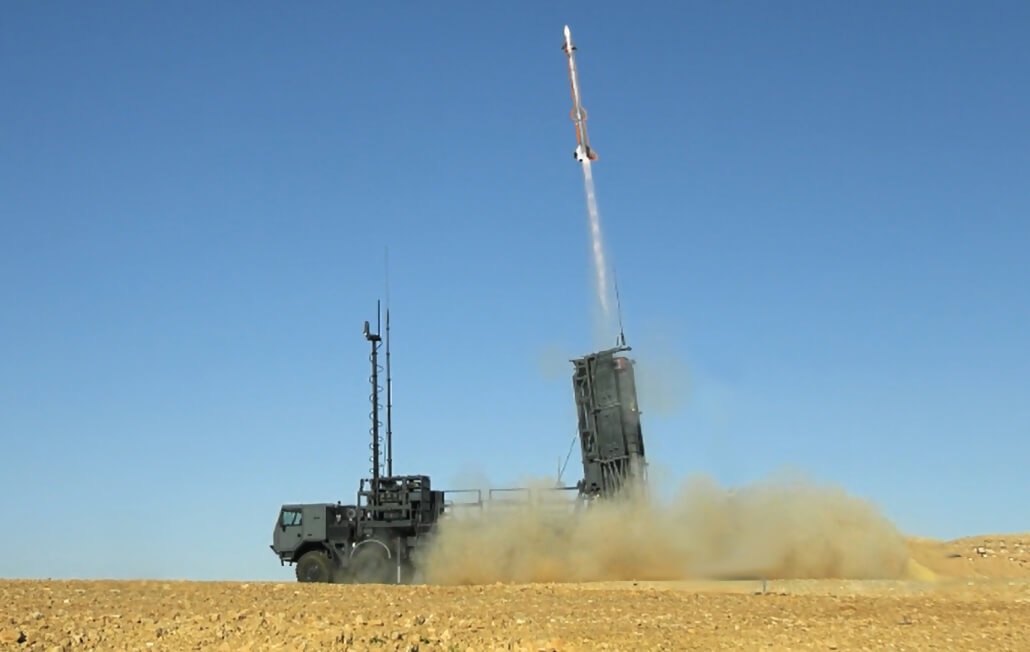 Greece Set to Approve €3 Billion Israeli Air Defense Deal for 'Achilles’ Shield' Network
-
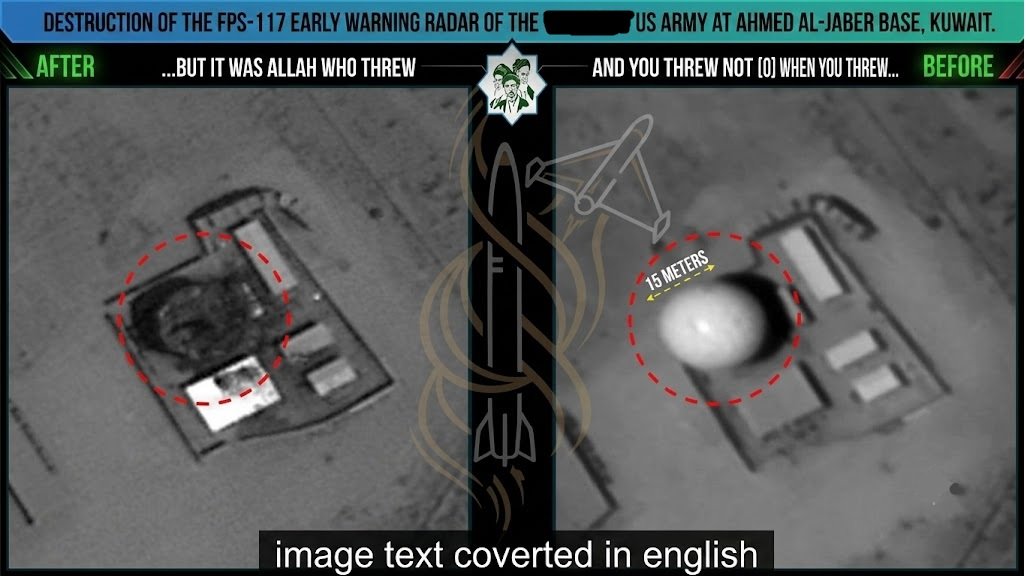 IRGC Claims Destruction of Second AN/FPS-117 Radar in Latest Strike on Kuwait's Ahmed Al-Jaber Air Base
-
 BAE Systems Unveils BlackThorn Modular Warhead Family for Autonomous Weapons and Counter-Drone Systems
-
 BAE Systems Unveils 'Brontanax', the UK's First Autonomous Combat Aircraft at Farnborough
Top Trending in 4 Days
-
 New Satellite Imagery Reveals Extensive Damage at Jordan's Muwaffaq al-Salti Air Base After Iranian Missile Strike
-
 Anduril Unveils Thunder Autonomous Attack Rotorcraft Built with Archer Aviation to Support Apache Helicopters
-
 Iran Claims It Shot Down U.S.-Operated Polish-Built Tiguar-M Drone, Releases Images
-
 UK Cancels Meteor Missile Mid-Life Upgrade, Prioritizes Next-Generation FASE Air-to-Air Missile Programme
-
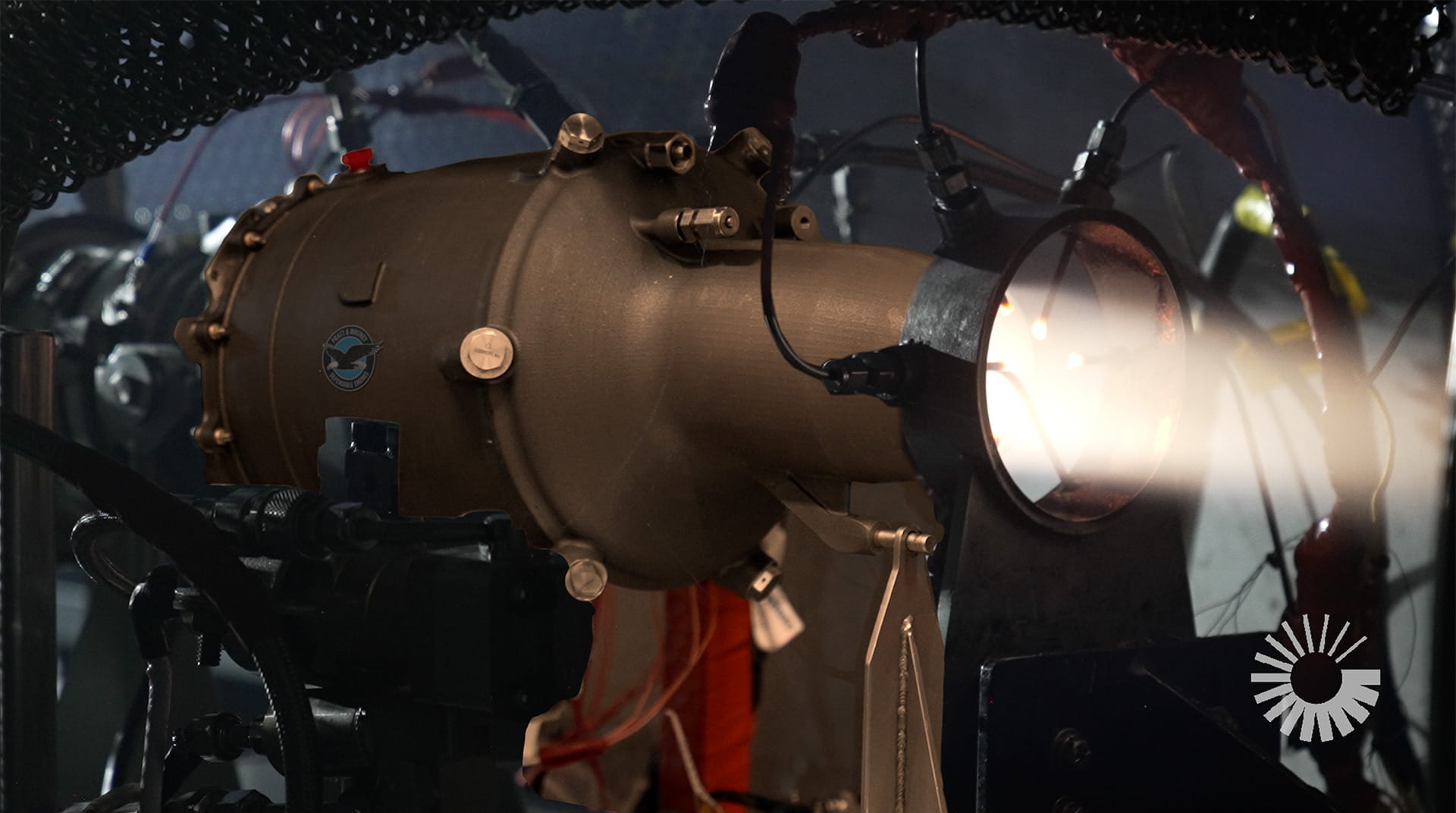 Pratt & Whitney Completes Testing of 3D-Printed TJ150 Engine for Military Applications
-
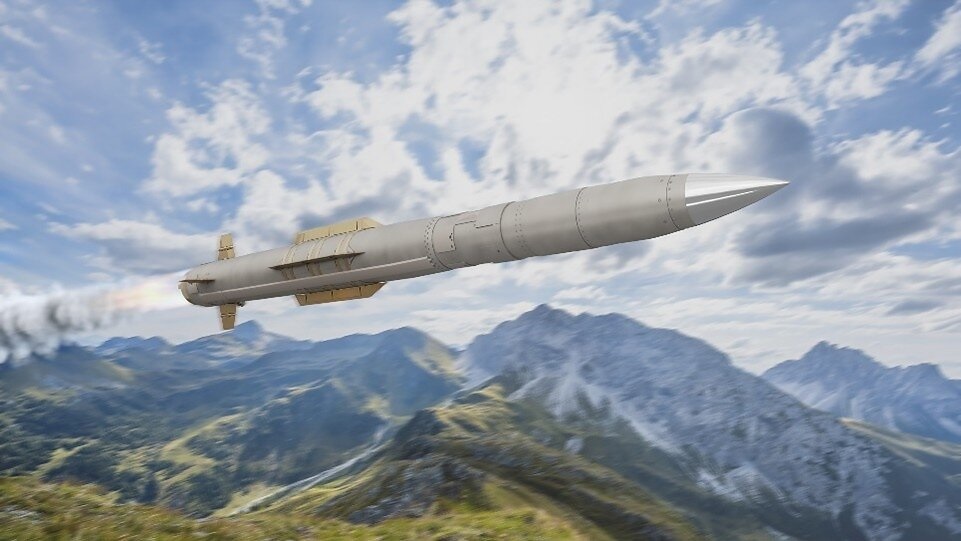 Lockheed Martin Unveils Lower-Cost PAC-3 ACE Interceptor for Patriot Air Defense System
-
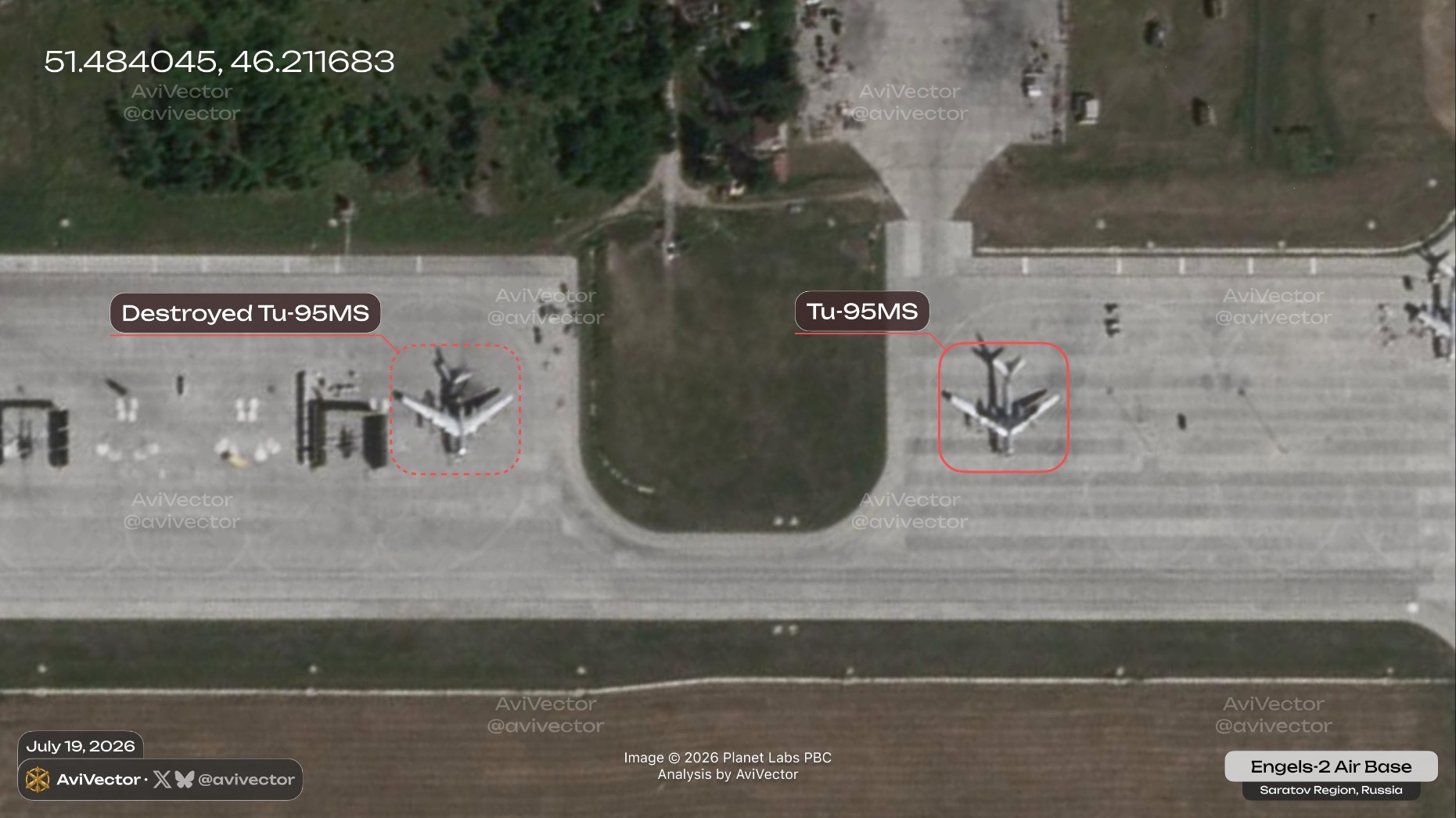 Satellite Images Confirm Russian Tu-95MS Bomber Destroyed After Ukrainian Drone Strike on Engels-2 Air Base
-
 BHEL Successfully Develops India’s First Indigenous 1200 kV, 333 MVA Per-Phase UHVAC Transformer
