World
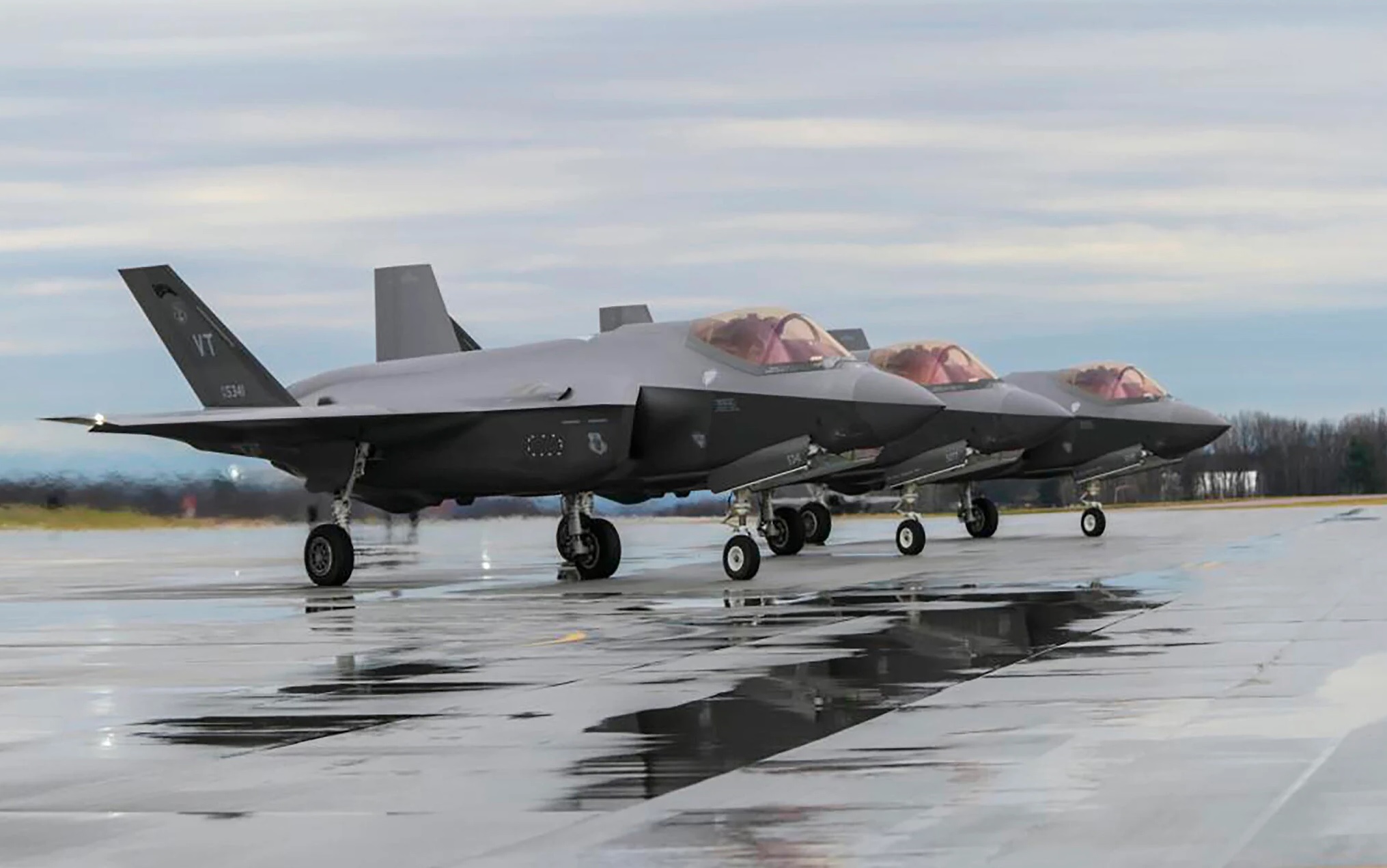
WASHINGTON, — April 10, 2026 : The United States Department of Defense has awarded Lockheed Martin an $11,437,794 contract modification to develop additional software upgrades for Israel’s F-35I “Adir” fleet, under an existing U.S. Navy-managed Foreign Military Sales (FMS) agreement. The modification is added to contract N0001921C0040, which supports international partners operating the F-35 Lightning II. The award is administered by the Naval Air Systems Command in Patuxent River, Maryland, with all funding provided by the Government of Israel. The Department of Defense confirmed that the full contract value was obligated at the time of award, with no financial contribution from U.S. taxpayers. Contract Scope and Execution The agreement covers the development and integration of three new software data loads, described in official documentation as “productionized plus builds.” These builds are derived from existing enterprise software baselines and are part of Israel’s System Development and Design Phase II framework. Work will be performed primarily at Lockheed Martin’s aeronautics facility in Fort Worth, Texas, accounting for approximately 80 percent of the effort, while the remaining 20 percent will take place at undisclosed locations outside the continental United States, likely within Israel. The project is scheduled for completion by March 2030. The effort includes both software development and systems engineering activities, ensuring that newly developed capabilities are tested, stabilized, and suitable for operational deployment across Israel’s active fleet. Software Architecture and Data Loads The F-35 platform operates on a highly complex, software-driven architecture. Due to restrictions on modifying core source code, international operators such as Israel implement localized capabilities through specialized software data loads that function alongside the baseline system. The “productionization” process involves transitioning software from experimental or laboratory-tested configurations into stable, scalable versions that can be safely deployed across operational aircraft. This ensures compatibility with the global F-35 software ecosystem while enabling country-specific enhancements. The three software data loads included in this contract focus on sensor fusion, electronic warfare, and weapons integration. Enhanced Sensor Fusion Sensor fusion upgrades are designed to improve the aircraft’s ability to combine data from multiple onboard and offboard sources into a unified operational picture. This includes inputs from radar systems, electro-optical and infrared sensors, and electronic support measures. The enhanced processing capability is expected to improve situational awareness for pilots, enabling faster and more accurate threat detection and decision-making during complex missions. Electronic Warfare Improvements The electronic warfare component builds on Israel’s domestically developed systems, including suites produced by Elbit Systems. These upgrades are intended to strengthen the aircraft’s ability to detect, jam, and evade hostile radar systems and integrated air defense networks. The integration of indigenous electronic warfare technologies allows the Israeli Air Force to tailor its capabilities to specific regional threats while maintaining interoperability with U.S. and allied forces. Weapons Integration Expansion The third software package focuses on expanding weapons compatibility, enabling the F-35I to more effectively carry and deploy Israeli-developed munitions. These include systems such as the Python-5 and SPICE. The upgrades enhance the aircraft’s ability to recognize, integrate, and employ these weapons within its mission systems, ensuring seamless operation alongside standard U.S.-supplied ordnance. Platform Customization and Fleet Status Israel operates the F-35I “Adir,” a customized variant of the F-35A, that retains the standard airframe and engine but incorporates nationally developed systems and software layers. The aircraft features an open architecture design that allows Israeli engineers to independently modify and upgrade mission systems within approved parameters. Israel is currently the only F-35 operator authorized to carry out sovereign modifications of this scale. The country has received 48 aircraft out of a total order of 75. Strategic Context and Program Continuity The software upgrade effort follows recent operational deployments of Israeli F-35I aircraft in early 2026 and coincides with a ceasefire agreement involving Iran. The timing allows the incorporation of operational data and lessons learned into future capability development. The upgrades also support continuity in capability development amid delays in the broader F-35 Block 4 modernization program, ensuring that Israel maintains its operational readiness and technological baseline. The contract underscores ongoing U.S.-Israel defense cooperation within the F-35 program, combining U.S.-developed platform architecture with Israeli-specific systems integration under the Foreign Military Sales framework. No additional details regarding performance benchmarks or testing timelines have been disclosed.
Read More → Posted on 2026-04-10 15:35:14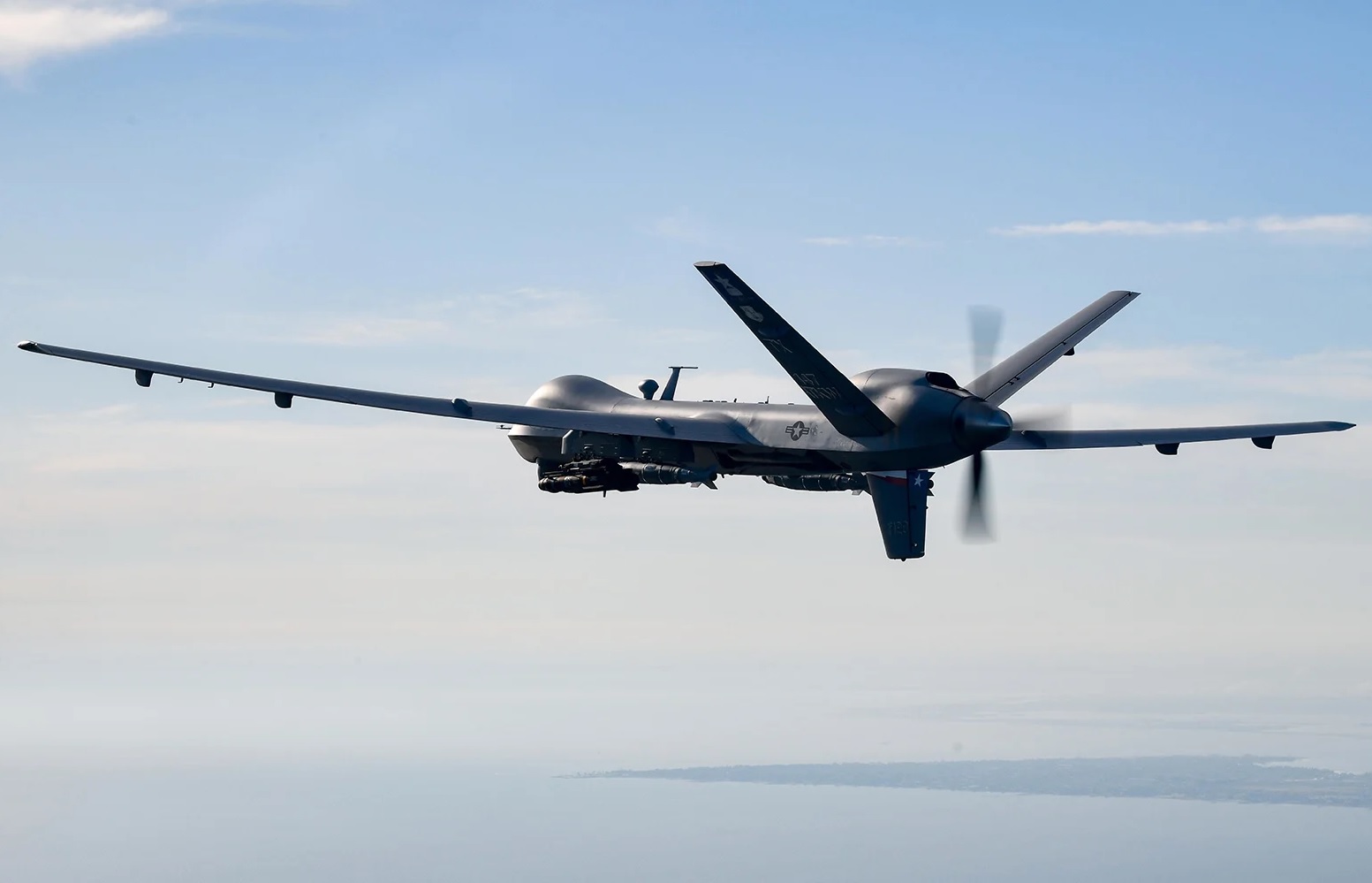
World
WASHINGTON, — April 10, 2026 : The United States has lost a total of 24 MQ-9 Reaper unmanned aerial vehicles during combat operations related to Iran, including eight drones shot down since the beginning of April, according to a report by CBS News citing U.S. officials. The Pentagon has not publicly confirmed the full extent of the losses. The reported losses mark a significant increase from earlier figures. As of March 9, 2026, 11 MQ-9 Reapers had been confirmed lost. The additional incidents in subsequent weeks bring the total to 24, reflecting the continued intensity of operations in contested airspace. Financial Impact and Cost Estimates The destruction of 24 MQ-9 Reapers represents an estimated financial loss of between $700 million and $720 million. Each aircraft has a unit cost of approximately $30 million or more, depending on configuration, onboard systems, and mission equipment. The cost estimates align with the cumulative loss figures reported by officials, although no detailed breakdown of individual incidents or configurations has been released. Operational Role in Current Campaign The MQ-9 Reaper, developed by General Atomics Aeronautical Systems, remains a central platform in U.S. operations. The aircraft is primarily used for intelligence, surveillance, and reconnaissance (ISR) missions, as well as precision strike operations. In the ongoing campaign, the drones have been deployed for a range of tasks, including reconnaissance missions, target identification, targeting support, and battle damage assessment. They have also been used to engage various targets, including airfields, ballistic missile launchers, naval vessels, and air defense systems. Military officials indicate that the losses are associated with sustained operations in defended airspace, where the risk to unmanned systems is elevated due to the presence of integrated air defense networks. Platform Capabilities and Technical Specifications The MQ-9 Reaper conducted its first flight on February 2, 2001, and has since become one of the primary unmanned systems used by the United States and allied forces. The aircraft operates at medium altitude with long endurance capabilities. It has a service ceiling of approximately 13,000 meters, with some configurations capable of reaching up to 50,000 feet. The platform can remain airborne for up to 27 hours, enabling persistent surveillance over operational areas. The MQ-9 is powered by a Honeywell TPE331-10GD turboprop engine and is operated remotely by a two-person crew consisting of a pilot and a sensor operator. The aircraft features six external hardpoints for weapons and sensors: Two inner stations, each capable of carrying up to 680 kilograms Two mid-wing stations, each capable of carrying up to 270 kilograms Two outer wingtip stations, each capable of carrying up to 90 kilograms This configuration allows the Reaper to carry a mix of precision-guided munitions, including AGM-114 Hellfire missiles, GBU-12 Paveway II laser-guided bombs, and other Mark 82-series weapons, along with additional sensor payloads. International Operators In addition to the United States, the MQ-9 Reaper is in service with multiple allied countries, including the United Kingdom, France, Italy, Spain, the Netherlands, Belgium, Denmark, Poland, India, and Japan. Ongoing Assessment No further details have been provided regarding the specific circumstances of the individual drone losses. U.S. officials cited in the CBS News report did not disclose locations, engagement methods, or attribution for each incident. Despite the losses, the MQ-9 Reaper continues to play a key role in U.S. military operations due to its combination of endurance, sensor capability, and strike capacity.
Read More → Posted on 2026-04-10 14:13:36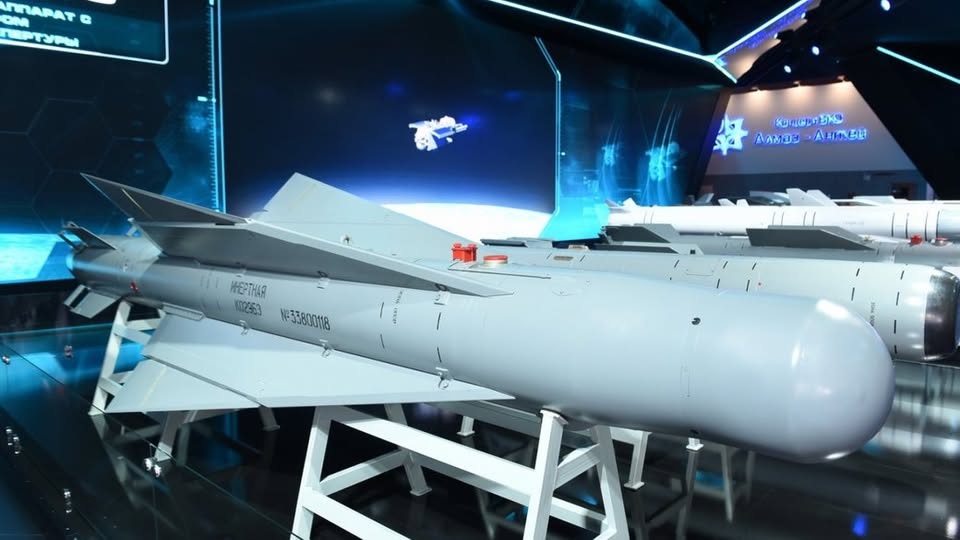
World
NEW DELHI, — April 10, 2026 : The Indian Air Force (IAF) is assessing the potential induction of Russia’s UPAB-1500-class precision-guided glide munitions for integration with its Su-30MKI fighter aircraft fleet, as part of ongoing efforts to expand long-range stand-off strike capabilities against hardened and high-value targets. The UPAB-1500 is a heavy, approximately 1,500 kg class guided glide bomb developed by Russia’s Tactical Missiles Corporation (KTRV). The munition is equipped with a penetrating high-explosive warhead designed to destroy reinforced concrete structures, underground bunkers, command-and-control facilities, and other critical infrastructure. Its guidance system combines inertial navigation with GLONASS satellite positioning, enabling precision engagement of fixed targets. Platform Integration and Operational Role The integration of the UPAB-1500 with the Su-30MKI would allow the IAF to conduct stand-off strikes from extended distances while remaining outside the engagement range of many surface-to-air missile systems. The munition can be released from high altitudes, after which deployable wings enable it to glide toward the target. Operational range is reported to be up to approximately 50 kilometers, depending on release altitude and flight conditions. The bomb is about 5 meters in length with a diameter of roughly 400 mm. It is designed for compatibility with multiple Russian-origin combat aircraft, including the Su-30, Su-34, and Su-35 platforms. The Su-30MKI remains the backbone of the Indian Air Force, with a fleet of over 270 aircraft manufactured under license by Hindustan Aeronautics Limited (HAL). The proposed integration aligns with broader efforts to enhance the aircraft’s air-to-ground strike capabilities. Modernization and Existing Capabilities The evaluation of the UPAB-1500 is part of a wider modernization framework focused on improving precision strike options. India has previously inducted Russian-origin precision-guided munitions for the Su-30MKI, including KAB-series laser-guided bombs. In parallel, the IAF is pursuing upgrades under the Super Sukhoi program, alongside additional Russian-assisted modernization tracks for aircraft not covered in the initial phase. These upgrades are expected to enhance avionics, weapon integration, and overall combat effectiveness. No official contract, procurement timeline, or acquisition quantity for the UPAB-1500 has been disclosed by the Indian Ministry of Defence as of April 10, 2026. Indigenous Development Efforts Alongside the evaluation of foreign systems, India continues to advance domestic alternatives. The Defence Research and Development Organisation (DRDO) is developing the “Gaurav” Long-Range Glide Bomb (LRGB), a 1,000 kg class precision-guided munition. In tests conducted in April 2025, the Gaurav glide bomb was released from a Su-30MKI and demonstrated a strike range of approximately 100 kilometers using a hybrid inertial navigation and GPS guidance system. The program reflects India’s ongoing efforts to reduce reliance on imported munitions while expanding indigenous strike capabilities. Strategic Context The introduction of heavy glide munitions such as the UPAB-1500 would provide the IAF with additional options for engaging fortified and high-value targets at range, without requiring aircraft to enter heavily defended airspace. This approach is consistent with current operational doctrines emphasizing precision-guided, stand-off engagement capabilities. Russia has indicated interest in exporting the UPAB-1500 family, with India identified among potential customers. The munition has been employed in operations targeting fortified positions, demonstrating its intended role against hardened structures. The ongoing assessment reflects the IAF’s broader effort to maintain operational flexibility and strengthen its precision strike portfolio in evolving regional security environments.
Read More → Posted on 2026-04-10 13:57:28
World
WASHINGTON, — April 10, 2026 : Lockheed Martin has been awarded a $4.76 billion firm-fixed-price contract by the United States Army for the production of Patriot Advanced Capability-3 Missile Segment Enhancement (PAC-3 MSE) interceptors, along with associated hardware, equipment, technical planning, management, and manufacturing activities. The contract is scheduled for completion by June 30, 2030. The award was issued by the Army Contracting Command at Redstone Arsenal, Alabama, which will oversee execution across a distributed industrial network. Funding Structure and Foreign Military Sales Contribution Of the total contract value, $264.96 million has been obligated at the time of award using fiscal year 2026 Army missile procurement appropriations. The remaining $4.49604 billion—approximately 94 percent of the total—is funded through the U.S. government’s Foreign Military Sales (FMS) program. This funding composition indicates that international partner demand is the primary driver behind the current production expansion. Under the FMS framework, allied nations procure defense systems through the U.S. Department of Defense acquisition process, enabling standardization, supply chain oversight, and interoperability with U.S. forces. Production Scale-Up and Industrial Framework The contract supports a broader seven-year framework agreement announced in January 2026 between Lockheed Martin and the U.S. government. The initiative aims to increase annual PAC-3 MSE production capacity from approximately 600 interceptors to about 2,000 by the end of 2030. Lockheed Martin has already expanded output significantly, reporting a production increase of more than 60 percent over the previous two years. In 2025 alone, the company delivered 620 PAC-3 MSE interceptors. Work under the new contract will be carried out across 15 locations in the United States, including Huntsville, Alabama; Clearwater, Lake Mary, Ocala, and Pinellas Park, Florida; East Aurora, New York; Rocket Center, West Virginia; Vergennes, Vermont; Hollister, California; Wichita, Kansas; Camden, Arkansas; Chelmsford, Massachusetts; Grand Prairie and Lufkin, Texas; and Archbald, Pennsylvania. The distributed production model is intended to reduce bottlenecks and improve throughput across the supply chain. In parallel, Boeing is supporting increased production of PAC-3 MSE seekers under a separate framework agreement announced in April 2026. Additional supply chain contributions include international partners such as Diehl Defence, Tecnobit-Grupo Oesía, and Sener. System Capabilities and Technical Characteristics The PAC-3 MSE interceptor is designed as a hit-to-kill system that destroys incoming threats through direct body-to-body impact rather than using a blast-fragmentation warhead. It incorporates a two-pulse solid rocket motor, which provides improved altitude and range performance compared to earlier PAC-3 variants, including the Cost Reduction Initiative (CRI) model. The interceptor is capable of engaging a range of threats, including tactical ballistic missiles, cruise missiles, and other advanced aerial systems. It is compatible with the M903 launcher, which can carry up to 12 PAC-3 MSE interceptors or a mixed loadout combining PAC-3 MSE and PAC-3 CRI missiles. This configuration increases engagement flexibility and enhances the system’s ability to manage multiple simultaneous threats. Operationally, the PAC-3 MSE can reach speeds of approximately Mach 4.5, with an engagement range of up to 160 kilometers and a maximum altitude of approximately 24 kilometers, depending on mission parameters. Integration with IBCS and Networked Operations The interceptor is integrated with the U.S. Army’s Integrated Air and Missile Defense Battle Command System (IBCS), which enables operation within a distributed sensor-shooter architecture. This integration allows launchers to utilize targeting data from a wider network of sensors rather than relying solely on organic radar inputs. The U.S. Army conducted its first successful PAC-3 MSE engagement using IBCS in 2021, demonstrating the system’s ability to operate within a networked battlespace and improve engagement flexibility. International Demand and Recent FMS Cases Recent Foreign Military Sales approvals highlight sustained global demand for the PAC-3 MSE system. In January 2026, the U.S. Department of State approved a potential $9.0 billion sale to Saudi Arabia, which includes 730 PAC-3 MSE interceptors. In addition, Denmark’s Patriot acquisition program incorporated PAC-3 MSE interceptors as part of an IBCS-enabled configuration. Other operators of the system include Bahrain, Poland, and Ukraine, reflecting its adoption across a growing number of allied air and missile defense networks. Industrial Base and Supply Chain Expansion The production expansion aligns with broader U.S. efforts to strengthen the defense industrial base. The initiative includes investments in component-level manufacturing capacity and supply chain resilience to reduce lead times and increase overall missile availability. By leveraging both domestic and allied funding, the program supports sustained production growth while maintaining interoperability across partner nations. The approach is intended to ensure that both U.S. forces and allied operators have access to sufficient interceptor inventories in response to evolving threat environments. The current contract does not specify the exact number of PAC-3 MSE interceptors to be produced. The U.S. government will continue to monitor production progress as part of ongoing efforts to meet increasing demand for integrated air and missile defense capabilities.
Read More → Posted on 2026-04-10 13:46:23
World
WASHINGTON, — April 10, 2026 : The U.S. Department of Defense has requested more than $2 billion in research, development, testing, and evaluation (RDT&E) funding for directed energy technologies in its fiscal year 2027 budget proposal, signaling an accelerated push to mature and field high-energy laser and high-power microwave systems across the military services. The requested funding level represents a significant increase compared to historical benchmarks. During the Strategic Defense Initiative period between fiscal years 1985 and 1993, the United States spent approximately $4.9 billion in total on directed energy efforts, averaging about $500 million annually. The FY2027 request therefore exceeds that historical annual average by a wide margin, reflecting a shift toward operational deployment rather than exploratory research. Integration with Golden Dome Missile Defense Initiative A substantial portion of the requested funding is tied to the Pentagon’s Golden Dome missile defense initiative. The FY2027 proposal allocates $452 million for the development, integration, and assessment of directed energy systems supporting Golden Dome, more than triple the $142 million enacted in the previous budget cycle. Golden Dome, a broader continental missile defense architecture announced in 2025, is allocated $17.5 billion overall in the FY2027 request. A significant portion of that funding is expected to depend on reconciliation legislation rather than the base defense budget. Directed energy systems are being evaluated within Golden Dome for their ability to provide rapid-response, layered defense against cruise missiles, drones, and other aerial threats. Service-Level Funding Increases The budget proposal outlines notable increases across individual military branches. The U.S. Navy’s directed energy and electric weapon systems RDT&E funding rises to $94 million, compared to $14.5 million in the FY2026 request. The Navy has previously deployed systems such as the Optical Dazzling Interdictor, Navy (ODIN) on surface combatants, and continues to explore integration of higher-power laser systems for shipborne defense. The U.S. Army is advancing plans to formalize its first directed energy program of record. Under the Enduring High Energy Laser (E-HEL) program, the Army intends to produce and field up to 24 high-energy laser systems. This follows a decision not to transition the 300-kilowatt Indirect Fire Protection Capability–High Energy Laser (IFPC-HEL), also known as Valkyrie, into a formal acquisition program. Instead, the IFPC-HEL prototype will serve as a technology demonstrator informing the Joint Laser Warfighting System (JLWS), a collaborative effort between the Army and Navy aligned with Golden Dome objectives, particularly for countering cruise missile threats. Shift Toward Operational Deployment Pentagon officials have indicated that directed energy systems are expected to transition from prototype and experimental phases to operational deployment at scale within the next three years. The emphasis is on systems capable of sustained engagement, with low per-shot costs and high magazine depth, particularly in response to the increasing use of unmanned aerial systems. Lower-power laser systems have already been deployed by the Army in limited testing roles against drones, while the Navy has operational experience with optical and laser-based systems. The FY2027 request continues to prioritize RDT&E funding rather than large-scale procurement, indicating that technology maturation remains the immediate focus. Industry Participation and Emerging Systems The accelerated timeline for deployment has prompted increased activity among defense contractors and technology firms. Industry participants are expanding development and production capabilities to align with Pentagon requirements. Among the systems positioned for potential integration is the “Archimedes” autonomous counter-unmanned aerial system, developed by Aurelius Systems. The platform combines sensor fusion and artificial intelligence to enable autonomous threat detection and engagement. Designed to operate using electrical power rather than conventional munitions, such systems aim to deliver low-cost-per-engagement performance and scalable deployment across distributed defense networks. Budget Context and Next Steps The directed energy funding request forms part of a broader FY2027 defense budget proposal totaling approximately $1.5 trillion, the largest in U.S. history. While the directed energy allocation focuses primarily on research and development, no major new procurement quantities beyond existing program lines are detailed in the current submission. The budget has been released in a preliminary “skinny” format, with detailed justification documents expected later in April 2026. Congressional review and appropriations deliberations will determine final funding levels and program authorizations. If approved, the FY2027 request is expected to further establish directed energy systems as a central component of future U.S. air and missile defense architecture, with expanded integration across land, naval, and joint operational frameworks.
Read More → Posted on 2026-04-10 13:30:59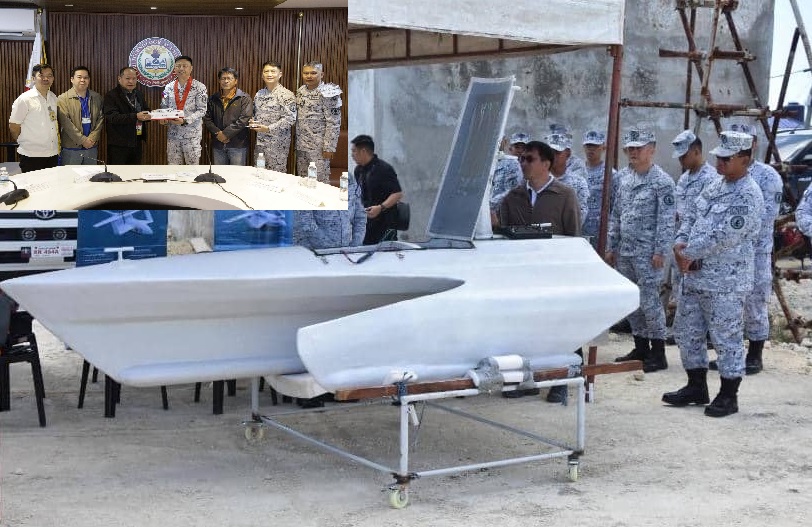
World
MANILA, — April 10, 2026 : The Philippine Navy has entered into a formal partnership with Cebu Technological University (CTU) to develop two indigenous autonomous platforms—a Hybrid Marine-Air Vehicle (HMAV) and a Maritime Autonomous Surface Ship (MASS)—as part of efforts to strengthen the country’s Self-Reliant Defense Posture (SRDP) program and expand domestic capabilities in maritime and defense technologies. The agreement was formalized through a memorandum of agreement signed on March 26, 2026, at the CTU main campus in Cebu City. The signing was led by Rear Admiral Juario C. Marayag, commander of the Naval Sea Systems Command (NSSC), representing the Philippine Navy, and Dr. Jonathan C. Maglasang, designated project leader for both platforms, representing the university. Officials from both institutions attended the ceremony, including Vice Admiral Jose Ma. Ambrosio Q. Ezpeleta for the Navy and senior CTU leadership such as Dr. Romeo P. Montecillo, Dr. Rosein A. Ancheta Jr., and Dr. Pet Roey L. Pascual. Platform Development and Capabilities The collaboration centers on the development of two autonomous systems designed to address operational requirements across the Philippine archipelago, with both prototypes scheduled for completion in 2026. The Hybrid Marine-Air Vehicle (HMAV) is an aerial hybrid platform engineered to transport at least 12 passengers and operate over a range of up to 600 nautical miles. It is intended to support inter-island mobility, logistics operations, and disaster preparedness and response, particularly in geographically dispersed and disaster-prone areas. The Maritime Autonomous Surface Ship (MASS) is a sea-based unmanned vessel incorporating environmentally sustainable or “green” maritime technologies. It is designed to function as an autonomous logistics platform capable of supporting naval operations and civilian requirements while reducing environmental impact. Research, Funding, and Training Framework Research and development activities for both platforms began in 2023 under CTU’s Center for Advanced Vehicles and Energy Systems (CAVES). The university is responsible for system design, development, integration, testing, and performance evaluation. The projects are funded by the Department of Science and Technology–Philippine Council for Industry, Energy and Emerging Technology Research and Development (DOST-PCIEERD). In addition to development responsibilities, CTU will provide technical training to Philippine Navy personnel to support future operation and maintenance of the systems. Dr. Romeo P. Montecillo, CTU Vice President for Student Affairs, stated that the initiatives are aimed at addressing national mobility challenges through advanced and environmentally responsible technologies applicable to both defense and civilian sectors. Alignment with National Defense Policy The partnership aligns with the objectives of the SRDP program, which prioritizes the development of indigenous defense technologies, including unmanned systems, domestic powder production, and maintenance, repair, and overhaul (MRO) capabilities for military assets. The SRDP framework was reinforced with the enactment of the SRDP Revitalization Act (Republic Act No. 12024), signed into law by President Ferdinand Marcos Jr. on October 8, 2024. The legislation mandates the strengthening of the domestic defense industry through sustained research and development of weapon systems and related technologies. Existing Capabilities and Prior Initiatives At present, the Philippine Navy operates a limited number of unmanned surface vessels and aerial drones, primarily sourced from the United States, for territorial defense and maritime security missions. The Navy has also undertaken previous indigenous development efforts. In 2022, it unveiled the “Buhawi” (Building a Universal Mount for Heavy-Barrel Automated Weapon Integration), a remote-controlled weapon system (RCWS) designed for a 0.50-caliber machine gun. The system was developed in collaboration with the DOST Metals Industry Research and Development Center (MIRDC) and the Mechatronics and Robotics Society of the Philippines. An initial batch of 10 units was ordered in 2023 for deployment on small naval vessels. These systems operate alongside imported platforms such as the Israeli-made 12.7mm Rafael Mini Typhoon RCWS. Broader Modernization Efforts Parallel to the Navy’s initiatives, both the Philippine Air Force and the Philippine Army are pursuing their own autonomous vehicle development programs as part of broader military modernization efforts. The collaboration with CTU reflects a wider national strategy to reduce reliance on foreign technology and build sustainable, locally developed defense capabilities amid evolving regional security challenges. No specific cost details for the HMAV and MASS programs have been disclosed. The Philippine Navy continues to monitor the progress of both prototypes as development advances toward their targeted completion later in 2026.
Read More → Posted on 2026-04-10 13:22:33
World
LONDON, — April 9, 2026 : The United Kingdom has disclosed details of a coordinated, month-long operation in which British and allied forces tracked multiple Russian submarines operating near sensitive undersea infrastructure in the High North and North Atlantic, ultimately prompting their withdrawal toward Russian waters. According to the UK Ministry of Defence (MoD), the operation involved a Russian Akula-class nuclear-powered attack submarine alongside two specialist submarines linked to Russia’s Main Directorate of Deep Sea Research (GUGI). The vessels were monitored continuously for over a month after entering international waters several weeks prior to their departure. Coordinated Tracking Operation British military assets, working closely with allies including Norway, maintained persistent surveillance of the Russian vessels across a wide operational area. The Royal Navy deployed the Type 23 frigate HMS St Albans, supported by the fleet replenishment vessel RFA Tidespring and embarked Merlin helicopters. These assets operated near British territorial waters and covered thousands of miles during the mission. The Royal Air Force simultaneously deployed P-8 Poseidon maritime patrol aircraft, which conducted extended surveillance sorties and deployed sonobuoys to maintain continuous acoustic tracking of the submarines. The combined effort ensured uninterrupted monitoring of Russian movements both on and below the surface. The MoD stated that the tracking was conducted overtly, with British and allied forces deliberately signaling their presence to ensure the Russian vessels were aware they had been detected. Decoy Tactics and GUGI Activity Military assessments determined that the Akula-class submarine was likely operating as a diversion. While it attracted attention in open waters, the two GUGI-affiliated submarines conducted activity in areas associated with critical undersea infrastructure used by the UK and its allies. The operation unfolded in the North Atlantic during a period when international attention was focused on developments in the Middle East, a factor officials indicated may have reduced immediate public scrutiny of activity in northern waters. A declassified satellite image released by the MoD showed surface and sub-surface vessels associated with GUGI at the Russian naval facility in Olenya Guba, located in the High North. Government Response and Official Statements UK Prime Minister Keir Starmer stated that the government remains committed to safeguarding both national and economic security. He said the UK would continue to expose activities that threaten stability and ensure that British households are not indirectly affected by geopolitical actions impacting infrastructure and energy flows. Defence Secretary John Healey highlighted the operational complexity of the mission, noting that British personnel operated for extended periods in challenging maritime conditions. He emphasized that the UK Armed Forces were simultaneously addressing threats in multiple regions, including the Middle East and the High North. Healey also underscored that any attempt to interfere with undersea infrastructure would be met with serious consequences, reaffirming the UK’s commitment to NATO security and homeland defense. Strategic Importance of Undersea Infrastructure Subsea fibre optic cables form the backbone of global communications, carrying more than 99 percent of international data traffic, including internet services, financial transactions, and telecommunications. The GUGI program, a long-standing component of Russia’s naval capabilities, is designed to deploy specialized submarines and vessels capable of surveying, mapping, and potentially interfering with underwater infrastructure. While such activities may occur during peacetime for reconnaissance purposes, these systems are also assessed to have the capability to damage or disrupt critical networks during a conflict. Russian Withdrawal and Continued Monitoring Following sustained tracking and overt monitoring by UK and allied forces, the Akula-class submarine and the two GUGI submarines exited the area and proceeded north toward Russian territory. British defence officials confirmed that no damage to infrastructure was recorded during the operation. However, naval vessels and aircraft remain on standby to respond to any renewed activity in the region. Pattern of Increased Russian Activity The incident forms part of a broader pattern of increased Russian naval operations near UK waters. Over the past two years, the UK has recorded a 30 percent rise in the presence of Russian vessels in nearby maritime zones. In a previous incident last year, the Russian intelligence-gathering vessel Yantar was tracked near UK waters by Royal Navy and RAF assets. During that operation, lasers were reportedly directed at British aircraft. More recently, the Royal Navy completed a separate ten-day monitoring mission in the English Channel and North Sea. During that deployment, HMS Somerset and HMS Mersey, supported by RFA Tideforce and Wildcat helicopters, tracked a Russian destroyer, frigate, landing ship, and a Kilo-class submarine using radar and sensor systems. Defence Investments and Capability Expansion The UK government is expanding its capabilities to counter undersea threats as part of a broader defence strategy. An additional £100 million has been allocated to enhance the RAF’s P-8 Poseidon fleet, strengthening anti-submarine warfare capabilities. The Atlantic Bastion programme, introduced under the Strategic Defence Review, aims to integrate autonomous systems, advanced sensors, and naval platforms to improve detection and response to submarine activity. These measures are part of a wider increase in defence spending, described as the largest since the Cold War. The UK plans to raise defence expenditure to 2.6 percent of GDP from 2027, with total investment projected at £270 billion over the current parliamentary period. Ongoing Allied Coordination The UK continues to work closely with NATO allies to monitor maritime activity in the High North and North Atlantic. Defence officials stated that coordinated surveillance and rapid response capabilities remain central to deterring potential threats to critical infrastructure and maintaining regional stability. Authorities confirmed that monitoring efforts remain ongoing, with readiness measures in place to track and respond to any future deployments affecting British or allied interests.
Read More → Posted on 2026-04-09 18:15:09
Space & Technology
NEW DELHI,— April 9, 2026 : India has successfully demonstrated a 1,000-kilometre secure quantum communication network, marking one of the longest such networks globally and a significant milestone under the National Quantum Mission (NQM). The achievement was formally announced by the Department of Science and Technology (DST) on April 8, 2026. The demonstration was completed in less than two years after the National Quantum Mission became operational in October 2024, substantially ahead of the original target of building a 2,000-km network over an eight-year period extending to 2030–31. Indigenous Development and Technology Validation The network has been developed using indigenous technology by QNu Labs, an Indian startup supported under the National Quantum Mission. The company specialises in quantum-safe cybersecurity solutions and deployed its ARMOS Quantum Key Distribution (QKD) platform for the project. The system uses Quantum Key Distribution (QKD), a technology that transmits encryption keys using quantum principles instead of classical binary signals. This method ensures that any attempt to intercept communication can be immediately detected through disturbances in quantum states. The ARMOS platform was independently validated in collaboration with VIAVI Solutions using the MAP-300 test platform. Testing confirmed secure key generation over distances of up to 200 kilometres on standard telecom fibre without the need for signal amplification. Multiple such links were combined to achieve the full 1,000-km network. According to technical data, the system supports coexistence with 10 Gbps classical data traffic while maintaining a Quantum Bit Error Rate (QBER) below 4%, indicating stable and secure transmission performance. This milestone follows an earlier 500-km defence-grade quantum communication network completed in November 2025. Strategic Applications and Operational Capabilities The network is designed to strengthen secure communications across multiple critical sectors. These include military and defence communications, banking and financial systems, and other forms of critical national infrastructure that require high levels of cybersecurity. Officials stated that the system has been engineered to operate in challenging environments, including underwater and underground conditions. This expands its applicability for both civilian infrastructure and strategic deployments. Government Review and Official Statements The achievement was reviewed during a high-level meeting at the Department of Science and Technology chaired by Union Minister of State for Science and Technology, Dr. Jitendra Singh. DST Secretary Dr. Abhay Karandikar described the development as a landmark advancement in secure quantum communication and said it positions India among leading countries working on quantum technologies. Expansion of Startup Ecosystem Alongside the network demonstration, the government has expanded its support for quantum technology startups. The number of startups backed under the National Quantum Mission has increased from eight to 17, with nine additional deep-tech ventures added to the programme. These startups are working on a range of advanced technologies, including biosensors for disease detection, precision electronics, quantum positioning systems, photon-sensing technologies, and atomic memory solutions. Research Activity and Industry Participation The Technology Development Board (TDB) has reported strong industry engagement following the rollout of government support mechanisms. More than 100 research proposals were received within two months of issuing a call for submissions. In parallel, the biotechnology sector has also seen increased activity. Nearly 200 applications have been submitted for research projects in areas such as cancer treatment, gene therapy, and bio-manufacturing, supported through the Biotechnology Industry Research Assistance Council (BIRAC). Funding Mechanisms and Policy Support To support the growth of deep-tech startups, the government is introducing new funding structures, including optionally convertible debt (OCD). This mechanism enables startups to raise capital while deferring equity dilution for founders, allowing greater operational flexibility during early growth stages. These initiatives are aligned with the broader ₹1 lakh crore Research Development Innovation (RDI) Fund aimed at strengthening India’s innovation ecosystem. National Quantum Mission Framework The National Quantum Mission was approved by the Union Cabinet in April 2023 with a total financial outlay of ₹6,003.65 crore for the period from 2023–24 to 2030–31. The mission’s objectives include the development of intermediate-scale quantum computers, satellite-based secure quantum communication over distances exceeding 2,000 kilometres, multi-node quantum networks incorporating quantum memories, and the establishment of international quantum-secure communication links. The successful 1,000-km demonstration represents a key step toward achieving these targets and advancing India’s capabilities in quantum-secure communication infrastructure.
Read More → Posted on 2026-04-09 18:07:03
World
KHARKIV, Ukraine — April 9, 2026 : Russian forces have deployed the “Chelnok” unmanned ground vehicle (UGV) in the Kharkiv sector, marking the first recorded battlefield use of the platform since its public unveiling in April 2024. The system is currently being employed in high-risk, contested areas to support frontline operations. Deployment and Evolving Operational Role According to reports from the Ukrainian 11th Army Corps and assessments by Defence Blog, the Chelnok was initially conceived as a specialized engineering vehicle designed for mine-clearing operations. However, recent battlefield observations indicate that its role has expanded to include logistical support tasks. In its adapted function, the unmanned platform is being used as a robotic ground carrier, enabling Russian units to transport supplies across exposed sections of the front line. This approach reduces the need for personnel to operate in areas vulnerable to artillery fire, unmanned aerial vehicle (UAV) surveillance and strikes, and dense minefields. Ukrainian military sources have confirmed sightings of the system operating alongside assault elements of Russia’s “West” military grouping. Development Background and System Design The Chelnok UGV was developed by the Kurgan-based company MobiDik LLC and is built on the chassis of the “Phoenix” electric all-terrain vehicle. The platform drew public attention during its initial presentation in April 2024, which included a widely noted demonstration incident in which the vehicle reportedly collided with a serviceman. At the time of its unveiling, the Chelnok was configured primarily as a mine-clearing system equipped with the UR-83P line-charge demolition system. This system deploys a 93-meter explosive sleeve containing approximately 725 kilograms of explosive material. The charge is rocket-propelled to a distance of 450–500 meters, detonating to create a cleared corridor roughly six meters wide through anti-tank minefields. Technical Specifications and Mobility Features The Chelnok is powered by a 100 kW electric motor paired with lithium iron phosphate batteries, providing an operational endurance of approximately six hours. The vehicle measures 3.8 meters in length, 2.5 meters in width, and 3.4 meters in height, with a base weight of 1,350 kilograms excluding payload. The platform is capable of reaching speeds of up to 50 kilometers per hour on land and approximately 5 kilometers per hour in water, reflecting its amphibious capability. A defining feature of the Chelnok is its wheeled chassis equipped with ultra-low-pressure tires, similar to those used on amphibious all-terrain vehicles. This configuration enables the system to traverse difficult terrain, including ditches, craters, soft ground, and water obstacles. Additionally, the reduced ground pressure lowers the probability of triggering pressure-activated anti-tank mines, enhancing survivability in mined environments. The electric propulsion system contributes to relatively low acoustic and thermal signatures, which can be advantageous during operations requiring reduced detectability. Operational Limitations and Observed Drawbacks Despite its mobility and utility in minimizing personnel exposure, analysts have identified several limitations associated with the Chelnok’s design. The vehicle’s size—comparable in footprint to a standard passenger car and standing 3.4 meters tall—makes it highly visible on the battlefield. This large profile complicates concealment in natural terrain features such as tree lines, forest belts, or ground depressions. In its logistics configuration, the platform also presents ergonomic challenges. Cargo is positioned at approximately chest height, which can slow manual loading and unloading processes, particularly under combat conditions where speed and efficiency are critical. Broader Context of Deployment The introduction of the Chelnok in the Kharkiv sector reflects ongoing efforts by Russian forces to integrate unmanned ground systems into operational roles including engineering support, mine clearance, and logistics. The platform is one of several systems reportedly undergoing evaluation or limited deployment, alongside other unmanned solutions such as the Courier system. As of April 9, 2026, no official statement has been released by the Russian Ministry of Defence regarding the operational status, scale of deployment, or future plans for the Chelnok unmanned ground vehicle.
Read More → Posted on 2026-04-09 18:02:40
World
AUSTIN, Texas — April 9, 2026 : U.S.-based defense technology startup Aeon has introduced Zeus, a software-defined, modular guided missile system designed to address longstanding gaps in tactical infantry munitions. Founded in 2023 and led by CEO Naweed Tahmas, the company is positioning the system as a new approach to precision weapons, emphasizing affordability, scalability, and adaptability for modern combat environments. The Austin-based firm has secured $18.6 million in venture capital funding from Quiet Capital, Silent Ventures, and 1789 Capital. Aeon’s entry into the tactical weapons market reflects a strategic shift within the defense startup ecosystem, which has largely focused on drones and loitering munitions, while infantry-carried precision weapons have remained largely unchanged for decades. System Design, Weight, and Cost Structure The Zeus system is designed within the same physical class as the AT4 unguided anti-tank rocket, weighing approximately 20 pounds and measuring about 30 inches in length. Despite its comparable size, Zeus delivers guided precision capabilities closer to systems such as the FGM-148 Javelin. Aeon has priced Zeus at approximately $50,000 per unit. This positions the system significantly below the cost of traditional guided missile systems, which can reach several hundred thousand dollars per unit, while offering greater capability than unguided rocket-propelled weapons. The system has been engineered for high-volume production, with Aeon targeting output exceeding 10,000 units annually. This production goal was incorporated during the initial design phase to ensure manufacturability at scale. ODIN Software Architecture and Targeting Capabilities At the core of Zeus is Aeon’s proprietary ODIN software-defined targeting architecture. The system enables multiple targeting modes, including automatic threat identification and persistent tracking that allows reacquisition of targets after temporary concealment. Zeus supports beyond-line-of-sight engagements and integrates with battlefield command-and-control networks, including compatibility with the Android Tactical Assault Kit (ATAK). The architecture allows operators to perform field-level software updates, enabling rapid adaptation to new mission requirements without the need for new hardware development programs. Through a partnership with webAI, Zeus incorporates “Field AI” capabilities, enabling node-to-node federation and distributed model sharing. This allows units to exchange encrypted operational insights locally and maintain functionality in contested or electronically degraded environments without transmitting raw data externally. Modularity and Multi-Platform Integration The system is built around a modular design that allows operators to swap sensors and payloads without tools. This enables Zeus to engage a wide range of targets, including main battle tanks, armored vehicles, unmanned aerial systems such as the Iranian-designed Shahed series, small tactical targets, buildings, and patrol boats. Zeus can be deployed by dismounted infantry using a shoulder-mounted configuration or integrated onto various platforms. Operators can switch between roles by attaching or removing the shoulder mount. Aeon has established multiple integration partnerships to expand the system’s operational flexibility. The company is working with a major Ukrainian drone manufacturer to enable Zeus launches from quadcopter unmanned aerial vehicles, extending engagement range beyond that of individual soldiers. A separate Ukrainian partnership focuses on integration with unmanned ground vehicles and surface vessels. Additionally, Aeon has collaborated with Moog Inc. to integrate Zeus into turret and remote weapon station platforms. The company has completed guided flight tests with Moog systems ahead of schedule. Manufacturing Strategy and Supply Chain Approach Aeon has adopted a vertically integrated manufacturing model, producing key components in-house, including solid rocket motors, propellants, fuzes, igniters, and control actuation systems. The system also incorporates low-signature propellants designed to reduce visible launch signatures. According to Tahmas, this approach is intended to control production costs and mitigate supply chain disruptions that have affected larger defense programs. The system relies on American-made commercial components and was designed from inception with manufacturability as a primary consideration. Operational Context and Development Drivers The development of Zeus was influenced significantly by observations from the ongoing conflict in Ukraine. Tahmas stated that the conflict demonstrated the high consumption rates of precision munitions in modern warfare and highlighted limitations in existing procurement models. He noted that current systems are often based on designs that are 30 to 40 years old, while threats and operational requirements are evolving more rapidly. Aeon’s design philosophy emphasizes systems that can adapt through software updates and modular changes rather than requiring entirely new weapon programs. Contracts and U.S. Army Engagement Aeon has secured eight-figure contracts with the U.S. Department of Defense for the production and fielding of Zeus. These include agreements with the Army Applications Laboratory, Army Futures Command, and a Cooperative Research and Development Agreement (CRADA) with the U.S. Army DEVCOM Aviation & Missile Center. The company has been selected under U.S. Army programs aimed at enhancing lethality for dismounted soldiers through rapid payload adaptability across multiple target sets. Aeon has conducted live-fire and jump tests with U.S. Army units, including evaluations involving the Forward Observations Group, with deliveries completed ahead of schedule. Additional testing activities have included shoulder-fired launches at a ranch in East Texas and guided flight tests from integrated turret platforms. System Positioning Tahmas has stated that Zeus is not intended as a direct replacement or copy of existing systems such as the Javelin or France’s Akeron missile. Instead, he described it as a system designed specifically for current operational demands, focusing on cost efficiency, production scale, and adaptability. Aeon’s Zeus program reflects a broader shift toward software-defined weapons systems that can evolve alongside changing battlefield conditions while maintaining compatibility with existing operational frameworks.
Read More → Posted on 2026-04-09 16:26:24
World
PRAGUE, — April 9, 2026 : The Czechoslovak Group (CSG) has signed contracts valued at nearly $2.5 billion to supply multi-layer air defense systems to customers in Southeast Asia, marking one of the company’s largest export agreements outside Europe. The agreements, announced on April 7, 2026, will be executed through CSG’s subsidiary Excalibur International, which specializes in integrated air defense solutions. The contracts cover the delivery of complete air defense batteries with varying engagement ranges, designed to counter a broad spectrum of aerial threats. Delivery Scope and Timeline Under the terms of the agreements, all systems will be mounted on high-mobility Tatra chassis, ensuring operational flexibility across diverse terrains. Deliveries are scheduled to take place over the next four to five years. The contracts include a comprehensive package beyond hardware supply. This encompasses personnel training, long-term logistical support, spare parts provision, and infrastructure development. Excalibur International will also provide export financing, enabling a full turnkey solution for the receiving countries. The industrial group confirmed the contract details to Militarnyi. System Composition and Integration While specific system configurations have not been officially disclosed, CSG indicated that the multi-layer air defense architecture is expected to integrate components from its global partners alongside in-house technologies. Industry assessments suggest the systems may incorporate elements such as the SPYDER air defense system or the Korkut air defense system, reflecting CSG’s established partnerships. Additionally, systems developed by Retia are likely to be included, particularly ReGARD multi-purpose radars and counter-unmanned aerial system (C-UAS) solutions adapted for Southeast Asian operational requirements. The overall architecture is expected to feature open-architecture command-and-control (C2) systems, allowing integration of multiple sensors and effectors for coordinated detection, tracking, and engagement. Executive Statement Miloš Šivara, CEO of Excalibur International, stated that the contracts reflect continued confidence from regional partners and build on existing deliveries. “These new contracts in the Asian region confirm the trust of our partners and build on the ongoing deliveries of these systems,” Šivara said. Regional Expansion and Previous Contracts The latest agreements build on CSG’s expanding footprint in Southeast Asia. The group has previously been involved in the MRAD (Medium Range Air Defense) program in the region, supplying medium-range systems. In 2026, another CSG subsidiary, Excalibur Army, signed contracts worth over $300 million to deliver more than 100 units of Patriot armored vehicles in multiple configurations, with deliveries planned over a three-year period. Earlier, at the end of 2025, CSG’s Ammo+ division secured contracts to supply small-caliber ammunition to customers in the same region. Corporate Profile and Industry Position CSG, a Dutch-registered company with management headquartered in Prague, operates manufacturing facilities across Europe, the United States, and India. The group employs more than 14,000 people and reported revenues of €6.7 billion in 2025. Its shares are listed on Euronext Amsterdam under the ticker CSG. The latest contracts represent one of the largest non-European deals in the company’s history and reflect its continued expansion in air defense and radar technologies, including systems designed to detect and counter unmanned aerial platforms. Customers Not Disclosed CSG has not disclosed the identities of the Southeast Asian customers involved in the agreements. However, the contracts indicate continued demand in the region for integrated, multi-layer air defense capabilities amid evolving security requirements.
Read More → Posted on 2026-04-09 16:08:59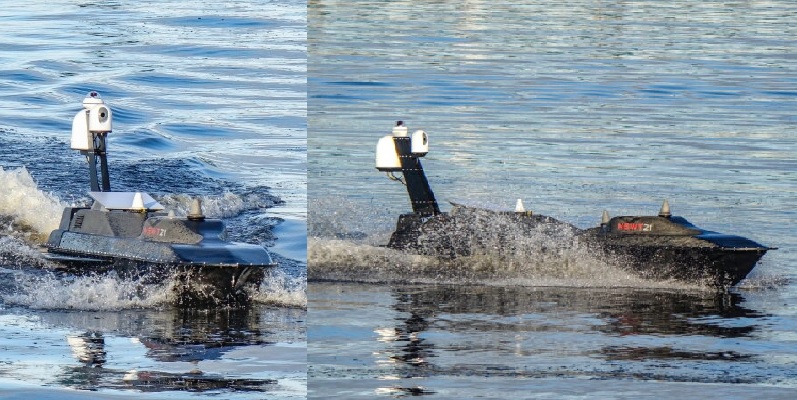
World
MADRID / CARTAGENA, Spain — April 9, 2026 : UAV Navigation–Grupo Oesía has announced the successful demonstration of its autonomous control and guidance system during recent U.S. Special Forces maritime exercises conducted in Cartagena, Spain. The system was integrated aboard NEWT21’s FOG unmanned surface vessel (USV), with the company confirming the results on April 9, 2026. The demonstration took place in an operational military environment rather than a controlled test setting, providing validated performance data under real-world conditions. The exercise highlighted the increasing adoption of autonomous surface platforms in maritime security and special operations missions. Platform Integration and System Architecture The trials centered on the FOG USV, a 4.7-metre shallow-draft, crewless surface platform developed by Latvian company NEWT21. Designed for operations in coastal environments, estuaries, and riverine areas, the vessel has a payload capacity of 200 kilograms. The platform was equipped with UAV Navigation–Grupo Oesía’s VECTOR 400 autopilot and guidance system. The integration enabled the vessel and navigation suite to operate as a unified autonomous system, supported by satellite communications (SATCOM) for connectivity and control. The collaboration between the two companies combined the surface vessel platform with advanced guidance technology into a single operational package. According to the companies, the partnership was built on proximity, mutual confidence, and a shared focus on customer requirements. Operational Demonstration in Military Exercise During the Cartagena exercise, which involved U.S. Special Forces maritime units, the FOG USV executed a fully autonomous navigation plan. The system demonstrated stable movement, accurate route tracking, and consistent performance under operational constraints. The vessel operated alongside other participating assets, adapting its navigation in real time. This included dynamic route adjustment relative to moving vessels in the operational area, allowing the system to maintain mission objectives while responding to changing conditions. One of the key operational tasks involved safe approach maneuvers toward a mothership. The onboard autopilot system successfully managed collision avoidance during proximity operations, maintaining safe distances while completing assigned movements. In addition to navigation tasks, the platform continuously performed onboard health monitoring throughout the mission. This diagnostic capability ensured system awareness and contributed to uninterrupted operation during the exercise. Fault-Tolerant Design and System Reliability A central feature of the autonomous control system is its fault-tolerant architecture, developed to meet military operational requirements. The system is designed to maintain safe functionality even in the event of partial subsystem failure. During the exercise, the USV remained stable and responsive while executing its assigned route, demonstrating the resilience of the navigation and control system under real-world conditions. The performance validated the system’s ability to operate reliably in complex maritime environments. The successful execution of navigation tasks and collision-avoidance maneuvers provided a measurable operational benchmark for the system’s current level of maturity. Role in Multi-Domain Operations The demonstration offered a practical example of how autonomous maritime platforms can be integrated into multi-domain operations involving naval forces and special operations units. The use of a crewless surface vessel in coordination with manned assets reflects evolving operational concepts in maritime security. By operating in an active military exercise, the system moved beyond laboratory validation and technology preview stages, demonstrating readiness for deployment in operational scenarios. Industry Position and Future Outlook UAV Navigation–Grupo Oesía stated that the results reinforce its position as a provider of advanced autonomous navigation and control technologies for defense applications. The company noted that its autopilot system had previously demonstrated reliable performance on the FOG USV platform in earlier trials, with the Cartagena exercise serving as further confirmation under operational conditions. The cooperation with NEWT21 enabled both companies to validate the integration of their technologies in a realistic environment. The demonstration also highlighted the operational advantages of next-generation unmanned maritime platforms, particularly in missions requiring precision navigation, adaptability, and reduced human involvement. UAV Navigation–Grupo Oesía indicated that it will continue supporting international defense partners and allied forces with field-proven autonomous navigation solutions. The exercise results confirmed both the robustness of the system and the practical applicability of autonomous USVs such as NEWT21’s FOG platform in modern maritime operations.
Read More → Posted on 2026-04-09 15:44:38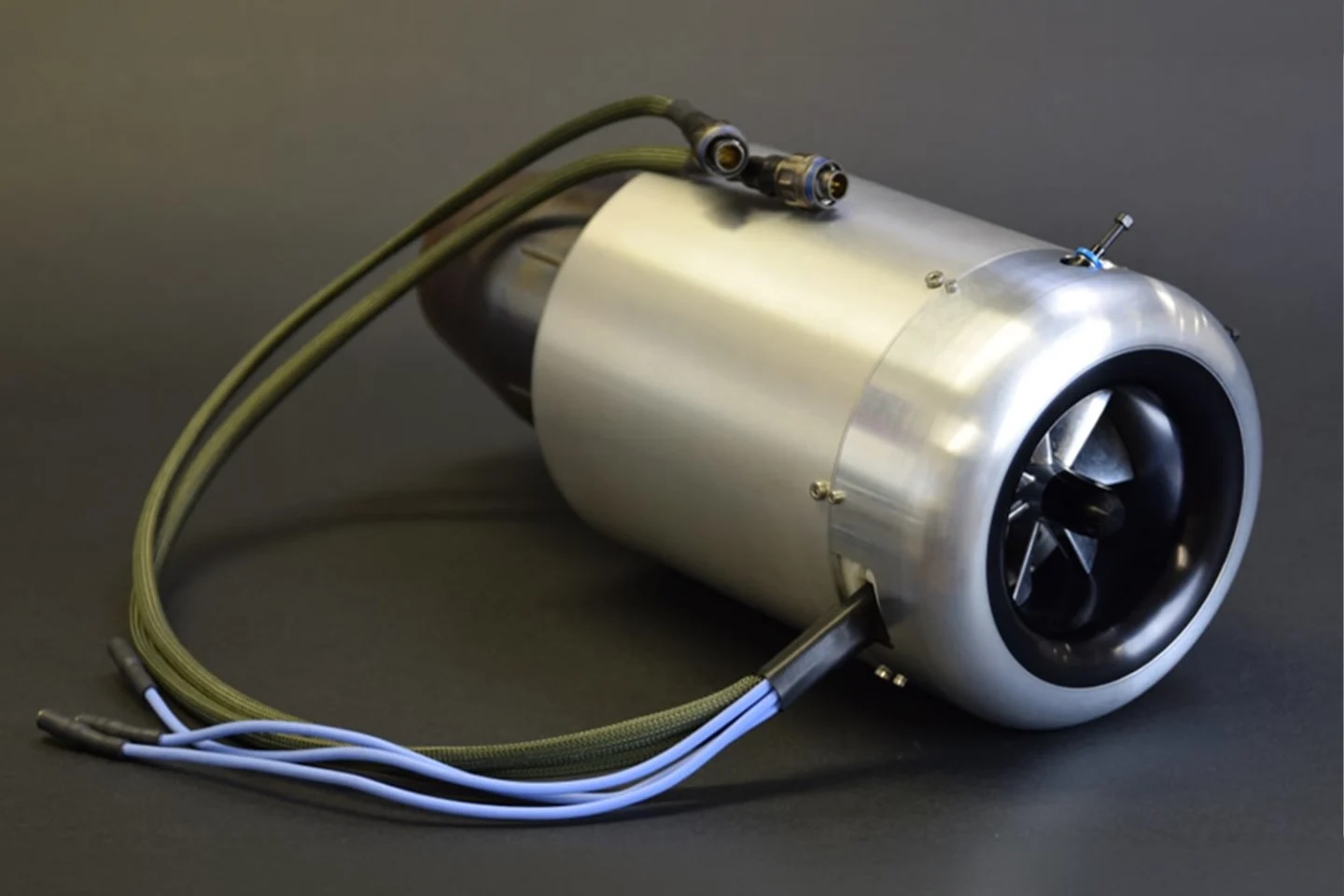
World
MUNICH, Germany — April 9, 2026 : German aircraft engine manufacturer MTU Aero Engines AG has acquired AeroDesignWorks GmbH, a Cologne-based developer of propulsion systems for unmanned platforms. The transaction will see AeroDesignWorks become a wholly owned subsidiary while remaining a legally independent entity, marking MTU’s formal entry into propulsion solutions for unmanned aerial vehicles (UAVs) and guided missile systems. The acquisition reflects MTU’s strategic expansion into the growing market for autonomous and high-precision defence systems. The company stated that the move aligns with broader European efforts to strengthen technological independence in aerospace and defence, particularly as demand increases for domestically developed propulsion technologies. Strategic Expansion into Autonomous Systems MTU indicated that integrating AeroDesignWorks fills a capability gap in its portfolio by extending its propulsion offerings beyond traditional military aircraft engines to include smaller turbojet systems used in UAVs and guided missiles. The company expects the addition to support future operational concepts in which crewed aircraft operate alongside integrated drone networks. Ottmar Pfänder, Chief Program Officer at MTU Aero Engines, said the acquisition provides immediate access to a high-growth segment. He stated that autonomous and precision-guided systems are becoming central to European aerospace and defence strategies and that the transaction enables MTU to accelerate its presence in this domain while contributing to regional technological sovereignty. Company Background and Capabilities AeroDesignWorks was founded in 2011 as a spin-off from the German Aerospace Center (DLR). The company employs approximately 40 people and generates annual revenues of around €10 million. It specializes in compact gas turbine engines with thrust levels of up to 400 Newtons and has established capabilities in taking propulsion systems from concept through to series production. The company is already supplying propulsion systems to major defence contractors, including MBDA, Airbus, and Boeing. In parallel, it is developing higher-thrust propulsion solutions for emerging UAV and guided missile programmes at both national and European levels. Industrial Integration and Operational Structure Despite the ownership change, AeroDesignWorks will continue to operate independently. MTU stated that maintaining this structure is intended to preserve the company’s operational characteristics, including development speed, cost efficiency, and flexibility. Pfänder noted that MTU will support AeroDesignWorks’ growth by providing access to its engineering expertise, industrial-scale manufacturing capabilities, and production scaling infrastructure. The combination is expected to enable faster development cycles and increased production capacity for advanced propulsion systems. The founders of AeroDesignWorks, Georg Kröger and Ulrich Siller, stated that the company has demonstrated strong performance in rapid development and high-performance turbine design. They added that MTU’s experience and position in the defence sector would complement AeroDesignWorks’ technological strengths and support its next phase of expansion. MTU’s Defence Portfolio and Market Position MTU Aero Engines is an established supplier of military aircraft engines and participates in major European defence programmes, including the Tornado, Eurofighter, and A400M. The company is also involved in the development of next-generation European fighter engine technologies. Currently, military engines and maintenance account for less than 10 percent of MTU’s total revenue. The acquisition is part of a broader strategy to expand its footprint in the defence sector, particularly in areas associated with autonomous systems and advanced propulsion technologies. MTU also maintains experience in electric propulsion through its subsidiary eMoSys, which supports developments in hybrid and autonomous flight systems. Transaction Details and Outlook Financial terms of the acquisition have not been disclosed. MTU described the purchase price as aligned with its strategic objectives. The transaction is expected to close in the coming months, subject to regulatory approvals. Through this acquisition, MTU positions itself to address increasing demand for small, high-performance turbojet engines used in UAVs and guided missile systems, while leveraging AeroDesignWorks’ existing expertise in rapid development and series production.
Read More → Posted on 2026-04-09 15:30:50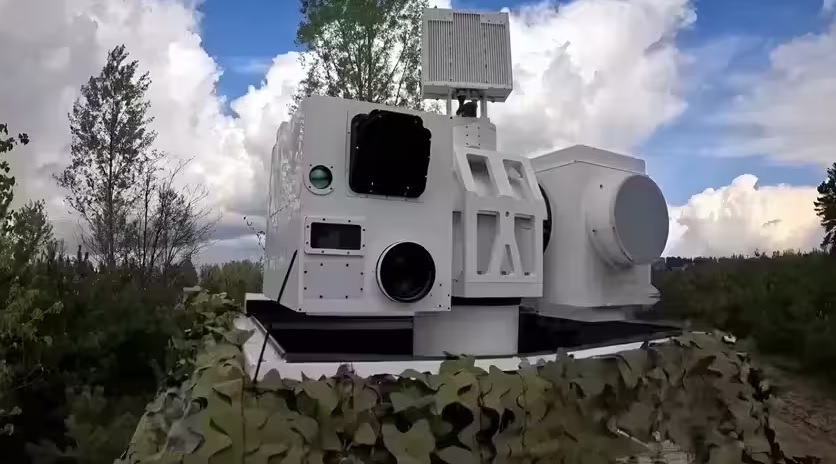
World
MOSCOW, — April 9, 2026 : Russia-based developer LazerBuzz has confirmed that its Posokh laser air defence system successfully destroyed a fixed-wing first-person view (FPV) unmanned aerial vehicle (UAV) at a distance of 1,500 metres during recent tests, marking a further extension of the system’s operational range. According to the developer, the latest trial demonstrated a 0.5 km increase in effective engagement distance compared to previous results. The test was conducted under a mock attack scenario involving an aircraft-type UAV, where the system detected, tracked, and neutralised the target using focused ytterbium laser radiation technology. System Performance and Test Results During the April 2026 test, the Posokh system engaged the UAV and achieved target destruction in less than 0.5 seconds. The system operates with a laser beam power output of up to 80 kilowatts and is capable of functioning in a fully automatic mode. This allows it to detect, track, and engage aerial threats without manual operator intervention. The system uses an integrated radar suite for early detection and targeting. Once locked, the laser delivers a concentrated beam that physically damages critical drone components such as onboard electronics and batteries. In the recent trial, this resulted in structural and functional failure of the fixed-wing UAV. LazerBuzz stated that the increased range was achieved through the integration of new components and optimisation of software algorithms, improving both targeting precision and energy delivery efficiency at extended distances. Development Progress and Previous Testing The April 2026 results build on earlier tests conducted in late December 2025, when the Posokh system successfully engaged an FPV drone at a distance of 1 kilometre. That test itself marked an improvement over an earlier maximum operational range of approximately 700 metres. The latest trial confirms stable and repeatable performance at the extended 1.5 km range, indicating continued progress in the system’s development cycle. Earlier prototype versions of the system operated at significantly lower power levels, including configurations around 3 kW. The current 80 kW configuration represents a substantial increase in output, aligned with its intended operational role in protecting industrial and critical infrastructure. Operational Role and Design Approach The Posokh laser system is designed as a short-range air defence solution focused on countering small unmanned aerial threats, particularly FPV drones. Unlike electronic warfare systems that rely on jamming or signal disruption, Posokh applies a direct physical effect to neutralise targets. This approach is intended for scenarios where electronic suppression methods may be less effective, such as autonomous or pre-programmed UAVs. By targeting essential drone components, the system ensures immediate disablement rather than temporary disruption. The platform is primarily intended for deployment in fixed-site defence roles, including the protection of industrial facilities and other critical infrastructure assets. Development Status LazerBuzz indicated that development work on the Posokh system is ongoing, with further enhancements planned for the laser-based air defence platform. However, the company did not provide additional details regarding deployment timelines, production status, or potential integration with other defence systems. The April 2026 tests were conducted at an undisclosed location.
Read More → Posted on 2026-04-09 14:43:49
World
Menlo Park, California, — April 9, 2026 : Defense technology firm Bulwark Dynamics has announced the development of the Caravel 35, a 35-foot autonomous landing craft designed to support sea-to-shore resupply operations in contested littoral environments. The platform is intended for use by the United States military and allied forces, particularly in regions where conventional port infrastructure is unavailable, degraded, or at risk. Platform Design and Operational Role The Caravel 35 has been engineered for operations in shallow and austere coastal zones. A key feature of the vessel is its ultra-shallow draft of 6 inches when fully loaded, allowing it to access shorelines beyond the reach of conventional maritime platforms. This capability is intended to support distributed logistics operations across dispersed coastal environments. The vessel is capable of carrying modular, containerized payloads, including a full 20-foot ISO container. In addition to standard cargo, the craft can transport vehicles and unmanned ground vehicles (UGVs), enabling flexibility in mission profiles that include both sustainment operations and littoral maneuver missions. Autonomous Capabilities and Testing Background The Caravel 35 builds on earlier testing conducted with a smaller 15-foot variant of the Caravel series. In late March 2026, the 15-foot platform completed an open-water demonstration that included a fully autonomous sea-to-shore delivery sequence. The trial involved unmanned beach landing and autonomous cargo offloading, carried out with zero human intervention. The newly announced 35-foot model scales these demonstrated capabilities to a mission-relevant platform, while maintaining the same autonomous navigation, landing, and delivery functions. The system is designed to operate without onboard crew or reliance on shore-based support during final delivery stages. Development Context and Strategic Focus Bulwark Dynamics developed the Caravel series to address logistical challenges associated with last-mile maritime delivery in contested environments. These challenges are particularly relevant in regions such as the Indo-Pacific, including areas along the First Island Chain, where maintaining supply lines across dispersed maritime terrain presents operational constraints. According to the company, the design of the Caravel 35 incorporates feedback from operators across the U.S. military and allied forces deployed in the Indo-Pacific. The platform is intended to reduce personnel exposure during the final segment of resupply missions by automating sea-to-shore transfer operations. Manufacturing and Industry Partnerships To transition the Caravel 35 from development to production, Bulwark Dynamics has established a partnership with a major shipbuilder. The collaboration focuses on ensuring reliability, manufacturability, and scalability for operational deployment. In December 2025, the company signed a memorandum of understanding with a leading Japanese shipbuilder to explore co-production of autonomous maritime systems. This agreement is part of a broader effort to enable production at scale. The company also opened a prototype production facility in Menlo Park in January 2026 to support ongoing development and testing of its autonomous vessels. Program Background and Applications Bulwark Dynamics, headquartered in San Francisco with operations in Menlo Park, was founded to develop autonomous beach-landing vessels for contested logistics and distributed military operations. The company completed a pre-seed funding round in September 2025 to support initial prototype development. The Caravel platforms are designed to perform autonomous navigation, shoreline approach, physical beaching, and payload delivery without crew or shore infrastructure. While primarily intended for military logistics, the system has potential dual-use applications in sectors such as disaster relief, offshore energy, port operations, industrial logistics, coastal urban supply chains, and remote island support.
Read More → Posted on 2026-04-09 14:29:14
World
SEOUL, — April 9, 2026 : North Korea conducted a series of coordinated weapons tests between April 6 and April 8, 2026, demonstrating an integrated strike package that combines a Hwasong-11 (KN-23) cluster missile, a carbon-fibre blackout munition, and a non-nuclear electromagnetic weapon. The systems are designed to disable airpower, infrastructure, and command networks of United States and allied forces during the initial phase of a conflict. The tests were carried out by research agencies under North Korea’s Missile Administration and involved launches from the Wonsan area on the country’s east coast. According to South Korea’s Joint Chiefs of Staff, missiles were tracked flying approximately 240 kilometers in one set of launches, while another missile exceeded 700 kilometers. Flight analysis is continuing in coordination with the United States. Coordinated Strike Concept and Test Objectives The April test cycle demonstrated synchronized capabilities intended to blind, disrupt, and overwhelm South Korean and U.S. defenses. The integrated package combines kinetic and non-kinetic systems, enabling simultaneous attacks on physical targets, electrical infrastructure, and electronic networks. North Korean state media said the tests were conducted to evaluate the combat application and effectiveness of tactical ballistic missile warheads, including new payload configurations. Leader Kim Jong Un described the electromagnetic and blackout systems as “special means of strategic character”, indicating their intended role alongside conventional strike capabilities. The systems are designed for beyond line-of-sight operations, targeting rear-area infrastructure ahead of follow-on strikes. Hwasong-11 Missile and Cluster Warhead Capabilities The delivery platform used in the tests is a derivative of the Hwasong-11, associated with the KN-23 family. It is a road-mobile, single-stage, solid-fuel short-range ballistic missile measuring approximately 7.5 meters in length and 0.95 meters in diameter, with a launch weight of about 3,415 kilograms and a payload capacity of roughly 500 kilograms. The missile has a stated range of up to 690 kilometers, although recent test data confirmed flight distances exceeding 700 kilometers. It employs a quasi-ballistic trajectory with terminal pull-up maneuvers, complicating interception by theater missile defense systems. The variant tested, referred to as Hwasongpho-11 Ka (Hwasong-11Ga/Hwasong-11A), was equipped with a cluster warhead. This payload disperses submunitions mid-flight to cover an area of approximately 6.5 to 7 hectares, producing high-density effects across multiple targets. The configuration is designed for area targets, including airfields, logistics hubs, troop concentrations, vehicle parks, command posts, radar systems, fuel storage facilities, and assembly areas. Compared to unitary warheads, the cluster configuration shifts the missile’s role from point-target precision to wide-area coverage with simultaneous effects. Blackout Munition and Power Infrastructure Disruption Alongside the missile tests, North Korea demonstrated a carbon-fibre (graphite) blackout munition, designed as a non-destructive infrastructure weapon. The munition disperses conductive filaments over high-voltage equipment such as transformers, switchyards, and transmission lines. Once settled, the filaments create short circuits and electrical arcing, leading to localized or widespread power outages without physically destroying infrastructure. This capability is intended to disrupt power distribution networks supporting ports, rail systems, industrial facilities, and military installations, enabling rapid operational impact with limited structural damage. Electromagnetic Weapon and Counter-Electronics Capability The strike package also included a non-nuclear electromagnetic weapon system, representing an expansion of North Korea’s counter-electronics capabilities. The system operates using high-power microwave (HPM) or similar technologies to generate electromagnetic pulses that interact with electronic systems. These pulses are designed to disrupt or damage radars, communications relays, fire-control systems, data centers, missile seekers, and command networks. Unlike nuclear-generated electromagnetic pulse (EMP) effects, the system operates at tactical ranges with more localized and controllable impact. The capability is assessed as a direct threat to electronically dependent military platforms and networked command systems. Additional Systems Tested The April 2026 test cycle also included trials of a new low-cost missile engine and short-range anti-aircraft missiles, indicating efforts to improve production efficiency and expand layered air defense capabilities. State media characterized the electromagnetic and blackout systems as strategic support assets intended for integration with broader military operations. Strategic and Operational Implications The coordinated strike package reflects an evolving North Korean military approach focused on asymmetric warfare and system disruption. By targeting the electrical and digital infrastructure that underpins modern military operations, the system aims to degrade intelligence, surveillance, reconnaissance (ISR) capabilities and command-and-control networks. The integration of maneuverable missile delivery systems with area-effect warheads and electronic disruption tools allows for simultaneous engagement of multiple target categories. The cluster warhead enables wide-area coverage, while blackout and electromagnetic components provide soft-kill effects against infrastructure and electronics. The Hwasong-11 family has previously been associated with both conventional and nuclear roles, and the addition of these payloads expands its operational flexibility. Regional Context and Ongoing Analysis South Korea and the United States continue to analyze flight data and system performance, including guidance accuracy, fuse reliability, and electromagnetic output, which were not disclosed in official announcements. The April 6–8 tests build on earlier developments in the Hwasong-11/KN-23 series by incorporating new warhead types and electronic attack systems into a single operational concept. Defense analysts note that the demonstrated capabilities may require adjustments in allied defense planning, including increased focus on hardened infrastructure, resilient power systems, electromagnetic protection, and distributed military operations. North Korea stated that the tests form part of ongoing efforts to expand capabilities for infrastructure disruption, ISR denial, and command network degradation, aligning with broader trends observed in modern conflict environments.
Read More → Posted on 2026-04-09 14:21:24
World
SYDNEY, — April 9, 2026 : Leidos Australia is progressing with trials of its Sea Archer uncrewed surface vessel (USV), as the company advances the platform toward potential operational use and alignment with future requirements of the Royal Australian Navy (RAN). Currently, only two Sea Archer vessels exist globally. One has been constructed in Australia, while the second was built in the United States. The Australian-built vessel, measuring 11.2 meters in length, is undergoing a structured trial program aimed at demonstrating system maturity and readiness. Harbour Trials Completed, Sea Trials Scheduled Kevin Quanderer, International Director of Science and Technology at Leidos Australia, confirmed in late March 2026 that the vessel successfully completed harbour acceptance trials in Tasmania without any significant issues. The next phase of testing is scheduled for May 2026, when sea acceptance trials will be conducted from Darwin in northern Australia. These trials will expose the vessel to varying sea states to validate performance and increase its Technology Readiness Level (TRL) to Level 6 in a mission-relevant environment. Following the completion of both harbour and sea acceptance trials, the Sea Archer is expected to be assessed as operationally ready. Leidos is also evaluating opportunities for participation in naval exercises, operational testing, and potential deployment activities. Alignment with Australia’s Future Fleet Plans The trials are directly relevant to Australia’s evolving naval strategy. The 2024 surface fleet review recommended the acquisition of six Large Optionally Crewed Surface Vessels (LOSV), each designed with 32 missile cells. Leidos has positioned Sea Archer as a potential candidate for this requirement. Quanderer noted that while the review provides a baseline, requirements may evolve further in 2026. He described the platform as being in a “balanced” design position, allowing it to be scaled up or down depending on mission needs. Indigenous Manufacturing and Industrial Base Leidos has emphasized a sovereign development approach for the Sea Archer program. According to Quanderer, the vessel has been “built in Australia by Australians for Australian missions,” reflecting a focus on domestic capability development. The company has identified between 14 and 16 Australian shipyards capable of producing the vessels at scale if required. The first Australian Sea Archer hull was constructed by Oceans Rivers Lakes on the New South Wales Central Coast. The platform uses an aluminium hull, enabling faster production using commercial shipbuilding techniques, particularly during periods of high operational demand. Apart from the autonomy software package, nearly all components of the vessel can be manufactured within Australia using local supply chains. Leidos is also considering Australia as a manufacturing hub for Indo-Pacific partners, with discussions underway involving regional customers. Platform Design and Technical Specifications The Sea Archer is built on a hull form designed by Gibbs and Cox, which has been in operational use for approximately 30 years and is regarded as a proven design. Key specifications include: Length: 11.2 meters Maximum speed: 40 knots Range: 1,500 nautical miles, extendable by approximately 20% using additional fuel stored within payload capacity Payload capacity: 900 kilograms The vessel is capable of full operations in Sea States 1 to 4 and can continue operating with reduced performance in Sea States 5 to 6. The Sea Archer features a closed-hull, modular payload design. This configuration prevents external identification of onboard systems or weapons, requiring adversaries to account for multiple potential mission profiles. The payload bay supports rapid reconfiguration depending on mission requirements. The platform is also expeditionary in nature. It can be transported within a standard 40-foot shipping container, airlifted via a C-17 aircraft, or deployed via trailer from boat ramps. Mission Roles and Payload Integration Leidos has defined four primary mission roles for the Sea Archer: Intelligence, surveillance, and reconnaissance (ISR) Micro-logistics and resupply Electronic warfare, including support and attack functions Kinetic strike For strike capabilities, Leidos has established agreements with Kongsberg to integrate the Naval Strike Missile, and with Australian firm Innovaero for the OWL-X loitering munition system. While the current focus is on anti-ship strike capabilities, Quanderer indicated that surface-to-air roles are technically feasible, subject to integration decisions and funding. The platform is designed to loiter on station for extended durations, supporting persistent maritime operations. Operational Use Cases and Regional Context Quanderer referenced a Chinese naval task force transit through the Tasman Sea in early 2025 as an example of operational scenarios where USVs like Sea Archer could be deployed. In such cases, the vessel could perform escort or monitoring roles within Australia’s exclusive economic zone (EEZ) or territorial waters. He noted that low-cost USVs can assume traditional roles such as ISR, logistics, and escort missions, enabling crewed naval vessels to focus on higher-priority tasks. The platform is also designed for integration into manned-unmanned teaming concepts. Multiple USVs can operate collaboratively, sharing data and coordinating actions to enhance overall mission effectiveness. Cross-domain operations with uncrewed aerial systems are also being considered. Leidos Autonomy Experience and Broader Portfolio Leidos brings more than 50 years of experience in autonomy systems, particularly through its work with the United States Navy. Its maritime portfolio includes platforms such as the Sea Hunter and Seahawk medium USVs, as well as the Sea Dart unmanned underwater vehicle. The U.S. Navy is expected to deploy two medium USVs — Sea Hunter and Seahawk — under fleet control later in 2026, including integration into a carrier strike group. Program Status and Next Steps The Sea Archer program in Australia is fully funded by Leidos as a research and development initiative. The company is continuing to mature the platform’s autonomy systems using operational data collected in Australian waters. With harbour trials completed in March 2026 and sea acceptance trials scheduled for May 2026 from Darwin, the program is progressing according to plan. Further decisions regarding operational deployment, procurement alignment, and export opportunities are expected to depend on trial outcomes and evolving naval requirements in Australia and the Indo-Pacific region.
Read More → Posted on 2026-04-09 14:12:08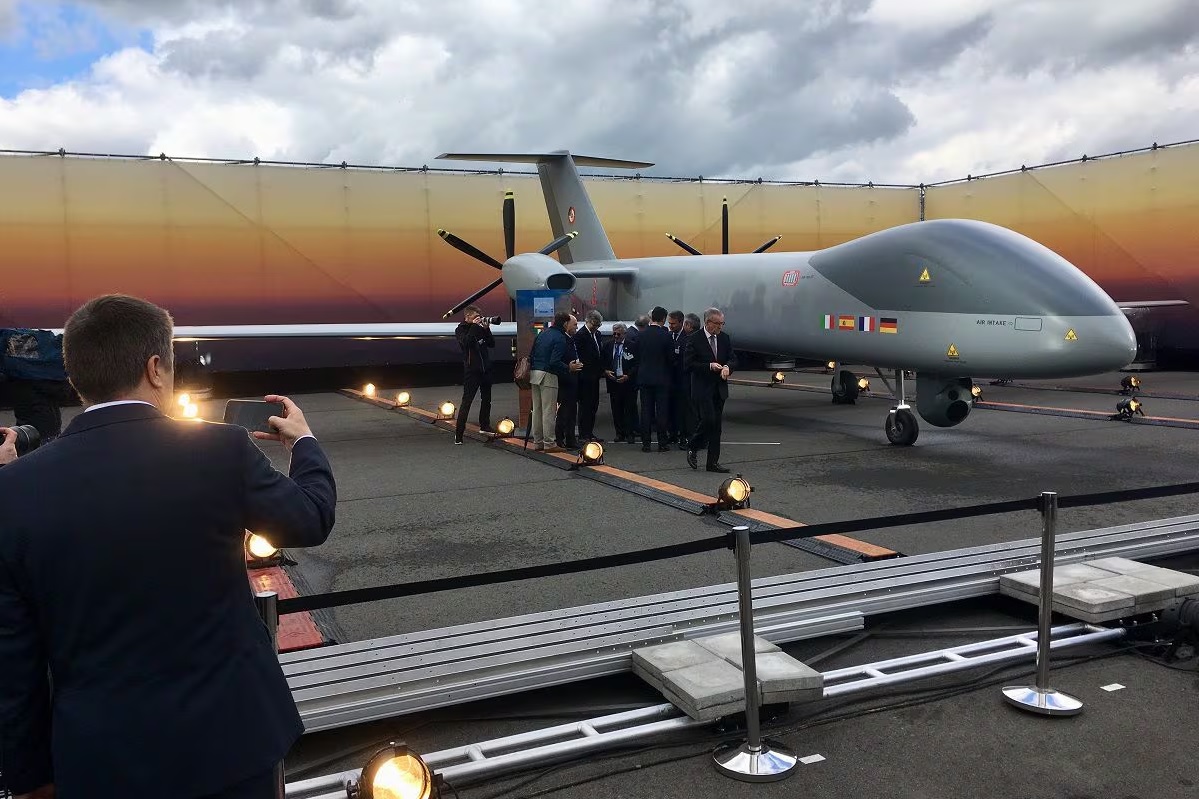
World
Paris, — April 9, 2026 France has formally withdrawn from the multinational Eurodrone programme after removing all associated funding from its revised 2024–2030 Military Programming Law (Loi de Programmation Militaire, LPM). The decision was presented to the Council of Ministers on 8 April 2026, alongside a broader update to the country’s long-term defence spending framework. The revised LPM increases the overall defence allocation by €36 billion, raising the total budget from the originally planned €413 billion to €449 billion for the 2024–2030 period. Within this adjustment, France has restructured its investment priorities in unmanned systems, concluding that the Eurodrone platform no longer aligns with operational requirements for high-intensity conflict. Programme Exit and Official Position French Armed Forces Minister Catherine Vautrin confirmed that the Eurodrone project has been excluded from the updated defence plan, stating that the programme “is not progressing satisfactorily.” The withdrawal follows an internal reassessment of performance, cost, and battlefield relevance. France had originally committed to acquiring six Eurodrone systems under the initial LPM framework, with the intention of replacing and supplementing its fleet of U.S.-built MQ-9 Reaper drones by 2035. No funding for procurement or development of the Eurodrone is included in the revised budget. In parallel, the government has also cancelled planned acquisitions of the Safran Patroller MALE drone, indicating a broader shift in France’s unmanned systems strategy. Eurodrone Programme Background and Challenges The Eurodrone programme is a joint European defence initiative involving France, Germany, Italy, and Spain, with Airbus as the prime contractor, alongside Dassault Aviation and Leonardo S.p.A.. The system is designed as a twin-engine Medium-Altitude Long-Endurance (MALE) unmanned aerial vehicle, intended to provide intelligence, surveillance, and reconnaissance capabilities while ensuring compliance with European civilian airspace regulations. However, the programme has faced sustained challenges: Diverging national requirements, particularly Germany’s preference for a heavier twin-engine configuration versus France’s earlier interest in a lighter, single-engine armed drone Repeated development delays, pushing the expected entry into service to 2031 or later Rising costs, with the total programme estimated at approximately €7.1 billion for around 60 systems French defence planners assessed that the platform’s size, cost, and operational profile reduce its effectiveness in contested environments, particularly in light of lessons drawn from the conflict in Ukraine. Large MALE drones have demonstrated vulnerability to advanced air defence systems and electronic warfare. Shift Toward Lower-Cost and Rapidly Deployable Systems Under the revised LPM, France is redirecting investment toward a broader range of unmanned and counter-unmanned capabilities. The updated plan allocates an additional €2 billion to drone and robotic warfare, bringing the total drone-related funding envelope to €8.4 billion through 2030. Key priorities include: Procurement of loitering munitions and tactical drones Development of drone swarms Expansion of Counter-Unmanned Aerial Systems (C-UAS) capabilities Acquisition of lower-cost sovereign MALE UAVs from domestic manufacturers For 2026, the Ministry of the Armed Forces has ordered 10,000 combat drones, with an additional 5,000 units scheduled for delivery. The plan also targets a 400 percent increase in stocks of explosive drones by 2030. France is also pursuing industrial cooperation with Ukraine to leverage its experience in rapid drone development and battlefield adaptation. New lower-cost MALE systems are expected to achieve operational availability between 2026 and 2027. Budgetary Reallocation and Broader Defence Adjustments Savings from the cancellation of the Eurodrone and Patroller programmes are being reallocated to address other defence priorities and capability gaps. The updated LPM includes several major adjustments: Air Defence: France will accelerate procurement of the SAMP/T NG long-range air defence system, with a target of 10 operational systems by 2030. An additional €4 billion is allocated for anti-drone defences. Long-Range Strike Capabilities : An initial €1 billion has been allocated to begin development of a conventional ballistic long-range strike capability. The number of multiple launch rocket systems will increase from 16 to 30 by 2030. Combat Aviation : France will independently finance a €3.5 billion upgrade to develop the Rafale F5 standard, following the withdrawal of the United Arab Emirates from a cost-sharing arrangement related to technology transfer. Ground Combat Systems : The joint Franco-German Main Ground Combat System (MGCS) programme continues to face delays. France is evaluating an interim, highly connected combat vehicle to bridge the capability gap between the planned retirement of the Leclerc tank in 2038 and the expected arrival of MGCS in the 2040s. Financial Outlook and Strategic Direction The revised defence plan raises annual military spending to €57.1 billion in 2026, increasing to €76.3 billion by 2030, equivalent to approximately 2.5 percent of GDP. No increase in total armed forces personnel numbers is planned. France began exploring withdrawal options from the Eurodrone programme in late 2025, with negotiations involving partner nations reported in February 2026. The French exit is expected to increase programme costs for the remaining participants—Germany, Italy, and Spain—by more than €700 million. While France has ended its participation under the current budget framework, it retains the option to procure Eurodrone systems in the future if operational requirements change. The programme will continue under the remaining partner nations, with its future timeline and cost structure subject to further review.
Read More → Posted on 2026-04-09 14:02:40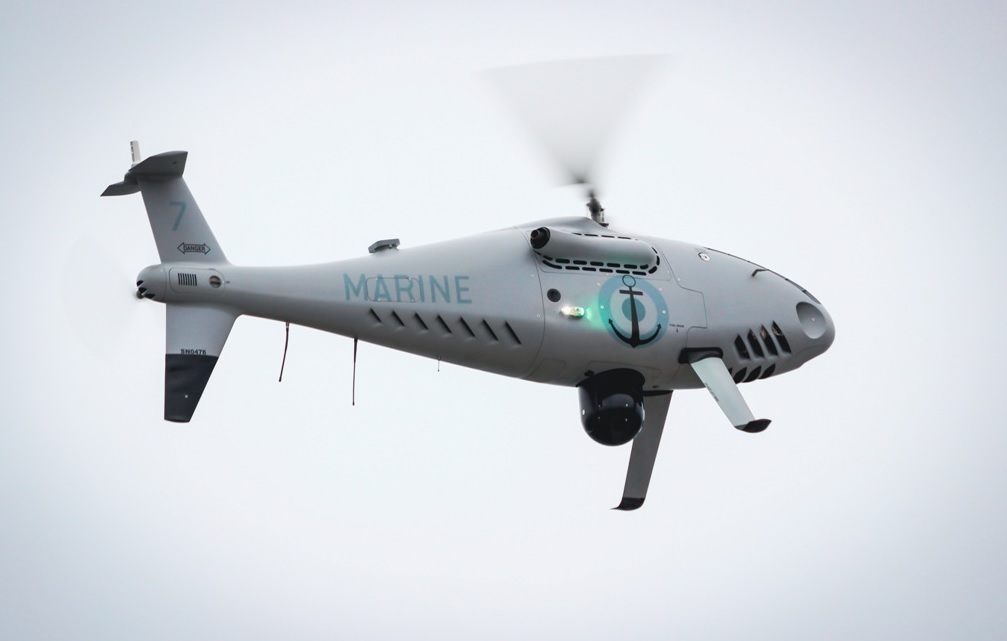
World
PARIS / VIENNA, — April 9, 2026 : The French Navy has placed a follow-on order for five additional Camcopter S-100 unmanned aerial systems, further expanding its shipborne intelligence, surveillance, and reconnaissance (ISR) capabilities under its broader unmanned aviation program. The procurement is being executed through the Direction Générale de l'Armement (DGA), with Naval Group acting as the prime contractor and Austrian manufacturer Schiebel as the system provider. The order brings the French Navy’s planned inventory to a total of eight operational S-100 systems once deliveries are completed. Each system consists of two vertical takeoff and landing (VTOL) unmanned aerial vehicles (UAVs), increasing the Navy’s deployable fleet to 16 UAVs in total. Deliveries are scheduled to begin in 2026 and will be carried out progressively. Integration with FREMM Frigates The newly ordered systems are intended for deployment aboard the French Navy’s Frégates Européennes Multi-Mission (FREMM) frigates. Integration will be handled through Naval Group’s Steeris MS mission management system, which enables both physical and functional integration of the UAVs into the ships’ combat architecture. The Steeris MS system allows direct control of the UAVs from the ships’ Combat Information Center while enabling real-time data fusion with onboard sensors. In addition, operations will be supported by the Steeris Command system, a containerized operational center designed for rapid deployment at sea or ashore. This integration ensures interoperability between the UAVs and existing naval systems, allowing seamless ISR data sharing across platforms. Platform Capabilities and Performance The Camcopter S-100 is specifically designed for maritime operations and does not require dedicated launch or recovery equipment, enabling deployment from a wide range of naval vessels. Its compact dimensions—3.11 meters in length, 1.12 meters in height, and a rotor diameter of 3.4 meters—support flexible integration across ship classes and mission profiles. The system is capable of operating in challenging environmental conditions, with an operating temperature range from -40°C to +55°C and wind limits of up to 25 knots for takeoff and landing. Performance specifications include: Maximum takeoff weight: 200 kg Typical payload capacity: 50 kg Endurance: over six hours with a 34 kg payload, extendable beyond 10 hours using an external fuel tank Dash speed: 100 knots Service ceiling: 5,500 meters Operational range: up to 200 kilometers beyond line-of-sight The UAV supports day and night operations and transmits real-time high-definition imagery and sensor data. Payload options include electro-optical/infrared (EO/IR) cameras, synthetic aperture radar, and other mission-specific systems. It also features autonomous takeoff, waypoint navigation, and landing, supported by redundant inertial navigation and GPS systems, along with data links capable of transmitting up to four simultaneous video feeds. Operational History and Deployment Timeline The French Navy has accumulated more than a decade of operational experience with the Camcopter S-100 platform. Initial at-sea operations began in 2012 aboard the Gowind-class offshore patrol vessel L’Adroit. In 2019, the system was deployed on the Mistral-class amphibious helicopter carrier Dixmude, marking the first operational integration of a rotary-wing unmanned aerial system into a European naval combat management system. This milestone followed a two-year testing phase and required ship modifications carried out by Naval Group to ensure interoperability. The capability was further expanded in 2020 with the acquisition of two additional systems (four UAVs). These were deployed aboard the Mistral-class vessels Mistral and Tonnerre to enhance ISR operations. Role within the SDAM Programme The latest order forms part of the French Navy’s Système de Drone Aérien de la Marine (SDAM) program, which aims to expand unmanned aviation capabilities across multiple ship classes. Within this framework, the Camcopter S-100F variant serves as a lightweight reconnaissance platform for FREMM frigates, complementing larger unmanned systems such as the VSR700, which are being procured separately for other vessel types. Industrial Support and Statements Schiebel supports the French Navy through its French subsidiary, Schiebel Aéronaval SAS, based in Toulon, which handles assembly and maintenance of the S-100 systems. Lubos Sramek, Director of Schiebel Aéronaval SAS, stated that the follow-on order reflects continued operational confidence in the platform. He noted that the French Navy was among the first European forces to integrate the system into shipborne operations and emphasized that the additional order demonstrates both the maturity of the system and its sustained performance in maritime environments. Sramek also confirmed the company’s ongoing commitment to supporting the French Navy’s aviation programs and highlighted the platform’s established track record across military, commercial, and humanitarian applications. Program Significance The expansion of the Camcopter S-100 fleet reflects the French Navy’s continued investment in unmanned ISR capabilities, particularly for shipborne operations that do not rely on prepared infrastructure. The platform’s ability to operate autonomously and integrate with combat systems provides additional situational awareness and operational flexibility for deployed naval forces. With deliveries set to begin in 2026, the additional systems will further enhance the Navy’s capacity to conduct persistent surveillance and reconnaissance missions across maritime environments.
Read More → Posted on 2026-04-09 13:44:57
World
KYIV, Ukraine — April 8, 2026 : Ukraine’s Defense Forces carried out more than 9,000 operational missions using ground robotic systems in March 2026, according to data released by the military’s DELTA battlefield management platform, reflecting continued expansion in the use of unmanned ground vehicles (UGVs) across the front line. The March figure marks a sustained increase in deployment. Ukrainian units conducted approximately 2,900 missions with ground robotic systems in November 2025, rising to more than 7,500 missions by January 2026. With the latest data, total missions completed by ground robotic platforms during the first quarter of 2026 are estimated at approximately 24,500, with some reports indicating the cumulative figure may reach around 32,500 when including earlier tracking methodologies. The number of military formations employing the systems has also increased significantly. In November 2025, 67 units were operating ground robotic platforms, compared with 167 units actively deploying them in March 2026. Expansion of Unmanned Logistics and Evacuation The Ministry of Defense has prioritized the integration of unmanned ground systems into frontline logistics, particularly in high-risk and exposed operational sectors. These platforms are designed to function without onboard personnel and are increasingly used to transport ammunition, deliver supplies to forward positions, and evacuate wounded personnel from areas under constant aerial surveillance and artillery threat. Ground robotic systems are operating in an environment where both Ukrainian and opposing forces rely heavily on aerial drones for reconnaissance and strike missions. This has reduced the survivability of traditional troop movements near the front. By shifting logistics and casualty evacuation tasks to unmanned platforms, Ukrainian forces aim to reduce personnel exposure while maintaining operational continuity under fire. Domestically produced systems, including the Rys MAX and the Bizon-L universal robotic platform, are among the platforms deployed for these roles. While some variants are capable of carrying surveillance or support payloads and may be configured for defensive or strike functions, the majority of reported missions focus on logistics and medical evacuation. DELTA Platform and Operational Tracking The DELTA battlefield management system, a cloud-based situational awareness platform developed with support from the Aerorozvidka technology group, has expanded its functionality to incorporate planning and tracking of robotic missions. Units are able to plan logistics and casualty evacuation operations directly within the system interface. Following mission completion, results are verified through the platform, which automatically generates operational reports. DELTA also assigns performance points based on predefined mission criteria, allowing for standardized evaluation of unit activity involving ground robotic systems. Based on these verified metrics, the Ministry of Defense identified the top-performing units for March 2026 in terms of accumulated points from robotic missions. The 3rd Separate Assault Brigade recorded more than 1,850 points, followed by the 1st Separate Medical Battalion with over 1,440 points. The unmanned systems unit of the 92nd Separate Assault Brigade exceeded 1,400 points, while the 95th Separate Air Assault Polissia Brigade recorded more than 1,350 points. The 3rd Operational Brigade named after Colonel Petro Bolbochan (“Spartan”) accumulated over 1,300 points. Integration with Procurement and Incentive Systems The scoring mechanism is linked to Ukraine’s broader defense technology framework through the “Army of Drones. Bonus” initiative, which has been expanded beyond aerial systems to include ground robotic missions, sniper operations, mobile fire groups, and army aviation activities. Under this system, units accumulate points based on verified operational outcomes. These points can be redeemed through the Brave1 Market, a centralized military technology marketplace that provides access to equipment such as aerial drones, additional ground robotic systems, electronic warfare (EW) tools, spare parts, and other supplies. The procurement process is integrated with the DOT-Chain digital supply network. By linking battlefield performance directly to equipment acquisition, the system is intended to streamline resupply and reinforce units demonstrating effective operational use of unmanned technologies. Continued Growth of Robotic Systems Ground robotic systems represent a growing component of Ukraine’s broader adoption of unmanned technologies. While aerial drones remain central to reconnaissance and strike operations, the increasing number of land-based robotic missions indicates a parallel expansion into logistics and support roles. Several dozen models of ground robotic systems are currently produced domestically and made available to units through the Brave1 Market, allowing formations to select platforms based on operational requirements. Production and deployment have scaled in recent years as part of Ukraine’s defense technology development efforts. The Ministry of Defense stated that the data was released on April 7, 2026, highlighting the continued integration of robotic systems into frontline operations as part of efforts to adapt to evolving battlefield conditions.
Read More → Posted on 2026-04-08 17:49:07Search
Top Trending in 24 Hours
-
 U.S. Marine Corps Selects AI-Powered Bullfrog Weapon Station for L-MADIS Counter-Drone Platform
-
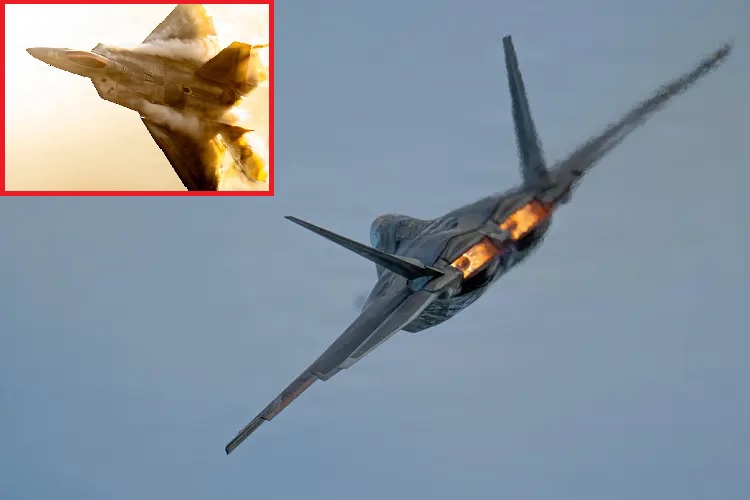 Qarbon Aerospace Returns to F-22 Program with New U.S. Air Force Sustainment Contract
-
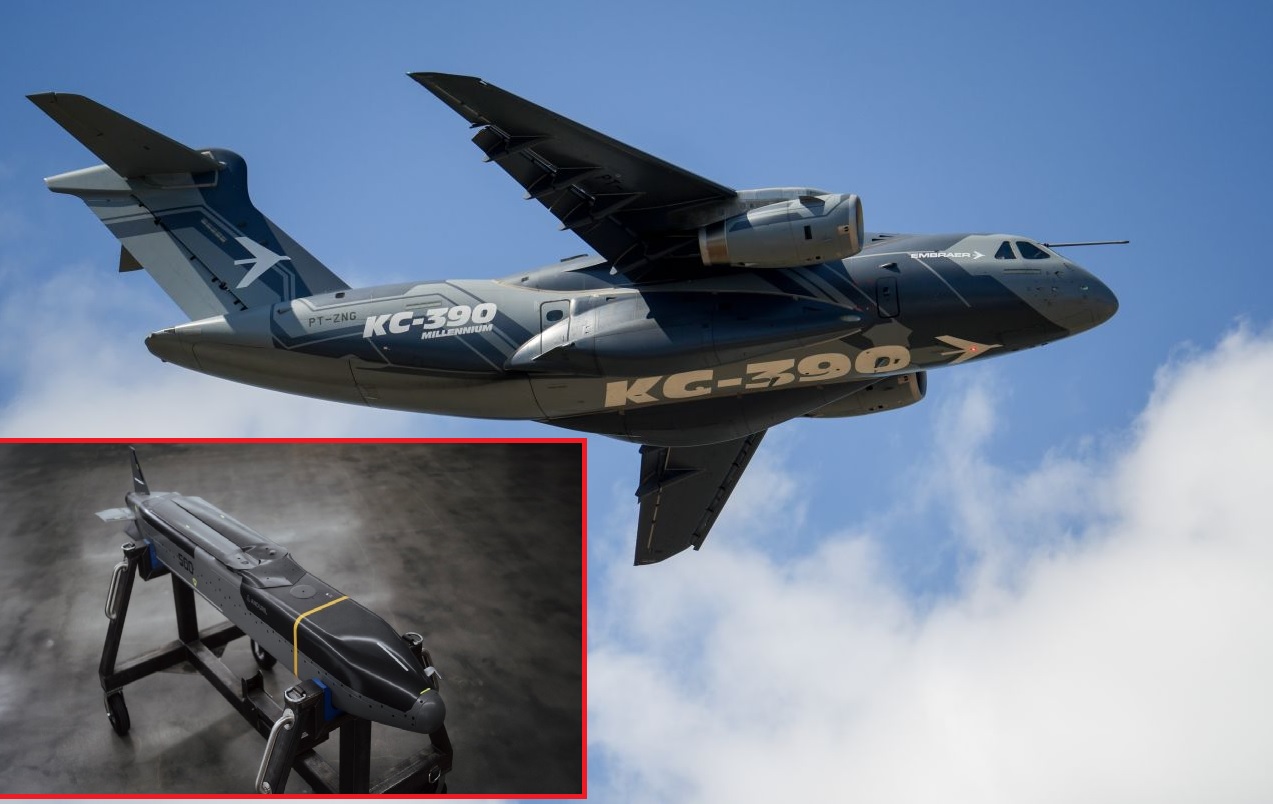 Embraer and Anduril Partner to Integrate Barracuda-500M Cruise Missile with C-390 Millennium
-
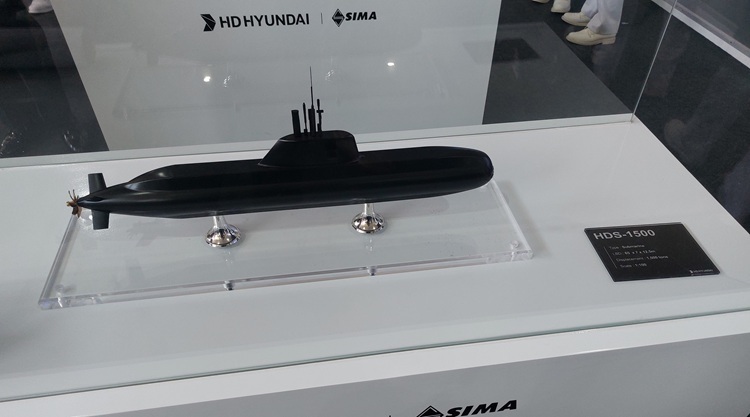 HD Hyundai and Peru's SIMA Complete Basic Design of HDS-MGP Next-Generation Submarine
-
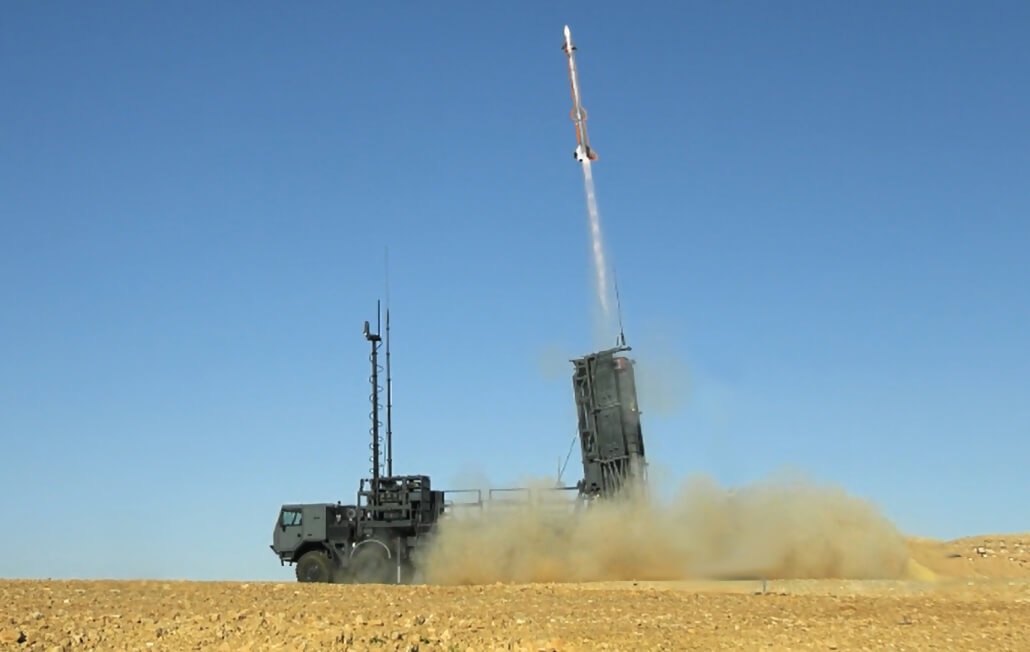 Greece Set to Approve €3 Billion Israeli Air Defense Deal for 'Achilles’ Shield' Network
Top Trending in 4 Days
-
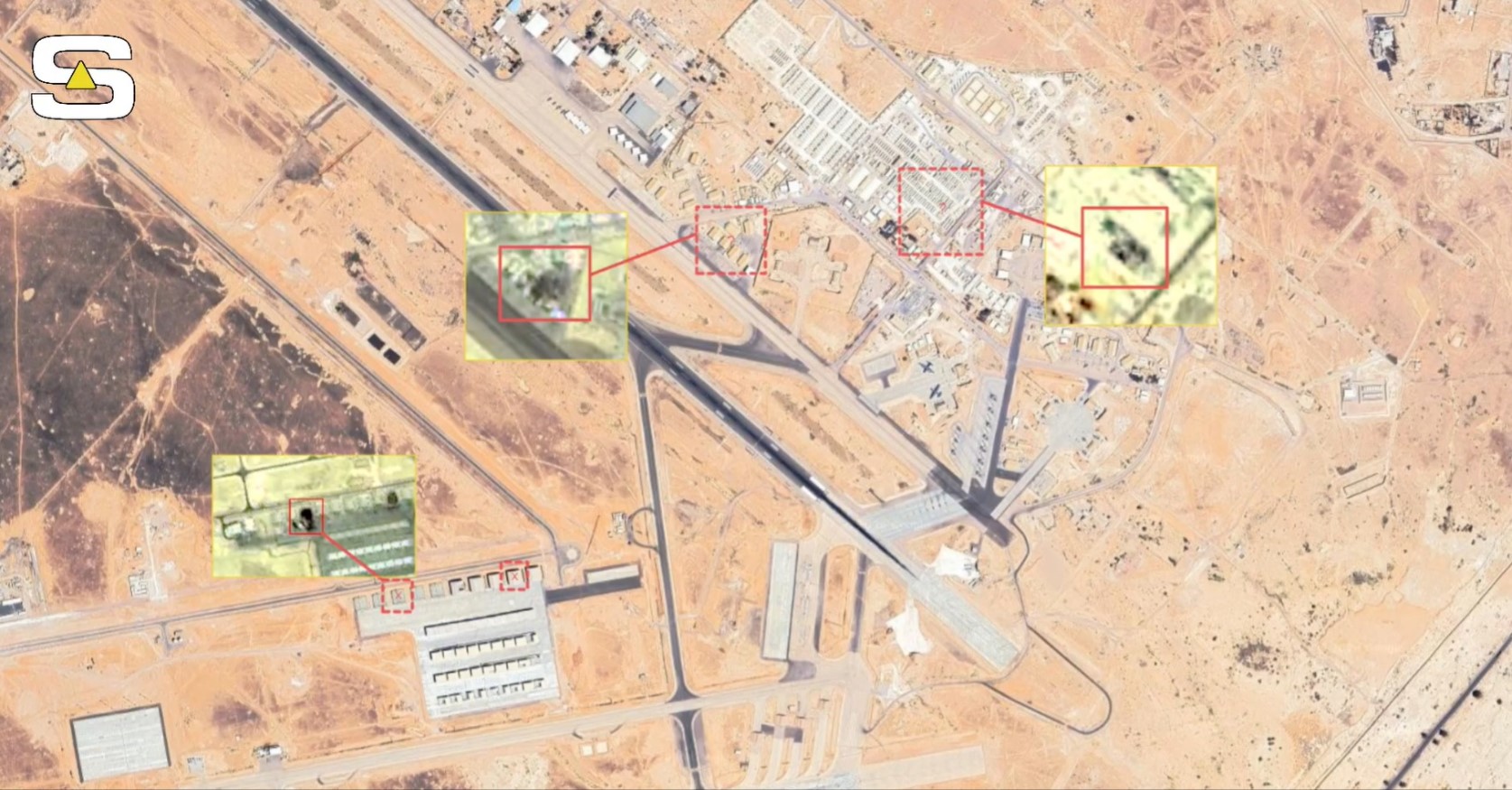 New Satellite Imagery Reveals Extensive Damage at Jordan's Muwaffaq al-Salti Air Base After Iranian Missile Strike
-
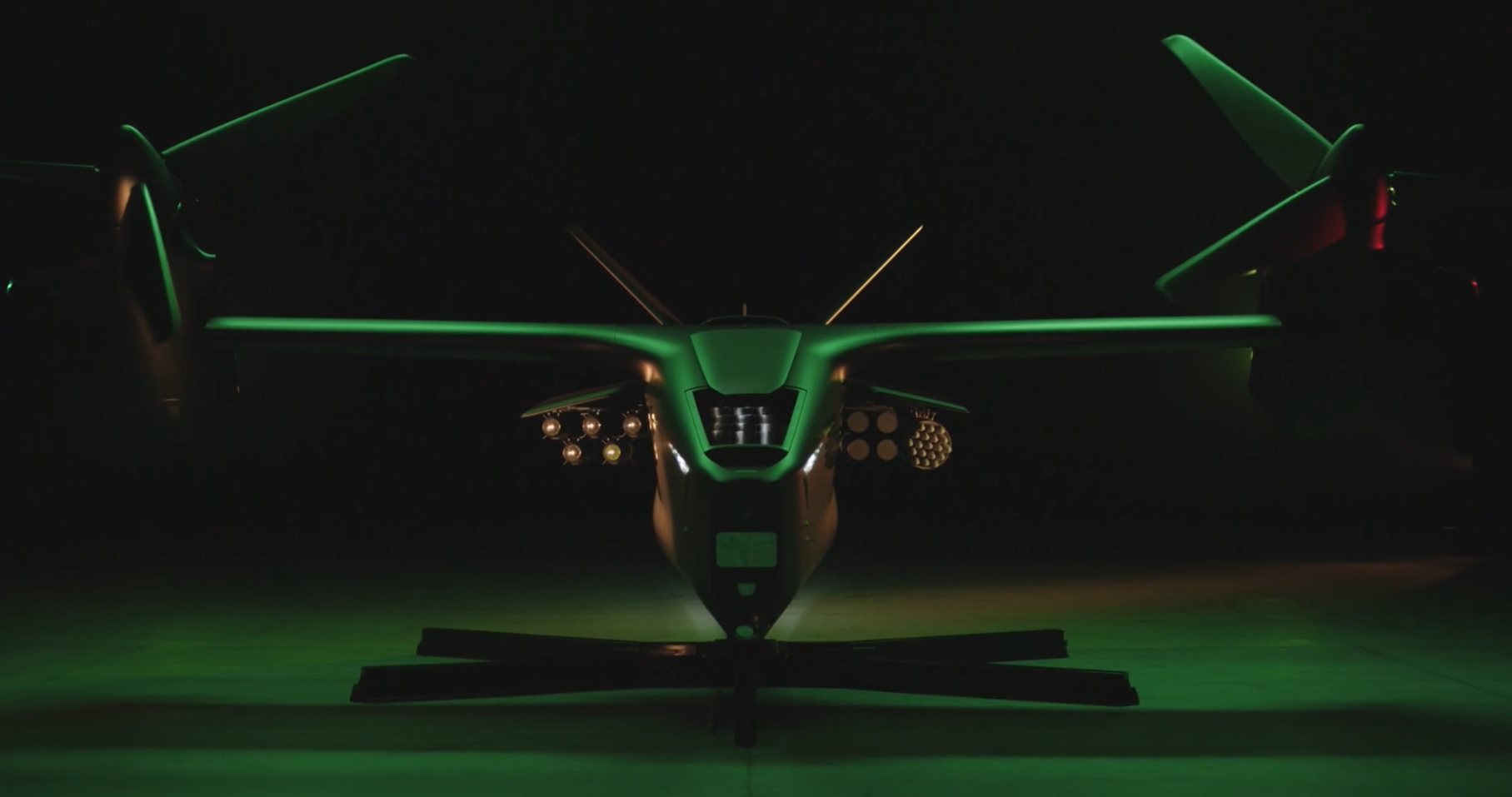 Anduril Unveils Thunder Autonomous Attack Rotorcraft Built with Archer Aviation to Support Apache Helicopters
-
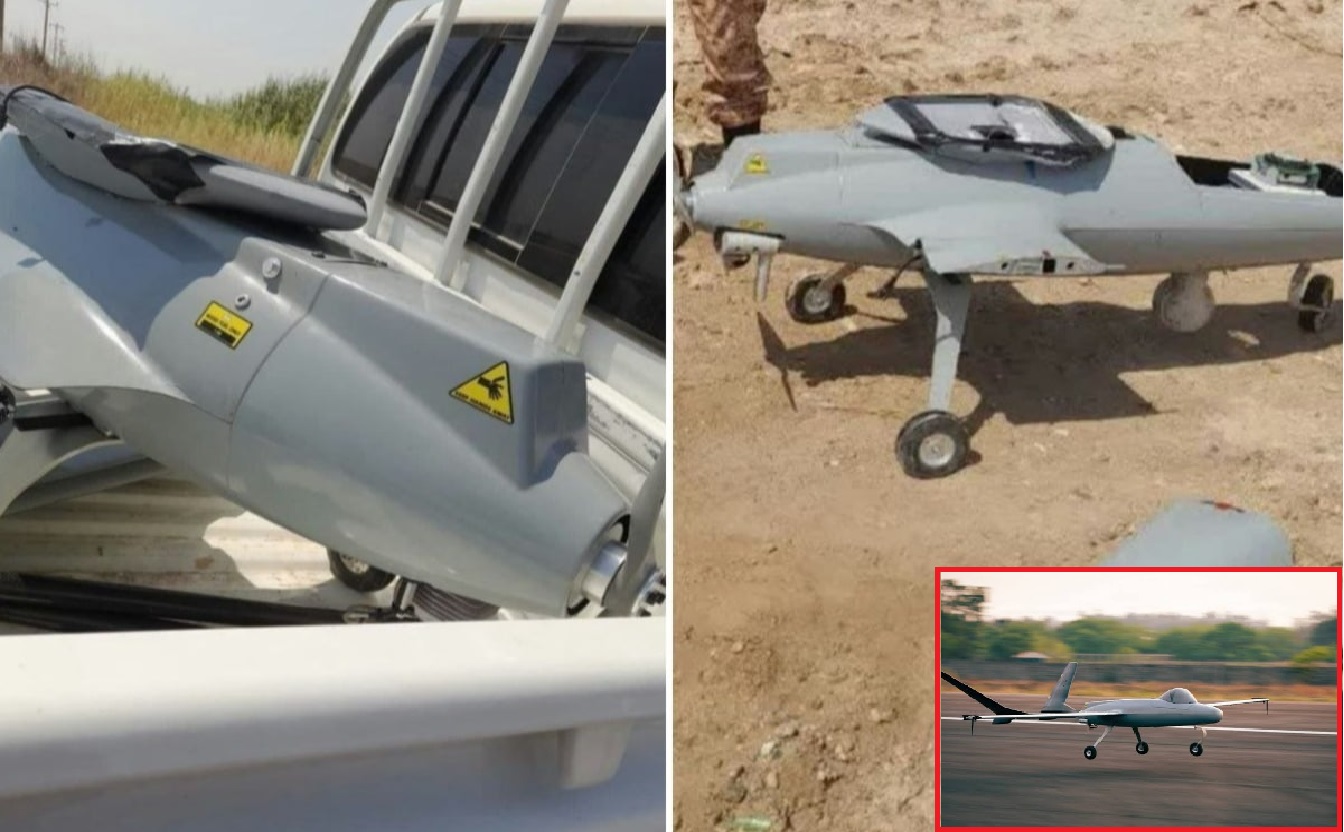 Iran Claims It Shot Down U.S.-Operated Polish-Built Tiguar-M Drone, Releases Images
-
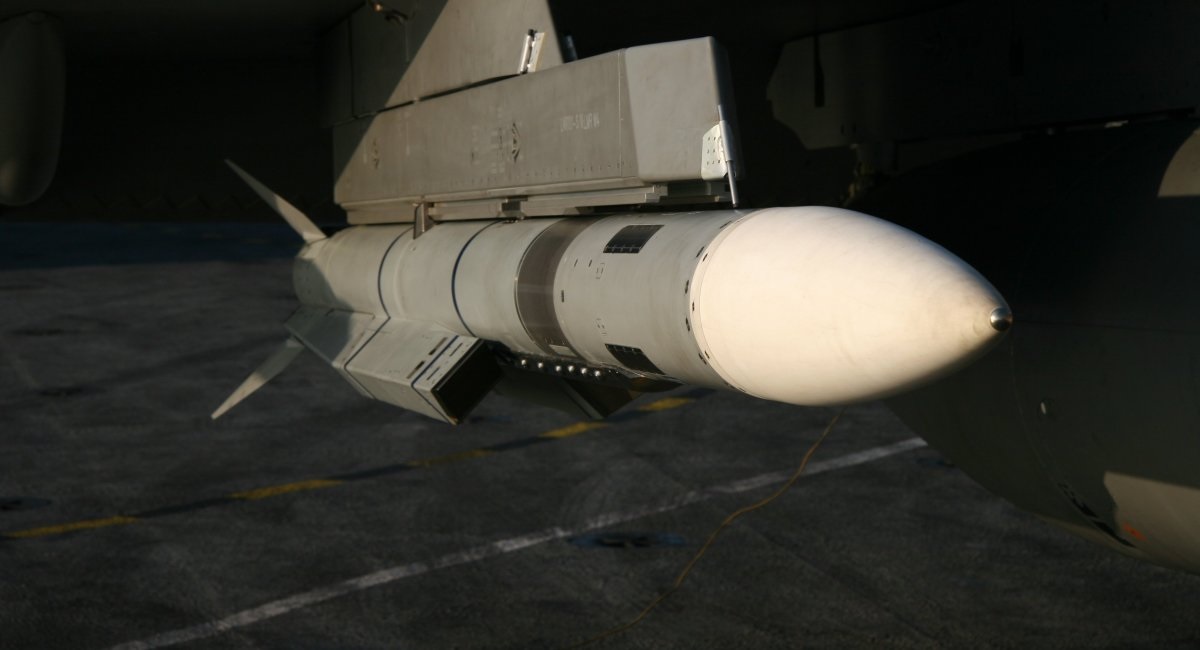 UK Cancels Meteor Missile Mid-Life Upgrade, Prioritizes Next-Generation FASE Air-to-Air Missile Programme
-
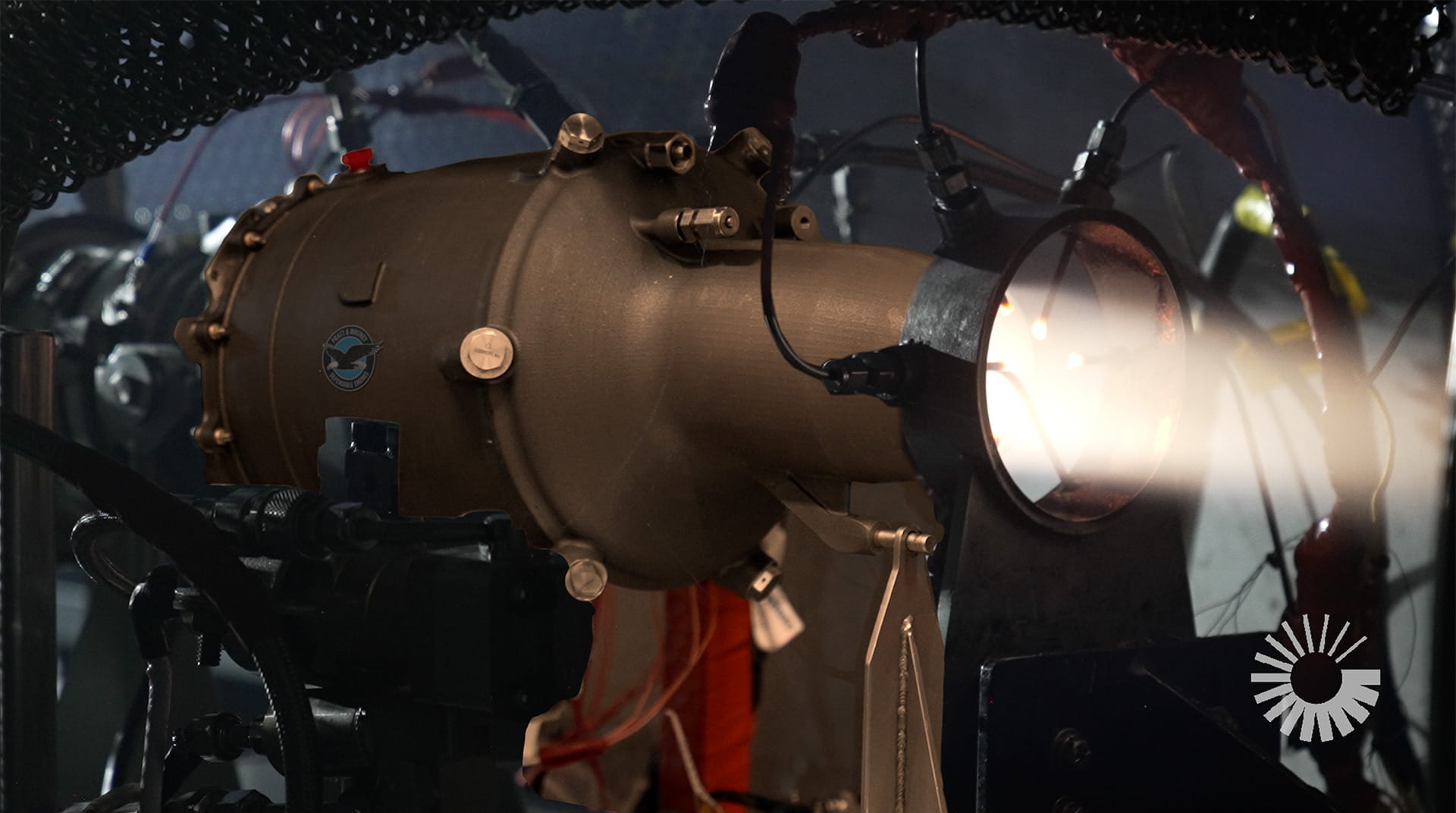 Pratt & Whitney Completes Testing of 3D-Printed TJ150 Engine for Military Applications
-
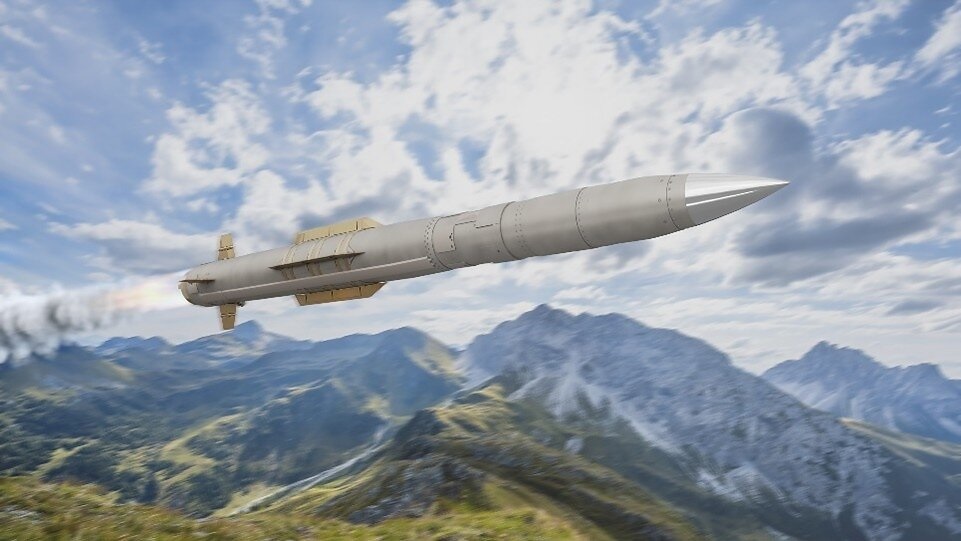 Lockheed Martin Unveils Lower-Cost PAC-3 ACE Interceptor for Patriot Air Defense System
-
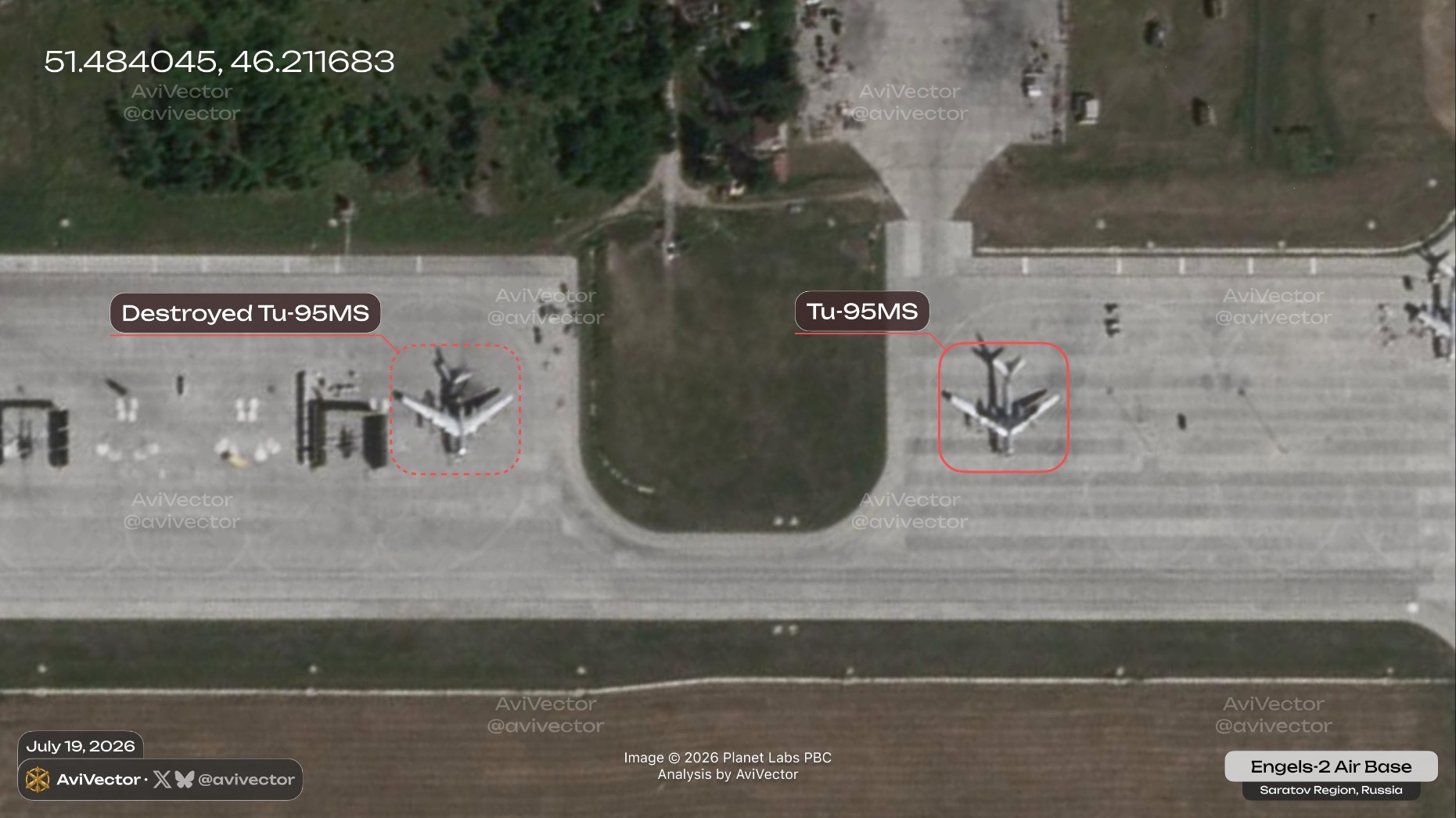 Satellite Images Confirm Russian Tu-95MS Bomber Destroyed After Ukrainian Drone Strike on Engels-2 Air Base
-
 U.S. Navy's Zumwalt Destroyer Hypersonic Missile Upgrade Program Delayed by Two Years as Costs Top $2 Billion: GAO Reports
