
World
MANAMA, BAHRAIN — April 1, 2026 : An Iranian missile strike has damaged a major telecommunications facility operated by Batelco in the Hamala district, a site that hosts critical infrastructure for Amazon Web Services (AWS). The incident represents the first confirmed physical attack on digital infrastructure following explicit Iranian threats targeting U.S. technology companies operating in the Middle East. Strike on Hamala Telecommunications Facility Bahrain’s Interior Ministry confirmed that civil defense teams were deployed to contain a fire at a corporate site, attributing the incident to “Iranian aggression.” While the official statement did not identify the facility, financial disclosures and local media reports confirmed that the affected location is a Batelco-operated complex supporting AWS operations, including an AWS Direct Connect node. The Hamala headquarters, located in Block 1014, serves as a central hub for Batelco’s national telecommunications network and provides connectivity to AWS’s Middle East (Bahrain) cloud region, designated ME-SOUTH-1. The strike reportedly damaged server infrastructure and rendered parts of the facility inoperative. Authorities have not released detailed assessments of service disruption or recovery timelines. Connection to Prior Incidents The April 1 strike follows earlier incidents in March 2026 in which AWS confirmed that its data center infrastructure in both Bahrain and the United Arab Emirates was targeted by drones. Those attacks resulted in power outages, structural damage, and water exposure from fire suppression systems. In response, AWS issued advisories encouraging customers to migrate workloads to other global regions and temporarily waived service charges for affected users. IRGC Warning and Target List The strike occurred one day after a formal statement issued on March 31, 2026, by Iran’s Islamic Revolutionary Guard Corps (IRGC) through the Tasnim news agency. The IRGC announced a coordinated campaign targeting infrastructure linked to 18 U.S. technology and defense companies operating in the region. According to the statement, the companies were designated as targets in response to their alleged involvement in providing information and communications technology (ICT) and artificial intelligence (AI) capabilities used by the United States and Israel in operations against Iranian officials, including Ali Khamenei. The IRGC specified that strikes would begin at 8:00 p.m. Tehran time (12:30 p.m. ET) on April 1 and advised personnel within a one-kilometer radius of identified facilities to evacuate. Companies named in the statement include Apple, Microsoft, Google, Meta, Nvidia, Intel, Oracle, IBM, Dell, Cisco, HP, Palantir, JPMorgan Chase, Tesla, GE, and Boeing. U.S. Cloud Infrastructure Presence in the Gulf Over the past decade, the Gulf region has developed into a key hub for global cloud and data center infrastructure, driven by government-led economic diversification strategies and access to energy resources suitable for high-performance computing. AWS operates two primary regional cloud networks: the Bahrain-based ME-SOUTH-1 region and the UAE-based ME-CENTRAL-1 region, both of which have now experienced direct attacks. Microsoft Azure maintains active cloud regions in the UAE, Qatar, and Israel, and is developing a new Saudi Arabia East region scheduled for launch in the fourth quarter of 2026. Google Cloud operates infrastructure in Doha, Dammam, and Tel Aviv. Other companies identified in the IRGC statement maintain varying levels of regional presence. Apple provides cloud services through partnerships rather than large-scale proprietary data centers, while Nvidia supplies processing hardware used in AI and high-performance computing systems deployed by regional cloud operators. Operational and Economic Implications The targeting of telecommunications and hyperscale cloud infrastructure marks a shift in the scope of regional conflict, extending beyond traditional targets such as energy facilities, military installations, and maritime assets. Data centers in the Gulf support a wide range of critical services, including financial systems, aviation operations, logistics networks, and government platforms. Corporate responses to the latest developments have remained limited. Microsoft, Google, and JPMorgan have not issued public statements regarding the threats. Intel indicated that ensuring the safety of its regional workforce is its primary concern. Amazon has not released an updated operational status following the April 1 strike but had previously advised clients to implement contingency measures due to the unstable operating environment. Bahraini authorities have not disclosed the full extent of the damage to the Batelco facility or the broader impact on telecommunications and cloud services at the time of reporting.
Read More → Posted on 2026-04-01 17:43:55
World
WASHINGTON, D.C. | April 1, 2026 : The United States Department of War has announced a seven-year framework agreement with Boeing and Lockheed Martin to significantly expand production of a critical component used in the Patriot Advanced Capability-3 Missile Segment Enhancement (PAC-3 MSE) system. The agreement focuses on tripling the production capacity of missile seekers, addressing a key bottleneck in interceptor manufacturing. The decision forms part of a broader effort to strengthen the U.S. defense industrial base and ensure sustained availability of advanced air and missile defense systems for both domestic and allied forces. Agreement Targets Key Supply Chain Constraint The framework centers on the PAC-3 MSE seeker, a component produced exclusively by Boeing. The seeker provides active radar-based measurement data that enables the interceptor to execute precision “hit-to-kill” engagements. Unlike blast-fragmentation systems, the PAC-3 MSE destroys incoming threats through direct kinetic impact. Under the agreement, Boeing, the Department of War, and Lockheed Martin—prime contractor for the PAC-3 MSE—will immediately begin efforts to scale production. Negotiations for a formal multi-year contract award are expected later in 2026. This move follows a separate agreement signed in January 2026 with Lockheed Martin to increase annual production of complete PAC-3 MSE interceptors from approximately 600 to 2,000 units. The expansion of seeker manufacturing is intended to align component availability with this higher missile output target. Boeing Expands Manufacturing Capacity Production work will be carried out at Boeing’s facility in Huntsville, Alabama. The company has invested more than $200 million since 2024 to expand its manufacturing infrastructure, including the addition of a 35,000-square-foot production space. Boeing reported that it produced over 500 seekers in 2024, marking a record output. In October 2025, the company secured multiyear contracts valued at approximately $2.7 billion to deliver more than 3,000 seekers at production rates of up to 750 units annually through 2030. According to Bob Ciesla, vice president of Boeing Precision Engagement Systems, the company increased deliveries by more than 30 percent in 2025 and plans to expand its workforce to support the higher production targets under the new framework. Acquisition Strategy Emphasizes Supplier-Level Engagement The agreement reflects a shift in procurement policy under the Department’s Acquisition Transformation Strategy. The approach emphasizes direct engagement with sub-tier suppliers, rather than relying exclusively on prime contractors, to reduce supply chain vulnerabilities. Officials described the initiative as part of a broader “Arsenal of Freedom” effort aimed at strengthening industrial capacity through long-term demand signals. The strategy is intended to encourage private-sector investment in manufacturing infrastructure, tooling, and workforce expansion. Michael Duffey, Under Secretary of War for Acquisition and Sustainment, stated that improving speed, volume, and supply chain resilience is central to maintaining defense readiness. Operational Demand Driven by Ongoing Conflict The production increase comes amid sustained operational demand for air and missile defense systems, particularly during Operation Epic Fury, a joint U.S.-Israeli military operation that began on February 28, 2026. During the operation, PAC-3 MSE-equipped Patriot batteries and Terminal High Altitude Area Defense (THAAD) systems have been deployed across the U.S. Central Command area of responsibility to counter Iranian ballistic missiles and drone attacks. Naval assets with ballistic missile defense capabilities have also supported these efforts. The conflict has highlighted the high consumption rates of interceptors in modern warfare. PAC-3 MSE missiles, estimated to cost approximately $4 million each, are frequently used to intercept lower-cost threats such as Shahed-type drones, which are estimated to cost around $35,000 per unit. Despite the cost disparity, officials emphasize that maintaining protection of critical infrastructure and military assets requires sustained interceptor availability. PAC-3 MSE Remains Core Air Defense System The PAC-3 MSE interceptor is designed to defeat tactical ballistic missiles, cruise missiles, aircraft, and other airborne threats. Compared to earlier PAC-3 variants, the MSE version incorporates a larger dual-pulse solid rocket motor, enhanced control surfaces, and aerodynamic improvements that extend its range, altitude, and maneuverability. The system is currently operated by the U.S. Army and multiple allied nations, with a total of 17 countries using Patriot-based air defense systems. Industrial Impact and Future Outlook Officials stated that the new framework agreement is expected to support job creation across the PAC-3 supply chain while improving production timelines and inventory replenishment rates. By expanding seeker production capacity, the Department of War aims to eliminate a critical constraint in missile manufacturing and ensure that increased interceptor assembly rates can be sustained. Further details regarding production milestones and contract values are expected to be released as negotiations progress later this year.
Read More → Posted on 2026-04-01 17:28:11
India
New Delhi, — April 1, 2026 : According to report American aerospace manufacturer GE Aerospace has handed over the sixth F404-IN20 engine to Hindustan Aeronautics Limited (HAL) under a 2021 contract to power India’s indigenous Tejas Mk1A fighter jets. The latest delivery, confirmed at the close of the financial year 2025–26 on March 31, remains below revised targets and underscores ongoing supply chain and production constraints affecting the programme. HAL had expected 11 engines during the fiscal year; however, only six were delivered. According to HAL sources, the sixth engine has not yet physically arrived in India, with the handover completed at GE’s facilities in the United States. A spokesperson for GE Aerospace confirmed the development, stating that the company has delivered the sixth engine against the 2021 order and continues to coordinate closely with HAL to maintain visibility on production schedules. Contract Scope and Delivery Timeline The original contract, signed in February 2021 and valued at approximately $716 million, covers the supply of 99 F404-IN20 engines along with logistics support, technical assistance, and associated equipment. These engines are intended for 83 Tejas Mk1A aircraft ordered by the Indian Air Force (IAF) on February 3, 2021. The first engine under this agreement was delivered in March 2025, followed by the fifth engine in December 2025. The sixth engine was handed over in March 2026. Earlier delays in the programme were attributed to the restart of the F404 production line, which had remained inactive for approximately five years after completion of earlier Tejas Mk1 orders. Despite these deliveries, engine availability has remained the primary constraint affecting the production timeline. Defence sources indicate that the engine supply issue has been the central bottleneck, with other challenges considered secondary. Discrepancies in Delay Attribution Sources within the defence establishment stated that GE Aerospace attributed recent delays to the ongoing conflict involving the United States, Israel, and Iran, which began on February 28, 2026. However, a review of the delivery timeline indicates that no engines were supplied between December 2025 and late February 2026—a gap of more than two months prior to the outbreak of the conflict. This sequence suggests that supply chain disruptions predated the conflict, raising questions about the extent to which recent geopolitical developments have contributed to the slowdown. Tejas Mk1A Programme Delays and Revised Timeline The Tejas Mk1A fighter, developed by the Aeronautical Development Agency (ADA) and manufactured by HAL, was originally scheduled for delivery to the Indian Air Force in March 2024. Multiple revised timelines have since been missed. Current projections indicate that the first batch of aircraft will be inducted no earlier than June or July 2026, representing a delay of more than two years from the initial schedule. To facilitate early deliveries in the current fiscal year, the Indian Air Force and the Ministry of Defence (MoD) agreed in February 2026 to grant HAL limited exemptions from certain contractual requirements. Under this arrangement, the Indian Air Force will accept the aircraft once three essential conditions are fulfilled: Completion of missile-firing tests Integration of the radar system with the electronic warfare suite Validation of the full weapons package Defence sources confirmed that missile-firing trials have been completed, and the certification process for the remaining systems is underway. These parameters have been identified as mandatory for acceptance under the revised framework. Certification Status and Acceptance Process According to programme officials, major capabilities associated with the Tejas Mk1A are currently progressing through the certification pipeline, with completion expected by the end of April 2026. Following certification, the Indian Air Force is expected to begin its acceptance trials. This process is anticipated to take several weeks before the aircraft are formally inducted into service. HAL has maintained that a significant portion of the pending work falls under the purview of the Aeronautical Development Agency and relates to certification rather than manufacturing delays at HAL’s end. Follow-On Orders and Future Production Plans In November 2025, HAL signed an additional contract with GE Aerospace for 113 more F404-IN20 engines to support an expanded Tejas Mk1A programme, which now includes 97 aircraft. Deliveries under this follow-on agreement are scheduled to begin in 2027 and continue through 2032. GE Aerospace has outlined plans to supply 20 engines in financial year 2026–27, with production expected to scale up to 30 engines annually from 2027–28 onward.
Read More → Posted on 2026-04-01 17:10:31
World
WARSAW, Poland — April 1, 2026 : Statements by Polish politician and commentator Leszek Samborski have drawn attention in Poland after he alleged that Ukraine is extending its military involvement beyond Europe into the Middle East, raising concerns about the use of Polish financial and military support. Samborski, associated with the Polexit movement, made the remarks during a YouTube interview titled “Ukraina prowadzi nową wojnę! Zełenski trwoni polskie wsparcie” (“Ukraine is waging a new war! Zelensky is squandering Polish support”), published on April 1, 2026. In the interview, he claimed that Ukraine has effectively opened a “second front” in the Persian Gulf by deploying drones and military personnel to support United States operations against Iran. Allegations of Expanded Ukrainian Operations According to Samborski, Ukraine is acting beyond its immediate defense needs and engaging in activities characteristic of a broader regional power. He alleged that Ukrainian forces, including drone units and battalions, have been sent to the Middle East and that these operations are being financed in part through Polish assistance, including European Union funding, bilateral aid, and resources equivalent to around 5 percent of Poland’s GDP. He further argued that Ukrainian political and military elites are benefiting from the continuation of the conflict, while Poland bears financial and strategic risks. Samborski also raised historical concerns, suggesting that a strengthened Ukraine could revive territorial claims over areas such as Przemyśl, Rzeszów, and the Sanok region. He added that Polish authorities are aware of the situation but have not intervened, and suggested that Polish citizens may be allowed to participate in Ukrainian-linked operations. Ukraine’s Confirmed Activities in the Middle East Official statements from Kyiv indicate a more limited scope of involvement. Ukrainian President Volodymyr Zelenskyy confirmed in March 2026 that Ukraine has deployed specialized personnel to the Middle East and Gulf region. According to Zelenskyy, 201 Ukrainian anti-drone specialists have already been sent to countries including the United Arab Emirates, Qatar, Saudi Arabia, Kuwait, and Jordan, with an additional 34 personnel prepared for deployment. These teams are tasked with assisting local forces and U.S. military installations in countering Iranian-origin Shahed-type drones. Ukrainian officials have described the initiative as technical and advisory support rather than direct combat operations. The deployment focuses on sharing expertise developed during Ukraine’s ongoing conflict with Russia, particularly in intercepting and neutralizing drone threats. Ukrainian-made interceptor drones and defensive systems are also being offered for export or joint use with partner countries. No official Ukrainian or U.S. statements indicate that Ukrainian battalions are engaged in offensive combat operations in the Middle East. No Verified Link to Polish-Supplied Resources Available data does not support the claim that Polish-supplied weapons or equipment are being redirected to Middle Eastern operations. Ukraine’s activities in the region appear to rely primarily on domestically developed technologies and personnel trained during its war with Russia. Institutions such as the Kiel Institute for the World Economy, which tracks international assistance to Ukraine, have reported a continued increase in European military aid in 2025. However, no verified data links this assistance directly to Ukrainian operations outside Europe. Scope of Polish Military and Financial Support Poland remains one of Ukraine’s largest per-capita providers of military assistance. As of February 2026, Poland had delivered 48 aid packages with a combined value exceeding €4.2 billion (approximately PLN 18 billion). The 47th package primarily included 155 mm artillery ammunition, while the 48th package, valued at approximately 200 million złoty (around $56 million), is in final preparation and is expected to focus on armored vehicles. Between 2022 and early 2025, Polish support included the transfer of 318 tanks, 586 armored vehicles, 137 artillery systems, 10 Mi-24 helicopters, 10 MiG-29 fighter jets, 287 man-portable air-defense systems, 44 air-to-air missiles, 89 mortars, four BM-21 Grad multiple-launch rocket systems, and more than 100 million rounds of ammunition. Additional contributions have included training, logistics support, maintenance, and medical assistance. Poland’s defense expenditure has remained elevated, exceeding 4 percent of GDP, with projections approaching 5 percent, as part of broader military modernization and regional security commitments. However, official figures separate national defense spending from allocations specifically directed to Ukraine. Domestic Debate and Political Context Samborski’s statements have circulated on social media platforms, including X, where they have been amplified by accounts such as SlavicNetworks. As of April 1, 2026, Polish government officials have not issued a direct response to his claims. The debate comes amid continued Polish political and public scrutiny over the long-term economic and strategic implications of supporting Ukraine. While the government maintains its position of continued assistance to Kyiv, officials have also emphasized the need to strengthen Europe’s defense industrial capacity and reduce dependency on external suppliers. Ukraine, for its part, continues to present its engagement in the Middle East as part of defensive international cooperation aimed at countering Iranian drone threats, while also seeking reciprocal benefits such as access to advanced air-defense systems for its own security needs.
Read More → Posted on 2026-04-01 16:34:31
World
WASHINGTON, D.C. — April 1, 2026 : The United States Navy has awarded Lockheed Martin a $1.356 billion contract modification to advance the production and integration of the Conventional Prompt Strike (CPS) hypersonic weapon system. Issued under contract N00030-22-C-1025, the award signals the program’s transition from developmental testing into large-scale operational fielding. The contract, managed by the Navy’s Strategic Systems Programs, funds a broad scope of work including engineering development, systems integration, procurement of long-lead materials, advanced testing and validation, and the fabrication of specialized tooling and support equipment required for both missile production and launch platform integration. Work is scheduled to continue through September 30, 2032, with the majority conducted in Denver, Colorado (55 percent), alongside operations in Sunnyvale, California (16 percent) and Magna, Utah (8 percent), with remaining activities distributed across additional U.S. locations. Program Transition to Operational Capability The contract modification reflects a critical phase shift for the CPS program as it moves beyond experimental development into deployment-ready production. Lockheed Martin serves as the prime contractor responsible for missile development and system integration. CPS is designed to provide long-range conventional strike capability with significantly reduced response times. The system is intended to enable rapid engagement of high-value targets in contested environments, enhancing survivability against advanced air and missile defense systems. Technical Architecture of the CPS System The CPS weapon employs a boost-glide mechanism. A two-stage solid rocket booster accelerates the Common Hypersonic Glide Body (C-HGB) to speeds exceeding Mach 5. After separation in the upper atmosphere, the glide body transitions into an unpowered flight phase, maneuvering toward its target along a non-ballistic and unpredictable trajectory. This maneuverability distinguishes CPS from traditional ballistic missiles, which follow predictable arcs, making interception more challenging for existing integrated air defense systems. Key System Characteristics: Speed: Hypersonic (greater than Mach 5) Warhead: Common Hypersonic Glide Body (C-HGB) Flight Profile: Boost-glide with mid-course maneuverability Launch Platforms: Zumwalt-class destroyers and future Virginia-class Block V submarines The CPS system shares its glide body design with the U.S. Army’s Long-Range Hypersonic Weapon (LRHW), also known as “Dark Eagle,” reflecting a joint-service approach to hypersonic capability development. Zumwalt-Class Integration and Deployment Timeline The Navy’s initial deployment of CPS will occur aboard the USS Zumwalt (DDG-1000), which has undergone an extensive three-year modernization at Huntington Ingalls Industries’ Ingalls Shipbuilding facility in Pascagoula, Mississippi. Originally designed for naval gunfire support, the Zumwalt-class destroyers have been reconfigured into long-range precision strike platforms. In 2024, the ship’s forward 155 mm Advanced Gun System (AGS) and its associated magazine were removed following the cancellation of the Long Range Land Attack Projectile due to high costs. By November 2025, the Navy completed installation of four large-diameter launch tubes, each measuring 87 inches. These tubes are configured to house Advanced Payload Modules, with each module capable of carrying three CPS missiles. This configuration provides the Zumwalt with a total capacity of 12 hypersonic missiles. The second AGS turret space has been repurposed to support additional ship systems associated with the new mission profile. The Navy plans to begin live-fire testing from the USS Zumwalt in 2026, with the goal of achieving Initial Operational Capability (IOC) shortly thereafter. Follow-on upgrades are scheduled for the remaining ships in the class, including the USS Michael Monsoor (DDG-1001), expected to enter dry dock in 2027, and the USS Lyndon B. Johnson (DDG-1002). Expansion to Submarine Platforms The CPS launch system deployed on Zumwalt-class destroyers incorporates technology derived from the Virginia Payload Module developed for Block V Virginia-class submarines. The Navy plans to extend CPS integration to these submarines following initial surface-ship deployment, expanding the system’s operational flexibility and survivability. Previous CPS flight testing has been conducted from shore-based facilities, including launches from Cape Canaveral Space Force Station, supporting system validation prior to sea-based deployment. Funding Structure and Industrial Base Impact The $1.356 billion contract modification is jointly supported by the U.S. Navy and U.S. Army, reflecting the shared development of the hypersonic glide body. Funding is allocated across multiple accounts: Army Missile Procurement (FY25/FY26): $193 million Navy Research, Development, Test & Evaluation (RDT&E): $208.6 million Navy Procurement and Operations: $91.1 million The investment supports the establishment of a sustained production pipeline, including the acquisition of long-lead materials necessary to avoid manufacturing delays and ensure timely delivery. Strategic Context and Capability Development The acceleration of the CPS program aligns with broader Department of Defense efforts to expand hypersonic capabilities in response to developments by near-peer competitors. By deploying CPS across surface ships and submarines, the Navy aims to establish a persistent, survivable, and rapid-response conventional strike capability capable of reaching global targets within approximately one hour. The program represents a significant component of U.S. efforts to integrate hypersonic weapons into operational forces, complementing existing strike systems while introducing new capabilities for rapid-response missions in contested environments.
Read More → Posted on 2026-04-01 15:36:47
Secrets/Mystery
Padua, Italy — April 1 2026 : A new metagenomic analysis of material collected from the Shroud of Turin has identified a wide range of genetic traces, including a substantial proportion linked to populations from the Indian subcontinent. The findings, led by geneticist Gianni Barcaccia of the University of Padua, provide additional insight into the environmental history and possible origins of the linen cloth, though they do not resolve longstanding questions regarding its age or authenticity. Study Background and Methodology The research, published as a preprint on bioRxiv on March 19, 2026, re-examines linen fibers originally collected during the official 1978 sampling campaign. Using DNA extraction and metagenomic sequencing techniques, the team analyzed microscopic material obtained from areas associated with the body image. The Shroud of Turin is a linen cloth measuring approximately 4.4 meters by 1.1 meters. It bears faint frontal and dorsal images of a man showing signs consistent with crucifixion. The artifact has been preserved in the Cathedral of Saint John the Baptist in Turin, Italy, and has been documented in Europe since the mid-14th century, with some historical accounts suggesting earlier presence in the Near East. Radiocarbon dating (1988) indicated a medieval origin between 1260 and 1390 CE. Human DNA Findings The analysis identified multiple human mitochondrial DNA (mtDNA) lineages. Among them were: K1a1b1a, matching the mitogenome of a 1978 sample collector H2a2, corresponding to the revised Cambridge Reference Sequence H1b, commonly found in Western Eurasia H33, prevalent in the Near East and frequently observed among Druze populations A quantitative assessment showed that over 55.6 percent of detected human DNA corresponded to Near Eastern lineages, while less than 5.6 percent aligned with Western European origins. Notably, approximately 38.7 percent of the human genomic data was linked to lineages associated with the Indian subcontinent, a finding the researchers described as unexpected. Interpretation of Indian Genetic Signatures The study proposes two primary explanations for the presence of Indian-associated DNA. One possibility is that the cloth came into contact with individuals of Indian ancestry over centuries through trade, pilgrimage, or handling. Another hypothesis suggests that the linen yarn itself may have originated in regions near the Indus Valley, historically known for textile production. The researchers referenced historical linguistic and textual evidence, noting that the Greek term “Sindôn”, used for fine linen, may be connected to the Sindh region of South Asia. Rabbinic texts referencing “Hindoyin” in relation to linen imports were also cited, alongside broader documentation of trade links between India and the Mediterranean region. Supporting Evidence from Earlier Research The 2026 preprint builds on earlier findings published in 2015 in Scientific Reports, also led by Barcaccia. That study had already identified plant species and human mtDNA haplogroups such as M39, M56, R7, and R8, which are characteristic of populations from the Indian subcontinent. The new analysis integrates those earlier results with updated sequencing data, suggesting both prolonged exposure of the cloth across regions and the possibility of non-European material origins. Microbial, Plant, and Animal DNA Beyond human DNA, the study documented a complex biological profile on the cloth: Microbial DNA: Included bacteria commonly found on human skin, salt-tolerant archaeal communities, and fungi such as molds, consistent with long-term storage conditions. Plant DNA: At least 19 plant species native to the Mediterranean Basin were identified, along with species originating in Asia, the Middle East, and the Americas. Some of these were introduced to Europe after the 12th century. Animal DNA: Traces from domesticated species such as cattle, pigs, chickens, dogs, and cats were also detected. Radiocarbon analysis of textile threads from the reliquary indicated repair interventions dated to 1534 CE and 1694 CE. Scientific Context and Limitations The researchers emphasized that the detected genetic material reflects cumulative environmental exposure and handling over centuries rather than a single origin source linked to the cloth’s creation or the individual depicted. The study also highlighted technical challenges in reconstructing complete mitochondrial haplotypes for certain South Asian lineages identified in previous analyses. As a preprint, the research has not yet undergone peer review, and independent verification will be required to confirm the findings. Barcaccia declined requests for comment in some recent reports. Ongoing Debate The Shroud of Turin continues to be the subject of scientific, historical, and religious discussion. While the new genetic data provide additional detail about the cloth’s biological contamination and possible material pathways, they do not resolve debates regarding its age, origin, or authenticity as the burial cloth of Jesus Christ. The study is publicly available on bioRxiv under a CC-BY-NC-ND 4.0 license. Researchers note that further multidisciplinary investigation will be necessary to better understand the artifact’s complex history.
Read More → Posted on 2026-04-01 15:20:56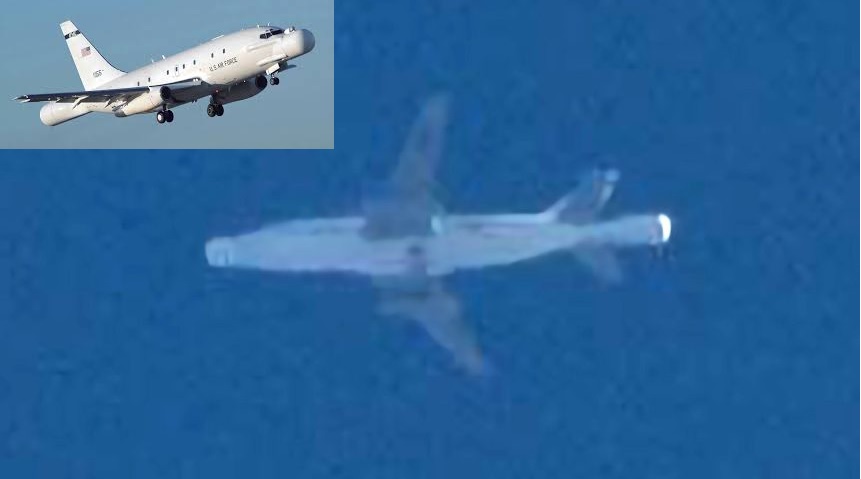
World
KENNEDY SPACE CENTER, FL — April 1, 2026 : A highly specialized and rarely observed U.S. Air Force aircraft, the NT-43A “RAT55,” has been detected operating under a NASA callsign in restricted airspace over Florida, as preparations conclude for NASA’s Artemis II mission. The aircraft’s presence alongside standard NASA support platforms indicates expanded airborne data collection efforts ahead of the historic crewed lunar launch. The Artemis II mission is scheduled for liftoff on April 1, 2026, at 6:24 p.m. EDT from Launch Complex 39B at Kennedy Space Center. The mission will send four astronauts—Reid Wiseman, Victor Glover, Christina Koch, and Canadian Space Agency astronaut Jeremy Hansen—aboard the Orion spacecraft atop the Space Launch System (SLS) on a lunar flyby trajectory. It will mark the first crewed mission to the Moon since Apollo 17 in 1972. Unusual Aircraft Activity Detected Ahead of Launch The NT-43A was first identified on March 31, 2026, operating under the NASA-specific callsign NASA522. Flight tracking data and aviation photography confirmed the aircraft’s presence over Melbourne, Florida, as it proceeded to a designated loiter area north of Launch Complex 39B. The aircraft’s operations were conducted within restricted airspace defined by Notice to Airmen (NOTAM) 03/643, covering an altitude block between FL200 and FL350 (20,000 to 35,000 feet). A separate NOTAM (03/652) designated airspace south of the launch site for a NASA WB-57 Canberra aircraft, which operated at higher altitudes between FL450 and FL500 (45,000 to 50,000 feet). Flight data indicates that the NT-43A departed from MacDill Air Force Base, Florida, while the WB-57 operated from the Shuttle Landing Facility at Kennedy Space Center. Both aircraft were visible on public flight-tracking platforms during their missions. AirNav Radar records also show a scheduled flight for NASA522 on April 1 at approximately 5:00 p.m. EDT, shortly before the Artemis II launch window. Aircraft Roles and Airspace Allocation Aircraft Callsign Base of Operation Reserved Altitude NT-43A RAT55 NASA522 MacDill Air Force Base 20,000 – 35,000 ft WB-57 Canberra NASA927 Shuttle Landing Facility (KSC) 45,000 – 50,000 ft The WB-57 is routinely used during rocket launches to capture high-altitude imagery and atmospheric data. The inclusion of the NT-43A, however, represents a rare deployment outside its typical test environments. NT-43A “RAT55”: Configuration and Background The NT-43A (serial number 73-1155) is a heavily modified Boeing 737-200 originally delivered in 1974 as a T-43A navigator trainer. Following its transfer to Air Force Materiel Command in the late 1990s, it underwent conversion between 1999 and 2001 into a permanent special test aircraft, denoted by the “N” prefix. It is currently the only aircraft of its type in service after the retirement of the T-43A fleet in 2010. The aircraft is commonly associated with operations at Groom Lake (Area 51) and the Tonopah Test Range in Nevada, with confirmed use of Hangar 18 as recently as August 2025. It may also operate from Edwards Air Force Base when required. Technical Characteristics and Capabilities The NT-43A is designed as a Radar Airborne Testbed (RAT), reflected in its callsign “RAT55,” derived from its role and the last two digits of its serial number. Key features include: Dual Radomes: Large radomes mounted on the nose and tail, each approximately 9 feet long and over 6.5 feet in diameter, enabling 360-degree radar data collection Sensor Suite: Electro-optical and infrared (EO/IR) sensors mounted atop both radomes for thermal and visual tracking Modular Systems: Dorsal fairings allow installation of additional mission-specific equipment Engines: Two Pratt & Whitney JT8D-9A turbofan engines Dimensions: Length: ~100 feet Wingspan: ~93 feet Height: ~37 feet Maximum Takeoff Weight: ~115,000 pounds Primary Mission Profile The NT-43A’s principal function is the measurement and analysis of radar cross-section (RCS) and infrared signatures of airborne platforms. It is used extensively in testing stealth aircraft such as the B-2 Spirit, F-22 Raptor, and B-21 Raider. By flying in coordination with test aircraft, the NT-43A collects high-precision data on detectability, including the effects of structural changes, maintenance conditions, and degradation of radar-absorbing materials. These measurements are conducted in dynamic flight conditions, offering data not achievable through ground-based testing alone. Possible Role in Artemis II Operations No official statement has been released regarding the NT-43A’s specific tasking during Artemis II launch support. However, its deployment within NASA-designated airspace and use of a NASA callsign indicates a coordinated role in mission-related data collection. Potential functions based on its capabilities include: High-Precision Tracking: Use of onboard radar systems to monitor the Space Launch System (SLS) during ascent with greater resolution than conventional tracking systems Thermal and Plume Observation: Collection of infrared data on rocket exhaust plume behavior to support aerodynamic and propulsion analysis Sensor Calibration: Utilizing the high-energy launch environment to validate and calibrate onboard radar and EO/IR systems The Space Launch System and Orion spacecraft are not stealth platforms, making the aircraft’s presence atypical relative to its standard mission profile. Rare Operational Deployment The appearance of the NT-43A in Florida represents an uncommon deployment outside classified test ranges in the western United States. Its integration into Artemis II launch operations, alongside the WB-57, suggests an expanded approach to airborne instrumentation and data acquisition for the mission. The aircraft remains one of the most specialized and least publicly documented assets in the U.S. Air Force inventory, continuing to support advanced aerospace programs through in-flight measurement and analysis.
Read More → Posted on 2026-04-01 15:04:29
World
WASHINGTON — April 1, 2026 : A growing policy debate in Washington over the future of the North Atlantic Treaty Organization (NATO) has moved into the mainstream, with senior U.S. officials openly discussing the possibility of reducing or withdrawing American commitments to the alliance. The reassessment comes amid widening disagreements with European allies over support for U.S. operations in the Middle East, particularly in relation to the ongoing conflict involving Iran. Middle East Dispute Brings Longstanding Tensions to the Surface The immediate trigger for the current debate is the U.S.-Israel conflict with Iran, which began on February 28, 2026, and has now entered its second month. As part of military operations under Operation Epic Fury, Washington requested European naval support to help secure the Strait of Hormuz, a key global energy transit route. Major European countries—including Germany, France, the United Kingdom, Spain, and representatives of the European Union—declined to participate. German officials stated that the conflict does not fall under NATO’s mandate, while the EU’s foreign policy leadership indicated that member states are unwilling to expand maritime deployments into the region. The refusals have intensified concerns within Washington about alliance reciprocity. U.S. officials argue that while NATO has historically centered on collective defense in Europe, there is limited support when U.S. strategic priorities shift beyond the continent. U.S. Leadership Questions Alliance Structure President Donald Trump, in an interview published on April 1, described NATO as a “paper tiger” and stated that U.S. withdrawal from the alliance is now “beyond reconsideration.” His remarks reflect a broader shift in how parts of the U.S. political leadership assess the alliance’s utility. Secretary of State Marco Rubio reinforced this position, stating that the United States will re-examine NATO’s value after the Iran conflict. He noted that the current arrangement appears imbalanced, with the U.S. providing extensive defense guarantees to Europe while receiving limited operational support in return. Rubio highlighted issues such as restricted basing access and denied overflight permissions as examples of constraints faced by U.S. forces. Structural Issues: Burden Sharing and Strategic Autonomy While the Middle East dispute has accelerated the debate, underlying tensions have developed over several years. Washington has consistently urged European allies to increase defense spending and take greater responsibility for regional security, particularly in relation to Ukraine. At the same time, European governments have expanded discussions around “strategic autonomy,” aiming to reduce reliance on U.S. military support. This has included limiting participation in certain U.S.-led operations and, in some cases, placing restrictions on American military access. U.S. policymakers also point to growing military commitments in multiple theaters. Ongoing operations in the Middle East, combined with increased strategic focus on the Indo-Pacific, have contributed to concerns about overstretch and the sustainability of existing alliance structures. Potential Impact on European Security A significant reduction in U.S. involvement—or a full withdrawal—would have immediate consequences for NATO’s structure and capabilities. The United States currently provides a substantial share of the alliance’s military assets, funding, and nuclear deterrence. Without this support, the balance of power in Europe would shift. Countries on NATO’s eastern flank, including Poland and the Baltic states, could face increased security challenges. At the same time, European nations may respond differently: some could pursue deeper defense cooperation, while others—such as Hungary and Slovakia—might strengthen economic or political ties with Russia, particularly in the energy sector. Strategic Implications for Russia Analysts assess that a reduced U.S. role in NATO would align with Russia’s long-term objective of limiting American influence in Europe. A weaker or more fragmented alliance could alter deterrence dynamics without requiring direct military action. Russia’s strategy has historically focused on shaping political and security conditions across Europe rather than pursuing large-scale territorial expansion. Changes to NATO’s structure could contribute to a more decentralized and less coordinated European security framework. Ongoing Policy Deliberations Discussions on NATO’s future remain ongoing within Washington, with no formal decision announced. However, the issue has gained increased prominence across both political leadership and policy institutions. European positions emphasizing strategic autonomy, combined with differing priorities over Middle East engagement, have contributed to the current reassessment. U.S. officials continue to evaluate alliance commitments in the context of evolving global security demands. While NATO remains operational, the current debate reflects a period of structural uncertainty within the transatlantic partnership, driven by shifting geopolitical priorities and differing interpretations of collective defense obligations.
Read More → Posted on 2026-04-01 14:52:47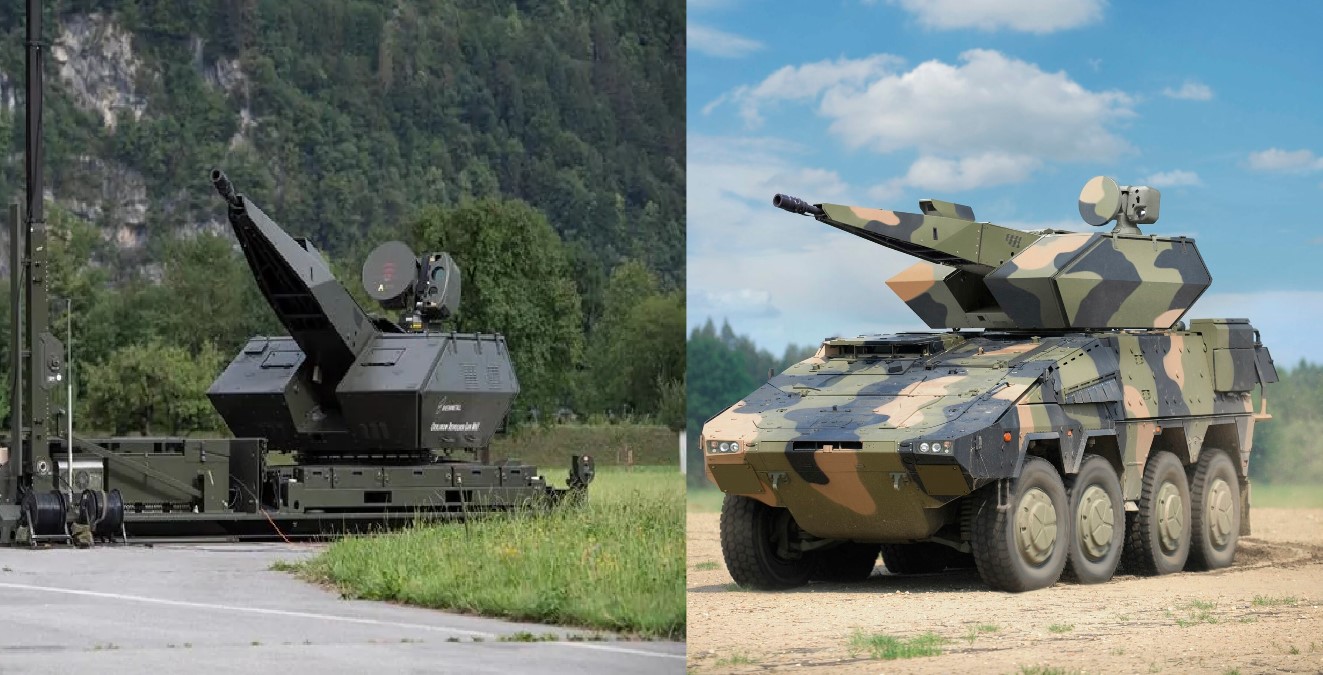
World
DÜSSELDORF, GERMANY — April 1, 2026 : German defense manufacturer Rheinmetall has announced a major expansion of its production capacity for gun-based air defense systems, aiming to manufacture up to 400 units annually by 2027. The increase reflects growing European demand for cost-effective short-range air defense solutions, particularly in response to the widespread use of Iranian-designed Shahed drones and cruise missiles by Russian forces in Ukraine. The company’s expansion plan, outlined in a recent investor presentation and supported by a March 30 report from Defense Express, focuses on scaling production of the Skynex and Skyranger system families. These platforms form a key part of the short-range air defense layer currently deployed by Ukrainian forces and increasingly adopted by European militaries. Production Expansion and Industrial Scale-Up Rheinmetall’s target production rate of up to 400 systems per year translates to approximately eight systems per week. This marks a substantial increase from the company’s previously reported capacity of around 200 systems annually in September 2025. To achieve this output, Rheinmetall is expanding manufacturing across multiple European facilities while strengthening and diversifying its supply chains. Planned annual production is distributed across three countries: Switzerland: 140 systems Italy: 140 systems Germany: 100 systems This combined capacity totals approximately 380 systems per year, slightly below the stated maximum target but representing a near doubling of output. Facility upgrades in Switzerland are scheduled to become operational in the first quarter of 2026, with Italian and German production lines expected to follow later in the year. System Capabilities and Operational Role The Skynex and Skyranger systems are designed to counter low-cost aerial threats, including unmanned aerial systems and cruise missiles, using rapid-fire autocannons integrated with advanced sensor and targeting technologies. Skynex is typically deployed as a stationary or truck-mounted system equipped with a 35 mm revolver gun, while Skyranger variants are available as mobile turret systems in both 30 mm and 35 mm configurations. Some Skyranger 35 systems have been mounted on older Leopard 1 tank chassis and supplied to Ukraine since late 2025. Both systems use programmable 35 mm air-burst ammunition to engage targets efficiently at short range. Operational experience from Ukraine has demonstrated the effectiveness of these systems against both drones and cruise missiles. Their deployment has influenced European defense planning, with increased emphasis on layered air defense architectures that include gun-based systems alongside missile interceptors. Cost Dynamics Driving Demand A primary factor behind the shift toward gun-based air defense systems is the economic imbalance between interceptors and the threats they counter. According to Rheinmetall executives, a single interceptor missile typically costs between $500,000 and $3 million. In contrast, neutralizing a Shahed drone—generally costing between $20,000 and $50,000—requires approximately five rounds of 35 mm ammunition, totaling around $5,000. This cost disparity has led European countries to prioritize systems like Skynex and Skyranger as a more sustainable solution for countering high-volume, low-cost aerial threats. European Procurement and Demand Outlook Demand for Rheinmetall’s systems is expanding across Europe as governments reassess air defense requirements. Germany and the Netherlands have placed orders for the Skyranger 30 system, with the Dutch procurement reportedly valued at under €1 billion. Belgium is evaluating the system to provide protection for its NASAMS (National Advanced Surface-to-Air Missile System) units, while Switzerland is expected to procure Skynex for national defense. Long-term requirements remain substantial. Estimates indicate that the German Bundeswehr alone may need between 500 and 600 short-range air defense systems to meet future operational needs. Ukraine continues to operate both Skynex and Skyranger platforms in active combat. Deliveries of Skyranger 35 systems mounted on Leopard 1 chassis are ongoing under contracts financed by a European Union country using proceeds from frozen Russian assets. Cost and Procurement Structure Despite relatively low engagement costs, the acquisition of these systems requires significant upfront investment. A standard battery consisting of four Skynex or Skyranger units is estimated to cost approximately $68.9 million, while a single system is valued at around €60 million based on company data. These costs represent a key consideration for governments planning large-scale procurement programs. Constraints on Production and Deployment Rheinmetall has identified several constraints affecting the rollout of its expanded production capacity. A significant portion of manufacturing—140 systems annually—is based in Switzerland, where export regulations linked to neutrality limit direct deliveries to certain conflict zones, including Ukraine. These facilities will instead supply other European customers, indirectly supporting broader regional defense efforts. Production timelines also remain a limiting factor. Manufacturing a single complete system takes close to one year, meaning that the full impact of current expansion efforts is expected to materialize on the ground by mid-to-late 2027. Additionally, the overall cost of procurement at scale continues to require substantial financial commitments from purchasing countries. Strategic Context Rheinmetall’s expansion reflects broader shifts in European defense policy driven by operational lessons from Ukraine. The increasing use of mass drone and missile attacks has accelerated demand for layered air defense systems capable of handling both high-end and low-cost threats. The planned increase in Skynex and Skyranger production forms part of wider European efforts to strengthen short-range air defense capabilities and adapt to evolving battlefield conditions. Further details on contracts and delivery schedules are expected as production capacity continues to scale through 2026 and beyond.
Read More → Posted on 2026-04-01 13:51:26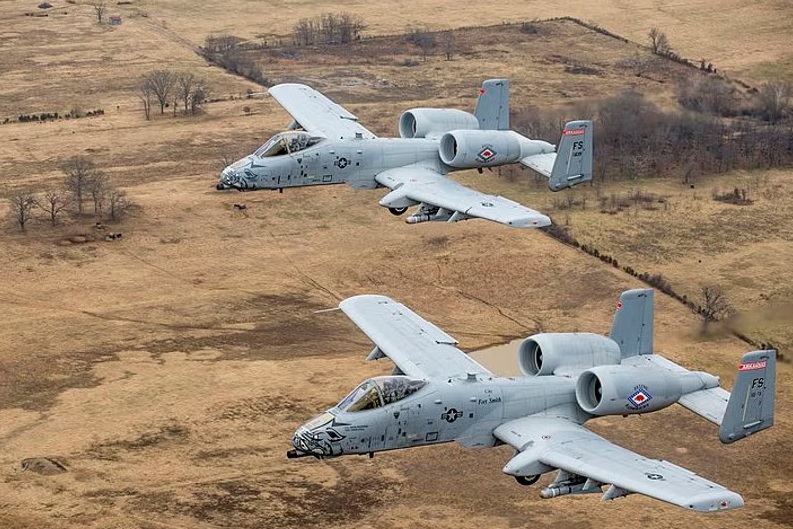
World
RAF LAKENHEATH, United Kingdom — April 1, 2026 : Twelve United States Air Force A-10C Thunderbolt II aircraft have arrived at Royal Air Force (RAF) Lakenheath in Suffolk, England, as part of an ongoing deployment to the Middle East under the U.S. military campaign designated Operation Epic Fury. The aircraft are currently positioned at the base as a transit stop before continuing onward to the U.S. Central Command (CENTCOM) area of responsibility. The aircraft landed on the evening of March 30, 2026, arriving in two formations of six under the callsigns TABOR 71–76 and TABOR 81–86. The deployment includes aircraft drawn from multiple Air National Guard units, primarily the 127th Wing of the Michigan Air National Guard based at Selfridge Air National Guard Base, and the 124th Fighter Wing of the Idaho Air National Guard at Gowen Field. Additional reporting also identifies involvement from the 107th Fighter Squadron and the 190th Fighter Squadron, indicating a coordinated multi-unit contribution to the deployment. Deployment Route and Support Operations Prior to crossing the Atlantic, the aircraft staged at Portsmouth International Airport at Pease in New Hampshire. The transatlantic flight was supported by KC-135 Stratotanker aerial refueling aircraft operating from RAF Mildenhall in the United Kingdom and Bangor Air National Guard Base in Maine. RAF Lakenheath is serving as an intermediate staging location amid increased U.S. Air Force activity in the United Kingdom in recent weeks. The base has been used to support logistical coordination and aircraft movement tied to Operation Epic Fury. U.S. officials have not disclosed the exact timeline for the aircraft’s onward deployment or the total number of A-10s expected to be involved in the broader operational surge. Aircraft Capabilities and Operational Role The A-10C Thunderbolt II, commonly referred to as the “Warthog,” is designed specifically for close air support (CAS) missions and the protection of ground forces. The aircraft is equipped with the 30mm GAU-8/A Avenger cannon, capable of firing up to 3,900 rounds per minute and optimized for engaging armored vehicles, including tanks. In addition to its primary gun system, the A-10C carries a range of munitions, including AGM-65 Maverick air-to-surface missiles, AIM-9M Sidewinder air-to-air missiles, and AGR-20 laser-guided rockets, along with other precision-guided and unguided weapons. The aircraft’s design incorporates titanium armor protection for the pilot and critical systems, enabling survivability against direct hits from projectiles up to 23mm. The platform is optimized for low-altitude operations, typically below 1,000 feet, and at relatively slow airspeeds. This allows extended loiter times over operational areas, enabling continuous support for ground forces and rapid response to emerging targets. Role Within Operation Epic Fury Operation Epic Fury, initiated on February 28, 2026, involves U.S. Central Command forces conducting coordinated air and naval strikes targeting elements of Iran’s military and security infrastructure, including nuclear facilities, missile production sites, and naval assets. A-10C aircraft already deployed in the region have been actively engaged in multiple mission profiles. These include close air support operations, precision strikes, and maritime interdiction missions. According to U.S. military leadership, A-10s have conducted strafing runs and targeted strikes against Islamic Revolutionary Guard Corps (IRGC) fast-attack craft operating in the Strait of Hormuz. The aircraft have also been used to engage positions held by Iranian-backed Popular Mobilization Forces (PMF) in Iraq. Indicators of Expanded Operational Scope The movement of an additional 12 A-10C aircraft through Europe, combined with reports of EA-37B Compass Call electronic warfare aircraft transiting the United Kingdom, reflects a continued buildup of U.S. airpower supporting Operation Epic Fury. Given the A-10’s primary mission of providing close air support to ground units, defense analysts assess that the increased deployment may be intended to support potential ground-based operations or specialized missions. These could include providing air cover for special operations forces, securing strategic infrastructure such as Kharg Island, or supporting operations targeting fortified or underground facilities. The broader regional posture also includes the presence of U.S. special operations units, including Army Rangers, Navy SEALs, and Marine forces, consistent with the logistical requirements for sustained ground or joint-force operations. Current Status The 12 A-10C aircraft remain at RAF Lakenheath as part of a transit phase. No official confirmation has been provided regarding their final destination within the CENTCOM area or the timeline for redeployment. The U.S. Department of Defense has also not released details on the total scale of A-10 deployments associated with Operation Epic Fury. The arrival of these aircraft forms part of a wider pattern of U.S. force movement and operational reinforcement linked to ongoing military activities in the Middle East.
Read More → Posted on 2026-04-01 13:34:36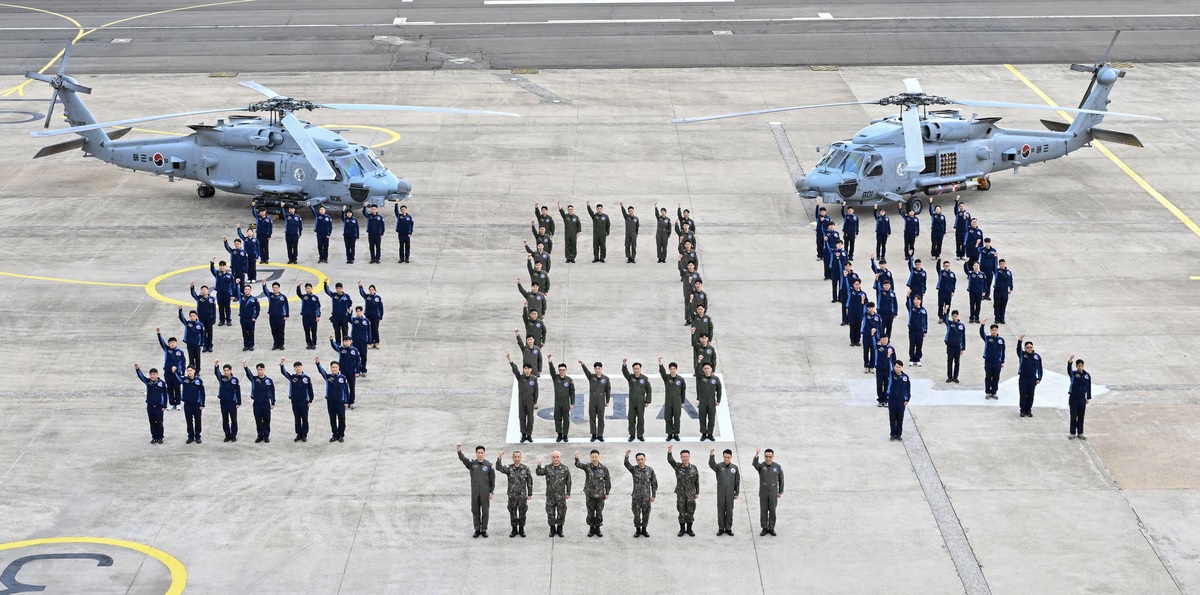
World
JINHAE, South Korea — April 1, 2026 : The Republic of Korea (ROK) Navy has formally inducted its first two MH-60R Seahawk maritime helicopters into operational service, marking the initial activation of a new airborne anti-submarine warfare (ASW) and anti-surface warfare (ASuW) capability. The commissioning ceremony was held at a naval aviation unit in Jinhae, South Gyeongsang Province, where the aircraft were assigned following completion of operational readiness testing. The deployment represents the first operational phase of a 12-helicopter acquisition program designed to extend fleet detection range, improve targeting coordination, and reduce response timelines in high-threat maritime environments. While only two aircraft are currently active, the remaining ten helicopters are scheduled for phased induction as deliveries and integration continue. Transition from Acquisition to Operational Use The entry of the MH-60R into service signifies the transition of South Korea’s Maritime Operation Helicopter Batch II program from procurement to frontline capability. Naval leadership has identified the platform as a key component in strengthening detection, tracking, and engagement capacity against underwater and surface threats. The helicopters are expected to operate as forward-deployed airborne sensors, capable of rapidly responding to contacts beyond the limitations of ship-based systems. Their deployment is aligned with broader naval modernization efforts aimed at improving maritime domain awareness and operational responsiveness. Platform Design and Performance The MH-60R Seahawk, manufactured by Lockheed Martin, is the primary multi-mission maritime helicopter used by the U.S. Navy. It is designed for operations from destroyers, frigates, and other aviation-capable surface combatants. The aircraft is powered by two GE T700-GE-401C or -401D engines and has a maximum speed of approximately 333 kilometers per hour. With the use of an auxiliary fuel tank, it can remain airborne for up to four hours, enabling extended on-station operations. The helicopter measures 64 feet 10 inches in length, stands 17 feet high, and has a maximum gross weight of 23,500 pounds. It operates with a crew of three. Integrated Mission Systems and Sensors A central feature of the MH-60R is its integrated mission system, which enables it to function as a networked airborne sensor node. Under the U.S. Foreign Military Sales (FMS) package approved for South Korea, the program includes: 12 APS-153(V) multi-mode maritime radars 12 Airborne Low Frequency Sonar (ALFS) systems 12 AN/AAS-44C(V) multispectral targeting systems Digital electro-optical and infrared (EO/IR) sensors Link 16 tactical data links Embedded GPS/inertial navigation systems with anti-spoofing protection Secure communications and Identification Friend or Foe (IFF) systems An initial stock of approximately 1,000 sonobuoys This configuration enables the helicopter to detect, classify, and track both surface vessels and submarines, while sharing targeting-quality data with ships and allied networks in real time. Armament and Combat Role The MH-60R is equipped to conduct both anti-submarine and anti-surface missions. Standard armament includes MK-54 lightweight torpedoes for submarine engagement and Hellfire-class guided missiles for surface targets. South Korea is also integrating its domestically developed “Blue Shark” lightweight torpedo into the platform. The helicopter’s operational concept centers on extending the reach of naval task groups. Unlike hull-mounted sonar systems constrained by sea conditions and ship positioning, the MH-60R can deploy rapidly to a contact location, release sonobuoys, conduct dipping sonar operations, and maintain continuous tracking. Strategic Role and Fleet Integration The deployment is directly linked to South Korea’s requirement to address persistent underwater threats, particularly from North Korean submarines. By shortening the detect-to-engage cycle, the MH-60R enhances the navy’s ability to respond quickly in environments where warning times are limited. The aircraft will complement, rather than replace, existing maritime aviation assets. The ROK Navy currently operates eight AW159 Wildcat helicopters, which were acquired under an earlier procurement phase. The MH-60R provides a heavier, more networked capability suited for long-duration missions and integration with larger surface combatants. The platform is also expected to operate from next-generation naval assets, including the KDX-III Batch 2 destroyer Jeongjo the Great, supporting expanded blue-water operations and task group deployments. Procurement and Program Timeline The Seahawk program follows a multi-year acquisition pathway: August 2019: The United States approved the potential sale of 12 MH-60R helicopters to South Korea under an FMS package valued at approximately $800 million. December 2020: South Korea’s Defense Acquisition Program Administration (DAPA) selected the MH-60R for the Batch II requirement, approving a program budget of 960 billion won (approximately $637–$881 million). April 2021: The U.S. Navy awarded Lockheed Martin a $447.23 million contract for production of the 12 aircraft. September 2024: The first helicopter was delivered to the ROK Navy. April 2026: The first two aircraft entered operational service. To support long-term sustainment, an additional U.S. government package valued at $350 million was approved, covering six spare T700 engines, maintenance support, and training infrastructure. Sustainment and Operational Readiness The early establishment of maintenance, logistics, and training pipelines is intended to ensure that the fleet maintains operational readiness as additional helicopters are delivered. The inclusion of spare engines and support systems addresses sustainment requirements critical to continuous deployment. The remaining ten MH-60R helicopters will be inducted in phases, progressively expanding the navy’s ability to conduct coordinated ASW and ASuW operations across a wider operational area. Expanding Maritime Defense Architecture The induction of the MH-60R marks a significant step in South Korea’s effort to build a layered maritime defense structure. By integrating shipborne sensors, airborne platforms, and networked communication systems, the navy aims to improve situational awareness and operational coordination across its fleet. As additional helicopters enter service, the MH-60R is expected to play a central role in extending the operational reach of South Korean naval forces and enhancing their ability to monitor and respond to maritime threats.
Read More → Posted on 2026-04-01 13:16:12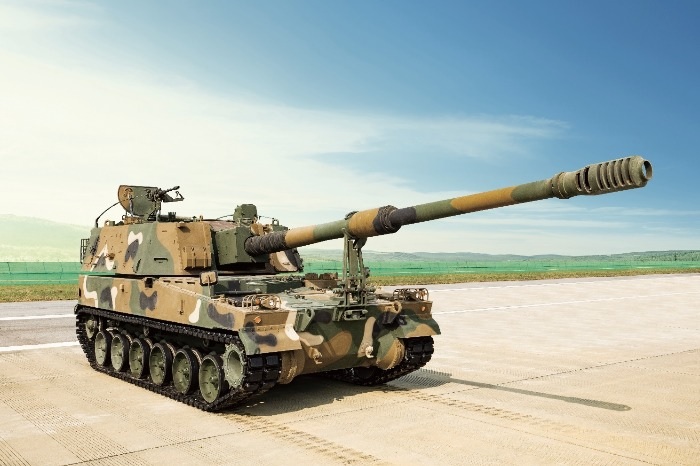
World
WASHINGTON / ARLINGTON, VIRGINIA — April 1, 2026 : Hanwha Defense USA (HDUSA) has formally submitted its K9 Mobile Howitzer (K9MH) in response to the U.S. Army’s Mobile Tactical Cannon Request for Prototype Proposal (RPP), positioning its system as a candidate to support modernization efforts and potentially replace the towed M777 artillery fleet. The proposal combines the company’s established 155mm artillery platform with a phased domestic manufacturing and localization strategy aimed at strengthening the U.S. defense industrial base while meeting Long-Range Precision Fires (LRPF) requirements. System Capabilities and Operational Role The K9 Mobile Howitzer is a 155 mm, 52-caliber artillery system adapted into a wheeled 8×8 configuration, integrating the proven automated turret of the K9 family with a mobile truck platform. The system is designed to deliver improved operational mobility compared to tracked systems while maintaining high firepower and automation. The platform features a fully automated firing sequence and an onboard magazine capacity ranging from 40 to 48 rounds, depending on configuration. It is paired with an automated resupply solution derived from the K10 ammunition resupply vehicle, enabling sustained high rates of fire and reduced mission turnaround times. HDUSA stated that the system supports rapid fielding with reduced program risk, emphasizing its maturity and existing operational track record. More than 2,000 K9-series systems have been fielded globally, with operators including South Korea, Poland, Norway, Estonia, Egypt, India, Finland, Australia, and Romania. The K9MH operates under a common gun system architecture, allowing integration alongside tracked variants within a mixed fleet. This approach is intended to simplify logistics, training, and sustainment while offering flexibility across different brigade formations. U.S. Army Program Context The U.S. Army’s Mobile Tactical Cannon initiative is focused on acquiring a mature, wheeled 155 mm self-propelled artillery system capable of replacing the M777 towed howitzer in Infantry Brigade Combat Teams, Stryker Brigade Combat Teams, and other units. The service has outlined a potential requirement of up to 498 systems as part of broader efforts to enhance artillery mobility, survivability, and integration with advanced fire-control and command-and-control (C2) systems. Hanwha indicated that its submission aligns with the Army’s system-of-systems approach to artillery modernization, which includes advancements not only in platforms but also in munitions, propellants, and digital fire-control integration. Phased Localization and Alabama Manufacturing Base A central element of HDUSA’s proposal is a phased localization strategy to establish domestic production and long-term sustainment capabilities in the United States. The first phase will be based in Alabama, where the company is building its initial manufacturing and support infrastructure. Planned activities include expanding production capacity, developing local supplier networks, and training a skilled workforce to support ongoing operations. The Alabama facility is also intended to support future technology insertions, including potential upgrades such as 58-caliber gun tubes and the integration of autonomous software systems. Company officials described localization as a continuous process rather than a one-time effort, supported by Hanwha’s prior experience establishing production ecosystems in multiple international markets. Industrial Strategy and Leadership Statements HDUSA executives emphasized that the proposal extends beyond platform delivery to include a broader industrial and operational framework. Mike Smith, Chief Operating Officer and President of Land Systems at HDUSA, stated that the company’s approach reflects a system-level perspective on artillery capability development. He noted that a “total artillery solution” encompasses not only the platform but also projectiles, propelling charges, fire-control systems, and command-and-control integration, aligning with the U.S. Army’s modernization strategy. Michael Coulter, CEO of HDUSA, said the company’s model includes direct industrial investment as a standard practice across sectors such as shipbuilding, munitions, and combat vehicles. He added that the phased localization plan is designed to expand domestic production and long-term support capacity. Jason Pak, Head of Land Systems for Artillery at HDUSA, identified Alabama as the starting point for the company’s U.S. expansion, with additional phases to be evaluated as the domestic footprint grows. He highlighted that Hanwha’s global supply chain and production experience form the basis for executing localized manufacturing at scale. $1.3 Billion Munitions Investment in Arkansas The K9 submission follows a separate major investment by Hanwha Defense USA to expand its U.S. manufacturing network. Earlier in 2026, the company secured an Enhanced Use Lease (EUL) agreement with the U.S. Army to establish a new munitions facility at Pine Bluff Arsenal in Arkansas. Hanwha plans to invest approximately $1.3 billion in the project, which is expected to create around 200 skilled jobs. The facility will focus on producing critical components for explosives and propellants used in 155 mm artillery ammunition, directly supporting the U.S. military’s organic industrial base and ammunition supply chain. Program Outlook Hanwha stated that its K9 Mobile Howitzer proposal is intended to deliver both near-term operational capability and long-term industrial value through domestic production, supply chain integration, and technology development. Further details regarding the manufacturing network, production timelines, and program evolution are expected to be released as the U.S. Army’s Mobile Tactical Cannon initiative progresses.
Read More → Posted on 2026-04-01 12:56:13
World
Strait of Hormuz / Washington — April 1, 2026 : U.S. Army AH-64 Apache attack helicopters are actively conducting combat missions against Iranian air defense systems linked to underground missile infrastructure, commonly referred to as “Missile City,” as part of ongoing operations under Operation Epic Fury in the Strait of Hormuz region. According to defense reporting and operational assessments, the helicopters are engaging targets with consistent effectiveness despite inherent limitations in speed and altitude. The missions are focused on suppressing air defense assets associated with Iran’s underground missile tunnel complexes, while supporting broader efforts to secure maritime navigation through one of the world’s most strategically significant waterways. Operational Tactics and Engagement Profile U.S. AH-64 Apaches are operating at low altitude using “nap-of-the-earth” flight techniques, leveraging terrain masking to reduce radar exposure. Iranian radar systems have reportedly detected the helicopters at distances of approximately 10 miles. However, detection has not consistently translated into successful engagement. Upon detection, Apache crews rapidly execute attack sequences by launching AGM-114 Hellfire missiles and immediately maneuvering back into cover behind terrain features. This minimizes exposure to enemy air defense systems and reduces vulnerability to counterfire. The helicopters are conducting repeated sorties targeting a range of threats, including mobile air defense units, unmanned aerial systems, and fast-attack boats positioned along the Iranian coastline. These missions are being carried out alongside U.S. Air Force A-10 Thunderbolt II aircraft, forming a coordinated effort to counter coastal and maritime threats. Fire-and-Forget Missile Capability A key factor in the Apache’s operational effectiveness is the use of advanced fire-and-forget munitions, particularly the AGM-114L Longbow Hellfire missile and the newer Joint Air-to-Ground Missile (JAGM). Unlike earlier semi-active laser-guided Hellfire variants, which required continuous target illumination for 15 to 20 seconds, the radar-guided AGM-114L operates autonomously after launch. The missile uses its onboard millimeter-wave radar seeker to track and engage targets independently. This capability allows Apache crews to break line of sight immediately after firing, eliminating the need to remain exposed during the missile’s flight. The transition to these “smart” munitions significantly reduces engagement time and enhances survivability in contested environments. Longbow Radar and Targeting Systems The AH-64E Apache Guardian variant deployed in the region is equipped with the AN/APG-78 Longbow fire control radar, mounted above the rotor. This system provides automatic target detection, classification, and prioritization in complex battlefield environments. The radar integrates directly with Longbow Hellfire missiles, enabling rapid target acquisition and engagement without requiring continuous tracking. Once a target is identified, the system cues the missile, allowing the aircraft to reposition immediately after launch. In addition to radar systems, the Apache is equipped with advanced electro-optical and infrared sensors, including the Modernized Target Acquisition Designation Sight and Pilot Night Vision Sensor (M-TADS/PNVS). These systems provide high-resolution forward-looking infrared (FLIR) capability, enabling detection and targeting of ground-based threats in low-visibility conditions. This sensor advantage allows Apache crews to identify and engage Iranian air defense assets at distances where opposing forces have limited visibility, particularly during night operations or adverse weather conditions. Iranian “Missile City” Infrastructure and Air Defenses The targets of these operations include Iranian Islamic Revolutionary Guard Corps underground facilities known as “Missile Cities.” These complexes consist of extensive tunnel networks used for the storage, maintenance, and launch of ballistic missiles. Facilities such as the Imam Ali Missile Base in Lorestan Province include hardened underground galleries and pre-surveyed launch positions for missile systems such as the Emad and Qadr series. These installations are integrated into a layered air defense network. Iran’s defensive systems protecting these sites include platforms such as the S-300PMU2, Bavar-373, and Khordad-15 surface-to-air missile systems. Despite the presence of these systems, reports indicate that their effectiveness has been reduced following earlier strikes that degraded both fixed and mobile air defense components in the region. Platform Capabilities and Combat Loadout The AH-64E Apache Guardian has a maximum speed of approximately 160 knots but typically operates at lower speeds during low-level missions to maintain terrain masking and optimize sensor performance. The helicopter has a maximum takeoff weight exceeding 10,000 kilograms. Its standard combat configuration includes up to 16 Hellfire missiles mounted on stub wings, along with a 30 mm M230 chain gun and Hydra 70 rocket pods. The aircraft is designed with survivability features, including armored crew compartments and redundant flight systems. These characteristics enable sustained operations in high-threat environments, even against layered and fortified air defense networks. Tactical Assessment and Operational Impact Defense analysis indicates that the integration of advanced sensors and fire-and-forget weaponry has offset traditional vulnerabilities associated with rotary-wing aircraft, particularly speed and exposure time. While Iranian radar systems can detect incoming Apaches at moderate distances, the combination of terrain masking, rapid engagement timelines, and autonomous missile guidance reduces the window available for effective counter-engagement. The Apache’s ability to acquire targets, launch munitions, and reposition within seconds allows it to operate effectively against fortified air defense systems without prolonged exposure. Additionally, superior night vision and thermal imaging capabilities provide a significant operational advantage in low-visibility conditions. Ongoing Operations and Strategic Context U.S. Central Command continues to deploy Apache helicopters as part of a broader operational framework that includes suppression of Iranian maritime capabilities and support for regional security efforts in the Strait of Hormuz. Despite limited official disclosure regarding specific engagement timelines and radar performance data, available reports suggest that Iranian responses to these operations have been constrained following earlier degradation of defensive systems. The continued use of AH-64 Apache helicopters in repeated sorties underscores their role in maintaining operational pressure on Iranian air defense networks and ensuring the security of critical maritime routes in the region.
Read More → Posted on 2026-04-01 12:49:31
World
ZHENGZHOU, Henan Province — April 01, 2026 : On March 31, 2026, China’s Changying-8 unmanned cargo aircraft (CY-8), also referred to as the Norinco Luca, completed its maiden flight at Zhengzhou Shangjie Airport, marking the first flight validation of a fully indigenous 7-ton-class logistics UAV platform. The aircraft, developed by Beijing Northern Changying UAV Technology, a subsidiary of the state-owned China North Industries Group Corporation Limited (Norinco), took off at approximately 9:30 a.m. and remained airborne for 30 minutes before landing at the same site. The flight required a ground roll of about 280 meters, significantly below the stated 500-meter takeoff requirement. Based on this performance, the minimum power required for takeoff is estimated between 600 and 800 kW (800–1,070 hp). Flight Test and System Validation During the test, the aircraft executed standard flight phases including climb, cruise, and approach while maintaining stable altitude and heading control. The landing phase was completed without deviation, indicating predictable aerodynamic performance and stable control authority. The Changying-8 was operated through an onboard intelligent control system with continuous monitoring by ground operators, validating both autonomous and semi-autonomous flight capabilities. System-level validation was conducted under integrated conditions. Engineers tested the simultaneous operation of flight control software, avionics, propulsion systems, electrical and mechanical subsystems, as well as fuel management and power distribution systems. The aircraft also demonstrated smart health monitoring and fault self-diagnosis capabilities during the flight. Design, Dimensions, and Payload Capacity The Changying-8 is positioned within the lower range of light transport aircraft in terms of lift capability, comparable to platforms such as the De Havilland Canada DHC-6 Twin Otter, Let L-410 Turbolet, and Cessna 208 Caravan. Key specifications include: Maximum Takeoff Weight: 7 tons Payload Capacity: 3.5 tons Empty Weight: 3.5 tons Fuselage Length: 17 meters Wingspan: 25 meters Height: 4.5 meters Maximum Range: over 3,000 kilometers The aircraft features a twin turboprop configuration and is manufactured entirely with domestically produced components, including engines, avionics, and structural systems. Its internal cargo bay provides approximately 18 cubic meters of continuous, unobstructed space designed to accommodate standardized aviation containers and specialized payloads such as refrigerated units for cold-chain logistics. Dual cargo doors at the front and rear enable direct loading and unloading, with a full payload turnaround time of approximately 15 minutes. Structural reinforcement extends to the wings, allowing integration of additional loads or mission-specific equipment. Operational Capabilities and Mission Profiles The CY-8 is designed to operate across diverse environments without reliance on conventional airport infrastructure. Its reinforced landing gear supports repeated operations on unpaved surfaces such as dirt and gravel strips. The aircraft is also calibrated for operations in high-altitude plateau regions and on island airstrips with limited infrastructure. Its range exceeding 3,000 kilometers enables direct point-to-point transport between distant regions, supporting cross-provincial deliveries within 48 hours. Primary mission roles include: Logistics Transport: Movement of bulk goods, industrial materials, and consumer products, including large mechanical components and production line segments. Emergency Supply Delivery: Transport of relief materials such as medical supplies, shelters, and food. The aircraft can carry approximately 1,750 winter jackets (2 kg each) or 700 standard disaster-relief tents in a single sortie. Remote Infrastructure Support: Resupply operations for border areas, isolated settlements, and construction sites lacking established logistics networks. The modular internal configuration allows rapid adjustment of cargo types without structural modification. The platform also supports potential dual-use roles, including reconnaissance and communication relay, and can be integrated into coordinated multi-aircraft networks controlled from centralized stations. Additional mission adaptability includes roles such as emergency communications, weather modification, and electronic reconnaissance. Industrial Base and Development Model The Changying-8 program reflects the scale and integration of China’s domestic industrial base. All major components are produced locally, drawing from a supply chain that included more than 1,081 companies and 3,623 UAV product types in 2025. The aircraft incorporates subsystems derived from existing UAV production lines, including flight control systems, communication links, and composite manufacturing processes. Development also benefited from overlap with the automotive and battery sectors, providing access to mass-produced motors and power electronics. Earlier Chinese unmanned cargo systems were generally limited to payloads below 1 ton. The CY-8 reached a 3.5-ton payload capacity within approximately 24 months through incremental improvements in structural design, propulsion efficiency, and manufacturing processes. Unlike traditional sequential development models, multiple subsystems for the Changying-8 were developed concurrently. The design approach prioritized reliability and manufacturability, enabling a faster transition from prototype to flight testing. Policy Context and Market Outlook The program aligns with China’s national strategy to expand the “low-altitude economy”, which was designated a strategic industry in 2024. Further policy guidance issued in November 2025 accelerated the development of low-altitude equipment. The sector, valued at approximately ¥1.5 trillion ($215 billion) in 2025, is projected to reach ¥3.5 trillion by 2035. This growth is supported by existing commercial logistics operations, including drone-based delivery services operated by SF Express and Phoenix Wings. The Changying-8 is described as an unmanned aerial heavy cargo platform and represents a step toward scaling drone logistics beyond sub-ton payload categories. The aircraft’s specifications and flight validation expand China’s capability to operate logistics networks independently of traditional airport infrastructure. Further testing of the platform is planned, with production expected to begin before the end of the year.
Read More → Posted on 2026-04-01 12:21:26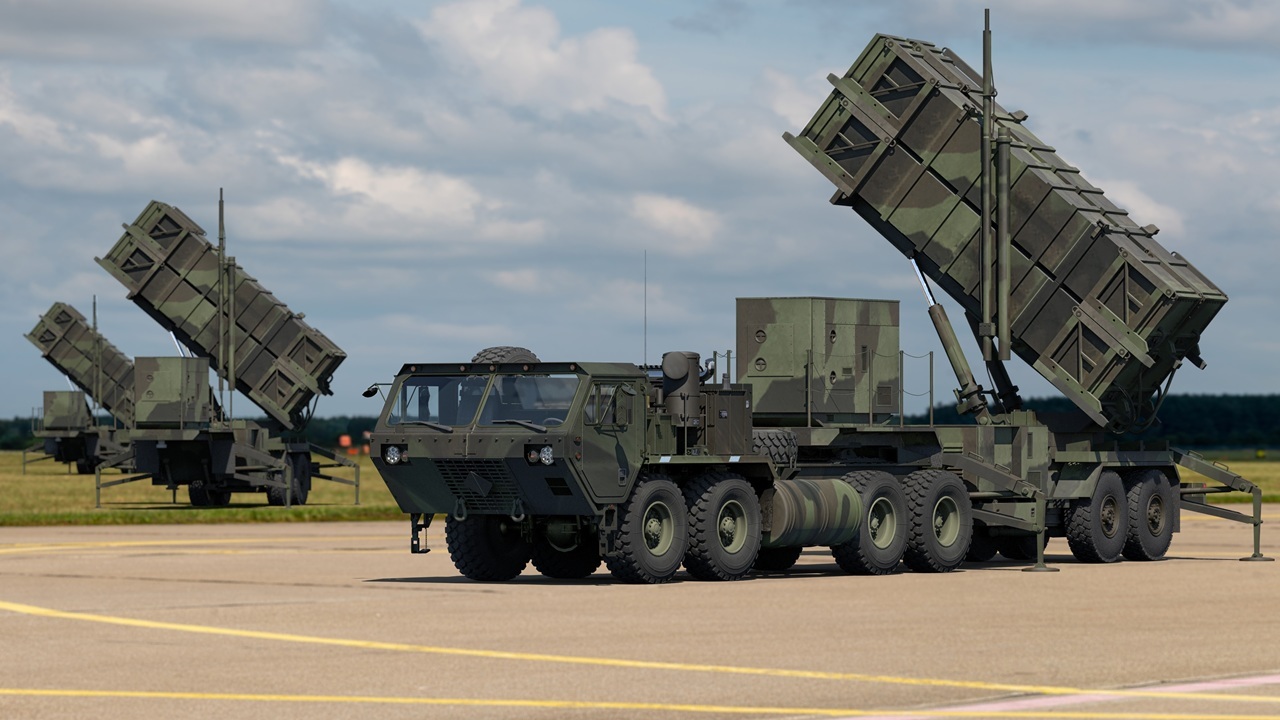
World
Washington / Gulf Region, — March 31, 2026 : Gulf countries are facing a significant reduction in their air defense interceptor inventories as sustained missile and drone attacks from Iran continue to drive exceptionally high usage rates. According to a recent Bloomberg report and official data from regional governments, the pace of defensive operations has placed both local stockpiles and broader U.S.-led supply chains under considerable pressure. Rapid Depletion of Interceptor Inventories Since the outbreak of hostilities on February 28, 2026, Gulf nations have expended approximately 2,400 interceptor missiles, primarily from the Patriot system family, including PAC-3 (Patriot Advanced Capability-3) and GEM-T (Guidance Enhanced Missile-Tactical) variants. Before the conflict, the combined stockpile of these interceptors across the region was estimated at just under 2,800 units, based on U.S. Foreign Military Sales authorizations and assessments by defense experts. The rate of usage has been shaped by standard ballistic missile defense doctrine, particularly the “shoot-shoot-look” approach, which typically requires firing at least two interceptors at each incoming threat to maximize interception probability. This practice has significantly increased consumption levels. Official figures indicate that Iran has launched nearly 1,200 ballistic missiles and approximately 4,000 Shahed-class drones targeting Gulf states. The volume and frequency of these attacks have required sustained defensive responses, with some engagements necessitating additional interceptor launches beyond standard doctrine. Acceleration in Recent Combat Activity The depletion trend intensified during the weekend of March 28–30, 2026, when Gulf defense systems recorded up to 40 missile launches per day, roughly double the earlier daily average observed during the conflict. These attacks have targeted a range of assets, including population centers, energy infrastructure, ports, and U.S. military bases across the region. Countries actively operating Patriot systems include Saudi Arabia, the United Arab Emirates, Kuwait, Qatar, and Bahrain, all of which have deployed their air defense batteries to counter incoming threats. Production Limits and Supply Constraints Efforts to replenish interceptor inventories are constrained by current industrial production capacity. Lockheed Martin, the manufacturer of PAC-3 interceptors, is producing approximately 650 missiles annually. Although a January 2026 agreement aims to increase output to 2,000 units per year, this expanded capacity is not expected to be achieved until 2030. Similarly, production of THAAD (Terminal High Altitude Area Defense) interceptors remains limited at around 96 units per year, with plans to scale up to 400 units annually under existing agreements. The strain extends to offensive munitions as well. In the first four weeks of the conflict, U.S. forces launched more than 850 Tomahawk cruise missiles. Prior to the war, U.S. inventories were estimated at approximately 4,000 Tomahawks, while annual production remains limited to about 100 units, further highlighting broader supply challenges. Strategic Concerns and Global Implications The sustained rate of munitions expenditure has raised concerns among defense analysts and policymakers regarding long-term military readiness. Analysts, including Claudia Major of the German Marshall Fund, have noted that while current operations may be tactically effective, the imbalance between consumption and production could create medium-term strategic vulnerabilities. European officials and defense observers have also indicated that continued high usage rates may force the United States to reallocate weapons originally designated for other regions, including support commitments such as those related to Ukraine. The U.S. has approved additional arms sales packages to Gulf partners, including Patriot systems, to support replenishment efforts. However, at current and projected production levels, full replacement of expended stockpiles is expected to take several years. Regional Responses and Alternative Measures In response to the supply strain, Gulf states are exploring multiple approaches to sustain their defensive capabilities. These include efforts to diversify suppliers, with increased interest in more cost-effective South Korean air defense systems to complement existing U.S.-made platforms and reduce reliance on a single supply chain. There is also a growing emphasis on utilizing alternative munitions, such as Joint Direct Attack Munitions (JDAMs), although their deployment remains constrained in contested airspace due to the presence of Iranian air defense systems. Despite widespread reporting on shortages, there has been some official pushback. Following claims that Qatar’s Patriot interceptor stocks could be depleted within four days under current usage rates, Qatar’s International Media Office issued a statement rejecting the assessment, asserting that its air defense inventory remains “well-stocked” and operationally sufficient.
Read More → Posted on 2026-03-31 17:26:49
World
RAF Mildenhall, United Kingdom — March 31, 2026 : Two U.S. Air Force EA-37B Compass Call electronic warfare aircraft arrived at RAF Mildenhall on March 31, marking what analysts assess as the platform’s first real-world operational deployment. The aircraft, operating under callsigns AXIS41 (tail number 19-1587) and AXIS43 (tail number 17-5579), departed Davis-Monthan Air Force Base, Arizona, on March 30 and conducted a refueling stop at Joint Base McGuire-Dix-Lakehurst, New Jersey, before completing a transatlantic crossing. Open-source flight tracking data and logistical movements indicate that the aircraft are expected to continue onward to Türkiye in support of Operation Epic Fury, an ongoing U.S. Central Command mission initiated on February 28, 2026. Deployment Pattern Indicates Active Operational Tasking The routing and coordination associated with the deployment differ from standard evaluation or demonstration flights, suggesting active operational employment. The transatlantic corridor used is typically associated with the forward movement of strategic assets into operational theaters. Supporting logistics further reinforce this assessment. A Boeing 747-400 operated by Kalitta Air—commonly contracted by U.S. Transportation Command—was tracked arriving at Davis-Monthan and is scheduled to continue to Istanbul. The aircraft is likely transporting ground support equipment, maintenance personnel, and mission crews required to sustain EA-37B operations forward. The EA-37B aircraft are assigned to the 55th Electronic Combat Group at Davis-Monthan Air Force Base and are transitioning from initial operational testing toward active deployment. Platform Overview and Technical Characteristics The EA-37B Compass Call is a wide-area airborne electronic attack system built on a modified Gulfstream G550 business jet airframe. It replaces the legacy EC-130H Compass Call, a turboprop platform that has been in service since the 1980s. The aircraft is powered by two Rolls-Royce BR710C4-11 turbofan engines, each producing 15,385 pounds of thrust. It has a maximum speed of Mach 0.82 (around 767 mph), an unrefueled range of about 4,410 nautical miles, a service ceiling exceeding 45,000 feet, and a maximum takeoff weight of 91,000 pounds. The crew configuration includes two pilots and up to seven mission operators. Compared to the EC-130H, the EA-37B offers significantly improved speed, altitude, and range, enabling faster deployment, extended time-on-station, and reduced exposure to ground-based threats. Its higher operating ceiling allows for improved survivability and integration with modern strike packages. Advanced Electronic Warfare Capabilities The EA-37B operates across the electromagnetic spectrum to disrupt adversary systems, focusing on command-and-control networks, radar, communications, navigation, and sensor integration. Its mission falls under Counter-Command, Control, Computers, Communications, Cyber, Intelligence, Surveillance, and Reconnaissance Targeting (Counter-C5ISRT). The platform provides standoff jamming capabilities, allowing it to conduct pre-strike electromagnetic shaping and real-time disruption during operations. It can degrade coordination between surface-to-air missile systems, interfere with drone command links, and disrupt the transmission of targeting data for missile forces. The aircraft incorporates a System-Wide Open Reconfigurable Dynamic Architecture (SWORD-A), enabling rapid updates to software and payload systems. This includes integration with adaptive electronic warfare tools such as BAE Systems’ Small Adaptive Bank of Electronic Resources (SABER), designed to counter evolving adversary emitters and communication technologies. The EA-37B is designed to operate alongside intelligence, surveillance, and reconnaissance platforms such as the RC-135 Rivet Joint, enabling a near-real-time cycle of detection, analysis, and electronic attack against critical network nodes. Role Within Operation Epic Fury Operation Epic Fury, directed by the U.S. President and executed by U.S. Central Command, targets Iranian military infrastructure, including command-and-control centers, integrated air defense systems, ballistic missile facilities, unmanned aerial systems, and communication networks. Iranian military doctrine relies on distributed command structures, integrated air defense networks, and radio-frequency-dependent drone operations. The EA-37B’s capabilities are aligned with efforts to disrupt these systems by targeting the underlying electromagnetic architecture rather than physical platforms alone. Its deployment enhances the ability to degrade coordinated air defense responses, reduce the effectiveness of drone operations, and limit the transmission of targeting and operational data across Iranian military networks. Strategic Importance of Forward Positioning in Türkiye The anticipated deployment to Türkiye provides geographic proximity to multiple operational areas, including the Middle East and surrounding regions, while maintaining access to NATO infrastructure. Positioning the EA-37B in Türkiye allows for flexible operational reach, shorter mission response times, and integration with allied forces. It also reflects a broader emphasis on electromagnetic spectrum operations as a central component of modern military strategy. An earlier EA-37B visit to Europe in January 2026 included stops at Ramstein Air Base, Spangdahlem Air Base, and RAF Mildenhall as part of a familiarization effort with U.S. Air Forces in Europe and NATO allies. The current deployment differs in both timing and context, indicating movement toward operational employment rather than engagement or demonstration. Program Status and Fleet Development The U.S. Air Force plans to acquire up to 10 EA-37B aircraft. As of May 2025, five aircraft had been delivered. The first aircraft entered testing in September 2023, followed by the start of pilot training in August 2024. The 43rd Electronic Combat Squadron conducted the first mission training sortie in May 2025. Initial operational capability for the EA-37B is scheduled for fiscal year 2026. The platform was redesignated from EC-37B to EA-37B in November 2023 to reflect its primary electronic attack mission. Transition Toward Operational Employment The current deployment marks a transition phase for the EA-37B from development and testing into operational use. While the U.S. Air Force has not officially confirmed mission specifics or final basing beyond observed movements, the deployment pattern, logistical support, and operational context indicate active tasking within an ongoing theater. The integration of the EA-37B into Operation Epic Fury reflects the increasing role of electronic warfare in contemporary military operations, particularly in environments characterized by networked defense systems and distributed command structures.
Read More → Posted on 2026-03-31 17:17:15
World
JERUSALEM, — March 31, 2026 : The Israeli Ministry of Defense has suspended all defense procurement from France and initiated steps to terminate existing government-to-government contracts, marking a significant shift in bilateral military-industrial relations. The decision was authorized by Defense Minister Israel Katz, with the support of Prime Minister Benjamin Netanyahu, and formally announced by Ministry Director-General Amir Baram on March 31, 2026. The ministry stated that future procurement will be redirected toward domestically produced systems and suppliers from strategically aligned countries. Airspace Dispute Triggers Immediate Policy Shift The immediate cause of the decision was France’s refusal over the weekend to allow United States military aircraft carrying supplies for Israel to transit French airspace. The aircraft were linked to ongoing U.S.-Israeli operations targeting Iran. Israeli officials described the move as a decisive turning point in already strained relations. One senior official said the airspace denial was “the straw that broke the camel’s back,” reflecting accumulated frustration over France’s policy stance in recent years. U.S. President Donald Trump publicly criticized the French decision, stating that France’s refusal to permit transit of aircraft “loaded up with military supplies” was unhelpful and warning that the United States would take note of the action. However, a French military source stated that France had not imposed a blanket ban on U.S. military flights. According to the source, landing conditions at Istres and Avord air bases remain unchanged, with restrictions limited to certain logistical transport aircraft. Limited but Targeted Impact on French Defense Industry The suspension affects a modest but technically significant segment of France’s defense exports to Israel. Official French data indicates that new defense orders totaled approximately €27.1 million in 2024, with deliveries declining compared to the previous year. Most French exports consisted of specialized components, including avionics sub-systems, electronic parts, and dual-use materials. A significant portion of these components were integrated into Israeli systems for re-export or used in defensive platforms. The halt is expected to disrupt ongoing and planned deliveries. Items such as alternators for Israeli unmanned aerial systems, including the Hermes 900, may require cancellation or redirection where government procurement is involved. At the same time, private-sector commercial agreements between French and Israeli firms are not directly affected and may continue independently. France has not exported major arms systems to Israel since 1998, limiting the broader financial impact. Analysts note that both countries largely operate as competitors in the global defense market. Reciprocal Effects and Missed Opportunities The procurement freeze is reciprocal, effectively cutting France off from Israeli defense technologies. This includes systems developed by companies such as Rafael Advanced Defense Systems, Israel Aerospace Industries, and Elbit Systems. These firms produce combat-proven systems, including missile defense platforms and loitering munitions, which have seen growing international demand. European countries, including Germany, have recently procured systems such as the Arrow 3 missile defense system to enhance air defense capabilities. The loss of access to Israeli technologies may affect France’s long-term military modernization, particularly in areas where Israeli systems have shown operational effectiveness. Deterioration of Bilateral Defense Relations The decision follows a gradual decline in Franco-Israeli defense relations over the past two years. Key developments include: Suspension of French export licenses for defense sales to Israel following the Gaza conflict under President Emmanuel Macron Exclusion of Israeli defense companies from major exhibitions in France, including Eurosatory Closure of Israeli company stands — including Elbit Systems, Rafael, Israel Aerospace Industries, and UVision — at the Paris Air Show (June 2025) French support for a United Nations resolution advocating an arms embargo on Israel Recognition of a Palestinian state (September 2025) and calls to limit Israeli military operations in Gaza and Lebanon Israeli officials have described these policies as politically restrictive and inconsistent with defense cooperation. Strategic Shift Toward Domestic Production The suspension aligns with Israel’s strategy to reduce reliance on politically uncertain suppliers. The Ministry of Defense has accelerated investment in domestic manufacturing, allocating substantial funding to expand local production of critical defense systems. For technologies not yet produced domestically, Israel is developing alternative supply chains with European and global partners, while phasing out French suppliers from procurement networks. While existing contracts are expected to be honored until completion, all new government-to-government procurement from France has been halted. Broader Implications The move reflects a wider realignment in defense partnerships amid ongoing tensions linked to the Iran conflict. It also highlights growing divisions between Israel and European countries over arms policy, military operations, and diplomatic positions. No official response from the French government had been issued at the time of reporting. The development was first reported by Channel 12 News and confirmed by multiple sources. The decision represents a structural and long-term shift in Israel’s defense procurement strategy, signaling a clear move away from France.
Read More → Posted on 2026-03-31 17:03:25
World
EAST HARTFORD, Conn., — March 31, 2026 : Pratt & Whitney, a subsidiary of RTX Corporation, has been awarded a production contract valued at $6.6 billion to supply F135 engines for the F-35 Lightning II program. The agreement formalizes production for Lots 18 and 19, ensuring continuity in engine manufacturing and supply chain operations for U.S. military services and international operators. Contract Scope and Structure The total contract value includes a $3.8 billion modification issued by the U.S. government. This modification definitizes production activities for Lot 18 while also funding production planning and propulsion system support for Lot 19 aircraft. The F135 engine remains the sole powerplant for all three variants of the F-35 — including the conventional takeoff and landing (CTOL), carrier-based (CV), and short takeoff and vertical landing (STOVL) configurations. Under the agreement, Pratt & Whitney will deliver a comprehensive package covering: Full-rate production engines Initial spare parts and critical modules Engineering resources and program oversight Dedicated production and sustainment support services The contract also ensures continuity in tooling, manufacturing capacity, and supply chain operations, supporting uninterrupted production for both domestic and international customers. Manufacturing Expansion and Output Growth To meet rising global demand for the F-35 platform, Pratt & Whitney has invested more than $1 billion over the past five years to expand and modernize its production infrastructure. These investments have led to a 20 percent increase in F135 engine production rates compared to previous contract cycles. Company officials indicated that the expanded capacity is enabling faster engine deliveries while strengthening long-term sustainment capabilities for the global F-35 fleet. Jill Albertelli, President of Military Engines at Pratt & Whitney, stated that the F135 engine delivers high levels of thrust, operational reliability, and mission readiness for U.S. and allied forces. She added that ongoing investments across production facilities and supply chains are focused on accelerating engine delivery and supporting increasing international demand. Global Program Reach and Economic Contribution The F135 engine program continues to play a central role in multinational defense cooperation and industrial activity. Pratt & Whitney has delivered more than 1,400 production F135 engines to date. The broader F-35 program currently supports operations across 20 allied nations, reflecting its expanding global footprint. From an economic perspective, the F135 supply chain supports over 66,000 jobs across 47 U.S. states and territories. In 2025 alone, the program generated more than $9 billion in domestic economic output. Corporate Context RTX, headquartered in Arlington, Virginia, reported annual sales exceeding $88 billion in 2025 and employs more than 180,000 personnel globally. The latest contract reinforces the company’s role in sustaining long-term production stability and meeting ongoing propulsion requirements for the F-35 program. The award follows earlier undefinitized contract actions related to Lot 18 production and reflects continued demand for propulsion systems across U.S. and partner air forces.
Read More → Posted on 2026-03-31 16:44:27
Space & Technology
TOMSK, Russia — March 31, 2026 : Researchers at Tomsk Polytechnic University have initiated pilot-scale production of miniature nuclear batteries based on betavoltaic technology, marking a step forward in long-duration energy systems for medical and specialized technological applications. The development is being carried out in parallel with smart interface technologies, including systems designed to support mind-controlled prosthetic devices. The university confirmed that the current pilot batch represents an early-stage production effort, with plans to expand output in the coming year to meet expected demand for reliable, maintenance-free power sources in niche sectors. Technology Overview and Working Principle The newly developed batteries operate on the principle of betavoltaics, a method that converts radiation from radioactive decay directly into electricity. The core energy source is Nickel-63, an artificially produced isotope that undergoes beta decay. As Nickel-63 decays, it emits low-energy beta particles (electrons). These particles interact with a semiconductor converter—constructed using materials such as silicon or diamond microchannel structures—generating electron-hole pairs. This interaction produces a continuous electric current without the need for chemical reactions or recharging. Nickel-63 has a half-life of approximately 100 years, enabling the battery to provide a stable energy output for up to 50 years or more. The system is designed as a layered structure, where thin films of the isotope (around two microns thick) are combined with semiconductor diodes. Earlier prototypes developed in Russia incorporated Schottky barrier diamond diodes (about 10 microns thick), arranged in stacked configurations alongside nickel foil. Alternative designs have used silicon p-i-n semiconductor structures or electroplated Nickel-63 layers. The isotope itself is produced by irradiating nickel-62 in a nuclear reactor, followed by an enrichment process. Previous project frameworks have identified the IRT-T research reactor at Tomsk Polytechnic University as a potential production source. Size, Efficiency, and Safety Characteristics The architectural design of the betavoltaic cell enables a compact form factor, with the battery being approximately 30 times smaller than conventional lithium-ion batteries while maintaining a high energy density relative to its volume. Despite being described as a “nuclear” battery, the system is classified as safe for close-proximity use. The beta radiation emitted by Nickel-63 is low in energy and does not include gamma radiation, meaning it lacks significant penetration capability. All emitted radiation is fully absorbed within the battery’s internal structure and encapsulated housing, preventing external exposure or environmental contamination. Performance metrics from earlier research indicate power densities of approximately 10 microwatts per cubic centimeter, suitable for low-power electronic devices. Specific energy levels in optimized designs have reached around 3,300 milliwatt-hours per gram, which is significantly higher than conventional electrochemical batteries of comparable size. Applications in Medicine, Space, and Remote Systems The primary focus of the current pilot batch is the healthcare sector. The batteries are intended to power advanced medical implants, including neurological devices, cardiac pacemakers, and bio-stimulants. Their long operational life and reliability make them particularly suitable for integration into mind-controlled prosthetic systems, where uninterrupted power supply is critical for neural interface functionality. Beyond medical use, the technology is applicable in aerospace and remote infrastructure. Potential deployments include powering microelectronics in satellites and deep-space missions, as well as autonomous sensors operating in extreme environments such as Arctic regions or deep-water monitoring systems, where routine maintenance or battery replacement is not feasible. Cost Constraints and Production Challenges A significant limitation affecting large-scale commercialization is the high cost of producing Nickel-63. The isotope does not occur naturally and must be manufactured through a multi-stage process, involving isotope separation via centrifugation followed by irradiation in a nuclear reactor. Due to this complex production chain, the cost of Nickel-63 is estimated at approximately $4,000 per gram. While researchers have optimized semiconductor components to reduce overall system costs, the expense of the radioactive material remains a key barrier to broader adoption beyond specialized applications. Future Development and Scaling Plans The pilot production phase is intended to validate manufacturing processes and performance characteristics under practical conditions. Researchers at Tomsk Polytechnic University plan to focus next on improving conversion efficiency, refining battery architecture, and exploring methods to scale production. The development builds on longstanding Russian research into Nickel-63-based betavoltaic systems and aligns with efforts to create long-duration power solutions for environments where conventional batteries are impractical. Further technical specifications for the current pilot batch have not yet been disclosed.
Read More → Posted on 2026-03-31 16:42:43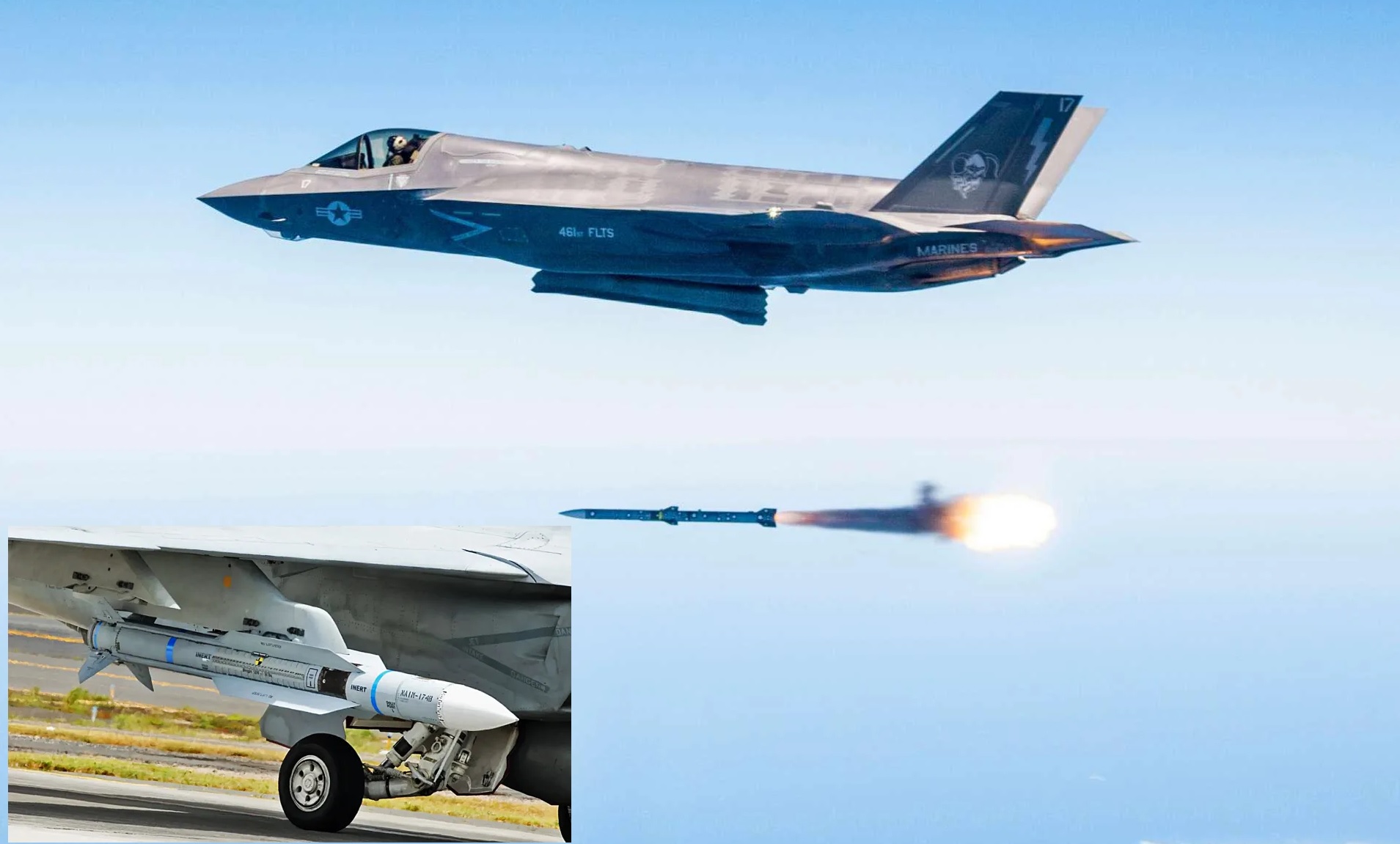
World
WASHINGTON, — March 31, 2026 : The United States government has approved a Foreign Military Sale (FMS) to Australia valued at $3.16 billion, authorizing the procurement of up to 450 AIM-260 Joint Advanced Tactical Missiles (JATM) along with associated equipment, testing assets, and long-term support infrastructure. The approval follows the expiration of the 15-day congressional review period, clearing the way for final negotiations between the two governments. Australia is set to become the first international operator of the AIM-260A variant, a next-generation beyond-visual-range air-to-air missile developed to replace the AIM-120 AMRAAM and enhance allied air combat capabilities in the Indo-Pacific region. Procurement Structure and Package Composition The total value of the proposed sale is divided into two primary categories. Major Defense Equipment, valued at $2.61 billion, includes up to 450 operational AIM-260A missiles. The remaining $550 million is allocated for non-major defense equipment and sustainment, covering a broad range of integration and operational support requirements. In addition to baseline munitions, the package incorporates specialized test systems that enable early participation by the Royal Australian Air Force (RAAF) in missile validation and tactics development. These include up to five Integration Test Vehicles (ITV), which are modified missiles used for captive carriage and flight testing, and up to 30 Guided Test Vehicles (GTV), which replace the warhead with telemetry systems to collect flight data during live-fire exercises. The support package also includes KGV-135A embedded communications security devices, which provide encrypted wideband data protection, as well as ammunition containers, spare parts, consumables, and repair support. Additional elements include classified and unclassified software delivery, technical documentation, training systems, site surveys, transportation, warranties, and engineering, logistics, and technical assistance from both U.S. government and contractor personnel. The principal contractor for the program is Lockheed Martin Missiles and Fire Control, based in Orlando, Florida. No offset agreements or sales commissions have been disclosed. Missile Capabilities and Technical Characteristics The AIM-260 JATM program was initiated in 2017 to address emerging long-range air-to-air threats, including advanced missile systems developed by potential adversaries. While many technical details remain classified, the system is designed to significantly exceed the performance of existing medium-range missiles. Publicly available information indicates that the AIM-260 offers substantially extended engagement range, with estimates suggesting it may exceed 200 kilometers, effectively doubling the reach of later variants of the AIM-120 AMRAAM. The missile is engineered to operate effectively in contested electromagnetic environments, with enhanced resistance to electronic warfare and jamming. The system uses GPS-aided guidance incorporating Precise Positioning Services (PPS) via Selective Availability Anti-Spoofing Module (SAASM) or M-Code, ensuring secure navigation and targeting. It also includes integrated anti-tamper mechanisms to prevent unauthorized access or reverse engineering. Additional reported features include an active electronically scanned array (AESA) radar seeker, a two-way data link for mid-course updates, and a dual-pulse rocket motor, supporting improved engagement flexibility and endgame performance. The highest classification level associated with the system remains SECRET. Integration with Australian Air Power The AIM-260 is expected to be integrated primarily with the RAAF’s fleet of 72 F-35A Lightning II stealth fighters, which are based at RAAF Base Williamtown and RAAF Base Tindal and operated across multiple squadrons, including the No. 2 Operational Conversion Unit. Australia’s F-35 fleet reached full delivery in December 2024, with the final nine aircraft configured under Technology Refresh 3 (TR-3), providing the necessary computing architecture to support future Block 4 weapon integrations, including the AIM-260. The missile is also expected to be compatible with Australia’s F/A-18F Super Hornet fleet. Initial deliveries of the AIM-260 to Australia are projected for the third quarter of 2033, aligning with U.S. production timelines that prioritize domestic requirements and phased operational fielding. Strategic Context and Indo-Pacific Role The acquisition supports Australia’s 2024 National Defence Strategy, which emphasizes a “deterrence by denial” approach. By extending the effective engagement range of Australian fighter aircraft, the AIM-260 enables earlier threat interception and strengthens both offensive and defensive counter-air operations across the Indo-Pacific. The strategy prioritizes defending Australia’s northern approaches, limiting adversary power projection, and enhancing interoperability with allied forces. The extended range and survivability of the AIM-260 are intended to support operations across the region’s large geographic distances and complex operational environments. The U.S. government stated that the sale aligns with its broader foreign policy and national security objectives, identifying Australia as a key ally in the Western Pacific. Officials assessed that the transfer would not alter the regional military balance and that Australia would be able to absorb and integrate the system effectively. Approval Process and Timeline The Defense Security Cooperation Agency (DSCA) formally notified the U.S. Congress of the proposed sale on January 23, 2026, under Transmittal No. 26-03. The notification was not publicly announced at the time but was later published in the Federal Register on March 17, 2026. As Australia qualifies for an expedited review process, the required 15-calendar-day congressional review period has now concluded without objection. The program will proceed to the negotiation phase, where both governments will finalize the Letter of Offer and Acceptance (LOA). This transaction represents the first export of the AIM-260 JATM, marking an early step in the international deployment of next-generation air-to-air missile capabilities among U.S. allies.
Read More → Posted on 2026-03-31 15:48:34Search
Top Trending in 24 Hours
-
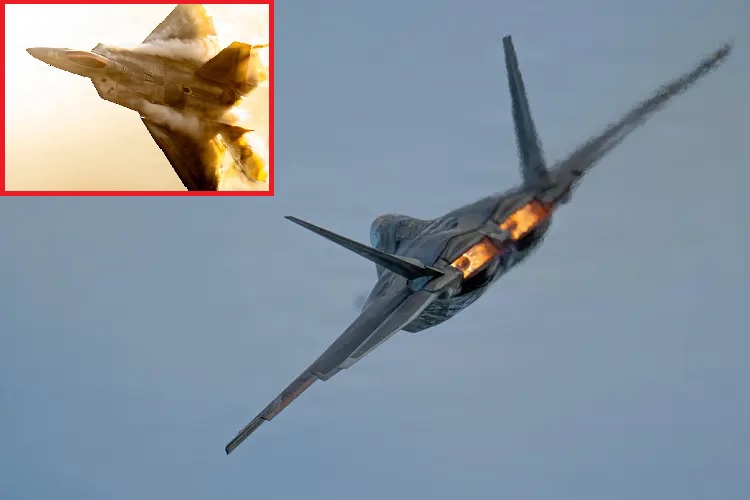 Qarbon Aerospace Returns to F-22 Program with New U.S. Air Force Sustainment Contract
-
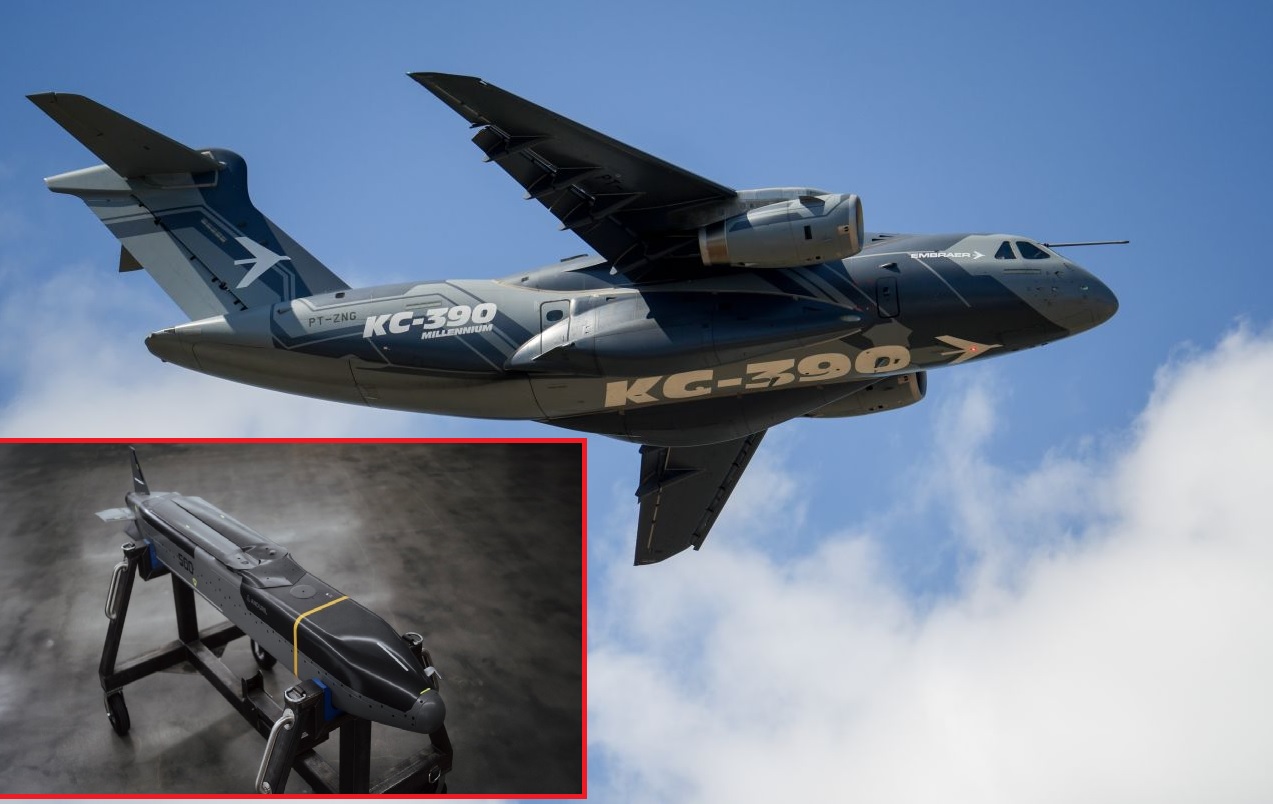 Embraer and Anduril Partner to Integrate Barracuda-500M Cruise Missile with C-390 Millennium
-
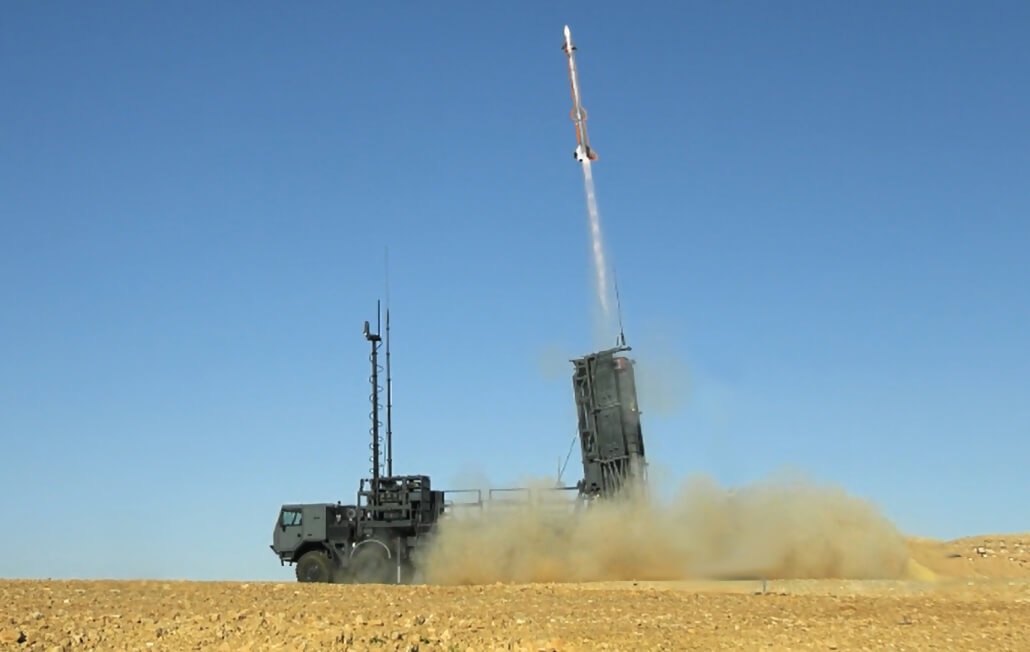 Greece Set to Approve €3 Billion Israeli Air Defense Deal for 'Achilles’ Shield' Network
-
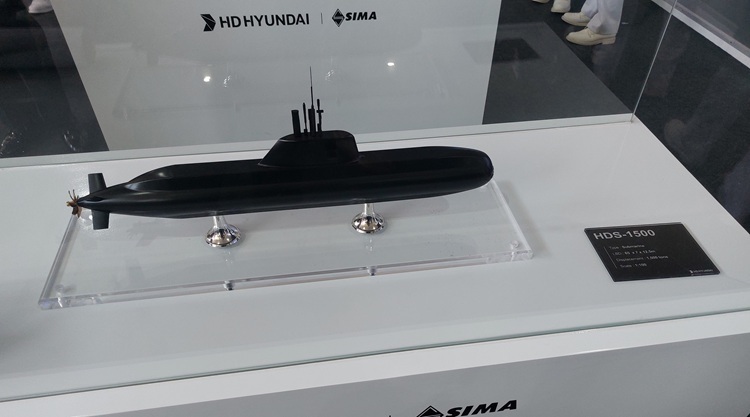 HD Hyundai and Peru's SIMA Complete Basic Design of HDS-MGP Next-Generation Submarine
-
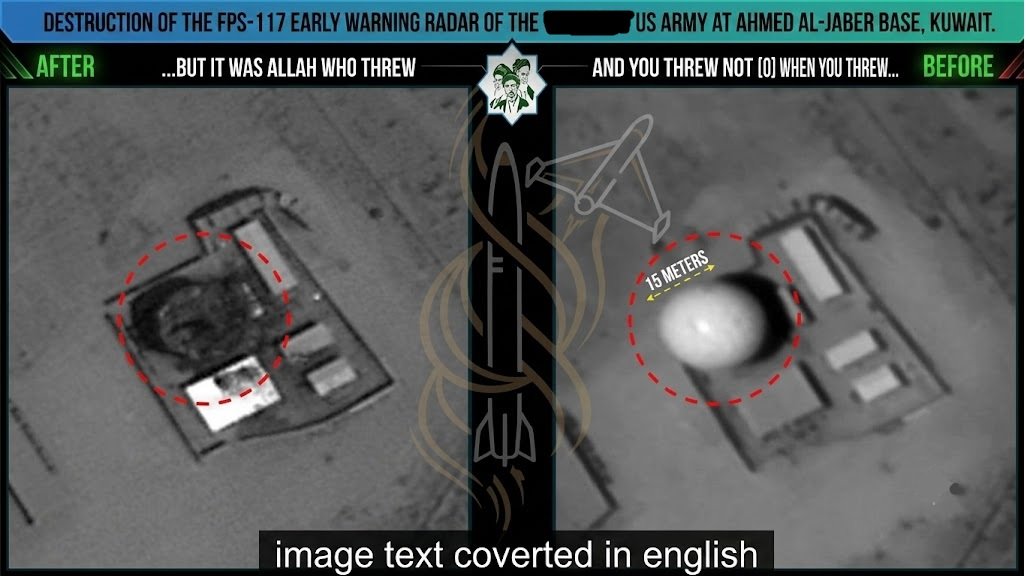 IRGC Claims Destruction of Second AN/FPS-117 Radar in Latest Strike on Kuwait's Ahmed Al-Jaber Air Base
-
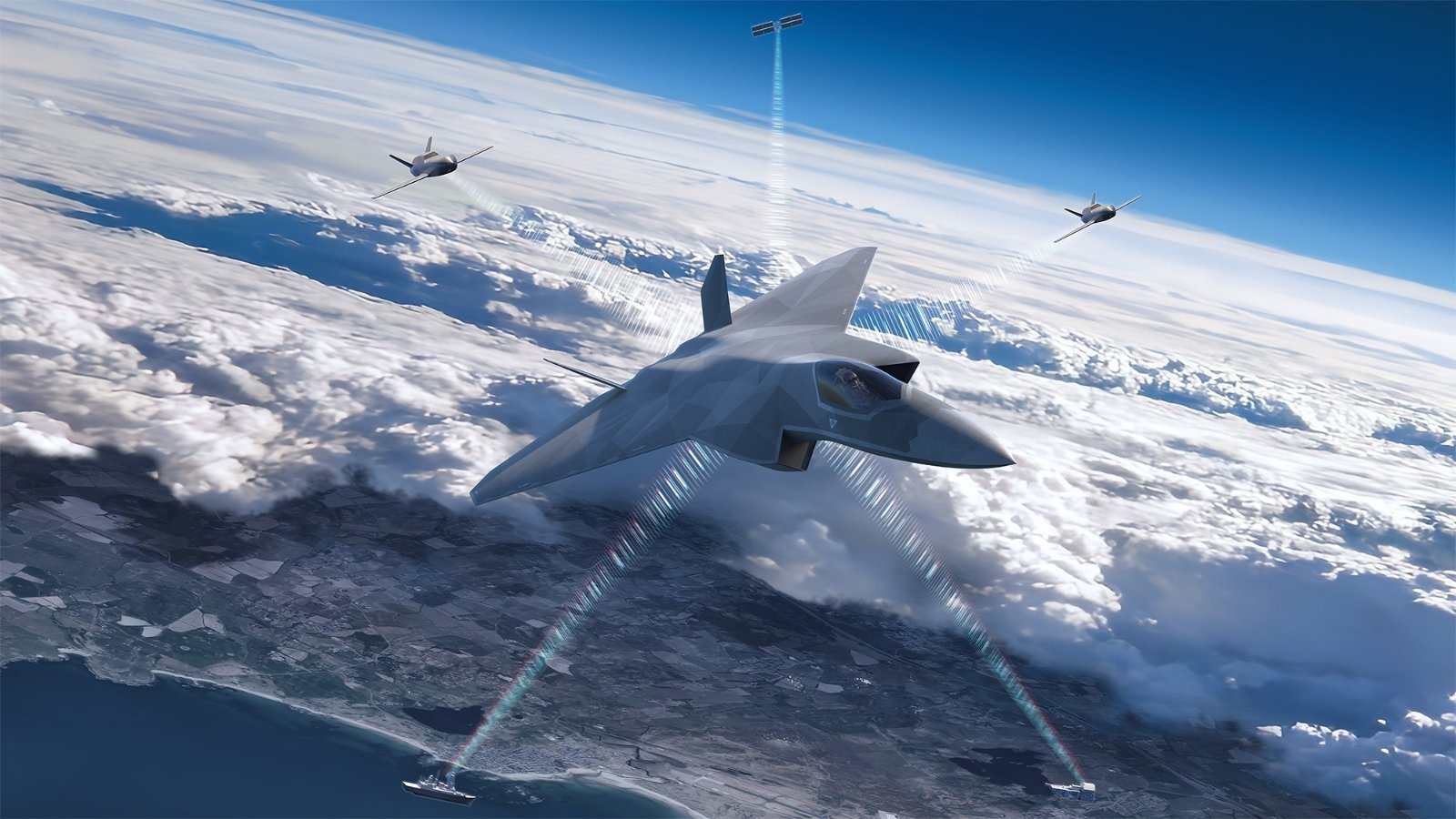 UK Awards BAE Systems £708 Million Contract Extension to Advance GCAP Sixth-Generation Combat Air Technologies
-
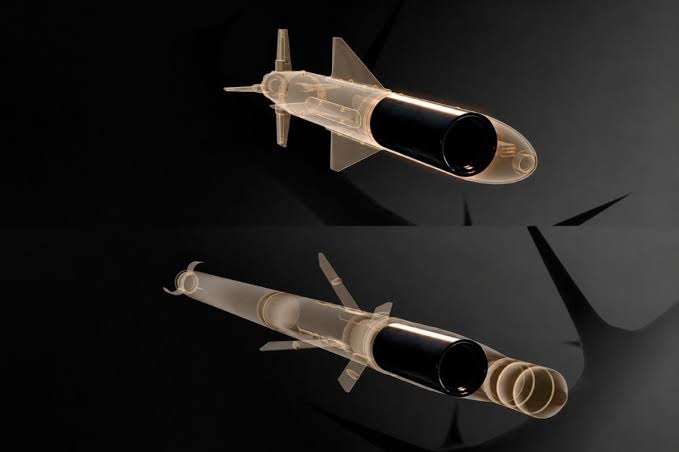 BAE Systems Unveils BlackThorn Modular Warhead Family for Autonomous Weapons and Counter-Drone Systems
-
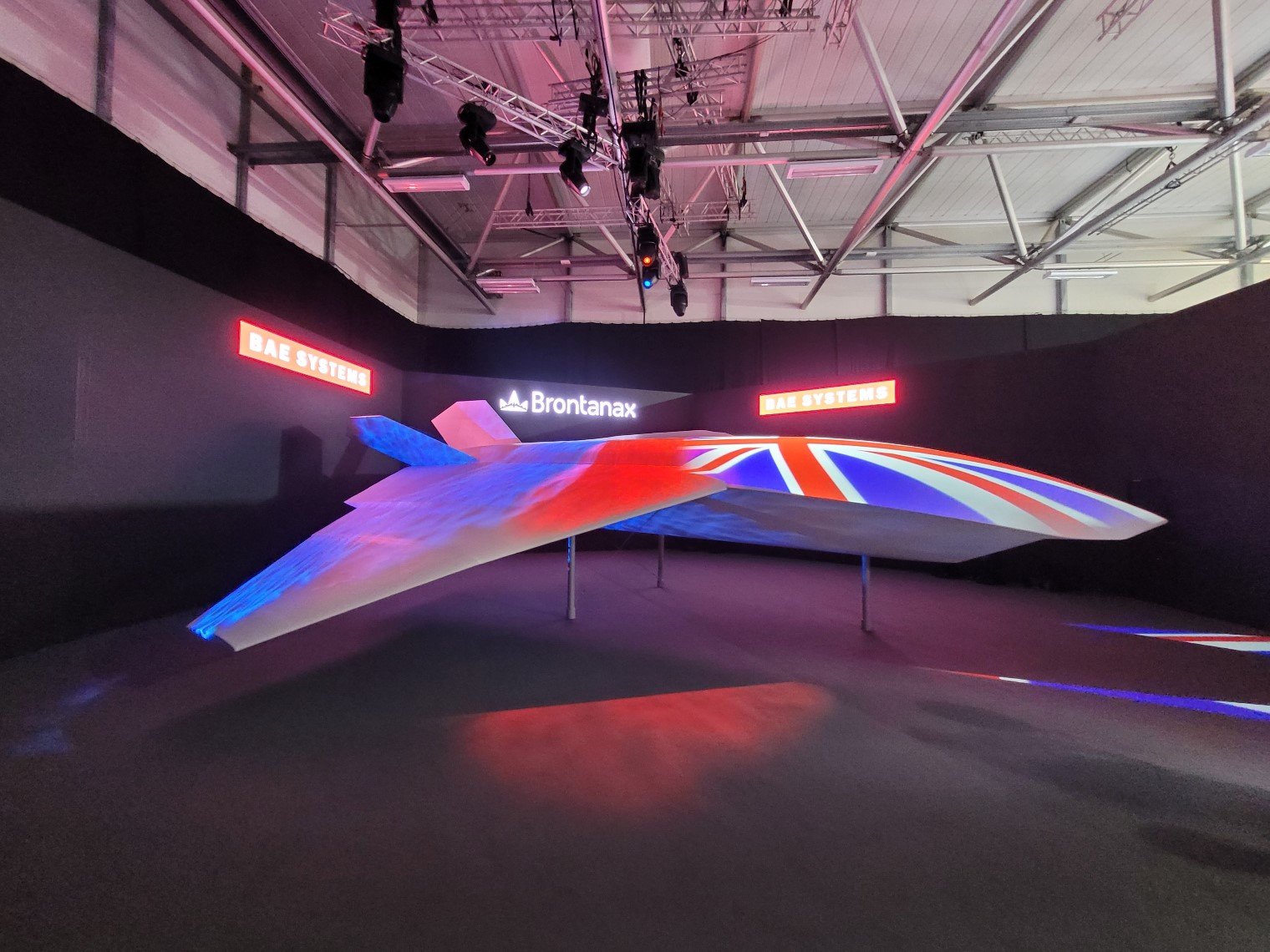 BAE Systems Unveils 'Brontanax', the UK's First Autonomous Combat Aircraft at Farnborough
Top Trending in 4 Days
-
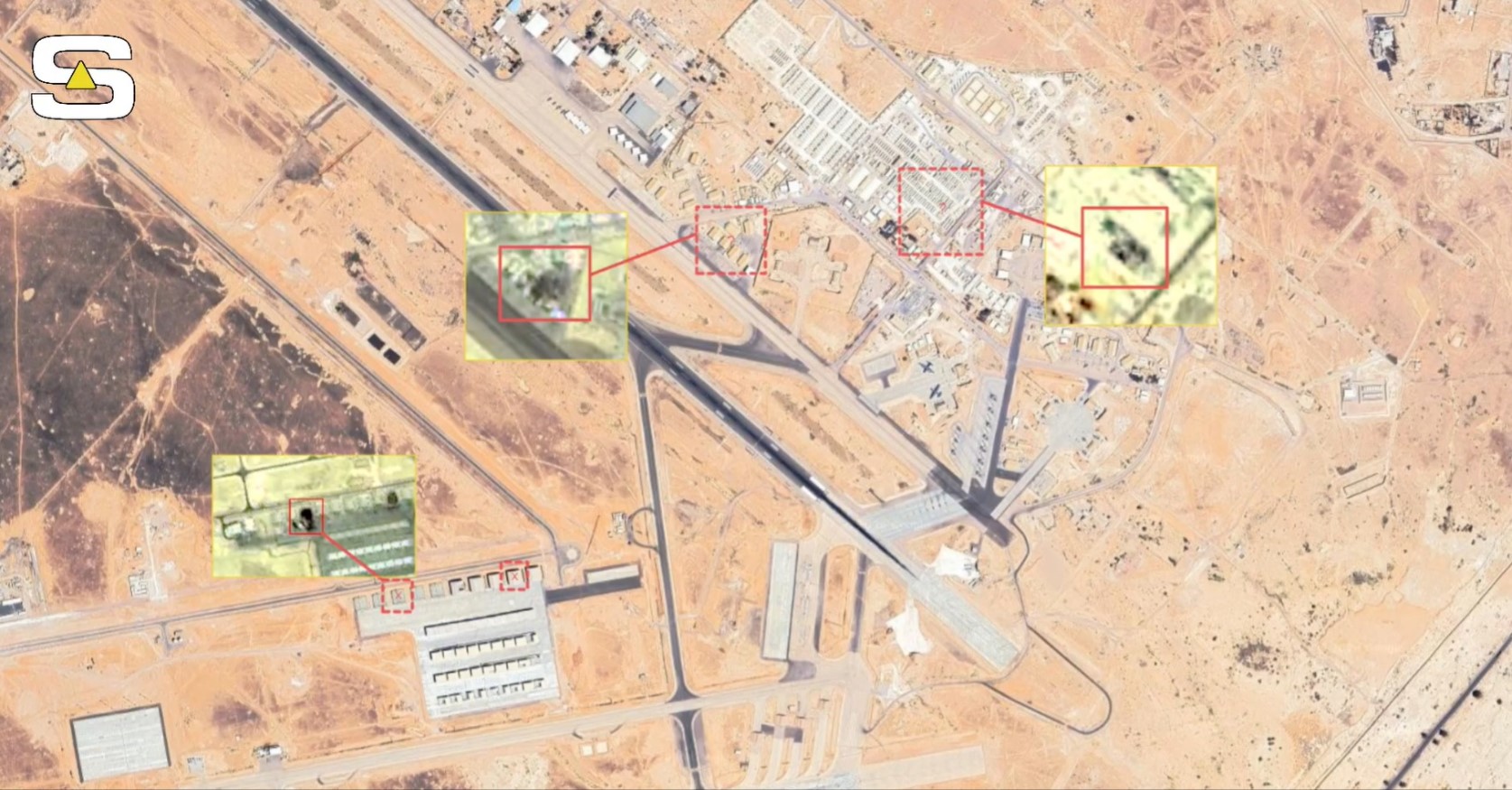 New Satellite Imagery Reveals Extensive Damage at Jordan's Muwaffaq al-Salti Air Base After Iranian Missile Strike
-
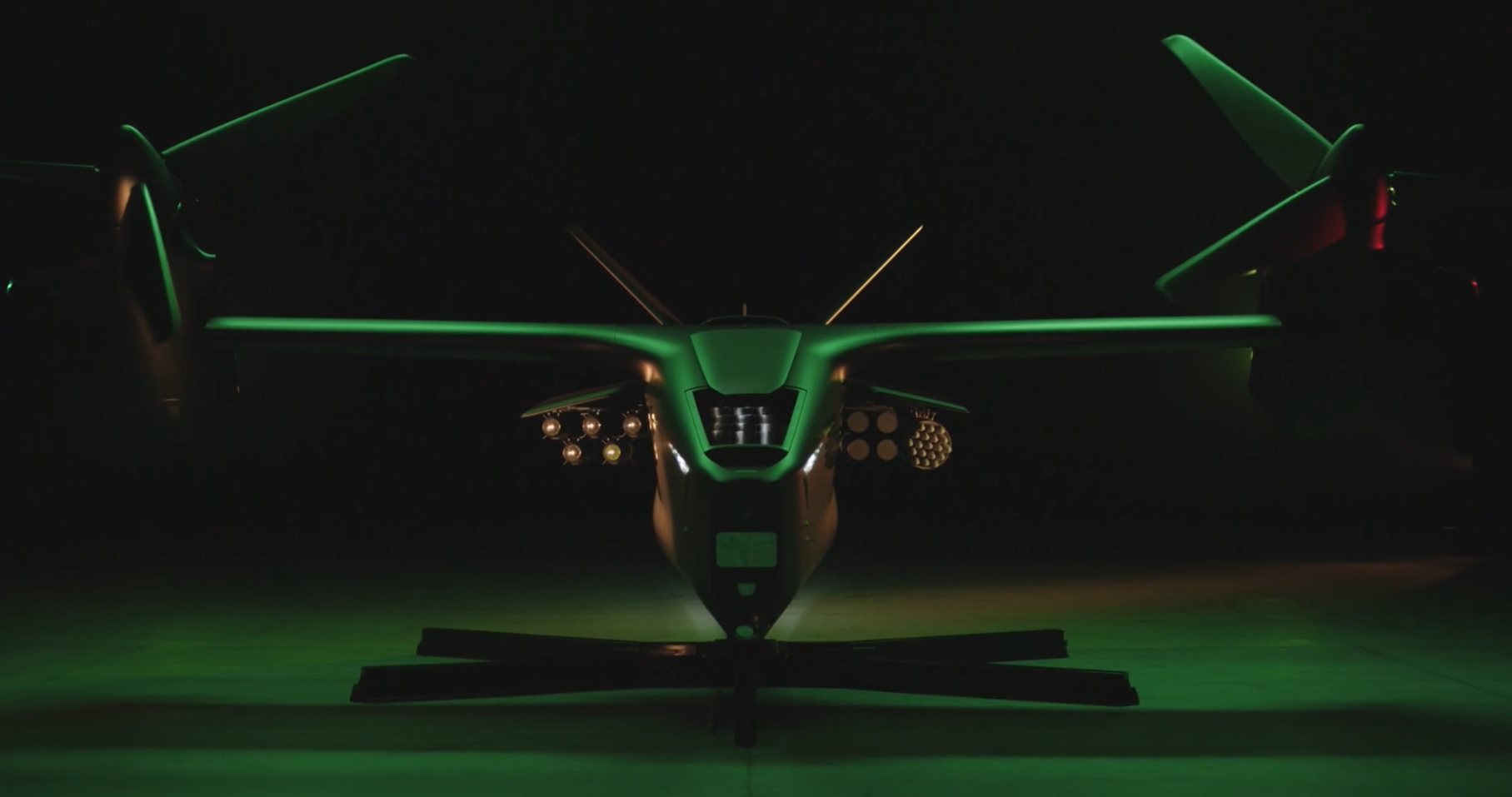 Anduril Unveils Thunder Autonomous Attack Rotorcraft Built with Archer Aviation to Support Apache Helicopters
-
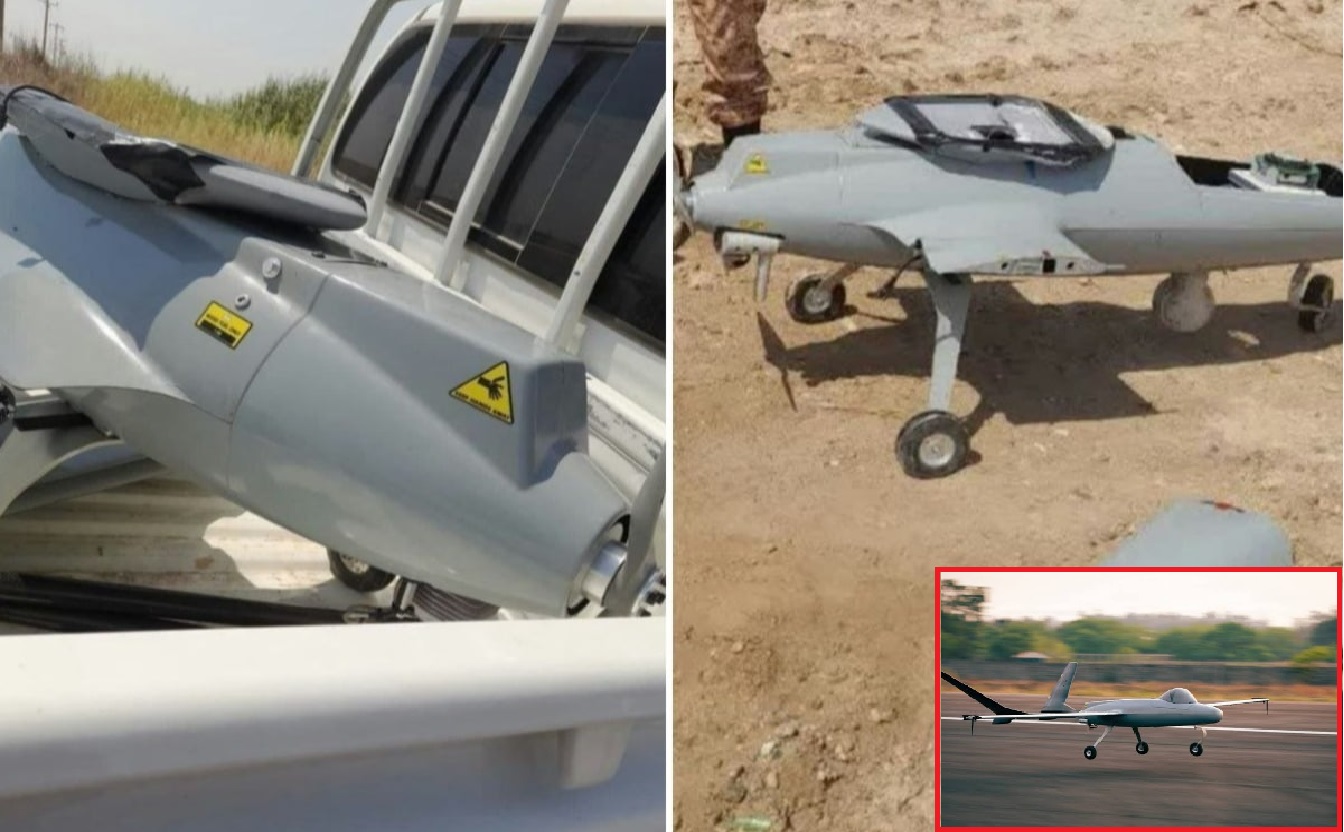 Iran Claims It Shot Down U.S.-Operated Polish-Built Tiguar-M Drone, Releases Images
-
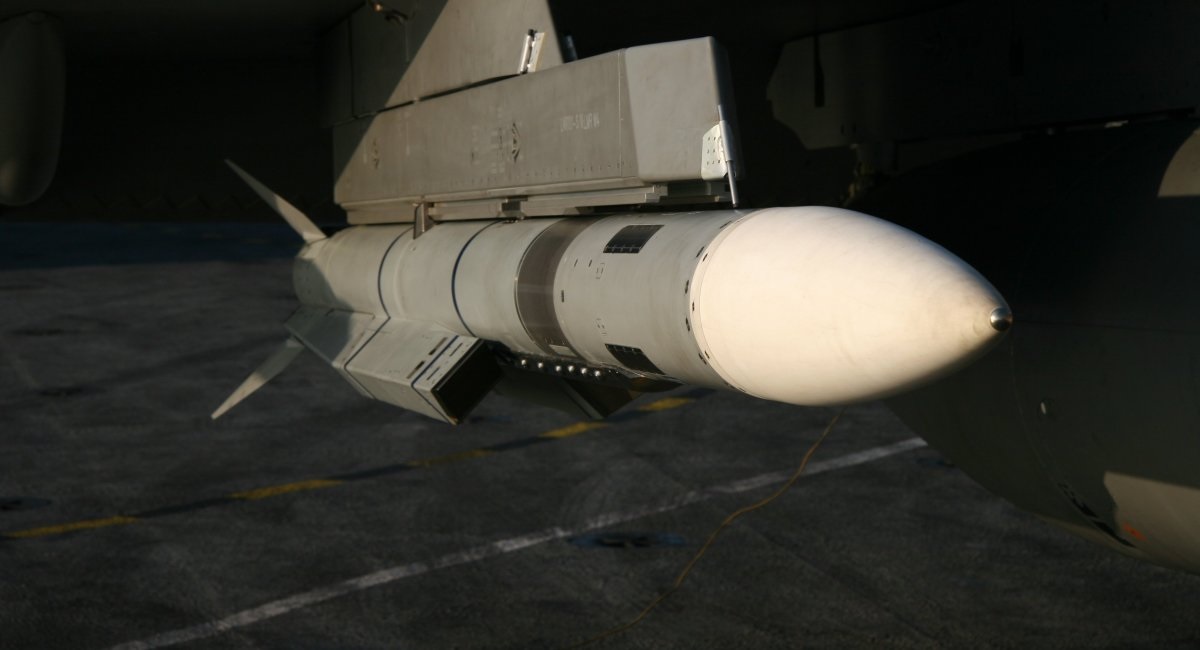 UK Cancels Meteor Missile Mid-Life Upgrade, Prioritizes Next-Generation FASE Air-to-Air Missile Programme
-
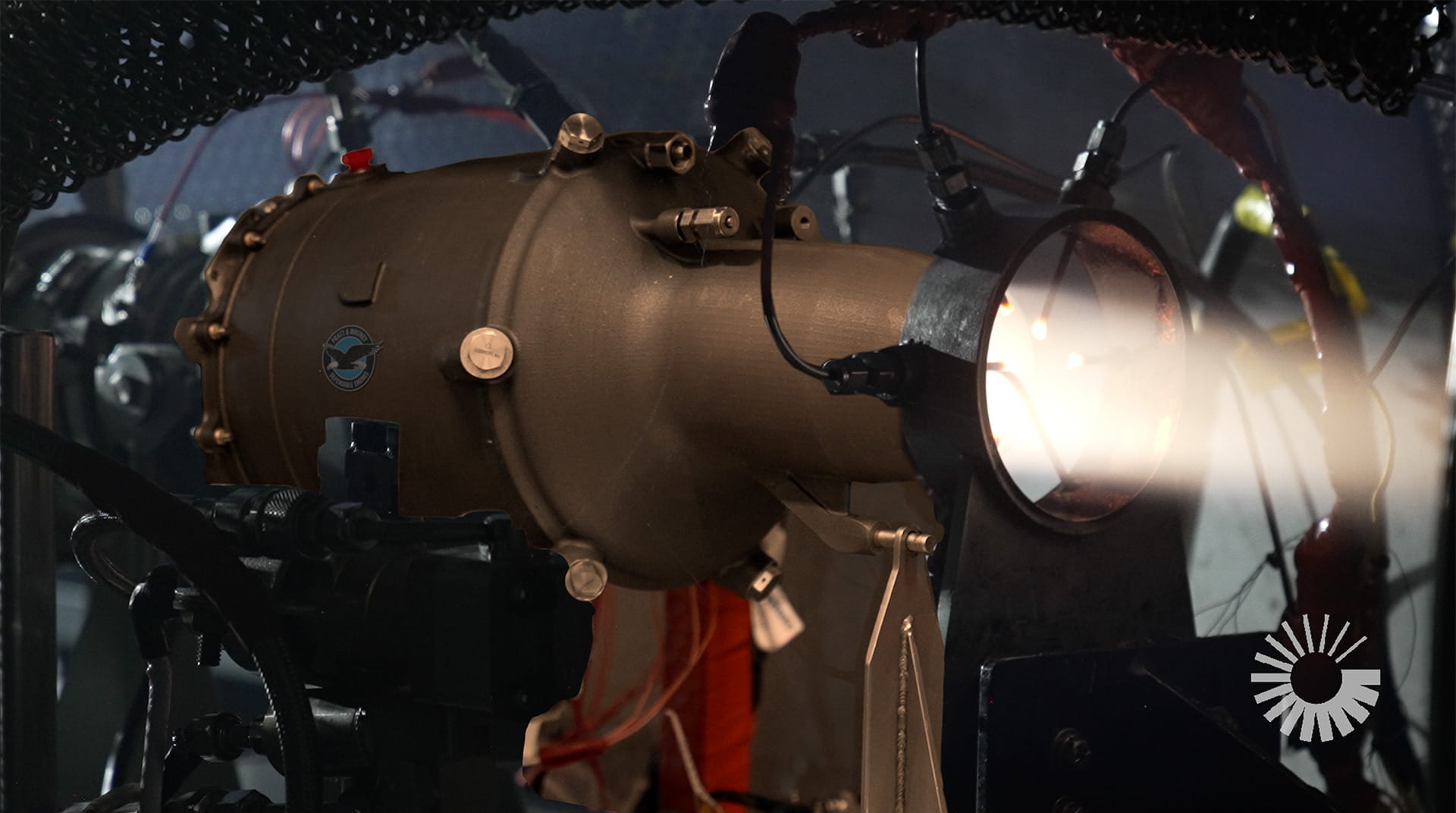 Pratt & Whitney Completes Testing of 3D-Printed TJ150 Engine for Military Applications
-
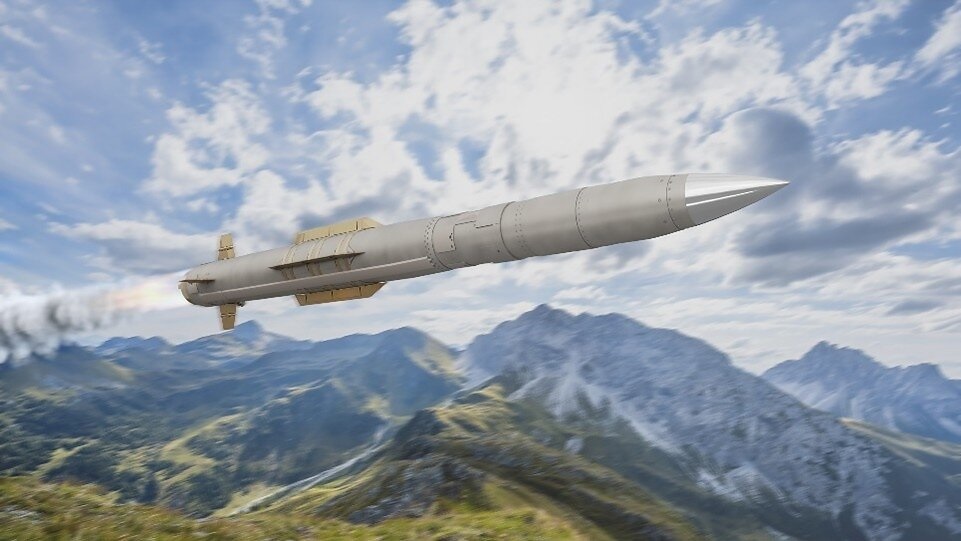 Lockheed Martin Unveils Lower-Cost PAC-3 ACE Interceptor for Patriot Air Defense System
-
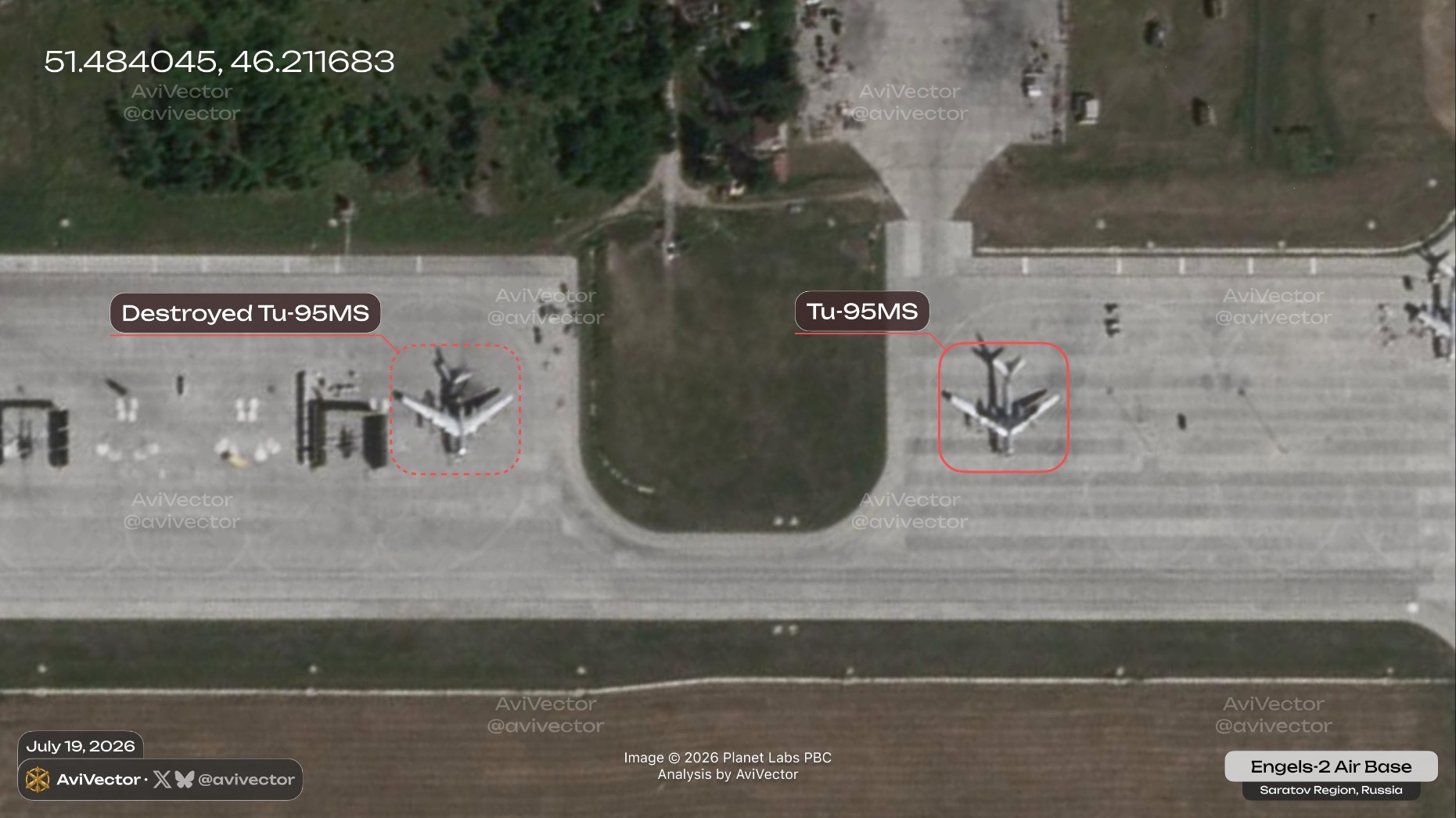 Satellite Images Confirm Russian Tu-95MS Bomber Destroyed After Ukrainian Drone Strike on Engels-2 Air Base
-
 BHEL Successfully Develops India’s First Indigenous 1200 kV, 333 MVA Per-Phase UHVAC Transformer
