
World
FORT BELVOIR, Va., — April 4, 2026 : The U.S. Army has formally launched a competitive procurement process for the Infantry Squad Vehicle–Heavy (ISV-H), a new variant of its existing Infantry Squad Vehicle designed to support command, sensor, and combat support roles in dispersed operations. The solicitation, issued by Army Contracting Command–Detroit Arsenal under notice W912CH-26-S-C005, outlines a requirement for 606 vehicles. The ISV-H program represents a transition from the lighter troop transport-focused ISV toward a platform capable of supporting brigade and division-level missions. Unlike the standard ISV, which carries a nine-soldier squad, the ISV-H is configured for smaller formations and will function as a mobile node for power generation, communications, and mission systems integration. Program Scope and Operational Role According to procurement documents, the ISV-H will be employed primarily within division and brigade formations, including Mobile Brigade Combat Teams operating in distributed environments. The vehicle is intended to support a range of roles beyond personnel transport, including command and control, sensor deployment, electronic warfare, and counter-unmanned aerial systems (C-UAS). The Army is prioritizing the use of commercial-off-the-shelf (COTS) or non-developmental platforms to accelerate fielding timelines and reduce technical risk. The approach emphasizes minimal modification of existing vehicle designs while ensuring compatibility with military mission systems. Technical Requirements and Performance Criteria The ISV-H must meet a defined set of performance specifications balancing payload capacity, mobility, and deployability. The vehicle is required to carry a six-person crew with full equipment and support a total payload capacity of 1,814 kilograms (4,000 pounds). In addition, it must be capable of towing trailers weighing up to 2,948 kilograms (6,500 pounds). Mobility requirements include the ability to traverse steep gradients, operate across rugged off-road terrain, and ford water obstacles up to 30 inches (76 centimeters) deep. The platform must also meet strict transportability constraints, allowing deployment via C-5, C-17, and C-130 aircraft, as well as external sling-load operations using CH-47 Chinook helicopters. The interior configuration must be modular, enabling rapid reconfiguration of rear seating for casualty evacuation or transport of specialized mission equipment. Integrated Power Generation Capability A central requirement of the ISV-H is its role as a mobile power generation platform. The vehicle must provide up to 60 kilowatts of continuous exportable electrical power, including both 28-volt direct current (DC) and 120-volt alternating current (AC) outputs. This onboard power capability is intended to support a wide range of mission systems, including communications equipment, unmanned aerial and ground system control stations, counter-drone systems, radar sensors, electronic warfare suites, and potential directed-energy applications. The requirement reflects the Army’s increasing emphasis on integrating power-intensive technologies into mobile tactical formations. Acquisition Strategy and Evaluation Phases The ISV-H competition will follow a phased acquisition process designed to reduce development timelines and enable rapid transition to production. In Phase I, participating companies will submit conceptual proposals, conduct oral presentations, and provide detailed commercial submissions. The Army may select up to three vendors to proceed to the next stage. Phase II will involve the development of prototype vehicles, with up to three prototypes funded per selected vendor. These prototypes will undergo military testing and evaluation under operational conditions. Successful completion of testing may lead directly to low-rate initial production or full-rate production contracts. The Army has not specified a detailed timeline for selection or production decisions beyond the phased structure. Maintainability and Right to Repair Provisions The solicitation includes provisions emphasizing long-term maintainability and operational independence. Future contracts are expected to incorporate Right to Repair requirements, granting the Army access to technical manuals, schematics, proprietary software, diagnostic tools, and detailed spare parts data. This approach is intended to reduce reliance on original equipment manufacturers (OEMs) for maintenance and enable soldiers to conduct repairs in austere or contested environments, while also lowering lifecycle sustainment costs. Relationship to Existing ISV Program The ISV-H builds on the Infantry Squad Vehicle program initiated in 2020. The original ISV, produced by GM Defense and based on the Chevrolet Colorado ZR2 platform, was designed as a lightweight, high-mobility transport vehicle using approximately 90 percent commercial components. It carries a nine-soldier squad and supports rapid deployment via air transport and airdrop. As of early 2026, the Army has fielded hundreds of ISVs, with additional units awarded to GM Defense in March 2026 as part of ongoing procurement. The heavier ISV-H variant addresses capability gaps identified in operational use, particularly the need for a platform capable of supporting power-intensive systems and acting as a mobile command and support hub. Testing and Technology Demonstrations Prototype concepts aligned with ISV-H requirements have already been evaluated in field exercises. During the Ivy Sting IV exercise at Fort Carson, Colorado, in early 2026, soldiers from the 4th Infantry Division assessed vehicle mobility and onboard power capabilities in distributed operational scenarios. In parallel, the Army has explored enabling technologies through demonstrator platforms such as the Next Generation Tactical Vehicle (NGTV), a hybrid-electric system based on the Chevrolet Silverado 2500HD ZR2. The NGTV serves as a testbed for power generation and integration capabilities relevant to the ISV-H program. Broader Modernization Context The ISV-H competition aligns with the Army’s broader modernization efforts under the “Transformation in Contact” initiative, which focuses on enhancing agility, mobility, and operational endurance of forward-deployed units. The program reflects an evolving requirement for tactical vehicles that not only transport personnel but also sustain digital networks, sensor systems, and electronic warfare capabilities in contested environments. The solicitation remains open to qualified industry participants, with further details available through official Army procurement channels.
Read More → Posted on 2026-04-04 16:23:37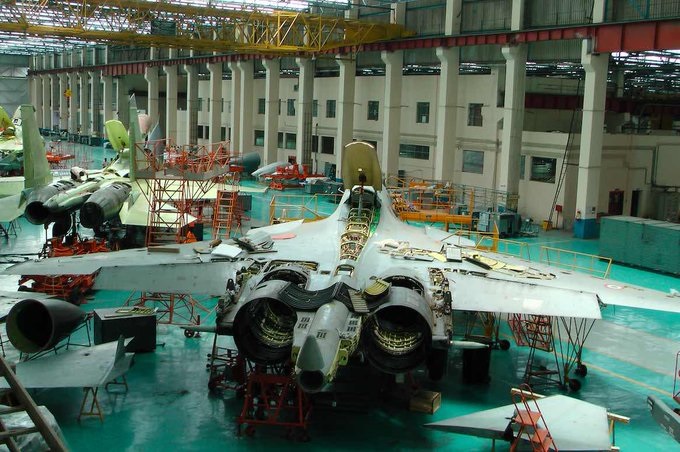
India
NASHIK, INDIA — April 4, 2026 : Hindustan Aeronautics Limited (HAL) has received foundational material kits from Russia for the licensed production of 12 Su-30MKI multi-role fighter aircraft at its Nashik division, marking the restart of assembly activities under a contract aimed at reinforcing the Indian Air Force (IAF) combat fleet. The delivery supports a ₹13,500 crore (approximately $1.6 billion) agreement signed on December 12, 2024, between India’s Ministry of Defence (MoD) and HAL. According to officials, the arrival of these kits enables HAL to begin assembly operations, with the company maintaining its target to deliver all 12 aircraft to the IAF by the end of 2026. Production Restart and Facility Role HAL’s Nashik facility in Maharashtra will serve as the lead integrator for the program, carrying out final assembly, integration, and testing of the aircraft. The production line had remained inactive for over 12 months prior to the contract’s finalization and is now being reactivated to execute the order. The facility has extensive experience with Russian-origin platforms and has previously produced 222 Su-30MKI aircraft under license since 2004. In total, HAL has manufactured and supported nearly 1,000 aircraft across multiple programs, including earlier MiG variants. Indigenous Content and Industrial Contribution The 12 aircraft will incorporate a reported 62.6 percent indigenous content, reflecting ongoing efforts under India’s Aatmanirbhar Bharat initiative to increase domestic manufacturing in defense production. Key areas of indigenization include: Mission systems and avionics: Integration of Indian-developed mission computers, avionics suites, and communication systems supplied by domestic industry partners. Engine manufacturing: The AL-31FP turbofan engines are being produced at HAL’s Koraput division, with increasing use of locally sourced raw materials and forgings. Weapons integration: Compatibility with indigenous systems such as the Astra beyond-visual-range (BVR) air-to-air missile and the BrahMos supersonic cruise missile. The higher level of local content compared to earlier production batches indicates progressive replacement of imported components with domestically manufactured systems. Fleet Role and Operational Context The Su-30MKI remains the backbone of the IAF’s combat fleet. India has procured a total of 272 aircraft, of which 50 were delivered directly by Russia, while the remainder were assembled by HAL from completely knocked-down (CKD) kits. Currently, the IAF operates approximately 30 to 31 fighter squadrons, below its sanctioned strength of 42. The additional 12 aircraft are intended to serve two primary purposes: Attrition replacement: Replacing aircraft lost in accidents over the past decade. Capability bridging: Addressing squadron shortages amid delays in the Tejas Mk-1A program linked to international engine supply constraints. The Su-30MKI fleet accounts for nearly 60 percent of India’s combat aircraft inventory, with around 270 aircraft currently in service. Technical Characteristics The Su-30MKI is a twin-engine, two-seat heavy air superiority fighter designed for both air-to-air and air-to-ground missions. Its core specifications include: Maximum speed: Mach 2.0 (approximately 2,100 km/h) Combat radius: 1,300 km without aerial refueling Radar: N011M Bars passive electronically scanned array (PESA) Payload capacity: Up to 8,000 kg across 12 hardpoints Upgrade Path and “Super Sukhoi” Program The newly produced aircraft are expected to incorporate elements aligned with the planned “Super Sukhoi” upgrade program, valued at approximately ₹60,000 crore. This modernization effort will retrofit the existing fleet with: Virupaksha active electronically scanned array (AESA) radar Advanced electronic warfare (EW) suites New digital cockpit systems developed by the Defence Research and Development Organisation (DRDO) and Indian private sector partners The program aims to extend the operational lifespan of the Su-30MKI fleet by 20 to 30 years. Strategic and Industrial Outlook The delivery of material kits reflects the continuation of Indo-Russian defense cooperation under the licensed production framework established in 2000. At the same time, the increased indigenous content highlights India’s gradual shift toward greater self-reliance in defense manufacturing. Following completion of this batch, HAL’s Nashik facility is expected to transition toward large-scale modernization work under the Super Sukhoi program, alongside ongoing maintenance, repair, and overhaul (MRO) activities for the existing fleet. No detailed breakdown of delivery milestones for individual aircraft has been released. However, officials indicate that production timelines remain aligned with the scheduled completion by December 2026.
Read More → Posted on 2026-04-04 16:11:45
World
LONG BEACH, Calif., — April 4, 2026 Rocket Lab USA, Inc. (Nasdaq: RKLB) has signed a $190 million agreement for a block buy of 20 hypersonic test launches, marking the largest single launch contract in the company’s history and reinforcing its expanding role in U.S. national security missions. The agreement, finalized and announced on March 18, supports the Multi-Service Advanced Capability Hypersonic Test Bed (MACH-TB) 2.0 program. The initiative is managed by the U.S. Department of Defense’s Test Resource Management Center (TRMC) in coordination with the Naval Surface Warfare Center (NSWC) Crane Division, and is designed to accelerate hypersonic technology development through frequent and standardized flight testing. Contract Scope and Program Structure Under MACH-TB 2.0, Rocket Lab will serve as the launch provider for 20 dedicated missions under Task Area 1, led by prime contractor Kratos Defense & Security Solutions. The launches are scheduled over a four-year period, with the first mission expected within months of the contract signing. The MACH-TB 2.0 program aims to establish a centralized, high-cadence testing framework for the Department of Defense. It is intended to provide an operational bridge between ground-based testing and full system-level flight trials, enabling faster validation of hypersonic technologies and reducing development timelines. HASTE Launch Vehicle Capabilities Rocket Lab will conduct the missions using its HASTE (Hypersonic Accelerator Suborbital Test Electron) vehicle, a suborbital variant of the Electron rocket tailored for hypersonic test applications. The vehicle is designed to deploy experimental payloads along controlled trajectories at speeds exceeding Mach 5 (approximately 3,800 mph). HASTE offers a payload capacity of up to 700 kilograms, significantly higher than Electron’s ~225 kilograms to low Earth orbit. The platform provides a controlled test environment for evaluating thermal protection systems, sensors, and communications technologies under extreme velocity conditions. Since its debut in June 2023, HASTE has completed seven missions with a 100% success rate. Several of these flights have supported U.S. government hypersonic testing, including earlier work under the MACH-TB program. Launch Operations and Infrastructure The hypersonic missions are expected to be conducted primarily from Rocket Lab Launch Complex 2 at the Mid-Atlantic Regional Spaceport, Virginia, providing a domestic, responsive launch capability for time-critical defense experiments. Rocket Lab also operates a launch facility at the Mahia Peninsula, New Zealand, which has supported previous HASTE missions. However, specific launch locations and payload details for the 20 contracted missions have not been disclosed, consistent with the classified nature of many hypersonic test activities. Financial Performance and Backlog Growth The $190 million contract has increased Rocket Lab’s launch backlog to more than 70 missions. When combined with its Space Systems division, which manufactures satellites and spacecraft components, the company’s total backlog now exceeds $2 billion. Rocket Lab reported strong commercial momentum at the start of 2026, selling 28 launches in Q1 2026, nearly matching the total launches sold in 2025. The agreement reflects a broader defense sector trend toward block-buy contracting, enabling predictable testing schedules and reduced cost per flight. Industry Position and Strategic Outlook While Rocket Lab continues development of its Neutron rocket for future orbital missions, its Electron and HASTE platforms remain central to current revenue and operations. The growing demand for dedicated and responsive launch services, particularly for defense applications, has positioned the company as a key commercial partner in hypersonic research and testing. Leadership Statement Sir Peter Beck, founder and CEO of Rocket Lab, said the agreement strengthens collaboration with U.S. defense agencies: “Our expanded partnership with MACH-TB and the Department of Defense strengthens America’s national security and delivers reliable, modern hypersonic capabilities with speed and affordability. Our advanced technology, responsive launch schedules, and mass production of our HASTE hypersonic rockets are enabling faster progress across a range of hypersonic experiments by our government and industry partners.” Broader Defense Context The MACH-TB 2.0 program incorporates commercial launch providers to supplement government-owned test infrastructure, increasing the pace and flexibility of hypersonic experimentation. The initiative supports broader U.S. defense priorities focused on advancing hypersonic weapons and enabling rapid transition from experimental systems to operational capabilities. Rocket Lab’s continued involvement in the program since 2023, combined with the newly awarded contract, highlights the growing reliance on commercial aerospace firms to deliver scalable, high-frequency testing solutions for next-generation defense technologies.
Read More → Posted on 2026-04-04 15:57:26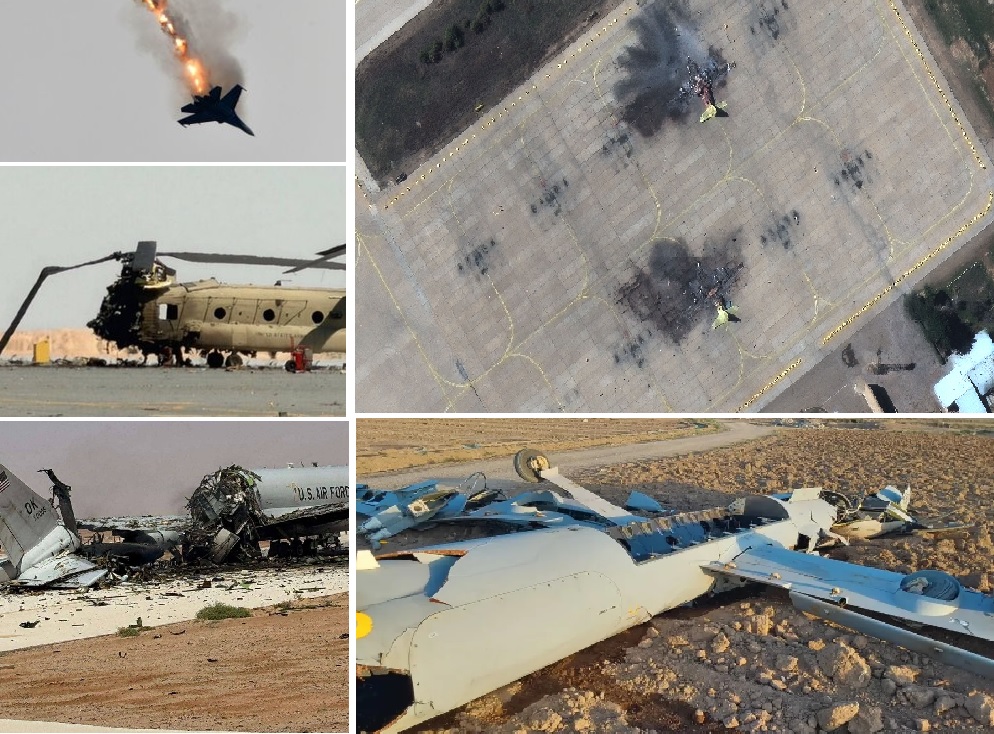
World
WASHINGTON / BAGHDAD, — April 4, 2026 : Multiple US military aircraft have been destroyed or damaged during Operation Epic Fury, the US Central Command campaign launched on February 28, 2026, targeting Iranian military infrastructure. Compiled reports from official statements, media accounts, and open-source information detail the following known losses and incidents as of April 4, 2026. Fighter and Attack Aircraft One F-35A Lightning II was damaged by Iranian air defense fire. Three F-15E Strike Eagle aircraft were shot down on March 1, 2026, in a friendly fire incident involving Kuwaiti Air Force F/A-18 aircraft. All six crew members ejected safely. One additional F-15E Strike Eagle was shot down by Iranian air defense fire on April 3, 2026, over Iranian territory. One crew member was rescued during search and rescue operations; the status of the second crew member remained unknown, with efforts continuing. One A-10C Thunderbolt II was shot down by Iranian air defense fire on April 3, 2026. The pilot ejected and was rescued. One A-10C Thunderbolt II was damaged during related operations on April 3 and returned to base. Airborne Warning and Control System (AWACS) One E-3G Sentry AWACS aircraft was destroyed at Prince Sultan Air Base in Saudi Arabia during an Iranian missile and drone attack in late March 2026. Images confirmed significant structural damage, including to the rear fuselage. Tanker Aircraft One KC-135 Stratotanker crashed as a result of a mid-air collision, with all crew members reported killed in the incident. One KC-135 Stratotanker was damaged in the same mid-air collision and landed safely. One KC-135 Stratotanker was destroyed at Prince Sultan Air Base during the Iranian attack. Five KC-135 Stratotankers were damaged by Iranian fire while on the ground at Prince Sultan Air Base. One additional KC-135R Stratotanker transmitted emergency squawk code 7700 on April 3 and returned to base. Unmanned Aerial Vehicles Seventeen MQ-9 Reaper drones were shot down by Iranian air defenses. Additional MQ-9 losses have been reported throughout the campaign, with US officials confirming more than a dozen downed prior to early April. Helicopters One UH-60 helicopter was damaged by an FPV drone at an air base. Two HH-60G Pave Hawk (or HH-60W Jolly Green II variant) combat rescue helicopters were damaged by ground fire during a search and rescue operation on April 3. Both returned to base, with some crew members sustaining injuries. One CH-47F Chinook heavy-lift helicopter was destroyed on the ground at Camp Buehring in Kuwait during an apparent Iranian one-way drone strike. Iranian state media released images of the damaged aircraft; no casualties were reported from this incident. Over the past 10 days leading into early April 2026, reports indicated the loss or damage of 4 aircraft, 3 helicopters, and 5 drones, with approximately half of these incidents occurring within the previous 24 hours, including the April 3 events. On April 3, described in some accounts as a particularly challenging day, the following were reported: one F-15E destroyed, one A-10C destroyed, one A-10C damaged and returned to base, one CH-47 Chinook destroyed in Kuwait, one F-16 damaged and returned to base, two HH-60W combat rescue helicopters damaged and returned to base, one F-16 transmitting squawk code 7700 over Iraq and returning to base, one KC-135R squawking 7700 and returning to base, and one MQ-9 Reaper destroyed. These incidents occurred amid sustained US air operations involving thousands of sorties targeting Iranian air defenses, missile sites, command facilities, and related infrastructure. Iranian forces responded with air defenses, drones, and missile strikes reaching regional bases, including in Saudi Arabia and Kuwait. US Central Command has not released a comprehensive official tally of all losses. Information derives from US media citing officials, Iranian state media claims (some of which US sources have disputed in prior instances), and verified imagery or tracking data where available. The campaign has involved F-15, F-16, A-10, F-35, tanker, AWACS, drone, and helicopter platforms. Search and rescue operations for the missing F-15E crew member continued as of April 4. CENTCOM has provided periodic updates on overall operations but limited specific comments on individual aircraft incidents for operational security reasons. Operation Epic Fury has seen over 12,000 combat flights conducted by US forces as of early April. The reported losses represent a fraction of the total aircraft deployed but highlight risks associated with high-tempo operations against layered air defenses. Further details on cumulative impacts or adjustments to tactics remain under review by US military authorities.
Read More → Posted on 2026-04-04 15:11:07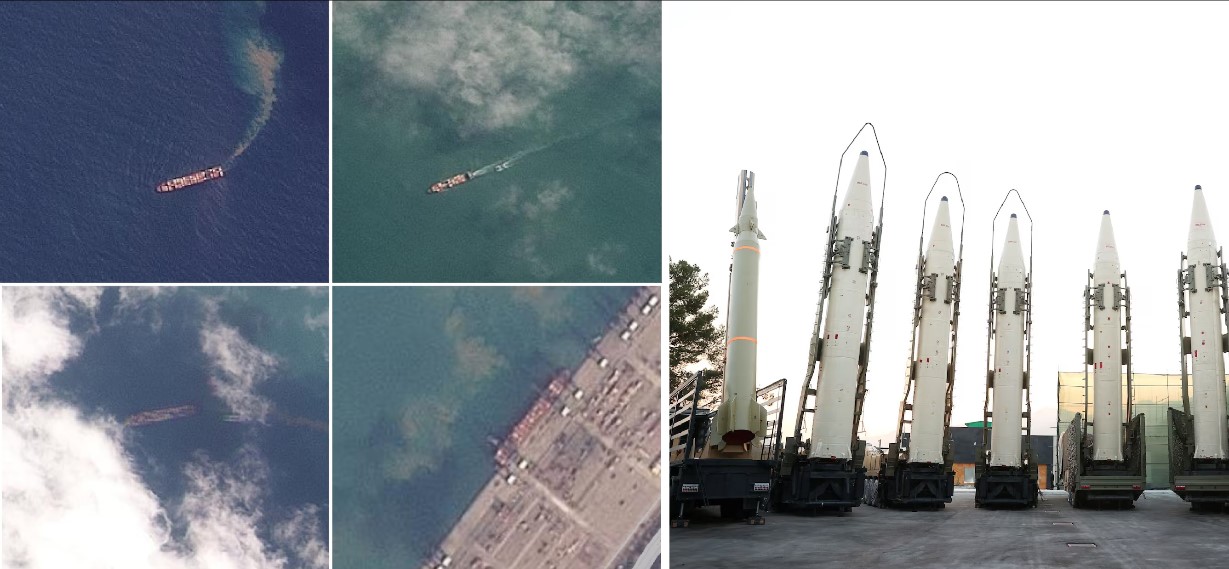
World
TEHRAN / WASHINGTON / LONDON, — April 4, 2026 : Maritime tracking data and defense analysis have revealed a series of shipments of suspected missile fuel precursor chemicals from China to Iran, raising new concerns among Western officials about the resilience of Iran’s ballistic missile supply chain during an active conflict with the United States and Israel. Shipping Data Points to Coordinated Deliveries According to vessel-tracking information from MarineTraffic and corroborated by multiple analytical reviews, at least five Iran-linked ships departed from Gaolan port in Zhuhai, China, and either docked at Iranian ports or loitered offshore in recent weeks. The vessels — Hamouna, Barzin, Shabdis, and Rayen — have already arrived at Iranian ports since 22 March 2026, while a fifth ship, Zardis, was observed waiting near Iranian territorial waters in early April, pending clearance to dock, with an expected arrival around April 2, 2026. Each vessel is operated by the Islamic Republic of Iran Shipping Line Group (IRISL), a state-owned entity under sanctions from the United States, United Kingdom, European Union, and Switzerland. The Hamouna, previously operating under the name Canreach, departed China on February 19, 2026 — roughly one week before the start of large-scale U.S.-Israeli military operations — and arrived in Bandar Abbas on March 26 after a voyage lasting approximately five weeks, including delays attributed to regional instability. Cargo Linked to Missile Propellant Production Experts assessing shipping patterns and cargo characteristics believe the vessels are carrying sodium perchlorate, a chemical oxidizer used as a precursor to ammonium perchlorate, which is a critical component in solid-fuel rocket propellants. Ammonium perchlorate forms the basis of propulsion systems used in many of Iran’s short- and medium-range ballistic missiles. The continued flow of this material suggests that Iran retains access to essential inputs required for sustaining missile production despite ongoing strikes on its military-industrial infrastructure. The shipments originated from Zhuhai’s Gaolan port, a major hub for liquid chemical storage and export, further reinforcing assessments that the cargo consists of industrial chemical feedstock rather than finished weapons. Scale Suggests Significant Replenishment Effort Analysts have emphasized the scale of the current deliveries, noting that the vessels involved are approximately twice the size of those used in comparable transfers during 2025. Earlier shipments in early 2025 — involving the IRISL vessels Golban and Jairan — carried sufficient sodium perchlorate to support the production of an estimated 102 to 157 ballistic missiles, according to assessments by nonproliferation experts. Based on the increased capacity of the five vessels tracked in the current cycle, analysts estimate that the combined cargo could enable the production of approximately 785 additional missiles. At an operational level, this volume of propellant could sustain launch rates of between 10 and 30 missiles per day for roughly one month, depending on launcher availability and operational conditions. Context of Ongoing Military Operations The deliveries coincide with an active phase of hostilities following the launch of coordinated U.S. and Israeli air campaigns on February 28, 2026, conducted under Operation Epic Fury and Operation Roaring Lion, respectively. These operations have targeted Iranian nuclear facilities, missile production sites, air defenses, and command infrastructure. Israeli officials have stated that approximately 330 out of Iran’s estimated 470 ballistic missile launchers have been destroyed or rendered inoperable. However, U.S. intelligence assessments indicate that up to half of Iran’s launcher inventory may remain functional. Despite sustained strikes, the arrival of precursor chemicals indicates continued logistical throughput into Iran’s missile supply chain. Miad Maleki, a former U.S. Treasury official and current adviser at the Foundation for Defense of Democracies, assessed that the shipments reflect an effort by Iran to address shortages in missile fuel stocks during ongoing combat operations. Sanctions Evasion and Maritime Concealment Tracking data also highlights the use of established sanctions evasion techniques by Iranian shipping operators. Several vessels intermittently disabled their Automatic Identification Systems (AIS), limiting real-time tracking visibility during transit. In addition, discrepancies were identified between declared and actual destinations. At least two vessels reported Vietnam as their intended destination, while tracking data confirmed their routes toward Iranian ports. Renaming practices were also observed, with Hamouna previously operating under a different identity to avoid detection in sanctions databases. Cargo unloaded at Bandar Abbas and, in at least one case, Chabahar, can be transported inland via established logistics networks to missile production and storage facilities across Iran. Historical Precedent and Safety Concerns The handling of sodium perchlorate in Iran has previously been associated with significant safety incidents. In April 2025, an explosion at the Port of Shahid Rajaee in Bandar Abbas resulted in 57 fatalities and more than 1,000 injuries. Analysis of the incident, including the presence of reddish smoke plumes, indicated the involvement of sodium perchlorate or related compounds. Following that Event, the United States imposed additional sanctions targeting networks involved in procuring missile-related chemicals between China and Iran. Diplomatic Implications and Dual-Use Trade The continued shipment of such materials has drawn attention to China’s role in supplying dual-use goods. While sodium perchlorate is not classified as a finished weapon, its application in missile production places it under scrutiny during periods of active conflict. Analysts note that by exporting raw chemical inputs rather than weapon systems, China maintains that it is engaged in legitimate commercial trade. However, some experts argue that the decision to allow shipments to proceed during ongoing hostilities reflects a calculated policy stance. Isaac Kardon of the Carnegie Endowment for International Peace stated that such shipments could have been halted at port, suggesting that their continuation indicates a deliberate decision rather than regulatory oversight. Interdiction Challenges Persist Efforts to interdict such shipments remain constrained by operational and legal limitations. Western naval forces deployed in the region face challenges in identifying and seizing dual-use cargo at sea, particularly when documentation classifies shipments as civilian industrial materials. As a result, analysts describe the situation as an continuation of a long-standing “cat-and-mouse” dynamic, in which sanctioned entities adapt shipping practices to maintain supply flows despite international restrictions.
Read More → Posted on 2026-04-04 14:48:20
World
TEHRAN, — April 4, 2026 : Airstrikes attributed to United States and Israeli forces targeted multiple petrochemical facilities in Iran’s Khuzestan Province on Saturday, causing damage across key industrial sites in the Mahshahr Special Petrochemical Zone and the Bandar Imam area. Iranian officials reported that at least five individuals were injured, while firefighting and emergency measures were implemented shortly after the strikes. Strike Details and Targeted Facilities According to Iranian authorities, the strikes occurred at approximately 10:47 a.m. local time and were concentrated in the Mahshahr Special Petrochemical Zone, a major industrial hub located near the Persian Gulf. Explosions were reported in both the eastern and western sections of the zone. Facilities affected include Fajr 1 and Fajr 2 petrochemical plants, Rejal Petrochemical (also referred to as Regal, Rijal, or Redzhal), Abu Ali (Buali Sina) Petrochemical Company, Bandar Imam Petrochemical Complex, and Amir Kabir Petrochemical Company. Initial assessments indicate that multiple units sustained damage, though the full extent of structural impact remains under evaluation. As a precautionary measure, all personnel at the affected facilities were evacuated, and electricity supply to the surrounding area was temporarily cut to reduce the risk of secondary incidents, including fires or further explosions. Emergency Response and Casualties Valiollah Hayati, deputy governor of Khuzestan Province for security affairs, stated that emergency and firefighting teams were deployed immediately and were able to bring the situation under control within a short period. He confirmed that five individuals were injured and received medical treatment. Officials also addressed concerns regarding air quality, noting that visible smoke over the Mahshahr area resulted from the release of flare gases during emergency shutdown procedures. Authorities stated that the emissions were not toxic and did not pose a risk to public health. Damage to Shalamcheh Border Crossing In a separate strike, the Shalamcheh border crossing near Khorramshahr, a key transit point between Iran and Iraq, sustained significant damage. The commercial terminal and passenger reception areas were affected. Iranian and Iraqi sources reported that one Iraqi national was killed in the incident, while several others, including Iraqi citizens, were wounded. Following the attack, Iraqi authorities suspended all trade and passenger movement through the crossing. Strategic and Industrial Significance The Mahshahr Special Petrochemical Zone is a central component of Iran’s petrochemical industry, hosting production facilities for ethylene, propylene, polyethylene, aromatics, polymers, liquefied petroleum gas (LPG), and other chemical products. Supporting infrastructure, including utilities such as power, steam, nitrogen, and oxygen, is provided by companies such as Fajr Petrochemical. The Bandar Imam Petrochemical Complex is a major contributor to Iran’s chemical production and export capacity. Together, these facilities support a substantial portion of Iran’s non-oil exports and are integral to the country’s industrial supply chain. Khuzestan Province plays a critical role in processing oil and natural gas feedstocks into downstream petrochemical products used in manufacturing sectors such as plastics, fertilizers, packaging, and synthetic materials. Link to Missile Production Capabilities Petrochemical derivatives produced at facilities in Mahshahr and Bandar Imam are also utilized in the production of missile fuels. Certain chemical intermediates serve as components in liquid-propellant systems, while others are used as binders and additives in solid-propellant rocket motors. The targeting of these facilities is assessed to be part of broader operational objectives under Operation Epic Fury, which has involved strikes on Iranian military infrastructure, including missile sites, air defense systems, command centers, and associated industrial assets. The operation, conducted by US Central Command, began on February 28, 2026. Operational and Economic Impact The strikes are expected to cause short-term disruptions to production and export activities in the affected areas. The evacuation of personnel and temporary power outages have halted operations across several units within the Mahshahr zone. Additionally, the closure of the Shalamcheh border crossing is likely to impact cross-border trade and logistics between Iran and Iraq, further contributing to immediate economic disruptions. Iranian authorities have not yet released a comprehensive assessment of long-term damage or production losses. Recovery efforts are ongoing, with repair timelines and operational restoration expected to be announced through official channels. Official Responses and Reporting As of now, there have been no specific official statements from United States or Israeli authorities addressing the reported strikes on petrochemical infrastructure in Khuzestan Province. Information regarding the incidents has primarily been reported by Iranian state and semi-official media outlets, including Fars News Agency, Tasnim News Agency, and Mehr News Agency. Further updates are anticipated as Iranian officials continue to assess damage, restore operations, and provide additional details on the status of affected facilities and infrastructure.
Read More → Posted on 2026-04-04 14:22:23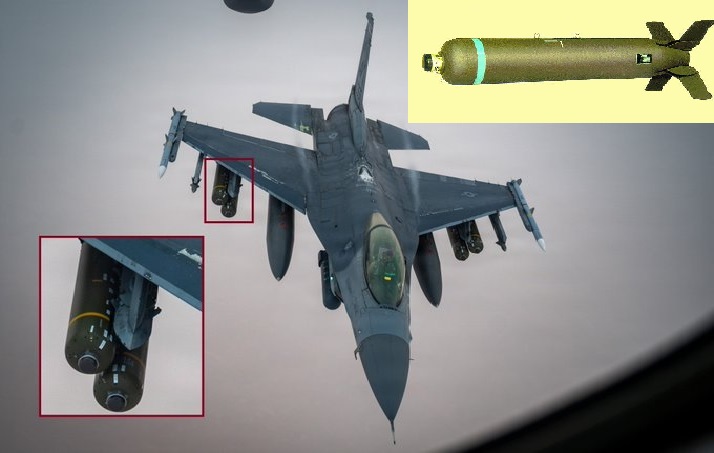
World
WASHINGTON, — April 4, 2026 A newly released image from the U.S. Defense Visual Information Distribution Service (DVIDS) has provided detailed insight into the evolving air-to-ground mission configurations employed by the U.S. Air Force during ongoing operations in the U.S. Central Command (CENTCOM) area of responsibility. The photograph captures a U.S. Air Force F-16 Fighting Falcon in flight on April 2, 2026, actively supporting Operation Epic Fury. The aircraft is shown carrying four large dispenser-type munitions, with two mounted under each wing. While the official caption confirms the aircraft type, location, and date, it does not identify the specific ordnance or mission profile associated with the sortie. Loadout Configuration and Technical Assessment Visual analysis of the underwing munitions indicates a configuration consistent with dispenser-based weapons designed for wide-area effects against ground targets. Based on external shape, size, and mounting arrangement, analysts assess that the loadout aligns with two primary U.S. munitions systems historically used for anti-armor and area-denial roles. One possible identification is the CBU-97 Sensor Fuzed Weapon, a 1,000-pound class cluster munition designed for targeting armored vehicles. Each dispenser contains 10 BLU-108/B submunitions, with each submunition deploying four infrared-guided projectiles. In total, a single CBU-97 releases 40 explosively formed penetrators (EFPs) capable of detecting and engaging individual vehicles based on heat signatures. A precision-guided variant, the CBU-105, incorporates a Wind Corrected Munitions Dispenser (WCMD) tail kit to improve accuracy. An alternative assessment points to the CBU-89/B GATOR mine-dispensing system. This system is also a 1,000-pound class dispenser that deploys a mix of anti-vehicle and anti-personnel mines. Specifically, it carries 72 BLU-91/B anti-vehicle mines and 22 BLU-92/B anti-personnel mines. The BLU-91/B employs magnetic sensing to detect vehicles and uses a shaped-charge warhead to penetrate armored hulls. The GATOR system enables rapid aerial deployment of minefields to deny terrain, restrict maneuver, and channel opposing forces into predictable routes. No official confirmation has been issued by the U.S. Air Force or CENTCOM regarding which munition was carried during the documented mission. The identification remains based solely on observable characteristics in the released image. Operational Context: Operation Epic Fury The sortie took place within the framework of Operation Epic Fury, a large-scale air campaign initiated on February 28, 2026, under the direction of the President of the United States. The operation is being conducted across the CENTCOM theater and is focused on targeting elements of Iran’s military and security infrastructure. According to CENTCOM fact sheets, the campaign includes efforts to dismantle integrated air defense systems (IADS), destroy mobile ballistic missile launchers, and neutralize unmanned aerial vehicle (UAV) production and launch facilities. Additional targets include command and control centers, weapons storage locations, and other military infrastructure. As of early April 2026, U.S. and partner forces have conducted more than 13,000 combat flights. The air campaign involves a wide range of aircraft, including F-16, F-15, F-35, B-52, B-1, and B-2 platforms, supported by aerial refueling and other enabling assets. Mission Role and Tactical Implications The presence of dispenser-type munitions on the F-16 suggests a mission set focused on engaging mobile or distributed ground targets rather than fixed infrastructure. If the loadout consists of GATOR mine systems, the aircraft may have been tasked with rapidly deploying minefields to block supply routes, isolate operational areas, or prevent the relocation of mobile missile systems. If the munitions are Sensor Fuzed Weapons, the mission profile would more likely involve direct engagement of armored formations, vehicle convoys, or other mobile assets within a defined area. These weapons provide the capability to cover large ground footprints and engage multiple targets in a single pass, making them suitable for time-sensitive targeting scenarios. Unlike conventional GPS-guided Joint Direct Attack Munitions (JDAMs), which are primarily used against fixed coordinates, dispenser-based systems are designed to address dynamic battlefield conditions involving moving targets and dispersed formations. Platform Flexibility and Historical Usage The F-16 Fighting Falcon has a long operational history of employing both the CBU-89/B GATOR and CBU-97 series munitions. The GATOR system was used during Operation Desert Storm for rapid minefield deployment, while the CBU-97 has been part of U.S. Air Force inventories for wide-area anti-armor missions across multiple platforms, including the F-15E and A-10. The April 2 image demonstrates the continued adaptability of the F-16 platform in transitioning between mission roles, including air superiority, precision strike, and complex ground-attack operations. The observed configuration reflects the aircraft’s ability to support battlefield shaping and interdiction missions as operational requirements evolve. Information Control and Ongoing Operations U.S. Air Force and CENTCOM officials have maintained operational security regarding specific loadouts and mission details associated with current sorties. No additional information has been released concerning the exact weapons employed in the April 2 mission. The DVIDS image serves as a publicly available record of ongoing air operations within the CENTCOM theater. While it provides visual confirmation of aircraft configuration, it does not constitute official confirmation of weapon type or specific tactical intent. Operation Epic Fury remains ongoing, with further updates expected through official U.S. military communication channels as the campaign progresses.
Read More → Posted on 2026-04-04 13:56:50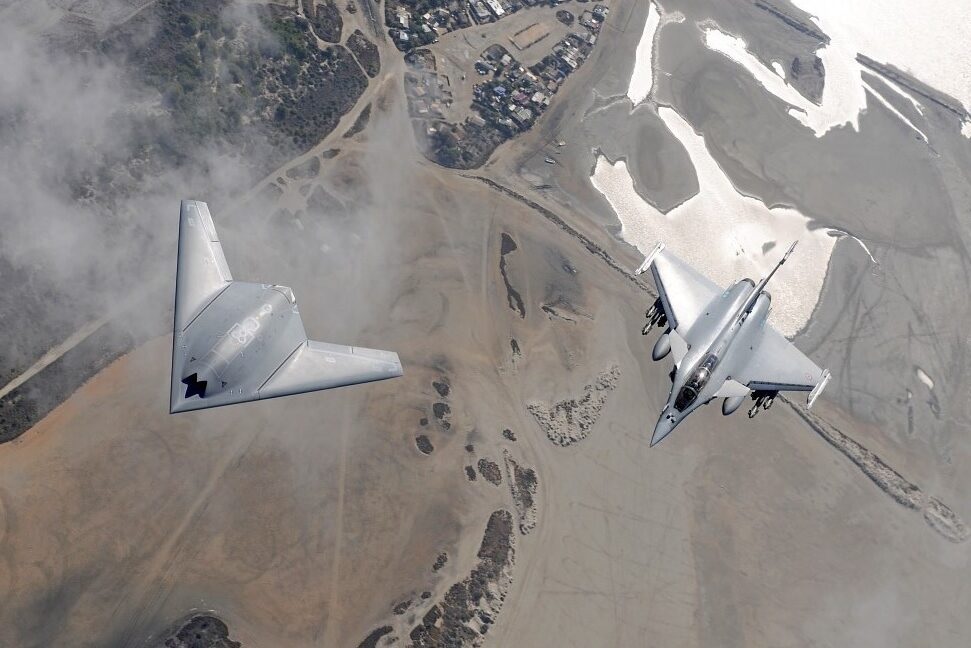
World
PARIS, — April 4, 2026 : The French government has confirmed it will independently finance the development of the Rafale F5 fighter aircraft standard after negotiations with the United Arab Emirates (UAE) over a co-funding arrangement ended without agreement in December 2025. The decision requires France to absorb the full estimated €5 billion cost of the next-generation upgrade programme. The proposed partnership had envisioned the UAE contributing approximately €3.5 billion—more than 70 percent of the total development budget—in exchange for expanded industrial participation and access to advanced technologies. However, discussions broke down over disagreements related to technology transfer, intellectual property access, and supply chain involvement. Dispute Over Technology Access and Industrial Role According to officials familiar with the negotiations, Emirati representatives sought access to sensitive components of the Rafale ecosystem, including advanced optronics systems, mission system architectures, and radar processing source codes. Abu Dhabi also aimed to secure joint intellectual property rights and integrate its domestic aerospace sector into high-value segments of the programme’s industrial base. France declined these requests, citing the need to maintain sovereign control over critical technologies, particularly those linked to electronic warfare systems and nuclear deterrence capabilities. French authorities also refused to grant access to certain “black box” optronics technologies, which remain tightly restricted due to their strategic importance. The impasse persisted through multiple rounds of discussions, including exchanges during a visit by President Emmanuel Macron to Abu Dhabi in late December 2025, after which the talks were formally concluded without agreement. Rafale F5 Programme Scope and Capabilities The Rafale F5 standard represents a major evolution of the Dassault Aviation Rafale platform rather than a routine upgrade. It is designed as a “system of systems” capable of operating in conjunction with unmanned collaborative combat aircraft, often described as “loyal wingman” drones derived from the nEUROn demonstrator programme. Key planned enhancements include: A next-generation RBE2-XG active electronically scanned array (AESA) radar incorporating Gallium Nitride (GaN) technology Upgraded avionics with enhanced data links, connectivity, and processing capabilities Integration of a more powerful Safran M88 engine variant, delivering approximately 20 percent increased thrust Expanded manned-unmanned teaming capabilities Compatibility with the future ASN4G hypersonic nuclear missile for France’s airborne deterrent Development contracts for the F5 standard already exceed €4 billion and have been notified by the French Directorate General of Armaments (DGA) to Dassault Aviation and its key partners, including Safran, Thales, and MBDA. The aircraft’s entry into service is currently targeted for the 2030–2035 timeframe. Budgetary Impact and Programme Timeline With the withdrawal of Emirati funding, the French Ministry of the Armed Forces will incorporate the full programme cost into a revised Military Programming Law (LPM), scheduled for review by the Council of Ministers in April 2026. The adjustment comes at a time when France is already managing increased defence expenditures linked to broader European rearmament efforts. Officials have indicated that while the programme will proceed to preserve strategic autonomy, the loss of external financing may require a redistribution of spending over a longer period. This “spreading of costs” approach could introduce delays to the development schedule and potentially shift the planned entry-into-service timeline. The broader Rafale programme, including earlier standards such as F2, F3, and F4, is estimated to have cost approximately €11.7 billion to date. Strategic and Industrial Implications The outcome highlights differing strategic priorities between France and the UAE. While France continues to emphasize sovereign control over defence technologies and systems integration, the UAE has increasingly pursued a model focused on co-development, technology access, and domestic industrial growth rather than traditional procurement roles. Despite the breakdown in this specific programme, defence cooperation between the two countries remains ongoing. France continues to act as a key security partner for the UAE, including recent operational support in regional air defence activities. For France, proceeding independently with the Rafale F5 reinforces its commitment to maintaining a fully sovereign combat aviation capability. The F5 standard is also viewed as a critical bridge capability as the separate Franco-German-Spanish Future Combat Air System (FCAS) programme continues to face industrial and political challenges. The Rafale remains in service with the French Air and Space Force and the French Navy and has been exported to multiple countries, including India, Egypt, Qatar, Greece, and Croatia. The F5 standard is expected to represent the final major evolution of the current Rafale airframe before the introduction of future combat air systems beyond the 2030s. Further updates on programme funding, timelines, and industrial participation are expected following the French government’s review of the revised defence budget framework in April 2026.
Read More → Posted on 2026-04-04 13:44:36
World
ÄMARI AIR BASE, Estonia — April 4, 2026 : NATO has formally concluded the Italian Air Force’s deployment to Ämari Air Base, ending two consecutive rotations under the Baltic Air Policing (BAP) mission, as operational responsibility transitions to the Portuguese Air Force for the next four-month cycle. The Italian contingent operated under Operation Baltic Eagle III as part of NATO’s Enhanced Air Policing and Eastern Sentry Vigilance Activities, maintaining continuous airspace security along the Alliance’s eastern flank. The deployment, which began on August 1, 2025, involved a combined force of approximately 800 personnel and multiple advanced air and ground-based defense assets. Deployment Composition and Assets The Italian Air Force initially deployed F-35A Lightning II aircraft from the 32nd Wing at Amendola and the 6th Wing at Ghedi. These were later replaced by Eurofighter Typhoon multirole fighters drawn from four wings: the 4th Wing (Grosseto), 36th Wing (Gioia del Colle), 37th Wing (Trapani), and 51st Wing (Istrana). In addition to fighter aircraft, the deployment included the Gulfstream G550 CAEW (Conformal Airborne Early Warning) platform, providing airborne command and control capabilities. On the ground, an Italian Army SAMP/T air defense system was integrated into NATO’s Integrated Air and Missile Defence (IAMD) architecture, ensuring layered protection and coordination between air and land-based assets. Operational Activity and Air Policing Performance Throughout the mission, Italian aircraft maintained a 24/7 Quick Reaction Alert (QRA) posture, enabling rapid response to unidentified or uncoordinated aircraft approaching NATO airspace. During the deployment, the Italian detachment recorded more than 1,300 flight hours across operational and training sorties. Pilots conducted over 40 Alpha Scrambles, responding to potential airspace incursions and irregular aerial activity. In total, more than 60 aircraft were intercepted. A notable incident occurred on March 18, 2026, when Italian Eurofighter Typhoons intercepted a Russian Navy Su-30SM multirole fighter that briefly violated Estonian airspace near Vaindloo Island. The mission also contributed to four Flexible Deterrence Options (FDOs), integrating Italian assets into NATO’s broader command and control framework and enhancing coordination with Allied forces. Multinational Training and Integration Operating within the Eastern Sentry framework launched in late 2025, the Italian deployment emphasized interoperability with NATO partners and regional forces. Personnel participated in multiple joint exercises and training activities designed to strengthen coordination across domains. Exercise Furious Wolf focused on integrating air operations with Joint Terminal Attack Controllers (JTACs), improving coordination between air and ground units. Italian aircraft also conducted close air support (CAS) training with Latvian land forces. Air-to-air training missions were carried out alongside Spanish, Portuguese, and Finnish aircraft to refine joint operational procedures. Additionally, the Italian contingent participated in counter-unmanned aerial systems (C-UAS) training, conducting defensive operations against Estonian drone systems to address evolving UAV threats. Support to the host nation included JTAC-related activities and community engagement initiatives, further strengthening cooperation with Estonian forces. Command Remarks and Mission Assessment Colonel Fabio De Michele, commander of the Italian Air Force detachment, stated that the unit fulfilled its assigned objectives in safeguarding Baltic airspace. He highlighted that sustained operations in a complex operational environment demonstrated effective coordination between Italian Air Force and Army personnel, as well as strong cooperation with Estonian counterparts. Estonian Minister of Defense Hanno Pevkur acknowledged the Italian contribution, noting that their performance during challenging operational conditions reinforced NATO’s deterrence posture in the region. Transition to Portuguese Air Force Following the formal handover ceremony on March 31, the Portuguese Air Force has assumed responsibility for the mission at Ämari Air Base. Portugal has deployed F-16 fighter aircraft to maintain uninterrupted Quick Reaction Alert coverage. This rotation marks Portugal’s second deployment to Ämari and its ninth participation in the Baltic Air Policing mission since its establishment in 2004. Continuity of NATO Air Policing Mission The Baltic Air Policing mission provides continuous protection of the airspace over Estonia, Latvia, and Lithuania, which do not operate their own fighter aircraft fleets. NATO officials stated that regular rotations of Allied air units ensure a persistent and adaptable air defense posture in the region. The conclusion of the Italian deployment and seamless transition to Portuguese forces reflects NATO’s ongoing implementation of its integrated air and missile defense strategy, maintaining operational readiness and coordination across Allied nations.
Read More → Posted on 2026-04-04 13:29:59
World
WASHINGTON, D.C., — April 3, 2026 : The White House has submitted its budget proposal for fiscal year 2027, requesting a total of $1.5 trillion in defense spending, the highest level of military expenditure in U.S. history. The proposal combines $1.15 trillion in base discretionary defense funding with an additional $350 billion through a reconciliation measure, representing a significant increase over prior years. According to administration figures, the base defense budget alone reflects a 28 percent increase compared to fiscal year 2026 levels, which stood at approximately $838.7 billion. When including reconciliation funding, the total defense request represents an increase of roughly 42 to 44 percent over the previous year. The proposal comes as the United States continues to manage elevated military demands linked to the ongoing conflict with Iran, which has accelerated operational spending and reduced existing munition stockpiles. Defense Spending Structure and Priorities The 92-page budget outlines a combined approach of discretionary and mandatory funding aimed at expanding military capacity, modernizing forces, and strengthening the defense industrial base. Of the total request, approximately $760 billion is allocated toward weapons procurement and development. Within the base budget, procurement accounts for about $260 billion, while research, development, testing, and evaluation (RDT&E) totals $220 billion. The reconciliation component contributes an additional $280 billion toward weapons-related accounts. Key allocations include: Military Personnel Compensation: A proposed pay raise of between 5 percent and 7 percent for service members. Shipbuilding and Naval Expansion: $65.8 billion to support the construction of 18 battle force ships and 16 non-battle force vessels. Funding also supports the “Golden Fleet” initiative, including development of Trump-class battleships, next-generation frigates, and expanded shipyard capacity. Submarine and Naval Programs: Continued or increased procurement of Columbia-class ballistic missile submarines, Virginia-class attack submarines, amphibious ships, sealift vessels, cargo replenishment tankers, hospital ships, and logistics vessels. Tactical Aircraft Procurement: Funding for 85 F-35 Joint Strike Fighter aircraft, including 38 F-35A, 10 F-35B, and 37 F-35C variants. Of these, 32 aircraft are funded through the base budget and 53 through reconciliation. Missile Defense: $17.5 billion for the “Golden Dome” missile defense initiative, including $400 million in base funding and the remainder through reconciliation. The program focuses on space-based sensors and interceptors, along with kinetic and non-kinetic capabilities for layered homeland defense. Munitions and Industrial Base: Expanded production of 12 critical munitions and investments in domestic supply chains and critical minerals to increase scalability. Advanced Technologies: Tens of billions of dollars allocated for integrating artificial intelligence and emerging technologies into military systems. The administration stated that the funding is intended to restore readiness, improve lethality, and adapt U.S. forces to evolving global security conditions. Homeland Security and Law Enforcement Funding The budget proposal also includes substantial increases in funding for border security and federal law enforcement. Federal law enforcement funding would rise by more than $19 billion, a 15 percent increase, supporting operations targeting violent crime, drug trafficking, and illegal immigration. This includes expanded staffing, additional task forces focused on transnational criminal organizations such as Tren de Aragua and MS-13, and increased prosecutorial capacity. Immigration and Customs Enforcement (ICE) is allocated $75 billion to expand detention capacity to up to 100,000 single-adult beds and 30,000 family-unit beds. The funding also includes $15.4 billion for transportation and removal operations and supports a 67 percent staffing increase through 2029. Immigration courts would receive $899 million, an increase of $99 million, to hire additional judges and expand facilities. The U.S. Coast Guard budget includes a $2.1 billion increase to enhance maritime interdiction operations. Border security measures, including wall construction, surveillance technology, and enforcement activities, are allocated at least $31.4 billion for fiscal year 2027 under broader multi-year homeland security funding exceeding $190 billion. Domestic Spending Reductions To offset part of the defense increase, the administration has proposed $73 billion in cuts to non-defense discretionary spending, representing an overall reduction of about 10 percent across domestic agencies. Major reductions include: Environmental Protection Agency (EPA): A 52 percent cut totaling $4.6 billion. State Department and International Programs: A 30 percent reduction, cutting $15.5 billion. Department of Labor: A 26 percent reduction, totaling $3.5 billion. Department of Agriculture: A 19 percent reduction, cutting $4.9 billion. Program-specific reductions include: Climate and Energy Programs: Elimination of $15.2 billion in renewable energy funding established under prior infrastructure legislation. Health and Research: A $5 billion reduction to the National Institutes of Health (NIH), along with a $356 million cut to the Administration for Strategic Preparedness and Response. Immigration Programs: Cuts of $768 million to refugee resettlement programs and $819 million to programs for unaccompanied minors. Justice Programs: Elimination of nearly 30 Department of Justice grant programs. Transportation Security: A $52 million reduction to the Transportation Security Administration (TSA), including a shift toward privatized screening at smaller airports. The administration indicated that some responsibilities currently managed at the federal level, including certain health, housing, and education programs, would be shifted to state governments where feasible. Targeted Domestic Increases Despite overall reductions, the proposal includes selective increases in specific domestic areas: Aviation Safety: An additional $481 million to support hiring air traffic controllers and improving aviation safety systems. National Guard: $605 million allocated for National Guard mobilizations in Washington, D.C. Fiscal Impact and Funding Approach The administration has indicated that part of the expanded defense spending would be financed through tariff revenues on imported goods and services. The use of reconciliation procedures allows portions of the funding—particularly the $350 billion component—to be approved without requiring offsets in other spending categories. Fiscal analysts have raised concerns about the long-term budgetary impact. The Committee for a Responsible Federal Budget estimates that maintaining defense spending at $1.5 trillion could add approximately $6.9 trillion to the national debt over the next decade when accounting for interest costs. Congressional Outlook The budget proposal now moves to Congress, where lawmakers will negotiate and determine final appropriations for fiscal year 2027. Initial reactions indicate opposition from congressional Democrats, including Senate Minority Leader Charles E. Schumer, who has criticized both the scale of defense increases and the scope of domestic cuts. At the same time, senior Republican lawmakers, including Senate Armed Services Committee Chairman Roger Wicker and House Armed Services Committee Chairman Mike Rogers, have expressed support for the proposed $1.5 trillion defense topline, citing alignment with broader goals of increasing defense spending to approximately 5 percent of gross domestic product. Further detailed budget documents, including service-specific allocations for the Army, Navy, Air Force, Marine Corps, and Missile Defense Agency, are scheduled for release on April 21.
Read More → Posted on 2026-04-03 17:47:03
World
Iran’s political and military structure is undergoing a significant internal shift, as the Islamic Revolutionary Guard Corps (IRGC) has assumed de facto control over key state functions during an ongoing conflict and leadership crisis. The development follows a prolonged absence of Supreme Leader Mojtaba Khamenei and increasing tensions between the military establishment and the civilian administration led by President Masoud Pezeshkian. Leadership Vacuum and Uncertainty The current situation stems from the deaths of Ayatollah Ali Khamenei and several senior Iranian officials in US-Israeli strikes at the outset of the conflict. Mojtaba Khamenei, his son, was subsequently appointed Supreme Leader. However, he has not appeared in public since his appointment, and all communications attributed to him have been delivered indirectly through state television, either as written statements or read by presenters. International assessments and statements from US officials indicate that Mojtaba Khamenei may have sustained severe injuries during the initial strikes. US President Donald Trump and Defense Secretary Pete Hegseth have publicly suggested that he could be critically wounded, possibly disfigured, or in a coma. Iranian authorities have not officially confirmed these claims. The absence of a visible and functioning Supreme Leader has created a leadership vacuum at the highest level of the Iranian state. This has limited the ability of the civilian government to exercise authority over national decision-making processes. Emergence of IRGC Military Council In response to the leadership gap, the IRGC has established a military council composed of senior commanders, which is currently overseeing daily executive decisions. This body is reported to be directing both internal governance and wartime operations. The IRGC has also implemented a strict security perimeter around Mojtaba Khamenei. This arrangement restricts access to official information and has effectively prevented direct communication between the Supreme Leader’s office and other branches of government. Requests from President Pezeshkian to meet the Supreme Leader have not been granted in recent days. Civil-Military Tensions Intensify Tensions between the IRGC leadership and the civilian administration have become increasingly visible. A recent attempt by President Pezeshkian to appoint Hossein Dehghan as intelligence minister was blocked by IRGC commander Ahmad Vahidi. Vahidi, who assumed leadership of the IRGC following the death of his predecessor earlier in the conflict, rejected the proposed appointment. He stated that, under current wartime conditions, all critical and sensitive government positions must be selected and overseen directly by the IRGC. This approach departs from Iran’s established governance process, which typically requires approval from the Supreme Leader for key appointments. President Pezeshkian has raised concerns regarding the IRGC’s conduct of the conflict, particularly its actions involving neighboring Gulf countries. He has warned that these policies are contributing to long-term economic strain, as Iran’s financial resources continue to be depleted by sustained military operations. The president has formally requested the restoration of executive authority to the civilian government, but these requests have not been accepted by the IRGC leadership. Strategic and Economic Implications The IRGC has expanded its operational control during the conflict, including direct management of the Strait of Hormuz. The waterway is a critical global oil transit route, accounting for approximately one-fifth of the world’s oil shipments. Iran has imposed restrictions on vessels linked to the United States, Israel, and allied countries, effectively limiting access through the strait. The IRGC Navy has declared full control over the area and has issued warnings regarding unauthorized transit. Beyond military operations, the IRGC continues to maintain extensive involvement in Iran’s economic sectors, including oil, transportation, banking, and real estate. Its influence in these areas has grown over time and now intersects directly with its expanded role in governance during the conflict. Diplomatic Context US President Donald Trump recently stated that discussions aimed at ending the conflict were underway with what he described as “moderate leaders” in Iran. Iranian officials have denied that any such negotiations are taking place. The current balance of power suggests that the civilian government has limited capacity to independently engage in diplomatic initiatives, as decision-making authority appears concentrated within the IRGC’s military leadership. Ongoing Situation No official confirmation has been issued by Iranian authorities regarding the full extent of the reported power shift. However, the IRGC continues to direct key aspects of Iran’s internal governance and military strategy. The situation reflects a consolidation of authority within the military structure amid unresolved questions about the Supreme Leader’s condition and the role of civilian leadership during the ongoing conflict.
Read More → Posted on 2026-04-03 17:28:25
World
Split, Croatia — April 3, 2026 : The United States Navy’s aircraft carrier USS Gerald R. Ford (CVN-78) has departed the Croatian port of Split after completing a five-day maintenance and repair period, restoring the vessel to full operational status following a non-combat onboard fire. Navy officials confirmed that the carrier has resumed its deployment schedule and is available for full mission tasking. Maintenance Period Following Onboard Fire The port visit, conducted from March 28 to April 2, followed a fire that broke out on March 12, 2026, while the carrier was operating in the Red Sea as part of Operation Epic Fury. The incident originated in the aft main laundry facility and spread through the ship’s ventilation system into adjacent compartments. Damage control teams required more than 30 hours to fully extinguish the fire. While propulsion systems and combat capabilities remained unaffected, the blaze caused extensive smoke damage, disabled laundry operations, and impacted nearby berthing areas. Approximately 100 sleeping berths were damaged, and between 200 and 600 sailors were temporarily displaced due to habitability issues. Medical evaluations reported two to three sailors sustained non-life-threatening injuries, while nearly 200 personnel were treated for smoke inhalation. Repair and Recovery Operations Initial damage control, inspection, and resupply operations were conducted at Souda Bay, Greece, between March 23 and March 26. The carrier subsequently transited to Split for further repairs and replenishment. During the Croatia port call, U.S. Navy personnel, alongside local contractors and specialized maintenance teams, carried out interior restoration work, repaired affected compartments, and replenished critical supplies. Habitability conditions, including damaged berthing spaces, were restored, and essential equipment was replaced. The stop also allowed crew members a period of shore leave. This visit marked the second time USS Gerald R. Ford has docked in Split during its current deployment, following a previous port call between October 21 and October 26, 2025. Vessel Capabilities and Design USS Gerald R. Ford is the lead ship of the Ford-class nuclear-powered aircraft carriers and represents a significant technological advancement over the Nimitz-class. The vessel measures approximately 1,106 feet in length, with a full-load displacement exceeding 100,000 tons, making it the largest warship in the U.S. Navy. The program cost is estimated at $13.3 billion. The carrier is powered by two Bechtel A1B nuclear reactors, generating nearly three times the electrical output of earlier carrier designs. This enables speeds exceeding 30 knots (approximately 56 km/h) and provides effectively unlimited operational range, constrained primarily by logistical support and maintenance cycles. The ship is designed to operate with a reduced crew size compared to previous carrier classes due to increased automation across onboard systems. Air Wing and Flight Operations The carrier supports an embarked air wing of more than 75 aircraft. This includes F-35C Lightning II stealth fighters, F/A-18E/F Super Hornets, EA-18G Growlers for electronic warfare, E-2D Advanced Hawkeye airborne early warning aircraft, and MH-60 helicopters. Its flight deck, measuring approximately 1,092 by 256 feet, incorporates the Electromagnetic Aircraft Launch System (EMALS), replacing traditional steam catapults. EMALS uses linear induction motors to provide smoother aircraft launches, reduce stress on airframes, and support a wider range of aircraft, including unmanned systems. The ship also employs the Advanced Arresting Gear (AAG) system for aircraft recovery operations. Combined with an optimized deck layout and advanced weapons elevators, the carrier is capable of generating approximately 160 sorties per 12-hour day, with a surge capacity of up to 270 sorties in a 24-hour period. Sensors and Defensive Systems USS Gerald R. Ford is equipped with the Dual Band Radar (DBR), integrating S-band and X-band radar functions for enhanced tracking and targeting capabilities. Its defensive systems include RIM-162 Evolved Sea Sparrow Missiles (ESSM), Rolling Airframe Missiles (RAM), and Phalanx Close-In Weapon Systems (CIWS), providing layered protection against aerial and missile threats. Ongoing Deployment The carrier departed Naval Station Norfolk on June 24, 2025, as the flagship of Carrier Strike Group 12. As of early April 2026, the deployment has extended to approximately 281 days and is projected to continue into an 11th month, making it the longest U.S. aircraft carrier deployment since the Vietnam War era. Throughout the deployment, USS Gerald R. Ford has conducted operations in multiple regions, including the Caribbean, Mediterranean, and Middle East, with sustained strike missions carried out in the Red Sea. Return to Operations Following completion of repairs and system checks in Split, Navy officials confirmed that the carrier has returned to full mission capability. The ship is expected to continue operations in the Mediterranean or Red Sea region, supporting U.S. strategic and security objectives. An investigation into the cause of the March 12 laundry facility fire remains ongoing.
Read More → Posted on 2026-04-03 17:09:26
World
Seoul, South Korea — April 3, 2026 : South Korean technology firm DAON I&C has formally entered the defense sector with the unveiling of its SWARM-X series of military-grade unmanned aerial vehicles (UAVs), expanding beyond its established role in civilian drone swarm light show operations. The company’s new platforms are designed for high-speed, swarm-enabled combat and reconnaissance missions, incorporating artificial intelligence and domestically developed systems. The announcement follows recent demonstrations conducted by Defense Advancement, during which DAON’s UAVs successfully executed payload delivery operations, including the release of mines and grenades. These trials highlighted the company’s transition toward deployable military applications and validated its strike drone capabilities under controlled conditions. SWARM-X Platform Overview The SWARM-X brand represents DAON’s next-generation swarm drone portfolio, centered on two primary systems: the XV600 and XV1200. Both platforms employ quad tailsitter vertical takeoff and landing (VTOL) configurations, allowing them to operate without conventional runway infrastructure while transitioning to fixed-wing flight for extended range and speed. The XV600 is a 600-class UAV designed for deployment at the squad or platoon level. It is engineered for high-speed operations and precision strike missions, carrying combat payloads for targeted engagements. The platform also supports day-and-night reconnaissance through electro-optical and infrared (EO/IR) sensors and is capable of conducting deception missions by altering visual signatures such as color and operational patterns. The larger XV1200 is a 1200-class VTOL fixed-wing UAV built for heavier payload operations and longer-range missions. It is specifically configured to deploy munitions equivalent to 60 mm mortar rounds. The system integrates onboard artificial intelligence for target recognition and supports direct collision or terminal dive strike profiles, enabling both operational and training applications. In addition to strike roles, both UAVs have demonstrated the ability to operate in coordinated autonomous formations, conducting real-time multi-mapping and surveying missions. Integration of Edge AI and Autonomous Targeting DAON I&C is developing a networked combat mission system that integrates reconnaissance drones with loitering munition platforms using Edge Artificial Intelligence. The system is designed to enable autonomous collaboration between multiple UAVs during combat operations. In this architecture, reconnaissance swarm drones independently identify and track targets such as enemy personnel, tanks, and armored vehicles. The collected data is processed onboard using AI-enabled image recognition and then transmitted to strike drones, which execute attacks based on the provided coordinates. According to CEO Yang Chang-yol, the company is working toward a unified AI-driven framework that combines image processing, flight control, mission execution, and communication. This system will incorporate neural processor-based Edge AI semiconductors to support onboard decision-making and reduce reliance on external control. Traffic Management and Cybersecurity Architecture To support large-scale swarm deployments, DAON is also developing the DAON Traffic Management System (D-TMS), an autonomous air traffic control framework tailored for unmanned swarm operations. The system integrates blockchain technology with AI-based flight control to manage communication between drones and ensure safe operation in dense environments. The D-TMS enables real-time coordination between UAVs to prevent mid-air collisions through autonomous communication protocols. The use of blockchain technology is intended to enhance cybersecurity, protecting against electronic warfare threats, unauthorized access, and data manipulation. Localization of Core Technologies A key aspect of DAON’s strategy is the full localization of critical drone components to mitigate supply chain risks and improve system security. The SWARM-X platforms incorporate the company’s proprietary D-FC (Flight Controller) v2.0, which operates on dedicated firmware and communication protocols to enhance flight stability and resilience. The company has also developed indigenous ground control station software (DGCS), along with localized EO/IR cameras, video transmission systems, and cryptographic modules. These components are integrated into what DAON describes as its “SWARM AI” full-stack system, consolidating over a decade of experience in swarm flight control technologies. Background and Industrial Collaboration DAON I&C has accumulated technical expertise in swarm drone operations since launching South Korea’s first drone light show platform in 2015. The company has conducted large-scale civilian projects, including Hyundai Motor Group’s “Sing Your Wish” drone show and permanent drone display installations at Nokdong Port in Goheung and Lake Sapkyo in Dangjin. In support of its defense expansion, DAON was selected for the 2025 AI Semiconductor Application Demonstration Support Project by the Ministry of Science and ICT and the National IT Industry Promotion Agency. The company is also collaborating with the Electronics and Telecommunications Research Institute on multi-drone autonomous flight systems for search-and-rescue missions. Additionally, DAON has signed a memorandum of understanding (MOU) with Indonesian UAV manufacturer BETA-UAS to develop swarm VTOL solutions for international markets. Product Portfolio and Future Plans Alongside the XV600 and XV1200, DAON’s broader UAV portfolio includes platforms such as the X450 training drone, the X850N reconnaissance drone with onboard AI capabilities, and the X500E designed for public safety applications. The company has also showcased supporting technologies, including the DCam Onix FPV camera and DGCS swarm control software, at industry exhibitions such as Drone Show Korea (DSK). Headquartered in Gwangmyeong-si, Gyeonggi-do, DAON I&C plans to establish manufacturing infrastructure and expand into defense, military, and educational technology markets by 2027. The company aims to provide integrated solutions for long-range surveillance, reconnaissance, detection, and autonomous strike missions to both domestic and international clients. While the operational roles and system architecture of the XV600 and XV1200 have been disclosed, the company has not released detailed technical specifications such as dimensions, weight, propulsion systems, or maximum speed.
Read More → Posted on 2026-04-03 16:58:36
World
WASHINGTON, — April 3, 2026 : A recent United States intelligence assessment indicates that Iran continues to retain a substantial portion of its military strike capabilities despite more than five weeks of sustained air operations conducted by the United States and Israel under Operation Epic Fury. The findings, first reported on April 2, present a detailed evaluation of Iran’s remaining missile, drone, and naval assets, offering a more nuanced picture than recent public statements from US officials. Missile and Drone Capabilities Remain Substantial According to multiple sources familiar with the assessment, approximately half of Iran’s ballistic missile launchers remain intact. Prior to the conflict, Iran was estimated to possess around 470 launch systems. Current intelligence suggests that roughly 200 launchers have been destroyed in airstrikes, while an additional 80 are assessed to be non-operational. The remaining systems include both active launchers and those rendered temporarily inaccessible. A key factor in the assessment is the classification of assets that are “intact but inaccessible.” Many missile launchers have been stored in deeply buried underground facilities. Airstrikes have collapsed tunnel entrances and restricted access to these systems, but the equipment itself has not been fully destroyed. In parallel, Iran is assessed to retain approximately 50 percent of its unmanned aerial vehicle (UAV) inventory. This includes thousands of one-way attack drones that remain stockpiled and available for deployment. Intelligence sources indicate that Iran also maintains a large number of missiles beyond the launch systems currently accounted for. Underground Infrastructure Complicates Damage Assessment Iran’s longstanding investment in underground military infrastructure continues to affect the overall assessment of damage. The country has developed extensive tunnel networks, often referred to as “missile cities,” built into mountainous terrain over several decades. Some of these facilities are located at depths of up to 500 meters. US and Israeli strikes have targeted tunnel entrances and supporting equipment, including machinery used to reopen blocked access points. However, the depth and scale of these facilities make it difficult to fully eliminate stored weapons systems. Mobile launch platforms and “shoot-and-move” tactics have further complicated efforts to track and destroy remaining assets. Coastal Defense Systems Largely Intact The intelligence assessment also highlights the continued operational status of a large percentage of Iran’s coastal defense cruise missiles. These systems have not been the primary focus of the US-led air campaign, which has concentrated on inland infrastructure, weapons production facilities, and leadership targets. The remaining coastal missile systems enable Iran to maintain a threat to maritime traffic in the Strait of Hormuz, a critical global shipping route. Intelligence sources indicate that many of these assets have either remained in or been relocated to underground storage sites. IRGC Naval Capabilities Persist While Iran’s regular navy has sustained significant damage, the naval branch of the Islamic Revolutionary Guard Corps (IRGC) is assessed to retain approximately half of its operational capacity. This includes hundreds to thousands of fast-attack small boats as well as unmanned surface vessels (USVs). US Central Command has reported that more than 155 Iranian vessels have been damaged or destroyed since the start of operations. However, public data does not consistently distinguish between losses in the regular navy and IRGC naval forces. The IRGC Navy has historically been responsible for operations targeting or harassing commercial shipping in the Strait of Hormuz. Scale of the Air Campaign Since the launch of Operation Epic Fury on February 28, 2026, US Central Command reports that more than 12,300 targets have been struck across Iranian territory. These operations have focused on missile production facilities, storage sites, command centers, and senior leadership nodes. Strikes on key production facilities, including sites at Khojir, Shahroud, Parchin, and Hakimiyeh, are assessed to have severely damaged or halted Iran’s ability to manufacture certain short- and medium-range ballistic missiles. Despite this, existing stockpiles and surviving launch infrastructure continue to support ongoing operational capability. The campaign has also resulted in the deaths of senior Iranian leaders, including Supreme Leader Ali Khamenei and Ali Larijani, head of Iran’s National Security Council. Differences in US and Israeli Assessments The US intelligence assessment differs in part from Israeli military estimates. Israeli officials assess that approximately 20 to 25 percent of Iranian missile launchers remain operational. This discrepancy is attributed to differing methodologies, as Israeli assessments typically exclude launchers that are buried or inaccessible, while US intelligence includes such systems in its overall count. Official Responses and Public Statements The intelligence findings contrast with recent public statements from the US administration. On April 1, President Donald Trump stated that Iran’s ability to launch missiles and drones had been “dramatically curtailed,” adding that very few launchers remained. On April 3, he indicated that US operations could be completed within two to three weeks. Secretary of Defense Pete Hegseth reported on March 19 that ballistic missile and UAV attacks against US forces had decreased by approximately 90 percent since the start of the conflict. He later noted that the number of launches in a 24-hour period had reached its lowest level, while acknowledging that Iran would continue limited launches and attempts to operate from underground positions. White House spokesperson Anna Kelly stated that Iranian missile and drone attacks are down 90 percent, that the Iranian navy has been largely neutralized, and that two-thirds of production facilities have been damaged or destroyed. She also emphasized continued US and Israeli air dominance. Pentagon spokesman Sean Parnell described the military campaign as delivering a “crippling series of blows” and stated that operations are progressing ahead of schedule. Ongoing Assessment and Operational Outlook One source familiar with the intelligence assessment described the projected two-to-three-week timeline for completing operations as unrealistic given the scale of remaining Iranian capabilities. The persistence of underground storage, surviving launch systems, and mobile operational tactics continues to present challenges for achieving complete neutralization. Unclassified intelligence summaries have not provided detailed figures on remaining missile inventories or specific UAV models. However, the current assessment continues to inform US and Israeli military planning as operations proceed.
Read More → Posted on 2026-04-03 16:39:45
World
Washington, D.C. — April 3, 2026 : U.S. President Donald Trump has designated Vice President JD Vance to lead a nationwide initiative targeting fraud in federal benefit programs, formally assigning him the role informally described as “Fraud Czar.” The announcement was made on April 3 via the president’s Truth Social platform and coincided with ongoing federal enforcement actions in California. Appointment and Scope of Responsibility According to the president’s statement, Vance will oversee efforts to identify and address fraud across federal programs, working alongside multiple agencies within the administration. Trump described fraud in government spending as “massive and pervasive,” adding that the initiative would operate nationwide but with a particular focus on states led by Democratic administrations. In his statement, Trump said the initiative would concentrate “everywhere,” while emphasizing states such as California, Illinois, Minnesota, Maine, and New York as priority areas. He also asserted that the scale of alleged financial losses is significant enough that successful recovery efforts could impact the federal budget balance. Task Force Structure and Mandate The appointment builds on an executive order signed on March 16, 2026, establishing the Task Force to Eliminate Fraud within the Executive Office of the President. The task force is chaired by Vice President JD Vance, with Federal Trade Commission Chairman Andrew Ferguson serving as vice chairman. The interagency body includes cabinet secretaries and heads of relevant federal agencies. Its mandate covers auditing, investigating, and preventing fraud, waste, and abuse in federal benefit programs, including Medicaid, Medicare, housing assistance, food assistance, and cash-based welfare programs administered in coordination with state and local governments. The executive order directs participating agencies to strengthen eligibility verification systems, introduce pre-payment safeguards, identify high-risk fraud patterns, and dismantle organized fraud networks. Agencies were instructed to submit measurable implementation plans within 90 days. The task force convened its first meeting in late March 2026. California Enforcement Actions Federal enforcement activity tied to the initiative was carried out on April 2, 2026, in the Los Angeles area under an operation identified as “Operation Never Say Die.” Federal agents executed search warrants and arrests targeting alleged hospice and healthcare fraud schemes. Authorities charged 11 defendants and arrested eight individuals across multiple locations, including Covina, Anaheim, and Glendale. Prosecutors allege that the schemes involved fraudulent hospice providers billing Medicare for services rendered to patients who were not terminally ill. The total alleged fraud amount exceeds $50 million. The cases were announced by the U.S. Attorney’s Office for the Central District of California. First Assistant U.S. Attorney Bill Essayli stated that the enforcement actions were conducted in coordination with the Task Force to Eliminate Fraud. In addition to the arrests, authorities reported that 221 hospice and healthcare providers in Los Angeles County were suspended due to suspected fraudulent activity. Officials noted that this represents an increase of more than 200 percent within a one-week period. Coordination and Early Operations Administration officials indicated that the California cases are among the first enforcement actions linked to the newly established task force. Vice President JD Vance commented following the arrests that the initiative had begun operations without delay and would continue to pursue fraud cases nationwide. Trump also referenced the California activity in his public remarks, stating that federal “raids have already started” in Los Angeles as part of the broader effort. Broader Geographic Focus Prior to the California actions, the task force had examined fraud-related concerns in Minnesota, particularly involving Medicaid and public assistance programs. A White House fact sheet issued alongside the March executive order identified California, Illinois, New York, Maine, and Colorado as states where federal officials believe vulnerabilities in oversight mechanisms may exist. The California enforcement actions represent an expansion into large-scale healthcare fraud investigations. Political Response The initiative has prompted criticism from political opponents, including members of the Democratic Party, who argue that the stated focus on “Blue States” suggests a politically targeted approach. Critics have raised concerns that federal law enforcement resources could be used in a manner that disproportionately targets political jurisdictions. Some lawmakers have also accused the administration of attempting to shift attention away from ongoing scrutiny of financial activities associated with Trump-linked businesses and foreign investments during his current term. Current Status As of April 3, 2026, federal authorities have not released additional details regarding the full scope of ongoing investigations or potential enforcement actions in other states. The Task Force to Eliminate Fraud continues to operate under the leadership of Vice President JD Vance, coordinating with federal prosecutors, the Department of Justice, and other agencies on active and future cases.
Read More → Posted on 2026-04-03 16:10:07
World
KYIV — April 3, 2026 : Ukraine’s 1st Separate Assault Regiment has begun systematically upgrading its fleet of M1A1 Abrams main battle tanks with additional protection measures designed to counter evolving battlefield threats, particularly first-person view (FPV) drones and shaped-charge munitions. The regiment disclosed on April 1 that it is fitting the tanks with a combination of overhead protective grilles, anti-drone standoff structures, and Kontakt-1 explosive reactive armor (ERA). Footage released from a workshop shows installation work being carried out on both the hull and turret sections of the vehicles, indicating an organized and repeatable modification process rather than isolated field improvisations. Physical Protection Measures Adapted to Drone Threats The upgrades focus on mitigating vulnerabilities that have emerged in an operational environment dominated by persistent aerial surveillance and precision drone strikes. FPV drones frequently target exposed areas such as the turret roof and engine deck—zones not originally optimized for overhead protection in the Abrams design. To address this, Ukrainian engineers have installed overhead grilles and metal standoff frameworks. These structures are designed to alter the attack geometry of incoming drones, forcing premature detonation of their warheads at a distance from the vehicle’s main armor. The spacing effect reduces the penetration capability of shaped-charge munitions before impact with the hull. In parallel, Kontakt-1 ERA blocks have been mounted across the turret and hull. This Soviet-era system uses explosive-filled elements, identified as 4S20, which detonate outward upon impact. The resulting counter-explosion disrupts the focused jet of high-explosive anti-tank (HEAT) warheads, including those used in anti-tank guided missiles (ATGMs) and infantry-launched systems. Integration of Mixed-Origin Systems The application of Kontakt-1 on US-supplied Abrams tanks reflects a mixed-origin approach to survivability enhancements. The M1A1 platform, originally designed for high-intensity direct-fire engagements, relies on composite armor and advanced targeting systems. Export variants delivered to Ukraine are configured without depleted uranium armor and instead use alternative materials such as tungsten-based protection. The addition of external ERA and anti-drone structures is intended to compensate for both evolving threats and differences in baseline protection levels. Ukrainian units are implementing these upgrades using available systems regardless of origin, indicating a flexible integration strategy at the unit level. Fleet Growth Enables Standardization The ability to scale these modifications is linked to the expansion of Ukraine’s Abrams inventory. The United States initially committed 31 M1A1 Abrams tanks in January 2023. This number increased following Australia’s October 17, 2024 decision to transfer 49 M1A1 SA (Situational Awareness) tanks from its retiring fleet. By early 2026, Ukraine’s total Abrams inventory had reached approximately 80 vehicles from these two sources. The increased fleet size has allowed Ukrainian forces to transition from ad hoc modifications applied to individual tanks toward more standardized configurations implemented across units. Crew Interface Localization and Training Efficiency In addition to physical protection measures, some of the Australian-supplied Abrams tanks have been equipped with localized internal control panels. These modifications involve translating and adapting system interfaces from English to Ukrainian. The localization effort is intended to reduce the cognitive burden on crews transitioning to a foreign platform. By improving usability and comprehension, the changes are expected to shorten training timelines and reduce the likelihood of operational errors during high-pressure combat situations. Sustainment and Rear-Area Support Infrastructure Sustaining the Abrams fleet under combat conditions requires an established maintenance and repair framework. Poland’s Wojskowe Zakłady Motoryzacyjne (WZM) facility in Poznań has expanded its capacity to support heavy armored vehicles, including those of US origin. The facility has developed a 20,000-square-meter maintenance site and confirmed in early 2026 that it is preparing to begin servicing Abrams tanks. Initial capabilities include depot-level repairs, with engine maintenance for the Honeywell AGT1500 gas turbine planned for subsequent phases. This rear-area infrastructure is intended to support rapid recovery, repair, and redeployment of damaged vehicles, ensuring continued operational availability despite high attrition rates. Operational Context and Ongoing Adaptation The 1st Separate Assault Regiment has previously deployed its Abrams tanks in combat operations, including engagements near Pokrovsk in December 2025. The current modifications reflect ongoing adaptation to battlefield conditions characterized by rapid target acquisition and persistent aerial threats. Similar protective measures have been observed on Abrams tanks operated by other Ukrainian units, indicating a broader pattern of field-driven upgrades across armored formations. No official figures have been released regarding the number of tanks modified under the current effort or the quantified impact of the added protection systems. The upgrades continue to be implemented as vehicles are integrated into active operations, with further adjustments expected as threat conditions evolve.
Read More → Posted on 2026-04-03 15:58:50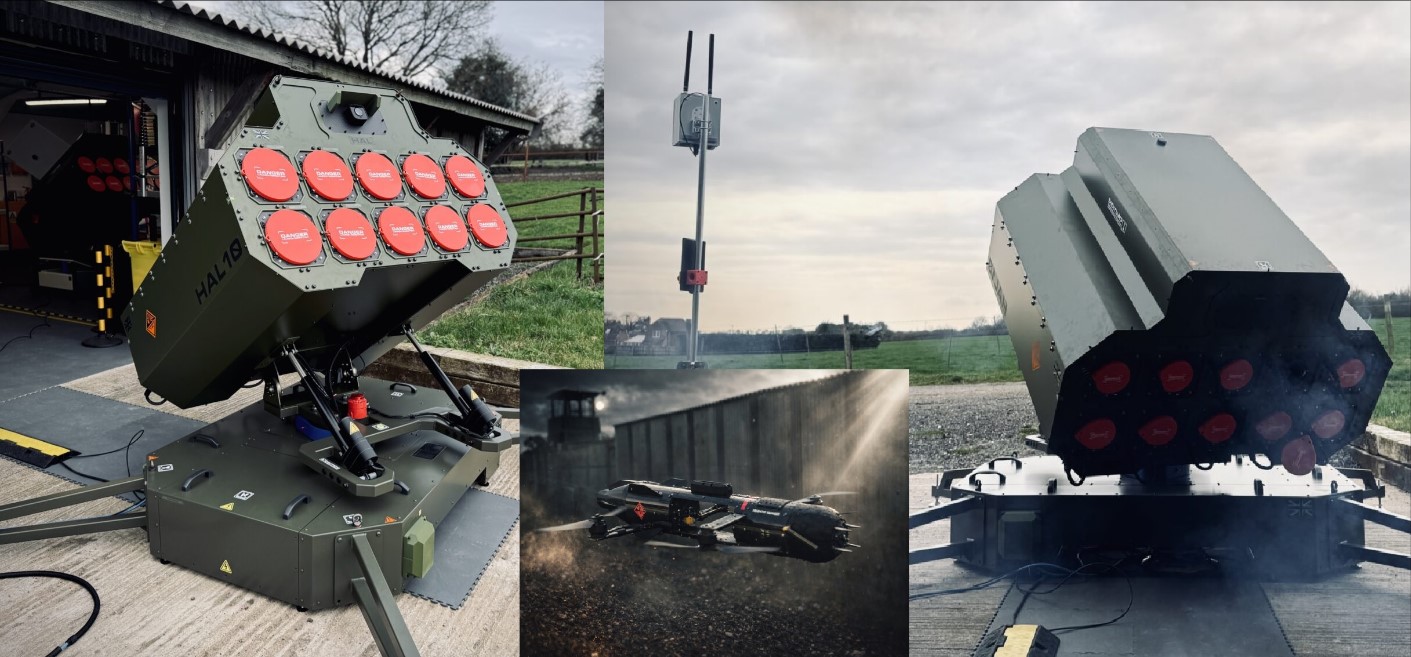
World
CHIEVELEY, UNITED KINGDOM — April 3, 2026 : UK-based uncrewed systems developer ISS Aerospace has introduced the HAL10 Hybrid Air-Systems Launcher, a modular cassette-based launch system designed to store, manage, and autonomously deploy multiple small uncrewed aerial systems (UAS) in operational environments. System Architecture and Design The HAL10 is configured as a 10-bay cassette launcher arranged in a 5 × 2 structure. It is engineered to securely house and deploy UAS platforms while operating across a wide temperature range from −32°C to +45°C. The system has a reported net weight of 555 kg and a gross weight of 350 kg. Designed as a platform-agnostic solution, the launcher is compatible with various small UAS platforms, enabling integration into fixed installations, mobile units, or forward-operating environments. It supports both standalone and networked mission profiles. A central feature of the HAL10 is its autonomous launch sequencing capability. The integrated system allows operators to deploy individual drones or multiple air vehicles with minimal manual input. This enables three primary operational modes: rapid saturation through simultaneous launches, staggered deployment at pre-programmed intervals, and sustained operations through continuous, overlapping sorties. Operational Roles and Mission Applications The HAL10 is intended to support a range of tactical and operational missions. These include multi-UAS deployment for expanded surveillance and operational reach, counter-UAS (C-UAS) missions involving interceptor or effector launches, and distributed strike operations such as precision engagement, decoy deployment, or suppression tasks in contested environments. The system is designed to provide centralized and repeatable launch capabilities, reducing manpower requirements while enabling rapid-response operations. Integration with WASP Tactical UAS The HAL10 is optimized for integration with the WASP tactical UAS, developed under the ISSOS Technologies joint venture between ISS Aerospace and OSL Technology. The WASP is a tube-launched, rocket-assisted drone designed for rapid deployment in time-sensitive missions. It can be launched in under three seconds and transitions autonomously from rocket-assisted flight into conventional multi-rotor operation. WASP Specifications and Performance The platform has a maximum take-off weight (MTOW) of 5 kg, with tube dimensions of 146 × 760 mm. It supports a modular payload capacity of up to 1.5 kg, with standard configurations including a gimbal-mounted electro-optical/infrared (EO/IR) camera and a laser rangefinder. In terms of performance, the WASP can reach speeds of up to 35 m/s (approximately 126 km/h) and operate in wind conditions of up to 18 m/s. It offers an endurance of up to 30 minutes without payload and approximately 22 minutes when fully loaded. The system has an operational range between 40 and 45 kilometers, with tested accuracy for effector payload delivery at distances of up to 24 kilometers. Network Integration and Partnerships In February 2026, ISS Aerospace announced a partnership with Anduril UK to integrate the WASP as a launched effect within Anduril’s Lattice command-and-control platform. The integration was completed within a single day and validated through a flight test conducted at the company’s Oxford facility. The WASP is positioned as a shorter-range, attritable system complementing platforms such as Anduril’s Altius, with an open-architecture flight system supporting ISR, counter-UAS, and strike missions. Company Background and Capabilities Founded in 2015, ISS Aerospace specializes in the development of autonomous UAV systems for defense, security, and commercial applications, including oil and gas, construction, and agriculture. The company focuses on resilient navigation capabilities in RF- and GPS-denied environments, integrating onboard edge computing, modular open architectures, and multi-modal sensor systems. Its portfolio includes the Sensus series of multi-mission UAV platforms. ISS Aerospace conducts in-house prototyping, field testing, and command-and-control system development within the United Kingdom. System Positioning The HAL10 launcher is positioned as a scalable and flexible solution for modern unmanned operations, enabling coordinated multi-UAS deployment from a single system. While detailed information on power requirements, exact external dimensions, and specific launch mechanisms has not been disclosed, the system emphasizes autonomous operation, modularity, and compatibility across a range of mission scenarios.
Read More → Posted on 2026-04-03 15:39:52
World
Abu Dhabi, United Arab Emirates — April 3, 2026 : Iran has issued a warning that it may target the Stargate artificial intelligence (AI) data center project under development in Abu Dhabi, marking a further escalation in tensions involving critical digital infrastructure across the Gulf region. The warning, delivered by Iran’s Islamic Revolutionary Guard Corps (IRGC), follows a series of reported drone and missile strikes over the past 48 hours on commercial data centers linked to major U.S. technology firms in Bahrain and the United Arab Emirates. The developments indicate a shift in targeting priorities, with cloud computing and AI infrastructure increasingly viewed as strategic assets in regional conflicts. Iranian Warning and Strategic Messaging In a recently released video, an IRGC spokesman stated that Iran would retaliate against energy and technology infrastructure hosting U.S. interests if Washington proceeds with threats to strike Iranian power facilities. The broadcast included satellite imagery focusing on the desert site of the Stargate project in Abu Dhabi, accompanied by messaging asserting visibility over the facility despite efforts to conceal it. The video also displayed images of chief executives from companies involved in the project, reinforcing the linkage drawn by Iranian officials between private-sector technology firms and U.S. strategic capabilities. Iranian military channels had earlier circulated a list of 18 U.S. technology and financial companies—among them Apple, Google, Meta, Microsoft, Intel, Amazon, Oracle, Nvidia, Cisco, and OpenAI—designating them as potential targets. The IRGC advised employees of these firms to evacuate facilities in the region and urged civilians residing within a one-kilometer radius of such sites to relocate. Stargate UAE Project Overview The Stargate AI data center in Abu Dhabi is a major international component of a broader global AI infrastructure initiative. The project involves an estimated investment of more than $30 billion and is designed to form part of a larger AI campus with a planned capacity of up to 5 gigawatts. The UAE-specific deployment, referred to as Stargate UAE, is structured as a 1-gigawatt compute cluster within a 5-gigawatt campus spanning approximately 19.2 square kilometers. Initial phases are expected to bring 200 megawatts of capacity online in 2026, with gradual expansion toward full operational scale. The facility is being developed by G42 and will be operated by OpenAI and Oracle. Key partners include Nvidia, which is supplying Grace Blackwell GB300 systems, and Cisco, responsible for networking and security infrastructure. Japan’s SoftBank Group and additional South Korean entities are also involved in the project. Stargate UAE represents the first international deployment of the broader Stargate Project, a global initiative announced in January 2025 with projected investments of up to $500 billion over four years. The Abu Dhabi campus is designed to deliver AI compute capacity across an estimated 2,000-mile radius, potentially serving a large portion of the global population. The project forms part of the UAE’s strategy to build sovereign AI capabilities and strengthen its role in global digital infrastructure. It was formally announced in May 2025 following diplomatic engagements that included adjustments to U.S. export policies on advanced technologies. The initiative also received public backing during a regional visit by U.S. President Donald Trump. Reported Strikes on Gulf Data Centers The Iranian warning follows reported kinetic actions against operational data centers in the region. In Bahrain, an Amazon Web Services (AWS) facility located in Hamala sustained physical damage from a reported drone or missile strike. The incident reportedly caused disruptions to cloud-based services affecting banking systems, enterprise software, and other digital operations. In Dubai, Iranian state media claimed that an Oracle data center had been successfully targeted. However, authorities in Dubai have denied these reports, describing them as unsubstantiated. No independent verification of damage in Dubai has been released. Earlier in March 2026, Iranian drone strikes targeting AWS facilities in both the UAE and Bahrain had already caused service interruptions across multiple sectors, underscoring the operational impact of such attacks on regional digital infrastructure. Amazon has acknowledged prior disruptions to its cloud services in the region linked to ongoing conflict conditions. Expanding Scope of Targeting Iran has publicly justified its actions by stating that major technology companies provide critical cloud, data, and AI infrastructure supporting U.S. and Israeli military and intelligence operations. This framing has been used to classify commercial data centers as legitimate targets. Defense analysts assess that the targeting of such facilities reflects an effort to impose economic and technological costs on U.S.-aligned states, particularly Gulf countries hosting large-scale digital infrastructure. The physical characteristics of hyperscale data centers—large, fixed installations with limited dedicated air defense—are viewed as increasing their vulnerability. The designation of commercial infrastructure as a target category represents a notable development in the conduct of regional conflict, with potential implications for the security of global digital networks. Current Status and Outlook As of April 3, 2026, UAE authorities have not issued a direct public response to the specific threat against the Stargate AI project. The facility remains under development and is not yet operating at full capacity. No independent confirmation has been released regarding the full extent of damage from the most recent reported strikes in Bahrain or the claimed incident in Dubai beyond statements from involved parties and local authorities. The Stargate UAE project continues to be part of a wider network of planned AI infrastructure sites across multiple countries, including the United States, the United Kingdom, and Norway, incorporating advanced cooling technologies and renewable energy integration where feasible. The situation remains under close observation by regional governments and industry stakeholders as tensions continue to affect both physical and digital infrastructure across the Gulf.
Read More → Posted on 2026-04-03 15:30:53
World
WASHINGTON, D.C., — April 3, 2026 : The U.S. Navy has awarded Northrop Grumman a $334.4 million sole-source contract modification for the production of up to nine additional Surface Electronic Warfare Improvement Program (SEWIP) Block 3 electronic attack systems, marking a continued expansion of the Navy’s next-generation electronic warfare capabilities across its surface fleet. The modification increases the total number of SEWIP Block 3 systems under contract to a maximum of 24 units. If all contract options are exercised, the cumulative value of the award could reach $783 million. The contract action, announced on March 30, 2026, also includes the first SEWIP Block 3 shipset designated for installation on a nuclear-powered aircraft carrier (CVN), representing a significant step in extending advanced electronic attack capabilities beyond destroyer platforms. Program Overview and System Evolution SEWIP Block 3 is the latest upgrade to the Navy’s AN/SLQ-32(V) electronic warfare suite. The system integrates a non-kinetic electronic attack subsystem with the AN/SLQ-32(V)6 configuration developed under SEWIP Block 2, forming the AN/SLQ-32(V)7 system. The AN/SLQ-32(V)7 provides wideband onboard electronic attack capability designed to counter anti-ship missiles and disrupt targeting systems operating across air, sea, and land domains. The system focuses on electronic warfare techniques such as jamming, deception, and emitter management, reducing reliance on kinetic interceptors and improving the cost-efficiency of fleet defense. The architecture incorporates Active Electronically Scanned Arrays (AESA) enabled by Gallium Nitride (GaN) transmit and receive modules. These technologies were matured through earlier research and risk-reduction efforts conducted under the Office of Naval Research’s Integrated Topside program. Platform Integration and Configuration Variants The physical integration of SEWIP Block 3 varies depending on the host platform due to size, weight, power, and cooling (SWaP-C) constraints. Destroyer Integration — Hemisphere Configuration Initial deployments are being carried out under the DDG MOD 2.0 modernization program for DDG-51 Flight IIA guided-missile destroyers. These ships utilize a “Hemisphere” configuration, where antennas and associated electronic systems are grouped into large enclosures mounted on the port and starboard sides of the main deckhouse. On these platforms, SEWIP Block 3 integrates with the Aegis Baseline 10.M combat system. The USS Pinckney (DDG-91) is the first destroyer to receive the AN/SLQ-32(V)7 system. Installed in 2023, the system is currently operational, with the vessel deployed to the Middle East in support of ongoing missions. Aircraft Carrier Integration — Quadrant Configuration The current contract modification initiates the adaptation of SEWIP Block 3 for aircraft carrier platforms. Due to the distinct structural layout of carriers, the system will employ a “Quadrant” configuration, redistributing hardware modules around the ship’s superstructure. Unlike destroyers, carrier-based systems will integrate with the Ship Self-Defense System (SSDS) MK 2 Baseline 12. U.S. Navy budget documents for fiscal years 2025 and 2026 indicate that the USS Harry S. Truman (CVN 75) is scheduled to receive the first carrier installation of SEWIP Block 3. The installation is expected to coincide with the carrier’s planned Refueling and Complex Overhaul (RCOH) at Newport News Shipbuilding, beginning in mid-2026, aligning system integration with major lifecycle maintenance. Scaled Onboard Electronic Attack (SOEA) Development In parallel with full-scale SEWIP Block 3 deployment, the Navy is advancing the Scaled Onboard Electronic Attack (SOEA) program to equip smaller surface combatants that cannot support the full system’s SWaP-C requirements. SOEA is being developed under a Middle Tier of Acquisition framework and is designed to integrate with the existing AN/SLQ-32(V)6 architecture while delivering a reduced-size electronic attack capability. In 2025, the Navy awarded two Phase 1 rapid prototyping contracts to Northrop Grumman and Lockheed Martin. Northrop Grumman’s approach leverages the core GaN and AESA technologies from SEWIP Block 3, scaled down for smaller platforms. Lockheed Martin’s solution builds on its prior SEWIP Block 2 work and incorporates technology derived from the canceled AN/ALQ-248 Advanced Offboard Electronic Warfare (AOEW) pod program. The Phase 1 effort focuses on validating performance, architecture, and system functionality, with prototype systems planned for at-sea demonstrations. Program Management and Production Outlook The SEWIP Block 3 program is managed by the Navy’s Program Executive Office Integrated Warfare Systems. Production and integration activities under the March 2026 contract modification are ongoing, supporting continued fielding of advanced electronic warfare systems across the surface fleet. The expansion of SEWIP Block 3, alongside the parallel SOEA effort, reflects a broader Navy strategy to enhance non-kinetic defensive capabilities and improve survivability against increasingly complex missile and targeting threats.
Read More → Posted on 2026-04-03 15:16:54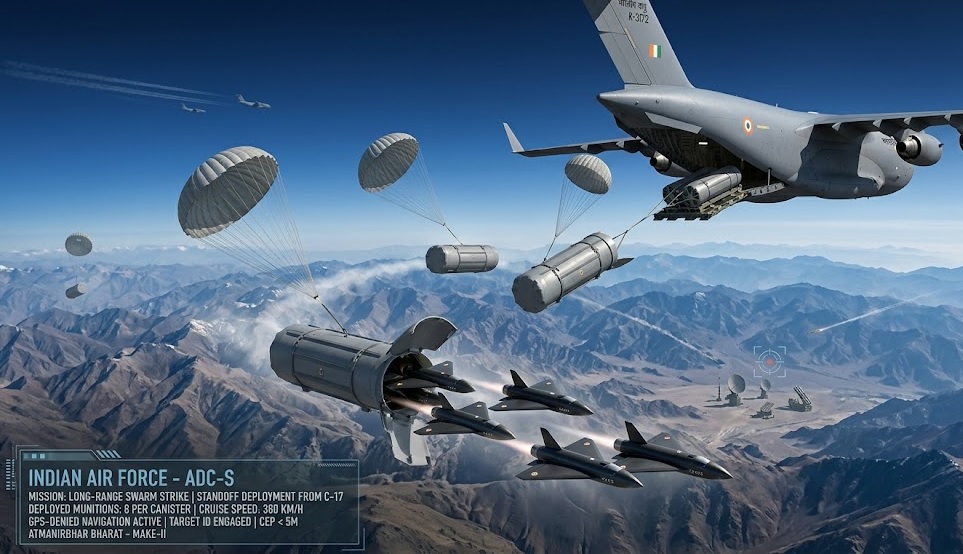
India
NEW DELHI — April 3, 2026 : The Indian Air Force (IAF) has initiated a new procurement and development program for an Air-Dropped Canisterised Swarm (ADC-S) system, advancing its push toward autonomous, long-range strike capabilities in contested environments. The project is being pursued under the Make-II category of the Defence Acquisition Procedure (DAP) 2020, with Air Headquarters’ Directorate of Operations (Remote) designated as the nodal agency. The program, referenced as CF No/ Air HQ/C 18488/69/DAD, focuses on the design, development, and manufacture of an indigenised, multi-use swarm munition system capable of engaging high-value and time-sensitive targets deep inside adversary territory. Deployment Concept and Launch Platforms The ADC-S system will be deployed using a palletised weapon airdrop mechanism from the IAF’s existing transport aircraft fleet, including the C-17 Globemaster III, C-130J Super Hercules, and C-295. This approach allows the use of transport aircraft as stand-off launch platforms rather than relying on frontline fighter jets. The system is designed to achieve a minimum operational range of approximately 500 kilometers from the point of release. This stand-off distance enables launch aircraft to remain outside hostile air defence engagement zones, particularly in anti-access/area denial (A2/AD) environments. The final range parameter will be confirmed following feasibility studies. System Architecture and Swarm Composition Each air-dropped canister will contain a minimum of six to eight swarm munitions, with the possibility of higher payload configurations depending on system design. Once deployed, the canister disperses these munitions, which operate as a coordinated swarm. Individual swarm units are required to achieve cruise speeds between 350 and 400 km/h and carry a munition payload of at least 30 kilograms. The design also incorporates modularity, allowing integration of additional sensors or mission-specific payloads alongside the primary munition package. Autonomy, Navigation, and Precision Requirements The ADC-S system is designed to operate in contested electromagnetic environments, including areas where Global Navigation Satellite Systems (GNSS) may be denied or degraded due to electronic warfare. To address this, the system incorporates advanced artificial intelligence and autonomous capabilities. These include autonomous navigation, target search, detection, identification, and engagement decision-making. The swarm must also be capable of continuing mission execution even in the absence of communication links. Precision requirements specify a Circular Error Probable (CEP) of 5 meters or less, supported by terminal guidance systems to ensure accuracy against designated targets. Operational Role and Battlefield Application In operational scenarios, the ADC-S is intended to provide the IAF with a stand-off strike capability against high-value, time-sensitive targets such as radar installations, surface-to-air missile systems, command and control nodes, and other critical infrastructure. The use of swarm tactics enables multiple munitions to be deployed simultaneously, creating a saturation effect that can overwhelm adversary air defence systems. This distributed attack profile is particularly relevant in heavily defended environments where conventional strike aircraft may face higher risk. The reliance on autonomous operation further enhances survivability and mission reliability in conditions where electronic warfare may disrupt communications or navigation systems. Industrial Participation and Procurement Pathway The project is being executed under the Make-II category, which requires Indian industry to undertake design and development using its own funding. The initiative mandates a minimum indigenous content of 50 percent, aligning with the government’s Atmanirbhar Bharat policy for self-reliance in defence manufacturing. Following successful prototype development and validation, the program is expected to transition to procurement under the “Buy Indian–IDDM” (Indigenously Designed, Developed and Manufactured) category. The IAF has indicated an anticipated minimum order quantity ranging between 1,000 and 2,000 units, subject to the outcomes of feasibility studies and recommendations from the Project Facilitation Team. Industry Engagement and Timeline A project questionnaire was uploaded on the Make in India Defence Production portal on 1 April 2026. Indian companies interested in participating in the program have been invited to submit responses by 30 April 2026. Further refinement of system specifications and preliminary service qualitative requirements will be carried out following industry consultations and feasibility assessments. The ADC-S program represents a step in expanding the IAF’s capability portfolio in autonomous warfare systems, with a focus on extending operational reach, reducing risk to manned platforms, and enabling precision engagement in contested airspace.
Read More → Posted on 2026-04-03 14:41:02Search
Top Trending in 24 Hours
-
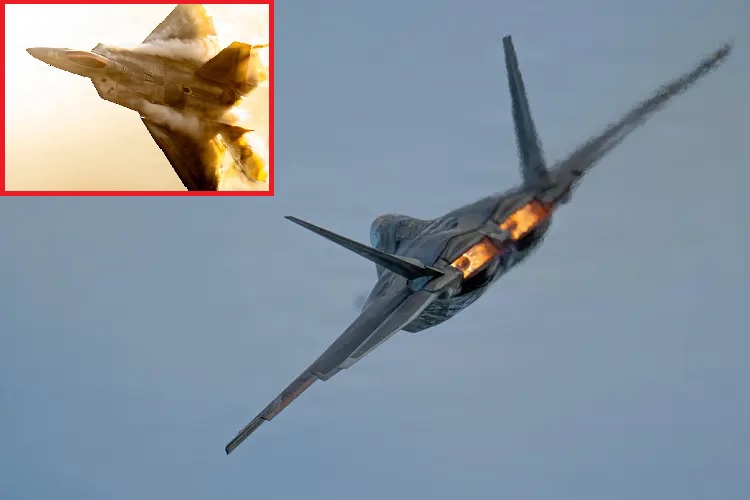 Qarbon Aerospace Returns to F-22 Program with New U.S. Air Force Sustainment Contract
-
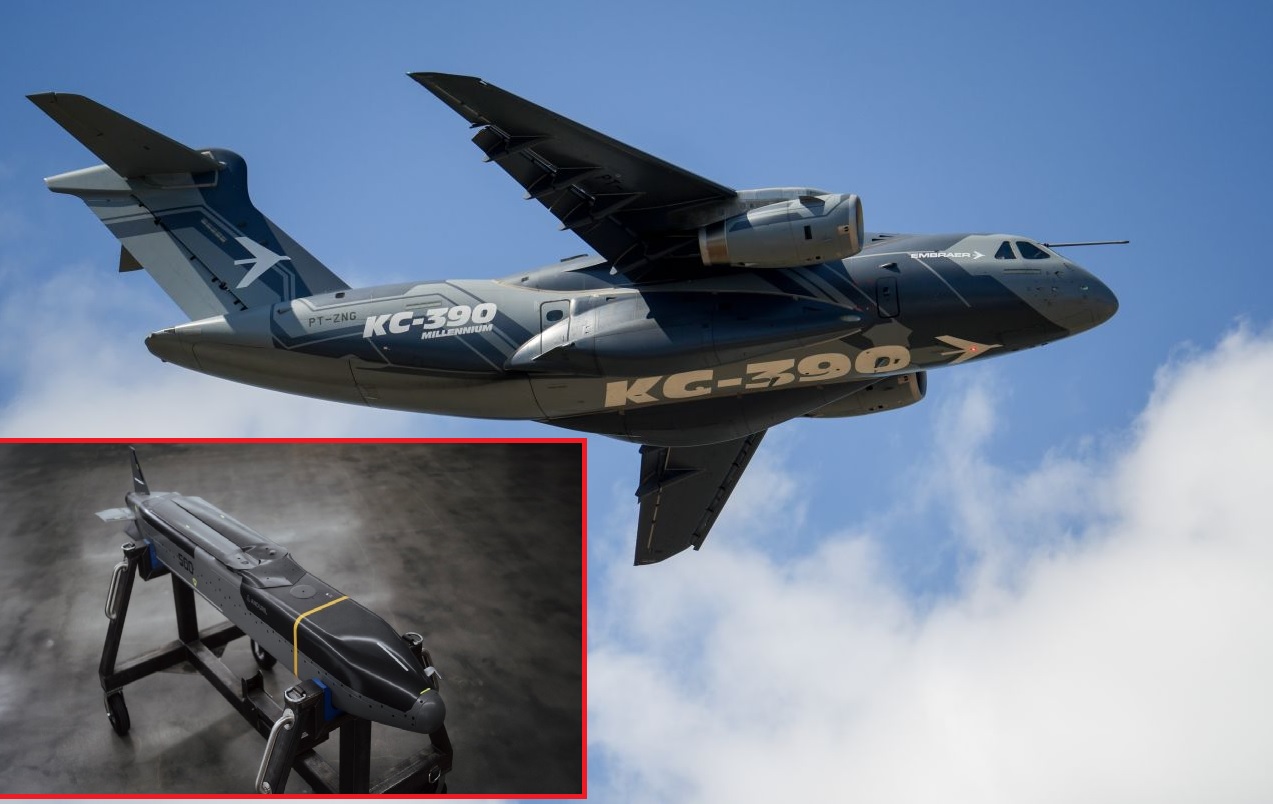 Embraer and Anduril Partner to Integrate Barracuda-500M Cruise Missile with C-390 Millennium
-
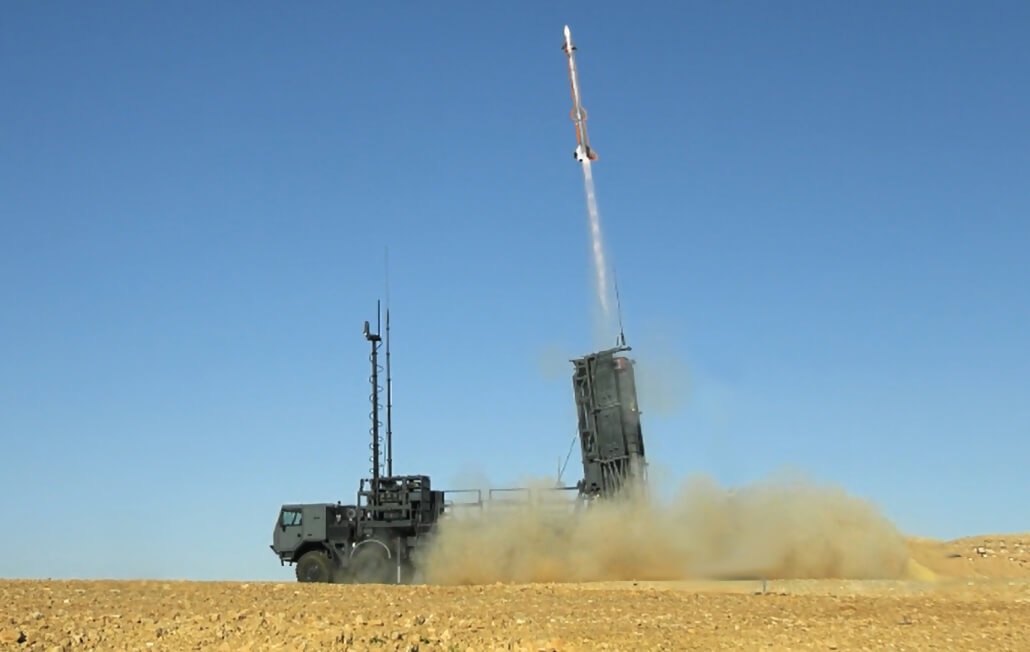 Greece Set to Approve €3 Billion Israeli Air Defense Deal for 'Achilles’ Shield' Network
-
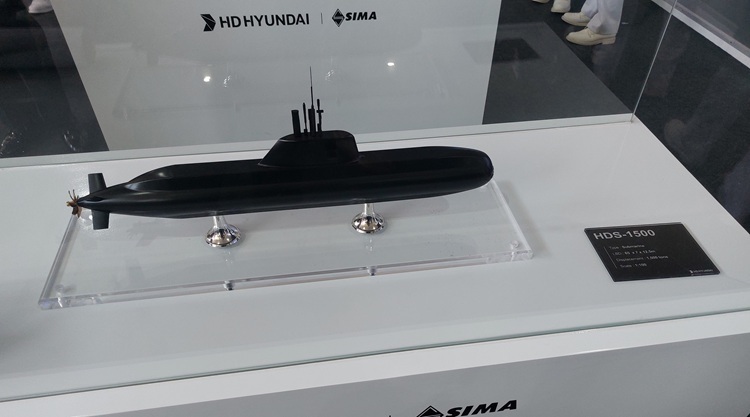 HD Hyundai and Peru's SIMA Complete Basic Design of HDS-MGP Next-Generation Submarine
-
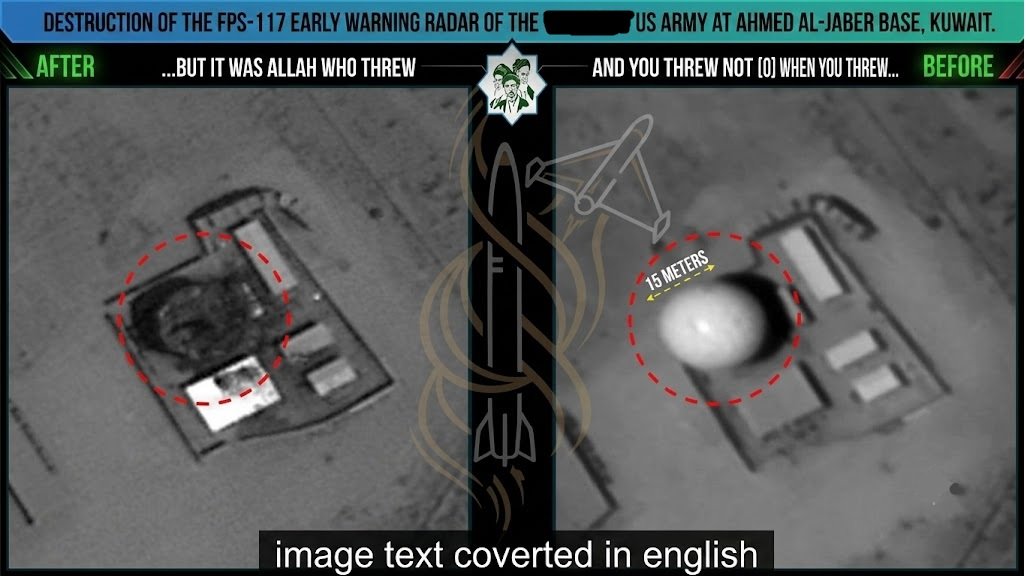 IRGC Claims Destruction of Second AN/FPS-117 Radar in Latest Strike on Kuwait's Ahmed Al-Jaber Air Base
-
 BAE Systems Unveils BlackThorn Modular Warhead Family for Autonomous Weapons and Counter-Drone Systems
-
 BAE Systems Unveils 'Brontanax', the UK's First Autonomous Combat Aircraft at Farnborough
-
 UK Awards BAE Systems £708 Million Contract Extension to Advance GCAP Sixth-Generation Combat Air Technologies
Top Trending in 4 Days
-
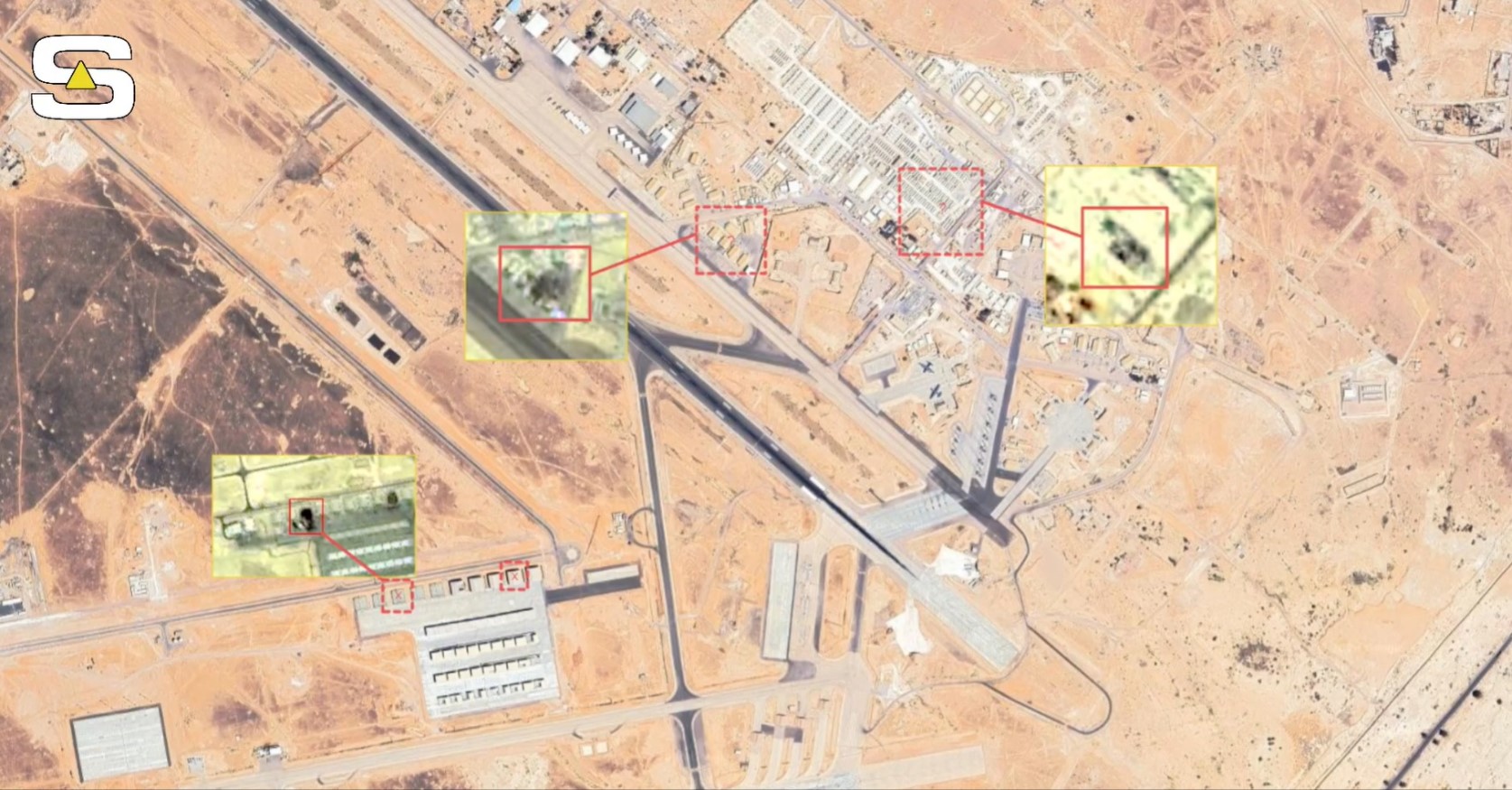 New Satellite Imagery Reveals Extensive Damage at Jordan's Muwaffaq al-Salti Air Base After Iranian Missile Strike
-
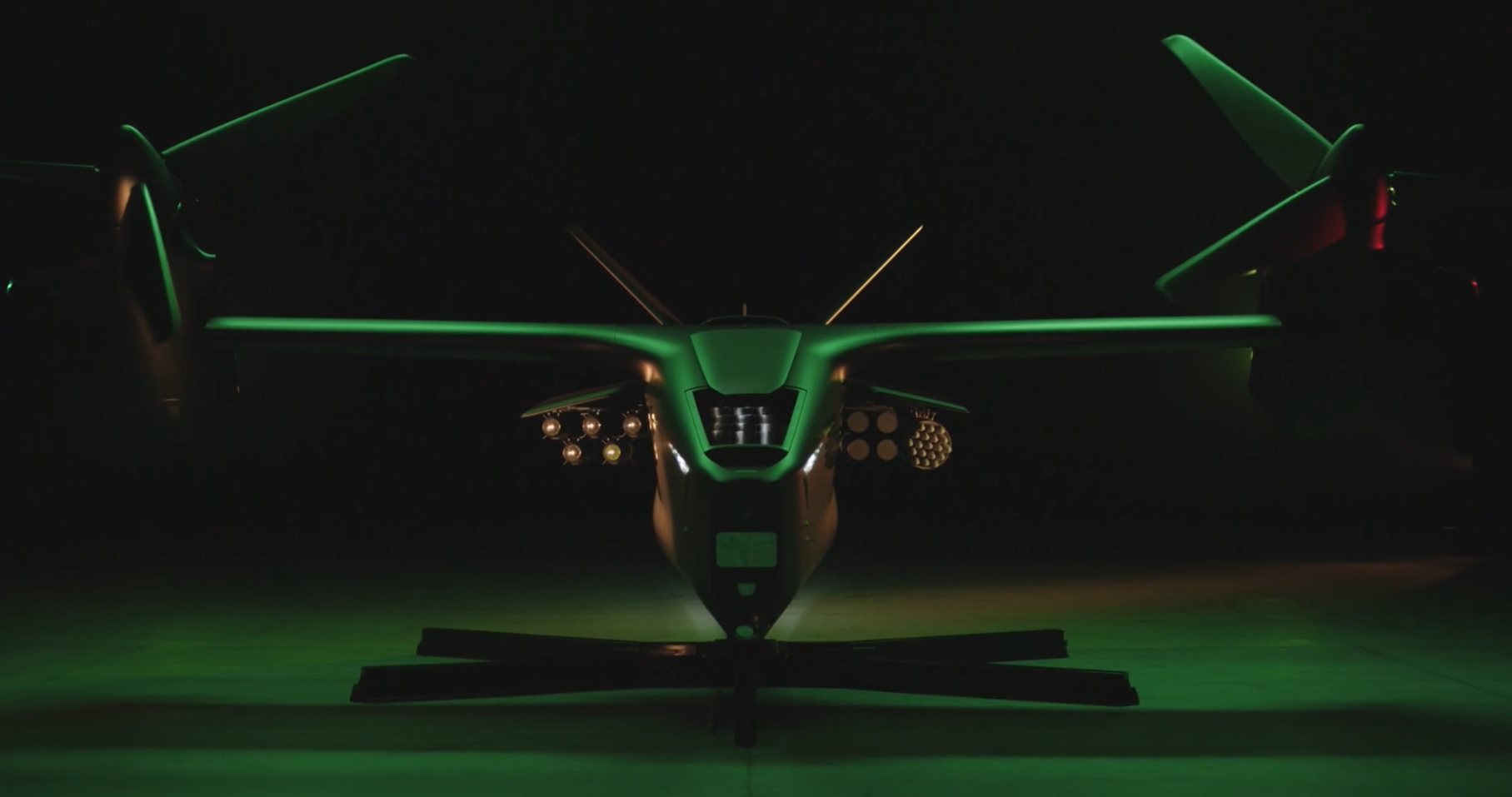 Anduril Unveils Thunder Autonomous Attack Rotorcraft Built with Archer Aviation to Support Apache Helicopters
-
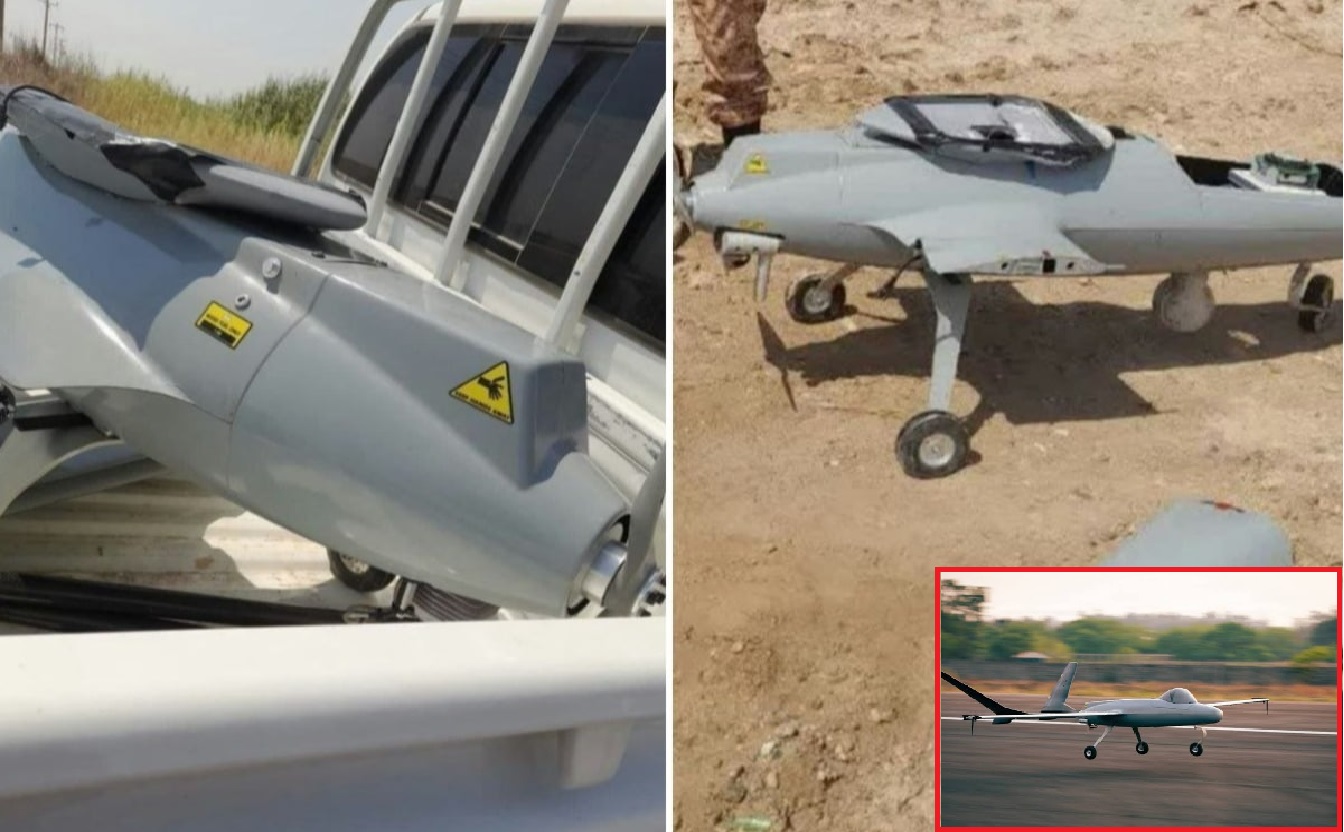 Iran Claims It Shot Down U.S.-Operated Polish-Built Tiguar-M Drone, Releases Images
-
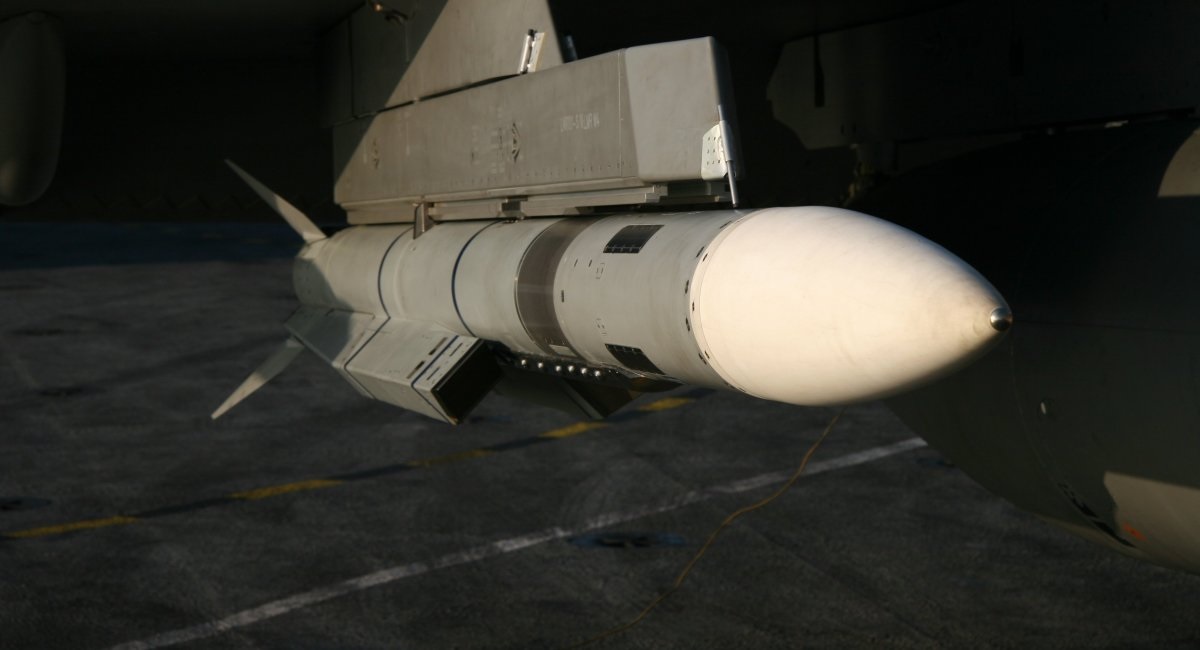 UK Cancels Meteor Missile Mid-Life Upgrade, Prioritizes Next-Generation FASE Air-to-Air Missile Programme
-
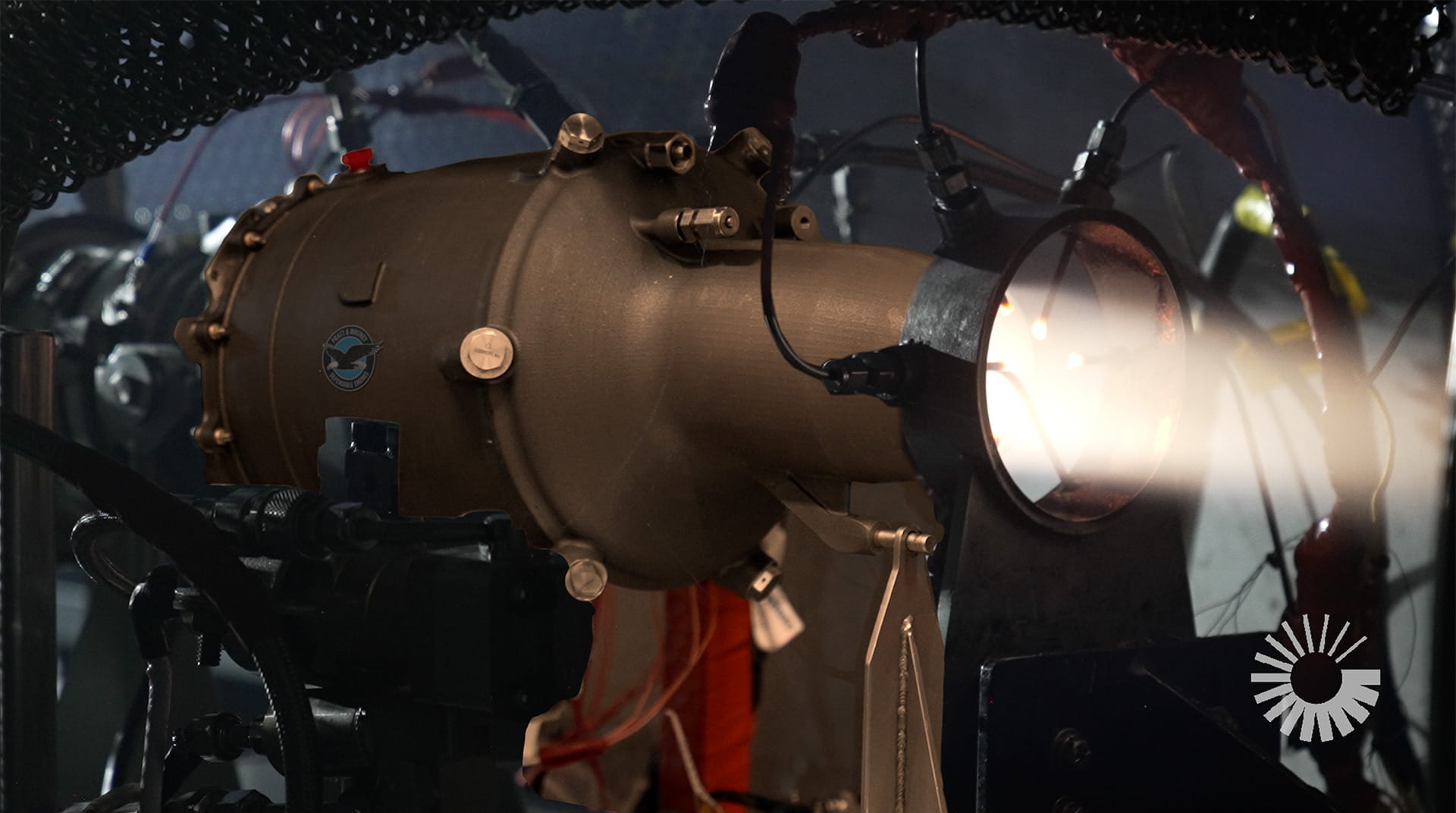 Pratt & Whitney Completes Testing of 3D-Printed TJ150 Engine for Military Applications
-
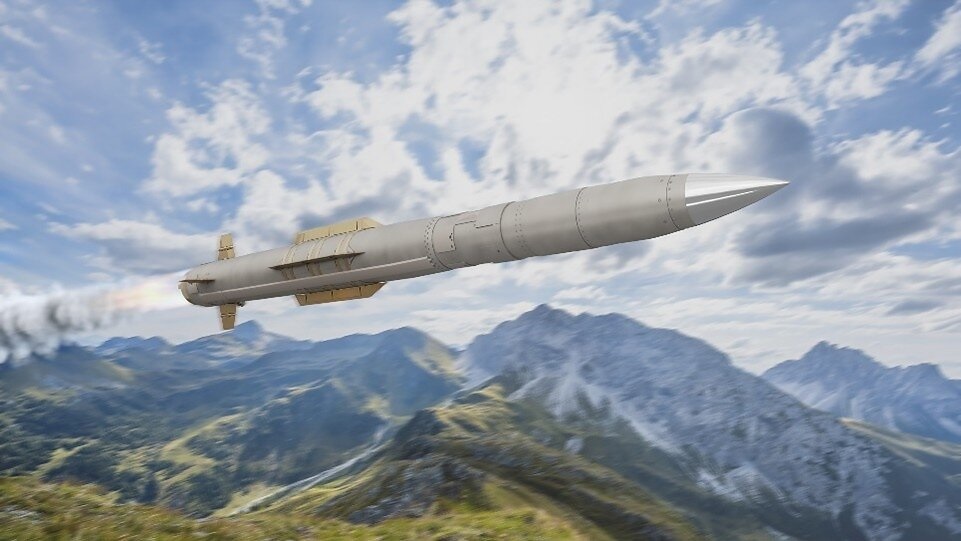 Lockheed Martin Unveils Lower-Cost PAC-3 ACE Interceptor for Patriot Air Defense System
-
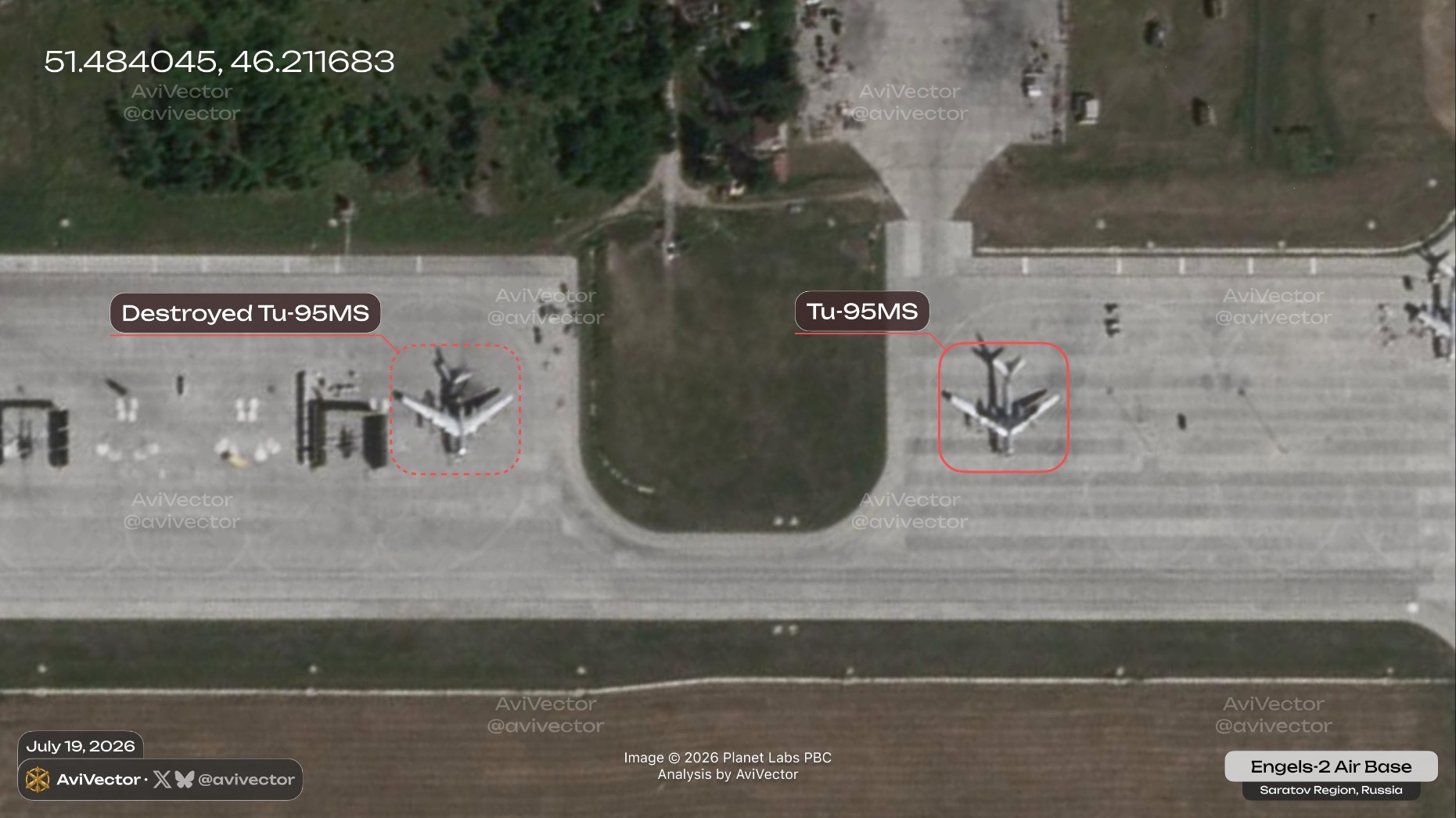 Satellite Images Confirm Russian Tu-95MS Bomber Destroyed After Ukrainian Drone Strike on Engels-2 Air Base
-
 BHEL Successfully Develops India’s First Indigenous 1200 kV, 333 MVA Per-Phase UHVAC Transformer
