World
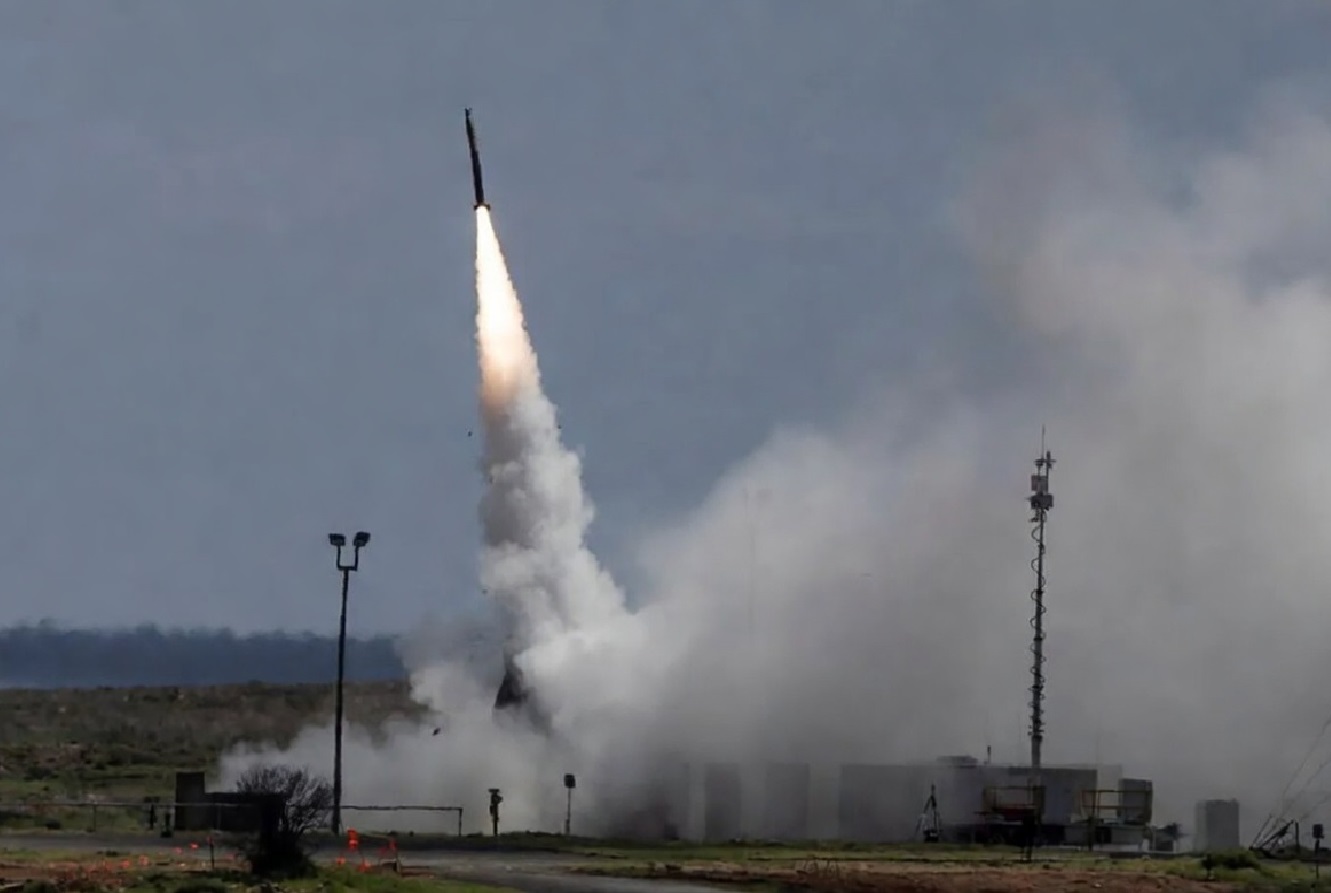
CANBERRA, — April 13, 2026 : The Australian Army has successfully conducted the first test firing of a domestically manufactured Guided Multiple Launch Rocket System (GMLRS) missile, marking a significant step in the country’s efforts to establish sovereign missile production capabilities, according to the Department of Defence. The test took place on April 9, 2026, at the Woomera Test Range in South Australia, where the surface-to-surface missile was launched from an M142 High Mobility Artillery Rocket System (HIMARS). The firing represents the first experimental launch of a GMLRS missile produced within Australia and forms part of the Australian Army’s long-range fires program. The GMLRS is a precision-guided munition designed to strike targets at ranges of approximately 70 to 85 kilometers, extending well beyond traditional artillery systems. The April 9 activity also marked the third live-fire exercise involving Australian HIMARS systems since their delivery in March 2025, supporting accelerated training and the development of initial operational capability. The missiles used in the test were assembled at a newly established production facility in Port Wakefield, South Australia, which officially opened in December 2025. The facility was constructed and brought online within seven months, with key construction and fit-out work carried out by Intract Australia, an Indigenous-owned company. Prior to the commencement of operations, Australian engineers underwent specialized training at Lockheed Martin’s Camden, Arkansas facility to support technology transfer and local manufacturing readiness. The Port Wakefield site is now the second facility globally capable of assembling GMLRS missiles, following Lockheed Martin’s U.S.-based plant, and positions Australia as the only country outside the United States producing the system. The manufacturing initiative operates under the Guided Weapons and Explosive Ordnance (GWEO) Enterprise, supported by a $320 million government investment aimed at strengthening domestic industrial capability. The facility currently supports approximately 20 on-site manufacturing roles, with additional employment generated across a broader national supply chain expected to expand as Australian suppliers are progressively integrated into GMLRS component production. Australian authorities have indicated that the facility is intended to meet both domestic operational requirements and potential export demand, with the long-term objective of embedding Australian industry within global guided weapons supply chains. Australia has so far procured 42 HIMARS launchers through the United States Foreign Military Sales (FMS) program. In September 2025, the U.S. Department of State approved a potential additional sale of 48 HIMARS systems, although a final procurement agreement has not yet been concluded. Minister for Defence Industry Pat Conroy stated that domestic missile production is central to national defence planning. He noted that the successful test demonstrates progress in developing sovereign guided weapons capability and supports broader efforts to strengthen defence self-reliance. Australia and the United States are currently engaged in discussions to expand local production capabilities beyond GMLRS. These discussions include potential future manufacturing of Precision Strike Missiles (PrSM) and the exploration of hypersonic systems, with the current program intended to serve as a foundational industrial base for more advanced long-range strike capabilities. The April 9 test forms part of Australia’s wider strategy to enhance long-range strike capability, improve industrial resilience, and transition toward domestic production of advanced defence systems.
Read More → Posted on 2026-04-13 13:59:10
World
KOMsomolsk-on-Amur, Russia — April 12, 2026 : A fire has been reported at the Komsomolsk-on-Amur Aviation Plant (KnAAZ), a key production facility in Russia’s Far East responsible for manufacturing advanced combat aircraft, including the Su-57 fifth-generation fighter and the Su-35S multirole fighter. The incident occurred at the plant’s Workshop No. 46, according to open-source intelligence assessments. Initial footage of the fire was circulated on social media by the Telegram channel Exilenova+, after which analysts from the CyberBoroshno community conducted geolocation analysis and identified the affected structure as the composite materials workshop. Composite Manufacturing Facility Identified as Impacted Area Workshop No. 46 plays a central role in the production of polymer composite material (PCM) components used in Sukhoi aircraft. Technical assessments indicate that the facility manufactures approximately 300 types of composite parts for the Su-57 program, including around 100 large structural elements. These components include aileron panels, air intake structures, flaperons, fuselage flooring sections, and outer wing tips—elements essential to both aerodynamic performance and structural integrity. The Su-57 relies extensively on such composite materials to reduce radar cross-section and overall weight, making the workshop a critical node in its production chain. Manufacturing processes within Workshop No. 46 are largely manual due to the precision required in composite layup and curing. While partial automation was introduced in 2016, including the integration of a laser-based material marking system, the production environment continues to depend on skilled technicians and controlled fabrication conditions. This specialization limits the ability to rapidly replicate the facility’s output elsewhere. Greater Impact Expected on Su-57 Production Although the workshop supports both Su-35S and Su-57 production lines, analysts assess that disruption to composite manufacturing will have a disproportionately greater effect on the Su-57 program. Compared to the Su-35S and earlier Su-30MK2 platforms, the Su-57 incorporates a significantly higher proportion of composite structures. Industry estimates indicate that producing a full set of composite components for a single Su-57 requires approximately eight times more labor than for a Su-35S. As a result, any sustained interruption at Workshop No. 46 could slow or temporarily halt final airframe assembly for the fifth-generation fighter. While production loads could theoretically be redistributed to other domestic facilities, including ONPP Technologiya, analysts note that such measures would only partially compensate for lost capacity and are likely to introduce scheduling delays. Production Context and Fleet Status The fire comes at a time when KnAAZ is operating at full capacity to meet a long-term state defense order announced in 2024, with deliveries scheduled through 2030. The plant has been working under constraints linked to Western sanctions, which have increased reliance on domestically sourced materials and manufacturing systems. Available production data indicates that in 2025 the plant delivered seven batches of Su-35S fighters. While official batch sizes are not publicly disclosed, industry estimates suggest each batch includes two to three aircraft. In the same year, two Su-57 aircraft were delivered to the Russian Armed Forces. The total number of Su-57 aircraft produced to date, including prototypes, is estimated at between 20 and 25 units. The fleet previously sustained damage in June 2024, when two Su-57 aircraft were reportedly affected by a Ukrainian drone strike at an airbase. The repair status of those aircraft has not been publicly confirmed. Lack of Official Confirmation on Cause and Damage As of April 12, 2026, Russian authorities, including KnAAZ, the Sukhoi Company, the United Aircraft Corporation (UAC), and emergency services, have not issued official statements regarding the cause of the fire or the extent of damage to Workshop No. 46 and its equipment. The Komsomolsk-on-Amur Aviation Plant, named after Yuri Gagarin, remains the only facility in Russia certified for serial production of the Su-57. It operates as part of the United Aircraft Corporation under the Rostec state conglomerate and is a central component of Russia’s military aviation manufacturing infrastructure.
Read More → Posted on 2026-04-12 18:21:59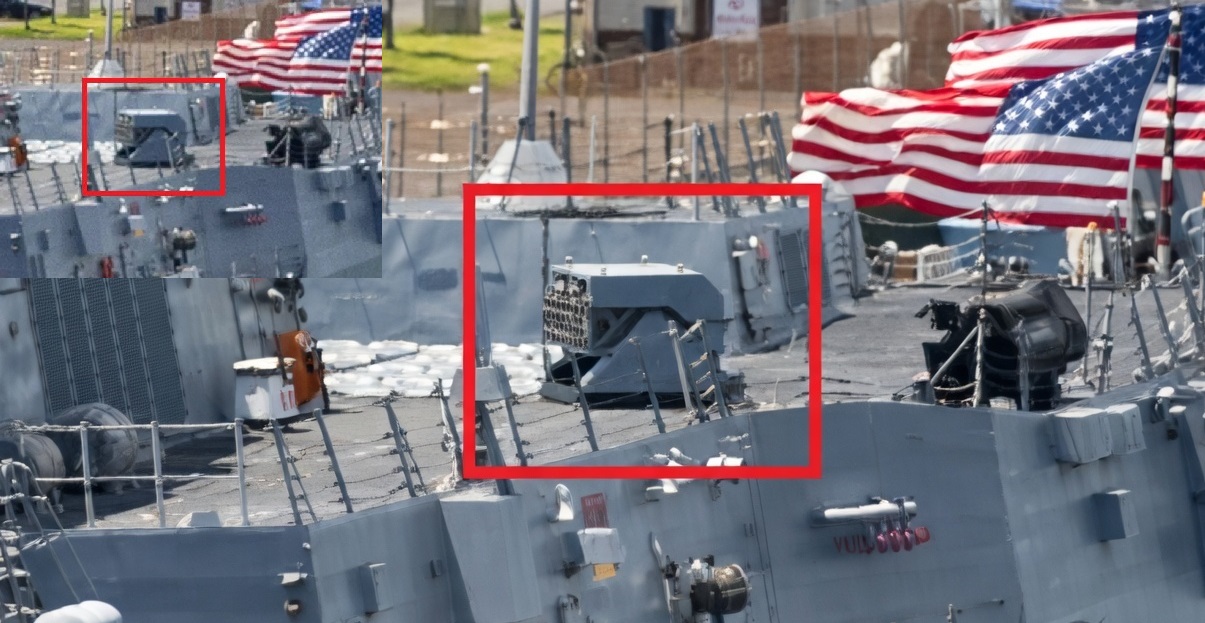
World
PEARL HARBOR, Hawaii, — April 12, 2026 : A previously unrecognized launcher system has been installed on the U.S. Navy USS Carl M. Levin (DDG-120), an Arleigh Burke-class guided-missile destroyer, according to open-source imagery and defense analysis. The system was first observed in a U.S. Marine Corps photograph taken on March 29, 2026, while the ship was at its homeport in Pearl Harbor, Hawaii. The image was publicly released on April 8, 2026. System Location and Physical Characteristics The launcher is mounted on the aft upper deck of the vessel, positioned between the port-side torpedo tubes and the rear Mk 41 Vertical Launch System (VLS) array, near the stern section of the superstructure. Visual assessment indicates a multi-cell configuration mounted on a circular base, suggesting the system may have a traversing or rotating capability. While it is not definitively confirmed whether the launcher is fixed or fully trainable, its structure appears designed to elevate for firing. The system was not visible in photographs of the ship taken as recently as December 2025, indicating a relatively recent installation. The external design does not fully correspond with any launcher currently documented in widespread operational use aboard Arleigh Burke-class destroyers. Possible System Identification and Roles Defense analysts have proposed several possible identifications based on visual similarities and prior Navy integration concepts. One possibility is that the launcher is related to the White Spike counter-drone interceptor developed by Zone 5 Technologies. The White Spike system is a modular, multi-domain interceptor designed primarily for counter-unmanned aerial system (C-UAS) missions. Publicly available configurations show a four-cell launcher with a trapezoidal front profile. Although the unit observed aboard USS Carl M. Levin differs in some details, it shares notable structural similarities that could indicate a modified or navalized variant. Another potential configuration involves the AGM-179 Joint Air-to-Ground Missile (JAGM), developed by Lockheed Martin. Lockheed Martin has previously proposed multi-cell JAGM launch modules for installation on Arleigh Burke-class destroyers in similar aft-deck positions. The JAGM, derived from the AGM-114 Hellfire family, incorporates dual-mode guidance combining millimeter-wave radar and infrared or semi-active laser targeting. Originally designed for engaging surface targets, it has also been evaluated for counter-drone and counter–fast attack craft roles, offering multi-domain engagement capability. A third possibility is that the launcher supports deployment of non-kinetic or auxiliary payloads, including decoys, electronic warfare systems, or small unmanned platforms. The U.S. Navy has been exploring containerized launch solutions capable of deploying off-board countermeasures to confuse or divert incoming threats such as anti-ship missiles. Broader Operational Context The installation aligns with ongoing U.S. Navy efforts to enhance close-in defensive capabilities against emerging threats, particularly unmanned aerial systems and drone swarms. Current naval air defense often relies on high-cost interceptors, creating an unfavorable cost-exchange ratio when engaging low-cost drones. In 2025, similar aft-deck launcher installations were observed on other Arleigh Burke-class destroyers, including the USS Bainbridge (DDG-96) and the USS Winston S. Churchill (DDG-81). Those ships were fitted with launchers for Coyote counter-drone interceptors, reflecting a broader push to integrate lower-cost, scalable defensive systems across the fleet. The addition of a compact launcher on USS Carl M. Levin suggests continued evaluation of diverse solutions to address capability gaps in layered maritime defense. Platform Background and Capabilities USS Carl M. Levin is a Flight IIA Technology Insertion variant of the Arleigh Burke class. The destroyer is equipped with a 96-cell Mk 41 Vertical Launch System, two triple torpedo tubes, a 5-inch naval gun, and a range of advanced sensors and combat systems. The newly observed launcher adds a supplementary capability layer within the ship’s close-in defense zone without replacing or displacing existing systems. Such modular additions allow for rapid experimentation and integration of emerging technologies. Open-Source Reporting and Official Status The launcher was first highlighted by open-source analysts, including the Japanese-language blog OSINFO, based on the March 29 imagery. Additional reporting by defense publication The War Zone also noted the system’s presence. As of April 12, 2026, the U.S. Navy has not issued any official statement confirming the launcher’s identity, operational role, or technical specifications. The system’s exact purpose and the type of munitions it is designed to deploy remain unconfirmed. The development is consistent with ongoing Navy initiatives to incorporate cost-effective counter-unmanned systems and adaptable payload launchers to address evolving threats in contested maritime environments.
Read More → Posted on 2026-04-12 17:59:22
World
MÖNCHENGLADBACH, Germany — April 12, 2026 : Germany has introduced a newly engineered 5-axis Computer Numerical Control (CNC) machine for aerospace manufacturing, incorporating a specialized parallel kinematic head to enable high-speed machining of complex aluminium components. The system is designed to achieve a material removal rate of up to 12 liters (12,000 cubic centimeters) per minute, targeting efficiency improvements for aerospace subcontractors and original equipment manufacturers (OEMs) producing large monolithic aerostructures. Parallel Kinematic Head Enables High Dynamic Performance The defining feature of the machine is its parallel kinematic head architecture, based on principles similar to the Sprint Z3 concept used in advanced aerospace machining systems. Unlike conventional fork-type or trunnion-based 5-axis heads that rely on sequential rotary axis movements, the system uses three radially arranged linear drives to control spindle motion simultaneously. This configuration allows continuous angular adjustment of the spindle within a conical working envelope of ±45 degrees without requiring large swivel movements. By reducing the moving mass and distributing loads across multiple drives, the system achieves acceleration levels of up to 1G along with high jerk values, enabling rapid directional changes during machining. The machine is equipped with a high-power spindle capable of continuous operation at speeds of up to 30,000 revolutions per minute. Combined with the dynamic head movement, the system maintains consistent peak aluminium removal rates of 12 liters per minute while adhering to tight dimensional tolerances required in aerospace manufacturing. Focus on Monolithic Aerostructure Production The machine is optimized for machining large monolithic components, a standard practice in modern aircraft manufacturing where parts are milled from solid aluminium or aluminium-lithium alloy billets. This approach improves structural integrity and reduces overall weight compared to assemblies made from multiple smaller components. Primary applications include wing ribs and spars, which define aerodynamic shape and load distribution, as well as fuselage frames and bulkheads that serve as critical load-bearing structures. These components typically involve complex pocketing operations, deep cavities, and freeform surfaces requiring simultaneous 5-axis machining. In typical aerospace workflows, up to 90 percent or more of the original material is removed during machining. A raw billet weighing approximately 4,000 kilograms can be reduced to a finished component weighing around 120 kilograms. The machine’s high removal rate significantly reduces cycle times during these heavy roughing operations while supporting subsequent finishing processes with high surface quality. Capability for Single-Setup Machining The system supports full 5-axis simultaneous machining, allowing complex geometries to be produced in a single setup. This reduces the need for multiple fixtures and repositioning, minimizing alignment errors and non-cutting time. The machine is also capable of handling undercuts, curved surfaces, and deep internal features, which are common in aerospace structural parts and moulds for composite layups. Applications extend to structural brackets, frames, engine casings, turbine-related aluminium components, and tooling used in composite manufacturing processes. Comparison with Global Machine Tool Systems Within the global machine tool market, the system operates in a segment defined by high-volume aluminium machining for aerospace applications. Conventional 5-axis CNC systems from manufacturers such as DMG MORI and Hermle are widely used for high-precision machining but typically employ serial kinematic architectures, including trunnion tables or swivel heads. While highly versatile, these machines generally deliver lower peak material removal rates compared to dedicated high-volume systems. At a comparable performance level, Japan’s Makino MAG series, including models such as the MAG1 and MAG3, provides similar aluminium machining capability. These machines use horizontal machining center configurations with high-speed spindles and optimized chip evacuation systems rather than parallel kinematic heads. At the upper end of volumetric material removal, Sweden’s Modig Machine Tool produces the RigiMill system, which exceeds 16.4 liters (1,000 cubic inches) per minute in aluminium removal under optimized conditions. These machines achieve higher throughput using dual-spindle configurations and highly rigid structural designs. Relation to Existing Parallel Kinematic Systems The German system aligns with established parallel kinematic machining platforms such as the Ecospeed series developed by Starrag, which also utilizes Sprint Z3-based head technology. Ecospeed machines, in operation since 1999, are used for machining large aerostructures, including components up to 20 meters in length, and achieve comparable removal rates in aluminium. Other parallel kinematic solutions, including pentapod-based systems such as those developed by Metrom, provide high dynamic motion with acceleration levels around 10 m/s² and feed speeds approaching 1 meter per second. These systems are typically deployed in specialized high-productivity machining environments. Distinction from Hard Metal Machining Systems The newly introduced CNC machine is specifically optimized for aluminium and aluminium-alloy machining. It is not designed for hard metals such as titanium or Inconel, which require different machine characteristics. Machines intended for titanium aerospace components, including systems such as Starrag’s STC series or specialized platforms from Grob, emphasize high torque, damping capacity, and structural rigidity rather than high spindle speed and maximum material removal rate. These systems represent a separate category of machining technology tailored to different material properties. Industry Context The introduction of this machine reflects ongoing efforts within Germany’s machine tool sector to improve productivity, reduce machining cycle times, and support cost-efficient production of complex aerospace components. By combining high-speed spindle operation, parallel kinematic motion control, and large-scale material removal capability, the system addresses increasing demand for lightweight, high-strength aerostructures in modern aircraft manufacturing. Further details regarding the manufacturer, model designation, and deployment timelines have not been disclosed in the initial announcement.
Read More → Posted on 2026-04-12 17:50:41
World
PENGHU, Taiwan — April 12, 2026 : The Republic of China (Taiwan) Army conducted live-fire military exercises on April 10, 2026, under the Penghu Defense Command as part of a “Frontier Defense Exercise,” deploying U.S.-supplied M60A3 Patton main battle tanks and infantry equipped with FGM-148 Javelin anti-tank guided missiles to simulate repelling an enemy amphibious assault. Integrated Coastal Defense Operations The drills focused on coastal defense scenarios, with Taiwanese forces executing warning fires followed by direct engagements against simulated enemy targets at sea. Infantry units armed with Javelin missiles practiced engaging and destroying mock armoured landing vehicles and other maritime targets approaching the shoreline. The exercise integrated multiple battlefield systems to test coordinated operations. M60A3 tanks provided sustained fire support alongside 105mm and 155mm howitzers, 120mm mortars, and Stinger air defence missile systems. The coordinated deployment was aimed at evaluating joint combat effectiveness between ground manoeuvre units, artillery support elements, and anti-armour teams during an amphibious assault scenario. Role of Key Weapons Systems The M60A3 Patton tanks used in the exercise remain part of Taiwan’s existing armoured inventory. Taiwan has undertaken upgrade programs for a portion of these tanks, incorporating improved fire control and targeting systems, including digitized components and hunter-killer capabilities that allow simultaneous target tracking and engagement. Infantry units deployed the FGM-148 Javelin, a fire-and-forget, man-portable anti-tank guided missile system equipped with top-attack capability. The system is designed to engage modern armoured vehicles from concealed positions and strike vulnerable upper armour. Taiwan has received multiple batches of Javelin missiles from the United States, including a recent authorization covering more than 1,000 additional FGM-148F variants. In addition to anti-armour weapons, supporting assets such as mortars, machine guns, and long-range artillery were used to simulate suppressive fire against advancing amphibious forces. Strategic Importance of Penghu The Penghu archipelago, located in the Taiwan Strait between Taiwan Island and the Chinese mainland, serves as a strategic frontline outpost. Its geographic position makes it a potential early target in any conflict involving amphibious operations across the strait. Military planning assessments identify Penghu as a critical defensive layer. Control of the islands would provide a forward operating position for any attacking force and could affect Taiwan’s early warning and defensive posture. The Penghu Defense Command is tasked with maintaining continuous readiness on the islands, with a focus on anti-landing and coastal defence operations. Ongoing Modernization and Training Context While Taiwan is in the process of receiving newer M1A2T Abrams main battle tanks, the M60A3 continues to serve in operational roles, particularly in island defense missions. Upgrades carried out by domestic institutions, including the National Chung-Shan Institute of Science and Technology, have extended the platform’s service life and improved battlefield effectiveness. The April 10 drills form part of Taiwan’s regular training cycle aimed at enhancing coastal defence and anti-landing capabilities. Similar exercises have been conducted in previous years under the Han Kuang and Chen Chiang exercise frameworks, often incorporating combined arms operations involving tanks, anti-tank missiles, artillery, and air defence systems. Taiwan’s Ministry of National Defense released footage of the recent drills, highlighting the integration of mechanized units, infantry anti-armour teams, and supporting fire systems during the exercise. Regional Security Context The exercise took place amid ongoing regional military activity, including periodic drills conducted by the People’s Liberation Army in areas surrounding Taiwan and the Penghu islands. Taiwan’s armed forces continue to conduct such training operations to maintain operational readiness, improve interoperability, and sustain defensive capabilities aligned with its territorial defence requirements. No specific details were released regarding the number of personnel or units involved, and authorities did not disclose detailed outcomes of the live-fire engagements beyond confirming that the drills tested combat readiness and coordination across deployed systems.
Read More → Posted on 2026-04-12 17:34:43
India
NEW DELHI, — April 12, 2026 : The Defence Procurement Board (DPB) has cleared a procurement proposal for the Indian Army covering two additional regiments of the Medium Range Surface-to-Air Missile (MRSAM) system, the indigenously developed Man-Portable Anti-Tank Guided Missile (MPATGM), and Counter-Unmanned Aerial Vehicle (Counter-UAV) Electronic Warfare (EW) systems. The approval is part of the Ministry of Defence’s effort to strengthen ground-based air defence, improve infantry anti-armour capability, and address emerging threats from unmanned systems observed in recent conflicts. Air Defence Expansion with MRSAM The MRSAM system, jointly developed by the Defence Research and Development Organisation (DRDO) and Israel Aerospace Industries (IAI), provides medium-range air defence with an interception range of about 70 km. It is designed to engage aircraft, helicopters, cruise missiles, and other aerial threats. The addition of two regiments will augment existing MRSAM units already deployed with the Indian Army and the Indian Air Force, contributing to a more integrated and layered air defence network. The system includes radar, command and control, and launcher components with significant indigenous content. Counter-UAV Systems for Asset Protection The procurement includes dedicated Counter-UAV electronic warfare systems intended to protect high-value assets such as MRSAM batteries and other air defence installations. These systems are designed to detect, track, and neutralise hostile drones and loitering munitions through electronic jamming of radio frequencies, GPS signals, and communication links. The systems may also integrate with kinetic interceptors where required. The deployment of these systems alongside MRSAM regiments reflects operational lessons from conflicts in Eastern Europe and the Middle East, where drone swarms and low-cost unmanned systems have been used to target radar and missile infrastructure. The EW-based counter-drone layer is intended to prevent such threats from degrading air defence effectiveness. Induction of Indigenous MPATGM The DPB also cleared procurement of the MPATGM to strengthen infantry anti-armour capabilities. Developed by DRDO, the MPATGM is a third-generation, fire-and-forget missile equipped with an imaging infrared (IIR) seeker, tandem high-explosive anti-tank (HEAT) warhead, and top-attack capability. The system has a range of approximately 4 km and uses an all-electric control actuation system. Flight trials conducted in January 2026 successfully engaged a moving target, validating operational performance. The missile is designed to defeat modern main battle tanks equipped with explosive reactive armour (ERA). Production is expected to be led by Bharat Dynamics Limited (BDL) along with other domestic partners, supporting indigenous manufacturing under the Aatmanirbhar Bharat initiative. Layered Defence Approach and Procurement Process The combined procurement of MRSAM and Counter-UAV systems reflects a shift toward a layered defence approach, integrating long- and medium-range interceptors with electronic warfare capabilities to counter mixed aerial threats. The decision also aligns with broader modernisation efforts, complementing existing systems such as Akash and S-400, and supporting requirements for mobile, networked operations in contested electromagnetic environments. Following DPB clearance, the proposal will be forwarded to the Defence Acquisition Council (DAC) for Acceptance of Necessity (AoN). Subsequent stages will include contract finalisation and production. No contract value or delivery timeline has been disclosed.
Read More → Posted on 2026-04-12 17:26:58
India
NEW DELHI, — April 12, 2026 : India’s Defence Research and Development Organisation (DRDO) has initiated fabrication of specialised jigs and fixtures required for integrating the H1 booster with an indigenous scramjet engine under the Extended Trajectory–Long Duration Hypersonic Cruise Missile (ET-LDHCM) program, being developed as part of the classified Project Vishnu. The booster designated for this phase is code-named “H1.” Officials confirmed that fabrication of the tooling systems is currently underway and represents a necessary step before structural assembly and integrated testing of the hypersonic vehicle can begin. Integration Tooling and Technical Role The specialised jigs and fixtures are being developed to support precise mechanical and aerodynamic alignment between the booster and the air-breathing scramjet engine. These systems are designed to ensure alignment accuracy of critical centerlines required for stable hypersonic flight, maintain structural integrity under high mechanical loads and vibration during launch, and enable repeatability in assembly to maintain consistent tolerances across test and production units. Defence analysts indicate that the initiation of tooling fabrication reflects a transition in the program from component-level validation to full system integration. ET-LDHCM Program Overview The ET-LDHCM is a scramjet-powered, long-range hypersonic cruise missile designed for sustained flight at speeds of up to Mach 8, or approximately 11,000 km/h. The system is intended to operate at lower altitudes to reduce radar detectability and is capable of carrying both conventional and nuclear payloads. The missile is projected to have an operational range between 1,500 and 2,500 kilometers. Its propulsion system relies on a scramjet engine, which uses atmospheric oxygen for combustion and requires initial acceleration by a high-speed booster such as the H1 to reach operational conditions. Development Milestones Recent work by DRDO’s Defence Research and Development Laboratory (DRDL) has supported progress toward this integration phase. In January 2026, DRDL conducted a long-duration ground test of a full-scale, actively cooled scramjet combustor at the Scramjet Connect Pipe Test (SCPT) facility, achieving operation for over 12 minutes under simulated hypersonic conditions. Earlier tests included a subscale actively cooled combustor run exceeding 1,000 seconds in April 2025, along with additional trials lasting over 60 seconds. These efforts build on earlier work from the Hypersonic Technology Demonstrator Vehicle (HSTDV) program and are focused on enabling sustained scramjet-powered cruise. Supporting technologies developed for the program include endothermic fuels for active cooling and advanced thermal barrier coatings capable of withstanding temperatures of approximately 2,000°C generated during hypersonic flight. Manufacturing and Program Status The ET-LDHCM system is being designed and manufactured at the Dr. A.P.J. Abdul Kalam Missile Complex with participation from Indian private defence firms and small and medium enterprises. Construction activities are reported to be ongoing, with preparations underway for future flight testing, although no official timeline has been announced. The fabrication of H1 booster integration tooling represents a key step toward full missile assembly. Accurate tooling is required to maintain precision in high-speed, high-temperature environments and to support consistent integration standards across developmental stages. The ET-LDHCM program forms part of India’s broader hypersonic weapons development effort, which includes both air-breathing cruise missile systems and boost-glide technologies aimed at expanding long-range precision strike capabilities.
Read More → Posted on 2026-04-12 16:27:59
World
PARIS, — April 12, 2026 : France is advancing the development of a low-cost, long-range remotely operated munition known as “Chorus,” in collaboration with automotive manufacturer Renault and defence firm Turgis Gaillard. The project, supported by the Directorate General of Armaments (DGA), is part of a broader effort to strengthen domestic production of unmanned strike systems while maintaining cost efficiency and industrial scalability. Chorus Program: Design, Performance, and Cost Objectives The Chorus munition is designed as a long-range, one-way attack system capable of delivering a 500 kg warhead over distances of up to 3,000 km. The platform is expected to operate at speeds of approximately 400 km/h. A key requirement of the program is to limit unit costs to around €100,000, reflecting an emphasis on affordability alongside operational reach. The DGA has allocated €35 million to support development. Initial system design has been led by Turgis Gaillard, while Renault is responsible for industrialisation and large-scale manufacturing processes. The automaker contributes expertise in high-volume production, quality control, and cost management—capabilities drawn from its civilian automotive operations. Production planning includes assembly at Renault’s facility in Le Mans and engine manufacturing at its Cléon plant. The program aligns with French government efforts to leverage civilian industrial capacity to accelerate defence production timelines and reduce reliance on foreign suppliers. Industrial Strategy and Production Approach French authorities have indicated that Chorus is not intended for immediate large-scale procurement. During a Senate hearing on February 26, 2026, DGA General Delegate Patrick Pailloux stated that the system is being developed primarily to establish industrial readiness rather than to build substantial stockpiles. He noted that rapidly evolving technologies in unmanned systems could render such platforms obsolete in a short timeframe. Instead, the program aims to ensure that Renault can scale production quickly if operational requirements change. Discussions around potential production capacity have suggested output levels of several hundred units per month once industrial scaling is achieved. Earlier reports have referenced the possibility of a multi-year production agreement valued at approximately €1 billion, although no final contract value or confirmed quantities have been publicly disclosed. Benchmarking Against Ukrainian “Flamingo” System During the same February 26, 2026 hearing, Pailloux compared the Chorus concept to the Ukrainian “Flamingo” missile developed by FirePoint. The Flamingo system is reported to offer a similar range of 3,000 km but with significantly higher performance parameters. It can carry a 1,150 kg warhead and is powered by an AI-25TL turbojet engine, enabling cruising speeds between 850 and 900 km/h and operations at altitudes up to 16,000 feet. French officials acknowledged that Chorus would have more modest specifications but emphasized that the program prioritizes cost control and manufacturability over maximum performance. Parallel Procurement: MBDA and Aviation Design OWE Program In parallel with Chorus development, the French Ministry of the Armed Forces awarded a contract at the end of January 2026—following an order placed in late December 2025—to a consortium comprising MBDA and Aviation Design. The contract covers an initial batch of long-range remotely operated munitions designated as the “One Way Effector” (OWE). The OWE system features a flying-wing configuration powered by a turbojet engine. It is designed to carry a 40 kg military payload and engage targets at ranges of up to 500 km while maintaining speeds of around 400 km/h. The munition is engineered to operate effectively in contested electromagnetic environments, including scenarios involving signal jamming. Deliveries of the OWE systems to the French Armed Forces are scheduled for mid-2027. Operational Role and Manufacturing Concept for OWE According to the Ministry, the OWE is intended for deep tactical strike missions targeting command posts, logistical infrastructure, and other high-value assets. The system is also designed to support saturation tactics, in which multiple low-cost munitions are deployed simultaneously to overwhelm and exhaust adversary air defence systems. MBDA has committed to implementing manufacturing approaches that support high production volumes. In operational use, the OWE could function as a diversionary asset, drawing defensive responses and enabling higher-value cruise missiles to reach designated targets. This concept mirrors operational patterns observed in recent conflicts, including the use of Geran-2 (Shahed-derived) drones by Russian forces in Ukraine. Strategic Context and Long-Term Planning The Chorus and OWE initiatives represent complementary elements within France’s broader defence strategy. While the OWE focuses on near-term operational deployment and mass production, Chorus is oriented toward long-term industrial preparedness and cost-efficient scaling. Renault’s involvement follows earlier requests from the Ministry of the Armed Forces for the company to support the development of a domestic drone sector. The integration of civilian industrial capabilities is intended to accelerate production cycles and expand manufacturing capacity. Both programs are aligned with objectives outlined in France’s military programming law, which calls for a significant increase in inventories of drones and loitering munitions by 2030. The effort reflects lessons drawn from recent conflicts, particularly the growing role of low-cost, long-range unmanned systems in modern warfare. Work on the Chorus program continues alongside OWE procurement, with both initiatives contributing to France’s goal of enhancing sovereign capabilities in reconnaissance and strike systems while reducing dependence on external suppliers.
Read More → Posted on 2026-04-12 16:16:42
World
OTTAWA, — April 12, 2026 : The Government of Canada has announced a $1.4 billion investment to expand domestic ammunition production capacity and strengthen defence supply chains, as part of a broader effort to enhance national security and industrial resilience. The funding will be delivered through the Canadian Defence Industry Resilience (CDIR) Program, a newly established initiative designed to support industrial growth, develop new manufacturing infrastructure, and reduce reliance on foreign suppliers for critical munitions components. The investment will primarily support projects in Quebec and Ontario, focusing on key elements of 155mm artillery ammunition production. The announcement follows earlier commitments made in March 2026 by Minister of National Defence David J. McGuinty in Ingersoll, Ontario, and aligns with the federal government’s defence industrial strategy titled “Security, Sovereignty, Prosperity: Canada’s Defence Industrial Strategy.” The strategy outlines plans to address supply chain vulnerabilities, expand domestic production in priority sectors, and support long-term economic and defence objectives. Strategic Announcements in Quebec On April 8, 2026, in Repentigny, Quebec, Joël Lightbound, Minister of Government Transformation, Public Works and Procurement and Quebec Lieutenant, outlined the objectives of the investment and its role in strengthening Canada’s defence industrial base. The minister stated that the initiative is intended to ensure that Canadian workers develop and sustain the capabilities required by the Canadian Armed Forces, while also improving supply chain resilience and reducing dependence on external sources for essential defence materials. A significant portion of the funding—totalling just over $1 billion—will be allocated through contribution agreements to General Dynamics Ordnance and Tactical Systems – Canada (GDOTS) for three projects in Quebec. Up to $642 million will be used to establish a new facility at the company’s Le Gardeur site for loading, assembling, and packing 155mm high-explosive projectiles. This facility is expected to support increased production capacity during periods of elevated demand. An additional $355.7 million has been allocated to construct a nitrocellulose production facility at GDOTS’ Valleyfield site. Nitrocellulose is a key energetic material used as a propellant in artillery ammunition and other munitions. The facility is expected to reach full operational capacity within three to four years and produce between 3,400 and 7,800 tonnes annually, depending on the grade. A further investment of up to $57.9 million will establish Canada’s first facility capable of loading, assembling, and packing M231 and M232 propelling charges for 155mm artillery. This facility will also be located in Valleyfield. Ian Thibault, Senior Vice President and General Manager at GDOTS Canada, stated that the agreements support Canada’s efforts to strengthen sovereign munitions capability, enhance supply chain resilience, and maintain operational readiness for both domestic forces and allied requirements. Ontario Manufacturing Expansion In Ontario, the federal government will provide up to $305.4 million in financial assistance to IMT Precision in Ingersoll. The funding will support the construction of a new manufacturing facility dedicated to producing empty metal shells, or cartridge cases, used in modern 155mm artillery systems. The Ontario project is intended to increase Canada’s sovereign production capacity while also serving as a complementary capability within North American supply chains. Addressing Supply Chain Gaps The investment responds to increased global demand for artillery ammunition and supply chain constraints affecting key materials, including propellants such as nitrocellulose. Canadian officials indicated that the new facilities will enable surge production during periods of high demand and ensure more consistent access to essential materiel. The establishment of domestic nitrocellulose production represents a notable development, as Canada has previously relied on international suppliers for this component. The new capability is expected to reduce exposure to global bottlenecks and improve supply stability. General Dynamics Ordnance and Tactical Systems – Canada operates under the federal Munitions Supply Program, which has supported domestic ammunition production since the 1970s. The new projects expand on this framework by adding additional manufacturing capacity and new production capabilities. Economic Impact and Employment Federal officials stated that the projects will contribute to economic growth and workforce development in both Quebec and Ontario. The GDOTS projects in Quebec are expected to create more than 350 jobs during construction and related activities. The IMT Precision facility in Ingersoll is projected to create at least 75 full-time skilled positions initially, with the potential to expand to between 300 and 400 jobs once the facility reaches full production capacity. Program Implementation and Future Expansion The Canadian Defence Industry Resilience Program is intended to prioritize immediate production requirements while supporting long-term industrial development. Officials indicated that additional funding may be made available in the future to help Canadian companies scale production capacity and compete in global defence markets. The initiative also supports Canada’s commitments to allied defence frameworks, including NATO, by improving the country’s ability to supply munitions and related components. No specific timeline has been provided for full operational status of all facilities beyond the three- to four-year target for the nitrocellulose plant. The projects are expected to be implemented in phases as construction and production capabilities are developed.
Read More → Posted on 2026-04-12 16:02:41
World
ISLAMABAD/RIYADH, — April 12, 2026 : Pakistan’s decision to deploy fighter jets and thousands of military personnel to Saudi Arabia following a fragile ceasefire has intensified scrutiny among defence analysts, with critics increasingly questioning whether the move reflects genuine commitment to a mutual defence pact or a response shaped by financial pressures. The Saudi Ministry of Defence confirmed on April 11, 2026, that Pakistani combat and support aircraft had arrived at King Abdulaziz Air Base in the Kingdom’s Eastern Province. The deployment includes an estimated 10 to 18 Pakistan Air Force fighter jets, support aircraft, and approximately 13,000 ground troops, reinforcing an existing Pakistani military presence of around 10,000 personnel already stationed in Saudi Arabia. The move follows the conclusion of U.S.-Iran ceasefire talks hosted by Pakistan in Islamabad, which ended on April 12 without a breakthrough after approximately 21 hours of negotiations. The ceasefire, established after a 40-day conflict involving Iran, the United States, and Israel, remains fragile. During that conflict, Iran conducted sustained missile and drone strikes targeting Saudi infrastructure, including the Ras Tanura oil terminal on March 2 and areas near the Jubail industrial complex on April 7. Despite repeated attacks that caused damage and at least one casualty, Pakistan did not deploy combat forces during the active phase of hostilities. Questions Over Timing and Financial Context The delayed deployment has raised questions about the credibility of the Strategic Mutual Defence Agreement (SMDA) signed in September 2025, which states that aggression against one country will be treated as aggression against both. Analysts note that the agreement was not operationalized when Saudi Arabia faced sustained attacks. Critics argue that if the defence pact were the primary driver, Pakistan would have deployed forces during the peak of the conflict rather than after a ceasefire had taken effect. The timing has led some analysts to link the deployment to Pakistan’s financial situation rather than its defence obligations. Saudi Arabia and Qatar have recently assured Pakistan of approximately $5 billion in financial support aimed at stabilizing its foreign reserves. This comes as Islamabad faces a repayment obligation of about $3.5 billion to the United Arab Emirates by the end of April 2026. Analysts note that these financial commitments coincide closely with the timing of Pakistan’s military deployment. Some critics argue that the sequence of events suggests a transactional dynamic, where financial assistance may have influenced the decision to deploy forces. They contend that the deployment appears less aligned with immediate security needs and more consistent with efforts to secure economic support during a period of financial strain. Constraints or Strategic Calculation Pakistani officials have cited operational constraints for their earlier non-deployment, including ongoing security operations along the Afghanistan border, eastern frontier requirements, and domestic priorities. Islamabad also maintained a neutral stance during the conflict while engaging in diplomatic mediation between the United States and Iran. Foreign Minister Ishaq Dar reportedly warned Iranian leadership of Pakistan’s obligations under the defence pact, while also seeking assurances to prevent escalation. This dual approach allowed Pakistan to maintain diplomatic channels without entering direct confrontation. However, critics interpret this as strategic hesitation rather than constraint. They argue that Pakistan prioritized avoiding military risk during active hostilities, only moving to fulfill visible aspects of the defence agreement once immediate escalation risks had decreased. Limited Military Impact and Symbolic Signaling From a military standpoint, analysts widely assess that the current deployment does not significantly alter the balance of power. Iran’s demonstrated missile and drone capabilities, shown during the 40-day conflict, remain largely unaffected by the addition of a limited number of Pakistani aircraft. The deployment, which includes missile interception systems, is viewed as primarily defensive, focusing on base protection and coordination rather than offensive operations. There has been no indication of authorization for Pakistani forces to engage Iranian targets directly. This has led to the characterization of the deployment as largely symbolic. The positioning of Pakistani troops in areas previously targeted during the conflict has been described as a potential “tripwire”, but critics question whether this reflects credible deterrence or exposes personnel without a clearly defined operational role. Doubts Over Future Engagement Analysts remain skeptical about Pakistan’s likely response if hostilities resume. While the SMDA formally commits Islamabad to support Saudi Arabia, most assessments suggest that Pakistan will limit its role to defensive and technical functions. These may include air defence coordination, training, and protection of key installations rather than direct combat operations. Factors influencing this assessment include the risk of retaliation on Pakistani territory, resource constraints, and domestic considerations such as sectarian sensitivities. Some analysts also suggest that in the event of casualties, internal pressure within Pakistan could lead to calls for disengagement rather than escalation. Large-scale expansion of troop deployments is considered unlikely given existing military commitments. Balancing Economic Needs and Strategic Commitments Pakistan’s post-ceasefire deployment underscores the tension between its economic requirements and its strategic obligations. While officials continue to emphasize commitment to the defence pact and regional stability, the timing and context of the deployment have shaped perceptions among critics. The alignment of military deployment with financial assistance has reinforced arguments that economic considerations played a decisive role. For critics, the key question remains whether Pakistan’s actions reflect a consistent defence policy or a situational response influenced by financial necessity. As the ceasefire remains uncertain and diplomatic efforts show limited progress, the credibility of both the deployment and the broader defence agreement will depend on how Pakistan responds to any renewed escalation in the Gulf region.
Read More → Posted on 2026-04-12 15:54:06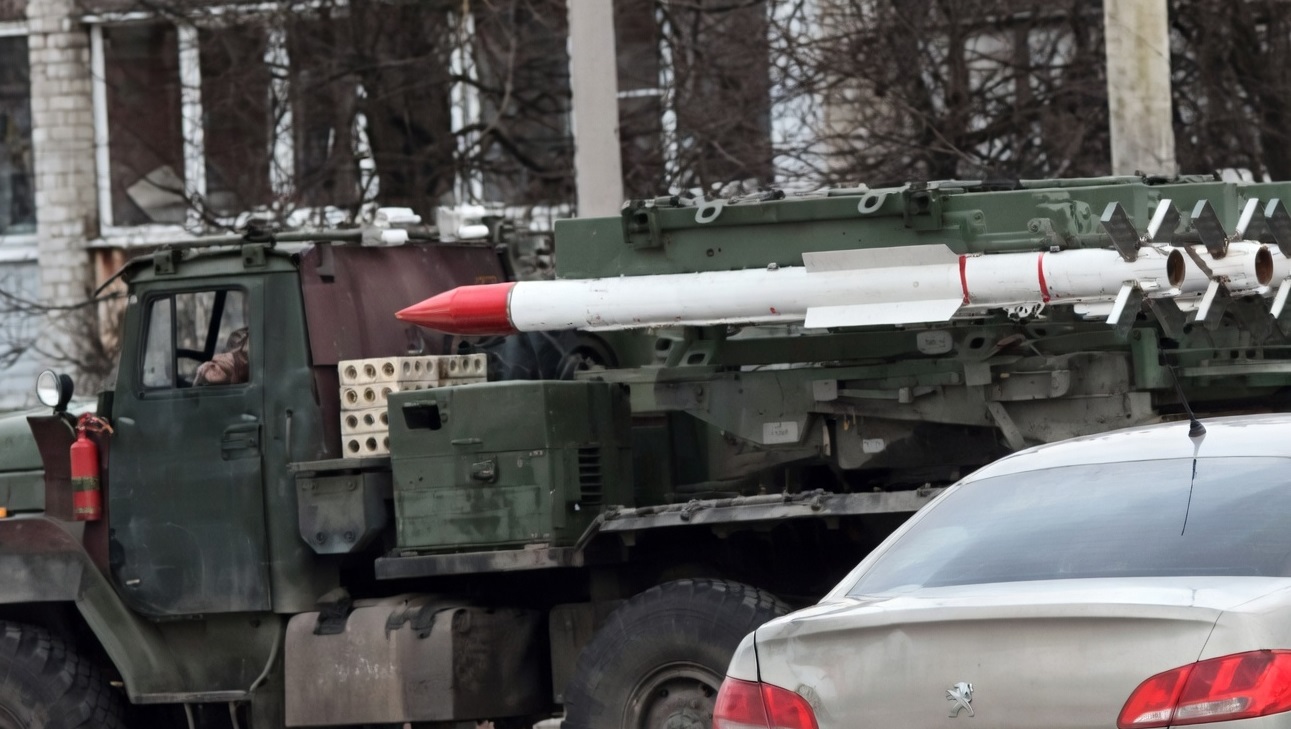
World
ORYOL, Russia — April 12, 2026 : A ground-based air defense launcher equipped with medium-range R-77-1 air-to-air missiles has been identified in the Russian city of Oryol, approximately 160 kilometers from the Ukrainian border, marking the first confirmed operational deployment of this specific improvised configuration in the region. Photographic evidence of the system was published on April 12, 2026, by the Russian military-focused Telegram channel Voenny Osvedomitel. The images show a launcher carrying four R-77-1 missiles mounted on aircraft-style pylons adapted onto a ground-based guide rail, indicating a non-standard, improvised engineering approach rather than a fully industrialized system. System Configuration and Design Approach Analysis of the imagery indicates that the launcher integrates standard aviation pylons with a rail-based ground platform, enabling the use of air-to-air missiles in a surface-to-air role. Defense analysts have described such systems as “FrankenSAMs,” reflecting their hybrid construction and rapid adaptation for operational use. The design concept parallels several established Western air defense systems that employ air-to-air missiles for ground launch. These include the Norwegian-US NASAMS system, which uses AIM-9 Sidewinder and AIM-120 AMRAAM missiles; Germany’s IRIS-T SLM system; and France’s MICA-VL system. In each case, aviation missiles are adapted to fulfill short- to medium-range air defense roles with varying degrees of integration maturity. The R-77 missile family, developed by Russia’s Vympel design bureau, is known by the NATO designation AA-12 Adder and export names RVV-AE and RVV-SD for later variants. The R-77-1 (RVV-SD), which entered Russian service in 2015, is an active radar-guided beyond-visual-range missile with an air-launched range of up to 110 kilometers. The missile measures approximately 3.71 meters in length, weighs around 190 kilograms, and features lattice grid fins designed to improve maneuverability. Performance Parameters and Expected Capabilities Manufacturer specifications for earlier ground-launched R-77 variants indicate an engagement range between 1.2 and 12 kilometers, with altitude coverage from approximately 20 meters to 9 kilometers and a lateral intercept parameter of up to 8 kilometers. These figures were based on earlier versions of the missile with an air-launched range of about 80 kilometers. Given the extended range of the R-77-1, analysts assess that ground-launched performance parameters for the newer variant are likely to be higher, although no official data has been released for this specific configuration. The adaptation to a ground-based role may also affect kinematic performance due to the absence of initial launch altitude and speed advantages provided by aircraft. Historical Development Background The concept of deploying R-77 missiles from ground-based platforms dates back to the Soviet Union in the 1980s. Early development efforts explored integrating the missile into existing air defense systems, including Kvadrat-type surface-to-air missile systems and launcher concepts derived from the AZP-57 gun used in the S-60 anti-aircraft artillery system. Following the start of Russia’s full-scale invasion of Ukraine in 2022, work on ground-based adaptations of the R-77 resumed. In 2024, a prototype system using a different launcher configuration—reportedly based on a modified BM-21 Grad multiple launch rocket system—underwent testing at the Kapustin Yar training range. The system observed in Oryol represents a distinct configuration, suggesting continued iterative development. Operational Context in Oryol Oryol has experienced repeated Ukrainian drone and missile strikes during the autumn and winter period of 2025–2026. The deployment of the R-77-1-based launcher in this area indicates that the system has likely reached at least limited operational status and is being used to augment local air defense coverage. Military analysts assess that the deployment reflects efforts to compensate for shortages in conventional surface-to-air missile systems and interceptor stocks, which have been reduced through sustained operational use and targeted strikes. Impact on Russian Aerospace Operations The use of R-77-1 missiles in a ground-based role has implications for Russian aviation operations. Ukrainian aviation sources have reported a reduction in R-77-1 usage by Russian fighter aircraft in recent months. Footage released by the Russian Ministry of Defense in early 2026 showed Su-35S fighter jets operating with older R-27 missiles instead of the more modern R-77-1. The increased reliance on legacy munitions for aerial interception missions and escort roles suggests a reallocation of available R-77-1 stocks to meet immediate ground-based air defense requirements. Strategic Implications The deployment in Oryol reflects a localized adaptation to evolving operational demands, particularly the increasing frequency of unmanned aerial vehicle (UAV) and missile threats targeting infrastructure and military assets within Russian territory. By adapting existing air-to-air missile inventories for ground-based use, Russian forces appear to be seeking a flexible and rapidly deployable solution to reinforce air defense coverage in high-risk areas. The continued development and fielding of such systems indicate an ongoing effort to mitigate capability gaps under current operational conditions.
Read More → Posted on 2026-04-12 15:05:14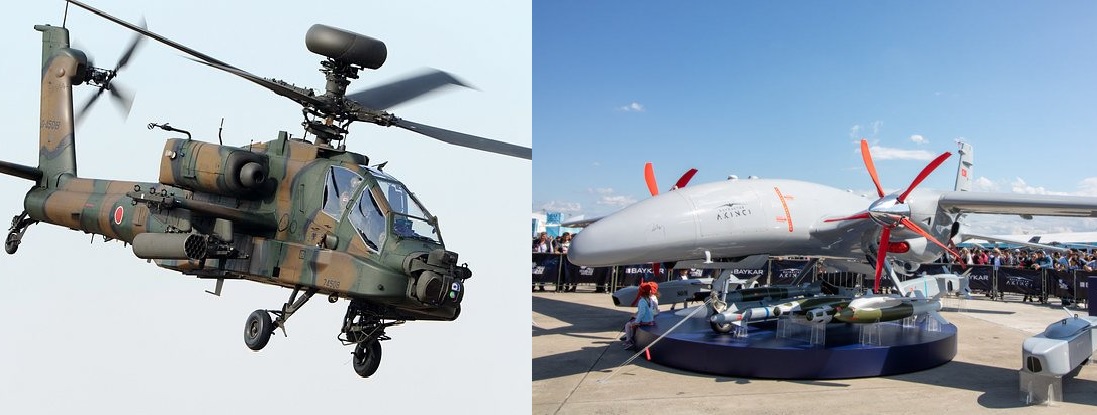
World
TOKYO, — April 12, 2026 : Japan has formally allocated ¥11.1 billion (approximately $69.7 million) in its fiscal year 2026 defense budget for the procurement of five wide-area unmanned aerial vehicles (UAVs) for the Ground Self-Defense Force (GSDF), marking a key step in the country’s transition from manned attack helicopters to unmanned systems. The budget was enacted on April 7, 2026, as part of a broader restructuring of Japan’s defense posture. The wide-area UAVs are intended to support long-range detection of surface vessels, intelligence collection, and battlefield coordination, including directing firepower. Budget documents published by the Ministry of Defense specify that the procurement is not restricted to unarmed configurations, indicating a high likelihood that the selected platforms will include strike and electronic warfare capabilities. The ¥11.1 billion allocation forms part of a larger investment strategy under which Japan is committing more than ¥100 billion (approximately $670 million) in fiscal year 2026 toward the accelerated deployment of unmanned systems. Defense officials have emphasized a “quantity over quality” approach to rapidly expand drone inventories, particularly to enhance surveillance and deterrence across remote and strategically sensitive regions such as the Ryukyu Islands. Policy Framework and Transition Timeline The procurement is rooted in the Defense Buildup Program, approved by the Japanese cabinet in December 2022. The program mandates the phased retirement of the GSDF’s AH-1S Cobra anti-tank helicopters and AH-64D Apache combat helicopters, transferring their reconnaissance and strike roles to unmanned platforms. This transition is intended to reduce operational costs and personnel risk while maintaining combat effectiveness. Under current planning, the GSDF aims to establish a dedicated multi-purpose unmanned aircraft unit by approximately fiscal year 2032. To support this timeline, the Ministry of Defense initiated a Request for Information (RFI) process, issuing the first RFI in March 2025 and a second on January 30, 2026. The submission deadline for the second RFI closed on March 12, 2026, and the ministry is currently reviewing industry responses to determine the final platform selection. The administration of Prime Minister Sanae Takaichi has also announced plans to revise Japan’s three core security documents—the National Security Strategy, National Defense Strategy, and Defense Buildup Program—before the end of 2026. Drone-centric warfare has been identified as a central focus of this review, with the potential to expand procurement targets further. Tested Platforms: Bayraktar TB2S and Heron Mk II Two UAV systems have completed formal testing and evaluation by Japan’s defense establishment and are considered leading candidates for procurement. The Bayraktar TB2S, developed by Turkish company Baykar, is an upgraded version of the widely deployed TB2 platform. It is equipped with satellite communications for beyond-line-of-sight operations, enabling coverage across Japan’s extensive maritime areas. Powered by a 100-horsepower Rotax 912 engine, the TB2S has an endurance of approximately 27 hours. It features four underwing hardpoints capable of carrying up to 150 kilograms of laser-guided munitions. The estimated unit cost is approximately ¥700 million (about $5 million). The GSDF Central Accounting Unit conducted a procurement survey for the platform in August 2023, and testing was completed during fiscal year 2025. In August 2025, Defense Minister Gen Nakatani visited Baykar’s facilities in Turkey, indicating continued interest. Japan is also monitoring further developments of the platform, including higher-altitude variants such as the TB-2T. The Heron Mk II, produced by Israel Aerospace Industries, offers extended endurance and advanced surveillance capabilities. It is powered by a 141-horsepower Rotax 915 iS engine and can remain airborne for up to 45 hours, with a maximum speed of 278 kilometers per hour. The platform integrates radar and electro-optical sensors capable of wide-area surveillance without entering foreign airspace, aligning with Japan’s operational and legal requirements. The Heron Mk II was tested at Shirahama Airport in Wakayama Prefecture, with Kawasaki Heavy Industries serving as the domestic handling partner, potentially positioning the company for local production or maintenance roles. Testing was completed during fiscal year 2024. The estimated unit cost is approximately ¥1.5 billion (around $10 million). Additional Industrial Options In addition to the two tested systems, Japan is evaluating other domestic and international options. In December 2023, the Acquisition, Technology & Logistics Agency (ATLA) awarded a ¥660 million contract to SUBARU for a concept-demonstration study of a vertical-takeoff-and-landing (VTOL) multi-purpose UAV. The study was delivered in February 2025. SUBARU has prior experience in unmanned systems, having produced the GSDF’s FFOS and FFRS observation platforms, and is considered a potential domestic alternative. Another candidate is the Gray Eagle 25M, a modernized variant of the MQ-1C developed by General Atomics. The platform is powered by a 200-horsepower heavy-fuel engine and offers endurance exceeding 40 hours. It incorporates a Modular Open Systems Approach (MOSA) architecture, allowing rapid integration of sensors and electronic warfare payloads. The Gray Eagle 25M completed its first flight in December 2023 and is currently being delivered to U.S. Army National Guard units. Japan is also separately investing ¥41.5 billion in MQ-9B SeaGuardian UAVs from General Atomics for maritime surveillance missions. Broader Defense Budget Context The UAV procurement is part of Japan’s fiscal year 2026 defense budget totaling a record ¥9.04 trillion. Within this framework, approximately ¥100.1 billion has been allocated for the development of the Synchronized, Hybrid, Integrated and Enhanced Littoral Defense (SHIELD) system by fiscal year 2027. The SHIELD initiative integrates UAVs, unmanned surface vessels, and unmanned underwater systems to strengthen coastal defense capabilities. Institutionally, the GSDF is scheduled to establish a dedicated department for unmanned systems by the end of April 2026. The unit, expected to consist of 10 to 20 personnel, will focus on drone operations and the integration of artificial intelligence technologies for automation. Transition to Implementation Phase With funding now formally appropriated and five UAVs authorized, Japan’s Ministry of Defense is moving from evaluation and planning into the procurement phase. The review of responses to the January 2026 RFI is ongoing and will inform the final platform selection. The wide-area UAV acquisition represents the first confirmed funding step in Japan’s broader effort to replace manned attack and reconnaissance helicopters with unmanned systems. The transition is expected to reshape GSDF aviation structure over the coming decade, with full operational integration targeted by the early 2030s.
Read More → Posted on 2026-04-12 14:57:55
World
RIYADH, — April 12, 2026 : Saudi Arabia has restored full pumping capacity on its East-West oil pipeline to approximately 7 million barrels per day, the Ministry of Energy confirmed on Sunday, following infrastructure attacks that disrupted operations earlier in April. The East-West pipeline, commonly known as Petroline, spans approximately 1,200 kilometres, linking oil production facilities in the kingdom’s Eastern Province to the Red Sea export terminal at Yanbu. The system is a central component of Saudi Arabia’s export infrastructure, enabling crude shipments to bypass the Strait of Hormuz, where shipping traffic remains restricted amid ongoing regional tensions. According to the ministry’s April 12 statement, the pipeline had experienced a temporary throughput reduction of about 700,000 barrels per day after a strike last week damaged one of its 11 pumping stations. Operational and technical teams completed repairs within days of the initial damage assessment, allowing the system to return to full capacity. The disruption formed part of a broader impact on Saudi energy infrastructure. On April 9, the Ministry of Energy reported that attacks linked to the ongoing regional conflict had reduced the kingdom’s overall oil production capacity by approximately 600,000 barrels per day. This included losses from both pipeline operations and upstream production facilities. Production at the offshore Manifa oil field has now been fully restored, recovering approximately 300,000 barrels per day that had been curtailed following the attacks. Meanwhile, restoration work continues at the onshore Khurais oil field, where output had also declined by about 300,000 barrels per day. The ministry stated that a further update on Khurais would be provided once full operational capacity is re-established. The East-West pipeline has assumed heightened importance in recent months, as Saudi Arabia increased reliance on the route to maintain export volumes during disruptions in the Strait of Hormuz. Prior to the attacks, the pipeline was already operating at or near its maximum capacity of 7 million barrels per day, supporting crude exports through the Red Sea port of Yanbu. The attacks occurred in early April, shortly after a two-week ceasefire between the United States and Iran was declared on April 9. The strikes targeted multiple energy-related sites, including oil, gas, refining, and electricity infrastructure across Riyadh, the Eastern Province, and Yanbu Industrial City. Saudi authorities reported that the incidents resulted in one fatality during the week of attacks, bringing the total number of civilian deaths in the kingdom to three since the escalation of the regional conflict on February 28. The Ministry of Energy stated that the rapid restoration of pipeline operations and the Manifa field was achieved through coordinated technical and operational response measures. The recovery supports continuity in both domestic supply and international crude exports. No additional details regarding the source of the attacks were provided in the April 12 statement.
Read More → Posted on 2026-04-12 14:51:00
World
ISLAMABAD, — April 12, 2026 : High-level negotiations between the United States and Iran concluded in Islamabad without an agreement after approximately 21 hours of discussions, marking the first direct face-to-face engagement between the two countries at this level in decades. The talks were hosted and mediated by Pakistan amid heightened regional tensions and an ongoing but fragile ceasefire. The United States delegation was led by Vice President JD Vance, accompanied by Special Envoy Steve Witkoff and Jared Kushner. Iran’s delegation was headed by Parliament Speaker Mohammad-Bagher Ghalibaf and included Foreign Minister Abbas Araghchi. Both sides held separate consultations with Pakistani Prime Minister Shehbaz Sharif and senior officials before and during the negotiations. No Agreement After Extended Deliberations Speaking after the conclusion of the talks, Vance stated that the United States had presented what he described as its “final and best offer,” but Iran declined to accept the terms. He said the discussions were substantive and involved detailed exchanges, including written proposals, but ultimately failed to resolve core differences—particularly regarding Iran’s nuclear programme. Ghalibaf, representing the Iranian position, stated that Tehran had presented constructive initiatives during the negotiations. However, he said the US delegation did not build sufficient trust to reach an agreement. Iranian state media outlets, including Tasnim, reported that Iran’s proposals were reasonable, while describing US demands as excessive and unrealistic. Key Issues Preventing Agreement The negotiations addressed several interconnected issues, but three primary areas remained unresolved. The status of the Strait of Hormuz was a central point of disagreement. Iran maintained control over the waterway, which is critical for global oil shipments. The United States sought its immediate reopening for international maritime traffic without conditions or guarantees of a future Iranian role. Iran insisted that no change to the strait’s status would occur without a broader comprehensive agreement. Reports during the talks indicated that US military forces had begun operations aimed at clearing mines and facilitating shipping. The situation in Lebanon also contributed to the deadlock. Iran pushed for the inclusion of a ceasefire covering Lebanon, where Israeli operations against Hezbollah have continued. The US delegation declined to incorporate Lebanon into the agreement, indicating that the issue would be handled separately through Israel. Iran’s nuclear programme remained the most significant obstacle. The United States reiterated its position that Iran must not develop nuclear weapons and proposed removing enriched uranium from Iranian territory. Iran rejected this proposal, describing it as a violation of its sovereign rights and reaffirming that its nuclear programme is for peaceful purposes. Tehran also declined to accept limits on its nuclear capabilities, which US officials identified as a primary barrier to any agreement. Broader Issues and Negotiation Dynamics Additional matters discussed during the talks included sanctions relief, the release of frozen Iranian financial assets, war-related reparations, and regional security arrangements. Both delegations exchanged written drafts and technical proposals during extended phases of the negotiations, but these efforts did not result in convergence. The discussions unfolded against the backdrop of a two-week ceasefire established earlier in 2026 following US and Israeli strikes on Iran. The ceasefire has remained fragile, with continued Israeli military operations in Lebanon and disruptions to maritime traffic in the Strait of Hormuz. Vice President Vance remained in communication with US President Donald Trump throughout the negotiations. Trump had previously stated that the United States would prevail regardless of the outcome and emphasized the importance of reopening the Strait of Hormuz. Uncertain Outlook for Ceasefire and Future Talks The failure to reach an agreement has introduced uncertainty regarding the continuation of the ceasefire and the stability of regional conditions. Shipping through the Strait of Hormuz remains restricted, affecting global energy markets, while Israeli officials have indicated that military operations in Lebanon may continue. Pakistani officials expressed cautious optimism that diplomatic engagement would persist despite the outcome. Reports indicated the possibility of another round of talks within 7 to 10 days, potentially involving a different level of US representation. The US delegation departed Pakistan shortly after the talks concluded, with no indication that members remained for additional back-channel discussions. Both Washington and Tehran signaled that communication channels remain open, although substantial gaps continue on key issues related to security, sovereignty, and regional influence. The Islamabad negotiations took place within the broader context of a six-week regional conflict affecting multiple countries in the Middle East. Analysts noted that factors such as intelligence sharing, control of strategic energy routes, and nuclear capabilities continue to shape the positions of both sides. No formal announcement has been made regarding any extension or modification of the current ceasefire.
Read More → Posted on 2026-04-12 14:38:21
World
MONTREAL, — April 12, 2026 : Swedish aerospace and defence company Saab has proposed the construction of a sovereign data centre in Montreal to support its bid to supply Gripen E/F fighter aircraft to the Royal Canadian Air Force (RCAF). The initiative is aimed at ensuring that all mission-critical and classified data generated by the aircraft remains within Canadian territory. Sovereign Data Infrastructure Proposal According to Saab, the Montreal-based facility would be purpose-built to host all activities related to the fighter mission system. This includes operational data, communications, and technical information associated with the Gripen platform. The company stated that the system is designed to meet Canadian requirements for controlled goods, security compliance, and operational independence. Sierra Fullerton, spokesperson for Saab, said the data centre would enable Canada to maintain full control over aircraft systems and sensitive data. She noted that hosting all mission system functions domestically would allow the RCAF to independently manage software, communications, and operational datasets without reliance on external infrastructure. Broader Gripen Offer and Industrial Commitments The data centre proposal forms part of Saab’s wider package, which includes 72 Gripen E/F fighter jets and six GlobalEye airborne early warning and control aircraft. Saab has also proposed assembling the aircraft in Canada and establishing a dedicated Gripen Centre in Montreal for fleet management, maintenance, and lifecycle support. The company has previously indicated that the programme could generate significant economic benefits for Canada, including technology transfer and the creation of up to 10,000 jobs across the aerospace and defence sectors. Jussi Halmetoja, a test pilot and operational adviser to Saab, said the proposed infrastructure would allow Canada to collect, store, and analyse its own operational data without external interference. He added that sensitive information such as mission profiles, electronic signatures, and intelligence data would remain under national control. Canada’s Ongoing Fighter Procurement The proposal comes as Canada continues its review of the Future Fighter Capability Project, which seeks to replace the ageing CF-18 fleet. In January 2023, Canada signed an agreement with the United States and Lockheed Martin for the acquisition of F-35 Lightning II aircraft. The initial order covers 16 jets, with options to expand the fleet to as many as 88 aircraft. Deliveries are expected to begin in 2026. Under the F-35 programme, mission and operational data are stored at a Lockheed Martin facility in Fort Worth, Texas. Chauncey McIntosh, head of the F-35 programme at Lockheed Martin, stated that the company provides customers with the infrastructure and data required to operate and sustain their aircraft independently in accordance with sovereign and operational needs. Data Sovereignty and Strategic Considerations Data sovereignty has become a key issue in modern defence procurement, as advanced fighter aircraft generate large volumes of operational data used for mission planning, threat analysis, and artificial intelligence applications. Saab has emphasised that hosting such data within Canada reduces exposure to foreign legal frameworks and limits access by external entities. Daniel Araya, a fellow at the Centre for International Governance Innovation, said that reliance on external data systems could have broader implications for national autonomy. He noted that maintaining sovereignty requires long-term planning across sectors including infrastructure, software, energy, and digital systems. Programme Status and Next Steps The Canadian government has not announced any changes to its existing F-35 commitments or confirmed the final size of the future fleet. The review is being conducted within the context of Canada’s defence obligations, including its roles in the North American Aerospace Defense Command and the North Atlantic Treaty Organization, where interoperability remains an important factor. Saab has stated that its proposal aligns with Canada’s objectives of strengthening domestic industry participation while ensuring national control over critical defence data. The Montreal sovereign data centre is presented as a central element of this approach, offering an alternative model for managing sensitive operational information within national borders.
Read More → Posted on 2026-04-12 14:14:06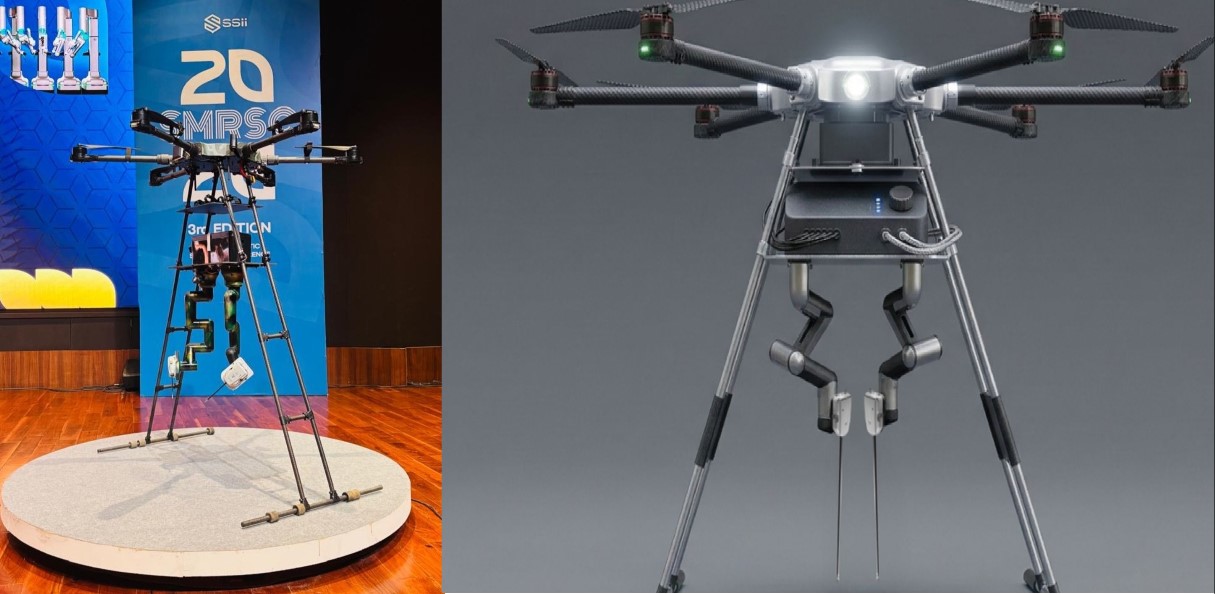
India
NEW DELHI, — April 11, 2026 : SS Innovations International, Inc. (SSI), a Gurugram-based medical technology company, is developing a drone-deployed robotic surgical system under Project Vimana, aimed at enabling remote emergency medical procedures for wounded personnel in forward combat zones. The system, also referred to as the SSi Vimana Aero, was presented during the third Global SSI Multi-Specialty Robotic Surgery Conference (SMRSC 2026), held from April 9 to April 11, 2026, at Bharat Mandapam in New Delhi. The project was unveiled by Union Minister of State for Health and Family Welfare Pratap Rao Jadhav alongside other SSI initiatives, including Project Operion. Project Vimana integrates a GPS-guided heavy-lift autonomous drone with a compact robotic surgical unit. Designed for rapid deployment, the drone navigates to the casualty’s location, lands nearby, and deploys two miniature robotic arms. Each arm features seven degrees of freedom and is equipped with 5 mm surgical instruments such as forceps, scissors, cautery tools, suction devices, and needle drivers. The system is operated remotely by a trauma surgeon using the SSI Mantra Surgeon Command Center, based on the company’s SSi Mantra modular robotic surgery platform adapted for field conditions. Through real-time visual transmission and control, the surgeon can perform critical stabilisation procedures, including haemorrhage control, chest decompression, shrapnel extraction, wound repair, and suturing. These interventions are intended to stabilise injured personnel during the interval between injury and medical evacuation. According to available specifications, the drone has an estimated flight endurance of approximately 30 minutes and supports an operational window of about 30 minutes for surgical procedures. The system remains in the proof-of-concept and development stage, with no confirmed deployment timeline. SSI has indicated that ensuring resilience against electronic interference, including cyber threats and signal jamming, is a key requirement prior to operational use. The underlying SSi Mantra platform is a modular, multi-arm robotic surgery system developed for accessibility and cost efficiency. It has been used in more than 100 types of surgical procedures across India and supports telesurgery capabilities, forming the technological base for Project Vimana. SSI, founded by Dr. Sudhir Srivastava, focuses on robotic surgical technologies. While Project Vimana is primarily intended for battlefield applications, the company stated that the system could also be adapted for civilian use cases, including disaster response, road accident care, and medical support in remote or inaccessible regions. No additional performance details, including payload capacity or operational range beyond stated endurance, were disclosed during the conference. Project Vimana forms part of SSI’s broader effort to extend robotic surgical capabilities beyond conventional hospital environments.
Read More → Posted on 2026-04-11 18:05:15
India
NEW DELHI, — April 11, 2026 : Indian defence technology startup IG Defence is developing the IG JWALA short-range missile system, marking a continued expansion of private-sector participation in India’s indigenous strike weapon programs. The IG JWALA is engineered as a fully indigenous system designed for rapid-response, high-precision battlefield operations. It utilizes solid-fuel propulsion to enhance reliability, reduce launch preparation time, and enable high-velocity engagement. The system integrates advanced inertial navigation with optimized terminal-phase guidance, allowing for precise targeting accuracy during the final stage of flight. According to the company, the missile is built for all-weather operational readiness and is capable of functioning effectively across diverse combat environments, including high-altitude regions and desert theatres. Its ruggedized construction is intended to ensure durability under harsh battlefield conditions. The system features a modular launch architecture that supports both vehicle-mounted and static deployment configurations. This multi-platform capability is designed to facilitate rapid redeployment and flexible use across different operational scenarios. IG Defence states that the IG JWALA is a 100% indigenous design and manufacturing effort, incorporating a secured supply chain lifecycle and proprietary control algorithms. The system is equipped with a decisive warhead and is intended to enhance sovereign strike capabilities through tactical mobility and adaptability. No specific performance parameters, including range or warhead weight, have been disclosed. The company has also not announced timelines for testing, production, or potential induction into the Indian armed forces. In parallel with the IG JWALA program, IG Defence is developing loitering munition systems, including the KAL loitering munition with a reported range of 1,000 km, and the IG TURBOJET loitering munition, which has a range of 100 km and is powered by a turbojet-based propulsion system. The developments reflect a broader shift within India’s defence sector, where private companies are increasingly contributing to advanced missile and unmanned strike system development—areas traditionally led by state-run organizations. IG Defence describes its approach as focused on indigenous capability development, stating that its systems are “built in Bharat for Bharat” while also being positioned for global markets.
Read More → Posted on 2026-04-11 17:54:14
India
MUMBAI/COLOMBO, — April 11, 2026 : Mazagon Dock Shipbuilders Limited (MDL), a public sector undertaking under India’s Ministry of Defence, has completed the acquisition of a 51% controlling stake in Colombo Dockyard PLC (CDPLC), Sri Lanka’s largest shipbuilding and repair facility. The transaction, valued at approximately $26.8 million (₹249.5 crore to ₹250 crore), establishes CDPLC as a subsidiary of the Mumbai-headquartered shipbuilder and marks MDL’s first international acquisition. The deal was executed through a phased process under a tripartite agreement involving MDL, CDPLC, and Onomichi Dockyard Co. Ltd., the former majority shareholder. As part of the initial phase, MDL acquired a 41.73% stake by purchasing 164.9 million unsubscribed rights shares previously allotted to Onomichi Dockyard at a price of 40 Sri Lankan Rupees per share, amounting to ₹16.49 crore. This initial acquisition triggered a mandatory open offer in accordance with Sri Lanka’s Takeovers and Mergers Code. Following the completion of the open offer process, MDL acquired an additional 9.27% stake, equivalent to 36,649,271 fully paid ordinary shares at the same price of LKR 40 per share. With a total holding of 201,565,500 ordinary shares, MDL has secured a 51% majority stake in CDPLC. Indian law firm Khaitan & Co advised MDL on the structuring of the cross-border transaction. Board Reconstitution and Management Continuity Following the completion of the acquisition, the board of Colombo Dockyard PLC has been reconstituted to reflect MDL’s majority ownership. Effective April 7, 2026, Captain Jagmohan (Retd.), Chairman and Managing Director of MDL, has been appointed as the Non-Executive Chairman of CDPLC. Additional MDL nominees appointed to the board include Biju George, Director of Shipbuilding, and Ruchir Agrawal, Director of Finance. Vish Govindasamy, Deputy Chairman of Sunshine Holdings PLC, has also been inducted as an MDL nominee director. To ensure operational continuity, Thimira S. Godakumbura will continue in his role as Managing Director and Chief Executive Officer of Colombo Dockyard PLC. Strategic Alignment and Infrastructure Capabilities The acquisition aligns with the Government of India’s “Maritime Amrit Kaal Vision 2047,” a long-term policy framework issued by the Ministry of Ports, Shipping and Waterways aimed at expanding India’s maritime infrastructure and global presence. The strategy outlines more than 300 initiatives across 11 thematic areas, including positioning India among the top five global shipbuilding nations, achieving leadership in ship recycling, developing next-generation port infrastructure, and promoting sustainable maritime practices. Colombo Dockyard PLC operates within the Port of Colombo and maintains four graving dry docks, including one with a maximum capacity of 125,000 deadweight tonnes (DWT). The facility also includes multiple repair berths and services more than 200 vessels annually. CDPLC has capabilities spanning shipbuilding, ship repair, heavy engineering, and offshore engineering, supporting both civilian and military vessel construction. In addition to its Colombo operations, CDPLC is developing an engineering workshop at the Hambantota International Port in southern Sri Lanka, providing MDL access to additional infrastructure in the Indian Ocean region. Financial Context and Performance The acquisition follows a period of financial stress for Colombo Dockyard PLC. The company reported a loss of $38.3 million in 2023 amid a global downturn in shipbuilding and broader macroeconomic challenges in Sri Lanka. These pressures led to CDPLC shares being placed on a watch list by the Colombo Stock Exchange in 2024 and contributed to the termination of its management agreement with Onomichi Dockyard. Despite these challenges, CDPLC recorded consolidated revenues of LKR 36,168 million (approximately ₹976.5 crore) in FY2023 and LKR 25,447 million (approximately ₹687.1 crore) in FY2024. Integration and Operational Outlook The integration process following the acquisition is expected to focus on addressing CDPLC’s working capital constraints, enabling access to refund guarantees for new shipbuilding contracts, and aligning operations with Indian maritime supply chains. The transaction is also expected to support capacity expansion and operational improvements at the Sri Lankan yard through MDL’s technical and financial resources. Mazagon Dock Shipbuilders Limited, India’s largest warship builder, designs and constructs naval vessels, submarines, and other defence platforms for the Indian Navy and Coast Guard. The acquisition of Colombo Dockyard PLC represents a significant step in extending its operational footprint beyond India and strengthening its position within the regional maritime industry.
Read More → Posted on 2026-04-11 17:38:37
World
Moscow, April 11, 2026 : Recent field reports and visual evidence dated April 9, 2026 indicate that Russian military units have begun integrating the North Korean-manufactured Type-75 107 mm multiple launch rocket system (MLRS) onto the NRTK “Kurier” unmanned ground vehicle (UGV). The development combines imported artillery systems with domestically produced robotic platforms to deliver crewless, stand-off fire support in frontline conditions. System Integration and Configuration Footage released in April 2026 shows the tracked NRTK “Kurier” platform configured with a 12-tube Type-75 launcher mounted directly onto its chassis. The integration enables remote-controlled firing of 107 mm rockets without the presence of onboard personnel. Some observed configurations indicate partial tube loading during testing phases, suggesting ongoing adjustments to weight distribution and firing stability. The Type-75 MLRS, originally produced in North Korea and based on the Chinese Type 63 system, was first observed in Russian service in Ukraine in June 2025. Prior to its integration with the UGV, Russian forces deployed the launcher primarily in towed configurations or mounted it onto UAZ-3303 utility vehicles. In those vehicle-mounted setups, operators removed the carriage wheels and welded the launcher directly to the vehicle body, a modification that often limited horizontal traverse and targeting flexibility. Type-75 MLRS Capabilities The Type-75 is a lightweight artillery system equipped with 12 launch tubes capable of firing a full salvo within approximately 7 to 15 seconds, depending on operational conditions. Each rocket measures around 840 millimeters in length and weighs between 18 and 19 kilograms. The system has an effective firing range of approximately 8.5 to 8.6 kilometers. It supports multiple ammunition types, including high-explosive fragmentation rounds such as the RSZO-107-OF and cluster munitions containing up to 15 submunitions per rocket. Supplies of compatible ammunition have reportedly included North Korean and Chinese-manufactured variants. NRTK “Kurier” Platform Specifications The NRTK “Kurier,” also referred to as the Courier or Kuryer, is a modular unmanned ground platform developed for multi-role battlefield applications. The vehicle measures approximately 1.4 meters in length, 1.2 meters in width, and 58 centimeters in height, with a total weight of around 250 kilograms. The platform is powered by two electric motors and can reach speeds of up to 35 kilometers per hour. Its battery system supports operational endurance ranging from 12 to 72 hours, with a functional control range of 3 to 10 kilometers depending on communication configuration. Some variants incorporate fiber-optic cable control to maintain functionality in environments affected by electronic warfare. Initially deployed to Russian units in late 2024, including motorized rifle brigades, the “Kurier” has been used for logistics transport, casualty evacuation, mine-laying, engineering reconnaissance, and route clearance of anti-personnel mines. Its modular architecture allows rapid adaptation for combat roles. Previous Weapon Configurations Before the integration of the Type-75 MLRS, the “Kurier” platform had been fitted with a range of weapon systems. These include automatic grenade launchers such as the AGS-17 and AGS-30, machine guns in 7.62 mm and 12.7 mm calibers, thermobaric rocket systems including Shmel modules, and the Bagulnik-82 automated 82 mm mortar system. Trials conducted in April 2026 demonstrated the Bagulnik-82 configuration performing automated loading and firing sequences from a rotating turret without onboard crew. The addition of the 107 mm rocket launcher extends the platform’s strike capability to nearly nine kilometers, exceeding the range of previously integrated systems. Operational Context and Tactical Role The integration of the Type-75 MLRS onto an unmanned platform reflects adjustments to battlefield conditions characterized by dense aerial surveillance and the widespread use of first-person view (FPV) strike drones. Traditional short-range artillery operations require crews to deploy, fire, and relocate quickly, exposing personnel to counter-battery fire and drone attacks. By transferring the MLRS to a remotely operated platform, Russian units can position the launcher closer to contested areas, including trench lines, and conduct fire missions without exposing personnel to direct risk. The system allows operators to execute strike missions from protected positions behind the front line. If the unmanned platform is destroyed during operation, the loss is limited to equipment rather than trained artillery crews. This approach aligns with ongoing efforts to expand the use of unmanned systems in combat support roles. Program Development The NRTK “Kurier” program progressed from field testing completed by the end of 2023 to operational deployment beginning in late 2024. Since then, Russian forces have continued to experiment with additional payloads and configurations as part of broader efforts to enhance unmanned combat capabilities. As of April 11, 2026, no official information has been released regarding production volumes, deployment scale, or future variants of the Type-75-equipped “Kurier” system. However, continued field testing and released footage indicate that development and evaluation of this configuration remain ongoing.
Read More → Posted on 2026-04-11 17:26:03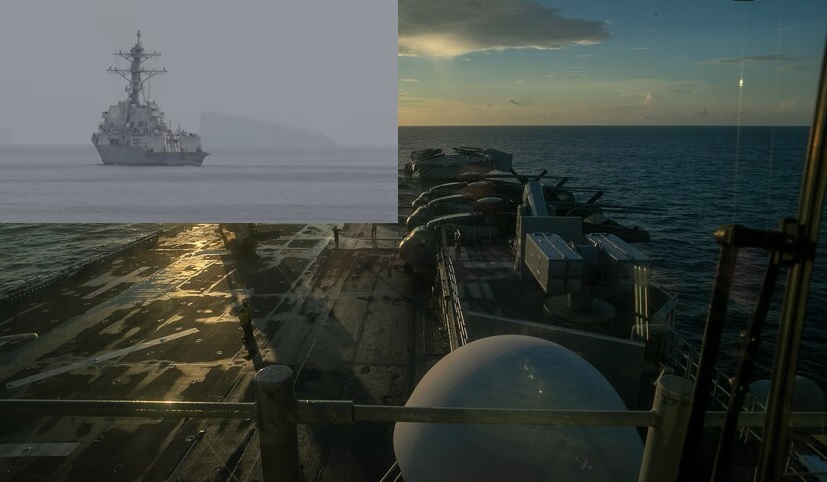
World
TAMPA, Fla., — April 11, 2026 : U.S. Central Command (CENTCOM) has initiated a mine clearance mission in the Strait of Hormuz, deploying naval forces to restore safe passage through one of the world’s most critical maritime trade routes. The operation commenced on April 11 with the transit of two U.S. Navy guided-missile destroyers, USS Frank E. Petersen Jr. (DDG 121) and USS Michael Murphy (DDG 112), through the strait into the Arabian Gulf. The deployment marks the initial phase of a broader effort to remove naval mines previously laid by Iran’s Islamic Revolutionary Guard Corps (IRGC), which had effectively halted commercial shipping in the waterway over recent weeks. Initial Naval Deployment and Capabilities Both destroyers are part of the Arleigh Burke-class and are equipped with the Aegis combat system, enabling multi-domain operations including air, surface, and undersea warfare. USS Frank E. Petersen Jr., a Flight IIA Technology Insertion variant commissioned in 2022 and homeported at Joint Base Pearl Harbor-Hickam, has recently conducted live-fire exercises and replenishment-at-sea operations within the CENTCOM area of responsibility. USS Michael Murphy, the final Flight IIA variant, is also based in Pearl Harbor and has completed multiple deployments to the U.S. Fifth Fleet region. U.S. officials described the transit of the two warships as a freedom-of-navigation mission, representing the first uncoordinated U.S. naval crossing of the strait since the escalation of hostilities in late February 2026. Iranian state television subsequently broadcast a denial from a senior military official regarding the transit, although maritime tracking data confirmed the presence of both vessels in the area. Mine Clearance Operations and Planned Reinforcements According to CENTCOM, the operation is focused on establishing a secure maritime corridor for commercial shipping. Admiral Brad Cooper, commander of CENTCOM, stated that forces have begun creating a new safe passage that will be shared with the maritime industry to restore the flow of commerce. Additional U.S. naval assets, including specialized unmanned underwater vehicles, are scheduled to join the mission in the coming days. These systems are designed to detect and neutralize mines using sonar and can operate at depths reaching several thousand feet. The U.S. Navy’s mine countermeasure capabilities also include integration with littoral combat ships and other platforms configured for mine-hunting operations. Military officials indicated that the mines were deployed by the IRGC using small boats, submarines, and other maritime assets. The deployment methods included unrecorded placement patterns and drifting configurations, increasing the complexity of detection and clearance. Iran’s inventory is assessed to include moored buoyant mines such as the Mahan-3 and bottom influence mines from the Maham series, which are triggered by acoustic, magnetic, or pressure signatures. No official timeline has been released for the completion of the clearance effort, and U.S. authorities have not disclosed the number of mines identified or neutralized during the initial phase. Strategic Importance of the Strait The Strait of Hormuz serves as a vital international sea lane, facilitating approximately 20 percent of global oil trade. The recent disruption to shipping has affected energy markets and supply chains, underscoring the strategic importance of reopening the corridor. U.S. officials have stated that ensuring uninterrupted maritime traffic through the strait remains a primary operational objective. Diplomatic Context in Islamabad The mine clearance mission is taking place alongside ongoing diplomatic efforts in Islamabad, where U.S. and Iranian officials are engaged in high-level negotiations. These talks represent the first direct engagement between the two countries since the outbreak of conflict in late February 2026. The U.S. delegation is led by Vice President JD Vance, while Iran is represented by Parliament Speaker Mohammad Bagher Ghalibaf and Foreign Minister Abbas Araghchi. Statements from Washington President Donald Trump addressed the operation on April 11, stating that U.S. forces had begun clearing the Strait of Hormuz to support global commerce. He also commented on the condition of Iran’s naval capabilities, asserting that the IRGC no longer retains the capacity to deploy additional naval mines following earlier U.S. strikes that reportedly destroyed its fleet of mine-laying vessels. Ongoing Mission CENTCOM officials emphasized that the current deployment of destroyers represents the preparatory phase of a larger operation aimed at fully restoring safe navigation in the region. The integration of additional assets, including unmanned systems and specialized mine countermeasure platforms, is expected to expand in the coming days as the clearance effort progresses.
Read More → Posted on 2026-04-11 17:11:20Search
Top Trending in 24 Hours
-
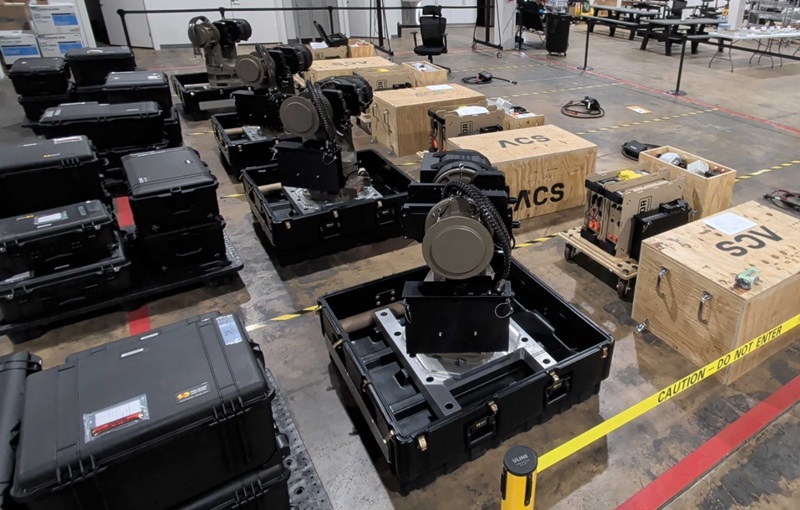 U.S. Marine Corps Selects AI-Powered Bullfrog Weapon Station for L-MADIS Counter-Drone Platform
-
 Lockheed Martin Launches $9 Billion U.S. Munitions Expansion to Boost THAAD, PAC-3 and PrSM Production
-
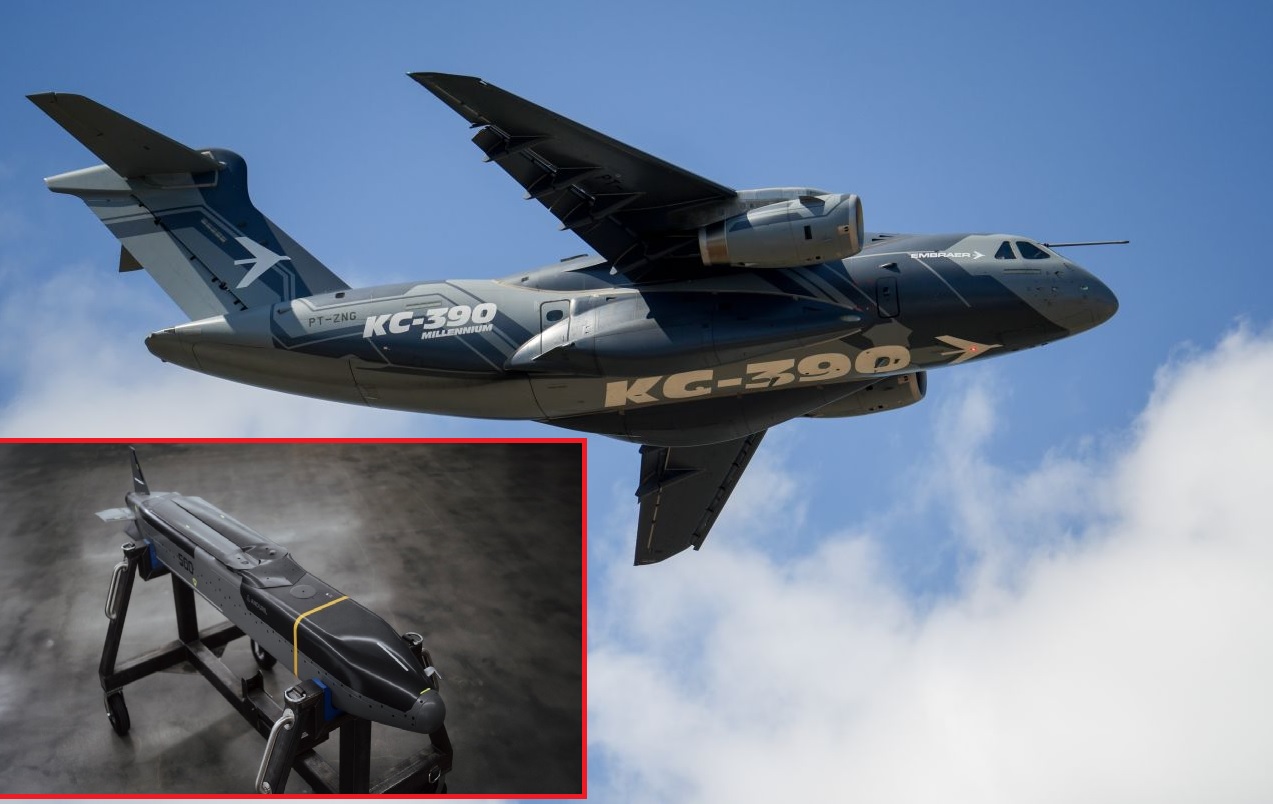 Embraer and Anduril Partner to Integrate Barracuda-500M Cruise Missile with C-390 Millennium
-
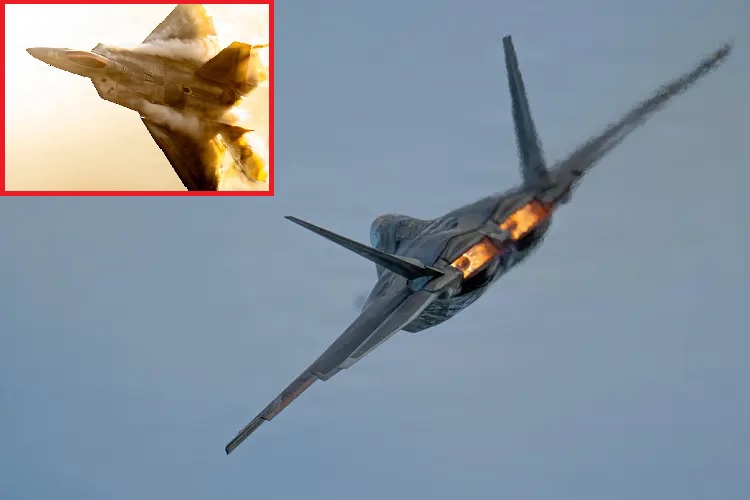 Qarbon Aerospace Returns to F-22 Program with New U.S. Air Force Sustainment Contract
-
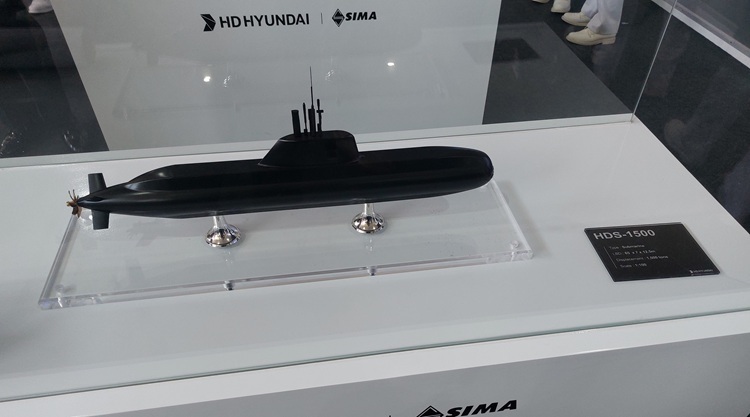 HD Hyundai and Peru's SIMA Complete Basic Design of HDS-MGP Next-Generation Submarine
-
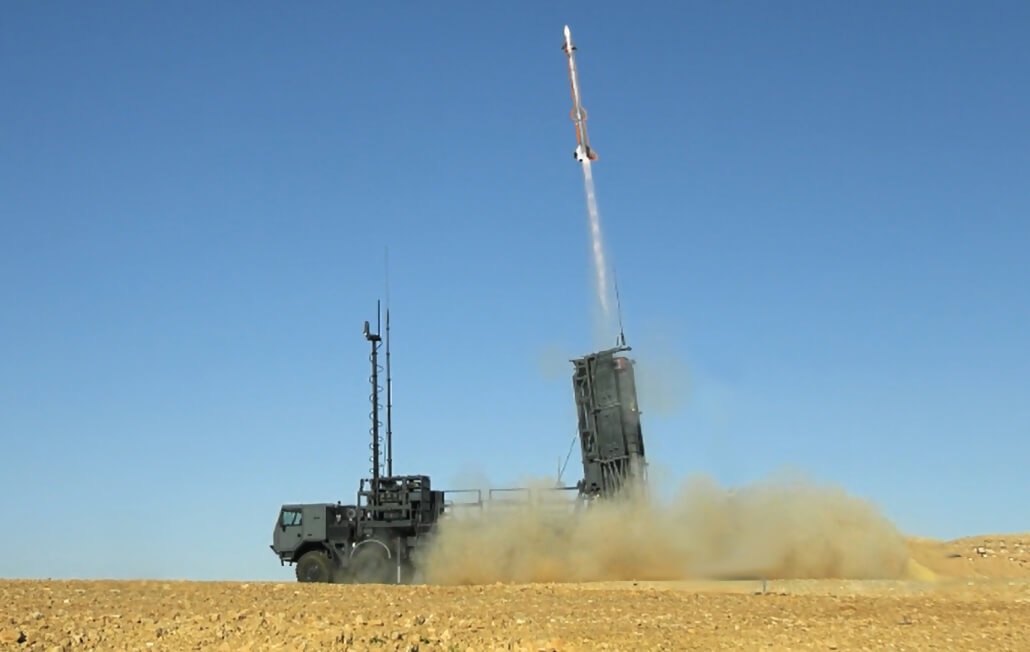 Greece Set to Approve €3 Billion Israeli Air Defense Deal for 'Achilles’ Shield' Network
Top Trending in 4 Days
-
 New Satellite Imagery Reveals Extensive Damage at Jordan's Muwaffaq al-Salti Air Base After Iranian Missile Strike
-
 Anduril Unveils Thunder Autonomous Attack Rotorcraft Built with Archer Aviation to Support Apache Helicopters
-
 Iran Claims It Shot Down U.S.-Operated Polish-Built Tiguar-M Drone, Releases Images
-
 UK Cancels Meteor Missile Mid-Life Upgrade, Prioritizes Next-Generation FASE Air-to-Air Missile Programme
-
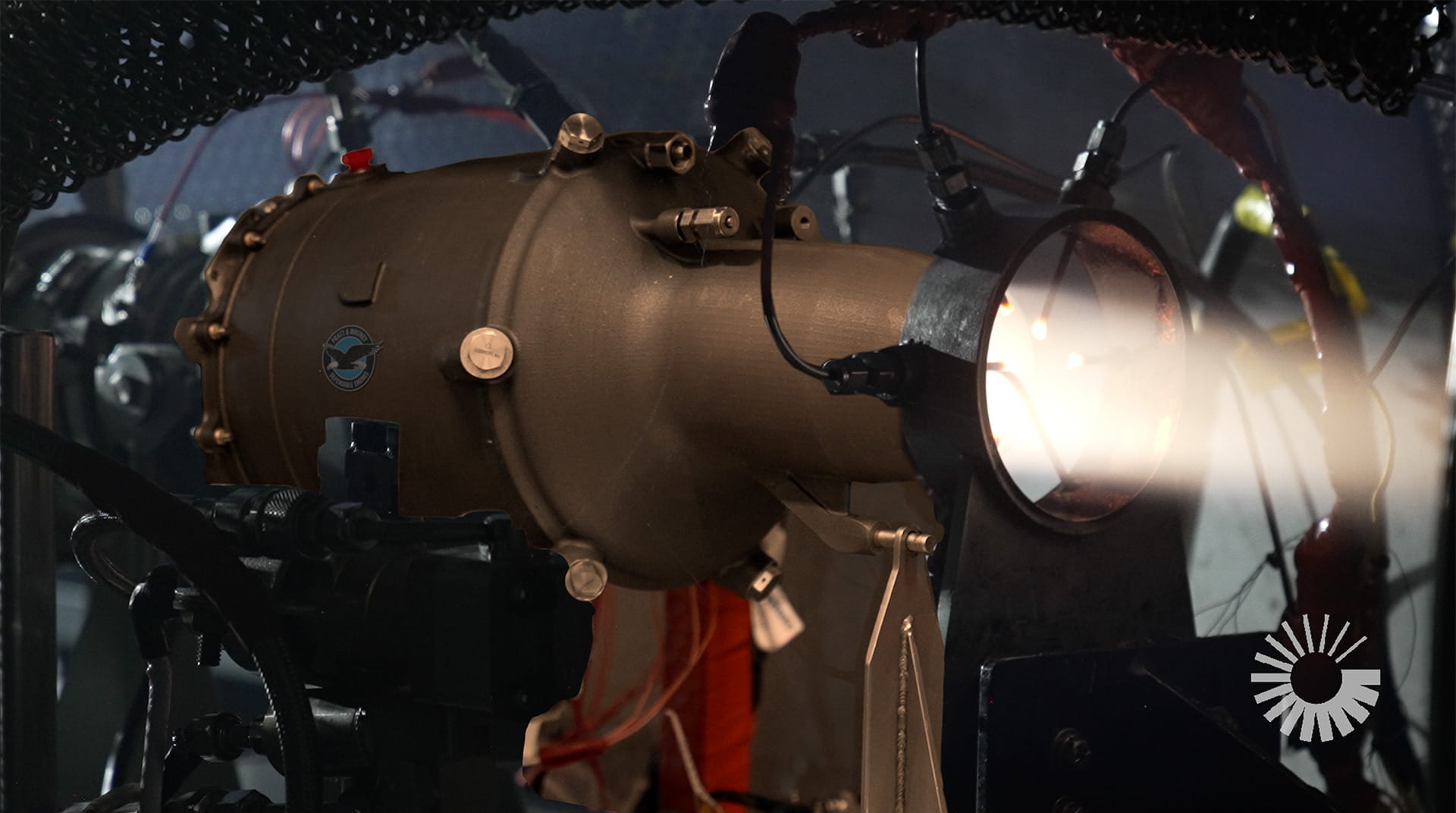 Pratt & Whitney Completes Testing of 3D-Printed TJ150 Engine for Military Applications
-
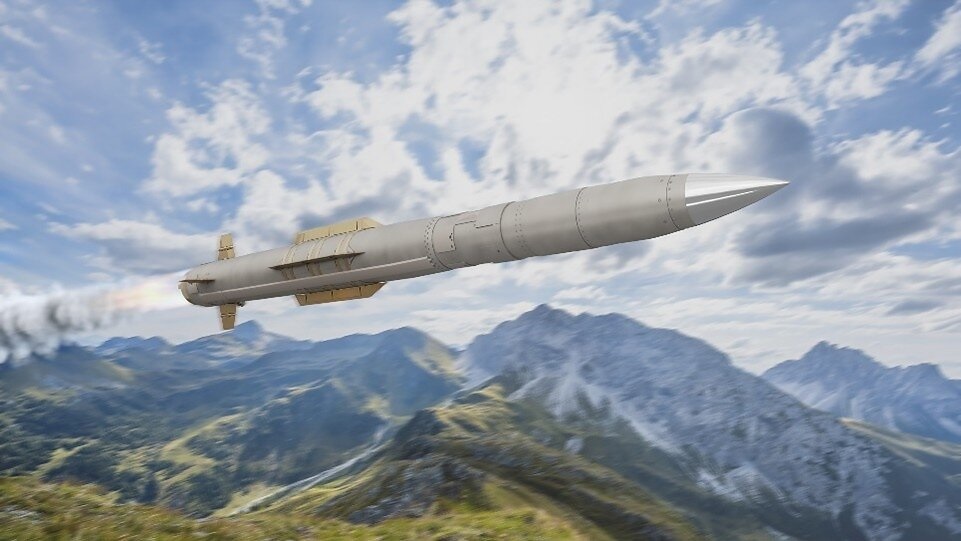 Lockheed Martin Unveils Lower-Cost PAC-3 ACE Interceptor for Patriot Air Defense System
-
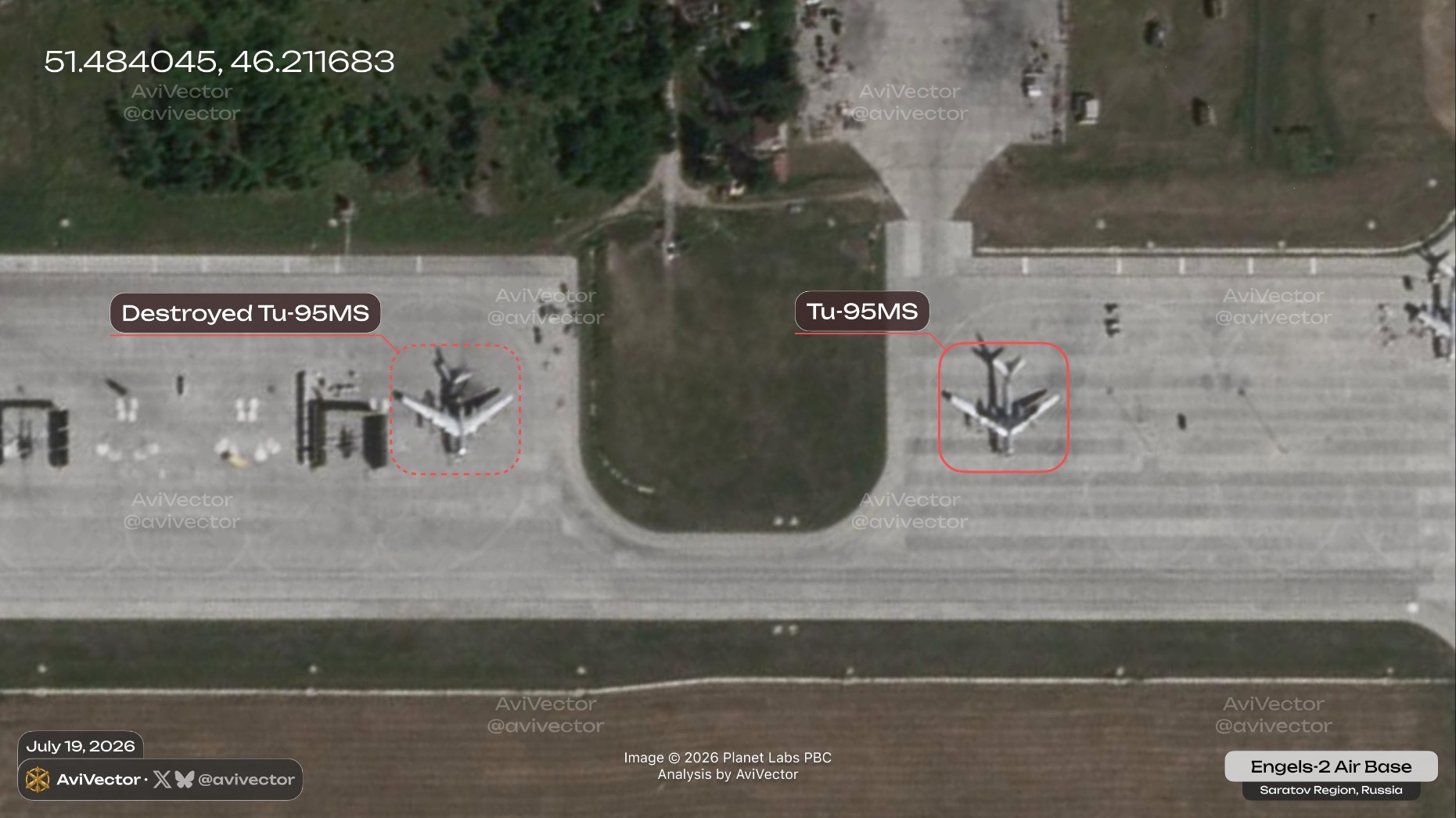 Satellite Images Confirm Russian Tu-95MS Bomber Destroyed After Ukrainian Drone Strike on Engels-2 Air Base
-
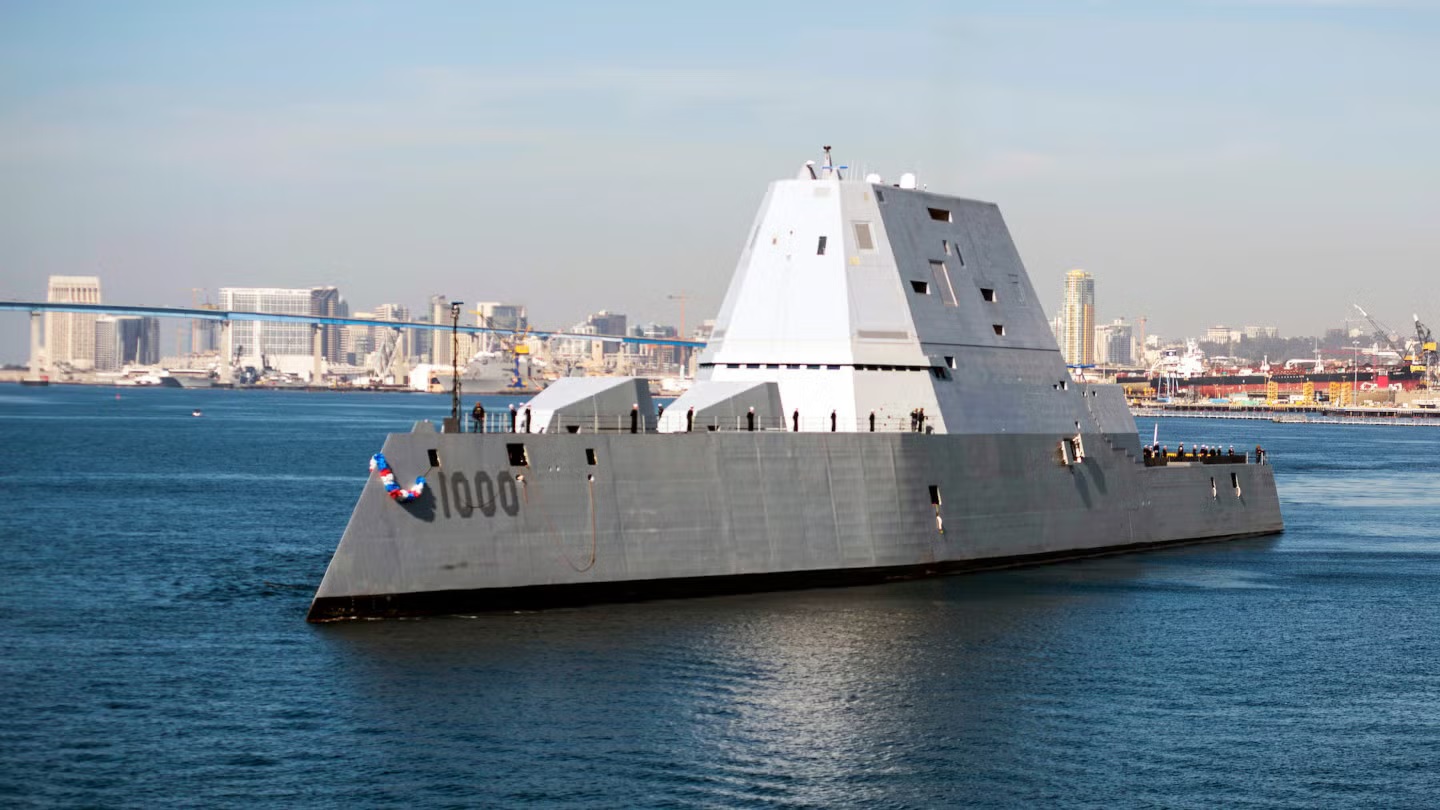 U.S. Navy's Zumwalt Destroyer Hypersonic Missile Upgrade Program Delayed by Two Years as Costs Top $2 Billion: GAO Reports
