
World
Moscow, April 11, 2026 : Recent field reports and visual evidence dated April 9, 2026 indicate that Russian military units have begun integrating the North Korean-manufactured Type-75 107 mm multiple launch rocket system (MLRS) onto the NRTK “Kurier” unmanned ground vehicle (UGV). The development combines imported artillery systems with domestically produced robotic platforms to deliver crewless, stand-off fire support in frontline conditions. System Integration and Configuration Footage released in April 2026 shows the tracked NRTK “Kurier” platform configured with a 12-tube Type-75 launcher mounted directly onto its chassis. The integration enables remote-controlled firing of 107 mm rockets without the presence of onboard personnel. Some observed configurations indicate partial tube loading during testing phases, suggesting ongoing adjustments to weight distribution and firing stability. The Type-75 MLRS, originally produced in North Korea and based on the Chinese Type 63 system, was first observed in Russian service in Ukraine in June 2025. Prior to its integration with the UGV, Russian forces deployed the launcher primarily in towed configurations or mounted it onto UAZ-3303 utility vehicles. In those vehicle-mounted setups, operators removed the carriage wheels and welded the launcher directly to the vehicle body, a modification that often limited horizontal traverse and targeting flexibility. Type-75 MLRS Capabilities The Type-75 is a lightweight artillery system equipped with 12 launch tubes capable of firing a full salvo within approximately 7 to 15 seconds, depending on operational conditions. Each rocket measures around 840 millimeters in length and weighs between 18 and 19 kilograms. The system has an effective firing range of approximately 8.5 to 8.6 kilometers. It supports multiple ammunition types, including high-explosive fragmentation rounds such as the RSZO-107-OF and cluster munitions containing up to 15 submunitions per rocket. Supplies of compatible ammunition have reportedly included North Korean and Chinese-manufactured variants. NRTK “Kurier” Platform Specifications The NRTK “Kurier,” also referred to as the Courier or Kuryer, is a modular unmanned ground platform developed for multi-role battlefield applications. The vehicle measures approximately 1.4 meters in length, 1.2 meters in width, and 58 centimeters in height, with a total weight of around 250 kilograms. The platform is powered by two electric motors and can reach speeds of up to 35 kilometers per hour. Its battery system supports operational endurance ranging from 12 to 72 hours, with a functional control range of 3 to 10 kilometers depending on communication configuration. Some variants incorporate fiber-optic cable control to maintain functionality in environments affected by electronic warfare. Initially deployed to Russian units in late 2024, including motorized rifle brigades, the “Kurier” has been used for logistics transport, casualty evacuation, mine-laying, engineering reconnaissance, and route clearance of anti-personnel mines. Its modular architecture allows rapid adaptation for combat roles. Previous Weapon Configurations Before the integration of the Type-75 MLRS, the “Kurier” platform had been fitted with a range of weapon systems. These include automatic grenade launchers such as the AGS-17 and AGS-30, machine guns in 7.62 mm and 12.7 mm calibers, thermobaric rocket systems including Shmel modules, and the Bagulnik-82 automated 82 mm mortar system. Trials conducted in April 2026 demonstrated the Bagulnik-82 configuration performing automated loading and firing sequences from a rotating turret without onboard crew. The addition of the 107 mm rocket launcher extends the platform’s strike capability to nearly nine kilometers, exceeding the range of previously integrated systems. Operational Context and Tactical Role The integration of the Type-75 MLRS onto an unmanned platform reflects adjustments to battlefield conditions characterized by dense aerial surveillance and the widespread use of first-person view (FPV) strike drones. Traditional short-range artillery operations require crews to deploy, fire, and relocate quickly, exposing personnel to counter-battery fire and drone attacks. By transferring the MLRS to a remotely operated platform, Russian units can position the launcher closer to contested areas, including trench lines, and conduct fire missions without exposing personnel to direct risk. The system allows operators to execute strike missions from protected positions behind the front line. If the unmanned platform is destroyed during operation, the loss is limited to equipment rather than trained artillery crews. This approach aligns with ongoing efforts to expand the use of unmanned systems in combat support roles. Program Development The NRTK “Kurier” program progressed from field testing completed by the end of 2023 to operational deployment beginning in late 2024. Since then, Russian forces have continued to experiment with additional payloads and configurations as part of broader efforts to enhance unmanned combat capabilities. As of April 11, 2026, no official information has been released regarding production volumes, deployment scale, or future variants of the Type-75-equipped “Kurier” system. However, continued field testing and released footage indicate that development and evaluation of this configuration remain ongoing.
Read More → Posted on 2026-04-11 17:26:03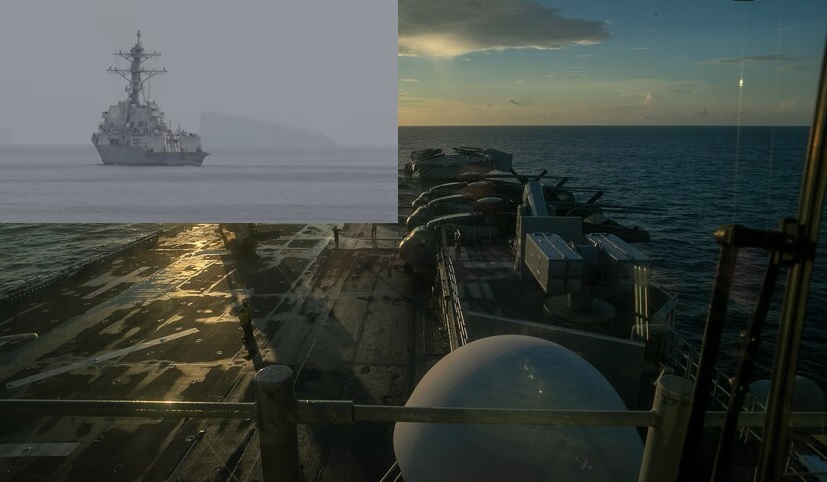
World
TAMPA, Fla., — April 11, 2026 : U.S. Central Command (CENTCOM) has initiated a mine clearance mission in the Strait of Hormuz, deploying naval forces to restore safe passage through one of the world’s most critical maritime trade routes. The operation commenced on April 11 with the transit of two U.S. Navy guided-missile destroyers, USS Frank E. Petersen Jr. (DDG 121) and USS Michael Murphy (DDG 112), through the strait into the Arabian Gulf. The deployment marks the initial phase of a broader effort to remove naval mines previously laid by Iran’s Islamic Revolutionary Guard Corps (IRGC), which had effectively halted commercial shipping in the waterway over recent weeks. Initial Naval Deployment and Capabilities Both destroyers are part of the Arleigh Burke-class and are equipped with the Aegis combat system, enabling multi-domain operations including air, surface, and undersea warfare. USS Frank E. Petersen Jr., a Flight IIA Technology Insertion variant commissioned in 2022 and homeported at Joint Base Pearl Harbor-Hickam, has recently conducted live-fire exercises and replenishment-at-sea operations within the CENTCOM area of responsibility. USS Michael Murphy, the final Flight IIA variant, is also based in Pearl Harbor and has completed multiple deployments to the U.S. Fifth Fleet region. U.S. officials described the transit of the two warships as a freedom-of-navigation mission, representing the first uncoordinated U.S. naval crossing of the strait since the escalation of hostilities in late February 2026. Iranian state television subsequently broadcast a denial from a senior military official regarding the transit, although maritime tracking data confirmed the presence of both vessels in the area. Mine Clearance Operations and Planned Reinforcements According to CENTCOM, the operation is focused on establishing a secure maritime corridor for commercial shipping. Admiral Brad Cooper, commander of CENTCOM, stated that forces have begun creating a new safe passage that will be shared with the maritime industry to restore the flow of commerce. Additional U.S. naval assets, including specialized unmanned underwater vehicles, are scheduled to join the mission in the coming days. These systems are designed to detect and neutralize mines using sonar and can operate at depths reaching several thousand feet. The U.S. Navy’s mine countermeasure capabilities also include integration with littoral combat ships and other platforms configured for mine-hunting operations. Military officials indicated that the mines were deployed by the IRGC using small boats, submarines, and other maritime assets. The deployment methods included unrecorded placement patterns and drifting configurations, increasing the complexity of detection and clearance. Iran’s inventory is assessed to include moored buoyant mines such as the Mahan-3 and bottom influence mines from the Maham series, which are triggered by acoustic, magnetic, or pressure signatures. No official timeline has been released for the completion of the clearance effort, and U.S. authorities have not disclosed the number of mines identified or neutralized during the initial phase. Strategic Importance of the Strait The Strait of Hormuz serves as a vital international sea lane, facilitating approximately 20 percent of global oil trade. The recent disruption to shipping has affected energy markets and supply chains, underscoring the strategic importance of reopening the corridor. U.S. officials have stated that ensuring uninterrupted maritime traffic through the strait remains a primary operational objective. Diplomatic Context in Islamabad The mine clearance mission is taking place alongside ongoing diplomatic efforts in Islamabad, where U.S. and Iranian officials are engaged in high-level negotiations. These talks represent the first direct engagement between the two countries since the outbreak of conflict in late February 2026. The U.S. delegation is led by Vice President JD Vance, while Iran is represented by Parliament Speaker Mohammad Bagher Ghalibaf and Foreign Minister Abbas Araghchi. Statements from Washington President Donald Trump addressed the operation on April 11, stating that U.S. forces had begun clearing the Strait of Hormuz to support global commerce. He also commented on the condition of Iran’s naval capabilities, asserting that the IRGC no longer retains the capacity to deploy additional naval mines following earlier U.S. strikes that reportedly destroyed its fleet of mine-laying vessels. Ongoing Mission CENTCOM officials emphasized that the current deployment of destroyers represents the preparatory phase of a larger operation aimed at fully restoring safe navigation in the region. The integration of additional assets, including unmanned systems and specialized mine countermeasure platforms, is expected to expand in the coming days as the clearance effort progresses.
Read More → Posted on 2026-04-11 17:11:20
World
PARIS, — April 11, 2026 : The French government has announced a comprehensive plan to transition state workstations from Microsoft Windows to the open-source Linux operating system, marking a significant step in its broader strategy to reduce reliance on non-European technology providers and reinforce national control over digital infrastructure. The initiative is being led by the Interministerial Directorate for Digital Affairs (DINUM) and was formalized following an interministerial seminar held on April 8, 2026. The seminar was organized in coordination with the Directorate General for Enterprise (DGE), the National Agency for Information Systems Security (ANSSI), and the State Procurement Directorate (DAE), under directives issued by the Prime Minister, the Minister of Public Action and Accounts, and the Minister Delegate for Artificial Intelligence and Digital Technology. Under the directive, all ministries and public operators are required to prepare detailed implementation and dependency-reduction plans by autumn 2026. These plans must address not only desktop operating systems but also collaboration platforms, antivirus systems, artificial intelligence tools, databases, virtualization environments, and network infrastructure. Policy Framework and Strategic Objectives The transition is part of a national policy focused on achieving digital sovereignty, with the government aiming to localize control over data processing, software ecosystems, and infrastructure. Authorities have emphasized reducing exposure to external providers whose operational rules, pricing structures, and security conditions are outside direct state control. David Amiel, Minister of Public Action and Accounts, stated that the government must actively reduce dependence on foreign technologies to regain control over its digital systems. He noted that reliance on external platforms introduces operational and strategic risks that the state cannot fully manage. Anne Le Hénanff, Minister Delegate for Artificial Intelligence and Digital Technology, described the shift as a strategic necessity, emphasizing that public digital communications must be secure, confidential, and governed by domestic or European solutions. Scope of Migration and Implementation Approach The migration will affect approximately 2.5 million civil servants across France. DINUM, which employs around 250 personnel, will initiate the transition by migrating its own internal workstations to Linux, serving as a pilot phase before broader deployment across ministries. No specific Linux distribution has been mandated at the national level. Instead, individual departments are permitted to select distributions and define migration timelines based on operational requirements, a measure intended to reduce compatibility risks and accommodate legacy systems. The implementation strategy includes phased deployment, drawing on prior experience within the French public sector. The Gendarmerie Nationale began transitioning away from proprietary software in 2004 and developed its own Ubuntu-based system, known as “GendBuntu,” which is currently deployed on approximately 103,000 workstations. Replacement of Software Ecosystems The operating system transition is part of a wider overhaul of government software tools under the “La Suite Numérique” initiative, a state-developed suite of digital services designed to replace commercial platforms. For video conferencing, the government plans to replace platforms such as Zoom, Microsoft Teams, and Webex with “Visio,” an open-source solution hosted on infrastructure operated by Outscale, a subsidiary of Dassault Systèmes. The transition, scheduled for completion by 2027, is projected to generate savings of approximately €1 million annually per 100,000 users. Messaging and file-sharing services are also being replaced with domestic tools. The encrypted messaging platform “Tchap” and the secure file transfer service “FranceTransfert” are already in use by up to 600,000 civil servants. Additionally, the National Health Insurance Fund has migrated approximately 80,000 employees to these tools as part of ongoing adoption efforts. The government has also committed to migrating its national health data platform to a fully sovereign and trusted domestic infrastructure by the end of 2026. Institutional Coordination and Industrial Engagement The transition is supported by ongoing efforts to map and assess technological dependencies through the State Procurement Directorate, while the Directorate General for Enterprise is tasked with defining and promoting European digital service alternatives. Further coordination with industry stakeholders is planned through the “Rencontres industrielles du numérique,” scheduled for June 2026. This initiative aims to establish public-private partnerships and support the development of European digital ecosystems, including an alliance focused on sovereignty and interoperability standards such as Open-Interop and OpenBuro. Quantified reduction targets and detailed timelines are expected to be refined based on the outcomes of these assessments and consultations. European Context and Comparative Developments France’s policy aligns with a broader trend across Europe toward increased adoption of open-source and domestically controlled digital solutions. Austria’s Armed Forces have recently transitioned from Microsoft Office to LibreOffice. In Germany, the state of Schleswig-Holstein has migrated approximately 80 percent of its government workplaces—covering around 44,000 employee inboxes—to open-source systems. The German federal government has also announced that public-sector documents will be issued exclusively in open formats. Denmark is currently evaluating similar measures.
Read More → Posted on 2026-04-11 17:01:25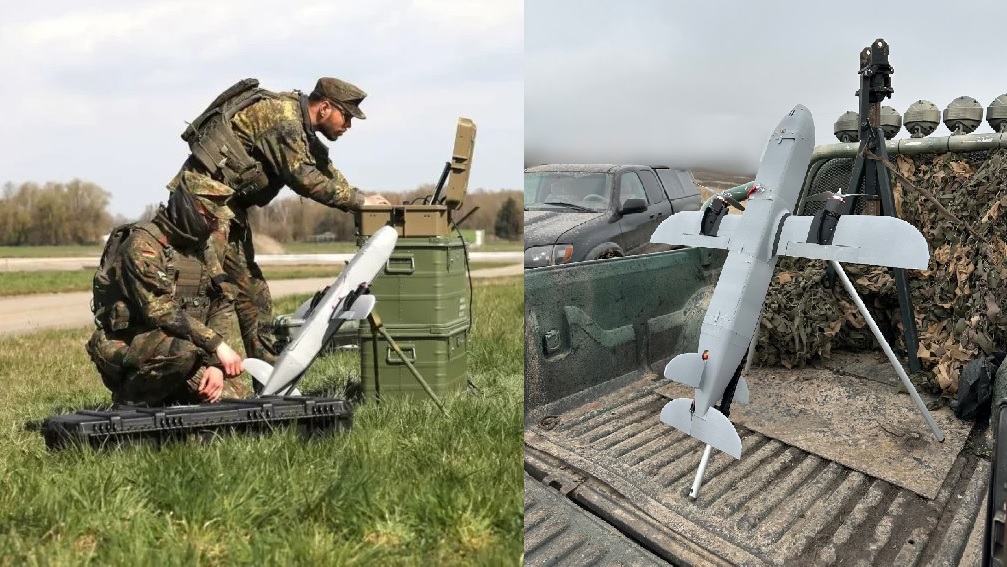
World
BERLIN, — April 11, 2026 : The German government has awarded a defense procurement contract to TYTAN Technologies, a Munich-based startup, for the supply of more than 1,000 METIS Interceptor drones to the National Guard of Ukraine. The program is fully funded by Berlin as part of ongoing military assistance to Ukraine, though officials have not disclosed the total contract value or delivery timeline. The agreement is intended to strengthen Ukraine’s layered air defense network against persistent threats from unmanned aerial systems, particularly mass deployments of loitering munitions and kamikaze drones such as the Iranian-designed Shahed series. METIS Interceptor Capabilities and Specifications The METIS Interceptor is a high-speed counter-unmanned aerial system (C-UAS) designed to engage NATO Class II drone threats. It has undergone testing in Ukrainian operational environments since late 2024, providing real-world validation under combat conditions. According to system specifications, the METIS has an operational range of up to 45 kilometers and can reach a flight ceiling of approximately 6 kilometers. The interceptor is capable of achieving a maximum speed of 400 kilometers per hour and operates with a maximum takeoff weight of around 6 kilograms. The system supports two engagement modes. In its primary configuration, it employs a kinetic “hit-to-kill” mechanism, destroying targets through direct high-speed collision. Alternatively, it can be equipped with a 1-kilogram high-explosive warhead designed to neutralize more robust or reinforced aerial threats. Earlier development variants of the METIS platform demonstrated speeds exceeding 250 kilometers per hour, operational ranges beyond 15 kilometers, and altitudes up to 5,000 meters. Testing conducted under Ukraine’s Brave1 defense innovation initiative indicated performance improvements reaching approximately 300 kilometers per hour and a range of 20 kilometers prior to the latest enhancements. Autonomous Systems and Operational Integration The METIS system incorporates onboard artificial intelligence to enable real-time detection, tracking, classification, and engagement of aerial targets. The platform uses computer vision technologies, including thermal imaging, to support operations in varied conditions. It is designed for multi-drone deployment, allowing a single human operator to supervise and control multiple interceptors simultaneously while maintaining authority over the final engagement decision within the kill chain. The system features a modular, open architecture that allows integration with existing radar systems, sensor suites, and command-and-control networks. This enables interoperability with broader air defense layers and facilitates deployment across different operational environments. Additionally, the interceptor is engineered for cost-effective mass production and deployment. Its design incorporates additive manufacturing techniques, including a largely 3D-printed airframe, enabling rapid scaling, simplified logistics, and efficient replacement of components. Production, Industrial Base, and Partnerships TYTAN Technologies, founded in 2023 and headquartered in Munich, maintains production facilities in Germany and has expanded its manufacturing footprint with a new site in Bavaria, which became operational in January 2026. This facility supports development, system integration, and scaled production of interceptor systems. The company aims to achieve manufacturing output of up to 3,000 interceptor drones per month by the end of 2026. In parallel, TYTAN has established operational and testing capabilities within Ukraine to support frontline deployment and iterative system improvements. The firm has secured prior procurement agreements with Ukrainian forces for thousands of METIS units and also holds a multi-million euro contract with the German armed forces for base protection systems. TYTAN Technologies has formed industrial partnerships with German defense companies, including HENSOLDT for sensor integration and DEUTZ for production scaling. These collaborations are intended to support system performance optimization and supply chain expansion. Funding and Strategic Context In February 2026, TYTAN Technologies raised €30 million in a Series A funding round led by Armira and the NATO Innovation Fund, bringing its total funding to approximately €46 million. The investment is being used to expand manufacturing capacity across Germany, Ukraine, and allied markets, as well as to advance development of AI-based systems for integration into broader air-defense architectures. The METIS Interceptor is designed to address the cost imbalance in modern air defense operations, where relatively expensive missile systems are often used to intercept low-cost drones. By enabling high-volume, lower-cost interception, the system supports sustained defense against large-scale unmanned aerial threats. Deployment Role and Support Structure The METIS system forms part of a layered counter-drone strategy aimed at protecting critical infrastructure and military assets. The drones can be deployed from modular container-based launch systems, which can be mounted on armored vehicles or used in static defensive configurations. The contract includes logistics and support elements aligned with the operational requirements of the National Guard of Ukraine. While specific delivery schedules remain undisclosed, the scale of the procurement indicates a focus on rapid deployment and sustained operational availability. Germany’s decision to fund and supply over 1,000 METIS Interceptor drones reflects continued European efforts to enhance Ukraine’s defensive capabilities through scalable and technologically advanced systems tailored to evolving battlefield conditions.
Read More → Posted on 2026-04-11 16:20:46
World
Washington, April 11, 2026 : Iran has not been able to fully restore normal shipping activity through the Strait of Hormuz due to its inability to locate and clear all naval mines deployed during recent operations, according to United States officials cited by The New York Times. The officials said that incomplete documentation during the deployment phase, combined with the movement of some mines due to sea currents, has left Iranian authorities without an accurate assessment of their positions. As a result, only a limited maritime corridor remains operational, restricting broader commercial traffic through the strategic waterway. Deployment Gaps and Navigational Constraints According to U.S. officials, the mines were laid in a non-systematic manner, with some locations not recorded and others placed in conditions that allowed them to drift from their original positions. This has reduced the reliability of previously issued navigation charts and limited Iran’s ability to designate safe transit routes. At present, Iran is allowing vessel movement through a narrow corridor coordinated by the Islamic Revolutionary Guard Corps (IRGC), where ships are required to comply with toll arrangements. However, authorities have not expanded access beyond this controlled passage due to unresolved safety concerns. Technical Challenges in Mine Clearance Officials stated that the situation reflects a broader technical limitation in naval mine countermeasure operations. Mine clearance requires specialized equipment to detect and neutralize devices that may be anchored, floating, or resting on the seabed. These operations are significantly more complex than initial deployment. Iran does not possess sufficient mine countermeasure assets to rapidly address the issue, including the mines it deployed itself. U.S. officials noted that even the United States maintains limited large-scale rapid clearance capability, relying on a small number of specialized platforms such as littoral combat ships configured for mine countermeasures. Iranian Foreign Minister Abbas Araghchi acknowledged these constraints on April 8, 2026, stating that the Strait of Hormuz would remain open “with due consideration of technical limitations.” U.S. officials interpreted this statement as a reference to the challenges associated with locating and removing the mines. Types of Mines Deployed Details from earlier reports indicate that Iran employed multiple types of naval mines from its existing inventory during the operation. Among them is the Mahan 3, a 300-kilogram moored buoyant mine equipped with acoustic sensors capable of detecting vessels at a range of approximately 10 feet. This type is designed to operate in water depths of up to 100 meters and detonates based on acoustic signatures. Another system identified is the Maham 7, a 220-kilogram bottom mine that rests on the seabed and can be deployed from small boats or helicopters. Iran also fields the Maham 2, a heavier bottom influence mine weighing around 320 kilograms, which responds to acoustic, magnetic, or pressure signatures generated by passing ships. In addition, Iran maintains inventories of moored contact mines, including variants based on older designs with electrically activated horns, as well as domestically produced influence mines developed with foreign technical input. Estimates place Iran’s total naval mine stockpile between 2,000 and 6,000 units. This includes drifting mines, which float with ocean currents and detonate upon contact, increasing the difficulty of tracking and clearance. Methods of Deployment The mines were deployed using a combination of platforms, including small vessels operated by the IRGC, submarines, and other maritime assets. U.S. officials stated that the absence of comprehensive mapping during this process has contributed directly to the current inability to account for all devices. Some mines are believed to have shifted from their initial positions due to environmental factors, further complicating detection efforts and rendering earlier safe-route data incomplete. Impact on Global Shipping The Strait of Hormuz, which connects the Persian Gulf to the Gulf of Oman, is a critical maritime chokepoint handling approximately 20 percent of global oil trade. The presence of unlocated mines has led to reduced tanker traffic and continued uncertainty for commercial shipping operators. While limited transit continues under Iranian coordination, broader reopening efforts have not progressed in line with U.S. expectations for unrestricted passage. Diplomatic Context and Ongoing Talks The issue of mine clearance remains a central topic in ongoing diplomatic discussions. U.S. officials have linked the full restoration of safe maritime navigation to ceasefire-related negotiations involving Iran. Talks addressing the situation are scheduled to take place in Pakistan, where both sides are expected to discuss mechanisms for restoring full access to the waterway. No official timeline has been provided for the complete removal of the mines or normalization of shipping activity. Neither U.S. nor Iranian authorities have disclosed the exact number of mines that remain unlocated.
Read More → Posted on 2026-04-11 16:11:05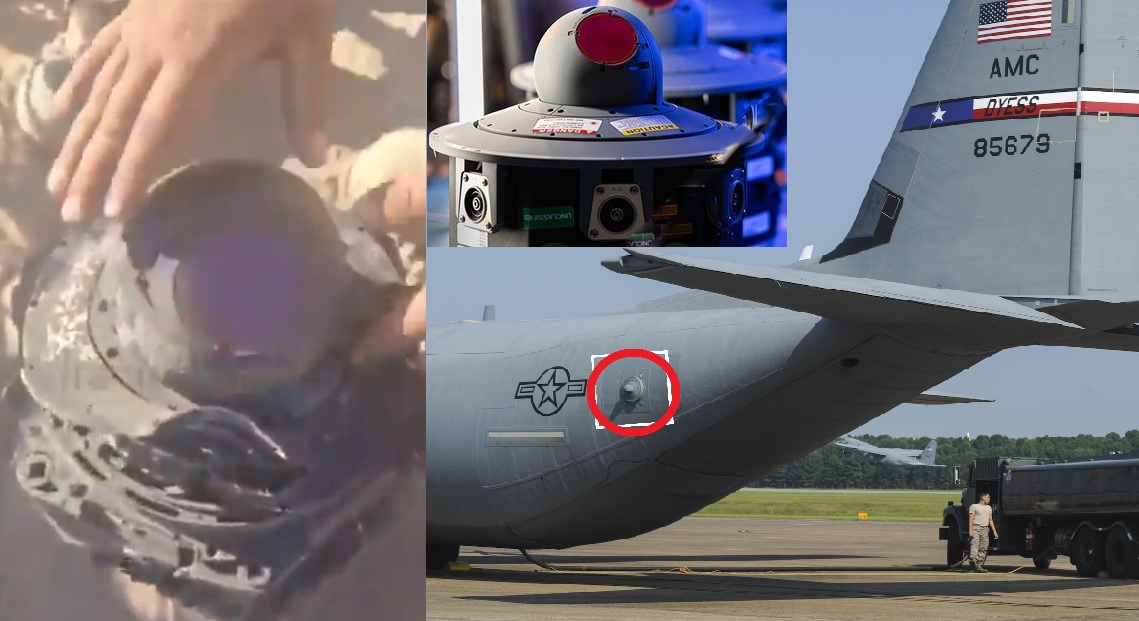
World
TEHRAN, — April 11, 2026 : Iranian forces have reported the recovery of a U.S.-manufactured AN/AAQ-24 Large Aircraft Infrared Countermeasure (LAIRCM) system following military operations earlier this month in southern Isfahan province. The system, developed by Northrop Grumman, was reportedly retrieved from wreckage linked to U.S. aircraft involved in a combat search-and-rescue mission. According to statements released by the Islamic Revolutionary Guard Corps (IRGC), the equipment was obtained after the destruction of multiple U.S. platforms, including C-130 military transport aircraft and UH-60 Black Hawk helicopters. The aircraft were deployed as part of an operation to recover crew members from a downed F-15E fighter jet. Iranian sources stated that their forces engaged the aircraft, while U.S. officials have previously indicated that at least one MC-130J aircraft was intentionally destroyed on the ground to prevent sensitive technology from being captured. The AN/AAQ-24 system, also referred to as a Directional Infrared Countermeasure (DIRCM), is a laser-based defensive suite designed to protect large aircraft from infrared-guided, heat-seeking missiles. It is deployed across a wide range of U.S. military platforms, including the C-130 Hercules, C-17 Globemaster III, CH-47 Chinook, HC-130J and MC-130J special operations aircraft, C-5 Galaxy, KC-135 Stratotanker, and various rotary-wing and tilt-rotor aircraft. Northrop Grumman manufactures the AN/AAQ-24(V) as a modular and scalable system. It remains the only laser-based DIRCM system currently in production for countering infrared missile threats and has been installed on more than 1,500 aircraft across over 85 different platform types worldwide. The system is in active operational use by U.S. forces and multiple international operators. Technically, the AN/AAQ-24(V) consists of several integrated components. These include five to six missile warning system sensors, such as the AN/AAR-54, which utilize two-color infrared detection technology to identify incoming missile launches. The system also incorporates a central processor, a cockpit interface unit—either a control indicator unit (CIU) or control interface replacement unit (CIUR)—and one to three laser transmitter assemblies. These include Guardian Laser Transmitter Assemblies (GLTA) or Small Laser Transmitter Assemblies (SLTA), which provide near-spherical defensive coverage around the aircraft. The system operates by detecting missile launches in real time across multiple infrared threat bands (Bands I, II, and IV). Once a threat is identified, the system tracks the missile’s seeker head and directs a high-intensity laser beam toward it. This laser disrupts the missile’s guidance system, causing it to lose lock on the aircraft. The process is fully automated and capable of engaging multiple threats simultaneously, including in complex or cluttered environments. Unlike traditional countermeasure systems that rely on expendable flares, the AN/AAQ-24(V) provides a continuous, non-depleting defensive capability. It functions across all weather conditions and altitudes and includes built-in self-testing mechanisms to support maintenance and operational readiness. The system uses a universal jam waveform and programmable high-capacity cards, allowing for customization of jamming techniques, maintenance protocols, and aircraft-specific configurations. Power requirements for the system include approximately 377 watts for the processor unit and up to 1,700 watts peak for the laser transmitter during active operation, with around 580 watts required in standby mode. In terms of physical characteristics, the GLTA turret measures approximately 13 inches in diameter and 14 inches in height, with a weight of about 60 pounds. Missile warning sensors are comparatively smaller and lighter. The AN/AAQ-24(V) forms a key component of U.S. efforts to enhance aircraft survivability against man-portable air-defense systems (MANPADS) and other infrared-guided threats. Continuous upgrades, including Block 30 and Block 35 configurations, are intended to improve detection sensitivity and countermeasure effectiveness against more advanced missile systems. The reported recovery marks the first known instance of this specific DIRCM technology entering Iranian possession. Analysts note that access to such systems could provide insights into U.S. defensive technologies, including detection algorithms and laser modulation techniques. Potential analysis or reverse engineering may allow the development of counter-countermeasure capabilities designed to reduce the effectiveness of laser-based defenses. The U.S. Department of Defense has not issued an official statement confirming the status or condition of the recovered equipment. Iranian authorities have also not provided detailed information regarding the operational state of the retrieved components or any ongoing technical evaluation. The incident underscores the risks associated with deploying advanced defense systems in contested operational environments and may influence future protective measures, including software updates and hardware modifications, across U.S. military aviation fleets.
Read More → Posted on 2026-04-11 16:05:27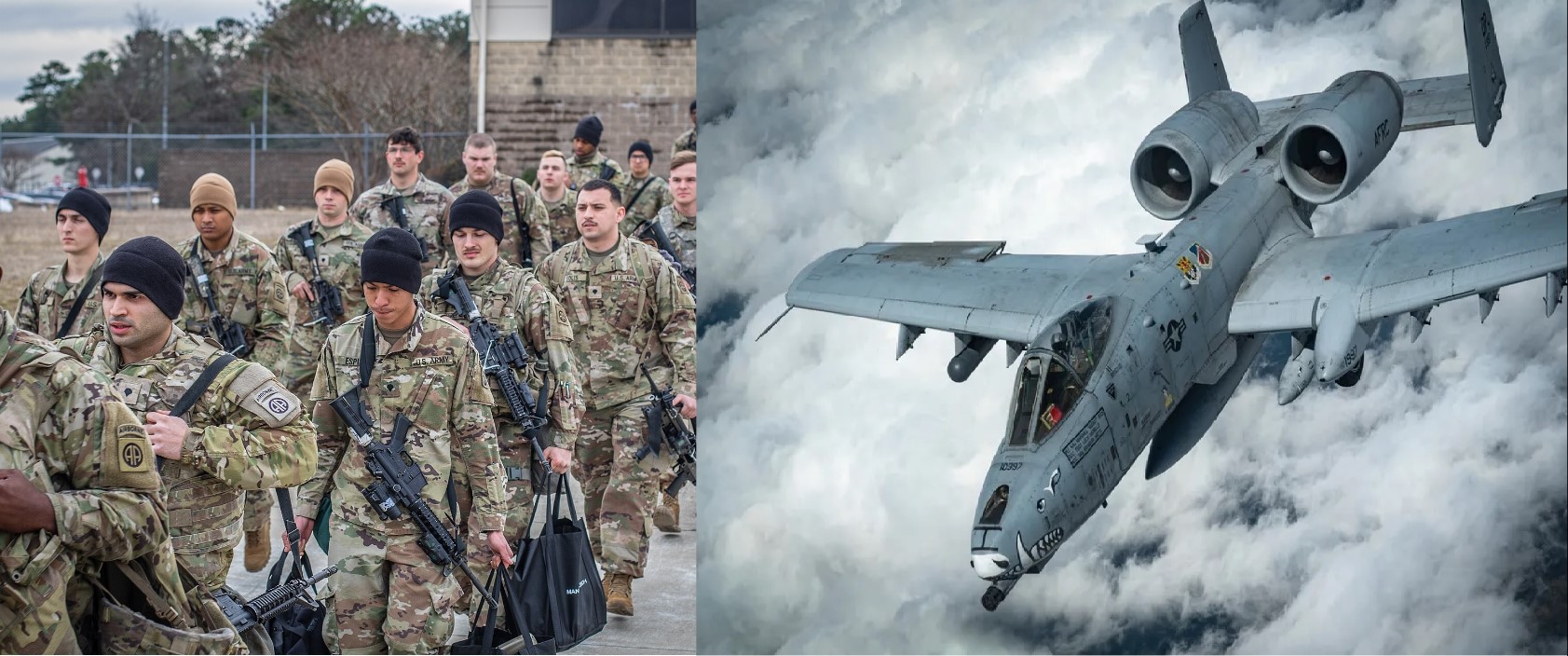
World
Washington — April 11, 2026 : The United States is continuing to expand its military presence across the Middle East as of April 11, 2026, deploying additional aircraft, ground forces, and naval assets into the U.S. Central Command (CENTCOM) area of responsibility. The movements are taking place while a ceasefire between the United States and Iran remains in effect and as diplomatic negotiations are underway in Islamabad, Pakistan. According to U.S. officials cited by The Wall Street Journal, additional attack aircraft—assessed to include A-10 Thunderbolt II platforms—have recently landed at locations within the region. These aircraft are being integrated into ongoing operations, adding to the existing airpower already deployed in theater. Ground Force Reinforcements and Rotational Movements In parallel with the aviation deployments, up to 2,000 soldiers from the U.S. Army’s 82nd Airborne Division are expected to arrive in the coming days. The deployment includes elements of the division headquarters, enabling units, and brigade combat teams trained for rapid deployment missions and the securing of key operational objectives. Some personnel from the 82nd Airborne Division have already begun arriving as part of a scheduled rotation and force surge. The division is structured to conduct immediate-response operations, including airfield seizures and contingency missions requiring rapid insertion. In addition to Army forces, thousands of U.S. sailors and Marines are scheduled to deploy to the region, further reinforcing joint operational capabilities across land and maritime domains. Naval Strike and Amphibious Groups Transit to Region Significant naval reinforcements are also underway, with multiple U.S. Navy and Marine Corps assets currently en route to the Middle East. The carrier strike group centered on the USS George H.W. Bush, which departed Naval Station Norfolk on March 31, 2026, is transiting toward CENTCOM waters. The group includes more than 6,000 sailors and is accompanied by guided-missile destroyers and support vessels. Separately, the USS Boxer Amphibious Ready Group, carrying the 11th Marine Expeditionary Unit (MEU), is also moving toward the region. The MEU consists of approximately 2,500 Marines and provides amphibious assault, expeditionary, and crisis response capabilities. Due to transit distances, both the carrier strike group and the amphibious ready group are expected to take more than one week to arrive in the operational theater. Expansion of A-10 Fleet and Operational Role The recent arrival of additional A-10 Thunderbolt II aircraft contributes to an expanded fleet presence in the region. The A-10 platform, designed for close air support, has been employed in recent operations targeting Iranian fast-attack vessels in the Strait of Hormuz. In addition to maritime missions, the aircraft have supported ground operations, including engagements involving aligned militia groups operating in Iraq. The platform’s operational flexibility allows it to be used across both land and maritime environments within the CENTCOM area. Pentagon Position and Operational Context The U.S. Department of Defense has not issued a public statement detailing the specific operational purpose of the latest deployments. However, officials have previously characterized similar force adjustments as measures intended to maintain operational flexibility and ensure readiness during ongoing regional activities. The current movements align with earlier announcements regarding reinforcements to support U.S. operations in the Middle East. No changes to the existing ceasefire terms have been announced in connection with these deployments. Diplomatic Engagements in Islamabad The military buildup is occurring alongside diplomatic efforts hosted by Pakistan in Islamabad. U.S. negotiators, led by Vice President JD Vance and including special envoy Steve Witkoff and Jared Kushner, have arrived in Pakistan for discussions with Iranian representatives. The talks are aimed at establishing a longer-term resolution following the ceasefire. Pakistan is serving as the host and mediator for the negotiations, which are ongoing as of April 11, 2026. Parallel Military and Diplomatic Tracks The simultaneous continuation of military deployments and diplomatic negotiations reflects a dual-track approach. While discussions between U.S. and Iranian delegations proceed in Islamabad, U.S. forces continue to reposition and reinforce capabilities across the Middle East. The Department of Defense has not provided additional details regarding basing locations, exact timelines for all incoming units, or further operational planning related to the deployments.
Read More → Posted on 2026-04-11 15:51:40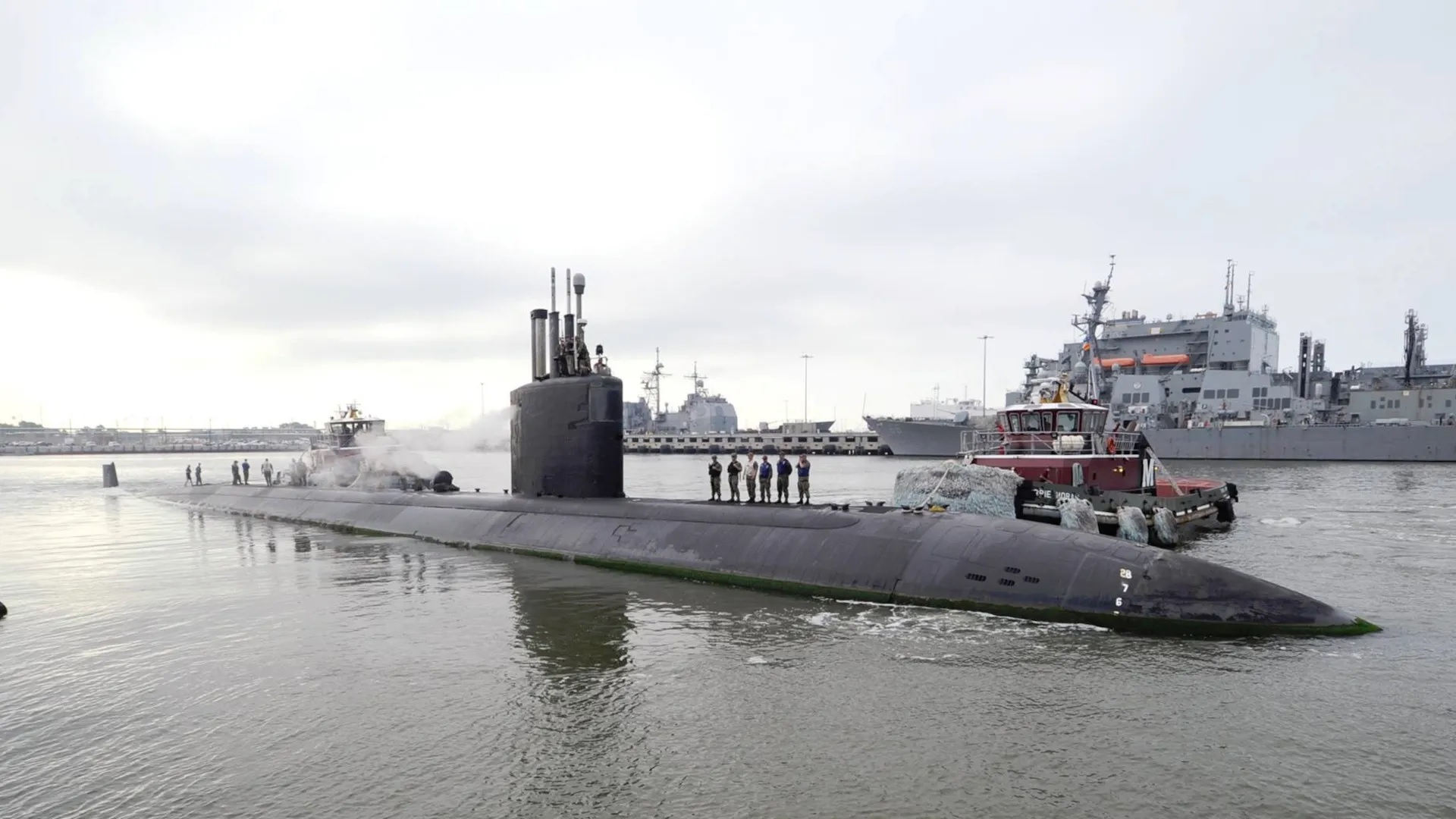
World
WASHINGTON, — April 11, 2026 : The U.S. Department of the Navy announced on April 10, 2026, that it will proceed with the inactivation of the Los Angeles-class attack submarine USS Boise (SSN 764), ending a long-delayed overhaul program that had extended for more than a decade and accumulated significant costs. The decision follows a comprehensive internal review that concluded completing the submarine’s engineered overhaul would not be cost-effective when compared to other naval priorities, particularly new submarine construction and fleet readiness programs. Background and Maintenance Timeline USS Boise, commissioned in 1992, is among the newer vessels in the Los Angeles-class fleet. Despite this, the submarine has been largely inactive since approximately 2015, following its last operational deployment. The vessel was originally scheduled to undergo a routine engineered overhaul in fiscal year 2016. However, delays associated with congestion and workforce limitations at public shipyards prevented timely maintenance. By 2017, while stationed pierside at Naval Station Norfolk, Virginia, the submarine lost its dive certification, formally removing it from operational service. Over the following years, USS Boise was relocated multiple times in an effort to begin repairs. It was towed to Huntington Ingalls Industries’ Newport News Shipbuilding facility in 2018, returned temporarily to Norfolk, and then moved back to Newport News in 2020. In February 2024, the Navy awarded a $1.2 billion contract to Huntington Ingalls Industries (HII) Newport News Shipbuilding to carry out the long-delayed overhaul. At that time, completion of the work was projected for 2029. Cost Analysis and Project Status By April 2026, the Navy had invested approximately $1.6 billion in repair efforts for USS Boise. Despite this expenditure, only about 22 percent of the planned overhaul work had been completed. Updated cost estimates indicated that an additional $1.9 billion would be required to finish the overhaul, bringing the total projected cost to nearly $3 billion. According to Navy officials, this cost level represented approximately 65 percent of the procurement cost of a new Virginia-class submarine. At the same time, the expected operational return from the completed overhaul was limited. The submarine would have provided roughly 20 percent of the service life of a new vessel, equating to approximately three deployments before retirement. Additionally, if completed as scheduled, USS Boise would not have rejoined the fleet until 2029, meaning it would have remained inactive for nearly 15 years. Official Statements and Decision Rationale Chief of Naval Operations Adm. Daryl Caudle stated that the decision was based on a detailed evaluation of costs, timelines, and operational value. “After a rigorous, data-driven analysis, we’ve made the necessary decision to inactivate the USS Boise,” Caudle said. He added that the move would allow the Navy to redirect skilled labor and financial resources toward higher-priority programs, including the construction of Virginia-class and Columbia-class submarines and improving the readiness of the existing fleet. Secretary of the Navy John Phelan also supported the decision, noting that approximately $800 million had already been spent with limited progress and that completing the overhaul would require substantially more funding for a platform with constrained remaining service life. The Navy confirmed that all funding and personnel associated with USS Boise’s overhaul will be reassigned to other submarine construction and maintenance efforts. The reallocation is intended to support timely delivery of new platforms and improve overall fleet availability. Industrial Base and Maintenance Challenges The USS Boise case highlights ongoing challenges within the U.S. Navy’s maintenance infrastructure. Public shipyards have faced persistent issues related to workforce shortages, limited dry dock capacity, and extended repair timelines. These constraints have contributed to reduced operational availability across the submarine force, with some vessels missing scheduled deployments or returning to service later than planned. To address these challenges, the Navy has increasingly relied on private shipyards, including facilities operated by Huntington Ingalls Industries and General Dynamics Electric Boat, to perform maintenance work alongside new construction programs. However, maintenance performed at private facilities has generally been more costly and competes for specialized labor required for building new submarines. Huntington Ingalls Industries stated that it has been notified of the Navy’s decision and will coordinate with the service to discontinue overhaul work on USS Boise. The company indicated that shipbuilders currently assigned to the project will be reassigned to other work at Newport News Shipbuilding, with no anticipated impact on its workforce. Expert Assessment and Strategic Implications Bryan Clark, a senior fellow at the Hudson Institute, described the situation as indicative of broader industrial base limitations while supporting the Navy’s decision to terminate the overhaul effort. The inactivation of USS Boise reflects a shift in how the Navy prioritizes resources, focusing on investments that provide measurable improvements to fleet readiness and long-term operational capability. Current Status and Next Steps USS Boise is currently in drydock at Newport News Shipbuilding. Following the April 10, 2026 announcement, the Navy will proceed with the inactivation process. Personnel assigned to the submarine will be reassigned across the fleet, and financial resources will be redirected to higher-priority submarine programs. The decision is part of a broader effort to align maintenance spending with strategic objectives and ensure that investments contribute directly to operational readiness and force structure modernization.
Read More → Posted on 2026-04-11 15:42:59
World
ARLINGTON, Va., — April 11, 2026 : The Department of the Air Force, in coordination with the Defense Innovation Unit (DIU), announced on April 8, 2026, that Buckley Space Force Base in Colorado and Malmstrom Air Force Base in Montana have been selected as preferred locations for the deployment of advanced nuclear microreactors under the Advanced Nuclear Power for Installations (ANPI) program. The initiative is intended to establish on-site, resilient power generation capabilities at two strategically critical U.S. military installations, with deployment targeted by 2030 or earlier. Site Selection and Evaluation Process The selection follows a detailed assessment conducted by subject matter experts from the Department of the Air Force and the Pacific Northwest National Laboratory. The evaluation included environmental considerations, nuclear safety requirements, and the ability of each installation to integrate advanced energy systems into existing infrastructure. Both Buckley and Malmstrom were identified as suitable due to their established utility infrastructure, available land for development, and the operational importance of their missions. Despite being designated as preferred sites, officials emphasized that final approval remains contingent upon the successful completion of environmental reviews and nuclear regulatory licensing. Air Force spokesperson Laurel Falls stated that the designation does not guarantee deployment, noting that regulatory compliance and environmental clearance will determine whether either installation ultimately hosts a reactor. Operational Roles of Selected Bases Buckley Space Force Base serves as the headquarters of Space Delta 4 and is responsible for space surveillance, satellite communications, and providing strategic and theater missile warning to the United States and allied partners. Malmstrom Air Force Base hosts the 341st Missile Wing, which maintains continuous alert status for Minuteman III intercontinental ballistic missiles located in underground launch facilities across Montana. The operational sensitivity of both installations was a primary factor in prioritizing them for independent, on-site power generation. Strategic Rationale and Policy Direction The Department of the Air Force stated that reliance on commercial power grids presents potential vulnerabilities, including risks from cyberattacks, natural disasters, and physical disruption of infrastructure. Establishing dedicated, on-site power sources is intended to ensure uninterrupted mission execution. Nancy Balkus, deputy assistant secretary of the Air Force for infrastructure, energy and environment, said the initiative supports maintaining the operational effectiveness of both the Air Force and the Space Force. She noted that adopting next-generation nuclear energy systems strengthens energy security for critical platforms while contributing to long-term national energy capabilities. An official Air Force statement described the site selection as a step toward ensuring continuous execution of essential missions and reinforcing national security infrastructure. Microreactor Technology Characteristics Nuclear microreactors differ from conventional large-scale nuclear power plants in both scale and deployment flexibility. According to the Department of Energy, these systems are compact and can be transported via truck, rail, or aircraft. They are capable of producing up to 50 megawatts of electricity, though most designs generate less than 20 megawatts. Microreactors are designed for long-duration operation, typically capable of running for up to 10 years or longer without requiring refueling or connection to external power grids. These characteristics align with military requirements for reliable, self-contained energy systems in both fixed and remote environments. ANPI Program Structure and Industry Role Under the ANPI framework, the Department of the Air Force is partnering with commercial nuclear technology companies using a contractor-owned, contractor-operated model. Selected vendors will be responsible for siting, licensing, constructing, operating, and eventually decommissioning the reactors. This model transfers financial, regulatory, and operational responsibilities to industry partners while allowing the Air Force to receive consistent, off-grid power for mission-critical infrastructure. In the coming months, each selected installation is expected to be matched with a vendor whose reactor technology aligns with its specific energy requirements. Broader Department-Level Initiatives The ANPI program is part of a wider Department of Defense effort to treat energy resilience as a strategic requirement rather than a support function. Federal policy developments have reinforced this approach. President Donald Trump signed an executive order directing the Secretary of Defense to ensure that an Army-regulated nuclear reactor is operational at a domestic military installation by September 30, 2028. The directive highlighted the increasing energy demands associated with artificial intelligence systems and advanced military technologies, emphasizing that reliance on external power sources presents a strategic risk. Separately, the U.S. Army announced in October 2025 its Project Janus initiative, which aims to deploy small nuclear reactors across nine Army installations as part of a parallel effort to enhance energy independence. Distinction from Existing Pilot Programs The planned deployments at Buckley and Malmstrom are distinct from the ongoing microreactor pilot program at Eielson Air Force Base in Alaska. The Eielson project is designed as a standalone demonstration to validate the baseline performance and benefits of microreactor technology. In contrast, the ANPI program focuses on integrating operational systems directly into installations with active national security missions, transitioning the technology from experimental use to operational deployment. Logistics and Deployment Testing The Air Force has also conducted preliminary logistics testing to validate the feasibility of transporting microreactor components. On February 15, 2026, a U.S. Air Force C-17 aircraft transported a containerized nuclear reactor—without nuclear fuel—from March Air Reserve Base (California) to Hill Air Force Base (Utah). The reactor unit was subsequently transferred to the Utah San Rafael Energy Lab for further testing and evaluation. The exercise demonstrated the capability to rapidly deploy reactor systems to remote or operational locations using existing military airlift assets.
Read More → Posted on 2026-04-11 15:08:03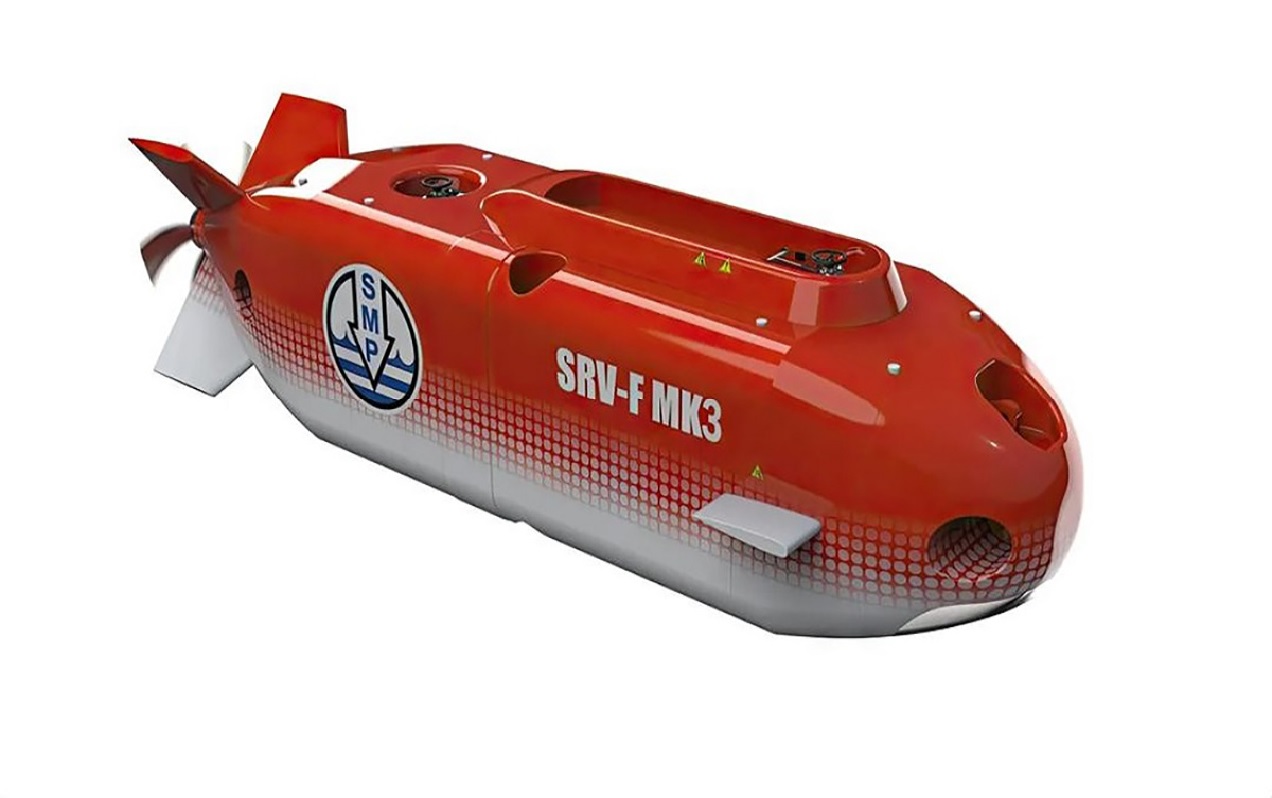
World
LONDON, — April 11, 2026 : The United Kingdom’s export credit agency, UK Export Finance (UKEF), has finalized £128 million in loan guarantee financing to support the export of British-manufactured submarine rescue vehicle systems (SRVS) to the Indonesian Navy (TNI AL). The agreements support two major contracts awarded to UK-based subsea engineering firms and are intended to enhance Indonesia’s underwater search and rescue capabilities while reinforcing the UK’s maritime and defense industrial base. The financing package is divided between two companies: Submarine Manufacturing and Products Limited (SMP), headquartered in Bristol, and Forum Energy Technologies Ltd (FET), based in York. The guarantees are backed by international financial institutions and executed in cooperation with Indonesian industry partners. Financial Structure and Contract Allocation The larger portion of the financing—£76 million—is allocated to SMP through a UKEF-backed loan guarantee arranged with JP Morgan Chase, Singapore Branch. The project is being executed in partnership with Indonesian firm PT BTI Indo Tekno (BTI Defence). This marks the first instance of UKEF support for a joint contract involving both SMP and BTI Defence. The remaining £52 million supports FET’s contract, with financing provided by Banco Santander. FET is working in partnership with PT Agrapana Nugraha Katara (ANK), an Indonesian defense company. System Capabilities and Technical Specifications Under its contract, SMP will deliver the SRV-F Mk 3 submarine rescue system. The vehicle is a free-swimming, manned submersible designed for untethered rescue operations at depths exceeding 500 meters. It is operated by a crew of three and has a rescue capacity of 50 submariners per dive, enabling a “One Out, All Out” evacuation approach for conventional submarine crews. The SRV-F Mk 3 has a displacement of 50 tonnes and is powered by advanced lithium polymer batteries providing a minimum endurance of 12 hours. It supports Transfer Under Pressure (TUP) operations at 50 meters seawater and is compatible with launch and recovery systems in sea states with wave heights up to 3.5 meters. The vehicle has a through-water speed of 3 knots under its own propulsion and can be towed at speeds up to 7 knots. It is air-transportable via A400M aircraft and incorporates a NATO ANEP MNEP 85/85.1-compliant mating skirt capable of connecting at angles of up to 45 degrees. The SMP contract also includes a 92.5-meter bespoke mothership equipped with a TUP system, dedicated decompression chamber, and medical support facilities. The vessel has a beam of 19.5 meters, draft of 5.3 meters, air draft of 28.5 meters, and an estimated displacement of 5,320 tonnes. It is capable of speeds up to 17 knots and includes a helipad. The ship design was developed by Houlder, with construction planned at an Indonesian shipyard. The underlying contract, originally announced in September 2023, spans a three-year design and production phase. FET will supply the LR600 submarine rescue system, a piloted submersible rated for operations at depths of up to 605 meters. The vehicle has a capacity of 20 personnel and is integrated with a launch-and-recovery system, a fully equipped hyperbaric rescue facility, and a decompression system. It incorporates advanced sonar and sensor systems for locating distressed submarines, along with automated depth, heading, and piloting functions. The LR600 system will be manufactured at FET’s facility in Kirkbymoorside, Yorkshire, while the launch-and-recovery system will be produced at the company’s site in Bryan, Texas. Sea trials for the system are scheduled for 2028. Initial details of the FET contract were reported in June 2025. Economic Impact in the United Kingdom UKEF stated that the SMP contract is expected to contribute more than £39 million directly to the UK supply chain through procurement of goods and services, including ship design and training. The FET contract is valued at approximately £30 million in domestic economic contribution. Combined, the two agreements are projected to generate over £67 million in direct economic benefits for the UK, supporting jobs and industrial activity in regions including Bristol and Yorkshire. The financing represents UKEF’s first major involvement in submarine rescue system contracts of this scale and underscores its role in facilitating exports within the defense and maritime sectors. Strategic Context for Indonesia The acquisition of dedicated submarine rescue systems addresses a critical operational requirement for the Indonesian Navy. The need for independent deep-water rescue capability was emphasized following the loss of the submarine KRI Nanggala (402) in April 2021. The procurement aligns with Indonesia’s broader naval modernization efforts, particularly the expansion of its submarine fleet. The country is progressing with plans to construct two Scorpène Evolved submarines domestically, with steel-cutting qualification completed and construction scheduled to begin in June 2026. In addition, the Indonesian Ministry of Defense has evaluated the potential acquisition of compact submarines from Italian manufacturer DRASS for operations across its archipelagic waters. Industrial and Operational Outlook FET, which has more than 45 years of experience in subsea systems, has delivered over 900 manned and unmanned vehicles, including four previous submarine rescue vehicles. The company reported a 50 percent increase in its workforce over the past 12 months, largely attributed to the Indonesian contract. The UKEF-backed financing framework is intended to support timely delivery of both rescue systems while facilitating the transfer of operational and maintenance expertise to Indonesian partners BTI Defence and ANK. Once operational, the systems will provide Indonesia with immediate-response submarine rescue capabilities to support its expanding underwater fleet.
Read More → Posted on 2026-04-11 14:57:39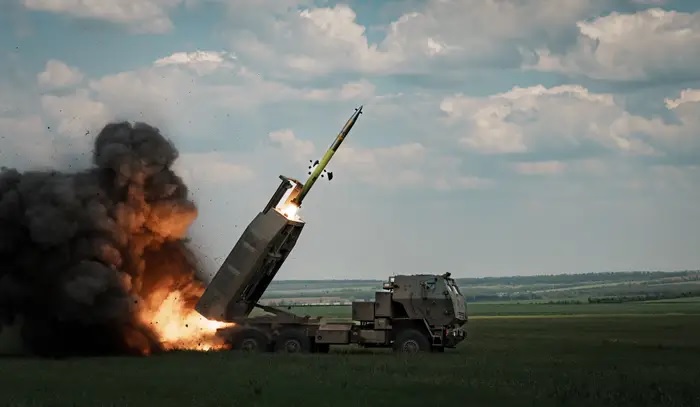
World
TALLINN, Estonia — April 11, 2026 : The Estonian Centre for Defence Investments (ECDI) has signed a contract with Lockheed Martin for the procurement of three additional M142 HIMARS platforms, expanding the country’s long-range firepower and reinforcing its role within NATO’s regional defense framework. The agreement includes an investment of approximately $11 million into Estonia’s domestic defense industry, with deliveries scheduled for 2027. Strategic Capability Expansion and NATO Integration The acquisition is intended to strengthen Estonia’s long-range precision strike capability and support the implementation of NATO defense plans on the alliance’s eastern flank. The M142 HIMARS system, mounted on a 5-ton Family of Medium Tactical Vehicles (FMTV) truck chassis and operated by a three-person crew, is capable of delivering precision-guided munitions at ranges exceeding 300 kilometers, depending on the munition type. The platform supports both Guided Multiple Launch Rocket System (GMLRS) rockets and Army Tactical Missile System (ATACMS) missiles, with each launcher capable of firing six rockets or one ATACMS missile per load. It is transportable by C-130 aircraft and designed for rapid deployment, allowing forces to operate in forward positions while retaining the ability to relocate quickly after firing. Estonian Defence Minister Hanno Pevkur stated that the additional systems will ensure the deep-strike capability required by both the Estonian Defence Forces and NATO. He described the procurement as part of a long-term effort aligned with NATO defense planning and emphasized that the investment component strengthens both national defense and broader security. The HIMARS platform is interoperable with allied systems, enabling seamless integration into NATO operational networks and joint missions. Industrial Investment and Domestic Capability Development A central element of the contract is the $11 million investment directed toward Estonia’s defense industry. The funding is allocated to establish domestic capabilities for maintaining HIMARS components, reducing reliance on external supply chains for routine sustainment. Janari Kasemets, Category Manager for Combat Platforms at the ECDI, stated that the agreement covers not only rocket systems and ammunition but also the development of local maintenance infrastructure. He noted that Estonian companies will provide HIMARS component maintenance services under the new framework. Kasemets added that the investment will be integrated into a broader regional initiative led by Lockheed Martin, combining similar investments in Latvia, Lithuania, Poland, and Finland. The objective is to develop regional expertise and ensure the availability of maintenance and support services across neighboring countries. Regional Sustainment Framework and Facility Development The agreement aligns with earlier plans to establish a HIMARS sustainment center in Estonia. The facility was announced in March 2026 following a meeting between Minister Hanno Pevkur and Lockheed Martin Vice President Paula J. Hartley. The sustainment center is intended to support all three Baltic states and is expected to become operational within two years. Initial investment for the facility is estimated at approximately €10 million, broadly equivalent to the $11 million referenced in the procurement agreement. The center will contribute to long-term maintenance, repair, and overhaul capabilities for HIMARS systems in the region. Ongoing Defense Modernization The latest procurement builds on Estonia’s earlier acquisition of HIMARS systems. Under a previous agreement with Lockheed Martin, six systems were delivered in 2025 as part of the country’s largest-ever arms procurement program. With the addition of three new systems scheduled for delivery in 2027, the Estonian Defence Forces’ HIMARS fleet will increase to a total of nine operational units. The expansion is expected to enhance Estonia’s national operational capabilities while contributing to NATO’s collective defense posture in the Baltic region. The procurement forms part of broader efforts by Baltic states to modernize long-range fire support capabilities in accordance with alliance requirements.
Read More → Posted on 2026-04-11 14:51:31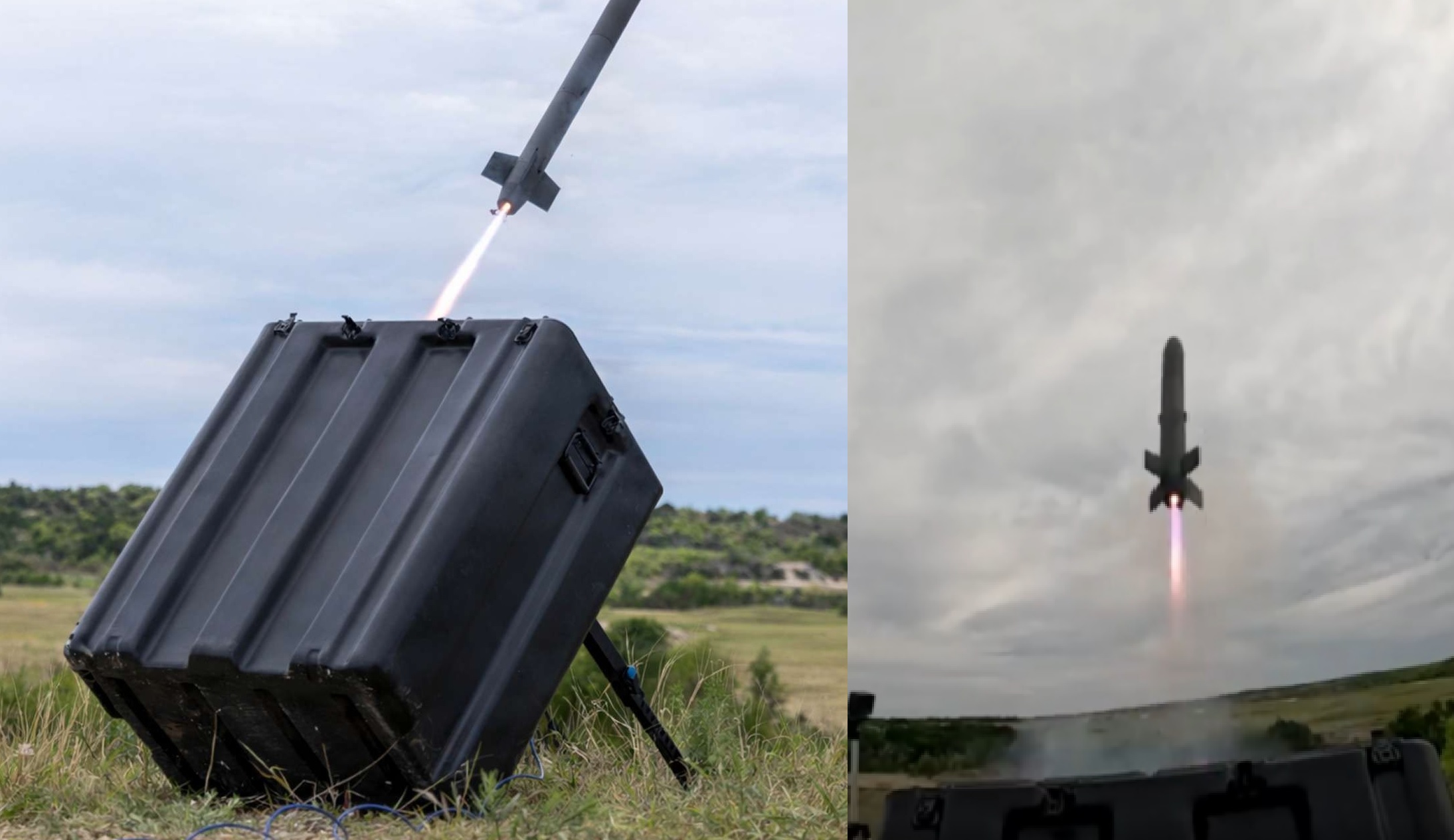
World
FORT HOOD, Texas, — April 11, 2026 : The U.S. Army’s 1st Cavalry Division conducted a series of live-fire tests from April 7 to April 9, 2026, at Fort Hood, evaluating an autonomous counter-unmanned aerial system (C-UAS) architecture during Exercise Golden Shield. The event marked the first complete end-to-end engagement in which an autonomous sensor identified, classified, and transmitted targeting data on an incoming unmanned aerial system (UAS) to a separate automated weapon platform for interception. The testing was carried out under the division’s “Pegasus Charge” initiative, which supports the Army’s broader “Transforming in Contact” modernization framework. The effort focuses on developing mobile, formation-level air defense capabilities designed to protect armored units from small drone threats while minimizing additional workload on vehicle crews. Autonomous Sensor-to-Shooter Integration During the exercise, the Army evaluated the Golden Shield network, a scalable open-architecture air defense system designed to connect distributed sensors with both kinetic and non-kinetic effectors. The system integrates next-generation command-and-control software, multiple sensor types, robotic platforms, and the Vehicle Protection System Base Kit. A key outcome of the testing was the successful demonstration of automated detect, track, and cue functions. External radar data was transmitted through the command-and-control network to weapon systems, enabling engagements at machine speed. Army evaluators confirmed that this configuration significantly compresses the sensor-to-shooter timeline and allows armored formations to maintain maneuver operations while operating under persistent drone surveillance and attack conditions. The April 7–9 exercise represented the first instance in which an autonomous sensor on one platform detected and classified a drone target before relaying that data to a separate platform for interception, validating cross-platform integration within the network. Harpe Micro-Missile System Evaluation A central component of the live-fire testing was the Harpe micro-missile interceptor developed by Perseus Defense. The company, headquartered in Buda, Texas, supplied its Mk-III surface-to-air variant for evaluation, only months after initial prototype testing conducted in mid-2025. The Harpe system was assessed for radar-cued intercept capability, multi-launch functionality, and fully active terminal guidance against live drone targets. During the exercise, the system successfully demonstrated direct hit-to-kill engagements using radar-cued targeting data. The interceptor is designed specifically to counter Group 1 and Group 2 unmanned aerial systems, which are typically small, low-flying, lightweight, and fast-moving drones. Technical Characteristics and Platform Integration According to test data and system specifications, the Harpe micro-missile has an engagement range exceeding 1,000 meters and uses a spin-stabilized rocket design with fully active terminal guidance. The missile is configured for direct impact interception rather than proximity detonation. Launcher configurations include pods capable of carrying up to 15 micro-missiles, with some configurations supporting eight-missile pods depending on platform integration. The system is designed for adaptability across multiple domains, including ground vehicles, maritime vessels, and larger unmanned aerial platforms. Each missile is approximately 15 inches in length and is categorized as attritable, allowing for lower-cost deployment in high-volume engagements. The unit cost is reported at under $10,000 per interceptor, significantly lower than traditional counter-UAS missiles, which can exceed $250,000 per unit. Development Timeline and Industry Role Perseus Defense developed the Harpe system as part of its focus on scalable and cost-effective counter-UAS technologies. Key development milestones include the construction of initial spin-stabilized rocket prototypes in June 2025, testing of the Mk-III surface-to-air variant in July 2025, and the achievement of fully guided, direct hit-to-kill flight in January 2026. The company, backed by Y Combinator, has positioned the Harpe system as a solution to the increasing operational demand for affordable interceptors capable of countering low-cost drone threats. Operational Context and Cost Considerations The proliferation of Group 1 and Group 2 drones in modern conflicts, including their widespread use in reconnaissance and strike roles, has created operational challenges for mechanized forces. Armored Brigade Combat Teams, which contain high-value assets, have historically relied on high-cost interceptors to neutralize low-cost drones, resulting in unfavorable cost-exchange ratios. The Golden Shield network, combined with systems such as the Harpe micro-missile, is intended to address this imbalance by enabling distributed, layered defense using lower-cost interceptors and automated engagement processes. By integrating autonomous sensors, robotic systems, and scalable launcher pods, the Army aims to establish an organic counter-UAS capability at the formation level. Data Collection and Future Evaluation The 1st Cavalry Division conducted the exercise in coordination with the Army Capabilities Development Command and multiple industry partners. The live-fire event generated operational data on system performance within realistic command-and-control environments. Army officials stated that the collected data will be used to evaluate system effectiveness, inform procurement decisions, and guide future integration of counter-UAS technologies into armored formations. The division will continue refining layered protection concepts as part of ongoing modernization efforts.
Read More → Posted on 2026-04-11 14:28:57
World
Europe — April 11, 2026 : European nations have significantly expanded their military capabilities, supported by increased defense spending, industrial coordination, and joint operational frameworks. Recent data indicates that the continent possesses substantial conventional and nuclear strength, prompting renewed assessment of its ability to operate without United States support. While aggregate capabilities are considerable, structural and technological gaps remain, particularly in advanced aviation, strategic strike systems, and unified command. Spending Expansion and Industrial Mobilization European defense expenditure reached €481 billion in 2026, surpassing the combined military budgets of Russia and China. This financial baseline is being reinforced by the European Union’s “ReArm Europe” initiative, also referred to as Readiness 2030, which is expected to mobilize an additional €800 billion through a mix of national fiscal adjustments, joint procurement loans, and reallocated EU funds. The funding surge is directed toward expanding industrial output, improving interoperability, and accelerating capability development. Defense industries across Germany, France, Italy, and the United Kingdom are increasing production of key systems, including artillery, missiles, naval platforms, and armored vehicles, with a growing emphasis on European-sourced components and reduced external dependency. Personnel Strength and Mobilization Capacity European armed forces collectively maintain more than 1.7 million active-duty personnel, exceeding Russia’s estimated 1.3 million. Reserve forces provide additional depth, particularly in Northern Europe. Finland alone retains the capacity to mobilize up to 900,000 trained reservists, many of whom are prepared for Arctic operations. The continent’s broader demographic and industrial base supports sustained mobilization in the event of prolonged conflict, offering advantages in manpower regeneration and logistical continuity compared to individual adversaries. Air, Naval, and Ground Force Capabilities European air and naval assets form a central pillar of collective defense. Air forces across EU member states and the United Kingdom operate more than 1,400 combat aircraft. In the maritime domain, European navies field five aircraft carriers, more than 60 submarines, and over 120 frigates and destroyers, enabling operations across the Atlantic, Mediterranean, and northern theaters. Land forces include more than 6,000 artillery systems, with ongoing expansion programs. Poland is acquiring 212 additional self-propelled howitzers as part of a broader rearmament effort described as the largest since the Cold War. Parallel increases in ammunition production are aimed at ensuring sustainability during high-intensity operations. Special operations units remain a critical component of European military capability. The United Kingdom’s Special Air Service (SAS) continues to influence modern special forces doctrine, while France’s Foreign Legion and Poland’s GROM are among the continent’s most capable elite units. Nuclear Deterrence and Strategic Assets Europe’s independent nuclear deterrent is maintained by France and the United Kingdom, which together possess approximately 515 nuclear warheads. These are deployed primarily through eight nuclear-powered ballistic missile submarines, ensuring continuous at-sea deterrence independent of U.S. systems. In addition to nuclear capabilities, Europe operates strategic enablers such as the Galileo satellite navigation system, providing autonomous positioning, navigation, and timing services. The European Union also oversees 75 active defense projects under the Permanent Structured Cooperation (PESCO) framework, aimed at improving coordination and capability integration. Command Structures and Joint Frameworks European defense coordination has evolved through multiple frameworks. The United Kingdom leads the Joint Expeditionary Force (JEF), a 10-nation rapid reaction grouping focused on Northern Europe and Arctic security. The European Union is also developing a dedicated rapid deployment force to enhance responsiveness. Despite these initiatives, command and control structures remain decentralized. Decision-making typically occurs through consensus within NATO or EU mechanisms, which can introduce delays due to differing political, legal, and budgetary considerations among member states. Capability Gaps and Technological Limitations Notwithstanding its aggregate strength, Europe lacks certain critical capabilities required for full-spectrum independent operations. No European country currently fields an indigenous fifth-generation fighter aircraft. Existing fleets include advanced 4.5-generation platforms such as the Eurofighter Typhoon, Rafale, and Gripen, while fifth-generation capabilities are reliant on U.S.-manufactured F-35 aircraft. Future programs, including the Future Combat Air System (FCAS) and the Global Combat Air Programme (GCAP), are under development but are not expected to enter service until the mid-2030s. Europe also does not operate strategic heavy bombers comparable to those used by the United States, Russia, or China. Long-range strike capabilities rely instead on tactical aircraft, submarine-launched systems, and cruise missiles, with only France and the United Kingdom maintaining significant inventories of long-range naval strike weapons. Additional gaps persist in integrated air and missile defense, intelligence, surveillance, and reconnaissance (ISR), aerial refueling capacity, and heavy strategic airlift. European military networks also continue to depend in part on non-European cloud and data infrastructure for advanced battlefield management. Leadership and Operational Integration In the absence of U.S. involvement, no single European country is positioned to assume comprehensive leadership across all military domains. Current assessments indicate that responsibility would likely be distributed among key states. France provides nuclear deterrence and expeditionary capabilities, the United Kingdom contributes maritime power and intelligence integration, while Germany and Poland play central roles in logistics, industrial capacity, and ground force modernization. Operational leadership would likely emerge through ad hoc coalitions or strengthened EU command mechanisms rather than a single centralized authority. Analysts describe this model as a “coalition of the capable”, reflecting Europe’s reliance on collective leadership. Reassessment of Structural Dependence The longstanding perception of European dependence on the United States has been linked primarily to structural factors, including procurement of American defense systems, reliance on U.S. intelligence and satellite networks, and alignment with U.S. strategic planning. Current initiatives aim to reduce these dependencies through expanded domestic production, joint procurement, and development of independent systems such as Galileo. Increased coordination under EU frameworks is intended to standardize equipment and improve interoperability across national forces. Outlook for Strategic Autonomy Europe’s current trajectory indicates measurable progress toward greater strategic autonomy. The combination of increased spending, expanded industrial output, substantial troop numbers, and existing nuclear deterrence provides a foundation for independent regional defense. However, the absence of indigenous fifth-generation aircraft, lack of strategic bombers, and limitations in unified command and high-end enablers indicate that full operational independence remains incomplete. Continued investment, technological development, and political coordination will be required to address these gaps and enable fully integrated military operations without external support.
Read More → Posted on 2026-04-11 13:28:47
World
ISLAMABAD, — April 10, 2026 : Planned peace negotiations between Iran and the United States in Islamabad have been postponed by one day after Tehran set preconditions linked to the ongoing conflict in Lebanon and the release of frozen financial assets. The talks, originally scheduled for Saturday, April 11, 2026, are now expected to take place on Sunday, April 12. Pakistani authorities are hosting the negotiations as part of efforts to sustain a recently announced two-week ceasefire between Washington and Tehran. Iran Sets Preconditions Ahead of Talks Iran’s parliament speaker, Mohammad Baqer Qalibaf, stated that the Iranian delegation would not participate unless two conditions are met: an immediate halt to Israeli airstrikes targeting positions of Hezbollah in Lebanon, and the unfreezing of Iranian assets held abroad. Qalibaf said both conditions had been previously agreed upon between the parties and should be implemented prior to the start of formal negotiations. Iranian officials maintain that the ceasefire framework includes Lebanon, a position disputed by Washington and Israel. Continued Israeli Strikes and Disagreement Over Scope Israeli military operations in Lebanon continued on April 9 and April 10, 2026, according to regional reports, prompting Tehran to delay its participation. Iran has argued that the ceasefire announced earlier in the week, brokered with Pakistan’s involvement, applies to multiple regional fronts, including Lebanon. However, both the United States and Israel have stated that the ceasefire agreement does not extend to Lebanese territory, creating a key point of disagreement ahead of the talks. US Delegation Proceeds Despite Delay The American delegation, led by Vice President JD Vance, has already departed for Pakistan. There has been no formal response from Washington regarding Iran’s latest conditions, beyond confirmation that Vance is en route for the rescheduled discussions. The negotiations are formally described as peace talks and are intended to address the terms and potential extension of the two-week ceasefire agreement reached earlier in April 2026. US Pressure on Israel and Anticipated Ceasefire According to reports from Israel’s Channel 12, US President Donald Trump has urged Israeli Prime Minister Benjamin Netanyahu to halt or reduce military operations in Lebanon, citing concerns that continued strikes are complicating diplomatic efforts with Iran. Trump confirmed that he had spoken with Netanyahu and encouraged scaling back the attacks. Lebanese media outlets have reported that Israel and Lebanon may announce a ceasefire agreement prior to the rescheduled Iran–US talks, a development seen as a potential step toward meeting Iran’s conditions. Public Statements and Strategic Context In a post on Truth Social, Trump stated that Iran is more effective in public relations and misinformation than in military engagement. He also remarked that Iran’s primary leverage lies in its control over the Strait of Hormuz, a critical global oil shipping route, and suggested that the negotiations are a key factor in ongoing diplomatic engagement. Iran continues to maintain influence over access through the Strait, underscoring its strategic importance in the broader regional context. Security Measures and Diplomatic Outlook Pakistan has placed Islamabad under heightened security measures, including a citywide lockdown, in preparation for hosting the high-level talks. Meanwhile, the Iranian delegation has delayed its departure from Tehran pending developments related to its stated preconditions. Separate negotiations between Israel and Lebanon are expected to begin next week in Washington, D.C., focusing specifically on a potential bilateral ceasefire. The delay in the Iran–US talks highlights ongoing disagreements over the scope of the ceasefire and the conditions required to initiate formal negotiations, with diplomatic efforts continuing across multiple fronts.
Read More → Posted on 2026-04-10 17:56:08
World
MOSCOW, — April 10, 2026 : Russian unmanned systems developer JSC Kronstadt, a key supplier of military drones to the country’s defense sector, is facing potential bankruptcy after a creditor filed a petition with an arbitration court in late March 2026, citing unpaid debt and continued financial deterioration. The application was submitted by SKB Elektronnogo Priborostroeniya LLC after Kronstadt failed to comply with a December 2025 court ruling requiring payment of 9.2 million rubles. Court proceedings are ongoing, and the company continues to operate while addressing claims from creditors. Financial Performance and Debt Accumulation Financial disclosures for 2025 indicate that Kronstadt’s parent company, LLC DK Kronstadt, recorded a net loss of 4.6 billion rubles. Revenue for the same period declined by 1 percent to 100.2 million rubles. The company attributed these losses to provisions for financial investments and high borrowing costs. Russia’s elevated interest rate environment, with the central bank rate at approximately 15 percent, increased the cost of servicing loans and placed additional pressure on liquidity. Market sources also point to the 2022 exit of AFK Sistema, previously Kronstadt’s primary investor, as a major factor limiting access to financing and increasing reliance on debt. Rising Legal Claims from Suppliers Kronstadt’s financial difficulties have resulted in widespread litigation related to unfulfilled supply contracts. Between 2025 and early 2026, a total of 154 lawsuits were filed against the company, with combined claims estimated between 2.6 billion and 2.7 billion rubles. By August 2025, 40 lawsuits had already been initiated, totaling 626.3 million rubles. Additional claims continued into 2026, including seven lawsuits filed during the first week of February 2026, amounting to 76.6 million rubles. Plaintiffs include several enterprises within Russia’s defense industrial base, such as Akvamash, Electromashinostroitelny Zavod, the Arsenal semiconductor device plant, Innovative Technologies and Materials, and the Research Institute of Modern Telecommunications Technologies. Court records show that most cases filed in 2025 were resolved in favor of creditors, with only limited settlements reached. This is not the first attempt to initiate insolvency proceedings against the company. In August 2023, Turboget Micro filed a separate bankruptcy petition related to unpaid equipment deliveries. Sanctions and Supply Chain Constraints Kronstadt has linked its financial condition to international sanctions imposed in response to Russia’s military operations in Ukraine. The company is subject to restrictions by the United States, the European Union, the United Kingdom, Australia, Japan, Switzerland, New Zealand, and Ukraine. These measures have limited access to foreign technologies and components, increased procurement costs, and disrupted established supply chains. The company states that these factors have directly contributed to rising expenses and reduced operational efficiency. Production Activities and Facilities JSC Kronstadt develops and manufactures unmanned aerial systems, including the Orion drone, also known as Inokhodets, along with navigation software, onboard equipment, ground control stations, and integrated unmanned aviation systems. Its primary production facility is located in Dubna, near Moscow, where Orion drones are assembled. In May 2025, the site was targeted in a Ukrainian drone strike. Ukrainian defense intelligence has stated that the facility is also associated with production of the S8000 Banderol cruise missile. Government Contracts and Ongoing Operations Kronstadt has participated in multiple government tenders and maintains contracts with the Russian Ministry of Defence. Despite this, persistent cash flow shortages have led to delayed payments to suppliers across the domestic defense sector. As of April 2026, the company has not issued a detailed public statement regarding the current bankruptcy petition beyond earlier explanations attributing financial losses to sanctions and financing costs. Arbitration court proceedings remain underway as Kronstadt continues to operate and respond to creditor claims.
Read More → Posted on 2026-04-10 17:46:36
World
PARIS, — April 10, 2026 : The French Navy has confirmed that all five Frégate de Défense et d’Intervention (FDI) frigates will be equipped with 32 Sylver A50 vertical launch system (VLS) cells, doubling the originally planned capacity of 16 cells. The announcement was made on April 9, 2026, by Admiral Nicolas Vaujour during a parliamentary hearing on the update to France’s 2024–2030 military programming law. Capability Increase and Operational Impact The revised configuration doubles the number of MBDA Aster 15 and Aster 30 surface-to-air missiles carried by each vessel. Under the French Navy’s standard engagement doctrine, which allocates two interceptors per target, the increase raises the number of simultaneous intercepts from eight to 16. The change is intended to address saturation threats involving anti-ship missiles, unmanned aerial vehicles, and multi-axis attack profiles. By increasing onboard missile capacity, the FDI frigates will be less dependent on task group air defence assets and will be able to sustain multiple engagement cycles. In the baseline 16-cell configuration, the ships’ missile capacity limited their ability to fully exploit the performance of the Thales Sea Fire active electronically scanned array radar. The radar system, with four fixed panels providing continuous 360-degree coverage, is capable of tracking several hundred targets simultaneously. The expansion to 32 cells reduces the gap between detection and engagement capacity, allowing a higher proportion of tracked threats to be engaged. Phased Implementation Across the Fleet The upgrade will be implemented across the entire class through a phased schedule aligned with construction and maintenance cycles at Naval Group’s Lorient shipyard. The fourth and fifth ships, Amiral Nomy and Amiral Cabanier, will be delivered with 32 cells from the outset. The fifth unit, Amiral Cabanier, was formally ordered on March 31, 2026, completing the French FDI series. The third ship, Amiral Castex, will receive the additional launcher modules shortly after commissioning. The first two vessels, Amiral Ronarc’h—delivered on October 17, 2025—and Amiral Louzeau, will be retrofitted during their first major maintenance periods. The FDI hull design incorporates reserved space in the forward deck for additional launcher modules. This allows the increase in VLS capacity without structural modifications to the hull and without changes to core systems, including the Sea Fire radar and the SETIS combat management system. Technical Configuration and System Constraints The Sylver A50 launcher uses a one-missile-per-cell architecture, meaning each cell carries a single Aster interceptor. Unlike the Mk 41 vertical launch system, it does not support quad-packing of smaller missiles such as CAMM. The baseline French configuration consisted of two eight-cell Sylver A50 launchers, totaling 16 missiles. The upgrade standardizes the fleet at 32 cells, aligning it with the configuration already implemented in the export variant of the FDI. The Greek Navy’s Kimon-class frigates, also built by Naval Group, are equipped with 32 Sylver A50 cells. The French decision brings domestic vessels to the same configuration standard. Complementary Air Defence Developments The increase in VLS capacity is part of a broader effort to strengthen layered air defence capabilities. The French Navy is developing a Modular Launching System (MPLS) designed for short-range engagements against drones, unmanned surface vessels, and small craft at ranges below 8 kilometers. The system is intended to employ lower-cost munitions, preserving Aster missiles for higher-value targets. Naval Group is also studying a cold-launch system that would allow denser packing of smaller interceptors, including CAMM. The concept would utilize three reserved launcher positions in the FDI hull design and could increase total missile capacity to as many as 64 cells without requiring structural redesign. Programme Timeline and Fleet Structure The FDI programme maintains France’s target of 15 first-rank surface combatants through 2032. The class is intended to replace the La Fayette-class frigates and compensate for the reduction of the FREMM fleet from 17 units to eight. Deliveries of the five French FDI frigates are scheduled between 2025 and 2032. Following the delivery of Amiral Ronarc’h in October 2025, subsequent ships are planned to enter service in 2027, 2028, 2031, and 2032. All vessels are being constructed at Naval Group’s Lorient facility, which maintains a continuous production line supported by both domestic and export orders. The shipyard is currently building four additional FDI frigates for the Hellenic Navy. Industrial Outlook and Future Considerations The FDI programme is structured to support both national requirements and export demand. The Lorient production line has the capacity to deliver up to two ships per year under combined orders. Discussions are ongoing regarding a potential increase in the French Navy’s first-rank surface combatant fleet from 15 to 18 units to meet operational requirements. The confirmation issued on April 9, 2026, establishes the 32-cell configuration as the final standard for all French FDI frigates. No additional details regarding retrofit timelines or associated costs beyond the existing programme framework have been disclosed.
Read More → Posted on 2026-04-10 17:46:34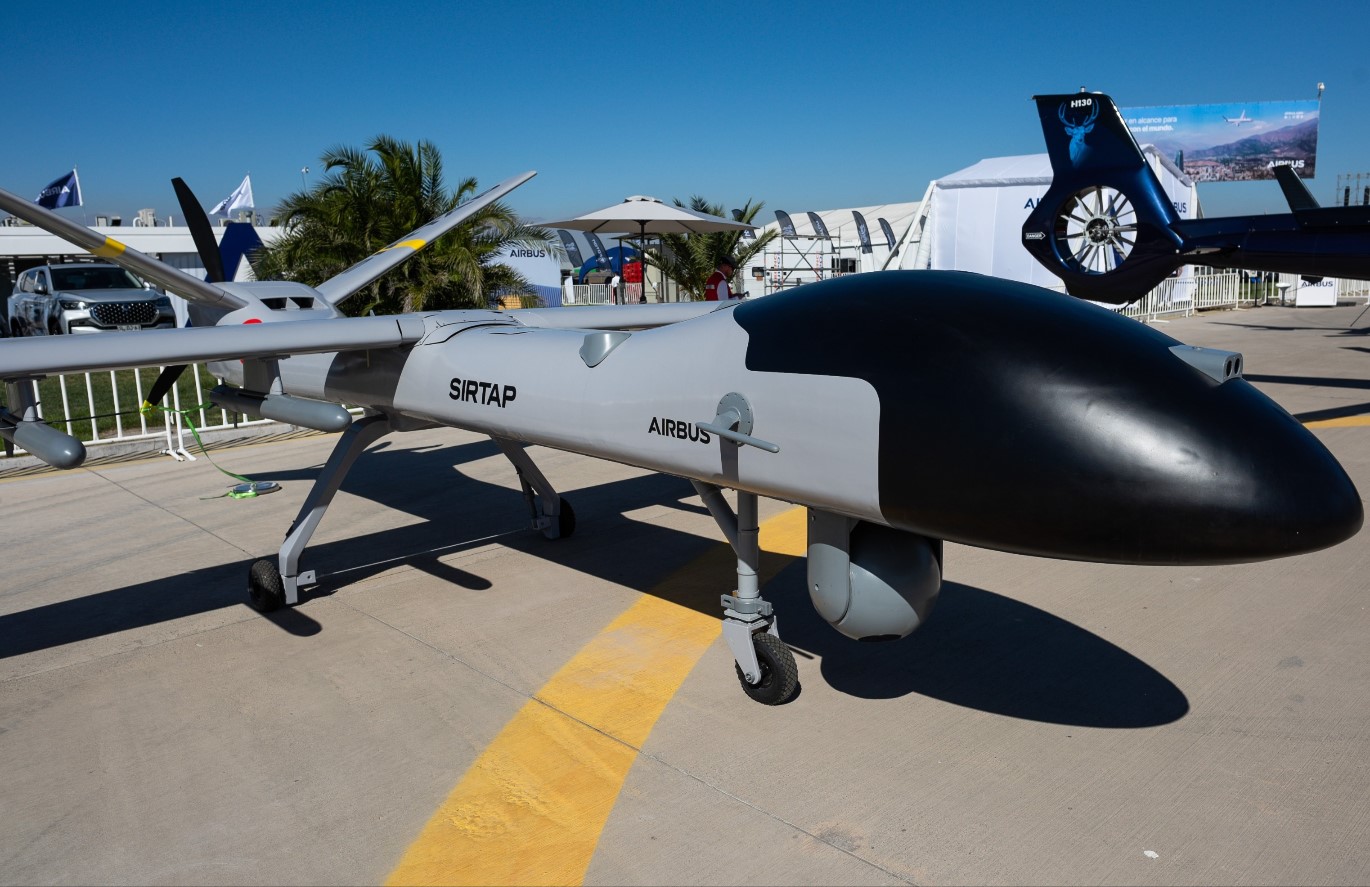
World
SANTIAGO, Chile — April 10, 2026 : Airbus Defence and Space has formally unveiled its high-end tactical unmanned aerial system (UAS), SIRTAP (Sistema Integrado de Respuesta Táctica de Altas Prestaciones), at the FIDAE 2026 airshow in Santiago. The platform is being presented publicly for the first time as part of Airbus’ effort to expand its unmanned systems portfolio for defence, security, and governmental operations. Platform Overview and Mission Profile SIRTAP is designed as a medium-altitude, long-endurance (MALE-type tactical) UAS optimized for intelligence, surveillance, and reconnaissance (ISR) missions, alongside broader tactical roles. Airbus positions the system as suitable for operations in complex and demanding environments, including maritime, border security, and high-altitude regions. A defining feature of the platform is its dual-payload capability, enabling simultaneous integration of an electro-optical/infrared (EO/IR) sensor turret and a multi-mission radar, such as synthetic aperture radar (SAR) or ground moving target indication (GMTI). This configuration allows continuous surveillance and target tracking in both day and night conditions within a single sortie. The aircraft is also engineered for all-weather operations, supported by advanced ice protection systems and high-temperature resilience. It is capable of operating in temperature ranges from –40°C to +50°C, enabling deployment across diverse climatic zones. Performance Specifications and Technical Characteristics Airbus has released detailed performance parameters for SIRTAP, highlighting its endurance, payload flexibility, and deployment efficiency: Maximum Takeoff Weight: 750–800 kg Payload Capacity: More than 150–180 kg (multi-payload configuration) Maximum Speed: Over 110 knots (true airspeed) Endurance: More than 20 hours Operational Altitude: Above 20,000–21,000 feet (approximately 6,400 meters) Range: More than 2,000 km, including line-of-sight (LOS) and beyond line-of-sight (BLOS) via SATCOM The system’s extended endurance and altitude profile enable persistent ISR coverage, particularly for long-duration missions such as maritime domain awareness and remote border monitoring. SIRTAP incorporates an advanced inertial navigation system supplied by Exail and a wideband LOS datalink developed by Patria, supporting reliable communications and navigation in contested or GPS-limited environments. Modularity, Transport, and Deployment The UAS features a modular design that allows rapid disassembly and transport. A complete SIRTAP system can be carried within an Airbus C295 tactical airlifter, enabling deployment to forward operating bases and remote areas with limited infrastructure. In addition to ISR roles, Airbus has designed the platform with four underwing hardpoints, allowing for potential integration of light precision-guided munitions (PGMs) and missiles. This configuration would enable armed ISR missions, convoy escort, and force protection roles, depending on customer requirements. Development Timeline and Program Status The SIRTAP program is primarily developed in Spain. The Spanish Ministry of Defence signed a contract in November 2023 for nine systems, comprising 27 unmanned aircraft, nine ground control stations, and two simulators. The first prototype completed assembly in mid-2025 and entered ground testing at facilities of the National Institute of Aerospace Technology. The maiden flight was scheduled for late 2025 or early 2026, with flight testing continuing through 2026. Initial deliveries to Spain are planned for 2027. Airbus is also studying the integration of SIRTAP with the Spanish Navy’s Juan Carlos I amphibious vessel, which could expand its operational scope to naval and expeditionary missions. Export Positioning and Certification SIRTAP has been developed as an ITAR-free platform, meaning it is not subject to U.S. International Traffic in Arms Regulations. This allows Airbus to offer the system to a wider range of international customers without export restrictions tied to U.S.-origin components. The platform is currently progressing toward military airworthiness certification by Spanish authorities for operations in segregated airspace. Airbus has not disclosed pricing details or additional customers beyond the Spanish contract. Regional Relevance and FIDAE Display At FIDAE 2026, Airbus is presenting SIRTAP alongside its smaller unmanned platforms, including the Flexrotor and Aliaca, to demonstrate a layered UAS offering tailored to Latin America’s operational requirements. The company highlights the platform’s applicability to regional challenges, including surveillance of mountainous terrain such as the Andes, maritime monitoring, border security, and environmental missions such as wildfire tracking and disaster response. The unveiling of SIRTAP marks Airbus’ entry into the high-end tactical UAS segment, complementing its broader portfolio of unmanned and crewed defence systems.
Read More → Posted on 2026-04-10 17:29:37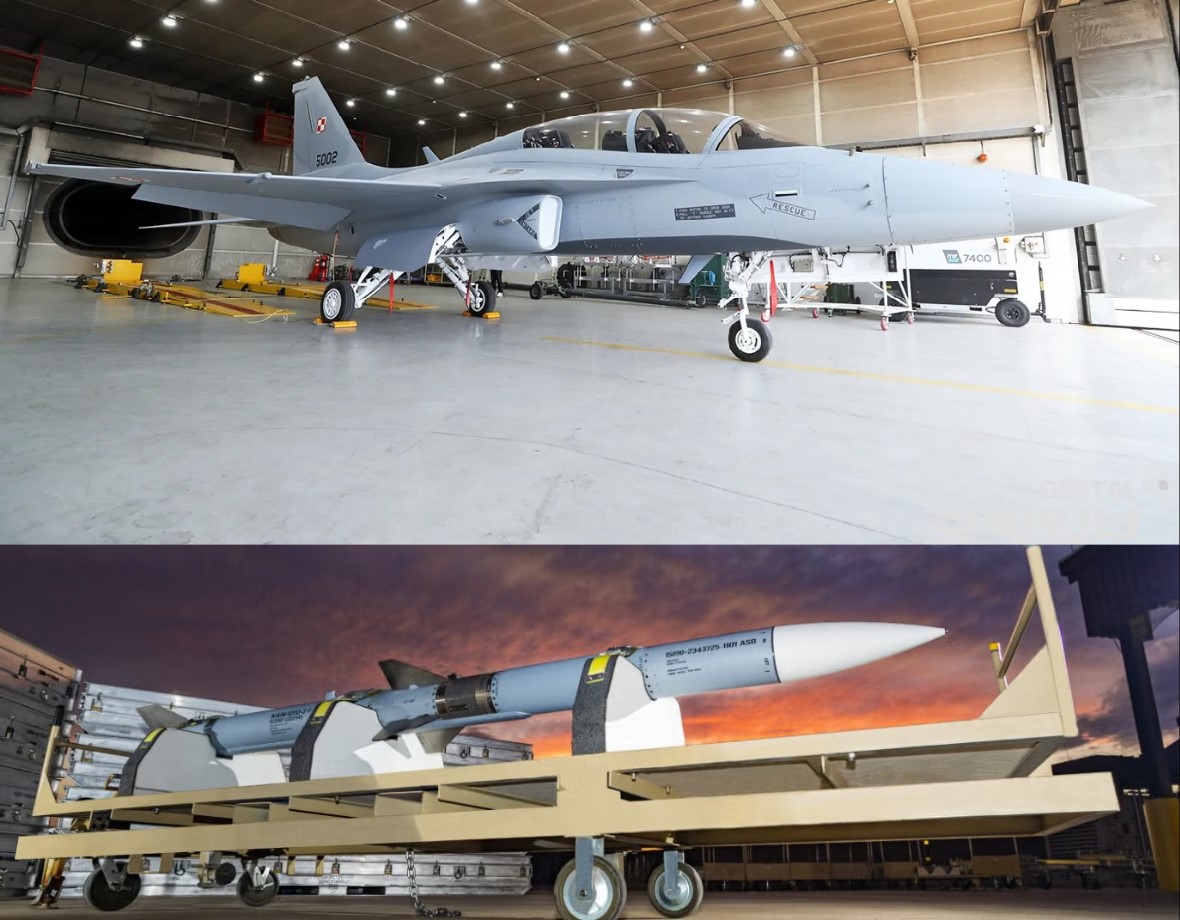
World
WARSAW, — April 10, 2026 : The United States administration has approved the integration of AIM-120C Advanced Medium-Range Air-to-Air Missiles (AMRAAM) with Poland’s FA-50PL light combat aircraft, enabling the platform to field beyond-visual-range (BVR) air combat capabilities. The approval was confirmed by Deputy Commander of the Polish Armed Forces, General Ireneusz Nowak, in a recent interview. The decision resolves prior uncertainty surrounding the operational scope of the FA-50PL variant, particularly its ability to employ medium-range air-to-air weapons. Earlier constraints were linked to U.S. export control requirements under the International Traffic in Arms Regulations (ITAR), which govern the transfer and integration of U.S.-origin defense systems. With authorization now granted, integration work involving U.S. and South Korean industry partners can proceed under Foreign Military Sales (FMS) arrangements. Program Background and Fleet Composition Poland signed a contract with Korea Aerospace Industries (KAI) in July 2022 for a total of 48 FA-50 aircraft, valued at approximately $3 billion. The procurement is divided into two configurations: 12 FA-50GF (Gap Filler) aircraft and 36 FA-50PL (Block 20) aircraft. The FA-50GF aircraft, delivered beginning in 2023 and currently operated from the 23rd Tactical Air Base in Mińsk Mazowiecki, serve as an interim solution and lack advanced radar systems and BVR missile capability. In contrast, the FA-50PL represents a significantly enhanced configuration designed for multirole operations. Deliveries of the 36 FA-50PL aircraft, initially expected earlier, have been postponed to mid-2027 due to supply chain constraints and the complexity associated with integrating U.S.-origin avionics and weapon systems. Current projections place full delivery between 2027 and 2029. Technical Configuration and Integration Scope The FA-50PL is based on the South Korean FA-50 Block 20 standard and incorporates a range of upgraded systems. Central to the AIM-120C integration is the Raytheon PhantomStrike active electronically scanned array (AESA) radar, a compact and air-cooled radar designed for light combat aircraft. The approval allows the radar’s fire-control and data-link systems to interface with the AMRAAM missile. Additional features of the FA-50PL include a probe-and-drogue aerial refueling system, expanded external or conformal fuel tanks to extend operational range, a helmet-mounted display (HMD), and compatibility with precision-guided munitions such as the GBU-12 laser-guided bomb. The aircraft is also equipped with the AN/AAQ-33 Sniper Advanced Targeting Pod for enhanced targeting and surveillance functions. The AIM-120C AMRAAM is an active radar-guided, fire-and-forget missile designed for engagements against aircraft and cruise missile targets at medium ranges. Its integration enables the FA-50PL to conduct air defense and air superiority missions alongside its existing training and light attack roles. Air-to-Air Armament Standardization The AMRAAM approval complements a separate agreement signed in January 2026 between Poland and the United States for the integration of the AIM-9X Sidewinder short-range air-to-air missile on the FA-50PL. Together, the AIM-9X and AIM-120C establish a complete air-to-air weapons suite for the aircraft. Poland already operates earlier AIM-120 variants on its F-16 fleet and has procured newer AIM-120D-3 missiles for both its F-16 and incoming F-35A aircraft. The inclusion of the AIM-120C on the FA-50PL aligns the platform with existing munitions inventories, supporting logistical commonality and operational flexibility across the Polish Air Force. Role in Force Modernization The FA-50PL is intended to replace aging Soviet-era MiG-29 and Su-22 aircraft in selected roles. The platform is positioned as a cost-effective multirole asset within Poland’s broader air force structure, complementing higher-end platforms such as the F-16 and F-35A. The integration of BVR capability significantly expands the operational utility of the FA-50PL, allowing it to participate in national and NATO air defense missions. The Polish Armament Agency continues to oversee the program, including training, logistics, and sustainment elements. No additional changes to contract value or delivery timelines beyond previously announced adjustments have been disclosed. Industrial Cooperation and Next Steps KAI is responsible for executing the integration work, with technical support from U.S. defense contractors. The approval permits both software and hardware modifications required to link the aircraft’s avionics and radar systems with the AIM-120C missile. No official timeline has been released for completion of integration activities or initial live-fire testing. The authorization applies specifically to Poland’s FA-50PL configuration and does not automatically extend to other FA-50 operators. Broader Implications The U.S. decision establishes a regulatory precedent that may influence other FA-50 Block 20 customers. Countries such as Malaysia, which are evaluating or operating similar variants, have closely monitored Poland’s procurement and integration process. The clearance of AMRAAM integration could facilitate comparable approvals for allied nations seeking to equip light combat aircraft with BVR capabilities. The development supports Poland’s ongoing defense modernization efforts and contributes to strengthening NATO’s air defense posture on the eastern flank.
Read More → Posted on 2026-04-10 17:19:52
World
JERUSALEM, — April 10, 2026 : Israel has formally removed Spain from participation in the Civil-Military Coordination Center (CMCC) in Kiryat Gat, a U.S.-led multinational facility responsible for overseeing ceasefire implementation and aid coordination in Gaza. The decision was announced on Friday by Foreign Minister Gideon Sa’ar and carried out in coordination with Prime Minister Benjamin Netanyahu and the United States. The move immediately ends Spain’s involvement in the CMCC, where it had maintained representatives and participated in ongoing coordination meetings. Israeli officials stated that Spain was formally notified of the decision, while Washington was informed in advance. CMCC Role and Structure The Civil-Military Coordination Center was established in October 2025 under the authority of United States Central Command (CENTCOM) as part of the Gaza peace framework introduced by U.S. President Donald Trump. The center was created following the Israel-Hamas ceasefire that took effect on October 10, 2025. Located at a military installation in Kiryat Gat in southern Israel, the CMCC functions as the central hub for coordinating humanitarian assistance, logistical support, and security arrangements related to Gaza. It also monitors compliance with ceasefire terms and supports post-conflict stabilization efforts. The facility includes approximately 600 personnel and representatives from multiple partner countries, including the United States, France, the United Kingdom, and the United Arab Emirates. Spain had been among the participating European contributors prior to its removal. Israeli Government Position Foreign Minister Sa’ar stated that the decision was based on what he described as a “blatant anti-Israel bias” by the Spanish government, led by Prime Minister Pedro Sánchez. According to Sa’ar, Spain’s positions and actions, including its conduct during the recent conflict involving Iran, demonstrated that it could no longer function as a constructive participant in the CMCC or in implementing the U.S.-backed Gaza framework. Prime Minister Netanyahu confirmed that he had instructed the removal of Spanish representatives, stating that Spain had repeatedly taken positions opposing Israel. He added that countries engaging in diplomatic actions against Israel would face consequences, including exclusion from cooperative mechanisms such as the CMCC. Deterioration in Israel–Spain Relations Spain’s exclusion follows a sustained decline in bilateral relations between Madrid and Jerusalem over recent years. In 2024, Spain formally recognized a Palestinian state, a move that contributed to an initial downgrade in diplomatic ties. Since then, Spain has consistently criticized Israeli military operations in Gaza. In March 2026, Spain permanently withdrew its ambassador from Israel in protest against Israeli actions in Gaza and its opposition to the joint U.S.-Israeli campaign targeting Iran. Spanish authorities also implemented restrictions on the use of their ports and airspace for weapons shipments destined for Israel. During the most recent regional tensions, Spain closed its airspace to U.S. military aircraft involved in operations against Iran and reinstated diplomatic engagement with Tehran by returning its ambassador shortly before the current decision. Spanish officials, including Foreign Minister José Manuel Albares, have also publicly called for an end to Israeli military operations in Lebanon, describing the situation as critical and urging international intervention. Additionally, Spain halted all military trade with Israel earlier in the Gaza conflict, later formalizing a comprehensive arms embargo into law. Operational and Political Implications Spain’s removal from the CMCC means it will no longer participate in discussions or operations related to humanitarian aid entry, logistical coordination, or security planning for Gaza. It also excludes Madrid from involvement in post-ceasefire stabilization policies managed through the center. Israeli officials indicated that participation in the CMCC requires alignment with the operational and political framework defined jointly by Israel and the United States. Spain’s exclusion reflects Israel’s assessment that the country no longer meets these criteria. The removal does not affect the participation of other member states, and CMCC operations continue without disruption. Current Status As of April 10, 2026, no immediate official response from the Spanish government has been detailed. The CMCC remains active, continuing its role in overseeing ceasefire implementation and coordinating international assistance to Gaza under the existing agreement.
Read More → Posted on 2026-04-10 16:26:49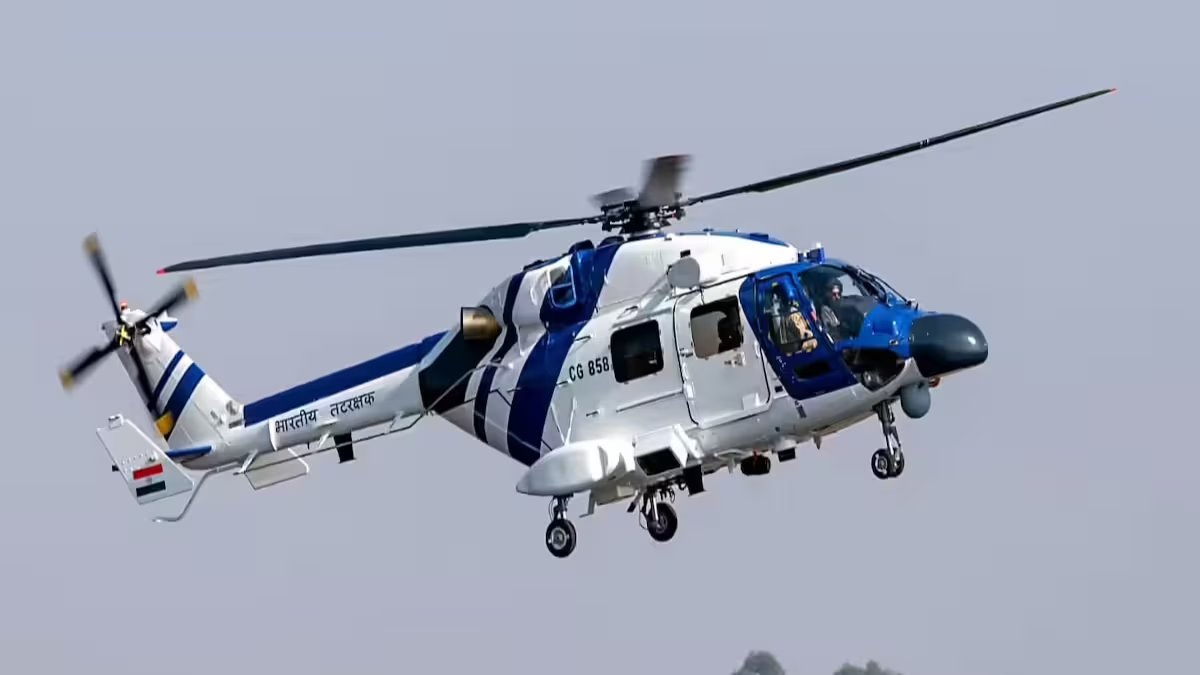
India
BENGALURU, — April 10, 2026 : Hindustan Aeronautics Limited (HAL) has delivered four Advanced Light Helicopter (ALH) Mk III Maritime Role (MR) helicopters to the Indian Coast Guard (ICG) during a formal handover ceremony held in Bengaluru. The helicopters were officially received by Rajesh Makwana, Deputy Inspector General and Coast Guard Commander (Western Seaboard), from PB Rangarao, Chief Executive Officer of HAL’s Helicopter Complex. The transfer of operational documentation was carried out by the Office of the Regional Director, Aeronautical Quality Assurance (ORDAQA), along with HAL’s Helicopter Division. Following the completion of documentation formalities, the newly delivered helicopters have been assigned to Coast Guard squadrons based in Kochi and Porbandar, where they will support maritime operations along the western seaboard. Procurement and Delivery Timeline The latest delivery forms part of a broader procurement framework between the Ministry of Defence and HAL aimed at strengthening the Coast Guard’s rotary-wing fleet. HAL had earlier completed the delivery of 16 ALH Mk III (MR) helicopters to the Indian Coast Guard by 2022. A subsequent contract for nine additional helicopters was signed in March 2024, under which the four helicopters handed over on April 10, 2026, represent a partial fulfillment. More recently, in March 2026, the Ministry of Defence signed another contract valued at ₹2,901 crore for six additional ALH Mk III (MR) helicopters. This contract includes not only the airframes but also operational role equipment, an engineering support package, and performance-based logistics support. The procurement falls under the Buy (Indian-IDDM) category, reflecting a significant level of indigenous design and manufacturing. Design and Technical Enhancements The ALH Mk III represents an upgraded configuration of the earlier Mk II variant, incorporating 19 major improvements. The helicopter is powered by twin Shakti-1H1 turboshaft engines, also known as Safran Ardiden 1H1, delivering higher power output compared to the Turbomeca TM 333 engines used in the Mk II. This enhancement provides improved performance margins, especially in maritime and high-altitude environments. The platform features a fully digital glass cockpit equipped with HAL’s Integrated Architecture Display System (IADS), replacing conventional instrumentation. It also incorporates an upgraded automatic flight control system and open-architecture avionics, enabling enhanced situational awareness and improved flight handling. Additional refinements include improved vibration control, reduced empty weight through the use of lightweight avionics and sensors, and increased payload capacity. The helicopter’s maximum all-up weight has been increased to approximately 5.5 to 5.75 tonnes, contributing to better operational flexibility. Specifications of ALH Mk III (Maritime Role) The ALH Mk III (MR) is a twin-engine, multi-role helicopter designed for both shore-based and ship-borne operations. It is operated by a crew of two, consisting of a pilot and co-pilot, and can accommodate between 12 and 14 passengers or troops. The helicopter has a maximum speed ranging between 250 and 291 km/h, with a cruise speed of approximately 250 km/h. It offers an operational range of about 630 to 700 kilometers and an endurance of up to 4 hours and 20 minutes. The service ceiling is between 6,000 and 6,500 meters. The platform is capable of carrying up to 1,500 kilograms as a slung load, along with higher payload capacity for deck-based operations. Dimensionally, the helicopter has a main rotor diameter of 13.2 meters, an overall length of approximately 15.87 meters with rotors turning, and a height of around 4.98 meters. Maritime Role Equipment and Mission Systems The Maritime Role variant is equipped with a comprehensive suite of mission systems tailored for coastal and offshore operations. These include a nose-mounted 270-degree surveillance radar capable of detecting ships and boats at ranges of up to 120 nautical miles. The helicopter is also fitted with a multi-spectral electro-optical/infrared (EO/IR) pod for target identification and tracking, along with an automatic identification system (AIS) for vessel monitoring. Additional equipment includes a high-intensity searchlight, loudhailer, and a 360-degree search-and-rescue homer. For rescue operations, the platform is equipped with an electrically operated winch with a 250 kg lifting capacity and a rescue basket. Safety systems include a traffic alert and collision avoidance system (TCAS). The helicopter can also be fitted with a 12.7 mm cabin-mounted machine gun for mission-specific requirements. A removable Medical Intensive Care Unit (MICU) is integrated for casualty evacuation missions, enabling critical care during transit. The helicopter also supports pressure refueling and features folding main rotor blades and tail boom, allowing efficient operation from ships. Operational Roles and Capability Expansion The induction of these helicopters enhances the Indian Coast Guard’s operational capabilities across multiple mission profiles. These include maritime surveillance, interdiction operations, search and rescue (SAR), pollution response, medical evacuation, and logistics support. The helicopters are also capable of supporting island protection missions and can operate seamlessly from both shore bases and vessels at sea, providing flexibility in deployment. With over 57 percent indigenous content, the ALH Mk III program aligns with India’s domestic defense manufacturing objectives. The continued induction of these helicopters is expected to strengthen maritime security, offshore patrol capabilities, and disaster response readiness along India’s coastline.
Read More → Posted on 2026-04-10 16:16:48Search
Top Trending in 24 Hours
-
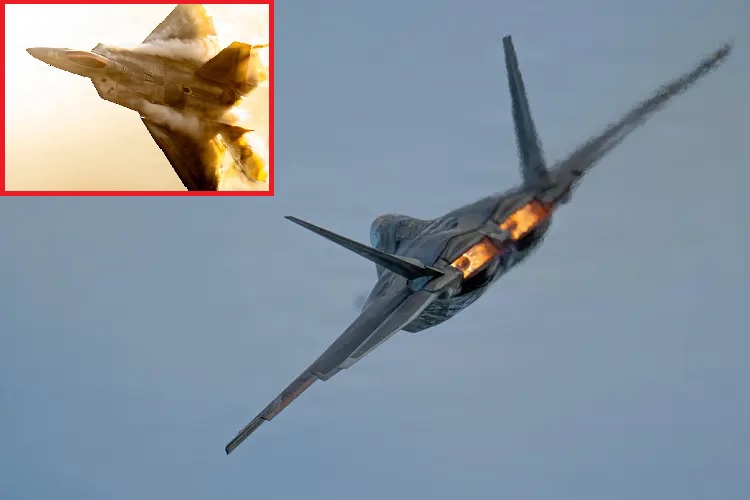 Qarbon Aerospace Returns to F-22 Program with New U.S. Air Force Sustainment Contract
-
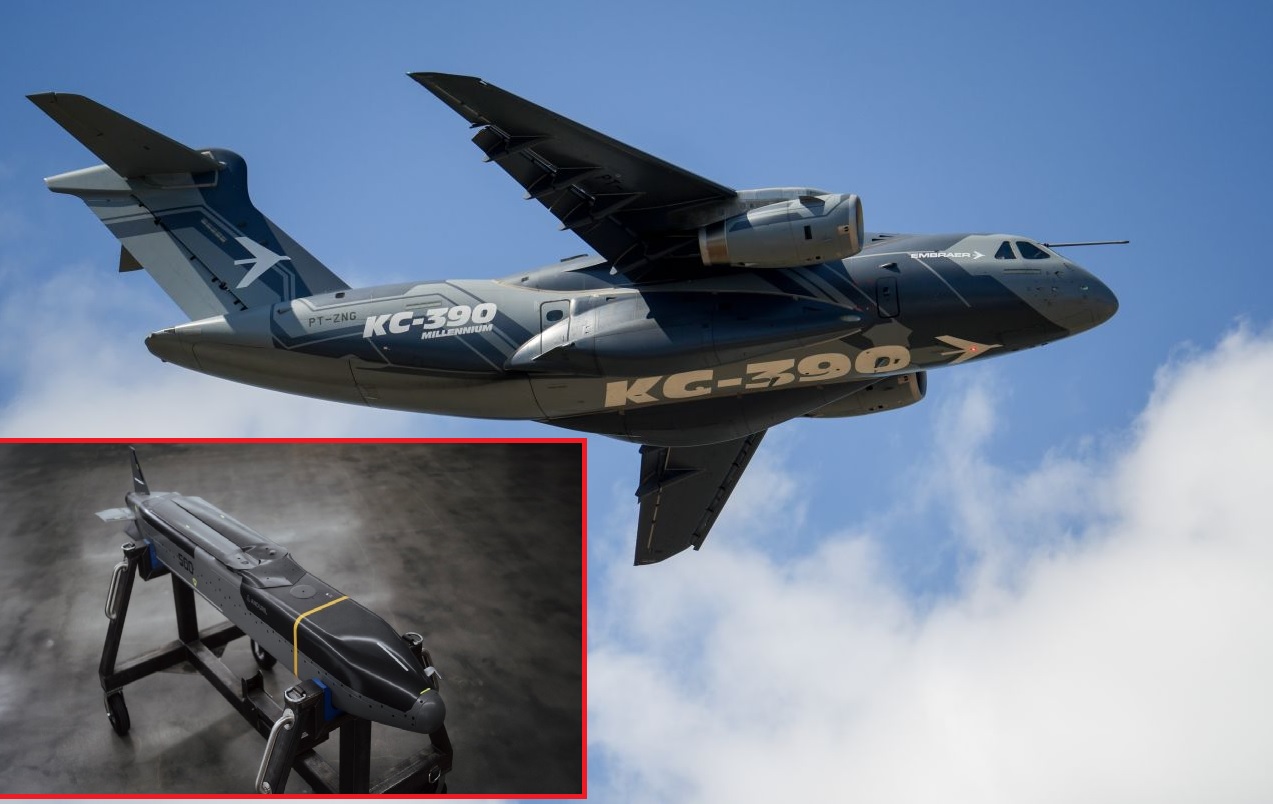 Embraer and Anduril Partner to Integrate Barracuda-500M Cruise Missile with C-390 Millennium
-
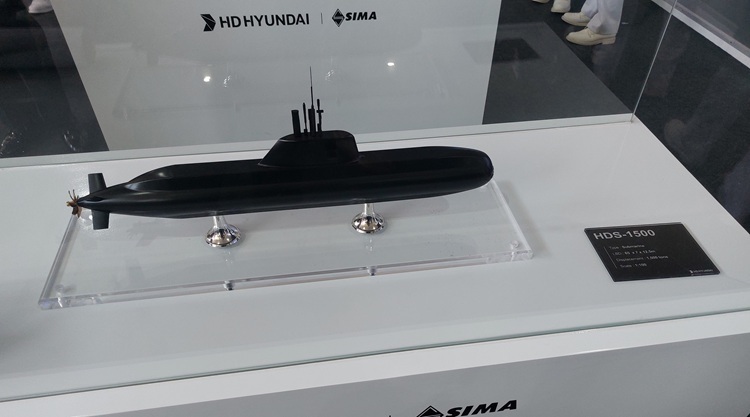 HD Hyundai and Peru's SIMA Complete Basic Design of HDS-MGP Next-Generation Submarine
-
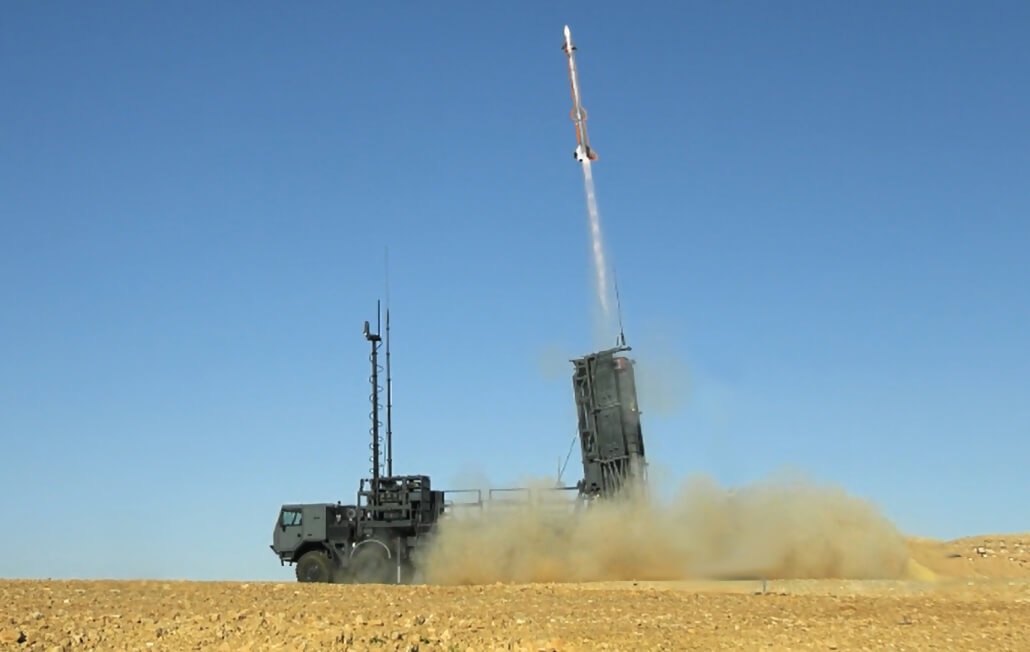 Greece Set to Approve €3 Billion Israeli Air Defense Deal for 'Achilles’ Shield' Network
-
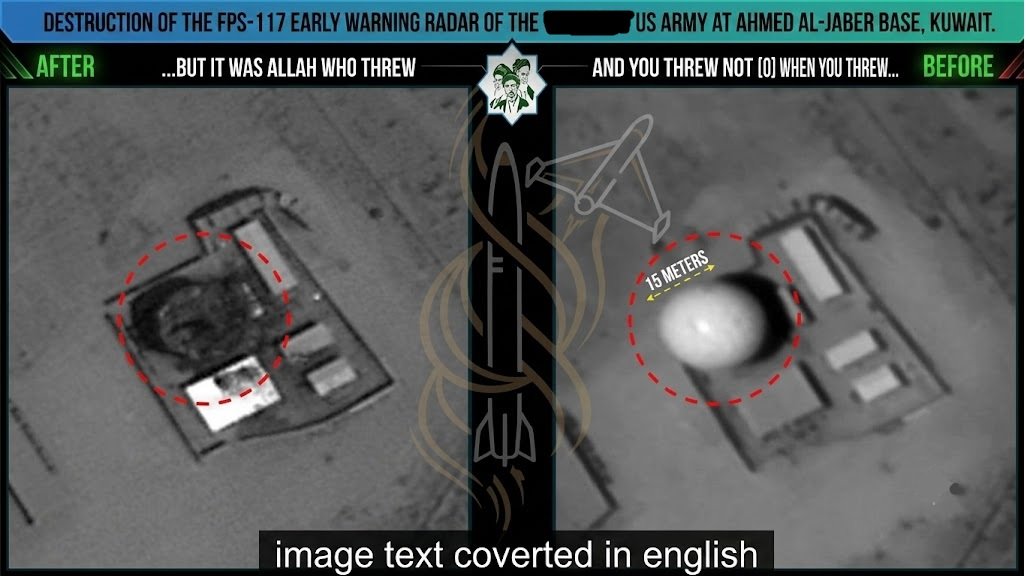 IRGC Claims Destruction of Second AN/FPS-117 Radar in Latest Strike on Kuwait's Ahmed Al-Jaber Air Base
-
 BAE Systems Unveils BlackThorn Modular Warhead Family for Autonomous Weapons and Counter-Drone Systems
Top Trending in 4 Days
-
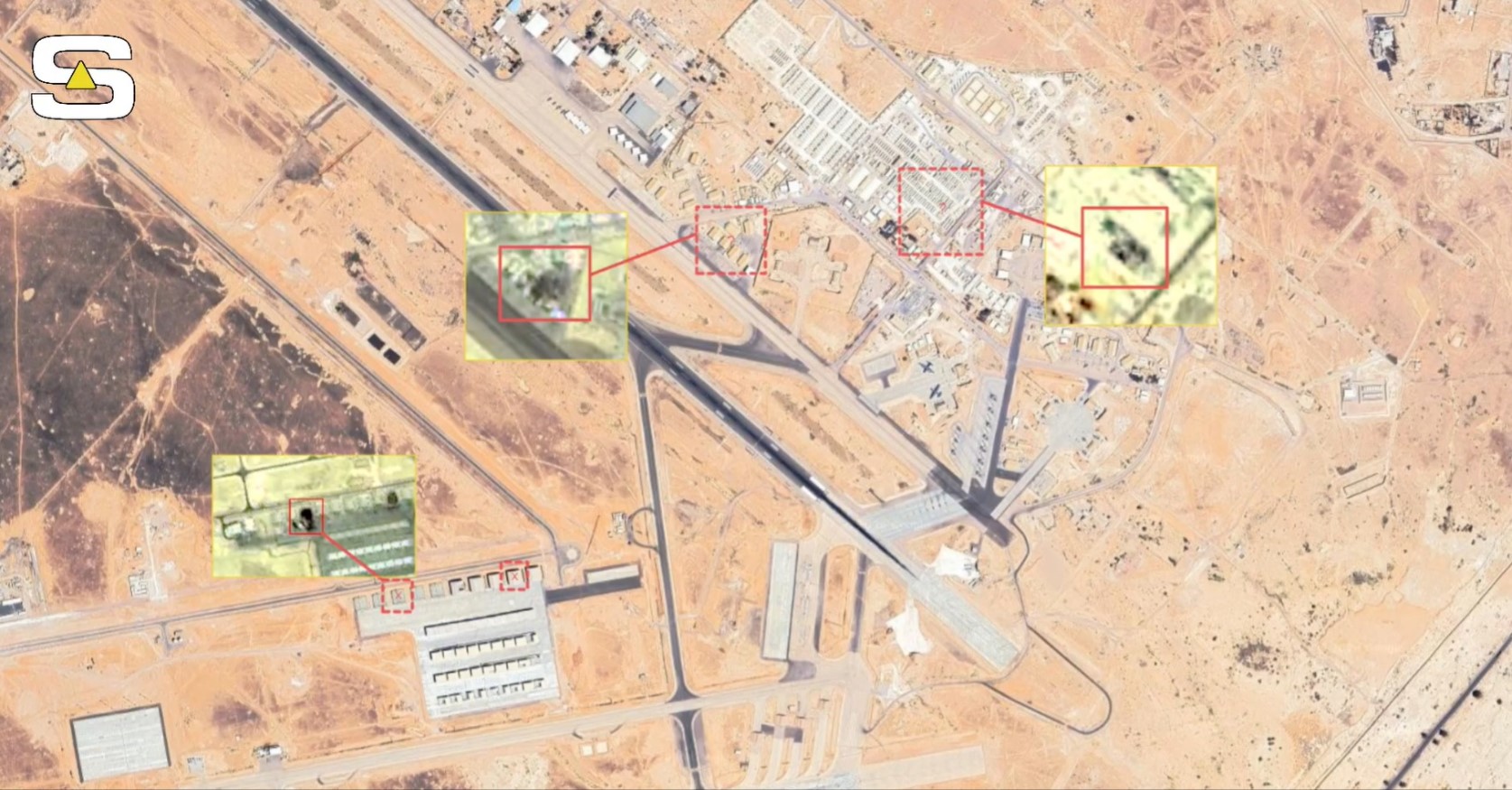 New Satellite Imagery Reveals Extensive Damage at Jordan's Muwaffaq al-Salti Air Base After Iranian Missile Strike
-
 Anduril Unveils Thunder Autonomous Attack Rotorcraft Built with Archer Aviation to Support Apache Helicopters
-
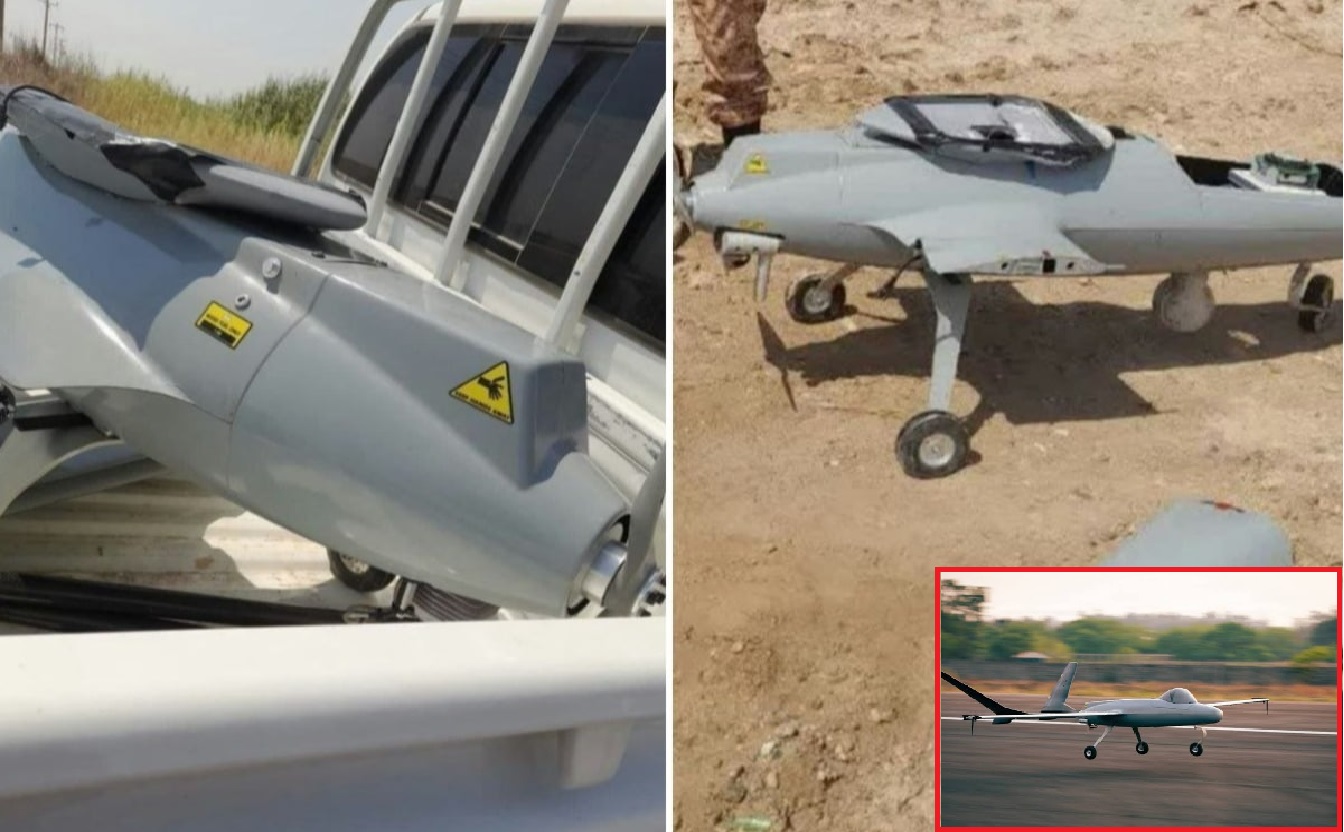 Iran Claims It Shot Down U.S.-Operated Polish-Built Tiguar-M Drone, Releases Images
-
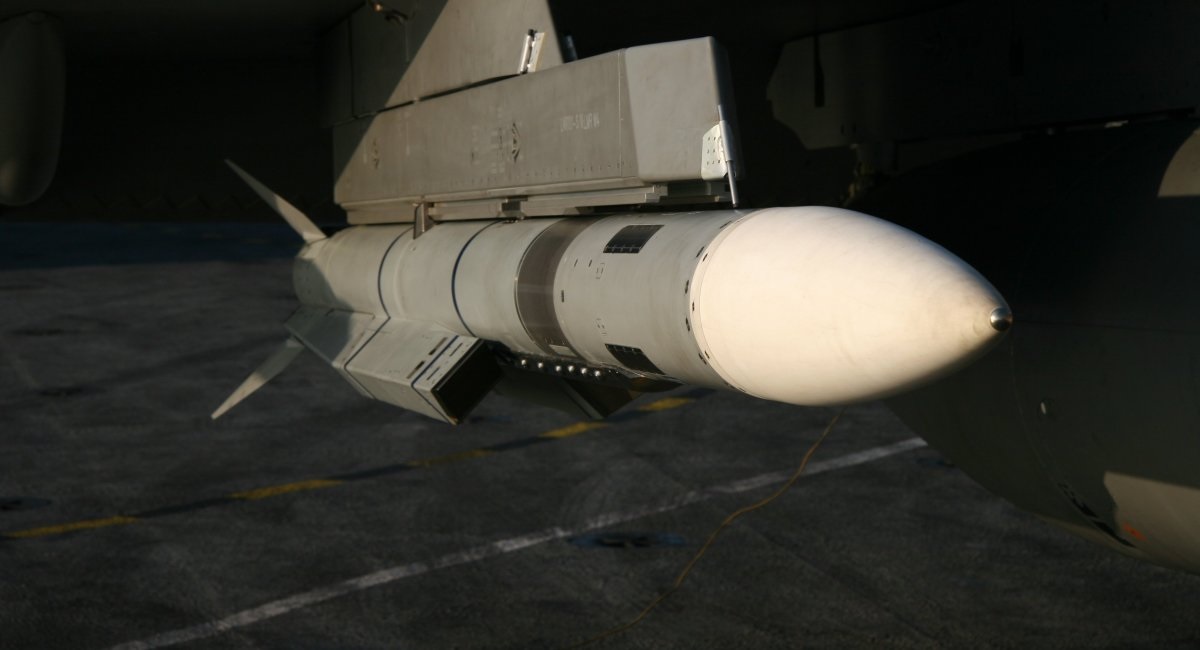 UK Cancels Meteor Missile Mid-Life Upgrade, Prioritizes Next-Generation FASE Air-to-Air Missile Programme
-
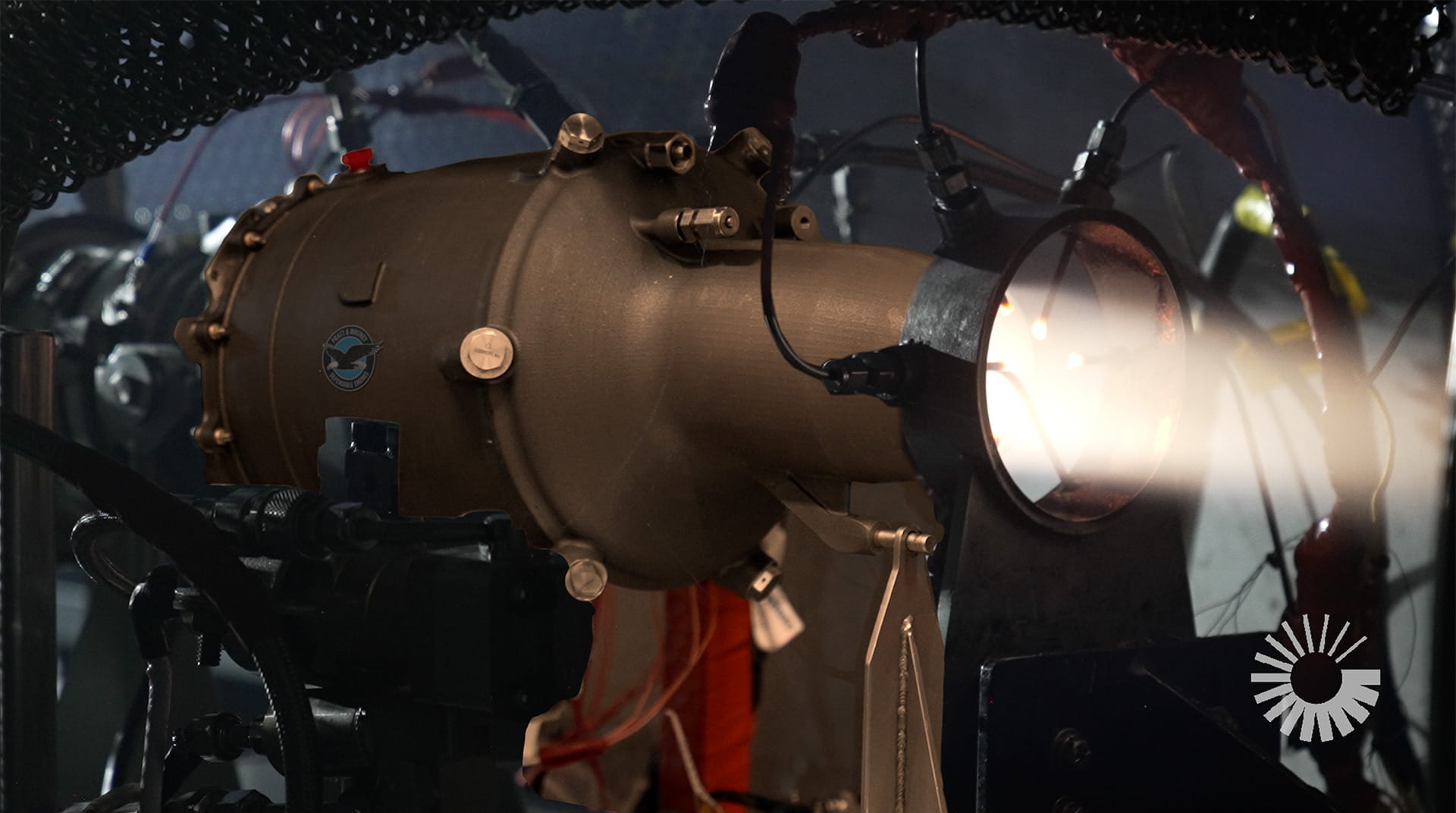 Pratt & Whitney Completes Testing of 3D-Printed TJ150 Engine for Military Applications
-
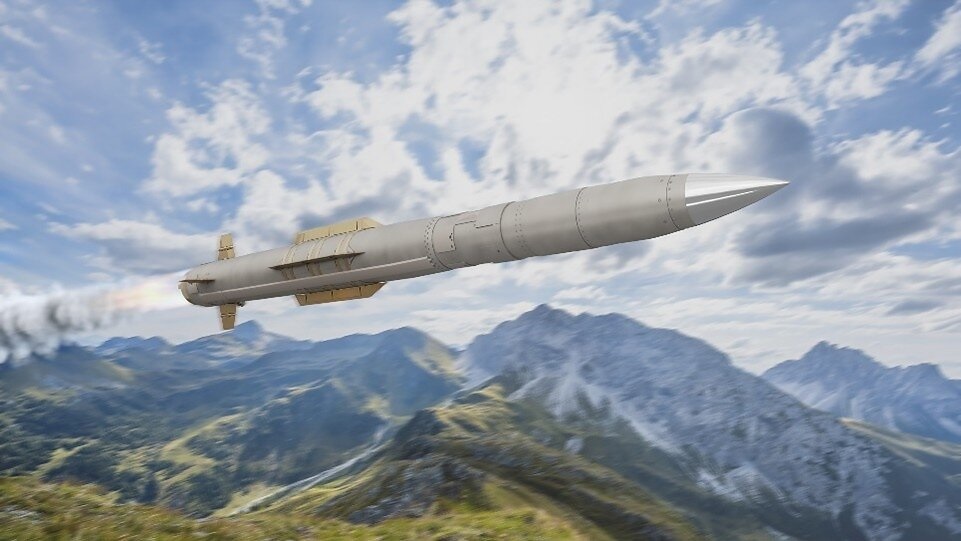 Lockheed Martin Unveils Lower-Cost PAC-3 ACE Interceptor for Patriot Air Defense System
-
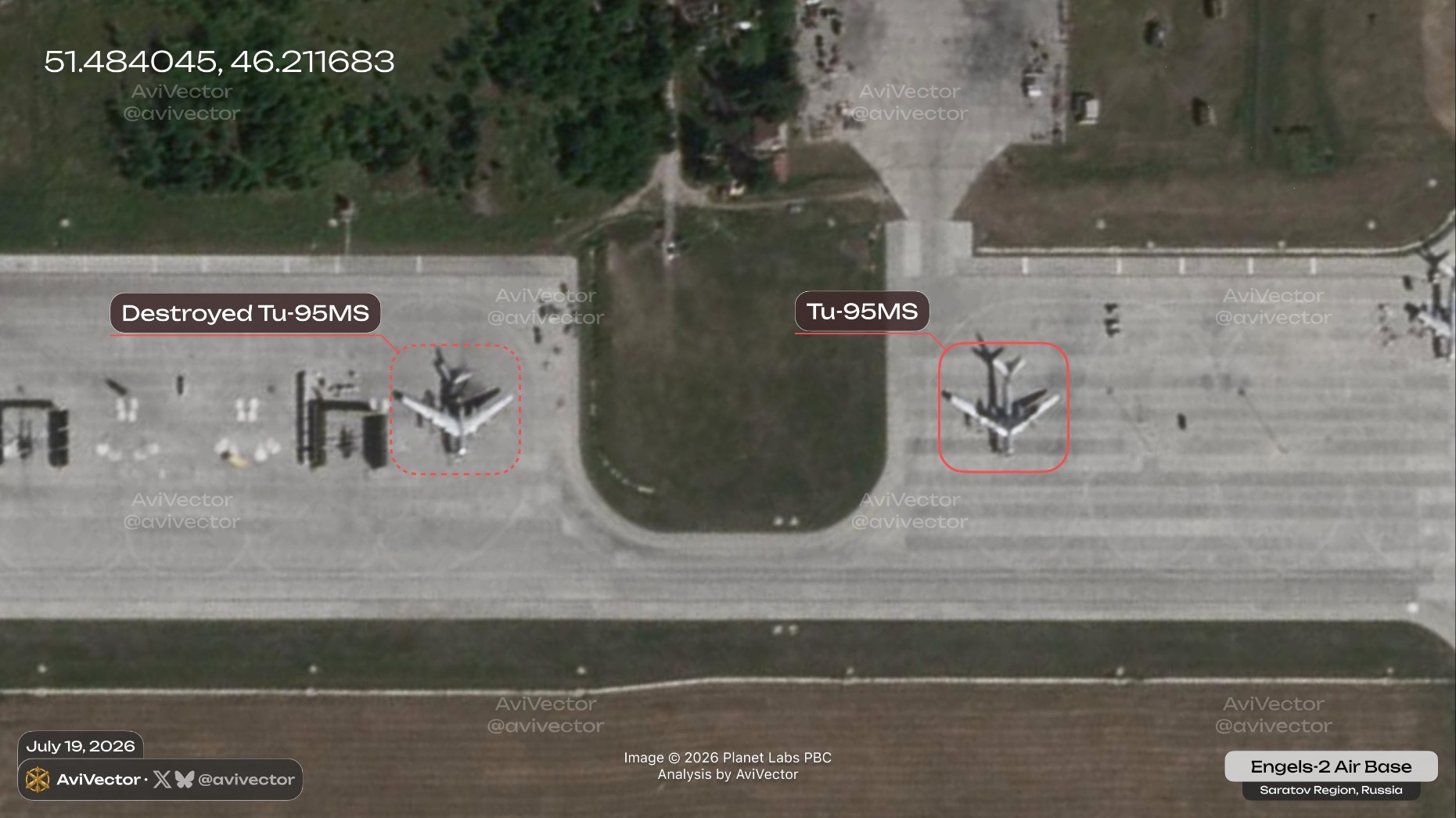 Satellite Images Confirm Russian Tu-95MS Bomber Destroyed After Ukrainian Drone Strike on Engels-2 Air Base
-
 BHEL Successfully Develops India’s First Indigenous 1200 kV, 333 MVA Per-Phase UHVAC Transformer
