
World
TEHRAN — April 23, 2026 : Iran’s Islamic Revolutionary Guard Corps (IRGC) Navy seized two foreign-flagged container ships and fired upon a third vessel during a series of maritime security incidents in the Strait of Hormuz on Wednesday, according to statements from Iranian authorities, maritime security agencies, and shipping industry sources. The incidents occurred amid heightened regional tensions following the earlier interception of an Iranian-flagged vessel by the United States Navy in the Gulf of Oman on April 20, 2026. Shipping companies have since begun diverting traffic away from the strategic waterway, the Wall Street Journal reported, citing shipowners and analysts. Incident Overview According to the United Kingdom Maritime Trade Operations (UKMTO) and maritime security firm Vanguard, three separate commercial vessels were involved in the events during the morning hours of April 22. The first vessel, MSC Francesca, is an 11,312 TEU container ship flying the Panamanian flag and operated by Mediterranean Shipping Company. Iranian authorities stated that the vessel was linked to Israel, though no supporting evidence was provided. Footage released by the IRGC showed armed personnel boarding the ship from fast boats using pilot ladders. The vessel was subsequently redirected toward Iranian territorial waters. The second vessel, Epaminondas, is a Liberian-flagged container ship owned by Greece-based Technomar Shipping and time-chartered to Mediterranean Shipping Company. The ship was traveling from Jebel Ali, Dubai, to Gujarat, India, when it was approached by an IRGC gunboat. The vessel’s master reported that no prior warning was issued before it came under fire from rocket-propelled grenades and small arms, causing significant damage to the navigation bridge. A third vessel, Euphoria, a 2,478 TEU container ship flagged in Panama and operated by Silmar Shipping, was also fired upon approximately eight nautical miles west of Iran while transiting eastbound. The ship halted briefly following the incident but sustained no reported damage and later resumed its voyage toward the Gulf of Oman. Both MSC Francesca and Epaminondas were escorted by IRGC forces to Iran’s southern coast and anchored at the Port of Bandar Abbas. Crew Status and Nationalities Initial reports from maritime authorities indicate that no injuries or environmental damage resulted from the incidents. Across the affected vessels, at least 22 Indian nationals were among the crew members. A relative of one of the seafarers stated that approximately 20 armed Iranian personnel boarded the ship. According to the account, crew members remain under Iranian control with restricted movement, but are being treated appropriately and have not been harmed. IRGC Statement and Justification The IRGC Navy Command stated that the vessels were intercepted for violating maritime regulations. According to the official statement, the ships were operating without necessary permits and had allegedly tampered with navigation systems, actions described as posing risks to maritime security. Iranian state media reported that the vessels had ignored repeated warnings prior to interception. However, the master of the Epaminondas stated that the ship had initially been informed it had authorization to transit the strait and did not receive prior warning before being fired upon. The IRGC further described the operations as enforcement measures targeting vessels attempting to transit the strait in violation of established navigational procedures. International Response and Shipping Impact The incidents prompted responses from multiple countries connected to the vessels. Greece’s Ministry of Shipping stated that the Epaminondas had not been formally seized but confirmed that the vessel sustained extensive damage during the attack and remains stationary near Iranian waters under the command of its captain. Panama condemned the seizure of MSC Francesca, describing the action as unlawful and stating that the vessel had been forcibly redirected into Iranian territorial waters. No official response from Liberia regarding the Epaminondas had been reported at the time of writing. Shipping companies have begun rerouting vessels to avoid the Strait of Hormuz, a key global energy and trade corridor, reflecting increased concern over maritime security risks in the region. Geopolitical Context Maritime analysts assess that the IRGC’s actions are likely linked to developments earlier in the week. On April 20, 2026, the U.S. Navy intercepted and seized the Iranian-flagged container ship Touska in the Gulf of Oman after it allegedly attempted to enter the Strait of Hormuz despite warnings. The incidents also occurred during an extended temporary ceasefire between the United States and Iran. U.S. President Donald Trump recently confirmed the continuation of the ceasefire, stating that the Iranian government is “seriously fractured.” In a subsequent statement, the IRGC emphasized its readiness to respond to any perceived aggression and indicated that it would continue monitoring developments closely during what it described as a “so-called ceasefire.” Current Status As of April 23, 2026, both MSC Francesca and Epaminondas remain under Iranian control at Bandar Abbas. No timeline has been provided regarding the release of the vessels or their crews, and no formal legal proceedings have been publicly disclosed. The Euphoria has continued its transit toward the Gulf of Oman following the incident, with no reported damage or casualties.
Read More → Posted on 2026-04-23 16:03:48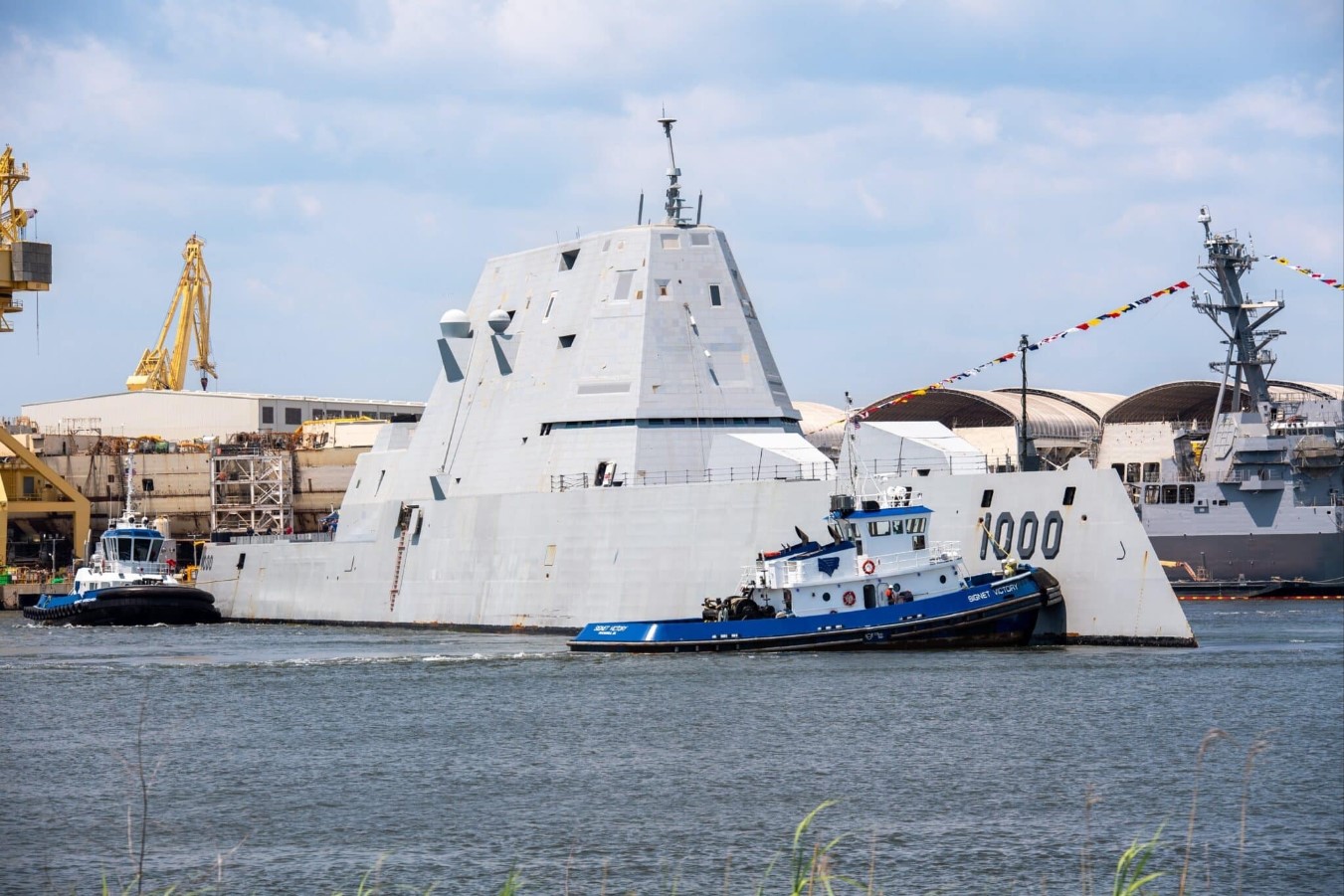
World
PASCAGOULA, Mississippi — April 23, 2026: A fire aboard the USS Zumwalt (DDG-1000) at the HII Ingalls Shipbuilding facility in Pascagoula, Mississippi, injured three U.S. Navy sailors on the night of April 19, 2026, as the vessel continued a major modernization program to integrate hypersonic missile capabilities. Incident Details According to U.S. Navy officials, the fire broke out at approximately 9:45 p.m. local time on Sunday while the ship was pierside undergoing scheduled work at the shipyard. The crew onboard the destroyer responded immediately and extinguished the fire without requiring intervention from external emergency services. The specific location and cause of the fire have not been disclosed. A spokesperson for Naval Surface Forces confirmed the incident in a statement provided on April 22, 2026, noting that an investigation has been initiated to determine the origin of the blaze and evaluate any potential impact on the ship. Casualties and Medical Response Three sailors sustained injuries during the incident. One sailor was transported to a local hospital and is reported to be in stable condition. The other two sailors received first aid treatment at the scene and were not hospitalized. Officials have not released further details regarding the nature of the injuries. The incident marks the second reported fire aboard a U.S. Navy vessel in April 2026, following a separate fire involving the USS Dwight D. Eisenhower (CVN-69) while it was undergoing maintenance in Virginia. That earlier fire was also contained without major escalation. Modernization and Hypersonic Integration The USS Zumwalt has been at the Pascagoula shipyard since August 2023 as part of a comprehensive refit to transform the vessel into a platform capable of deploying hypersonic weapons. The modernization centers on integrating the U.S. Navy’s Conventional Prompt Strike (CPS) system. The upgrade includes the removal of the ship’s original twin 155 mm Advanced Gun Systems, which faced operational limitations due to the high cost and limited availability of specialized ammunition. In their place, the Navy is installing large missile tubes designed to accommodate hypersonic weapons. The configuration involves four Advanced Payload Module canisters, enabling the ship to carry up to 12 hypersonic missiles. These structural and systems modifications required the vessel to be placed on land during earlier phases of the refit. Program Status and Timeline Following the installation of the CPS capability, the USS Zumwalt completed builder’s sea trials in January 2026, marking its first period underway in nearly three years. The ship remains in the shipyard phase of the modernization program. U.S. Navy officials have not indicated whether the April 19 fire will affect the timeline for the ship’s return to operational service. Assessments are ongoing to determine whether any equipment or newly integrated systems, including CPS components, sustained damage. Class-Wide Upgrades The USS Zumwalt is the lead ship of the Zumwalt-class destroyers undergoing this conversion. Its sister ships, USS Michael Monsoor (DDG-1001) and USS Lyndon B. Johnson (DDG-1002), are scheduled to receive similar hypersonic missile upgrades as part of the Navy’s broader effort to field operational hypersonic strike capabilities from surface combatants. Ongoing Investigation The Navy continues to investigate the incident, focusing on identifying the source of the fire and assessing the extent of any structural or system-level impact. As of April 23, 2026, no additional details have been released regarding damage to the vessel or changes to the modernization schedule.
Read More → Posted on 2026-04-23 15:38:43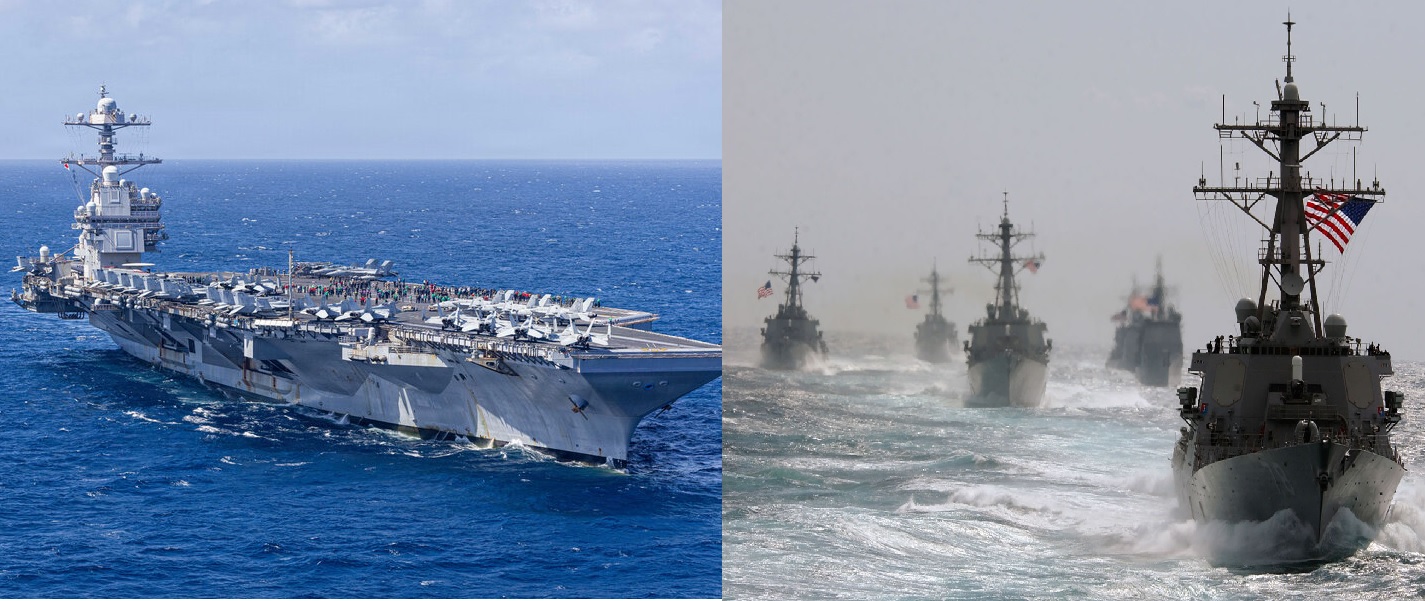
World
WASHINGTON — April 23, 2026 : The United States is intensifying its naval posture in the Middle East as the aircraft carrier USS George H.W. Bush is expected to enter the U.S. Central Command (CENTCOM) area of responsibility within the next 48 hours. The deployment coincides with new directives issued by Donald Trump targeting maritime mine threats in the Strait of Hormuz. The carrier departed Naval Station Norfolk on March 31, 2026, and has been transiting via the Cape of Good Hope, a route assessed by U.S. officials as reducing exposure to potential threats in the Red Sea and the Bab el-Mandeb Strait. Upon arrival, it will reinforce U.S. operations in the Arabian Sea and Persian Gulf. Carrier Strike Group Composition and Regional Posture The George H.W. Bush carrier strike group includes the guided-missile destroyers USS Ross (DDG-71), USS Donald Cook (DDG-75), and USS Mason (DDG-87), along with the fast combat support ship USNS Arctic (T-AOE-8). Once in theater, the carrier will join the USS Abraham Lincoln, which has been operating in the northern Arabian Sea. The addition of the George H.W. Bush will bring the total number of U.S. carrier strike groups in the CENTCOM area to three, significantly expanding airpower, surveillance, and maritime strike capabilities during ongoing regional operations. Presidential Directive on Mine-Laying Activities In a statement posted on April 23, 2026, via Truth Social, President Donald Trump directed the U.S. Navy to employ immediate lethal force against any vessel engaged in laying sea mines in the Strait of Hormuz. The order instructs forces to “shoot and kill any boat” involved in such activities without hesitation. The directive also mandates a substantial increase in mine countermeasure operations. According to the president’s statement, ongoing mine-clearing efforts are to be expanded to three times their current operational level. These operations involve specialized mine countermeasure vessels, divers, and unmanned systems tasked with identifying and neutralizing naval mines. Trump further stated that 159 Iranian naval vessels are currently “at the bottom of the sea.” No independent confirmation or denial of this claim has been issued by CENTCOM or other U.S. defense authorities. Strategic Importance of the Strait and Ongoing Operations The Strait of Hormuz remains a critical global energy transit route, accounting for approximately 20 percent of worldwide oil shipments. Disruptions linked to mine-laying activities have complicated commercial navigation and prompted a sustained U.S. military response. The United States initiated a maritime blockade of Iranian ports and coastal areas earlier in April 2026 following escalations in the broader regional conflict that began in late February 2026. As part of enforcement actions, U.S. forces recently boarded the Guinea-flagged tanker Majestic X in the Indian Ocean over allegations of transporting sanctioned Iranian crude. Pentagon assessments indicate that, under current operational conditions, full clearance of mines in the strait could require up to six months. The expansion of mine-sweeping efforts is intended to accelerate this timeline and mitigate risks to commercial and military vessels. Iranian Naval Capabilities and Regional Context Iran’s naval forces, operated by both its regular navy and the Islamic Revolutionary Guard Corps Navy, include a mix of frigates, corvettes, submarines, patrol boats, fast-attack craft, and smaller support vessels. Pre-conflict estimates placed the combined fleet at over 100 vessels, with broader counts—including auxiliary and small craft—aligning with the 159 figure referenced by the U.S. president. Iranian officials have indicated that maritime transit through the Strait of Hormuz will remain restricted as long as U.S. blockade measures continue. The security environment remains complex, with naval operations ongoing despite a fragile ceasefire that has been in place since early April 2026. Diplomatic Efforts and Outlook Diplomatic negotiations aimed at establishing a durable ceasefire—previously mediated in Islamabad—remain stalled. While military activity continues at sea, U.S. officials maintain that operations are focused on ensuring freedom of navigation and maintaining maritime security. The arrival of the USS George H.W. Bush is expected to further strengthen U.S. operational capacity in the region. However, detailed timelines regarding its exact entry into the CENTCOM area and specific implementation measures for the new mine-related directives have not been publicly released beyond the president’s statements.
Read More → Posted on 2026-04-23 14:45:11
World
LONDON / NEW MEXICO — April 23, 2026 : Tiberius Aerospace has completed a controlled flight test of its Sceptre precision-guided, liquid-fueled ramjet 155mm artillery projectile, marking a first-of-its-kind demonstration involving a NATO-standard howitzer and in-flight ramjet ignition under operational conditions. The test campaign, conducted at a U.S. range in New Mexico, validated the projectile’s ability to endure extreme launch stresses and transition into sustained powered flight. According to the company, the munition was successfully fired from a standard 155mm artillery system, survived setback forces of approximately 18,000 g, and achieved stable ramjet ignition following barrel exit. Flight data confirmed controlled rotation, stable aerodynamic behavior, and effective in-flight stabilization throughout the engagement profile. System Design and Performance Characteristics The Sceptre projectile, also designated TRBM 155HG, has a total launch mass of 47.5 kg and measures approximately 155 centimeters in length with a 155mm diameter. Its structural mass without fuel and payload is 36.8 kg. The munition carries a 5.2 kg warhead within a payload volume of 3,150 cubic centimeters. During testing, the projectile demonstrated a maximum operational range of up to 150 kilometers (approximately 93 miles), with sustained speeds of around Mach 3.5, equivalent to roughly 5,600 km/h. The system operates at altitudes exceeding 65,000 feet, a flight envelope intended to reduce exposure to conventional short-range air defense systems and certain electronic warfare effects. The propulsion system is based on a liquid-fueled ramjet capable of generating peak thrust exceeding 8 kN. Fuel injection and combustion were initiated after launch, with onboard systems regulating thermal and aerodynamic loads to maintain performance across varying conditions. The projectile is compatible with widely available fuels, including diesel, JP-4, JP-8, and Jet-A, and can be fueled by operators using a dedicated ground station. Guidance, Accuracy, and Targeting Sceptre employs a hybrid guidance architecture combining GPS and inertial navigation systems (INS), designed to provide rapid time-to-first-fix (TTFF) after launch. The system demonstrated a circular error probability (CEP) of approximately 3.5 meters, maintaining precision in GPS-contested or degraded environments. The baseline navigation suite is supplemented by optional seeker configurations, including semi-active laser (SAL) and active radar homing (ARH), allowing engagement of both fixed and moving targets. The projectile incorporates forward flight control surfaces for maneuvering and trajectory correction during powered flight. Targeting and coordination functions are integrated with Tiberius Aerospace’s proprietary GRAIL platform, an AI-enabled system that supports real-time position correction, targeting refinement, and multi-asset coordination. Warhead Configurations and Operational Use The munition supports multiple warhead options tailored to mission requirements, including high-explosive fragmentation (HE-Frag), penetrator, and high-explosive anti-tank (HEAT) variants. An optional tungsten alloy ballistic tip is available for enhanced armor penetration. While the Sceptre’s warhead is smaller than those used in larger guided rocket or missile systems, the system is designed for precision engagement of point targets such as radar installations, command nodes, and logistical infrastructure, where high explosive yield is not the primary requirement. Cost Structure and Manufacturing Approach Tiberius Aerospace has set a baseline unit price of approximately $52,000 per projectile, excluding payload, fuel, and fuze components. This pricing represents roughly 10 percent of the cost of an extended-range guided rocket such as ER-GMLRS. The company states that the system is designed to offer a cost-effective alternative for long-range precision strikes while reducing reliance on more expensive missile inventories. The projectile’s architecture consists of 68 unique components and follows a modular, open design intended to enable incremental upgrades and simplified maintenance. The system is compatible with existing NATO-standard 155mm artillery platforms and does not require modifications to current howitzers. It is also designed to integrate with platforms equipped with automatic loading systems, where compatible. Tiberius Aerospace has indicated that the limited parts count and open architecture support licensed domestic production, allowing allied nations to manufacture the system within national industrial bases. The munition is specified to have a shelf life exceeding 20 years. Development Background and Testing Progress Development of the Sceptre system has proceeded through iterative live-fire and synthetic testing cycles since its public unveiling in 2025. In September 2025, the program received a contract from the United Kingdom’s Ministry of Defence to support trials and further maturation. The April 2026 New Mexico test series represents a key milestone, particularly the successful ignition of the liquid-fueled ramjet following artillery launch, which had previously been a critical technical challenge. Chad Steelberg, Founder and CEO of Tiberius Aerospace, stated following the trials that the results validate both the underlying propulsion concept and the broader engineering approach. He added that the company is preparing for extended-range testing and certification activities as part of the next development phase. Operational Positioning and Next Steps Tiberius Aerospace positions the Sceptre as a system designed to bridge the gap between conventional tube artillery and long-range precision-guided missile systems. Traditional artillery provides high rates of fire and lower cost but is limited in range and accuracy, while missile systems offer extended reach and precision at higher cost and lower production scalability. By combining ramjet propulsion, precision guidance, and compatibility with existing artillery infrastructure, the Sceptre is intended to deliver missile-like performance within the logistical framework of conventional artillery forces. The company has stated that further testing will focus on expanding the validated range envelope, refining guidance performance under contested conditions, and completing certification requirements. As of April 23, 2026, no procurement contracts or operational deployment timelines have been formally announced.
Read More → Posted on 2026-04-23 14:34:23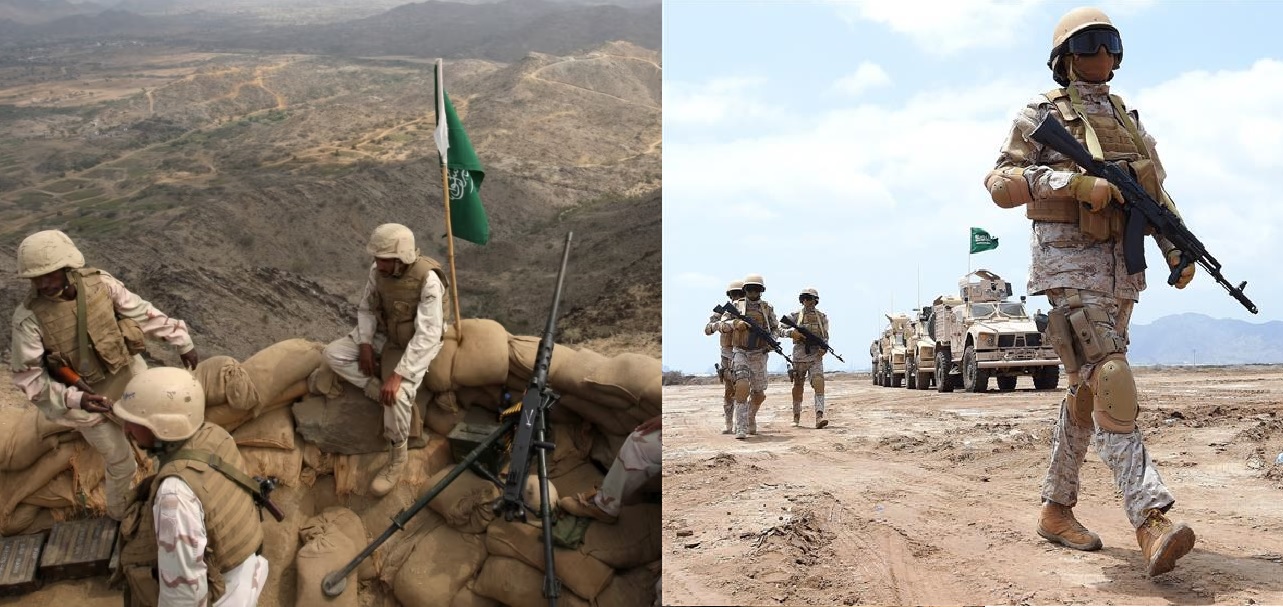
World
ATAQ, Yemen — April 23, 2026 : Saudi Arabia has financed a total of 11 military brigades in Shabwa province, covering salaries, supplies, and operational requirements for the units, according to a statement issued by the province’s deputy governor. The arrangement includes the formation of four additional brigades alongside seven previously active units, expanding the overall force structure in the governorate. The deputy governor confirmed that the funding mechanism supports both personnel payments and logistical needs, enabling the brigades to maintain readiness across multiple operational fronts. Shabwa currently faces Houthi movement forces on six active fronts, primarily concentrated in the western and northern districts of the province. Expanded Force Structure and Operational Coverage The expansion to 11 brigades reflects an effort to sustain defensive operations in one of Yemen’s key energy-producing regions. Shabwa, located in eastern Yemen, contains significant oil and gas infrastructure and serves as a geographic link between northern conflict zones and southern coastal areas. Local forces operating in the province include government-aligned formations and regionally organized units such as the Shabwa Defense Forces. These units have historically conducted anti-Houthi operations in coordination with coalition-backed elements. The addition of new brigades is intended to reinforce positions across six contested fronts, where terrain and proximity to neighboring governorates such as Marib continue to influence operational planning. Financial Commitment and Logistics Saudi Arabia’s support encompasses direct salary payments, military supplies, and broader logistical assistance. The funding ensures consistent payroll distribution and provision of equipment, ammunition, and operational resources necessary to sustain long-term deployments. In 2026, Riyadh has allocated nearly $3 billion to finance salaries for Yemeni military personnel and civil servants. This funding extends beyond Shabwa to include southern governorates that were previously supported by the United Arab Emirates. Saudi Arabia assumed responsibility for these payments following the UAE’s phased withdrawal from Yemen during late 2025 and early 2026. The transition has shifted the financial and administrative burden of supporting local security forces largely to Riyadh. Consolidation of Military Structures The funding initiative is part of a broader Saudi strategy to consolidate influence and standardize military structures in southern Yemen. By directly financing multiple brigades, Riyadh is working to unify previously fragmented forces under centralized command frameworks linked to the Presidential Leadership Council. This process includes integrating units that were earlier aligned with UAE-backed formations into a coordinated system supported by Saudi funding. The approach emphasizes predictable financial flows to reduce fragmentation among local forces and improve command cohesion. Saudi-backed efforts have also included the establishment and support of organized military formations operating under unified leadership, alongside ongoing coordination with Yemeni government authorities. Strategic Context and Security Implications Shabwa’s role in Yemen’s conflict remains tied to its hydrocarbon resources and its position along key supply and transit routes. The province’s oil fields and facilities, including infrastructure linked to export operations, contribute to its importance in maintaining economic stability. Analysts assess that increasing the number of brigades enhances the capacity of government-aligned forces to manage security challenges across multiple fronts without significantly altering the broader balance of power in eastern Yemen. The expanded force presence supports control over energy infrastructure and strengthens defensive depth in contested areas. The six fronts involving Houthi forces continue to require sustained personnel deployment and logistical support, particularly in areas bordering Marib and other northern regions where conflict activity has historically been concentrated. Ongoing Implementation No detailed information has been released regarding the exact troop strength, command hierarchy, or specific equipment allocations for the newly established brigades. However, provincial authorities have indicated that implementation of the funding is ongoing, with a focus on maintaining operational stability and ensuring continuity of defensive operations. The deputy governor emphasized that the Saudi-backed funding arrangement provides practical support for maintaining security conditions in Shabwa amid continued pressure from Houthi forces. The initiative forms part of Saudi Arabia’s wider assistance framework for Yemen’s military and administrative sectors in 2026, reflecting an expanded role following shifts in coalition dynamics.
Read More → Posted on 2026-04-23 14:26:57
World
DAMASCUS — April 23, 2026 : The Islamic State group (ISIS) has shifted its operational approach in Syria, moving away from attempts to seize and hold territory toward a sustained guerrilla-style insurgency aimed at increasing the cost of governance for the Syrian state led by President Ahmed al-Sharaa. The transition follows the withdrawal of United States forces from eastern Syria and the transfer of formerly Kurdish-administered areas to central government control. Post-Withdrawal Security Transition The change in ISIS strategy comes after a significant reconfiguration of control in eastern Syria during early 2026. A 14-point ceasefire agreement in January enabled the integration of the Syrian Democratic Forces (SDF) into Syrian state structures, allowing Damascus to expand its authority over areas east of the Euphrates River, including Deir ez-Zor, Raqqa, and parts of Hasakah province. The United States subsequently completed a phased military withdrawal. Control of the al-Tanf base was handed over in February 2026, followed by the transfer of Qasrak air base in mid-April 2026. Earlier handovers also included al-Shaddadi installations. Syrian government forces, including units such as the 60th Division, assumed responsibility for security across these areas following the departure of U.S. troops. Increase in Low-Level Attacks Following the transition, ISIS has intensified a campaign of small-scale attacks targeting Syrian government forces. The group conducted approximately 22 operations in March 2026, based on compiled reports from its own claims and monitoring sources. These attacks primarily involved improvised explosive devices (IEDs), ambushes, and direct assaults on checkpoints, patrols, and isolated security positions. The operations have been concentrated in rural and desert areas along the Euphrates River valley, where ISIS cells operate with mobility and rely on local terrain. Attackers frequently withdraw into civilian populations after engagements, limiting the ability of security forces to conduct immediate counteractions. No large-scale offensives or territorial seizures have been reported in April 2026, and the group is assessed to lack the capability to reestablish territorial control following its defeat in 2019. Current activity remains limited to low-intensity harassment operations. Propaganda and Political Targeting ISIS has coupled its operational shift with a coordinated propaganda effort aimed at undermining the Syrian leadership. Messaging disseminated through its weekly publication al-Naba and statements by spokesman Abu Hudhayfa al-Ansari has focused on discrediting President Ahmed al-Sharaa. The group characterizes the Syrian government as illegitimate and influenced by foreign actors, including the United States and Turkey. It has labeled the leadership as secular and accused it of deviating from Islamist governance principles. Communications also emphasize calls for defections among government-aligned fighters and attempt to position ISIS as the primary armed opposition. Recruitment and Local Dynamics ISIS recruitment efforts have focused on eastern Syria, particularly Deir ez-Zor province, where tribal dynamics and economic conditions present opportunities for infiltration. Analysts note that the transition of authority from SDF administration to central government control has created localized grievances. Poor living conditions in displacement and detention facilities in northeastern Syria, including camps such as al-Hol, remain a factor in recruitment. Earlier security disruptions in 2026 reportedly enabled some ISIS-linked individuals to leave detention environments and reconnect with active cells. The group has sought to leverage these conditions by portraying the Syrian government as unable to address economic challenges, unemployment, and service delivery gaps in newly integrated areas. Government Response and Coalition Role Syrian government forces have initiated security operations across Deir ez-Zor, Raqqa, and surrounding provinces in response to the increase in ISIS activity. These measures include targeted raids, arrests of suspected operatives, and efforts to secure key infrastructure and transit routes. The Syrian authorities have also formally joined the U.S.-led international coalition against ISIS, despite the withdrawal of American troops, in an effort to maintain coordination on counterterrorism measures. Officials report that the threat remains contained and that ISIS operations have not disrupted overall governance or resulted in territorial losses. However, security forces continue to address gaps created during the transition period. Strategic Assessment Analysts assess that ISIS is now operating within a defined insurgency model focused on attrition rather than expansion. The group’s objective is to increase operational and administrative burdens on the Syrian state by targeting personnel, infrastructure, and local stability. The timing of the increased activity aligns with the handover of U.S. bases and the rapid expansion of Syrian government control into eastern regions, conditions that created temporary vulnerabilities. While the scale of attacks remains limited, the continuation of such operations indicates an effort to sustain long-term pressure. The developments occur as the Syrian government consolidates control approximately one year after the fall of the previous regime in December 2024. As of April 2026, monitoring indicates continued low-level ISIS activity without significant escalation. Further operational details from official sources have not been publicly disclosed.
Read More → Posted on 2026-04-23 14:19:04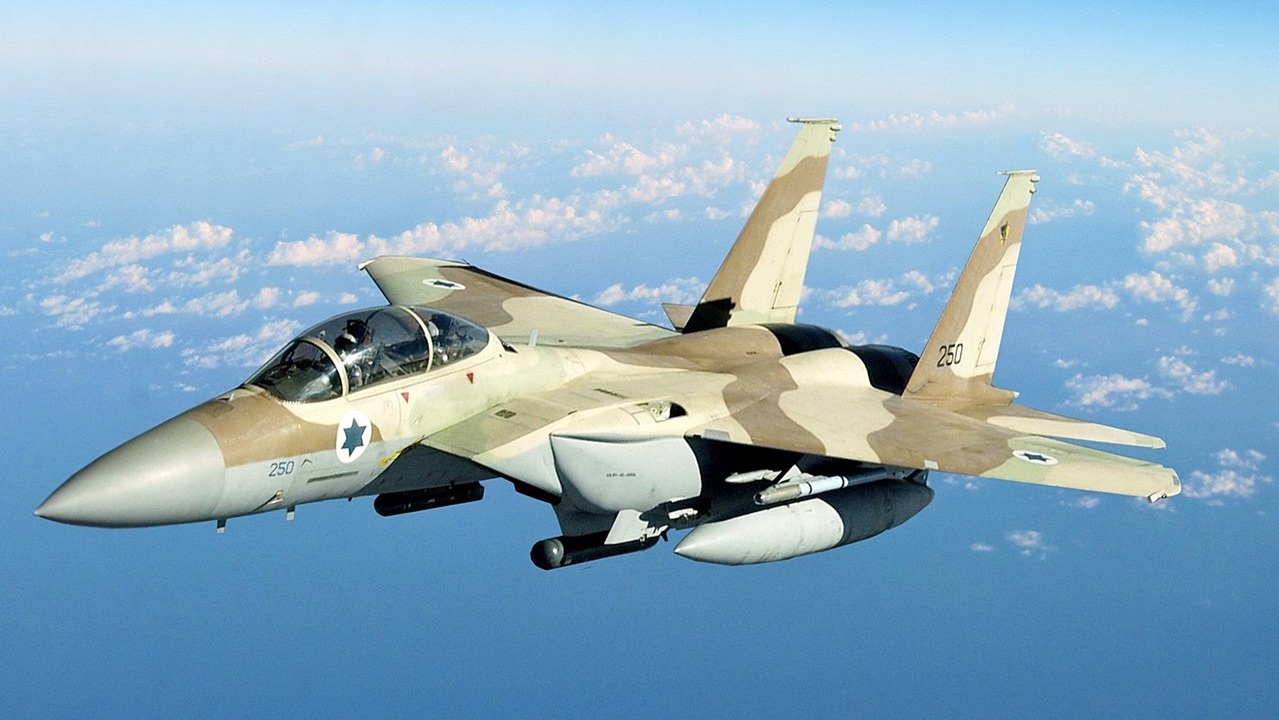
World
JERUSALEM — April 23, 2026 : Two technicians from the Israeli Air Force (IAF) are set to be prosecuted on espionage charges following an investigation into the alleged transfer of classified F-15 fighter jet information to Iranian intelligence, according to Israeli security authorities. The suspects, identified in local reports as Asaf Shitrit and Sagi Haik, served as mechanics and avionics specialists in the 133rd “Knights of the Twin Tail” Squadron at Tel Nof Airbase. Both have been detained for several weeks, with an indictment expected to be filed at the Central District Court in Lod. Charges under preparation include assisting the enemy during wartime, with prosecutors considering elevating one case to treason. Investigation Findings and Allegations The probe, led by the Israel Security Agency (Shin Bet) and military prosecutors, found that the technicians allegedly maintained contact over several months with operatives from the Islamic Revolutionary Guard Corps (IRGC) Intelligence Organization. Authorities state that the suspects transferred classified material during the period of military activity referred to as Operation Roaring Lion in early 2026. According to investigators, the compromised information includes technical data on the F-15 “Baaz” (A/C/D variants), specifically covering avionics and self-protection systems, as well as internal documentation such as engine schematics. The suspects are also accused of providing photographs revealing the identity of an IAF flight instructor, in violation of military censorship rules. In addition to technical data, Iranian handlers reportedly tasked the suspects with gathering intelligence on senior Israeli figures, including former IDF Chief of Staff Herzi Halevi and National Security Minister Itamar Ben-Gvir. Wider Security Probe at Tel Nof The investigation has expanded beyond the two primary suspects. Israeli authorities confirmed that eight additional soldiers stationed at Tel Nof Airbase are under investigation for allegedly being aware of the activity and failing to report it. Officials also stated that Haik, a 19-year-old from Ness Ziona, had agreed to travel to an unspecified Arab country for intelligence training and was instructed to recruit additional personnel into the network. Following the arrests, Shin Bet summoned the base commander for clarification regarding procedural lapses. A comprehensive information security briefing has since been mandated for all personnel at the base. Operational Context and Military Response The 133rd Squadron operates the F-15 Baaz fleet, which forms part of Israel’s air defense and strike capabilities and has participated in joint exercises such as “Desert Eagle” with the United States Air Force. The aircraft are equipped with electronic countermeasures, radar warning receivers, and other survivability systems. Israeli military officials described the case as a serious security breach. While no official assessment has been released on the operational impact, authorities indicated that stricter monitoring, counter-intelligence vetting, and digital security measures are being implemented for technical personnel handling sensitive systems. Broader Intelligence Concerns The case aligns with reported efforts by Iranian intelligence services to recruit Israeli citizens and military personnel through digital platforms, targeting individuals with access to restricted environments and technical systems. Israeli authorities have stated that the investigation remains ongoing, with the possibility of additional charges or suspects. No official details have been released regarding the full scope or format of the transferred material.
Read More → Posted on 2026-04-23 14:09:22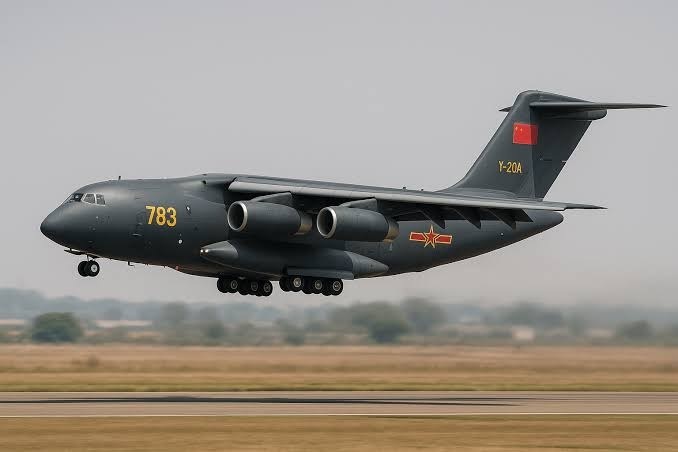
World
TEHRAN — April 23, 2026 : Iranian sources have reported that six Chinese Air Force cargo aircraft arrived in Iran over a four-day period in mid-April, with aviation monitoring data indicating that the planes switched off their transponders before entering Iranian airspace. The reported flights occurred during a two-week ceasefire between the United States, Israel, and Iran that began around April 8–9, 2026. According to the claims circulating in Iranian media and opposition-linked channels, the aircraft were carrying air defense equipment and anti-ship missiles. No official confirmation has been issued by Iranian or Chinese authorities regarding the number of aircraft, their routes, or the specific cargo. Similar unverified reports earlier in April 2026 had indicated that four Chinese cargo aircraft conducted comparable operations within a 48-hour period under similar conditions. U.S. intelligence assessments and defense-sector reporting in early April 2026 had suggested that China was preparing to deliver military systems to Iran. The reported cargo is believed to include man-portable air-defense systems (MANPADS), specifically FN-6 shoulder-launched missiles, along with radar components designed to improve detection and tracking of low-flying aircraft. Such systems are typically used to counter helicopters and aircraft operating at low altitude. Additional reported equipment includes export variants of Chinese supersonic anti-ship missiles, assessed to be related to the YJ-12 system. Separately, Iran has been engaged in negotiations with China for the acquisition of CM-302 anti-ship cruise missiles, which have an estimated range of about 290 kilometers and are designed for low-altitude maritime strike roles. Iranian sources also indicated the possible transfer of HJ-12E anti-tank guided missiles intended for ground combat and defensive deployments. The timing of the reported deliveries aligns with the ongoing ceasefire period, during which diplomatic efforts are underway to reach a longer-term agreement. Iranian sources state that Tehran is using the pause in hostilities to replenish military inventories and strengthen defensive capabilities. The focus includes improving resilience against suppression of enemy air defense operations (SEAD) and enhancing coastal defense in strategic waterways such as the Strait of Hormuz, where partial commercial transit has resumed while U.S. restrictions on Iranian state-linked maritime activity remain in place. Defense analysts assess that the introduction of additional MANPADS and radar systems could increase the survivability of Iranian ground forces against aerial operations, while anti-ship missile deployments would expand Iran’s ability to contest naval movements in the Persian Gulf. Some analysts have also suggested that Chinese support, if confirmed, could contribute to a broader strategy aimed at increasing the operational costs for U.S. forces by encouraging higher expenditure of precision-guided munitions and missile defense interceptors. Chinese officials have denied allegations of providing military assistance to Iran during the ceasefire. Statements from Beijing have described such reports as unfounded and emphasized China’s role in facilitating de-escalation. U.S. President Donald Trump has previously stated that he received assurances from Chinese President Xi Jinping that no weapons transfers would occur during the current period, and U.S. officials have indicated that any confirmed deliveries could affect ongoing diplomatic and economic discussions. No independent verification of the aircraft movements or cargo has been provided by commercial flight-tracking services or third-party observers. Aviation analysts note that transponder deactivation can be associated with sensitive military logistics, although it may also occur due to operational or technical factors. Diplomatic contacts between Washington and Tehran remain ongoing, with a second round of talks expected in the coming weeks. Officials on both sides have indicated that developments during the ceasefire, including any reported military transfers, will influence the prospects for extending or formalizing the agreement.
Read More → Posted on 2026-04-23 13:59:42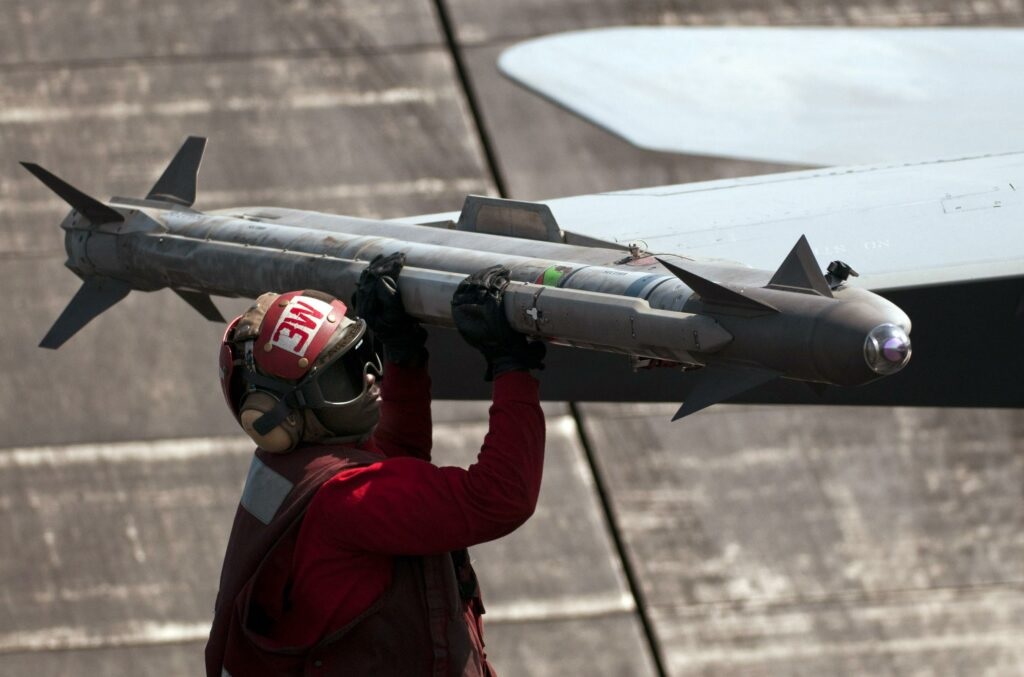
World
WASHINGTON, — April 23, 2026 : The U.S. Department of State has approved a possible Foreign Military Sale (FMS) to the Government of Lithuania for AIM-9X Sidewinder Block II missiles and associated equipment, with an estimated total value of $214 million. The proposed transaction was formally notified to the U.S. Congress on April 22, 2026, and will proceed under standard FMS procedures. The package represents a substantial expansion of an earlier FMS case valued at $19.5 million, which had remained below the congressional notification threshold. That initial case included 16 AIM-9X Block II tactical missiles, two tactical guidance units, and a range of support elements such as training, spare parts, and logistics assistance. Procurement Expansion and Combined Inventory The newly approved request significantly increases Lithuania’s planned inventory. It includes 152 additional AIM-9X Block II tactical missiles, eight tactical guidance units, and six captive air training missiles. The package also incorporates U.S. government and contractor-provided engineering, technical, and logistics support services, along with training equipment, spare parts, and broader program support. Following the addition of the new procurement, Lithuania’s combined acquisition will total 168 AIM-9X Block II tactical missiles, 10 tactical guidance units, and six captive air training missiles. The inclusion of training variants is intended to support operational readiness without requiring the use of live munitions during exercises. The principal contractor for the deal will be RTX Corporation, headquartered in Arlington, Virginia. U.S. officials stated that the proposed sale will not adversely affect American defense readiness. System Capabilities and Technical Characteristics The AIM-9X Block II is a short-range air-to-air missile equipped with an imaging infrared seeker and thrust-vectoring control, enabling high maneuverability. It incorporates a two-way datalink that allows for lock-on-after-launch capability and in-flight target updates. The missile measures approximately 3.02 meters in length and has a launch weight of about 84 kilograms, powered by a solid-propellant rocket motor. Designed to engage a range of aerial threats, the missile is capable of targeting fixed-wing aircraft, helicopters, cruise missiles, and unmanned aerial vehicles. In addition to air-to-air applications, the AIM-9X Block II is also employed in ground-based configurations as a short-range interceptor. Integration with NASAMS and Air Defense Architecture Lithuania integrates the AIM-9X Block II into its NASAMS (National Advanced Surface-to-Air Missile System), where it functions as a short-range interceptor within a layered air defense network. The country has received multiple NASAMS deliveries, including additional systems reported in April 2026, as part of an ongoing effort to expand its ground-based air defense capability. Within this framework, AIM-9X missiles complement other systems such as IRIS-T, contributing to a multi-layered defensive structure. Lithuania does not operate fixed-wing combat aircraft, making ground-based air defense systems the central component of its national airspace protection strategy. The addition of missiles under this FMS is expected to increase the operational inventory available to NASAMS batteries, supporting both training requirements and potential operational deployment. The inclusion of captive air training missiles enables routine drills that replicate real engagement conditions without expending live ordnance. Strategic Context and NATO Interoperability According to the U.S. State Department, the proposed sale supports U.S. foreign policy and national security objectives by strengthening the defense capabilities of a NATO ally. Lithuania occupies a strategic position on NATO’s eastern flank, bordering Belarus and the Russian exclave of Kaliningrad, and has prioritized the development of integrated air defense systems. The transaction is also aligned with NATO interoperability standards. NASAMS is operated by multiple alliance members, and the use of AIM-9X missiles enhances compatibility in joint operations and training environments. U.S. officials indicated that Lithuania is expected to integrate the systems without difficulty. The State Department further noted that the sale will not alter the basic military balance in the region. Program Implementation and Support Structure In addition to hardware, the package includes a comprehensive support structure covering engineering assistance, technical services, logistics, and training. These elements are intended to ensure sustainment, maintenance capability, and operational proficiency over the lifecycle of the system. No offset agreements have been identified in connection with the proposed sale at this stage. The Defense Security Cooperation Agency has completed the required certification process, enabling the program to move forward into the contracting and implementation phase. The transaction forms part of Lithuania’s broader effort to expand its air defense capacity, improve readiness levels, and maintain a sufficient запас of interceptors for both operational use and training within its NASAMS-based architecture.
Read More → Posted on 2026-04-23 13:44:44
World
KOBLENZ / DÜSSELDORF — April 23, 2026 : Rheinmetall has signed a framework agreement with the Bundeswehr to supply FV-014 loitering munition systems, also referred to as kamikaze or autonomous reconnaissance and strike drones. The contract was signed on April 22, 2026, in Koblenz by the Federal Office of Bundeswehr Equipment, Information Technology and In-Service Support (BAAINBw). The framework agreement has a value in the billions of euros, with a reported ceiling of approximately €2.4 billion. It includes an initial call-off order worth approximately €300 million gross, which will be booked in April 2026. This first tranche covers around 2,500 units. The agreement provides options for a five-figure number of additional systems, potentially exceeding 10,000 drones in total. Deliveries under the initial order are scheduled to begin in the first half of 2027, following qualification activities that are set to start in the second quarter of 2026. The systems will be developed and manufactured entirely within the European Union, with production taking place in Neuss, Germany. The design supports rapid industrial-scale production. The FV-014 is a portable, fixed-wing loitering munition system developed by Rheinmetall. It features a launch weight of approximately 20 kg, including a 6 kg payload. The system has an operational range of up to 100 km, with a data link range of 60 km, and a flight endurance of 70 minutes. It is equipped with a High-Explosive Dual Purpose (HEDP) warhead that provides penetration of more than 600 mm of rolled homogeneous armor (RHA) while remaining effective against unarmored targets and infrastructure. The drone supports target reconnaissance, tracking, and precise engagement, including single-unit or swarm attacks. It operates under human-in-the-loop control via a ground station, allowing real-time target identification, mission abort capability, and coordinated swarm operations managed by a single operator. The system is designed for use in GNSS-denied environments and incorporates low acoustic and thermal signatures. Launch occurs from a container using a booster, after which the wings unfold for aerodynamic flight. It is intended for tactical deployment at brigade and battalion levels. Rheinmetall CEO Armin Papperger stated: “Within a very short time, Rheinmetall has developed an autonomous drone that combines reconnaissance and strike capabilities. The FV-014 will enable the Bundeswehr to protect its own forces and engage critical targets in a fast, controlled and effective manner. We are grateful for the trust placed in us and will begin producing the system in large quantities on an industrial scale very soon.” This agreement forms part of the Bundeswehr’s loitering munition procurement program. It represents the third framework contract of this type signed in 2026, following similar deals with Helsing for the HX-2 and STARK for the Virtus systems. The German Budget Committee approved the Rheinmetall framework on April 15, 2026. The systems are expected to support tactical units, including potentially the Panzerbrigade 45 stationed in Lithuania. The FV-014 was previously demonstrated by Rheinmetall in February 2026 at a NATO customer event. The company has also offered the system to Ukraine, with discussions for an initial batch of 200 units reported earlier in 2026, though those talks faced funding delays. The contract contributes to the expansion of Germany’s uncrewed aerial capabilities within its broader defense procurement efforts. It adds to Rheinmetall’s portfolio of uncrewed systems and supports the scaling of domestic and EU-based production for precision munitions. Qualification and delivery timelines align with the program’s requirements for proven maturity through testing. No further financial or operational details beyond those outlined in the announcement have been disclosed.
Read More → Posted on 2026-04-23 13:32:54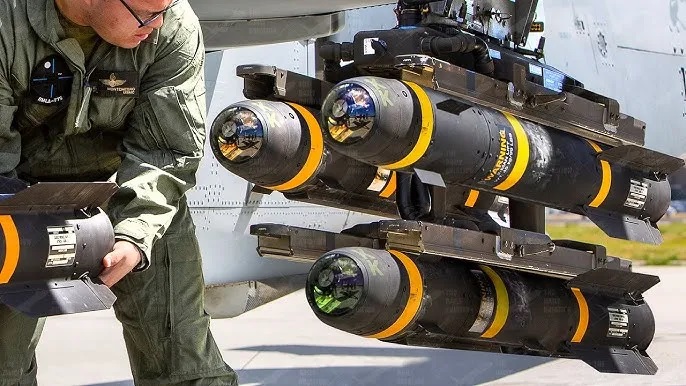
World
WASHINGTON — April 23, 2026 : The U.S. Department of State has approved a potential Foreign Military Sale (FMS) to the Government of the Netherlands for AGM-114R2 Hellfire missiles and associated support systems, with an estimated total value of $200 million. The Defense Security Cooperation Agency (DSCA) formally notified the U.S. Congress of the proposed transaction on April 22, 2026, initiating the statutory review process required before finalization. Procurement Details and Cost Structure According to the DSCA certification, the Netherlands has requested a total of 530 AGM-114R2 Hellfire missiles. Based on an approximate unit cost of $160,000 per missile, the munitions account for the majority of the overall package value, with remaining funds allocated to support services, integration, and logistics. The proposed package includes a comprehensive set of non-major defense equipment and technical services intended to ensure operational readiness and sustainment. These provisions cover technical assistance from the U.S. Army Aviation and Missile Command Security Assistance Management Directorate, as well as support from the Tactical Aviation and Ground Munitions Project Office. Additional elements include integration support, non-standard technical publications and documentation related to the Hellfire system, and broader logistics and program support services. The primary contractor for the procurement will be Lockheed Martin, with work to be carried out at its facility in Orlando, Florida. Strategic Rationale and NATO Context U.S. officials stated that the proposed sale is consistent with Washington’s foreign policy and national security objectives, particularly in strengthening the capabilities of allied nations within the NATO framework. The Netherlands is regarded as a key European ally contributing to regional stability and collective defense. The acquisition is expected to support several operational priorities for the Dutch armed forces. These include modernization of existing munition inventories through the adoption of the AGM-114R2 variant, enhancement of national defense and deterrence capabilities, and improved interoperability with U.S. and NATO forces through the use of standardized weapon systems. The State Department’s assessment indicates that the proposed transaction will not alter the overall military balance in Europe. It also confirms that fulfilling the order will not negatively affect U.S. defense readiness. Operational Background and Platform Integration The Netherlands has operated Hellfire missile systems for more than two decades. The initial acquisition dates back to 1995, when approximately 600 missiles were procured to equip AH-64D Apache helicopters. The current request focuses on the AGM-114R2 variant, which will be deployed across two primary platforms in Dutch service. These include the Boeing AH-64E Apache and the General Atomics MQ-9A Reaper. Both platforms are configured to employ precision-guided munitions for a range of mission profiles, including close air support and target engagement. This procurement follows an earlier U.S. approval in early 2024 for a separate $150 million sale of 386 AGM-114R2 missiles to the Netherlands. Officials noted that the country’s long-standing operational experience with the system is expected to facilitate seamless integration of the additional missiles and associated support infrastructure. Congressional Review Process The proposed sale remains subject to review by the U.S. Congress, as required under the Foreign Military Sales framework. If no objections are raised during the review period, the transaction will proceed to contract negotiation and implementation, including scheduling of deliveries and associated support services.
Read More → Posted on 2026-04-23 13:15:58
World
RIYADH / MOSCOW — April 22, 2026 : Saudi Arabia is expanding its search for alternative security partnerships with China, Pakistan, and Turkiye as confidence in the United States continues to decline, according to an assessment by Prof. Mohsin Raza Khan of O.P. Jindal Global University. Speaking to Sputnik on April 22, 2026, Khan said Saudi strategic thinking is increasingly shaped by what regional policymakers view as inconsistent US policies, particularly those perceived to prioritize Israel over Gulf security concerns. He noted that decision-making in Saudi Arabia now reflects a broader effort to diversify security arrangements rather than rely on a single external guarantor. Emerging security framework Recent developments indicate that Riyadh is formalizing new defense relationships alongside its longstanding US ties. In September 2025, Saudi Arabia and Pakistan signed a Strategic Mutual Defense Agreement, committing both sides to mutual defense cooperation. Analysts have interpreted the agreement as a step toward reducing reliance on Western security frameworks. By January 2026, discussions had advanced on the possible inclusion of Turkiye in the Saudi-Pakistani framework. Officials in Ankara confirmed ongoing talks, while Pakistani defense production authorities indicated that a draft trilateral arrangement already exists. Diplomatic sources describe these discussions as progressing steadily, although specific provisions—such as joint exercises, technology transfer, or command structures—have not been publicly disclosed. Foreign ministers from Pakistan, Turkiye, Egypt, and Saudi Arabia also met in Islamabad in recent weeks to address regional stability, Middle East tensions, and pathways for advancing US-Iran dialogue, reflecting a broader pattern of coordination among these states. Complementary defense capabilities According to Khan’s analysis, a potential trilateral arrangement would combine complementary strengths. Pakistan’s air force, supported by Chinese-origin platforms and systems, provides capabilities in air defense, electronic warfare, and fighter operations. Turkiye contributes in areas such as unmanned aerial systems, naval platforms, and defense manufacturing. Saudi Arabia, for its part, offers financial capacity, geographic depth, and growing domestic defense-industrial ambitions. China’s role in this framework remains indirect but significant. Beijing’s defense relationship with Pakistan—particularly in aviation, missile systems, and electronics—positions Islamabad as a channel through which Chinese-origin capabilities could support a broader regional security structure. China’s expanding role Saudi Arabia has simultaneously deepened defense and strategic ties with China. Historically centered on energy and trade, the relationship has expanded to include military and industrial cooperation. China previously supplied DF-3 intermediate-range ballistic missiles to Saudi Arabia and is reported to be assisting with infrastructure linked to missile production and drone manufacturing. Riyadh joined the Shanghai Cooperation Organization as a dialogue partner in 2023, further integrating into China-led multilateral frameworks. Beijing’s approach—characterized by non-interference and the absence of political conditionality—has been cited by analysts as a factor in its growing appeal to Gulf states. Drivers of policy recalibration Saudi Arabia’s shift toward diversified partnerships is linked to a series of geopolitical developments over the past decade. Analysts point to perceived inconsistencies in US security commitments, including responses to regional crises and a strategic pivot toward East Asia, which has raised questions about long-term Gulf security. Events such as the 2019 Abqaiq attacks and subsequent escalation in the Israel-Iran confrontation have reinforced Saudi assessments that external security guarantees are conditional and influenced by US domestic and foreign policy priorities. Maritime tensions and disruptions affecting key energy routes in early 2026 have further underscored these concerns. Saudi officials have also maintained that normalization with Israel remains contingent on the establishment of a credible pathway toward a Palestinian state and an end to military operations in Gaza. This position has been linked to broader concerns about regional stability and has contributed to friction with US policy approaches. Strategic autonomy and Vision 2030 The evolving defense posture aligns with Saudi Arabia’s long-term objective of strategic autonomy under its Vision 2030 program. A central component of this strategy is the localization of 50 percent of military expenditure by 2030, alongside expanded domestic production and technology transfer agreements. Cooperation with Turkiye has already advanced in areas such as defense manufacturing and joint production discussions. Engagement with Pakistan provides operational depth, while links with China support industrial and technological development. Despite this diversification, the United States remains Saudi Arabia’s primary defense partner in terms of advanced weapons systems, training, and intelligence sharing. Ongoing arms sales and joint exercises continue to underpin the bilateral relationship. Regional implications Observers note that Saudi Arabia’s approach reflects a broader regional trend. Other Gulf states have also accelerated efforts to diversify security partnerships following recent conflicts involving Iran and Israel. The emerging Saudi-Pakistan-Turkiye alignment, with indirect Chinese support, is viewed as one component of a wider shift toward multi-aligned security structures. Analysts describe the strategy as “strategic hedging,” aimed at building redundancy in defense arrangements rather than replacing existing alliances. By expanding its network of partners, Saudi Arabia seeks greater flexibility in responding to evolving threats while strengthening its negotiating position in dealings with major powers. Further details on the scope and timeline of any formal trilateral pact have not been released. However, current diplomatic and defense engagements indicate that Saudi Arabia is steadily advancing a multi-layered security framework designed to operate alongside, rather than in place of, its traditional partnerships.
Read More → Posted on 2026-04-22 18:08:57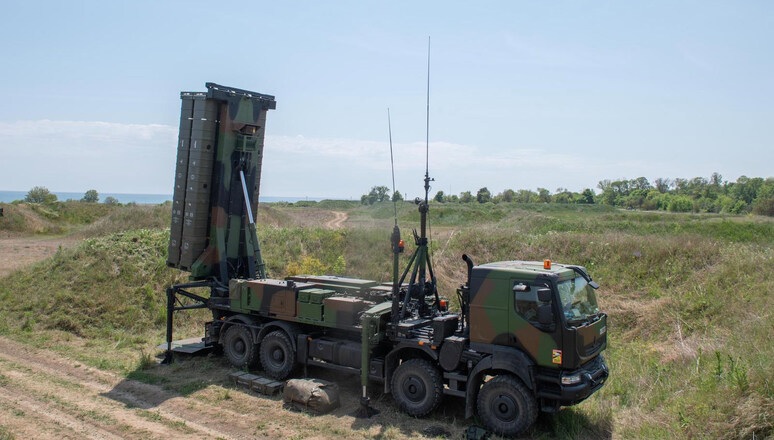
World
COPENHAGEN / PARIS — April 22, 2026 : Denmark has formally signed a contract for the Franco-Italian SAMP/T NG long-range air-defense system, with deliveries scheduled to begin in 2028, according to an April 21 announcement by Thales. The agreement confirms Denmark as the first export customer of the next-generation system and the third operator overall, following France and Italy. The contract, signed in the first quarter of 2026, covers an initial acquisition of four systems valued at approximately €1.47 billion. The purchase forms part of Denmark’s broader €7.8 billion national air-defense program, which envisions the procurement of up to eight systems over time. The system is produced by Eurosam, a joint venture between Thales and MBDA. System Configuration and Radar Capabilities Denmark’s SAMP/T NG configuration will integrate the Thales Ground Fire 300 radar, a fully digital active electronically scanned array (AESA) system operating in the S-band. The radar provides 360-degree coverage with a stated detection range of up to 400 kilometers and is capable of tracking approximately 1,000 targets simultaneously. Designed for rapid deployment, the system is containerized and can be set up in under 15 minutes. In addition to the radar, Thales will supply the command-and-control architecture, including the Next Generation Engagement Module (ME-NG), as well as the seeker for the interceptor missile. The radar family entered serial production in early 2025 and is designed to perform both air-surveillance and fire-control functions, with high resistance to electronic jamming. Aster 30 B1NT Interceptor and Testing The SAMP/T NG system will employ the Aster 30 Block 1 New Technology (B1NT) interceptor developed by MBDA. The missile is designed to engage aerodynamic targets at ranges exceeding 150 kilometers and to counter medium-range ballistic missiles and emerging hypersonic threats. It incorporates a Ka-band seeker and reaches speeds of approximately Mach 4.5. The Aster 30 B1NT underwent its first test firing in October 2024 in a complex multi-target scenario, followed by a second qualification firing in July 2025 that validated its long-range performance. The system’s fire-control unit has been updated with new software to support integration of the upgraded interceptor. To meet increasing demand, MBDA plans to double production of the Aster missile family in 2026, targeting an annual output exceeding 300 missiles by 2028. The Aster 30 is also deployed in naval air-defense systems used by the French, Italian, and British navies. MBDA has not disclosed the precise delivery schedule of missiles for Denmark. Procurement Decision and Patriot Delays Denmark selected the SAMP/T NG system in September 2025 over the U.S.-manufactured Patriot air-defense system. The decision followed emerging concerns regarding delivery timelines for U.S. systems, particularly in the context of increased demand linked to the conflict involving Iran. In March 2026, Switzerland reported delays of four to five years in Patriot deliveries and indicated plans to pursue a second European-produced system, identifying SAMP/T NG as the only viable regional alternative. The Netherlands accelerated its Patriot procurement the same month to secure production slots and avoid potential delivery delays extending to 2033. U.S. authorities have also signaled possible delays in supplying weapons and ammunition to Baltic countries due to operational demands associated with the ongoing conflict involving Iran. Production, Deliveries, and European Cooperation Thales stated that Denmark will benefit from expanded production capacity for both the SAMP/T NG system and Aster missiles, enabling deliveries to begin in 2028. The Danish contract was recorded as one of seven large orders exceeding €100 million secured by Thales in the first quarter of 2026, contributing to €1.62 billion in such contracts. The company reported total order intake of €4.65 billion, a 23 percent increase year-on-year, with sales rising 7.2 percent to €5.32 billion. France and Italy placed orders for eight and ten SAMP/T NG systems respectively in September 2024. The Italian Army received its first system in January 2026, equipped with the Kronos Grand Mobile HP radar developed by Leonardo, which provides an air-surveillance range of at least 300 kilometers. France’s Air Warfare Center (CEAM) received its first system in February 2026 and has initiated operational testing focused on mobility, energy autonomy, and integration into broader air-defense networks. International Interest and Deployment Outlook Beyond Denmark, additional countries are advancing or considering adoption of the SAMP/T NG system. Ukraine is expected to receive a system in 2026 and plans to conduct testing against ballistic missile threats, according to statements made in March 2026 by Volodymyr Zelenskyy. Turkey has resumed discussions with Italy regarding a potential acquisition that could include technology transfer and joint production. The renewed talks follow a March 2026 incident in which NATO air-defense systems intercepted ballistic missiles originating from Iran that entered Turkish airspace. The SAMP/T NG program is managed through the Organisation Conjointe de Coopération en matière d’Armement (OCCAR) and is designed to integrate into both national and NATO air-defense architectures. The system is intended to provide layered defense against a full spectrum of aerial threats, including aircraft, cruise missiles, ballistic missiles, and emerging hypersonic systems.
Read More → Posted on 2026-04-22 17:59:38
World
WASHINGTON, D.C., — April 22, 2026 : Leidos, through its naval architecture subsidiary Gibbs & Cox, presented updated details of its Mobile Defense/Depot Platform (MODEP) and associated Vertical Launch System (VLS) “Speed Reloader” concept during the Sea Air Space 2026 exhibition held in National Harbor, Maryland from April 20 to 22. The MODEP concept outlines the conversion of surplus commercial semi-submersible offshore oil and gas rigs into relocatable maritime platforms designed to support U.S. Navy operations. These platforms are intended to function as afloat forward staging bases, combining resupply, re-arming, maintenance, and missile defense roles without requiring new hull construction within the naval shipbuilding industrial base. Concept Overview and Operational Role According to Leidos, MODEP is designed to address logistical constraints associated with sustaining surface combatants in forward operating areas, particularly across the Indo-Pacific region. The concept leverages the structural stability, deck space, and payload capacity of existing offshore energy infrastructure to provide a mobile alternative to fixed land-based facilities. The semi-submersible platforms feature a height of approximately 45 to 90 meters above the waterline, enabling elevated placement of radar and sensor systems for enhanced surveillance and missile defense coverage. Their design supports operations in high sea states, including wave heights of up to 60 feet, while maintaining a shallow and variable draft. This allows navigation through constrained waterways such as Pacific atolls and operations in sheltered harbors. The platform is self-propelled, with cruising speeds ranging from 5 to 9 mph (8 to 14 km/h), or approximately 8 to 11 knots following pontoon modifications. At lower speeds, the platform can cover about 200 nautical miles per day. Its unrefueled range is between 4,000 and 4,600 miles (6,400 to 7,400 kilometers), supported by a fuel capacity of approximately 2.3 million gallons (8.7 million liters). The system is designed for extended independent operations exceeding 12 months, with an endurance interval of up to 150 days between resupply. The platform supports a payload capacity of approximately 8,000 metric tonnes and generates an additional 6 to 20 megawatts of electrical power to sustain onboard systems, maintenance facilities, and mission equipment. VLS “Speed Reloader” System A central focus of the 2026 presentation was the “Speed Reloader,” a structural and mechanical system designed to enable rapid reloading of VLS cells at sea. Current U.S. Navy procedures typically require 40 to 60 minutes to reload a single VLS cell, often necessitating a return to port. The Speed Reloader introduces a frame-based mechanism integrated with MODEP storage magazines. The system lifts multiple missile canisters simultaneously and transfers them to a receiving warship using two heavy-duty gantry cranes standard on semi-submersible rigs, each capable of lifting up to 100 tonnes. The mechanism allows simultaneous extraction of expended canisters and insertion of new ones. Under Sea State 4 conditions, it can reload six to eight VLS cells within the same time normally required for a single-cell reload. The system operates alongside existing Navy reloading concepts but increases throughput while maintaining open-ocean operability. Depot Configuration and Logistics Capacity In its depot configuration, MODEP functions as a re-arming and logistics hub. The platform incorporates 16 magazines capable of storing between 384 and 446 VLS canisters, depending on storage orientation. This capacity is sufficient to fully replenish the missile inventories of approximately 4.5 Arleigh Burke-class destroyer vessels, each equipped with 96 VLS cells. The depot variant also supports refueling operations using established offshore oil and gas transfer systems, as well as maintenance and repair facilities for both surface ships and submarines. The semi-submersible design enables ballast adjustments to improve stability during reloading or to reduce draft for navigation. Defense Configuration and Missile Capacity MODEP’s defense-oriented variant is configured for air and ballistic missile defense missions. The platform can accommodate between 128 and 256 VLS cells, or alternatively up to 100 large missile launchers sized for future hypersonic weapons consistent with DDG(X) requirements. This represents approximately five times the missile capacity of a single Arleigh Burke-class destroyer. Earlier iterations of the concept proposed up to 512 VLS cells; however, the design has since been refined to balance capacity with operational and structural considerations. The elevated structure provides an advantageous position for radar and sensor integration, supporting extended detection and engagement ranges. Leidos estimates that a ballistic missile defense configuration based on a converted rig would cost approximately 10 percent of an equivalent new land-based system. Additional Mission Variants Beyond resupply and missile defense roles, MODEP has been developed with multiple mission configurations. These include a submarine tender variant aligned with the U.S. Navy’s AS(X) Submarine Tender Recapitalization Program, featuring sheltered internal docking areas for repair and refit operations. Other proposed configurations include a hospital ship and an unmanned systems hub. The unmanned systems variant is designed to deploy and support unmanned surface and underwater vehicles, incorporating onboard additive manufacturing capabilities to produce and repair drone components while deployed. The platform’s modular design allows multiple mission sets—such as logistics, reloading, maintenance, and unmanned operations—to be integrated on a single unit. Industrial and Strategic Context Leidos and Gibbs & Cox have identified between 10 and 12 surplus semi-submersible rigs as suitable candidates for conversion. Acquisition of these platforms represents a relatively small portion of total program cost, with conversion timelines estimated at approximately 24 months. The concept aligns with broader trends in distributed maritime operations and the repurposing of aging offshore energy infrastructure. Thousands of oil and gas platforms worldwide are expected to be decommissioned in the coming decades, creating a potential pool of assets for conversion into military support platforms. By utilizing the commercial offshore industrial base, the MODEP approach avoids additional strain on naval shipyards while providing a scalable solution for forward logistics, missile defense, and multi-role maritime operations. Leidos officials stated that the concept remains under development, with ongoing engineering analysis focused on platform modifications, system integration, and operational validation. The Sea Air Space 2026 presentation outlined potential configurations and performance parameters for future consideration by the U.S. Navy.
Read More → Posted on 2026-04-22 17:45:06
World
WASHINGTON, — April 22, 2026 : Lockheed Martin has presented a new ship-integrated counter-unmanned aerial system (C-UAS) configuration featuring its JAGM Quad Launcher (JQL) mounted on a scale model of an Arleigh Burke-class destroyer during the Navy League Sea-Air-Space 2026 exposition held from April 20 to April 22 in Washington, D.C. System Display and Configuration The company displayed the JQL installed on the aft section of the destroyer’s superstructure, illustrating a compact, modular launcher footprint intended for integration on existing surface combatants. The configuration demonstrates potential deployment on large warships without requiring significant structural modification. The JQL, pronounced “Jackal,” is a four-cell launcher designed to employ the in-service AGM-179 Joint Air-to-Ground Missile (JAGM) for maritime defensive roles. The system is positioned as a layered defense capability against unmanned aerial systems (UAS), unmanned surface vehicles (USVs), and other short-range air threats. Launcher Architecture and Design The JQL consists of four independent modular composite canisters, each housing a single JAGM missile. The system is derived from the existing M299 launcher and incorporates technologies adapted from the Mk 41 Vertical Launching System (VLS), which is widely deployed across U.S. Navy surface combatants. The launcher integrates the qualified Launcher Electronics Assembly (LEA) from the M299 system and introduces a Launcher Management Assembly (LMA) based on VLS open-architecture electronics and software. This configuration enables compatibility with both local and remote weapon control systems through wired or wireless interfaces. It also supports incremental software upgrades and the integration of new sensors without requiring hardware modifications. A pivot fixture allows missiles to be launched at both angled and vertical orientations. The system includes a self-contained gas management solution, incorporating a plenum and uptake assembly to safely vent missile exhaust gases during vertical launch operations. Naval variants include a metallic hatch for below-deck missile protection and an exhaust cover designed to prevent ingestion of seawater. The system has been marinized for sustained operation in harsh maritime environments. Missile Characteristics and Engagement Modes The AGM-179 JAGM used by the launcher features a dual-mode seeker combining semi-active laser (SAL) guidance and millimeter-wave (MMW) Doppler radar. The SAL mode enables precision engagement of laser-designated targets, while the MMW radar provides fire-and-forget capability, allowing target detection and tracking in adverse weather and low-visibility conditions. The missile supports both lock-on-before-launch and lock-on-after-launch (LOAL) engagement modes, using targeting data provided by the host platform or external sensors. It is powered by a solid rocket motor and equipped with a multi-purpose warhead consisting of a shaped charge within a fragmenting casing. Standard operational range is approximately 8 kilometers, with an extended medium-range variant reaching up to 16 kilometers. The JAGM replaces the out-of-production Longbow Hellfire variant and remains in full-rate production. Operational Integration and Reload Capability A primary feature of the JQL is its ability to be reloaded at sea. Each canister cell operates independently, allowing individual missiles to be fired and reloaded within minutes. Due to the relatively low weight of the JAGM—approximately 100 pounds (around 50 kilograms)—naval crews can manually transport and reload the missiles using standard shipboard handling systems without requiring heavy port infrastructure. The system supports both above-deck and below-deck installations on surface combatants, including destroyers, frigates, corvettes, and patrol vessels. It is also compatible with Littoral Combat Ships through existing surface-to-surface missile modules or direct deck mounting. A ground-based variant is available for vehicle integration, incorporating the same gas management system for safe vertical exhaust. The open-architecture design allows integration with existing combat management systems, enabling rapid engagement cycles and compatibility with evolving sensor networks. Vertical Launch Capability and Test Validation The JQL supports vertical launch at a 90-degree angle, providing a full 360-degree engagement envelope without requiring a forward-facing launch corridor. This reduces the need for ship maneuvering and enables deployment in constrained deck spaces. This capability was validated during a live-fire demonstration conducted on January 15, 2026, at Naval Air Weapons Station China Lake. In that test, a JQL mounted on a Richard Childress Racing Mothership 6×6 vehicle executed a vertical launch using the missile’s MMW Doppler radar mode to successfully neutralize an unmanned aerial target. An earlier test conducted in 2025 at Yuma Proving Ground demonstrated a 45-degree angled launch, achieving a direct hit on a stationary target with telemetry collected from ignition through impact. Cost Considerations and Role in Layered Defense Lockheed Martin has positioned the JQL and JAGM combination as a lower cost-per-engagement option compared to long-range interceptors such as SM-6 or RAM Block 2 missiles. With an estimated unit cost of approximately $212,000 per JAGM, the system is intended to address medium-tier threats, including drones and loitering munitions, while preserving higher-value interceptors for more complex engagements. The vertical launch capability and modular design allow deployment across multiple domains, including naval, ground, and expeditionary platforms. The system has also been demonstrated on a Richard Childress Racing 6×6 vehicle and is planned for further integration with unmanned surface platforms such as Saildrone. Development Status Lockheed Martin officials stated that the JQL remains in development and testing, with additional live-fire demonstrations planned to further validate its adaptability across platforms. The system’s compatibility with existing JAGM inventory, established logistics chains, and standard handling procedures is intended to support streamlined adoption by naval forces. The display at Sea-Air-Space 2026 reflects ongoing efforts to expand counter-UAS capabilities for surface combatants in response to increasing use of unmanned systems in maritime operational environments.
Read More → Posted on 2026-04-22 17:33:46
World
LONDON, — April 22, 2026, At least 34 tankers linked to Iran have transited through the U.S.-enforced naval blockade in the Strait of Hormuz since the restrictions were implemented on April 13, according to shipping data compiled by maritime analytics firm Vortexa and cited in a Financial Times report published on April 21. The data indicates continued vessel movement through one of the world’s most critical maritime chokepoints despite ongoing U.S. enforcement measures aimed at restricting maritime traffic connected to Iran. Vessel Movements in Both Directions According to Vortexa’s analysis of satellite imagery and transponder signals, the 34 tankers navigated the blockade zone in both outbound and inbound directions. A total of 19 tankers exited the Persian Gulf through the restricted area, while another 15 vessels entered the Gulf from the Arabian Sea, heading toward Iranian ports. The figures expand on earlier reporting, including a Wall Street Journal assessment that identified at least 26 Iran-linked oil and gas vessels bypassing restrictions in the initial days following the blockade’s introduction. Some vessels were reported to have modified their operational patterns while transiting the area. Tracking data shows that certain tankers disabled their transponders or adopted routes closer to the Iranian coastline, including passages between islands such as Larak and Qeshm. One such case involved the Iranian-flagged supertanker Dorena, which reportedly exited the region with its tracking system turned off. Cargo Volumes and Estimated Revenue Of the outbound tankers, six vessels were confirmed to be carrying Iranian crude oil. These shipments accounted for a combined volume of approximately 10.7 million barrels. Based on an assumed discount of $10 per barrel relative to Brent crude — a common pricing adjustment for Iranian oil under sanctions — the cargoes are estimated to have generated roughly $910 million in revenue for Iran-linked entities. Vortexa’s broader tracking data has also documented significant volumes of Iranian oil held in floating storage. Estimates from late March placed approximately 174 million barrels at sea, including around 158 million barrels of crude. U.S. Enforcement Measures and Official Statements The United States established the naval blockade on April 13, 2026, as part of expanded measures targeting Iranian maritime activity. On April 16, the scope of restrictions was extended to include Iranian vessels operating in international waters and ships suspected of transporting materials linked to Iran’s military efforts. U.S. Central Command (CENTCOM) has reported multiple enforcement actions since the blockade began. According to official statements, U.S. naval forces have: Directed at least 28 vessels to return to port Detained one container ship in the Gulf of Oman Boarded a sanctioned tanker in the Indo-Pacific region Despite the continued movement of Iran-linked tankers, U.S. officials have maintained that the operation is achieving its objectives. President Donald Trump stated that the United States “totally controls” the strait and described the blockade as a “tremendous success,” adding that restrictions would remain in place until a final diplomatic agreement is reached. No official U.S. response addressing the specific Vortexa figures cited in the April 22 Financial Times report was immediately available. Strategic and Market Context The Strait of Hormuz remains a central artery for global energy trade, handling roughly 20% of worldwide oil shipments and a substantial share of liquefied natural gas flows, along with approximately one-third of seaborne fertilizer trade. The blockade forms part of a broader regional escalation that began in late February 2026. The disruption to shipping traffic has contributed to elevated insurance premiums for vessels operating in the area, with shipping companies increasingly relying on short-term war-risk coverage. Energy analysts indicate that reduced throughput in the strait, combined with constraints on Iranian exports and regional production, has affected global commodity markets. The situation has contributed to tighter supply conditions for crude oil and liquefied natural gas, with downstream effects on industrial sectors, including fertilizer production and agricultural input costs. The Vortexa data highlights the operational complexity of enforcing maritime restrictions across a wide geographic area extending from the Omani coastline toward the Iran–Pakistan border, where commercial shipping traffic continues alongside ongoing military monitoring.
Read More → Posted on 2026-04-22 16:55:05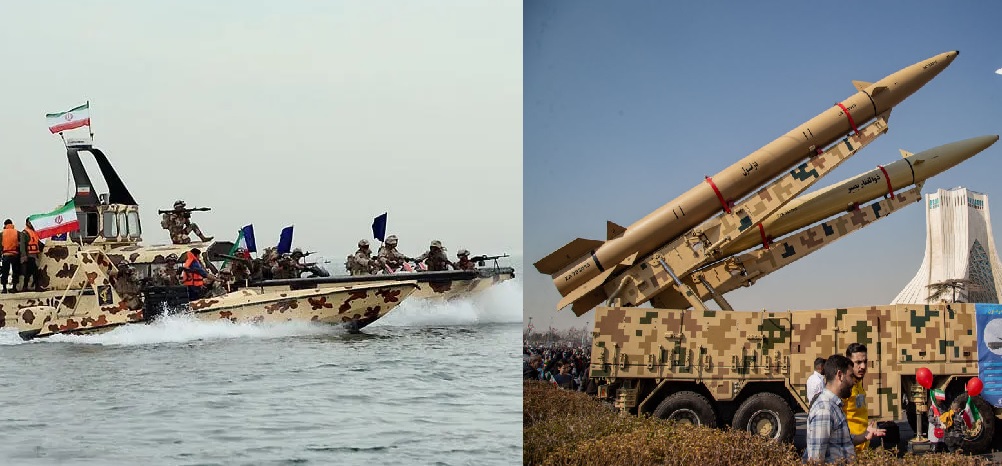
World
WASHINGTON, — April 22, 2026 : U.S. intelligence assessments indicate that Iran continues to retain a substantial portion of its military capability following the conclusion of the 38-day U.S. and Israeli campaign known as Operation Epic Fury, despite public statements from senior U.S. officials describing the operation as having eliminated Tehran’s ability to project power. According to multiple U.S. officials familiar with classified battle damage assessments, as of the ceasefire that took effect in early April 2026, approximately half of Iran’s ballistic missile stockpile and associated launch systems remained intact. Intelligence estimates suggest Iran still possesses thousands of ballistic missiles overall, including more than 1,000 medium-range systems from a pre-conflict inventory of roughly 2,500. Officials said a significant number of launchers were preserved due to dispersal strategies and storage in hardened underground facilities. Some of these sites were damaged or buried during strikes but remained recoverable, and Iranian forces are assessed to have used the ceasefire period to restore access to certain systems. Missile and UAV Capabilities Remain Intact In written testimony submitted ahead of an April 2026 hearing of the House Armed Services Committee, Marine Lt. Gen. James Adams, director of the Defense Intelligence Agency, stated that Iran retains “thousands of missiles and one-way attack UAVs” capable of threatening U.S. and partner forces across the region. The assessments indicate that while the campaign degraded missile production and deployment infrastructure, attrition and expenditure did not eliminate Iran’s ability to conduct further strikes. Naval Forces: Conventional Fleet Hit, IRGC Assets Survive U.S. officials confirmed that Operation Epic Fury inflicted extensive losses on Iran’s conventional naval forces. Pentagon spokesman Sean Parnell stated that U.S. and allied strikes destroyed approximately 92 percent of Iran’s largest naval vessels and about 44 minelayers. He described the operation as the largest elimination of naval capacity over a three-week period since World War II. However, intelligence assessments indicate that roughly 60 percent of the naval forces of the Islamic Revolutionary Guard Corps (IRGC) remained operational at the start of the ceasefire. The IRGC Navy, which relies on asymmetric tactics, was not the primary focus of strikes targeting larger warships. Pre-conflict estimates placed the IRGC’s inventory of small, fast-attack craft in the thousands. These vessels, designed for swarm tactics and operations in confined waterways, have continued to operate in the Persian Gulf and Strait of Hormuz. On Wednesday, shortly after President Donald Trump announced a unilateral extension of the ceasefire to allow additional time for negotiations, Iranian gunboats conducted attacks on commercial shipping in the Strait of Hormuz. The incidents involved IRGC vessels firing on multiple tankers, including Indian-flagged ships, causing damage in at least one case and forcing several vessels to alter course. The attacks disrupted maritime traffic and contributed to upward pressure on global energy prices. Iranian Foreign Minister Abbas Araghchi stated on the same day that responsibility for the economic impact “lies with the aggressors.” Air Force Degraded but Operational U.S. intelligence further assesses that Iran’s air force, while degraded, remains largely operational. Approximately two-thirds of Iran’s aircraft are still assessed to be in service. The fleet continues to consist primarily of older U.S.- and Soviet-origin platforms, including F-14 Tomcats, F-4 Phantom II fighters, F-5 Tiger II aircraft, MiG-29s, and Su-24 strike aircraft, along with domestically upgraded systems. Although air operations were significantly disrupted during the campaign, officials said available aircraft and infrastructure remain sufficient for limited operational use. Scale of the Campaign According to Pentagon data, Operation Epic Fury lasted approximately 38 days and involved more than 10,200 air sorties targeting over 13,000 sites across Iran. Targets included command and control facilities, missile production centers, air defense systems, and elements of Iran’s defense industrial base. Pentagon officials maintain that the campaign achieved its primary objectives of degrading Iran’s missile forces, naval power, and military infrastructure. Sean Parnell stated that “in less than 40 days, the United States military delivered a crippling series of blows,” while emphasizing the scale and coordination of the operation. Divergence Between Public Statements and Intelligence Assessments Public statements from senior U.S. officials have characterized the outcome of the operation in broader terms. President Trump said on Tuesday that U.S. forces had “taken out their navy, taken out their air force, taken out their leaders.” Defense Secretary Pete Hegseth, speaking on April 8, 2026, described the campaign as “a historic and overwhelming victory” that “rendered [Iran’s military] combat ineffective for years to come.” However, intelligence officials have indicated that these statements do not fully reflect the current operational status of Iran’s remaining forces. Officials said Iran’s pre-conflict planning—including dispersal of assets, use of hardened underground facilities, and reliance on decentralized and asymmetric capabilities—limited the overall effectiveness of the strikes against certain elements of its military. Ongoing Situation U.S. forces remain deployed in the Middle East as negotiations for a broader agreement continue following the early April ceasefire. Officials stated that contingency plans remain in place should hostilities resume. Current intelligence assessments suggest that while Iran’s military capability has been significantly reduced in several areas, key components—including missile forces, IRGC naval assets, and portions of the air force—remain operational and capable of influencing regional security dynamics.
Read More → Posted on 2026-04-22 16:42:32
World
WIESBADEN, Germany — April 22, 2026 : The U.S. Army has procured ten Valinor Condor unmanned aerial systems (UAS) for flight testing and operational evaluation during Exercise Arcane Thunder 26, a multinational training event running from April 6 to April 29, 2026, across Germany, Poland, and the United States. The systems have been assigned directly to unmanned aircraft system operators within the U.S. Army Multi-Domain Task Force – Europe (MDTF-Europe), also referred to as Multi-Domain Command – Europe (MDC-E). The decision places the drones into active unit-level operations, allowing soldiers to assess performance under realistic field conditions rather than controlled test environments. Exercise Scope and Operational Context Arcane Thunder 26 involves U.S. Army Europe and Africa forces alongside NATO allies and is designed to validate the effectiveness of Multi-Domain Company Teams. These formations integrate capabilities across land, air, cyber, space, and electronic warfare domains to deliver coordinated effects in joint and allied operations. The exercise is organized under Multi-Domain Command – Europe, which is responsible for planning and executing long-range precision fires and synchronized multi-domain operations aimed at countering anti-access/area denial (A2/AD) challenges in the European theater. By incorporating the Valinor Condor into MDTF-Europe formations, the Army is collecting data on how the system performs when integrated into distributed, multi-domain missions rather than operating as a standalone platform. Platform Overview and Design Characteristics The Valinor Condor is a Group 1 unmanned aircraft system developed by Valinor Enterprises. It is designed as a modular and attritable aerial platform optimized for high-volume production and rapid deployment in contested environments. The system features an open architecture software framework, enabling compatibility with third-party command-and-control systems. Its modular hardware design allows rapid reconfiguration for different payloads and mission requirements, including reconnaissance and targeting support roles. A key design feature is its portability. The Condor is backpack-portable and can be carried and deployed by individual soldiers without the need for dedicated ground support equipment. The platform supports both ground-launch and air-launch operations. Technical Specifications According to available data, the Valinor Condor has the following performance characteristics: Maximum range: 40 kilometers (25 miles) Top speed: 161 kilometers per hour (100 miles per hour) Endurance: 25 minutes Maximum takeoff weight: 22.49 pounds The drone is also described as high-speed skid steer capable and transitions autonomously into fixed-wing flight after launch. Deployment Methods and Autonomous Capabilities During Arcane Thunder 26, operators conducted hands-on testing that included both conventional and alternative deployment methods. One of the primary evaluation areas is high-altitude balloon deployment, in which the drone is released from an elevated platform. This method extends the system’s effective operational reach and reduces its acoustic and visual signature compared to ground-based launches. Following release, the Condor stabilizes automatically and transitions into controlled flight. The platform also supports autonomous long-range operations. It can execute pre-programmed mission profiles without continuous operator input, enabling operations in environments where communications may be degraded or denied. This reduces reliance on persistent data links and lowers operator workload. Modularity, Sustainment, and Field Support The Condor’s construction emphasizes modularity and maintainability in forward operating environments. The system incorporates commercially available off-the-shelf components where feasible, allowing for rapid field repairs. Units can replace damaged parts using locally available materials, including 3D-printed components, to maintain operational readiness. This approach is intended to support sustained operations in dispersed formations with limited logistical support. The platform’s design reflects requirements for low-cost, high-volume attritable systems, consistent with recent operational lessons that highlight the rapid consumption of small unmanned systems in high-intensity environments. Evaluation Objectives and Next Steps The ongoing evaluation during Arcane Thunder 26 is focused on assessing the Condor’s integration into multi-domain operations at the unit level. Data collected from the ten deployed systems will inform the Army’s assessment of the platform’s suitability for operational use within formations preparing for contested environments in Europe. No decision has been announced regarding additional procurement or broader fielding of the system beyond the current evaluation phase.
Read More → Posted on 2026-04-22 16:33:36
World
NATIONAL HARBOR, Maryland — April 22, 2026 : U.S.-based defense contractor Northrop Grumman and South Korea’s Hanwha Aerospace have signed a Memorandum of Agreement (MOA) to jointly develop a first-stage solid rocket booster for the Advanced Reactive Strike (AReS) missile system.The agreement was formally signed on April 21 during the Sea-Air-Space 2026 exhibition held in National Harbor, Maryland. Senior representatives present at the signing included Kevin Schoonover, Executive Vice President of Missiles at Hanwha Defense USA; Michael Coulter, Chief Executive Officer of Hanwha Defense USA; Frank Morley, Vice President of International Business Development at Northrop Grumman; and Ron Boxall, Vice President of Government Programs at Northrop Grumman. AReS System Overview The Advanced Reactive Strike (AReS) system is a deployable, surface-launched, extended-range precision strike weapon currently under development by Northrop Grumman. Designed for both land and maritime targets, the system is intended to operate in highly contested and denied environments, providing stand-off strike capability beyond enemy integrated air defense systems and cruise missile engagement ranges. AReS is based on the AGM-88G AARGM-ER (Advanced Anti-Radiation Guided Missile – Extended Range), an air-launched supersonic missile developed for suppression and destruction of enemy air defenses. The AReS configuration adapts this core missile into a ground-launched system by integrating an additional booster stage to extend range and improve survivability. The system is designed to use containerized launch platforms, enabling discreet deployment and flexibility for multiple mission profiles, including both point and area defense roles. Propulsion Development Focus The newly signed MOA centers on the initial development phase of the first-stage solid-fuel rocket motor, which is critical for the ground-launched configuration of AReS. The booster is intended to provide the high-performance propulsion required for rapid mobility, immediate launch capability following deployment, and effective operation in contested environments. Hanwha Aerospace will participate from the early stages of the booster’s development. The collaboration combines Northrop Grumman’s system design and missile integration expertise with Hanwha’s manufacturing capabilities, advanced production technologies, and global industrial scale. The companies aim to streamline development and production processes while supporting future scalability of the system. Development Timeline and Industrial Cooperation Under the current project schedule, the partners are targeting an operational demonstration of the jointly developed first-stage propulsion system by mid-2027. The agreement is part of broader efforts to accelerate delivery timelines for next-generation strike capabilities while strengthening industrial cooperation between U.S. and allied defense sectors. The collaboration also reflects ongoing initiatives to integrate international industrial bases to meet the technical and manufacturing requirements of advanced missile systems, particularly in the area of propulsion. Official Statements Frank Morley of Northrop Grumman stated that the agreement supports efforts to deliver cost-effective and advanced solutions in response to evolving air and maritime threats, while reinforcing collaboration with the Korean industrial base. Michael Coulter of Hanwha Defense USA said the partnership highlights the importance of a strong industrial base in addressing modern threat environments and noted that Hanwha’s manufacturing capabilities will support the development and future production of the AReS system. Broader Context The agreement forms part of Hanwha Aerospace’s ongoing efforts to expand its presence in the United States defense market. For Northrop Grumman, the partnership aligns with its strategy to enhance international collaboration in the development of advanced missile systems. The AReS program represents an extension of existing anti-radiation missile capabilities into surface-launched configurations, with added propulsion to achieve greater operational range and deployment flexibility.
Read More → Posted on 2026-04-22 16:27:28
World
WASHINGTON, — April 22, 2026 : The U.S. Navy has requested $907 million in its fiscal year 2027 (FY2027) budget submission to procure 177 AGM-158C Long Range Anti-Ship Missiles (LRASM), continuing a multi-year effort to expand inventories of long-range maritime strike weapons. The request, included under the Department of the Navy’s weapons procurement account, allocates funding for 48 missiles in the base budget and 129 missiles through mandatory reconciliation funding mechanisms. The proposal is subject to congressional authorization and appropriation. Procurement Profile and Year-on-Year Comparison Budget documents indicate that the planned FY2027 procurement of 177 missiles is 23 fewer than the 200 missiles funded in FY2026, which were valued at approximately $1 billion. However, the request maintains a sustained high procurement rate, marking the third consecutive year of large-scale LRASM acquisition. Recent procurement figures show: FY2025: 164 missiles FY2026: 200 missiles FY2027 (requested): 177 missiles When combined with U.S. Air Force procurement plans, total LRASM acquisition across both services is projected at 333 missiles in FY2027, compared with 314 missiles in FY2026. The Air Force portion of the FY2027 request includes 156 missiles valued at $738 million, an increase from 114 missiles in FY2026. Program Background and Development The LRASM is a stealthy, precision-guided anti-ship cruise missile developed by Lockheed Martin. The program originated from a Defense Advanced Research Projects Agency (DARPA) initiative conducted in partnership with the U.S. Navy and U.S. Air Force to address identified gaps in Offensive Anti-Surface Warfare (OASuW) capabilities. The missile is derived from the AGM-158 Joint Air-to-Surface Standoff Missile–Extended Range (JASSM-ER) airframe and incorporates a range of semi-autonomous guidance technologies designed for operations in contested electromagnetic environments. Technical Characteristics Available technical data indicates that the LRASM: Weighs approximately 2,760 pounds Measures about 14 feet in length Carries a 1,000-pound blast-fragmentation penetrator warhead Has an operational range publicly estimated at over 200 nautical miles, with some assessments extending to approximately 500 nautical miles The missile integrates multiple guidance and navigation systems, including: Global Positioning System (GPS) Inertial Navigation System (INS) Imaging Infrared (IIR) seeker Onboard autonomous targeting algorithms These features enable the missile to identify and engage targets with reduced dependence on external intelligence, surveillance, and reconnaissance (ISR) inputs, as well as limited reliance on data links or GPS signals in electronic warfare conditions. Platform Integration and Operational Use The LRASM achieved early operational capability on the U.S. Air Force’s B-1B Lancer bomber and the U.S. Navy’s F/A-18E/F Super Hornet. It is also planned for integration with the P-8 Poseidon maritime patrol aircraft. Recent testing has expanded integration efforts to the F-35 Lightning II platform. Flight tests conducted by the F-35 Pax River Integrated Test Force included: September 2024: Captive-carry testing on the F-35C carrier variant Early 2025: Captive-carry testing on the F-35B short takeoff and vertical landing variant These tests evaluated aircraft handling characteristics, including flutter, loads, and flying qualities with externally mounted LRASM. Integration is being carried out under the F-35 Block 4 upgrade program, which is expected to enable external carriage of the missile on both F-35B and F-35C aircraft. Production and Industrial Base Procurement of LRASM is executed through a joint Navy–Air Force contract with Lockheed Martin, with production aligned alongside the JASSM family of missiles. Manufacturing activities are supported by facilities and supply chains common to both programs. Contract modifications issued in 2024 and 2025 funded additional tooling, test equipment, and infrastructure upgrades to support increased production rates. The multi-year procurement approach, including the use of reconciliation funding, is intended to provide industrial stability and facilitate capacity expansion. Role in Force Structure and Planning Budget justification materials describe the LRASM as providing long-range, flexible engagement capability against surface targets in high-threat maritime environments. The missile is designed to complement existing strike systems by enabling stand-off engagement from beyond the range of many adversary air defense systems. The continued procurement at elevated levels reflects assessments by the U.S. Navy and U.S. Air Force regarding the missile’s role across current and planned platforms. The FY2027 request aligns with broader Department of Defense efforts to increase stockpiles of long-range precision munitions and sustain production throughput. The funding request remains under review as part of the congressional budget process for fiscal year 2027.
Read More → Posted on 2026-04-22 16:23:06Search
Top Trending in 24 Hours
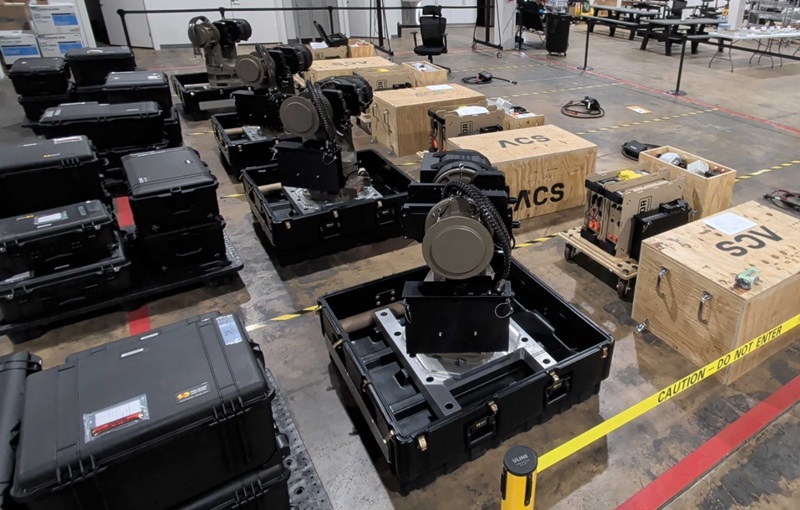


Top Trending in 4 Days
-
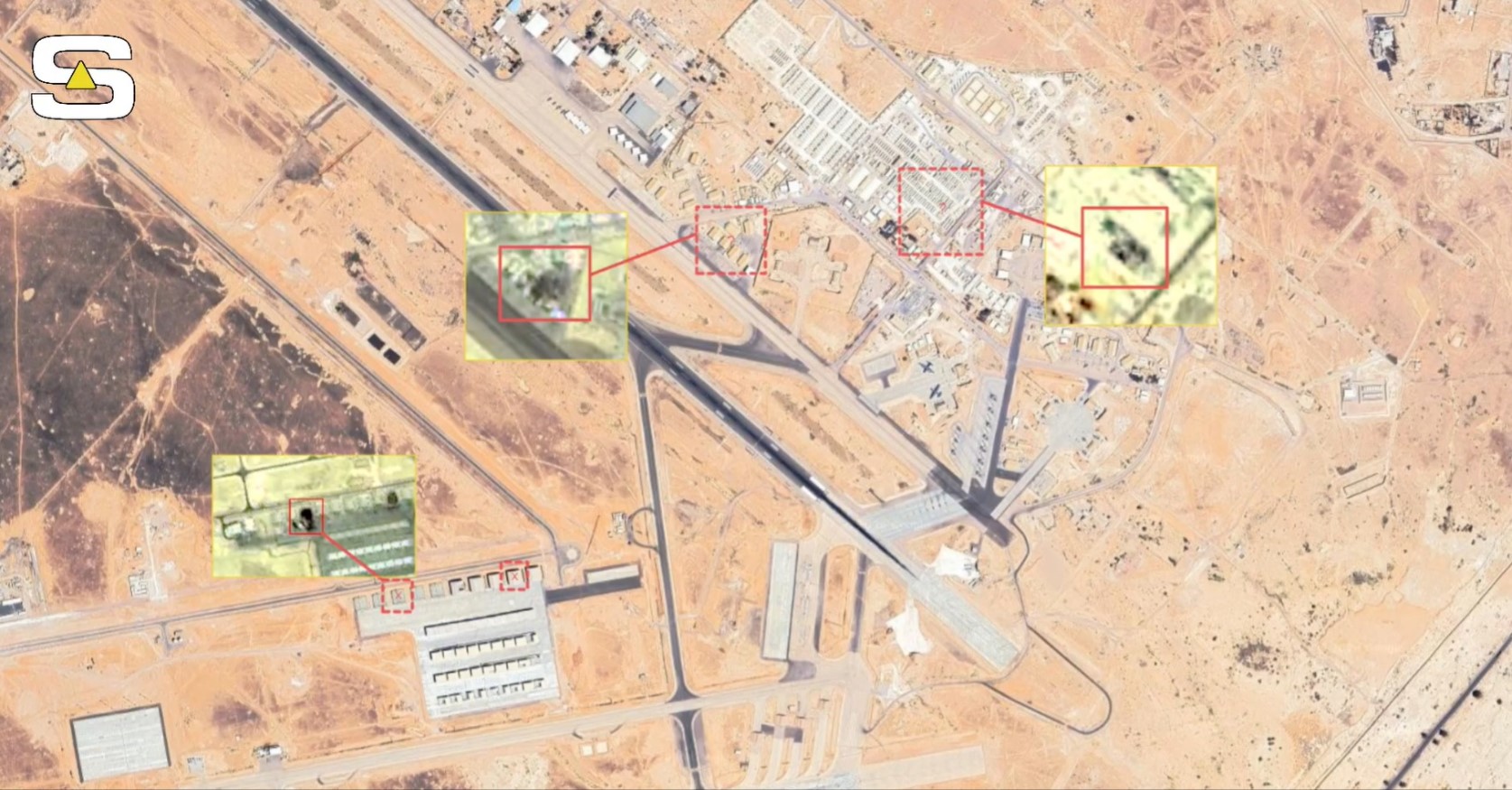 New Satellite Imagery Reveals Extensive Damage at Jordan's Muwaffaq al-Salti Air Base After Iranian Missile Strike
-
 Anduril Unveils Thunder Autonomous Attack Rotorcraft Built with Archer Aviation to Support Apache Helicopters
-
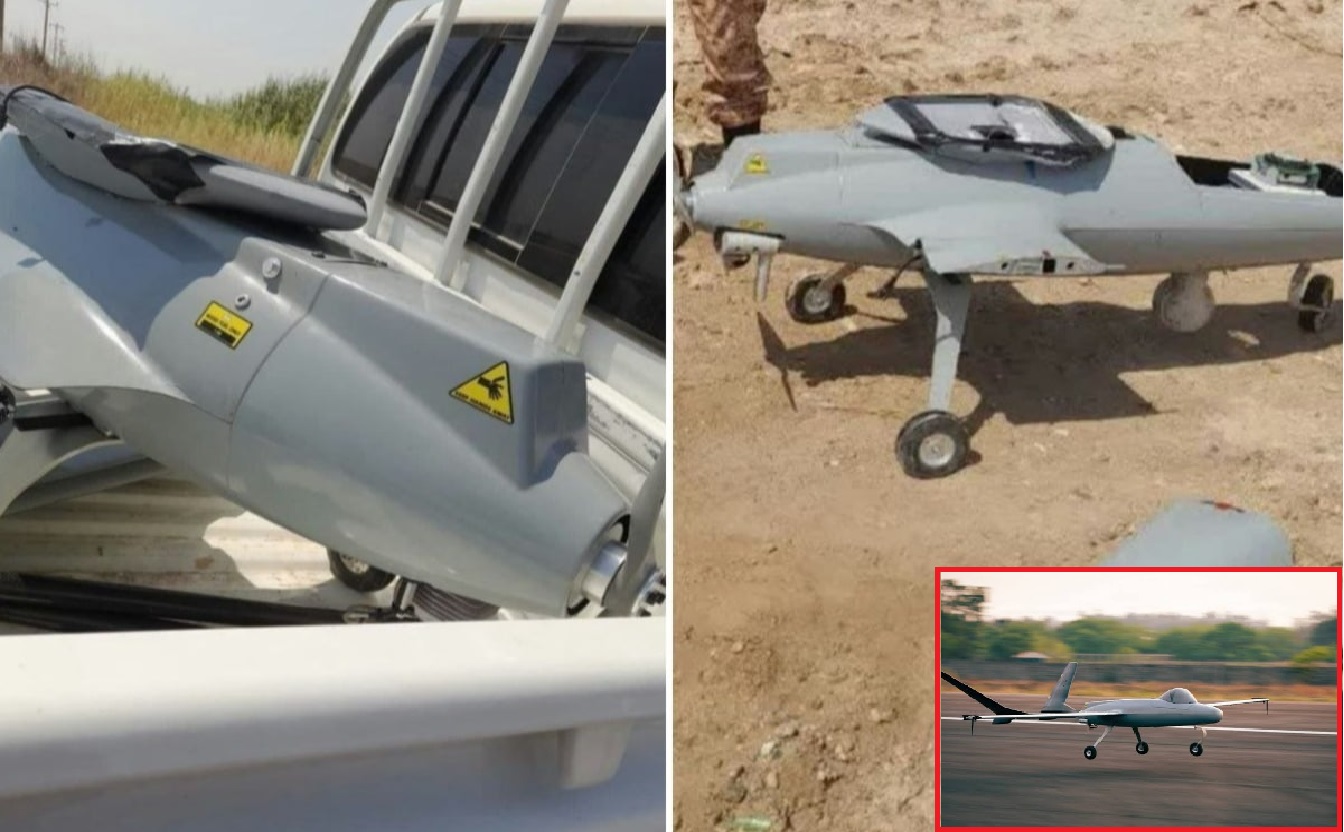 Iran Claims It Shot Down U.S.-Operated Polish-Built Tiguar-M Drone, Releases Images
-
 U.S. Space Force Awards Slingshot Aerospace $69.2 Million Contract to Develop AI Space Training Platform
-
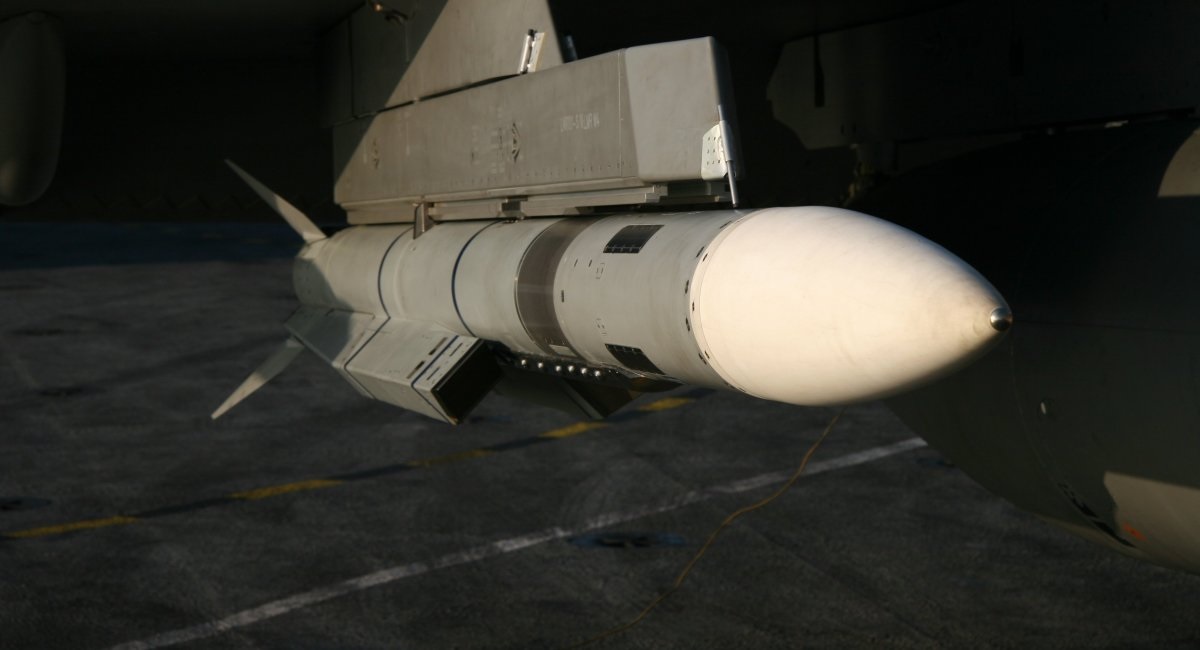 UK Cancels Meteor Missile Mid-Life Upgrade, Prioritizes Next-Generation FASE Air-to-Air Missile Programme
-
 NASA, Draper Cancels CP-12 Lunar Lander Mission After Development Delays Push Mission Beyond 2030
-
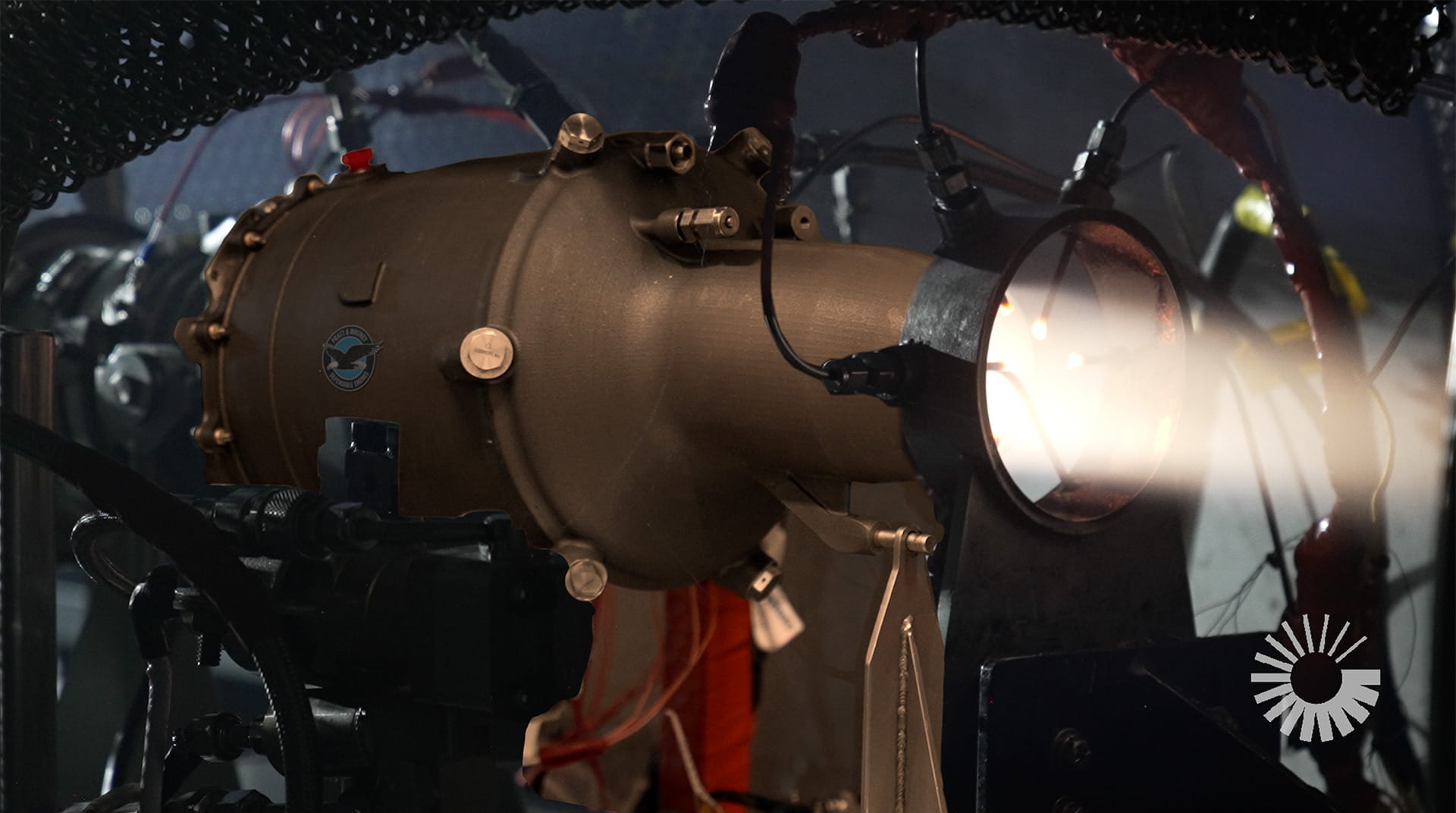 Pratt & Whitney Completes Testing of 3D-Printed TJ150 Engine for Military Applications
-
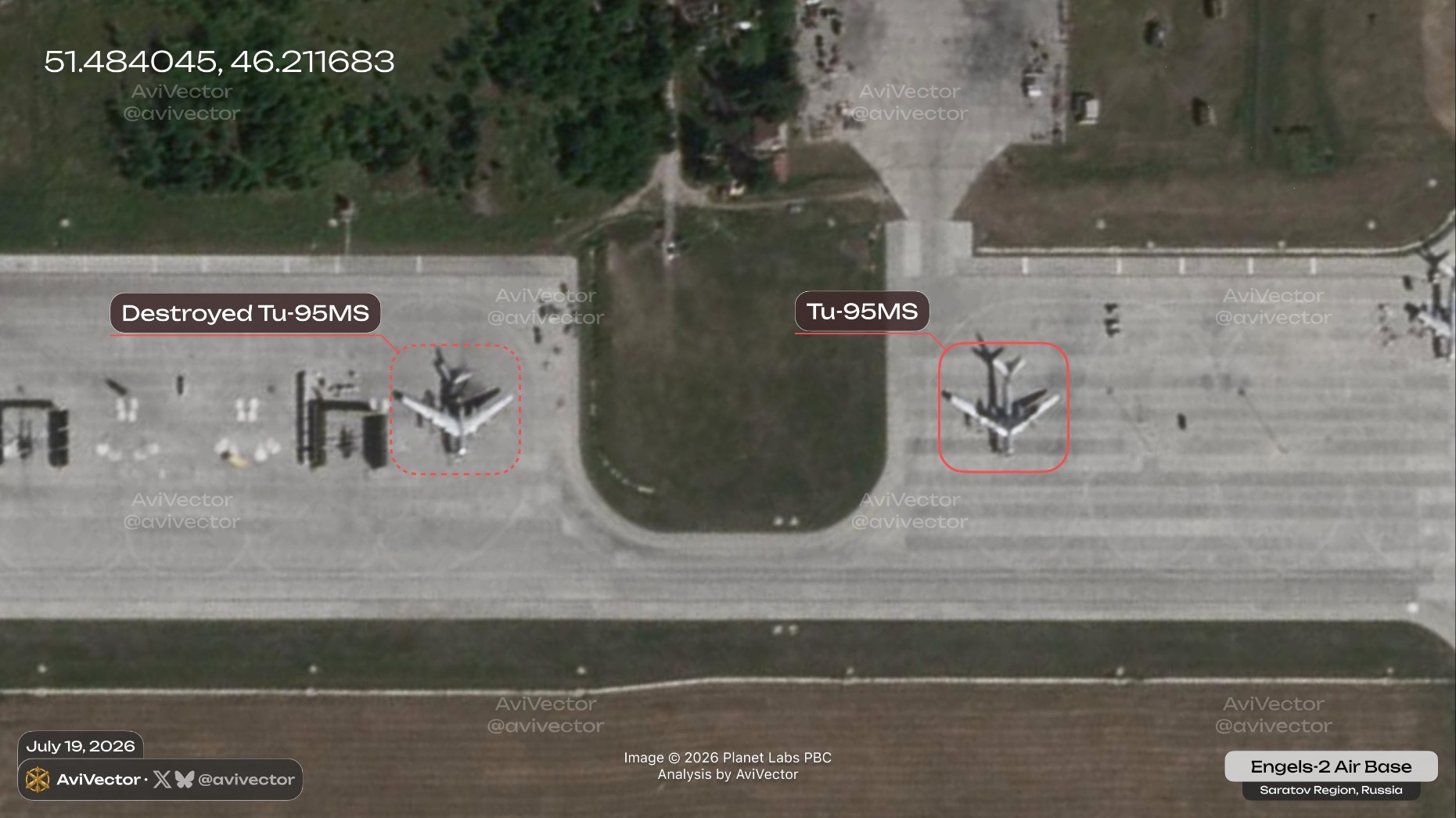 Satellite Images Confirm Russian Tu-95MS Bomber Destroyed After Ukrainian Drone Strike on Engels-2 Air Base
