
World
BEIJING — April 24, 2026 : China’s Ministry of Commerce on Friday announced the addition of seven European Union–based entities to its export control list, imposing an immediate ban on the export of dual-use items to the companies over their alleged links to Taiwan-related defence cooperation. The decision, effective April 24, 2026, prohibits Chinese exporters from supplying dual-use goods, technologies, or services to the listed entities. It also extends to foreign organisations and individuals, who are now barred from re-exporting China-origin dual-use items to the same companies. All ongoing transactions and related activities must cease immediately, according to the official statement. Targeted European Entities The seven entities named by Beijing span Germany, Belgium, and the Czech Republic, and operate across defence, aerospace, and advanced technology sectors. They include: HENSOLDT AG (Germany) FN Herstal / Fabrique Nationale de Herstal (Belgium) FN Browning (Belgium) OMNIPOL a.s. (Czech Republic) EXCALIBUR ARMY spol. s r.o. (Czech Republic) SPACEKNOW INC., odstepny zavod s.r.o. (Czech Republic) VZLU AEROSPACE a.s. (Czech Republic) China’s Commerce Ministry stated that these entities have either participated in arms sales to Taiwan or engaged in cooperation with Taiwanese authorities. Scope of Export Restrictions Under the new controls, “dual-use items”—defined as goods, software, and technologies with both civilian and military applications—are subject to a blanket export prohibition. These include advanced electronics, semiconductor-related components, specialised materials, aerospace systems, and certain rare earth-related inputs. The directive also explicitly blocks third-party transfers, meaning companies outside China cannot supply Chinese-origin components to the listed entities. This provision is aimed at tightening enforcement across global supply chains. While the ministry noted that exceptional approvals could be granted on a case-by-case basis if transactions are deemed necessary, it emphasised that a general halt to all related exports is required. Rationale and Official Position A spokesperson for the Ministry of Commerce described the action as “necessary and limited,” stating it is intended to safeguard China’s national security and interests while fulfilling international non-proliferation obligations. The ministry further clarified that the measures target “a small number” of EU military-related entities and do not affect normal trade and economic exchanges between China and the European Union. It added that law-abiding European businesses need not be concerned. Chinese authorities also confirmed that the European Union had been informed in advance through an existing bilateral export control dialogue mechanism. Background on Taiwan Links The move marks a rare instance of China applying Taiwan-related export restrictions directly to European entities. Beijing claims Taiwan as part of its territory and routinely opposes foreign military cooperation with the island. Taiwan continues to receive the majority of its military equipment from the United States, while European involvement has historically been limited, particularly regarding major platforms such as fighter aircraft or naval vessels. However, Taiwan has increasingly sourced specialised subsystems and technologies from European firms, including radar components, sensor systems, and advanced materials. For example, HENSOLDT AG previously confirmed the delivery of two TRML air defence radar units to Taiwan in 2024, according to statements made by then-CEO Thomas Mueller during an analyst call. Central and Eastern European countries, particularly the Czech Republic, have shown growing openness toward cooperation with Taiwan in recent years, influenced in part by shifting geopolitical dynamics following Russia’s 2022 invasion of Ukraine. Broader Geopolitical Context The announcement comes one day after the European Union adopted its 20th sanctions package against Russia on April 23, 2026. That package included measures targeting entities in third countries—including several in mainland China and Hong Kong—accused of supplying dual-use goods to support Russia’s military-industrial base. The proximity of the two developments highlights the increasing use of export controls and dual-use technology restrictions as instruments of geopolitical policy by both China and the European Union. Industry and Diplomatic Response As of April 24, 2026, neither the European Union nor the listed companies had issued comprehensive official responses. Initial reactions indicate that companies are assessing the implications. HENSOLDT AG stated it is reviewing the situation, while EXCALIBUR ARMY spol. s r.o. indicated it does not rely directly on Chinese dual-use imports and expects limited operational impact. Czech Foreign Minister Petr Macinka confirmed that diplomatic channels have been activated, with the Czech embassy in Beijing seeking clarification regarding the inclusion of four domestic firms. Supply Chain Implications The immediate effect of the restrictions is expected to prompt affected companies—and potentially the wider European defence sector—to reassess supply chains, particularly for components and materials sourced from China. The prohibition on third-party re-exports adds an additional compliance burden, requiring firms globally to ensure that Chinese-origin inputs are not indirectly supplied to the listed entities. No further details have been released regarding specific product categories or technical thresholds covered under the dual-use classification beyond the general prohibition.
Read More → Posted on 2026-04-24 17:52:18
World
FORT WORTH, Texas / PATUXENT RIVER, Maryland — April 24, 2026 : Lockheed Martin Aeronautics Co. has been awarded a $177,493,428 contract modification by the Naval Air Systems Command to design and manufacture three new F-35 flight science aircraft, one for each variant of the Joint Strike Fighter program. The award, announced following the April 23, 2026 modification, is intended to sustain flight test capacity as the program transitions toward advanced upgrade phases. The modification, designated P00022, is issued under an existing cost-plus-incentive-fee contract (N0001923C0003). It covers all “touch labor” and reach-back engineering support required to produce the replacement aircraft. Program completion is scheduled for April 2031. Contract Scope and Aircraft Allocation Under the agreement, one flight science aircraft will be produced for each of the three F-35 variants. These include the F-35A conventional takeoff and landing variant operated primarily by the U.S. Air Force, the F-35B short takeoff and vertical landing variant used by the U.S. Marine Corps, and the F-35C carrier-based variant deployed by the U.S. Navy. The aircraft will be purpose-built or modified with extensive instrumentation to support flight testing across the operational envelope. These platforms are designed specifically for evaluation activities rather than combat deployment. Funding Breakdown and Fiscal Details At the time of contract award, $37,672,648 has been obligated. This includes $18,836,324 from Fiscal Year 2025 research, development, test, and evaluation (RDT&E) funds allocated by the U.S. Air Force and an equal $18,836,324 from U.S. Navy RDT&E accounts. An additional $8,390,436 has been contributed by F-35 cooperative program partner nations. The obligated funding is set to expire at the end of the current fiscal year. Workshare Distribution Across Locations Work associated with the contract will be distributed across seven sites spanning three countries. Fort Worth, Texas, where Lockheed Martin maintains its primary F-35 production line, will account for 30 percent of the total effort. El Segundo, California, will handle 25 percent, while Warton, United Kingdom—home to BAE Systems F-35 operations—will account for 20 percent. Additional work will be carried out in Orlando, Florida (10 percent), Nashua, New Hampshire (5 percent), Grenaa, Denmark (5 percent), and Baltimore, Maryland (5 percent). Role of Flight Science Aircraft Flight science aircraft are specialized test platforms equipped with sensors and instrumentation to measure aerodynamic performance, structural loads, and system behavior throughout the aircraft’s flight envelope. These aircraft enable controlled validation of both hardware and software modifications. They are used to conduct edge-of-envelope flight testing that would be impractical or high-risk for operational aircraft due to the level of instrumentation required. Their role is central to certifying upgrades before they are cleared for operational use. The current fleet of F-35 flight science aircraft has been in service since the early developmental phase of the program. After more than a decade of continuous testing activity, these airframes are approaching the end of their usable life. The newly contracted aircraft are intended to replace aging assets and ensure continuity in testing capability. Support for Block 4 Modernization The replacement aircraft will support testing requirements associated with the F-35 Block 4 modernization program. Block 4 is the program’s primary upgrade effort, incorporating expanded weapons integration, enhanced sensor capabilities, improved electronic warfare performance, and updates to pilot interface systems. While elements of Block 4 are already being introduced incrementally, many capabilities require structured and instrumented flight testing before they can be formally approved for operational deployment. The new flight science aircraft will provide dedicated capacity for these validation efforts. Program Context and Production Outlook The F-35 Joint Strike Fighter program remains the largest defense acquisition program undertaken by the United States. More than 1,000 aircraft have been delivered to U.S. and partner nation operators to date. In 2025, Lockheed Martin delivered a record 191 F-35 aircraft. Production of the platform is expected to continue into the 2030s, with ongoing upgrades forming a central component of the program’s lifecycle. Maintaining a dedicated and modern flight test infrastructure is considered necessary to support future capability development and integration. The Naval Air Systems Command is serving as the contracting authority for the modification. No additional details regarding the precise configuration of the new flight science aircraft or interim delivery milestones beyond the April 2031 completion timeline have been disclosed.
Read More → Posted on 2026-04-24 17:42:35
World
WARSAW / USTKA — April 24, 2026 : Poland has begun a new phase of operational testing for acoustic reconnaissance systems and electronic warfare (EW) systems at the Central Air Force Proving Ground in Ustka, as part of the Ministry of National Defense’s accelerated technology evaluation framework under the Tarcza Wschód (Shield East) program. The trials form part of a broader effort to strengthen Poland’s eastern and northern defensive posture, particularly along its borders with Belarus and the Russian exclave of Kaliningrad. The Shield East initiative, first announced in May 2024 with an initial allocation of 10 billion Polish złoty (approximately $2.5 billion), combines infrastructure development, military capability enhancement, and civilian resilience measures. Acoustic Systems Under Evaluation Seven acoustic reconnaissance systems are currently undergoing operational testing at the Ustka range. These systems are designed to detect and localize sound sources, identify incoming drones, determine their direction of approach, and track and classify aerial objects. According to manufacturer submissions, the platforms incorporate artificial intelligence tools capable of distinguishing drone acoustic signatures—such as rotor and motor noise—from background environmental sounds. The systems are also designed to integrate with Polish military command and control networks, enabling near real-time transmission of detection and tracking data. Acoustic reconnaissance provides a passive sensing capability, complementing traditional radar and optical systems. Unlike active sensors, acoustic systems do not emit signals, reducing the risk of detection by adversaries while maintaining effectiveness against low-altitude or low-observable aerial platforms. Electronic Warfare Trials Completed The acoustic trials follow a completed round of electronic warfare (EW) evaluations conducted at the same Ustka facility between April 13 and April 17, 2026. During that period, eight EW systems were tested for their ability to detect and disrupt radio frequency signals used by unmanned aerial systems. These systems focus on identifying control, navigation, and data transmission links between drones and their operators. By jamming or interfering with these signals, EW platforms can disrupt or neutralize drone operations without requiring kinetic engagement. Defense specialists involved in the program assess that combining acoustic detection with EW capabilities creates a layered counter-drone architecture. Acoustic systems enable passive detection and tracking, while EW systems address the electronic dependencies of unmanned platforms, including command links and telemetry. Technology Evaluation Framework The Ustka trials are organized and overseen by the Ministry of National Defense’s Department of Innovation, which launched a comprehensive technology evaluation initiative at the beginning of 2025. Since its inception, the program has received more than 715 submissions across a wide range of defense technology domains. These include sensors, autonomous systems, military engineering, logistics, communications, and cybersecurity. Submissions have been provided by universities, major defense contractors, startup companies, and foreign entities. Specialized working groups composed of military experts systematically review each proposal, assessing its suitability for operational testing and potential integration into the Polish Armed Forces. To date, 36 systems have advanced to testing under conditions designed to replicate real combat environments. Previous Field Testing and Exercises A significant portion of earlier evaluations was conducted during the Żelazna Brama 25 (Iron Gate 25) exercises held in 2025 by the 18th Mechanized Division. These exercises provided a structured environment for testing 21 technologies, including unmanned aerial and ground systems, optical reconnaissance equipment, communications systems, camouflage solutions, and fortification components. The current Ustka trials build on that framework, with a stronger emphasis on counter-drone capabilities within the Intelligence, Surveillance, and Reconnaissance (ISR) domain. Reporting and Next Evaluation Phase Following the completion of the ongoing tests in Ustka, the Department of Innovation will prepare a detailed report for the Minister of National Defense. The report will include technical assessments and military expert recommendations regarding each system’s operational effectiveness and feasibility for adoption. The next evaluation milestone is scheduled for June 2026, when 17 कंपनियों (companies) will participate in further testing during the Amber Defender 26 exercise federation. These trials will involve units from the 16th Mechanized Division and are expected to expand the scope of technology validation under field conditions. Strategic Context of Shield East The Tarcza Wschód program integrates these technology trials into a broader national defense strategy. In addition to ISR and counter-drone systems, the initiative includes the construction of physical defensive infrastructure such as barriers, bunkers, and anti-tank obstacles. The program’s objectives include deterrence of potential threats, protection of military personnel and civilians, and the development of domestic defense capabilities in cooperation with allied partners. No detailed information has been released regarding specific manufacturers participating in the Ustka trials or the performance outcomes of the systems under evaluation. The Ministry of National Defense continues to assess submitted technologies for possible integration into Poland’s defense structure.
Read More → Posted on 2026-04-24 17:26:19
Secrets/Mystery
WASHINGTON, — April 24, 2026 : Federal agencies and congressional committees are conducting coordinated investigations into a series of deaths and disappearances involving U.S. scientists, aerospace engineers, and government-linked researchers reported between 2022 and 2026. While public speculation has suggested the possibility of a coordinated campaign or foreign involvement, authorities have not established any verified connection linking the cases. Congressional Inquiry and Federal Response On April 20, 2026, the House Committee on Oversight and Government Reform formally initiated an inquiry, requesting classified briefings by April 27 from the Department of Energy, Department of Defense, Federal Bureau of Investigation, and NASA. Lawmakers stated that if any connection exists, the incidents “may represent a grave threat to U.S. national security.” Representative Eric Burlison suggested the possibility of a “foreign operation,” while Committee Chairman James Comer emphasized that Congress remains concerned and is seeking verified information. The White House confirmed that the administration of Donald Trump is reviewing the matter. Press Secretary Karoline Leavitt stated that multiple federal agencies are involved. President Trump described the situation as “pretty serious,” while noting that investigators have not determined whether the incidents are connected. The FBI is leading efforts to examine any potential links. NASA spokesperson Bethany Stevens stated that the agency is cooperating fully and that, at present, there is no indication of a national security threat tied specifically to NASA personnel. Aerospace and Astrophysics Cases Several cases involve individuals connected to NASA’s Jet Propulsion Laboratory and affiliated institutions: Monica Reza (60), Director of Materials Processing at JPL and co-inventor of the Mondaloy superalloy, disappeared on June 22, 2025, while hiking the Mount Waterman Trail in California’s Angeles National Forest. She was last seen approximately 30 feet ahead of a companion. Despite extensive search operations, she remains missing. Michael David Hicks (59), a JPL research scientist involved in missions such as DART, Dawn, and Deep Space 1, died in July 2023. He authored more than 80 peer-reviewed papers. Frank Maiwald (61), a principal investigator at JPL overseeing Earth-observing and space instrumentation programs, died on July 4, 2024, in Los Angeles. Carl Grillmair (67), an astronomer at the California Institute of Technology’s IPAC Science Center, died on February 16, 2026, after being shot outside his home in Llano, California. Defense and Advanced Physics Maj. Gen. William Neil McCasland (68), former commander of the Air Force Research Laboratory at Wright-Patterson Air Force Base, was reported missing on February 27, 2026, from Albuquerque, New Mexico. Investigators found his phone, glasses, and wearable devices at home, while his hiking boots and a .38-caliber revolver were missing. A Silver Alert remains active. His family has rejected speculation linking his disappearance to classified or extraterrestrial research. Nuno Loureiro (47), director of the Plasma Science and Fusion Center at the Massachusetts Institute of Technology, was shot and killed at his home in Brookline, Massachusetts, in December 2025. Authorities identified the suspect as Claudio Manuel Neves Valente, a former classmate with a known grievance and a suspect in a separate incident at Brown University. Amy Eskridge, co-founder of the Institute for Exotic Science, died in 2022 from a self-inflicted gunshot wound. Although her work involved experimental propulsion concepts, her family, including her father—a former NASA employee—has stated they do not consider her death suspicious. Nuclear Security and Laboratory Personnel Several individuals had connections to sensitive nuclear research facilities: Steven Garcia (48), associated with the Kansas City National Security Campus, which produces non-nuclear components for U.S. weapons systems, was last seen on August 28, 2025, in Albuquerque, reportedly carrying a handgun. Melissa Casias (53), an administrative employee with security clearance at Los Alamos National Laboratory, disappeared in June 2025 near Ranchos de Taos, New Mexico. Family members have disputed suggestions that she left voluntarily. Anthony Chavez (79), a retired engineer who worked at Los Alamos’ Dual-Axis Radiographic Hydrodynamic Test facility, was last seen on May 8, 2025, leaving his home on foot without personal belongings. Pharmaceutical Sector Case Jason Thomas (45), a researcher at Novartis focused on cancer treatment development, was reported missing in December 2025. His body was recovered from Lake Quannapowitt, Massachusetts, in March 2026. Ongoing Investigations and Expert Views Local and federal authorities continue to investigate each case individually while assessing whether any connections exist. The Bernalillo County Sheriff’s Office, handling McCasland’s disappearance, has emphasized reliance on verified evidence and public assistance. Experts familiar with some of the individuals have urged caution. Joe Masiero, who worked with multiple deceased scientists, stated that the events may be coincidental, noting that independent tragedies can occur without a broader pattern. Families of several individuals have also publicly rejected conspiracy-based interpretations, emphasizing known personal, medical, or criminal factors in specific cases. Status of Findings As of April 24, 2026, federal agencies, including the FBI and NASA, have not confirmed any coordinated link or foreign involvement in these incidents. Investigations remain ongoing, and Congress is awaiting further briefings. No official timeline has been provided for final conclusions.
Read More → Posted on 2026-04-24 17:21:04
World
WASHINGTON, — April 24, 2026 : U.S. President Donald Trump has stated that no formal invitation has yet been sent to Russian President Vladimir Putin for the upcoming Group of 20 (G20) leaders’ summit scheduled for December 14–15, 2026, in Miami, clarifying conflicting reports about Washington’s position. The summit will be hosted at the Trump National Doral Miami, as the United States holds the G20 presidency for 2026 following South Africa. Conflicting Reports Prompt Clarification The clarification follows a report published by The Washington Post on April 23, 2026, which cited unnamed administration officials as saying that the United States intended to invite Putin to the Miami summit. According to a senior U.S. official quoted in the report, no formal invitations have been issued so far. However, the official emphasized that Russia remains a full member of the Group of Twenty and is therefore expected to be invited to both ministerial-level meetings and the leaders’ summit as part of standard protocol. Trump’s Remarks at the White House Speaking to reporters at the White House, Trump directly addressed the reports, stating that no official invitation has been sent. “No, but if he came, it would probably be very useful,” Trump said, adding that he remains uncertain about Putin’s attendance and “doubts that he will come.” The president reiterated his broader diplomatic approach, noting that he believes in maintaining dialogue with all global leaders. He also referenced Russia’s removal from the Group of Eight in 2014 following the annexation of Crimea, suggesting the move had negatively affected relations. Russian Response Remains Non-Committal Responses from Moscow have indicated interest in the forum but no firm decision on participation. Kremlin spokesperson Dmitry Peskov said on April 24 that Putin may attend the summit, send another representative, or choose not to participate, describing the G20 as an important platform amid ongoing global challenges. Earlier the same day, Deputy Foreign Minister Alexander Pankin told RIA Novosti that Russia had received an invitation “at the highest level,” while noting that developments ahead of December remain uncertain. Background on Russia’s Participation If Putin attends the Miami summit, it would mark his first in-person appearance at a G20 leaders’ meeting since 2019. His absence from recent summits has been linked initially to the COVID-19 pandemic and later to geopolitical tensions following Russia’s 2022 invasion of Ukraine. An arrest warrant issued by the International Criminal Court has also complicated his ability to travel internationally. Summit Outlook The White House has not released additional details regarding the timing of formal invitations or potential bilateral meetings during the summit. The U.S. State Department has only confirmed that Russia retains its standing as a G20 member and would be included in summit-related processes. The December 2026 gathering in Miami is expected to bring together leaders of major economies to address global economic conditions and ongoing geopolitical challenges, with participation details still evolving.
Read More → Posted on 2026-04-24 16:37:58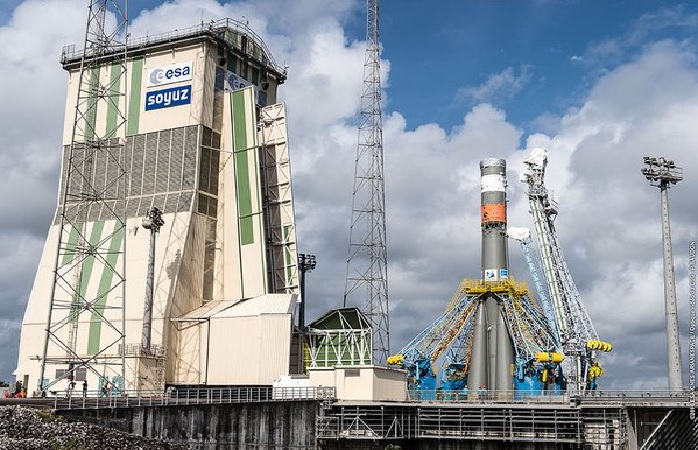
Space & Technology
KOUROU, French Guiana — April 24, 2026 : MaiaSpace has initiated dismantling work at the former Soyuz-ST launch complex at the Guiana Space Centre, marking the start of site conversion activities for its upcoming two-stage Maia launch vehicle. The facility, known as the Ensemble de Lancement Soyouz (ELS), has remained inactive since its last Soyuz-ST mission on February 10, 2022. Operations ceased after the European Space Agency ended cooperation with Russia following the suspension of joint space activities. Dismantling and Site Preparation Initial dismantling work has focused on removing key launch infrastructure. The service tower at the pad has been demolished, while earlier phases included cutting the four primary support arms used to hold the Soyuz rocket prior to liftoff and dismantling cable masts. Progress at the site was reported by the Russian Telegram community Zakrytyy kosmos. Transition to Maia Rocket Operations MaiaSpace, a subsidiary of ArianeGroup, was selected in September 2024 by the CNES to operate from the former Soyuz launch site. The selection followed a call for applications issued in April 2024. On February 24, 2026, MaiaSpace signed a Temporary Public Domain Occupancy Agreement with CNES and local authorities, formally granting access to the site and enabling modification work to begin. The facility has since been renamed ELM2, and the company plans to conduct all Maia launches from this location. Infrastructure Reuse and Investment The redevelopment strategy is based on reusing approximately 80 percent of existing infrastructure. Retained elements include assembly buildings, propellant and fuel storage systems, and railway tracks used for transporting rocket components. Total investment for the upgrade is expected to remain within several tens of millions of euros. Commercial Contracts and Launch Plans MaiaSpace has secured Eutelsat as a launch customer. A multi-launch agreement signed on January 16, 2026, covers deployment of satellites for the OneWeb low Earth orbit constellation, with missions scheduled to begin in 2027. The company’s development roadmap includes a suborbital test flight planned for late 2026. The mission will use a reduced propellant load and is intended to validate key flight phases such as liftoff, stage separation, and second-stage engine ignition, targeting an altitude of at least 100 kilometres. Ahead of this, the first Maia rocket is scheduled to be erected vertically on the launch pad by the end of 2026 for ground testing. Timeline for First Flights The first full orbital launch of the Maia rocket and the start of commercial operations are planned for 2027. MaiaSpace has not disclosed a detailed schedule for completion of dismantling activities or the start of new construction at the site. The Maia launcher is designed to deliver approximately 500 kilograms to low Earth orbit in reusable configuration and up to 1,500 kilograms in expendable mode.
Read More → Posted on 2026-04-24 16:32:16
World
ISLAMABAD / WASHINGTON — April 24, 2026 : U.S. President Donald Trump has directed Special Envoy Steve Witkoff and senior adviser Jared Kushner to travel to Pakistan this weekend for a new round of talks with Iranian Foreign Minister Abbas Araghchi, according to administration officials. The meetings, scheduled to take place in Islamabad, are part of ongoing efforts to negotiate a permanent ceasefire following the recent U.S.-Iran conflict. Pakistani authorities are facilitating the discussions, with Deputy Prime Minister and Foreign Minister Mohammad Ishaq Dar playing a central mediating role. Diplomatic Representation and Participation U.S. Vice President JD Vance will not attend the initial round of talks and will remain in Washington on standby. Officials indicated that he is prepared to travel to Islamabad if negotiations show measurable progress toward an agreement. On the Iranian side, Parliament Speaker Mohammad Bagher Ghalibaf is also not participating in this round. His absence follows his previously stated opposition to negotiations while a U.S. naval blockade of Iranian ports remains in effect. The U.S. decision to send Witkoff and Kushner instead of Vice President Vance reflects an effort to align diplomatic representation levels after confirmation of Ghalibaf’s non-participation. Background of Previous Talks The upcoming discussions follow an earlier round of high-level negotiations held in Islamabad on April 11–12, 2026. That session lasted approximately 21 hours and was led on the U.S. side by Vice President Vance, alongside Witkoff and Kushner. The Iranian delegation at that time was headed by Ghalibaf and included Foreign Minister Araghchi. Those talks concluded without a comprehensive agreement, though they contributed to establishing a temporary ceasefire framework. Key Issues on the Agenda The Islamabad meetings are expected to focus on several core issues tied to the fragile ceasefire that took effect earlier in April 2026 and has since been extended on a conditional basis. Primary areas of discussion include: Stabilizing and extending the current ceasefire agreement The status and reopening of the Strait of Hormuz The ongoing U.S. Central Command (CENTCOM) naval blockade of Iranian ports Maritime security and vessel movement restrictions, including recent reports that U.S. forces redirected 34 ships Broader concerns such as sanctions, nuclear-related issues, and regional infrastructure security Regional Mediation Efforts In addition to Pakistan’s role, regional actors including Egypt and Turkey are supporting diplomatic efforts. Ahead of the talks, Foreign Minister Araghchi held consultations with regional leaders, including Kurdistan Region President Nechirvan Barzani, to review ceasefire developments and coordination. Uncertainty Over Participation and Outcomes Iran has not formally confirmed its participation in the upcoming talks with the U.S. delegation. No official details have been released regarding the duration, structure, or expected outcomes of the meetings. The White House has described the engagement as part of continued diplomatic efforts to reach a lasting resolution. The outcome of the Islamabad discussions is expected to determine whether Vice President Vance will travel to Pakistan to finalize any potential agreement. With the ceasefire deadline approaching, the negotiations are taking place under time-sensitive conditions, though officials have not disclosed a specific timeline for decisions.
Read More → Posted on 2026-04-24 16:24:55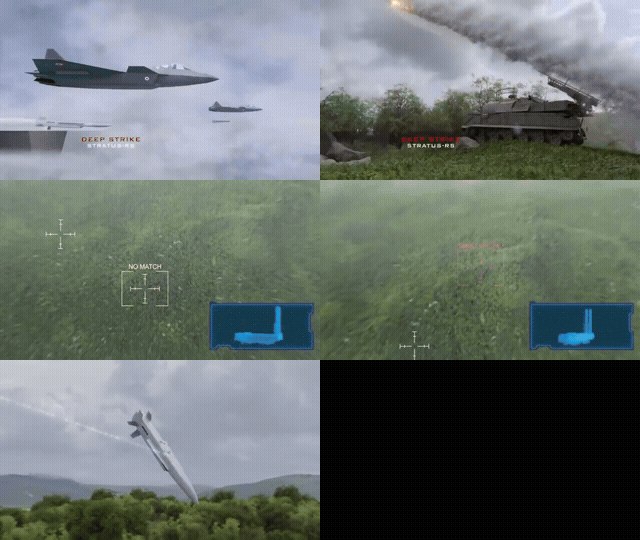
World
PARIS — April 24, 2026 : France has confirmed that the upcoming F5 standard of the Dassault Rafale will be equipped with the next-generation Stratus RS supersonic missile, following an update to the country’s 2024–2030 Military Programming Law published by the French National Assembly on April 8, 2026.The decision formally incorporates the Stratus RS into France’s future air combat and strike architecture, with integration planned as part of the Rafale F5 upgrade. Entry into operational service for the F5 configuration is expected no earlier than 2030, while full combat readiness of the missile system is projected for 2035. Programme Framework and Development Structure The Stratus RS missile is being developed by the European missile manufacturer MBDA under a trilateral cooperation framework involving France, United Kingdom, and Italy. France is leading development of the Stratus RS variant. The missile forms part of the broader Future Cruise/Anti-Ship Weapon programme (FC/ASW or FMAN/FMC), which has now been rebranded as the “Stratus” family. The programme adopts a dual-missile approach designed to penetrate advanced air defence environments through complementary capabilities. This family includes two variants: Stratus RS (Rapid Strike): A high-speed, supersonic missile optimized for rapid penetration and high survivability. Stratus LO (Low Observable): A subsonic, stealth-focused cruise missile led by the United Kingdom, designed for long-range land-attack missions with reduced radar visibility. Both variants are designed for interoperability and can be launched from air platforms such as the Rafale as well as from naval vessels. MBDA publicly unveiled the “Stratus” designation and displayed full-scale models of both variants at the DSEI 2025 exhibition in London in early September 2025. The programme has completed its assessment phase and is expected to enter the development phase during 2026. Stratus RS Capabilities and Technical Characteristics Previously designated as RJ10 during early development, the Stratus RS is a precision-guided missile engineered for high-speed strike operations against heavily defended targets. The missile is powered by a ramjet propulsion system currently under development, enabling speeds of approximately Mach 3.5, with broader estimates placing its operational velocity within the high-supersonic range between Mach 3 and Mach 5. This propulsion approach supports sustained high-speed flight and enhances penetration capability against layered air defence systems. Stratus RS incorporates advanced manoeuvrability, allowing it to alter its trajectory dynamically during flight and evade intercept attempts by modern air defence missiles. Its design focuses on overcoming anti-access and area-denial (A2/AD) environments. In terms of operational roles, the missile is designed for: Deep-strike missions against strategic surface targets located far behind enemy lines Suppression and destruction of enemy air defences (SEAD/DEAD) Anti-ship warfare missions Engagement of high-value airborne targets, including airborne early warning and control (AWACS) aircraft, using passive radio-frequency sensing The missile also features a next-generation guidance system with both active and passive radar capabilities, enabling it to detect, track, and engage emitting targets such as radar installations. With a length of slightly over five meters, the Stratus RS is compatible with both airborne and ship-based launch systems, aligning with the broader interoperability goals of the Stratus programme. Integration with Rafale F5 and Strategic Role The integration of Stratus RS into the Rafale F5 standard represents a significant enhancement in France’s strike and suppression capabilities. The F5 upgrade is being developed in parallel with the missile to ensure compatibility from initial deployment. The addition of a dedicated SEAD/DEAD capability addresses a longstanding gap in French air power following the retirement of the AS37 Martel missile in the 1990s. The Stratus RS is expected to serve as the primary system for neutralizing enemy air defence networks in future operations. The updated armament programme confirms the missile as France’s designated future SEAD weapon within the Rafale fleet, supporting broader operational requirements to counter advanced air defence systems and access-denial strategies. Timeline and Replacement of Legacy Systems Under current planning: Development phase entry is expected in 2026 Initial testing activities are anticipated to begin during the development cycle Early deliveries of missile systems are projected around 2028 Rafale F5 operational deployment is expected no earlier than 2030 Full operational capability for the missile system is targeted for 2035 The Stratus programme is intended to replace existing legacy systems, including the SCALP EG / Storm Shadow and Exocet-type anti-ship missiles currently in service. In addition to air-launched configurations, the missiles will also be deployed on naval platforms, expanding their operational flexibility across France’s armed forces. Current Status While the updated Military Programming Law confirms the selection and future role of the Stratus RS, no additional details have been disclosed regarding production volumes, exact integration schedules, or further technical specifications beyond those already released. The programme remains in transition from assessment to development, with further milestones expected as work progresses through the latter half of the decade.
Read More → Posted on 2026-04-24 16:00:00
World
TALLINN, Estonia — April 24, 2026 : Estonian defense startup Frankenburg Technologies has released new footage documenting ground test firings of its Mark I missile configured for air-to-air operations, marking a key phase in the system’s development ahead of full airborne trials. The test campaign focuses on validating three critical technical parameters that govern the viability of any air-launched weapon: rail and pylon configuration, safe separation from the launch platform, and the missile’s transition to stable flight immediately after release. These elements are widely regarded as gating requirements in missile integration, as failures in separation dynamics or post-launch stability can result in safety risks to the launch platform and render the weapon ineffective regardless of its terminal guidance performance. According to the company, conducting these evaluations in a controlled ground environment allows engineers to isolate and resolve aerodynamic and mechanical variables before progressing to live air-launch testing. The geometry of the rail and pylon system, in particular, plays a decisive role in determining how the missile departs the aircraft and clears aerodynamic disturbances generated by the host platform. Air-Launch Integration and Risk Reduction The air-to-air configuration represents one of the most technically demanding aspects of the Mark I’s multi-domain architecture. Unlike ground or sea launches, air deployment introduces additional variables, including forward velocity at release, airflow turbulence, and limited time for stabilization. The missile must separate cleanly from a moving aircraft, avoid recontact with the platform, and achieve controlled flight within a short distance. Frankenburg’s current ground tests are designed to validate these conditions prior to airborne trials. By refining separation characteristics and ensuring predictable aerodynamic behavior, the company aims to reduce integration risk and accelerate the transition to operational testing. Platform-Agnostic Design Philosophy The Mark I missile has been developed using a platform-agnostic and domain-agnostic design approach. The core system is engineered to function across land, sea, and air launch configurations without requiring fundamental redesign. Instead, domain-specific adaptations—such as mounting systems, software interfaces, and integration protocols—are implemented in collaboration with industry partners. This approach contrasts with conventional missile programs, which typically require extensive and costly modifications when adapted to different platforms. These modifications often include bespoke pylons, unique integration software, and separate certification processes. By standardizing the core architecture, Frankenburg aims to reduce integration complexity and enable deployment across a wider range of assets. Operationally, the multi-domain capability allows a single missile design to support a range of mission profiles. Ground-launched variants can be configured for area defense, direct fire, or anti-armor roles. Sea-based configurations may be used for vessel self-defense, anti-surface warfare, or shore attack. Air-launched versions, which are currently under development, are intended for air-to-air engagements, counter-drone operations, and potentially air-to-ground or anti-ship missions depending on the selected seeker and warhead configuration. Technical Characteristics of the Mark I The Mark I is a compact, precision-guided interceptor primarily designed for counter-unmanned aerial vehicle (C-UAV) missions. The missile measures approximately 660 millimeters in length, has a diameter of 60 millimeters, and weighs less than 2 kilograms at launch. It is powered by a solid-fuel rocket motor and carries a 0.5-kilogram high-explosive fragmentation warhead equipped with a proximity fuse and a self-destruct mechanism. The system has an operational range of up to 2 kilometers and can engage targets at altitudes reaching 1,500 meters. The missile operates on a fire-and-forget principle, using an electro-optic seeker capable of functioning in both daylight and low-light conditions. The guidance system incorporates artificial intelligence-based targeting algorithms designed to improve engagement accuracy against small and maneuvering aerial threats. Frankenburg has stated that the Mark I can achieve high-subsonic speeds exceeding 1,000 kilometers per hour, enabling rapid interception within short engagement windows typical of counter-drone scenarios. Development Timeline and Industrial Partnerships Frankenburg Technologies has progressed the Mark I from initial concept to prototype testing within a 13-month development cycle. The program has conducted more than 50 test firings to date, including ground-based and live-fire evaluations. The company has secured funding to support the transition to mass production and has entered into a framework agreement with Polska Grupa Zbrojeniowa (PGZ) for long-term cooperation on the missile’s development and manufacturing. In parallel, Frankenburg has collaborated with Airbus Defence and Space to integrate the Mark I onto the “Bird of Prey” interceptor drone. On March 30, 2026, the system completed a live demonstration flight in northern Germany, during which the drone autonomously detected and engaged a one-way attack drone using the Mark I missile. The platform, based on the Do-DT25, carried four missiles in the test configuration, with future variants expected to carry up to eight. Production and Next Steps Frankenburg has not disclosed detailed timelines for the next phase of airborne testing in the air-to-air configuration. However, the current ground test campaign is intended to complete risk reduction activities required before advancing to live aerial trials. Production of the ground-launched variant of the Mark I is scheduled to begin in May 2026, with initial deliveries planned for July 2026. The company has indicated that additional flight tests, including those involving live warheads, are planned throughout the remainder of 2026 to further validate the system for operational deployment. Market Context and Operational Drivers Frankenburg Technologies is entering a precision munitions market traditionally dominated by large defense contractors. Its development strategy emphasizes affordability, rapid production, and multi-domain flexibility. Recent conflicts, including the war in Ukraine, have highlighted significant shortages in precision-guided munitions and exposed limitations in existing production capacity. Armed forces have increasingly relied on high-cost interceptor missiles to counter low-cost aerial threats such as loitering munitions, creating cost asymmetries in air defense operations. The Mark I’s compact design and use of commercially available components are intended to support scalable manufacturing while addressing this cost imbalance. By enabling a single system to operate across multiple domains, the program also seeks to reduce procurement and sustainment burdens for military users. Frankenburg and its partners plan to continue iterative testing and integration activities through 2026 as the Mark I progresses toward broader deployment within allied defense frameworks.
Read More → Posted on 2026-04-24 15:47:29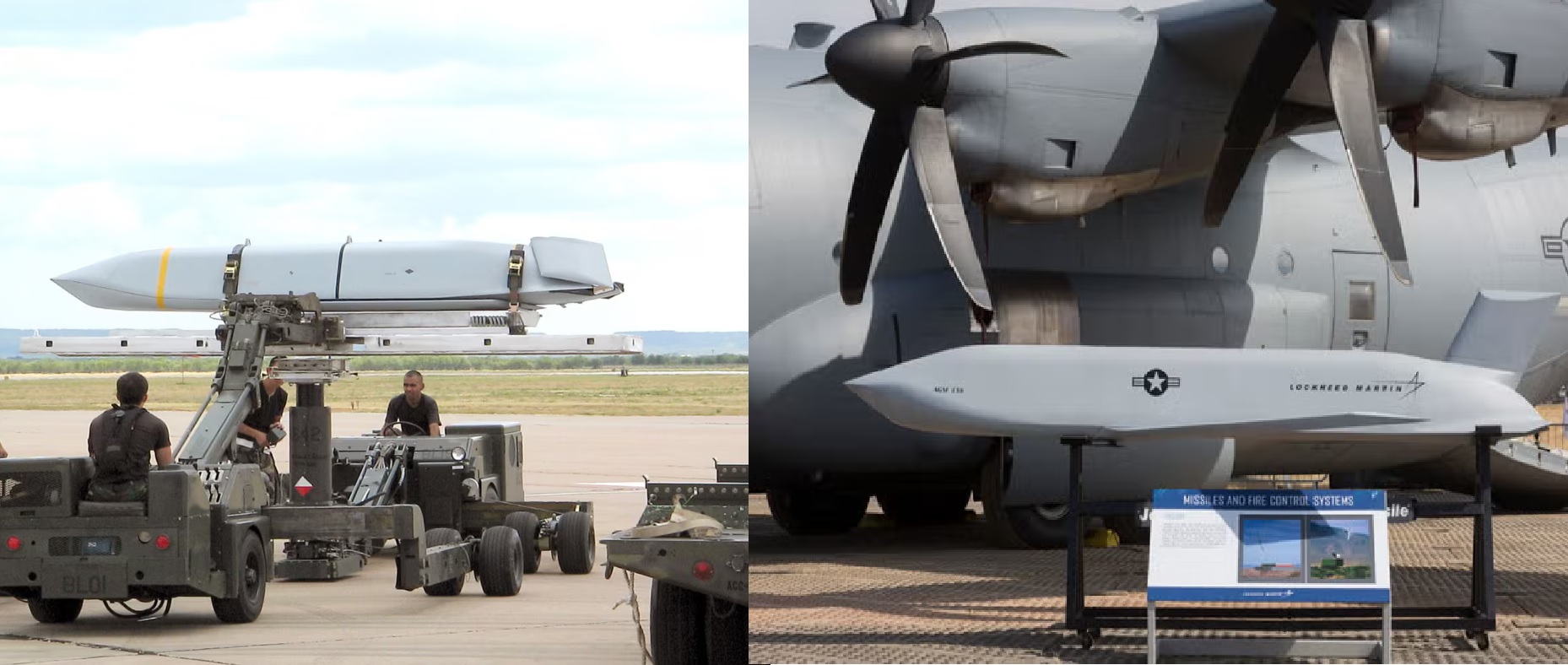
World
WASHINGTON, — April 24, 2026 : The United States Air Force is preparing a major multiyear procurement of approximately 4,300 Joint Air-to-Surface Standoff Missile–Extended Range (JASSM-ER) stealth cruise missiles from Lockheed Martin through fiscal year 2031, according to budget documents and reporting by Bloomberg. The acquisition is intended to rebuild precision-strike inventories that have been significantly reduced during high-intensity operations, particularly the ongoing conflict with Iran.The procurement plan reflects the operational demands placed on long-range standoff munitions and highlights ongoing pressure on the U.S. defense industrial base to scale production capacity. Officials indicate that additional stockpile depletion remains possible if hostilities continue or expand. Inventory Depletion and Strategic Reallocation Since the onset of combat operations against Iran in late February 2026, the U.S. military has expended between 1,000 and 1,100 JASSM-ER missiles. This level of usage accounted for roughly two-thirds of the pre-war inventory within a short period. Pre-conflict global availability stood at approximately 2,300 missiles.To sustain operations, the Pentagon redistributed JASSM-ER stockpiles from multiple regions, including the Indo-Pacific and the continental United States, to forward locations under United States Central Command, as well as to Fairford in the United Kingdom. Following combat expenditures and reallocation, internal estimates in early April 2026 indicated that roughly 425 missiles remained available for other global theaters, with total remaining inventory assessed at approximately 1,500 units.Defense analysts note that these weapons were originally positioned in part to support deterrence scenarios in the Indo-Pacific. Their rapid consumption has introduced planning challenges for U.S. force posture in Europe and East Asia. Procurement Plan and Budget Outlook Under the Air Force proposal, procurement will increase sharply beginning in fiscal year 2027. The service is seeking to acquire 821 missiles in FY2027, compared to 144 missiles in the current fiscal year. Planned purchases are expected to rise to nearly 900 units in FY2028, followed by approximately 860 missiles annually in subsequent years.If executed as planned, the acquisition would bring the total U.S. JASSM inventory to approximately 11,000 missiles by the end of the procurement period. Pentagon officials state that the expansion is aligned with broader readiness objectives and contingency planning requirements.However, implementation of long-term production expansion remains subject to congressional funding approvals. Previous Pentagon efforts to secure multiyear contracts aimed at significantly increasing precision-guided munition output have faced delays in the legislative process. System Capabilities and Technical Characteristics The AGM-158B JASSM-ER is an extended-range, stealthy air-launched cruise missile designed for deep-strike missions against high-value, hardened, and relocatable targets. It incorporates low-observable features intended to reduce detection by advanced air-defense systems.The missile has a range exceeding 900 kilometers (approximately 575–600 miles), enabling launch platforms to operate outside heavily defended airspace. It carries a 450-kilogram (1,000-pound) penetrating blast-fragmentation warhead.Guidance is provided through a combination of inertial navigation and anti-jam GPS, supported by an imaging infrared seeker for terminal-phase targeting. This configuration enhances accuracy in contested electronic warfare environments. The missile is powered by a turbofan engine and maintains the external dimensions of the baseline JASSM while integrating increased fuel capacity for extended range.The JASSM-ER is compatible with multiple U.S. Air Force platforms, including the B-1B Lancer, B-2 Spirit, and B-52 Stratofortress bombers, as well as fighter aircraft such as the F-15, F-16, and F-35. Unit costs are estimated to range between approximately $1.1 million and $1.66 million depending on production lot and contract structure. Industrial Base and Production Constraints Lockheed Martin manufactures the JASSM-ER at its facilities in Orlando, Florida. Current production output is projected at 396 missiles for fiscal year 2026. Under accelerated conditions, annual production could increase to approximately 860 units.Achieving this upper production rate would likely require reallocation of manufacturing capacity shared with the Long-Range Anti-Ship Missile (LRASM) program, which uses a related production line. Industry officials note that scaling output to meet Air Force targets will require sustained investment, workforce expansion, and supply chain adjustments.At current production levels, replacing missiles expended in recent months would take several years, underscoring the gap between operational consumption rates and manufacturing capacity. Adjustments in Operational Tactics In response to reduced inventories of long-range standoff weapons, U.S. military planners have begun modifying operational approaches. When air superiority conditions permit, there has been an increased reliance on deploying strategic bombers closer to target areas.This approach enables the use of lower-cost precision-guided bombs, preserving remaining JASSM-ER missiles for high-risk, heavily defended targets where standoff capability is required. Officials describe this as a resource management measure intended to balance operational effectiveness with inventory preservation. Strategic Context The planned acquisition underscores the logistical demands of sustained high-intensity warfare and the importance of maintaining adequate reserves of advanced precision munitions. Defense officials state that rebuilding stockpiles is necessary not only for ongoing operations but also to support deterrence and contingency planning across multiple regions.
Read More → Posted on 2026-04-24 14:43:01
World
WASHINGTON, — April 24, 2026 : The administration of Donald Trump is reviewing a range of military and strategic options that include the potential targeting of Ahmad Vahidi, the current commander-in-chief of Iran’s Islamic Revolutionary Guard Corps (IRGC), according to a report by CNN citing U.S. military and intelligence officials familiar with the planning. The deliberations come amid stalled diplomatic efforts between Washington and Tehran and follow a fragile ceasefire that took effect earlier in April 2026. According to the report, U.S. officials view Vahidi’s position and recent actions as a central obstacle to reviving negotiations, particularly as tensions remain high following the initial phase of the 2026 U.S.–Iran conflict. Contingency Planning and Targeting Considerations Officials familiar with internal discussions said the options under consideration are part of broader contingency planning tied to the ceasefire framework. One option includes direct action against specific Iranian military leaders and associated figures assessed to be actively undermining diplomatic engagement. Vahidi has been explicitly identified within this category. The U.S. Department of Defense has not confirmed any operational decisions. A Pentagon spokesperson stated that while specific or hypothetical operations are not discussed publicly, military planners continue to provide the president with a range of options and that all courses of action remain available. Leadership Transition Within the IRGC Vahidi assumed command of the IRGC on March 1, 2026, following the death of his predecessor, Mohammad Pakpour, during the opening phase of U.S. and Israeli military operations earlier in the conflict. Prior to his appointment, Vahidi served as deputy commander of the IRGC from December 2025 and previously held senior roles including commander of the IRGC Quds Force and Iran’s interior minister. U.S. officials assess that since taking command, Vahidi has consolidated influence across both military operations and strategic decision-making channels within Iran’s leadership structure. Internal Iranian Political Developments The reported U.S. considerations follow notable changes within Iran’s political leadership. Mohammad Bagher Ghalibaf recently stepped down from his role as head of Iran’s negotiating team in talks with the United States. According to multiple reports, his departure came after internal disagreements, including pressure from IRGC-linked factions over his willingness to include nuclear-related issues in negotiations. Ghalibaf had been associated with a more pragmatic approach to negotiations, particularly in seeking arrangements that could ease the impact of the ongoing U.S. naval blockade on Iranian ports. His removal is viewed by analysts as indicative of increasing influence held by hardline elements within the IRGC and affiliated institutions. Negotiation Breakdown and Policy Positions Following Ghalibaf’s exit from the negotiating process, Vahidi publicly stated that Iran would continue uranium enrichment activities and maintain its missile development program. He rejected the possibility of renewed talks under current conditions and indicated that Iran would continue its current course until U.S. military forces withdraw from the Middle East. Vahidi also reiterated Iran’s position regarding sovereignty over the Strait of Hormuz and opposed any concessions related to nuclear capabilities or missile restrictions. U.S. officials cited in the report describe Vahidi as playing a central role in shaping Iran’s negotiating stance and its military posture. He is reported to maintain direct access to Supreme Leader Mojtaba Khamenei and to have significant influence over enforcement of key policy positions, including the retention of uranium enrichment capabilities and control over strategic maritime routes. Regional and Operational Context The developments are taking place as the second phase of U.S. Central Command’s Operation Epic Fury remains paused under the terms of the current ceasefire. The agreement is contingent on conditions including the reopening of the Strait of Hormuz to international shipping. U.S. forces continue to enforce a naval blockade targeting Iranian ports while monitoring compliance with ceasefire conditions. The blockade has affected maritime trade flows, including energy exports, and remains a key element of U.S. pressure on Tehran. According to defense officials cited in the report, U.S. military planners are also reviewing broader “dynamic targeting” scenarios across the Persian Gulf, the Strait of Hormuz, and the Gulf of Oman, focusing on individuals and assets considered critical to Iran’s military decision-making. Diplomatic Efforts and Collapse of Talks Recent diplomatic efforts, including extended talks held in Islamabad with mediation support, failed to produce an agreement. Sources indicate that during the negotiations, factions aligned with Vahidi opposed proposed concessions, contributing to the breakdown of discussions. The internal divisions within Iran’s leadership structure, particularly between pragmatic and hardline factions, have reduced the negotiating authority of previous delegations and complicated efforts to reach a settlement. U.S. Strategic Position The United States has maintained that any agreement would require the full reopening of the Strait of Hormuz and steps addressing Iran’s stockpile of highly enriched uranium. Officials have indicated that without measurable progress on these issues, both military and economic pressure measures will continue. President Trump has signaled a firm position on the ceasefire, indicating that an extension is not guaranteed. U.S. officials have also noted that recovery and cleanup operations at Iranian nuclear facilities following earlier strikes—referred to in reports as Operation Midnight Hammer—are expected to take an extended period. No timeline has been provided for any potential actions under consideration. Officials emphasized that planning remains ongoing and subject to change based on developments in both diplomatic and military conditions.
Read More → Posted on 2026-04-24 14:32:37
World
WASHINGTON, — April 24, 2026 : The U.S. Army is advancing development of its Multi-Domain Artillery Cannon System (MDACS), a new artillery-based air and missile defense capability that will be integrated into the Pentagon’s “Golden Dome” homeland defense architecture, according to defense officials familiar with the program. The system is being developed under the Army’s Rapid Capabilities and Critical Technologies Office (RCCTO) as part of a broader effort to expand layered air and missile defense coverage across the United States and deployed force locations. System Role Within Golden Dome MDACS is designed to function as a lower-tier, high-capacity defensive layer within the Department of Defense’s Golden Dome initiative, a multi-domain architecture announced in 2025. The framework combines space-based sensors, advanced interceptors, and ground-based systems to counter ballistic, hypersonic, cruise missile, and low-altitude aerial threats. Within this structure, MDACS is intended to address short- to medium-range threats such as unmanned aerial systems, cruise missiles, fixed-wing aircraft, and rotary-wing platforms, complementing higher-tier interceptor systems. The program also expands the Army’s role in homeland defense operations within the continental United States by contributing a scalable, ground-based capability integrated into joint command networks. System Architecture and Components According to Army technical specifications, a full MDACS battery consists of multiple integrated subsystems designed to operate as a cohesive air defense unit. Each battery includes eight Multi-Domain Artillery Cannons (MDAC), which are wheeled, self-propelled 155 mm platforms modified for air defense missions. These systems are air-transportable, capable of rapid repositioning, and equipped with automated loading mechanisms that support a high rate of fire. Supporting the cannons are four Multi-Function Precision Radars (MFPR), which provide target acquisition and continuous tracking. These sensors operate as offboard systems, supplying targeting data rather than relying on onboard seekers within each projectile. Command and control is managed through two Multi-Domain Battle Managers (MDBM), which process sensor inputs, prioritize threats, and generate firing solutions. These elements are connected through the Integrated Air and Missile Defense Battle Command System (IBCS), enabling networked operations across multiple layers. A standard battery is configured with a minimum of 144 hypervelocity projectiles (HVP), forming the system’s primary intercept capability. Hypervelocity Projectile Technology The HVP used by MDACS was originally developed by BAE Systems for the U.S. Navy’s electromagnetic railgun program before being adapted for conventional 155 mm artillery systems. When fired from a standard 155 mm cannon, the projectile can reach speeds approaching Mach 6 and achieve an effective range of approximately 80 kilometers. Unlike traditional missile interceptors, the HVP relies on offboard radar guidance, receiving course-correction data from MFPR sensors via networked command systems. This approach reduces reliance on expensive onboard guidance packages, enabling a significantly lower cost per engagement while maintaining precision against aerial targets. Cost and Operational Concept The MDACS concept is centered on addressing the cost imbalance associated with modern air defense operations. Conventional surface-to-air missiles can cost millions of dollars per interceptor, while many emerging threats—such as drones or low-cost cruise missiles—are significantly cheaper. By shifting guidance functions to external sensors and using artillery-fired projectiles, MDACS enables a higher volume of fire at reduced cost. This allows the system to respond more effectively to saturation attacks, including drone swarms and coordinated missile strikes. The system’s mission profile includes defending fixed and semi-fixed installations, including forward operating bases and critical infrastructure, while operating in coordination with higher-tier missile defense systems. Integration and Networked Operations MDACS is designed as a fully integrated component rather than a standalone system. In addition to IBCS connectivity, the Army requires interoperability with broader command-and-control frameworks, including joint battle management systems used across the services. This network-centric approach allows MDACS units to receive targeting data from external sensors beyond their immediate operational area, increasing engagement range and improving situational awareness. The integration also supports coordinated defense operations across multiple domains, aligning MDACS with other Golden Dome elements such as space-based sensors and advanced interceptor systems. Development Timeline and Contracting In January 2025, the Army awarded a prototype development contract to BAE Systems for the design, integration, and testing of a complete MDACS battery configured for base defense missions. The program builds on earlier work conducted by the Strategic Capabilities Office within the Pentagon and the Air Force Research Laboratory under the Hypervelocity Ground Weapon System initiative. The development schedule outlines several key milestones. Initial funding began in fiscal year 2025, with approximately $67 million allocated to initiate prototyping and integration. Total program funding across fiscal years 2025 through 2027 is estimated at approximately $646 million. The Army plans to deliver the first complete prototype battery by the fourth quarter of fiscal year 2027. This will be followed by a battery-level operational demonstration in fiscal year 2028, including live-fire testing against representative aerial threats. Program Status Pentagon officials have stated that all components of the Golden Dome architecture remain under active development, with MDACS representing one of several new systems being integrated into the layered defense framework. While MDACS has been confirmed as part of the architecture, no specific timeline has been released for its full operational integration within Golden Dome. The Army continues to conduct iterative testing and soldier evaluations as the system progresses toward its planned 2028 operational demonstration.
Read More → Posted on 2026-04-24 14:17:15
India
LONDON / MUMBAI — April 24, 2026 : UK-based advanced air mobility developer LYTE Aviation Ltd has received ten conditional purchase orders from Vman Aviation Services IFSC Pvt Ltd for its SkyClinic vertical take-off and landing (VTOL) aircraft, in a deal valued at €500 million. The agreement includes milestone-linked deposits totaling €10 million and represents a significant early-stage commitment in the emerging aeromedical mobility sector. Agreement Structure and Strategic Rationale The order was placed by Vman Aviation Services, a boutique aviation leasing firm established in India’s GIFT City financial hub. The company intends to deploy the aircraft to address gaps in healthcare infrastructure, particularly across Tier 2 and Tier 3 cities, remote regions, and disaster-affected areas. Vishok Mansingh, Chief Executive Officer of Vman Aviation Services, stated that the SkyClinic platform is designed to deliver advanced medical capabilities directly to underserved areas where building and maintaining conventional hospital infrastructure is not feasible. The initiative is aligned with broader efforts to improve healthcare accessibility and reduce the need for patient transfers to major urban centres. Aircraft Design and Technical Specifications The SkyClinic is a purpose-built aeromedical aircraft derived from LYTE Aviation’s LA-44 SkyBus platform. It uses a tandem tilt-wing configuration and hybrid-hydrogen electric propulsion system. Key technical characteristics include a payload capacity of 4.5 tonnes and an operational range of up to 1,000 kilometres. The aircraft is designed to operate with minimal infrastructure, requiring approximately 50 metres of landing space and no dependence on traditional runways or helipads. The propulsion system is based on LYTE Aviation’s proprietary “PowerBridge” architecture, integrating combustion engines, electric motors, liquid hydrogen fuel cells, and compatibility with sustainable aviation fuels. Following a preliminary design review completed in 2025, the aircraft’s configuration was revised from eight engines to four, improving efficiency, reliability, and maintenance requirements. Medical Capabilities and Onboard Systems Unlike conventional air ambulances, the SkyClinic is configured as a deployable flying hospital. The cabin includes a fully equipped surgical suite capable of accommodating up to six patients simultaneously. The onboard medical infrastructure features an operating theatre designed to support remote robotic surgery, advanced diagnostic equipment, and continuous patient monitoring systems. The aircraft is also equipped with high-speed 5G and 6G connectivity, enabling real-time data transmission and remote specialist consultation. These capabilities are intended to support a wide range of use cases, including emergency response, specialised medical outreach, and humanitarian assistance in underserved or inaccessible locations. Operational Use Cases and Broader Applications In addition to civilian healthcare delivery, the SkyClinic platform is designed for deployment in disaster relief scenarios and conflict zones. Its rapid deployment capability and integrated medical logistics systems allow it to function as a mobile field hospital. The aircraft’s potential applications extend to military use cases, including frontline medical response, casualty evacuation, and support for operations in remote or infrastructure-limited environments. Programme Status and Development Timeline LYTE Aviation, founded in 2023 and headquartered in London, is developing a portfolio of heavyweight hybrid-hydrogen-electric VTOL aircraft. This includes the passenger-focused SkyBus, the cargo-oriented SkyTruck, and the medical SkyClinic variant. The company completed a preliminary design review in 2025 and is progressing toward the development of a subscale prototype. Discussions with fuel cell and propulsion system partners are ongoing as part of the next phase of development. The SkyClinic orders contribute to LYTE Aviation’s total pre-order pipeline, which the company states is valued at approximately €1.42 billion across its aircraft portfolio. Commercial Outlook and Next Steps Freshta Farzam, Chief Executive Officer of LYTE Aviation, described the agreement as an indication of market interest in advanced aeromedical mobility solutions and validation of the company’s platform strategy. The current agreement remains conditional, with conversion to firm orders dependent on specified technical and commercial milestones. Neither LYTE Aviation nor Vman Aviation Services disclosed timelines for certification, delivery schedules, or entry-into-service dates. Both companies indicated that further updates regarding programme progress and contractual developments will be provided as milestones are met.
Read More → Posted on 2026-04-24 14:03:46
World
WASHINGTON — April 24, 2026 : The United States military is actively preparing contingency plans for potential strikes against Iranian targets across the Strait of Hormuz, the southern Persian Gulf, and the Gulf of Oman if the current ceasefire agreement with Iran collapses, according to multiple officials familiar with the planning. The proposed actions are being developed as part of a potential second phase of Operation Epic Fury, a U.S. Central Command-led campaign launched in late February 2026. The operation’s initial phase involved 38 days of sustained combat that significantly degraded Iran's conventional military infrastructure, including air defense systems and elements of its defense industrial base. U.S. assessments indicate that approximately 80% of Iran’s air defense network was destroyed during this period. Operational Focus on Maritime Access Planning for a second phase centers on ensuring the reopening and sustained security of the Strait of Hormuz, a strategic waterway through which roughly one-fifth of global oil shipments pass. The strait was effectively closed by Iran during earlier stages of the conflict, contributing to disruptions in global energy markets and shipping. The current ceasefire, which took effect around April 7–8, 2026, remains conditional and limited in scope. While Iran has coordinated vessel passage during the pause, U.S. officials assess that Tehran has simultaneously repositioned surviving military assets within the region. Dynamic Targeting Framework Pentagon planning emphasizes a “dynamic targeting” approach aimed at Iranian capabilities that could threaten maritime transit. These include assets associated with Iran’s anti-access/area-denial (A2/AD) strategy, particularly within confined and contested waters. Primary targets under consideration include: Networks of small, high-speed attack boats operated by the Islamic Revolutionary Guard Corps, often described as a “mosquito fleet” Mine-laying vessels and midget submarines capable of disrupting shipping lanes Mobile coastal defense systems, including anti-ship cruise missile launchers One-way attack drones launched from fortified cave and tunnel complexes along the coastline U.S. intelligence assessments indicate that a substantial number of Iranian missile launchers and drone systems survived the initial phase of operations. In addition, clearance of naval mines in the strait could require up to six months, complicating efforts to fully restore secure passage. Military planners are also maintaining broader options that include potential strikes on Iranian energy infrastructure and the targeting of senior military personnel involved in coordinating maritime disruption activities. Force Posture and Airpower Deployment To support these objectives, the U.S. Department of Defense has deployed a range of combat aircraft and support systems to forward bases in the Middle East, including Al Dhafra Air Base in the United Arab Emirates and Prince Sultan Air Base in Saudi Arabia. The deployed assets include: 12 F/A-18C/D Hornets assigned to the U.S. Marine Corps’ Marine Fighter Attack Squadron 312 (VMFA-312), known as the Checkerboards. These aircraft transited through Lajes Field in the Azores with aerial refueling support from KC-46A Pegasus tankers. Approximately 30 A-10C+ Thunderbolt II aircraft drawn from the 74th and 75th Fighter Squadrons at Moody Air Force Base, Georgia; the 107th Fighter Squadron at Selfridge Air National Guard Base, Michigan; and the 190th Fighter Squadron at Gowen Field Air National Guard Base, Idaho. Six AC-130J Ghostrider gunships configured for precision strike and close air support missions. Multiple uncrewed aerial systems tasked with intelligence, surveillance, reconnaissance, and strike roles. The composition of these forces indicates a focus on close air support and maritime interdiction operations rather than deep-strike strategic bombing. The A-10C+ aircraft and AC-130J gunships are particularly suited for engaging fast-moving, dispersed targets such as small boats and mobile launch platforms. Potential Ground and Maritime Operations Most of the deployed aircraft are tasked with supporting U.S. Navy and Marine Corps units in potential operational scenarios that could include direct engagement with Iranian coastal defenses. This may involve neutralizing missile batteries positioned along the shoreline or conducting operations to secure Iranian-held islands that overlook critical shipping lanes in the strait. U.S. Navy forces continue to enforce a blockade of Iranian ports, conducting vessel redirection and selective boarding operations as part of ongoing maritime security measures. Strategic Context and Outlook The U.S. military buildup in the region, which includes carrier strike groups and additional air assets, is part of a broader reinforcement effort that began in January 2026 within the U.S. Central Command area of responsibility. Pentagon officials have declined to comment on specific operational timelines or detailed strike plans, stating that all options remain available to the President. The current posture reflects a transition from initial large-scale conventional operations to a readiness framework focused on rapid re-engagement if the ceasefire breaks down. No formal decision on initiating a second phase of operations has been announced.
Read More → Posted on 2026-04-24 13:51:17
India
BENGALURU, — April 24, 2026 : Dynamatic Technologies Limited, through its unmanned systems division Dynauton Systems, has signed a Memorandum of Understanding (MoU) with Germany-based aviation firm Aerodata AG to jointly develop and manufacture the AeroForce X unmanned aerial vehicle (UAV) platform tailored for Indian requirements. The agreement was signed on April 22, 2026, in Bengaluru by Udayant Malhoutra, CEO and Managing Director of Dynamatic Technologies Limited, and Neset Tükenmez, CEO of Aerodata AG. It establishes a framework for collaboration on an unmanned airborne surveillance and reconnaissance solution designed for operations across the Indian region. Platform Development and Technical Framework The partnership centres on the AeroForce X, a modular Medium Altitude Long Endurance (MALE) unmanned aircraft system (UAS) designed for Intelligence, Surveillance, and Reconnaissance (ISR) missions over both land and maritime environments. Under the MoU, both companies will evaluate the development and deployment of the platform to meet Indian operational requirements. The AeroForce X platform falls within the 5-tonne UAV category, with a maximum take-off weight of approximately 4,800 kg and a payload capacity of up to 1,300 kg. The system is designed to support both MALE and High Altitude Long Endurance (HALE) variants. Operational specifications include: MALE variant capable of flying at altitudes exceeding 30,000 feet above mean sea level HALE variant designed for operations above 50,000 feet Endurance of up to 40 hours for extended missions The UAV features a modular architecture that allows rapid reconfiguration for different mission profiles. It is designed to integrate advanced mission systems and sensor technologies, enabling a wide range of surveillance and reconnaissance roles. The platform is classified as ITAR-free, meaning it is not subject to United States export control regulations, allowing flexibility in international deployment and collaboration. Operational Roles and Mission Scope According to the companies, the AeroForce X is being developed for multi-domain ISR missions, including maritime surveillance and reconnaissance, border patrol, monitoring of exclusive economic zones (EEZ), pollution surveillance, anti-narcotics operations, fishery patrol, search and rescue, and anti-piracy operations. The system is being specifically adapted for sustained operations in high-altitude terrain such as the Himalayas and in maritime environments across the Indian Ocean Region. Division of Responsibilities Under the terms of the MoU, Dynauton Systems will contribute its engineering and manufacturing capabilities in unmanned systems, while Aerodata AG will provide expertise in integrating complex airborne surveillance, reconnaissance, and mission management systems. The collaboration also includes plans to combine Aerodata’s mission systems and sensor technologies with Dynauton’s proprietary software stack. Production elements of the adapted UAV platform are expected to be carried out in India using Dynauton’s manufacturing infrastructure. Corporate Background Dynauton Systems was established in 2023 as a deep-technology startup by Dynamatic Technologies Limited, focusing on unmanned systems and mission-critical technologies for surveillance and security applications. The division was formally incorporated as Dynauton Limited in mid-April 2026. Dynamatic Technologies Limited is a precision engineering company with operations in India and Europe, engaged in the design and manufacture of products for aeronautics, hydraulics, metallurgy, and security sectors. Aerodata AG, headquartered in Braunschweig, Germany, specializes in aviation solutions, particularly airborne surveillance, flight inspection systems, and mission management technologies. Executive Statements Neset Tükenmez stated that the agreement represents a step toward adapting the AeroForce X platform for ISR missions in the Himalayas and the Indian Ocean Region, combining the technological strengths of both companies. Udayant Malhoutra said the collaboration enables Dynauton Systems to build on an established platform and jointly develop solutions for complex surveillance and reconnaissance requirements. Industry Context and Next Steps The partnership aligns with India’s ongoing efforts to expand domestic aerospace manufacturing capabilities and reduce reliance on imported unmanned systems. By integrating European mission system expertise with local engineering and production, the collaboration is positioned to address requirements of Indian defence and security agencies. The companies indicated that further evaluation and development activities will follow under the MoU framework. No financial details or specific timelines for deployment or production were disclosed.
Read More → Posted on 2026-04-24 13:31:16
World
TEHRAN — April 23, 2026 : Iran’s Supreme Leader Mojtaba Khamenei continues to oversee state affairs while recovering from severe injuries sustained during the opening phase of the war involving the United States and Israel, according to a detailed report published by The New York Times citing current and former Iranian officials. Khamenei, who assumed leadership following the death of his father Ali Khamenei, remains mentally alert but physically constrained after the February 28, 2026 airstrikes that targeted a leadership compound in central Tehran. The same strikes resulted in the deaths of senior defense officials and members of the Khamenei family. Extent of Injuries and Medical Status According to intelligence and medical details referenced in the report, Khamenei sustained multiple severe injuries. He has undergone three surgical procedures on one leg and is currently awaiting a prosthetic limb. In addition, he suffered burns to his face and lips, which have limited his ability to speak, along with injuries to one of his hands. Officials familiar with his condition state that he is under continuous medical supervision, supported by a dedicated team of doctors, and is gradually regaining function in affected areas. Despite this, his recovery remains incomplete, influencing how he carries out his duties. Since being appointed by Iran’s Assembly of Experts in March 2026, Khamenei has not made any public appearances or released audio or video statements. Officials indicate that this absence reflects both security considerations and a deliberate effort to avoid projecting physical vulnerability during an ongoing conflict environment. Governance Through Secure Courier Communication Due to security risks and physical limitations, Khamenei is operating from an undisclosed location. The report states that he communicates exclusively through sealed handwritten messages delivered via a tightly controlled courier network. These couriers transport directives across road networks between the Supreme Leader’s location and key institutions in Tehran. This system has replaced conventional electronic communication channels to reduce the risk of interception or targeting. All major decisions, including those related to military posture, control over the Strait of Hormuz, and relations with neighboring countries, are being transmitted through this method. Written directives have also been used to convey positions on ceasefire negotiations with the United States. Expanded Role of the Islamic Revolutionary Guard Corps The current governance structure has shifted toward a more decentralized and military-influenced model. Khamenei has delegated significant operational authority to senior commanders within the Islamic Revolutionary Guard Corps (IRGC), particularly in areas related to wartime strategy, internal security, and foreign policy execution. This arrangement has resulted in IRGC commanders playing a central role in shaping Iran’s military posture and diplomatic engagements during both the conflict and the subsequent ceasefire period that began in early April 2026. Analysts and individuals familiar with Iran’s internal dynamics describe the evolving system as differing from the previously centralized clerical model. Abdolreza Davari, a former senior adviser to ex-president Mahmoud Ahmadinejad, stated that Khamenei is effectively managing governance in a structure comparable to a board, with IRGC generals functioning as key decision-making members. Sanam Vakil, director of the Middle East and North Africa program at Chatham House, assessed that the Supreme Leader is not exercising full operational control in all areas and is at times presented with decisions already implemented by military authorities. Ali Vaez, Iran director at the International Crisis Group, noted that the structural changes have increased the relative influence of the Revolutionary Guards within the state hierarchy. Continuity of Leadership Amid Ceasefire Conditions Despite the delegation of authority, Khamenei remains the formal head of state and retains ultimate decision-making authority. His written messages have emphasized continued resistance policies and the preservation of strategic leverage, including maritime control considerations. The April 23, 2026 report aligns with earlier accounts from Iranian and Israeli officials and reporting by Reuters on April 11, 2026, which also described significant leg injuries and facial damage resulting from the February 28 strike. U.S. officials, including Defense Secretary Pete Hegseth, have previously referenced the injuries in public statements. Iran is currently operating under a fragile ceasefire with the United States that took effect in early April 2026. While this arrangement has allowed continuity in governance and security operations, it has also coincided with a redistribution of practical authority toward military leadership structures. No official statement has been issued by Iranian authorities regarding the full extent of the Supreme Leader’s injuries or the specific mechanisms of his communication system.
Read More → Posted on 2026-04-23 17:35:25
Spanish Army VAMTAC Destroyed After Rigging Failure During Airborne Training Exercise in Guadalajara
World
MADRID / GUADALAJARA — April 23, 2026 : A URO VAMTAC operated by the Spanish Army was completely destroyed following a rigging failure during a heavy equipment parachute drop carried out in mid-April 2026. The incident occurred at the Campo de Maniobras y Tiro de Uceda training range in Guadalajara province during a scheduled airborne logistics exercise conducted by the Brigada Paracaidista “Almogávares VI” (BRIPAC). The vehicle was deployed from a Airbus A400M Atlas transport aircraft belonging to the Spanish Air and Space Force at an altitude of approximately 300 metres. According to official information and preliminary assessments, the parachute deployment sequence was initiated as planned, but the rigging system — including harness components and steel cable anchor points — failed to sustain the load. As a result of the structural failure, the vehicle detached from its restraints during descent. The parachutes did not maintain control of the load, and the VAMTAC entered an uncontrolled free fall before impacting the ground at high speed within the secured drop zone. The impact caused total destruction of the vehicle, rendering it unusable. No personnel were inside the vehicle at the time of the drop, in accordance with standard operating procedures for heavy equipment airdrop missions. Authorities confirmed that no injuries were reported among participating military personnel or in surrounding areas. The destroyed platform formed part of a batch of 38 VAMTAC ST5 vehicles procured by the Spanish Army in June 2024 from manufacturer UROVESA. The acquisition contract was valued at €23.6 million, including value-added tax, placing the estimated cost of the lost vehicle at approximately €600,000. The VAMTAC (Vehículo de Alta Movilidad Táctico) is a 4×4 high-mobility tactical vehicle designed for multiple operational roles, including troop transport, reconnaissance, and light combat support. Airborne-configured variants used by BRIPAC are adapted for parachute deployment, with structural modifications intended to withstand descent forces and landing impact under controlled conditions. The exercise was part of routine training focused on aerial resupply and rapid deployment capabilities. Such operations require coordinated procedures involving load preparation, rigging integrity checks, and precise timing of parachute deployment systems to ensure safe delivery of equipment. Following the incident, the Spanish Army confirmed the loss through official spokespersons and initiated a formal technical investigation. The inquiry will examine the failure of the rigging system, including the performance of harness assemblies and anchoring mechanisms, as well as procedural and environmental factors present during the drop. The crash site was secured after the incident, and recovery teams were tasked with collecting wreckage and associated deployment equipment for analysis. The Brigada Paracaidista “Almogávares VI”, based in Paracuellos del Jarama near Madrid, regularly conducts airborne insertion and resupply exercises as part of its operational readiness cycle. The brigade has previously demonstrated its airdrop capabilities with VAMTAC vehicles to international partners, including the Portuguese Army in January 2026. While the destruction of the vehicle represents a material loss within BRIPAC’s equipment inventory, military officials indicated that the incident did not disrupt the broader training programme. No details have been released regarding replacement timelines for the lost platform or whether procedural modifications will be introduced pending the outcome of the investigation.
Read More → Posted on 2026-04-23 17:21:40
World
HANOI — April 23, 2026 : Vietnam is expected to move forward with plans to acquire between 12 and 24 Sukhoi Su-57 stealth fighters from Russia in the early 2030s, as part of a long-term effort to modernize the Vietnam People’s Air Force and replace aging combat aircraft. Deliveries are anticipated to take place between 2030 and 2035, aligning with the projected maturity of the Su-57 production program and ongoing upgrades to the platform. Fleet Modernization and Replacement The planned acquisition is structured to address both replacement and capability expansion requirements within Vietnam’s current fleet. The incoming fifth-generation aircraft are expected to directly replace 12 Sukhoi Su-27 fighters and approximately 30 Sukhoi Su-22 aircraft, both of which are approaching the end of their operational service lives. In addition to replacing older platforms, the Su-57 will operate alongside Vietnam’s existing inventory of around 35 Sukhoi Su-30MK2 multirole fighters, which currently serve as the backbone of the country’s combat aviation capability. This layered fleet structure is intended to maintain operational continuity while introducing advanced capabilities associated with fifth-generation aircraft. Initial reporting on Vietnam’s interest in the Su-57 dates back to mid-2017, including coverage by Dat Viet newspaper, with subsequent references by local analysts in early 2019. The program has since remained part of Vietnam’s long-term defense planning framework, with continued analytical support from regional defense observers. Strategic Context and Regional Dynamics Vietnam’s decision to pursue a fifth-generation platform reflects broader regional security considerations, particularly in the South China Sea. Ongoing territorial disputes and the rapid modernization of regional air forces have influenced procurement priorities. China currently operates a large fleet of Chengdu J-20 stealth fighters and continues development of next-generation combat aircraft. Within this context, Vietnam’s planned acquisition is intended to ensure credible airpower capabilities for long-range operations, maritime strike missions, and airspace control over its coastline and contested areas. The Su-57’s operational profile, including extended combat range and heavy payload capacity, is considered suitable for wide-area maritime patrol and strike roles across the South China Sea. Operational Integration and Technical Considerations Defense analysts emphasize that compatibility with Vietnam’s existing Russian-origin systems is a central factor in the selection of the Su-57 over Western alternatives. Vietnam’s military infrastructure is built largely around Russian platforms, enabling streamlined integration. The Su-57 is expected to operate in conjunction with existing assets such as the Su-30MK2 fleet and S-300 missile system air defense systems. This interoperability reduces logistical complexity, minimizes maintenance costs, and limits the scale of pilot retraining requirements compared to transitioning to NATO-standard aircraft. The aircraft’s sensor suite and weapons integration are designed to support both air superiority and precision strike missions, enhancing Vietnam’s ability to respond to evolving operational requirements. Future Configuration and Upgrade Path Vietnam is expected to receive a more advanced configuration of the aircraft, potentially aligned with the “5+” generation standard. Reports indicate that deliveries in the 2030–2035 timeframe could include the Su-57M1 variant equipped with the AL-51F-1 engine engine. This upgraded propulsion system is designed to provide increased thrust, improved supercruise capability, reduced radar and infrared signatures, and lower maintenance demands. The timing of the acquisition allows Vietnam to benefit from incremental improvements in the aircraft’s design, production processes, and operational reliability as the program matures. International Export Status and Procurement Outlook If finalized, Vietnam would become the second international operator of the Su-57 after Algeria, which has reportedly completed procurement agreements with Rosoboronexport and begun receiving aircraft between late 2025 and early 2026. Russia has indicated growing international interest in the export variant, commonly referred to as the Su-57E, with multiple contracts reported in recent months, although additional buyers have not been officially disclosed. No formal contract between Vietnam and Russia has been publicly announced. The final number of aircraft within the 12 to 24 range is expected to depend on budgetary considerations and procurement planning. The acquisition aligns with Vietnam’s broader strategy of maintaining a Russian-centric defense inventory across its air force, navy, and air defense systems, while gradually introducing more advanced capabilities to replace aging platforms. Further details on contract timelines, financing arrangements, and integration schedules are likely to emerge closer to the planned delivery window in the early 2030s.
Read More → Posted on 2026-04-23 17:10:26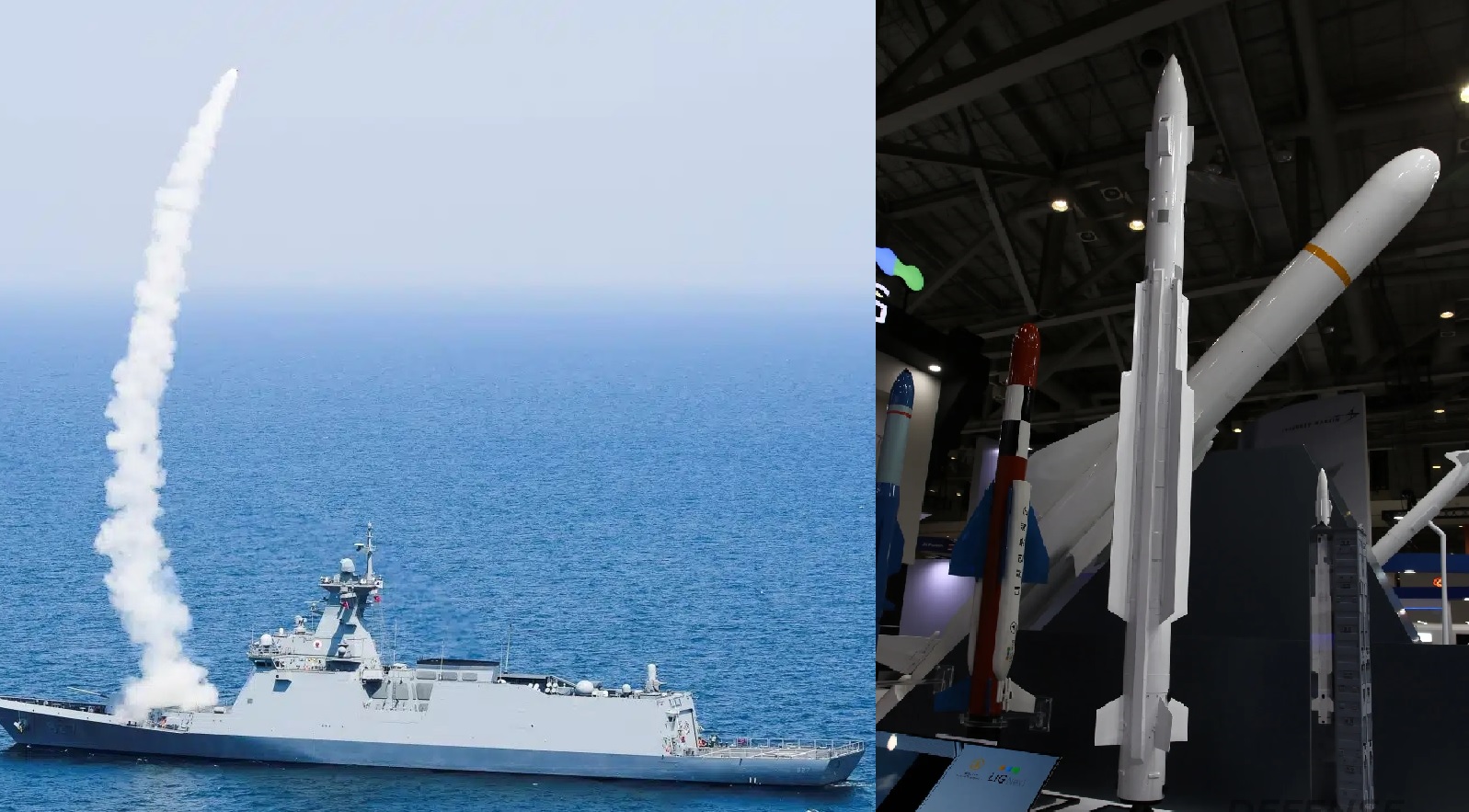
World
KUALA LUMPUR — April 23, 2026 : South Korean defence firm LIG Nex1, also operating as LIG Defense & Aerospace, has signed its first export contract for the Haegung (K-SAAM) ship-based surface-to-air missile system with Malaysia’s Ministry of Defence. The agreement, valued at $94 million (approximately KRW 140 billion), was concluded on April 22, 2026, during the Defence Services Asia (DSA) 2026 exhibition held in Kuala Lumpur. The contract covers the supply and integration of the Haegung system onto three Royal Malaysian Navy Littoral Mission Ship Batch 2 (LMSB2) vessels. These ships are currently under construction by Turkish state-owned defence firm STM Defence and are based on the Ada-class corvette design. The programme forms part of Malaysia’s ongoing naval modernisation effort under its 15-to-5 fleet rationalisation plan, which seeks to reduce the number of ship classes while enhancing operational capability in littoral environments. According to the agreement, each of the three LMS Batch 2 vessels will be equipped with a 16-cell vertical launching system configured to deploy the Haegung missiles. The system supports quad-pack canisters, enabling up to 16 missiles per ship in a 2×2 configuration as part of the vessels’ short-range air defence suite. The Haegung, also known as the Korean Surface-to-Air Anti-Missile (K-SAAM), was developed by South Korea’s Agency for Defense Development in partnership with LIG Nex1. Development of the missile began in 2011, with mass production commencing in 2019 and operational deployment starting in 2021 with the Republic of Korea Navy. Designed for point defence of naval platforms, the system is intended to intercept anti-ship missiles, aircraft, and other aerial threats. The missile measures approximately 3.08 to 3.36 metres in length, has a maximum speed of up to Mach 2, and an operational interception range of between 15 and 20 kilometres. It uses inertial mid-course guidance combined with a dual-mode terminal seeker that integrates radio frequency radar and imaging infrared sensors, enabling engagement in complex electronic warfare environments. The missile employs a vertical launch mechanism followed by rapid directional manoeuvring to engage targets shortly after launch. Prior to this agreement, the system was exclusively operated by the Republic of Korea Navy, including deployment on platforms such as the Daegu-class frigates and the ROKS Marado. The LMS Batch 2 vessels will incorporate a mix of Turkish and international systems. In addition to the K-SAAM, the ships are expected to be equipped with Roketsan Atmaca surface-to-surface missiles, a 76 mm main gun, and a 30 mm secondary gun. Construction of the vessels is underway at STM facilities in Istanbul, with keels laid in 2025. Daniel Lee, head of LIG Nex1’s Malaysia office, stated that the agreement reflects the Royal Malaysian Navy’s confidence in the company’s technology and builds on cooperation developed over the past seven years. The contract represents the first overseas sale of the Haegung system and marks an expansion of South Korea’s defence exports into the maritime guided weapons segment in Southeast Asia. It follows previous export successes of LIG Nex1’s Cheongung-II (M-SAM II) systems to Middle Eastern countries, including the United Arab Emirates, Saudi Arabia, and Iraq. Malaysian defence authorities announced that the Haegung contract was one of 24 agreements and industrial collaboration programmes signed during DSA 2026, with a combined value exceeding RM3.54 billion. No specific delivery schedule or integration timeline for the missile systems has been disclosed.
Read More → Posted on 2026-04-23 16:20:52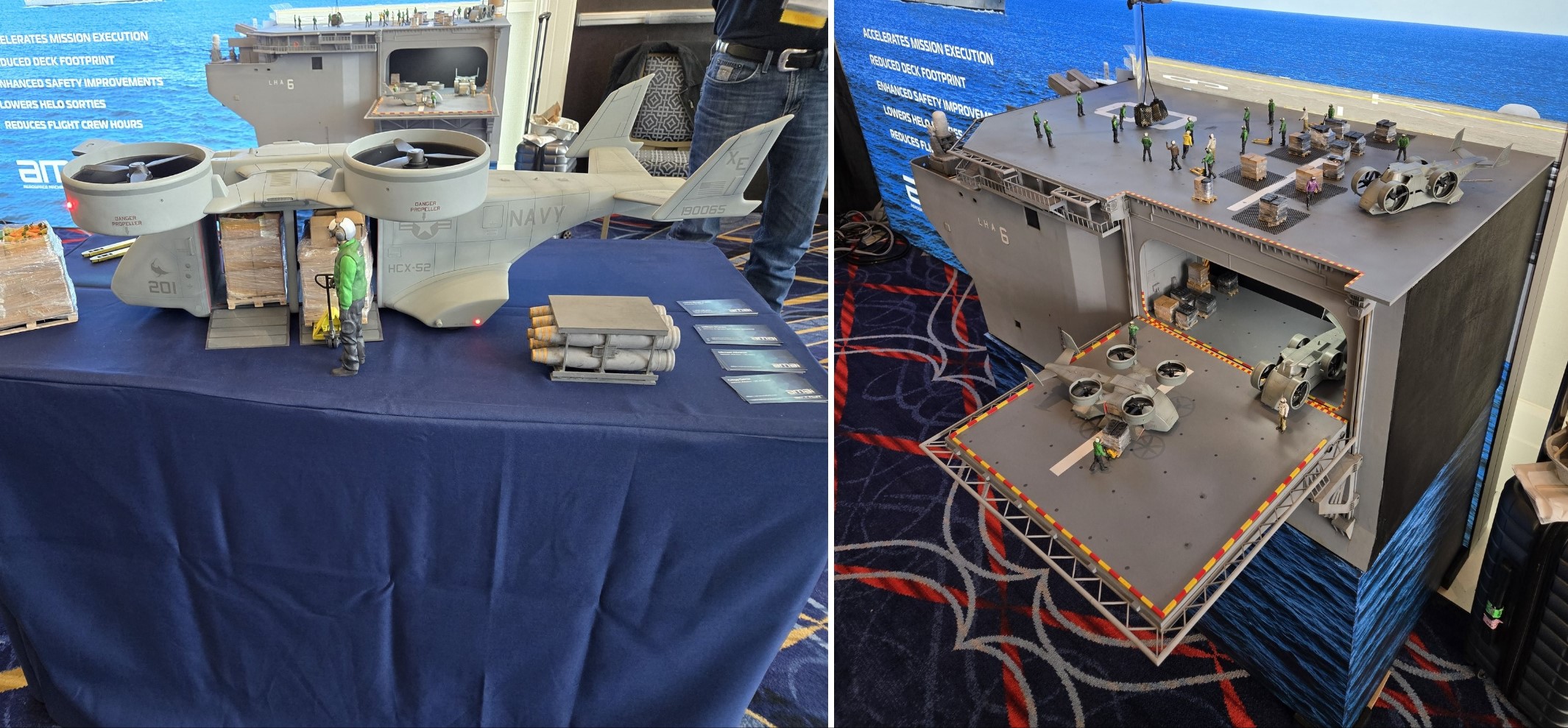
World
NATIONAL HARBOR, Md., — April 23, 2026 : Tacoma-based Aerospace Machining & Assembly Inc. (AMAI) has unveiled a new autonomous maritime logistics concept, the Marlin HCX-52, during the Sea-Air-Space 2026 held on April 19–22, 2026 at the Gaylord National Resort & Convention Center. The platform is designed as a fully autonomous, all-electric Vertical Replenishment (VERTREP) system intended to support future logistics requirements of the United States Navy. The Marlin HCX-52 is positioned as a purpose-built unmanned cargo delivery platform capable of conducting ship-to-ship and ship-to-shore resupply missions without onboard crew. According to information released at the company’s exhibition booth, the system is being engineered to carry a payload of 2,500 to 3,000 pounds (1,133 to 1,360 kilograms). This capacity is aligned with standard military logistics requirements, including palletized cargo, provisions, and essential munitions. Transition in Naval Logistics Operations Current VERTREP operations within the U.S. Navy rely primarily on manned rotary-wing aircraft such as the MH-60S Knighthawk. These platforms are routinely used to transfer supplies between combat logistics force vessels and carrier strike groups. While effective, their use for routine cargo movement allocates high-value aviation assets to non-combat roles and exposes aircrew to operational risks. The Marlin HCX-52 concept reflects a shift toward automated logistics systems. By removing onboard personnel requirements, the platform is intended to reduce operational risk while enabling more efficient allocation of manned aviation resources for missions such as anti-submarine warfare, search and rescue, and combat support. Platform Design and Technical Overview AMAI has outlined key baseline characteristics of the Marlin HCX-52, although the system remains at the concept stage. The platform is designed for maritime durability and operational compatibility with existing naval infrastructure. Platform Name: Marlin HCX-52 Manufacturer: Aerospace Machining & Assembly Inc. (AMAI) Primary Role: Vertical Replenishment (VERTREP) and Maritime Logistics Operation: Fully Autonomous Propulsion System: All-Electric Target Payload Capacity: 2,500–3,000 lbs (1,133–1,360 kg) Target Operator: United States Navy The system incorporates corrosion-resistant materials to support long-term deployment in maritime environments. According to the company, the design does not require structural modifications to existing naval vessels, enabling integration with current shipboard logistics procedures. Electric Propulsion and Operational Efficiency The Marlin HCX-52 utilizes an all-electric propulsion architecture. This approach is intended to reduce acoustic and thermal signatures compared to turbine-powered helicopters, which may have implications for operations in contested or sensitive environments. Additionally, electric propulsion is expected to lower maintenance requirements and reduce operating costs per flight hour. The absence of traditional aviation fuel requirements for the platform itself also simplifies aspects of the logistics chain, although broader operational integration details have not been disclosed. Development Background and Industry Collaboration The platform has been developed by a team with more than 80 years of combined commercial aviation experience, working in collaboration with industry partners. AMAI stated that the design emphasizes reliability, sustainability, and compatibility with naval operational requirements. Bill Boyer Jr., CEO and Founder of Aerospace Machining & Assembly Inc., stated during the event that the system is intended to improve safety and cost efficiency in vertical replenishment operations by enabling autonomous cargo transfer between vessels. Strategic and Operational Context The introduction of the Marlin HCX-52 aligns with the U.S. Navy’s broader adoption of Distributed Maritime Operations (DMO), a concept focused on dispersing fleet elements across wider operational areas. This approach increases the importance of flexible and resilient logistics networks capable of sustaining distributed forces. Unmanned VERTREP platforms are being evaluated as potential enablers for maintaining supply lines without exposing personnel to risk, particularly in contested environments. The Marlin concept places AMAI within a growing segment of defense industry efforts focused on autonomous logistics and electric vertical takeoff and landing (eVTOL) systems. Potential Commercial Applications Although primarily developed for military use, AMAI has identified potential commercial applications for the Marlin HCX-52. These include cargo transport in geographically constrained regions, such as the Hawaiian Islands, where conventional aviation access may be limited. The platform’s vertical lift capability and autonomous operation could support logistics in remote or infrastructure-limited environments. Program Status and Future Outlook The Marlin HCX-52 is currently presented as a concept model. No detailed information has been released regarding system range, endurance, dimensions, or specific power system architecture. Additionally, AMAI has not disclosed development timelines, prototype testing schedules, acquisition costs, or any procurement contracts associated with the platform. As of April 2026, the system remains in the conceptual phase, with further evaluation and development expected before any operational deployment decisions by the U.S. Navy or other potential users.
Read More → Posted on 2026-04-23 16:14:34Search
Top Trending in 24 Hours
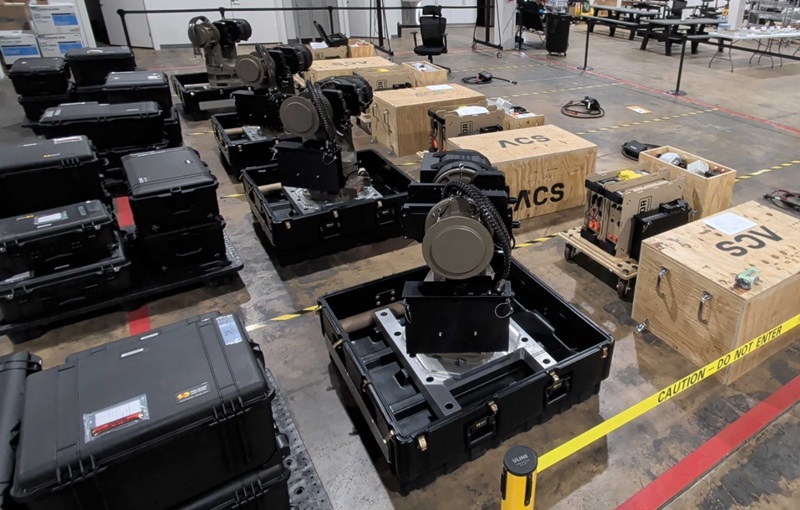


Top Trending in 4 Days
-
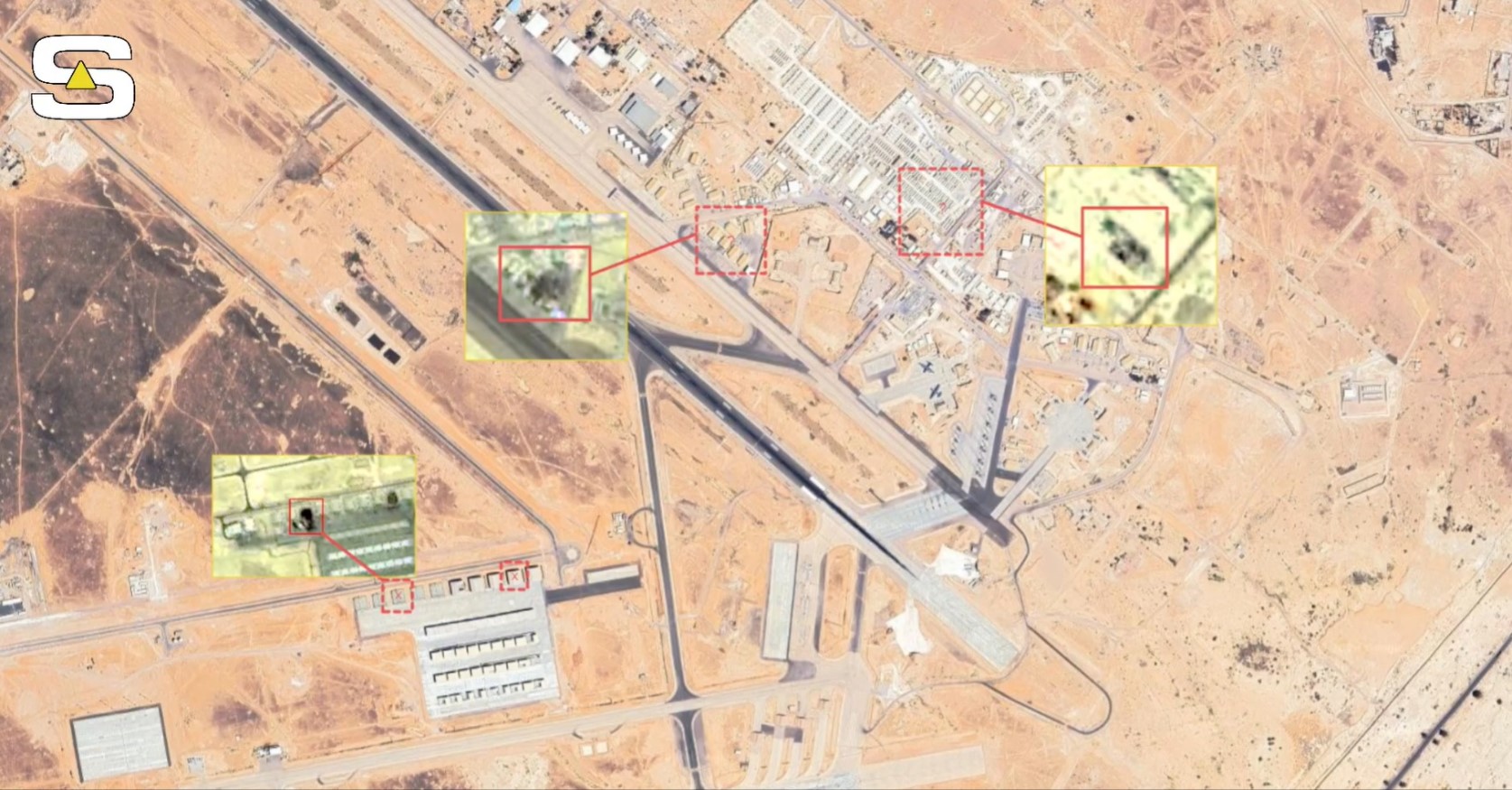 New Satellite Imagery Reveals Extensive Damage at Jordan's Muwaffaq al-Salti Air Base After Iranian Missile Strike
-
 Anduril Unveils Thunder Autonomous Attack Rotorcraft Built with Archer Aviation to Support Apache Helicopters
-
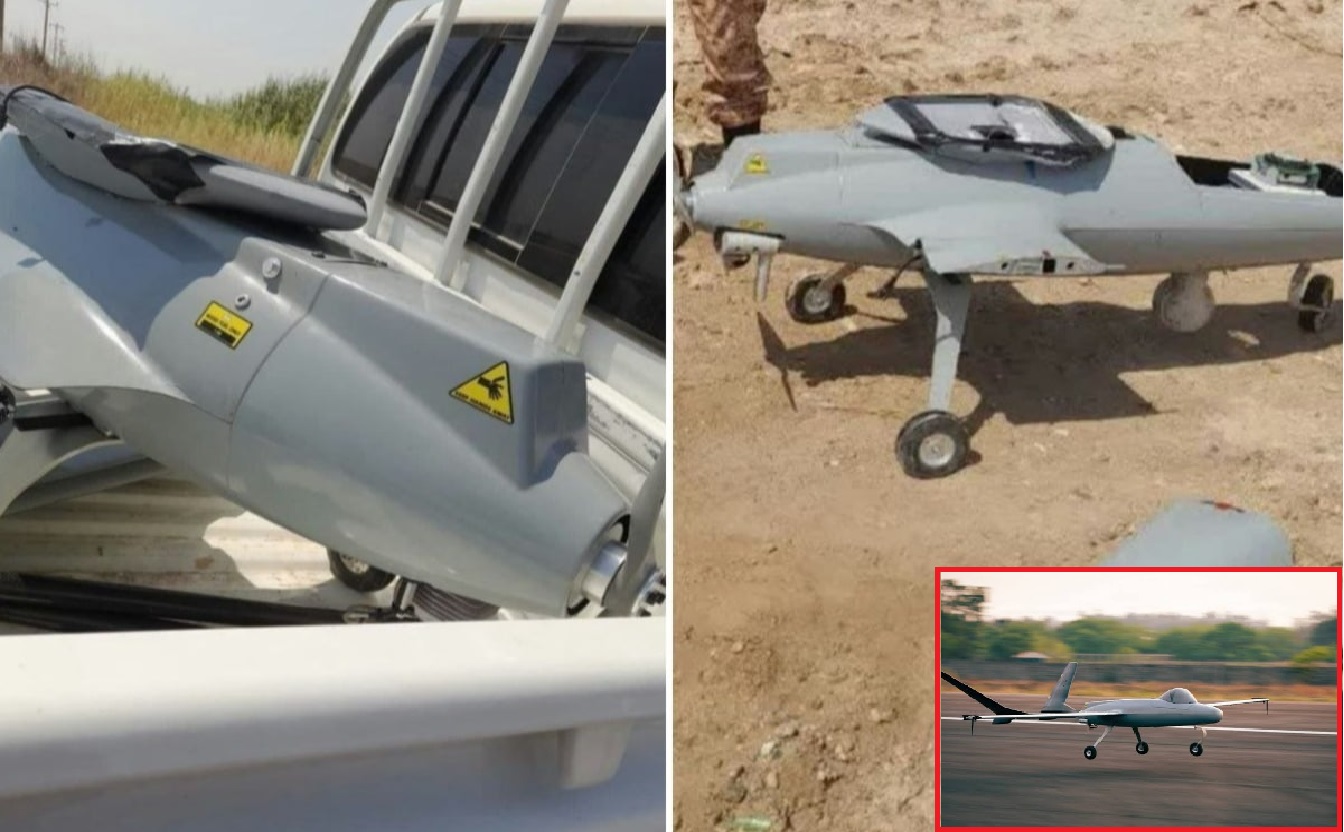 Iran Claims It Shot Down U.S.-Operated Polish-Built Tiguar-M Drone, Releases Images
-
 U.S. Space Force Awards Slingshot Aerospace $69.2 Million Contract to Develop AI Space Training Platform
-
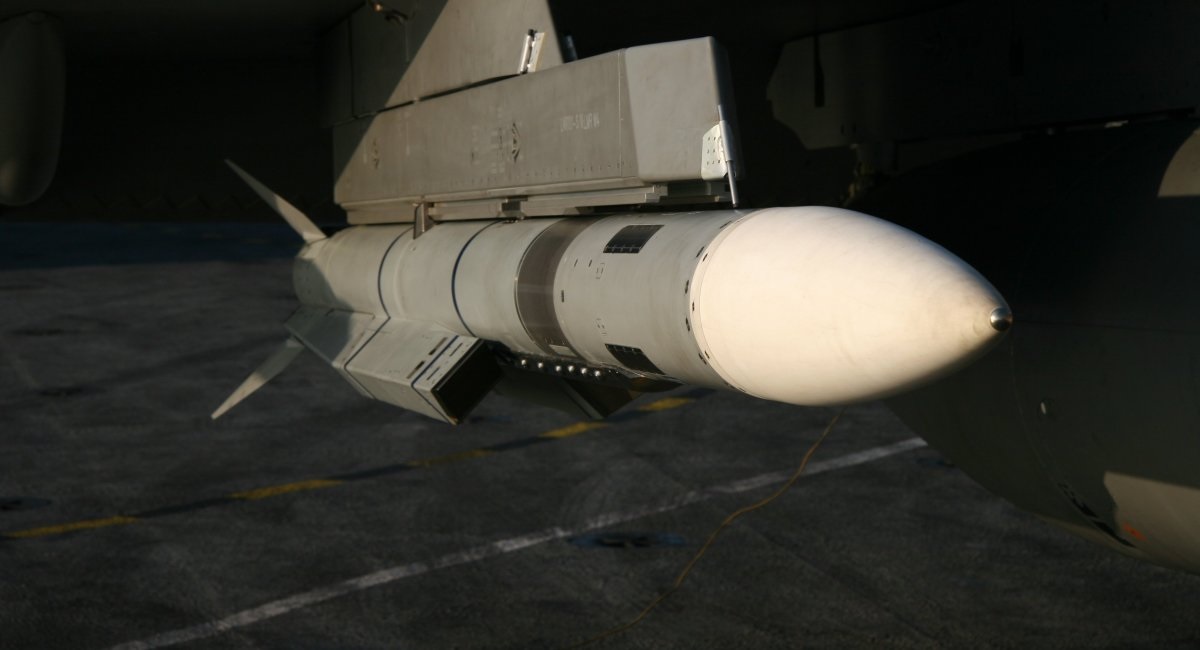 UK Cancels Meteor Missile Mid-Life Upgrade, Prioritizes Next-Generation FASE Air-to-Air Missile Programme
-
 NASA, Draper Cancels CP-12 Lunar Lander Mission After Development Delays Push Mission Beyond 2030
-
 Pratt & Whitney Completes Testing of 3D-Printed TJ150 Engine for Military Applications
-
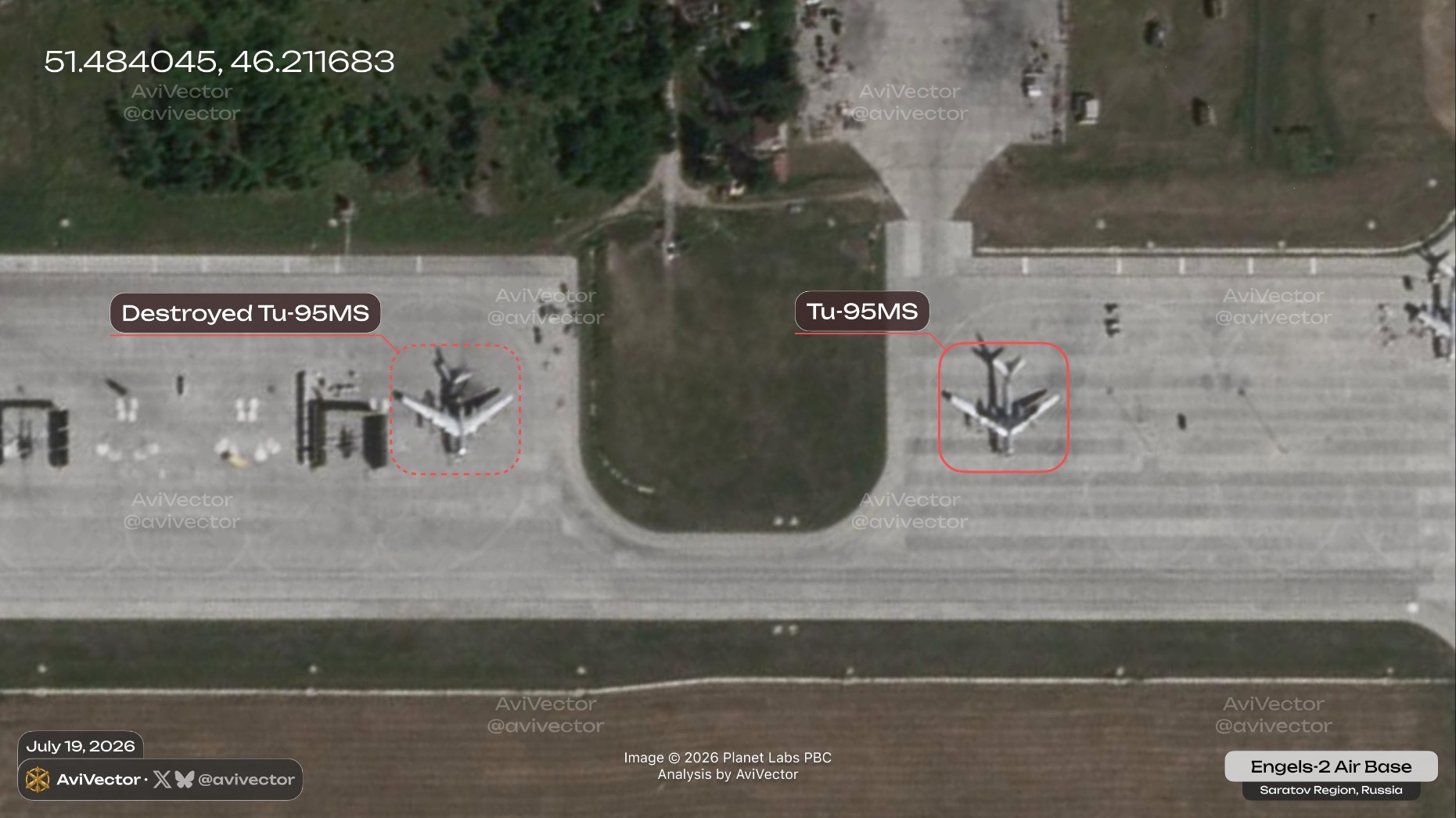 Satellite Images Confirm Russian Tu-95MS Bomber Destroyed After Ukrainian Drone Strike on Engels-2 Air Base
