World
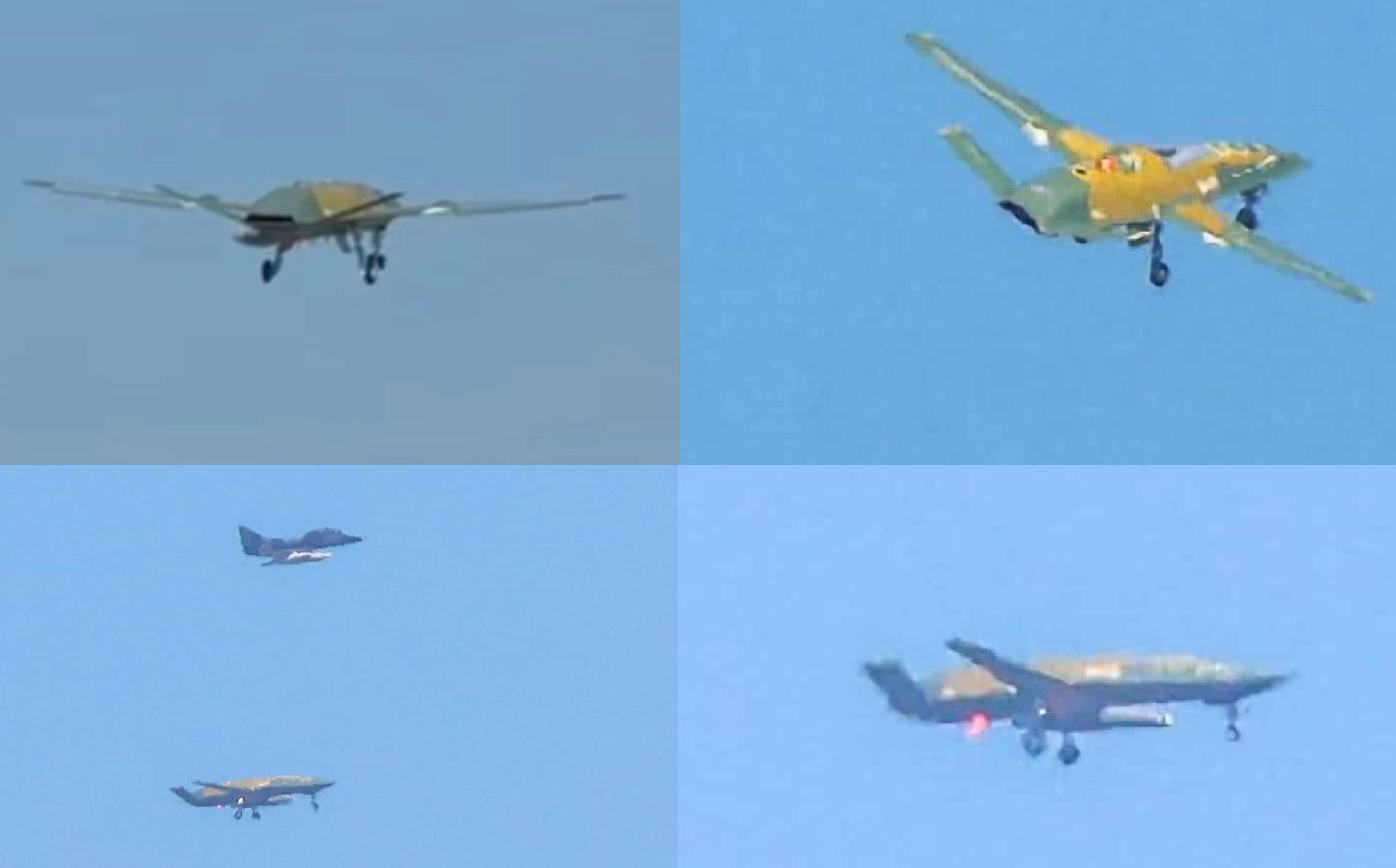
ST. LOUIS — April 26, 2026 : The MQ-25 Stingray program reached a key development milestone as the U.S. Navy’s first production-representative aircraft successfully completed its maiden flight on April 25, 2026, marking the transition of the service’s first carrier-based unmanned tanker from ground testing into full flight-test operations. Maiden Flight and Test Operations The aircraft departed from MidAmerica St. Louis Airport, where Boeing operates its MQ-25 production facilities. The sortie followed an aborted takeoff attempt on April 22 for undisclosed reasons. During the successful flight, the Stingray was accompanied by two chase aircraft: a Boeing-owned TA-4J Skyhawk and a U.S. Navy UC-12M Huron. No additional performance data from the flight has been released. The milestone comes nearly seven years after the first flight of the MQ-25 T1 demonstrator on September 19, 2019. Compared to the earlier test asset, the production-representative configuration incorporates design updates, including a retractable electro-optical/infrared (EO/IR) sensor turret to support expanded mission roles. Transition to Flight Testing Phase The successful maiden flight formally transitions the program from ground-based testing into sustained flight-test operations. Earlier in January 2026, the aircraft completed low- and high-speed autonomous taxi trials conducted by Air Test and Evaluation Squadron 23 (VX-23) and Air Test and Evaluation Squadron 24 (UX-24). UX-24, which specializes in unmanned systems development, will continue to support the program alongside VX-23 throughout the flight-test campaign. Following initial flight testing, the Navy plans to conduct envelope expansion flights to validate the aircraft’s performance limits. Data gathered during this phase will be used to certify the updated configuration ahead of carrier-based flight testing. Previous trials involving the T1 asset focused on deck handling and carrier suitability without launch operations. The program is overseen by Naval Air Systems Command, which will coordinate continued developmental and operational testing. A total of nine aircraft are currently under construction to support these efforts. Operational Role and Capabilities The MQ-25 Stingray is designed primarily to perform carrier-based aerial refueling using the Cobham Aerial Refueling Store, the same system employed by F/A-18E/F Super Hornet tanker variants. The aircraft is capable of transferring between 14,000 and 16,000 pounds of fuel at a radius of 500 nautical miles. This capability is intended to reduce reliance on Super Hornets for “buddy tanker” missions, which currently account for up to one-third of their sorties. By shifting this workload to the MQ-25, the Navy aims to increase the availability of crewed strike fighters for operational missions while extending the reach of carrier air wings aboard Nimitz- and Ford-class aircraft carriers. In addition to refueling, the MQ-25 will support intelligence, surveillance, and reconnaissance (ISR) missions. Its onboard systems include the EO/IR turret, along with signals intelligence (SIGINT) and Automatic Identification System (AIS) capabilities, enabling persistent maritime surveillance and operational support functions such as recovery tanking. Vice Adm. Daniel Cheever has described the MQ-25 as a foundational platform for future carrier aviation, emphasizing its role in enabling manned-unmanned teaming concepts and supporting the development of collaborative combat aircraft within carrier air wings. Technical Specifications The MQ-25 employs a straight-wing design optimized for endurance and subsonic cruise operations. Key specifications include: Length: 51.0 ft (15.5 m) Wingspan (extended): 75.0 ft (22.9 m) Wingspan (folded): 31.3 ft (9.5 m) Height (extended): 9.8 ft (3.0 m) Height (folded): 15.7 ft (4.8 m) Powerplant: 1 × Rolls-Royce AE 3007N turbofan engine producing over 10,000 lbf of thrust Maximum takeoff weight: approximately 44,000 lb (20,000 kg) Top speed: approximately 620 km/h (subsonic) The aircraft is built under a Boeing-led industrial team, with Rolls-Royce supplying the engine and multiple partners contributing subsystems, including vehicle management and mission systems. Mission Control and Manned-Unmanned Teaming A central component of the MQ-25 program is the development of the Unmanned Carrier Aviation Mission Control System (UMCS), led in partnership with Lockheed Martin. Between 2024 and 2025, UMCS installations were completed at shore facilities and aboard the USS George H.W. Bush (CVN-77). Through UMCS, Navy operators have demonstrated the ability to control the MQ-25 and other unmanned platforms, including the MQ-20 Avenger. Boeing has also tested concepts enabling pilots of crewed aircraft, such as the F/A-18, to directly interact with and control MQ-25 systems during aerial refueling operations. Budget, Production, and Schedule Despite progress, the MQ-25 program has experienced schedule adjustments. Pentagon Selected Acquisition Reports and Government Accountability Office (GAO) assessments cited in August 2025 indicated that key milestones, including the first flight of engineering and manufacturing development aircraft and initial operational capability (IOC), have been delayed by approximately two years. The Navy now targets IOC in fiscal year 2027. To support testing and future low-rate initial production (LRIP), Boeing opened a $200 million, 300,000-square-foot production facility at MidAmerica Airport in 2024. The Navy’s FY2026 budget request includes approximately $1.04 billion for procurement and research, development, test, and evaluation (RDT&E), covering continued program development and the first three LRIP aircraft. The GAO has cautioned that initiating LRIP before sufficient completion of developmental testing could introduce additional cost risks. Program Trajectory Following completion of early flight testing, the MQ-25 program will proceed with envelope expansion and carrier-based flight trials. These steps are intended to validate the aircraft’s operational suitability for deployment aboard U.S. Navy aircraft carriers. The Navy plans to acquire up to 76 MQ-25 aircraft as part of its long-term strategy to integrate unmanned systems into carrier air wings, with the Stingray serving as the first operational step in that transition.
Read More → Posted on 2026-04-26 14:43:42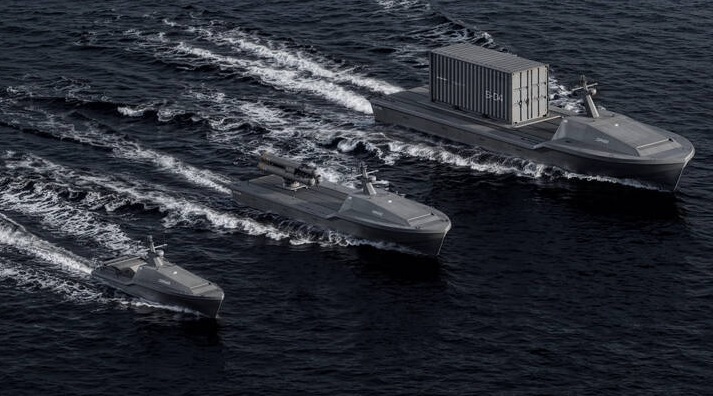
Saronic Technologies Signs MOU with Taiwan’s NCSIST on Autonomous Navigation and Maneuvering for USV
World
TAIPEI — April 26, 2026 : On April 24, 2026 U.S.-based autonomous vessel developer Saronic Technologies has signed a memorandum of understanding (MOU) with Taiwan’s National Chung-Shan Institute of Science and Technology (NCSIST) to cooperate on autonomous maritime operations and maneuvering technologies for uncrewed surface vessels (USVs). The agreement was formalized during a signing ceremony in Taiwan attended by Saronic Technologies Chief Executive Officer Dino Mavrookas—also known as Kostadino George Mavrookas—and NCSIST President Li Shiqiang, also referred to as Li Shih-chiang. Collaboration Scope and Technical Focus Under the MOU, both organizations will collaborate on a wide range of technologies related to modular USVs and artificial intelligence-enabled maritime systems. The partnership includes joint work on command-and-control (C2) software, ship design, and full system integration, alongside the development of AI-based target recognition and tracking capabilities. Additional areas of cooperation include autonomous interception systems, defensive barrier deployment, synchronized multi-vessel operations, and obstacle avoidance technologies. The agreement also covers kinetic interception methods and autonomous tactical decision-making systems intended to enhance operational effectiveness in complex maritime environments. The modular approach to USV development is expected to support rapid manufacturing, facilitate parts replacement, and enable remote software upgrades, contributing to reduced production timelines and lower overall costs. Strategic Context and Prior Agreements The MOU builds on an earlier agreement signed in September 2025 between NCSIST and Maritime Tactical Systems (MarTac). The new partnership is intended to further accelerate deployment of mission-ready systems, improve resilience, and diversify access to advanced technologies for Taiwan’s defense sector. According to Taiwan’s Military News Agency, the collaboration will facilitate direct exchange of research, development, and engineering expertise between Saronic and Taiwan’s state-backed defense research ecosystem. Support for Taiwan’s Domestic Programs The cooperation is expected to directly support Taiwan’s domestic USV initiatives, including the Kuai Chi attack unmanned surface vehicle program, which completed sea trials in 2025. NCSIST is currently responsible for advancing production and integration of such systems within Taiwan’s military structure. Over the coming years, NCSIST is contracted to produce 1,320 Kuai Chi USVs. These systems are planned for deployment across multiple branches, including the Navy’s Coastal Combat Command, the Marine Corps, and the Army’s Special Forces Command. The partnership also aligns with Taiwan’s broader objective of strengthening its domestic defense industrial base. It is expected to support local shipbuilding capabilities while enabling Taiwan’s electronics and software sectors to integrate into global defense supply chains. Industrial Capabilities and Platform Development Headquartered in Austin, Texas, Saronic Technologies specializes in the rapid design, development, and production of dual-use autonomous surface vessels for defense and commercial applications. Its portfolio includes platforms such as the Corsair, a 24-foot autonomous surface vessel capable of carrying payloads of up to 1,000 pounds over a range of 1,000 nautical miles, as well as the Mirage and Marauder models, including a larger 150-foot Marauder variant. These systems are designed for missions including intelligence, surveillance, and reconnaissance (ISR), maritime patrol, logistics support, and operations in contested environments. The company has previously secured contracts with the U.S. Navy and has received significant private investment for its autonomous maritime programs. NCSIST, Taiwan’s primary defense research and development institution, plays a central role in aligning advanced technologies with the operational requirements of Taiwan’s armed forces. The institute is responsible for systems integration, testing, and production support across multiple defense programs. Supply Chain, Sustainment, and Long-Term Outlook Both parties stated that they will evaluate opportunities to expand supply chains, improve sustainment and maintenance frameworks, and enhance long-term operational readiness. The agreement includes provisions for collaboration across both defense and commercial maritime sectors. The MOU also forms part of Taiwan’s wider efforts to expand unmanned maritime capabilities, including support roles for the Coast Guard Administration during peacetime operations and the establishment of rapid production capacity during emergencies. Taiwan’s Ministry of National Defense, through the Armaments Bureau’s Materiel Production Center, is leading procurement efforts for a proposed fleet of 1,320 suicide USVs under a special budget framework. No specific timelines, financial terms, or follow-on contracts related to the agreement were disclosed at the time of signing.
Read More → Posted on 2026-04-26 14:27:04
World
TOKYO — April 26, 2026 : Japan has received its first shipment of United States crude oil since the recent geopolitical crisis involving Iran disrupted traditional supply routes from the Middle East, prompting refiners to accelerate diversification of procurement and logistics. The Suezmax-class tanker OTIS (IMO: 9408217) arrived at an offshore jetty in Tokyo Bay on Sunday, delivering approximately 910,000 barrels of Texas light crude oil to a refinery in Chiba Prefecture. The cargo was transferred through an undersea pipeline to a facility operated by Cosmo Oil, a subsidiary of Cosmo Energy Holdings Co., where it will be processed into petroleum products including gasoline for domestic distribution. Vessel Specifications and Delivery Details The OTIS, sailing under the flag of the Marshall Islands, was built in 2010 and measures 274 meters in length with a deadweight capacity exceeding 156,000 tonnes. The vessel loaded its cargo at a port in Houston, Texas, on March 22 and completed the voyage in approximately 35 days. This delivery marks the first U.S. crude shipment secured by Japanese companies following the onset of the Iran-related crisis, according to Japan’s Ministry of Economy, Trade and Industry (METI). Narumi Hosokawa, deputy director-general for immediate crisis management at METI, confirmed on April 24 that the cargo represents a new procurement effort initiated after disruptions to Middle Eastern supply chains. Strategic Shift in Maritime Logistics Japanese refiners are adjusting shipping strategies to ensure continuity of supply while avoiding risk-prone routes, particularly the Strait of Hormuz. Traditionally, crude oil shipments to Asia are carried on Very Large Crude Carriers (VLCCs), which can transport up to 2 million barrels but are too large to transit the Panama Canal. To address this limitation, refiners are increasingly chartering midsize vessels such as Aframax and Suezmax tankers, including the OTIS, which can navigate the canal. This routing reduces transit time to approximately 30 to 35 days, compared with about 50 days for VLCCs forced to travel around the southern tip of Africa. The shift has contributed to a rise in traffic through the Panama Canal, where daily vessel transits have recently increased to between 36 and 38 ships, reflecting growing U.S. energy exports to Asian markets. Energy Security and Supply Diversification Japan remains heavily dependent on the Middle East, historically sourcing more than 90 to 95 percent of its crude oil imports from the region, with most shipments passing through the Strait of Hormuz. The current disruption has led to an expansion of procurement efforts beyond traditional suppliers. Despite its significance, the 910,000-barrel shipment represents less than one day of Japan’s total national oil consumption, underscoring the scale of the country’s energy requirements. In response, Japanese authorities and refiners are pursuing multiple measures to stabilize supply. Imports of U.S. crude are expected to increase substantially, with volumes projected to quadruple year-on-year in May. Additional sourcing efforts are also targeting suppliers in Central America, South America, and Central Asia. Strategic Reserves and Domestic Supply Measures Alongside increased imports, Japan is drawing on its national strategic petroleum reserves. A second release totaling approximately 36 million barrels (5.8 million kiloliters), valued at around 540 billion yen (approximately $3.4 billion), is scheduled to begin on May 1. The released volumes—equivalent to roughly 20 days of national consumption—will be distributed among four major refiners: ENEOS, Idemitsu Kosan, Cosmo Oil, and Taiyo Oil, across 10 national stockpile sites. An earlier alternative shipment of Saudi crude, transported via a route bypassing the Strait of Hormuz, arrived in late March at a refinery in Ehime Prefecture, indicating that diversification efforts were already underway prior to the arrival of the U.S. cargo. Refinery Operations and Outlook Japanese refineries have been operating at approximately two-thirds of their normal capacity in recent weeks due to supply uncertainties. The arrival of the OTIS cargo provides partial relief, though additional shipments will be required to restore full operational levels. No further details on upcoming U.S. crude shipments were released by METI or Cosmo Oil as of April 26. However, the combination of diversified sourcing, adjusted shipping logistics, and strategic reserve releases indicates a coordinated approach to maintaining energy stability amid ongoing geopolitical disruptions.
Read More → Posted on 2026-04-26 14:16:35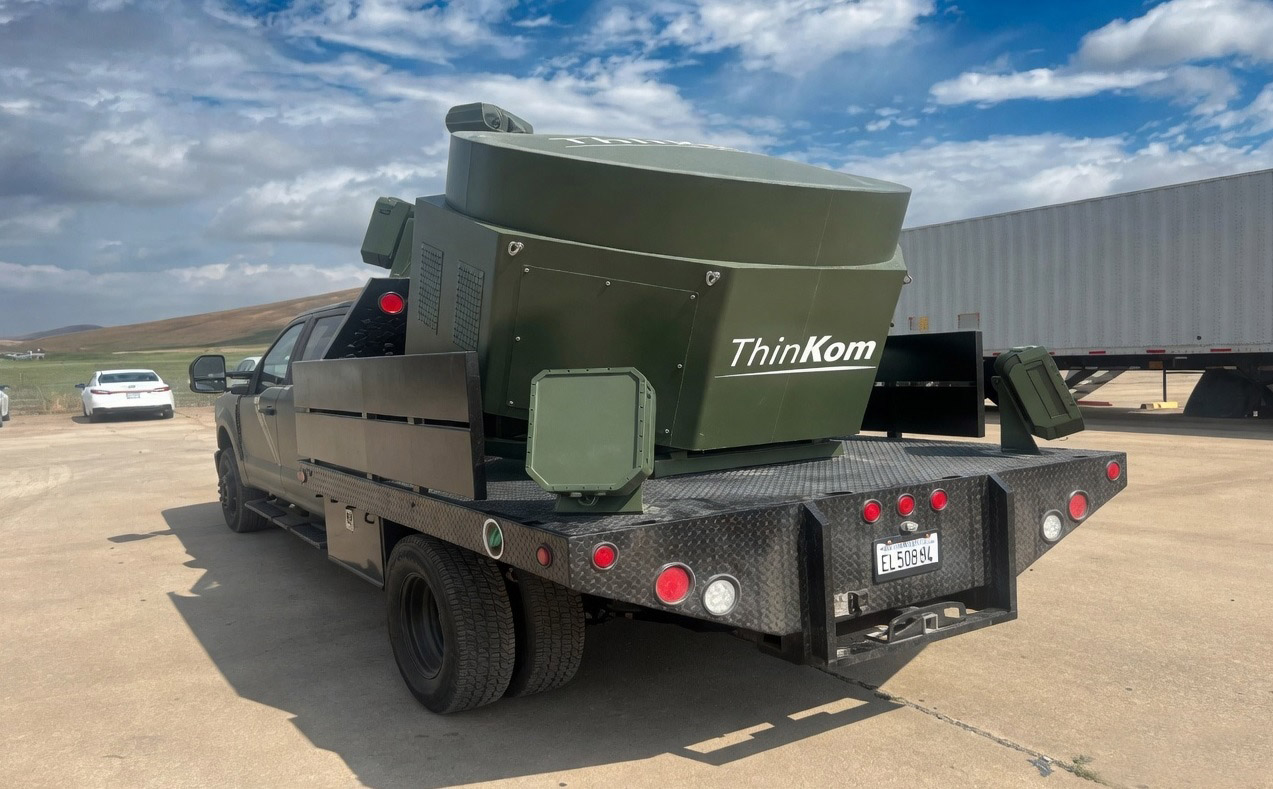
World
HAWTHORNE, Calif. — April 26, 2026: ThinKom Solutions, Inc. has demonstrated a mobile High Power Microwave (HPM) directed energy system mounted on a standard pickup truck during the Cross Domain Fires Concept Focused Warfighting Experiment, highlighting a compact counter-drone capability designed for multi-domain operations. The demonstration took place during the U.S. Army exercise conducted from March 2 to 13, 2026, across multiple locations, including Fort Sill, Yuma Proving Ground, and White Sands Missile Range. The experiment evaluated emerging technologies for sensor-to-shooter integration, cross-domain fires, and operational performance in realistic battlefield conditions, with participation from soldiers of the 1st Armored Division and multiple industry partners. System Demonstration and Integration During the exercise, ThinKom’s HPM system—referred to as Alecto in company materials—was integrated with the EchoShield radar developed by Echodyne. The combined system demonstrated the ability to detect, track, and engage drone targets by directing concentrated microwave energy at their onboard electronics. Radar data from EchoShield cued the HPM effector in real time, enabling the system to identify incoming threats and respond without delay. The vehicle-mounted platform maintained full operational capability while in motion, providing continuous 360-degree coverage without requiring the platform to halt. High Power Microwave Engagement Mechanism High Power Microwave systems function by emitting concentrated electromagnetic energy that couples into a target’s electronic components. This interaction can cause immediate and permanent damage to critical subsystems, including flight controllers, GPS receivers, and motor control circuits. This mechanism constitutes a “hard-kill” effect, distinguishing it from radio-frequency jamming systems that only disrupt communication links and can be bypassed by autonomous drones. The HPM approach enables physical destruction of electronic systems at tactically relevant ranges without the use of kinetic projectiles. The system’s design supports simultaneous engagement of multiple targets across a wide area, particularly against Group 1 and Group 2 drone threats, and provides near-instantaneous effects with no reliance on expendable munitions. VICTS Technology and Power Architecture The core of the Alecto system is ThinKom’s proprietary Variable Inclination Continuous Transverse Stub (VICTS) antenna technology. Originally developed for satellite communications, VICTS is a mechanically steered phased-array system. Unlike electronically scanned arrays, which steer beams through electronic phase shifting, VICTS uses mechanical steering. This architecture allows the antenna to handle gigawatt-level peak power inputs while maintaining precision beam control, rapid agility, and a low-profile conformal structure. The antenna is paired with high-efficiency vacuum electronics to generate the required microwave energy, achieving high power density within a compact footprint. ThinKom reports that internal development and testing since 2025 have validated the system’s ability to operate at these power levels. Mobility and SWaP Characteristics A key aspect of the demonstration was the system’s size, weight, and power (SWaP) optimization. The Alecto unit was mounted directly on the flatbed of a standard pickup truck finished in military olive drab, without the need for a large trailer or dedicated external generator. This configuration reflects a shift from traditional HPM systems, which have historically required large platforms and significant support infrastructure. The reduced SWaP footprint enables deployment on light tactical vehicles and supports mobile operations such as convoy protection and maneuvering unit defense. The system’s ability to operate while the vehicle is moving addresses a critical operational requirement, allowing forces to maintain mobility while retaining active air defense against drone threats. Role in Counter-UAS and Air Defense ThinKom positions the HPM system for both mobile and fixed-site applications, including Counter-Unmanned Aircraft Systems (C-UAS) and Integrated Air and Missile Defense (IAMD). Within the counter-UAS domain, the system offers an alternative to kinetic interceptors, which are constrained by ammunition supply and cost per engagement, and to RF jamming systems, which face limitations against autonomous drones. By delivering a hard-kill effect with a deep magazine and rapid re-engagement capability, HPM systems address gaps in existing defensive approaches. Corporate Development and Strategy ThinKom, headquartered in Hawthorne, California, entered the High Power Microwave directed energy weapons market on August 26, 2025, expanding from its established role in phased-array antenna systems for satellite communications. According to Bill Milroy, the company’s Chief Technology Officer and co-founder, the transition builds on existing technical capabilities. He stated during the 2025 announcement that ThinKom’s antenna designs are inherently suited for handling extremely high power levels, supporting the development of HPM systems for military applications. The company continues to supply satellite communication antennas for commercial, government, and defense customers while advancing its directed energy portfolio. Exercise Outcomes and Future Work No specific performance metrics—such as engagement range or power output—were disclosed from the CDF CFWE demonstration. However, the exercise validated system integration, mobility, and operational concepts under realistic conditions. ThinKom has indicated that further testing and demonstrations are planned throughout 2025 and 2026, with ongoing development focused on refining system performance and expanding deployment configurations. The pickup truck–mounted demonstration represents an early operational example of the company’s approach to mobile directed energy systems, emphasizing scalability, integration, and field deployment flexibility.
Read More → Posted on 2026-04-26 14:07:57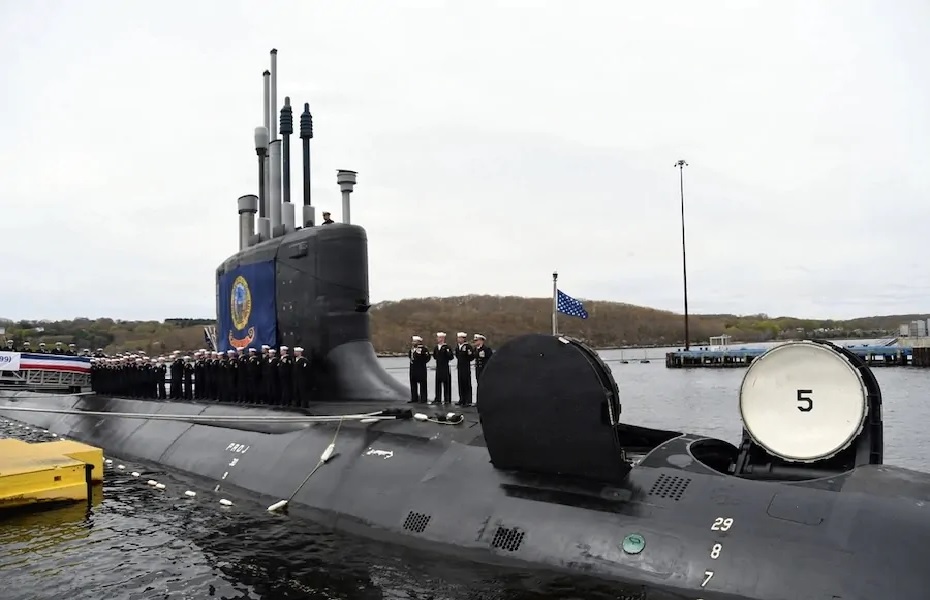
World
GROTON, Connecticut — April 26, 2026 : The United States Navy commissioned the Virginia-class fast-attack submarine USS Idaho (SSN 799) into active service during a formal ceremony held at Naval Submarine Base New London. The event marked the submarine’s official entry into operational status as the 26th vessel in the Virginia-class program and the eighth constructed under the Block IV configuration. Commissioning Ceremony and Leadership Remarks The ceremony featured remarks from several senior officials and political leaders. U.S. Senator James Risch delivered the keynote address. Acting Secretary of the Navy Hung Cao emphasized the strategic importance of maintaining secure maritime routes, stating that U.S. naval forces remain focused on ensuring safe sea lines of communication under current national defense priorities. Additional speakers included Idaho Governor Brad Little, U.S. Senator Richard Blumenthal, Representatives Joe Courtney and Michael Simpson, and Admiral William Houston. Mark Rayha, president of General Dynamics Electric Boat, also addressed attendees. The submarine’s sponsor, Teresa Stackley, issued the traditional order to “man our ship and bring her to life,” prompting the crew to board the vessel in a ceremonial activation. Commanding Officer Cmdr. Chad J. Guillerault noted the historical continuity associated with the vessel’s name and acknowledged the contributions of the crew, which includes Executive Officer Lt. Cmdr. John Whitaker, 15 officers, and approximately 120 enlisted sailors. Construction Timeline and Industrial Partnership USS Idaho was built through a long-standing teaming agreement between General Dynamics Electric Boat and HII Newport News Shipbuilding. Construction began with the keel laying on August 24, 2020, at the Quonset Point facility in Rhode Island. The submarine was christened on March 16, 2024, at the Electric Boat shipyard in Groton. Following construction, the vessel underwent alpha sea trials in November 2025 and was formally delivered to the Navy on December 15, 2025. The total program cost for the submarine is estimated at approximately $2.6 billion. Historical Lineage of the Name “Idaho” The SSN 799 is the fifth U.S. Navy vessel to carry the name Idaho. Its most recent predecessor, USS Idaho (BB-42), was a New Mexico-class battleship commissioned in 1919. That vessel earned seven battle stars for service during World War II, including operations at the Battle of Iwo Jima and the Battle of Okinawa. Technical Specifications and Capabilities USS Idaho incorporates the Block IV design, which focuses on reducing maintenance intervals and increasing deployment availability. The submarine displaces approximately 7,800 tons and measures 377 feet in length, with a 34-foot beam and a 32-foot draft. The vessel is powered by an S9G nuclear reactor, designed to operate for the full service life of the submarine without refueling, supplemented by an auxiliary diesel engine. It can achieve submerged speeds exceeding 25 knots and sustain underwater operations for extended durations, typically up to three months depending on mission requirements. Its armament includes two Virginia Payload Tubes capable of launching a combined total of 12 Tomahawk land-attack cruise missiles, along with four 21-inch torpedo tubes for Mk-48 Advanced Capability torpedoes. The submarine also features advanced acoustic stealth systems, some of which were developed and tested at the Navy’s Acoustic Research Detachment in Bayview, Idaho, located on Lake Pend Oreille. The platform is equipped for a range of missions, including anti-submarine warfare, anti-surface warfare, intelligence collection, surveillance, reconnaissance, and special operations support. Operational Assignment and Program Context USS Idaho will be assigned to Submarine Squadron Four and homeported in Groton, Connecticut. The commissioning completes a multi-year process involving design, construction, testing, and delivery, and represents the 14th Virginia-class submarine delivered by General Dynamics Electric Boat. Block IV submarines are designed to reduce the number of major maintenance periods over their lifecycle, allowing for more deployments compared to earlier variants. This design approach supports the Navy’s broader objective of maintaining consistent undersea presence and operational readiness. The commissioning ceremony also included a musical performance by students and faculty from the University of Idaho’s Lionel Hampton School of Music, with additional watch events held across Idaho to coincide with the ceremony. No further details regarding future deployment schedules or mission assignments were disclosed during the event.
Read More → Posted on 2026-04-26 13:42:09
World
Jerusalem / Abu Dhabi / Washington — April 26, 2026 : Israel deployed an Iron Dome air defense battery, along with interceptors and several dozen operators from the Israel Defense Forces (IDF), to the United Arab Emirates (UAE) during the early phase of the ongoing conflict with Iran, according to Israeli and U.S. officials cited in reporting on April 26, 2026. The deployment was authorized by Israeli Prime Minister Benjamin Netanyahu following a phone call with UAE President Mohammed bin Zayed Al Nahyan. Israeli officials stated that the system was sent shortly after the outbreak of hostilities and was used operationally to intercept incoming threats targeting Emirati territory. According to the officials, the Iron Dome battery successfully intercepted dozens of Iranian missiles during the conflict. This marks the first time Israel has deployed the Iron Dome system abroad with its own personnel operating it, and the first instance of the system being used to defend a country outside of Israel and the United States. Scale of Iranian Attacks on the UAE The deployment took place as Iran carried out a large-scale missile and drone campaign across the region following U.S.-Israel strikes that began the conflict on February 28, 2026. Data released by the Emirati Ministry of Defense indicated that the UAE was the most heavily targeted country during this phase. According to the figures: Approximately 550 ballistic and cruise missiles were launched toward the UAE. More than 2,200 drones were also deployed in attacks. Most of these threats were intercepted by UAE air defense systems, including the Israeli-operated Iron Dome battery. However, some projectiles struck military and civilian targets, prompting the UAE to seek additional assistance from allied countries. Military and Intelligence Coordination Israeli and Emirati officials described a significant expansion in military, intelligence, and security coordination between the two countries since the start of the war. The cooperation included both defensive and offensive measures. In parallel with the Iron Dome deployment, the Israeli Air Force conducted strikes in southern Iran aimed at neutralizing short-range missile systems before they could be launched toward the UAE and other Gulf states. These operations were intended to reduce the volume of incoming threats and support regional air defense efforts. Officials also confirmed ongoing intelligence sharing and strategic coordination between the two countries throughout the conflict period. Diplomatic Context and Strategic Significance Israel and the UAE established formal diplomatic relations under the Abraham Accords in 2020. Since then, ties have expanded across economic, technological, and security domains. Officials from both countries stated that their partnership has reached its closest level to date during the current conflict, despite earlier differences on regional issues such as Gaza. Tareq al-Otaiba, a former official in the UAE’s national security council, noted that Israel was among the countries that provided direct and practical assistance to the UAE, alongside the United States. This support included military aid, intelligence cooperation, and diplomatic backing. A senior Emirati official said the UAE would “not forget” the assistance provided by Israel and Netanyahu, while another described the period as an “eye-opening moment” in identifying reliable international partners. Political Sensitivity and Regional Impact The presence of Israeli military personnel operating an air defense system on UAE soil represents a politically sensitive development in the Gulf region, where public opinion has historically been cautious regarding overt military cooperation with Israel. However, Emirati officials indicated that the scale and intensity of Iranian attacks have influenced public perception, with defensive assistance viewed more positively in the context of national security. The deployment is also the first documented operational use of the Iron Dome system by Israeli forces to protect a Muslim-majority country. Background on Iron Dome and Previous Discussions The Iron Dome system, developed by Israel with support from the United States, is designed to intercept short-range rockets, artillery shells, and missiles. It has been extensively used within Israel and has also been operated by U.S. forces. Discussions regarding potential sales or transfers of Iron Dome systems to the UAE had taken place in 2021 and 2022 following Houthi attacks on Emirati territory. However, no operational deployment or transfer occurred at that time. The current deployment represents the first instance in which the system has been deployed abroad and operated directly by IDF personnel in an active conflict zone. Confirmation Status Neither Israel nor the UAE has issued official public statements confirming the deployment. The details were first reported by Axios on April 26, 2026, and later corroborated by Israeli media citing the same sources. The development reflects a significant shift in regional defense cooperation, extending beyond diplomatic normalization to include direct, operational military support between Israel and the UAE.
Read More → Posted on 2026-04-26 13:20:55
World
Washington — April 25, 2026 : Newly disclosed Pentagon damage assessment data, shared in classified briefings with U.S. officials and congressional aides and reported by NBC News, indicates that an Iranian Air Force Northrop F-5 fighter jet successfully conducted a strike on Camp Buehring in Kuwait during the opening days of the 2026 conflict involving the United States, Israel, and Iran. According to the assessment, the incident occurred in early March 2026, shortly after the launch of U.S. and Israeli operations under Operation Epic Fury. Camp Buehring, located in northeastern Kuwait near the Iraqi border, functions as a major U.S. Army logistics and training hub and has been repeatedly targeted during the conflict. Details of the F-5 Strike Pentagon data reviewed by officials describes the F-5 strike as limited in physical impact but notable in operational terms. The aircraft involved is a legacy platform first introduced in the 1960s and lacks modern stealth features. Despite this, it was able to penetrate layered U.S. and allied air defense systems, including radar coverage and surface-to-air missile networks, to reach and attack a rear-area installation. Military analysts cited in the assessment characterized the strike as largely symbolic. However, the successful entry of a non-stealth aircraft into defended airspace has prompted internal scrutiny of detection, tracking, and engagement protocols across coalition systems. No official details have been released regarding the extent of damage caused specifically by the F-5 strike, and no U.S. casualties have been directly attributed to that particular incident. Broader Iranian Strike Campaign The F-5 mission formed part of a wider Iranian retaliatory campaign launched following initial U.S. operations on February 28, 2026. Pentagon data indicates that Iranian forces targeted more than 100 sites across 11 bases in seven countries during the early phase of the conflict. Targets included warehouses, command centers, aircraft shelters, satellite communication nodes, runways, and radar installations. Equipment losses included MQ-9 Reaper drones, MC-130 aircraft, and transport helicopters, many of which were damaged or destroyed on the ground. U.S. officials noted that prior evacuation measures significantly reduced personnel casualties across affected installations. Nonetheless, overall repair and recovery costs across the region are expected to reach several billion dollars. Camp Buehring itself has been struck multiple times during the conflict, including through drone attacks documented in open-source video and satellite imagery. One such strike near a running track on the base caused visible localized damage. Additional attacks on Kuwaiti territory included a drone strike near Port Shuaiba that resulted in the deaths of six U.S. service members. Air Defense Strain and Friendly Fire Incident The penetration of Kuwaiti airspace by an Iranian manned aircraft contributed to sustained high alert conditions within Kuwait’s air defense network. Officials described a shift from assumptions of uncontested allied air superiority to a more uncertain operating environment marked by continuous threat activity. This environment contributed to at least one major friendly fire incident. On March 2, 2026, a Kuwaiti Air Force F/A-18 Hornet mistakenly engaged and shot down three U.S. F-15E Strike Eagle aircraft during coalition operations. U.S. Central Command confirmed the incident, stating that all six American crew members ejected safely and survived. The episode highlighted coordination challenges among allied air defense units operating under conditions of high operational tempo involving Iranian ballistic missiles, drones, and manned aircraft. Operational Implications Pentagon officials have not publicly released full battle damage assessments, citing operational security considerations. However, the data presented in briefings underscores the complexity of defending against a combination of legacy and modern threat systems in a contested environment. The reported F-5 strike is one of the few confirmed cases of an Iranian manned aircraft successfully reaching and attacking a U.S. installation during the conflict. Analysts note that the broader Iranian approach has relied on a mix of unmanned systems, missile strikes, and limited manned aviation operations to test and strain coalition defenses. The findings are expected to inform ongoing reviews of regional air defense integration, identification protocols, and response coordination among U.S. and partner forces operating in the Gulf region.
Read More → Posted on 2026-04-25 18:30:32
World
WASHINGTON / TEL AVIV — April 25, 2026 : The United States Air Force and the Israeli Air Force are preparing to initiate sustained joint deployments of strategic bombers and armed unmanned aerial systems over missile infrastructure operated by the Islamic Revolutionary Guard Corps Aerospace Force, as part of preparations for the second phase of Operation Epic Fury. The deployment is designed to establish a continuous operational presence over key missile sites, with a focus on targeting mobile ballistic missile launchers and entrances to underground tunnel networks. According to officials familiar with the planning, the primary objective of the upcoming phase is to prevent further missile launches toward Israeli territory by neutralizing launch capabilities before they can be activated. The approach reflects a shift toward persistent aerial surveillance and rapid strike capability, enabling coalition forces to engage transporter erector launchers (TELs) and access points to subterranean storage complexes immediately upon detection. Phase One Operational Data Drives Tactical Shift The revised operational concept follows an extensive review of intelligence and combat data from the first phase of Operation Epic Fury, which began on February 28, 2026, alongside Israel’s parallel campaign, Operation Roaring Lion. During the initial 38 to 39 days of operations, U.S. and Israeli forces conducted more than 10,200 sorties and struck over 13,000 targets across Iran. Target sets included more than 1,500 air defense systems, over 450 ballistic missile storage facilities, and more than 800 one-way attack drone storage sites. Approximately 80 to 85 percent of Iran’s integrated air defense network was destroyed, along with substantial portions of its missile production infrastructure and solid rocket motor manufacturing capability. In addition, more than 50 Iranian naval vessels were destroyed or rendered inoperable, and over 2,000 command-and-control nodes were degraded. Despite these outcomes, coalition forces were required to intercept a large volume of retaliatory strikes. U.S. and allied air and missile defense systems intercepted more than 700 ballistic missiles and over 1,000 incoming drones. Broader operational data indicates that Iran launched approximately 1,357 ballistic missiles and 3,200 one-way attack drones during the initial phase, targeting Israeli territory, U.S. military installations in the Gulf, and infrastructure in several Gulf Cooperation Council states. Some of these ballistic missiles were equipped with cluster warheads intended to complicate interception. While interception rates remained high, military planners assessed that sustained reliance on mid-flight interception posed logistical and operational constraints. The data analysis led to a strategic adjustment emphasizing pre-launch disruption rather than reactive defense. Persistent Overhead Operations and Targeting Strategy With Iran’s air defense coverage significantly reduced, U.S. and Israeli aircraft are expected to operate over Iranian airspace with comparatively lower risk in the second phase. Strategic bombers and long-endurance drones will maintain continuous patrols over known IRGC Aerospace Force complexes, including facilities in Lorestan, Kermanshah, Hormozgan, Tehran Province, and other regions. These sites include deeply buried “missile cities,” consisting of tunnel networks embedded in mountainous terrain and connected by internal transport systems. Facilities such as the Imam Hossein missile complex near Yazd, the Bid Ganeh site in Tehran Province, and the Chamran base near Bushehr have previously been targeted in surface strikes. However, assessments indicate that while external infrastructure sustained damage, many underground components remain operational. Under the Phase Two concept, coalition forces intend to strike reinforced tunnel entrances to restrict access to stored missile inventories. By targeting these entry points and engaging mobile launchers as they attempt to deploy, planners aim to prevent missiles from reaching firing positions. This approach is intended to physically contain remaining stockpiles within underground facilities and limit the IRGC’s ability to conduct further launches. Data from the first phase indicates that approximately 330 out of an estimated 470 Iranian ballistic missile launchers were destroyed or rendered inoperable. The remaining systems are believed to be either mobile or housed within hardened underground structures, contributing to their survivability during earlier strikes. Impact of Initial Campaign on Iranian Capabilities Operational assessments indicate that the first phase of the campaign resulted in a significant reduction in Iran’s offensive output. Ballistic missile launch activity declined by approximately 86 to 90 percent compared to initial strike levels, while one-way attack drone launches decreased by between 73 and 95 percent. The degradation of air defenses and command infrastructure has enabled increased freedom of operation for coalition aircraft. At the same time, the persistence of underground missile infrastructure and mobile launch platforms has necessitated the transition to continuous surveillance and rapid engagement tactics. Ceasefire Context and Transition to Phase Two The preparations for Phase Two follow a temporary two-week ceasefire brokered by Pakistan. While diplomatic engagement remains ongoing, defense officials indicate that operational planning has continued, with a focus on consolidating gains from the first phase and addressing remaining threats. No official start date for the second phase of Operation Epic Fury has been publicly confirmed. However, the planned deployment of persistent bomber and drone patrols suggests that U.S. and Israeli forces are positioning to expand operations aimed at further degrading the IRGC Aerospace Force’s missile capabilities and limiting its capacity for retaliatory strikes.
Read More → Posted on 2026-04-25 18:23:33
World
WASHINGTON — April 25, 2026 : The U.S. Navy has awarded California-based defense startup Castelion a $105 million contract to integrate its Blackbeard hypersonic strike weapon onto the Navy’s carrier-based F/A-18E/F Super Hornet fleet, advancing the system toward Early Operational Capability (EOC) by 2027. The award reflects an accelerated effort to field air-launched hypersonic weapons within existing carrier air wings. Integration and Certification Scope The contract funds both hardware and software integration of the Blackbeard missile with the F/A-18 platform. Work includes a full series of flight tests, system validation, and the safety and airworthiness certification processes required before a new munition can be cleared for storage, handling, and carriage aboard aircraft carriers. These activities represent the final phase before a production decision, allowing the Navy to evaluate operational readiness of the system within deployed squadrons. The effort builds on an earlier $49.998 million firm-fixed-price contract issued on February 25, 2026, under the Multi-mission Affordable Capacity Effector (MACE) program, which supported prototype development, testing, and initial fielding preparations. Work under both contracts is being conducted primarily in Torrance, California, with completion scheduled for November 2027. System Role and Design Characteristics Blackbeard is Castelion’s first long-range hypersonic strike weapon, designed to engage time-sensitive and hardened naval or land-based targets. The missile is engineered to exceed five times the speed of sound and carries a 95-pound warhead. The system has been selected as the primary munition for the Navy’s MACE program, which emphasizes affordable, scalable weapons procurement to maintain sufficient magazine depth during sustained operations. The program prioritizes reducing per-unit cost while maintaining operational effectiveness. According to Pentagon budget documents, the projected average unit cost of a Blackbeard missile is approximately $384,000. This is significantly lower than legacy systems such as the AGM-158C Long Range Anti-Ship Missile (LRASM), which can exceed $3 million per unit. Castelion’s approach relies on automotive-grade electronics and vertically integrated propulsion and guidance subsystems, reducing reliance on space-rated components and shortening manufacturing lead times compared with traditional missile programs. Platform Integration and Future Compatibility The F/A-18E/F Super Hornet serves as the threshold integration platform under the current contract. Future MACE requirements include potential compatibility with the F-35A Lightning II and F-35C Lightning II, with provisions for internal carriage of up to four all-up rounds. The integration enables carrier-based aircraft to deploy hypersonic weapons without reliance on land-based launch systems, expanding operational flexibility for naval forces. Hypersonic glide vehicles and similar systems are characterized by high speed and maneuverability, making them difficult to intercept using existing air defense systems. Industrial Expansion and Production Plans To support anticipated demand, Castelion is scaling its manufacturing capacity through “Project Ranger,” a 1,000-acre production facility under development in Sandoval County, New Mexico. The project is backed by approximately $250 million in private investment and is intended to produce thousands of hypersonic missiles annually once operational. The Navy’s Fiscal Year 2027 budget request outlines an initial procurement of 353 all-up rounds, funded at $156 million. Over a five-year period, the service plans to acquire approximately 4,500 air-launched hypersonic missiles, positioning Blackbeard as a high-volume strike option within naval aviation inventories. Program Context Castelion, founded in 2022, has conducted multiple developmental tests of the Blackbeard system, including ground-launched variants evaluated for potential U.S. Army applications. The company’s development model emphasizes rapid iteration and cost control through commercial manufacturing practices. A statement issued alongside the contract award noted that the Navy’s approach reflects a focus on “fielding affordable, innovative hypersonic capability” with an emphasis on speed of deployment. The current integration effort is expected to determine the timeline for broader operational deployment and large-scale production decisions as the Navy advances its hypersonic weapons portfolio.
Read More → Posted on 2026-04-25 18:14:04
World
BUENOS AIRES — April 25, 2026 : Argentine President Javier Milei has issued an emergency decree authorizing the United States Navy’s Nimitz-class aircraft carrier USS Nimitz (CVN-68) to enter Argentina’s Exclusive Economic Zone (EEZ) to conduct joint naval exercises, marking a significant step in bilateral defense cooperation and a notable procedural bypass of congressional approval. The decree, numbered 264/2026 and signed on April 17, permits the carrier and its accompanying vessels—including the Arleigh Burke-class destroyer USS Gridley (DDG-101)—to carry out Passing Exercises (PASSEX) with the Argentine Navy between April 26 and April 30. The authorization was issued while Argentina’s Congress was not in session, allowing the executive branch to proceed without legislative debate, which is typically required for foreign military deployments in national territory. Southern Seas 2026 Deployment and Regional Engagement The deployment forms part of the United States Southern Command-led Southern Seas 2026 initiative, a regional maritime engagement designed to enhance interoperability and strengthen security partnerships across Latin America and the Caribbean. In addition to Argentina, planned engagements include naval forces from Brazil, Chile, Colombia, Ecuador, Peru, Mexico, El Salvador, Guatemala, and Uruguay. Port visits are scheduled in Brazil, Chile, Panama, and Jamaica. The exercises with Argentina are expected to follow the format of the established “Gringo-Gaucho” bilateral training series, focusing on coordinated flight operations, tactical maneuvers, and professional exchanges. This will be the first instance of a U.S. supercarrier operating in Argentine waters under the Milei administration. Timing Coincides with Falklands Diplomatic Developments The authorization comes amid renewed diplomatic attention surrounding the sovereignty dispute over the Falkland Islands (Malvinas). A report by Reuters on April 24 cited a leaked internal Pentagon communication outlining policy options under consideration by the U.S. administration of Donald Trump. The document suggested a potential reassessment of Washington’s diplomatic stance toward certain European “imperial possessions,” explicitly referencing the Falkland Islands. While the memo does not propose changes to existing U.S. basing arrangements or NATO commitments, it reflects ongoing internal deliberations linked to broader tensions with allied countries over their level of support during recent U.S. military operations against Iran. The United States has historically maintained a neutral position on the Falklands sovereignty dispute while recognizing the United Kingdom’s de facto administration. During the Falklands War, the administration of Ronald Reagan initially pursued diplomatic mediation led by Secretary of State Alexander Haig before ultimately providing logistical and intelligence support to the United Kingdom following the breakdown of negotiations. Argentina Reaffirms Sovereignty Claim In recent statements, President Milei reiterated Argentina’s long-standing claim over the Falkland Islands, South Georgia, South Sandwich Islands, and surrounding maritime areas, describing them as territories “illegally occupied” by the United Kingdom since 1833. He emphasized that the issue remains non-negotiable while underscoring a diplomatic approach. On April 24, Milei stated that his government is “doing everything humanly possible” to secure the return of the islands and indicated that “unprecedented progress” has been made in advancing Argentina’s position internationally. The United Kingdom has maintained that sovereignty over the islands is determined by the principle of self-determination. In a 2013 referendum, 99.8 percent of Falkland Islands residents voted to remain a British Overseas Territory. A spokesperson for Downing Street reaffirmed on April 24 that the UK’s position remains unchanged. Strategic Context and Military Cooperation The arrival of USS Nimitz also reflects broader shifts in defense alignment between Buenos Aires and Washington. The Milei administration has moved to deepen military and political ties with the United States, with the carrier deployment representing a high-visibility component of that cooperation. The USS Nimitz, one of the longest-serving carriers in the U.S. fleet, is currently on what is expected to be its final operational deployment before decommissioning. The vessel departed Naval Base Kitsap–Bremerton in March 2026 and is scheduled to circumnavigate South America before returning to Naval Station Norfolk. Southern Seas 2026 activities include flight operations, joint maritime drills, and engagements with regional partners and defense officials. However, neither government has released detailed information regarding the specific scope of PASSEX activities or the number of Argentine naval assets involved. Broader Diplomatic and Strategic Implications The timing of the exercises coincides with reported tensions between Washington and London related to allied military cooperation during recent Middle East operations. According to the leaked Pentagon communication, policy discussions include potential diplomatic measures aimed at allies perceived as offering limited operational support. One reported development includes U.S. approval for Argentina to proceed with acquiring F-16 fighter aircraft from Denmark, a move that effectively bypasses longstanding British restrictions on Argentine military modernization linked to the Falklands dispute. Analysts note that while no formal shift in U.S. policy toward the Falklands has been announced, the combination of increased military engagement with Argentina and internal policy reviews suggests a more fluid diplomatic environment surrounding the issue. For Argentina, the emergency decree enabling the USS Nimitz deployment highlights a willingness to accelerate defense cooperation with the United States, even outside traditional legislative processes. The broader diplomatic context, particularly regarding the Falklands, remains under active discussion among the involved parties.
Read More → Posted on 2026-04-25 18:05:56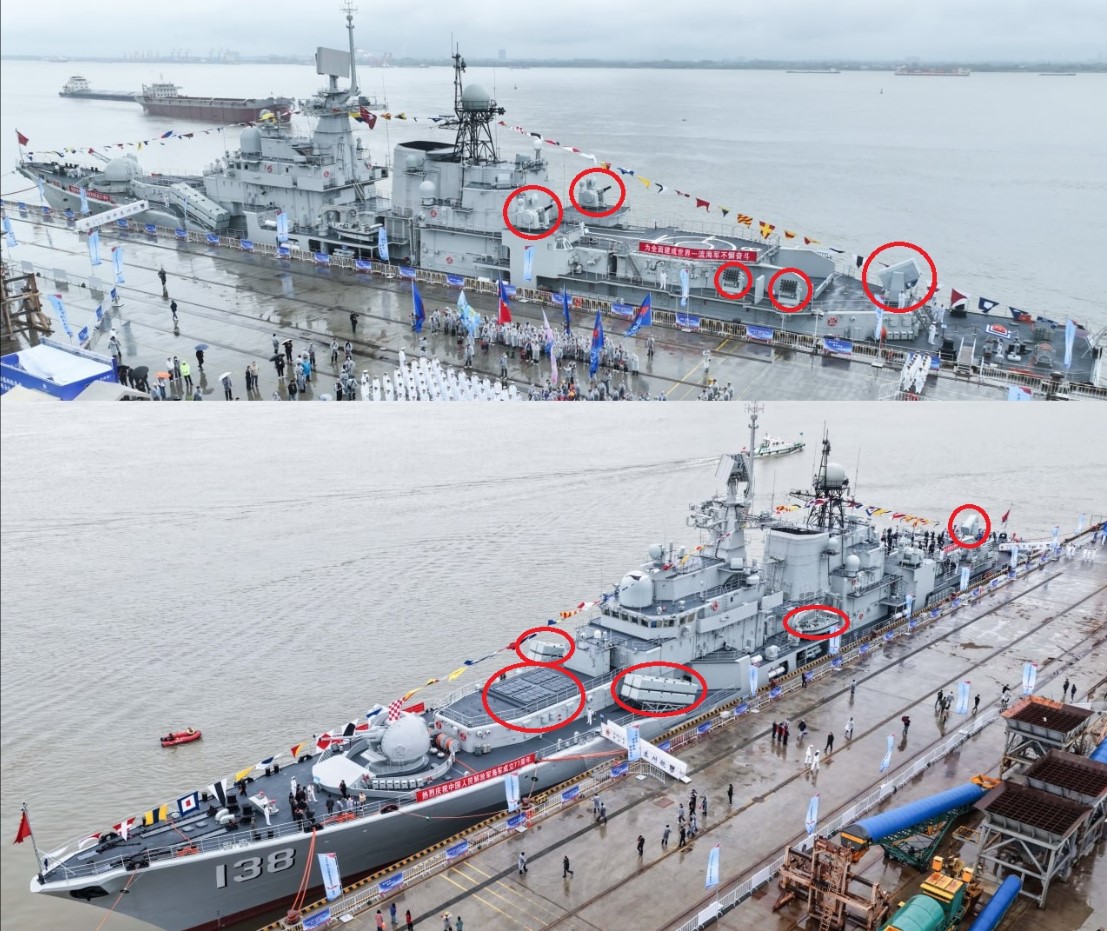
World
BEIJING — April 25, 2026 : During the 77th anniversary of the People's Liberation Army Navy (PLAN) on April 23, 2026 , the Type 956EM destroyer Taizhou (Hull 138) was placed on public display, coinciding with the announcement that the navy has completed a comprehensive mid-life modernization of the vessel, according to newly released official imagery and exhibition photographs. The upgrade represents a full-scale transition from legacy Russian-origin systems to standardized, domestically developed Chinese combat technologies. The Taizhou, the third of four Sovremenny-class destroyers procured from Russia, was originally laid down at the Severnaya Verf shipyard in Saint Petersburg in 2002 and commissioned into PLAN service on December 28, 2005. Assigned to the Eastern Theater Command Navy, the vessel was built to the improved Project 956EM standard. Its modernization forms part of a broader PLAN program initiated around 2014 to extend the operational lifespan of imported hulls while aligning them with contemporary fleet requirements. Replacement of Russian-Origin Weapon Systems The refit has resulted in the near-total removal of the destroyer’s original Russian-supplied weapons and defensive suites. The most significant change involves the replacement of the 3M80E Moskit (SS-N-22 Sunburn) anti-ship missile system. The earlier configuration of two quadruple launchers has been removed and replaced with two quadruple launchers for the Chinese YJ-12 supersonic anti-ship missile. The YJ-12 provides improved engagement range, higher terminal speed, and enhanced targeting capability. In the area of air defence, the legacy Shtil system, which relied on a single-arm beam launcher, has been fully dismantled. It has been replaced with the Chinese HHQ-16 medium-range surface-to-air missile system, deployed through the H/AJK-16 vertical launch system. The installation consists of 48 vertical launch cells capable of firing both HHQ-16 surface-to-air missiles and Yu-8 anti-submarine rockets. This transition introduces a modern, multi-role launch capability consistent with other PLAN surface combatants. Modern Close-In Defence and Anti-Submarine Systems Close-in defence capabilities have also been upgraded. The original Kashtan combined gun-and-missile CIWS mounts have been removed and replaced with two Type 1130 (H/PJ-11) 11-barrel rotary close-in weapon systems. These systems provide higher rates of fire and improved interception performance against incoming missiles and aerial threats. Additionally, a 24-cell HQ-10A short-range air defence system has been installed, enhancing layered air defence coverage. Anti-submarine warfare systems have been modernized through the replacement of the original Russian torpedo tubes with Chinese 324 mm triple torpedo launchers. The ship is also equipped with Yu-8 anti-submarine missiles deployable from the vertical launch system, extending its engagement envelope against underwater threats. To improve survivability, the vessel has been fitted with four 24-tube launchers for the H/RJZ-726-4A decoy system. This provides enhanced electronic countermeasure and soft-kill defence capabilities against anti-ship missiles. Retained Gun System and Structural Configuration Despite the extensive overhaul, the forward-mounted 130 mm AK-130 twin naval gun—one of the defining features of the Sovremenny-class—has been retained. This preserves the ship’s capability for naval gunfire support and surface engagement. The aft AK-130 gun, which was never included in the Project 956EM design due to the extension of the helicopter flight deck, remains absent in the upgraded configuration. Sensors, Electronics, and Fleet Integration All radar systems, fire-control equipment, and onboard electronics have been replaced with Chinese-produced equivalents. These upgrades are intended to improve interoperability with other PLAN assets, particularly modern platforms such as the Type 052D destroyers and Type 054A frigates. The integration of standardized combat systems allows the Taizhou to operate more effectively within network-centric naval operations. Modernization Timeline and Program Context The PLAN’s Sovremenny-class modernization program began with the earlier Project 956E ships, Hangzhou (Hull 136) and Fuzhou, which completed their upgrades between 2015 and 2019. The two improved Project 956EM vessels, including Taizhou, followed in subsequent phases. Taizhou entered its refit period around early 2022 at a Chinese shipyard. It reappeared in late 2025 with its upgraded configuration, and official imagery released in November 2025 confirmed the completion of the modernization work. The fourth ship in the class, Ningbo (Hull 139), is expected to undergo a similar upgrade in the near future. Operational Implications With the installation of vertical launch systems, modern air defence layers, and upgraded anti-ship and anti-submarine capabilities, the Taizhou now aligns with current PLAN operational standards. The modernization enhances its strike range, defensive coverage, and overall combat effectiveness. The refit underscores China’s capacity to sustain and extensively modify foreign-built naval platforms using indigenous technologies. It also reflects a broader strategy to maintain fleet size and capability by upgrading existing vessels alongside the introduction of new-generation warships.
Read More → Posted on 2026-04-25 16:49:25
World
KYIV — April 25, 2026 : Monitoring sources and defense analysts report that Russian forces have completed preparations for a potential large-scale, combined-arms aerial strike targeting critical infrastructure across Ukraine, according to current intelligence assessments reviewed on Saturday. Strike Package and Asset Composition Available intelligence indicates that a substantial inventory of strike systems has been assembled and placed on high readiness. The reported strike package includes a mix of unmanned aerial vehicles (UAVs) and multiple categories of missile systems launched from air, sea, and ground-based platforms. The assets assessed to be prepared for potential use include: 600 to 800 unmanned aerial vehicles (UAVs) Up to 48 Kh-101 cruise missiles, expected to be launched from Tu-95 and Tu-160 strategic bombers Up to 24 Kalibr cruise missiles, typically deployed from naval platforms Up to 24 Iskander-M and KN-23 ballistic missiles Up to 16 Iskander-K cruise missiles Up to 12 Kh-22 and Kh-32 cruise missiles, associated with Tu-22M3 bombers Up to 8 Kinzhal air-launched ballistic missiles Up to 4 Tsirkon hypersonic missiles Analysts note that the combination of these systems reflects a layered strike approach designed to integrate saturation tactics with high-speed precision weapons. Intended Targeting Scope According to monitoring reports, the primary targets identified for the potential strike include Ukraine’s energy infrastructure, municipal water supply systems, and military facilities. Geographic analysis of deployment patterns suggests a focus on the capital, Kyiv, along with multiple regions in western Ukraine. No official confirmation has been issued by the Russian Ministry of Defence regarding these preparations. Tactical Adjustments and Platform Utilization Defense analysts assess that the composition of the current strike package is consistent with recent operational adaptations by Russian forces. Open-source monitoring has documented a shift in strike methodology following Ukrainian long-range drone attacks on Russian airbases, including the Engels and Olenya facilities. In response, Russian forces have increasingly emphasized ground-based launch systems to reduce exposure of strategic aviation assets such as the Tu-95, Tu-160, and Tu-22M3 bomber fleets. The increased allocation of Iskander-series systems, including both ballistic and cruise variants, as well as KN-23 ballistic missiles, reflects this adjustment. Ground-launched systems provide the ability to conduct long-range strikes while limiting vulnerability to airfield-targeted attacks and interception risks associated with bomber operations. Use of Saturation Tactics The reported deployment of 600 to 800 UAVs aligns with continued reliance on saturation tactics observed in recent operations. High-volume drone usage is assessed to serve multiple operational purposes, including overwhelming Ukrainian air defense systems and forcing the expenditure of interceptor missiles. This approach is intended to create temporary gaps in air defense coverage, enabling follow-on strikes by higher-speed and more advanced systems such as the Kinzhal and Tsirkon hypersonic missiles. Context from Recent Strike Patterns The current assessments are consistent with an observed increase in the scale and frequency of Russian aerial operations throughout April 2026. Ukrainian officials have previously indicated that intelligence assessments point to a potential tempo of up to seven large-scale aerial attacks per month, each involving at least 400 drones in combination with 20 or more missiles. Ukrainian Foreign Minister Andriy Sybiha referenced this estimate during a public discussion on April 17, 2026. Recent operational data supports this trend. On April 15–16, Russian forces conducted a large-scale strike involving 659 drones and 44 missiles within a 24-hour period, representing one of the largest coordinated aerial attacks recorded that month. Similar strike packages involving hundreds of drones and dozens of missiles have been documented multiple times in recent weeks. Earlier in April, Ukrainian President Volodymyr Zelenskyy stated that intelligence assessments suggest a seasonal adjustment in targeting priorities, with increased focus on water supply systems and logistical infrastructure during the spring and summer months, when disruptions to the energy sector may have comparatively reduced immediate impact. Current Status Monitoring organizations continue to observe activity at relevant launch sites, airbases, and naval deployment areas. As of April 25, 2026, no confirmed launch timeline has been reported. The Ukrainian Air Force remains in a state of heightened readiness, with ongoing monitoring of airspace and defensive posturing as the situation develops.
Read More → Posted on 2026-04-25 16:31:40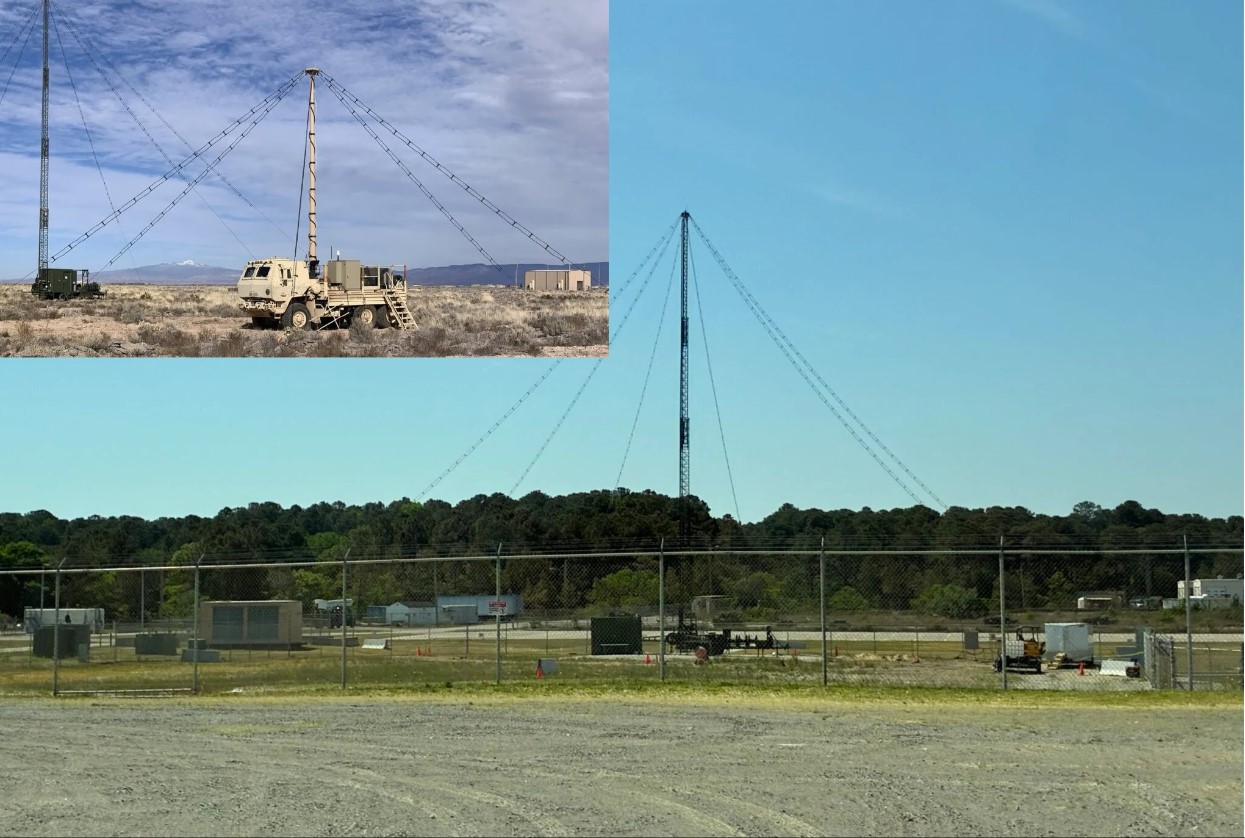
World
NORFOLK, Virginia — April 25, 2026 : The United States Army has initiated domestic deployment of the first operational component associated with its emerging Golden Dome multi-layer missile defense architecture, marking a transition from overseas testing to homeland-based evaluation. The Army Long-Range Persistent Surveillance (ALPS) system was confirmed as operational at Joint Expeditionary Base Little Creek–Fort Story on April 23, 2026, during a conference attended by senior Department of Defense officials. The deployment represents the first acknowledged placement of a Golden Dome-affiliated capability within the continental United States. Michael Guetlein, appointed in 2025 to oversee the program’s ground and space segments, described the installation as a measurable step in establishing a layered homeland defense network. Previous ALPS deployments were conducted under operational requirements in overseas theaters, including U.S. Central Command, U.S. European Command, and U.S. Indo-Pacific Command. System Design and Detection Method The ALPS system is designed as a passive radio frequency sensing platform that operates without emitting electromagnetic signals. Instead of functioning as a traditional radar, the system intercepts and processes electromagnetic emissions from external sources, including communication transmissions, navigation signals, and radar reflections originating from airborne objects. This passive coherent location approach allows the system to detect, classify, and track targets while remaining difficult to identify or disrupt. Because it does not transmit signals, ALPS reduces susceptibility to electronic warfare measures, such as jamming or anti-radiation targeting. The system is configured to address coverage limitations associated with conventional active radar systems, particularly in detecting low-altitude and low-observable threats affected by terrain masking or reduced radar cross-sections. ALPS is capable of tracking a range of aerial platforms, including cruise missiles, fixed-wing aircraft, rotary-wing aircraft, and unmanned aerial systems. The deployed configuration corresponds to Increment 2 of the system and is mounted on the Family of Medium Tactical Vehicles platform, allowing for relocation across operational sites as required. Despite its deployment, ALPS remains in a prototype evaluation phase and has not yet transitioned into a formal program of record within the U.S. defense acquisition structure. The Department of Defense has not released quantitative performance metrics, including detection range, simultaneous tracking capacity, or angular resolution. Deployment Environment and Testing Objectives The selection of Fort Story places the system within a complex electromagnetic and operational environment. Located in the Virginia Beach–Norfolk region, the area experiences a high density of civilian and military air traffic, providing conditions suitable for real-world data collection and system validation. The ALPS installation is positioned in proximity to a Terminal High Altitude Area Defense battery, enabling direct comparison and correlation between passive detection data and active radar-generated tracks. This arrangement supports evaluation of track accuracy, detection consistency, and data fusion performance across different sensor types. Physical characteristics of the deployed system include a low-visibility array consisting of poles and wire elements arranged in a triangular geometry optimized for signal collection. The configuration is designed to minimize visual and electromagnetic signature while maintaining wide-area coverage. Integration Within Golden Dome Architecture Within the broader Golden Dome framework, ALPS forms part of the terrestrial sensor layer responsible for generating detection and tracking data. This information is transmitted to command-and-control networks for processing and potential cueing of interceptor systems. The Golden Dome concept is structured as a multi-layered defense architecture intended to address a spectrum of threats, including ballistic missiles, hypersonic glide vehicles, cruise missiles, and unmanned systems. A key operational objective is the development of boost-phase intercept capabilities, enabling threat neutralization shortly after launch. Supporting the integration of sensor data is a digital infrastructure centered on the Apex Arc data environment, which aggregates inputs from multiple domains. The system incorporates AI-assisted tools for data processing, track correlation, and decision support. An ecosystem hub established in April 2026 coordinates collaboration among government agencies, industry participants, and academic institutions to accelerate development. At present, there is no confirmed operational linkage between the ALPS deployment and space-based missile warning or interceptor systems, indicating that current efforts remain focused on regional and terrestrial sensor validation. Industrial and Program Context The ALPS system is developed with involvement from PAE, with historical associations across the broader architecture including other defense industry participants. The current operational iteration reflects continued refinement under field conditions rather than finalized production standards. The Department of Defense maintains a baseline cost estimate of approximately $185 billion for the complete Golden Dome architecture. Budget projections for fiscal year 2027 allocate between $17 billion and $17.9 billion to support ongoing development, integration, and testing across system components. No Initial Operational Capability (IOC) timeline has been formally established for ALPS. As of April 2026, no additional Golden Dome components have been publicly confirmed as deployed within the United States. The Fort Story installation represents the initial step in transitioning the program’s terrestrial sensor layer into a domestic operational testing phase.
Read More → Posted on 2026-04-25 16:21:32
World
WASHINGTON — April 25, 2026 : The U.S. Department of the Treasury, through its Office of Foreign Assets Control (OFAC), announced a new round of sanctions on Friday aimed at disrupting Iran’s oil export network. The measures target a major China-based refinery, Hengli Petrochemical (Dalian) Refinery Co., Ltd., along with approximately 40 shipping firms, operators, and vessels linked to the transport of Iranian crude oil and petrochemical products. The sanctions are part of Washington’s broader effort to restrict Iran’s primary source of revenue by penalizing entities involved in the purchase and movement of its energy exports. The action was taken under Executive Order 13902, which focuses on Iran’s petroleum and petrochemical sectors. Refinery at the Center of Sanctions Hengli Petrochemical’s facility in Dalian, Liaoning province, is identified as the primary target. The refinery, one of China’s largest independent “teapot” processors, has an estimated capacity of 400,000 barrels per day. According to the Treasury Department, the company has purchased billions of dollars’ worth of Iranian crude oil and petroleum products since at least 2023. U.S. officials stated that Hengli received shipments coordinated by Sepehr Energy Jahan Nama Pars Company, an entity linked to Iran’s Armed Forces General Staff. These transactions reportedly generated hundreds of millions of dollars in revenue for Iran. Sanctioned vessels, including BIG MAG, GALE, and ARES, delivered more than five million barrels of Iranian crude oil to the refinery. Additional vessels identified in the action include LISBOA, which transported over 2.5 million barrels of Iranian naphtha to the United Arab Emirates; SEVAN, which carried approximately 750,000 barrels of propane and butane to Bangladesh; SEEKER 8, which delivered over four million barrels of crude to China in early 2026; and LIN 9, involved in transporting Iranian ethylene. Expansion of “Shadow Fleet” Designations OFAC also designated 19 vessels and about 21 shipping-related entities forming part of Iran’s so-called “shadow fleet.” This network has been used to move oil, liquefied petroleum gas (LPG), and petrochemicals through methods such as ship-to-ship transfers and disabling tracking systems. The Treasury Department said these activities have enabled continued exports primarily to Asian markets, with China accounting for more than 80 percent of Iran’s shipped oil, based on 2025 data from Kpler. Financial Restrictions and Compliance Measures Under the sanctions, all U.S.-based assets of the designated entities are blocked, and U.S. persons are prohibited from engaging in transactions with them. The Treasury also issued a general license allowing the wind-down of existing dealings with Hengli Petrochemical until May 24, 2026. Treasury Secretary Scott Bessent stated that the measures are intended to further limit Iran’s ability to generate revenue through oil exports. The department also warned that additional actions could be taken against financial institutions facilitating such transactions, including two Chinese banks currently under review for potential exposure to Iranian funds. Diplomatic and Market Context The sanctions were announced weeks before a planned meeting between U.S. President Donald Trump and Chinese President Xi Jinping in Beijing, where trade and economic issues are expected to be discussed. The timing also coincides with anticipated diplomatic engagements between Washington and Tehran. China criticized the measures, with its embassy in Washington stating that the United States should refrain from using unilateral sanctions against Chinese companies and described the action as disruptive to global trade. Independent refineries such as Hengli account for roughly a quarter of China’s refining capacity and are considered less exposed to U.S. financial systems. Analysts note that this has led U.S. authorities to increase pressure not only on trading entities but also on financial channels supporting the transactions. The Treasury Department said the latest designations are part of ongoing efforts to constrain Iran’s oil sector and reduce the financial networks supporting its exports.
Read More → Posted on 2026-04-25 16:14:09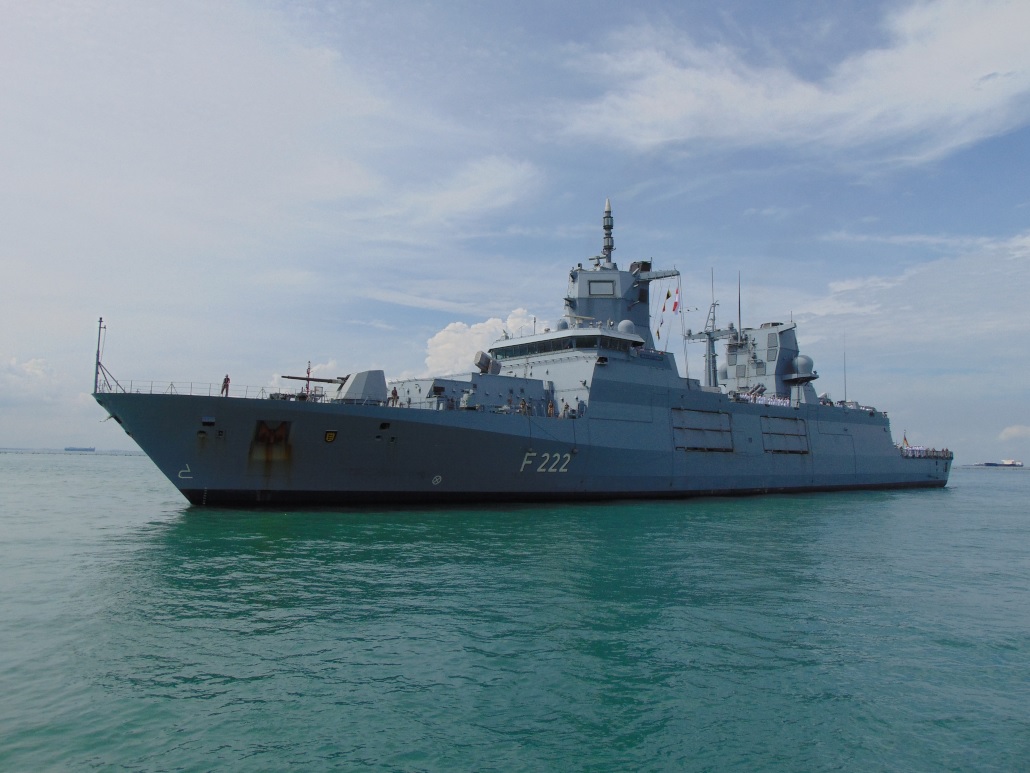
World
BERLIN — April 25, 2026 : Germany has begun preparations to deploy naval vessels to the Mediterranean Sea as part of contingency planning for a possible multinational mission in the strategically vital Strait of Hormuz, amid ongoing instability linked to the conflict involving the United States, Israel, and Iran. German Defence Minister Boris Pistorius confirmed on April 25 that the Bundeswehr will dispatch a minesweeper, identified as the Fulda, along with a command and supply ship. The vessels are being positioned in advance to enable rapid deployment once formal authorization is granted by the Bundestag. According to Pistorius, the forward positioning is intended to reduce response time for Germany’s participation in a possible international maritime security operation. The Fulda, designed for mine detection and neutralization, operates with a crew of approximately 45 personnel. The proposed mission would center on mine clearance and maritime reconnaissance to restore safe navigation in the Strait of Hormuz, a corridor that handles roughly one-fifth of global daily oil shipments. Commercial shipping through the strait has been severely disrupted since hostilities escalated on February 28, followed by Iranian restrictions and a U.S.-led naval blockade initiated on April 13. German officials emphasized that any deployment into the Gulf region remains conditional. Pistorius stated that operations would only proceed in the event of a sustained ceasefire or a confirmed end to hostilities, alongside the establishment of a clear international legal mandate. Berlin is exploring the possibility of expanding the scope of the European Union naval mission Operation Aspides to cover Hormuz-related operations, a move that would also require participation from the United States and the United Kingdom. Chancellor Friedrich Merz has reiterated Germany’s readiness to contribute to a multinational coalition under such conditions, highlighting the country’s established role within NATO in mine countermeasure operations. The Bundeswehr currently maintains a fleet of eight minehunting vessels and two mine-diving units, though officials have not specified how many assets would be committed. The German initiative aligns with broader European coordination among the E3 group — Germany, France, and the United Kingdom — aimed at securing maritime routes and stabilizing energy supply chains affected by the crisis. The United Kingdom and France have already begun efforts to organize a coalition focused on protecting commercial shipping and conducting mine clearance operations in the region. U.S. estimates suggest that clearing naval mines in the area could take up to six months. Germany’s naval planning remains defensive in scope, focusing on surveillance and hazard removal rather than combat operations. Military planners are currently assessing logistical and operational requirements, with deployment timelines described only as “in the coming days” for the Mediterranean positioning phase. Parallel to military preparations, diplomatic efforts are ongoing. Representatives from the United States and Iran are expected to hold talks in Islamabad over the weekend, aimed at negotiating a potential de-escalation framework. Until a formal agreement is reached and conditions are met, German naval units will remain stationed in the Mediterranean, prepared for rapid activation under an approved international mandate.
Read More → Posted on 2026-04-25 16:06:08
World
WASHINGTON — April 25, 2026 : The U.S. Department of Defense is evaluating a range of measures targeting NATO allies that declined to support American military operations during the ongoing conflict with Iran, with Spain emerging as a central focus of internal deliberations. According to an internal Pentagon email prepared by Elbridge Colby and reported by Reuters on April 24, 2026, U.S. officials are considering steps including the potential suspension of Spain from NATO and limiting certain allies’ roles within the alliance. The proposals stem from concerns over the denial of access, basing, and overflight (ABO) rights, which U.S. officials describe as a baseline expectation for alliance cooperation. Operational Disruption and U.S. Response Spain’s decision not to authorize the use of its airspace or military facilities for strikes against Iran forced the Pentagon to rapidly reconfigure operational logistics. The United States maintains key installations in Spain, including Naval Station Rota and Morón Air Base, both of which were unavailable for the Iran-related missions. As a result, U.S. strategic bombers such as B-52 and B-1 aircraft were rerouted around the Iberian Peninsula. Refueling operations were shifted to Istres-Le Tubé Air Base in France, while approximately fifteen KC-135 tanker aircraft were relocated to bases in France and Germany. The United Kingdom supported revised operations by hosting B-52 and B-1 bombers at RAF Fairford. A Pentagon spokesperson, Kingsley Wilson, reiterated the administration’s position, stating that U.S. leadership expects reciprocal support from allies and that NATO cannot function as a “one-way street.” The policy direction aligns with statements by Donald Trump emphasizing burden-sharing within the alliance. Legal Constraints on NATO Membership Suspension Despite the severity of the options under review, NATO’s legal framework presents significant limitations. The alliance is governed by the North Atlantic Treaty, signed in 1949, which does not include provisions for suspending or expelling member states. The only formal mechanism available is voluntary withdrawal under Article 13, requiring a one-year notice period. Any attempt to suspend Spain would likely require unanimous agreement among member states or reliance on broader international legal interpretations, such as those under the Vienna Convention on the Law of Treaties. Both pathways present substantial diplomatic and procedural challenges. As an alternative, the Pentagon is considering reducing the influence of non-cooperative allies by removing them from senior NATO command roles and committees, a step viewed as more feasible within existing alliance structures. Reasons Behind the Dispute The primary issue identified in the Pentagon communication is Spain’s refusal to grant ABO rights during operations against Iran. Spanish officials have framed the decision as limited to this specific conflict and consistent with national positions on international law and military engagement. Spanish Prime Minister Pedro Sánchez dismissed the significance of the internal email, while Defense Minister Margarita Robles defended Spain’s stance, emphasizing its commitment to peace and continued NATO membership. Potential Impact on Spain Any U.S.-driven action would likely be symbolic rather than operational in the near term. Spain would retain bilateral defense arrangements with Washington, including agreements governing the Rota and Morón bases, which remain under Spanish sovereignty. However, exclusion from NATO decision-making structures or a hypothetical suspension could reduce Spain’s influence within the alliance and weaken its strategic position in European security discussions. A full suspension—if legally achievable—could also affect Spain’s access to NATO’s collective defense framework under Article 5, though such an outcome remains unlikely under current treaty rules. Regional Considerations Spain’s geopolitical environment adds further complexity. The country maintains longstanding territorial disputes with Morocco over the enclaves of Ceuta and Melilla. Analysts note that any perceived weakening of Spain’s standing within NATO could be viewed positively in Rabat, potentially influencing regional dynamics, although no official Moroccan response has been issued. Parallel Developments in the Strait of Hormuz Separately, the United Kingdom and France are organizing a multinational maritime coalition to restore commercial shipping in the Strait of Hormuz following the conflict. The effort will focus on protecting merchant vessels and conducting mine clearance operations, which U.S. estimates suggest could take up to six months. The Ukrainian Navy has indicated readiness to participate. Spokesperson Dmytro Pletenchuk confirmed that two mine countermeasure vessels based in Portsmouth are available for deployment upon formal invitation. Ongoing Deliberations The Pentagon’s internal review reflects broader tensions within the alliance over burden-sharing and operational support. No final decisions have been taken regarding Spain or other NATO members, and discussions remain ongoing within the U.S. administration.
Read More → Posted on 2026-04-25 15:01:42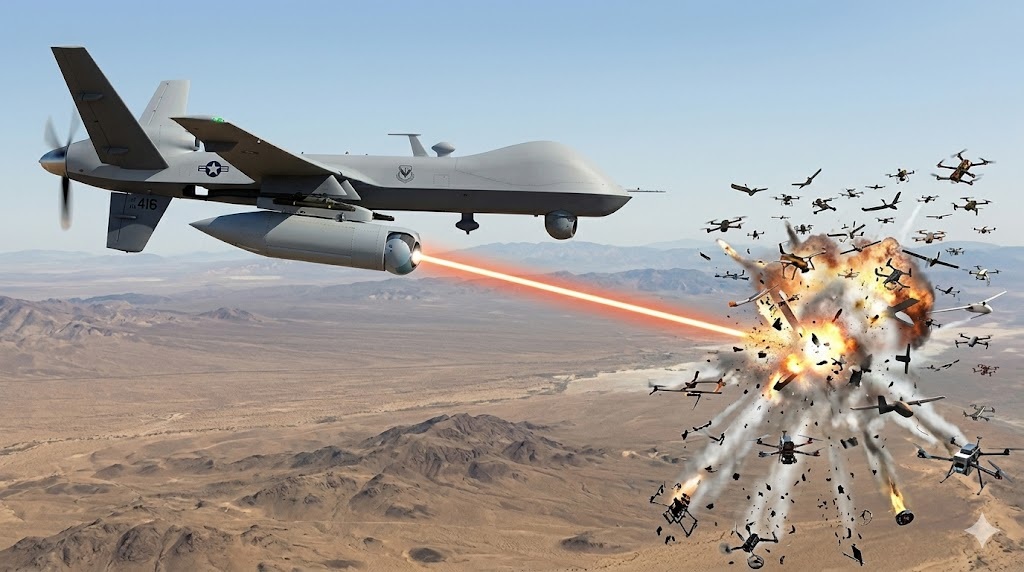
World
WASHINGTON — April 25, 2026 : The U.S. Missile Defense Agency (MDA) is renewing its push to develop airborne directed energy weapons, with a primary focus on integrating high-energy laser systems onto unmanned aerial platforms for air and missile defense missions. The effort was outlined by Air Force Lt. Gen. Heath Collins, director of the MDA, during testimony before the House Armed Services Subcommittee on Strategic Forces on April 15, 2026. Collins stated that the agency is “all in” on directed energy capabilities and is prioritizing unmanned aircraft to extend defensive coverage against drones and other airborne threats. He told lawmakers that an airborne platform would allow the military to deploy laser systems closer to operational environments, improving the ability to counter unmanned aerial systems and similar targets. In written testimony, Collins added that the MDA is accelerating efforts to field high-energy lasers as a “critical, non-kinetic layer” within the United States’ broader missile defense architecture. Budget Framework and Program Alignment The initiative is linked to the Pentagon’s fiscal year 2027 budget request and the broader Golden Dome for America program. Early budget documents indicate increased funding for directed energy research and development, including approximately $452 million allocated for high-energy laser and high-powered microwave technologies within the Golden Dome framework. Overall funding for the Golden Dome effort is estimated between $17.1 billion and $17.9 billion, while total MDA-related activities for fiscal year 2027 are projected in the range of $24 billion to $26 billion. Public documents do not specify the exact portion of funding dedicated exclusively to airborne directed energy integration. Operational Rationale Directed energy systems are being pursued as a cost-effective complement to traditional kinetic interceptors. Existing missile defense systems, such as the Patriot missile system and SM-6 missile, rely on expensive interceptors to destroy relatively low-cost threats like drones. In contrast, solid-state laser systems offer significantly lower cost per engagement, near-instantaneous targeting at the speed of light, and a deep magazine limited primarily by onboard power generation. The MDA is also advancing sensor support, including the Hypersonic and Ballistic Tracking Space Sensor (HBTSS), to improve detection and tracking of fast-moving targets required for effective laser engagement. Technical Constraints and Historical Programs Previous U.S. efforts to deploy airborne laser systems have faced challenges related to size, weight, power, and atmospheric interference. Programs dating back decades illustrate these constraints. The Airborne Laser Laboratory in the 1970s explored early airborne laser concepts. More recently, the YAL-1 Airborne Laser Test Bed successfully demonstrated the interception of ballistic missiles in 2010 but was canceled in 2011 due to cost and technical limitations. Other initiatives included the High Energy Liquid Laser Area Defense System (HELLADS), launched in 2003 to develop a 150-kilowatt-class laser, and the Low Power Laser Demonstrator (LPLD), which focused on integrating lasers onto unmanned systems. Both programs encountered limitations in power generation and beam control. In 2020, Michael Griffin, then Undersecretary of Defense for Research and Engineering, highlighted the difficulty of powering airborne lasers and mitigating atmospheric turbulence, which can degrade beam quality. Recent Air Force efforts, including the Airborne High Energy Laser (AHEL) and the Self-Protect High-Energy Laser Demonstrator (SHiELD), also faced integration challenges that limited their progression to operational testing. Industry and Future Development The MDA established a roadmap in 2024 that begins with lower-power laser systems for tracking and progresses toward higher-energy weapons capable of target destruction. The agency is continuing prototyping and demonstration efforts as part of this phased approach. Defense industry activity reflects growing alignment with these objectives. General Atomics has released concept designs showing laser-equipped MQ-9B SkyGuardian and MQ-20 Avenger unmanned aircraft, although these are not yet tied to a specific government program. Elbit Systems has also reported progress in miniaturizing airborne laser systems. In parallel, the U.S. Navy has outlined concepts for autonomous drone wingmen equipped with directed energy weapons to support manned aircraft. Current Status The MDA is continuing to evaluate airborne directed energy systems as part of a layered defense approach against drones, cruise missiles, hypersonic threats, and ballistic missiles. While Collins’ testimony confirms renewed emphasis on unmanned airborne platforms, specific system configurations, power levels, and deployment timelines were not disclosed. The agency’s fiscal year 2027 plans indicate continued investment in directed energy technologies, with a focus on integrating them into operational missile defense architectures through incremental development and testing.
Read More → Posted on 2026-04-25 14:41:15
India
VISAKHAPATNAM — April 25, 2026 : On April 23, 2026 Bharat Dynamics Limited (BDL) has delivered India’s first production-grade Wire-Guided Heavy Weight Torpedo (WGHWT) to the Naval Science and Technological Laboratory (NSTL) at its Visakhapatnam unit, marking a key development in the country’s indigenous naval weapon production. The torpedo was developed under the Development-cum-Production Partner (DcPP) framework in collaboration with NSTL, a laboratory of the Defence Research and Development Organisation (DRDO). BDL acted as the production partner, with participation from Indian Navy teams throughout the realisation process. The system has been produced in both practice and combat configurations, enabling commonality between training and operational deployment. The WGHWT incorporates a fibre-optic wire-guided mechanism combined with active-passive acoustic homing. The system allows real-time guidance updates from the launching platform, improving resistance to acoustic countermeasures. It is equipped with advanced homing and propulsion systems, along with programmed search, attack, and re-attack capabilities designed to operate across varied underwater environments. The manufacturing process involved a network of industrial partners, including multiple micro, small, and medium enterprises (MSMEs) supplying key components. Officials stated that the integration of these suppliers supported the transition from development to production-grade realisation. The handover ceremony was held at BDL’s Visakhapatnam facility and attended by senior officials from BDL, NSTL, DRDO, and the Indian Navy. Among those present were R V Hara Prasad, Distinguished Scientist and Director General (Naval Systems & Materials); A Madhavarao, Chairman and Managing Director of BDL; and Abraham Varughese, a senior defence official, along with specialised teams from all participating organisations. The production-grade units will support further evaluation and integration activities by NSTL and the Indian Navy. The development also builds on earlier indigenous torpedo programmes, including the ship-launched Varunastra heavyweight torpedo, and contributes to expanding the Navy’s anti-submarine warfare inventory. With this delivery, India joins a limited group of around eight countries capable of producing advanced wire-guided heavyweight torpedoes.
Read More → Posted on 2026-04-25 14:23:54
India
PUNE / NEW DELHI — April 25, 2026 : The Defence Research and Development Organisation (DRDO) has rolled out the first two prototypes of the Vikram VT-21 Advanced Armoured Platform (AAP), marking a key stage in India’s effort to develop a next-generation infantry combat vehicle and armoured personnel carrier for the Indian Army. The prototypes comprise two distinct configurations developed under a public-private partnership model led by DRDO’s Vehicles Research and Development Establishment (VRDE). The tracked variant has been developed in collaboration with Tata Advanced Systems Limited (TASL), while the wheeled variant has been produced with Kalyani Strategic Systems Limited (KSSL), a subsidiary of Bharat Forge Limited. Development Timeline and Programme Context The Vikram VT-21, also referred to as the Advanced Armoured Platform, is being developed as a candidate for the Future Infantry Combat Vehicle (FICV) programme. The programme is intended to replace the Army’s existing fleet of BMP-2 vehicles deployed across approximately 49 mechanised infantry battalions. The Indian Army’s projected requirement under the FICV programme is estimated at 1,750 to 1,770 vehicles across multiple configurations, including infantry combat, command, reconnaissance, and surveillance roles. The metal-cutting ceremony for the prototypes was conducted on April 2, 2025, at manufacturing facilities in Pune. The rollout of the first prototypes has been completed within three years of project initiation, reflecting accelerated timelines under the Development cum Production Partner (DcPP) framework adopted by the Ministry of Defence. Firepower and Combat Systems The Vikram VT-21 is equipped with a 30 mm crewless turret designed as a remote-controlled weapon station. The turret uses standard 30×165 mm ammunition and eliminates the need for personnel inside the turret structure, reducing vehicle silhouette and improving crew protection. The platform is integrated with an anti-tank guided missile (ATGM) system to provide capability against heavily armoured targets. DRDO has scheduled the integration and testing of the Nag Mk-2 ATGM on the platform as part of the next phase of development and trials. Protection and Survivability The platform incorporates modular armour compliant with NATO STANAG 4569 Level 4 and Level 5 protection standards. The armour design includes layered composite panels developed using GFRP, CFRP, and PVC foam materials. This configuration provides scalable protection against ballistic threats, artillery fragments, and explosive shocks. The vehicle structure also incorporates a double-floor design and a V-shaped hull configuration to enhance resistance against mine blasts and improvised explosive devices (IEDs). Mobility and Platform Characteristics Both tracked and wheeled variants are powered by high-output diesel engines coupled with automatic transmission systems, targeting a power-to-weight ratio of approximately 30 hp per tonne. The overall vehicle weight is in the 18 to 25 tonne class. The wheeled variant follows an 8×8 configuration derived from the Wheeled Armoured Platform (WhAP) programme. It includes run-flat tyre inserts and is designed for high mobility across varied terrain conditions. Both variants are amphibious and capable of operating in riverine and water-crossing environments with minimal preparation. The platform accommodates a crew of three personnel and can carry eight infantry soldiers. It is equipped with advanced thermal and optical sights, a fire control system, a digital dashboard, and enhanced crew vision systems. Modular Design and Multi-Role Capability The Vikram VT-21 has been designed with a modular, plug-and-play architecture that allows rapid reconfiguration for multiple operational roles. These include infantry combat vehicle (ICV), armoured personnel carrier (APC), command-and-control vehicle, reconnaissance platform, and medical evacuation configurations. This modularity is intended to reduce lifecycle costs and improve operational flexibility for the Indian Army. Indigenisation and Industrial Participation At the prototype rollout stage, the Vikram VT-21 platform has an indigenous content level of approximately 65 per cent. Plans are in place to increase this to 80–90 per cent through phased localisation of key subsystems, including power packs and critical components. The programme is aligned with the Atmanirbhar Bharat initiative, which seeks to enhance self-reliance in defence manufacturing. The development model under the DcPP framework has enabled direct participation of private-sector companies such as Tata Advanced Systems Limited and Bharat Forge Limited in core design and production activities. Trials and Next Steps Following the rollout, the Vikram VT-21 prototypes are expected to enter Indian Army trials in the coming months. The evaluation process will include testing across varied terrain and climatic conditions to assess operational performance, mobility, protection, and system integration. Successful completion of trials could lead to further development phases and potential production orders under the FICV programme. The Vikram VT-21 programme reflects DRDO’s continued focus on developing modular, reconfigurable armoured systems in collaboration with domestic industry partners to meet the evolving operational requirements of the Indian armed forces.
Read More → Posted on 2026-04-25 13:54:28
World
ATHENS — April 25, 2026 : Emmanuel Macron has called on European leaders to accelerate efforts to protect the continent’s industrial base, identifying China’s state-backed manufacturing expansion and shifting United States strategic priorities as dual pressures shaping Europe’s economic future. The remarks were delivered during high-level talks in Athens with Kyriakos Mitsotakis, where the French president outlined concerns that Europe has underestimated the scale and speed of industrial competition emerging from China. Chinese Industrial Expansion and European Impact Macron stated that China’s industrial model—characterized by large-scale production capacity and state-supported exports—has become a central challenge for Europe’s “industrial sovereignty” agenda. He pointed specifically to sectors such as automotive manufacturing and machine tools, where European producers are facing sustained competitive pressure. “One of the main challenges of the European industry today, if we want to deliver this sovereignty agenda, is about China,” Macron said, adding that Chinese competition is “literally killing a large part of the European industry” while policymakers have been “too slow” to respond. He described what he termed a “landslide approach” by Chinese manufacturers, referring to rapid gains in global market share across industrial sectors. As an example, Macron cited Germany’s manufacturing downturn, noting that approximately 250,000 industrial jobs were lost in the country last year. Broader data indicates that Germany has lost nearly 250,000 industrial jobs since 2019 amid a prolonged contraction in its manufacturing base. France, Macron noted, has been less affected in these specific sectors, though he attributed this to earlier phases of deindustrialization rather than current resilience. Machine Tool Sector and Trade Imbalance Recent trade data underscores the structural shift highlighted by Macron. In 2025, China surpassed Germany as the world’s largest exporter of machine tools, increasing exports by 13 percent to €8.6 billion. In contrast, German machine tool exports declined by 10 percent to €7 billion over the same period. China now accounts for approximately 37 percent of global machine tool production, consolidating its position in a sector that underpins advanced manufacturing. The shift has contributed to a widening imbalance in trade between Europe and China. The European Union’s goods trade deficit with China exceeded €300 billion in 2025, driven by high import volumes across sectors including electric vehicles and industrial components. European policymakers have responded with a combination of anti-subsidy investigations, tariffs on Chinese electric vehicles, and discussions on minimum pricing mechanisms and safeguard measures aimed at restoring competitive balance. “De-risking” Strategy and Industrial Policy Macron reiterated that Europe should pursue a strategy of “de-risking” rather than full economic decoupling from China. Speaking earlier at the World Economic Forum in January 2026, he stated that Chinese investment in Europe remains welcome, particularly where it includes technology transfer and contributes to economic growth. However, he emphasized that such engagement must be conditioned on fair competition, arguing against the import of subsidized products that do not align with European regulatory standards. He also called for stronger industrial policy tools, including “European preference” in public procurement and targeted incentives to support domestic manufacturing capacity. Reassessment of U.S. Strategic Priorities In parallel with concerns about China, Macron urged European leaders to adopt a long-term perspective on United States policy. He argued that Washington’s strategic orientation has, for more than a decade, prioritized domestic economic interests and competition with China over transatlantic considerations. “We have to be lucid on the US strategy… This is not just Trump’s character or behavior,” Macron said. “The United States, I would say, for now 15 years, decided the number one issue is America — America first. The second priority is China.” He added that U.S. global strategies “don’t put European interests at the center,” reflecting a structural shift rather than a temporary policy direction tied to any single administration. European Strategic Autonomy Debate Macron’s comments are consistent with his longstanding advocacy for greater European strategic autonomy across defense, energy, and critical technologies. During the Athens discussions, he also noted that the geopolitical positioning of major powers—including the United States, China, and Russia—is increasingly exerting pressure on European interests. Within the European Union, policymakers are continuing to debate measures aimed at strengthening industrial resilience. These include proposals for joint borrowing to finance strategic investments, expanded “Buy European” provisions, and coordinated responses to external subsidies. Macron has argued that timely and coordinated action will be necessary if Europe is to maintain competitiveness in key industries and reduce structural dependencies in the coming years.
Read More → Posted on 2026-04-25 13:47:37Search
Top Trending in 24 Hours
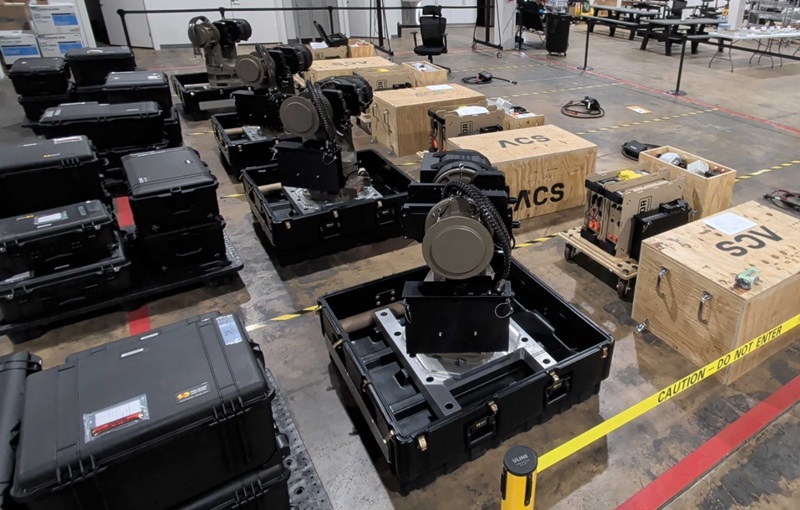


Top Trending in 4 Days
-
 New Satellite Imagery Reveals Extensive Damage at Jordan's Muwaffaq al-Salti Air Base After Iranian Missile Strike
-
 Anduril Unveils Thunder Autonomous Attack Rotorcraft Built with Archer Aviation to Support Apache Helicopters
-
 Iran Claims It Shot Down U.S.-Operated Polish-Built Tiguar-M Drone, Releases Images
-
 U.S. Space Force Awards Slingshot Aerospace $69.2 Million Contract to Develop AI Space Training Platform
-
 UK Cancels Meteor Missile Mid-Life Upgrade, Prioritizes Next-Generation FASE Air-to-Air Missile Programme
-
 NASA, Draper Cancels CP-12 Lunar Lander Mission After Development Delays Push Mission Beyond 2030
-
 Pratt & Whitney Completes Testing of 3D-Printed TJ150 Engine for Military Applications
-
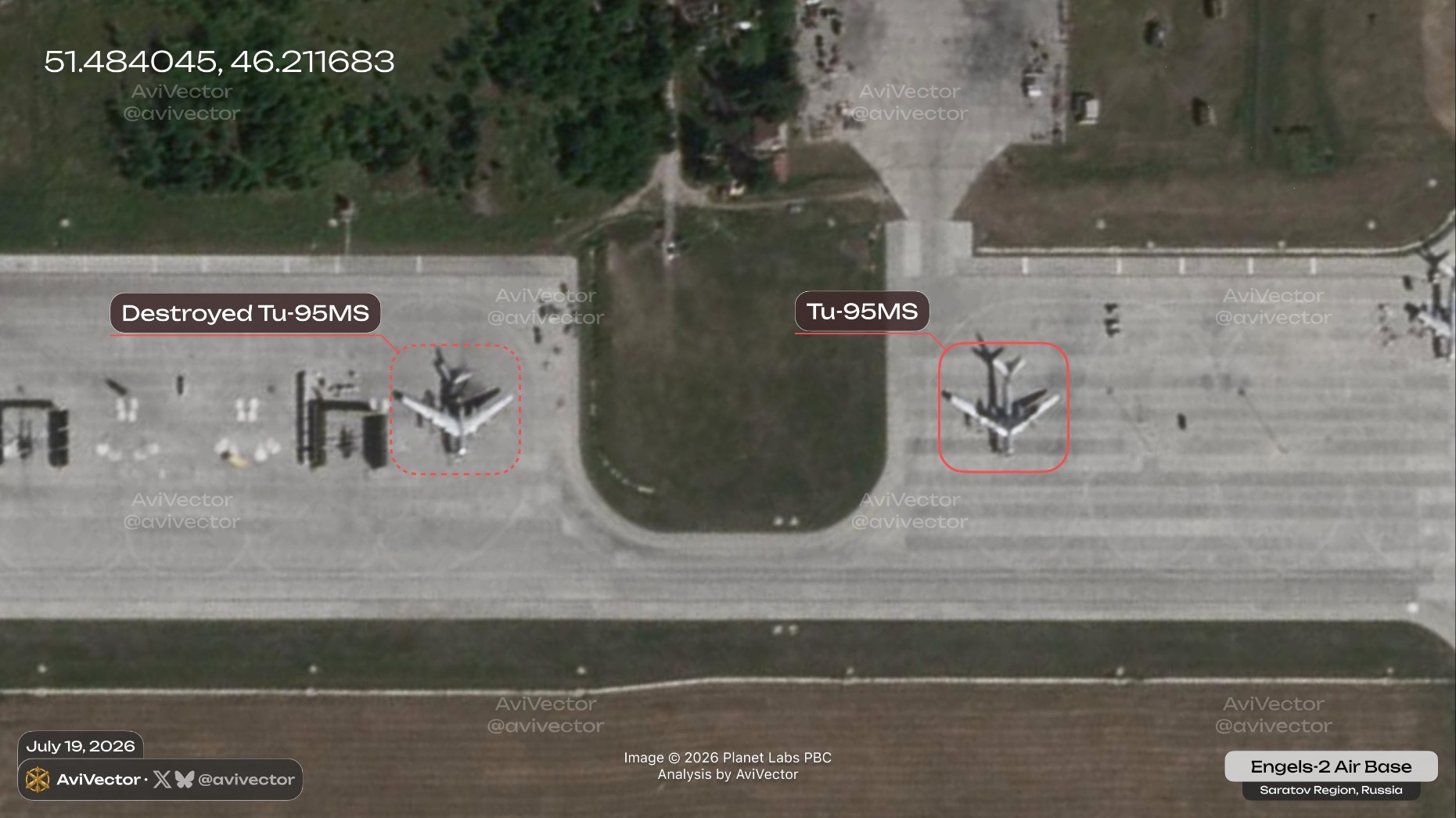 Satellite Images Confirm Russian Tu-95MS Bomber Destroyed After Ukrainian Drone Strike on Engels-2 Air Base
