World
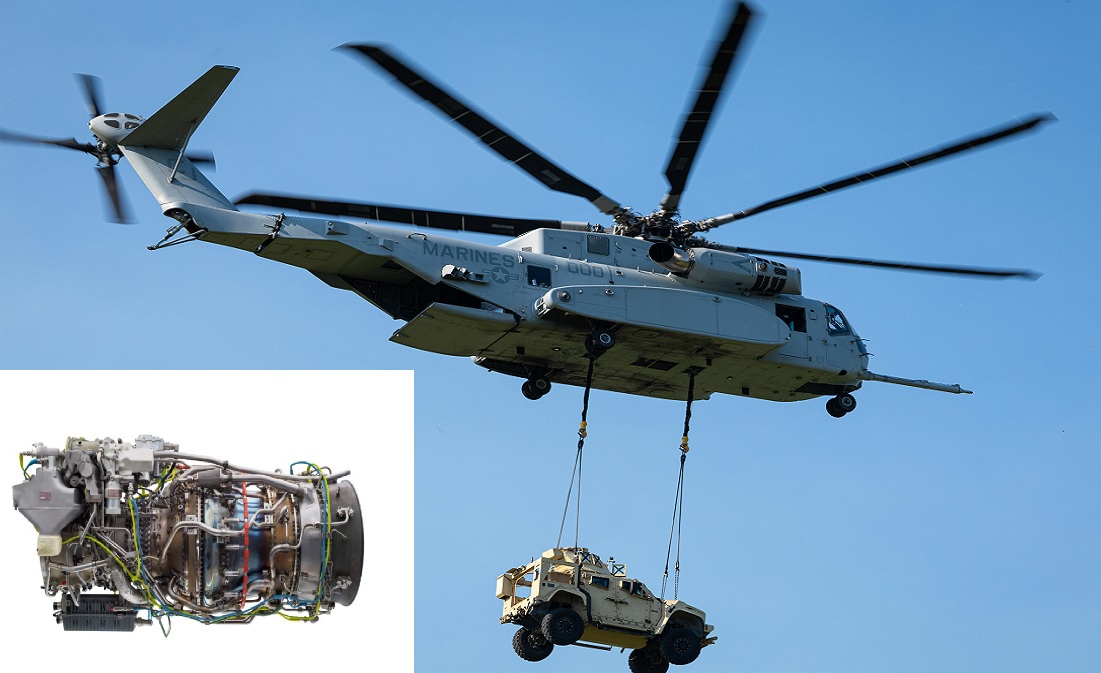
PATUXENT RIVER, Maryland — April 28, 2026 : The U.S. Navy has awarded GE Aerospace a $46,532,340 firm-fixed-price contract modification to supply nine additional T408-GE-400 turboshaft engines for the U.S. Marine Corps’ CH-53K King Stallion program. The award was issued by Naval Air Systems Command as part of an expansion to the existing Lot 10 production order. The modification represents a variation in quantity within an already active procurement lot rather than the initiation of a new contract. Funding is sourced from fiscal year 2026 aircraft procurement appropriations and will be obligated at the time of award, with no funds scheduled to expire at the end of the fiscal year. Completion of the work is projected for September 2032. Contract Scope and Production Framework Under the agreement, manufacturing will be carried out at GE Aerospace’s facility in Lynn, Massachusetts. The site is federally designated as a labor surplus area, a classification that can influence federal contracting considerations. The Lynn facility remains a central hub for military engine production, with the CH-53K program representing a major component of its ongoing workload. The contract was awarded on a sole-source basis, reflecting GE Aerospace’s position as the original designer and exclusive manufacturer of the T408 engine. In military aviation programs, sole-source procurement is standard for propulsion systems due to proprietary engineering, certification requirements, and lifecycle sustainment considerations tied to a single qualified supplier. The modification builds on a broader acquisition strategy tied to the CH-53K program. In September 2025, airframe manufacturer Sikorsky Aircraft, a subsidiary of Lockheed Martin, received a $10.855 billion multi-year contract covering Lots 9 through 13 for up to 99 helicopters, with deliveries extending through 2034. Subsequently, in January 2026, GE Aerospace was awarded a $1.42 billion contract to definitize engine procurement for Lots 9 and 10 while expanding scope to include Lots 11 through 13. That agreement includes new production engines, spare units, and sustainment support and is projected to generate more than $174 million in savings over the Future Years Defense Program. The current $46.5 million modification supplements Lot 10 quantities, contributing additional engines to support operational readiness and maintenance cycles. Engine Design and Performance Characteristics The T408-GE-400 engine was developed specifically for the CH-53K platform. Each helicopter is powered by three engines, mounted across its three pylon configuration. Each T408 engine produces approximately 7,500 shaft horsepower. Collectively, the three-engine configuration delivers roughly 57 to 60 percent more power than the T64 engines used on the legacy CH-53E Super Stallion. The engine incorporates full-authority digital engine control (FADEC), advanced materials, and an architecture optimized for sustained high-power output in demanding operating environments. In addition to increased power, the T408 offers approximately 18 percent improved specific fuel consumption and includes about 63 percent fewer parts compared to the T64 engine, contributing to efficiency and maintenance simplification. Production of the T408 is centered in Lynn, with additional component manufacturing distributed across GE facilities in New Hampshire, Vermont, Kentucky, Ohio, and Florida. MTU Aero Engines contributes to the power turbine assembly as an international program partner. Aircraft Capability and Operational Role The CH-53K is designed to meet the Marine Corps’ requirement for heavy-lift transport in expeditionary environments where infrastructure such as runways and road networks may be absent. The aircraft supports missions including the transport of artillery, vehicles, fuel, and ammunition, as well as ship-to-shore movement and aerial refueling operations. The helicopter is capable of carrying up to 36,000 pounds of external cargo under standard conditions. In high-altitude and hot-weather environments—conditions that typically reduce rotorcraft performance—the CH-53K can lift approximately three times the external load capacity of the CH-53E. Other platform enhancements include a wider cabin, composite rotor blades, and fly-by-wire flight control systems. Program Status and Fleet Integration The CH-53K program achieved initial operational capability with the U.S. Marine Corps in April 2022. The Department of the Navy approved full-rate production in December 2022 following completion of operational testing and production readiness evaluations. The program of record calls for a total of 200 aircraft. As of early 2026, Sikorsky had delivered approximately 20 CH-53K helicopters, with additional units from earlier production lots in various stages of manufacturing. The latest engine procurement supports the continued expansion of the fleet as the Marine Corps transitions away from the aging CH-53E platform. Additional engines are required not only for new aircraft production but also to sustain operational availability across multiple squadrons through maintenance rotations and spare capacity. Naval Air Systems Command, headquartered at Patuxent River, Maryland, serves as the contracting authority for the program. The continued procurement of T408 engines aligns with the broader objective of establishing the CH-53K as the primary heavy-lift helicopter across Marine Corps aviation units, ensuring sufficient fleet density for distributed and sustained expeditionary operations.
Read More → Posted on 2026-04-28 13:33:14
World
NEWPORT NEWS, Virginia — April 27, 2026 : Huntington Ingalls Industries (HII) has been awarded a contract by the Defense Innovation Unit (DIU) to develop a Torpedo Tube Launch and Recovery (TTLR) system designed to autonomously deploy and retrieve the company’s REMUS unmanned underwater vehicles (UUVs) from U.S. Navy submarines. The award represents a procedural step in the U.S. Navy’s broader effort to integrate autonomous maritime systems into routine submarine operations, with the objective of extending operational reach and improving underwater surveillance capabilities. Integration of Autonomous Systems into Submarine Operations The TTLR system is engineered to function through standard submarine torpedo tubes, enabling submarines to deploy and recover UUVs without requiring diver intervention. The capability is intended to expand mission flexibility, enhance stealth characteristics, and reduce operational risk and crew workload. HII’s selection reflects its dual role as one of two primary builders of U.S. nuclear-powered submarines and a major producer of unmanned underwater systems. The company stated that the system will support manned–unmanned teaming concepts, allowing submarines to conduct extended intelligence, surveillance, and reconnaissance (ISR) missions using autonomous platforms. Duane Fotheringham, president of the Unmanned Systems group within HII’s Mission Technologies division, said the contract builds on the company’s 25-year experience in autonomous maritime platforms and their integration into submarine operations. He noted that HII continues to work with the U.S. Navy on deploying operational capabilities in the subsea domain. REMUS UUV Operational Background HII’s REMUS family of UUVs has been deployed globally for defense, scientific, and commercial applications. According to company data, more than 750 REMUS vehicles have been delivered to over 30 countries, including 14 members of NATO. Over 90% of these systems remain in active service after more than two decades, indicating long-term operational durability. The REMUS platform originated from research sponsored by the Office of Naval Research and has since evolved into a widely used unmanned maritime system. The product line recently marked its 25th anniversary. Recent Testing and Demonstrations The DIU contract follows a series of tests conducted in 2025 involving the REMUS platform and submarine integration. In June 2025, the United States Navy, in partnership with the Woods Hole Oceanographic Institution (WHOI), advanced the “Yellow Moray” UUV capability program. The effort included the first forward-deployed torpedo tube launch and recovery of a REMUS 600 vehicle from the USS Delaware (SSN-791), a Virginia-class fast attack submarine constructed by HII. During the deployment, personnel from Unmanned Undersea Vehicle Squadron One (UUVRON-1), supported by WHOI, conducted three fully autonomous launch and recovery sorties through the submarine’s torpedo tubes without diver assistance. The operations demonstrated the feasibility of autonomous manned–unmanned teaming for ISR missions and other maritime tasks. In July 2025, further testing was carried out by a joint team from HII, WHOI, and the Navy’s Naval Undersea Warfare Center Division Newport (NUWC). The trials took place at a torpedo tube and shutterway test facility located at Seneca Lake. The test involved the latest generation REMUS 620 UUV. During in-water trials, the vehicle demonstrated advanced autonomous navigation and communication capabilities. It successfully docked with a shock and fire enclosure capsule (SAFECAP) inside a submerged test fixture and executed reverse swim-out launch and safe separation procedures. These tests validated key mechanical and software systems required for operational deployment. Industrial and Strategic Context HII, headquartered in Virginia, is the largest shipbuilder in the United States and employs approximately 44,000 personnel. The company has more than 140 years of experience supporting U.S. national security programs and delivers capabilities across shipbuilding, mission technologies, unmanned systems, C6ISR, artificial intelligence and machine learning, electronic warfare, and training systems. The TTLR program aligns with HII’s broader strategy of combining nuclear-powered submarine design with autonomous systems development. The integration of UUVs into standard submarine interfaces is expected to expand mission endurance, improve stealth operations, and reduce demands on submarine crews. The contract continues HII’s collaboration with the U.S. Navy, WHOI, and other partners to advance undersea autonomous capabilities. No contract value was disclosed in the announcement.
Read More → Posted on 2026-04-27 17:49:52
India
New Delhi, — April 27, 2026 : India has issued a Notice to Airmen (NOTAM) along with a corresponding Maritime Area Restriction (MAR), designating a temporary no-fly and restricted sea zone over the Bay of Bengal for likely missile testing activity scheduled between May 1 and May 3, 2026. According to the notification issued by the Directorate General of Civil Aviation and maritime authorities, the restricted corridor will be active daily from 05:00 UTC to 07:00 UTC during the three-day window. The designated hazard zone extends to a maximum length of approximately 1,680 kilometres, originating from the eastern coast and projecting southward into the Bay of Bengal toward the broader Indian Ocean region. The launch is expected to take place from Abdul Kalam Island, which hosts the Integrated Test Range (ITR) operated by the Defence Research and Development Organisation. The facility serves as India’s primary site for testing strategic and tactical missile systems, including the Agni-series ballistic missiles, BrahMos cruise missiles, and various hypersonic technology demonstrators. Civil aviation operators and maritime traffic have been instructed to avoid the specified corridor during the notified timeframes to ensure safety along the projected flight path and potential impact area. Based on the declared range profile and testing window, defence analysts assess that the trial may involve one of several systems currently under development or validation. These include the Agni-Prime (Agni-1P), a two-stage, solid-fuelled, canister-launched medium-range ballistic missile with an estimated range of 1,000 to 2,000 kilometres and advanced guidance systems derived from the Agni-IV and Agni-V programmes. Other potential candidates include the Extended Trajectory-Long Duration Hypersonic Cruise Missile (ET-LDHCM), a scramjet-powered system developed under Project Vishnu. The missile has demonstrated speeds of up to Mach 8 and a range of approximately 1,500 kilometres in earlier trials conducted in July 2025, with capabilities for sustained hypersonic flight and flexible payload configurations. The Long Range Anti-Ship Missile (LR-AShM), a hypersonic boost-glide system designed for maritime strike roles, is also considered a possible candidate. The system employs a two-stage booster to deploy a hypersonic glide vehicle capable of engaging moving and static targets at ranges near 1,500 kilometres. Officials have not confirmed the specific system scheduled for testing. The issuance of NOTAMs and maritime advisories is a standard procedural measure ahead of missile trials to ensure the safety of civilian air and sea operations. Similar notifications have been issued in recent months for test activities in the same region, reflecting ongoing validation cycles within India’s missile development programmes.
Read More → Posted on 2026-04-27 17:44:32
World
WASHINGTON, — April 28, 2026 : The United States Space Force is advancing development of a space-based Air Moving Target Indicator (AMTI) capability built around a layered architecture combining high-band and low-band radar systems, according to U.S. defense budget documents and program disclosures.The initiative forms part of a broader effort by the Department of Defense to transition airborne surveillance and tracking missions from crewed aircraft to orbital platforms, with fiscal year 2027 funding proposals outlining both technical and industrial expansion plans. Layered Dual-Band Radar Architecture At the core of the Space-Based AMTI concept is a dual-band radar approach designed to provide persistent, global detection and tracking of airborne targets from orbit. Low-band radar systems are being developed to deliver wide-area search capabilities, enabling continuous monitoring across large geographic regions and initial detection of airborne objects over extended ranges. High-band radar systems, operating in parallel, are intended to provide higher-resolution tracking and generate target-quality data necessary for engagement and integration into operational decision-making systems. By combining the two, the Space Force aims to establish a layered sensing framework capable of tracking advanced threats, including low-observable aircraft and cruise missiles, within a single integrated architecture. The service has described the overall construct as a “system-of-systems,” integrating space-based sensors, artificial intelligence-enabled ground processing, and secure communications networks. Budget Allocation and Industrial Scaling The Department of Defense’s fiscal year 2027 mandatory spending request includes $140 million specifically allocated for the Space-Based AMTI low-band radar development effort. The funding is designated to mature system designs and expand manufacturing capacity, particularly by onboarding additional vendors to support production. This allocation complements a broader procurement request of approximately $7.056 billion for Space-Based AMTI Global Coverage. The larger funding line is intended to scale the high-band radar component, address regional operational requirements, and progress toward full global coverage for joint force applications. Additional research, development, test, and evaluation funding is included under the Space-Based Moving Target Indicator program line. In April 2026, the Space Force awarded a baseline indefinite-delivery, indefinite-quantity contract to nine aerospace firms, enabling competition for the first operational increment of the satellite constellation. The multi-vendor strategy is designed to strengthen the industrial base and achieve economies of scale as production ramps up. Transition from Airborne Warning Platforms The Space-Based AMTI architecture is expected to eventually replace the airborne AMTI mission currently performed by the United States Air Force using platforms such as the E-3 Sentry and the planned Boeing E-7 Wedgetail. The E-3 Sentry fleet has provided airborne early warning and control capabilities for decades, while the E-7 Wedgetail had been intended as its successor. However, defense planners increasingly assess that crewed aircraft operating within range of modern air defense systems face growing survivability challenges. Space-based systems are expected to offer persistent coverage, reduced vulnerability in contested environments, and the ability to operate globally without reliance on forward basing or airborne patrol cycles. Prototyping and Integration Efforts Prototype AMTI sensors have already been deployed on orbit through collaboration between the Space Force and the National Reconnaissance Office. These early demonstrations have supported validation of sensor performance, tracking accuracy, and data transmission requirements. The program is now transitioning from prototyping toward procurement, with a focus on ensuring that space-based sensors can deliver low-latency, high-quality tracking data compatible with existing command-and-control networks. The Space-Based AMTI effort is being developed alongside ground moving target indication capabilities, also coordinated with the National Reconnaissance Office, as part of a broader moving target indication mission area. Program Scope and Remaining Unknowns Despite continued funding and contract activity, key operational details remain undisclosed. The Space Force and Air Force have not released timelines for achieving initial or global operational capability, nor have they specified the planned size of the satellite constellation, orbital configurations, or integration schedules. Officials have indicated that system requirements are structured to support scalability, allowing incremental deployment and adaptation as technologies mature and operational needs evolve. Strategic Context The Space-Based AMTI program aligns with the 2026 U.S. national defense strategy, which emphasizes operational flexibility and the ability to conduct missions in contested environments. By shifting airborne tracking functions to orbital assets, the Department of Defense aims to mitigate vulnerabilities associated with traditional platforms and enhance situational awareness across joint force operations. The capability is intended to support continuous detection and tracking of airborne threats, including aircraft and other fast-moving objects, providing a persistent surveillance layer to complement existing defense systems. Further program details, including vendor selections for the first operational increment and integration with other space-based sensing architectures, are expected following finalization of fiscal year 2027 funding and subsequent contract awards.
Read More → Posted on 2026-04-27 17:36:40
World
CANBERRA, —April 27, 2026 : The Australian government has approved a A$2.3 billion investment to expand the Army’s long-range strike capability, selecting additional High Mobility Artillery Rocket Systems (HIMARS) and Precision Strike Missiles (PrSM) for a second long-range fires regiment to be based in South Australia. The procurement decision was taken under Project LAND 8113 Phase 2 following an evaluation that included a domestically developed alternative known as StrikeMaster. The new regiment will be integrated into the 10th Fires Brigade, headquartered near the Edinburgh Defence Precinct. The formal announcement is expected on Tuesday as part of a broader expansion of Australia’s long-range fires program aligned with the National Defence Strategy. Program Expansion and Acquisition Background The Phase 2 decision builds on earlier commitments under Project LAND 8113. Australia had previously agreed to acquire 42 HIMARS launchers, with the United States approving a further request for 48 systems in September 2025. An earlier 2023 agreement had also covered an initial batch of 20 truck-mounted launchers, reflecting a phased approach to capability development. The additional systems will support the establishment of a second regiment, complementing existing capabilities within the 10th Brigade, which has already conducted multiple live-fire exercises using HIMARS and PrSM, including participation in Exercise Talisman Sabre 2025. Evaluation of StrikeMaster Alternative During Phase 2, the Department of Defence assessed HIMARS equipped with PrSM against the Australian-designed StrikeMaster system. StrikeMaster integrates two Norwegian Naval Strike Missiles (NSM) mounted on a Thales Australia Bushmaster protected mobility vehicle. The system, developed by Kongsberg Defence Australia in partnership with Thales Australia, underwent successful live-fire testing in Norway in October 2025. It was positioned as a lower-cost and sovereign option, with proponents highlighting its potential to involve more than 150 Australian suppliers and its suitability for land-based maritime strike roles using an existing vehicle platform already in service. Despite these factors, the government selected HIMARS to maintain interoperability with United States forces and to support integrated operations under the AUKUS partnership framework. Capability and Operational Range HIMARS currently provides an operational strike range exceeding 500 kilometres when using Guided Multiple Launch Rocket System (GMLRS) munitions. The PrSM, which remains under development, is expected to extend strike distances beyond 1,000 kilometres once fully operational. The system has demonstrated operational effectiveness in recent conflicts, including use by Ukrainian forces, and is designed to deliver precision fires at extended ranges with high mobility. Domestic Production and Supply Chain Measures The acquisition decision comes amid concerns that the United States Department of Defense could impose export restrictions on missile systems due to supply pressures linked to the ongoing Iran conflict. In response, Australia is accelerating domestic manufacturing efforts to reduce reliance on external supply chains. Defence Industry Minister Pat Conroy stated that Australian HIMARS systems will use missiles assembled domestically. A memorandum of understanding signed between Australia and the United States in June 2025 covers production, sustainment, and follow-on development of the PrSM, enabling Australian industry participation in the supply chain. A key milestone in this effort was achieved on April 8, 2026, when the first Australian-assembled GMLRS missile was successfully test-fired from a HIMARS launcher at the Woomera Test Range in South Australia. The missile was produced by Lockheed Martin Australia at a dedicated facility opened at Port Wakefield in December 2025. Strategic Context and Force Structure Reforms Defence Minister Richard Marles said the investment supports the objectives of the National Defence Strategy, which emphasizes the ability to defend Australia at distance through enhanced deterrence and denial capabilities. The long-range fires program forms part of broader force structure reforms aimed at strengthening Australia’s position in the Indo-Pacific region. The expansion is intended to provide increased operational reach and integration with allied forces. Further details, including the exact number of additional launchers and missiles as well as delivery and integration timelines, are expected to be released following the government’s formal announcement.
Read More → Posted on 2026-04-27 16:36:32
World
ANKARA, — April 27, 2026 : Hakan Fidan has issued a strong response to remarks made by Emmanuel Macron, who recently pledged support to Greece in the event of any challenge to its sovereignty. The exchange marks a new phase in the ongoing geopolitical tensions across the Eastern Mediterranean, where overlapping security, energy, and territorial disputes continue to shape regional alignments. Macron’s Athens Statement and Strategic Context President Macron delivered his comments during a visit to Athens on April 24–25, 2026, where he participated in an open session alongside Greek Prime Minister Kyriakos Mitsotakis. Addressing a question regarding potential threats to Greek sovereignty, Macron stated that France would stand by Greece if such a situation arose, citing the strengthened strategic partnership and defence agreements between the two countries. France’s position reflects its broader policy of reinforcing European security architecture in the Mediterranean, particularly in support of European Union member states Greece and Cyprus. In recent years, Paris has deepened defence ties with Athens through agreements that include the sale of Rafale fighter jets and naval frigates, alongside expanded military cooperation. Turkey’s Response and Clarification of Remarks In response, Foreign Minister Hakan Fidan reiterated Turkey’s commitment to defending its national interests, maritime rights, and the Turkish Cypriot population. He emphasized that Turkey would continue to support the Turkish Republic of Northern Cyprus and maintain its position on regional security matters, while asserting that France should not interfere in Cyprus-related issues. Fidan also criticized the growing defence cooperation involving Greece, the Republic of Cyprus, Israel, and France, describing it as a development that increases mistrust and regional instability. He stated that Greece and Cyprus already benefit from NATO and EU frameworks and questioned the necessity of additional military partnerships. It is important to note that some widely circulated remarks attributed to Fidan—describing France as a “small European country” and challenging it to act independently—originated from statements made in January 2025 in a different context, specifically regarding French activities in Syria. In the current April 2026 situation, Fidan’s comments have focused on regional security concerns and opposition to expanding military alignments. Military Movements and Emerging Defence Posture The latest tensions are occurring alongside new military developments in the region. France and Greece have outlined plans to increase their presence in Cyprus, including the deployment of military assets. Greece is preparing to send a tank unit to the island, while France is considering stationing troops in Southern Cyprus, potentially alongside Israeli-linked missile infrastructure. From Ankara’s perspective, these developments represent an attempt to alter the regional balance and limit Turkey’s strategic space in both the Mediterranean and the Aegean Sea. Turkish officials argue that such moves risk undermining the established status quo and marginalizing Turkish Cypriots. France, however, maintains that its actions are defensive and aligned with international law, emphasizing the right of Greece and Cyprus to secure their sovereign territories and exclusive economic zones (EEZs). Historical Background: Cyprus and Maritime Disputes The dispute is rooted in longstanding disagreements between Turkey and Greece, particularly over maritime boundaries in the Aegean Sea and the unresolved Cyprus issue. The island has remained divided since 1974, with the internationally recognized Republic of Cyprus controlling the south and the Turkish-backed administration in the north. Turkey continues to support a two-state solution for Cyprus and maintains a military presence in the north, while Greece and the Republic of Cyprus advocate for a bi-zonal, bi-communal federation under international frameworks. Complicating the situation further is the growing energy and security cooperation between Greece, Cyprus, and Israel, which Turkey has repeatedly described as forming a de facto military alignment. NATO Dynamics and Limits of Escalation Despite the sharp rhetoric, both Turkey and France are members of NATO, a factor that imposes structural constraints on direct military confrontation. Analysts assess that France’s increased presence in the region is intended as a form of strategic deterrence rather than a precursor to direct engagement. France has already deployed naval assets to the Eastern Mediterranean in recent years and continues to rely on a combination of defence cooperation, diplomatic support, and limited forward presence to reinforce its position. In the event of escalation, European Union-led economic measures are considered more likely than unilateral military intervention. Diplomatic Channels Remain Open As of April 27, 2026, there has been no immediate public response from the French government to Fidan’s latest remarks. However, diplomatic engagement between Ankara and Paris continues. The two countries held discussions as recently as January 2026 covering bilateral relations, EU-Turkey dynamics, and regional security issues. The evolving situation reflects broader geopolitical competition in the Eastern Mediterranean, where competing claims over maritime rights, energy resources, and security arrangements remain unresolved. Further developments are expected as regional actors continue to navigate a complex mix of alliance commitments and national interests.
Read More → Posted on 2026-04-27 16:21:29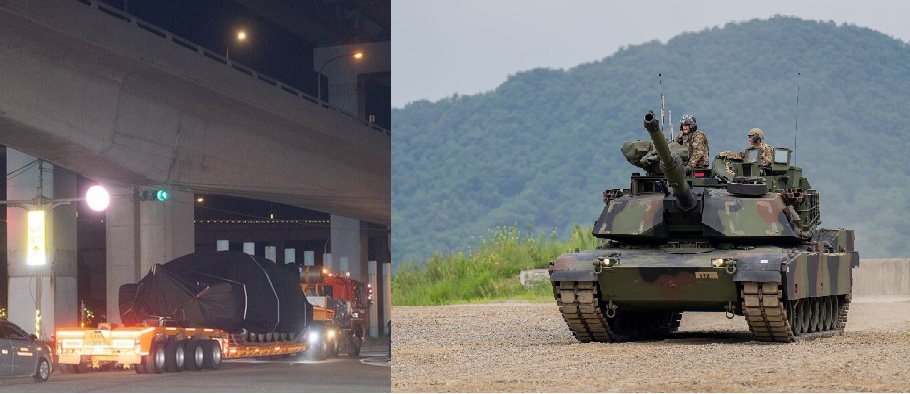
World
TAIPEI — April 27, 2026 : Taiwan has received the third and final batch of 28 M1A2T Abrams main battle tanks from the United States, completing a total procurement of 108 vehicles under a long-running Foreign Military Sales (FMS) program launched in 2019.The shipment arrived without disruption at Port of Taipei on the night of April 26. Beginning at approximately 12:10 a.m. on April 27, the tanks were unloaded and transferred onto civilian heavy transport trailers under coordinated military and police escort. The convoy proceeded to the Armored Forces Training Command in Hukou Township, Hsinchu County, where the vehicles will undergo final integration and evaluation. Procurement Program and Delivery Phases The completed delivery marks the conclusion of a defense acquisition program valued at approximately NT$40.5 billion (US$1.28–1.45 billion), approved by the United States in 2019. The order was executed in three phases: Batch 1: 38 tanks delivered in December 2024 Batch 2: 42 tanks delivered in July 2025 Batch 3: 28 tanks delivered on April 26, 2026 In addition to the tanks, the package included supporting equipment designed to enable sustainment and mobility of heavy armored units. This comprises 14 M88A2 armored recovery vehicles, 16 M1070A1 heavy equipment transporters, and 16 M1000 flatbed trailers.Deliveries were completed ahead of the originally projected schedule, ensuring earlier availability for operational integration. Deployment Structure and Unit Allocation All 108 M1A2T tanks are assigned to the Republic of China Army’s 6th Army Corps, which is responsible for defense operations in northern Taiwan. The deployment forms a concentrated armored capability positioned to respond to potential amphibious landing scenarios. The majority of the tanks are being distributed to the 242nd and 584th Combined Arms Brigades, both based in northeastern Taiwan. Within the 584th Brigade, two tank battalions—the 1st and 3rd Combined Arms Battalions—have already inducted the Abrams into operational service. With the arrival of the final batch, one additional tank company will be fully equipped. Further allocations are planned for additional companies within the 1st and 2nd Combined Arms Battalions, as well as elements of the 269th Mechanized Infantry Brigade. The new platforms are replacing Taiwan’s legacy armored fleet, including CM-11 Brave Tiger and M60A3 main battle tanks that have remained in service for more than two decades. Technical Configuration of the M1A2T Variant The M1A2T is a Taiwan-specific configuration derived from the M1A2 SEPv3 Abrams platform and manufactured by General Dynamics Land Systems in Lima, Ohio. The configuration incorporates several features aligned with Taiwan’s operational requirements. The tank is equipped with a 120mm XM256 smoothbore main gun designed to engage modern armored threats. Secondary armament includes a .50 caliber M2 machine gun and a 7.62mm M240 coaxial machine gun. A key feature is the commander’s independent thermal viewer, enabling “hunter-killer” targeting. This allows the commander to identify and designate targets while the gunner engages another, reducing engagement time and improving battlefield responsiveness. The platform also includes reconfigured turret armor and an under-armor auxiliary power unit (APU). The APU enables the tank to operate onboard electronics and surveillance systems without running the primary 1,500-horsepower turbine engine, reducing both thermal and acoustic signatures during stationary operations. Integration, Training, and Operational Timeline The final batch of 28 tanks will undergo a structured process at the Hukou training facility, including system integration, live-fire exercises, crew training, and formal evaluation. These steps are required prior to full operational commissioning. Taiwan’s Ministry of National Defense expects the complete fleet of 108 tanks to achieve full operational capability by the end of 2026. The acquisition forms part of a broader effort to modernize Taiwan’s armored forces and enhance ground defense capacity in northern operational sectors.
Read More → Posted on 2026-04-27 16:12:13
India
NEW DELHI — April 27, 2026 : Anil Chauhan, India’s Chief of Defence Staff (CDS), has formally submitted the final proposal for the creation of Integrated Theatre Commands to Defence Minister Rajnath Singh, marking the completion of inter-service deliberations internally referred to as “Operation Tiranga.” The proposal will now undergo examination within the Ministry of Defence before being placed before the Cabinet Committee on Security for final approval. The submission follows extensive consultations among the Indian Army, Indian Navy, and Indian Air Force (IAF), including discussions during the Ran Samwad 2026 seminar in Bengaluru, and reflects a consolidated military consensus on long-pending structural reforms initiated after the creation of the CDS post in 2019. Transition to Joint Theatre-Based Structure The plan outlines a comprehensive reorganization of the Indian Armed Forces, shifting from the current single-service command system to an integrated, theatre-based operational framework. At present, India maintains 17 single-service commands—seven each under the Army and Air Force, and three under the Navy—along with two tri-service commands: the Andaman and Nicobar Command and the Strategic Forces Command, supported by the Headquarters Integrated Defence Staff. Under the proposed model, operational control will be reorganized into three primary Integrated Theatre Commands: Northern Theatre Command: Focused on the Line of Actual Control (LAC) with China, likely headquartered in Lucknow and led by a senior Indian Army officer. Western Theatre Command: Responsible for the Pakistan front, likely headquartered in Jaipur and expected to be commanded by an Indian Air Force officer. Maritime Theatre Command: Covering the Indian Ocean Region (IOR), likely headquartered in Thiruvananthapuram and led by an Indian Navy officer. The Andaman and Nicobar Command is expected to be subsumed into the Maritime Theatre Command. Existing service commands will continue to function for administrative and training roles while operating under theatre commanders for operational tasks. Concept and Function of Theatre Commands An Integrated Theatre Command combines assets from the Army, Navy, and Air Force under a single operational commander within a defined geographical area. This structure replaces the current system where each service operates independently through separate regional commands. Each theatre will have a Theatre Commander responsible for unified operational planning and execution across land, air, and maritime domains. To reinforce jointness, a Deputy Commander from a different service will be appointed in each theatre. Theatre commanders will exercise authority over integrated forces, including combat units, logistics, intelligence systems, and communication networks, enabling coordinated decision-making without multiple layers of inter-service approvals. Leadership and Organizational Changes The implementation of theatreisation will introduce significant changes to the higher defence management structure: Four-Star Theatre Commanders: Commanders of the three theatre commands will hold four-star rank, placing them at parity with the Chief of Army Staff (COAS), Chief of Naval Staff (CNS), and Chief of Air Staff (CAS). Vice Chief of Defence Staff (Vice CDS): A new four-star position will be created to oversee day-to-day operational coordination alongside the CDS and service chiefs. This restructuring would result in eight four-star officers at the apex level: the CDS, Vice CDS, three service chiefs, and three theatre commanders. Service headquarters will retain responsibility for force generation, training, and sustainment, while operational employment will be assigned to theatre commanders. Handling of Strategic and Air Assets A key issue during deliberations involved the allocation of high-value and limited air assets. The proposal addresses concerns of the Indian Air Force by retaining centralized control of strategic assets under Air Headquarters in New Delhi. Assets such as mid-air refuellers, Airborne Warning and Control Systems (AWACS), heavy-lift transport aircraft, and future space-based surveillance platforms will not be permanently assigned to individual theatres. Instead, they will be dynamically allocated based on operational requirements across different theatres. Integration of Multi-Domain Capabilities The theatre command structure incorporates emerging domains of warfare. Each command will integrate capabilities related to cyber operations, space-based systems, and electronic warfare, alongside enhanced Intelligence, Surveillance, and Reconnaissance (ISR) frameworks. This integration is intended to support real-time information sharing, coordinated targeting, and unified operational responses across multiple domains. Rationale for Reform The move toward theatre commands is driven by operational and structural requirements identified over the past two decades. The Kargil Review Committee and subsequent Group of Ministers report highlighted deficiencies in inter-service coordination during the 1999 Kargil conflict. The current service-centric model has been associated with duplication of resources, fragmented planning, and slower decision-making processes. The proposed structure aims to address these issues through: Resource Optimization: Consolidation of logistics and infrastructure across services. Faster Decision-Making: Reduction in command layers during operational scenarios. Improved Jointness: Unified planning and execution across services. Enhanced Multi-Domain Operations: Integration of land, air, sea, cyber, and space capabilities. Rapid Mobilisation: Improved response capability for potential simultaneous threats along northern and western borders. The restructuring also aligns with ongoing military modernization initiatives, including the development of integrated battle groups and domain-specific operational capabilities. Implementation Process Following approval by the Cabinet Committee on Security, the government is expected to announce a phased implementation plan. Initial steps will likely include the appointment of theatre commanders and the establishment of supporting command structures. Operational details such as precise command locations, asset distribution, and transition timelines are expected to be refined during the implementation phase under the supervision of the Department of Military Affairs. The proposal represents the most significant restructuring of India’s military command system since independence, with the objective of creating a unified, efficient, and responsive operational framework.
Read More → Posted on 2026-04-27 15:58:43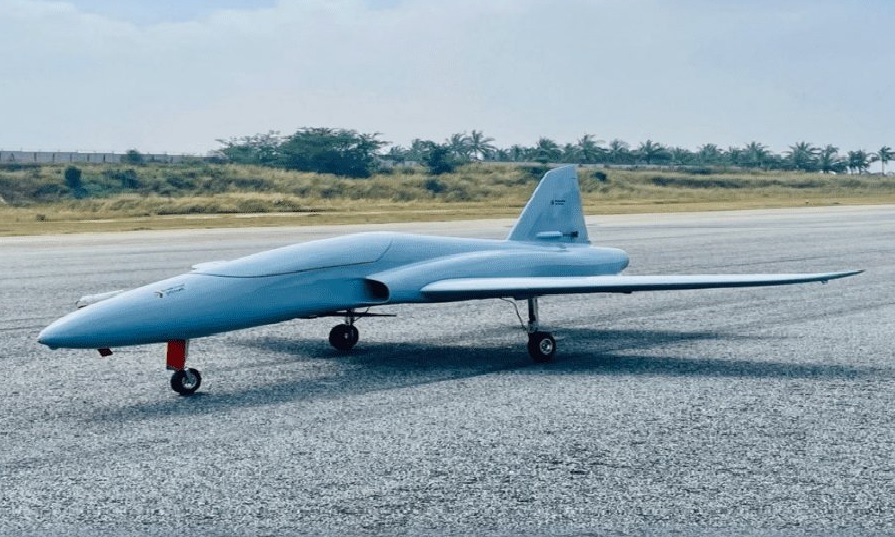
India
BENGALURU — April 27, 2026 : Dynamatic Technologies has outlined plans for a new supersonic loitering munition, designated “Super Kaatil,” under its Dynauton Systems division. The programme focuses on expanding India’s indigenous capabilities in long-range autonomous strike systems designed for deep-penetration missions. The Super Kaatil is being developed as a jet-powered loitering munition that combines high-speed transit with precision strike functionality. According to the company, the system is configured as a 100 kg-class platform and is powered by a compact jet engine, enabling it to achieve supersonic speeds—significantly higher than conventional subsonic loitering munitions currently in service. The munition is designed with an operational strike range of up to 350 kilometres and carries a 35 kg warhead. This payload capacity is intended to support engagement of high-value and fortified targets at extended stand-off distances. Flight Profile and Survivability The Super Kaatil incorporates a terrain-following flight capability, allowing it to operate at low altitudes by tracking ground contours. This flight profile is intended to reduce radar visibility during ingress into contested airspace. The system is also designed to function in GPS-denied and electronically contested environments. Its onboard guidance architecture is expected to maintain navigation and targeting performance under conditions of signal jamming or disruption, a requirement for operations against modern integrated air defence systems. The use of a jet propulsion system enables faster time-to-target compared to propeller-driven or electrically powered loitering munitions. This reduces exposure time to interception and enhances mission survivability. Evolution from Earlier Kaatil System The Super Kaatil represents an upgraded iteration of the original “Kaatil” loitering munition developed by Dynauton Systems. The earlier platform featured a range of approximately 100 kilometres and operated at speeds of around 600 km/h. The baseline Kaatil system is a compact jet-powered kamikaze unmanned aerial vehicle with a maximum take-off weight of about 12 kg and a wingspan of roughly 2 metres. It is capable of carrying a 1 kg modular payload and supports both catapult and short-runway launch configurations. For guidance, the original system uses GNSS combined with optical and electro-optical systems, enabling autonomous “fire-and-forget” operation, including in environments where satellite navigation signals are degraded or unavailable. The Super Kaatil extends the operational range to 350 kilometres—more than three times that of the earlier version—while introducing supersonic flight capability and a substantially increased payload capacity. Industrial Context and Development Status Dynauton Systems, the unmanned systems division of Dynamatic Technologies, has been involved in the design and development of unmanned aerial platforms as part of broader defence manufacturing efforts in India. The Super Kaatil programme aligns with ongoing national initiatives to increase domestic production of advanced unmanned and precision-strike systems. As of now, the company has not disclosed a timeline for prototype rollout, testing phases, or potential induction into service. Additional technical and programme details are expected to be released as development progresses.
Read More → Posted on 2026-04-27 15:42:50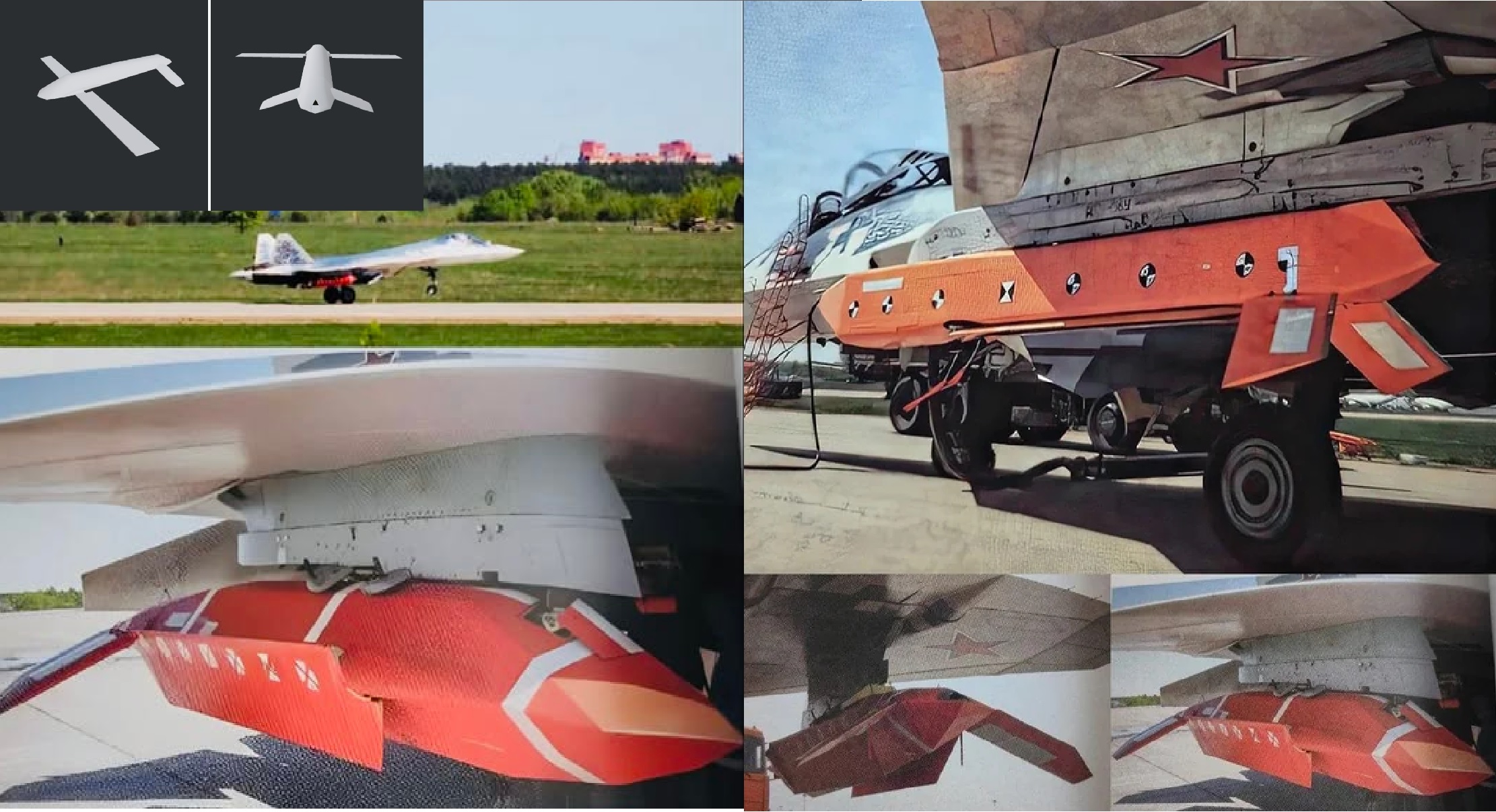
World
KYIV, — April 27, 2026 : Ukraine’s Main Directorate of Intelligence (GUR) has published a comprehensive technical analysis of the Russian S-71K “Kovyor” air-launched cruise missile, providing one of the most detailed public breakdowns of a modern Russian strike system since the start of the full-scale conflict. The report, released via the GUR’s War and Sanctions portal under its “Components in Weapons” section, includes an interactive 3D model alongside a full teardown of the missile’s internal systems and electronic architecture. The disclosure focuses on both the structural design and the international sourcing of components used in the missile, highlighting continued gaps in export control enforcement despite ongoing sanctions targeting Russia’s defense industry. Origins and Development According to the GUR, the S-71K represents a departure from traditional Russian missile development practices. The system is assessed to be the first significant cruise missile project undertaken by United Aircraft Corporation (UAC/OAK), a firm historically associated with aircraft production rather than guided munitions. The missile was developed specifically for deployment from the Sukhoi Su-57, Russia’s fifth-generation stealth combat aircraft. Ukrainian intelligence indicates that the S-71K entered operational use in late 2025. By combining a low-observable launch platform with a standoff weapon, Russian forces are able to reduce exposure to air defense systems. The GUR also reported that Russian defense planners are evaluating integration of the missile with the Sukhoi S-70 Okhotnik unmanned combat aerial vehicle, which would enable forward deployment of the weapon without risking manned aircraft. Structural Design and Warhead Integration The GUR’s analysis identifies a design approach centered on adapting existing Soviet-era ordnance into a guided delivery system. The missile incorporates a 250-kilogram OFAB-250-270 high-explosive fragmentation aerial bomb directly into the load-bearing structure of its forward section. This configuration eliminates the need for a purpose-built warhead and is optimized for strikes against fixed targets, including infrastructure, logistics hubs, and exposed military facilities. The airframe is constructed from multi-layer fiberglass-based composite material (glass-textolite), reinforced to withstand aerodynamic and structural loads during carriage and powered flight. Internal load-bearing components are manufactured from aluminum alloys to balance structural rigidity with weight reduction. The GUR report notes that available data does not confirm whether the missile incorporates low-observable shaping or materials. Propulsion and Range The S-71K is powered by an R500 turbojet engine produced by Reynolds LLC, a subsidiary within the United Aircraft Corporation structure. The propulsion system is supported by one main fuel tank and two lateral tanks. Based on available data, the GUR estimates the missile’s operational range at up to 300 kilometers. This range allows the launch platform to remain outside certain air defense engagement zones while conducting strikes against pre-identified targets. Guidance and Navigation Systems The missile’s onboard control architecture is described as relatively simple and optimized for pre-planned strikes rather than dynamic target engagement. The system relies on an inertial navigation system (INS) using basic sensor inputs. Identified onboard components include a flight controller, air-pressure measurement module, accelerometer, gyroscope, battery management board, onboard voltage regulator, DC-DC converter, servo drives, and rechargeable battery units. The guidance system is designed for coordinate-based targeting against fixed or pre-surveyed locations. The GUR noted that earlier independent reporting had described the broader S-71 series as incorporating features such as swept wings, twin-fin control surfaces, and optical sensors with automated target recognition. However, the specific S-71K variant analyzed in this report appears to rely on a simpler INS-based guidance architecture. Foreign Components and Supply Chain Analysis A central element of the GUR publication is the identification of foreign-manufactured electronic components used within the missile. The intelligence directorate states that the majority of the S-71K’s electronics originate from suppliers outside Russia. According to the report, components were traced to manufacturers in the United States, China, Switzerland, Japan, Germany, Taiwan, and Ireland. These include critical subsystems such as flight control electronics, sensing modules, power regulation systems, and actuator components. The GUR presents this finding as evidence of persistent vulnerabilities in global export control regimes. Despite sanctions imposed on Russia’s defense sector, the continued availability of foreign microelectronics and precision components has enabled the development and production of new guided weapons systems. Operational Context and Future Outlook The S-71K is designed to function as a standoff strike weapon, extending the engagement range of its launch platforms while maintaining operational flexibility. Its integration with stealth aircraft such as the Su-57 enhances survivability during mission execution, while potential deployment on unmanned platforms like the S-70 Okhotnik could further expand its operational applications. The GUR report forms part of a broader effort by Ukrainian intelligence to document and expose the technological and industrial foundations of Russian weapons systems. The agency has previously released data on production networks associated with the Su-57 and continues to publish technical findings through its War and Sanctions portal. Ukrainian officials have called for strengthened international measures to restrict the flow of sensitive technologies into Russia’s defense supply chains. The latest disclosure underscores the role of globally sourced components in sustaining Russia’s ability to field new strike capabilities. No additional information on production volumes, deployment scale, or specific strike outcomes beyond the missile’s initial use in late 2025 was included in the release. Further technical disclosures are expected as part of GUR’s ongoing analysis of Russian military systems.
Read More → Posted on 2026-04-27 14:45:43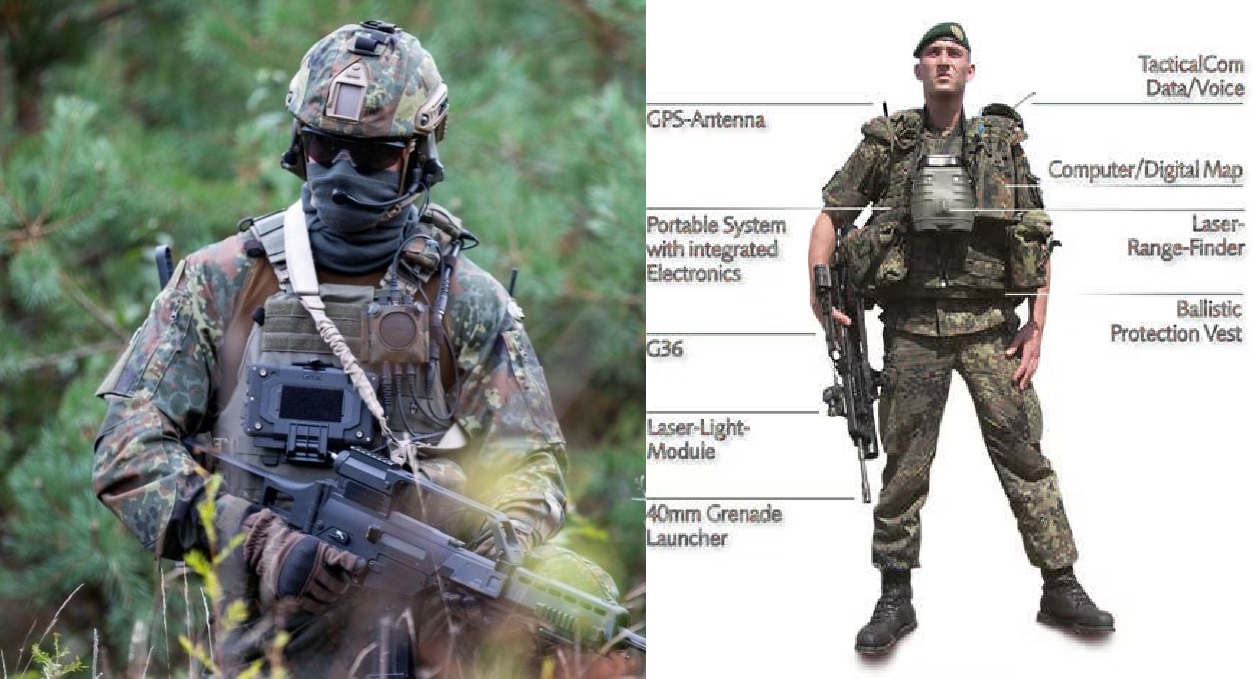
World
Düsseldorf, Germany — April 27, 2026 : Rheinmetall has been awarded a €1.04 billion (gross) contract by the German armed forces to modernise existing soldier systems and deliver additional units under the “Infantry Soldier of the Future – Enhanced System (IdZ-ES)” programme. The contract marks a significant step in Germany’s ongoing effort to digitise and upgrade its infantry capabilities. The order was placed by the Federal Office of Bundeswehr Equipment, Information Technology and In-Service Support with Rheinmetall Electronics GmbH under an existing framework agreement. Deliveries are scheduled between November 2027 and December 2029 and will equip approximately 8,600 additional German soldiers with updated digital combat systems. Programme Scale and Deployment Upon completion of the contract, the Bundeswehr will operate a total of 353 IdZ-ES platoon systems, comprising more than 12,000 individual soldier equipment sets. The contract, formally awarded in April 2026, will be reflected in Rheinmetall’s financial results for the second quarter of the year. Germany’s parliament has approved €1.3 billion in funding for the broader IdZ-ES programme, a move that Rheinmetall indicated could lead to additional call-off orders under the current framework arrangement. Each platoon system typically includes around 35 individual soldier kits, along with supporting platoon-level equipment. These systems integrate a combination of advanced information technology, optics, optronics, protective gear, military clothing, and load-carrying systems. System Modernisation and Technical Enhancements The updated IdZ-ES configuration removes obsolete components and introduces a range of improvements focused on communication, interoperability, and power efficiency. The revised hardware enables direct connectivity to Germany’s “Digitisation of Land-based Operations (D-LBO)” network, allowing real-time data exchange across units. Enhanced communication architecture supports interoperability with combat vehicle platforms such as the Boxer armored transport and the Puma infantry fighting vehicle, which serve as operational hubs for dismounted troops. Additional upgrades include a redesigned ergonomic interface, with a back-mounted control unit integrating the UHF radio to optimise space on body armour. The modernised VJTF+ variant incorporates expanded sensor and countermeasure capabilities, including portable drone warning systems, helmet-mounted laser sensors, and a unified controller for reconnaissance and strike drones. Power management has also been improved, with battery capacity increased by approximately 40 percent, reducing the number of batteries required per soldier from six to four. Industrial Scope and Integration As prime contractor, Rheinmetall is responsible for full system integration and coordination of contributions from more than 30 subcontractors involved in the programme. The company oversees the development, assembly, and delivery of the integrated soldier systems. The current order is part of a broader framework agreement signed in February 2025 between BAAINBw and Rheinmetall Electronics GmbH. That agreement, valued at up to €3.1 billion and valid through the end of 2030, represents the largest soldier systems contract ever concluded by both Rheinmetall and the German procurement agency. The initial agreement included a firm order worth approximately €417 million for the modernisation of 68 systems already in service and the procurement of 24 new platoon systems. The framework allows for the regeneration of existing equipment as well as the production and delivery of up to 368 IdZ-ES platoon systems, along with options for additional components and services. Operational Context Rheinmetall stated that networked soldier systems are becoming increasingly relevant for modern battlefield operations. The IdZ-ES programme is designed to support the Bundeswehr’s digitisation strategy by enabling integrated communication, improved situational awareness, and coordinated action across infantry units. Further orders are expected under the framework agreement following the recent parliamentary funding approval, indicating continued expansion of Germany’s digital soldier capabilities through the remainder of the decade.
Read More → Posted on 2026-04-27 14:27:35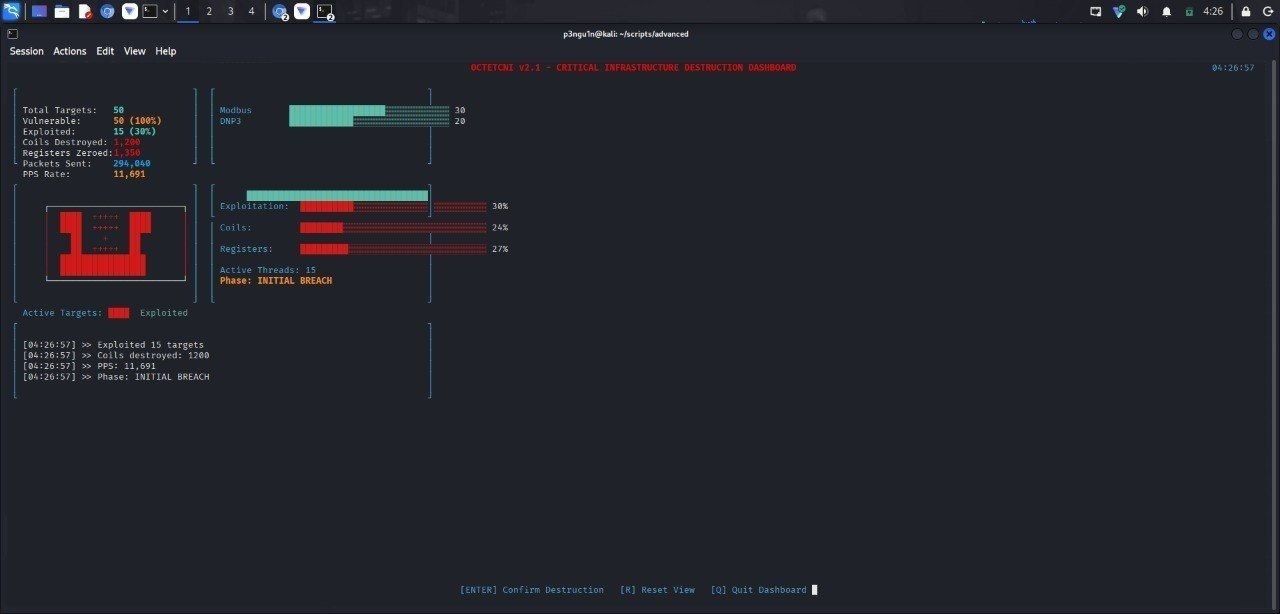
Space & Technology
New Delhi, — April 27, 2026 : An Indian hacktivist group operating under the name HackShyen has announced the deployment of a newly developed Critical National Infrastructure (CNI) exploitation framework, stating that the system is now fully operational and actively targeting infrastructure in Pakistan. According to information released by the group, the framework is being used in an ongoing campaign identified as BlackOutOp2026 and Revolutionize Indian Hacktivism. HackShyen describes the initiative as the largest cyber operation conducted by the group to date, with more than 400 industrial control systems (ICS) reportedly targeted across multiple sectors. Framework Deployment and Structure HackShyen stated that the exploitation framework has been made freely available to the broader Indian hacktivist community to support coordinated cyber operations. The system is designed to function autonomously, combining reconnaissance, exploitation, and disruption capabilities into a single integrated platform. The framework reportedly begins with an automated discovery phase that uses the Shodan Enterprise API to identify internet-exposed and potentially vulnerable ICS devices. These include systems operating on widely used industrial communication protocols such as Modbus and DNP3, as well as infrastructure associated with Siemens industrial technologies. Once targets are identified, the framework transitions directly into exploitation without requiring manual intervention. It operates on pre-configured instructions that determine which modules to activate, enabling continuous execution across multiple targets simultaneously. Exploitation Methods and Capabilities A central component of the framework involves protocol-specific exploitation techniques. HackShyen has highlighted the use of Modbus coil rewrite methods, which allow unauthorized modification of discrete outputs within industrial systems. In operational terms, these outputs function as switches controlling physical equipment. Through this approach, the framework enables remote manipulation of connected machinery by issuing direct ON/OFF commands. The system is designed to execute these actions without authentication where vulnerabilities exist, leveraging known weaknesses in legacy ICS protocols that lack built-in security controls. The framework also includes destruction-oriented modules intended to disrupt system functionality. These modules are activated automatically once access is established, according to the group’s description of its operational workflow. Reported Impact on Infrastructure HackShyen claims that the framework has already achieved scanning and access across hundreds of ICS devices within Pakistan’s critical infrastructure environment. The group reports that exploitation modules have been deployed on multiple systems, resulting in operational disruptions. The types of infrastructure identified as potential targets include electricity distribution systems, water supply networks, industrial manufacturing facilities, and other sectors dependent on automated control systems such as oil and gas and transportation. According to the group, the ability to manipulate ICS components can lead to direct physical consequences. These include power outages, disruption of water distribution, and shutdown or damage to industrial machinery through abrupt command execution. Previous Activity and Context HackShyen has previously claimed involvement in cyber operations targeting Pakistani entities. In January 2026, the group reported a data breach affecting the Water and Power Department in Gilgit-Baltistan, which it said impacted hydel power stations. Additional activity was reported in April 2026 involving operations against commercial sector domains. Pakistan has recorded 98 cyber incidents during the first quarter of 2026, affecting a range of sectors including federal and provincial institutions, businesses, and educational organizations. However, there has been no independent confirmation from Pakistani authorities directly linking these incidents to the current campaign. Verification and Ongoing Developments As of now, there is no independent verification of the scale of disruption claimed by HackShyen or official confirmation of widespread infrastructure impact. The group’s statements remain the primary source of information regarding the operation. The release and active deployment of an automated ICS exploitation framework represent a notable development in hacktivist activity, particularly in its focus on critical infrastructure systems and its use of scalable, protocol-based attack methods. Further details regarding the extent of the operation and its real-world impact are expected as additional information becomes available from official or independent sources.
Read More → Posted on 2026-04-27 14:18:24
World
Strait of Hormuz, — April 27, 2026 : Maritime tracking data and shipping analytics indicate that Iran-linked oil and gas shipments continue to move through regional waters despite the United States’ naval blockade on Iranian ports, highlighting operational and legal constraints in enforcing the measure. The blockade, announced by U.S. President Donald Trump and implemented on April 13, 2026, was described as a “total” restriction on maritime access to Iranian ports. U.S. naval forces deployed under United States Central Command (CENTCOM) were tasked with monitoring and interdicting vessels suspected of transporting Iranian oil through the Strait of Hormuz and surrounding waters. Continued Vessel Movements Despite Blockade According to data compiled by maritime intelligence firms including Vortexa, at least 34 Iran-linked tankers and gas carriers have successfully transited the strait since the blockade came into effect. Of these, 19 vessels exited the Persian Gulf carrying cargo, while others entered the region. Six of the outbound vessels were confirmed to be transporting crude oil totaling approximately 10.7 million barrels. Many ships reduced their visibility by switching off Automatic Identification System (AIS) transponders, with movements instead tracked through satellite imagery. U.S. officials have stated that between 29 and 33 vessels were directed to turn back or return to port, and several tankers have been boarded as part of enforcement operations. However, the number of ships completing transit indicates that maritime flows have slowed but not stopped. Use of Coastal Navigation Routes Shipping data shows that Iranian vessels have adjusted routes to reduce exposure to U.S. naval patrols concentrated in international shipping lanes. Tankers have remained close to Iran’s coastline while exiting the strait, navigating toward the Gulf of Oman before proceeding into the Arabian Sea. From there, vessels continue along the coastal waters of Pakistan and India. This routing allows them to invoke “innocent passage” provisions under the United Nations Convention on the Law of the Sea, which permits transit through territorial seas provided ships do not engage in restricted activities or enter ports. By remaining within the territorial waters of non-combatant states, these vessels operate in zones where U.S. naval forces face legal limitations on interdiction. This has enabled continued movement of cargo while avoiding direct confrontation. Indian Arrivals Mark Policy Shift India has emerged as one of the destinations for recent shipments. Two very large crude carriers (VLCCs) delivered Iranian oil to Indian ports in mid-April, the first such deliveries in nearly seven years following earlier sanctions restrictions. The Iran-flagged tanker Felicity docked at Sikka port in Gujarat, while the Jaya, sailing under a Curacao flag, arrived near Paradip port in Odisha. Each vessel carried approximately two million barrels of crude oil. These shipments were facilitated under a temporary U.S. sanctions waiver granted after bilateral discussions. The waiver expired shortly after the deliveries were completed. Additional vessels, including the tanker Dorena, have been observed off India’s southern coastline after departing Iranian waters. Some ships reactivated AIS signals near Indian ports following extended periods of signal absence. Traffic Patterns and Routing Adjustments Shipping intelligence from firms such as Lloyd's List and Kpler indicates that while traffic through the Strait of Hormuz has decreased, it continues at a reduced pace. Vessels have adopted more complex navigation paths, including movement between Iranian islands such as Larak Island and Qeshm Island, allowing them to remain within or close to territorial waters for extended segments of their journey. Expanded U.S. Interdiction Efforts In response to these routing adaptations, U.S. enforcement efforts have extended beyond the immediate blockade zone. Naval assets have conducted interdictions in the Indian Ocean and other regions, targeting vessels suspected of providing material support to Iranian oil exports. Recent operations have included the interception and redirection of Iranian-linked tankers in waters near India, Malaysia, and Sri Lanka once vessels entered international waters. U.S. officials have indicated that enforcement actions are not geographically limited and may occur globally. Ongoing Oil Flows and Strategic Implications Despite the blockade, Iranian crude exports continue, with China remaining the primary destination. Limited volumes have also reached India under temporary arrangements. The movement of at least 34 documented tankers since mid-April demonstrates that while the blockade has increased operational complexity, it has not fully halted maritime oil flows. The continued use of coastal navigation and legal protections under international maritime law highlights the challenges of enforcing a comprehensive naval embargo in a region with dense shipping activity and overlapping jurisdictions. Further updates on vessel movements and enforcement actions are expected as additional tracking data for late April 2026 becomes available.
Read More → Posted on 2026-04-27 14:06:16
World
BEIJING, — April 27, 2026 : China has surpassed the United States in total research and development (R&D) spending for the first time, marking a structural shift in global science and technology investment patterns, according to newly released data from the Organisation for Economic Co-operation and Development. Figures from the OECD’s Main Science and Technology Indicators, published in March 2026, show that China’s gross domestic expenditure on research and development (GERD) reached approximately $1.03 trillion in 2024, slightly exceeding U.S. spending of $1.01 trillion. The data, adjusted using purchasing power parity (PPP) to account for cost differences, confirm that both countries crossed the $1 trillion threshold in the same year. The United States had maintained its position as the world’s largest R&D spender for decades, dating back to the post-World War II period. The 2024 data mark the first recorded instance of China taking the lead in overall spending. Growth Trends and Investment Structure China’s rise reflects sustained long-term growth in R&D investment. Since 2004, the country’s R&D expenditure has increased at an average annual rate exceeding 14 percent, more than double the pace observed in the United States over the same period. By 2024, China’s R&D intensity—measured as a share of gross domestic product (GDP)—reached 2.7 percent, approaching levels typical of advanced OECD economies. A significant portion of China’s R&D funding is driven by the private sector. Business enterprises accounted for approximately 80 percent of total R&D expenditure in recent years, up from around 75 percent in 2015, indicating a shift toward industry-led innovation. In comparison, the United States continues to rely heavily on private sector contributions, with businesses performing roughly 78 percent of total R&D. However, federal R&D spending as a share of GDP has declined over time, falling from a peak of 1.86 percent in 1964 to about 0.66 percent in recent years. Scientific Output and Research Performance The increase in China’s R&D investment corresponds with measurable gains in research output. In 2024, China overtook the United States in the total number of scientific publications. It has also led globally in the share of the top 1 percent most-cited scientific papers since 2019. Chinese research institutions hold a leading position in several metrics tracked by international indexes, including publication share in high-impact journals and performance in fields such as artificial intelligence and strategic technologies. China also records a high volume of patents in emerging sectors, reflecting the translation of research into applied innovation. Key Technology Areas China’s R&D spending is concentrated in a range of strategic and high-technology sectors. These include artificial intelligence, semiconductor technologies, advanced manufacturing systems, and green energy development. In artificial intelligence, China has expanded both its research workforce and deployment of advanced computational models. In quantum information science, the country has developed prototype communication networks linking major cities, including satellite-based systems. Energy research includes investment in fusion projects such as the Experimental Advanced Superconducting Tokamak, alongside advances in energy storage technologies. Additional investments target high-performance computing infrastructure and telecommunications. Historical Context and Innovation Systems Since the end of World War II, the United States has led global scientific innovation, supported by a network of universities, federal laboratories, and private sector research institutions. U.S. R&D investment contributed to the development of foundational technologies, including the internet, the transistor, the Global Positioning System (GPS), and mRNA vaccines. These advances have been associated with a substantial share of long-term productivity growth. China’s position has changed significantly over the past four decades. In the 1980s, its R&D expenditure ranked among the lowest globally. Continued policy emphasis on science and technology, combined with industrial expansion, has driven its rapid increase in research funding. Policy Direction and Future Targets Chinese authorities have indicated continued expansion in R&D investment. Data from national agencies show that total domestic R&D spending reached 3.92 trillion yuan in 2025, equivalent to approximately $569 billion at then-current exchange rates, with R&D intensity rising to 2.8 percent of GDP. Basic research accounted for 7.08 percent of total spending, marking an increase in focus on foundational science. Under the country’s 15th Five-Year Plan (2026–2030), China has set a target of at least 7 percent average annual growth in nationwide R&D spending. The plan also includes the establishment of three international centers for science and technology innovation. Global Comparison According to OECD assessments, China’s 2024 R&D expenditure places it ahead of all individual countries. The European Union, considered as a regional bloc, trails both China and the United States in total spending. Japan, Germany, and South Korea remain among the next largest R&D-performing economies. While the United States retains leadership in specific areas, including university-based basic research and certain high-impact scientific domains, the OECD data indicate a shift in overall spending leadership. Further updates to global R&D statistics are expected as data for 2025 and subsequent years become available.
Read More → Posted on 2026-04-27 13:51:02
World
PHILADELPHIA — April 27, 2026 : Boeing has completed the first fully automated approach and landing of a CH-47F Chinook helicopter during flight tests of newly developed software for the United States Army, marking a key step in the service’s effort to expand autonomous flight capabilities within its existing aviation fleet. The demonstration involved a CH-47F Chinook executing a complete landing sequence without pilot input during the final descent phase. The aircraft touched down with all four wheels on the runway using Boeing’s Approach-to-X (A2X) technology integrated with an upgraded Digital Automated Flight Control System (DAFCS). The test confirmed the system’s ability to deliver consistent and repeatable automated landings under controlled conditions. System Design and Operational Framework The A2X capability is designed as a supervised autonomy system rather than a fully independent autopilot. Flight crews remain in control of mission parameters and retain the ability to intervene at any stage of the approach. Under the system’s operational workflow, pilots first define key landing parameters, including the designated landing zone, final altitude—either a hover at approximately 100 feet (30 meters) or a full ground landing—approach angle, and initial airspeed. Once configured, the software assumes control of the flight path, managing descent, alignment, and touchdown to guide the aircraft precisely to the selected landing point. The system allows for real-time pilot intervention, enabling manual adjustments to heading, glide path, or descent profile if environmental or tactical conditions change. This design maintains operational flexibility while reducing the physical and cognitive workload on the flight crew. Flight Testing and Performance Metrics Since its first flight on a U.S. Army CH-47F platform in January 2026, the A2X system has conducted more than 150 automated approaches across multiple test profiles. These included scenarios ranging from stabilized hovers at 100 feet to full landings on prepared surfaces. According to Boeing, the system achieved an average final positioning error of less than five feet (approximately 1.5 meters). The level of accuracy demonstrated during testing is intended to support operations in environments where visual cues are limited, including degraded visual environments (DVE) such as dust, snow, or low-light conditions. The recent flight tests confirmed consistent performance across different approach profiles and validated the integration of A2X with the Chinook’s upgraded DAFCS architecture. Human Factors and Interface Development Development of the A2X system involved collaboration between Boeing engineers and military pilots, with a focus on aligning the software’s behavior with standard pilot practices. Working groups contributed to refining cockpit interface elements, control laws, and safety systems to ensure predictable handling characteristics. “We built the interface and control laws around how pilots would naturally fly an approach,” said Deanna DiBernardi. “Our goal is to reduce pilot workload so crews can maintain more eyes-out awareness in a tactical situation.” The emphasis on human-centered design is intended to ensure that automation complements, rather than replaces, pilot decision-making during complex operations. Role in Army Modernization Strategy The autonomous landing capability forms part of broader modernization efforts focused on software-driven upgrades to existing platforms. The CH-47 Chinook, a tandem-rotor heavy-lift helicopter that has been in service for more than six decades, continues to be a central component of U.S. Army logistics and air mobility operations. By integrating supervised autonomy features such as A2X, the Army aims to enhance operational effectiveness without requiring entirely new aircraft. The approach aligns with current Department of Defense initiatives to introduce “optimally crewed” systems that combine human oversight with automated execution. “Improving DAFCS is just one of the ways we’re making the Chinook even more capable than it already is,” said Heather McBryan. “The Army wants to add layers of optimally crewed capability quickly, and we’re working side by side with them to make those upgrades a reality.” Next Steps and Integration Timeline Boeing indicated that additional flight testing will continue to further refine the A2X software and validate performance across a wider range of operational scenarios. Following completion of the testing phase, the company plans to deliver a finalized version of the system to the U.S. Army. The service is expected to integrate the capability across its CH-47F fleet after evaluation, extending automated approach and landing functions to operational units. Boeing stated that the technology will remain a supervised autonomy system, allowing pilots or ground operators to define mission parameters while the aircraft executes the approach and landing sequence. The April 2026 demonstration builds on earlier integration work completed this year and represents a verified step toward expanding autonomous flight functions within legacy military aircraft platforms.
Read More → Posted on 2026-04-27 13:33:39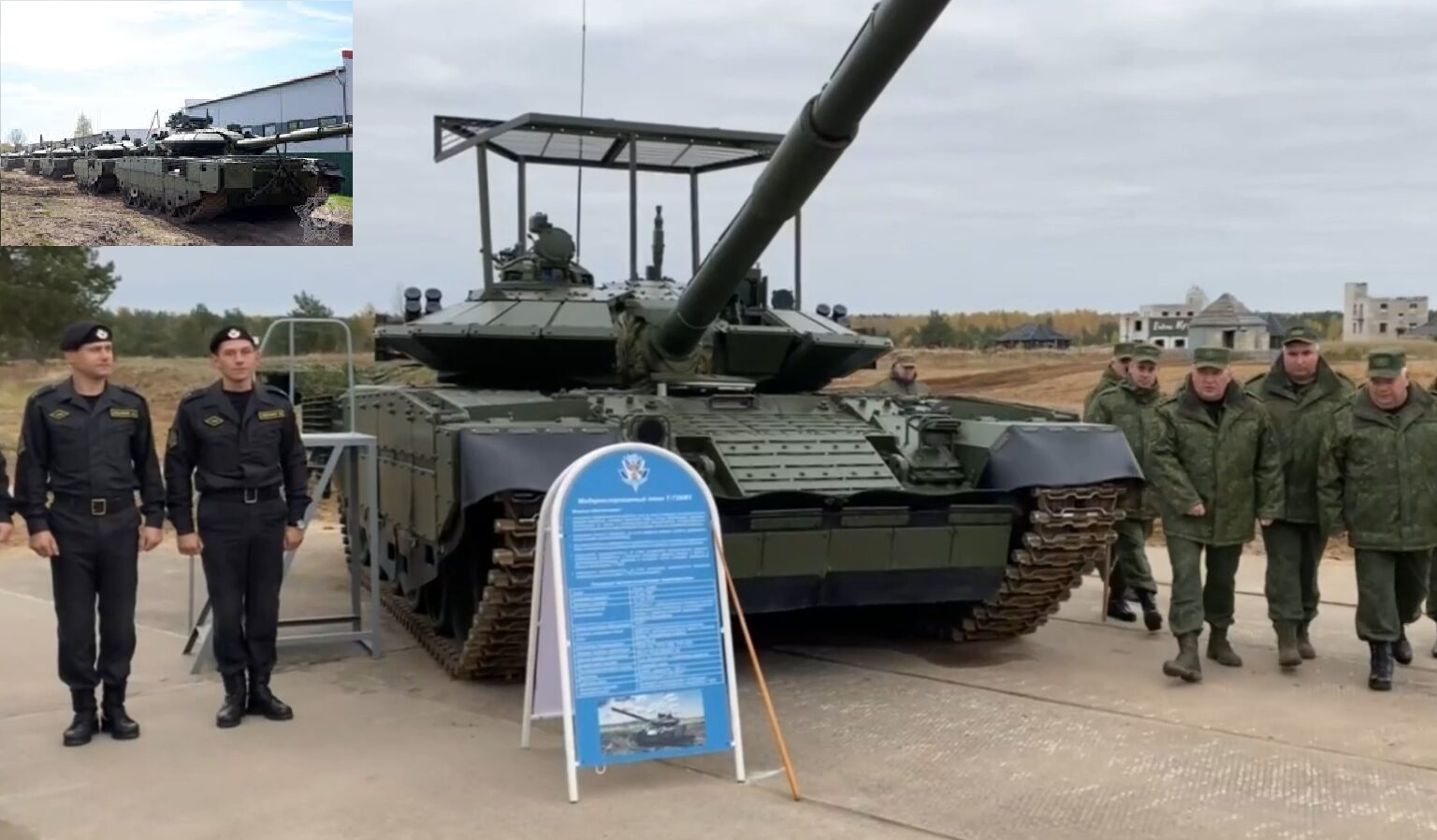
World
MINSK, BELARUS — April 26, 2026 : The Belarusian Ministry of Defense has confirmed that a tank battalion of the 11th Guards Separate Mechanized Brigade has received the first serially produced batch of locally upgraded T-72BM2 main battle tanks, marking the transition of the program from testing to operational deployment. The delivery represents a key stage in Belarus’s broader effort to modernize its armored forces through domestic upgrades of legacy Soviet-era platforms. While officials did not disclose the exact number of vehicles delivered, photographs released by the ministry show at least five tanks being transported to the unit. Deployment and Operational Context The 11th Guards Separate Mechanized Brigade operates under Belarus’s Western Operational Command and is based in the city of Slonim. The brigade’s location places it approximately 100 kilometers east of the Polish border, 110 kilometers southeast of Lithuania, and 125 kilometers north of Ukraine, giving it strategic positioning along Belarus’s western axis. Colonel Vadim Ilnitsky, commander of the brigade, confirmed the receipt of the upgraded tanks and indicated that additional deliveries are planned as part of a phased rearmament program. “Today, we received combat vehicles that meet all the requirements of modern combined arms combat. This is only the first stage of receiving the latest combat vehicles. In the near future, this practice will continue, and we will receive new weapons, military and special equipment to perform assigned tasks,” he said. Development and Production Background The T-72BM2 modernization program was developed by Belarusian engineers at the 140th Armored Repair Plant in Borisov, near Minsk. The upgraded variant was first presented publicly in July 2022 and subsequently underwent field testing and service evaluation within army units. The April 2026 delivery marks the first confirmed serial production batch entering operational service, indicating that the platform has completed its initial testing phase and is now being integrated into frontline formations. Technical Modernization Features The T-72BM2 upgrade package introduces a range of improvements aimed at enhancing firepower, targeting accuracy, and battlefield awareness compared to the baseline T-72B. A central component of the upgrade is a new multi-channel gunner’s sight, reportedly based on the Sosna-U system. This includes optical and thermal imaging channels, a missile guidance channel, and a laser rangefinder. These systems are supported by an expanded sensor suite that incorporates meteorological data inputs, crosswind measurement, roll and pitch detection, and propellant charge temperature monitoring. An automated ballistic computer processes this data to calculate firing solutions in real time, improving first-round hit probability. The system also introduces a “Double” control mode, enabling the tank commander to independently operate and fire the main gun. Both the commander and driver positions have been equipped with updated optical and thermal imaging observation systems, allowing operations in day, night, and reduced-visibility conditions. To improve operational efficiency, the tank is fitted with an auxiliary power unit (APU), which allows onboard systems—including targeting optics and communications—to operate without running the main engine. This reduces fuel consumption and lowers thermal and acoustic signatures. The platform also incorporates upgraded radio communication systems designed to support secure and reliable coordination within combined-arms formations. The upgraded tank is powered by a V-84MS diesel engine producing 840 horsepower. Belarusian officials have stated that the modernization level of the T-72BM2 reaches approximately 88 percent, with performance comparable to the Russian T-72B3 and exceeding it in certain parameters. Armor and Protection Assessment A defining feature of the T-72BM2 is its Belarusian-developed explosive reactive armor (ERA) system. The configuration is visually similar to the Russian “Relikt” ERA but has been produced domestically as part of the country’s self-reliance strategy. The upgrade also includes anti-cumulative protection screens. However, analysis of official imagery has highlighted certain limitations in the protection layout. Exposed sections remain on the upper glacis, the area between the turret and hull (often referred to as the “décolletage”), and parts of the turret’s upper front plate. Additionally, the serial production tanks delivered to Slonim do not appear to include anti-drone protection measures such as cage armor or protective grills, nor are electronic warfare (EW) jamming systems or active protection systems (APS) visible. This absence is notable given that earlier demonstration models displayed in October 2022 featured basic anti-drone cage structures.
Read More → Posted on 2026-04-26 16:29:19
World
WASHINGTON — April 26, 2026 : The U.S. Army has requested $486 million in its Fiscal Year 2027 budget to procure 34 Sentinel A4 air defense radars, marking a continued step in the service’s effort to modernize short-range air and missile defense capabilities. The Sentinel A4, designated AN/MPQ-64A4 and developed by Lockheed Martin, is an X-band Active Electronically Scanned Array (AESA) radar powered by Gallium Nitride (GaN) technology. It is intended to replace the legacy Sentinel A3 (AN/MPQ-64A3) and serve as the Army’s primary short-range air defense sensor. Production and Acquisition Plan The Army plans to transition the Sentinel A4 program from low-rate initial production (LRIP) to full-rate production (FRP), with a Full Rate Production decision scheduled for August 2026. This milestone will support a broader acquisition objective of more than 200 radars over the life of the program. As of Fiscal Year 2026, the Army has received, ordered, or requested more than 60 Sentinel A4 systems. This includes a batch of 33 radars expected to be ordered during the current fiscal year. Following the anticipated full-rate production decision, deliveries are planned to begin at a rate of approximately two radars per month, increasing to four units per month as production stabilizes. Recent program activity includes the delivery of the first Sentinel A4 unit under LRIP 2 phase. The system has also completed the first phase of Initial Operational Test and Evaluation (IOT&E), supporting its transition into higher-rate production. System Design and Capabilities The Sentinel A4 features a digital, open-architecture AESA design with GaN transmit/receive modules and sub-array digital beamforming. Compared to the Sentinel A3, the new radar offers significant performance improvements, including more than a 75 percent increase in detection range, with some assessments indicating improvements of up to 175 percent, and a 225 percent increase in sensitivity. The radar provides full 360-degree azimuth coverage and hemispheric surveillance from ground level to zenith, eliminating the cone-of-silence limitation seen in earlier systems. It has a detection range of up to 200 kilometers and can track hundreds of targets simultaneously in real time. The system is capable of detecting a wide range of threats, including cruise missiles, unmanned aerial systems (UAS)—including low-observable targets (0.01 m² RCS)—fixed-wing and rotary-wing aircraft, and rocket, artillery, and mortar (RAM) threats. It can also trace RAM threats back to their point of origin and calculate impact points to support force protection. Additional technical specifications include a system weight of approximately 6,070 kilograms (13,382 pounds) and power requirements of 10 kW, 400 Hz, 115/200 VAC. The radar incorporates an open architecture with approximately 60 percent built-in growth potential, enabling future upgrades to address evolving threats. Integration and Operational Role The Sentinel A4 is designed to integrate with the Army’s broader air and missile defense network, including the Integrated Battle Command System (IBCS) and Forward Area Air Defense Command and Control (FAAD-C2). It provides surveillance, target acquisition, and fire-control quality tracking data to support systems such as Maneuver Short-Range Air Defense (M-SHORAD) and Indirect Fire Protection Capability Increment 2. The radar is mounted on mobile platforms and designed for expeditionary operations. It can be transported via air, sea, rail, or ground, enabling rapid deployment across operational environments.
Read More → Posted on 2026-04-26 16:19:45
World
LIMA / GREENVILLE, S.C., — April 26, 2026 : The Government of Peru has formally confirmed the acquisition of 12 F-16 Block 70 fighter aircraft from Lockheed Martin, marking a significant step in the modernization of the Peruvian Air Force (FAP). The program is aimed at replacing aging combat platforms and strengthening national air defense capabilities. The aircraft will be manufactured at Lockheed Martin’s production facility in Greenville. With this purchase, Peru will become the 30th country to operate the F-16 platform, which currently has a global fleet of more than 2,800 aircraft in service. Program Structure and Financial Details A technical signing between authorized parties was completed on April 20, 2026, followed by an initial payment of $462 million on April 22. The total value of the initial tranche is estimated at approximately $3.42 billion. The package includes not only the aircraft but also a comprehensive set of weapons, pilot training, logistics support, and long-term sustainment services. The agreement also includes an option for a second batch of 12 additional aircraft, which could expand the fleet to a total of 24 fighters. The first tranche will consist of 10 single-seat F-16C aircraft and two twin-seat F-16D variants intended for training and operational flexibility. No official delivery timeline has been disclosed, and the program remains subject to standard U.S. government approval procedures and congressional notification requirements. Fleet Modernization and Replacement Strategy The acquisition is part of a broader effort by Peru to modernize its air combat capabilities. The Peruvian Air Force currently operates aging Soviet-era MiG-29 fighters and French-built Mirage 2000 aircraft, both of which have faced increasing maintenance and operational challenges. The F-16 Block 70 was selected after evaluation against competing platforms, including the Swedish JAS 39 Gripen and the French Dassault Rafale. The decision reflects a focus on interoperability, lifecycle cost efficiency, and operational capability within a widely used and supported platform. Technical Capabilities of the F-16 Block 70 The F-16 Block 70 represents the most advanced configuration of the aircraft to date and incorporates several upgrades designed to enhance mission effectiveness and pilot safety. Key features include the APG-83 Scalable Agile Beam Radar (SABR), an Active Electronically Scanned Array (AESA) system that provides improved targeting accuracy and all-weather operational capability. The aircraft is also equipped with the Automatic Ground Collision Avoidance System (Auto GCAS), which has been designed to reduce incidents of controlled flight into terrain. The platform offers a structural service life of up to 12,000 flight hours, enabling extended operational use over several decades. Additional capabilities include conformal fuel tanks that increase range and endurance without significantly affecting aerodynamic performance, as well as advanced avionics that improve pilot situational awareness. Strategic and Industrial Cooperation Lockheed Martin described the agreement as a continuation of long-standing defense cooperation between Peru and the United States. The program includes provisions for industrial collaboration, supporting both operational readiness and economic engagement between the two countries. Mike Shoemaker, Vice President of the Integrated Fighter Group at Lockheed Martin, stated that the selection of the F-16 reflects its operational track record and adaptability to modern defense requirements. He noted that the program would contribute to Peru’s national security while reinforcing bilateral ties and supporting economic activity within the defense industrial base. Political Context and Decision Process The finalized acquisition follows a period of domestic political debate in Lima regarding defense spending priorities. Interim President José María Balcázar had initially proposed postponing the purchase until the next administration takes office in July. The proposal led to the resignations of Defense Minister Carlos Diaz and Foreign Minister Hugo de Zela, both of whom opposed delaying the procurement on national security grounds. Following internal review, the interim government reversed its position and proceeded with the acquisition, citing the urgency of maintaining air defense readiness and continuity. The purchase will be financed through domestic borrowing, reflecting the government’s decision to prioritize military modernization amid evolving regional security considerations. Operational Impact The introduction of the F-16 Block 70 is expected to significantly enhance Peru’s ability to monitor and secure its airspace. The platform’s interoperability with allied forces also positions the country to participate more effectively in joint operations and regional security initiatives. Lockheed Martin characterized the agreement as a major milestone in the transformation of the Peruvian Air Force, with long-term implications for operational capability, training, and defense cooperation.
Read More → Posted on 2026-04-26 15:29:41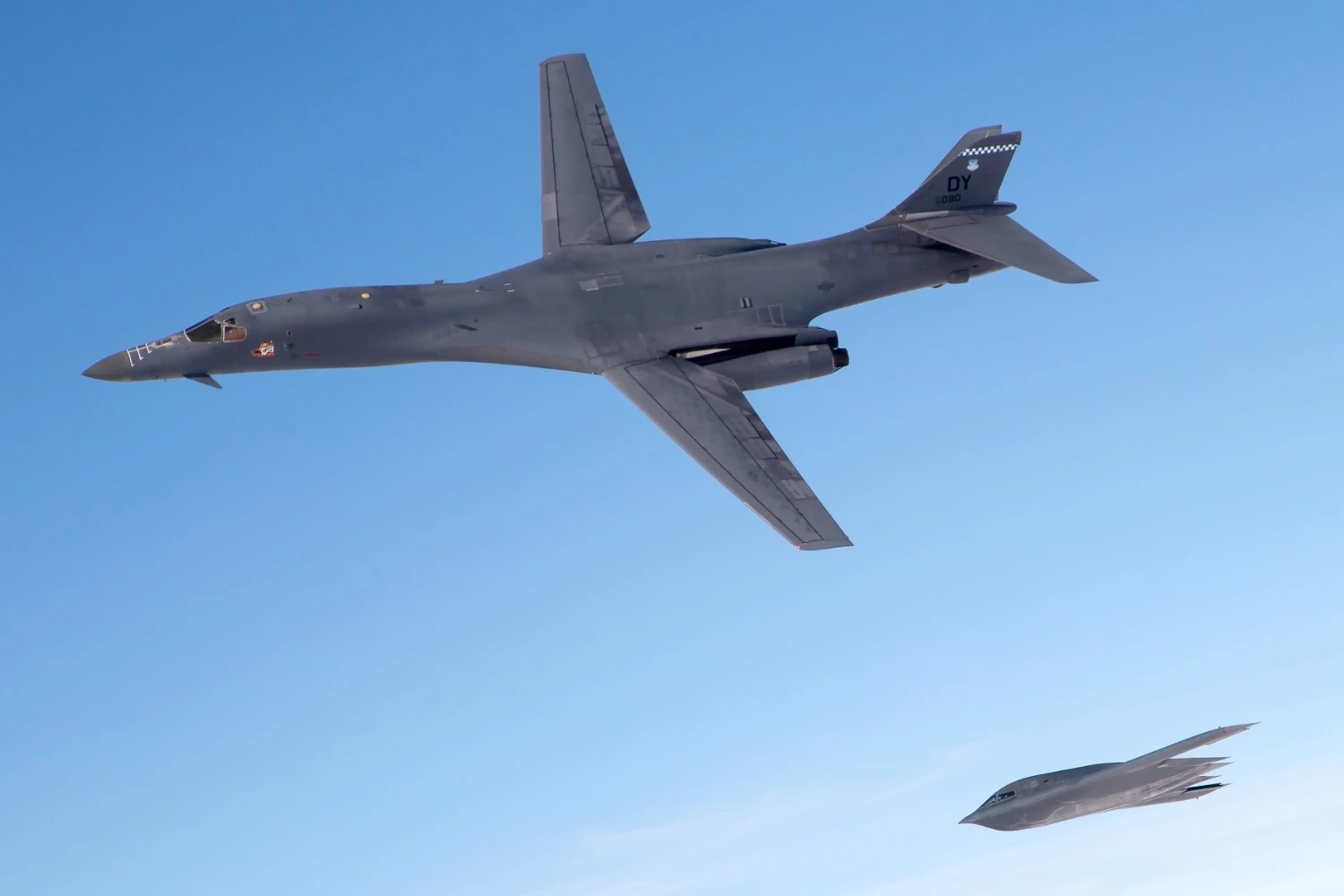
World
WASHINGTON, D.C., — April 26, 2026 : The United States Air Force has approved a funding plan of nearly $1.7 billion to extend the operational life and enhance the capabilities of its legacy bomber fleet, specifically the B-1B Lancer and the B-2 Spirit. The decision reflects adjustments in long-term force planning as the service manages delays in fielding the next-generation B-21 Raider, ensuring that long-range strike capacity remains intact during the transition period. Funding Allocation and Modernization Plans According to budget documents released by the Department of the Air Force, the $1.7 billion investment will be distributed over a five-year period, covering fiscal years 2027 through 2031. The funding is divided between both bomber platforms to support modernization, sustainment, and operational readiness. For the B-1B Lancer fleet, approximately $342 million has been allocated. These funds are intended to maintain the aircraft’s combat effectiveness and extend its operational service life through 2037. The Air Force currently operates 44 B-1 aircraft, which are capable of carrying the largest payload of conventional guided and unguided munitions in the service’s inventory. Planned upgrades are expected to focus on sustaining structural integrity, improving mission systems, and ensuring compatibility with modern weapons. The larger portion of the funding, approximately $1.35 billion, is designated for the B-2 Spirit fleet. The Air Force maintains 19 B-2 aircraft, all of which are based at Whiteman Air Force Base. As the only operational U.S. stealth bomber capable of delivering nuclear weapons, the B-2 remains a critical component of the strategic deterrence posture. The allocated funding will support ongoing modernization and maintenance efforts to ensure the aircraft remains viable for national security missions for as long as required. No revised retirement timeline for the B-2 has been specified. Shift in Bomber Transition Strategy The funding decision marks a revision of earlier Air Force plans that envisioned retiring both the B-1 and B-2 fleets in the early 2030s. Those plans were based on the assumption that the B-21 Raider would be fielded in sufficient numbers within that timeframe. However, while the B-21 program remains on schedule and within cost estimates, the rate of production and deployment has required adjustments to avoid a gap in operational capability. The aircraft began deliveries in 2025 and is expected to achieve initial operational presence at Ellsworth Air Force Base in 2027. Despite this progress, the number of available aircraft in the near term will not be sufficient to fully replace existing bomber capacity. In response, the Air Force and Northrop Grumman reached an agreement in February 2026 to increase B-21 production capacity by 25 percent. This expansion is supported by $4.5 billion in previously authorized funding, though additional aircraft will take several years to enter operational service. The Air Force has stated its intent to procure at least 100 B-21 bombers, with some policymakers advocating for a fleet size of up to 145 aircraft. Sustaining Global Strike Capability Officials from U.S. Strategic Command and other defense entities have indicated that global demand for bomber operations remains steady, requiring a balanced approach between modernization and sustainment. Maintaining the B-1 and B-2 fleets ensures the Air Force can meet current operational requirements while continuing the transition to newer systems. The modernization effort also complements the ongoing upgrade of the B-52 Stratofortress into the B-52J configuration, which includes new engines and updated avionics. Together, these initiatives form a layered approach to preserving long-range strike capabilities. Budget documents emphasize that the allocated funding will support spare parts procurement, depot-level maintenance, and personnel requirements necessary to sustain both aircraft types. While specific upgrade packages—such as avionics enhancements, weapons integration, or structural modifications—have not been detailed, the overall objective is to maintain combat effectiveness across the bomber fleet.
Read More → Posted on 2026-04-26 15:16:35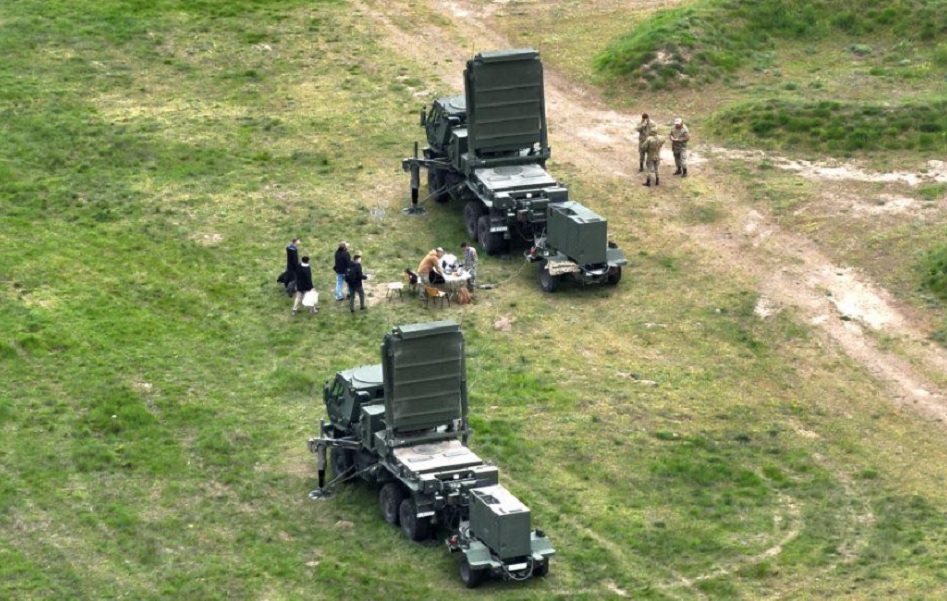
World
CAPU MIDIA, Romania — April 26, 2026 : The Romanian defense company Optoelectronica, in collaboration with Israeli firm SkyLock Systems, has successfully demonstrated the Sky Dome integrated counter-drone system during the multinational exercise LCI-X Crucible Eastern Phoenix 2026. The trials were conducted from April 14 to April 24 at the Capu Midia Shooting Range in Constanța County, where the system achieved a 100 percent intercept rate against all unmanned aerial threats deployed during testing. The exercise was organized under the coordination of the Romanian Ministry of National Defense and NATO Allied Command for Transformation. It focused on evaluating rapid-response technological solutions designed to counter Unmanned Aerial Systems (UAS) in the Black Sea coastal region. More than 400 participants, including military personnel and representatives from defense industry manufacturers across 21 NATO allied nations, took part in the ten-day operational event. Operational Testing and System Performance Unlike static demonstrations, Eastern Phoenix 2026 emphasized real-world operational conditions. Within this framework, the Sky Dome system successfully detected, tracked, and neutralized a wide spectrum of aerial targets. These included First-Person View (FPV) quadcopters as well as Class II military-grade unmanned systems comparable to the Shahed drone platform. According to Optoelectronica, Sky Dome was the only integrated counter-UAS system presented during the exercise that incorporated a directed-energy laser component. The system is structured around two primary operational matrices. The first matrix consists of detection and identification technologies, including Laser Rangefinder (LRF) detectors, electro-optical and infrared (EO/IR) sensors, advanced radar systems, and acoustic sensors. These components enable multi-layered surveillance and target acquisition in complex operational environments. The second matrix focuses on neutralization capabilities. These include SkyBeam portable jammers, OmniJAM omnidirectional jamming systems, GPS/GNSS spoofing technologies, and cyber takeover solutions. Additional countermeasures include kinetic interceptors (drone-on-drone systems) and the Sky Laser directed-energy weapon, which provides precision engagement against aerial threats. Leadership Observations and Strategic Context The system demonstration was observed during the Distinguished Visitors Day by Romania’s Minister of National Defense, Radu Miruță, along with senior leadership from the Defense General Staff led by Lieutenant General Dragoș-Dumitru Iacob. Military officials highlighted the operational relevance of the Sky Laser component, particularly for securing airspace near Romania’s border with Ukraine. Romanian generals noted that similar systems deployed in regions such as the Danube Delta could enable rapid and effective neutralization of aerial threats. The evaluation aligns with Romania’s defense modernization objectives, including plans outlined in the 2026 Strategic Defense Analysis to integrate directed energy weapons into national defense infrastructure. Arnoud Stallman, representing NATO Allied Command for Transformation, stated that Eastern Phoenix 2026 is the first in a planned series of multinational exercises. Follow-on iterations are scheduled to take place in the Netherlands and Latvia, with the goal of identifying systems capable of integration into NATO’s Command and Control (C2) architecture. Industrial Cooperation and Production Framework The Sky Dome system is being developed under a strategic industrial cooperation agreement between Optoelectronica and SkyLock Systems. If selected for procurement by the Romanian government, the system is structured to comply with the European Union’s SAFE (Security Action for Europe) program, which is intended to strengthen defense capabilities across member states. Under the current proposal, more than 65 percent of the system’s components would be manufactured domestically in Romania. This localization strategy is designed to support national industry, ensure eligibility for EU funding mechanisms, and address the growing demand for counter-UAS solutions across the Euro-Atlantic region. Exercise Framework and Environmental Measures Eastern Phoenix 2026 brought together approximately 250 Romanian military personnel and an additional 250 industry representatives. The exercise forms part of NATO’s broader effort to enhance counter-drone capabilities on its eastern flank, where airspace security has become a growing operational priority. Organizers also implemented environmental protection measures during testing at Capu Midia. Specialized teams were deployed to locate and recover drone debris, ensuring compliance with environmental standards following live operational trials. No official procurement decisions or contract timelines have been announced following the conclusion of the exercise. However, the results of the Sky Dome demonstration contribute to ongoing NATO and national evaluations of deployable counter-UAS technologies suitable for integration into allied defense systems.
Read More → Posted on 2026-04-26 14:57:40Search
Top Trending in 24 Hours
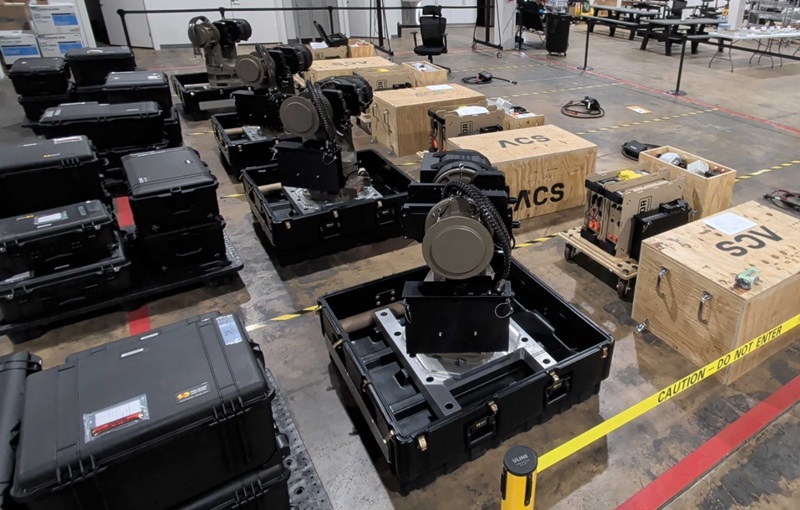

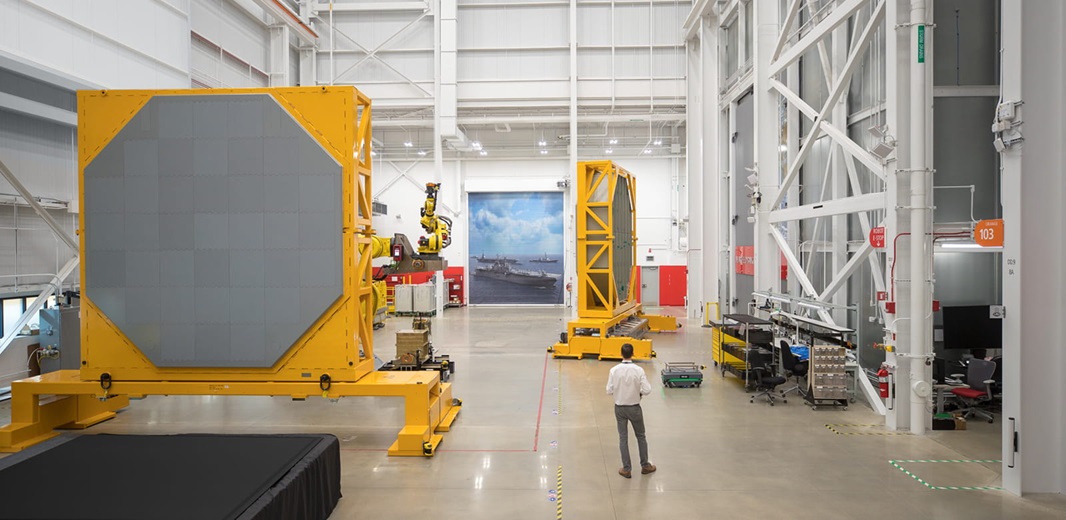
Top Trending in 4 Days
-
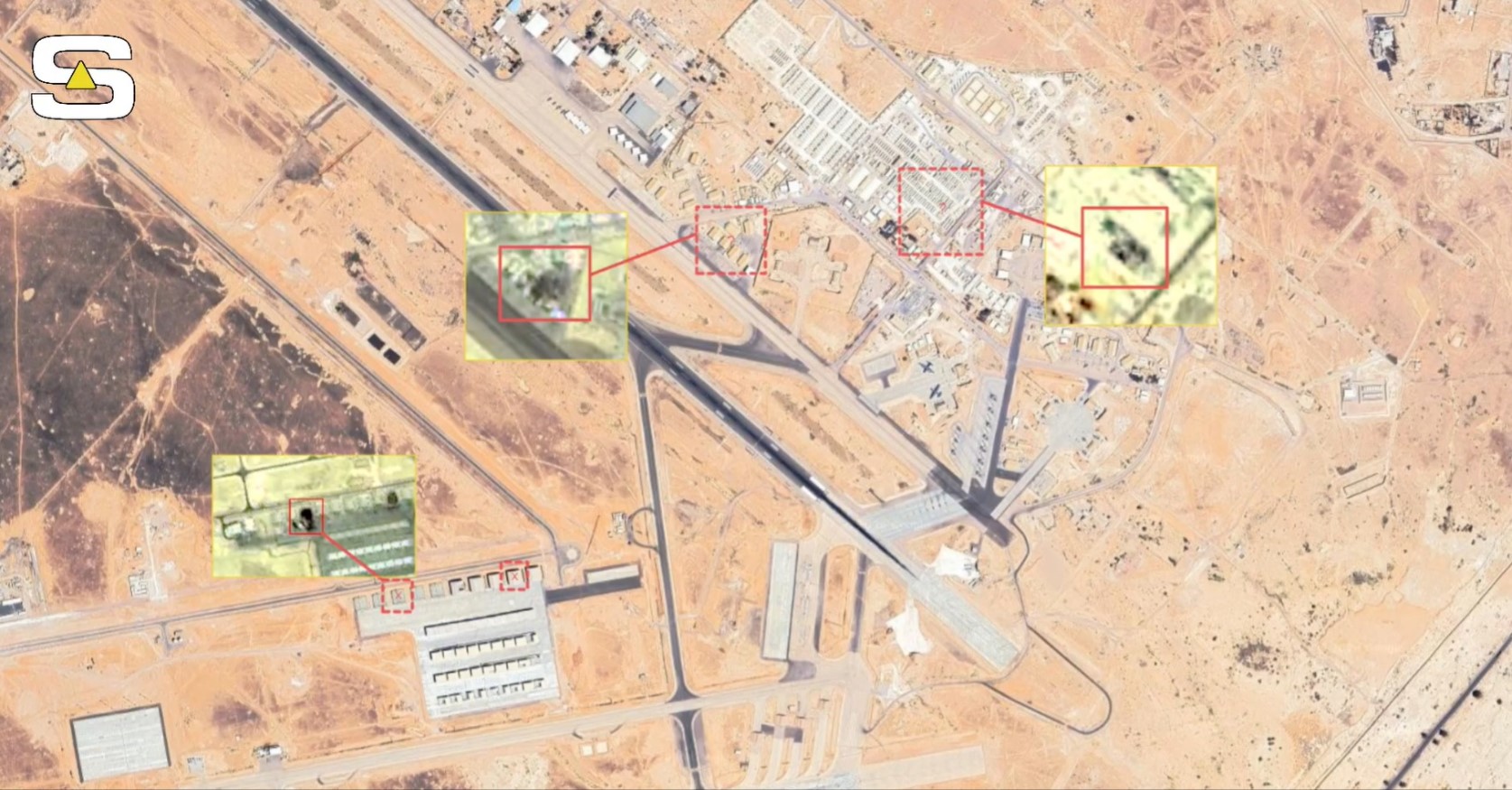 New Satellite Imagery Reveals Extensive Damage at Jordan's Muwaffaq al-Salti Air Base After Iranian Missile Strike
-
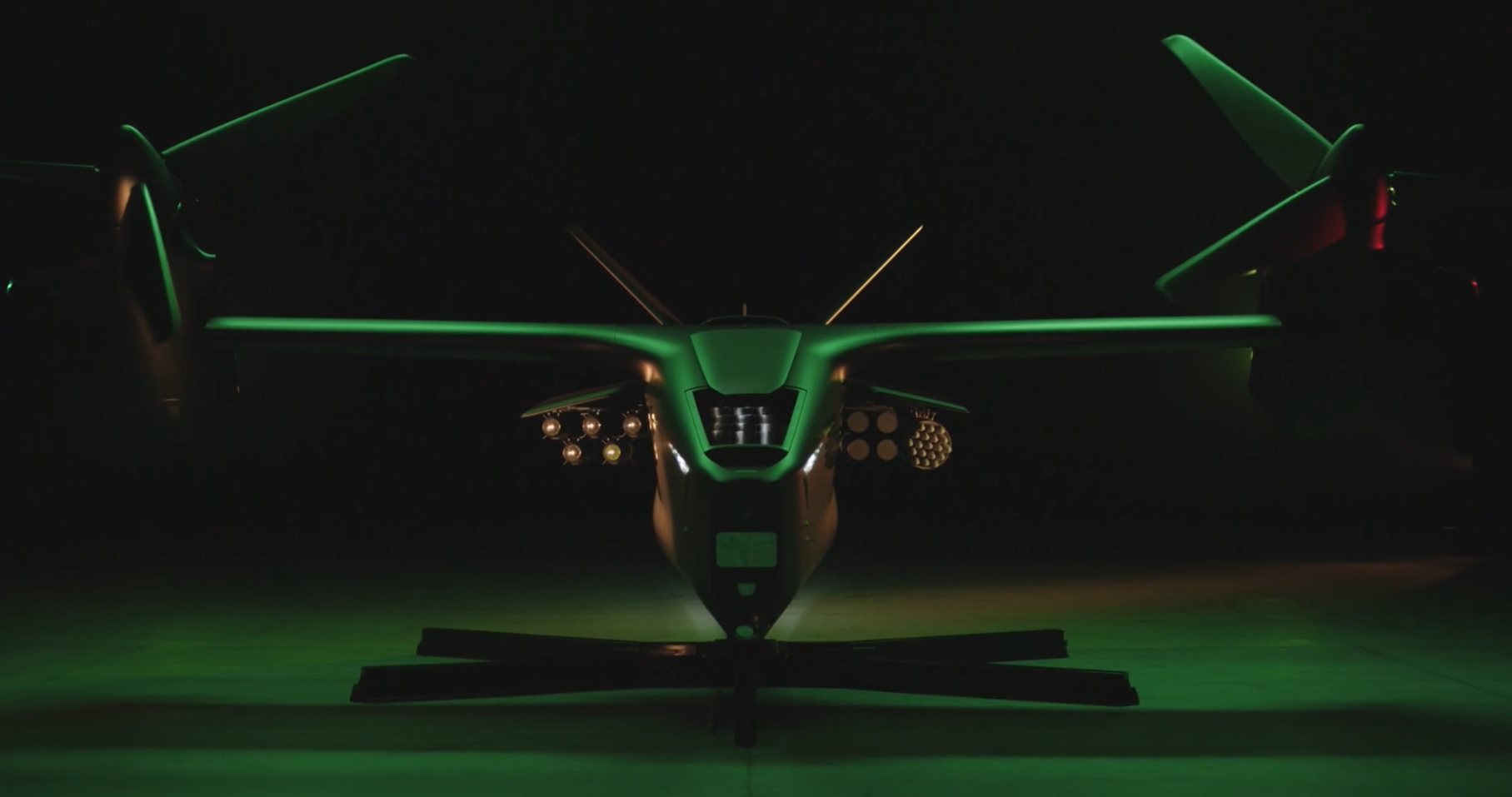 Anduril Unveils Thunder Autonomous Attack Rotorcraft Built with Archer Aviation to Support Apache Helicopters
-
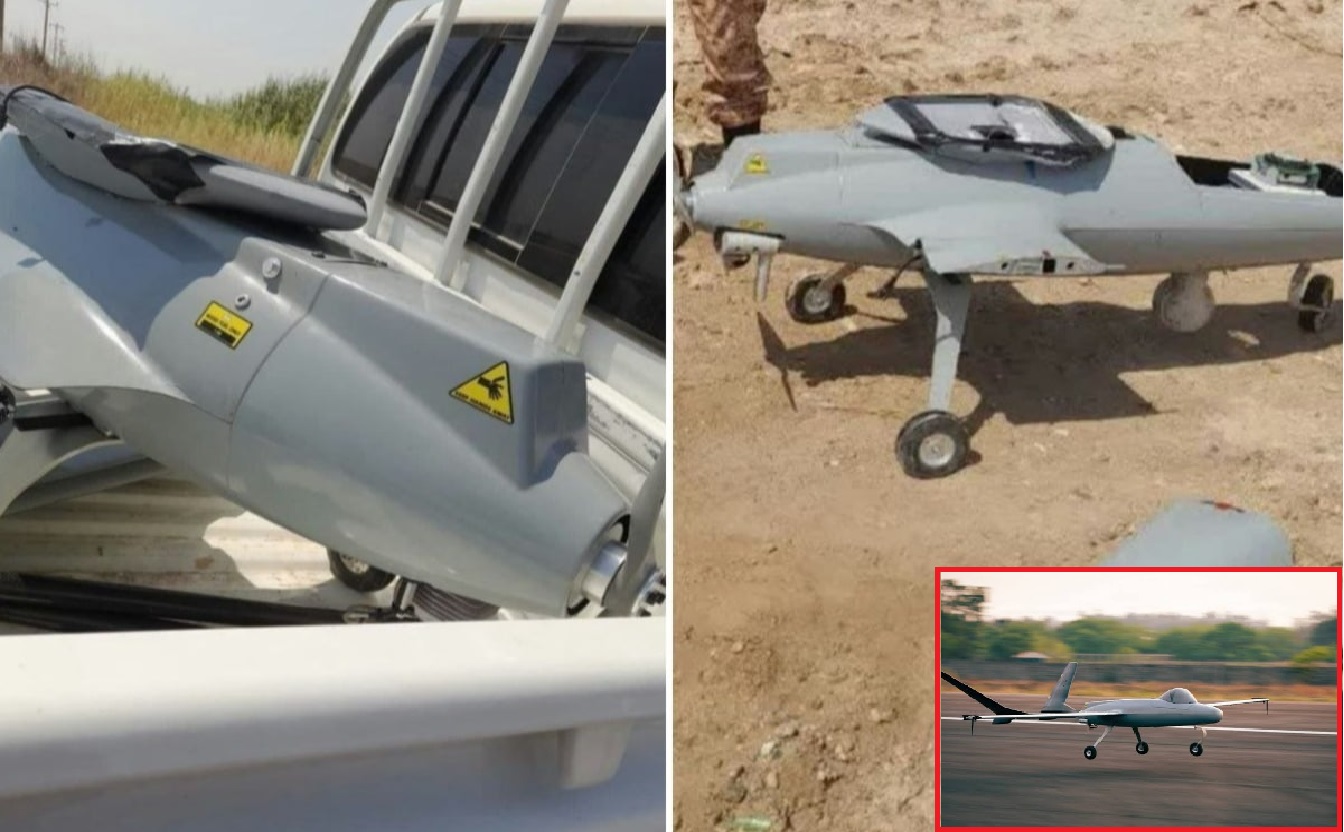 Iran Claims It Shot Down U.S.-Operated Polish-Built Tiguar-M Drone, Releases Images
-
 U.S. Space Force Awards Slingshot Aerospace $69.2 Million Contract to Develop AI Space Training Platform
-
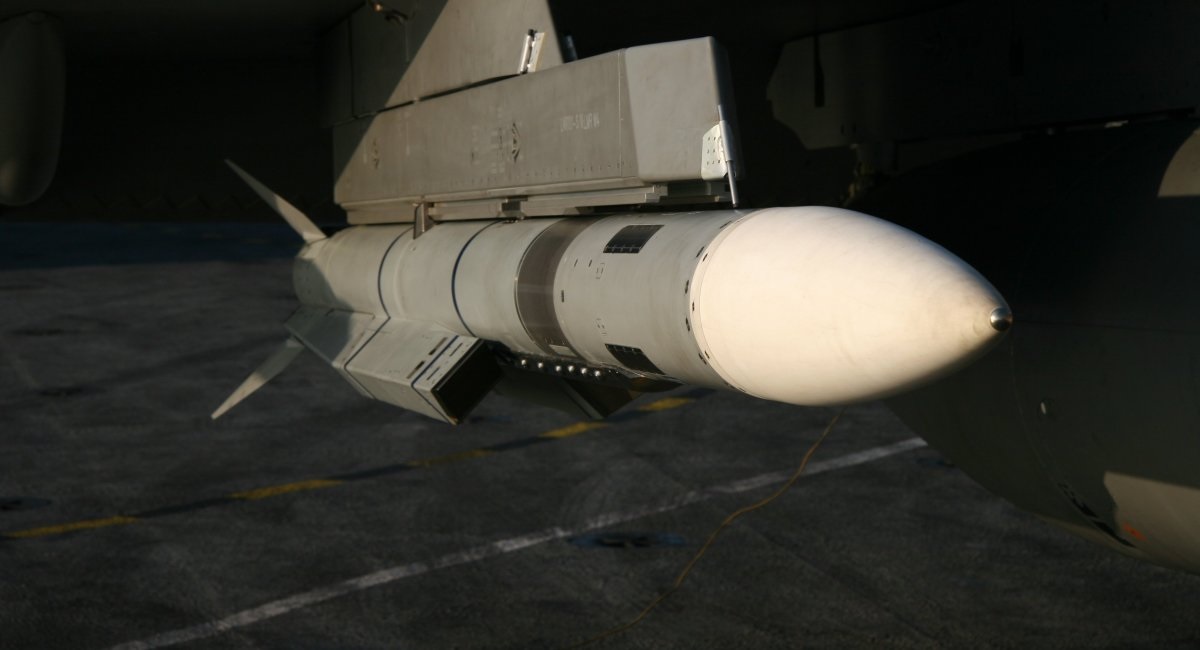 UK Cancels Meteor Missile Mid-Life Upgrade, Prioritizes Next-Generation FASE Air-to-Air Missile Programme
-
 NASA, Draper Cancels CP-12 Lunar Lander Mission After Development Delays Push Mission Beyond 2030
-
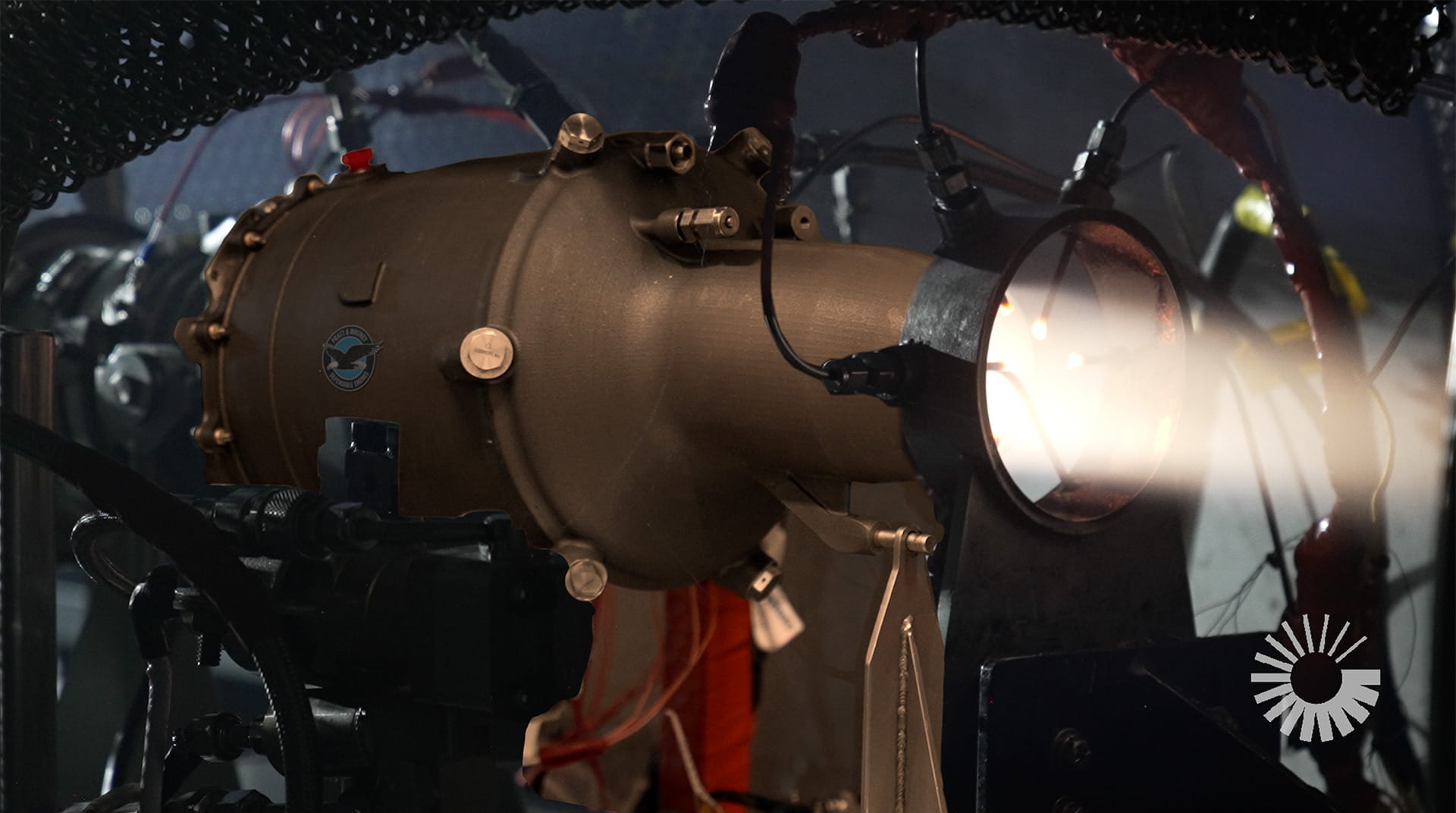 Pratt & Whitney Completes Testing of 3D-Printed TJ150 Engine for Military Applications
-
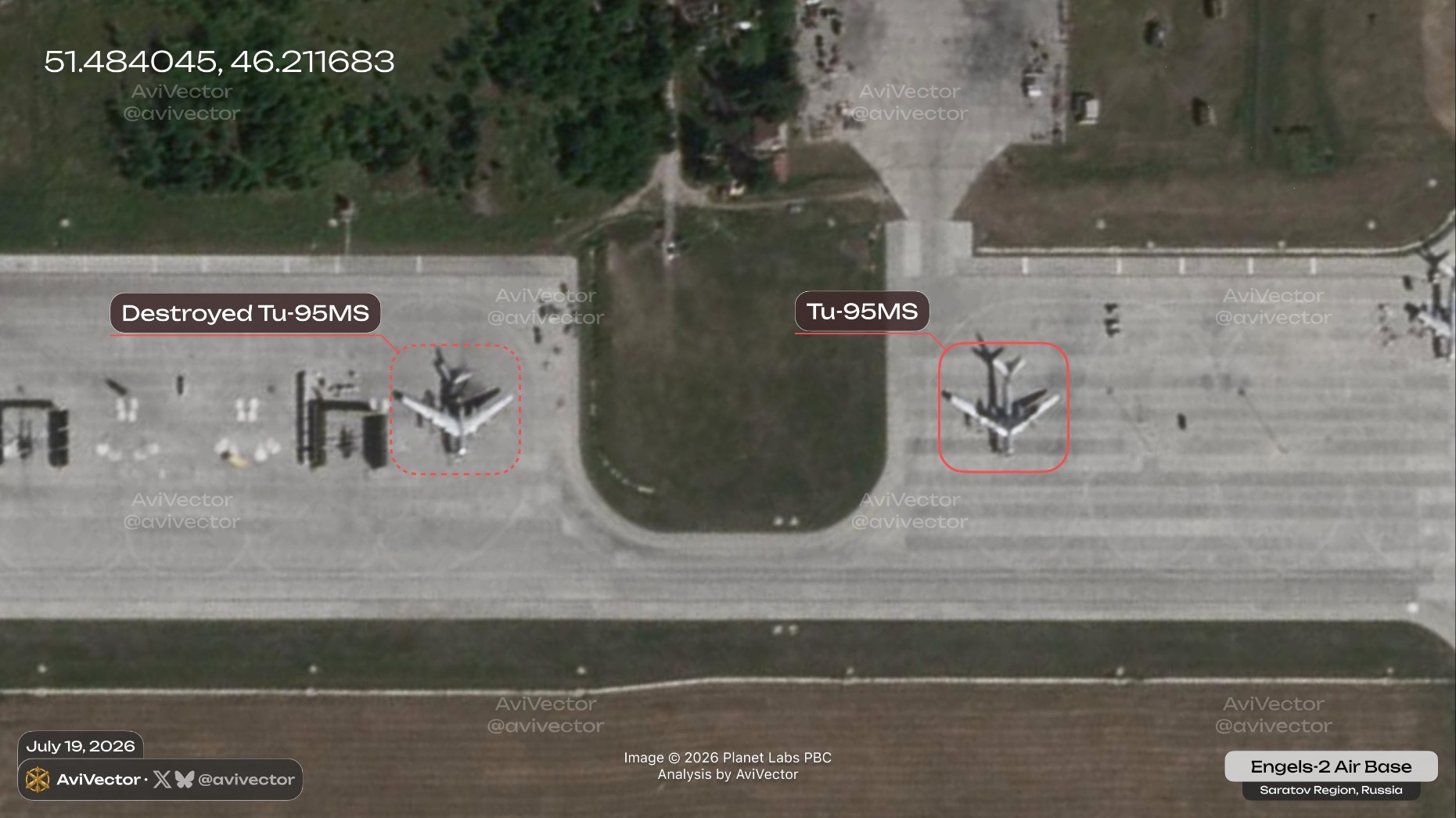 Satellite Images Confirm Russian Tu-95MS Bomber Destroyed After Ukrainian Drone Strike on Engels-2 Air Base
