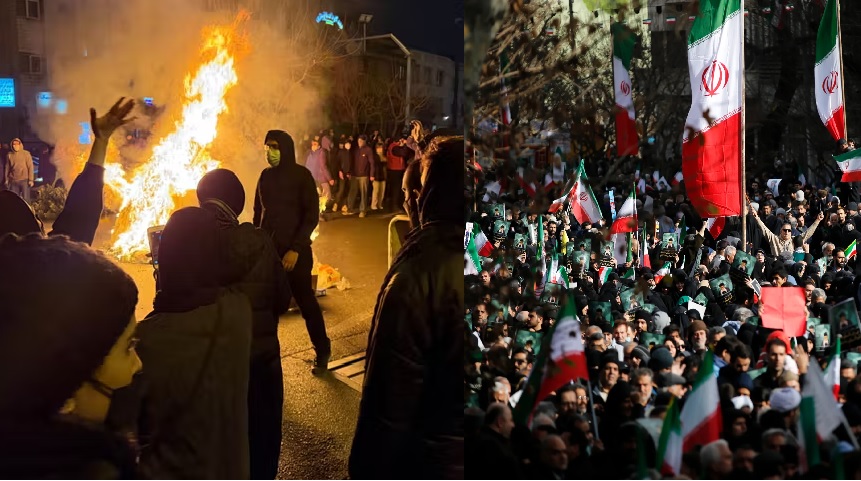
TEHRAN / WASHINGTON : According to Reuters, Senior figures within Iran’s political and security establishment have warned that a new U.S. military strike could severely undermine the government’s ability to maintain control, potentially reigniting large-scale domestic unrest following last month’s deadly suppression of protests, according to multiple sources familiar with internal discussions.
The warnings were conveyed during recent high-level meetings attended by Iran’s Supreme Leader, Ayatollah Ali Khamenei, Reuters reported, citing six current and former Iranian officials. Participants in the meetings said the country remains highly unstable after January demonstrations that were met with heavy force by security services, resulting in significant casualties.
Internal Assessments of Public Sentiment
Officials briefed on the discussions said the leadership is increasingly concerned that longstanding methods of deterrence, particularly reliance on fear and coercion, may no longer be sufficient to prevent renewed protests. Four current officials described the January crackdown as the most severe since the early years following the 1979 Islamic Revolution, and said public anger has not subsided.
According to these officials, assessments presented to the Supreme Leader indicated that a segment of the population is now more willing to confront security forces than during previous periods of unrest. The briefings contrasted the current situation with earlier foreign military actions, including Israeli and U.S. strikes in mid-2025 on Iranian-linked targets, which did not prompt significant street demonstrations at the time.
Officials argued that conditions have since changed, with economic pressures, inflation, unemployment, and political grievances compounding public dissatisfaction. As a result, they warned that a limited U.S. military strike would be unlikely to generate national unity and could instead act as a catalyst for broader opposition activity.
Risk of Combined External and Internal Pressure
Several officials described a scenario in which foreign military action and domestic protests reinforce one another. In such an environment, they warned, security forces could be stretched across multiple fronts, increasing the risk of instability within the governing system.
One official familiar with the discussions said there is concern that sustained external pressure is being calibrated to intensify internal divisions and encourage continuous protests. Another noted fears that any perception of weakening state authority could embolden both organized opposition groups and spontaneous public demonstrations.
Statements From Opposition Figures
Concerns within the establishment have been echoed by opposition figures, including Mirhossein Mousavi, a former prime minister who has been under house arrest since 2011. In a statement published on the reform-oriented Kalameh website, Mousavi criticized the government’s response to the January protests and said the use of force had deepened public resentment.
His remarks underscored a broader narrative among reformist and opposition voices that the protests reflect structural issues rather than isolated unrest, and that continued repression could intensify demands for political change.
U.S. Military Posture
The internal Iranian warnings come amid heightened tensions between Tehran and Washington. U.S. President Donald Trump has publicly stated that military options remain under consideration as part of broader efforts to deter Iran and respond to regional threats.
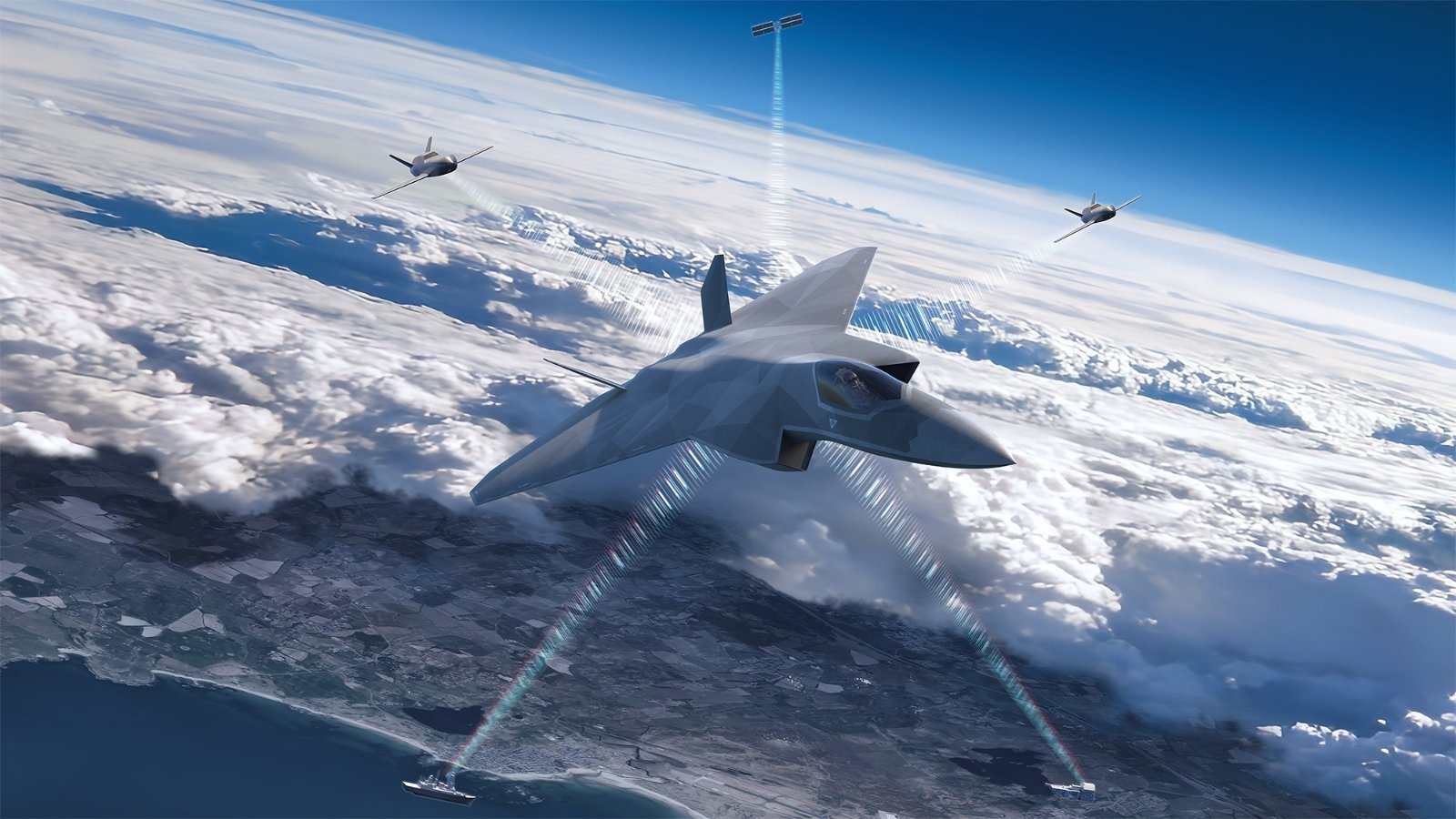
According to officials briefed on U.S. planning, potential options include targeted strikes against Iranian security and command infrastructure. The U.S. military has also increased its regional presence, including the deployment of an aircraft carrier and accompanying naval assets, expanding its capacity for rapid operations if ordered.
U.S. and Israeli officials have previously assessed that air power alone is unlikely to bring about fundamental political change in Iran. However, Iranian officials now appear increasingly concerned that military pressure combined with unresolved domestic grievances could produce unpredictable outcomes.
Domestic Conditions
Despite the current absence of large-scale demonstrations, analysts describe the situation inside Iran as tense. Economic challenges, including currency depreciation and rising living costs, continue to affect daily life, while political restrictions limit avenues for dissent.
Officials interviewed by Reuters said there is an expectation that any future protests would be met with even harsher measures than those used in January, raising the risk of higher casualties. At the same time, some citizens interviewed indicated that the threat of further repression may no longer deter participation in demonstrations, particularly among families affected by recent violence.
For now, both Iranian authorities and foreign governments are closely monitoring developments, with internal assessments suggesting that the interaction between external military pressure and domestic unrest remains one of the most significant risks facing the Islamic Republic in the months ahead.
——— End of Article ———