KYIV : Russian forces carried out one of the largest and most technologically complex aerial attacks of the year against Ukraine overnight, launching a coordinated strike involving hypersonic missiles, ballistic missiles, cruise missiles, and hundreds of unmanned aerial vehicles. The assault, which continued for more than 12 hours, focused primarily on energy and heating infrastructure in major Ukrainian cities amid extreme winter conditions.
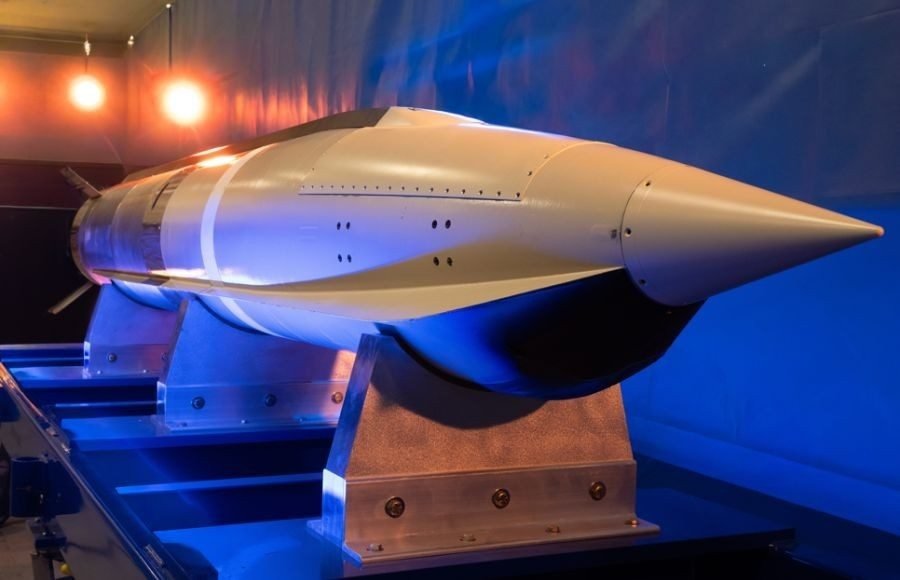
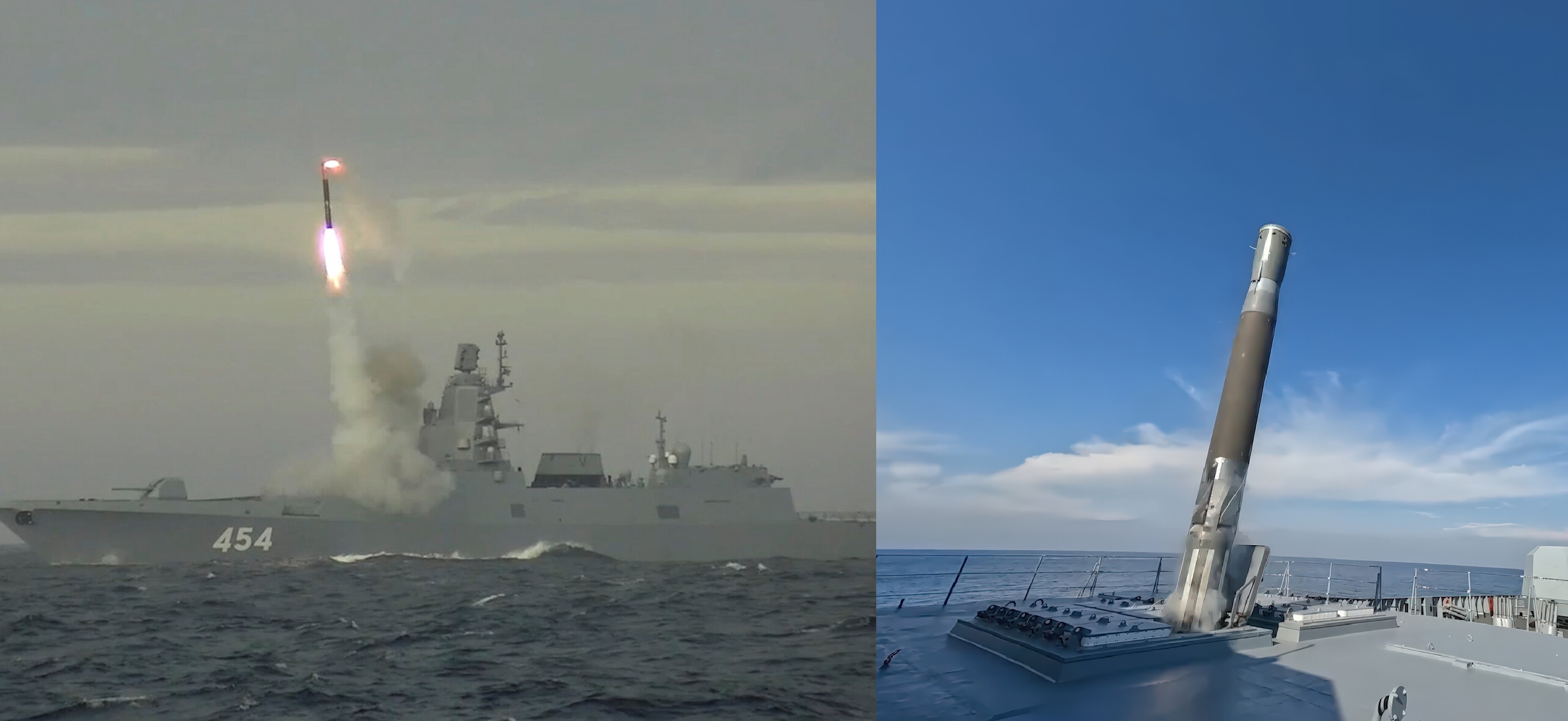
Ukraine’s Air Force confirmed that the attack marked one of the first large-scale uses of Russia’s advanced 3M22 Zircon hypersonic missiles against ground targets in a single operation, reflecting a continued expansion of the weapons mix used in strikes on civilian infrastructure.
Scope and Composition of the Attack
According to the Air Force Command of the Armed Forces of Ukraine, radio-technical surveillance units detected a total of 521 aerial attack assets launched from multiple directions. Launch areas included the Caspian Sea, Russia’s Bryansk and Kursk regions, and temporarily occupied Crimea.
The attack package consisted of hypersonic, ballistic, and cruise missiles combined with mass drone launches. Ukrainian officials reported the use of Zircon and Onyx-class hypersonic anti-ship missiles launched from Crimea, Iskander-M ballistic missiles, S-300 missiles used in a ground-attack role, Kh-22 and Kh-32 supersonic cruise missiles fired from Tu-22M3 strategic bombers, and long-range Kh-101 and Iskander-K cruise missiles.
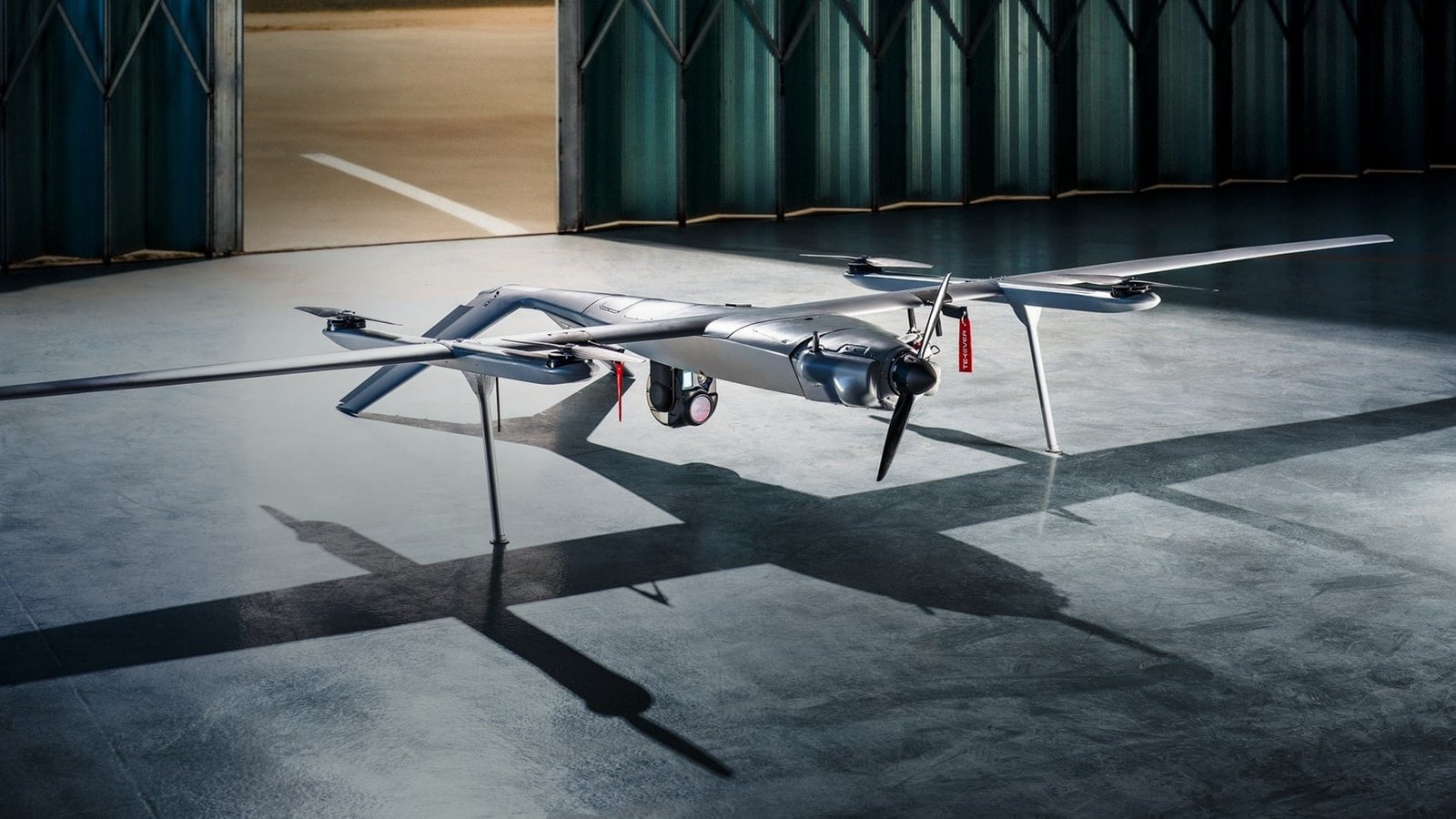
The missile strikes were supported by a large wave of attack drones, primarily Shahed-131 and Shahed-136 types, along with Gerbera and Italmas unmanned systems.
Military analysts in Kyiv assessed that the combination of ballistic trajectories, high-speed hypersonic weapons, and drone swarms was intended to saturate Ukrainian air defenses and increase the likelihood of strikes reaching critical infrastructure targets.
Air Defense Operations
Despite the scale and complexity of the assault, Ukrainian air defense forces reported a high interception rate. Preliminary figures released by the Air Force indicate that approximately 450 aerial targets were either destroyed or suppressed during the attack.
Intercepted targets included dozens of missiles—among them all detected Zircon hypersonic missiles and a significant portion of ballistic and cruise missiles—as well as more than four hundred unmanned aerial vehicles. Ukrainian officials attributed the performance of air defenses to layered systems combining domestically operated assets with Western-supplied platforms, including Patriot missile batteries.
President Volodymyr Zelensky said the attack relied heavily on ballistic missiles and drones, noting that it coincided with the coldest days of winter and was directed at civilian life-support systems rather than military installations.
Energy and Heating Infrastructure Damage
Ukrainian authorities stated that the primary targets were combined heat and power plants (CHPs) and thermal power plants (TPPs) supplying district heating to large urban areas. Minister of Energy Denys Shmyhal said facilities in Kyiv, Kharkiv, and Dnipro were struck while operating in winter mode, solely to provide heat and electricity to residential districts.
Temperatures across parts of the country fell to as low as minus 25 degrees Celsius, increasing the risk of system failures and damage to water and heating networks.
In Kyiv, Mayor Vitali Klitschko reported damage to key energy hubs that left approximately 1,170 high-rise residential buildings without central heating. Emergency utility crews began controlled drainage of heating systems in affected districts to prevent pipes from freezing and bursting, while mobile heating points were prepared for residents.
Impact on Residential Areas and Civilian Casualties
The strikes caused localized damage in several urban districts. In Kyiv, falling debris and direct impacts sparked fires in high-rise apartment buildings in the Darnytskyi and Shevchenkivskyi districts. A kindergarten in the Dniprovskyi district sustained fire damage, though officials said no children were present at the time.
Across the country, authorities reported between nine and twelve civilians injured as a result of missile impacts, drone strikes, and falling debris. No fatalities were immediately confirmed, though assessments were ongoing as emergency services continued to clear rubble and inspect damaged structures.
Military and Strategic Context
Ukrainian defense officials noted that the use of the Zircon hypersonic cruise missile, originally developed for naval warfare, against land targets highlights a further adaptation of Russian strike tactics. While the missile’s speed poses challenges for air defense systems, Ukrainian forces have increasingly demonstrated the ability to track and intercept such weapons using modern radar integration and advanced interceptors, including the U.S.-supplied Patriot missile system.
The timing of the attack drew particular attention in Kyiv, as it occurred on the eve of planned diplomatic engagements involving Ukraine and international partners. Ukrainian officials accused Moscow of using large-scale strikes on civilian infrastructure as leverage, rather than signaling readiness for de-escalation.
As of Tuesday afternoon, power engineers and emergency services remained engaged in restoration efforts, while the Ukrainian military continued to assess the full operational and material impact of the overnight assault.
——— End of Article ———