WASHINGTON / DUBAI — The United States has repositioned the aircraft carrier USS Abraham Lincoln and its strike group farther from Iran’s coastline, moving the formation to the Gulf of Aden in a shift that increases the distance between U.S. naval forces and Iranian territory while maintaining operational reach across the region.
According to regional maritime monitoring data and defense officials familiar with the movement, the carrier group has relocated to waters east of Socotra Island near southern Yemen. The new position places the strike group approximately 1,400 kilometers from Iran’s southeastern port of Chabahar, compared with an earlier operating distance of about 700 kilometers earlier in the week.
The repositioning comes as U.S. and Iranian officials prepare for direct diplomatic talks scheduled to begin in Turkey. U.S. officials described the movement as a routine operational adjustment that also reduces the risk of miscalculation during a sensitive diplomatic period.
Despite the increased standoff distance, defense analysts note that the carrier remains within the assessed range of Iran’s long-range anti-ship missile systems, some of which are believed to have maximum ranges approaching 2,000 kilometers. The relocation nonetheless places the carrier outside the densest coverage of Iran’s coastal missile and drone networks operating from the Gulf of Oman.
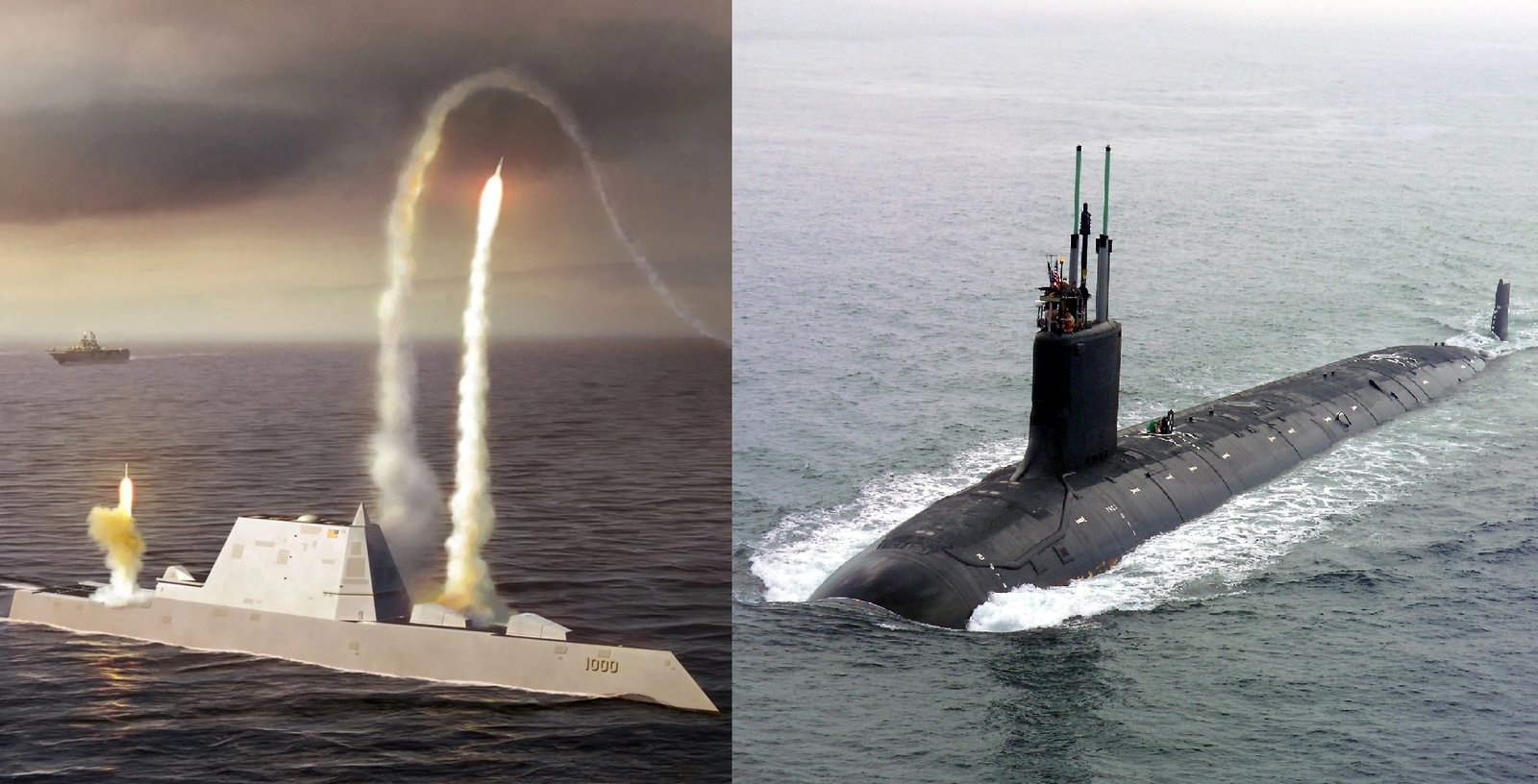
The USS Abraham Lincoln Carrier Strike Group includes several Arleigh Burke–class guided-missile destroyers equipped with the Aegis combat system and Tomahawk land-attack cruise missiles. Open-source reporting and U.S. naval practice suggest at least one attack submarine is operating in support of the group, providing additional surveillance and strike capability.
Aircraft assigned to the carrier’s air wing include F-35C Lightning II stealth fighters and F/A-18 Super Hornet multirole aircraft. U.S. Navy officials say these assets retain the ability to conduct missions across the region with the support of aerial refueling and allied basing.
The naval adjustment follows heightened regional tensions in recent days, including naval drills conducted by Iran’s Islamic Revolutionary Guard Corps in and around the Strait of Hormuz. Those exercises included missile launches and fast-attack craft operations near key international shipping lanes.
U.S. Middle East envoy Steve Witkoff is expected to meet Iranian Foreign Minister Abbas Araghchi during the upcoming talks. U.S. officials say the carrier’s repositioning is intended to support diplomatic efforts while preserving U.S. military readiness in the region.
Pentagon officials emphasized that the United States continues to monitor regional developments closely and retains the ability to adjust force posture as conditions evolve.
——— End of Article ———