Strait of Hormuz : Tensions in the Persian Gulf rose early Tuesday after Iranian naval craft approached and attempted to halt a U.S.-flagged oil tanker transiting near the Strait of Hormuz, according to maritime security advisories and regional officials familiar with the incident. The tanker, identified as the M/T Stena Imperative, ultimately completed its passage after taking evasive measures and receiving an escort from U.S. naval forces.
The vessel, which is Danish-owned but registered under the U.S. flag, had departed ports in the United Arab Emirates and was sailing toward Bahrain, home to the headquarters of the U.S. Fifth Fleet. The encounter occurred during daylight hours as the tanker moved through internationally recognized shipping lanes north of Oman’s coastline.
According to a situation report circulated by the British maritime security firm Vanguard Tech, six fast attack craft affiliated with the Islamic Revolutionary Guard Corps Navy (IRGCN) approached the tanker at close range. The vessels were described as lightly armored, high-speed boats typically used for coastal patrols and interdiction missions. Bridge-to-bridge radio communications were initiated, during which the tanker’s crew was instructed to reduce speed, stop its engines, and prepare for boarding.
Maritime sources said the tanker’s master declined to comply with the instructions and instead maintained course while increasing speed within safe navigational limits. The Iranian craft maneuvered around the vessel for several minutes but did not discharge weapons or make physical contact. The approach ended after the tanker widened the distance between itself and the boats.
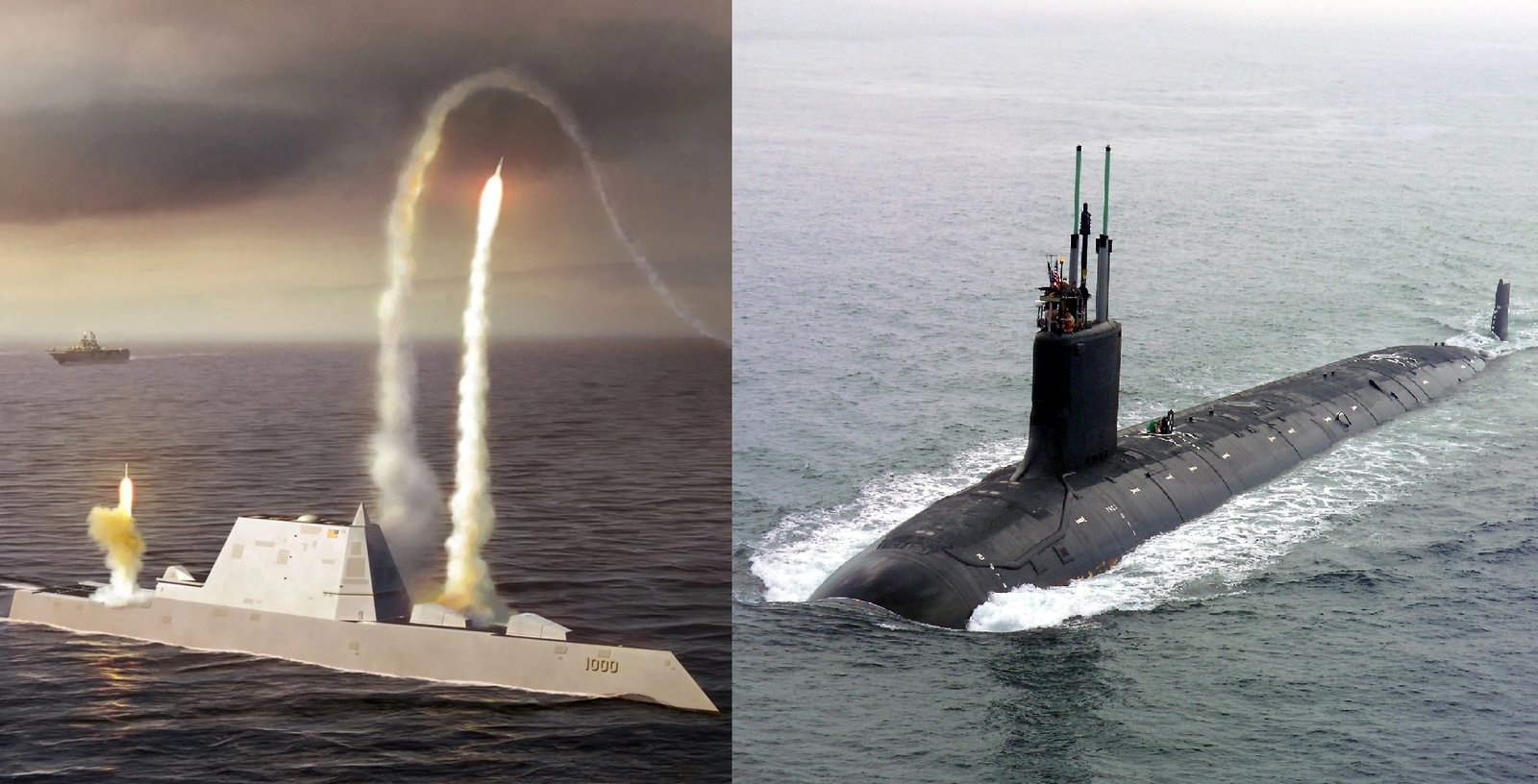
Shortly afterward, the Stena Imperative made contact with U.S. naval authorities operating in the area. A U.S. Navy surface combatant joined the vessel and provided an armed escort through the remainder of the transit to Bahrain. The tanker arrived without reported damage, and no injuries were recorded among its crew.
The incident occurred against a backdrop of heightened military activity and political signaling in the region. In recent days, Iranian officials have publicly warned that continued U.S. military deployments near Iran’s maritime approaches could prompt retaliatory measures. Regional security officials said commercial shipping has been placed on heightened alert as a precaution, though traffic through the Strait of Hormuz has continued without interruption.
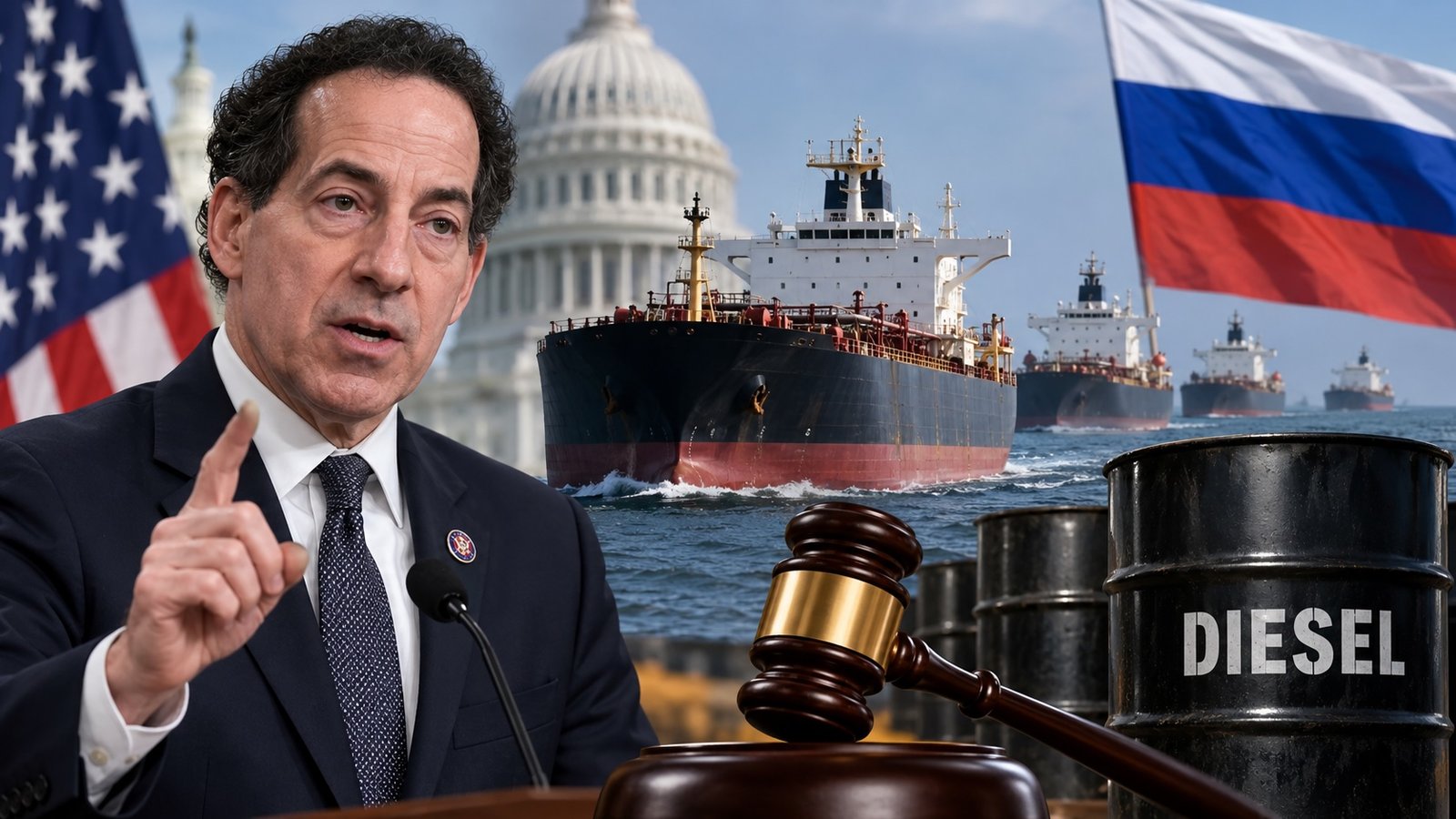
Analysts note that the waterway remains one of the world’s most critical energy chokepoints, with roughly one-fifth of globally traded oil passing through it each day. Vessels flying the U.S. flag are entitled to U.S. protection under international maritime practice, regardless of the nationality of their owners or operators, a factor that often carries strategic significance during periods of tension.
U.S. defense officials declined to comment on specific operational details but confirmed that maritime advisories had been issued to merchant vessels in the area. The notices advise ships to maintain situational awareness, keep safe distances from military craft when possible, and promptly report unusual approaches to naval authorities.
Iranian state media did not immediately acknowledge the encounter. There were no reports of disruptions to oil exports or commercial shipping schedules following the incident, and regional ports continued normal operations as of Tuesday evening.
——— End of Article ———