India
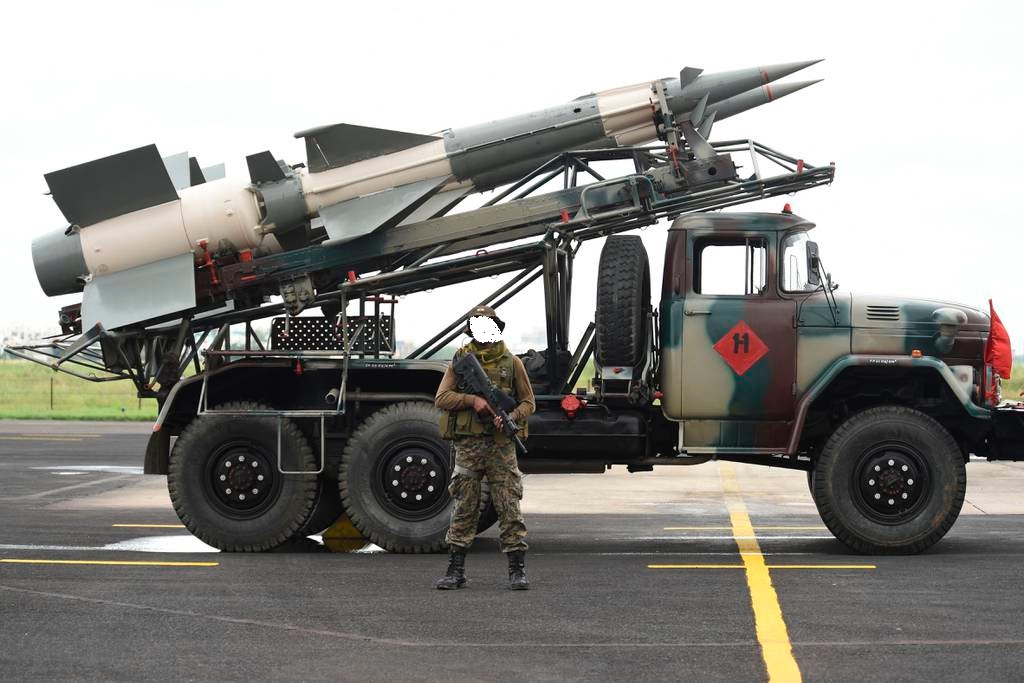
BENGALURU : Bengaluru-based defence equipment manufacturer Alpha Design Technologies Ltd (ADTL) has completed a comprehensive upgrade of the Indian Air Force’s (IAF) Pechora surface-to-air missile (SAM) system, marking a significant step in the Centre’s push to modernise ageing military platforms through indigenous capability. The upgraded Pechora system has been fully digitised and is expected to enhance India’s air defence posture. It is also slated to form part of Mission Sudarshan Chakra, the IAF’s long-term programme aimed at creating a layered and integrated air defence shield capable of countering a broad spectrum of aerial threats, ranging from small unmanned aerial vehicles to high-speed fighter aircraft. Legacy System, Modernised Role The Pechora SAM system, of Russian origin, was inducted into IAF service in the 1970s and has remained a key component of India’s air defence network for nearly five decades. While the system has been regarded as reliable, technological advances and the increasing difficulty of sustaining legacy hardware prompted the IAF to initiate a life-extension and capability enhancement programme. Under this initiative, ADTL emerged as the strategic partner responsible for upgrading the system, drawing on its prior experience in delivering defence electronics and mission-critical systems for the armed forces. The company formally secured the project with the signing of a contract valued at ₹591.3 crore on September 25, 2020. Trials and Operational Validation According to Wing Commander (retd) Vishal Anand, programme director for the Pechora upgrade at ADTL, firing and user trials of the first fully upgraded system were successfully conducted at the Pokhran range between November 6 and December 26, 2025. He confirmed to The Times of India that the trials validated the operational readiness of the digitised system under field conditions, demonstrating its performance after the extensive modernisation effort. Group Captain (retd) Raghavendra Aroor, chief operating officer of ADTL, said the project marked a first for the Indian private sector. He stated that ADTL had become the first Indian company to modernise a vintage Russian-origin weapon system and the first private Indian firm to carry out successful surface-to-air missile launches as part of such an upgrade programme. Scope of the Upgrade The modernisation involved complete digitisation of the missile’s tracking radar system, including the integration of a new transmitter. The entire receiver chain was upgraded, replacing vintage valve- and transistor-based components with contemporary electronic chips. The operators’ cabin was modernised with advanced displays, data collection systems, and integrated health monitoring, leading to a significant reduction in the number of personnel required to operate the system. In addition, mechanical systems across the missile complex were refurbished or replaced, addressing long-standing issues associated with wear and obsolescence in the legacy platform. Collectively, these changes are intended to improve reliability, maintainability, and combat effectiveness while extending the system’s service life. Indigenous Capability and Cost Efficiency Aroor noted that the successful upgrade demonstrated that imported legacy systems could be indigenously modernised to meet current operational standards. He added that such upgrades can be carried out at a fraction of the cost of procuring entirely new platforms, resulting in substantial savings while maintaining operational readiness. For the IAF, the upgraded Pechora provides a means to sustain combat capability during the transition to newer air defence technologies. ADTL CEO Hariprasad and CFO K S Ramesh stated that the modernised system would make a meaningful contribution to Mission Sudarshan Chakra, while also enabling Alpha Design Technologies to explore opportunities in the global defence market. Broader Defence Portfolio Beyond the Pechora programme, ADTL has indigenously manufactured and supplied a range of defence systems, including thermal imaging fire control units, software-defined radios, handheld laser target designators, and missile launch detection systems. The company has also developed the Aerial Targeting System, SkyStriker, which was deployed during Operation Sindoor. With the completion of the Pechora upgrade, ADTL’s role in sustaining and modernising critical air defence assets underscores the growing involvement of Indian private industry in defence modernisation efforts aligned with national self-reliance objectives.
Read More → Posted on 2026-01-30 18:20:18
Space & Technology
New Delhi : India has declined to approve SpaceX’s Starlink Gen-2 satellite system, blocking the company’s plan to deliver satellite signals directly to ordinary mobile phones without ground towers or user terminals. The government has instead limited clearance to Starlink’s first-generation, terminal-based satellite broadband service, placing it on the same regulatory footing as other licensed satellite internet providers operating in the country. The decision draws a clear regulatory boundary between conventional satellite broadband and emerging direct-to-device (D2D) satellite-to-phone services, an area where India is still developing a dedicated policy framework. What Starlink Gen-2 Proposed Starlink’s Gen-2 constellation is designed to enable satellites to communicate directly with standard smartphones using cellular-like frequencies. Unlike existing satellite internet systems, Gen-2 does not require user dishes, modems, or local telecom towers. A compatible phone would connect straight to satellites in low-Earth orbit, allowing basic voice, messaging, and data services even in areas with no terrestrial network coverage. To make this possible, Gen-2 satellites are larger and more powerful than earlier Starlink spacecraft. They use new spectrum bands and advanced beam-forming technologies to maintain links with low-power mobile handsets that were originally designed to connect only to ground-based cellular networks. How Gen-2 Differs From Starlink Gen-1 Starlink Gen-1, which India has approved in principle, functions as a traditional satellite broadband service. Users require a dedicated satellite dish and terminal, which communicates with satellites and routes traffic through licensed ground gateways located within national borders. Data flows are therefore subject to existing telecom licensing, lawful interception requirements, and spectrum management rules. Gen-2 fundamentally alters this model. By eliminating the need for terminals and towers, it bypasses domestic telecom infrastructure altogether. Signals would originate from foreign-owned satellites and connect directly to personal mobile devices, without passing through licensed Indian networks or gateways unless specifically mandated by regulation. Why India Blocked the Gen-2 Application Indian authorities have cited multiple regulatory and security considerations in rejecting the Gen-2 proposal. First, the frequency bands proposed for direct-to-phone connectivity are not yet authorized for such use under Indian law. Allocating and managing spectrum for satellite-to-handset services requires coordination with existing terrestrial mobile networks to prevent interference, a process that has not been completed. Second, the Gen-2 model raises concerns related to lawful interception and monitoring. India’s telecom framework requires service providers to enable real-time interception and data access for authorized agencies. A system that delivers signals directly from foreign satellites to phones complicates enforcement of these obligations unless a new regulatory structure is established. Third, there are issues of network sovereignty and operational control. Allowing a foreign satellite operator to provide nationwide mobile connectivity without integration into domestic telecom systems could undermine the government’s ability to regulate service quality, enforce emergency directives, or manage network shutdowns during security incidents. Finally, officials note that direct-to-device satellite services represent a distinct category of communications technology. India currently lacks a comprehensive licensing and compliance framework tailored to this model, making approval premature. What India Has Approved While Gen-2 has been halted, Starlink has been granted approval for Gen-1 satellite broadband operations, subject to standard licensing conditions. Under this arrangement, Starlink must deploy ground stations within India, ensure traffic routing complies with national regulations, and provide services through user-installed terminals. This places Starlink alongside other satellite communication providers such as OneWeb, which operate under similar regulatory requirements. Services are limited to fixed or portable broadband access rather than direct mobile phone connectivity. Potential Implications if Gen-2 Were Allowed Had Gen-2 been approved without a dedicated framework, regulators warn it could create multiple challenges. Uncoordinated spectrum use might interfere with existing mobile networks. Enforcement of interception, data localization, and consumer protection rules could become unclear. Domestic telecom operators could also face uneven competition from services operating outside established licensing structures. There are also broader policy considerations. Mobile connectivity is treated as critical national infrastructure, and any system providing mass-market phone services must align with national security protocols, emergency response mechanisms, and long-term spectrum planning. India’s Path Forward on Direct-to-Device Services The government has indicated that it is working on its own direct-to-device satellite communication framework. This would define spectrum allocation, licensing conditions, security obligations, and integration requirements for future services, whether offered by domestic or foreign operators. Until such rules are in place, direct satellite-to-phone connectivity will remain restricted. Terminal-based satellite broadband, operating within the existing satcom regulatory regime, will continue to be the only permitted model for Starlink and similar providers in India.
Read More → Posted on 2026-01-30 18:08:50
World
LONDON / BEIJING : Prime Minister Keir Starmer arrived in China this week, becoming the first UK prime minister to visit the country in eight years, as Britain moves to stabilize and recalibrate its economic relationship with Beijing amid intensifying trade pressure from the United States under President Donald Trump. British officials describe the visit as part of a broader reassessment of trade policy in response to mounting exposure to U.S. tariff actions. Starmer’s visit follows closely after a trip to Beijing by Canadian Prime Minister Mark Carney, marking an unusual convergence in which two close NATO allies of Washington have sought expanded economic engagement with China within the same month. UK officials stress that the move does not signal a change in security alignment, but rather a diversification of economic partnerships in response to external shocks. U.S. Trade Measures and UK Economic Exposure The immediate context for the visit is a series of trade measures introduced by the Trump administration throughout 2025 and early 2026. Central among them is the proposed 10 percent universal baseline tariff on all U.S. imports, with warnings of additional increases for select partners. According to January 2026 estimates, these measures place approximately £200 billion (including both goods and services) in annual UK exports to the United States at risk. The exposure has been felt most acutely by small and medium-sized enterprises (SMEs). A January 2026 survey of 1,000 UK SMEs found that 21 percent now identify U.S. tariff disputes as their primary business challenge. Trade data underscores the trend. In November 2025, UK exports to the U.S. fell by 11 percent month-on-month, equivalent to £475 million, driven largely by declines in pharmaceuticals and mechanical appliances—sectors long considered central to the UK–U.S. economic relationship. Tensions escalated further in January 2026, when President Trump threatened an additional 10 percent tariff on eight European countries, including the United Kingdom, citing opposition to U.S. strategic interests linked to Greenland. British officials viewed the move as limiting diplomatic flexibility and increasing economic uncertainty. Additional pressure came from U.S. signals that pharmaceutical imports could face higher tariffs, raising concerns over potential cost impacts on the National Health Service (NHS). At the same time, the suspension of a planned UK–U.S. technology agreement left British technology firms facing regulatory and investment uncertainty. UK Rationale: Re-engaging the World’s Second-Largest Economy Speaking during the visit, Starmer said the UK could not afford to disengage from major global economies, noting that China is the world’s second-largest economy. British officials describe the approach as a data-driven effort to reduce exposure to a single market and stabilize long-term growth. As of Q3 2025, UK–China trade already represents a significant share of Britain’s global commerce: Total bilateral trade: £127.4 billion (+4.8% year-on-year) UK exports to China: £44.7 billion (+2.6%) UK imports from China: £82.7 billion (+6.1%) UK services surplus: £11.4 billion, driven primarily by legal and financial services China is now the UK’s third-largest goods trading partner, while the U.S. remains the UK’s largest single trading partner overall. Outcomes of the 2026 Beijing Summit During meetings with Chinese President Xi Jinping and senior officials, discussions focused on trade barriers, investment, mobility, and services access. The talks resulted in several concrete outcomes: Tariff reductions: China agreed to cut tariffs on British whisky from 10 percent to 5 percent, a move expected to support exports from the Scottish spirits industry. Investment commitments: AstraZeneca announced a multi-billion-dollar expansion in China. More than 50 UK chief executives signed memoranda of understanding with Chinese counterparts across manufacturing and services. Mobility: China agreed in principle to visa-free entry for British tourists and business travelers for stays of up to 30 days, addressing long-standing concerns from UK firms. Political normalization: Beijing confirmed that restrictions on nine British lawmakers, imposed in 2021, have been lifted. Services cooperation: Both sides launched a feasibility study toward a bilateral services agreement, targeting China’s professional services market, forecast to grow by 121 percent by 2035. Financial dialogue: Plans were confirmed for the UK Chancellor of the Exchequer to visit Beijing later in 2026 for talks on financial stability and market cooperation. U.S. Response and UK Positioning From Washington, President Trump described the UK’s engagement with China as “very dangerous,” reiterating concerns about closer economic ties between U.S. allies and Beijing. British officials responded by stating that the U.S. administration was informed in advance of the visit and that discussions with Washington remain ongoing. Starmer characterized recent talks with Trump as constructive and emphasized that the UK continues to value its defense and intelligence partnership with the United States. Officials describe the strategy as maintaining the U.S. security relationship while building economic resilience through diversification. Broader Strategic Context Analysts note that London’s approach mirrors discussions with Canada on closer coordination among middle powers seeking to reduce vulnerability to unilateral trade actions. The U.S. remains the UK’s largest trading partner, accounting for 17.8 percent of total UK trade, or £331.2 billion. However, the 26 percent year-on-year decline in UK exports to the U.S. as of November 2025 has accelerated efforts to expand non-U.S. trade channels. Risks remain significant. The Trump administration has previously warned of tariffs of up to 100 percent on countries pursuing deep trade agreements with China. Following engagements in Beijing and Shanghai, Starmer is scheduled to continue his Asia tour with a visit to Japan. UK officials say the goal is to secure diversified economic partnerships ahead of President Trump’s planned visit to China in April 2026, which could reshape U.S.–China trade dynamics. For now, the UK’s China engagement reflects an effort to manage immediate economic pressures while avoiding a formal rupture with the United States. The durability of this approach will depend on future U.S. trade policy decisions and the scope of Britain’s expanding economic ties with Beijing.
Read More → Posted on 2026-01-30 17:52:50
World
TEHRAN / WASHINGTON : Iran has begun a significant restructuring of its ballistic missile forces, shifting from a centralized command hierarchy to a decentralized system designed to ensure retaliation even if senior leadership or national communications networks are disabled during a conflict, according to regional intelligence assessments and Iranian military directives reviewed by multiple sources. The reorganization transfers conditional launch authority from Tehran-based command structures to local Islamic Revolutionary Guard Corps (IRGC) missile commands across Iran’s thirty-one provinces. The change is intended to guarantee that missile units remain operational and capable of striking U.S. forces and regional targets even under sustained airstrikes, cyber operations, or leadership losses. Iranian planners view the move as a corrective measure following operational shortcomings exposed during the June 2025 conflict, when precision strikes and electronic warfare disrupted centralized command-and-control systems and limited Iran’s ability to employ large portions of its missile arsenal. Structure and Operational Logic Under the revised command model, provincial IRGC missile units operate with pre-delegated authority tied to specific contingency conditions. These conditions reportedly include prolonged loss of communications with national command authorities, confirmed attacks on senior leadership facilities, or verified strikes on strategic command bunkers. Rather than awaiting real-time authorization from Tehran, local commanders are now trained to execute predefined response plans if those conditions are met. This approach reduces reliance on vulnerable communications infrastructure and shortens decision timelines during high-intensity conflict. Western defense officials describe the system as an extension of Iran’s long-standing “mosaic defense” doctrine, which emphasizes dispersion, redundancy, and localized decision-making across military assets. Applied to missile forces, the doctrine is intended to prevent a single, coordinated strike from neutralizing Iran’s retaliatory capacity. Military Benefits in a War Scenario From Iran’s perspective, decentralization offers several operational advantages. Dispersed command authority increases force survivability by eliminating single points of failure. Missile units can continue operating independently even if national command centers are destroyed or isolated. The system also complicates adversary targeting. Instead of focusing on a limited number of hardened command sites, opposing forces would be required to identify and neutralize a large number of geographically dispersed launch cells, many of which are mobile and concealed. This increases the resources, time, and operational risk required to suppress missile activity. In a conflict scenario, the structure allows Iran to sustain missile pressure over an extended period rather than delivering a single coordinated salvo. This persistence is intended to strain missile defense systems, logistics, and political tolerance among adversaries and their regional partners. Implications for U.S. Military Planning For U.S. war planners, the shift significantly alters the calculus of a potential campaign against Iran. Traditional strategies that prioritize rapid disruption of command-and-control networks may no longer achieve a decisive effect. In some scenarios, severing communications could instead activate pre-delegated launch authorities, leading to simultaneous or staggered missile launches from multiple regions. U.S. defense officials assess that the decentralized system would make it substantially more difficult to deliver a rapid and complete defeat of Iran’s governing structure. Even if senior political and military leadership were incapacitated, missile operations could continue autonomously, maintaining pressure on U.S. forces and allies. This persistence increases the likelihood of a prolonged conflict. Continued missile launches against U.S. bases in Qatar, Bahrain, Kuwait, Iraq, and the United Arab Emirates would require sustained defensive and offensive operations, drawing the United States into a longer-term military engagement rather than a short-duration strike campaign. Risk to Regional Assets and Allies The restructuring also heightens risks for U.S. allies across the Middle East. A decentralized command environment increases the possibility of misinterpretation during periods of electronic warfare or communications disruption. Local commanders operating under predefined criteria may act on incomplete information, raising the risk of unintended escalation. Gulf infrastructure, including air bases, ports, energy facilities, and urban centers, would remain within range of independently operating missile units. Even limited or sporadic launches could cause significant economic and military disruption over time. Regional security analysts note that the system is designed to ensure that any attempt to dismantle Iran’s leadership or military command structure would still result in substantial damage to U.S. assets and allied states, thereby increasing the overall cost of military action. Strategic Significance Iranian officials have not publicly detailed the restructuring, but internal planning documents and training adjustments indicate that the policy is being implemented as a long-term doctrinal shift rather than a temporary contingency measure. The decentralized missile command system reflects Tehran’s assessment that future conflicts are likely to involve intense early strikes on leadership and communications. By embedding retaliatory authority at the local level, Iran aims to preserve deterrence and ensure continued operational capability under worst-case conditions. As Iran continues rebuilding its regional military posture following the 2025 conflict, the restructuring signals a strategic emphasis on endurance and retaliation rather than centralized control, with direct consequences for U.S. military options and regional stability.
Read More → Posted on 2026-01-30 17:23:54
India
BENGALURU : The Defence Research and Development Organisation (DRDO) has formally initiated the process to induct a private-sector partner for the co-development and manufacture of a high-thrust indigenous military jet engine, marking a major shift in India’s aero-engine development approach. The Gas Turbine Research Establishment (GTRE), DRDO’s Bengaluru-based propulsion laboratory, has issued an Expression of Interest (EoI) to identify a Development-cum-Production Partner (DcPP) for the Advanced High Thrust Class Engine (AHTCE) programme. The EoI invites qualified Indian defence and aerospace companies to participate in a long-term programme covering design support, manufacturing, assembly, integration, testing and certification of a next-generation indigenous aero gas turbine engine. GTRE will retain design authority and programme ownership, while the selected DcPP will assume responsibility for industrial execution across the engine’s full lifecycle. Shift to an Industry-Anchored Model The AHTCE initiative represents a structural shift from a laboratory-centric development model to an industry-anchored propulsion ecosystem. Under this framework, the DcPP will not function as a conventional vendor but as the primary industrial execution agency. Responsibilities will include design translation, tooling, precision manufacturing, system integration, quality assurance, configuration control and long-term product support. The programme is being pursued in collaboration with an international engine house, enabling access to global best practices while progressively transferring manufacturing depth and execution capability to Indian industry. Design ownership and intellectual control remain with the Government of India, with intellectual property generated under the programme owned by the government or jointly with the development partner, as determined by DRDO-GTRE. Programme Scope and Engine Architecture The AHTCE programme covers the complete architecture of a modern military turbofan engine. The scope includes manufacturing and assembly of major turbomachinery modules such as the low-pressure compressor, high-pressure compressor, combustor, high-pressure turbine, low-pressure turbine, afterburner, exhaust cone and exhaust nozzle. It also includes rotor support systems and critical accessories and subsystems, including gearboxes, oil and fuel systems, actuators and Full Authority Digital Engine Control (FADEC) integration units. Under the development phase, the DcPP is required to deliver 18 complete, flight-worthy engines over a 10-year period. In addition, the partner must manufacture nearly 2,300 components, sub-assemblies and modules, progressively building capability from individual parts to full engine build-up, validation and sustainment. Four-Phase Execution Framework GTRE has defined a four-phase execution model to manage technical risk and ensure controlled industrial capability development. In the design phase, the DcPP will support GTRE through detailed engineering activities, including preparation of 2D drawings, 3D models, tooling concepts and manufacturing routings. Engineering teams from the partner will work alongside GTRE personnel on design iterations and configuration updates driven by test feedback. The manufacturing planning phase focuses on industrial readiness. This includes development of master process sheets, digital mock-ups, assembly layouts, inspection strategies and resource loading plans. All processes must align with aero-engine quality management systems and NADCAP-approved standards. The manufacturing phase covers physical production of components, sub-assemblies and modules. Responsibilities include raw material procurement, management of bought-out items, first-article inspection, non-destructive testing, dimensional validation and statistical quality control. The assembly and integration phase places primary responsibility on the DcPP for establishing engine assembly bays, defining build sequences, conducting rotor balancing, integrating modules and subsystems, and completing final engine build-up. These activities will be carried out in coordination with GTRE and certification agencies. Infrastructure and Technology Requirements The EoI specifies extensive infrastructure requirements that go beyond conventional aerospace manufacturing. The DcPP must possess or establish capabilities in multi-axis CNC machining for large casings and blisks, high-precision electrical discharge machining, electron beam welding, laser processing, advanced heat treatment and vacuum furnace operations. Special processes required under the programme include thermal barrier coatings, plasma spraying, electron-beam physical vapour deposition, vacuum brazing, diffusion bonding, nitriding, carburising and powder metallurgy. These processes must be qualified under NADCAP or equivalent international regimes. Inspection and quality assurance requirements include turbine-class coordinate measuring machines, ultrasonic testing, radiography, eddy current inspection, fluorescent penetrant testing, surface metrology and hardness testing. The EoI makes clear that the DcPP must function as a full-spectrum aero-engine manufacturing entity rather than a build-to-print supplier. Financial and Eligibility Criteria To ensure financial robustness and execution capacity, GTRE has set stringent eligibility benchmarks. Applicant companies must demonstrate a minimum consolidated annual turnover of ₹1,500 crore and a minimum consolidated net worth of ₹1,500 crore. Firms must show at least 3 percent consolidated revenue growth in three of the last five financial years and hold a minimum credit rating of BBB+ (Stable) or equivalent. Companies under insolvency proceedings are not eligible. Eligibility is restricted to Indian defence and aerospace companies with demonstrated experience in aero-engine or turbomachinery manufacturing, advanced materials such as titanium and nickel alloys, and certified aerospace quality systems aligned with AS9100, AQMS and national airworthiness frameworks. Certification and Institutional Framework GTRE will continue as the design authority, providing engineering data, materials support, instrumentation philosophy and coordination with airworthiness agencies. The DcPP will be responsible for production engineering, tooling, fixtures, assembly systems, quality assurance and configuration control. The programme framework integrates GTRE, the international engine house, certification bodies such as CEMILAC and DGAQA, and the industrial partner into a coordinated execution structure. The DcPP will also manage documentation, traceability and lifecycle data in support of certification and operational sustainment. Delivery Timeline and Future Production According to the EoI, initial engine deliveries are expected to begin around the seventh year following contract signature, with a gradual ramp-up thereafter. This phased delivery approach reflects the complexity of aero-engine industrialisation and the need to stabilise quality and repeatability. While the immediate contract is limited to development and delivery of 18 engines, the Ministry of Defence has indicated intent to place a separate production order for up to 200 engines following successful certification. The selected DcPP must formally agree to support serial production, integrated logistics and product support for the engine’s full operational life. The AHTCE is widely viewed as a potential powerplant for future Indian military platforms, including next-generation fighter aircraft and unmanned combat systems, although specific platform allocations have not been formally announced. Strategic Context The AHTCE Development-cum-Production Partner programme is one of the most comprehensive propulsion initiatives undertaken by DRDO. By transferring substantial manufacturing and assembly responsibility to the private sector while retaining design control, GTRE aims to establish a sustainable national aero-engine ecosystem encompassing materials, processes, inspection, digital manufacturing, assembly engineering and long-term sustainment. The EoI underscores India’s intent to build sovereign capability in one of the most complex and strategically sensitive areas of defence technology, addressing a long-standing gap in the country’s aerospace industrial base without altering established ownership or control structures.
Read More → Posted on 2026-01-30 17:10:10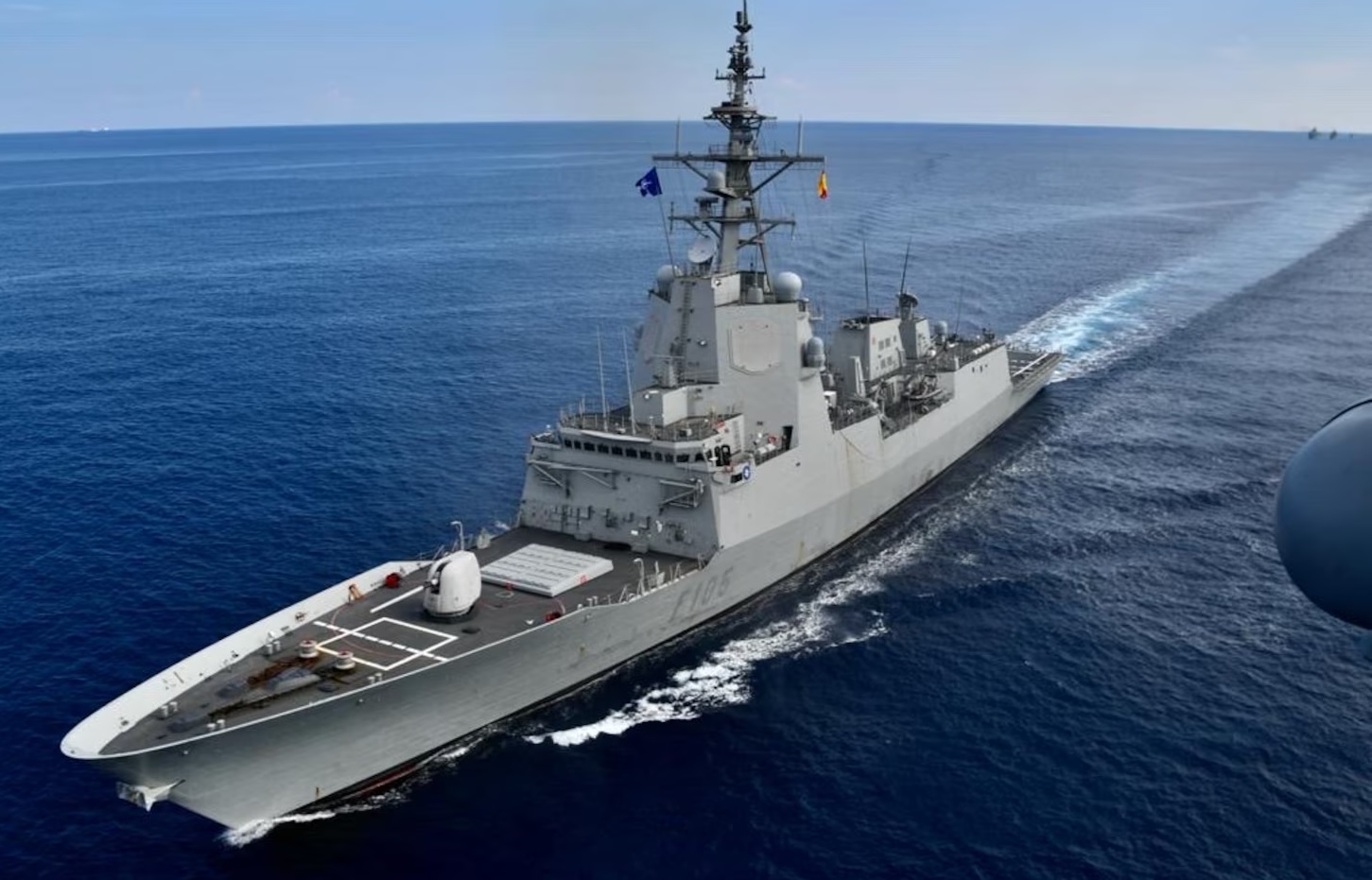
World
Washington / Madrid : The United States has approved a $1.7 billion Foreign Military Sale (FMS) to Spain to support the modernization of the Spanish Navy’s five F-100 Álvaro de Bazán-class frigates, authorizing a comprehensive upgrade of the ships’ Aegis combat system hardware, software, sensors, and launch systems. The decision is intended to preserve Spain’s fleet air-defense capability, ensure continued interoperability with NATO forces, and extend the operational service life of the class to approximately 2045. The approved sale covers upgrades across all five ships, which form the backbone of Spain’s current high-end surface combatant force. The modernization focuses on combat-system renewal rather than structural redesign, allowing the frigates to remain operationally relevant while Spain transitions toward the introduction of the newer F-110 frigate class. Spanish defense planning identifies the mid-life upgrade (MLU) as a critical measure to avoid capability gaps during this transition period. Ship Characteristics and Operational Role The F-100 Álvaro de Bazán-class frigates were constructed by Navantia at the Ría de Ferrol shipyard and entered Spanish Navy service between 2002 and 2012. The first four ships displace approximately 5,800 tonnes at standard load, while the fifth unit displaces around 6,400 tonnes. All five vessels share an overall length of 146.7 meters and a beam of 18.6 meters. Propulsion is provided by a combined diesel or gas (CODOG) arrangement, integrating two General Electric LM2500 gas turbines with diesel engines driving two propellers. This configuration allows a maximum speed of roughly 28 knots and a range of about 4,500 to 5,000 nautical miles at cruising speed. Crew complements typically range from 200 to 216 personnel, depending on configuration and mission requirements. The ships were designed for sustained blue-water operations and routine integration into multinational naval task groups. Within Spain’s future naval force structure, the F-100 class is expected to operate alongside the F-110 frigates, sharing escort and fleet-defense missions while relying on different generations of combat systems. The mid-life upgrade is designed to maintain parity with allied fleets and ensure that the F-100s remain effective contributors to NATO maritime operations. Mid-Life Upgrade Program and Industrial Framework In parallel with the U.S. FMS authorization, Spain has outlined a long-term mid-life upgrade (MLU) program for the F-100 class with an estimated total value of €3.2 billion over approximately 120 months from execution. The work is centered at Navantia’s Ría de Ferrol shipyard and is structured as a phased industrial effort extending over roughly a decade. Spanish planning documents estimate an average annual economic impact of about €215 million and approximately 3,500 jobs, including direct, indirect, and induced employment. The program is linked to Spain’s Industrial and Technological Plan for Security and Defense, approved in April, and combines military sustainment objectives with broader industrial, technological, and environmental considerations. Environmental compliance and efficiency improvements are included among the stated goals of the upgrade. The primary objective of the MLU is to eliminate identified obsolescence across combat systems, sensors, and support equipment while increasing commonality among onboard systems. The program aims to extend the operational life of all five ships to around 2045 without requiring fundamental changes to hull or propulsion architecture. Design Foundations and Upgrade Capacity The Álvaro de Bazán-class was engineered in the 1990s to integrate the Aegis combat system within a frigate-sized hull, making it the first European surface combatant class designed from the outset around Aegis requirements. The ships feature a steel hull and superstructure configured to support the fixed AN/SPY-1 phased-array radar panels, with sufficient power generation, cooling capacity, and stability margins. Machinery is mounted on resilient foundations to reduce acoustic signatures, supporting anti-submarine warfare (ASW) operations. Hull and superstructure shaping incorporates measures to reduce radar cross-section compared with earlier Spanish escorts. Internal layouts were designed with space, weight, and power margins to accommodate future upgrades, enabling successive combat-system modernizations without major structural modifications. Combat System and Weapons Integration The F-100 frigates were designed as multi-mission escorts with primary roles in fleet air defense, surface warfare, and anti-submarine operations, with a strong emphasis on interoperability with allied navies. The core of their combat capability is a 48-cell Mk 41 Vertical Launching System (VLS), supporting SM-2 and RIM-162 Evolved Sea Sparrow Missile (ESSM) interceptors for area and point air defense. A 127 mm Mk 45 naval gun provides surface engagement and naval gunfire support, integrated with ship fire-control systems. Anti-ship warfare is handled through dedicated missile launchers, while two Mk 32 torpedo tubes support lightweight torpedoes for ASW missions. Each ship operates an embarked SH-60 Seahawk helicopter, extending sensor reach and undersea warfare capability. Defensive systems include electronic warfare equipment, decoy launchers, and a towed torpedo countermeasure system. Under the approved FMS package, modernization elements include five shipsets of the Mk 41 Baseline VIII VLS, five shipsets of next-generation surface search radar, and ultra-high-frequency satellite communications radio terminal systems to support long-range connectivity. Navigation and timing resilience are enhanced through the inclusion of GPS Miniature Precision Lightweight Receiver Engines (M-Code). Additional components include AN/SRQ-4 Ku-band hardware and materials to support upgrading the NIXIE SLQ-25A torpedo countermeasure to the SLQ-25E standard. The scope also covers Mk 331 torpedo setting panels and Mk 32 surface vessel torpedo tube upgrades to maintain torpedo employment and control functions. U.S. Government support for the Mk 45 Mod 2 and Mod 2B gun weapon system is included to ensure continued integration with the modernized combat system. Aegis Combat System Background The Aegis combat system was developed in the United States beginning in the late 1960s in response to the growing threat posed by high-speed anti-ship missiles and massed air attacks against surface fleets. The program followed the cancellation of earlier naval air-defense concepts and emphasized the integration of radar detection, tracking, command-and-control, and weapon guidance into a single architecture. Development centered on fixed phased-array radar technology, advanced computing, and automated threat evaluation, enabling continuous surveillance without mechanical antenna rotation. The first operational Aegis installations entered service in the early 1980s aboard U.S. Navy cruisers, later expanding to destroyers and export customers. Over successive software and hardware baselines, the system evolved beyond area air defense to include surface warfare coordination and ballistic missile defense roles. Aegis integrates sensors, weapons, and command functions through centralized computers and automated decision logic. Core elements include the AN/SPY-1 multifunction phased-array radar, the Mk 99 fire-control system, command-and-decision computers, weapon control components, and interfaces with the Mk 41 VLS. The radar conducts simultaneous search, track, and missile guidance functions, while digital processors manage data fusion and threat evaluation. Missile engagements rely on continuous data exchange between radar arrays, fire-control illuminators such as the AN/SPG-62, and interceptors from the Standard Missile family, enabling multiple concurrent engagements. Global Aegis Fleet Context The Aegis combat system is installed on a wide range of surface combatants operated by the U.S. Navy and allied navies. U.S. platforms include Ticonderoga-class cruisers and Arleigh Burke-class destroyers, while allied operators include Japan, Spain, Norway, South Korea, Australia, and Canada. Variants of the system have also been adapted for land-based missile defense roles using similar radar, command, and launcher components. Although ship sizes and missions vary, all Aegis-equipped platforms share common combat-system principles, software lineage, and missile interfaces. Data links such as Link-11 and Link-16 support interoperability among Aegis ships and other allied units. As of the mid-2020s, more than one hundred Aegis-equipped ships are active worldwide, with additional vessels planned or under construction. The U.S. approval of the $1.7 billion Foreign Military Sale enables Spain to align its F-100 mid-life upgrade with the broader Aegis user community, ensuring technical compatibility, sustained air-defense capability, and continued relevance of the Álvaro de Bazán-class frigates through the mid-21st century.
Read More → Posted on 2026-01-30 16:50:25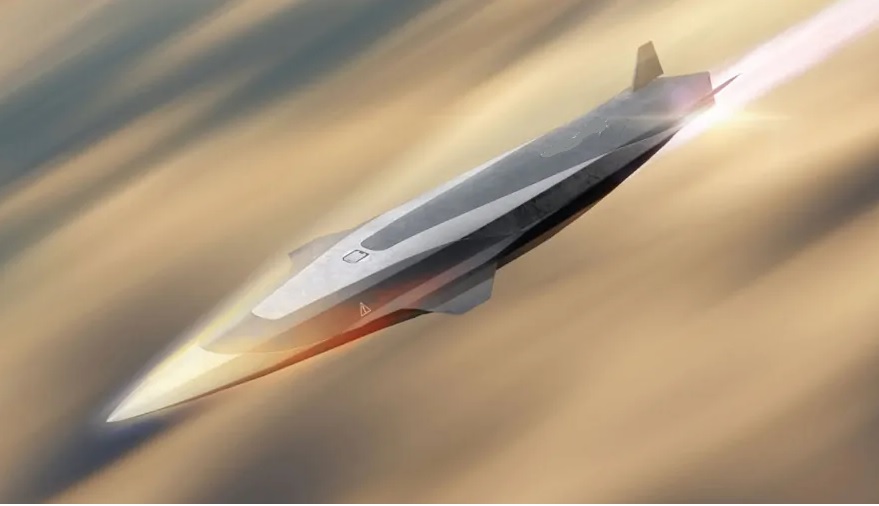
World
WASHINGTON : The U.S. Navy’s Offensive Anti-Surface Warfare Increment 2.0 (OASuW 2.0) program has resumed following a restructuring that shelved the originally planned Hypersonic Air-Launched Offensive (HALO) missile in favor of lower-cost, more readily available weapon options. A Northrop Grumman executive confirmed the program’s renewed momentum to Naval News this month at the Surface Navy Association’s National Symposium. The Navy first confirmed HALO’s cancellation in April 2024, but the broader OASuW effort was not terminated. Instead, the missile then in development was cancelled while the program was re-evaluated to address affordability, production scalability, and accelerated fielding timelines. The revised approach reflects a wider reassessment of the Navy’s hypersonic and long-range strike portfolio. Propulsion Focus Shifts to Practical Solutions Gordon LoPresti, Senior Director of Propulsion Systems and Controls at Northrop Grumman, outlined how the company’s propulsion work could inform future OASuW 2.0 solutions, even as the original HALO missile concept has been set aside. Central to those discussions is Northrop Grumman’s family of solid rocket motors, including its recently certified 21-inch motor. “The baseline SM-6 uses a 14-inch second-stage rocket motor, and the 21-inch motor can significantly extend range, increase velocity, and increase engagement altitude,” LoPresti said. He added that the Navy is pursuing a “workhorse” propulsion solution adaptable across multiple weapon types rather than a single highly specialized system. The 21-inch motor, originally designed for the hypersonic SM-6 Block IB, completed successful testing in late 2024, including a static fire test on November 21, 2025, in Elkton, Maryland. The competitive phase concluded in November, with Northrop Grumman selected as the qualified supplier following a competition that also included Anduril. Applicability to OASuW 2.0 While Northrop Grumman does not expect the 21-inch motor itself to be directly applied to OASuW 2.0, LoPresti said solid rocket motors are likely to remain part of the propulsion mix under consideration. He noted that the 21-inch motor may be too large for a revived HALO-class concept, but the propulsion philosophy aligns with current Navy priorities. In surface- or air-launched configurations, the 21-inch motor delivers roughly twice the range and twice the engagement altitude of legacy 14-inch motors, along with a much higher burnout speed. Despite these performance gains, Navy officials have emphasized that affordability and scalable production are now the primary drivers for OASuW 2.0, steering the program away from complex and costly propulsion architectures. SM-6 Block IB and Program Reviews The SM-6 Block IB program, which originally drove development of the 21-inch motor, is currently under a “strategic pause.” LoPresti declined to comment on the Navy’s future plans, deferring questions on program intent and progress to the service. The pause reflects broader Navy efforts to align advanced weapon programs with budgetary constraints and near-term operational needs. Alternative Candidates for OASuW Increment 2 As part of the restructured OASuW 2.0 effort, the Navy is evaluating multiple weapon candidates capable of rapid development and deployment. One option is the Advanced Capacity Maritime Effector (ACME), which emphasizes new propulsion methods for time-sensitive strike missions. ACME capability documents outline plans for an engineering and manufacturing development phase in FY2030, with early operational capability in FY2031. Another potential pathway involves the Navy’s internally developed Capacity High-Altitude Integrated Naval Strike Weapon (CHAINSAW), a testbed missile used to explore ramjet propulsion concepts. CHAINSAW was tested last year using a BQM-34 target drone, generating data without committing to a full acquisition program. Lockheed Martin has also positioned its internally funded Mako missile as a potential OASuW 2.0 candidate. The company publicly unveiled Mako at Sea-Air-Space 2024 after seven years of internal research and development, emphasizing platform compatibility and manufacturability. Program Outlook The Navy’s renewed OASuW 2.0 effort reflects a broader shift toward weapons that can be produced in larger numbers and fielded more quickly, even if that requires accepting reduced performance compared to earlier hypersonic concepts such as HALO. By emphasizing solid rocket motors and mature propulsion technologies, the service aims to balance range, speed, cost, and production scale. U.S. Navy officials continue to assess industry-led and government-developed options, with the objective of selecting systems that can transition into operational service in the coming years under the revised OASuW Increment 2.0 framework.
Read More → Posted on 2026-01-30 16:02:19
World
Brussels / Stockholm / Copenhagen : European institutional investors have sold nearly $9 billion worth of U.S. Treasury securities in recent days, despite a public warning from U.S. President Donald Trump urging the European Union not to divest from American debt. The move, led by major Scandinavian pension funds, represents a rare instance of U.S. sovereign debt being sold explicitly for political rather than economic reasons. According to disclosures by the funds, Sweden’s government-backed pension fund AP7 and Denmark’s AkademikerPension have collectively offloaded approximately $8.9 billion in U.S. Treasury holdings. AP7 accounted for the vast majority of the divestment, selling about $8.8 billion, while AkademikerPension sold roughly $100 million. Fund representatives have emphasized that the decision was driven by concerns over political risk, governance, and U.S. foreign policy conduct under the current administration, rather than expectations about returns, interest rates, or dollar stability. Funds Cite Rule of Law and Political Predictability AP7 stated that its decision was based on a reassessment of long-term political risk associated with U.S. assets. The fund cited reduced predictability in U.S. policymaking, concerns related to the rule of law, and growing institutional uncertainty. Despite acknowledging that U.S. Treasuries remain financially liquid and profitable, AP7 concluded that they no longer met its criteria for politically neutral, low-risk holdings. Denmark’s AkademikerPension confirmed a separate sale of U.S. Treasuries worth approximately $100 million. While the fund publicly referenced concerns about U.S. government finances, individuals familiar with the decision said broader political considerations were central. These included unease over U.S. diplomatic pressure on European countries and tensions linked to Washington’s statements regarding Greenland. A source close to the Danish fund said the assessment focused on the political environment surrounding U.S. assets, noting that financial performance alone was no longer sufficient to justify continued exposure. Departure From Long-Standing Investment Practice European pension funds have traditionally treated U.S. Treasuries as risk-free assets and a cornerstone of conservative, long-term portfolios. They have historically been viewed as politically neutral instruments, insulated from diplomatic disputes and policy disagreements. The recent divestments represent a departure from this long-standing approach. By citing political and institutional concerns rather than market fundamentals, the funds have broken with decades of precedent in European asset management. Analysts note that this shift is significant because pension funds typically operate with long time horizons and avoid decisions driven by short-term political developments. The move suggests a reassessment of how geopolitical risk is priced into even the most established financial instruments. Broader Context of Transatlantic Tensions The divestment comes amid heightened political friction between the United States and Europe. Recent tensions have included U.S. statements on NATO burden-sharing, comments questioning alliance commitments, and renewed discussion by President Trump regarding U.S. interest in Greenland. European officials have also expressed concern over what they view as increasingly coercive U.S. diplomatic tactics toward allies. President Trump had warned European governments against selling U.S. debt, framing such actions as economic retaliation. The subsequent sell-off by European pension funds, though limited in absolute size, appears to directly contradict that warning. Implications for the Dollar and Global Debt Markets In purely quantitative terms, the $8.9 billion sale represents a small fraction of the approximately $28 trillion U.S. Treasury market. However, its symbolic significance is widely noted by market observers. Until now, political divestment from U.S. assets has been primarily associated with countries pursuing de-dollarization strategies, such as China and Russia within the BRICS grouping. Europe’s participation marks a notable shift. As a bloc, the European Union holds an estimated $1.6 trillion in U.S. debt, making it the largest collective foreign holder, ahead of Japan and China. While there is no indication of a coordinated EU-wide policy to reduce exposure to U.S. Treasuries, analysts say the actions of AP7 and AkademikerPension could influence how other institutional investors assess political risk tied to U.S. assets. Trust and Financial Neutrality Under Review Market analysts emphasize that the significance of the move lies less in its immediate financial impact and more in the signal it sends. The divestment suggests that trust in the political neutrality of U.S. sovereign debt is being reassessed, even among close allies. For now, U.S. Treasuries remain central to global finance, and there has been no broad-based sell-off by European governments. However, the decision by major pension funds to act on political criteria introduces a new factor into global bond markets, one that could shape future discussions on reserve assets, financial sovereignty, and geopolitical risk management.
Read More → Posted on 2026-01-30 15:54:42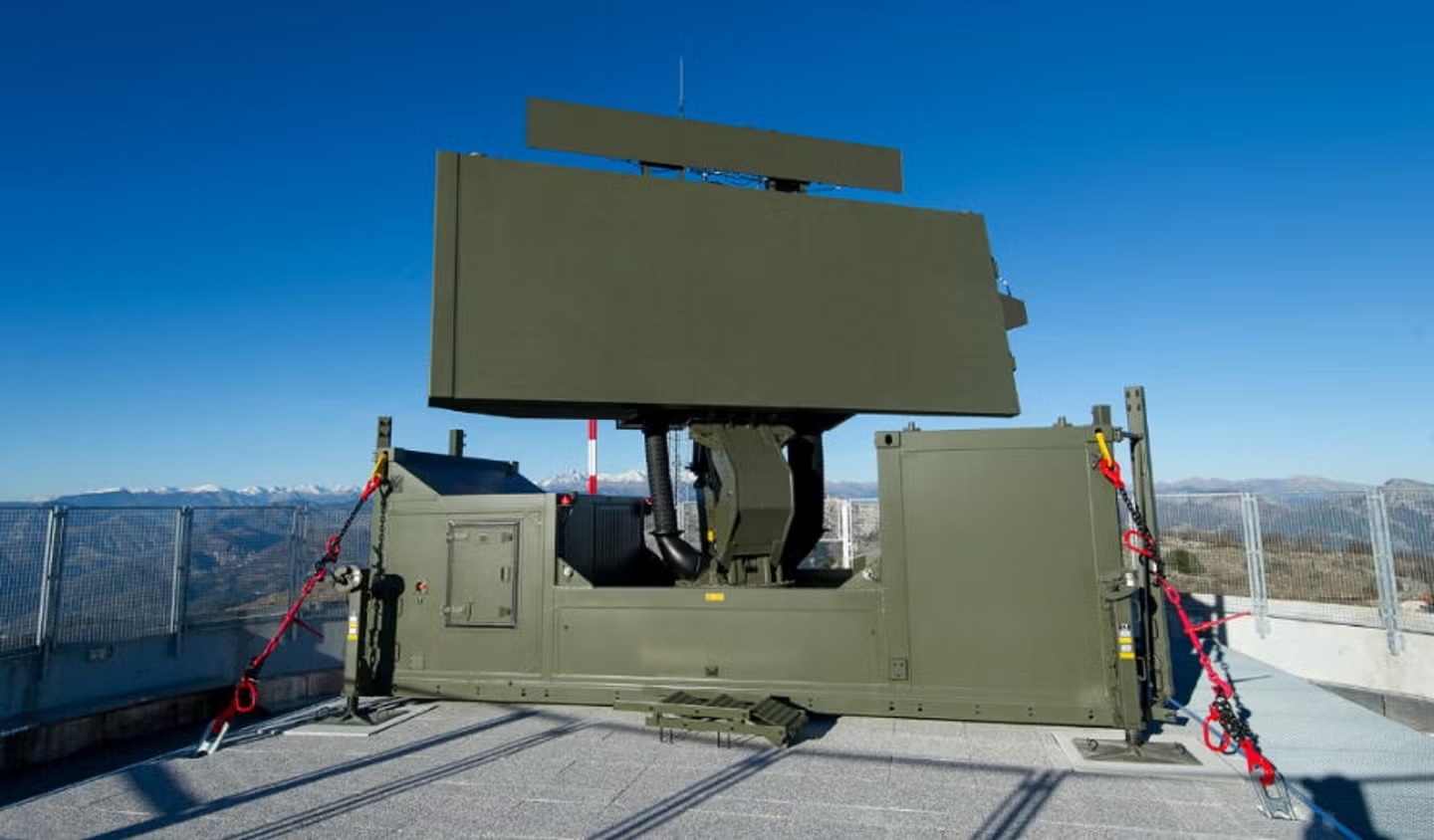
World
DOHA : Qatar has signed a new air-defence radar procurement contract with French defence and electronics company Thales for the supply of Ground Master 400 Alpha (GM400α) and Ground Master 200 Multi-Mission All-in-one (GM200 MM/A) radar systems, aimed at strengthening national airspace surveillance and early-warning capabilities. Thales announced the agreement on 28 January, stating that the Qatar Emiri Air Force (QEAF) placed the order during the Doha International Maritime Defence Exhibition and Conference (DIMDEX), held in Doha from 19 to 22 January. The contract also includes a ten-year maintenance and combat-readiness support programme running until 2036. The contract value and the number of radar units ordered have not been disclosed. Although the agreement was not formally announced during DIMDEX, the official Qatar News Agency reported that Thales had signed an agreement with the Qatar Armed Forces’ Procurement and Supply Authority. Defence publication opex360 later confirmed that the contract covers the delivery of GM400α and GM200 MM/A radar systems to the Qatar Air Force. Radar systems ordered The Ground Master 400 Alpha (GM400α) is the latest version of Thales’ long-range military air-surveillance radar. According to Thales, the system has an instrumented detection range of more than 515 km and incorporates five times more data-processing power than earlier GM400 variants. The radar uses artificial intelligence-based algorithms to enhance target detection, classification, and tracking, including low-altitude and slow-moving objects in complex operational environments. The Ground Master 200 Multi-Mission All-in-one (GM200 MM/A) is a development of the GM200 medium-range mobile radar family. Based on new-generation 4D Active Electronically Scanned Array (AESA) technology, the system provides simultaneous air and surface surveillance and has a stated range of up to 350 km. Thales says the GM200 MM/A is capable of detecting and tracking small, fast, and manoeuvrable threats, including unmanned aerial vehicles (UAVs). The radar can also provide fire-control support for air-defence systems, including systems designed to intercept artillery projectiles. System integration and network architecture Both radar types will be integrated into Qatar’s SDIP digital platform. According to Thales and opex360, this platform will allow the Qatari military to combine data from all non-US sensors into a single air-defence system, providing a consolidated national air picture. The integration is intended to improve sensor fusion, situational awareness, and command-and-control coordination across Qatar’s air-defence network. Maintenance and support The contract includes a long-term maintenance, training, and combat-readiness support programme extending through 2036. Thales has stated that the support package is intended to ensure sustained operational availability of the radar systems and ongoing technical assistance for the QEAF. Existing Thales systems in Qatar Thales has an established presence in Qatar’s air-defence and aerospace sectors. The company has previously delivered RBE2 AESA radars for the QEAF’s Rafale multirole fighter aircraft. In addition, Thales supplied a long-range L-band air-surveillance radar, which was officially inaugurated by Qatar’s transport minister in June 2023 in the northern part of the country. The newly announced radar contract further expands Qatar’s ground-based air-surveillance capabilities and continues cooperation between the QEAF and Thales in air-defence, sensor integration, and long-term system support.
Read More → Posted on 2026-01-30 15:39:50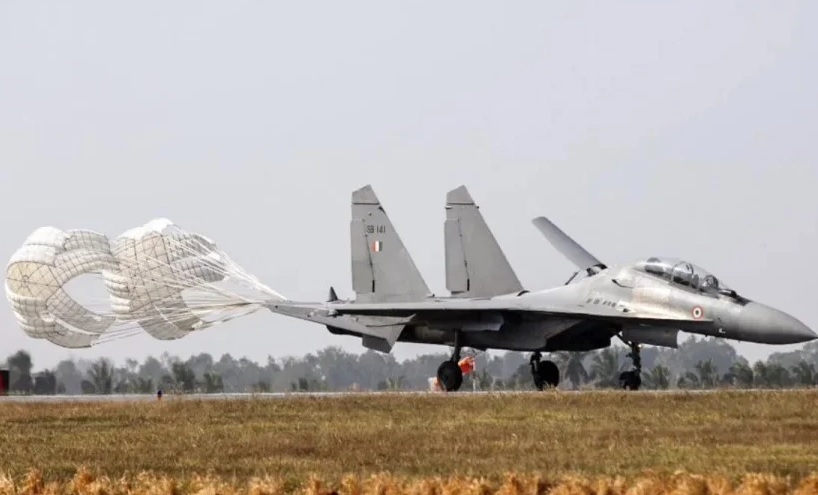
India
New Delhi : India’s expanding defence manufacturing ecosystem has recorded another export success, with Gliders India Limited (GIL) securing a Rs 30 crore export contract from Vietnam for the supply of specialised parachute systems for military aircraft. The agreement involves the export of brake parachutes and pilot parachutes designed for Vietnam’s Sukhoi Su-30 fighter aircraft fleet. Gliders India Limited, a Defence Public Sector Undertaking (DPSU) functioning under the Department of Defence Production, Ministry of Defence, specialises in aerospace textiles, parachute systems and recovery equipment used across military aviation platforms. The latest export order represents one of GIL’s notable overseas defence contracts in the domain of aviation safety systems. Scope of the Contract Under the terms of the contract, GIL will manufacture and deliver brake parachutes and pilot parachutes specifically engineered for Su-30 fighter jets. These systems are critical safety components used during landing operations and emergency scenarios. Brake parachutes are deployed immediately after touchdown to reduce landing distance by increasing aerodynamic drag, particularly on shorter runways or during high-speed landings. Pilot parachutes assist in the reliable deployment of the main brake parachute, ensuring controlled and predictable deceleration of the aircraft. Given the operational role of the Su-30 multirole fighter, the parachute systems must withstand extreme aerodynamic loads, high deployment speeds and repeated operational cycles. Industry standards require strict adherence to material strength, stitching precision, packing accuracy and quality assurance protocols. Manufacturing and Indigenous Content The parachutes for the Vietnamese Air Force will be produced at GIL manufacturing facilities in India using domestically sourced raw materials. The manufacturing process involves specialised textile fabrication, canopy design, high-strength stitching and rigorous inspection procedures. A trained and experienced workforce will oversee production to ensure compliance with international military aviation safety requirements. Officials familiar with the programme state that the systems are engineered to perform reliably under demanding environmental and operational conditions, including high temperatures, variable runway surfaces and heavy aircraft landing weights. Each unit undergoes multiple stages of testing before delivery. International Confidence in Indian Defence Products The Vietnamese Air Force’s decision to procure these systems from an Indian manufacturer reflects growing international confidence in India’s defence production capabilities. Defence analysts note that aviation safety equipment, unlike standard consumables, requires proven reliability and consistency, making such contracts an indicator of trust in technical standards and quality control processes. This order also highlights India’s increasing role as a supplier of niche and specialised defence equipment, particularly in aerospace safety systems where precision engineering and material performance are critical. Impact of OFB Corporatisation Industry observers link GIL’s export success to structural changes following the corporatisation of the former Ordnance Factory Board (OFB). Since becoming an independent corporate entity, Gliders India Limited has focused on product modernisation, process optimisation and compliance with global certification norms. The company has expanded its engagement with foreign defence customers and demonstrated the capability to meet platform-specific military requirements. Alignment with National Defence Policies The contract aligns with the Government of India’s “Make in India” and “Atmanirbhar Bharat” initiatives, which aim to reduce import dependence, strengthen domestic industrial capacity and expand defence exports. By delivering high-value products manufactured largely from indigenous resources, GIL contributes to foreign exchange earnings while supporting domestic defence supply chains. Strategic and Bilateral Significance Beyond its commercial value, the agreement carries strategic significance by strengthening defence cooperation between India and Vietnam. Both countries have steadily expanded military and technical collaboration, particularly in maritime security and defence capacity building. The current contract opens avenues for further cooperation in aerospace maintenance, aviation safety systems and technical support. With the execution of this order, Gliders India Limited adds to India’s growing portfolio of defence exports and reinforces the country’s position as a reliable supplier of specialised military aviation equipment, reflecting a broader shift in India’s defence industry towards an export-capable manufacturing base.
Read More → Posted on 2026-01-30 15:32:22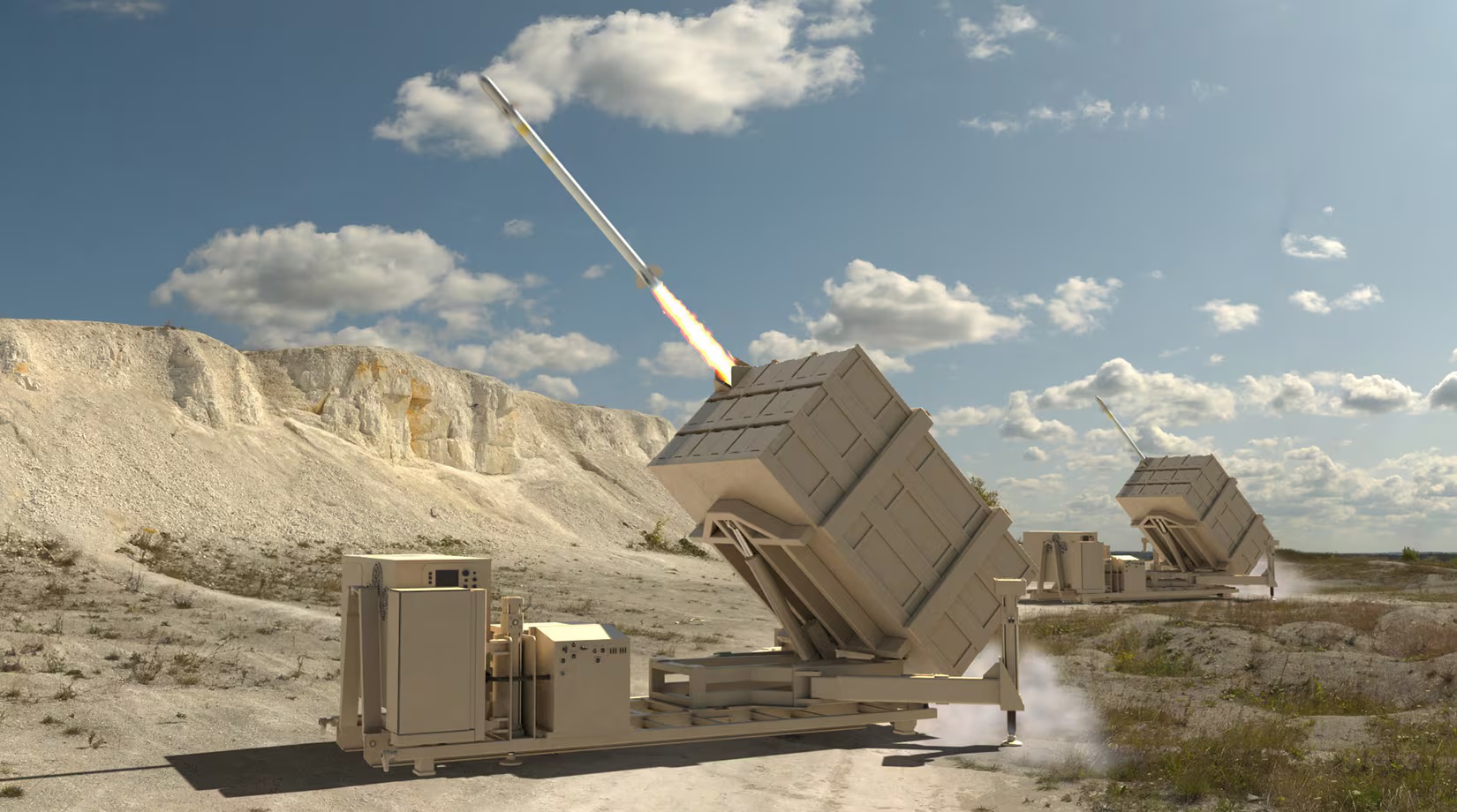
World
SYRACUSE, NEW YORK : Saab, Inc. has been selected by the U.S. Missile Defense Agency (MDA) as an awardee under the Scalable Homeland Innovative Enterprise Layered Defense (SHIELD) indefinite-delivery/indefinite-quantity (ID/IQ) contract, a long-term acquisition framework valued at up to $151 billion. The SHIELD contract is structured as a multiple-award vehicle designed to support the rapid development, integration, and deployment of next-generation missile defense capabilities for the United States. Saab’s selection allows the company to compete for future task orders issued by the MDA over the contract’s period of performance, which could extend through December 2035 if all options are exercised. At this stage, Saab has not received any delivery orders or signed contracts for work under the program. Purpose and Scope of the SHIELD Program The SHIELD framework is intended to streamline acquisition and fielding of advanced technologies by the Missile Defense Agency, with an emphasis on speed, flexibility, and scalability. The program focuses on accelerating the transition of innovative capabilities to operational use, covering work areas such as artificial intelligence, machine learning, digital engineering, open systems architectures, and integrated command and control. Through this structure, the MDA aims to strengthen layered defense capabilities against threats originating from land, sea, air, and space. The ID/IQ model enables the agency to draw from a broad pool of established defense companies and emerging technology firms, issuing task orders as operational requirements evolve. Saab’s Role and Capabilities As an SHIELD awardee, Saab, Inc. is positioned to provide systems integration, sensor solutions, command and control technologies, and layered defense expertise in response to future MDA requirements. The company stated that the selection reflects its ability to support rapid integration and delivery of complex defense systems. “Saab’s proven systems integration and layered defense capabilities deliver scalable missile defense solutions that directly support the warfighter,” said Erik Smith, President and Chief Executive Officer of Saab, Inc. He added that by combining advanced sensors, command and control systems, and rapid integration expertise, the company aims to meet mission timelines while addressing evolving threat environments. U.S. Operations and Industrial Expansion Saab, Inc. is headquartered in Syracuse, New York, and is a wholly owned subsidiary of Saab AB of Sweden. The U.S. subsidiary supports the U.S. Armed Forces and other federal partners and has been expanding its domestic industrial footprint. A major element of this expansion is a new munitions manufacturing facility under construction in Grayling, Michigan. Groundbreaking for the facility took place in April 2025, with operations expected to begin in 2026. The site is intended to increase U.S.-based production capacity for shoulder-launched weapons and precision fire systems, contributing to domestic supply chain resilience. Global Company Overview Saab AB designs, manufactures, and sustains defense and security systems across multiple domains, including aeronautics, weapons, command and control, sensors, and underwater systems. The company employs approximately 27,000 people worldwide. Saab’s inclusion in the SHIELD contract places it among industry participants supporting the modernization of U.S. missile defense architecture through adaptable, technology-driven solutions. While the selection does not guarantee future work, it establishes Saab, Inc. as an eligible competitor for forthcoming missile defense task orders under the SHIELD program.
Read More → Posted on 2026-01-30 15:12:38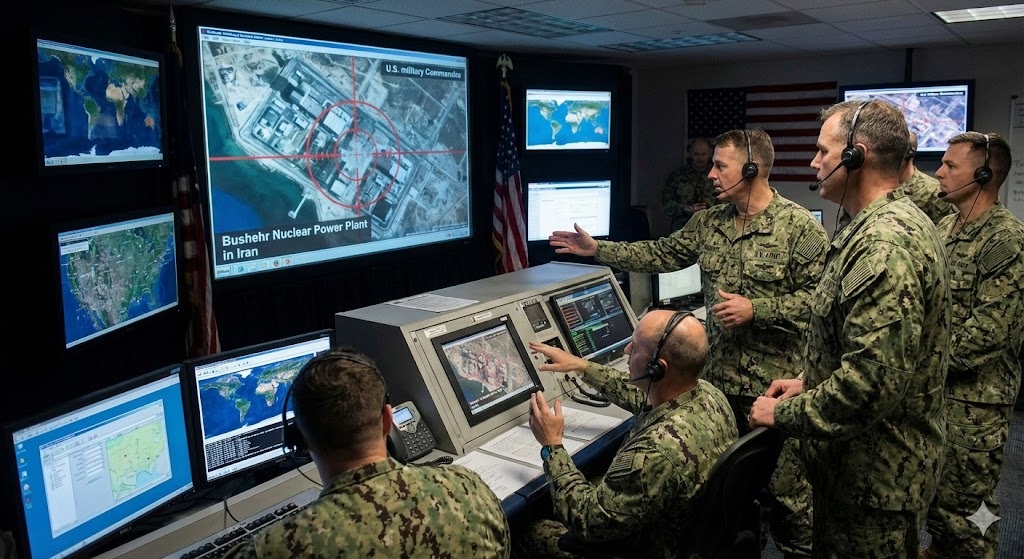
World
MOSCOW / TEHRAN : Russia’s state nuclear energy corporation has issued a formal warning that any military strike on Iran’s Bushehr Nuclear Power Plant would carry severe radiological risks, as multiple military and aviation indicators point to rising regional tensions involving Iran and the United States. Alexey Likhachev, Director General of Rosatom, said on Thursday that an attack on the Bushehr facility could result in radioactive consequences comparable in scale to the 1986 Chernobyl disaster. His remarks come amid new airspace restrictions over southern Iran and the reported forward deployment of U.S. nuclear detection aircraft toward the Middle East. Russian Warning and Evacuation Planning Speaking to reporters, Likhachev confirmed that Russia is actively preparing contingency measures to evacuate Russian nuclear specialists currently stationed at Bushehr, should the security situation deteriorate further. The plant was built by Russia and continues to be operated with Russian technical support and fuel supply. Likhachev stated that Rosatom is coordinating closely with Russia’s Ministry of Defense and Ministry of Foreign Affairs to monitor developments and ensure the safety of Russian personnel. He described the situation as requiring continuous assessment, noting that staff protection plans are being updated in real time. Analysts interpret the public acknowledgment of possible evacuation as an indication that Moscow believes the long-standing informal restraint around Bushehr may no longer hold under current conditions. Bushehr’s Strategic and Technical Profile The Bushehr Nuclear Power Plant is located on Iran’s Persian Gulf coast and operates a 1,000-megawatt light-water reactor. The facility uses Russian-supplied nuclear fuel and is subject to international monitoring frameworks distinct from Iran’s uranium enrichment infrastructure. Unlike sites such as Natanz and Fordow, Bushehr is a civilian power reactor connected to Iran’s national electricity grid. A strike on the facility would pose significant risks of radioactive release into the surrounding environment, including the Persian Gulf, a critical corridor for global energy transport and desalinated water supplies for several Gulf states. Airspace Closure Over Bushehr Province Aviation tracking sources have reported the issuance of an Iranian Notice to Air Missions (NOTAM), identified as A0271/26, which temporarily closes airspace specifically over Bushehr province beginning Saturday. The scope of the restriction is limited to the area surrounding the nuclear facility, differing from broader national airspace closures implemented earlier in the month. Defense analysts note that such localized restrictions are typically associated with anticipated military activity or heightened defensive postures around sensitive installations. Iranian authorities have not publicly detailed the rationale behind the NOTAM. Deployment of U.S. Nuclear Detection Aircraft Further attention has been drawn by the reported deployment of a U.S. Air Force WC-135R Constant Phoenix aircraft to the European theater, with flight tracking data indicating a possible onward movement toward the Middle East. The WC-135R is equipped to detect radioactive particles in the atmosphere and is generally deployed to monitor nuclear detonations or incidents involving nuclear facilities. The aircraft was observed arriving at RAF Mildenhall in the United Kingdom, a key forward operating base for U.S. Air Force intelligence and reconnaissance missions. Military observers note that such aircraft are typically positioned in advance of anticipated nuclear-related events, rather than in response to routine military operations. Shifting Military Calculations During U.S. and Israeli strike operations against Iran in June 2025, civilian nuclear power infrastructure such as Bushehr was not targeted, largely due to concerns over environmental and regional fallout. Those operations focused instead on enrichment and research facilities linked directly to Iran’s nuclear weapons potential. Recent statements from U.S. officials warning of swift military responses to renewed Iranian nuclear activity have prompted reassessments of potential target sets. While no official confirmation has been made that Bushehr is under direct threat, the combination of Russian warnings, Iranian airspace restrictions, and U.S. nuclear monitoring deployments has intensified scrutiny of the facility’s security status. Regional Implications Any damage to the Bushehr reactor could have cross-border consequences extending beyond Iran, particularly given its coastal location. Radioactive contamination of the Persian Gulf could affect neighboring Arab Gulf states and disrupt maritime traffic through one of the world’s most strategically important energy corridors. As of now, no military action has been confirmed, and diplomatic channels remain formally open. However, the convergence of technical, military, and civil aviation signals suggests that regional stakeholders are preparing for scenarios involving elevated risk to nuclear infrastructure.
Read More → Posted on 2026-01-30 14:12:02
World
LISBON : The Portuguese Navy is set to receive the European Union’s first purpose-built drone carrier, the NRP D. João II, with delivery scheduled for late 2026. The vessel, formally designated as the Multifunctional Naval Platform, is being constructed by the Dutch shipbuilder Damen under a contract signed in Lisbon on November 24, 2023. First EU-Built Drone Carrier Program According to reporting by Euronews Portugal on January 29, 2026, the NRP D. João II represents the first ship commissioned by an EU member state that is designed from the outset to operate unmanned aerial, surface, and underwater systems as its primary mission. The program positions Portugal at the forefront of European naval adaptation to the expanding role of autonomous systems in maritime operations. The ship is intended to support long-duration missions that combine maritime surveillance, scientific research, environmental monitoring, and civil protection, reflecting Portugal’s requirement to maintain a persistent maritime presence across one of the largest maritime areas under national jurisdiction in Europe. Procurement Background and Construction Timeline An initial competitive procurement procedure launched on June 24, 2022, concluded without bids on November 30, 2022, prompting a restructuring of the program. Following reprogramming, the overall budget was increased and the delivery timeline extended to mid-2026, later confirmed as late 2026. Construction formally began with the first steel cut in October 2024 at Damen’s shipyard in Galați, Romania. The Portuguese Navy chose not to patent the ship’s concept, avoiding additional costs. After the contract award, this decision led to expressions of interest from other European navies examining similar capability requirements. Cost and Funding Structure The total cost of the NRP D. João II program is €132 million. Of this amount, €94.5 million is financed through the European Union Recovery and Resilience Plan, while the remaining €37.5 million is funded directly from Portugal’s state budget. Design Philosophy and Modular Configuration The NRP D. João II is designed as a modular multi-mission platform, capable of reconfiguration within approximately one week by exchanging mission systems and installed equipment. This approach allows rapid transition between scientific, civil protection, and security roles without structural modification to the hull. The ship is planned to operate unmanned aerial vehicles (UAVs), unmanned surface vehicles (USVs), and unmanned underwater vehicles (UUVs), while retaining the ability to conduct helicopter operations and provide logistical support. Its digital architecture incorporates high-performance computing, large-scale data processing, digital twin concepts, and artificial intelligence to support mission planning, execution, and data exploitation. The vessel is also intended to function as a test and experimentation platform within Portugal’s broader maritime innovation ecosystem, including cooperation with the Zona Livre Tecnológica Infante D. Henrique in Tróia. Dimensions, Propulsion, and Crew The ship has a length of 107.6 meters, a beam of 20 meters, and a displacement of approximately 7,000 tonnes. Propulsion is provided by two Tier III-compliant engines, enabling a maximum speed of about 15.5 knots. In January 2025, Schottel was selected to supply the ship’s maneuvering systems, which include two EcoPeller SRE 560 azimuth thrusters and one TransverseThruster STT 3 FP. The standard crew complement is 48 personnel, with accommodation for 42 additional specialists, including scientists and unmanned systems operators. In emergency scenarios, the vessel can temporarily host between 100 and 200 additional people. Aviation, Unmanned Systems, and Payload Capacity A continuous flight deck of approximately 94 meters supports the launch and recovery of aerial drones. Dedicated hangars provide space for drone assembly, preparation, and maintenance, as well as facilities sized for medium helicopters such as the NH90 or SH-60 and heavy helicopters including the EH-101. For surface and subsurface operations, the ship includes specialized hangars, launch and recovery systems, and a stern ramp for unmanned surface and underwater vehicles, supported by advanced positioning and communications systems. Payload capacity includes space for up to 18 standard 20-foot containers, configurable for laboratories, hyperbaric chambers, or hospital modules, along with 18 light vehicles, including ambulances, and up to 10 additional boats beyond the ship’s organic complement. Cargo handling is supported by a crane rated at 30 tonnes at a 14-meter reach. The vessel will also operate the ROV Luso, a remotely operated vehicle capable of functioning at depths of up to 6,000 meters for seabed inspection and underwater intervention tasks. Endurance and Mission Profiles The NRP D. João II is designed for an endurance of up to 45 days, enabling prolonged deployments without nearby logistical support. Scientific mission profiles include oceanographic research, environmental and meteorological monitoring, and real-time data collection, supported by onboard laboratories and cooperation with universities and research institutions. Civil protection missions include search and rescue operations, disaster response, humanitarian assistance, and the evacuation of civilians from high-risk or crisis areas. Defense and Security Role From a defense perspective, the vessel supports maritime surveillance, inspection, and control missions related to national sovereignty and the protection of critical infrastructure, including undersea cables. Unmanned aerial and surface systems are intended to provide persistent surveillance, communications relay, and data collection, while underwater systems support inspection, detection, and seabed mapping. The ship’s development is linked to Portugal’s maritime responsibility area of approximately 4 million square kilometers, making it the largest coastal state in the European Union and the holder of the third-largest Exclusive Economic Zone (EEZ) in Europe, estimated at about 18 times the size of mainland Portugal. Strategic Context and Data Architecture Portuguese authorities have cited increased naval activity in the Atlantic as part of the operational context for the ship. Between 2022 and 2024, 143 Russian vessels were tracked along the Portuguese coast, with at least eight vessels detected in Portuguese waters in 2025, including submarines and specialized intelligence ships. Data collected by the NRP D. João II is intended to support early detection of anomalous activity and contribute to countering hybrid threats, including sabotage of submerged infrastructure. Command and control of dispersed unmanned systems will rely on secure data links, redundancy, encryption, network segmentation, and the ability to operate in degraded or autonomous modes while maintaining human oversight. The open-systems architecture is designed to allow future integration of emerging technologies, including artificial intelligence-based data processing, assisted or autonomous navigation, sensor fusion, and decision-support tools, without altering the ship’s core multi-mission role. Program Origins and Naming The concept for the NRP D. João II was developed during the tenure of Henrique Gouveia e Melo, former Chief of Staff of the Portuguese Navy and a declared candidate in Portugal’s 2026 presidential election. The contract signing ceremony was attended by then Prime Minister António Costa. The ship is named after King João II, the 15th-century Portuguese monarch associated with the country’s Atlantic exploration era, reflecting the program’s emphasis on maritime presence, innovation, and long-range operations.
Read More → Posted on 2026-01-30 13:32:33
World
BERLIN / THE HAGUE : German defence manufacturer Rheinmetall has signed a multi-year framework agreement with the Dutch Ministry of Defence for the production and supply of hand grenades, the company confirmed on January 30, 2026. The contract is part of the Netherlands’ broader effort to secure long-term, reliable ammunition supplies through sustained partnerships with European defence manufacturers. Under the agreement, Rheinmetall will produce and deliver approximately 15 different variants of hand grenades for the Dutch armed forces. The framework contract is structured to give the Netherlands flexibility to place orders in line with operational requirements while ensuring continuity of supply over an extended period. Rheinmetall said the total value of the agreement is in the double-digit million-euro range. Contract Structure and Production Sites The initial term of the framework agreement runs for five years and includes an option for a two-year extension. This structure allows the Dutch Army to adjust procurement volumes over time without renegotiating core contractual terms, a model increasingly used by European defence ministries to manage readiness and stockpile levels. Production will be carried out at Rheinmetall facilities in Trittau and Silberhütte (Germany), as well as at the company’s site in Schwanenstadt, Austria. All manufacturing will be conducted in accordance with current NATO safety, quality, and performance standards. The facilities involved are certified for high-volume production and specialize in energetics manufacturing and safety-critical assembly processes. Scope of Munitions Covered The framework agreement covers a broad range of hand grenade types intended for infantry use. These are expected to include both offensive and defensive variants designed for different tactical environments, including conventional combat, urban operations, and multinational deployments. Rheinmetall indicated that the grenades will incorporate modern fuzing systems and enhanced safety features aimed at improving handling, storage, and operational reliability. While specific technical specifications were not disclosed, the company noted that the products will meet the latest NATO interoperability requirements, allowing seamless integration into alliance force structures. Industrial and Strategic Context “This contract highlights the confidence which our Dutch partners have in Rheinmetall’s capabilities and reliability as a leading European systems provider in the field of ammunition,” said Robbin Reijm, Sales Director for the Benelux countries at Rheinmetall. He added that the agreement will also strengthen Rheinmetall’s industrial base across several European production sites. The hand grenade contract builds on an existing series of framework agreements between Rheinmetall and the Netherlands. Previous contracts have covered the supply of 155 mm artillery ammunition and 40 mm grenades, reflecting a long-standing cooperation focused on ammunition security and industrial resilience. For the Dutch Ministry of Defence, these long-term supply arrangements are intended to stabilize procurement planning, reinforce national readiness, and ensure sufficient stockpiles for training and operational use. By relying on European production, the Netherlands is also reducing exposure to global supply chain disruptions and limiting dependence on non-European sources for key munitions. Role in European Defence Supply Chains Rheinmetall’s decentralized production model, with manufacturing distributed across multiple European locations, is designed to maintain continuity of supply in the event of regional disruptions. The company has positioned this approach as a contribution to strengthening Europe’s defence technological and industrial base (DTIB), particularly as ammunition demand continues to rise across NATO member states. The Netherlands’ expanding cooperation with Rheinmetall reflects a wider trend among European states toward long-term, scalable ammunition contracts rather than short-term purchases. Although less prominent than major weapons platforms, hand grenades remain a core component of infantry capability, and consistent availability is regarded as essential for sustaining force readiness across training and deployment cycles. With this latest agreement, Rheinmetall further consolidates its role as a key European supplier of infantry and artillery munitions, while the Netherlands continues to align its defence procurement strategy with partners capable of delivering reliable, high-volume output over extended periods.
Read More → Posted on 2026-01-30 13:22:13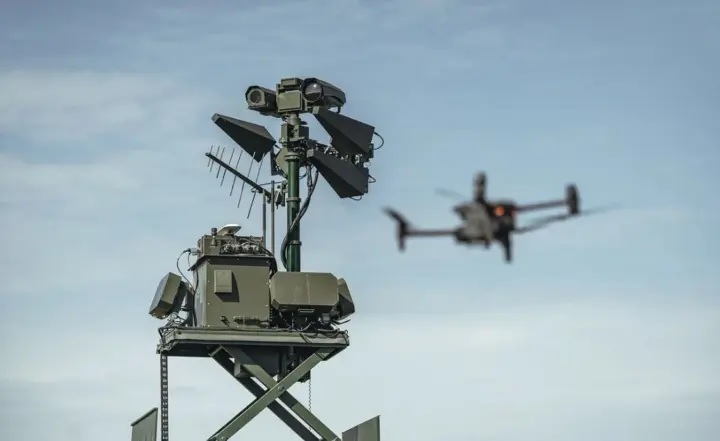
World
WARSAW : Kongsberg Defence & Aerospace, in partnership with Poland’s state-owned defence group Polska Grupa Zbrojeniowa (PGZ), has signed a major contract with the Polish Armaments Agency for the delivery of a nationwide Counter-Unmanned Aerial Systems (CUAS) capability, marking one of Poland’s largest recent investments in counter-drone defence. Under the agreement, Kongsberg will receive contracts valued at approximately NOK 16 billion, equivalent to about €1.36 billion at current exchange rates. The programme, designated SAN CUAS, is intended to strengthen Poland’s ability to detect, track and neutralise unmanned aerial threats. Scope of the SAN CUAS Programme The SAN CUAS programme covers the delivery of 18 complete CUAS batteries to the Polish Armed Forces. Each battery will combine sensors, command systems and layered effectors designed to counter drones operating across different altitudes, speeds and threat profiles. The effectors included in the system architecture comprise 35 mm, 30 mm and 12.7 mm gun systems, missile-based interceptors, interceptor drones and other counter-UAS measures. This layered approach is intended to address both small commercial-type drones and more advanced military unmanned platforms. Industrial Structure and System Integration Kongsberg and PGZ will jointly deliver the programme, drawing on their respective industrial and technological capabilities. Advanced Protection Systems, a PGZ subcontractor, will provide a tailored command-and-control (C2) architecture to integrate sensors and effectors into a unified operational framework. The SAN CUAS architecture will be interoperable with Poland’s national air defence network, enabling CUAS batteries to exchange data with higher-level command structures and other air and missile defence assets. Technology Base and Operational Background The CUAS solution is based on Kongsberg’s Protector family of Remote Weapon Stations (RWS). According to the company, all Protector systems are counter-UAS capable when integrated with suitable sensors and effectors. Kongsberg has delivered more than 20,000 Protector systems to over 30 countries, with operational use across land, naval and fixed-site defence applications. The SAN CUAS programme builds on this established product line while incorporating Poland-specific operational requirements. Industrial Investment in Poland As part of the contract, Kongsberg plans to expand its manufacturing capacity in Poland, strengthening local production and technical capabilities. These investments are intended to support higher delivery volumes, industrial participation, and long-term system sustainment. The expansion is expected to reinforce Poland’s role within Kongsberg’s European industrial network and contribute to technology transfer, local manufacturing and workforce development. Strategic Context Commenting on the agreement, Eirik Lie, President of Kongsberg Defence & Aerospace, said the programme underlines Poland’s growing role in counter-drone capability development and reflects NATO-aligned industrial cooperation. He noted that the collaboration with PGZ supports broader European efforts to enhance air defence resilience against unmanned threats. The SAN CUAS contract aligns with Poland’s ongoing efforts to modernise its armed forces and expand layered air defence capabilities amid the increasing use of unmanned aerial systems in modern military operations.
Read More → Posted on 2026-01-30 13:10:16
World
WASHINGTON : The U.S. Navy has awarded a $248 million production contract to Data Link Solutions for the manufacture and delivery of hundreds of Multifunctional Information Distribution System Joint Tactical Radio System (MIDS JTRS) terminals for U.S. military forces and allied partners, according to contract details released by the company. Data Link Solutions is a joint venture between BAE Systems and Collins Aerospace, an RTX business. The company specializes in secure tactical data link communications, supporting joint and coalition operations across air, land, and maritime domains. Expanded Production for U.S. and Coalition Platforms Under the contract, Data Link Solutions will increase production capacity to supply MIDS JTRS terminals for more than 45 U.S. and international platform types. These include fixed-wing aircraft, rotary-wing platforms, unmanned aerial vehicles (UAVs), maritime vessels, and armored command-and-control (C2) ground vehicles. The terminals are intended for deployment across a wide range of operational environments, supporting both U.S. forces and coalition partners engaged in combined and joint missions. “This contract demonstrates the ongoing need to equip our warfighters with a high-performing, secure command-and-control solution and our commitment to deliver at the speed of need,” said Brian Shadiack, Director of Data Link Solutions. “With increased production capacity, we will provide hundreds of MIDS JTRS radio terminals for more than 45 U.S. and international platform types, including unmanned aerial vehicles and armored C2 ground vehicles,” Shadiack added. Capabilities of the MIDS JTRS System The MIDS JTRS is a four-channel, software-defined radio designed to support the Link 16 tactical data link waveform, along with additional communication protocols. The system provides secure, jam-resistant connectivity and enables line-of-sight voice, video, and data exchange in contested and complex operational environments. Link 16 is a widely used tactical data link that allows military platforms to share real-time situational awareness information, including position data, identification, and command-and-control messages. The multi-channel architecture of the MIDS JTRS allows simultaneous communication across multiple networks, improving interoperability and operational coordination. The system is being fielded across a broad set of applications, including airborne platforms, surface ships, and ground-based command-and-control assets, supporting joint and coalition force integration. Longstanding Role in Tactical Data Links Data Link Solutions brings more than 25 years of experience in the development and production of Link 16 systems. To date, the company has delivered more than 9,000 Link 16-equipped systems worldwide to U.S. and allied customers. The new contract builds on this existing portfolio and reflects continued demand for secure, interoperable tactical communications as military forces modernize command-and-control architectures and expand the use of networked and unmanned systems. Production under the contract will support ongoing modernization efforts across U.S. and allied forces, ensuring continued availability of Link 16 connectivity across current and future operational platforms.
Read More → Posted on 2026-01-29 17:55:56
World
MIDDLE EAST : The United States has deployed a third aircraft carrier strike group to the Middle East, significantly expanding its naval posture as Washington increases military pressure on the Islamic Republic of Iran amid heightened regional tensions. U.S. defense officials confirmed that the nuclear-powered aircraft carrier USS George H.W. Bush (CVN-77) has entered the U.S. Central Command (CENTCOM) area of responsibility, joining ongoing U.S. military operations linked to Iranian activities. The deployment places three American carrier strike groups simultaneously in or near the region, alongside the USS Abraham Lincoln and the USS Harry S. Truman, a configuration that is operationally uncommon and strategically consequential. The arrival of the USS George H.W. Bush substantially enhances U.S. power projection capabilities across the Persian Gulf, the Arabian Sea, and adjacent waterways. Senior defense officials said the expanded naval presence is designed to provide commanders with greater operational flexibility, strengthen deterrence, and ensure maritime security in critical corridors such as the Strait of Hormuz. Expanded Naval Posture and Strategic Signaling The deployment of a third carrier strike group is widely interpreted as a signal of increased U.S. resolve toward Iran, particularly following U.S. intelligence assessments that have elevated concerns over Iranian drone operations, missile stockpiles, and swarm-style attack tactics. Pentagon officials indicated that recent analyses of potential conflict scenarios prompted adjustments in force posture, including the deployment of additional naval and air assets deemed necessary to counter evolving threats. While U.S. officials have stopped short of describing the buildup as a formal blockade, the presence of three carrier strike groups provides the United States with the capability to exert sustained maritime pressure on Iran if required. Defense officials emphasized that the posture supports deterrence and defensive readiness, while also reinforcing U.S. leverage as Washington seeks to compel Tehran to return to negotiations and address U.S. security demands. USS George H.W. Bush and Strike Group Capabilities The USS George H.W. Bush, a Nimitz-class aircraft carrier, is among the most advanced warships in the U.S. Navy. Powered by two nuclear reactors, the carrier has virtually unlimited operational range and can sustain high-tempo flight operations for extended periods without refueling. The vessel displaces more than 100,000 tons and serves as a mobile air base at sea. Embarked aboard the carrier is Carrier Air Wing Eight, which typically includes a mix of F/A-18E/F Super Hornet strike fighters, EA-18G Growler electronic warfare aircraft, E-2D Hawkeye airborne early-warning aircraft, C-2A Greyhound logistics aircraft, and MH-60 Seahawk helicopters. Together, these platforms enable air superiority, precision strike, intelligence collection, electronic attack, and maritime surveillance missions. The carrier is escorted by its full carrier strike group, which includes Ticonderoga-class guided-missile cruisers and Arleigh Burke-class guided-missile destroyers. These surface combatants are equipped with the Aegis combat system and are capable of launching Tomahawk land-attack cruise missiles, conducting ballistic missile defense, and performing anti-submarine and anti-surface warfare missions. The strike group also integrates undersea assets and logistics vessels to sustain prolonged operations. Operational Focus and Regional Reactions CENTCOM officials stated that the reinforced naval presence supports freedom of navigation operations and the protection of international shipping lanes, particularly amid concerns over potential Iranian interference with commercial traffic. The three-carrier configuration allows for continuous air and maritime coverage across a wide operational area. Iranian officials, responding through state-affiliated media, criticized the U.S. buildup and described the deployment of multiple aircraft carriers as destabilizing. Tehran has maintained that its military posture is defensive, while warning that it would respond to any perceived threats to its sovereignty. U.S. defense officials reiterated that the deployment is not tied to a single imminent operation but reflects a broader reassessment of regional risks. The additional carrier strike group, they said, ensures that U.S. forces are positioned to respond rapidly to contingencies, deter escalation, and protect U.S. interests and partners in the Middle East as diplomatic and military pressures on Iran continue to converge.
Read More → Posted on 2026-01-29 17:47:25
World
WASHINGTON / KUWAIT CITY / RIYADH : The United States has begun deploying Terminal High Altitude Area Defense (THAAD) missile defense systems to Kuwait and Saudi Arabia, marking a significant reinforcement of U.S. and allied air and missile defense posture in the Gulf region. The transfer involves two THAAD batteries from the U.S. Army’s 62nd Air Defense Artillery Regiment and has been executed through a large-scale strategic airlift operation using 16 C-17 Globemaster III aircraft. U.S. defense officials have confirmed that the movement originated from Fort Hood, Texas, and represents one of the most substantial rapid missile-defense deployments undertaken by the United States in recent years. The operation underscores Washington’s assessment that regional escalation risks include the potential use of Iranian ballistic missiles against U.S. forces and partner infrastructure in the Gulf. Airlift Operation and Deployment Locations According to deployment tracking and military logistics confirmations, five C-17 aircraft have already offloaded THAAD-related equipment at Ali Al Salem Air Base (Kuwait). One aircraft has arrived at Prince Sultan Air Base (Saudi Arabia). The remaining aircraft involved in the operation are currently en route, transiting through staging points that include Spangdahlem Air Base (Germany) and the U.S. East Coast. Each THAAD battery consists of multiple components transported separately, including interceptor launchers, AN/TPY-2 radar systems, fire control units, power generators, and command-and-control elements. The use of 16 C-17 aircraft reflects the system’s size, weight, and complexity, as well as the urgency attached to establishing operational capability at the destination bases. Role of THAAD in Regional Missile Defense THAAD is a U.S.-developed missile defense system designed to intercept short- and intermediate-range ballistic missiles during their terminal phase of flight, including engagements outside the Earth’s atmosphere. The system uses kinetic-energy interceptors rather than explosive warheads, reducing the risk of debris and secondary damage. In Kuwait and Saudi Arabia, THAAD will be integrated into existing layered air and missile defense architectures that already include Patriot missile systems, early-warning radars, and regional command networks. This layered approach is intended to improve interception probability against a range of missile threats, including high-altitude and longer-range ballistic missiles. Strategic Rationale for Kuwait and Saudi Arabia The selection of Kuwait and Saudi Arabia as deployment locations reflects their importance as forward operating hubs for U.S. and allied air power. Both countries host major air bases that support advanced aircraft, including F-35 Lightning II and F-22 Raptor fighters, as well as intelligence, aerial refueling, and command-and-control assets. By positioning THAAD batteries in these locations, the United States aims to enhance protection for critical infrastructure, airfields, and deployed forces that would be essential in any high-intensity regional contingency. Defense planners assess that these bases could be priority targets in the event of a conflict involving Iran, particularly through ballistic missile strikes aimed at degrading sortie generation and logistics. Assessment of the Threat Environment U.S. military assessments continue to highlight Iran’s extensive ballistic missile inventory, which includes short- and medium-range missile systems capable of reaching targets across the Arabian Gulf. These missiles form a central component of Iran’s deterrence and retaliation strategy, particularly against U.S. forces and regional partners. The deployment of THAAD is viewed within the Pentagon as a defensive measure rather than a preparatory step for immediate offensive action. However, the scale and speed of the airlift suggest that U.S. planners are preparing for scenarios involving a substantial missile threat, rather than limited or symbolic attacks. Integration and Operational Timeline Once fully assembled and tested, the THAAD batteries will be linked into regional missile defense networks under U.S. Central Command (CENTCOM). This integration process includes radar calibration, secure communications checks, and coordination with host-nation forces and other U.S. air defense assets already deployed in the region. Officials have not publicly disclosed a precise timeline for the systems to reach full operational readiness, though such deployments are typically designed to become functional within days to weeks, depending on site preparation, crew readiness, and systems integration requirements. Broader Regional Implications The arrival of THAAD systems in Kuwait and Saudi Arabia adds to an already expanded U.S. military footprint in the Middle East following months of heightened regional tensions. While U.S. officials emphasize the defensive nature of the deployment, the move also serves as a signal of continued U.S. commitment to protecting its forces and partners against ballistic missile threats. For regional observers, the deployment highlights the central role missile defense plays in current Gulf security planning, particularly as ballistic missiles remain a primary concern in any potential confrontation involving Iran.
Read More → Posted on 2026-01-29 17:30:02
World
WASHINGTON / TEHRAN : The United States has conveyed a set of far-reaching conditions to Iran aimed at preventing a direct military confrontation, according to reporting by The New York Times and officials familiar with the diplomatic exchanges. The demands, delivered through indirect channels, outline what Washington says are minimum requirements for halting potential U.S. or allied military operations targeting Iran. The conditions focus on Iran’s nuclear program, its missile capabilities, and its regional network of allied armed groups. U.S. officials argue that these three areas together form the core of Iran’s military deterrence and power projection strategy across the Middle East. Nuclear Enrichment at the Center of U.S. Concerns The first and most consequential demand calls for a permanent end to uranium enrichment at all Iranian facilities. This would go significantly beyond the limits set under the 2015 Joint Comprehensive Plan of Action (JCPOA), which allowed Iran to enrich uranium at low levels under international monitoring. Since the U.S. withdrawal from the JCPOA in 2018, Iran has steadily expanded its nuclear activities. International Atomic Energy Agency (IAEA) reports indicate that Iran is now enriching uranium to levels far exceeding civilian requirements and has accumulated stockpiles that could, if further processed, shorten the time needed to produce weapons-grade material. Washington maintains that a complete halt to enrichment is necessary to remove what it describes as an imminent proliferation risk. Iranian officials, however, have consistently stated that enrichment is a sovereign right under the Nuclear Non-Proliferation Treaty (NPT) and have rejected any proposal that eliminates it entirely. Restrictions on Ballistic Missile Capabilities The second U.S. demand seeks strict limits on the number, range, and development of long-range ballistic missiles, particularly those controlled by the Islamic Revolutionary Guard Corps (IRGC). American and allied intelligence agencies assess that Iran possesses the largest missile arsenal in the Middle East, including systems capable of reaching U.S. military bases, Israel, and parts of Europe. Iran has long argued that its missile program is defensive in nature and non-negotiable, especially given its lack of a modern air force and its experience during the Iran-Iraq War. Previous negotiations, including the JCPOA talks, deliberately excluded missile issues due to Tehran’s firm opposition. U.S. officials now contend that missiles are inseparable from Iran’s nuclear and regional posture, asserting that limits are required to reduce the risk of rapid escalation and long-range strikes. Ending Support for Regional Armed Groups The third demand addresses Iran’s support for armed groups across the Middle East, including Hamas in Gaza, Hezbollah in Lebanon, and the Houthi movement in Yemen. Washington accuses Tehran of providing funding, weapons, training, and intelligence to these groups, which the U.S. designates as destabilizing forces and, in some cases, terrorist organizations. Iran characterizes these groups as legitimate resistance movements and denies exercising direct operational control over them. Nonetheless, U.S. officials view Iran’s regional alliances as a central element of its strategic influence and a direct threat to U.S. partners, particularly Israel and Gulf Arab states. Ending all such support would represent a fundamental shift in Iran’s regional policy, effectively dismantling what analysts describe as Tehran’s “forward defense” strategy. Diplomatic Impasse and Strategic Calculations Taken together, the three demands would require Iran to abandon core components of its national security framework. Iranian leaders across the political spectrum have signaled that such conditions are unacceptable, viewing them as equivalent to surrender rather than negotiation. U.S. officials have not publicly detailed timelines or specific enforcement mechanisms but have indicated that failure to meet these conditions could result in military action, potentially in coordination with regional allies. At the same time, Washington continues to emphasize that it prefers a diplomatic resolution and that the demands are intended to prevent escalation rather than provoke it. As of now, indirect diplomatic channels remain open, but no formal talks have been announced. With both sides holding firm positions, the situation remains fluid, and regional actors are closely monitoring developments for signs of either renewed negotiations or a shift toward military confrontation.
Read More → Posted on 2026-01-29 17:13:13
World
Brussels / Washington : A recent dispute over Greenland’s sovereignty has triggered renewed debate inside the North Atlantic Treaty Organization (NATO) about a scenario once considered unthinkable: the alliance operating without the United States. While no formal withdrawal process has begun, the episode has intensified concerns among European governments about long-term American commitment to NATO and has prompted serious assessments of how the alliance would function if Washington stepped back or exited entirely. NATO was established in 1949 by 12 founding members — 10 European states, alongside the United States and Canada — in response to the emerging Cold War and the perceived threat posed by the Soviet Union. The alliance’s first secretary general, Lord Hastings Ismay, summarized its strategic purpose as keeping the Soviet Union out of Western Europe, ensuring continued US engagement on the continent, and preventing the re-emergence of destabilizing German militarism. Over the subsequent decades, NATO adapted to major geopolitical shifts, including the end of the Cold War, German reunification, enlargement into Eastern Europe, and out-of-area operations following the September 11 attacks. From its original membership, NATO has expanded to 32 countries and today plays an active security role across Europe, the Balkans, the Middle East, the Arctic, and surrounding maritime regions. The alliance has weathered repeated disputes over defense spending, strategic priorities, and burden sharing, yet has remained intact through sustained US leadership. Greenland Dispute and Transatlantic Strain The latest tensions stem from a dispute over Greenland, a Danish territory of growing strategic importance due to Arctic shipping routes, mineral resources, and proximity to Russia. Over the past two weeks, nearly 10 European NATO members deployed limited troop contingents to the island. While officially described as defensive surveys aimed at countering potential Russian and Chinese activity, European officials privately acknowledged that the deployments were also intended to deter a possible unilateral US military move following public statements by President Donald Trump questioning Greenland’s sovereignty arrangements. Although diplomatic engagement has so far prevented escalation, European capitals view the episode as part of a broader pattern of uncertainty surrounding US foreign policy. Concerns have been amplified by rhetoric from the Trump administration that has repeatedly questioned the value of long-standing alliances and signaled a preference for a narrower strategic focus centered on the Western Hemisphere. Defense Spending and Military Balance The United States remains NATO’s largest military power by a wide margin. Washington’s annual defense budget stands at approximately $900 billion, with discussions underway about increasing it to as much as $1.5 trillion. By comparison, European NATO members collectively spend around $400 billion annually on defense, making Europe’s combined military budget the second largest in the world. For context, Russia’s defense spending is estimated at roughly $140 billion, while China’s stands near $250 billion. European governments have recently committed to further increases, with several pledging to reach defense expenditures equivalent to 5% of GDP. Under these plans, about 3.5% would go toward direct military spending, with an additional 1.5% allocated to infrastructure, cyber defense, and related capabilities. While European forces lack the scale and global reach of the US military, analysts note that the financial resources required to sustain a credible continental defense already exist within Europe, provided they are coordinated and efficiently deployed. Industrial Capacity and Technology A US withdrawal would significantly affect NATO’s defense industrial base. American firms such as Lockheed Martin, Northrop Grumman, Boeing, General Dynamics, and RTX dominate high-end weapons production, and US companies account for roughly half of the world’s top 25 defense contractors. Europe, however, maintains a substantial industrial foundation of its own. Eight European firms rank among the global top 25, including BAE Systems, Leonardo, Airbus, Thales, Saab, and Rheinmetall. European shipyards are capable of producing advanced surface combatants and diesel-electric submarines at a pace comparable to US facilities, and recent support for Ukraine has driven rapid expansion in European production of tanks, artillery systems, and ammunition. The principal technological gap lies in advanced systems. The United States leads in fifth-generation stealth aircraft such as the F-35, long-endurance reconnaissance and strike drones, missile defense systems like Patriot and THAAD, and space-based intelligence and surveillance assets. European officials estimate that replicating many of these capabilities would require approximately five years of focused investment and development, but regard them as achievable rather than unattainable. In lower-complexity areas — including short-range drones, small arms, transport aircraft, helicopters, and shorter-range air defenses — Europe already possesses sufficient industrial capacity to scale production rapidly. Personnel and Force Structure In terms of manpower, the United States relies entirely on an all-volunteer force, while many European countries retain or are reintroducing conscription. Nine NATO members currently maintain some form of compulsory military service, including several Nordic states. Germany has announced plans to reinstate conscription, reflecting growing concern about force readiness and sustainability. These policies provide European militaries with a broader personnel base, though challenges remain in standardizing training, command structures, and interoperability across national forces. Nuclear Deterrence and Strategic Autonomy The most significant capability gap created by a US departure would be nuclear deterrence. NATO’s current nuclear umbrella depends heavily on US strategic forces, supplemented by the smaller but operationally credible arsenals of the United Kingdom and France. Without US participation, European governments would face difficult choices. One option would involve expanding existing British and French capabilities to provide continent-wide coverage. Another would be the development of new national nuclear forces, with Germany and Poland often cited as potential candidates. A third possibility would be negotiating a transitional nuclear-sharing arrangement with Washington, even in the absence of full US NATO membership. Each scenario would carry substantial political, legal, and security implications, both within Europe and globally. Strategic Focus and Ukraine A NATO without the United States would likely operate with a more geographically limited mission. European officials argue that many past alliance operations, including those in Afghanistan and Iraq, were driven largely by US strategic priorities. A post-US NATO could concentrate more narrowly on European and near-European security, including the defense of Ukraine. Ukraine, with a population of approximately 40 million, a large combat-experienced military, and strong domestic support for defense integration, is widely viewed as a future NATO member under this scenario. Its inclusion would restore the alliance to 32 members and significantly enhance its conventional military strength, particularly along its eastern frontier. Outlook Current US strategic documents, including the National Security Strategy and National Defense Strategy, emphasize prioritizing the Western Hemisphere and competition with major powers. While this does not formally signal withdrawal from NATO, European governments are increasingly preparing contingency plans. Most European leaders continue to hope that the United States remains fully engaged in the alliance. At the same time, recent events have accelerated efforts to strengthen Europe’s independent defense capabilities. Analysts note that, while a NATO without the United States would face serious challenges — particularly in advanced technology and nuclear deterrence — the remaining members possess the economic resources, industrial base, and manpower needed to sustain collective defense, provided political coordination can be achieved. The debate has also reshaped perceptions of the war in Ukraine. While the immediate outcome remains uncertain, European officials increasingly argue that a stronger, more unified continental defense posture — whether alongside the United States or independently — could emerge as one of the conflict’s lasting strategic consequences.
Read More → Posted on 2026-01-29 17:03:38Search
Top Trending in 24 Hours
-
 U.S. Navy Awards Northrop Grumman $1.2 Billion Deal for Three New E-2D Advanced Hawkeyes
-
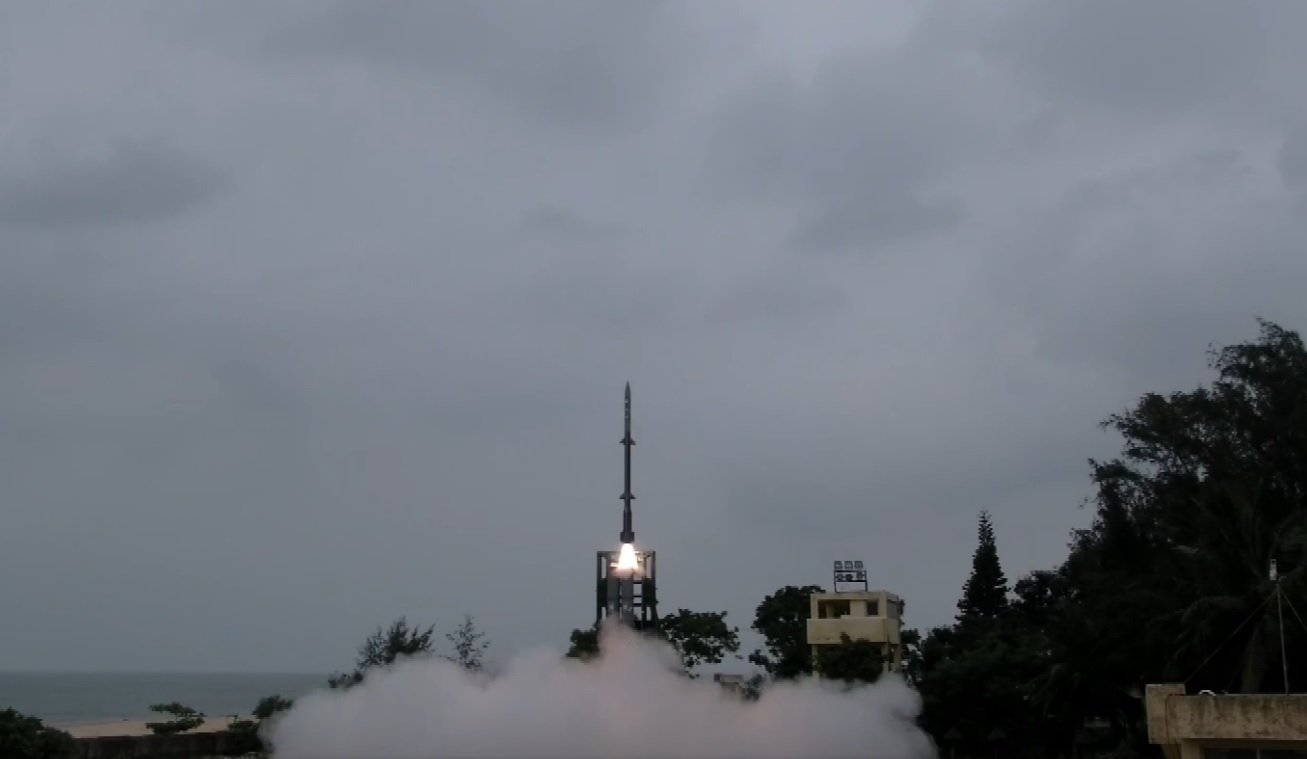 DRDO Successfully Conducts Maiden Flight Test of 150-km-Range Kusha M1 Air Defence Missile
-
 Russian Su-57 Stealth Fighter Crashes During Training Flight Near Moscow, Pilot Ejects Safely
-
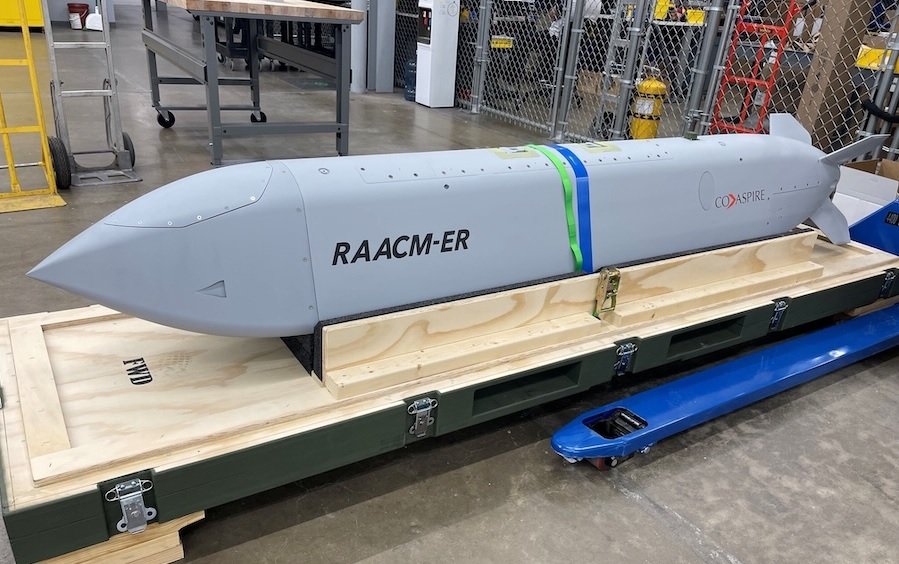 U.S. Navy Selects CoAspire to Build Ground-Launched CHAOS Cruise Missile Under $70 Million Program
-
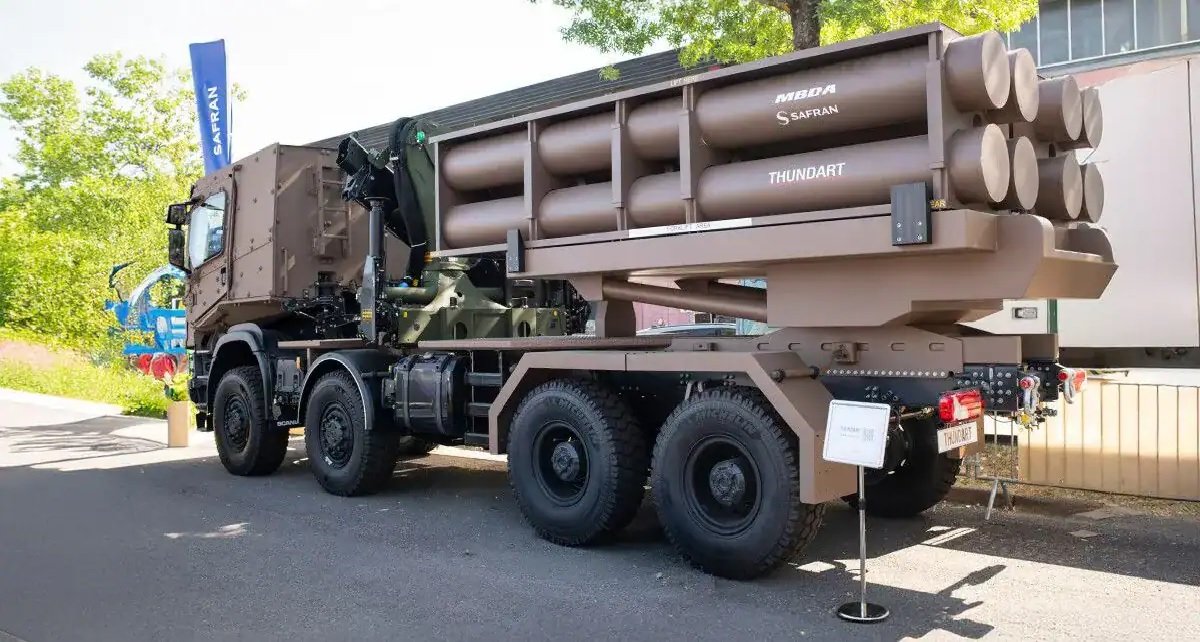 France's THUNDART Long-Range Rocket System May Undergo Prototype Combat Testing in Ukraine
-
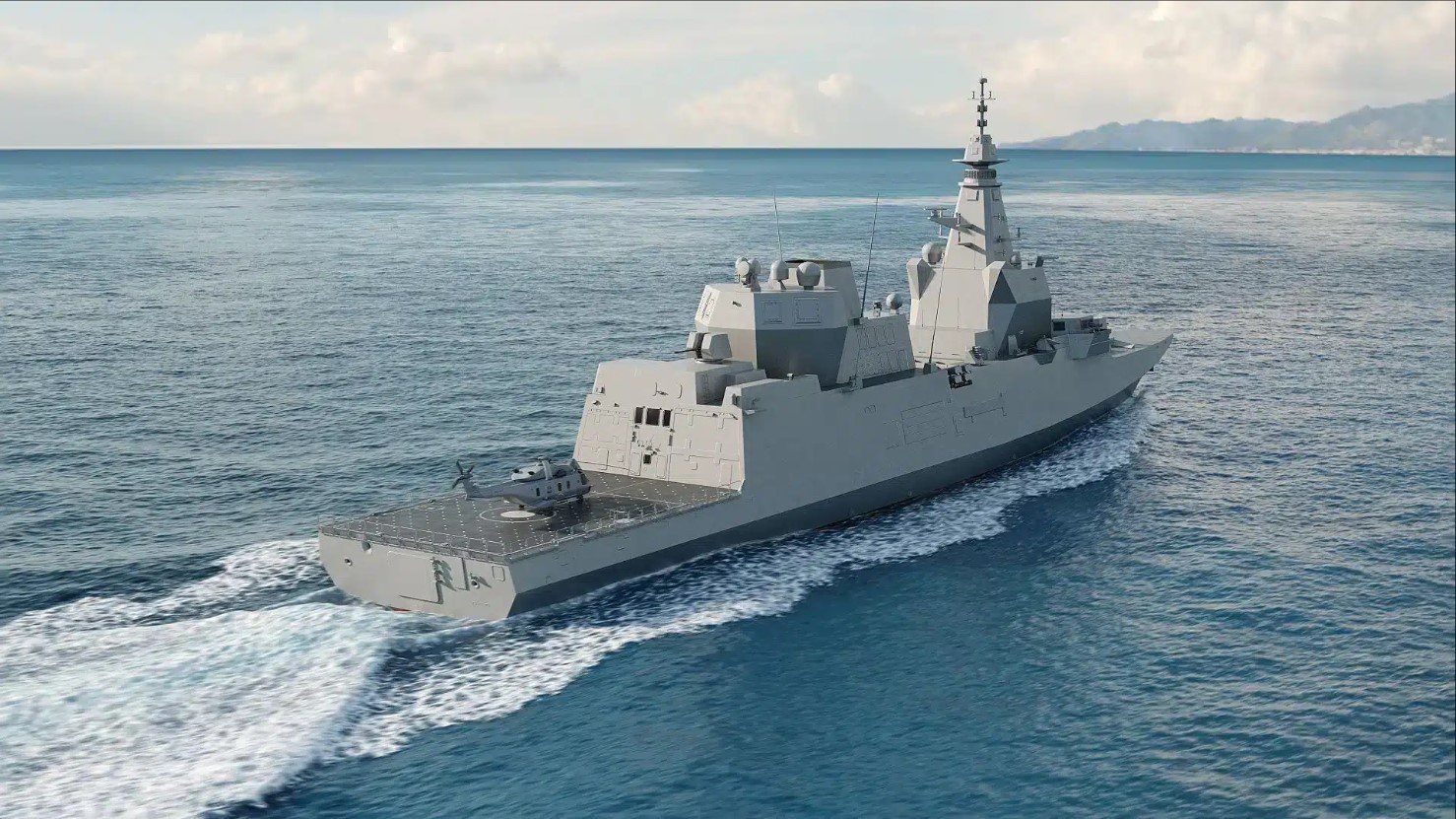 Portugal Orders Three FREMM EVO Frigates from Italy in €3.9 Billion Naval Deal
-
 GE Aerospace and Magellan Aerospace Corporation Sign Strategic MoU for F414 Engine Sustainment in Canada
-
 Destinus Unveils Vorexon Interceptor Concept to Defend Critical Sites from Artillery Threats
Top Trending in 4 Days
-
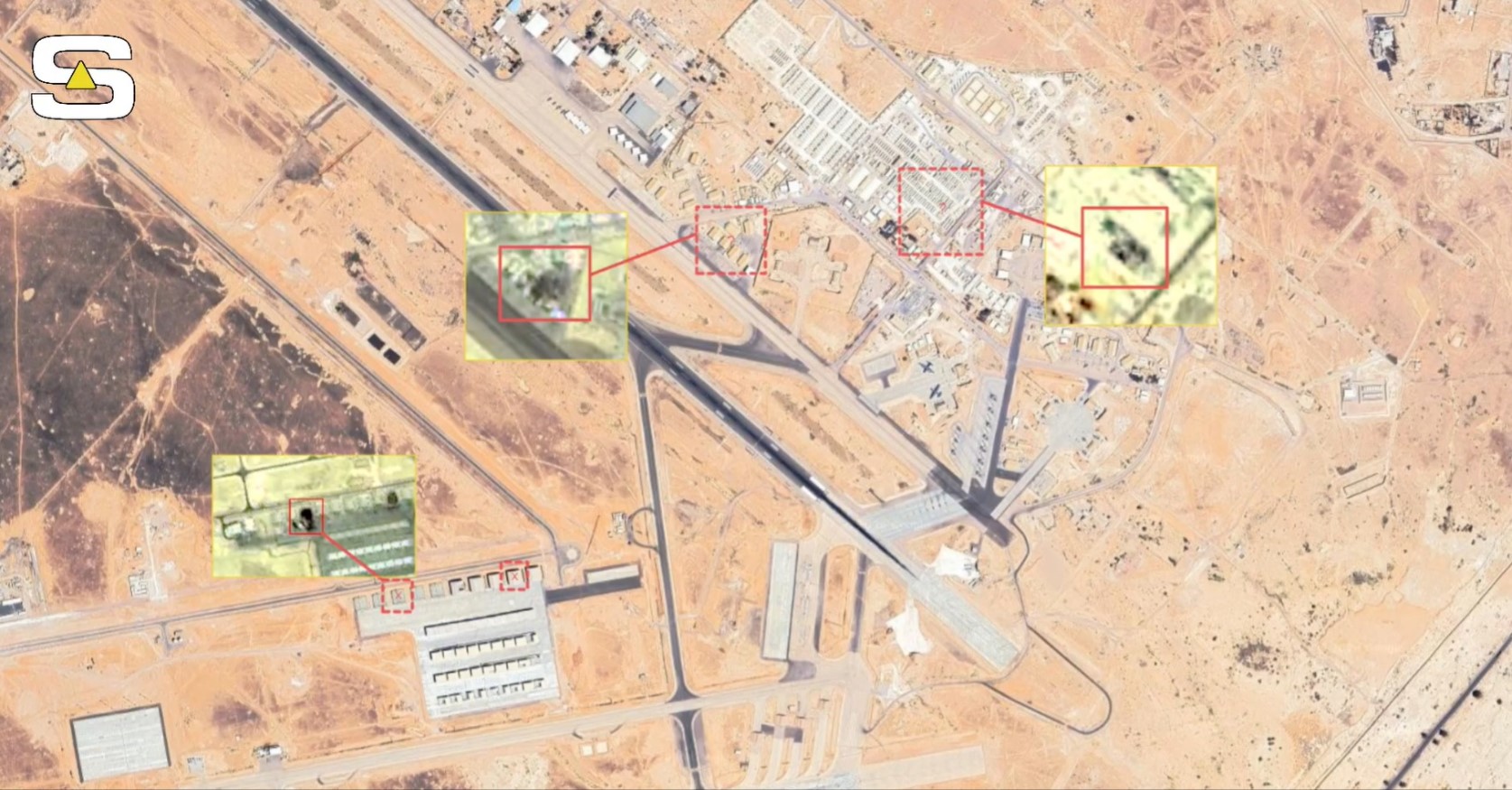 New Satellite Imagery Reveals Extensive Damage at Jordan's Muwaffaq al-Salti Air Base After Iranian Missile Strike
-
 Anduril Unveils Thunder Autonomous Attack Rotorcraft Built with Archer Aviation to Support Apache Helicopters
-
 Iran Claims It Shot Down U.S.-Operated Polish-Built Tiguar-M Drone, Releases Images
-
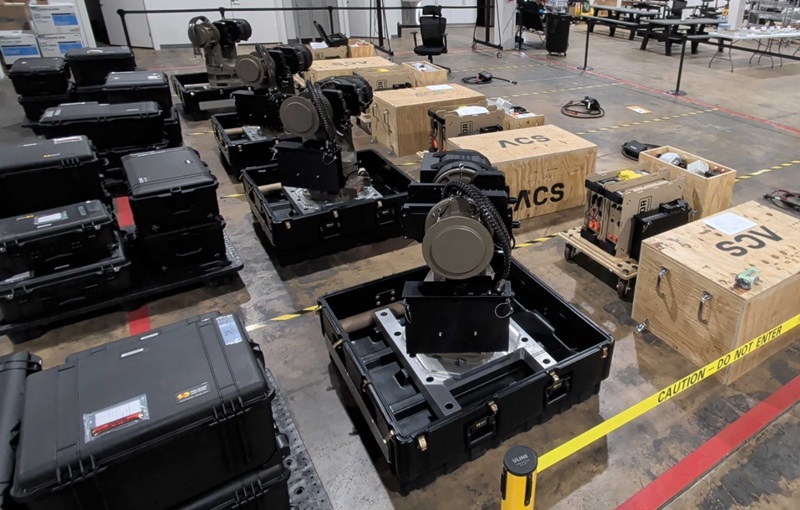 U.S. Marine Corps Selects AI-Powered Bullfrog Weapon Station for L-MADIS Counter-Drone Platform
-
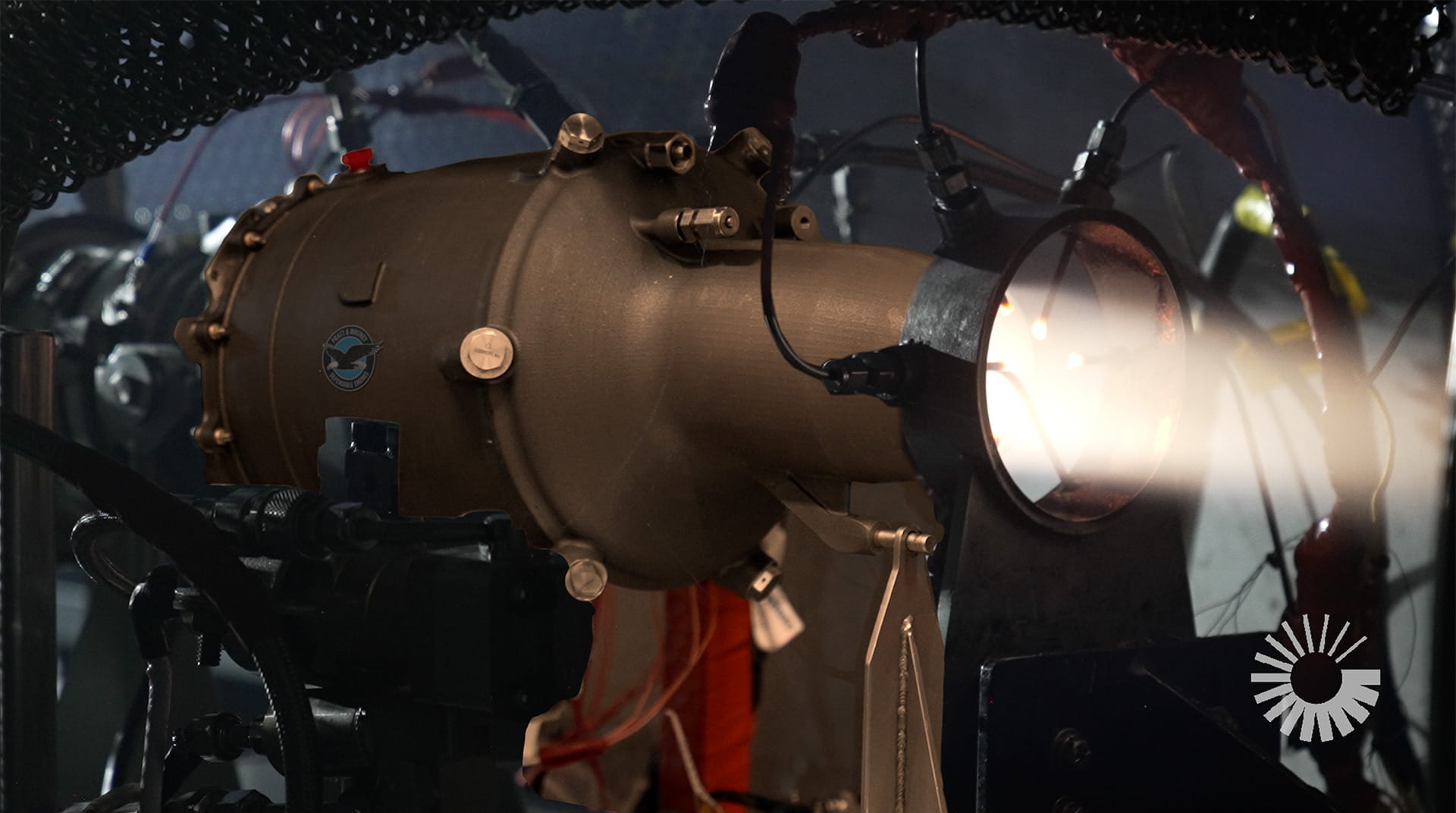 Pratt & Whitney Completes Testing of 3D-Printed TJ150 Engine for Military Applications
-
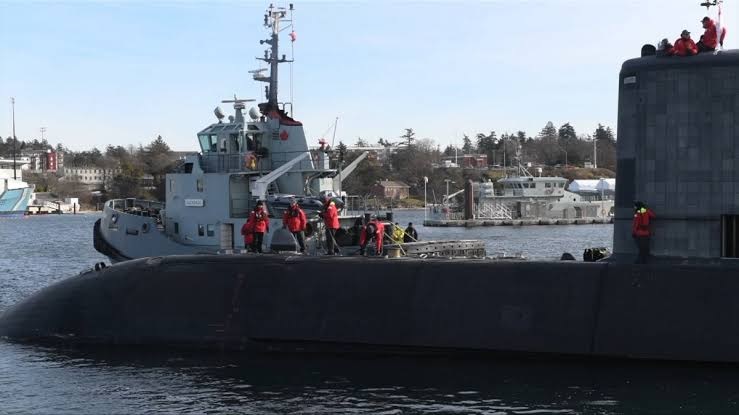 Canada Awards Babcock $1.1 Billion Six-Year Contract Extension to Support Victoria-Class Submarine Fleet
-
 Lockheed Martin Unveils MORFIUS X-Rotor High-Power Microwave System That Can Neutralize 50+ Drones in One Flight
-
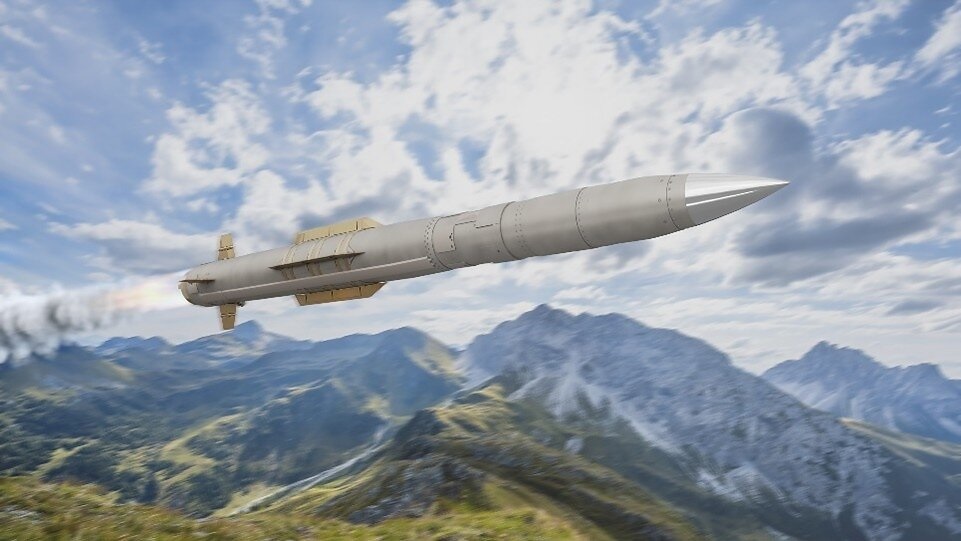 Lockheed Martin Unveils Lower-Cost PAC-3 ACE Interceptor for Patriot Air Defense System
