WASHINGTON : Senior U.S. national security and intelligence officials have advised President Donald Trump that a military strategy centered primarily on airpower is unlikely to guarantee regime change in Iran, even as the United States expands its military presence in the Middle East to levels not seen since the 2003 Iraq invasion.
According to officials familiar with internal deliberations, the administration is reviewing options that include targeted strikes against senior Iranian political and military leadership, as well as key military infrastructure. The concept under consideration involves precision strikes designed to weaken command structures and intensify pressure on Iran’s governing establishment amid recent domestic unrest.
Multiple current and former officials have raised concerns about the assumptions behind such a strategy. A former senior U.S. intelligence official who has served as an informal advisor to the administration said some internal discussions reflect expectations that precision strikes could trigger internal political collapse without the deployment of U.S. ground forces.
Comparisons have reportedly been made within policy circles to the 2011 NATO-led intervention in Libya and to political developments in Venezuela. In those cases, air campaigns and sustained external pressure were seen by some policymakers as contributing factors to leadership destabilization. The former official cautioned that Iran’s political and security structure differs significantly and may not respond in a similar manner.
Officials involved in the discussions have emphasized that no ground force component is currently part of the planning framework. They noted that if leadership-targeting strikes fail to produce internal collapse, the United States would have limited follow-on options short of escalation.
Expanded U.S. Military Deployment
The Pentagon has executed a significant reinforcement of U.S. air and naval assets in the region. The deployment includes the aircraft carrier USS Gerald R. Ford and the USS Abraham Lincoln carrier strike group operating near Iranian waters.
Defense officials confirmed that the USS Gerald R. Ford’s initial deployment phase included operations in the Eastern Mediterranean, where it was positioned to support Israeli air defense requirements amid heightened regional tensions. The carrier’s presence in that theater provided integrated air and missile defense coordination, surveillance capabilities, and rapid-response strike capacity before shifting focus toward broader regional contingency planning.
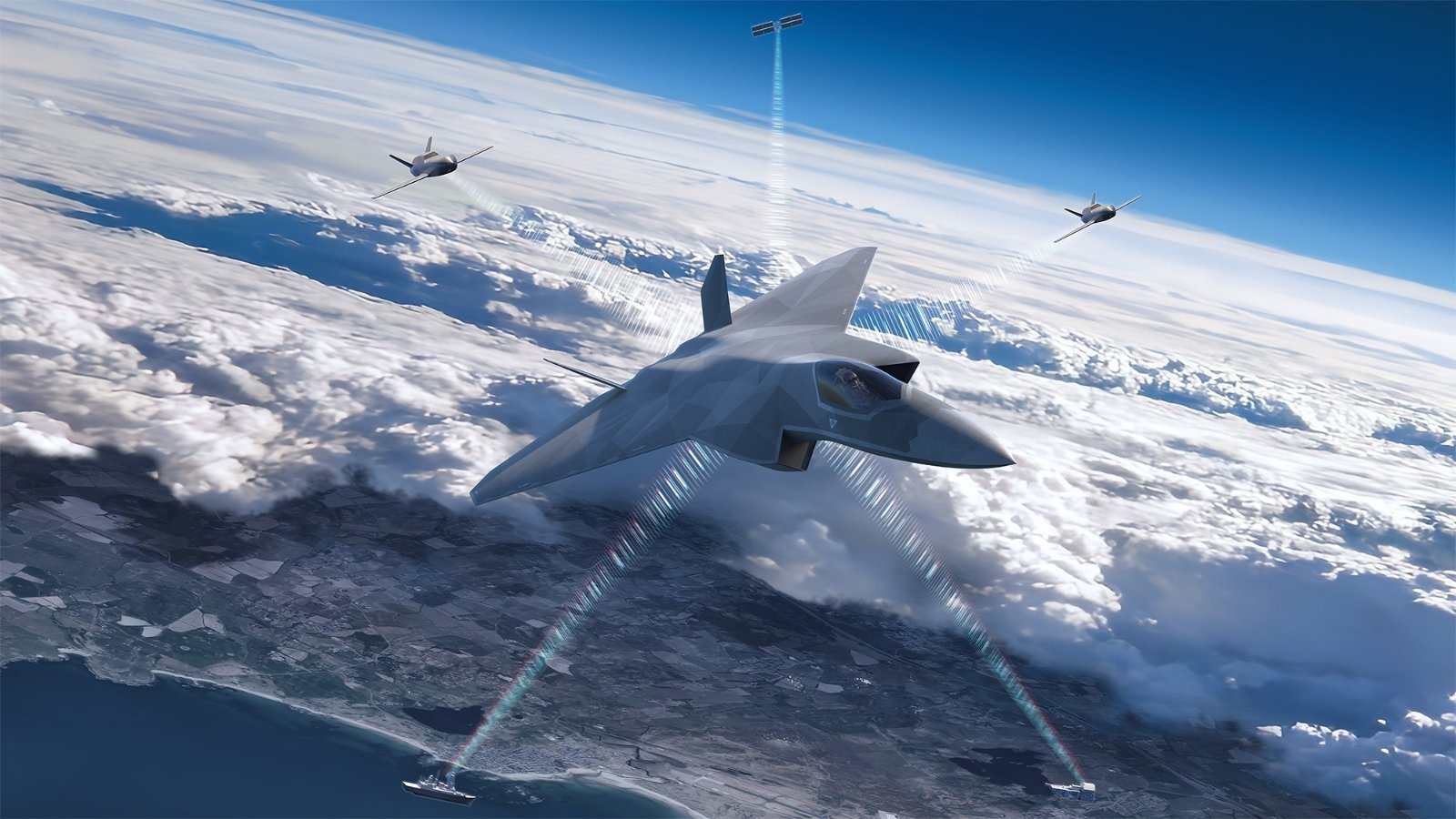
The reinforcement also includes advanced aviation platforms positioned at allied bases. These include F-22 Raptor and F-35 stealth fighter aircraft to enhance air superiority and precision-strike capacity. Long-range strategic bombers, including B-2 aircraft capable of targeting hardened and underground facilities, have been placed on standby for potential operations.
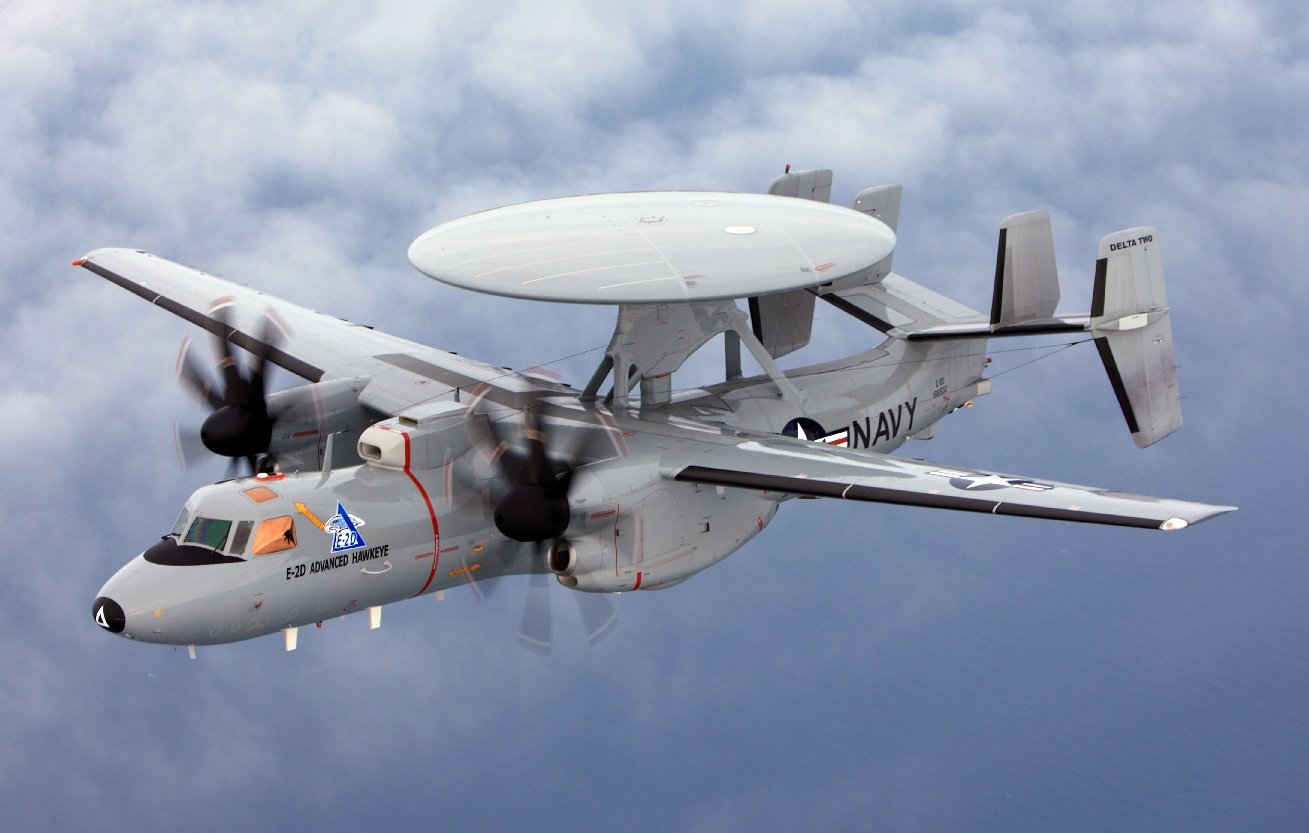
Supporting assets have been deployed to sustain extended air operations. These include KC-135 aerial refueling tankers to enable long-duration sorties and E-3 Sentry Airborne Warning and Control System (AWACS) aircraft to provide airborne command, control, and surveillance.
Military planners assess that the current force posture would enable a sustained air campaign lasting several weeks rather than a limited set of strikes. Officials describe the deployment as providing operational flexibility across multiple theaters within the region.
Assessment of Airpower Constraints
Despite the scale of the deployment, intelligence assessments reviewed by administration officials indicate that airpower alone may not be sufficient to remove Iran’s ruling establishment. Analysts note that Iran’s governance structure includes interconnected political, clerical, and security institutions designed to maintain continuity in the event of leadership losses.
Security experts have pointed out that even if senior officials were removed, successor figures could assume authority unless a coordinated transition mechanism is established. Current planning discussions reportedly rely in part on the assumption that domestic opposition movements would capitalize on weakened central authority.
Intelligence officials have warned that without a structured post-strike stabilization plan, internal fragmentation could follow. Such instability could affect regional security dynamics and potentially disrupt maritime traffic through the Strait of Hormuz, a critical route for global energy shipments.
Diplomatic Engagement Continues
Alongside military preparations, diplomatic channels between the United States and Iran remain active. U.S. and Iranian representatives recently held indirect talks in Geneva focused on Iran’s nuclear enrichment program.
White House Press Secretary Karoline Leavitt stated that limited progress was made during the discussions but confirmed that significant differences remain on core issues. Administration officials have maintained that military options remain under consideration if negotiations do not produce an agreement.
The administration’s current approach combines sustained military positioning with continued diplomatic engagement. However, officials involved in national security planning continue to assess that an air-focused campaign presents significant uncertainty regarding its ability to achieve a decisive political transition in Iran without additional measures.
——— End of Article ———