
World
Middle East : The United States Air Force (USAF) has deployed six E-3G Sentry Airborne Warning and Control System (AWACS) aircraft from the continental United States and Alaska to Europe over the past 24 hours, according to flight tracking data and defense observers. The movement is assessed as a staging step before the aircraft proceed to bases under U.S. Central Command (CENTCOM) in the Middle East. Two E-3G aircraft, operating under the callsigns DENALI 01 and DENALI 02, departed from Elmendorf Air Force Base in Alaska and arrived at RAF Mildenhall in the United Kingdom. Four additional E-3Gs, identified as SHUCK 83, SHUCK 84, SHUCK 85, and SHUCK 86, flew from Tinker Air Force Base in Oklahoma to Ramstein Air Base in Germany. The scale and timing of the deployment indicate a shift in U.S. force posture as the broader military buildup linked to the Middle East accelerates. Historically, large AWACS deployments of this size have served as late-stage indicators preceding sustained air operations, as these aircraft provide the airborne command-and-control structure required to manage complex, high-tempo missions. European Staging as an Operational Step Routing the aircraft through Europe reflects standard operational logistics for long-distance deployments. Moving large, mission-configured aircraft from North America to the Middle East requires intermediate staging locations to support aerial refueling, maintenance checks, and crew rest cycles. European bases, including RAF Mildenhall and Ramstein Air Base, function as established transit hubs for USAF movements into the CENTCOM area of responsibility. Temporary staging in Europe also allows planners to sequence the integration of additional aircraft into Middle Eastern bases. This ensures that aerial refueling tankers, fighter squadrons, base infrastructure, and airspace management arrangements are fully prepared before the AWACS arrive. Holding the aircraft in Europe provides flexibility while reception capacity and support elements in theater are aligned. E-3G Sentry Capabilities The E-3G Sentry serves as an airborne early warning platform and battle management center. The aircraft features a rotating radar dome mounted above the fuselage and incorporates upgraded computing systems and battle management software under the Block 40/45 modernization program. Key capabilities include: Wide-area surveillance: The radar system can detect and track more than 600 targets simultaneously at ranges of up to approximately 400 kilometers. Battle management and command: The aircraft directs fighter aircraft, coordinates offensive and defensive counterair missions, manages airspace deconfliction, and integrates data from multiple sensors and platforms. Look-down capability: The pulse-Doppler radar enables detection of targets flying at low altitude by filtering ground clutter, allowing operators to track aircraft and missiles flying close to terrain. In scenarios involving Iran, the E-3G provides early warning against low-flying threats, including cruise missiles and one-way loitering munitions. Iran’s military doctrine incorporates asymmetric systems that operate at low altitude to reduce detection by ground-based radar limited by terrain masking and the curvature of the earth. Operating at high altitude, the E-3G extends radar coverage and can detect and track low-radar-cross-section targets at extended ranges, cueing interceptors for engagement. Broader Aircraft Movements The AWACS deployment forms part of a wider transfer of more than 120 U.S. military aircraft toward the Middle East. The buildup includes F-22 Raptors, F-35A Lightning II fighters, F-16 multirole aircraft, and dozens of KC-135 and KC-46 aerial refueling tankers. While there is no fixed numerical cap on U.S. force deployments, several operational constraints shape the scale and duration of the buildup. Base infrastructure limitations: Installations in the region, including Muwaffaq Salti Air Base in Jordan, have finite ramp space, runway throughput, fuel storage, and maintenance facilities. As primary operating bases approach capacity, aircraft must be distributed across additional allied locations, increasing logistical complexity. Dependence on aerial refueling: Sustained operations by fighters and AWACS rely on continuous support from KC-135 and KC-46 tankers. High sortie rates require coordinated tanker scheduling, airspace management, and fuel supply chains. Sustainment requirements: Extended high-tempo operations demand steady flows of spare parts, munitions, maintenance personnel, and support equipment. Deployment endurance is influenced by the ability to maintain readiness levels without overextending forward-deployed units. With the arrival of the six E-3G aircraft in Europe, the United States has positioned the airborne command-and-control assets necessary to manage large numbers of tactical aircraft. Their forward movement would complete the command infrastructure required to oversee coordinated air operations within the CENTCOM theater.
Read More → Posted on 2026-02-18 17:02:14
World
Washington / Columbia, S.C. / Albuquerque, N.M. : U.S.-based defense contractors Janus Marine & Defense LLC and Raven Defense Corporation have announced a strategic maritime security partnership aimed at strengthening protection for U.S. Navy operations, commercial shipping, and offshore energy infrastructure in the Caribbean and the Gulf of America. The agreement, detailed in a joint press release, outlines plans to deploy an integrated, technology-based maritime defense perimeter to secure critical sea lanes, ports, and offshore oil and gas installations. The companies said the system will combine autonomous maritime platforms, air drones, satellite communications, intelligence, surveillance and reconnaissance (ISR) capabilities, and electronic warfare systems. Companies and Operational Background Janus Marine & Defense LLC, headquartered in South Carolina, specializes in marine autonomy and unmanned maritime systems. The company has more than a decade of experience contracting and operating Unmanned Surface Vessels (USVs) in defense and security missions. Its operational background includes the deployment of an autonomous mine-hunting unit with the U.S. 5th Fleet in 2014. Raven Defense Corporation, based in New Mexico, is a U.S. Department of War contractor focused on radio frequency (RF) systems. The company has decades of experience in defense technologies, including electronic warfare, satellite communications, airborne systems, ISR platforms, and cybersecurity solutions. Under the partnership, Janus will contribute its expertise in autonomous surface and subsurface vessels, while Raven will provide satellite communications, air drone integration, ISR systems, signal detection technologies, and electronic warfare capabilities. Focus on Unmanned Systems and Cost Efficiency According to the companies, a primary objective of the collaboration is to reduce operational strain on U.S. naval forces while maintaining security for offshore oil, gas, and shipping activities in the Gulf region. By deploying unmanned maritime and aerial systems, the initiative is designed to lower operational costs and reduce risks associated with manned vessels. Jack Dougherty, Chief Executive Officer of Janus Marine & Defense and a former U.S. Navy Iraq War veteran, said the Gulf region has experienced increased naval, commercial shipping, and offshore activity. He stated that advanced autonomous technologies are necessary to protect personnel and critical infrastructure in a high-risk maritime environment. Dougherty added that combining Janus’ autonomous vessel operations with Raven’s satellite communications, ISR, air drone, and electronic warfare capabilities will enable cost reductions without reducing operational effectiveness. Integrated Maritime Security Architecture Chris Patscheck, Chief Executive Officer of Raven Defense Corporation, said the partnership is structured to meet current maritime security requirements that emphasize persistent, intelligent, and unmanned systems. The proposed integrated architecture will include persistent ISR coverage, autonomous maritime patrol operations, rapid interception capabilities, Remote Operations Center (ROC) support, advanced signal detection systems, and cybersecurity protections for connected platforms. The companies stated that the system is tailored to the specific threat environment facing offshore energy operators and commercial shipping lanes. By combining unmanned surface vessels, subsurface systems, and aerial drones with RF monitoring and satellite connectivity, the partnership intends to provide continuous maritime domain awareness across designated areas. Strategic Scope The initiative is focused on securing U.S. Navy missions, commercial maritime routes, ports, and offshore energy installations across the Caribbean and the Gulf of America. The companies described the framework as a coordinated defense perimeter designed to safeguard critical maritime corridors and infrastructure. Both firms indicated that the partnership establishes a joint operational approach centered on unmanned technologies, integrated surveillance, and electronic warfare capabilities to address evolving maritime security requirements.
Read More → Posted on 2026-02-18 16:18:05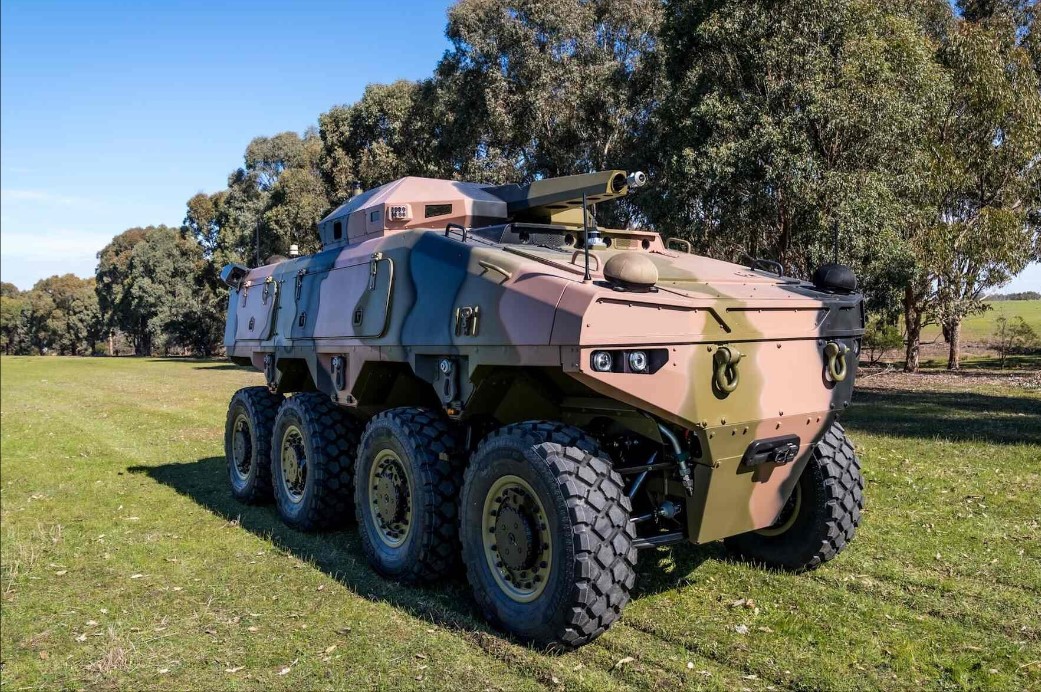
World
MELBOURNE : BAE Systems has completed a series of field autonomy trials for its Autonomous Tactical Light Armour System (ATLAS) Collaborative Combat Variant, marking a key milestone in the development of a modular uncrewed ground vehicle (UGV) designed to operate alongside crewed main battle tanks and combat reconnaissance platforms. The ATLAS programme forms part of a broader effort to establish a next-generation autonomous land capability capable of supporting conventional armoured forces in complex operational environments. The platform is intended to undertake high-risk and repetitive battlefield tasks while remaining under human oversight. Development Timeline and Trial Programme The ATLAS Collaborative Combat Variant was first introduced at the Land Forces exhibition in September 2024. Within 16 months of its public launch, the programme advanced to a fully operational prototype demonstrator, culminating in recent field-based autonomy trials. According to BAE Systems, the vehicle was tested across multiple levels of autonomous functionality, including: Remote teleoperation, allowing operators to control the vehicle from a distance. Waypoint-based navigation, enabling pre-programmed route movement. Full “sense and avoid” autonomy, under which the vehicle independently detects obstacles and navigates around them without direct human steering input. The trials were designed to validate the platform’s operational reliability, autonomous navigation systems, and integration with combat payloads under realistic field conditions. Platform Design and Technical Characteristics The ATLAS is configured as an 8x8 wheeled, 10-tonne modular drive vehicle. It is designed to serve as a combat multiplier by increasing available combat mass within a formation and undertaking roles such as direct fire support, obstacle clearance, and reconnaissance. By assigning high-risk tasks to the uncrewed system, the platform is intended to reduce exposure of personnel to hostile fire and hazardous operating environments. The vehicle was developed in collaboration with industry partners Supacat, Marand, and Slovenia-based Valhalla Turrets. The design emphasises manoeuvrability and mobility, enabling the ATLAS to operate in conjunction with both tracked and wheeled crewed vehicles across varied terrain, weather conditions, and environmental settings. For transport and logistics flexibility, the ATLAS can be deployed using a standard 20-foot ISO shipping container or transported on a flat-rack platform. VANTAGE Automated Turret System In its primary assault configuration, the ATLAS Collaborative Combat Variant is equipped with the VANTAGE Automated Turret System. The turret has been developed as a lightweight, highly automated medium-calibre system specifically for integration with uncrewed platforms. The current prototype is fitted with a 25mm M242 Bushmaster chain gun, with an architecture that is scalable to larger calibre systems if required. During prior factory acceptance testing in Slovenia, the turret demonstrated accuracy by successfully engaging targets at ranges of up to 750 metres. The VANTAGE system incorporates BAE Systems’ passive Multi-Spectral Automatic Target Detection, Tracking and Classification System (ATTCS). This enables automated target detection, tracking, and classification, while retaining a strict “human-in-the-loop” requirement for the final firing decision. The turret features a low-profile design under 450 millimetres in height, reducing visual signature and supporting shorter target engagement times. High levels of automation are built into the system to reduce operator cognitive load and enable a one-to-many operational model, allowing a single operator to supervise multiple vehicles simultaneously. Operational Role and Integration The ATLAS Collaborative Combat Variant is intended to operate within a combined-arms formation, supporting main battle tanks and reconnaissance units. Its modular architecture allows for multiple payload configurations beyond the primary assault role, enabling adaptation to different mission requirements. The system is designed to maintain pace with conventional armoured formations and operate effectively in difficult terrain and varied environmental conditions. Its integration of autonomous navigation, automated targeting support systems, and scalable weapon architecture positions it as a platform focused on distributed, network-enabled land operations. Programme Outlook Andrew Gresham, Managing Director of Defence Delivery at BAE Systems Australia, stated that the platform progressed from its Land Forces 2024 debut to a fully functional prototype demonstrator within sixteen months. He said the system has been developed to perform tasks in combat environments that are repetitive, hazardous, or high-risk. BAE Systems confirmed it is currently engaged in international marketing and customer engagement activities related to the ATLAS platform. The completion of the autonomy trials represents a developmental milestone for the ATLAS Collaborative Combat Variant as the company continues further evaluation and engagement with potential operators.
Read More → Posted on 2026-02-18 14:28:23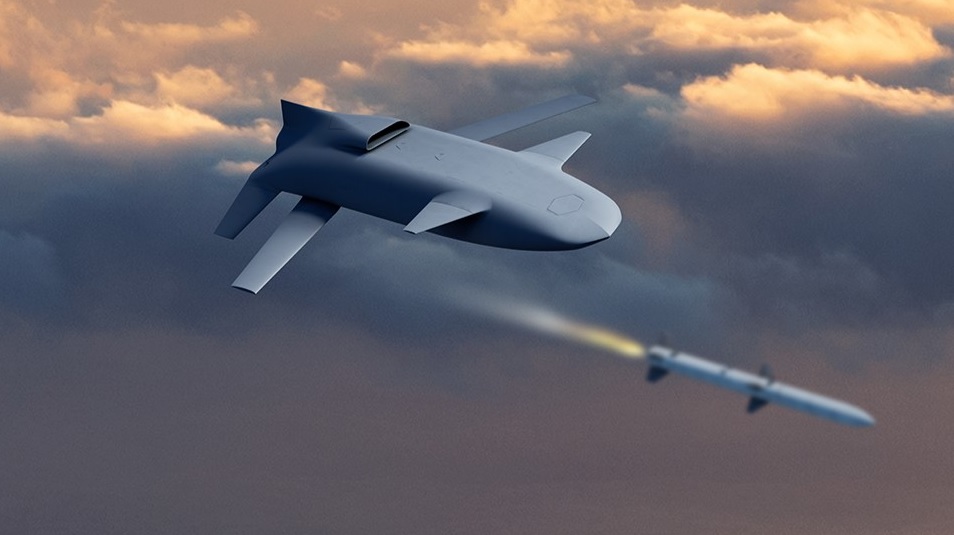
World
WASHINGTON : The U.S. Defense Advanced Research Projects Agency (DARPA) has confirmed that its LongShot program, designated the X-68A, has completed a series of technical milestones as it progresses toward initial flight testing planned before the end of 2026. The uncrewed air vehicle, developed in partnership with General Atomics Aeronautical Systems Inc. (GA-ASI), is currently undergoing ground-based and integration evaluations following validation of critical subsystems. Launched in 2020, the LongShot initiative has transitioned from conceptual design and risk-reduction studies to the structured flight-test phase of an operationally relevant prototype. The program is designed to provide U.S. Air Force aircraft—and potentially allied platforms—with the ability to deploy air-to-air weapons from extended standoff distances, increasing survivability and expanding effective missile employment zones in contested airspace. Program Objective and Operational Concept The X-68A is intended to function as an air-launched missile carrier deployed from a host aircraft. Under the operational concept, a crewed aircraft carries the uncrewed vehicle to a designated release point outside high-threat zones. Once released, the X-68A proceeds forward into contested airspace and launches its own air-to-air munitions against adversarial targets. By pushing the missile launch point closer to hostile aircraft, the system effectively increases the missile’s no-escape zone while reducing exposure of high-value crewed assets. Platforms such as the F-15 Eagle are expected to serve as initial host aircraft during flight demonstrations. The architecture, however, is designed to remain platform-agnostic, allowing for potential integration with other fighters, bombers, and alternative launch methods. The concept addresses constraints in magazine depth and aircraft survivability in environments where advanced surface-to-air missile systems can reach engagement ranges beyond 200 kilometers. Airframe and Propulsion Design The X-68A features a chined forward fuselage, reverse-swept main wings, small deployable canards, and an inverted V-tail configuration. The canards are designed to fold during carriage beneath a host aircraft and deploy after release. The vehicle is powered by a single Williams WJ38-15 turbojet engine, enabling high-subsonic transit speeds appropriate for safe separation and sustained forward penetration. Its configuration supports internal or semi-recessed carriage of air-to-air munitions, minimizing aerodynamic penalties while maintaining structural compatibility with underwing pylons. Aerodynamic and Structural Testing DARPA reported that the X-68A has completed full-scale wind tunnel testing at facilities including the Arnold Engineering Development Complex. These tests validated aerodynamic stability and control across the expected flight envelope, with particular emphasis on transonic regimes critical for safe separation from a host aircraft operating at medium to high subsonic speeds. Separation dynamics testing examined airflow interactions between the host platform and the uncrewed vehicle during release. Results confirmed predictable stability characteristics and structural integrity under expected aerodynamic loads. Parachute Recovery and Prototype Reusability To support early test phases, the X-68A incorporates a parachute recovery system. Ground and deployment trials of this system have been successfully conducted. The recovery mechanism enables controlled descent and post-flight retrieval of the prototype, allowing engineers to inspect structural loads, propulsion performance, and subsystem reliability without expending the vehicle after each sortie. This approach supports iterative testing and data collection during the flight-test campaign. Weapons Integration and Release Validation The program has completed captive-carry evaluations and ejection testing to verify safe separation of sub-munitions from the X-68A. These tests ensure precise release dynamics under expected flight conditions and are prerequisites to live-fire demonstrations. The vehicle is designed to carry air-to-air weapons such as the AIM-120 Advanced Medium-Range Air-to-Air Missile (AMRAAM), which employs an active radar seeker for fire-and-forget engagement and has a range exceeding 100 kilometers under optimal conditions. Integration of the AIM-120 onto the uncrewed platform required validation of mechanical interfaces, electrical integration, and safe separation sequencing. Networking and Command Architecture The X-68A operates within a network-centric framework. The system relies on secure, jam-resistant datalinks to receive targeting information from the launching aircraft, airborne early warning platforms, or other command-and-control nodes. During engagement, mid-course guidance updates are transmitted to the missile until its onboard active radar seeker transitions to terminal homing. This decoupled architecture allows crewed aircraft to remain outside the lethal engagement range of advanced surface-to-air systems while maintaining control of the engagement process. Reliable communications are a central requirement for operational viability. The system’s performance depends on resilient, secure connectivity in contested electromagnetic environments. Platform Flexibility and Joint Participation Although early flight tests are expected to use the F-15 as the primary host platform, the LongShot design allows for broader integration. The system could be adapted for carriage by other tactical aircraft or bombers. Additionally, a roll-on/roll-off palletized deployment concept is under consideration, enabling mobility aircraft to release LongShot vehicles from rear cargo ramps. Such flexibility would require standardized mechanical interfaces, electrical compatibility, and secure networking integration across multiple aircraft types. Development of the X-68A involves collaboration across multiple U.S. defense organizations, including the Air Force Research Laboratory (AFRL), the Naval Air Warfare Center Aircraft Division (NAWCAD), and several Army test entities. This interservice participation reflects the program’s cross-domain implications and potential applicability across joint air operations. Remaining Technical Considerations As the program advances toward first flight, several constraints remain under evaluation. These include onboard fuel limitations affecting endurance and reach, dependence on secure communications networks, and integration into established air tasking and rules-of-engagement frameworks, particularly in coalition environments. If validated through flight testing, the X-68A could serve as either a recoverable or expendable asset within future air superiority constructs. The concept aligns with broader Department of Defense initiatives focused on distributed combat power and complements parallel efforts such as Collaborative Combat Aircraft (CCA) programs that integrate crewed and uncrewed systems. DARPA has indicated that upcoming 2026 flight tests will focus on validating separation safety, propulsion performance, networked weapon employment, and overall mission integration under representative operational conditions.
Read More → Posted on 2026-02-18 14:17:33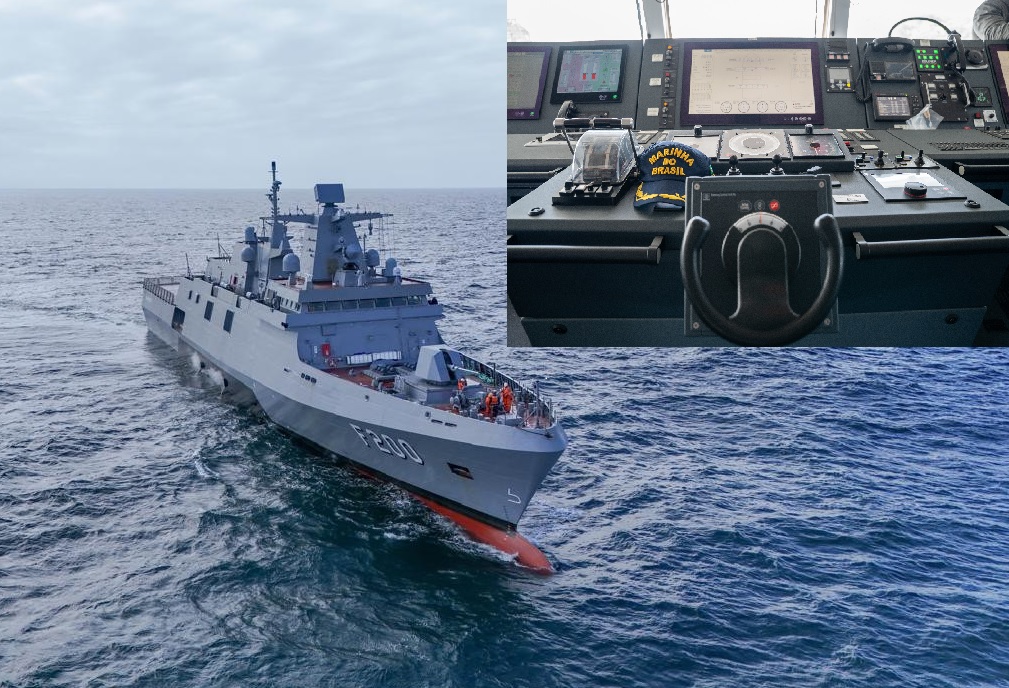
World
ITAJAÍ, BRAZIL : German navigation systems manufacturer Anschütz has delivered and commissioned its SYNAPSIS Integrated Navigation and Bridge System (INBS) on Tamandaré (F200), the lead vessel of the Brazilian Navy’s Tamandaré-class frigate program. The commissioning was completed at the TKMS Estaleiro Brasil Sul shipyard in Itajaí, where the ship is being built by the SPE Águas Azuis consortium. The frigate is scheduled for formal incorporation into the Brazilian naval fleet early this year. Installation and activation of the integrated bridge system marks a key milestone in final preparations ahead of commissioning. Program Background and Industrial Structure The Tamandaré-class frigate program represents one of Brazil’s principal naval modernization initiatives. The ships are being constructed by SPE Águas Azuis, a joint venture comprising ThyssenKrupp Marine Systems (TKMS), Embraer Defense & Security, and Atech. Construction is taking place at the TKMS Estaleiro Brasil Sul facility in Itajaí, Santa Catarina. The Tamandaré-class design is based on the MEKO A-100 platform and configured as a 3,500-tonne, 107.2-meter multi-role stealth frigate. The vessels are intended to perform maritime security operations, patrol duties within Brazil’s Exclusive Economic Zone (Blue Amazon), and participation in joint and international missions. The program incorporates a significant national industrial component and mandates technology transfer in naval engineering, platform and combat systems integration, logistics support, and long-term lifecycle management. SYNAPSIS Integrated Navigation and Bridge System The SYNAPSIS INBS supplied by Anschütz forms the core of the frigate’s bridge and navigation architecture. The system is built around standardized, globally deployed navigation technologies and structured on a centralized integration platform. The integrated system includes multifunctional workstations supporting: Navigation radar incorporating X-band technology Electronic Chart Display and Information System (ECDIS) Conning and supplementary navigational functions Closed-Circuit Television (CCTV) integration Steering control system with autopilot Global Maritime Distress and Safety System (GMDSS) At the center of the architecture is the SYNAPSIS integration platform, which enables consistent data processing across connected sensors and subsystems. The platform provides a uniform human-machine interface (HMI) across workstations and allows centralized monitoring of bridge operations. This configuration supports safe navigation during routine transits, confined maneuvering, and mission deployments by presenting consolidated operational data. Modular and Lifecycle-Oriented Design A defining characteristic of the SYNAPSIS architecture is its software-defined, modular structure. The design allows scalability and functional expansion over the ship’s operational lifespan. The system can accommodate software updates, integration of additional external sensors, and structural adjustments required by evolving operational requirements. This modular approach is intended to support long-term reliability, simplify maintenance processes, and ensure continued operational readiness throughout the vessel’s service life. Local Participation and Support Framework In line with the Tamandaré-class program’s technology transfer requirements, local industry participation was incorporated into the navigation system’s integration and commissioning. Anschuetz do Brasil, the company’s subsidiary based in Rio de Janeiro, carried out system commissioning activities and managed bridge equipment during sea trials. The local team also oversaw final systems integration onboard the vessel. Following delivery, Anschuetz do Brasil will act as the Brazilian Navy’s primary national point of contact for technical support, maintenance, and service operations related to the navigation system. Platform Capabilities and Program Outlook Tamandaré (F200) is the first of four frigates planned under the program. The vessel is equipped with locally co-developed MANSUP anti-ship missiles and Sea Ceptor vertical launch surface-to-air missile systems, alongside other modern combat and platform systems. Sea trials for the lead ship were completed late last year. With the commissioning of the SYNAPSIS INBS, the frigate’s navigation and bridge systems are fully operational ahead of formal entry into service. Construction of the remaining vessels in the Tamandaré-class is ongoing under the SPE Águas Azuis consortium, with the program structured to strengthen domestic shipbuilding capacity while incorporating established international naval technologies.
Read More → Posted on 2026-02-18 13:31:07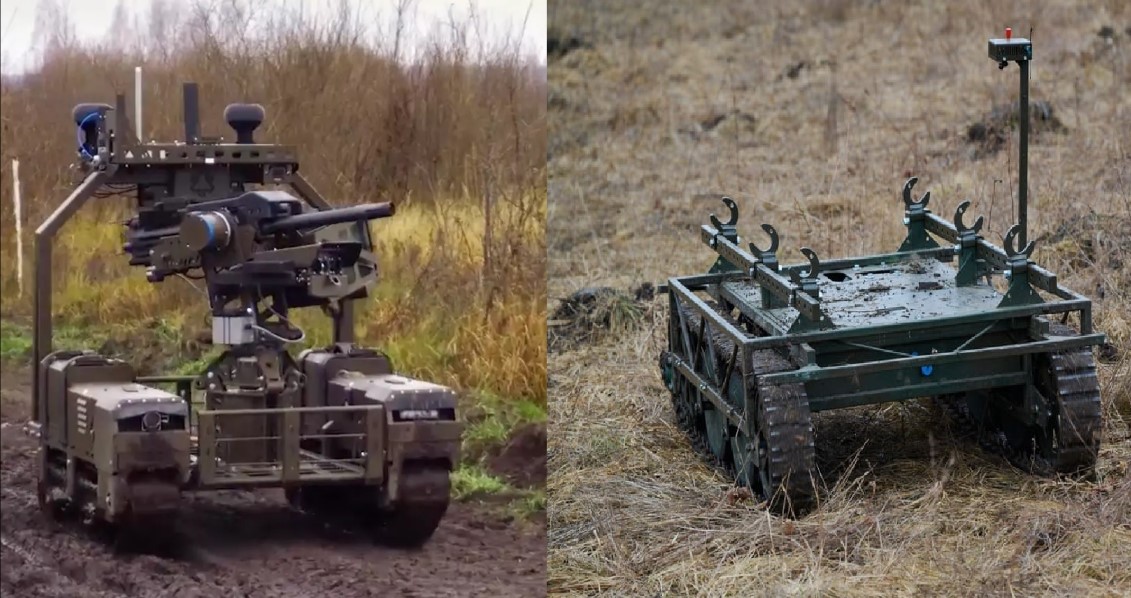
World
KYIV : Ukraine’s Ministry of Defence has confirmed that ground robotic systems (GRS) carried out more than 7,000 combat and logistics missions along the frontline in January, marking a significant expansion in the routine use of unmanned ground platforms across operational units. The ministry stated that the integration of ground robotics into daily military activity is aimed at reducing direct exposure of personnel to enemy fire while maintaining continuity of supply, evacuation, and battlefield support operations. Logistics and Evacuation Now Routinely Automated According to official data, the majority of the January missions were focused on frontline logistics. Thousands of transport and resupply operations that were previously conducted by troops in contested zones were instead executed by unmanned ground systems. The ministry indicated that its operational objective is to transfer frontline logistics functions to robotic platforms to the maximum feasible extent. This includes ammunition delivery, supply transport, and medical evacuation in areas assessed as high risk. Minister of Defence Mykhailo Fedorov outlined the pace of adoption, noting that six months ago the use of ground robots for casualty evacuation was limited and irregular. He stated that robotic platforms now routinely enter high-risk areas to deliver ammunition, sustain logistics operations, and evacuate wounded personnel in situations where deploying additional troops would increase risk. Recent field operations have included automated medical evacuations conducted by frontline formations, including the 17th Separate Heavy Mechanized Brigade, demonstrating the operational use of unmanned systems in direct support roles. Institutional Expansion Planned for 2026 To support continued integration of unmanned ground systems, the Ministry of Defence has formalized expansion measures for 2026. These measures include increased production, expanded procurement, and supporting infrastructure development. Under the production and acquisition plan, Ukraine will scale up manufacturing volumes of domestically produced ground robotic systems. The ministry emphasized domestic industrial participation as a key component of long-term supply sustainability. Infrastructure modernization is also planned, including upgrades to communications hardware and command-and-control (C2) networks. These upgrades are intended to ensure secure and reliable remote operation of robotic platforms in contested electronic environments. In addition, the ministry confirmed that units will be able to procure specialized interchangeable modules and components. This modular approach is designed to allow base robotic platforms to be adapted to specific mission requirements, including transport, evacuation, engineering support, and other tactical applications. Procurement Managed Through Army of Drones Framework The acquisition and distribution of ground robotic systems are administered through the “Army of Drones Bonus” programme. The initiative is structured to scale the most effective battlefield technologies across Ukrainian forces. Through the centralized Brave1 Market platform, military units currently have access to 13 distinct models of ground robotic systems. The ministry stated that procurement operates through a structured reward mechanism in which units accumulate “combat points” based on confirmed battlefield engagements recorded within the military’s DELTA digital tracking system. These digital credits can then be used to order equipment through the internal marketplace. The Ministry of Defence described the system as designed to maintain rapid allocation, transparency in distribution, and alignment with immediate operational requirements at the frontline. The January operational data reflects what the ministry describes as the transition of ground robotic systems from limited experimental use to standard operational practice across multiple units.
Read More → Posted on 2026-02-18 13:18:45
World
LONDON : The United Kingdom government is actively examining plans to bring forward its target to spend 3 per cent of national output on defence to the 2029–30 financial year, a significant shift from earlier plans that had envisioned reaching this level in the next parliamentary term after the general election expected in 2029. The review of the timetable is part of ongoing discussions within Downing Street and Treasury circles as global security dynamics and defence costs evolve. Background and Existing Commitments Under current government policy, Prime Minister Keir Starmer pledged in February 2025 to raise defence expenditure to 2.5 per cent of GDP by 2027, up from roughly 2.3 per cent in 2024. In parliamentary statements at the time, he also set an aspiration for defence spending to reach 3 per cent of GDP in the following parliamentary term. Government advisers are now evaluating options to tighten that timeline, with officials studying proposals to achieve the 3 per cent threshold by 2029. As of now, no formal decision has been taken and officials emphasise discussions remain preliminary. Rationale and Strategic Context The move to potentially accelerate spending growth is linked to strategic security concerns in Europe, including Russia’s ongoing invasion of Ukraine and broader geopolitical uncertainty. At recent international forums such as the Munich Security Conference, Prime Minister Starmer highlighted the need for faster increases in defence investment to strengthen UK capability and cooperation with like-minded countries. Defence policy discussions also occur against the backdrop of broader NATO commitments: following the 2025 NATO summit, allied states agreed to aim for 5 per cent of GDP on combined defence and security spending by 2035, with periodic progress reviews — placing additional emphasis on credible spending paths among major member states. Projected Budget Figures and Estimates Reaching a 3 per cent defence spending level by 2029 would represent a substantial fiscal increase relative to current levels. Current baseline: In 2024, the UK’s defence expenditure was about 2.3 per cent of GDP — roughly £66 billion annually, according to NATO reporting. Office for Budget Responsibility (OBR) estimate: Independent projections suggest that achieving the 3 per cent target in the 2029–30 fiscal year could require an additional £17.3 billion per year compared with current plans. Institute for Fiscal Studies (IFS) view: Other analytical estimates place the extra annual cost at £13 billion to £14 billion annually once previously scheduled spending increases are factored into the baseline. These figures encompass additional core defence spending as defined under the NATO measurement framework, which includes a broader range of expenditures than the Ministry of Defence’s departmental budget alone. Fiscal and Policy Considerations Government planning for accelerated spending has highlighted significant fiscal implications, requiring careful evaluation of public finances. Treasury officials are reported to be cautious about committing to large increases given existing pressures on borrowing, debt targets, and competing demands on public services. Achieving the faster target without relying excessively on debt could necessitate structural budget adjustments, including possible reallocations from other programmes or changes in tax policy, though specifics have not been set out. Discussion has also occurred around alternative delivery mechanisms such as public-private partnerships to support defence procurement and infrastructure spending. Next Steps and Government Planning The UK government has yet to publish a definitive long-term Defence Investment Plan outlining how new funding would be allocated across capabilities, procurement programmes, and force modernisation. Delays in the investment plan have drawn criticism from industry stakeholders seeking clearer signalling on future orders and sovereign capability development. Officials say that updated projections and scenarios will continue to be analysed, with budgetary implications assessed in the context of wider fiscal planning horizons, including the Office for Budget Responsibility’s forthcoming economic forecasts.
Read More → Posted on 2026-02-17 17:51:21
World
WASHINGTON, D.C., : The U.S. Department of Defense (DoD) is weighing a formal “supply chain risk” designation against the San Francisco-based artificial intelligence company Anthropic following a dispute over the military use of its flagship AI model, Claude. The disagreement centers on Anthropic’s refusal to remove certain safety guardrails that limit how its technology can be deployed in defense operations. Defense Secretary Pete Hegseth is reported to be close to issuing the designation, a move that would significantly affect Anthropic’s standing within the U.S. defense contracting ecosystem. Background of the Dispute The disagreement follows a classified U.S. military operation conducted in January 2026 involving former Venezuelan President Nicolás Maduro. According to individuals familiar with the matter, the U.S. military used Anthropic’s Claude model during the planning and execution stages of the mission. Access to Claude was not obtained directly from Anthropic. Instead, the system was integrated into military workflows through Palantir Technologies, a major defense data contractor that had pre-existing integration pathways with the AI model. The operation reportedly involved lethal kinetic actions, including bombings in Caracas that resulted in casualties. Following the mission, an Anthropic executive contacted a counterpart at Palantir to inquire whether Claude had been used in ways that contributed to lethal outcomes. The inquiry reflected concerns that such usage could conflict with Anthropic’s published terms of service. Anthropic has publicly denied discussing operational specifics of the Venezuela mission with the U.S. government. However, the company’s usage policies explicitly prohibit the use of Claude to facilitate violence or conduct surveillance activities. Policy Differences Over Military Use After the January operation, the Pentagon approached major AI providers—including Anthropic, OpenAI, Google, and xAI—seeking assurances that their systems could be employed for “all lawful purposes” in military contexts. Defense officials have argued that this standard is necessary to ensure operational flexibility across a wide range of missions. According to officials, restrictions embedded in commercial AI models may create ambiguity in classified or fast-moving environments. Anthropic has declined to adopt the “all lawful purposes” framework. Chief Executive Officer Dario Amodei has maintained two non-negotiable guardrails for Claude’s deployment: The model cannot be used in the development or deployment of fully autonomous lethal weapon systems that operate without meaningful human oversight. The model cannot be used for domestic mass surveillance, including processing open-source intelligence or social media data for large-scale monitoring of American citizens. In addition to these restrictions, Anthropic has refused to remove usage limits because of its stated corporate governance framework and safety commitments. The company has consistently emphasized that its AI systems are designed to align with defined safety principles intended to reduce the risk of misuse in high-impact scenarios. Company leadership has indicated that removing guardrails for military clients would create a precedent that could weaken enforcement of its broader safety standards across all deployments. Anthropic’s position is also based on its internal policy that AI systems should not be directly involved in lethal decision-making processes or large-scale surveillance infrastructures. According to individuals familiar with the company’s stance, leadership believes maintaining consistent safeguards across both commercial and government clients is necessary to uphold contractual terms, investor commitments, and its publicly stated responsible AI framework. Defense officials contend that these constraints introduce operational “gray zones” and limit the military’s ability to integrate AI tools seamlessly into defense planning and intelligence analysis systems. Potential ‘Supply Chain Risk’ Designation The Defense Department is considering applying a “supply chain risk” designation to Anthropic. Such a designation is typically reserved for entities deemed to pose security or operational vulnerabilities within government supply chains. If issued, the designation would have immediate and wide-ranging consequences: Certification Requirement: All defense contractors working with the U.S. government would be required to certify that their systems and workflows contain no Anthropic technology. Contractual Impact: Contractors unable or unwilling to remove Anthropic products could risk losing their Pentagon contracts. Network Integration Challenges: Claude is currently the only commercial large language model (LLM) broadly approved and integrated within certain classified U.S. military networks. Its removal would require technical disentanglement from existing systems. A senior Pentagon official acknowledged the logistical difficulty of removing the model from classified environments but indicated that the Department is prepared to proceed despite anticipated disruptions. Financial and Strategic Implications Anthropic holds a Pentagon prototype contract valued at approximately $200 million. While the direct financial impact of losing this contract may be limited relative to the company’s broader funding base, the broader consequences of a supply chain risk designation could extend beyond defense revenue. Major commercial partners with government exposure may reassess their use of Anthropic’s technology to avoid jeopardizing their own federal contracts. This could affect integrations in enterprise software, data analytics platforms, and defense-adjacent technology services. Claude is currently the only commercial LLM widely authorized for integration into certain classified U.S. defense networks. Transitioning to alternative AI systems would require additional certification, integration, and compliance processes. Broader Context The dispute underscores an emerging policy divide between segments of the U.S. technology sector and the Department of Defense over acceptable use standards for artificial intelligence in military contexts. While several AI providers have shown flexibility in adapting consumer-level safety restrictions for defense contracts, Anthropic has maintained a framework that limits certain military and surveillance applications based on its internal governance policies and publicly stated safety commitments. The outcome of the Pentagon’s deliberations could shape future federal AI procurement standards and define how ethical guardrails are treated in government technology contracts. As of this report, no final designation has been formally announced. The Department of Defense and Anthropic have not released additional official statements regarding the potential action.
Read More → Posted on 2026-02-17 17:40:36
World
PARIS : The French Defence Procurement Agency (DGA) has placed an order for several thousand SHARD 120mm Armour-Piercing Fin-Stabilized Discarding Sabot (APFSDS) rounds with KNDS Ammo France, marking a step in the modernization of France’s main battle tank ammunition inventory. The SHARD projectile — short for Solution for Hardened Armour Defeat — has been developed specifically for high-intensity combat environments. The ammunition is fully compatible with all NATO-standard 120mm smoothbore gun systems, allowing seamless integration across multiple Western main battle tank (MBT) platforms. These include the Leclerc, Leopard 2, and M1 Abrams. Technical Design and Ballistic Characteristics The SHARD round features an optimized kinetic energy design intended to enhance armor penetration performance while reducing system stress. At the core of the projectile is a next-generation elongated tungsten alloy penetrator, developed in partnership with Plansee Tungsten Alloys. The penetrator is paired with a lightweight aluminum sabot to improve ballistic efficiency. According to validated performance data, the round achieves a muzzle velocity of 1,720 meters per second when fired from the Leclerc’s L52 120mm smoothbore gun. Testing confirms a 15 percent increase in penetration capability against modern heavily armored main battle tanks compared to previous-generation ammunition. The projectile also demonstrates improved low-dispersion characteristics, enhancing accuracy at extended engagement ranges. In addition to increased lethality, the SHARD round incorporates an optimized, REACH-compliant propulsion system. The redesigned configuration reduces chamber pressure during firing, resulting in a 25 percent reduction in barrel wear. This decrease in mechanical stress extends barrel service life and reduces maintenance intervals for tank gun systems. Platform Compatibility and Validation Trials The SHARD ammunition has undergone extensive live-fire validation trials prior to procurement. Tests were conducted on the Leclerc as well as the Leopard 2 equipped with both L44 and L55 barrel variants. The trials confirmed operational compatibility, performance consistency, and integration across different gun lengths and configurations. The round is also fully ITAR-free, meaning it is not subject to U.S. International Traffic in Arms Regulations (ITAR). This simplifies export procedures and logistical coordination for partner nations operating compatible 120mm smoothbore platforms. Strategic and Industrial Implications The procurement strengthens France’s domestic defense industrial base by relying on nationally manufactured next-generation ammunition. KNDS Ammo France will produce the SHARD rounds, reinforcing sovereign production capacity and supply chain independence. French defense officials state that the acquisition supports the operational readiness of armored cavalry units by providing enhanced kinetic energy capability against modern armored threats. The integration of the SHARD round into existing tank fleets ensures NATO interoperability while maintaining compliance with European regulatory standards. With this order, France advances the modernization of its armored warfare capabilities while improving the service life and operational efficiency of its main battle tank platforms.
Read More → Posted on 2026-02-17 17:12:28
World
WASHINGTON, D.C., : The U.S. Department of War announced that the first fully developed prototype of the High Accuracy Detection and Exploitation System (HADES) aircraft will be delivered to the U.S. Army in fiscal year 2026. A second prototype is scheduled for delivery in fiscal year 2027. The HADES program centers on a modified Bombardier Global 6500 business jet configured to serve as a high-altitude Intelligence, Surveillance and Reconnaissance (ISR) platform. The jet-powered aircraft is intended to replace the Army’s legacy turboprop ISR fleet, including the Guardrail and Airborne Reconnaissance Low systems, which have faced limitations in speed, altitude, survivability, range, and onboard processing capacity. Platform Design and Performance Enhancements By transitioning to the Global 6500 airframe, the Army is adopting a platform capable of operating at higher altitudes and greater speeds than the turboprop aircraft it replaces. The aircraft also provides expanded payload capacity and extended endurance, enabling longer-duration missions with increased sensor integration. The higher operating ceiling and jet performance allow the aircraft to conduct standoff surveillance from increased distances, reducing exposure to potential threats while maintaining persistent coverage over operational areas. The expanded range is designed to support missions across geographically large theaters without frequent forward basing requirements. Multi-Intelligence Collection Capabilities The HADES aircraft is engineered to collect and process multiple intelligence disciplines through a single airborne platform. Its onboard sensor suite integrates systems capable of gathering: Electronic Intelligence (ELINT) Communications Intelligence (COMINT) Synthetic Aperture Radar (SAR) imagery This multi-intelligence configuration enables the detection, geolocation, identification, and tracking of targets such as integrated air defense systems, command and control nodes, and missile launch platforms. By consolidating these intelligence streams, the aircraft is intended to enhance situational awareness for joint force commanders and provide continuous surveillance data during operations. Onboard Processing and Artificial Intelligence Integration A central requirement of the HADES program is the incorporation of artificial intelligence (AI) and machine learning (ML) tools into the aircraft’s onboard processing architecture. These systems are designed to analyze large volumes of sensor data in real time during flight operations. The objective is to accelerate target recognition, data fusion, and dissemination of actionable intelligence. By shortening processing timelines, the aircraft supports faster decision-making cycles and improves coordination for long-range precision fires and joint strike operations. Program Management and Systems Integration Sierra Nevada Corporation serves as the lead system integrator for the HADES program. The company is responsible for platform development, mission systems architecture, and integration of the sensor suite. The prototypes scheduled for delivery in FY2026 and FY2027 will be used to validate mission systems performance, onboard analytics, and networking capabilities. Testing will focus on ensuring interoperability within broader joint command-and-control frameworks prior to full operational deployment. Role in Army Modernization Strategy HADES is a component of the Army’s broader modernization strategy aimed at improving long-range surveillance and information collection against near-peer competitors. The platform supports Multi-Domain Operations by enabling commanders to collect intelligence at extended ranges and operate beyond traditional threat envelopes. Military planners have identified large operational regions, including the South Pacific, as environments where high-altitude, long-endurance ISR aircraft are necessary due to extended distances and the presence of anti-access and area-denial (A2/AD) systems. In such regions, persistent airborne surveillance is considered essential for maintaining situational awareness without relying heavily on forward-deployed bases. Department officials noted that overall budget conditions could influence the eventual fleet size. However, the program remains prioritized due to its expanded range, higher-altitude performance, and integrated analytics capabilities. With the FY2026 delivery of the first prototype and a second aircraft planned for FY2027, the Army will begin operational testing of the jet-powered ISR platform as it transitions from legacy turboprop systems to a faster, higher-flying intelligence aircraft designed for extended-range missions.
Read More → Posted on 2026-02-17 16:50:57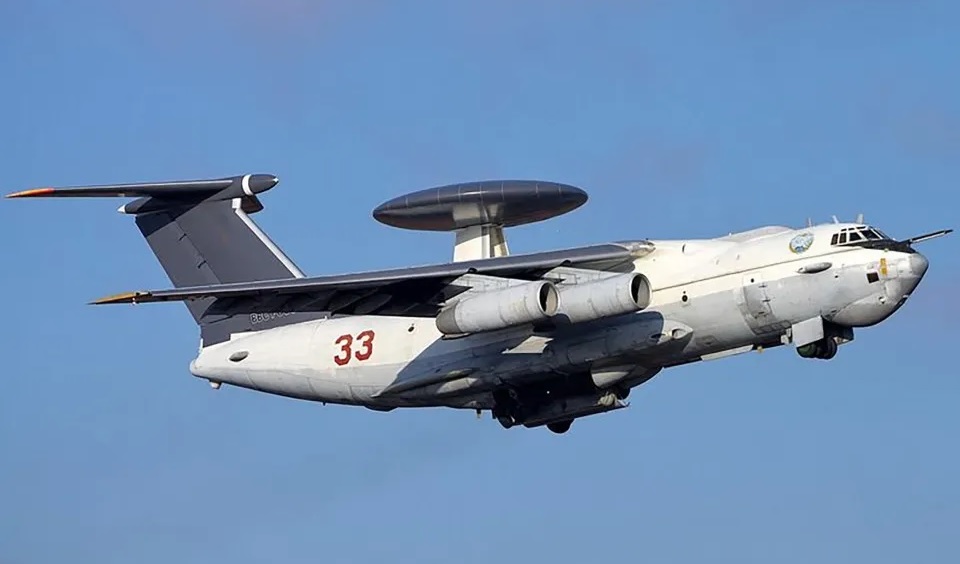
World
TAGANROG, Russia : The Russian government’s directive to resume production of the A-50 “Mainstay” airborne early warning and control (AEW&C) aircraft faces significant industrial and financial constraints after its manufacturer, Beriev Aircraft Company, reported a net loss of 5 billion rubles (approximately $65 million) for fiscal year 2025. The Taganrog-based firm’s financial statements, released this week, show a sharp reversal from the previous year, when the company posted a modest profit. Beriev is the sole manufacturer of the A-50, one of Russia’s primary long-range airborne radar and battle management platforms. Financial Performance and Debt Position According to the published accounts, Beriev’s total revenue declined by a factor of 3.8 year-over-year, falling to approximately $49 million. The company’s liabilities to creditors increased to 27 billion rubles (around $350 million), reflecting growing debt obligations. Accounts receivable — payments owed to the company — declined from $272 million to $129 million, indicating payment delays from state customers and reduced incoming cash flow. The combination of lower revenue, mounting liabilities, and shrinking receivables places pressure on the company’s ability to sustain operations and finance large-scale production programs. The financial deterioration comes after Sergei Chemezov, head of the state defense conglomerate Rostec, announced plans to resume serial production of the A-50 aircraft. The initiative is intended to compensate for aircraft losses sustained during the conflict in Ukraine and to restore airborne surveillance capacity. Industry analysts note that restarting production of a heavy radar aircraft requires a stable supplier network, access to avionics and electronic components, and substantial upfront capital investment. Current financial conditions at Beriev raise questions about the company’s ability to independently support such a program without additional state backing. Facility Damage and Production Constraints In addition to financial pressures, Beriev’s production infrastructure has been affected by repeated attacks. The Taganrog Aviation Scientific-Technical Complex (TANTK), located on the Sea of Azov and responsible for A-50 assembly and modernization work, has reportedly been targeted by long-range drones at least four times since late 2023. Satellite imagery from November 2025 confirmed structural damage to sections of the facility's roof and assembly areas. Reports indicate that key assets were destroyed or damaged during these strikes, including an A-50 undergoing repair and the prototype A-100 “Premier”, which is designed as the next-generation successor to the A-50 platform. Damage to assembly halls and specialized equipment may further complicate efforts to resume full-scale production or accelerate modernization schedules. Fleet Status and Operational Impact At the start of the conflict in 2022, the Russian Air Force operated a fleet of nine A-50 aircraft. The platform is used for airborne early warning, airspace surveillance, air-to-air combat coordination, detection of low-flying cruise missiles, and management of glide bomb operations. Following the confirmed loss of two A-50 aircraft in early 2024 and additional damage to airframes while on the ground, the effective operational fleet has been reduced by approximately half. The reduced number of available aircraft has limited continuous radar coverage and required remaining platforms to operate at greater distances from contested areas. The A-50’s role in extending radar horizons and coordinating air operations makes it a key asset in managing air defense and strike missions. With fewer aircraft available, operational tempo and coverage flexibility are constrained. Production Timeline and Sanctions Environment Prior to 2022, estimates suggested that producing a new A-50 airframe could take approximately two years under standard conditions. Current assessments indicate that production timelines would likely extend beyond pre-war schedules due to supply chain disruptions and international sanctions affecting access to high-technology electronics and avionics components. The A-50 platform is based on the Il-76 airframe and incorporates specialized radar and mission systems that rely on complex integration processes. Restarting mass production would require restoring damaged facilities, stabilizing financing, and securing components within a constrained procurement environment. As of now, no detailed production schedule or funding mechanism has been publicly disclosed to support the restart initiative.
Read More → Posted on 2026-02-17 16:16:31
India
New Delhi, : The Ministry of Defence (MoD) has declared Cochin Shipyard Limited (CSL) as the lowest bidder (L1) for the construction of five Next Generation Survey Vessels (NGSV) for the Indian Navy. The development was confirmed following a meeting held at the Ministry of Defence on February 16, 2026. The estimated value of the contract is approximately ₹5,000 crore. Cochin Shipyard has secured L1 status in the commercial evaluation process; however, the formal award of the contract will be subject to the completion of standard administrative, contractual and technical formalities in accordance with defence procurement procedures. Project Scope and Operational Role The five Next Generation Survey Vessels are intended to replace the Indian Navy’s existing ageing survey fleet and enhance its hydrographic and oceanographic capabilities. The primary role of the NGSVs will be to conduct full-scale hydrographic surveys in coastal and deep-water areas, including ports, navigational channels and India’s Exclusive Economic Zone (EEZ). These surveys are essential for updating nautical charts, ensuring maritime safety, and supporting naval operations. The vessels will also collect oceanographic and geophysical data required for both civilian navigation and defence-related applications. Accurate seabed mapping and environmental data are significant for submarine operations, mine countermeasure planning and maritime domain awareness. In addition to their primary hydrographic function, the NGSVs will be capable of supporting Search and Rescue (SAR) operations and ocean research missions. The ships are designed with modular capabilities that allow them to be configured as hospital ships during emergencies, providing medical support in Humanitarian Assistance and Disaster Relief (HADR) scenarios. Technical Features The Next Generation Survey Vessels will be equipped with advanced autonomous and remotely operated systems to enhance underwater survey capabilities. These include: Autonomous Underwater Vehicles (AUVs) Remotely Operated Vehicles (ROVs) High-resolution multi-beam echo sounders The integration of multi-beam echo sounders will enable the creation of precise three-dimensional seabed maps. The deployment of AUVs and ROVs will support survey operations in deeper and complex underwater environments with improved accuracy and operational efficiency. Alignment with Indigenous Defence Manufacturing The project is aligned with the Government of India’s “Make in India” and “Aatmanirbhar Bharat” initiatives, which aim to increase indigenous design, development and manufacturing in the defence sector. The NGSV programme is expected to incorporate a high level of domestic content, contributing to local industry participation and supply chain development. Cochin Shipyard Limited, a state-owned shipbuilding and maintenance facility under the Ministry of Ports, Shipping and Waterways, has an established track record in executing complex naval construction projects. The shipyard previously constructed India’s first indigenous aircraft carrier, INS Vikrant, for the Indian Navy. In addition to the NGSV project, CSL’s current order book includes contracts for electric green tugs and the ongoing construction of Next Generation Missile Vessels (NGMV). The addition of the five survey vessels further expands the company’s defence portfolio and strengthens its long-term project pipeline. Financial and Market Response Following the announcement on Tuesday, Cochin Shipyard’s shares rose by more than 7 percent during intraday trading, reaching ₹1,574.50 on the National Stock Exchange (NSE). Market analysts indicated that the ₹5,000 crore project provides long-term revenue visibility, as naval shipbuilding contracts typically extend over multiple years from design to delivery. In its regulatory filing, Cochin Shipyard clarified that none of its promoters or group companies have any personal interest in the Ministry of Defence’s awarding authority. The company stated that the bidding and evaluation process complies with applicable corporate governance and transparency standards. The final contract signing will be subject to the completion of procedural requirements under the defence procurement framework. Once formalized, the project will proceed as part of the Indian Navy’s fleet modernization and capability enhancement programme.
Read More → Posted on 2026-02-17 15:57:51
World
ARLINGTON, Va. : Raytheon, a business unit of RTX (NYSE: RTX), has received a strategic contract from the Air Force Research Laboratory (AFRL) to establish a domestic manufacturing capability for thin film lithium niobate (TFLN) wafers, a critical material used in advanced photonics systems. The initiative is intended to reduce U.S. dependence on foreign-dominated supply chains for a material essential to national security systems and high-performance commercial technologies. The contract focuses on developing a reliable U.S.-based source for TFLN, a specialized crystalline material that enables high-speed conversion of electronic signals into optical signals. This functionality is central to secure military communications, advanced radar architectures, electronic warfare systems, and emerging photonics-based computing technologies. Addressing Supply Chain Concentration Global production of TFLN wafers is currently concentrated among a limited number of international suppliers, creating potential vulnerabilities for U.S. defense and commercial sectors. Trade disruptions, export controls, or geopolitical instability could impact availability of the material. Colin Whelan, president of Advanced Technology at Raytheon, stated that global access to TFLN has become increasingly constrained. Under the AFRL-backed effort, Raytheon will establish an independent U.S. supplier operating under a merchant supplier model. The model is designed to provide open, third-party access to TFLN wafers for a broad range of defense contractors and commercial customers, rather than limiting production to internal Raytheon programs. The approach is intended to strengthen the U.S. defense industrial base while also supporting private-sector demand for photonics-enabled technologies. Phased Technology Transfer and Manufacturing Plan The program outlines a phased transition of manufacturing capability from Raytheon to G&H, a U.S.-based photonics specialist. Raytheon’s Advanced Technology team will apply its proprietary “ion slicing” process to enable repeatable production of high-quality thin film lithium niobate layers. Ion slicing is a fabrication technique that separates ultra-thin crystalline layers from a bulk lithium niobate substrate, allowing for consistent wafer-level production suited to advanced photonic device integration. Following validation of the manufacturing process, production responsibility will transition to G&H. Low-rate initial production (LRIP) is scheduled to begin in early 2026. G&H will utilize its existing crystal growth and wafer fabrication infrastructure to support full vertical integration. This includes in-house crystal growth, wafer processing, and device-level fabrication capability, ensuring a domestically controlled supply chain from raw material through finished wafer output. Strategic Importance of TFLN Technology Thin film lithium niobate has become a foundational material for next-generation photonics applications due to its electro-optic properties, enabling high-speed modulation with low signal loss. The material supports multiple sectors: Defense: High-speed secure data links, advanced sensing systems, radar architectures, and electronic warfare platforms. Artificial Intelligence: Photonic computing chips designed to process data using light rather than electrical signals, reducing latency and power consumption. Telecommunications: Ultra-fast optical modulators used in 5G, 6G, and satellite communication systems. Data Centers: Energy-efficient optical transmission systems capable of supporting the large data loads required by large language models (LLMs) and cloud computing infrastructure. By enabling higher bandwidth and lower power optical interconnects, TFLN-based components are increasingly viewed as critical to scaling AI infrastructure and high-performance computing systems. Broader Industrial and Economic Context Although funded by the Air Force Research Laboratory, the initiative is structured to support both defense and commercial markets. The merchant supply model is designed to provide open access to U.S.-manufactured TFLN wafers, supporting innovation across multiple technology sectors. Industry analysts view the establishment of a domestic TFLN manufacturing base as a risk-mitigation measure for the U.S. high-technology sector. Concentration of advanced materials production outside the United States has raised concerns regarding supply continuity for defense systems and commercial telecommunications infrastructure. RTX Corporate Overview Raytheon operates as a business unit of RTX, headquartered in Arlington, Virginia. RTX reported fiscal year 2025 sales exceeding $88 billion and employs more than 180,000 people worldwide. The company maintains a diversified aerospace and defense portfolio that includes Pratt & Whitney aircraft engines and Collins Aerospace systems. The AFRL contract aligns with broader federal efforts to strengthen domestic advanced manufacturing capabilities and reduce supply chain vulnerabilities in strategic materials and semiconductor-adjacent technologies. Low-rate initial production of domestically manufactured thin film lithium niobate wafers is expected to begin in early 2026 following completion of process validation and technology transfer activities.
Read More → Posted on 2026-02-17 15:50:38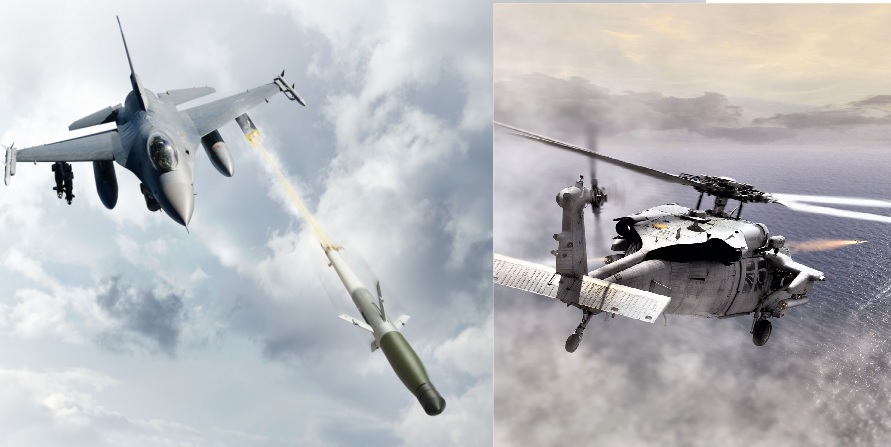
World
WASHINGTON, D.C. : The U.S. Air Force has approved rapid prototyping and production of a new air-to-air configuration of the AGR-20F “FALCO” missile to address large-scale one-way attack (OWA) drone swarms. The effort is being executed under Joint Urgent Operational Need (JUON) CC-0588, issued in August 2024 after U.S. Central Command (CENTCOM) identified a critical operational vulnerability during sustained drone engagements in the Middle East. The requirement mandates initial fielding by fall 2026, with full operational integration within 24 months of the original directive. The program centers on modifying BAE Systems’ Advanced Precision Kill Weapon System (APKWS) into a low-cost air-to-air interceptor capable of engaging multiple unmanned aerial systems (UAS) more efficiently than traditional air-to-air missiles. Air-to-Air Dual Mode Configuration The AGR-20F FALCO is derived from the APKWS rocket system, which historically relied on semi-active laser guidance. The upgraded variant incorporates a dual-mode guidance architecture designed specifically for aerial swarm defense. The primary enhancement is a nose-mounted Long-Wave Infrared (LWIR) seeker, allowing the missile to transition from laser designation to autonomous infrared homing during flight. This reduces the time a pilot must maintain continuous laser tracking and enables sequential engagement of multiple maneuvering drones. The missile also features a mid-body warhead equipped with a dual-safe proximity fuse, optimized to defeat Group 3 unmanned aerial systems without requiring a direct kinetic impact. This configuration increases effectiveness against smaller and agile targets. The overall system supports rapid engagement cycles, improving sortie efficiency during operations involving massed drone formations. Operational Context The accelerated timeline reflects operational lessons from recent conflicts in the Middle East. In April 2024, U.S. and coalition forces conducted what officials described as the largest counter-UAS engagement to date during an Iranian-led drone and missile attack on Israel. In June 2025, that record was surpassed when U.S. forces engaged approximately 1,200 one-way attack drones over a two-week period. During these operations, aircrews expended hundreds of high-end air-to-air missiles and, in several cases, used internal aircraft gun systems to conserve limited missile inventories. The AGR-20F FALCO is intended to improve the cost-exchange ratio in sustained counter-drone operations and preserve advanced interceptors for higher-value threats. Testing and Integration Efforts Live-fire demonstrations of the air-to-air configuration were conducted in May 2025 by the 96th Test Wing and the 53rd Wing at Eglin Air Force Base. The tests utilized the F-15E Strike Eagle as the launch platform. To meet the accelerated timeline, engineers adapted 1970s-era Triple Ejector Racks, enabling fighter aircraft to carry multiple rockets without waiting for new rack development programs. The Air Force plans to integrate the system onto two primary platforms: F-16 Fighting Falcon — designated as the primary fixed-wing interceptor for mass drone swarms. MH-60 Seahawk — providing the U.S. Navy with a cost-effective maritime counter-drone capability. Due to its smaller diameter, the FALCO missile allows a fighter aircraft to carry a dozen or more missiles per sortie, significantly expanding magazine depth against swarms that may number in the hundreds. Production and Deployment Plan BAE Systems was selected as the lead contractor following a competitive process involving 43 respondents. Under the current contract, the company will deliver components for 300 prototype missiles. 100 units are allocated for formal integration and qualification testing. 200 units will be deployed to the Middle East as operational leave-behinds for immediate evaluation and contingency use. The phased deployment structure enables parallel operational assessment and refinement while maintaining readiness in active theaters. According to Air Force documentation, the objective is to deliver a scalable, high-volume air-to-air solution specifically designed to counter one-way attack drone swarms. The AGR-20F FALCO variant represents the adaptation of an existing precision rocket system to meet evolving operational requirements identified through recent combat experience.
Read More → Posted on 2026-02-17 15:35:59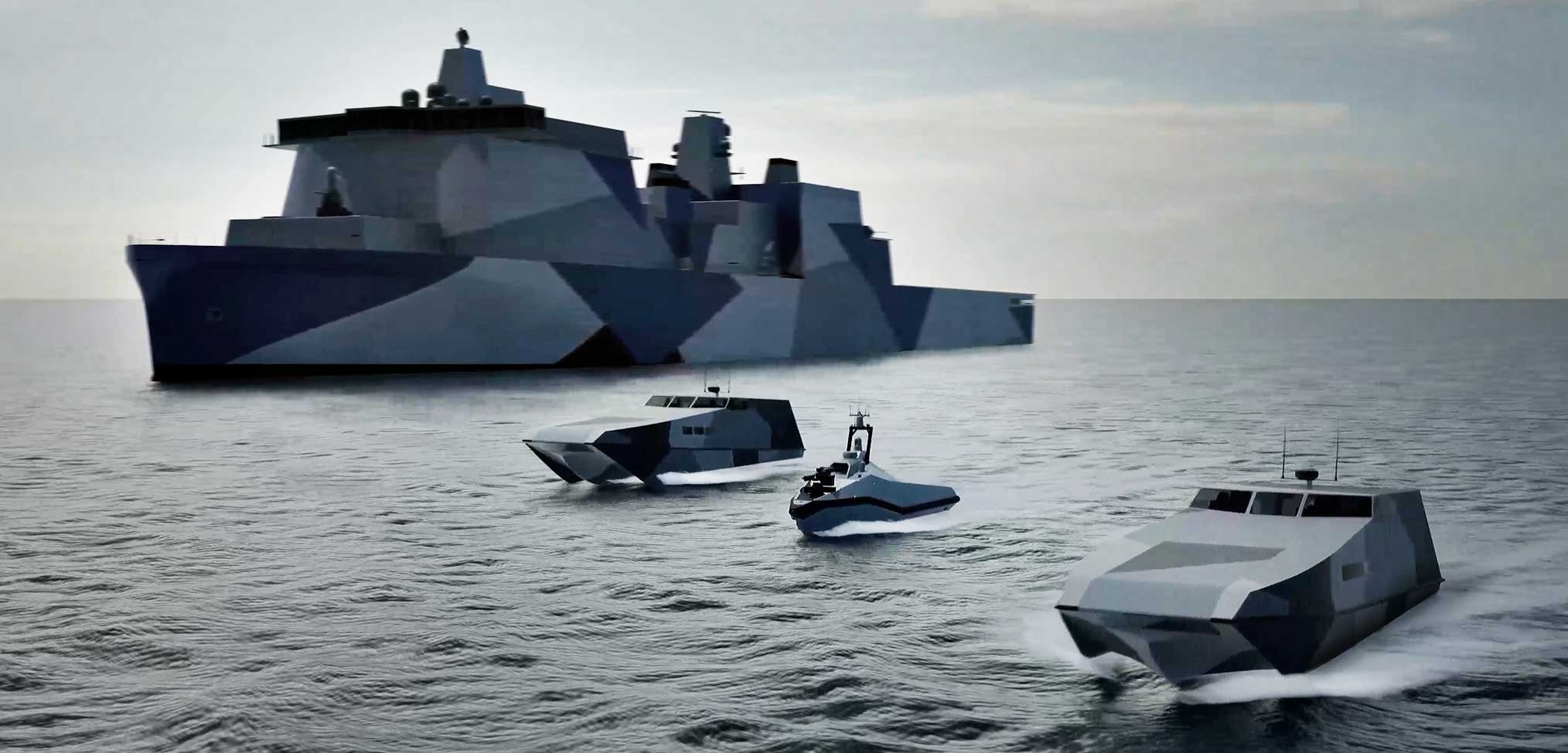
World
PARIS : The United Kingdom’s Royal Navy is accelerating its transition toward a “hybrid fleet” structure that integrates crewed warships with uncrewed and autonomous systems, as part of a long-term modernization strategy aimed at maintaining maritime superiority while managing fiscal and personnel constraints. General Sir Gwyn Jenkins, the UK’s First Sea Lord and Chief of Naval Staff, formally identified the hybrid fleet model as the service’s primary structural objective during remarks at the fourth Paris Naval Conference on February 3, 2026. He stated that the Navy must adopt an approach based on incremental introduction and spiral development, enabling capabilities to be fielded and improved in stages rather than waiting for full technological maturity. Strategic Framework Under SDR 2025 The transition is anchored in the 2025 Strategic Defence Review (SDR), which institutionalized the hybrid fleet concept. The review calls for a “more powerful but cheaper and simpler fleet” combining crewed platforms with uncrewed surface, subsurface, and aerial systems, supported by increasing levels of autonomy. The framework promotes a “high-low” force mix, in which high-end crewed assets such as aircraft carriers and advanced frigates are complemented by lower-cost autonomous systems. This structure is designed to distribute operational tasks across a disaggregated fleet, helping mitigate budgetary pressures and recruitment challenges while maintaining operational reach. The SDR outlines three principal operational pillars: Atlantic Bastion focuses on protecting critical undersea infrastructure and North Atlantic sea lines of communication through the deployment of autonomous sensors and monitoring systems. Atlantic Shield centers on strengthening air defense for the United Kingdom’s northern approaches by integrating uncrewed escort vessels alongside crewed ships. Atlantic Strike envisions the use of carrier-based autonomous platforms to conduct long-range offensive operations, extending the reach of the Royal Navy’s carrier strike capability. Capability Milestones Over the Next 24 Months The Royal Navy has established specific capability objectives to be achieved by 2027. Autonomous Carrier Airwing: Work is underway to launch the first jet-powered autonomous collaborative platform from a Queen Elizabeth-class aircraft carrier by late 2026 or early 2027. The planned hybrid airwing will incorporate a mix of crewed aircraft and autonomous systems, including single-use drones, long-range missiles, and autonomous aerial refueling platforms. Uncrewed Escort Ships: The Navy aims for its first uncrewed escort vessels to operate alongside crewed warships by 2027. These vessels are intended to augment air defense, surveillance, and other protective functions without increasing onboard personnel requirements. ARMOR Force Architecture: A central industrial initiative underpinning the transition is the Autonomous and Remote, Maritime Operational Response – Force (ARMOR Force) program. Developed by Babcock in partnership with HII and Arondite, the architecture will convert Type 31 frigates into Common Command Vessels (CCVs). These ships will serve as operational hubs for HII’s ROMULUS family of large Uncrewed Surface Vessels (USVs), enabling distributed maritime operations with centralized oversight. Modular Systems and Remote Operations The Royal Navy is also advancing its Persistent Operational Deployment System (PODS), a modular concept using standardized ISO containers that can be rapidly embarked or removed to adapt ships for specific missions. PODS modules can support mine countermeasures, intelligence, surveillance and reconnaissance (ISR), or strike roles, allowing ships to be reconfigured without major structural modifications. Recent trials off the coast of Scotland demonstrated remote command capabilities linked to this model. In the exercise, five autonomous Rattler boats were controlled by a team located approximately 500 miles away in southern England. The trial confirmed that uncrewed systems could escort crewed warships and transmit real-time sensor data to a remote command center. Personnel and Force Readiness To align organizational structures with technological change, General Jenkins introduced the Warfighting Ready Plan 2029. The roadmap, informed by extensive wargaming, sets objectives for force preparedness and operational integration of autonomous systems over the next several years. The evolving force design is guided by the principle: “Uncrewed wherever possible, crewed only where necessary.” This approach reflects the Navy’s intent to allocate personnel to roles requiring human judgment and command while assigning routine, high-risk, or endurance-intensive tasks to autonomous platforms. The hybrid fleet initiative represents a structural transformation of the Royal Navy’s operational model, combining industrial partnerships, modular technology, and phased capability deployment under the framework established by the 2025 Strategic Defence Review.
Read More → Posted on 2026-02-17 14:49:13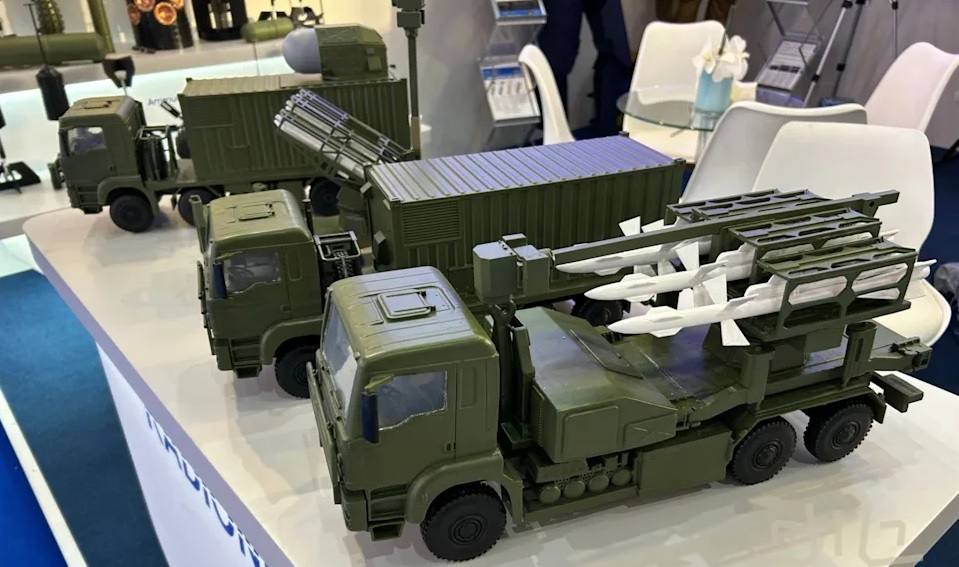
World
RIYADH, Saudi Arabia : The National Association of Defense Industry of Ukraine (NAUDI) has unveiled a new multi-caliber surface-to-air missile (SAM) system named Shershen (Hornet) at the World Defense Show 2026 in Riyadh. The system is designed to integrate multiple missile types from different origins into a single, standardized air defense complex. According to NAUDI, the Shershen has already been tested with five distinct missile types, including Soviet-era, Western-supplied, and newly developed Ukrainian munitions. Company representatives state that the five validated missiles represent the systems that have been fired so far, and that additional missile types can be integrated if required. Development Background The Shershen system is described as an evolution of Ukraine’s earlier “FrankenSAM” concept, under which engineers paired available missiles, launchers, and radars through hardware and software adaptations to create operational air defense units. While multiple FrankenSAM configurations remain in service, each required individual engineering solutions for specific missile-radar combinations. Shershen is intended to serve as a standardized, modular platform capable of accommodating a broader range of components without requiring custom integration for every configuration. The system aims to address a persistent challenge within Ukraine’s air defense inventory: significant quantities of missiles, launchers, and radars that are incompatible with one another, resulting in unused stockpiles. System Composition The Shershen air defense complex consists of several modular elements: A radar station and control point Self-propelled launchers Launch and reloading vehicles Transport and reloading vehicles The launcher design incorporates a “multilift” mechanism similar to the Israeli Barak system concept, allowing the launch module to be removed from its transport vehicle and deployed on the ground as an autonomous firing unit. After deployment, the transport vehicle can relocate to reduce vulnerability to counter-battery fire. The system is not tied to a specific radar model. NAUDI states that its open-architecture control system allows integration with various domestic and foreign radar platforms. During the exhibition, company officials noted compatibility with radar manufacturers including Thales, HENSOLDT, Teledyne, and Giraffe. The system can also integrate with Ukraine’s Krechet networked command system, which aggregates data from multiple radar and air-target detection sources. Missile Integration Shershen is designed to fire multiple categories of missiles: Legacy Soviet missiles, including the R-27 (AA-10 Alamo) family Western short-range infrared missiles, including IRIS-T and ASRAAM Prospective Ukrainian-developed interceptors The display model in Riyadh featured R-27 medium-range missiles mounted on the launcher. The R-27, originally an air-to-air missile with either radar or infrared guidance and a maximum range of up to approximately 100 kilometers in air-launched configuration, has been adapted for ground-based launch. The R-27ET1 infrared-guided variant is referenced in other systems such as India’s Samar-2, where the air target engagement range does not exceed 20 kilometers. The exhibition model also appeared to incorporate the Ukrainian-produced Radionix Esmeralda radar, typically installed on Su-27 and MiG-29 fighter aircraft. Both aircraft types remain in Ukrainian service and routinely carry R-27 missiles. NAUDI states that pairing a domestically produced radar with a domestically producible medium-range missile supports greater supply autonomy. The effective engagement range of the Shershen system depends on the specific missile that the system will use. NAUDI characterizes the platform as a short-to-medium-range system, comparable in role to IRIS-T SLM or NASAMS, and designed to intercept drones, cruise missiles, and manned aircraft. Heavy ballistic missile interception would continue to rely on longer-range systems such as Patriot or SAMP/T batteries operated by Ukraine. Industrial and Cost Considerations According to NAUDI Director Serhiy Honcharov, the system is designed to reduce dependence on a single supplier and mitigate delays in foreign deliveries. He stated that reliance on exclusive supply chains can lead to situations in which launchers are available but compatible missiles are not, and the volume of missile production is limited while costs increase over time. Honcharov indicated that the Shershen control system is estimated to be approximately three times less expensive than comparable global systems, primarily due to its flexible software architecture and ability to integrate diverse hardware components. Operational Implications If deployed at scale, the Shershen system could enable Ukraine to convert previously incompatible missile, radar, and launcher inventories into operational air defense batteries. By creating a universal interface between disparate components, the system seeks to maximize the usability of existing stockpiles while preserving the ability to incorporate future missile types. NAUDI states that the five validated missile types represent an initial integration baseline. Additional missile adaptations can be undertaken as operational requirements evolve.
Read More → Posted on 2026-02-17 14:42:03
World
GENEVA, : Iran has proposed a three-year suspension of all uranium enrichment activities during indirect negotiations with the United States, offering what officials describe as a structured framework for nuclear de-escalation in exchange for comprehensive sanctions relief. The proposal was introduced during the second round of talks held in Geneva and was first reported by The Wall Street Journal. The discussions are being conducted indirectly through Omani mediators. The Iranian delegation is led by Foreign Minister Abbas Araghchi, while the U.S. side is represented by Special Envoys Steve Witkoff and Jared Kushner under the administration of President Donald Trump. Proposed Three-Year Pause According to officials familiar with the negotiations, Tehran has offered to implement a complete halt to all uranium enrichment activities for a period of three years. Iranian representatives described the timeframe as a strategic pause intended to reduce tensions and rebuild trust following the collapse of earlier nuclear arrangements and the military escalations that occurred in 2025. Under the proposal, enrichment activities would cease entirely during the pause period. After the three-year suspension, Iran has suggested that enrichment resume at a capped level of no more than 1.5 percent purity. This proposed cap is significantly lower than the 3.67 percent enrichment limit established under the 2015 Joint Comprehensive Plan of Action (JCPOA). Transfer of Highly Enriched Uranium As part of the framework, Iran has indicated its willingness to transfer a significant portion of its existing stockpile of highly enriched uranium, particularly material enriched to 60 percent purity, to a third country for storage and monitoring. Russia has confirmed that its earlier offer to receive and oversee such material remains available. Discussions have also referenced the possibility of Turkey serving as a recipient or transit location. The relocation of 60 percent enriched uranium is intended to address concerns related to Iran’s breakout capacity. U.S. officials have consistently cited the accumulation of high-level enriched uranium as a central proliferation concern. Economic Components of the Proposal Tehran’s proposal links nuclear concessions to broad sanctions relief. Iranian negotiators have sought full access to billions of dollars in oil revenues currently frozen in foreign accounts and the removal of secondary sanctions affecting Iran’s energy exports. In addition to sanctions relief, Iran has suggested the inclusion of direct commercial arrangements between U.S. and Iranian entities in sectors such as oil, gas, mining, and civil aviation. Iranian officials argue that formalized economic engagement could reinforce long-term compliance by embedding commercial interests into any future agreement. The Iranian economy continues to face pressure from prolonged sanctions and domestic instability. Following nationwide protests in late 2025 and early 2026, the Iranian rial experienced further depreciation, increasing the urgency for financial stabilization and expanded oil revenue access. U.S. Position and Conditions The United States has maintained its existing position that any agreement must result in a permanent and complete cessation of domestic uranium enrichment. U.S. officials have stated that a temporary suspension does not meet Washington’s stated objective of achieving zero enrichment within Iran. In addition to enrichment demands, the U.S. is seeking to expand the scope of negotiations to include binding restrictions on Iran's ballistic missile program and limitations on support for regional proxy groups. Iranian officials have stated that missile capabilities fall under national defense policy and are not subject to negotiation. A senior U.S. official said that while the Iranian proposals are under review, broad sanctions relief is not currently under consideration without what Washington describes as tangible and permanent dismantlement of Iran’s nuclear infrastructure. Technical Review and IAEA Involvement The negotiations have now entered a technical phase involving the International Atomic Energy Agency (IAEA). Director General Rafael Grossi is expected to meet both delegations to assess verification mechanisms related to the proposed enrichment pause and to evaluate the logistical feasibility of transferring enriched uranium to a third country. IAEA involvement would be central to monitoring compliance during any suspension period, including oversight of centrifuge activity, stockpile accounting, and potential reconfiguration of enrichment facilities. Regional Security Context The talks are taking place amid sustained U.S. military deployments in the Persian Gulf. The USS Gerald R. Ford carrier strike group remains positioned in the region. U.S. Secretary of State Marco Rubio has described the deployment as a protective measure intended to maintain regional stability while diplomacy continues. Core Negotiation Positions The current positions of both sides remain formally defined as follows: Uranium Enrichment: Iran proposes a three-year suspension followed by a 1.5 percent cap; the United States demands permanent zero enrichment. Uranium Stockpile: Iran offers to export 60 percent enriched uranium to a third country such as Russia; the United States seeks total removal or destruction of highly enriched material. Missile Program: Iran declines to include it in negotiations; the United States seeks mandatory caps and inspections. Sanctions Relief: Iran requests comprehensive access to frozen oil funds and removal of secondary sanctions; the United States proposes incremental relief contingent on compliance. No formal agreement has been announced following the second round of talks. Both sides have indicated that further technical consultations are expected before the next diplomatic session.
Read More → Posted on 2026-02-17 14:13:23
World
WILTSHIRE, UNITED KINGDOM : The Global Combat Air Programme (GCAP) has entered a new phase of airborne systems development after the Boeing 757 “Excalibur” Flight Test Aircraft (FTA) began advanced flight testing at the UK Ministry of Defence’s Boscombe Down facility. The aircraft is supporting the tri-national effort between the United Kingdom, Italy and Japan to develop a sixth-generation combat aircraft scheduled to enter service in 2035. The Excalibur platform, a heavily modified Boeing 757-200 airliner, is being used to validate and de-risk critical subsystems intended for integration into the future GCAP fighter. The current round of sorties follows a significant structural modification program and focuses on testing the Integrated Sensing and Non-Kinetic Effects (ISANKE) suite and the Integrated Communications Systems (ICS). Structural Modifications and Configuration Changes The Boeing 757 testbed underwent its initial modification phase in late 2024, during which three forward fuselage fairings were installed to house experimental equipment. Subsequent upgrades have further altered the aircraft’s external profile. A fighter-style pointed nose radome has been fitted to replicate the aerodynamic and electromagnetic environment expected on a next-generation combat aircraft. Additional fairings have been mounted beneath the forward fuselage and near the rear section, complementing earlier underside installations. These structures are designed to accommodate high-sensitivity sensors and related electronic systems under evaluation. During recent test flights, the aircraft’s Ram Air Turbine (RAT) was observed in a deployed configuration. While normally used as an emergency power source, its activation in these trials is assessed to be associated with testing secondary power systems or evaluating aerodynamic drag characteristics under specific electrical and operational loads. Internally, the former commercial passenger cabin has been fully reconfigured. The aircraft now contains 16 mission equipment racks and 10 operator workstations. These facilities enable onboard engineers and scientists to monitor and assess data generated by advanced subsystems, including the Multi-Function Radio Frequency System (MFRS). The MFRS radar is designed to process data volumes approximately 10,000 times greater than current-generation radar systems. Role of the 757 as a Flying Test Laboratory The selection of a Boeing 757-200 as a flying laboratory provides several operational and technical advantages over using conventional fighter aircraft. The twin Rolls-Royce turbofan engines supply substantial electrical generation capacity, enabling the aircraft to power high-energy experimental sensors and electronics that would exceed the limits of standard fighter alternators. The larger airframe also offers greater payload margins, supporting the installation of extensive test instrumentation and sensor arrays. Due to its size and mass, the 757’s flight characteristics are less sensitive to the addition of external fairings and sensor housings. This stability allows for more consistent data acquisition and reduces aerodynamic uncertainty during system trials. The multi-crew environment is another factor in its selection. Unlike a single-seat fighter platform, the 757 can accommodate a full team of engineers and mission specialists onboard. This configuration permits real-time system adjustments and immediate in-flight data analysis, accelerating the development cycle. To support the modification process, 2Excel Aviation acquired a second Boeing 757-200, registered G-BYAW, for disassembly. This airframe has been used to generate a high-fidelity digital twin model, enabling engineers to simulate structural and systems modifications virtually before implementing them on the operational test aircraft, registered G-FTAI. GCAP Development Timeline and International Context The Excalibur project forms a central component of GCAP’s broader objective to field a sixth-generation fighter aircraft by 2035. A supersonic flying demonstrator is targeted for 2027 as part of the phased development approach. GCAP is intended to replace the United Kingdom and Italy’s Eurofighter Typhoon fleets and Japan’s Mitsubishi F-2 aircraft. Industrial coordination within the programme is being managed through the “Edgewing” joint venture, which aims to ensure production alignment and technology integration across the three partner nations. Parallel to GCAP, the Future Combat Air System (FCAS) programme—led by France, Germany and Spain—continues development but has experienced internal industrial disagreements. Germany is currently reviewing its long-term participation in FCAS, amid speculation regarding potential alignment with the GCAP framework. Partner Nation Testbed Contributions In addition to the UK’s Boeing 757 Excalibur platform, Italy and Japan are preparing complementary airborne testbeds to evaluate specific elements of the GCAP architecture. Italy is employing a modified Gulfstream business jet for high-altitude communications and networking trials. Japan is utilizing a modified Kawasaki C-2 transport aircraft to conduct large-scale electronic warfare and integrated systems testing. Together, these airborne laboratories are designed to provide comprehensive validation of sensor fusion, communications architecture, advanced radar processing, and electronic warfare technologies before their integration into the future sixth-generation combat aircraft platform.
Read More → Posted on 2026-02-17 13:39:18
World
KARAJ, IRAN : Flight tracking data over the past 72 hours shows three Russian Ilyushin Il-76TD strategic transport aircraft arriving at Karaj Airport (Kerej), west of Tehran. The aircraft departed from Mineralnye Vody in southern Russia, indicating a concentrated airlift operation linked to ongoing defense cooperation between Moscow and Tehran. The Il-76TD is a heavy-lift transport aircraft capable of carrying up to 50 tons of cargo per sortie. Aviation data indicates the flights were conducted within a compressed timeframe, suggesting coordinated logistical planning. The aircraft involved are civilian-registered variants, a configuration that allows use of established civil aviation corridors across the Caucasus region. Cargo Assessment and Helicopter Deliveries Defense analysts and local reporting indicate that the cargo associated with the recent flights includes the Mi-28NE attack helicopter. Visual material circulating from the Pars Aerospace Services Company (PASC) facility in Tehran shows partially disassembled Mi-28NE airframes painted in a digital desert camouflage scheme. The helicopters appear to be undergoing assembly and integration procedures. The Mi-28NE, an export version of Russia’s Mi-28 “Havoc,” is designed for anti-armor and close air support missions. It is equipped with a 30mm automatic cannon and can deploy anti-tank guided missiles. The platform also features mast-mounted radar and infrared sensor systems intended for night and all-weather operations. Crew protection includes reinforced cockpit armor and shock-absorbing landing gear. If fully operational, the addition of Mi-28NE helicopters would mark a modernization step for the Iranian Army Aviation (IRAA), which has historically relied on legacy AH-1J SeaCobra helicopters acquired prior to 1979. The integration process is expected to involve pilot conversion training, weapons system calibration, and local maintenance adaptation. Broader Defense Agreement The airlift activity is understood to be part of a broader multi-billion-dollar defense agreement between Russia and Iran. Intelligence assessments have previously indicated potential transfers of Su-35 multirole fighter aircraft and S-400 air defense systems as part of expanded military-technical cooperation. In parallel, Iran has continued to supply Russia with unmanned aerial systems (UAS) and loitering munitions. These systems have been documented in use in ongoing European conflict zones. The bilateral defense relationship has therefore developed into a reciprocal arrangement involving conventional and unmanned systems. Strategic Context The increase in Russian airlift activity occurs amid heightened regional tensions. In early February 2026, the United States and Israel reportedly shifted toward a posture of increased direct military pressure on Iran. The United States has deployed a second aircraft carrier strike group to the Middle East. President Donald Trump has stated that while indirect nuclear negotiations in Geneva are ongoing, military options remain available if diplomatic efforts do not produce results. Israel has maintained a high readiness level, citing concerns over Iran’s nuclear and missile programs. Recent assessments suggest that earlier strikes damaged portions of Iran’s ballistic missile infrastructure, though reconstruction efforts are ongoing. Operational Considerations The use of civilian-registered Il-76TD aircraft for strategic deliveries reduces the visibility typically associated with overt military transport operations. Aviation specialists note that this approach allows logistical continuity while remaining within established commercial flight frameworks. Karaj’s proximity to Tehran and associated aerospace facilities makes it a suitable hub for equipment transfer and assembly. The Pars Aerospace Services Company facility has historically been linked to aircraft maintenance and integration activities, providing infrastructure for assembling partially disassembled airframes delivered by transport aircraft. The recent sequence of flights, combined with visual evidence from Tehran-based facilities, indicates continued progression of Russian-Iranian military cooperation under current regional conditions.
Read More → Posted on 2026-02-17 13:33:41
World
WASHINGTON, D.C. : SpaceX and its recently integrated subsidiary xAI have entered a classified U.S. Department of Defense competition to develop advanced software capable of controlling large-scale autonomous drone swarms through spoken battlefield commands. The initiative, valued at $100 million, was launched in January 2026 and is designed to enable real-time coordination of unmanned systems across air and maritime domains using natural language processing. The competition is being jointly led by the Defense Innovation Unit (DIU) and the Defense Autonomous Warfare Group (DAWG), a newly established unit operating under U.S. Special Operations Command. The program centers on the development of a software platform known as “Orchestrator,” which is intended to translate a commander’s voice instructions into synchronized digital commands for hundreds of autonomous systems simultaneously. Program Structure and Technical Phases The six-month competition is divided into five sequential phases designed to evaluate software maturity, operational integration, and mission execution capability. The first phase focuses on software development, including the creation of a digital architecture capable of securely processing voice input and converting it into machine-readable command structures. This stage emphasizes system stability, encryption, and real-time processing. The second phase involves simulation and coordination testing. During this stage, participating teams must demonstrate that their artificial intelligence systems can manage multi-domain swarm behavior in virtual environments, including simultaneous aerial and maritime maneuvers. The third phase transitions from simulation to live platform testing. Software prototypes are integrated into physical drone hardware to assess real-world responsiveness, latency, and system resilience under operational conditions. The fourth phase centers on target awareness. This includes implementing autonomous tracking functions and enabling continuous data sharing across the swarm network to ensure synchronized situational awareness. The final phase requires mission execution demonstrations covering full-cycle operations described as “launch to termination.” This stage evaluates the software’s ability to manage deployment, target engagement processes, and mission completion under controlled testing conditions. A senior defense official stated at the program’s announcement that integrating a human-machine voice interface is expected to directly affect the operational effectiveness and lethality of unmanned systems deployed in combat environments. The official confirmed that the technology under development is intended for offensive military operations. SpaceX and xAI Participation SpaceX’s participation marks an expansion of its existing defense portfolio. The company has previously served as a major defense contractor through satellite launch services and secure communications programs such as Starshield. The current competition involves the development of offensive autonomous systems software rather than space-based infrastructure. The entry follows the recent integration of xAI into SpaceX, creating a combined entity reportedly valued at approximately $1.25 trillion. As part of its growing defense engagement, xAI has secured separate Pentagon contracts worth up to $200 million for integrating its Grok artificial intelligence models into government systems. Recruitment efforts associated with these projects have included hiring engineers with high-level U.S. security clearances to support classified development work. OpenAI’s Role and Limitations OpenAI is also participating in the broader competition framework, although its involvement is limited in scope. According to internal documentation, OpenAI’s technology is being utilized by partner firms, including Applied Intuition and Sierra Nevada Corporation (SNC), to support voice-to-text processing and command translation functions. An OpenAI spokesperson confirmed that its tools will not be used for direct drone swarm control, weapons integration, or targeting authority. The company stated that its participation adheres to internal safety and usage policies that restrict deployment in direct weapons operation roles. Strategic Context and Operational Objectives The Orchestrator initiative builds upon the Pentagon’s earlier “Replicator” program. Replicator focused on scaling the production of low-cost autonomous drones. In contrast, the current challenge concentrates on developing the intelligence and coordination layer necessary to manage large numbers of autonomous systems collectively. The software under development is intended to function in contested operational environments, including scenarios where GPS signals are unavailable and cloud-based communications are disrupted. Real-time voice-command processing in such conditions is a central technical requirement of the competition. According to defense officials, deployment timelines are aligned with upcoming large-scale domestic security events, including the 2026 FIFA World Cup and the America250 celebrations. The Department of Defense aims to ensure that relevant autonomous coordination capabilities are operational before those events. The competition is scheduled to conclude six months after its January 2026 launch, with final demonstrations expected to determine award distribution under the $100 million prize structure.
Read More → Posted on 2026-02-17 13:00:04Search
Top Trending in 24 Hours
-
 U.S. Navy Awards Northrop Grumman $1.2 Billion Deal for Three New E-2D Advanced Hawkeyes
-
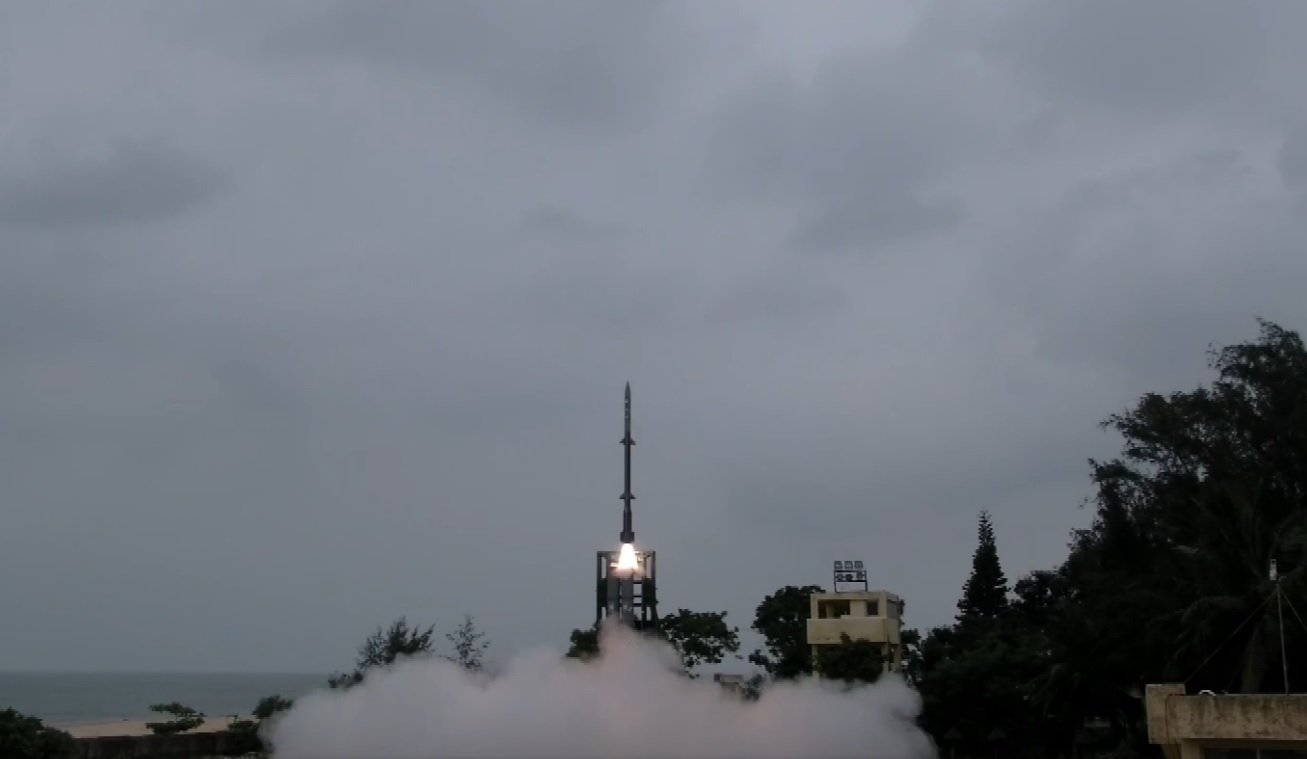 DRDO Successfully Conducts Maiden Flight Test of 150-km-Range Kusha M1 Air Defence Missile
-
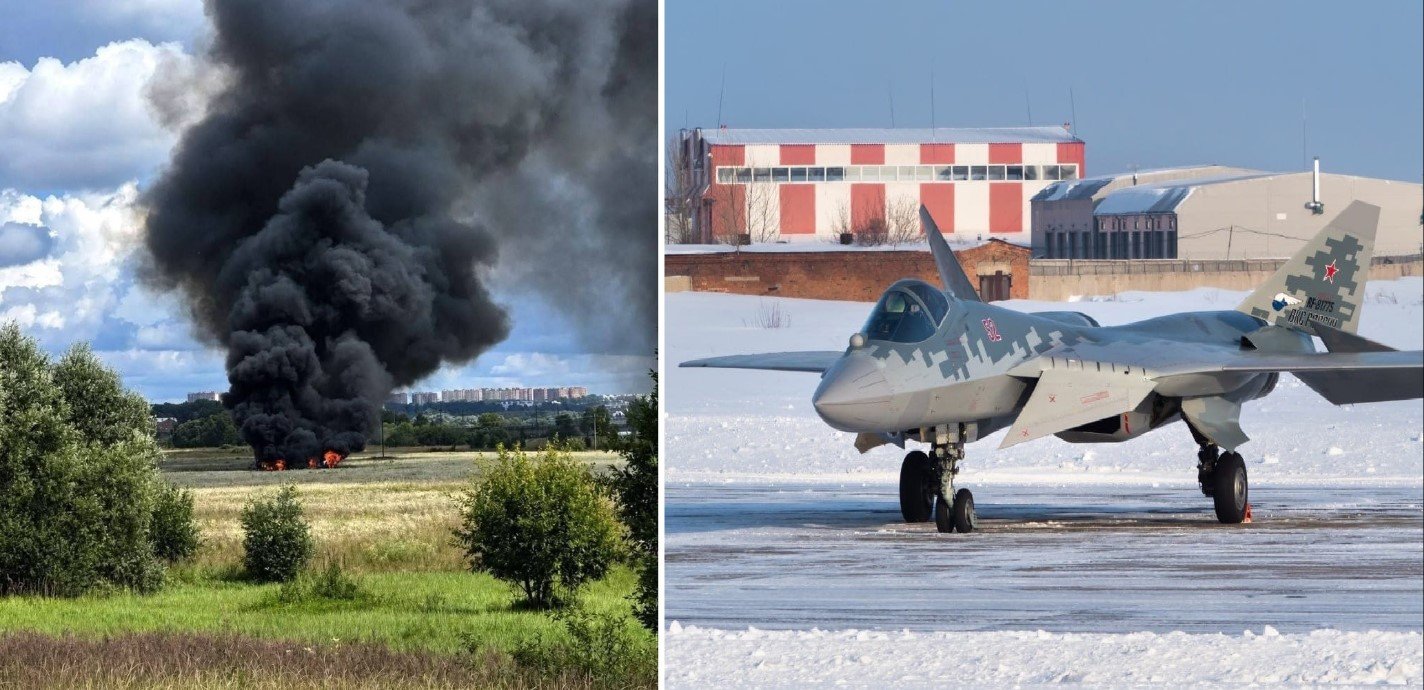 Russian Su-57 Stealth Fighter Crashes During Training Flight Near Moscow, Pilot Ejects Safely
-
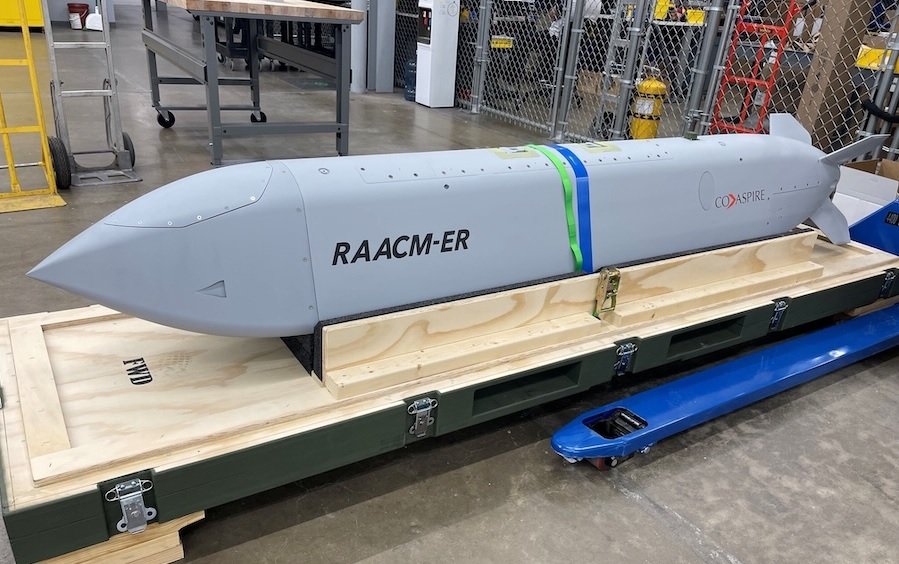 U.S. Navy Selects CoAspire to Build Ground-Launched CHAOS Cruise Missile Under $70 Million Program
-
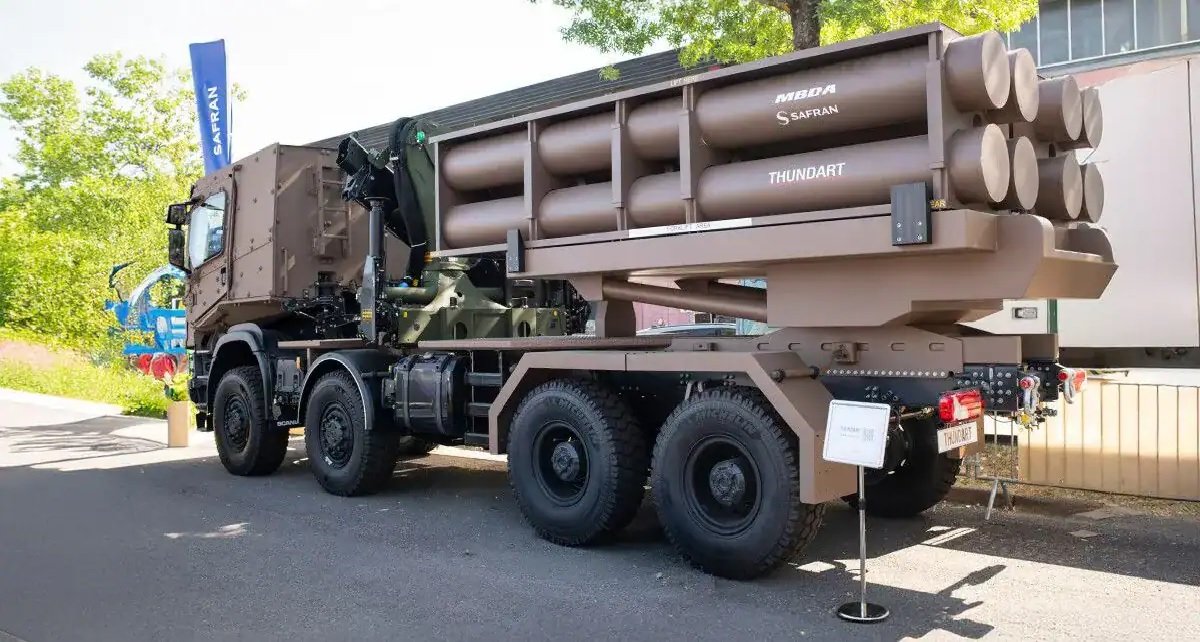 France's THUNDART Long-Range Rocket System May Undergo Prototype Combat Testing in Ukraine
-
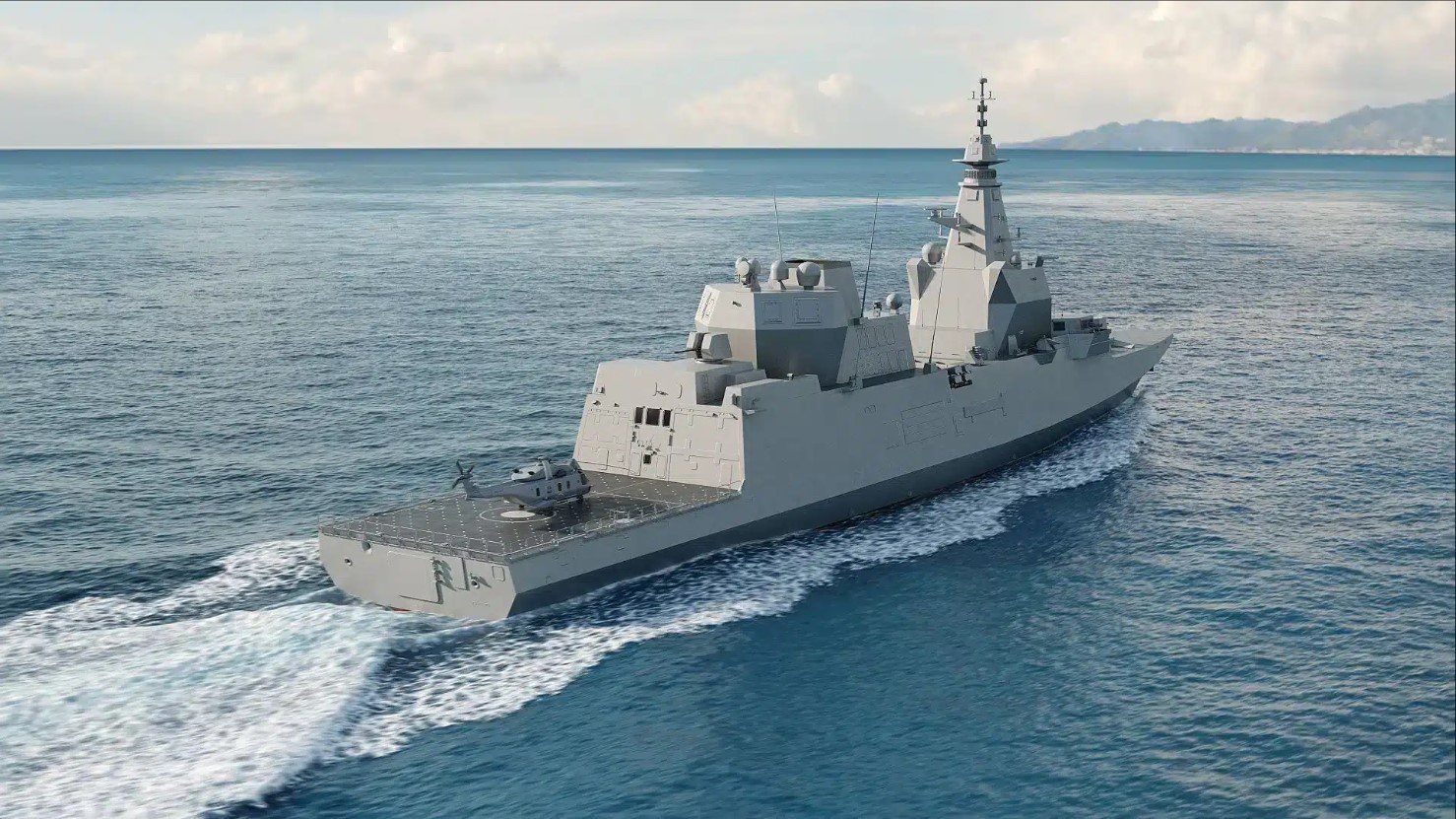 Portugal Orders Three FREMM EVO Frigates from Italy in €3.9 Billion Naval Deal
-
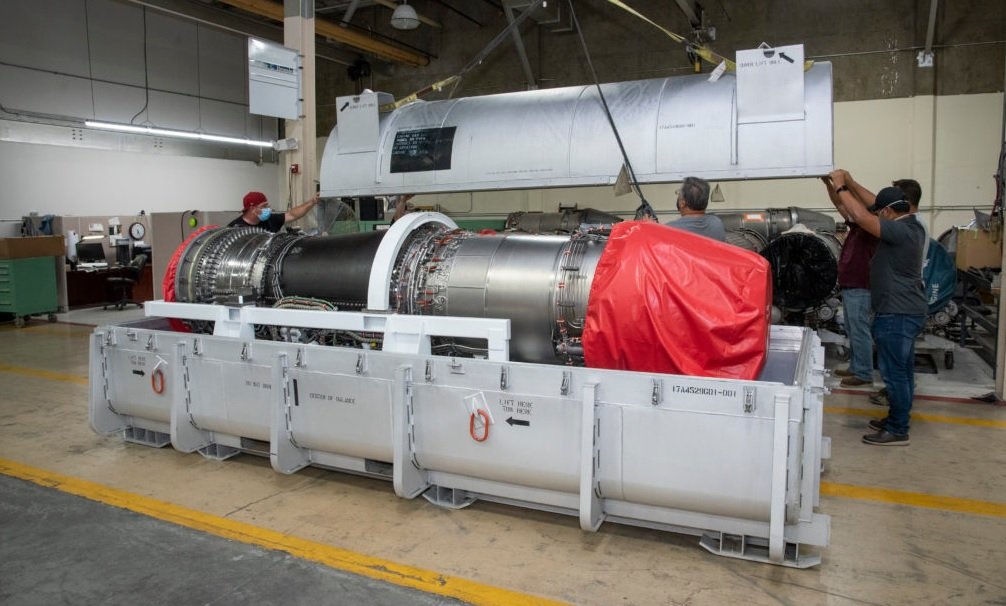 GE Aerospace and Magellan Aerospace Corporation Sign Strategic MoU for F414 Engine Sustainment in Canada
-
 Destinus Unveils Vorexon Interceptor Concept to Defend Critical Sites from Artillery Threats
Top Trending in 4 Days
-
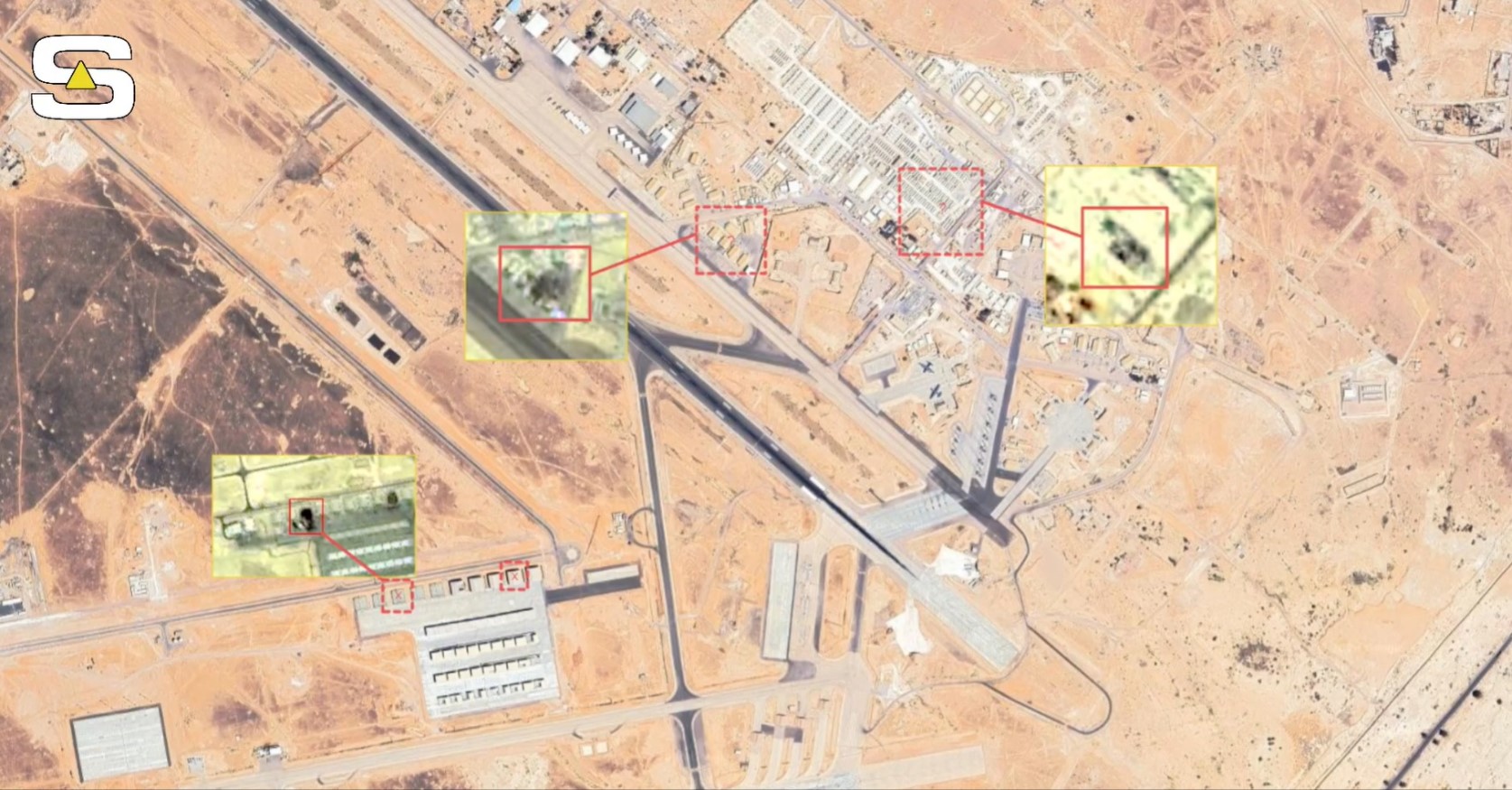 New Satellite Imagery Reveals Extensive Damage at Jordan's Muwaffaq al-Salti Air Base After Iranian Missile Strike
-
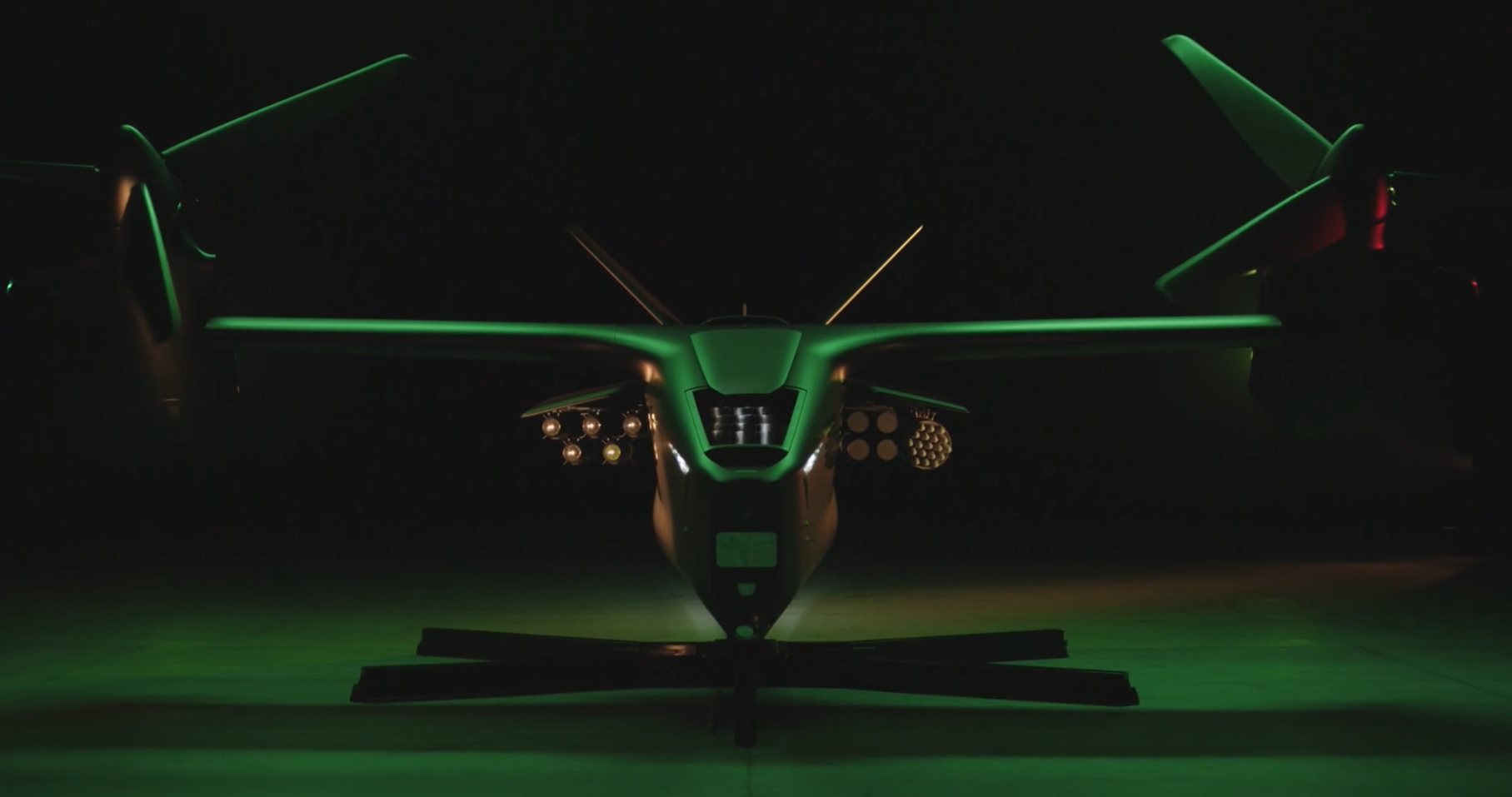 Anduril Unveils Thunder Autonomous Attack Rotorcraft Built with Archer Aviation to Support Apache Helicopters
-
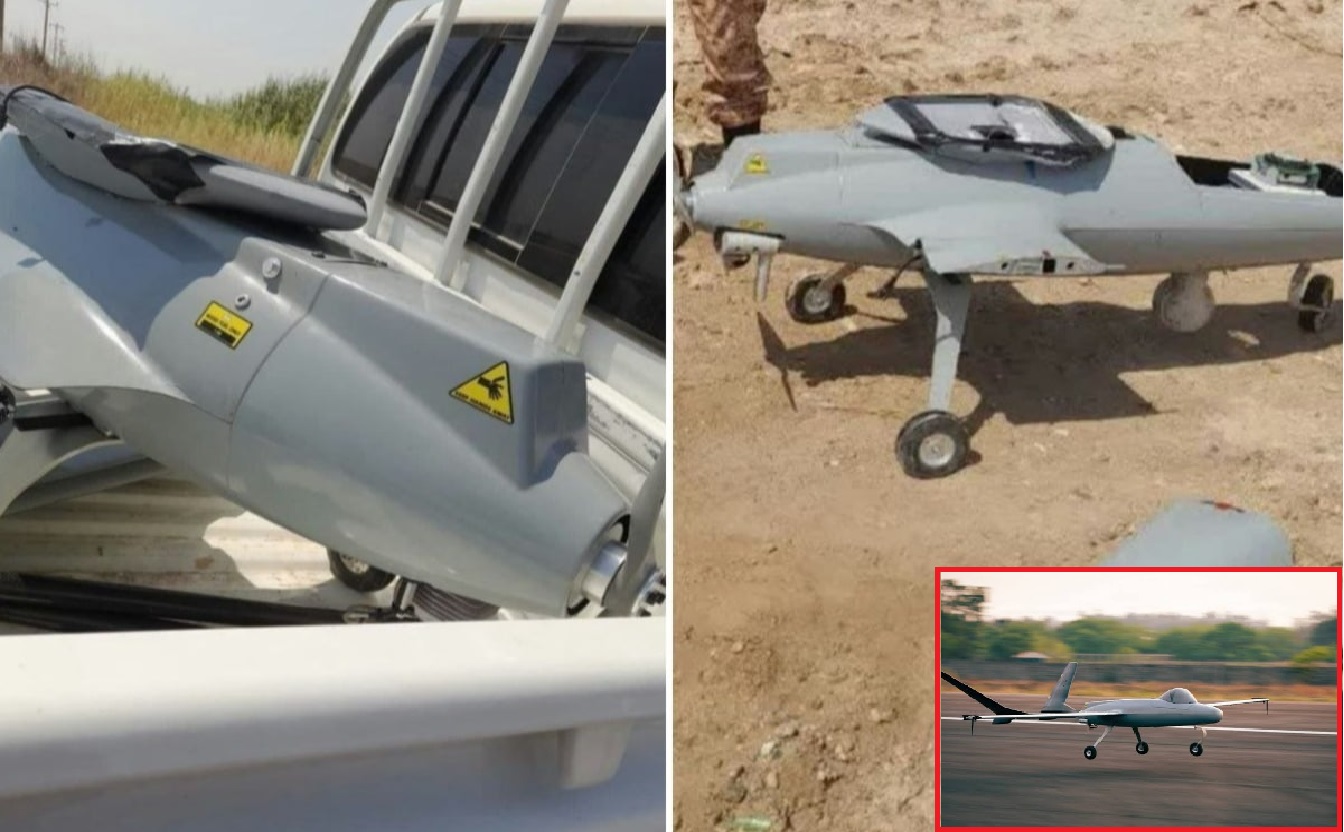 Iran Claims It Shot Down U.S.-Operated Polish-Built Tiguar-M Drone, Releases Images
-
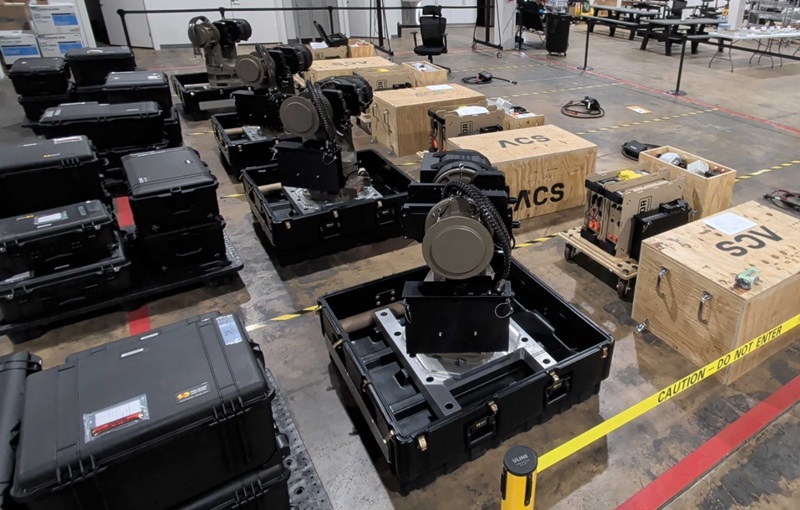 U.S. Marine Corps Selects AI-Powered Bullfrog Weapon Station for L-MADIS Counter-Drone Platform
-
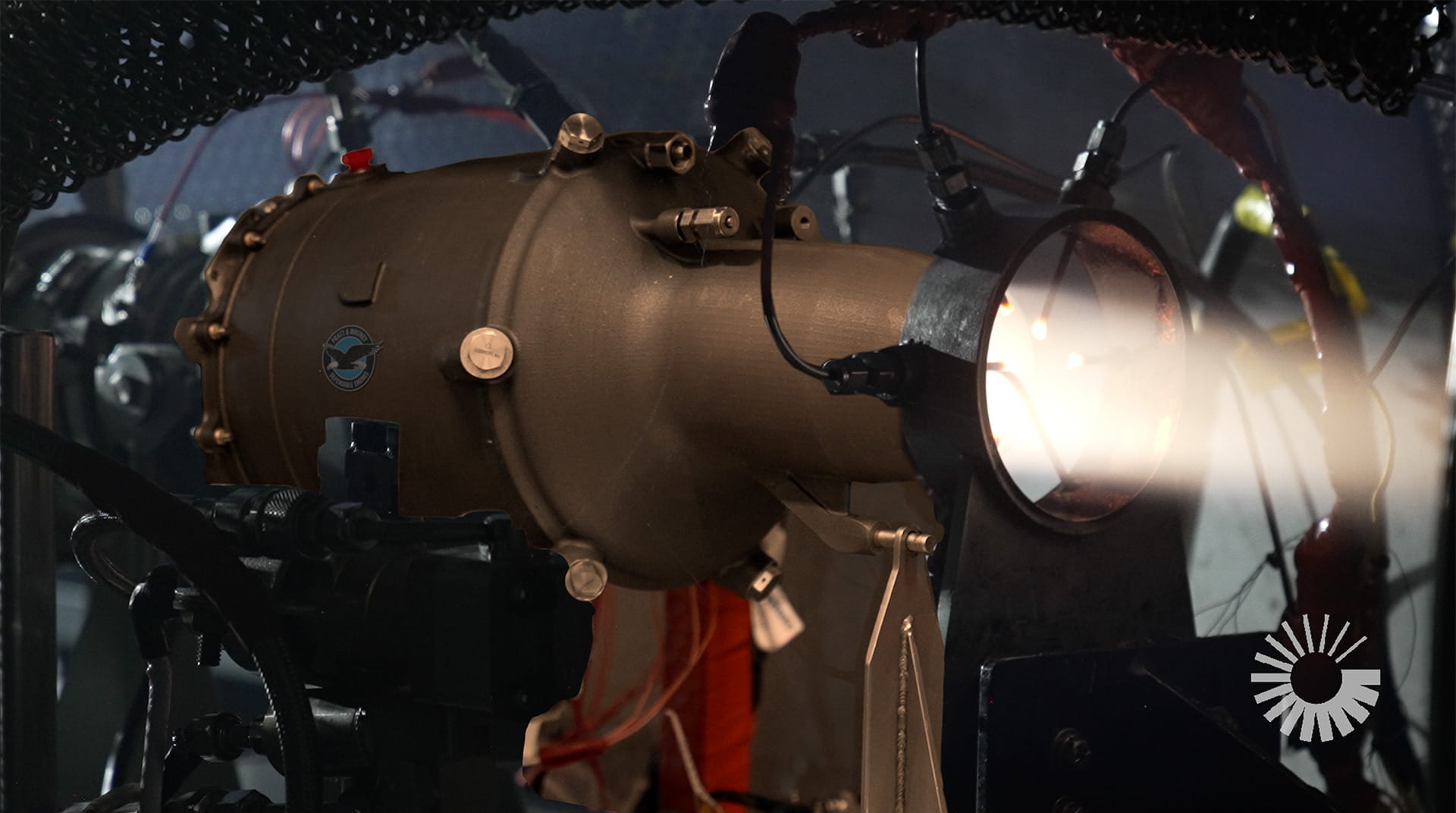 Pratt & Whitney Completes Testing of 3D-Printed TJ150 Engine for Military Applications
-
 Lockheed Martin Unveils MORFIUS X-Rotor High-Power Microwave System That Can Neutralize 50+ Drones in One Flight
-
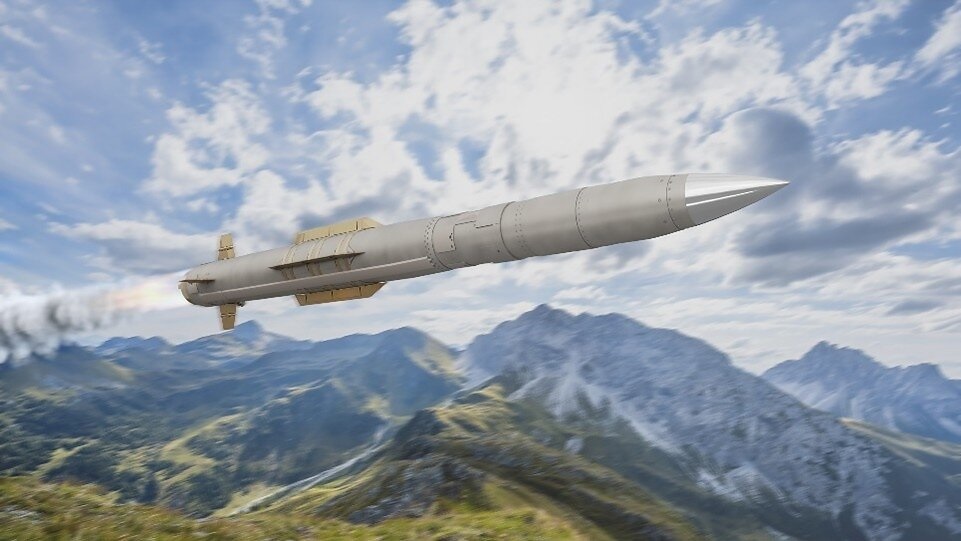 Lockheed Martin Unveils Lower-Cost PAC-3 ACE Interceptor for Patriot Air Defense System
-
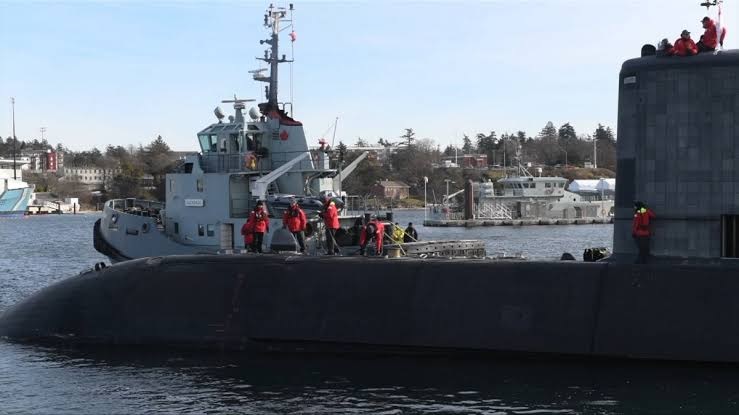 Canada Awards Babcock $1.1 Billion Six-Year Contract Extension to Support Victoria-Class Submarine Fleet
