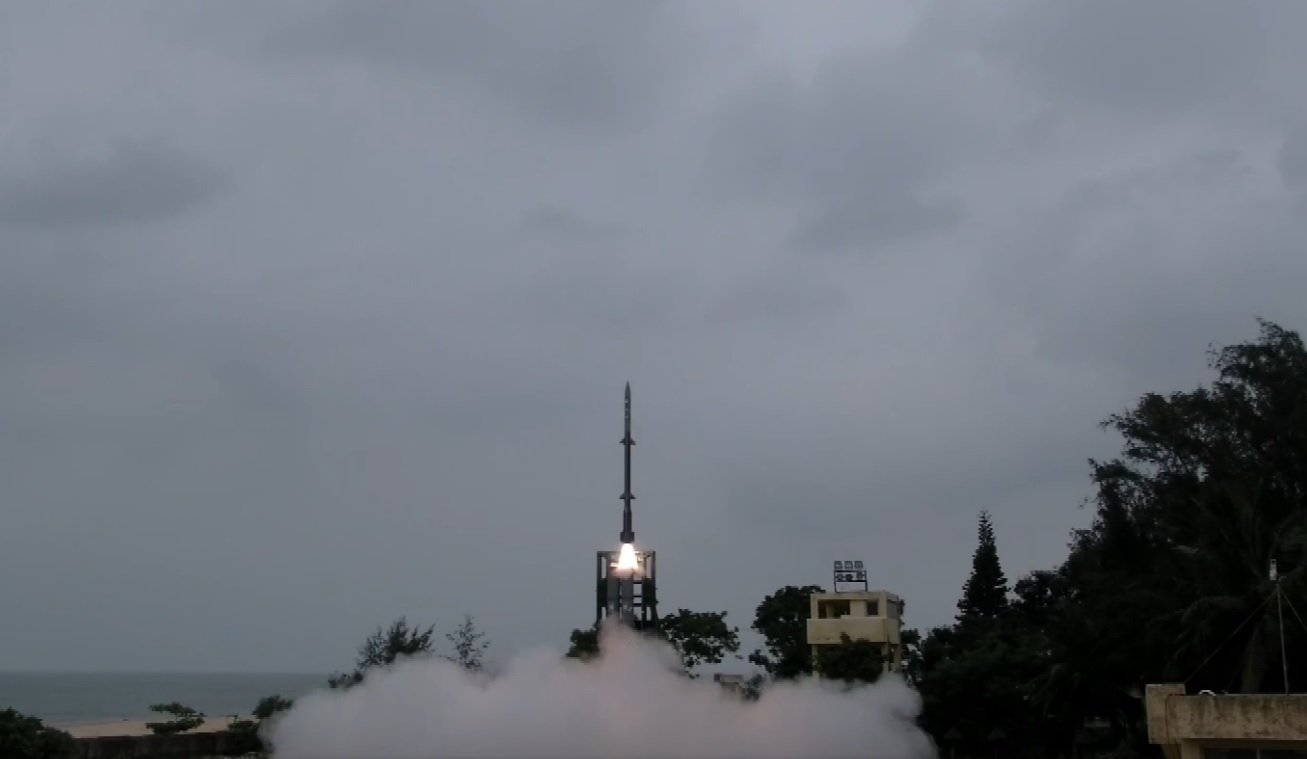
VOTKINSK, Russia : Ukrainian forces conducted a long-range precision strike on the night of February 20 against the Votkinsk Machine Building Plant in Russia’s Udmurt Republic, targeting a facility central to the country’s ballistic missile production network. The attack was carried out using domestically produced FP-5 “Flamingo” cruise missiles and struck infrastructure associated with the manufacture of missile engines and structural components.
Strike Details and Damage Assessment
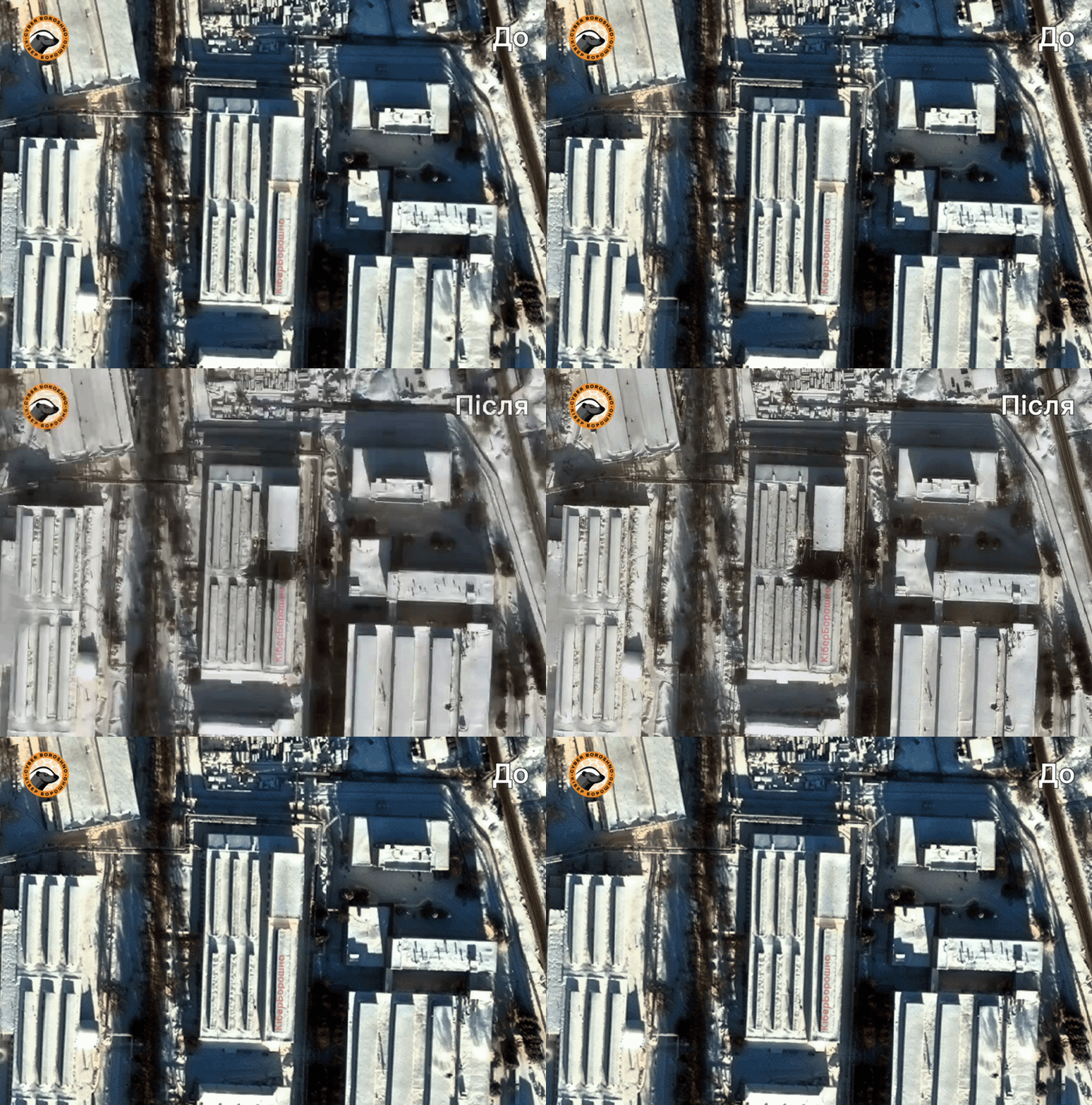
According to satellite imagery reviewed after the incident, one of the missiles directly hit Workshop No. 19 within the plant complex. The imagery indicates a 30-by-24-meter breach in the roof of the building, consistent with an internal explosion following impact. Structural damage visible in the imagery suggests that the workshop has likely been rendered inoperable.
Workshop No. 19 plays a specialized role in the plant’s production chain. It is used to forge metal body components for missiles, including the 9M723 ballistic missiles deployed as part of Russia’s Iskander-M operational-tactical missile system. Defense analysts assessing the imagery state that the scale of the structural damage would significantly disrupt the workshop’s operations in the near term.
The FP-5 “Flamingo” cruise missile used in the strike is a Ukrainian-developed long-range system produced by the defense firm Fire Point. The weapon has been publicly presented as part of Ukraine’s expanding domestic strike capabilities designed to reach military-industrial facilities deep inside Russian territory.
Russian Confirmation and Casualties
Regional authorities in the Udmurt Republic confirmed that a facility in the region had been attacked. Alexander Brechalov, head of the republic, acknowledged the strike without detailing the specific industrial site.
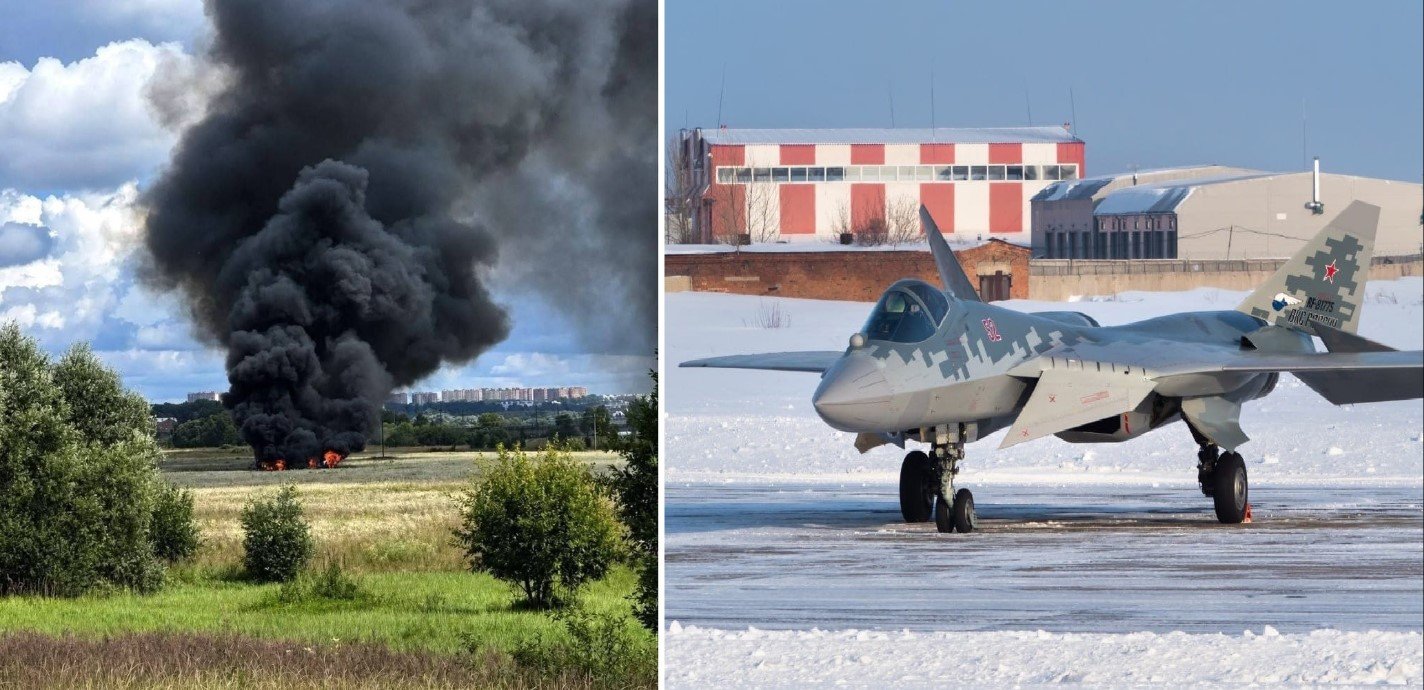
Local health authorities reported that 11 people were injured as a result of the incident. Three individuals required hospitalization, and no fatalities were reported. Video footage and photographs shared by residents in Votkinsk showed black smoke rising from the direction of the plant and damage to nearby residential buildings, consistent with the impact and subsequent explosion.
Strategic Role of the Votkinsk Plant
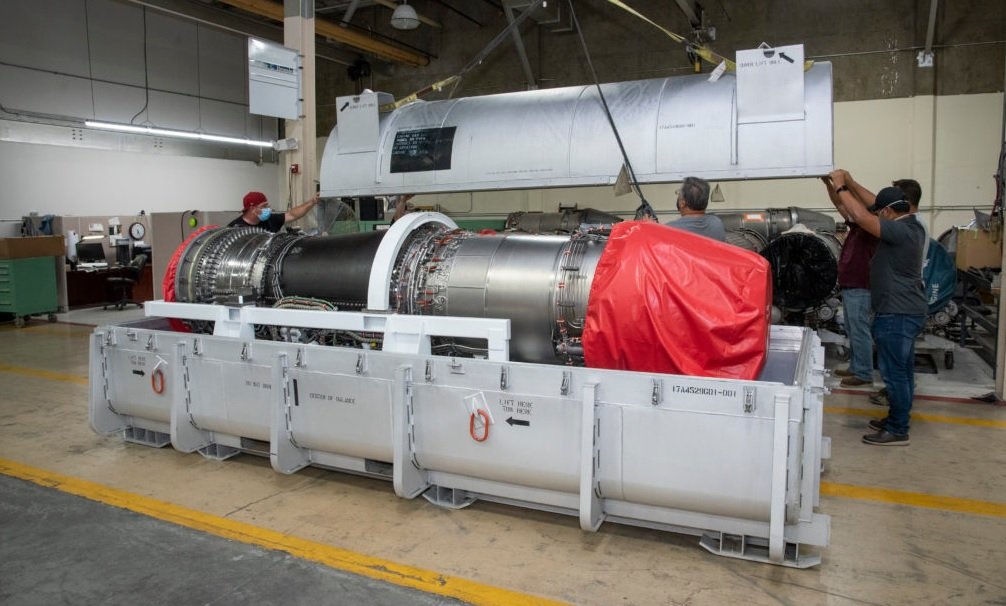
The Votkinsk Machine Building Plant, located approximately 1,300 kilometers from the Ukrainian border, is considered one of the core enterprises within Russia’s defense-industrial complex. The facility manufactures solid-fuel engines and key structural components for multiple categories of ballistic missiles.
In addition to producing components for the Iskander-M system, the plant manufactures parts for intercontinental ballistic missiles (ICBMs) such as the RS-24 Yars and Topol-M systems. It is also involved in production related to the Bulava submarine-launched ballistic missile and the recently developed Oreshnik intermediate-range ballistic missile.
The plant’s infrastructure spans dozens of specialized workshops and assembly buildings, distributed across a large industrial area and organized under a decentralized production structure.
Production Impact and Operational Implications
Although Workshop No. 19 sustained significant structural damage, the broader impact on overall missile production remains uncertain. Military analysts note that the Votkinsk facility consists of multiple independent production nodes, and disruption of a single workshop may not immediately halt overall output.
Experts indicate that fully disabling production at such a complex would require a sustained campaign involving multiple precision strikes targeting various manufacturing and assembly units across the site.
The February 20 operation highlights Ukraine’s expanding ability to conduct deep-strike operations against strategic industrial facilities within Russian territory. The long-term consequences for Russia’s missile production capacity will depend on the speed of repairs, the redistribution of manufacturing tasks, and potential supply chain adjustments within the defense-industrial system.
——— End of Article ———