KYIV / TOKYO : Ukrainian President Volodymyr Zelenskyy has formally expressed Ukraine’s readiness to share its battle-tested naval drone technology with Japan as part of an expanded framework for bilateral defense cooperation, according to remarks made in a recent interview with Japan’s Kyodo News.
The proposal includes joint production, technology transfer, and operational knowledge-sharing in key areas of modern warfare. It is positioned as a reciprocal arrangement under which Ukraine would provide expertise developed during its ongoing war with Russia, while seeking cooperation from Japan in advanced air defense manufacturing, including systems capable of countering ballistic missile threats.
Naval Drone Technology at the Core of Proposal
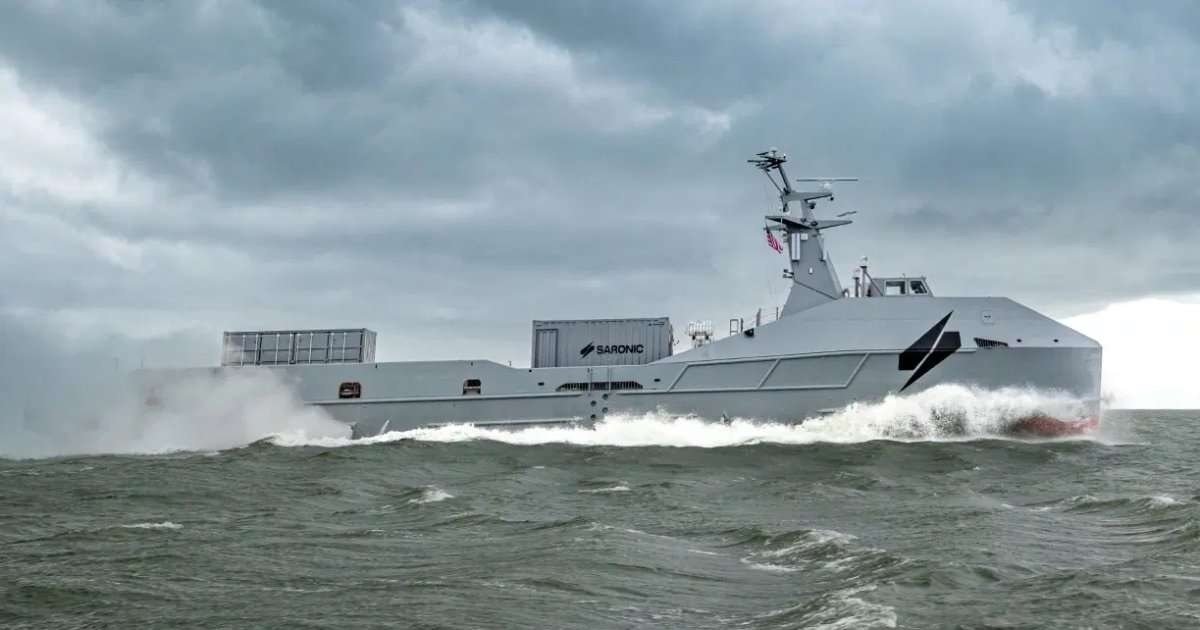
Central to Zelenskyy’s offer is Ukraine’s experience in deploying unmanned surface vehicles (USVs), commonly referred to as sea drones, for coastal defense and maritime strike operations.
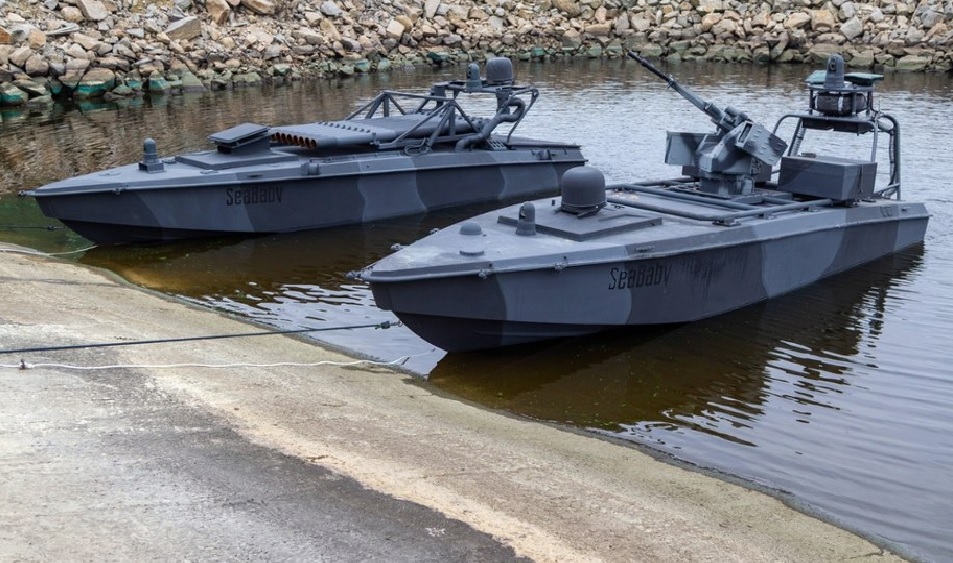
Despite lacking a conventional blue-water navy, Ukraine has developed and operationally deployed domestically produced naval drones, including the Magura V5 and the Sea Baby series. These systems have been used in attacks targeting Russia’s Black Sea Fleet, contributing to the relocation of several Russian naval assets away from occupied Crimean ports and reducing direct maritime pressure on Ukraine’s coastline.
Zelenskyy stated that Ukraine is prepared to “open its technologies,” specifically citing naval drones designed for coastline protection. He noted that the absence of a traditional fleet did not prevent Ukraine from using asymmetric maritime tactics to challenge a larger naval force.
The proposed cooperation with Japan includes potential joint production arrangements, licensed manufacturing, technical documentation exchange, and the sharing of combat experience derived from operational deployment in contested maritime environments.
Broader Military and Security Cooperation
In addition to naval drone systems, Zelenskyy outlined other areas where Ukraine is prepared to share expertise developed since the start of Russia’s full-scale invasion.
These areas include cybersecurity and electronic warfare, where Ukraine has accumulated extensive experience defending against cyberattacks and electronic disruption targeting military and civilian systems.
Ukraine also offered knowledge related to interceptor drones — automated and AI-assisted aerial systems designed to detect and neutralize reconnaissance and strike drones. Such systems have become a key component of layered air defense against loitering munitions and low-altitude threats.
Another area of proposed cooperation involves crisis management and infrastructure resilience. Ukraine has implemented large-scale emergency response and grid-repair strategies to maintain energy generation and distribution during sustained missile and drone attacks. This includes rapid restoration techniques, decentralized power solutions, and hardened infrastructure planning.
Strategic Context for Japan
For Japan, the potential acquisition or co-development of cost-effective unmanned maritime systems could complement its existing naval capabilities.
Japan faces ongoing maritime tensions in the East China Sea, including around the Senkaku Islands, and broader strategic competition in the Indo-Pacific. It also monitors missile and naval developments by China and North Korea.
Defense analysts assess that unmanned surface vessels equipped for reconnaissance or strike missions could provide additional coastal defense and deterrence capabilities without exposing crewed vessels to direct risk. Such systems may also support area denial strategies in island chains and contested maritime zones.
Japan’s Maritime Self-Defense Force has been expanding its focus on unmanned systems as part of its broader modernization strategy.
Ukraine’s Interest in Air Defense Cooperation
In return, Ukraine is seeking deeper cooperation with Japan’s defense manufacturing sector, particularly in air defense systems capable of intercepting ballistic missiles.
Zelenskyy noted that Japan is among the countries that possess licensed production or domestic manufacturing capacity for advanced air defense interceptors, including Patriot surface-to-air missile systems produced under U.S. license.
Ukraine continues to face regular ballistic and cruise missile attacks targeting urban centers and energy infrastructure. Strengthening interceptor production capacity and securing a stable supply chain for air defense munitions remains a priority for Kyiv.
Japan has historically maintained strict arms export controls under its pacifist postwar framework. However, the Japanese government has eased certain restrictions in recent years to allow greater defense industrial cooperation with partners.
In late 2025, Japan transferred domestically produced Patriot interceptors to the United States to help replenish U.S. stockpiles. Those U.S. stockpiles support broader allied security assistance efforts, including aid to Ukraine.
Zelenskyy’s proposal envisions more direct industrial cooperation, potentially involving joint production, licensed assembly, or technical collaboration related to air defense components.
Diplomatic Engagement
Zelenskyy indicated his readiness to meet Japanese Prime Minister Sanae Takaichi to discuss the proposal in detail. He stated that such discussions could take place in Ukraine, in Japan, or on the sidelines of an upcoming multilateral summit.
The proposed framework, if advanced, would represent an expansion of Ukraine–Japan defense ties beyond financial and humanitarian assistance into operational and industrial collaboration. Discussions are expected to focus on feasibility, legal frameworks governing technology transfer, and alignment with Japan’s defense export regulations.
No formal agreement has yet been announced, but officials from both sides are expected to continue consultations regarding the scope and structure of potential cooperation.
——— End of Article ———