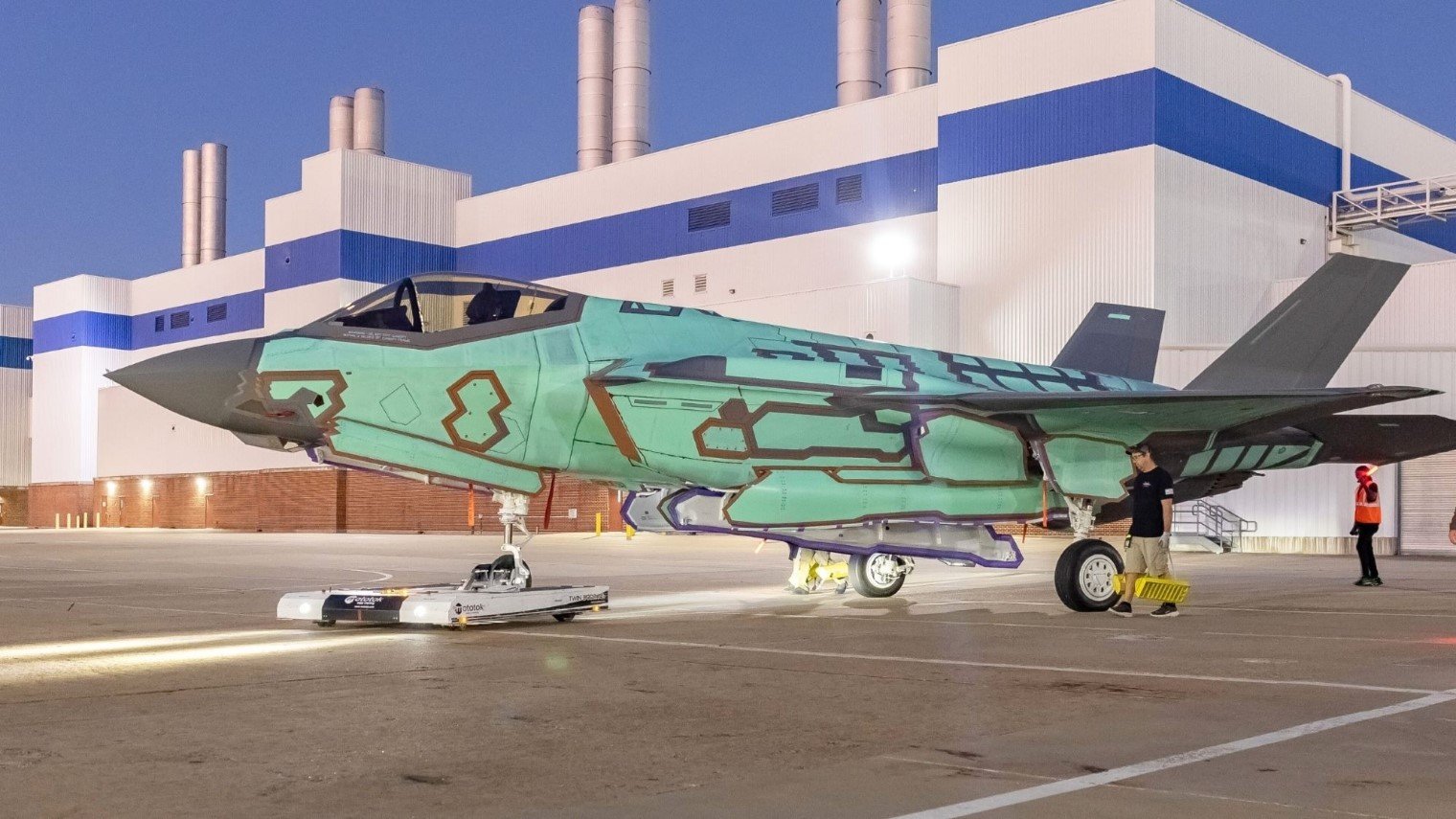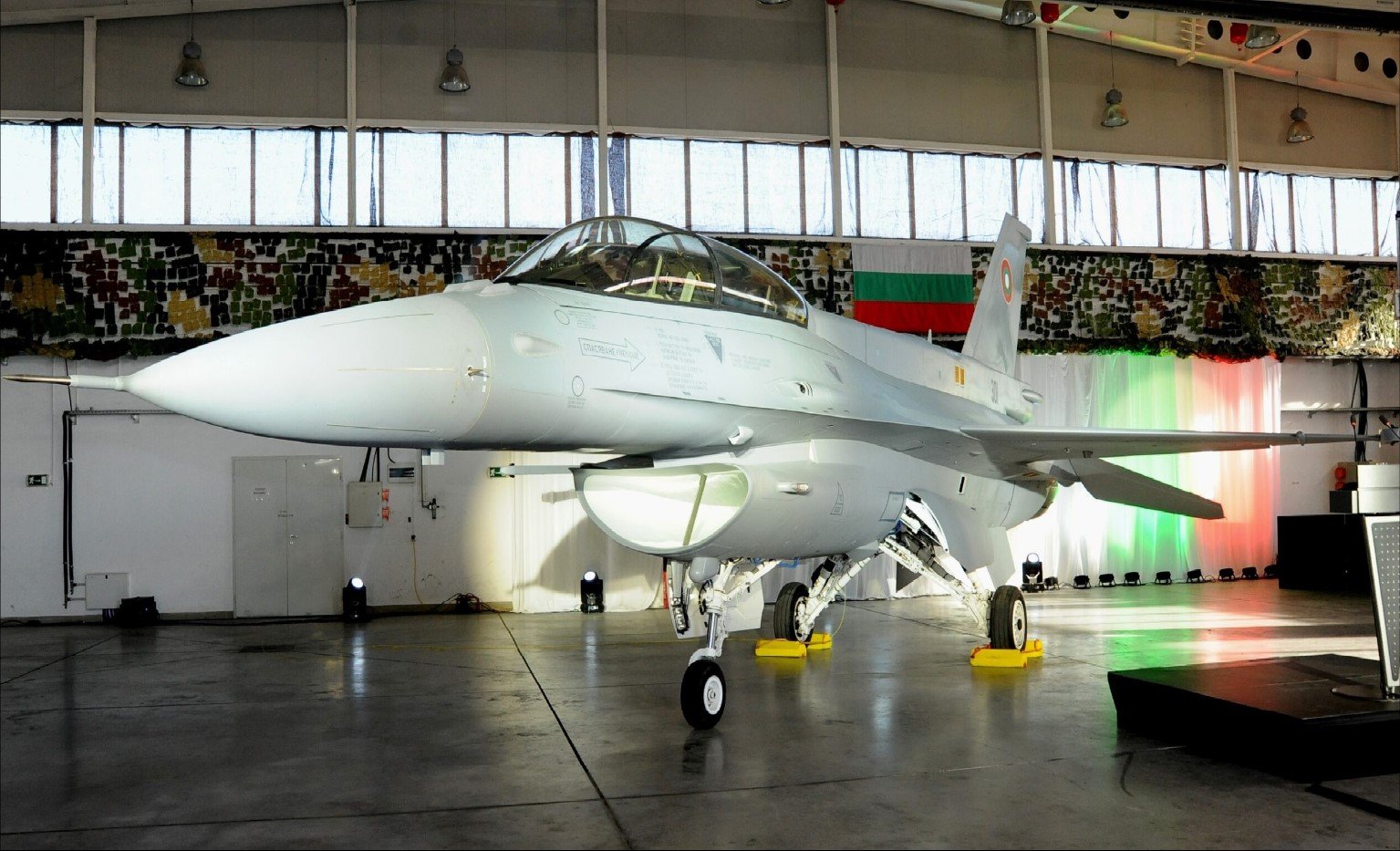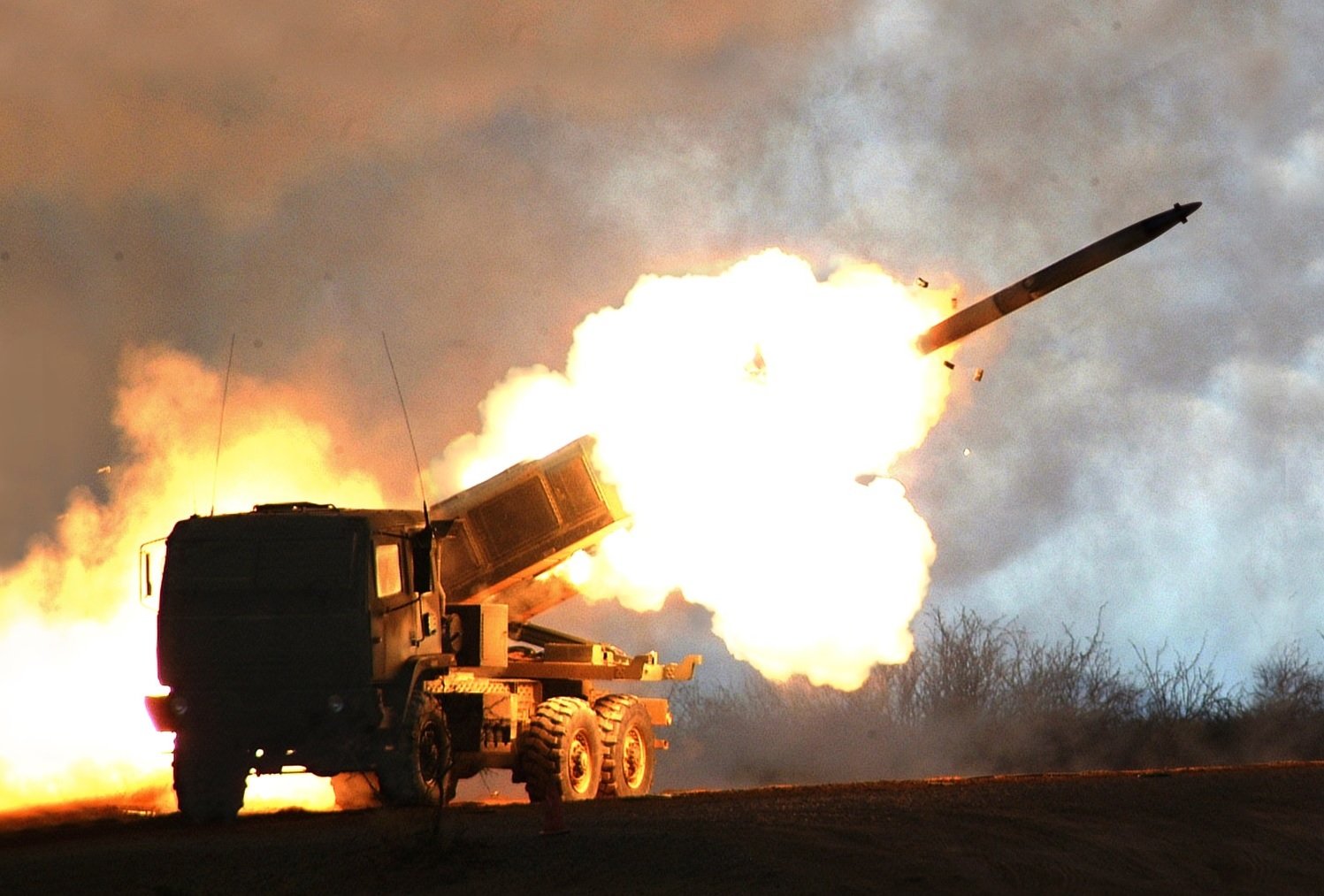
WASHINGTON : A former senior U.S. naval intelligence official has publicly stated that the United States is positioned to rapidly achieve air superiority over Iran and could dismantle much of Tehran’s conventional military infrastructure within a matter of hours if directed to do so.
Retired U.S. Navy Captain James Fanell, who previously served as Director of Intelligence for the U.S. Pacific Fleet, made the assessment in recent interviews on conservative media outlets, including Real America’s Voice and Bannon’s WarRoom. According to multiple social media summaries of his remarks, Fanell described the relative military capabilities of the United States and Iran and outlined the potential pace and scope of American air operations in a direct conflict.
Assessment of U.S. Capability and Timeline
Fanell stated that American forces currently deployed in and around the Middle East possess the capability to establish complete control of the airspace over Iran shortly after the initiation of hostilities. He said that, if ordered by U.S. political leadership, the U.S. military could neutralize Iranian surface-to-air missile systems, radar installations, and other elements of Iran’s air defense network in a compressed timeframe.
According to summaries of the remarks, Fanell asserted that this would allow the United States to achieve what military planners term “air supremacy” — complete dominance of the air domain — within a few hours of commencing operations. He further suggested that once airspace control is established, U.S. forces could conduct precision strikes against a range of Iranian military and command-and-control targets.
Fanell also used language indicating that U.S. capabilities could, in his view, effectively destroy “100% of Iran’s military,” a phrase that reflects his perspective on the scale of potential U.S. operations rather than an official Department of Defense estimate.
Comparisons with Recent Regional Conflicts
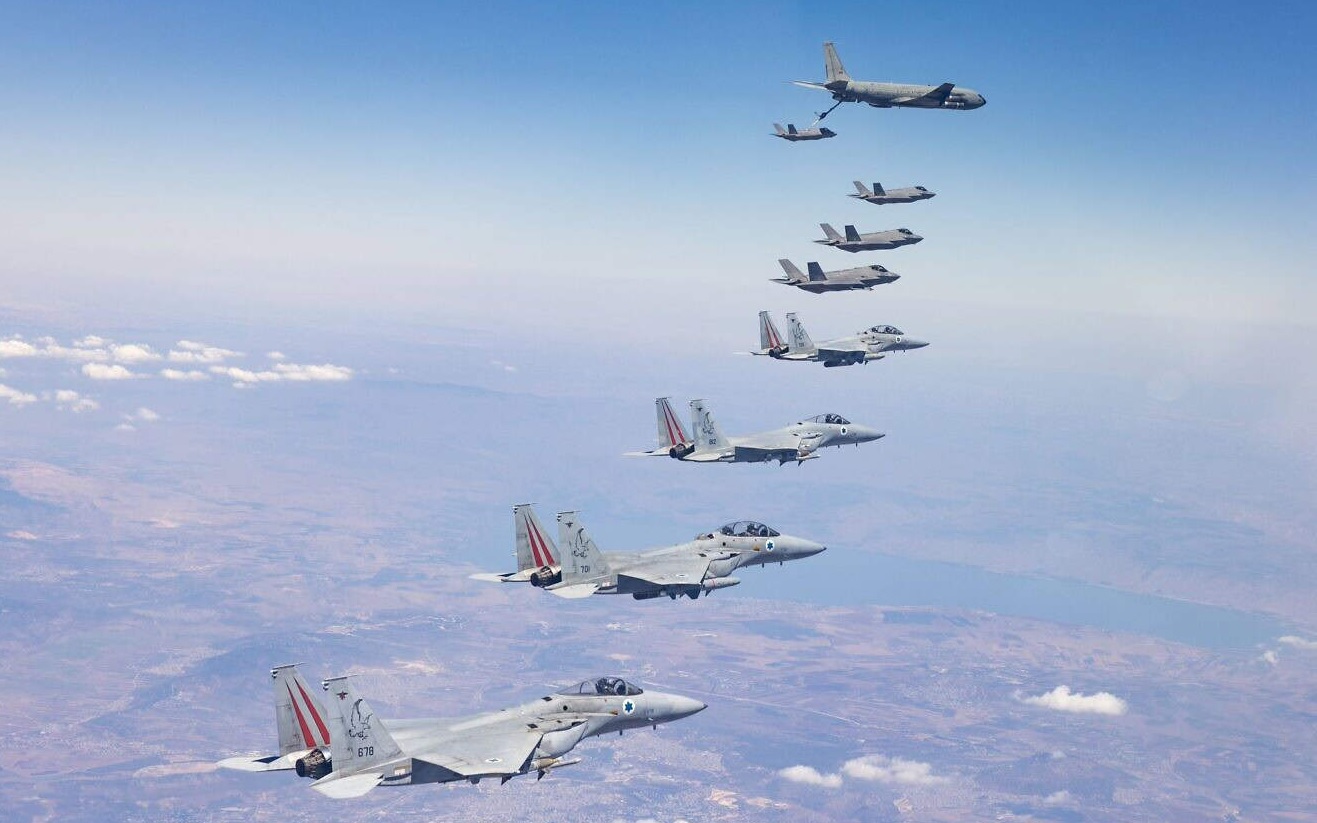
Analysts have referenced the 12-day conflict between Israel and Iran in June 2025 as a precedent for rapid air operations against Iranian air defenses. During that conflict, the Israeli Air Force (IAF) conducted a coordinated campaign targeting advanced radar sites and Russian-supplied S-300PMU missile batteries, and multiple defense analysts noted that Israeli forces achieved localized air superiority in less than 48 hours. While the scale and resources of that campaign differed from what would be involved in a U.S. operation, the example has been cited in discussions of how quickly a technologically superior air force can affect the operational environment.
Military observers note that the U.S. Air Force and U.S. Navy operate a larger fleet of stealth aircraft, dedicated electronic warfare platforms, and long-range precision munitions compared with the Israeli Air Force, a disparity Fanell referenced in his remarks.
Pentagon Positioning and Strategic Context
The remarks by Fanell coincide with ongoing statements from U.S. defense officials emphasizing deterrence and readiness. Senior Pentagon leaders have repeatedly underscored the U.S. military’s capacity to maintain operational advantages across multiple domains, including air power. In public addresses, officials have reaffirmed commitments to sustain technological superiority and operational readiness as part of broader defense strategy.
For example, Secretary of War Pete Hegseth has restated that the U.S. armed forces remain equipped to confront regional threats decisively, with the capability to apply force as required under national directives. These statements frame the broader policy context within which assessments like Fanell’s are made.
Operational Planning Considerations
Defense planning documents and military doctrine underscore that achieving air superiority is typically a foundational objective in planning for conflict, as control of the air domain facilitates subsequent operations in other domains. Air supremacy — defined as the highest level of air control where an adversary cannot effectively contest — is distinguished from air superiority by the degree to which enemy forces are incapacitated.
Such operations would involve rapid suppression and destruction of air defense systems, suppression of enemy air forces, and the establishment of freedom of action for friendly aircraft. While military planners consistently prepare for a range of scenarios, assessments of specific timelines or outcomes vary by threat environment, geography, and force posture.
——— End of Article ———