WASHINGTON : U.S. Special Envoy to the Middle East Stephen “Steve” Witkoff has issued a public warning that the Islamic Republic of Iran could be approximately seven days away from producing the highly enriched uranium needed for a nuclear explosive device, according to remarks made in a recent Fox News interview. Witkoff’s comments underscore growing concern in the Trump administration about Tehran’s nuclear programme and coincide with heightened diplomatic and military activity aimed at preventing a broader conflict in the Middle East.
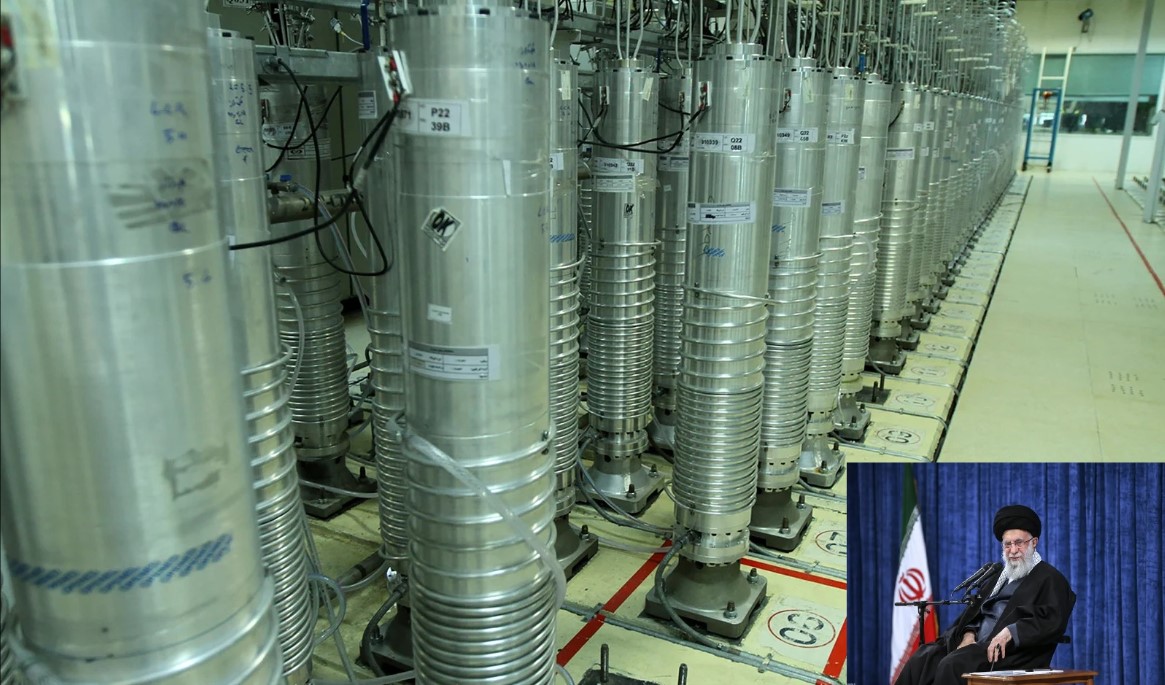
In the televised interview, Witkoff stressed that recent assessments of Iran’s nuclear enrichment capabilities show Tehran has accelerated production of uranium enriched to 60 percent fissile purity — far beyond levels typically required for civilian power generation and research reactors. He stated that, based on technical calculations, Iran could use its existing enriched stockpile to cross the 90 percent threshold often associated with weapon-usable uranium within a matter of days if it chose to do so.
Breakout Time and Enrichment Levels
Uranium enrichment is measured by the percentage of the fissile isotope U-235 present in the material. Natural uranium contains about 0.7 percent U-235, while most commercial nuclear power reactors utilise uranium enriched to around 3–5 percent for fuel. Research reactors may require uranium enriched up to 20 percent, but levels above this have no recognised civilian application. Weapons-grade uranium, suitable for an explosive core in a nuclear device, is typically enriched to 90 percent or more.
The current Iranian enrichment level — around 60 percent — represents a point where the technical effort to progress to 90 percent is reduced, shortening what experts call the “breakout time” to weapon-usable material to just days.
U.S. and allied intelligence assessments, including analyses following strikes on Iranian nuclear infrastructure in June 2025, indicate Tehran retains much of the technical expertise and remaining material capable of rapid enrichment, despite damage inflicted on facilities in previous operations. These operations, which targeted key nuclear sites, were intended to delay Iran’s pathway towards advanced enrichment but did not eliminate its programme.
Diplomatic Efforts and U.S. Military Posture
Witkoff’s statement comes as indirect talks between U.S. envoys and Iranian officials have continued in efforts to reach an agreement that would constrain Tehran’s nuclear activities. The U.S. has maintained firm red lines, including demands that uranium enrichment cease and that Iran relinquish its existing stockpile of higher-enriched material or dilute it to levels consistent with peaceful use only. Tehran has reiterated that its nuclear programme is for civilian purposes and has pushed back against demands to halt enrichment entirely.
In parallel with diplomacy, the U.S. has built up naval and air forces in the Middle East. President Donald Trump — in statements echoed by his envoy — has expressed puzzlement at Tehran’s refusal to capitulate to U.S. demands under sustained military pressure, although administration officials have described negotiations as ongoing and potential compromise options being discussed.
Regional and Internal Pressures
Regional tensions remain high, with recent diplomatic exchanges, military exercises, and protests within Iran adding layers of pressure on Tehran’s leadership. While some progress has been reported in reaching basic principles for further negotiations, substantive issues including Iran’s enrichment levels and verification mechanisms remain unresolved.
International agencies, including the International Atomic Energy Agency (IAEA), continue to monitor Iran’s nuclear activities closely. The agency has previously reported on Iran’s enrichment levels and the presence of significant quantities of enriched uranium, underscoring concerns about proliferation risks if negotiations fail to produce verifiable limitations on Tehran’s programme.
As of now, U.S. officials emphasise the importance of a diplomatic outcome paired with robust monitoring while maintaining that they are prepared to consider further options if Iran crosses thresholds that could further shorten the timeline to a nuclear weapon.
——— End of Article ———